How to Brew Specialty Coffee Beans Bali for Better Flavor at Home
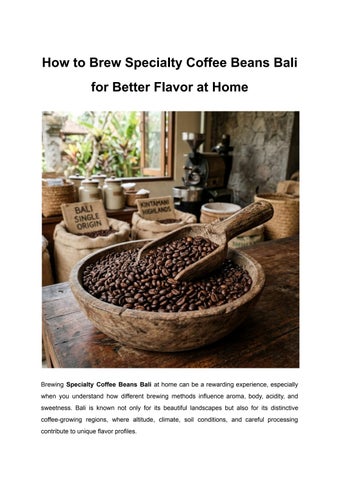
Brewing Specialty Coffee Beans Bali at home can be a rewarding experience, especially when you understand how different brewing methods influence aroma, body, acidity, and sweetness. Bali is known not only for its beautiful landscapes but also for its distinctive coffee-growing regions, where altitude, climate, soil conditions, and careful processing contribute to unique flavor profiles.
A high-quality Bali coffee bean can offer complex notes ranging from chocolate and caramel to citrus, tropical fruit, and subtle spices. However, buying premium coffee beans is only the first step. The way you grind, measure, and brew the coffee has a major impact on what ends up in your cup. If you want to explore more about premium coffee selections from the island, visit https://royalhindia.com/id/specialty-coffee-di-bali/. Understanding the characteristics of specialty coffee can also help you choose a brewing technique that highlights the best qualities of each bean. In this guide, we will explore three practical brewing methods to unlock the best flavor of Bali coffee at home. Whether you prefer a clean and bright cup, a rich and full-bodied brew, or a more balanced everyday coffee, the right method can make a noticeable difference.
Why Brewing Method Matters for Specialty Coffee Beans Bali Every brewing method extracts coffee differently. Factors such as water temperature, contact time, grind size, and filtration determine which compounds dissolve into the final cup. This is particularly important when brewing specialty-grade coffee because carefully produced beans often contain delicate and distinctive flavor notes worth preserving. For example, a pour-over method can highlight clarity and acidity, making it easier to identify fruity or floral characteristics. An immersion method may produce more body and sweetness, while pressure-based brewing can create a concentrated and intense flavor. To get the most from your Bali coffee beans, start with a few basic principles: ● Use freshly roasted coffee whenever possible. ● Grind the beans shortly before brewing. ● Use clean, filtered water. ● Measure both coffee and water consistently. ● Adjust your grind size based on the brewing method. ● Avoid excessively high water temperatures that may create bitterness.
These small details can help reveal the natural characteristics developed during cultivation and processing. A carefully brewed cup often tastes more balanced and expressive than coffee prepared without attention to extraction.
Method 1: Pour-Over for a Clean and Aromatic Cup Pour-over brewing is one of the best methods for coffee drinkers who enjoy clarity and a more detailed flavor experience. Devices such as a V60, Kalita-style dripper, or other manual brewers allow you to control water flow and extraction. For many Specialty Coffee Beans Bali, pour-over brewing can highlight bright acidity, floral aromas, and subtle fruit notes. This method works especially well when you want to explore the coffee's individual character without the heavier body created by metal filters or prolonged immersion.
Basic Pour-Over Recipe A good starting ratio is 1:15 to 1:17, depending on your taste preference. For example: ● 20 grams of freshly ground coffee ● 300 to 340 grams of water ● Medium-fine grind ● Water temperature around 90–96°C Start by pouring a small amount of water over the grounds for approximately 30 to 45 seconds. This stage, often called blooming, helps release trapped carbon dioxide and prepares the coffee for more even extraction. Then continue pouring slowly in controlled stages. Try to keep the brewing time consistent, generally around two and a half to four minutes depending on the dripper, recipe, and grind. If the coffee tastes sour or thin, try using a slightly finer grind or extending extraction. If it tastes bitter and dry, use a slightly coarser grind or shorten the brew. Small adjustments can significantly improve the final result.
Method 2: French Press for More Body and Sweetness
The French press is an excellent choice for people who prefer a fuller, heavier mouthfeel. Unlike paper-filter brewing, the metal mesh filter allows more coffee oils and fine particles into the cup. This often creates a richer texture and stronger body. For Bali coffee with chocolate, nutty, caramel, or spice-like notes, the French press can emphasize sweetness and depth. It is also a relatively simple method for home brewers because it requires minimal equipment and does not demand precise pouring techniques. A useful starting recipe includes: ● 30 grams of coffee ● 500 grams of water ● Coarse grind ● Water temperature around 92–96°C ● Total brewing time of approximately four minutes Pour the water evenly over the coffee grounds and ensure all grounds become saturated. Let the coffee steep, then slowly press the plunger down. Avoid pressing too aggressively, as this can disturb fine particles and create excess sediment in the cup. For
those
building
a
better
home
coffee
routine,
https://royalhindia.com/id/specialty-coffee-di-bali/ can serve as a useful starting point for learning more about the value and characteristics of quality Bali specialty coffee. One advantage of the French press is its versatility. You can experiment with longer steeping times for more intensity or adjust the coffee-to-water ratio for a stronger cup. However, consistency remains important. Change only one variable at a time so you can understand how each adjustment affects flavor.
Method 3: AeroPress for a Versatile and Balanced Brew The AeroPress is a highly versatile brewing method that can produce anything from a clean, tea-like coffee to a fuller and more concentrated cup. Its combination of immersion and pressure gives home brewers plenty of room to experiment.
This method can be particularly useful when brewing specialty coffee because you can easily adjust several variables, including grind size, water temperature, steeping time, agitation, and dilution. A simple starting recipe is: ● 15 grams of coffee ● 200 grams of water ● Medium-fine grind ● Water temperature around 85–93°C ● Steep for one to two minutes before pressing Stir gently after adding the water, then press slowly and steadily. If you prefer a stronger coffee, use less water or add more coffee. If the result feels too concentrated, dilute it with hot water after brewing. The AeroPress is also a practical choice for beginners because it offers a relatively forgiving brewing process. Even small recipe changes can create noticeable differences without requiring expensive equipment. For example, a cooler temperature may preserve delicate sweetness and fruitiness, while hotter water can increase extraction and intensity. A finer grind generally extracts faster, whereas a coarser grind may create a lighter and cleaner profile.
How to Choose the Right Method for Bali Coffee There is no single brewing method that works perfectly for every coffee. The best choice depends on the bean's roast level, processing method, flavor profile, and your personal preference. Choose pour-over if you want: ● Clean flavor separation ● Bright acidity ● Floral or fruity notes ● A lighter body
Choose a French press if you prefer: ● Rich texture ● Fuller body ● Stronger sweetness ● Chocolate or nutty characteristics Choose an AeroPress if you want: ● Flexibility ● Easy experimentation ● Balanced flavor ● A practical option for everyday brewing It is worth experimenting with the same coffee using more than one method. A single Bali coffee can taste completely different depending on how you prepare it. One method may reveal citrus-like acidity, while another may emphasize chocolate, caramel, or earthy sweetness. Freshness also plays an important role. Store roasted beans in an airtight container away from direct sunlight, heat, and excessive moisture. Avoid keeping coffee in an environment where strong odors can affect its aroma. Most importantly, use a consistent recipe as your baseline. Once you understand how a coffee tastes with a standard ratio and brewing time, you can begin adjusting individual variables with more confidence.
Conclusion Learning how to brew specialty coffee at home does not require complicated techniques. By choosing the right method and controlling basic variables, you can unlock more of the aroma, sweetness, acidity, and body found in high-quality Bali coffee. Pour-over brewing offers clarity and complexity, the French press delivers body and richness, and the AeroPress provides flexibility for different flavor preferences. Each method can reveal a different side of the same coffee bean.
The key is to start with quality beans, use fresh water, grind immediately before brewing, and experiment gradually. With a little practice, Specialty Coffee Beans Bali can deliver a more enjoyable and distinctive coffee experience right from your own kitchen. For further information about discovering quality specialty coffee from Bali, you can also explore https://royalhindia.com/id/specialty-coffee-di-bali/.