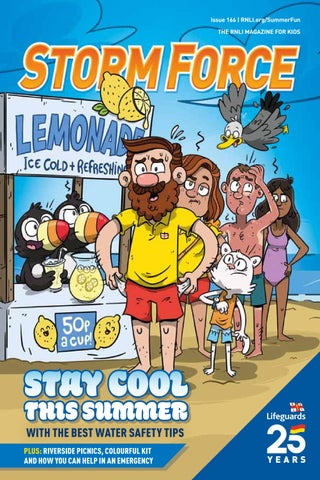


Storm Force 166 | taster

Page 1


3 1

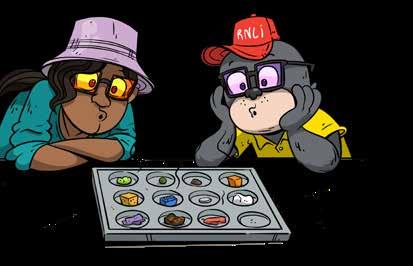
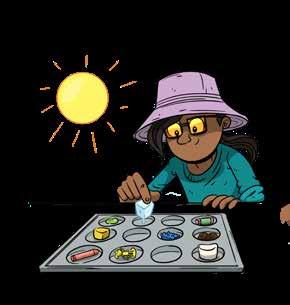
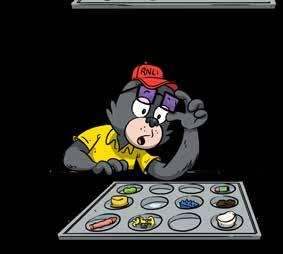
Check what has happened after 10 minutes.
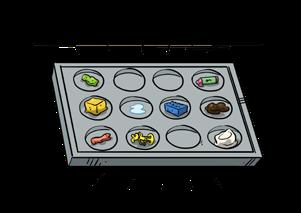
Any surprises?

WHAT HAPPENED?

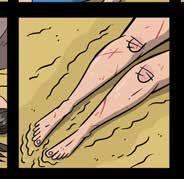
Some things melted faster than others, while some things stayed the same. But, most importantly, this experiment shows how powerful the sun is. If its rays can melt chocolate and crayons, imagine how they affect your skin. That’s why it’s important to:

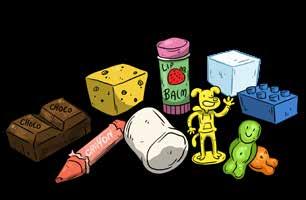
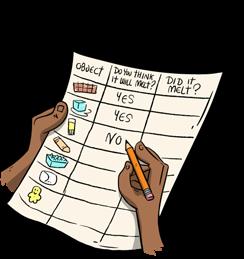
While you wait, guess which ones will melt. You could make a list of objects, guesses and results. 2

• slip on a T-shirt

• slap on a hat

• slop on some suncream. You'll be a sunshine superstar!
KNOW YOUR

FLAGS BEACH AND SIGNS

1

When you visit the beach, you’ll see signs with important safety information. If it’s a lifeguarded beach, you’ll also see flags to show you where it’s safe to go in the water –and where it isn’t! Let’s find out what they all mean …
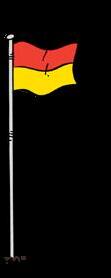
1. RED-AND-YELLOW FLAGS

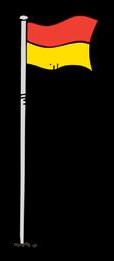
The area between the red-and-yellow flags is the safest place to swim and bodyboard. When these flags are flying, it also means the lifeguards are on duty and they are looking out for you.

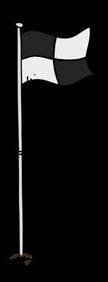
2. BLACK-AND-WHITE CHEQUERED FLAGS

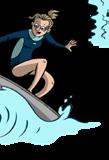
The area between the black-and-white flags is for watersports – like surfing, paddleboarding, kayaking and using other non-powered craft. Do not swim or bodyboard here.

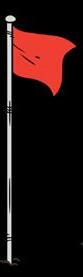
3. RED FLAG

This means danger, stay out of the water It shows that there is a serious hazard and that water conditions are not safe for swimming or other activities.

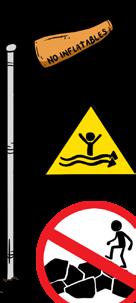
4. ORANGE WINDSOCK

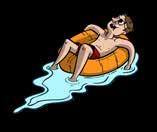
This means danger, do not use inflatables. It shows that there are strong winds blowing out to sea. Never use blow-up lilos, rings or toys on the water when the windsock is flying.

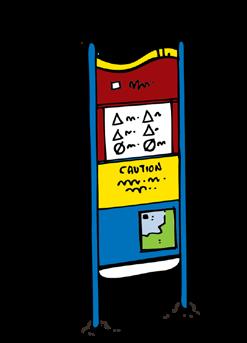
5. BEACH SAFETY SIGN

Most beaches have safety signs that show important information. This includes important safety information about hazards in the area. They usually use two types of warning symbols, and some include symbols that show general information about the area too.

A. HAZARD SYMBOL (BEWARE)

The yellow triangle warns you of dangers that may cause harm. The triangle will have different symbols inside it, depending on what the hazard is. This example warns you not to get trapped by the rising tide.

Black and white symbols tell you about handy services in the area, like toilets or a café. This one says there’s an information point nearby. 3 4 5 A B C

B. PROHIBITION SYMBOL (DON’T DO IT)

A red circle with a line through it tells you that something is forbidden (not allowed) for your own safety. There may be different symbols inside it, depending on what activity is forbidden. This one says no fishing.

C. PUBLIC INFORMATION SYMBOL

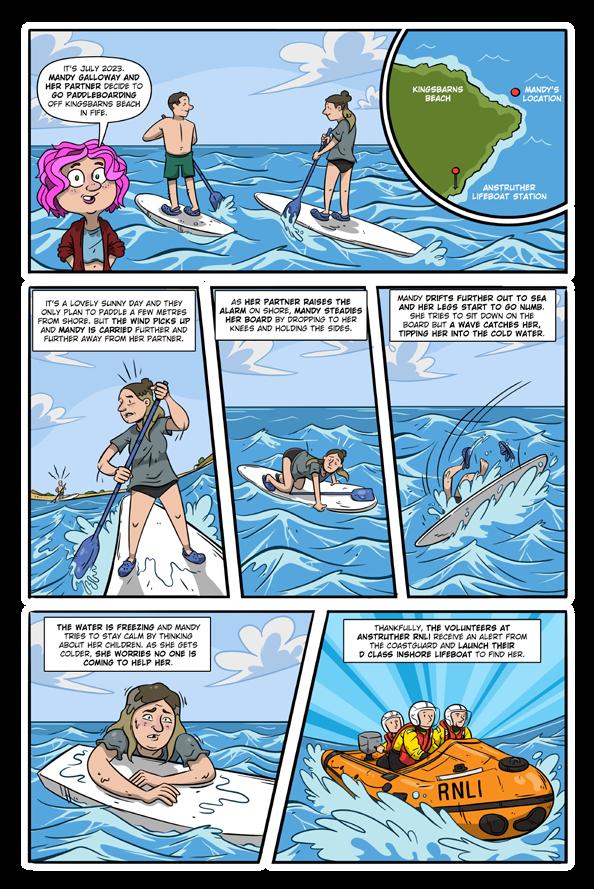
TO SEA DRIFTING OUT

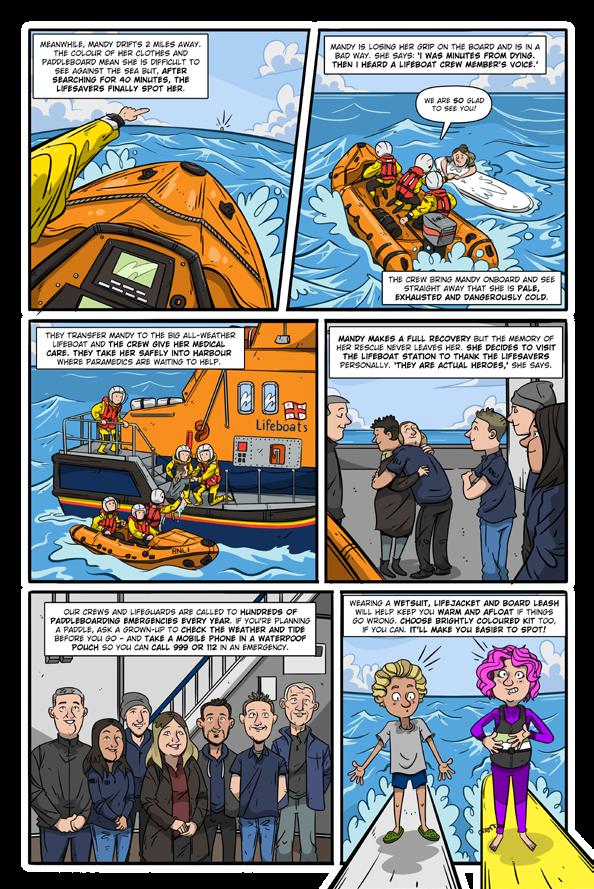
CASUALTIES CARING FOR

of the water – sometimes you need to look after sick and injured casualties too

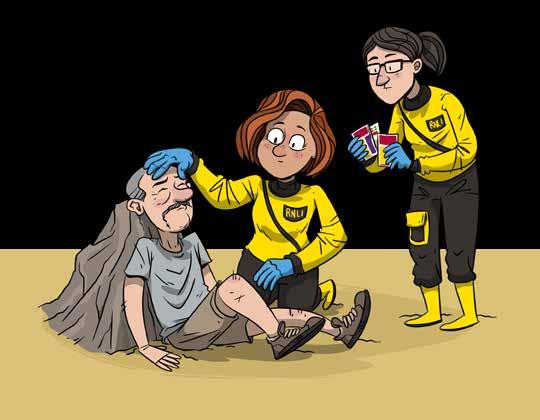
That’s why our crews and lifeguards are trained in a special kind of first aid called casualty care.

They learn how to look after people with bumped heads, bleeds and broken bones. But they also know what to do if someone is seriously cold, has swallowed seawater, or has a problem with their heart.

LEARN LIFESAVING TIPS

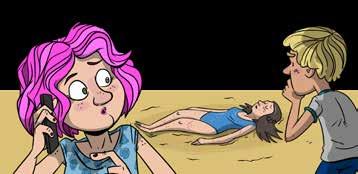
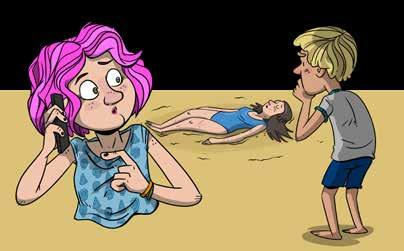
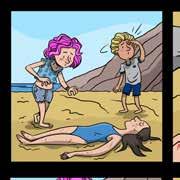
Anyone can learn basic life support skills – kids too! You don’t have to do anything scary, and it could mean that you help save a life. What if someone collapses and isn’t moving? Here’s how you could help …

This is the most important bit. Shout for an adult or dial 999/112 and ask for an ambulance.

DREMEMBER Dr

is for danger. Look around to make sure nothing could hurt you or the casualty. Keep away if the area isn’t safe.

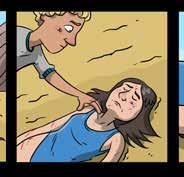
ris for response. Gently tap the person on the shoulder and say: ‘Open your eyes.’ Don’t get your face too close to theirs.

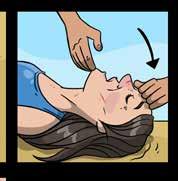
B CAis for airway. If they don’t respond, check they can get air in through their mouth. If not, lift their chin and tilt their head back so they can get air in.

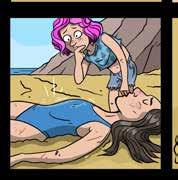
is for breathing. Count to ten while you check that their tummy is going up and down.

is for circulation. If they are breathing, check from head to toe for any bleeding.

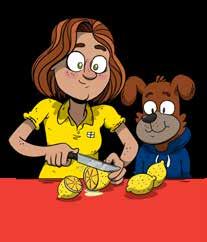
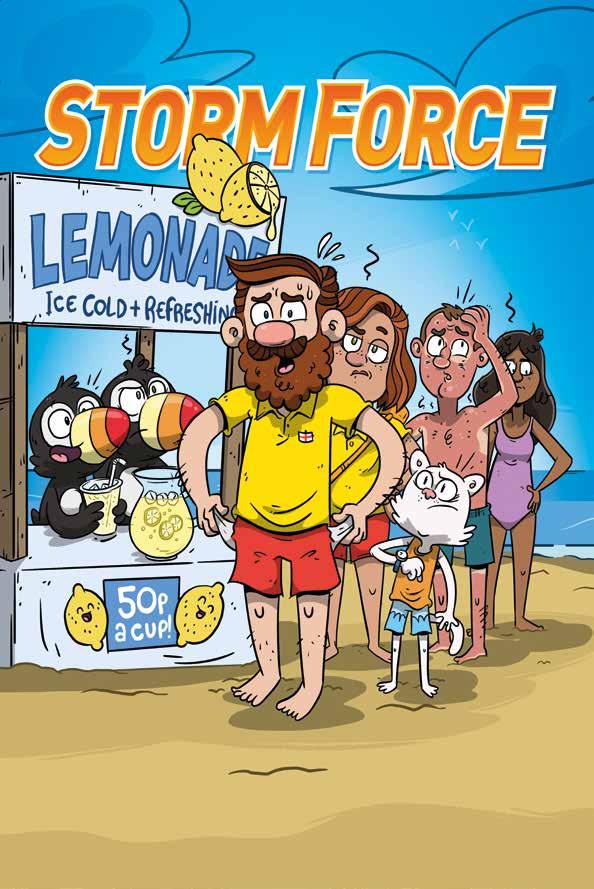
LEMONADE

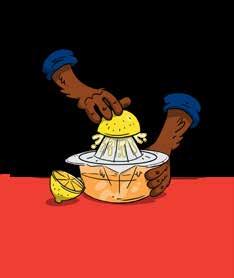
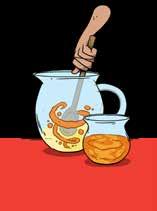
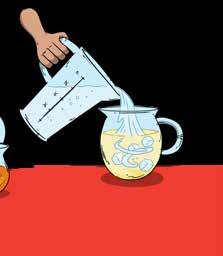
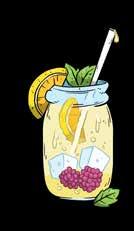
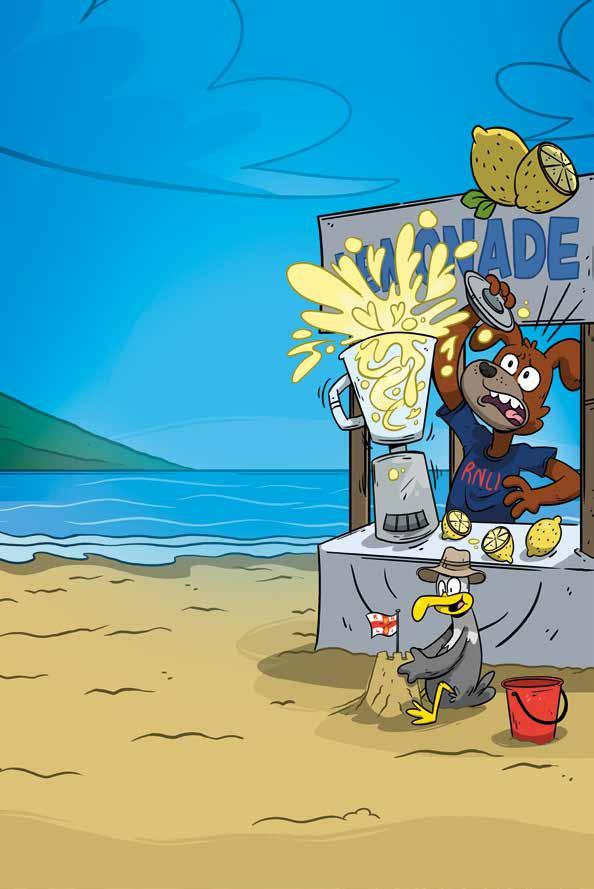
Don’t make a mess like Ruff! You can make delicious lemonade with a hand juicer and these simple ingredients: 1 litre of chilled water, 150g of honey, 5 large lemons and a few ice cubes

Turn static files into dynamic content formats.

Create a flipbook
Storm Force 166 | taster by Royal National Lifeboat Institution - Issuu