PLUS: WIN A BEAR, BREATHTAKING BRAZIL AND WHAT WOULD YOU ASK A LIFEGUARD?

PLUS: WIN A BEAR, BREATHTAKING BRAZIL AND WHAT WOULD YOU ASK A LIFEGUARD?
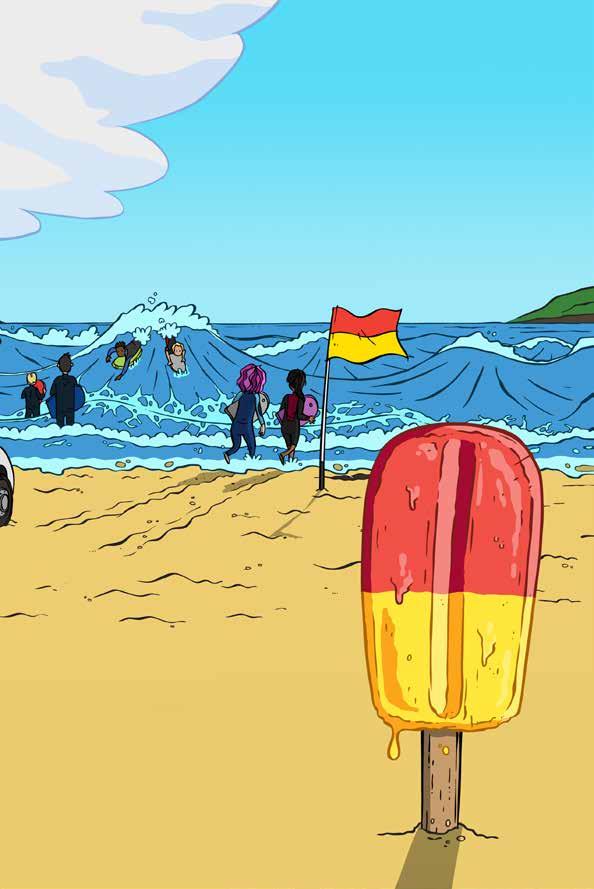
THESE LIFEGUARD LOLLIES ARE EASY TO MAKE AND DELICIOUS! THE BRIGHT COLOURS WILL REMIND YOU OF THOSE RED-AND-YELLOW FLAGS AT THE BEACH!

1. Fill the first half of each mould with red juice. Remember, juice expands when it’s frozen so pour to just under half way. Don’t forget to put a stick in!
2. Freeze until solid. This should take 2–3 hours.
3. Now add yellow juice to each mould. Again, leave a little room at the top for it to expand.
4. Freeze again until solid.
5. Share them and scoff them!
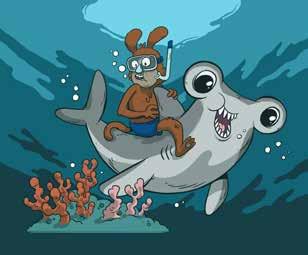
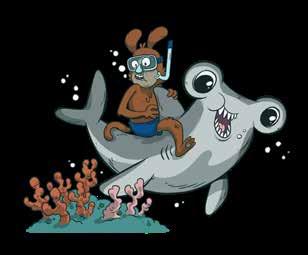
It’s rare for us RNLI lifeguards to spot any sharks and it’s very rare for people to be bitten. There are more than 500 species of shark around the world – and very few of them are dangerous to humans. I love talking about sharks, but there are everyday dangers at the coast – like tides and
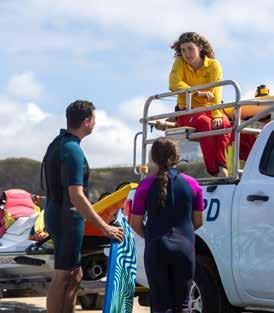
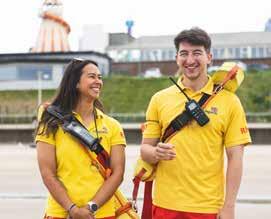
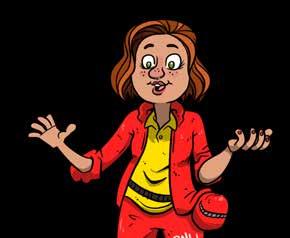
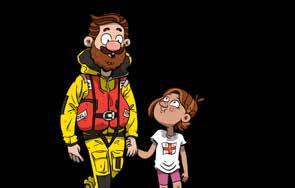
When I was little, I saw Stan (my uncle) saving lives at sea. I always wanted to be part of the Storm Force gang! The RNLI needs lots of lifeguards, to patrol more than 245 beaches around the UK and Channel Islands. It is a great job – the RNLI gives you lots of useful training before you start working at the beach.
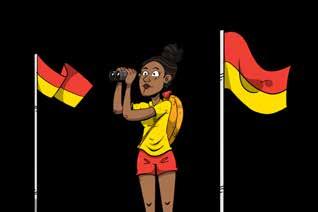
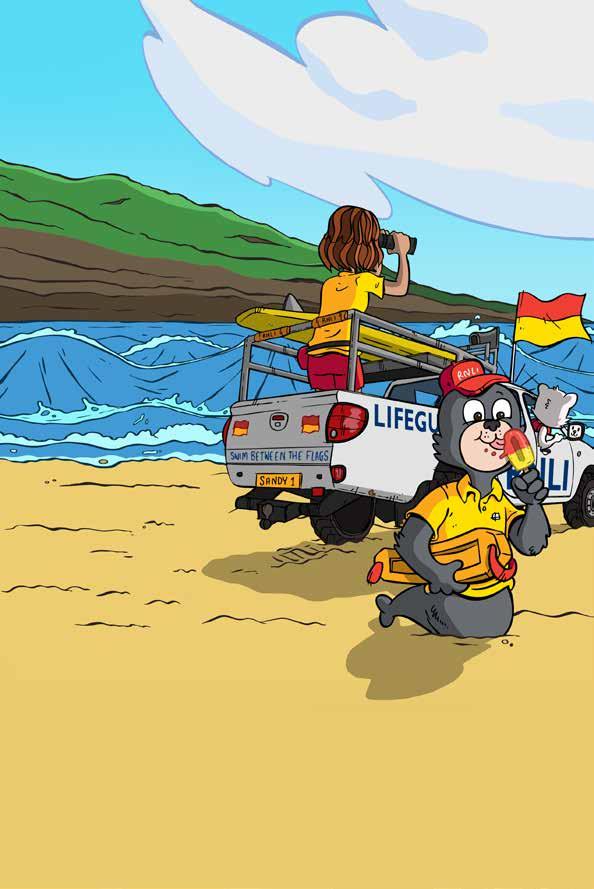
When you visit an RNLI lifeguarded beach, there are flags to help keep you safe. Between the two red-and-yellow flags is the safest place to swim and bodyboard. A red flag means danger, so never enter the water when a red flag is flying. Black-and-white chequered flags tell you where to surf. If you can’t remember what the flags mean, ask the lifeguard.
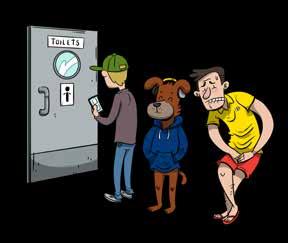
Ha ha! I know a lot of people – children and adults – wee in the sea. I’d rather visit the nearby toilet during a quick break.
Great question! It’s important that you know when the tide is coming in or going out. That way you can avoid getting cut off by the water. Tides are the rise and fall of sea levels. They change the depth of the water quickly. You need to ask an adult to check the tide
Patrolling the beach on a quadbike is one of the best bits of our job! But you have to be a trained lifeguard to use any of our kit. All RNLI lifeguards are trained in how to use rescue boards and tubes, first aid kits, radios and other cool lifesaving equipment. Some of us get special training to drive inshore rescue boats, rescue watercraft (like a jet ski) and other vehicles.
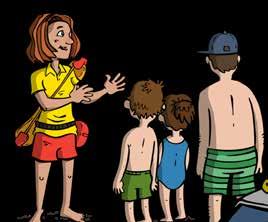

Do you know that a good lifeguard hardly ever gets wet? Most of our job is about prevention, which means we spot trouble before it happens. We want you to have a great day at the beach! So we talk to beachgoers and visit schools with our water safety messages. Of course, we’re also ready to rescue. Last year, my team saved a young boy who was being blown out to sea in an inflatable. Inflatables are perfect for swimming pools, not the beach.
Next time you’re at the beach, say hello to our friendly lifeguards. They are always happy to answer your questions – simply ask the lifeguard!
IT IS 22 SEPTEMBER 2006, ON PERRANPORTH BEACH. RNLI LIFEGUARD KRIS O’NEILL IS TRAINING ON A RESCUE WATERCRAFT WHEN THE STORY BEGINS ...
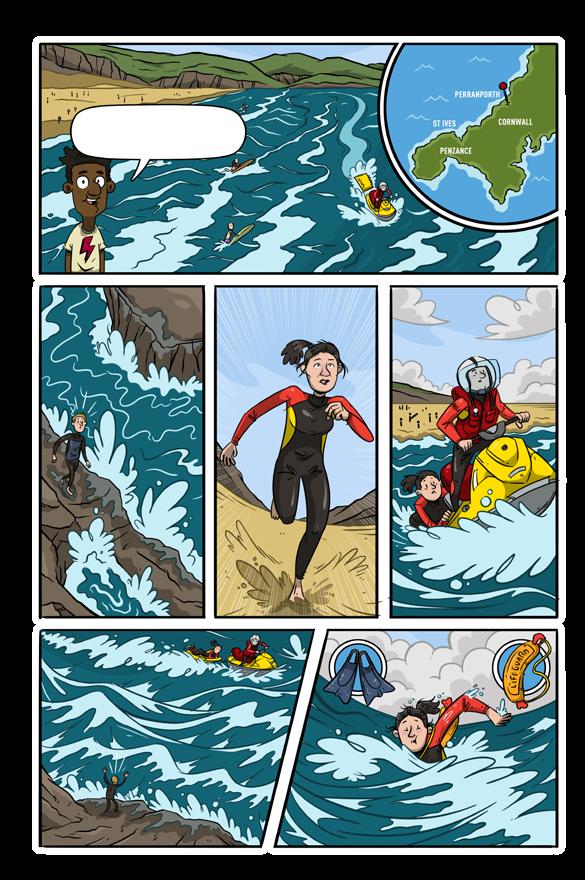
A SURFER HAS BEEN SWEPT INTO A DANGEROUS AREA KNOWN AS BAT CAVE 2. HE IS TRAPPED ON A ROCKY LEDGE, WITHOUT HIS BOARD, AND THE TIDE IS RISING. LUCKILY, A MEMBER OF THE PUBLIC SPOTS HIM AND RAISES THE ALARM.
LIFEGUARD SOPHIE GRANT-CROOKSTON RUNS TO MEET LIFEGUARD
WHEN THEY ARRIVE, THEY CAN SEE THE SURFER. BUT IT ISN’T SAFE TO GET TOO CLOSE TO THE ROCKS ON THE RESCUE WATERCRAFT.
THE WAVES MAKE IT DIFFICULT FOR SOPHIE TO CLIMB OUT OF THE WATER. WITH GREAT STRENGTH, SHE SCRAMBLES UP ONTO THE ROCKS. THEN SHE REASSURES THE SHOCKED AND TIRED SURFER, WHO HAS MANY CUTS AND BRUISES.
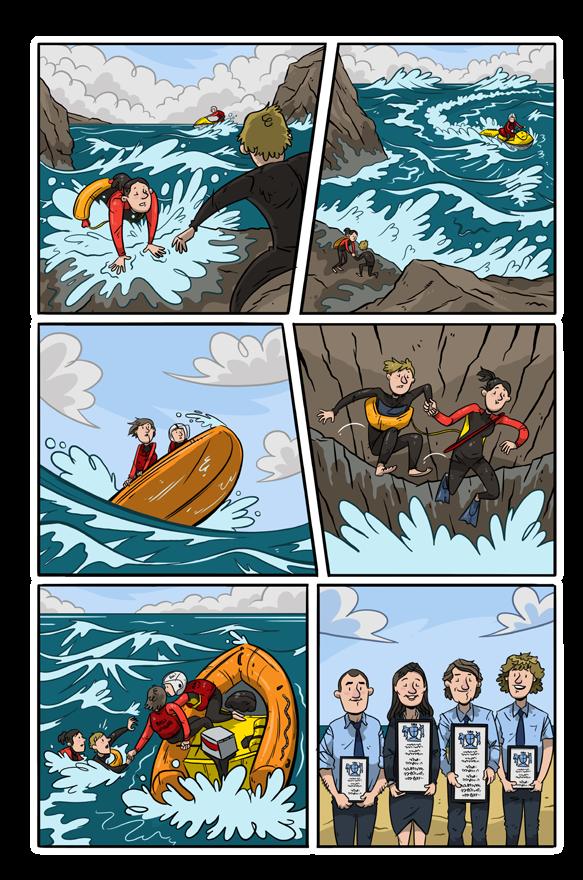
SENIOR LIFEGUARD DAVID GREEN AND LIFEGUARD ROBIN HOWELL ARRIVE IN THEIR INSHORE RESCUE BOAT. DURING A BREAK IN THE WAVES, THEY DRIVE TOWARDS THE ROCKS.
IT’S STILL TOO DANGEROUS FOR KRIS ON THE RESCUE WATERCRAFT TO REACH THE PAIR ON THE ROCKS, SO HE RADIOS FOR HELP.
SOPHIE ATTACHES HER RESCUE TUBE TO THE SURFER AND THEY JUMP INTO THE WATER.
SOPHIE HELPS THE SURFER SWIM TO THE BOAT AND THE PAIR ARE PULLED ABOARD. BACK ON SHORE, THE EXHAUSTED SURFER IS GIVEN OXYGEN AND BOTH HE AND SOPHIE ARE TREATED FOR CUTS AND BRUISES.
LATER, SOPHIE IS AWARDED THE RNLI BRONZE MEDAL FOR GALLANTRY. ALL FOUR BRAVE LIFEGUARDS RECEIVE CERTIFICATES FOR THEIR PART IN THIS EPIC RESCUE.

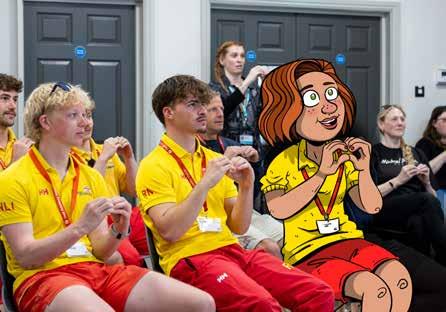
Our lifeguards are excited to share a new skill with you. A group of lifeguards recently learned some British Sign Language, so they’re able to help more people at the beach. Will you learn a new language too?
When RNLI lifeguards shared water safety messages at the Deaf Academy in Exmouth (Devon), the students gave them something in return! The young people told the lifeguards about their Deaf community. They also taught them the British Sign Language fingerspelling alphabet and a few signs and phrases. There are around 55,000 children and young people who are Deaf in the UK and Ireland. With some basic British Sign Language knowledge, the lifeguards can give safety messages to more people at the beach.
STEP 1
First, learn how to sign ‘Hello, my name is … ’
LEARN THESE NEW SIGNS AND BE READY TO MAKE NEW FRIENDS! GIVE IT A GO!

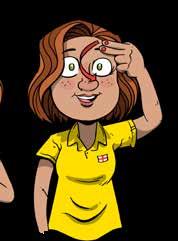
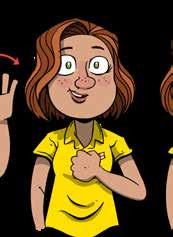

Then simply spell out your first name, using the British Sign Language alphabet
Each country has its own sign language. In the Republic of Ireland people use Irish Sign Language. In England, Scotland and Wales, people use British Sign Language and in Northern Ireland people use both!
Sign languages use hands, face and body.
You can be a left-handed or a right-handed signer. Our charity translates our water safety messages into 22 languages! Whatever language you use, we want you to stay safe at the beach. When you visit a lifeguarded beach, our friendly lifeguards are there for you.