
RMSTEM RMSTEM RMSTEM

Thank
THE RMSTEM TEAM
Editor
Editor
Illustrator
Writers
Alessia McCormick
Alice Borkowski
Amaiya Skrikathnapalan
Charlotte Grosso
Eda Sazova
El Marshall
Fleur Murphy
Kate Julius
Kya Yendall
Jen Tye
Mila Hinton
Zara Brocklehurst
Editors’ notes
Alessia
This term has been one of excitement, filled with science led initiatives, like the Schools’ Chemistry Analyst, Brain Day, as well as various Olympiads. This has allowed greater numbers of students to engage with the world of STEM which is ever developing, and constantly relevant in our lives. The progressive nature of STEM has been reflected in our journalists work, with many looking to the future and importance of new breakthroughs.
Thank you to our wonderful cohort of writers, as well as our illustrator, who bring Kate and I’s visions to life. Enjoy and be inspired!
Alessia McCormick PR Manager & Editor RMSTEM
Kate
Welcome! This is officially my 3 edition working as an editor and the publication designer, as well as a writer. I’m so proud of how far RMSTEM has come. Looking back at previous editions I’ve put together, there has been so much improvement and it’s so great to see so many people getting involved.
Writing for RMSTEM, as well as editing and publishing, is also one of my favourite parts. Having a space to share and write about my interests is so valuable and has helped me in developing and understanding what i’m truly passionate about. I would highly encourage anyone to write an article or news column if you have any STEM related passions, from dentistry to maths problems to advancing physics technology. Anything and everything STEM is always welcome.
A big thank you to everyone involved, Alessia, Molly, all our phenomenal writers and Mrs Sears for proofreading. RMSTEM couldn’t be what it is without everyone who contributes!
As usual, happy reading!
Kate Julius Publication Designer & Editor RMSTEM
Europe
France
Researchers have developed a new recyclable solar panel from organic materials which can be dissolved and remade without losing efficiency. This offers a more sustainable future in renewable energy as current silicon panels can’t be remade.
Norway
A deep sea sponge species has been discovered in Arctic waters which seem to filter microplastics from sea water.
Italy
Physicists have developed a quantum sensor which is capable of detecting underground structures to extreme precision - hopefully improving earthquake monitoring alongside potentially locating hidden archaeological sites.
South America
Chile
Astronomers who have access to highaltitude observatories have identified a new class of ‘ultra-cold’ exoplanets which emit almost no detectable heat.
Ecuador
Biologists have discovered a rainforest fungus which has the ability to break down toxic chemicals found in industrial waste. This could potentially be used in future environmental clean up efforts
Antarctica
Multinational research teams have identified microbes living beneath the Antarctic ice. They survive entirely without sunlight, and use chemical energy from rocks - this strengthens the possibility that life exists on icy moons such as Europa


What’s Going on in The World?
Africa
Morocco
Engineers have successfully tested large scale desert cooling systems which employs underground water channels to naturally regulate the rising temperatures This would reduce the need for electricity.
Tanzania
Paleoanthropologists have discovered new fossil evidence which hints at early human ancestors using tools up to 500,000 years prior than previously recorded
Nigeria
A low-cost diagnostic device has been developed which can detect multiple infectious diseases from 1ml of blood in under 10 minutes. This would allow for more accessible healthcare in remote regions
Asia
South Korea
Scientists have developed a new battery which is flexible This means it can stretch and bend without losing power - this could be developed in to more advanced wearable technology and medical devices.
Saudi Arabia
Researchers have created a new desalination technique using solar energy alongside advanced membranes to produce freshwater more efficiently.
Indonesia
Volcanologists have discovered that certain volcanic eruptions can trigger lightning storms due to ash particle interactions. This would lead to more improved eruption prediction models.
Oceania
Australia
Recently, marine researchers have successfully restored sections of the coral reef using heatresistant coral species - which will hopefully benefit reefs dying out due to rising ocean temperatures.
Fiji
Scientists have begun to test floating agriculture systems. These allow for crops to grow on ocean platforms which will hopefully positively impact communities affected by rising sea levels and limited land space.
Papua New Guinea
A new bird - which uses bioluminescent bacteria in its feathers - has been identified by biologists. This leads to faint glowing - possibly for communication or potentially mating.

‘A Science Scandal’
Alessia McCormick
We all know Marie Curie - the first woman to win a Nobel Prize in both Physics and Chemistry. But her extra-curricular life was arguably far more interesting…
After arriving in France as a penniless Polish student, Curie went on to invent the concept of radioactivity alongside discovering the elements Polonium and Radium in 1898.
Outside of science Marie’s life could be considered ‘promiscuous’ - having a confirmed affair alongside many rumoured ones. From 1911 Niels Bohr (most known for developing the nuclear model of the atom) worked alongside Marie Curie in a group of elite physicists who defined the foundation of modern atomic physics. Yet, it appeared to colleagues and friends that their relationship didn’t maintain those professional boundaries - all whilst she was married to Pierre Curie.
After Pierre’s untimely death, rumours began to swirl again - this time confirmed by Curie herself. Pierre’s former student Paul Langevin (5 years Marie’s junior) embarked on a highly charged love affair with Curie - even renting a flat near the Sorbonne where they secretly met.
Now, you may be thinking - so what - she’s a widow, but Langevin was married with 4 children. The situation only became a public scandal when Langevin’s wife discovered love letters and ran to the Parisian newspapers. As a result, Marie was dissuaded from going to Stockholm to receive her Nobel prize as it was viewed that an adulteress should not shake hands with the Swedish king.
In 1928, Alexander Fleming returned from holiday to find mould growing in one of his forgotten petri dishes. Surprisingly, the bacteria around the mould had disappeared. Fleming realised the mould, later identified as Penicillium, produced a substance that killed harmful bacteria. He named it penicillin.
At first, few scientists appreciated the discovery, and Fleming struggled to develop it into a medicine. However, years later, other researchers turned penicillin into the world’s first true antibiotic, saving millions of lives during World War II and beyond. One of medicine’s greatest breakthroughs began because a scientist forgot to close his laboratory windows.
Yet, Marie stood her ground and commented on the situation: ‘I believe that there is no connection between my scientific work and the facts of my private life.’ y p was actually an accident. The story is something you never would have expected, but has lead to millions of lives being saved.
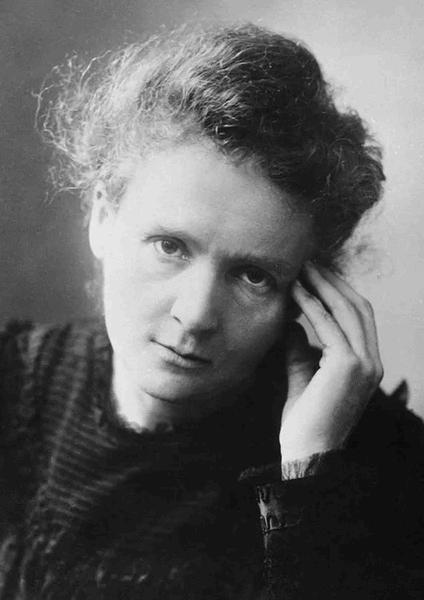
Marie Curie pictured above
Brain Day
Alessia McCormick
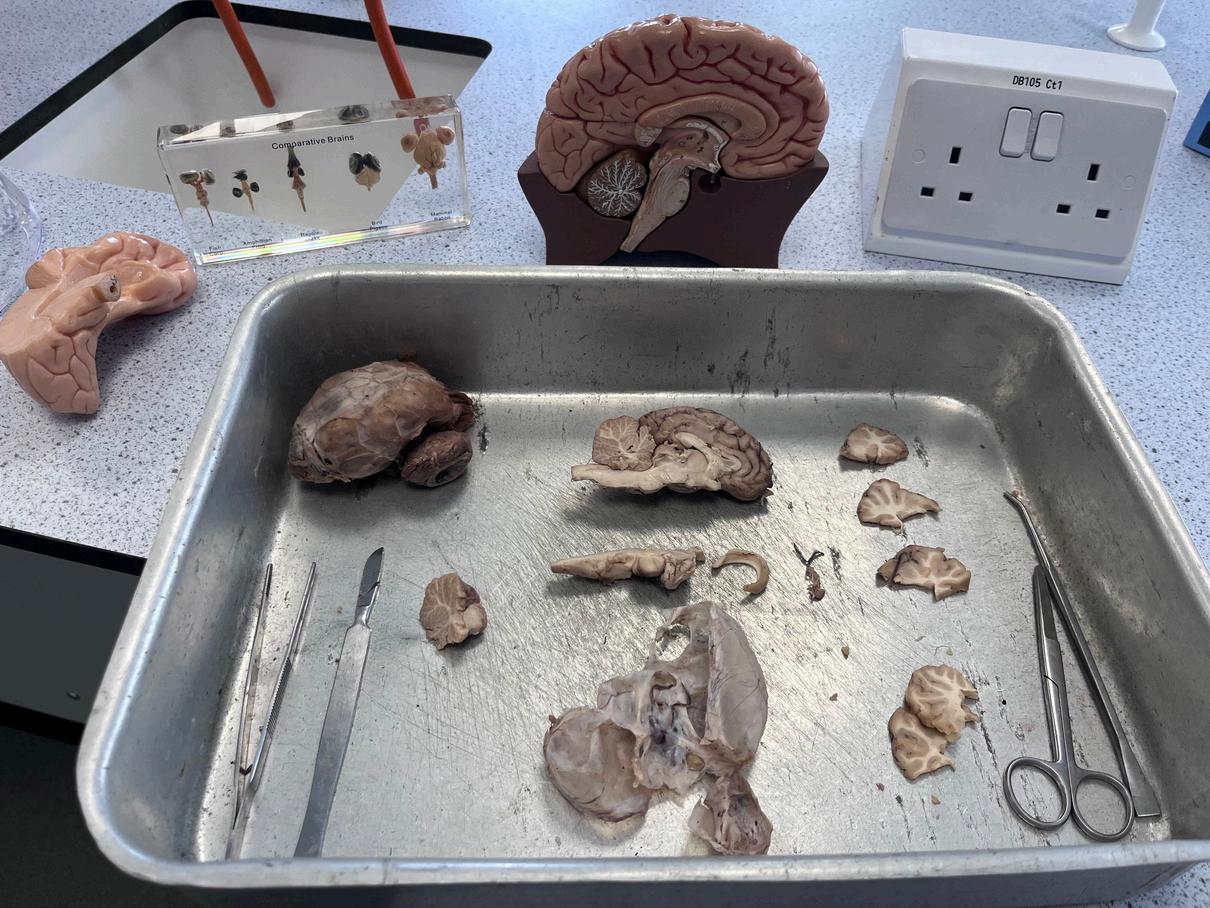
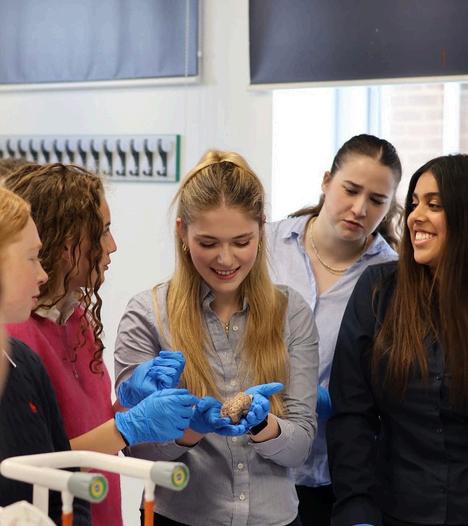
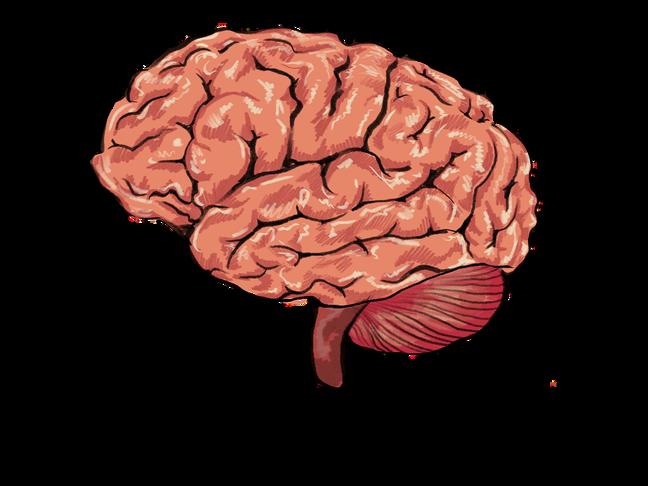
Earlier this term, I had the incredible opportunity to attend a workshop about ‘The Brain’ led by Dr Guy Sutton in which I deepened my understanding of the brain and its complexities. For me, the most impactful session focused on the damaged brainexploring how injury and disease can lead to altered neural pathways, behaviour and functional ability. Witnessing a sheep brain dissection reinforced the importance of understanding neuroanatomy of patientsalongside deepening my appreciation for the intricacy of the brain.
This workshop linked well with my interest in pursuing a career in physiotherapy, specifically the underappreciated area of neurophysio. It highlighted the critical role rehab plays in aiding patients neuroplasticity - leading to regained movement, independence and overall quality of life.
“The Rest Is Science” Podcast
Kate Julius
I recently discovered The Rest Is Science podcast, hosted by Hannah Fry and Michael Stevens, and am now slightly obsessed.
From one episode here are just a few things I found out:
- Because of the minerals dissolved in water in different areas, water is very unique and can be considered to have a post code - Whale migration can be tracked by the water they have taken in from different regions of the sea
- From a dead body’s hair sample, you could hypothetically work out what water they have been drinking
- Water on Earth is older than the sun
- If you drink pure water, because water is so good at dissolving things, it would kill you, by stripping your body of minerals
- If Earth was scaled down to the size of a classroom globe, all the water on Earth would be represented by a table spoon of water.
- The word “loser” and “dissolved” have the same origin.
For anyone passionate about science, or just curious about the world, I would highly recommend. It’s so much fun and each episode teaches you so many random and interesting facts from various topics.
Scientist of the Edition Scientist of the Edition
Jane Goodall

Who is Jane Goodall?
In Sixth Form, our forms are named after famous individuals who have contributed to different subject areas, and one of our forms is named after Jane Goodall. But why?
Jane Goodall was a scientist, conservationist and paved the way to understanding the importance of protecting natural habitats. She was born in 1934 and sadly died in October of last year (2025). Jane Goodall is most well known for her work with chimps, and her research studying the behaviour in communities of chimps, as well as their habits including diet, culture and personalities. By studying this for decades, she was able to observe real patterns and produce evidence for her findings. As well as this research, she also had a major role conservation and protecting wildlife. The Jane Goodall Institute (founded by Jane Goodall) works to monitor and restore habitats if necessary. They also work to research and understand these environments that chimpanzees live in and the behaviour of the chimps themselves.
by Molly Wright
SOUNDANDTHECITY
By Jen Tye
Acoustical engineering is essentially the "art of controlling noise", acoustical engineers focus on what you hear. Sound waves bounce off walls, or get sucked up by different material and the goal is to design spaces where the sounds you’d like to hear (like a friend talking or a music track) are clear, and the background, overwhelming sounds (like a leaf blower or a buzzing fridge) are silenced.
Have you ever felt overwhelmed by the overlapping sounds of announcements, screeching and all the chatter in a train station? Train stations are a massive challenge for engineers because they are basically giant, underground concrete echoe chambers. When a train screeches into a station, the sound bounces off the hard walls and floors, creating a chaotic "noise soup" that can actually be loud
Many commuters make this worse by turning up their music even louder to "drown out" the train, which can lead to tinnitus (a permanent ringing in the ears). Without smart engineering, you wouldn't be able to hear emergency announcements or even the person standing right next to you. Engineers have to figure out how to manage the decibels (sound volume) and reverberation (how long a sound hangs

The next time you stand on a subway platform and notice a sudden hush or a clear announcement, remember that it isn't an accident. It is the result of meticulous calculations and a deep understanding of the physics of sound.
Illustrations
by Molly Wright

What is inequality?
Inequality is the state of being unequal in status, rights, or opportunities. Referring to unfair differences in wealth, power, education, or resources, it is often seen as the gap between rich and poor. There are many interesting arguments both for and against the idea of human society being predisposed to inequality, with the most prominent being evolutionary, functionalist, anthropological and sociological. However, I believe that while humans possess biological traits and differences that allow for hierarchies, evidence suggests that mankind is not predisposed to extreme inequality. Rather, it is the result of societal changes and structures.
An evolutionary perspective:
Evolutionary and biological perspectives suggest that human society is predisposed to inequality as, like our ancestors, we have the capacity for both competition and cooperation. The “producer-scrounger” model, introduced by Barnard and Sibly in 1981, suggests that in society, dominants (scroungers) may seek to take advantage of the ‘foraging’ effort of the subordinates (producers). The model was initially based on group-foraging animals like lions, wolves, dolphins and ants, but it can be argued that this “producer-scrounger” is largely applicable in society today. For example, in modern society it could be argued that ‘scrounger-elites’, such as corporate leaders or political figures, accumulate wealth both directly and indirectly from the exploitative labour of ‘producers’ (low pay for high output), taking advantage of their ‘foraging’ efforts and capitalising on their cheap labour. In addition, biological perspectives rightly argue that all humans are born with natural variations in abilities, strengths and tendencies such as physical build, sex and skin colour making us visibly different from one another. This is, of course, a natural form of inequality that humans are predisposed to, but is very different from the large-scale social and economic inequalities of society. In opposition to this, there is also biological evidence to suggest that all humans have physiological stress responses, such as increased heart rate to witnessed injustices potentially suggesting a predisposition towards equality rather than imbalance
A functionalist explanation:
Another argument for human predisposition to inequality is the functionalist perspective This argues that inequality is a necessity for a stable socie inequality is: natural, due levels of motivation It is requires a wide variety of r of skill, training and respo work and a strive for (characteristic of a socie selected according to merit those who ear Davis & Moore, well-known are more important for so engineers, and suggest th ‘best’ individuals. In order these positions, greater salaries. Therefore, inequa in their eyes, a necessit
Interestingly, research ha their ideal distribution of unequal distributions an unfairness than by inequ distributions, not equal on over







Anthropological viewpoint:
Anthropological research has found that prehistoric hunter-gatherer societies, like neanderthals and early Homo sapiens, were often egalitarian (the principle that all people are equal and deserve equal rights and opportunities) and heterarchical (an organisational structure where power, influence, and decision-making are distributed among participants equally); showing an active resistance, usually through ridicule or exclusion to anyone attempting to stockpile resources or display dominance
This behaviour did not apply to just one type of inequality, but to many others, one being gender Research evidence into prehistoric Philippine societies suggests that gender equality was strong, with women being involved in hunting and honey collecting, contributing a similar number of calories to the camp as men showing how in these early societies there was little sign of inequality, perhaps providing evidence against our predisposition to inequality. Many anthropologists believe that the arrival of agriculture and the transition from nomadic lifestyles to more settled ones allowed for the accumulation of surplus wealth and resources, creating the first permanent social classes This shift from nomadi t just to the accumulation o s specialisation led to the deve ors at the top. These upper po s and disputes.
Finally, soc humans are naturally goo ernment and economy hav tion systems possess em s – further reproducing the inequalities they already face. This has been developed through internal factors such as setting and streaming, teacher labelling, ethnocentric curriculums and gendered subject images leading to the legitimisation of minority underachievement. In addition, the unfair distribution of power, resources and opportunities has led to the formation of ‘vicious circles’ where inequality in one area, such as low educational achievement, leads to another, like a lack of job opportunities. Not only has this disadvantaged many, but it has also allowed for the dominants in society to continue to oppress the subordinates as our modern institutions such as law, property and the state have become an instrument to indoctrinate and legitimise this persistent inequality As a result, inequality remains common among underprivileged groups and has become entrenched into society
Conclusions:
Overall, while evidence supports human’s possession of natural inequalities and tendencies and provides a framework for hierarchy, it does not explain how such extreme inequalities, such as major gaps in wealth and access to healthcare, have formed naturally The functionalist view provides a convincing argument for the need of inequality for social stability, but fails to explain how social class, ethnicity and gender inequalities aid this However, strong anthropological and sociological explanations show how human inequality has previously been resisted and how instead of being an inherent human trait, it is instead a by-product of changing lifestyles, such as in the Neolithic Revolution, and developing societal design
by Molly Wright
What are 3D printed organs?
The Future of Printed
3D printed organs are replicas of organs made using a 3D printer. The printer uses bio ink (a material made of hydrogel combined with specialised cells) to construct a 3D-printed organ one layer at a time. The bio ink is developed to match a patient's specific tissue type by incorporating the patient's own cells and choosing materials similar to patients own tissue; this decreases the risk of organ rejection. It's important to know that 3D printed organs are not currently developed enough that we can successfully print and implant organs today; current estimates suggest it will be a few decades before that is possible, however we are making progress towards this goal.
The most important impact 3D printed organs will have on society is solving the organ shortage. Globally only 10% of people who need organ transplants receive them and every 8 minutes someone is added to the list, this is due to a limited supply and increasing demand. However 3D printed organs would not only provide shorter wait times for organ transplants but organs specifically tailored for each individual patient to reduce the risk of rejection. This would be revolutionary as we could have organs in a matter of days instead of waiting on a list for years.
3D printed organs are also a better solution to the shortage than xenotransplantation (transplantation of living cells, tissues or organs from one species to another). patient would have to take immunosuppressants weakens the immune system leaving the patient printed organs as the organ would be specially recognise it as foreign, eliminating the need for immunosuppressants.
What have we achieved already?
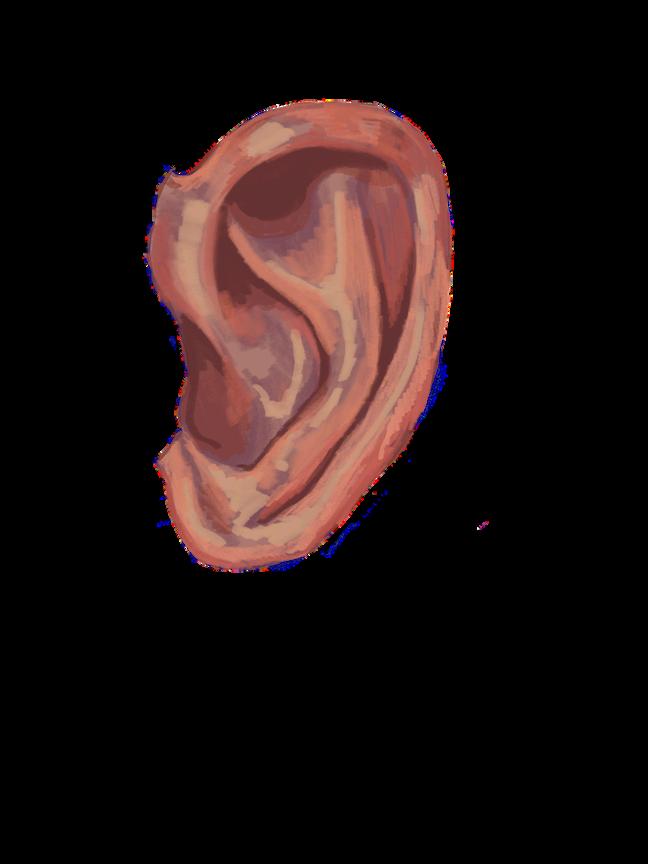
The ear: In 2022 a woman with microtia (a condition resulting in underdeveloped ears) received reconstruction using a 3D printed living implant. The implant was primarily made of a collagen hydrogel scaffold and the patient's own cartilage from her underdeveloped ear. The ear was designed match the patient's other ear in shape and structure. 3D printed tissues could soon become a common reconstruction technique as it avoids more procedures to extract cartilage from patients the use of polyethylene implants which significantly more inflexible than the 3D printed Although an ear is not a full organ it’s easy to possibilities and how one day we might be implant a functioning organ.
Organoids: Scientists from the Great Ormond (known as organoids - miniaturised and simplified tissue to grow into ‘moulds’. While this has been grows in an uncontrolled way and doesn’t resemble important as an organ’s shape and structure is tissue into a specific shape by using light from a and where the tissue grows. For example they were natural lung.
Illustrations
Medicine: 3D Organs
Blood vessels: Scientists at Stanford University have built an algorithm to closely mimic the human blood vessel network called vascular trees. This marks a breakthrough in vascular design as previously blood vessels would be arranged in a linear grid like model which is ineffective for large organs. The vascular tree model enables blood to flow evenly, avoid collisions and be generated much faster than previous models; only taking 5 hours to generate a computer model of the vascular tree for a human heart. While they are other essential components, it is a huge step in the right direction.
Why are 3D organs so hard to make?
The limitations of 3D printers: Our current 3D printers lack the ability to print at high resolution, meaning it struggles to print incredibly small detailed structures. This makes printing a vascular network made up of tiny blood vessels sometimes only one cell thick is just not possible with our current equipment. Without a sufficient blood supply, tissues cannot receive oxygen or nutrients, leading to cell death, and organ failure.
Lack of suitable biomaterials: There is only a small number of bio inks that fulfill the complex requirements to successfully survive the 3D-printing process, support cell growth, and provide enough structural integrity This is especially a challenge where there are multiple tissue types as a variety of different bioinks are needed.
Damaging process: Cells undergo many tough processes during the 3D printing process including undersized nozzles and highly pressurised, nutrient-deficient environment. These damaging conditions can result in cell death. It’s also difficult to support and keep living cells alive while the structures being built around it increase as it’s hard for cells to get the nutrients they need in lab conditions.
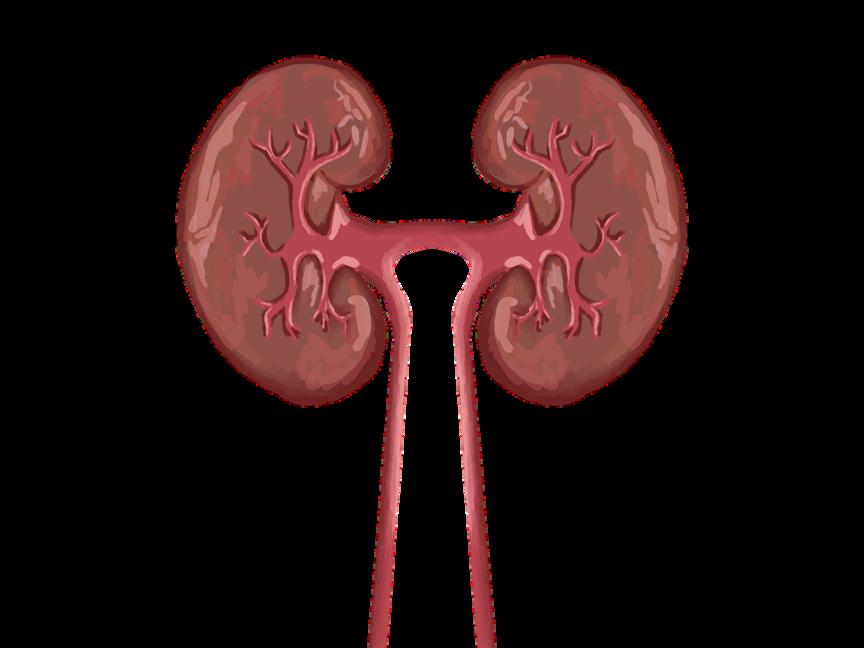
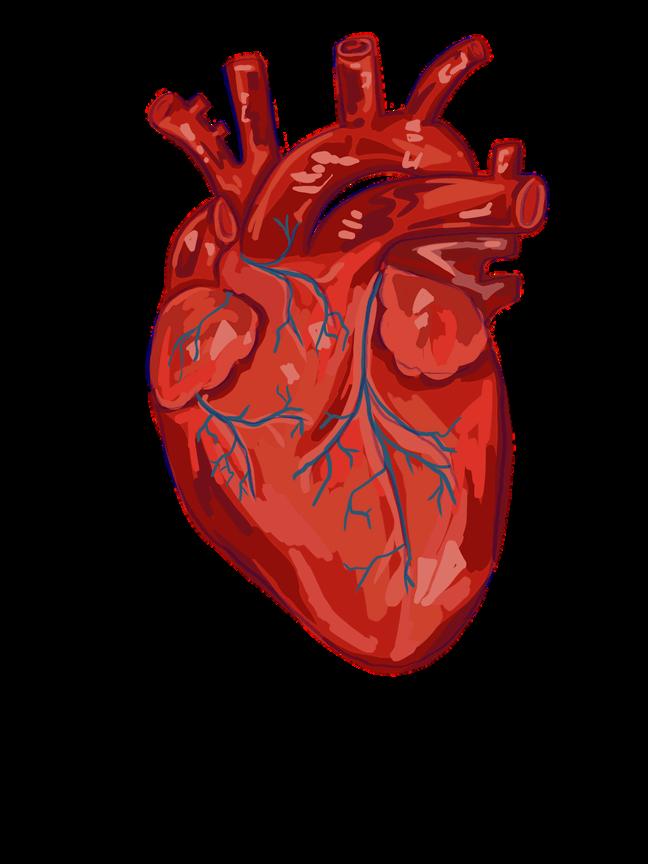
3D printed organs may seem a long time away and there is still a lot of research and development that needs to happen, including eventually clinical trials but there is no doubt we are slowly but surely making progress towards this. These organs could have a life changing effect for many people and transform the medical industry into a more personalised, efficient and accessible experience so it’s crucial we support and encourage this vital research. One way you can do this is by not opting out from being an organ donor as this is the best way you can help ease the organ shortage.
Illustrations by Molly Wright
THEMENWHOTOOK INTOTHEIROWNH
By Fleur Murphy
Surgeons learn to operate on patients, but the following four men, some may say they went above and beyond, by taking their scalpel to their own skin
Werner Theodor Otto Forssman, Leonid Rogozov, Evan O'Neill Kane, M. Clever Maldigny, and M. Alexandre Fazicou are four of the most famous individuals to take matters into their own hands in the operating room For many of the four, the surgeries were undergone due to personal request and not done in an action of desperation. Whether the men wanted an ego boost, to take a risk, or to genuinely learn something their stories will be forever told and looked at in astonishment
Werner Theodor Otto Forssmann, a German man of many medical talents, was the so-called father of cardiac catheterisation (a procedure used for diagnosing blocked blood vessels or biopsy). Born August 29th 1904, Forssmann Studied in Berlin. He attended the University of Berlin and the University Medical Clinic to study and train for medicine He was determined to find a way to operate on a mitral valve defect safely, so as to not disturb the intrathoracic pressure. The even bigger twist, without general anaesthesia
After finding an article regarding the study of a horse ventricle being reached through the internal jugular vein, he devised an experiment where he would use a ureteric catheter through the cubital vein to achieve his goal After formulating and discussing the detailed plan to the chief of surgery, Dr Forssmann was not given the approval to perform experimental surgery on any of his, or the chief of surgeries patients Forssmann then took a risk in asking to perform the surgery on himself which was once again refused because of the chief's worry for Forssman's safety Then, he decided to take matters into his own hands after repeated refusals of his experimental surgery.
Forssmann walked into the operating room with a nurse and his bizarre idea After prepping the tools needed for the procedure the nurse offered to be the subject for catheterisation and Forssmann took the offer. Equipment in hand, Dr Forssmann motioned to make an incision on the nurse's arm, but instead anesthetised his own cubital fossa, which is the area between the arm and the forearm. He had advanced the ureteric catheter in 30 cm and covered the wound with sterile tissue Forssmann asked the nurse to call for the X-ray doctor which is when she realised what he had truly done, catheterized himself.
Upon entering the X-ray room, a stunned nurse frantically took pictures and after looking at the first set of images Forssmann advanced the catheter further until he could see the tip of his right ventricle cavity. Although putting his life on the line for a medical breakthrough Forssmann was completely healthy after the surgery and recovered well, although some may say mentally he was a little crazy. Forssmann was later let go from residency and began a new career, 3 years later, as a urologist. Though Forssmann underwent repercussions for his experimental surgery, i e losing his licence as a surgeon and his job, he was awarded a Nobel Prize for Physiology and Medicine and was even able to participate in later studies regarding catheterisation and angiography Forssmann later died at the age of 75 in 1979 on June 1st due to heart failure. Cardiac catheterisation became properly introduced as a treatment in 1940 and has been a common procedure done everyday since
Born March 14th 1934, Leonid Rogzov, a Russian man, sought adventure on a Soviet Antarctic expedition, but he almost faced death November 5, 1960 marked the start of the sixth Soviet Antarctic expedition which was named Novolazarevskaya. Rogozov, a 27 year old surgeon, had put off the treatment of his esophageal cancer operations to be a part of the team as the only doctor Over the course of many weeks during the expedition Rogzov started to experience symptoms of weakness, fever, nausea, and intense pain in his lower right quadrant Rogozov, being an experienced surgeon, had no trouble immediately identifying the reasons for his symptoms, appendicitis. He was also fully aware of the only treatment for appendicitis, which was surgery. As days went by his pain worsened and the antibiotics did nothing to rectify the issue Rogzov faced two main issues: he was the only medically qualified individual, and was unable to be flown to medical help due to extreme storm conditions
Rogozov was left with no choice other than to perform a self surgery. May 1st, 1961 at around 2 a.m. Rogzov injected himself with a local anaesthetic While in a makeshift operating room his body contorted to perform a surgery on himself. A mirror, with an adjusted table lamp as his eyes and his gloveless hands with tools in hand was the makeup of the surgery Two weeks after the surgery Rogzov experienced a high temperature, but as time went on his temperature began to return to normal.

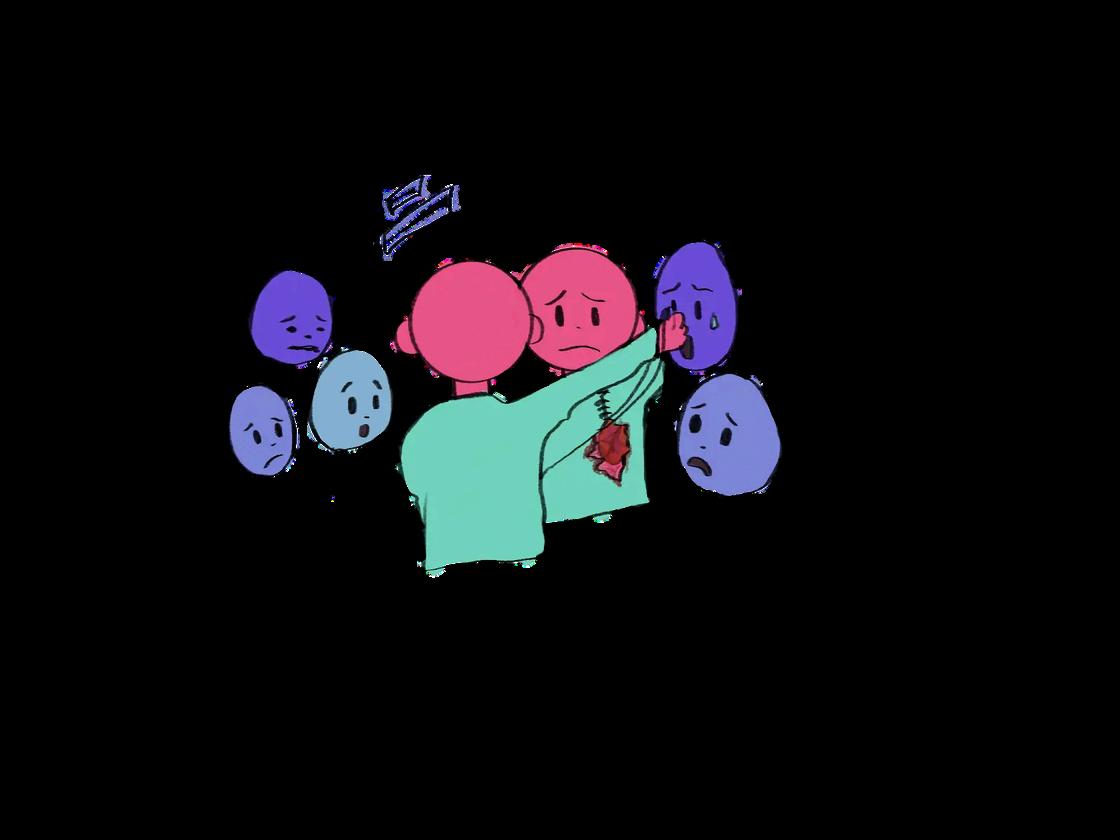
p at a family owned surgery in Pennsylvania, was the Chief of Surgery with a headstrong mindset. Dr. Kane was at his hospital, Kane Summit, sitting in the waiting room awaiting his appendectomy surgery to begin. As the doctor sat there at some point before the surgery, doing the surgery on himself crossed his mind As the nurse approached the waiting room Kane announced his decision to operate on himself because he was the Chief of Surgery The staff was under no authority to disagree, so the staff obeyed and stood waiting for instructions. After not much further thought Kane propped himself up with pillows and asked the nurse to hold his head as he injected cocaine and adrenalin into his abdominal wall. Though it may seem insane because of our modern standards on how we control substances, like cocaine, cocaine revolutionised surgeries due to its numbing properties The reason it was effective was because when you feel pain electrical signals are sent to your brain through sodium ion channels and the cocaine binds to these channels and stops the signal that indicates pain going to your brain. Though it may seem the cocaine would inhibit his ability to perform something as meticulous as a surgery the drug was surprisingly useful The drug allowed him to have an extreme level of alertness and tunnel vision The drug also allowed for him to stay calm in a stressful situation because of its properties to allow the person to feel fearless. 15th of February 1921, Dr Kane leaned forward and cut through his own skin tissue, pinpointed by the swollen appendix, and excised it, allowing for his intestines to protrude out of his abdomen
M Clever Maligny was a military surgeon who worked for the Royal Guards of France. Maligny had undergone many previous surgeries for the removal of six kidney stones, all at various ages. There had been many complications along the way regarding both issues with the surgery and problems that surfaced during recovery. But 1824 was the year that the pattern of the surgeries differed In 1824 Maligny would undergo the removal of one of his kidney stones on himself With a bistoury, an extremely large knife, Maligny made an incision based on the previous stitches he had received from his prior surgeries While the surgery itself was successful, the success of it all was short lived Maligny acquired another stone later that caused him extreme pain due to the size The stone was later operated on, by a different surgeon, with a lithotrite, a medical device used to conduct the first minimally invasive surgery to crush stones in the bladder and urethra.
These men may be called crazy, but their efforts were useful to further science research regarding anaesthesia and the way the body reacts to surgery Their recklessness did not only result in successful surgeries but in some cases earned them rewards many only dream to achieve Though their methods were unconventional and truly bold these stories will be held in books as the blur between madness and heroism.






Illustrations by Molly Wright




Illustrations by Molly Wright

For a century, aviation has relied force’, prioritising power and str engineer working aircraft Hug were created to push bulky and structures through the air - we wer physics instead of working with designing large, powerful engines produce maximum thrust, we f increasing force rather than reducing fighting Newton’s second law (F = laws like the Navier-Stokes Equations governs how air flows across a surf worked against, as we prioritised rigid wings, ‘fighting’ the air, causing break into chaotic energy-wasting producing turbulence.
Whilst the current approach of aeronautical design is more collaborative with physics, the pursuit of aviation solutions is still extensive. Even today, aeronautical engineers are racing to develop innovative solutions to address challenges like reducing drag and resistance, optimising weight, preventing stalling, and maximising the angle of attack. Despite these persistent challenges, one concept has fueled the advancement of aviation.
Biomimicry
Biomimicry is the study and imitation of biological entities and processes to design and produce materials, structures, and systems to help solve human challenges A key example of how biomimicry has inspired engineers is the design of the silent nose (crafting the front face to be more streamlined and aerodynamically silent) on Japan's Shinkansen bullet trains Engineer Eiji Nakatsu worked at the West Japan Railway Company and was tasked with making the 500 Series Shinkansen faster and quieter While the train was extremely fast, its major flaw was the ‘tunnel boom’ This huge sound is due to the high pressure wave pushed in front of the train when it reaches the exit and rapidly expands Nakatsu realised the issue was with the train moving through these two different densities of air: the compact, denser air inside the tunnel versus the less dense air outside the tunnel, met when exiting. Nakatsu was a keen bird watcher, so immediately thought of the kingfisher's ability to move quickly between two densities (air and water). The kingfisher's beak was long and wedge-shaped, designed to part fluid instead of pushing it, allowing the bird to enter water with barely a ripple Nakatsu implemented this unique aerodynamic shape into the head of the train, leading to the creation of one of the world's most high speed trains, with speeds of up to 200mph, with the average speed being 6 times faster than the London Underground.
Nature is now having a major influence on the development of aviation, fueling sustainability with innovative designs that tackle numerous aviation challenges, creating lighter, faster, and more fuel efficient aircraft. Many companies and airlines such as Airbus (the world leader in integrating biomimicry into commercial aviation) are experimenting with biomimetic technology to push aviation towards an industry of innovation and sustainability. Technologies inspired by sharkskin, albatross wings and eagle winglets are just some of the examples of how biomimicry is becoming increasingly prevalent within global aviation.

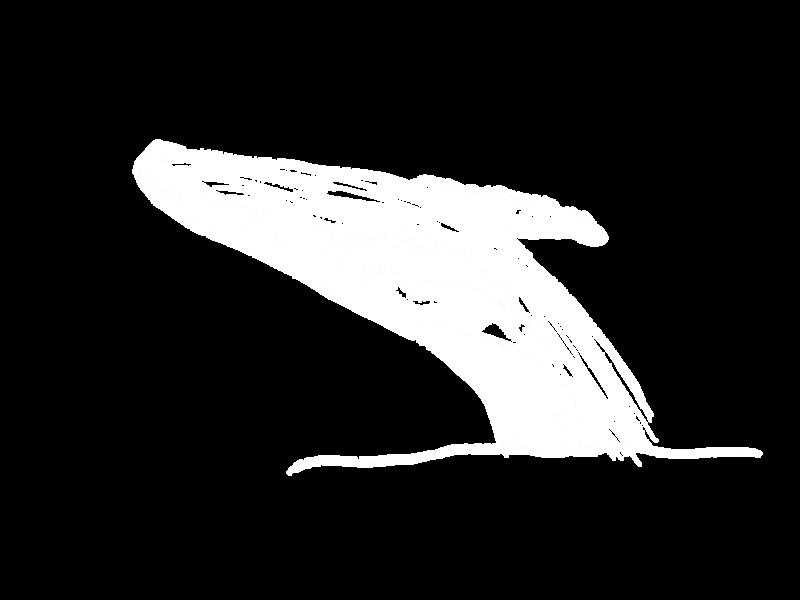



NWThe Leading Edge: Humpback Whale Tubercles
Humpback whales are one of the largest animals in the world, yet they move so elegantly and effortlessly through water How could such a large and heavy creature move with such agility? The secret to their high skilled manoeuvrability is related to the strange bumps on the leading edge of their flippers called tubercles These strange structures play an instrumental role in the complex fluid dynamics of the water surrounding their flippers
In the early 1980s, marine biologist and professor at W Chester University in Pennsylvania, Frank Fish, was intrigued the presence of these unique tubercles, especially due to absence of them in aircraft, wind turbines, and fan design W mystery would they uncover that was not already known ab within the realm of fluid dynamics?
Fish researched how the tubercles on humpback whale flipp along its leading edge influenced the whales mobility and ag in water. He joined with an aeronautical engineer - Phillip Wa to further explore the relationship between tubercles and fl dynamics They found that the tubercles concentrated the f of water between the bumps. As fluid hits the tubercles, i diverted into the troughs between them. This creates sm rotating tunnels of fluid called vortices which are accelera and keep the energised flow tightly attached to the surface of flipper, prolonging flow attachment. Furthermore, lift is isola in-between the tubercles that subsequently creates high regions along the flipper The effect of increasing lift a reducing drag simultaneously, delays stall to higher ang allowing the whale to develop lift and turn tightly.
This technology has been implemented into the design turbines and fans, having the potential to boost the ene production of wind farms by up to 20% while minimising no drastically - by at least 2 decibels. Mitigating turbine no reduces physiological stress on local wildlife in addition minimising community disturbance, showing significant soc economic, and environmental benefits. The technology sho huge potential for the wind power industry, illustrating variety of its application possibilities within current technolog
In the context of aviation, the addition of tubercles to the leading edge of airfoils directly addresses fundamental limitations of conventional aerodynamic performance and could bring significant aerodynamic benefits to aircraft. Benefits include an increase in lift by 6%, a drag reduction of 32%, and the ability to delay stall by 40% This technology ensures stable operation over a variety of stall angles whilst increasing the efficiency of the aircraft, therefore reducing fuel and energy consumption which could contribute to the reduction of carbon dioxide emissions relating to air travel.
The morphology of these whale flippers contrasts to the traditional straight leading edge used on aircraft, challenging conventional aerodynamic theories that would suggest smooth leading edges would provide the most optimal performance. The humpback whale illustrates that reinventing the macroscopic silhouette (large scale shape) of a wing can fundamentally redefine lift, however nature’s craftsmanship extends far beyond large-scale geometry In order to truly optimise flight, engineers are now looking past the visible contours of the limb and focusing on the microscopic architecture of the surface. While the whale serves as a role model for how to structure the 'bones' of an aircraft, the ocean’s ultimate high-speed predator provides the biological blueprint for its highperformance 'skin'
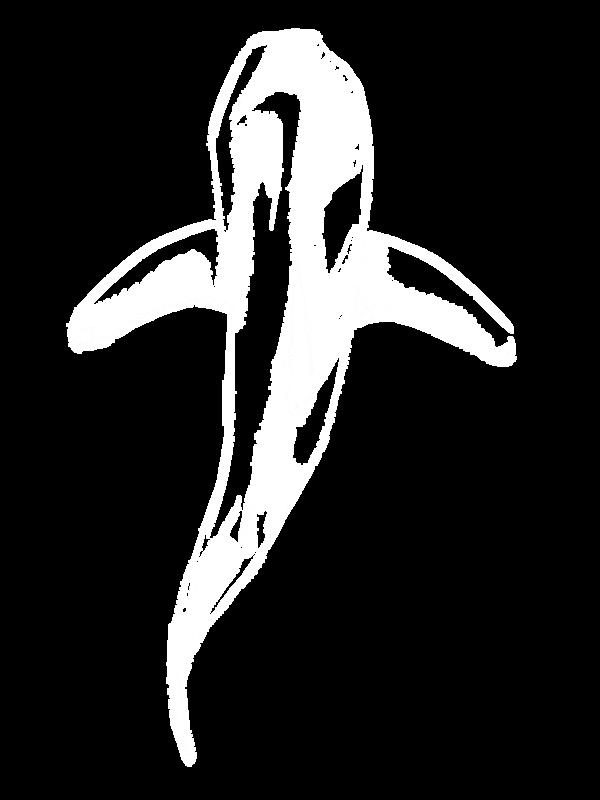
The Surface: Sharkskin Denticles
Sharks are among nature's most stealthy and high speed predators. To remain at the top of the food chain, they have evolved to be perfectly streamlined. This essential quality is driven by not only their large scale physique, but their surface.
Although the skin of a shark may seem to appear perfectly smooth, its skin is covered in millions of toothlike structures called dermal denticles Arranged in overlapping rows that run along the body, these ridges along their surface follow the direction of swimming, acting like natural flow guides for the water surrounding the shark This capability is due to the intricate design of each singular denticle, allowing them to work cohesively to create an extremely powerful tool to alter the fluid dynamics of the sea
Each denticle is composed of a central ridge with fine riblets running longitudinally along its surface The base of each denticle is embedded into the shark's skin with the crown projecting outward at a slight angle, overlapping the one behind it. The effect of this creates a durable and hydrodynamically efficient surface.
Denticles vary in size, shape, and orientation across different regions of the shark's body. Along the snout and leading edges of fins they are smaller and flatter for the purpose of minimising disturbance where flows of water first encounters the body. On the main body they appear longer, with deeper, more pronounced ridges - ideal for managing the turbulent boundary layer during sustained motion. Lastly, denticles become steeper and more prominent at the tail and trailing edges of the shark This great variation and adaptability in structure presents the complexity of architecture on a microscopic scale
The primary problem these sea creatures face hydrodynamically is drag. Turbulence in the boundary layer (the thin layer of fluid that clings to the surface of the shark) is the cause of rapid drag increase It causes the high momentum fluid from the faster outer layers to mix aggressively with the slower fluid close to the wall. This interaction between turbulence and the boundary layer is what causes significant energy loss to drag. But dermal denticles have evolved to combat this phenomenon. The alignment of the ridges on each denticle mitigates the lateral movement of turbulent eddies (the swirling movement of fluid that breaks away from the main current). This reduces the vorticity (whirling motion) of them, reducing the intensity of the chaotic mixing of the boundary layer. This clever mechanism of keeping turbulence within lanes results in a calmer near wall region and a thinner turbulent boundary layer. It’s clear that these denticles' main function is to create a rough surface that prevents large vortices from forming against the shark's body However, there are numerous other innovative traits to these structures, such as how they act as armour against parasites and predators, demonstrating them as a multifunctional device
In recent years, aeronautical engineers have been intrigued in the aerodynamics of such precise and high speed creatures, leading to the development of many biomimetic technologies that have huge potential of revolutionising the design of aircraft body surfaces Inspired by this biological armour that sharks possess, Lufthansa Technik and BASF have developed a revolutionary aviation technology called AeroSHARK. This is a durable, bionic film designed to mimic the exact texture of sharkskin to optimise the aerodynamic performance of massive aircraft. The technology is currently experiencing rapid expansion worldwide, with LATAM airlines (a South American airline) stating its entire Boeing 777300ER fleet will feature the coating by the end of 2027.
The technology consists of an adhesive film applied to the the main b d d i f f l R th th b i th
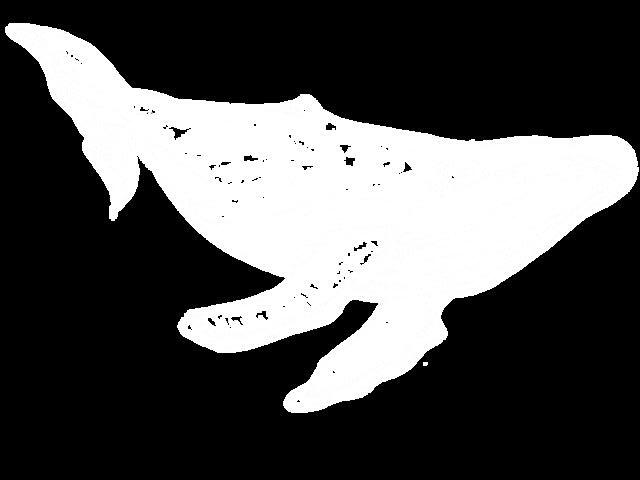
Just as sharks use their denticles to help move efficiently through bodies of water, AeroSHARK films channel air movement linearly across the plane due to the mimicked riblet structures, significantly reducing surface friction. This seemingly small adjustment leads to substantial real world benefits:
Fuel Efficiency: On a Boeing 777, the film reduces total aircraft drag by more than 1%.
Carbon Footprint: For a single aircraft, this translates to a saving of 3,700 tons of fuel and 11,700 tons of carbon dioxide every year
Durability: The film is engineered to be incredibly resilient, withstanding extreme temperatures, high speeds, and the intense pressure of high-altitude flight.
The European Union Aviation Safety Agency (EASA) has already certified AeroSHARK for mass application on Boeing 777F and 777-300ER aircraft. As this technology is implemented across the globe, the potential for environmental change is staggering. If applied to the entire global fleet of commercial aircraft, this shark-inspired film could cut global emissions by almost 6,300,000 tons of carbon dioxide annually
Today, we can create and test these complex structures with the use of Computational Fluid Dynamics and 3D printing, allowing the simulation of intricate biological designs in an atmospheric environment This allows for the thorough and essential analysis of how these structures interact with air fluidity
Although biomimetics has recently experienced mass interest, we’ve been implementing nature's morphology within our own creations for decades. From the serrated edges of the B2 stealth bomber, inspired by owls wing edges to provide silent flight to remain undetected during missions, to the very birth of flight, where the Wright brothers developed wing-warping mechanisms to mirror the twisting movement of vultures’ wings to sustain lateral control.
Through the ever-evolving and maturing process of mimicking nature's morphology, we are shifting from engineering using brute force, to engineering with nature's forces
Advancing the possibilities of aviation, biomimicry could lead us toward a future where flight is no longer an opposing process to nature, detrimental to the environment, but instead a complementary approach due to the reduced carbon footprint, noise pollution, and natural implementations within its engineering. Global integration of biomimicry could support the sustainability of millions of flights worldwide By scaling these biological blueprints, we could prevent millions of tons of carbon dioxide from entering the atmosphere annually, proving that the ultimate solution to the climate crisis isn’t just developing bigger and stronger machines, but following nature's designs and systems.
The anatomy and make-up of earth's creatures, and the science behind their systems are offering insight into a multitude of revolutionary aerodynamic designs and processes that is only the beginning of what we can learn from the environments around us It has become clear that nature itself is the best engineer, and its blueprints are already hidden in the wild.
by Molly Wright

ByCharlotteGrosso
We all remember the Covid-19 pandemic. It caused major disruption to our way of life and caused in excess of 7 million deaths worldwide. However, despite this, this pandemic initiated a chain of events that will likely prevent many more millions of deaths over the coming years.
for a variety of infective viruses and have been highly matic diseases e.g. polio. The most commonly utilised r attenuated (inactive) form of a virus in order to elicit vaccination who then come into contact with the virus deactivate the virus quickly and before they are able to nity which protects even those unable to receive the
artnership with Pfizer) and Moderna employed a new A encoding the SARS-Cov-2 virus surface spike protein sponse as the body views this as a foreign protein and he body then produces memory cells, so if the actual dly divide and produce antibodies thus neutralise the ely charged and is unable to pass through the cell membrane on its own. It is also rapidly degraded by enzymes. Lipid nanoparticles (LNPs) were used to encapsulate the mRNA to facilitate endocytosis, allowing it to pass through the membrane without being digested by enzymes and allowing it to reside in the blood until it reaches the cell. Also, as the viral mRNA doesn’t enter the nucleus of the cell, the actual DNA of the cell is not altered and so does not harm the body.
Due to the severity of Covid-19, governments and private companies worked collaboratively and invested approximately 50 billion dollars into developing this vaccine due to the global threat. While the underlying science and basic technology were available decades prior, the large-scale clinical trials were rapidly accelerate As this vaccine was paramount in controlling the virus, multiple experiments were conducted simultaneously, so a vaccine was produced and certified much faster than had ever occurred before. Due to the success of the Covid-19 vac are now following this same approach in an at
Traditionally, influenza vaccines are produced by inoculating fertilised chicken eggs with specific viral strains. The eggs act as biological incubators, allowing the virus to replicate before it is harvested and inactivated. However, this method is hampered by 'egg-adaptation' where the virus mutates to better infect avian cells, often resulting in a mismatch with circulating human strains. By contrast, mRNA technology allows scientists to bypass living cultures entirely by printing synthetic genetic sequences. This ensures a 100% precise antigenic match, reduces production times by two-thirds, and enables the targeting of highly conserved viral proteins that do not mutate. This could eventually eliminate the need for annual vaccinations by providing broader, longlasting immunity.


The benefits of mRNA technology stretch beyond vaccinations. Many genetic conditions are caused by a mutation in a gene that encodes specific proteins which have a key biological function. A well known example of this is cystic fibrosis in which a mutation, a deletion, occurs in the CFTR (cystic fibrosis transmembrane conductance regulator) gene. This gene codes for a protein that acts as a chloride channel on epithelial cells. The movement of chloride ions out of the cell creates an osmotic gradient that also causes water to move out of the cells If the chloride channels are defective, the mucus becomes viscous and sticky. This leads to a cascade of physiological issues: it traps bacteria, causing chronic infections; it blocks the pancreatic ducts, preventing the release of enzymes into the small intestine and leading to malabsorption; and it can cause infertility in males. A treatment for this devastating condition is now being tested using a similar approach to the Covid-19 vaccine i.e. mRNA encoding CFTR encapsulated in a LNP. Interestingly, this is being tested for inhaled administration for direct targeting to the main organ of interest - the lungs. There are tens of thousands of genetic diseases, and assuming no gain-of-function proteins are produced by the mutated gene, then the mRNA approach could be used to attenuate or even cure these diseases.
This approach is also being researched in cancer. Cancer is dangerous as the body’s immune system does not recognise these cells as foreign, non-self cells, so does not attempt to destroy them This is known as a “cold” tumour. Through the development of mRNA technology scientists are now seeking to create a vaccine specific to the type of tumour a patient has and turn the tumour into a “hot” immunogenic tumour. Through genetic sequencing scientists are able to find the unique antigens known as neoantigens that are present on the tumour cells and signal where our killer T cells should attack. In recent years, several studies have shown the effects of using this kind of treatment on cancer patients. Results from a trial run by Moderna on melanomas in January 2026 show a reduced risk of recurrence and death plan triggers a long lasting immune response ungVAX is an ongoing prophylactic trial which ns that appear on the surface of lung cells when identify and kill these precancerous cells before g the cancer forming in the first place
Illustrations
by Molly Wright

ROCK STARS: INTELL IN THE PALAE
By Zara Brocklehurst
If I told you to picture a caveman… you probably have an image in your mind of a hulk-like figure dressed in leopard skin with a prominent, low browbone, dragging a club and grunting in a dark cave. However, modern archaeology is dismantling this caricaturistic trope; find by find. In reality, the Palaeolithic era (starting ~2.5million years ago, and ending in ~10,000 BCE) was arguably humanity’s most crucial period of innovation It was the era where early humans transitioned from foragers into engineers, laying the cognitive foundations for every piece of technology we use today
How did Humans Become so Smart: The Development of The Hand-Brain Relationship

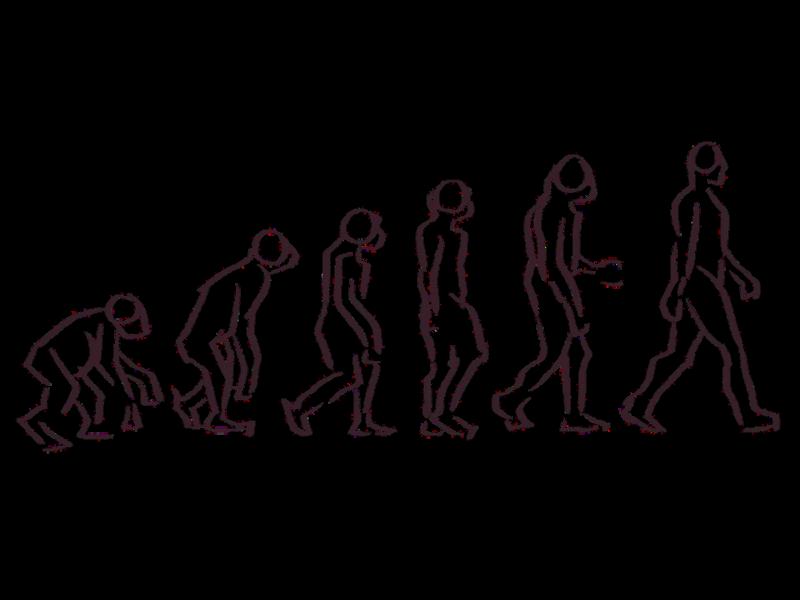
As our ancestors began to walk upright, their hands were no longer needed for quadrupedalism (walking on all fours), instead they were freed, meaning they had opportunity to manipulate and craft. In addition, during the lower/middle Paleolithic era, when Homo habilis (our very early ancestors) evolved into Homo sapiens (humans) the human brain doubled in mass. Specifically, the prefrontal cortex saw significant growth, this is the area responsible for complex planning and personality. This increase in volume meant our brains could hold and do so much more, and form and strengthen connections between different cranial regions and the body
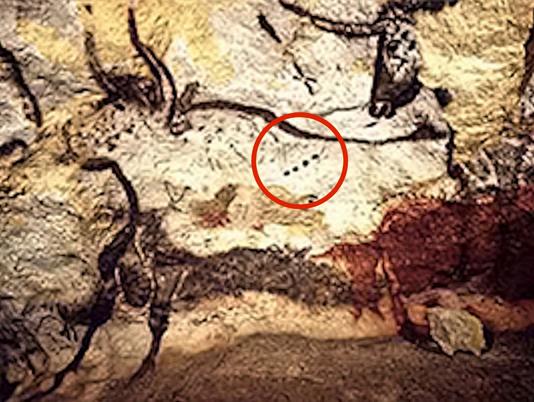
2: Art of
with painted animal, and four dots, a possible notation for Lunar months
This growth is a result of a beneficial, cyclical, evolutionary relationship: DNA mutations in the brain led to increase in mass, increase in mass led to improved cognisance, which meant better tools/techniques were developed and used, this led to better nutrition, which fueled larger brains, which in turn led to healthier bodies which had more opportunity for growth, mutation, and innovation Furthermore, those who had larger brain volume were more likely to survive and reproduce due to their improved ability to gather resources and react to dangerous scenarios, meaning they were favoured by evolutionary processes Therefore, those with larger brains survived, and our brains only continued to grow (figuratively and literally), leading to the intelligent species that all of us now belong to: Homo sapiens. Overall, this physical shift combined with a rapid expansion in cranial capacity gave our ancestors the means to innovate; now it is a matter of what they created
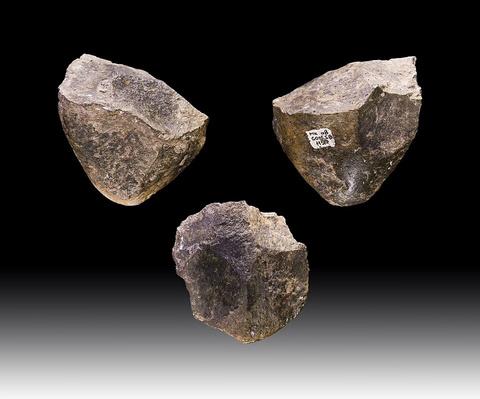
Figure 1: Diagram of Oldowan Tools found in Ethiopia
Figure
Lascaux,
LECTUAL EVOLUTION EOLITHIC ERA
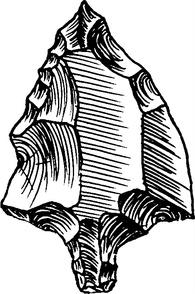
Figure 3: Diagram of an ‘Aterian nosed point’ found in Kent, England
The First Tech Revolution: Flakes to Formulas
Archaeologists categorise early technological advances into ‘industries’ Archaeological industries are collections of a consistent range of found pieces that are connected with a single product/goal (they are often named after a culture - known in archeology as a ‘type site’). These industries are the physical records of ancient thought processes, and early manufacturing. Here are some examples of Paleolithic industries:
The Oldowan Toolkit ( 2.6 million years ago): This is a widespread industry, and is one of the earliest and most recognisable signs of human technology.
By striking one stone against another, our ancestors created sharp-edged chopping/slicing tools (see Figure1) These tools were usually made of quartz, obsidian, and basalt, but would be made of anything that could hold the sharp edge While simple, this required an understanding offorce and direction and the resulting fracture
The Aterian Tools ( 1.7 million years ago): This industry is known for its impressive leaf-shaped features that represent a massive cognitive leap from creating shapes that happen to carry out a function, to holding a mental template of what the tool should look like (see Figure 2).
Upper Paleolithic Notations (~ 40,000 years ago): It is theorised that the Upper Paleolithic era coincided with the modernisation of behaviour in humans (the capacity for planning, abstract and symbolic thought, and complex learning). This is partly due to archaeological finds of cave paintings that include notational symbols (see Figure 3). Archeologists believe these notations were used to convey and note seasonal information about the animals our early ancestors hunted, such as when they gave birth, and when they were most active. This shows immense ability for observation, connective thought and memory
Proving the Brilliance - How do we know these ‘rock stars’ were actually intelligent?
To confirm hypotheses of how the aforementioned tools were used, archeologists utilise a technique known as use-wear analysis. By examining the tools under high-powered microscopes, archaeologists can identify microscopic polishes and striations (markings). A tool used to slice dry animal hide looks different from one used to cut fresh wood This evidence proves that Palaeolithic humans weren't just ‘trying things out’; they were experimenting with their surroundings and selecting specific materials for specific tasks They understood the physical properties of flint and obsidian as well as a modern engineer understands the properties of steel or carbon fiber.
The Legacy: Flint Tools to Fiber Optics
The intellectual evolution of the Palaeolithic wasn't just about survival; it was about the mastery of the physical world through logic and abstract thought. When we look at a smartphone today, we are seeing the distant, polished descendant of the Aterian nosed-point The logic behind both innovations is the same: taking raw material from the earth and manipulating its properties through a series of planned, logical steps to extend the capability of the human body. The Palaeolithic era was not a time of stagnation. It was the era when we learned how to think, how to teach, and how to innovate We are living in the world that the first Rock Stars built for us

by Molly Wright
Zeno’s Parado
by Eda Sazova
Zeno of Elea was an Ancient Greek philosopher known for his paradoxes challenging motion. He claimed that motion was an illusion, and supported the idea that reality was a single, unchanging Being, which was taught by his teacher Parmenides. Although these paradoxes seem to show that Zeno had no knowledge of physics and maths, by understanding that even the simple equations, such as Distance = Speed x Time, had not yet been discovered, the forward thinking of these paradoxes becomes clear. By connecting motion and time Zeno showed a new way of thinking that had not yet been discovered. His paradoxes show part of the human journey around maths, the long road full of mistakes that allowed our knowledge today.
There are four paradoxes that Zeno used to show that motion was not real: Dichotomy, Achilles and the tortoise, Arrow and Stadium. I will discuss the first three, showing how Zeno created the paradox, as well as Aristotle’s rebuttal. Aristotle makes Zeno out to be quite unintelligent, and Aristotle’s beliefs were thought true for a very long time. He suggests that Zeno’s paradoxes are considerably shallow, which would be true with the added knowledge. In the 20th Century, many refused to accept Aristotle’s view, and instead, elaborated on Zeno’s paradoxes, making them more embellished. I believe that both views ignore Zeno’s time, and it is unnecessary to ornament Zeno’s arguments to make them ‘smarter’. I will view these paradoxes with the modern knowledge of maths and physics, disproving them while not degrading them.
Dichotomy
Dichotomy means an endless slicing in two, originating from the Greek word ‘dikho’ and is a paradox that shows how a runner can never reach the finish line. Zeno claimed that it was possible to split a journey into an infinite number of parts, each an infinitely small distance. For example, a 100m sprint could be split into 50m, 25m, 12.5m and so on until the last sliver of distance, which would be infinitesimally small. This forms an equation, adding ½ +¼ +⅛ and so on, equating to infinity, which creates an infinite distance that must be run. Due to the fact that running an infinite distance in a finite time is impossible, Zeno concludes that it would be impossible for the runner to ever reach the finish line. Therefore, he claims to have disproved motion.

Illustrations
oxes of Motion
Aristotle says that this paradox can be disproved by the idea that time can also be split into infinitely small segments, in each of which the runner can travel an infinitely small distance. Since the time is split into infinite segments, the runner is no longer travelling an infinite distance in finite time but in infinite time. This means that the paradox is no longer impossible. However, there is an even simpler solution, in that adding ½ to ¼ to ⅛ et cetera, does not actually equal infinity but simply equals 1, meaning that there is only a finite distance to travel, disproving the paradox and not needing to split time.
Achilles and The Tortoise
Achilles and the tortoise, often known simply as the Achilles, is the second paradox, and applies a very similar concept to that of the Dichotomy. In the scenario, the tortoise is given a head start, for example 10m, and begins ahead of Achilles. To catch up to the tortoise, Achilles must travel first the 10m that the tortoise had originally reached. But, by the time he has reached the 10m mark, the tortoise has already moved a further 1m. Again, Achilles must travel this distance to reach the tortoise, at which point the tortoise has moved 0.1m. This distance between Achilles and the tortoise gets smaller and smaller, yet if the distance is split infinite times, Achilles will never reach the tortoise, because the tortoise will always have moved further away.
Aristotle refutes this in the same way as the first, as the distance is split infinite times. As the concept of the paradox is the same, the argument can be applied that time can also be split infinite times. Using mathematical formulae, however, this becomes a series of numbers. A series of numbers that keeps shrinking, such as from 10m to 1m to 0.1m, has been proven to be convergent. This means that the sum of these numbers will converge to a finite number and can be completed by Achilles to catch up to the tortoise. This is the same concept as the first, but as we have used different numbers, the sum would be different.
The Arrow
The third paradox, the Arrow, relies on two assumptions. For motion to occur, an object must change the position which it occupies and secondly, that time can be split into an infinite number of instants. The paradox starts by taking an arrows flight and splitting it into an infinite number of moments in time. At each moment in time, the arrow is at rest, and occupying a position, which means it is never moving to or from another position.Therefore, this shows that there is no place in time where the arrow is moving, so the arrow must not be moving at all.
Aristotle refuted this by saying that time cannot be split into static moments as well as saying that motion is continuous, not a series of frozen moments. In contrast some modern scholars, such as Russell, have said that motion is simply being in different positions at different times. Aristotle’s argument is better, although due to previously having split time to solve the other paradoxes, its premise is very shaky. However by using the other solutions to the first two paradoxes, time being indivisible is enough to disprove the arrow paradox.
Overall, these paradoxes have deceptively simple responses but serve to show the ancient beliefs of motion, and therefore a stage of the evolution of physics.
by Molly Wright
Adaptations for the A Survive and Thrive in
By El Marshall
Forthoseofuswholiveintemperateregions(regionsinwhichthetemperatureissubjectedonlytomildhighsand lows),thewinterisatimewefindourselvesreachingforfluffyblankets,woolyjumpers,aswellashatsandscarves tomitigatethecold,wemayalsocranktheheatingupafewdegrees But,howdocreatures,withouttheseluxuries, andinmoreunforgivingclimatescopewithchillthatcanplummetwellbelowfreezing?Thinkthearctic,wherethe temperaturecanfallbelow-30degrees Howisitthatpolarbearscanmakehomehere,andwhalescancirculate itssurroundingseas?Theanswerisadaptation
Adaptations regard structural, physiological or behavioural changes that can emerge in an animal species over generations The changes may initially arise as part of a genetic mutation, or simply via slight variation in the population(accountedforbytheindependentassortmentofchromosomesthatoccursinmeiosis-themakingof genetically unique gametes/ egg and sperm cells) Natural selection can then strengthen the characteristic if it's advantageous in a specific environment, eventually making it a trait of an entire group Adaptations can be the solereasonforanimalsurvivalinharshandbleakwintersettings,wheretheclimatecandepletekeyresourceslike foodandsunexposure.
Wintercoats
We probably are all accustomed to layering up and relying on our jackets or coats in the winter. Well, many animal species are also dependentonthis,yettheyexecuteitinafar more organic way. The general gist is that thick furs provide insulation by trapping warm air, between fibres close to the animal’s bodies Yet, there are a few more specificsub-genresofthismodification
Layersoffurisastructuralexampleofthis adaptation Multilayering increases an animal’s coat’s density, taking its insulating quality to the next level With layering, the outer coat serves to protect the shorter, finer undercoat from degradation from snow, rain or hail, thus the trapping of heat in the inner coat is prioritised and sheltered Preventing chill from passing through to the animal’s body stops their blood from cooling and causingrealharm-suchashypothermia, which leads to a shutdown of the metabolicprocess(potentiallyinducinga coma or death). This is possible due to the thicker, coarser and longer fibres present only in the outer coat , known as ‘guardhairs’duetotheirroleinprotecting thedeeperliningsoffur.
The musk ox, renowned for their overwhelminglyshaggycoatisananimal who boasts this adaptation to handle the demandsoftheirhomelandtheArctic.

A similar structural variation of the winter coat adaptation regardsimprovinginsulationviaanadditionallayeroffat.Bison developthistoendureblizzards.Comparedtomusclesandskin, fat has low thermal conductivity. This is because fat contains scarcely any water or blood vessels, both of which speed up heat transfer. Ultimately resulting in heat being prevented from escapingthebodythroughthebuildupoffat Thesurpluslayer is constructed post heavy eating in warmer months This is driven by an increased sense of hunger, regarded as hyperphagia An innate response where the pituitary gland is triggeredbythehypothalamus,toreleasehormonesthatspeed up metabolic rates in response to environmental cues such as droppingtemperaturesanddecreasedhoursofdaylight(which signalwinteriscoming)
Some animals can secrete grease into their fur in order to prevent their coat from freezing, which is a physiological adaptation Thisisespeciallyofusetopredatorsthathunttheir prey in the ocean We see this in polar bears These mammals periodically take a freezing dive in surrounding waters to find their food - the ringed seal Without this adaptation, the remaining water from their plunge could freeze around fur follicles and essentially encase the animal in ice. The grease (known as sebum) does not allow for this however as its hydrophobic components, cholesterol and fatty acids, repel water,meaningicecannotattach.
A final structural subgenre of this adaptation regards camouflage. In environments engulfed in snow and ice some animal coats can come in handy for more than just insulation. Having an exterior that matches their surroundings can be some animals' only defence against their predators. To stay safeinwintermonths,snowshoeharesshedtheirtypicalbrown furs to make way for shielding white exterior that masks them fromthesightoftheirhunters.
Illustrations
Arctic - How Species the Coldest Regions:
Strengthinnumbers
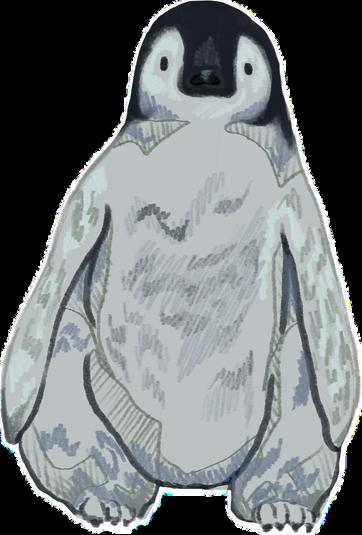
Socialthermoregulationisaco-operativeefforttogenerateandmaintainwarmthbyaspecies,it's morecommonlyrecognisedbythetermhuddling Thoughthisbehaviouraladaptationisrelevantto afewspecies(e.gvolesandhoneybees),theemperorpenguiniswhowemostoftenpicturewhen envisioningthismarvel Asaresultofthistactictheemperorpenguinsaretheonlyspeciescapable ofbreedingduringtheAntarctic'swinter.Themselvesandtheirchicksmustenduretemperaturesof around-30degreescelsiusandwithstandwindsofupto200km/htodothis,sodon'tunderestimate thepoweroftheirassemblage.
Itworkssheerlyonaccountofthesharingofbodyheat,amountingsometimestoagreatdealgiven somehuddlescancomprisethousandsofpenguins Themassofbodiesgreatlyreducesthesurface areatovolumeratio,incomparisontoasolebird,meaningthere'slessindependentheatexchange. The sharing enables individual energy expenditure to plummet This is important given calculations indicate that a solitary emperor penguin may shed 200g of essential fat per day in efforts to stay warm(asopposedto100gforapenguinpartakinginthehuddle)
Dynamic rotation is an essential aspectofhuddling Itinvolvesslowbut constant pivoting in which each individual in the group makes their way to, and momentarily away from, the warm core This movement prevents any unlucky members of the huddle ,who may have initially lined the outsides of the circle, from constantly being exposed to the full force of the weather. Additionally, social thermoregulation can be so effective in generating warmth that dynamic regulation can be crucial in preventing overheating! The cosy centre can sometimes reach over 20 degrees Celcius, a temperature too extremefortheAntarcticbirds.

Preserving heat is greatly aided by decreasingitsloss.Thiscantakeforminthe structural adaptation of reducing surface area This means there are as minimal as possible exterior planes for heat exchange to occur Many of us would not guess that there was a survivalist reason as to why an emperor penguin’s bills and flippers are so small, yet this characteristic, of smaller extremities compared to other penguin species, is a product of natural selection over many generations. By sacrificing extremities’ length the process of thermal energy being lost from the body to the cooler environment is lessened, prioritising the internal organs which we need to be maintaining a stable temperature to secure theirsteadyfunctioning.
Freezing
It’s actually glucose, secreted in large amounts fromglycogenstoresintheliver,thatenablesthem to conserve life in this state. This means this adaptation is physiological. Glucose acts as an anti-freeze, whilst circulating the body in the blood stream,themoleculeseepsintoallcells Thesyrupy sugarsolutionthenpreventscellsfromfreezingand binds to water molecules to prevent dehydration. So, despite the ice building up between cells, lethal damage is avoided considering cells come out at the end of this frozen period unscathed Fantasticallythefrogscanremainfrozenforupto8 months. When temperatures rise enough, the amphibians begin to thaw from the inside out (The activity of the brain and heart re-starts first, eventuallythefrozenstateisendedwiththefreeing Whysmallermaymeanbetterandtherole ofcountercurrents
Sacrificingtheseextremities’heat,alongside making them smaller, also safeguards the internal organs. This explains why for us our hands and feet are typically the first to feel penetrated by chill. Some animals in particularly icy climates actually have counter current heat exchange systems specific to their extremities This is true for penguins in their flippers and feet, and whales for their flippers and flukes (tails). Thissophisticatedsystemwarmsextremities whilst simultaneously ensuring heat is predominantlyallocatedtotheinternalcore Warm blood is pumped from the arteries towards appendages, supplying heat. This influx runs parallel to the blood returning to the body in veins, from extremities, which has been cooled on account of heat exchangewiththesurroundingenvironment. The returning blood is therefore heated via its proximity to the incoming warmth. This ensures extremities aren't completely neglected whilst forbidding cool blood, which holds the power to decrease the internal temperature of the animal, its entry back into the body. This is what helps penguins'feetnotfreezedespitestandingall dayonice
As you’d imagine, freezing solid is fatal for most animals,yetshockinglytherearesomeoutstanding species that have adapted to survive in this icedover state. One example is the Wood frog. These amphibians (residing in Canada, Alaska and Northeastern USA) can be forced to brave temperatures as low as -60 degrees Celsius Insteadofspendingmassamountsofenergytrying tofightthesekindsofconditions,thesefrogsnestle down in the leaf litter on forest floors as they feel the cold creeping in, and allow the ice to encapsulate them. With time and the prolonged plummet of temperature, the frog's body freezes Heartbeat and breathing cease, even the frogs eye’slensesturnwhiteduetothemfrostingover.All thisoccurswhenicecrystalsactuallybegintoform withinthefrog’sbloodvessels,beginningtoencase theirinternalorgans
Hibernation
Wintermonthsaregoodatconvincingustoceaseouractivityinfavourofcurlingupinablanketand staying in bed, this is only heightened for the animal kingdom of which multiple species rely on this behavioural adaptation to make it through colder periods. Hibernation is more common in small mammals (e.g hedgehogs and mice) who lack any specific structural or physiological adaptations that better suit them to their environment. For them, the choice is between staying dormant or carryingoutanenergy-expensiveandpotentiallyperilousmigrationtoawarmerclimate
Hibernationiswhenananimallowersitsmetabolismandbecomesinactivetoconserveenergy.This is typically characterised by a lowered heart and breath rate, as well as a plummet in body temperature, to what can be just above ambient (surrounding air’s) temperature. Brown bats have actually been recorded as reducing their breathing rate to a startling single breath every two hours! Thesleepstatereducestheanimal'sactivedutytowardoffthecold Hibernationcanlastfromweeks tomonths,dependingonthespecies.
It's actually a blood-bourne component, known as Hibernation Induction Trigger (HIT), that indicates toananimalthatitshouldbeginpreparationforhibernation.Themoleculeisreleasedinresponseto environmental alteration. The preparation for hibernation involves either mass weight gain, in order for animals to survive off of their fat reserves alone, or hoarding food - so that during dormancy the animal can wake periodically to re-fuel before returning to its death-like state In this way the adaptation gets around the burden of competing for food which can deplete an animal's energy reserves. This is especially significant in the cold conditions where hibernation is more common, as foodisoftenscarce.
And finally, despite being most synonymous in most’s minds with hibernation, bears are actually regardedasnotbeingtrue-hibernators.Thisisastheirmetabolismsdon'tdropalmostaslowasthe average hibernating small mammal’s would. In fact, the bears' temperature can hardly alter in their lighter state of dormancy. Very large energy stores are needed to sustain the higher temperatures andothermetabolicratesthough.Yet,ifthebearscanachievegarneringaplentifulfatreserve,some (North Alaskan bears) have been known to remain in dens up to 7 months In these 7 months, processes such as eating, drinking and even defecation and urination are stopped; the bear relies solely on its stores until it departs its den, at which point theyve been found to be around ⅓ of their startingdoormacyweight.
Thetakeaway: Keepinginmindthese magnificentwaysinwhich differentspecies accommodate unimaginablechill,trytobe thankfulforourartificial adaptationsnextwinter!
Alessia McCormick Managing Medi as an Elite
Elite athletes are often viewed as having peak physicality - almost perfection Yet, many of the world’s greatest sports people manage chronic medical conditions, disabilities and serious health challenges. Their success is a result of mastering adversity
Firstly, the tennis legend Venus Williams was diagnosed with Sjögren’s syndrome in 2011. Sjögren’s syndrome is an autoimmune disease, which causes fatigue and joint pain - hindering endurance and recovery. As part of this condition, the immune system mistakenly attacks the body’s moisture-producing glands. In 2011 this led to her early retirement from Wimbledon, but through management, she came back as a finalist in both the Australian Open and Wimbledon in 2017 - reaching world number 5 at the age of 36. Rather than stepping away from competing at the highest level, she adjusted her training load, recovery strategies and nutrition in order to address her conditionlongevity in tennis.
Next, the international rugby union player
Henry Slade competes whilst monitoring blood glucose levels as he manages Type I diabetes. This is also an autoimmune condition in which the pancreas produces reduced amounts of insulin, which is responsible for regulating blood glucose levels. This is particularly damaging for a rugby player as exercise can cause hypoglycaemia - rapid drops - or spikes in blood sugar levels.
Glucose levels directly affect cognitive function, decision making and reaction time, which are all critical for a professional rugby player. His condition is managed by wearing a Dexcom, which constantly monitors insulin levels - and warns him of spikes and drops (treated by injecting insulin or consuming sugars).
Another professional rugby player managing a medical condition is Tommy Freeman. Freeman manages epilepsy, which is a neurological condition causing recurrent, unprovoked seizures due to abnormal electrical activity in the brain. It arises from a disruption in the balance between excitatory and inhibitory neurotransmission - causing neurons to become too easily activated, or they fire simultaneously at the same rate rather than in the usual regulated manner. When controlled through medication, consistent sleep, hydration and regular neurological reviews, epilepsy does not impair elite level physical performance.

ical Conditions e Athlete
Despite there being opportunities such as the Paralympics for physically disabled athletes, not all sports are represented. This led to the baseball player Jim Abbott taking matters into his own hand. Born with symbrachydactyly (without his right hand) in 1967, Abbott’s disability forced innovation. He developed a unique technique to both field and pitch seamlessly for 4 professional MLB teams including the New York Yankees
Abbott’s congenital limb absence presented many biomechanical challenges throughout his career. For example, lack of his hand leads to altered balance and force distribution - directly affecting how he pitches, alongside other issues such as increased strain on remaining limbshaving to transfer his glove and ball between pitches. Abbott’s success demonstrates the brain’s capacity for motor adaptation and neuroplasticity (the brain’s ability to form and reorganise synaptic connections), showing us that physical limitations can coexist with elite performance without the need for medical intervention.
Lastly, Christian Eriksen, the professional footballer, suffered a cardiac arrest during the Euro 2020 match Denmark vs Finland. This was most likely caused by an arrhythmia (sudden lethal heart rhythm). You would assume that his sporting career ended with his heart attack.

However, as a result, he was fitted with an implantable cardioverter defibrillator (ICD), which detects and corrects dangerous rhythms and allowed a return to professional football. This highlights advances in sports medicine, cardiac care and risk assessment. However, Eriksen could no longer play for Inter Milan due to his ICD as Italian rules do not allow it for fear of damaging the device during matches
In conclusion, the idea that elite performance requires impeccable health is a myth. These examples show us that in sport, as in life, setbacks can often be overcome with the right mindset, adaptations, discipline and support!
Illustrations by Molly Wright


The European Organisation for Nuclear Research (a bit of a mouthful) commonly known as CERN, is one of the world's leading scientific research institutions. It is located on the border between Switzerland and France near the city of Geneva, and is dedicated to understanding the fundamental building blocks of matter and the forces that govern the universe. Since being established in 1954, CERN has become a symbol of international scientific cooperation, and has brought together thousands of scientists, engineers, and researchers from around the world.
The primary mission of CERN is to study particle physics, a branch of science that investigates the smallest and most fundamental components of matter and the interactions between them. This is one of my personal favourite topics in A Level Physics. By exploring these particles, scientists aim to answer some of the most profound questions about the origins, structure, and future of the universe.
The Large Hadron Collider
One of CERN's most famous facilities is the Large Hadron Collider (LHC), the largest and most powerful particle accelerator ever built. But what actually is a hadron? Prior to A Level Physics I had no idea. Hadrons are a category of sub-atomic particle which is made up of two or three quarks. Quarks are fundamental particles (meaning they are made up of nothing smaller).
My favourite part about them is that they are described to have a different “flavour” depending on their properties. Some hadrons that you may be more familiar with are protons and neutrons.
Now that you are familiar with the concept of a hadron, the Large Hadron Collider consists of a circular tunnel approximately 27 kilometres in circumference, located about 100 metres underground! Some portions are located directly in the middle of Geneva, meaning it travels underneath some people’s home, however are 100m deep underground. Inside this massive machine, particles such as protons are accelerated to speeds approaching the speed of light and then are made to collide with one another. These collisions recreate conditions similar to those that existed just fractions of a second after the Big Bang, allowing scientists to study matter at its most fundamental level.
The experiments conducted at the LHC generate enormous amounts of data. Advanced detectors positioned around collision points capture information about the particles produced during these high-energy interactions Scientists analyse the data collected by these detectors to search for new particles, investigate known phenomena, and test theories about the nature of the universe
Achievements & Breakthroughs
One of CERN's greatest achievements occurred in 2012 with the discovery of the Higgs Boson This particle had been predicted nearly fifty years earlier by theoretical physicists, including Peter Higgs The Higgs Boson is associated with the Higgs field, which is believed to give mass to fundamental particles Its discovery confirmed a crucial part of the Standard Model of particle physics, the theoretical framework that describes the behaviour of elementary particles and forces The achievement was widely regarded as one of the most significant scientific breakthroughs of the twenty-first century, winning a Nobel Prize in 2013 Beyond the search for new particles, CERN researchers investigate several other important questions One area of study concerns dark matter, an ‘invisible’ substance believed to make up most of the matter in the universe which does not interact with light or other electro-magnetic radiation. It sounds like something from a comic-book in a world full of superheroes. However this is happening currently and CERN is leading research in the fundamentals of our universe. Although dark matter cannot be observed directly, its gravitational effects can be detected. Scientists at CERN hope that particle collisions may produce evidence of dark matter particles, helping researchers understand this mysterious component of the cosmos.
C VA


VA

Another major research objective is understanding why the universe consists primarily of matter rather than antimatter. According to current theories, the Big Bang should have produced equal amounts of matter and antimatter. However, the observable universe contains very little antimatter. Experiments such as ‘Large Hadron Collider beauty’ examine subtle differences between matter and antimatter particles to uncover clues about this imbalance. Solving this mystery could provide important insights into the evolution of the universe.
CERN also conducts research involving antimatter itself. Facilities such as the Antiproton Decelerator allow scientists to create and study antimatter particles under controlled conditions. This research is where some of the most insane things are discovered about the universe, such as the existence of entirely new particles and understanding the behaviour of things such as dark-matter. Researchers investigate whether antimatter behaves exactly like ordinary matter and whether there are any differences that could challenge existing theories of physics. These studies contribute to a deeper understanding of the fundamental laws governing nature. The work at CERN extends far beyond theoretical discoveries The organisation is also a centre for technological innovation Building and operating these scientific instruments requires advances in engineering, computing, electronics, and materials science Many technologies developed for particle physics research have found practical applications in everyday life
The World Wide Web, Computing and Medical Technology
One notable example is the creation of the World Wide Web In 1989, computer scientist Tim Berners-Lee developed the World Wide Web while working at CERN His goal was to improve information sharing among researchers located in different countries The technology quickly expanded beyond the scientific community and transformed global communication, commerce, education, and entertainment Medical technology has also benefited from CERN's research. Techniques originally developed for particle detectors have been adapted for medical imaging devices such as PET scanners. Advances in accelerator technology have contributed to cancer treatment methods, including proton therapy, which uses highenergy particle beams to target tumours with exceptional precision. These applications demonstrate how fundamental scientific research can generate benefits for society as a whole.
Computing is another area in which CERN has made substantial contributions. The vast amount of data produced by particle physics experiments requires immense processing power and storage capacity To address this challenge, CERN helped develop the Worldwide LHC Computing Grid, a global network of computing centres that share resources and analyse experimental data. This infrastructure allows scientists from many countries to collaborate efficiently and access information in real time
International Cooperation & Education
International cooperation is one of CERN's defining characteristics Thousands of researchers from universities and institutions around the world participate in CERN experiments Scientists with diverse backgrounds work together toward common goals, sharing expertise, resources, and ideas. This collaborative approach has made CERN a model for peaceful international scientific cooperation. Researchers often describe the organisation as a place where science transcends political and cultural boundaries.
Education and public outreach are also important aspects of CERN's mission. The organisation hosts students, teachers, and visitors from around the world. Educational programmes provide opportunities for young people to learn about physics, engineering, and technology. Through exhibitions, lectures, and online resources, CERN seeks to inspire future generations of scientists and increase public understanding of scientific research.
Looking ahead, CERN continues to plan ambitious projects aimed at expanding humanity's knowledge of the universe. Upgrades to the Large Hadron Collider will increase its performance and allow researchers to collect even more precise data. Scientists are also exploring proposals for future accelerators that could reach even higher energies and potentially reveal new physics beyond the Standard Model From the discovery of the Higgs Boson to the invention of the World Wide Web, CERN's achievements have had a profound impact on both science and society
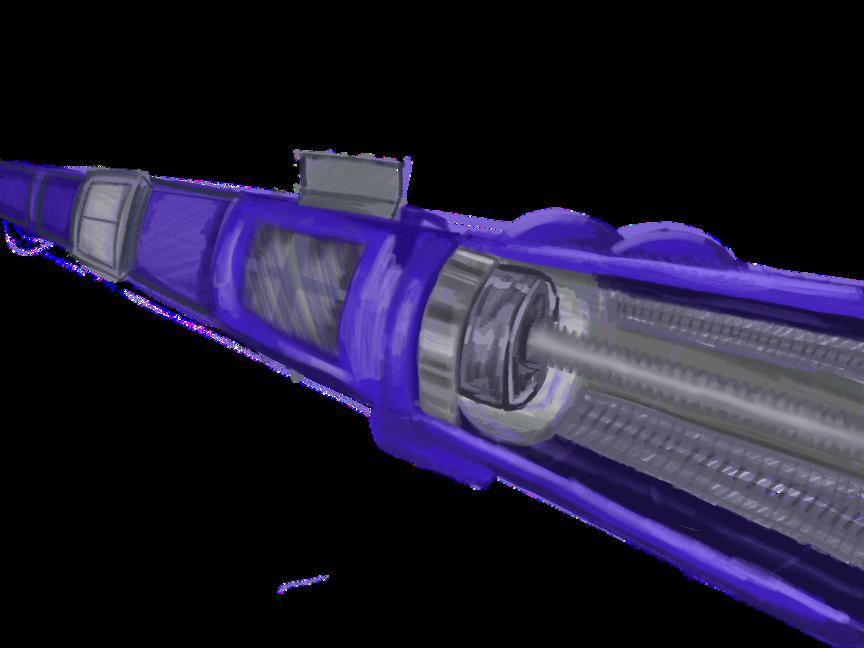
Bibliography
Sound and the City
Is Human Society Predisposed to Inequality
https://www.railway-technology.com/contractors/overhaul/pyrotek/pressreleases/exceptionalnew-sydney-metro-tunnel/ https://www.railway-technology.com/contractors/overhaul/pyrotek/pressreleases/vibrationcontrol-and-noise-reduction/ https://www.sciencedirect.com/science/article/abs/pii/S0886779824001196 https://share.google/ElKdyaley8WcmlgK
https://www.theguardian.com/science/2015/may/14/early-men-women-equal-scientists https://pmc.ncbi.nlm.nih.gov/articles/PMC10482145 https://www.sciencedirect.com/science/article/abs/pii
The Future of Medicine: 3D Printed Organs
The Men Who Took Surgical Matters into Their Own Hands… Literally
https://www.cellink.com/blog/3d-printed-organs/ https://seas.harvard.edu/news/3d-printed-blood-vessels-bring-artificial-organs-closer-reality https://builtin.com/articles/3d-printed-organs https://www.gosh.nhs.uk/news/how-3d-bio-printing-can-shape-mini-organs/ https://news.stanford.edu/stories/2025/06/blood-vessels-3d-printed-heart-organs https://www.popularmechanics.com/science/health/a70014876/3d-bioprinting-liver/ https://www.sciencefocus.com/news/breakthrough-3d-printed-organ-windpipe https://en.wikipedia.org/wiki/Xenotransplantation https://en.wikipedia.org/wiki/Organoid
https://www.sciencedirect.com/science/article/pii/S2214854X17300237 https://www.bbc.co.uk/news/magazine-32481442 https://pmc.ncbi.nlm.nih.gov/articles/PMC12496505/
Beyond Distraction: Reframing the narrative of ADHD https://add org/adhd-brain
https://www airbus com/en/newsroom/stories/2020-03-biomimicry-a-fresh-approach-to-aircraftinnovation
Humpback whale tubercles
https://www epo org/en/news-events/european-inventor-award/meet-the-finalists/stephen-dewarphilip-watts-and-frank-fish
The Bio Blueprint: Why the Future of Aviation is Hiding in the Wild
Was the Covid-19 Pandemic Actually Beneficial for Mankind?
https://youtu be/55K9j4om4DU?si=0FouxOq bz5UnZaW https://whalepowercorp wordpress com/tubercle-technology-and-aerodynamic-performance/ https://www aveva com/en/our-industrial-life/type/article/the-whale-inspired-secret-to-better-windturbines/ Sharkskin denticles https://youtu be/-m0EiUyoQ48?feature=shared https://www lufthansagroup com/en/themes/aeroshark html https://www lufthansa-technik com/en/aeroshark https://medium.com/@a.zulfaa/shark-aerodynamics-and-the-signature-of-design-in-nature
https://www hamburg-aviation de/en/focus-areas/sustainable-aviation/lufthansa-technik-aeroshark/ https://aerospaceglobalnews com/news/latam-rolls-out-aeroshark-coating-boeing-777-fleet/
https://pmc.ncbi.nlm.nih.gov/articles/PMC12714931/ https://cepi.net/mrna-vaccines-what-they-are-and-what-they-are-not https://pmc.ncbi.nlm.nih.gov/articles/PMC12755870/#:~:text=mRNA%2Dbased%20anti%2Dtumor %20vaccines%20targeting%20tumor%20neoantigens%20%E2%80%93%20unique,cells%20%E2% 80%93%20have%20demonstrated%20high%20efficacy https://pmc.ncbi.nlm.nih.gov/articles/PMC2975206/
Rock Stars: Intellectual Evolution in the Palaeolithic Era
Zeno’s Paradoxes of Motion
Adaptations for the Arctic - How Species Survive and Thrive in the Coldest Regions
How Did Humans Get So Smart? An Evolutionary Explanation - Biology Insights
Human evolution - Brain Size, Adaptations, Fossils | Britannica Paleolithic Period | Definition, Dates, & Facts | Britannica Oldowan - Wikipedia
https://en.wikipedia.org/wiki/Aterian https://en.wikipedia.org/wiki/Upper_Paleolithic
Booth, N. “Zeno’s Paradoxes.” The Journal of Hellenic Studies, vol. 77, 1957, pp. 187–201. JSTOR, https://doi.org/10.2307/629357. Accessed 2 Feb. 2026.
King, Hugh R. “Aristotle and the Paradoxes of Zeno.” The Journal of Philosophy, vol. 46, no. 21, 1949, pp. 657–70. JSTOR, https://doi.org/10.2307/2019365. Accessed 2 Feb. 2026.
https://www.nhm.ac.uk/discover/ways-animals-survive-cold.html https://www.batcon.org/bats-in-winter/ https://www.bbc.co.uk/newsround/articles/cre8xe33wvlo
https://sjogrens.org/blog/2022/venus-williams-stands-up-for-sjogrens-awareness https://www.prevention.com/health/a28446557/venus-williams-sjogren-syndrome/ https://theconversation.com/explainer-what-is-sjogrens-syndrome-the-condition-venus-williamslives-with-111250
Managing Medical Conditions as an Elite Athlete
Inside CERN: Nuclear Research and Unbelievable Science
https://www.bbc.co.uk/sport/articles/cj41kzvwjk4o https://www.healthawareness.co.uk/diabetes/my-type-1-diabetes-doesnt-stop-me-playinginternational-rugby/
https://www.epilepsy.org.uk/news/rugby-star-tommy-freeman-shares-epilepsy-story-forepilepsy-action-radio-4-appeal
https://www.theguardian.com/sport/2025/jan/27/england-tommy-freeman-wing-wizardryepilepsy-rugby-union-six-nations
https://www.espn.com/mlb/story/_/id/45709530/inside-glowing-legacy-jim-abbott https://eu.usatoday.com/story/sports/mlb/columnist/bob-nightengale/2025/07/13/jim-abbott-nohitter-yankees-documentary-espn/84915318007/ https://edition.cnn.com/2023/05/13/football/christian-eriksen-cardiac-arrest-comeback-spt-intl https://thackraymuseum.co.uk/what-saved-christian-eriksen/
https://www.youtube.com/watch?v=QG8g5JW64BA https://en.wikipedia.org/wiki/CERN https://home.cern/science/physics/ https://en.wikipedia.org/wiki/CERN https://www.sciencedaily.com/releases/2026/05/260526022012.htm
Thanks for reading!
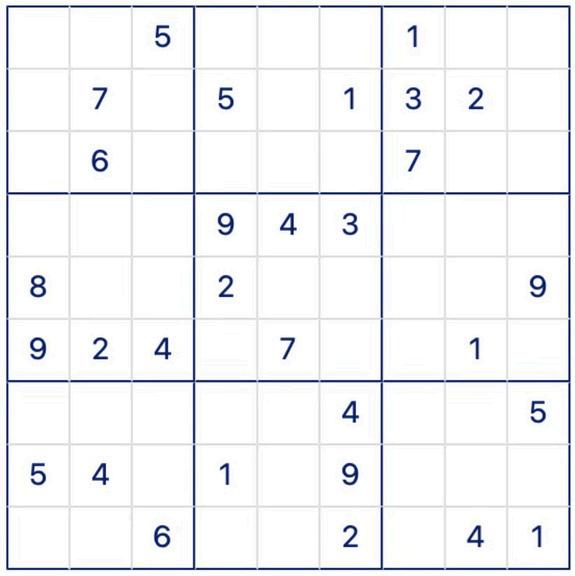
BIODIVERSITY
BONDING
CATALYST
CHARGE
CHROMOSOME
CONCENTRATION
CURRENT ECOLOGY
ELECTROMAGNETIC
GENETICS
ION
MOMENTUM
NUCLEUS
REACTION

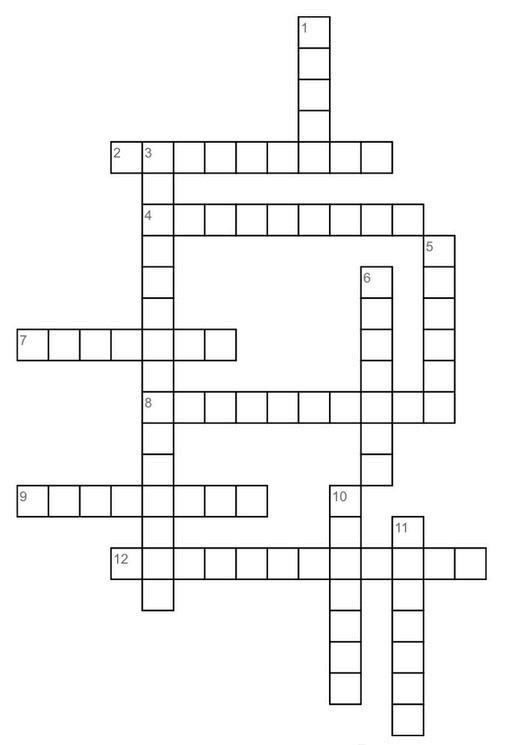
Down
1 Prize awarded in accordance with the principle of 'for the greatest benefit to humankind'
3 A spectrum of radiation, includes visible light.
5 Made up of quarks, for example, a proton
6 Trains immune system recognise and fight off harmful pathogens
10 A statement which may appear to be contradictory or completely impossible
11 Prehistoric people who lived in caves during the Stone Age