

R N E Y O F A P E B B L E
G C S E G E O G R A P HY S U P P O R T 14 15 16 M E E T T H E E D I T O R
R E V I S I N G F O R T E S T S I N Y E A R 8
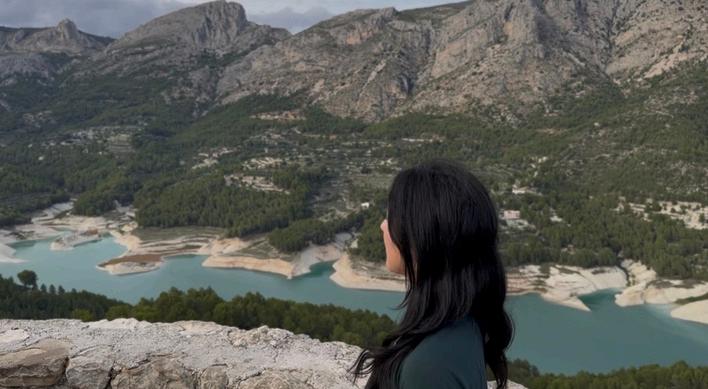
H i , I ’ m K y a , t h e e d i t o r o f G e o S c o p e , a n d I ’ m s o e x c i t e d t o s h a r e w i t h y o u t h e l a t e s t i s s u e o f
G e o S c o p e !
I ’ m c u r r e n t l y i n Ye a r 1 2 , s t u d y i n g A l e v e l G e o g r a p h y, B i o l o g y, C h e m i s t r y a n d M a t h s I ’ v e
a l w a y s h a d a p a s s i o n f o r p h y s i c a l g e o g r a p h y ; I ’ m f a s c i n a t e d b y t h e w o r l d a r o u n d u s a n d t h e
s c i e n c e b e h i n d o u r p l a n e t ’ s s t r u c t u r e s a n d s y s t e m s I ’ m h o p i n g t o s t u d y E a r t h S c i e n c e s a t
U n i v e r s i t y s o I c a n c o n t i n u e t o e x p l o r e h o w o u r p l a n e t w o r k s a n d d i v e d e e p e r i n t o i t s i n c r e d i b l e c o m p l e x i t y
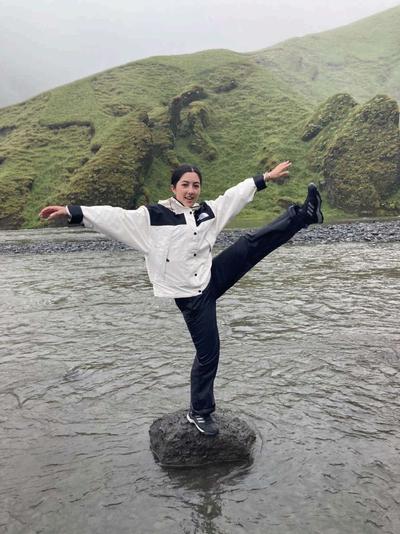
O u t s i d e t h e c l a s s r o o m , I l o v e t o b e o n t h e i c e I ’ v e b e e n a f i g u r e s k a t e r f o r 6 y e a r s a n d t h e r e
i s n o t h i n g l i k e t h e f e e l i n g o f g l i d i n g o n t h e i c e o r t h e t h r i l l o f l a n d i n g a j u m p I t ’ s m y
f a v o u r i t e w a y t o c l e a r m y h e a d a n d s t a y a c t i v e
W h e n I ’ m n o t a t t h e r i n k , I ’ m u s u a l l y o u t d o o r s - w h e t h e r i t ’ s g o i n g f o r a w a l k i n t h e w o o d s b y
m y h o u s e , g o i n g f o r a r u n , o r h i k i n g u p a m o u n t a i n I l o v e t o b e a c t i v e a n d r e a l l y e n j o y a
c h a l l e n g e A d d i t i o n a l l y, I l o v e t r a v e l l i n g a n d h o p e t o e v e n t u a l l y e x p l o r e t h e w o r l d a n d
i m m e r s e m y s e l f i n t h e d i v e r s e l a n d s c a p e s o f t h e p l a n e t .
T h i s i s o u r s e c o n d e d i t i o n o f t h e y e a r, a n d I w a n t e d t o g i v e i t a b i t o f a m a k e o v e r. M y g o a l f o r
t h i s i s s u e w a s t o m a k e i t f e e l m o r e ‘ o f f i c i a l ’ , v i b r a n t , a n d e x c i t i n g I ’ v e l e a n e d i n t o a b r i g h t e r
c o l o u r p a l e t t e a n d h a v e t a i l o r e d e v e r y p a g e t o s u i t t h e s t o r y i t t e l l s .
W e h a v e 9 a r t i c l e s t
I
O R L D L O O K S A W A Y C O N G O B L E E D S
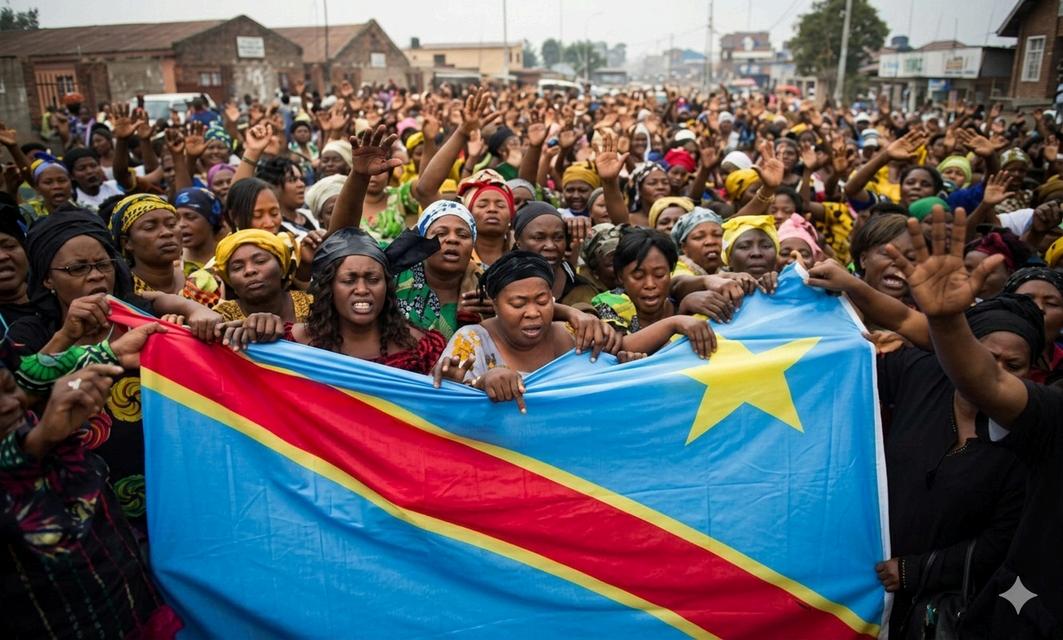
Six million dead Four hundred thousand women raped each year. Twenty five million facing food insecurity. Yet, the world still looks away. The humanitarian crisis in the Democratic Republic of the Congo (DRC) is continuously unfolding on a catastrophic scale Day by day, this conflict becomes increasingly devastating as cases of human rights violations rise and immense human suffering persists The violence between the government and armed groups continues to intensify and civilians continue to be displaced, abused and killed.
“One day he said he would kill me because he wanted to have a child with me and I wasn' t getting pregnant ” This was said by a young girl , Liliane, who was held captive and sexually abused by the Allied Democratic Forces When the ADF attacked her village, Liliane was only fourteen years old They murdered her brother-in-law and abducted her and her sister-in-law, tearing her from her home and forcing her into four years of captivity, stripping Liliane of her childhood. During her abduction, she was made to marry one of the very men who were responsible for the callous crimes committed against her and her family After four years of captivity, she regained her freedom, however the physical and emotional impact did not simply vanish In similar cases, survivors face lasting psychological hardships and find it incredibly difficult to lead normal lives again. Liliane's story emphasises the necessity of spreading awareness about the malicious acts of the armed groups in the DRC, as sexual assault becomes a devastating weapon used against the people. In 2023, 133,000 cases of sexual violence were recorded These are not simply statistics, they represent shattered lives Behind every figure is an individual whose body and dignity were violated In the beginning of 2024, cases of sexual violence related to conflict doubled compared to the same period the year prior, revealing a crisis that is rapidly escalating. There is an urgent need for accountability, protection and support for victims and survivors.
Most of the violence occurring in the DRC is concentrated in the eastern provinces This region is exceptionally rich in valuable mineral deposits These resources are also known as ‘conflict minerals’ and include: coltan, gold, cobalt and tin. Armed groups including the ADF and M23, compete relentlessly for control over mining areas as these minerals can be smuggled and sold on international markets to generate profit . These minerals are essential to global supply chains and power the production of our smartphones, electric cars, laptops and other products and technologies This world benefits from Congo's natural wealth yet when it comes to protecting Congolese people, that same urgency is severely lacking. How can global industries rely so much on Congo's resources whilst hiding away from the suffering tied to its extraction?
Communities continue to be displaced, children endure the harshest conditions and countless lives are lost all while the rest of the world can profit from the land's minerals. This inequality is profoundly disturbing. Too many of Congo's people remain unheard in this crisis, left to carry the burden of a prosperity that shall never reach them.
The atrocities in eastern DRC are not hidden because they are invisible but rather unseen because they are inconvenient . Between 2023-2025 the Israel-Palestine conflict dominated global headlines. This was not necessarily due to the fact that the suffering elsewhere was less significant but because some conflicts are easier to politicise and follow. Politicians and public figures align themselves to one side of the conflict gaining attention and support However, the crisis in Congo holds far more complexity It is a prolonged and layered conflict which is rooted in decades of instability and violence There’s no single event or moment to define it and no simple storyline to follow Due to the length of the crisis, the global attention has drifted and urgency has faded over time. Nevertheless, time does not simply diminish suffering.The quietness of the world just reveals a lack of humanity in us; about what we are choosing to amplif y, what we look past and what we decide is too complicated to hold our attention As long as we remain ignorant , we ourselves have become complicit in the injustice inflicted upon the innocent Congolese people
The Democratic Republic of the Congo does not lack resources, resilience, or humanity. What it is deprived of is our attention. The minerals beneath the land's soil power our lives; above that very soil , such reprehensible violations of human rights are committed. Millions dead. Hundreds of thousands of women and young girls are sexually assaulted Many more are facing famine and displacement and even so, the world chooses to act as if they are blind to the deprivation Silence is a decision If we can use our voices for some conflicts and dismiss others until they ’ve faded into the background, then our compassion is selective. There is no justice if outrage depends merely on what is trending. The question is no longer what is happening in Congo, but rather what are we willing to do about it? How can we blame distance in a world that has become so connected? How do we continue to benefit from Congo's resources and detach from its oppression? We cannot say that we did not know We will only be able to say whether we chose to care or to look away
A N D S C A P E S O F F E A R
Yo u m i g h t b e l i e v e t h a t p r e d a t o r s r e d u c e p r e y
p o p u l a t i o n n u m b e r s o n l y b y d i r e c t h u n t i n g ; h o w e v e r,
a n o t h e r f a c t o r m a y i n f l u e n c e t h i s r e d u c t i o n e v e n m o r e d e e p l y.
F e a r.
T h e m a j o r i t y o f t h e i m p a c t p r e d a t o r s h a v e o n p r e y
s p e c i e s i s b y b e i n g a t h r e a t P r e d a t o r s c a n a f f e c t
e n t i r e p r e y p o p u l a t i o n s , c a u s i n g m a n y d i f f e r e n t
i n d i v i d u a l s t o p l a y i t s a f e O n a l a r g e s c a l e t h i s w o u l d
m e a n e n t i r e p r e y p o p u l a t i o n s b e h a v i n g d i f f e r e n t l y d u e
t o f e a r A s p r e y b e c o m e a l e r t a n d a n x i o u s a b o u t
p o t e n t i a l p r e d a t o r s , t h e y a v o i d m a n y a r e a s o f l a n d t h a t
w o u l d p l a c e t h e m i n a v u l n e r a b l e s t a t e . B e c a u s e o f
t h i s , t h e y f e e d l e s s o n t h a t l o c a l v e g e t a t i o n ,
s i m u l t a n e o u s l y r e d u c i n g t h e l i k e l i h o o d o f p r e y
o f f s p r i n g s u r v i v a l a n d a l l o w i n g f o r t h e r e g e n e r a t i o n o f
t h e l a n d . P l a n t c o m m u n i t i e s m a y b e n e f i t i m m e n s e l y,
t h r i v i n g a n d d e v e l o p i n g t h e e n t i r e e c o s y s t e m i n t o a
r o b u s t s t r u c t u r e .
B y K y a Y e n d e l l , Y e a r 1 2
F e a r i n n a t u r e i s
u s e d a s a p r o t e c t i v e
m e c h a n i s m s u p p o r t i n g
s u r v i v a l W h i l s t i t p r o t e c t s a n
i n d i v i d u a l f r o m b e i n g e a t e n t o d a y, i t c a r r i e s a h e a v y t a x o n
t h e i r l o n g - t e r m h e a l t h . W h e n a n
a n i m a l i s i n a s t a t e o f h i g h a l e r t ,
i t s b o d y e x p e r i e n c e s a
p h y s i o l o g i c a l s h i f t . E v e r y m i n u t e a n a n i m a l s p e n d s s c a n n i n g t h e h o r i z o n
f o r p o t e n t i a l p r e d a t o r s i s a m i n u t e t h a t t h e y a r e n ’ t e a t i n g . P r e y w i l l t h e r e f o r e
a b a n d o n n u t r i e n t - r i c h l a n d s c a p e s f o r n u t r i e n t - p o o r h i d i n g s T h i s l e a d s t o a l o w e r
c a l o r i e i n t a k e a n d c a u s e s w e i g h t l o s s a n d w e a k e n e d i m m u n e s y s t e m s , h i n d e r i n g
t h e i r c h a n c e o f s u r v i v a l .
F e a r i s n ’ t j u s t a f e e l i n g b u t a h o r m o n a l s u r g e C h r o n i c s t r e s s c a u s e s c o r t i s o l
l e v e l s t o i n c r e a s e , t e l l i n g t h e b o d y t o p r i o r i t i s e i m m e d i a t e s u r v i v a l o v e r l o n g -
t e r m g o a l s s u c h a s r e p r o d u c t i o n . T h i s e f f e c t h a s b e e n o b s e r v e d i n
m a n y e x p e r i m e n t s , s u c h a s w h e n s c i e n t i s t s f r o m M c G i l l
U n i v e r s i t y a n d t h e U n i v e r s i t y o f G u e l p h c a r r i e d o u t a n
e x p e r i m e n t w h e r e t h e y i n t r o d u c e d t h e s c e n t o f t h e
p r a y i n g m a n t i s ( t h e f r u i t f l i e s ' p r e d a t o r ) t o f r u i t f l i e s .
T h e y f o u n d t h a t t h e r i s k o f d e a t h i n c r e a s e d b y u p t o 7
t i m e s w h e n t h e f l i e s w e r e e x p o s e d t o t h e i r p r e d a t o r ' s
s c e n t , p r e s e n t i n g t h e e x t r e m e r i s k s o f f e a r i t s e l f.
Ye t , w h e n l e f t t o t h e w i l d , t h i s s a m e f e a r p r o d u c e s l i f e
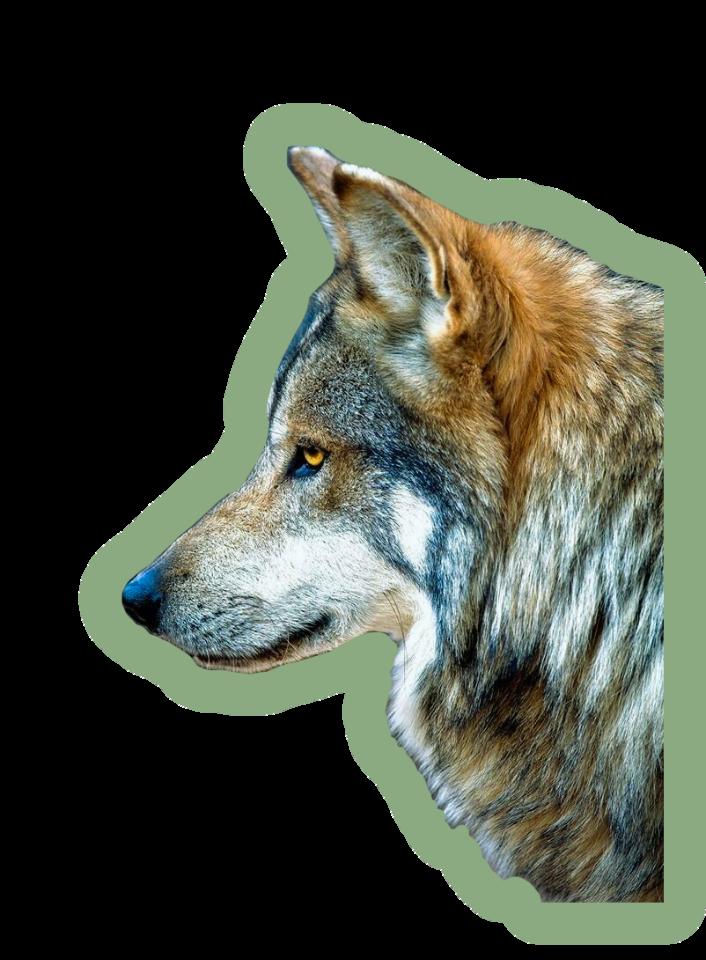
A c l a s s i c e x a m p l e o f t h i s i s w h a t o c c u r r e d i n t h e Ye l l o w s t o n e N a t i o n a l P a r k i n t h e U S w h e n
g r e y w o l v e s w e r e r e i n t r o d u c e d i n 1 9 9 5 . I t ’ s w i d e l y a c k n o w l e d g e d t h a t w o l v e s k i l l v a r i o u s
s p e c i e s o f a n i m a l ; h o w e v e r, t h e r e i s a l a c k o f a w a r e n e s s t h a t t h e y r e m a r k a b l y g i v e l i f e t o m a n y o t h e r s . I n t h e 1 9 2 0 s , w o l v e s i n Ye l l o w s t o n e w e r e h u n t e d t o e x t i n c t i o n D u e t o t h e 7 0 - y e a r a b s e n c e o f w o l v e s , t h e p o p u l a t i o n o f d e e r h a d e s c a l a t e d w i t h i n Ye l l o w s t o n e . T h i s r e s u l
i n t o a d r y, b a r r e n l a n d s c a p e .
t h e y w e r e f e w i n n u m b e r c o m p
r e d t o t h e
v e r w h e l m i n g p o p u l a t i o n o f d e e r, s t r i k i n g
t r a n s f o r m a t i o n s s t a r t e d t o o c c u r. T h e y h i g h l i g h t e d w h a t i s k n o w n a s ' t r o p h i c c a s c a d e s ' , w h i c h a r e e c o l o g i c a l p r o c e s s e s w h e r e t h e c o n t r o l o f e a c h t r o p h i c l e v e l i s d e p e n d e n t o n t h e t r o p h i c l e v e l a b o v e . I n e s s e n c e , t h e r o l e o f p r e d a t o r s c o n t r o l s t h e p o p u l a t i o n o f h e r b i v o r e s , w h i c h i n t u r n i n f l u e n c e s t h e n u m b e r o f p r i m a r y p r o d u c e r s
F i r s t l y, d e e r p o p u l a t i o n s s t a r t e d t o d e c l i n e , a l l o w i n g h u g e a r e a s o f v e g e t a t i o n t o r e j u v e n a t e
O n c e s o m e o f t h e w i l d v e g e t a t i o n g r e w b a c k , o t h e r s p e c i e s s u c h a s b e a v e r s a n d b i r d s r e t u r n e d
b e c a u s e o f t h e t r e e s A s b e a v e r s a r e e c o s y s t e m e n g i n e e r s , t h e i r d a m s c r e a t e d a n d s u p p o r t e d
h a b i t a t s f o r o t h e r s p e c i e s t o t h r i v e , l i k e o t t e r s , m u s k r a t s , a n d f i s h . T h e w o l v e s d i d n ’ t j u s t r e d u c e
d e e r n u m b e r s ; t h e y i n t e r e s t i n g l y a l t e r e d t h e b e h a v i o u r o f t h e d e e r T h e y s t a r t e d t o a v o i d s p e c i f i c a r e a s o f t h e p a r k w h e r e t h e y c o u l d b e m o s t e a s i l y t r a p p e d , f o r e x a m p l e , i n v a l l e y s a n d g o r g e s . A s
a r e s u l t , t h e s e a r e a s s t a r t e d t o r e g e n e r a t e a l m o s t i m m e d i a t e l y B u t t h e m o s t s t r i k i n g e f f e c t o f a l l w a s h o w t h e w o l v e s c h a n g e d t h e r i v e r s . T h e y w e r e i n d i r e c t l y r e s p o n s i b l e f o r m o d i f y i n g t h e b e h a v i o u r o f t h e r i v e r s D u e t o s i g n i f i c a n t p r e s s u r e l o s s o f d e e r, p l a n t s c o u l d c o l o n i s e a l o n g
r i v e r b a n k s , s t a b i l i s i n g t h e m . T h i s a c t e d a s a b a r r i e r t o e r o s i o n , c a u s i n g t h e c h a n n e l s t o m e a n d e r l e s s
T h i s o p e r a t i o n w a s o n e o f t h e m o s t s u c c e s s f u l e c o s y s t e m r e s t o r a t i o n a t t e m p t s i n h i s t o r y, d e m o n s t r a t i n g t h e p h e n o m e n a l i m p a c t w o l v e s h a v e o n n o t o n l y t h e n a t i o n a l p a r k ' s e c o s y s t e m b u t a l s o i t s o w n p h y s i c a l g e o g r a p h y.
I n s u m m a r y, f e a r i s t h e i n v i s i b l e f o r c e t h a t s h a p e s o u r n a t u r a l w o r l d . I t ’ s a b i o l o g i c a l p a r a d o x c a p a b l e o f b o t h p u s h i n g a s p e c i e s t o w a r d l o c a l e x t i n c t i o n t h r o u g h t h e s h e e r e x h a u s t i o n o f b e i n g a f r a i d a n d a c t i n g a s a n e c o l o g i c a l a r c h i t e c t t h a t c a n p r e v e n t t h e c o l l a p s e o f e n t i r e e c o s y s t e m s .
B y d i r e c t i n g w h e r e a n i m a l s g o a n d h o w t h e y e a t , f e a r p r o t e c t s r i v e r b a n k s , p r e v e n t s o v e r g r a z i n g a n d a l l o w s b i o d i v e r s i t y t o t h r i v e F e a r i s n ’ t j u s t a n e m o t i o n ; i t ’ s a n e s s e n t i a l f o r c e w i t h i n n a t u r e t h a t m a i n t a i n s t h e s t a b i l i t y o f o u r p l a n e t ' s m o s t i c o n i c h a b i t a t s .

B y S w a l e h a K h a n , Y e a r 1 1
s t i l l n e e d t o g o t h r o u g h e x t r e m e l y r i g o r o u s t r a i n i n g t o b e a b l e t o c o p e w i t h t h e
e x t r e m e t e m p e r a t u r e s a n d G f o r c e s o f t h e d r i v i n g s e a t ( c o c k p i t )
F 1 h a s a l w a y s h a d a l o y a l f a n b a s e , h o w e v e r i t h a s s u r g e d i n p o p u l a r i t y T h e r e a r e m u l t i p l e
f a c t o r s a t p l a y t o c r e a t e t h i s e f f e c t , h o w e v e r, a k e y o n e i s N e t f l i x ’ s d o c u s e r i e s - F o r m u l a 1 :
D r i v e t o S u r v i v e . I n 2 0 1 7, F 1 w a s a c q u i r e d b y L i b e r a l M e d i a f o r $ 8 b i l l i o n
d o l l a r s . T h e y c r e a t e d t h e N e t f l i x s e r i e s t o g r o w t h e s p o r t ’ s m e d i a p r e s e n c e f o r a p o s i t i v
p e r s o n a l l e v e l , t h r o u g h i n t e r v i e w s a n d b e h i n d t h e s c e n e s f o o t a g e . T h i s a s p e c t o f ‘ d r a m a t i s e d ’ d r i v e r r e l a t i o n s h i p s e n t i c e s a u d i e n c e s a l l o v e r t h e w o r l d , e s p e c i a l l y t h e U S A A i r i n g i n 2 0 1 9, t h e s h o w h a s a c q u i r e d 7 5 0 m i l l i o n v i e w e r s , a q u a r t e r o f w h i c h
6 .6 % o f
t o t a l g l o b a l
s p o n s o r s h i p r e v e n u e . O v e r a l l ,
I n t h e p a s t d e c a d e F 1 h a s c o n s i d e r a b l y g r o w n i n p o p u l a r i t y a n d i s c u r r e n t l y t h e
f a s t e s t g r o w i n g s p o r t o n
t h e p l a n e t .
b e g a n t o f o l l o w t h e s p o r t i t s e l f. T h e s h o w h a s
h i t N e t f l i x ’ s t o p 1 0 c h a r t s i n o v e r 5 6
c o u n t r i e s b u t h a s p a r t i c u l a r l y a p p e a l e d t o t h e A m e r i c a n
a u d i e n c e . T h i s i n c r e a s e i n
i n t e r e s t h a s l e d t o 3 G r a n d
P r i x s b e i n g h o s t e d i n t h e U S A
T h e s p o r t i s n o w s p o n s o r e d
b y b i g c o
p r o p o r t i o n o f t h e s e f a c t o r s a r e u n a v o i d a b l e f o r
t h e u n i q u e m a n n e r o f t h e s p o r t . S o , t h e
a u t h o r i t i e s p l a n o n o f f s e t t i n g a l l o f t h e s e
e m i s s i o n s a n d r e p l a c i n g t h e a v o i d a b l e
f a c t o r s w i t h r e n e w a b l e o p t i o n s
I t m a y s e e m l o g i c a l t o a s s u m e t h a t
t h e g r o w t h o f t h e s p o r t h a s
i n c r e a s e d t h e e n v i r o n m e n t a l
i m p a c t o f t h e s p o r t . H o w e v e r,
a c c o r d i n g t o t h e i r l a t e s t
i m p a c t r e p o r t , t h e i r n e w
f u e l s p r o d u c e 8 0 % l e s s
e m i s s i o n s ( i n t e r m s o f
l o g i s t i c s ) w h i c h h a s
d e c r e a s e d t h e i r
o v e r a l l
e m i s s i o n s b y
9 0 % - w h i c h
i s
i m p r e s s i v e . T h e y h a v e a c h i e v e d t h i s a l s o
b y u s i n g t r u c k s / l o r r i e s
t h a t a r e h y b r i d o r e l e c t r i c a n d a l t e r i n g t h e c a l e n d a r t o
m i n i m i s e t r a v e l a n d c o n t i n u e
t o d o s o C u r r e n t l y, t h e e n e r g y
c o n s u m p t i o n f o r o n t r a c k e v e n t s i s
b e i n g s w i t c h e d t o a s m a n y r e n e w a b l e
s o u r c e s a s p o s s i b l e F o r 2 0 2 6 , t h e
r e g u l a t i o n s a r e h e a v i l y b a s e d o n e n g i n e e f f i c i e n c y w h i c h c o u l d r e d u c e f u e l
c o n s u m p t i o n a n d o v e r a l l e m i s s i o n s . B y 2 0 3 0, t h e s p o r t a i m s t o h a v e n e t - z e r o C O 2 e m i s s i o n s a n d c l a i m s t o b e o n t r a c k f o r t h a t . A l t h o u g h
F o r m u l a 1 h a s b e e n a c c u s e d o f g r e e n w a s h i n g i n t h e p a s t , t h e r e i s s u b s t a n t i a l e v i d e n c e t o s u g g e s t t h a t
t h e y h a v e m a d e s i g n i f i c a n t s t e p s t o w a r d s a m o r e
s u s t a i n a b l e f u t u r e .
By Saskia Geers, Mimi Sun & Sophie Pearson, Year 9
The Northern Lights, also called the aurora borealis, are colourful lights that appear in the night sky of the northern hemisphere. When they are in the southern hemisphere it is known as the southern lights, and called aurora australis. In Latin, borealis means northern, and australis, southern. Aurouras don’t just take place on earth, they have been seen on other planets including Mars, Jupiter, Saturn, comets, and even on dwarf planets outside our solar system.
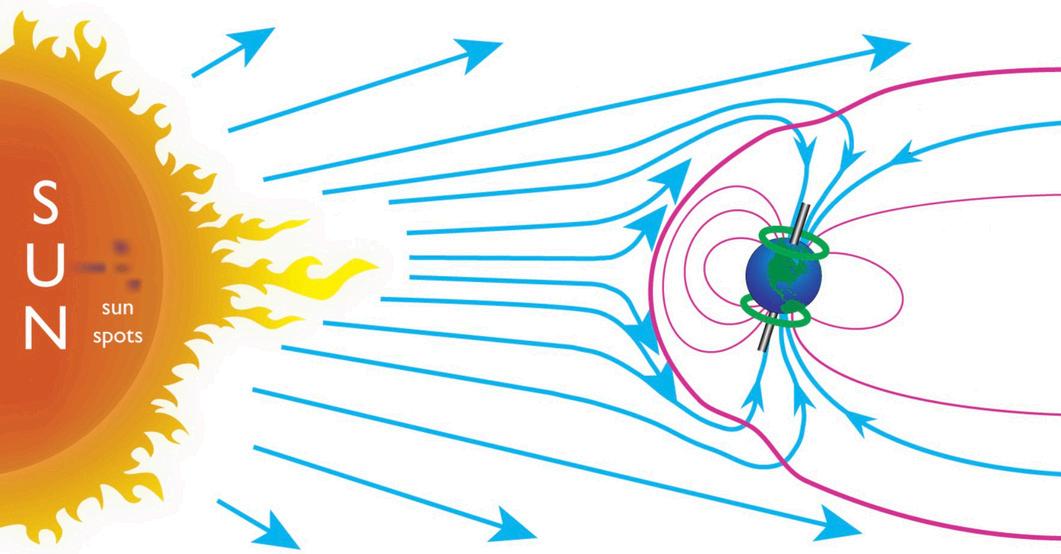
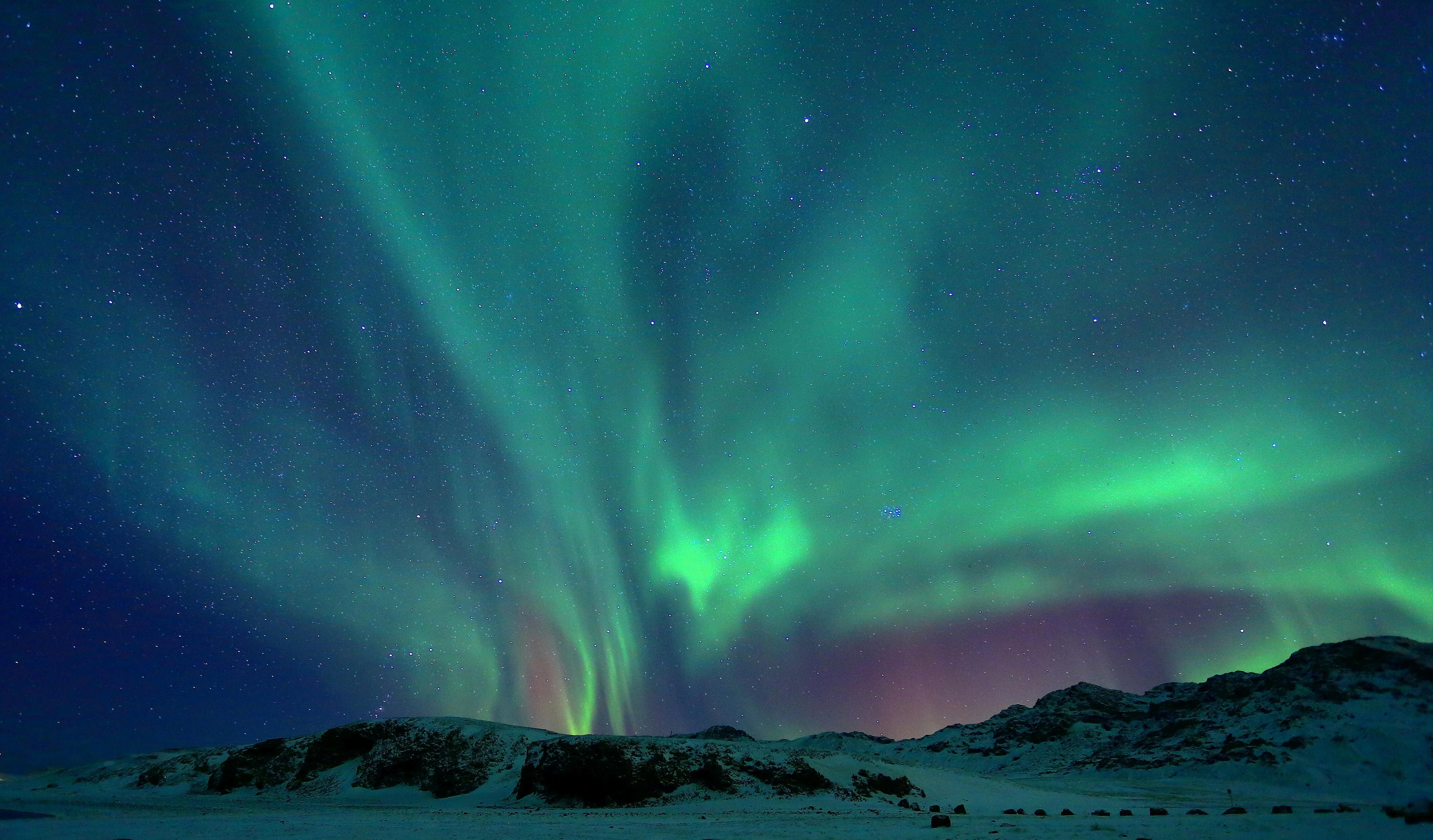
The Northern Lights are caused by the interaction between the Sun and Earth. At its centre, the Sun heats atoms, squeezing them together creating immense energy. Over time, the energy leaks out creating convection currents in the Sun’s upper layers. These currents create the Sun’s magnetic field. The intense heat and magnetism is enough to launch the charged particles into space as the solar wind. These charged particles are
released in all directions, some of which head towards Earth. Meanwhile, Earth creates its own magnetic field due to the currents in its metallic core. This helps to deflect most of the charged particles. However, not all of the particles are deflected leaving some to funnel into the Earth’s atmosphere which react with nitrogen and oxygen to create auroras like the Northern Lights.
The strength of the Sun’s magnetic field varies in a solar cycle of 11 years. When the solar cycle peaks, it is called solar maximum. This can lead to stronger solar storms including events like solar flares and coronal mass ejections. The stronger the magnetic field, the more charged particles reach Earth. When the Sun’s magnetic field gets big enough it can reach the Earth’s magnetic field. Once contact is made between both of them, the earth’s field will snap like an elastic band. This will mean that there are more particles in the upper atmosphere. Therefore, the Northern Lights will grow bigger and brighter.
When and where are the Northern Lights?
The timings to see the lights varies a lot across the planet as it depends how close you are to the poles. The strongest lights tend to appear from 9pm to 2am although the best sightings are often between 11pm and midnight. While they can occur all year round, they are weaker than sunlights. As a result, sightings tend to not be possible from May to August. In Autumn and Spring there is greater aurora activity so it is much more likely to happen then, although, in the winter there are longer evenings and darker nights which provide easy viewings for maximum visibility.
The best chance to see the Northern Lights in the UK are during the Equinox and Solstice (March/April and September/October) this is due to the magnetic field alignments. It also has the ideal conditions (warmth and visibility of the sky).
The Northern Lights tend to occur beneath the auroral oval (Arctic Circle). This includes countries with latitudes between 60 and 75°N (such as Iceland, Finland, Sweden, Norway, Russia, Canada, Greenland and Alaska). However, the Northern Lights can occur at lower latitudes such as the UK and sometimes even further South.
Why are the Northern Lights so colourful?
The colours in the Northern Lights are caused by the charged particles from space hitting different atoms and molecules in Earth’s upper atmosphere, the excess energy from the charged particles is released as light, and each element emits different colours. The energy of auroral electrons determines how deep into the atmosphere these particles go into, and the colour of the auroral rays can tell us the voltage.
The main factor in determining the colours is the altitude at which the solar particles collide with our atmosphere. Different gases are common at different altitudes and in varying concentrations, and it is the collision which “excites” these gases that determines the colour of the Aurora.
High-altitude oxygen at over 200km above Earth produces a red glow during the Northern Lights. There is normally not much oxygen at these altitudes, therefore the chances of charged particles hitting it are lower, so red is a rare colour to be seen during the Northern Lights.
Oxygen at 100-200km above Earth produces green light during the Northern Lights. This is because most solar particles typically collide with our atmosphere at this altitude where there are high concentrations of oxygen.
Nitrogen around 100km above Earth produces shades of purple and blue light. They are also colours that we see less frequently during the Northern Lights. Most commonly, you will see these colours towards the lower parts of the colourful aurora display.
In dim light – like at night when the Northern Lights are present – our eyes use “rod” cells, which only see in greyscale, rather than “cone” cells, which can detect colour but require higher levels of light. Cameras are much better at picking up on the vibrant colours of the aurora, as they use long exposures to gather more light and colour than the human eye can process in real-time. The human eye finds it easier to detect the green colour spectrum so these rays are the most prominent and common.
Only during very intense, bright Northern Light displays do the colours become vibrant enough for the naked eye to see.
What does the Northern Lights mean to people around the world?
Greece and The Romans
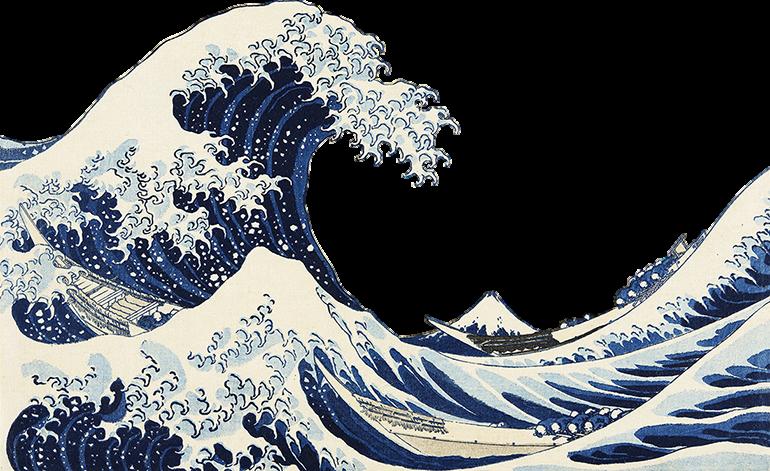
In Ancient Greece ‘Aurora’ means ‘sunrise’ and ‘Borealis’ means ‘wind’. This makes sense as Aurora is seen as the personification of the dawn, and to the Romans the goddesses of dawn itself. They believed that Aurora was racing across the sky (much like the Northern Lights do) to warn her brothers and sisters of the incoming dawn. Ancient Greece and the Romans’ beliefs would also be heavily influenced by religion, leading to their beliefs to do with Gods and Goddesses.
Although it is rare for the Northern Lights to be seen past the Aurora Oval (Artic Circle) it can be possible. However, if they do go down to Europe they take on a reddish-brown hue making them symbolised with a bad omen, as red has strong connotations with war and tragedy. This means that lots of people in Europe would fear these magnificent lights for a fear that they foreshadow war, death and pain.
For example in France (18th century, French Revolution), just weeks before the monarchy was to be overthrown there were sightings of a dancing red aurora in the sky. The locals in the area also reported to have heard the sound of a marching army and battles coming from these lights. They believed that these red Northern Lights were foreshadowing the battle to come. This is why lots of people in Europe viewed the Aurora Borealis as a harbinger of war and doom.
Additionally, in Scotland, many people gave the Northern Lights the nickname of the ‘Merry Dancers’. However, the ‘dancers’ were not elegant ballerinas, they were believed to be fallen sky warriors (sometimes angels) engaged in a fearsome battle.
Since China is far south, it would have taken a rare solar event for the Aurora Borealis to be seen, so for the Ancient Chinese this would have been a cherished event. The legends of Chinese dragons often originated from the Northern Lights. They believed that the lights were a result of the cosmic battle between ‘good’ and ‘evil’ dragons and that their fire was the auroras.
Japan had a slightly different approach to viewing the Northern Lights. They believed that instead of having any celestial beings at play they believed that if a child was born under the auroras then they would be blessed in many different ways. For example, they would be intellectual, goodlooking, lucky and wealthy in life. This means that lots of Ancient Japanese people would also have been in awe of these auroras and believed that it was rather a good omen than a bad one even though the auroras were red.
Despite the indigenous tribes being sparsely located hundreds or thousands of kilometres apart, many developed similar beliefs of the Northern Lights. They were mainly linked with fire which implies that keeping warm was one of their top priorities - this is because the climates were very cold in North America, so therefore symbolising the Northern Lights as a bringer of warmth.
The Cree Indians had a more spiritual view that the Northern Lights were part of the circle of life. They believed that the Lights were spirits of friends and relatives who had passed away, wanting to communicate with those still on Earth. This could reflect on how this tribe dealt with grief and death as a whole.
The Inuit tribes had a far more strange view of the Aurora Borealis. They believed that it was the spirits of dead humans playing a ball game (football?) with a walrus skull. This could be seen as a form of comfort, as it could be the spirits of dead loved ones playing - showing that they are happy in the afterlife. Or as entertainment, meaning that the tribes could sit and watch the light show / watch the ‘game’.
The Makkah Indians had a slightly fantastical view as they believed that the Lights were fires built by a tribe of dwarves who used these fires to boil whale blubber. This could indicate how fire and cookery were at the forefront of their minds.
Scandinavia
The Swedish view was a more of a good omen as they believed it would signify a good harvest that year. They believed that it was the light reflected from ginormous shoals of herring, meaning that the local fishermen would be over the moon whenever they would see the auroras.
The Northern Lights were kind of a show-stopper in Norse mythology. They were featured in multiple legends and stories. One legend suggests that the Lights were a reflection of the shields that the Valkyrie female warriors were carrying. This is quite a different and fundamentally powerful view as women at the time were seen as lesser. Women here held a higher independence than other countries around the world, making them have more power and a say. The fact that in Norse mythology women were warriors (The Valkyrie) could show that the patriarchy didn’t entirely dominate their society at the time.
The Sámi (indigenous people of Northern Scandinavia) had a more responsible and sensible belief of the Aurora Borealis. They equally feared and respected them as they could tell that it was a higher force at play. However, they viewed the Lights as a bad omen. They believed that the Lights were souls of the deceased too, but not in the way you might assume. They thought that if you caught the souls’ attention then the Lights could reach down and carry you to the sky. Therefore, many Sámi people will not sing, talk or tease during the Northern Lights and so, will prefer to stay inside when the auroras are out.
By Ece & Bianca, Year 9
In our geography lessons, we have been studying earthquakes, tsunamis and volcanic eruptions, focusing on their causes, impacts, and management strategies. One earthquake that we studied was the 2010 Haiti earthquake, which had a magnitude of 7.0, causing an immense amount of deaths. Even though the earthquake was a natural event , the reason so many people died (around 230,000) was mainly due to human factors.
Haiti is a LIC, which means earthquake proofing buildings is significantly more difficult than some richer, high income countries such as Japan. Many houses were built using cheap concrete and unstable framing. Therefore, when the ground shook , lots of houses, schools and other buildings collapsed, leaving people stuck under rubble. Things like cross bracing, shock absorbents and strict building rules are common in HIC, and the infrastructure usually has to get checked by the council . In Haiti however, many of these strict regulations do not exist . Looking at all the factors that impact people’s safety in a situation like this, we realised finding methods to reduce risks is a difficult task to fit to a country's specific conditions and needs.
We studied 400-year-old Japanese pagodas, and learnt that these structures sway safely during earthquakes rather than collapsing. They are wooden towers consisting of a flexible central pillar to absorb energy, a technique that wouldn’t cost an immense amount , yet still ensure a possibly life-saving amount of safety.
Next , we studied the 2004 Indian Ocean tsunami which was a very unique and interesting event . As we watched a clip of this disaster, lots in our class were surprised to find that when the sea pulled back , many people were unsure of what was happening. Additionally, seeing the tsunami get more aggressive left a lot of us speechless as it was such a devastating event to see take place
Furthermore, we looked at some certain strategies countries use to predict tsunamis. For example, Indonesia installed tsunami detecting buoys however these didn’t work very well as they weren’t monitored or maintained. We found Sri Lanka’s method effective. They planted mangroves along the coast to mitigate tsunami damage by absorbing wave energy, and slowing water velocity through their dense root and branches structures.
T
B
3 R E M E M B
B y A n a a y a , Y e a r 7
I n a l l o u r s u b j e c t s w e l e a r n l o t s o f n e w w o r d s , a n d
G e o g r a p h y i s n o d i f f e r e n t S o m e t i m e s i t c a n f e e l a b i t
o v e r w h e l m i n g w h e n t h e r e a r e s o m a n y k e y t e r m s t o
r e m e m b e r a t o n c e
O u r G e o g r a p h y t e a c h e r h a s s h o w n u s a f u n w a y t o
h e l p u s r e m e m b e r t h e m u s i n g a c t i o n s . W h e n w e ’ r e
l e a r n i n g a b o u t r i v e r s , w e d o a m o v e m e n t t o m a t c h
e a c h w o r d .
F o r e x a m p l e , f o r m e a n d e r w e w i g g l e o u r a r m s t o s h o w
t h e b e n d s i n t h e r i v e r F o r s o u r c e , w e m a k e a t r i a n g l e
s h a p e w i t h o u r h a n d s t o s h o w t h e m o u n t a i n s w h e r e
t h e r i v e r s t a r t s . F o r m o u t h , w e o p e n o u r a r m s w i d e t o
s h o w w h e r e t h e r i v e r m e e t s t h e s e a
I t r e a l l y h e l p s t h e w o r d s s t i c k i n o u r m i n d s , a n d i t
m a k e s t h e l e s s o n s m o r e f u n t o o !
W e c a r r i e d t h i s o n i n t o o u r n e x t l e s s o n a b o u t r i v e r
p r o c e s s e s T h e r e w e r e n i n e k e y w o r d s t o l e a r n , w h i c h
I a l s o
l i k e r i v e r
c h a n n e l .
W e a l w a y s j o k e
t h a t i t s o u n d s l i k e
t h e f a s h i o n b r a n d
C h a n e l , s o w e d o a l i t t l e
h a n d b a g p o s e ! I t m a k e s u s
l a u g h , b u t i t a l s o h e l p s u s
r e m e m b e r t h a t t h e r i v e r c h a n n e l
i s t h e p a t h t h e r i v e r f l o w s i n .
W e r e c e n t l y c o m p l e t e d o u r l e a r n i n g
c h e c k a s s e s s m e n t a n d , h o n e s t l y, i t
w a s a c t u a l l y r e a l l y f u n ! W e h a d t o
/ -
s o u n d s l i k e a l o t , b u t t h e a c t i o n s r e a l l y h e l p e d .
I c a n s t i l l r e m e m b e r h y d r a u l i c a c t i o n b e c a u s e w e
p u s h o u r a r m s f o r w a r d q u i c k l y t o s h o w t h e f o r c e o f
t h e w a t e r c r a s h i n g a g a i n s t t h e r i v e r b a n k M y
f a v o u r i t e a c t i o n i s p r o b a b l y t r a c t i o n , w h i c h i s w h e n
l a r g e b o u l d e r s r o l l a l o n g t h e r i v e r b e d i n t h e u p p e r
c o u r s e , w e p r e t e n d t o r o l l h e a v y r o c k s a l o n g w i t h o u r
a r m s
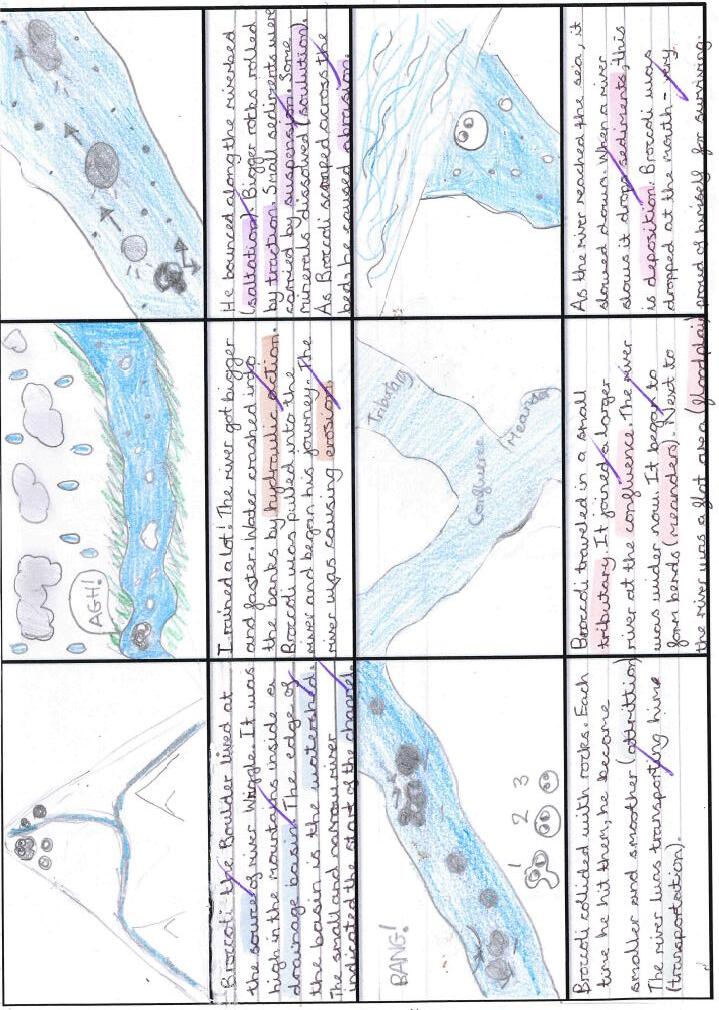
c r e a t e a s t o r y b o a r d a b o u t t h e j o u r n e y o f a p e b b l e
c a l l e d P a u l a . I w o n ’ t g i v e a w a y t h e s t o r y, b u t y o u c a n s e e
a n e x a m p l e o n t h e n e x t p a g e ! A s w e t o l d P a u l a ’ s a d v e n t u r e ,
o u r t e a c h e r w a s c h e c k i n g t h a t w e w e r e u s i n g t h e k e y t e r m s
c o r r e c t l y a n d s h o w i n g t h a t w e r e a l l y u n d e r s t o o d w h a t t h e y m e a n t
I t j u s t s h o w s t h a t l e a r n i n g c a n b e f u n ! S o m e t i m e s i t ’ s a l l a b o u t f i n d i n g c r e a t i v e w a y s t o m a k e t h e l e a r n i n g s t i c k
Paula th e pebble
B y C h a r l o t t e , R i y a , L a r a , S i m o n a , Y e a r 1 0
W e ’ v e s t a r t e d G C S E G e o g r a p h y t h i s y e a r, a n d a l l t h e a d v i c e w e ’ v e b e e n g i v e n i s
t h a t w e n e e d t o r e v i s e a s w e g o . L e a v i n g e v e r y t h i n g u n t i l t h e e n d o f Ye a r 1 1 j u s t
w o n ’ t w o r k !
A l l t h e G e o g r a p h y t e a c h e r s r u n l u n c h t i m e c a t c h - u p s e s s i o n s c a l l e d c l i n i c s , w h i c h
a r e r e a l l y h e l p f u l i f y o u ’ r e s t u c k o r n e e d e x t r a s u p p o r t . W e ’ r e a l s o l u c k y t h a t
t e a c h e r s r e p l y t o e m a i l s , s o h e l p i s n e v e r t o o f a r a w a y !
W e ’ v e s t a r t e d a n a f t e r s c h o o l
G e o g r a p h y r e v i s i o n s e s s i o n
o n M o n d a y s . W e m e e t w i t h
M r A n d e r s
a n d
p r a c t i s e
e x a m
q u e s t i o n s
t o g e t h e r T h e r e w e r e t h r e e
o f u s a t f i r s t , b u t n o w t h e r e
a r e f o u r. W e ’ v e h a d f o u r
s e s s i o n s s o f a r, a n d t h e y a r e
a l r e a d y m a k i n g a b i g
d i f f e r e n c e . G o i n g
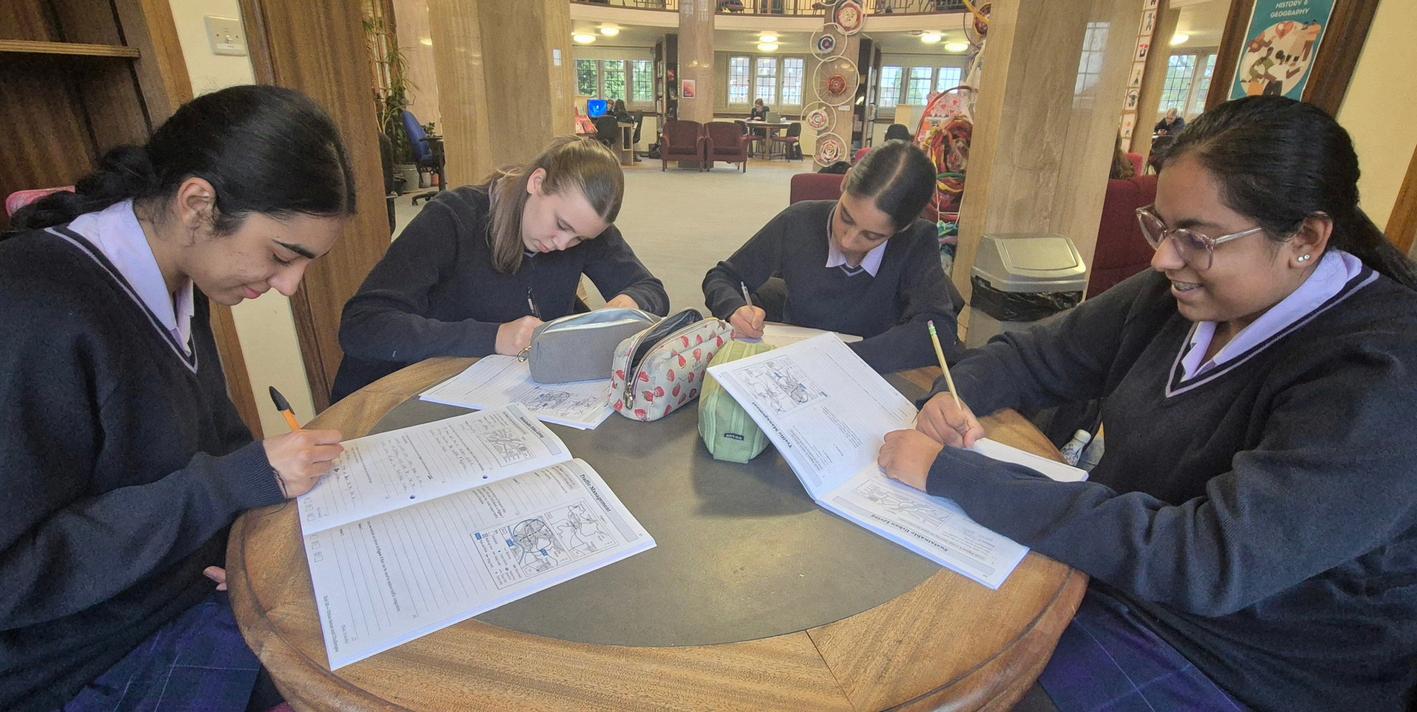
t h r o u g h q u e s t i o n s s t e p b y s t e p h a s
h e l p e d
u s u n d e r s t a n d w h a t e x a m a n s w e r s s h o u l d l o o k
l i k e .
A n d y e s … M r A n d e r s a l s o b r i n g s s w e e t s ,
w h i c h d e f i n i t e l y
h e l p s : - )
B y T i l l y & M i s s y , Y e a r 8
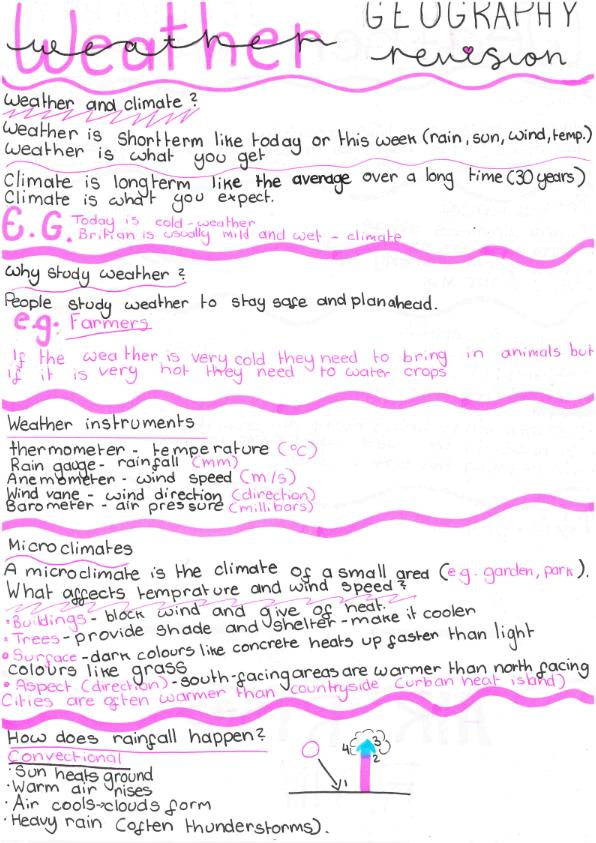
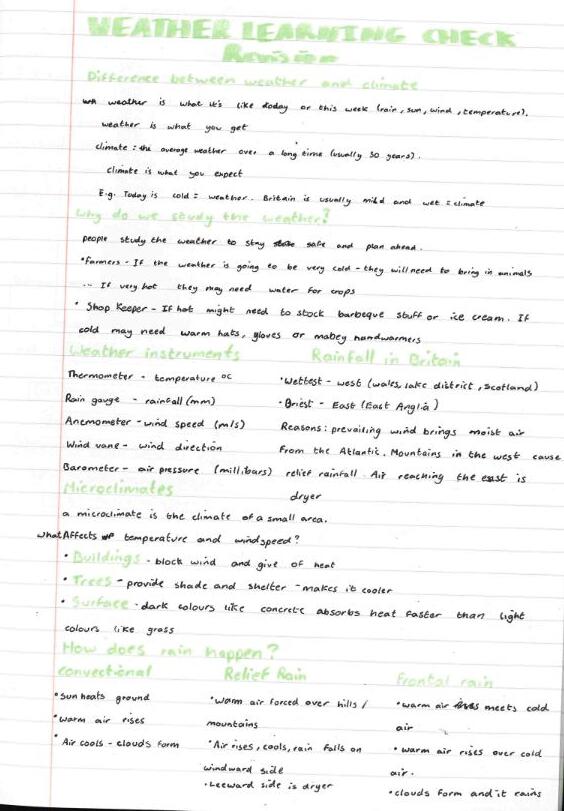
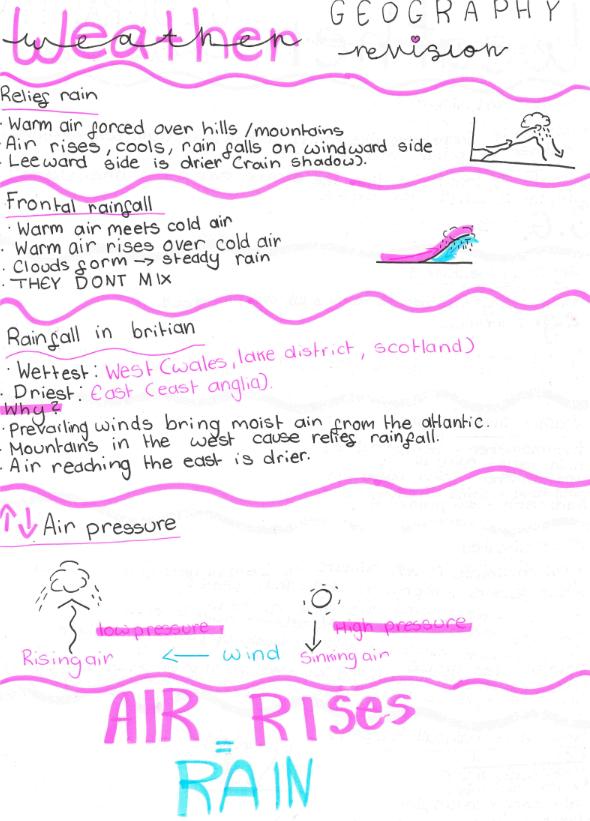
N o o n e l i k e s t e s t s ( e s p e c i a l l y M i s s y ) , b u t I t h i n k w e a l l k n o w t h a t t h e y a r e e s s e n t i a l t o h e l p w i t h o u r l e a r n i n g a n d u n d e r s t a n d i n g o f s u b j e c t s . E v e n t h o u g h t e s t s c a n b e s t r e s s f u l f o r m o s t p e o p l e , i n G e o g r a p h y w e o n l y h a v e t w o l e a r n i n g c h e c k s p e r t e r m , a n d t h e y a r e q u i t e l o w p r e s s u r e a n d m a n a g e a b l e
O u r r e c e n t l e a r n i n g c h e c k w a s o n W e a t h e r, a n d d u r i n g M i c h a e l m a s t e r m w e w e r e i n t r o d u c e d t o d i f f e r e n t r e v i s i o n t e c h n i q u e s s u c h a s r e v i s i o n c a r d s a n d m i n d m a p s T i l l y p r e f e r s m i n d m a p s b e c a u s e t h e y h e l p h e r s e e h o w e v e r y t h i n g l i n k s t o g e t h e r, e s p e c i a l l y w h e n l e a r n i n g p r o c e s s e s l i k e r a i n f a l l o r a i r p r e s s u r e . M i s s y f i n d s r e v i s i o n c a r d s m o r e h e l p f u l b e c a u s e t h e y b r e a k i n f o r m a t i o n i n t o s m a l l , c l e a r c h u n k s t h a t a r e e a s y t o t e s t y o u r s e l f w i t h
W e a l s o u s e d t h e s e t e c h n i q u e s f o r o u r P o p u l a t i o n l e a r n i n g c h e c k , t u r n i n g l e s s o n n o t e s i n t o r e v i s i o n c a r d s a n d m i n d m a p s . T h i s r e a l l y h e l p e d u s r e m e m b e r k e y f a c t s a n d i d e a s , a n d m a d e r e v i s i o n f e e l m u c h m o r e o r g a n i s e d F o r o u r r e c e n t W e a t h e r r e v i s i o n , w e h a v e b e e n u s i n g t h e r e v i s i o n l i s t f r o m o u r t e a c h e r a n d t u r n i n g o u r c l a s s n o t e s i n t o s h o r t c a r d s o r c o l o u r f u l m i n d m a p s , w h i c h m a k e s e v e r y t h i n g e a s i e r t o r e v i s e .
A l t h o u g h l e a r n i n g c h e c k s a r e n o t o u r f a v o u r i t e t h i n g , w e u n d e r s t a n d w h y p r a c t i s i n g n o w i s i m p o r t a n t , e s p e c i a l l y b e f o r e G C S E s . U s i n g t h e s e r e v i s i o n t e c h n i q u e s h a s h e l p e d u s f e e l m o r e c o n f i d e n t , a n d w e a r e s t a r t i n g t o s e e t h a t p r e p a r i n g l i t t l e a n d o f t e n r e a l l y d o e s m a k e a d i f f e r e n c e ! R