2024 Drowning Figures
675 0.90 723 0.99 6.6% decrease 8.8% decrease
Drowning deaths in 2024 Drowning rate per 100,000 in 2024 5-year average 5-year average
83% of accidental drownings were male
Top Three Locations
• 33.7% River
• 25.9% Coastal/Shores/ Beaches
• 8.8% Canal/Aqueduct
40 children drowned in England
32% of accidental drownings happened in summer
Top Three Locations
• 21.8% Walking near water
• 14.5% Swimming and jumping/diving into water
• 9.3% Waterside activity
Message From Our President
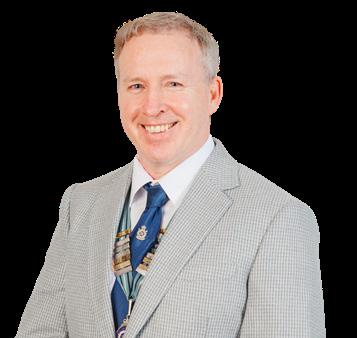
As President of the Royal Life Saving Society UK (RLSS UK), I am proud to reflect on a year of significant progress, renewed focus, and growing impact across our charity.
My first reflection is one of thanks. Our new Chief Executive has brought clarity, energy, and purpose through the introduction of a refreshed strategic framework, which has been thoughtfully presented to and embraced by the Board. In response, we have reshaped both our Board and staffing structures to ensure they are fully aligned with this framework, enabling effective governance, clearer accountability, and continuous progress. This alignment is vital if we are to plan strategically, act decisively, and maximise our impact.
The strength of RLSS UK lies in the reach of our work, locally, nationally, and internationally. From branch-led activity embedded in communities to our international collaborations and partnerships, we continue to demonstrate that lifesaving and drowning prevention must operate at every level. Our connection with the RLSS Commonwealth remains a powerful source of shared learning and inspiration, highlighted by the success of the Commonwealth Championships held in Wales. Events such as these showcase excellence, foster aspiration, and inspire our young lifesavers to train hard, compete, and remain committed to lifesaving for life.
Central to our success is our people. Our charitable aims can only be fulfilled through the extraordinary dedication of our volunteers, the army of members who deliver qualifications, support clubs and branches, organise competitions, assess standards, and promote water safety every day. They are the backbone of our Society. Whether supporting local branch activity or representing RLSS UK on the national stage, their commitment directly saves lives.
As leaders in lifesaving and lifeguard education across the UK and Ireland, we continue to invest in robust research and evidence-led practice. This ensures our qualifications remain credible, relevant, and respected, and allows us to share our learning widely to help reduce drownings. Celebrating success, recognising achievement, and valuing excellence are essential to our members, which is why awards and recognition remain central to our culture. Our proud history informs our future; it gives us the foundations to grow with confidence.
Finally, I offer my sincere thanks to every volunteer, whether supporting club competitions, branch initiatives, training delivery, or national programmes. By raising our profile, you extend our reach. And the greater our reach, the greater our impact.
Together, we will continue to ensure that people can enjoy water safely and reduce drowning.
Bryan Finlay President
Message From Our CEO

Over the course of the last year, I have been continuously inspired by the efforts and commitment of our members, volunteers, staff team, trustees, and supporters who work tirelessly towards fulfilling our vision of communities free from drowning. I have been fortunate to meet many of you during 2025 and your enthusiastic dedication to saving lives is truly appreciated.
This year marks my first year at the Society as well as the launch of our new Strategic Framework 2025–2030, which supports our purpose to prevent drowning, so everyone can enjoy water safely. Thank you to the Board of Trustees for laying out the groundwork research with their thoughtful input, and for supporting me in developing, finalising, and bringing it to fruition in June, during Drowning Prevention Week 2025.
In July, we collaboratively achieved a significant step forward for water safety education when the Department for Education (DfE) announced that the Water Safety Code will be integrated into the statutory RSHE curriculum in England from September 2026. This success arrived after years of campaigning with bereaved families, partners, charities, politicians, and lawmakers and we thank them all for their continued efforts. In addition, during our Drowning Prevention Week campaign an estimated 2.3 million children received free water safety education materials. As Secretariat of the APPG on Water Safety Education, RLSS UK continues to advocate for and champion access to water safety education across all devolved nations.
A highlight of 2025 was meeting talented athletes from 11 nations at the Commonwealth Lifesaving Championships. Hosted by RLSS UK in Swansea, the Championships went beyond a Lifesaving Sport competition with outreach to local schools and a legacy of international connections. Congratulations to England for winning in both the Development Team and National Team awards - an exciting first and double win!
In November, global experts, policymakers, charities, and practitioners came together at the World Conference on Drowning Prevention to collaborate, discuss and contribute towards solving this major, yet preventable, public health issue. The conference was an excellent opportunity to share new research, including a joint study by RLSS UK and the University of Chichester about how lifeguard-specific training sharpens detection skills for safer outcomes.
Our members, volunteers, bereaved families, partners, and stakeholders remain essential to our efforts to save lives by preventing drowning for all communities. A sincere thank you to everyone for their support in 2025; we simply could not do what we do without you. From volunteers teaching lifesaving skills, to branches and clubs raising funds, to the 60 Everyday Heroes awarded for stepping up in an emergency, each of you contributed towards our vision.
Thank you to our outgoing President Deborah Hunt for her contributions and support of RLSS UK, and a warm welcome to our new President Bryan Finlay and Deputy President Peter Moyes.
I hope you enjoy reading this report and I look forward to working together in 2026 to accomplish even more.
Simmy Akhtar Chief Executive Officer
3,615 People Fatally Drowned Over the last 5 years
in the UK and Ireland
Our Purpose
To prevent drowning, so everyone can enjoy water safely
Our Mission
We will save lives by being the leader in lifesaving, lifeguarding, and water safety education so that everyone can enjoy water safely.
We will share our expertise, skills, and knowledge. Together we will prevent drowning
Our Vision
Communities free from drowning
DOUBLED
The number of children who have lost their lives to drowning has over the past five years
Children from disadvantaged and minority communities are at the highest risk*
*Source: National Child Mortality Database (NCMD), England. The risk of drowning was almost twice as high for children living in most deprived areas compared to the least deprived (3.76 compared to 1.92 per 1,000,000 per year). Children of black ethnicity were at three times higher risk of drowning than children of white ethnicity (NCMD 2020-2024).
Our Goals
To reduce drownings
To be recognised as the experts in water safety
To have our lifeguarding and lifesaving communities recognised as equals
To have water safety education embedded in the curricula across the UK and Ireland
To be the leading expert and innovator in water safety and lifesaving for pools, open water, and beaches
To increase participation in local, regional, national, and international lifesaving sport
These will be achieved through three areas of focus:
Our Impact at a Glance
2.3 million
An estimated 2.3 million children received our water safety education materials
177,572
We delivered 177,572 life-saving qualifications and awards 1 every 4 minutes
We awarded 1 life-saving qualification every 4 minutes
10,168
We recorded 10,168 hours of volunteer activity
18,633
We finished the year with 18,633 members
97%
In England, 97% of all pool lifeguard qualifications were awarded by RLSS UK
Why Our Charity is Important
Our vision is for all communities to be free from drowning. Our mission is to save lives by being the leader in lifesaving, lifeguarding, and water safety education so that everyone can enjoy water safely. We share our expertise, skills and knowledge so that, together, we will prevent drowning. Each day, we take meaningful steps towards this future. Enjoying water safely is central to our mission.
Drowning continues to be a significant and preventable cause of death across the UK and Ireland. Over the last five years, 3,615 people have died from drowning. Behind each number is a life lost, a family changed forever, and a community impacted. Child drownings have doubled in this same period, shining a stark light on the vulnerability of young people and reinforcing the need for stronger prevention and education.
Beyond its human costs, drowning has a significant economic impact. Drowning costs the UK economy an estimated average of 1.6 billion pounds a year. The wider socio-economic impact of drowning is still under-researched. However, through our work with families who have lost a loved one to drowning, we know the reality is devastating. The emotional, psychological, and economic consequences are far-reaching, impacting mental health, schooling, employment, and long-term wellbeing across generations.
Our charity empowers communities to enjoy water safely.
Despite its risks, water brings extensive benefits to individuals and communities. Research shows that swimming contributes to improved physical health, mental wellbeing, social cohesion, and long-term disease prevention. Swimming
The activity also plays a significant role in supporting mental health. Regular swimming has been shown to reduce anxiety and stress, improve vitality, and enhance mood. It strengthens social wellbeing by creating shared experiences, reducing loneliness, and helping people build supportive networks.
However, these benefits can only be fully realised if people are able to access water safely. In 2024, 54 per cent of accidental drownings (where the activity data was recorded) occurred during recreational activities. Enjoyment and risk sit side by side; therefore, helping people to access water safely is not just a matter of preventing harm. It is also about protecting access to spaces that help create a healthier society and improve the quality of life.
We continue to see barriers to swimming which create unequal access. While swim activity has continued to recover from the significant decline seen in 2020 due to Covid-19, people in the most deprived groups remain more than twice as likely not to participate in swimming compared with those in the most advantaged groups. This means those who may already face greater health and economic challenges are also missing out on essential water skills and lifesaving knowledge.
RLSS UK is concerned about the continued trend of swimming pool closures across the UK. In 2025, we saw access to blue spaces further reduced, with 16 pool closures. Every closure removes a vital safe space for learning, training, and community wellbeing.
RLSS UK plays a crucial role in addressing these challenges. Our engagement work reaches people, organisations, governments, and communities across the UK and Ireland. Through national campaigns, targeted messaging and the support of our extensive partner network, we raise awareness, promote safer choices, and build knowledge that saves lives.
Education sits at the heart of our mission. We offer a wide range of training opportunities and learning resources that support water confidence, emergency response, and prevention. Our programmes are designed by experts to ensure that our recommendations are informed, effective, and continuously updated with industry-leading insight.
Alongside this, we collaborate with leisure industry partners to make swimming more accessible and encourage people to take part. We promote lifesaving sport as a fun and engaging way to be active around water while developing valuable skills. This helps more people feel confident around water and experience the benefits that safe access to blue spaces can bring.
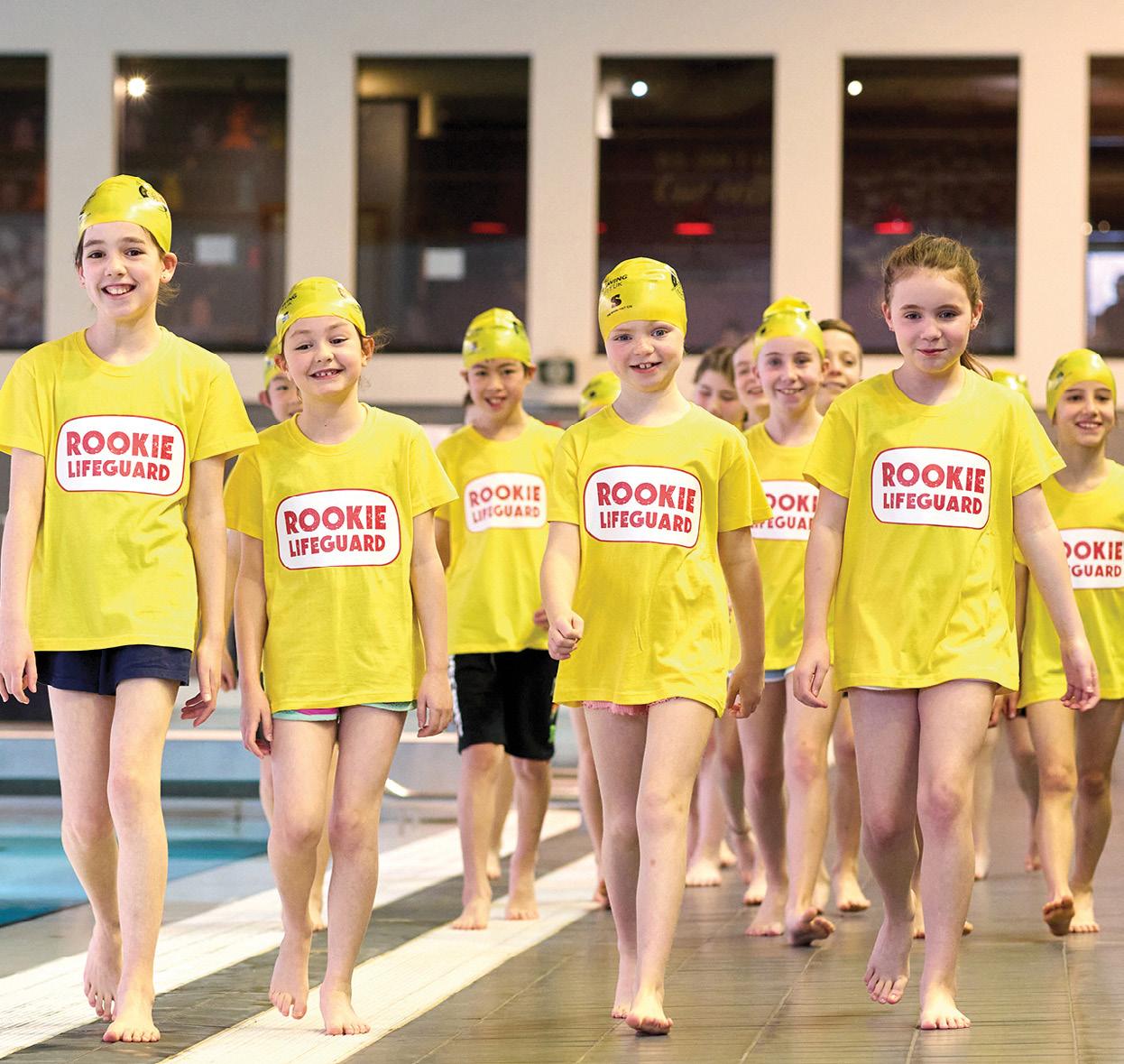
More people than ever can become lifeguards, lifesavers, and first aiders. Children from seven years old can now qualify as Rookie Beach Lifeguards, bringing our highly successful Rookie Lifeguard award to the specific needs of coastal communities. Our new Rookie Rescue Skills course opens life-saving skills to children with disabilities.
Outdoor First Aid and blended learning are bringing lifesaving to new frontiers. The impact is clear: more individuals have the skills and confidence to prevent incidents and respond in an emergency, saving lives across the UK and Ireland.
We have achieved significant progress at a national level. The introduction of water safety education into the curriculum in England is a landmark achievement. It embeds lifesaving education into classrooms and ensures that children and young people receive essential water safety knowledge as part of their education. This change will reach those most at risk, support longterm behaviour change, and reduce future incidents.
Through engagement, education, and expertise, we help society access the benefits of water while reducing risk, preventing loss, and strengthening community resilience. Our work protects lives today and builds a safer tomorrow for everyone who interacts with water. Together, with your support, we will deliver our vision to have communities free from drowning.
Drowning costs the UK economy an average...
£1.6 billion Every year 3,615 People have drowned over the last 5 years 54% Of accidental drownings occurred during recreational activity
Everyday Heroes of 2025
Every year, people across the UK and Ireland use their lifesaving knowledge to protect themselves and others in moments of real danger. The Everyday Hero campaign exists to recognise these individuals: lifeguards, lifesavers, first aiders, swimmers, and bystanders whose quick thinking and decisive action prevent tragedy. In 2025, 25 rescues were reported to RLSS UK through our online ‘Report a Rescue’ form, and more than 60 Everyday Hero certificates were awarded to people who demonstrated bravery, skill, and compassion when it mattered most.
Rescues this year took place in an extraordinary range of environments, from frozen canals to swimming pools, and from recreational parks to home kitchens, showing that lifesaving skills can be needed anywhere, at any time. Over half of all certificates were awarded to qualified lifeguards, whose teamwork and expertise helped save lives affected by cardiac arrest, head injury, seizure, hypoxic blackout, and other emergencies. Several Rookie Lifeguards and National Lifeguard Academy lifesavers also received Young Persons Certificates of Commendation for using the skills they learned to help themselves and others.
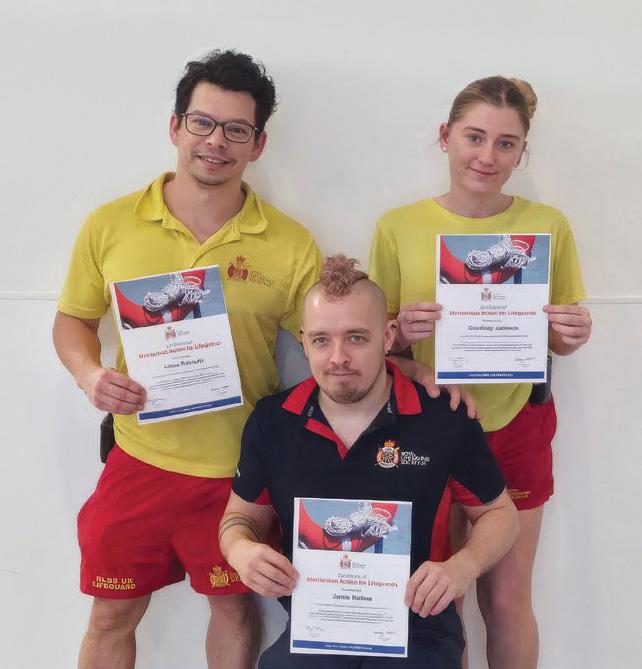
WV Active Bilston Lifeguard Team: A Life Saved Through Rapid, Expert Action
At WV Active Bilston (Bert Williams Leisure Centre), a team of lifeguards, including Sarah Bird, Jamie Hallam, Courtney Jackson, Mahavir Johal, Charlotte Lavender, Mira Mistry, Lineu Palmeira, and Ross Smith, demonstrated exceptional professionalism when a swimmer collapsed during a routine visit.
Their immediate response, transitioning seamlessly from recognition to intervention, ensured the casualty received lifesaving care before paramedics arrived. Their coordinated teamwork, calm decision-making, and highquality clinical skills reflect the very best of the lifeguarding profession, highlighting how lifesavers’ everyday readiness can make the difference between life and death.
“Our team at WV Active BilstonBert Williams is a close-knit group, and we are so proud of the fantastic work we do. The whole team did an excellent job in applying their training to save the life of a well-known member of the leisure centre.” - Jamie Hallam
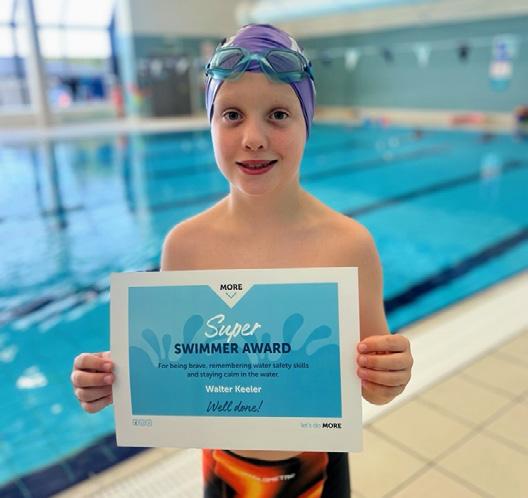
Rookie Lifeguard Walter Keeler: Using Training to Save Himself at Just Nine Years Old
Walter Keeler, aged just nine, became one of the youngest recipients of RLSS UK’s Young Persons Certificate of Commendation after putting his Rookie Lifeguard training into action during a challenging open water incident. When caught in rough conditions whilst on holiday in Türkiye, Walter remembered his training, stayed calm, and self-rescued, demonstrating remarkable composure and practical water safety awareness for someone so young. His powerful story shows how early lifesaving education can equip children with the confidence and knowledge they need to protect themselves in real emergencies.
“Even though I was scared, I remembered my Rookie Lifeguard lessons, so I flipped onto my back and floated to save my energy. I’d remembered ‘don’t panic.’ I am so grateful to all my swim teachers and my drowning prevention lessons.”- Walter Keeler
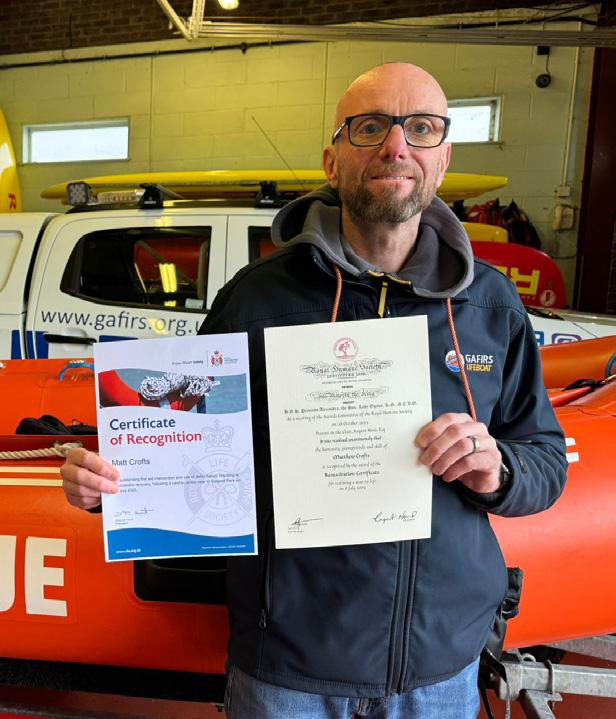
Gosport Community Responders: A Life Saved Through Swift, Coordinated Action
In July, a routine training session near the Gosport and Fareham RFC Clubhouse became a lifesaving emergency when an 82-year-old Gosport Road Runner collapsed. Matthew Crofts, a trained Gosport and Fareham Inshore Rescue Service volunteer, quickly took control, calling for help, directing others to fetch the defibrillator, and assessing the runner. While two bystanders delivered CPR and rescue breaths, Matthew applied the Automated External Defibrillator on arrival, restoring the runner’s heartbeat on the first cycle. Matthew’s calm and skilled actions were recognised with a Royal Humane Society Resuscitation Certificate and an RLSS UK Certificate of Recognition.
Life-Saving Campaigns
RLSS UK’s life-saving campaigns support our strategic goal to reduce drownings by increasing public understanding, influencing behaviour, and empowering communities with the skills and confidence needed to stay safe around water. Through sustained national engagement, our campaigns raise awareness at the moments of greatest risk, ensure that families, schools, and leisure providers have access to clear and trusted guidance, and target groups who are disproportionately affected by drowning. By prioritising inclusivity, strengthening partnerships, and promoting practical safety behaviours, these campaigns help create meaningful and lasting change. Together, they show how education, advocacy, and community action drive our mission forward to prevent drowning and enable everyone to enjoy water safely.
Drowning Prevention Week
Drowning Prevention Week is the RLSS UK’s flagship campaign and reached its eleventh year in 2025. Drowning Prevention Week is a long-running campaign for RLSS UK, which addresses the ongoing need for accessible, engaging water safety education for children aged 5-15.
Why This Campaign
Drowning Prevention Week takes place in June because children face a sharply increased risk of drowning as summer begins, with 71 per cent of UK child drownings occurring between May and August and 84 per cent of open water child drownings happening inland, in places such as rivers, lakes, and canals. The campaign provides lifesaving education ahead of the school holidays, addressing ongoing gaps in awareness that contribute to incidents.
71% of child drownings occur between May and August
84% of open-water child drownings happen inland
2.3 million
An estimated 2.3 million children received our water safety education materials
605
Our campaign featured in 605 press articles and broadcasts across the UK
97%
Participation in Drowning Prevention Week 2025 across the leisure sector increased by 97%
1,000
Over 1,000 leisure operators across the UK and Ireland downloaded resources
100,000
An estimated 100,000 children received our SEND water safety education materials
All-Party Parliamentary Group for Water Safety Education
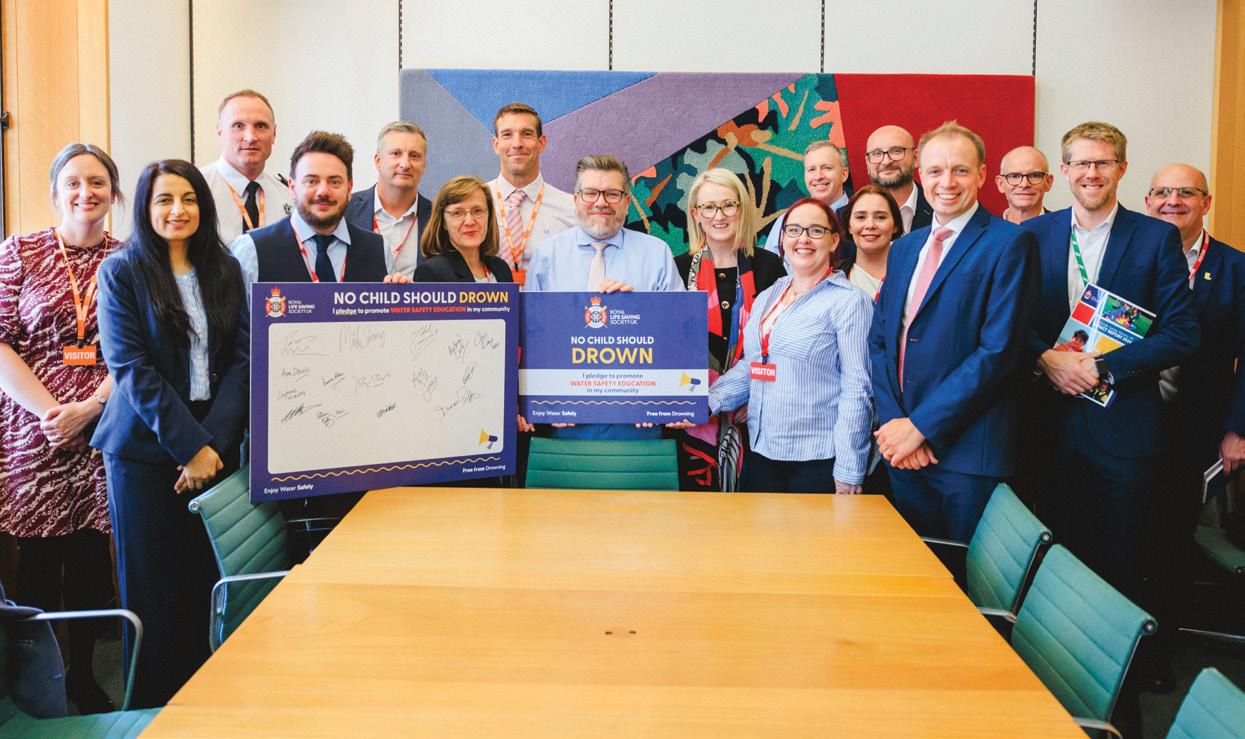
The campaign continued to strengthen its role in national advocacy. RLSS UK hosted a parliamentary event at Westminster to champion the growing movement to embed water safety within the national curriculum, drawing attention to the urgent need for consistent, high-quality education for all children. On the same day, RLSS UK also acted as the Secretariat for the newly established All-Party Parliamentary Group (APPG) on Water Safety Education, supporting the alignment of sector voices behind long-term, systemic change. Together, these efforts advanced the case for national policy reform and cemented the campaign’s influence beyond community engagement, shaping the future direction of water safety across the UK.
SEND Materials
A major milestone for the campaign this year was the introduction of SEND-adapted water safety materials, created to ensure that children of all abilities could access and benefit from lifesaving education. These resources were designed using inclusive principles, enabling learners with diverse needs to engage fully with the content and build essential safety knowledge. In 2025, we estimate that over 100,000 SEND children received our specialised water safety resources. This positive response demonstrates how significant this development was and highlights the importance of providing tailored, accessible water safety education that meets children where they are.
80% of cardiac arrests happen in the home
315 on average 315 people have out of hospital cardiac arrests every day
10% of people survive out-of-hospital cardiac arrests
Restart a Heart
In 2025, RLSS UK participated in a nationwide push to improve CPR awareness by supporting the Resuscitation Council UK’s Restart a Heart campaign. According to the Resuscitation Council, approximately 115,000 out-of-hospital cardiac arrests occur in the UK each year. The survival rate remains low at roughly 10 per cent in England and Wales, and only 6.6 per cent in Northern Ireland. Recognising the urgent need for more people to feel confident taking action, the campaign focused on bringing CPR training into everyday community spaces and making it as simple and accessible as possible. RLSS UK mobilised and supported leisure operators, clubs and partners across the UK and Ireland to offer practical learning opportunities, from Save a Life workshops to drop-in “have a go” sessions and defibrillator awareness activities. Alongside these on-the-ground efforts, new downloadable CPR resources, CPR videos, and a dedicated Learn CPR webpage provided clear, easy entry points for anyone wanting to build their skills. Combined with coordinated digital and media messaging, the campaign created a strong, community-driven movement to grow public confidence in responding to cardiac arrest when every second counts.
Our Impact
2,260 RLSS UK’s newly created CPR-related resources were downloaded over 2,260 times
237 Leisure Centres shared CPR awareness and knowledge to the public, either within venues, at local community centres or at public transport hubs
14,489 Campaign messaging achieved an estimated reach of 14,489 across social channels and email
2X
Nearly double the number of Save a Life workshops were delivered compared to last year
Splash Safety at Your Pad
The Splash Safety at Your Pad campaign continued to support families with clear guidance at a time when the number of child drownings has tragically doubled over the last five years. At least one child under five loses their life to drowning at home every month in England, and misconceptions about safety remain widespread. Over half of parents believe they would hear if their child was struggling in water, and one in four think it is acceptable to leave a child alone if they are wearing armbands or a swim vest.
The campaign was developed with the help of the National Child Mortality Database (NCMD) and is focused on showing parents how quickly and quietly drowning can happen and encourages small, simple actions that make everyday environments safer for young children.
In May, the campaign highlighted risks in gardens, where a third of children who drowned at home did so in paddling pools, hot tubs or ponds, and provided free resources to help families prepare for warmer weather. In October, the focus shifted to bathing safety, addressing the common but dangerous belief that baby bath seats offer independent protection, even though most infants who drowned in the bath in recent years were using one at the time. Across the year, engaging resources, clear messages and strong media coverage helped reinforce the importance of close supervision and practical safety habits, supporting parents and carers to create safer spaces for children under five.
Our Impact
46,488
89% of parents with young children have access to water in their outdoor areas
72% of parents mistakenly believe a baby bath seat is a safety device 55%
of parents believe they would hear if their child was struggling in water however, drowning happens quickly and silently
Our Bank Holiday Splash safety post gained the most traction, with 46,488 views
3X
Our engagement rate for our top Splash Safety post reached 3x more than the monthly average
4,000
Our Bank Holiday Splash Safety post reached 4,000 engages
302
Our October Splash safety campaign resources were downloaded 302 times
In 2025, the Don’t Drink and Drown campaign continued to raise awareness of the dangers of being near water after drinking. This campaign addresses a critical issue, as 46 per cent of accidental drownings among 18 to 25-year-olds involve alcohol or drugs, and many young adults still believe it is safe to enter the water after drinking. Strong support from community and partners such as local councils, Fire and Rescue Services, Lifesaving Clubs and universities helped amplify the campaign’s messages across the UK and Ireland, creating a coordinated push to reach young people in the moments when risks are highest.
September activity was timed around the Freshers period to reach students who are often socialising near open water, supported by powerful video content and clear guidance encouraging friends to stay together on nights out. On the ground engagement from RLSS UK’s Suffolk Branch provided practical opportunities for our members to speak directly to students about the risks associated with alcohol, water, and cold environments.
In December, the campaign shifted focus to festive nights out, reinforcing the importance of looking out for each other during a time of increased drinking. With broad involvement from partners and Fire and Rescue Services, as well as national and local media attention, the 2025 campaign strengthened a united effort to help young adults make safer choices around water and prevent avoidable tragedies.
Our Impact
66,000
The campaign engaged an audience of 66,000 people
50
Over 50 organisations and individuals shared our graphics, messaging, and hashtags online throughout September and December
46% of accidental drownings among 18–25s involve alcohol and/or drugs
3 in 4 young adult drinkers think it’s okay to drink and get into the water 3x young adult drinkers are 3x more likely to have been swimming or have entered the water after drinking alcohol, when compared to older adults.
12.5%
Our campaign’s social media reach increased by 12.5% year-on-year
40,000
Our Don’t Drink and Drown video played a key role, achieving over 40,000 views in just one week.
“In 2025, our life-saving campaigns, including our flagship Drowning Prevention Week, engaged over 2.3 million people, empowering people with the skills and confidence to save lives and stay safe in, on and around water. The response from the public, our partners and our volunteers was truly inspiring, demonstrating the collective power behind our missionCommunities free from drowning. Thank you to everyone who helped amplify our water safety messages and campaigns to save lives and help others enjoy water safely.”
Hayley Edney, Senior Head of Communications and Marketing
Volunteers and Members
RLSS UK is built on the dedication, passion, and commitment of its members and volunteers. Their willingness to give time, skills, and energy makes an extraordinary difference. Whether that’s through teaching lifesaving skills, running branches and clubs, getting involved in committees and working groups, supporting community events, or contributing to vital drowning prevention work, every hour they invest strengthens our mission and helps ensure that more people can enjoy water safely.
Thank you
We want to express our heartfelt thanks for everything our members and volunteers do. Their continued support allows RLSS UK to grow, innovate, and reach more communities each year. Thank you for ensuring lives are being saved, confidence in and around water is increasing, and the values of lifesaving are being passed on to future generations.
Membership has
since 2021
Volunteer Highlight: Great North Swim
William Henry Award: Recognising our volunteers’ hard work
RLSS UK celebrates volunteer impact through the William Henry Award. William Henry was a renowned swimming champion in the 19th Century. He founded the Royal Life Saving Society in 1891, a time when approximately 3,000 people lost their lives to drowning every year. The Society was founded on the goal to prevent drowning, which remains central to RLSS UK’s work today. Further global branches were started across the Commonwealth, where we are now one of 34 member organisations within the RLSS Commonwealth. The William Henry Award commemorates our founder and recognises the many hours our volunteers dedicate to lifesaving.
In 2025, volunteers contributed thousands of hours across a wide range of activities such as delivering CPR training, supporting lifesaving sports, running clubs and branches, providing water safety talks in schools and much more. This reflects the essential role volunteers play in our mission to see communities free from drowning.
10,168
We recorded 10,168 hours of volunteer activity, helping drive our mission forward
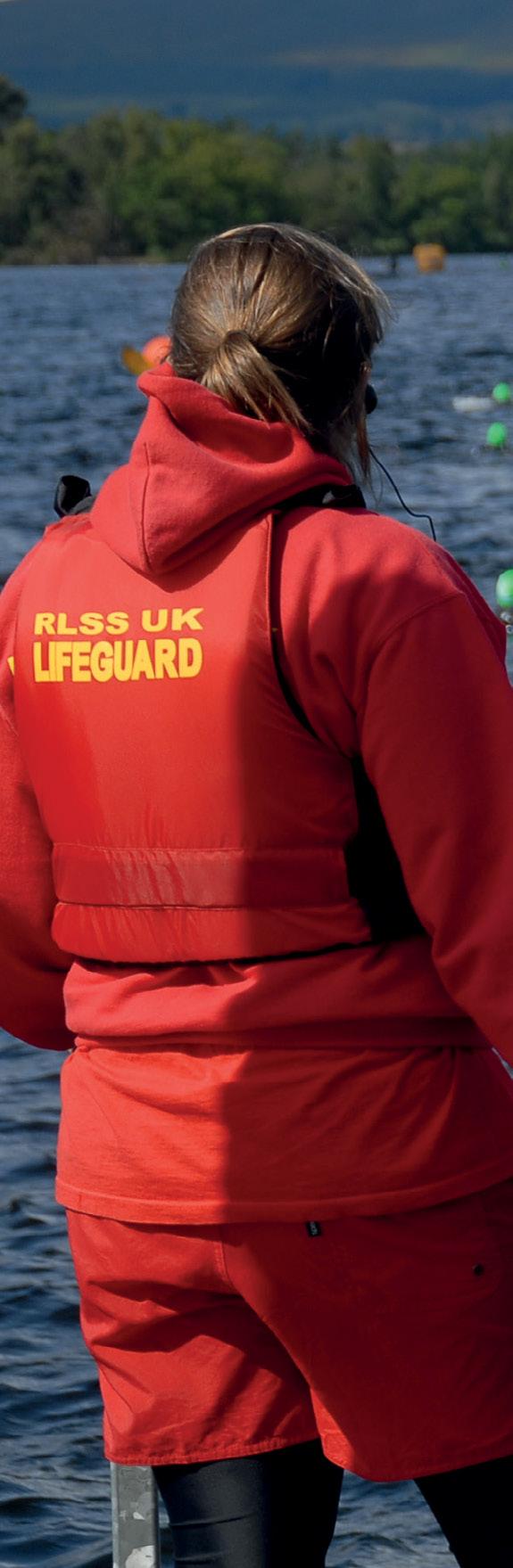
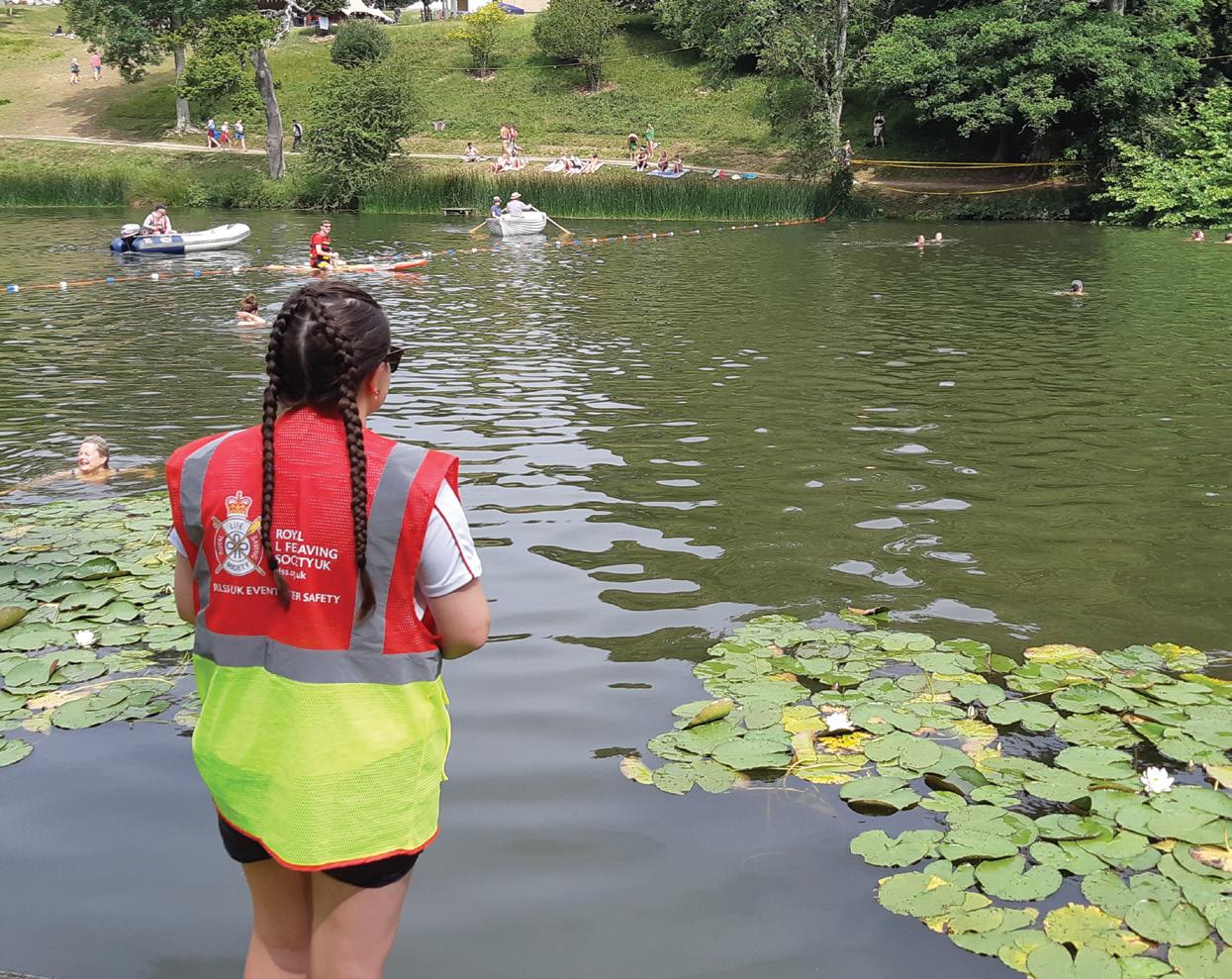
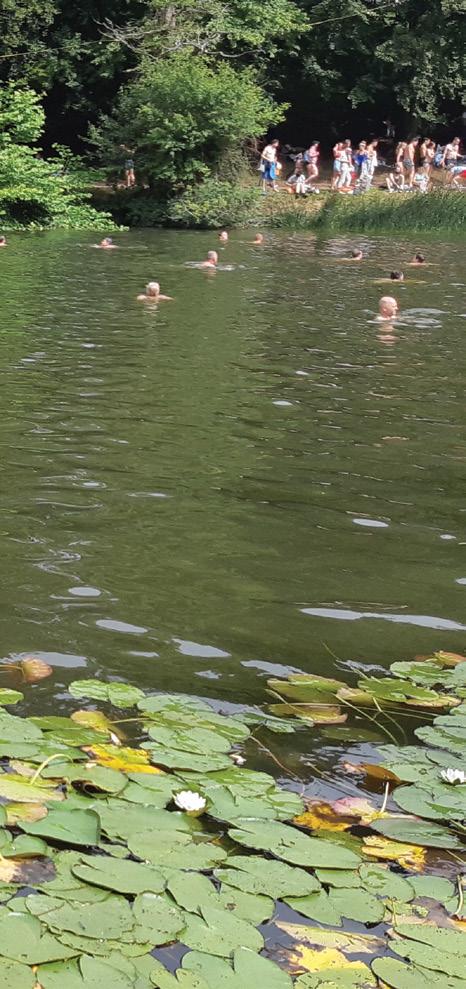
The Great North Swim attracts over 7,000 swimmers a year, making it the largest open water swimming event in the UK. Swimmers come from a range of backgrounds, ages, and swim abilities, and there can be hundreds of swimmers in the water at once, so the work of the wider safety team is of paramount importance. The RLSS UK lifeguard team is at the centre of this, ensuring trained experts are ready to act should an emergency arise.
RLSS UK Volunteer Nicola Bean
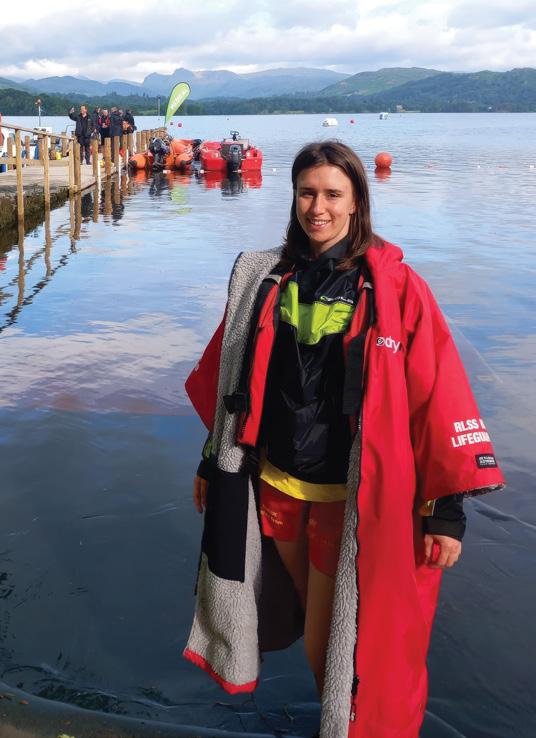
“I first heard about the Great North Swim through a colleague’s recommendation. As a pool lifeguard and sports assistant, I wanted to build on my skills and see how outdoor swimming events operate. Set in the stunning Lake District, I joined the RLSS UK volunteer team in 2024 and returned the following year. I was welcomed straight away, the atmosphere was fantastic, and the team really gelled, always looking out for one another. Alongside helping swimmers at the entry and exit points, I also spent time on the rescue boats, getting close to the action and even pulling a casualty on board.”
2
To be recognised as the experts in water safety
Our Training Impact
Every qualification is another person better prepared to keep themselves and others safe. A record year means more people with the skills, confidence and knowledge that contribute to saving lives. This equates to thousands of moments of learning across swimming pools, leisure centres, open water venues, coastal areas, communities and workplaces, building a stronger culture of water safety.
97% In England, 97% of all pool lifeguard qualifications were awarded by RLSS UK
177,572
We delivered 177,572 lifesaving qualifications and awards
1 every 4 minutes
We awarded 1 lifesaving qualification every 4 minutes
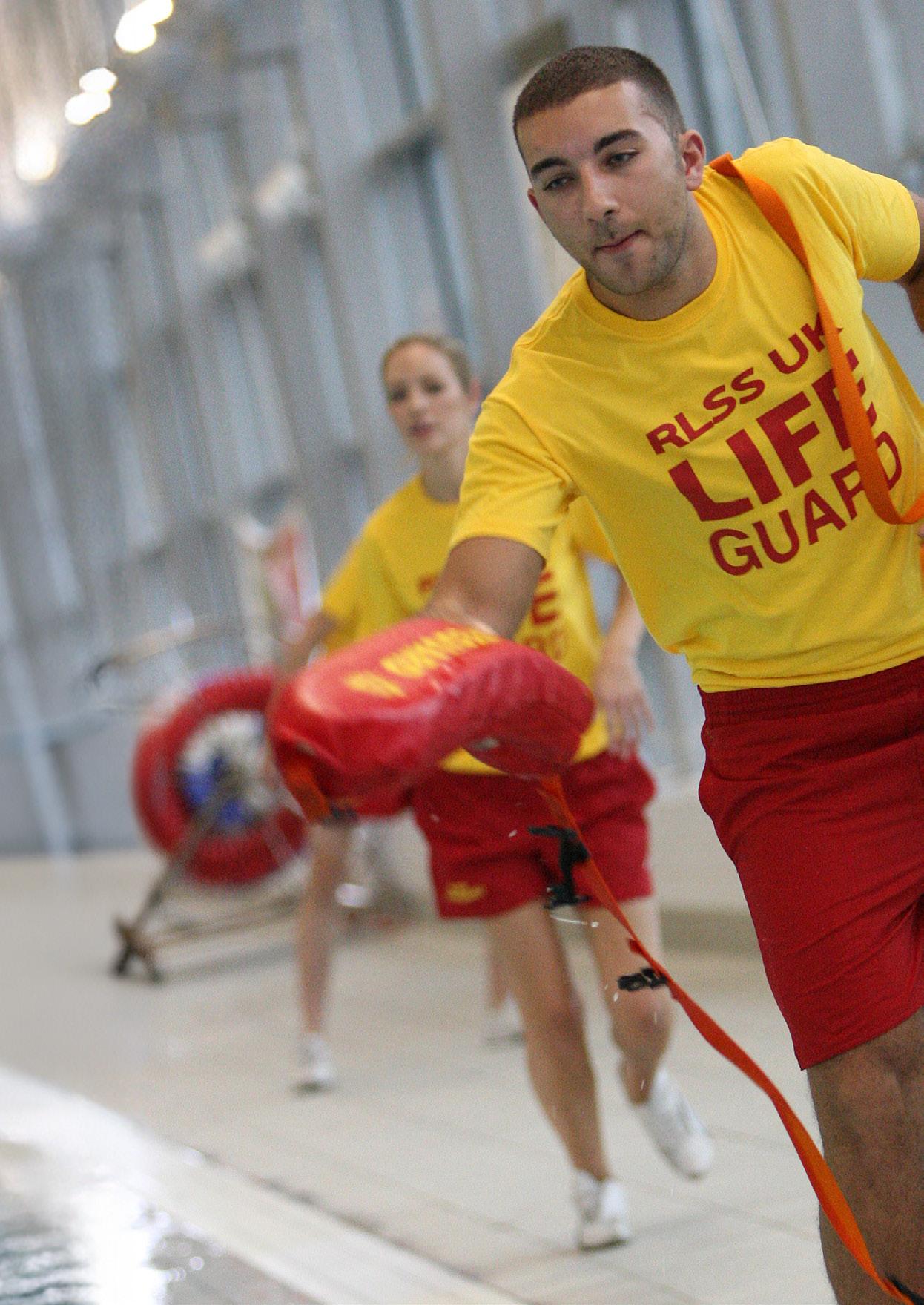
46,350 Pool Lifeguards Qualified
48,031 First Aiders Qualified
64,163 Moments of Continued Personal Development
We Delivered High Quality Learning Experiences
Regulated qualifications only
97% 96% 94% 93% 95%
gave their RLSS UK qualification a positive rating
rated their RLSS UK trainers’ technical knowledge positively agreed their RLSS UK trainer communicated well said they enjoyed the course agreed RLSS UK trainers treated candidates fairly
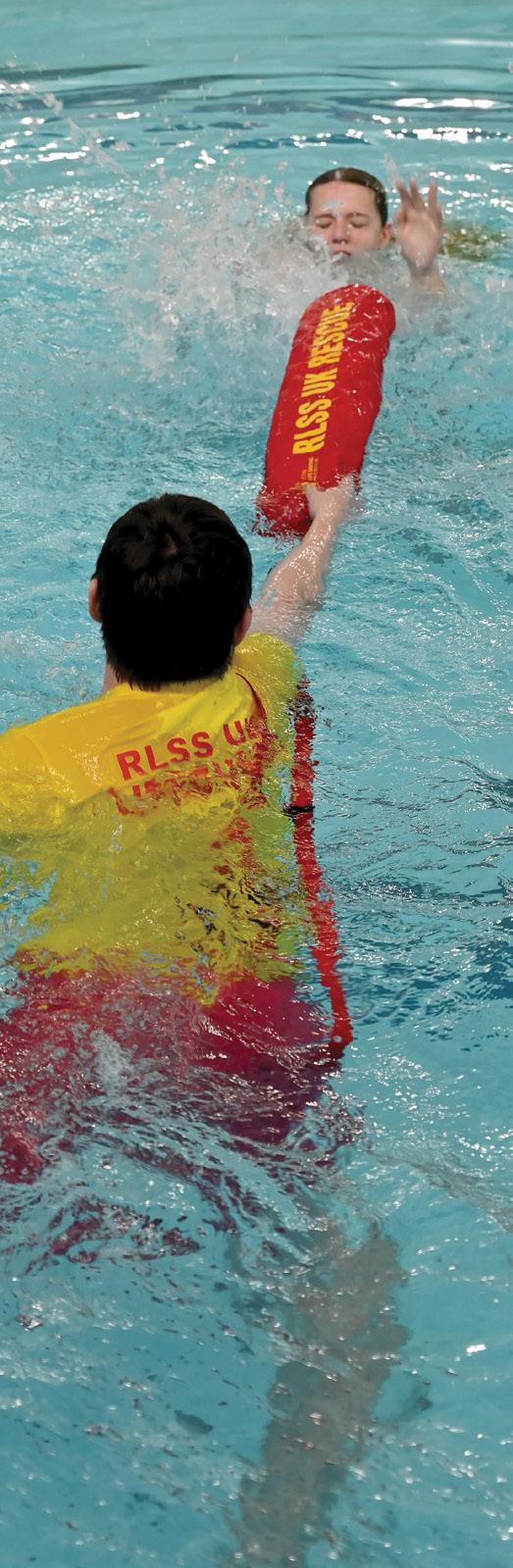
RLSS UK Pool Lifeguards are Staying in the Role and Keeping Skills Current
A rise in pool lifeguard renewals drove our growth this year, signalling a maturing workforce with strong patterns of requalification and maintained proficiency.
33% Renewals accounted for 33% of the year-on-year growth in National Pool Lifeguard Qualifications (NPLQ)
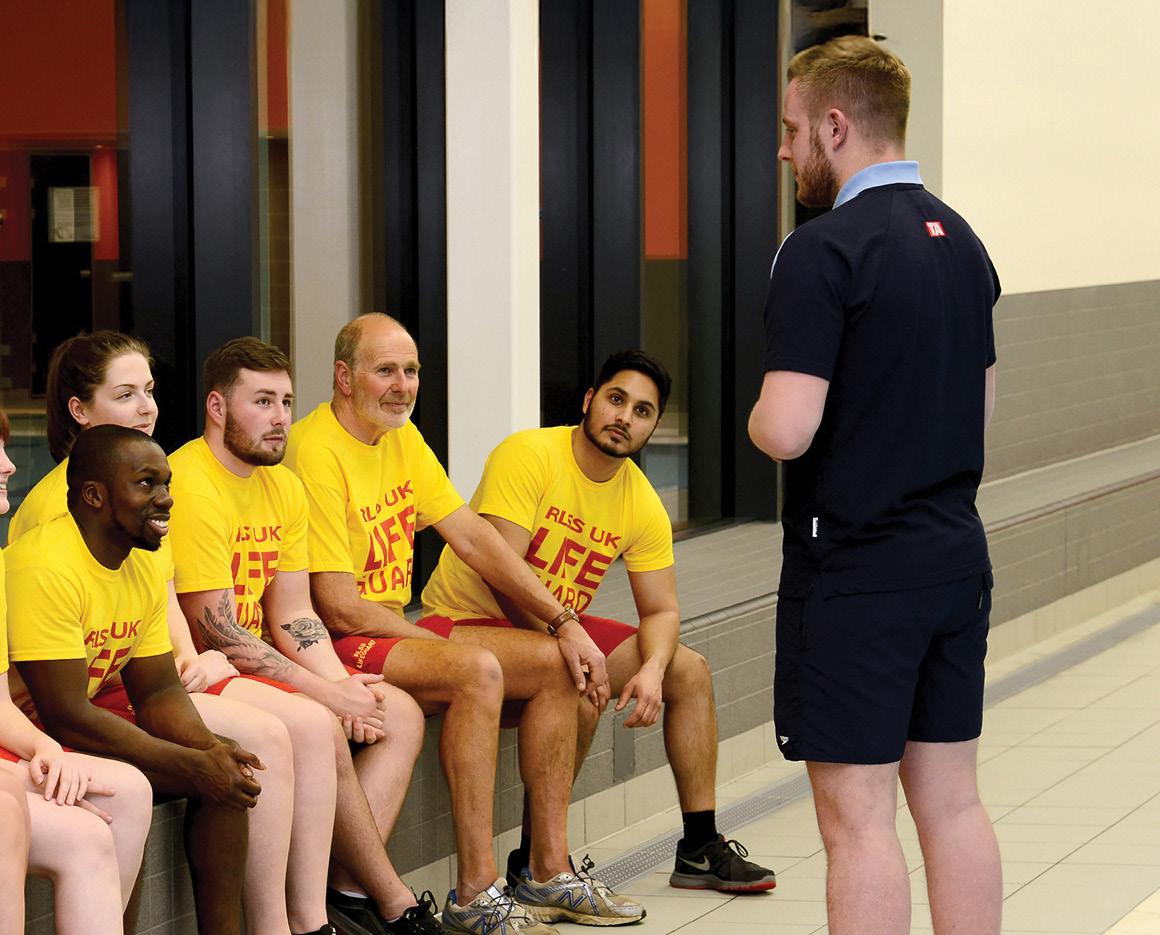
“At RLSS UK, we take immense pride in the quality and credibility of our awards and qualifications. Everything we deliver is designed to be high-quality, fit for purpose, and aligned with the very latest guidance and research. This commitment ensures that everyone who trains with us is equipped with the most up-to-date skills, knowledge, and confidence to keep their communities safe.”
Nick Grazier, Deputy Director of Commercial Services, RLSS UK
New Qualifications in 2025
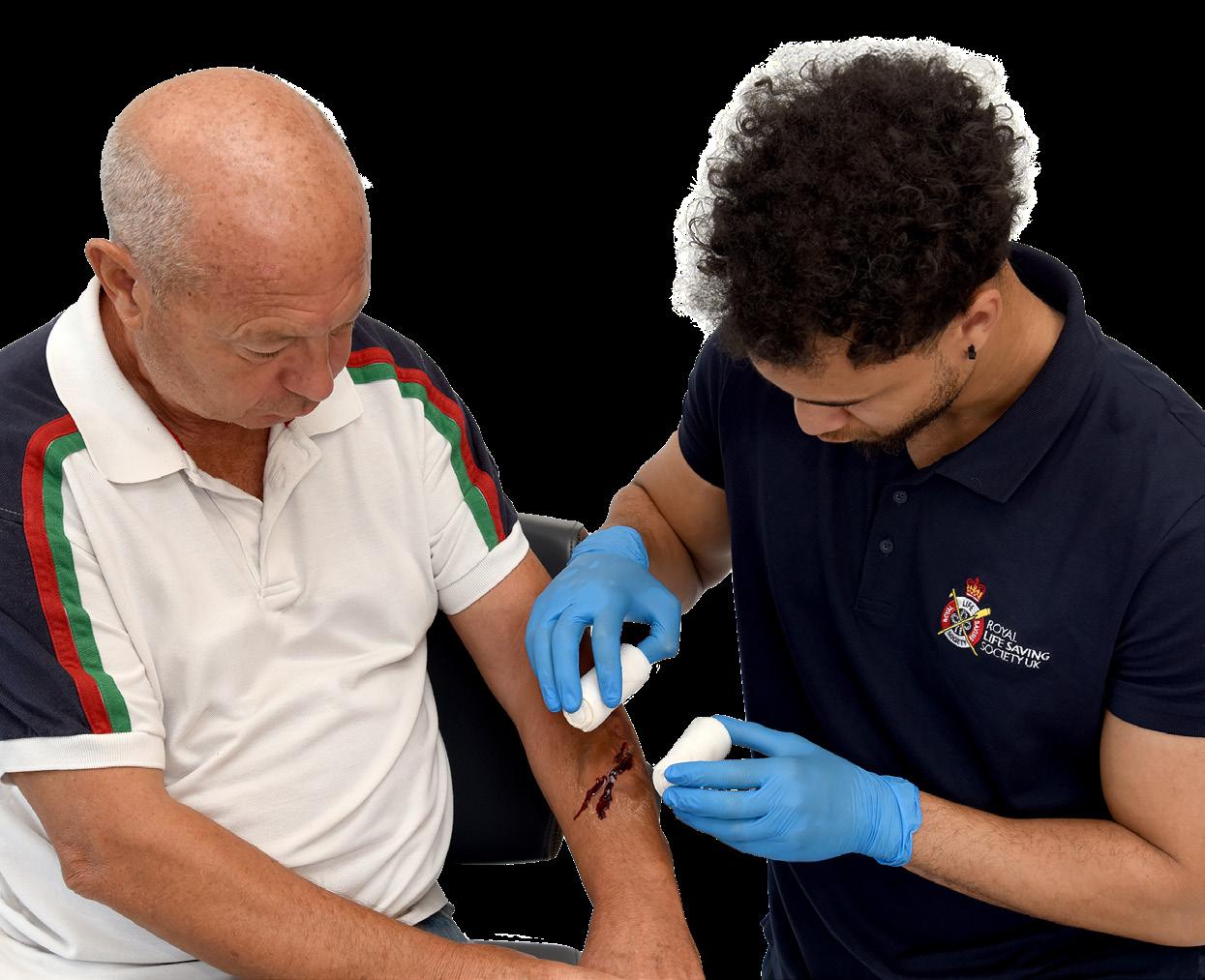
As we continued to deliver first aid training at scale, we also expanded our First Aid offering, developing new pathways that reflect the diverse environments where incidents occur and support the community’s needs. First aid is no longer a one-size-fits-all model. Our qualifications now support both everyday workplaces and the growing outdoor activity community, ensuring more people have the confidence and competence to act wherever risks arise.
Blended Learning
RLSS UK expanded access to first aid training in 2025 by introducing blended learning across the First Aid Essentials programme, creating a more flexible and accessible pathway without compromising quality or standards. This development reflects the changing needs of learners, workplaces and training providers, allowing candidates to complete elements of their course online while still benefiting from highquality, face-to-face training and assessment. It has opened the door for more people to gain vital first aid skills in a way that fits around work, caring responsibilities and everyday life, supporting greater reach across communities.
The blended learning model provides a simplified, engaging and interactive online experience. This ensures candidates can build knowledge at their own pace before practising their skills in trainer-led sessions that reinforce competence and confidence.
By integrating blended learning into Emergency First Aid at Work (EFAW), First Aid at Work (FAW), Paediatric First Aid (PFA) and requalification pathways, RLSS UK has strengthened its position as a first-choice awarding organisation for modern, accessible and high-quality first aid training. This approach supports busy teams, reaches more learners, and ensures that more people are equipped with lifesaving skills that contribute to safer workplaces and communities.
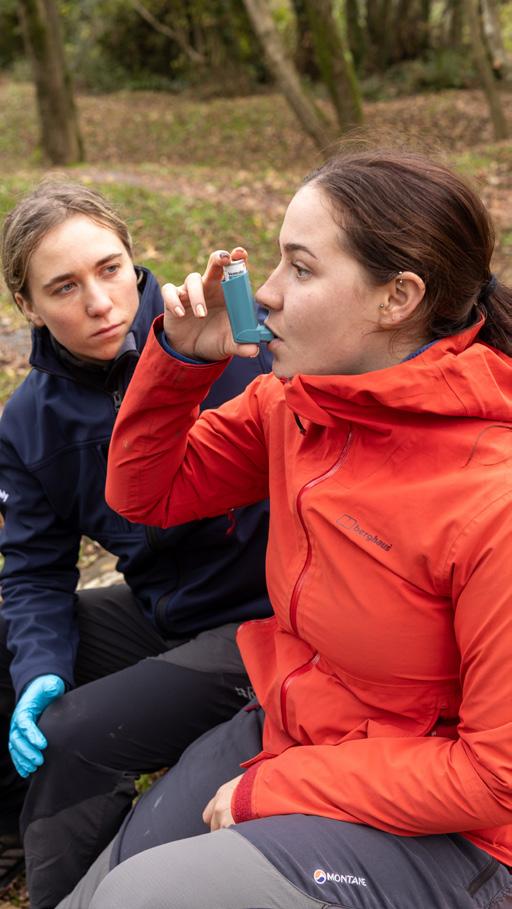
Outdoor First Aid
The 16-hour programme blends scenario-based learning with practical and theoretical training, preparing teams to respond effectively in places where weather, terrain and distance to help can significantly increase risk. Accredited by Ofqual and Qualifications Wales, it offers employers a recognised and robust standard that supports first aid risk assessments and enhances safety across outdoor venues. By allowing organisations to upskill their own teams through the RLSS UK Trainer Assessor pathway, the qualification also builds longterm resilience and embeds high-quality first aid practice across the sector. This development marks a significant step forward in how RLSS UK supports partners to keep participants, visitors and staff safe in some of the UK’s most popular outdoor environments.
Blended Learning Impact
felt prepared for the face-to-face element of the blended learning course
said the materials met their needs said they found the learning to be engaging

Allowing you to Enjoy Water Safely at Home and Abroad
RLSS UK works with a wide range of partners to make sure our water safety expertise reaches people wherever they choose to relax. Enjoying water safely is just as important on holiday as it is at home, and while families unwind, we continue working to make their leisure environments safe.
Through our expert training, trusted programmes, and strong collaborations across sectors, we support operators in creating safer spaces for everyone. Whether by the pool, on the beach or at an aquatic attraction overseas, our focus is always the same: helping people enjoy water confidently and safely, wherever their journey takes them.
RLSS UK on Tour
As part of our commitment to supporting safer leisure environments across the UK and Ireland, RLSS UK delivered a series of updates and standardisation sessions for Approved Training Centres and Providers (ATC/Ps), Trainer Assessors (TAs), Mentors and National Trainer Assessors (NTAs). These sessions brought colleagues together in leisure centres around the UK and Ireland to refresh skills, strengthen consistency and learn about upcoming changes to qualifications and awards. Approximately 500 people took part throughout the year, building confidence, capability and collaboration within the training network. This work reinforces the vital role our ATC/Ps, TAs, Mentors and NTAs play in preparing the next generation of lifesavers and lifeguards, ensuring that communities have access to high-quality, trusted water safety training.
Training on Cruise Ships
Water safety training and emergency preparedness are vital in many industries and environments, including on cruise ships, where pools, spa areas and aquatic features operate alongside diverse passenger and crew populations. RLSS UK is proud to support Carnival UK in delivering training with international reach, on Cunard and P&O cruise ships, providing bespoke education tailored to life at sea. During 2025, the training included Swimming Pool Emergency Response Awards (SPERA), emergency rescue training and Basic Life Support (BLS) sessions designed around the realities of working on board. As a result, crew members gained practical, confidence-building skills that support consistent and effective responses to aquatic and medical emergencies. This work enhanced overall readiness across cruise ship environments and helped foster a proactive safety culture that prioritises prevention as well as emergency response, demonstrating the value of RLSS UK expertise in high-risk and challenging settings.
Bluestone Resort
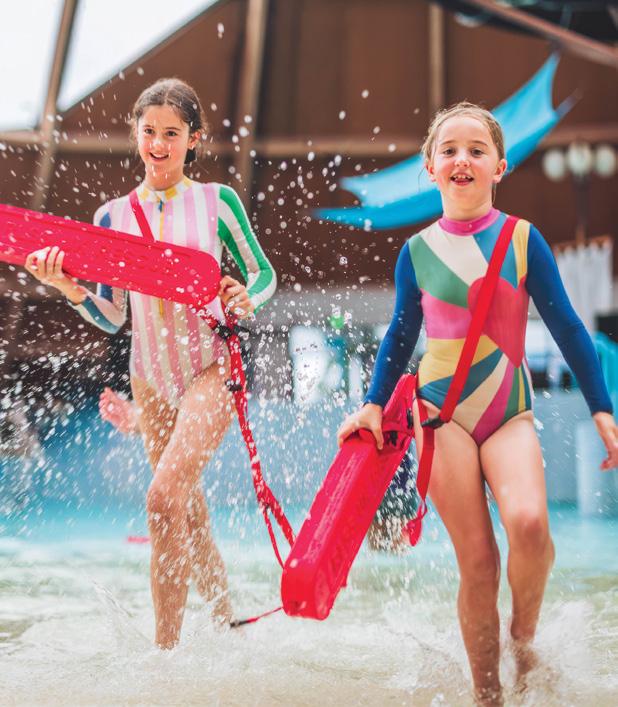
Working in collaboration with Bluestone Resort, RLSS UK introduced bespoke Rookie Lifeguard Taster sessions designed specifically for holiday settings. The project aimed to bring the Rookie Lifeguard programme into new environments where it is not traditionally delivered, helping families build water confidence while away from home. By offering one-hour sessions that allow children to experience lifesaving activities, aligned with lifeguard skills, the programme gives holiday makers a fun and practical introduction to lifesaving skills. Each participant receives a certificate that links them back to their local leisure centre, supporting a clear pathway into the full Rookie Lifeguard awards.
Launched in late 2025, this partnership reflects our commitment to making water safety education accessible wherever people choose to relax. By embedding highquality, engaging activities into the holiday experience, the project increases awareness of water safety, encourages children to continue their learning journey and helps more families enjoy water safely both during their break and when they return home.
easyJet Holidays
In June 2025, RLSS UK partnered with easyJet Holidays and Olympic champion Tom Dean to launch the easyJet Holidays Swim School, a national initiative offering thousands of free swimming lessons to adults who had never learned to swim. With millions of adults in the UK still unable to swim, and participation at its lowest among adults aged 45 and above (Sport England, Active Lives Survey 2023-2024), the programme addressed a significant barrier to water safety, confidence and enjoyment, both at home and while travelling. Working with GLL leisure centres, participants received instructor-led lessons supported by practical water safety guidance from Tom Dean, helping adults take their first steps towards feeling safer and more confident in the water. The initiative strengthened our mission to reduce drowning by equipping adults with essential skills that support safer choices around water. Lessons were released weekly to ensure fair access across the country, supported by extensive national media coverage that amplified key water safety messages. This partnership demonstrated the power of working with like-minded organisations to reach new audiences, increase water confidence and help more people enjoy water safely wherever their journeys take them.
“As an Olympic swimmer, I know the importance of learning water safety skills and am passionate about ensuring everyone across Britain has access to learn swimming competencies. Whether it’s staying with a buddy, or knowing your limits and sticking to areas where you can stand, it’s never too late to learn how to swim – and thanks to easyJet Holidays Swim School, more people will have access.” – Tom Dean, Olympic Champion Swimmer
65.3 million
The campaign reached an estimated 65.3 Million
1,000 adults received fully funded swimming lessons
250 from June 2025, 250 places were released every week for four weeks
Image credit: Bluestone National Park Resort
3
To have our lifeguarding and lifesaving communities recognised as equals
Honours 2025
Each year, RLSS UK recognises the extraordinary dedication, commitment and service of the volunteers who give their time to support our mission. Many are lifeguards, lifesavers, instructors or long-standing supporters who strengthen communities through their leadership, generosity and willingness to help others enjoy water safely. The Honours ceremony is our opportunity to celebrate these contributions and shine a light on the individuals who make an exceptional difference.
In 2025, almost 300 volunteers were recognised at our annual Honours event, held on Saturday 18 October at the British Motor Museum. Awards were presented for long service, outstanding contribution and exceptional impact, with recognition given to both long-standing volunteers and those new to our community who have already made a significant difference. We were delighted to welcome competitive swimmer Michael Gunning as our guest host, whose energy and support helped make the occasion a memorable celebration.
The ceremony reflected hundreds of moments of dedication across the UK and Ireland, each one representing time given freely to teach skills, support events, lead clubs and branches, share water safety education or help someone in need. Honours 2025 celebrated that collective effort and reaffirmed the vital role volunteers play in helping more people enjoy water safely.
1,456
In total, the volunteers recognised at this year’s Honours ceremony contributed a total of 1,456 years of service to their communities
“When I found out that not only had I been nominated for this award by my coaches, but that I had also won it, I was blown away.
Sometimes in training you think to yourself, ‘that was a good set’, other times you think, ‘I could have done a bit better’, but you pick yourself up and learn from your mistakes. I treat every training session as a learning exercise and take comments and tips from my coaches along the way. It’s great to know that the coaches are watching and evaluating your progress, and that they recognised me by nominating me for the Honour last year.
I am proud to be a member of the Royal Life Saving Society UK and of Blyth Lifeguard & Swimming Club.”
Ben Stephenson, Winner of 4 awards at Honours 2025

49,887
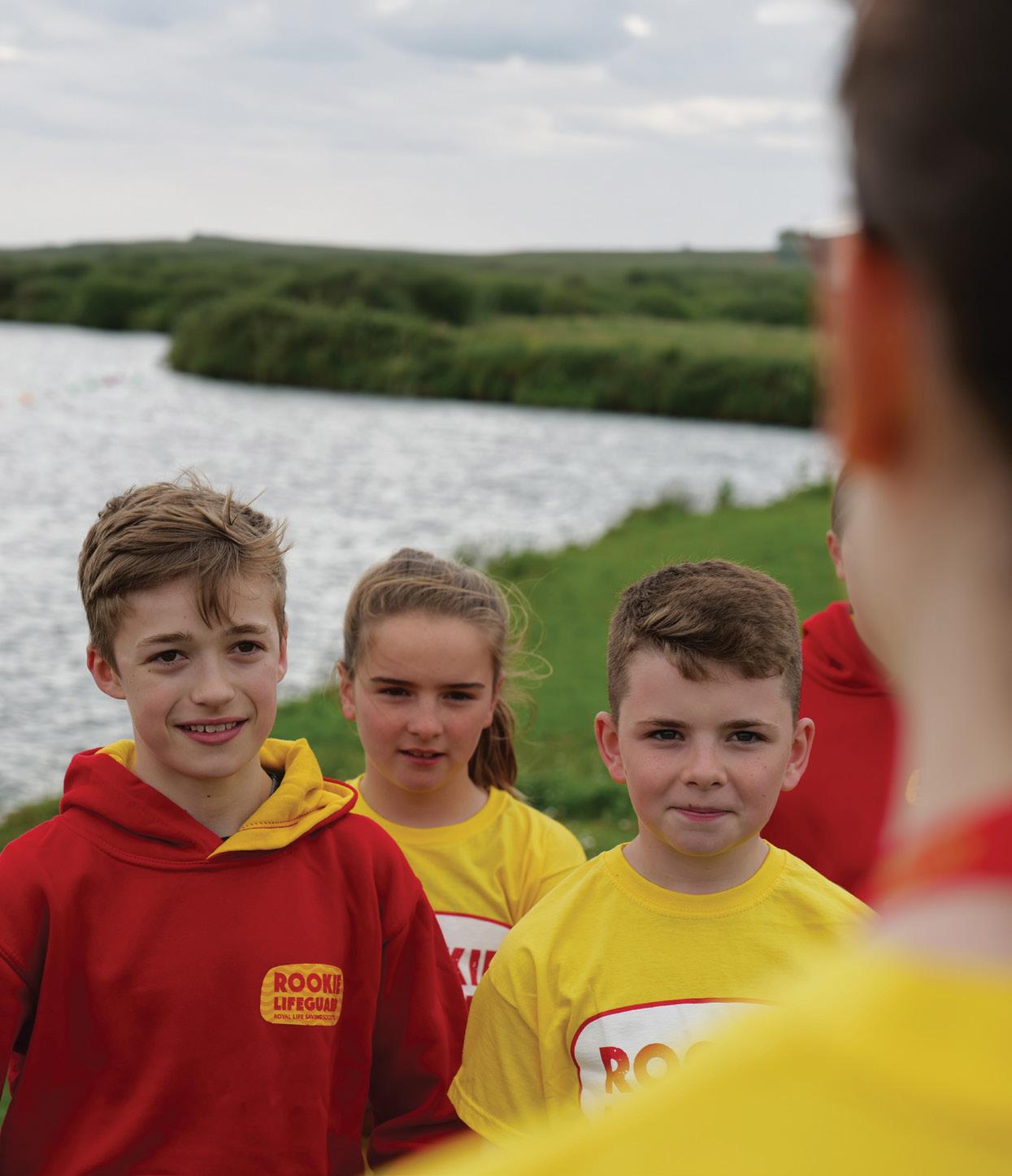
Rookie Lifeguard qualifications delivered in 2025
The Rookie Lifeguard programme is the first step on the UK’s lifesaving and lifeguarding pathway, giving children the early skills and confidence that lead into the National Lifesaving Academy and the National Pool Lifeguard Qualification (NPLQ). As Rookie numbers rise, so does the future number of aspiring pool lifeguards and lifesavers who will keep communities safe. In 2025, we continued to strengthen this pathway by introducing Rookie Beach and Rookie Rescue Skills, helping more children develop practical, age-appropriate rescue skills across a wider range of aquatic environments. These developments ensure that young people begin their journey with the foundations they need to keep themselves and others safe in, on or around water and to progress into future roles as lifesavers and lifeguards.
165 child drownings over the last 5 years
Rookie Rescue Skills
89% of all child drownings occurred when there was no adult supervision
RLSS UK and Level Water joined forces to transform accessibility in aquatics and inspire children with disabilities to experience both the joy of swimming and the confidence that comes from being safe around water.
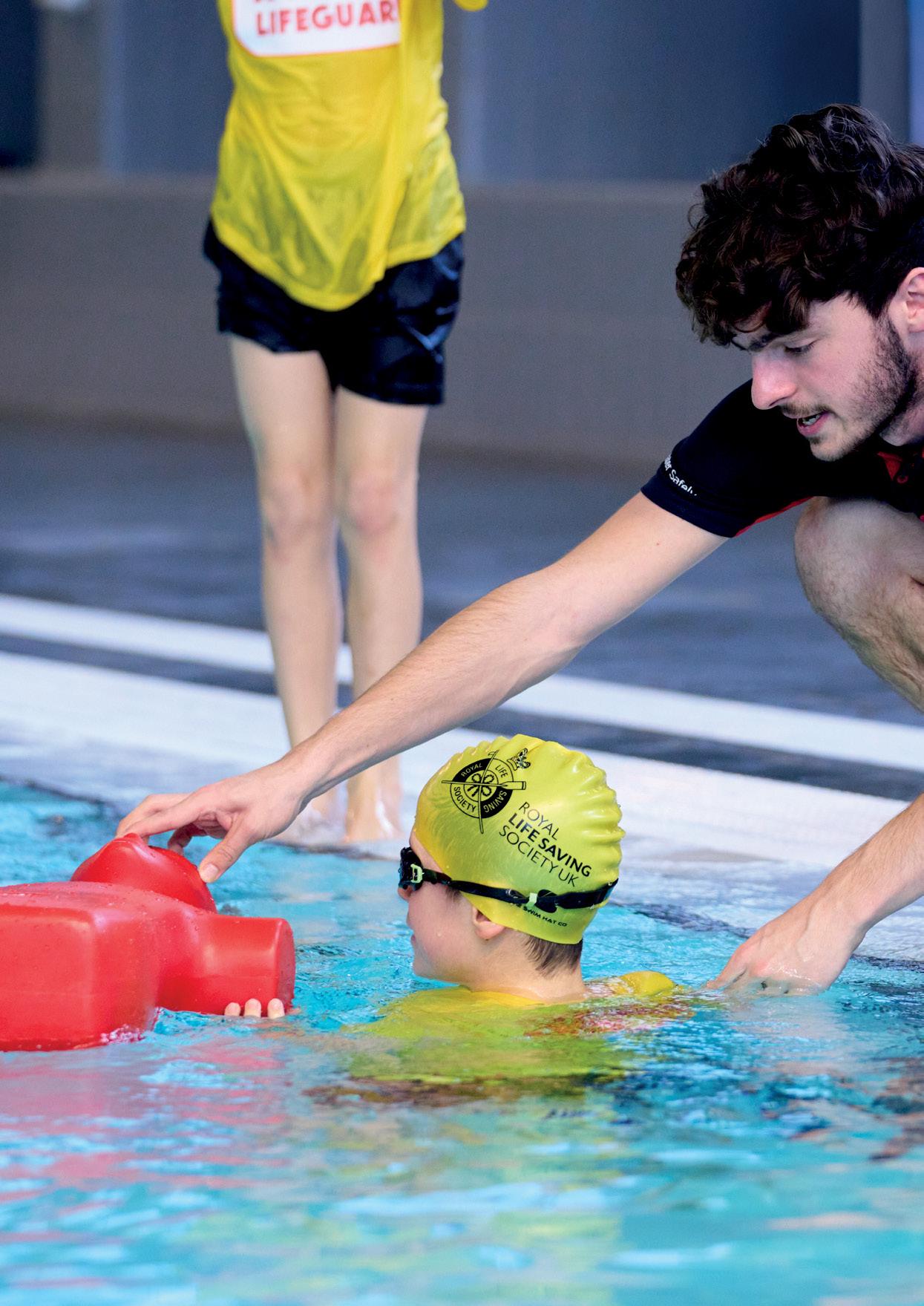
RLSS UK and Level Water were excited to launch the new Rookie Rescue Skills Programme: a jointly developed award that teaches children with disabilities basic self-rescue and lifesaving skills. This opportunity offers an exciting pathway for children with disabilities to continue their swimming journey, completing the Level Water Learn to Swim Programme.
We have reimagined our Rookie Lifeguard Programme to make it fully accessible and inclusive. Through this partnership, we have worked closely with Level Water teachers to create a programme that enables Rookie Instructors to work with smaller class sizes and make adaptations to the class, ensuring every child can learn, progress, and thrive in an environment built for their success.
“A huge part of our adapted swimming lesson programme is about teaching confidence, self-esteem and resilience, and this partnership is the perfect opportunity for young people to show these skills off and increase their love for the water, whilst also giving families the chance to feel confident that their child is safe in and around water.
“We’re delighted to be a part of such an exciting partnership.”
- Matt Maguire, Head of Programmes at Level Water
12 costal drownings in 2024
Rookie Lifeguard Beach
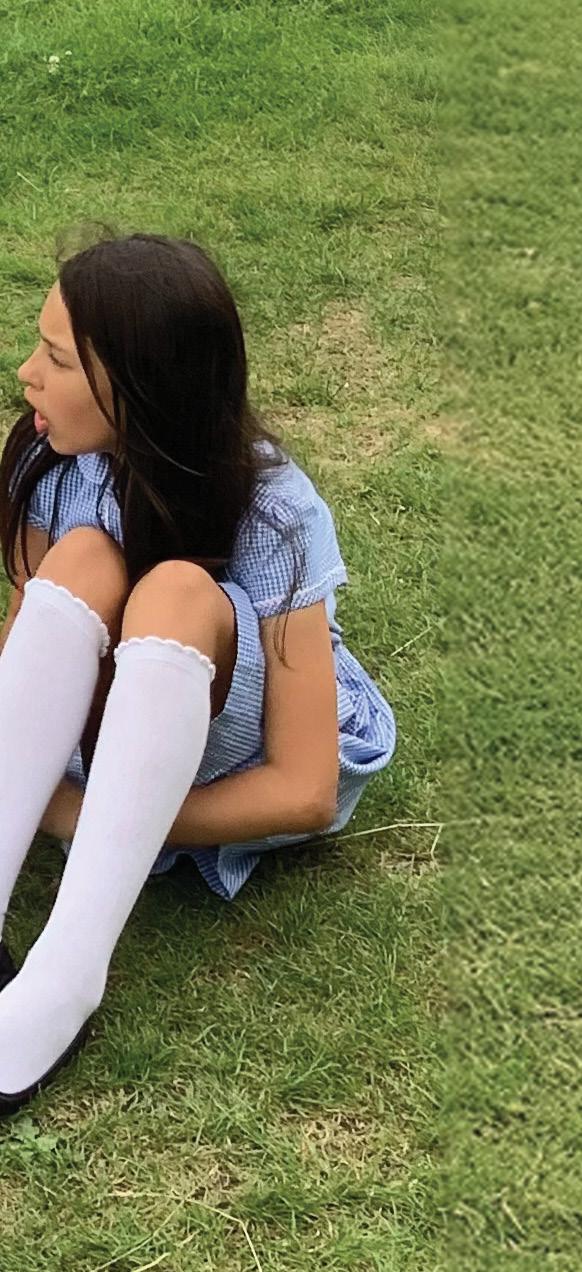
The Rookie Lifeguard Beach programme builds on the success of Rookie by equipping children with the essential skills they need to stay safe in coastal environments. Data shows that coastal local authorities are disproportionately affected by drowning incidents; therefore, it was essential that we designed a programme suitable for lifesaving clubs, surf clubs and leisure centres near the coast. Rookie Beach Lifeguards learn many of the same foundations used by full beach lifeguards and gain experience with equipment such as rescue tubes and rescue boards, building confidence in environments where conditions can change quickly.
To have water safety education embedded in the curricula across the UK and Ireland
Policy and Public Affairs
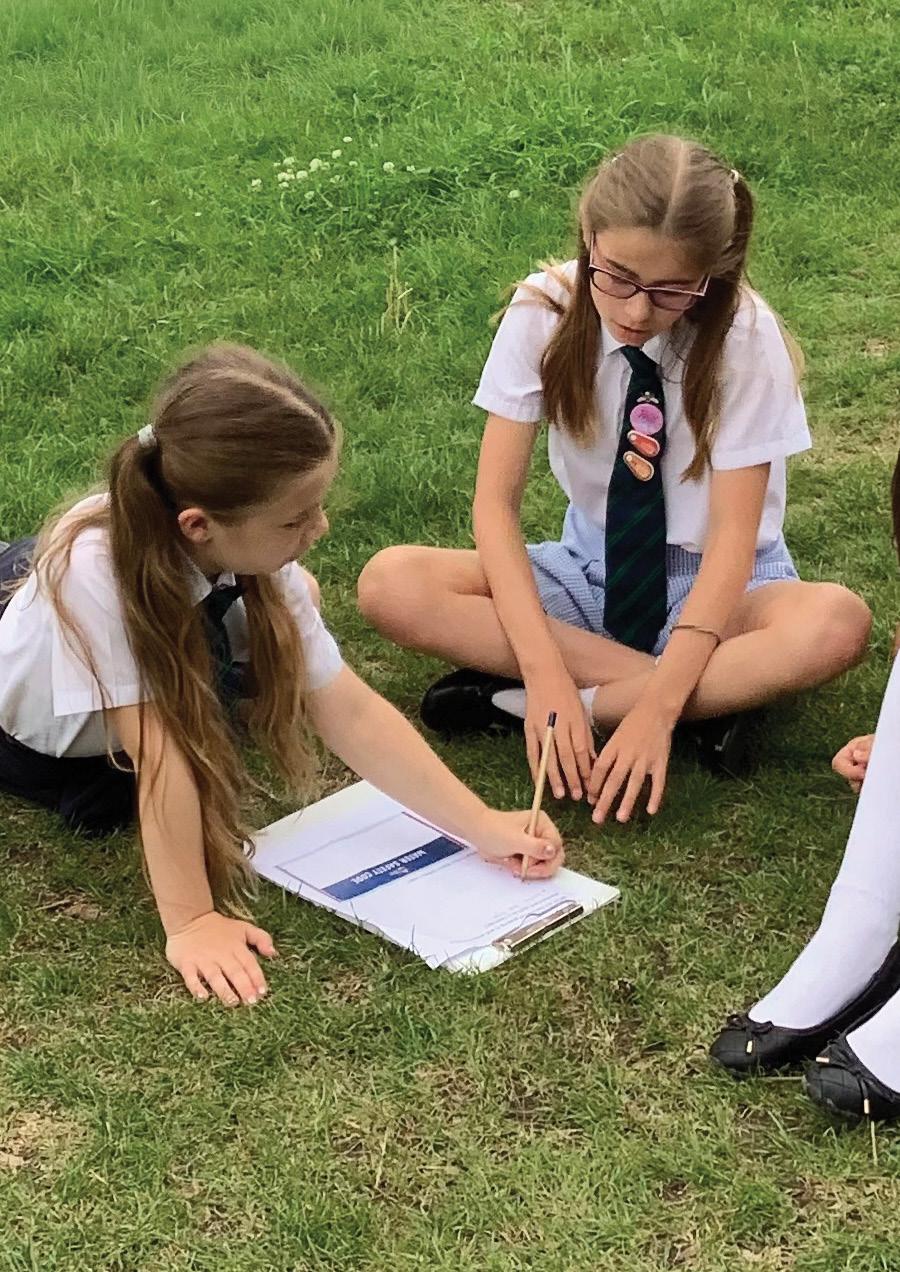
In June 2025, RLSS UK and partners intensified calls for consistent classroom-based water safety education across England. Access to lifesaving education remains uneven, and children continue to be at risk despite drowning being preventable. Working with the National Water Safety Forum, bereaved parents and organisations across sectors, we aligned messaging and built a shared case for change so that every child learns how to recognise risk and stay safe near water.
“This long-awaited announcement is significant, and we are pleased that our lobbying efforts and welldocumented responses to last year’s Consultation have yielded positive results. Our work, alongside collaboration with Government, the National Water Safety Forum and families affected by drowning, has made a meaningful difference. This progress reflects our continued commitment to ensuring every child learns how to stay safe in, on, and around water.”
– Simmy Aktar, RLSS UK CEO

APPG for Water Safety Education
RLSS UK hosted two events in the UK Parliament in Westminster, advocating for statutory classroom-based water safety education in England and presenting new evidence on child drowning, showing they had doubled in the past five years. This shocking new statistic underscored the urgency for action.
The All-Party Parliamentary Group on Water Safety Education held its inaugural meeting, chaired by Darren Paffey MP and co-chaired by Lord Storey. RLSS UK provides the secretariat, creating a cross-party forum to champion water safety education, influence politicians, and bring the voice of lifeguards, lifesavers and bereaved families directly into the Palace of Westminster.
Debate in the House of Commons
Darren Paffey MP (Southampton Itchen) led a debate in the House of Commons during Drowning Prevention Week, advocating for classroom-based water safety education to be included in the curriculum. The debate brought political focus to water safety education and attracted cross-party support from MPs across the UK.
Water Safety Code
Victory
In July, the Department for Education published updated statutory RSHE guidance in England that explicitly includes personal safety content on recognising risk and staying safe near water, including the Water Safety Code.
Thank you
This achievement belongs to everyone who has worked tirelessly to make water safety education a national priority. RLSS UK extends sincere thanks to our partners across the National Water Safety Forum, political supporters, sector organisations, educators and the parents who have shared their experiences with courage and determination. Their voices, evidence, expertise and advocacy have shaped the case for change.
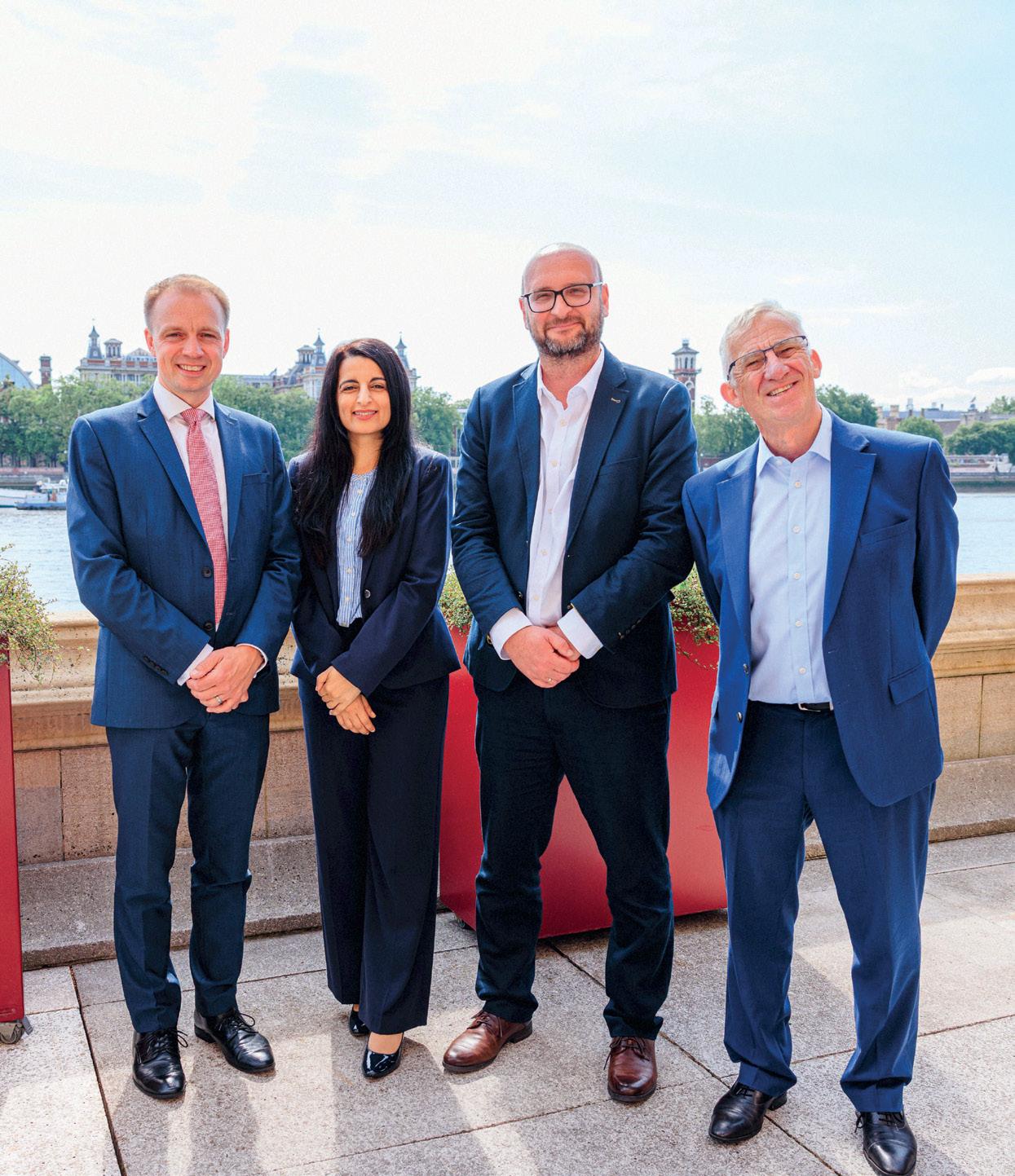
45 Darren Paffey MP - Chair, APPG for Water Safety Education, Simmy Akhtar, CEO RLSS UK, Matt Croxall, Former Interim Charity Director RLSS UK, Lord Storey - APPG for Water Safety Education Co Chair

Why this Matters
The inclusion of water safety within statutory RSHE guidance represents one of the most significant advances in drowning prevention policy in more than a decade. Until now, access to water safety education has depended heavily on where a child lives, the priorities of individual schools, and whether a family can access swimming lessons. This inconsistency has left thousands of children without the basic knowledge needed to recognise danger, make safer choices, or respond in an emergency. Statutory inclusion on the curriculum changes this. It moves water safety from something that may be taught to something that must be taught, guaranteeing every child in England the chance to learn lifesaving skills, regardless of background, ability or circumstance.
“The inclusion of the Water Safety Code as a statutory requirement in the RSHE guidance for both primary and secondary schools is excellent news. However, it is long overdue, and RLSS UK has been campaigning for this for many years.”
- Andy Lane, Education Manager at RLSS UK
The Work Ahead
Although the inclusion of water safety education in England’s statutory curriculum is a major and hard-won milestone, the fight is not over. Children in Scotland, Wales and Ireland still do not have guaranteed access to classroom-based water safety education, and provision remains inconsistent. RLSS UK will continue working with partners, policymakers and the wider drowning prevention community throughout 2026 to advocate for the same level of protection for every child, no matter where they live. This next phase will rely on the same collaboration, persistence and shared purpose that made progress in England possible, ensuring we continue moving toward a future where all children have the knowledge they need to enjoy water safely.
Advocacy in Scotland
In 2025, RLSS UK strengthened Scotland’s national approach to drowning prevention by securing representation on the Water Safety Scotland Steering Group through the appointment of Graham McCallum, Club Development Officer for Scotland. This positioned RLSS UK within national decision-making and enabled us to directly support the delivery of Scotland’s Drowning Prevention Strategy and the First Minister’s Water Safety Action Plan.
Through this role, RLSS UK helped drive coordinated action across regions, supporting Partnership Approach to Water Safety groups from Aberdeen to Argyll and Bute. Our guidance supported local partners in understanding their specific water risks, delivering consistent safety messaging, and embedding a joined-up, multi-agency approach to preventing water-related fatalities. This work delivered significant national impact. More than 3,500 people engaged with water safety learning during World Drowning Prevention Day at Loch Lomond Shores, and our presence at major community and sector events created thousands of opportunities to promote Drowning Prevention Week messaging across key local authorities. As a result, communities across Scotland are now better informed, better supported and more resilient to water-related risks.
Working with the Parents
The loss of a child to drowning has devastating and lifelong consequences for families, and the lived experience of bereaved parents carries a truth and urgency that no statistic can convey. RLSS UK recognised the need to ensure these voices were not only heard but also placed at the centre of national advocacy, helping to show the human impact of drowning incidents and strengthening the case for consistent water safety education across the UK.
Throughout 2025, RLSS UK worked closely with several bereaved parents who chose to share their stories publicly to prevent other families from experiencing the same tragedy. During Drowning Prevention Week, Vanessa Abbess spoke in Westminster about her son Joe, who lost his life after being caught in a rip current in 2023, urging leaders to make classroom-based water safety education compulsory.
Stephanie Williams, whose daughter Sunnah drowned on the same day as Joe, supported national awareness work and encouraged parents to access water safety resources that could help protect their children. RLSS UK also collaborated with Becky Hinde, mother of eight-year-old Joshua, who drowned in the River Arrow in 2024. Becky joined RLSS UK in Westminster and continued advocating through her newly established Joshua Hillstead Foundation. In addition, Simon Haycock, whose son Sam drowned in Ulley Reservoir in 2021, worked with partners across emergency services and RLSS UK to promote powerful community messages about water safety during Drowning Prevention Week.
The collective strength of parents’ testimonies had a profound impact. Their voices brought national attention to the preventable nature of drowning and added emotional weight to the policy discussions that followed. Their courage helped secure growing political support for statutory water safety education in England and deepened public understanding of the risks present in everyday aquatic environments, from beaches and rivers to reservoirs. By working in close partnership with these families, RLSS UK helped ensure that their experiences became a driving force for change and strengthened
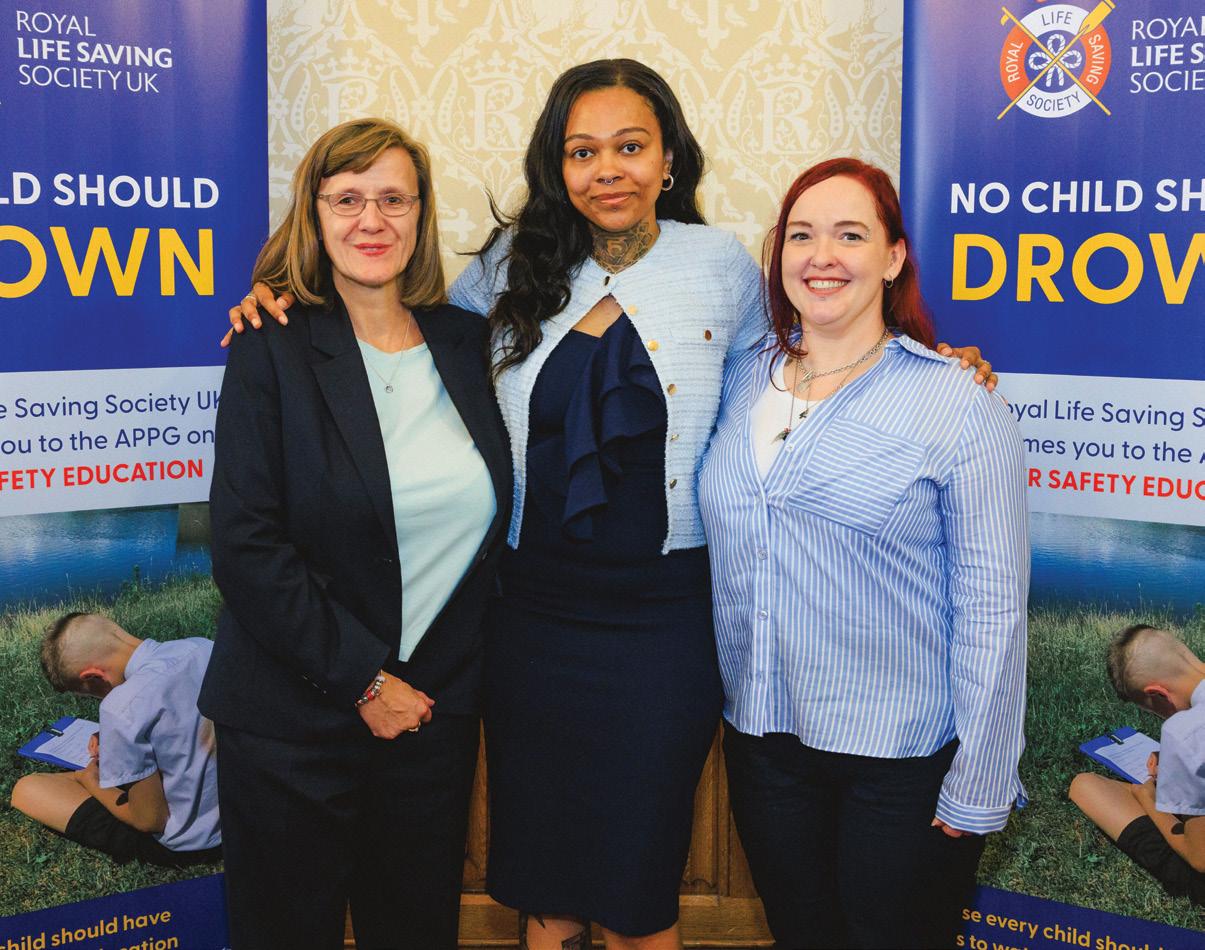
Vanessa Abbess, Stephanie Williams and Becky Hinde
Water Smart Schools
With anticipated changes to England’s Relationship, Sex and Health Education (RHSE) curriculum expected to strengthen water safety requirements, RLSS UK identified a need for resources that go beyond minimum expectations and offer schools a deeper, more comprehensive approach to water safety education. The Water Smart Schools programme was created to meet this need, providing curriculum-ready content that supports sustained learning and ensures every child, regardless of background, can access essential water safety knowledge.
Developed in collaboration with local schools and shaped by education specialists, the programme offers a full suite of resources for early years, primary, secondary and SEND settings. Each element has been designed to fit naturally within classroom practice and curriculum objectives, making water safety simple for teachers to deliver while keeping learning meaningful and engaging for pupils.
Through adaptable lesson plans, interactive teaching tools and whole-school engagement opportunities, the programme helps schools embed water safety into their community. Schools can work toward Bronze, Silver or Gold accreditation, valid for two years, creating a clear and achievable framework for consistent, long-term learning. Together, these resources support the national ambition for every child to understand how to stay safe in, on and around water.

2.3 million
An estimated 2.3 million children received our water safety education materials
31,300
An estimated 31,300 more classrooms reached in 2025 than the previous year
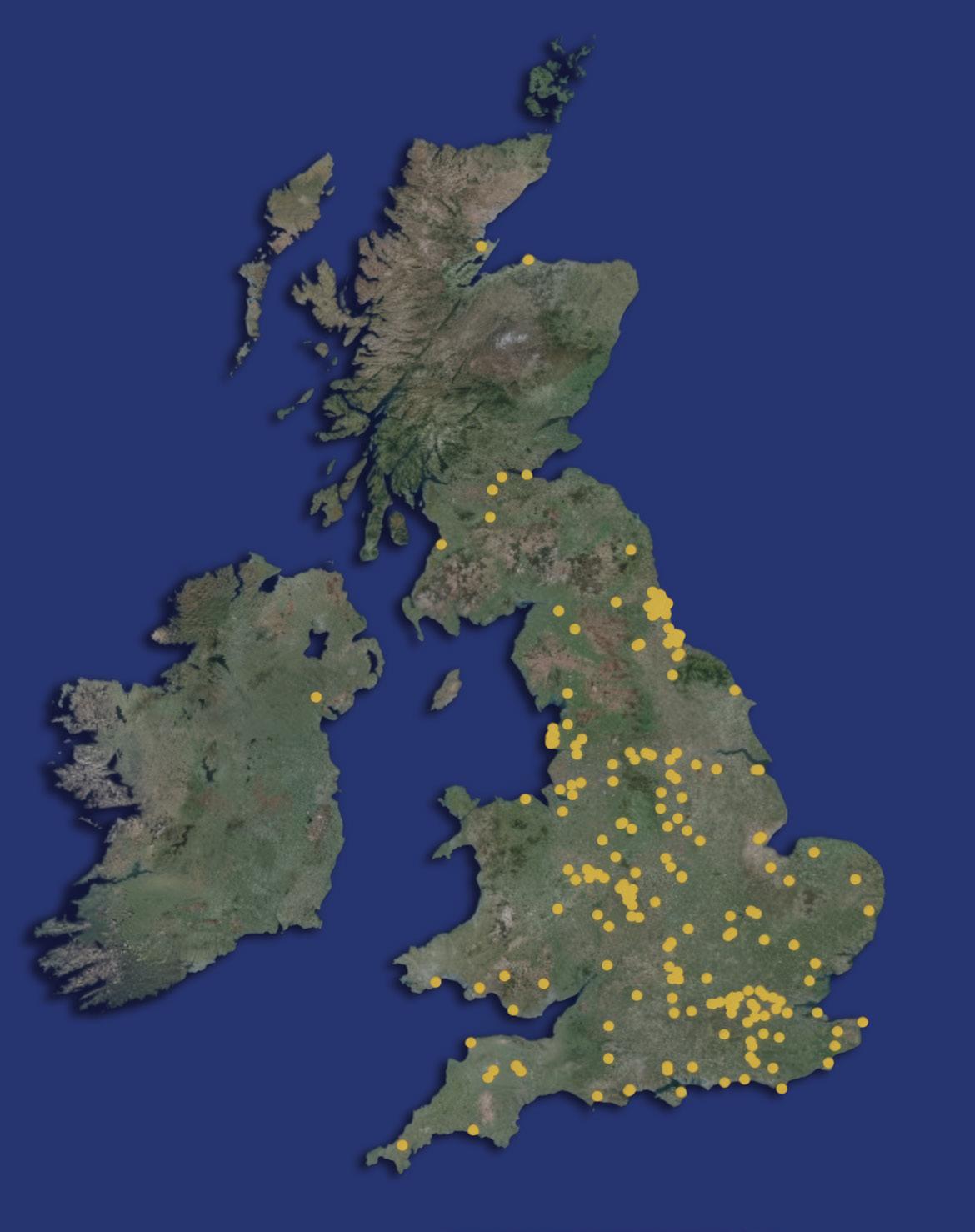
schools took part in our Water Smart Schools programme
Making Water Safety Education Accessible to All
As part of Drowning Prevention Week 2025, RLSS UK released a new suite of SEND-specific water safety resources to ensure that pupils with additional needs have equitable access to essential water safety learning. Developed using Widgit, a widely recognised symbolbased communication system, the resources support comprehension for learners with communication or cognitive needs and make complex safety messages easier to understand.
Interactive whiteboard tools, including customisable Spot the Danger activities, allow teachers to tailor content to individual learners by reducing sensory demand and supporting focused engagement. This approach ensures that water safety education can be delivered in a structured, accessible and consistent way, helping SEND learners build the understanding and confidence needed to stay safe.

An estimated 100,000 children received our SEND water safety education materials 100,000
Case Study: Erskine Waterfront Campus
Erskine Waterfront Campus became the first school in Scotland to complete the Water Smart Schools programme and one of only four SEND schools to achieve Gold, marking an incredible milestone for their whole community. By embedding water safety across teaching and learning, the school demonstrated what high-quality, inclusive provision can achieve, ensuring that every pupil has the knowledge and confidence to stay safe in, on and around water.

When asked, the school said:
• The programme was very easy to implement in their school
• They saw a significant improvement in students’ awareness of water safety
• The programme was extremely valuable for the school
“It was fun doing CPR and pretending to phone 999.” - Pupil “The kids have enjoyed learning water safety and feel more confident around bodies of water.” - Teacher
To be the leading expert and innovator in lifesaving for pools, open water and beaches
Research, Expertise and Sector Guidance
In 2025, RLSS UK strengthened its position as the trusted authority in drowning prevention by shaping and supporting high-quality research and sector-wide guidance. Through strategic collaborations with leading academics, industry bodies and international standards groups, we helped generate new evidence, improve national consistency and elevate professional understanding of critical water safety risks.
Guidance for Managing Safety in Non-Lifeguarded Swimming Pools
Many swimming pool operators deliver non-lifeguarded models across the leisure and fitness sector, and RLSS UK identified a critical need for clear, practical and nationally consistent safety guidance. Until now, staff and organisations managing these pools had limited direction, creating uncertainty, and inconsistent standards and increased risk for the users. To address this, RLSS UK brought the sector together to develop free, accessible and authoritative guidance that reflects the realities of non-lifeguarded pool operations.
Working collaboratively with experienced operators, safety specialists, and key industry bodies, including CIMSPA, ukactive and Swim England, RLSS UK led the development of comprehensive guidance outlining responsibilities, risk management expectations and best practice approaches for pools operating without constant lifeguard supervision. The resource provides practical guidance and recommendations tailored to today’s operational challenges. A key component is the use of Automated Monitoring and Detection systems, which can significantly enhance response times and add an important layer of safety for swimming pool users.
Launched at Elevate 2025, the guidance gave operators the clarity and confidence needed to make informed decisions to manage their facilities safely and responsibly. By making the guidance freely available and rooted in strong collaboration, RLSS UK has helped raise safety standards nationally and supported operators to provide safer aquatic environments, regardless of their operating model. This work advances our mission to prevent drowning and supports more people to enjoy water safely.
The Physiology of Survival: Breath-Hold Shallow-Water Diving Paper
Breath-holding in water remains an often overlooked but significant risk, whether during underwater swimming, free diving or play. In 2025, RLSS UK supported vital research led by Professor Andrew Baker and Professor Hugh Montgomery, both of whom experienced the devastating consequences of prolonged breath-holding when their sons were involved in serious incidents. Their determination to prevent similar tragedies motivated a collaborative effort to increase public and professional understanding of the physiological dangers associated with underwater breath-holding. RLSS UK worked closely with Professors Baker and Montgomery to support the development of an evidence-informed scientific paper examining the physiology of breath-holding and the mechanisms that make underwater breath-hold activities particularly dangerous. We contributed guidance, practical expertise and supporting material to ensure the work clearly communicated risk to both scientific audiences and the public. The resulting publication, The Physiology of Survival: Breath Hold Shallow Water Diving, published in Experimental Physiology, examines the mechanisms, risks, and real-world contexts of shallow water blackout and hypoxic blackout, focusing on why breathhold diving can lead to sudden loss of consciousness and drowning. It provides one of the most comprehensive explanations of the issue to date.
This research strengthened the scientific foundation behind RLSS UK’s existing messaging on breath-holding and supports consistent, evidence-led education across the drowning prevention sector. It has elevated national understanding of the dangers, provided a trusted reference point for practitioners and policymakers, and created a resource that will help prevent future tragedies. By supporting this work, RLSS UK helped amplify the voices of affected families and ensured clear, high-quality information is available to guide safer behaviour around water.
World Conference on Drowning Prevention
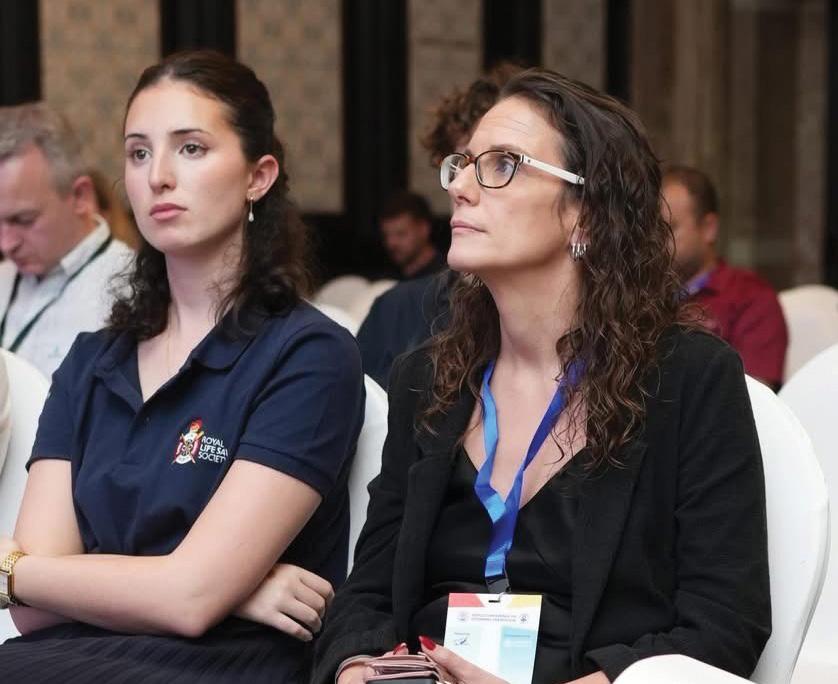
The World Conference on Drowning Prevention (WCDP) 2025 bought together global experts, policymakers and practitioners to address drowning as a major but preventable public health issue. RLSS UK attended as part of a multidisciplinary delegation, engaging in technical sessions, research exchanges, and international collaboration that directly aligned with our priorities around evidence-led prevention and sector leadership. Representatives participated in discussions on climate change, equity in education, improvements to surveillance systems and the emerging role of technology in detection and response. RLSS UK also contributed original research through presentations from Jo Talbot, Director of Commercial Services at RLSS UK,and Dr Jenny Smith from RLSS UK’s research partner, the University of Chichester, highlighting how lifeguard training sharpens detection skills and supports safer outcomes in real-world settings. Attendance at WCDP 2025 strengthened international partnerships, expanded our professional networks, and provided insight into global trends that will shape our research, programme development and strategic focus in 2026.
International Organisation for Standards, Berlin
As new technologies emerge to detect submerged casualties in swimming pools, clear and evidenceinformed guidance is essential to ensure they are safe, effective and suitable for real-world environments. With growing interest from operators, there is an increasing need for expert input to shape robust international standards. In 2025, RLSS UK’s Jo Talbot contributed specialist knowledge through her involvement with the British Standards Institute and an ISO working group, including travelling to Berlin to support international discussions on the development of global guidance. Jo provided practical insight into lifeguarding, pool operations and incident prevention, helping ensure the standards reflect the realities of modern aquatic settings.
This work ensures RLSS UK’s expertise directly informs the creation of internationally recognised standards and helps operators, manufacturers and safety professionals align around best practice. It strengthens the safety and reliability of emerging technologies and reinforces RLSS UK’s role as a trusted leader in evidence-led water safety guidance.
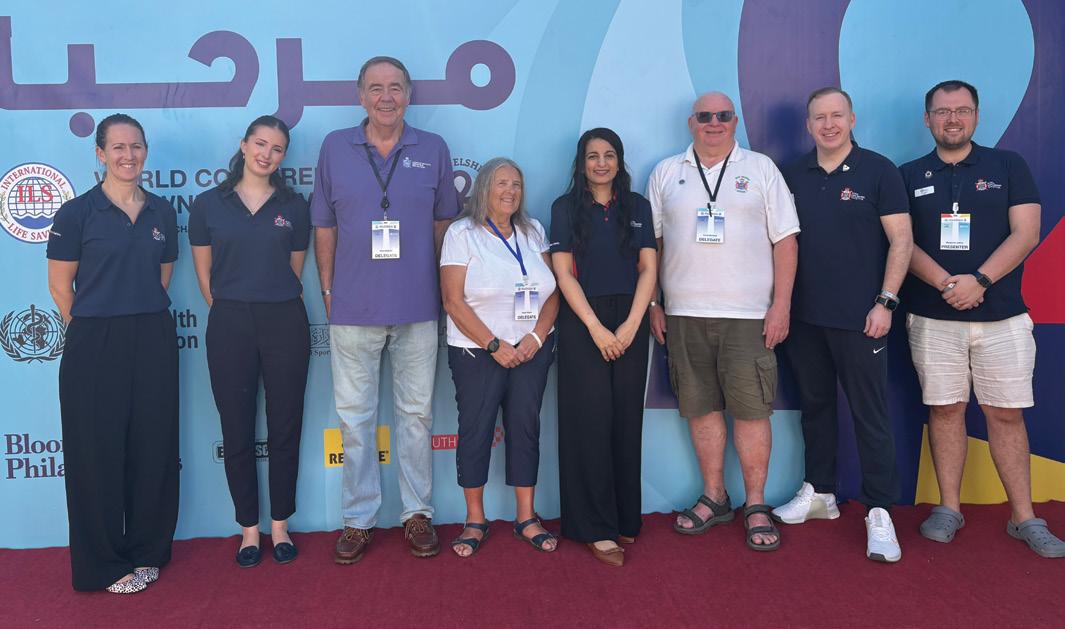
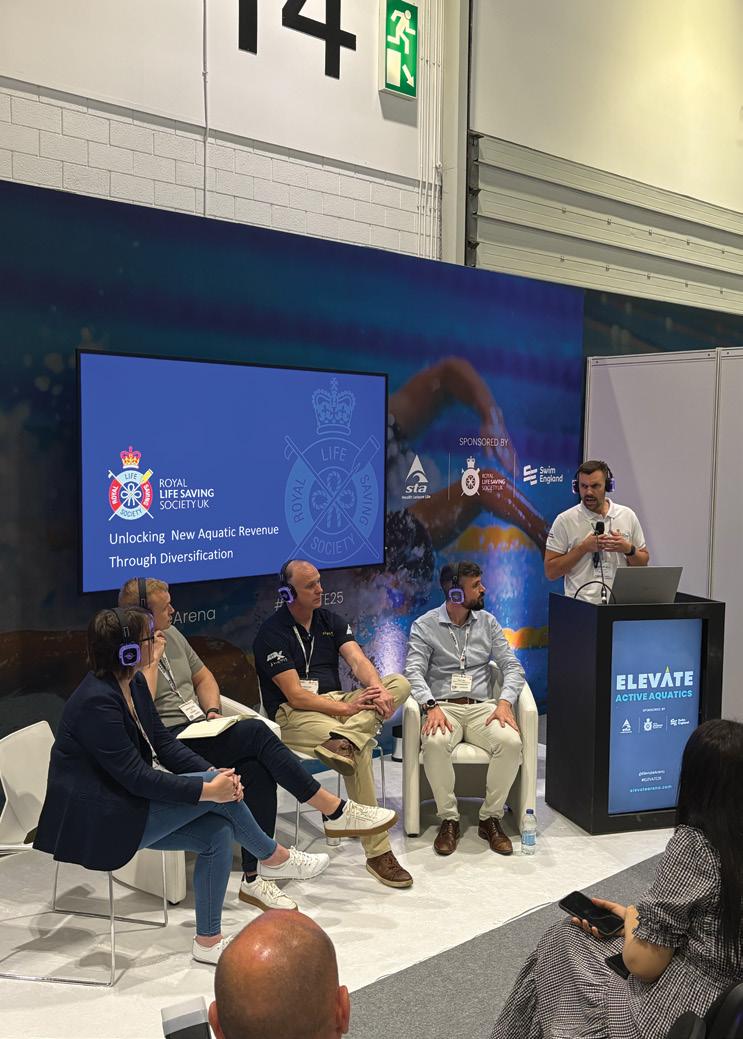
Elevate 2025
Elevate is one of the UK’s leading events for the physical activity, fitness and aquatics sectors and a key opportunity for RLSS UK to champion safety, share expertise and support an evolving industry. With operators facing ongoing workforce pressures, rising expectations around safety and growing demand for high-quality training, Elevate 2025 allowed RLSS UK to promote best practice and strengthen cross-sector collaboration. Working in partnership with Swim England, the Institute of Swimming and the Swimming Teachers Association, RLSS UK hosted and sponsored two Aquatic Theatres during Elevate 2025, at ExCeL London, offering free CPDaccredited sessions led by experts from the sector.
Across the two days, RLSS UK delivered six sessions providing expert guidance and advice in topics such as pool safety, supervision technology, operational efficiency, inclusion and workforce development. RLSS UK engaged with operators, promoting best practice and showcasing our qualifications and guidance. Our involvement strengthened RLSS UK’s position as a leading voice in water safety and helped bring the sector together to share innovation, improve consistency and support a skilled and confident leisure workforce.
Leisure DB Panel
The swimming and leisure sectors continue to face significant pressures, from facility closures and workforce shortages to rising operating costs and increasing expectations around safety and inclusion. To support the sector through these challenges, RLSS UK remained committed to sharing expertise, shaping national conversations, and contributing evidence-led insight. This work aligns directly with our strategic aim to be recognised as the experts in water safety and to collaborate with partners to strengthen aquatic provision across the UK.
In 2025, RLSS UK CEO Simmy Akhtar joined leaders from Swim England and the Swimming Teachers Association on a high-profile State of the Swimming Industry panel delivered in partnership with Leisure DB, a leading provider of sector intelligence. The discussion explored national data trends, operational pressures and opportunities to enhance the future of aquatics through improved safety standards, workforce development and sustainable delivery models. RLSS UK’s contribution ensured water safety, prevention and professional competence remained central to the national conversation. By engaging in this collaborative, data-informed dialogue, RLSS UK helped unify sector voices and influence how operators, partners and policymakers respond to the evolving needs of pools, leisure centres and aquatic communities.
6
To increase participation in local, regional, national, and
international lifesaving sport
Inspiring Participation Through Lifesaving Sport
Commonwealth Lifesaving Championships
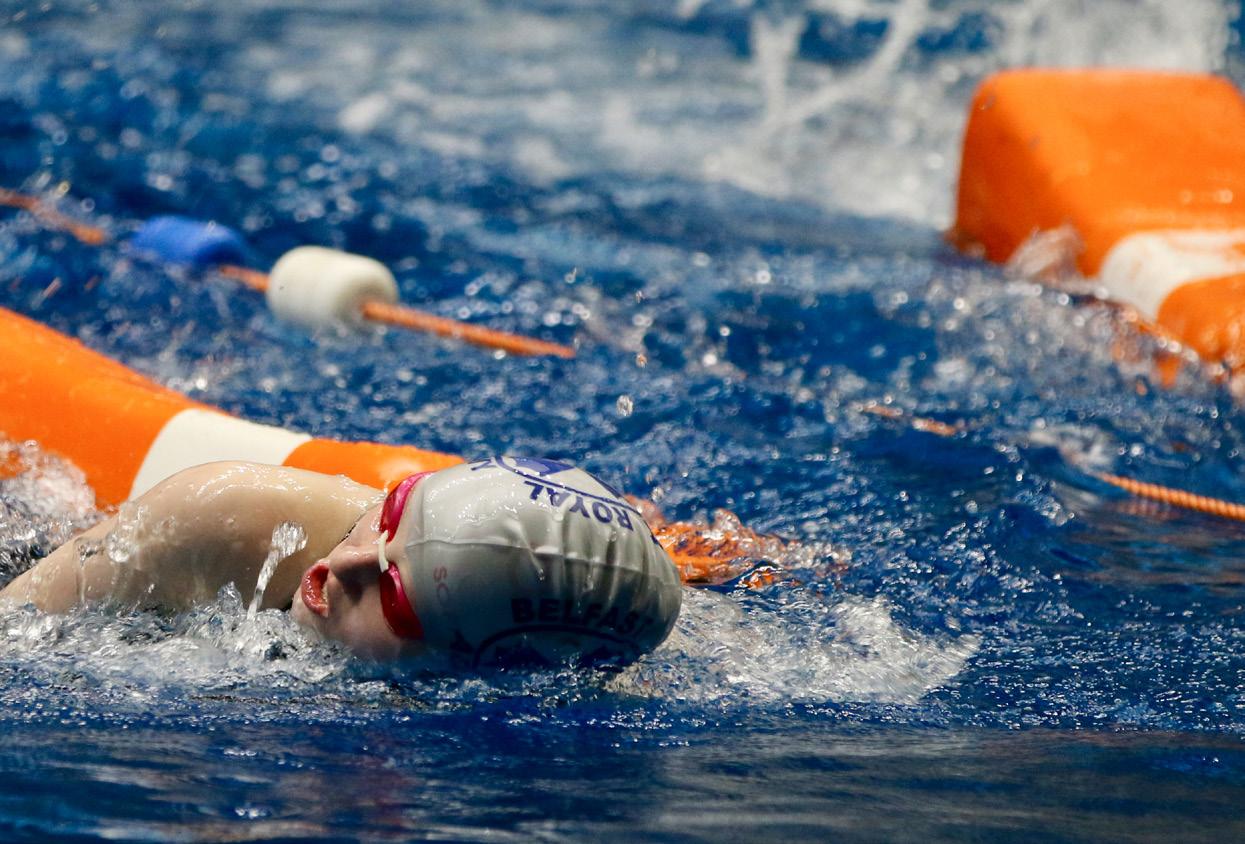
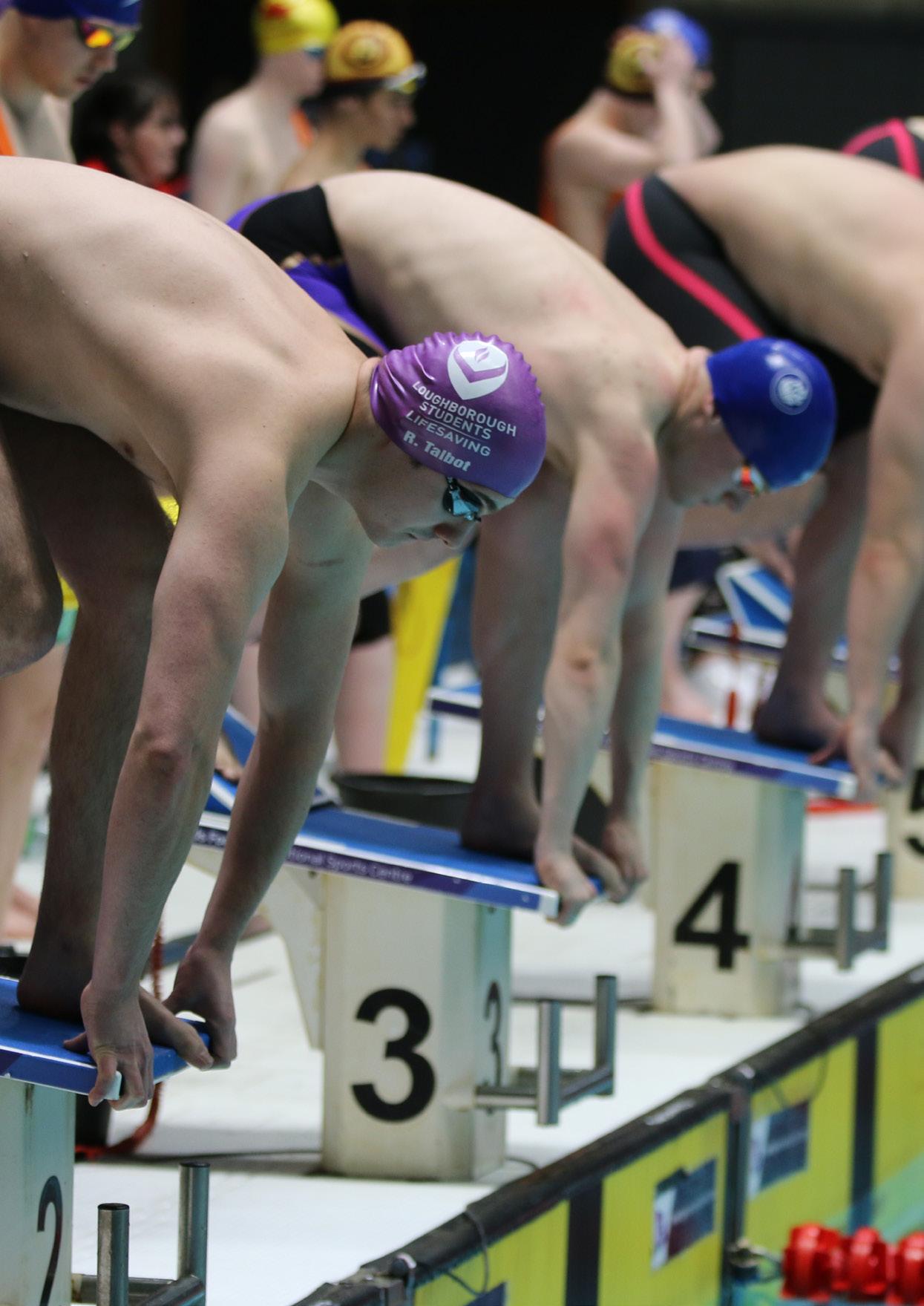
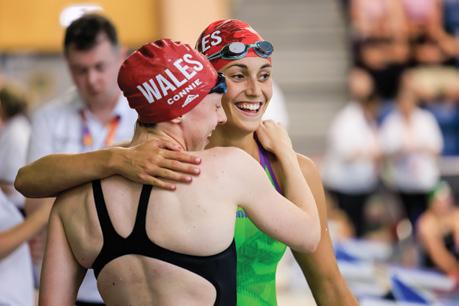
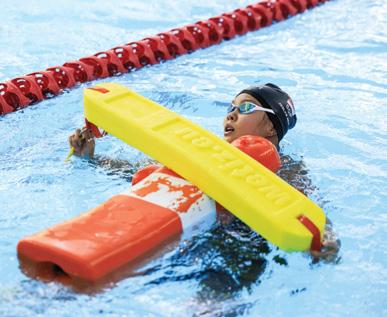
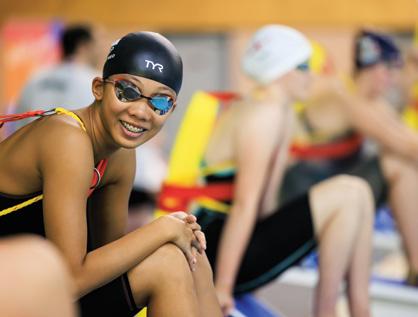
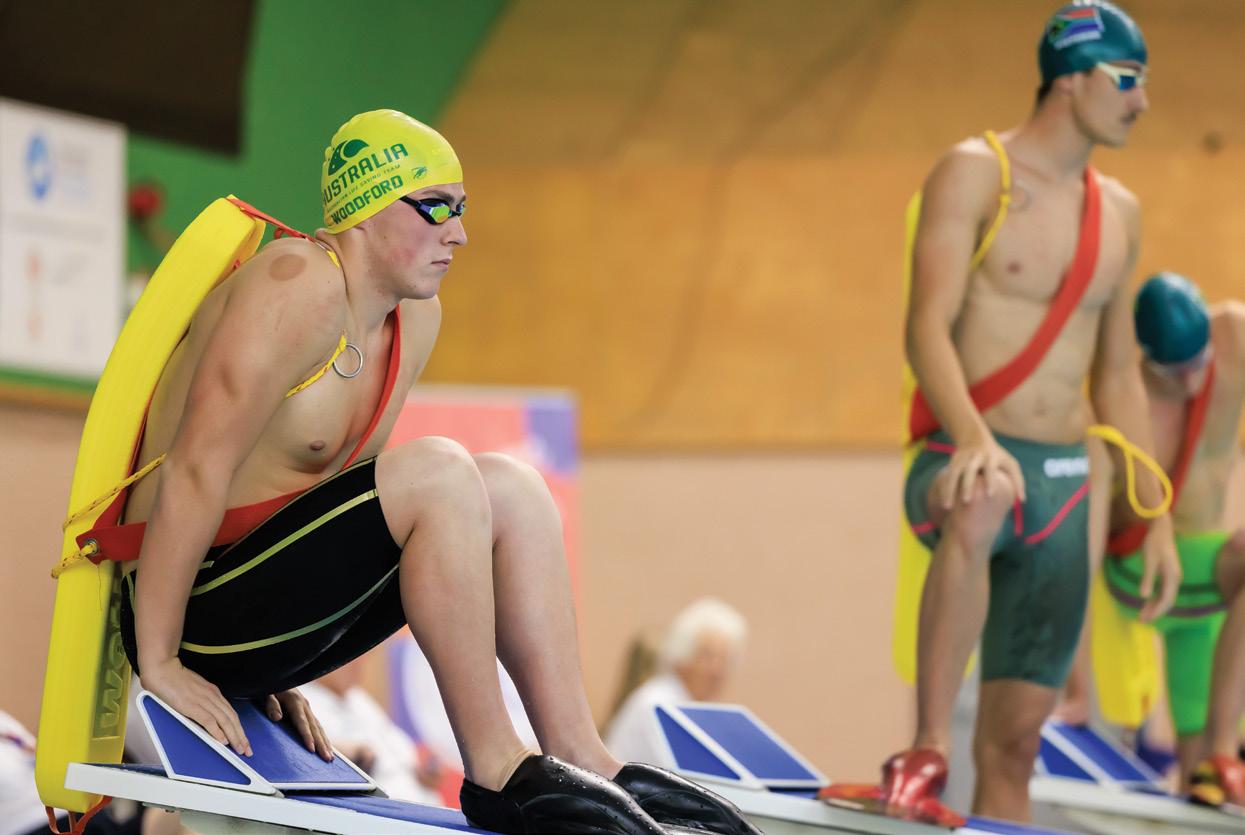
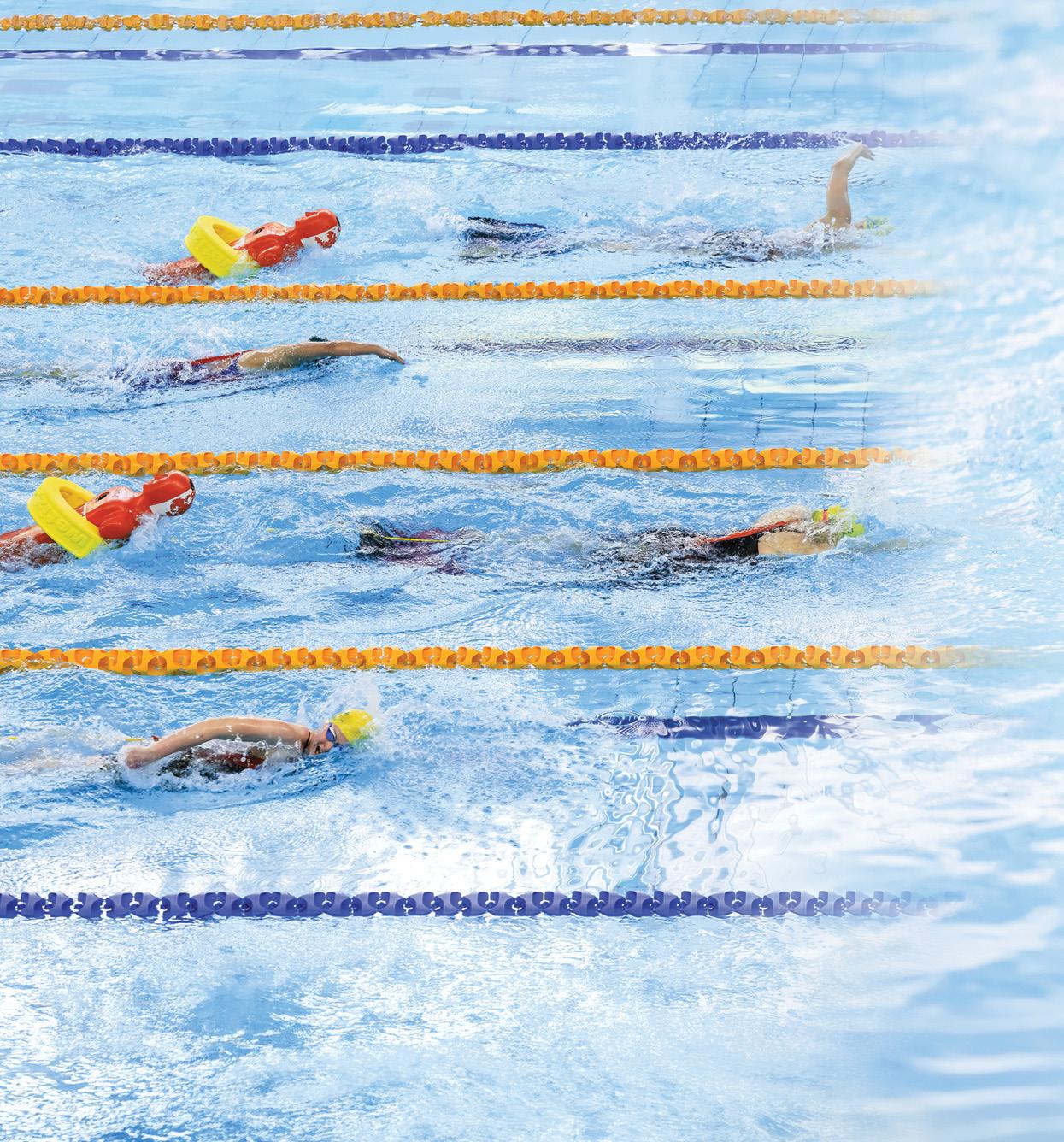
Hosting the Commonwealth Lifesaving Championships in Swansea offered a major opportunity for RLSS UK to strengthen international collaboration in lifesaving sport and deliver a lasting community legacy in Wales. Across a full week of competition and engagement, athletes, coaches, officials, volunteers and partners came together to showcase elite rescue skills while promoting water safety education to families and schools. The Championships highlighted how lifesaving sport can inspire participation, build confidence and support our mission to prevent drowning both in the UK and across the Commonwealth.
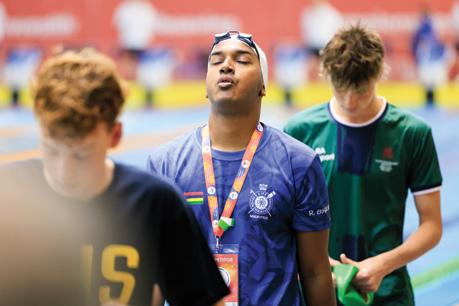
Teams from eleven nations travelled to Swansea for the event. The opening ceremony brought together civic leaders and guests and set the tone for a week that celebrated skill, teamwork and the spirit of international cooperation. Throughout the competition, athletes demonstrated the precision and capability that underpin real-world rescue skills, reinforcing the value of lifesaving sport as a pathway into future roles as lifeguards and lifesavers.
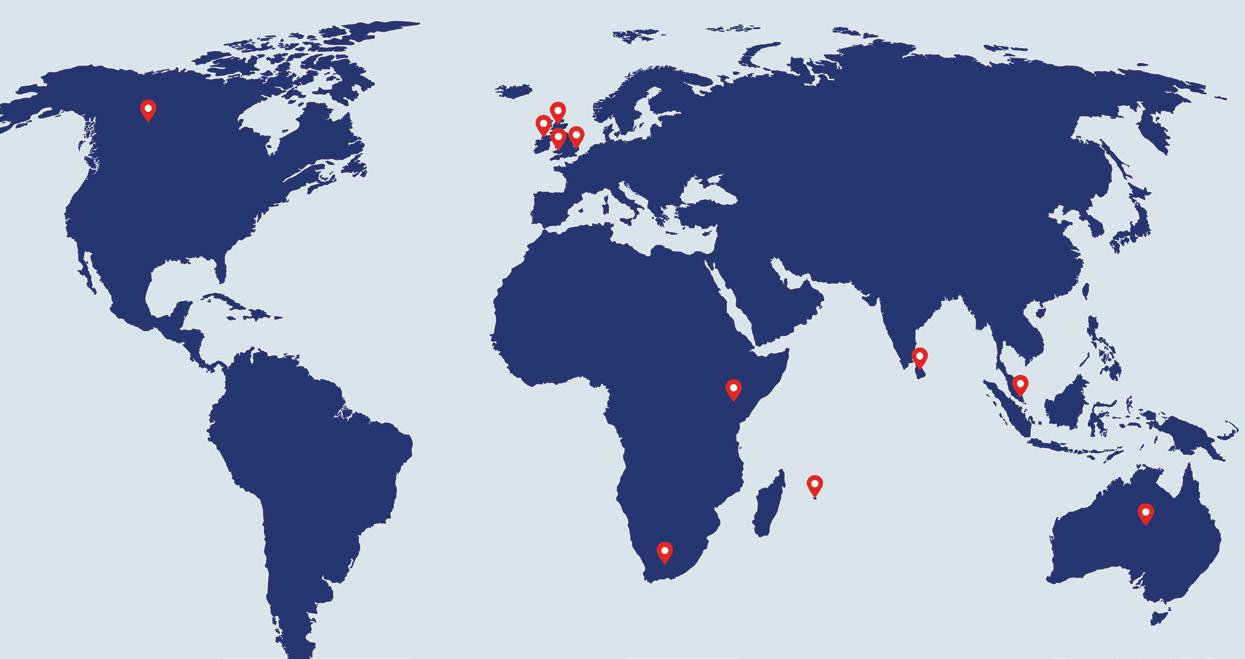
Legacy and education were central to the Championships. RLSS UK representatives and athletes visited local schools to deliver water safety assemblies, introduce pupils to lifesaving sport and encourage children to make safe choices around water. These sessions reached hundreds of young people and helped generate new interest in local lifesaving clubs and pathways. To extend the impact internationally, RLSS UK Water Safety Partner Ruth Lee donated three Junior Pool Rescue Manikins, which were gifted to Mauritius, Singapore and Kenya to support training in nations where access to specialist equipment is limited.
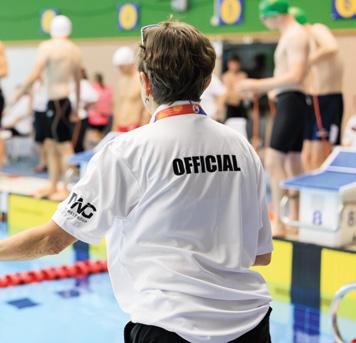
Partnerships played a vital role in the event’s success. Gold sponsor The West Group Ltd provided valued support and took part in medal ceremonies, while volunteers delivered essential officiating, logistics and athlete services throughout the week. Their involvement ensured a welcoming and professionally delivered event and strengthened capacity for future lifesaving competitions.
The 2025 Championships deepened connections within the global lifesaving community, inspired children and young people locally, and enhanced training access internationally. Feedback from athletes, coaches, officials and partners highlighted strong collaboration, excellent event delivery and a meaningful legacy that extended far beyond the competition itself. The event demonstrated the power of lifesaving sport to bring people together, share lifesaving skills and support safer communities across the Commonwealth.

National Lifesaving Championships
The National Lifesaving Championships (NLSC) represent the culmination of a year of regional heats delivered entirely by volunteers across the UK and Ireland. These local competitions form the foundation of the lifesaving sport pathway, bringing together athletes who train for hours in their clubs before earning their place at the national final. Each region runs its own heats, showcasing both established athletes and emerging talent while building community connections and strengthening the sport at grassroots level.
On Saturday 1 November 2025, the top competitors from these regional events came together at the John Charles Centre in Leeds for the NLSC. Finalists from all regions took part in events such as Life Support, Aquatic Initiatives, Throw Line, and Swim and Tow races, demonstrating the unique blend of technical skill, athletic performance and rescue capability that defines lifesaving sport.
The Championships highlighted the dedication and commitment of athletes who progressed through the regional pathway, the volunteers and officials who make the sport possible, and the value of lifesaving competition in building confidence, resilience and practical rescue skills. The event reinforced the growing strength of lifesaving sport and its role in developing future lifeguards and lifesavers across the UK and Ireland.
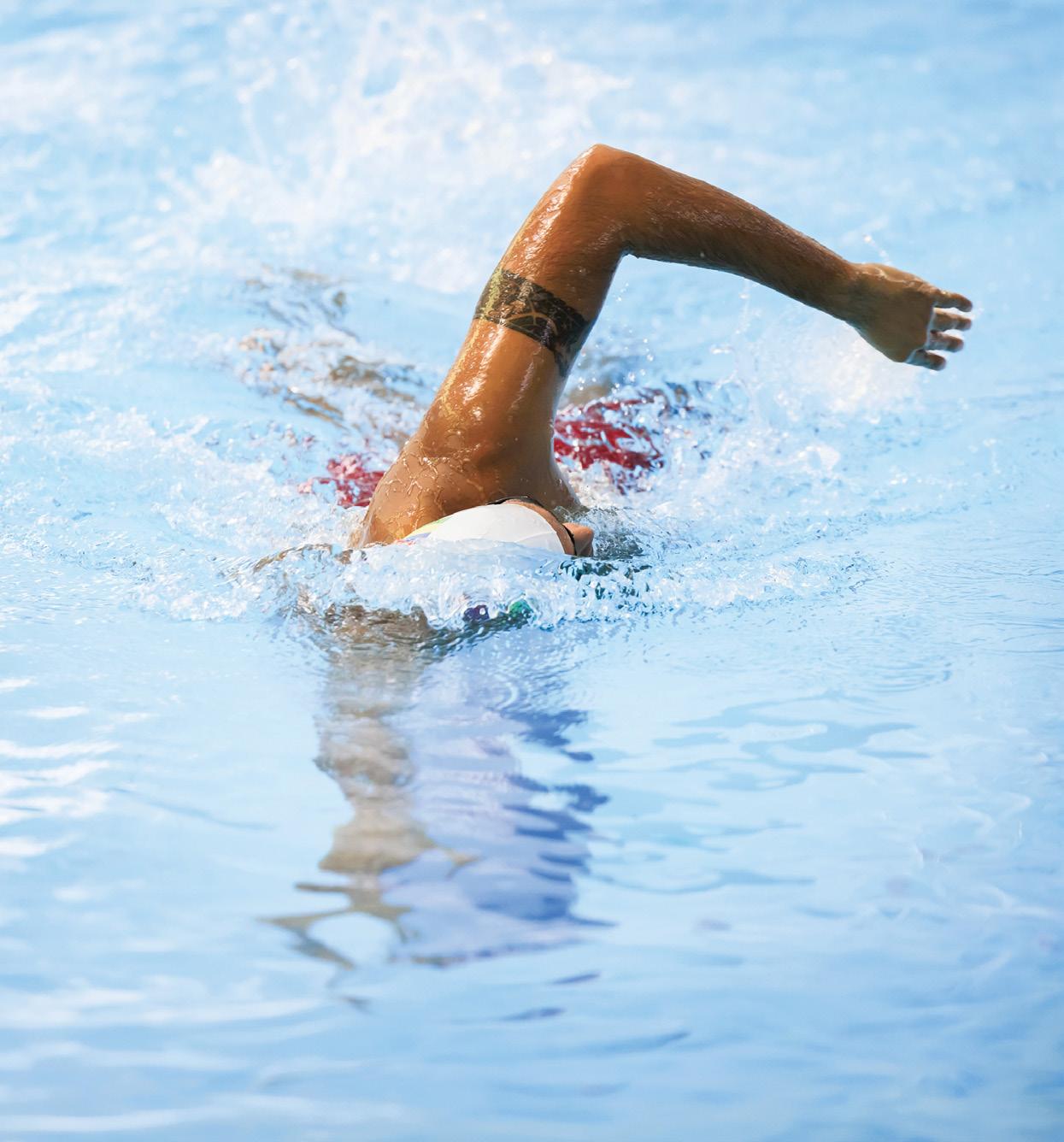
Speeds
The National Speed Lifesaving Championships, affectionately known as Speeds, play a crucial role in RLSS UK’s mission to promote and grow lifesaving sport across the UK and Ireland. Focused on speed and record-setting, the competition offers a fast-paced, high-energy environment where competitors of all skill levels can take part. The event provides a fun and competitive way for people to get involved in lifesaving sport while strengthening the link between athletic performance and essential rescue skills.
Across the weekend of 29–30 March 2025, nearly 600 athletes from 33 clubs gathered at the Sandwell Aquatics Centre to compete for national titles. Races tested speed, technique and precision under pressure, attracting both experienced competitors and first-time national athletes. Representation ranged from clubs with large squads to single-athlete teams, demonstrating the sport’s inclusive and welcoming nature. New clubs taking part for the first time highlighted the growing reach of lifesaving sport and the increasing interest in competitive pathways.
Speeds 2025 showcased the strength, diversity and momentum of lifesaving sport across the UK and Ireland. For many young people, the Championships offered the chance to test and refine lifesaving abilities in a supportive environment built around fun, challenge and achievement. The strong turnout and wide geographic spread of competitors reflect a sport that continues to grow, engage new participants and inspire future lifesavers.
Club Impact: Making a Difference in 2025
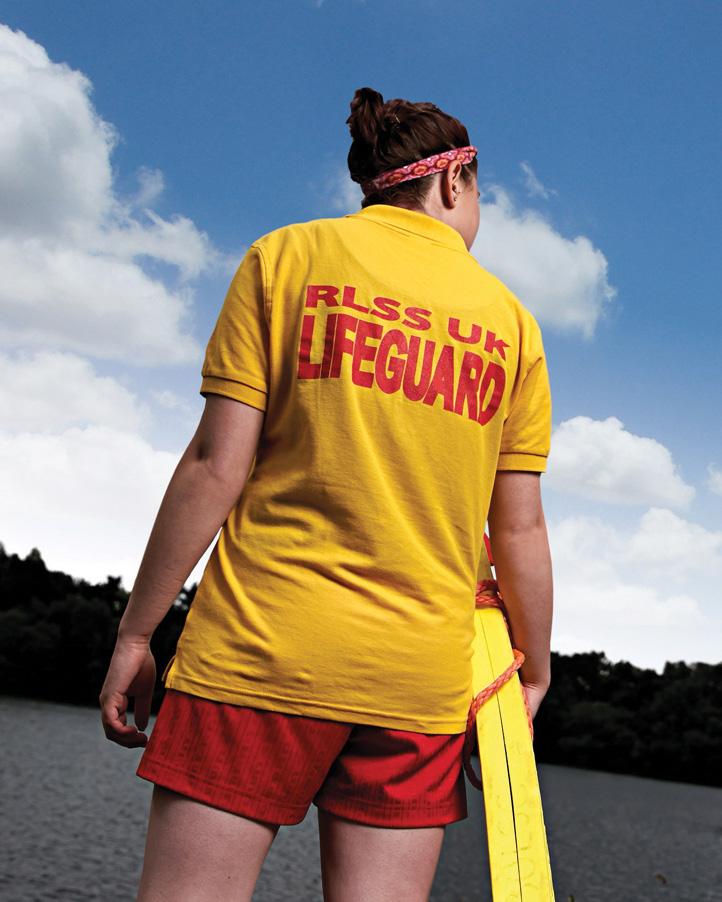
Seahorse Swim: A Multi-Club Effort
The annual Seahorse Swim, organised by East Dorset Open Water Swimming Club (EDOWSC), displays the strength of multi-club collaboration in open water events. The race features two course options, a 2km swim and a 3.8km swim, with swimmers navigating a marked route around a series of buoys. The event raises funds for the Seahorse Trust and the National Trust, with a portion of the proceeds donated to RLSS Poole Lifeguard in recognition of the club’s essential role in planning and delivering safety operations. This includes coordinating the safety team, supplying buoys and equipment, and setting up the racecourse.
This year, RLSS Poole Lifeguard received a £2,500 donation, which the club shared with Southbourne Surf Lifesaving Club, Bournemouth Lifeguard Corps and RLSS Boscombe Lifeguards. These partner clubs provided crucial support on the day, from safety boat crews and paddlers to shoreline patrols, ensuring the event ran safely and professionally.
Further support came from EDOWSC and Poole Harbour Canoe Club, whose volunteers strengthened the safety team and helped ensure effective event coverage. A total of 43 individuals contributed to the safety operation, demonstrating remarkable cooperation and dedication. The Seahorse Swim remains an excellent example of what can be achieved when clubs unite behind a shared commitment to safe open water participation.
Gravesham Lifesaving Club: Increasing Community Access to AEDs
Gravesham Lifesaving Club’s Automated External Defibrillator (AED) project continues to grow significantly after beginning in 2020. The initiative installs public-access AEDs and provides training so that residents feel confident to act during cardiac emergencies.
The first AED was funded by a local Scout group, local businesses, and the wider community, and was officially unveiled by the Mayor of Gravesham. Since then, the club has developed key partnerships to expand its reach. Working with The Community Heartbeat Trust, they installed a defibrillator in Chalk with a long-term support package. A further unit in Gravesend town centre was delivered in partnership with The Grand youth group and partly funded by London Hearts and Kent County Council. All three AEDs have been activated on 21 emergency callouts.
Rawmarsh Lifesaving Club: Celebrating 55 Years of Community Impact
Rawmarsh Lifesaving Club in Rotherham celebrated its 55th anniversary in 2025, marking more than five decades of teaching water safety skills to young people and adults. Established in the early 1970s at Rawmarsh Baths, the club was founded to provide positive opportunities for local children and young people.
The club has a proud history of producing talented athletes, with members representing Great Britain at World, Commonwealth, and European Lifesaving Championships. Chair Stephen Ward, who first joined the club at age eight, has been part of the club for 34 years and highlights the strong sense of community and continuity that has defined Rawmarsh throughout its history.
A special celebration event was held in March at the Phoenix Sports and Social Club, bringing together past and present members to mark this important milestone and recognise the club’s long-standing contribution to local water safety.

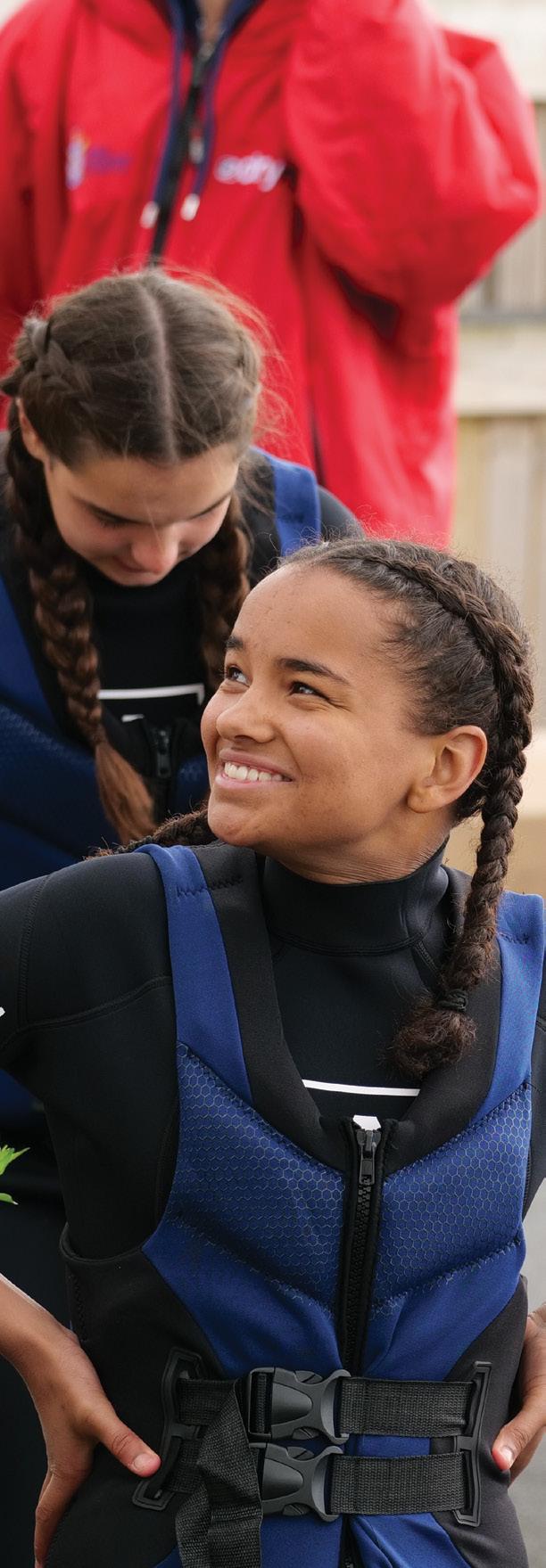
Branches Impact: Making a Difference in 2025
Cumbria Branch
Cumbria faces some of the highest water-related risks in the UK due to its lakes, coastline and high visitor activity. Recognising the need for a coordinated local approach, the RLSS UK Cumbria Branch has been a long-standing advocate for partnership working, first proposing a countywide water safety group in 2000. In 2023, the Branch became a founding member of the Cumbria Water Safety Partnership, joining Fire and Rescue, Police, Local Authorities, RNLI, National Park Wardens and Mountain Rescue in a shared commitment to reducing incidents.
Through bi-monthly meetings and collaborative planning, the Branch has helped strengthen consistent messaging, improve multi-agency coordination and ensure RLSS UK expertise informs prevention activity across the county. This joined-up approach has supported work on paddleboarding safety, Swim Safe delivery, cold water risks, and mental health-related incidents. The Cumbria Branch’s leadership continues to enhance regional resilience and create safer experiences for residents and visitors.
Nottinghamshire Branch
The Nottinghamshire Branch continued to grow participation and strengthen lifesaving pathways throughout 2025. In January, Branch volunteers supported the Rookie Festival at Retford, introducing 60 young people from three clubs to the fun and challenge of competitive Lifesaving Sports. The Branch also supported an important development at Retford Lifesaving Club, which expanded into open water thanks to access to a local lake provided by a landowner. Over the summer, 25 members took part in 10 coached sessions and completed Open Water Lifeguard (OWL) awards, building confidence and capability in real-world environments.
Alongside sport and training, the Branch delivered extensive community outreach through Save a Baby’s Life sessions, with long-standing volunteer Terry Draycott reaching hundreds of families. These activities demonstrate the Branch’s commitment to equipping local communities with essential skills, strengthening club pathways and supporting the next generation of lifesavers.
Isle of Wight Branch
The Isle of Wight Branch delivered significant community impact through its Sea Safe Drowning Prevention activities. Funding supported a programme of beach-based water safety sessions for local schools, combining face-to-face talks with practical in-water learning. More than 600 pupils received RLSS UK physical and digital resources to embed knowledge back in the classroom, giving teachers and families tools to reinforce key messages.
Over the summer, local beach lifeguards represented the Branch at community events alongside the Fire and Rescue Service at an open day at the local fire station. They engaged with the public: sharing RLSS UK programmes and delivering practical CPR demonstrations, supported by activity sheets and resources funded by the Branch. These activities strengthened awareness across the island and helped more families build confidence and skills to stay safe at the coast.
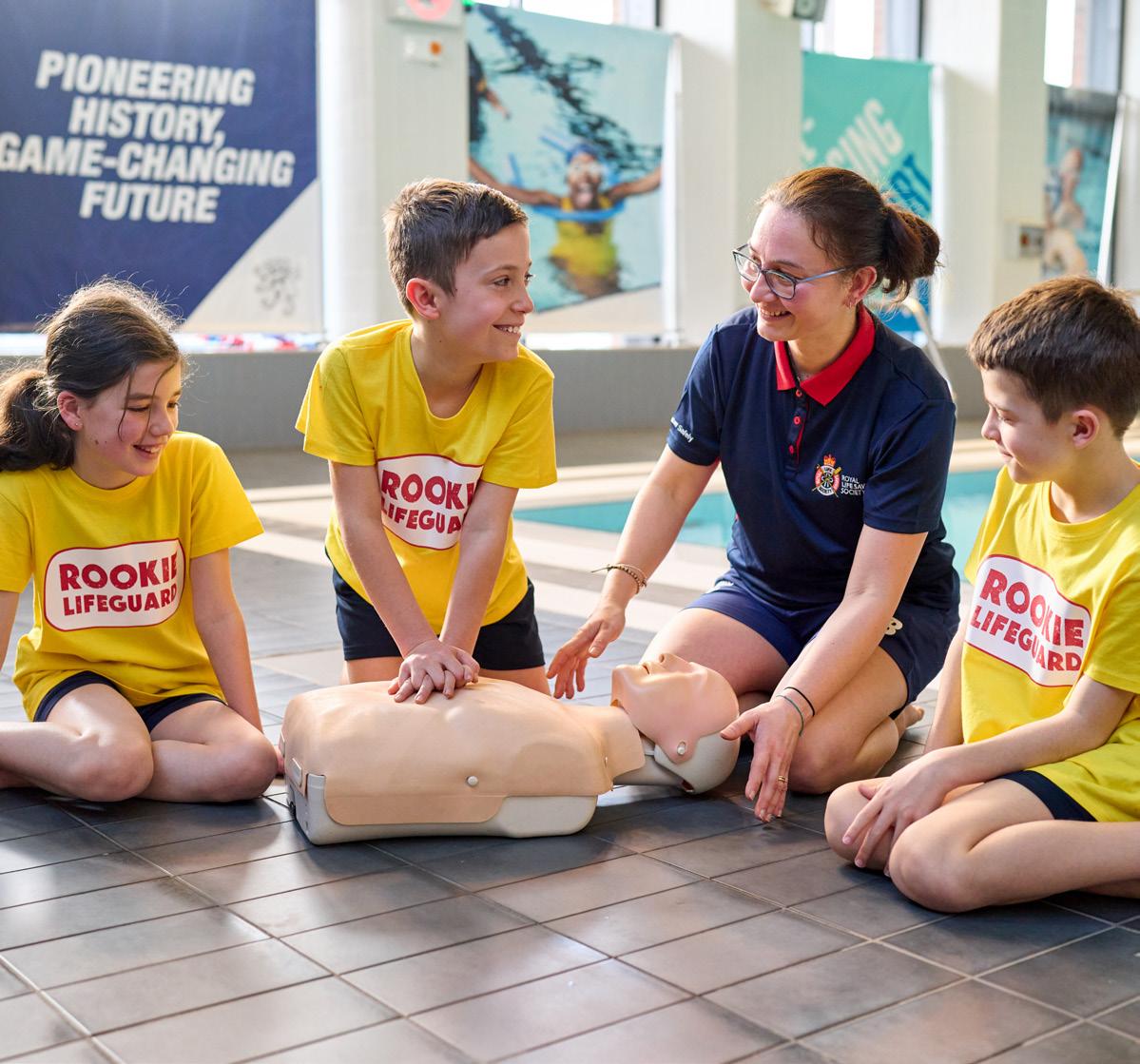
Thank you
Our impact this year belongs to a community of dedicated people and organisations who bring us closer to our vision of communities free from drowning. Thank you to our volunteers, members, lifesaving clubs and branches, lifeguards, Trainers and Assessors, water safety partners, commercial partners and strategic partners. Your time, skill, and passion run through everything in this report.
We are grateful to our delivery partners across leisure operators and venues, holiday parks and resorts, cruise and maritime partners, schools and universities, and local authorities. Your collaboration helps us reach more people in more places, turning training and education into safer, more resilient communities.
Thank you to everyone who supported our campaigns, and to the bereaved families who shared their lived experience to help others stay safe. We acknowledge our colleagues in Westminster, including the All-Party Parliamentary Group on Water Safety, and the government departments that supported our advocacy. We also thank our partners across the National Water Safety Forum for their collective role in advancing water safety education.
Our work is made possible by members, donors, corporate partners, trusts and foundations, and those who choose to give in memory. Your support sustains prevention, education, training and community engagement throughout the year. Thank you to our data and research partners, including the National Water Safety Forum and the National Child Mortality Database, and to the academics who strengthened our evidence base. Your insight helps us act with confidence and measure impact with integrity.
We recognise and thank the leadership and guidance of our Trustees and the dedication of the RLSS UK staff team.
Help everyone enjoy water safelypartner, learn, or support today
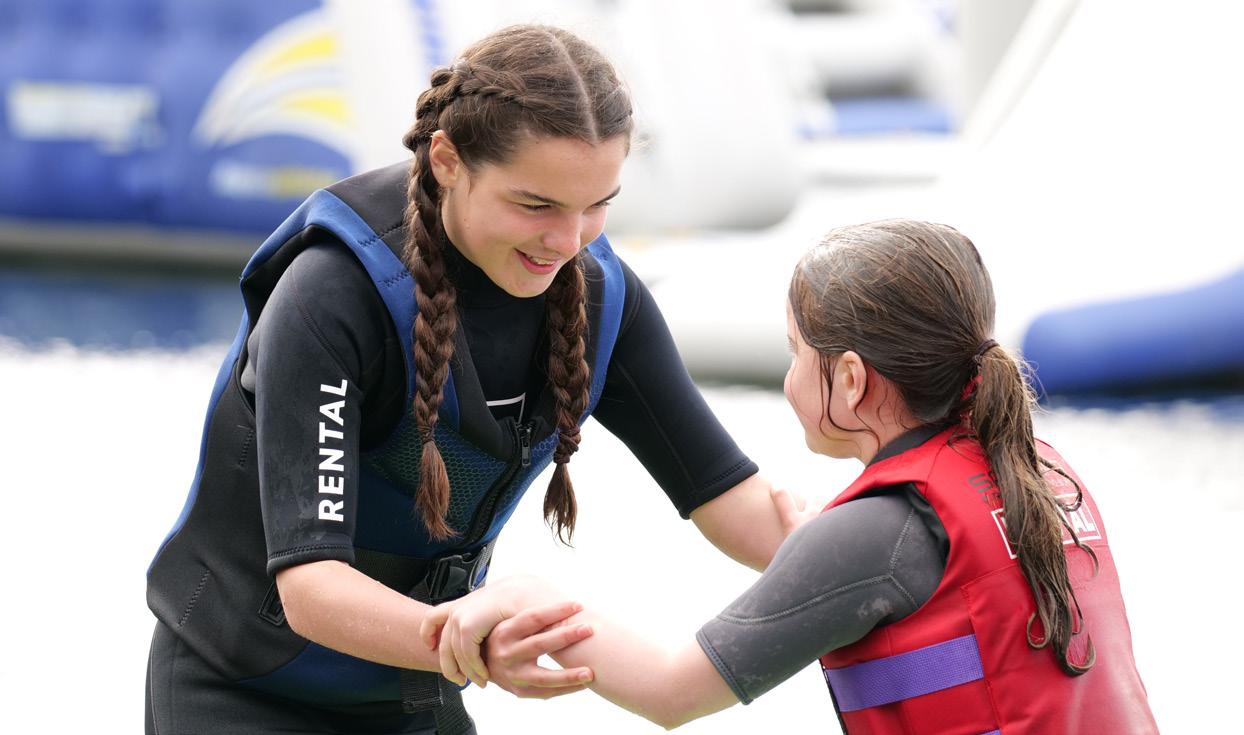

Click here for more information
References
• National Water Safety Forum. 2020-2024. Water Incident Database (WAID).
Available at: https://nationalwatersafety.org.uk/evidence-and-data/waid-reports
• Water Safety Ireland. 2020-2024. Statistics.
Available at: Statistics – Water Safety Ireland
• Office of National Statistics. 2020-2024. UK Mid-Year Population Estimates.
• Central Statistics Office. 2020-2024. Population Estimates from April.
• National Child Mortality Database. 2020-2024.
Available at: Child drowning deaths – 1 April 2019 to 31 March 2024
• Department for Transport. 2025. ‘Value of Preventable Fatality’.
Available at: TAG Data Book
• The Swimming and Health Commission. 2017. The Health & Wellbeing Benefits of Swimming. Swim England.
• Resuscitation Council UK. 2024. New data reveals a decrease in out-of-hospital cardiac arrest survival rates in England.
Available at: New data reveals decrease in out-of-hospital cardiac arrest survival rates in England | Resuscitation Council UK
• Royal Life Saving Society UK. 2024. Don’t Drink and Drown. Available at: RLSS UK's Don't Drink and Drown campaign
• Sport England. 2026. Active Lives Survey. [Swimming participation in the last year].
Available at: Active Lives | Adult Data
• Leisure DB. 2025. The State of The UK Swimming Industry Report 2025. Leisure DB.
• Ofqual. 2024-2025. Vocational Qualifications Dataset.
Available at: Dataset 2012 to present - England - GOV.UK
Limitations
Water Incident Database (WAID)
WAID is a comprehensive national source of water incident data, but some limitations should be noted when interpreting it. WAID draws on information from multiple agencies and media reports; some incident records contain gaps or inconsistencies. An audit of the dataset found that approximately 16% of fields were incomplete, potentially underreporting some incident details. WAID adopted new activity and location taxonomies in 2023, and the previous four years of data were matched to these updated classifications. This process should be taken into account when comparing data over time. Publicly available WAID outputs also tend to emphasise accidental fatalities, which means external users have more limited visibility of other incident types such as suicides, crime-related cases, and those with unconfirmed causes.
National Child Mortality Database (NCMD)
The NCMD provides England-wide data on child deaths and is a vital resource for identifying patterns and informing prevention. However, there are important limitations to consider when using its publicly available outputs. NCMD data depends on timely, accurate reporting from 58 regional Child Death Overview Panels, and variations in the completeness or consistency of information submitted by different agencies can affect data quality. As NCMD began national data collection in 2019, longer-term trend analysis is limited.
Value of a Preventable Death
In the UK, the Value of a Prevented Fatality (VPF) is used to estimate the economic benefit of reducing the risk of death and helps determine whether prevention measures represent good value for money. It reflects the combined value society places on small reductions in mortality risk across a large population, rather than attaching a monetary figure to an individual life. The VPF is also incorporated into HM Treasury’s Green Book, which sets government-wide standards for policy appraisal and provides guidance on valuing mortality risk reductions. Although widely used across several sectors, reviews have highlighted limitations in the evidence base supporting the original valuation, and some analyses have called for updated approaches to strengthen future assessments. As such, the VPF remains a useful tool for understanding the economic case for prevention, but its constraints should be recognised when considering the broader value of avoiding preventable deaths.
Appendices
Average Number of Drowning Deaths Over 5 Years
Catagory
Inputs
Method
Calculation
Details
WAID totals:
• 2024: 597
• 2023: 659
• 2022: 597
• 2021: 616
• 2020: 631
Total WAID drownings (5 year): 3,100
Water Safety Ireland totals:
• 2024: 78
• 2023: 129
• 2022: 100
• 2021: 102
• 2020: 106
Combine UK (WAID) and ROI (WSI) drowning totals, then divide by 5 to obtain the 5-year average.
Combined 5-year total = 3,100 (UK) + 515 (ROI) = 3,615 5-year average = 3,615 ÷ 5
Total Drowning deaths (2024) 723
Total Deaths in 2024
Catagory
Inputs
Details
• Water Indecent Database (WAID) 2024: 597 • Water Safety Ireland (WSI) 2024: 78
Method Add UK drownings (WAID) and ROI drownings (WSI) together.
Drowning Rates by Year
5-Year Average Drowning Rate
Catagory
Inputs
Method
Calculation
Details
Annual fatal drowning rates (per 100,000 population):
• 2020: 1.023
• 2021: 0.997
• 2022: 0.959
• 2023: 1.071
• 2024: 0.904
These rates are based on combined UK + ROI populations and drowning counts shown in the table.
Calculate the mean of the annual drowning rates over the 5-year period (2020–2024).
5-year average rate = (1.023 + 0.997 + 0.959 + 1.071 + 0.904) ÷ 5 = 0.99080
Total Drowning deaths (2024) 0.99080 per 100,000 population
2024 Drowning Rate Compared to 5-Year Average
Catagory
Inputs
Method
Calculation
Details
• Combined population (UK + ROI), 2024: 74,661,400
• Total drownings, 2024: 675
• 5-year average fatal drowning rate (mean of annual rates): 0.99080
The fatal drowning rate per 100,000 population is calculated as:
Rate = (Total drownings ÷ Population) × 100,000
To compare with the 5-year average, subtract the 2024 rate from the 5-year average rate.
2024 rate = (675 ÷ 74,661,400) × 100,000 = 0.904
Difference from 5-year average = 0.904 – 0.99080 = –0.0876
Percentage difference = (–0.0876 ÷ 0.99080) × 100 ≈ –8.75%
Total Drowning deaths (2024) 0.904 per 100,000 population 8.75% lower than the 5-year average
Average Economic Cost of Drowning to the UK
Catagory
Inputs
Method
Calculation
Details
• UK fatal drownings (WAID), 5-year total (2020–2024): 3,100
• Average annual UK drowning deaths: 620 (3,100 ÷ 5)
• UK Value for Prevented Fatality (VPF), 2025: £2,643,174
Multiply the average annual number of fatal drownings in the UK by the Value for a Prevented Fatality (VPF). The VPF is the standard figure used across UK Government departments in cost-benefit appraisal and is embedded in the Treasury Green Book, which provides the framework for valuing mortality risk reductions in public policy. We have applied the 2025 VPF figure across 5 years of WAID data to give a consistent cost basis.
620 × £2,643,174 = £1,638,767,880
Total Drowning deaths (2024) £1.64 billion
RLSS UK, Red Hill House, 227 London Road, Worcestershire WR5 2JG rlss.org.uk | info@rlss.org.uk | 0300 3230 096
Registered Charity (England and Wales 1046060, Scotland SC037912). Private Limited by Guarantee Company (3033781).