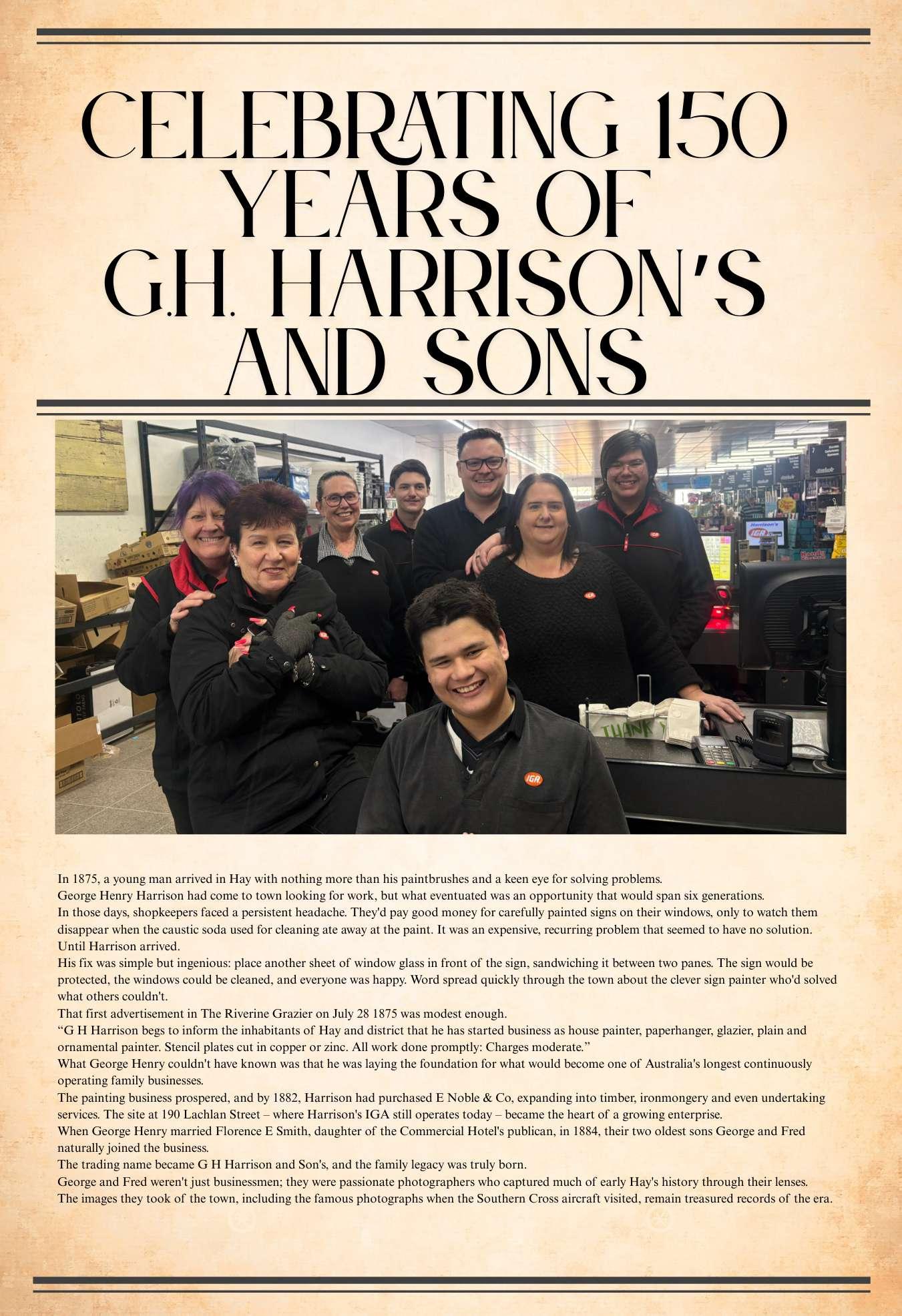
Gee,and(front)HenryMaloney.Image:TheRiverineGrazier/KimberlyGrabham.
Continued from Page 1.
But their adventurous spirit didn't stop at photography. Fred once cycled from Hay to Cobar and back in just one week –a remarkable feat on the bicycles of the day.
The 1920s brought ambitious plans.
The Harrison brothers embarked on a major building upgrade using revolutionary techniques for the time; reinforced concrete walls and steel trusses.
This construction, groundbreaking for Hay, still stands today. But history has a way of testing resolve. The Great Depression halted the second stage of renovations, leaving the family to carry on with the old building alongside the new.
It's a pattern that would repeat itself decades later.
When the business underwent its largest expansion in the 2000s, it was during another economic crisis – the Global Financial Crisis.
Perhaps there's something to be said for building during tough times; it teaches resilience.
George Henry Harrison died in 1931, but his sons continued the business through World War II and beyond.

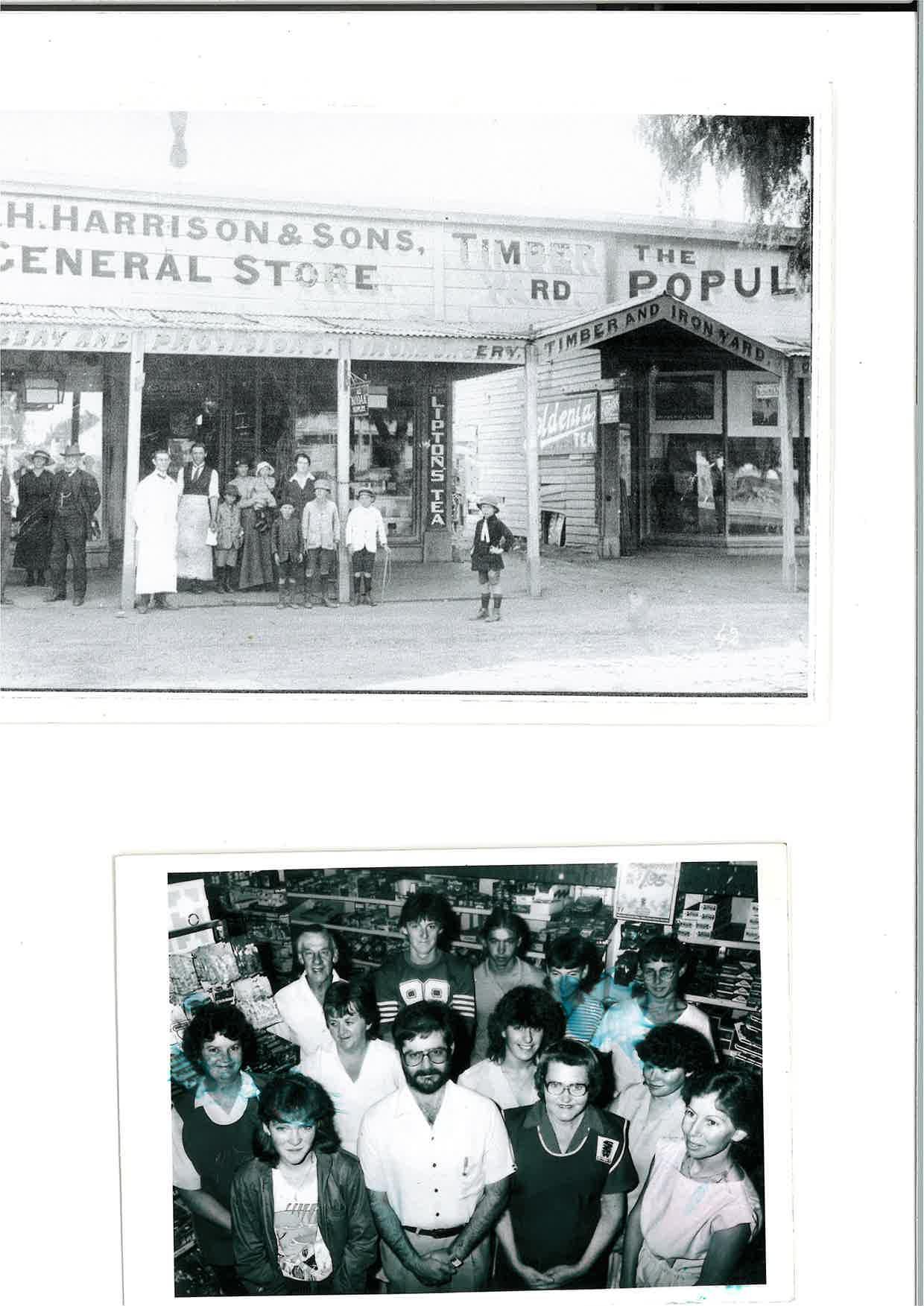
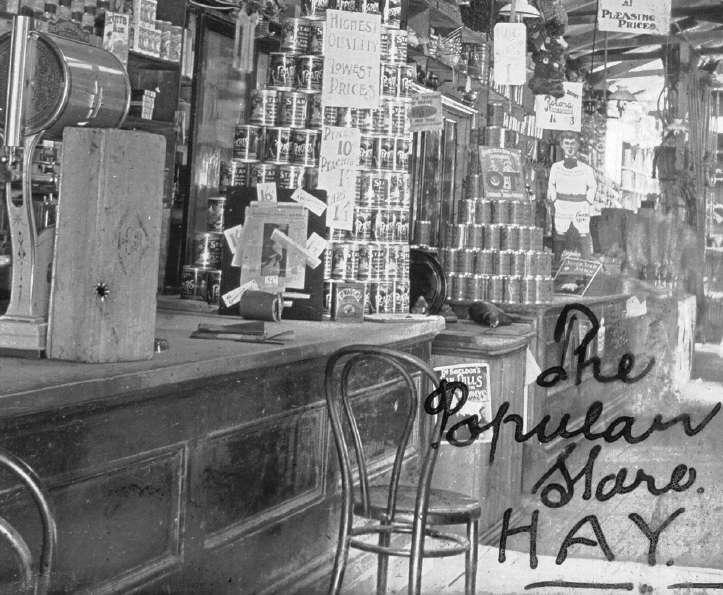
When William (Bill) Harrison, Fred's son, returned from the war, he became the third generation to enter the business. The store had become known as ‘the Popular Store’ a name that appeared on all their advertisements and letterheads.
The 1960s brought perhaps the biggest change in the business's history; the move from traditional general store to self-service supermarket.
This transformation required extensive renovations, including the installation of cool rooms and freezer facilities, a major investment that showed the family's commitment to moving with the times.
Since then, Harrison's has operated under various supermarket banners; Foodland, Super Value, SSW, Foodtown, and now IGA, but the family ownership has never wavered.
In the 1980s, Bill handed operations to his son David, along with brothers Mark and Andrew, marking the fourth generation.
A major extension doubled the trading area, showing the business was still growing after more than a century.
The 2000s saw David's sons Ewen and Gerard join as the fifth generation, bringing fresh energy and their own touches to the store.
The family passion for motorbikes found its way into the shop, creating an unexpected talking point.
One day, the family wheeled many of their treasured bikes into the shop, and stored them on the freezer roof, above the frozen goods, in typical Harrison ‘no muss, no fuss’ fashion.
“People would come in and recognise them,” Nicholas Harrison recalls.
“We've had builders working at our place ask about them. It's even featured in trail bike magazines now."
The sixth generation arrived when Ella Harrison, Gerard's daughter, went to work in the store on weekends and school holidays.
Most recently, in 2024, Nicholas Harrison became the latest family member to enter the business, representing continuity that spans 150 years.
But ask Nicholas about growing up in the business, and he's refreshingly honest about what it meant.
“Obviously with a family business, after hours you're always called in. ‘Can you come and stack this?’or unload a truck.
“It was quite good for shaping you as a person. It's like you actually have to work to get what you want.”
He uses a simple analogy; you reap what you sow.
What you put into something, the community, relationships, work, is what you get back out of it.
Ideals we all strive to live up to, these people have it down pat.
Walk into Harrison's IGA today, and you'll find more than groceries.
You'll discover a business that has become integral to Hay.
During COVID-19, when supplies were scarce, they discreetly ensured everyone got their fair share of flour, toilet paper, and other essentials.
They slice meat to customer requests, carry bags to cars, and deliver to those who need it.
Most of Hay have worked there at some point.
Often, it's a child’s first job when at school. When they go away to university, their jobs are always there for them during holidays.
“We try to help out because we're not just a business in the community – we still live in the community as well, and we care about the community,” Nicholas told The Riverine Grazier.
The business supports local schools, sporting clubs, and charities, but Nicholas is characteristically modest about their communityinvolvement.
“We want Hay to thrive, because if Hay thrives, then everything thrives. It's all interconnected. If one thing's out of balance, everythingelseisaffected.”
The military service tradition runs deep in the Harrison family. From Henry Prendergast who served in the Boer War, through to Nicholas's recent service in the Australian Regular Army and Army Reserves, each generation has contributed to the nation's defence.
“The Hay community has always got around ANZAC Day and Remembrance Day,”Nicholassays.

“The way that the community commemorates and honours service is really humbling.”
David Harrison's passion for motorcycles has taken him on tours across Australia, sometimesformonthsatatime.
It's that same adventurous spirit that saw the early generations embrace new technologies and business practices, always adaptingwhilemaintainingtheircorevalues.
AsHarrison'sIGAcelebrates150years,the current generation remains focused on the future.
“Every business wants their community to thrive,”Nicholasreflects.
“We want to be part of that. We want to investinitbecausewe'reallconnected.”
The family's approach remains unchanged from George Henry's time; solve problems, serve the community, and treat people with respect.
It's a simple formula, but one that has sustained a business through six generations andcountlesschanges.
In a world where family businesses often struggle to survive beyond the second generation,Harrison'sstandsasatestamentto the power of community connection, adaptability,andgenuineservice.
The sign painter who came to Hay 150 years ago looking for work couldn't have imaginedthelegacyhewascreating.
But perhaps that's exactly why it worked –hewasn'ttryingtobuildalegacy.
He was simply trying to help his neighbours,onewindowsignatatime.
Today, that same spirit of service continues.
The shopfront may have changed, the products may be different, but the commitment remains the same: to be more than just a shop, but a cornerstone of the communitytheycallhome.
150 years on, George Henry Harrison's simple solution to a local problem has become something far greater; a family institution that has grown with Hay, adapted to its needs, and remained true to the values thatbuiltit.
Here'stothenext150years.
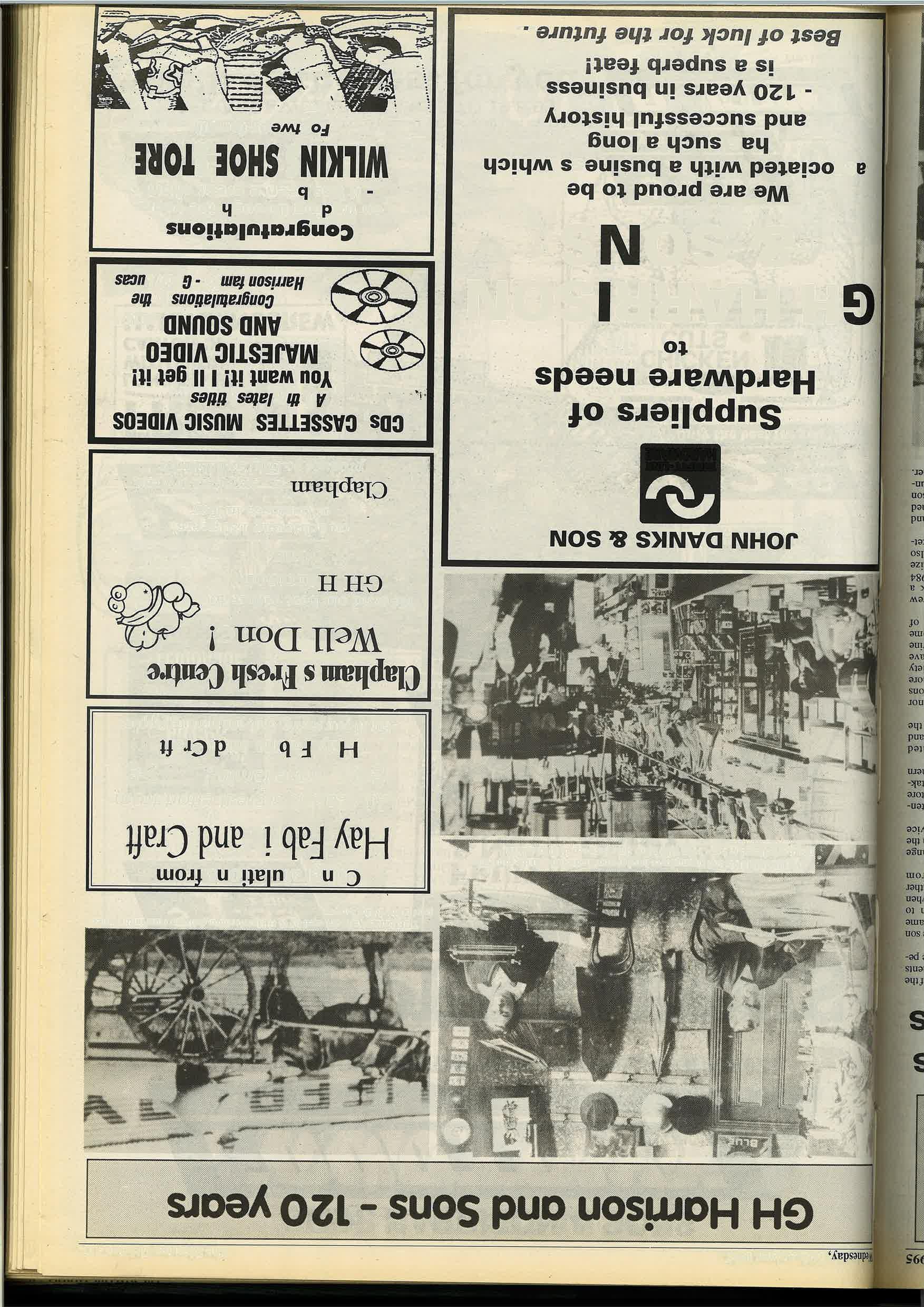
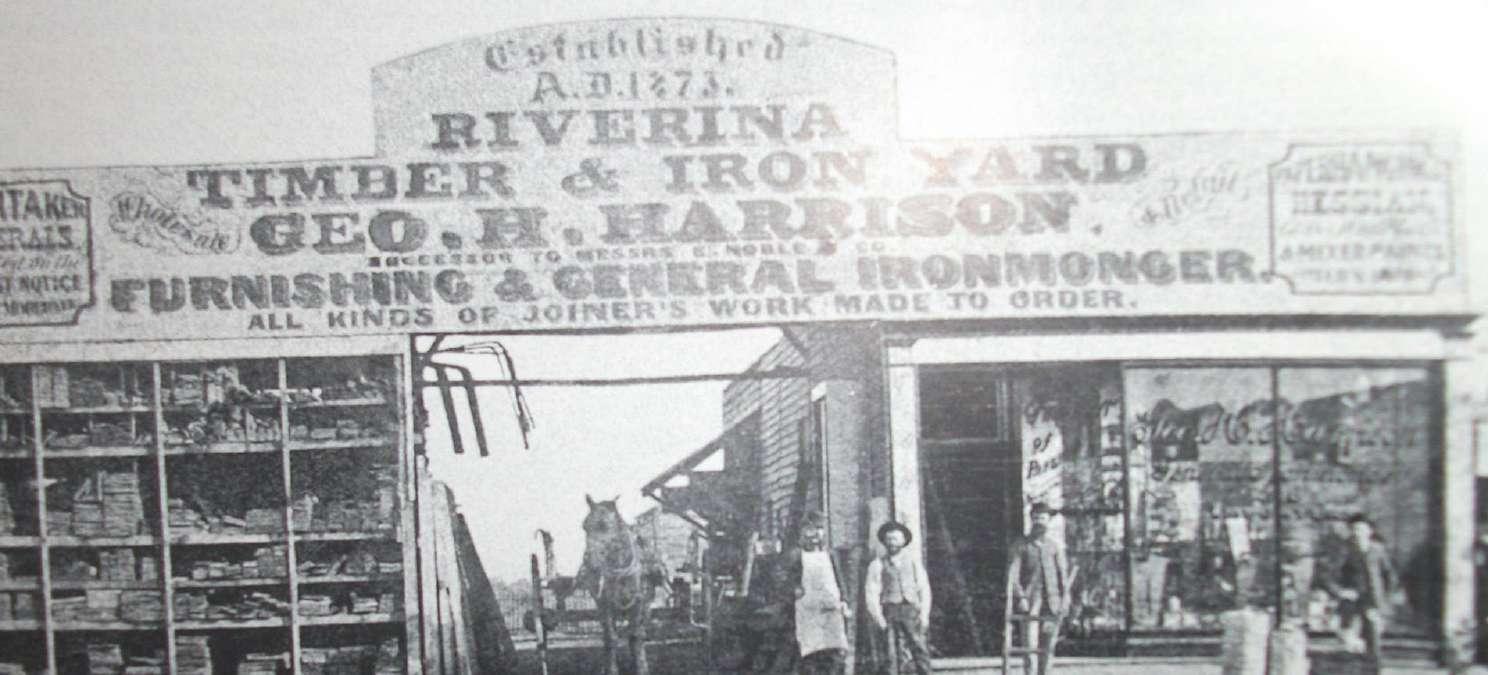
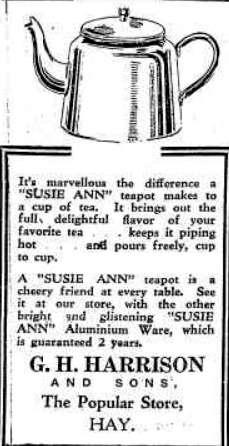
Right: This image is an advertisementfromTheRiverine
November 13, 1931 edition.


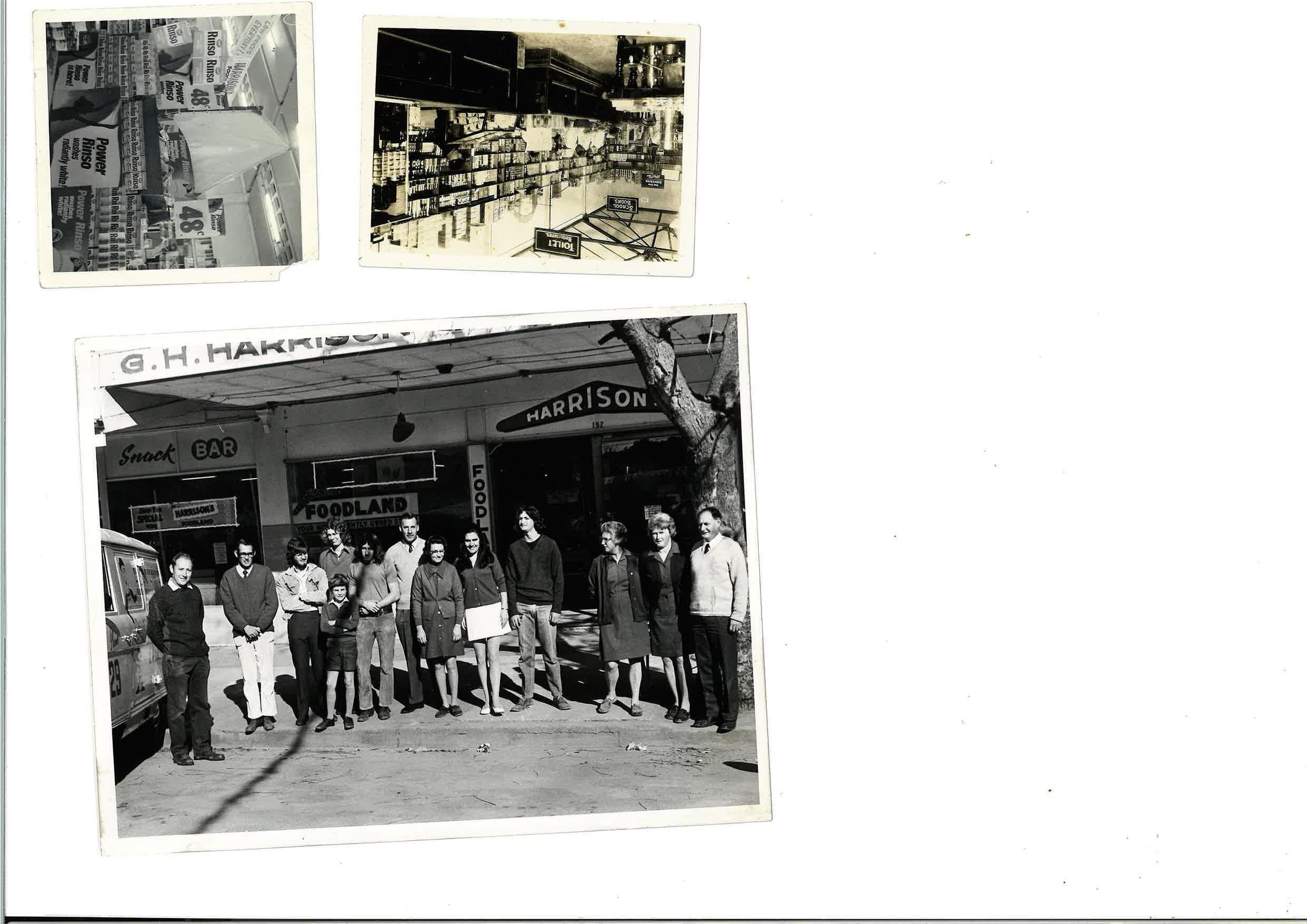
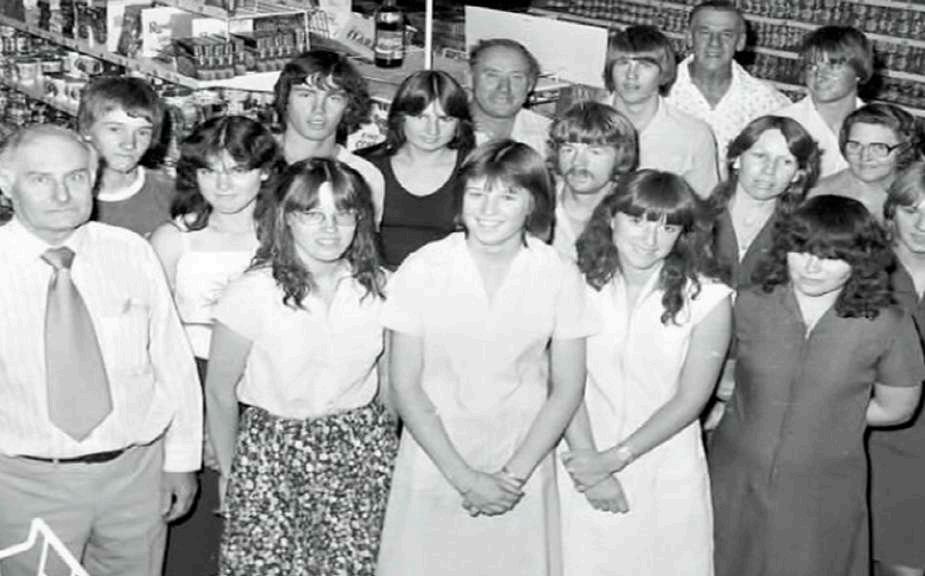
Over the lifetime and many business banners Harrison’s IGA has operated under, most of Hay has worked there. There are just too many to name, and the Harrison’s have always taken care to foster a family like environment, and
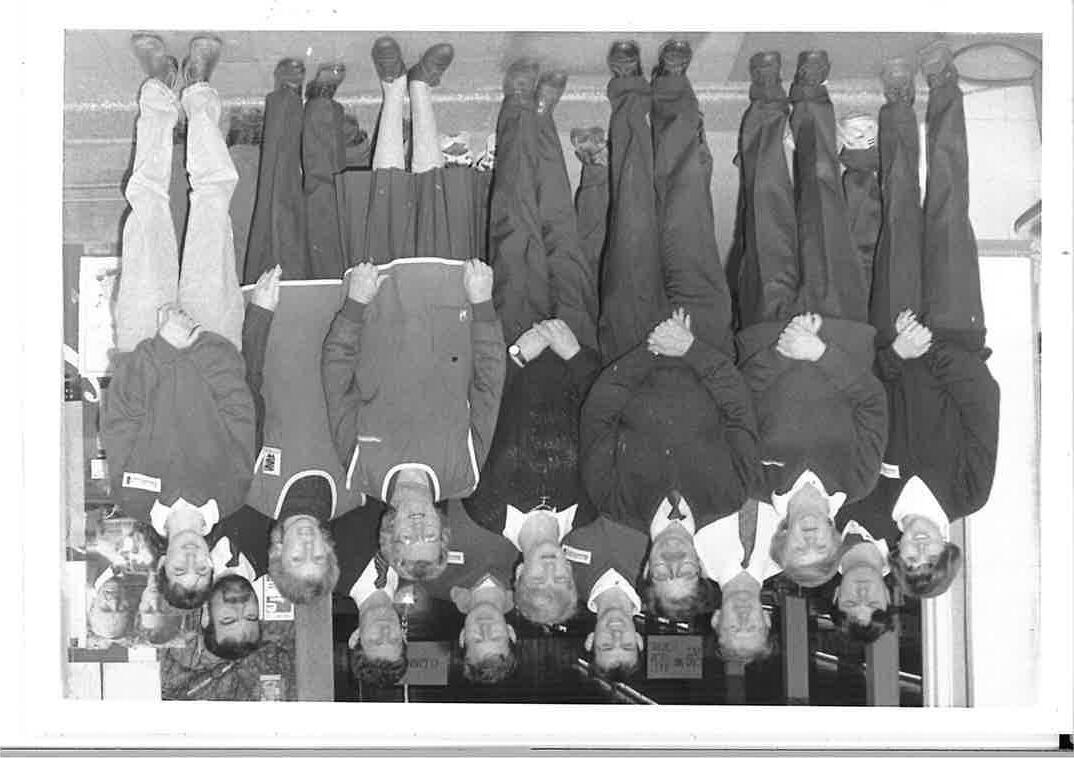
uncanny ability to draw out the latestnewsfromeverycustomer whopassedthroughherregister.
Despite being a heavy smoker, Mrs. Groves maintained strict professional standards, never taking a smoke breakduringworkhours.
After 38 years of service, Mrs. Groves departed as quietly as she had worked diligently, telling no one of her plans to leave.
Her colleagues, including thosewhoshareddailymorning tea with her, only discovered herretirementonherfinalday. She was sorely missed and fondlyremembered.

Working at Harrison's IGA in Hay wasn't just employment, it was joining a family. The sentiment echoes through the voices of former employees who speak with genuine warmth about their time with the Harrison family business.
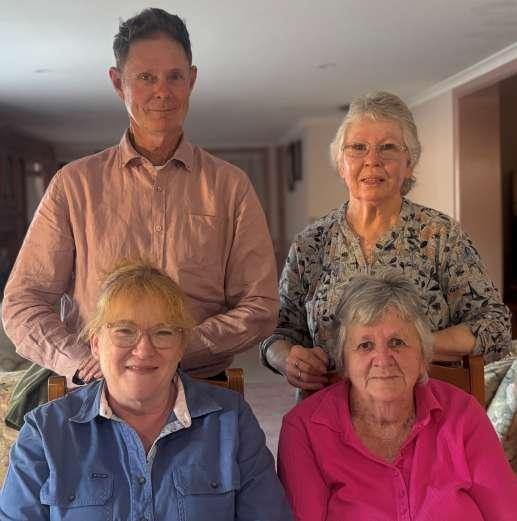
Carolyne Phillips, Robyn Beckwith, Fay Meginley and Mark Harrison were all employed with the business for decades, and formed a lifelong friendship. They recently sat down to share their collective memories with The Riverine Grazier.
“We were all like a family years ago,” recalls Robyn Beckwith.
“It was the best family ever to work for. I can honestly say that.”
This wasn't merely workplace camaraderie; it was something deeper, more enduring.
“It was very family-oriented for so many years. It was really lovely.”
The difference was tangible in daily interactions. Unlike the impersonal nature of larger corporations, the Harrisons treated their staff as individuals with real lives and genuine needs.
“They were very good when I went back when my children were little,” Carolyne remembers.
“They were really very accommodating and understanding if you had to do something with the children. You weren't just a number.”
This personal approach extended to workplace culture in ways that seem almost revolutionary by today's standards.
“I can never say that I've ever been unhappy there,” Robyn said.
“I always enjoyed working. It was never ‘I've got to go to work today.’It wasn't a chore.
“It was going into the family.”
The Harrison children grew up as part of this extended family atmosphere.
Employees fondly recall little Gerard being wheeled around the shop in his pram as a baby, and later watching the next generation, Maeve and Ella, come in to draw pictures on big white paper before school, and having breakfast in the shop that had become their second home.
The Harrisons’ approach to discipline was equally familial.
“You were treated fairly,” Robyn explained. “You did
your work and you were treated good.
“If you didn't do your work, you got in trouble and you knew you deserved it.”
This created an environment where mutual respect flourished.
Neil Perry, one of the early employees, exemplified this family dynamic, becoming ‘like a father’to younger staff members.
This wasn't just nostalgic sentimentality; it was a fundamental approach to business that recognised employees as whole people with lives, families, and challenges beyond the shop floor.
In an era where work-life balance is often discussed but rarely achieved, Harrison's IGA created an environment where work genuinely felt like an extension of family life—warm, supportive, and nurturing.
The legacy of this approach continues today, with former employees speaking decades later with genuine affection for a workplace that made them feel valued and respected.
Mr Fred Parr was the first worker in the deli department.
It was many decades into it’s existence before the shop gained a deli department, as it evolved into what is considered nowadays as a conventional supermarket.
A smiling, well regarded gentleman, Fred was responsible for what children of various decades would consider the best move; handing out cocktail frankfurts.
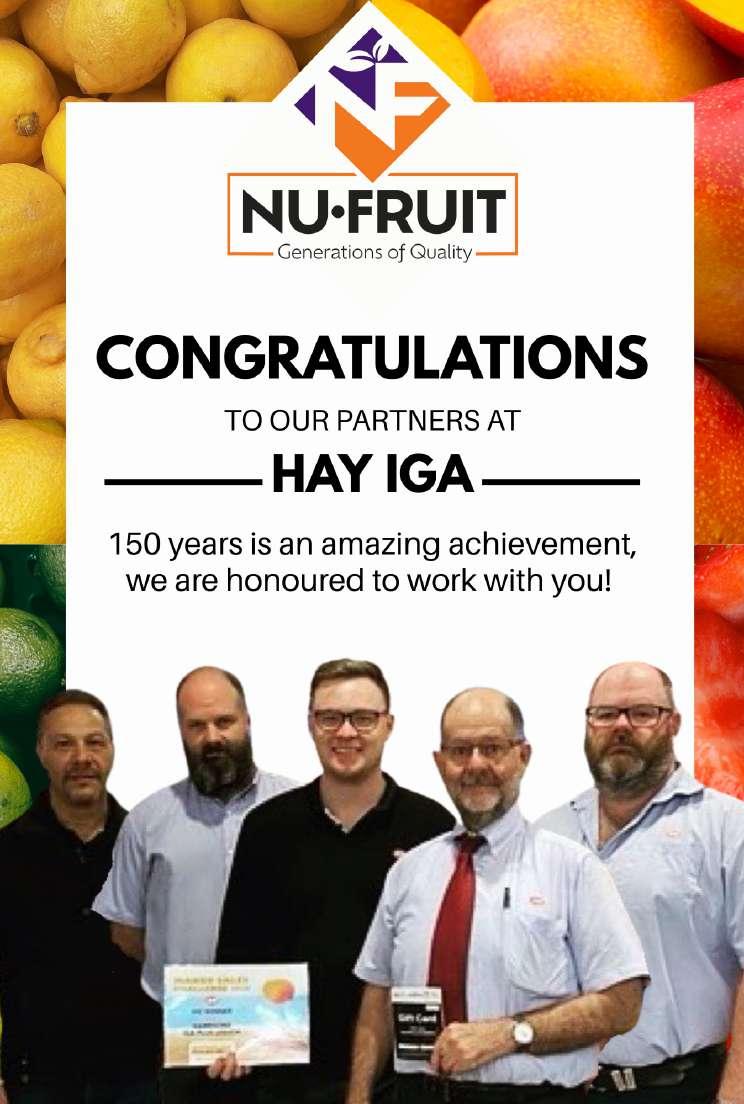
This image was taken by The Riverine Grazier, and later used in the regular IGAadvertisements (above right).
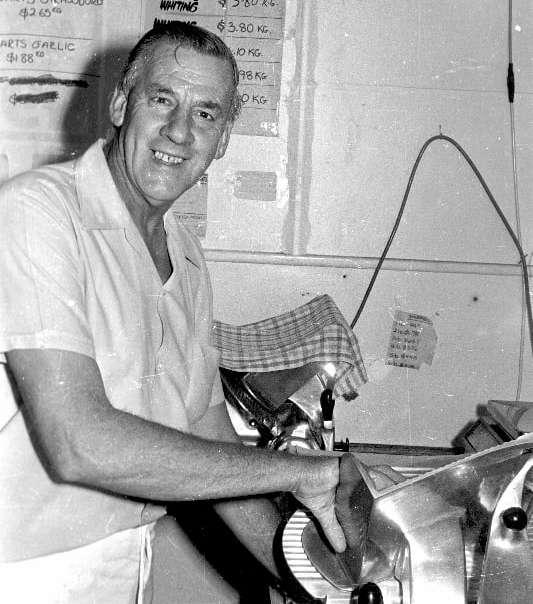
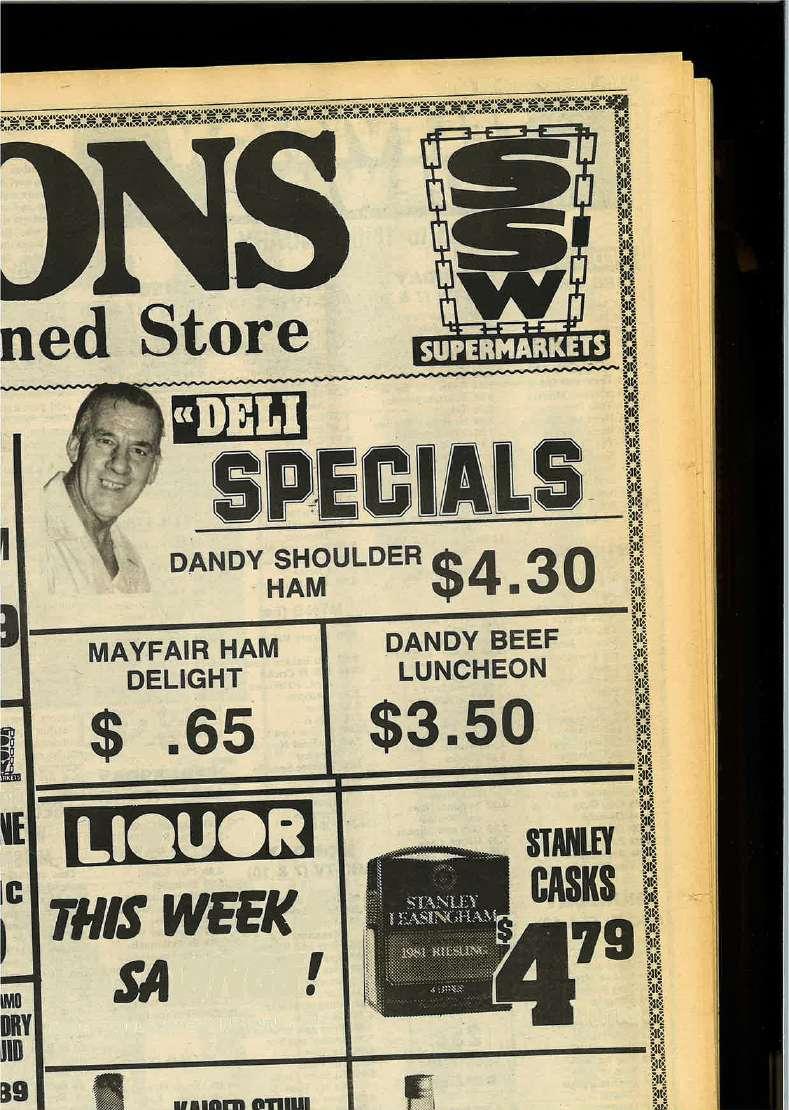
Image:Supplied.

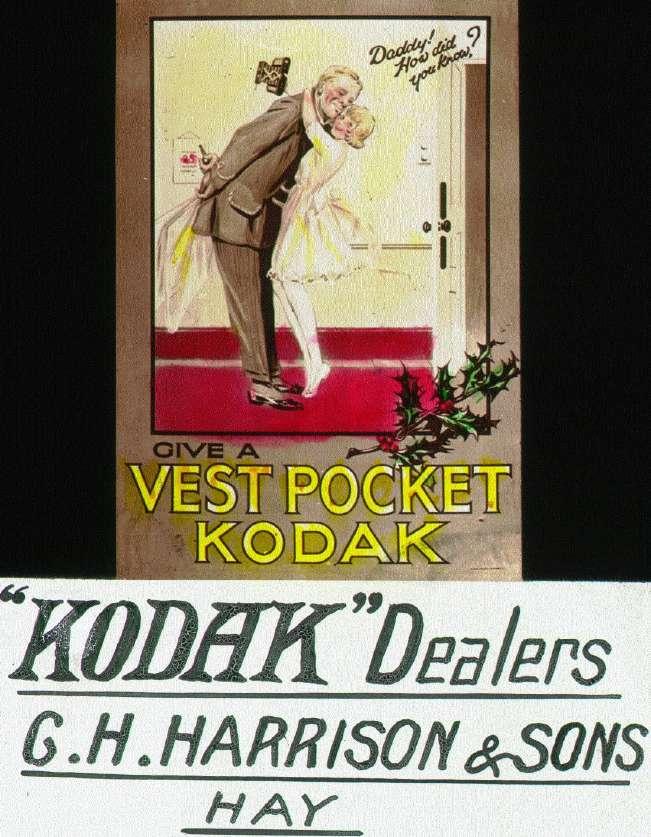
As well as being Kodak dealers, at the start of the 20th century, the sons and grandsons of G.H. Harrison became enamoured with photographic technology. Their photos were used in many local publications, including one created by Ollie Japp.
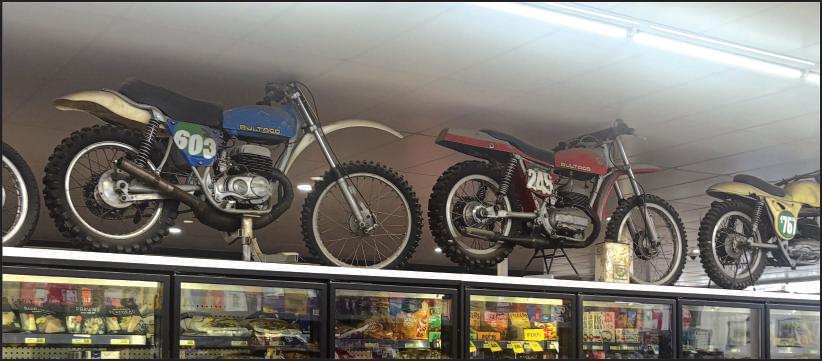
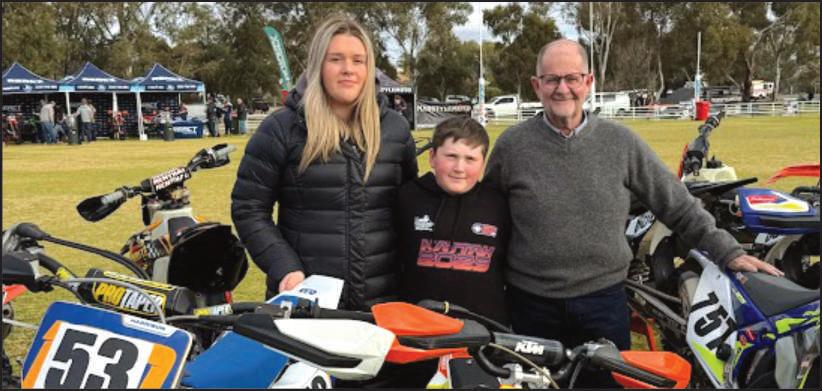
The Harrison’s also share another beloved legacy; motorbikes and motorbike riding. Their unique supermarket display draws the admiration of visitors and they are regular entrants in the Hattah Desert race.The family are out and about riding and racing every chance they get. Grandchildren Ella and Jim entered alongside David for the recent 2025 event. David lined up in the masters event, Ella in the senior female four-lap race and Jim in the 65cc 9-to-13 year old class.
The Hattah Desert Race isAustralia’s largest desert race for off-road motorcycles.

Everything about IGA turns into a tradition.
Pictured is the rocket ship ride, which has become iconic for the past fewgenerations.
Children of the town can have a good few minutes of joy for just 20 cents atime.