the member magazine for Riverbanks Zoo and Garden | September - October 2024
Riverbanks
Volume XLIV, Number 5
Riverbanks Park Commission
Jan Stamps, Chair
Alana Williams, Vice Chair
Mike Velasco, Treasurer
Cliff Bourke, Secretary
Robert G. Davidson
Jeffrey T. Reeves
Deneen Shockley
Riverbanks Society Board
Deans Fawcett, President
Patti Embry-Tautenhan, Vice President
Wes Jackson, Treasurer
Deonca Shuler, Secretary
Tristan K. Weinkle, Immediate Past President
Emily Bedenbaugh
A. Mattison Bogan
Will Elliott
Lauren Greene
James Herlong
Denise Gunter Hudson
Manny Licata
Sarah Bovaird Locke
Donna Longo Thomas Manly
Lindsey Miles Matt Mungo
Andrew Reed Allison Sanford
Richard Slater
Dawn Staley
Sheila M. Willis
Riverbanks Executive Leadership Team
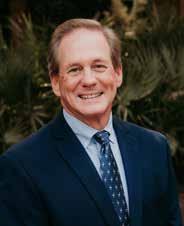
Thomas K. Stringfellow, President & CEO
Christie Vondrak, Chief Administrative Officer
Lochlan Wooten, Chief Operating Officer
Rachael Bashor, Vice President of Mission Engagement
Kevin Eubanks, Vice President of Operations
Ashley Harris, Vice President of Finance
Monique Jacobs, Vice President of Advancement
Riverbanks Senior Staff
Brian Blankenship, Director of Guest Services & Safety
Shawna Brumfield-Washington, Director of Marketing & Communications
Andy Cabe, Director of Horticulture
John Guertin, Director of Maintenance
Tracy Hughes, Director of Human Resources
Greg Peccie, Director of Animal Care
John Thompkins, Director of Information Technology
Martha Weber, DVM, Director of Animal Health
Kendra Bottini, Aquarium Curator
Antonio Fernandez, Curator of Birds
Sean Foley, Curator of Herpetology
Andrea Mueller, Curator of Behavioral Husbandry
Alyson Proveaux, Curator of Mammals
Subscriptions to Riverbanks are $24 per year. Members of Riverbanks Society are entitled to one free subscription along with free admission and guest passes, discounts at Zoo & Garden gift shops, invitations to special events and much more. To subscribe to Riverbanks or to join the Society, visit riverbanks.org or call 803.779.8717 and press 1.
Riverbanks Magazine
Editor - Monique Jacobs
Design Direction and Layout - Majken Blackwell
Contributing Design - Trenton King
Contributors - Hunter Balog, Rachael Bashor, Michelle Carter, Ashton Hill, Allysia Hunter, Ryan Jones, Amanda Schlegel, Melodie Scott-Leach, Martha Weber
Contributing Photographers - Larry Cameron, Lynn Hunter Hackett, Michael Jones, Gina Ballerino
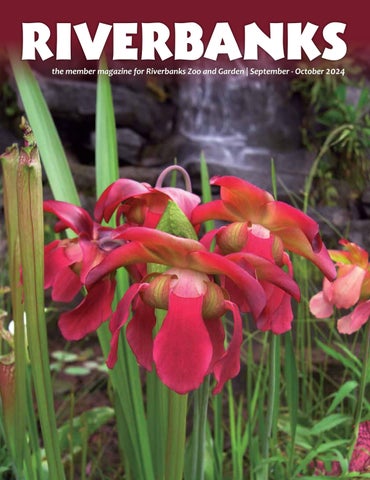
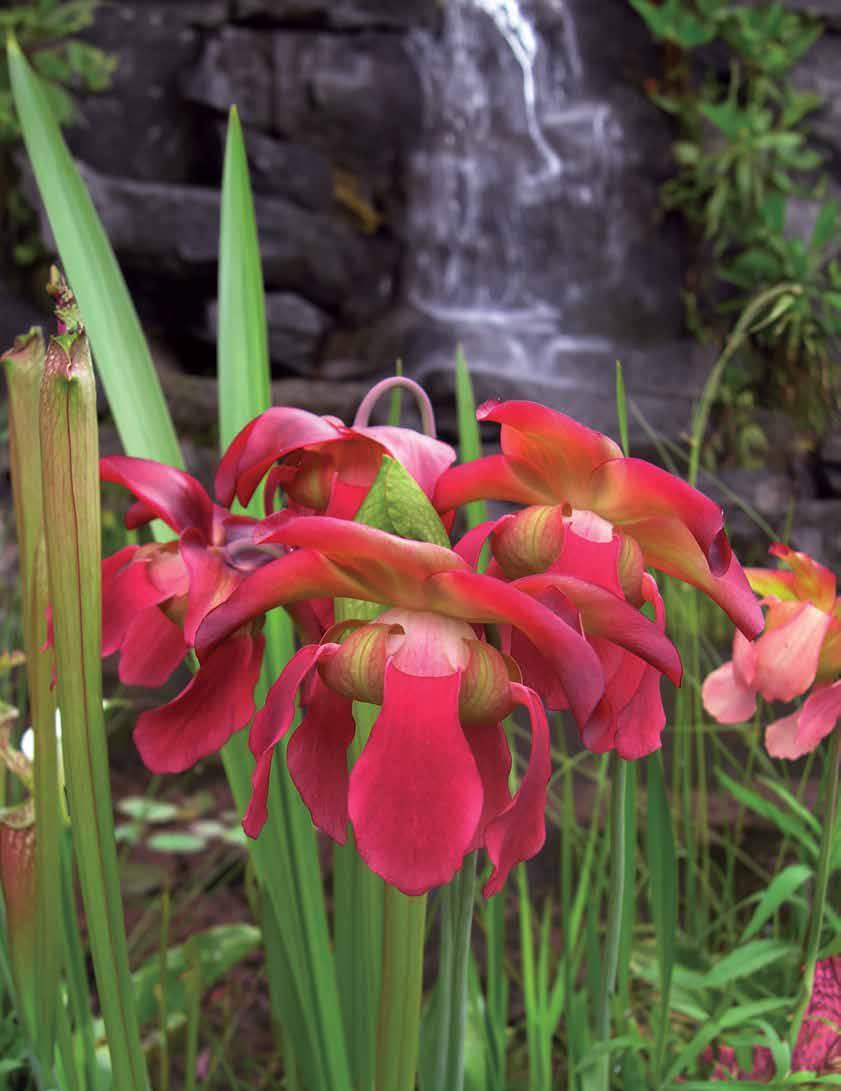
Cover Photograph Carnivorous pitcher plant
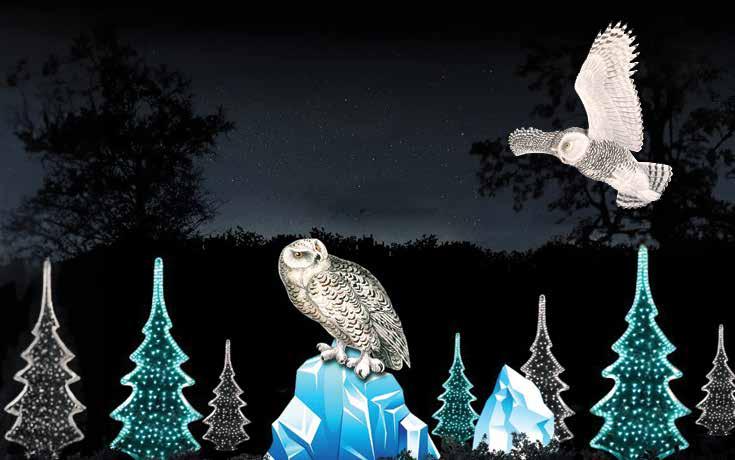
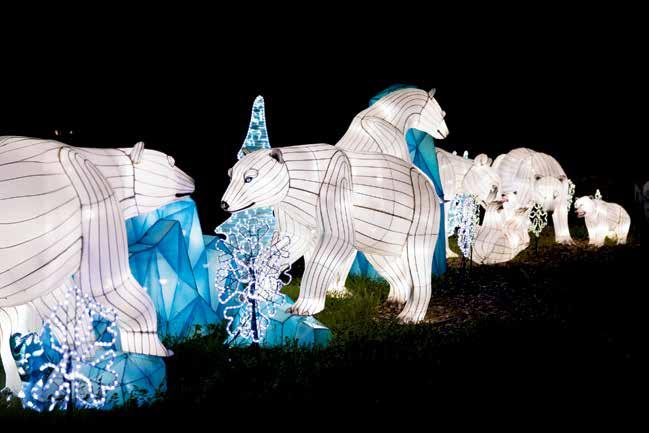
It is that time of year when we look forward to connecting (and reconnecting) with our members and guests during event season! Join us on September 27 for Riverbanks ZOOfari, our party for a purpose, where you can sip cocktails, sample delectable cuisine, and bid on rare and unusual auction items in support of wildlife conservation. Trick-or-treat through the park at Boo at the Zoo, our annual family-friendly Halloween spooktacular, October 18-30. Brighten your holidays at Wild Lights, our brilliantly illuminated wildlife safari with all-new lantern displays highlighting some of your favorite animals from the Arctic, Africa and under the sea—plus enjoy twinkling trees, snowfall, nightly visits with Santa and more, select nights November 15-January 12.
Events are one of the many ways Riverbanks generates much-needed support to help operate the park and support our mission. In fact, Riverbanks generates over 80% of its annual operating budget through admission fees, rides and attractions, education programs, retail, concessions, and membership, all of which is essential to the care and conservation of the animals and plants that call Riverbanks home. Over the past 50 years, local and state leaders also have supported investing in Riverbanks to enhance the economic impact on our community and thus our quality of life. We are humbled and proud of this shining example of the power of a public-private partnership doing good for our entire community.
Thank you for helping make Riverbanks what it is today and for being our champions. Together we can make a lasting impact on wildlife, wild places and our community.
See you at the Zoo –
Now Open
ENHANCING Educational Opportunities
Rachael Bashor | VP of Mission Engagement
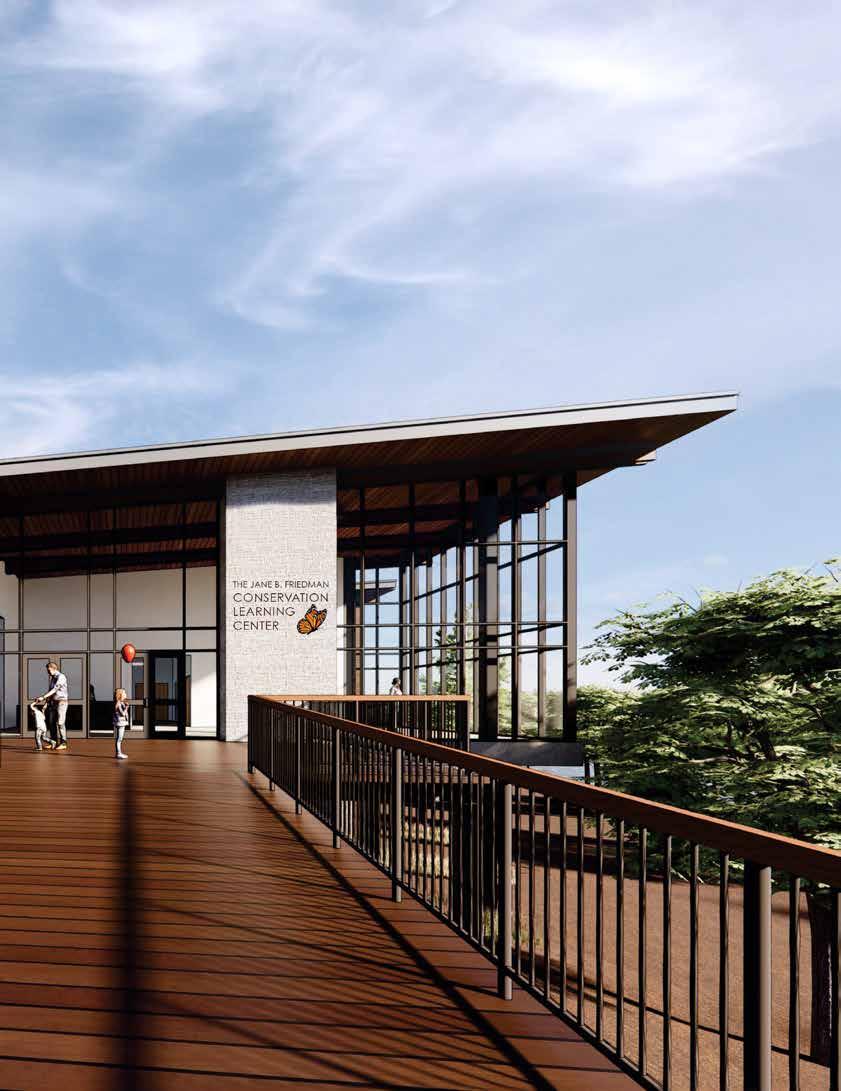
From Little Learners, Family and Adult Programs to Youth Programs and Zoo Camps, Riverbanks provides experiences to explore, imagine and play while building an understanding and appreciation of the world around us. To accommodate and expand our learning programs, Riverbanks is in the process of building a larger educational facility for nature-based learning and with added conveniences for drop-off and pick-up.
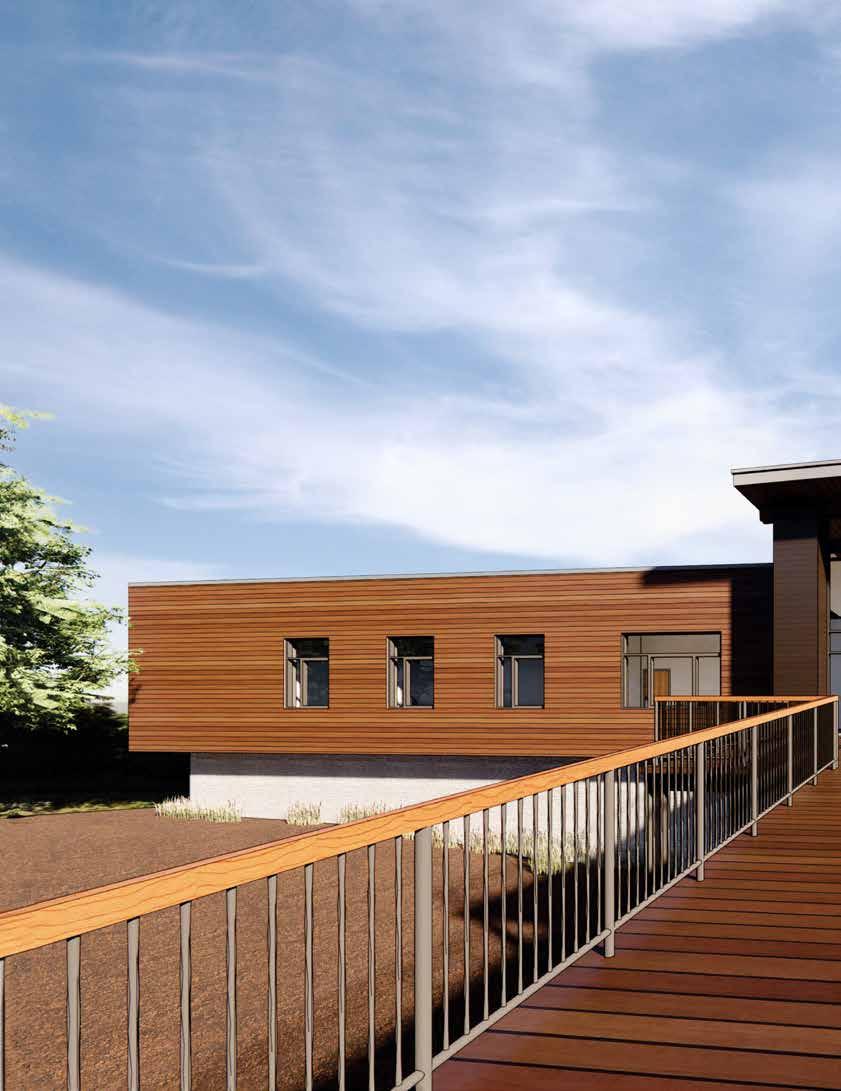
Thanks to the generous bequest of a long-time friend of the Zoo, The Jane B. Friedman Conservation Learning Center is being built in a woodland area along the Lower Saluda River. The 10,000-square-foot education facility will feature five multi-use indoor classrooms, offices and workspaces for employees and volunteers. The unique topography of the site will allow for additional outdoor learning and play spaces beneath the building and along the hillside.
This brand-new educational center is expected to open by 2026 and will allow Riverbanks to elevate the learning experience for thousands of students, making more meaningful connections and inspiring actions that will have a lasting impact on wildlife and wild places.
Give children a chance to love the earth before we ask them to save it.
― David Sobel, environmental educator and author
Conservation Engagement Beyond Our Gates
Allysia Hunter | Conservation Engagement Manager
Party for the Planet is an Association of Zoos and Aquariums (AZA) campaign that encourages its members to connect families in their communities to nature and conservation. With support from the Disney Conservation Fund, Riverbanks was one of twelve grant recipients in 2024 to go beyond our gates and promote the conservation of North American songbirds.
Riverbanks identified Richland Library as a collaborator for this year’s Party for the Planet activities because of its profound reach into different parts of our community and reputation as a vital community resource. With our shared content-area expertise and resources, we were able to cooperatively develop materials and activities that were age-appropriate, accessible, engaging, accurate and sustainable.
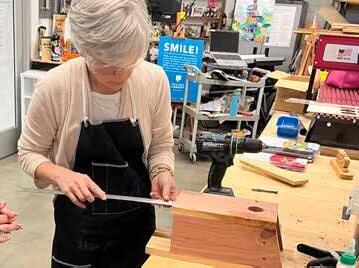
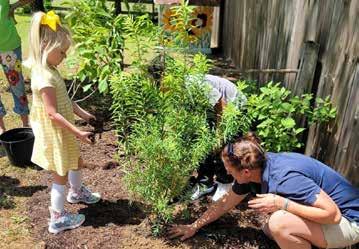
The partnership hosted a speaker series at five different library branches, including award-winning science communicator and avian ecologist, Lauren D. Pharr. Five adult and family workshop events brought learners of all ages together to increase awareness and improve the landscape to benefit North American songbirds. The campuses of Richland Library Blythewood and Richland Library St. Andrews were enhanced with ecologically valuable plant species, and program participants at Richland Library Ballentine and Richland Library Main built bird boxes. The various engagement strategies sought to reach each individual and family in actions that best suited their needs, resources, abilities and interests to create a broader, more sustained impact on our community’s engagement in conservation.
It was important to the partnership that efforts and interest could be sustained after the ten hosted events. With the help of the grant funds, Riverbanks provided four education and art stations where children can practice creating designs to make glass more visible to birds, as well as new resources for their children and adult book collections. As we seek to deliver on our mission, valuable partnerships with other community leaders like Richland Library, will help us continue to develop new relationships and connections within our community to inspire actions that have a lasting impact on the conservation of wildlife and wild places.
Partnerships with other community leaders like Richland Library, will help us continue to develop new relationships and connections within our community.
Conser ving Corals
Hunter Balog | Conservation Project Manager
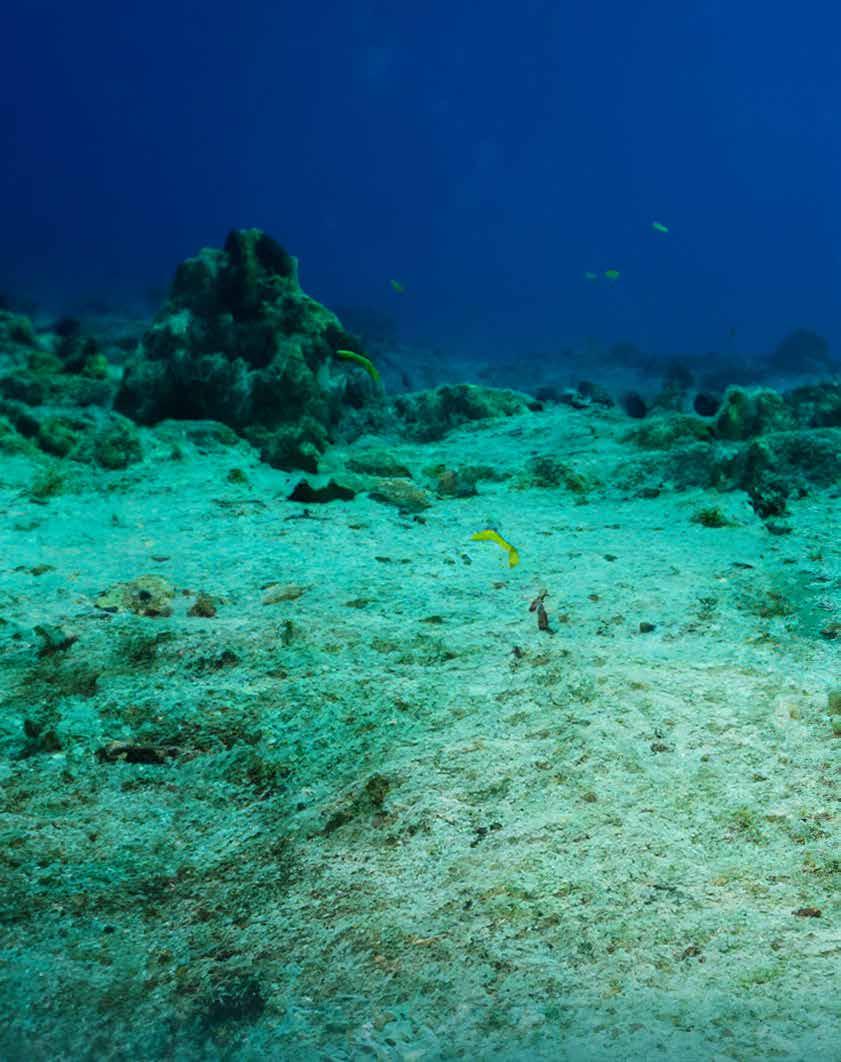
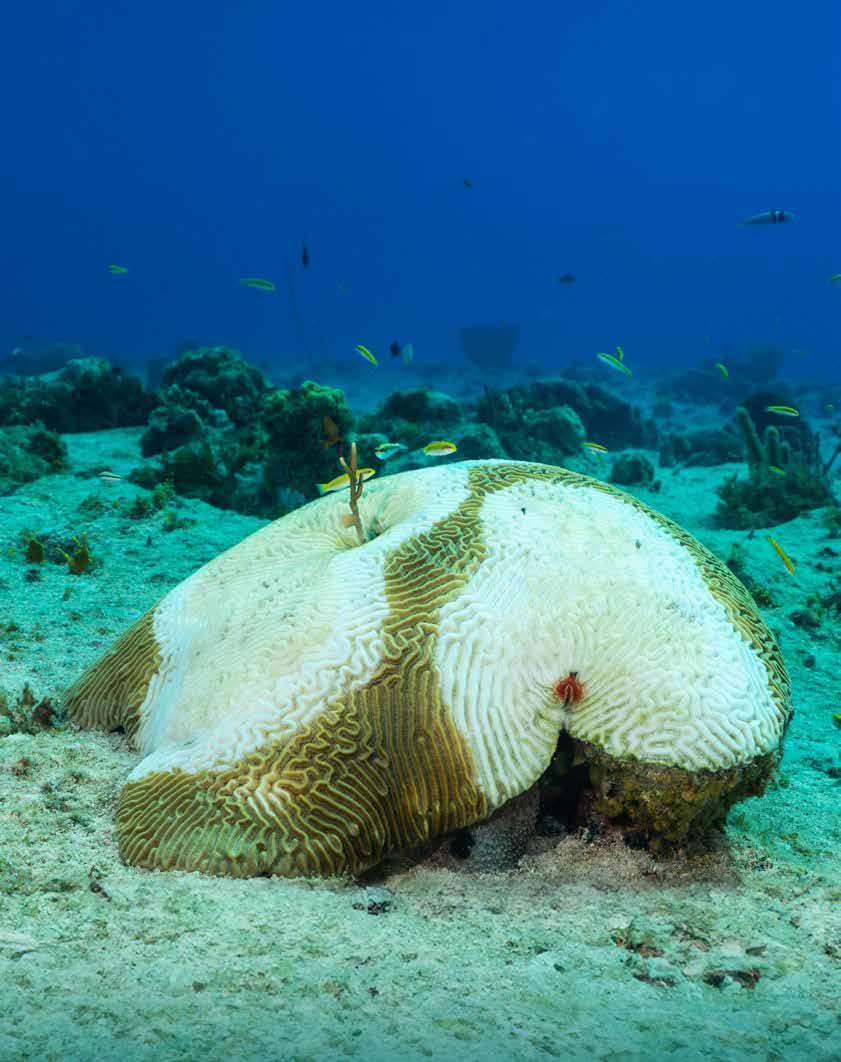
For the last six years, Riverbanks’ aquarists have cared for 10 species of stony coral rescued from the Florida Reef Tract (FRT). An outbreak of an unknown stony-coral-tissue-loss-disease began to spread across the FRT in the last decade, prompting several zoos and aquariums to spring into action to preserve as many coral colonies as possible to prevent further population decline.
Riverbanks has been a program partner in the Florida Reef Tract Rescue Project (FRTRP), providing a temporary home for some corals that luckily were not yet affected by the disease. The goal for the FRTRP is for the thousands of coral colonies rescued from the FRT to one day be placed back into the ocean. In the meantime, numerous partners from federal, state, and local agencies, non-governmental organizations, universities, zoos and aquariums, and community members are collaborating to better understand and reduce the spread of the disease and keep genetically diverse populations in human care.
Playing a part in the FRTRP is an example of how zoos and aquariums contribute to the greater conservation efforts for the wild counterparts of the species within our care. In addition to safekeeping genetically diverse populations and providing an educational and entertaining experience for visitors, zoos and aquariums are active leaders in conservation efforts across the globe.
This year, with a grant from the Satch Krantz Conservation Fund, Riverbanks has added three tanks to expand our coral colonies. As members of both the FRTRP and the Saving Animals from Extinction (SAFE) corals program, Riverbanks is increasing our contribution by transitioning into a coral propagation facility to help ensure optimum genetic diversity. Make sure to stop by the Darnall W. and Susan F. Boyd Aquarium and Reptile Conservation Center on your next trip to Riverbanks and see these magnificent animals.
You can help conservation initiatives such as this with a donation to the Satch Krantz Conservation Fund. Visit riverbanks.org and click Donate.
Zoos and aquariums are active leaders in conservation efforts across the globe.
A LEGACY OF LEARNING
Amanda Schlegel | Donor Engagement Manager
One spark can ignite an individual’s purpose, passion and legacy. We asked veterinarian, educator, and friend of the Zoo, Dr. Melissa Kling, to share with us what inspired her support of education at Riverbanks and how she plans to provide learning opportunities for future conservationists as a part of her legacy.
What motivated you to pursue an externship with Riverbanks?
I had been to the Zoo on a few occasions prior to attending veterinary college. A friend of mine informed me she was doing an externship at Riverbanks in her senior year. I had decided I wanted to become a zoo veterinarian in my junior year, so I immediately contacted Riverbanks inquiring if any openings were available. Much to my delight, I was accepted and spent one month there in July 1982.
What was the most significant/intriguing thing you learned while studying at Riverbanks?
Although I had exciting experiences every day, the most significant was the day I walked into the break room of the original Birdhouse and saw a zookeeper hand feeding a juvenile parrot. I had never seen a baby parrot without feathers, and I was both startled and amazed. Terry, the zookeeper, explained to me the process by which parrots’ feathers emerge and that the species was a Military Macaw. The parents had rejected the baby, and he described the hand rearing process for a baby parrot. I visited the Birdhouse every day when it was time to feed the chick, and literally watched it turn into one of the most magnificent creatures I had ever seen. It was that experience that ignited my passion for birds, especially parrots, which I still have to this very day.
What do you think has changed the most in wildlife education at Riverbanks and beyond? Anything you hope to see change?
Providing children, teens and young adults any opportunity to learn about wild animals, their environment and conservation should continue to be a priority for Riverbanks. Additionally, providing education about zoos, how the animals are cared for, and the role of zoos in conservation is equally important. Our wild animal populations and their habitats are in crisis, so this education has never been more critical. There was a Zoo Camp when I did my internship at Riverbanks, and I have watched the opportunities expand into what is now available. If these educational programs spark a few young people into action each year as it did for me, then the Zoo is fulfilling its mission.
What motivates you to support Riverbanks’ educational programs?
The education I received in one month at the Zoo enabled me to become a better exotic animal veterinarian; therefore, Riverbanks has been a very special place to me. I have supported the Zoo and Garden over many years by purchasing books as gifts to honor my parents. According to Zoo staff, I have donated more books than anyone, and upon my retirement, all my veterinary books and files along with the bookcases will be given to the Zoo.
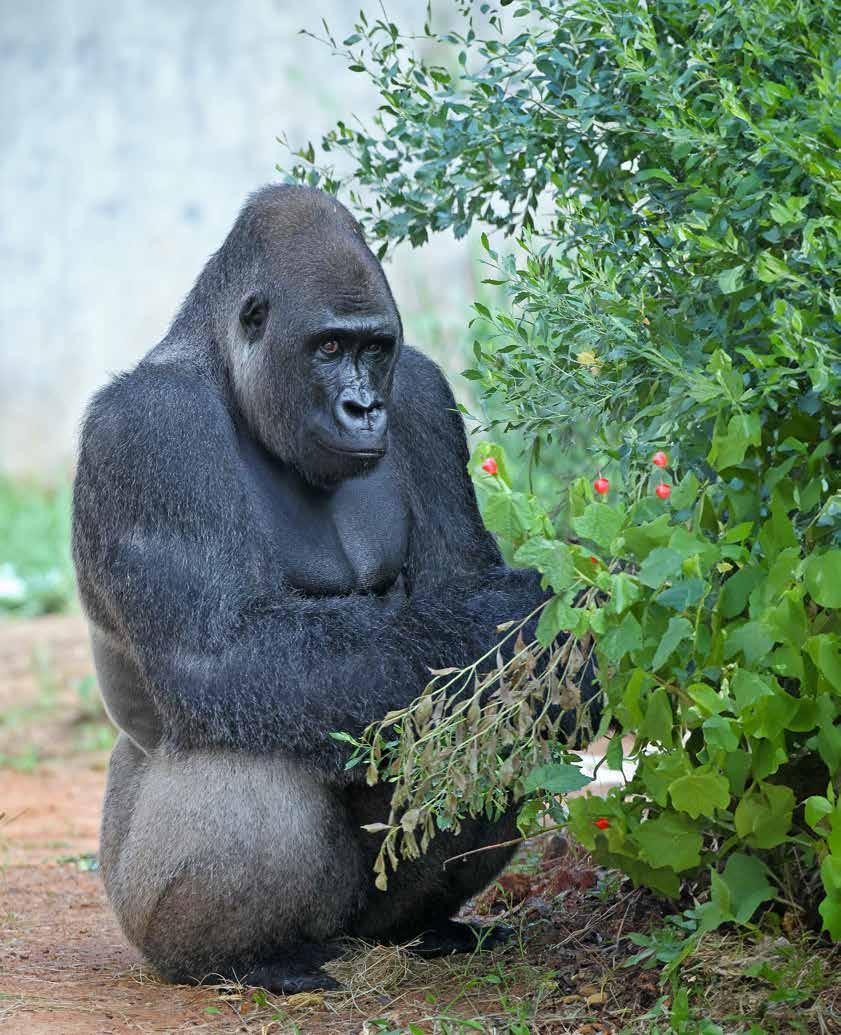
My mother was a primary childhood educator, so I have known the importance of education my entire life. A few years after she died, my dad said to me, “After I die, all I ask of you is to find a way to memorialize your mother and her love of education.” I said to him “Why wait? Let’s explore options now.” Not long after that talk his health declined quickly, and I lost him in 2021. I have made contributions for the educational programs since his death, and because of his estate I am able to contribute to the Silverback Society.
Providing opportunities to students who otherwise would never be able to enroll in the Zoo’s educational programs due to financial hardship, would thrill my mother. Throughout her career she helped numerous students, by buying them needed supplies, bringing them to our home for meals, buying them clothes and more. Naming an education scholarship fund at Riverbanks after my mother and ensuring it carries on for generations is my way of fulfilling my
To learn more about the the Silverback Society and how you can make a lasting impact, visit society.riverbanks.org/donate.
Great Grasses!
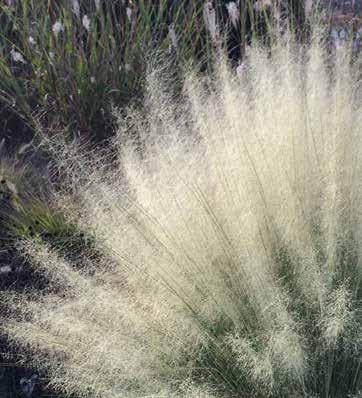
Muhlenbergia capillaris ‘White Cloud’
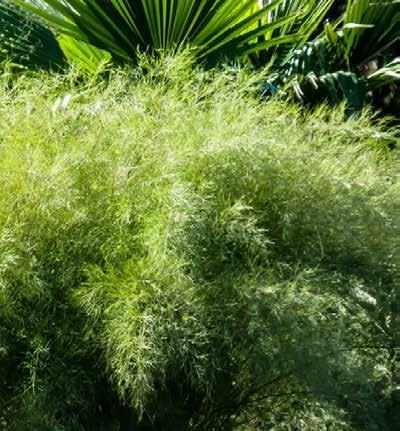
Muhlenbergia dumosa
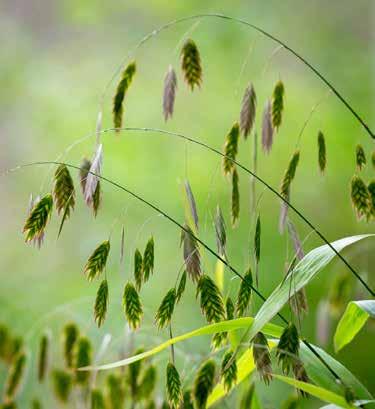
Chasmanthium latifolium
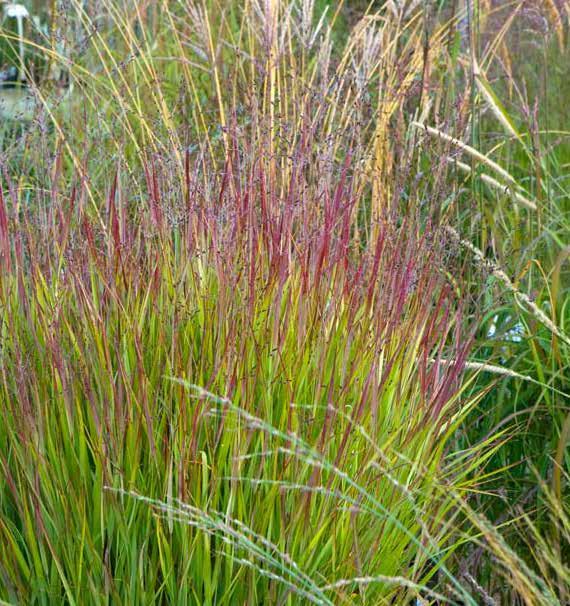
Panicum virgatum ‘Shenandoah’
If you have visited Riverbanks, you know we are big fans of ornamental grasses. When looking at pictures of animals in their native habitats, you almost always see grasses, hence the use of so many in the Zoo. Ornamental grasses are so much more than a backdrop for animals. They have many uses in the home landscape.
Grasses provide a great backdrop for flowers, many have interesting or colorful flowers, and they provide winter interest in the garden if you wait to cut them back. Birds and other animals use grass for shelter or nest building. Here are some of our favorites.
These grasses are having a moment. They are everywhere. Providing a gorgeous pink flower in the fall, this native is a showstopper.
Muhlenbergia dumosa ‘Bamboo muhly’
We have a running joke in the horticulture department as to whether you are team capillaris or team Dumosa. While Muhlenbergia capillaris has a great pink flower, its cousin M. dumosa is the king of texture. This billowing grass looks like a green cloud in the landscape. When walking by, you just have to touch it to see if it is as soft as it looks. Dumosa is a great backdrop for flowers and provides great nest building materials for birds.
Chasmanthium latifolium (Sea Oats)
Two considerations make this a great grass. One, the very attractive dangling seed heads color up to a nut brown; and two, it will take shade.
Panicum virgatum (Switchgrass)
Panicum is a native grass throughout most of the US. There are many cultivars of panicum ranging from 3 feet to 7 feet. Panicum grasses provide great structural interest in the garden and have interesting flowers and leaf color. Cultivars we have grown and love include Panicum ‘Heavy Metal’, P. ‘Dallas Blues’, P. ‘Northwind’, and P. ‘Shenandoah’. Shenandoah is particularly nice due to the many red leaves intermixed among the green.
Ornamental Grass Cultivation
Ornamental grasses almost always prefer full sun. Plant them in a garden area that receives at least 6 hours of sun each day. Lack of sun will reduce flowers and often cause the plants to flop.
Plant in well-drained soil. Most ornamental grasses are drought tolerant but always look better with supplemental water. However, what they do not like is to sit in water. If you have heavy soil, adding compost and pea gravel to the backfill is a good way to move water away from the crown of the plant.
Plant in spring and summer. Fall and winter planting of ornamental grasses can cause them to die from rot.
Always water well for the first spring and summer but avoid any supplemental water in fall and winter.
February is the best time to cut back grasses. Many people like to leave their grass foliage up throughout the winter to attract wildlife and to add interest in the garden. Cutting back grasses by the end of February ensures that you will not be cutting back any new growth that will emerge with warming weather. Cutting to about 6 inches is best.
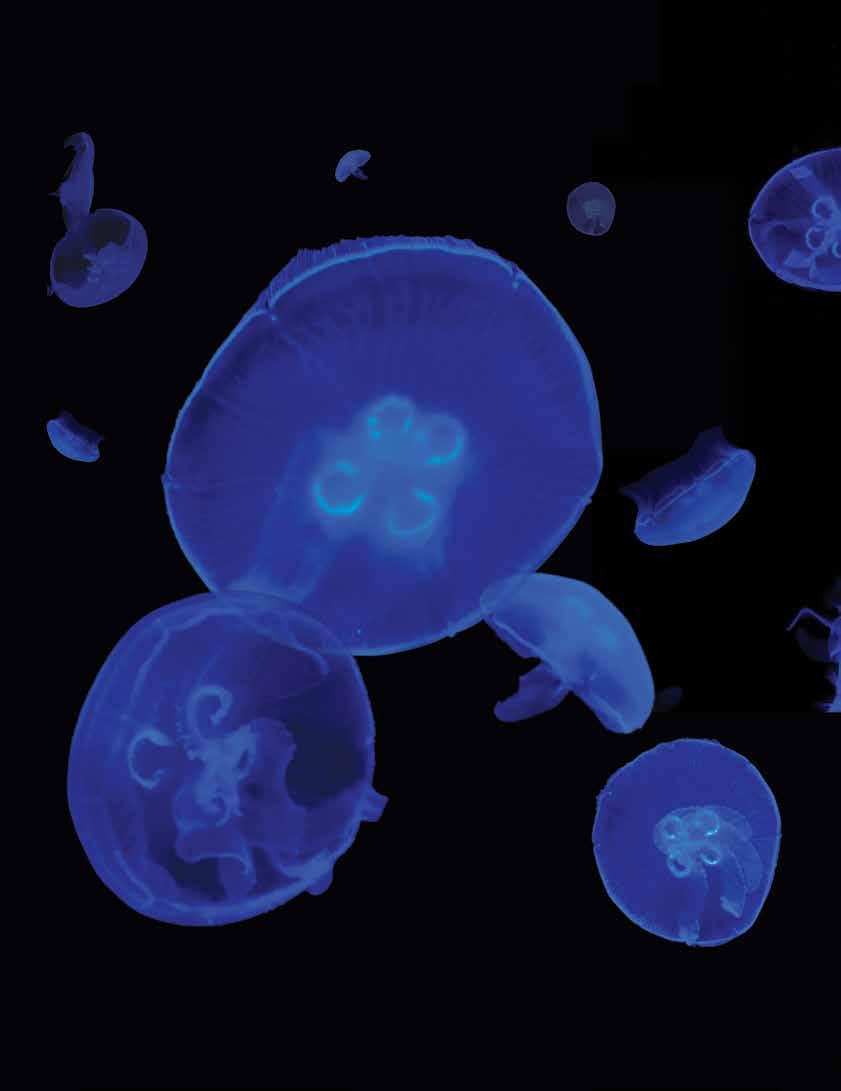
Moon Jellyfish
Aurelia aurita
Michelle Carter | Aquarium Supervisor
Where on Earth?
Moon jellyfish live in all the earth’s oceans except for the Artic Ocean. They most commonly can be found in coastal waters but can live at depths of up to 1,000 meters or 3,280 feet.
Measuring Up
Moon jellies can grow to a maximum diameter of 18 inches.
Digs at the Zoo
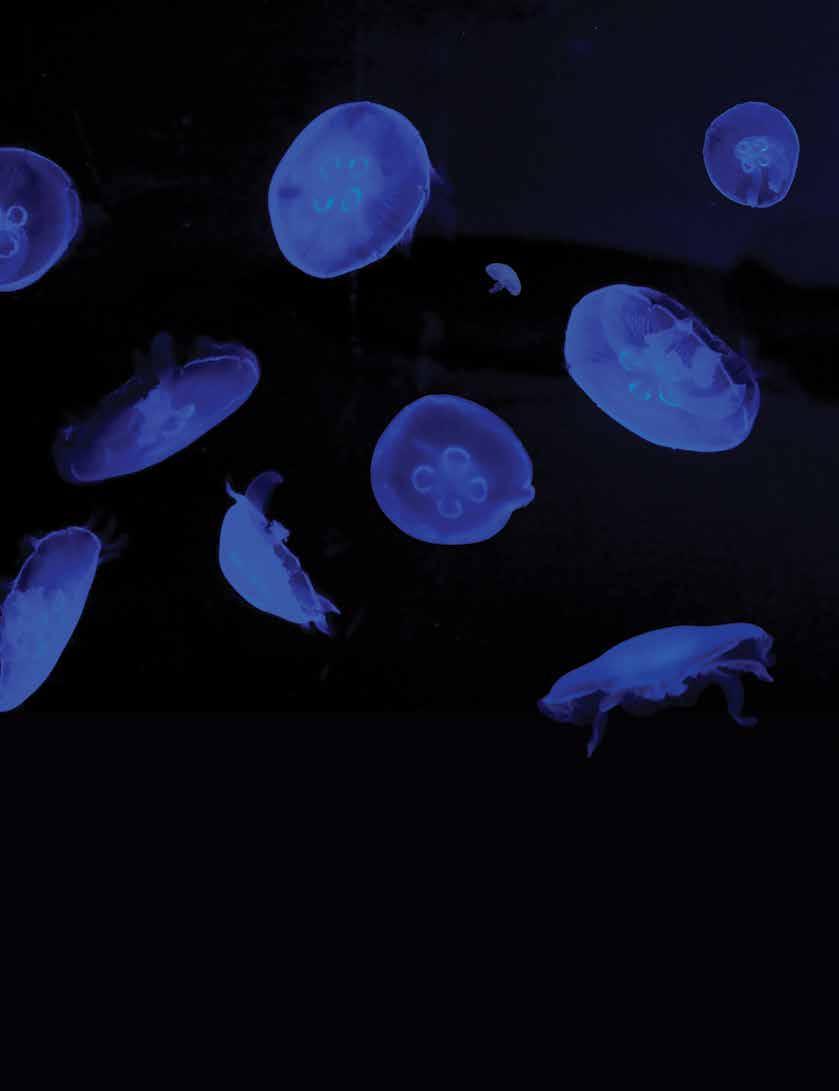
You can see Riverbanks’ moon jellyfish in the 2,000-gallon tank next to the coral conservation lab inside the Darnall W. and Susan F. Boyd Aquarium & Reptile Conservation Center. Riverbanks has cared for jellyfish since January 2023. All the moon jellies currently on display have been propagated at Riverbanks.
Did You Know?
Moon jellies have a unique lifecycle. Tiny gametes (reproductive cells) are released into the water and form a planula larva. The planula floats through the water column until it can attach to a piece of substrate such as pier pilings, offshore oil rigs, or rock formations. The stationary planula then forms into a polyp, which looks like a microscopic anemone with tentacles extending upwards. When there is a drastic water quality change, like a rise in water temperature or a big change in salinity, the polyp starts the process of strobilation, dividing into segments. This leads to the formation and release of a young jellyfish called an ephyra; it looks similar to a star. The polyp can continue to produce many more ephyra and bud off more polyps. Over time, the ephyra develops a fully formed bell, taking on the form of an adult jellyfish, or medusa. The entire life cycle takes about a year. We propagate our own moon jellies at Riverbanks, so all stages take place behind the scenes, with only the adults on display for guests to observe.
Weird but True
Moon jellyfish are considered zooplankton—animals that are planktonic and cannot effectively swim against the ocean’s currents and tides, so they rely on the ocean’s flow as their only mode of transportation.
Jellyfish are the largest zooplankton in the world. Most other zooplankton in the oceans are larval stage of bigger fish that will eventually gain the ability to swim as they age and grow larger. Moon jellyfish will predate on the smaller zooplankton that drift into their tentacles.
Conservation Connection
Moon jellyfish are currently thriving in the world’s oceans. Unlike most oceanic animals, rising ocean temperatures benefit moon jellyfish, and lead to an increase in their population. This can cause issues for various fish populations as jellyfish will eat larval fish. It also impacts tourism, as beaches can become overrun with moon jellies washing up on their shores.
Adult Jellyfish
Planula Larvae
Polyp
Strobila
Ephyra
Floral
When people find out I am a zookeeper, they typically ask, “Do you train the animals?” or “Do you ever feed them?” I explain that feeding and training are crucial, and they are two aspects of a very important principle called enrichment that we regularly incorporate into daily animal care.
Enrichment is anything that varies the environment or provides stimuli outside of an animal’s typical routine and encourages mental or physical activity relating to its natural behaviors. There are two main types of enrichment: environmental and behavioral. Behavioral enrichment is demonstrated by training and cognitive activities involving problem solving or choice, while environmental enrichment can include diet, novel objects and sensory stimuli.
It is pivotal that enrichment is tailored to each specific species based on its needs. What is good for a gorilla is not automatically good for an octopus. That is why it is important to know each animal’s natural history including range, diet and documented behaviors.
Enrichment
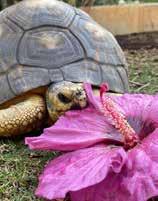
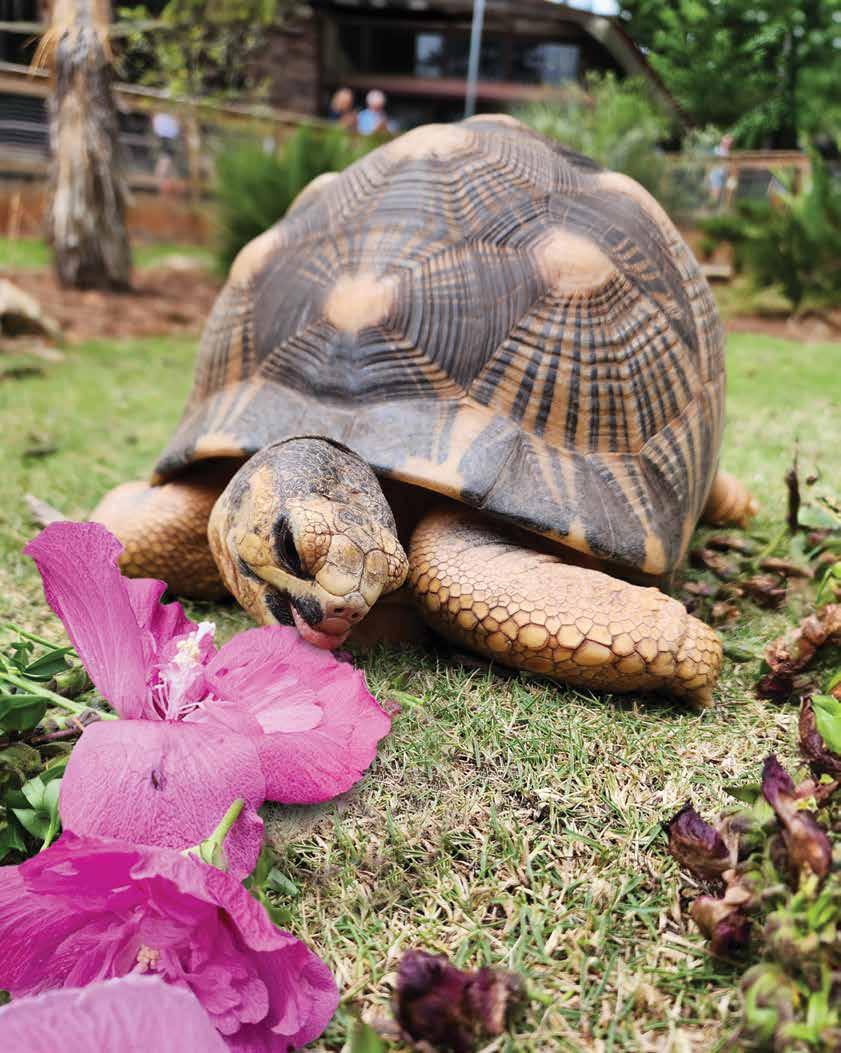
their diet. The flower blossoms are scatter-fed in the morning. This is a method of feeding where the food is strewn throughout the exhibit to encourage the animals to forage for food. This further enriches our tortoises with a change in routine, and a surprise snack. Imagine eating the same thing every day; if someone brought you donuts, you would be pretty excited!
Unlike donuts, hibiscus flowers are actually nutritious for our animals and mimic their wild diet. Consider the radiated tortoise as an example. Astrochelys radiata is an herbivorous tortoise from southern Madagascar. When taking into account its natural history, it becomes clear that the tortoise’s diet consists primarily of grasses. However, there are times when the tortoise shifts to eating flowers, fruit and even dried leaves, depending on seasonal vegetation like when fallen buds and petals become available during the rainy season.
It is essential for us to be able to identify plants and understand what is toxic and what is safe for our particular animals.
The more knowledge gained about a creature, the better adjustments can be made to formulate its diet, habitat and enrichment.
Our horticulture department does an amazing job of planting and allowing us to utilize “browsable” plants that are safe for a particular animal to eat. It is essential for us to be able to identify plants and understand what is toxic and what is safe for our particular animals.
From May through August, hibiscus flowers are blooming all around the Zoo. This time of year, we love to enrich our tortoises and lizards by adding hibiscus flowers to
Although our seasonal change in Columbia is a bit different from the radiated tortoise’s native home of Madagascar, we too have heavy rains, increased humidity, and flowering plants for almost half the year. Being able to take advantage of seasonal fruits, vegetables and flowers to spice up the tortoise’s diet in a way that mirrors its wild counterparts is very gratifying.
Next time you come by the Zoo, check out the radiated tortoises and then head into the Aquarium and Reptile Conservation Center to see the iguanas and uromastyx. You may get lucky and see them munching on pink and purple hibiscus flowers. Be sure to come soon before flower season is over!
Ashton Hill | Herpetology Keeper
What is a shark’s favorite lunch? A quarter flounder.
What happens when a shark won’t eat?
The aquarium team recently called to tell us that one of the bamboo sharks had not eaten in several days, which was very unusual. Not wanting to eat is often a sign that an animal does not feel well, but it is not very specific, so we needed to gather more information.
We packed our equipment and went to the Aquarium and Reptile Conservation Center to take a closer look at the shark. She weighed almost three pounds and was squirmy, so we anesthetized her to make the exam less stressful for her. We anesthetize sharks by putting anesthetics into the water. Their gills absorb the drugs from the water into their circulatory systems.
Once the shark was asleep, we performed a complete physical exam. We also took x-rays and performed an ultrasound exam of her body cavity. We did not see any obvious abnormalities, so we took the next step to make sure that her stomach and intestines were not blocked.
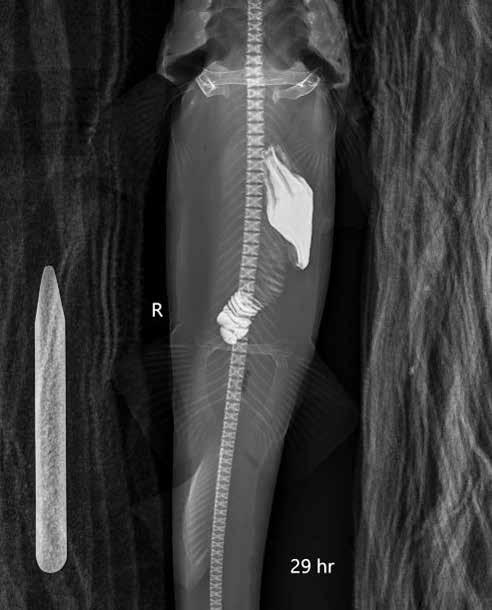
While the shark was anesthetized, we passed a tube into her stomach and gave her a dose of barium, a material that shows up bright white on x-rays. Sharks digest food
much more slowly than humans, so we took repeated x-rays over the next 96 hours to follow the barium through her system. In the x-ray on the right, you can see a large white spot of barium in her stomach as well as barium moving through a unique part of shark anatomy, the spiral colon.
The shark did pass all the barium, so we felt confident that she was not blocked. Her blood panel did show evidence of inflammation, so we started her on antibiotics. We also fed her clam-shrimp smoothies to help her maintain her weight and to keep her digestive tract healthy. Shortly after we started the treatment, the shark passed two abnormally shaped eggs. I suspect that she may have had an infection in her uterus that led to her not feeling well and producing the abnormal eggs. We treated her with antibiotics for two weeks, and just before the end of the treatments the team called to tell us she had eaten five pieces of fish on her own. We were very excited to hear that good news, and we will continue to monitor her closely.
Martha Weber, MPH, DVM, DACZM, DACVPM | Director of Animal Health
CreatureComforts
Ryan Jones | Gorilla and Small Mammal Supervisor
The Riverbanks Conservation Outpost (RCO) is home to a wide variety of species, all at different stages of life. One of the many ways we make sure each animal is set up for success is by designing and building unique habitats that meet the ever-changing needs of our animals.
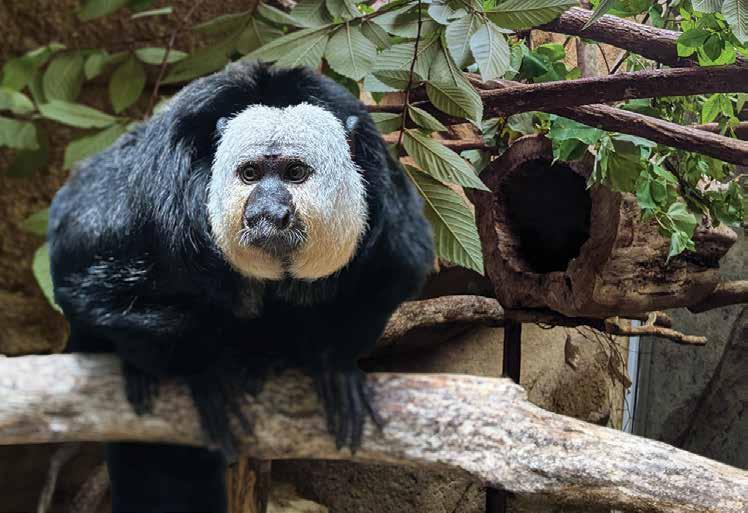
The habitats in the RCO were constructed to be fully customizable, so that we can adjust throughout an animal’s life. This is crucial for all our animals but most important for those animals who are in the “geriatric” phase of life. Amante the white-faced saki monkey is one of those animals who is well into his golden years.
In the wild, saki monkeys have a life expectancy of about 14 years. At 29 years old, Amante is the oldest primate in RCO, and one of the oldest saki monkeys in the country. As Amante aged, we began to prepare for him to move into a habitat specialized for his needs.
Keepers noticed that Amante was starting to show his age by how he moved around his habitat. He began to move slowly and more cautiously, choosing to walk/climb from perch to perch rather than to leap from perch to perch as he had in the past. Amante also was not spending time in the parts of his habitat that required longer jumps. What we needed was a habitat design that would allow Amante access to all levels without the need for big
jumps. At the same time, we wanted to make sure the habitat was not overcrowded with perching so that Amante would have the choice to jump around should he feel up for it. Finally, we wanted to create an area that was easily accessible to Amante and the keepers, so we could better engage him in training sessions and health checks.
Our team worked hard to find the right sized perching and perfect design that would work for Amante. The result was a wonderful habitat that fit all his needs. Sloped perching was added to give him access to lower levels of the habitat. Towards the top of his habitat keepers added “layers” of perching to make it easier for him to climb up and into his favorite resting spot. Keepers even installed a training platform at a higher level to make it easier for Amante to participate in his daily training sessions. With all these modifications added, we began to see Amante become more active and utilize more of his habitat.
Changes like these happen often at the RCO because we are always learning new things about the animals in our care. Next time you are at the Zoo, see if you can spot any new changes or modifications that our team may have made to ensure the best possible care and wellbeing for the animals.
TRAVEL WITH RIVERBANKS
BOTSWANA
JULY 17-29, 2025
You are invited to join Tommy Stringfellow, President & CEO, on an extraordinary journey to the unique wildlife destinations of Botswana: the Kalahari’s starkly beautiful Makgadikgadi Pan, the floodwaters of the Okavango Delta, the Moremi Game Reserve’s diverse ecosystems, followed by the world-famous Victoria Falls.
• Exclusive Lodges
• Top Wildlife Reserves
• Private Safari Activities
• AND MUCH MORE
PERSONALIZED SAFARI OPPORTUNITIES
For 40 years, Safari Professionals has helped travelers design their own private safaris with family or friends through a unique planning process. Riverbanks Zoo and Garden has partnered with Safari Professionals to offer this service to our members and donors at no cost or obligation to you — a $500 VALUE!