
2026 – 2028


ICELAND FISHING EXPO
20.-22. September 2028 INDUSTRIAL EXPO 16.-18. September 2027 ICELANDIC AGRICULTURE 9.-11. October 2026
KITCHEN 5.-6. November 2026
For more information, please contact Ólafur M. Jóhannesson - CEO olafur@ritsyn.is - +354 698 8150 Inga Ágústsdóttir- Marketing manager inga@ritform.is - 354 898 8022
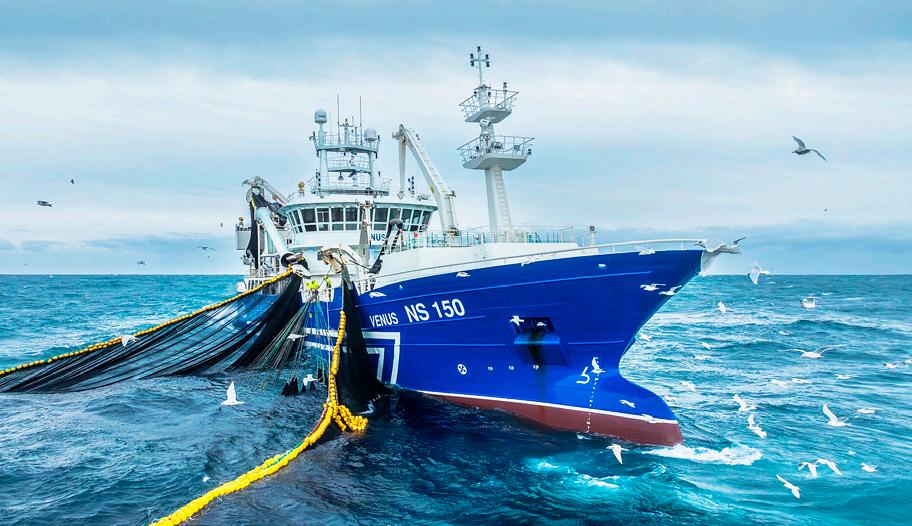
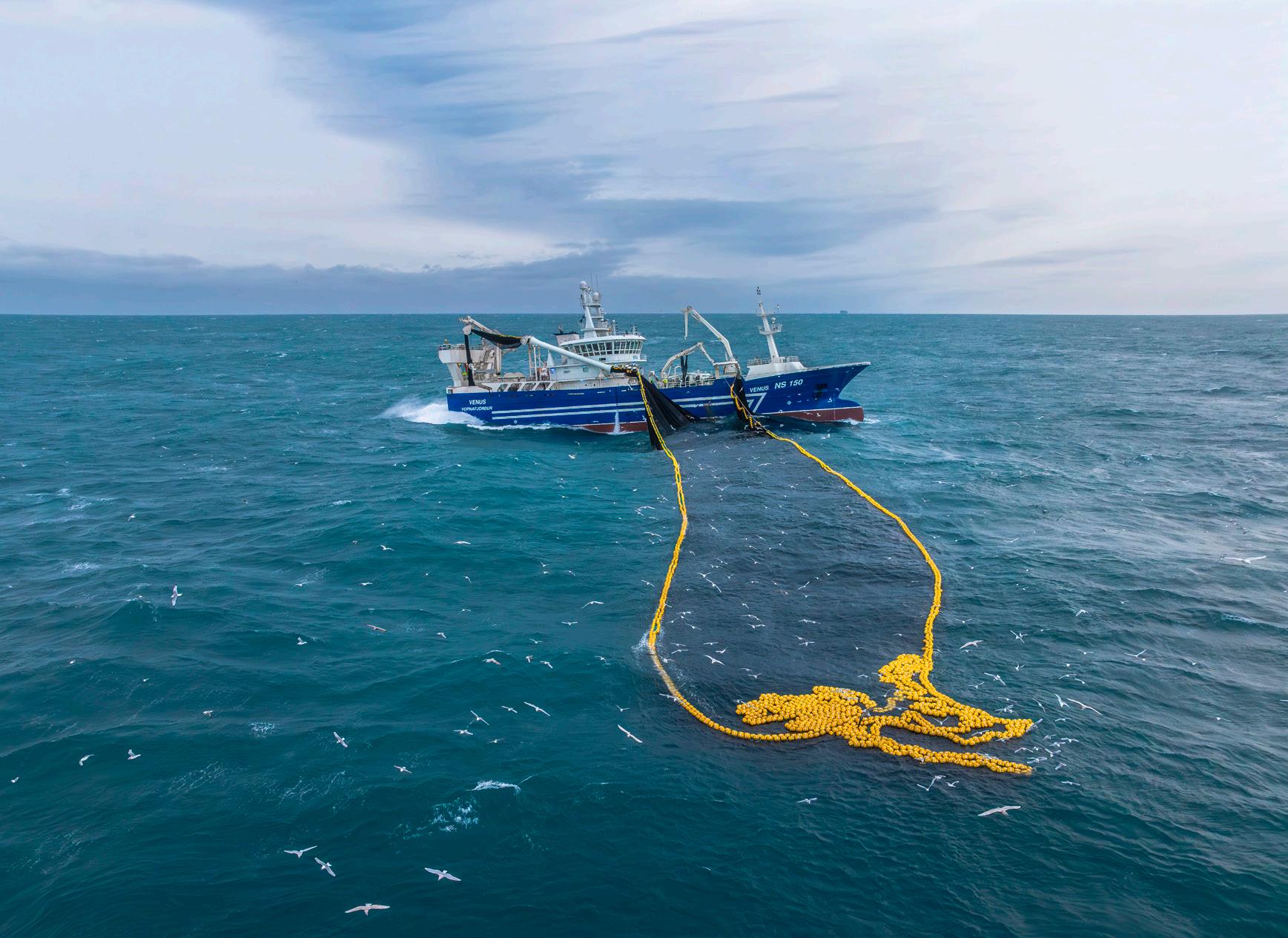
This year’s capelin season has just ended, following practically no fishing for this species in 2024 and 2025. During this latest season 19 Icelandic pelagic vessels landed a total of 152,000 tonnes, out of the overall quota allocation of 197,500 tonnes. A share of 5% of the fishery in Icelandic waters went to the Faroese fleet and Greenland gets an 18% share. The total of capelin landings in Iceland and the Faroe Islands came to 190,000 tonnes.
The general opinion among fishermen and fishing company managers is that this was
Publisher: Ritform ehf. Brekkutröð 4
605 Akureyri Tel +354 899 9865
Iceland ritform@ritform.is www.ritform.is
Editor: Jóhann Ólafur Halldórsson johann@ritform.is
Designer: Guðmundur Þorsteinsson
Advertising: Ingibjörg Ágústsdóttir, inga@ritform.is
a successful season in terms of both fishing and processing. Weather conditions were favourable for fishing and catches were ideally suited for freezing roe-bearing capelin and capelin roe at the tail-end of the season.
In historical terms, this wasn’t a large season on the scale the Icelandic fleet has experienced in the past, but it was crucial for the industry and for buyers of capelin products from Iceland. The expectation is that in the light of strong concentrations of juvenile capelin observed recently, the next season will be an even better one.
Printing: Ambientgrafic
Distributed free at the Seafood Expo Global/Seafood Processing Global in Barcelona in April 2026.


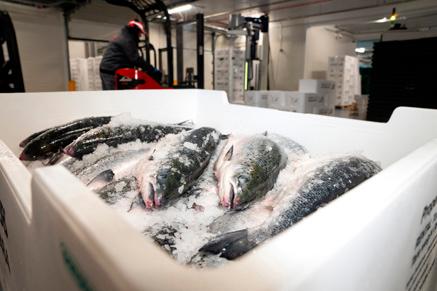
Staff at tub rental company iTUB have been calculating and examining the possibility of increasing the use of tubs in shipping farmed fish from producers to consumers, making this an alternative to the use of polystyrene boxes that are in widespread use both in Iceland and overseas.
According to iTUB business development manager Bragi Smith, the company’s trials have shown not only that it’s possible to reduce significantly the volume of packaging, cut the associated carbon footprint and minimise transport costs, but also that the temperature of salmon products from Iceland was lower on arrival at their destination than when expanded polystyrene was used.
Tub rental is pure circularity
‘Tub rental has been an accepted part of the whitefish business for decades and let’s say that this is one of the best examples we have seen of effective and successful circularity. The success of our system prompted us two years ago to work systematically on the possibility of offering this as a growing option for aquaculture. The outcomes we have seen from trials and the calculations we have done have given us very promising results,’ he said, stressing that iTUB’s aim is simply to offer a new and economically attractive shipping option, and not to criticise the use of polystyrene boxes.
‘Polystyrene boxes are excellent packaging for aquaculture products and will remain vital for air transport. On the other hand, we see that these aren’t the most economic choice for sea transport, where rental tubs outperform single-use polystyrene boxes,’ Bragi Smith said.
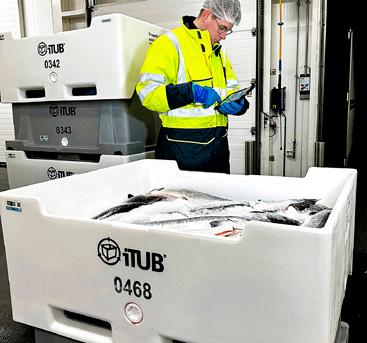
During iTUB’s recent trial project in collaboration with aquaculture producer Arctic Fish and a customer in the Netherlands, fish was shipped in the twin tubs that Sæplast recently started producing. iTUB uses only solid, fully recyclable Sæplast tubs for its rentals. These are 290-litre tubs that are stackable when empty, making them highly suitable for use as rental tubs and for shipping farmed salmon products internationally.
All Arctic Fish production is super-chilled after slaughter and today this is standard practice among Icelandic fish farmers.
‘The outcomes of the project are that by providing additional chilling after slaughter with slurry ice in the tubs, and siphoning off any meltwater before shipping in containers, we can maintain a product temperature of -1°C all the way to the destination. This is a key point and demonstrates that tubs are an excellent option for sea transport in chilled containers, as buyers in Europe tell us that it’s usual for salmon in polystyrene boxes to be at +1°C when it’s delivered after a 4-5 days in transit. If we can ensure chilled products by shipping in twin tubs, as our results indicate, then that improves the salmon quality,’ Bragi Smith said.
During a recent trip to Norway, Bragi Smith presented this shipping option to directors of number of aquaculture producers.
Super-chilling isn’t part of the process there, as it is in Iceland, but he commented that it’s clear this is a viable option for the Norwegian industry.
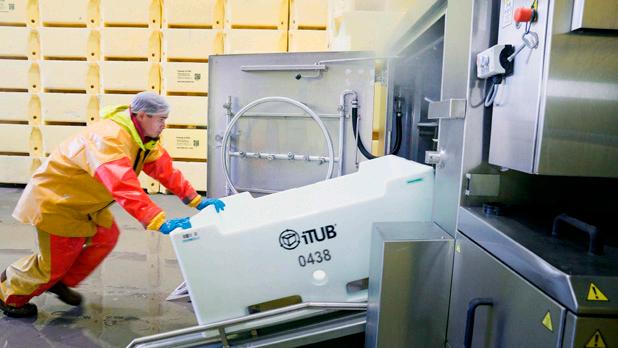
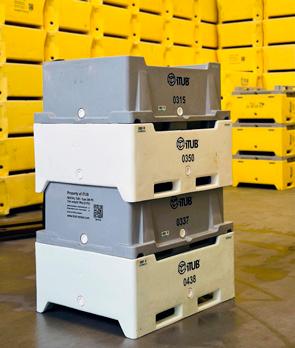
Once products reach their destination, tubs go to the nearest iTUB washing stationto be cleaned and returned for the next shipment of
‘The high usage rate of single-use packaging is very wasteful, and I saw examples of producers in Norway packing production in single-use packaging for delivery to a processors two hours away, which is questionable in both environmental and economic terms,’ he said, commenting that iTUB expects to soon begin trials shipping Norwegian farmed salmon in tubs, basing this on the company’s tub rental model.
‘Companies in the salmon farming sector have lofty ambitions of reducing their carbon footprint in the next few years, and if this change in shipping methodology results in both lower emissions and products that are better chilled on delivery, then everyone’s going to be paying this close attention. It’s more efficient as a larger volume can be carried in tubs, and there’s
an efficiency gain in that packing into tubs is quicker than with polystyrene boxes,’ he said, and pointed out that there’s a 2 million tonne salmon market in Europe, of which 1.5 million tonnes come from Norway.
‘If we look at this volume over a thirty-year period, then this demands a million tonnes of single-use packaging. To ship the same volume of farmed fish over thirty years would require just 22,000 tonnes of packaging using our tub system. This fact has a great deal to say about the gains to be made with a genuine change of direction in shipping these products,’ Bragi Smith said.
For more information: itub.is saeplast.is
The delectable aroma of saltfish filled the hall as twenty culinary students from across Italy gathered to compete for the best preparation of Baccalà Islandese—Icelandic saltfish. The competition is a collaborative project between Baccalà Islandese and FIC (Federazione Italiana Cuochi), aimed at introducing Icelandic saltfish to the next generation of professional chefs in Italy. Before the grand finale in Rimini, preliminary rounds were held at culinary schools nationwide, with only the winners advancing to the final stage.
The guest of honor for the event was the Ambassador of Iceland to Italy, Guðmundur Árnason. For him, the day held a deep personal connection. Having grown up around saltfish processing at his family‘s business in Eskifjörður, in East Iceland, the Ambassador is intimately familiar with the heritage and craftsmanship required to produce high-quality Icelandic saltfish.
In a brief address, the Ambassador noted that it has been approximately 100 years since Icelanders began exporting saltfish to Italy. He also highlighted the historical depth of this trade relationship, noting that Iceland‘s first consul in Italy, appointed in 1946, was Hálfdán Bjarnason, a saltfish merchant based in Genoa.
“I grew up in the fishing industry, and I know how much hard work goes into this production,” said Ambassador Árnason. “To see young Italian chefs working with traditional Icelandic saltfish in this way shows that the connection between our countries lives on through food culture and a profound respect for the raw ingredients.”
Leading the competition was Lorenzo Alessio, a member of the Italian National Culinary Team and a long-standing ambassador for Icelandic saltfish in Italy. Over the years, Alessio has visited Iceland to trace the product‘s origins, meet with producers, and experience the unique environment that defines its quality. This firsthand knowledge is then passed directly to the students through his mentorship.
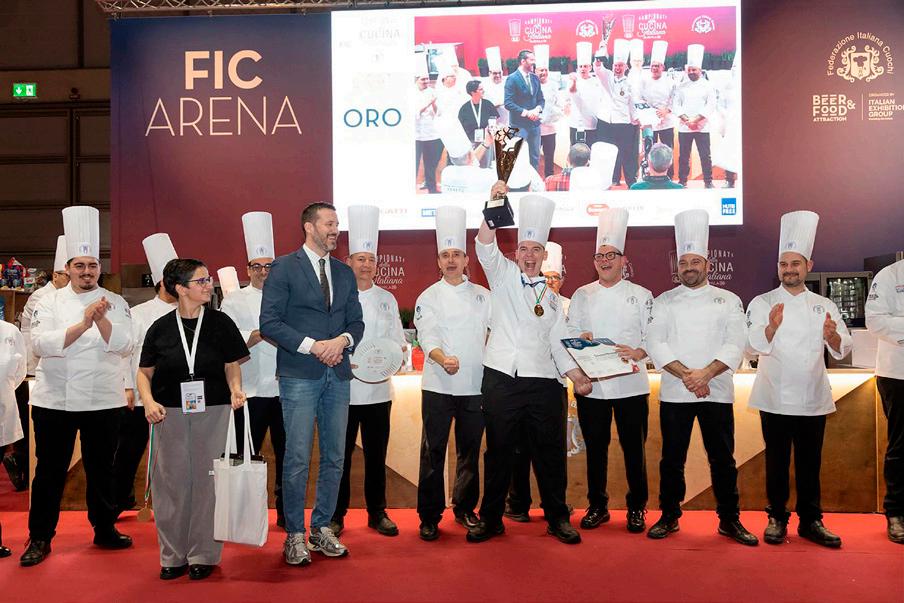
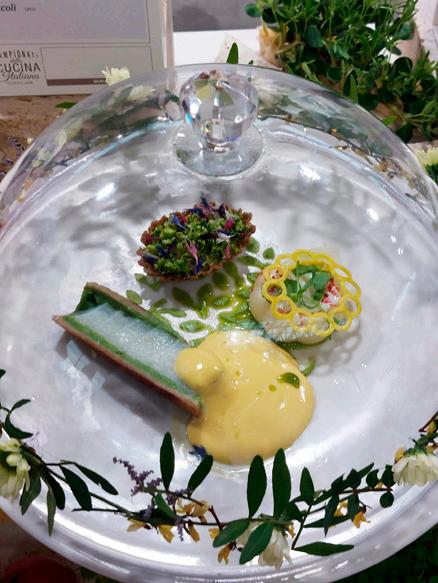
The competition winner was Giovanni Mercante from Vicenza, who impressed the judges with an exquisite dish. His prize is a trip to Iceland this September, accompanied by his instructor, where they will visit producers and experience Icelandic food culture firsthand.
“Markets are not built on business contracts alone, but through relationships and shared knowledge,” says Kristinn Björnsson, Project Manager at Business Iceland. “By collaborating with culinary students and professional associations, we are laying the groundwork for the future in one of Iceland‘s most important saltfish markets.”
Italian cuisine is globally renowned, influencing international restaurant culture and industry trends. By securing a place for Icelandic saltfish within this culinary tradition, its global standing is further strengthened. Projects like this are about more than just the Italian market; they are about anchoring premium and sustainable Icelandic ingredients in the international food culture of the future.
Kristinn Björnsson, Project Manager at Business Iceland, here with the competition winner, Giovanni Mercante from Vicenza, and other participants.
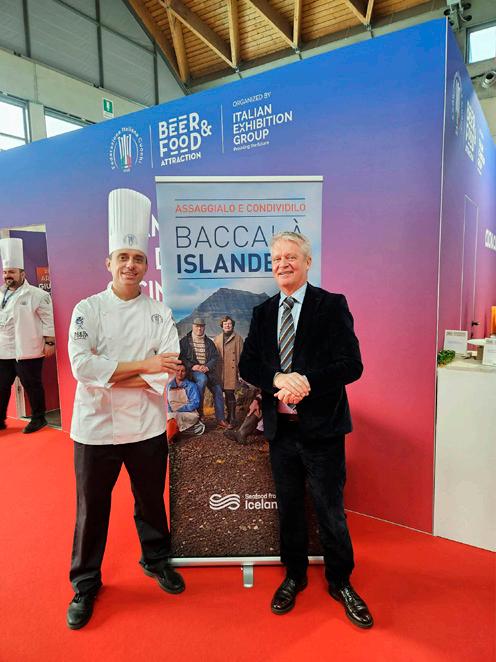
Guðmundur Árnason, ambassador of Iceland to Italy, was the guest of honor for the event.
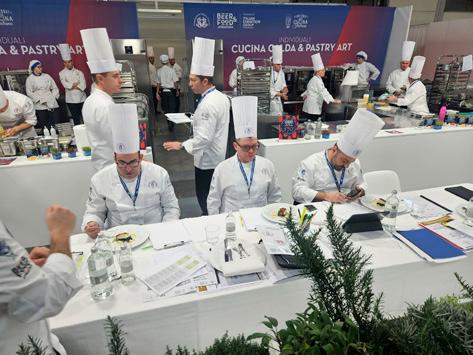
The Cooking competition judges had a hard work finding out who was the competition winner.
Our mission
• To document well managed Icelandic fisheries to the highest level of assurance
• To preserve the fisheries managament principles adopted by the international community
• To offer our customers choice in certification‘
A clear focus on internationally accepted criteria – FAO criteria
• The IRF foundation is the owner of the IRFM Management Standard and the Chain of Custody Standard, which in turn, are based on The 1995 Code of Conduct for Responsible Fisheries as well as the FAO Guidelines for the Ecolabelling of Fish and Fishery Products from Marine Capture Fisheries published in 2005 and in an updated and extended version in 2009
Third Party Certification
• The programme utilizes a Certification Body, accredited by ISO, to independently manage the certification and assessment methodology used to assess and certify Icelandic fisheries.
Two complementary Standards
• Fisheries Management Standard
For fisheries of Icelandic vessels within the Icelandic EEZ and for the pelagic fisheries of shared stocks by Icelandic vessels in the High Seas.
Sets out the requirements that must be achieved for becoming an RFM certified member.
• Chain of Custody Standard
Provides the fishing industry with a clear statement of the requirements to be achieved by the applicants to gain the Chain of Custody certification.
An independent audit is carried out by an approved Certification Body to verify that those requirements have been achieved. The Standard gives assurance to a labelled certified claim on a seafood product, that the product originates from a certified responsible management fishery
As a result: the adoption of a robust and meaningful third party certification system, specific to the needs of Icelandic fisheries.
certification mark
The certification mark can be used to identify the catch from certified fisheries which have been certified according to the Icelandic Responsible Fisheries Management Standard. For seafood products that are not processed in Iceland, same rules apply as for those processed by Icelandic producers.
The Board of the IRFF authorizes other organizations to use the certification mark to identify their products or services if they fulfil the conditions set in these rules.
Fisheries operators or processors that have a valid fishing licence or processing licence as appropriate, issued by the Icelandic authorities, are authorized to use the certification mark on those products, provided that they are able to demonstrate accepted traceabilit systems.
Stakeholders that apply for a permit to use the certification mark must have a valid Chain of Custody certification based on the Responsible Fisheries Management Chain of Custody Standard.
IRFM certified fisheries
Cod
Haddock
Saithe
Golden redfish
Ling
Herring
Tusk
GSSI recognized since 2016
• GSSI is a global platform and partnership of seafood companies, NGOs, experts, and governmental and intergovernmental organizations.
• The mission of GSSI is to ensure confidence in the supply and promotion of certified seafood by increasing comparability and transparency in seafood certification
• The GSSI Benchmark tool gives formal recognition to seafood certified schemes.
• GSSI recognized fisheries certification schemes are considered equivalent with respect to credibility, by fulfilling the criteria established in internationally accepted reference documents, such as the FAO Guidelines for the Ecolabelling of Fish and Fishery products from Marine Capture Fisheries.
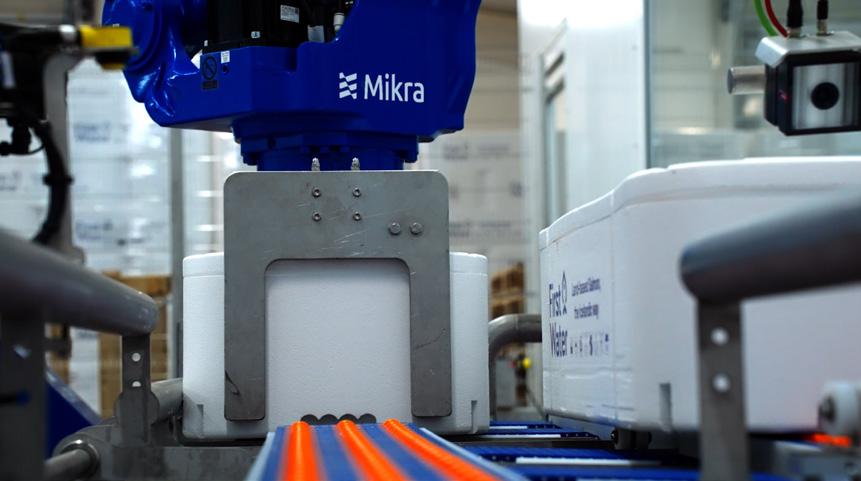

We develop and deliver processing equipment designed for reliability and performance.

We work closely with customers to understand their operations and design systems accordingly.
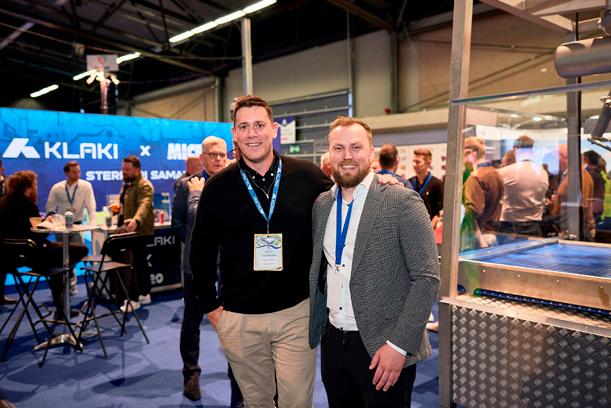
Mikra was formed through the merger of Micro and Klaki, bringing together decades of experience in seafood processing, mechanical manufacturing and industrial automation. The combination unites proven processing heritage from both offshore and onshore environments with broad technical capability across machine building, controls, software and system integration.
The result is a stronger partner for processors looking for reliable equipment, smarter automation and complete solutions from a single source.
A unified company with a broader offering
The creation of Mikra reflects a deliberate step towards aligning capabilities and simplifying how customers engage with the company.
“We are bringing together two highly complementary organisations,” says Óskar Pétursson, Chief Commercial Officer of Mikra and former CEO of Klaki. “Micro has a strong background in processing equipment and control systems integration, while Klaki has been focused on automation and robotics. As Mikra, we can now offer a more complete and integrated solution.”
From an operational perspective, the merger also strengthens execution and delivery.
“Operating as one company allows us to work more efficiently across engineering, manufacturing and implementation,” explains Gunnar Óli Sölvason, Chief Operating Officer of Mikra. “It gives us better control of the full process—from design through to installation and support.”
Focus on salmon processing
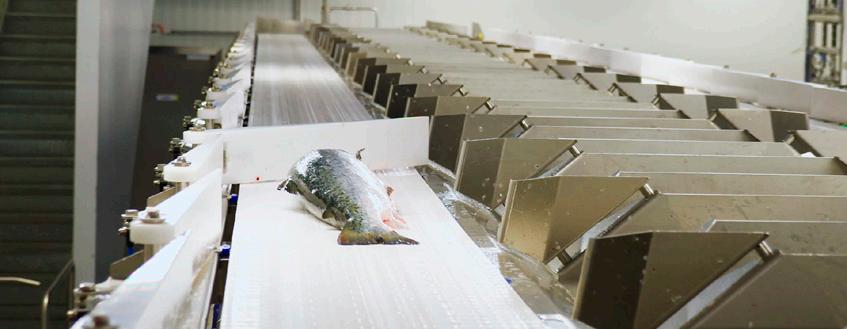
Salmon remains a key focus area for Mikra, where the company sees continued demand for efficient, high-quality processing solutions.
“Salmon processors are constantly working to optimise yield, throughput and product quality,” says Gunnar. “Our role is to support that with robust equipment and wellintegrated systems that perform consistently under real production conditions.”
By combining experience from both companies, Mikra is able to approach salmon processing with a broader technical foundation.
“We understand both the mechanical and the digital aspects of processing,” adds Oskar. “That allows us to design solutions that are not only efficient, but also adaptable to different production setups and raw material conditions.”
Processing equipment and system integration
Building on its combined heritage, Mikra
continues to develop and deliver processing equipment designed for reliability and performance.
“We work closely with customers to understand their operations and design systems accordingly,” says Gunnar. “Whether it’s standalone equipment or complete processing lines, the focus is always on long-term performance and ease of operation.”
The company’s approach emphasises integration—ensuring that different parts of the process work together as a cohesive system.
“Customers are increasingly looking for complete solutions rather than individual machines,” says Oskar. “With Mikra, we are well positioned to deliver that.”
Automation is a key area of development for Mikra, both in land-based processing facilities and on board fishing vessels.
One example is the company’s work on automatic tub handling systems for vessels.
“Handling of raw material on board is critical for both efficiency and quality,” says Oskar. “By automating these processes, we can reduce manual handling and create more consistent workflows from the very start of the value chain.”
These systems are designed to improve working conditions, optimise space utilisation and support better product handling at sea.
“It’s about making operations smoother and more predictable,” Gunnar adds. “That has a direct impact on both efficiency and end-product quality.”
The integration of robotics and advanced control systems is becoming increasingly important across seafood processing.
Managers at Mikra; Óskar Pétursson, Chief Commercial Officer and Gunnar Óli Sölvason, Chief Operating Officer.
“Automation is evolving quickly, and the industry is adapting,” says Oskar. “Labour availability, consistency requirements and efficiency targets are all driving this development.”
Mikra’s solutions incorporate robotics where it adds clear value—particularly in handling, sorting and repetitive processing tasks.
“Our focus is on practical automation,” says Gunnar. “Solutions need to work reliably in demanding environments and handle the natural variability of seafood products.”
With its combined expertise and expanded capabilities, Mikra aims to be a dependable partner for seafood processors looking to develop and future-proof their operations.
“We are focused on building long-term relationships with our customers,” says Oskar. “That means delivering equipment and systems they can rely on, and supporting them as their needs evolve.”
“Our strength is in combining experience with new technology,” Gunnar concludes. “That’s what allows us to continue advancing seafood processing in a practical and meaningful way.”
For further info: www.mikra.is
















































































COME AND MEET US IN BARCELONA, ON APRIL 21-23, AT BOOTH






























































































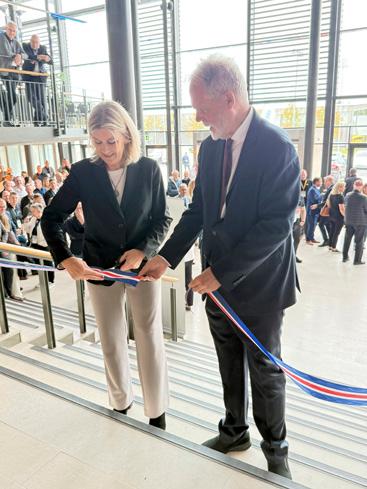
Ritsýn managing director Ólafur M Jóhannesson and Minister of Industry Hanna Katrín Friðriksson open the Icelandic Fishing Expo 2025 in the Laugardalshöll sports and exhibition venue.
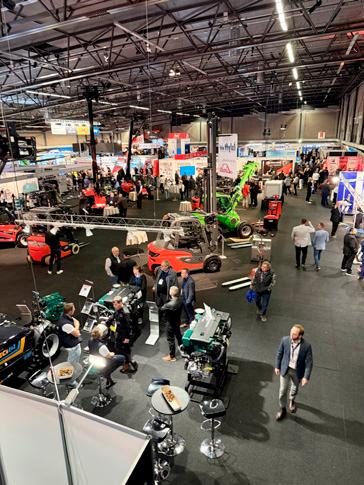
Ritsýn manages a broad variety of events that always attract strong attendance.
Exhibition specialist Ritsýn is Iceland’s leading provider of trade and product fairs, with a 28-year track record of hosting events. The company has met the needs of the health, catering, transport, finance, agriculture, environment and fishing sectors with a long series of successful exhibitions.
The largest facilitator in this field in Iceland, Ritsýn sees a major component in its success as its policy of providing exhibitors with unlimited guest passes to events – at no additional cost. Exhibitors also receive invitations for their staff to events as well as to opening receptions.
This year Ritsýn is holding the Icelandic Agricultural Expo 2026, scheduled to take place 9-11th October. This follows the resounding success of the 2022 event that achieved a footfall of 80,000 visitors, a record for any trade show held in Iceland.
Also due to take place this year is the Commercial Kitchen 2026 event, to be held 5-6th November, and geared to the professional catering sector. This is an exhibition that has taken place in alternate years since 2005. The fact that it has grown consistently year-on-year clearly demonstrates that this event is successfully reaching its target demographic of schools, workplaces, bakeries, catering facilities and the wider food industry.
Upcoming events include the Industrial Show 2027, scheduled for 16-18th September 2027, and the Iceland Fishing Expo, 20th-22nd September 2028.
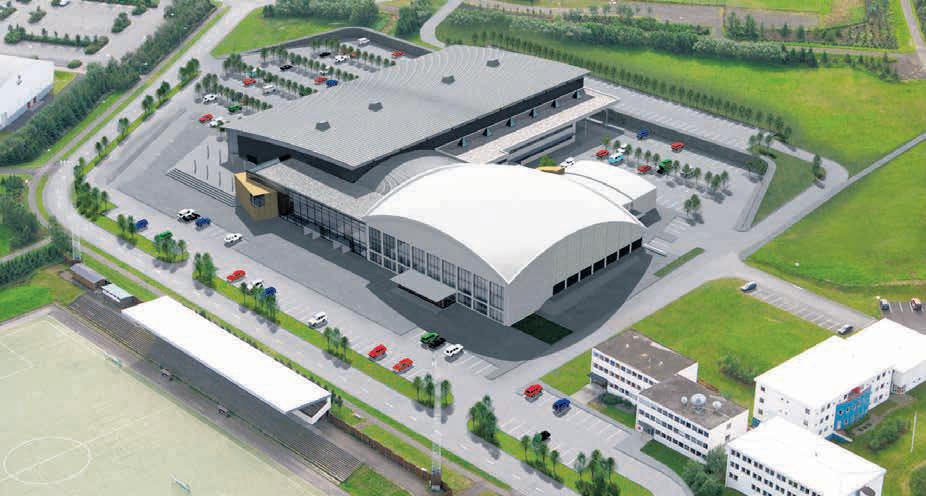
All of Ritsýn’s events take place in the city of Reykjavík’s premier venue, the Laugardalshöll sports and exhibition hall, located close to downtown Reykjavík and within walking distance of several major hotels and attractions.
We hope to see you at our trade shows in the future.
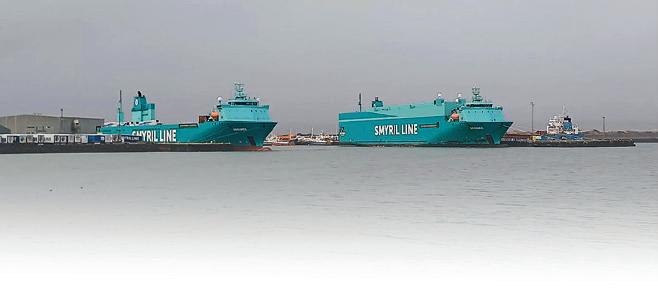

ÞORL Á K S HÖF N - the future location for your company?
Port of Þorlákshöfn WE WELCOME YOU TO
We offer first-class port services on the south coast of Iceland
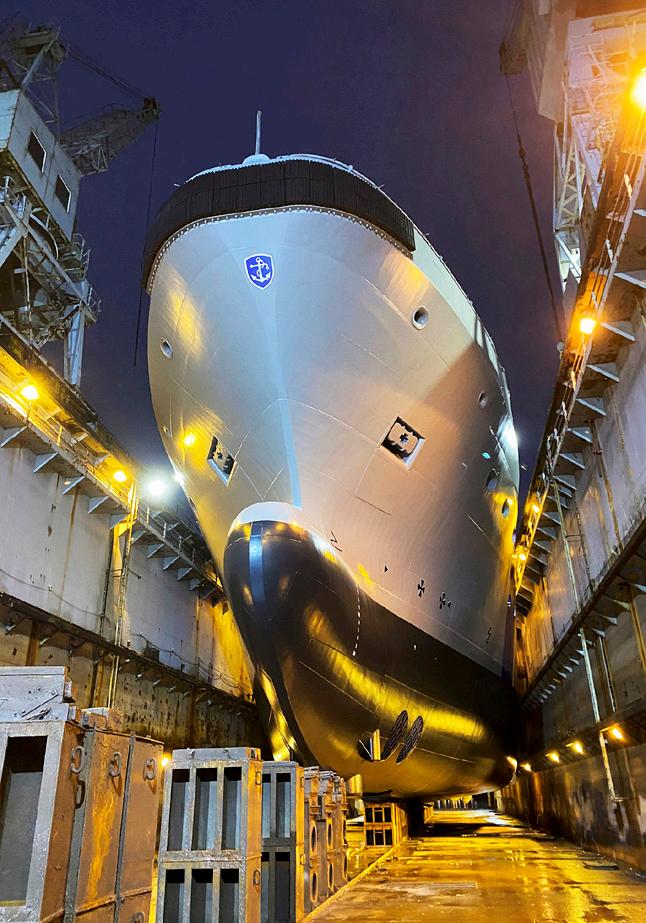
Hafnarbakka 8 - 815 Þorlákshöfn - Tel.: +354 893 3659 - hafnarvog@olfus.is - www.olfus.is
In aquaculture, pumping equipment plays a critical role in daily operations. Pumps are used to transport seawater, freshwater, and biomass, and are also integral to support systems such as recirculation, oxygenation, and by-product handling. The reliability and proper design of pumping systems have a direct impact on production stability, fish welfare, and energy efficiency.
When selecting pumping equipment, several factors must be considered, including flow rate, pressure, fluid viscosity, temperature, and corrosion exposure. In marine and organic environments, material selection and surface treatment are particularly important. Poor design or incorrect equipment selection can result in increased wear, energy loss, and more frequent failures.
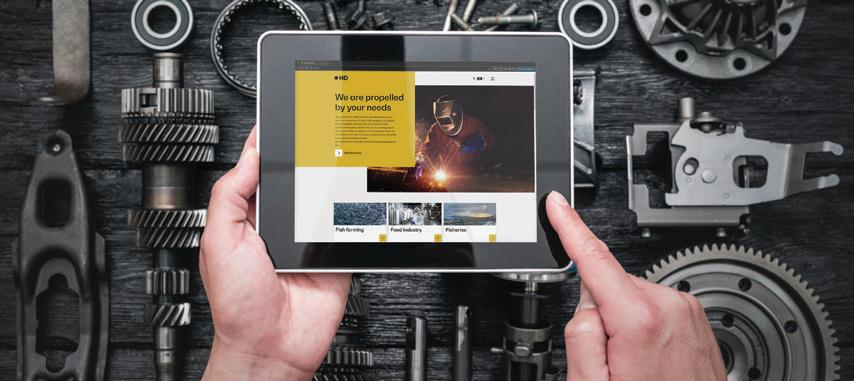
HD Industrial and Technical Services has for many years developed solutions for the fishing and aquaculture industries, with a strong focus on designing pumping systems tailored to Icelandic conditions. The company works with recognized manufacturers and provides professional guidance based on real operational requirements.
In recent years, condition-based maintenance has become increasingly important in aquaculture. Through regular monitoring of vibration, temperature, load, and other operational parameters, it is possible to assess the condition of equipment in real time and detect deviations at an early stage. This enables preventive action before failures occur. In addition, condition monitoring reduces unplanned downtime, improves maintenance planning, extends equipment lifespan, and enhances operational reliability.
In operations where continuous water flow is essential for biomass welfare, even short interruptions can have significant consequences. The combination of well-designed pumping systems and systematic condition monitoring is therefore a key factor in ensuring safe and efficient aquaculture operations.
HD provides both pumping equipment and solutions for condition monitoring and maintenance in aquaculture and the seafood industry. If you are facing operational challenges or have questions regarding equipment and performance, the HD team is ready to review your needs and support you in finding the right solutions.
Info: HD.is / sala@hd.is

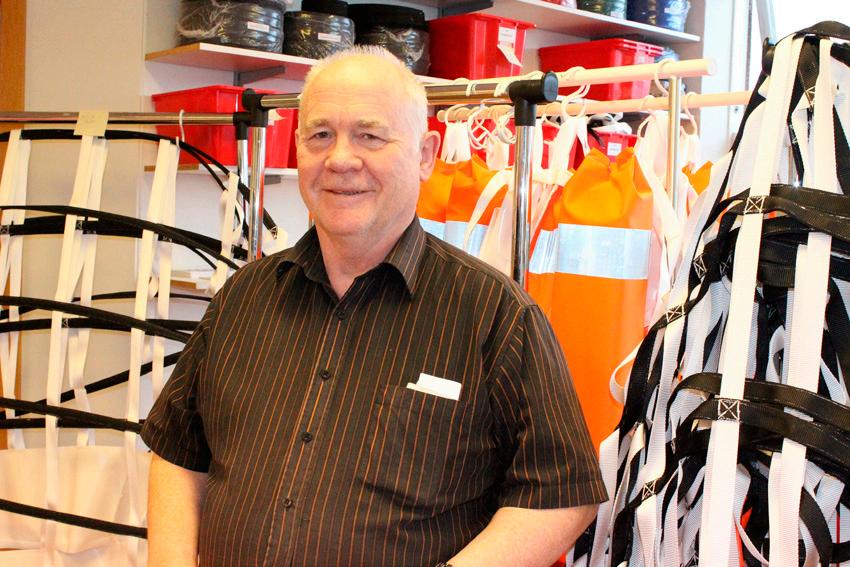
With its origins in the port of Hafnarfjörður, Markus Lifenet’s managing director, Pétur Pétursson is justifiably proud of the company’s achievements. Although it hasn’t always been an easy ride, the company has grown steadily over the past decades. Today it has a staff of 6 and customers around the world.
Prospects for the company look good and Markus Lifenet certainly enjoys an added prominence since they were asked to take lead in development of new ISO standards for means to recover people from water, as follow up to the new SOLAS regulation III/17-1. This role brought a new focus to the company and its frequently pioneering work. Pétur Pétursson said that in compiling the new ISO standards, the emphasis has been placed on the human element and in particular on generating a safety culture, as safety at sea is not something to be taken lightly.
Simple
‘It’s not always obvious that someone preparing to enter into freezing water to rescue a fellow crewman or person in need for help, will always know just how to react to an emergency. Not everyone has the
courage or the clarity of thought that this kind of incident requires, but our person in water recovery system Markusnet, has repeatedly proved its worth under the harshest conditions. It’s a portable and simple piece of equipment that has the added advantage of being effective and relatively cheap compared to some products on the market. Most of our person in water recovery systems are designed so that one crewman can deploy them in a matter of seconds, and for two to four crewmen to lift the victim back on board manually. A light deck crane can also be used to retrieve the victim,’ he said.
It is now 40 years since skipper Markus Thorgeirsson began developing the prototype Markusnet, designed specifically for recovery of persons from the sea in rough sea conditions. At the time, the idea was seen as innovative while also being simple. Since then, the Markus Lifenet products have become an important part of the array of recovery equipment that commercial vessels carry, thanks to Markus Thorgeirsson’s vision and confidence in his idea, as well as Pétur‘s relentless drive to collect and distribute information on techniques and knowhow to recover people from water and floating objects over the last 30 years.


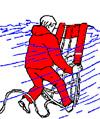
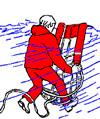
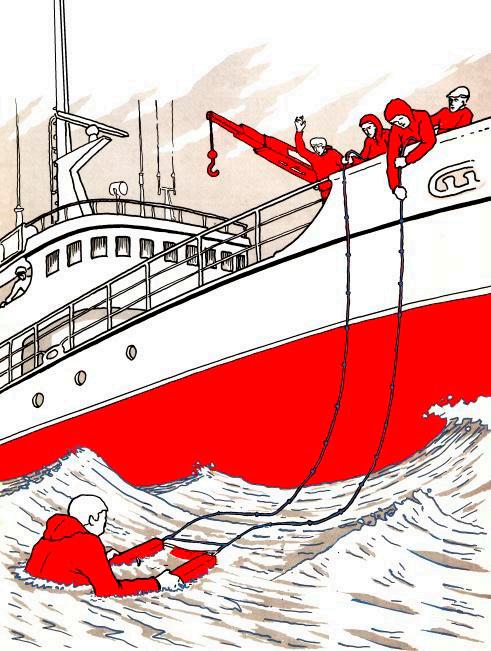
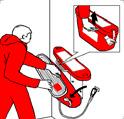

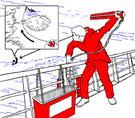
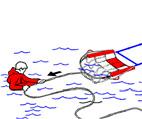
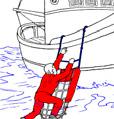
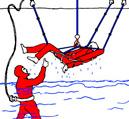
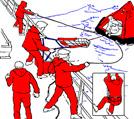
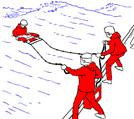

Photo: Þorgeir Baldursson
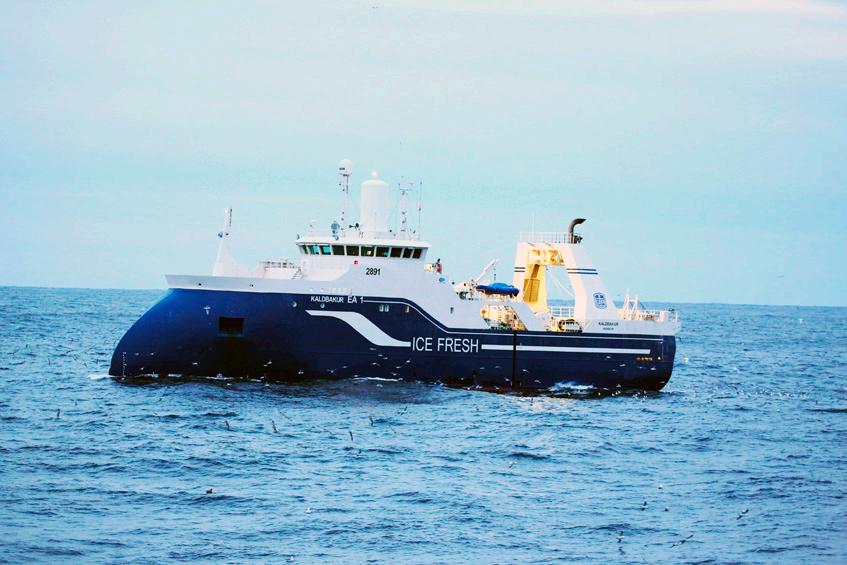
Overall catches from Icelandic waters in 2025 totalled approximately a million tonnes, which is a roughly 4% increase on the previous year. There was a marginal reduction in catches of cod, haddock and saithe compared to 2024, or 1-2% for each species, but a commensurate 1-2% increase in landings of other demersal species. Flatfish catches dropped by 17%, around 400 tonnes, over the same period.
Analysis of tea temperature and salinity around Iceland has been conducted three or four times every year since 1970, closely monitoring developments and changes in the marine environment. This February’s measurements showed unusually high sea temperatures and salinity levels, which have their origins further south in the Atlantic Ocean. These figures are in line with those obtained over a long period, showing a general increase going back to 1970, although there are significant fluctuations from year to year.
‘The positive departures from the averages for both temperature and salinity recorded deep in the Atlantic water column indicate an increasing large-scale oceanic warmth shift to the north which could affect
The increase in overall catch is attributable primarily to pelagic fisheries, and despite the 40,000 tonne reduction in blue whiting over this period, the herring catch in Icelandic waters increased by 29%, or around 40,000 tonnes. The largest proportional increase was in the mackerel catch which increased by 45% to approximately 130,000 tonnes last year. On the other hand there was practically no fishing for capelin last year, with just 4800 tonnes landed.
weather in Iceland and over a wider area. The average air temperature in Iceland in 2025 was the highest ever recorded,’ states a report by the Marine and Freshwater Research Institute following the annual winter survey in February, and the report also sets out that environmental monitoring is vital to enable variations, fluctuations between years and changes in the marine environment to be understood.
An environmental group dedicated to cleaning up the country’s beaches, raising environmental awareness and supporting responsible use of the ocean and coasts has been active in Iceland for many years. This is the Blue Army, and its activities were recently supported with a grant from Fisheries Iceland.
The Blue Army’s work began in 1995 and it became a formally established social enterprise in 1998. The founder and director to date is Tómas J. Knútsson. He has been an engineer, fireman, paramedic, sport diver and Hazmat technician. He began diving as a hobby in 1975, while his interest in environmental issues was sparked while he was taking a PADI diving instructor’s course in 1991, around the time that PADI set up its Project Aware initiative.
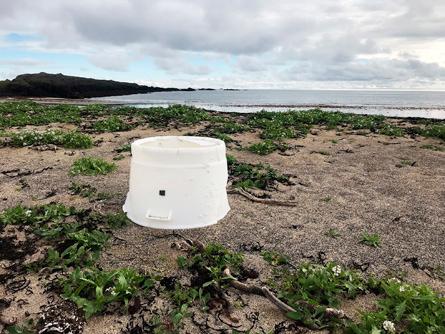
activities began, more than 76,000 working hours have been dedicated to around 300 projects around Iceland by 9600 volunteers. This has served to remove more than 1550 tonnes of garbage from the Icelandic environment.
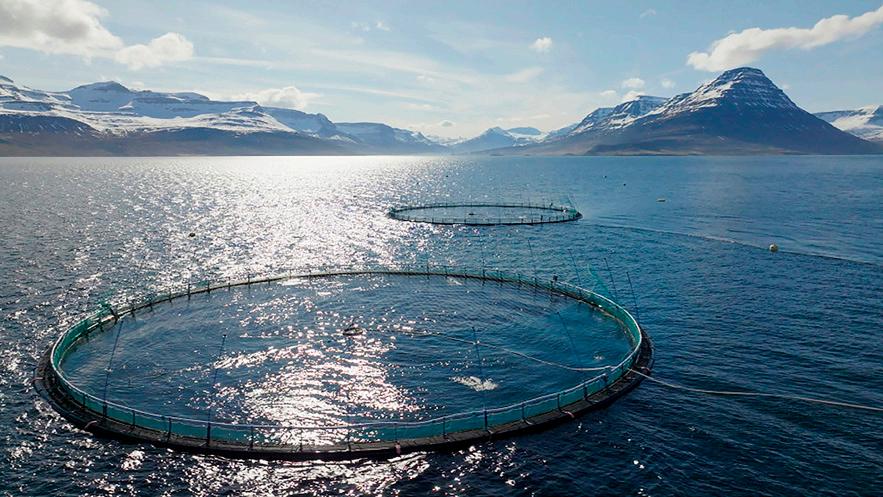
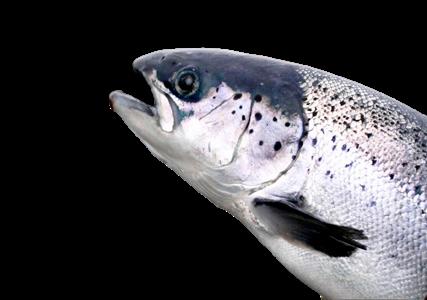
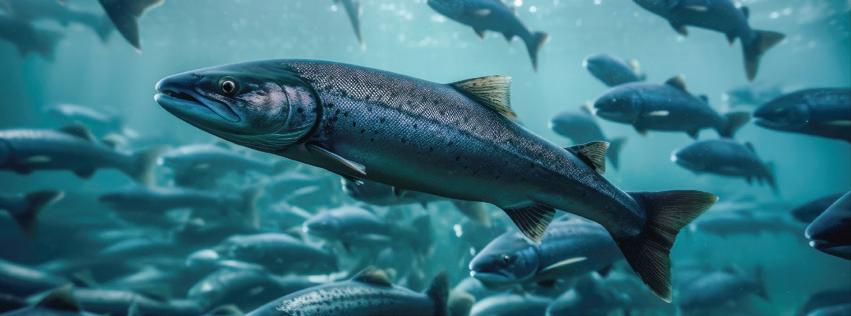
Iceland’s aquaculture output grows by the year and 2025 set a new record at 64,400 tonnes. The majority of this was accounted for by 58,700 tonnes of salmon, while Arctic char production totalled 5100 tonnes.
There has been a great deal of growth in aquaculture over the last decade, as production began to increase from 2016 onwards, after having been static for around a decade prior to that. During that time, production was between 5000 and 10,000 tonnes annually, often with Arctic char accounting for the largest proportion.
Production of sea-reared salmon began to take off in 2016. That year 7200 tonnes were produced, since rising to a record 54,500 tonnes in 2025. All of this production is from two areas, with 34,000 tonnes produced in the Westfjords and 20,000 tonnes in the Eastfjords. Three aquaculture companies
operate in the western region and one in the east.
There has also been rapid growth in the land-based salmon sector, which is starting to show figures that are going to be increasingly predominant in the coming years as new land-based facilities are being commissioned. Land-based production has more than doubled in three years, from 2000 tonnes in 2022 to 4200 tonnes in 2025. These producers are based in other parts of the country, with the bulk of last year’s land-based production from the northern region. The number of facilities currently under construction indicates that the greatest growth in this sector is likely to take place in the southern and south-western regions, while production of sea-reared salmon is also set to increase significantly in coming years.
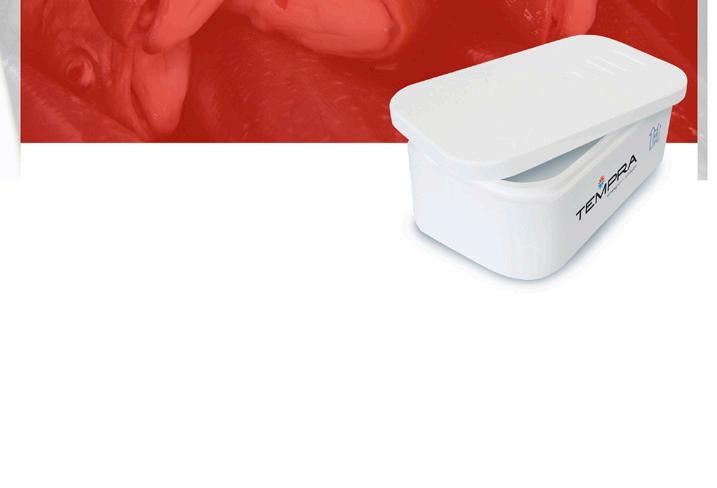
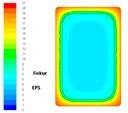
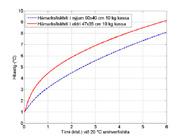
The 60 x 40 fillet boxes from Tempra are more efficient, stronger and provide longer shelf life
The 10, 13 and 15 kg box-line is designed to maintain freshness of food longer than comparable packaging.
Advantages of the new boxes are the following: increased length and capacity lead to better treatment of products long fillets fit easily within the box more space for ice or ice packs box size is 60 x 40 cm, with better pallet stackability design of the corners makes boxes stronger than before increased box strength allows higher pallet level better insulation achieved with denser stacking on pallets rounded corners increase insulation and extend product shelf life
With the Tempra fillet boxes Icelandic fish can now be delivered fresher than ever to consumers worldwide.
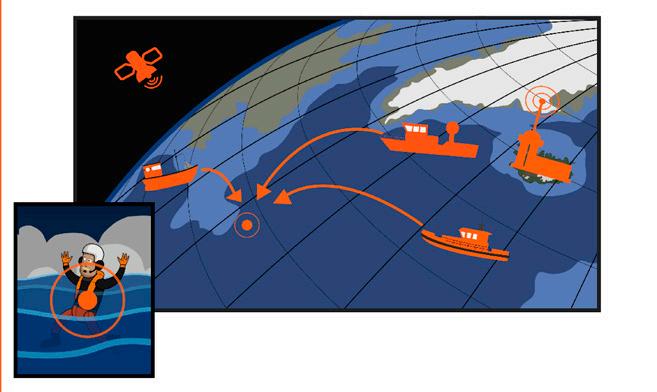
This is how Sjókall works, but transmitting an alert within seconds of a crewman falling overboard.
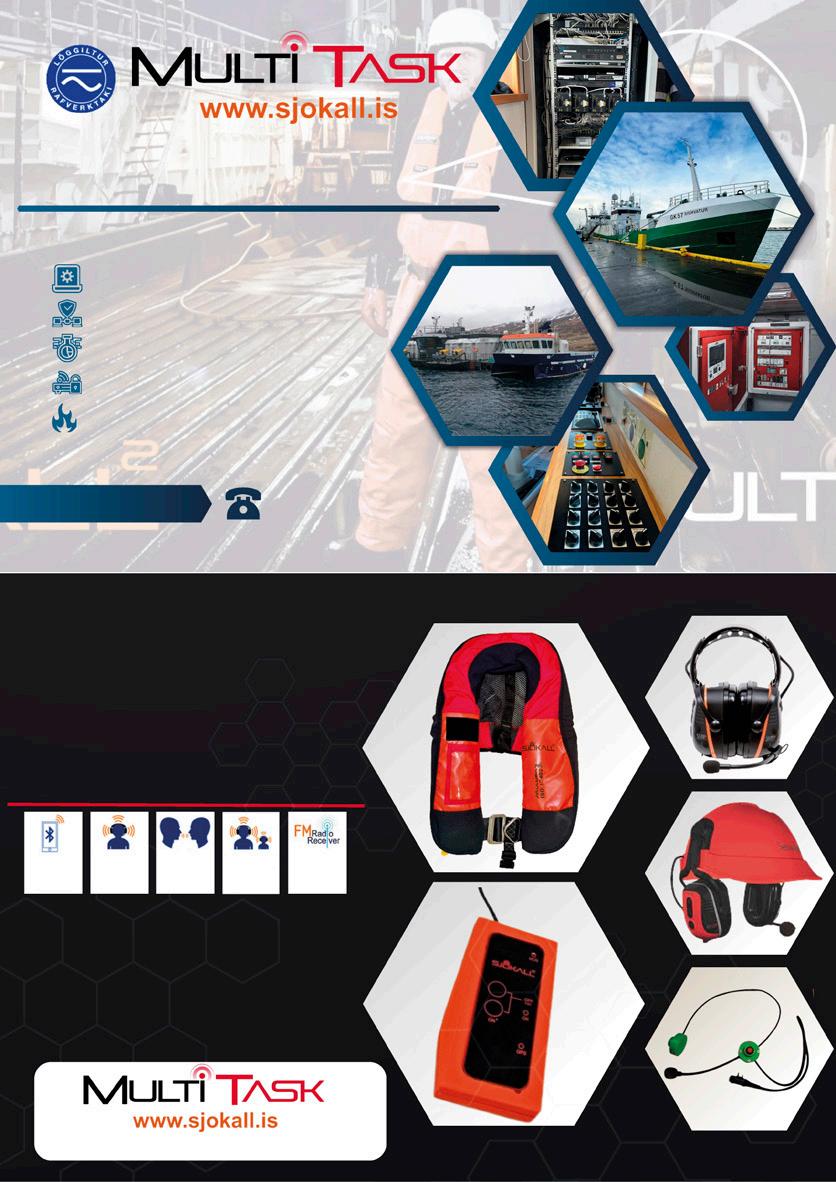
Icelandic company MultiTask has been producing safety equipment for many years under its Sjókall brand. This is a transponder that is attached to a life vest, designed to be triggered if the wearer falls overboard. The Sjókall unit transmits an alert to the ship’s VHF and to its AIS receiver within twenty seconds of an incident. It also transmits a GPS position that can be seen on the vessels communications systems and tracked on the plotter. The GPS position is refreshed every minute for the first thirty minutes, and then at five-minute intervals after that to conserve battery power.
‘Safety at sea has always been a preoccupation for me, and while MultiTask has developed in a variety of other directions,
Sjókall has always been a steady feature of our activity. We have also manufactured comms systems for deck helmets, lights for helmets and other items related to fishermen’s working environment,’ explained MultiTask managing director Heimir Snær Gylfason.
MultiTask’s Sjókall MOB alert system is in widespread use on board fishing vessels, and is now also being installed across the network of lifeboats operated around the coast of Iceland by Landsbjörg. Sjókall is a vital piece of safety equipment whenever there is a need to respond to an incident at sea and when every second counts towards saving a life.
More information: www.multitask.is
Marine
Imaging
Networking
VHF
Fire
Our Services:
Metalwork & Custom Design
Pumps, Motors & Drives
Condition Monitoring
Piping Systems
Valves & Actuators


Spare Parts & Preventive Maintenance