Charmyne Goodfellow, Senior Director for Finance & Administration
Richard J Ring, Senior Director of Library and Museum Collections
Sarah Jane Carr, Senior Director for Advancement & Public Engagement
Anne Conway, Senior Director of the Museum of Work & Culture
AN EPISTOLARY REFLECTION
Interview by C. Morgan Grefe, Ph.D., Executive Director
Lately, when I’ve mentioned to folks that I have been with the RIHS for 21 years, they have been amazed at how long I’ve been with the institution As many of you know, however, I am not even the longest-serving employee at this time, with some at 25 years and others nearing 30! And for some, even if they leave regular employment with us, they remain deeply connected to the organization. Such is the case with the esteemed Dr. Elizabeth Stevens, who happens to be on the verge of retirement as the editor of Newport History, with her last publication being a special issue of our joint journal, The Bridge. You might recognize her name as having been the editor of our journal, RI History, for many years. But her history with the organization goes back well before taking that post. In honor of marking our nation’s 250th, and to mark Elizabeth’s full retirement, I thought it would be nice to take a look back with her at what enticed her to join the RIHS team.
You joined the RIHS team many years ago. What brought you to the RIHS?
I discovered the field of historical editing when I was living in New York City in the 1970s. Although I had a full-time job at a K-12 school, I worked informally in my spare time for a project that was collecting and transcribing the letters and papers of Lydia Maria Child, the nineteenth-century abolitionist and author. Through my pro bono work for the Lydia Maria Child papers, I was hired as a lowly member of the staff of the William Livingston Papers, based at New York University Livingston was the governor of New Jersey during the Revolutionary War I found that I enjoyed transcribing eighteenth- and nineteenth-century handwriting I also really liked that the editorial staff at the Livingston Papers worked together as a team. On a visit to a friend living in Rhode Island, I fell in love with Providence. I moved there in the Fall of 1978. The editor of the Livingston Papers, Carl Prince, put in a word for me with Richard Showman, editor at the Papers of General Nathanael Greene based at the Rhode Island Historical Society, and I was hired at the Greene Papers on a part-time basis. I also worked at a cheese store on Thayer Street and typed papers and manuscripts for students and professors at Brown, to scrape together a livable income.
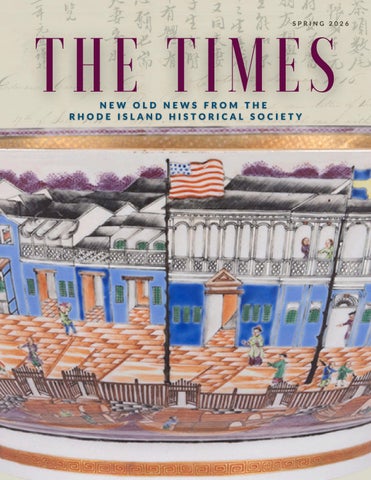
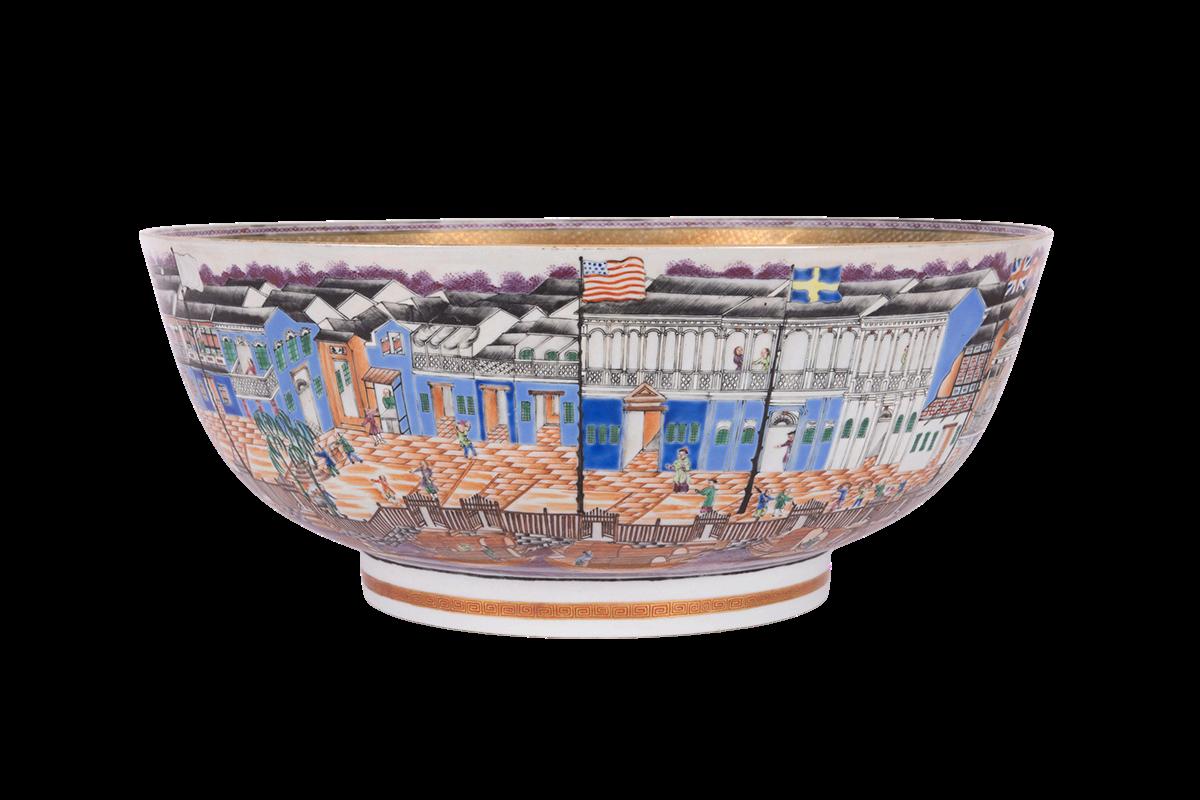
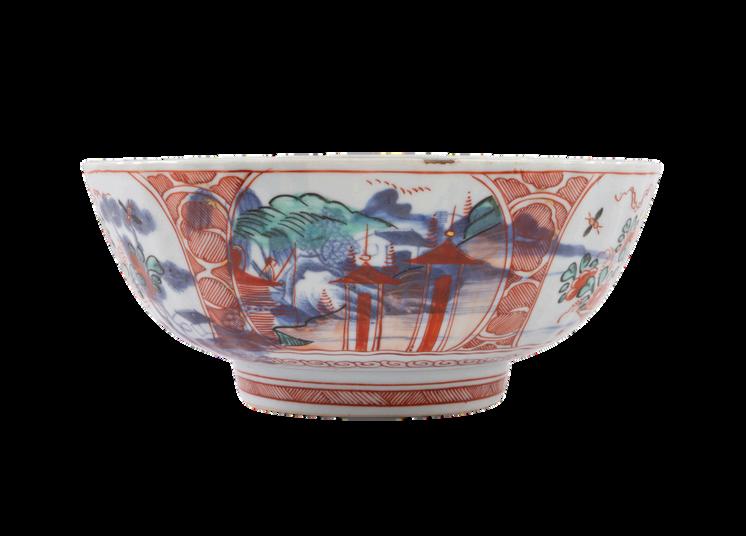
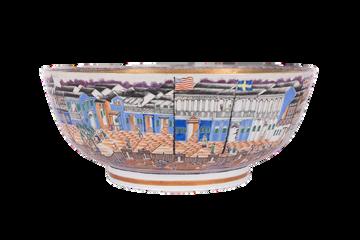
Cover: The Hong Bowl - On display in the John Brown Houses exhibit, Rhode Island’s First Adventures to China
So, in the 1970s, you were working on the papers of two persons intimately involved in the American Revolution. What was the tenor of those projects around the bicentennial? Were folks excited to be exploring these stories? Or was it a purely intellectual exercise?
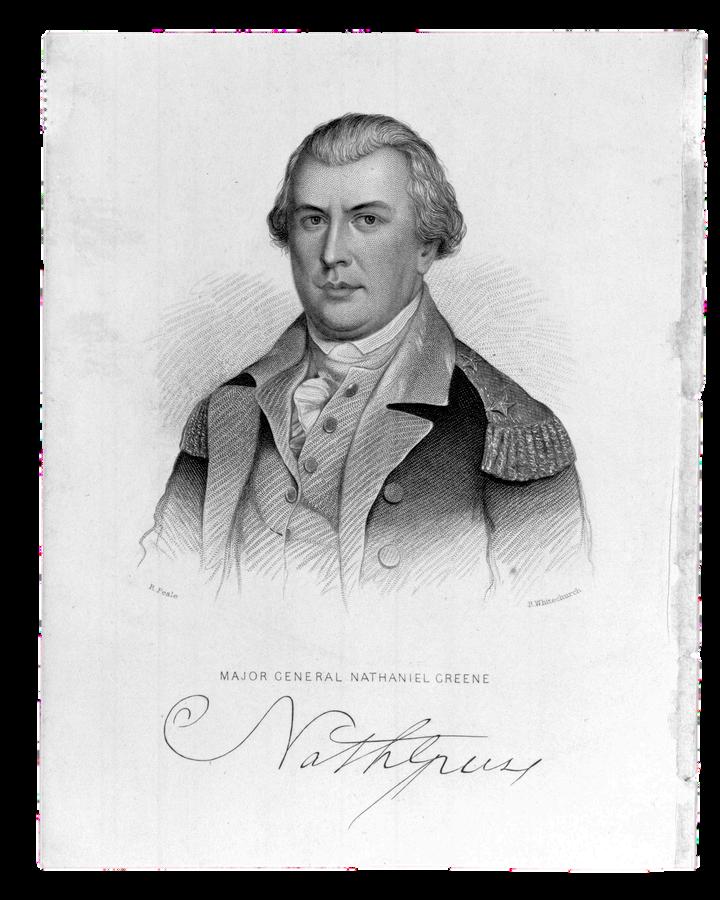
The Papers of General Nathanael Greene at RIHS began in the early 1970s. Then RIHS director, Albert T. Klyberg, launched the effort and secured funding, not only from the National Historical Publications and Records Commission (NHPRC), but also from many local groups like the Society of the Cincinnati and the Daughters of the American Revolution. This project was somewhat unique because, unlike other luminaries of the Revolutionary War and early Republic era, Nathanael Greene was not well known outside of, or maybe even inside of, Rhode Island He was one of the key players in the war and was a close associate of George Washington. He had been a general from the beginning of the conflict, and then took an important post as Quartermaster General. After Yorktown, Greene was appointed commander of the American army in North Carolina, South Carolina, and Georgia. His contribution to the war was unfamiliar to many people, although he was a renowned figure in his time. If we had a sense of purpose at the Nathanael Greene Papers, it was to restore Greene to his rightful place in the pantheon of Revolutionary War heroes
There is no doubt that projects like the William Livingston Papers and the Nathanael Greene Papers received funding in anticipation of the national anniversary, but I didn’t specifically connect my work to the Bicentennial. The NHPRC, which is a branch of the National Archives, funded these documentary editing projects. The idea was to collect copies of the entire body of letters, documents, and writings of a particular American icon, and to produce published volumes with full true transcripts and annotations. This meticulous work was very slow, and took years to bear results. Some projects that started in the 1950s, like the
An question: In this era, well before the internet, how did these teams locate all of these papers, which were in many different repositories?
When I joined the Papers of General Nathanael Greene in the Fall of 1978, the project had been in existence since 1972. The first step in the process was to locate as many Nathanael Greene letters, papers and documents as possible. I was not involved in that work at all. In his introduction to the first printed volume of The Papers, the editor, Richard Showman, recalled that by May, 1976, the editors, “had assembled photocopies of some nine thousand letters to and from Greene, and more than seven hundred documents originated by him, including military orders.” Showman informed scholars and readers that more than ninety percent of assembled documents were written during the war, the largest body of papers of a Continental Army general, aside from George Washington’s. In addition, the editors had collected thousands of “variant” versions of these same letters, that is drafts or copies. Sometimes the drafts or copies were the only extant version of a document.
In the absence of Google searches, Showman and his team had located documents the oldfashioned way, by writing letters to
repositories and individuals, by telephoning archivists and by visiting the most promising sites. Editors of other papers projects of the Revolutionary era were great collaborators. If Greene letters surfaced in their archival investigations, they alerted the NG Papers staff, just as the NG Papers editors would alert them of discovered letters or documents written by the subjects of their projects. The William Clements Library at the University of Michigan in Ann Arbor held the largest single collection of NG papers; other repositories like the Library of Congress, the National Archives and the American Philosophical Society in Philadelphia had a significant number of NG documents A few documents came from private collections, and about a hundred other institutions, including RIHS
When the NG Papers moved from cramped quarters at the John Brown House to the third floor of the Aldrich House, special folders were crafted, and bookshelves were added, so that each of the thousands of letters and documents had its own folder, which eventually would contain a xerox of the original, xeroxes of any variant copies, and a fresh transcript, which had been typed by the editors on a typewriter and carefully “collated” (i.e., checked) against the copy of the original.
You mention the thousands of letters that became part of what was ultimately thirteen published volumes; out of all of these, are there any letters or moments that have left the greatest mark in your mind? What made them so powerful or lasting?
As a reprieve from the war, I liked NG’s letters to his wife Catharine Littlefield Greene who was nineteen when they were wed in 1774 (NG was in his early thirties) They had been married less than a year when NG went up to Cambridge to join the American Army in the spring of 1775. In his wartime letters to Catharine, NG would express his love for her and his dislike of being separated from his family. Their oldest child, George Washington Greene, was born in February, 1776. “There is not a day or night, nay not an hour, but I wish
to fold you to my heart,” he wrote her in May 1777 from Morristown Although Catharine visited NG in camp from time to time, and often became pregnant as a result, NG almost never saw his children during the war. He would instruct her to make sure that their young children (who lived with their mother and other relatives in Rhode Island) were “dipped” in salt water (even in the winter), a common practice believed to ensure good health, and asked her to kiss “the little pledges of conjugal affection” [i.e., his children]. These letters presented a poignant contrast to NG’s military correspondence and papers and revealed him to be a loving husband and father to his young wife and children, whom he saw very little
Sometimes in his letters to others NG used his pen to persuade and convince. For a selfeducated man with little prior experience in public life, NG was surprisingly adept in his correspondence with political leaders and friends and family. I remember being very impressed by his expansive eloquence. During the siege of Boston, in January 1776, for example, NG composed a forceful letter to Samuel Ward, Sr., former governor of Rhode Island and a delegate from the state to the Continental Congress. The Congress was a deliberative body and slow to adequately support the rebel army “My worthy Friend,” NG implored Ward, “the Interest of Mankind hangs upon that truly Worthy Body of which [you] are a Member You stand the Representative not of America only, but of the Whole World, the Friends of Liberty, and the supporters of the Rights of Human Nature. How will Posterity, Millions yet Unborn, bless the memory of those brave Patriots who are now hastening the consummation of Freedom, Truth and Religion? But want of Decision renders Wisdom in Council insignificant as want of Powder hath prevented us here from destroying the mercenary Troops now in Boston.” It was a bravura moment for NG and his pen, and he had occasionally had similar astute and passionate passages in his letters during the course of the Revolutionary War
P C O M I N G M E M B E RE X C L U S I V E
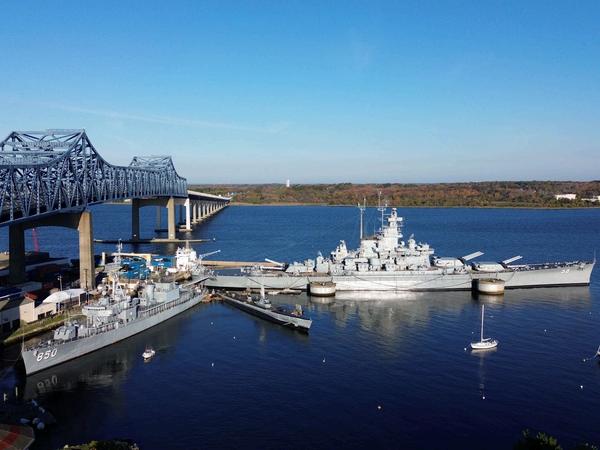
TUESDAY, JULY 7
RIHS members will explore Battleship Cove’s five ships and its Maritime Museum in this exciting private guided tour.
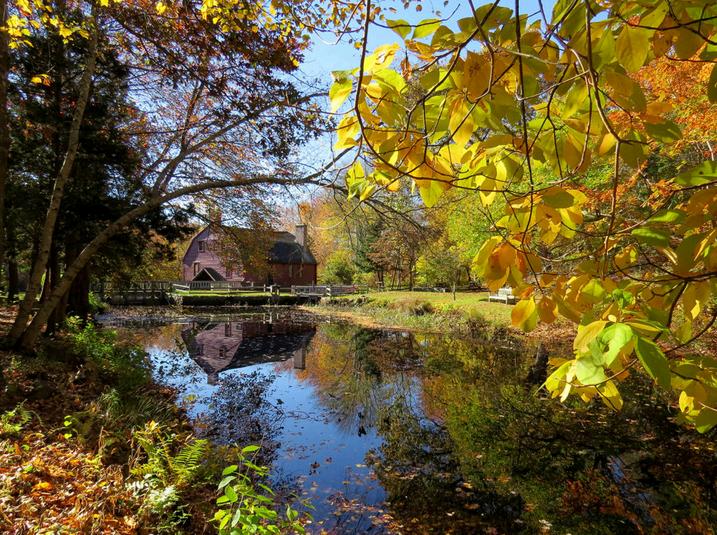
THURSDAY, SEPTEMBER 24
Take a step back in time when visiting the 1750 home and snuff mill of the Stuart family and one of America's best-known portraitists.
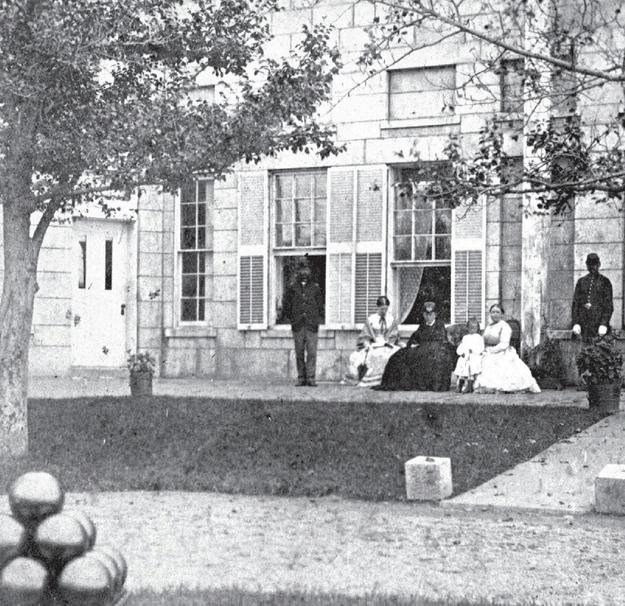
TUESDAY, AUGUST 18 FORT ADAMS
Discover the human stories behind the stone: the engineers who designed its defenses, the laborers who constructed its massive walls, and the soldiers who stood watch.
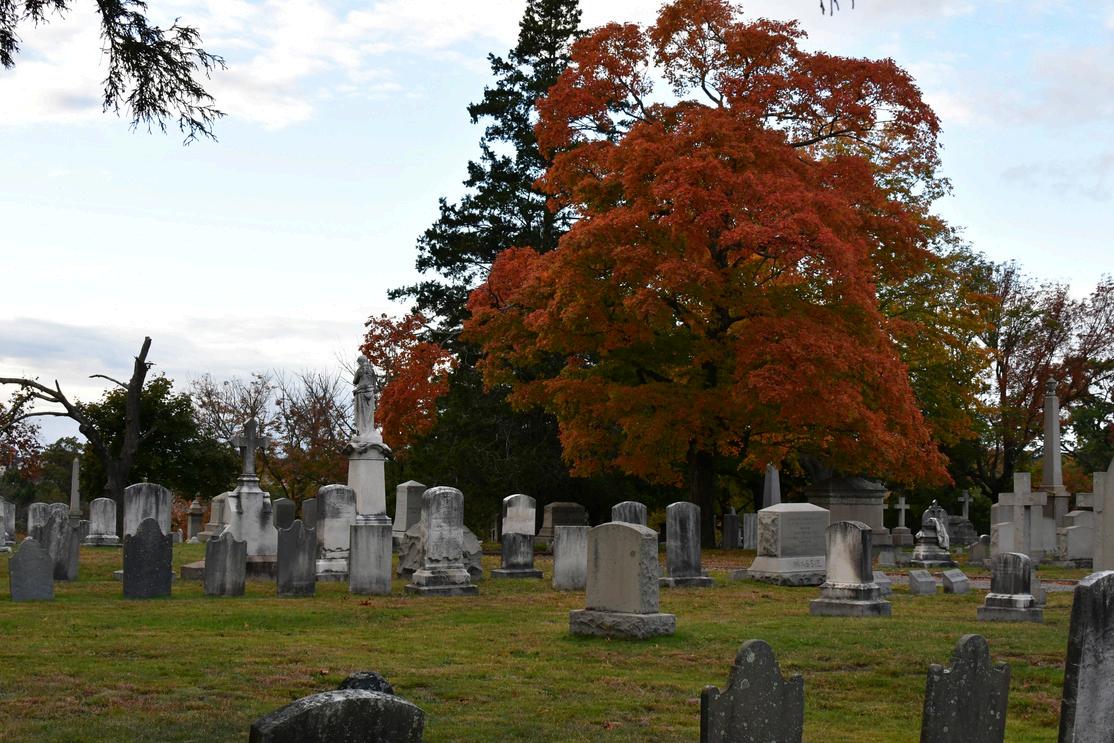
GILBERT STUART BIRTHPLACE & MUSEUM OCTOBER 2026 NORTH BURIAL GROUND
Visit the headstones and tombs of Rhode Islanders who played an essential role in the American Revolution.
A GIFT TO THE MUSEUM OF WORK & CULTURE’S RI MERCI BOXCAR EXHIBIT
by Anne Conway, Senior Director of the Museum of Work & Culture
Despite the jubilation at the end of WWII, the economic and physical devastation of years of war in Europe crippled much of the continent. In 1947, to help in even a small way, the American public organized a 700-train car convoy called the American Friendship Train Its mission was to deliver relief aid to war-torn Europe, in particular communities in France and Italy It carried approximately $40 million worth of food, clothing, and supplies to help rebuild war-devastated areas.
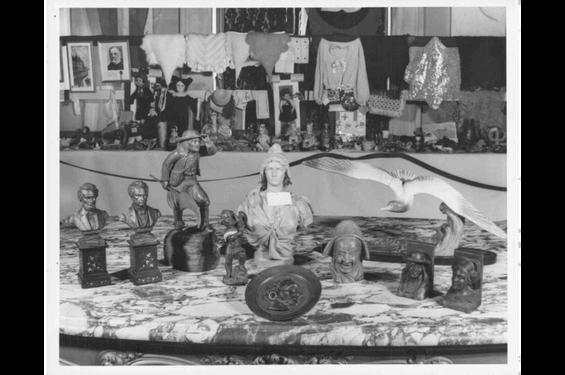
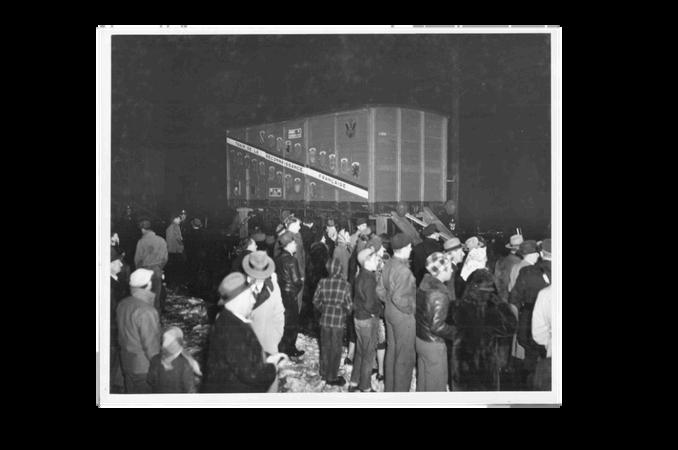
In response, in 1949, France decided to repay this act of kindness by creating the Merci (Gratitude) Train. Comprising 49 boxcars filled with gifts, the convoy was sent by the people of France as a gesture of gratitude to the United States. Each state received one boxcar, with an additional car shared by Washington, D.C., and the future state of Hawaii.
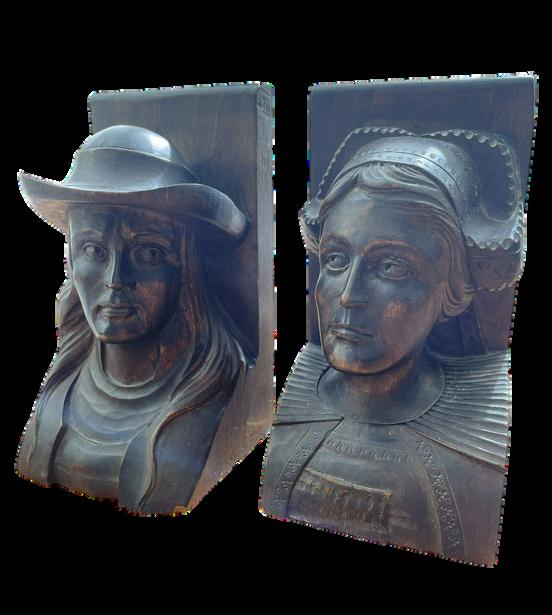
A pair of handcarved Breton Bookends, received from the Merci Train RIHS collections
Gifts received from the Merci Train
Photo courtesy of the Rhode Island State Archives
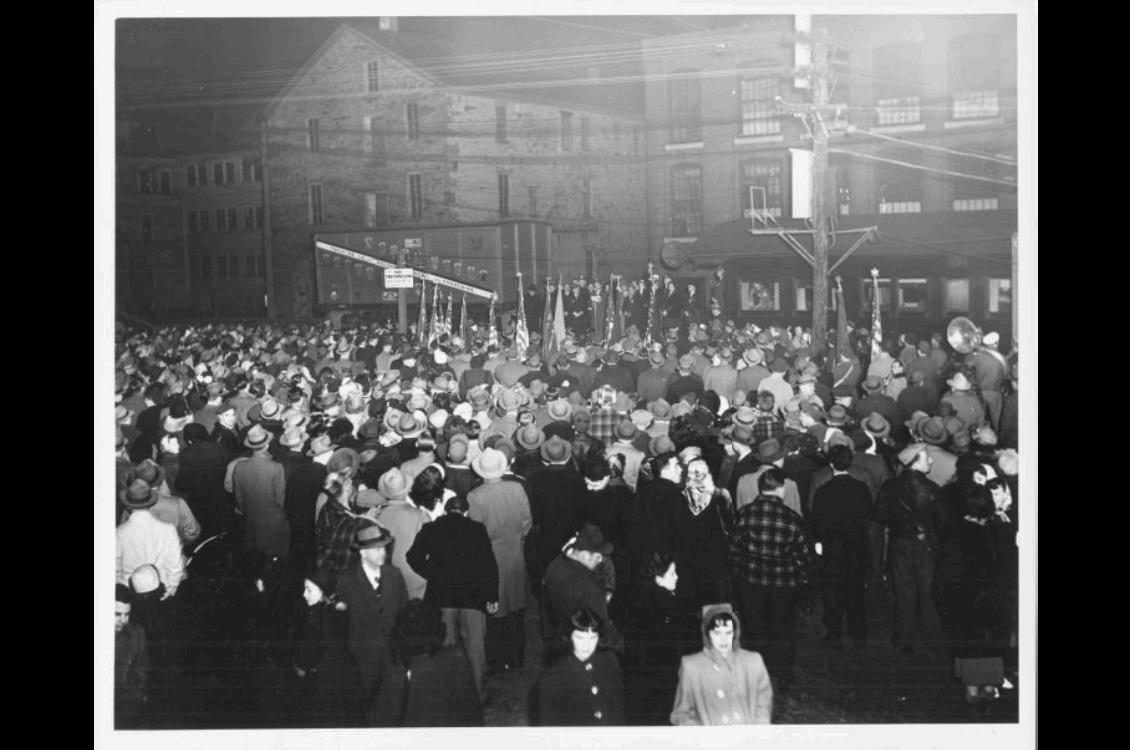
The Merci Train arriving in Providence on February 8, 1949
Photo courtesy of the Rhode Island State Archives
narrow gauge, this style of car was used throughout the wars and after, often in heartbreaking ways During peacetime, they were used to carry soldiers home. However, during the war, when Germany occupied France, they commandeered all of the railcars and used them for devastating purposes, such as the transportation of Prisoners of War, and even carried men, women, and children to concentration camps.
The American Ex-Prisoners of Wars, a nonprofit service organization that aims to assist surviving U.S. military and civilian prisoners of war, is currently undertaking a project to acknowledge this lesserknown history of “40 & 8” railcars.
Known as the Legacy Expansion Project, their goal is to install bronze plaques at the sites of Merci Box cars across the nation to share the history of how railcars similar to those used for the Merci Train were also used as transport by the Axis Powers in deporting Allied personnel and civilians to German prisons and concentration camps.
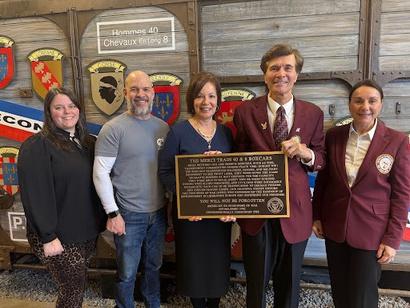
In January, Charles Susino and Debra Steitz, representatives from the AXPOW, visited the Museum
of Work & Culture and presented the museum with a plaque commemorating this history.
The plaque shares this history of “40 & 8” railcars from their origins in France at the end of the 19th century to their use in both World Wars It reads in part: “Our grateful nation honors the Prisoners of War (POWs) who experienced the hardship of imprisonment in liberating Europe and defending our freedom ”
This beautiful bronze plaque is now part of the museum’s Rhode Island Merci Boxcar exhibit, helping illuminate this lesser-known history and ensuring a fuller, more accurate understanding of the history of the Merci Train.
Pictured left to right: Rachael Guadagni, Museum of Work & Culture Education and Programs Manager; Chuck Bessette, Museum of Work & Culture Head of Maintenance; Anne Conway, Museum of Work & Culture Senior Director; Charles Susino, Chief Executive Officer, American Ex-Prisoners of War; and Debra Steitz of American Ex-Prisoners of War
The Merci Train arriving in Providence on February 8, 1949. Photo courtesy of the Rhode Island State Archives.
by Richard Ring, Senior Director of Library and Museum Collections
The digitization of our collections serves several purposes, including advancing two of the four pillars of our strategic plan: “actively steward and deploy RIHS collections” and “deliberately seek collaboration for impact and reach.” Many of these projects include partnerships with such organizations as the Providence Public Library, Ancestry.com, the RI Office of Library & Information Services, and the Library of Congress. Grants from the National Endowment for the Humanities and the National Archives are supporting our efforts to make all documents and objects related to the Revolutionary War available to the public through a dedicated website and database, a project we have been working on since 2021 in anticipation of the celebration of the 250th anniversary of the signing of the Declaration of Independence.
In fact, in preparation for the 250th, the Rhode Island Historical Society's collections department has been developing initiatives for several years, often starting before the pandemic
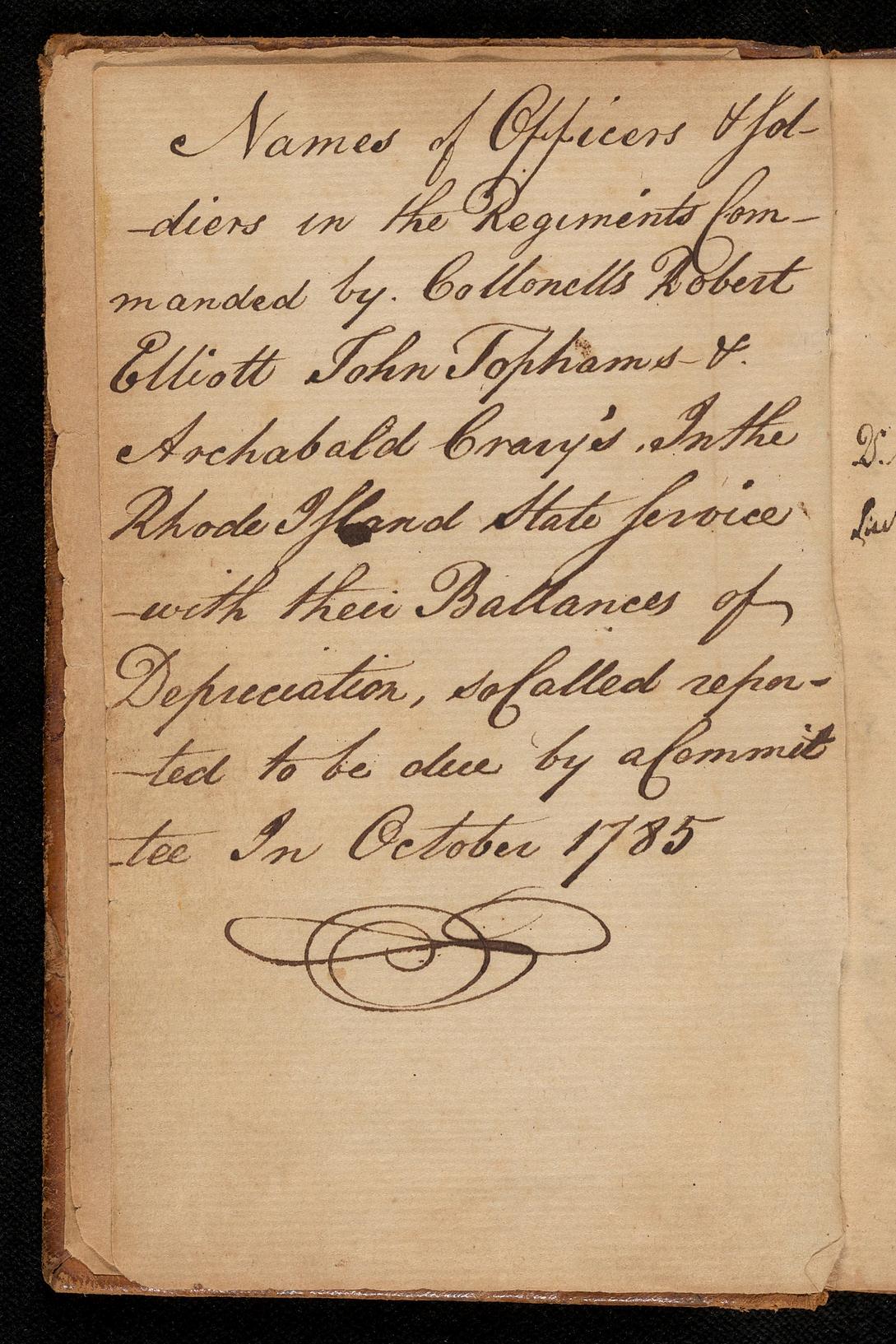
This work has involved the digitization of several Revolutionary War-era papers and diaries, including those of Silvanus Martin Jr. (1748-1818), a Connecticut-born resident of Providence, who served in the Revolution as a lieutenant and later as a member of the General Assembly in 1790. Another is the diary of Noah Robinson (1758-
1788), who served in various militia companies on and off between 1777 and 1779.
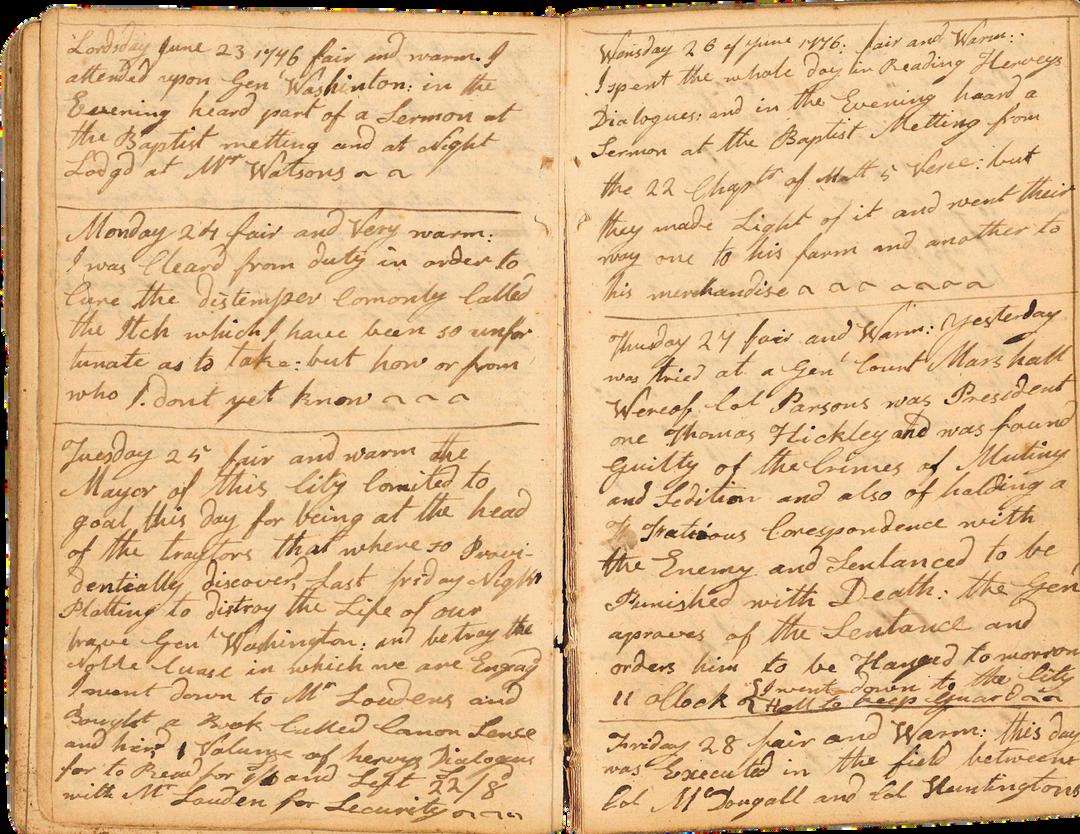
But among the most comprehensive diaries is that of Samuel Weld (1755-1801), the scant details of whose life are largely known only from this diary. His parents are currently unknown, but he mentions two brothers and three sisters. According to Providence’s vital records, we know he married Susannah Walker in Providence on January 3, 1779, three years after this diary ended But this diary is about far more than his personal life. Weld’s entries in his pocket diary (measuring 3 x 5 inches) from 1773 to 1776 include descriptions
Samuel Weld’s Diary - RIHS Collection Item - June 25, 1776
of some of the most notable moments of the period, including the arrival of East India Company ships in Boston, loaded with tea, and their subsequent destruction (the Boston Tea Party), as well as reports of the battles of Lexington and Bunker Hill. Among the most fascinating entries is one from June 1776, in which he details the discovery of a plot to kill General Washington in New York City. This refers to the attempt by Thomas Hickey, an Irish-born soldier who served in the British Army during the French and Indian War and became part of Washington’s guard during the Revolution. He was the first Continental Army soldier to be executed for "mutiny, sedition, and treachery."
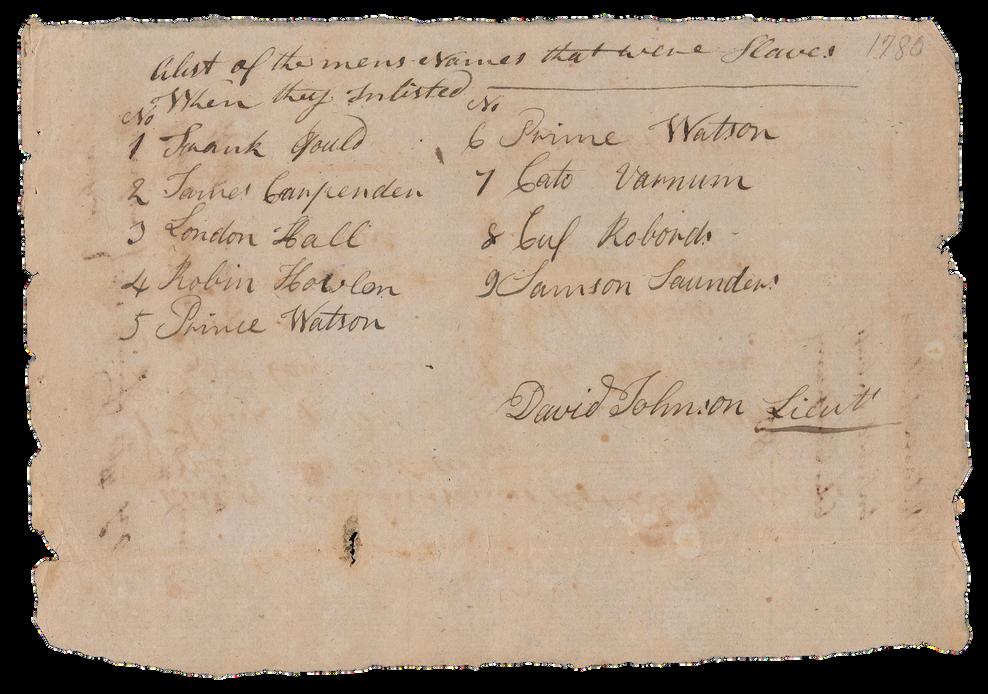
Revolutionary War Document from RIHS Collections - Enlistment Return –1780 - Capt. Thomas Cole’s Company, Col. Christopher Greene’s Regiment (the First Regiment of the Continental Line, renamed the “Black Regiment” after the enlistment of former slaves was allowed in the spring of 1778) A list of the men ' s names who were enslaved when they enlisted Signed by Lt David Johnson
“Last night a plot was found out: to kill Gen. Washington and this day a number of the villains was taken up (a number of which belonged to the Gen’s guard) and confined in the City Hall Guard in order for a trial . . . The Mayor of this city committed to gaol [jail] this day for being at the head of the traytors that where so providentally discovered last Friday night plotting to destroy the life of our brave General Washington; and betray the noble cause in which we are engaged.”
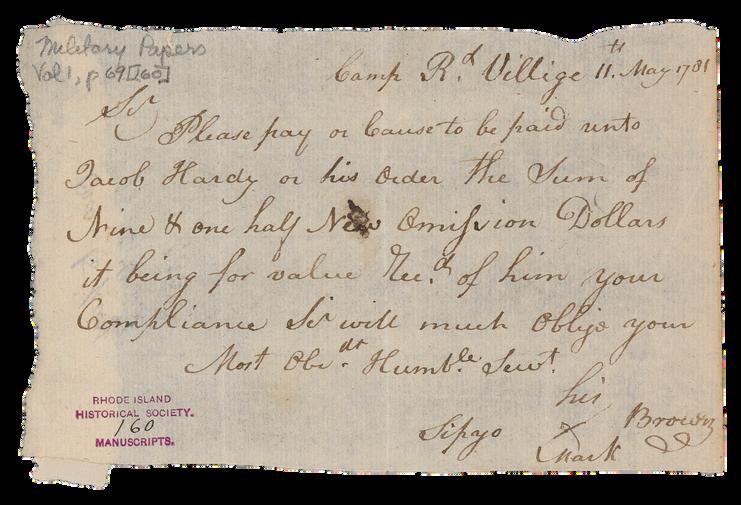
RIHS Collections - Pay Receipt – May 11, 1781 - Made at Camp Rhode Island Village – Sipyo Brown to Jacob Hardy for $9 ½ of Col. Christopher Greene’s Regiment. Brown was listed as a “ negro ” laborer in Greene’s regimental book in the RI State Archives Sipyo enlisted in 1778 at the age of 18. He was listed as a company drummer from 1778 through at least 1783.
Want to learn more?
View our digitized Revolutionary War Manuscripts
View Samuel Weld’s Diary (the section quoted in this article can be found on pages 39 and 40)
Email the RIHS Reference Team to access collections
RHODE ISLAND’S FIRST ADVENTURES TO CHINA, 1787–1815
by Elizabeth Sulock, Associate Director of the John Brown House Museum
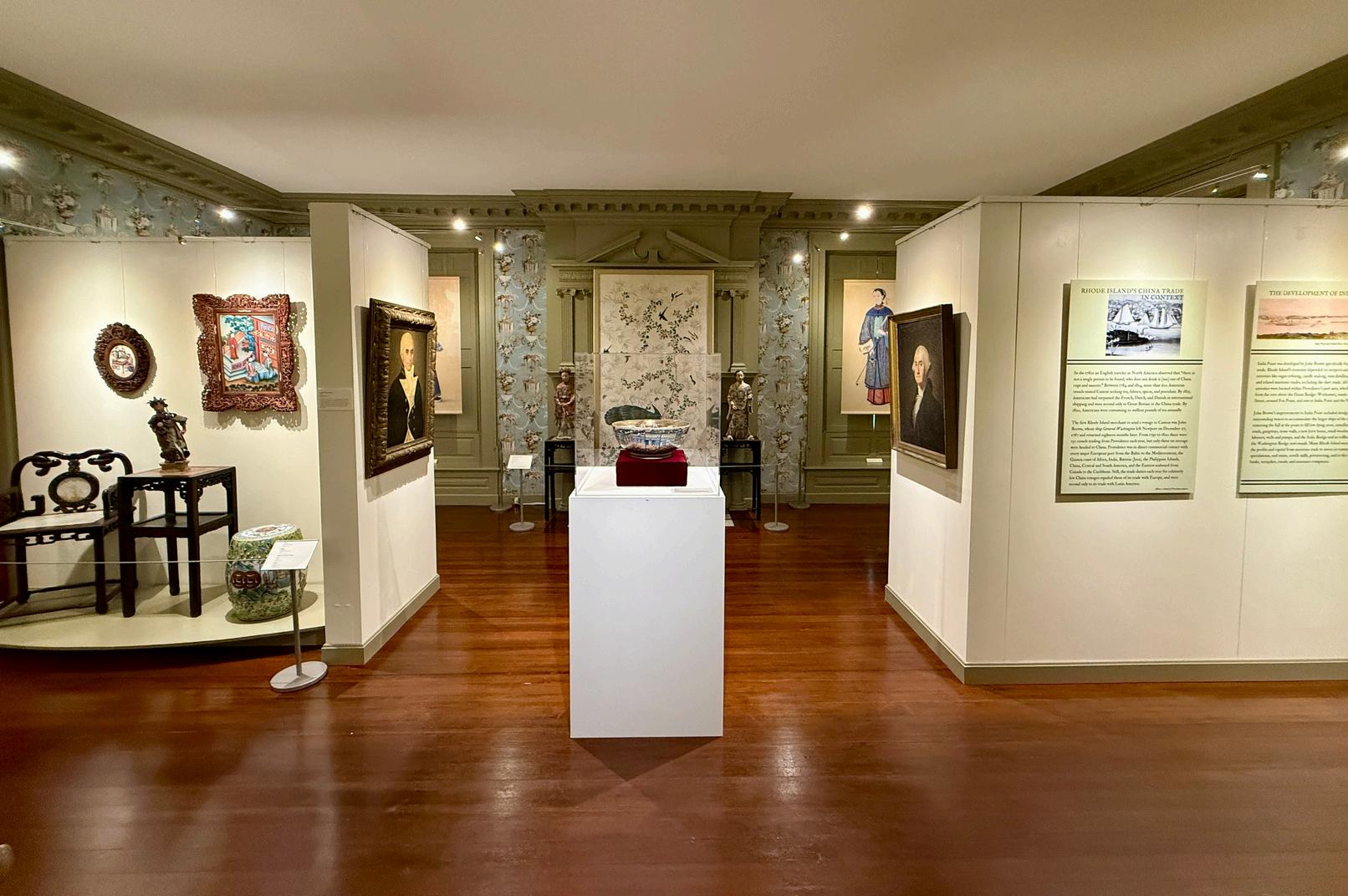
Newly opened this spring at the John Brown House Museum, Rhode Island’s First Adventures to China, 1787–1815 introduces visitors to the remarkable moment when a new trade frontier opened to the young nation and the Rhode Island merchants who were in the front ranks in the nation. In the wake of the American Revolution, U.S. merchants were able to ignore British monopolies on trade within its empire. Days after the Treaty of Paris was ratified, Congress sent its first official letter to the Chinese government aboard the Empress of China from New York on February 22, 1784. The voyage of John Brown’s General Washington in 1787 marked Rhode Island’s first direct entry into the trade with China, returning eighteen months later with tea, textiles, porcelain, and a handsome profit.
Our exhibition situates these journeys within a global story of exchange and risk, and explores the development of India Point as a hub tied to markets stretching from the Caribbean to the Baltic, and from the Mediterranean to Southeast Asia. Through a diverse array of items from the Rhode Island Historical Society’s collections, both archival and objects, this exhibit illustrates how a relatively small number of voyages generated an outsized economic impact, shaping industries from shipbuilding to textiles.
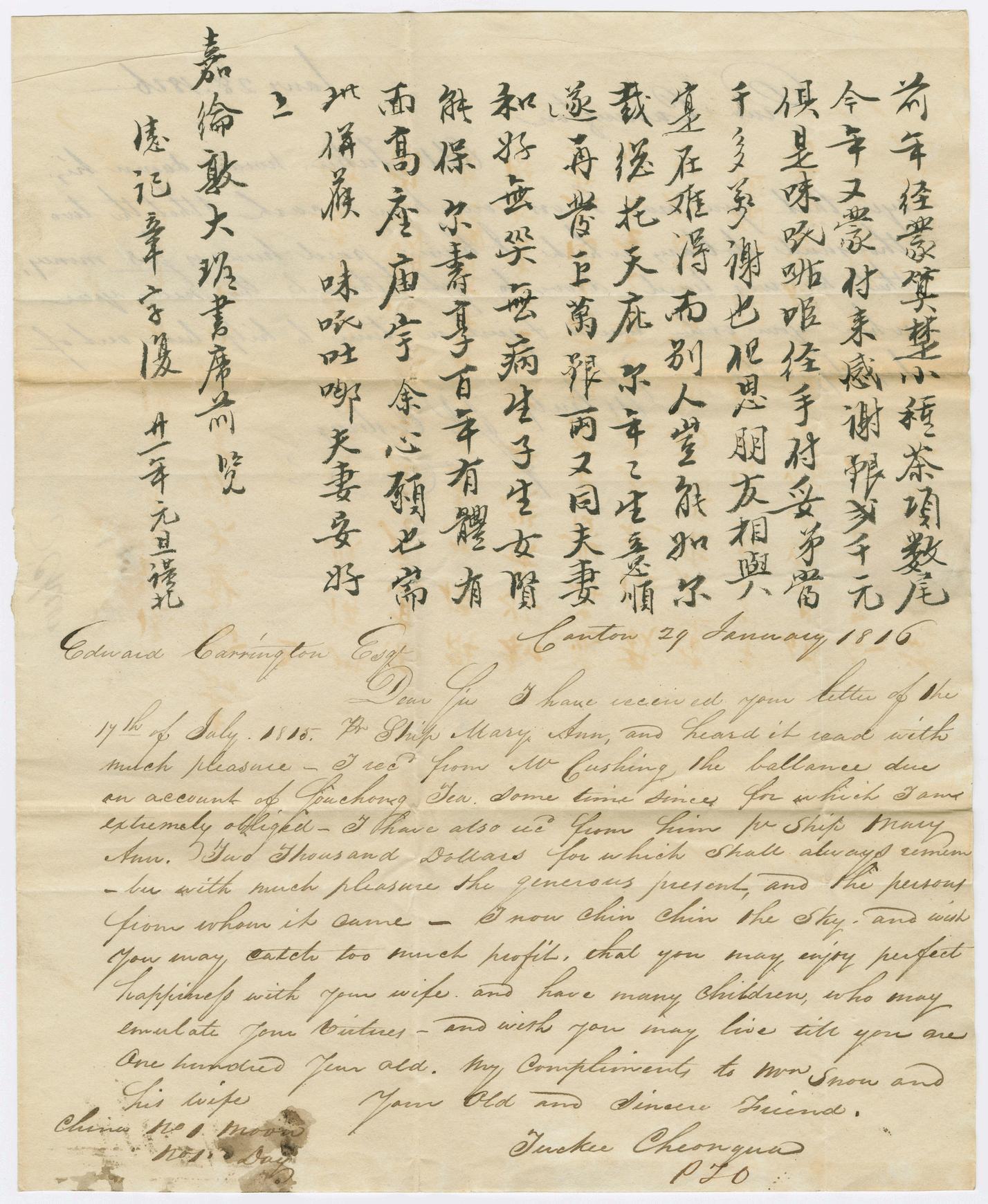
Central to the story are the people who made this trade possible Figures like merchant Edward Carrington, who spent years in Canton building a vast commercial network, reveal the human scale of early nineteenth-century global commerce. Their experiences illuminate not only opportunity, but also the complex systems of labor, diplomacy, and cultural exchange that underpinned the trade
Members of the RIHS can visit the museum for free to explore the exhibit in person. Summer open hours are Tues-Thurs, 1pm-4pm, and Fri-Sat, 10am4 pm.
Golden Ball
A Gala Celebration of History Education and the Nation’s 250th Anniversary
Saturday, June 27, 2026
An immersive evening featuring historically inspired bites and drinks, engaging historic interpreters, a reading of the Declaration of Independence, access to archival collections, including copies of founding documents, and much more!
Learn more
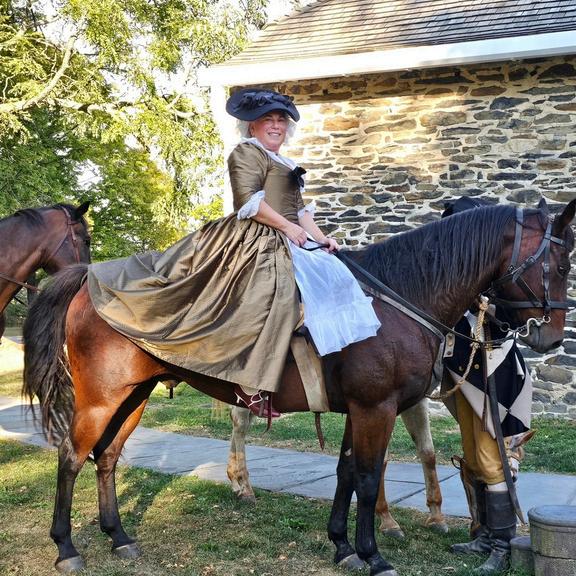
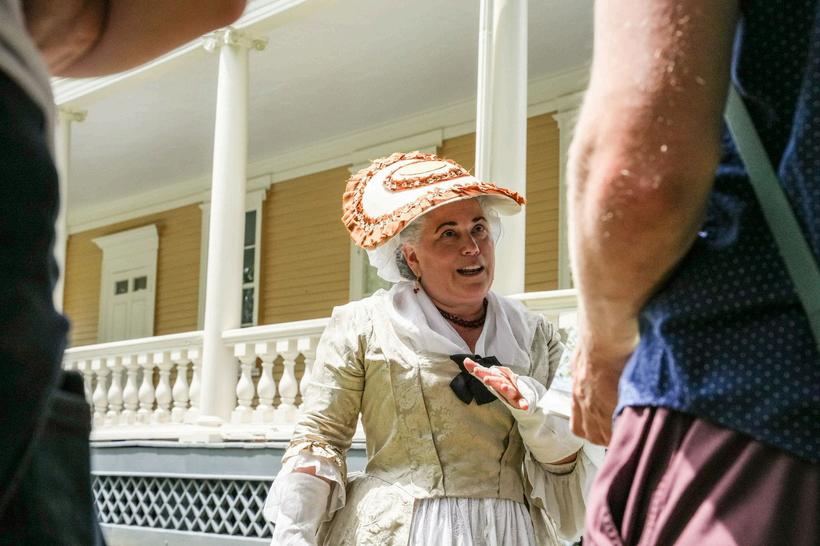
HISTORICAL INTERPETOR INTERVIEW WITH SANDY SPECTOR
As the RIHS commemorates America’s 250th birthday, the John Brown House Museum has expanded its “living history” programming, inviting visitors to connect with the past in new, personal ways. Hear from one of the interpreters who helps bring history to life, Sandy Spector, who has performed at past JBH events, such as April’s Saturdays in the 1700s: Meet George and Martha Washington. In this interview, Sandy reflects on her journey into living history, the research behind her portrayals, and her experiences with the craft.
Could you introduce yourself and tell us a little about your work as a living historian?
My name is Sandy Spector, and I have been a Revolutionary War-era living historian since 2000, and have been portraying Martha Washington since 2015 I bring Martha to life through formal presentations and informal visits for all ages through emotional depth, humanity, and a sense of humour. When I am not Martha, I continue with Revolutionary War-era interpretation with a Continental unit in the 3rd MA Regiment and a Loyalist impression with Claus’ Rangers.
When did you first get involved in living history, and what inspired you to start?
When I was in first grade, we literally lived across the street from Valley Forge National Historical Park. That was where I fell in love with history. But it wasn’t until I was a mother of two little ones that I realized that there was a place in the living history world for me I just don’t think I knew it was an option as a hobby. It quickly became an obsession and a place where I have found my niche - like-minded people who value the same things about American history that I do. And I also found a place where my incredible love of textiles, both historic and reproduction, could be nurtured and expanded upon.
What kind of research goes into preparing an authentic portrayal? Are there particular sources, such as letters, diaries, or artifacts, that help you bring these figures to life?
Whenever one is developing a first-person portrayal, it is best to go to their primary documents to learn their thoughts, phrasing, worldview, and word choices With Martha, it is more challenging than others, because she burned all of George’s and her correspondence, as well as most of the other correspondence in her possession. Only three overlooked letters between them miraculously survive But there are other letters to relatives, friends, and business partners, and I can gather a lot from there. One thing I find invaluable is reading correspondence out loud. You can hear and learn things in a different way than just by sight reading. I gain a sense of her from studying her surviving garments and jewelry And walking the grounds of Mount Vernon, her home, helps to provide a sense of place for Martha.
What goes into creating your costumes?
A visitor’s first impression is everything, and the right clothing can elevate the visitor’s immersive experience It is vital to maintain historical accuracy in materials and construction, as well as knowing the season and year you are representing when creating reproduction clothing. I look to the colors that Martha preferred when choosing fabrics and always use wool, silk, or linen - never synthetic fabrics And because everything was stitched by hand, I do the same. I have been taught to make gowns, but I know that there are very talented friends out there who can make stays/caps/jewelry much better than I can! I am very happy to give them the business
How do you personally prepare to get into character before a program or event?
The hour-long process of dressing for an event really helps me have some quiet time to transition from 2026 back into Martha’s time. While dressing, I will focus on what time period I am sharing that day - think about which of her children are still living, if any, how old the grandchildren are, if it is after 1776, and where the Washingtons are in terms of the War for Independence and the presidency. But, the best way to get into character before a program or an event is to greet the guests as they come in - I begin answering questions right away as Martha, and am in the zone almost instantaneously.
With the 250th anniversary of the United States approaching, what does this milestone mean to you as a living historian?
Being able to interpret Martha Washington at this enormous milestone in our country’s history is an incredible honor and one that I do not take lightly. It increases attention on all things Revolution and allows me to bring Martha’s story, which is greatly overlooked, to life.
What advice would you give to someone interested in becoming a living historian or historical interpreter?
Finding your people is so important. You will be drawn to a specific time period, but there are many groups within that time period. You will get to know the people in each unit and will find those who end up feeling like family. And you will also find that you may think you are interested in certain aspects when you begin, but you will find that this hobby turns you into a lifelong learner, and constantly has rabbit holes to go down. So much fun
CONCERTS UNDER THE ELMS
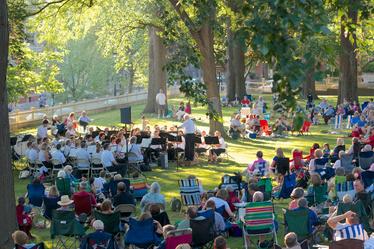
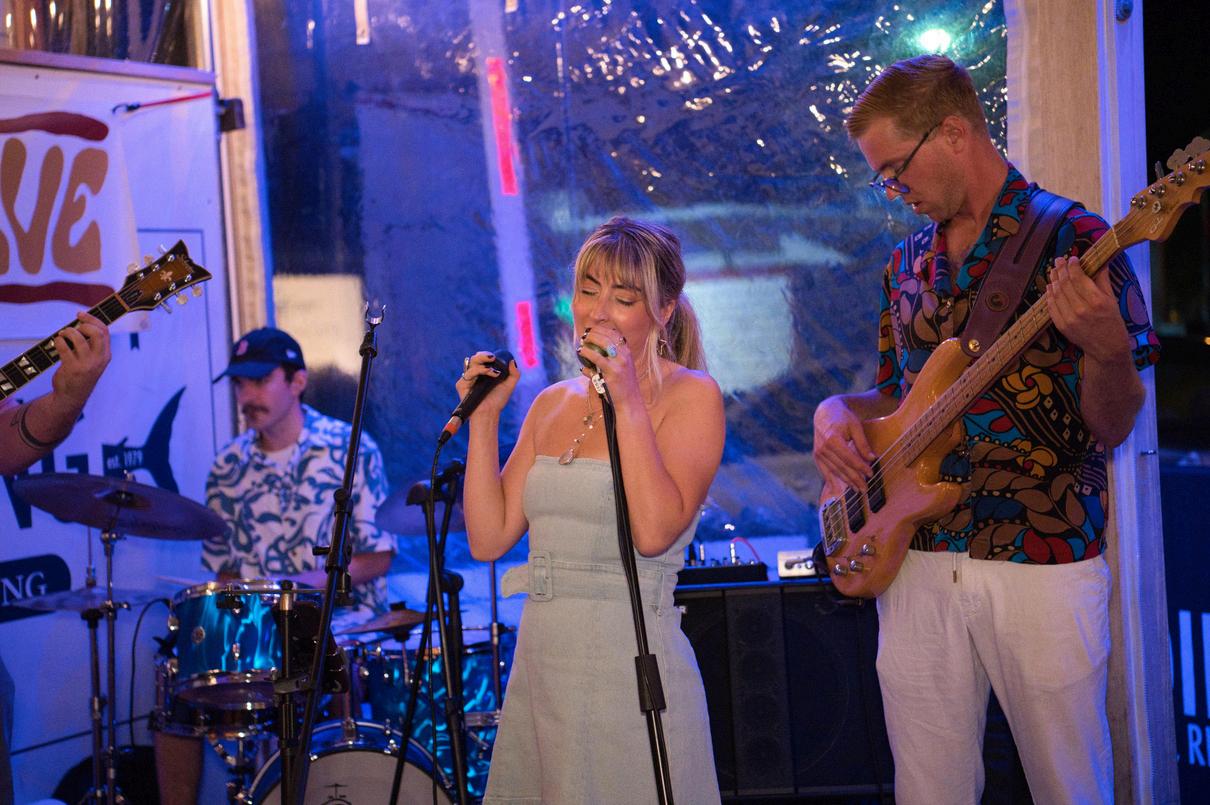
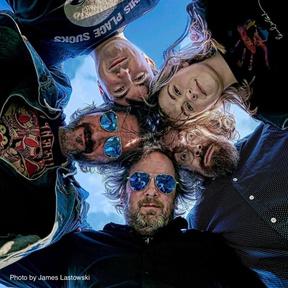
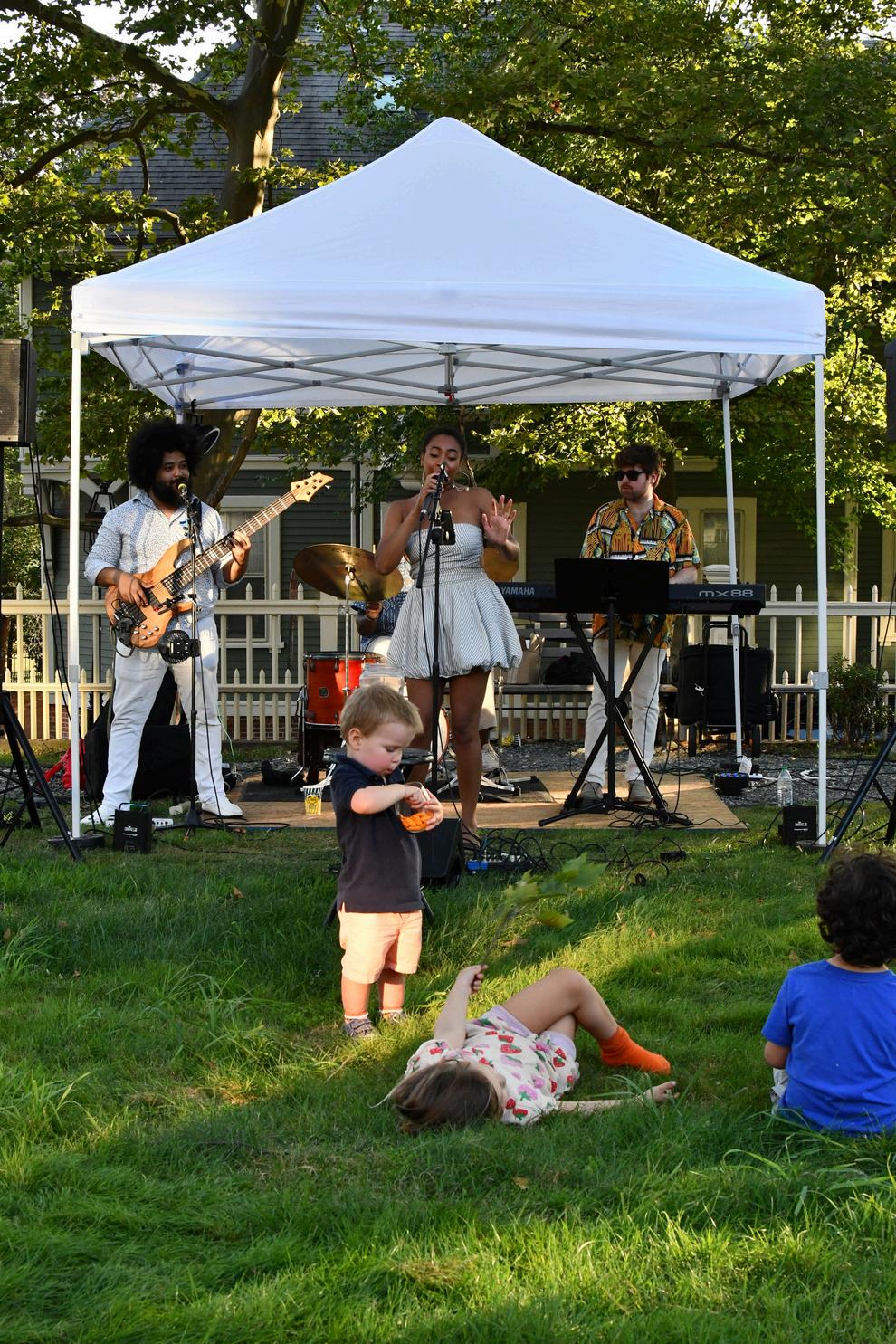
Join us on Thursdays at 6:30pm on the Great Lawn of the John Brown House Museum for evenings featuring new bands and old friends Free for RIHS members and $10 for nonmembers
July 2
July 16
American Band FeaturingSaugyFranks Honeycomb Lately FeaturingLittleB’sBBQ
July 23
July 30
Motion Avenue FeaturingCultrō
Bird Stick FeaturingMing’s AsianStreetFood
David Tessier’s All-Star Band of All-Star Stars FeaturingBlountClamShack