RIDE HIGH
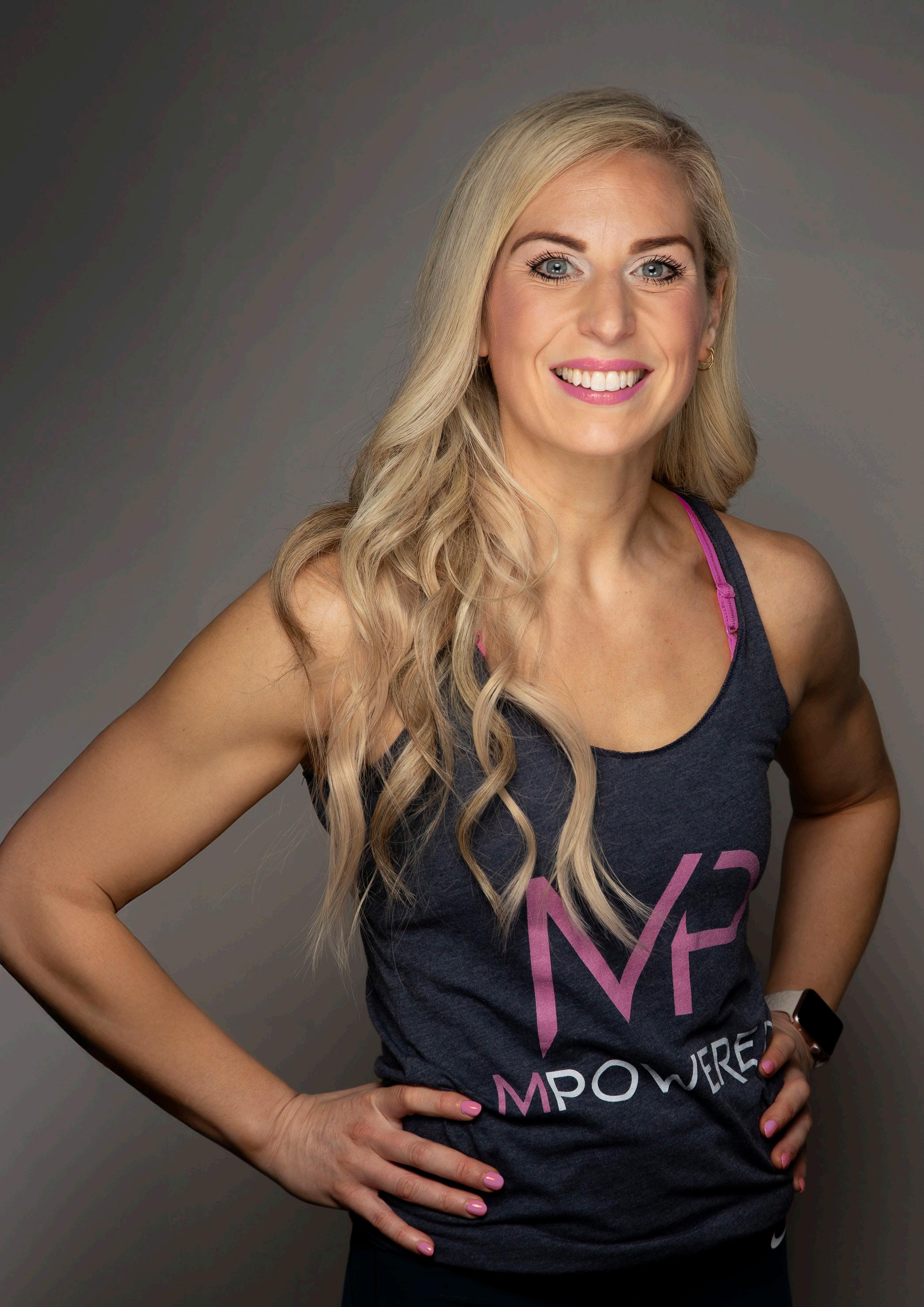

“What we’re seeing on social media isn’t indoor cycling”
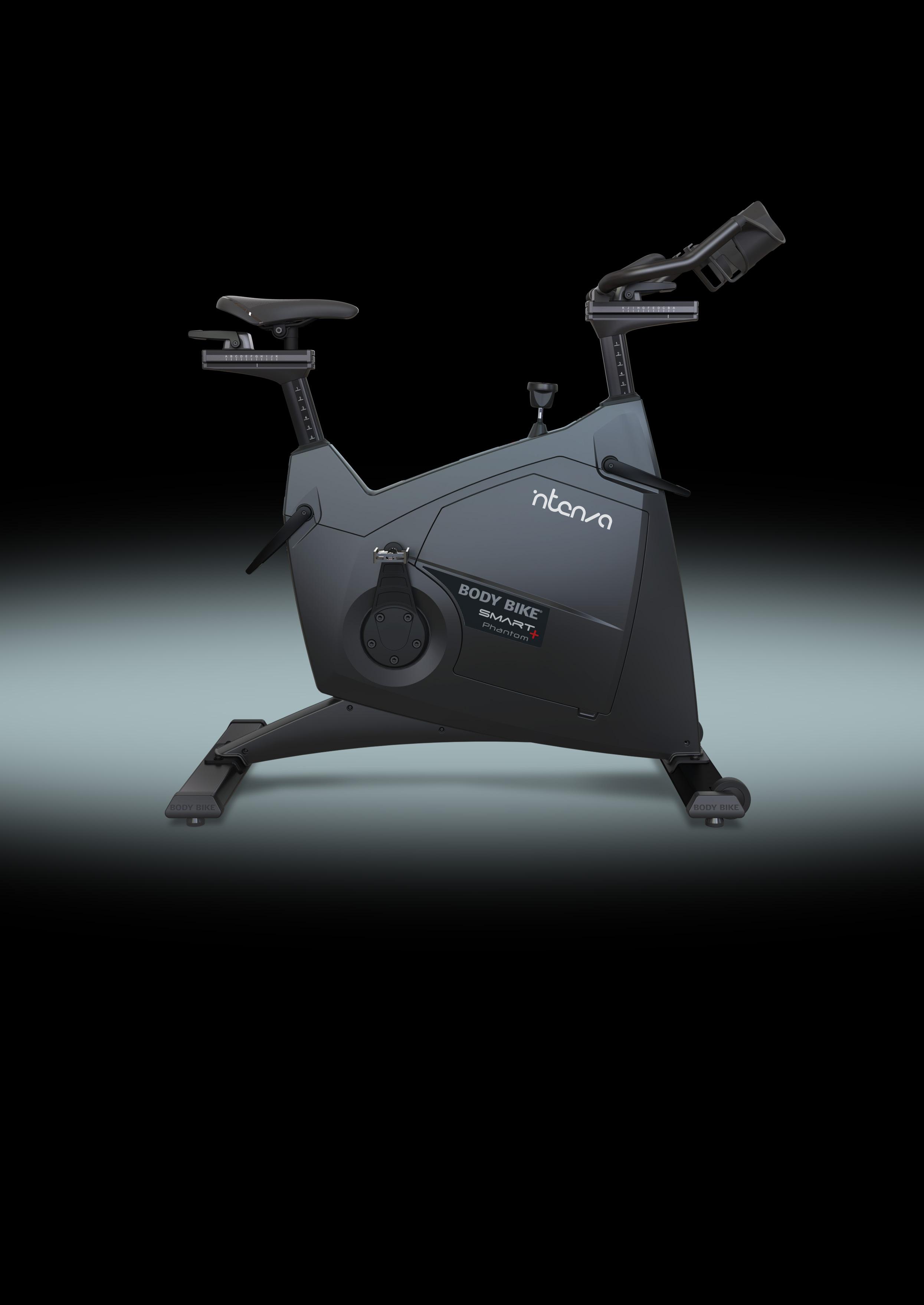

There’s a new force in the US indoor cycling market as Intenza Fitness, BODY BIKE and MOWL come together in a landmark collaboration.
Built on a shared belief that equipment, environment and technology should work as one, the partnership unites BODY BIKE’s world-
leading bikes with exclusive US distribution through Intenza, paired with MOWL’s instructorfirst platform as the preferred training software.
The result is a fully-integrated, best-in-class studio solution that raises the bar for indoor cycling across the US.
“Our instructors and coaches help us become better versions of ourselves. That is a legacy worth celebrating.”
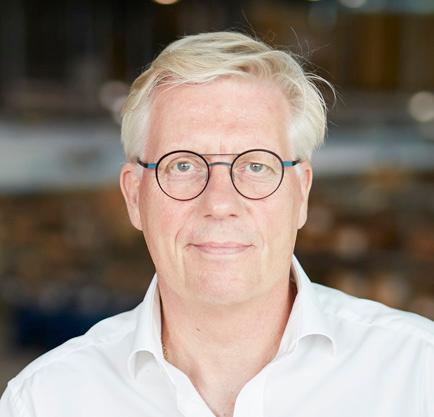
Every now and then, we’re reminded just how powerful a single person’s influence can be.
This year, my old ice hockey coach, Dušan Bosko, will turn 80. I plan to visit him on his birthday – not just to congratulate him, but to thank him. Because the truth is, I would not be the person I am today without him.
Back in the 1980s, when I was a young player, he saw something in me. More importantly, he knew how to develop it. Long before talent pathways and structured athlete development programmes became the norm, he already had a system.
Yet what he really gave us went far beyond drills and tactics. He taught discipline. Focus. Determination. The importance of building strength, both physically and mentally. He insisted we stay motivated, sleep well, eat properly and take recovery seriously. He told us to keep moving, to listen to our bodies, to stretch and look after ourselves.
And when things went wrong, as they inevitably do, he taught us something even more valuable: if you fall, get back up… and keep doing it. Regroup and rebuild. His lessons carried weight because of his own story. As a young man, he had to flee Czechoslovakia and rebuild his life alone in Sweden, without family or support. He was, and still is, living proof that we each have the power to shape the person we want to be.
Looking back, I realise those lessons have stayed with me throughout my life and my career – which brings me to the fitness industry and to the group exercise instructors at the heart of it.
As I reflect now on everything my coach gave me all those years ago, I recognise that the same thing happens every day in studios and gyms around the world. Instructors are doing far more than curating music or cueing choreography. They are building confidence, instilling discipline, helping people discover strength they didn’t know they had. Few participants will acknowledge or appreciate it in the moment, but years later, many of them will.
So to every fitness coach and instructor dedicating their time and energy to improving other people’s lives, we owe you our respect. Your guidance, encouragement and belief help people to become better versions of themselves. That is a legacy worth celebrating.
Uffe A. Olesen CEO, Body Bike International A/S
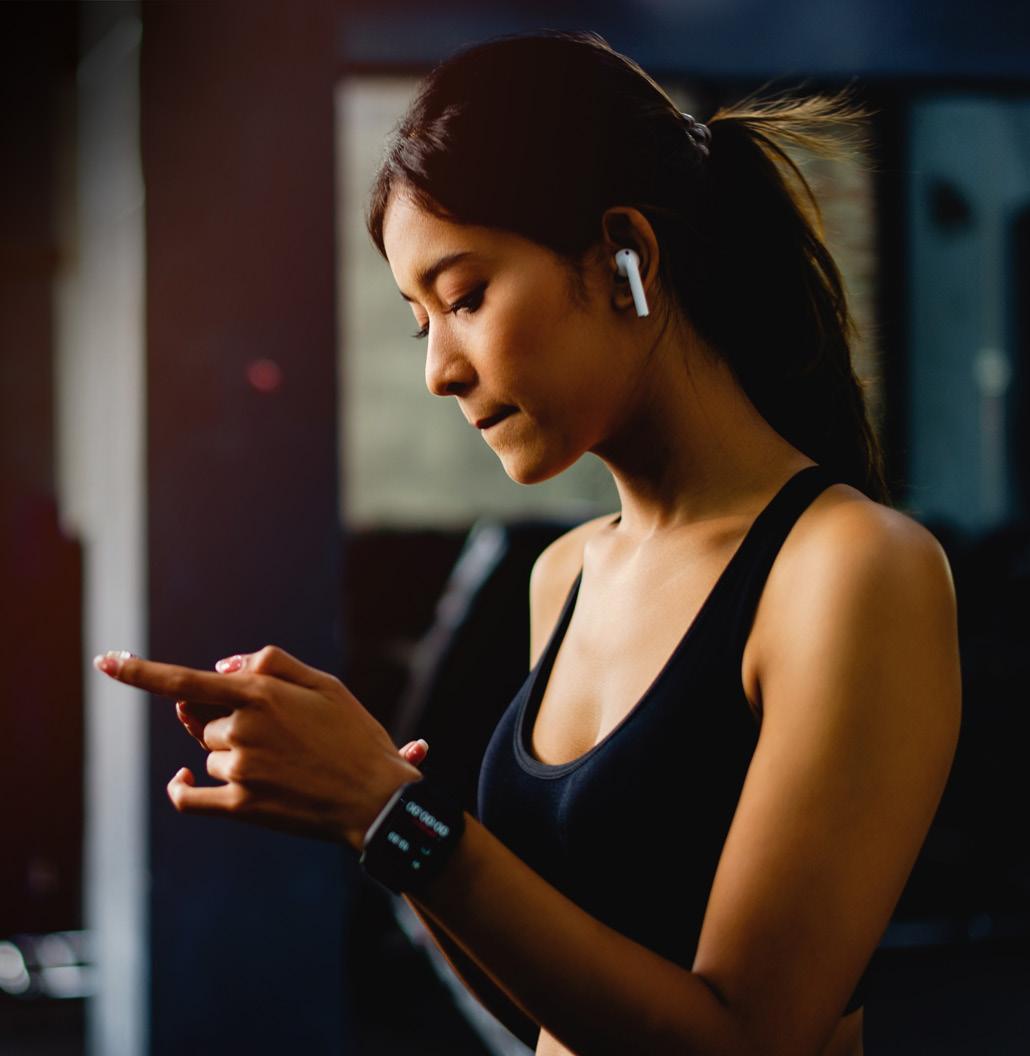
Recovery is one of the sector’s hottest buzzwords right now – but how do gyms and studios shift gear from talking the talk to walking the walk? 06 20 32 42 20
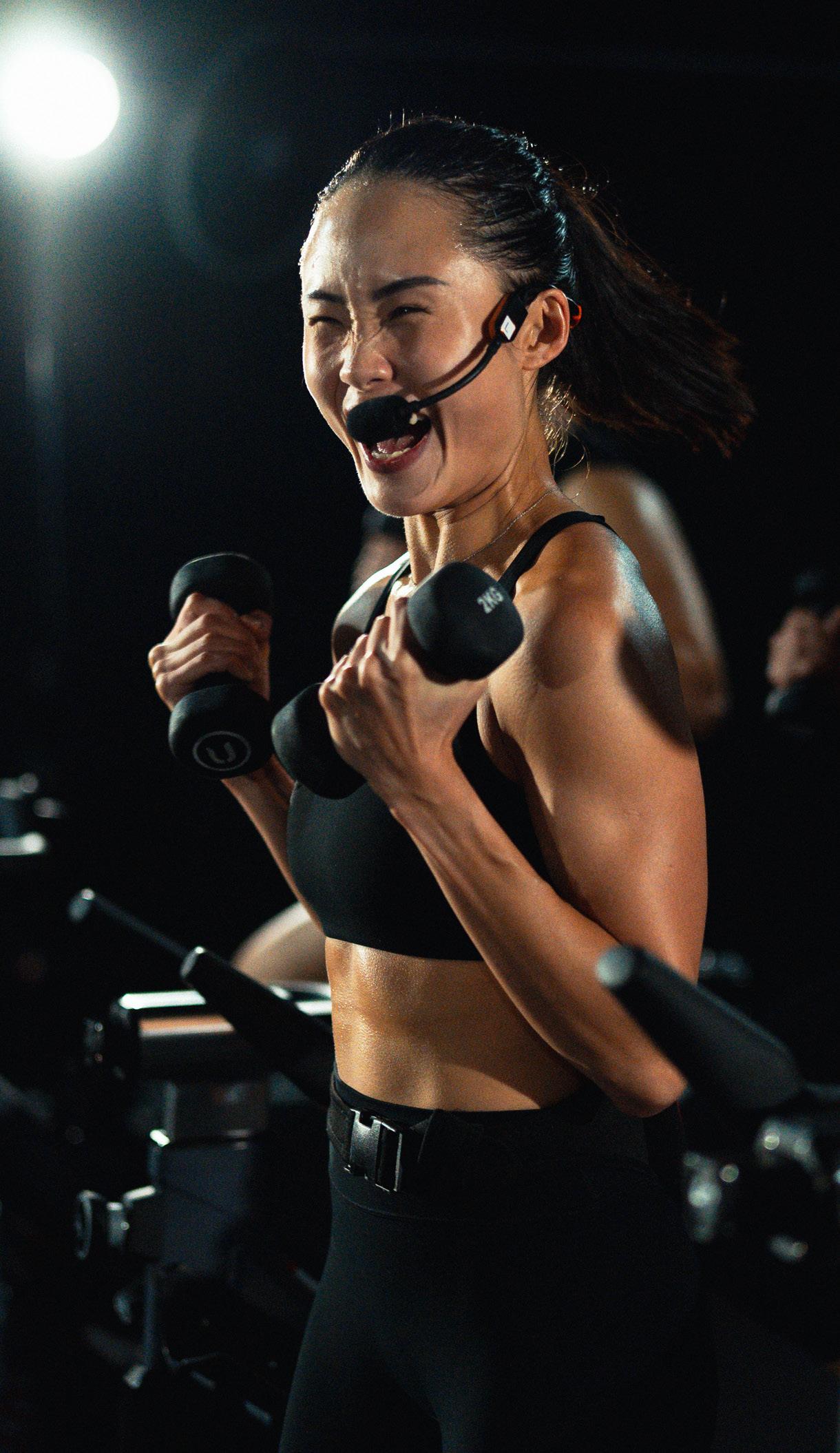
Ben Karoonkornsakul has spent more than 20 years shaping Southeast Asia’s boutique fitness scene. Now she’s preparing the next wave of innovation.
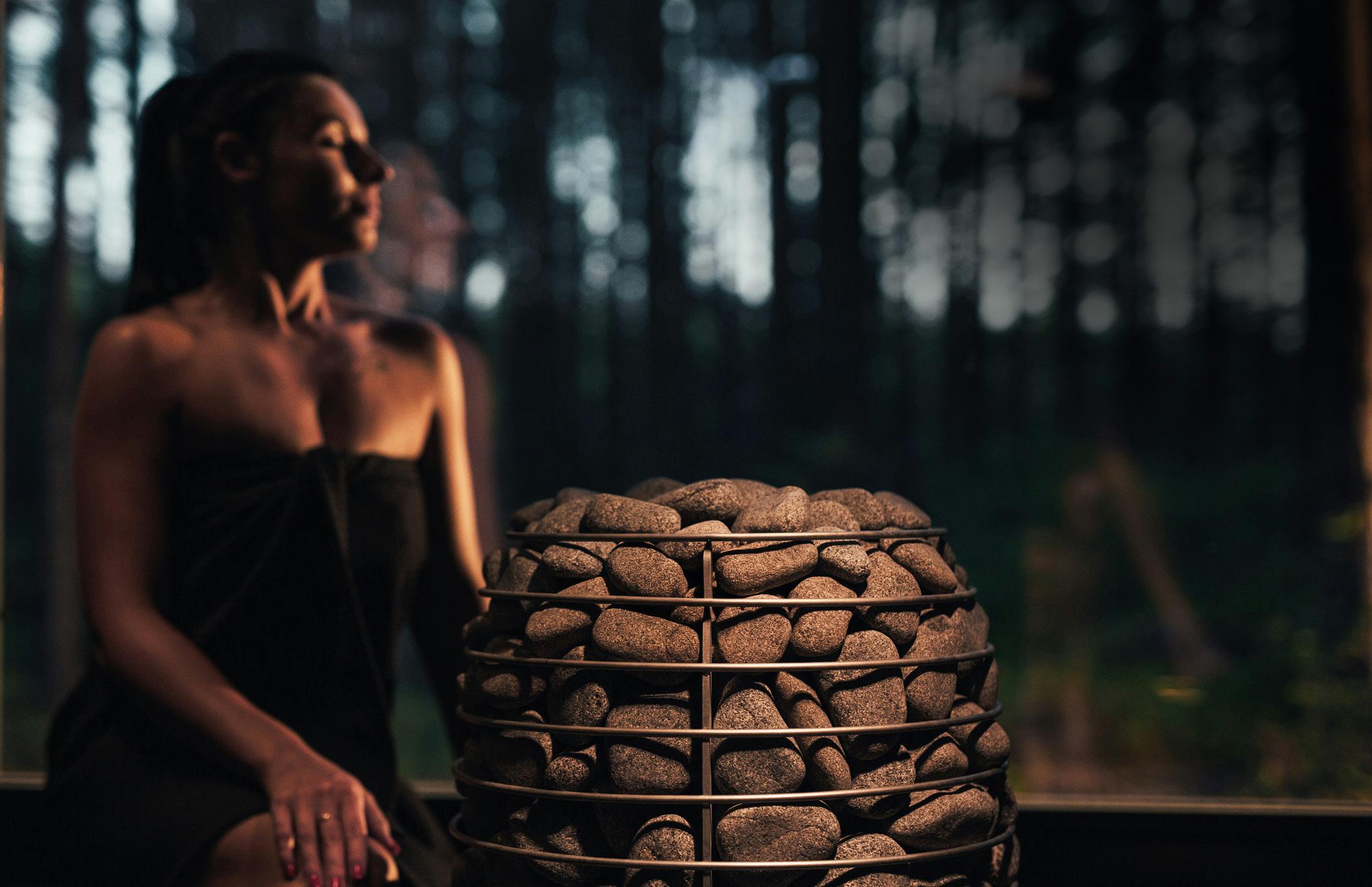
As social media rewards spectacle over substance, indoor cycling is drifting from the principles that make it safe, effective and inclusive, says Melissa Power.
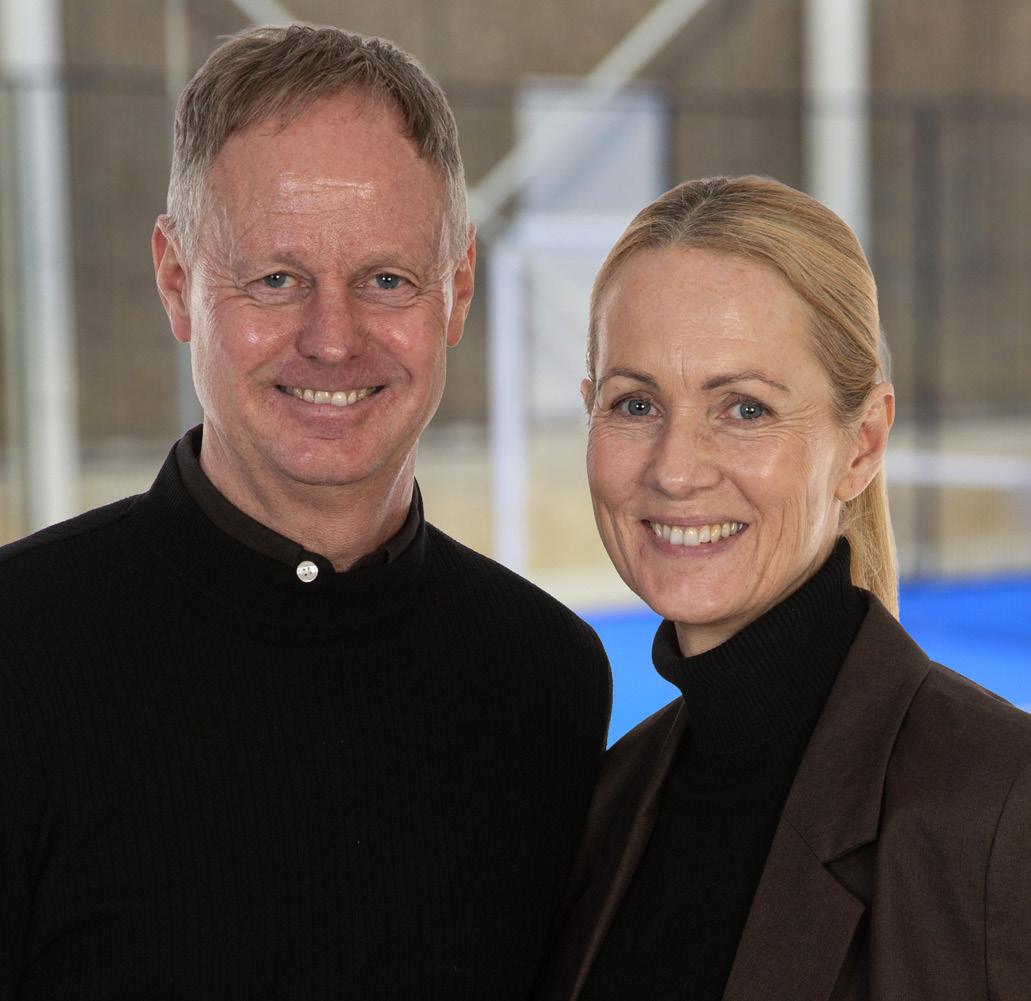
Since 1995, Børge Neessen has shaped fitness culture in the Danish city of Kolding. Now he and wife Hanne are cementing their legacy with a new club brand.
Do
please let us know!
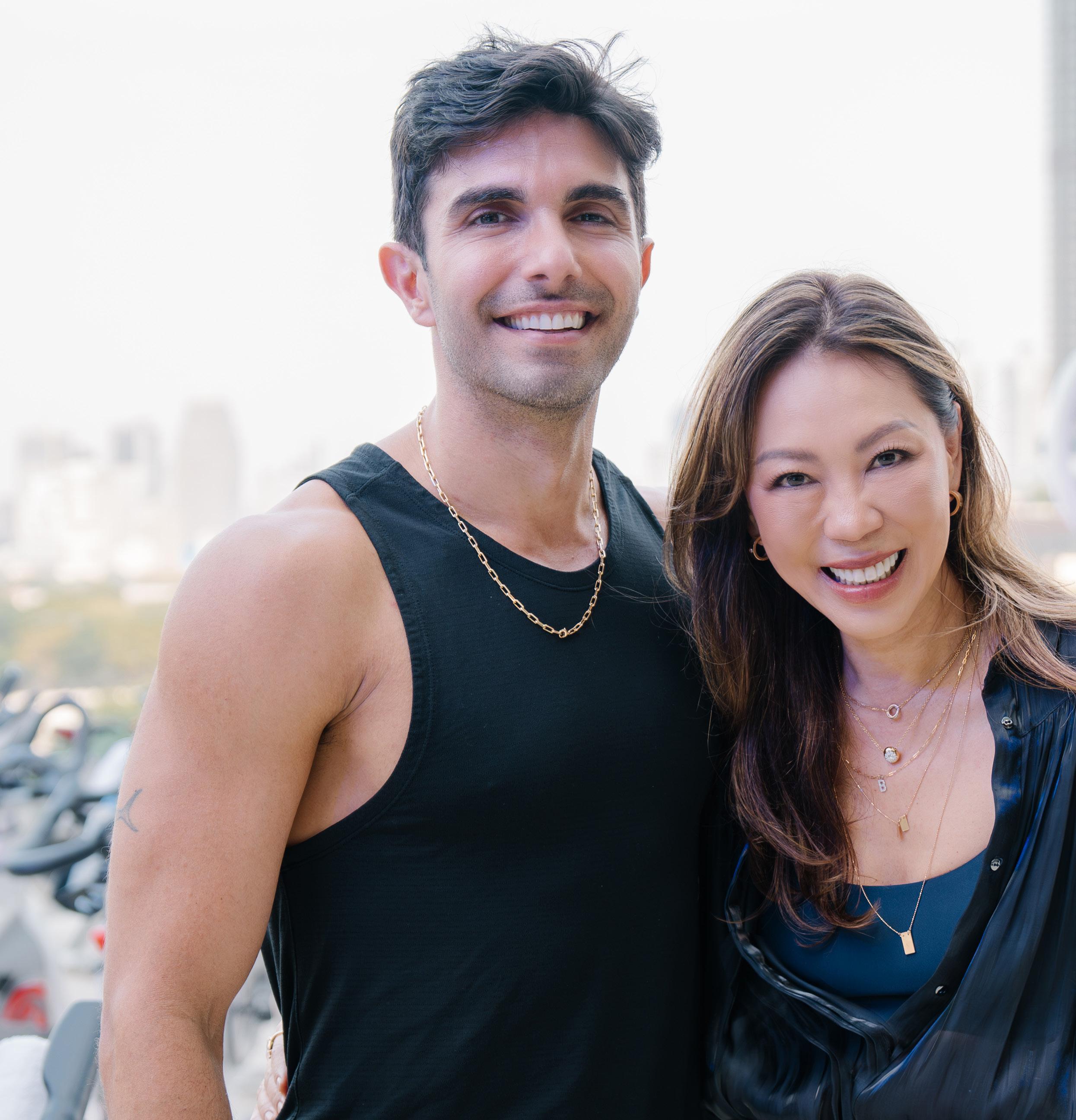
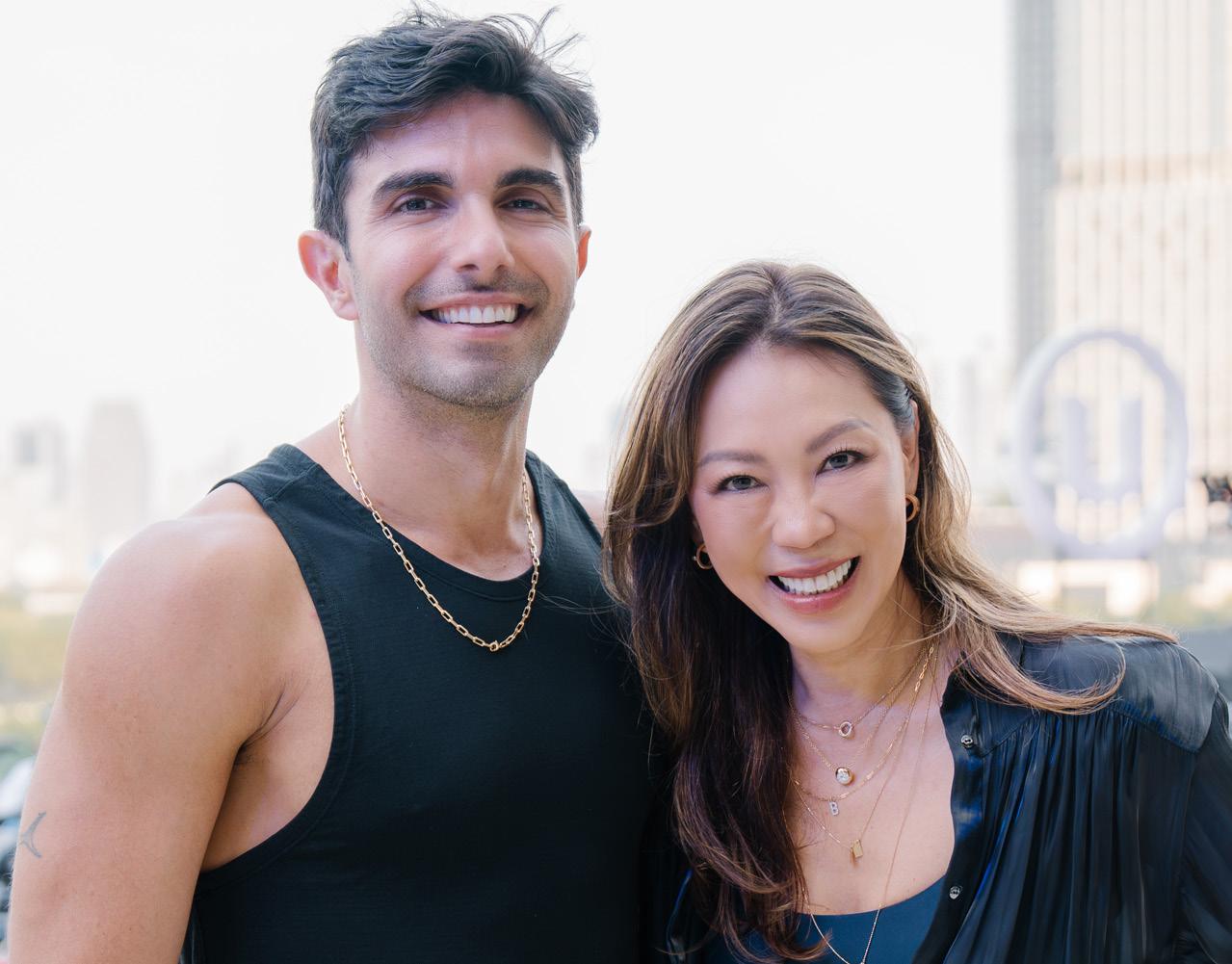
Akin Akman and Ben Karoonkornsakul announce the launch of AARMY powered by Absolute
Ben Karoonkornsakul has spent more than 20 years shaping Southeast Asia’s boutique fitness scene. Now, as the market crowds in behind her, she’s preparing the next wave: new brands, partnerships, programmes and an urban wellness club
“We’re taking our time to find the perfect sites, but hope to launch ‘AARMY powered by Absolute’ in June or July”
Ben Karoonkornsakul has never been one to stand still, her industry track record characterised by careful yet deliberate innovation and evolution.
Opening her first boutique studio in Bangkok in 2003, before most people knew what ‘boutique fitness’ meant, she went on to launch a wellness retreat in 2008. She then introduced reformer Pilates to her boutiques in 2010 – when the discipline was almost unheard of in Southeast Asia – and debuted indoor cycling in 2015. And all the while, she grew her studio estate across Bangkok and beyond.
Today, The Absolute Group founder oversees a multi-brand portfolio spanning Bangkok, Singapore and Hong Kong, with preparations underway to add new studio concepts, new programmes and a major global franchise partnership to the mix. She speaks exclusively with RIDE HIGH
Let’s start with an update on Absolute Boutique Fitness.
We’re still very much a boutique fitness operator, not a gym. However, after so many years in the market, it’s natural that we’ve developed strength in depth, with several specialisms now available under one roof.
Across our 16 studios – nine in Bangkok , six in Singapore and one in Hong Kong – our core disciplines are still reformer Pilates, indoor cycling
Above: In rhythm cycling, it’s important to embed progression opportunities for regulars
“Indoor cycling has been part of Absolute for 10 years and the market hasn’t disappeared. There’s still strong demand.”
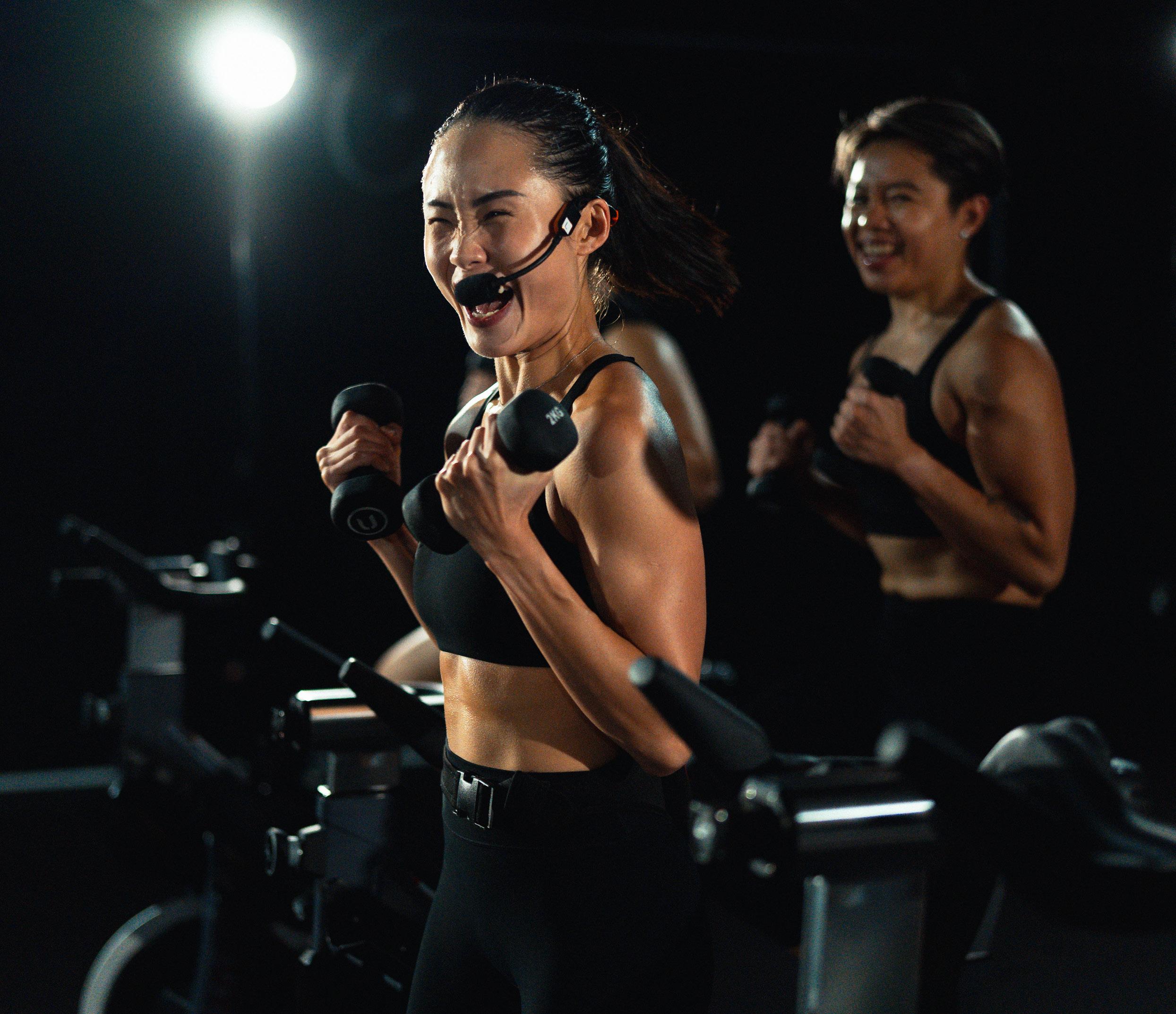
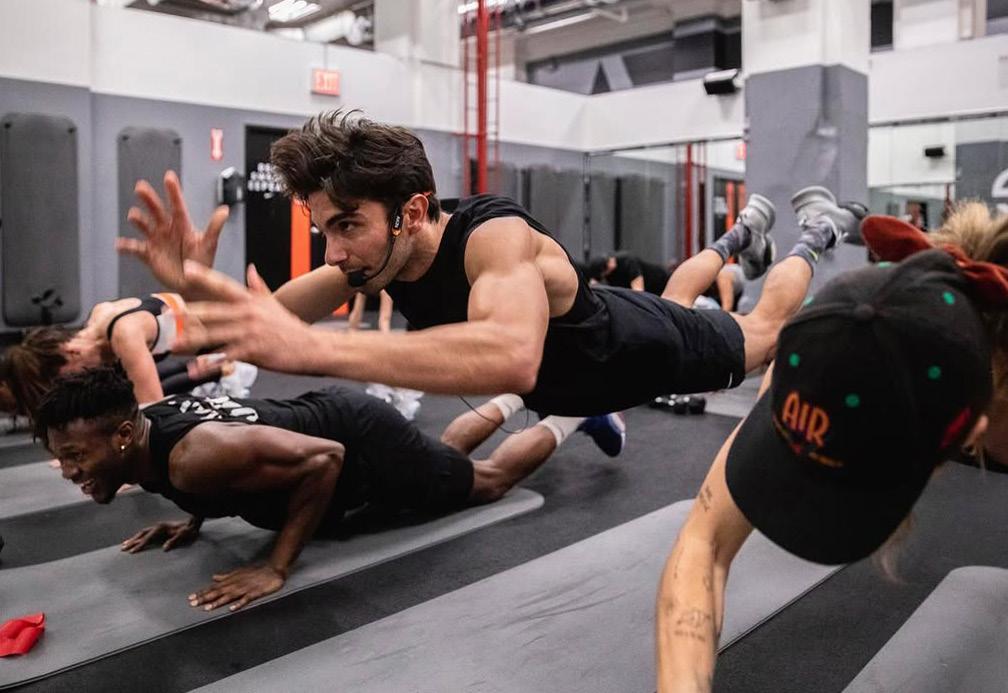
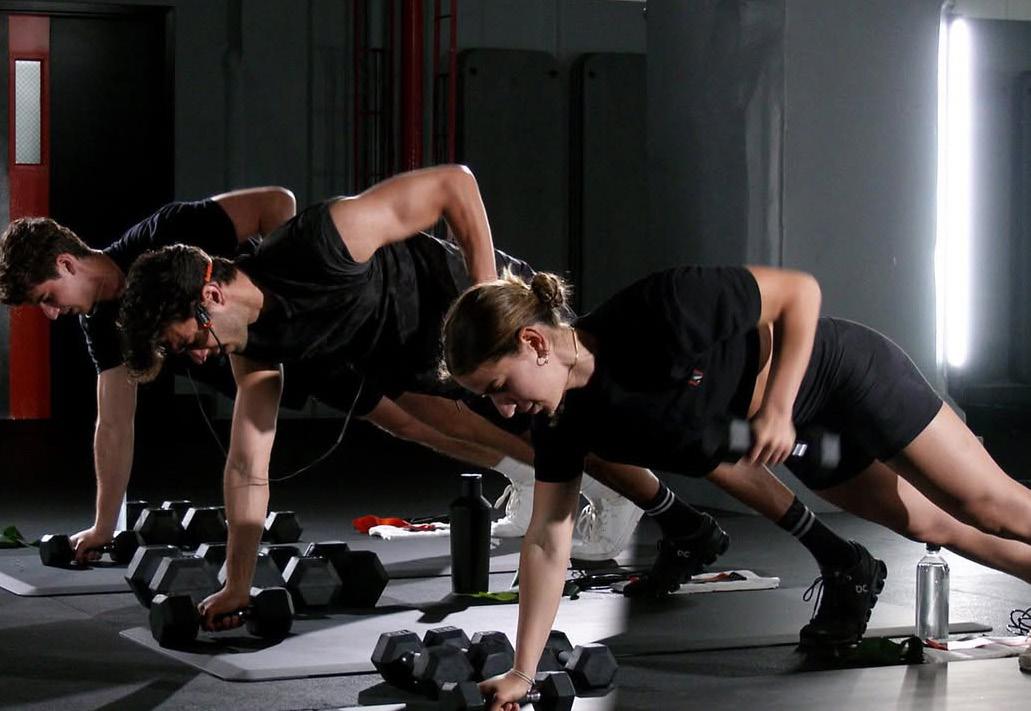
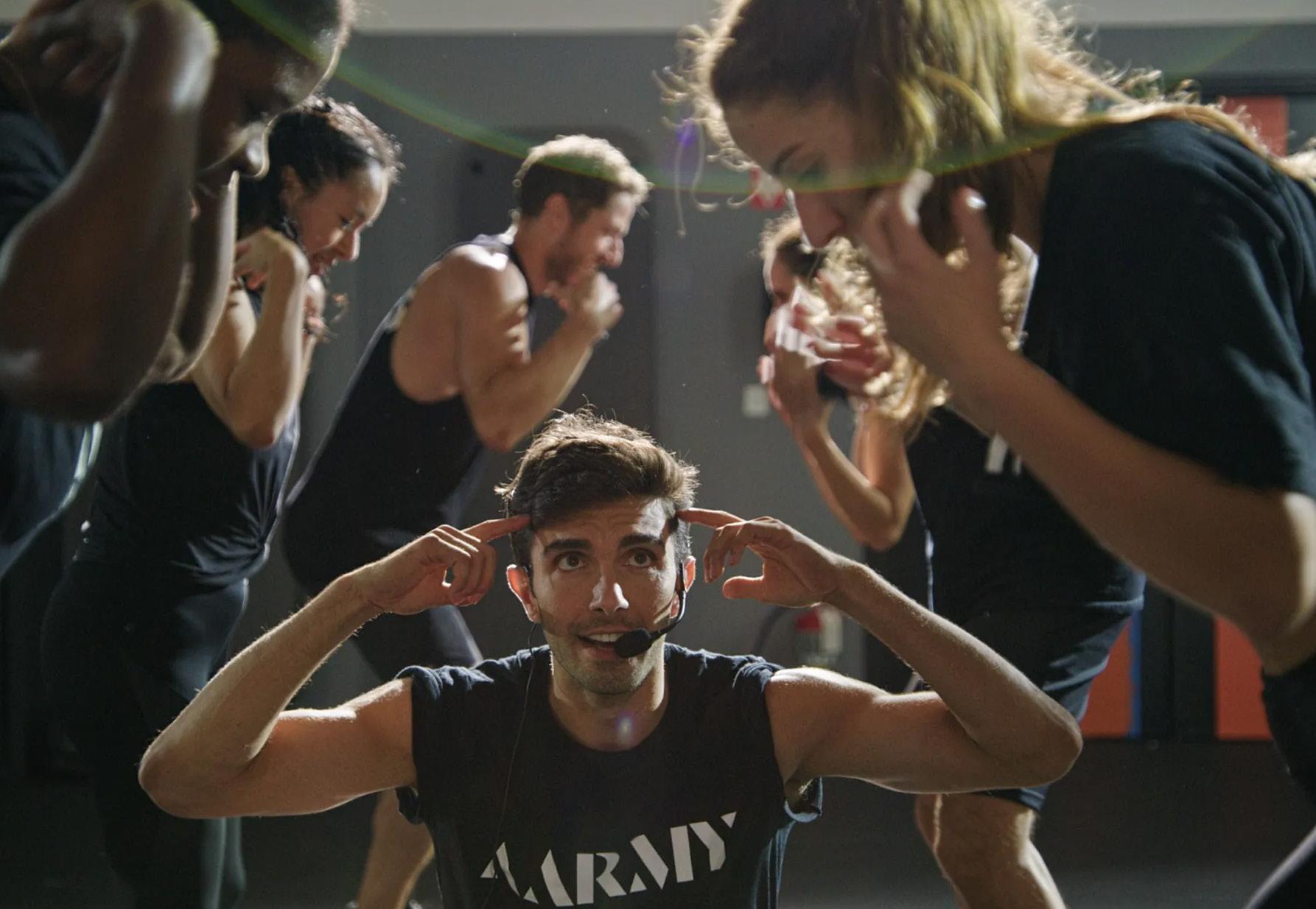
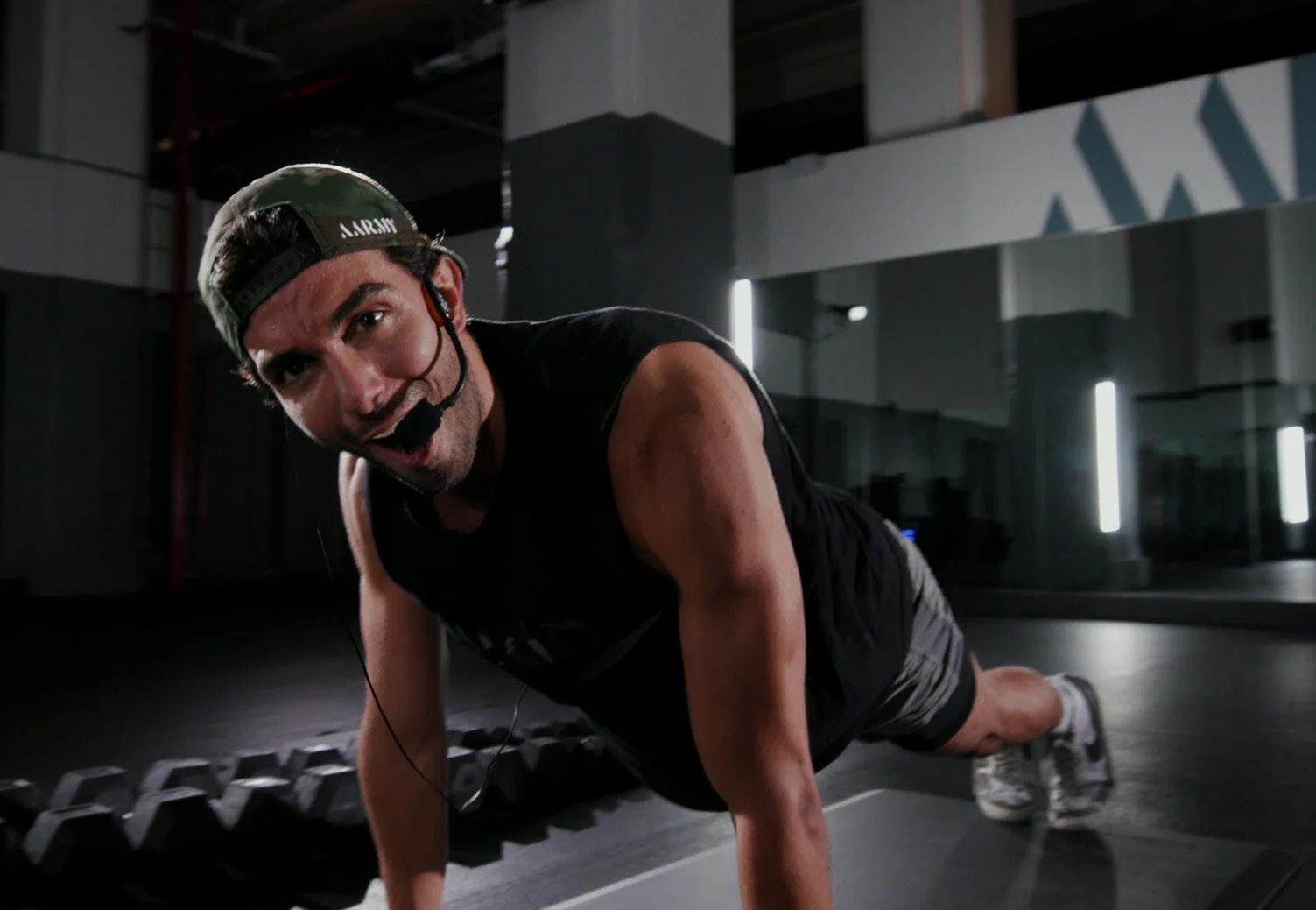
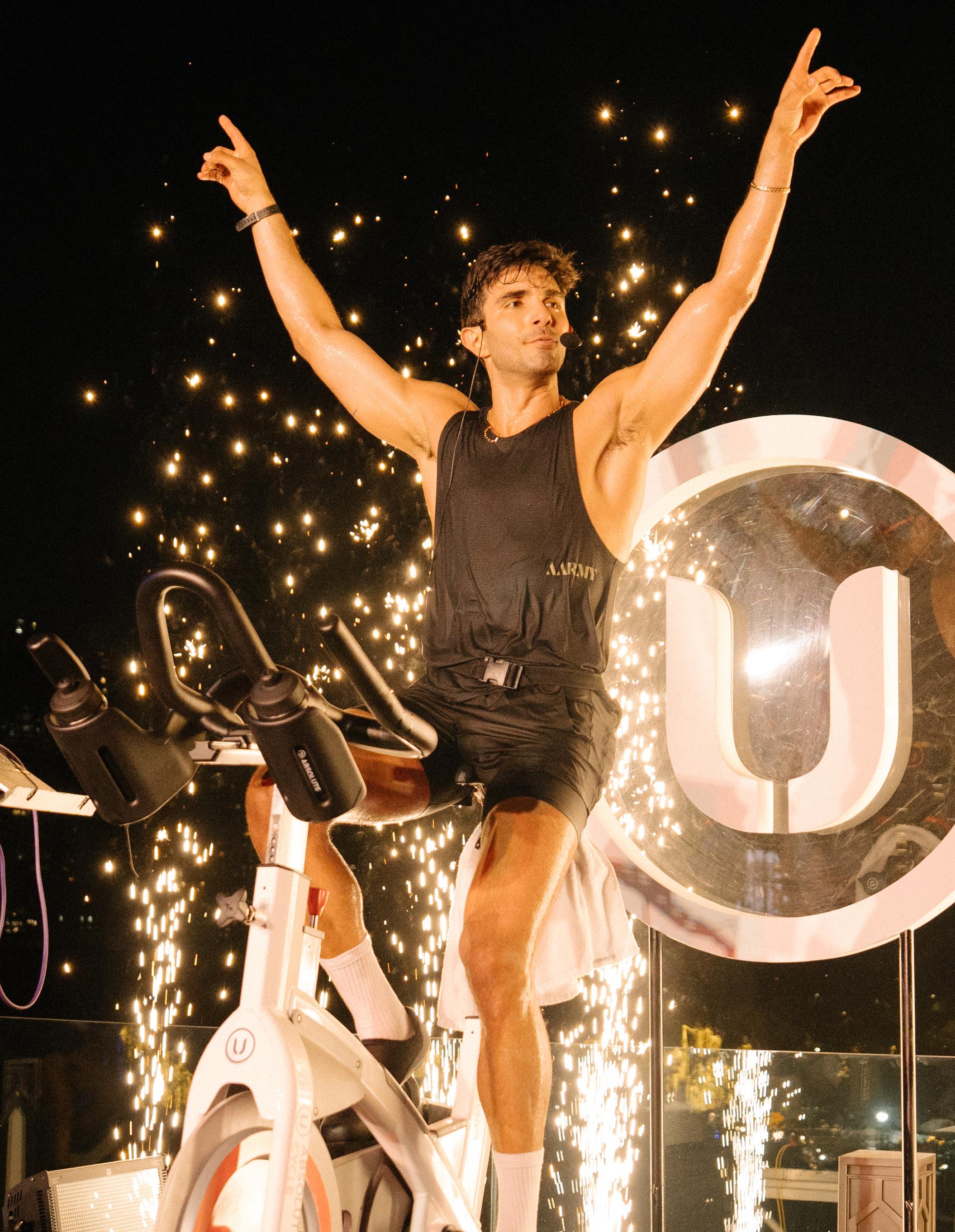
Right (all images): Akin Akman leads AARMY bootcamp classes – the programme that will be on offer at AARMY powered by Absolute
and yoga. But not every location needs everything: all 16 offer reformer Pilates, but otherwise the mix varies to reflect demand and supply in each catchment.
What we have seen over the last few years is a growing demand for personal training and strength work, so we’re about to launch a new group strength class. This will be our primary focus at Absolute over the next two years – a great complement to the stretching and yoga, reformer and feelgood cardio we already offer.
We have no plans to further expand the Absolute offering at this stage, though. Once we’ve launched strength, we feel we’ll have everything we need: reformer Pilates, chair Pilates, tower Pilates, private sessions, indoor cycling, yoga, strength training and personal training.
The challenge now isn’t adding more. It’s optimising the existing estate and its programming mix, deciding which studios should offer which combination of disciplines within their 4,000–12,000sq ft footprints.
Alongside Absolute Boutique Fitness, we’ve launched two new reformerfocused brands over the past couple of years. This is where our real growth will be over the next few years.
The first is Pop Pilates, with three studios already open in Bangkok, one opening in July and plans to reach eight to 10 studios over the next year to 18 months.
Absolute is perceived as a premium brand, even though it’s priced accessibly. The audience has also grown with us over the years and is more mature: typically 30–60+ years.
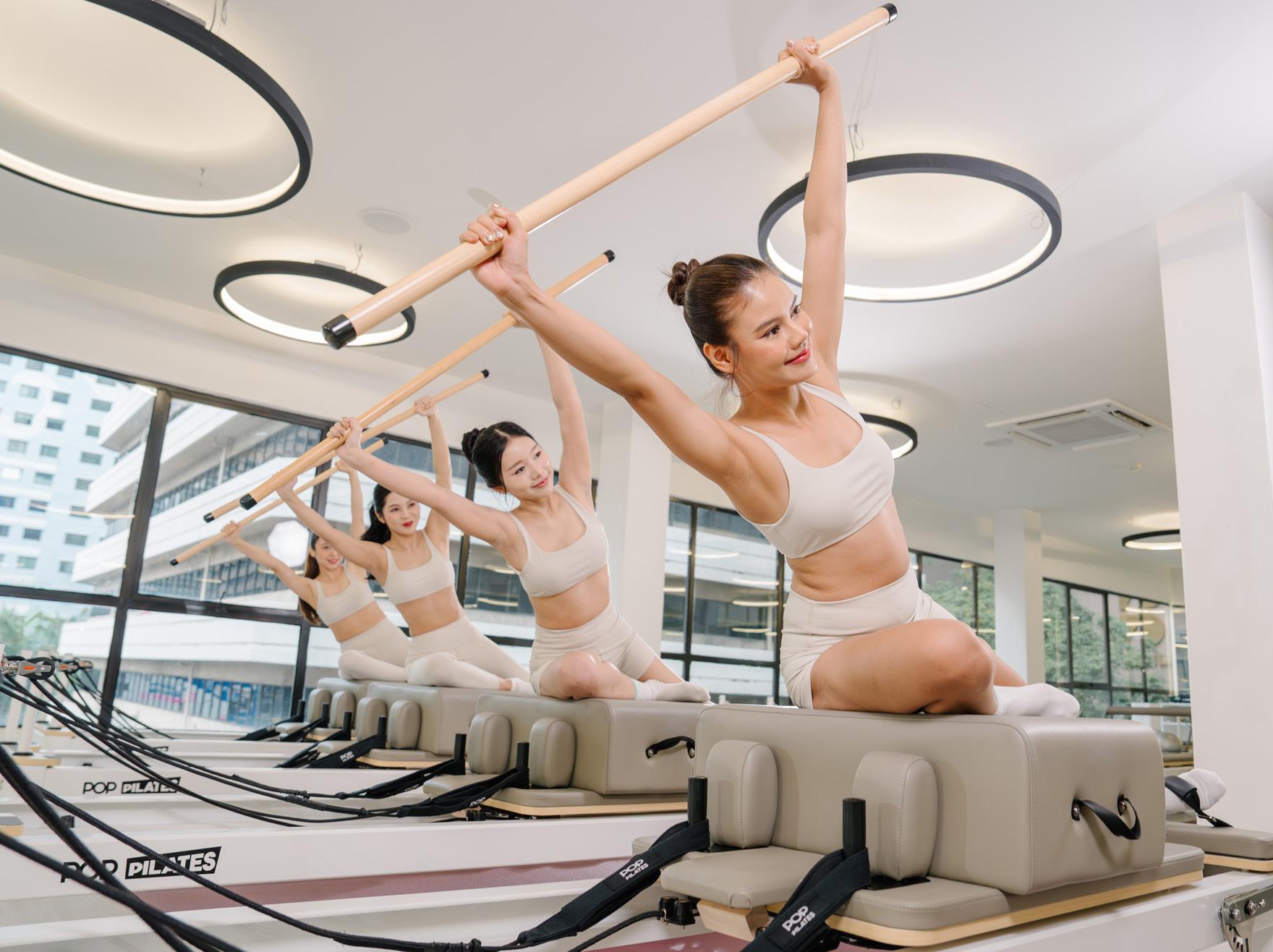
Pop Pilates targets a younger crowd, with décor that’s influenced by pop art and a price point that’s about 25–30 per cent cheaper than Absolute. You come in, take a class, there’s a small locker room and shower – that’s it.
It has a smaller footprint – 1,500–2,000sq ft – which means we can take it into suburban locations. After COVID, we saw a huge shift towards neighbourhood living. People don’t necessarily commute to the city every day any more, so fitness, restaurants and other services are moving closer to where people live.
Pop Pilates allows us to tap into this community market, as well as bringing younger audiences into our group who can then grow with us.
The second brand is The Reformer Society, currently operating one studio in Singapore and one in Hong Kong, with a first Bangkok location due to open in June. Priced higher than Pop but lower than Absolute, this is another no-frills model.
You’ll note we didn’t include Pilates in the brand name. That’s because the classes are really about strength training on the reformer. You see this a lot in the West now, with reformers used for bootcamp-style workouts rather than traditional Pilates.
However, we were very careful with our concept. Even though the workout is intense and strength-focused, it’s still rooted in Pilates principles. You might do 30 reps instead of 10, so it burns more, but
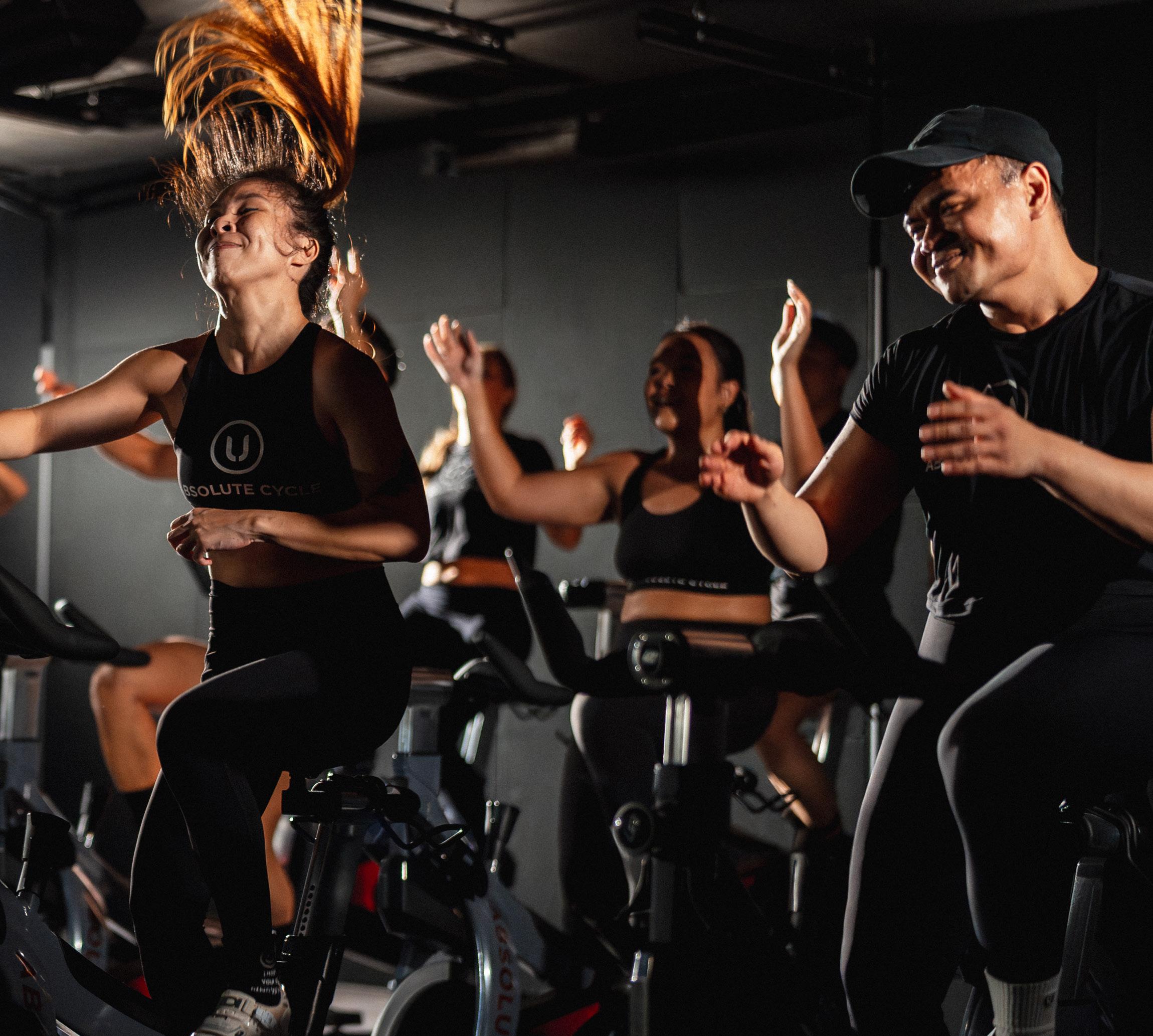
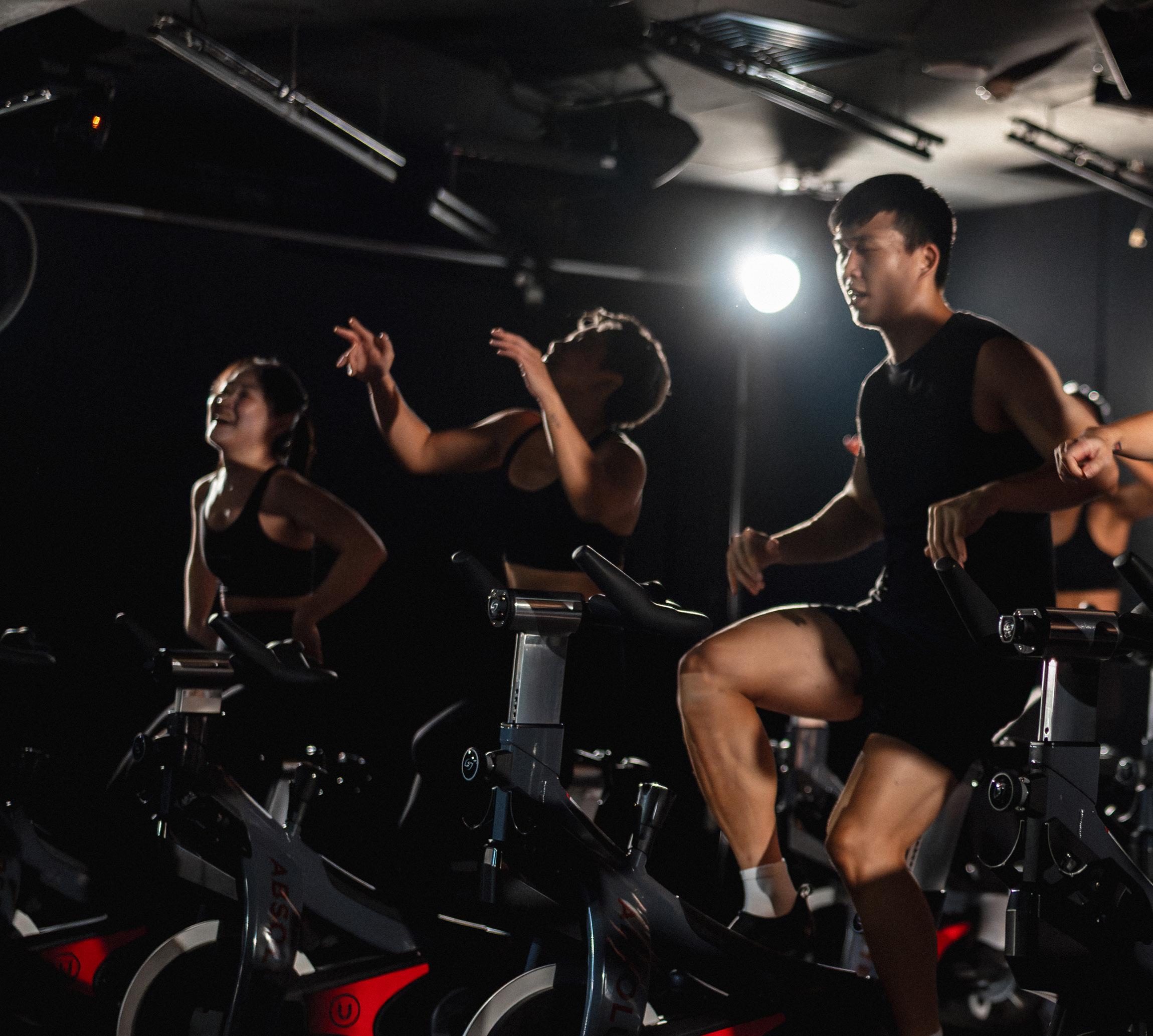
Above: Rhythm45 is Absolute’s classic rhythm cycling class, music-driven and focused on enjoyment
Left: POP Pilates targets a younger crowd in neighbourhood studios
there’s discipline around proper alignment and the logic of our choreography to ensure safe, injury-free movement.
We’ve also paid careful attention to the music, with the rhythms of the playlists specifically designed to match and support our choreography.
You’re bringing AARMY to Asia. Absolute Group is AARMY’s first global franchise partner – a collaboration we believe will be a win-win for both brands. Absolute is very well known in Southeast Asia, particularly in Bangkok and Singapore where we dominate the market – but we’re still largely perceived as a regional brand. Meanwhile, AARMY is a strong global brand with an engaged following in Western markets especially.
Let me say now that this isn’t about growing Absolute beyond Southeast Asia; we’re happy to do what we do well in our core markets. It is about bringing a respected international brand into our ecosystem to further elevate our profile, particularly as a growing number of international brands and franchises enter Southeast Asia.
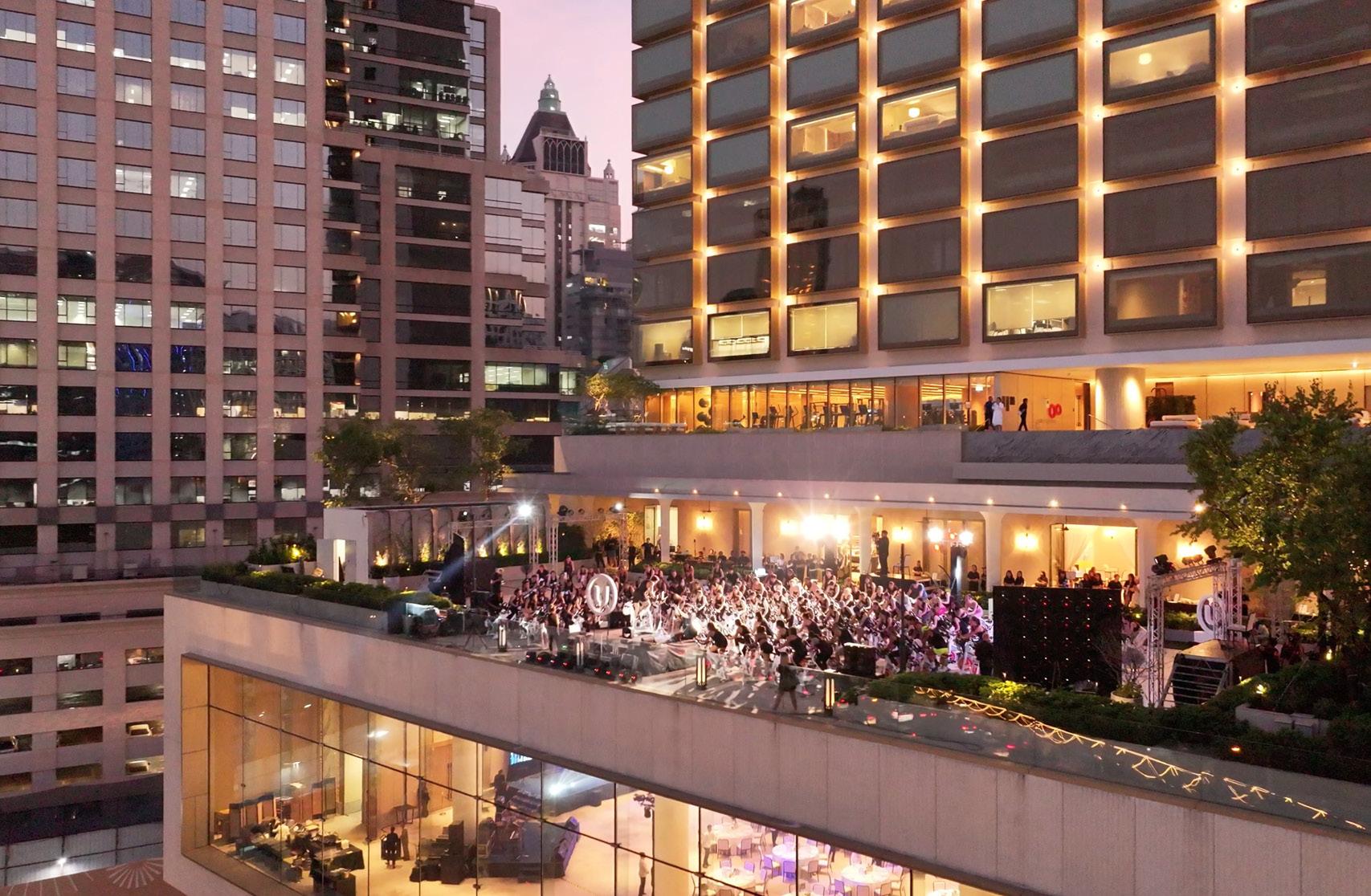
And we’ve worked with AARMY before: founder Akin Akman has visited a couple of times to guest instruct indoor cycling classes for our members, with 120 bikes on a rooftop
“At times we’ve been almost too far ahead of the game, but we do feel the time is right for an urban wellness and longevity club”
overlooking Central Park Bangkok. These collaborations have gone really well, building a lot of trust between our two brands.
Eventually, we started discussing the possibility of bringing AARMY’s bootcamp concept to Asia. The idea isn’t to open huge numbers of studios. Both sides are more interested in building a high-quality, premium presence.
We’re taking our time to find the perfect sites, but hope to launch in both Bangkok and Singapore in June or July 2026. These will be standalone studios branded ‘AARMY powered by Absolute’.
How will AARMY sit alongside your strength class?
Our Absolute strength class is designed more as a complement to yoga and Pilates: members might come once or twice a week to maintain strength and support longevity.
AARMY is a bootcamp: more intense, more performance-driven, more competitive. Those in attendance often want to test themselves, pushing themselves to the max and looking to improve over time.
So, while both involve strength, the mindset and training intensity are completely different.
We therefore expect AARMY to broaden our audience. Traditionally, Absolute has attracted a lot of women, particularly in the Pilates space. AARMY will likely bring in more men and individuals who enjoy performance-driven training, similar to the crowd you see at events such as Hyrox. It’s about challenge and progression.
Have you evolved your indoor cycling programmes?
Indoor cycling has been part of Absolute for 10 years now, so naturally we have to refresh it.
The market hasn’t disappeared – there’s still strong demand for rhythm cycling – but the industry has matured. It isn’t
Left: 120 bikes fill a rooftop overlooking Central Park Bangkok
Right: Akin Akman guest instructs the rooftop class for Absolute members
the explosive trend it was when concepts such as SoulCycle first emerged.
One challenge is that rhythm cycling lacks the obvious progression you see in disciplines such as Pilates or yoga, where you can gradually improve technique and complexity. After many years, regular riders start asking: ‘What’s next?’
Meanwhile, some riders stopped coming during COVID and found it intimidating to return, because classes had become quite advanced. Some people are only now coming back three years on and are quickly realising how much they missed it – but there remains an obstacle here for returners, as well as beginners.
We felt the time had come to redesign our programme, creating clearer pathways and structured progression to improve accessibility for beginners and introduce new challenge for long-term riders.
The result are four clearly defined indoor cycling formats that we launched in April.
Rhythm45 is our classic rhythm cycling class, music-driven and focused on enjoyment. You come in after work, ride to the beat, have a great workout and leave feeling energised. It’s a great entry point, as well as providing stress release for regulars.
“Our four new cycle formats improve accessibility for beginners and introduce new challenge for long-term riders”
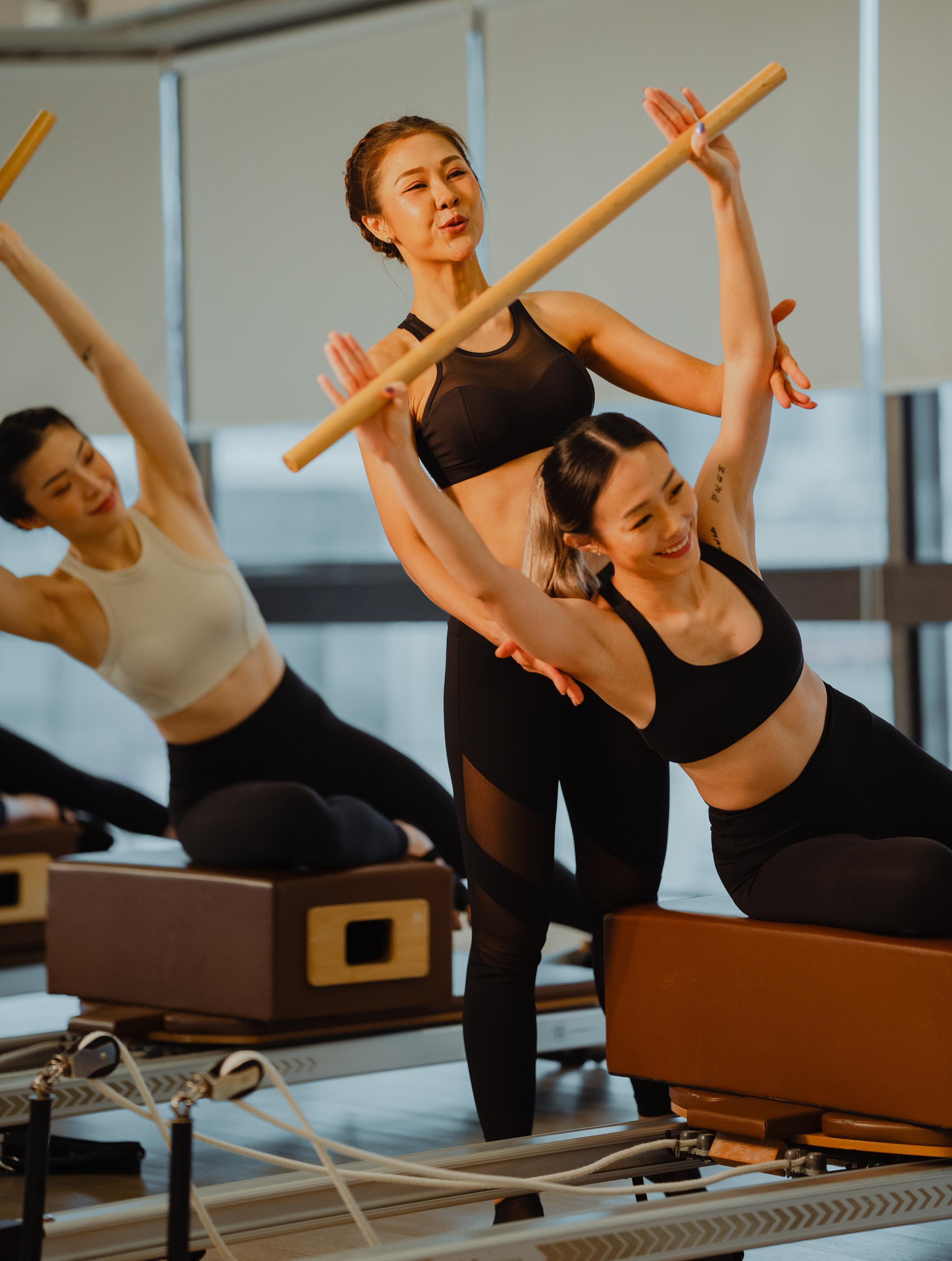
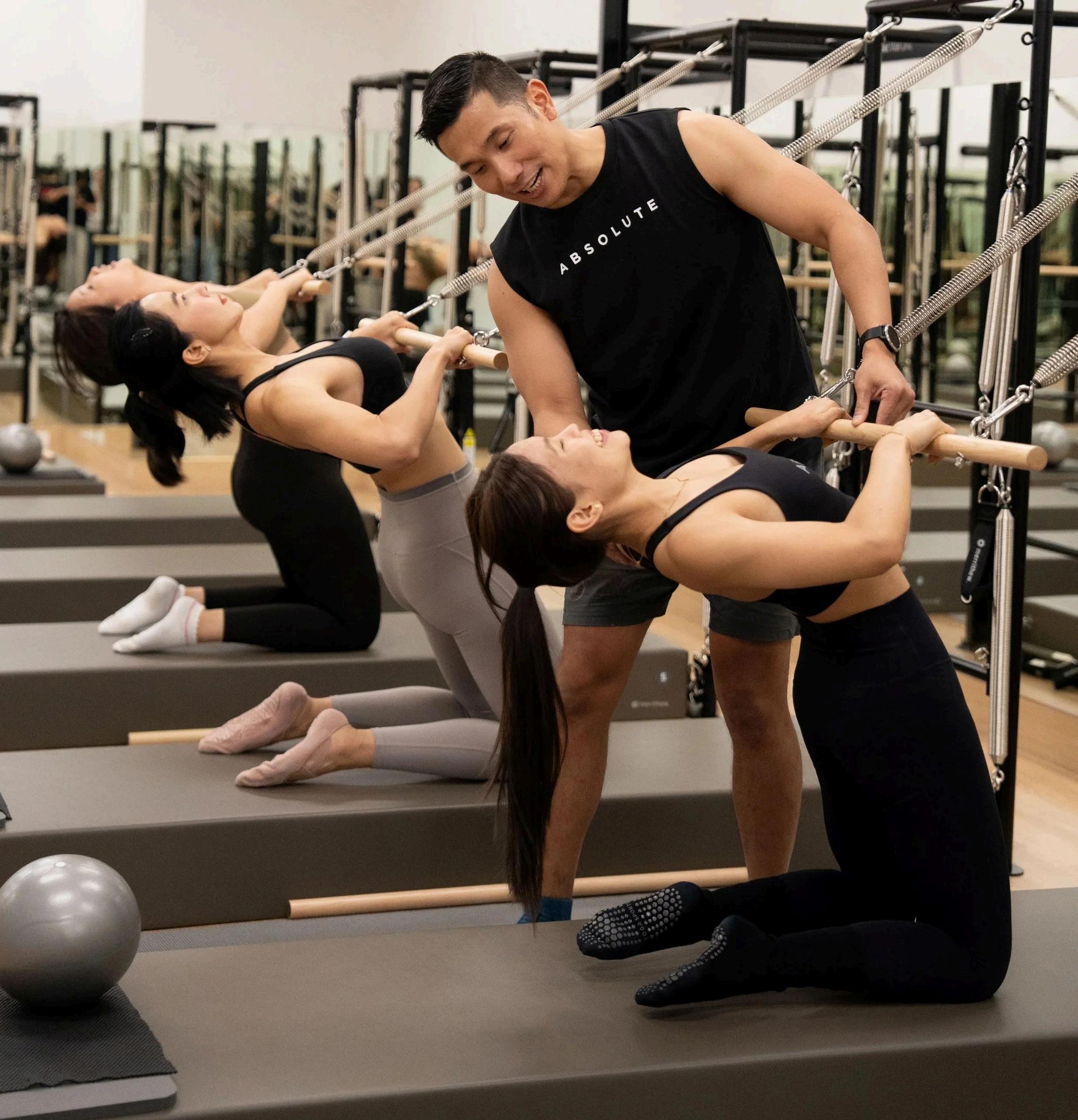
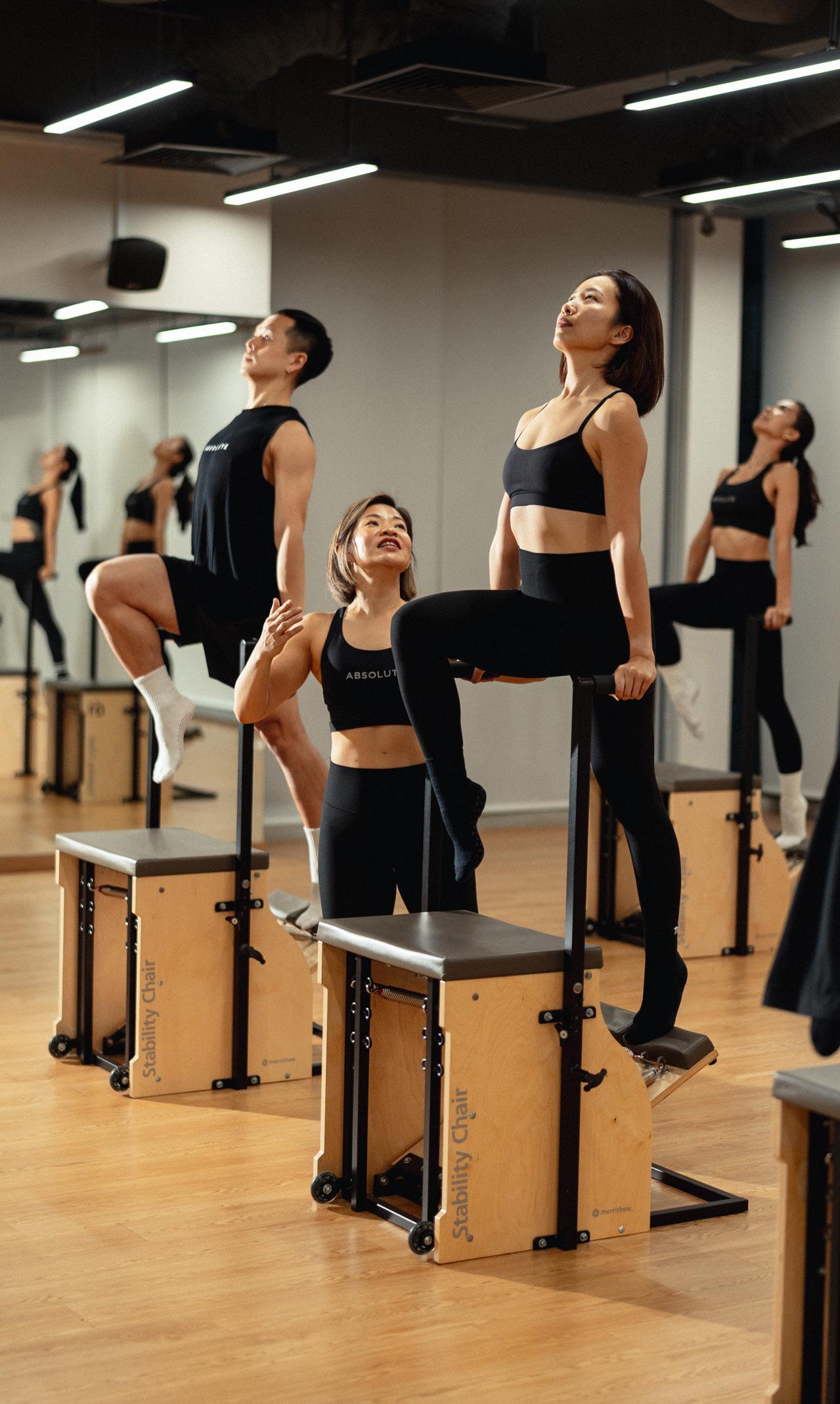
Both images: Every Absolute Boutique Fitness location offers Pilates, with disciplines including reformer Pilates (left) and chair Pilates (below right)
Choreo45 emphasises choreography and upper-body movement and caters for beginners and intermediates. Many of our riders love this style, because it feels almost like a synchronised dance on the bike.
Endurance45 is a performancedriven class focused on stamina and cardiovascular conditioning, targeting intermediate to advanced riders. Finally, Strength60 is a longer, performancebased ride with higher levels of resistance and a focus on upper- and lower-body strength. The framework for each programme features a series of structured sequences, allowing for variety in choreography while maintaining consistency of experience across instructors – all of whom exclusively instruct cycling for Absolute.
You’re launching an urban wellness concept.
An urban wellness and longevity club is something we’ve been discussing internally for many years. Wellness is the next big thing and, having launched our wellness retreat – Absolute Sanctuary – in Ko Samui 18 years ago, we have extensive experience and knowledge that we’re keen to harness. For a long time, we’ve felt there would be demand for a similar wellness and longevity concept in a city environment, albeit on a smaller scale. However, at times we’ve been almost too far ahead of the game with some of our innovations, so we held off. Now we feel the timing is right, so we’re aiming to launch a 15,000sq ft Absolute Wellness Club in Bangkok in November.
“Loyalty no longer means always going to the same place. People can love you but still want variety.”
“There’s a balance to strike between brand history and credibility on the one hand and innovation on the other”
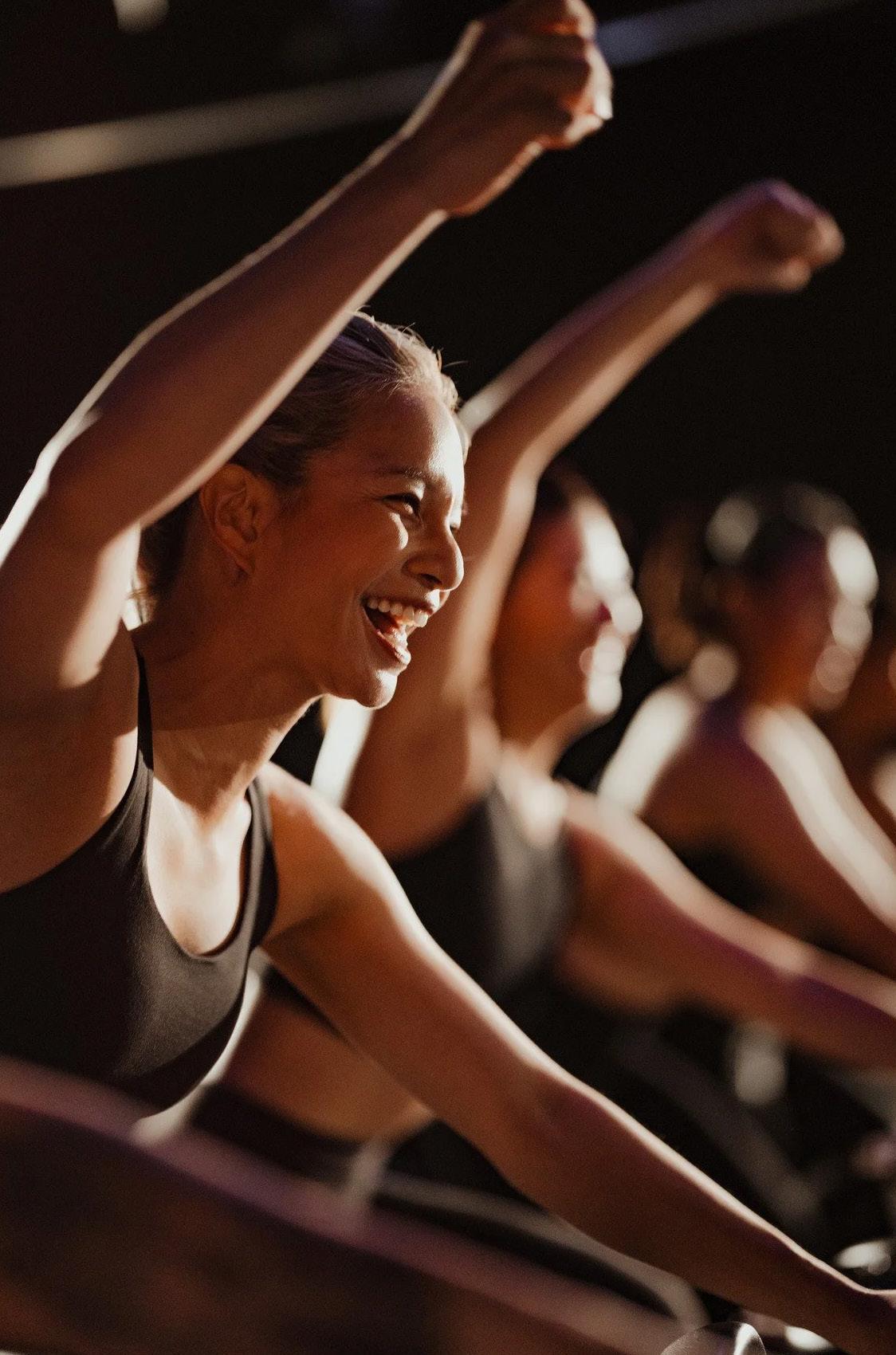
Left: New cycle programmes bring variety in choreography at the same time as consistency of experience
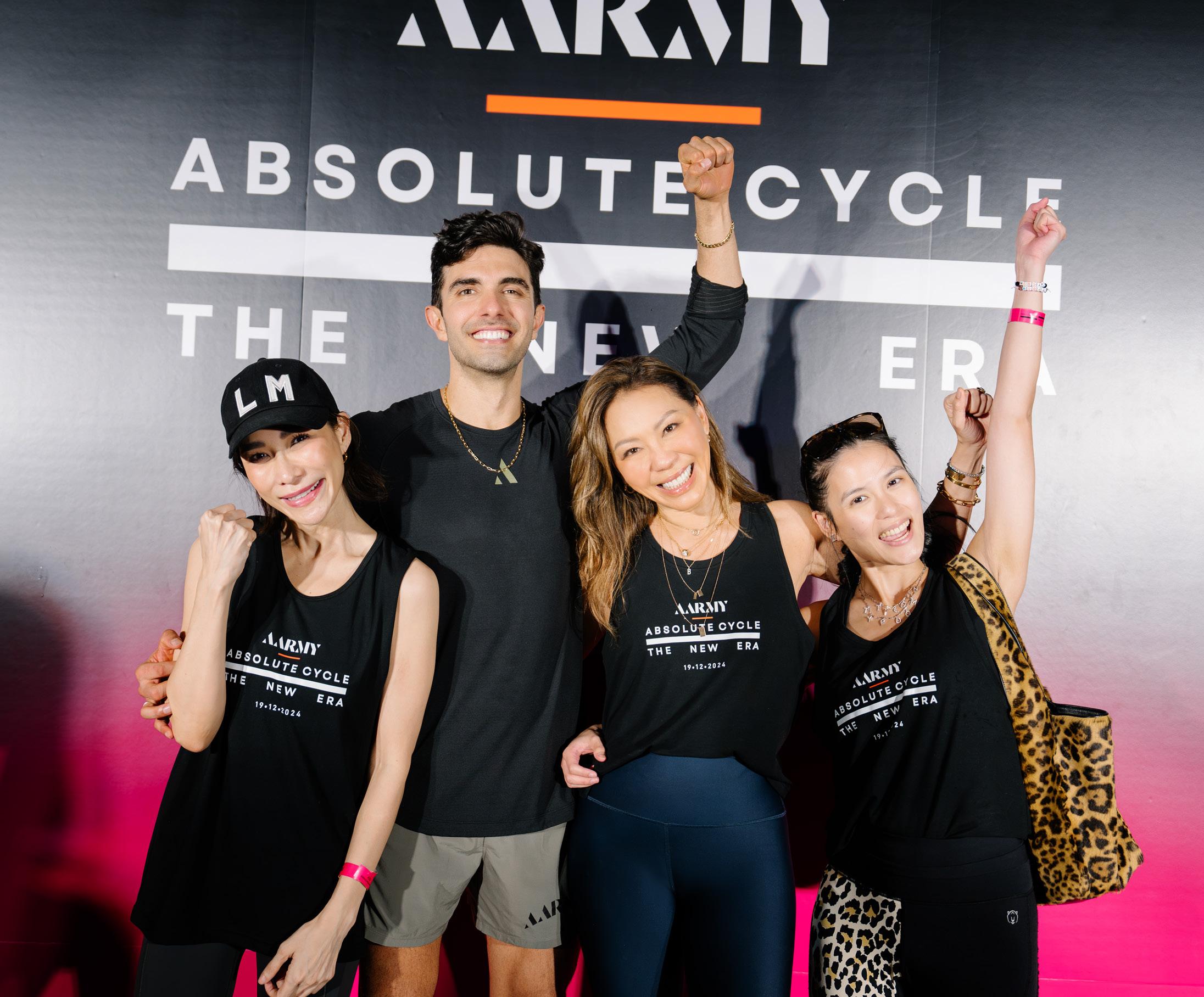
Right: Akman and Karoonkornsakul (centre of the group): ‘Previous collaborations have built trust between our brands’
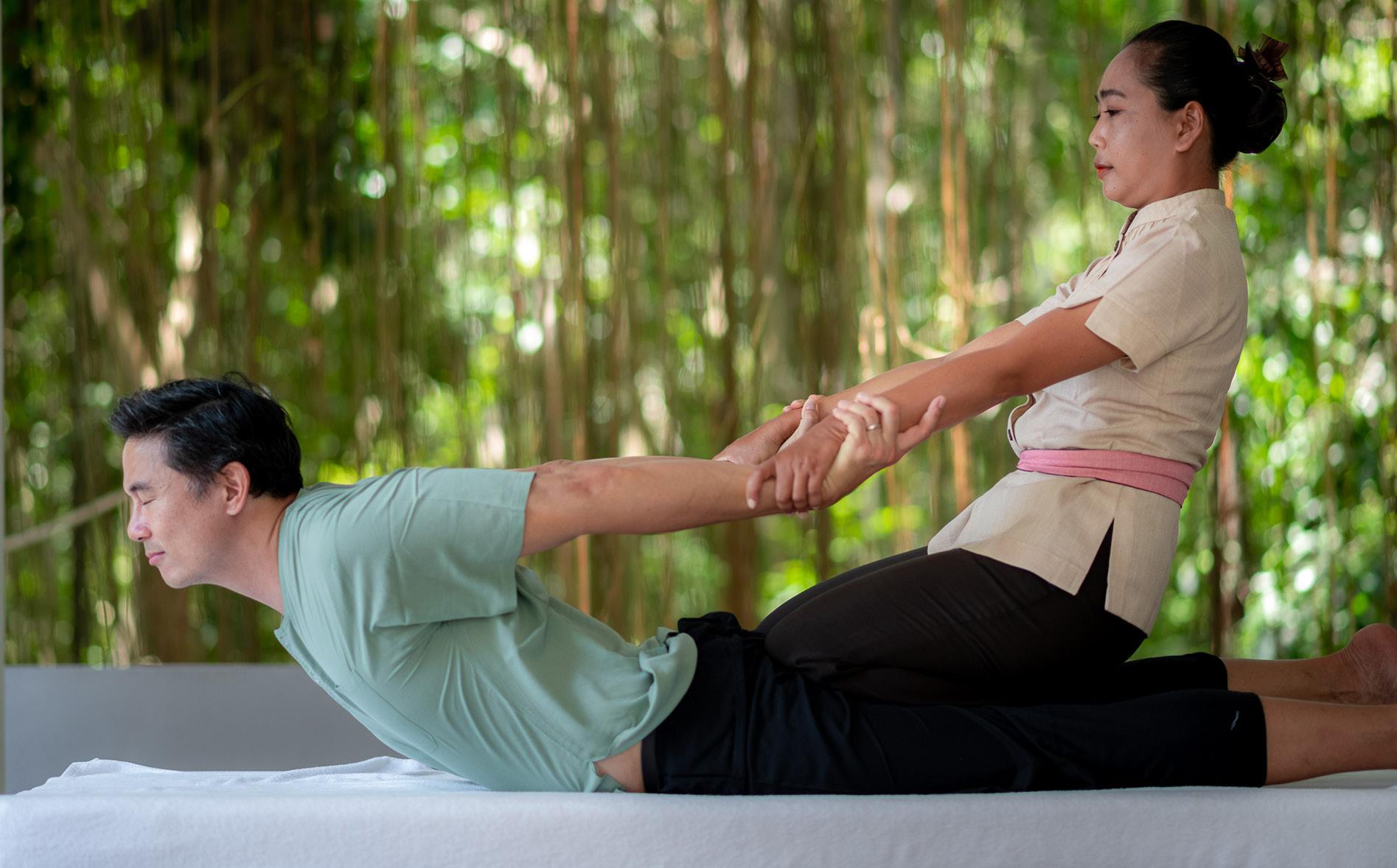
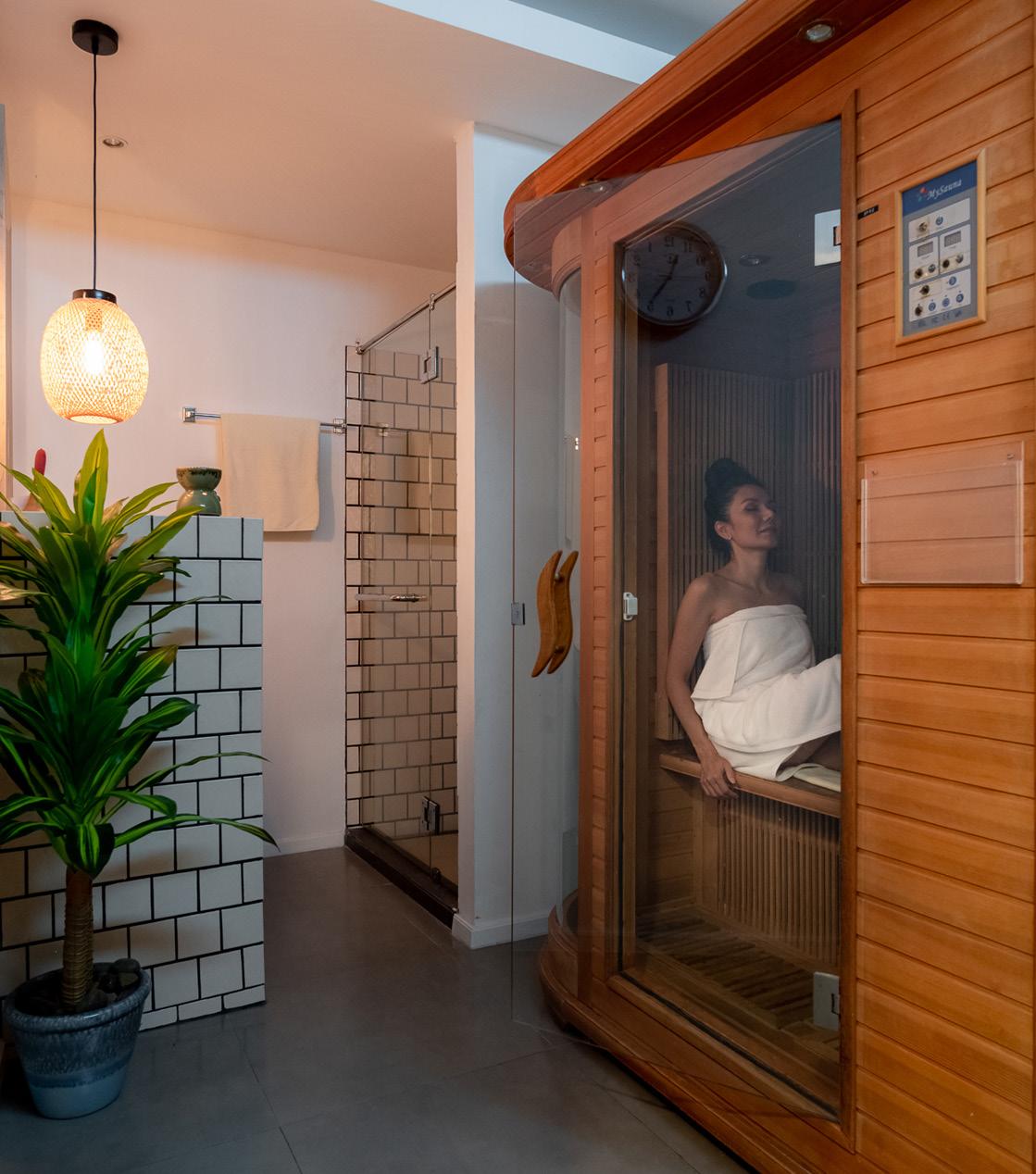
The idea is a club centred around wellness, fitness, longevity and community. Fitness elements will include reformer classes, yoga and personal training, while a significant wellness offering will span hydrotherapy, infrared and traditional saunas, oxygen chambers, red light therapy and a recovery zone featuring ice baths, hot tubs and a large communal sauna. We’ll also offer some medical wellness services – such as IV drips and vitamin therapies – and a spa.
The goal is to create a place where people can integrate wellness into their daily lives without having to travel to a retreat destination, although we will also embrace wellness tourism.
Space is always a challenge in boutique studios: it would be difficult to add large recovery zones to existing locations. Plus, Absolute does already allow for active recovery within its mix of disciplines.
What we’re exploring instead is how to integrate wellness into future Reformer Society studios, where the younger audience is already very interested in recovery.
In this model, we can expect members to train hard one day and then come back the next day specifically for recovery: cold plunge, sauna, rest and regeneration. We’re looking at how we can make it a social group experience.
For our more traditional Absolute Boutique Fitness clients, the full wellness club will probably be the better fit.
Quite simply, you never sit still. Just because you’ve been successful for decades, doesn’t guarantee you success next year.
When reformer Pilates exploded after COVID, Absolute benefited because we’d been doing it for 15 years already. We were ready for the surge in demand. Now the market is catching up: many new studios have opened, some of them quite good, with lots of international franchises also entering the region.
So we have to keep evolving, elevating consumer perceptions still further: refreshing programmes, introducing new and differentiated concepts, maintaining our relevance.
We’re fortunate to operate within the growing sector of fitness, but we have to recognise that people are now consuming it differently. As an operator, you can’t just have one brand or one experience any more. Loyalty no longer means always going to the same place: people can love
you but still want variety. We’re looking to provide that within our group. Yet as we expand into new areas, we must also continue to refine what we already do well. There’s a delicate balance to strike between brand history, credibility and loyalty on the one hand and, on the other, innovating to ensure our brand doesn’t go stale. That’s what we’re working on right now – and what we will keep working on every day. l
As social media rewards spectacle over substance, indoor cycling is drifting away from the principles that make it safe, effective and inclusive. Melissa Power outlines the issue – and what needs to change

A growing proportion of what we see isn’t designed for the people in the room. It’s designed to look good on a screen.
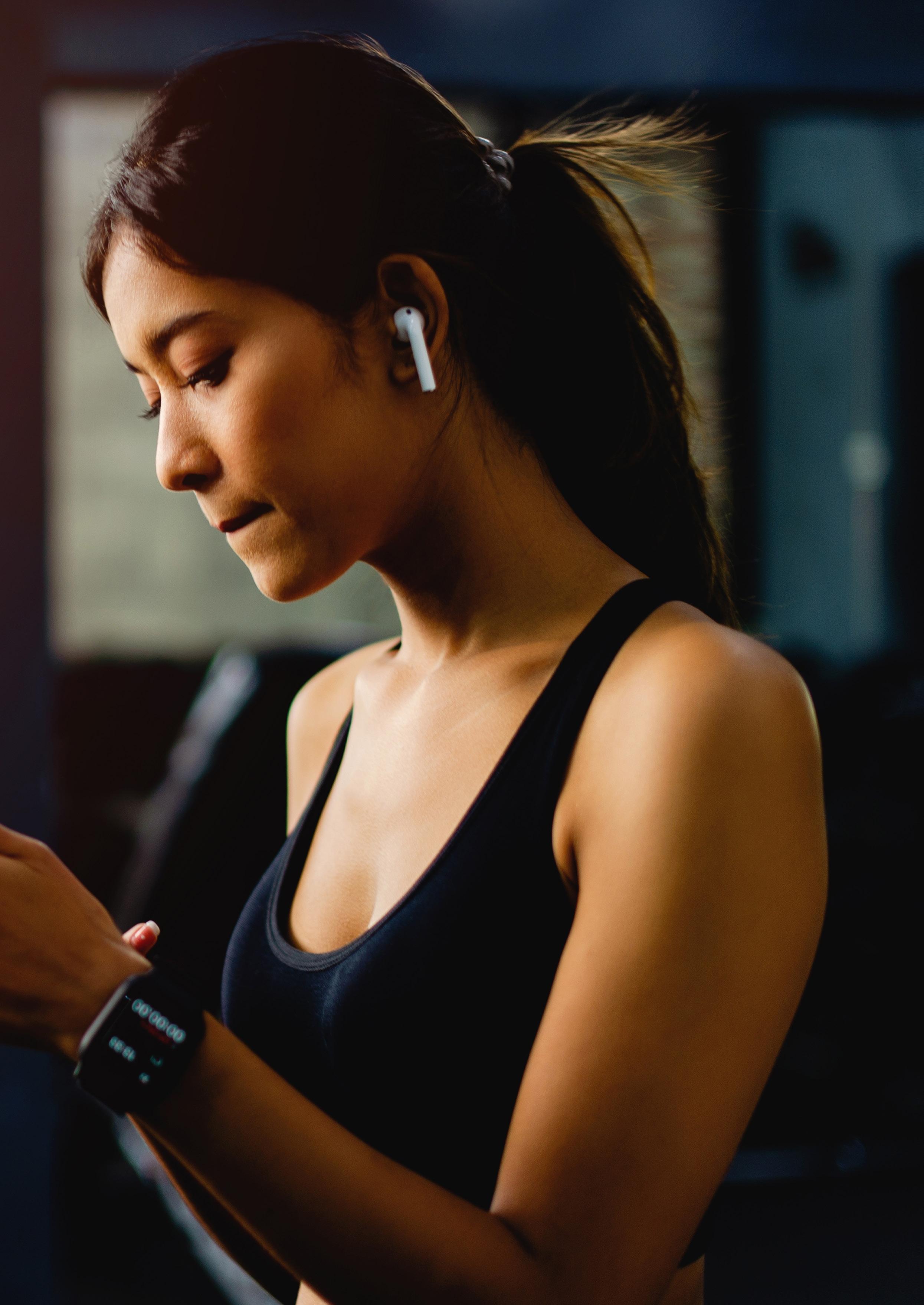
The world of social media is dominated by what Power calls ‘podium performers’
I’ve spent more than two decades teaching indoor cycling. I’ve coached in big gyms and small studios, trained instructors around the world and built my own studio, Cadence, around a simple belief: when taught properly, indoor cycling is one of the safest, most effective, most inclusive forms of exercise there is.
It works for people returning from injury. It works for older adults. It works for beginners, endurance athletes and everyone in between. It builds strength, cardiovascular fitness and confidence without the impact that puts so many people off exercise in the first place.
It’s why I’m increasingly concerned about what the industry is presenting as ‘indoor cycling’ today.
Right now, a growing proportion of what we see – and what’s being rewarded – isn’t designed to make people fitter, stronger or healthier. It isn’t even designed for the people in the room. It’s designed to look good on a screen.
That’s a huge issue, because what goes viral on social media isn’t what makes a good indoor cycling class. To the contrary, in many cases it represents the least achievable, least effective, least safe version of this wonderful discipline. But the more it dominates our feeds, the more it distorts public understanding of what indoor cycling actually is – and who it’s for.
Real indoor cycling looks terrible on social media. A brilliantly coached class doesn’t translate well into a 15-second clip.
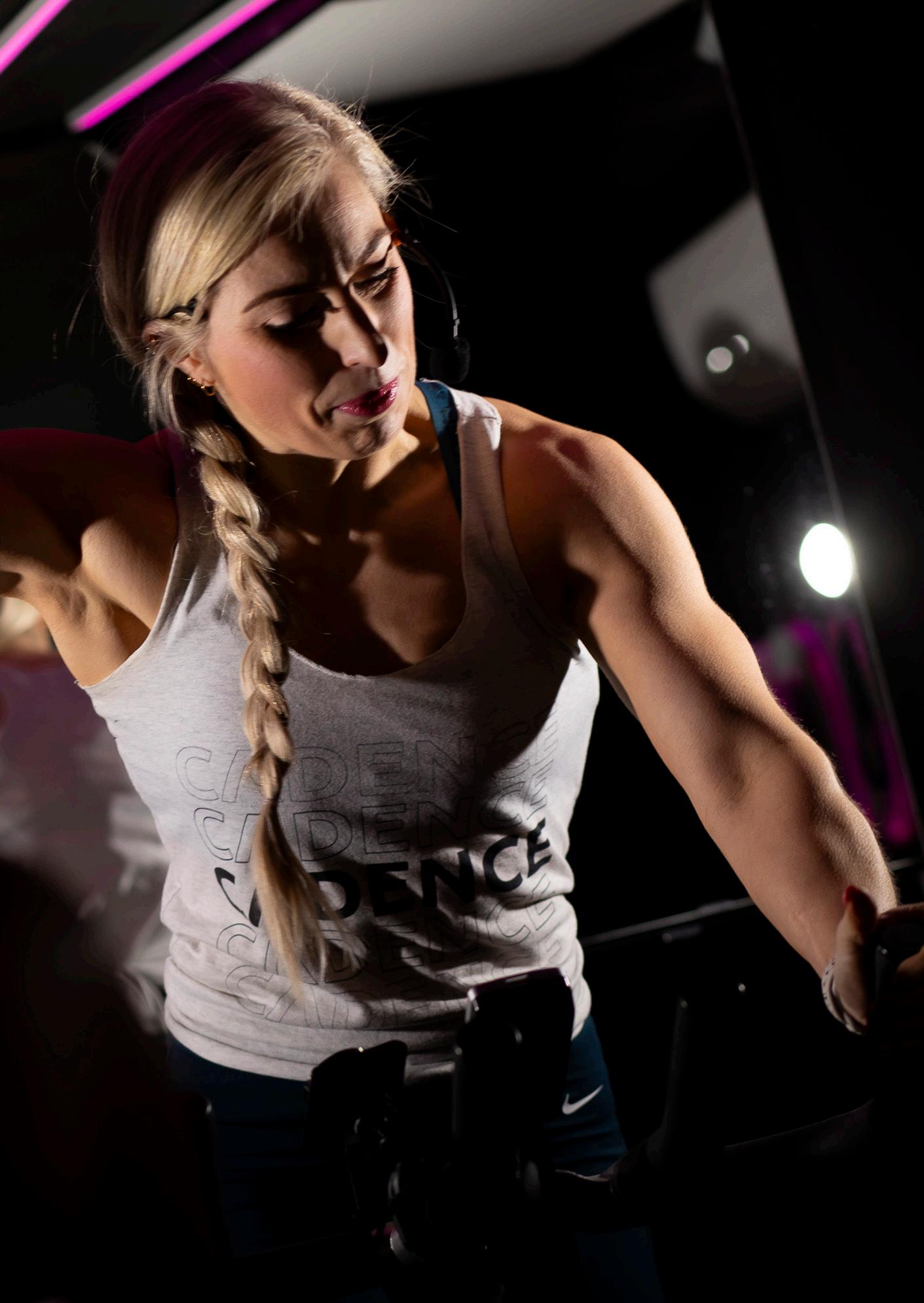
doesn’t film its classes; riders can discover the experience in-person
The style of cycling that dominates Instagram and TikTok is not designed to be followed. It’s designed to be watched. It’s built for the camera, not for the bodies in the room.
I talk about ‘podium performers’ as opposed to indoor cycling instructors and it’s an important distinction to make, because what we’re seeing on social media isn’t indoor cycling. It’s podium performance: very high cadences, low resistance and choreography that looks impressive on screen but makes no biomechanical sense on a bike. Hands off the bars. Excessive twisting. Double-time riding at 120+ RPM. It’s all spectacle with very little substance –education making way for entertainment.
I often describe it as the fast food of fitness: it feels exciting in the moment, but there’s no depth to it. No nourishment. No longevity. It’s a degraded version of the discipline where coaching, structure and safety are removed – the three things that make indoor cycling so effective in the first place. And from a physiological point of view, this style of riding simply doesn’t do what people think it does. There’s a persistent myth that pedalling faster burns more calories. In reality, calorie burn is driven
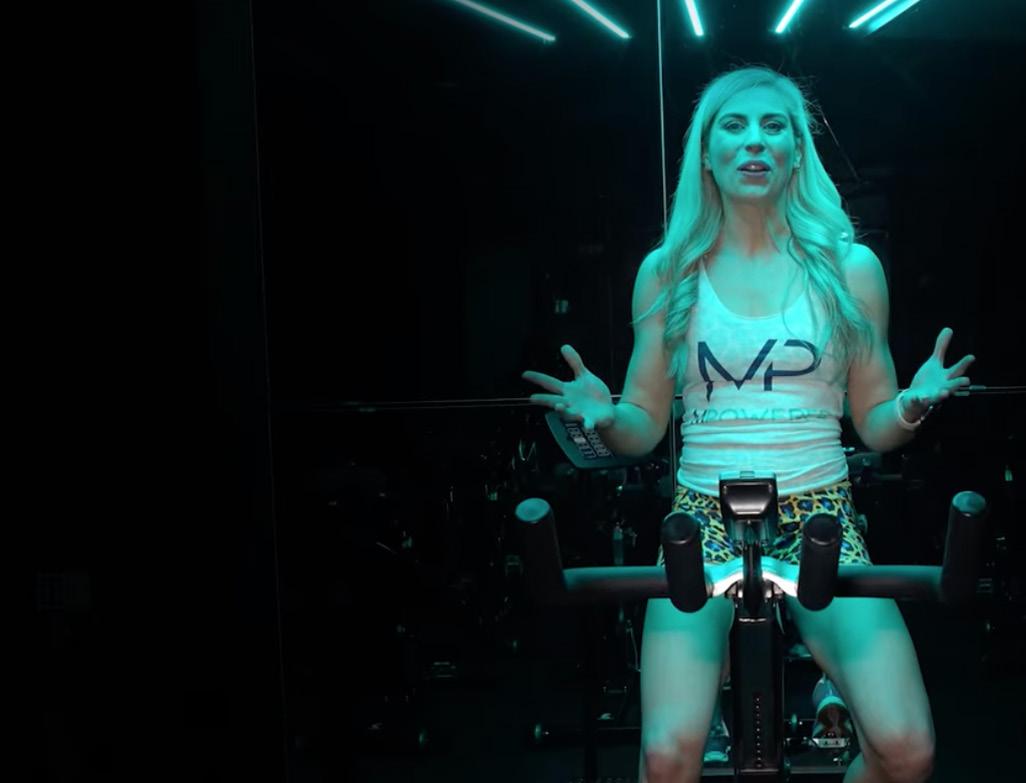
Above: Good instructors focus on being coaches, not social media stars, says Power
Left: Power’s new YouTube channel aims to help more people discover what good indoor cycling is
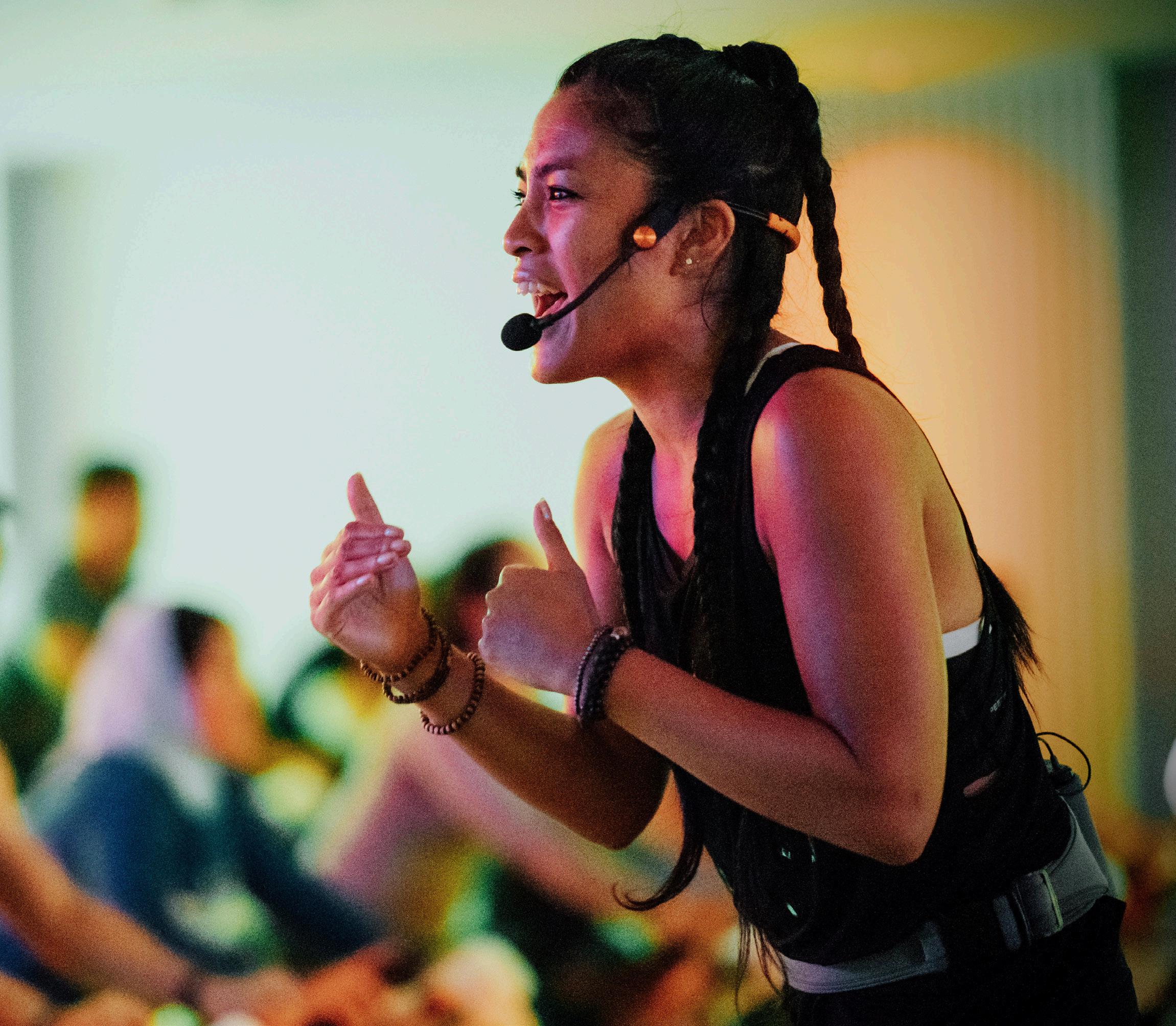
Yes, instructors need to demonstrate rhythm. But their primary role is still to observe, adapt and coach the room in front of them.
by power output, not cadence. Spinning your legs quickly with minimal resistance keeps power low and muscle engagement negligible. You might sweat, but you’re not getting stronger, fitter or more resilient. Over time, it can also be damaging. Sustained high-cadence, low-resistance riding places unnecessary stress on joints and connective tissue – the equivalent of running downhill for an entire session.
But the physical consequences are only part of the story. The deeper issue is cultural. In almost every other group exercise discipline, instructors are coaches. Yoga teachers don’t spend the class showing off advanced poses while the room struggles behind them. Boxing coaches don’t spar while participants watch. CrossFit coaches don’t perform the workout instead of teaching it.
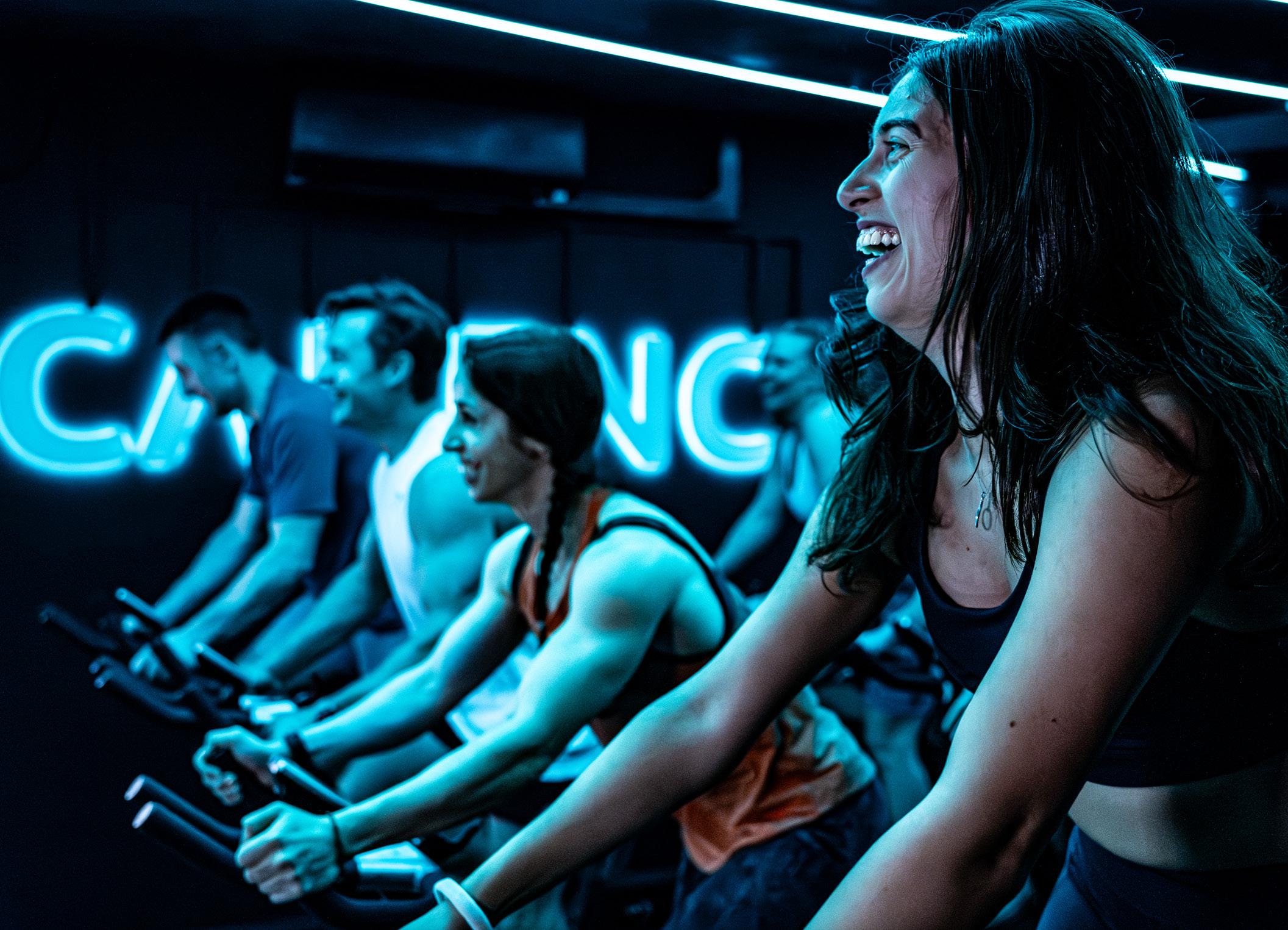
Indoor cycling should be no different.
Yes, instructors need to be on the bike. Yes, they need to demonstrate rhythm and technique. But their primary role is still to observe, adapt and coach. To programme for the room in front of them.
What I’m seeing instead are instructors abandoning coaching altogether. Classes are getting bigger, the podium higher, and with that comes a disconnect. Cadences go up, choreography gets more complex and instructors plough on regardless of who is or isn’t keeping up. Their cries from the podium become empty self-help novels – “You’ve got this!” or “Set your intentions for the day!” – as opposed to intelligently coaching riders through the detail of each phase.
“3, 2, 1, sprint!” sets their riders off, pedalling at furious RPMs without any further guidance. What it should be – what it is at Cadence: “We’re going to increase our watt output for 45 seconds. I want you to ride at
10 out of 10 effort, in the saddle, at a cadence of 85 – so essentially, that will be the highest gear you can hold at 85 RPM.” That’s a sprint.
When this doesn’t happen, the result is exclusion, not aspiration. People feel lost, unsafe or embarrassed. Many decide that indoor cycling isn’t for them, which is tragic as it should be one of the most accessible forms of exercise we offer. At Cadence, I coach people who are pregnant, returning from surgery, managing long-term health
Above: Instructors need to offer riders more than ‘empty self-help’ cries of motivation
Right: Power has taught indoor cycling for 20+ years and also runs instructor training academy MPowered
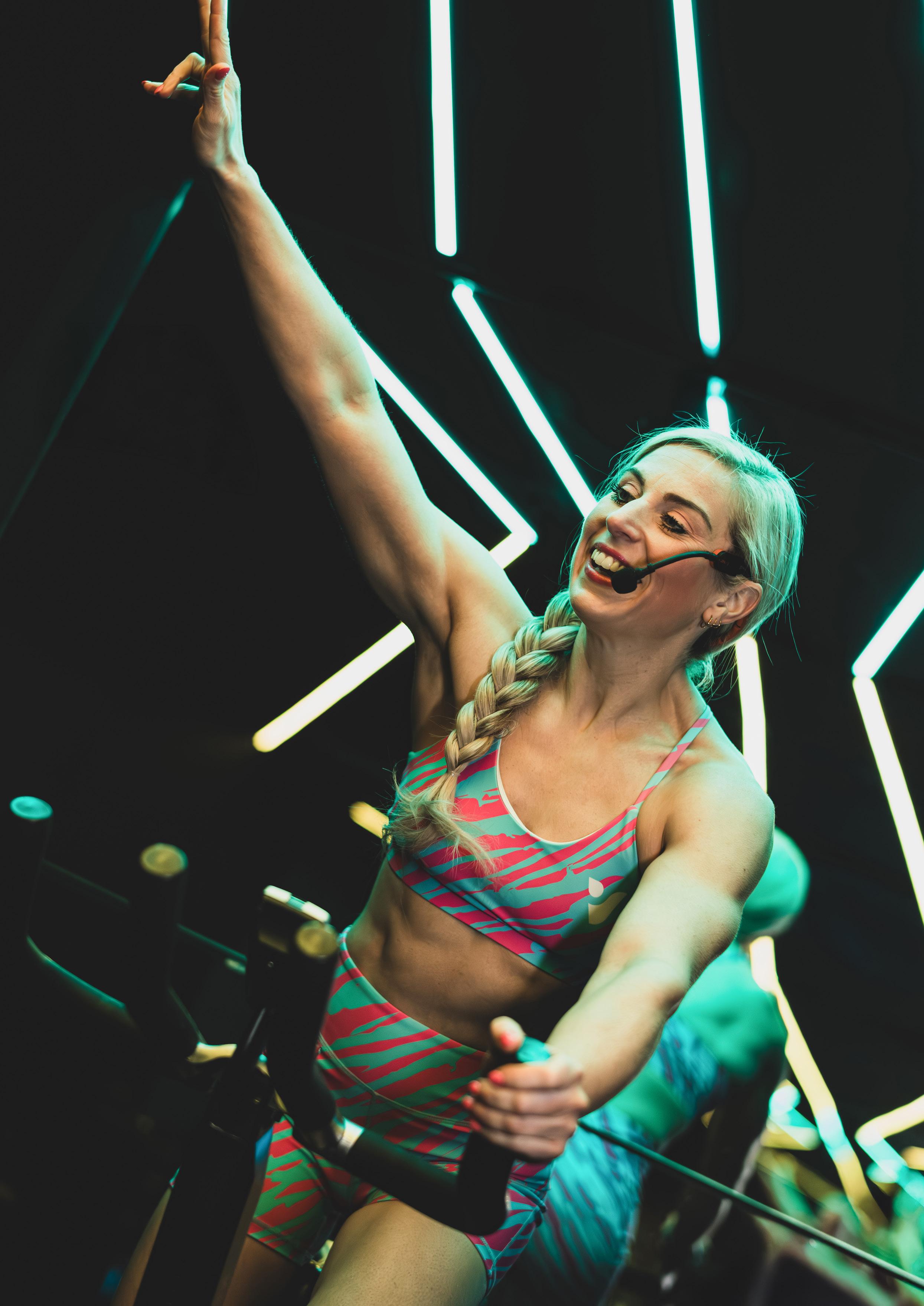
If your studio can’t attract anyone over 30, it’s not a mystery – and from a commercial point of view, it should be a serious concern
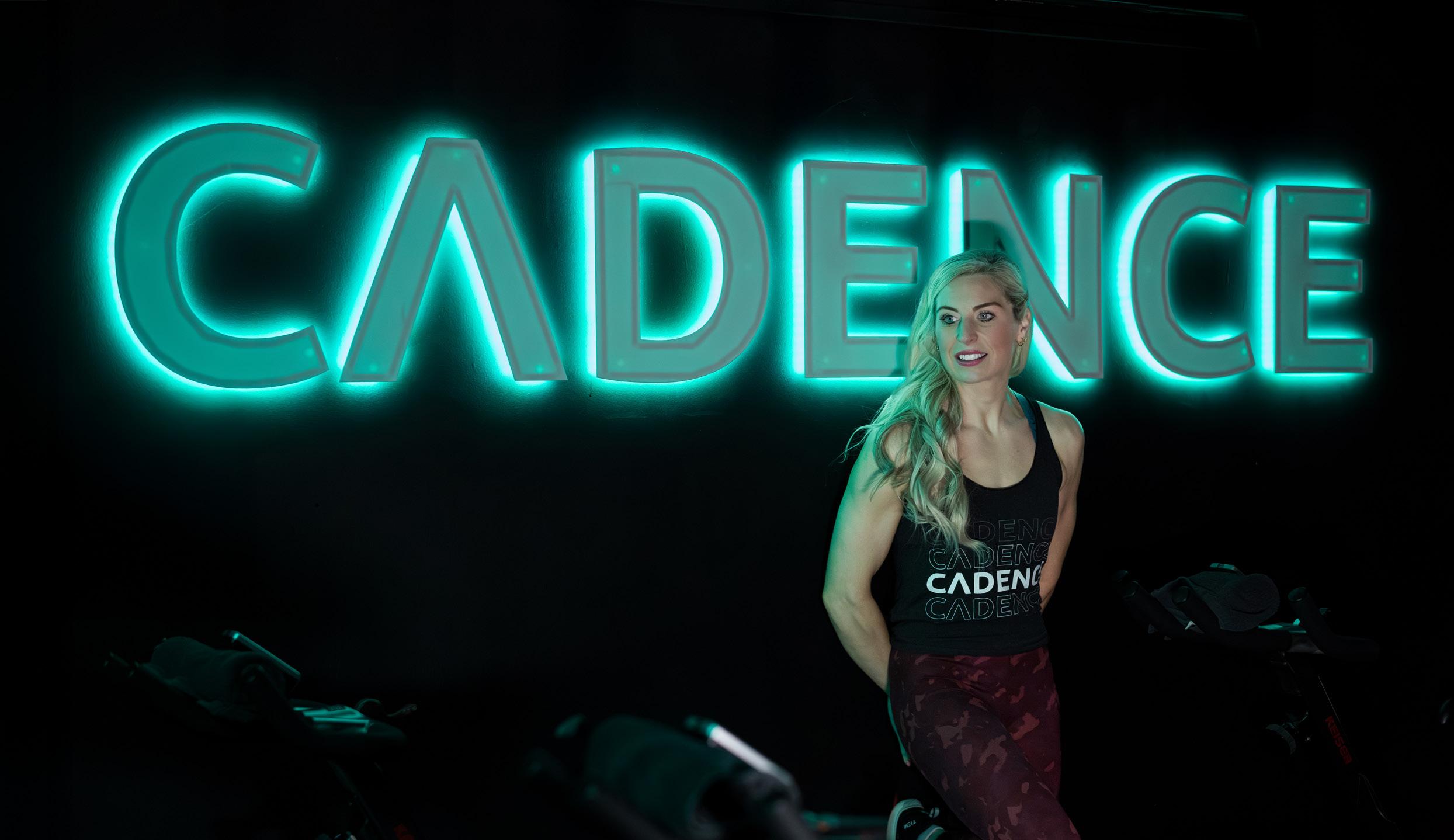
conditions or coming back to fitness after years away. Done properly, indoor cycling is scalable, supportive and empowering.
But that’s not the story social media is telling. It’s perpetuating the myth that indoor cycling is only for the young and hyper-fit – and it’s putting off precisely the people who would benefit from it the most.
Let me be clear: online delivery is not the issue. I create long-form indoor cycling classes online myself. I’ve done so for years and I finally launched my own YouTube channel last year. When classes are properly programmed and clearly coached, digital channels can make great indoor cycling accessible to more people than ever. That’s my goal: I want to give more people a chance to discover what good indoor cycling is.
The problem comes when social media is used as a stage – a marketing platform. It’s the difference between delivering great, full-length, evidence-based classes online and chasing the Instagram or TikTok
algorithm with clickbait class snippets that sell a vibe. It’s instructors and studios using in-person classes as content factories, filming unsafe riding that prioritises visibility over responsibility, building personal brands at the expense of the people in the room.
This isn’t innovation. It’s neglect. And it creates a vicious cycle, because other instructors copy what’s loudest online, often exaggerating it further. Studios recruit on personality above all else, with little regard for education, scientific knowledge, programming or coaching skill. Properly trained instructors get drowned out because they don’t look as flashy on screen. And consumers end up not knowing the difference between good indoor cycling and what they see on social media.
One of the great ironies here is that real indoor cycling looks terrible on social media. A brilliantly coached class – where riders are progressing, learning about power and getting fitter – doesn’t translate well into
When instructors and studios build personal brands at the expense of those in the room, that isn’t innovation. It’s neglect.
a 15-second clip. The atmosphere in the room might be electric, but on camera it looks flat, repetitive and unremarkable.
It’s why the best studios often shout the least. At Cadence, we don’t film our classes; they speak for themselves. We believe social media should be an invitation, not the product. A bit like a film trailer: enough to convey the feeling, not the entire plot.
Once you start putting your class content on social media, you unwrap the present before anyone’s arrived. Worse still, if the class is unachievable, you put people off before they’ve even stepped through your door.
Trust is central here. When people walk into a studio, they’re placing themselves in someone else’s hands. If the experience doesn’t match what they were sold, that trust evaporates and they don’t come back. This is happening more and more and our industry is feeling the consequences: indoor cycling’s audience is shrinking while other modalities, Pilates in particular, are booming. That’s not because indoor cycling is less effective. It’s because Pilates is widely perceived as coached, considered and safe. Until indoor cycling reclaims those same values and refocuses on results, people will continue to opt out.
If your studio can’t attract anyone over 30, it’s not a mystery – and from a commercial point of view, it should be a serious concern.
Indoor cycling deserves better than clickbait, as do the people riding our bikes, so allow me to end with some heartfelt advice.
Far left: Cadence teaches in a way that’s accessible to all ages and audiences, says Power
Left: Cycling instructors are increasingly copying the bad practice they see on social media
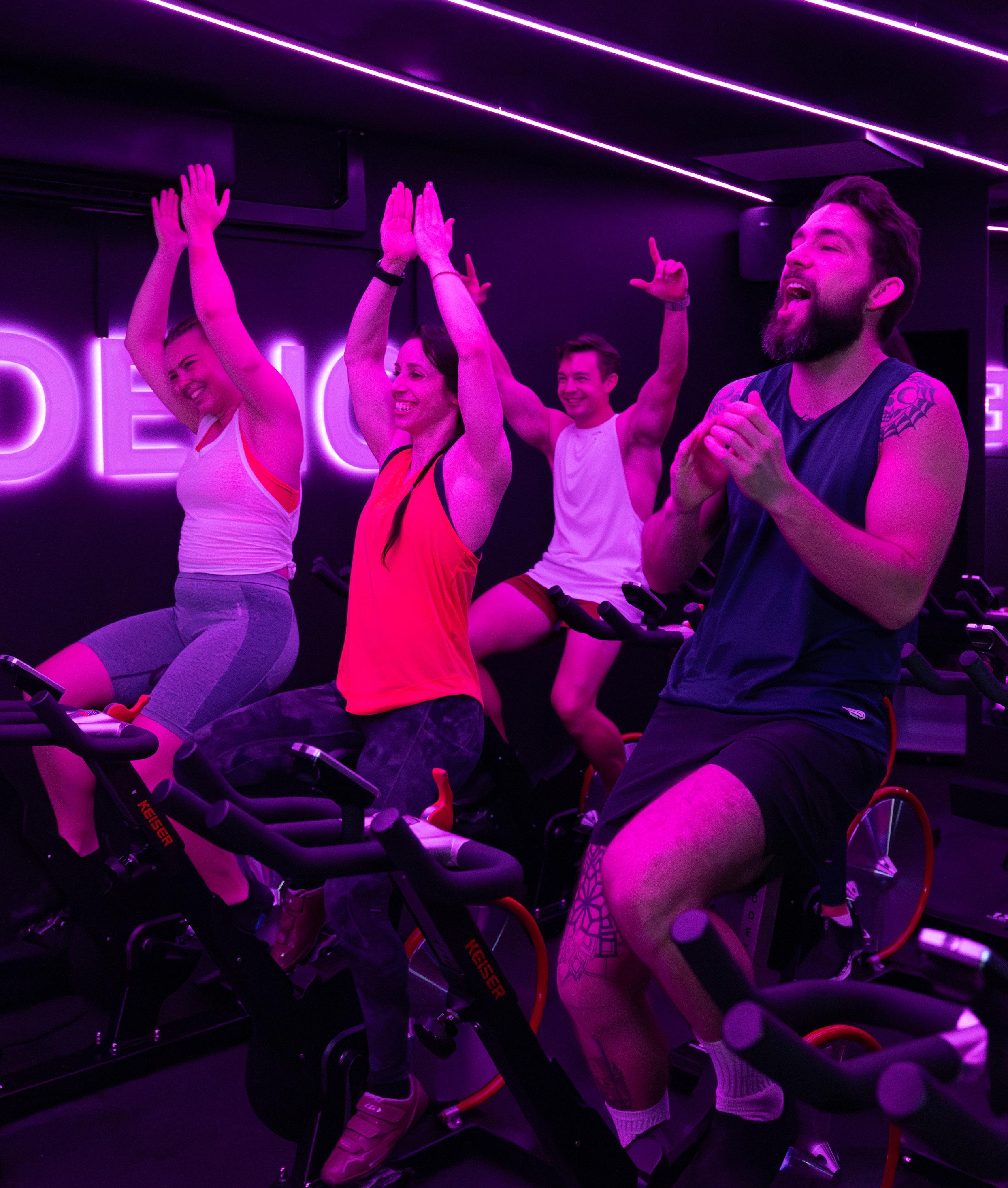
Power: “When it comes to choreography, simplicity is sophistication”
“In
To instructors: Remember what actually makes you good. Adaptability. Empathy. Programming. Education. The ability to explain, modify and connect. Knowledge of power, technique and physiology. Complex choreography often masks a lack of understanding. Simplicity is sophistication.
To studio owners: Don’t be bullied by what’s loud online. There is a huge space for proper teaching. Invest in team training. Use experienced master trainers. Think about who you want through your doors – and who your current offer might be excluding.
To marketing teams: Stop using classes as content. Sell the feeling, not the footage. Show community, progression, confidence,
belonging. Leave the class itself as the experience people come to discover.
And to riders: Please don’t be put off. Done well, indoor cycling is intelligent, inclusive and transformative, delivering substantial strength, fitness and performance gains. Find a properly programmed class where you’re coached, not performed at. l

www.melissapower.co.uk
www.youtube.com/@MelissaPowered
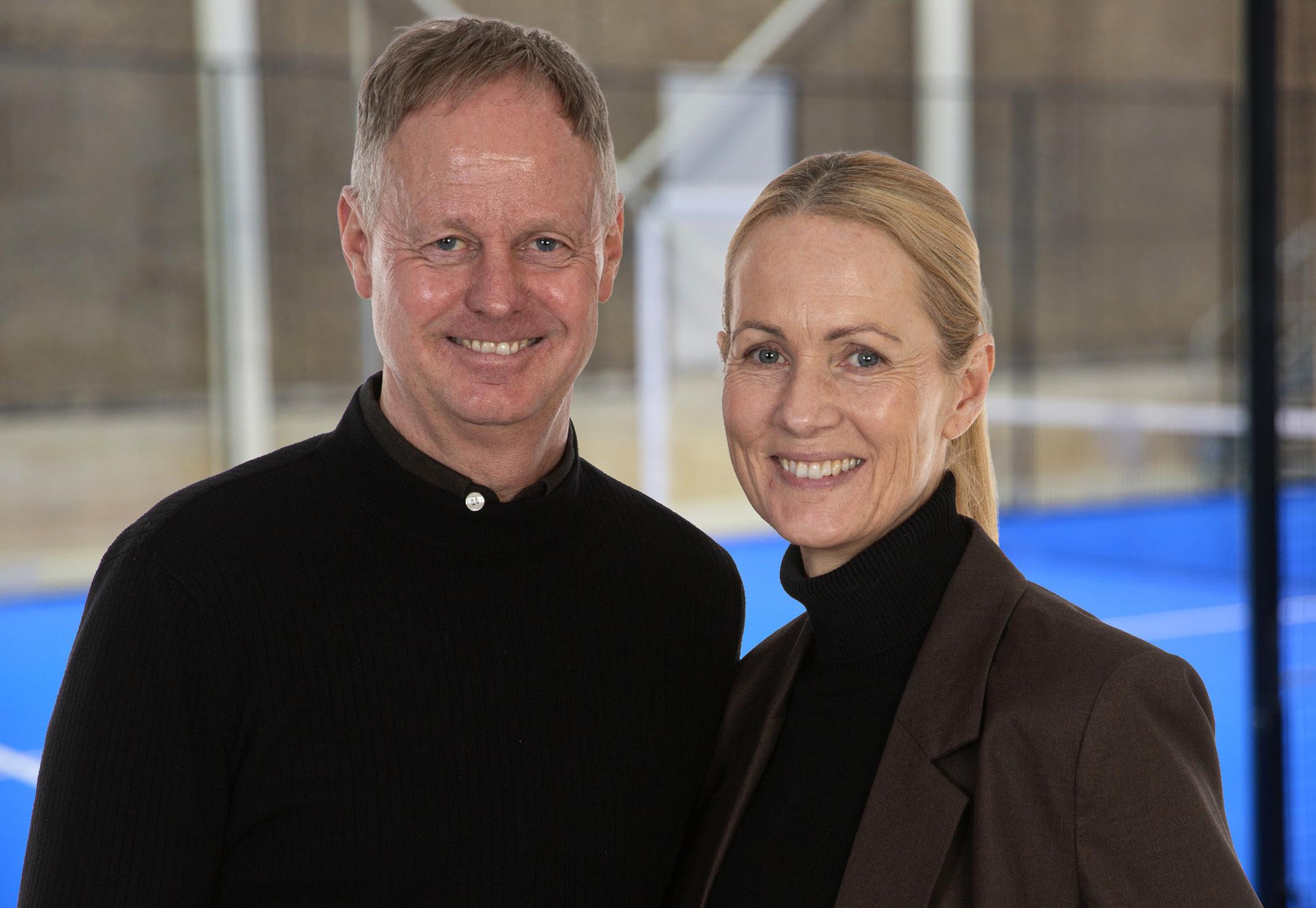
Since 1995, Børge Neessen has helped shape fitness culture in the Danish city of Kolding. Now he and his wife Hanne are cementing their legacy with a new club brand, UNI10. He speaks to Kate Cracknell
The story began in 1995 with the opening of Universe, a 2,400sq m fitness club in Kolding, Denmark. At a time when the industry was still maturing, my vision was clear: to build a club centred on quality, community and passion for training.
I later sold the club to Danish group Equinox and continued as manager of the facility, going on to oversee several of the chain’s premium clubs.
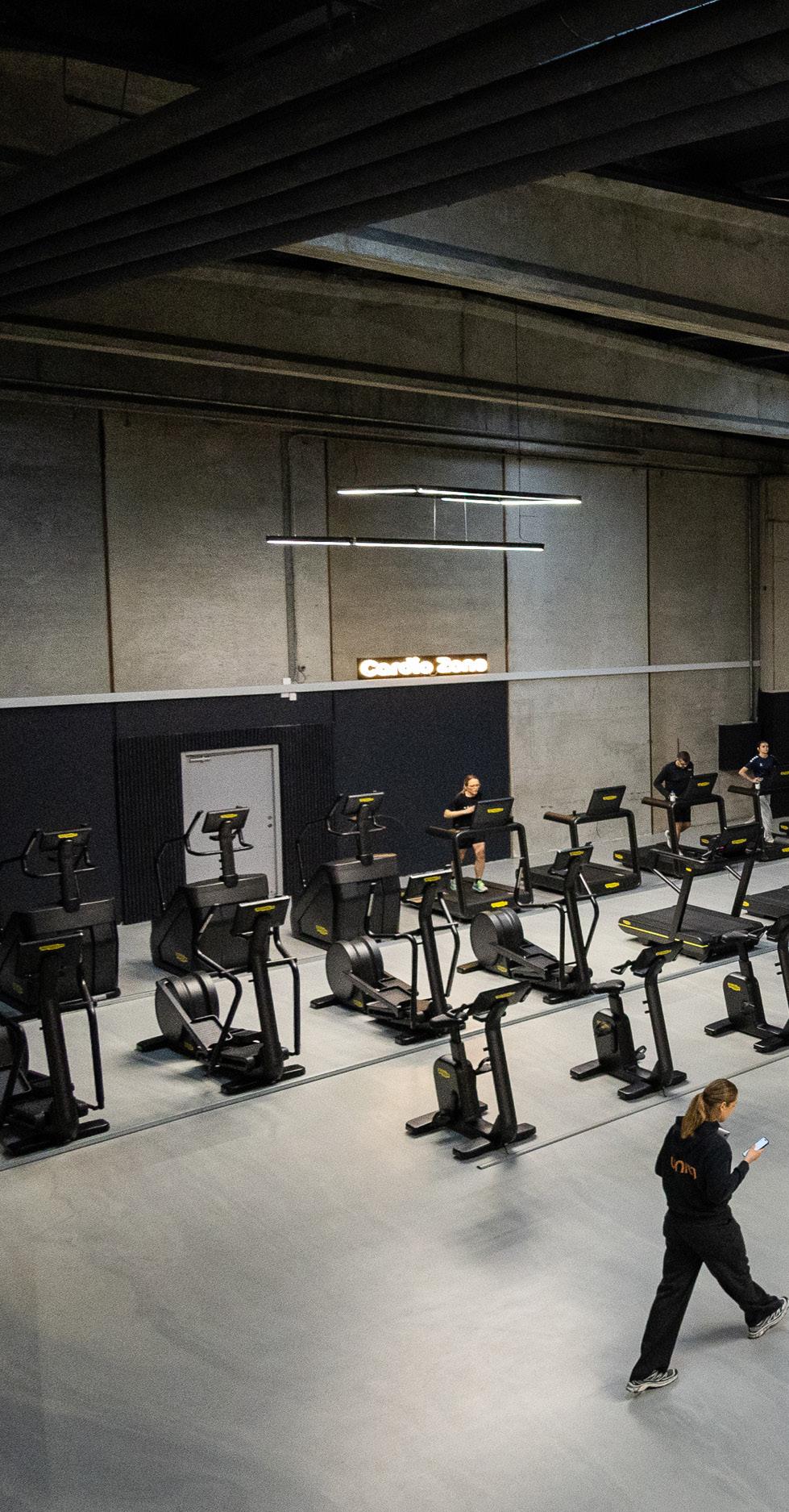
It was during this period that indoor cycling became a defining strength. Our clubs were equipped with up to 70 bikes and classes were regularly waitlisted, with around 20 per cent of members participating in indoor cycling and other group classes. It was an unusually high engagement rate that helped establish Kolding as one of Denmark’s foremost cities for indoor cycling.
“Hanne and I love what we do. We love the happiness that a great fitness club can inspire in people.”
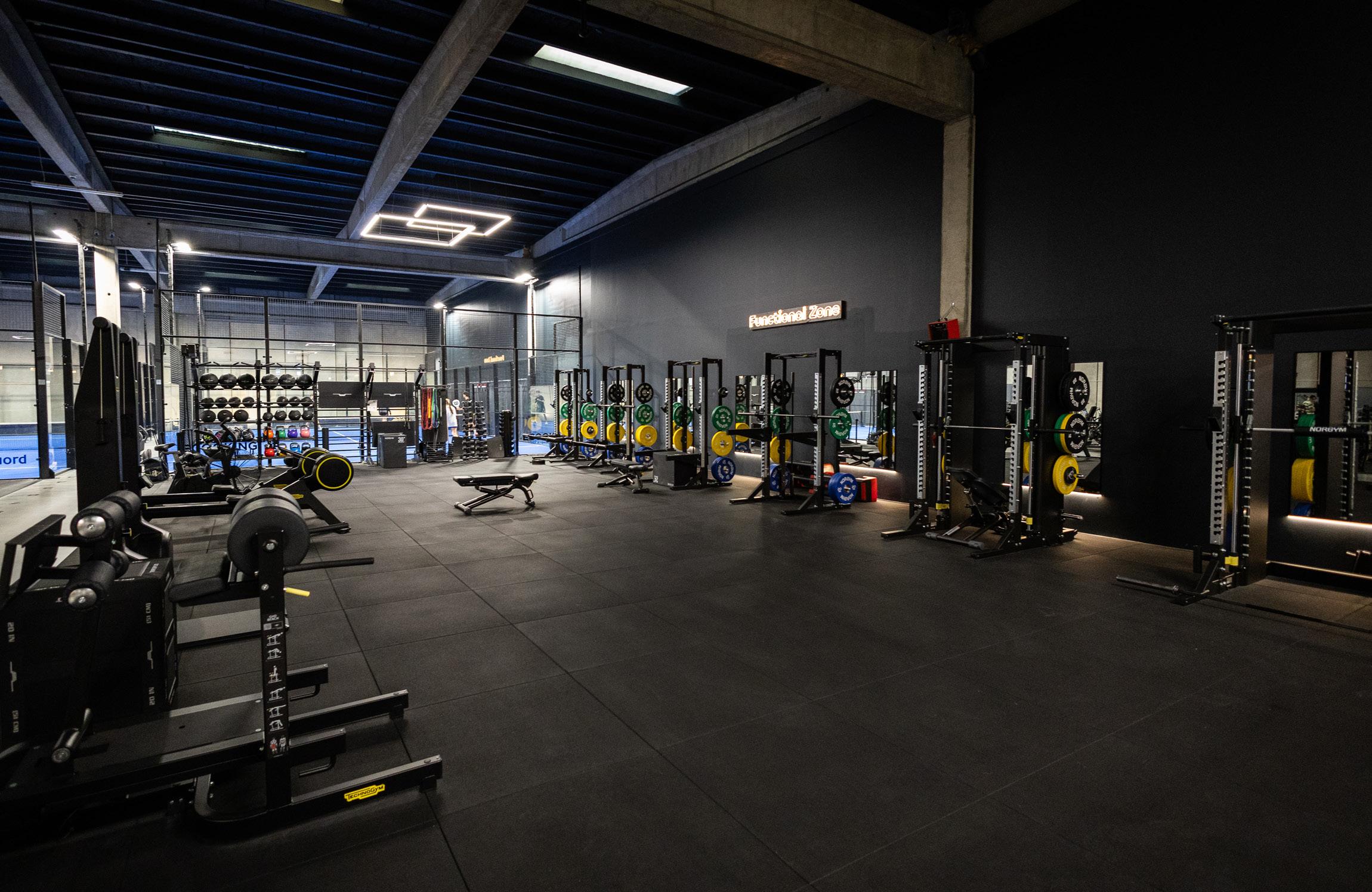
Below: At UNI10 Padel & Fitness, a 1,400sq m fitness offering includes a gym and two group exercise studios
“The concept of UNI10 is simple yet powerful: one membership, two locations and a strong sense of unity”
In 2009, I had an opportunity to reacquire the 2,400sq m club I’d previously managed. Rebranding it to Fitness1, it became the foundation for further expansion: together with my wife Hanne, I opened three more Fitness1 clubs in Kolding over subsequent years, building the business to approximately 8,000 members across four locations.
Our market position became so strong that competing chains struggled to gain traction in the city. But then, in late 2019, we chose to sell – just months before the COVID-19 pandemic changed the global fitness landscape.
Hanne and I both continued as club managers under the new ownership structure until 2024, when we decided it was time to build something new – on our terms.
Retirement was never truly an option. I’m now 61, but Hanne and I love what we do. We love the happiness that a great fitness club can inspire in people and we wanted to end our time in the fitness sector on a high.
And so we created a new brand, UNI10. The concept is simple yet powerful: one membership, two locations and a strong sense of unity.
“40 per cent of the cityʼs population holds a gym membership. This is the culture Hanne and I have helped shape.”
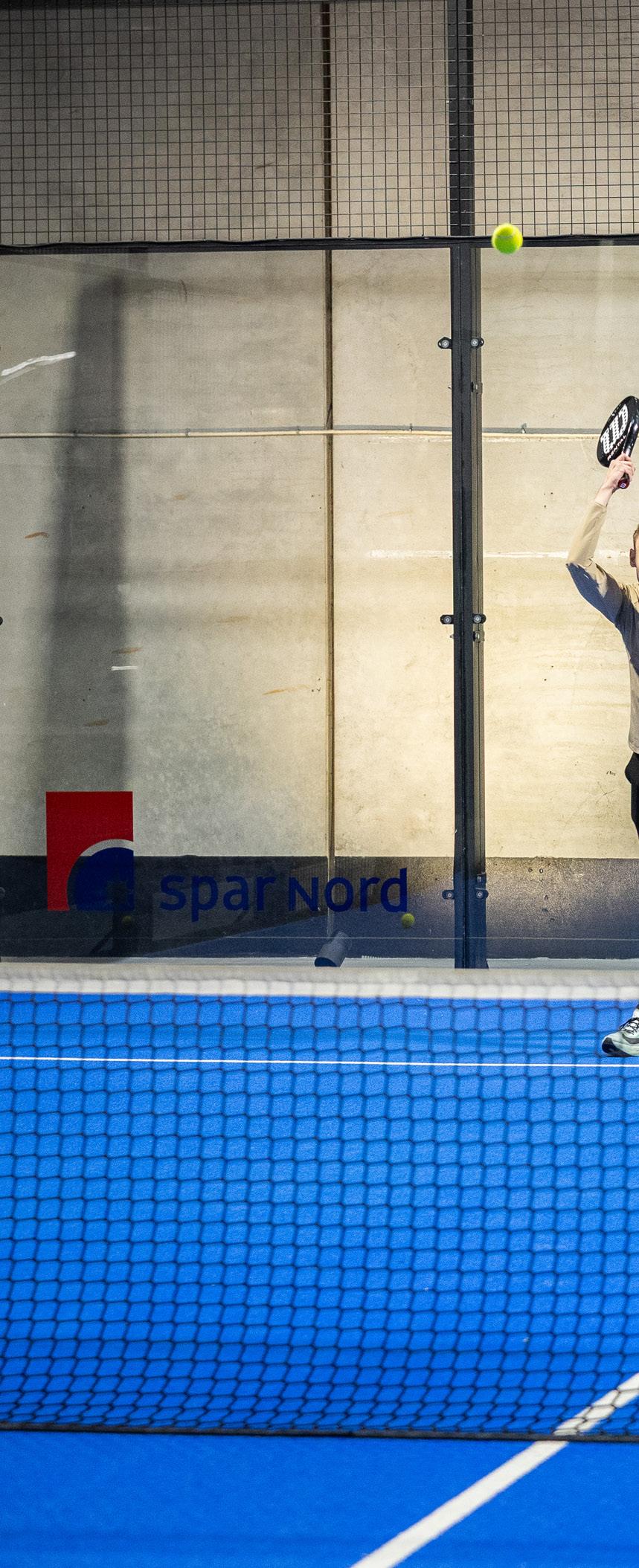
The first location, UNI10 Padel & Fitness, opened on 1 December 2025, with an exceptional fitness offering built alongside existing padel courts in Kolding. One month later, on 1 January 2026, we opened UNI10 Stadion next to the city’s new football stadium – and just 1.5km from the first club.
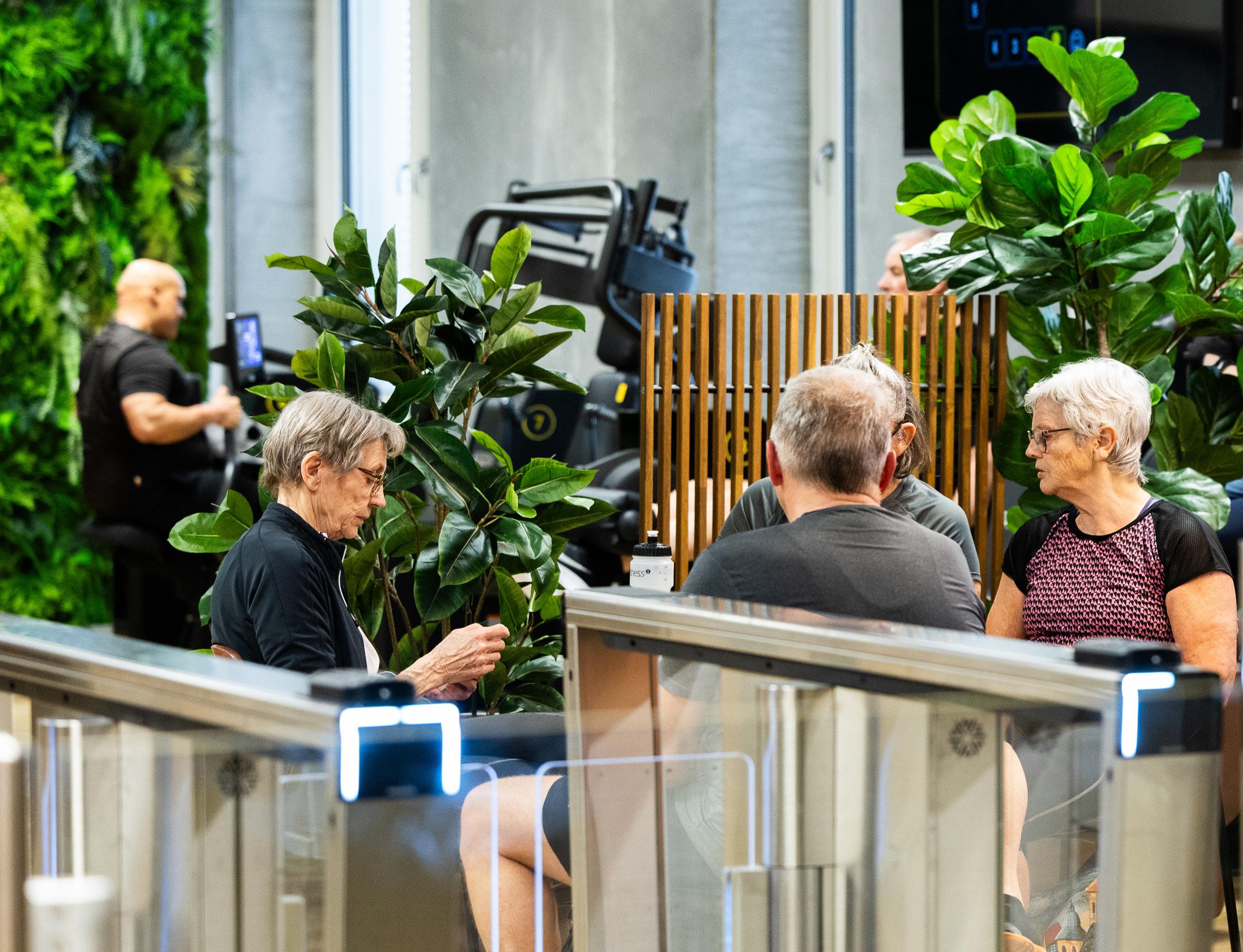
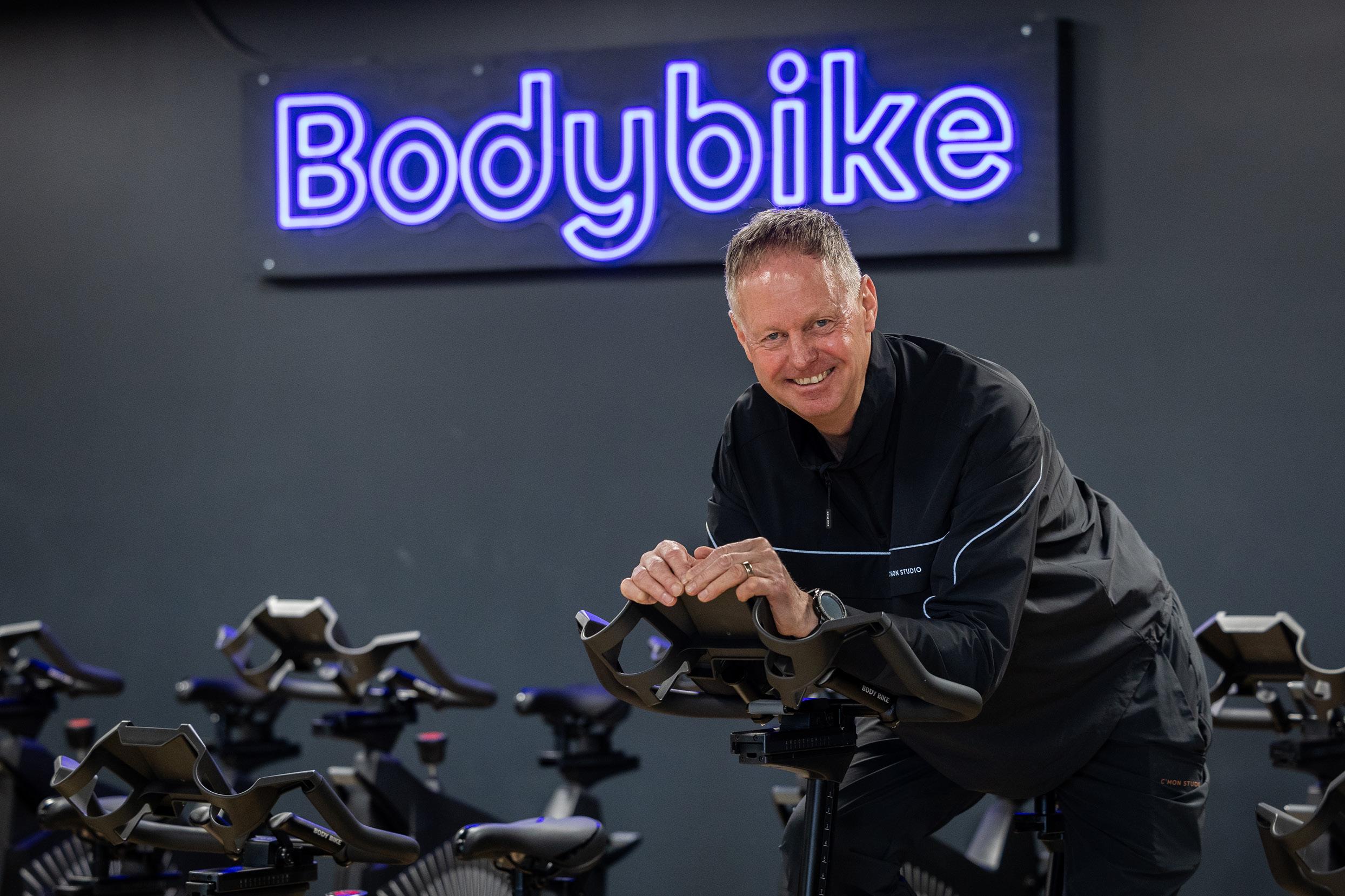
UNI10 Stadion is a beautiful gym: a 1,400sq m space featuring top-of-the range Technogym equipment alongside functional training, free weights, a running track, indoor sauna, PT, physiotherapy and an indoor cycling studio with 45 BODY BIKE Smart+ Phantoms – for me, unquestionably the best bikes on the market.
Meanwhile, at UNI10 Padel & Fitness, you enter through a bar area – a great social hub. You can have a post-padel beer, but there’s excellent coffee too.
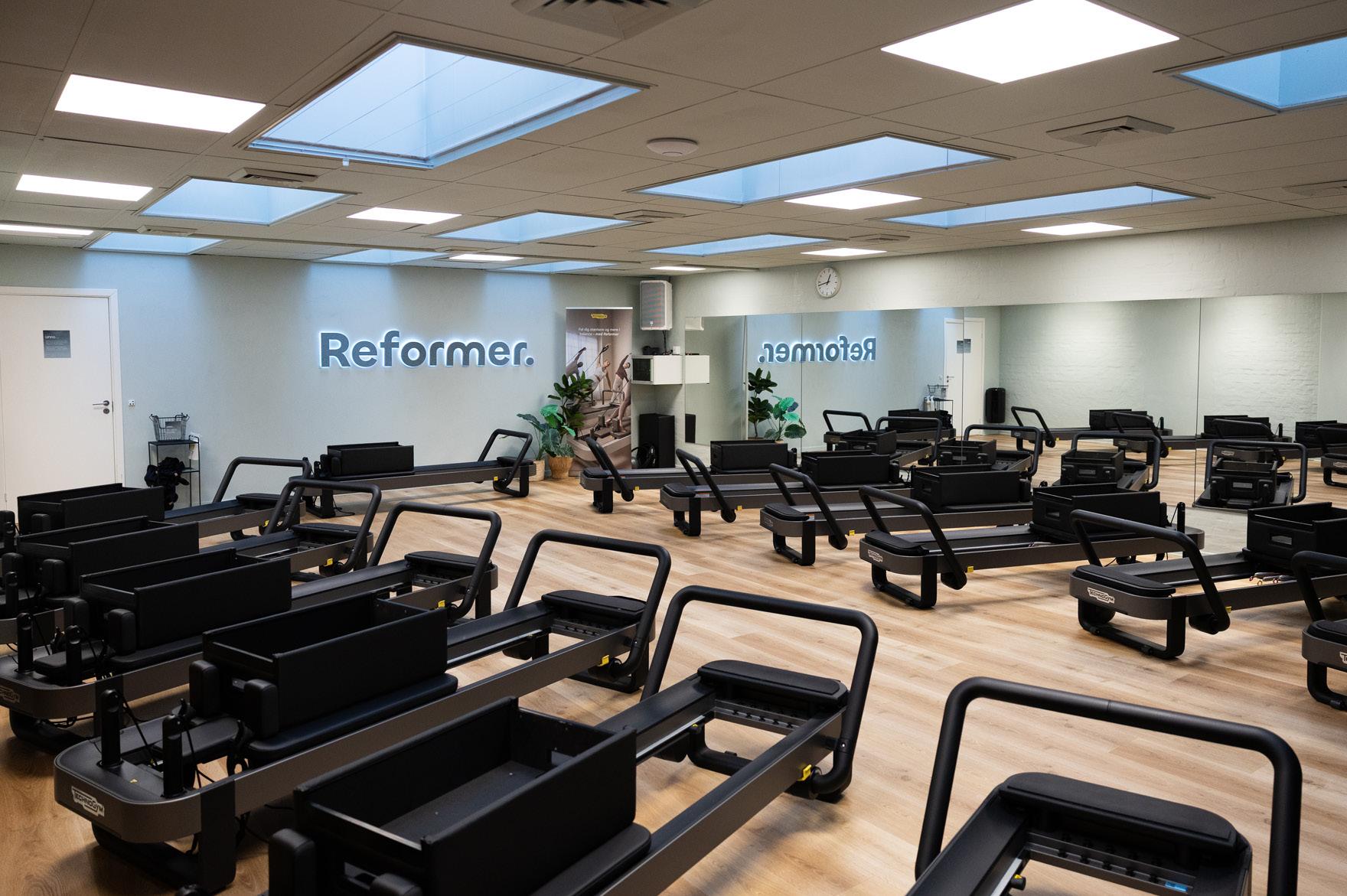
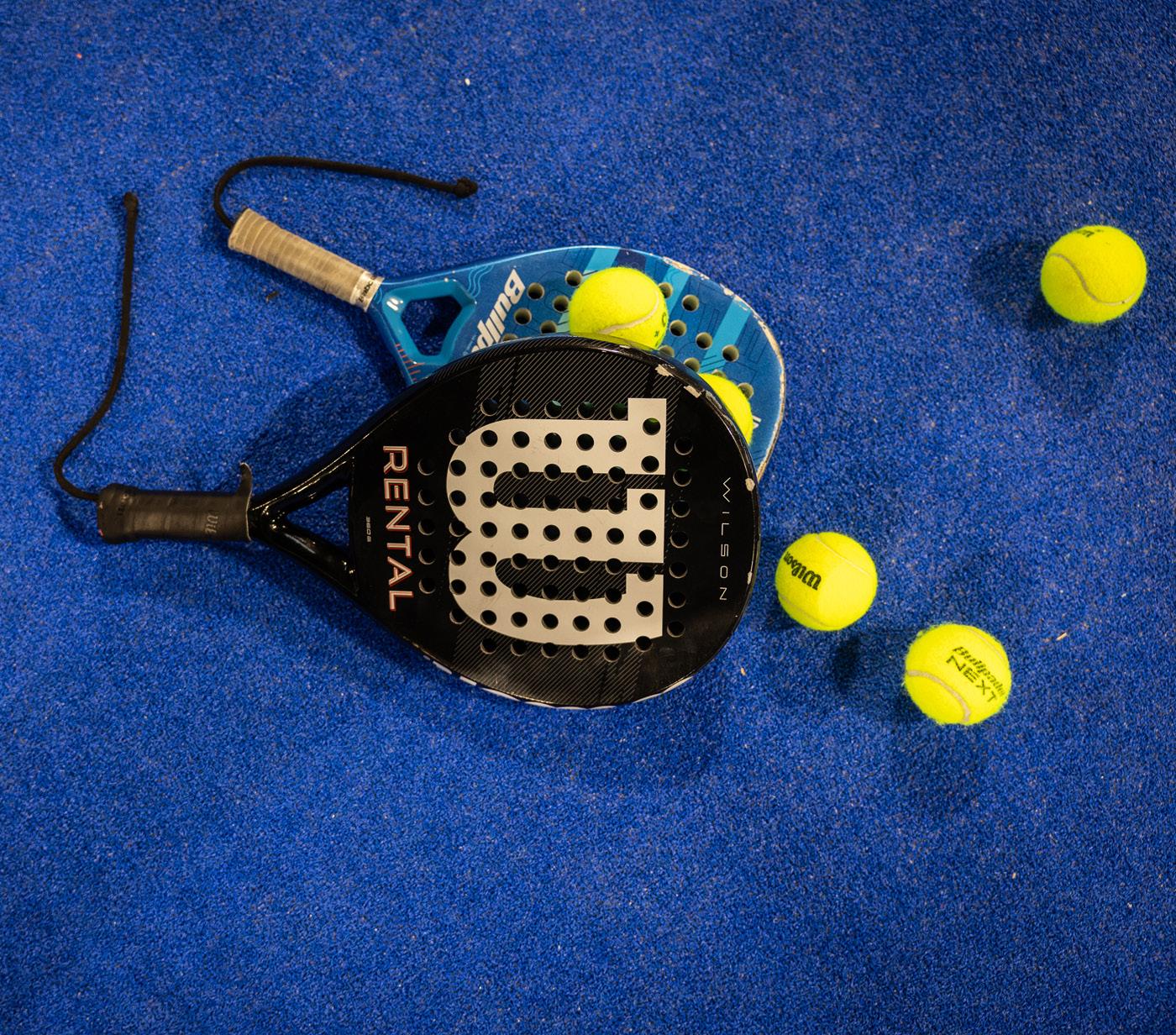
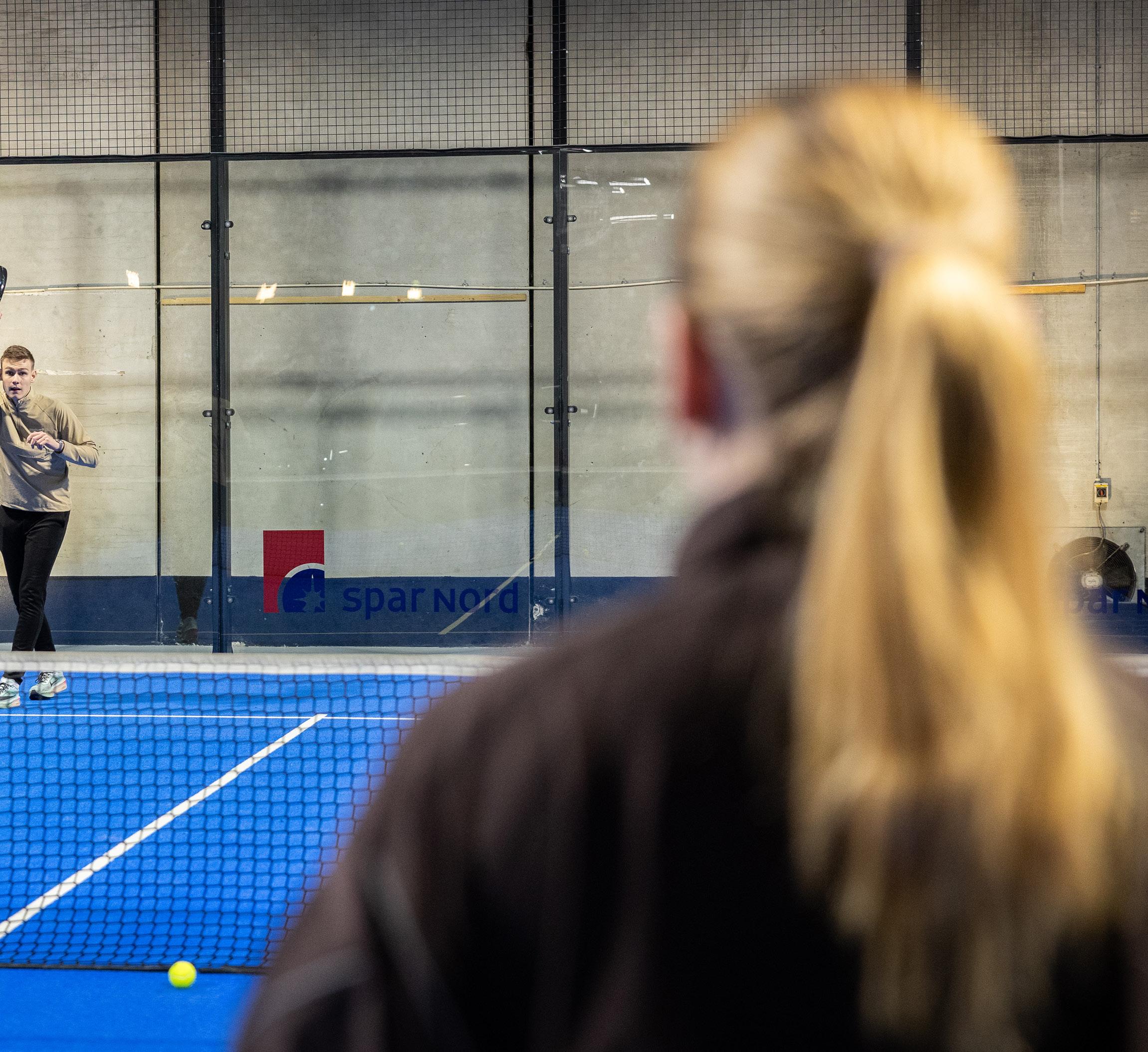
There’s a fantastic 1,400sq m fitness offering: a gym with Technogym and Hammer Strength equipment plus two studios, one with Technogym Pilates reformers and one for yoga and dance classes – including ballroom, because we want to offer activities people can enjoy together. There are also nine padel courts, golf simulators and 600sq m of outdoor wellness space for ‘saunagus’ – guided sauna experiences.
Following conversations with Hyrox, we’re also developing what’s set to become Denmark’s largest indoor Hyrox training facility: over 1,000sq m, with a 100m running track. Once that’s opened, UNI10 Padel & Fitness will measure over 7,000sq m.
We’re constantly being approached with other ideas, too: businesses and concepts that want to collaborate with us. There’s such a buzz about UNI10, which is hugely exciting. The whole idea is that there’s something for everyone, 365 days of the year, 5.00am until midnight. Come as a family or with your friends – UNI10 is about community, creating places where people come to have fun and feel good.
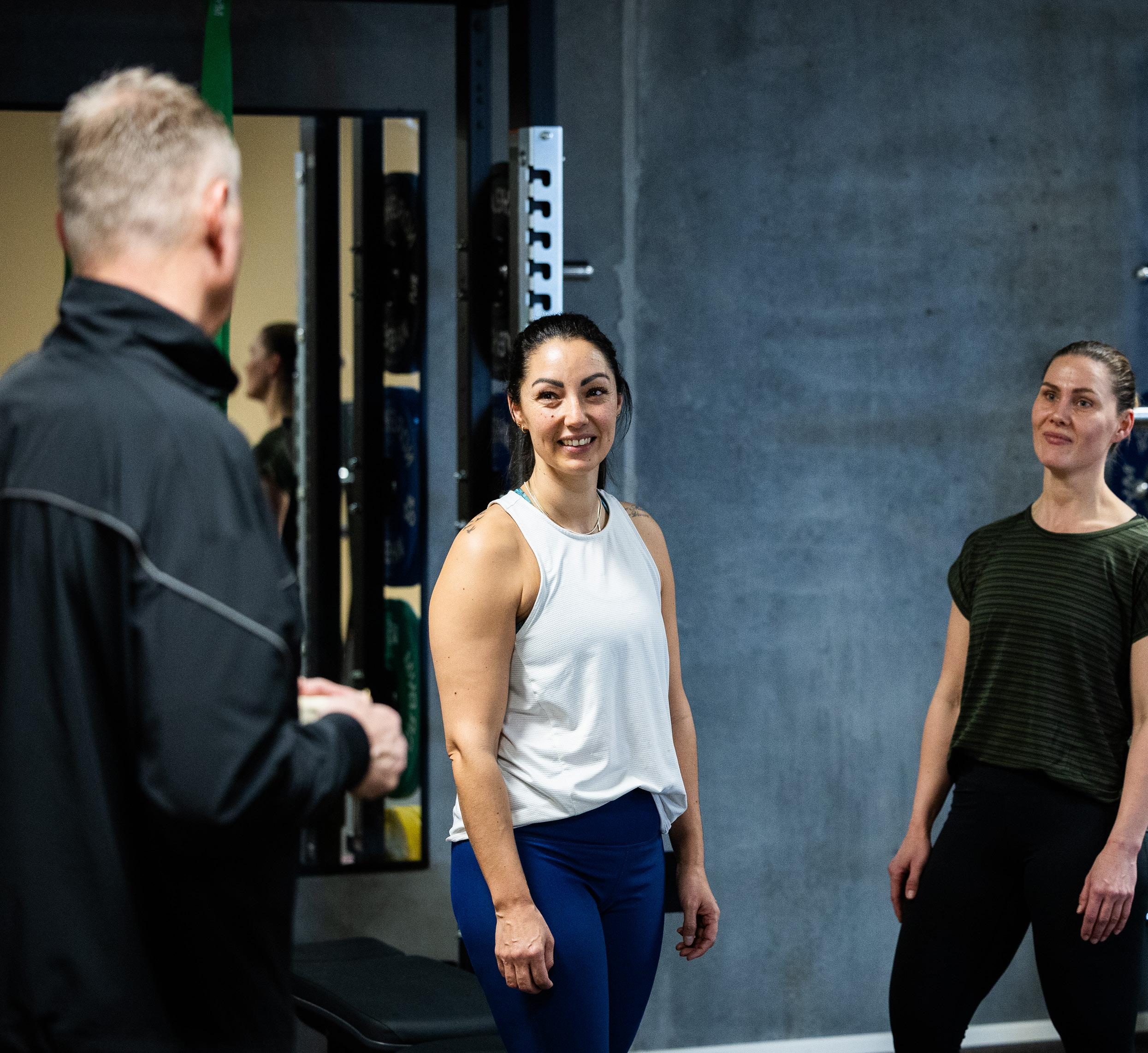
UNI10 already serves approximately 4,300 members, with around 135 classes a week delivered across the two facilities by 70
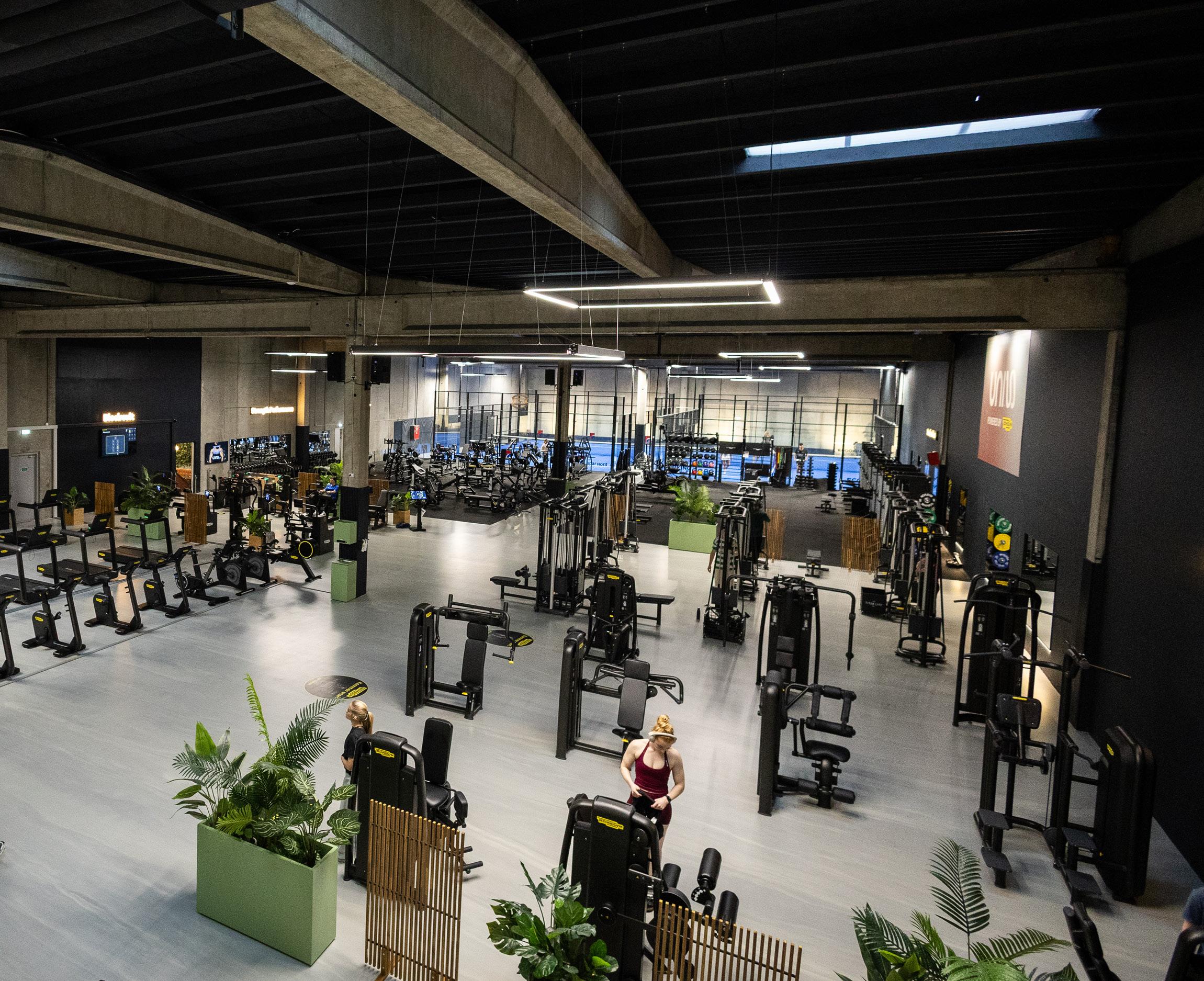

–one membership, two locations, one community
exceptional instructors. We expect to grow to at least 6,000 members over the next couple of years and are delighted that many of our previous team members have returned to work with us again.
Meanwhile, our padel courts already operate at double the capacity of most standalone padel centres, to the point that other centres across Denmark are looking closely at our model. Fitness isn’t only a steady revenue stream for us. It also brings in a new audience for padel.
There’s a lot more competition in Kolding now, but we believe the more competition there is, the better you become. And there’s certainly strong local demand, with around 24,000 people – 40 per cent of the population – holding a gym membership. This is the fitness culture that Hanne and I have helped shape in the city. It’s a legacy we’re very proud of and one we continue to nurture today.
Every week, we run 25–30 indoor cycling classes at UNI10, with many operating at full capacity. I still instruct full classes every week with a focus on atmosphere, music and community.
Above and right: UNI10 added fitness alongside existing padel courts, which now "operate at double the capacity of most standalone padel centres"
“Fitness isnʼt only a steady revenue stream for us. It also brings in a new audience for padel.”
You can follow your performance data if you wish – we have Intelligent Cycling in the studio – but I used to be a DJ and I still embrace music in my classes, singing along from my saddle to the 80s and 90s videos we show on the big screen. Then, after class, there’s free breakfast and coffee.
It’s been lovely to see our old Fitness1 members coming back to indoor cycling, many for the first time since COVID.
We’re also working hard to bring in younger members, showing them
what a fantastic way this is to get their cardio workouts. We’ve run special events for this group and have two young instructors we’re training up.
To all those who say indoor cycling is dying, I say absolutely not. We’re seeing it grow again, with 20 per cent of our members already taking part – and rising.
Alongside our timetabled indoor cycling classes, we have bike clubs, corporate events and a weekly adaptive cycling class for individuals with disabilities. First
launched 10 years ago, we still have over 40 people aged 16 to 80 years join us in the studio every week. It stands as one of our proudest community initiatives and won a special award from the mayor of Kolding.
UNI10 isn’t just a commercial venture for us. It’s a platform for connection. A space where generations train side-by-side and where community is as important as the facilities. Hanne and I want to give back to the community and make high-quality fitness genuinely accessible. And so we’ve priced membership at DKK 300 (£35, €40, US$48) a month. For this, our members have access to both clubs and the full class schedule, as well as discounts on padel and saunagus.
After more than 30 years in the industry, our driving force is no longer financial. It’s impact. And in Kolding – one of Denmark’s most competitive fitness markets – UNI10 has quickly shown what experience, passion and community focus can build. Will we do more? I don’t know. I promised Hanne we’d do these clubs and then retire, but between us we’re at UNI10 every day and people keep approaching us to do more! For now, we’ll get Hyrox up and running and see what comes next. The most important thing is, we’re at our happiest creating happiness around us. l
“After 30+ years in the industry, our driving force is no longer financial. It's impact.”
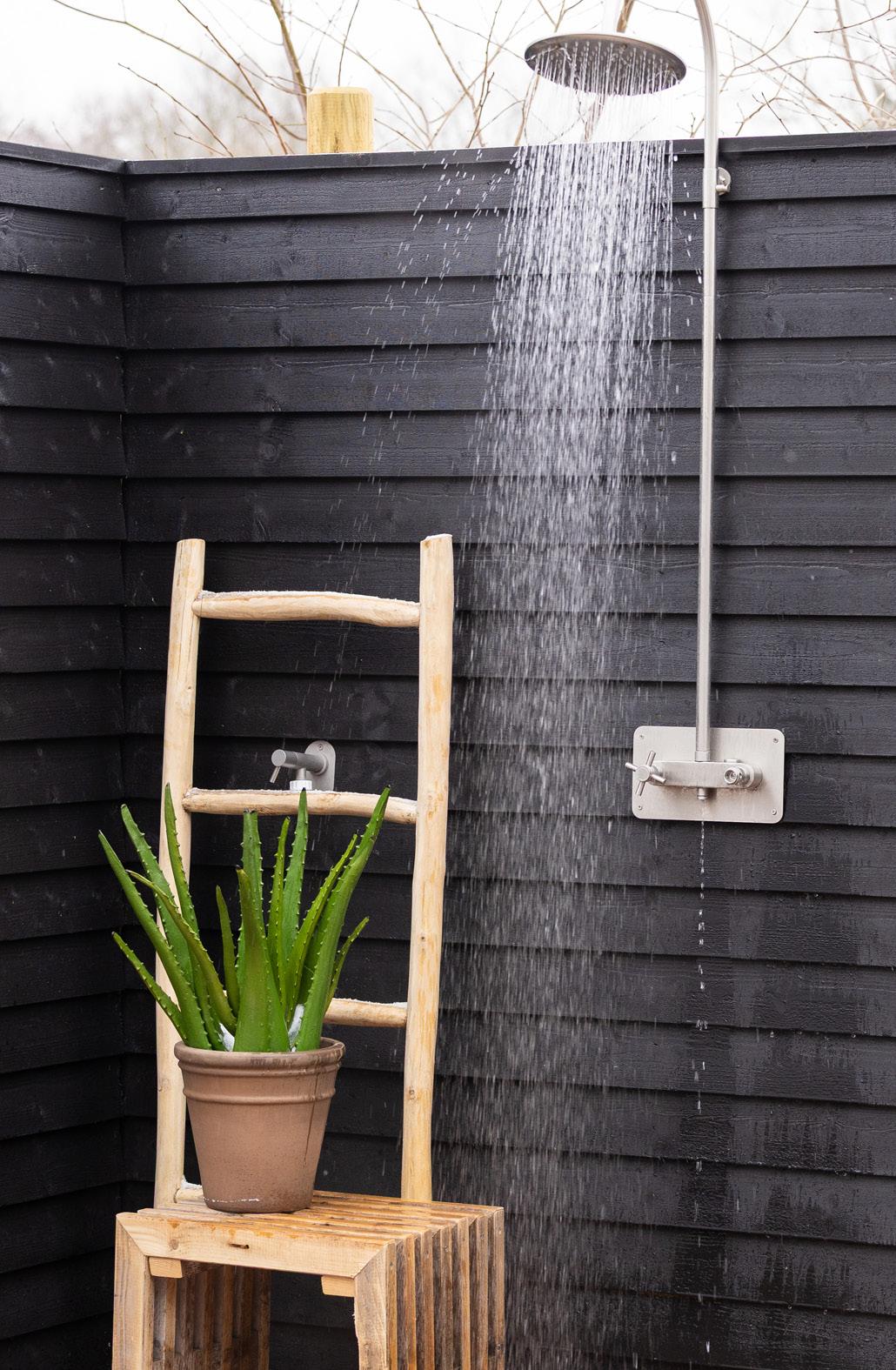
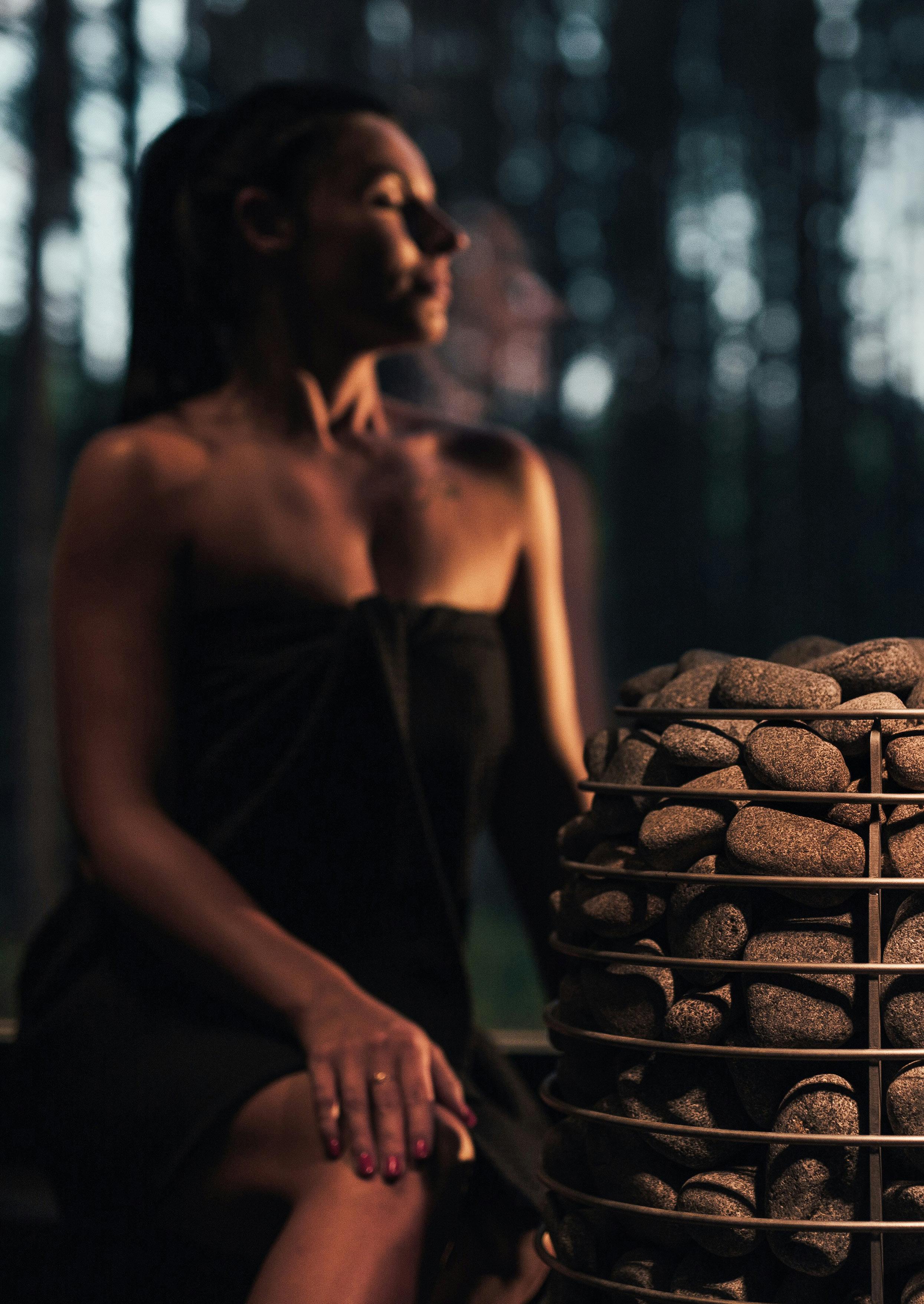
Recovery is one of the fitness sector’s hottest buzzwords right now – but how do gyms and studios shift gear from talking the talk to walking the walk? We ask our expert panel
Recovery is everywhere right now. From wearables and readiness scores to cold plunges, saunas and rest days, it has become one of fitness’s most talkedabout concepts – and, increasingly, a commercial differentiator. For members, it promises better results, greater enjoyment and fewer injuries. For operators, it holds the key to consistency, engagement and long-term retention.
Yet as recovery becomes a buzzword, its meaning risks becoming diluted. Is it simply doing less? Is it a product, a space, a session type – or is it a way of programming, coaching and communicating? And, crucially, what does it actually look like when done well, particularly in and alongside high-intensity environments such as indoor cycling studios?
To find out, we speak to three experts spanning sports science, behaviour change and boutique studio operations. Together, they explore how recovery can move from guesswork to strategy; why mental readiness is as important as physiological recovery; and why educating members in this critical field could be our smartest next step.
When we talk about recovery in fitness, we’re often guilty of treating it as a soft, subjective add-on – something that sits in the wellness box rather than at the heart of performance. Yet when you step back and look at elite sport, recovery has been a measurable part of training for decades and fundamental to the results being achieved.
From the early days of VO₂ max testing and periodisation, through load monitoring and RPE to heart rate variability, sleep tracking and daily readiness scores, elite sport has for decades worked to a consistent loop: train, measure, adjust, recover, repeat. As wearables become more affordable, that logic is finally moving into mainstream fitness.
This creates an opportunity to break the familiar cycle of ‘train hard, then train hard again’ until members plateau, burn out or quietly disengage. Instead, we can improve results for members by asking more intelligent questions: How quickly does this individual’s heart rate settle after effort? How fast does fatigue clear? Is their nervous system sufficiently recovered to tolerate quality work again?
Indoor cycling is uniquely positioned in this respect: controlled and repeatable, it’s one of the best tools we have for monitoring load and recovery. Power, cadence, resistance and heart rate can be tracked and compared session to session, reducing the subjectivity that still dominates gym training. Someone might say they feel fine, but if their heart rate is consistently higher at the usual workload
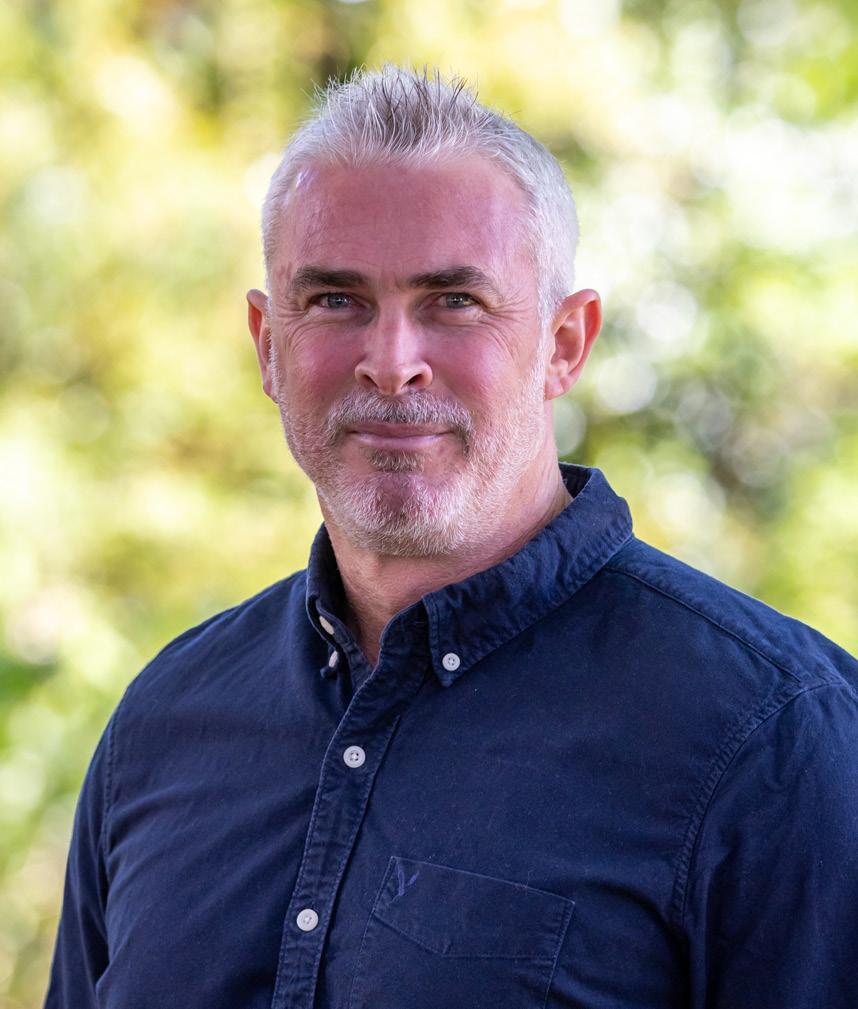
or their output drops when asked to repeat an effort, the data tells a different story. Recovery becomes a visible performance variable that can be programmed, monitored and proactively coached.
Benchmarking underpins this approach. Most members train without knowing their resting heart rate, zones or how their body typically responds to load, relying instead on feeling alone. A better model benchmarks the individual, then tracks progress across simple, repeatable, personalised measures: heart rate response at a given workload, power consistency across intervals, recovery speed post-effort. This is how recovery shifts from guesswork to strategy – and, over time, improves – directly contributing to better results, fewer injuries, less burnout and stronger retention. Performance outcomes for members. Commercial benefits for operators. And so operators must learn to reward consistency rather than exhaustion, teaching members to recognise fatigue beyond soreness – including sleep quality, motivation, power output and heart rate – and to track trends over time rather than single sessions.
As wearables go mainstream, we can break the familiar cycle of ‘train hard, then train hard again’ and improve results for members “
Above: Most members train without knowing their benchmarks, says Theyers
Left: Class architecture should include recovery thinking
Great training is knowing when to push. Great coaching is knowing when not to. If every session is max effort, nothing is.
Recovery interventions – from zone one training to modalities such as red light therapy, compression and cold plunge –must be signposted when members haven’t recovered to their benchmarked baseline before their next planned class. And there must be an acknowledgement that recovery isn’t only muscular. Nervous system fatigue is often a hidden limiter, shaped by sleep, stress and life outside the studio – as well as by the levels of over-stimulation in our studios – as much as by training load.
Meanwhile, instructors must move from generic programming to individual load management, recognising that performance does not come from intensity alone. Class architecture should include recovery thinking; weekly programming needs load
variation; active recovery sessions matter. Great training is knowing when to push. Great coaching is knowing when not to. If every session is max effort, nothing is.
We must also understand that the most impactful coaching often happens before and after class: helping members to interpret wearable data, to notice trends in resting heart rate and to recognise when to push and when to back off. The future of fitness lies in moving from ‘Do you feel recovered?’ to ‘The data shows you are – or aren’t’. From ‘I smashed myself today’ to ‘I trained well this week’.
When we get this right, progress stops being accidental and starts becoming predictable.
@im_intelligentmotion
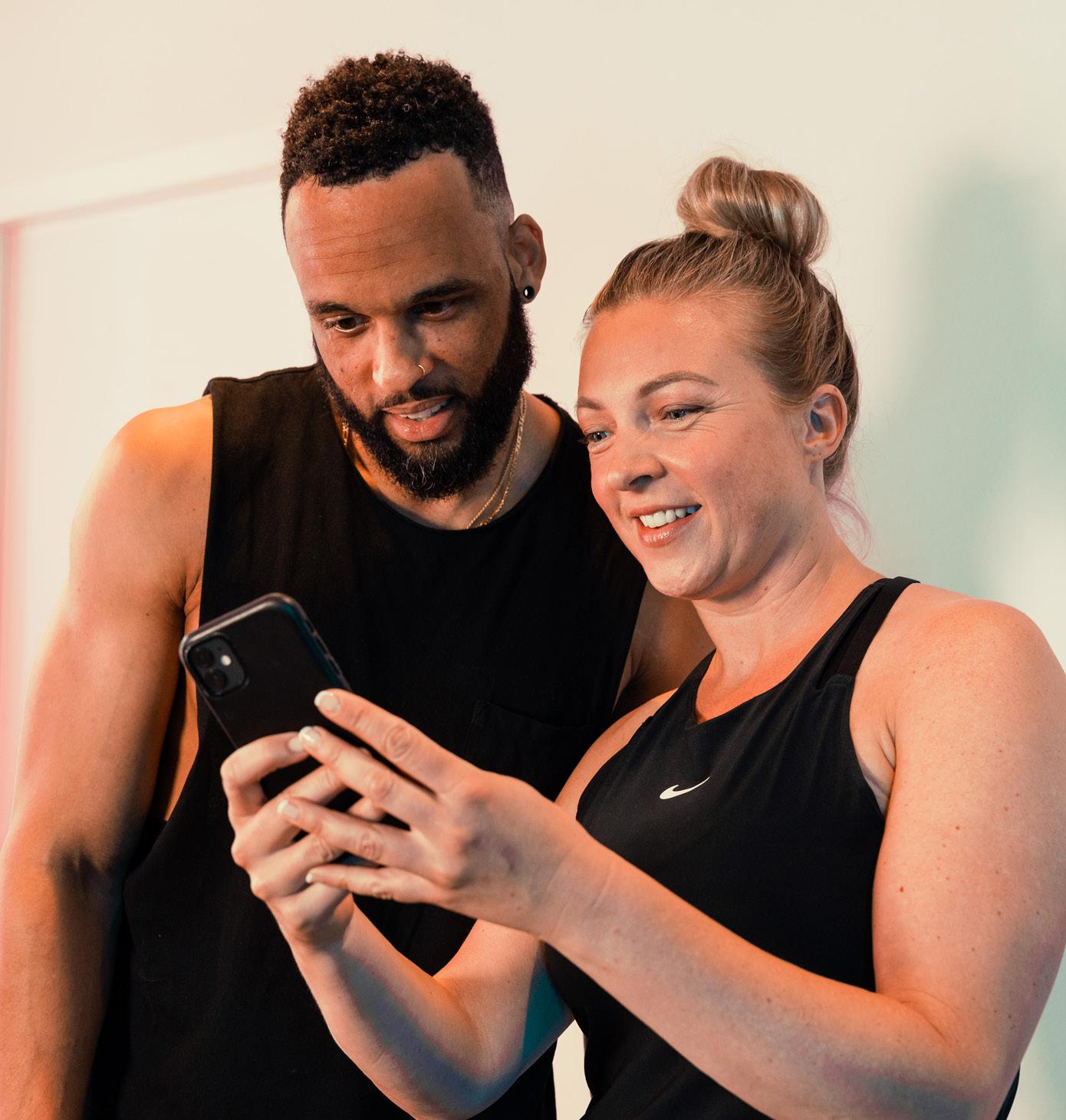
Above: Instructors must recognise that performance does not come from intensity alone; load variation is key
Left: We must help members interpret their wearable data, so they know when to push and when to back off
Recovery, for me, starts with a simple scientific reality: the body needs time and resources to rebuild after stress. After most hard sessions, the recovery process takes roughly 48–72 hours. We aren’t superhuman and no amount of experience, motivation or enjoyment changes this underlying biology. The challenge in a gym or studio setting is that members often want to train multiple times a week – sometimes every day. Frequency matters to operators, too: the
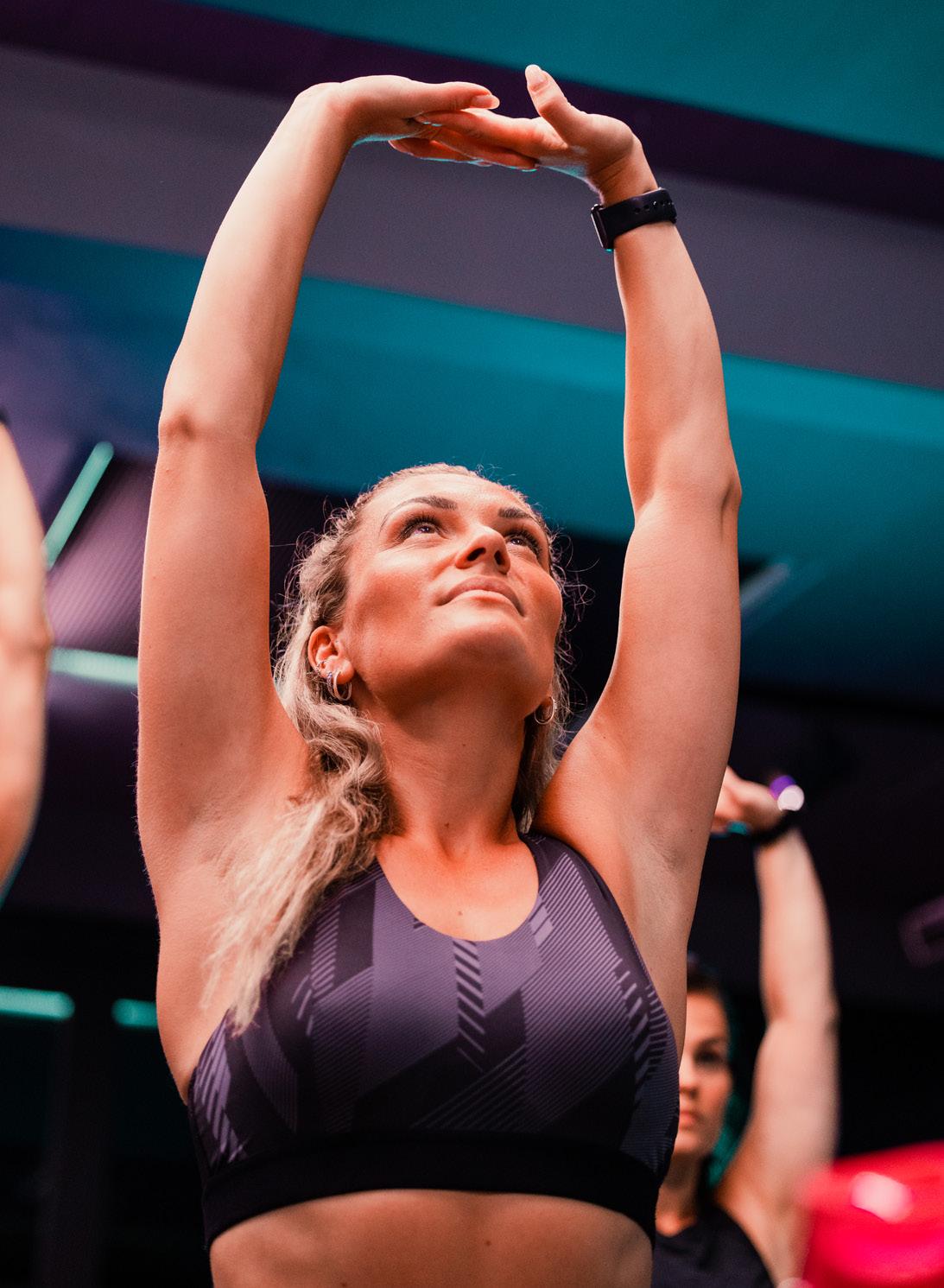
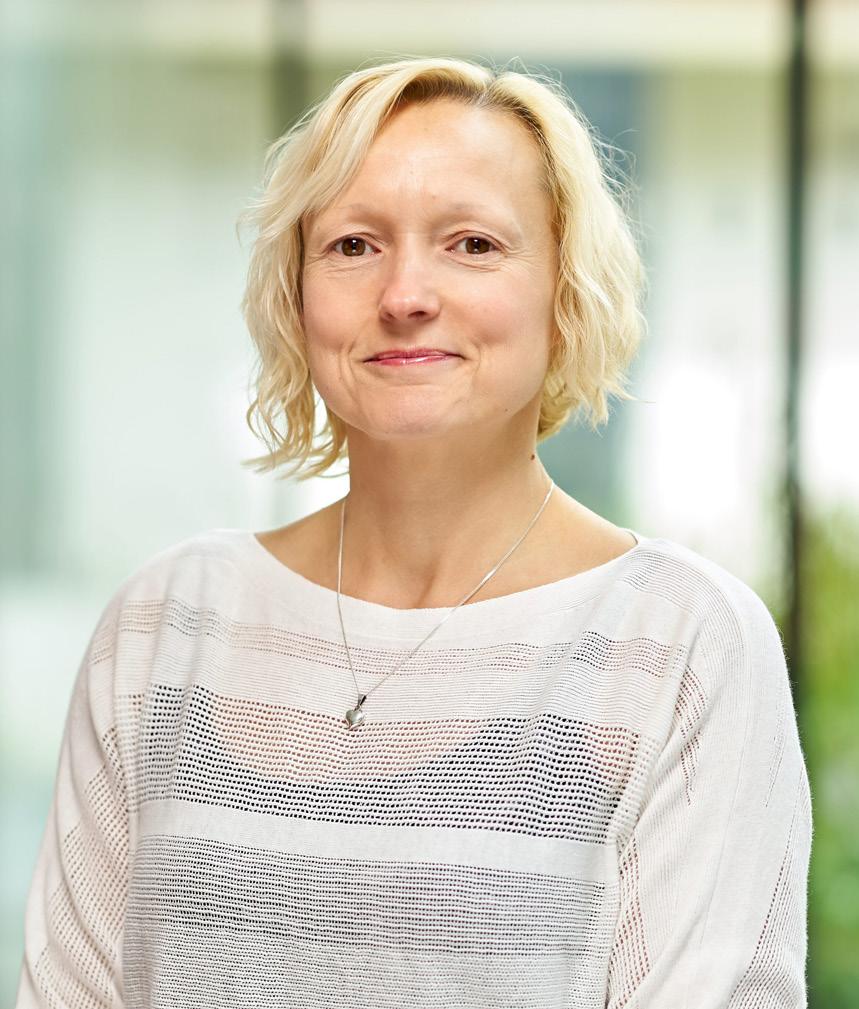
more often people attend, the more value they get from their membership and the more likely they are to stay. The question, then, is how we enable people to train often without pushing them into chronic fatigue.
One of the simplest and most effective principles I use with my riders is hard/easy alternation: hard days should be followed by easier days, allowing the body to rebuild while still enjoying movement. On the bike, a hard session might involve sustained periods at 75–85+ per cent of maximum heart rate, or intervals at 80–100+ per cent of FTP. ‘Easy’ sessions sit in lower zones, where moderate effort boosts energy without adding stress.
I also take an individualised approach, encouraging participants to reflect on their previous and upcoming days – and
during class provide riders with the headspace to process their own thoughts
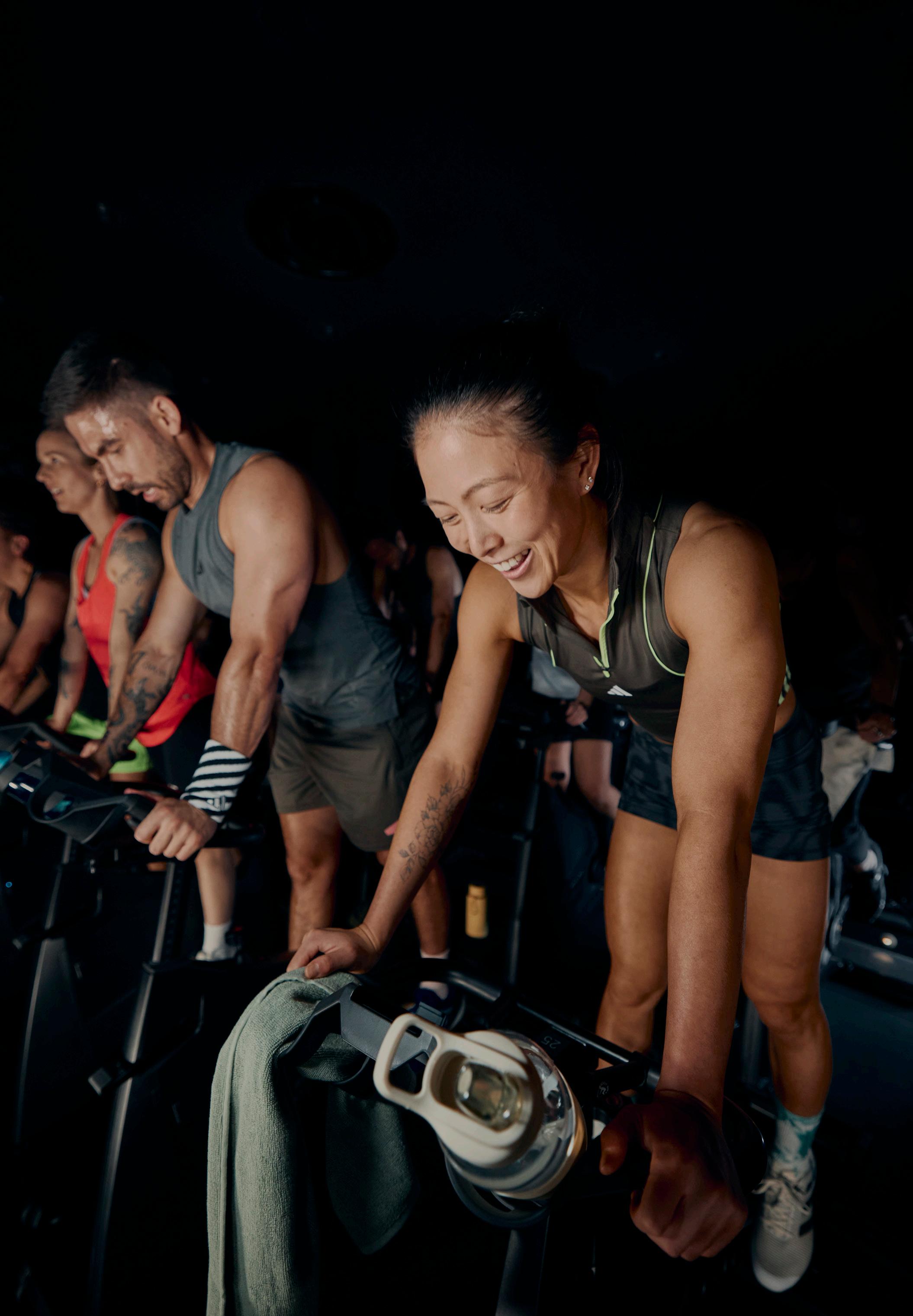
“
After
most hard sessions, recovery takes roughly 48–72 hours. No amount of experience, motivation or enjoyment changes this.
how they want to feel at the end of class – before deciding how hard to push that day. I provide options and information, ask questions throughout and ensure people understand how their choices affect their recovery. The goal isn’t to remove challenge, but to help them make informed decisions about intensity.
That’s vital, because inadequate recovery produces over-training syndrome, leading to low mood, irritability, declining performance, disrupted appetite and stalled fat loss – the opposite of what most people expect to gain from exercise. Indeed, healthy weight management requires you to be in a recovered state most of the time – a useful message for operators to bear in mind.
I take care not to constantly cue my riders, as this can undermine their mental capacity to exercise effectively – just as important as their physiological readiness. Many people arrive at the studio already highly stimulated
Right: ‘Easy’ days don’t have to mean doing nothing. You can still move without adding stress.
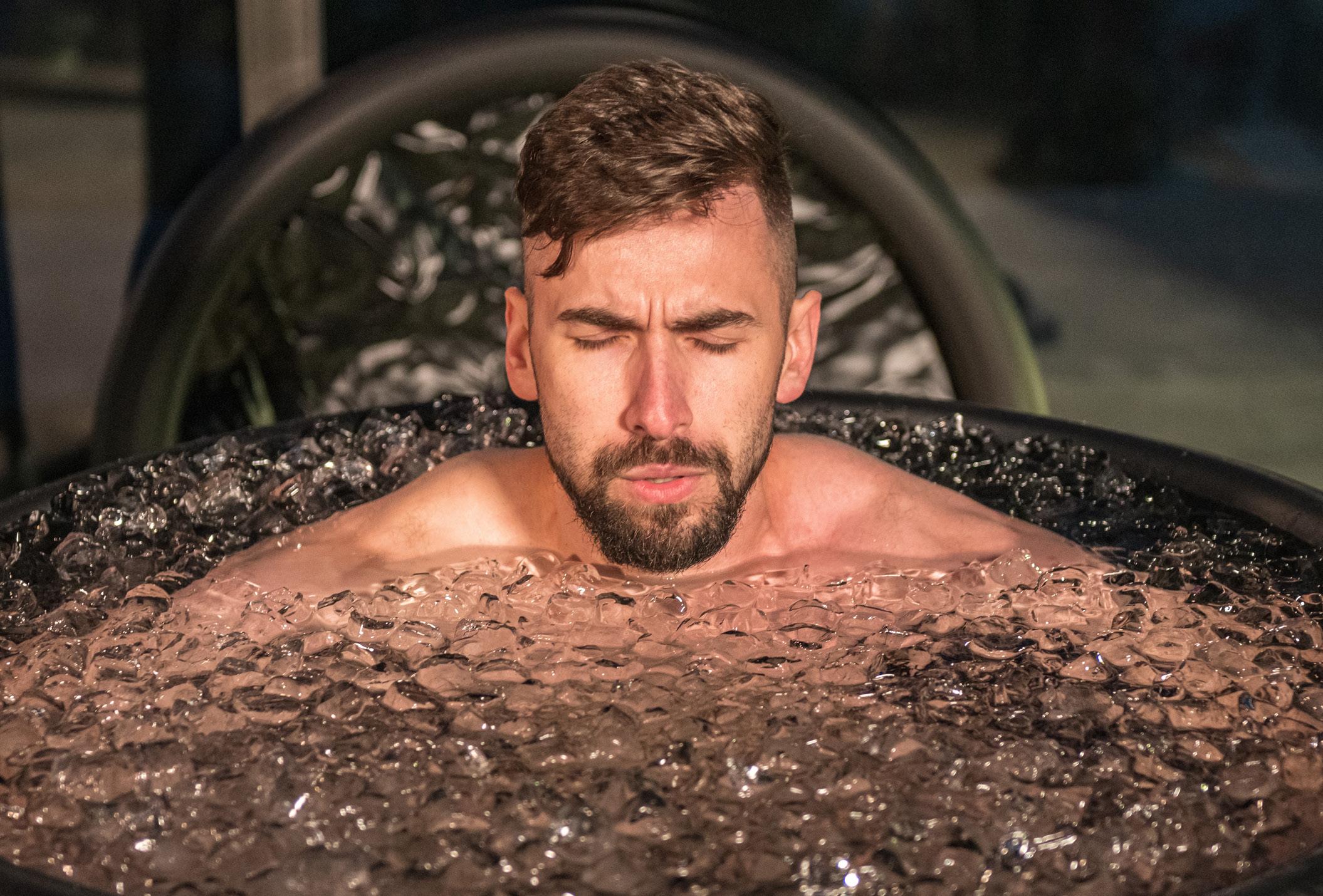
Below: Tools such as cold plunge can help recovery, “but nothing will counteract two hours’ hard exercise every day”
by work, life pressures and constant cognitive demands. Moments of pause during class enable riders to absorb and enact the most recent cue I gave them, as well as providing headspace to process their own thoughts. Autonomic flexibility – how readily the body switches between sympathetic and parasympathetic states – is a key factor in recovery. Hard training activates the sympathetic ‘fight or flight’ response, as can
“
You won’t reap the rewards of your effort if you don’t pay just as much attention to your recovery. Don’t let your efforts go to waste.
the stresses of daily life, but we must move into a parasympathetic state – where sleep quality improves, inflammation reduces and rebuilding takes place – to recover and repair. Wearables are useful in this respect, presenting heart rate variability (HRV) as a window into nervous system balance. A lower-than-usual HRV signals strain and a need for caution. A higher reading suggests readiness for more challenging work. The key is context and trends over time, remembering that even HRV and strain scores are tools, not directives. Data is most useful when considered alongside how we actually feel. Aside from sleep, other vital contributors to recovery include nutrition, with protein, carbohydrates, fats, vitamins and
minerals providing the building blocks for regeneration. Tools such as sauna, cold plunge, supplements, breathwork, meditation and vagus nerve stimulation can also help – but remember that nothing will counteract two hours’ hard exercise every day or consistent 70-hour weeks. Ultimately, recovery is about balance: between hard and easy, stress and repair. As I always remind my riders: ‘You won’t reap the rewards of your effort if you don’t pay just as much attention to your recovery. Don’t let your efforts go to waste.’
We soft launched in September 2025 in an area without much competition – a great commercial opportunity, but one that comes with a strong requirement for education. For many of our clients, it’s their first boutique class. They have preconceptions based only on social media, which has misled them into thinking they have to go hard or go home. We see it as our responsibility to guide them not only into an exercise routine, but into a recovery routine.
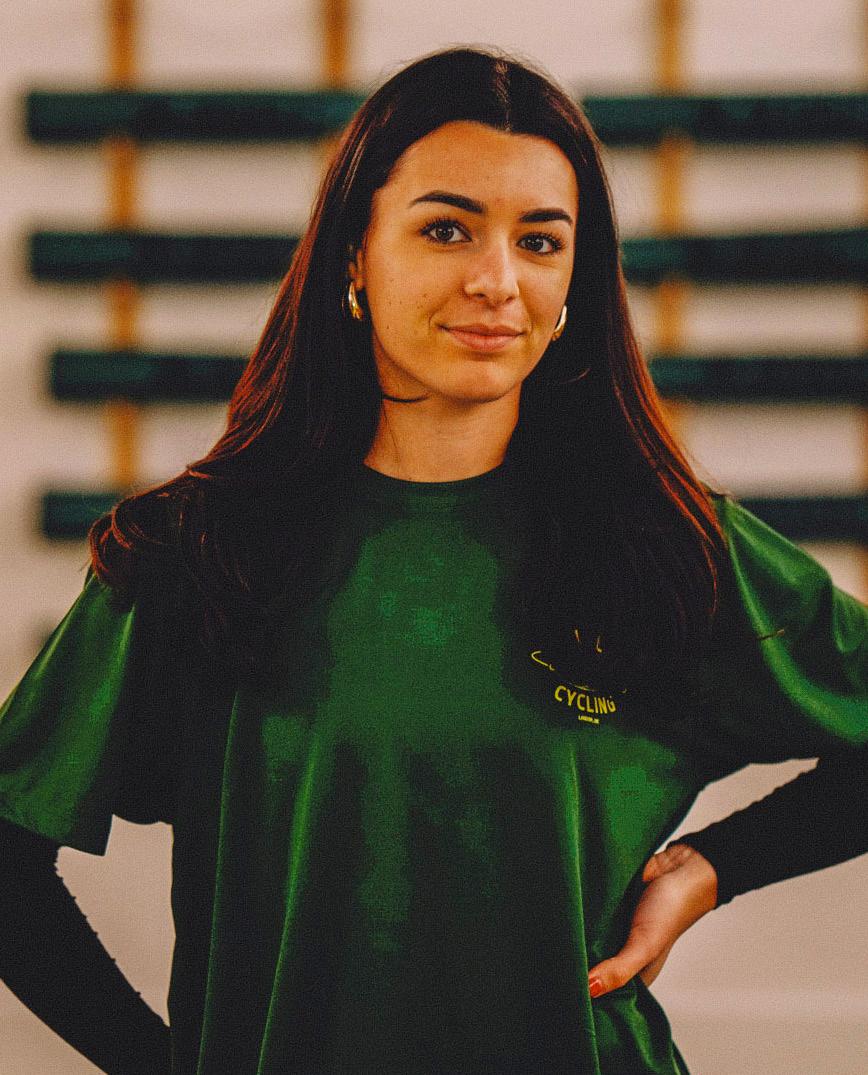
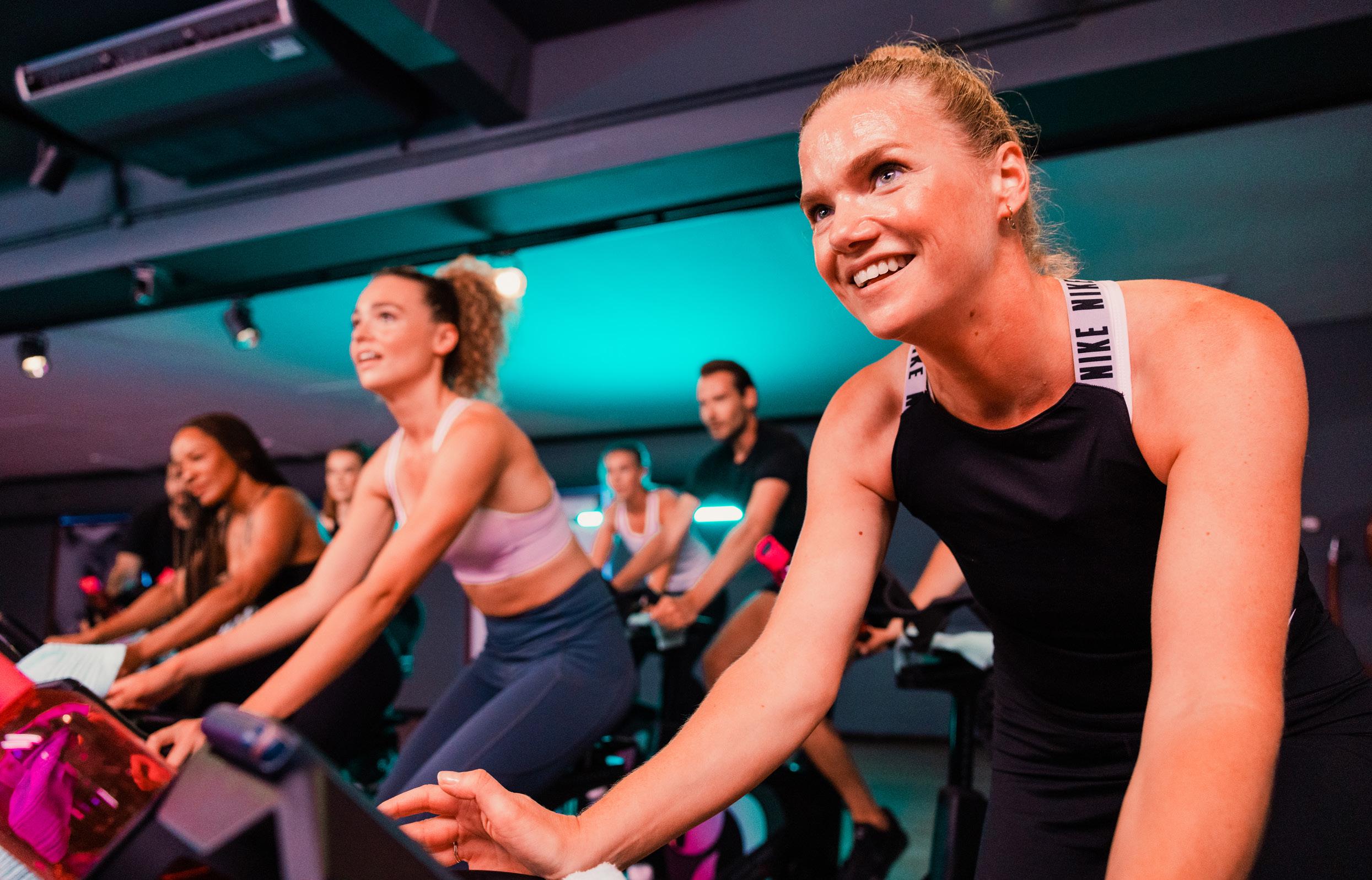
Right: Cycle is the lead discipline at Revolt, but cross-class participation is actively encouraged
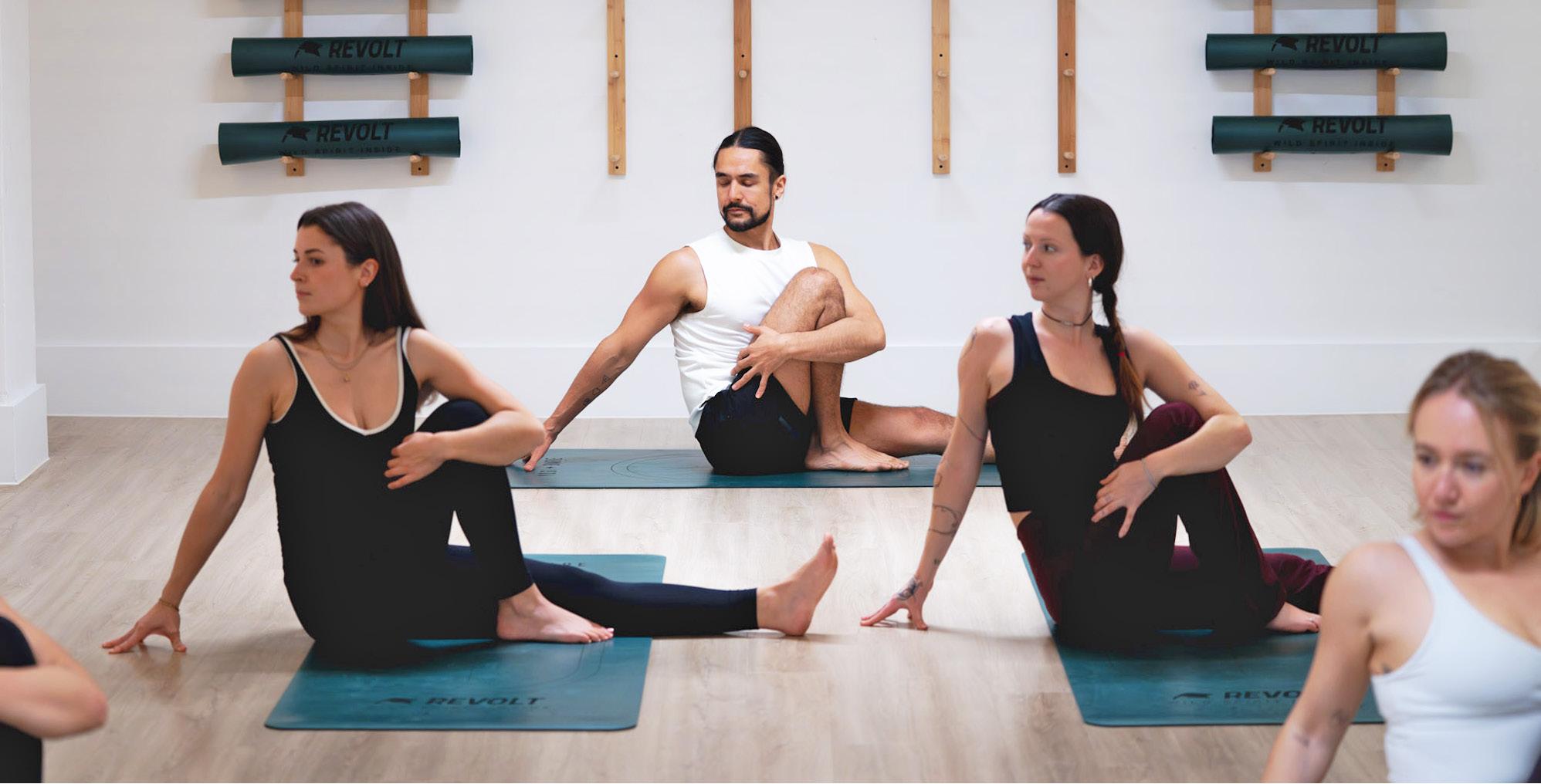
Below left: Yoga programming has been designed to support the needs of cycle enthusiasts
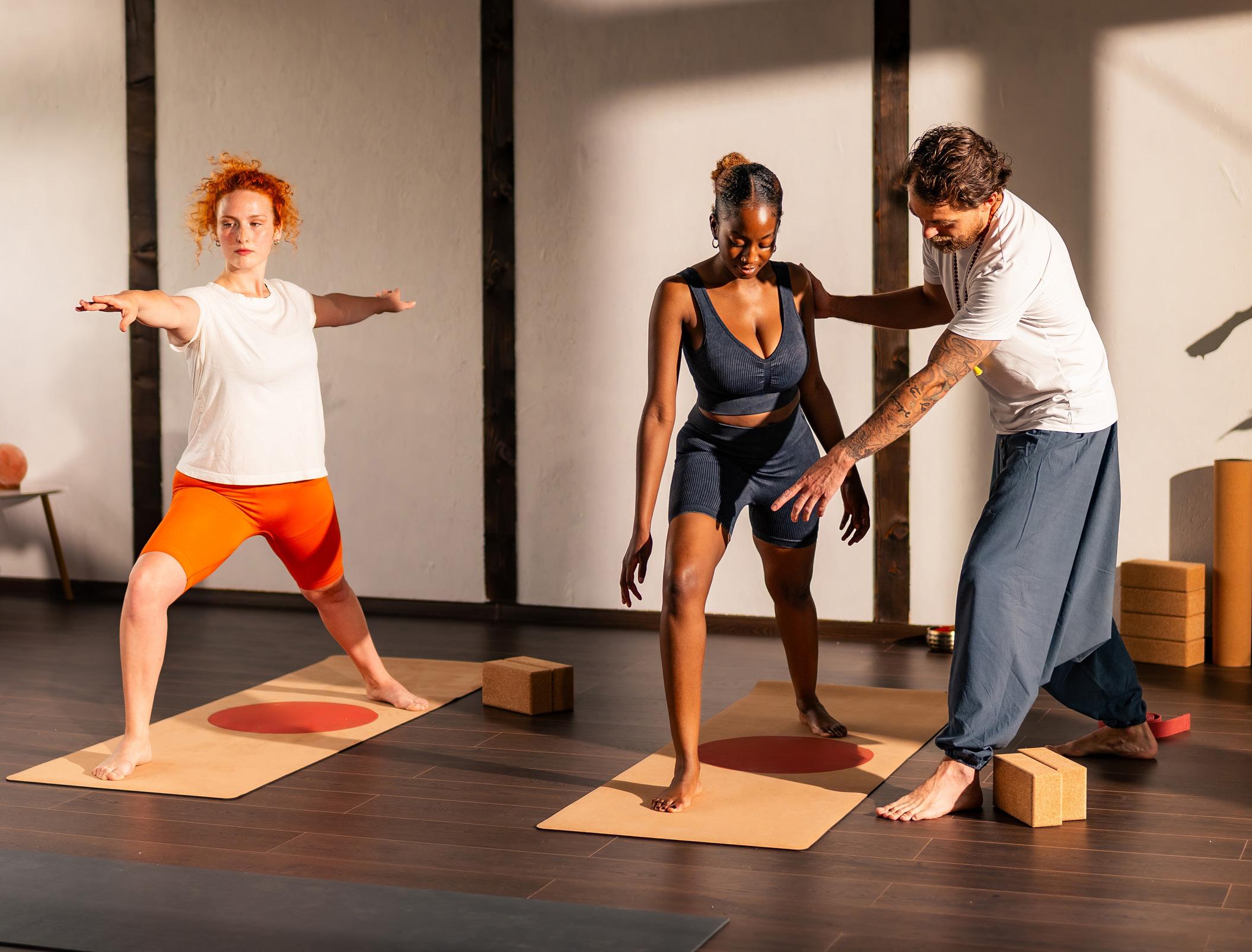
We therefore invest a lot of time – more than I think many clubs do – in talking to our members, guiding them on exercise/ recovery routines within the context of their broader lifestyles. We’re located at the intersection of High Holborn and Chancery Lane, so we attract lots of barristers working long hours. The education we provide isn’t just about balancing cycling with restorative yoga, for example. It’s about helping each member understand which activities work best, and when, within the broader demands of their week.
We have an introductory package of three classes for £45 and actively encourage people to try three different disciplines, so they can see how they complement each other. Our name may centre on cycling – and cycle is our largest studio – but we also offer yoga, pilates and strength, focusing equally on all disciplines to promote balance.
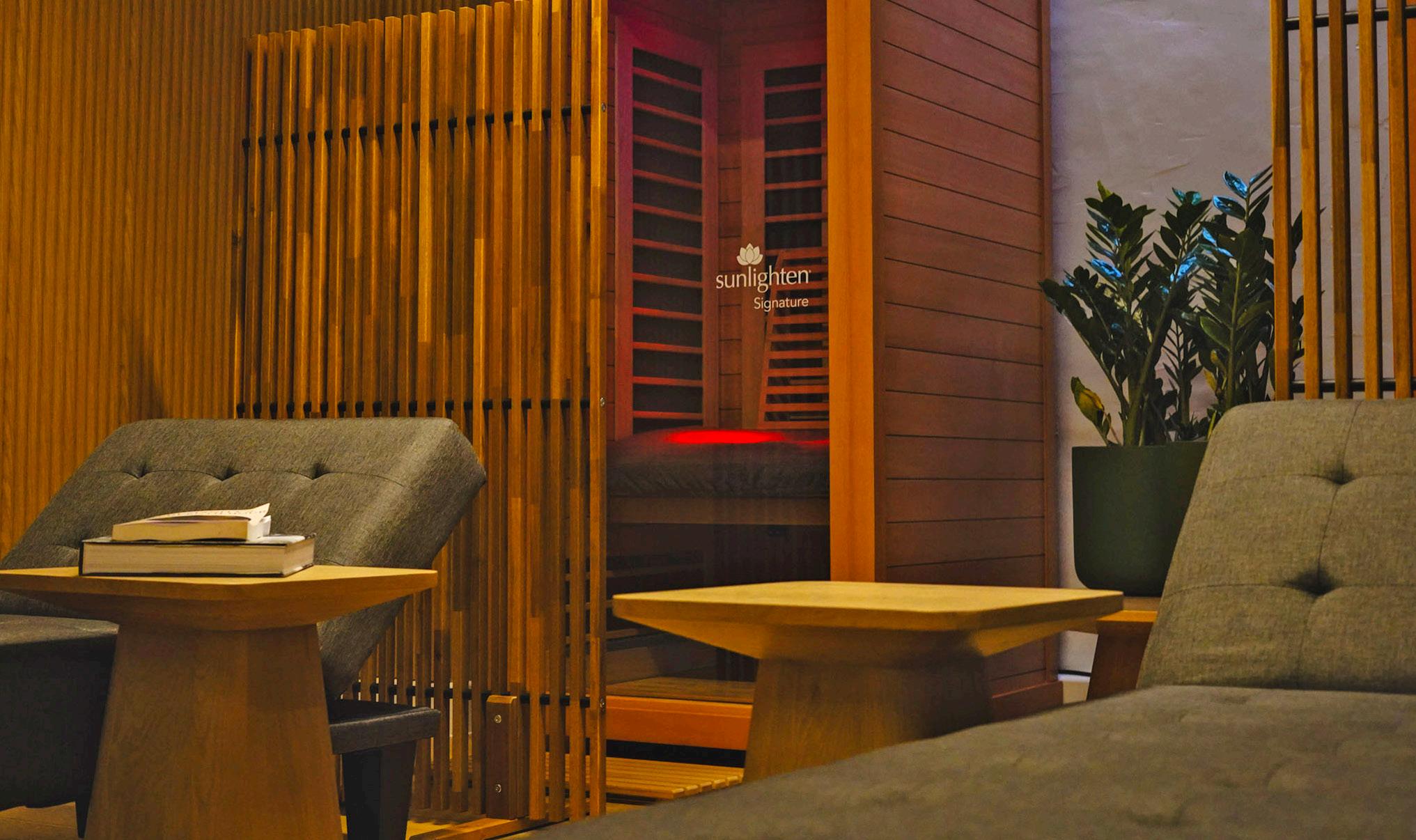
We also have a dedicated recovery space with mats for self-led stretching – we point everyone there after cycle classes especially – and two single-occupancy infrared saunas that can be booked for 30-minute slots.
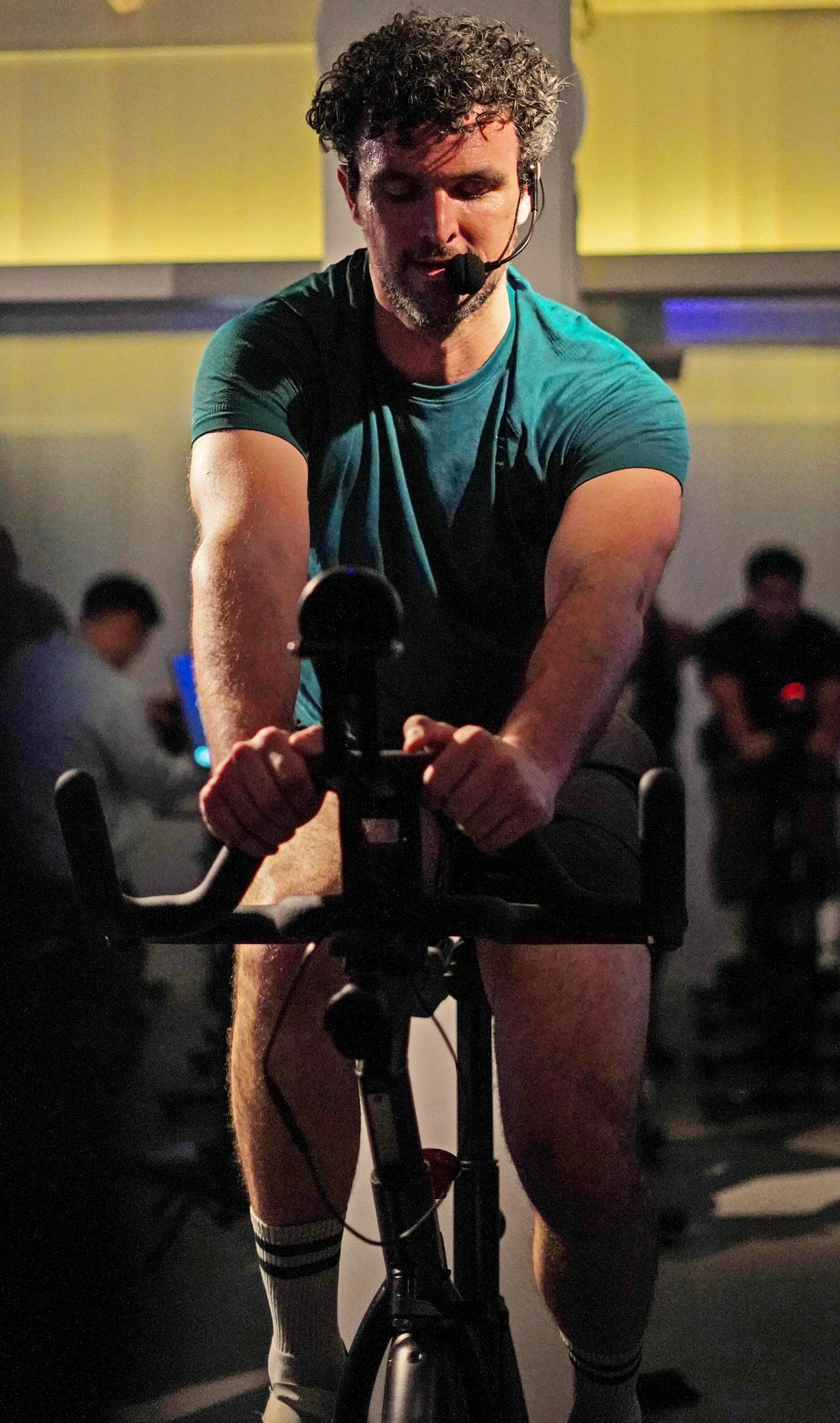
We see it as our responsibility to guide clients not only into an exercise routine, but into a recovery routine “
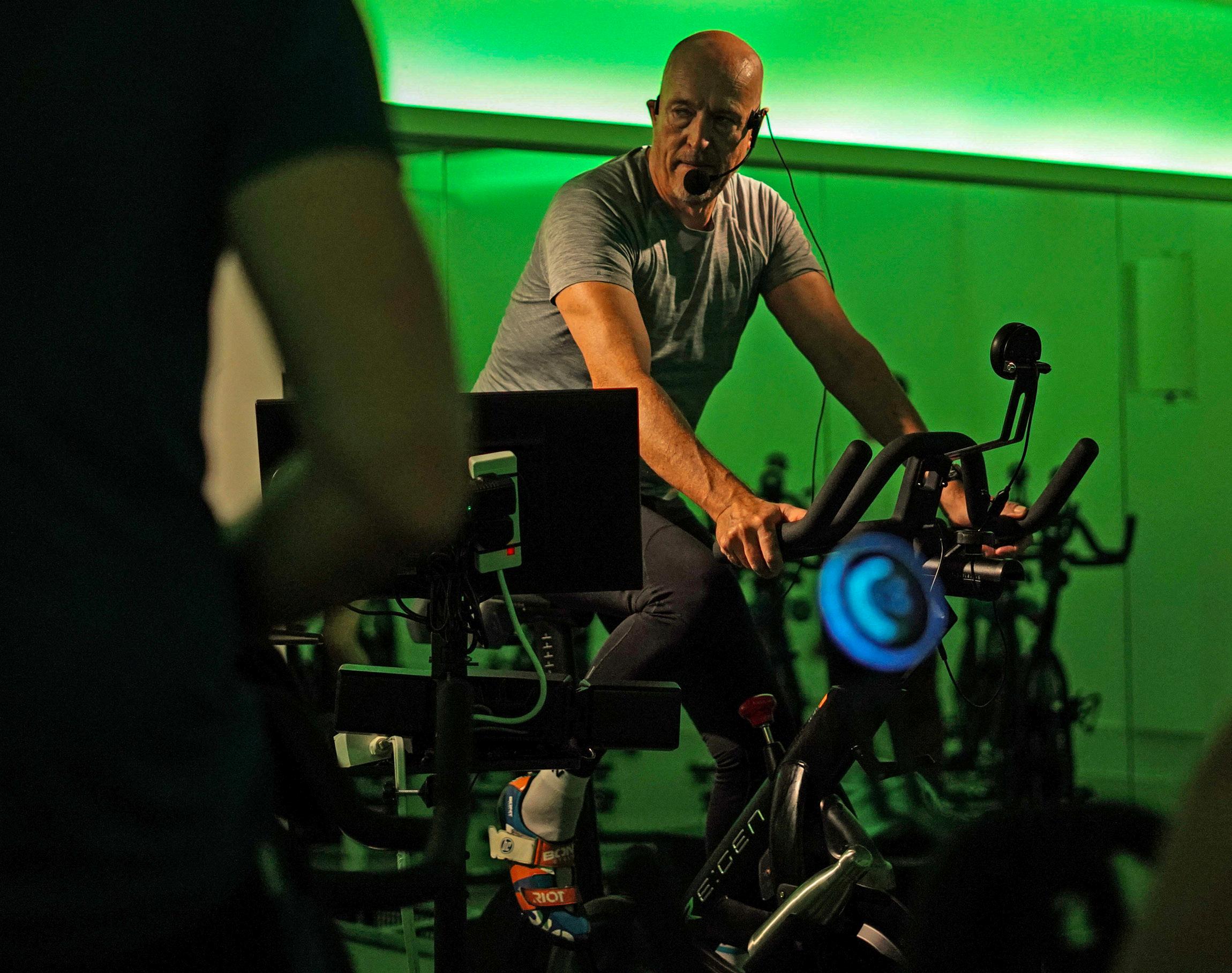
These are very popular, not only after class but for standalone sessions. They already consistently receive five-star reviews, but we want to do even better, making sure our members are doing recovery properly. And so we’re formalising a package that will include electrolytes for anyone booking a sauna, to help them stay hydrated. From a yoga perspective, we’ve found that most existing enthusiasts have their go-to studio, so we’re taking a different approach, trialling new programming that specifically complements indoor cycling: lots of hip opening and so on. We’re hoping it will further encourage the indoor cycling demographic into yoga, seeing it as valuable active recovery from their cardio sessions.
We’re formalising a package that will include electrolytes for anyone booking a sauna, to help them stay hydrated “
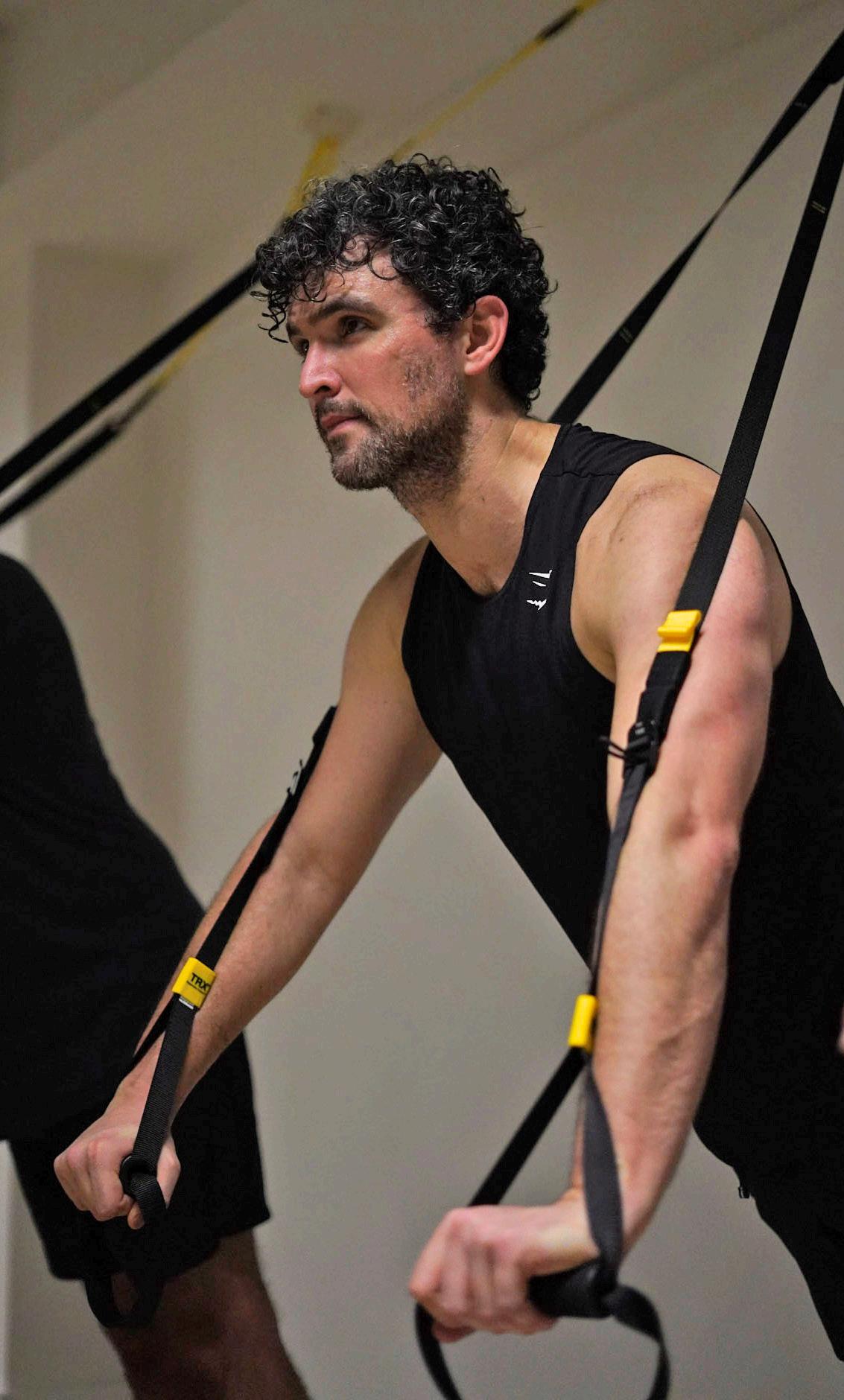
Left: Strength sits alongside cycle, yoga and pilates in a balanced timetable
Below: Single-occupancy infrared saunas are hugely popular, both postclass and for standalone sessions
We’re considering introducing recovery rides, too, to encourage yoga/pilates fans to give cycling a try and to allow cycling enthusiasts to ride more often without injury. These rides will also be a great option for those doing tough workouts elsewhere – a chance to work out the lactic acid and bring movement back into their bodies. Finally, we’re putting the finishing touches on a partnership with a local osteopath, who I discovered when I had a knee injury. It turns out it had been building for years, the result of imbalances in my gait from all the indoor cycling I’d done without the mobility I also needed. I learned so much from her about my own body. I want our members to benefit too, building new understanding into their own recovery strategies. l
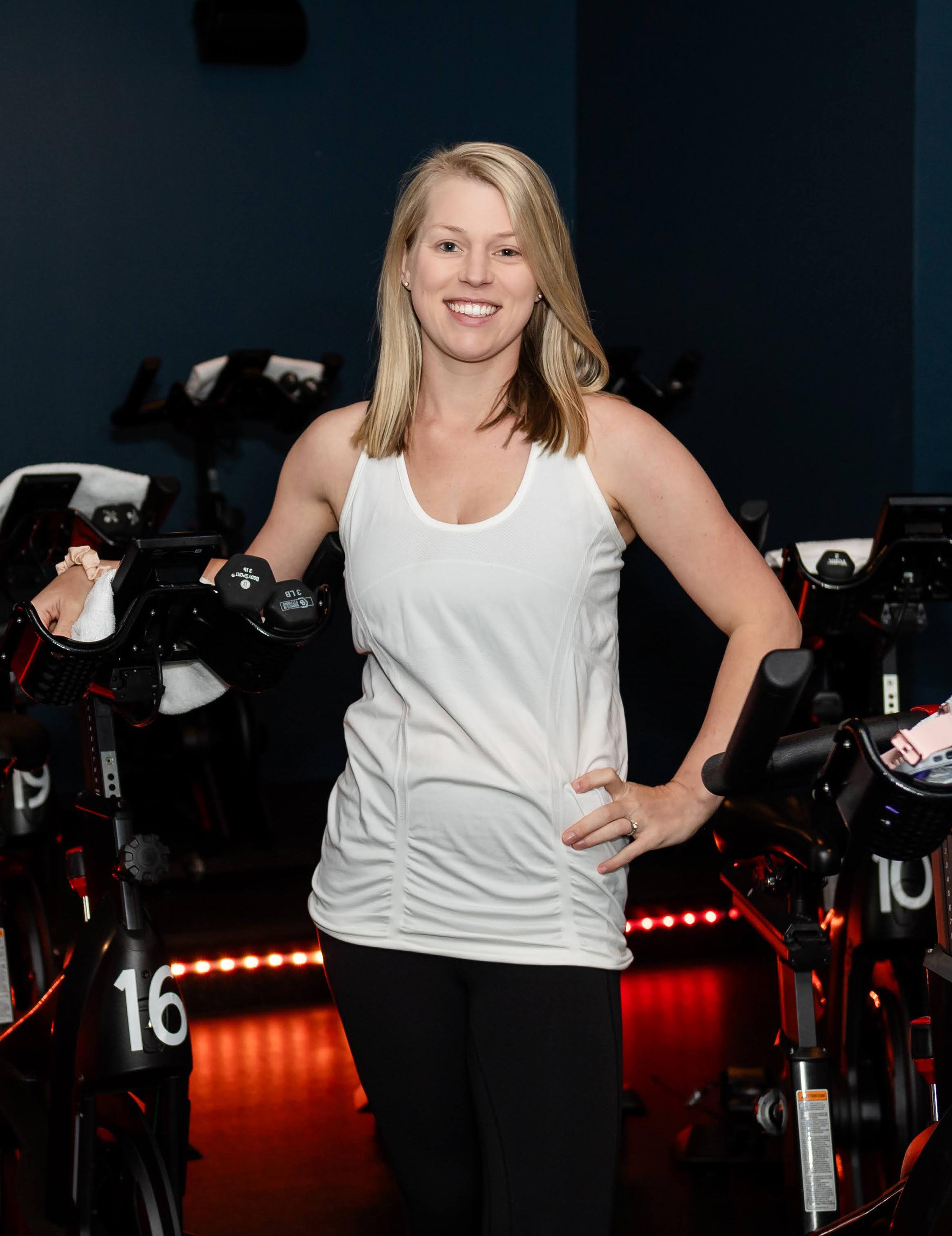
Courtney Farinelli manages H2L with her mother-in-law
“I rarely even look at the data. I don’t need to. I can see what’s working.”
100+ weekly classes consistently reach 70% average capacity
At H2L Studio, community isn’t manufactured. It’s lived, shared and woven into everyday local life. Studio manager Courtney Farinelli speaks to Kate Cracknell
At H2L Studio in Mechanicsburg, Pennsylvania, US, the strong sense of community comes not from shaping a tribe around the identity of the studio, but from being integrated into and reflective of the wider local community – a community that in turn embraces H2L as a place they want to be.
So says Courtney Farinelli, who manages the family-owned studio alongside her mother-in-law, as she talks with passion about the open-hearted business they’ve built over the last 11 years.
“It’s hard to quantify something like community,” she explains. “It’s something we can see in the studio every day, but it’s hard to find metrics that do it justice.
“I could talk about attendance and the fact that our 100+ weekly classes consistently achieve 70 per cent average capacity. I could talk about 756 unique visitors last week. But popularity doesn’t instantly translate into community. Numbers don’t paint the full picture. It’s why I rarely look at the data. I don’t need to. I can what’s working.”
She continues: “The fact that some of those 756 individuals came to the studio every day – and that some drive 45 minutes to get here – begins to tell the story. So do all the friendships forged at H2L, with social media full of members away for weekends together having originally met here. We’ve had people get new jobs through our community network, too. We’ve even had a marriage!
“The popularity of our swag is another clue: I wore my H2L zip-up to the stores the other day and a lady asked me ‘What is this? I’ve seen so many people wearing one today!’
“But if we really want to find an indicator of the strength of our community, I’d point to our instructor growth.
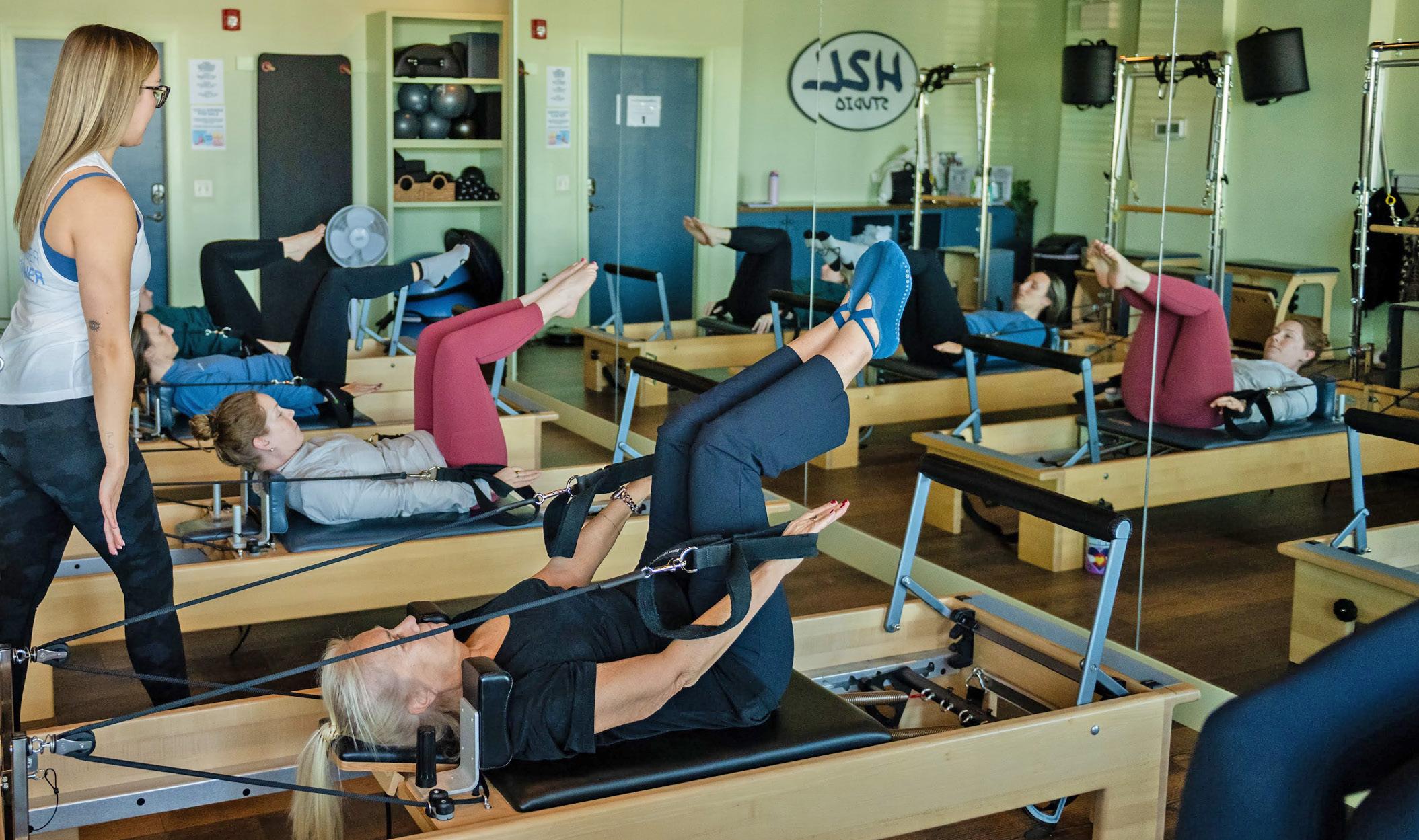
“When we opened in April 2015, we had five instructors. We now have 65, of which 20 were added in the past year alone. They aren’t all trying to make a living from it, so
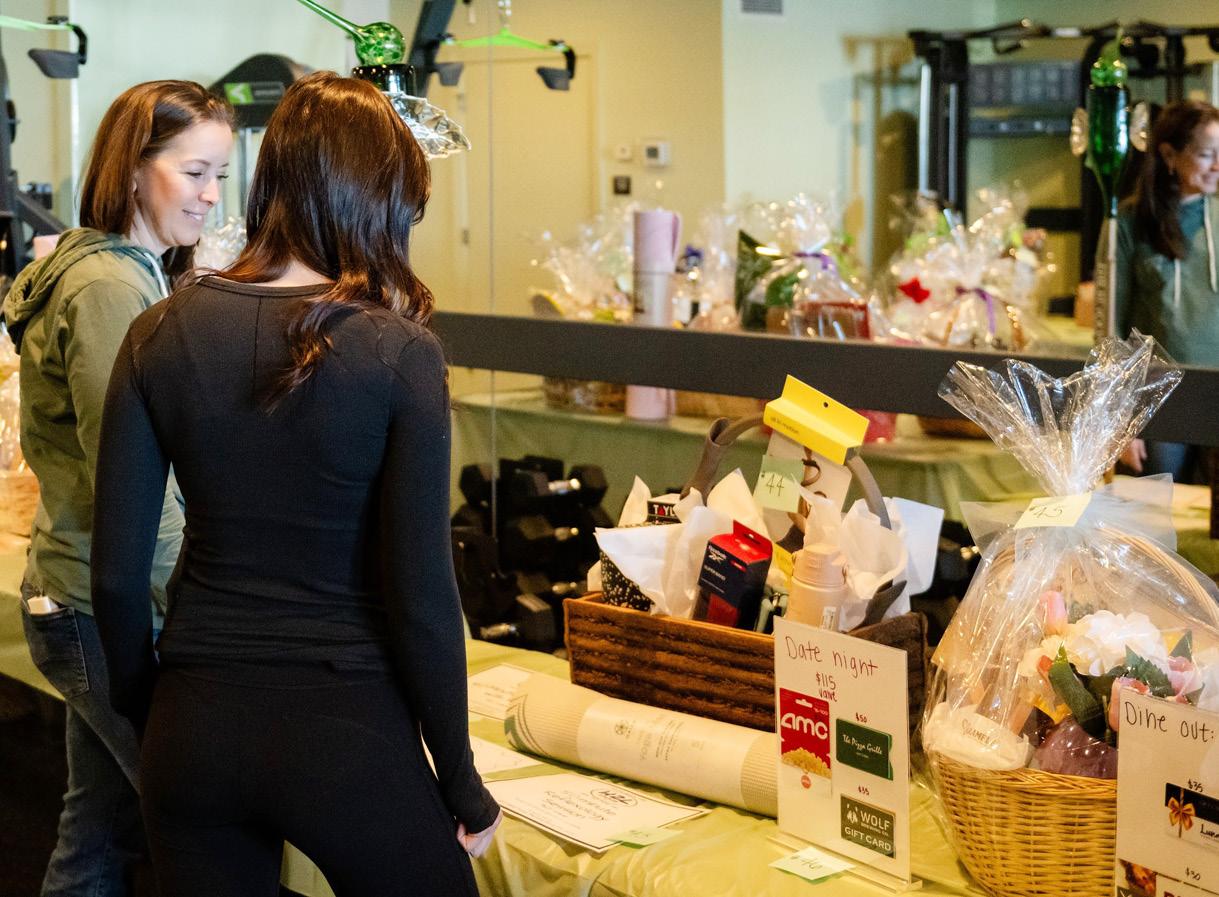
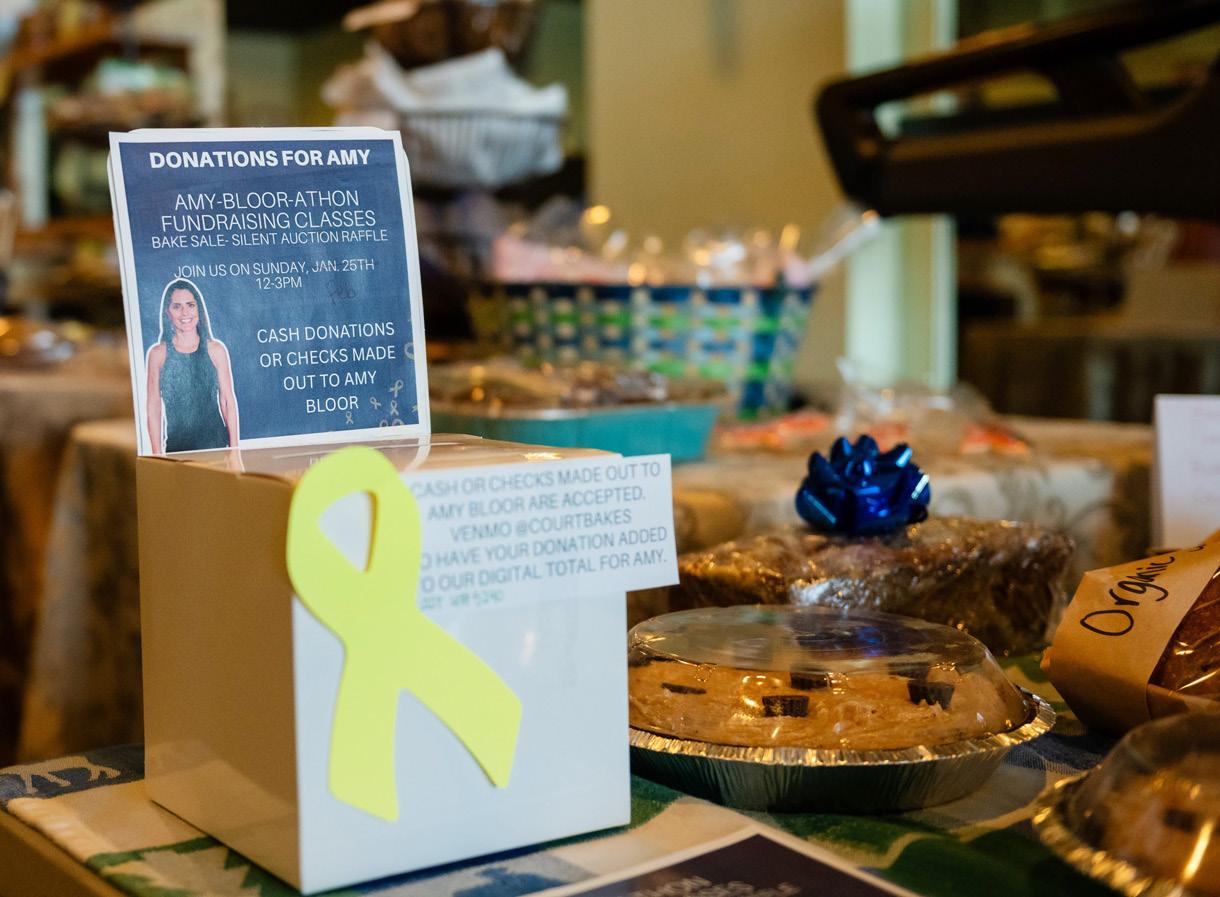
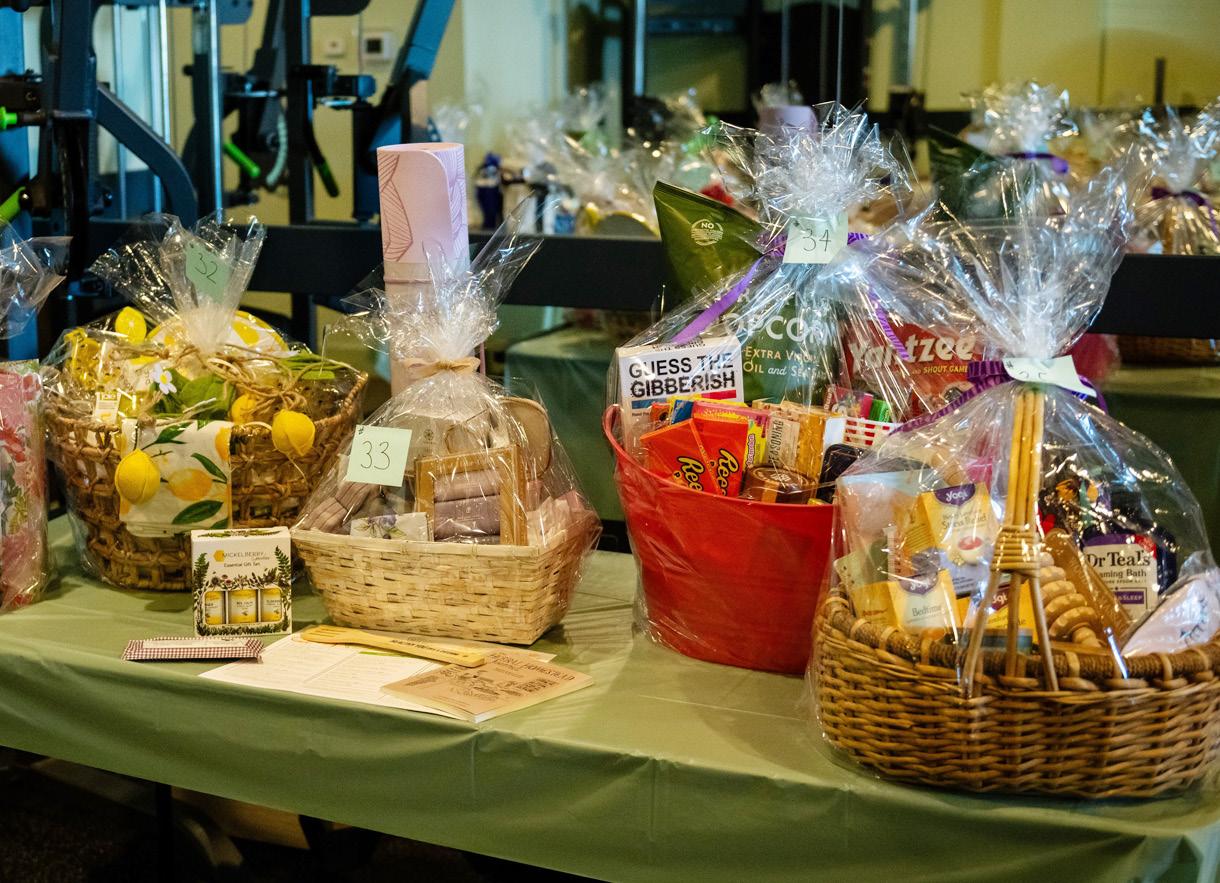
All images on this page: Member support has been "incredible" for the fundraiser for instructor Amy
Right: It's on a Friday night that the community vibe is in full flow
Below right: Classes are the Happy Hour of 2026, says Farinelli
we aren’t cutting anyone short: last week we ran 147 classes, with many of our team only leading one or two. But the crucial point is, the growth has all come from our member base. We’re regularly approached by members who tell us they love being at H2L so much that they want to be more involved.
“We’re incredibly flexible around them, never asking them to commit to more than they’re able to give, which means they’re always excited to be here. And we empower them to bring their ideas. That’s the joy of being family-owned: if someone has an interesting suggestion, we can implement it immediately and see if it works.
“And it generally does. We’ve created a really friendly place where people want to spend their time. If we put something on the timetable, it tends to fill up.
“For example, one of our newest instructors – who works with SEN children
“ Social media is full of members away for weekends together having originally met here. We’ve even had a marriage! ”
at a kindergarten down the road – recently organised a sensory-friendly indoor cycling class. It was fantastic, full of children and parents doing the class together.”
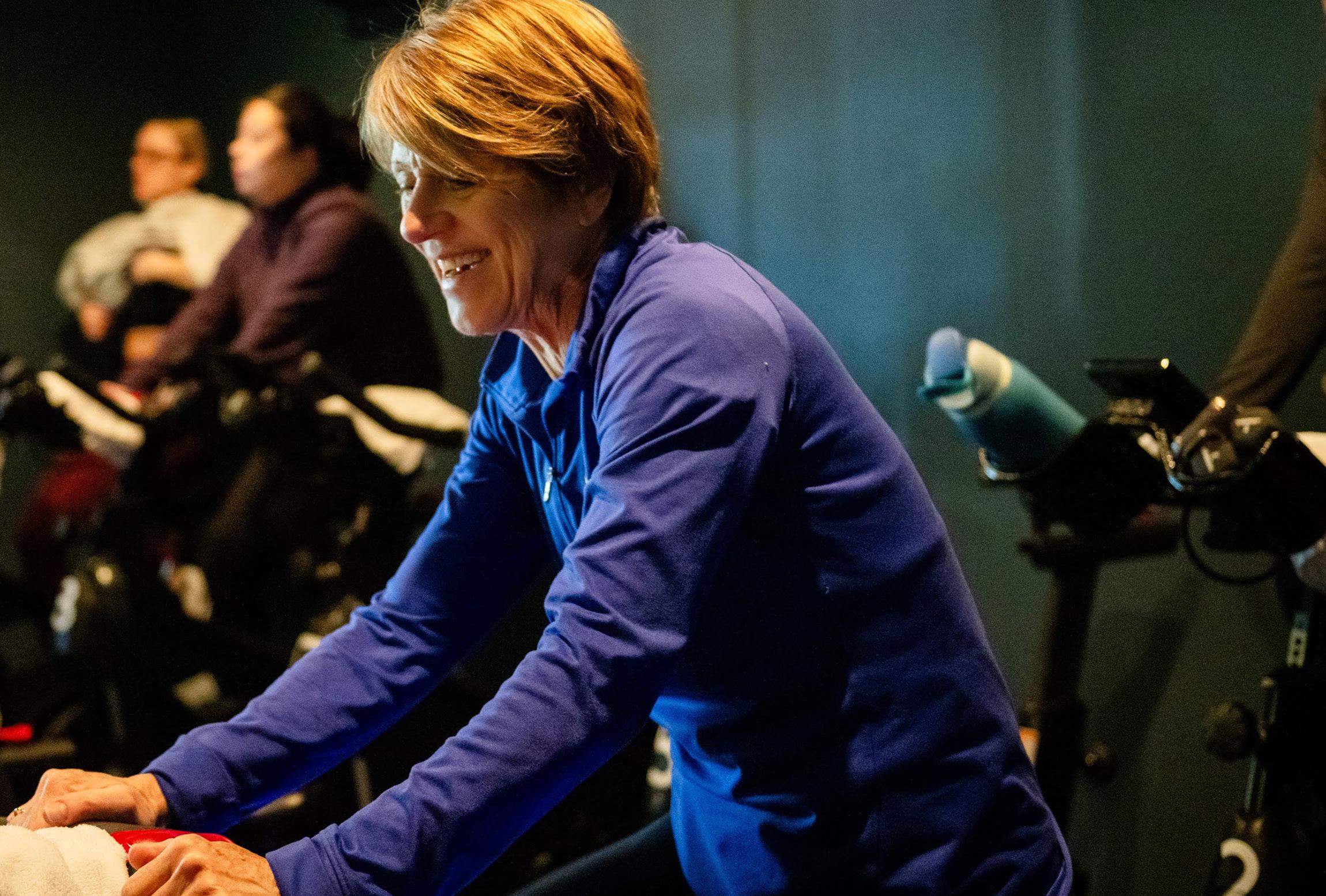
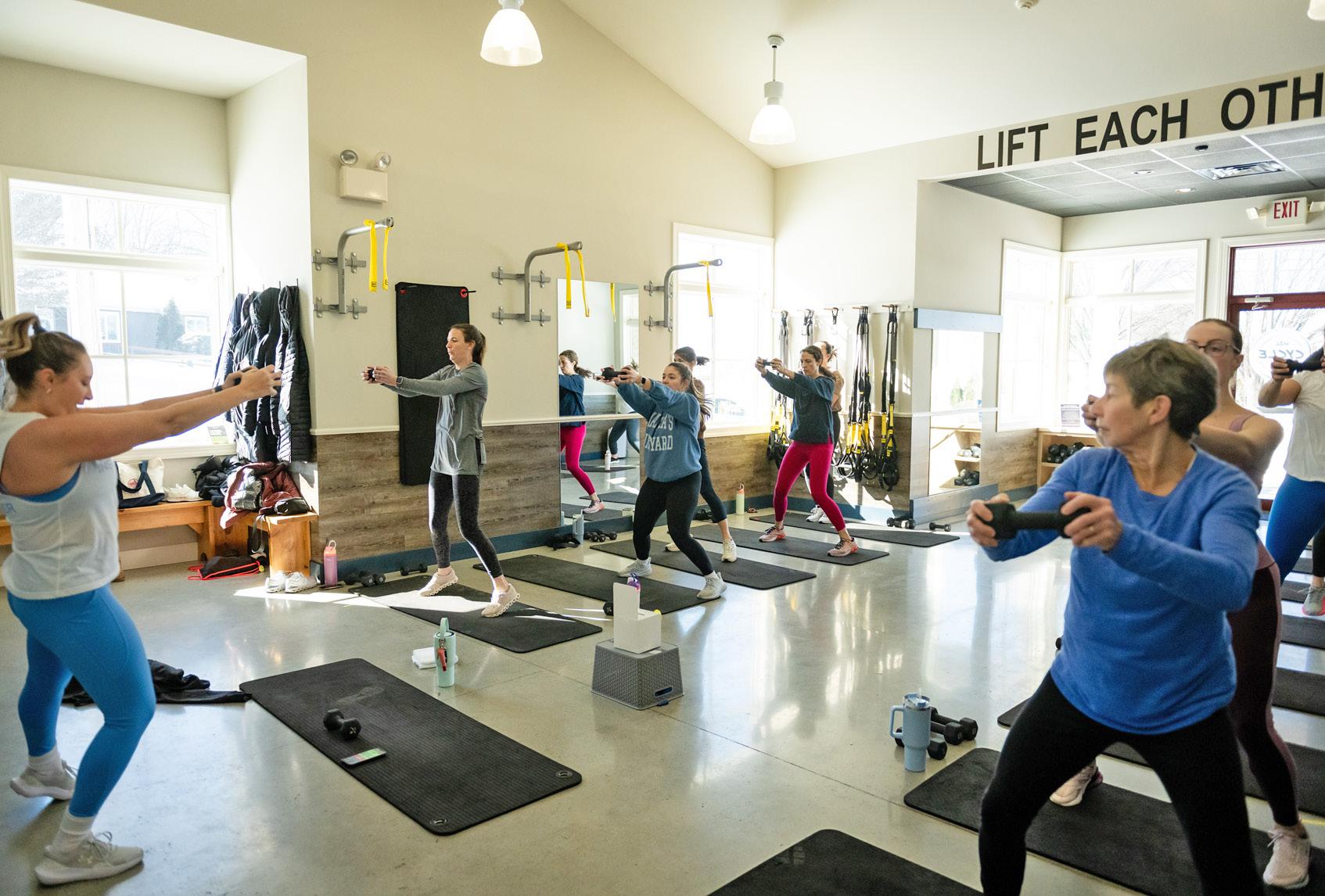
And this, for Farinelli, is the point: “We’re for everyone. Our approach to community is to embrace the whole community, sometimes catering for particular audiences with specialist classes, but otherwise welcoming people of all ages and experience levels, teaching to all levels in every class. It means people feel comfortable coming to us whether they’re a teenager or in their 80s.”
It’s only by diving into the detail of this approach, however, that you fully appreciate the creativity and community understanding behind it. Because while those specialist offerings do include the more predictable line-up of classes for teenagers, beginners and older people – as well as gentler classes for kids aged five to 13, scheduled at the same time as adult classes – they also include free classes for those who can’t afford to pay and dedicated classes for teachers. “We want Mechanicsburg’s teachers to have a chance
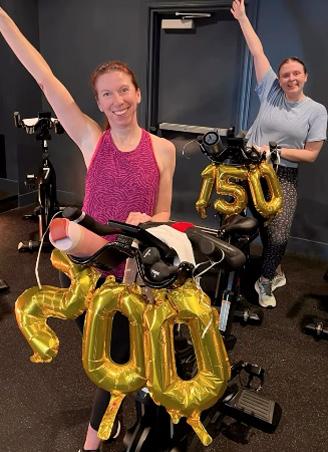
Left: In the H2L community, member milestones are celebrated in style
Below: Private classes are becoming increasingly popular, from birthday parties to 'gallantine's day' rides
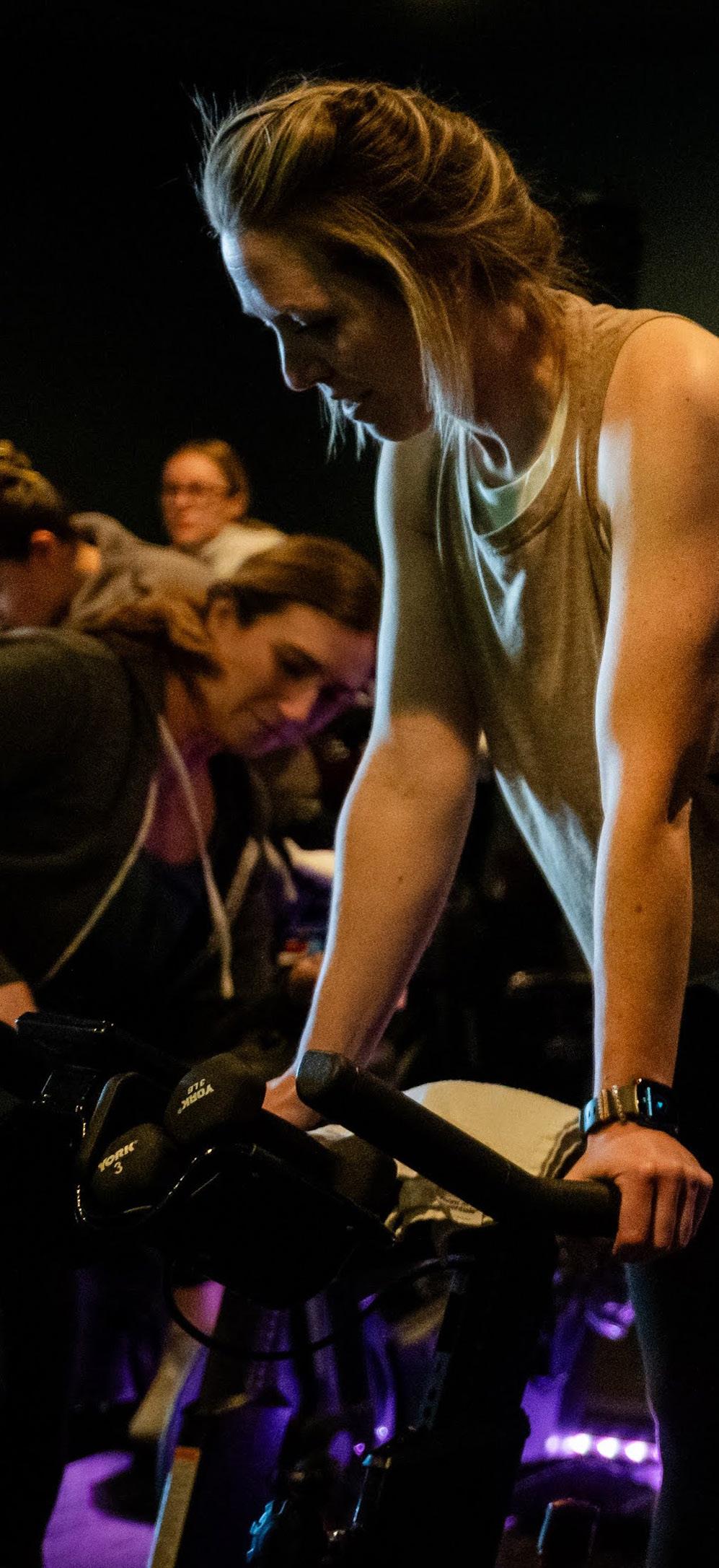
“ Instructor growth reflects the strength of our community. We’re regularly approached by members who want to be more involved.”
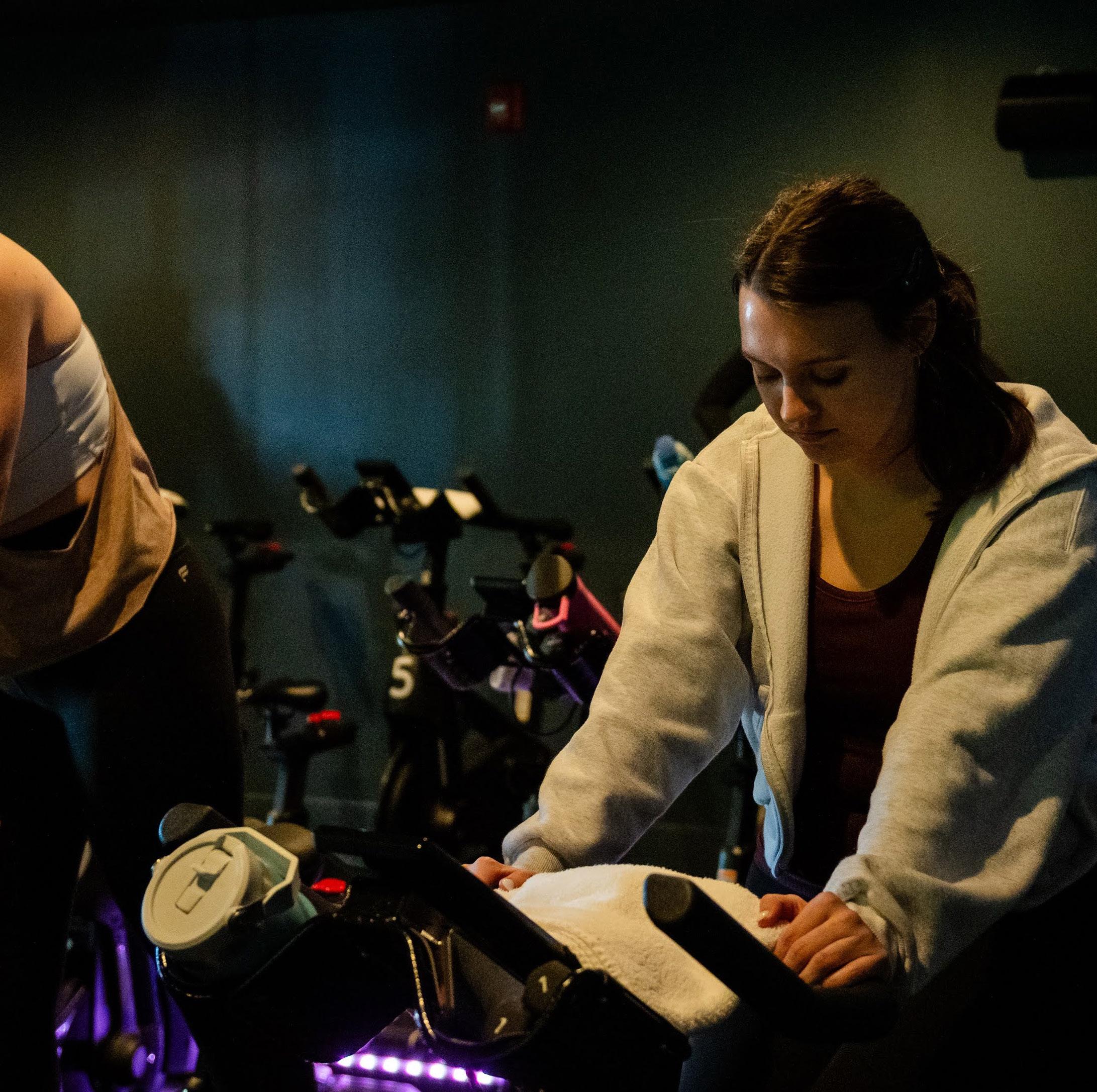
“ We’re for everyone. Our approach to community is to embrace the whole community.”
to let off steam and be taught themselves, so they feel re-energised and ready to bring out the best in our children,” says Farinelli.
With a strapline of Leave feeling better than you come, there’s also a rounded focus not only on physical but also on mental, emotional and spiritual feelgood, she explains. “Fitness is central to what we do, but it doesn’t end there. H2L is about relationships, shared experiences and reinforcing bonds across the community.”
Local charity fundraisers are a cornerstone of this, with H2L hosting “at least one a month” for a range of different charities. “Right now, we’re organising a fundraiser for one of our instructors, who was recently diagnosed with a rare form of cancer. Our
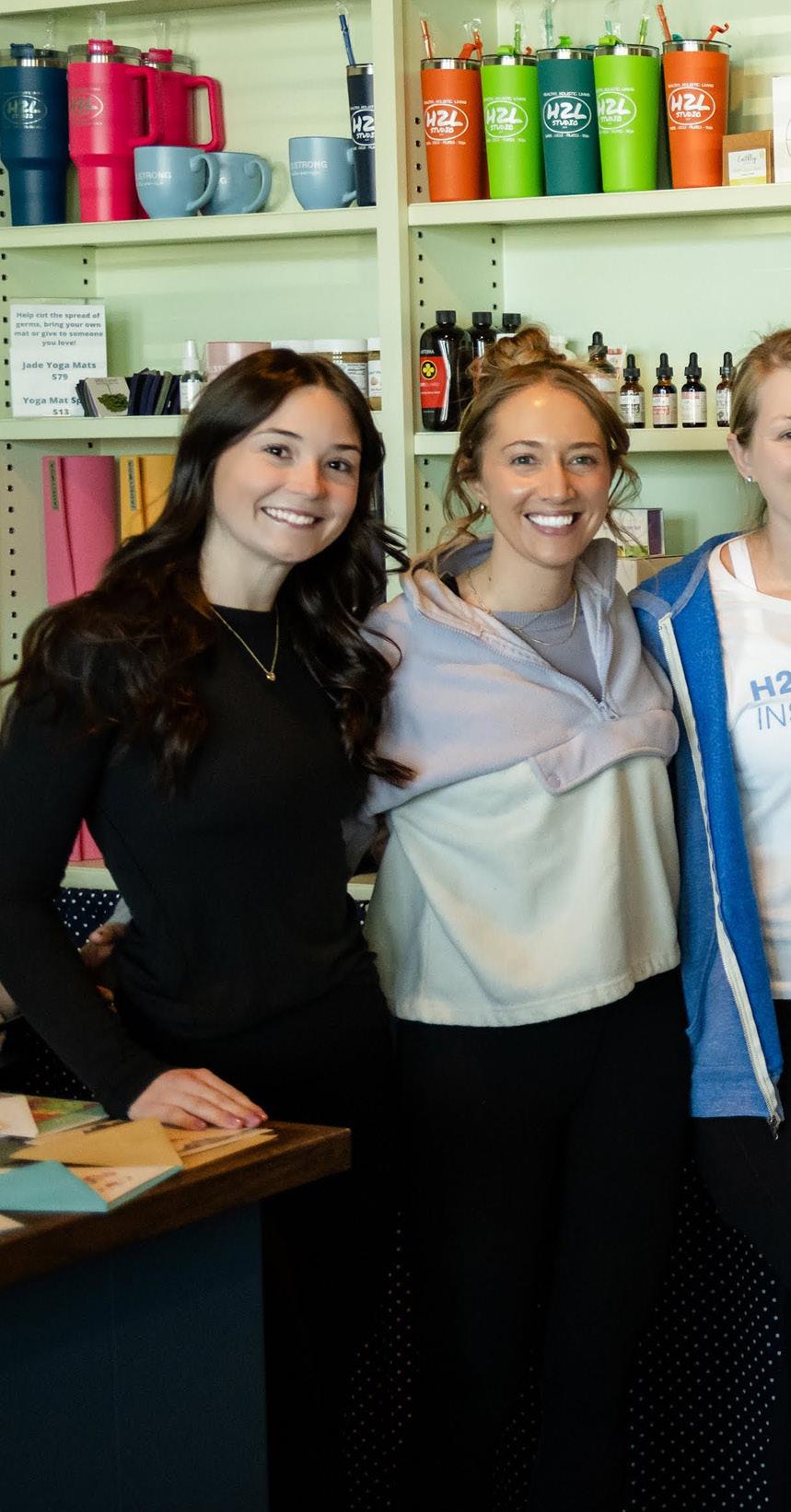
Above: H2L's instructor team is growing fast, as more and more members get involved
Left: H2L is about shared experiences that lift each other up, says Farinelli
H2L hosts at least one charity fundraiser every month
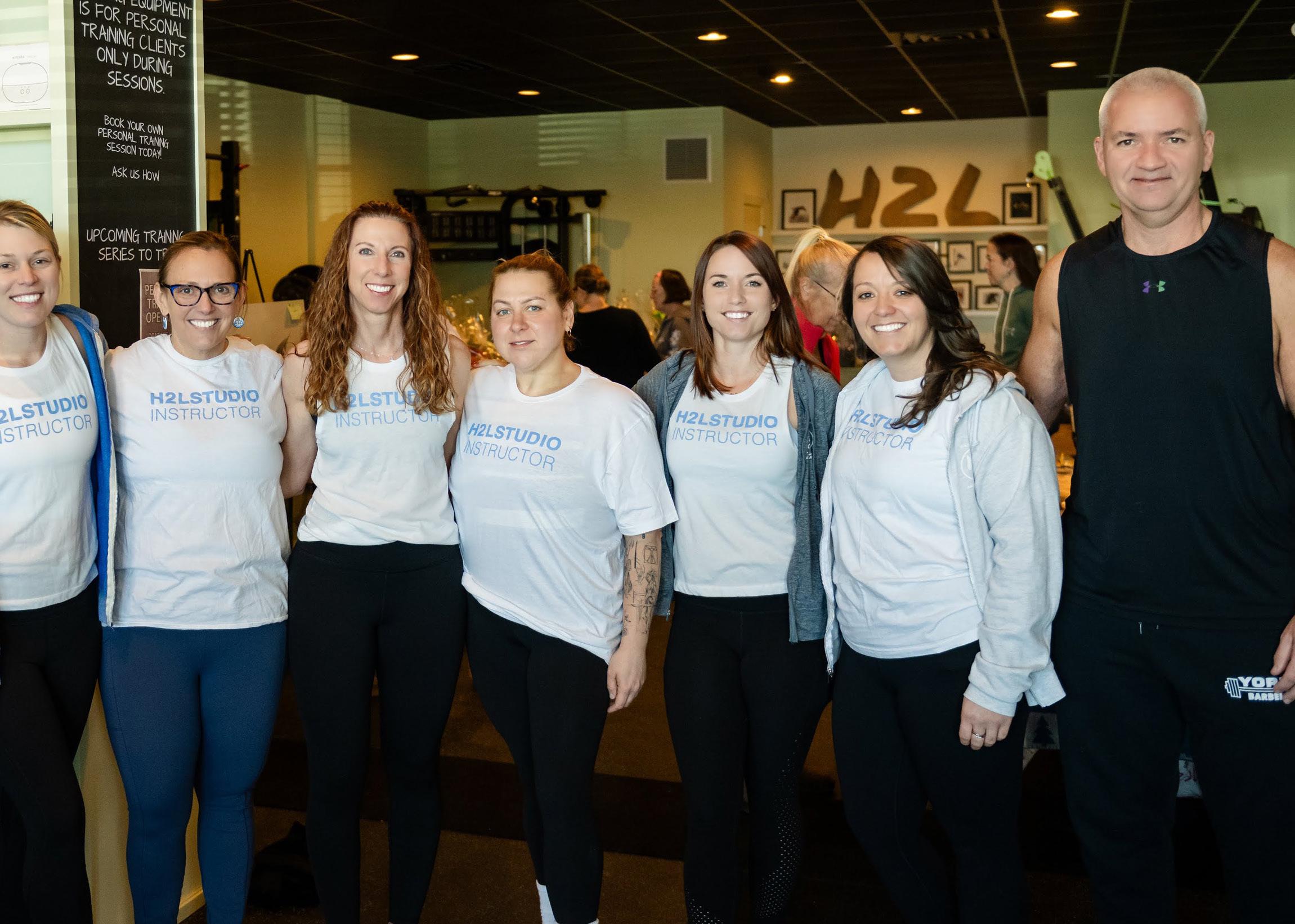
members see our instructors as their friends and the support has been incredible.”
There’s also a concerted effort to support other small, family-run businesses, from running a class in a newly established local winery to inviting a nearby coffee shop into the studio to sell great coffee to members every Monday. “No money changes hands between H2L and the other businesses. It’s about connecting with the community in a way that benefits them, us and our members.”
Creative combinations of activities also play their part, firmly establishing H2L as a go-to destination for Friday night fun. “We have our 6.00am fitness-focused regulars, but it’s on a Friday night that you really see our community vibe in full flow,” says Farinelli.
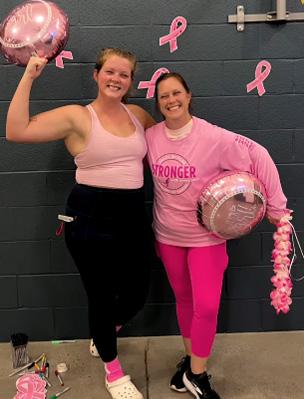
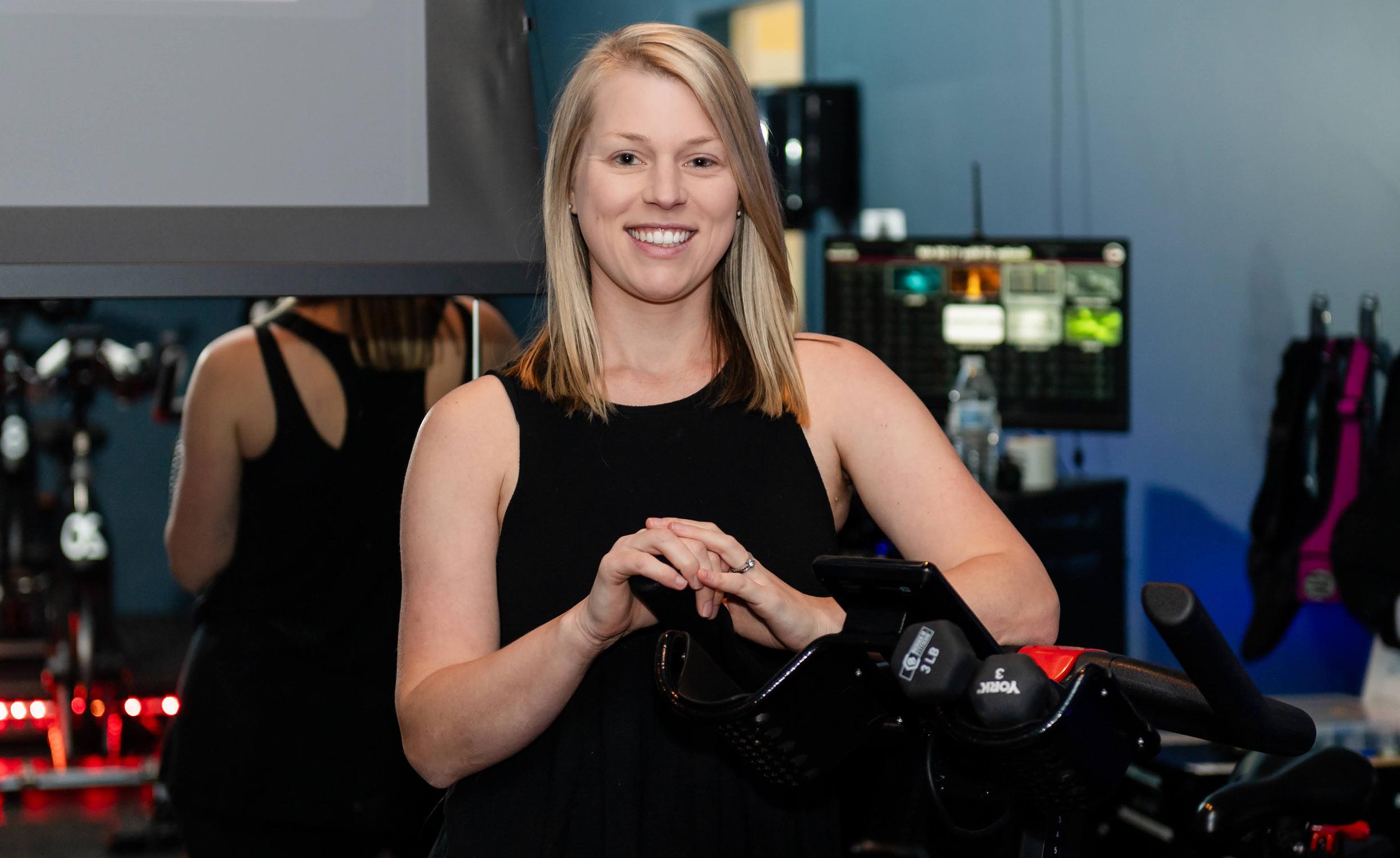
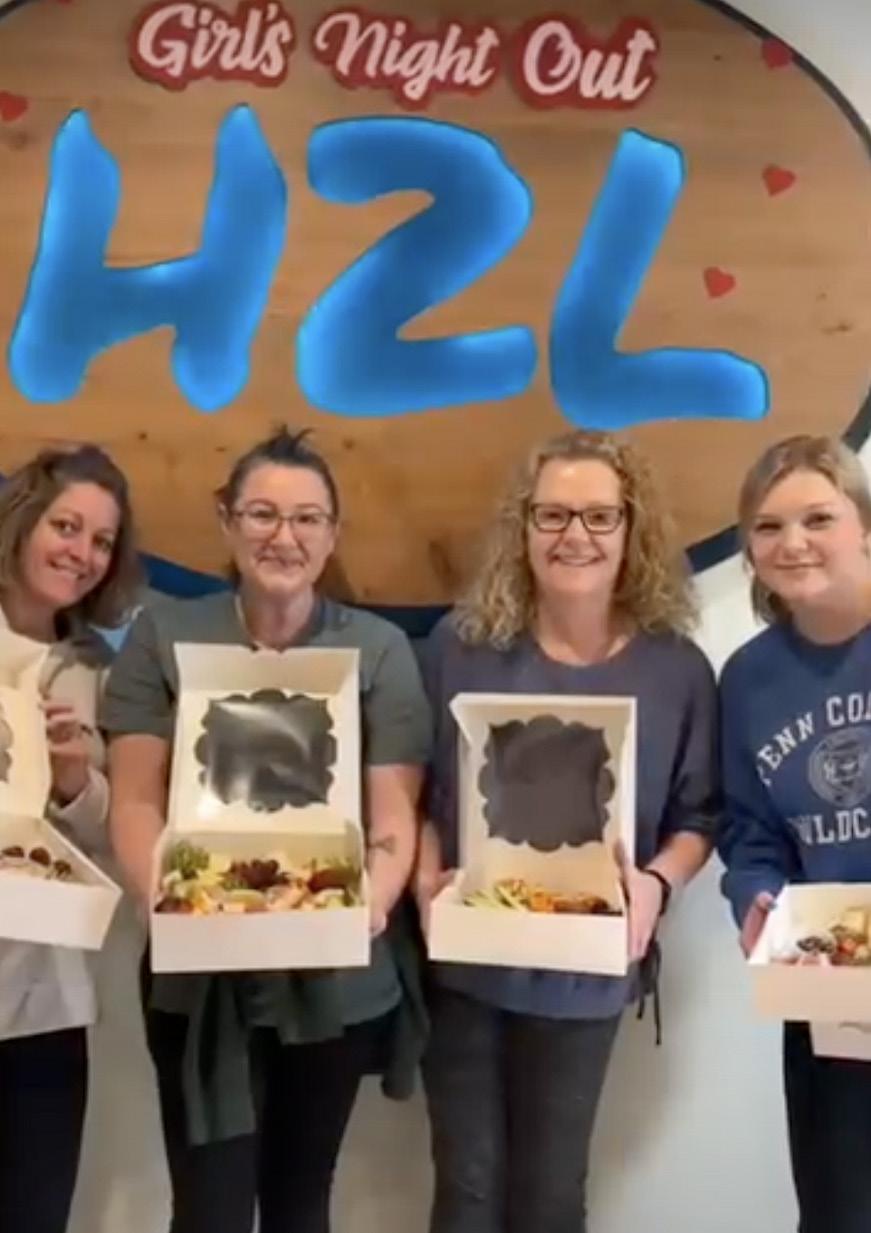
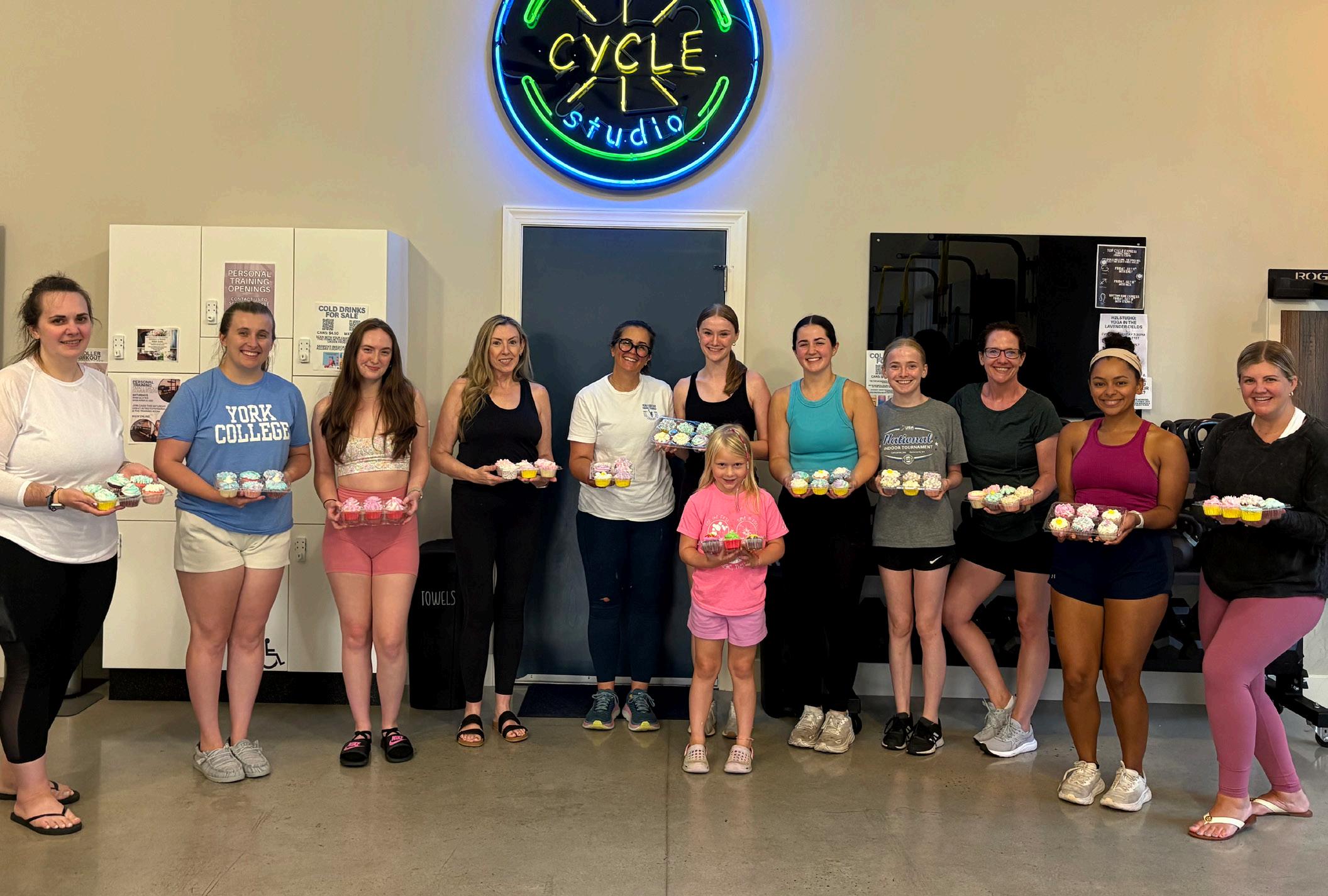
“Themed cycle rides are a regular feature, but we also do pop-up bootcamps, Boys at the Barre and Girls’ Nights that combine a workout with another activity: barre + cupcake decorating, pilates + watercolour painting, indoor cycling + making charm bracelets, bootcamp + learning to make beautiful charcuterie boards.
“We consistently have 40 people in the studio on a Friday night, from those in their 20s to retirees, with typically two to four different activities going on. If that includes a Girls’ Night, we’ll make sure the themed cycle appeals to men so everyone gets involved.”
Private classes are also increasingly popular. “We’re calling it the 2026 Happy Hour,” says Farinelli, “and there’s been significant uptake from local businesses looking to build bonds among their employees while also contributing to their wellness. We also do lots of birthday parties, bachelorette parties and social get-togethers: a bunch
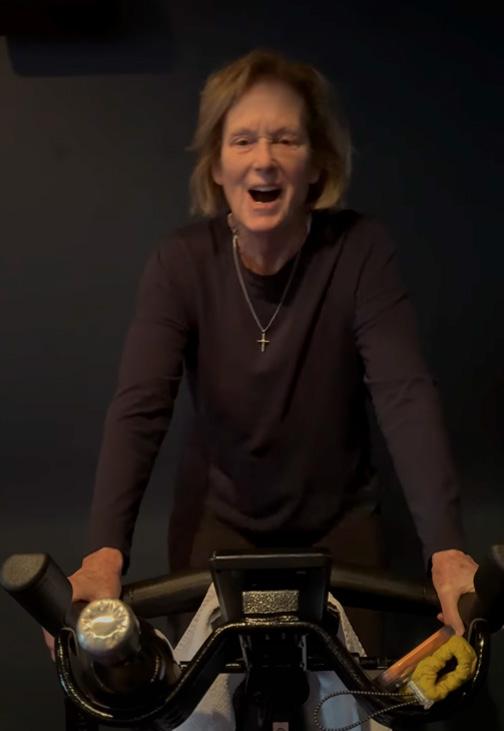
“ The line on this year's swag sums up how people feel about us. H2L: My happy place”
of mums who came to us for ‘gallantines day’ this year, for example. We get a lot of new members by word-of-mouth.”
And so the H2L community goes from strength to strength, within its walls and by supporting the local community beyond. “I don’t think it’s that complicated,” says Farinelli. “We’ve created a place where people want to be. We listen to what they say and we follow their needs – not just their fitness needs, but the needs of the person as a whole.
“I think the line on this year’s swag sums up how people feel about us as a result. H2L: My happy place.” l
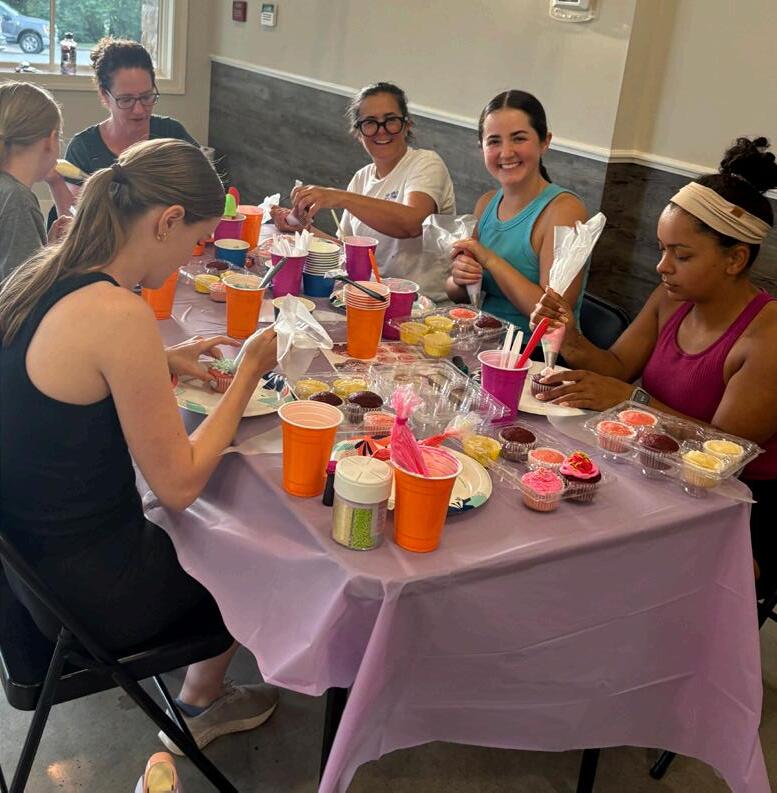
Above (both images): Social events combine a workout with another activity, such as cupcake decorating
Above left: "It isn't that complicated," says Farinelli. "We've created a place where people want to be"
Left: H2L is for everybody, from teenagers to people in their 80s
