Citi Bike expansion sparks debate
By Michelle Mullen mmullen@riverdalepress.com
An expansion of Citi Bike stations across Bronx Community District 8 is drawing mixed reactions from residents.
Twenty-two new stations are expected to be installed throughout the district this year, bringing the total number in the area to 46.
The additions aim to expand access to the bikeshare system in neighborhoods where stations have historically been limited or absent.
Among the most debated installations has been the Citi Bike station at Knolls Crescent and Kappock Street. Installed in late May, the station replaced several curbside parking spaces near the Knolls shopping center and quickly became a flashpoint in the neighborhood’s
broader debate over the expansion.
Cynthia Rabinowitz, who lives near the shopping center, said she does not oppose Citi Bike itself but believes the station should have been placed elsewhere.
“I said I’m not against it. Put it on the sidewalk, or put it somewhere, you know, there must be another area where they could put it, not in the middle of the street,” Rabinowitz said.
Rabinowitz said she worries the loss of parking could become even more noticeable when a Fine Fare Supermarket opens in the shopping center, replacing the vacant Rite Aid, and begins drawing additional customers and deliveries.
“It’s discouraging people from shopping,” she said. “When that Fine Fare comes in, peo-
ple are going to be coming in and there won’t be enough spots for them.”
Not every resident, however, sees the stations as a problem.
Kevin Childress, who lives in Knolls Cooperative Building 2, said he welcomed the arrival of Citi Bike in the neighborhood and believes the stations can help connect Riverdale to surrounding communities while supporting local businesses.
“I’ve never really had concerns about Citi Bike,” Childress said. “I was excited when I heard that they were coming into the retail area.” Childress recalled friends visiting from Inwood who rode Citi Bikes across the Henry Hudson Bridge to Knolls Crescent, stopping at a local wine shop before heading home.
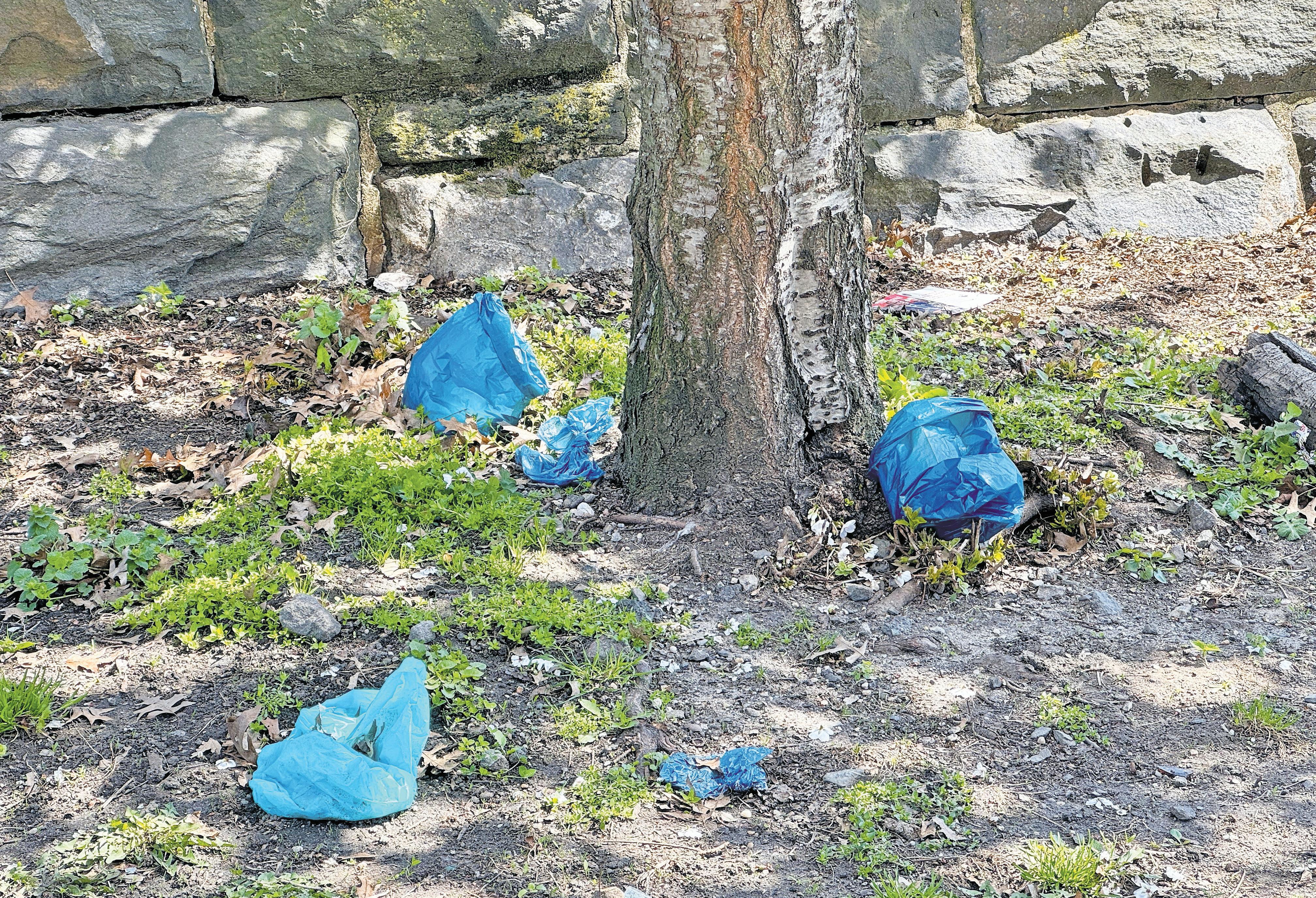
Council District 11 saw residents file between 60 and 90 311 complaints about dog
between
and May of this year.
City Council eyes new approach to persistent dog waste problem
By Michelle Mullen mmullen@riverdalepress.com
A package of City Council bills aimed at reducing dog waste on city streets is drawing support from some Riverdale residents, though questions remain about whether the policies can change the behavior of dog owners who already ignore existing laws.
The Safe and Clean Outdoor Ownership Practices Act, known as the SCOOP Act, was introduced May 15 following a spike in dog waste complaints citywide after a winter marked by consecutive snowstorms.
The legislative package would expand access to dog waste bags, increase public education efforts and strengthen responses to repeated complaints.
In City Council District 11 — which includes, Kingsbridge, Riverdale, Norwood, Van Cortlandt Village, Wakefield, Woodlawn and Bedford Park — residents filed between 60 and 90 complaints between January and May
2026, with ZIP codes 10471 and 10463 each accounting for roughly 35 complaints during that period.
Residents interviewed by The Press pointed to recurring trouble spots in heavily trafficked pedestrian areas throughout greater Riverdale where dog owners regularly walk their pets. Several described conditions as particularly unpleasant after January’s snowstorms, when weeks of accumulated waste emerged as snowbanks began to melt.
For Jason Bunin, a Riverdale dog owner who lives near West 235th Street, the problem became especially noticeable during those weeks.
“When people start treating the neighborhood disrespectfully and just leaving dog waste, it gets frustrating,” Bunin said. “One of the reasons we live in Riverdale is because it’s beautiful. I love the community, I love the neighborhood, I love the parks.”
Bunin said carefully navigating some sidewalks became necessary to avoid piles
Young women find home at Dax House
By Olivia Young oyoung@riverdalepress.com
At the University of Mount Saint Vincent, home was an unfamiliar comfort to five young women who spent years relying solely on themselves.
The university launched a program called Dax House two summers ago, in partnership with nonprofits Depaul USA and Sisters of Charity of New York, to support its students — from juniors to recent graduates — experiencing housing insecurity. The group there now pays about $250 a month, according to Mel Reyes, Depaul’s Dax program director for New York.
Dax is inside Rosary Hall on the university’s campus, which was renovated a few years
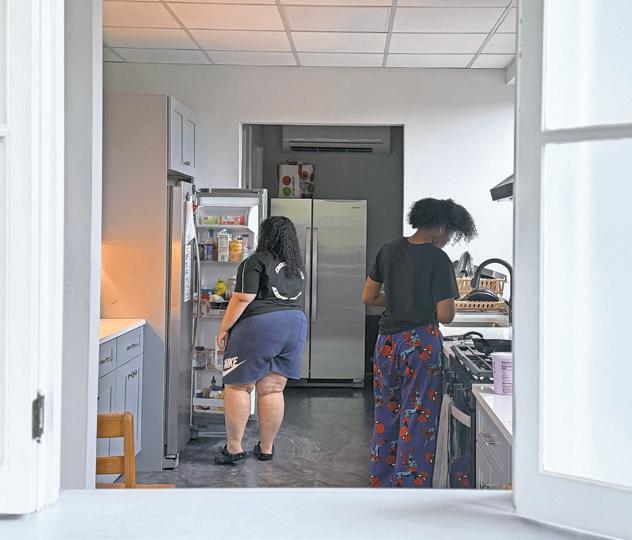
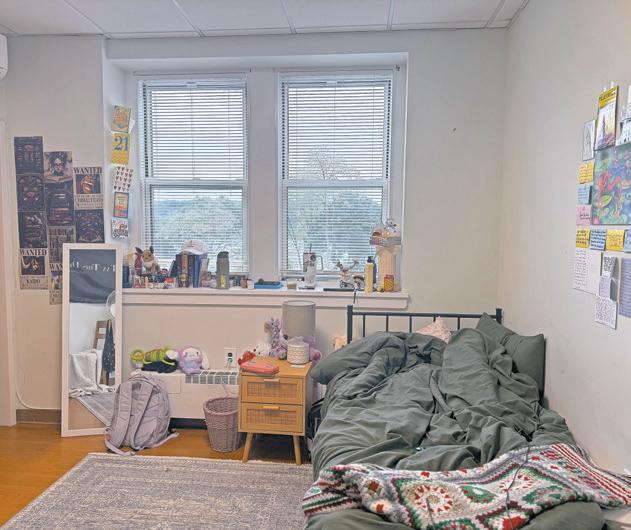
ago after the Sisters living there relocated. The kitchen was gutted and filled with new appliances, the floors were replaced with hardwood and vintage furniture was secured through donations, now lining the walls of eight bedrooms. The ceilings are high and the windows wide, letting light flood into the living space and glisten on the floor. Residents described their dynamic as one big friend group. Waking up, grocery shopping, cleaning, playing board games — they do it all together, often gathering on the pastel couches they push close together, covered in heaps of blankets and studying into the night. Hints of the bond the women share are scattered throughout. They draw kitten doo-
of waste left behind after the snow. As a dog owner himself, he said irresponsible behavior by a minority of pet owners reflects poorly on everyone else.
“It’s a responsibility,” Bunin said. “If you take on a pet, you’re taking on a responsibility.”
City lawmakers say the SCOOP Act is intended to address both the practical and behavioral sides of the problem, making cleanup supplies easier to access while reminding pet owners of their obligations.
The legislation consists of five separate bills. One measure would require the department of sanitation to install and regularly refill dog waste bag dispensers on or adjacent to every public litter basket on city streets.
Another would establish a pilot program to collect dog waste from parks department dog runs for composting.
Additional proposals would require public education campaigns about the health and environmental impacts of uncollected dog
“I thought, this is exactly what this docking station stuff is supposed to do,” Childress said. “It’s supposed to bring new retail business into the area.”
He said many critics simply do not see the value because they are unlikely to use the system themselves.
“People act like the bike demographic is not important,” Childress said. “It’s a fourth demographic that we’re adding to the shopping mix there.”
But concerns have also emerged in North Riverdale, where new stations recently appeared along Broadway near Van Cortlandt Park.
Angela Tassone, who has lived in the neigh-
By Michelle Mullen and Olivia Young
mmullen@riverdalepress.com
oyoung@riverdalepress.com
Dr. Clarence B. Jones, the former Riverdale resident who helped the Rev. Dr. Martin Luther King Jr. draft the famed “I Have a Dream” speech and served as one of his closest advisers, died May 22 at 95. A lawyer, speechwriter and fervent civil rights advocate, Jones’ influence touched some of the defining moments of the civil rights movement, from the March on Washington to the release of King’s “Letter from Birmingham Jail.”
For years, Jones’ work in the civil rights movement bloomed in Riverdale, where his home became both a refuge for King and a behind-the-scenes planning center during preparations for the 1963 March on Washington. In later writings, Jones recalled the spring of 1963, when King arrived in Riverdale physically and emotionally drained after the Birmingham campaign.
“It was the late spring of 1963, and my friend Martin was exhausted,” Jones wrote in his memoir “Behind the Dream: The Making of the Speech That Transformed a Nation.” Jones said King hoped for a brief escape from the relentless pressures surrounding him, wanting “nothing more than to take Coretta and the children away for a vacation and forget — forget his looming book deadline, the internal politics of his ever-growing Southern Christian Leadership Conference and the constant need to raise funds.”
But with the March on Washington rapidly approaching, Jones recognized King needed a quiet place to work away from constant interruptions.
“That would be my house in Riverdale, N.Y.,” Jones wrote. Jones and his family temporarily moved out of their five-bedroom rental near West 254th Street, allowing King to use the home as what they later called his “command post north.”
From Riverdale, King and Jones coordinated plans for the march, speaking with advisers in New York and Atlanta while navigating transportation logistics, security concerns and political tensions surrounding the historic demonstration.
Born in Philadelphia on Jan. 8, 1931, Jones was the son of a chauffeur and a maid who worked for a wealthy New Jersey family.
According to the Clarence B. Jones Insti-


Michelle Mullen
City
waste
January
Olivia Young photos
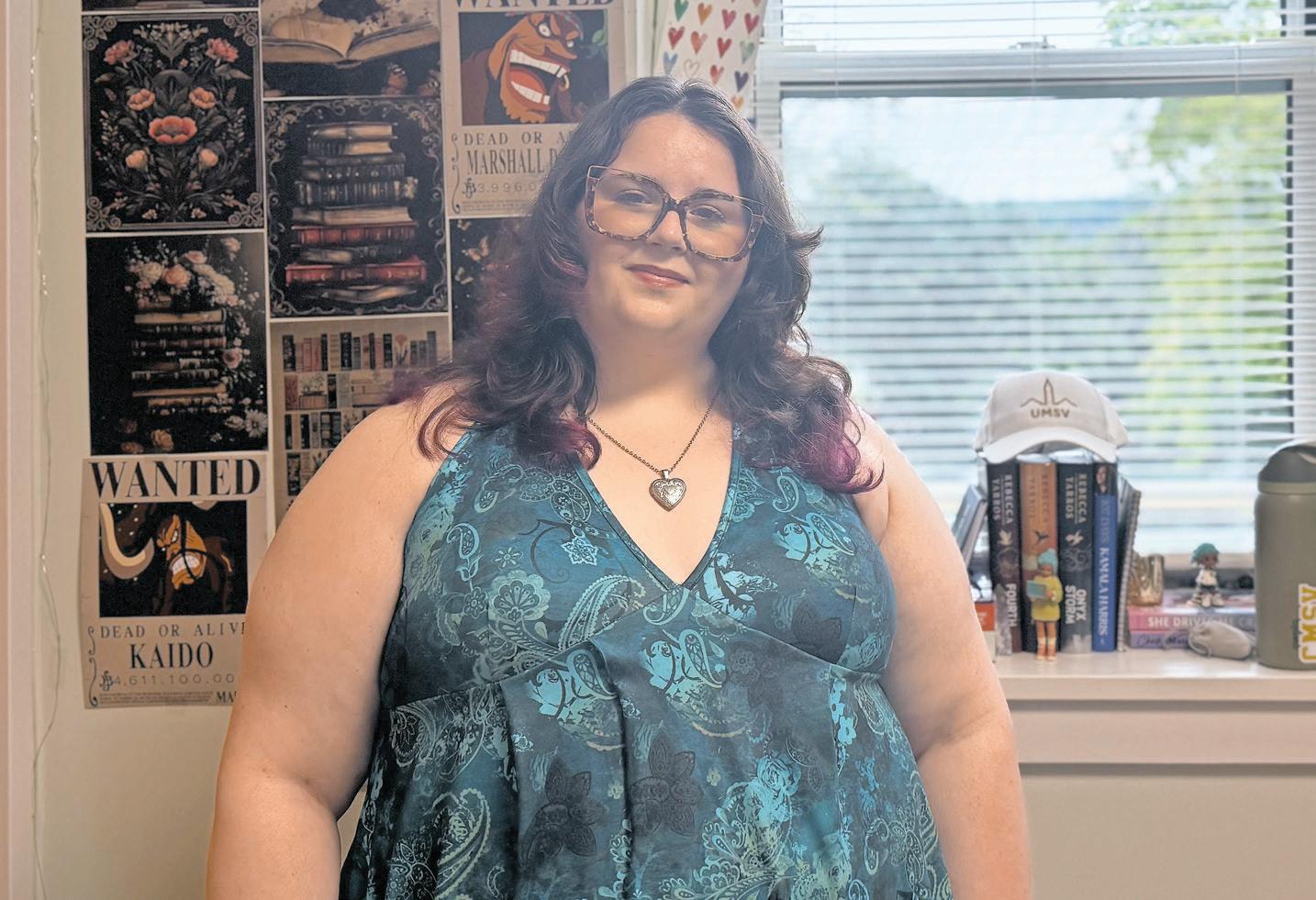
Grace Pavlock, 22, is a public policy major from Texas and Dax House resident.
Police are asking for help identifying a suspect wanted in connection with a burglary.
According to authorities, an unknown person forcibly entered Our Lady of Angels, a church at 2860 Sedgwick Ave., through the window on May 24 around 11:09 p.m. Once inside, the suspect took about $400, and caused an estimated $2,400 in damage, according to police.
The person fled on foot southbound on Webb Avenue to parts unknown, police said.
Anyone with information regarding this incident is asked to call the NYPD’s Crime Stoppers Hotline at 1-800-577TIPS (8477) or for Spanish, 1-888-57-PISTA (74782). The

public can also submit their tips by logging onto the Crime Stoppers website at https:// crimestoppers.nypdonline. org/, on X @NYPDTips.
All calls are strictly confidential.
POLITICAL ARENA
Mayor Zohran Mamdani released “Block by Block: The Housing Plan for a New Era” May 26, a blueprint his office said in a press release will tackle the city’s deepening housing crisis, with a focus on high-need neighborhoods such as Kingsbridge.
The plan highlights building affordable housing, protecting tenants, preserving existing housing, and expanding pathways to homeownership, as described by Mamdani in the opening pages of Block by Block.
A key part of the plan is “Spotlight on the Bronx,” which the mayor’s office said in Block by Block has the most pronounced housing quality and stability issues — 10 percent of households are subject to an eviction filing yearly, and 26 percent of households reported three or more key maintenance deficiencies, as reported in the 2023 NYC Housing & Vacancy Survey.
The discrepancy is related to racial and ethnic discrimination, the mayor’s office said, especially in parts of the South and northwest Bronx. Challenges are the result of redlining, disinvestment and polluting in neighborhoods predominately home to Black and Hispanic New Yorkers, the office added.
City agencies will launch a planning process this fall — “The Bronx Plan” — to target highneed neighborhoods: Kingsbridge, University Heights, Bedford Park, Fordham, Mott Haven, Melrose, Tremont and Crotona.
The Bronx Plan will use an
U.S. Rep. Adriano Espaillat, who was elected in 2016, is facing community organizer Darializa Avila Chevalier in this June’s Democratic primary election.
Espaillat has secured Gov. Kathy Hochul’s endorsement May 29, adding to a list of other high-profile supporters such as New York Attorney General Letitia James, U.S. Rep. Nydià Velazquez, New York City Comptroller Mark Levine and New York City Council Speaker Julie Menin, among others. Hochul said in a social media post Espaillat “has delivered real results to improve the lives
Almost two months past its deadline, the state budget was passed May 28, and Assembly member Jeffrey Dinowitz took to his weekly newsletter, released May 27, to share his thoughts.
Dinowitz said he disagreed policy matters should be included in the budget, and cited it as the reason for the budget’s delay. He said he supported the passage of some of the bills, such as one that creates buffer zones around places of religious worship. Buffer zones allow police to create a 50-foot security perimeter where demonstrators aren’t allowed, and also makes it illegal to prevent a worshipper from entering, or acting in a way that makes the worshipper fear for
“all-of-government” approach, as described by the mayor’s office. It aims to “improve housing quality, reduce health disparities, and build equity for low-income and working-class Bronxites.”
Kingsbridge Heights Council member Pierina Sanchez, who is also chair of the Housing and Buildings Committee, lauded the mayor’s plan. She said she has long called for the city to address the housing crisis in its full complexity, which spans not only affordability but also housing quality and safety.
“Mayor Mamdani’s housing plan reflects that reality, embracing the all-of-the-above approach this moment demands: building new housing, preserving existing homes, protecting tenants — including in NYCHA — and confronting distressed buildings where neglect is putting lives at risk,” she said in a statement.
Mamdani said the city is in a moment where working people are being pushed out of the city they built. The plan meets the housing crisis with urgency, he added.
“We are setting the most ambitious housing production and preservation targets in the city’s modern history – and backing them up with investments to match – while also protecting tenants and homeowners, investing in public housing and ensuring the workers building that housing have good-paying, safe jobs,” Mamdani stated. “We must fight for both the tenants of today and the tenants of tomorrow.”
of New York families.” She continued, “I’m proud to support my friend and know he’ll continue putting New Yorkers first and being a leading voice for our communities in Congress.”
Earlier that same day, Mamdani announced on the news show “The Briefing with Jen Psaki” he was backing Chevalier. He said he was excited to be endorsing her.
“She is the daughter of a single mom caseworker, and she grew up with a commitment to the very people that politics has left behind,” Mamdani said. “What I see in her is that commitment fulfilled.”
their safety.
Others, he was starkly opposed to, such as rollbacks to the 2019 Climate Leadership and Community Protection Act, which he called “the worst provision in the budget.” Instead of New York having to cut its greenhouse gas emissions 40 percent by 2030, the requirement is now 60 percent by 2040, Dinowitz explained.
“It is really very unfortunate that we are backsliding on some of the most important environmental legislation that so many people worked so hard to pass,” Dinowitz said. “I think this was a huge mistake. We will all pay dearly, especially our children and grandchildren.”




Goldmans’ love story lives on after Morris Goldman dies
By Olivia Young oyoung@riverdalepress.com
Longtime Riverdale resident Morris Goldman died
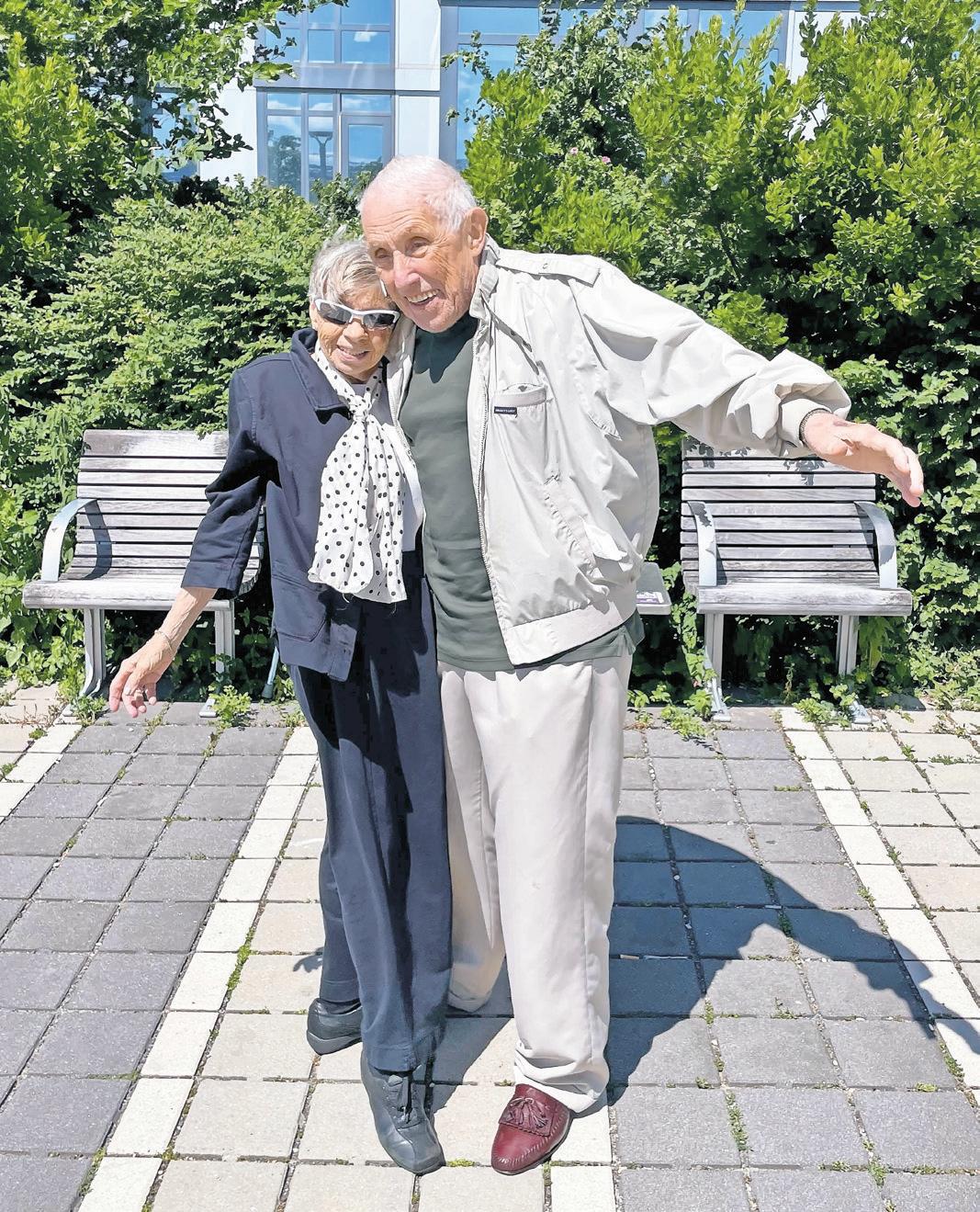
A pril 29 at 96 years old, a little less than a year after his wife, Roberta Kruh Goldman. The two left behind a legacy of unwavering love, resilience and being the grounding force that holds a family together. Every Friday after Roberta died, Morris visited her gravesite to bring her flowers and talk with her. T he high school sweethearts lived together on Independence Avenue, and were set to celebrate their 75th anniv ersary June 10, 2025, the day Roberta died. She was 93 years old.
Family members said the two were deeply devoted to one another, and excited about their relationship even as the years went by. Their grandson, Jesse Matthews, recalled one instance at a shopping plaza, where they w ere all browsing a chocolate store. A Frank Sinatra song started to hum over the speakers, and “the two of them just stopped everything they were doing, went hand in hand, and just started dancing,” Jesse Matthews said. It wasn’t an isolated event. No matter where they were, they would dance together, their daughter Wendy Matthews said. She described her parents as real New Yorkers. Morris was from the Crotona Park East area and Roberta was from Bryant Avenue, often dressed in fur and pearls. While some of their interests differed, Morris more business-focused and Roberta drawn to performance arts, they were “number one to each other,” Wendy Matthews said.
After graduating from J ames Monroe High School in Soundview, Morris dove into the restaurant business, and had ownership stake in spots like Brooklyn National Deli at Port Authority until his death. Roberta had an affinity for Broadway, and a love for singing and dancing.
Family members joked they couldn’t say a phrase without
her breaking into song. She performed at the Riverdale Y until she died, and prior to that worked as a bookkeeper at a local nursing home. At Morris’ funeral, Jesse Matthews said the family reflected on “Morrisisms,” or familiar phrases the kids and grandkids were raised on. One such phrase hinted at his work ethic: “What’s the color? The color is green.”
Jesse Matthews fondly remembered getting his first job as a paper boy at 9 years old, and his grandfather quickly encouraging him to scale up the business by employing more boys and adding routes. It didn’t come from greed, but instead from the willingness to value effort and make an impact on others.
Morris and Roberta’s daughter Robin Lamoreaux remembered when she was younger, her dad worked at a sandwich shop, and would bring her with him in the early hours of the morning. Lamoreaux said “he would make me the best brisket sandwiches ever, and I would just sit with him.” She holds those moments closely, and she sees the influence of that work ethic in her own children too.
Lamoreaux talked to her dad each day at 4:30 p.m.
She is now a teacher, and said even as an adult, the first question her dad would always ask was “How was school today?”
“It didn’t matter how old I was,” Lamoreaux said. “I was still his kid.”
Another Morrisism was
“It’s whatever shoes you’re wearing,” a remedy when someone was upset or frustrated. Jesse Matthews said it inspired family members to be adaptable, and to understand that things can change at any point. He also saw it as a rule to not judge others, as “you can wear those same shoes someday.”
Things weren’t always easy. The couple both underwent health challenges, including in the 1980s when Morris had bypass surgery. Wendy Matthews remembered her dad walking out of the hospital in a Rocky Balboa t-shirt, to match his
“Gonna Fly Now” ringtone. She made sure he was buried with a Rocky shirt underneath him.
Wendy Matthews said she knew her father wouldn’t last a year after Roberta died, a testament to their connection, she explained. He spoke often about missing her deeply. Still, he radiated energy and positivity in his final months.
Morris and Roberta were featured in a June 2025 edition of The Press, which told the story of them falling in love with one another, and the life they built together.
Wendy Matthews said both of her parents were buried with a copy of the article.
Jesse Matthews said the family feels how blessed they were, and wants to hold onto the gravity that Morris and Roberta inspired by making intentional time for each other. They are determined to carry on the couple’s legacy.
“You don’t realize how precarious family unity is until you lose the sun,” Jesse Matthews said. “You all the
sudden realize we’re all just planets, and without something to orbit around, planets can very easily disperse.”
Morris is survived by his daughters, Wendy Matthews, Debra Goldman and Robin Lamoreaux and their partners; her six grandchildren, Jesse and Dylan Matthews, Jack Fields, and Lauren, Shane and Megan Lamoreaux; and four great grandchildren: Kaiya, Mason, Zoey and Cody Matthews.
Dylan Matthews made a short film of his grandpa when he was in his mid 80s, titled “A Bronx Tale,” where Morris drove through the borough, stopping at spots like the first business his father bought him on East 149th Street and Timpson Place, and the first apartment he lived in with Roberta above it.
At the end, Morris says with a smile “That’s it folks. Now the new generation takes over. Good luck to them. Love them all. Rocky says ‘Bye.’”
Protect their future



Photos courtesy Wendy Matthews
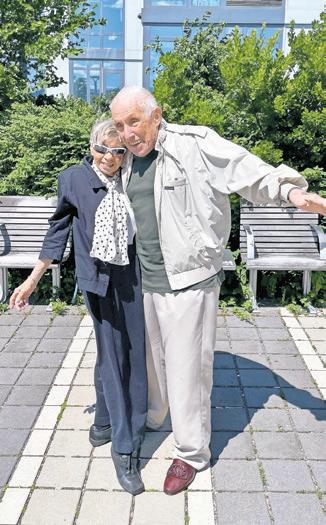
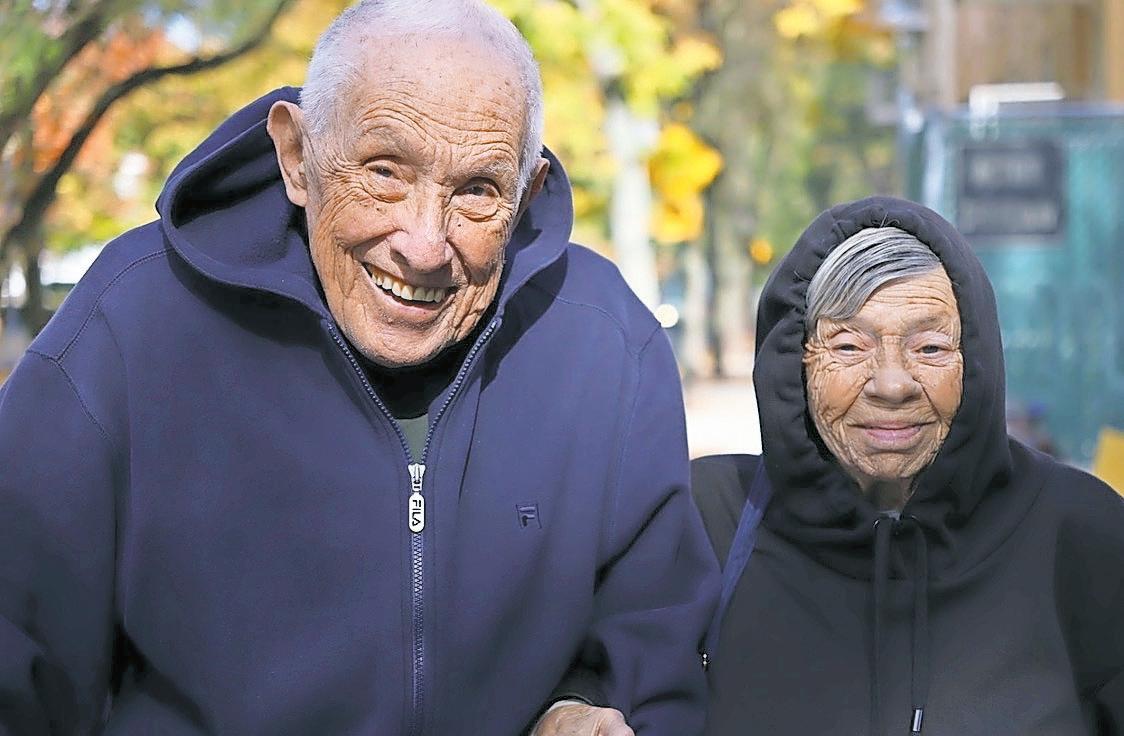
Morris and Roberta Goldman were high school sweethearts who spent 75 years together. Roberta died the day of their 75th anniversary.
The Goldmans’ children and grandchildren admired the couple’s devotion to one another, and their habit of slow dancing in public.
Residents remain divided over Citi Bike expansion
borhood for more than a decade, said the stations arrived in an area where parking is already strained by the heavy use of Van Cortlandt Park.
“You come here on a Saturday or Sunday, [cars are] double and triple parked,” Tassone said. “There is no place to go.”
She said youth sports, soccer leagues, cricket matches and other recreational activities routinely fill nearby streets on weekends.
The differing reactions highlight the challenge of expanding alternative transportation options in a district where many residents continue to rely heavily on cars while others increasingly embrace biking and public transit.
Debbie Allen, chair of Community Board 8’s Transportation Committee, said the discussion reflects competing demands for limited street space throughout the district.
The New York City Department of Transportation said the expansion is intended to improve mobility and provide additional transportation options for residents.
“Citi Bike is a convenient, sustainable, and quick way to get around,” a DOT spokesperson said. “Bike share has become an integral part of our transportation landscape, and this expansion will bring this great service to even more New Yorkers.”
The debate has also reached local elected officials, with Assembly member Jeffrey Dinowitz telling The Press feedback to his office has been mixed.
“It hasn’t been just one-sided,” Dinowitz said. “I’ve gotten some emails in favor of the Citi Bike stuff as well.”
Still, he said the loss of even a few spaces can have an outsized effect in areas where parking is already limited.
“Taking away three spots may not sound like a lot to some people, but it’s three spots out of a relatively low number,” Dinowitz said, referencing the roadway stations in Knolls Crescent. “It’s a high percentage. It makes a difference. I personally don’t think it should have been there at all.”
Council member Eric Dinowitz said many stations could have been installed without removing curbside parking.
“From the beginning, I said we should
be expanding transit options, not supplanting one mode over another,” he said. “Citi Bike should be brought all over my district on the sidewalks or in daylighted areas where they don’t take up parking.”
He said a walkthrough with DOT officials identified locations where stations could have been placed without affecting parking.
“We have pretty wide sidewalks throughout the neighborhood,” Dinowitz said. “It took us two seconds at each site to identify areas where the bikes could have been moved.”
The debate over station placement has also raised another question: how much are the stations actually being used?
Seeking to answer that question, Matt Bolano, a Queens resident and data analyst for the Golden State Warriors, created an online map using historical and live Citi Bike data to track station performance throughout the city.
His analysis suggests some Riverdale stations are seeing more activity than critics assume. The station at Knolls Crescent and Kappock Street ranks in the 82nd percentile citywide for electric-bike availability, while the nearby station at Kappock
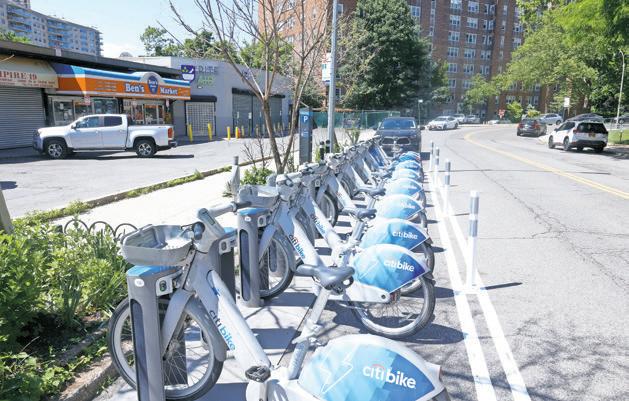

Bike stations are expected to be added across
Street and Independence Avenue ranks in the 43rd percentile. The percentiles reflect how frequently bikes are checked out of the stations. A higher percentile means a station has more bikes taken
New city bills aim to tackle uncurbed dog waste
new sanitation procedures for blocks that receive repeated complaints.
Under one bill, if DSNY receives at least three complaints about dog waste on the same block within seven days, the department would be required to either remove the waste or notify property owners of their obligation to do so and issue violations if they fail to comply.
Council member Eric Dinowitz , among the City Council members in support of the bill, said dog waste complaints increased somewhat after the winter storms but have not been among the most common issues reported to his office.
“There was some additional concern around the snowstorm, because there was poop left on the ground and the snow covered it,” Dinowitz said. “It’s not one of the top complaints we get.”
Still, Dinowitz said legislation alone cannot solve the problem.
“We can provide all the free bags in the world, but they’re meaningless unless people choose to clean up after their dogs,” he said. “The neighborhood belongs to all of us.”
Longtime North Riverdale resident Anna Purves said the issue of dog waste has ebbed and flowed over the years.
She recalled seeing significant accumulations of dog waste after winter storms, particularly in areas around Marble Hill and sections of Post Road. Yet this spring, she said, conditions seem somewhat im-
‘I
proved compared with earlier in the year.
Even so, she said one of the most frustrating aspects of the problem is how rarely residents actually witness violations taking place.
“Every time I see someone walking the dog, they pick it up,” Purves said. “I don’t catch anybody in the act.” That challenge has also complicated enforcement efforts.
In a statement, a DSNY spokesperson said summonses are difficult to issue because enforcement officers must directly observe a dog owner failing to remove their dog’s waste.
“The chances of someone not picking up after their dog while an enforcement officer is watching is very, very slim,” the spokesperson said.
According to the department, a threeday enforcement stakeout in Mott Haven in 2024 resulted in just one summons. Weeklong patrols in Washington Heights, Harlem, Morningside Heights and Flatbush in 2025 produced none. Citywide, DSNY issued only two summonses for failure to remove canine waste during 2025.
“It is clear that people only leave piles behind when they know no one is watching,” the spokesperson said.
Daniel Rowen, chair of Community Board 8’s Environment and Sanitation Committee, said conditions deteriorated significantly during the coldest weeks of winter before improving considerably this spring.
“It was horrible when it was super cold this winter,” Rowen said. “People just sort of were like, it’s too cold, and stopped com-
pletely.”
Rowen said the community board received a noticeable increase in complaints during that period, prompting discussions about both enforcement and public education.
In April, he said, DSNY informed Community Board 8 that it had begun a pilot program attaching dog waste bags to existing litter baskets in certain areas while conducting educational outreach about proper disposal practices. He added that there are currently no cameras used to monitor dog waste violations in the district.
The community board has also distributed dog waste bag holders and educational materials at neighborhood events in an effort to encourage responsible pet ownership.
The proposal to place dog waste bag dispensers at litter baskets has also drawn attention to another issue: the baskets themselves.
The Press identified a number of locations in Community Board 8 where litter baskets shown on DSNY’s online map appeared to be missing.
Residents and community board members said the absence of trash cans may discourage proper disposal, particularly along popular walking routes.
“There’s not a lot of public receptacles,” Bunin said. “People just figure they don’t want to carry it, so they’re just going to leave it.”
A DSNY spokesperson acknowledged that some of the department’s approximately 23,000 litter baskets periodically go missing.

“We do our best to replace them as we notice them or as they are reported,” the spokesperson said.
For longtime dog owner Linda Goodman, however, the biggest obstacle is not access to bags or trash cans.
Goodman, who owned dogs before New York State’s original Pooper Scooper Law took effect in 1978, said most dog owners already understand what is expected of them. The law requires owners to clean up after their pets in public spaces, with fines of up to $250 for violations. But enforcement can be difficult, she said, because offenders generally must be caught in the act.
“Nobody likes stepping in dog poop,” Goodman said. “The people who don’t clean up don’t like it, so you do it right.”
She questioned whether additional bag dispensers would significantly change the behavior of those who already ignore the rules.
“If you’re not going to clean up after your dog, and you’re in the park, you’re not going to go over to a trash can and grab a bag,” Goodman said. For residents like Goodman, the challenge has remained largely unchanged since New York adopted its original Pooper Scooper Law nearly five decades ago. Rules, signs and bags may help, she said, but courtesy is harder to legislate.
Have a Dream’ co-writer leaves behind rich legacy
tute for Social Advocacy, he displayed an early talent for speechwriting and public speaking, delivering a high school graduation speech in 1949 centered on breaking down racial barriers while serving as valedictorian of his integrated high school in Palmyra, New Jersey.
Jones later graduated from Columbia University before serving in the U.S. Army in 1953. He refused to sign the Armed Forces Loyalty Certificate, which stated he was not a member of the Communist Party. Jones was deemed a security risk and given an “undesirable” discharge. It was later changed to “honorable” discharge after an appeal. Jones went on to earn a law degree from Boston University in 1959.
He initially established himself as an entertainment lawyer in California, working alongside prominent entertainers including Harry Belafonte, Sammy Davis Jr. and Frank Sinatra. However, Jones’ career
College
dles and smiley faces on each other’s whiteboards outside their bedroom doors, or write notes like “I love you more.” The plants on their kitchen windowsill are covered with Post-it reminders such as “I’m proud of you” and “Breathe, you got this.” Reyes said the residents have diverse circumstances that led them to Dax — eviction, neglectful or abusive homes, restraining orders on someone in the house, being shamed for their gender or sexual identity — but are united in the fact that they lack familial support, and did what was necessary, on their own, to get to college. They need what Reyes described as a “bridge,” or transitional housing that also sets them up with a case manager who can help them obtain adult necessities like insurance and food security. Homelessness in college is usually an “invisible problem,” she explained, as young adults try to quietly navigate a living situation while still showing up to class and work, masking it by couch surfing or living out of a car.
For A.O., the house manager who requested anonymity due to safety concerns, that bridge came after years of unrest. She recently graduated from the university with a degree in psychology, and wants to become a social worker. Right now, A.O. is a high school placement counselor at an all-girls middle school
changed dramatically in 1960 when King recruited him to join the legal defense team fighting Alabama tax evasion charges brought against the civil rights leader.
In 1962, King wrote a letter recommending Jones to the New York State Bar, describing him as “a man of sound judgment, deep insights, and great dedication” and “a man of great integrity.”
The same year, Jones urged King to write to former President John F. Kennedy on the Cuban missile crisis, saying that “your status as a leader requires that you not be silent about an event and issues so decisive to the world,” according to Stanford’s Martin Luther King, Jr. Research and Education Institute.
He later helped smuggle King’s “Letter from Birmingham Jail” out of the jail in 1963, following King’s arrest during protests in Alabama. Afterward, he met with former New York Gov. Nelson Rockefeller to secure bail money for King and other protesters.
Jones also contributed to several ma-
Now 23, A.O. moved to New York from Boston when she was 18 — one week after her high school graduation — explaining she had “nowhere else to go.” In the last few months of her senior year, she lost her last semi-stable living situation, with a family friend she had known since she was a little girl. A.O. said the man tried to touch her inappropriately, and threatened to tell his wife lies about her.
Needing to get away, A.O. packed some clothes into three small bags and left. She started jumping from house to house, sleeping on friends’ floors. Her daily routine was exhausting — a full school day, an hour commute to work, coming home close to midnight, repeat. Her mental health plummeted and she developed sleep paralysis, a condition where the person is trapped between being awake and asleep, leaving the body paralyzed and the brain prone to hallucination.
Desperate for an escape, she left for the university. A.O. had secured a scholarship that covered her tuition and housing — a crucial need with no financial support from her dad or older siblings — and spent the summer taking classes. Years later, she’s still working on balancing life with her mental health, and untraining her body from a perpetual state of fight or flight.
More than anything, she said she’s grown into a healthier version of herself.
A.O. is financially stable, has a solid rou-
jor speeches, including King’s 1967 antiwar address, “Beyond Vietnam: A Time to Break Silence,” delivered at Riverside Church in Manhattan.
After King’s assassination in 1968, Jones later became the first Black allied member of the New York Stock Exchange. He also became publisher and part-owner of The New York Amsterdam News.
In later decades, Jones taught at both Stanford University and the University of San Francisco, where he co-founded the Institute for Nonviolence and Social Justice. In 2021, he received the Thurgood Marshall Award from the American Bar Association. Former President Barack Obama paid tribute to Jones with a video, where he said Jones was the ultimate inspiration to him when he was a young attorney, according to the association.
Jones received the Presidential Medal of Freedom from former President Joe Biden, the nation’s highest civilian honor. Biden said at the time that Jones “wielded

GARY JEAN-JUSTE photos
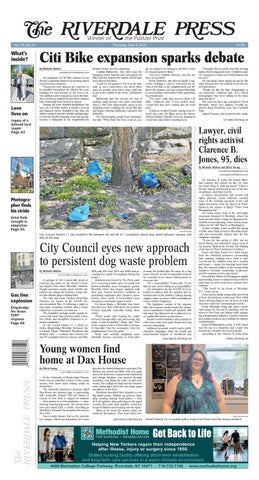
Dr. Clarence B. Jones was a lawyer, speechwriter and civil rights advocate known for playing a part in the creation of Dr. Martin Luther King Jr.’s famous “I Have a Dream” speech.
a pen as a sword and gave words to the movement that generated freedom for thousands of people.”
“It has been the greatest honor of my life to work closely with Dr. King and to do my best every day to carry forward
tine of meal prepping and working out, and being a house manager brought out a more outgoing side of her.
“When I was in high school, I didn’t think that I would be alive to go to college,” A.O. said. “I’m very proud of myself for that, and also doing all of it by myself.”
This is her first year at Dax House, and A.O. described it as a load off her back that allowed her to get her finances and mental wellbeing settled. She’s hoping to get her own place soon.
“Everything is possible with just time and patience,” A.O. said, adding it’s critical to have faith, self-belief, and effort toward realizing your goals.
Another Dax House resident, 22-yearold Grace Pavlock is a public policy major who was raised in Texas. She currently has an on-campus job in social media, but it is her ultimate goal to hold a seat in public office.
Pavlock grew up in her grandparents’ house, shared by several other siblings and family members. Her parents were never fully present, and her dad died while she was in high school. After graduation, Pavlock worked alongside her grandma at a fabric company while doing online classes for her associate degree. When she started to apply to colleges afterward, it was unfamiliar terrain.
“Nobody in my family at all has ever been to college,” Pavlock said. “It’s never been a talk It s never been a thing.”
Pavlock had to navigate the complex process of applying to college as a lowincome student on her own — financial aid forms, application fees, deadlines — all against the advice of family members. Since she got to Dax House last August, she said she’s transformed.
“I’ve been growing in ways that I didn’t expect,” Pavlock said, explaining though she is currently struggling to find another job, her mental health has improved drastically. “I feel like I’m a completely different person than who I was on that plane ride.”
The first thing that struck her was the silence. From living in a crammed house where “someone’s always got the TV on, someone’s always yelling,” to Riverdale, she recalled sitting on her bed for nearly an hour, absorbing a strange sense of serenity.
According to The Hope Center for Student Basic Needs, 48 percent of college students experience housing insecurity, and 14 percent experience homelessness. The definition of housing insecurity is broad, ranging from poor living conditions to affordability to safety. Pavlock emphasized that’s the point.
“Homelessness is not something that’s uniform,” she said. “A lot of us are very thankful to never have had to go on the street … Our situations at home are just not good enough to stay. We know there’s better places out there.
his legacy,” Jones said upon receiving the award.
Jones is survived by his children Christine, Alexia, Clarence Jr., Dana and Felicia, as well as his longtime partner Lin Walters.
GARY JEAN-JUSTE photos
A Citi Bike station at Knolls Crescent and Kappock Street, installed in late May, has become one of the most debated locations in the area.
Twenty-two new Citi
Bronx Community District 8 this year.
Michelle Mullen
To combat the spike in dog waste complaints, City Council introduced the Safe and Clean Outdoor Ownership Practice Act, also known as the SCOOP.
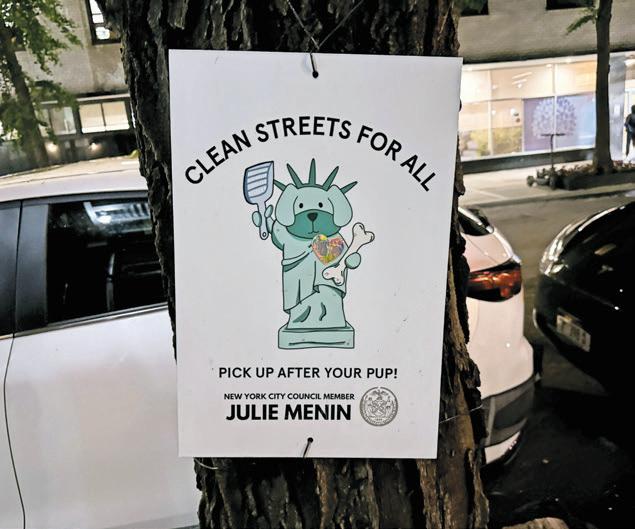
Courtesy Community Board 8 Community Board 8 is addressing the rise in dog waste complaints with new signs.
Jones and his family lent their home on West 254th Street to Martin Luther King, Jr. as a quiet refuge ahead of the March on Washington.
Olivia Young photos
Five young women live in the university’s Dax House now, but it has eight rooms in total.
Each Dax House resident gets their own room, which the women decorate to their personal tastes.
River d ale p h otograp h er takes unique approac h to capturing local scenes
By Olivia Young oyoung@riverdalepress.com
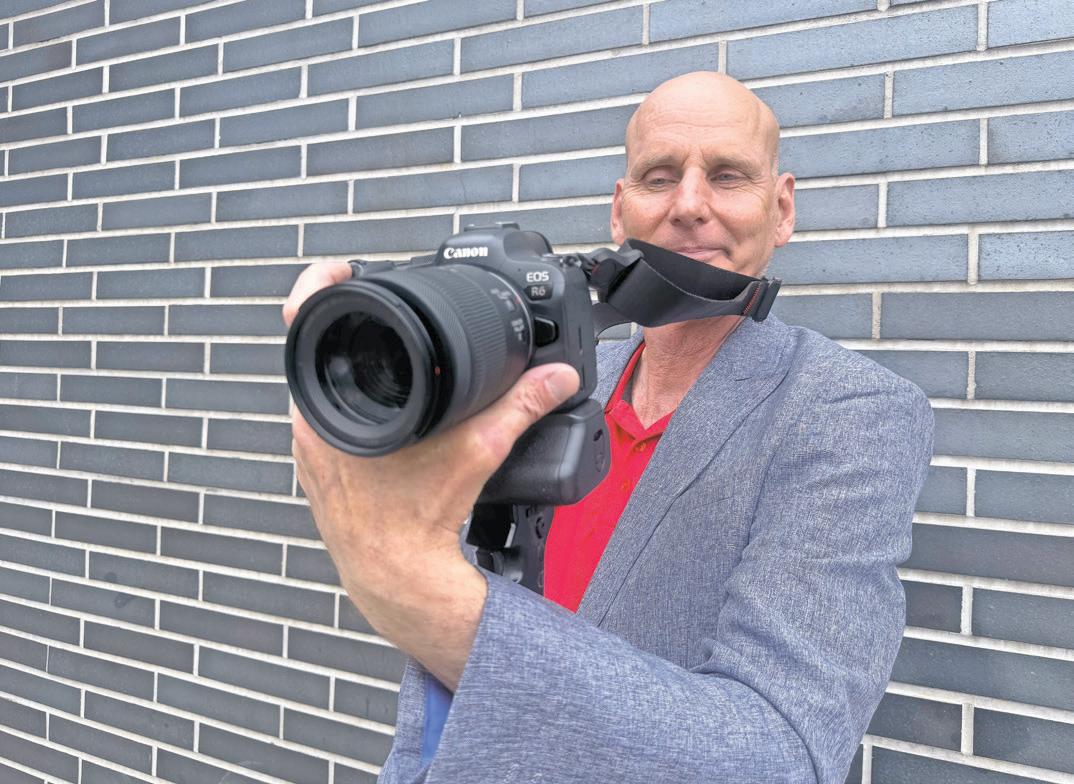
Once struggling with professional opportunity because of his cerebral palsy, 62-year-old William Cleary is now going on a decade as a local photographer whose w ork spans everything from landscape to real estate.
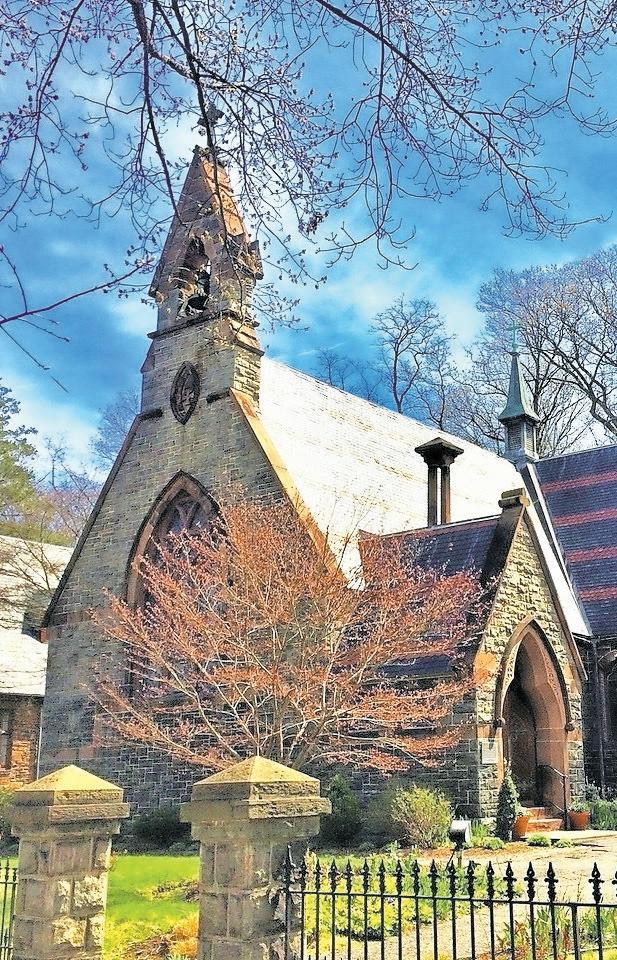
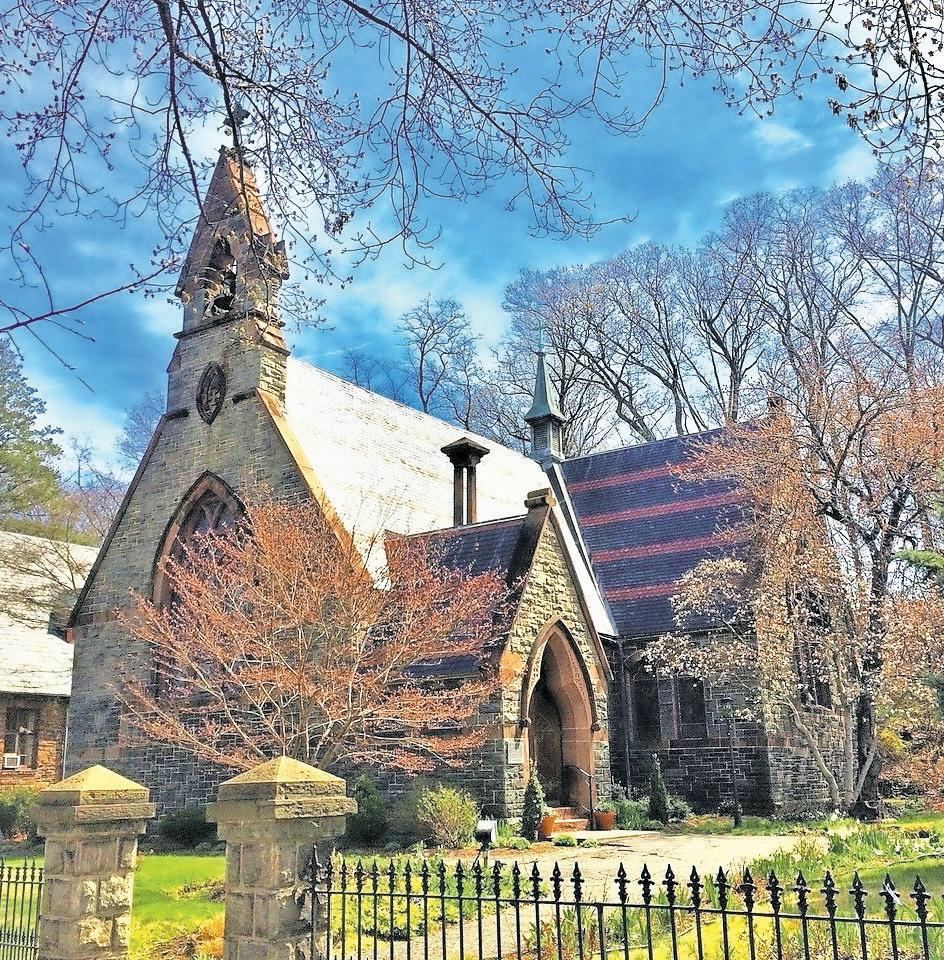
Cleary moved to Riverdale 30 years ago while pursuing a career in television and radio. After losing his j ob in 2016, Cleary went all in on photography, which had previously just been a pastime. He has no mobility in his right hand, and sometimes a slight limp in his right leg, but uses a tripod camera attachment to capture familiar sites like Wave Hill and Van Cortlandt Park. Most recently, on May 22, he placed third in the the New Y ork Landmarks Conserv ancy’s annual Sacred Site Open House Photo Contest for a photo of Christ Church Riverdale.
“This is the happiest I’ve been in my life,” Cleary, who is also a volunteer at Wave Hill, said. Cleary was born on Long Island to a father who w orked in restaurants and real estate, and a mother w ho was a church cook and a nurse’s aid. When he was two months old, his parents noticed him only picking things up with his left hand, and Cleary was diagnosed w ith hemiplegia, a form of cerebral palsy affecting one side of the body. He never considered himself disabled, and played several sports as a kid, but a creative outlet didn’t come as easily.
Cleary recalled one instance in high school when his aunt gifted him a camera. T he shutter button was on the right side, out of reach from his left hand, so he w ould turn it upside down to shoot. Each time they were developed, the photos came back distorted or out of focus. In an act of frustration, Cleary lobbed the camera across the living room, w here it fell between the couch cushions, never to be retrieved again. He didn’t return to the craft until decades later.
As a child, he was also reconciling the death of his father, who died from a heart attack when Cleary was in fourth grade. Cleary recalled him crouched over near the bed, sweating profusely, and requesting Cleary bring him a copy of the newspaper as a distraction. With the wail of an ambulance and the flash of lights, Cleary, his mother, his two brothers and two sisters, were left to mourn. Cleary said he wondered w ho he’d be if his dad was still alive.
Cleary went on to work at several major TV production outlets, securing roles in the stockroom or as a mail clerk, w ith the aspiration of taking on a bigger job. He looked up to Bree Walker, a news anchor with ectrodactyly, a condition where fingers or toes are missing or mal -
formed. But, he said he was unable to move up in the industry, something that made him feel overlooked. People with disabilities have a harder time finding employment, Cleary said, and “it’s not because they don’t want to work, it’s because they’re not given a chance to showcase what they can do.” In his 30s, Cleary picked the camera back up. His niece had an interest in photography, and when she graduated college, family members gifted her an array of equipment. Cleary said his wheels started turning.
In this day and age, Cleary thought, there had to be something else for a lefthanded person. While there weren’t any cameras, there was a handheld attachment with a trigger on it that activated the shutter button.
“I felt like a weight was lifted off my shoulders, because I could finally do something,” Cleary said. He was in Van Cortlandt Park, taking an abundance of photos, when the part jammed. He returned to the video store to find it wasn’t compliant with his camera model, and said his jaw dropped. He was in the same place he had been before — “discouraged, aggravated, angry, depressed.” Cleary took a painfully long train ride home and flung his camera across the room once more. But it was different this time, the lens seemed to have landed in a way where it was looking at him.
“Something inside of me said, ‘You’re gonna make this work,’” Cleary said. He shifted the camera in his hand until the lever rested on his wrist, allowing him to curl his fingers over, comfortably reaching the shutter.
About a decade later, Cleary was laid off. It was the final push for him to pursue photography full time. He started posting his work on social media, which he said community members responded positively to, especially during the Covid-19 pandemic. In the last few years, he’s had exhibits at An Beal Bocht, the RiverdaleYonkers Society for Ethical Culture and with the Riverdale Art Association.
Cleary’s work ranges widely, centering around subjects that “catch a person’s interest,” he said — colors, shapes, reflections, patterns. His portfolio includes street shots from the 242nd Street subway station, the changing seasons in Van Cortlandt Park or simply the light reflecting from his apartment window.
Throughout his life, Cleary said he learned to persevere despite skepticism. He hopes others will focus more on what people with disabilities are capable of accomplishing rather than on their limitations.
“You’re looking at a person who … has learned to do photography with one hand,” Cleary said. “Don’t prejudge people on what they can or can’t do.”



















Courtesy William Cleary
William Cleary won third place in the New York Landmarks Conservancy’s annual Sacred Site Open House Photo Contest for a photo of Christ Church Riverdale.
Courtesy William Cleary
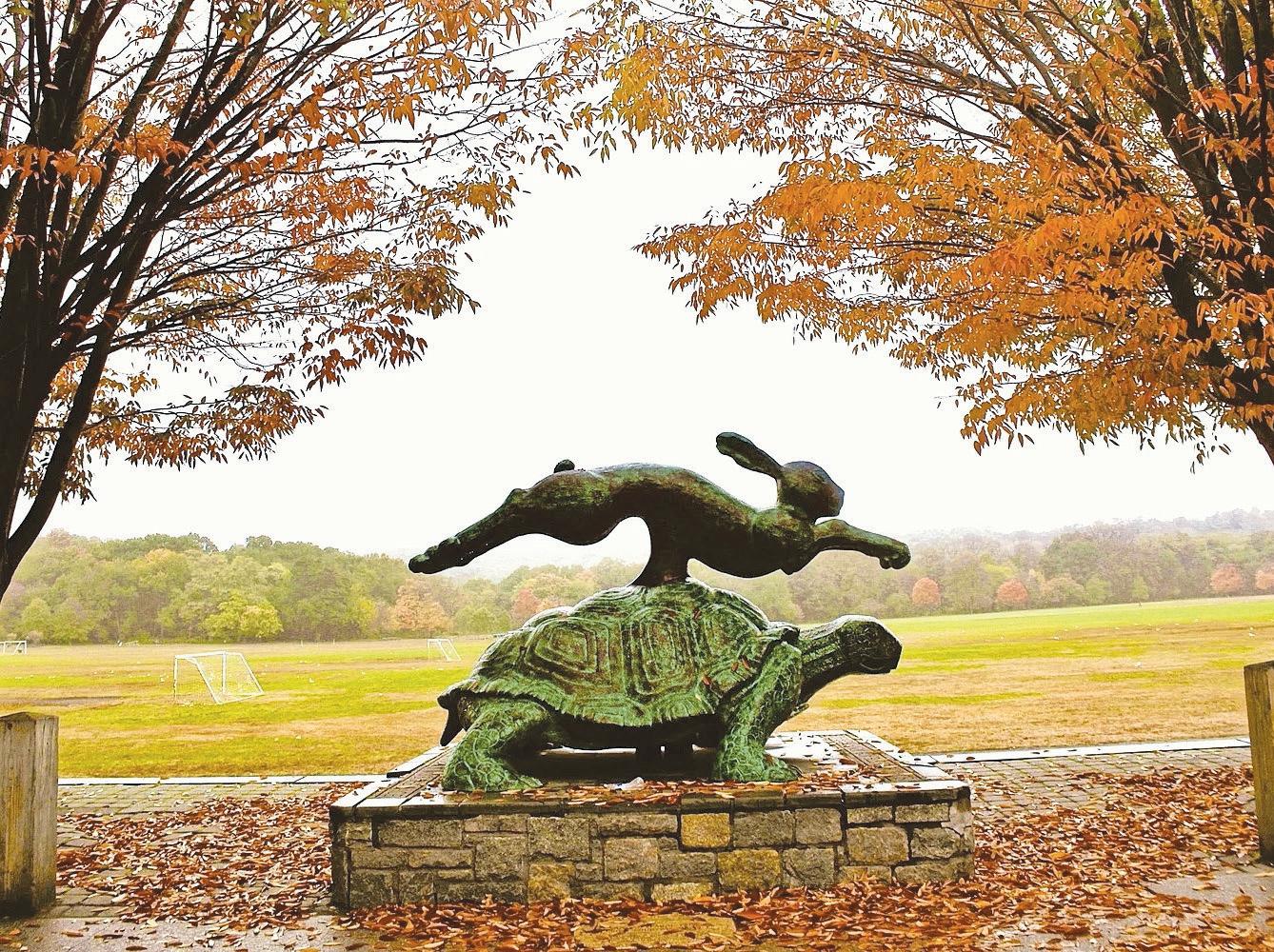
Some of Cleary’s photos feature iconic local sites such as the Tortoise and Hare Statue.
Courtesy William Cleary Especially early on in his career, Cleary frequented Van Cortlandt Park to shoot.
Courtesy William Cleary
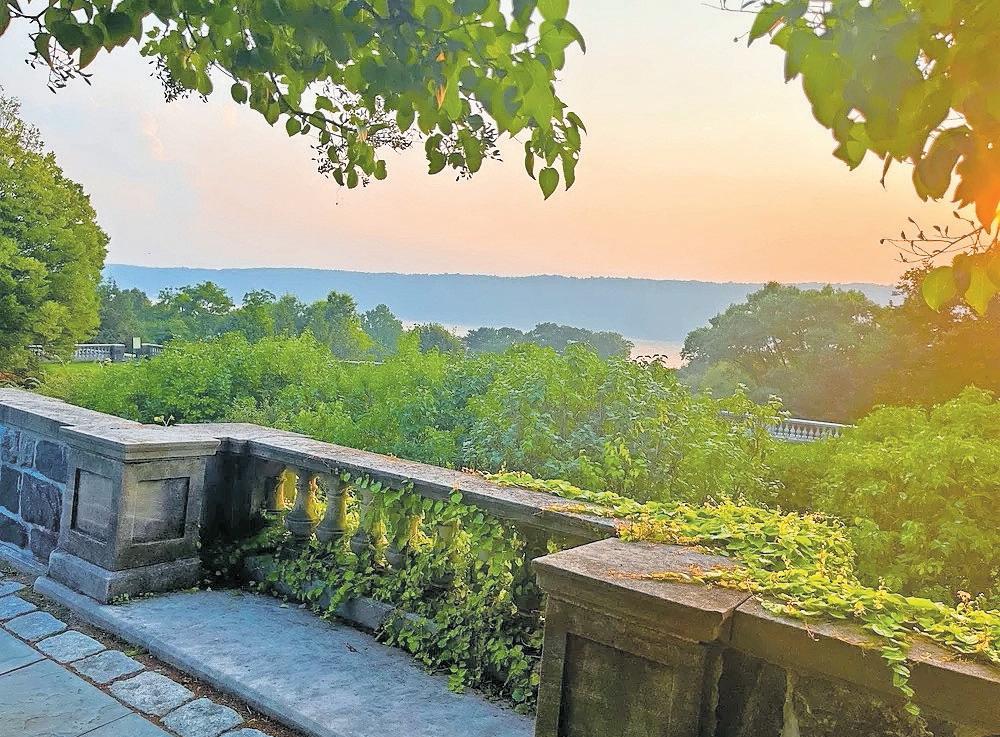
Cleary started volunteering at Wave Hill in 2016, and the garden is often a subject in his shots.
GARY JEAN-JUSTE
Longtime Riverdale

By Olivia Young and Alexa Lewis


























































































At 100 years old, Louise McCrae reflects on a century of change
By Michelle Mullen mmullen@riverdalepress.com
When Louise McCrae arrived in New York from rural Virginia as a young woman, she carried with her a determination to keep moving forward.
McCrae, who turned 100 on May 22, moved through life
navigating extraordinary social change, from segregated schools and hand-cranked Ford Model Ts to credit cards and smartphones. Along the way, she built a career in nutrition and food services, visited dozens of countries and has never missed voting in a single presidential election.
Born in 1926 in Nathalie, Virginia, McCrae grew up one of seven children in a farming family during the Great Depression. Her father had a seventh-grade education, and her mother a third-grade education.
“We were poor, but I didn’t know that we were,” McCrae said. “We had plenty of food because we were farmers. We had vegetables, corn and everything we needed, so as children we never felt like we were missing anything.”
Her parents raised crops including wheat and tobacco, while her mother and grandmother made clothing by hand. McCrae recalled her grandmother spinning fabric herself and sewing dresses from fertilizer sacks.
“My mother made us clothing from those burlap bags,” she said. “We could look at a catalog and say, ‘I want this dress,’ and my grandmother could make it. I never had a store-bought dress until I was 16 years old.” Education, she said, was nonnegotiable in her household. McCrae attended a one-room schoolhouse before taking a bus to high school each day.
“My parents made sure that we went to school,” she said. “My two brothers were the only two boys in my neighborhood who finished high school. A lot of families kept children home to work, but my parents believed education mattered.”
When she graduated at 18, McCrae attended Virginia State College for two years before moving to New York. Originally hoping to become a dressmaker but lacking the certification, she instead enrolled at the New York Institute of Dietetics after a cousin encouraged her to continue her education.
That decision launched a decades-long career in nutrition and food service management.
McCrae worked first at Montefiore Medical Center and later at Mount Sinai Hospital, where she supervised kitchens and trained dietitians despite initially holding only a certificate.
“I had pantry mates that went back to college and became dietitians and I didn’t even know I had inspired them until years later when one of them told me,” she said, describing changes she helped introduce to workplace benefits and educational opportunities.
Eventually, she earned additional credentials through part-time studies at New York
University and later joined New York City’s school food system, managing budgets and overseeing cafeteria operations in public schools, including Wingate High School in Brooklyn.
“I was never in the red,” McCrae said proudly of managing school budgets. “You had your own budget and had to watch every dollar, and I always made sure things were done correctly.”
Outside of work, McCrae cultivated an active life filled with quilting, gardening, bowling, dancing and travel. She said she has visited more than 62 countries and territories, including Japan, Australia and Argentina, often traveling independently well into her later years.
“I like to be active,” she said.
“I think because if you use it, you don’t lose it. I like to dance, I like to travel and I like to keep my mind working.”
At her 100th birthday celebration, she was still dancing — especially when the DJ played the Electric Slide, one of her favorite dances.
“I love the Electric Slide,” she said with a laugh. “When they put it on at my party, I was dancing right away. Even now, if I hear the music, I want to get up.”
McCrae lived independently in Manhattan until 2023, after a fall and broken hip led to a difficult recovery period and eventually her move into assisted living. Even now, despite vision problems and health challenges,
she remains remarkably sharp, reciting decades-old prices and memories with ease.
“When I was in high school,” she recalled, “you could buy a Goodbar for five cents. One little Goodbar now costs more than two dollars, and gas was only a few cents a gallon back then.”
She marveled at the pace of technological and cultural change she has witnessed over the course of a century.
“When I was growing up, I didn’t have a telephone,” McCrae said. “There were no paved streets where we lived, only dirt roads. Now people walk around with little computers in their pockets.”
Asked what she believes has helped her live such a long life, McCrae pointed less to luck than to discipline, activity and kindness.
“I cooked everything from scratch,” she said. “And the most important thing, I treat people the way I want to be treated. My mother always told us to be kind and not argue with people.”
Then, echoing advice passed down from her mother nearly a century ago, she offered one final lesson.
“My mother always said, ‘Don’t argue with people. Let them talk. You listen,’” McCrae said. “Because if you say something, you can’t take it back, and then you have to live with it afterward.”
















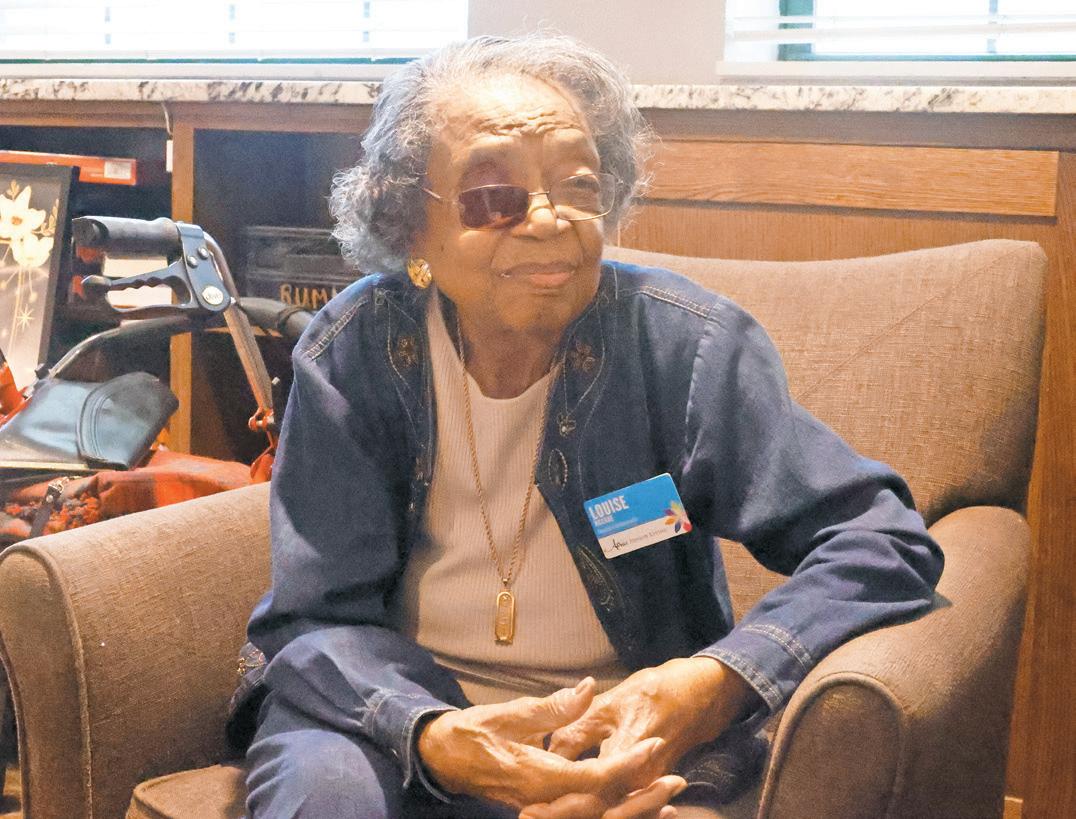
GARY JEAN-JUSTE
Louise McCrae, 100, currently lives at Atria Riverdale, an assisted living facility in South Riverdale.
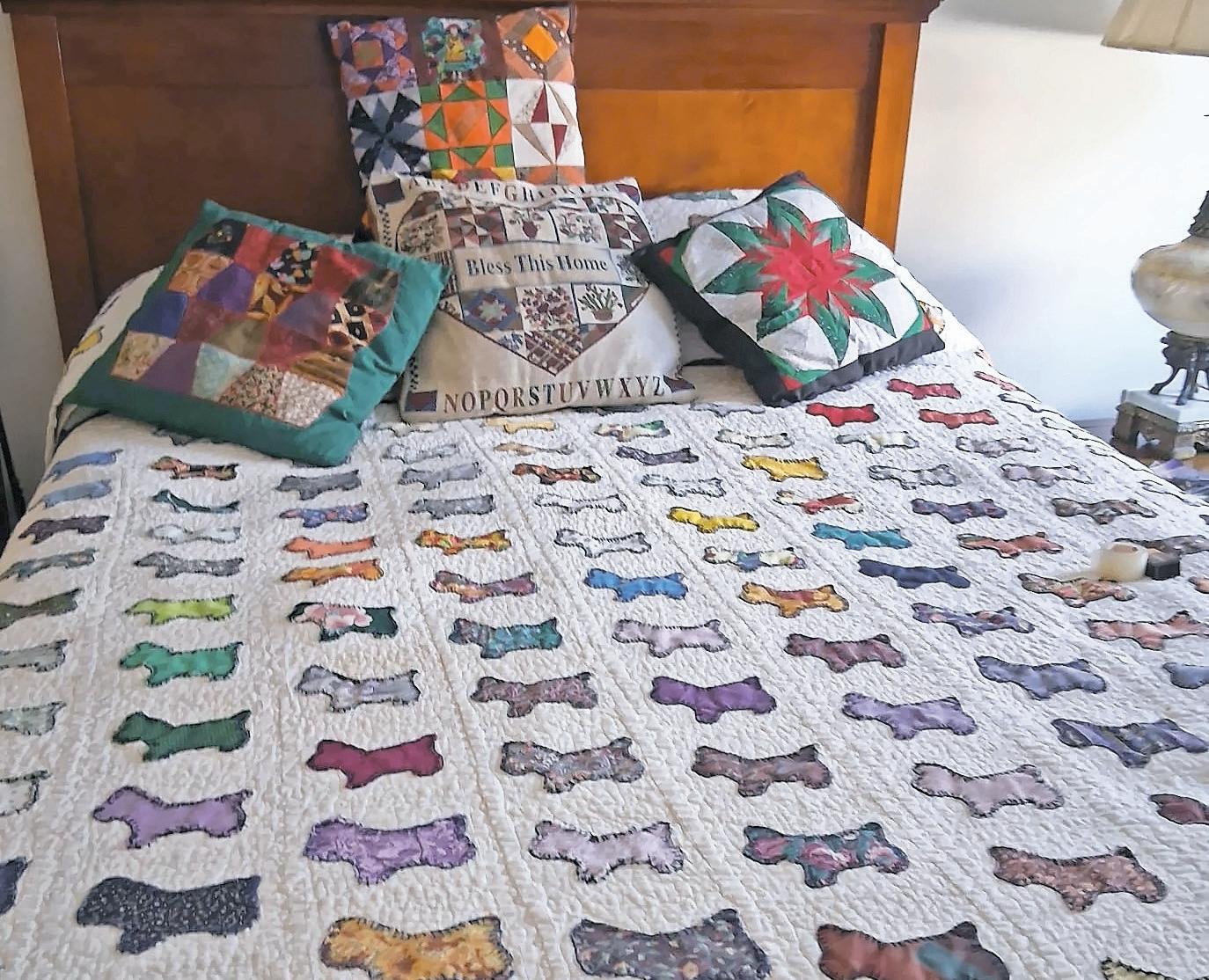
Courtesy Louise McCrae.
Louise McCrae made the quilt and pillows that
Terriers on the quilt were hand stitched and each one is different.
Flower Power

Summer Sing
The Riverdale Choral Society presents Summer Sing on Wednesday, June 17 at 7:30 p.m. David Štech, co-music director, will conduct the chorus, which will sing Ein deutsches Requiem by Johannes Brahms. MunTzung Wong, the Society’s other co-music director, will accompany on the piano.
Bring your own score, or one will be provided. Join the chorus to sing or just listen.
At Christ Church Riverdale, 5040 Henry Hudson Parkway E. at W. 252nd Street. Tickets can be bought at the door for $15.
At Kingsbridge Historical Society
Emergence
The Kingsbridge Historical Society hosts artist Daniel Hauben’s exhibit, “Emergence,” until June 30 at 2570 Independence Ave.
The show features the Bronx painter’s monumental cityscapes, sculpted oil reliefs and landscapes, both real and imagined, including the 21-foot “Reflecting on the Familiar” and the 9-foot “Emergence.”
At Wave Hill
Atom Moore: Second Nature Still life and product photographer Atom Moore presents “Second Nature,” an exhibit centered on the anatomy of plants in Wave Hill’s living collection. View the series at Wave Hill, 4900 Independence Ave., through July 12. Buy tickets at Wavehill.org.
At Riverdale Neighborhood House Ballet Fit
The Riverdale Neighborhood House invites you to join its Ballet Fit class on Tuesdays at 6:30 p.m. The class is a training program that combines ballet exercises with fitness exercises. Open to ages 13 and up, it is designed for individuals of all movement abilities. Participants will work on toning and strengthening, coordination, balance and flexibility.
Taught by Azucena Rollan Mas, dancer, performer and certified American Ballet Theatre and Ballet Fit instructor at 5521 Mosholu Ave. Register at riverdaleonline.org. Sing Like A Star
This Riverdale Neighborhood House
singing workshop runs every Wednesday at 6:30 p.m. It will introduce participants to vocal techniques such as breathing, posture, tone and singing on key.
Students will learn basic music theory, vocal warm-ups, expanding vocal range and developing stage presence. They will sing both acapella and accompanied by live instruments.
Taught by Mike Flanagan, a musician and singer with over 40 years of experience, the workshop is open to anyone over the age of 15, and is designed for all levels. Register at riverdaleonline.org. Held at 5521 Mosholu Ave.
Belly Dance Riverdale Neighborhood House’s new belly dance class is open for enrollment. Belly dance is a group improvised style with deep folkloric roots. This class is designed for individuals of all movement abilities and it focuses on restorative movement that will increase mobility.
The teacher’s approach focuses on cultural literacy and on empowering students to take the risk of trying a new experience for the first time.
Open to ages 13 and up, participants can sign up for one class or the whole series. Classes are on Wednesdays from
6:30 to 7:30 p.m., through June 10, at 5521 Mosholu Ave. Register online at riverdaleonline.org.
Learn Guitar The Riverdale Neighborhood House’s spring session guitar class has begun at 5521 Mosholu Ave. Learn key guitar skills such as chords, scales, music theory and playing songs.
This weekly class runs on Monday nights at 6:30 for beginner and intermediate players ages 8+. Register online at riverdaleonline.org.
Riverdale CSA
The Riverdale CSA, Community Supported Agriculture, is accepting members for its 2026 season. Deliveries of organic and biodynamic vegetables from Hawthorne Valley Farm are made weekly on Thursdays from 3:30 to 7:30 p.m. from early June to November to the Riverdale Neighborhood House, 5521 Mosholu Ave.
Full shares and partial shares are available and include seven to 10 vegetables each week. Fruit shares can be purchased that include organic strawberries, blueberries, stone fruits, apples and pears.
Also available are a wide variety of local dairy products, baked goods, meats, poul-
try and eggs.
For more information about this and the current Winter-Spring CSA with Clatter Valley Farm, go to riverdalecsa.org or email riverdalecsa@gmail.com.
At Inner Space Yoga
Pilates Magic Circle
On Friday, June 5, from 6 to 7 p.m., join Kara Tatelbaum at 3264 Johnson Ave and learn how to use the Magic Circle to increase core connection, inner thigh work and upper body strength. Costs $55 per person. Visit innerspaceyogastudio.com for more information.
Modern dance workshop
Inner Space Yoga’s hour-long modern dance workshop follows the format of a traditional modern dance technique class, led by a former member of the world-renowned Paul Taylor Dance Company, Annmaria Mazzini. Workshop runs on Friday, June 12 from 6:30 to 7:30 at 3264 Johnson Ave. Costs $35 per person. Visit innerspaceyogastudio.com for more information.
The New York Botanical Garden’s new “Flower Power” exhibit
Breathwork and the Law of Attraction
KHCC Annual Neighborhood Festival What’s on?
Join instructor Ben Alpern on Sunday, June 14 from 6 to 7:30 p.m. at 3264 Johnson Ave. for a 90-minute breath workshop. Learn how to use the breath to feel good in the body and practice the universal Law of Attraction, which states that the energy you put out is the energy you get back. Costs $45 per person. Register at innerspaceyogastudio.com.
At Derfner Judaica Museum
Envisioning the Sacred: Modern Art from the Collection
“Envisioning the Sacred: Modern Art from the Collection” features 49 prints, paintings and drawings from the museum’s permanent collection by 20th- and 21st-century artists working in a range of modernist styles — from figurative to abstract.
These 21 artists explore stories and characters from the Bible, represent Jewish observances and traditions, or take inspiration from language and legend. Many of the artists express their Jewish identities and relationships to Jewish communal experience through their work. For some, mysticism and quests for spiritual connection are essential features of their art. It runs until Sunday, June 21 at 5901 Palisade Ave.
At the New York Public Library
Tamuz Nissim Quartet
The Tamuz Nissim Quartet presents a program of original compositions and fresh interpretations of jazz standards at the Spuyten Duyvil Library, 650 W 235th St., on Saturday, June 6 at 1 p.m. Vocalist and composer Tamuz Nissim leads a quartet featuring longtime collaborator George Nazos on guitar, Dan Asher on bass and Nadav Snir Zelniker on drums. The music will highlight both improvisation and storytelling. Their repertoire includes works by jazz greats such as Duke Ellington, Dizzy Gillespie and Abbey Lincoln, alongside Nissim’s own compositions.
Baby storytime Join baby storytime at the Kingsbridge Library on Thursdays at 11 a.m. for a special time to bond with your little one and meet other caregivers. The program will explore the joy of movement, books and songs in addition to building early learning skills you can practice at home. Come prepared to sit with your child on your lap. Best for children who are pre-walkers or crawlers. Held at 291 W 231st St. Registration is not required.
Writing Circle Kingsbridge Library hosts weekly writing circle meetings in an intimate setting where participants can share unpublished drafts and give and receive feedback. Attendees must be at least 18 years old. Registration is available at nypl.org.
The Google Meet code will be emailed the day before the session. The group meets every Thursday from 10 a.m. to noon at 291 W 231st St.
Mixed media art for pre-teens
Join every Tuesday at the Riverdale branch for a session of arts and crafts using different mediums such as acrylics, watercolors, clay, beads, paper and others, such as photograms.
You’ll be simultaneously listening to podcasts like “Stuff You Missed in History Class” and “Night Vale” or just jamming to your favorite playlists. Related books and resources will also be available for checkout to spark your

creativity and help you dive deeper into techniques and other crafts. Runs every Tuesday from 3 to 4 p.m. at 5540 Mosholu Ave. Registration not required.
Teaching Ethics
The Riverdale-Yonkers Society for Ethical Culture is hosting “Why Teaching Ethics Matters Now More Than Ever.”
Led by Dr. Tinia R. Merriweather, an Ethics Department Faculty Member at the Ethical Culture Fieldston School.
The study and practice of Ethics can ground one in principles that can be applied to imagine and build the world where everyone’s humanity is respected and protected. In the Ethics classroom, you can lean into respectful discourse and multiple perspectives, which will help us to co-create a better, safer, more equitable and more just world. Runs on Sunday, June 7 from 10:30 to noon, at 4450 Fieldston Road. Free of charge.
Riverdale Art Association
Waiting for Summer
The Riverdale Art Association presents “Waiting for Summer,” featuring artworks by members Diana S. Catz, Olga Manthos and Danny Steiner. The exhibit is on view until July at the Riverdale-Yonkers Society for Ethical Culture, at 4450 Fieldston Road. Diana Catz’s theme is “Exuberance,” Olga Manthos’ theme is “Grillin’ and Chillin’” and Danny Steiner’s is “Flowers of Summer.”
Reduce, Renew and Recycle
The Riverdale Art Association invites you to its exhibit, “Reduce, Renew and Recycle.” Member artists used recycled materials to create unusual artworks that challenge how you see the environment, as well as mixed media, photography, acrylics, watercolor and oils.
The show takes place at the parish hall of Christ Church Riverdale, 5040 Henry Hudson Parkway, and is open Monday through Thursday, 10 a.m. to noon. It runs until the end of August.
At Yoga Muse
Prenatal yoga
Join Melissa Ramirez in a Yoga Muse class designed to cultivate calm, focus and resilience, preparing both body and mind for labor and delivery.
Runs Saturdays at 9:45 a.m., 2735 Henry Hudson Parkway W #202. Visit yogamuse.co to register.
At Van Cortlandt Park
New York Philharmonic
Head to the Van Cortlandt Park parade ground on June 9 at 8 p.m. to catch a free performance by the New York Philharmonic.
Conductor Elim Chan leads a festive program with Principal Cello Carter Brey performing Saint-Saëns’s exciting Cello Concerto No. 1, plus music by Copland, Ravel, and more. This joyous evening of lively music concludes with a breathtaking display of post-concert fireworks.
Super Seedlings
Play and plant with your little one on Saturdays at 10 a.m. Super Seedlings is a free, drop-in gardening program for kids ages 3 to 7 and their caregivers. Explore a fun theme at each session with nature crafts, planting, soil digging and more. Come once, twice or all five weeks for some playing and planting. Visit Vancortlandt.org to register.
Overlapping Empires
Join the Van Cortlandt House Museum to celebrate the opening of “Overlapping Empires,” Jamaica-born, Bronx-based artist Samantha Box’s site-wide exhibit on Friday, June 5 from 6 to 8 p.m.
The evening will include refreshments, time to view the exhibition and an opportunity to meet the artist. Registration for this free event is suggested as space is limited. Visit Vancortlandt.org to claim your spot.
Installed throughout the historic house, “Overlapping Empires” brings contemporary art into direct dialogue with one of New York City’s earliest colonial sites. “Overlapping Empires” will be accompanied by a series of free public programs, including artist-led walkthroughs, talks,
focused tours and panel discussions. This exhibit will be on view through August.
Forest Fridays Volunteer with the Van Cortlandt Park Alliance to remove invasive species from Van Cortlandt Park’s Northwest Forest every Friday from 9 a.m. to noon. The work helps promote biodiversity, protect young trees and improve forest health. No prior experience is needed. Tools and gloves are provided. Register at Vancortlandt.org.
Trail Work Thursdays Join the Van Cortlandt Park Alliance and fellow residents every Thursday from 9 a.m. to noon to help maintain trails in Van Cortlandt Park. Tools and gloves are provided for this small-group volunteer event, which is limited to five participants. It’s a hands-on opportunity to give back to the community while enjoying the Bronx’s natural beauty. Registration for this free event is suggested as space is limited. Visit Vancortlandt.org to claim your spot.
At the Kingsbridge Heights Community Center
Community Garden applications
KHCC’s Community Garden plot applications are now open for 2026, and any member of the community can apply. Grow your favorite fruits and vegetables, manage your own plot and join a food justice movement rooted right here in the Bronx. Visit khcc-nyc.org to apply.
Jewish Community Fishing Trip
Young Israel White Plains’s 5th Annual Jewish Community Fishing Trip runs on Sunday, June 7 from 8 a.m. to 3:30 p.m. You do not have to be a White Plains resident to join.
Participants will fish in the calm waters of the Long Island Sound on a private char-
ter boat. The trip is perfect for families, teens, singles and anyone looking to relax and enjoy a great day on the water. No experience is needed. For details, contact Robert Remin at 914-629-1753 or rremin@gmail.com.
Inclusive Family Collage Program
Join the Lehman College Art Gallery, 250 Bedford Park Blvd W, for its Inclusive Family Program on Sunday, June 7 from 10:30 a.m. to 12:30 p.m. Create a landscape collage and experience an inquiry-based, inclusive family tour of the Bronx Arts Festival. Participation is free of charge.
Liquid Light Shows
The New York Botanical Garden, 2900 Southern Blvd., presents “Liquid Light Shows” on select evenings from 7:30 to 10 p.m. Celebrate flowers as a symbol of peace and love through colorful vintage projections. Each night features a live band on stage and visuals by Liquid Light Lab. Browse goods and learn from local craftspeople at a Maker’s Market, challenge friends to classic lawn games and tap into your creativity while making a friendship bracelet. Grab a bite from a lineup of food options and celebrate a night filled with music, art and flowers.
Community Board 8 Meetings Bronx Community Board 8 is in session. All meetings held at the CB8 office are located at 5676 Riverdale Ave.,
Physicians Services Directory
ColumbiaDoctors
Ava B. Anklesaria, MBBS
Jennifer Caceres, MD
David S. Lee, MD
Enad M. Dawod, MD 3050 Corlear Avenue, Suite 204 Bronx, NY 10463 For appointments, please call: 212.932.4534
OBSTETRICS & GYNECOLOGY
ColumbiaDoctors
Talitha Bruney, MD
Reyna Payero, MD
Shinelle Caldwell,
Doreen Kramer,
Alison Gruber, MD
ColumbiaDoctors
Gerald Neuberg, MD, FACC
For appointments, please call: 646.317.0130
Kung-Ming Jan, MD
For appointments, please call: 718.601.4800
David I. Sahar, MD
For appointments, please call: 718.601.3700
Ronald Weissman, MD
Dylan Marshall, MD
For appointments, please call: 844.311.1234
3050 Corlear Avenue, Suite 204 Bronx, NY 10463
Affiliated with NewYork-Presbyterian Allen Hospital
Affiliated with NewYork-Presbyterian Allen Hospital
St. John’s Medical Group
Ana Androne, MD - board certified
Thomas Apuzzo, MD - board certified
Kiranprit Kaur, MD – board certified
Klaudia Nowakiwskyj, MD - board certified
Accepting new patients & most insurances Call (914) 207-0004 -1088
OPHTHALMOLOGISTS
848-8640
Opinion
Walk through Riverdale today and you are likely to see a Ring camera mounted next to a front door. For many residents, these devices have become as common as mailboxes or porch lights. Their appeal is obvious: package theft is frustrating, and knowing who is at our front doors provides a measure of safety. We want to protect ourselves, our property. In many cases, technologies like these doorbells do exactly what they promise. They provide security and can help identify suspicious activity when crimes occur.
But while these devices may make us feel safer, they also raise an uncomfortable question: what are we giving up in return? Whether it is doorbell cameras or location-sharing apps or neighborhood watch platforms, technologies designed to make us feel safe have become prevalent parts of everyday life. They are tools that offer real benefits — but they also make ordinary people nodes in vast networks of data collection and surveillance.
The very idea may sound dystopian. The surveillance debate is often framed as a conflict between citizens and governments. But more often than we realize, surveillance is something we participate in ourselves.
Most homeowners who install cameras, or concerned parents who track their kids on their phones, aren’t trying to spy on anyone. They utilize these devices for entirely legitimate reasons, and many people genuinely benefit from them. The problem is not necessarily the intentions of individual users. The problem is that when thousands of people adopt these technologies, they unwittingly create a network of constant observation that extends far beyond its original purpose.
This issue is especially relevant in close-knit communities like ours, and Ring cameras, which have become a
household security staple in greater Riverdale and beyond, provide a useful example of this broader trend.
Critics of Ring and similar technologies have long questioned how the collected data is handled. They point to concerns about data retention, the possibility of footage being shared beyond its original purpose and the broader implications of creating detailed records of everyday activity.
Ring, owned by Amazon, has also faced substantial criticism over privacy and consent. Because its cameras often record sidewalks and neighboring properties, people can be filmed without their knowledge. Critics have also raised concerns about Ring’s past partnerships with law enforcement agencies and whether users fully understood how their footage could be shared.
In recent years, Ring has introduced stronger privacy controls and given users more authority over their data. However, questions still remain about data collection and the broader impact of making constant surveillance a normal part of everyday life. Because today, surveillance is no longer something that happens only from the top down; it now commonly happens interpersonally, through the devices we install in our homes, or carry in our pockets.
Security matters. Homeowners have every right to protect their property. Loved ones cannot be faulted for looking out for one another. But as the technologies that make these feats easier become more common, we should remain aware of the broader systems they help create. The question isn’t one of abstaining from modern technologies, but approaching them — and by extension, the companies to which we are entrusting our data — with a healthy dose of skepticism. Importantly, we must also resist the idea frequently sold to us that more surveillance is the answer to every problem.

Torres’ solidarity with lupus community
To the editor,
May was Lupus Awareness Month and I am writing to express my strong support for Congressman Ritchie Torres and his continued commitment to the lupus community.
As someone living with lupus and an advocate who has participated in 10 National Lupus Advocacy Summits, I have seen firsthand how important it is to have leaders in Congress who not only listen, but truly engage. Each time I see or meet with Congressman Torres, he remembers me and
To the editor, I’d like to flag an important position Ritchie Torres has taken against the relatively new but rapidly growing prediction market platforms like Polymarket and Kalshi. These prediction platforms allow anonymous traders to place large bets on geopolitical events like the Iran ceasefire or the fall of Maduro or even Taylor Swift’s engagement just before — sometimes as little as a few minutes before — they occur.
To the editor,
my story. That kind of personal connection is rare and deeply meaningful.
I have been advocating for increased funding for lupus research, and to feel that my voice is being heard in the halls of Congress is incredibly powerful. Congressman Torres has consistently shown a genuine willingness to understand the challenges faced by the lupus community and to support policies that improve the lives of the estimated 1.5 million Americans living with this complex and often misunderstood disease.
Winners are often bettors who have some special access or insider knowledge, leading to large payouts and increasing distrust in our systems. “What is the statistical likelihood of anyone other than an insider trader placing a winning bet 12 minutes before a market moving presidential announcement?” Torres asked in an interview recently. Representative Torres sits on the House Financial Services Committee as well as the subcommittee on digital assets
His continued engagement with advocates and support for lupus-related legislation demonstrate real leadership. His commitment to joining the Congressional Lupus Caucus, will help ensure that our community continues to have a strong voice at the federal level. It means a lot to know that someone in Congress is actually listening and cares enough to remember the people behind the stories. That’s why I’m proud to support him.
SHIRA KAPLAN WALKER
and financial technology. He is calling for a federal investigation into the suspicious flurry of trading activity in oil and equity futures markets just before President Trump announced a ceasefire in Iran this month. Rep. Torres is to be commended for calling out the transformation of our government’s business into a betting market of lucrative opportunity — for some.
BETTY SUGARMAN
To the editor,
I have been disappointed by the one-sided coverage of Congressman Ritchie Torres. Congressman Torres has failed to represent the interests of our neighborhood or of his district overall.
Congressman Torres purports himself to be a Democrat. However, his support of President Trump’s policies and actions tell a different story. It is worth noting that although Congressman Torres has said things to denounce the war in Iran, he only chose to do so once it became clear that it was politically expedient and that the war in Iran was incredibly unpopular. But days after President Trump entered the war, he voiced his full-throated support, as evidenced by his X post on March 2, which stated “If the Islamic Republic were to fall after four decades of repression and terror, not one American should shed a tear for its demise.” Congressman Torres’s failure to see from the very beginning that this war is illegal and unpopular speaks to a lack of courage to stand up for what is right, instead of bowing to the interests of SuperPACs like AIPAC.
Torres voted for the Laken Riley Act, which targets nonviolent undocumented immigrants. This bill is a tool to further bolster ICE’s power in the country and advance the President’s racist agenda. Congressman Torres should be fighting to diminish ICE’s power in his district, but instead he emboldens them.
The NY 15 Congressional District deserves better than Ritchie Torres. I am glad that he is being challenged in the upcoming congressional primary on June 23, in which I plan to support Michael Blake.
JEFF IMWOLD
Additionally, Congressman
Recently, Council member Eric Dinowitz liked a social media advertisement supporting his father, Assembly member Jeffrey Dinowitz, that was paid for by New York Future, an outside political spending group reportedly funded in part by DraftKings and FanDuel.
On one level, this may seem trivial. Family members support each other politically all the time. But Assembly member Dinowitz is not just another legislator: he chairs the Assembly’s Codes Committee, one of the most powerful positions in Albany.
That is precisely why voters should be concerned when gambling money enters local elections through opaque outside groups.
This is not about whether gambling itself is moral. Many New Yorkers, myself included, occasionally participate in fantasy sports or other forms
of legal gambling. The issue is whether corporations with major financial interests in Albany should be spending heavily to support powerful lawmakers and whether elected officials should publicly celebrate that support.
The fact that Council member Dinowitz served as a delegate candidate for Elizabeth Warren in 2020, when she was one of the country’s most outspoken critics of super PACs and big money influence in politics, adds an extra layer of confusion for me as to why he might embrace such ads.
New York already has a public matching funds system designed to help candidates compete without relying on massive outside spending.
This June, I will support Morgan Evers because I believe voters, not gambling companies or outside political spenders, should decide who represents our community in Albany.
AARON STAYMAN
Aaron Stayman recently resigned from The Unity Democratic Club treasury, and is a donor to the Morgan Evers campaign.
Both Assembly member Dinowitz and his challenger, Morgan Evers, qualified for the maximum values of those funds. So why are gambling companies still flooding voters’ feeds and mailboxes with ads on behalf of one candidate? And more importantly: why has no one involved publicly rejected that support? On the Upper West Side, Assembly candidate Eli Northrup publicly denounced this same super PAC spending in his race. Assembly member Dinowitz has served in office for more than 30 years. He understands exactly what these groups are and how they operate. If he believed this spending was inappropriate, he could say so.
Pauline Graham Binder



It’s easy to place your ad online, by phone, by fax, by mail or e-mail and reach thousands of readers in next week’s paper — or instantly on our website.
Contact us: Online: www.riverdalepress.com
Call: 718 543 6200
Fax: 718 548 4038
E-mail: classified@riverdalepress.com
Send mail or stop by Bronx, NY 10471
Place an ad: Our Ad-visors are available Monday thru Friday from 9 a.m. to 5 p.m. to help you word your ad. Contact us by Monday at noon and your ad will be in that week’s paper. Please make cancellations or changes by the preceding Friday at 4 p.m.
you
your






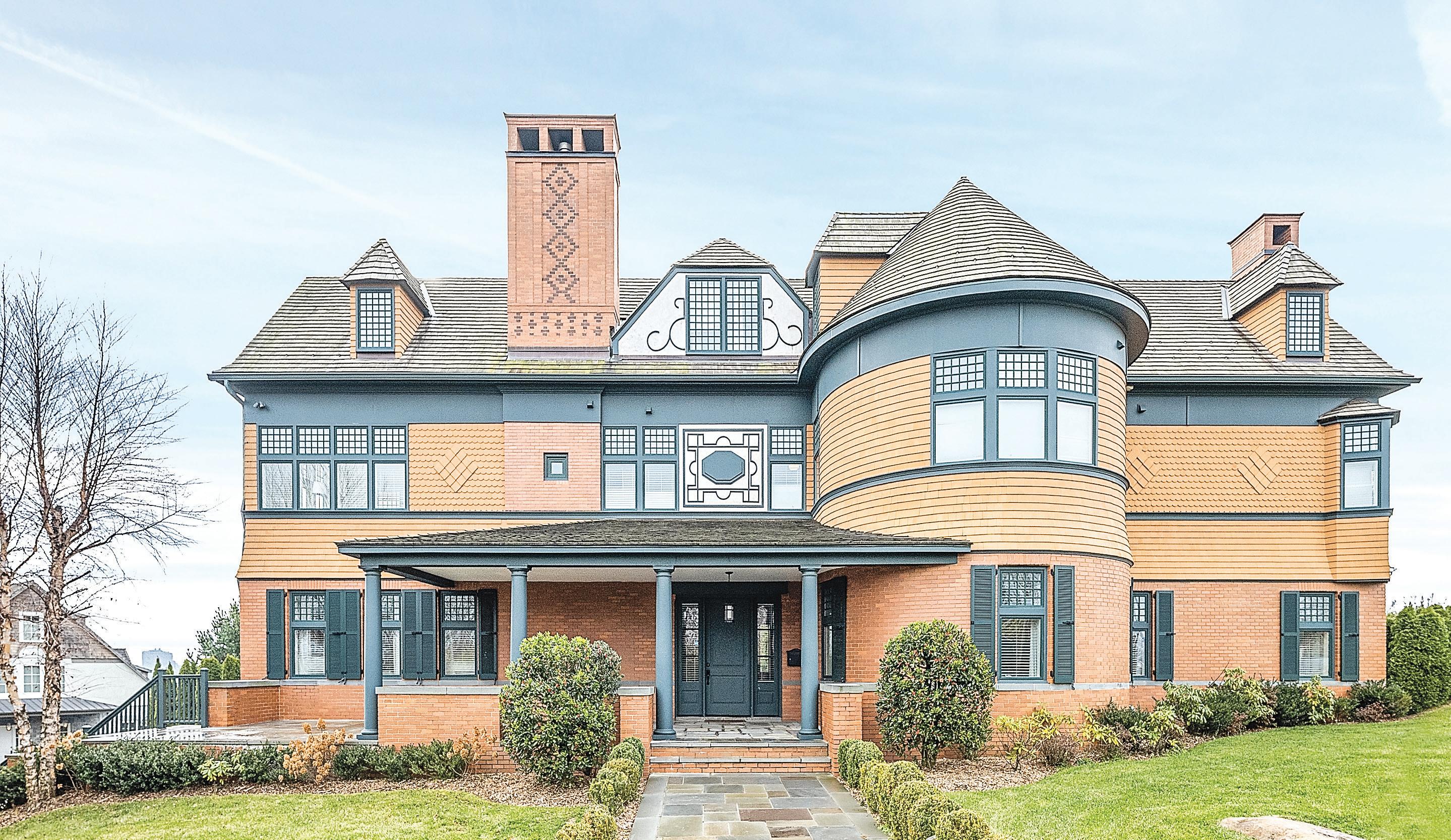
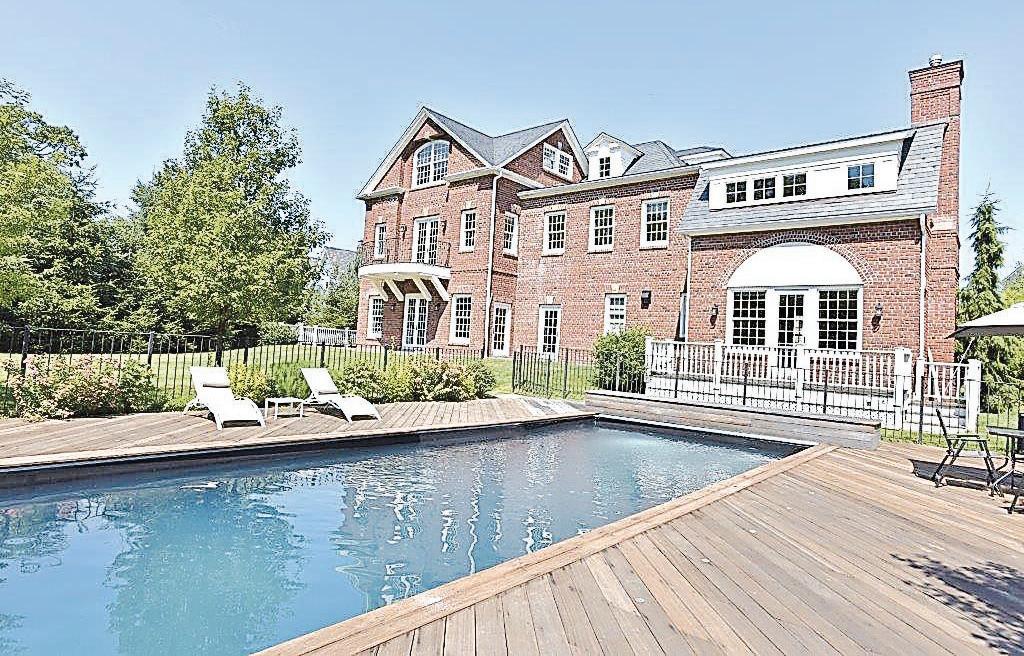
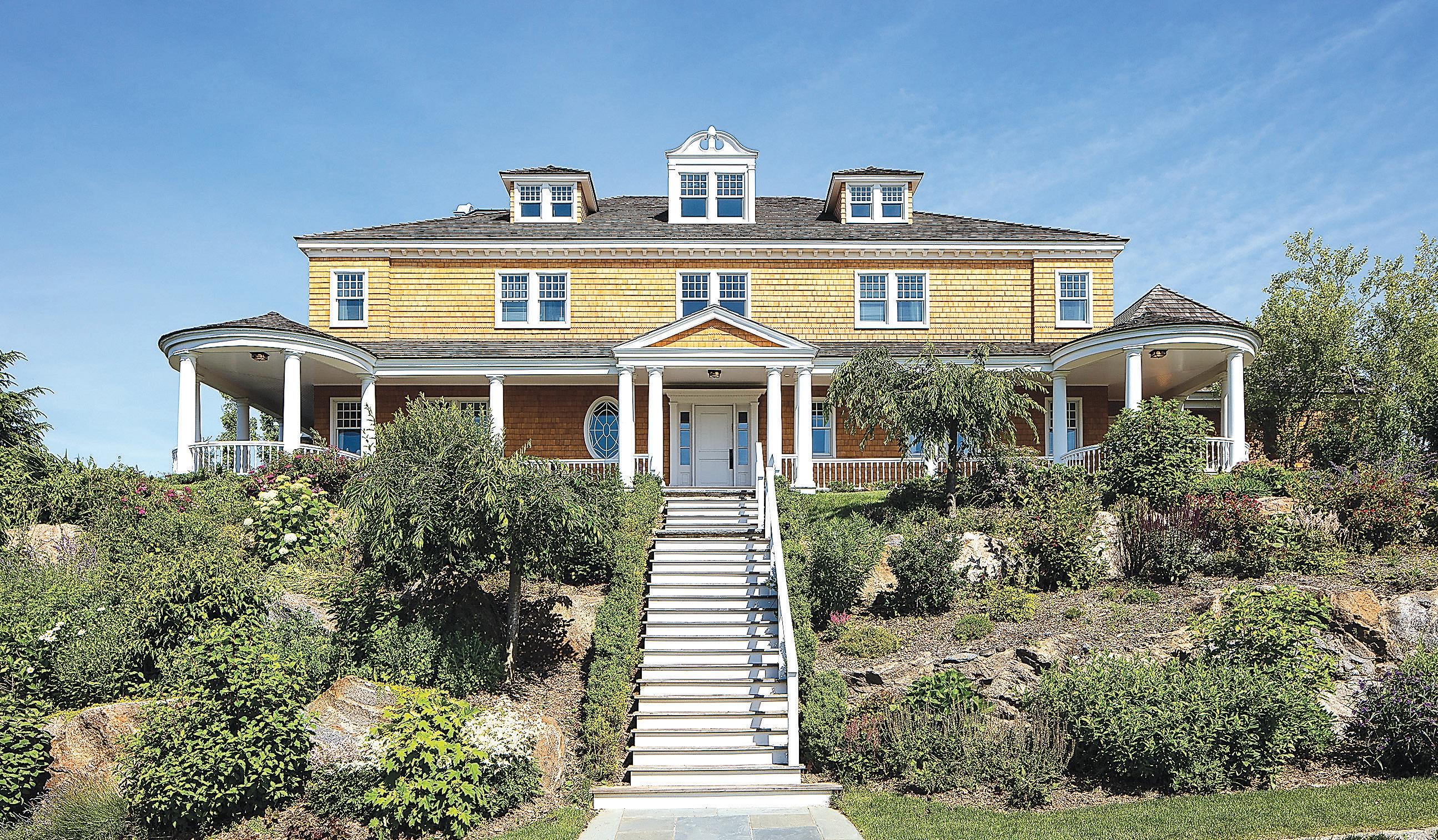




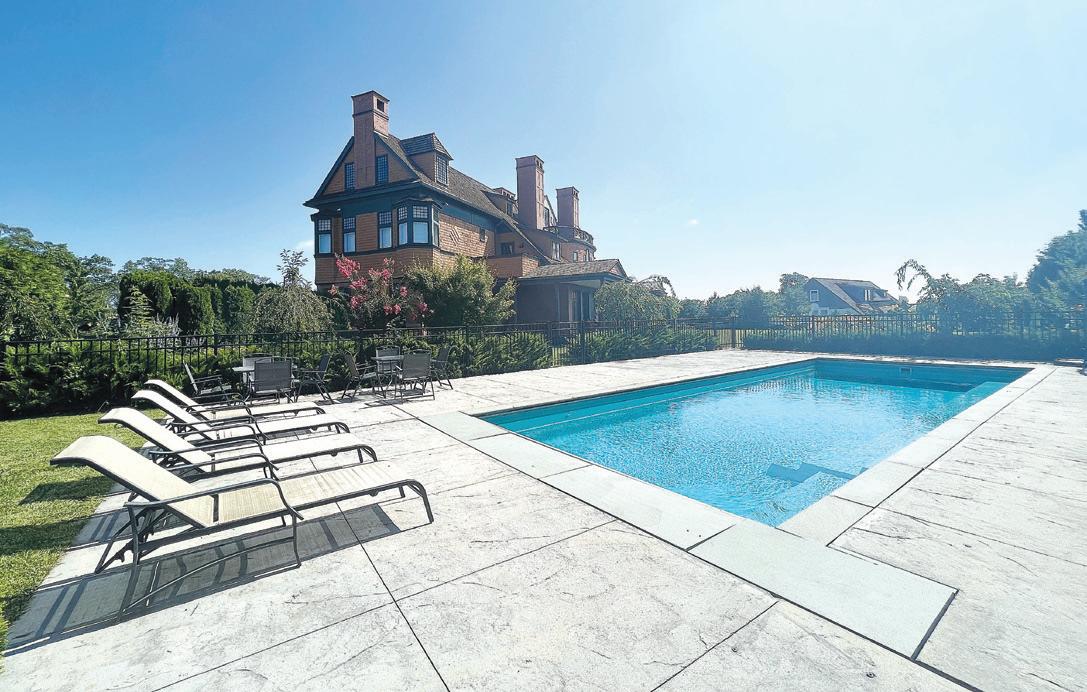
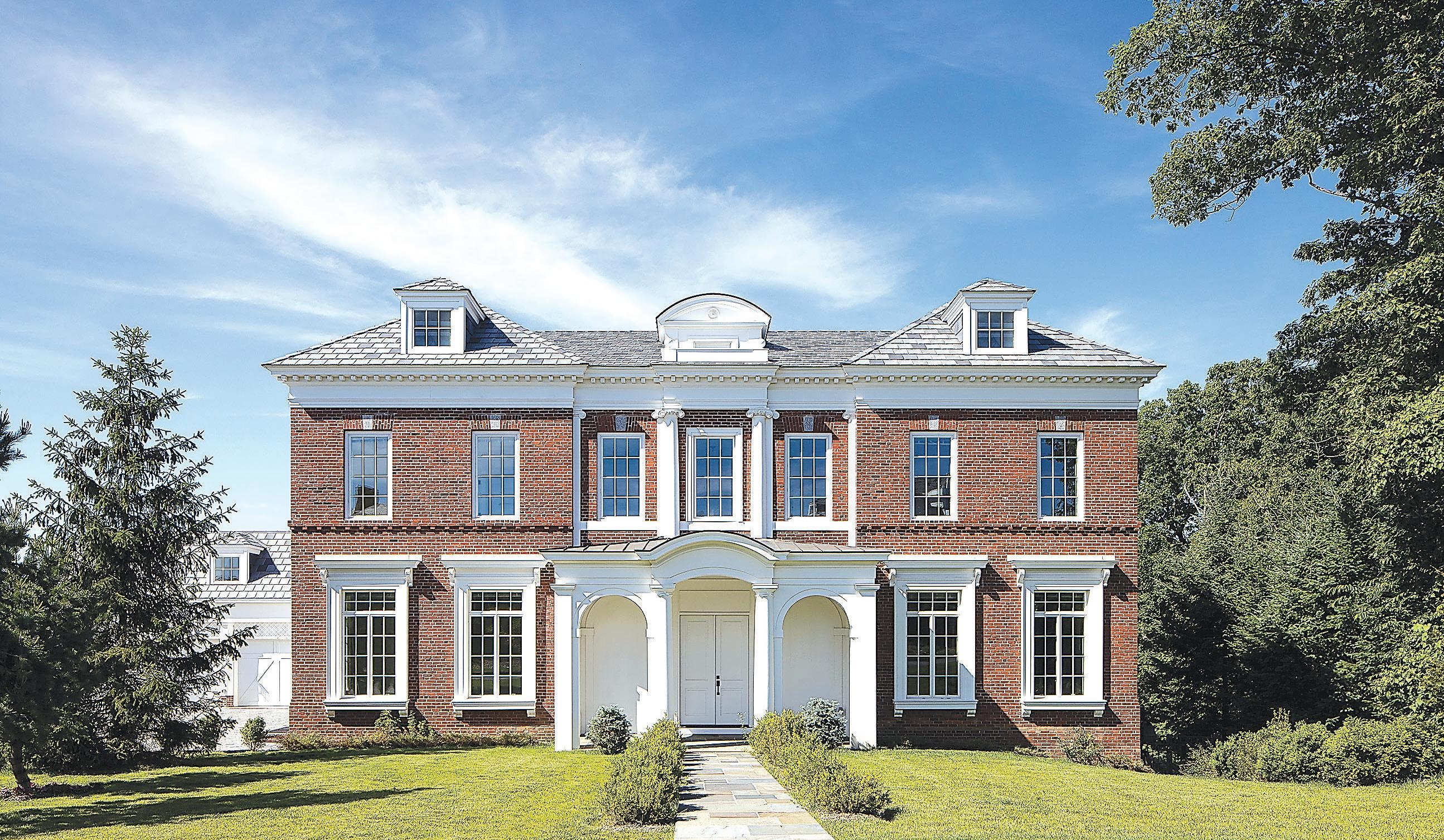



NOTE: Each week’s featured home is chosen at random from among houses and apartments offered by Riverdale Press advertisers. The opinions expressed are those of the advertiser and not The Riverdale Press news department. For further information, write to advertising@riverdalepress.com.
HOME OF THE WEEK
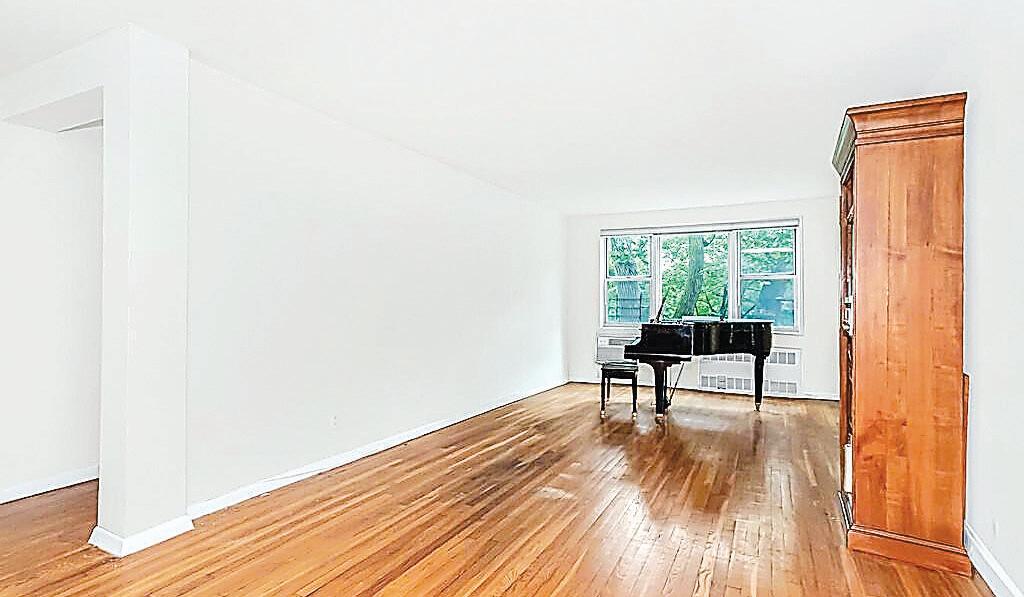
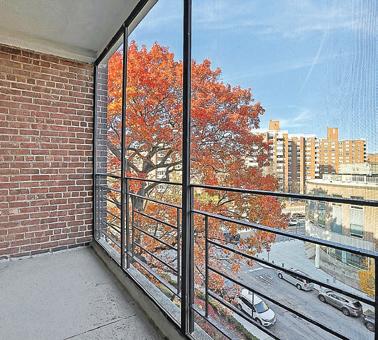
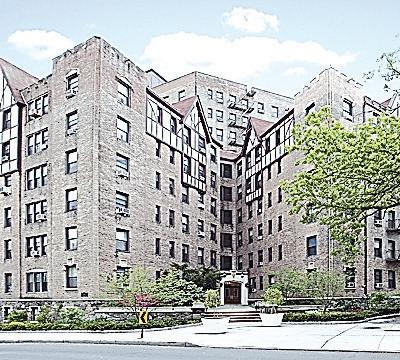
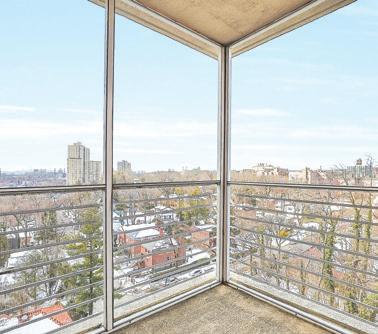
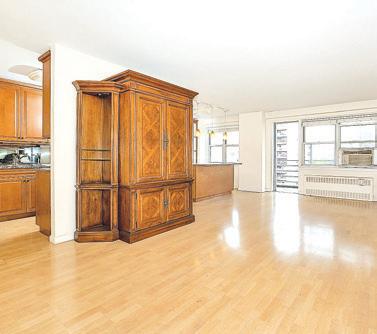
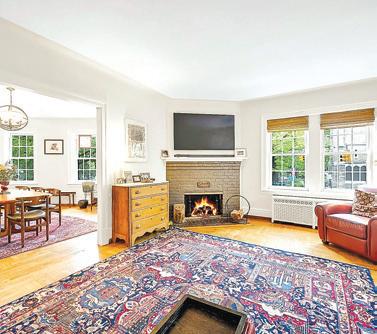
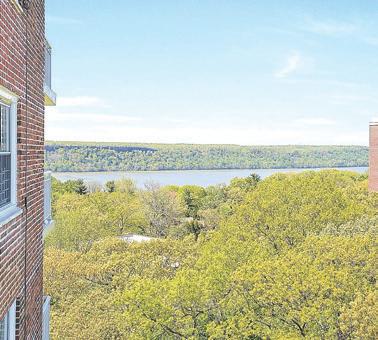
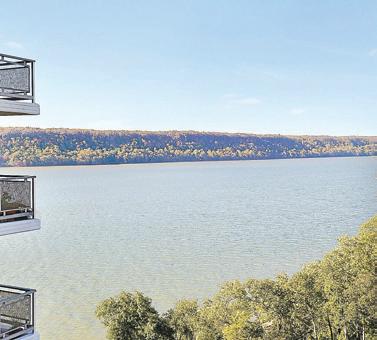
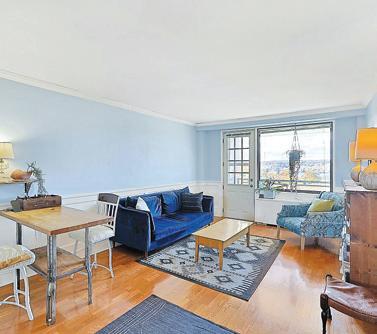
Sandhya “Sanjya” Tidke & Karen N. Fragin of the Sanjya Tidke Team of Brown Harris Stevens Hudson River views highlight renovated Riverdale residence
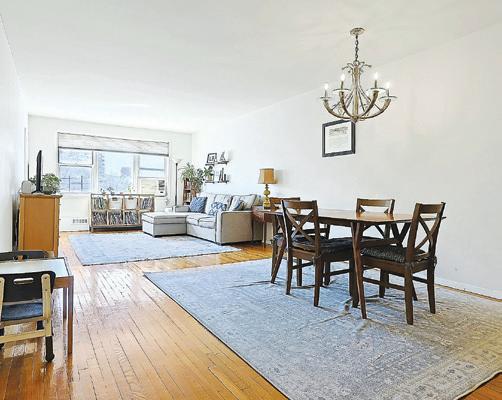
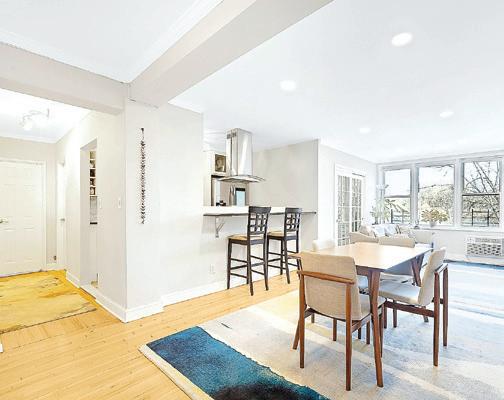
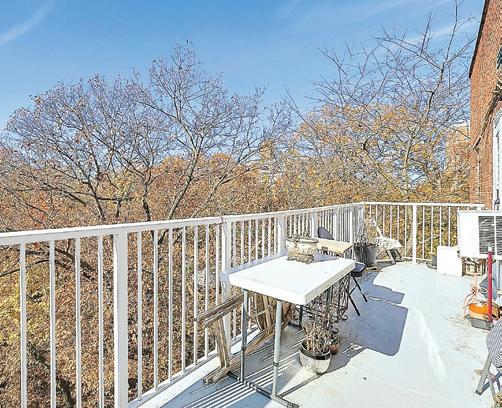
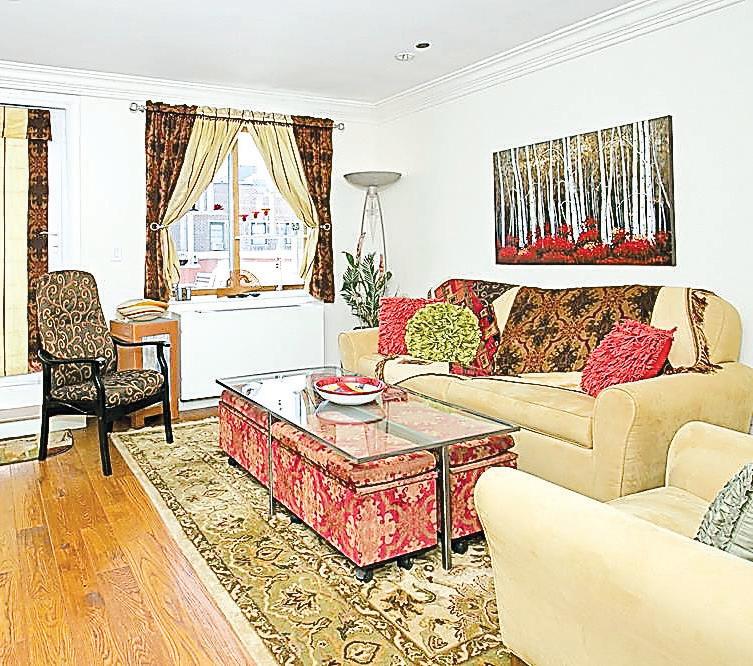
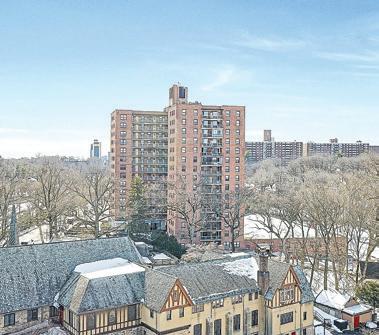
Arenovated two-bedroom, two-bath residence at 3671 Hudson Manor Terrace, Apt. 9K has been listed for $625,000, offering sweeping Hudson River views and a flexible layout in one of Central Riverdale’s most sought-after full-service cooperatives.
Positioned on a coveted southwest corner of Hudson Manor Towers, the apartment enjoys abundant natural light throughout the day and showcases dramatic evening views of the Manhattan skyline and the George Washington Bridge. Residents can also take in sunsets over the Hudson River and the Palisades from the home’s private balcony.
The residence has undergone extensive renovations and features hardwood floors throughout. A standout feature is the adaptable floor plan, which allows for a spacious primary suite complete with an en-suite lounge area. The space can also be configured to provide a private second bedroom for guests, offering flexibility for a variety of living arrangements.
Both bathrooms have been updated with white marble finishes and contemporary fixtures. The renovated kitchen features white

cabinetry, matching countertops and a sleek modern design intended to maximize brightness and functionality.
Hudson Manor Towers offers residents a range of amenities, including a 24-hour doorman, a live-in superintendent and an on-site handyman. During the summer months, residents have access to a saltwater swimming pool with a snack bar, while a private tennis club is available for an additional fee.
Additional building amenities include central laundry facilities, central heating and air conditioning, an attended 24-hour indoor garage, bicycle storage and additional storage space available for a nominal fee. The pet-friendly building currently carries a capital assessment of $93.26 per month.
Located near Riverdale Park, public tennis courts, playgrounds and scenic Hudson River pathways, the property offers convenient access to outdoor recreation while remaining close to shopping, dining and transportation. The listing presents an opportunity for buyers seeking updated living space and panoramic views in the heart of Riverdale.










$