Kevin’s Angels lends a hand
Free cleaning for cancer patients Page A3

Community through birding
Local encourages neighbors to look up Page A5
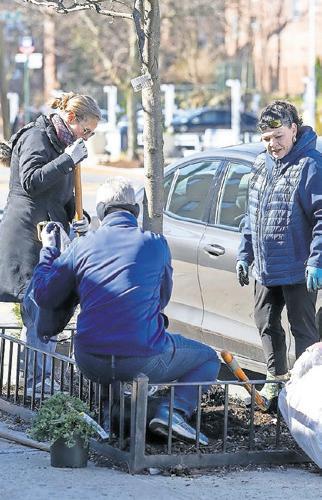
Signs of spring
Volunteers beautify neighborhood Page A7

Kevin’s Angels lends a hand
Free cleaning for cancer patients Page A3
Community through birding
Local encourages neighbors to look up Page A5
Signs of spring
Volunteers beautify neighborhood Page A7
By Olivia Young oyoung@riverdalepress.com
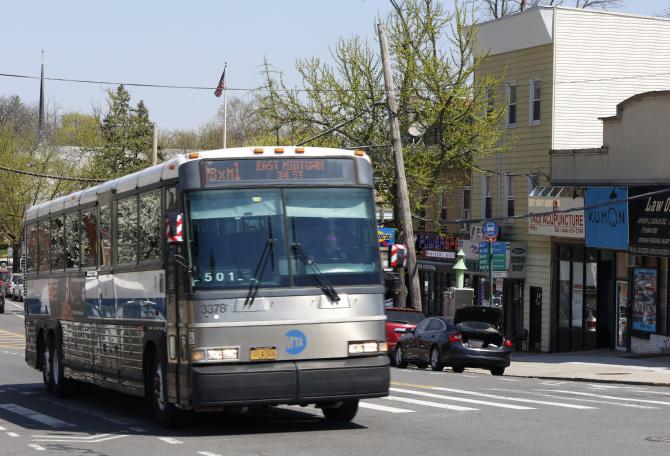
Johnny Rodriguez, Metropolitan Transportation Authority bus driver of 13 years, was attacked April 4 by a civilian driver after a minor car accident near Riverdale and Ellsworth avenues, the Yonkers Police Department said.
Local 100, a chapter of the Transport Workers Union of America that represents 41,000 workers in the New York City metropolitan area, said incidents like these are not uncommon, and called for the maximum amount of jail time against Rodriguez’s alleged attacker.
Local 100 MTA Bus Vice President Danny D’Amato condemned the incident, and said
drivers deserve to come home safe from work.
“There’s no regard for us,” D’Amato said. “We’re essential people. We serve the public, but we’re not getting the respect that we need.”
Union members described 59-year-old Rodriguez, who is a part of the MTA Bus Yonkers Depot, as sociable, caring, good-spirited, happy-go-lucky and a family man. They said he is married, and is a father to a 10-year-old. Rodriguez was not available for comment.
Police said the bus driver was making a three-point turn when a civilian driver tried to pass the bus by crossing the double yellow line into oncoming traffic.
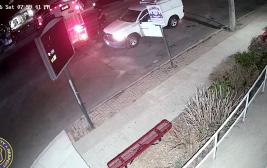
Security footage obtained by The Press from police appears to show the back of the
BxM1 making contact with the side of a white truck. The bus driver can then be seen exiting the vehicle and approaching the civilian truck driver. The footage appears to show the two men talking for a moment before the truck driver grabs the bus driver from behind.
Police said the suspect placed the bus driver in a chokehold unprovoked, threw him to the ground, and slammed his upper body repeatedly into the ground before fleeing the scene in his car. The bus driver was lying in the middle of the road when police arrived, and was soon rushed to a nearby trauma center to treat his head — which struck the pavement — and other injuries, according to police.
According to the union, Rodriguez suffered two brain bleeds, a concussion, and
neck, shoulder and back injuries.
Police said the suspect was identified as 29-year-old Thywill Anasu from Manhattan. He was charged with assault in the second degree, which is a class D felony punishable by up to seven years in prison, according to New York State law. Anasu was arraigned in Yonkers April 8, and his bail was set at $5,000, according to police. He is expected back in court April 14. Anasu could not be reached for comment.
Union members told The Press they plan to be present for the next court date to show their support for Rodriguez, as well as to make clear they are pushing for the maximum sentence.
What’s inside? NYBG study shows Bronx neighborhoods built on former wetlands face flood risks
By
Olivia Young and Alexa Lewis oyoung@riverdalepress.com, alewis@riverdalepress.com
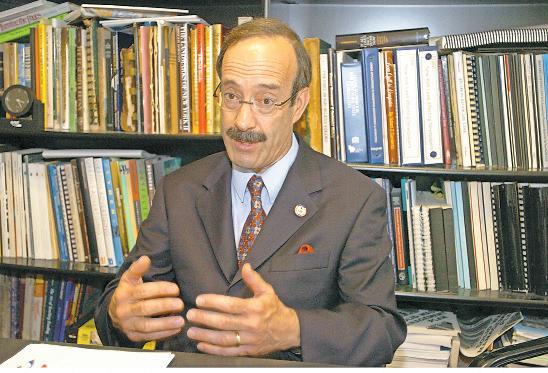
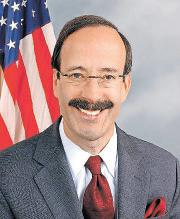
Eliot Engel, the former Democratic congressman who represented Riverdale and other parts of the northern Bronx during his long political career, died April 10 at 79 years old.
Engel’s family announced his death in a statement, saying Engel died “surrounded by family and loved ones in the borough that raised him: The Bronx.”
“During his over 44 years in public service, Eliot Engel fought tirelessly for his constituents at home and for peace and security around the world,” the statement reads. “We love and miss him dearly.”
According to reporting by The Associated Press, Engel died of complications from Parkinson’s disease.
Engel was regarded for his staunch support of Israel, and push for liberal legislation
that spanned affordable healthcare, gun control, international human rights, and reducing U.S. dependency on imported oil. Over the course of his political service, Engel was chairman of the House Foreign Affairs Committee and Assembly member for New York’s 81st district. He also served as congressman for the 16th, 17th and 19th districts of New York, representing parts of the Bronx and southern Westchester County, amid changing redistricting maps.
Engel was born Feb. 18, 1947 in the Bronx, and was the grandson of Jewish immigrants from Ukraine. He held a bachelor’s degree in history and a master’s degree in school counseling from Lehman College, of the City University of New York, and a law degree from New York Law School.
His political career began after working as a guidance counselor in New York’s public schools for several years, serving on the state assembly from 1977 to 1988. He first took office as congressman in 1989, serving
By Michelle Mullen mmullen@riverdalepress.com
For most of her life, former Riverdale resident Jeanne Monaghan never knew she had only one kidney.
Having raised a family without issue, there was little reason for her to suspect otherwise. It was not until her mid-40s that the discovery was made during a routine test for suspected gallbladder issues.
“I said, ‘How did I have two children and no one ever found that out?’” Monaghan said, recalling the moment doctors shared the news. “They said because they don’t look at your parts. They look at the baby’s parts.”
For decades, the condition posed little problem. Born with a single, slightly enlarged
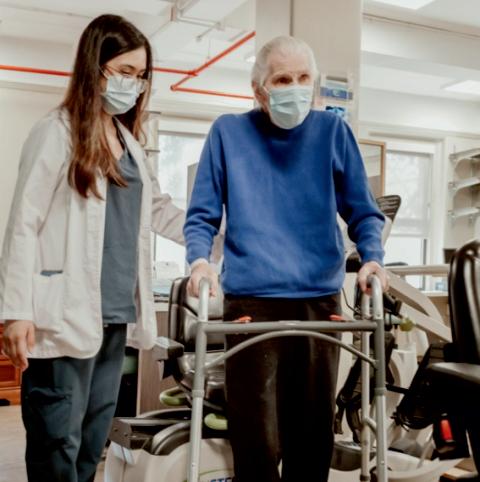
kidney, Monaghan lived what her daughter Danielle Tiboni described as a full and active life spent raising two children, working and supporting her family without interruption.
Over the years, a series of serious health challenges began to take their toll.
In 2014, Monaghan was diagnosed with breast cancer and underwent chemotherapy and radiation. She pushed through treatment and emerged cancer-free. But the treatments that helped save her life also led her to develop diabetes.
Years later, doctors discovered her aortic valve was narrowing, requiring open-heart surgery during the height of the COVID-19 pandemic.
16 terms before losing the Democratic nomination in 2020 to Jamaal Bowman. Engel defeated 10-term incumbent Mario Biaggi for the House of Representatives seat, who resigned shortly before the Democratic primary after he was convicted on corruption charges. When Engel entered the race, however, Biaggi was still a force in Bronx politics. Former editor of The Riverdale Press, Bernard “Buddy” Stein, said challenging Biaggi at the time took guts. Previous reporting from The Press shows Engel faced criticism over the years. In June 2020, resident and member of The Jewish Vote Micah Sifry wrote to The Press voicing his support for Bowman, claiming Engel was “out of touch with everyone he represents.” Sifry cited, amongst other things, a comment Engel had made in 2016 about giving newly elected President Donald Trump the “benefit of the doubt.”
After 2016, Engel was critical of Trump.
By Michelle Mullen mmullen@riverdalepress.com
In a new study, researchers at the New York Botanical Garden urge city planners to rethink how and where New York builds, using the city’s past as a guide to its future.
Mapping where water once flowed, where it floods today and where it is expected to flood again, the paper identifies areas across the five boroughs most vulnerable to impacts from intensifying climate change. It suggests historic streams and creeks, long buried under the city landscape, still shape how water moves, even after decades of development.
The findings are particularly relevant in the northwest Bronx, which was once blanketed by swaths of wetlands. What is now a dense corridor of buildings and traffic was a shallow basin where water pooled and moved slowly.
Centuries ago, a natural freshwater stream, Tibbetts Brook, flowed south through what is now Van Cortlandt Park, Nick Dembowski, president of the Kingsbridge Historical Society, explained. The waterway emptied into the Harlem River through the Spuyten Duyvil Creek.
“Before the 20th century, Kingsbridge was mostly marshland,” Dembowski said. “By Kingsbridge, I mean sort of the valley that’s between Riverdale and Kingsbridge Heights, so like the Broadway, Corlear, Tibbett Avenue kind of area.”
The brook was buried around 1912 to eliminate wetlands and diverted into the city’s sewer system, making way for development and infrastructure, including the construction of a new railroad.
Lucinda Royte, the report’s lead author and NYBG manager of urban conservation data, tools and outreach, worked alongside Eric W. Sanderson, vice president for urban conservation, to bring the project to fruition. In it, Royte introduces what are called “blue zones,” a term referring to places that were historically wet, currently flooded and projected to flood in the future.
According to the study, “Blue Zones: Identifying Adaptation Opportunities Using Past, Present, and Future Flooding in New York


The third suspect in the death of Keon Gill — a 44-yearold from Middletown, NY, who was shot and killed Jan. 25 — was arrested April 8 and charged with murder, police said.
Daniel Ligon, a 39-year-old also from Middletown, was indicted by a grand jury along with 26-year-old Naya Brown and 37-year-old Pernell Warren, according to police.
The incident also hospitalized Gill’s 35-year-old brother, Luis Carratini, who was shot in the leg and survived, police reported.
Fiftieth Precinct Captain Amadeo Oktrova said in a March Community Council meeting the brothers had been coming from the restaurant and bar Tijuana Nites near West 242nd Street and Broad-
way when the three suspects opened fire. As reported by The Press on March 19, Oktrova said the precinct was assigning extra patrol officers to monitor night life in the area.
The indictment alleges Brown, Warren and Ligon worked together to intentionally kill Gill, and try and kill Carratini. It also says the suspects were charged with firstdegree manslaughter, seconddegree murder, second-degree attempted murder and two counts each of second-degree criminal possession of a weapon.
Brown worked for the New York City Department of Education, and Warren is from Bedford Park, according to police. No further information has been made public about Brown, Warren or Ligon.

Seranity Canada, a 12-yearold girl from Kingsbridge Heights, was reported as found on April 9, police said. Canada went missing two
days prior around 9:20 p.m., when she was last seen leaving her home wearing tan pants, a grey sweater and black sneakers, according to police.

Spend the summer learning the ins and outs of local journalism with The Riverdale Press. During this internship program, you will get the chance to:
- Assist reporters in research and reporting.
- Learn to shoot photos for news.
- Learn how to pitch and














This opportunity is open to high school and college students. This is an unpaid internship. Interns are expected to spend 2-3 days a week working
from our Riverdale office.
Prior experience is not required, however, the most competitive candidates will have:
- Prior news internship, freelancing or school paper experience.
- Strong writing skills, deadline adherence and news judgement.
- Interest in assisting in coverage of a wide range of topics.
- Strong educational background in journalism, communications or
By Olivia Young oyoung@riverdalepress.com
In the wake of 45-yearold Kevin Farrell’s death last March due to pancreatic cancer, his wife, Christina Farrell, made it a mission to memorialize his memory.
Eight months after her husband died, Christina Farrell launched Kevin’s Angels — a service that provides free house cleanings to Riverdale, Westchester and Inwood residents undergoing cancer treatment. Now, Christina Farrell said Kevin’s Angels is looking to expand their service.
Christina Farrell said her 8-year-old son Conor came up with the idea for Kevin’s Angels. She also has a daughter, Laurie Beth, who is 4.
“When you’re fighting cancer and you’re sick, you’re thinking about saving your life,” Christina Farrell said. “There’s no time to clean your house. There’s absolutely no time to keep yourself organized.”
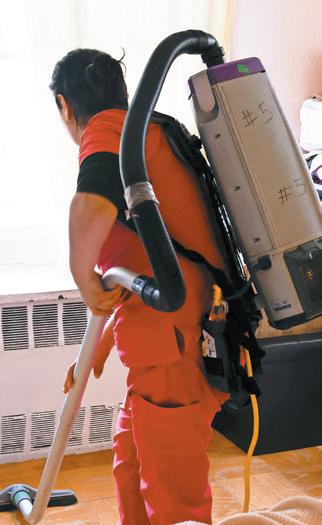
It’s also crucial to maintain a sterile environment, Christina Farrell explained, since the resident’s immune system is compromised. Especially important are countertops, where numerous bottles of medication may sit, and floors, where residents may walk barefoot due to their feet being swollen from chemotherapy.
Kevin’s Angels, which is a branch of Christina Farrell’s company Cleaning Wand NYC, is still in its early stages. Christina Farrell said they have done two cleanings so far — one in Riverdale for a family with a young boy who was sick, and another for a middle-aged woman in Crestwood.
Christina Farrell said the team is particular about making sure cleaning products used are organic or U.S. Environmental Protection Agency-certified. Supplies are unscented, as a lot of residents undergoing cancer treatment are sensitive to smell, she explained.
In the fall, Christina Farrell said Kevin’s Angels is widening its reach. A few things are in consideration, such as hiring a larger marketing team, or partnering with hospitals and doctors’ offices who can
inform their patients the service exists.
“I see us as the source of hope for cancer patients,” Christina Farrell said about what she imagines Kevin’s Angels will be as it continues to grow. “Knowing the community has their back, that there’s an extra resource for them.”
Tangible action matters, Christina Farrell explained. Instead of just extending sympathy, Kevin’s Angel’s is focused on doing something that provides real support to residents and their families.
For Christina Farrell, Kevin’s Angels is as much about giving back to her neighbors as it is processing her own grief.
The first year after losing her husband, she was consumed by just trying to stay afloat — scheduling appointments, filing paperwork, getting the kids sorted. But now, she said the loss is sinking in.
“It’s more of a permanent mark,” Christina Farrell said “Kevin is not coming back … How am I going to position his name and his memory so that I can continue healing and grieving and knowing that his name and spirit will always be alive?”
When her husband was sick, Christina Farrell said a local organization, the Jim Downey Memorial Foundation, helped the family with medical bills. She added she plans for some donations to Kevin’s Angels to go back into the foundation.
Jim Downey was a retired FBI agent who was known for serving the community, especially as a coach and manager for the North Riverdale Baseball League. He died from lung cancer in 2009, and in 2013 the city renamed the street near Mosholu Avenue and the baseball field Jim Downey Way.
Jim Downey’s sons, Jimmy, Brian and Michael, founded the memorial foundation. It hosts an annual golf outing at Van Cortlandt Park, where proceeds are given to cancer research, or to a family whose loved one is undergoing treatment.
Brian Downey — also the owner of Downey’s Bar and Grill on Mosholu Avenue — grew up with Kevin Farrell, he said, and later married into the family, as his wife is a Farrell cousin.


He said he wasn’t surprised when Christina Farrell told him about Kevin’s Angels, because she was always looking for a way to give back to the community that stood by her while her husband was in treatment.
Brian Downey felt that support when his dad was sick too.
“It’s a horrible disease, it has no boundaries,” Brian Downey said. “Everyone knows someone or was related to someone who had it, who fought it, who
passed from it … Riverdale really is that neighborhood that when it’s time of need, we really get together and back each other.” Christina Farrell emphasized that if a neighbor is in
need of a cleaning, they can email Cleaning Wand NYC with a note from their primary care provider that confirms their own or their family member’s cancer diagnosis, and Kevin’s Angels will be there to help.

CONTINUED from page A1
Local 100 Yonkers Depot Chair Marcos Soler said he saw Rodriguez at the hospital the night police said he was attacked. Soler said Rodriguez followed procedure — check the bus, secure the passengers, and confirm the person in the other vehicle is okay. Members of his depot are “up in arms” about the incident, he added.
Soler believes those who attack drivers should face more severe charges than they do. In his experience of 15 years with the MTA, he said offenders tend to be given less than the maximum sentence. Stricter sentencing could help start to curb violence, he believes.
D’Amato took the same stance, saying he believes once a case involving an MTA driver’s offender reaches court, the charges are “watered down.”
“The bus runs late, they take it out on the bus operator,” D’Amato said. “The person has a bad day, they go after
the operator. I think if [courts] stick to the seven years, maybe that culture will change.”
Local 100 President John Chiarello said he feels assaults against drivers are only becoming more frequent. He said the amount that he is in court or visiting union members in the hospital has risen, and attacks seem to be becoming more vicious.
An arrest in a separate incident was made April 9, the New York Police Department said. On March 19, a 42-yearold MTA driver was sitting in a Bx3 bus, when a man started an argument with him, according to police reports. The man became irate, police said, and punched the driver in the face causing pain and a laceration to his lip. Police reported the victim was taken to the hospital in stable condition, and the suspect was later arrested and charged with assault.
“People are taking for granted that we’re humans,” Chiarello said. “We’re not
machines … We’re your mother, your father, your sister, your brother. We run the system and we should get that respect.” The MTA did not directly respond to a question from The Press of whether it
plans to implement additional safety measures for drivers. However, New York City Transit President Demetrius Crichlow denounced the incident involving Rodriguez, and also called for maximum conse-
quences. “Transit
CONTINUED from page A1
The congressman had earned a reputation for securing an aisle seat annually at the State of the Union address so he could appear on television shaking the president’s hand. But in 2017, Engel told members of the media he would not shake Trump’s hand as he believed he had no interest in working with Democrats.
The Press reported in June 2020 that Engel said his many years as a congressman meant people paid attention when he walked into a room and started to negotiate.
“It’s an honor and a pleasure to serve them,” Engel said about his constituents.
“And as long as I serve them, I’m delighted to make the lives of people better.”
He said at the time he was proud of the work he had done on the House Foreign Affairs Committee, including his support of NATO military intervention in Yugoslavia during the Clinton administration in response to the ethnic cleansing of Albanians.
When Engel conceded the race to Bowman in July 2020, an article from The Press referenced his missteps on
the campaign trail. These included a report that Engel was staying at his home in Maryland rather than the Bronx during the pandemic, as well as the moment he was caught on a live mic asking for the chance to speak on protests that had occurred on Fordham Road in response to the death of George Floyd, where Engel stated “If I didn’t have a primary, I wouldn’t care.”
Engel later said in a statement to The Press that in the context of re-election, he wanted constituents to know where he stood. He added he cared deeply for what was happening in the country, and that he loved the Bronx.
Assembly member Jeffrey Dinowitz said he met Engel at 17 years old while campaigning for George McGovern. The two remained close throughout their lives as family friends, Dinowitz said, and described Engel’s death as like losing a brother.
“More importantly, in my opinion, than what he got done in Congress — a force as that was — was he had a heart of gold,” Dinowitz said. “He was very caring.”
As a born Bronxite raised in public
housing, Dinowitz said Engel never forgot that he came from a modest background, and was loyal to his borough and the needs of the community.
U.S. Rep. Ritchie Torres also expressed his condolences, and noted Engel’s advocacy for Kosovo and the Albanian community.
“Engel was a giant of New York politics and one of the greatest champions the Bronx has ever had in Congress,” Torres stated. “He served for more than three decades with unyielding dedication, fighting for his constituents and standing up for democracy around the world.”
Morgan Evers, the Assembly District 81 candidate challenging Assembly member Dinowitz, said she joined longtime colleagues in New York and nationwide in honoring Engel’s lifelong commitment to public service.
“As my former congressman, I remember Rep. Engel was a distinguished leader who honorably served our community and championed for human rights,” Evers said in a statement.
When Engel conceded to Bowman, he said in a statement to The Press that
for more than 40 years.
serving the people of the Bronx and Westchester had been the greatest privilege of his life. He said he and constituents faced challenges and made progress together, and that he had worked hard to represent the community from Washing-
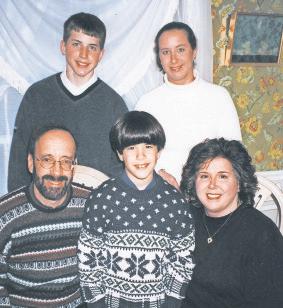
Engel’s family announced his death, saying he died “surrounded by family and loved ones in the borough that raised him: The Bronx.”
ton to New York.
“I take particular pride in always showing up, always being present, always listening, and always caring deeply about those whom it’s been an honor to serve as their congressman,” Engel said.
CONTINUED from page A1
City,” these zones cover about 21 percent of New York City’s land and affect roughly 1.2 million people.
To identify the blue zones, researchers drew on more than 500 years of flood data, along with data from 311 service calls. The analysis combines historical maps and future climate projections, offering a more comprehensive view than traditional flood maps.
“The [New York City Department of Environmental Protection] did these projected flooding maps of the future,” Sanderson explained. “If you look at the most intensive flooding scenario that they have in their data, it looks a lot like our maps of the historic streams and wetlands of the city.” That overlap is central to the study’s argument that the city’s natural landscape still determines where water goes.
“It starts with the historic ecology of New York,” Royte said. “If it was wet in the past, is wet today and will be wet in the future, then that is a place that we consider a blue zone.”
In the greater Riverdale, those patterns are especially visible. As part of a former tidal marsh system fed by Tibbetts Brook, much of Kingsbridge still follows the contours of that buried landscape, with water continuing to pool in its lowest points during severe weather events.
That legacy is reflected in Blue Zone 31, a roughly 33-acre stretch tracing the
brook’s former path along Tibbett Avenue from the Harlem River inland toward West 231st Street. A portion of Blue Zone 35 extends that corridor north to West 236th Street, marking a continuous band where the land’s underlying shape continues to guide the flow of water.
The same dynamic plays out along the Spuyten Duyvil shoreline, where land meets a river that has itself been reshaped.
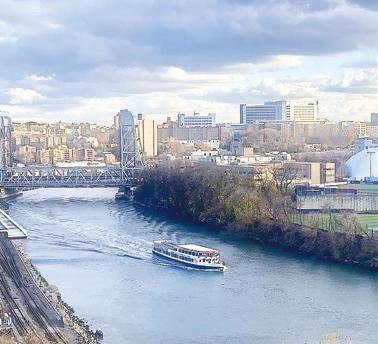
In the late 19th century, the city created the Harlem River Ship Canal, a human-made channel that straightened and widened the Harlem River to improve navigation. The project effectively bypassed the river’s natural course, isolating Marble Hill as an island before the original channel was later filled in and attached to the Bronx. The Harlem River as it exists today is largely engineered, its wetlands mostly erased.
Nearby, Blue Zone 25 spans nearly 10 acres at the borough’s northwest edge, covering portions of both the Hudson River and Harlem River shorefront — a stretch where water moves freely between the two.
For Karen Argenti, a member of the Bronx Council for Environmental Quality, the study is valuable not just for its data, but for how it explains it.
“When [the city] maps the flooding, they find out where it was a lot of rain and they put it on a map, but they don’t explain it,” Argenti said. “What they did was they explained it.”
That distinction makes the findings more useful for decision-makers, particularly when it comes to development.
“One of the things that we look at is when people are going to develop things, like why are they developing them in floodplains?” Argenti said. “What are these people thinking? Where do they think that water is going to go?”
The study emphasizes that flood risk cannot be addressed in isolation. Because water moves across neighborhoods and infrastructure systems, Royte argues, planning must happen at a broader, landscape scale through inter-agency efforts.
“You can’t just solve flooding in the places where it’s flooding,” Sanderson added. “There’s going to be consequences for places where it’s not flooding.”
That has direct implications for housing and development in neighborhoods like Kingsbridge, where Blue Zones 31 and 35 blanket both commercial and residential areas. If certain locations become increasingly prone to flooding, planners may need to reconsider where new buildings are placed and how existing infrastructure is protected, the study suggests.
In some cases, that could mean working with nature rather than against it. The study points to solutions like restoring waterways, expanding green infrastructure and rethinking how stormwater is managed.
One plan to do so is already underway, with the Tibbetts Brook daylighting project. The initiative will unearth a long-bur-
ied stream, bringing it back above ground and redirecting its flow out of the sewer system.
“This is why the Tibbetts Brook daylighting is so important,” Sanderson said. “Essentially, it’s restoring a stream through a blue zone and you’re giving water a place to go.”
By creating a new open channel through areas like Van Cortlandt Park and connecting it to the Harlem River, the project aims to reduce pollution, mitigate flooding and restore former wetlands.
At the neighborhood level, Argenti explained, even small changes can help.
“You have to figure out how to capture the water that’s now going in a drain that’s not big enough,” she said.
Still, the study raises broader questions about long-term planning in a changing climate. In some areas, traditional infrastructure may not be enough to prevent future flooding.
“Some parts of the city where people live now may not be inhabitable in the future,” Royte told The Press.
Among them is Blue Zone 35, which extends into Kingsbridge Heights near the Major Deegan Expressway. It encompasses several full blocks of mixed residential and commercial buildings from West 237th to West 238th streets, between Broadway and Putnam Avenue West.
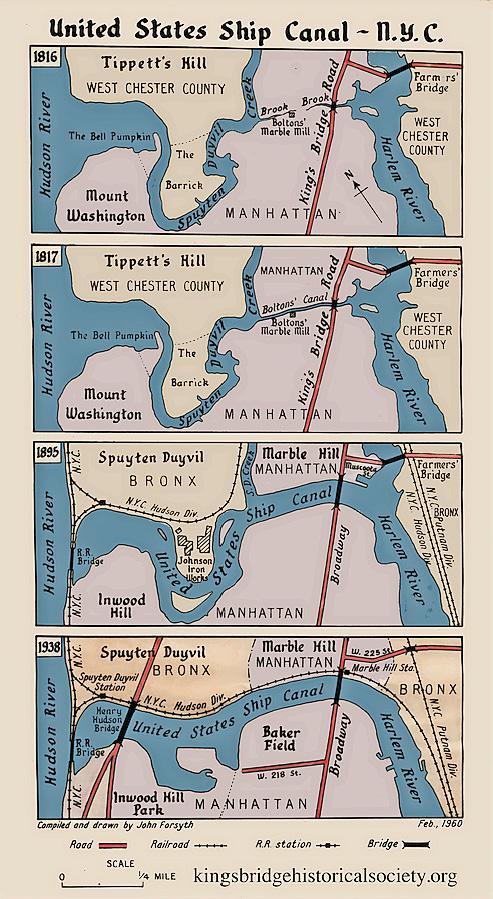
The Harlem River was gradually reshaped to create an industrial shipping canal, drastically changing the northwest Bronx landscape.
The NYBG also published an interactive online map that allows users to explore blue zones across the city, as well as see how past waterways, present flooding and future projections overlap. Free and open to the public, the tool offers a clearer picture of where water is likely to go.
CONTINUED from page A1
“I could hardly have any visitors, and it was a very depressing time for me,” she said.
Now, at 73, her kidney is failing.
“Her kidney is kind of just hanging on by a thread right now, so we’re really trying to find a living donor before she has to go on dialysis,” said Tiboni, a breast cancer survivor.
“We’ve been monitoring her very closely, and luckily she doesn’t have a lot of symptoms yet, but she’s right on that border and we’re trying to keep her there as long as we can.”
Doctors, Tiboni said, have made clear that a transplant is inevitable. While Monaghan has not yet begun dialysis, she is just above the threshold where it would be required. That slim margin has created a growing urgency among her family and friends, who are working to find her a donor before her condition worsens.
Years prior, Monaghan’s own mother underwent dialysis after losing a kidney, a process so grueling it ultimately led her to choose to stop treatment.
“It wasn’t a quality of life,” Tiboni said. “My grandmother was very sick and she ultimately chose to stop dialysis and die. So it’s a big trigger for my mom to really not want to go on dialysis and we’re trying really hard to avoid that if we can.”
In the meantime, Monaghan is doing everything she can to maintain her health. Physically, Monaghan said, she still feels capable, but the fatigue has become con-
stant, slowing her down as the day goes on.
“I’m tired all the time,” she said. “I can get up in the morning, do things, but then I get very tired.”
She currently follows a strict renal diet and now lives with Tiboni, her grandchildren and extended family.
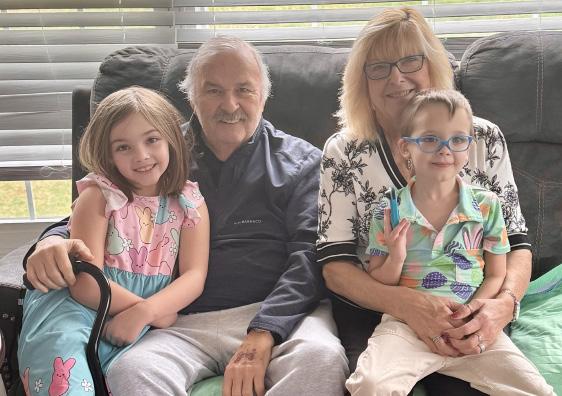
“She’s like, ‘All I want is to just be there for my grandchildren.’ That’s what keeps her going every day,” Tiboni said. “She lives with us now, and being around the kids, taking care of them, that’s what gives her the strength to keep pushing.”
That sense of devotion has long defined Monaghan’s life. She previously worked in the public school system, helping families and guiding children for several decades.
“She always puts everybody first,” Tiboni said. “That’s just who she is, she’s always taking care of everyone else. I just feel like she deserves somebody to take care of her for once.”
Friends describe her in much the same way. Carolyne Hoare, a longtime family friend for whom Monaghan is like a second mother, echoed how she has always been a source of strength for those around her.
“She’s kind, she’s loving, she has the biggest heart for everybody, and she’s always been there for people no matter what,” Hoare said. “She’s a quiet warrior. She doesn’t put her burdens on anyone else, she just keeps going.”
That quiet strength has carried Monaghan through profound loss as well.
In 2001, her son was killed in the September 11 attacks while working as a car-

penter in the World Trade Center. In the aftermath, Hoare said, Monaghan became the person who held her family together, even as she carried her own grief.
“She was the powerhouse behind holding all the pieces together,” Hoare said. “Even when she was going through something unimaginable, she was still the
everyone leaned on.” Monaghan herself does not describe it as strength so much as responsibility. “I said, ‘I
By Michelle Mullen mmullen@riverdalepress.com
From his apartment balcony overlooking the Hudson River, 63-year-old Gregory Taylor starts most mornings the same way: coffee in one hand, binoculars in the other.
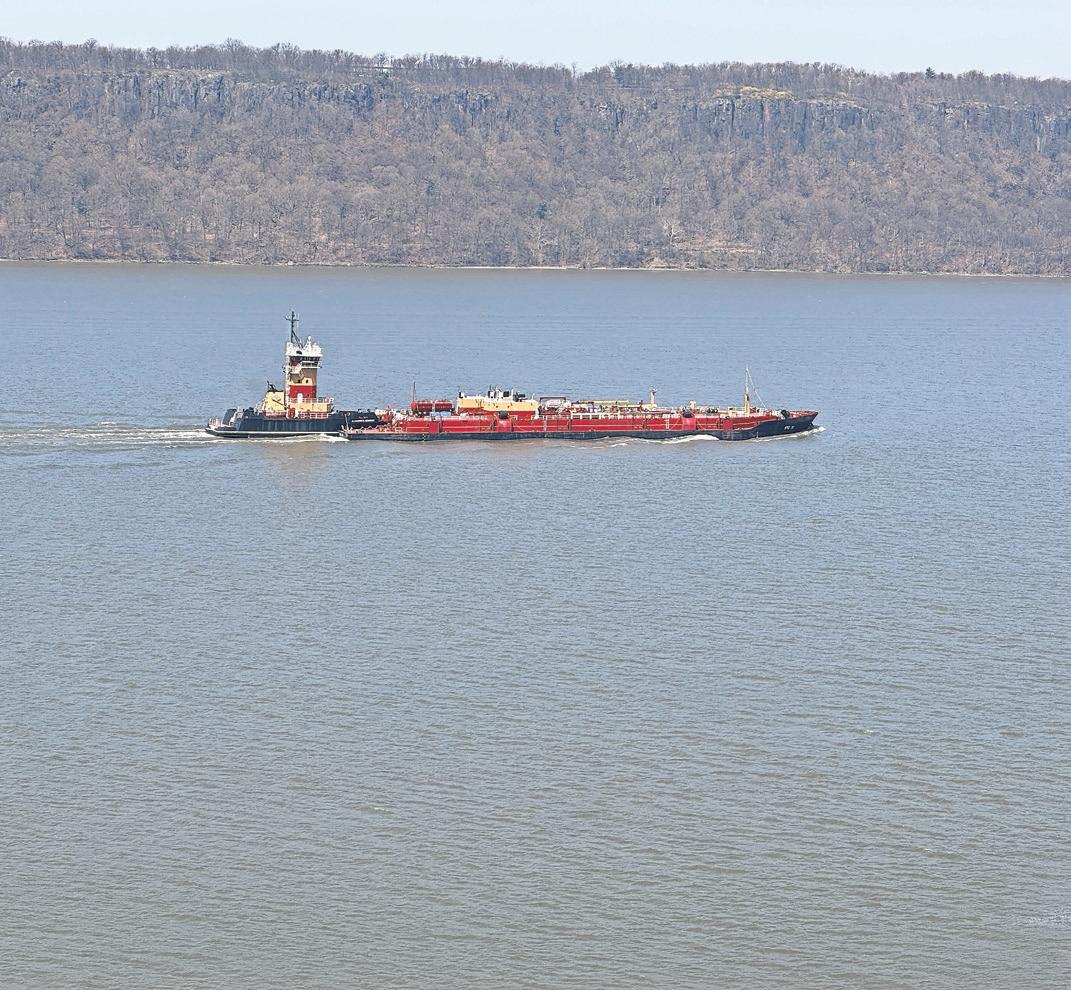
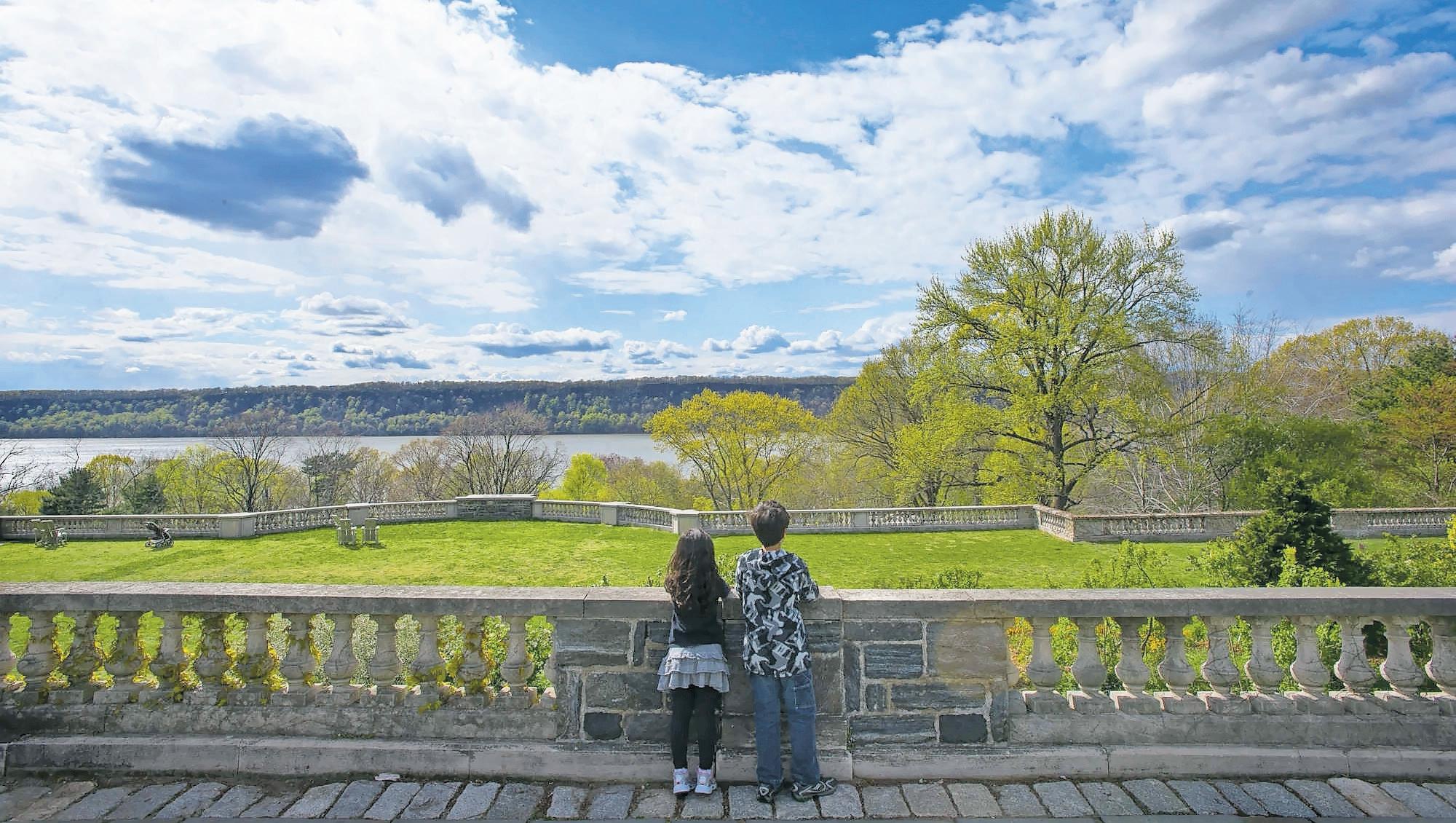
Below him, the river moves steadily past the cliffs, and just to the side sits Villa Charlotte Brontë, its clay terracotta roof tiles adding a rustic warmth to the view. But Taylor is rarely looking at the buildings or the water. His attention is fixed on the air above it, and on the towering tree directly in front of his seat.
“People think you have to go somewhere to bird, like a park or a trail,” he said. “But this is one of the best spots I’ve ever had. The birds are already moving through here, you just have to be watching.”
From this vantage point, Taylor has learned to read the rhythms of migration, using the river as a guide. Certain species follow its path, he explained, especially in the early morning, when wind patterns help carry them north or south depending on the season.
“At first I didn’t know what I was seeing,” he said. “I’d catch something flying by and think, ‘That looked different,’ but I couldn’t place it. Over time, you start to recognize shapes, how they move, even before you know the name.” Unlike birders who travel long distances or seek out rare sightings, Taylor’s practice is rooted in staying put. His balcony, with its wide view of the Hudson and The Palisades beyond, has become both an observation deck and a classroom.
What keeps him there, morning after morning, has as much to do with what he feels as what he sees.
Before birding, Taylor
worked as a physical therapist, running his own clinic in Brooklyn, a borough he called home. When the COVID-19 pandemic hit, the clinic closed, and the routine he had built over years disappeared almost overnight.
“It wasn’t just the business,” he said. “It was everything that came with it. I had a schedule, I had people I saw every day, and I had a purpose. And then suddenly, I didn’t. I went into a pretty dark place for a while. You don’t always notice it at first, but it creeps in. I knew I needed something to shift things, even just a little.”
Not long after, Taylor moved to the Riverdale area, trading the pace of his previous life for something quieter. The birding came later.
Years earlier, his then-partner had given him a birding book — a simple field guide that sat mostly untouched.
“It had been there for a while,” he said. “Every now and then I’d flip through it, but I wasn’t really using it. It didn’t click yet.”
After the move, with more time and fewer distractions, he picked it up again. This time, it held his attention longer. He started bringing it outside, comparing what he saw in the sky to the pages, even if he wasn’t confident in what he was identifying.
“I still didn’t know what I was looking at most of the time,” he said. “But I was starting to look more closely. That was the difference.”
The turning point came last year, when he signed up for a bird walk at Wave Hill.
“I almost didn’t go,” he said. “I wasn’t sure it was for me. But once I was there, it just clicked. For that whole time, I wasn’t thinking about anything else. No stress, no distractions. Just paying attention. I hadn’t felt that in a long time.”
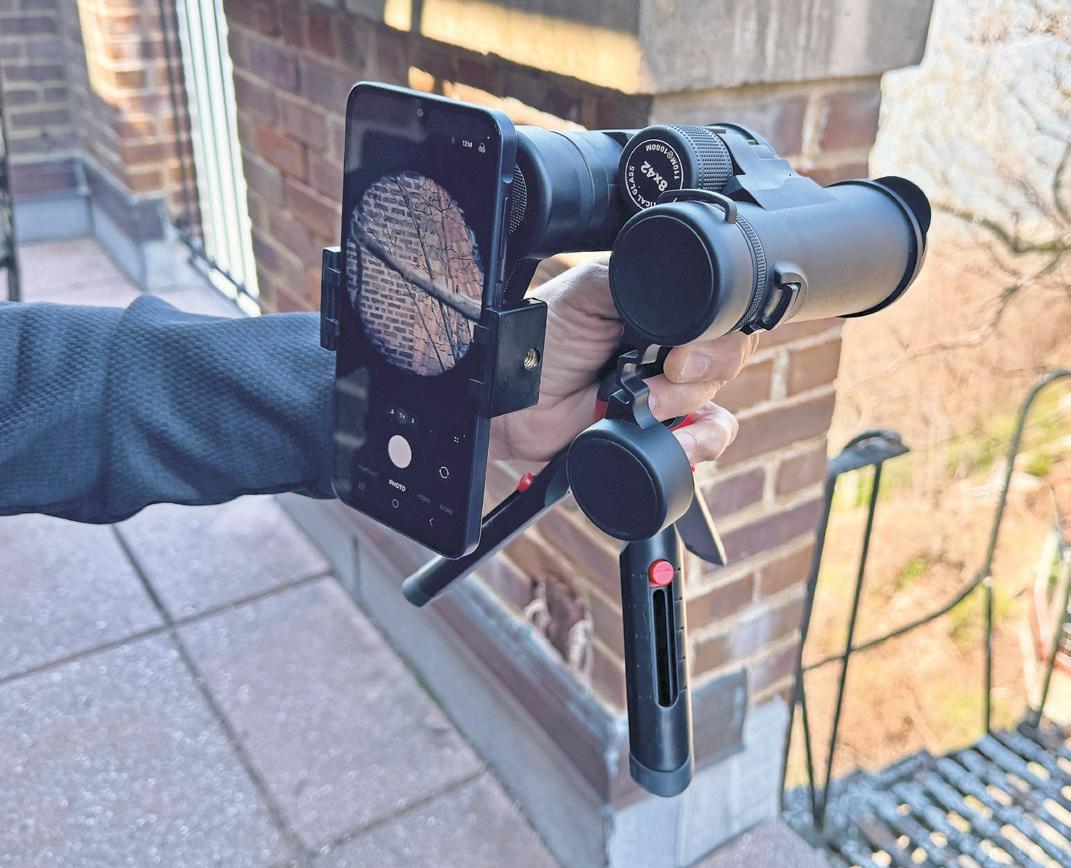
When he returned home, that focus didn’t fade. It followed him back to the balcony, where occasional glances became a daily routine. As his interest grew, so did the number of people who noticed him. Neighbors began to ask questions, pointing out birds they had seen or asking what was passing through that day.
“It started with simple conversations,” he said. “Someone would say, ‘I saw something fly by yesterday,’ and I’d say, ‘Yeah, that’s been happening all week.’ It gave us something to talk about.”
Those exchanges grew into something more regular. Over time, a small, informal group formed, eventually taking on the name of The Balcony Birding Club. It has no official membership list or meeting time, just a handful of people paying attention in the same way.
For Taylor, that sense of connection has been just as important as the birding itself.
“There was a time when I felt pretty alone,” he said. “Los-
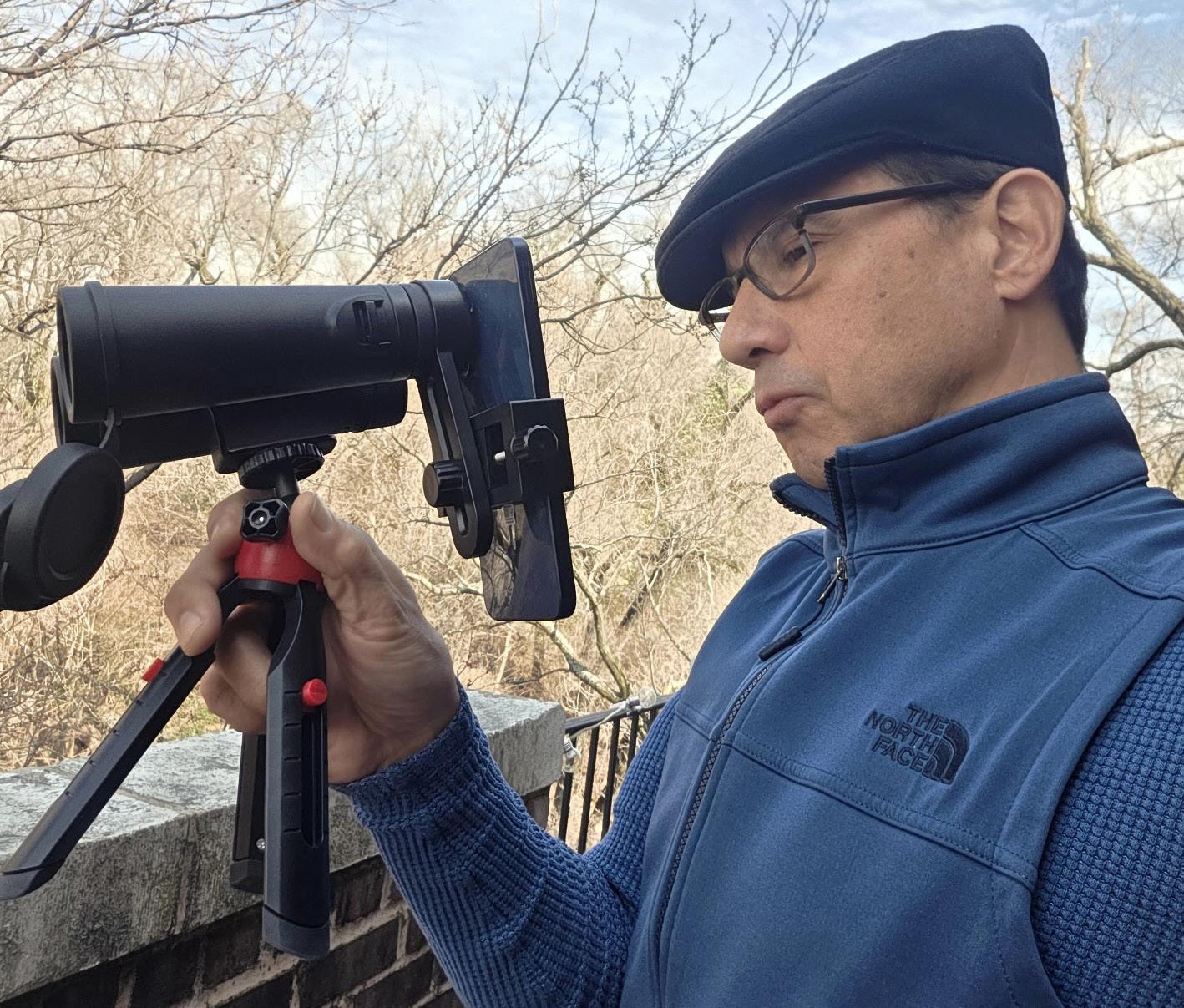

ing the clinic, being home all the time, it cuts you off from people. You don’t realize how much of your day depends on that until it’s gone.” Now, those small interactions — a question in the hall-
way, a shared sighting, a quick exchange about what passed through that morning — have become part of his routine.
“It’s not a big group, and it doesn’t need to be,” he said.
“But it’s enough. You feel like
you’re part of something again. But I’d like more people to get involved, there’s so much happening right here, and most people don’t realize it. If more people started looking, they’d see it too.”
By Olivia Young oyoung@riverdalepress.com
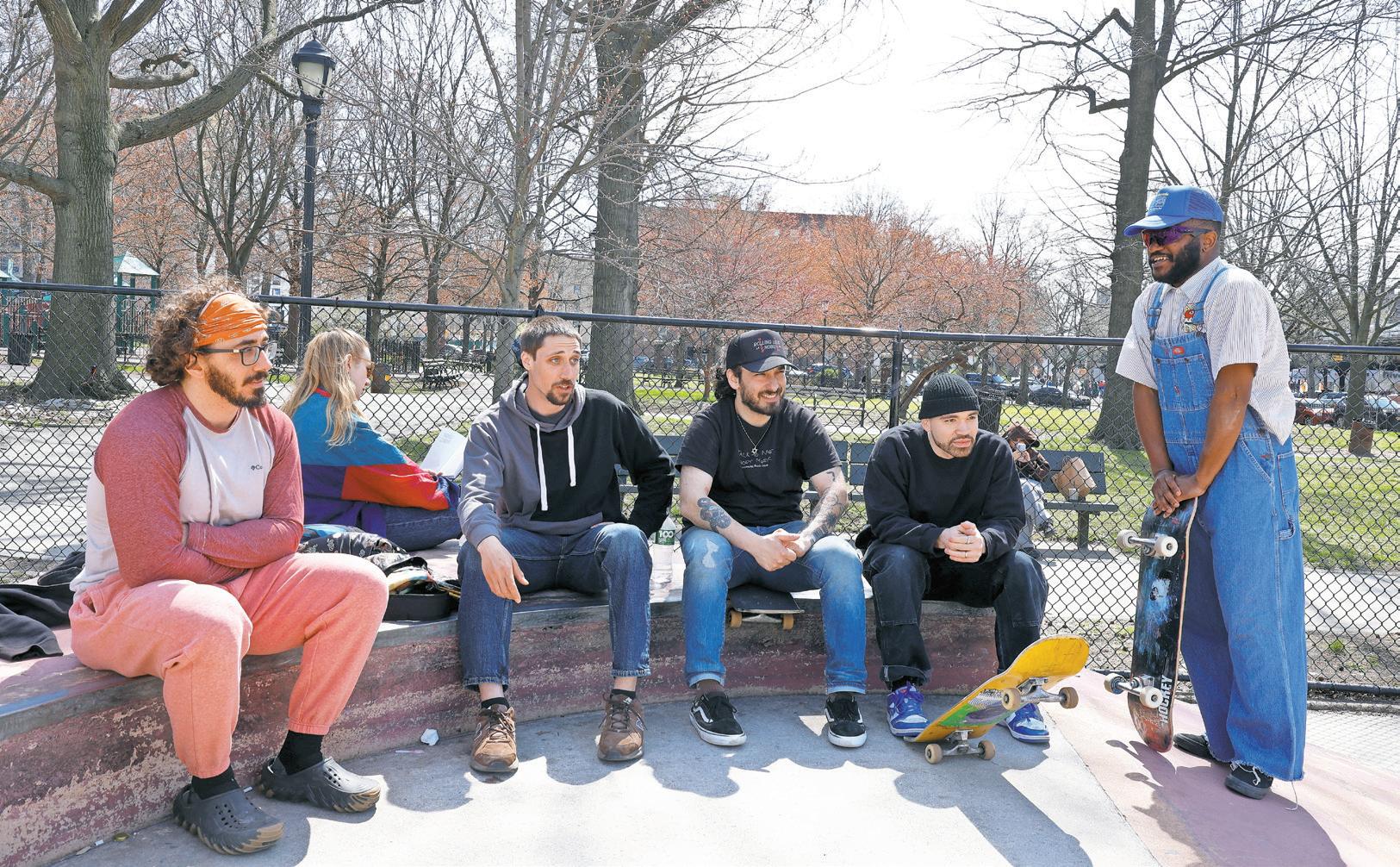
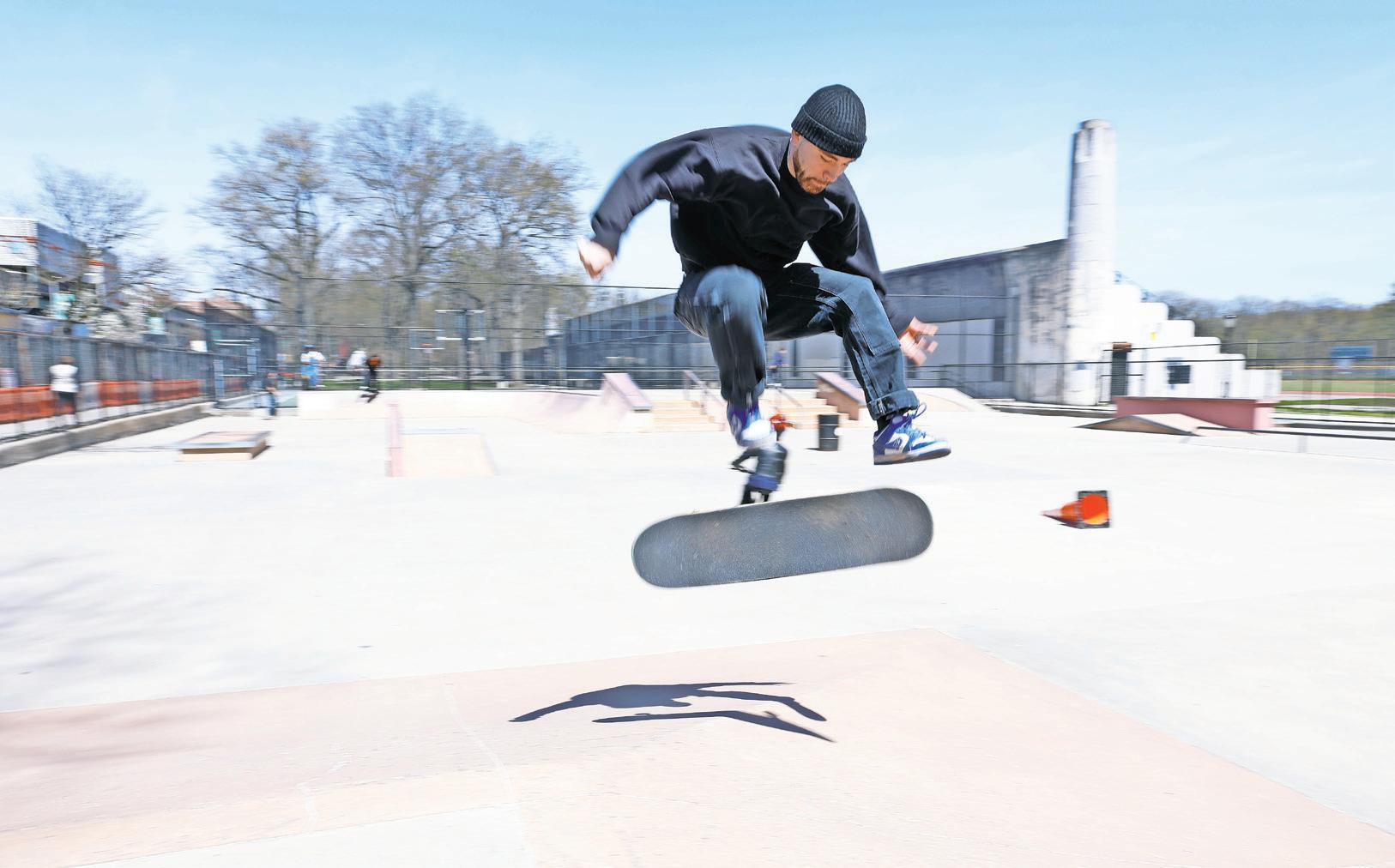
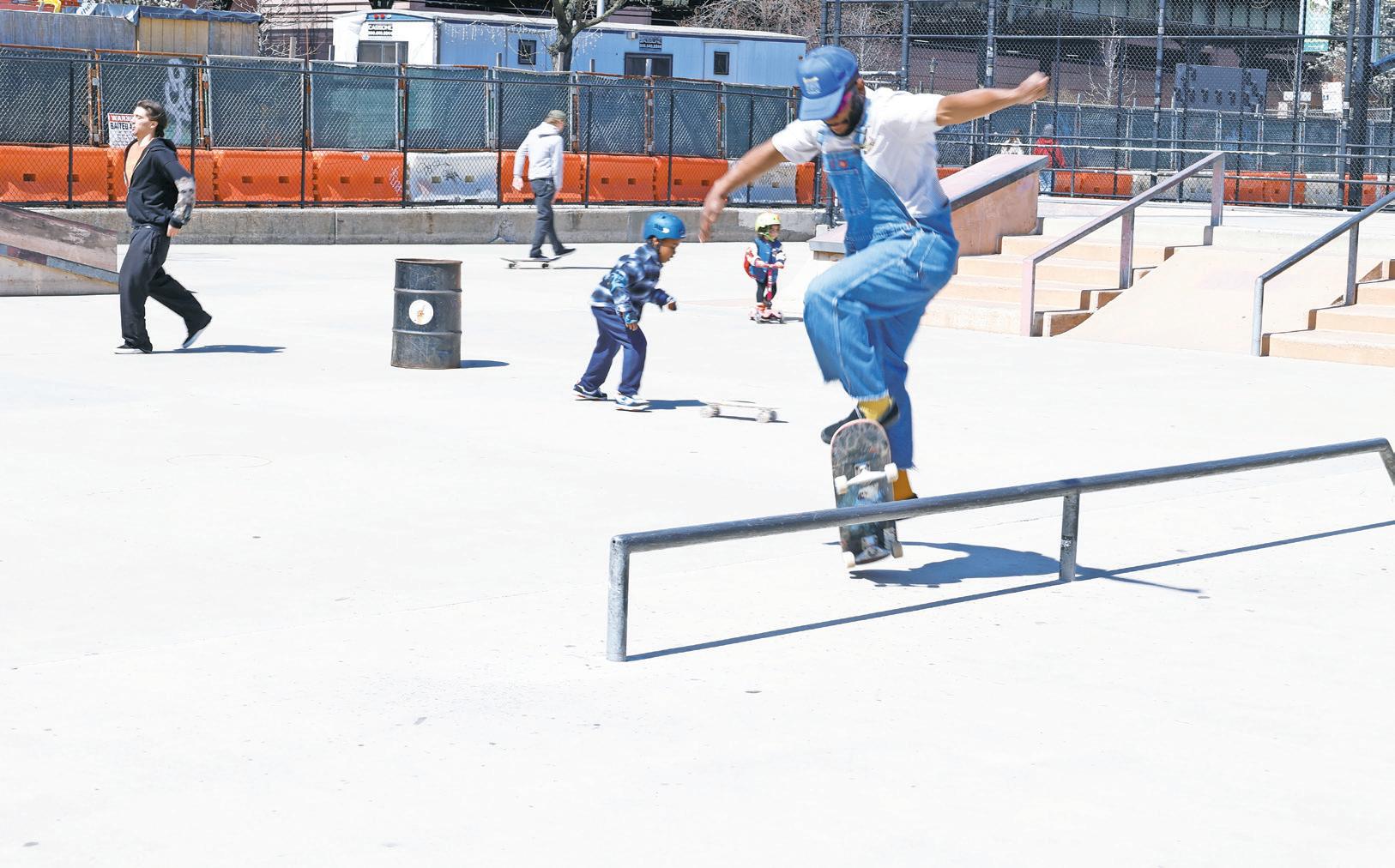
As the first signs of spring settled into Van Cortlandt Skate Park — budding trees, warm sunlight and a course beginning to fill with young skaters — five men sat atop a ramp, reminiscing with one another as they took turns gliding along the park’s features. More than 15 years ago, the Van Cortlandt Skate Park was a concrete lot with a few basketball hoops, until a group of Riverdale teenagers started pushing to give local skaters a place to call their own. Years have passed since they were huddled around a makeshift drawing of what they envisioned for their dream skate park, but some of them, now in their early 30s, still find time to ride once a week or so. Others haven’t picked up a board in years. “It’s an outlet where everything is up to you,” said Aaron Sherbakov. “You skating is exactly what you make of it.” Sherbakov, Michael Alfano, Eusebio Baez, Jeremy Perez and Michael Roberts met as kids, some through Riverdale/ Kingsbridge Academy and others through the local skate scene. When advocacy for the park started around 2010, the crew pushing for it — named Pixelated, a title members said they inherited from older skaters — was about 10 teens strong, but at the forefront of the project was Alfano. At the time, 14-year-old Alfano was an intern with the Van Cortlandt Park Alliance, he pitched the idea for a Van Cortlandt skate park to some of his supervisors, who encouraged him to take it to former City Council member Oliver Koppell. Alfano said Koppell told him if the community could get behind it, he would make sure the money was secured. Before the park was built, Alfano recalled cruising down Independence Avenue, doing what is known as street skating, where the group earned a reputation with neighbors for being a “nuisance to everyone,” Alfano said. He picked up the sport at 13 years old, after friends introduced him to it. Aside from street skating, the teens would ride around the basketball court at Seton Park, in local school parking lots, or take the train into Manhattan to skate parks downtown. But as time went on and they got older, the need for a central community hub grew.
So, the teens started rallying residents. They attended Bronx Community Board 8 meetings to win over members, and con-
vinced neighbors that it would be a less disruptive place for the skaters to gather — something that was quickly supported, Alfano said. Alfano, who is now an arborist, said skaters in the early 2000s were labeled as “criminals, vandals [and] hooligans.”
But that wasn’t true, he explained.
“If you were within the community, it was the complete opposite,” Alfano said. “You could go into the worst neighborhoods and be around people that you would never expect to get along with, and just because you both have skateboards, everybody is your family … And they look out for each other.”
Whether it was tipping off other skaters to police presence while they were riding the streets, or lending a tool to fix a broken board, the support across neighborhoods was unconditional, Alfano said.
It wasn’t until 2017 — seven years of advocacy — that the Van Cortlandt Skate Park finally broke ground. Even then, the group stayed active throughout design and construction to ensure it would come to fruition after so many years of waiting, Alfano said. The long timeline was mostly caused by delays in finalizing a spot, and navigating community concerns such as safety, lighting and fencing.
“It was a pretty lengthy process,” Sherbakov said. “We were not the first people to propose a skate park, we just happened to be the people that got it done.”
Perez, who now does marketing for a leather restoration company, said before the park was constructed, the ground was like sandpaper. Now it’s smooth, and he and several of the other men described the skate park as having a satisfying flow to it.
“It feels like no matter how you skate it, it moves in a circle,” Perez said. “There’s a lot of big open space, you’re not just tied down to skating obstacles … you can cut it up with the homies on the side if you want to. Whatever it is, there’s a little bit of something for everybody.”
Even all these years later, Sherbakov said the park has hardly changed. Other skate parks in the city rapidly decay due to misuse from the riders, or city agencies not keeping up with maintenance, he said, but Van Cortlandt Skate Park is different.
Part of the reason for that is the community it has attracted and continues to foster. Sherbakov said the fact that the group still sees each other regularly, decades later, is a “testament to Riverdale.”
“There’s something about it that is not quite like the rest of New York City,” he said. “It’s very fulfilling as a place to live.”
The part-time musician, part-time driver said within the skateboarding community, there is a certain “nod to each other.” It’s in the minute details, he added, such as a wear pattern on shoes, or the way the inside wrist of a shirt sleeve always appears ripped from rubbing against the grip tape of a board.
“It goes so far beyond city, state, country,” Sherbakov said. “I’ve been in other countries and seeing those signals say, ‘Hey you skate?’ … It starts up a conversation.”
In Riverdale, members of the group have made an effort to build that sense of camaraderie with the generation after them. Some, especially Perez, have built a relationship with the younger kids that frequent the park. Perez noted the sport is not very cheap or accessible for some, and he always makes sure to offer up any old skating supplies.
“I teach the kids what I know any chance that I get,” Perez said. “Any boards that I have that I’m no longer using … I just ask the kids, ‘Hey, do you need this? You need that?’ And that goes a long way.”
Ideally, he’d like to see more government funding for skate parks, and said it helps keep kids off the street and gives them more of a reason to be active.
Roberts, who now works at a dog daycare facility and is unable to skate due to injuries, said the next wave of skaters was front of mind when the teens pushed for the park. They knew it would take years, and most were already starting their careers once it finally broke ground, but thought it was worthwhile anyways. Still, the feeling is bittersweet, Roberts said.
Looking onto the skate park, watching teenagers and toddlers cruise by, Roberts said he’s glad they have a place of their own — somewhere to come together, ride, joke with friends. It’s the kind of space their crew always wanted.
The other men expressed similar sentiments, and hold a deep connection to the sport that played a pivotal role in their upbringing, whether as something that opened them up socially, allowed them a creative outlet or provided a strong sense of camaraderie.
“It’s falling and getting back up,” Perez said. “It’s continuing that process and falling in love with the feeling of finally succeeding. I think that’s what drives every skater.”






























By Olivia Young oyoung@riverdalepress.com
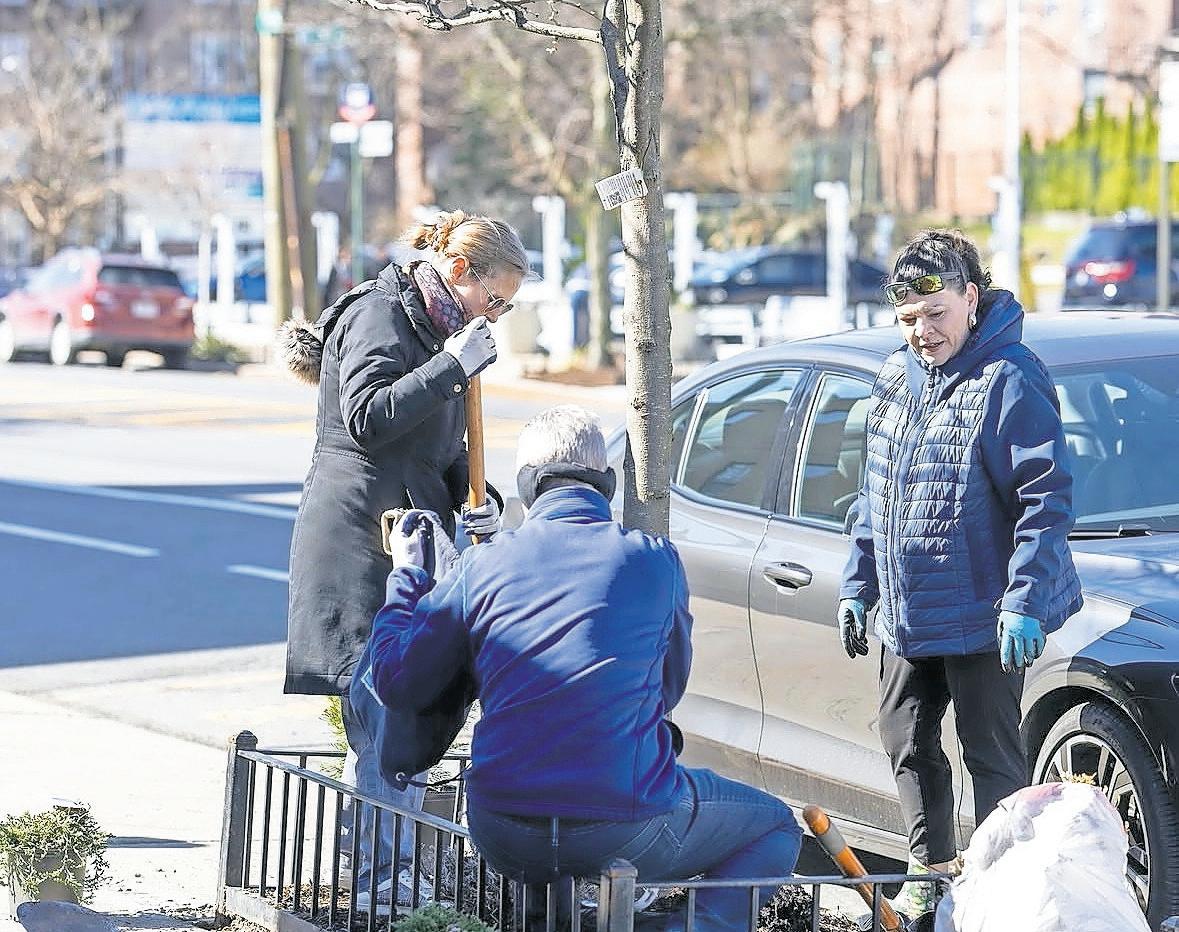
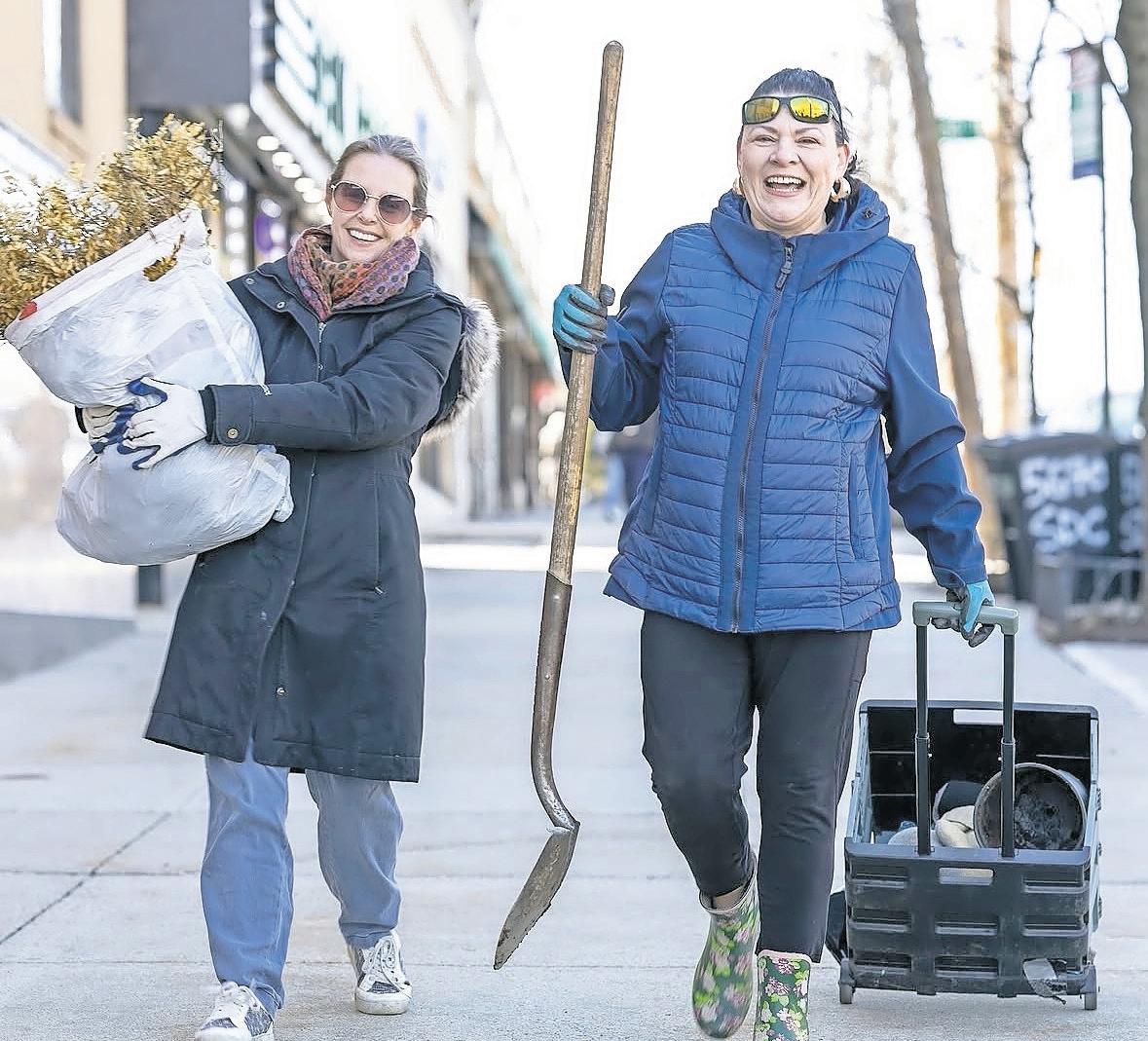
North Riverdale residents may notice signs of spring with bright, new plants blooming, the smell of fresh mulch in tree pits and litter-free streets. Behind it is the Riverdale Main Streets Alliance, whose Streetscape Committee kicked off the season March 28 with their first beautification efforts of the year.
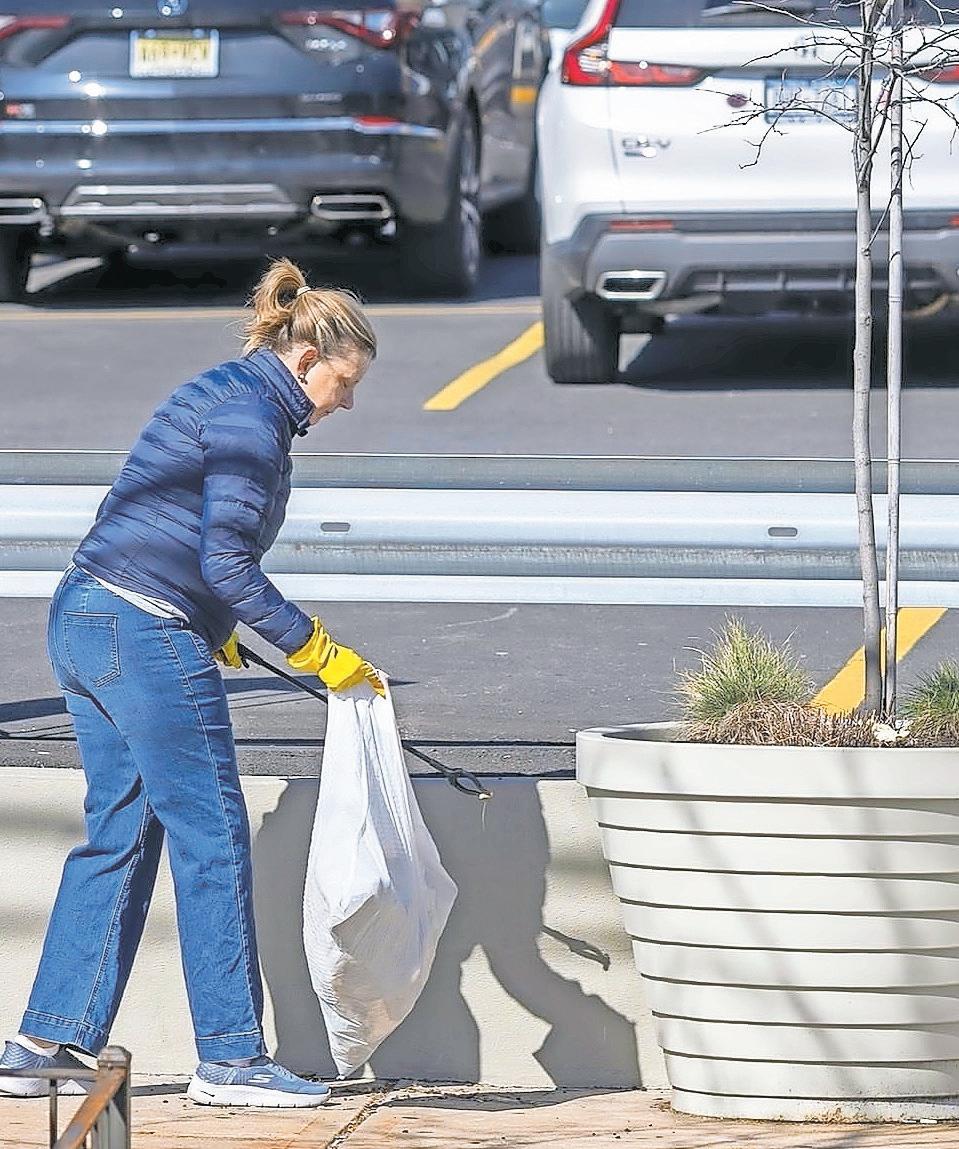
The alliance, which is entirely volunteer based, said more than 25 participants helped plant pansies and hardy shrubs, in addition to picking up dead plants, leaves and trash. By the end of the day, alliance board secretary Denis Haxhija estimated more than 30 garbage bags had been filled, and between 15 and 20 plants were put in the soil.
The cleanup initiative ran for about two hours along Riverdale Avenue from West 253rd Street to West 261st Street, as well as Mosholu Avenue down to Broadway, alliance board member David Quart said.
Quart joined with the alliance in 2018, and works fulltime at civil engineering firm Vanasse Hangen Brustlin, Inc. He said the cleanup initiative has grown since he’s been participating, and several years ago it was only a handful of volunteers who showed up.
Quart said the March 28 cleanup felt fun and productive, and passersby extended their appreciation that the group was working to upkeep the neighborhood. He added the amount of volunteers allowed them to cover a lot of ground quickly.
“North Riverdale needs some love,” Quart said. “I find it very satisfying to contribute to the neighborhood in a way that’s tangible.”
Haxhija has been with the alliance since 2023, and works at the real estate firm Brown Harris Stevens. He echoed Quart in the fact that volunteer turnout has only grown. They span all ages and walks of life, he added, noting some of the participants from the March 28 cleanup were Riverdale/Kingsbridge Academy students.
Riverdale Main Streets Al-
liance was formed in 2012 as the North Riverdale Merchants and Business Association. Its volunteers work to beautify the neighborhood’s main streets, and grow the neighborhood economically. Aside from cleanups, they also maintain Sheridan Triangle and a garden in Van Cortlandt Park near West 261st Street, Haxhija said.
“If you have all these nice trees and floral arrangements and welcoming sidewalks,” Haxhija said. “That’s going to improve the foot traffic to these small local businesses.”
The alliance is made up of more than 100 community members, nonprofits and local businesses and other organizations with the shared vision of celebrating Riverdale, according to the alliance’s website.
At the March 28 cleanup, the alliance contracted a New Rochelle-based landscaping company, Mario Bulfamante & Sons, that helped lay down fresh mulch in tree pits, Haxhija said.
Haxhija said a date for the next initiative by the Streetscape Committee has
not been set, but the alliance will be doing a small cleanup as part of Riverdale Neighborhood House’s Earth Day Skillshare event on April 19. The organization is also focused on resuming its work on the pollinator garden and mural at Vinmont Veteran Park it

has been planning since last fall, Haxhija said.
“We want everything to look as beautiful as possible,” Haxhija said. “And sometimes volunteers have to take those matters into their own hands … It’s passion, it’s dedication, it’s devotion.”




Riverdale Children’s Theatre
The Riverdale Children’s Theatre, now in its 16th year, presents “The SpongeBob Musical,” performed at the St. Barnabas Elementary School Auditorium, at 413 East 241st St. The show features kids in grades 3 to 8.
Based on the hit Nickelodeon animated series, this vibrant, critically acclaimed production promises to bring joy to audiences of all ages. In addition to visual storytelling, this production includes music from a variety of beloved artists, such as Aerosmith, Cyndi Lauper, David Bowie and more.
Runs Friday, April 17 and Friday, April 24 at 7 p.m.; Saturday, April 18 and Saturday, April 25 at 2 p.m. and 7 p.m.; Sunday, April 19 and Sunday, April 26 at 2 p.m. Visit Riverdaletheatre.org to purchase tickets at $15 each.
Atom Moore: Second Nature Still life and product photographer Atom Moore presents “Second Nature,” an exhibit centered on the anatomy of plants in Wave Hill’s living collection. View the series at Wave Hill through July 12.
Winter Workspace drop-in
The Winter Workspace Drop-In Sunday series provides an opportu-
nity for Wave Hill visitors to deepen their connection with both the arts and their experience of the garden by learning how artists are drawing inspiration from the site.
Wave Hill’s Winter Workspace is a program that takes place over two seven-week sessions and provides artists with free studio space, a financial stipend and access to Wave Hill’s living collection. Since its start in 2010, the workspace has supported more than 175 artists.
During Winter Workspace, the artists have intimate access to the greenhouses, as well as horticultural and curatorial staff. Experimentation is encouraged, and artists expand their practices while working on site.
At the core of the Winter Workspace is the recognition that creating art within the context of a garden is a unique experience.
During Drop-in Sunday, visitors can mingle with participating workspace artists in their studios, ask questions, and learn about their creative practice. It runs weekly from 1 to 3 p.m., with a different group of three or more artists participating.
At the RiverdaleYonkers Society for Ethical Culture
Ethics for Kids
Facilitated by Naa Pappoe, Ethics for Kids introduces children to social
justice, science, history, self-expression and empathy through stories, the arts and play.
The series, held at the Riverdale-Yonkers Society for Ethical Culture helps young learners explore what it means to live ethically. Designed for children ages 4 to 10, but open to all. Email growingethicsrysec@gmail. com to RSVP.
Sessions are held every Sunday at 10:30 a.m.
Earth Day Skillshare
In honor of Earth Day, stop by the Riverdale Neighborhood House for a jam-packed afternoon of workshops, crafts, garden tours, a tree giveaway, a resource fair and more.
Workshops include cooking with scraps, composting 101, creating nature journals with recycled materials and more. This event runs on Sunday, April 19 from 1 to 5 p.m., and is perfect for neighbors of all ages looking to celebrate our environment. It is free and open to all. Pre-registration is encouraged to secure your spot at a workshop and can be done at riverdaleonline.org
Sing Like A Star
This singing workshop runs every Wednesday starting at 6:30 p.m. at the Riverdale Neighborhood House. It will introduce participants to vocal
techniques such as breathing, posture, tone and singing on key.
Students will learn basic music theory, vocal warm-ups, expanding vocal range and developing stage presence. They will sing both acapella and accompanied by live instruments.
Taught by Mike Flanagan, a musician and singer with over 40 years of experience, the workshop is open to anyone over the age of 15, and is designed for all levels. Register at riverdaleonline.org
Creative Nonfiction
Ready to unlock the power of your words? Taught by Anna Purves, a local writer and professor, this creative nonfiction workshop will give you the tools to craft rich and impactful writing that captures your story. Open to anyone over the age of 18, this workshop is the perfect place to refine your voice and explore your experiences. Join us to develop your writing, express yourself in your voice and connect with others in a creative environment. Runs every Thursday at 6:30 p.m. Register at riverdaleonline.org
Riverdale CSA
The Riverdale CSA, Community Supported Agriculture, is accepting members for its 2026 season. Deliveries of organic and biodynamic vegetables from Hawthorne Valley Farm are made weekly on Thursdays from 3:30 to 7:30 p.m. from early June to
November to the Riverdale Neighborhood House. Full shares and partial shares are available and include seven to 10 vegetables each week. Fruit shares can be purchased that include organic strawberries, blueberries, stone fruits, apples and pears. Also available are a wide variety of local dairy products, baked goods, meats, poultry and eggs. CSAs are mutually beneficial for farmers and communities. For more information about this and the current Winter-Spring CSA with Clatter Valley Farm, go to riverdalecsa.org or email riverdalecsa@ gmail.com.
Stretch and Strengthen
Start your mornings with a light movement class at the Riverdale Neighborhood House. Classes are held on Wednesdays from 10 a.m. to noon. A social hour with refreshments follows, offering a chance to chat with neighbors. Visit riverdaleonline.org to register.
At Inner Space Yoga
Beginner yoga series spring session
Led by Kendra Jackson, this fourweek series provides a structured approach to understanding the yoga process, basic poses, the difference
Leon G. Tsinberg, ESQ www.riverdalelegal.com
Sarah Andrew-Madison,
between good and bad tension, and how to move between poses with ease. The series runs on Saturday, April 18, April 26 and May 2, fr om 11:30 a.m. to 12:30 p.m. Reserve a single class for $30 or the entire series for $100. Visit innerspaceyoga.com to register.
Baby storytime
Join baby storytime at Kingsbridge Library on Thursdays at 11 a.m.
Join for a special time to bond with your little one and meet other caregivers. The program will explore the joy of movement, books and songs in addition to building early learning skills you can practice at home. Come prepared to sit with your child on your lap. Best for children who are pre-walkers or crawlers.
Mixed media art for pre-teens
Join every Tuesday at the Riverdale branch for a session of arts and crafts using different mediums such as acrylics, watercolors, clay, beads, paper and other mediums like photograms.
You’ll be simultaneously listening to podcasts like “Stuff You Missed in History Class” and “Night Vale” or just jamming to your favorite playlists.
Related books and resources will also be available for checkout to spark your creativity and help you dive deeper into techniques and other crafts. Runs every Tuesday from 3 to 4 p.m.
Writing Circle Kingsbridge Library hosts weekly writing circle meetings in an intimate setting where participants can share unpublished drafts and give and receive feedback. Attendees must be at least 18 years old. Registration is available at nypl. org; the Google Meet code will be emailed the day before the session. The group meets every Thursday from 10 a.m. to noon.
Riverdale Art Association
Places and Spaces
The Riverdale Art Association invites you to visit its latest exhibit “Places and Spaces” at the gallery at Christ Church Riverdale. Member artists use an array of vibrant, contrasting colors to interpret ways to bring to life their interpretations of place and space using acrylics, watercolor, mixed media and collage.
The parish hall is open Monday to Thursday 10 a.m. to noon. The exhibit runs until April 24.
At Yoga Muse
Yoga en Español Yoga Muse offers a weekly yoga class taught entirely in Spanish. The open-level, slow-flow class is led by Meli Rios and meets every Saturday at 12:15 p.m. Visit yogamuse.co to register.
At the New York
Botanical Garden
The Orchid Show Head to the New York Botanical Garden through April 26 for the annual Orchid show, “Mr. Flower Fantastic’s Concrete Jungle.” This year, the
Enid A. Haupt Conservatory transforms into a dazzling reimagining of New York City. Orchids collide with concrete in scenes inspired by stoops, slice shops and even the subway, creating a vivid fusion of nature and cityscape artistry. Visitors can experience the flair and style of the Big Apple brought to life through thousands of flowers.
At Derfner Judaica
Museum
Envisioning the Sacred: Modern Art from the Collection
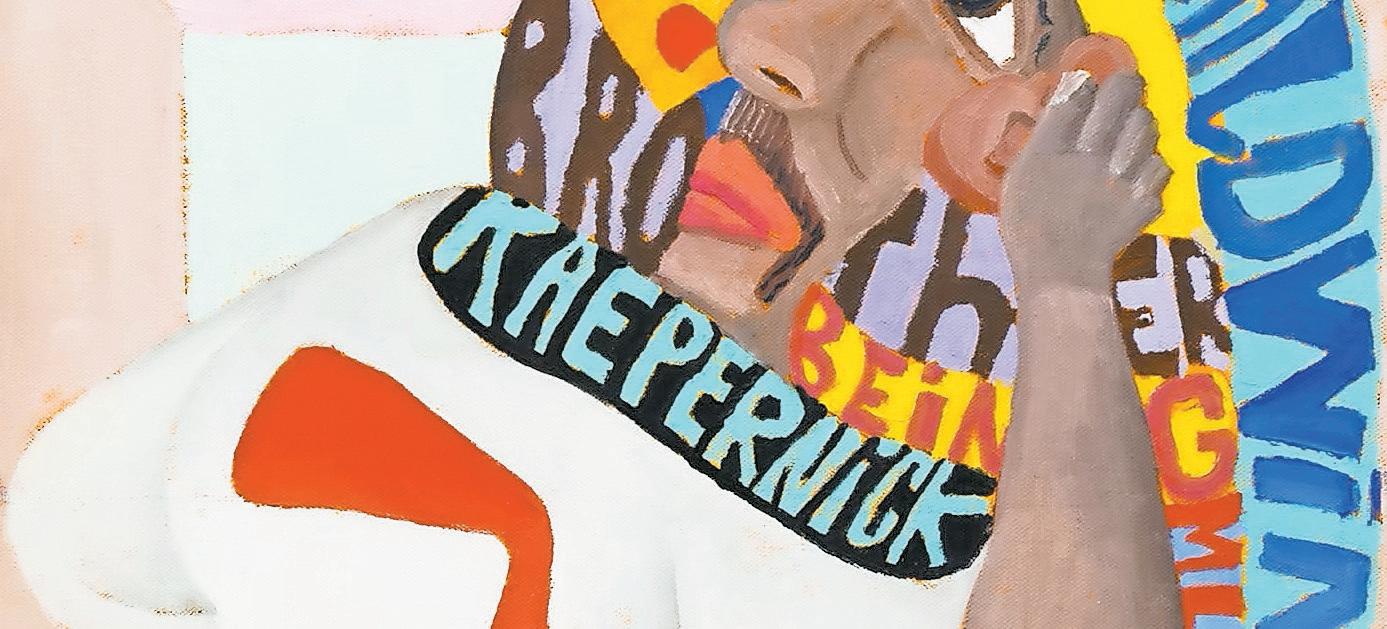
“Envisioning the Sacred: Modern Art from the Collection” features 49 prints, paintings, and drawings from the museum’s permanent collection by 20th- and 21st-century artists working in a range of modernist styles — from figurative to abstract.
These 21 artists explore stories and characters from the Bible, represent Jewish observances and traditions, or take inspiration from language and legend. Many of the artists express their Jewish identities and relationships to Jewish communal experience through their work.
For some, mysticism and quests for spiritual connection are essential features of their art. It runs until Sunday, June 21.
At Van Cortlandt
Forest Fridays
Volunteer with the Van Cortlandt Park Alliance to remove invasive species from Van Cortlandt Park’s Northwest Forest every Friday from 9 a.m. to noon. The work helps promote biodiversity, protect young trees and improve forest health.
No prior experience is needed.
Tools and gloves are provided.
Trail Work Thursdays
Join the Van Cortlandt Park Alliance and fellow residents every Thursday from 9 a.m. to noon to help maintain trails in Van Cortlandt Park.
Tools and gloves are provided for this small-group volunteer event, which is limited to five participants.
It’s a hands-on opportunity to give back to the community while enjoying the Bronx’s natural beauty.
Raise a Glass: An Evening of Music and Revelry
Enjoy an evening of 18th-century tavern revelry with live music, drinks, games, trivia and snacks at the Van Cortlandt House Museum on Sunday, April 19.
Guests will be welcomed into the historic house starting at 4:30 p.m. to enjoy beer, cider and wine alongside tavern snacks inspired by the 18th century. Try your hand at traditional games like skittles and mancala, and settle in as the atmosphere fills with music and conversation.
Local historian Nick Dembowski serves as master of ceremonies for the evening, guiding the festivities while sharing stories about the role taverns played in colonial New York.
At 5:30 p.m., test your knowledge in a round of historical trivia inspired by the history of local public houses. The winner will take home a Van Cortlandt House Museum swag bag valued at $100.
The evening concludes with a special live performance by Linda Russell and Company from 6 to 6:45 p.m., bringing the sounds and spirit of the Revolutionary era to life.
Come ready to mingle, play, and enjoy a taste of colonial tavern culture in one of New York’s oldest historic houses. Proceeds of this event support Van Cortlandt House Museum and Kingsbridge Historical Society’s educational programs.
Woodlawn Family Fun Day
Van Cortlandt Park Alliance, Women of Woodlawn and Woodlawn Taxpayers Association present Woodlawn Family Fun Day featuring the NYRR mobile van, face painting, woodland family walks, nature crafts and games.
Runs Saturday, April 25, from 1 to 4 p.m.
Prom drive
The Kingsbridge Heights Community Center’s Teen Center is collecting new and gently used formal
wear, including gowns, suits, shoes, accessories and more to help local teens feel their best on prom night this year. Drop off donations at the community center, 3101 Kingsbridge Terrace, through April 23, 2026.
Group meditation over Zoom Join this collaboration with The Temple of Enlightenment for group meditation sessions online. It’s a great way to relax and let go during this stressful and uncertain time. This class is free and runs every Monday and Wednesday, from 7 to 8 p.m.
At Riverdale Y
Yom HaZikaron Yom HaZikaron, Israel’s memorial day, holds deep significance for Jewish communities worldwide. It is a day of remembrance, reflection, and solidarity with those who have sacrificed their lives for the defense of Israel and for victims of terrorism.
Join the Riverdale Jewish Community Partnership for the annual Yom HaZikaron Ceremony at the Riverdale Y on Monday, April 20, from 7 to 8 p.m.
At the Bronx Zoo
Run for the Wild Make tracks for wildlife with more than 5,000 runners and walkers through the beautiful Bronx Zoo and help raise funds for red pandas and other threatened wildlife around the world on Saturday, April 25. The 5k race for individual runners will begin at 8:00 a.m. Casual runners and walkers can take part in the 3K Family Fun Run/Walk at 9:00 a.m. Pick up a commemorative 2026 medal after you cross the finish line, and stay for the day to enjoy 265 acres of wildlife and see red pandas up close.
Community sustainability workshop
Head to the Riverdale Y Sunday Market at St. Gabriel’s Church, 3407 Netherland Ave. to join a community
sustainability workshop in honor of Earth Day.
Launched as Riverdale Troop 240 Boy Scout Ethan D’ Souza as an Eagle Project, this workshop focuses on creating a sustainable future. Join on Sunday, April 19, from 9 a.m. to 2 p.m.
The Lehman Center for the Performing Arts presents DISCO FEVER, a groovy musical night of timeless disco hits starring The Trammps, featuring Earl Young, Harold Melvin’s Blue Notes, France Joli, First Choice, Hues Corporation, Musique, Lime, Fonda Rae and Rainere Martin.
The Trammps, Disco’s most soulful vocal group, was formed in Philadelphia in 1972, quickly gaining popularity with their hit remake “Zing Went the Strings of My Heart.” Their success continued with several chart-topping hits such as “Hold Back The Night,” “ Where Do We Go From Here,” and “Where the Happy People Go.”
Their biggest hit was the Grammy-winning “Disco Inferno,” which appeared on the Saturday Night Fever soundtrack.
The show runs Saturday, April 18 at 8 p.m., with tickets priced between $40 and $75. They can be purchased by calling the Lehman Center box office at 718-960-8833.
Bronx Community Board 8 is in session. All meetings held at the CB8 office are located at 5676 Riverdale Ave., Suite 100. Unless specified, all hybrid meetings will be in the office or via Zoom. To access the Zoom link for CB8 meetings, visit their website, cbbronx.cityofnewyork.us/c. April 20 at 6:30 p.m. — Youth April 22 at 7 p.m. —
ColumbiaDoctors
Ava B. Anklesaria, MBBS
Jennifer Caceres, MD
David S. Lee, MD
Enad M. Dawod, MD 3050 Corlear Avenue, Suite 204 Bronx, NY 10463 For appointments, please call: 212.932.4534
ColumbiaDoctors
Talitha Bruney, MD
Reyna Payero, MD
Shinelle Caldwell, DO
Doreen Kramer, CNM
Alison Gruber, MD
ColumbiaDoctors
Gerald Neuberg, MD, FACC
For appointments, please call: 646.317.0130
Kung-Ming Jan, MD
For appointments, please call: 718.601.4800
David I. Sahar, MD
For appointments, please call: 718.601.3700
Ronald Weissman, MD
Dylan Marshall, MD
For appointments, please call: 844.311.1234
3050 Corlear Avenue, Suite 204 Bronx, NY 10463
Affiliated with NewYork-Presbyterian Allen
Affiliated with NewYork-Presbyterian Allen Hospital
INTERNAL MEDICINE
St. John’s Medical Group
Ana Androne, MD - board certified
Thomas Apuzzo, MD - board certified
Kiranprit Kaur, MD – board certified
Klaudia Nowakiwskyj, MD - board certified
Accepting new patients & most insurances Call (914) 207-0004 -1088 North Broadway, Yonkers
OBSTETRICS & GYNECOLOGY St.
Riverdale Eye Associates
Certified
Landzberg,
IApril is Sexual Assault Awareness Month, a time meant to focus attention on a problem that can be hard to look at. It is, at its core, an effort to make something visible that too many people prefer not to examine. The teal ribbons, public service announcements and resource guides seen throughout the month all attempt to do the same thing: remind us that sexual violence exists and that it demands collective attention. April serves as a necessary pause, giving us a moment to consider what safety truly means, and who is expected to maintain it.
What becomes clear during this pause is how much our understanding of safety is built on regulating women’s behavior.
For women, the safety advice is familiar, and rarely questioned by society. Walk in groups. Watch your drink. Do not stay out too late. Be careful what you wear. Let someone know where you are going. Carry pepper spray. Take self-defense classes. Buy an extra lock for your door. Avoid certain areas or activities. The list is so common that it has begun to feel like background noise, a routine set of instructions offered out of concern and repeated out of a combination of habit and fear. It is usually framed as care, and often it is. Parents say it to daughters because they want them to be safe. Friends say it to one another because they worry. Institutions say it because they feel responsible for prevention.
But this concern, even when genuine, has a way of revealing assumptions and shaping our conversations around sexual violence.
The assumption arises that safety depends primarily on the vigilance of potential victims. The assumption is that if women and other feminine-presenting individuals are careful enough, prepared enough, alert enough, and, often, modest enough, they can manage the risks they face. This does not mean the advice is useless — being aware of surroundings and staying in contact with friends can help in many situations — but it does mean that the burden of prevention is unevenly distributed. Growing up as a woman means being trained to anticipate harm long before harm ever occurs. Late-night walks come with keys clutched between knuckles, and frequent glances over the shoulder. Often, when harm does occur, it is looked at through the lens of what the victim could have done better. What were they wearing? How much were they drinking?
By contrast, men are rarely trained in the same sustained and systematic way to ensure that they do not cause harm.
This is not to suggest that men are universally violent or that sexual assault only occurs in one direction. Sexual violence can impact anyone. It is important to remember that people of all genders and orientations can be victims or perpetrators. Many cases do not fit neatly into simple categories or frameworks. Still, the
broader pattern remains difficult to ignore. Statistics consistently show that most sexual assaults are committed by men against women. Yet the most consistent prevention messaging we see focuses on women’s behavior rather than on men’s responsibility.
Many boys grow up with messaging telling them to be tough. Dominant. From an early age, our society normalizes certain power dynamics between men and women, boys and girls. In the early years, schoolyard teasing is often dismissed as “boys being boys.” Later, peer pressure around relationships and “locker room talk” continue to exert their influences on how many young men think and speak about the opposite sex.
The result of these deeply ingrained societal patterns is an imbalance in how accountability is discussed. After an assault, questions often turn toward the victim and their actions. These questions are framed as attempts to understand what happened, but they often carry a subtler implication — that different choices might have prevented the outcome. The focus drifts away from the central fact that someone chose to commit harm. Many victims struggle to come forward, or never do, because of the vitriol and accusations of lying or promiscuity they so often face.
Sexual Assault Awareness Month, at its best, can be a chance to challenge this drift. It creates space to talk about consent, about respect, about the responsibility people have to one another in both private and public spaces. It gives us a chance to think about how we frame conversations around sexual assault, and ensure that rather than ending with warnings for women to be careful, these discussions begin with the expectation that people should not harm others in the first place. Awareness, in this sense, can become less about fear and more about accountability.
What would it look like if that accountability were the default? It would look like boys being taught as consistently as girls that boundaries matter. It would look like conversations about consent being as routine as conversations about personal safety. It would look like shifting the emphasis from avoiding risk to preventing harm. In many places, from households and schools to broader forums, these conversational shifts are already occurring. But there is still work to be done.
The need for caution will always remain, but caution, in discussions about sexual assault, should not be mistaken for responsibility. The responsibility lies with the person who commits the assault, not with the person who failed to anticipate it.
The point of awareness, after all, is not simply to notice a problem. It is to understand it clearly enough to change the norms that allow it to persist.
To the Editor,
April is Earth Month — a time to savor the wonderful planet that gives us bright blue skies, breathtaking mountains, wideopen plains, serene river valleys and lakes, captivating forests, and an endless variety of plants and animals. Earth Month is also time for considering what more should be done to protect it.
Climate scientists agree: human activity has caused rapid warming of Earth. Warming occurred be-
To the Editor,
Congressman Ritchie Torres is up for reelection this November and the Democratic primary on June 23. During his tenure, the congressman has taken part in decisions that either harmed the people of his constituency, the 15th District, or called into question his motives to represent the Bronx. The case for the removal of Ritchie Torres is based on two areas in which the congressman has failed the people of the 15th District: Immigration and AIPAC.
According to Latin Times, in 2025, Ritchie Tor-
res voted yes on the Laken Riley Act, which expands to deport immigrants for non-violent crimes. This has aided the current administration’s ruthless crackdown on American communities. One example of a victim of this law is a 58-year-old Irish woman who was facing deportation for signing the wrong check ten years ago. She and thousands of others more were harmed because of the congressman’s decision to align with the White House’s immigration policy. According to Newsweek, Ritchie Torres even thanked ICE during the 2025 LA protests.
To stop climate change we must use more clean energy — wind, solar, geothermal, hydroelectric and nuclear. America needs to be the clean energy leader, not China, and create the jobs that go with it. Write or call your members of Congress at 202224-312, and remember the proverb: “Treat the earth well. It was not given to you by your parents, it was loaned to you by your children.”
GARY JUMP
fore, but over thousands of years. Current global warming started less than 200 years ago, when we began burning coal, oil, and natural gas, polluting the air with too much carbon dioxide and methane. These gases act like greenhouse glass that lets in sunlight but holds heat. This changes atmospheric moisture flows, thus, some areas get more moisture — more rain, floods, stronger storms — and others get less — more heatwaves, droughts, wildfires — harming people, animals, and plants by disrupting habitats.
A critique of Ritchie Torres’ choices as congressman Lawsuits,
To the Editor,
For the average New Yorker an annual car insurance bill is around $4,000, which is a shocking 60% percent higher than the national average. Why so expensive? Partially because our state’s laws are an engraved invitation for lawsuit abuse and insurance fraud. Under New York’s “comparative negligence” system, even drivers who are ruled to be mostly at fault in an accident can reap big payouts. Minor injuries can snowball into big lawsuits thanks to vague legal defi-
nitions of terms like “serious injury.” These factors would make everyday claims more expensive on their own, but they also create a system easily exploited by bad actors. In 2023, the state recorded 1,729 staged accidents — crashes or other incidents prompted by dishonest drivers looking to cash in on an insurance payout. That is merely the tip of the iceberg: That same year, insurers reported over 38,000 cases of suspected fraud. The loopholes that in -
According to a 2019 to 2024 contributors report by OpenSecrets, the congressman’s largest contributor is the American Israel Public Affairs Committee, or AIPAC, at $676,406 and his second largest contributor is NorPAC, another Pro-Israel lobbying group, at $224,500. He has even questioned the number of Palestinians killed in Gaza, according to The Guardian. Ritchie Torres has failed the 15th District. He has acted against the benefit of his constituency and for that he needs to be removed from Congress.
LEONARDO ALCAIDE
vite this fraud make it more expensive for insurers to do business in New York. This helps drive up insurance costs for all drivers, adding hundreds of dollars in premium costs to the average policy. That represents significant money to many families and small businesses.
Tackling fraud and abuse must be a priority. It simply is not fair to ask those doing the right thing to pay more so that others can exploit weak laws for a quick buck.
JUSTIN SCHWARTZ
Place

E-mail:





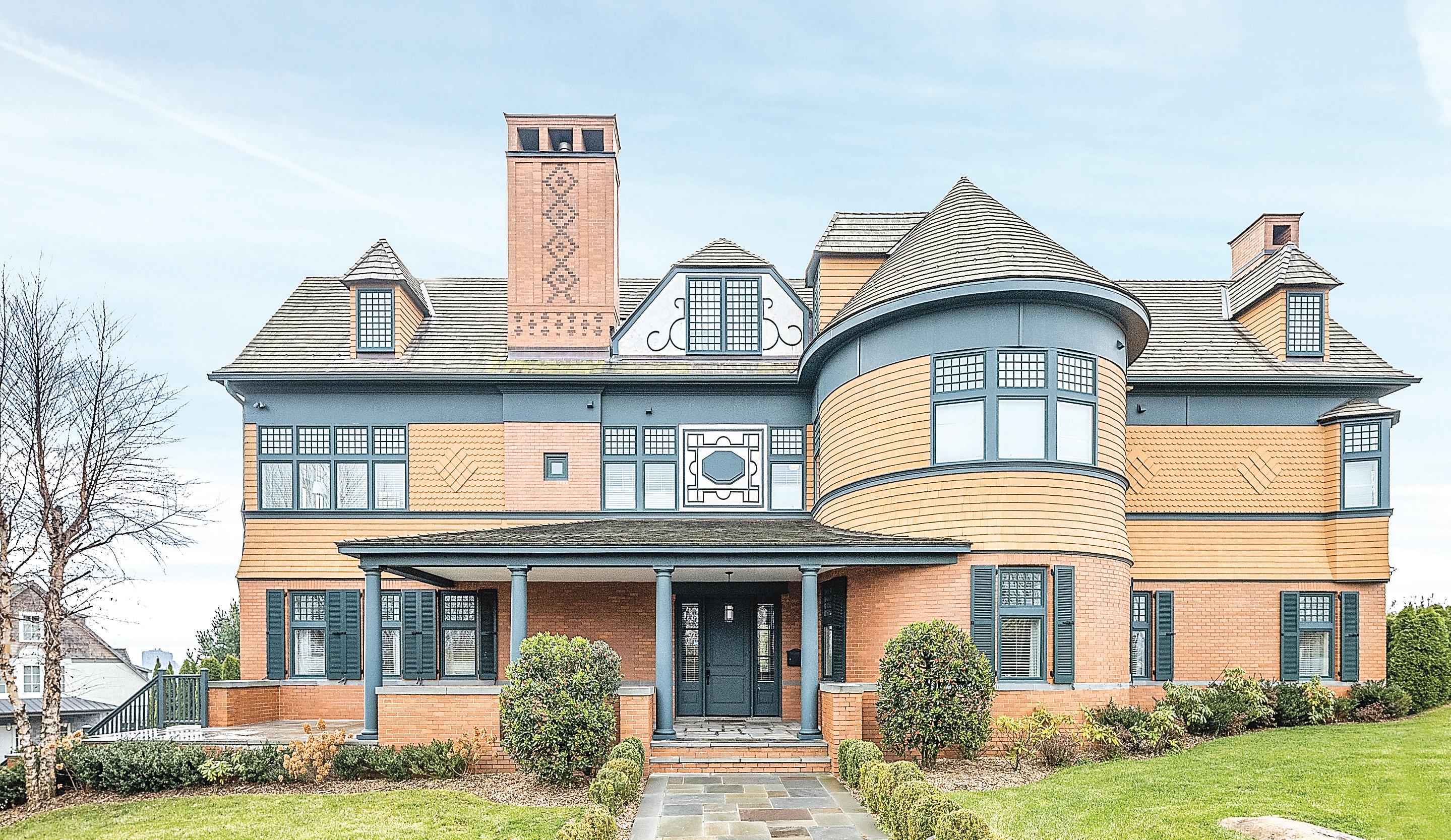
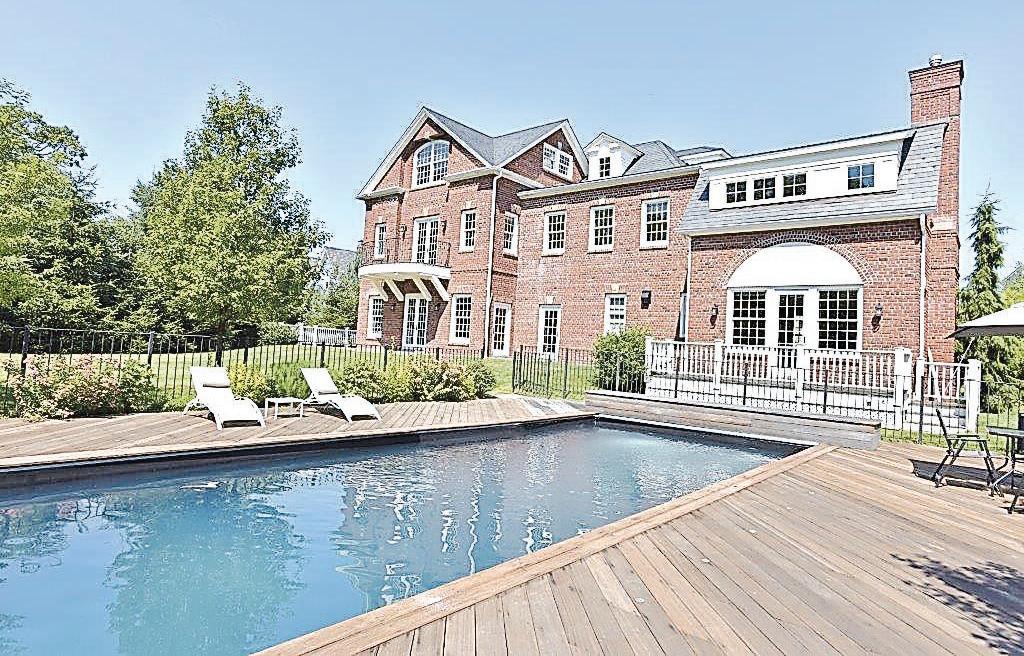
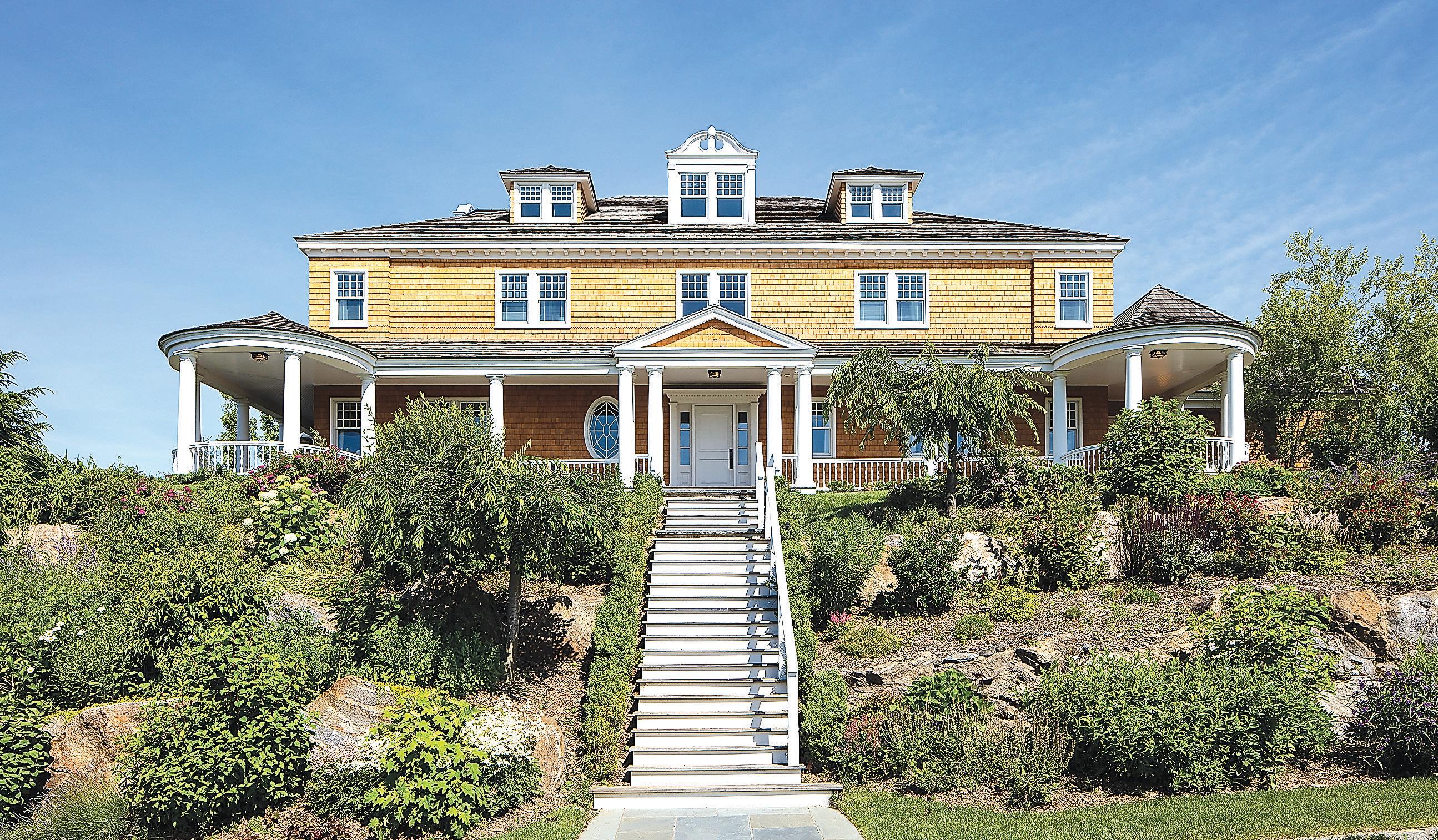

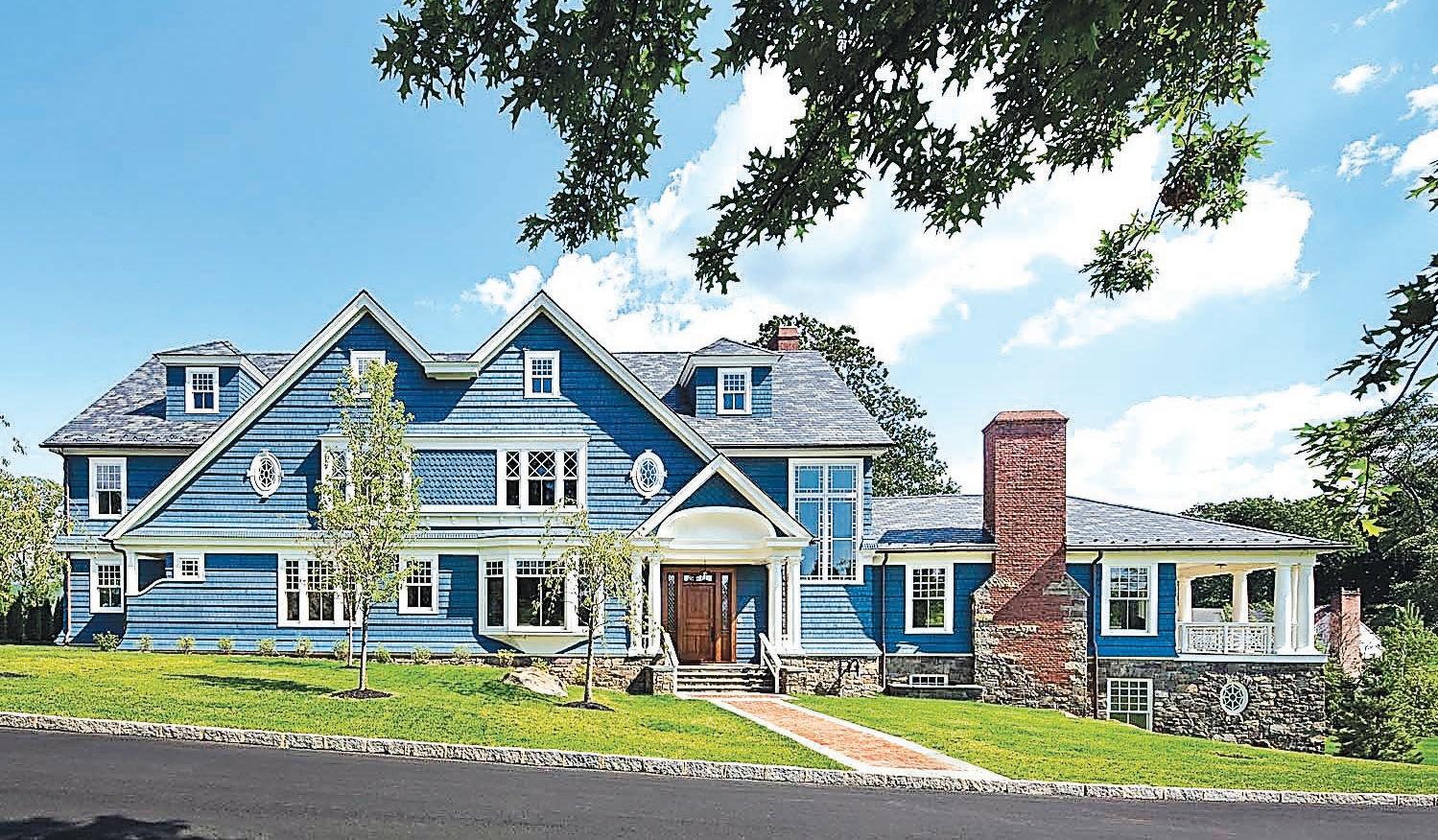
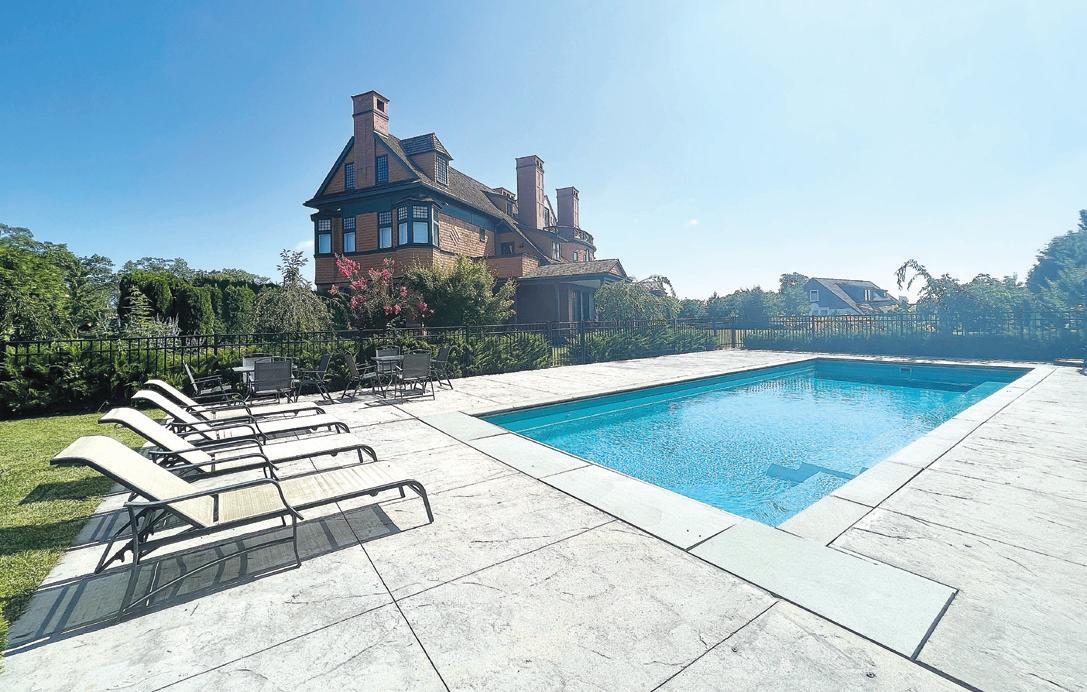
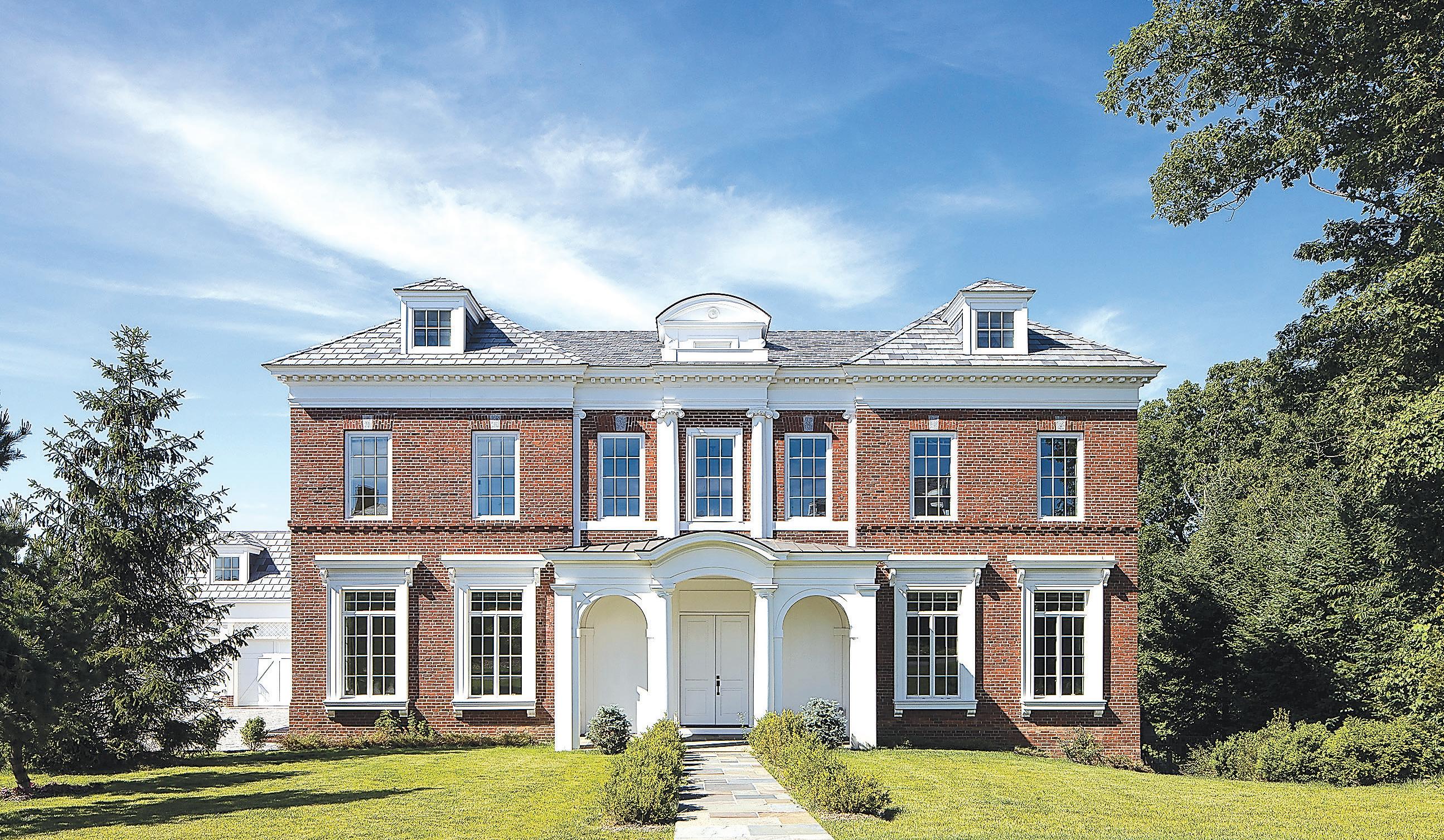


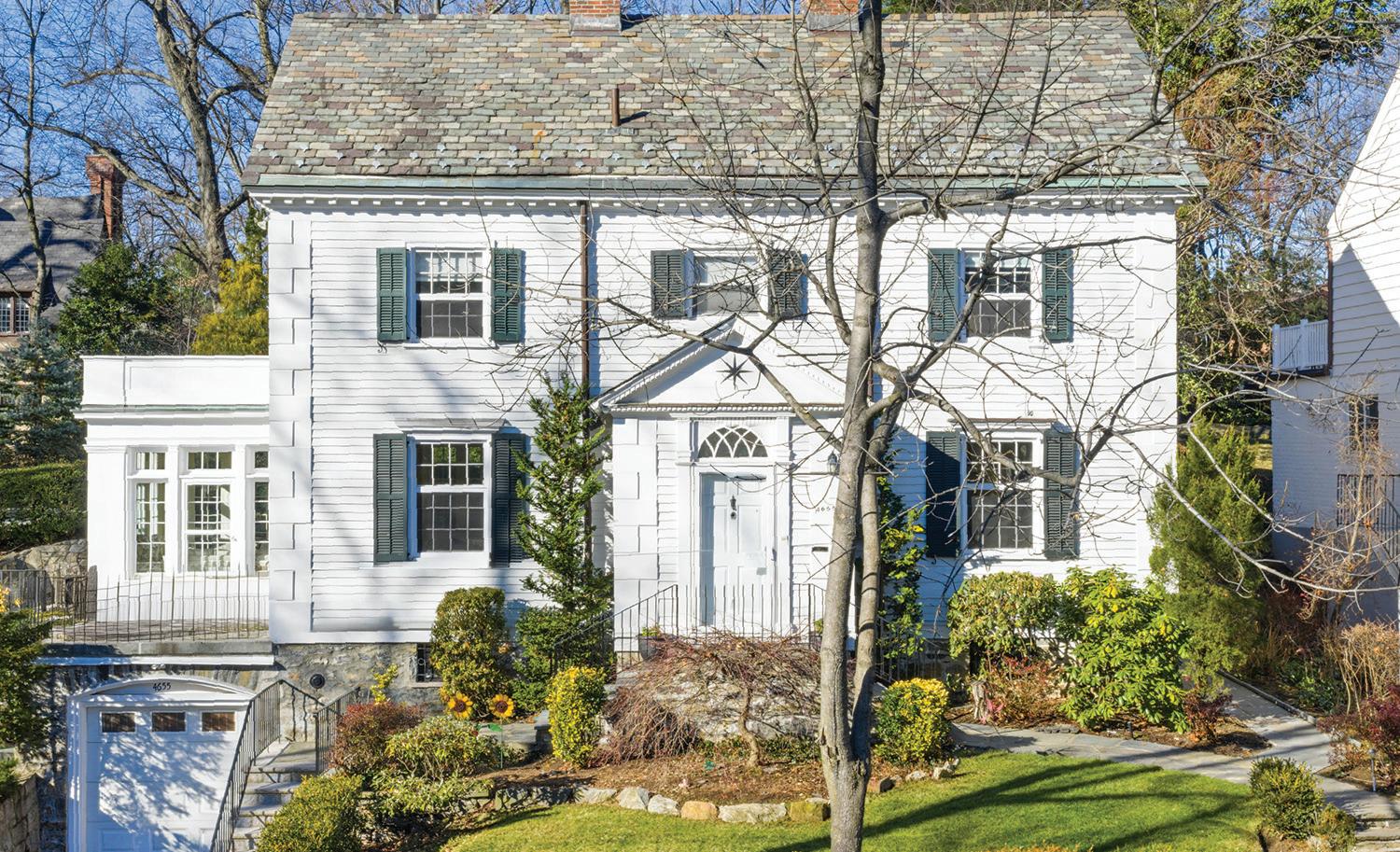
NOTE: Each week’s featured home is chosen at random from among houses and apartments offered by Riverdale Press advertisers. The opinions expressed are those of the advertiser and not The Riverdale Press news department. For further information, write to advertising@riverdalepress.com.


Jackson Santos-Geller of One Of A Kind
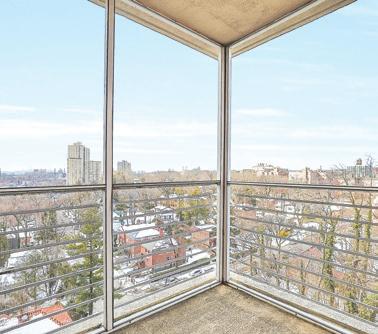
Afully renovated cooperative apartment in Riverdale is now available for $988,000, featuring expansive river views and contemporary upgrades within one of the neighborhood’s well-established full-service buildings
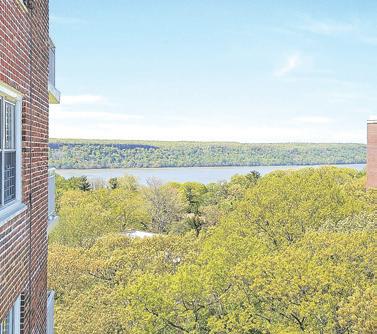
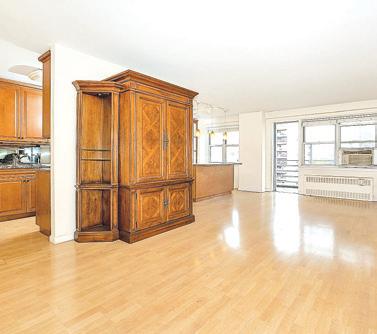
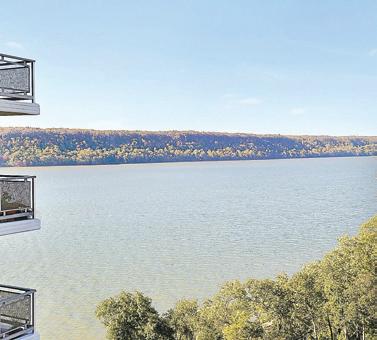
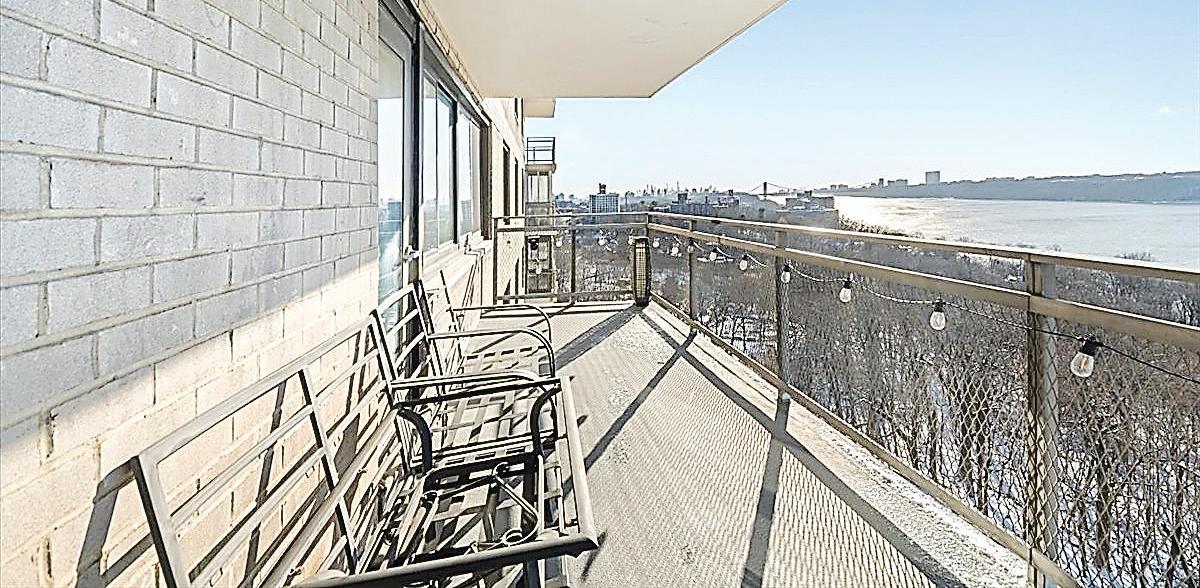
Located at 3671 Hudson Manor Terrace, Apt. 14LM, in the highly desirable Manor Towers complex, the residence showcases sweeping vistas of the Hudson River and the Palisades. Designed with an open-concept layout, the home is filled with natural light and emphasizes its picturesque surroundings. It offers two bedrooms and two bathrooms, creating a comfortable and practical space suited for both daily living and entertaining.
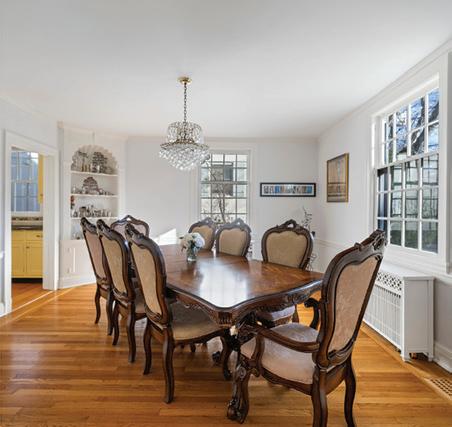
The heart of the home is an enlarged kitchen and dining area outfitted with granite countertops, European-style cabinetry, and premium appliances, including a Viking Professional wall oven, range top stove with self-cleaning oven, dishwasher, and refrigerator.
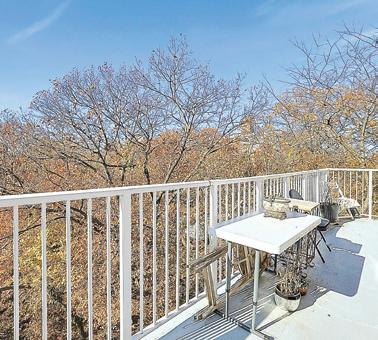
A spacious private terrace overlooks the river, providing an ideal setting for outdoor relaxation or dining while enjoying the panoramic scenery. Additional features include a dedicated laundry room with an approved in-unit washer and dryer, a second refrigerator, and an array of custom built-ins such as bookcases and a walk-in closet with integrated storage solutions.
Residents of Manor Towers have access to a wide range of amenities, including a 24-hour doorman, live-in superintendent, seasonal heated saltwater pool, two Har-Tru tennis courts, central air conditioning, attended parking, bike storage, and pet-friendly policies. Pied-à-terre ownership and subletting are allowed under certain conditions. Situated in the heart of Riverdale, the property provides easy access to local schools, houses of worship, transportation options, and shopping destinations.




$798,000


555 Kappock Street, 11G
$424,000

$320,000


2575 Palisade Avenue, 6C
$318,000 | 1

2465 Palisade Avenue, 1E
$225,000