What’s inside?

What’s inside?
By Michelle Mullen,
Alexa Lewis and Olivia Young mmullen@riverdalepress.com alewis@riverdalepress.com oyoung@riverdalepress.com
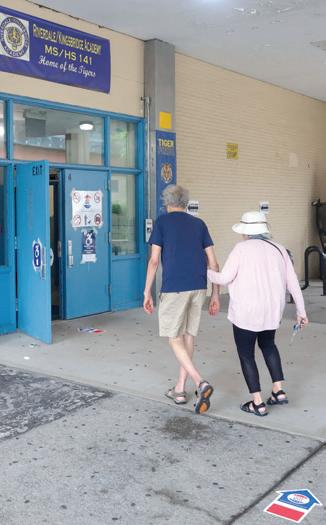
Incumbent candidates in two of the area’s most closely watched races won against their challengers in the June 23 Democratic primary, which drew thousands of local voters to the polls.
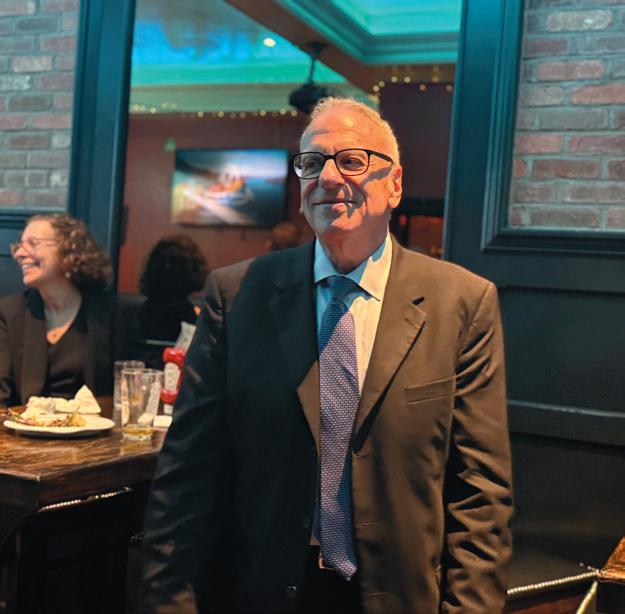
In the race for the 81st Assembly District, incumbent Assembly member Jeffrey Dinowitz defeated challenger Morgan Evers to represent Riverdale, Kingsbridge, Van Cortlandt Village, Kingsbridge Heights, Marble Hill, Norwood, Woodlawn and Wakefield,
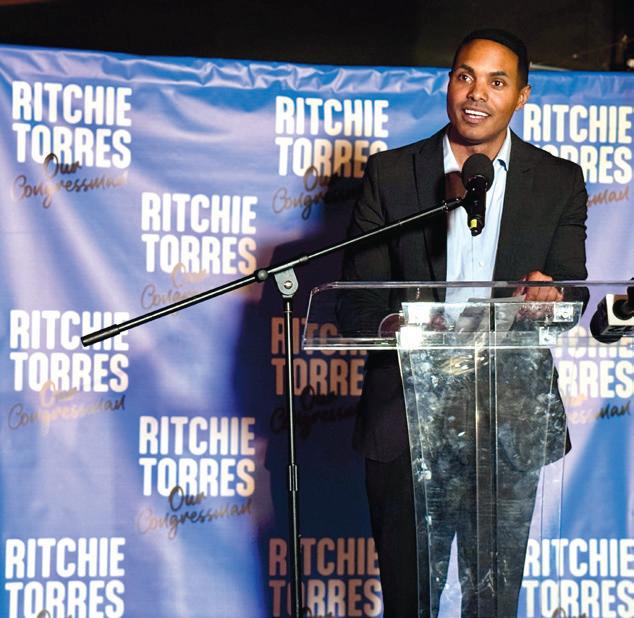
securing 65 percent of the vote with more than 7,400 votes by press time with 96 percent of votes reported, according to election night results from the New York City Board of Elections. In the race for New York’s 15th Congressional District, incumbent U.S. Rep. Ritchie Torres defeated challengers Michael Blake and Jose Vega to represent greater Riverdale and much of the surrounding borough, securing 72 percent of the vote with more than 23,000 votes with 96 percent of votes reported by press time, according to the board of elections.
The Assembly district has been represented by Dinowitz since 1994. He currently chairs the Assembly Codes Committee, which reviews legislation related to New York’s criminal and civil justice systems. He
also serves on the Rules, Health, Election Law and Ways and Means committees. Throughout the campaign, Dinowitz highlighted his legislative experience and record in Albany. His priorities, he previously told The Press, included public school funding, tenants’ rights, mass transit and advancing policies aimed at mitigating climate change.
“It feels good that the voters recognized the work that I’ve done,” Dinowitz said after results were announced, adding that, while he stood outside the polls on election day, voters expressed that appreciation. Dinowitz also said he prided himself on running a “positive campaign.”
His challenger, Evers, entered the race with a background as an educator, disability rights advocate and community organizer.
By Michelle Mullen mmullen@riverdalepress.com
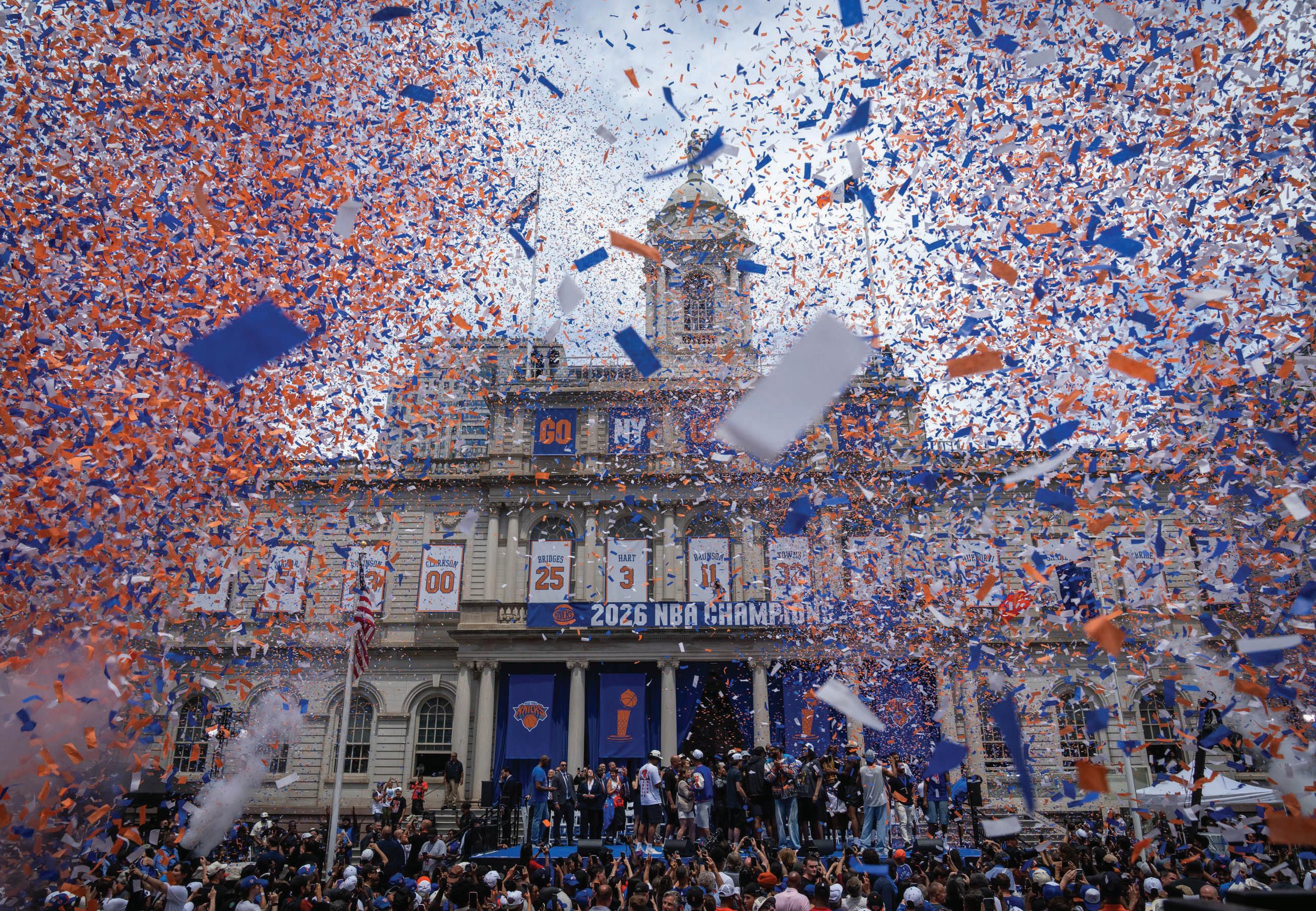
For lifelong Knicks fans, waiting has become something of a civic duty. New Yorkers waited through disappointments, coaching changes and decades of near misses. On June 13, after 53 years, the Knicks beat the San Antonio Spurs 94-90 to win Game 5 and clinch the Finals 4-1.
The decades of waiting finally gave way to a historic celebration.
On June 18, millions of fans, Riverdalians among them, poured into lower Manhattan for the New York Knicks’ first ticker-tape parade since 1973, transforming the Canyon of Heroes — a one-mile strip of Broadway running from Battery Park to City Hall — into a sea of blue and orange. At 4 a.m. that morning, Rob Rodriguez, 46, woke his 17-year-old son, Jack Rodriguez, and headed downtown in an Uber from Riverdale as
far as a car could get them.
“It already was absolutely mobbed by 5:30, which is what time we stepped foot on Liberty Street and walked toward Broadway,” said Rob Rodriguez.
Navigating the streets on foot quickly proved hopeless, he said. “In true New Yorker fashion,” the pair hopped on the R train to Times Square, transferred to the 2, and rode it back down to Fulton Street just to cover a few blocks.
When they emerged, they joined scores of others staking out viewing spots hours before the first float rolled past just after 10 a.m. Despite the crush of people, Rob Rodriguez said the atmosphere remained remarkably upbeat.
Like many New Yorkers of his generation, Rob Rodriguez grew up on the Knicks teams of the 1990s, idolizing the legendary Patrick Ewing. Now, he shares that fandom with his son through annual Christmas Day
By Michelle Mullen mmullen@riverdalepress.com
The plants and trees at Wave Hill and the New York Botanical Garden are more than seasonal displays. Many are living collections intended to endure for decades, even centuries. But as New York’s climate grows warmer and weather patterns become more irregular, horticulturists say caring for those collections is becoming less predictable.
This year’s growing season, shaped by lengthy winter cold, lingering snowpack and sudden bursts of spring heat, offered a glimpse at what gardening in a changing climate may continue to look like in the Bronx.
At Wave Hill and the New York Botanical Garden, horticulturists said increasingly er-
ratic weather — from prolonged droughts and warmer winters to sudden heat waves and cold snaps — is changing not only how they care for their collections, but also what they can grow and what may survive in the future.
This season, after one of New York City’s coldest, snowiest and iciest winters in recent memory, said Jess Brey, senior horticultural interpreter at Wave Hill, staff expected spring to arrive late. Instead, a series of unusually warm days in late March accelerated bloom times for some plants, while others suffered damage from the prolonged cold.
“This was a very different spring,” Brey said. “There were a couple of things that occurred that made it a unique spring.”
trips to Madison Square Garden and nearnightly family viewings during the season.
After the parade, Rob Rodriguez and his son made their way to City Hall for the coveted Knicks championship ceremony. Rob Rodriguez said he wished a few more players had spoken beyond Jalen Brunson, the team’s captain, but he lit up at the sight of the Knicks alumni in attendance — his favorite player chief among them.
“Patrick Ewing was my Jalen Brunson back in the day,” Rob Rodriguez said, adding that watching the organization embrace its former players throughout the season and the playoff run had been one of his favorite parts of the season.
“Once a Knick, always a Knick,” he said Mayor Zohran Mamdani had announced two days before the parade, on June 16, that the city would give away 600 free tickets to the ceremony, with a lottery selecting 300
She previously served as the female state committee member for the 81st Assembly District and helped found the Unity Democratic Club.
Evers previously told The Press her campaign centered on affordability, including preserving affordable homeownership, protecting tenants, expanding access to child care and supporting small businesses facing rising costs.
“I’m proud of the movement we started,” Evers said of her campaign. “And I know this is just the beginning.”
The race was widely viewed as one of the most competitive contests in the northwest Bronx this election cycle, offering voters a
By Michelle Mullen
mmullen@riverdalepress.com
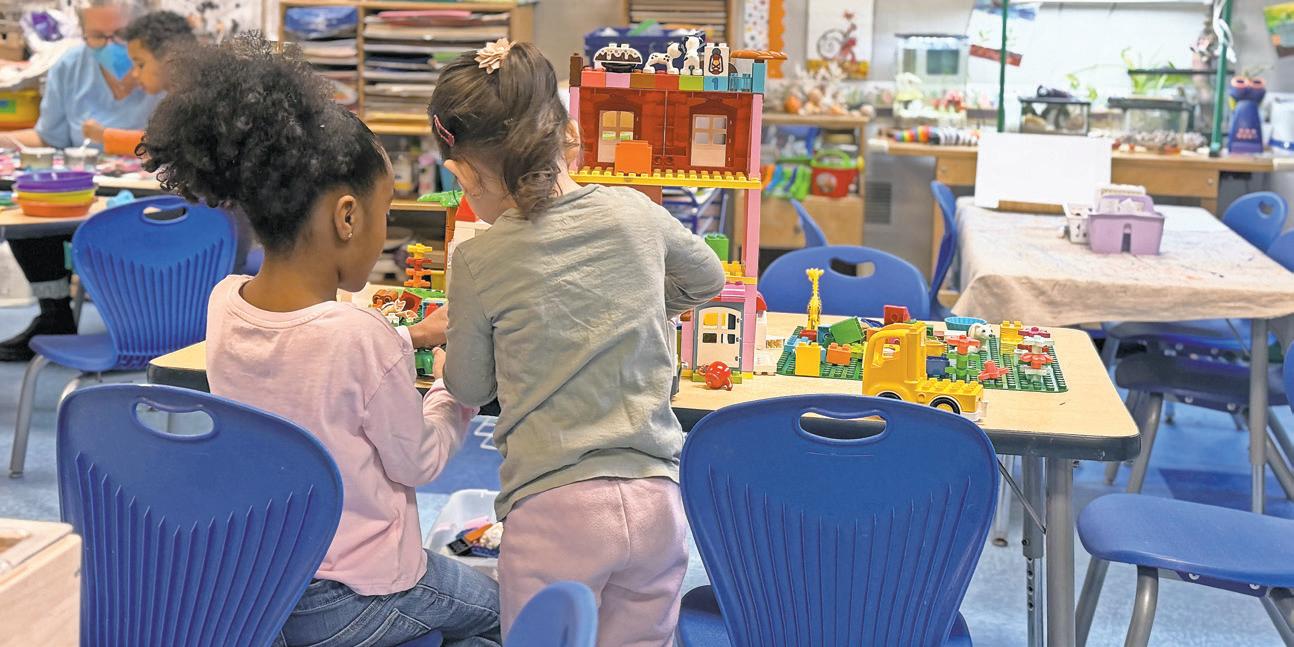
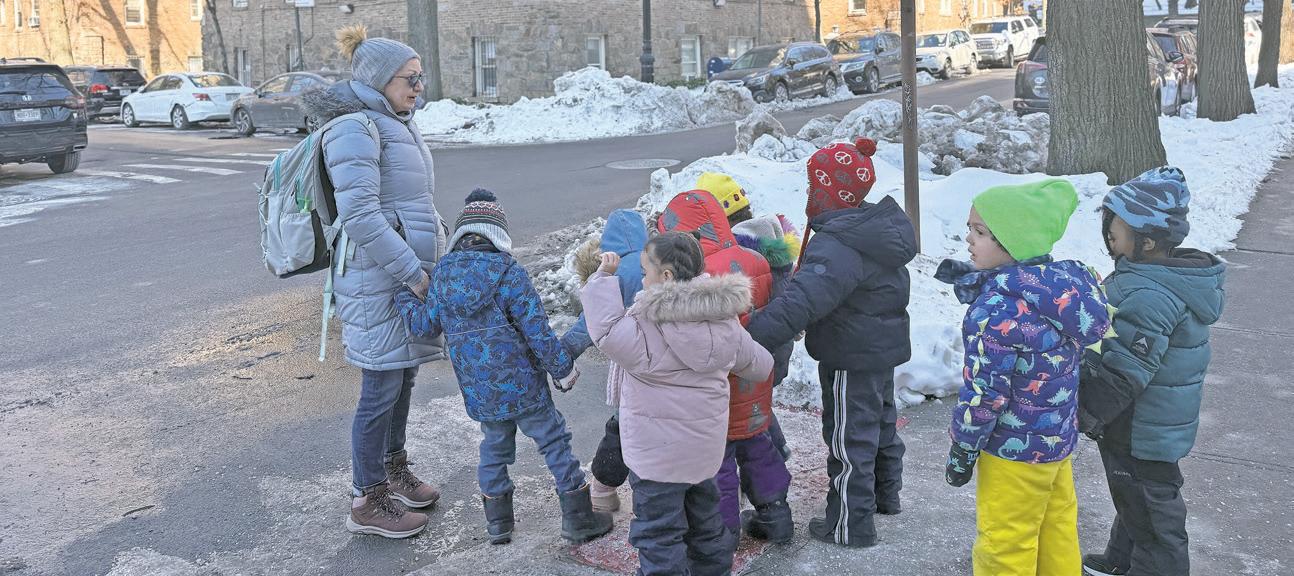
Applications for New York City’s inaugural free 2-K program close June 26, leaving families across Riverdale and neighboring northwest Bronx communities with days to apply for what could amount to thousands of dollars in annual savings on childcare.
The new initiative, launched earlier this month by Mayor Zohran Mamdani, will for the first time offer free care for 2-year-olds regardless of family income. The city launched applications June 2 for roughly 2,000 seats across five school districts, including Community School District 10, which includes Riverdale, Spuyten Duyvil, Kingsbridge, Marble Hill, Van Cortlandt Village and Kingsbridge Heights.
Districts selected for the pilot were chosen based on economic need, anticipated demand, gaps in access to childcare and whether providers had the capacity to expand, according to city officials. Each 2-K classroom will be capped at 12 students. For many families, the financial stakes are significant, New York City Executive Director for the Mayor’s Office of Child Care and Early Childhood Education Emmy Liss told The Press.
“Childcare in New York City has become unaffordable for most New Yorkers,” Liss said. “We know that that has a detrimental effect on families’ abilities to stay in the city, to live here, to thrive, to participate in the workforce.” Parents of infants and toddlers in New York City spent an average of more than $23,000 annually on center-based childcare in 2024, according to a report by the New York City comptroller. The same report found that a family would need to earn more than $300,000 a year for childcare to meet the federal affordability benchmark.
Liss said the program is intended not only to reduce those costs, but also to strengthen early childhood education and make it easier for parents to remain in the workforce.
“2-K is really our first step at moving toward a fully universal child care system, one where families with children under five would have access to free high-quality care,” she added.
The initiative represents the city’s first major expansion of universal childcare since the launch of free 3-K in 2017. Officials plan to increase the 2-K program to 12,000 seats next


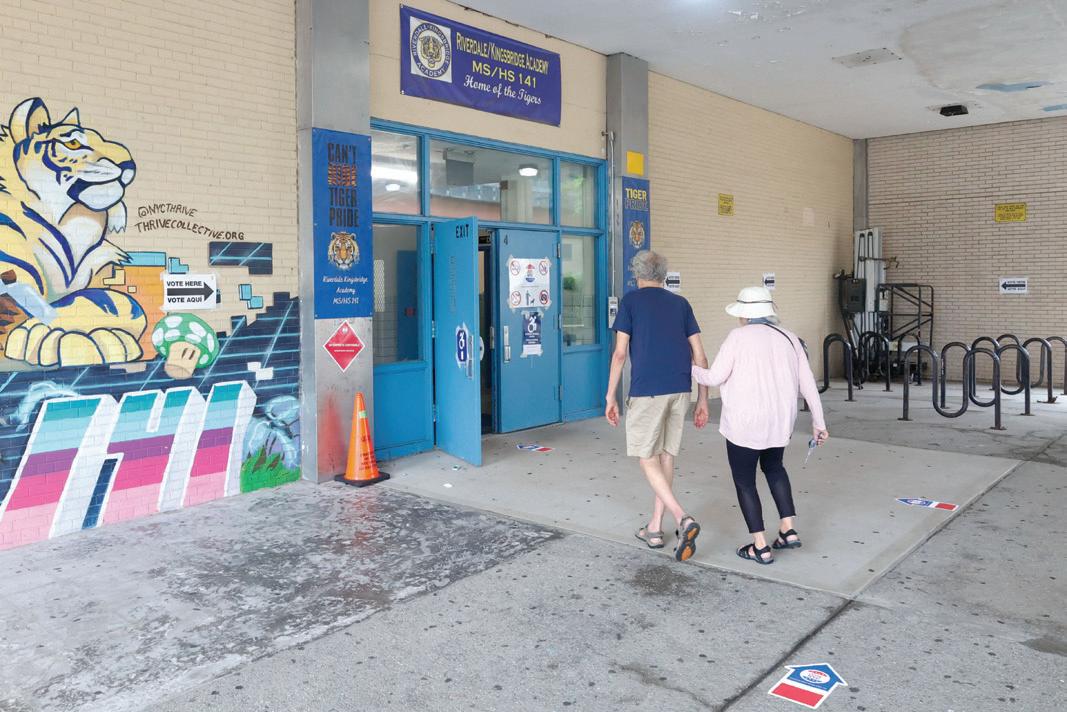
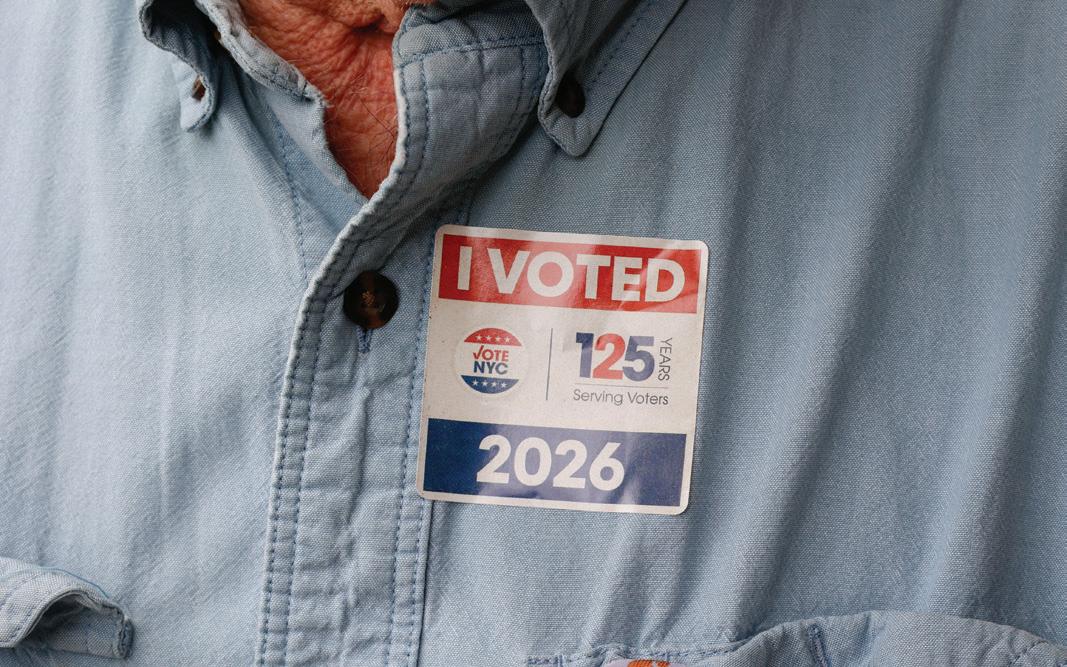
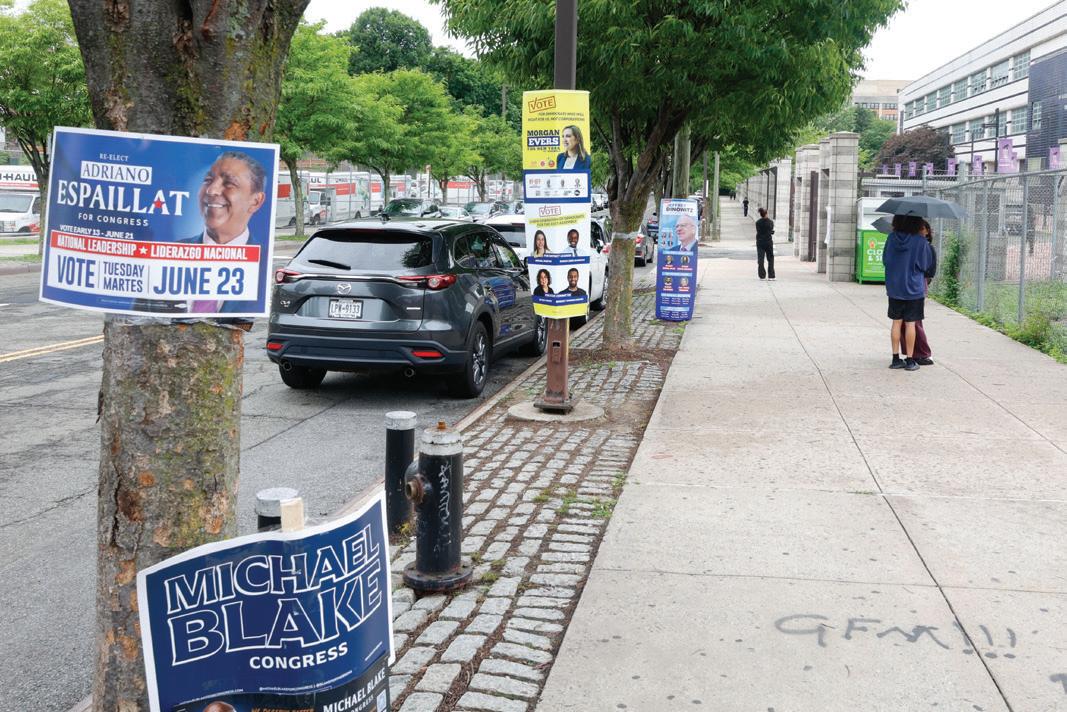
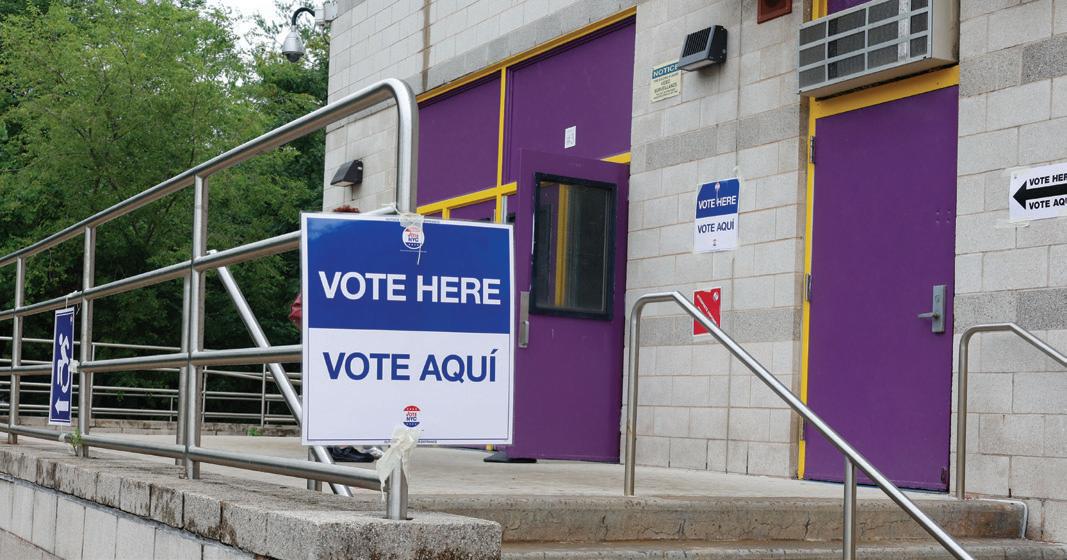
By Emma Alvarado and Alexa Lewis
alewis@riverdalepress.com
Voters in the June 23 Democratic primary election not only selected who would move on to represent them in the general election for Congressional and state Assembly races, but also cast their ballots for several key local positions within the community, such as New York State Democratic Committee members and district leaders for the 81st New York State Assembly District. Those holding Democratic party positions such as district leaders and state committee members do not make laws, but instead serve as volunteer liaisons between the community and county or state officials.
Female district leader
Abigail Martin won the primary race for female district leader for the 81st Assembly District, beating Virginia Krompinger by securing 30 percent of the vote, with a total of nearly 5,600 votes with 96 percent of votes reported by press time, according to election night results from the New York City Board of Elections. Martin’s campaign was endorsed by the Unity Democratic Club and state Sen. Gustavo Rivera.
Male district leader
Ben Jackson won the primary race for male district leader for the 81st Assembly District, beating

Izaiah “Zeek” Barrow by securing 28 percent of the vote, with a total of more than 5,000 votes, with 96 percent of votes reported by press time according to the New York City Board of Elections’ election night results.
Jackson’s campaign was endorsed by the Benjamin Franklin Reform Democratic Club, U.S. Rep. Adriano Espaillat and others.
Female state committee member
Johanna Edmondson won the primary race for female state committee member for the 81st Assembly District, beating Betsey Knapp by securing 32 percent of the vote, with nearly 5,900 votes, with 96 percent of votes reported by press time, according to the New York City Board of Elections.
Edmondson’s campaign was endorsed by the Benjamin Franklin Reform Democratic Club, U.S. Rep. Adriano Espaillat and others.
Male state committee member
Michael Heller won the primary race for male state committee member for the 81st Assembly District, beating Bereket Ghebremedhin by securing 30 percent of the vote, with more than 5,500 votes with 96 percent of votes reported by press time, according to the New York City Board of Elections.
Heller’s campaign was endorsed by the Benjamin Franklin Reform Democratic Club, U.S. Rep. Adriano Espaillat and others.











By Olivia Young oyoung@riverdalepress.com
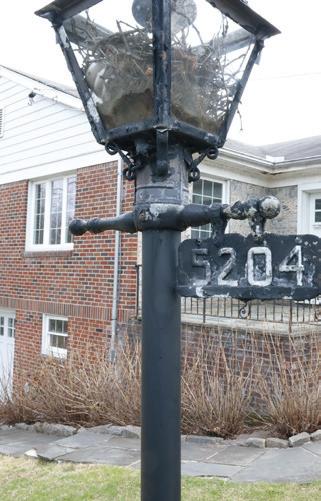
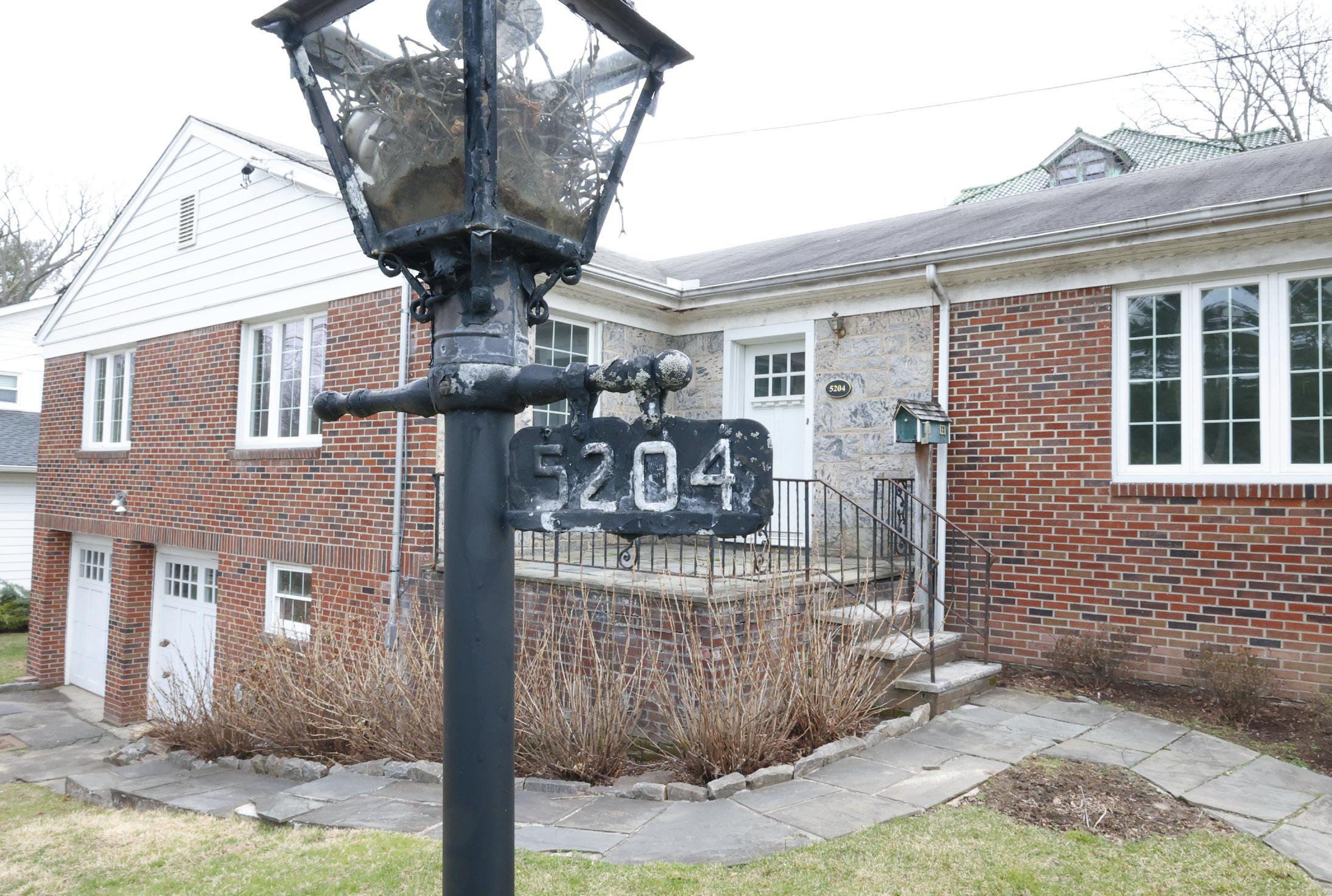
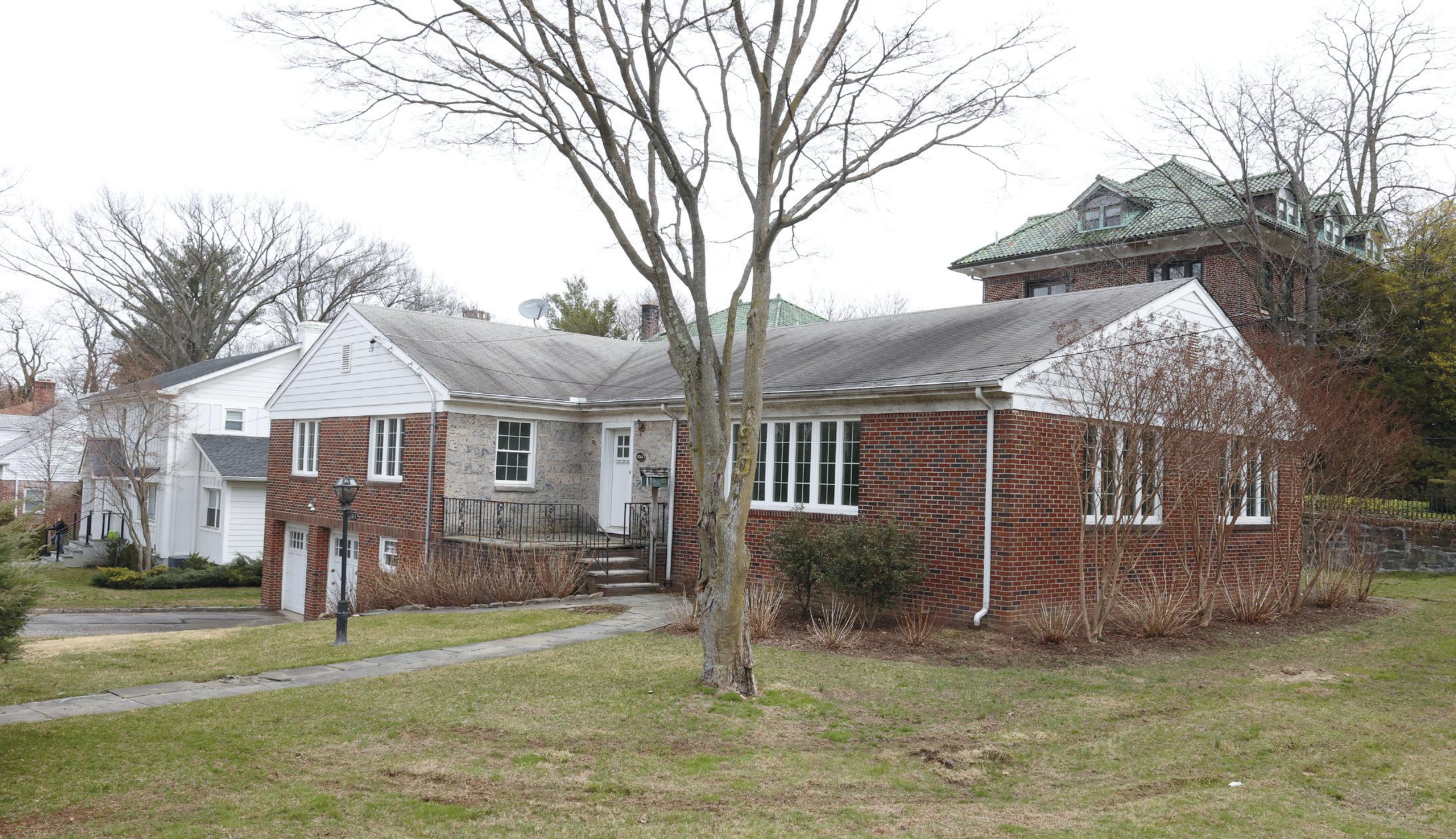
Bronx Community Board 8’s Land Use Committee gave their approval June 1 to the Talner Congregation Beth David to start construction on a synagogue at 5204 Arlington Ave. by approving of its Special Natural Area District authorization application.
The project is still awaiting approval from the New York City Planning Commission, and then the New York City Department of Buildings. However, if Talner receives the green light from them as well, the vacant house that currently rests on the lot will be demolished. Its replacement will be a synagogue around 4,100 square feet, constructed from brick and wood to blend with the surrounding houses. It will have a pitched ceiling and hold 120 people, according to Michael Goldblum, the project’s architect. Construction is estimated to take between a year and 16 months, Goldblum said.
The community board is an advisory body, but its stance is taken into consideration when the city makes a decision. The resolution approving of the application will also face a vote by the full board.
The 5204 Arlington Ave. lot is also inside a Special Natural Area District, which is a zoning regulation made to preserve the environment. If developers want to build in one of these districts, they must go through a stricter process to make sure there is minimal impact to the land, according to the New York City Department of City Planning’s application requirements. Riverdale’s natural area district runs along the Hudson River from Mount Saint Vincent to Spuyten Duyvil Shorefront Park, and stretches east to include areas such as Seton Park, Wave Hill and the Fieldston Historic District. Residents expressed concerns about the project at the June community board meeting, which had also been voiced at a March meeting when the synagogue was first introduced. Those concerns included the potential for flooding due to the slope of the property, congregants taking up parking space, an increase in sewage and the safety of kids walking down a street with increased traffic.
A resident who said he lives on the block, Jordan Altman, expanded on the latter two. When
the synagogue hosts an event such as a bat mitzvah, Altman worried about what would happen if the number of attendees hit the maximum occupancy.
“There’s really nowhere for [kids] to go other than down the middle of the road,” Altman said at the meeting. “Suddenly my kids would have to worry about cars coming at them for up to 120 people.”
He added the block faces a significant sewage issue, and it “doesn’t take much” for sewage to overflow the drains and cause a stench. The proposed synagogue will have four bathrooms, and the amount of congregation members using them could worsen an existing problem, Altman said.
Others expressed their support for the project. Steven Cooper, who said he lives within 200 feet of the proposed synagogue, said at the meeting he knows those involved in the project, and can vouch for their “stellar integrity.” While he shares safety concerns, Cooper believes residents are overestimating how many congregants will be at the synagogue at one time.
“We’re really talking about the mid-teens,” Cooper said at the meeting. “I don’t think the volume will be anywhere near people’s worry. I loudly endorse this project.”
Goldblum said at the meeting that, to help with flooding, there will be a trench around most of the synagogue that leads rainwater to a drainage pipe and into a dry well. He emphasized that those involved in the project have “gone above and beyond to create a dry site that doesn’t contribute in any way to the flooding issues that people on the block endure.”
Over the last 15 years, Talner has moved from rental to rental in Riverdale, congregation member and Riverdale resident Annette Rubin said at a March meeting. Rubin added the Arlington Avenue site would serve older adults and people with disabilities who live nearby and aren’t able to make it to further orthodox synagogues.
Rubin said the synagogue will have two levels, with a space for prayer and study above, and an area below for life events such as a bris or a bat mitzvah.
“Houses of worship are basic components of a solid, strong community,” Goldblum told The Press in March. “They hold communities together.”

CONTINUED from page A1
choice between decades of legislative experience and a challenger who campaigned on bringing a new perspective to state government.
In the race for New York’s 15th Congressional District, Torres took an early lead against Blake and Vega as polling numbers rolled in.
The district, which includes much of the Bronx and encompasses greater Riverdale, has been represented by Torres since 2021. Torres became the first openly gay Afro-Latino member of Congress after previously serving on the New York City Council, where he chaired the Committee on Public Housing. Throughout his campaign, Torres emphasized affordability, public safety and housing as the district’s most pressing concerns.
“Tonight, the people of the Bronx have spoken,” Torres said after results were announced. “The people of the Bronx have chosen love over hate, hope over fear and unity over division. Because in the Bronx, there are no strangers, only neighbors. In the Bronx, we are a family, and it is the honor of my life to represent every member of the Bronx family from every corner of our borough.”
Former Assembly member Michael Blake, who served as an aide in the Obama administration, sought to unseat Torres on a platform centered on affordability and economic relief for working families.
Blake spoke to The Press about rising housing, grocery and utility costs, while also drawing on his experiences growing up in a family that struggled with food insecurity.
“We thank the thousands who be-
lieved in me,” Blake said of his campaign. “We ran a race of integrity that the Bronx deserves. The time for change will come.”
Independent candidate Jose Vega, a first-time congressional candidate, centered his campaign on rebuilding economic opportunity in the Bronx, and particularly highlighted to The Press pathways into stable, well-paying jobs and advocated for federal investment in infrastructure, workforce training and public works projects.
“I’m very happy with our experiment of running in this,” Vega said of his campaign.
While the candidates for each race offered different visions for the district, issues related to affordability, housing and economic opportunity remained at the center of both contests.
CONTINUED from page A1
winners who would each receive two
passes. Robert Keating, another lifelong Riverdale resident, was among those who snagged a spot.
Keating, 57, was alive the last time the Knicks won a championship in 1973, but he was only 4 years old and has no memory of it. He became a fan during the bruising battles of the 1990s, he said.
“It became a team in the ‘80s, ‘90s when Patrick Ewing, John Starks, Charles Oakley, and Michael Jordan used to have some hard-fought battles,” Keating said. “I mean battles, epic battles.” Unfortunately, he missed Thursday’s parade entirely. A health scare pulled him away that morning. He made it to City Hall just in time for the ceremony.
Watching this Knicks team had become more than a pastime for Keating, a retired correction officer, police officer and firefighter who spent decades working in lower Manhattan, including through Sept. 11. The championship run had become a historic event worth following far from his TV.
He was at Madison Square Garden for game four of the championship, when the Knicks erased a 29-point thirdquarter deficit.
“You could feel the garden moving,” he said, “People high-fiving each other, hugging each other... it was beer being spilled all over.”
He called it one of those moments
“you just don’t forget.”
He then traveled to San Antonio for the title-clinching fifth game after discovering it was cheaper to fly south and buy a standing-room arena ticket than purchase a Finals seat in New York.
“Three hundred dollars for the ticket, $500 for airfare, the hotel, so it was about $1,100,” he said, versus a New York seat that “you couldn’t get below $4,000.”
There, Brunson scored a Knicks Finals-record 45 points to close out the San Antonio Spurs and claim the Bill Russell Trophy as Finals MVP.
Thursday brought another stroke of luck. Keating entered the city’s raffle for tickets to the ceremony at City Hall and won.
“I had to pinch myself and say, am I really here? Just witnessed this in the
flesh,” he said after watching Karl-Anthony Towns hoist and kiss the Larry O’Brien Trophy.
Brunson took the stage to chants of “MVP! MVP!” After thanking the Knicks’ owner and front office for “believing in a kid no one else would,” he turned to the crowd.
“Somehow, some way, I knew we were going to find a way to get this done,” he said.
He closed by thanking the fans.
At City Hall, Mayor Mamdani told the crowd, “For as long as we live, we will remember this feeling of a city together, a city alive, a city overcome by happiness.”
Keating, who was seated nearly front and center, said the speech captured “the essence and the spirit” of what the win means to the city.
Through the Knicks’ 13-game winning streak in the playoffs, Keating wore the same O.G. Anunoby jersey to every game — and never once washed it. He finally did the laundry the day after the City Hall ceremony. He plans to keep the streak going next season, too. To him, and many

other fans in the city, the championship represented the culmination of decades spent hoping.
“It means that in my lifetime, I can actually say that I saw the Knicks winning the championship, and I can rest easy that at least it happened in my lifetime,” he said. “To actually see my team actually win and bring it home, it means everything.”
The feeling, he said, stirred something else in him — a memory of the city in a very different moment. The outpouring of unity reminded him of other moments in the city’s history, particularly after 9/11 when New Yorkers rallied side by side.
“It brought people together that don’t even know each other,” he said. “You forget your differences.”
year, with Mamdani pledging to bring 2-K citywide by the end of his term.
However, as parents rush to submit applications, some nursery schools in greater Riverdale have opted out of free 2-K and are still determining whether participation makes sense for their programs.
Many providers begin enrolling students nearly a year in advance, meaning classrooms for the coming school year were already full by the time details about 2-K became available. Sylvia Fox, director of Yearling Nursery School in Riverdale, said her program had already completed enrollment for next fall when the opportunity became available.
“When I got the question if I wanted to participate, I indicated that I do not have capacity,” Fox said. “I had already enrolled all the children for my 2-year-old program.”
Beyond capacity concerns, Fox said providers have not yet received the same level of detail they were given when 3-K and pre-K were introduced, including information about reimbursement rates, staffing costs and long-term contracts.
According to Fox, many nursery schools already rely on a mix of city-funded and private-pay programs to remain financially viable. While free 3-K and pre-K have expanded access to early childhood education, she said the reimbursement rates attached to those programs often do not fully cover operating costs, forcing schools to make up the difference through tuition-paying families.
For schools that already operate 2-year-old programs, that creates additional uncertainty, she said. Directors must decide whether replacing privatepay seats with city-funded ones makes financial sense before knowing exactly how much funding will be provided.
Fox said the concern is especially acute for smaller providers, which often lack the financial reserves to absorb unexpected costs or delayed reimbursements.
At Riverdale Temple Nursery School, director Alexandra Abikzer said similar questions about funding and capacity factored into her decision not to participate in the initial rollout.
“With 3-K and pre-K, we got a budget, we knew how much money it was going to be per child, and then we got a five-year contract,” Abikzer said. “With this, it feels like there’s just not enough information.”
Liss acknowledged that some providers are still weighing whether to participate and said the city has been providing information on rates and contracts as those conversations continue.
“The city’s been working through contracting details directly with providers,”
Liss said. “We’ve been discussing rates and providing them with all those details, so that they know whether to opt into the program with us.”
Abikzer said she remains interested in potentially participating in future years but would like additional information before committing.
Like Fox, she said planning for a school year often begins the previous fall, with tours, staffing decisions and enrollment taking place months before children
arrive in classrooms. By the time the city announced details of 2-K, Riverdale Temple had also already filled its 2-year-old program for the next school year.
The school spent several weeks listed on the city’s MySchools portal as a participating 2-K site despite not offering the program this fall. Abikzer said parents began contacting the nursery school about enrollment and more than 70 families included Riverdale Temple in their 2-K applications program choices.
The listing was removed in mid-June, and the city said affected families that listed the Riverdale Temple in their top choices would be notified and given an opportunity to revise their applications to select another 2-K program.
Concerns about staffing have also emerged as the city prepares to expand the program, a sentiment both Bronx educators expressed.
In April, the New York City Council announced in a press release projected future enrollment of a universal child care system would require a workforce double in size, which currently stands between 33,000 and 40,000 early childhood educators.
Liss recognized that expanding the program will require investments beyond simply adding seats.
“To build a truly universal childcare system the city must continue growing and supporting the childcare workforce,” she said.
Liss said that includes sustaining wages for childcare workers, expanding access to certification and higher education programs, making training opportunities more accessible and helping connect pro-
In a changing climate, Bronx gardens are
CONTINUED from page A1
At Wave Hill, early spring bulbs such as glory-of-the-snow responded dramatically to the sudden warmth. The plants, native to mountainous regions in Europe and western Asia, are adapted to cool temperatures and bright spring sunlight.
“When you get something like 78 degrees and these plants are prepared for like 40 degrees, they just melted,” Brey said.
The flowers did not disappear entirely, but their peak display was shortened as foliage emerged more rapidly than usual. Other plants, including some daffodils, appeared less vigorous than in previous years.
New York Botanical Garden experts like Melissa Finley, the garden’s Thain curator of woody plants and Peggy Rockefeller Rose Garden curator, witnessed similar surprises.
“I thought going in, with such a cold winter, that we would be really delayed compared to previous years,” she said about blooms and growth at the garden. “But we didn’t really see that for the most part. A lot of things were very on time or slightly early, which was not what I thought was going to happen.”
The season underscored what public garden professionals are beginning to describe as the new normal — unpredictability. According to the National Oceanic and
Atmospheric Administration’s Fifth National Climate Assessment, the Northeast has experienced the nation’s largest increase in heavy precipitation events, with the amount of rain and snow falling during the most intense storms increasing by about 60 percent since the 1950s.
“Extreme weather conditions like we experienced are having both a positive and a negative effect on plants,” Finley said.
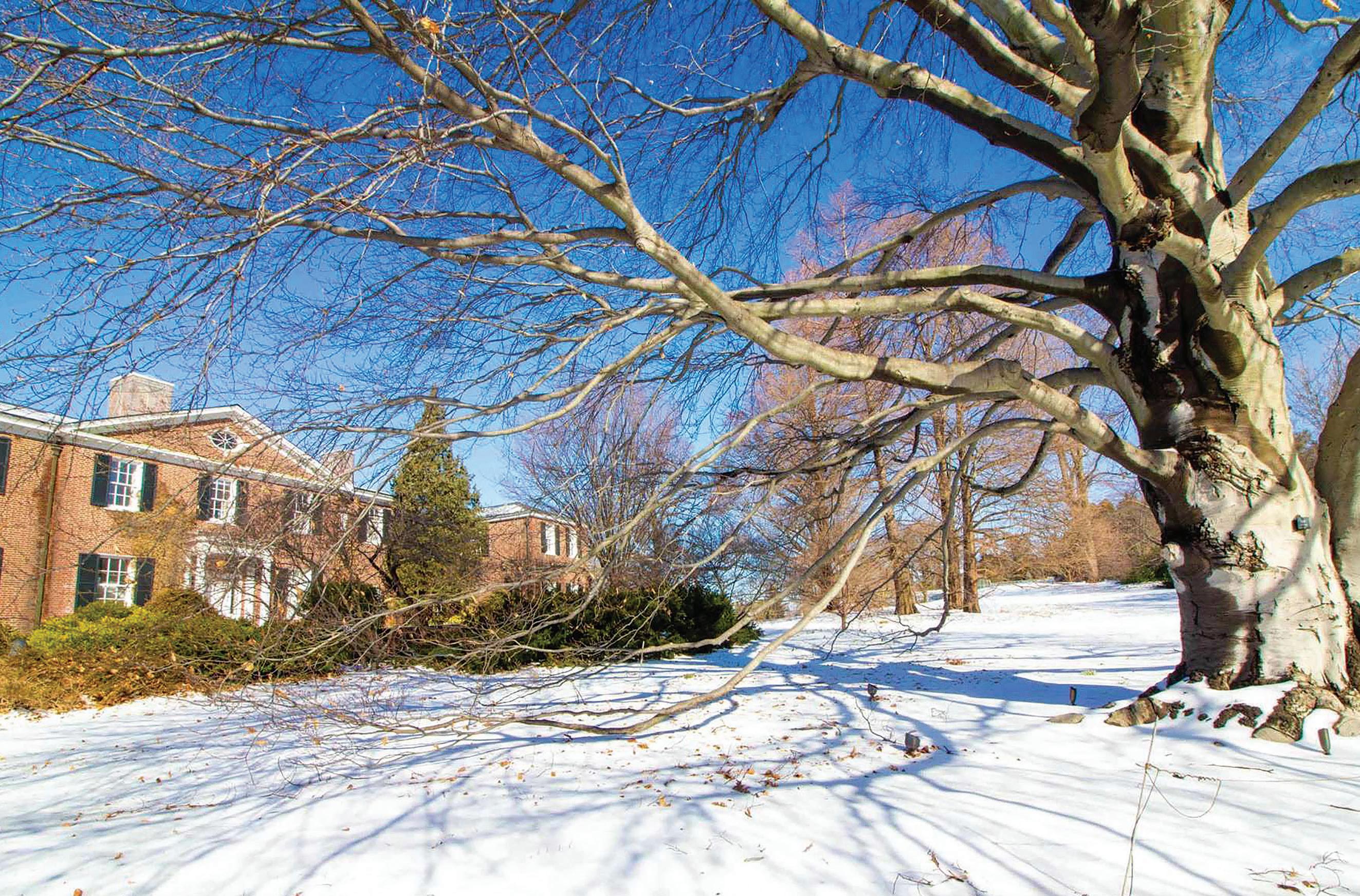
This winter’s prolonged cold helped suppress insect populations that often thrive in mild winters, she said. But it also damaged newly planted shrubs and caused extensive damage to trees and broadleaf evergreens.
“We had a lot of broken branches,”
Brey said. “We had trees that are needled like pines that usually can let the snow just roll off their leaves, and it stuck on it, so that broke them.”
Some plants did not survive. For public gardens, said Cathy Deutsch, Wave Hill’s director of horticulture, adapting to climate change means thinking far beyond a single growing season.
As temperatures rise and weather patterns become more erratic, horticulturists are evaluating which species will remain viable and which may struggle.
“We’re really thinking about what our climate will look like in 50 years, in 100 years, and how we can allow plants to thrive then as well as now,” Deutsch said.
Some plants are already showing signs
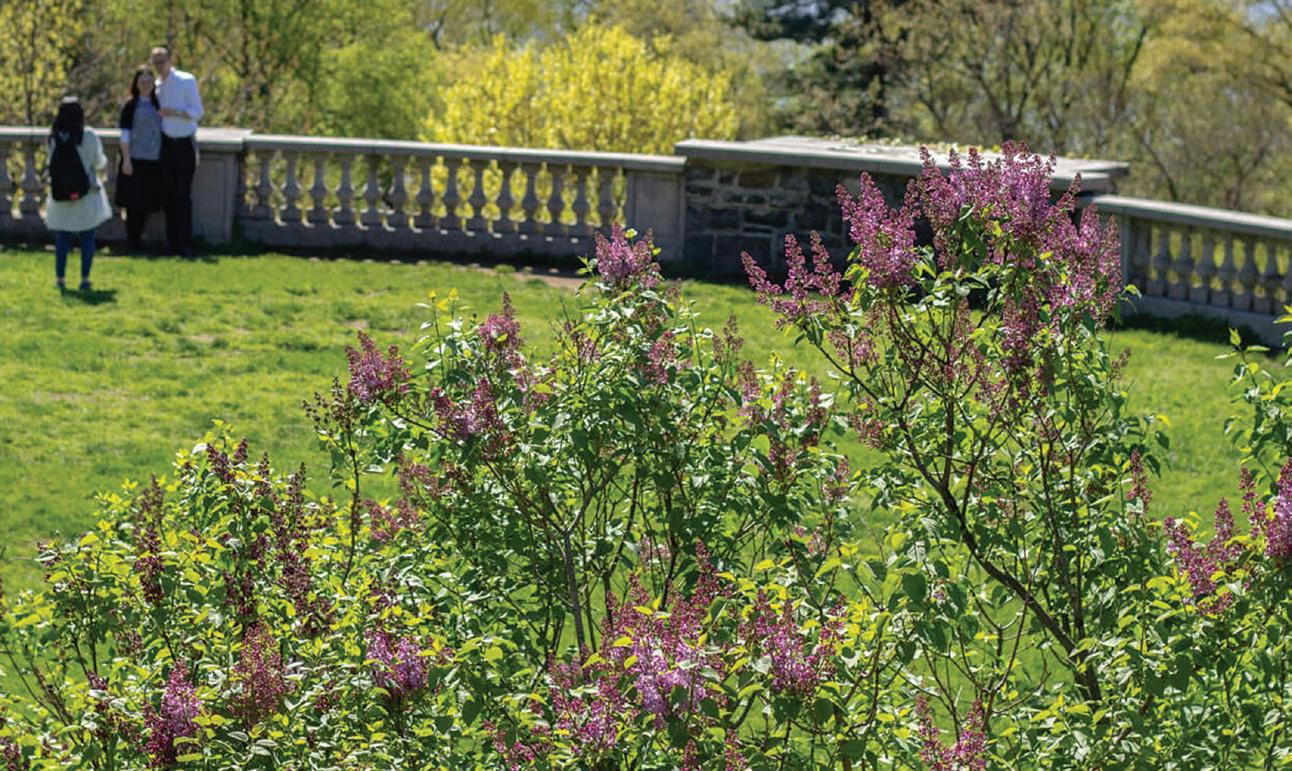
of stress. Brey pointed to iconic northeastern trees, such as sugar maples and eastern hemlocks, as species vulnerable to warming temperatures, pests and disease. Seasonal cues are shifting as well, particularly noticeable in familiar spring bloomers such as lilacs. According to Brey, Wave Hill’s lilacs traditionally bloomed around Mother’s Day. In recent years, flowering has steadily moved earlier. This year, many reached peak bloom in mid-April. At the New York Botanical Garden, Finley said the garden’s lilacs bloomed about a week earlier than expected. What horticulturists are observing in the Bronx reflects a broader trend. For years, the United States Environmental Protection Agency has documented earlier leafing and blooming across much of the Northeast as temperatures warm. In New York City, spring leaf-out now occurs about 16 days earlier than it did in the early 1980s, according to independent research nonprofit Climate Central. Gardens are responding to climate change in a variety of ways, adjusting planting schedules, monitoring pest pressures or rethinking how collections are managed. Reducing water use and improving soil health through practices including composting are also becoming more important.
Those decisions increasingly involve determining which plants will remain viable as conditions change, Finley ex-
plained, pushing horticulturists to experiment with more climate-resilient species, like those better adapted to heat and drought. The trees being planted today, she added, may not reach maturity until long after current gardeners have retired, forcing horticulturists to think far beyond immediate weather patterns and consider what New York’s
By Michelle Mullen mmullen@riverdalepress.com
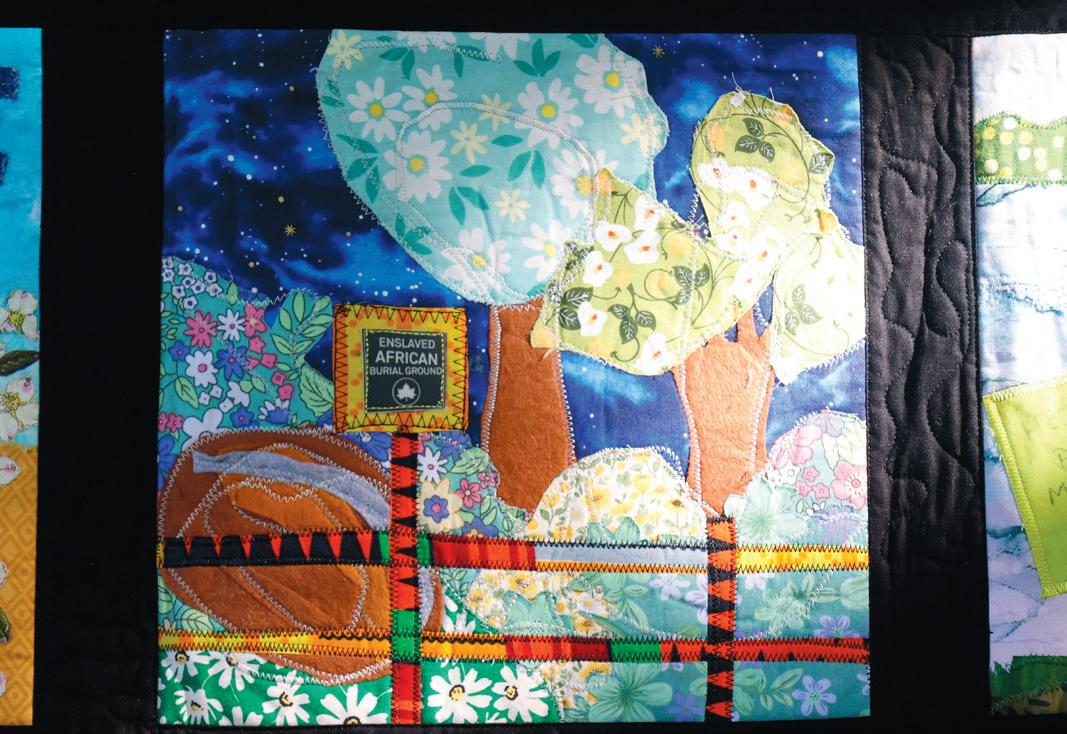
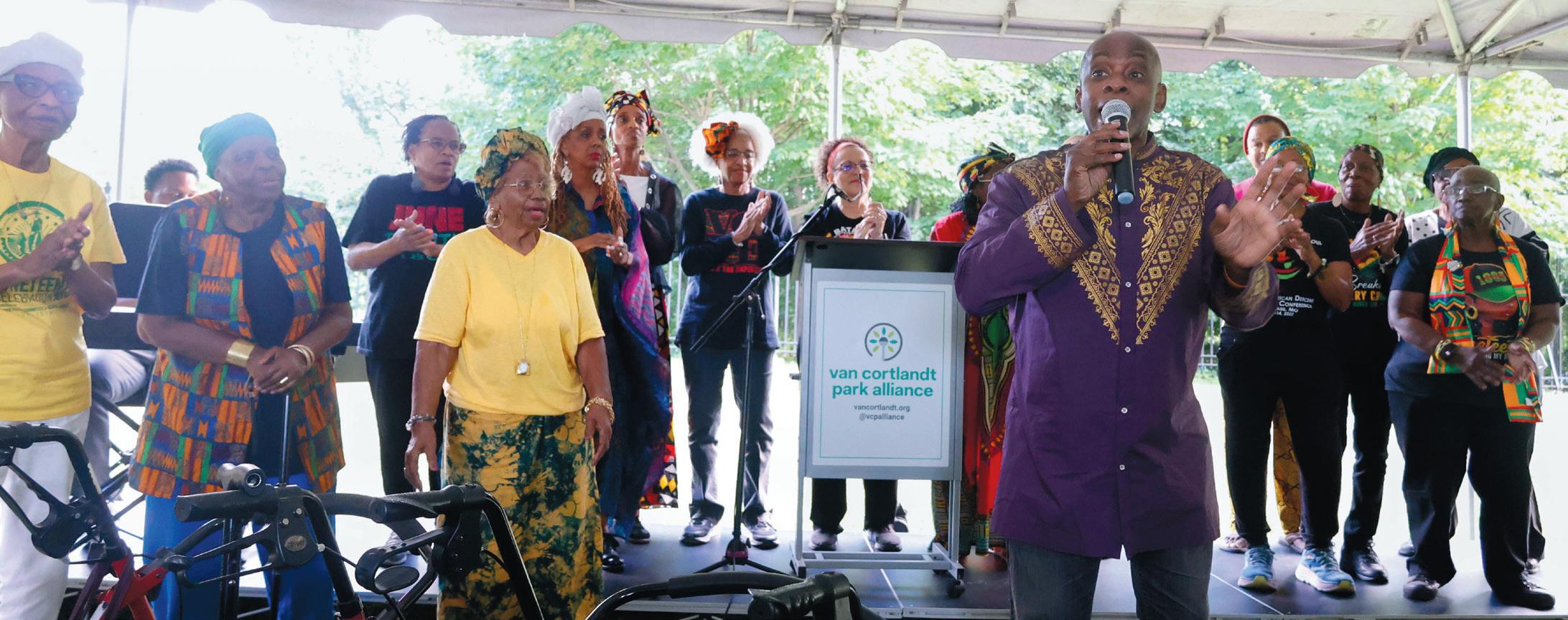
Under a thick canopy of trees at Van Cortlandt Park, the steady beat of African drums drifted through the Enslaved African Burial Ground, opening the Van Cortlandt Park Alliance and the Bronx Arts Ensemble’s sixth annual Juneteenth Celebration.
There, an intimate libation ceremony honored those once enslaved on the land that is now Van Cortlandt Park. This year, the burial ground ceremony opened the event rather than closing it, a change organizers said was meant to set a more solemn tone before the celebration began.
Juneteenth commemorates June 19, 1865, the day w hen the last enslaved people were freed from a Texas plantation, more than two y ears after the Emancipation Proclamation was signed.
Van Cortlandt Park itself is a site with a storied past.
J acobus Van Cortlandt, a two-time mayor of New York City, built his wealth partly through the transatlantic slave trade and ran the estate as a plantation.
Until 1821, enslaved people were the foundation of daily life there, laboring in the fields and hauling timber and stone to build the Van Cortlandt house itself, now a museum. In 2019, it w as discovered slaves were buried on the grounds on an
unmarked patch of land. In 2021, the site was formally renamed the Enslaved African Burial Ground.
Holding the ceremony steps away from “the ancestors” was deeply intentional, Judith Insell, executive director of the Bronx Arts Ensemble said.
“We need to honor and respect them and celebrate them more than anything,” Insell said. “To actually properly acknowledge that it’s here, we should take the time and pursue something like a libation ceremony to properly name that it is sacred land.”
Yolanda Wyns, who led and curated the entirety of the Juneteenth program, reshaped the evening around movement and music, replacing the walk between venues with a New Orleansstyle brass band procession.
“I wanted the people to feel connected, no matter what color, just connected to the history of it and the emotion of it,” Wyns said. The celebration also unveiled design concepts for the Reimagining the Enslaved African Burial Ground in Van Cortlandt Park initiative, a community-involved project aiming to properly memorialize the site.
As the sun set, the drumming, the songs and the quiet moments of reflection all pointed back to a patch of ground where people once lived, labored and were later buried, their stories still emerging centuries later.
GARY JEAN-JUSTE
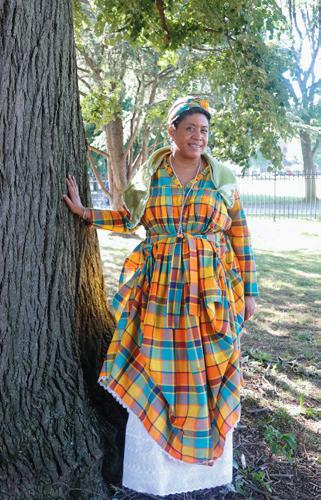
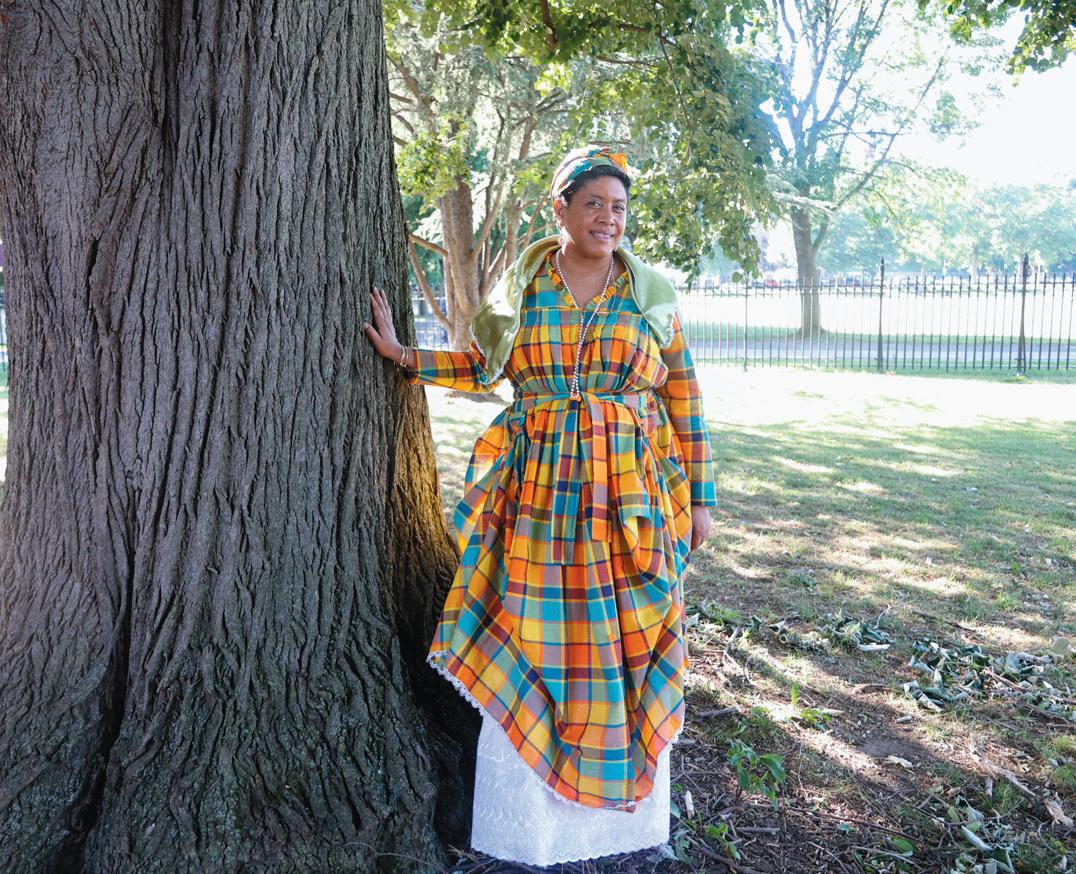
Lehman College professor Alice Michelle Augustine wore a traditional Wob Dwiyet dress from the Commonwealth of Dominica. Augustine said dresses like hers became symbols of celebration among Black women in the Caribbean following emancipation and share similarities with clothing worn throughout the colonial era. Through Lehman’s student research program, Augustine helps document the lives of enslaved people connected to Van Cortlandt Park and the Bronx, noting “the burial ground is not a landmark. The burial ground is a sacred grove. The burial ground has DNA material of our ancestors.”
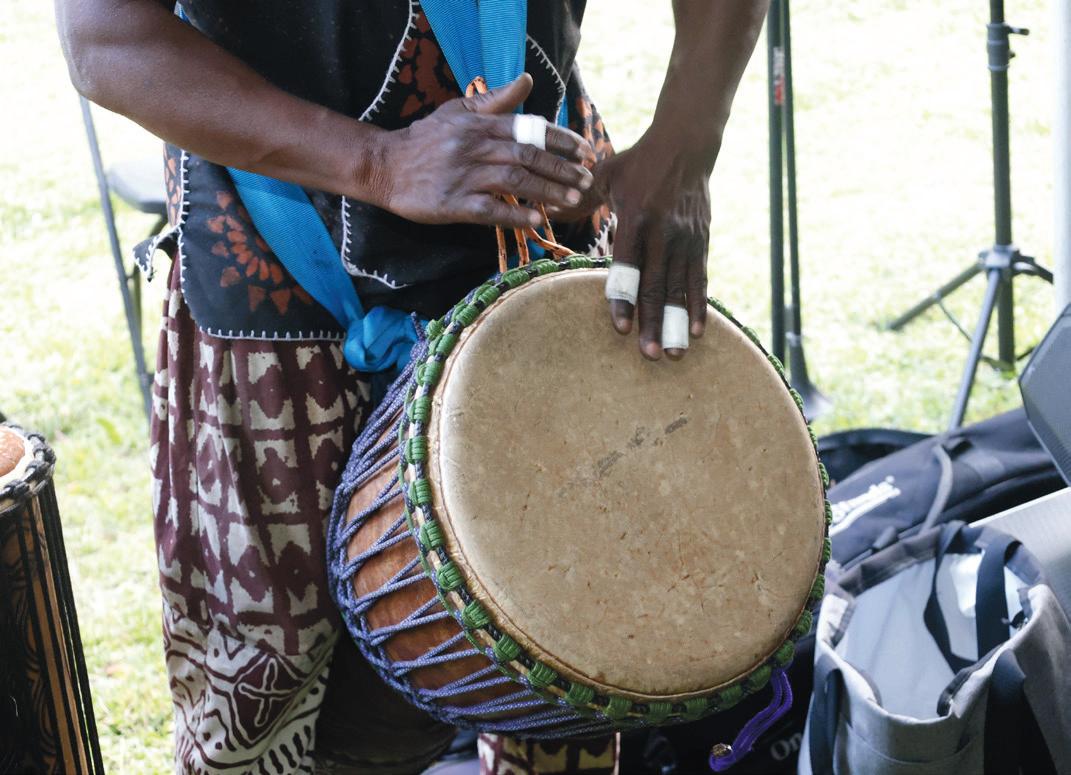
West African drumming could be heard throughout the Juneteenth event, in both somber and celebratory moments. Drumming has long served as a means of communication, storytelling and cultural preservation across African communities, Judith Insell, executive director of the Bronx Arts Ensemble, told The Press. “The drum is the great communicator of African people,” she said. “The drum came over with the Africans. This was the way they communicated with each other.”
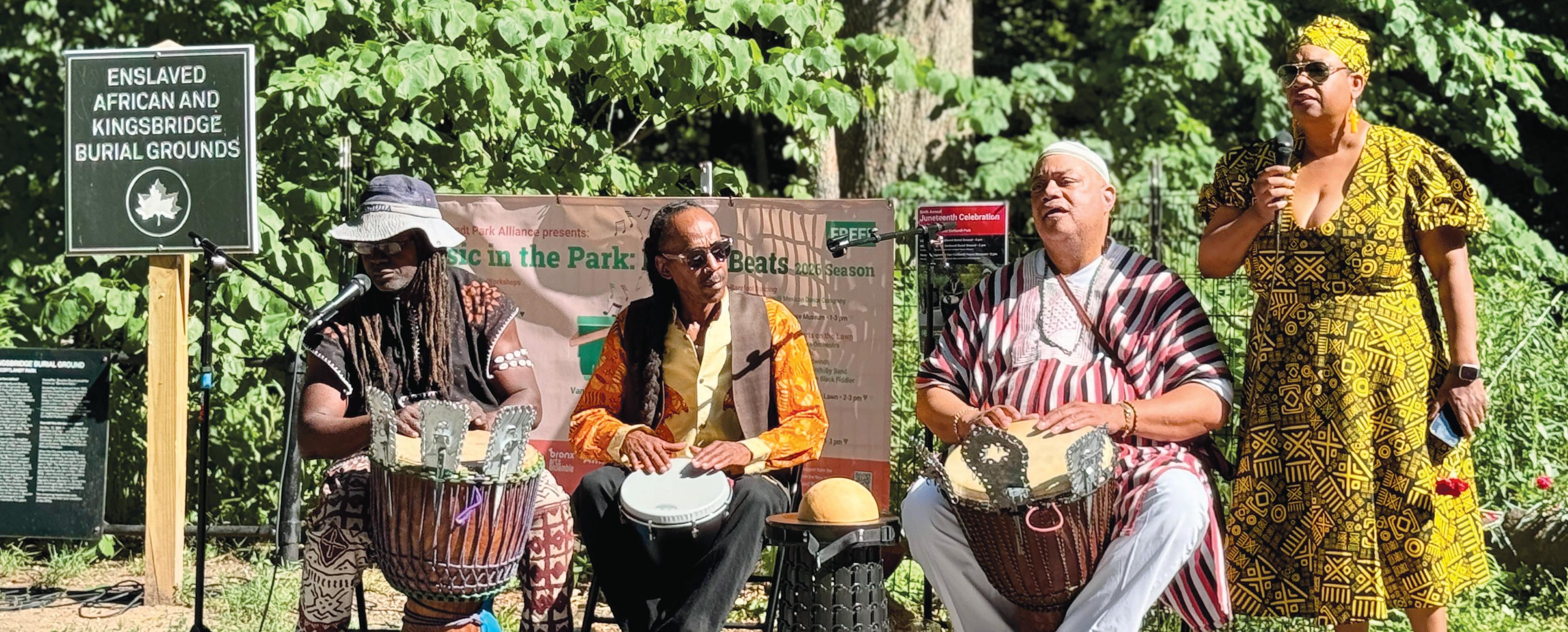
gathered at the Enslaved
this year’s program to begin
“solemn” experience that allowed
The
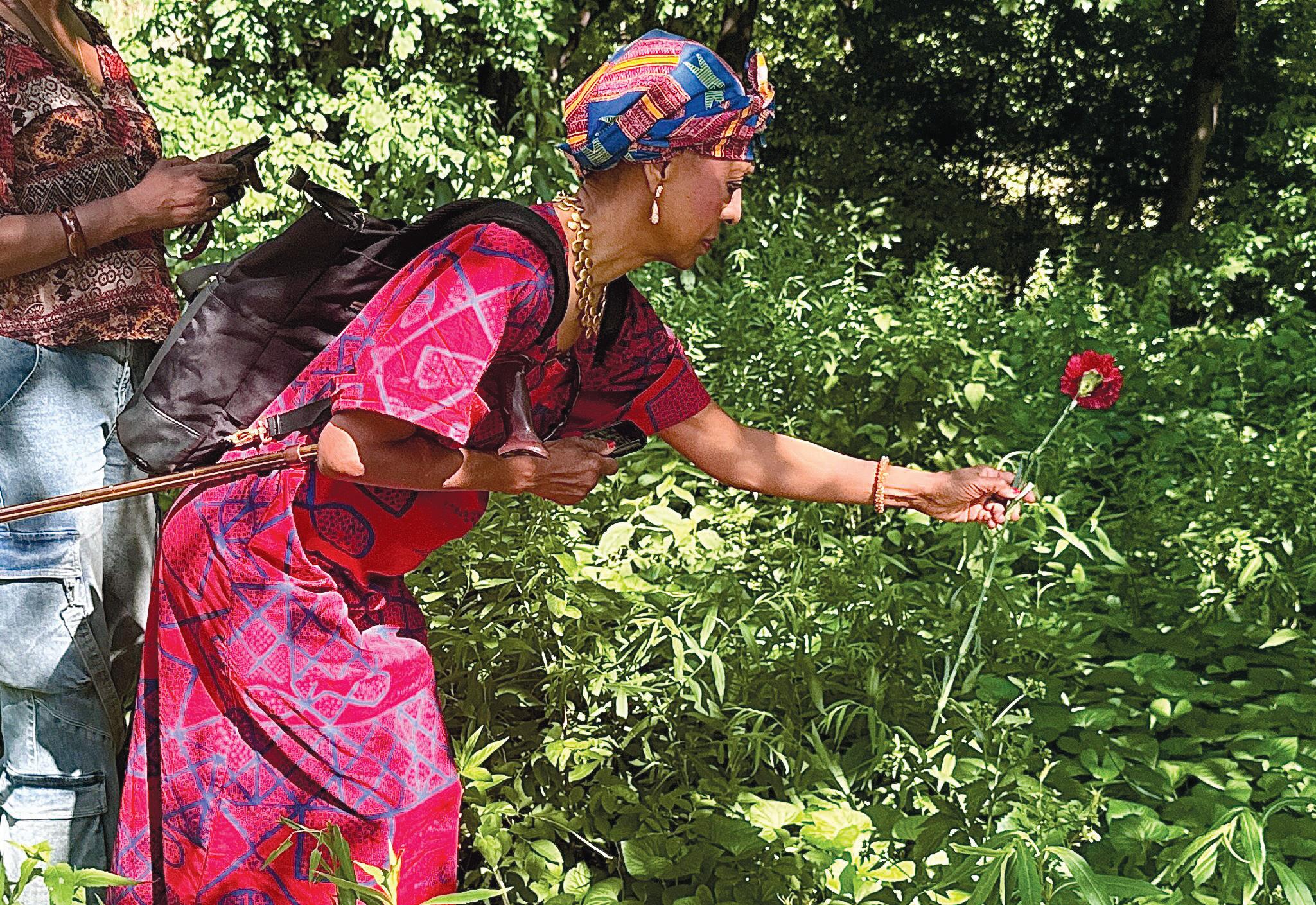
Shirley Pratt was among the attendees who placed a red carnation at the Enslaved African Burial Grounds during the Juneteenth libation ceremony. Red flowers are often associated with Juneteenth, symbolizing the bloodshed, sacrifice and resilience of enslaved ancestors. For Pratt, the carnation also represented renewal. “The red symbolized blood, but it also symbolized it was a flower and flowers bloom,” she said. “It’s through this experience that I’m having with [the ancestors] that I have a chance to rebloom in my own life.”
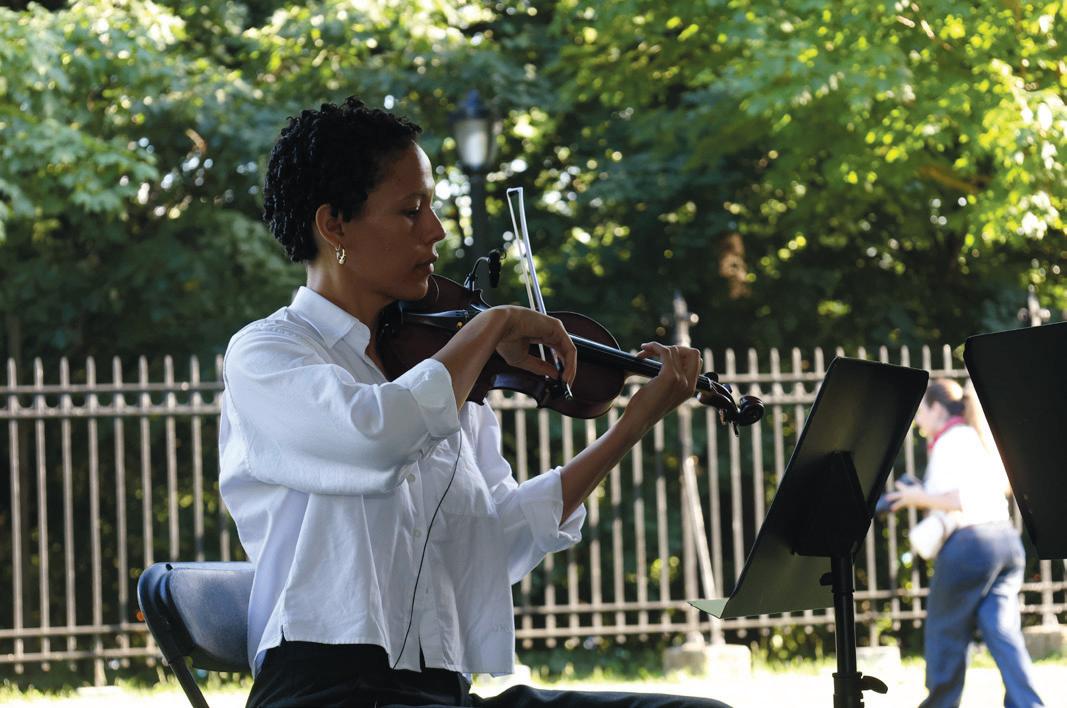
You could hear a pin drop beneath the tent as the Bronx Arts Ensemble String Duo cellist Zachary Brown and violinist Alexandria Hill, pictured, performed “Where Two or Three Are Gathered.” The quiet, reflective piece offered a moment of stillness amid the evening’s festivities.
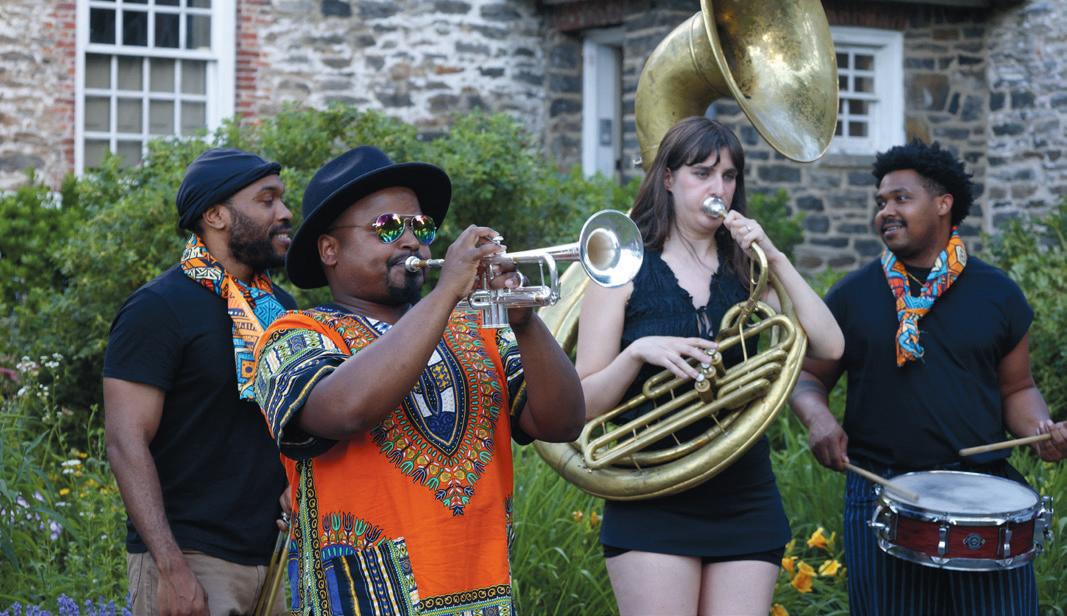
were
and
and community memories the celebration sought to honor.

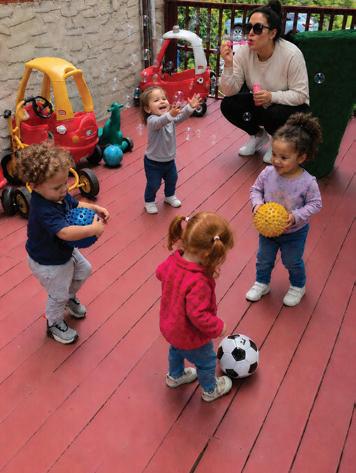
Enriching learning environment
Spacious enclosed outdoor cedar deck
Focus on early development through play


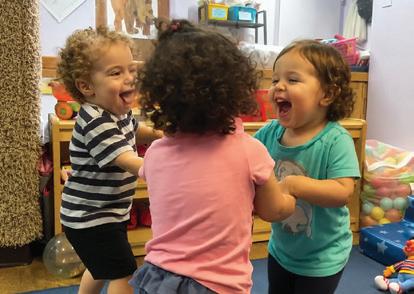
Experienced, CPR trained teachers
Warm, attentive, nurturing teachers
Daily updates/communication from teachers


By Michelle Mullen mmullen@riverdalepress.com
Residents passing by may have wondered about the stories behind co-named streets — the green corner signs that quietly bear names with histories often left untold. The answers, however, are right at their fingertips, with an online interactive map highlighting the more than 2,500 dedicated street signs across the city.
Launched by the New York City Department of Records and Information Services, or DORIS, the digital tool aims to make those stories more accessible.The application is online on DORIS’ website, and offers a map search tool based on ZIP codes.
“We want people to know about their neighbors who’ve done something, maybe 10 years ago, and be inspired by this little history,” said Pauline Toole, commissioner of the Department of Records and Information Services.
The New York City Council approves all co-namings — honorary additions that place a secondary name on an existing street corner — through local laws, often in batches that include dozens of designations at a time.
Each proposal is typically introduced by a council member and accompanied by a committee report outlining the honoree’s background and contributions.
Former Mayor Eric Adams tasked DORIS with creating the online map available on the city’s website in collaboration with the New York City Office of Technology and Innovation in 2023. The initiative went public the following year.
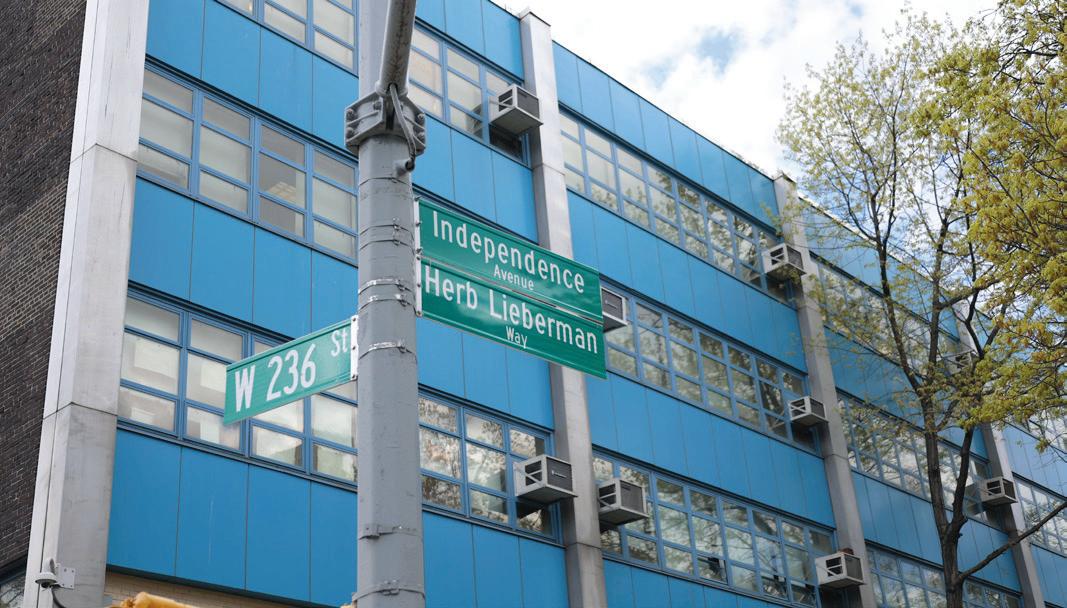
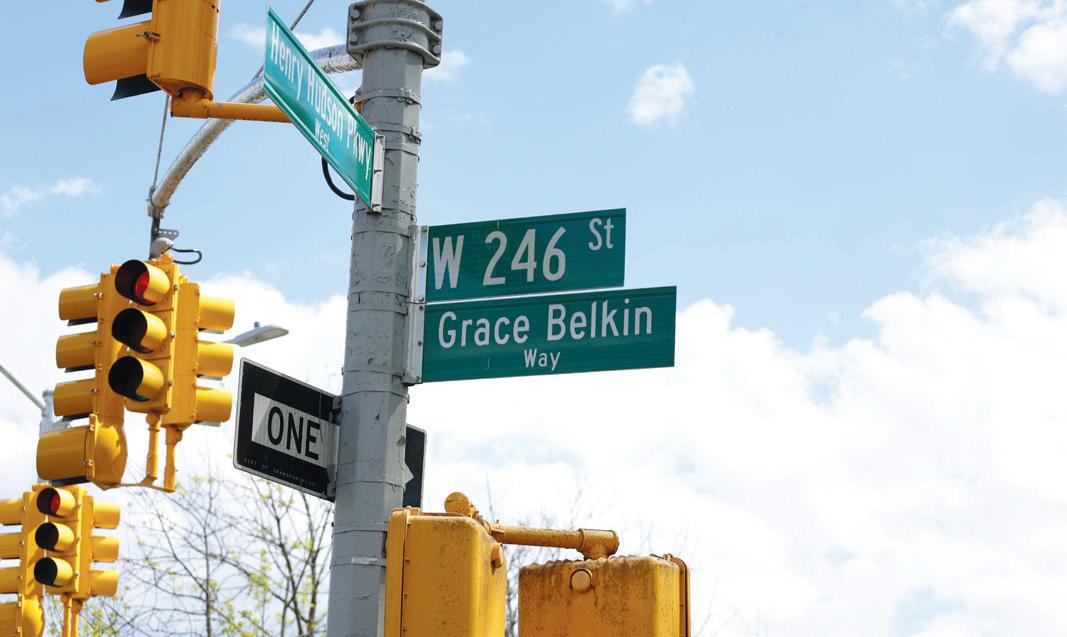
The following examples represent a selection of co-named streets across the northwest Bronx. Dozens more appear throughout Riverdale, Kingsbridge and surrounding neighborhoods, each recognizing individuals whose contributions, whether widely known or deeply local, helped shape the communities they called home.
imprint on both the physical and civic landscape of the northwest Bronx.








“When people walk down the street and they see something, they can use the application to find out about that individual,” Toole said.
The commissioner credited three DORIS interns with helping bring the tool to fruition. They were tasked with collecting data from historical archives, as well as City Council bills and committee reports, and geocoding — pinpointing the exact locations — of co-named signs.







The city map, launched in 2024, was intended to make the histories behind those conamings easier to find. The tool organizes decades of those conamings into a searchable database. Users can look up names or locations to learn who a street corner honors and why. Unlike official renamings, which replace a street name entirely, co-namings leave the original address intact while adding a sign, typically at an intersection, that reflects the honoree’s legacy, often tied to the surrounding neighborhood.
Toole said the goal is to place that information within reach of anyone walking through the city.
“Some streets and parks are named for people who are familiar to many of us, like David Dinkins Way,” she said. “Most of us in New York know that he was the first African American mayor of the city and had a long career before that. But we don’t necessarily know who Herb Lieberman was.”
According to DORIS, Herb Lieberman Way, at the intersection of West 236th Street and Independence Avenue, was designated in 2004 in recognition of a Bronx resident known for his dedication to local schools and community life. Lieberman served on the executive boards of P.S. 24 and the David A. Stein Riverdale School, M.S. 141, supporting students and families. A longtime resident, the map showed, he remained active in neighborhood affairs for decades, building a legacy rooted in civic engagement and service. Nearby, in 2016, the city designated a corner of West 246th Street and the Henry Hudson Parkway as Grace Belkin Way. Belkin served as the first district manager of Bronx Community Board 8, beginning in the late 1970s as the city formalized its modern community board system. Over three decades, she became a steady and influential presence, shaping land use decisions and advocating for neighborhood preservation.
Belkin played a central role in advancing Community Board 8’s 197-a Plan, which helped establish zoning protections aligned with the character of Riverdale’s neighborhoods and safeguarded the Special Natural Area District. She also pushed for infrastructure improvements, including local sanitation access and major retaining wall reconstruction projects. Her work left a lasting
In Spuyten Duyvil At the intersection of Independence Avenue and Palisade Avenue, John McKelvey Sr. Way was designated in 2022. McKelvey, an attorney, author and preservationist, played a defining role in shaping the early development of Spuyten Duyvil. According to DORIS, in the early 20th century, he helped design and promote cooperative housing modeled after European villas, including the Villa Rosa Bonheur and its sister buildings. His work was rooted in the ideals of the City Beautiful movement, emphasizing thoughtful planning and green space preservation. Through his involvement with civic organizations and development companies, the map noted, McKelvey helped influence the creation of Riverdale Park and broader efforts to protect the neighborhood from overdevelopment.
In Kingsbridge
In 2025, the intersection of West 230th Street and Tibbett Avenue was designated as James A. “Jimmy” Packes Way, recognizing a local businessman known for his generosity. Packes owned and operated Riverdale Auto Clinic for more than 20 years and became a familiar figure in the community, as noted in the streetname map. During the height of the Covid-19 pandemic, he offered free car maintenance to frontline workers, an act that earned him recognition as an “unsung hero,” according to the map. His reputation for kindness and service extended beyond his business, reflecting a broader commitment to helping neighbors in times of need.
By Olivia Young oyoung@riverdalepress.com
Elisa Contemporary Art Gallery’s newest exhibit, “People and Places,” features six artists, whose mediums range from painting to wood to puzzle pieces. But as summer air blew through the gallery’s open door, owner Lisa Cooper explained there is a thread that ties them together. Cooper debuted her Riverdale location in 2008, and remains the only contemporary gallery in the neighborhood. She said to curate the exhibit, she drew from emotions that arise as the weather warms.
“That feeling of kind of escaping into the water and that sense of peace,” Cooper said, referencing a theme in three of the artists’ work. She added she also enjoys mixing landscape and figurative work as the combination is “something different that makes people come in and just look around and wonder.” The show will run through Sept. 2.
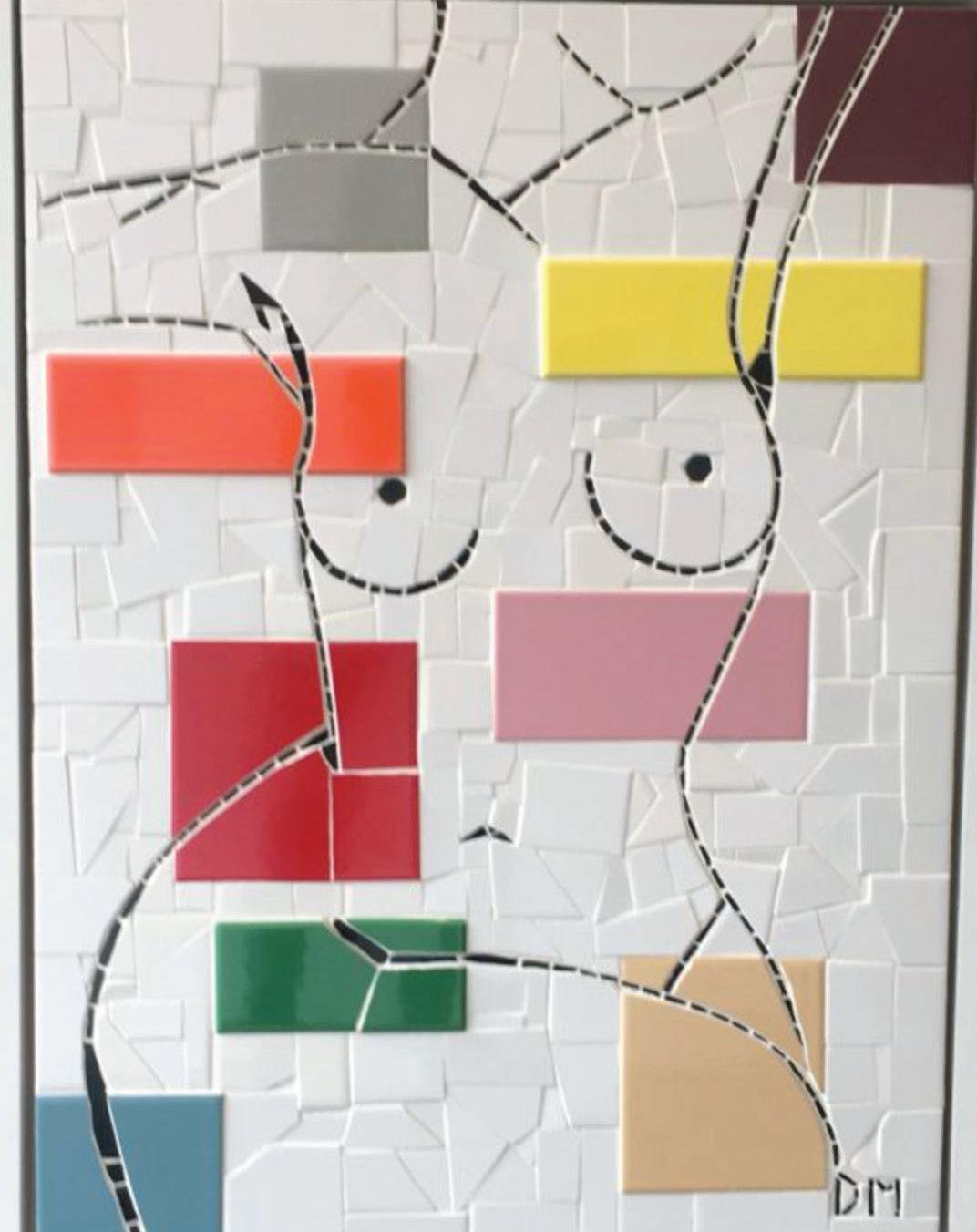
Riverdale resident Dean Moore uses excess tile from housing projects to create mosaic pop-art.
His piece from the exhibit, “Fragmented Figure,” is different from others he’s done, which typically depict iconic characters such as Wonder Woman and Basquiat. The outline of a faceless woman’s body, with vibrant tiles laid across, is more abstract.
“Fragmented Figure” was made using leftover tile from other projects. Moore said he was exploring making freeflowing curves, adding the colored blocks for structure.
T ypically, his process consists of studying an image for shade and tone, picking tiles and laying them on mosaic mesh while referring to the image.
Moore said though art isn’t his full-time job, he takes it seriously, and is a bit of a perfectionist. He started his work around the time he moved to Riverdale two years ago, and his first piece was a portrait of his two daughters, Eva and Emi.
Betty Ball’s two featured works are “Delafield” and “Looking East,” rendered in oil paint. They are part of a larger series called “Land and Sea” that started years ago. The Connecticut-based artist said she was with friends, sitting at a park picnic table, and watched as the sun set over the water. She noticed light was coming from waterfront houses too.
“The light reflections just became more beautiful by the minute,” she recalled. “It gave you the feeling that there were people all around you, yet you didn’t exactly see the people.” Ball also paints abstract works, as well as series that
depict still life, landscape and building structures. She also works in print making.
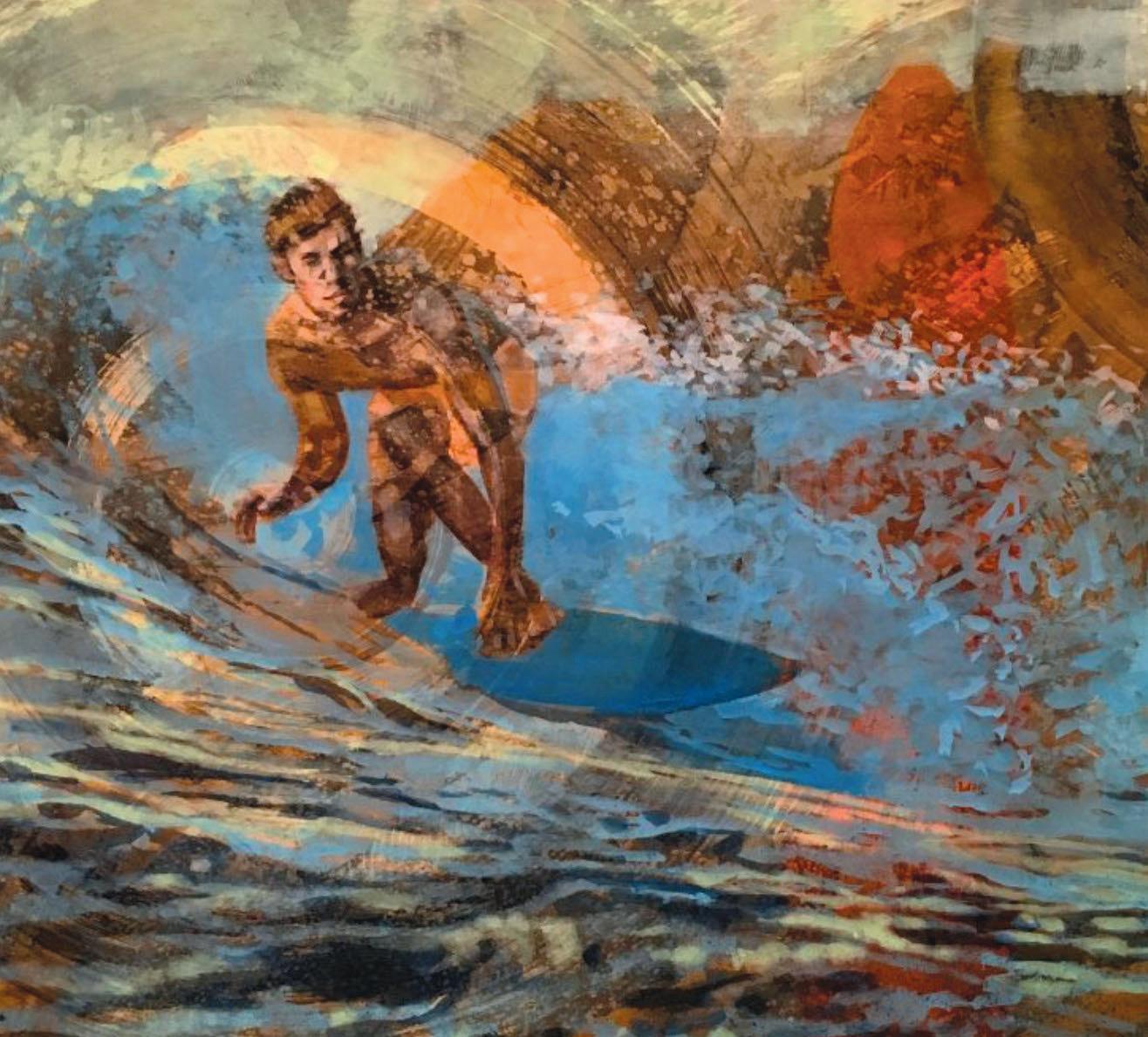
Carol Bennett is a painter based in Kauai, Hawaii, and a majority of her work is centered around water. One featured painting, “Malibu Dawn Patrol,” shows her son riding a surfboard, and another, “Dripping in Diamonds,” depicts silhouettes in shallow water.
Bennett typically works from reference photos, and aims to illustrate subjects in water “having a solo moment,” she explained. Bennett said she is process-oriented, and uses sponges, brushes and splattered paint.
“A phenomenon that I’m attracted to is that the body floats and the mind drifts,” Bennett said. “I think that that’s what happens when you are in the water.”
Sherry Karver’s featured piece is “Roots Go Deep,” based on a series of photo-
graphs she took of people walking in Milan, Italy. She shipped the photo to a company that makes puzzles, had her husband put the pieces together, and then deconstructed it by removing sections.
Her jigsaw series started during the Covid-19 pandemic, when Karver and her husband were assembling a lot of puzzles. She said she realized that a puzzle looks more interesting with pieces missing. Those missing pieces can play into a bigger, universal theme of missing human connections.
“I’m really interested in people and how people react or interact in public spaces,” Karver said. “We are individuals, but yet we are within a broader context of being. In a group, but we’re alone in a group.”
The title, “Roots go Deep” was a reference to the extensive history Italy has, Karver said. It is a combination of photography, painting and resin.
Mitch McGee, pop art made from layered wood
Mitch McGee’s style is influenced by famous pop art painter Roy Lichtenstein. According to McGee’s website, the easiest way for him to
recreate a Lichtenstein piece in another medium was to use wood, something he was already familiar with.
Based in Houston, one of McGee’s featured works at the gallery is “So Do I,” a rounded wood piece, layered with shaped wood and paint to create a pop-art style brunette woman.
Some of his other wood pieces include recreations of superheroes like Batman and the Avengers, as well as Western-themed pop art, depicting men in cowboy hats and canyon backdrops.

Jeffrey Palladini uses oil charcoal and oil paint to create figures that lack detail, an intentional technique used “to provide as little visual information as possible, while still trying to get maximum connection with the viewer and emotional punch,” he said.
Some of his work shows figures laying poolside or in front of a plain background, their fac-
es turned away. One featured piece at the exhibit, “Around Again,” shows a person’s head four times, surrounding the edges of the frame in a swirl. He said his work draws from his interest in the contradictions of sleep.
“At the same time that we’re laying there completely inactive and static, everything else is going on in the world around us,” Palladini explained. “Time is passing, we’re aging, earth is hurtling through the universe.”





‘Emergence’
The Kingsbridge Historical Society hosts artist Daniel Hauben’s exhibit, “Emergence,” until June 30 at 2570 Independence Ave.
The show features the Bronx painter’s monumental cityscapes, sculpted oil reliefs and landscapes, both real and imagined, including the 21-foot “Reflecting on the Familiar” and the 9-foot “Emergence.”
At Riverdale Neighborhood House
Ballet Fit
The Riverdale Neighborhood House invites you to join its Ballet Fit class on Tuesdays at 6:30 p.m.The class is a training program that combines ballet exercises with fitness exercises. Open to ages 13 and up, it is designed for individuals of all movement abilities. Participants will work on toning and strengthening, coordination, balance and flexibility.
Taught by Azucena Rollan Mas, dancer, performer and certified American Ballet Theatre and Ballet Fit in-
structor, at 5521 Mosholu Ave. Register at riverdaleonline.org.
Learn Guitar
The Riverdale Neighborhood House’s spring session guitar class has begun at 5521 Mosholu Ave. Learn key guitar skills such as chords, scales, music theory and playing songs. This weekly class runs Monday nights at 6:30 p.m. for beginner and intermediate players ages 8+. Register online at riverdaleonline.org.
Riverdale CSA
The Riverdale CSA, Community Supported Agriculture, is accepting members for its 2026 season. Deliveries of organic and biodynamic vegetables from Hawthorne Valley Farm are made weekly on Thursdays from 3:30 to 7:30 p.m. from early June to November to the Riverdale Neighborhood House, 5521 Mosholu Ave.
Full shares and partial shares are available and include seven to 10 vegetables each week. Fruit shares can be purchased that include organic strawberries, blueberries, stone fruits, apples and pears.
Also available are a wide variety of local dairy products, baked goods,
meats, poultry and eggs.
For more information about this and the current Winter-Spring CSA with Clatter Valley Farm, go to riverdalecsa.org or email riverdalecsa@ gmail.com.
At Riverdale Senior Services
Weekly Mahjong or Leisure Bridge
Riverdale Senior Services, 2600 Netherland Ave., is looking for people aged 60 and up interested in coming to RSS for weekly games of Mahjong or Leisure Bridge. It is fun and non-competitive. Some experience playing is a must.
Mahjong is held Mondays from 10 a.m. to noon. Leisure Bridge is held Fridays from 1:15 to 4 p.m. Those interested in joining should email info@ rssny.org.
At the RiverdaleYonkers Society for Ethical Culture
Ethics for Kids
Ethics for Kids introduces children to social justice, science, history,
self-expression and empathy through stories, the arts and play.
The series, held at the Riverdale-Yonkers Society for Ethical Culture helps young learners explore what it means to live ethically. Designed for children ages 4 to 10, but open to all.
Email efc@rysec.org with questions.
Sessions are held every Sunday at 10:30 a.m. at the Riverdale-Yonkers Society for Ethical Culture, 4450 Fieldston Rd.
‘I Have a Dream’ The Spuyten Duyvil Library presents “I Have a Dream: A Commemoration of America’s 250th Anniversary.” This program celebrates an important figure in U.S. history, Martin Luther King Jr. Join and create art inspired by his “I Have a Dream” speech. All materials will be provided.
Runs Friday, June 26 at 2 p.m.
Mixed-media art for pre-teens
Join every Tuesday at the Riverdale branch for a session of arts and crafts using different mediums such as acrylics, watercolors, clay, beads,
paper and others, such as photograms. You’ll be simultaneously listening to podcasts like “Stuff You Missed in History Class” and “Night Vale” or just jamming to your favorite playlists. Related books and resources will also be available for checkout to spark your creativity and help you dive deeper into techniques and other crafts. Runs every Tuesday from 3 to 4 p.m. at 5540 Mosholu Ave. Registration not required.
Reduce, Renew and Recycle The Riverdale Art Association invites you to its exhibit, “Reduce, Renew and Recycle.” Member artists used recycled materials to create unusual artworks that challenge how you see the environment, as well as mixed media, photography, acrylics, watercolor and oils.
The show takes place at the parish hall of Christ Church Riverdale, 5040 Henry Hudson Parkway, and is open Monday through Thursday, 10 a.m. to noon. It runs until the end of August.
Leon G. Tsinberg, ESQ www.riverdalelegal.com
At Yoga Muse
Yoga for Kids Yoga Muse is rolling out its kids’ programs this fall. Sign up early for an early-bird discount through June 30. Classes are available for children ages 6 to 8 and 9 to 12. Tots yoga is sold out. Details at yogamuse.co/Yoga-for-Kids. At 2735 Henry Hudson Parkway W. #202.
At Van Cortlandt Park
Running Group
Join the Van Cortlandt Park Alliance’s Running Group for runners of all experience levels. It is an easyto-follow program of active running/ walking intervals that gradually builds to more time running than walking. The program also includes activities for non-running days to maximize performance and recovery. Runs Friday, June 26 from 10 to 11 a.m. Register for this free event at Vancortlandt.org.
Trail Work Thursdays
Join the Van Cortlandt Park Alliance every Thursday from 9 a.m. to noon to help maintain trails in Van Cortlandt Park. Tools and gloves are provided for this small-group volunteer event, which is limited to five participants per group. Register at vancortlandt. org.
At the New York Botanical Garden
‘Liquid Light Shows’
The New York Botanical Garden, located at 2900 Southern Blvd., presents “Liquid Light Shows” on select evenings from 7:30 to 10 p.m. Celebrate flowers as a symbol of peace and love through colorful vintage projections. Each night features a live band on stage and visuals by Liquid Light Lab. Browse goods and learn from local craftspeople at a Maker’s Market, challenge friends to classic lawn games and tap into your creativity while making a friendship bracelet. Grab a bite from a lineup of food options and celebrate a night filled with music, art and flowers. More info at nybg.org
‘Summer Of Moomin’
The New York Botanical Garden, located at 2900 Southern Blvd., presents the beloved inhabitants of Moomin valley arrive at the Garden for “Summer of Moomin,” a celebration inviting audiences of all ages to step into the imaginative universe created by Finnish artist and author Tove Jansson. The exhibit runs until Sept. 13, to get tickets visit nybg.org
‘Flower Power’
The New York Botanical Garden, located at 2900 Southern Blvd., invites you to immerse yourself in a groovy and colorful flower show spotlighting the ways in which hippie culture advanced closer relationships with the natural world in the “Flower Power” exhibition. The exhibit runs until October 18, to get tickets visit nybg.org.
At Wave Hill
Carnegie Hall Citywide: ‘TONEWALL’ Wave Hill presents a free performance by “TONEWALL,” the queer a cappella band of the New York City Gay Men’s Chorus, and celebrates Pride this year in partnership with Carnegie Hall. Performing “uplifting anthems, classic tunes and sexy hits” with
ColumbiaDoctors
Gerald Neuberg, MD,
For appointments, please call: 646.317.0130
Kung-Ming Jan, MD
For appointments, please call: 718.601.4800
David I. Sahar, MD
For appointments, please call: 718.601.3700
Ronald Weissman, MD
Dylan Marshall, MD
For appointments, please call: 844.311.1234
3050 Corlear Avenue, Suite
Bronx, NY 10463
Affiliated with NewYork-Presbyterian Allen

award-winning arrangements and choreography, this irresistible band entertains and empowers in equal measure. The performance takes place June 25 from 7 to 8 p.m. at the Great Lawn. No reservations are required for more information visit wavehill.org.
Yoga In the Garden Susie Caramanica is leading a gentle yoga class on the Wave Hill grounds on Sunday, June 28. This is a beginner level class that can be modified. Class is usually held on a lawn space and is accessible via flat paved paths. Tickets cost $25 per person, with a 10 percent discount for Wave Hill members. The hour-long class will take place from 10:15 a.m. to 11:15 p.m. To register and for more information visit wavehill.org.
Garden Highlights Walk Join a Wave Hill Garden Guide for a free stroll in the gardens. Topics vary by season and the expertise of the Guide. Each walk is individualized by the guides that lead them. The walk lasts 30 to 45 minutes and is most appropriate for adults or young adults. The walks begin at 1 p.m. and take place every Sunday until Aug. 30. For more information visit wavehill.org.
Public Gallery Tour Solo and group exhibitions at Glyndor Gallery explore the dynamic relationships between nature, culture, and site. Gallery Greeters lead free public exhibition tours on Thursdays and Saturdays up until Aug. 8 at 2 p.m. for approximately 45 minutes. This is a drop in event, so no registration is required. For more information visit wavehill.org.
Meet the Artists: Etienne Gisto Cipriani Join Wave Hill Curator of Visual Arts Rachel Raphaela Gugelberger in a conversation with exhibiting artist
Etienne Gisto Cipriani, where he will discuss his Sun Porch exhibition The Cryptozoological Vivarium.
Meet the Artist is an ongoing series of conversations between exhibiting artists, the curatorial team, and sometimes invited guests at Wave Hill. The conversation will take place in the Glyndor Gallery on Saturday, June 27 from 1 to 2:30 p.m. Registration is free with admission to the grounds. To register and for more information visit wavehill.org.
Family Art Project: Wave Hill Jewels On Saturday, June 27, Wave Hill presents a program to unlock the mysteries of nature’s palette. Learn how different plants and animals use color to survive in the wild. Express yourself by making iridescent wearable art using animal patterned beads of your own creation. The program will take place in the Wave Hill House from 10 a.m. until 1 p.m. Registration is free with admission to the grounds.
At 11:30 a.m. families can also enjoy a Pride Month-inspired storytime program in the Gund Theater, all ages welcome. For more information visit wavehill.org
Afternoon Tea
Wave Hill invites you to enjoy tea sandwiches and pastries with a specialty tea selection every Tuesday and Thursday with seatings at 11 a.m. or 2 p.m. Served on the Kate French Terrace or in their Tea Room at historic Wave Hill House. “Afternoon teas” are provided by Wave Hill partner Great Performances, whose menu uses local and seasonal ingredients.
The program is available every until Aug. 4. Tickets cost $50 for adults and $30 for children with an adult. Registration is required seven days in advance. To register and for more information visit wavehill.org.
‘The
The Bronx County Historical Society and The Bronx Beer Hall invite you to join them on July 1 to celebrate the grand opening of a new permanent exhibit at the Museum of Bronx History: “The Bronx; Crucible of Liberty. Radicals, Runaways, & Revolutionaries; 1600–1850.”
The exhibit tells the little-known story of how the area of today’s Bronx and lower Westchester County shaped the American struggle for freedom.
The opening reception will take place at 6 p.m. in the Museum of Bronx History, 3266 Bainbridge Ave. No registration is required, for more information visit bronxhistoricalsociety.org.
Inner Space Ballet Flow
Join Rainey Scarborough July 9, as they lead a low-impact workshop which focuses on joyful, somatic movement, blending contemporary ballet, gentle barre, center work and across the floor, ending in an expressive combination. No experience needed. The workshop begins at 7:15 p.m. and costs $37 per person. For more information visit innerspaceyoga.com.
Inner Space Modern Dance Inner Space yoga invites you to an hour-long workshop that follows the format of a traditional modern dance technique class, led by a former member of the world-renowned Paul Taylor Dance Company, Annmaria Mazzini.
The workshop takes place July 10, at 6:30 p.m. Tickets cost $35 per person. For more information visit innerspaceyoga.com.
ColumbiaDoctors
Ava B. Anklesaria, MBBS
Jennifer Caceres, MD
David S. Lee, MD
Enad M. Dawod, MD 3050 Corlear Avenue, Suite 204 Bronx, NY 10463 For appointments, please call: 212.932.4534
Affiliated with NewYork-Presbyterian Allen Hospital
St. John’s Medical Group
Ana Androne, MD - board certified
Thomas Apuzzo, MD - board certified
Kiranprit Kaur, MD – board certified
Klaudia Nowakiwskyj, MD - board certified
Accepting new patients & most insurances Call (914) 207-0004 -1088 North Broadway, Yonkers
Talitha Bruney, MD
Reyna Payero, MD
Shinelle Caldwell, DO
Doreen Kramer, CNM
Alison Gruber, MD
Inner Space Beginners Series
Kendra Jackson leads a four-week series that provides a structured approach to understanding the yoga process, basic poses, the difference between good and bad tension, and how to move between poses with ease. Classes are once a week beginning on July 11 and ending on July 26. Tickets for the entire series cost $100 per person or $30 per person for a single class. For more information visit innerspaceyoga.com.
Inner Space Somatic Reiki Sound Bath
On July 11 at 2 p.m., Inner Space yoga will host a deeply restorative, all-levels practice that begins with gentle movement and mindful breathwork designed to unwind tension, calm the nervous system, and anchor your awareness in the present moment. The class, led by Ben Alpern and Shawna Emerick, does not require prior experience. Tickets cost $45 per person. For more information visit innerspaceyoga.com.
Inner Space Self Mastery: Meditation & Contemplation
Inner Space yoga is offering a workshop led by Ben Alpern where you’ll learn to access a meditative state-of-mind so you can examine your subconscious belief system which determines your reality. Learn to meditate for the purpose of creating harmony in your present moment. The class will be held on July 12 at 6 p.m. at the cost of $45 per person or free for monthly unlimited members. For more information visit innerspaceyoga.com.
Bronx Community Board 8
Bronx Community Board 8’s session has ended. There will be no further meetings until September.
Riverdale Eye Associates
St. John’s
EEvery June, rainbow flags appear across New York City, and energetic celebrations and parades breathe new life into our streets. For some, Pride Month is a celebration. For others, it is a reminder of hard-fought progress and the work that still lies ahead. In reality, Pride is both.
Pride Month traces its origins to the Stonewall Uprising of June 1969, when members of New York City’s LGBTQ+ community stood up against routine police harassment at the Stonewall Inn in Greenwich Village. Led by courageous activists, many of whom were transgender women and people of color, the demonstrations sparked a modern movement for LGBTQ+ rights in the United States and around the world. The first Pride marches, held the following year, honored that courage and called for equality, dignity and justice.
More than half a century later, much has changed. We all have the freedom to marry the people we love, regardless of gender, workplace protections have expanded, and LGBTQ+ people are more visible than ever in our schools, businesses, houses of worship and public life. These victories deserve to be celebrated.
However, Pride remains just as important today, because equality is not something we can take for granted, but something we must continue to expand and uphold every day. LGBTQ+ Americans continue to face discrimination, bullying and higher rates of mental health challenges, particularly among young people. Across the country, debates over rights, healthcare and inclusion continue to offer painful reminders that progress can slow — or even move backward — if communities stop paying attention, stop fighting for what is right.
That is why Pride is about more than parades. It is, in its most basic sense, about love, and that includes neighbors looking out for neighbors.
Here in Riverdale, we are fortunate to live
in a community that values diversity and civic engagement. Our neighborhood is home to families of many backgrounds, faiths and perspectives. LGBTQ+ residents are our teachers, healthcare workers, first responders, students, veterans, business owners and volunteers. They contribute to the rich fabric that makes Riverdale such a special place to call home.
Supporting our LGBTQ+ neighbors does not require grand gestures. It starts with treating everyone with dignity and respect. It means ensuring that every young person feels safe in school, every family feels welcome in our parks and community spaces, and every resident knows they belong regardless of who they are or who they love. It means listening with empathy, standing up against harassment and discrimination, and recognizing that our differences strengthen rather than divide us.
Communities thrive when everyone has the space and support to live openly, safely and authentically. When LGBTQ+ people know they are accepted, our neighborhoods become stronger. That benefits all of us.
As Pride Month continues, let us remember that the movement began not with celebration but with ordinary people demanding the chance to live with equal dignity. Their courage made today’s freedoms possible. Honoring that legacy means continuing to build communities where everyone is respected and where every neighbor knows they belong.
Riverdale has long prided itself on being welcoming and engaged. Pride Month offers us an opportunity to reaffirm those values, not just with rainbow flags or celebrations, but through everyday acts of kindness and respect.
After all, the true meaning of Pride is not only remembering where we have been. It is ensuring that every member of our community can look toward the future with hope, and the confidence that they are valued exactly as they are.
To the editor, Throughout the year, people face circumstances that require attention, understanding, and meaningful action. Yet society’s compassion often appears most visible during the holiday season through initiatives such as Toys for Tots, free holiday meals, and the New York Cares Coat Drive. This raises an important question: why does that same consideration seem far less evident during the rest of the year?
One clear example is that individuals with physical disabilities continually seek the support necessary to maintain their health and well-being. Their goal is to live as independently as possible within their homes and communities. The irony is that attaining an affordable home is an obstacle within itself due to the unrealistic income guidelines. Society and the workforce are still not receptive towards employing people with physical disabilities as the cost of accommodation outweighs the productivity. Access to appropriate longterm care for people with disabilities remains a significant challenge at both the federal
and state levels, particularly considering substantial changes to essential programs such as SNAP and Medicaid. Government decision-making has too often reflected the assumption that reductions in funding for these programs will not affect individuals with physical disabilities. That assumption is misguided. When budget reductions are implemented, people with physical disabilities are often among the first to experience their effects.
Additional examples of how individuals with physical disabilities have been adversely affected by policy decisions at multiple levels of government include the rollback of rights established under Roe v. Wade, particularly the right of women to make decisions regarding their own health care, as well as barriers to access to cancer treatment. In New York State, the Consumer Directed Personal Assistance program was restructured in 2025 under PPL.
For more than 25 years, the Independence Care System Health Home has provided disability-competent care management and essential services
that help people maintain their health, well-being, and independence. The organization also provided the support of On A Roll, a nationally recognized wheelchair seating and mobility clinic, as well as Thrive, a social adult day program that offers recreational activities and helps reduce loneliness and isolation. However, support for the Independence Care System Health Home will end because no funding was allocated.
Therefore, why is it that elected officials continuously make decisions based on data and statistics when people with physical disabilities are active participants of society? We vote, pay taxes, raise families independently within our communities in our own homes and contribute to our communities — just as able-bodied individuals do.
Then why are we, people with physical disabilities, consistently ignored, excluded, and left out of the conversation? We constantly state, “Nothing about us; without us.” Every day, people with physical disabilities ask, “What about us?” — a refrain echoed in the lyrics of Pink’s song by the same
name and Michael Jackson’s “Earth Song.” When will our healthcare coverage, long-term care, personal assistance, including assistance with Activities of Daily Living as well as critical medical support such as mental health services and Durable Medical Equipment be given the priority they deserve? When will our needs matter? When will our contributions be recognized not as burdens within our communities, but as valuable and essential assets to the fabric of our society?
This pattern of neglect and exclusion is not new. Government entities consistently impede our independence instead of supporting and enhancing it. When funding allocations are discussed why are we always last on the list? Our representatives rarely prioritize our longterm healthcare needs. We are only acknowledged during election cycles when politicians see us as a demographic to court for votes. Unfortunately, after the ballots are cast, concerns of disabled Americans are forgotten until the next campaign season. People with physical disabilities are individuals who need to be seen, heard and valued. Yet, repeatedly, we are marginalized. Our needs are dismissed as if our existence is an afterthought — out of sight, out of
To the editor, First of all, let me wish a happy belated Father’s Day weekend to all the dads out there. Truly, I hope you enjoyed the weekend. Because if you find yourself caught in the gears of the family court system right now, “happy” is the absolute last word you’ll be using.
Here’s the setup: Parent A walks into a courtroom and says, “He drinks too much.” Or, “He’s crazy.” No proof. No drug test. No nothing. And what does the court do? Do they say, “Hey, let’s get a quick test and see what’s what?” No! They can instantly suspend the father’s custody access. Boom. Done. Gone. They call it a “temporary safety measure.” Temporary! You know what temporary means in family court? A year. It’s an administrative black hole.
Why a year? Because the court’s official list of Observe and Evaluate Mental Health Professionals and forensic evaluators is entirely depleted. There’s nobody available! It’s a ghost town. So a dad is told, “We just need a quick evaluation, and then we’ll sort this out.” Great! Except the provider who does the evaluation has a waiting list longer than the line at a trendy brunch spot on Sunday morning. Meanwhile, the clock is ticking, the months are passing, and a fundamental constitutional right to be a parent is being completely obliterated without a timely investigation or a proper hearing. It’s insane!
The Supreme Court of the United States explicitly laid it out in Troxel v. Granville: the right of a parent to raise their child is a fundamental liberty interest protected by the Fourteenth Amendment. It’s a big
During campaign season, The Riverdale Press adheres to the following standards on the opinion page. Campaign-focused letters from political entities or candidates qualify as paid political advertising and should be sent to the Press ad department.
deal. It’s the oldest fundamental liberty interest we have! But apparently, the family court system didn’t get the memo. Instead of protecting this right, the state flips the whole concept of justice on its head. You are guilty until proven innocent, and good luck proving your innocence when the system won’t even give you the test to do it!
In the vast majority of these cases, fathers are being systematically erased as parents. The court thinks it’s solving a problem, but the harm of not letting a child see their father for over a year is infinitely greater than the unverified, hypothetical risk they are trying to fix in the first place. The remedy is completely killing the patient!
Let’s look at this from a Jewish perspective for a second. The Torah has a very famous, very direct commandment right there in the Top Ten: “Honor thy father and thy mother” (Exodus 20:12). Notice it says honor thy father AND thy mother. It does not say “honor only thy mother.” It doesn’t say “honor thy mother, and maybe the father if he passes a year-long bureaucratic obstacle course.” It’s an equal partnership! When the court lets one parent use administrative gridlock to completely sever that bond, you know what that is? It’s stealing. Plain and simple. It’s a double theft: stealing a child from a father, and stealing a father from a child. It’s a moral disaster.
If we keep going down this road, what do we think is going to happen to these kids? You can’t just pluck a father out of a child’s life for a year based on a whim and expect them to turn out totally fine. It doesn’t work that way! We are actively manufacturing an entire gener-
Letters about an active political campaign must disclose the writer’s
mind. Policies must reflect and protect our humanity. We are demanding that our rights, our health and our futures matter. We are not invisible. We are here to stay! When will our existence as human beings matter? The government’s lack of support for people with disabilities is obvious as per another song, “They Don’t Care About Us” by Michael Jackson. What’s next? — Dismantling the Americans with Disabilities Act, which commemorates its 36th anniversary this year.
IFFAT MAHMUD-KHAN Member, Civics League for Disability Rights
ation of children who will have significant, deep-seated mental health issues. Anxiety, depression, attachment issues — you name it, they’ll have it. And all because the system can’t handle basic logistics. The courts cannot solve this problem alone; they need the legislature to wake up, step in, and fix the plumbing. We need four immediate overhauls: Mandatory immediate testing: If someone makes an allegation involving substances, test the accused parent within 48 to 72 hours. Immediately! Verify first, suspend later. Strict 30-day time limits: If you absolutely must restrict access on an emergency basis, a full evidentiary hearing must happen within 30 days. No more indefinite ‘temporary’ orders. Fund the mental health panels: The legislature needs to provide real funding to increase pay for court-appointed MHPs and forensic evaluators so we actually have enough providers to service the community. Use common-sense tech safeguards: Instead of defaulting to zero contact, use remote alcohol monitoring or secure video calls. Keep the bond alive while the red tape clears. We cannot keep tolerating a system that erases fathers by default just because the logistics are inconvenient. Parenthood is a sacred right — protected by the Constitution, demanded by the Torah, and essential for a child’s brain. Let’s get the legislature to fund the courts, enforce due process and let fathers actually be fathers.
JULIE HYMAN, ESQ. Principal Attorney, Julie Hyman, PC
It’s easy to place your ad online, by phone, by fax, by mail or e-mail and reach thousands of readers in next week’s paper — or instantly on our website.
Contact us:
Online: www.riverdalepress.com
Call: 718 543 6200
Fax: 718 548 4038
E-mail: classified@riverdalepress.com
Send mail or stop by Bronx, NY 10471

Place an ad: Our Ad-visors are available Monday thru Friday from 9 a.m. to 5 p.m. to help you word your ad. Contact us by Monday at noon and your ad will be in that week’s paper. Please make cancellations or changes by the preceding Friday at 4 p.m. The longer you run your ad, the cheaper it will be. Rates: 1-5



















































































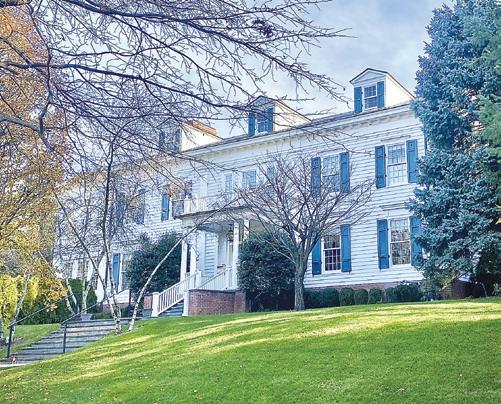
NOTE: Each week’s featured home is chosen at random from among houses and apartments offered by Riverdale Press advertisers. The opinions expressed are those of the advertiser and not The Riverdale Press news department. For further information, write to advertising@riverdalepress.com.
Charles Brophy of Douglas Elliman Real Estate
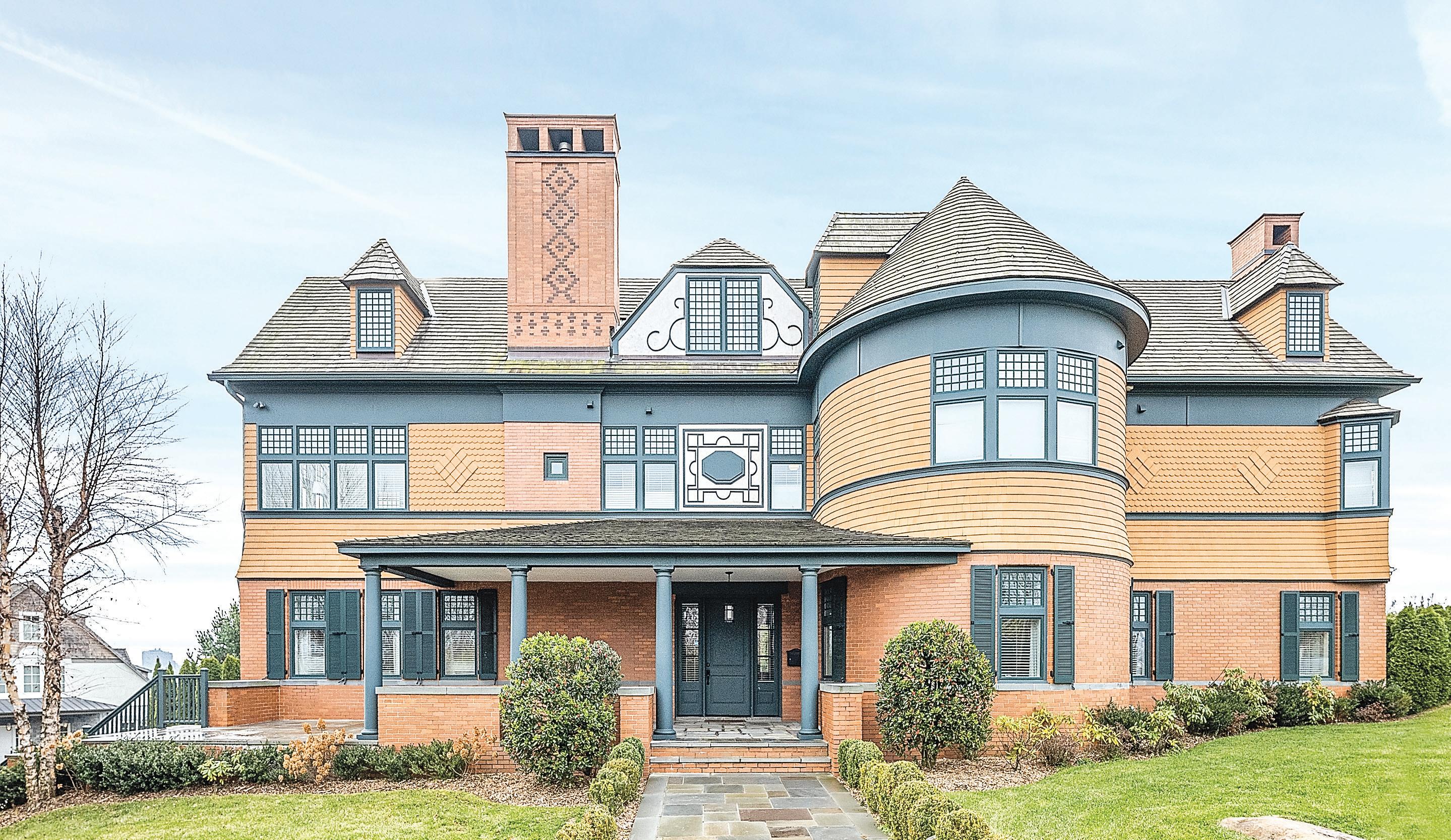
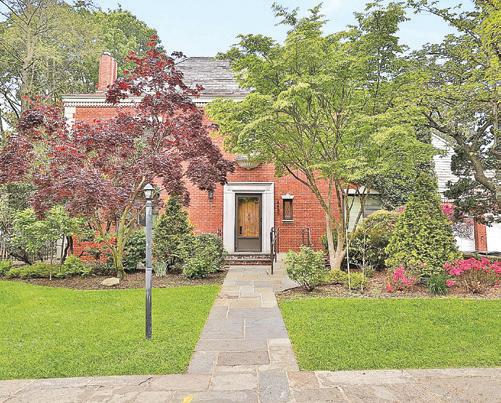
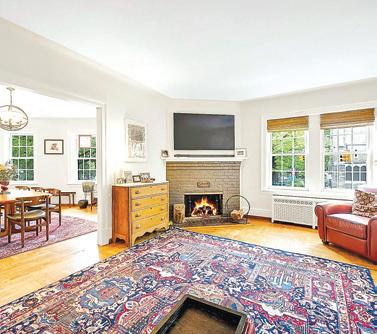
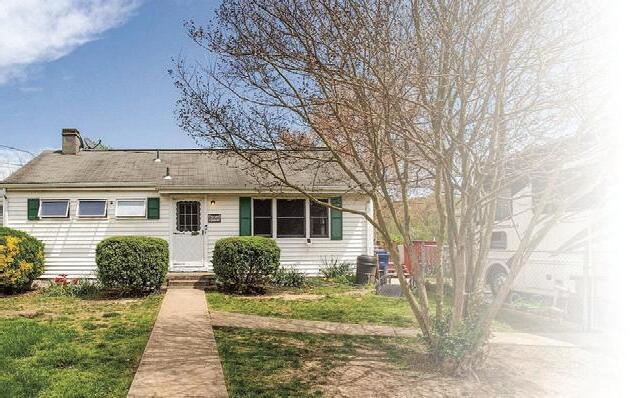
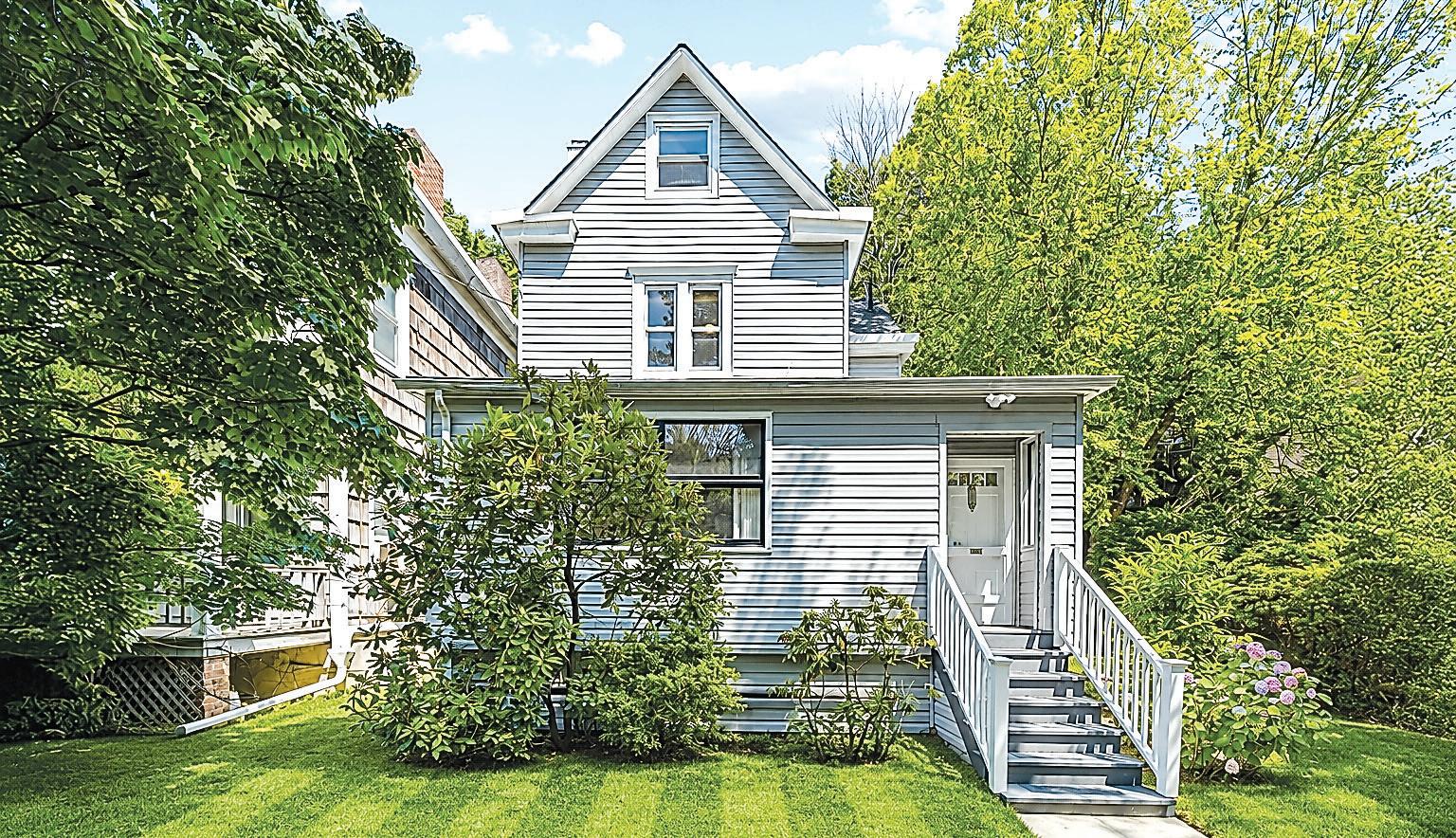
Aclassic Colonial home at 5600 Mosholu Avenue is listed for $1,350,000, offering buyers a rare opportunity to enjoy generous outdoor space and a convenient location in Riverdale’s picturesque northwest section, just minutes from Manhattan and Westchester County.
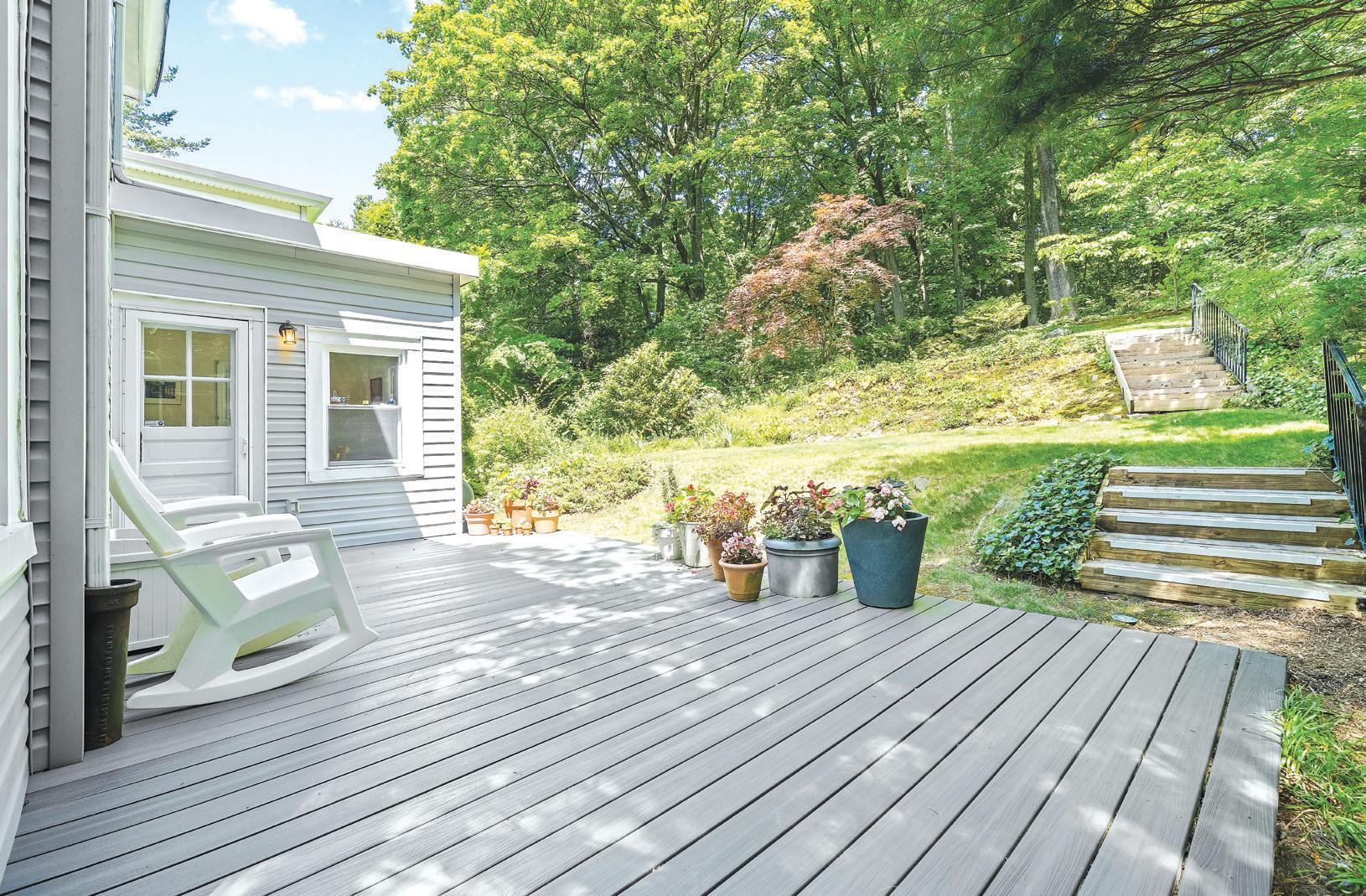
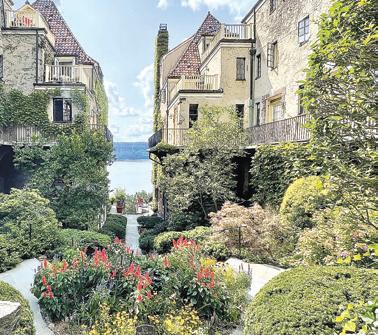
Situated on three-quarters of an acre, the residence is surrounded by beautifully landscaped grounds featuring mature trees and flowering shrubs that create a colorful display throughout the changing seasons. The property reflects Riverdale’s signature “suburban feel, urban commute” lifestyle, providing a peaceful residential setting while remaining close to New York City. Convenient access by car and public transportation makes commuting simple, and the home is located near several universities, as well as private and public schools.
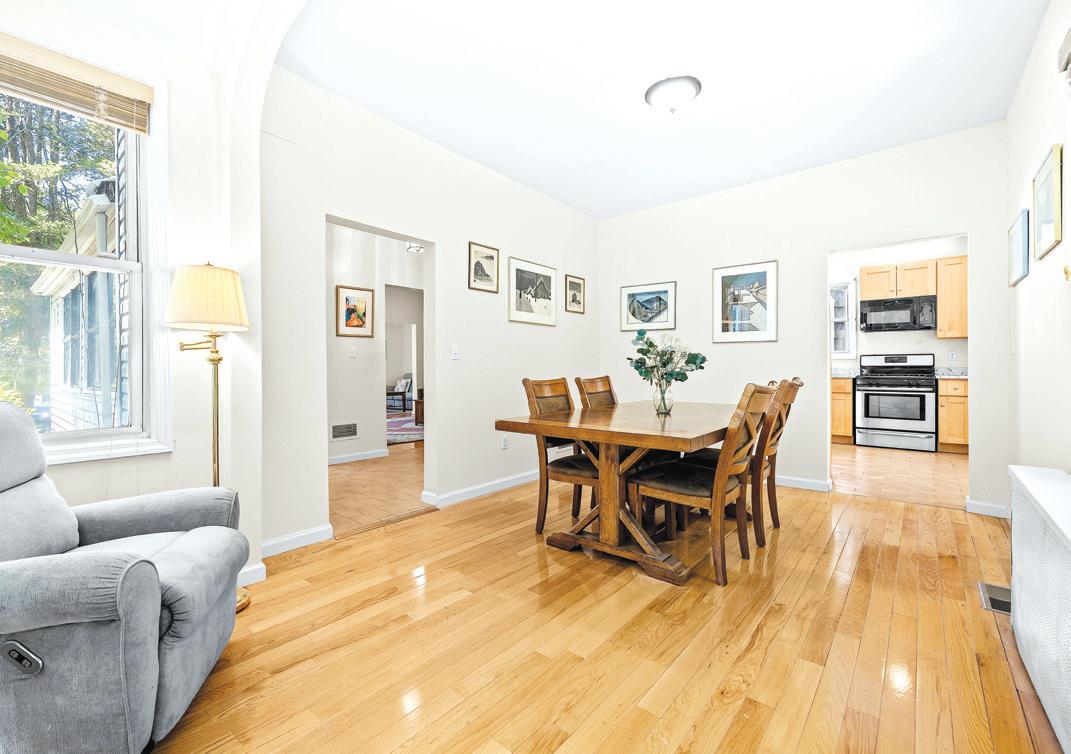
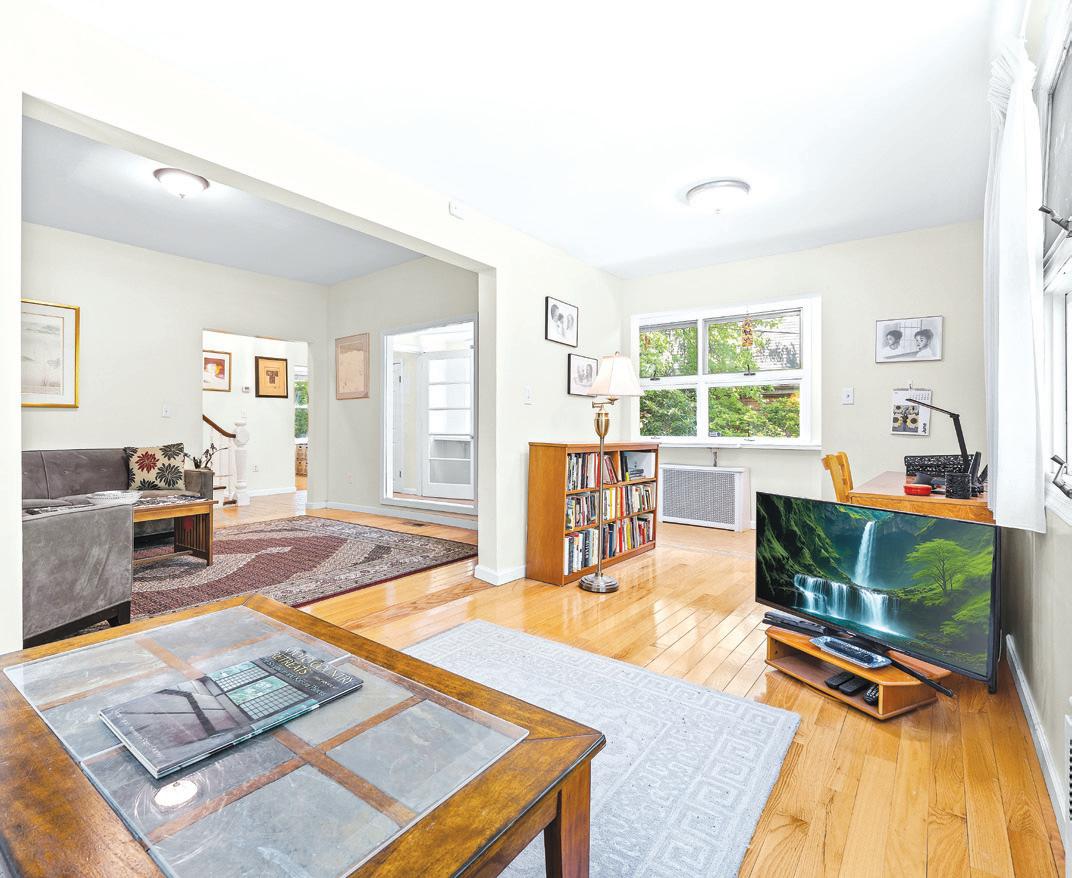
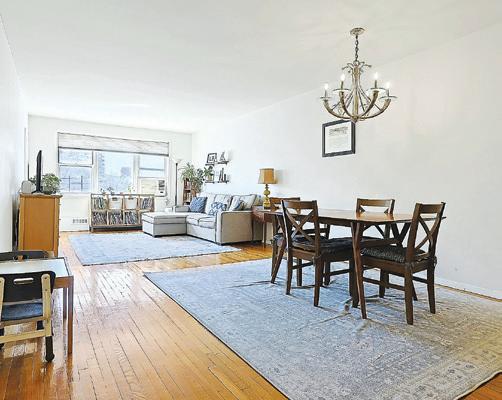
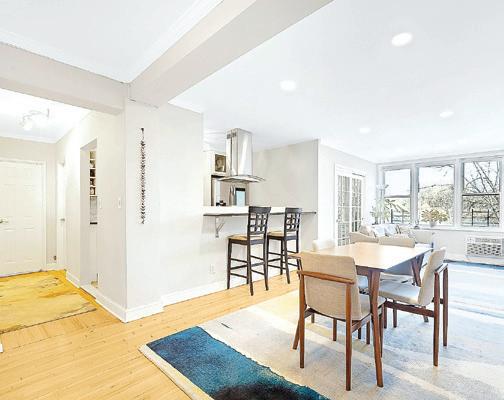
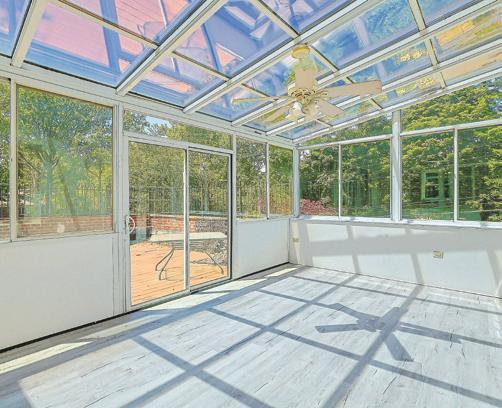
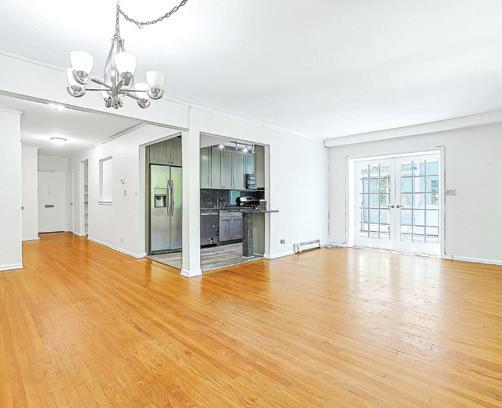
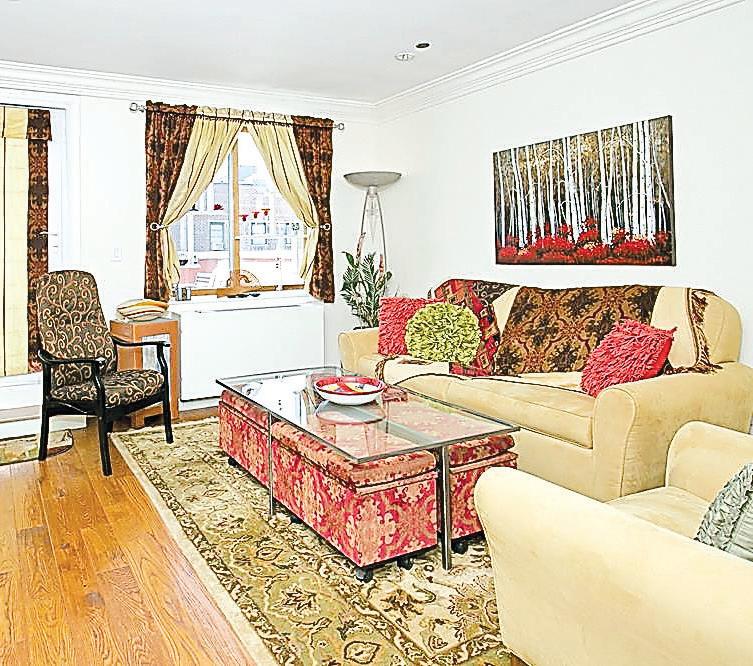
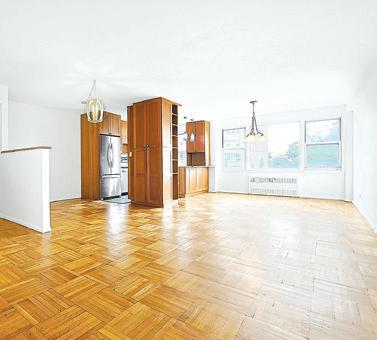
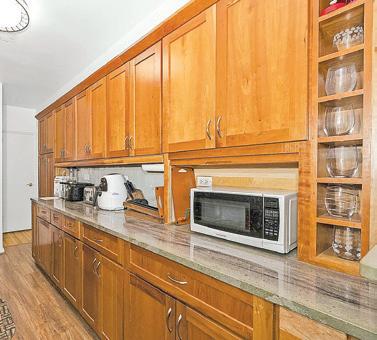
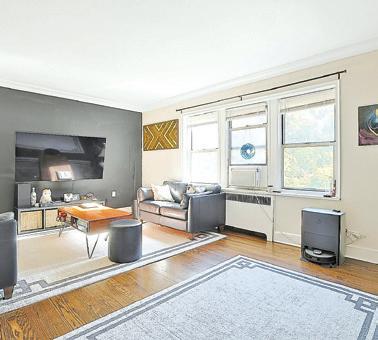
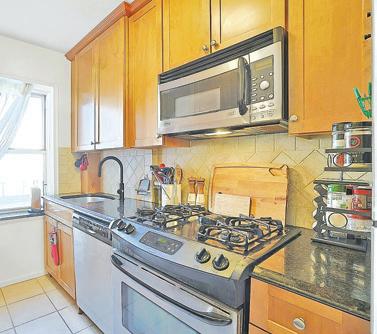
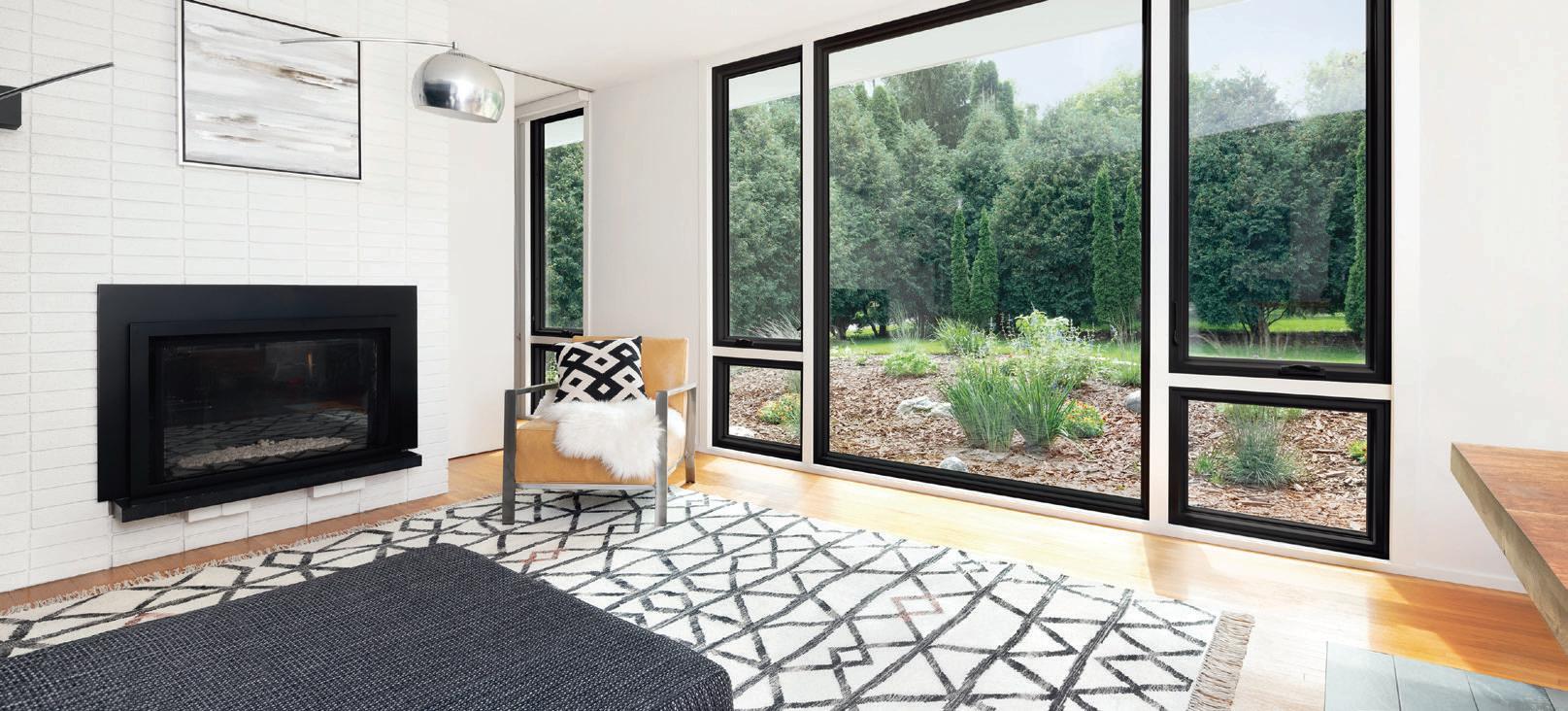
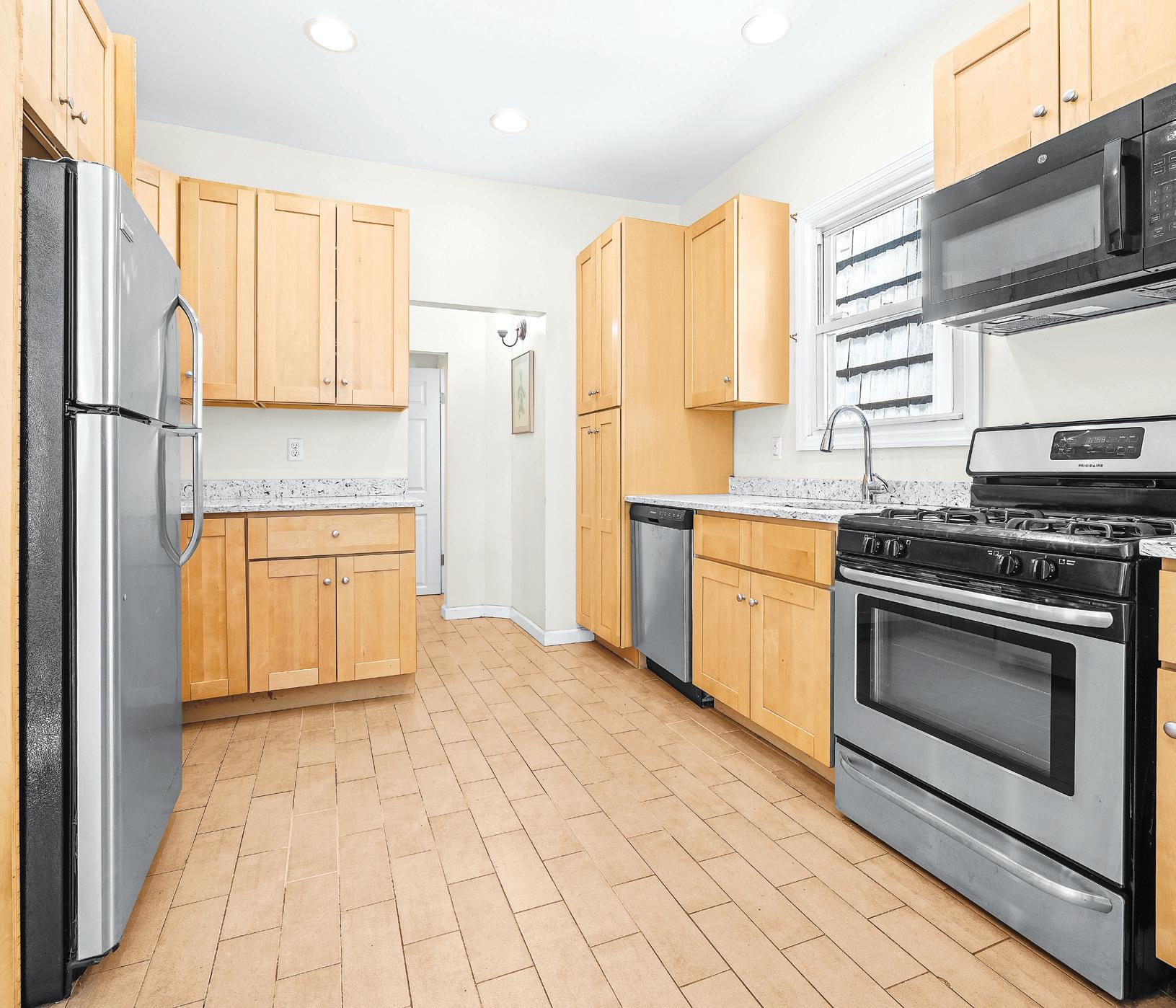
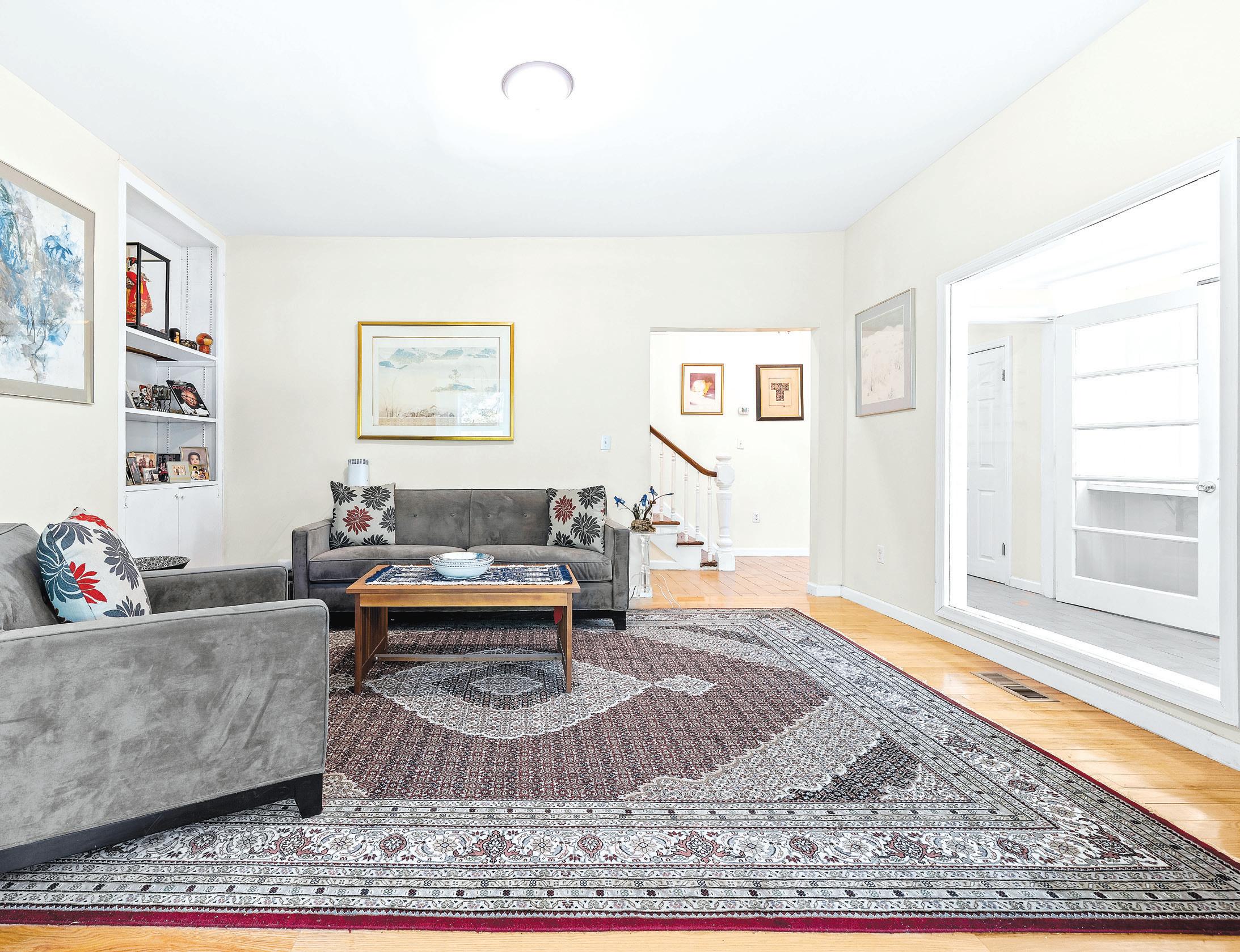
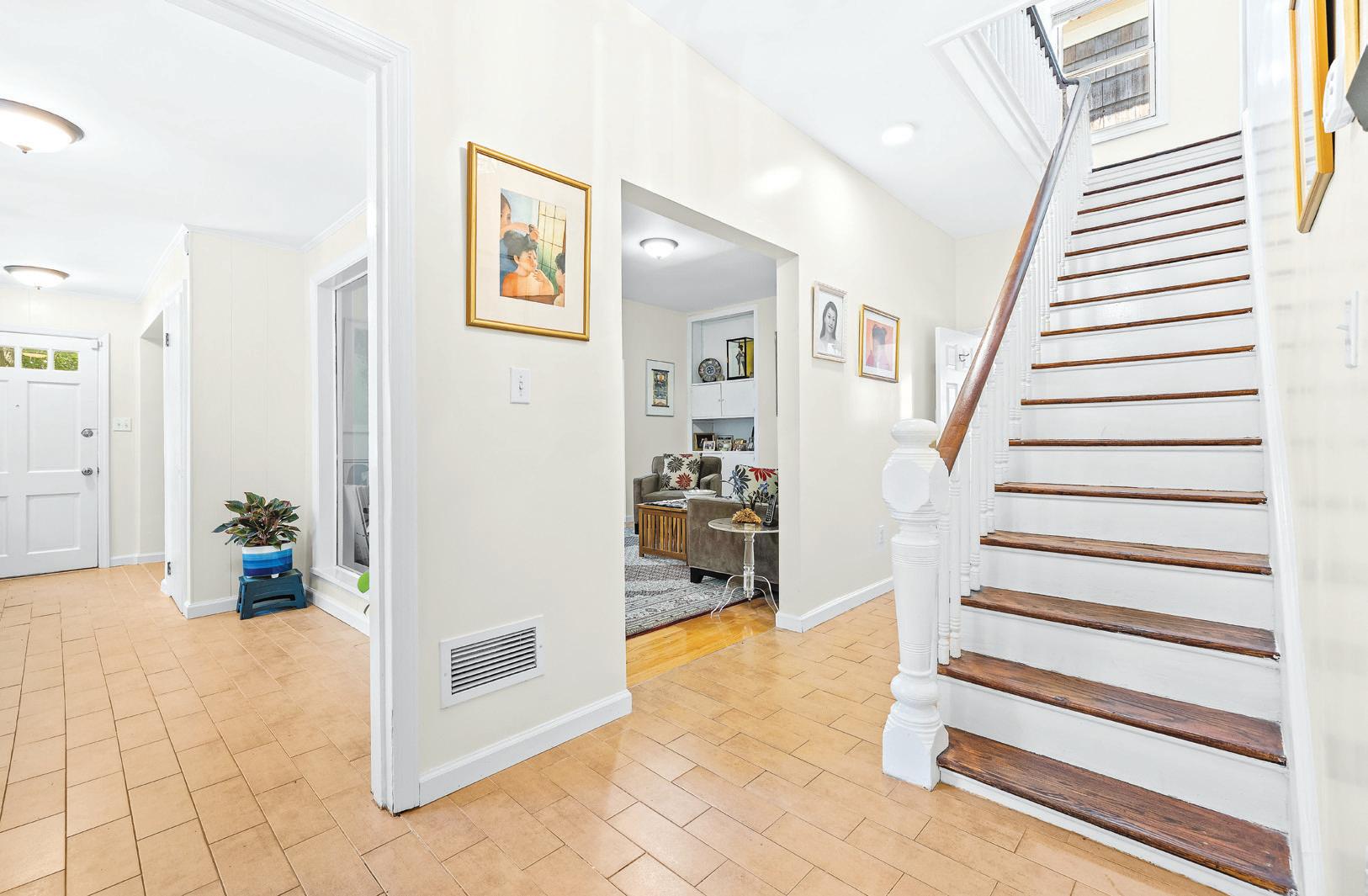
Inside, the spacious home offers three bedrooms, one-and-a-half bathrooms, an eat-in kitchen, and a sun-filled breakfast nook. Formal living and dining rooms provide ample space for entertaining, while an enclosed porch offers an
inviting place to relax throughout the year. Additional storage and living potential can be found in the attic and basement, adding flexibility for a variety of household needs.
Beyond the property, residents can enjoy a neighborhood filled with local favorites. An Italian market, restaurant, gelateria, café, and wine bar are all located just down the street, while the shops and restaurants along Johnson Avenue are only minutes away.
Outdoor enthusiasts will appreciate the home’s proximity to Van Cortlandt Park, one of New York City’s largest parks. The park features a golf course, equestrian center, athletic fields, cricket and rugby facilities, running tracks, horseback riding trails, and numerous recreational opportunities.
Combining timeless Colonial charm, expansive grounds, and an exceptional location, the home at 5600 Mosholu Avenue offers an uncommon opportunity to experience spacious suburban-style living while remaining connected to the cultural, educational, and commercial amenities of New York City.