








By Christy Hinko
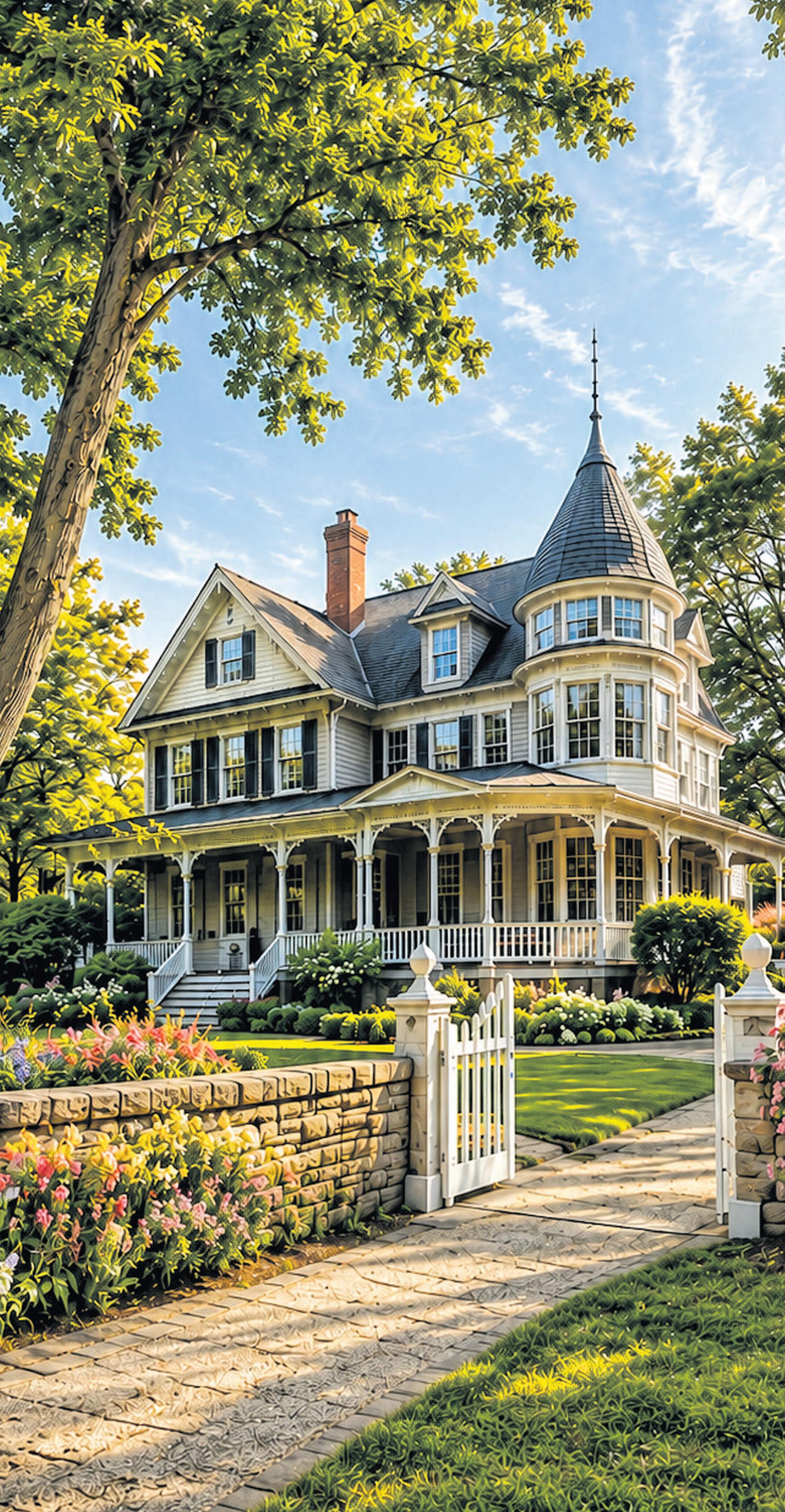
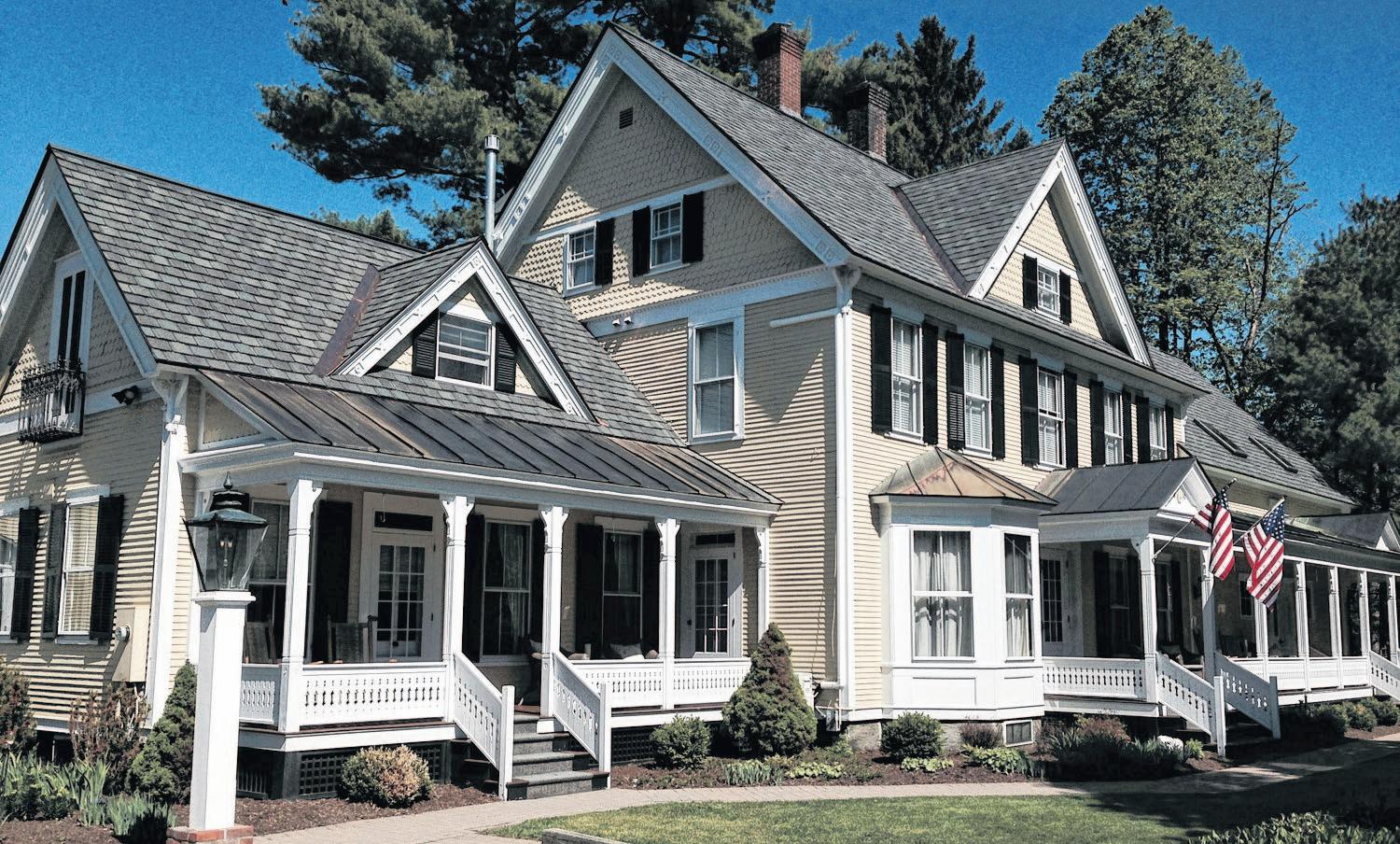
Historic homes are among Long Island’s most coveted real estate treasures. From Victorian cottages and Colonial farmhouses to Gold Coast estates, these properties offer craftsmanship, architectural character and a tangible connection to the region’s history. But owning one also means accepting a unique set of responsibilities.
The key to a successful renovation is knowing when to restore, when to repair and when modern updates can coexist with historic integrity. Preservation experts consistently recommend a measured approach that respects original materials while ensuring a home remains functional for today's lifestyle.
Start With Research Before Renovation
One of the biggest mistakes homeowners make is beginning demolition before understanding what they're preserving.
Preservation Long Island, a nonprofit dedicated to documenting and protecting Long Island's architectural heritage, encourages homeowners to research a property's history before making significant changes. Local historical societies can also provide valuable information, photographs and historical records that reveal original architectural details or later alterations worth reconsidering.
The Long Island History Societies organization maintains a directory of local historical societies across Nassau and Suffolk counties, making it easier for homeowners to locate archival resources specific to their community.
Research isn't simply about satisfying curiosity. Knowing when a porch was enclosed, whether decorative trim is original or how a house evolved can help guide renovation decisions that preserve authenticity.
Understand Whether Your Home Is Protected
Not every old house is officially historic.
The New York State Historic Preservation Office (SHPO), part of the Office of Parks, Recreation and Historic Preservation, advises homeowners to determine whether a property is listed on the State or National Registers of Historic Places or located within a designated historic district before planning exterior renovations.
Listing on the register does not automatically prevent homeowners from making changes to private residences. However, projects involving tax credits, grants or local landmark regulations may require review.
SHPO also offers preservation assistance, technical guidance and educational resources to help homeowners make informed decisions before construction begins.
Repair Before You Replace
Perhaps the most common recommendation from preservation organizations is surprisingly simple: repair original features whenever possible.
Preserve New York's Historic Homeowner Resources emphasizes that original craftsmanship often exceeds the quality of many modern replacement materials. Wood windows are a prime example.
Rather than replacing historic windows with new vinyl units, the organization points homeowners toward restoration resources, noting that properly repaired wood windows can remain durable and energy efficient for decades.
Balance Character With Modern Living
Historic preservation doesn't mean living without modern comforts.
Barry Bordelon and Jordan Slocum, known as the Brownstone Boys, make that point throughout “For the Love of Renovating: Tips, Tricks & Inspiration for Creating Your Dream Home.” Their book encourages homeowners to preserve defining architectural elements while thoughtfully updating kitchens, bathrooms and mechanical systems.
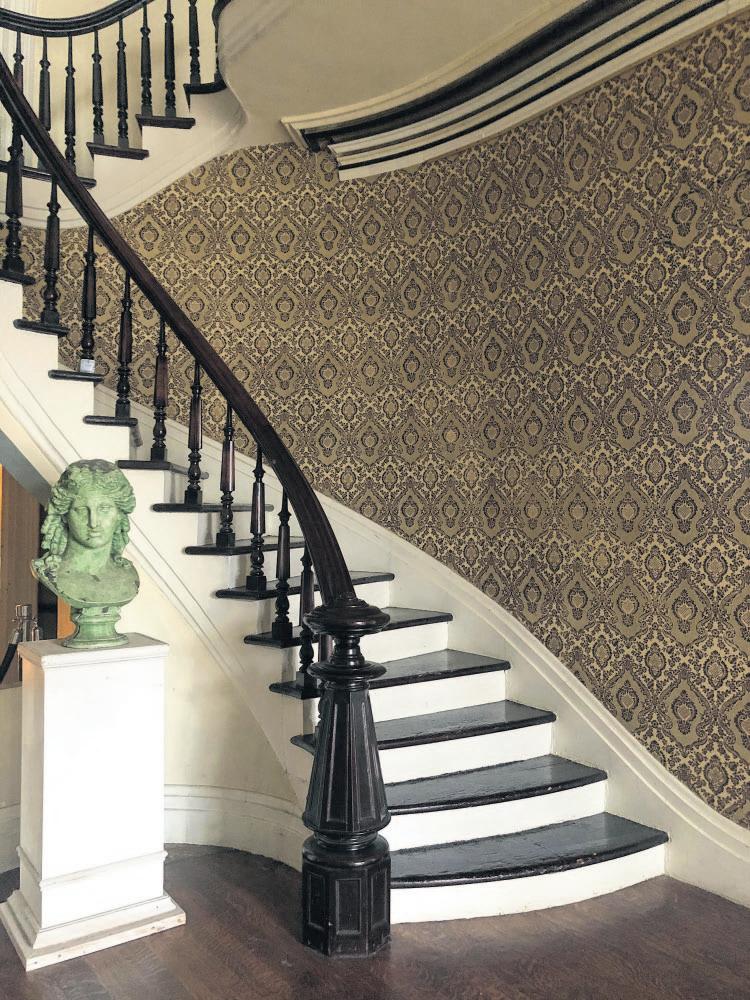
The authors devote an entire section to restoring original millwork, moldings and wood details rather than removing them during remodeling. They also stress careful planning, realistic budgets and phased renovations—practical advice for owners of older homes where hidden surprises are almost inevitable.
The philosophy is straightforward: modern conveniences should complement historic architecture instead of competing with it.
Prioritize Structural Repairs First Beautiful finishes mean little if a home's structure has been compromised.
Historic houses often require repairs that aren't immediately visible, including deteriorated framing, moisture damage, aging foundations or termite
Common restoration priorities include:
• Structural stabilization
• Rot and termite repair
• Restoration of interior and exterior trim
• Custom woodworking to match historic details
• Sensitive kitchen and bathroom renovations that preserve original layouts where possible
Addressing these issues first creates a solid foundation for cosmetic improvements later.
Match Materials Carefully
Older homes were built differently from contemporary construction.
According to architect Vincent Lemma of Trinity Designs in Bellmore, restoring historic homes in Nassau County requires careful attention to compatible materials. In his preservation guide on his website, Lemma notes that homeowners should strive to match original construction using reclaimed materials, custom-milled lumber or historically appropriate finishes whenever feasible.
Substituting incompatible materials can affect both appearance and long-term performance. Modern materials often expand, contract or weather differently than the original building fabric.
Material selection may seem like a small detail, but preservation professionals view it as one of the defining characteristics of successful restoration.
Improve Efficiency Without Sacrificing History
Energy efficiency remains one of the biggest concerns for buyers considering an older home.
Historic preservation experts increasingly reject the notion that preserving historic features automatically means accepting poor performance.
Preserve New York specifically encourages homeowners to evaluate restoration before replacing original wood windows, pointing to educational resources that explain how repaired historic windows combined with appropriate weatherstripping and storm windows can perform remarkably well.
Other upgrades — including improved insulation, discreet HVAC improvements and thoughtful air sealing — can often enhance comfort while preserving architectural integrity.
The goal is performance without erasing character.
Build The Right Team
Historic renovations demand specialized expertise.
Lemma advises homeowners to seek contractors with demonstrated experience restoring historic properties, familiarity with preservation practices and knowledge of local review processes where applicable.
He also recommends consulting preservation architects when significant structural work or historically sensitive alterations are planned. Finding experienced professionals may require additional research, but mistakes made by inexperienced contractors often cost far more than hiring the right team from the outset.
Explore Tax Credits/Technical Assistance
Historic preservation can be expensive, but homeowners may have access to valuable assistance.
Preserve New York highlights New York State's Historic Homeownership Rehabilitation Credit for qualifying owner-occupied historic residences.
The State Historic Preservation Office also provides technical guidance, educational materials and information about preservation standards that can help homeowners navigate rehabilitation projects. Understanding available incentives before beginning construction may influence both project scope and budgeting.
Find Inspiration Close To Home
Long Island offers no shortage of examples demonstrating successful preservation.
The National Trust for Historic Preservation highlights several artist homes and studios across Long Island that showcase thoughtful stewardship of historic properties while keeping them accessible to modern audiences.
Organizations including Historic Houses of America, Preservation Long Island and local historical societies continue documenting and celebrating the region's architectural legacy, providing homeowners with both educational resources and inspiration.














With nearly 30 years in the real estate industry, Monika Dvorak has watched buyer preferences evolve throughout Long Beach and the South Shore. One of the biggest shifts she’s seeing today is the growing demand for move-in ready homes.
“When I started, most buyers were focused on finding something they could afford and renovate themselves,” Dvorak said. “People were more hands-on and willing to take on projects.
“Today, many buyers have demanding careers and busy schedules,” she continued.
“They have less time for renovations, so they’re looking for homes they can move right into.”
A licensed real estate salesperson with Douglas Elliman, Dvorak has been serving the Long Beach market since beginning her career in 1997. “I was always interested in homes and architecture,” she said. “It was just a calling”
Lmade renovation projects less appealing than they once were.
“Labor and material costs have increased significantly,” Dvorak said. “It can take months to schedule contractors, electricians or plumbers. Many buyers simply don’t want to take on that challenge.”
“Many buildings constructed in the 1960s didn’t include guaranteed parking,” she explained. “By the 1980s, building codes required at least one parking space per unit, so those buildings tend to be more desirable and command higher prices.
Over the years, Dvorak has found that successful real estate transactions begin with understanding each client’s goals, whether that’s their budget, financing, timeline or lifestyle.
“People are more focused on their careers today,” she said. “Many would rather pay a little more for a home that’s already updated than spend months managing renovations.”
For many buyers, a movein ready home offers both convenience and peace of mind.
“It’s definitely beneficial for both sellers and buyers,” Dvorak said. “These properties can sell faster, which is a plus for sellers. Buyers also avoid the stress of hiring contractors or finding another place to stay while work is being done. They can simply move in and enjoy the home.”
“A lot of buyers walk in and immediately start thinking, ‘We’d have to redo this, we’d have to replace that, and how much is it all going to cost?’” Dvorak said.
She noted that rising labor and material costs, along with longer wait times for skilled contractors, have
She recently experienced this while marketing a property in Oceanside that required extensive renovations. “It took a long time to find the right buyer,” Dvorak said “We did find somebody who worked in construction and was looking for himself. Most buyers would walk in and walk out because they felt the project was overwhelming.”
According to Dvorak, movein ready homes aren’t limited to new construction. Many buyers are equally interested in renovated Tudors and older homes that have been thoughtfully updated with modern kitchens, bathrooms and mechanical systems.
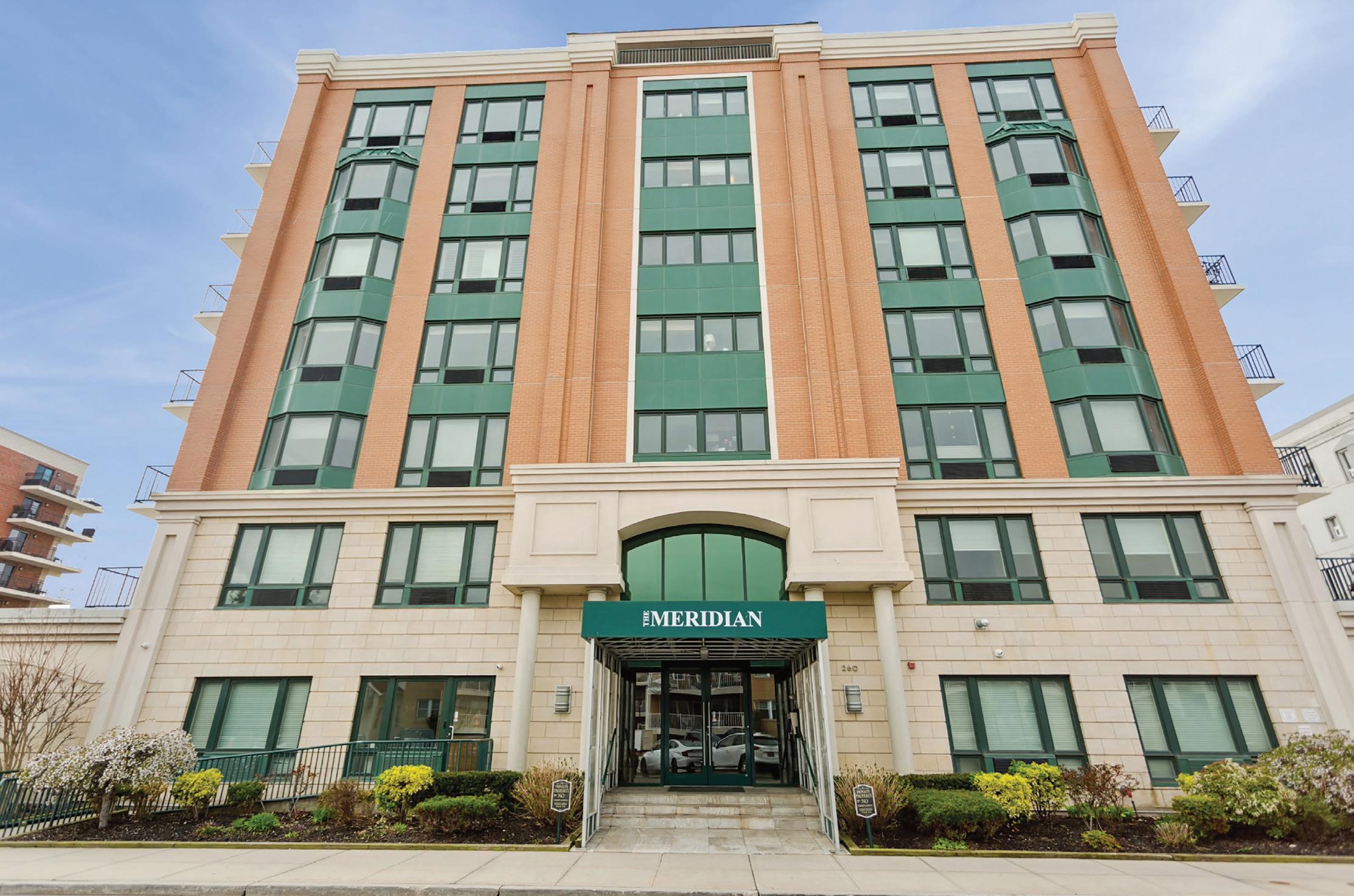
She’s also seeing continued demand for Long Beach’s apartments, condominiums and co-ops as buyers seek lower-maintenance living. “Some owners are downsizing,” she said. “Others don’t want to worry about roof repairs, landscaping, snow removal or other maintenance. Condos and co-ops offer a lifestyle that’s much easier to manage.”
Many of these buildings offer desirable amenities such as fitness centers, swimming pools and convenient access to the beach, boardwalk, restaurants and the Long Island Railroad.
Parking remains one of the area’s most sought-after features. “People are looking for buildings where you can get parking right away,” Dvorak said.
“Especially during the summer, when Long Beach is filled with visitors, having your own parking space is a major advantage,” Dvorak continued.
Limited inventory has also influenced pricing in
the condominium and co-op market. “It’s a very strong market,” Dvorak said. “Many homeowners find that what they receive from selling their house is comparable to what they’re paying for a condo or co-op.”
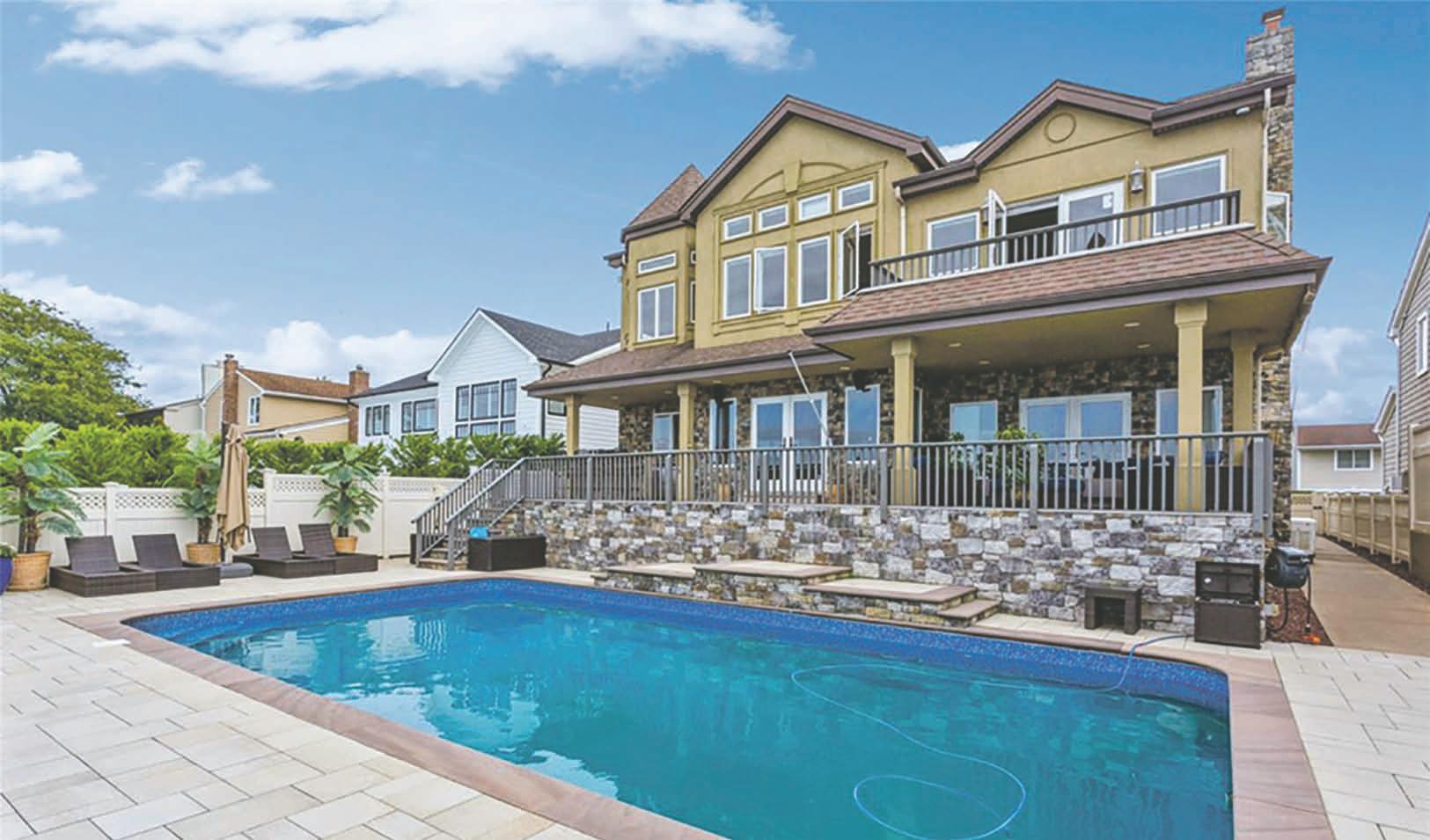
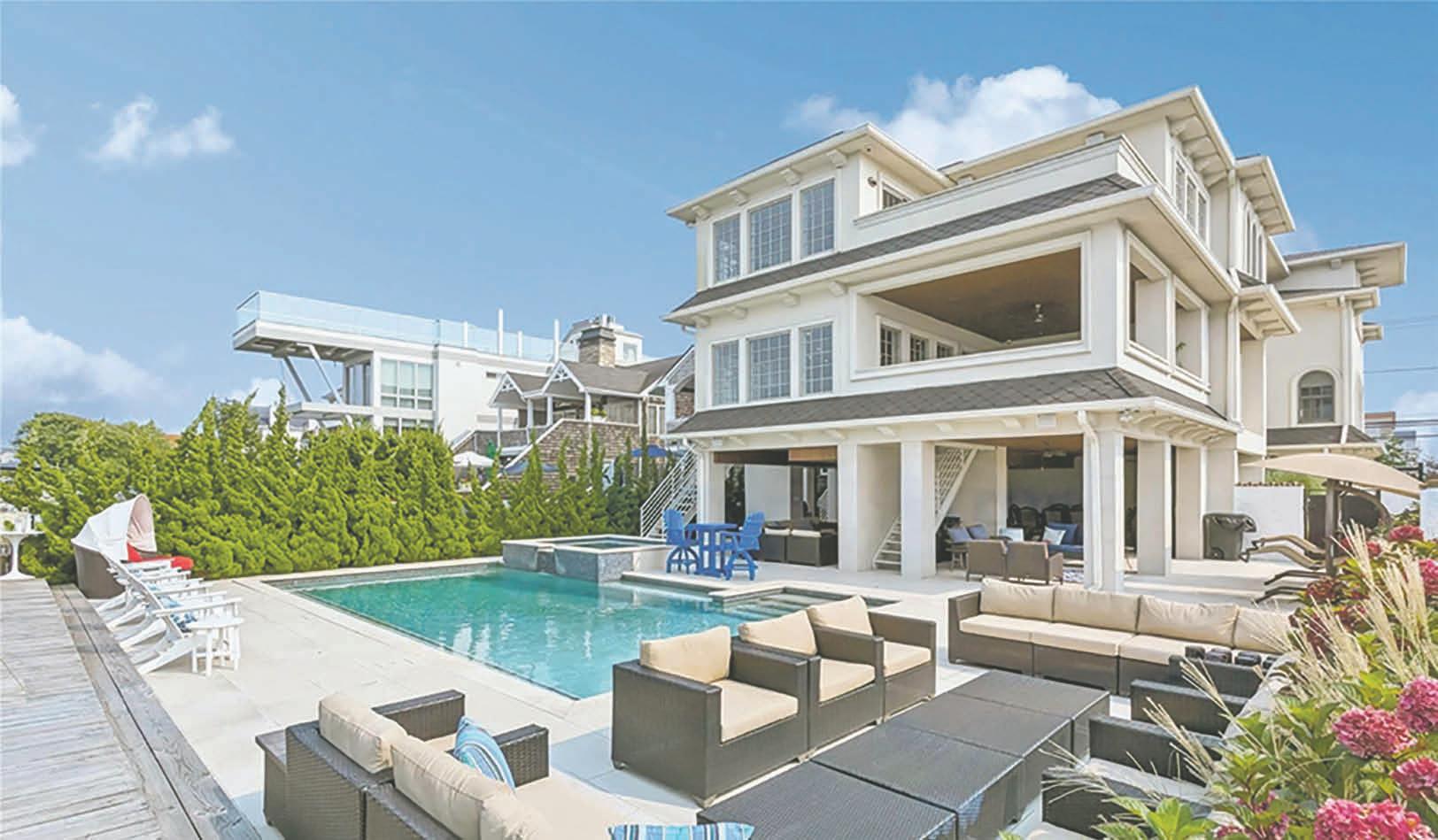
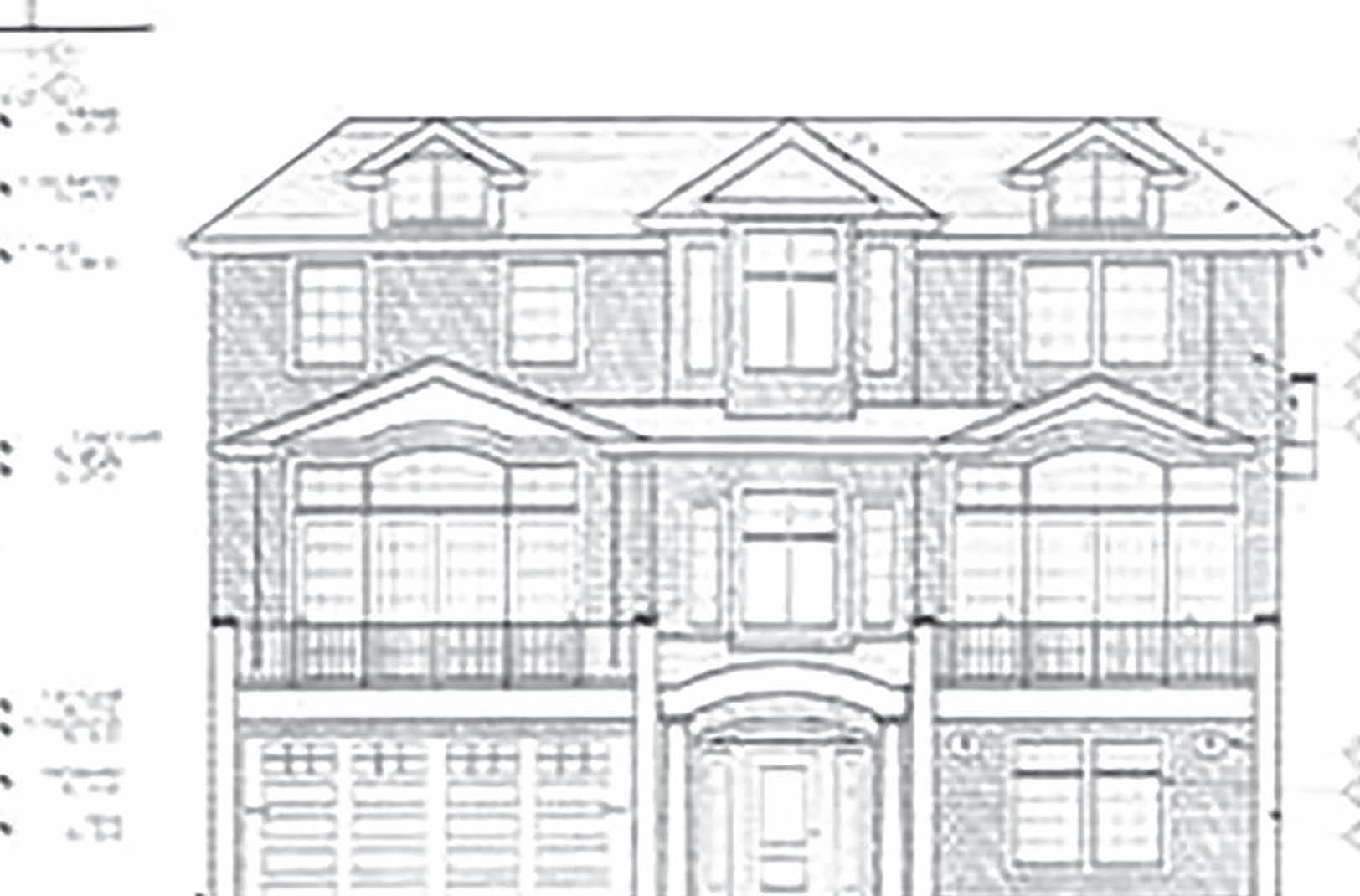
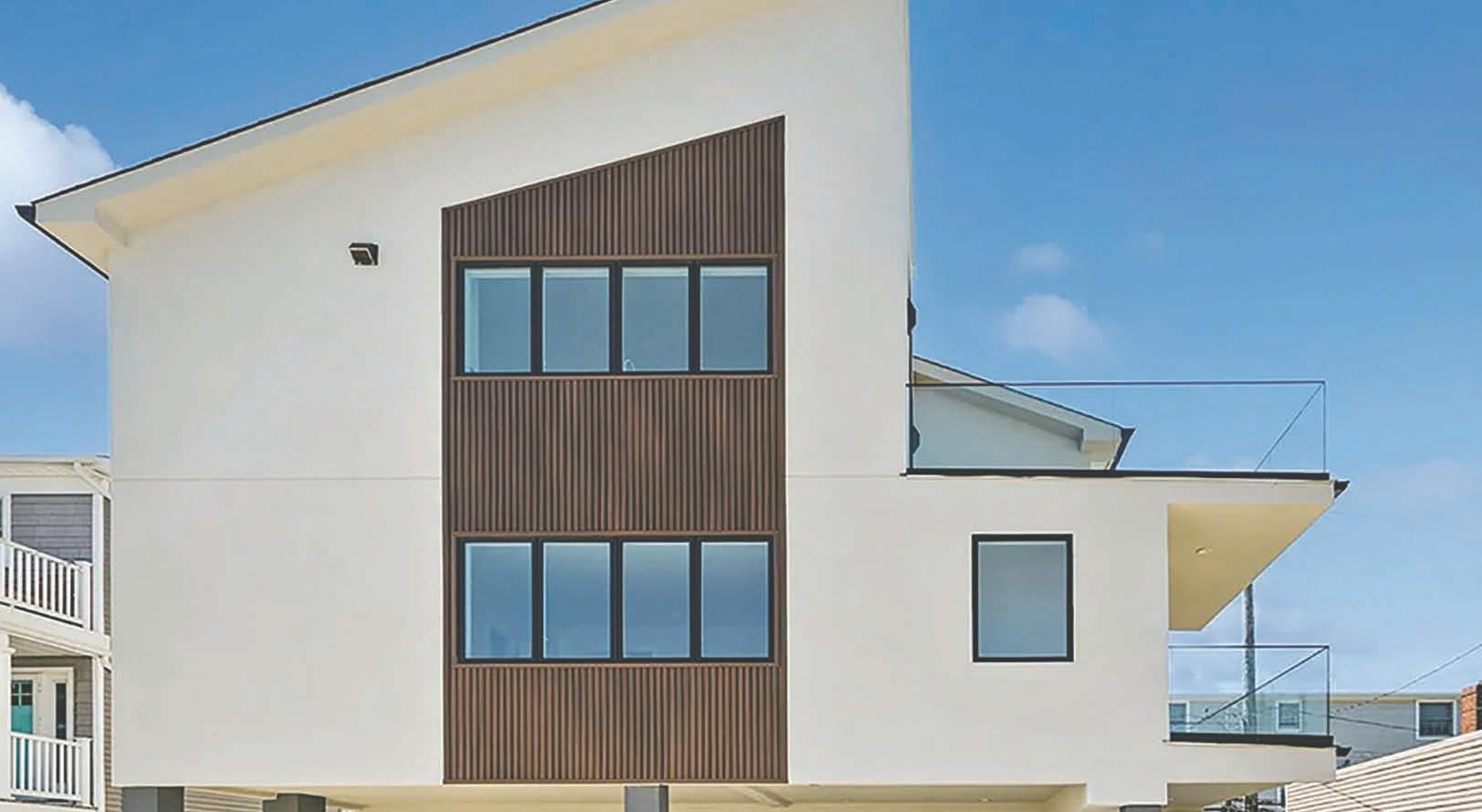
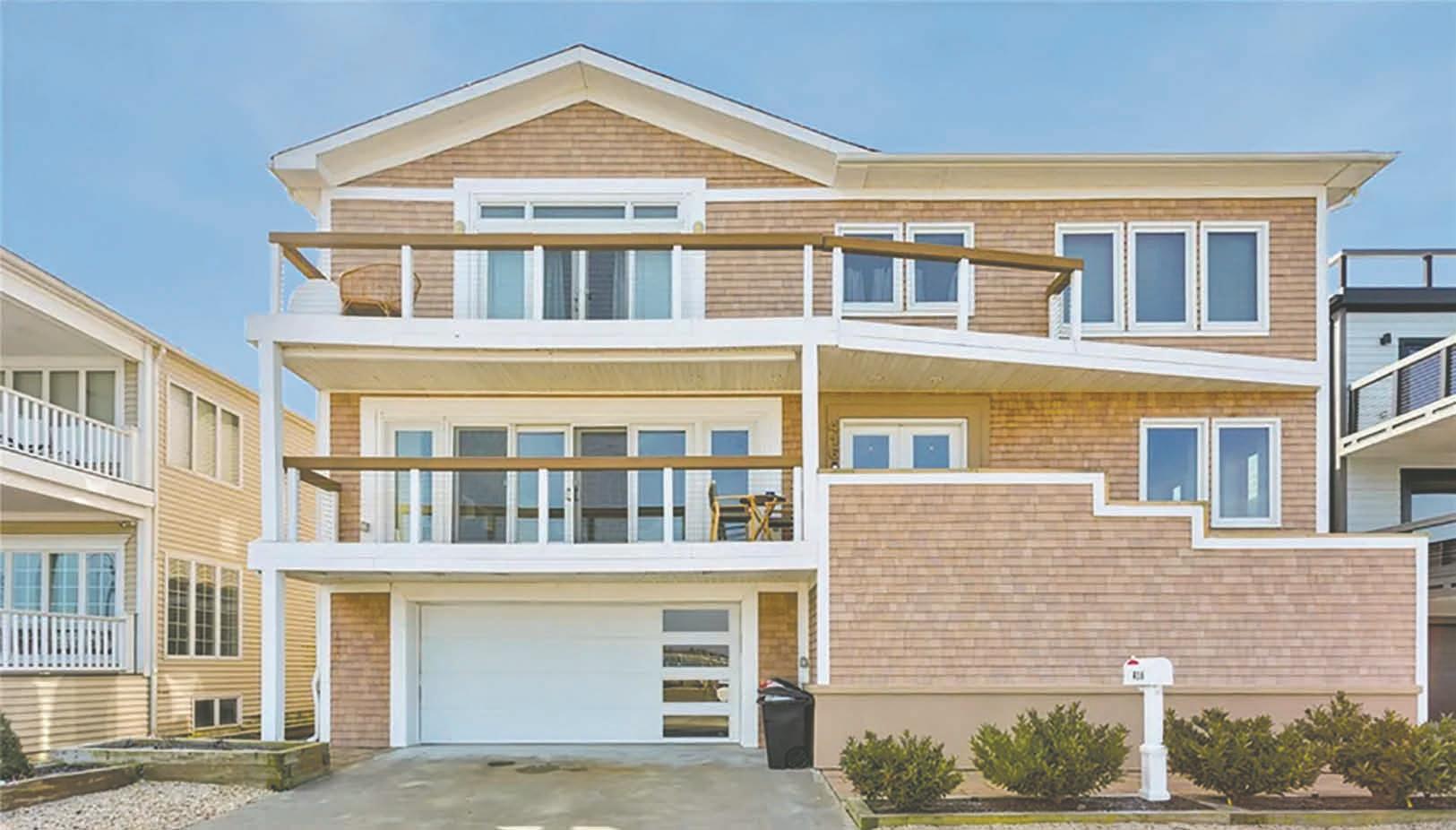
Dvorak has also seen continued interest in Long Beach’s West End, where many of the smaller ranch homes damaged after Superstorm Sandy have been replaced with elevated, modern homes that often include additional living space and parking.
Despite changing market trends, she believes Long Beach’s greatest appeal has remained the same. “Long Beach is a very unique place to live,” she said. “It has so much character, and there’s truly something here for everyone.”
— Madison Gusler
Q: What should sellers look for in a real estate agent?
A: After 27 years in real estate, I’ve learned choosing the right agent, and the right brokerage behind them, can make all the difference. Experience, communication, and integrity are essential, but so is having the support of a company that invests in its agents through ongoing training, technology, marketing, and resources. Those tools allow us to better serve clients and adapt in an ever-changing market.
Q: How does an agent help buyers purchase their dream home?
A: Buying a home is one of the biggest financial decisions most people will make, and an experienced agent is there to guide buyers every step of the way. From understanding the market and negotiating the best terms to coordinating inspections, attorneys, and lenders, our job is to make the process as smooth as possible while helping buyers make informed decisions that are right for them.
Q: Do you have any tips for people thinking about buying or selling in today’s market?
A: Every market presents different opportunities and challenges. Some properties receive multiple offers and bidding wars, while others require a different strategy. That’s why buyers and sellers benefit from the guidance of an experienced real estate professional rather than trying to navigate the process on their own. Being prepared, having realistic expectations, and working with someone who understands the local market can make all the difference.
—


July

at home.
Whether you’re enjoying your current home or thinking about what’s next, summer may be a great time to explore new possibilities. As the #1 brokerage on Long Island,** Douglas Elliman is proud to help guide your real estate journey while supporting the communities we’re honored to serve.
Wishing you a July filled with sunshine, memorable moments, and all the best that summer has to offer.


























































By Karen Bloom
For homeowners restoring or decorating
a historic house, few design choices add authenticity like antiques. Whether it's a hand-carved dining table, an antique mirror, a vintage rug or a well-worn chest that has seen generations of family gatherings, older pieces bring warmth, character and a story that simply can't be replicated.
Designers increasingly mix historic furnishings with contemporary décor, creating interiors that feel collected rather than cookie-cutter. A single antique can become the focal point of a modern room, adding texture, craftsmanship and personality.
Unlike today's mass-produced furniture, antiques were often built by skilled craftspeople using solid hardwoods, traditional joinery and materials designed to last for generations. Their survival through decades — and in some cases centuries — is a testament to their quality.
Don't assume antiques are expensive
One of the biggest misconceptions about antique shopping is that every old piece comes with a luxury price tag.
In reality, many traditional wood furnishings — often referred to by dealers as "brown furniture" — have become some of the best bargains on the market. Dining tables, china cabinets, sideboards, dressers and writing desks made from oak, walnut, cherry and mahogany frequently sell for less than comparable new furniture made from engineered wood or veneer.
Changing decorating trends have softened demand for some formal furniture styles, creating opportunities for buyers willing to think creatively.
Rather than purchasing an entire matching bedroom or dining room set, many homeowners choose one or two standout antique pieces and pair them with contemporary furnishings. The result feels fresh while preserving a sense of history.
Another reason prices have become more approachable is that today's buyers often favor eclectic interiors over heavily furnished rooms. Large china cabinets or formal dining sets that once commanded premium prices may now represent exceptional value. Meanwhile, smaller pieces such as side tables, trunks, benches and accent chairs remain popular because they fit comfortably into homes of every size.
Buy what you love
Seasoned collectors often offer one simple piece of advice: buy what speaks to you.
While certain antiques appreciate in value, most people should purchase pieces because they enjoy living with them rather than viewing them solely as investments. Your tastes may evolve over time, but if you genuinely appreciate the craftsmanship, beauty or history behind a piece, you're unlikely to regret bringing it home.
Whether it's an antique rocking chair, vintage artwork, brass candlesticks, porcelain, quilts, clocks or collectible books, personal enjoyment should always come first. After all, antiques become part of Learn before you buy
One of the pleasures of antiquing is that every shopping trip becomes an education.
Thanks to online resources, museum collections and collector organizations, researching antiques has never been easier. Before making a significant purchase, spend time learning about manufacturers, furniture styles, construction methods and hallmarks.
A few basics can make a tremendous difference. Look for signs of age such as hand-cut dovetail joints, solid wood construction, original hardware and natural wear that develops over decades of use. Drawer bottoms, the backs of cabinets and the undersides of tables often reveal more about a piece than its polished front.
Many dealers encourage buyers to ask questions. Reputable sellers are usually happy to explain a piece's history, point out repairs and discuss its provenance if known. The more information available, the more confidence you'll have in your purchase.
Generally speaking, an antique is considered at least 100 years old, while vintage items are typically several decades old and representative of a particular era. Reproductions are newer pieces designed to resemble older originals.
As your confidence grows, you'll begin recognizing quality almost instinctively.
Condition matters — but perfection isn't necessary
Unlike brand-new furniture, antiques rarely arrive in flawless condition. Small scratches, worn finishes and minor repairs often add to a piece's authenticity rather than diminish it. Many collectors appreciate what is known as a "patina"—the natural aging of wood, metal and finishes that develops over time.

However, shoppers should carefully inspect for structural problems.
Open drawers and doors. Look underneath tables and chairs. Check for loose joints, water damage, wood rot or evidence of termites. If upholstery is original, determine whether it will require replacement.
For valuable furniture, extensive restoration can sometimes reduce collector value, while careful conservation may preserve both beauty and worth. If you're uncertain, ask the dealer about repairs or restoration work that has already been completed.
Don't overlook estate sales and local markets
Some of the best finds aren't necessarily in upscale antique galleries.
Estate sales, church bazaars, flea markets, consignment shops and local antique malls often yield remarkable discoveries at reasonable prices. Long Island, with its rich architectural history and generations of established communities, is especially fertile ground for finding quality furnishings and decorative objects that have remained in local families for decades.
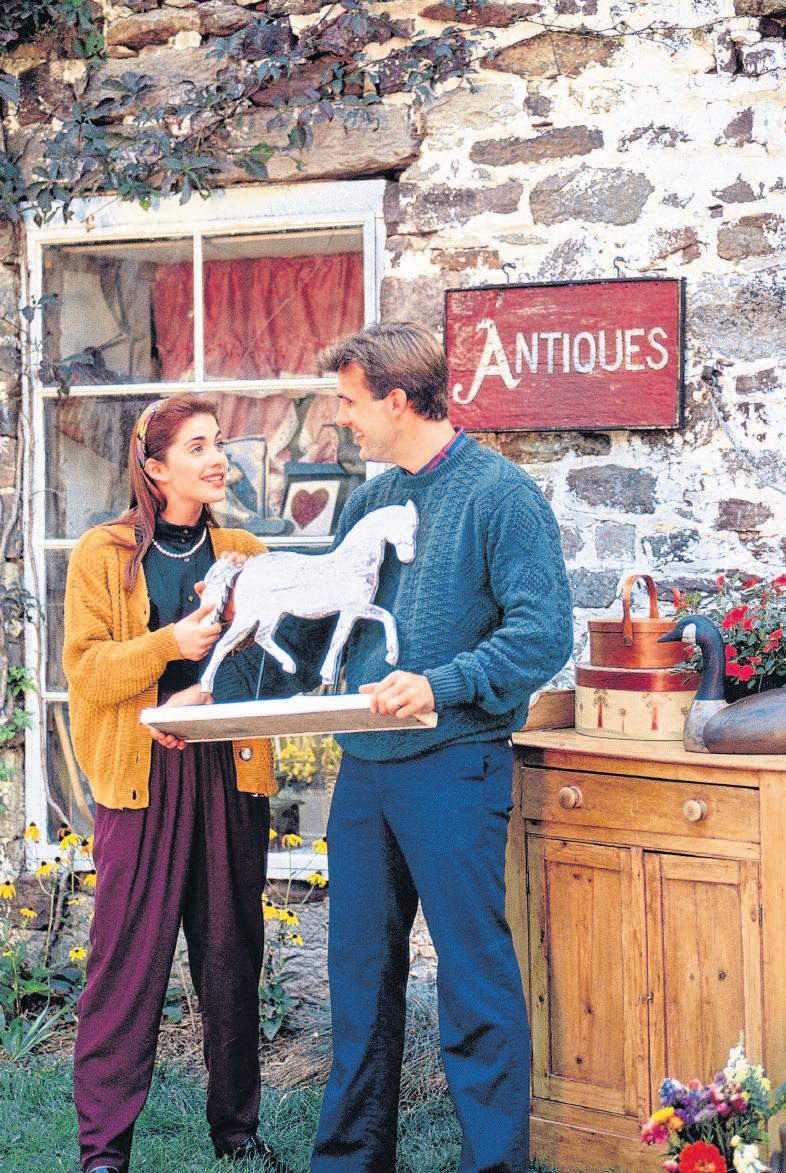
Shopping locally also provides opportunities to learn from experienced dealers who have spent years studying regional history and craftsmanship. Many enjoy sharing stories behind unusual pieces, making each visit as educational as it is enjoyable.
Finding the perfect piece often takes time, and that's part of the experience. Antique stores, estate sales, flea markets, auctions and antique fairs all offer different opportunities. Many folks enjoy browsing without a specific goal, allowing unexpected discoveries to shape their collections. Others search for months to find exactly the right dining table, secretary desk or stained-glass lamp.
Patience often leads to better prices and better purchases. If you're buying from an antique shop, polite negotiation may also be appropriate. While not every dealer discounts merchandise, many are willing to discuss pricing, particularly for larger furniture or multiple purchases. Courtesy goes a long way, and respectful bargaining is often part of the antiquing tradition.
Think sustainably
Buying antiques is also one of the most environmentally friendly ways to furnish a home.
Instead of purchasing newly manufactured furniture that requires fresh raw materials, antiquing gives existing pieces another life.
Reusing well-built furniture reduces waste, keeps quality craftsmanship in circulation and helps preserve resources. Many antiques have already lasted a century or more — proof that they were built to endure.
For environmentally conscious homeowners, decorating with antiques represents a practical form of recycling that doesn't sacrifice style.
Caring for your collection
Once you've found the perfect piece, proper care will help preserve it for future generations. Avoid placing antiques in direct sunlight, where prolonged exposure can fade finishes, fabrics and artwork. Maintain consistent humidity levels whenever possible, since dramatic swings in temperature and moisture can cause wood to expand, contract or crack.
Routine dusting with a soft cloth is usually sufficient. Harsh chemical cleaners or abrasive polishes can damage original finishes, so when in doubt, less is often more. Valuable pieces may benefit from occasional evaluation by a professional conservator rather than a furniture refinisher.
Mix old and new
Today's interior designers rarely decorate an entire home exclusively with antiques. Instead, they blend traditional pieces with modern lighting, contemporary artwork, updated fabrics and current paint colors.
An antique farmhouse table can anchor a sleek kitchen. A vintage chest can become a bathroom vanity. A century-old bookcase may look perfectly at home beside a modern sofa.
The contrast often creates interiors that feel layered, personal and welcoming.
Historic homes especially benefit from preserving original architectural details while incorporating carefully chosen antique furnishings that complement the home's character.


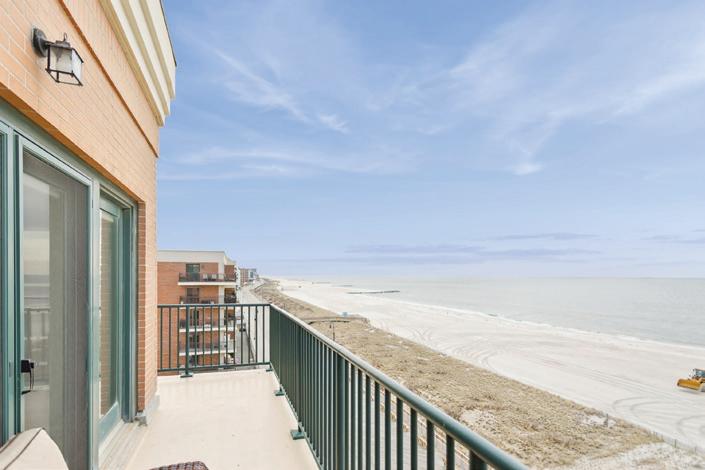
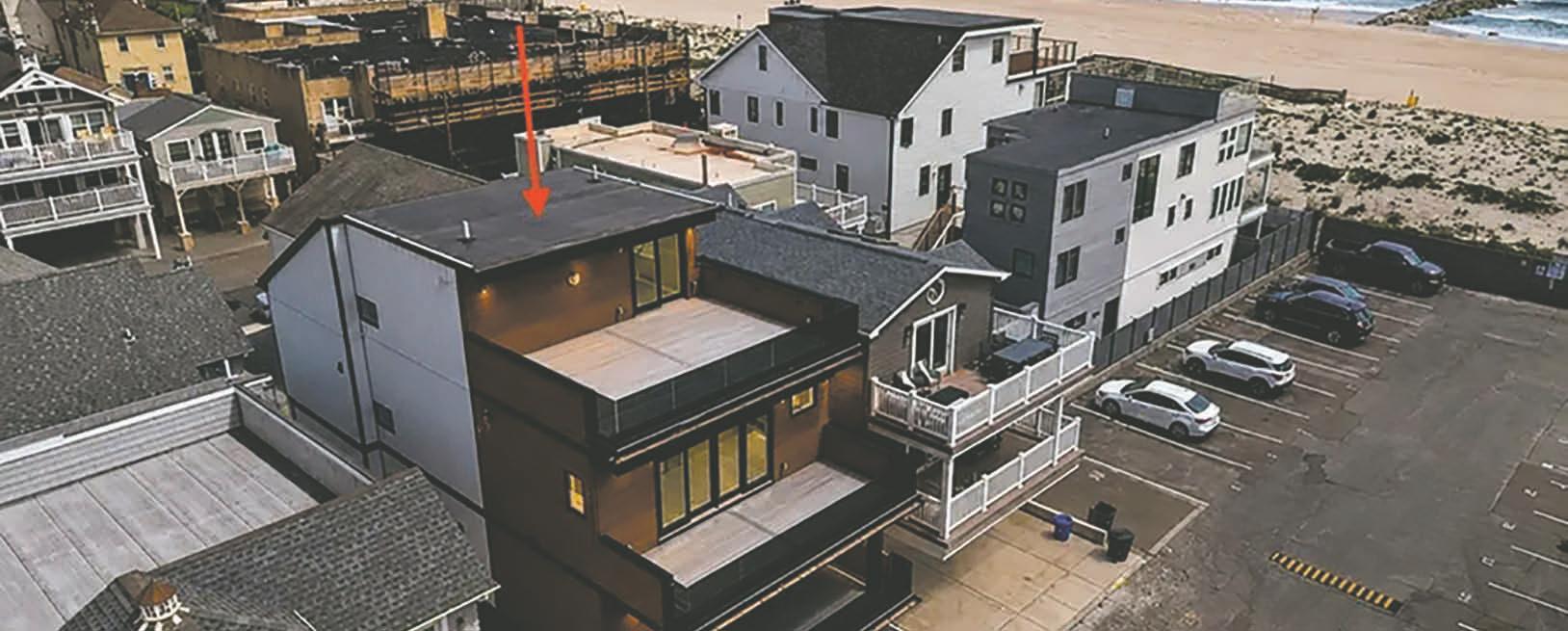
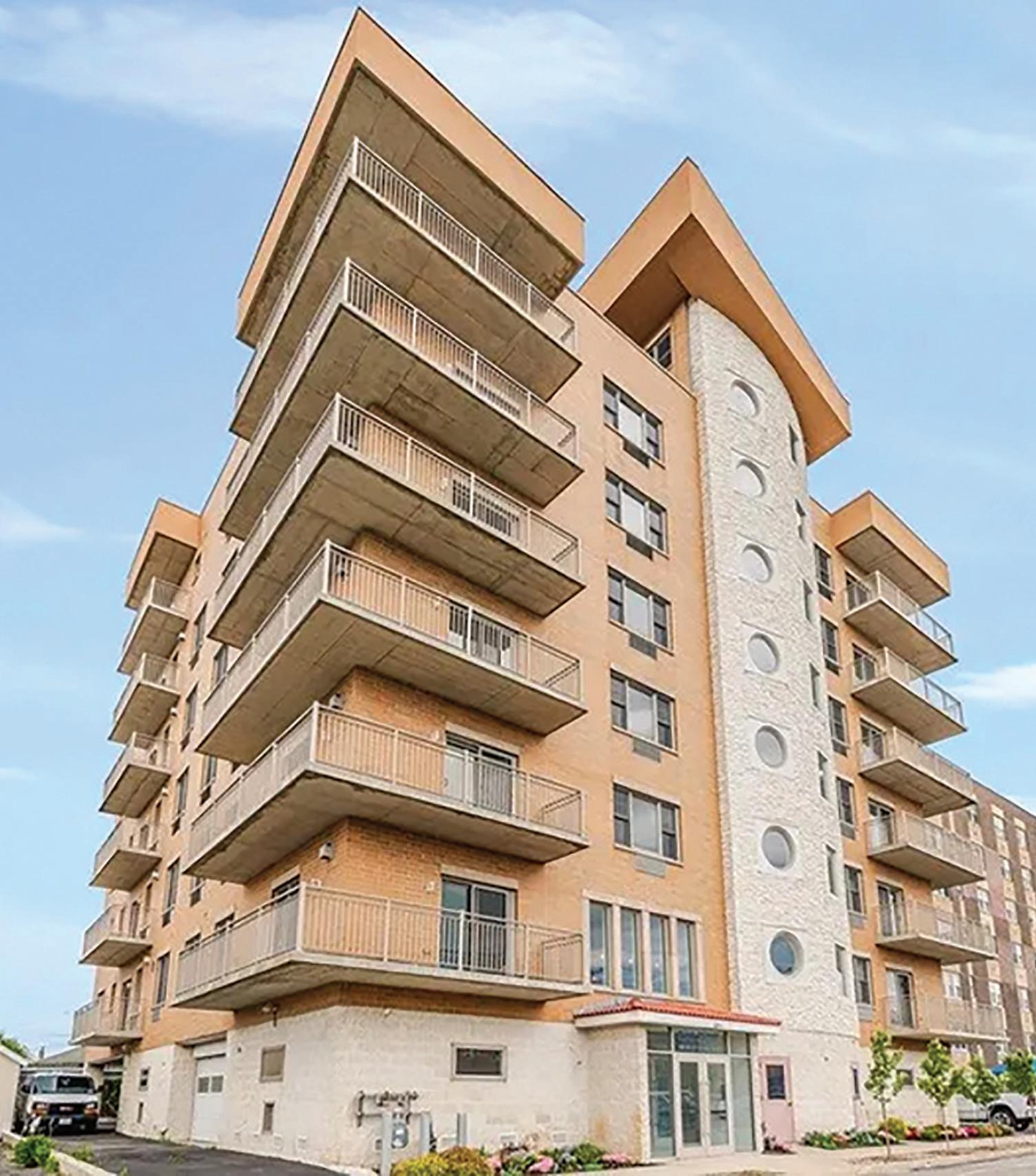
CIELO — Meaning Sky and Heavens — is an UltraLuxury Oceanfront Residence Unlike Anything Else Available. This All Brick and Stone Architectural Masterpiece Offers Only 11 Exclusive Residences, with Each Full-Floor Unit Spanning an Impressive 3,391 ����������������������������������������������������� �������������������������������������������������� Bedrooms, 3.5 Baths, and Breathtaking Oceanfront ���������������������������������������������� Kitchen, and Bedrooms with Some Bedrooms Also Capturing Stunning City and Bay Views. Three Private Balconies Totaling 533 square feet Provide Seamless Indoor-Outdoor Living and Panoramic Ocean and Spectacular Nighttime City and Bay Views. The Grand Open Living Space is Highlighted by a Striking 6-foot Linear Gas Fireplace, Hardwood Floors Throughout, and a Chef’s Kitchen Appointed with Premium Sub������������������������������������������������ Spaces are Included — One Indoor and One Outdoor �������������������������������������������������� on the Beach and Boardwalk, Cielo is Moments from the LIRR, Shopping, and Top Restaurants. Residents Enjoy the Privacy of One Residence Per Floor Along ������������������������������������������������ Blend of Exclusivity, Security, and Sophistication. A True Trophy Property Offering Unparalleled Scale, Privacy, and Oceanfront Luxury. Priced from $3,600,000 to $4,750,000

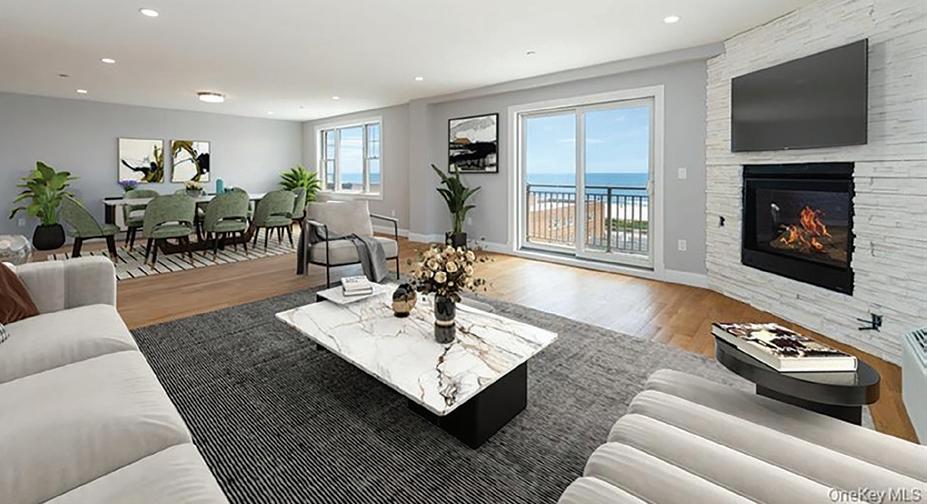
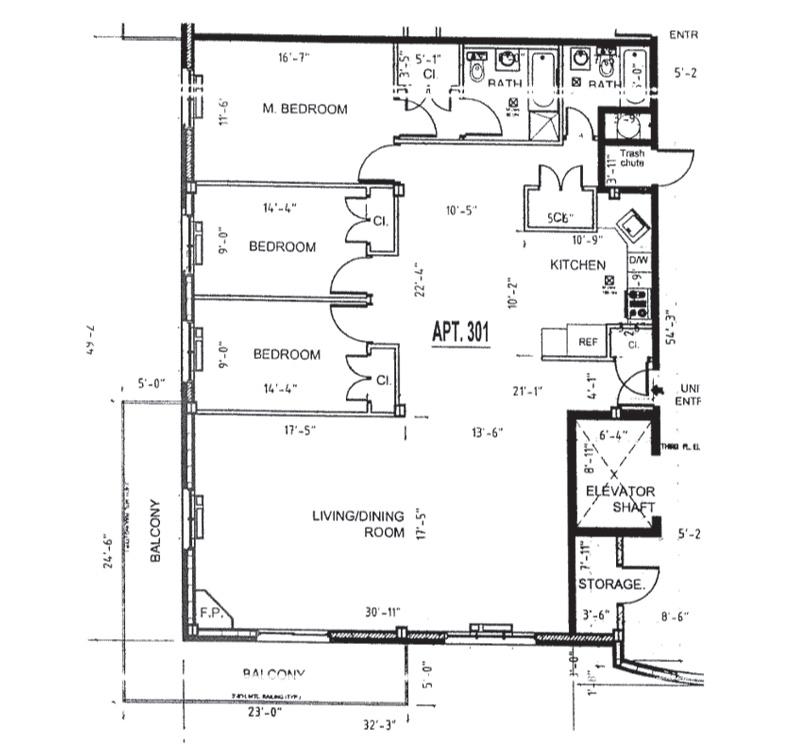
BLUE POINT — Experience Coastal Luxury Living in this Brand-New 3 Bedroom, 2-Bath Condominium at the Prestigious Blue Point. This Stunning Residence Offers Breathtaking Southwest Ocean and City Views, with Spectacular Sunsets Enjoyed from your Expansive Wraparound Terrace. The Open-Concept ��������������������������������������������������� Entertaining. The Spacious Living Area Features a Cozy Fireplace and Flows Seamlessly onto the Terrace, Creating the Perfect Indoor-Outdoor Lifestyle. The Chef’s Kitchen Opens to the Main Living Space, Enhancing the Bright and Airy Feel Throughout. The Primary Suite is a True Retreat, Complete with a Full En-suite Bath and a Relaxing Jacuzzi Tub. Two Additional Bedrooms Offer Versatility for Guests, ���������������������������������������������� Pet-Friendly Building Offers Premium Amenities Including Concierge Service, a Fully Equipped Gym, ��������������������������������������������������� Area with a Fireplace and Wrap Around TerraceIdeal for Relaxing or Gathering with Guests. Perfectly Located Just Moments from the LIRR, Shopping, Top Restaurants, the Stunning Boardwalk and Beach, this is a Rare Opportunity to own a Sophisticated Oceanview Residence with Unforgettable Sunsets. Priced from $750,000 to $2,500,000



How a dinner at Harvest House led to a $1.4 million home listing

Realtor and designer Joseph DeVito enjoys going out to dinner. On weekends you’ll usually find him at Malverne’s Harvest House, where he’ll sit at the bar, catching up with friends and meeting new ones.
“I love getting dressed and going out,” DeVito said. “I’ll see a lot of people I know, and almost always meet somebody new.”
That’s what happened last June. While waiting for their table, a husband and wife struck up a conversation with DeVito. They talked about interior design, fashion and travel before the conversation turned to where they lived.
The couple was from Malverne Park Oaks, where they’d raised their children after expanding a ranch into a twostory home. They were building a retirement home and thinking about their next chapter.
When their table was ready, they headed into the dining room. Five minutes later, they returned. “They wanted to keep talking,” DeVito recalled.
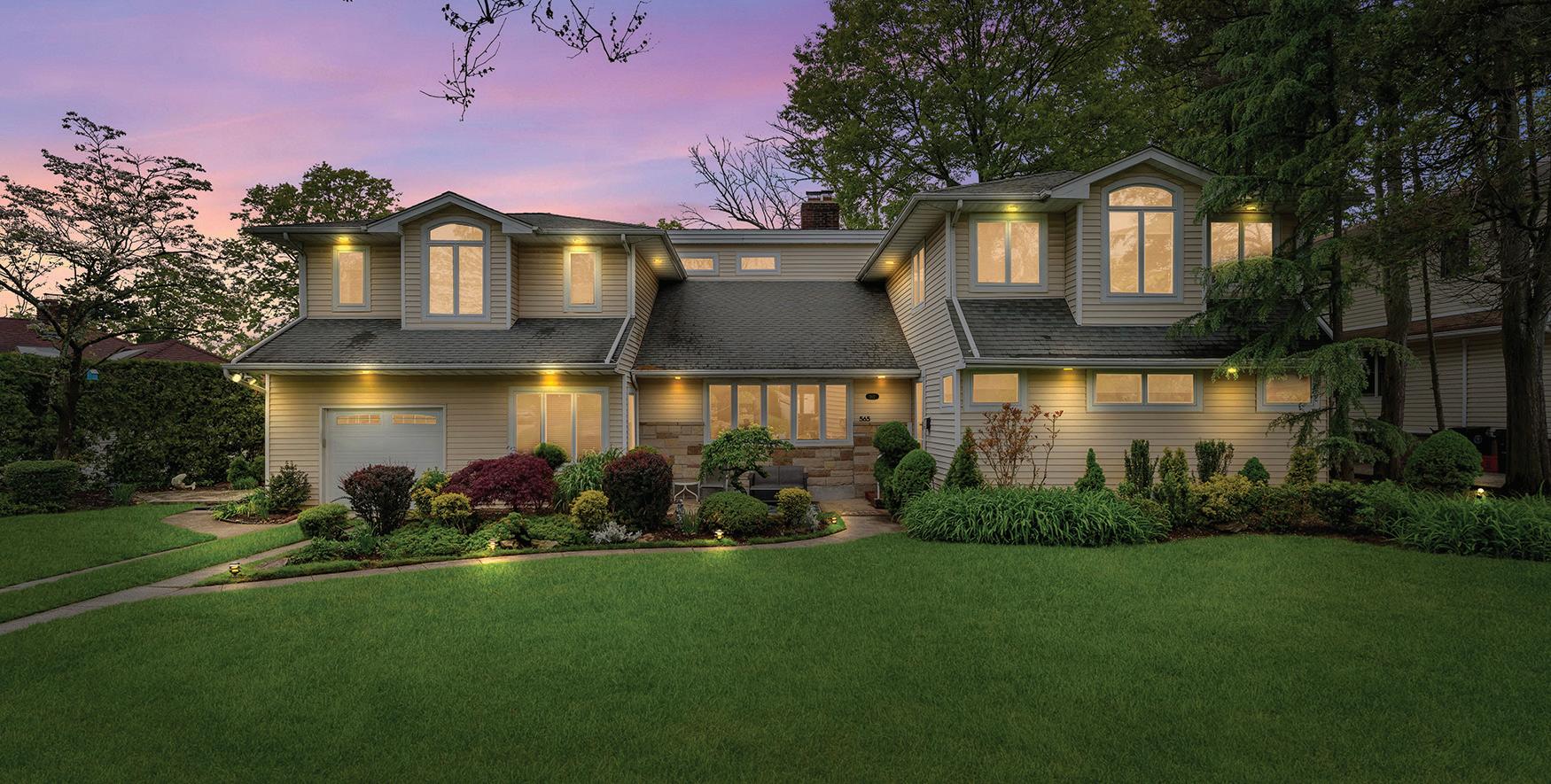
The three continued running into one another over the year, talking and catching up.
As construction of the couple’s new home neared completion, they called DeVito as they were preparing to sell. They planned to interview several agents but that changed before the meeting was over.
“The couple looked at each other and said, ‘We’re not meeting with anyone else,’” DeVito said.
During a second walkthrough, the homeowners wrote down DeVito’s suggestions on what to do before professional photographs were taken.
“I told them, ‘rip the Band-Aid off,’” he said. “If you’re not taking it with you, now is time to divest yourself of it.”
DeVito believes preparing a home for market means helping homeowners navigate every step of the process. He connected the couple with movers, a painter and his real estate attorney.
When he returned two weeks later, the house was transformed. The rooms felt larger and brighter.
This story reminds DeVito that real estate relationships often begin long before someone decides to buy or sell a home.
He has built much of his business by staying involved in the communities he serves, supporting local businesses, sharing his design work or spending time in the neighborhood.
Friends stop by. Conversations revolve around family, home projects, vacations or local
happenings. Every so often, though, one of those conversations grows into something more.
Looking back, DeVito doesn’t remember that June evening as the night he found a $1.4 million listing. He remembers meeting a couple who weren’t ready for the conversation to end.
— David Arkin

Joseph DeVito
Licensed Real Estate Salesperson
M 917-226-3732
O 516-669-3700
Joseph.devito@elliman.com
Herald Content Studio articles are produced by the Herald's marketing division and independent of the newsroom. The Herald may be compensated by featured companies or purchases made through these articles, which does not constitute the Herald's endorsement.