Malaysia Biomass Processing Solutions for Modern Industries
How to Select the Right Wood Pellet Machine in Malaysia for Biomass Production?
Malaysia has developed a strong agricultural and forestry sector, creating a large amount of biomass resources every year. Materials such as palm waste, sawdust, rice husk, wood chips, and agricultural residues are widely available throughout the country. However, managing these resources efficiently has become an important challenge for many businesses.
With increasing demand for renewable energy and sustainable production methods, more companies are exploring biomass pellet manufacturing as a practical solution. By converting loose biomass materials into compact pellets, manufacturers can improve transportation efficiency, storage convenience, and fuel value.
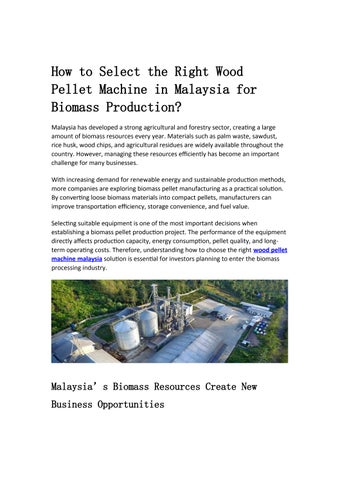
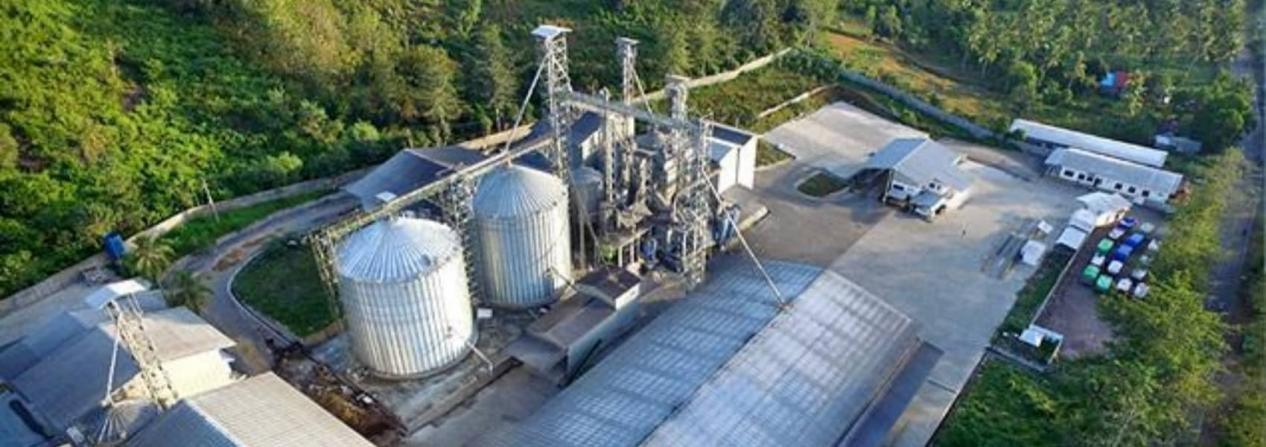
Selecting suitable equipment is one of the most important decisions when establishing a biomass pellet production project. The performance of the equipment directly affects production capacity, energy consumption, pellet quality, and longterm operating costs. Therefore, understanding how to choose the right wood pellet machine malaysia solution is essential for investors planning to enter the biomass processing industry.
Malaysia is one of Southeast Asia’s major agricultural countries, especially in palm oil production and forestry-related industries. These industries generate significant amounts of by-products that can be reused for pellet manufacturing.
Common biomass materials available in Malaysia include:
Palm empty fruit bunches
Palm kernel shells
Sawdust
Wood chips
Rice husks
Coconut residues
Agricultural straw
In the past, many of these materials were treated as waste. Some were burned directly, while others were discarded due to limited processing options. However, modern biomass processing technology has changed this situation by allowing companies to transform low-value residues into commercial products.
Biomass pellets have become increasingly attractive because they offer higher density and more stable combustion performance compared with raw biomass materials. For industrial users, this means lower transportation costs and easier fuel management.
Why Choosing the Correct Pellet Equipment Matters
A biomass pellet production project involves multiple stages, including raw material preparation, crushing, drying, pelletizing, cooling, screening, and packaging. Each stage influences the final pellet quality.
The pelletizing process is especially important because it determines:
Pellet density
Production capacity
Energy consumption
Equipment lifespan
Final product quality
Different raw materials require different machine configurations. For example, wood materials usually have better pelletizing characteristics because of their natural lignin
content. Agricultural residues with higher fiber levels may require additional processing before pellet production.
Therefore, businesses should not simply choose equipment based on price. Instead, they should consider raw materials, production goals, and future expansion plans.
Factors to Consider When Buying Biomass Pellet
Equipment
1. Raw Material Characteristics
The first step is analyzing the available biomass resources.
Materials with different properties require different processing methods:
Wood materials
Sawdust and wood chips are commonly used because they are easy to process and produce high-quality pellets.
Agricultural residues
Rice husk, straw, and palm waste often contain more fiber and may need stronger crushing and feeding systems.
Mixed biomass materials
Some businesses combine multiple raw materials to maintain stable production throughout the year.
For example, companies processing agricultural waste may consider an agricultural straw pellet mill because this type of equipment is designed to handle high-fiber materials and improve production stability.
2. Required Production Capacity
Production capacity is another critical factor.
Small businesses may only require a compact machine for local fuel production, while industrial investors usually need complete production lines with higher output.
Before purchasing equipment, investors should evaluate:
Daily raw material availability
Target pellet production volume
Local market demand
Factory space
Electricity supply
A properly matched machine can reduce unnecessary investment and improve operational efficiency.
3. Automation Level
Modern pellet production increasingly focuses on automation.
Automatic systems can help reduce labor requirements and improve production consistency. Typical automated functions include:
Automatic feeding control
Temperature monitoring
Production data tracking
Automatic packaging
For commercial projects, higher automation can improve reliability and reduce production interruptions.
Biomass Pellet Production Process in Malaysia
A complete biomass pellet production system usually includes several major sections.
Raw Material Preparation
Before pelletizing, biomass materials need proper preparation. Large materials must be crushed into suitable sizes, while materials with excessive moisture require drying.
The ideal preparation process depends on the material type and production requirements.
Crushing and Grinding
Grinding equipment reduces biomass particles into smaller sizes. Proper particle size improves pellet quality and reduces pressure on the pelletizing equipment.
Drying Process
Moisture content significantly affects pellet formation. Too much moisture may reduce pellet strength, while excessively dry materials can increase energy consumption.
Therefore, controlling moisture within a suitable range is essential.
Pelletizing
During pelletizing, processed biomass enters the pellet machine where mechanical pressure and heat transform loose particles into dense pellets.
The quality of this stage determines the final product characteristics.
Cooling and Packaging
Freshly produced pellets usually have higher temperatures and require cooling before storage or transportation.
After cooling and screening, qualified pellets can be packaged for commercial use.
Industrial Applications Continue to Expand
The demand for biomass pellets in Malaysia is no longer limited to one industry. Today, pellets are used in a wide variety of commercial and industrial applications because they provide a cleaner and more consistent fuel compared with loose agricultural residues.
Some of the most common applications include:
Industrial boilers
Food processing plants
Textile manufacturing
Palm oil mills
Wood processing factories
Commercial heating systems
Export fuel markets
Many companies also produce pellets for overseas customers, where consistent pellet size, low moisture content, and high durability are required. This has encouraged manufacturers to invest in more reliable processing equipment and quality control systems.
Why Equipment Customization Is Important
No two biomass projects are exactly the same. Even businesses processing the same raw material may have different production goals, factory layouts, or automation requirements.
For this reason, experienced equipment suppliers usually recommend customized production solutions rather than standard configurations.
A typical customization process includes:
Evaluating available raw materials
Calculating expected production capacity
Designing the production flow
Selecting suitable auxiliary equipment
Planning future capacity expansion
This approach helps avoid unnecessary investment while ensuring the production line can operate efficiently over the long term.
Beyond Wood: Expanding Biomass Processing
Opportunities
Although wood pellets remain one of the most widely traded biomass fuels, Malaysian businesses are increasingly utilizing other agricultural resources. Rice husks, sugarcane bagasse, bamboo, peanut shells, corn stalks, and palm residues all have commercial potential when processed correctly.
This diversification helps manufacturers reduce dependence on a single raw material and improve year-round production stability.
For example, regions with abundant bamboo resources may choose specialized equipment designed for fibrous materials, while palm-processing areas often invest in systems optimized for empty fruit bunches or palm fiber.
The flexibility of modern pellet technology allows producers to adapt their operations according to local resource availability and market demand.
Selecting a Reliable Manufacturing Partner
Choosing equipment is only part of a successful investment. Selecting an experienced manufacturer is equally important.
A reliable supplier should be able to provide:
Technical consultation before purchase
Raw material analysis
Equipment selection recommendations
Production line design
Installation guidance
Operator training
Spare parts support
After-sales technical service
Working with an experienced supplier can significantly reduce installation risks and improve production efficiency after commissioning.
Many international investors also pay attention to manufacturing standards, machining accuracy, component quality, and long-term maintenance support before making purchasing decisions.
When comparing suppliers, reviewing engineering experience and completed projects often provides a better indication of reliability than simply comparing prices.
If you're evaluating different equipment manufacturers, learning more about Richi Pellet Mill can help you understand how customized pellet production solutions are designed for different biomass applications and production capacities.
Economic Benefits of Biomass Pellet Production
A well-planned pellet production project can generate value in several ways.
First, it converts low-value agricultural residues into marketable products.
Second, it reduces disposal costs associated with biomass waste.
Third, it creates opportunities for supplying renewable fuel to industrial customers seeking alternatives to fossil fuels.
Finally, biomass pellet production supports broader sustainability goals by encouraging the efficient utilization of renewable resources.
As demand for renewable energy continues to grow across Asia and other international markets, pellet manufacturers that maintain stable product quality and efficient production processes are likely to remain competitive.
Looking Ahead
Malaysia possesses many advantages for developing the biomass pellet industry. A stable supply of agricultural residues, established export infrastructure, and growing awareness of renewable energy all contribute to favorable market conditions.
Future developments are expected to focus on:
Higher automation levels
Improved energy efficiency
Better pellet quality consistency
Lower operating costs
Greater utilization of agricultural waste
Expansion into new export markets
Companies that invest in advanced equipment and efficient production management will be better positioned to meet changing market requirements while maximizing the value of local biomass resources.
Conclusion
For businesses planning to invest in renewable energy or agricultural resource utilization, choosing the right pellet production equipment is a crucial first step. A successful project depends not only on machine performance but also on proper raw material preparation, production planning, and long-term operational support.
Malaysia's abundant biomass resources provide an excellent foundation for sustainable pellet manufacturing. By selecting suitable technology and designing production lines around local materials, companies can improve efficiency, reduce waste, and create new commercial opportunities in both domestic and international markets.
Whether processing wood, agricultural residues, or mixed biomass materials, careful planning and professional engineering support remain the keys to building a profitable pellet production business.
For readers interested in additional technical insights, project examples, and practical engineering discussions, go to website for more information about biomass pellet production technologies and complete processing solutions.
Related Post: https://pelletizerequipment.com/efb-pellet-machine/