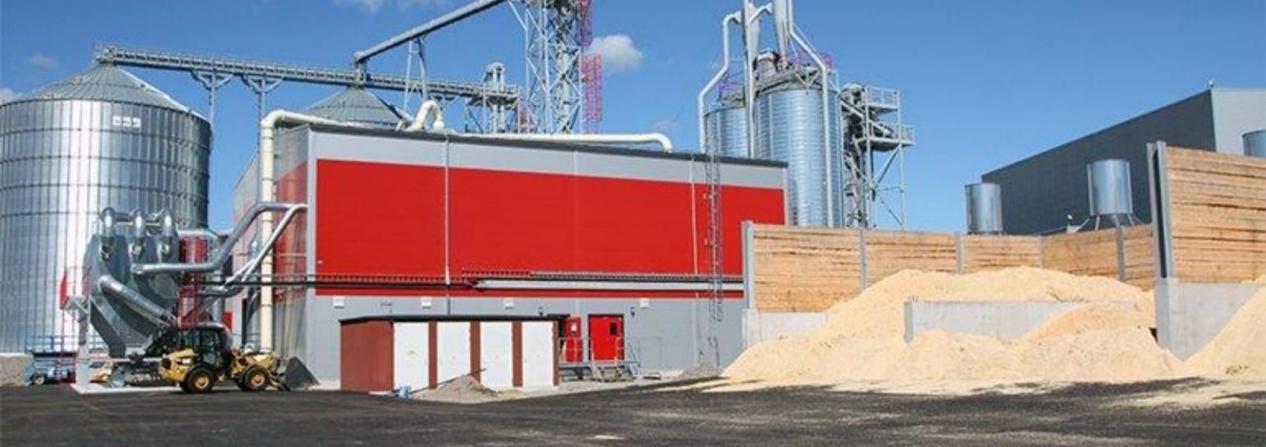
How Philippines Livestock Farms Choose Better Feed Production Solutions
The livestock industry in the Philippines continues to develop as demand for meat, dairy products, and animal protein increases. For farmers and agricultural companies, feed quality directly affects animal growth performance, production costs, and overall profitability.
Feed is usually one of the largest expenses in livestock farming. Many farms depend on commercial feed suppliers, but price fluctuations and transportation costs can create challenges. As a result, more livestock producers are considering producing their own feed pellets to achieve better cost control and operational flexibility.
However, establishing a feed production system requires careful planning. Different animals have different nutritional requirements, and the equipment must match the characteristics of the raw materials and final feed products.
When researching investment options, many livestock businesses compare the animal feed pellet machine price in philippines because they want to understand the equipment cost, production capacity, and possible return on investment before making a decision.
A suitable feed pellet production system can help farms transform locally available ingredients into nutritious pellets while improving production independence.
Development of Livestock Feed Production in Philippines
The Philippines has a strong agricultural foundation supporting various livestock sectors, including:
Poultry farming
Pig production
Cattle raising
Sheep and goat farming
These industries require large quantities of balanced feed every year.
Traditional feeding methods often rely on loose powder mixtures. While simple, this method may create problems such as:
Feed separation during transportation
Increased material waste
Pellet feed provides a practical alternative by compressing ingredients into uniform shapes.
Why Livestock Farms Prefer Pellet Feed
Pellet feed has become increasingly popular because of several advantages.
Improved Feed Utilization
Animals can consume pellets more efficiently because ingredients remain evenly distributed.
Reduced Waste
Compared with powder feed, pellets are less likely to be scattered or wasted during feeding.
Easier Storage and Transportation
Pellets occupy less space and are easier to handle.
Flexible Formula Adjustment
Farmers can adjust ingredients according to animal growth stages and production goals.
For these reasons, many livestock businesses are investing in their own feed processing capabilities.
Uneven nutrient distribution
Choosing Equipment Based on Animal
Requirements
Different livestock species require different feed characteristics.
Poultry Feed
Chicken feed usually requires small pellet sizes and balanced nutrition. Farmers often focus on high production efficiency and consistent quality.
Cattle Feed
Cattle require higher-fiber formulas, often including grass, hay, and agricultural residues.
Sheep and Goat Feed
Small ruminants benefit from feed formulas that combine energy sources with fiber ingredients.
A farm producing sheep feed may consider a sheep feed pellet machine for making nutritious sheep feed pellets on farm to process local forage materials into convenient feed products.
Raw Materials Available for Livestock Feed
Production
One advantage of local feed production in the Philippines is access to various agricultural resources.
Common ingredients include:
Energy Sources Corn Cassava Rice bran
Protein Sources Soybean meal
Fish meal
Other plant protein materials
Fiber Sources
Grass
Hay
Crop residues
The availability of these materials allows farmers to create customized formulas according to local conditions.
Complete Feed Pellet Production Process
A professional livestock feed production system normally includes several steps.
Crushing
Raw materials are first processed into suitable particle sizes.
Mixing
Different ingredients are blended evenly to ensure nutritional balance.
Pelletizing
The mixed materials are compressed into uniform pellets.
The main equipment responsible for this process is the pellet mill, which provides continuous and stable pellet formation.
Cooling
Fresh pellets contain heat and moisture after processing. Cooling improves hardness and storage performance.
Screening and Packaging
Final products are screened and packed according to customer requirements.
Small Farm Feed Production vs Commercial Feed Mills
Different businesses have different production goals.
Small Livestock Farms
Small farms usually focus on:
Producing feed for their own animals
Reducing purchasing costs
Simple operation
Flexible production
A compact production system can help farmers become less dependent on external suppliers.
Commercial Feed Manufacturers
Commercial feed businesses require:
Higher output
Stable operation
Automated control
Professional production management
They may supply feed to multiple farms and need equipment designed for continuous operation.
Factors Affecting Feed Equipment Investment
The total investment depends on several important factors.
Production Capacity
Larger capacity requires stronger equipment and more supporting systems.
Equipment Configuration
Different projects may require different combinations of crushers, mixers, pelletizers, coolers, and packaging machines.
Automation Level
Automatic systems improve efficiency but require higher initial investment.
Raw Material Conditions
Different ingredients influence equipment selection and production results.
Therefore, businesses should evaluate the complete production plan rather than only focusing on machine price.
Advantages of Customized Feed Production Solutions
Every livestock farm has unique requirements. A professional equipment supplier should analyze:
Animal species
Feed formula
Available raw materials
Production target
Factory conditions
Customized solutions help avoid problems such as insufficient capacity or unsuitable equipment.
Experienced manufacturers can provide support including:
Production process design
Equipment layout planning
Installation guidance
Operator training
How Technology Improves Modern Feed Production
Modern feed factories increasingly use automation technology to improve efficiency.
Benefits include:
Stable Production Quality
Automated control helps maintain consistent processing conditions.
Lower Labor Requirements
Less manual operation improves productivity.
Better Production Management
Operators can monitor important production parameters more easily.
For growing livestock businesses, technology investment can provide long-term competitive advantages.
Future Opportunities for Livestock Feed Businesses in Philippines
The livestock sector is expected to continue creating demand for efficient feed solutions.
Important development trends include:
Increased Farm Self-Sufficiency
More farmers want greater control over feed costs.
Local Resource Utilization
Agricultural materials will become increasingly important feed resources.
Higher Production Standards
Customers require safer and more nutritious animal products.
Expansion of Commercial Feed Production
Growing livestock populations will increase demand for professional feed manufacturing.
Selecting a Reliable Feed Equipment Partner
Before purchasing equipment, businesses should consider:
Supplier experience
Technical capability
Project support
Spare parts availability
After-sales service
A reliable manufacturer provides more than equipment. It should offer complete solutions that support customers throughout the project lifecycle.
More information about livestock feed production technology can be found through this explanation of modern pellet processing methods.
Conclusion
For Philippines livestock farms, producing feed pellets is an effective way to improve cost control, enhance feed quality, and increase production flexibility.
The right equipment selection depends on many factors, including animal type, raw materials, production capacity, and future business plans.
With professional planning and suitable machinery, farms of different sizes can establish efficient feed production systems and achieve sustainable growth in the expanding Philippine agricultural market.
More information about modern livestock feed solutions can be found through this go to website for additional technical resources.
Related Post: https://pelletizerequipment.com/horse-feed-pellet-machine/