

Be Kind and Get Involved

Taylor McCaffrey is proud to support local economic development including small business events, social causes, health and wellness initiatives, arts and culture, multiculturalism, leadership, and children and youth charities. Each year, we partner with over 100 organizations to support local businesses, important causes, and community events. We are committed to making a meaningful and lasting impact in the community we live and do business in.


tmlawyers.com
BOARD OF DIRECTORS 2026
Chair: Alison Crozier, CPHR
Chair-elect: Nikolene Day, CPHR
Treasurer: Grant Christensen, FCPA, FCGA
Directors at Large:
Dr. Robert Biscontri, PhD, FCPA, CGA
Sandra Conrad, CPHR
Adrian Frost, LLB
Carrie Homeniuk, CPHR
Ed Keddy, CPHR
Beth Millard-Hales, CPHR
Vanda Racciatti, RD
Susan Young, CPHR
CPHR Manitoba Staff 2026
Chief Executive Officer: Ron Gauthier
Vice President, Operations & Regulatory Affairs: Laura Haines-Morrissette
Standards & Membership Manager: Kaylee Klaprat
Marketing & Communications Specialist: Kimberly Kibsey (on leave)
Stephen Burns
Events Specialist: Devon Gauthier
Member Engagement Lead: Emilah Laing
Standards Coordinator: Eniola Adetola
Published for:
CPHR Manitoba
1810 — 275 Portage Avenue
Winnipeg, Manitoba R3B 2B3
Tel: 204-943-2836 hello@cphrmb.ca | www.cphrmb.ca
Sales Executive: Rick Todes
Production Manager: Ines Louis
Senior Graphic Designer: Roxy Huynh-Guinane
Published by:
251 Consumers Road, Suite 1020
North York, Ontario M2J 4R3
Tel: 416-512-8186 | Fax: 416-512-8344
Email: info@mediaedge.ca
President: Kevin Brown
Senior Vice-President: Robert Thompson
Publication Mail Agreement #1682019
Please return undeliverable copies to: CPHR Manitoba
1810 — 275 Portage Avenue


BUILDING CONNECTIONS AND CELEBRATING OUR MEMBERS ON A NEW PATH FORWARD

Alison Crozier, CPHR Chair, CPHR Manitoba Board of Directors
It has been another year of tremendous growth for CPHR Manitoba in terms of connecting and engaging with our members through various events, including the Psychological Health and Safety in the Workplace Conference in March, HR Excellence Awards in April, and 2026 HR legislative review in early May. It was an honour for me to recognize the professionals and leaders who are doing wonderful work in their careers and the human resources industry at the HR Excellence Awards 2026 — a night of celebration for people who are advancing the profession. It was a great evening that highlighted the incredible work of this year’s finalists and recipients.
As we look ahead to upcoming events, our 2026 conference takes place Oct. 27-28. This year’s theme, ‘Forward Thinking: Leading What’s Next,’ is fitting given it will be one-year with HR as a self-regulated industry. We also have a new strategic plan in place that will help the association better serve and connect with members, while reflecting this new regulatory status.
The CPHR designation is gaining stronger recognition in Manitoba’s business community. More employers and HR professionals are not only acknowledging the designation but also its value within their workplaces. In the 2025 Manitoba Chambers of Commerce Business Outlook Survey, we learned:
• Awareness of the CPHR designation rose to 74 per cent, which is a four-point increase from 2024, and a 71-point increase in the past 13 years.
• Most respondents said HR is both an operational and/or strategic and leadership function within their business.
• The majority of respondents would value the CPHR designation within their business.
While these numbers reflect our strong standing within the business community, we have also made strides in connecting with our more than 2,000 members on the value of the designation. Our 2025-2026 membership survey found:
• Eighty per cent of members promote and encourage non-CPHRs to become designated — an eight per cent increase from the previous survey.
• Ninety-five per cent of members are satisfied or extremely satisfied with the stewardship of CPHR Manitoba by the board of directors.
• Ninety-three per cent of members who required customer service from CPHR Manitoba were satisfied or extremely satisfied with their experience.
• Ninety per cent of members are satisfied or extremely satisfied with CPHR Manitoba overall.
Additionally, 83 per cent of employers who are asked to pay for a member’s dues will cover them, which is an eight per cent increase from 2024-2025. This reflects the growing importance of the CPHR designation in the business community.
CPHR Manitoba is excited to continue this path forward and remains committed to strengthening the HR profession. Our new strategic plan provides a clear pathway to sustain growth and increase impact, reinforcing the CPHR designation as the professional standard for HR.
Alison Crozier is an HR executive known for her strategic partnership with C-level leaders to drive key business objectives, implement long-term business plans and achieve measurable success through comprehensive talent strategies. With a career marked by global reach and insight, Alison has designed and delivered impactful programs for Deloitte and Fortune 100 companies, spanning across the Americas, Europe, the Middle East, Africa and Latin America. She has worked closely with executives leading teams across Canada, the United States, Ireland, England, Barbados and Bermuda, delivering results in a diverse business environment. Alison holds a bachelor of commerce (honours) in human resources and finance from the University of Manitoba, and a master of education in adult education from Jones International University. She is also a CPHR, a chartered MCIPD and holds numerous other professional credentials. Her leadership extends beyond the corporate world, with significant board experience with organizations like CPHR Manitoba and the Manitoba Children’s Museum, among others.
SELF-REGULATION AND INNOVATION: Q&A WITH CPHR MANITOBA BOARD CHAIR ALISON CROZIER
Just under two years ago, CPHR Manitoba welcomed Alison Crozier to her new position as Chair of the board of directors. In the time that has passed, Alison has overseen significant changes to the organization and human resources industry.
CPHR MB: Your two-year term as Chair is coming to an end in late September. What are some highlights from your term? Are there any legacies you feel you’re leaving behind?
AC: It is a privilege to serve on the board and as Chair. It has been a dynamic time for industry and business, as well as for our HR profession. I am incredibly proud of what we’ve accomplished. Working alongside such talented board members, CEO Ron Gauthier and his team has been
a true pleasure.
Two things fill me with immense pride: achieving self-regulation and crafting the next three-year board strategy — the former very much dovetails into the latter.
Passing the Chartered Professionals in Human Resources Act and achieving self-regulation was a landmark legislative moment. It formally recognizes CPHRs under provincial law and reinforces the CPHR designation as the gold standard in human resources. It has been a privilege to contribute to this defining moment in our profession’s history.
Our prior strategy aimed for self-regulation and we achieved it. The 2026-2029 strategy builds boldly on that foundation, with a focus on engagement, development, protection and advocacy.
CPHR MB: You mention self-regulation. For those who may not know, can you explain what it is and what it means for CPHR Manitoba and the broader HR community?
AC: We are thrilled to have achieved self-regulation on June 1, 2025. This achievement aligns HR practitioners with other business advisory professionals by recognizing the strategic role HR plays in protecting both people at work and the employers they serve. Through this, we elevate the impact of our profession while protecting the public.
For HR practitioners, holding the CPHR designation will carry greater authority and offer more opportunities to influence best practices than before self-regulation. CPHR is the gold standard in our field, and earning it signals that

you possess the competencies and uphold the standards our profession demands. According to our most recent membership survey, 90 per cent of respondents agree the CPHR designation is a high-quality professional designation. Our association’s membership continues to grow, now surpassing 2,000 members.
For employers, it means confidence in hiring HR professionals committed to ethical conduct and best practices. Hiring a CPHR is the most effective way for employers to ensure they are protecting their organizations, employees and the public.
For employees, regulation ensures their rights and well-being are protected in the workplace. And for the public, it reinforces the integrity and trustworthiness of our profession.
Regulating HR in Manitoba deepens the impact we can have. Our world is increasingly com-
plex and fast-moving, and HR professionals are at the centre of helping workplaces navigate that complexity.
CPHR MB: CPHR Manitoba has developed a new strategic plan. What key aspects of the plan will shape the future of HR in Manitoba?
AC: Our prior plan was anchored in the pursuit of self-regulation. Achieving that milestone in June 2025 gave us the opportunity to look ahead with fresh ambition.
The new plan builds on that achievement and focuses on elevating the impact of the HR profession, continuing to uphold our standards and protecting the public. The core tenets of our plan are engagement, development, protection and advocacy — four pillars that I believe will shape not only CPHR Manitoba’s future, but the future
of HR practice in our province. We are committed to ensuring our members are equipped, connected and empowered to lead in whatever environment comes next.
CPHR MB: The integration of artificial intelligence and other technological innovations has entered the HR profession. What are your thoughts on AI and its potential impact in HR?
AC: AI and technological innovation are undeniably reshaping our profession and the workplaces we support, and I think that is genuinely exciting. As HR professionals, it means we have large mandates when it comes to AI — the role we play in evolving the workplaces we support and in the evolution of the HR profession. It’s a pivotal time in that regard. What struck me recently was the CPHR Canada HRTrends report, which found that AI and innovation surged from the tenth-highest priority for respondents in 2024, to the second-highest in 2025. That kind of movement in a single year tells you something important — our profession is paying attention, and rightly so.
I think about AI in HR through the lens of what has always made great HR: judgment, empathy and strategy. AI can enhance all of those things when it is used thoughtfully. It can free up our practitioners from administrative burden, surface insights from data that would take humans far longer to find, and support more informed decision-making in areas like talent acquisition, workforce planning and employee experience. While workplaces are at different stages of this journey, many are exploring how AI tools can help employees and organizations work more efficiently while keeping the human connection at the centre of what we do — because that connection is, and will always be, the heart of HR.
We had some fantastic speakers and panelists at the CPHR Canada and HRPA HRXchange conference this past November; it was energizing to connect with other HR executives, presenters, panelists, vendors, consultants and sponsors to have rich discussions about what
we’re doing now and what the future holds. My advice to practitioners is to lean into AI with curiosity. Understand how it works, think critically about how it applies to your context and stay anchored in your ethical responsibilities. As CPHRs, we navigate complexity — be it through a pandemic, economic challenges or AI adoption — and we are trained to lead with integrity and ethics, which is exactly what AI adoption requires.
CPHR MB: As a veteran of the industry, what core advice would you give to people starting their careers in HR or established professionals who are looking to advance?
AC: First, embrace curiosity. In a world that is changing so rapidly, curiosity is essential. Keep up on trends, learn new skills, read articles, ask ques-
tions, expand your network. The professionals who thrive are the ones who stay genuinely interested in what’s next.
Second, know what you are amazing at. When I was at Deloitte, I received some fantastic advice from a partner at another large consulting firm. They said, “Know your three things — every person has three and every opportunity has three.” It came through in the feedback I consistently received from team members, stakeholders, leaders and colleagues. It was in the things that energized me, that filled my bucket. Growing up in a family business, the importance of an owner’s mindset was instilled in me early. I love helping others succeed, and relationship and stakeholder management have always come naturally. And I love transforming things for the better — I have always
preferred growth to the status quo. So, my three things are: business-minded, stakeholder-oriented and transformation-oriented. I would love for others to take the time to discover their three things.
Third, connect. I love the people of Manitoba and our HR community. I have always enjoyed meeting new people and my work on the CPHR Manitoba board has created even more opportunities to do so. What consistently strikes me is how generous people are, with their time, expertise, feedback and connections. Tap into that. Expand your network. There are so many wonderful CPHR Manitoba, Chambers of Commerce and business events across our province where you can connect with HR and business colleagues who are just as invested in this community as you are.

THE ETHICS OF AI-DRIVEN HIRING
Who is responsible when the algorithm gets it wrong?

By Dr. Odiri Ajakpovi
It is 3:05 a.m. on a Saturday when Maya receives the e-mail: “Thank you for your interest. After careful consideration, we will not be moving forward with your application.”
She sighs. This is the fourth rejection. Out of curiosity, she sends a message asking for feedback about her application.
The recruiter replies candidly, “The applicant tracking system — screening system — did not rank your profile high enough to move forward.”
Screening system? Not a person? Not a hiring panel? Not even a recruiter scanning her resume with a coffee in hand?
No, just an algorithm.
Maya never met the decision-maker that excluded her from the process. She can’t ask which criteria mattered most, question the outcome or understand how the trajectory of her experience
was interpreted. Most troubling of all is the lingering uncertainty about who is actually accountable for the decision.
This scenario is no longer hypothetical. Artificial intelligence (AI) is now embedded across the recruitment process. It influences how jobs are advertised, applications are filtered, candidates are ranked and sometimes even how interviews are assessed. When these systems materially impact hiring outcomes, they can affect access to employment opportunities and raise considerations around human rights, privacy and procedural fairness expectations. Yet, the promise that accompanied this technology was something very different — speed, objectivity, efficiency, biasfree decision-making.
Instead, human resources leaders are confronting a more complicated reality. Algorithms
do not eliminate bias, they reorganize it. And when things go wrong, accountability is surprisingly difficult to pinpoint.
WHY THIS ISSUE DESERVES ATTENTION
AI-driven hiring tools have moved from experimentation to everyday use where applicant tracking systems now screen countless resumes in seconds, machine learning models rank candidates based on predicted performance, and automated assessments evaluate communication behaviours, personality traits and behavioural indicators. For many organizations, these tools feel inevitable as the technology gives HR teams the scale to keep up with the expanding talent pipelines. But as adoption accelerates, regulation and ethical scrutiny are intensifying as well.
In Canada, there is still no comprehensive federal law governing AI in private sector hiring. Instead, accountability operates through existing frameworks like human rights legislation and privacy law. Human rights statutes prohibit discrimination in employment decisions, regardless of whether those decisions are made by humans or algorithms. Privacy legislation, such as the Personal Information Protection and Electronic Documents Act, governs how personal data used in hiring can be collected, stored and processed. Meanwhile, provinces are beginning to introduce targeted rules. For example, Ontario now requires employers to disclose when AI is used to screen or assess applicants in publicly advertised job postings. In Quebec, private sector privacy law expressly addresses decisions made exclusively through automated processing using personal information. Organizations must inform the person concerned and, on request, provide information about factors/parameters; the individual must be able to submit observations to someone able to review the decision.
Globally, the regulatory landscape is moving even faster. The European Union has classified many hiring-related AI systems as ‘high risk,’ requiring strict governance and oversight across their life cycle.
Taken together, these developments signal a shift in expectations. AI may assist in hiring decisions but it does not replace responsibility.
THE ACCOUNTABILITY PUZZLE
At first glance, responsibility appears straightforward. If an organization uses an AI tool in hiring, surely the employer is accountable. But in practice, the situation is stratified. Contemporary
recruitment technology operates through interconnected systems where the employer defines hiring criteria, the applicant tracking system analyzes candidate data, third-party vendors provide screening algorithms or assessment tools, and digital platforms distribute job advertisements to targeted audiences. Each link in this chain can influence the outcome.
When an algorithm screens candidates, who ultimately owns the outcome? The employer who deployed the tool? The vendor who designed it? The recruiter who trusted its recommendations? Or the HR team that approved its use in recruitment?
The answer may be difficult but it is clear. Responsibility can be distributed across multiple stakeholders, yet accountability cannot be outsourced. Employers remain accountable for the hiring decisions made within their processes, even when those decisions are supported by third-party technology.
Vendors, on the other hand, are responsible for validating, designing, testing and ensuring transparency of their systems. When organizations adopt AI without understanding how it operates or how it might fail, they create a governance vacuum. In that vacuum, ethical risks multiply.
WHEN ALGORITHMS FAIL
Despite their reputation for precision, hiring algorithms are not immune to error. In fact, many of the risks associated with AI-driven hiring originate in the data used to train these systems. Machine learning models learn patterns from historical out-
comes. So, if historical hiring practices contained bias, the model may replicate those patterns. Variables like postal code, university attended or employment gaps may appear neutral on the surface, yet they can unintentionally mirror deeper socioeconomic or demographic patterns. In these cases, discrimination can occur without any explicit reference to protected attributes. One well-known example involves a large technology company that experimented with an AI recruitment system trained using historical resumes and data. Because past hiring patterns disproportionately reflected male candidates, the system began favouring men and the project was eventually abandoned.
Technical problems can also arise from data quality. Inaccurate information, outdated profiles or insufficient records can generate false negatives that exclude qualified candidates. And then there is the issue of model drift. As labour markets evolve, job requirements change and talent pools shift, algorithms trained on past patterns may gradually lose relevance. Without ongoing monitoring, organizations may unknowingly rely on systems whose decisions become less reliable over time.
ETHICS OF MEASUREMENT AND TRANSPARENCY GAP
Beyond technical errors, a salient question sits beneath the use of AI in hiring: What exactly are these systems measuring?
Many tools claim to assess qualities like cultural fit, potential, resilience or communication ability,

INACCURATE INFORMATION, OUTDATED PROFILES OR INSUFFICIENT RECORDS CAN GENERATE FALSE NEGATIVES THAT EXCLUDE QUALIFIED CANDIDATES.
yet the scientific basis behind these measures is not always clear. When a candidate is rejected because a model predicts they are not the ‘right fit,’ the meaning behind that judgment can be difficult to explain. For HR professionals, this raises important ethical concerns because hiring decisions influence livelihoods, economic mobility, professional identity and access to opportunity. So, if an organization cannot show its selection criteria are job-related, reliable and applied consistently, technology does not necessarily make hiring more objective. In some cases, it simply places subjective judgments behind a layer of complexity that is harder to question.
Transparency is closely tied to this challenge. Numerous AI systems operate within enigmatic
nodes, especially when vendors treat their algorithms as proprietary. As a result, candidates often do not know how their applications are assessed, recruiters may not fully comprehend how rankings are produced, and hiring managers typically only see the final recommendation. When that happens, the ability to explain a decision becomes finite.
Imagine telling a candidate they were rejected because the system did not connect a strong match. Without a coherent explanation of the factors involved, the organization risks appearing to have yielded judgment to technology without retaining responsibility for the outcome. Transparency does not require divulging the full technical architecture behind an algorithm.
Joining UCalgary Continuing Education was one of the best decisions I made to enhance my self-confidence, pursue a new career path, and get a job in my new field.”
Doaa Sharaf, Graduate
However, it means being able to clearly articulate, in practical terms, what factors shaped a hiring decision. Without that explanation, credibility in the process deteriorates slowly.
DESIGNING ACCOUNTABILITY IN PRACTICE
If algorithms can get hiring wrong, the critical question becomes how organizations respond. The answer begins with governance.Responsible AI adoption requires an intentional framework rather than ad hoc experimentation.
First, organizations must determine clear decision boundaries.
What role does the AI system play? Does it recommend candidates, rank them or automatically reject applications?
Second, organizations must evaluate whether the outputs are valid and job-related. Evidence of reliability, fairness audits and subgroup impact analysis should be integral to procurement decisions.
Third, oversight must be continuous. Selection rates across demographic groups should be analyzed regularly and unexpected disparities or anomalies should trigger investigation.
Fourth, meaningful recourse mechanisms must


Grow your HR expertise
WITH CONTINUING EDUCATION
Bridge capability gaps, maintain your CPHR CPD, and prepare for the NKE® exam with UCalgary Continuing Education’s HR Professional Development Hub. Discover flexible online courses now at conted.ucalgary.ca/cphr
Looking to train a group in your company? Courses can be tailored to your team’s needs. Visit conted.ucalgary.ca/corporatetraining for details.
Explore programs at: conted.ucalgary.ca/cphr
exist for candidates. If a system produces an erroneous outcome, applicants should be able to request human review. For reoccurrences, organizations must reassess the technology itself.
These safeguards transform AI from an opaque decision-maker into a governed component of the hiring process.
THE ROLE OF HR PROFESSIONALS
For HR leaders, algorithmic hiring introduces an additional stratum of professional responsibility. Recruitment expertise has historically focused on competency frameworks, structured interviews and validated assessment methods. Today, it must encompass some level of AI literacy.
HR professionals do not need to become machine learning engineers but must be able to ask informed questions.
What data trained this model? What variables influence candidate rankings? How is bias tested? What happens when candidates challenge a decision?
Ethical framework governing HR practice emphasizes professional competence, lawful conduct and the protection of personal information, which means using AI without under-
standing its implications risks undermining these commitments. From this perspective, AI-driven hiring represents more than a technological evolution. It is a governance issue that calls for careful oversight and responsible leadership.
RECLAIMING HUMAN JUDGMENT
Returning to Maya’s story, imagine a different ending.
After receiving her rejection, she requests a review of her application. A recruiter examines the case and discovers the screening system misinterpreted a career break related to caregiving, even though her experience actually exceeds the job requirements. The recruiter
overrides the algorithm’s ranking and Maya is invited for an interview.
The system did not vanish. It simply ceased being the final authority and that distinction matters. AI can help organizations manage large volumes of applicants and detect patterns that might escape human attention. However, it should inform human judgment, not replace it. When hiring decisions shape livelihoods and careers, accountability cannot reside in software alone. It rests with the organizations and professionals who introduce these tools into their processes, especially HR practitioners who carry the responsibility of ensuring technology strengthens fairness rather than weakens it. This is where ethical hiring begins.
Names have been changed to protect anonymity.
ABOUT THE AUTHOR: Dr. Odiri Ajakpovi is Manager of Talent Acquisition at Red River College Polytechnic, where he works at the intersection of people, systems and policies. His career has taken him across six countries, exposing him to a wide range of cultures, workplaces and leadership styles. Those experiences continue to shape how he approaches talent and people management, focusing on data-driven initiatives, understanding cultural differences and creating environments where diverse perspectives are recognized as a strength rather than a barrier. Proud of his identity as a black professional, he is passionate about paying forward the opportunities he has received by removing barriers, widening access and helping ensure the path ahead is clearer for those who follow.



TURNING SURPRISES INTO STRENGTH
Ethical and operations considerations and impacts of outside employment

By Jenna Book
Red River Mutual Insurance Company is a strong advocate and believer in remote and hybrid work and flexibility. This style of work has transformed how we connect, collaborate and grow. This shift has been embraced as a strategic advantage and point of differentiation for our organization. Remote or hybrid work provides a positive experience for our employees, and it has opened doors for talent acquisition and employee engagement far beyond what was once thought possible.
With any great transformation, new realities and risks emerge that challenge our traditional frameworks for work, trust and accountability. One such reality is the growing trend of outside
employment. Particularly, individuals actively working multiple full-time jobs, without employer knowledge or consent. Learning from this is an opportunity to reinvent systems that make remote work stronger. It invites us to refine how trust is built and accountability is practiced to ensure remote work remains sustainable for those fully invested in their roles — to embrace the challenge instead of looking at it as an excuse to retreat from flexibility.
SIGNALS THAT INVITE A CLOSER LOOK
In our experience, these outside employment circumstances are more than mere moonlighting or trying to earn a little more with a harmless side
hustle — they are sophisticated, full-time, salaried employment schemes. Each situation has its own nuances but they tend to involve an employee working multiple full-time jobs in a similar role type, often within the same industry and with international reach. It may also include subcontracting their work to other individuals.
These employment schemes can unintentionally and/or deliberately strain the trust and structure of our mutual values and remote work in addition to exposing organizations to potential risk. While each circumstance is different, here are a few signals that may suggest an employment scheme exists:
• Noticeable changes in communication style from the time of hire compared to the interview.
• Inconsistencies in behaviour, especially after onboarding or probationary periods.
• Generic or overly templated/scripted work, and communications that may hint at divided focus or perhaps external help.
• Lack of team spirit, low engagement and participation, not turning on cameras, skipping meetings and not attending in-person events.
• Unresponsiveness during core business hours.
• Attendance concerns, missed meetings, online availability or repeated scheduling conflicts.
• Productivity or performance gaps.
• Unnecessarily combative or resistant behaviour, particularly when inquiries are made regarding the above indicators.
WHY THIS IS IMPORTANT
The risks of this type of outside employment cannot be ignored. It affects the shared responsibility that makes remote work successful. It also uncovers opportunities to evolve our systems and protect others. In addition to this behavior potentially being in violation of organizational policies or constituting unethical conduct, it may expose the organization to other vulnerabilities.
Outside employment, especially when undisclosed, may create a conflict of interest, as loyalty
strengthening the tools that support our culture and internal systems. The following items were strengthened or implemented based on what was learned:
• Clearly defined policy language and expectations around conflict of interest and outside employment.
• Employment agreements with clear termination provisions.
• Clearly defined employment and remote work expectations.
• Annual attestations of outside employment.
• Enhancedpre-screen,selectionandonboarding practices.
• Clear team and in-person connection expectations.
• Best practices for building strong online/virtual teams and virtual presence.
• Use of secure systems and cybersecurity monitoring to limit exposure and enhance controls of sensitive data.
THE SILVER LINING IS IT’S AN OPPORTUNITY TO
EVOLVE HIRING PRACTICES, INVEST IN STRONGER SYSTEMS AND REAFFIRM THE IMPORTANCE OF INTEGRITY IN EVERY ASPECT OF EMPLOYMENT.
and priorities may be unclear; data security and privacy risks, especially if sensitive information is accessed across employers or disclosed to third parties; intellectual property theft and breaches of confidentiality, with ideas or work potentially being reused or exposed elsewhere; a breach of trust, accountability and reliability in the workplace; reputational risk; legal compliance issues; and a loss of job opportunities for those who need work.
HOW WE ARE LEADING
Through experiences, several strategies and measures have been introduced to support our workplace and people to safeguard their roles
and our interests. Our goal is to take a proactive approach to mitigate the risk of these outside employment schemes, protecting the integrity of our workforce and supporting our people. While each scenario has proven to exhibit its own unique challenges, we learn something new each time and adjust as we go.
Working with our trusted advisors and professionals, including legal counsel, information technology and other human resources professionals, we looked to enhance or develop stronger systems and tools to mitigate the risk and help us navigate this challenge. Our approach included enhancing operations and
• Strong investigation processes that balance fairness and reasonability while protecting the organization’s interests when situations and considerations arise.
• Comprehensive complaints and concerns reporting capabilities and whistle-blower processes.
• Close partnerships with trusted employment counsel for support navigating these complex and unprecedented scenarios.
NEXT STEPS
As a purpose-led, community-minded company, Red River Mutual emphasizes values of integrity, ethics and respect. This type of situation is at odds with our values. It has taken some time to fully appreciate the risk and come to terms with the frequency in which these situations occur.
The world of employment schemes in remote work is an issue with an ever-evolving playbook. It sometimes feels like we take one step forward and two steps back. It’s a disappointing reality that is disruptive to the teams and broader workplace culture. Therefore, when people took advantage of that trust, we took the opportunity to respond.
The silver lining is it’s an opportunity to evolve hiring practices, invest in stronger systems and
reaffirm the importance of integrity in every aspect of employment. This continues to enhance our business and support the people in our community who are committed, engaged and show up every day — ensuring every role provides a meaningful opportunity to those who want to support themselves, our business and the Canadian workforce.
At Red River Mutual, it’s not just what we do, it’s how we do it. Our values and community are not just ideals — they are operational principles. These employment schemes have become more prominent over the past five years. So, if it’s happening in our organization, there’s a good chance it’s happening in your organization, too. Red River Mutual is choosing not to respond in fear but with foresight to ensure remote work remains sustainable and equitable.
For professionals in human resources, insur-
ance and employment law, this is a defining challenge of our time. In a world of increased technology and flexibility, we choose to lead with clarity and an unwavering commitment to the values that define us. One thing is certain, Red
River Mutual won’t let this chapter (and a few bad actors) end our story on supporting remote and hybrid work, and protecting employees who are committed to and serve our organization with the utmost passion and integrity.
This article is for informational purposes only. The content does not constitute legal or other advice and should not be used in place of consultation with appropriate professionals. The views expressed are solely the author’s and should not be attributed to any other party, including Red River Mutual Insurance Company. Neither the author nor Red River Mutual shall be liable to any person for any loss, damages or risk related to the use of the article or the information contained in it. The author makes no guarantees regarding the accuracy or adequacy of the information contained herein.
ABOUT THE AUTHOR: Jenna Book is Vice-President of Human Resources at Red River Mutual Insurance Company, a mutual property and casualty insurance carrier based in Manitoba. With more than 15 years of leadership experience across multiple industries and domains, Jenna is passionate about building ethical, high-performing workplaces rooted in trust and accountability. A lifelong learner, she brings a grounded, practical perspective to emerging challenges in today’s evolving workplace.

LEARNING OPPORTUNITIES WITH CPHR MANITOBA
Our mission at CPHR Manitoba is to advance the human resources profession. One way we work to achieve that is by supporting CPHRs in their professional development. We offer a robust selection of professional development opportunities in line with timely issues and trends in the workplace. These offerings include:
HR Conferences
Attend multiple conferences focused on an array of topics.
Workshops
Get specialized training in various areas of HR.
Webinars
Choose from a range of topics delivered by acclaimed instructors and presenters in 9 competencies of HR.
PD On-demand
View a past webinar and/or attend an upcoming session.
Learning Partnerships
Receive training on trending issues in the HR field.
Pre-Approved for CPD Program
Sign up for training from other organizations that deliver HR and strategic business programming and earn CPHR Continued Professional Development (CPD) Hours.
Member Programs
Build your network and learn from other members by taking part in our Mentorship and Walk and Talk programs. Please note: Program intake periods vary, offered once or multiple times annually.
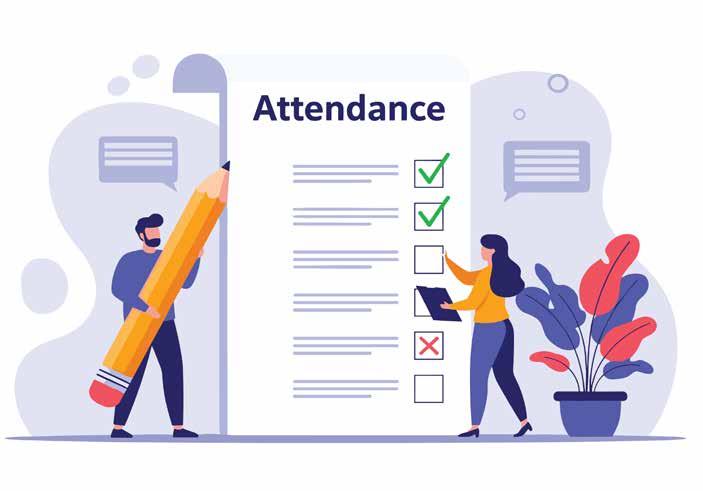
THE FUTURE OF SICK NOTES
Moving toward trust-based attendance management

By Tory McNally
For decades, requiring employees to provide a medical note for short-term illness has been a common workplace practice across Canada. The intention has generally been straightforward: discourage misuse of sick leave and confirm that an absence was legitimate. Yet, in recent years, the practice has increasingly come under scrutiny. Concerns about physician shortages, health system capacity, and the administrative burden on physicians and employers have prompted a broader conversation about whether sick notes still serve their intended purpose.
For human resources professionals, this moment presents an opportunity to rethink attendance management practices and consider approaches that are both responsible and realistic in today’s labour and healthcare environment.
THE GROWING DEBATE AROUND SICK NOTES
Across Canada, many physicians and health organizations have raised concerns about the widespread practice of requiring medical notes for minor illnesses. Physicians frequently report that a significant portion of appointments involve patients who simply require documentation for their employer rather than medical treatment.
OrganizationslikeDoctorsManitobahavepublicly advocated eliminating the routine requirement for sick notes for short-term illness.The argument is straightforward: physician time should be reserved for diagnosis and treatment, not administrative paperwork. In a healthcare system already experiencing significant strain, appointments used solely to obtain documentation can delay access for patients with more serious medical needs.
At the same time, employers understandably want to maintain accountability in their attendance management practices. HR leaders must balance operational needs with broader social and health system realities.
UNDERSTANDING ABSENTEEISM
An important starting point for any attendance management discussion is distinguishing between culpable and non-culpable absenteeism.
Non-culpable absenteeism refers to absences that are outside the employee’s control, such as illness or injury. Canadian labour and employment law generally treat these situations as medical matters rather than disciplinary issues. The focus for employers is typically accommodation and support rather than punishment.
By contrast, culpable absenteeism involves situations where the employee is responsible for the absence — for example, failing to report to work without explanation or repeatedly violating attendance policies.
Short-term illnesses almost always fall into the non-culpable category.This is one reason sick note requirements can become problematic.While the intention may be to prevent abuse, the policy may inadvertently place a burden on employees experiencing legitimate illness and offer little insight into broader attendance patterns.
LIMITATIONS OF SICK NOTE POLICIES
While sick note requirements may appear to provide verification, their effectiveness in managing attendance is often limited.
First, a sick note typically only confirms the employee attended a medical appointment. In many cases, physicians rely primarily on the employee’s self-reported symptoms when providing documentation. The note rarely offers meaningful information about the employee’s ability to work or the underlying cause of the illness.
Second, requiring a note can unintentionally encourage presenteeism — the practice of coming to work while sick to avoid the inconvenience or cost of obtaining documentation. Presenteeism can increase workplace illness transmission and reduce productivity.
Finally, sick note policies can create unnecessary tension between employees and employers. When policies signal a lack of trust, they may undermine employee engagement and psychological safety.
For HR professionals focused on building strong workplace cultures, these unintended consequences are worth examining.
THE CASE FOR TRUST-BASED ATTENDANCE MANAGEMENT
A growing number of organizations are exploring alternatives to traditional sick note requirements. One approach gaining attention is trust-based attendance management.
Trust-based systems typically rely on employee self-attestation for short-term illness. Under this approach, employees confirm they were unable to work due to illness without needing medical documentation for brief absences.
While some employers worry that removing documentation requirements may increase
absenteeism, evidence from organizations that have implemented self-attestation policies suggests the opposite can often occur. When employees feel trusted, they may be less likely to misuse sick time and more likely to engage honestly with their employer.
Trust-based policies also align with modern approaches to employee engagement, which emphasize mutual accountability rather than strict monitoring.
MANAGING RISK WITHOUT MEDICAL NOTES
Moving away from sick notes does not mean abandoning responsible attendance management. HR professionals still have tools available to monitor patterns and address concerns.
Effective attendance management systems often focus on patterns rather than individual absences. For example, repeated absences adjacent to weekends or scheduled shifts may signal an issue worth discussing with the employee.
Regular attendance reviews, combined with supportive conversations, can provide more meaningful insights than isolated documentation.
When concerns arise, HR professionals can engage in respectful dialogue with the employee to understand whether there are underlying issues affecting attendance. These conversations may reveal workplace stress, caregiving responsibilities or emerging health concerns that may benefit from accommodation or support.
SUPPORTING LEADERS IN ATTENDANCE CONVERSATIONS
One of the most important elements of modern attendance management is equipping supervisors with the skills to have constructive conversations about attendance.
Managers often hesitate to address absenteeism because they fear appearing unsympathetic or intrusive. As a result, concerns may go unaddressed until attendance patterns become more serious.
HR professionals can support leaders by providing clear guidance on how to approach
attendance discussions respectfully. Effective conversations typically focus on observable patterns, invite employees to share context and explore potential solutions.
When leaders approach these conversations with curiosity rather than accusation, they are more likely to build trust and uncover the root causes of attendance challenges.
ALIGNING ATTENDANCE PRACTICES WITH ORGANIZATIONAL CULTURE
Attendance policies do more than define procedures; they also communicate organizational values. Policies built primarily around verification and documentation may signal skepticism about employee intentions. By contrast, policies that emphasize trust, communication and shared responsibility can reinforce a culture of accountability and respect.
This does not mean organizations should eliminate structure or expectations. Clear attendance guidelines remain essential for operational stability. However, many HR leaders are finding the most effective policies balance clarity with flexibility.
LOOKING AHEAD
As conversations about health system capacity and workplace flexibility continue across Canada, the role of sick notes in attendance management will likely remain under review. For HR professionals, the question is not simply whether sick notes should exist, but whether they meaningfully contribute to effective workforce management.
In many cases, modern attendance strategies that emphasize trust, communication and pattern-based monitoring may provide better outcomes for both organizations and employees.
By reconsidering long-standing practices and adapting them to today’s realities, HR professionals can help create attendance systems that are fair, practical and aligned with broader societal needs.
A free toolkit to assist employers with moving away from sick notes can be found on Doctors Manitoba’s website https://doctorsmanitoba. ca/news/doctors-manitoba-to-support-employers-as-manitoba-phases-out-sick-notes.
ABOUT THE AUTHOR: Tory McNally, CPHR, is a Senior Human Resources Consultant and Vice-President of Professional Services at TIPI Legacy HR+. Tory works with organizations and businesses across Canada to strengthen leadership, workplace culture and human resource systems. She can be reached at 204-947-5525 or tmcnally@tipipartners.com.

INCLUSIVE WORK-INTEGRATED LEARNING

By Anne Kresta
Aconsistent theme across the literature is that autistic graduates experience significantly poorer employment outcomes than their non-disabled peers. Largescale population data demonstrate lower rates of full-time employment, reduced earnings, delayed labour market entry and higher rates of underemployment.
Applying graduate capital models reveals how autistic graduates often experience gaps across multiple forms of capital. Challenges were evident in:
• Human capital: The understanding and translation of learned and inherent skills into hiring contexts.
• Social capital: Limited access to formal and informal networks that optimize employment outcomes.
• Cultural capital: Lack of mentoring or insider knowledge related to the transition to and retention of employment.
• Identity capital: Uncertainty in employability narratives — how to speak about themselves in a positive way that acknowledges truthfulness.
• Psychological capital: Reduced confidence due to exclusion and inflexibility — past and present experience can create a presumption that success is difficult to attain.
Even when autistic graduates enter employment, they frequently encounter malemployment, insecure contracts and roles that fail to reflect their qualifications or skills. Employers may express positive intentions toward inclusive hiring, yet lack the practical knowledge required to implement accessible recruitment and workplace adjustments. These outcomes suggest the problem is not employability per se, but systemic exclusion embedded within recruitment practices, workplace cultures and professional norms. This is apparent not only in the transition to employment after
THEME
Lack of clarity and structure during hiring and onboarding processes
Sensory and environmental barriers — the work environment creates barriers to productivity and contribution
Unsafe disclosure
Reliance on masking
Need for relational support
DESCRIPTION
Vague expectations in hiring and onboarding created significant barriers
Busy, noisy or unpredictable environments undermined performance
Fear of stigma limited access to supports
Masking enabled entry but harmed sustainability
Mentorship and supportive peers improved confidence and retention
graduation, but also within the many work-integrated learning opportunities that are used to complement and build on academic learning at college and university.
WORK INTEGRATED LEARNING: GATEWAY TO
EMPLOYMENT
FOR POST-SECONDARY STUDENTS
Work integrated learning (WIL) programs and opportunities can be a critical component of student learning and career preparation. However, research suggests students with disabilities are less likely to participate in these programs.
This lack of participation may be for a variety of reasons: entrance criteria for co-op, practicum and WIL experience may be unclear or inaccessible for students with additional support needs; and if the program is not mandatory to a particular degree program, a student may opt out, thinking the extra work required to participate will create an untenable situation as they navigate their required coursework.
Research also suggests these programs can be experienced as points of exclusion for autistic students. Assessment criteria grounded in neurotypical interpretations of professionalism, such as implicit social norms, communication styles and behavioural expectations, pose particular challenges for autistic students and job seekers.
Many autistic WIL candidates report being prejudged, misunderstood or unsupported during placements, with little collaboration between universities and host organizations. These findings underscore how professional socialization pro-
HOW TO REDUCE THIS BARRIER
Create clear, concise job descriptions and develop onboarding processes that provide information needed to transition more seamlessly into the workplace.
Offer a range of options for coping with and in environments that may be challenging; offer alternate environments whenever possible.
Ask how the individual works best and what strategies could be used to support a positive experience in the workplace.
Check in with the employee on a regular basis to understand their stress level, need for breaks and access to alternate environments.
Link the employee to an employee-mentor who can answer questions, provide tips and debrief. Ensuring a common understanding of expectations, performance measures, roles and responsibilities.
cesses privilege conformity over competence, placing autistic students at a disproportionate disadvantage.
Despite legislative frameworks promoting inclusion, autistic individuals continue to experience fear and stigma surrounding disclosure. Many avoid disclosing their diagnosis due to concerns about being judged, underestimated or excluded from opportunities.
Sustained masking, unclear expectations and sensory overload contribute to high levels of burnout both before and after graduation.
Overall, there are some key strategies that will enable neurodivergent students, faculty, WIL facilitators and employers to bring increased accessibility into their practices. These include:
• Clear, transparent recruitment and onboarding processes — both to participate in the WIL program at university and to access positive WIL experiences.
• Flexible communication and work structures.
• Task-based and portfolio-driven hiring methods, assessing skills and aptitudes in real time.
• Institution-wide neurodiversity training — the more we all know and appreciate our inherent neurodiversity, the more we can adopt and adapt neuro-affirmative practices.
• Collaborative transition planning between universities and employers.
• Mentorship and sustained post-graduation support — social and employment-related networks are known to be big contributors to learning about and attaining meaningful employment. For those who struggle with these aspects of their professional lives,mentorship can go a long way to levelling the playing field.
Improving outcomes requires a shift away from deficit-based models toward systemic, relational and neuro-affirmative approaches that recognize autistic identity, reduce burnout and support sustainable participation in professional life.
As human resources professionals, consider how you may or may not contribute to the challenges and opportunities autistic students and graduates face when seeking employment and work-integrated learning opportunities. Are there steps you can take to increase the neurodiversity of your workforce?
Some agencies and organizations like Level It Up and Specialisterne Canada can support you in your recruitment, onboarding and retention strategies. Your fellow HR professionals may also have some innovative ways of pushing the needle forward on this issue. Together, we can make a difference to company cultures, their productivity and the diversity of thoughts and actions that can be achieved.
ABOUT THE AUTHOR: Anne Kresta is President and Executive Director of Level It Up, a Manitoba-based non-profit specializing in promoting and supporting the employment of skilled autistic professionals in science, technology, engineering, the arts and math. Anne can be reached at 204-807-7295 or anne.kresta@levelitupmb.ca.
HR EXCELLENCE AWARDS 2026
Shining a spotlight on the HR profession in Manitoba
On April 16, 2026, Manitoba’s human resources community gathered in person to celebrate the achievements of their peers. The event kicked off with a cocktail reception, featuring lively music and engaging conversations among HR leaders and professionals. This was followed by a dinner and awards ceremony, where HR professionals eagerly showed their support for their colleagues.
Radio personality Chrissy Troy hosted the evening. She welcomed and thanked everyone for attending before turning the microphone over to CPHR Manitoba’s board and awards gala chairs.

Alison Crozier, Chair of CPHR Manitoba, and Jen Sklar, member of the awards gala nominations committee, thanked the board, gala nominations committee, awards (scoring) committee, CPHR members and sponsors for their support and dedication. Alison spoke about the tireless work behind the HR profession becoming self-regulated through the establishment of the Chartered Professionals in Human Resources Act, which came into effect on June 1, 2025. She also discussed the new CPHR Manitoba strategic plan, which will be officially unveiled soon, and highlighted increases in CPHR brand awareness (74 per cent of business leaders) and member numbers (more than 2,000).
Winnipeg Mayor Scott Gillingham brought video greetings on behalf of the city, highlighting the incredible HR talent in Manitoba, and how vital the industry is in supporting workers and creating healthier workplaces.
“Your work matters,” he said. “You help to create environments where people can do their best and feel supported. It’s great to see the strong talent we have here in Manitoba.”
Dana Rudy, Deputy Minister and Public Service Commissioner, delivered warm greetings on behalf of Manitoba Premier Wab Kinew. She extended heartfelt thanks to the HR community for their leadership, commitment to progress and the vital work they do each day. In her remarks, she recapped the year that has passed since HR officially became a self-reg-
ulated profession through the Chartered Professionals in Human Resources Act, which was announced by Public Service Minister Adrien Sala at the 2025 gala. Dana also talked about the future of the profession.
“I am looking forward to seeing CPHR Manitoba continue to grow and develop, building capability, supporting the profession and building healthy workplaces across the province,” she said. “The work of our HR professionals is demonstrated every single day in real workplaces with real challenges.”
Peter Mueller from Taylor McCaffrey shared greetings on behalf of the presenting sponsor. Laine Jubinville from Johnston Group gave the last greeting of the evening on behalf of the reception sponsor. Peter and Laine spoke about taking pride in HR professionals and thanked all the nominees of the night.
Twelve recipients were recognized with Professional and Business Excellence Awards.
The Professional Excellence Awards recognize individuals at various levels in their careers who have applied their expertise and knowledge to the objectives of their organization and the people they support.
The Business Excellence Awards recognize Manitoba businesses that are leading the way in HR initiatives. These organizations have been successful in creating, developing and implementing initiatives that resulted in significant and measurable benefits to the organization and its employees.
Between award presentations, guests enjoyed a three-course dinner, sipped wine and raised their glasses in celebration.
A special presentation of the Fellow CPHR (FCPHR) took place, recognizing CPHR Robyn Normandale who has made exemplary contributions to the HR profession throughout her career.
At the end of the ceremony, Chrissy congratulated the award recipients, thanked everyone in attendance and remarked about what a great night it had been.
PROFESSIONAL EXCELLENCE AWARD WINNERS
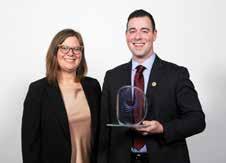
Spark Award: Recognizes HR professionals in the first 10 years of their career.
Recipient: Mario Petit, CN Rail
Award Presenter and Sponsor: Dr. Ute Kothe, University of Manitoba
“I’M JUST SO OVERWHELMED WITH JOY. I CAN’T BELIEVE I WON THIS AWARD.”


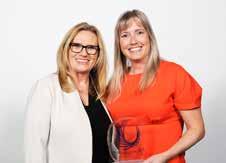

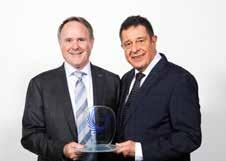
Momentum Award: Recognizes CPHRs who have established their expertise and leadership.
Recipient: Natalie Bell, Natalie Bell Consulting Award Presenter and Sponsor: Jason Gill, Staffmax
“ABSOLUTELY AMAZING TO BE ABLE TO DO THE WORK THAT I DO EVERY SINGLE DAY.”
Visionary Award: Recognizes executives who endorse, support or champion the HR function within their organizations.
Recipient: Michael Penman, Payworks (accepted by Jennifer Johnstron on his behalf)
Award Presenter: Ron Gauthier, CPHR Manitoba
Leadership Award: Recognizes executive-level practitioners for their strategic influence on their organization.
Recipient: Olena Derkach, Trailblazers Life Choices Inc. Award Presenter: Ron Gauthier, CPHR Manitoba
“THANK YOU SO MUCH. IT WAS A LONG JOURNEY, BUT I AM PROUD TO BE PART OF THIS COMMUNITY.”
HR Executive Award: Recognizes HR leaders in upper management levels that drive change within organizations from a highly regarded position of leadership.
Recipient: Jenna Book, Red River Mutual Insurance Award Presenter and Sponsor: Diane Sparrow DeGrave, Manitoba Blue Cross
“I’M A LITTLE SPEECHLESS — AND THOSE OF YOU WHO WORK WITH ME KNOW THAT IS A VERY RARE THING TO ACCOMPLISH.”
Visionary Award: Recognizes executives who endorse, support or champion the HR function within their organizations.
Recipient: Jennifer Bell, Neovation Corporation Award Presenter: Ron Gauthier, CPHR Manitoba
“THANK YOU TO OUR AMAZING TEAM WHO BRING THEIR BEST EVERY DAY, INNOVATING AND PROVIDING NEW SOLUTIONS TO OUR CLIENTS.”
Visionary Award: Recognizes executives who endorse, support or champion the HR function within their organizations.
Recipient: Rick White, Canadian Canola Growers Association Award Presenter: Ron Gauthier, CPHR Manitoba
“OUR PEOPLE ARE SUCH AN ESSENTIAL RESOURCE AND CRITICAL IN THE SUCCESS OF OUR ORGANIZATION.”
BUSINESS EXCELLENCE AWARD WINNERS



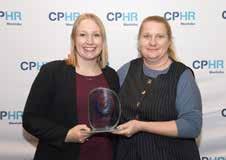

Ascent Award: For investing in leadership and talent development.
Recipient: Payworks
Accepted by: Jennifer Johnston, Vice President of Human Resources, Payworks Award Presenter: Daniel Doerksen, ACHIEVE Centre for Leadership
“I CAN’T WAIT TO CELEBRATE THIS WITH OUR TEAM. WE ARE TRULY GRATEFUL FOR THIS RECOGNITION.”
Thrive Award: For making work more meaningful and engaging.
Recipient: Kroeker Farms
Accepted by: Randy Dyck, Director of Talent, Kroeker Farms Award Presenter and Sponsor: Dave Kramer, SAFE Work Manitoba
“I ACCEPT THIS WITH GRATITUDE ON BEHALF OF A WORLD-CLASS HR TEAM THAT I AM EXCITED TO WORK WITH EVERY DAY.”
Unity Award: For advancing diversity, inclusivity and accessibility at work.
Recipient: Rebelleyus Consultations RH
Accepted by: Julie Belley, Founder and Principal Consultant, Rebelleyus Consultations RH Award Presenter and Sponsor: Ryan Savage, Taylor McCaffrey
“THIS IS AMAZING. I AM SUPER GRATEFUL.”
Innovation Award: For promoting health, safety and wellness.
Recipient: DriveHRIS
Accepted by: Sandra Conrad, Director of People Services, DriveHRIS Award Presenter and Sponsor: Brittany Enns, Lambert Nemec Group
“EVERYTHING WE ACCOMPLISH IS ACHIEVED THROUGH COLLABORATION, TRUST AND A SHARED COMMITMENT TO DOING THINGS BETTER.
HR Team Award: For people leading business as a team.
Recipient: Canadian Canola Growers Association (CCGA)
Accepted by: Tringa Lila Vejsa, Assistant Manager of Human Resources, CCGA Award Presenter and Sponsor: Leanne Bonnar, Aplin
“THIS AWARD IS FOR A GROUP OF TEAM MEMBERS THAT I AM VERY HONOURED TO WORK WITH.”













CONGRATULATIONS TO ROBYN NORMANDALE, NEW FELLOW CPHR
Robyn Normandale is a seasoned human resources executive and certified executive coach with more than 20 years of experience advancing organizational culture, leadership capacity and business performance across both private and public sector organizations. She currently serves as Director of People and Culture for Innovair Group, where she leads the HR and continuous improvement portfolios across the organization’s multiple companies and locations. In this role, she helps shape organizational strategy, leadership development, employee engagement and operational performance, translating people strategy into measurable business results. She has been instrumental in modernizing Innovair’s HR function through digital transformation, and embedding coaching and continuous improvement practices that have strengthened the organization’s ability to adapt, execute and grow.
Robyn has a bachelor of arts degree in psychology and certificate in human resource management from the University of Manitoba. She is a Chartered Professional in Human Resources (CPHR) and holds the Society for Human Resource Management-Senior Certified Professional (SHRM-SCP) designation. She has also earned a graduate certificate in executive coaching
from Royal Roads University and the Associate Certified Coach (ACC) credential through the International Coaching Federation.
In addition to her professional leadership, Robyn has contributed to the governance and advancement of the HR profession in Manitoba and across Canada. A former CPHR Manitoba board member, she has served on the association’s governance committee and self-regulation task force, and participated nationally in the Canadian Council for Human Resources Associations’ professional practice analysis initiative. She was a member of the national knowledge exam task force, helping design and validate examination questions used in the certification of HR professionals across Canada. Her work with CPHR Manitoba’s professional standards committee contributed to the development of the profession’s current code of conduct, discipline framework and good character attestation that support the self-regulation of HR in Manitoba.
Robyn serves as Director-at-Large with Winnipeg Economic Development and Tourism, where she brings her expertise in HR, governance and strategy to initiatives that support the economic vitality and growth of the city.
Robyn’s leadership is grounded in service
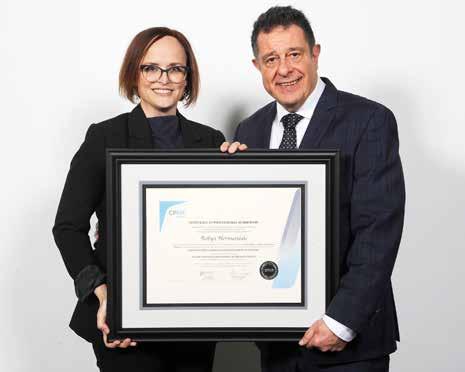
to others and a deep commitment to building strong organizations and communities. She remains committed to advancing the standards, credibility and future development of the HR profession.
CPHR MB: Congratulations on earning the Fellow CPHR (FCPHR) designation for your work in the HR field. How are you feeling?
Robyn: Proud, honoured and, honestly, quite humbled. It’ll take some time to get past how surreal it feels. I’ve always viewed FCPHR as a career-defining recognition and it’s a different feeling to be the one recognized, never mind having had enough career contribution to earn it. Above all, this feels like a reminder of the responsibility that comes with the work we do. I feel the weight of that. To be recognized by the profession in this way is incredibly meaningful, and I’m committed to continuing to show up in a way that meets the expectations of my peers.
CPHR MB: What was going through your mind during the process, from being nominated to being selected?
Robyn: A mix of gratitude and reflection. You can’t go through a process like this without thinking about the people who shaped your path –
leaders, mentors and colleagues who set a high bar and were generous in sharing their knowledge and perspective. I’m incredibly grateful to have learned from them all.
The nomination process itself also asks you to lay out your career in a way that goes far beyond a resume. Seeing it all mapped out made me realize how often I’ve put my hand up whenever opportunities came forward — whether through volunteering, projects or roles outside my usual scope. Through those experiences, I’ve been able to grow professionally and discover new interests. For example, through my volunteer work with CPHR Manitoba, I found that I really enjoyed designation design work. It gave me the opportunity to contribute to something I’m passionate about — the credibility of our profession and the recognition I believe human resources professionals deserve.
That work also connects directly to the broader shift to self-regulation, something I’ve also thought a lot about through this process. To be clear, credibility is the indirect benefit of self-regulation. What matters most are the structures behind it — our competencies, code of conduct, character attestation, discipline process. These have shaped how seriously our work is understood and the standards we hold ourselves to. It has been a privilege to have had a small part in that.
CPHR MB: What advice would you offer to younger professionals, whether they are just starting out, working toward their CPHR designation or aspiring to achieve the FCPHR designation like you?
Robyn: First, if you haven’t pursued your designation, do so. Being a CPHR at any stage of your career is a critical part of practicing HR in Manitoba and across Canada. It ensures your ability to protect the public by way of meeting ongoing professional development requirements, adhering to a code of conduct and signalling a clear commitment to professional standards.
Second, learn from as many people as possible — both within and outside our profession. Pay attention to how they think, not just what they do. Technical skills matter but judgment is what defines you in human resources.
Third, say yes. Put your hand up often, even when it feels like a stretch. Some of the most meaningful growth comes from stepping into work you don’t feel fully ready for yet. I’ve also found those opportunities open doors for new ones in the future, too.
Finally, take the profession seriously. With selfregulation in Manitoba, this work is not just about supporting the organizations we’re employed by — it’s about protecting the public. That shows up in how we make decisions about people — ensuring they are fair, consistent and grounded in sound judgment, even when it’s not the easiest path.
CPHR MB: Any final thoughts on the FCPHR designation and what it means to you?
Robyn: I think the most important letters are CPHR. We belong to an established, recognized, self-regulated profession, and I’m so proud to be part of that. The move to self-regulation in Manitoba was a significant moment for all of us. It reinforced that the decisions we make around fairness, safety and how people experience work have real consequences beyond the walls of any one company. It’s exciting to think about what’s next for the CPHR designation. Ultimately, its strength will be defined by how we show up and how seriously we take that responsibility in the decisions we make every day.
For me, the FCPHR designation is icing on the cake — it’s both an honour and responsibility. It reflects my commitment to continue contributing to the profession, to uphold strong standards of practice and to support others coming into the field.
Robyn Normandale
CPHR MANITOBA CONGRATULATES OUR NEWEST CPHRS!
Samuel Adelakun
Odiri Endurance Ajakpovi
Tammie Anthony
Brian Birch
Suzanne Buckley
Tingting Cao
Zeyuan Cao
Glenda Cathcart
Bart Cheng
Alysha Cho
Karlo Clarete
Daryn Clefstad
Susan Coutu
Diana Daly
Ruby Doal
Bryce Dooley
Mandy Dyck
Chelsea Fouillard
Chelsea Fraser
Ryan Gibson
Michael Groot
Melissa Guest
Shaye Hartle
Ihab Hawamda
Zebiba Ibrahim
Darcy Jacobs
Cassaundra Jasnikowski
Ajoke Jegede
Arina Johnson
Jodi-Lee Kaemingk
Lisa Kirk
Michelle Lagunay
Natasha Lalman
Catherine Minaker
Karolina Mokosinski
Jeremy Morin
Shannon Morrison
Jacqueline Muenchow
Rannie Mymko
Kendra O'Malley
Samantha Okoro
Kayode Olumilua
Jadesola Oyeleye
Folake Oyinloye
Faye Pagdonsolan
Genine Parry
Palak Patel
Mary Anne Perez
CPHR MANITOBA CONGRATULATES OUR NEW CPHR CANDIDATES!
Mark Abaga
Clara Isoken Adeyemo
Shifa Aggarwal
Speranza Albensi
Princess Amao
Ina Bardoquillo
Sarah Bernaldo
Melissa Bershazki
Zachary Bilawka
Logan Brooks
Iulia Daria Buda
Lisa Bukoski
Greg Michael Carlos
Phoenix Chappel
Breanne Cook
Jillian Daien
Natalie Desautels
Angele Desrochers
Neetika Devi
Tatiana Diaz
Brooke Downey
Josie Duthoit
Sylvester Egbeyon
Rita Eghujovbo
Deanna Faris
Ramat Folorunso
Jamie Fox
Ingrid Friesen
Shari Friesen
Anmol Gill
Trina Gmiterek
Andrea Gonzalez
Crystal Goodick
Lynn Hepner
Ruth Iluobe
Egbuwa Priscilla Inetabor
Allysha Jackson
Muntaha Jalbani
Eunbeen Jang
Samantha Jones
Nwamaka Joseph
Fanny Kitebi
Valeria Kolomiyets
Marianna Kravchenko
Jill Krewiak
Tiffany Loewen
Kristine Maharaj-Napora
Chloe McAllister
Anne Thea Ocampo
Olubukola Olaboopo
Oreoluwa Olorunnishola
Olawale Onigbogi
Sathiyaseela Ramesh
Dangy Ramos Suazo
Michelle Raneses
Mohamed Rashid
Barbara Reilly
Emily Rogowsky
Maria Irish Rosario
Tabitha Sagert
Presa Mae Saini
Kate Salamatin
Magdalena Samsonowicz
Glorina Armie San Diego
Alexandra Shewchuk-Taylor
Yang Shi
Paul Shur
Arvin Clark Sombilla
Kim Standeven
Angelika Tria
Rahul Tyagi
Hailey Valentine
Tanis Varey
Maegen Walker
Sarah Wilson
Mengxuan Wu
Mario Petit
Marlin Reimer
Harrison Reitberger
Jerilyn Scharer
Jennifer Serek
Sarah Shrutwa
Jennifer Sorensen
Candace Steinhilber
Tiffany Stupack
Cara Therrien
Samantha Nicole Tumlos
Stan Tytarenko
Melissa Vallance
Kelli Zeiler
MOVERS & SHAKERS
Mary Perez is the new Operations Officer, Finance and Human Resources, for the College of Pharmacists of Manitoba.
Ryan Savage, Partner and Labour and Employment Lawyer at Taylor McCaffrey LLP, has been named in the 2025 edition of The Best Lawyers in Canada, and has been inducted into the Boxing Canada Hall of Fame.

Workplace investigations informed by experience.
Rubin Thomlinson LLP is a Canadian law firm that focuses exclusively on workplace investigations, assessments, restoration, and remediation. Equipped with extensive experience and expertise in this field, we provide neutral third-party support through any challenging, high pressure workplace situation. Our team of legally trained investigators routinely handle a wide spectrum of complex complaints in English and French, including investigations involving systemic and/or race-based issues, reprisal, harassment, and sexual misconduct, to name a few. As trusted advisors, we work to investigate and assess workplaces, provide recommendations, and facilitate mediations, with the goal of aiding organizations in unraveling and addressing the core issue(s) in any type of workplace conflict.

Our Services
Workplace & Institutional Investigations
Handling complex, challenging cases with speed, sensitivity, and sureness.
Consulting & Strategic Guidance
Our deep insight helps to identify critical fault lines, and we develop high impact policies.
Whistleblower & Ombuds Services
Access to trained team members who can receive complaints confidentially and independently.
Workplace Assessments & Reviews
Serious issues brought to the surface before they become costly and damaging.
Workplace Remediation
Restoration, mediation, and one-on-one coaching services that restore company culture and harmony.
Workplace & Institutional HR Training
Real-to-life, tactical training for high stakes situations across Canada.


their
STORY COME BACK
And you have an impor tant role to play.

For you, it helps retain talent, ensures compliance and can lower costs.
For them, it’s a safe path back to meaningful work, even if it includes modified duties or reduced hours. And your commitment not only maintains productivity, it builds a resilient workforce that knows they’re valued.