CIVICACTION 2023 SUMMIT CHANGEMAKERS NEEDED
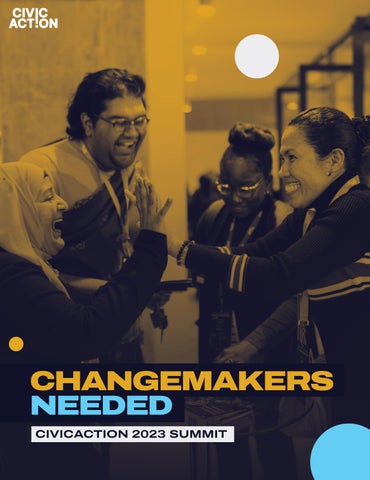
CIVICACTION 2023 SUMMIT CHANGEMAKERS NEEDED
The past four years have presented unprecedented challenges for cities across the country. Since our last CivicAction Summit in 2019, the world has grappled with unparalleled crises, including a global health pandemic, economic strains, social tensions, and revelations of deep-seated inequities. Canadians faced widening polarization, political and cultural clashes, distrust in institutions, and spikes in inflation.
Despite these challenges, there is hope.
Since 2003, CivicAction has convened leaders from across civil society every four years to address the Greater Toronto and Hamilton Area’s (GTHA) most pressing challenges at its Summits. Recognizing the scale of the current crises, our team initiated early consultations involving nearly 200 leaders from many sectors to inform the focus of this year’s Summit. The result: a focus on three global crises—the Affordability Gap, the Prosperity Gap, and the Trust Gap—and how civil society can respond regionally and locally.
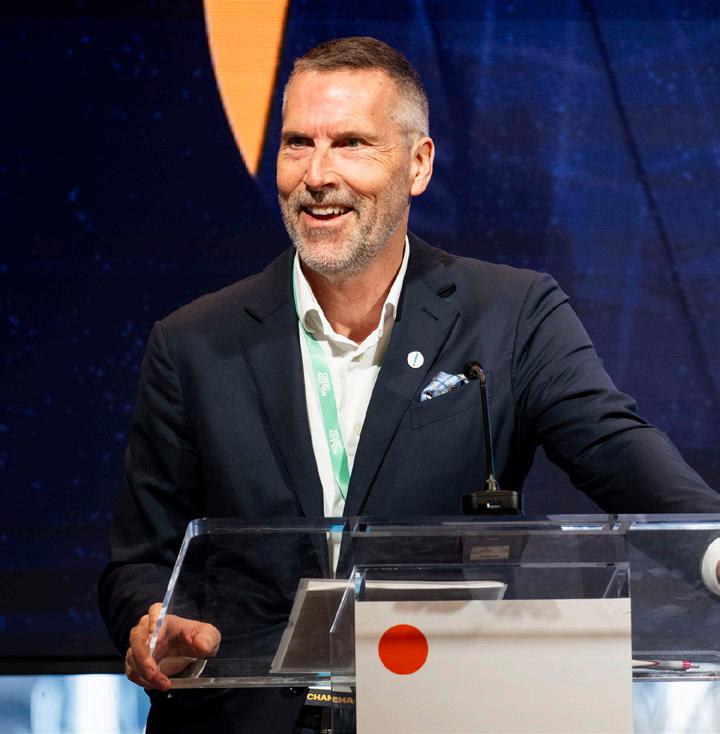
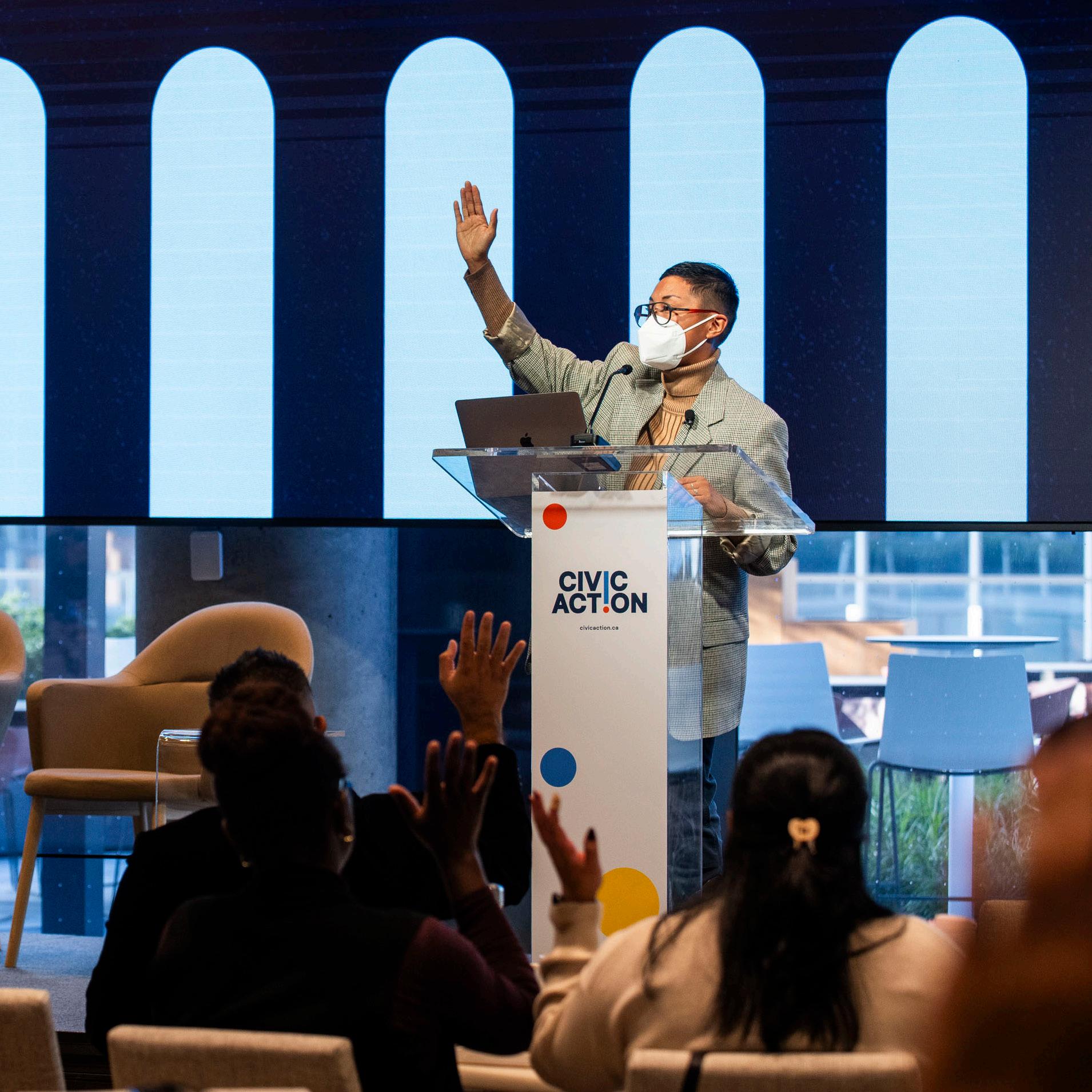
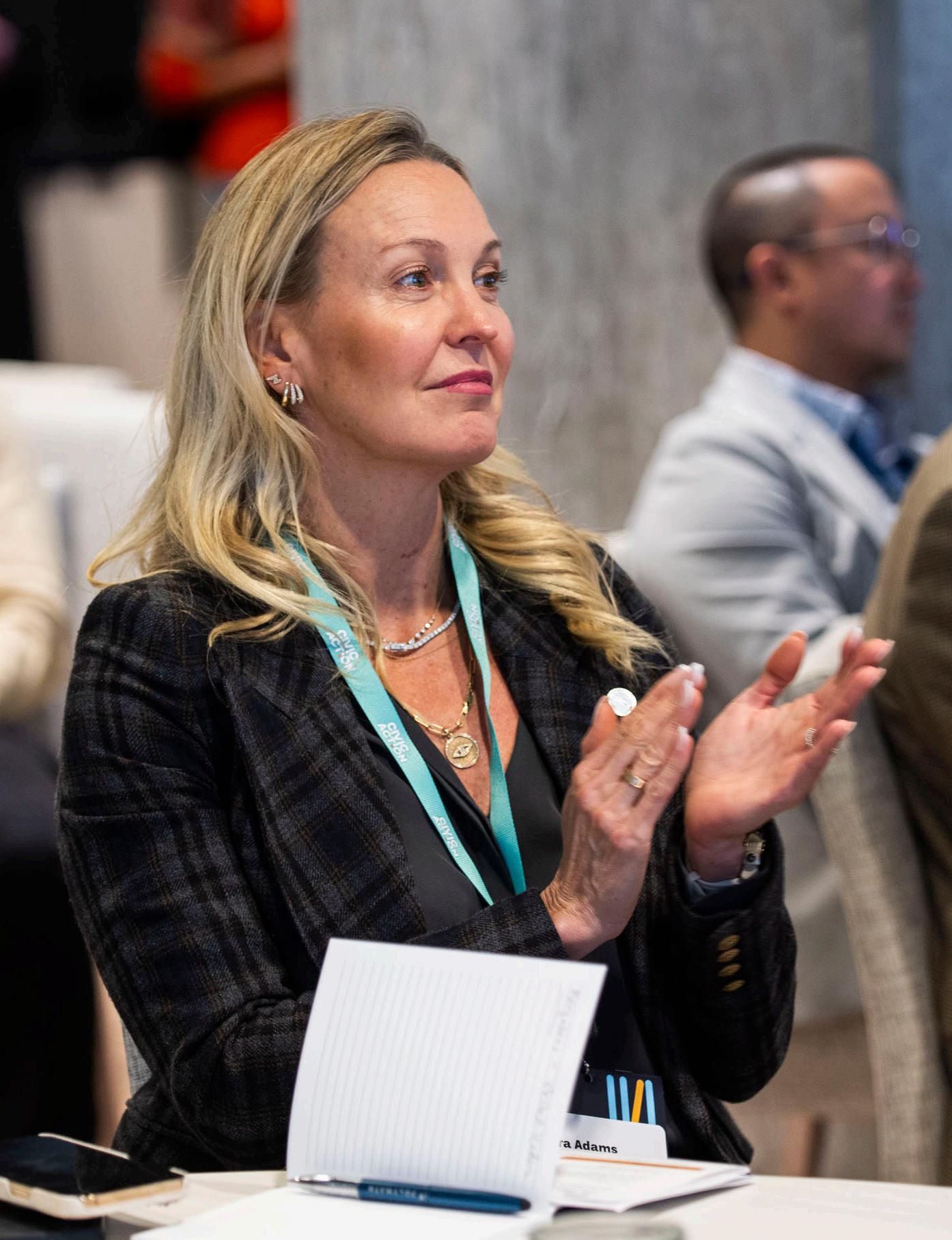
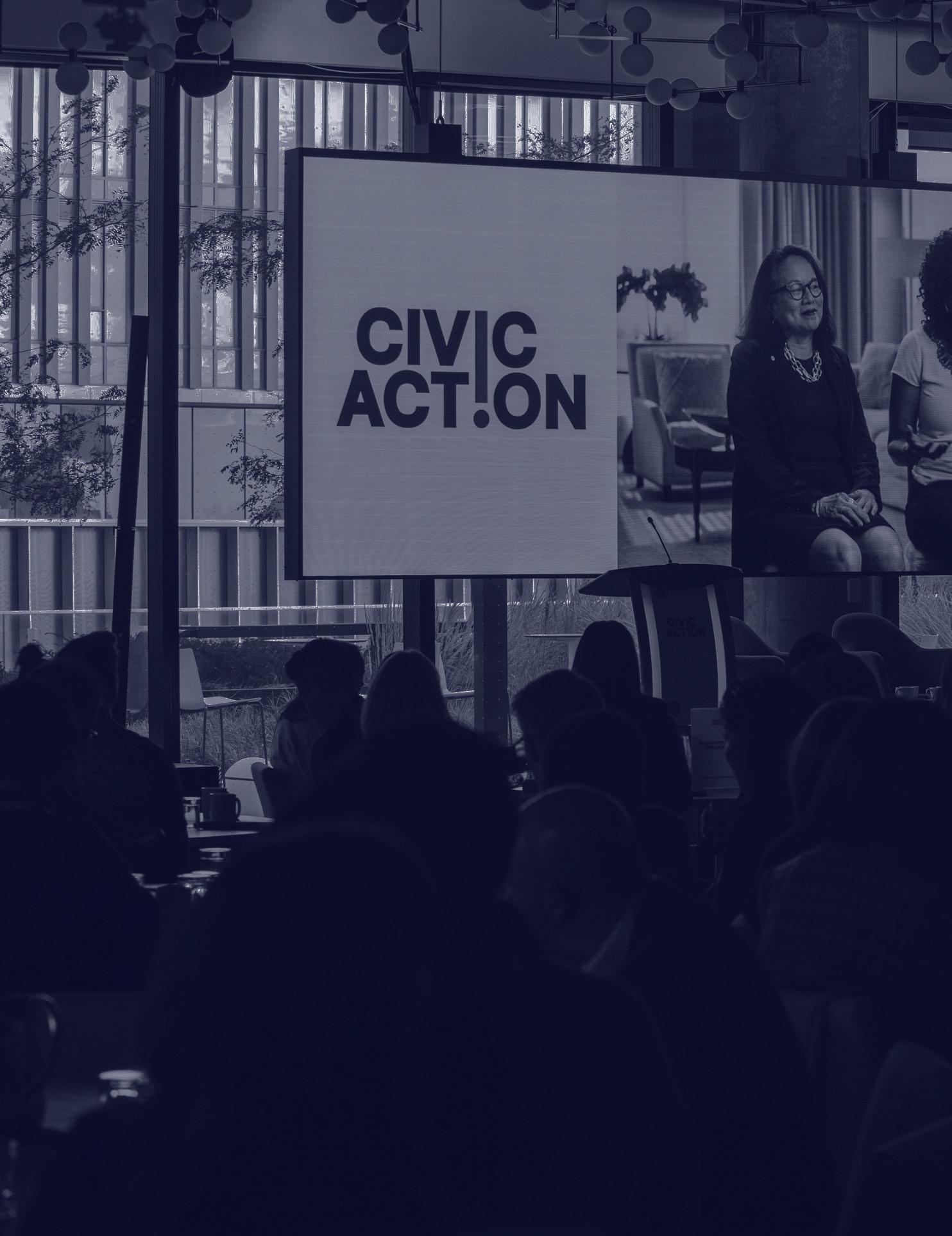
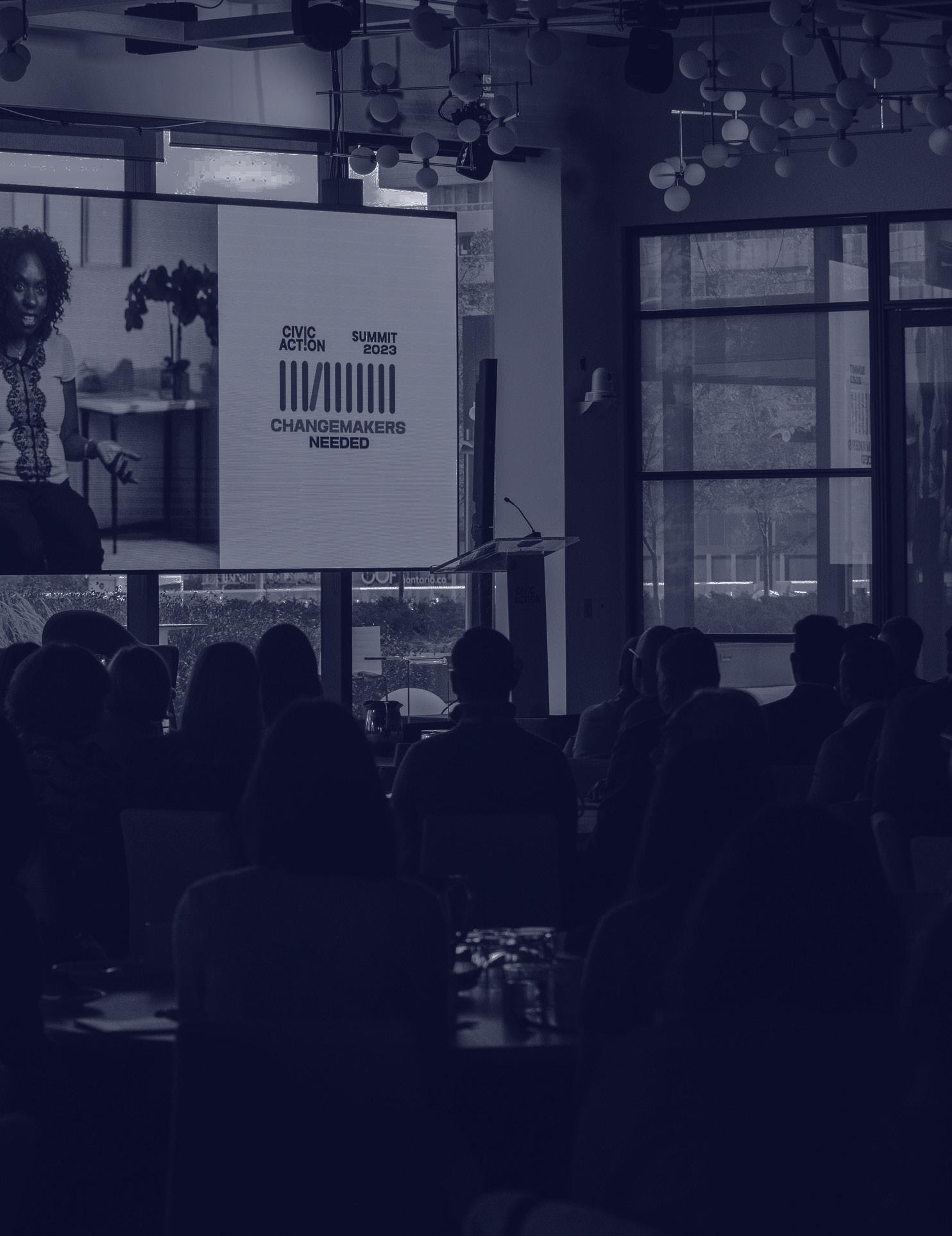
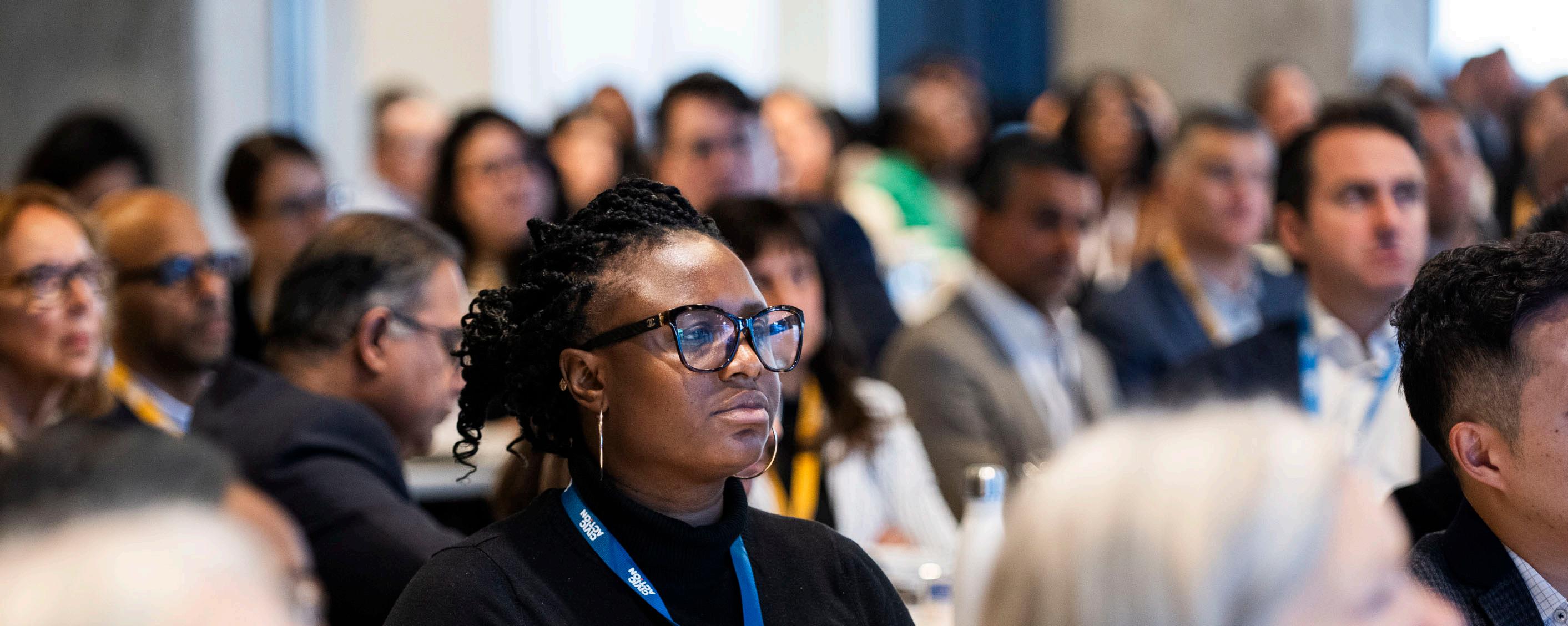
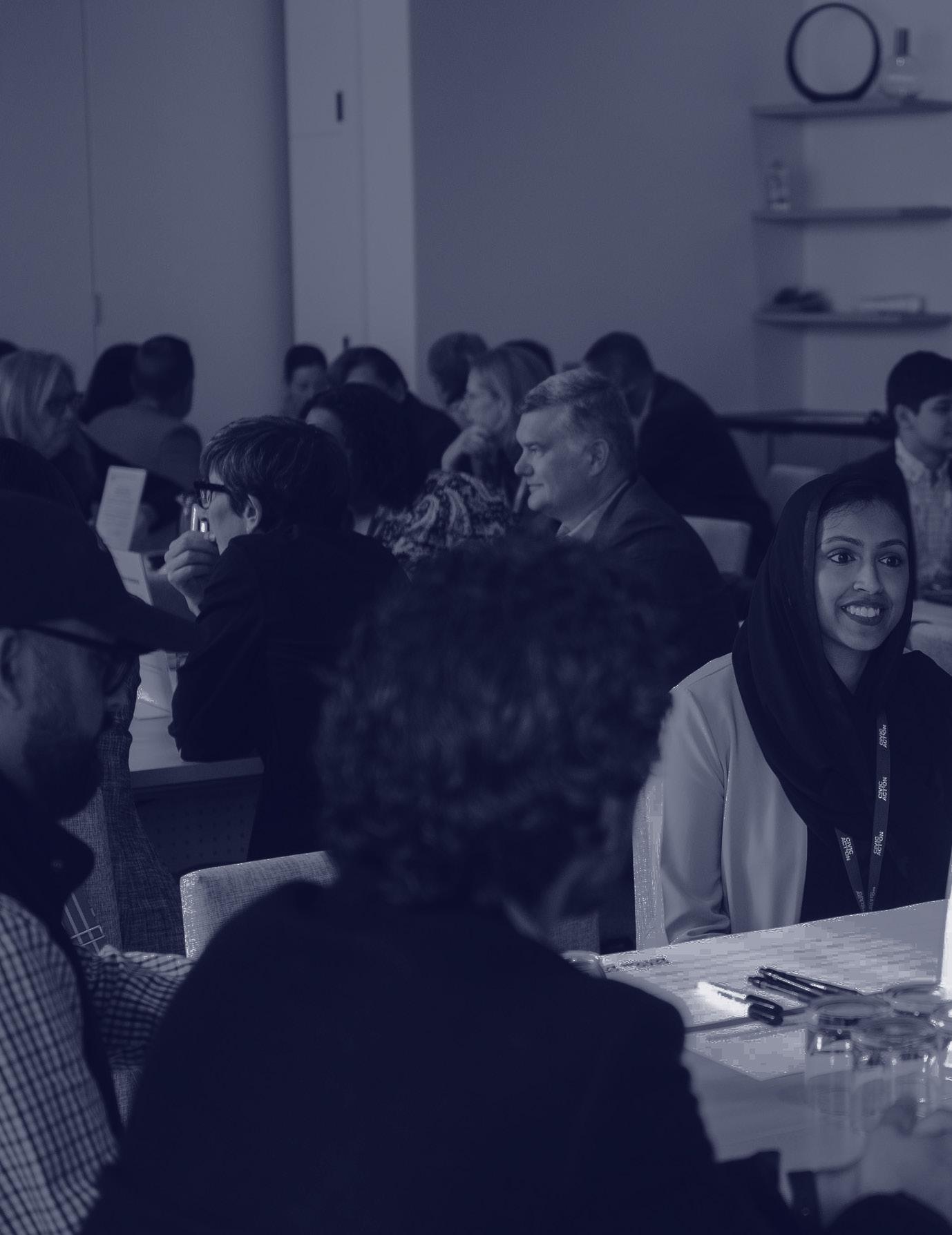
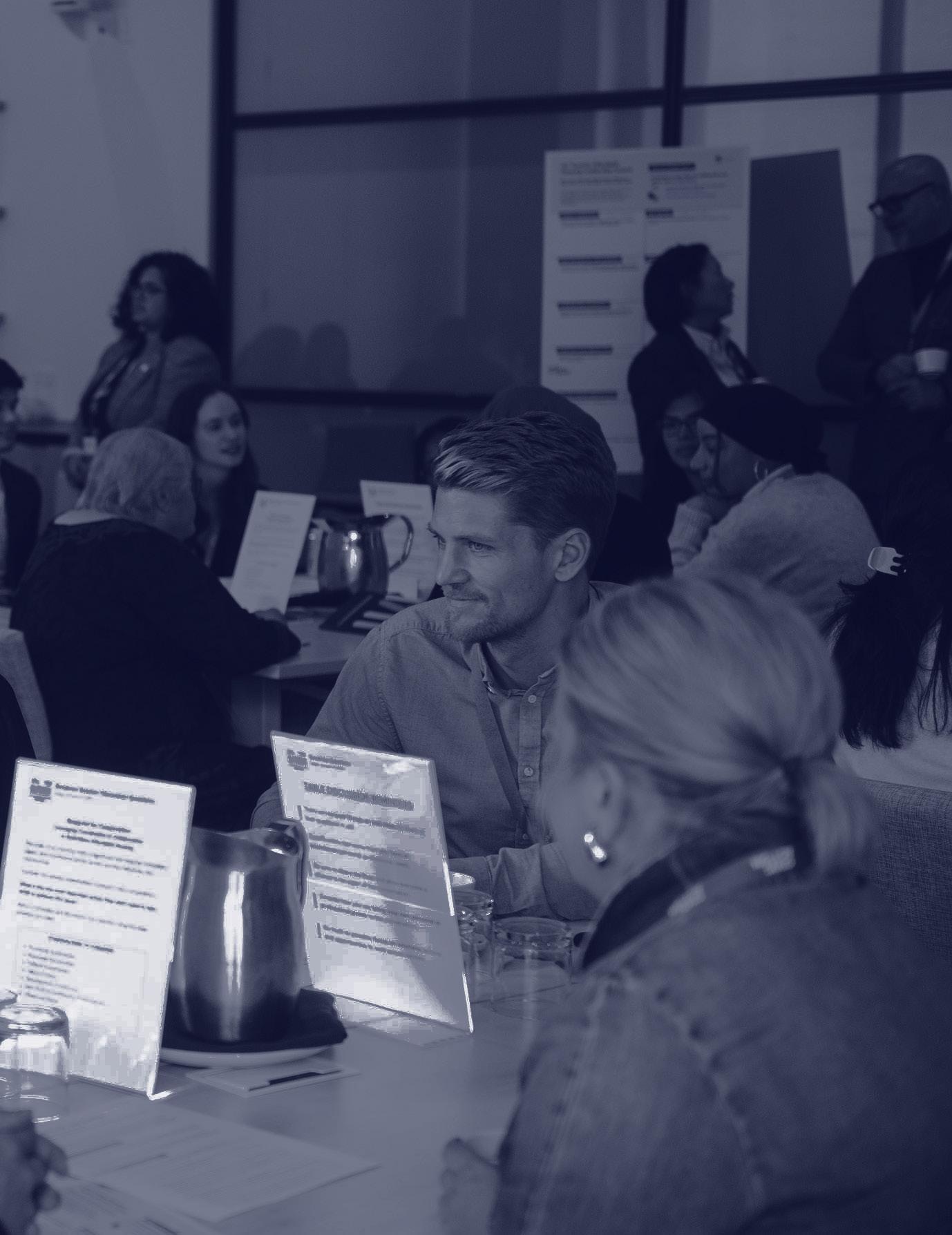
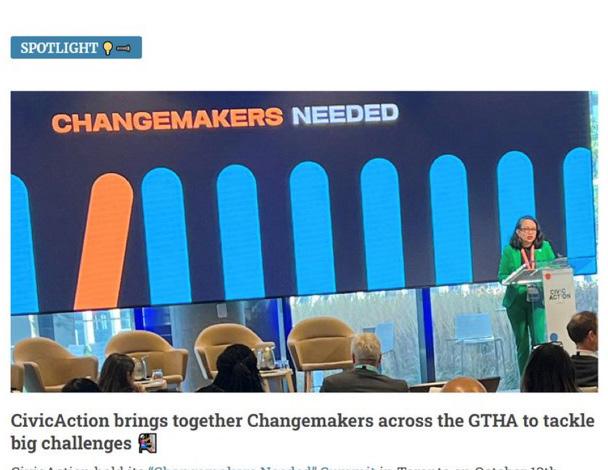
On October 13, 2023, over 330 leaders from public, private, and non-profit sectors gathered at the CivicAction Summit: Changemakers Needed. The Summit showcased ongoing work to address urgent crises, emphasizing that solutions exist. It also addressed the need for collaboration, highlighting opportunities for sharing best practices and expertise.
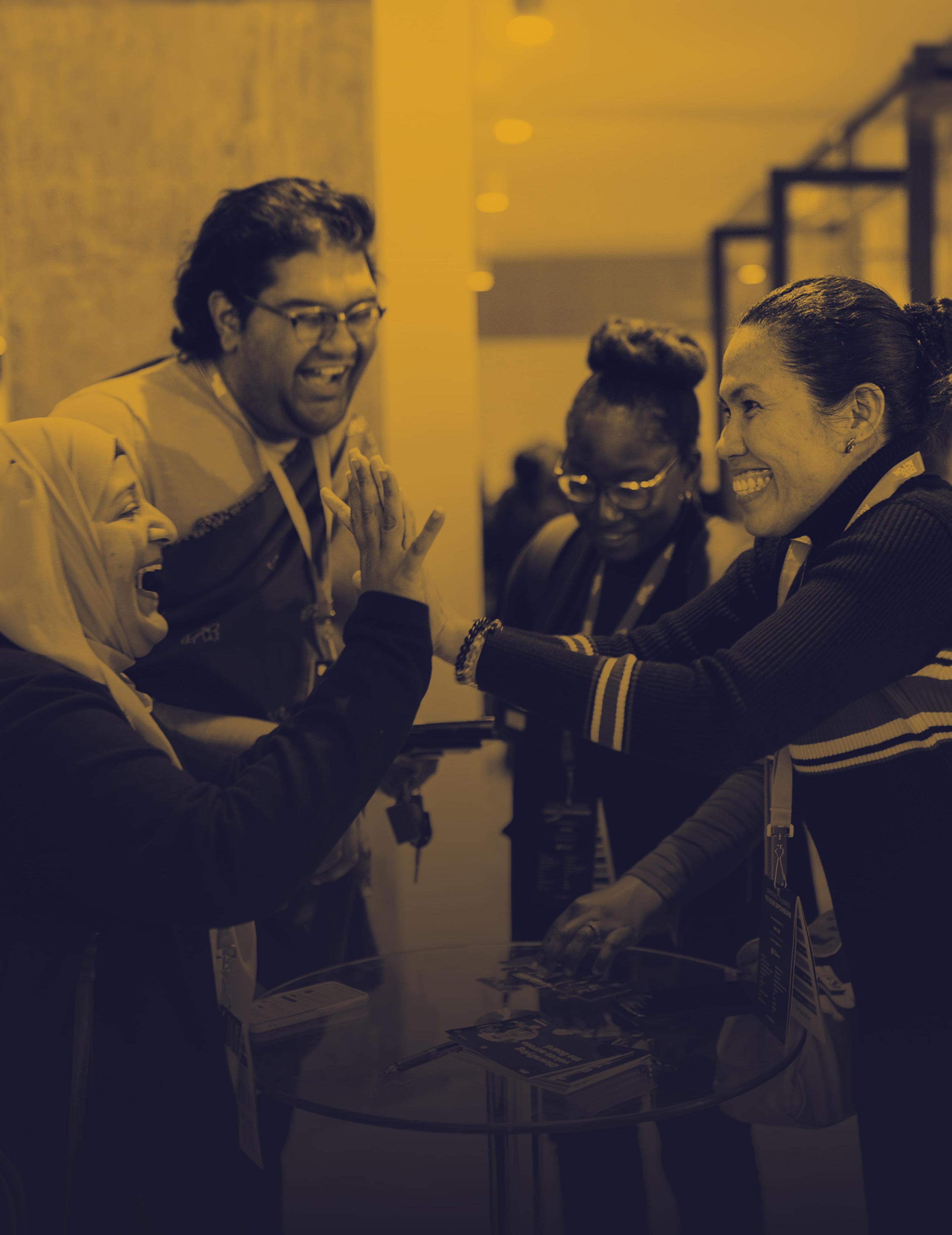
Summit participants demonstrated shared commitment to a more affordable, prosperous, and equitable region. From breakout sessions to inspiring keynotes, the tone was positive and practical. The Summit served as a step towards repairing fragmentation and fostering collaboration. The energy and commitment of participants created momentum for change.
CivicAction is charting a new course based on the Summit’s outcomes. The event reaffirmed that CivicAction is not alone; thousands of leaders are willing to partner for a more livable future. CivicAction holds the compass to navigate forward.
With gratitude,

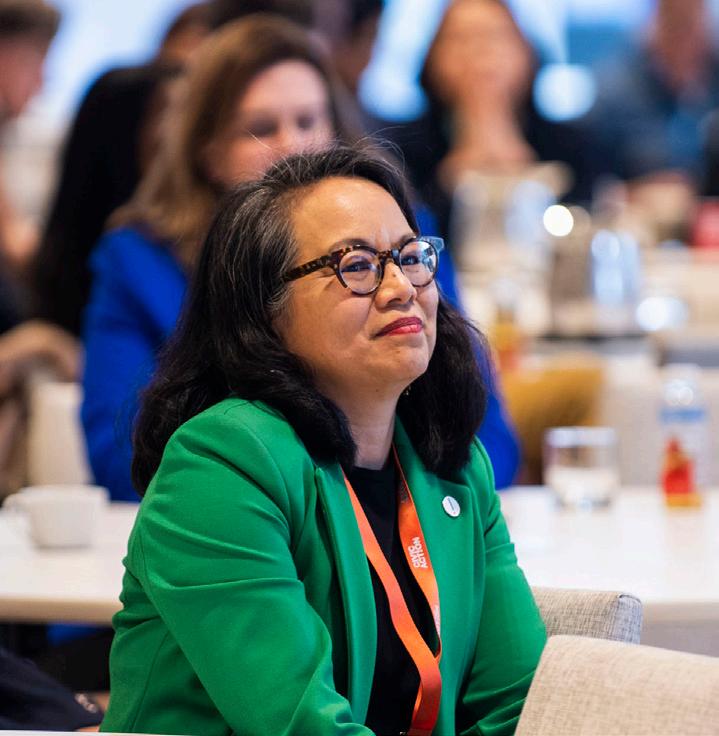
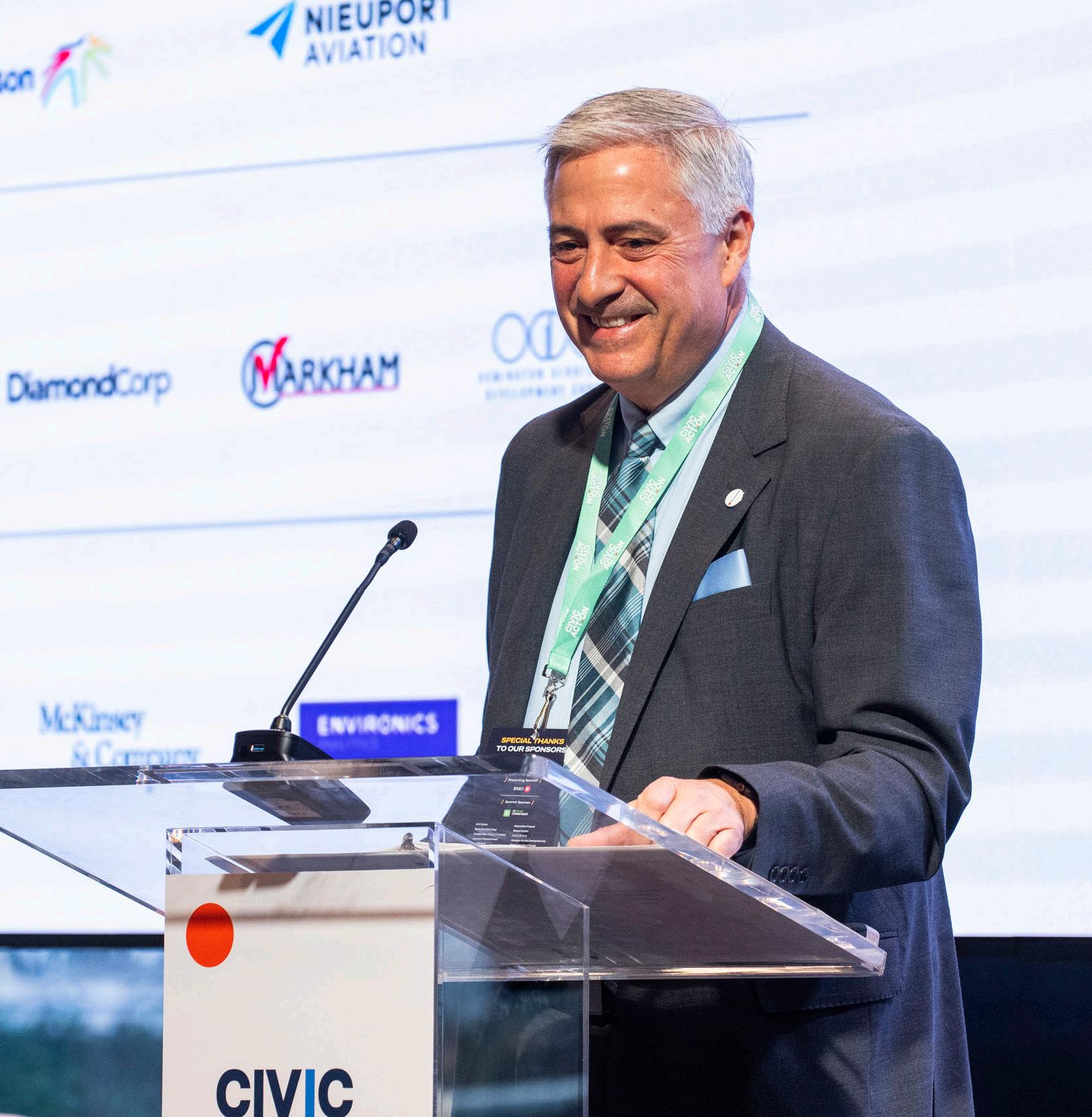
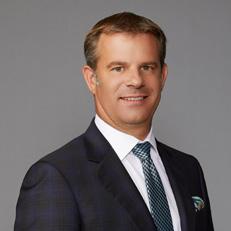
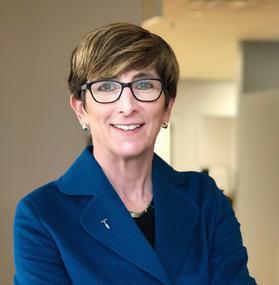
Leslie Woo CEO CIVICACTION, CIVICACTION
LEADERSHIP FOUNDATION

MacIsaac
CIVICACTION CHAIR
Hockey
CHAIR CIVICACTION
LEADERSHIP FOUNDATION


PLAY THE REGION WE LOVE AND
The Greater Toronto and Hamilton Region (The Region) is a unique and critically important part of Ontario and Canada - an economically vibrant innovation hub and multicultural region. Home to over 250,000 businesses12, the GTHA contributes ~20% of Canada’s GDP3 and is supported by over 20,000 registered non-profits.⁴ Not surprisingly, the GTHA is also one of the fastest growing regions in North America, home to 7M+ residents today and anticipated to hit the 10 million megacity mark by 2045.5
However, as the region grows at such a rapid pace, it faces significant headwinds that push a vision for more equitable, prosperous, and affordable
communities further and further away. These challenges are likely to grow in magnitude and frequency in the coming years if we do not address them now with coordinated focus and action.
Addressing these types of challenges by fostering cross-sectoral collaboration, developing civicminded leadership, and mobilizing action has been at the core of CivicAction’s mission and purpose since its inception.
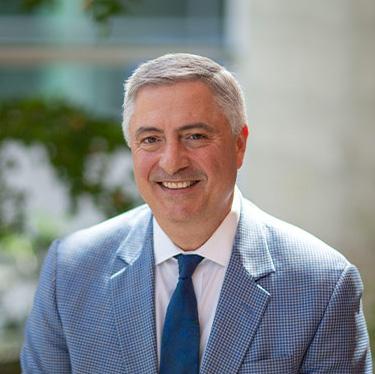
“I think what CivicAction means, what that proposition stands for, is that we cannot expect to have a great community, to have a great city, to have a great city region by simply letting others do the work, do the heavy lifting. We all have to get engaged.”
Rob MacIsaac Board Chair, CivicAction
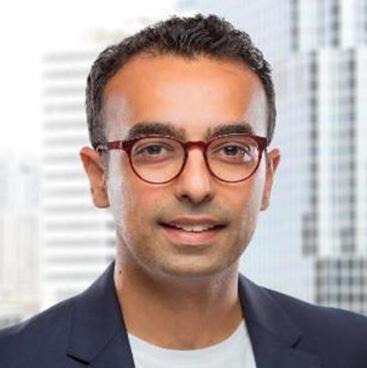
“None of this can be solved in silos. It requires everyone to roll up their sleeves and come together to make it happen. It’s about action. It’s about getting things done. It’s about not being ok with the status quo.”
Bilal Khan Managing Partner, WeShall Investments
Since its inception, CivicAction has demonstrated a unique ability to convene diverse civic leaders, including sector experts, key influencers, and individuals with lived experience to co-create solutions to the region’s most pressing challenges. Over the last 20 years, these collaborations have produced meaningful and timely responses to issues like transit (Your32), workplace mental health (MindsMatter), environmental stewardship (Race to Reduce), youth employment (HireNext), cultural engagement (Luminato), and civic leadership (DiverseCity Fellows).
This proven and effective convening model was again employed in the lead up to the 2023 Summit.
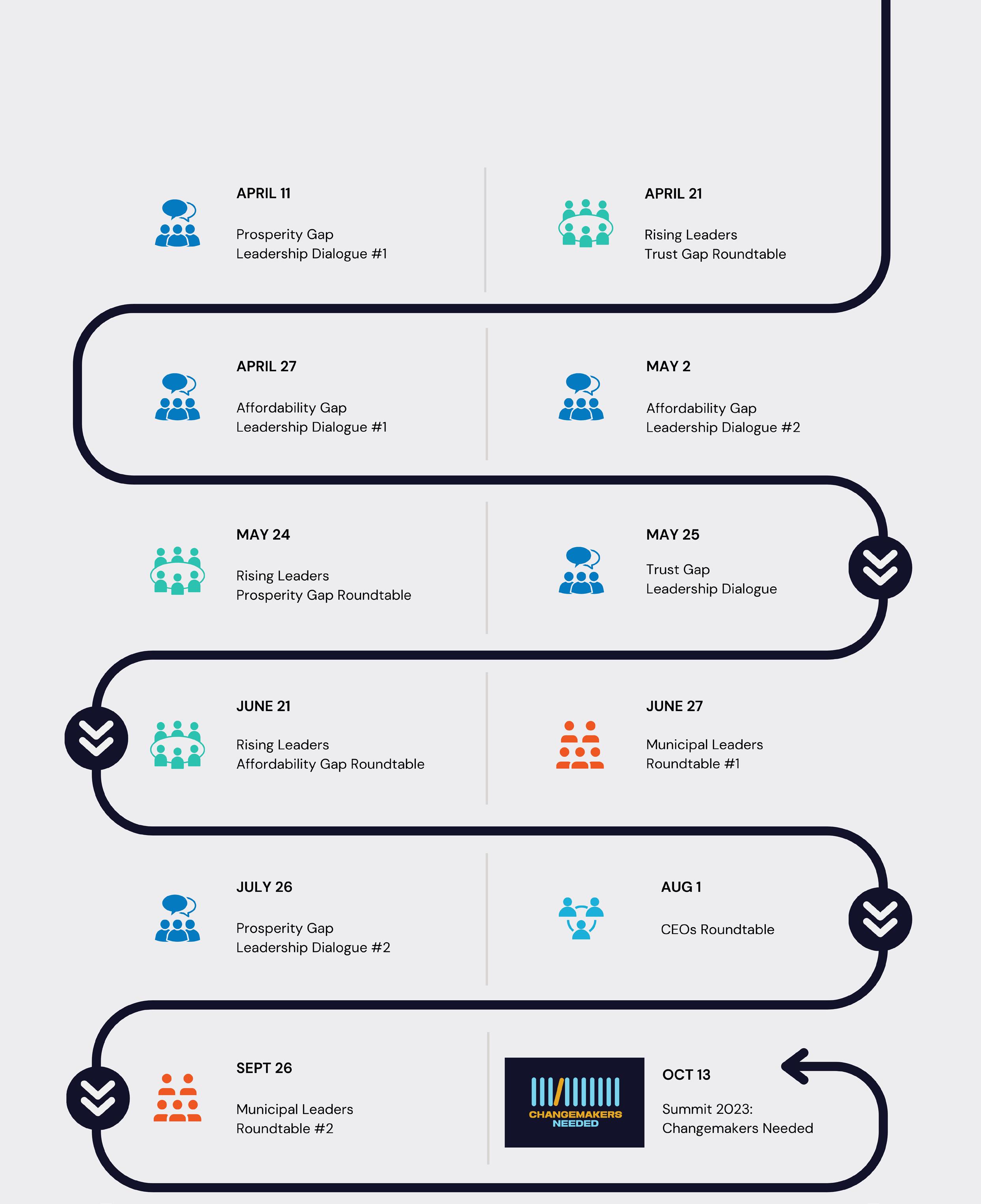
By tapping into the collective wisdom of cross-sectoral leaders, these pre-Summit consultations fostered early collaboration, ownership, and responsiveness in addressing the issues of affordability, prosperity, and trust. In total, nearly 200 influential leaders from the private, non-profit, and public sectors participated. These inclusive consultations enabled CivicAction to develop a comprehensive understanding of these challenges, and to identify a suite of promising solutions, in an intensive period of just six months.
Our research partners, BCG and Deloitte, helped curate these conversations and develop an accessible fact base on extremely complex issues. These consultations also helped build critical partnerships and identify early opportunities for CivicAction to accelerate solutions ahead of the Summit itself.
On October 13th, the day of the Summit, delegates arrived well-prepared, having gained access to a sound background on these issues. This strengthened engagement and active participation in breakout sessions.
Every aspect of Summit 2023 was carefully considered and organized with the goal of achieving three distinct but interrelated objectives:
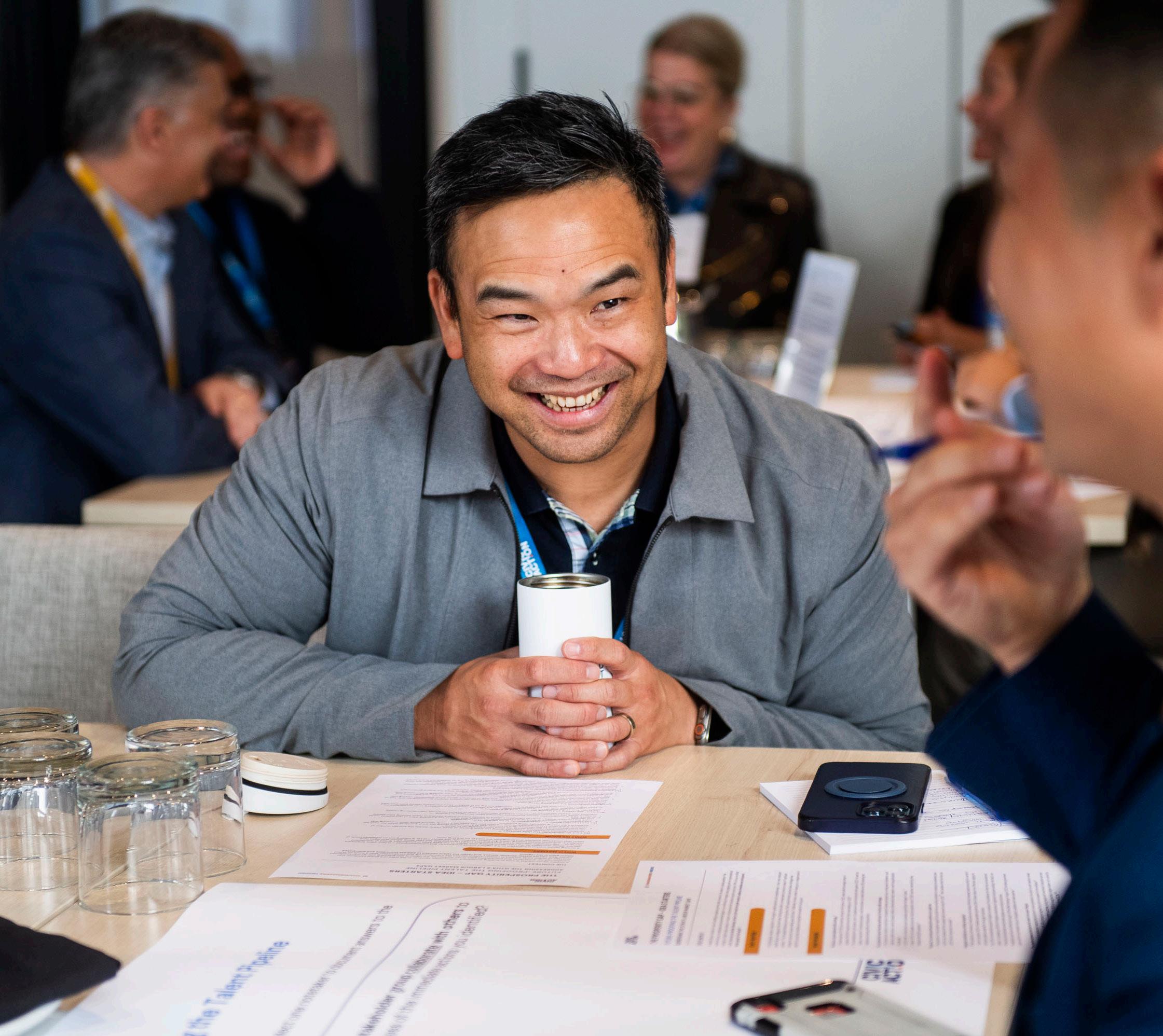
Proactively facilitate and provide space for attendees to renew and make meaningful new connections, find areas of common interest, and build their networks.
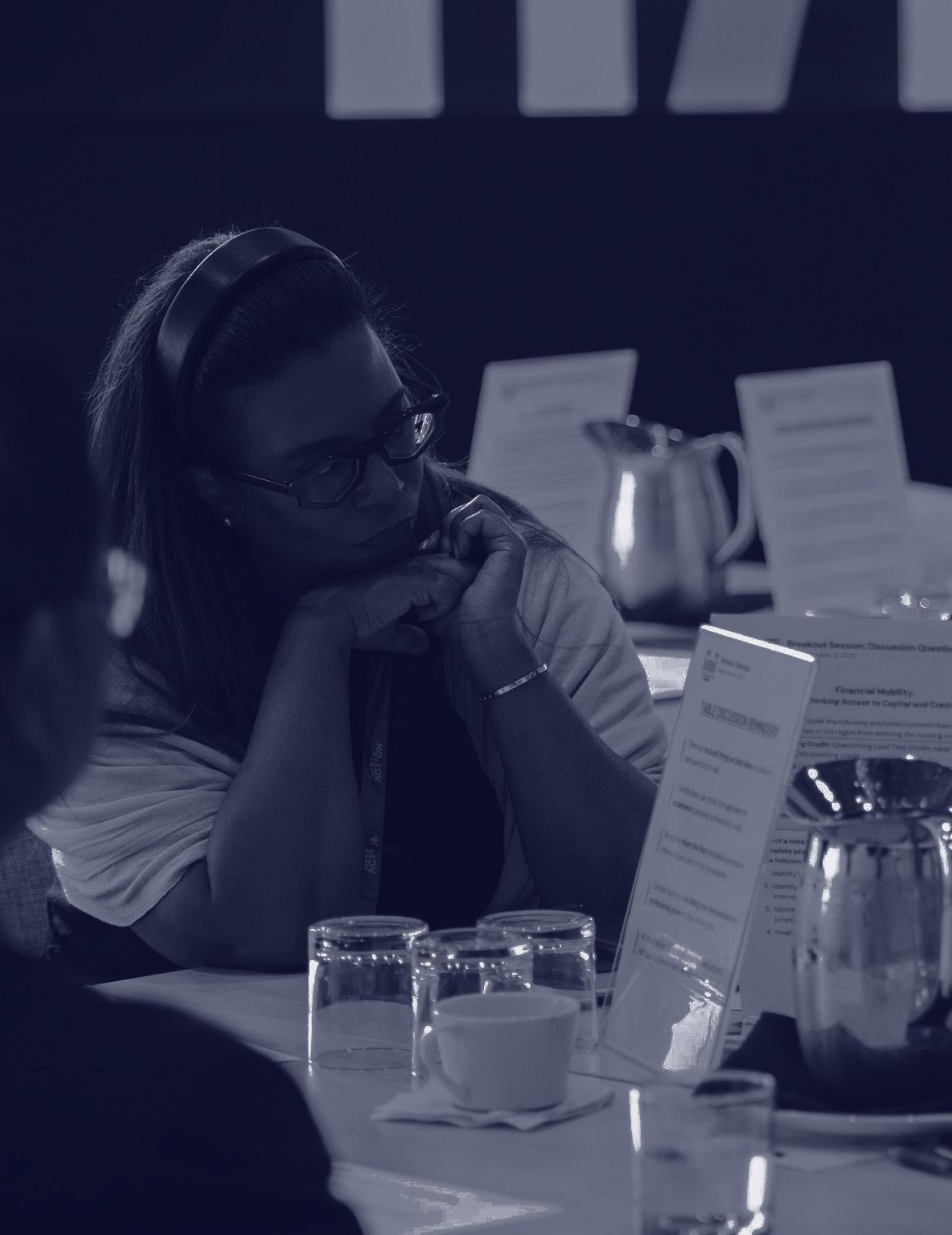
Create space for dialogue and debate that encourages attendees to share both lived and professional experiences and work toward shared understanding and solutions.
Bias every session and interaction toward spurring and galvanizing more collective action on scalable solutions to these challenges.
Plenary Sessions & Networking
Opportunities Set the Stage:
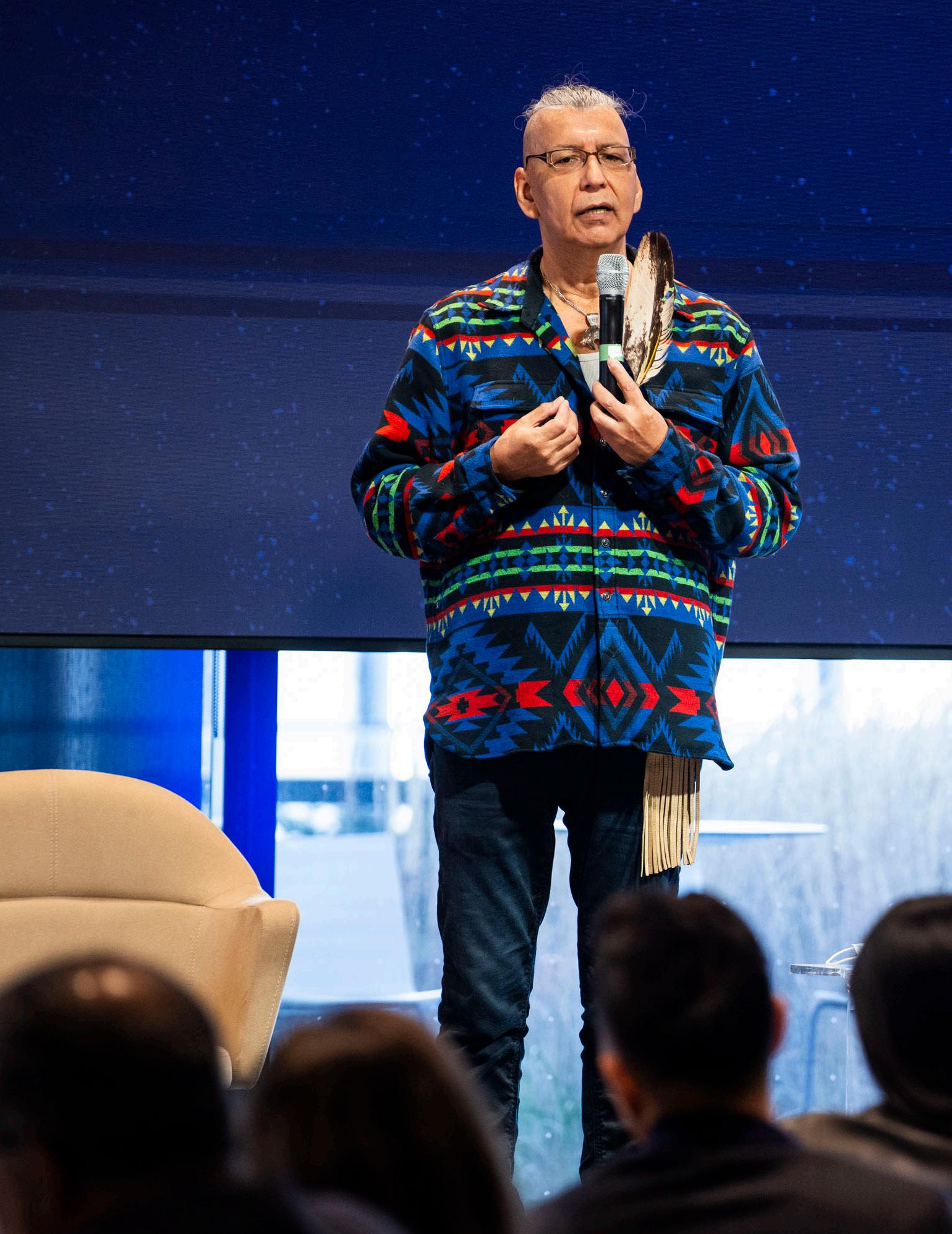
The day itself was bookended by a series of short, impactful main stage dialogues that helped both further ground attendees in the urgency and severity of the multiple crises in the GTHA, but also serve as inspiration for the opportunity leaders have to mobilize change together.
Catherine Hernandez told our audience of changemakers, “I want to applaud you for your energy, commitment, and vision for the future of our communities.”
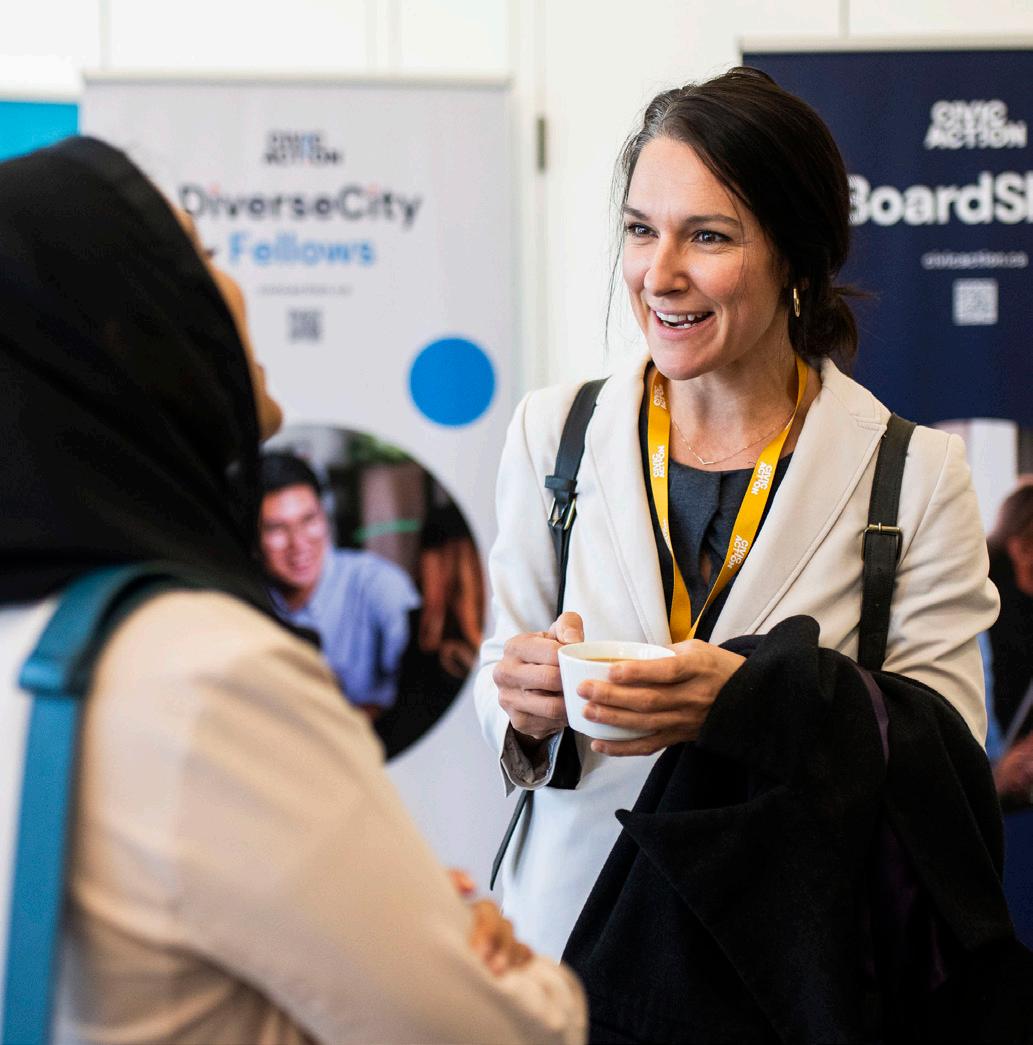
She said her book Scarborough was a “love letter to community members like you who want to make a difference in this world and be part of something bigger than ourselves. Thank you for believing in change. “


At Summit 2023, breakout sessions were designed to focus delegates on solutions to three urgent and complex challenges gripping The Region – affordability, prosperity, and trust.
In 2022, 26% of Toronto residents reported that their income is not enough to support basic needs. This was reported on average 10% higher for residents with disabilities, LGTBQ2+ people, and racialized minorities.6
As our population continues to grow and demand increases, the question at hand is how we can approach and continue to make material headway on this affordability challenge. We know that affordable housing, accessible transit, and lower costs of living are associated with overall well-being.7 If we
succeed in supporting affordability, we will support our region’s ability to live up to its world-class potential.
At the Summit, cross-sectoral experts discussed three pathways to address the Affordability Gap:
A Blueprint for Collaboration: Leveraging coordination and collaboration to build more affordable housing
To build more affordable housing, we can collectively mobilize across private and non-profit spaces as well as all levels of government to coordinate an approach and speed delivery. Through cross-sectoral collaboration to build more affordable homes, housing can be more attainable to GTHA residents.



• The housing crisis should be an urgent priority - we need more action, collaboration, bravery, and boldness to act across all sectors and between all orders of government.
• Housing is one part of a complete community – consideration & investment must also be made in all aspects of a community (e.g. transit, schools, green space). It is also part of a spectrum that includes both market (ownership, rental) & non-market pathways (homelessness, shelter, supportive/subsidized housing). Not all solutions can be market-based.
• There is not enough coordination among
orders of government. Alignment on public policy is critical – all orders of government can support through better alignment of goals, reducing approval timelines, leveraging revenue tools to address housing, investing in all parts of the housing spectrum (e.g. deeply affordable housing), and streamlining financing programs.
• We have growing and urgent skilled trade gaps - immigration needs to be reframed as an opportunity & important solution to the housing crisis, and governments need to expedite immigration approvals for those with trades/construction experience.
Mobility: Rethinking pathways to mobility and access
In addition to supply constraints, factors including economic uncertainty, interest rates, and inflation can contribute to housing affordability challenges. Recognizing this, we can rethink economic pathways and financial systems, bringing innovation to help
more people access housing in the GTHA. Alternative financing and ownership models can make home ownership opportunities attainable to communities that otherwise may not have access.



• We need to address the financialization of housing and provide the same runway/ longer-term opportunity for financial growth to renters.
• Financial education & literacy remains a barrier for many communities – how can existing programs be scaled or amplified to reach more people, sooner? E.g. high school curriculum, partnerships with financial institutions.
• Micro-crediting programs could be explored more broadly by financial institutions as alternatives to build credit without credit cards while still helping to
build credit history and demonstrate responsibility.
• Other jurisdictions are testing innovative approaches we can learn from –including the concept of an “open bank” - a system for securely and efficiently sharing financial data between financial institutions and technology companies that can significantly lower barriers for entry to new lenders and service providers.
Starting Local: Centring community success in the housing and transit equation
Affordability touches on aspects across communities and ecosystems, including transit, economic mobility, food security, high-quality infrastructure, and enhanced social connection. Centring “community” consistently in housing and transit

discussions can unlock novel solutions to our challenges. With a community-centric approach, the GTHA can chart a course towards more equitable, affordable, and accessible living.


• Complete communities start with the people in the community and their quality of life.
• We have an opportunity to decentralize who gets to build and change how we work. We also need to consult with other non-profits to build ownership and capacity within the sector. Many have a desire, but don’t know how to navigate the industry.
• Communities & partners need to work together to overcome barriers to progress. These include:
» Avoid a hyper-focus on the uniqueness of each local community and consider various models worthy of scale - communities have to be willing to collaborate and test.
» Resourcing – where does the financial investment come from?
» “Perfect” can be the enemy of progress – focus on one thing and build upon each win or learning.

While the GTHA is an economic driver for Canada and growing rapidly, the benefits of its growth have not been experienced equally. Toronto’s income inequality is the highest in Canada, followed by Calgary and Vancouver.8 Our region’s median household incomes (Toronto $84K, Hamilton $86K) are lower than Ontario averages ($91K).9
Knowing this, and anticipating continued growth, the question we asked at Summit and in our consultations was how we can create better pathways for prosperity and improve access to economic opportunity for all residents, including an increasing number of newcomers. If we succeed, GTHA
residents will be able to share in the prosperity of our region’s growth.
Leaders at Summit brought forward three opportunities to improve prosperity for all:
Knowing the potential long-term consequences of unequal access to economic opportunities, we have the potential to work across sectors to raise the economic floor and shrink the region’s growing equity gap.

INSIGHTS FOR ACTION: MODERATOR
• Economic mobility is part of a continuum that includes childcare, food insecurity, & housing, and is foundational to prosperity. Both business and government policy-makers have a key role in championing and driving change in this space.
• Opportunities for action included expansion of living wage employers, scaling financial/economic literacy programs, and the potential for a focused cross-sectoral coalition to continue momentum.


• Navigating our existing social systems is complex for many – delegates identified an opportunity to make these systems easier to navigate and simplify processes.
The benefits of our region’s growth as a world-class economic hub can be made accessible to all GTHA residents. Recognizing the significant and growing labour market gaps in our region and the success that comes from inclusive


• There is a general need to elevate awareness and understanding of the value proposition for newcomers – there continues to be disconnects between what immigrants offer & what’s happening on the ground. We all have a role to play in myth-busting.
• We are competing globally for talent – however, our employment system itself is a barrier. It is not set up to match talent with opportunities. Persistent barriers include recruitment, onboarding, and systemic inclusion and equity issues. Employers from all sectors need to come together to set common goals and advocate for needed supports that will help drive systems change.
approaches, we can improve our focus and how we work together to remove the systemic barriers newcomers face in the labour market.
• There are several organizations in the GTHA doing important work to support newcomer settlement who would benefit from investments to further scale. Government also has a key role to play in streamlining/supporting settlement including pre-arrival services and leveraging technology to better educate, inform and engage newcomers.
To address shortages in skilled trades, we can consider how to better attract and retain the talent needed, including from diverse communities, to address existing and anticipated labour gaps in the region.

When we are successful, this, in turn, supports newcomers accessing opportunities while strengthening our labour market.


• We are in an urgent housing crisis. Our ability to build housing is dependent on approvals, zoning, and building, and we cannot accelerate building without tradespeople to do the work.
• Academic institutions have an important role to play in improving & strengthening the pipeline between education and employment. We need to drive a culture & narrative shift about jobs in the trades, and the quality of life they can offer.
• We must make concerted efforts toward inclusion and representation in the sector – though progress has been made to advance culture shifts, there is still work to do to build workplaces where
women and racialized employees can prosper.
• Government can help advance labour market gaps through immigration interventions, including expediting approvals and eliminating barriers for immigrants with skilled trades backgrounds. Government and large private sector organizations also need to lead by example in areas such as social procurement, community benefits, etc.
• Wrap-around services (e.g. transportation to job sites, purchase of equipment, etc.) are essential in moving the needle on available labour supply.
Without trust, we will not have the speed needed for us to catch up and keep up with the pace at which crises are embattling us. Civic leaders in consultations told us that trust and the creation of safe relationships is different for every community. For example, building trust between non-Indigenous and Indigenous peoples for truth and reconciliation will require dismantling some long-standing social and economic systems. Trust requires generosity and giving, not just receiving.
The benefits of and need for trust permeate across the prosperity and affordability gaps. Rebuilding trust in one another, in our public and private institutions, and in the media can support more constructive dialogue and

INSIGHTS FOR ACTION: MODERATOR
greater collaboration across sectors and stakeholder groups to work towards inclusive growth and equal opportunities for all GTHA residents.
Leaders and those with lived experience suggested two pathways to rebuild trust in our communities at Summit:
Reconcili-Action: Meaningful approaches to decolonizing organizations and institutions
In 2015 the Truth and Reconciliation Commission of Canada released its final report, along with 10 Principles of Reconciliation. As we work on the macro challenges facing our community, we can establish new relationships that are built on respect. Organizations and institutions can build trust as they undertake decolonization and Indigenization initiatives.



• Efforts must be made by leadership themselves to undertake the decolonization and reconciliation efforts allowing for greater Indigenization of the organization.
• Organizations should create and nurture organizational structures that support opportunities to attract, retain, develop, and promote Indigenous peoples at all levels and in all positions.
• Key to meaningful reconciliation is building strong, resilient, and meaningful partnerships, community engagement, collaborative leadership, and collective impact.
• Organizations should consider how they can meaningfully work to foster Indigenous economic development.
• Organizations in the GTHA and other urban regions should look to support the development of an urban environment that helps address issues faced by the region’s urban Indigenous population.
Recognizing that safety can mean different things to different communities and in different contexts, fostering safe communities is a complex challenge

INSIGHTS FOR ACTION: MODERATOR
• Community safety must go beyond the idea of policing; we must instead view community safety as how community services, healthcare systems, education systems, and justice systems must work collaboratively to support community well-being.
• Safety online is just as important as safety offline, with online spaces having
requiring collaboration. We can work together to build trust and safety for communities across our region.


deep impacts on overall senses of well-being and connection.
• Focus must be paid by policymakers and non-governmental actors to the role of poor access to stable housing and mental health supports in decreasing the overall well-being of our communities.
332
Diverse stakeholders attended the Summit on October 13, 2023.
174
Cross-sectoral leaders were consulted to help shape the Summit priority areas and opportunities for action in advance of Summit.
58
Speakers shared their expertise at Summit and helped delegates dive deeper into the issues and solutions.
Summit Delegate mix
52% of Summit delegates identified as racialized. 24% public sector
31.7% of Summit delegates were senior-level leaders (VP+)
96.6%
“A good use of my time” 94.3% “Useful opportunity to make new connections and strengthen my network”
86.2%
“Inspired and empowered to help address these key challenges”
98.9%
“Interested in staying connected with CivicAction’s work” 36.5% 37.5% private sector non-profit sector
88.5%
“More knowledgeable about key challenges the GTHA faces”


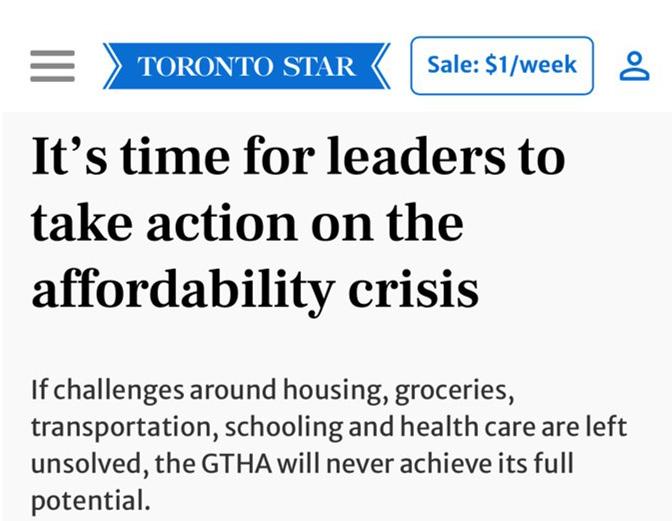
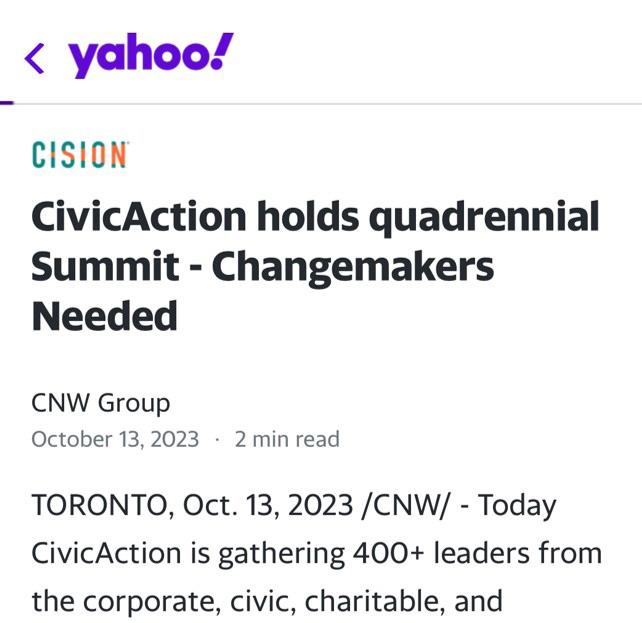
46.6M media impressions through 21 media mentions, and 8 different media outlets that covered the event.
26.5M social media impressions across Summit activities.


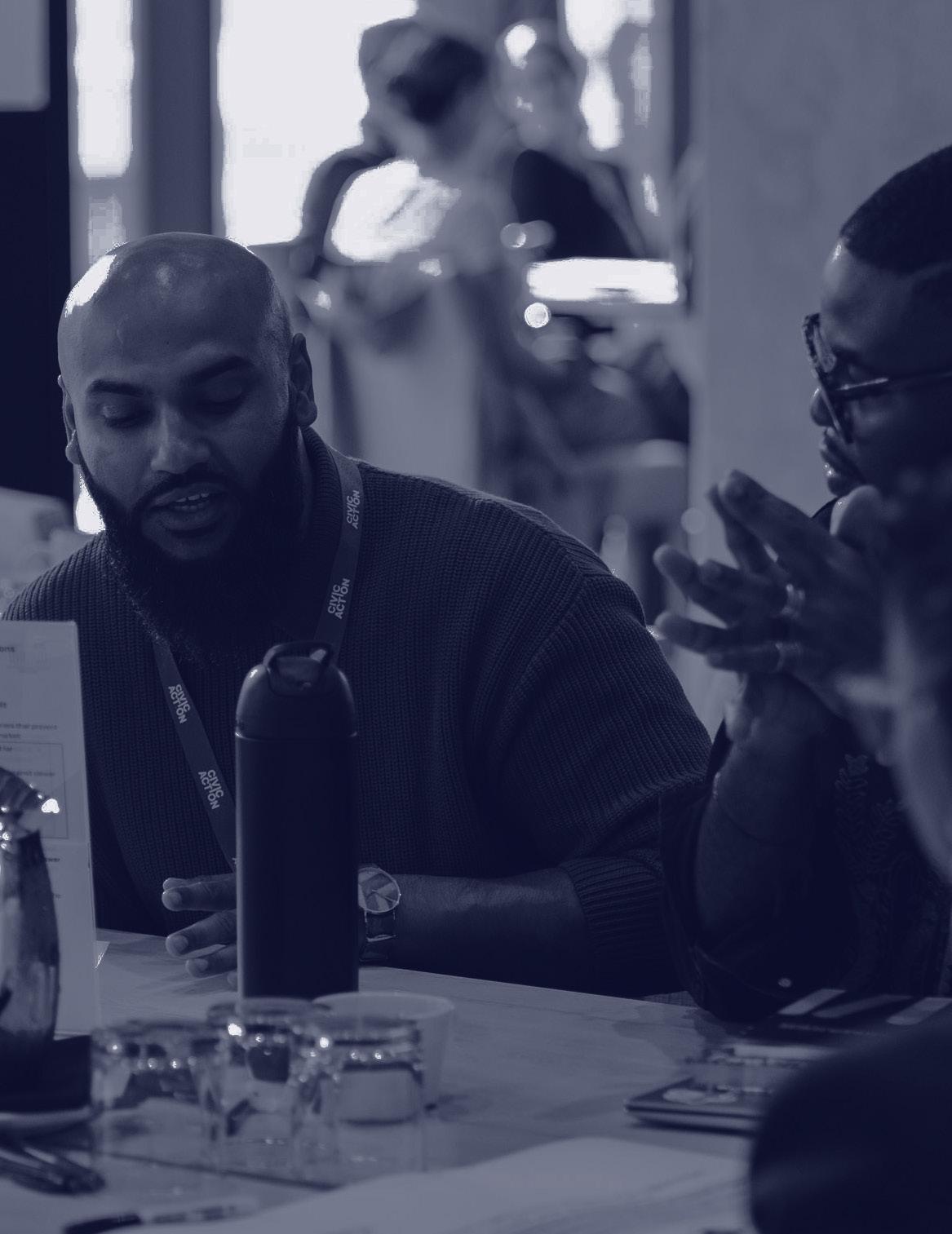
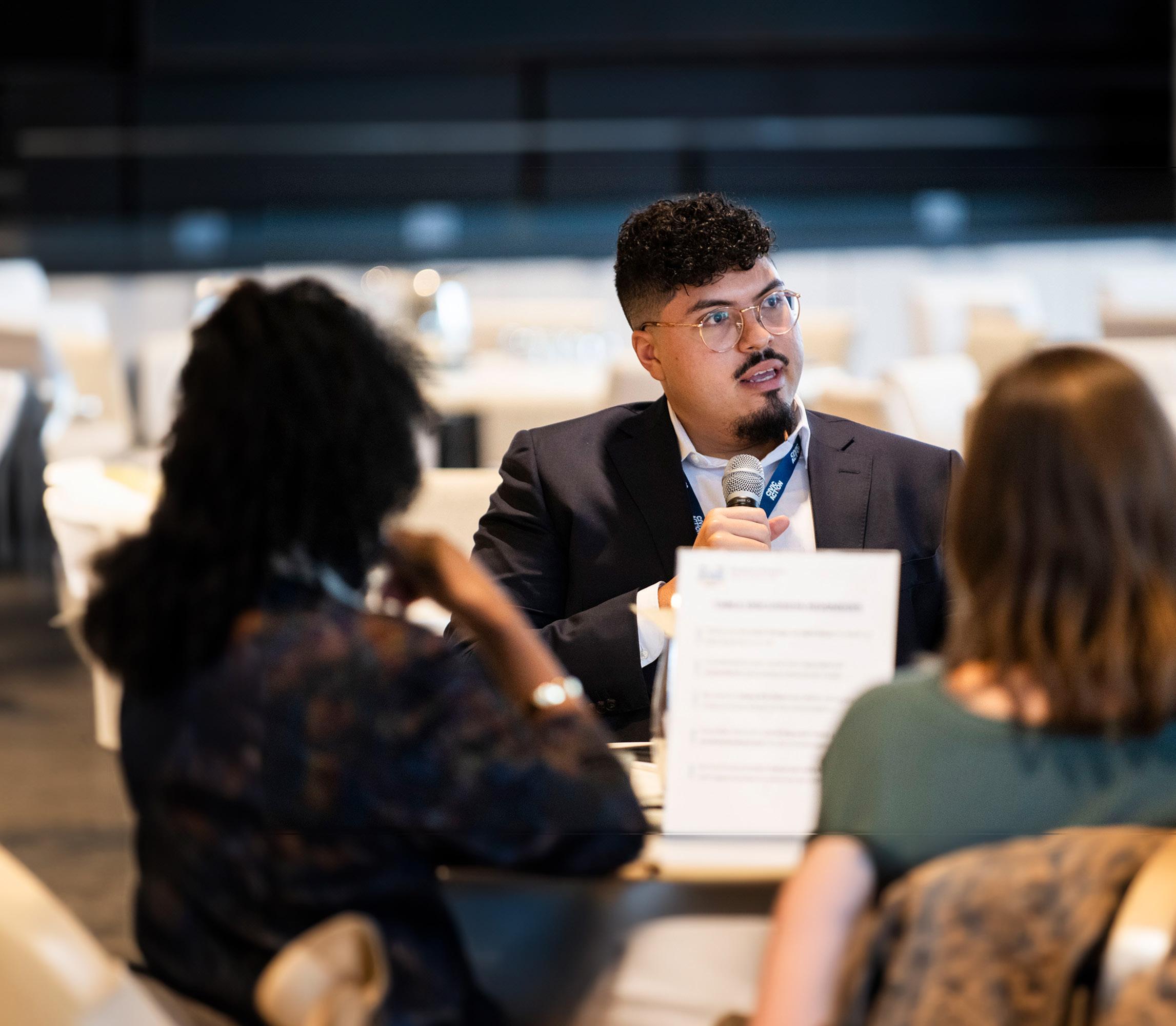
Engaging rising leaders in building better cities is core to CivicAction’s work.
Through the CivicAction Leadership Foundation, we offer world-class leadership programs that build the collective leadership capacity of our region by preparing and empowering those who will lead it.

Here is how leadership program participants and Alumni played a pivotal role in shaping the 2023 Summit and the Summit experience.
• 53 members of the Emerging Leaders Network attended Summit.
• 92 DiverseCity Fellows attended Summit.
• 39 leadership program participants & Alumni participated in three roundtables where they discussed the greatest opportunities to address the Affordability Gap, the Prosperity Gap, and the Trust gap.
• 6 DiverseCity Fellows and Emerging Leaders Network Alumni took the stage at Summit.
• 7 DiverseCity Fellows & Emerging Leaders Network Alumni were featured in Summit collateral.
• The Summit themes of Affordability, Prosperity and Trust were integrated into all Emerging Leaders Network and DiverseCity Fellows programming in 2023/2024, engaging rising leaders in the process to mobilize change on these issues.



Throughout the GTHA, leaders are undertaking important work to address issues of affordability, prosperity, and trust. However, this work often occurs in fragmented and disjointed spaces, creating overlap and siloes. Summit 2023 highlighted a critical opportunity for better alignment and coordination across all sectors, industries, and levels of government to move the needle on these issues.
Since the Summit, CivicAction has begun to develop our new urban agenda and build and strengthen the partnerships needed to mobilize collective action.
Over the next five years, CivicAction’s areas of focus include:
• Lead the synthesis of regional research to create new actionable insights to align action.
• Curate and convene key civic leaders and influencers to articulate & advance a shared vision for the region’s prosperity.
• Champion regional solutions to affordability starting with housing, from emergency shelters to market ownership.
• Create a GTHA community playbook for place-based collaboration.
• Support the removal of barriers to entry and retention in the skilled trades for equity-deserving individuals.
• Equip emerging leaders with the hands-on skills, networks, and capabilities to drive change in their communities.
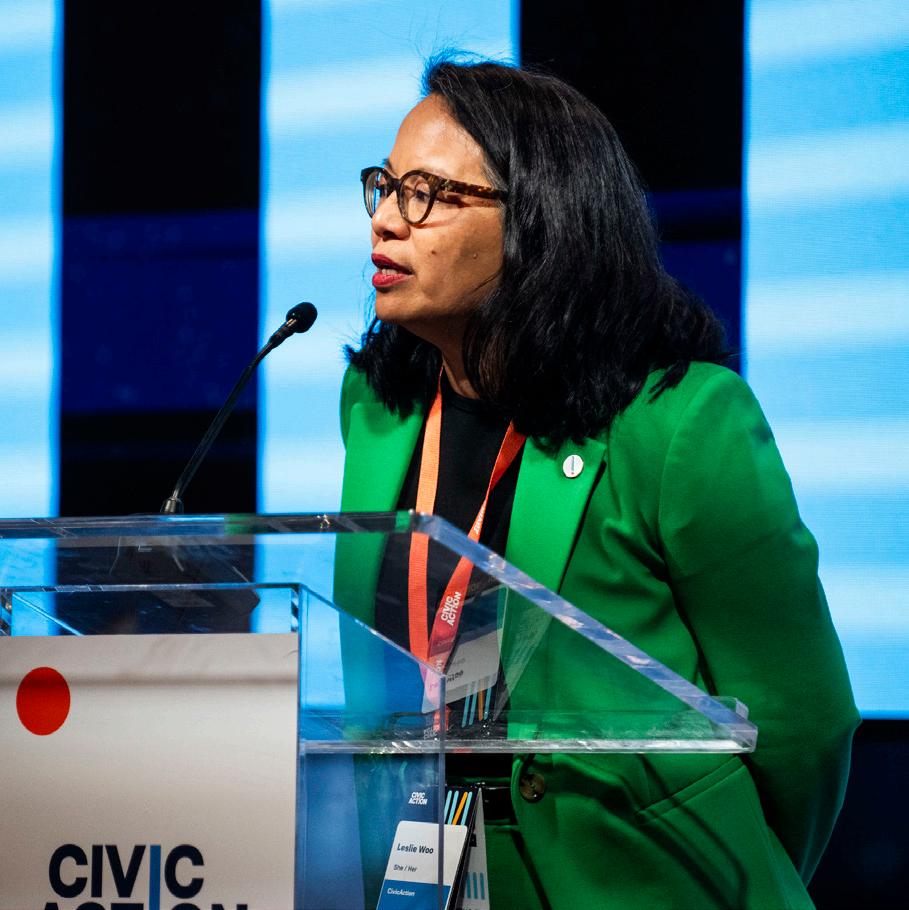
These initiatives address the interconnected crises of affordability, prosperity, and trust, and we believe they will help us create a better urban region not only for the current generation, but also generations to come.
With over 20 years of impact, CivicAction is uniquely positioned to help bring together a broad range of stakeholders with a diversity of capabilities and experiences to spur collective leadership on these challenges and improve prosperity and affordability. A collaborative approach can support the inclusive growth, prosperity, and affordability we aim for, while partnering across sectors and organizations can secure resources to address inequity. Through collaboration, we can unlock compound wins where our solution space grows and our potential for positive impact increases exponentially.
WE HAVE THESE ASKS TO ALL CHANGEMAKERS IN OUR REGION:
• Build trust. A foundation of trust is crucial to collective action. Seek out new relationships with communities or individuals outside your network.
• Act with urgency. The crises in our region require urgent and coordinated action to make it more affordable, liveable, and prosperous for all.
• Rally around a common vision. Join CivicAction in advancing solutions at a regional scale to encourage collaboration across city lines, foster shared responsibility, and comprehensive strategies.
Thank you for being a changemaker and joining CivicAction in creating the city-region for the future.

STAY ENGAGED: Stay engaged in what’s next and how you can get involved by following us on social media and connecting with us at www.civicaction.ca.


PRESENTING SPONSOR
TOPIC SPONSORS

SPONSOR


DELEGATE SPONSORS
EXPERIENCE SPONSORS








IN-KIND SPONSORS