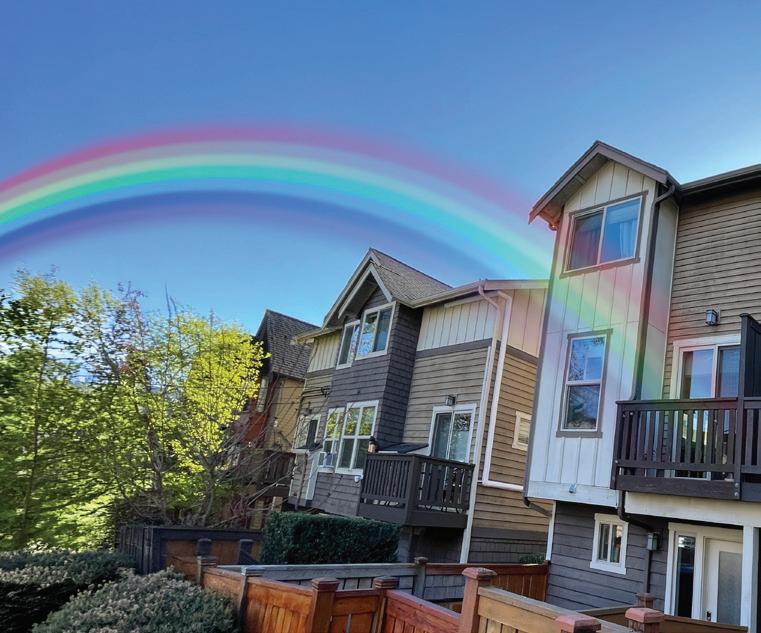
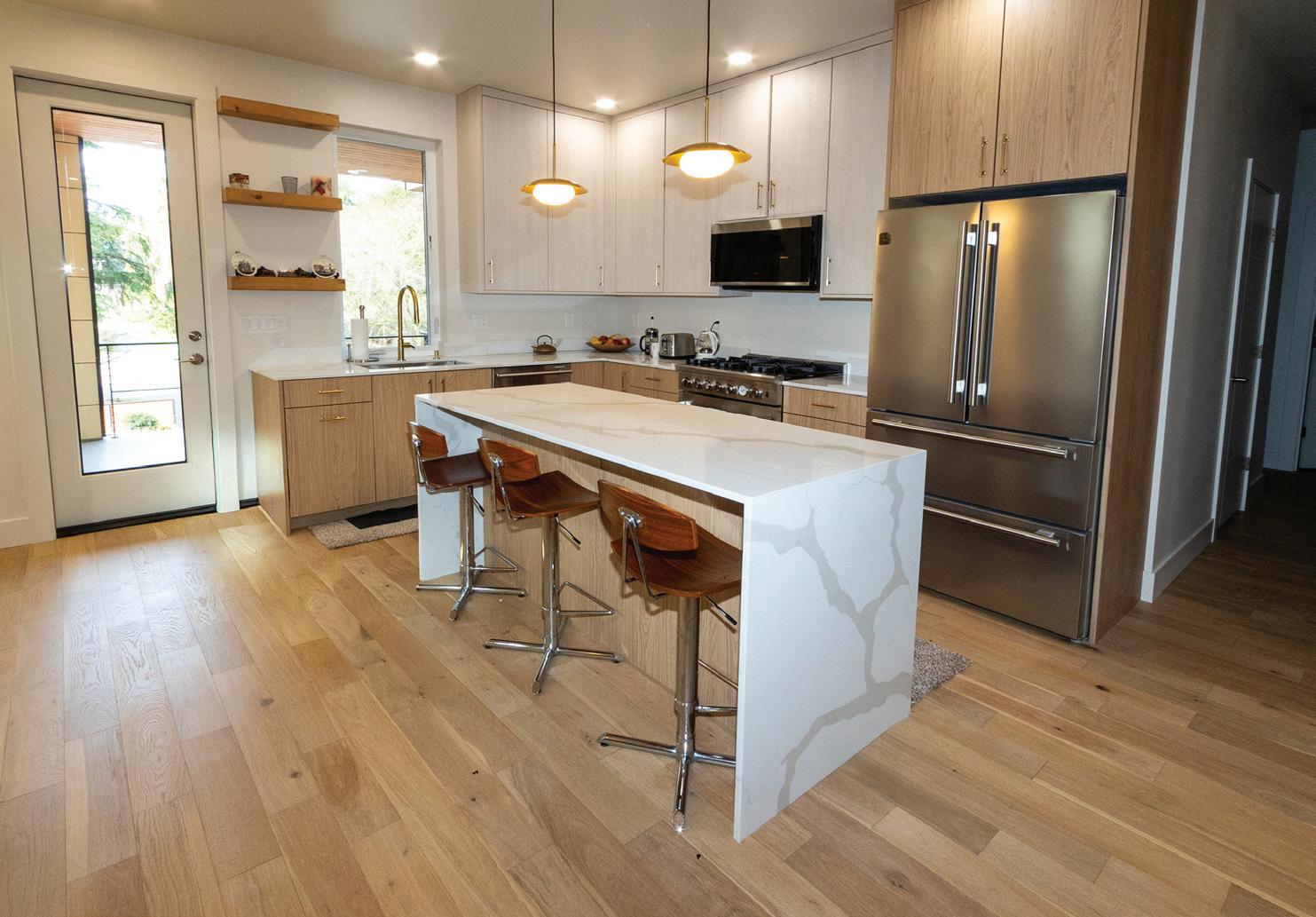
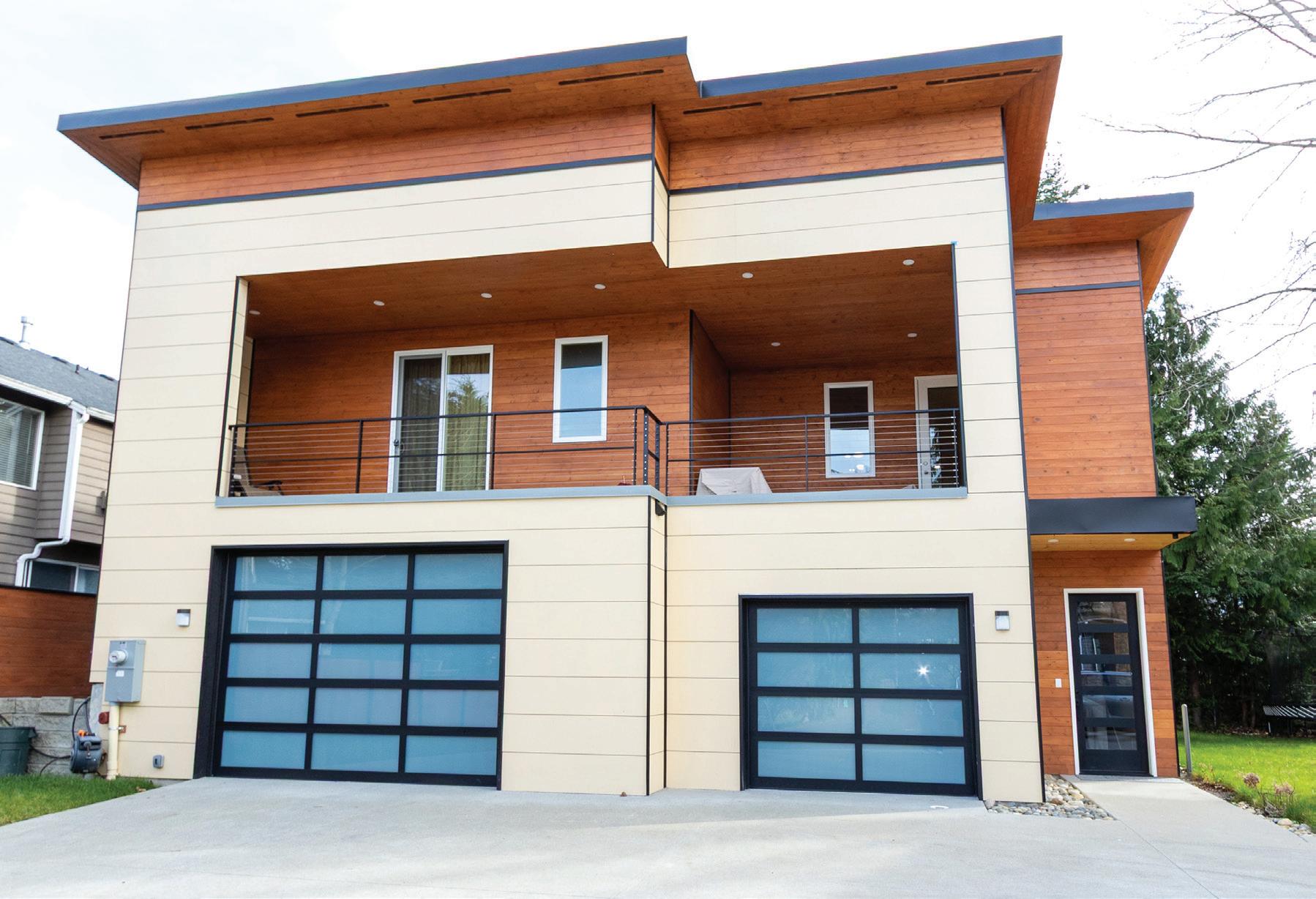
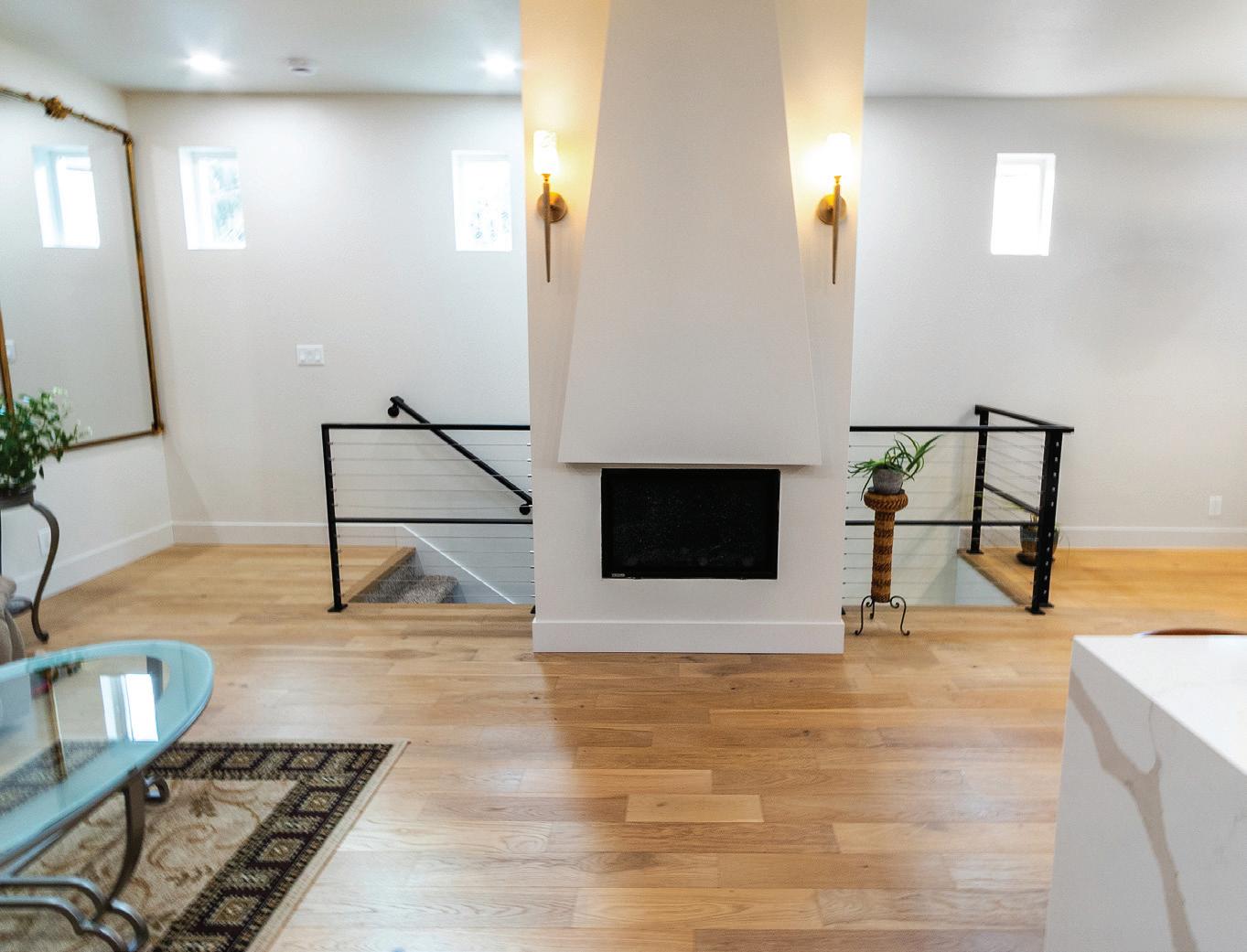
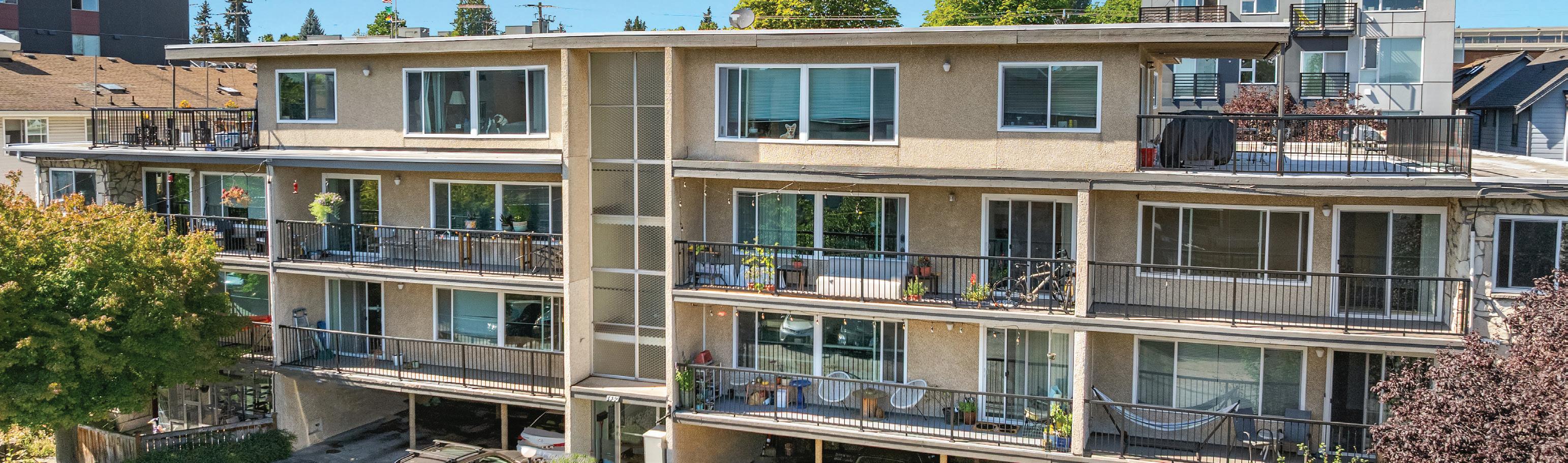
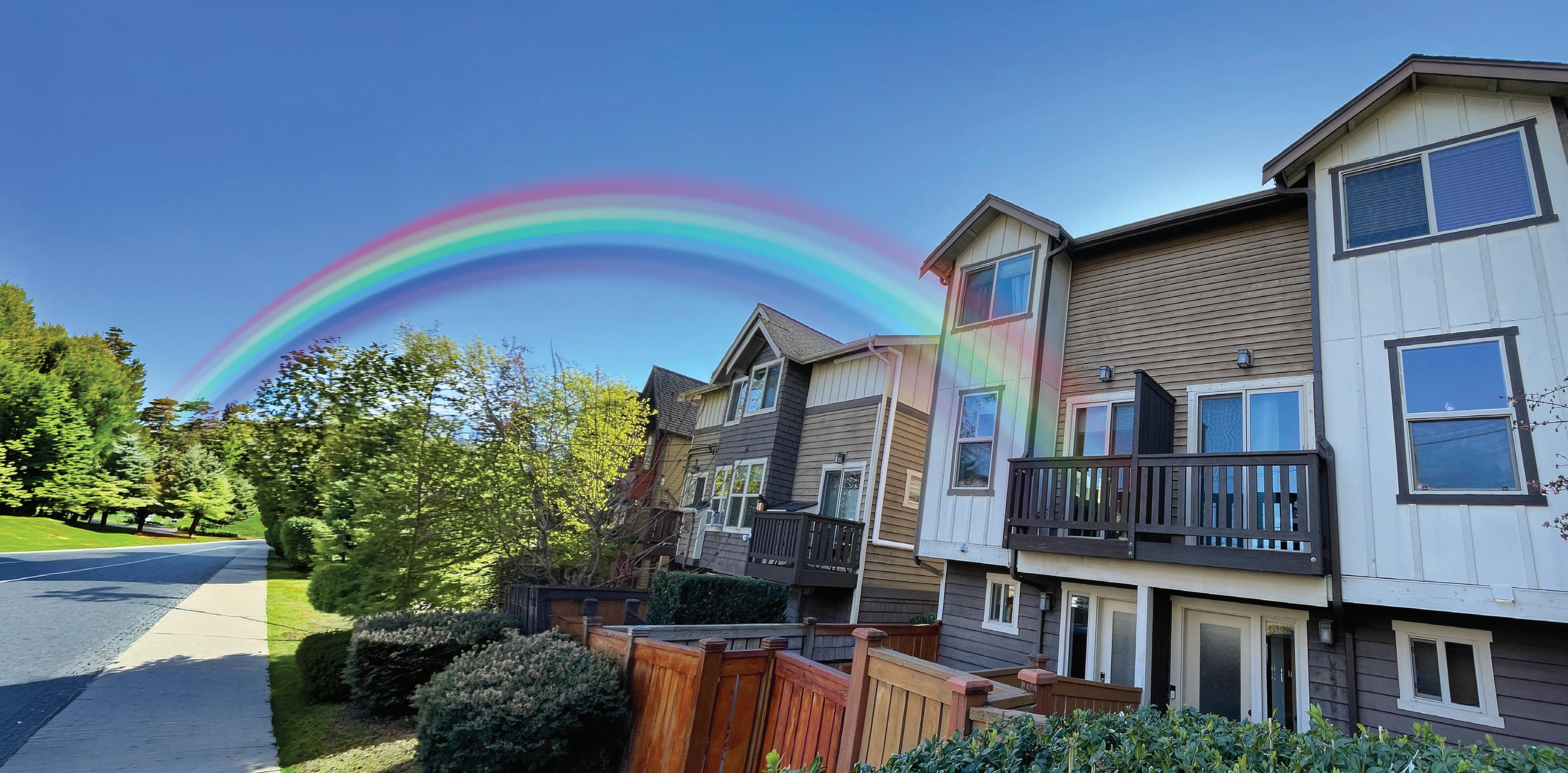
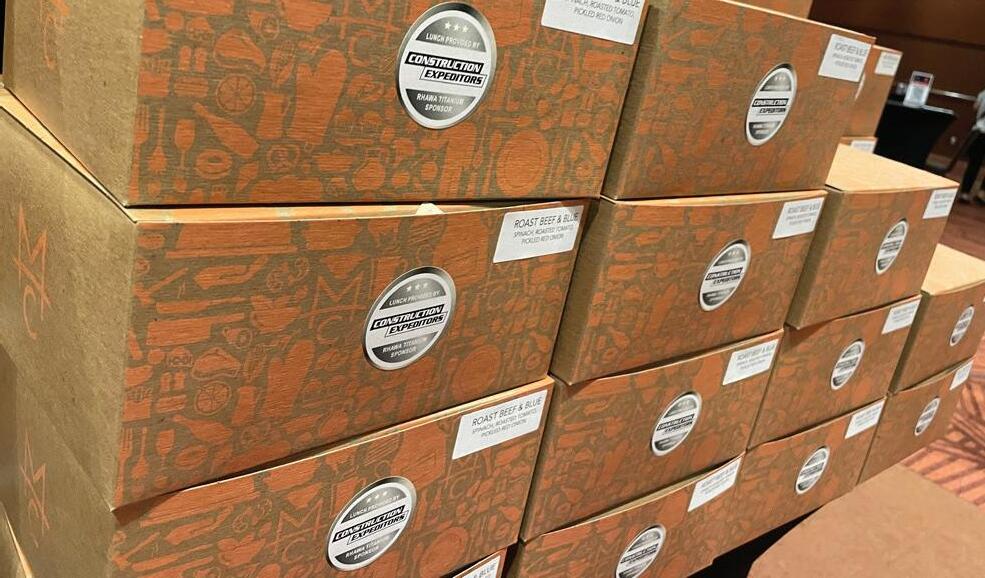
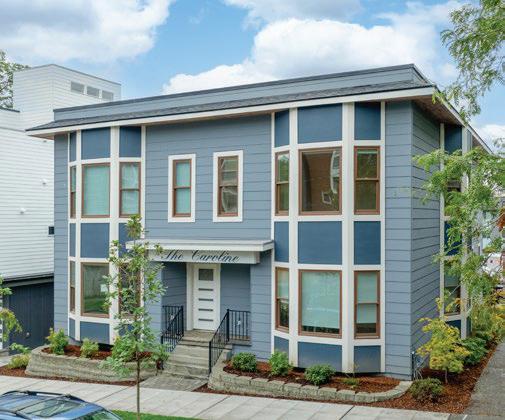
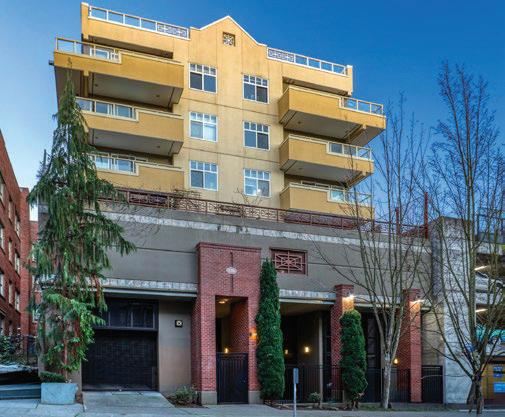
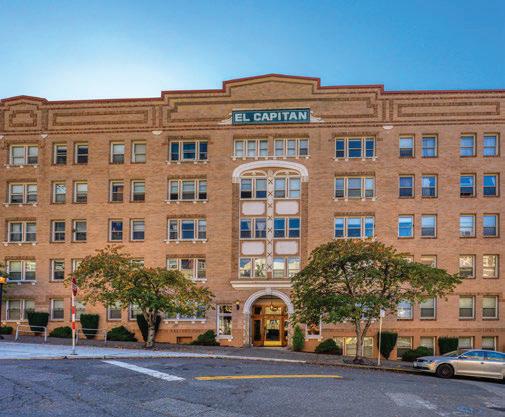
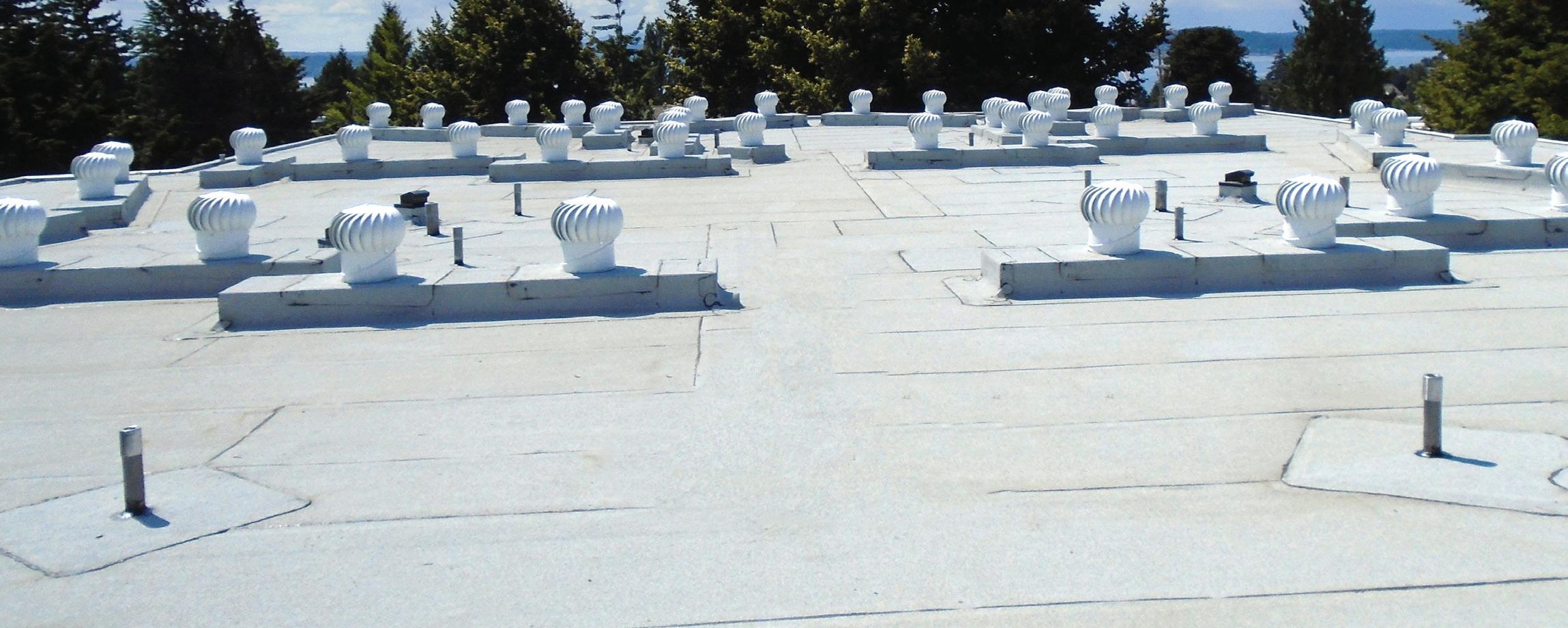
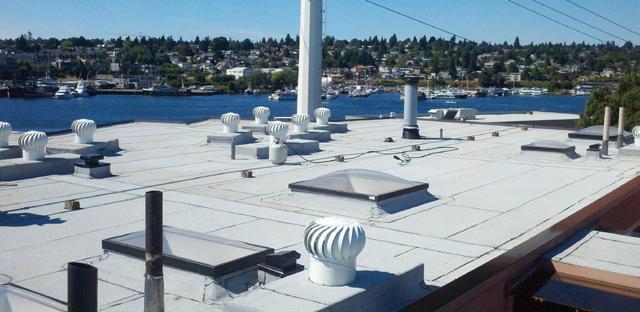
ADUs are one of the most effective ways to increase rental income in the Puget Sound— but only when they’re planned and built with ROI in mind. Construction Expeditors guides property owners from design and permitting through construction, creating attractive, durable, low-maintenance units that rent quickly and perform long-term. Known for finishing on time and on budget, we deliver high-performing ADUs that maximize your return.
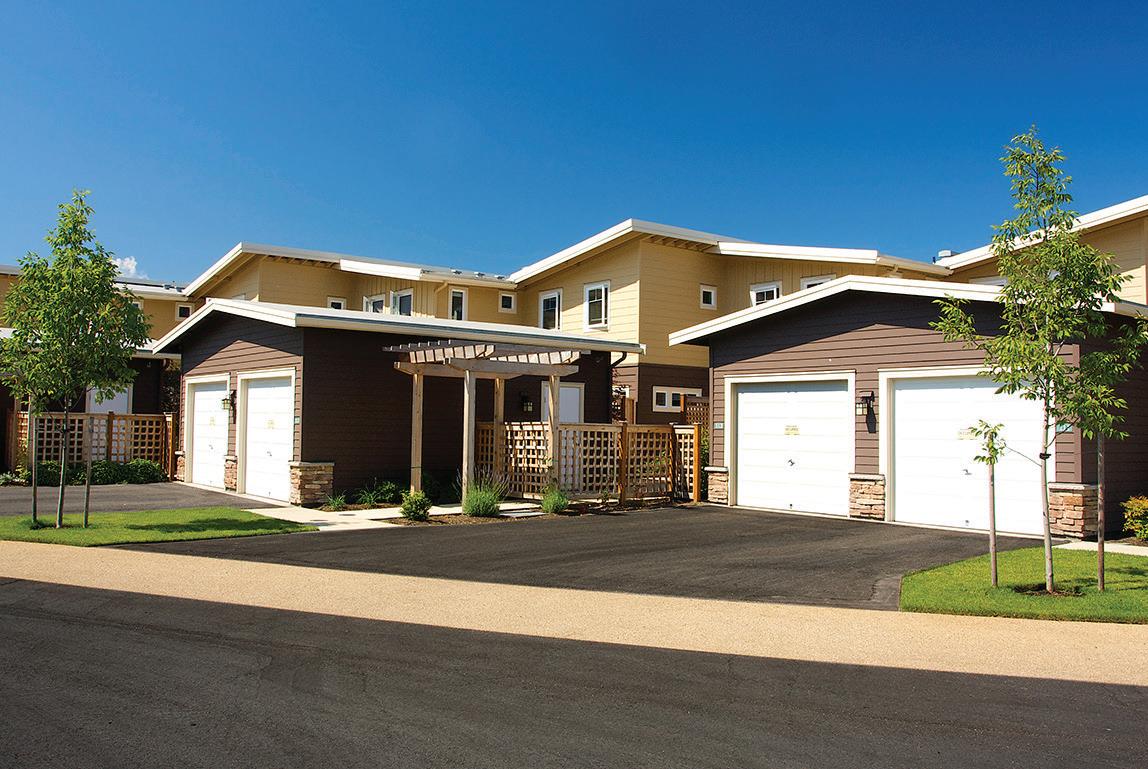
Detached ADU with garage + storage below
Modern, durable finishes that attract quality tenants
FORMS UPDATE ALERT!
The Rental Housing Association of Washington (RHAWA) offers members an extensive library of legally compliant forms tailored for Washington's unique landlord-tenant laws. Developed and annually reviewed by experienced attorneys, these forms cover every aspect of rental housing management—from applications and screening to leases, addenda, notices, and tenant communications. Members gain unlimited access to this copyrighted collection, which includes jurisdiction-specific documents for cities like Seattle, Tacoma, and Spokane, along with required federal disclosures and optional addenda.
ACCESSING RHAWA FORMS
Members can download, fill, and print forms digitally or manually, though unauthorized distribution is strictly prohibited due to copyright protections. RHAWA strongly advises users to independently verify the suitability of forms for their specific circumstances. Additionally, users must refresh cached versions of forms to ensure compliance with the latest revisions.
1. Added a generic flood disclosure to all lease templates in compliance with SB 6237.
2. Created a Cooling Device Addendum and revise Section C. Maintenance, Repairs and Alterations in all lease templates in compliance with SB 6200.
3. Added a new section to the Agency Disclosure and Pamphlet Addendum in compliance with SB 6091.
4. Revise the Legal Requirements by Local Jurisdiction document to include new fee restrictions set by the City of Ferndale Junk Fees Initiative. Update Bellevue rider that summarizes costs on the first page of the lease to make it generic for any city.
5. Revised Notice Service instructions in compliance with HB 2664 changing mailing instructions to "Must be sent by U.S. mail with postage prepaid." A note is included explaining that certified mail is still required prior to June 11, 2026.
6. Revisions to the Manufactured/Mobil Homes Community Rent Increase Notice.
Questions?
Please contact Denise Myers at dmyers@RHAwa.org or (206) 905-0614 with any questions or comments. We are always seeking to improve our materials and appreciate your feedback.
CONTACT US
Administrative Director
Chloe Moser: cmoser@RHAwa.org
Board Administrator Jim Nell: jnell@RHAwa.org
Communication & Advocacy Manager
Daniel Bannon: (206) 905-0609
Creative Director
Sisi Mereness: (206) 905-0605
Deputy Director
Melissa Canfield: (206) 905-0615
Engagement & Government Affairs
Daniel Klemme: (206) 905-0611
Marketing & Sales Associate
Luke Brown: (206) 905-0610
Program Director
Denise Myers: (206) 905-0614
Support Services Administrator
Val Kushi: (206) 283-0816
Support Services Specialist (Resource Desk) Sue Lewis: RHAwa.org/supportcenter
Support Services Specialist (Eastern WA Desk) Steve Wareham: (509) 535-1018
CONNECT WITH US
Facebook: Like us at facebook.com/RHAofWA
Instagram: Follow us at @RHAofWA
LinkedIn: Follow us at linkedin.com/company/ rental-housing-association-of-washington
Twitter: Follow us at @RHAofWA
YouTube: Watch us at youtube.com/@RHAofWA
BOARD OF DIRECTORS
Audrey
Barbara
Cory
COUNCIL OF REGENTS
Educational articles featured in Current must be between 500 and 1500 words, include an author bio, professional headshot and contact information. High-resolution (300 dpi) graphics and photos should be sent separately. Deadlines are generally 30 days before the issue date, which is the first of each month. The editors reserve the right to edit, revise, or reject any submitted material. Submit to publications@RHAwa.org.
Advertise For advertising information (rates, production specifications, and deadlines), contact Luke Brown: lbrown@RHAwa.org.
All class sessions are presented ONLINE only unless otherwise specified.
For all ONLINE classes, 30-day access to a recording of the session is included. Upgrade your membership to include a premium dues package. The Weekly ONLINE Session Package includes 12-months' access to live weekly ONLINE educational sessions for $250/person/year. The ONDEMAND Library Package provides full access to over one hundred recorded educational sessions for $120/person/year.
PM SERIES-11: EVICTION LAWS AND PROCEDURES
When: Thursday, May 7 | 12-1pm
Cost: $35 Members | $200 Guests
Discover best practices for enforcing compliance with rental terms and managing other circumstances around ending a tenancy. We will explore:
• Notices and procedures for non-payment, including the Eviction Resolution Pilot Program.
• Other causes to end tenancy and related procedures.
• Best practices & expectations when preparing for court.
Instructor: Eric Steven, Landlord-Tenant Attorney
LINK MEETINGS
Casual member meetings with topical discussions. No fee, but we encourage you to order food if you are at one of the restaurant venues. May topic is Leasing: Screening, Deposits & More.
• Birch Conference Room, Vancouver | Tuesday, May 12, 6-7:30pm
• The Onion Bar & Grill Downtown, Spokane | Tuesday, May 12, 6-8pm
• Dimension Law, South King County | Thursday, May 14, 6:30-8pm
• Darcy’s Restaurant, Spokane Valley | Monday, May 18, 12-1:30pm
• Location TBD, Bellevue | Tuesday, May 19, 6-8pm
• Ben Dews Clubhouse Grill, Tacoma | Thursday, May 21, 6-7:30pm
• Bob’s Burgers, Everett | Thursday, May 21, 6:30-8pm
• LINK Meeting | ONLINE | Tuesday, May 26, 6-7:30pm
• St. Andrews Pub, Seattle | Thursday, May 28, 6-8pm *Meeting time and subject may change. Please check the calendar at RHAwa.org/events.
PM SERIES-12: HOUSING INDUSTRY LEGISLATION
When: Thursday, May 14 | 12-1pm
Cost: $35 Members | $70 Guests
In this session, you will learn how to participate as an active stakeholder in the setting of housing policy. We will explore:
• Recent and pending legislative changes impacting Washington housing providers.
• The impact of voting and communicating with state and local representatives.
• How to actively participate through industry advocacy groups.
Instructor: Christopher Cutting, Attorney
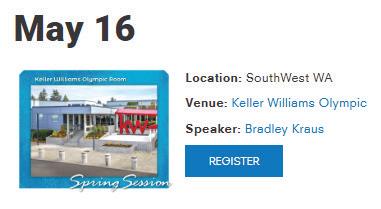
CORE SPRING SERIES: SOUTHWEST WA CRITICAL COMPLIANCE
When: Saturday, May 16 | 8:30am-12pm
Cost: $50 Members | $200 Guests
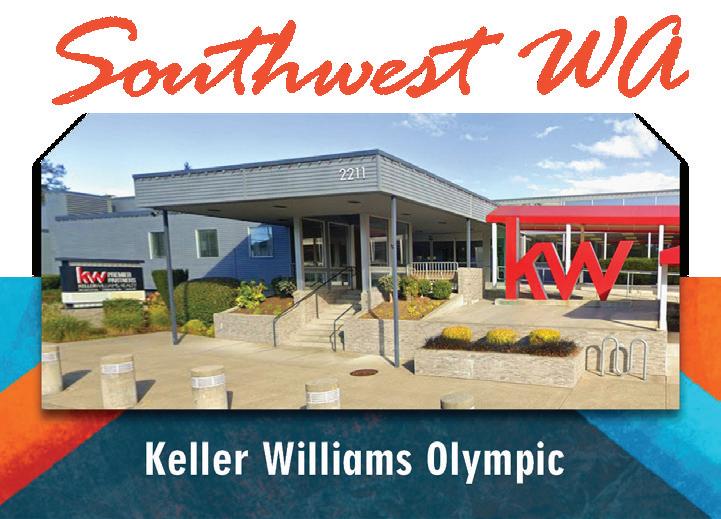
Place: Keller Williams Olympic, Vancouver, WA
Don’t miss this live in-person class on a Saturday morning in Vancouver. Participants will learn the key Washington State and City of Vancouver laws that regulate rental operations, including registration, leasing requirements, rent increases, deposits, notices, and terminations. The course emphasizes practical best practices that reduce friction with residents, prevent costly mistakes, and support smooth, professional operations.
Speaker: Bradley Kraus, Attorney
ATLAS DIGITAL LEASING DEMO
When: Wednesday, May 20 | 12-1pm
Cost: FREE
Learn how to create a fully digital rental agreement using trusted RHAWA forms and send to all parties for digital signature. This new proprietary RHAWA web application is simple and designed with our small independent rental owners in mind. Learn all the features of this tool and get your questions answered.
SPOKANE RENTAL REGULATIONS UPDATE
When: Thursday, May 21 | 2-3pm
Cost: $35 Members | $200 Guests
In case you haven't noticed, the City of Spokane has been busy passing rental regulations every year since 2023. Registration and Inspections, portable background checks, longer rent increase notices, cooling device rights, anti "price fixing," and now new delays in the pay or vacate process. In this class, Attorney Steven Schneider will explain the new ordinance on "Eviction Diversion" going into effect on June 1, 2026, and then review existing Spokane Regulations of Residential Rental Housing.
MEMORIAL DAY – OFFICE CLOSED
When: Monday, May 25 | All day
COVERED OR EXPOSED? LANDLORD INSURANCE EXPLAINED
When: Wednesday, May 27 | 2-3pm
Cost: $35 Members | $70 Guests
Learn from fourth generation insurance brokerage owner, Matt Layson to find out what coverage you have or should have in your insurance policies. Discover the best practices for insuring your properties and protecting your personal assets whether that be from lawsuits or damage. Get insider tips on finding the best insurance policies for the lowest price possible so you know that you, your family and your business are protected.
New State Law: Portable Cooling Devices for Renters
ESSB 6200 (Chapter 184, Laws of 2026) — Effective June 11, 2026. Beginning June 11, 2026, Washington landlords generally cannot prohibit tenants from installing portable cooling devices of their choosing. The law covers both residential tenants under the Residential Landlord-Tenant Act (RCW 59.18) and mobile home park tenants under the MHLTA (RCW 59.20). Governor Ferguson signed the bill on March 24, 2026.
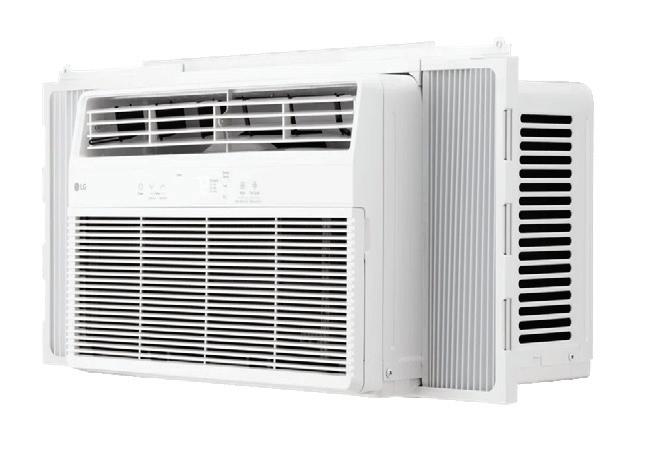
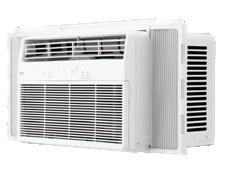
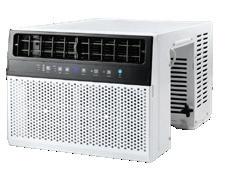
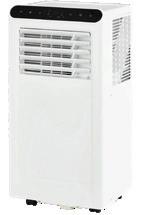
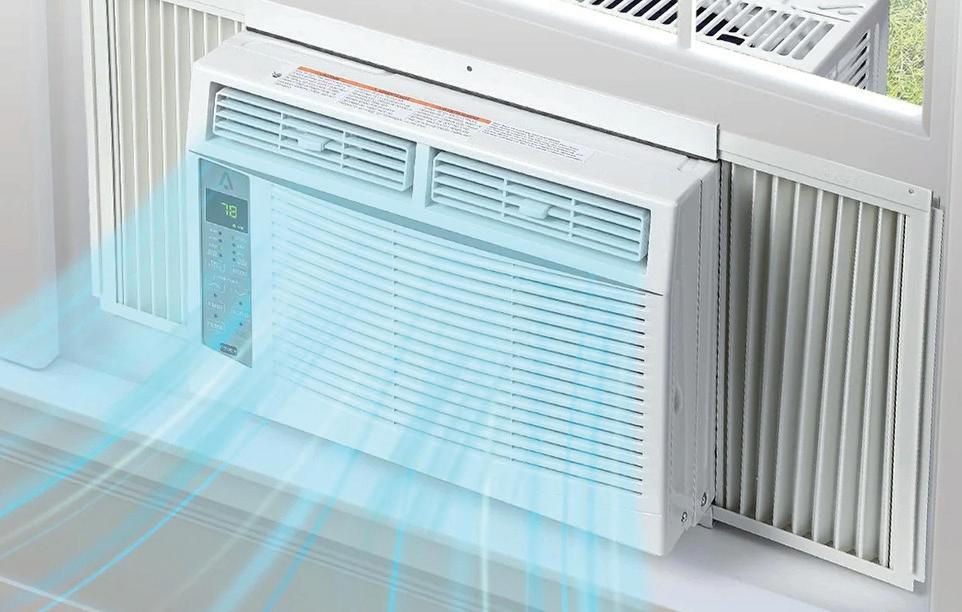
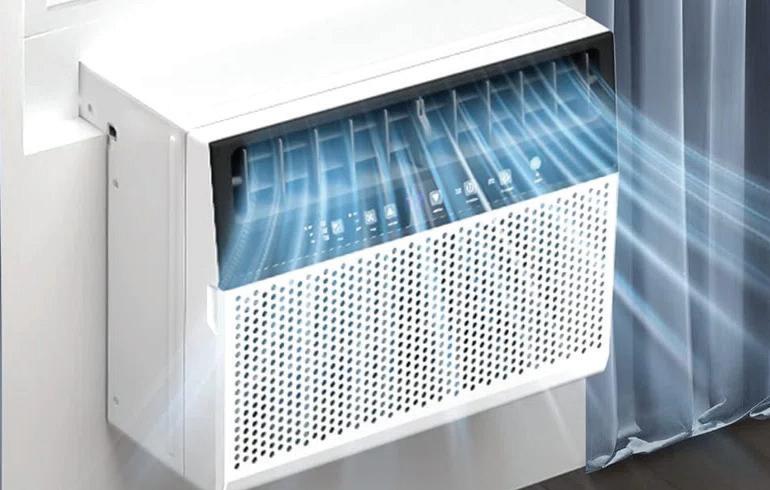
The law defines “portable cooling device” as an air conditioner or portable heat pump, including window-mounted and floor-standing units.
The bill creates three device categories with different rules for each:
Window-Mounted
Devices: Units installed to sit in a window opening. Subject to the most restrictions, notice requirements, and inspection provisions.
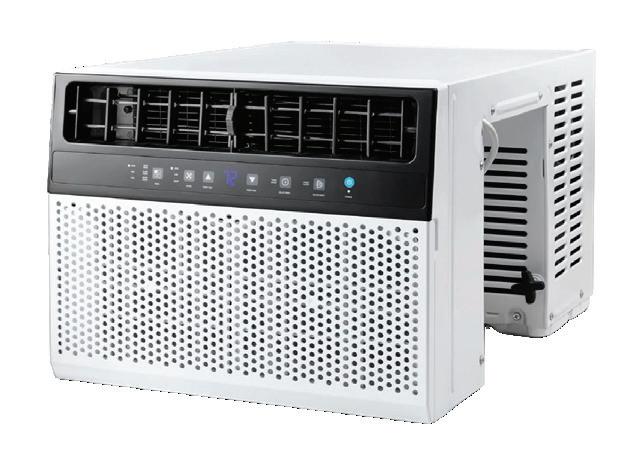
Saddle-Mounted Devices: Units (including U-shaped models) that hang over the windowsill with interior and exterior components, leaving the window view partially unobstructed. These are explicitly excluded from the “window-mounted” category and its additional restrictions.
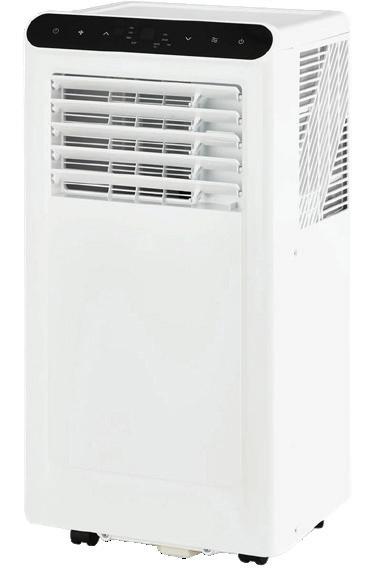
Floor-Mounted Devices: Freestanding units connected to a window for venting. Also excluded from the window-mounted restrictions.
• Note: The law covers air conditioners and heat pumps. Evaporative coolers (swamp coolers) are not specifically addressed in the statute and may not be covered.
WHAT HOUSING PROVIDERS NEED TO KNOW Permitted Restrictions; All Device Types
A landlord may prohibit or restrict any portable cooling device if the dwelling already has a permanently installed and fully operational heat pump, or if installation would:
• Violate state or local building codes, state law, or federal law.
• Violate the device manufacturer’s written safety guidelines.
• Cause unreasonable damage to the premises or render the premises uninhabitable.
• Require electrical supply that cannot be accommodated by the existing power service to the building, unit, or circuit.
Additional Restrictions; Window-Mounted Devices Only
Landlords may also restrict window-mounted devices specifically if:
• The window is a necessary egress and the device would interfere with its use.
• The device would prevent the tenant from locking a window accessible from outside.
• The device requires excessive brackets or hardware that would damage or void the window/frame warranty, puncture the exterior wall, or cause significant damage.
• The device cannot be secured against falling out of the window.
• The landlord’s insurance policy expressly restricts or prohibits window-mounted cooling devices, and the landlord has provided written evidence of the restriction to the tenant.
Landlords may also require that any portable cooling device be adequately drained to prevent damage.
FEES, COSTS, AND DEPOSITS
• Landlords cannot charge a fee for the use, inspection, or installation of a tenant’s portable cooling device.
• Landlords may charge rent for a cooling device rented by the tenant from the landlord.
• Landlords may charge for any damages caused by the tenant’s device.
• Landlords may retain security deposit amounts for lawful purposes under RCW 59.18.280.
NOTICE, INSPECTION, AND LEASE REQUIREMENTS
• Tenant notice: Tenants must provide at least two days’ notice before installing a window-mounted device. (No notice requirement for floor or saddle-mounted units.)
• Inspection and servicing: Landlords may require that window-mounted devices be inspected or serviced after installation.
• Lease disclosure: If a landlord restricts or prohibits window-mounted devices, the landlord must notify tenants in their leases of their rights, responsibilities, and any restrictions.
LIABILITY
• Landlord immunity: Landlords
are immune from liability for damages, injury, or death caused by a tenant-installed portable cooling device.
• Electrical interruptions: Landlords are not responsible for interruptions in electrical service caused by a portable cooling device, including when the electrical supply cannot accommodate the device.
Nothing in the law limits landlord obligations to provide reasonable accommodations under existing state and federal law.
UNDERSTANDING THE OPTIONS: A GUIDE TO PORTABLE COOLING DEVICES
While you wouldn’t want to unreasonably restrict your residents’ choices, it’s helpful to understand the pros and cons of these options so you can provide useful information based on your property’s features and limitations.
Window-Mounted Air Conditioners
• How they work: Self-contained AC units installed in a window opening. Use a compressor-based refrigeration cycle to cool and dehumidify air.
• Average cost: $150–$600 for the unit; installation is usually DIY.
Denise Myers | RHAWA Member Programs Director | Daniel Klemme | RHAWA Membership Development & Government Affairs
• Energy use: Moderate. Typically 500–1,500 watts depending on size. Generally more efficient than portable floor units.
• Ease of use: Requires lifting and securing in the window. Simple to operate once installed.
Potential damage/risks:
• Water: Condensation drains outside, but improper tilt can cause indoor leakage.
• Structural: Poor installation can damage window frames.
• Electrical: Moderate risk if overloaded circuits or older wiring.
• Injury: Poor installation could cause the unit to fall out of a window.
• Note: Under the new law, this is the most regulated category. Notice, inspection, insurance, and egress provisions all apply specifically to window-mounted devices.
Saddle-Mounted / U-Shaped Air Conditioners
• How they work: These units hang over the windowsill with components on both sides of the window, rather than sitting fully in the opening. The window view is not fully obstructed and the unit will not fall when the window is opened.
• Average cost: $300–$700 for the unit.
• Energy use: Moderate. Comparable to traditional window units.
• Ease of use: Easier to install than traditional window AC; no risk of the unit falling out.
Potential damage/risks:
• Water: Similar condensation considerations as window units.
• Structural: Lower risk to window frames than traditional window-mounted units.
• Note: The law explicitly distinguishes these from “window-mounted” devices. The additional restrictions on window-mounted units (egress, insurance, two-day notice, inspection) do not apply to saddle-mounted devices.
Portable Floor AC Units
• How they work: Freestanding AC units with an exhaust hose vented through a window. Use the same refrigeration system as traditional AC.
• Average cost: $200–$800 for the unit; window vent kit typically included.
• Energy use: Moderate to high. Often less efficient than window units due to air leakage and heat re-entry. Can increase energy bills.
• Ease of use: Easy setup with no lifting into a window. Requires vent hose setup and periodic draining of condensate on some models.
Potential damage/risks:
• Water: Higher risk—condensate tanks can overflow or leak if not emptied.
• Mold: Standing water if not maintained.
• Air leakage: Poor window sealing reduces efficiency.
• Note: Floor units connected to a window for venting are not classified as “window-mounted” under the law. The additional window-mounted restrictions do not apply.
Portable Heat Pumps (Cooling Mode)
• How they work: Essentially a portable air conditioner with reverse-cycle capability (can heat and cool). Uses refrigeration like AC but more versatile.
• Average cost: $400–$1,200+.
• Energy use: Moderate to high. Similar to portable AC in cooling mode. Often slightly more efficient, especially dual-hose models.
• Ease of use: Same setup as portable AC. Added complexity from dual heating/cooling modes.
Potential damage/risks:
• Water: Same condensate risks as portable AC.
• Electrical: Slightly higher draw due to more complex components.
A Note on Evaporative Coolers (Swamp Coolers)
Evaporative coolers use water evaporation rather than a compressor to cool air. They are energy-efficient (using roughly 15–35% of the electricity of AC systems) and inexpensive ($150–$600), but they add moisture to the air and work best in dry climates. In Western Washington’s moderately humid summers, effectiveness is reduced.
QUICK COMPARISON
Eastern Washington’s drier climate is more suitable.
Important: Evaporative coolers are not air conditioners or heat pumps, and the new law’s definition of “portable cooling device” may not include them. Housing providers should be aware that the legal protections and restrictions in ESSB 6200 may not apply to these devices. Consult legal counsel if questions arise about whether a specific device is covered.
Potential damage/risks for housing providers:
• Water: Moderate risk from spills, leaks, overfilling.
• Humidity damage: Can increase indoor moisture, risking damage to wood, paint, or mold growth.
BOTTOM LINE
• Best overall value: Window AC (efficient, reliable, low water risk).
• Fewest legal restrictions: Saddlemounted/U-shaped and floor units avoid the window-mounted provisions.
• Best with no window access: Portable AC or portable heat pump.
• Highest risk of water issues: Portable AC and heat pumps (condensate handling).
Formal legal advice and review is recommended prior to selection and use of this information. RHAWA does not represent your selection or execution of this information as appropriate for your specific circumstance. The material contained and represented herein, although obtained from reliable sources, is not considered legal advice or to be used as a substitution for legal counsel.
A New Initiative is Headed
The same organization that delivered Tacoma's onerous 2023 Landlord Fairness Code (FKA as Measure 1 or Initiative 1, AKA Tenant Bill of Rights or LFC) is back, and this time they are coming with a slew of new provisions intended to function as an enforcement engine. Tacoma for All is currently gathering signatures for the SAFE Homes for All Initiative, a proposed ballot measure that would dramatically expand the reach of the city's existing tenant protection laws. With a goal of approximately 9,000 signatures by June 15, the group is well on its way to putting this measure in front of Tacoma voters this November and housing providers across the city need to be paying close attention.
WHO IS TACOMA FOR ALL?
Tacoma for All (TFA) is an advocacy group led by several members of the Democratic Socialists of America. They continue to push for additional tenant protections even in the face of the Tacoma City Council passing their own protections that conflict with proposed TFA policies. In 2023, the City Council passed several tenant protections just months before the LFC started picking up steam, these protections had very similar provisions to the LFC and resulted in a hodgepodge of protections that made serving notices in Tacoma the most complicated process in the state, with three different notices in multiple time windows.
Now, Tacoma for All is unhappy with a perceived “lack of enforcement” in City of Tacoma, this could be a result of a lack of proper enforcement procedures… or it could simply be that there are not as many housing providers violating rental housing laws as they were
hoping. Regardless, in 2026 they want to pile on to the already restrictive measures that were just modified after low income housing providers and RHAWA implored the Tacoma City Council to bring some modifications to these highly restrictive policies.
THE LANDLORD FAIRNESS CODE: WHAT IT DID, AND WHO IT HURT
Before we dig in to this new ballot initiative, lets take a step back to recall where this began a few years ago. The Landlord Fairness Code expanded Tacoma's tenant protections to a level that rivaled the most restrictive cities in the state. It's original version included:
Limits on Fees:
Limits move-in fees to one month’s rent and limits late fees to $10 a month.
Extended Notice Periods:
Housing providers must give six months’ notice to raise the rent with notices being given between 180-210 days and a second notice given between 90-120 days.
Relocations Assistance:
If serving a rent increase of 5% or more, the rental housing provider is obligated to offer up to two months' rent to the tenants to help with relocating if they choose to leave the property. If the rent increase is 7.5% or more, the housing provider must pay up to 2.5 months of rent to help with relocation assistance and if the rent increase is 10% or more, the housing provider must pay up to 3 months' rent for assistance.
Eviction Bans:
Winter eviction moratorium, school year eviction moratorium for house-
holds with school-age children, or if the tenant is an educator, except under certain conditions.
Prohibiting evictions of members of the military, first responders, seniors, healthcare providers, and educators, except under certain conditions.
All of these policies, combined with the aforementioned provisions passed by Tacoma City Council have caused significant burden and loss of income for even low income, subsidized providers in the City of Tacoma.
The Tacoma Housing Authority and the Tacoma-Pierce County Affordable Housing Consortium, a coalition representing nonprofit low-income housing providers across the region, formally requested an exemption from the eviction moratoriums in October 2025, citing what they described as negative and unintended consequences that were actively undermining their ability to serve low-income tenants.
The City of Tacoma itself acknowledged in the preamble to its December 2025 amendments that providers with fewer units are "disproportionately burdened by the fiscal impacts of rent being unpaid for long stretches of time." When a small housing provider owns three or four units and one tenant stops paying for five months, there is no cushion to absorb that loss. There are no investors to fall back on, no corporate balance sheet to carry the shortfall. There is just a housing provider, often a working person themselves, watching their finances erode while the law prevents them from taking action.
The numbers bear this out. Given Tacoma's average rental rate of approximately $1,650 per month, a provider facing a cold-weather eviction moratorium combined with a school-year restriction could be out more than $15,000 in unpaid rent before they can even begin the eviction process for a tenant with school-age children. For a small independent housing provider, that figure is not an inconvenience, it is potentially ruinous.
Data provided to the City Council by the Tacoma-Pierce County Affordable Housing Consortium and the Tacoma Housing Authority demonstrated the Landlord Fairness Code's substantial drain on low-income housing providers' resources and budgets, and documented an increase in staggering tenant debt that will significantly hinder those tenants' ability to secure housing after eviction. In other words, the law designed to keep people housed was, in some cases, generating the very conditions that would make it harder for those same people to find housing in the future.
2025 MODIFICATIONS
Given the obvious harm caused by these overlapping provisions, but also keeping in mind that the LFC could not be modified for at least two years after its passage, the Tacoma City Council promptly made modifications to bring some consistency back into their rental housing code in late 2025.
District 2 Council Member Sarah Rumbaugh said plainly that despite the Landlord Fairness Code's intentions, it had "dire consequences" for the city, most notably on low-income housing providers who serve those with
for the TACOMA BALLOT
the greatest need. That led to the passage of Ordinance 29086 in December 2025, which amended portions of the code by exempting small providers owning four or fewer units from the cold-weather eviction prohibition, revising notice periods to no longer contain conflicting timelines and carving out nonprofit and public housing providers from the most burdensome provisions. Those amendments took effect January 1, 2026.
Tacoma for All opposed the changes loudly and publicly. This new initiative looks very much like their response.
WHAT THE SAFE HOMES FOR ALL INITIATIVE WOULD DO
The SAFE Homes for All Initiative is organized into ten parts and is built on a questionable argument: that Tacoma's existing tenant protection laws are routinely ignored, and that the current system gives providers little reason to comply. The measure aims to change that calculus significantly.
Mandatory Rental Licensing and Per-Unit Fees:
Every provider operating in Tacoma would be required to obtain a rental license and pay an annual per-unit fee, with all proceeds directed toward enforcement of the city's tenant laws. This rental registration intends to track ownership of properties both inside and outside the city limits. If passed, this would be most expansive rental housing registration program in the state and it is unlikely the City of Tacoma has the resources to maintain a registry of this scale.
Large housing providers those owning 25 or more units would have 18 months
to comply. All others would have up to three years. Fees would be tiered, with large providers paying substantially more.
Tenant Union Recognition and Mandatory Bargaining:
This is one of the most aggressive provisions in the initiative. Once a tenant union demonstrates support from residents in more than 50% of occupied units in a building or complex, a housing provider would be legally required to sit down and bargain in good faith with that union on a wide range of topics: lease terms, fees, deposits, utilities, building policies, and compliance with tenant protection laws. Housing providers would also be required to attend at least one tenant union meeting per quarter upon written request. Small providers owning four or fewer units are exempt from this requirement but for larger operators, this is uncharted territory.
Expanded Enforcement Rights and Penalties:
Currently, enforcement of many of Tacoma's tenant protections relies largely on individuals pursuing legal action on their own. This initiative would throw the door wide open. Tenants, tenant unions, and tenant advocates would all be authorized to directly enforce tenant safety laws either through a complaint filed with the City Director or a lawsuit in Superior Court. Penalties for each violation would range from a minimum of $500 to a maximum of five times the monthly rent for the unit in question, paid directly to the affected tenant.
A Public Database:
The City would be required to build
and maintain a publicly searchable database of housing providers operating in Tacoma, including information on affiliated companies, unit counts, eviction history, and rent increases. The database would need to be live within 18 months of the effective date. The transparency implications of this provision alone are worth taking seriously.
Enhanced Consequences for Large Repeat Offenders:
Housing Providers classified as both large (25 or more units) and repeat offenders, meaning six or more violations within a 36-month period, with violations by affiliated companies counting toward the total, would face additional cost-recovery penalties and permanently lose eligibility for exemptions under Tacoma's tenant safety laws.
Business License Revocation:
In the most extreme cases, the City Director would have the authority to revoke a housing provider's business license entirely if their violations of tenant safety laws are found to have posed a serious threat of loss of life or serious bodily injury.
Protections for Small and Nonprofit Providers:
The initiative does include carve-outs for smaller housing providers. Small providers are exempt from the tenant union bargaining requirements and mandatory notice postings. Nonprofit and public housing providers would receive a reduced licensing fee structure with a longer phase-in period and would not be subject to the enhanced cost-recovery penalties that apply to large repeat offenders.
WHAT THIS MEANS FOR RHAWA MEMBERS
If this initiative qualifies for the November ballot and passes, Tacoma housing providers would be operating under an entirely new enforcement reality: one layered directly on top of a Landlord Fairness Code that has already proven costly and destabilizing for independent housing providers across the city. The mandatory licensing fees, tenant union bargaining obligations, private enforcement rights, and expanded penalty structure are not minor adjustments. Together, they would represent an even greater shift in the power dynamic between housing providers and tenant advocacy groups in Tacoma, especially for those owning 25 or more units.
We have already seen what happens when sweeping tenant protection legislation moves faster than the evidence can support it. Nonprofit housing providers, small independent housing providers, and ultimately the tenants who depend on them all paid a price. RHAWA will be watching this initiative closely at every step and will keep members informed as the signature-gathering process unfolds. If you own rental property in Tacoma, now is the time to get informed, consult with legal counsel about how these provisions could affect your operations, and stay engaged with RHAWA so that your voice is part of the conversation. Do not wait until this is on the ballot to start paying attention.
Daniel Bannon
What Our New TAX LAWS Mean For You
If you own a handful of rental properties in Washington, taxes probably aren’t your favorite topic— but they are one of the most important. Recent changes at both the state and federal level will affect how your rental business, your long-term planning, and even your legacy are taxed.
The good news? Most small housing providers won’t see immediate tax increases. The bigger impact is on planning, especially around estate taxes, capital gains, and high-income scenarios.
Let’s break down what’s changing and what it means in practical terms.
ESTATE TAXES: WASHINGTON STATE CHANGES (Effective July 1)
Washington continues to have one of the more aggressive estate tax systems in the country, and recent updates make planning even more important.
Fixed Exemption: $3 Million
Starting July 1, Washington’s estate tax exemption will be $3 million per person, and—importantly—it will not increase with inflation.
Last year’s law increased the exemption to 3 million AND allowed the exemption to rise over time. The automatic increases are gone.
Why it Matters:
If your total estate (including rental properties, your home, retirement accounts, and other assets) exceeds $3 million, your estate could owe tax when passed to heirs.
For many small housing providers, this threshold is easier to hit than it sounds. A couple of appreciated properties plus a primary residence can quickly push you over the limit.
Tax Rates Reset (10% to 20%)
The state is reverting to a 10%–20% estate tax rate structure, down from last year’s temporary higher rates (which capped at 35%).
Why it Matters:
While the exemption is relatively low, the tax rates themselves are now more moderate than in 2025.
WA State Estate Tax Rates Comparison Table
Individuals with estate valued at less than 3 million are exempt.
exemption, the unused portion cannot be transferred to the surviving spouse.
Why it Matters for Housing Providers:
Married couples with rental portfolios need to plan carefully. Without proper structuring (like trusts), you could unintentionally lose part of your combined exemption.
Still No Washington Gift Tax
Washington continues to not impose a gift tax.
Why it Matters:
You can transfer assets (including partial interests in rental properties) during your lifetime without triggering a state-level gift tax.
This opens the door to strategic estate planning, such as gradually transferring ownership to children or heirs. However, it is important to be careful when gifting assets with a low tax basis, as that basis will pass on to children.
FEDERAL ESTATE & GIFT TAX UPDATES (Effective January 1)
At the federal level, the estate tax rules are much more forgiving—but still worth understanding.
Higher Federal Estate Tax Exemption: $15 Million Per Person
The federal exemption is now $15 million per individual, or $30 million for married couples.
Why it Matters:
No Portability Between Spouses
Washington still does not allow “spousal portability.”
What that Means:
If one spouse dies and doesn’t fully use their $3 million
You are far less likely to owe federal estate tax, even with multiple properties.
However, this high exemption isn’t guaranteed forever. It has changed multiple times over the years and could drop in the future.
Julie Martiniello | Co-Owner & Managing Partner | Dimension Law Group, PLLC | Vendor Member
Julie Martiniello
Federal Estate Tax Rates: 18% to 40%
If your estate exceeds the exemption, federal estate tax rates range from 18% up to 40%.
For most small housing providers, this is more of a long-term planning consideration than an immediate concern.
Annual Gift Exclusion: $19,000
You can gift up to $19,000 per person per year without triggering federal gift tax reporting requirements. Note that you can always gift more but just need to report the gift.
Example:
A married couple could gift:
• $19,000 each to a child
• For a total of $38,000 per year per child
Why it Matters:
This is a powerful tool for gradually transferring wealth,especially if your rental portfolio is growing in value.
WASHINGTON’S NEW “MILLIONAIRE’S TAX” (Effective January 1, 2028)
Washington is also introducing a new high-income tax aimed at top earners.
9.9% Tax on Income Over $1 Million
Starting in 2028, individuals earning more than $1 million annually will pay a 9.9% tax on income above that threshold.
This includes:
• Wages
• Rental Income
• Stock Dividends
• Business income
• Capital gains
• Interest
Credits to Prevent Double Taxation
The law includes credits for:
• Existing Washington capital gains tax
• Out-of-state income taxes
• B&O (Business & Occupation) taxes
Why it Matters:
These credits help reduce the risk of being taxed multiple times on the same income—but they won’t eliminate the tax entirely for high earners.
Exemptions for Property Sales and Some Small Businesses
Luckily the sale of real property is specifically exempt from the tax since the state already issues an excise tax on these sales.
There are limited exemptions for certain small, family-owned businesses. Whether your rental activity qualifies will depend on how your business is structured and how the final rules are interpreted. This is an area to watch closely as guidance develops.
Increased B&O Exemption
The law also raises the B&O tax exemption threshold, which could benefit smaller business operators.
Why it
Matters:
If your rental-related business activities fall under B&O taxation, (short term rentals), you may see some relief at lower income levels.
WHAT THIS MEANS FOR SMALL HOUSING PROVIDERS.
Let’s bring it all together in practical terms.
Most Housing Providers Won’t See Immediate Tax Increases
If you:
• Own a few properties
• Earn well under $1 million annually
• Have a total estate under $3 million …these changes may not affect your taxes right away.
But Estate Planning Just Became More Important
The $3 million Washington estate tax threshold is the biggest issue for many housing providers.
Real estate appreciation alone can push you over that limit—even if your cash flow is modest.
Key Takeaway:
If you plan to pass your rentals to family, you should be thinking about:
• Ownership structure • Trusts
• Gifting strategies
PRACTICAL NEXT STEPS
You don’t need to overhaul everything—but you shouldn’t ignore these changes either. Consider:
• Reviewing your net worth Include property values, not just income.
• Talking with an estate planning attorney Specially if you’re near or above $3 million in total assets.
• Evaluating ownership structure LLCs, partnerships, and trusts can play a role.
• Planning asset sales strategically Timing could matter more after 2028.
FINAL THOUGHTS
For Washington’s small housing providers, the story isn’t about sudden tax hikes—it’s about quiet thresholds that sneak up on you.
A couple of well-performing rentals bought years ago can now represent a significant estate. With the exemption set at $3 million and not rising, more families will find themselves affected over time.
The earlier you plan, the more options you have—and the less likely your hard-earned properties will create unintended tax burdens for the next generation.
Julie Martiniello is a Co-Owner and Managing Partner at Dimension Law Group, where she focuses on Estate Planning, Probate, Real Estate, and Business Law, helping business owners, real estate investors, and families protect their assets and plan for the future. She may be contacted via julie@dimensionlaw. com. Visit their website dimensionlaw.com.
Luxury Rental Market Sees Dramatic
The Greater Seattle region’s luxury rental market - defined (by me) as homes leasing for $10,000 per month or more - has experienced an increase in leasing activity over the past couple of years. Between the beginning of 2020 and the end of 2025, exactly 201 such residential leases have transacted on the Northwest MLS database, with all but one of them taking place in King County (the one outlier being in Snohomish County). Recent NWMLS data shows that 2024 and 2025 delivered a surge in high end leasing activity.
The trend is particularly notable given the volatility (so far) this decade. In 2020 as the effects of the COVID-19 pandemic were taking hold, the luxury segment recorded just 23 such transactions, with properties lingering on the market for an average of 115 days. But by 2021, the landscape had changed dramatically. Transactions climbed slightly to 29, and the average days on market dropped sharply to just 68; a clear indicator that demand was strengthening. The momentum continued into 2022, which saw 34 luxury leases and an exceptionally brisk average of just 37 days on market.
The market cooled again in 2023, with transactions falling to 22 and days on market rising to 96. However, any notion of a long-term decline was quickly dispelled by the explosive rebound in 2024. The year produced 47 luxury rental transactions - more than double
the activity of 2023 - and properties leased in an average of 52 days. This combination of high volume and relatively quick absorption signaled a renewed appetite for premium homes.
The momentum carried into 2025, which recorded 44 transactions and an average of 75 days on market. While slower than the prior year, the activity level remained far above historical norms, reinforcing the idea that the luxury rental market has entered a
new phase of sustained demand.
What’s behind the recent shift in market activity? High-income households increasingly choosing to rent rather than buy, valuing mobility and liquidity over long-term ownership commitments? Limited inventory in the luxury for-sale market pushing some would-be buyers into the rental pool? Overall price appreciation pushing more homes above the $10,000 threshold? Financial strategies are
also in play, whether it be holding on to real estate at very low interest rates or owners vacating primary residences to set up timing for 1031 exchanges and avoid capital gains taxes.
There could be many reasons, but one thing I can say for sure is that the people involved on both sides of these transactions highly value excellent customer service.
Looking at the big picture over the
Cory Brewer | Vice President of Residential Operations | Lori Gill & Associates Property Management | RHAWA Regent & Vendor Member
Spike as High-End Demand Surges
first six years of this decade, my firm has represented the property in over a quarter (52) of these 201 leases. On average our luxury listings rented after 35 days on market. By contrast, other firms’ luxury listings rented collectively after 85 days on market. Attention to detail and high-level, high-touch personal service are the key differentiators, from what I can see. High-end properties require high-end photography, dedicated marketing efforts, and relationship building.
As 2026 begins, the luxury rental sector
appears poised for continued strength. With transaction levels in 2024 and 2025 far outpacing earlier years, the market has delivered a clear signal that demand for high end living remains robust. By press deadline time (April 1st), I was able to look at 2026 first quarter activity, and while transaction volume has not hit the typical spring/ summer rush, luxury homes that have been listed since January 1st are moving quickly. Out of 11 total new listings, six have rented in an average of 17 days, and the ones remaining active average 22 days on market.
One wrench that could be thrown into this market is the newly passed “Millionaire’s Tax” in Washington state (Senate Bill 6346) which, though it is anticipated to face legal challenges, is set to take effect in 2028 with first payments due in 2029. Whether this spurs the selling-off of assets such as luxury real estate over the next couple of years, thus draining the high-end rental pool of inventory, remains to be seen. Will high net-worth individuals still choose to live in the Seattle area as renters rather than as homeowners? One thing is generally true in that when
inventory becomes scarce, given consistent demand, absorption rates and pricing will increase.
Cory Brewer is the VP of Residential Operations at Lori Gill & Associates Property Management. His firm oversees management of over 2,000 residential rental homes throughout the Greater Seattle Area. He may be contacted via wpme@windermere.com. Visit their website wpmnorthwest.com.
Cory Brewer
RRIO Inspections: WHAT TO EXPECT, AND WHY YOU DON’T NEED TO FEAR THEM
If you own rental property in Seattle, you’ve likely heard about the Rental Registration and Inspection Ordinance (RRIO). For many housing providers, the word “inspection” alone can create uncertainty—questions about violations, cost, and what inspectors are really looking for.
Having conducted over 7,100 RRIO property inspections since 2016, I can tell you this with confidence: RRIO is not designed to punish landlords. It is designed to ensure safe, habitable housing—and most properties pass with minimal or manageable corrections.
What RRIO Actually Is (and Isn’t)
RRIO focuses on basic safety and habitability. Inspectors are looking for working smoke and carbon monoxide detectors, safe electrical systems, adequate heat, proper egress, and sound plumbing and structural components.
It is not a cosmetic inspection, and it is not intended to be a “gotcha”
enforcement tool. However, there are certain safety upgrades that are required—even in older homes.
Common updates include properly installed handrails, GFCI protection where required, smoke alarms in bedrooms, hallways, and on every floor, carbon monoxide alarms on every floor, and replacing flexible (accordion-style) P-traps under sinks. The focus is on practical safety—not full modernization.
How Units Are Selected for Inspection
One of the most common questions landlords have is which units will be inspected. In most cases, the City selects approximately 20% of the units, and that selection is randomized—not determined by the inspector or owner.
In larger buildings, there appears to be a practical cap of around 50 units. For smaller properties—such as fourplexes or less—many owners choose to inspect all units for efficiency, although that is optional.
Timing is also important. Tenant notification must be provided no more than 10 days prior to the inspection date. If
that date changes, new unit selections must be obtained from the City.
What Happens During an Inspection
A typical RRIO inspection is quick and straightforward. Most single-family inspections take about 10 to 15 minutes and follow a standardized checklist. In most cases, the process is minimally disruptive to tenants and easy to coordinate.
Common Issues—and Why They’re Usually Simple
Most findings are predictable and easy to address. These often include smoke or carbon monoxide detectors, GFCI protection, minor plumbing leaks, and handrail or guardrail issues.
In older homes especially, it is common to see missing guardrails on basement stairs or handrails without proper returns at the ends. These are straightforward fixes and rarely involve major expense.
How to Prepare Without Overthinking It
You do not need to renovate your property to pass an RRIO inspection. A simple pre-check can go a long way.
PTest all smoke and carbon monoxide detectors, verify water heater temperature, check that handrails are secure and have proper returns, confirm guardrails are installed where needed, and ensure GFCI outlets are present where required. Focus on safety—not upgrades.
Final Thought: Shift the Mindset
RRIO is simply part of operating rental housing in Seattle—like licensing, insurance, or routine maintenance. When approached with the right mindset, it becomes predictable and manageable.
Don’t fear the inspection—be prepared for it.
Keith Busch is the owner of Seattle Rental Inspection Services and has been performing RRIO inspections since 2016, completing over 7,100 RRIO property inspections. He grew up in Seattle in a family that owned and operated 11 rental properties and continues to own rental property himself, giving him a firsthand understanding of the housing provider experience. Visit seattlerentalinspectionservices.com, email keith@ seattlerentalinspectionservices.com or call (206) 854-0390.
Keith Busch | Owner | Seattle Rental Inspection Services | Vendor Member
Keith Busch
S pring
CORE CLASS SESSIONS WRAPPING
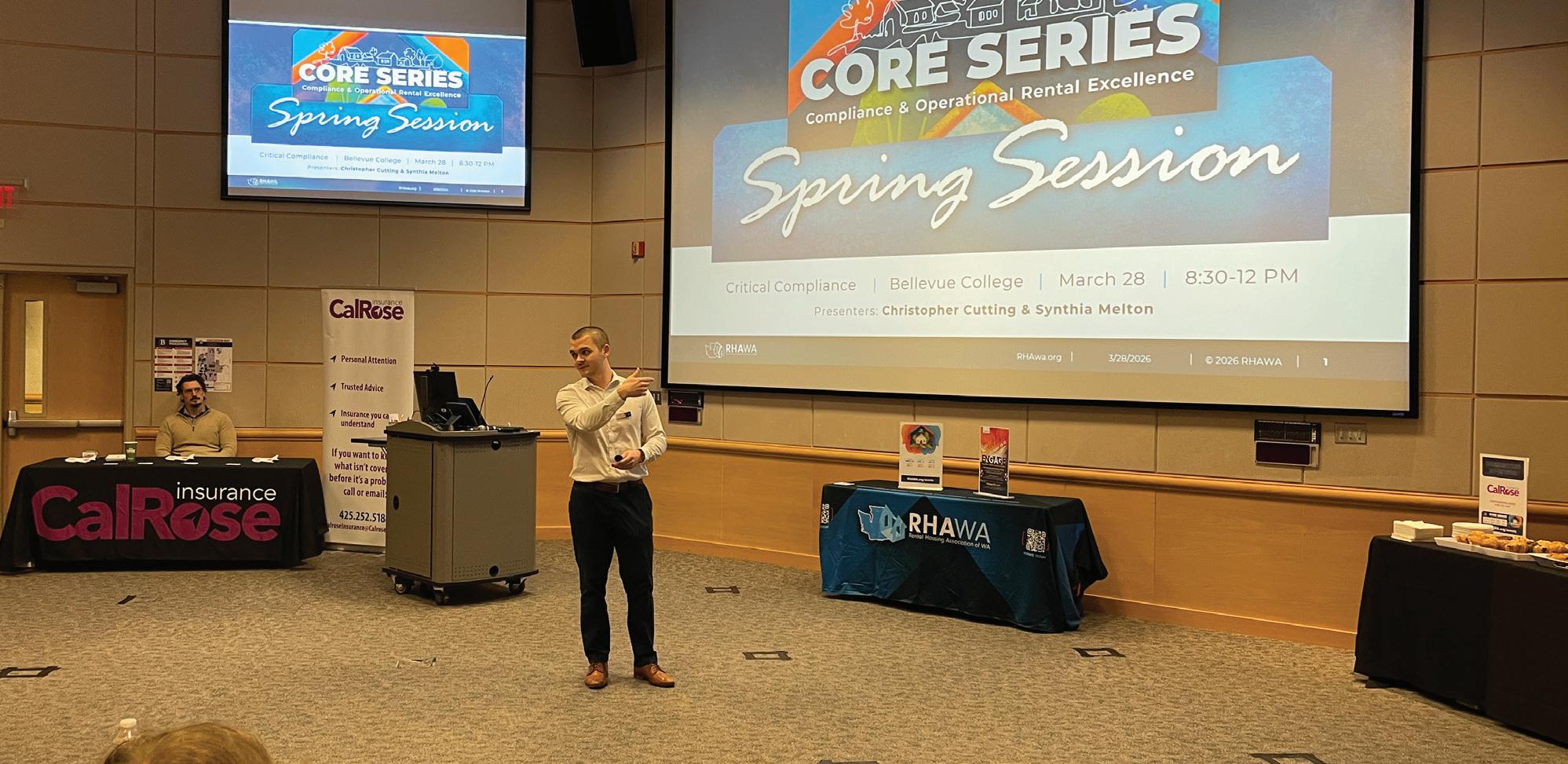
RHAWA’s first-ever Saturday morning educational event debuted on March 28 at the Paccar Atrium on the Bellevue College campus, then jumping over to Spokane Valley on April 18. Next up is Vancouver on May 16 , and that will wrap up the tour of our Spring class on Critical Compliance. Starting in June, we’ll begin our summer sessions on Operational Excellence. Stay tuned for more on this next month!
Each session in the CORE Series offers two and a half hours of dedicated in-person education with plenty more time for questions, all part of a convenient Saturday morning schedule. There is an opportunity to connect with peers and light refreshments to make learning easy and accessible.
Critical Compliance - Puget Sound, Saturday, March 28, on the Bellevue College Campus Recap!
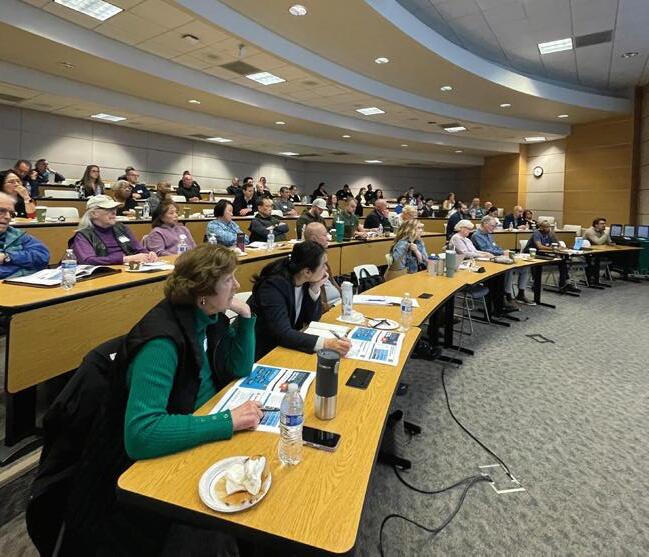
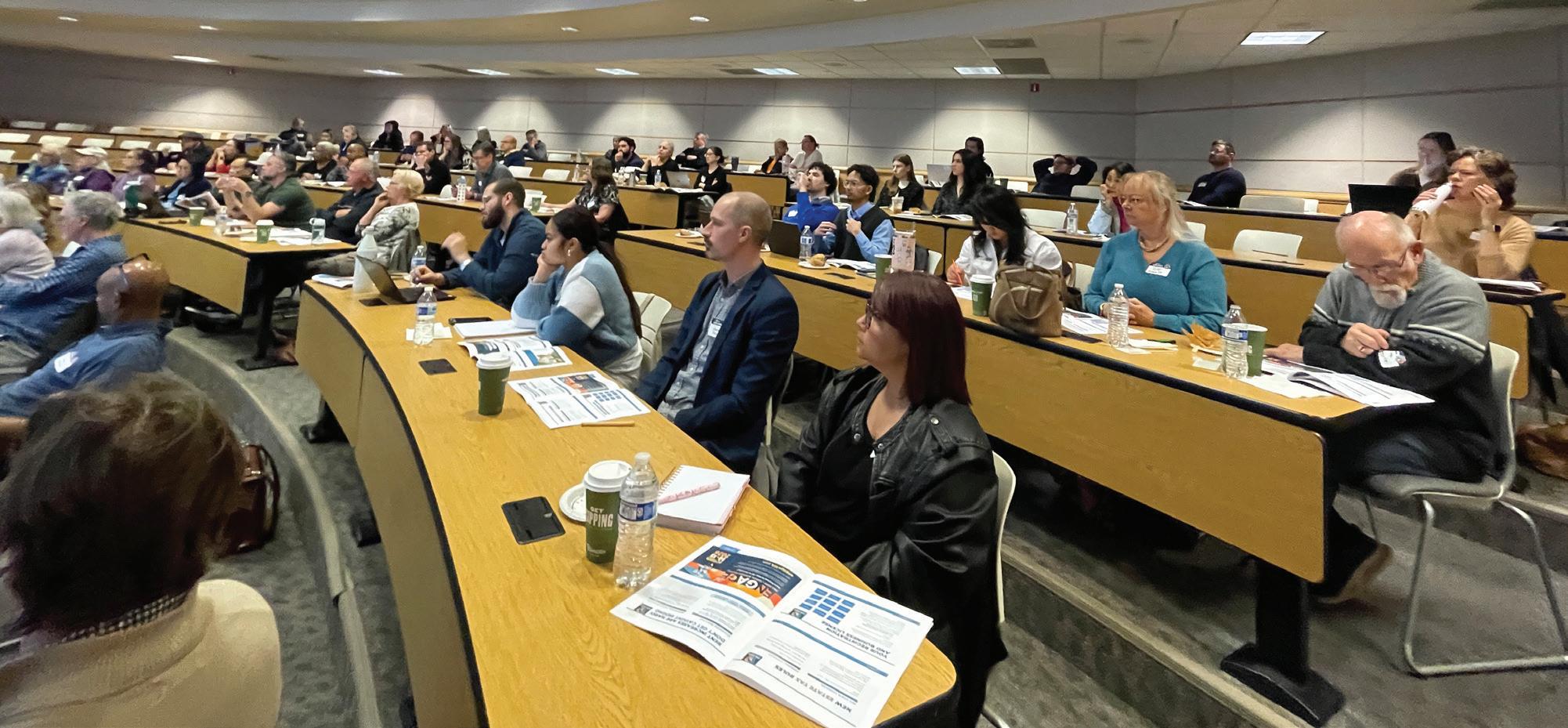
We are thrilled to report that the first session of the 2026 CORE Series got off to a fantastic start! On Saturday, March 28th, members gathered at Bellevue College for a morning of critical compliance education, great refreshments, and the kind of peer connection that makes RHAWA events so valuable. Attendance was excellent, and it was wonderful to see so many members prioritizing their education and coming out to take full advantage of what the CORE Series has to offer.
The session kicked off with coffee, pastries, and a chance for attendees to connect before diving into the day’s content. From there, our speakers took the stage and delivered an incredibly informative and practical morning of instruction. The first presentation, Critical Compliance: Leasing and
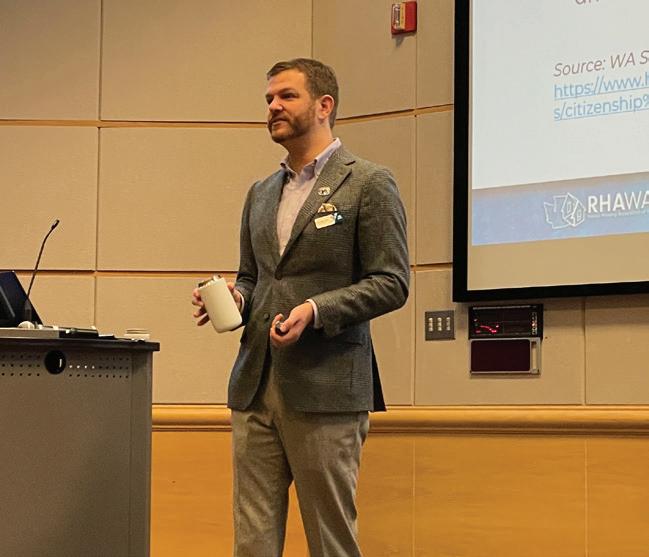
Rent Increases, was led by Attorney Christopher Cutting. Christopher walked attendees through the key legal requirements around lease agreements and rent increase procedures in Washington State, breaking down complex regulatory language into clear, actionable guidance that members can apply directly to their dayto-day operations. Christopher made sure to cover all of the new laws that passed in the 2026 Legislative Session, ensuring attendees had a full understanding of our new policies well before they go into effect. Whether you are a seasoned housing provider or newer to the business, the practical depth of this session made it well worth the early Saturday morning.
Following a short break, Attorney Synthia Melton of Dimension Law
took over for the second half of the morning with Critical Compliance: Serving Notices. Synthia provided members with a thorough overview of notice requirements under Washington law, covering the proper procedures for serving various types of notices and the consequences of getting it wrong. Her presentation was clear, engaging, and packed with the kind of practical insight that can make a real difference in how members protect themselves and operate their rental business with confidence. Throughout both sessions, attendees were able to engage with the speakers directly, asking clarifying questions, gaining additional insight, and allowing for further explanation of key concepts.
A huge thank you to Christopher Cutting and Synthia Melton for bringing
their expertise and enthusiasm to this event. RHAWA is fortunate to have such knowledgeable legal professionals who are willing to share their time and knowledge with our members, and the quality of this session is a direct reflection of their dedication. We are grateful to both of them for helping make this first CORE Series session such a success.
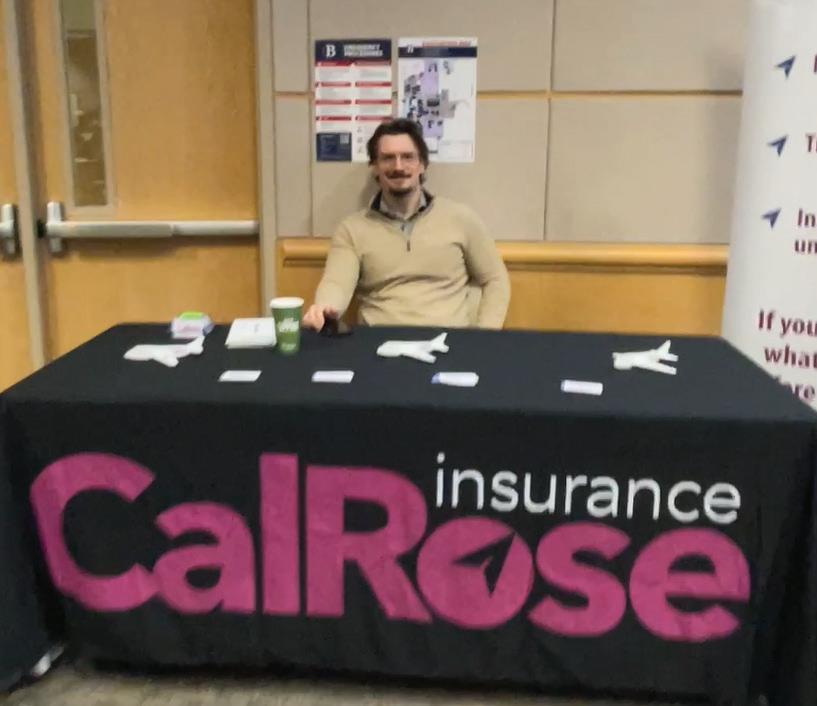
We also want to extend a sincere thank you to our sponsors CalRose Insurance and Alsace Asset Services for making this event possible. Events like the CORE Series require meaningful community support to deliver the level of education and hospitality that our members deserve, and we are grateful to have partners who share our commitment to supporting independent housing providers across Washington State.
Daniel Bannon | RHAWA Communication & Advocacy Manager |
WRAPPING UP IN VANCOUVER THIS MONTH
As of the writing of this article, the April 18th class in Spokane Valley is yet to come, but we fully anticipate an equally engaging experience with instructor Maxwell Glasson.
Max Glasson
If you missed the first two sessions in Puget Sound and Eastern WA, do not worry — there’s still one more in-person chance to get the scoop on Critical Compliance issues in Vancouver with Attorney Bradley Kraus on May 16th.
Critical Compliance – SouthWest WA, Saturday, May 16, at Keller Williams Olympic Room in Vancouver
The third CORE Series location was selected for the housing providers around the City of Vancouver, WA. The Keller Williams Olympic Room is a great venue for learning, where our members can easily attend in person, gain essential compliance and operational education, and return to their weekend without the burden of long-distance travel. The large meeting room is ideal for presentations and seminars and will accommodate around 100 attendees.
Running a rental property in Washington State means navigating some of the most detailed and actively enforced
housing laws in the country. Our Saturday morning sessions are ideal for rental property owners with busy lives and “day jobs” who want clear guidance on what the law requires—and how to operate day-to-day with confidence.
This session features one of our seasoned legal instructors, Bradley Kraus. Bradley is a member of Warren Allen’s landlord/tenant practice and represents many of the region’s most successful landlords.
Bradley Kraus
A graduate of the University of Minnesota, he attended law school and graduated cum laude from Lewis and Clark Law School. Along with landlord/tenant law, Bradley Kraus assists clients in various civil litigation, probate, and family law matters.
Bradley will cover the key Washington State and City of Vancouver laws that
regulate rental operations, including registration, lease requirements, rent increase notices, deposits, maintenance obligations, entry rules, and just cause termination. The course emphasizes common compliance pitfalls, the financial and legal consequences of getting it wrong, and proven protocols that help owners stay organized, consistent, and defensible if issues arise. By the end of the session, owners and property managers will have a stronger understanding of their responsibilities, clearer operational processes, and greater confidence in managing rentals in and around the City of Vancouver, Washington. For more details and registration, go to RHAwa.org/core-series-2026.
Up Next… CORE Series Summer Sessions
This summer, we will roll out our next CORE topic on Operational Excellence, where you will hear from a seasoned and successful property owner, along with their key professional advisors. Expect a lively discussion with the experts about improving the bottom line, preparing for the future, and mitigating liabilities. You will learn proven strategies to streamline operations, control costs, improve tenant retention, and leverage technology to reduce dayto-day friction. Don’t miss this opportunity to sharpen your systems and strengthen your bottom line for the rest of 2026 and beyond.
Look for more details on our expert speakers in next month’s issue, but don’t wait to register for a session near you. Reception for the Spring sessions has been incredible, and we expect an even larger turnout for these summer class sessions!
Sponsor the CORE Series — Your Brand in Front of Washington’s Housing Providers
The Bellevue Kickoff Was a Hit. Vancouver and the Summer Lineup Are Wide Open.
Luke Brown | RHAWA Marketing & Sales Associate | lbrown@RHAwa.org | (206) 905-0610
The 2026 CORE Series is already proving its value. The Spring kickoff at Bellevue College drew a packed room of rental housing owners, property managers, and industry professionals — all there on a Saturday morning to sharpen their compliance knowledge and connect with peers. Thank you to CalRose Insurance and Alsace Asset Services for sponsoring the Bellevue event and showing exactly what smart sponsor engagement looks like. The feedback from attendees and sponsors alike has been outstanding.
Now it’s your turn. Five CORE events remain on the 2026 calendar, and every one of them puts your brand directly in front of the motivated housing professionals who need your products and services most.
UPCOMING EVENTS
Every session runs Saturday morning from 8:30 a.m. to noon, featuring 2.5 hours
EVENTS LOCATIONS DATES
CORE Southwest WA (Spring) Keller Williams Olympic, Vancouver May 16, 2026
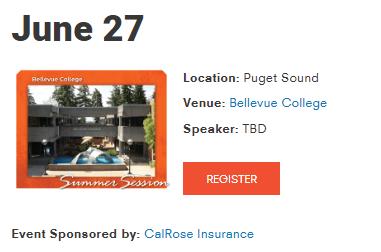
CORE Puget Sound (Summer) Bellevue College, Bellevue June 27, 2026
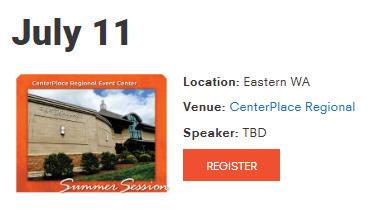
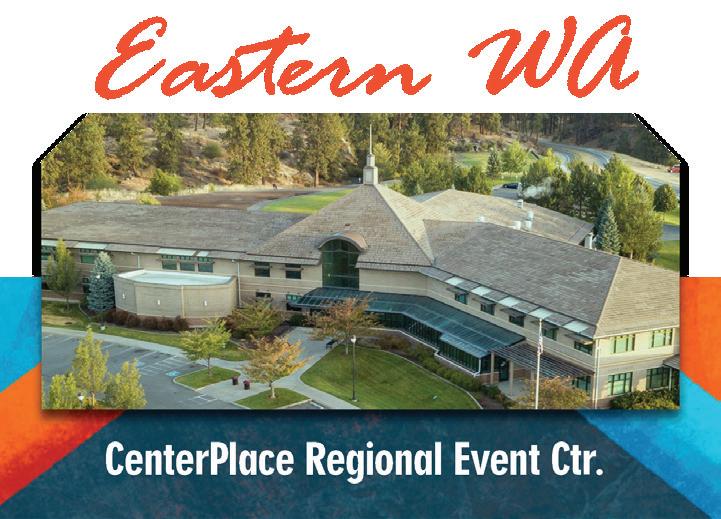
CORE Eastern WA (Summer) CenterPlace Regional, Spokane Valley July 11, 2026
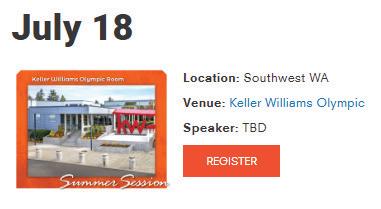
CORE Southwest WA (Summer) Keller Williams Olympic, Vancouver July 18, 2026
of expert-led education plus a full hour of Q&A and networking. The May 16 Vancouver Session is the next opportunity on the calendar and an ideal entry point for businesses looking to connect with housing providers across Clark County and Southwest Washington.
SPONSORSHIP LEVELS
P 1 complimentary event ticket
P Logo in all event promotions
P Branded signage at venue
P Access to attendee list
3/month homepage carousel
¼ page ad in event program P 3 minutes of podium time
Bundle & Save: Commit to two locations and save 5%. Four locations saves 10%. All six locations saves 15%.
WHO SHOULD SPONSOR?
The CORE Series audience is made up of independent rental owners, property managers, and housing providers who are actively investing in their businesses. Industries that consistently get the strongest return from these events include insurance providers, legal services, maintenance and restoration companies, property management software platforms, tenant screening services, and real estate professionals. If your customers own or manage rental property in Washington, this room is built for you.
GET STARTED
Reach out to Luke Brown at (206) 905-0610 or lbrown@RHAwa.org to secure your spot. Sponsorships are available on a first-come, first-served basis, and with Bellevue already in the books, the momentum is only building.
Luke Brown
VENDOR LISTINGS
We encourage you to consider the vendors found within these listings for your rental business needs. When seeking competitive bids, be sure to mention your RHAWA membership as many offer member discounts. RHAWA does not specifically endorse any business listed herein. References are always recommended. If you would like to submit a customer testimonial for our records, please submit to publications@RHAwa.org. Please note that changes made to a vendor member profile will not be reflected in the CURRENT Vendor Listings unless the change is also sent to publications@RHAwa.org.
Do you live in Clark, King, Pierce, Spokane, or Snohomish County? Come hang out at one of RHAWA’s Link Meetings, meet other housing providers near you, and grow your business along the way. Everyone is welcome.
N.O.A.H's ARC Naturally
Sides of the Lease, and What Happens When Policy Breaks
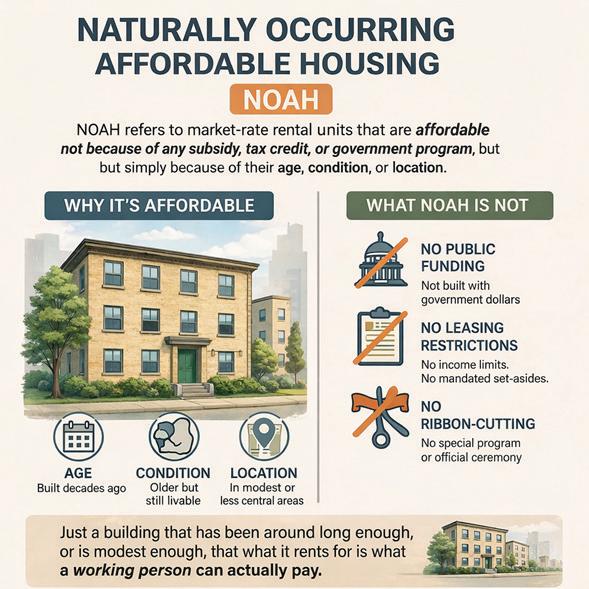
There is a term in housing policy, Naturally Occurring Affordable Housing, or NOAH, that most rental housing providers have probably never heard, even though it describes exactly what they provide to their communities.
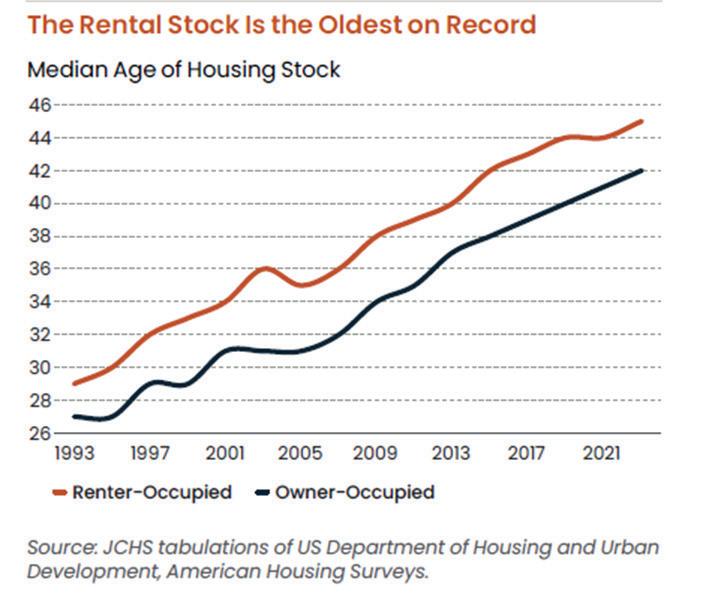
How to know if you provide NOAH: If you own a 1972 fourplex. If you inherited a duplex from your parents. If you bought a house during the recession and kept it as a rental when you moved. If you manage a 40-unit walkup that was built when Gerald Ford was president. If working class folks can afford to live there, you are a NOAH provider. You are, statistically, America’s affordable housing infrastructure.
And almost nobody is talking about what happens when you can’t afford to keep doing it.
THE ARC
With limited exceptions, rental units in America follow the same trajectory. It starts by being expensive. A new apartment building opens with designer finishes, a fitness center, premium location, and asking rents north of $1,800. It attracts higher-income tenants. It has to.
Construction costs, land, and financing demand those rents. Often, new buildings open with introductory pricing or concessions, a free month or a waived deposit, to fill units quickly and pull tenants from older competitors. The downward pressure starts on day one.
Then time does what time does. The appliances age. The finishes go out of style. A newer building opens down the street with modern amenities like Tesla fast charging stations. A different part of town becomes trendy or closer to a better employer. The original building adjusts. Rents come down, or more often, they rise slower than inflation, which means they become more affordable in real terms even if the number on the lease stays flat. What was Class A becomes Class B, then Class C.
This is not failure. This is the mechanism. This is how market-rate housing becomes affordable housing: through age, through competition, through the natural lifecycle of a building. It is the single largest source of affordable rental housing in the United States, and it has never received a dime of federal subsidy to do it. And it works, when you let it.
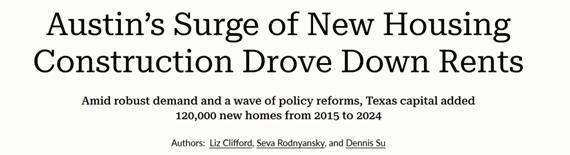
The Pew Charitable Trusts just published a case study on Austin, Texas, that demonstrates this arc in real time.
from 2015 to 2024, Austin produced the steepest rent decline of any large U.S. metro. Rents in large apartment buildings fell 7 percent from 2023 to 2024. But here’s the number that matters: rents in Class C buildings, the older, non-luxury structures that house lower-income renters, fell 11.4 percent. Class A buildings, the new luxury product, fell only 2.6 percent.
The new supply didn’t just serve high-income renters. It competed with the existing stock, which competed with the stock below it, which drove down rents across the entire distribution. The biggest winners were the tenants in the oldest, most modest buildings. Nobody mandated those rent reductions. Nobody subsidized them. The arc did the work.
THE RENTERS
There is a persistent narrative that renting is a condition people are trapped in, that rental property providers are hoarding housing and forcing people to pay for something they would otherwise own. It’s a politically useful story. It also doesn’t survive contact with the data.
According to the Federal Reserve’s 2024 survey on the economic well-being of U.S. households, 58 percent of renters say renting is more convenient or flexible than owning. Only 39 percent said they prefer to rent long-term, which means the majority still view ownership as the ultimate goal, and rightfully so, as it remains the traditional engine for building generational wealth.
But interest, readiness, and demographic reality are colliding. People are marrying later. They are having children later in life, or not at all. The traditional single-family home was designed for a traditional family timeline that fewer Americans are actually following. Yet the cultural expectation, a deep-seated fear of missing out on the American Dream, remains. This creates a complex tension for today’s renter: the flexibility of renting is often the most rational, adaptable response to a mobile workforce and shifting family planning, even as the psychological desire for equity keeps ownership on a pedestal.
We also live in a world of radical transparency. Thirty years ago, you bought a house partly because you couldn’t see what else was out there. Now Zillow shows you every home for sale in every city. Indeed shows you every job. The result is something that looks a lot like paralysis by abundance. For many, renting is the rational response to a world with too many options to commit to one address permanently.
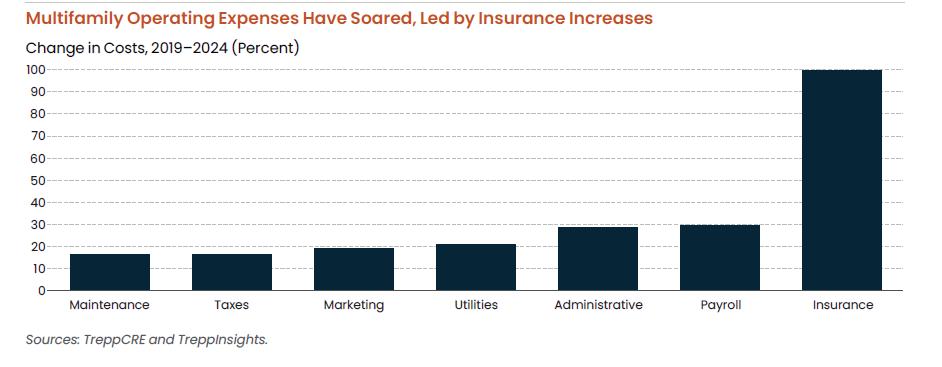
And here’s what the “hoarding” narrative conveniently ignores: every cost that makes renting expensive also makes owning expensive. While holding a deed eventually builds equity, it does not provide an escape hatch from the day-to-day carrying costs of property. Insurance premiums that doubled for apartment operators also doubled for homeowners. Material costs that rose 42 percent since 2020 apply to every roof, every furnace, every plumbing repair, whether the building is a rental or a residence. Property taxes don’t care about tenure. Labor costs don’t either.
When someone buys a home in this environment, they aren’t escaping those costs. They’re absorbing them directly, with their own savings, their own credit, and none of the economies of scale that even a small rental operator can sometimes access. Harvard reports that a household now needs more than $120,000 in income to afford the median-priced home. For many Americans, renting isn’t a trap. It’s the only math that works.
The real question isn’t why people rent. It’s who is going to keep providing the rental housing they need, at a price they can afford.
THE PROVIDERS
A
never set out to provide rentals at all.
They inherited a property. They couldn’t sell a house during a downturn and rented it instead. They bought a duplex because the mortgage math worked with a tenant paying half. They are teachers, electricians, retirees, and small business owners. They own one, two, maybe ten units. They operate on conservative margins, with cash reserves saved for routine and foreseen maintenance.
These providers own and operate nearly half of America’s rental stock. Single-family rentals are 31 percent of all rental units nationally. Small multifamily buildings add another 17 percent. That’s roughly 23 million units, the vast majority in the NOAH category.
The Harvard Joint Center for Housing Studies, one of the most respected housing research institutions in the country, just released America’s Rental Housing 2026, its flagship biennial report on the state of rental housing in the United States.
The report is comprehensive and deeply valuable. But its operating cost analysis draws from Trepp, NCREIF, and MSCI, data sources that track professionally managed, commercially financed properties. The insurance doubling that Harvard documents, the 42 percent spike in material costs, the 24 percent increase in construction labor: those numbers are drawn from the institutional market. The small operator absorbing the same cost pressures with less negotiating power, thinner reserves, and no economies of scale is invisible in the research but very real in the market.
And there’s a reason these providers can offer housing that the market calls affordable. They generally live close to their units. They do the maintenance themselves, or with a very small crew. And critically, they bought these properties when prices were much lower, often at lower interest rates. Even when rates were high, as they were in the 1980s, the actual purchase price of the home was a fraction of what it would cost today, even adjusted for inflation. That cost basis is what allows the rent to stay low. It’s not charity, but the rents often do fit what federal programs like Section 8 can pay. It’s math that only works because the provider got in decades ago and stayed.
That math can’t be replicated by anyone entering the market today.
WHAT BREAKS THE ARC
The arc works because the economics, barely, stubbornly, precariously, still pencil. A provider can charge $950 a month, cover the mortgage, pay the insurance, handle routine maintenance, set aside something for capital expenses, and earn a modest return. Not the return that attracts institutional capital. But enough to keep going. Two things break it.
The first is mandates. Often framed as “protections,” these policies are frequently drafted by those completely disconnected from the operational realities of housing.
When a local government requires the installation of specific building systems in older structures, or caps the ability to recover costs, they are making politically expedient choices that shift the burden of the housing crisis directly onto the independent provider. The cost doesn’t land on an abstraction called “the landlord.” It lands on the person operating a 1960s building at $950 a month, whose insurance just doubled, whose property taxes just increased, and whose maintenance costs are up 40 percent since the pandemic. The provider faces a choice: absorb the cost and go unprofitable, pass it to the tenant and destroy affordability, or exit. Every path leads to the same place. The naturally occurring affordable unit ceases to exist. There is a physical limit to what can be retrofitted into an older building before the mandate becomes a renovation, and a renovation at today’s costs produces a unit that can no longer rent at yesterday’s price.
The second is eviction law that makes risk unmanageable. The ability to remove a tenant who doesn’t pay rent or who endangers other residents isn’t a luxury for
the operator. It’s the structural framework that makes the whole enterprise viable. When that enforcement mechanism becomes buried in bureaucratic delays, expensive legal hurdles, or is functionally outlawed, the small operator can’t price the risk. One non-paying tenant in a fourplex doesn’t reduce revenue by 25 percent. It can eliminate the entire margin and then some. Unlike an institutional owner with a legal department and a reserve fund, the NOAH provider absorbs that risk personally, and risks losing the tenants who are paying, the ones who leave because they don’t want to live around problems they didn’t create. People make decisions every day on far less consequential things than whether their building feels safe.
These two forces, mandates that raise the cost floor and enforcement uncertainty that removes the risk ceiling, create a distortion where nobody benefits. The tenant doesn’t benefit because the unit becomes more expensive or disappears. The provider doesn’t benefit because the operation becomes unprofitable. The community doesn’t benefit because the affordable housing stock shrinks. The only people who benefit are the ones who never lived in the building or operated it, the ones who wrote the policy and moved on.
WHAT WE LOSE
We are already seeing the fallout of these distortions. Harvard reports that 9.3 million units renting below $1,400 disappeared between 2014 and 2024, including 2.5 million renting under $600. Those weren’t public housing units demolished by the state. They weren’t tax credit properties aging out of compliance. They were NOAH units. They disappeared because the independent providers who operated them finally hit the wall where the math stopped working.
The trajectory is starkly divergent. Since 2019 alone, the number of cost-burdened renters has grown by 2.3 million while the supply of units renting below $1,400 has shrunk by millions. More people need affordable housing. Less of it exists. And the gap is widening because the providers who filled it are being pushed out.
But statistics don’t capture the actual casualty of this loss. When those units disappear, what is left with them is hard to fully measure on a spreadsheet. Culture is not something you can quantify. But you know it when you see it. It’s alive. You can feel it.
A neighborhood with affordable rentals is a neighborhood where the home health aide lives on the same block as the family she cares for. Where the cook at the restaurant on the corner walks to work. Where the retired widow on Social Security has lived for twenty years and knows everyone on her floor. Where the young couple saves for a down payment without drowning in rent, and when they buy their first house, it might be right there in the same neighborhood, because they already belong to it. In an era of remote work, renters have the freedom to try out neighborhoods and communities before committing. That exploration happens in rentals. It’s how people find where they belong.
These are people whose housing works because someone, somewhere, is operating a building at a price point the market would rather abandon.
And this is the difference that matters. Not “affordable” because a unit cost $650,000 to build and carries deed restrictions and layered subsidies and gets called “affordable” in a press release. Not “affordable” in the way that a tax credit project is affordable, where it costs more per unit than market-rate construction, but the tenant’s share is reduced through public financing. Those programs have a role. But they are not what houses most of America’s working renters.
What houses them is a home. A real one. One that became affordable because someone built it, and someone maintained it, and time made it modest, and a provider kept operating it because they could. Because math worked. Because they were part of the community too.
When that provider leaves, the home doesn’t become more affordable. It becomes more expensive, or it becomes nothing. And the community that grew up around it, the culture, the connections, the sense of place, goes with it.
The arc of affordable housing and the Ark from the Book are built the same way: not in a moment of crisis, but through the long discipline of doing the work before the flood arrives, for families and the future depend upon it.
Sponsor ENGAGE26: Washington’s Premier Rental Housing Conference
October 14–15, 2026 | Meydenbauer Center, Bellevue | Slots Are Limited
ENGAGE26 is where Washington’s rental housing industry comes together — policymakers, institutional investors, top developers, attorneys, and hundreds of housing providers and property managers, all under one roof for two full days of keynotes, 25+ breakout sessions, and dedicated networking events. For sponsors, there is no higher-concentration audience in the state. If your business serves this community, this is your stage.
NEW THIS YEAR: SPARK SESSIONS
For the first time ever, ENGAGE is opening the stage to sponsors. Spark Sessions are ten-minute, TED Talk–style presentations where your company shares genuine expertise with the full conference audience — not a sales pitch, but a thought-leadership moment that positions you as an industry authority. Available to Silver-tier sponsors and above, Spark Sessions are limited and already generating strong interest. If you have knowledge to share, this is the most direct way to build trust with the decision-makers who shape Washington’s rental market.
EVENT AT A GLANCE
• Dates: October 14–15, 2026
• Location: Meydenbauer Center, Bellevue, WA
• Day 1: 8:30 a.m. – 4:45 p.m.
• Day 2: 8:30 a.m. – 6:00 p.m.
• Print Deadline: September 1, 2026 (for logo inclusion in printed materials)
SPONSORSHIP TIERS
Platinum — $15,000 (1 slot remaining)
• Stage skirt co-branding + welcome kit branding
• Logo on all promotions + 6-month homepage carousel on RHAwa.org
• Charging Stations: $1,275 (1 slot) — 6 charging hubs with “Powered by [Logo]” signage
• Emergency Kits: $1,275 (1 slot) — Branded kits in 4 restrooms with “[Logo] Survival Kits” signage
• Refreshment Stands: $1,000 (3 slots) — Logo on “Provided by [You]” signage
• Industry Supporter: $650 (3 slots) — Logo under “Community Partners” on engageWA.com + highboy table
WHO SHOULD SPONSOR?
ENGAGE26 draws the full spectrum of rental housing decision-makers — from independent owners to agency heads to lawmakers. Industries that consistently see the strongest return include insurance providers, legal firms, lending institutions, maintenance and restoration companies, property management technology platforms, and real estate investment services. If your customers own, manage, or influence rental housing in Washington, this audience is already looking for you.
GET STARTED
Slots are filling fast. Contact Luke Brown at (206) 905-0610 or lbrown@RHAwa.org to secure your sponsorship. Visit engageWA.com for full details and to download the sponsor packet.
Luke Brown
Industry in Motion
ANNOUNCEMENTS
NEW VENDOR MEMBER
SPOKANE Passes “Pathways to Eviction Diversion” Ordinance
On February 2, the Spokane City Council approved Ordinance C36808, titled “Pathways to Eviction Diversion for Spokane,” on a 5-2 vote. Sponsored by Council Members Paul Dillon and Kitty Klitzke, the ordinance creates a mandatory eviction diversion framework that adds strict procedural requirements for housing providers before initiating most residential eviction actions.
This ordinance is scheduled to take effect June 1, 2026. Here is what RHAWA members operating in Spokane need to know to prepare.
WHAT THE ORDINANCE REQUIRES
The ordinance imposes two primary obligations on housing providers:
1. Mandatory Informational Notices: Landlords must provide tenants with written notice of all city-managed eviction prevention programs and state-funded pre-eviction legal services. This notice must be provided at the
following specific times:
• At lease signing
• At lease renewal
• With any rent increase notices
• With any 14-day pay-or-vacate notices
(Note: As of April, no copy of this upcoming mandatory notice has been shared with RHAWA or the community. We will update our members as soon as it is provided by the City.)
2. 30-Day Diversion Participation:
For evictions based solely on nonpayment of rent, landlords must participate “in good faith” in a city-designated eviction diversion program for at least 30 days after submitting a demand for payment, prior to proceeding with an unlawful detainer action. The City will designate a diversion program operator to connect tenants with rental assistance funds or mediate disputes between tenants and landlords.
Exemptions
The 30-day diversion requirement applies only to nonpayment cases.
• Imminent Hazards: Tenants who engage in conduct presenting an imminent hazard (e.g., dangerous criminal activity or severe property damage) can still be removed through existing state law processes without entering diversion.
• Behavioral Violations: Other behavioral violations under the Residential Landlord-Tenant Act (RCW 59.18) remain outside the mandatory diversion framework.
Crucial Exception: Even for exempt behavioral violations, the informational notice requirements regarding legal and prevention services still apply broadly to rent increases, mutual termination agreements, and notices of non-renewal.
COMPLIANCE IS A SUBSTANTIVE DEFENSE
This is the detail that matters most for
day-to-day operations: failure to provide the required notices can be raised as a defense by tenants in any subsequent eviction proceeding. Housing providers should expect courts to treat compliance with the new notice and diversion requirements as a threshold issue. In practical terms, an otherwise valid eviction action can fail entirely if the landlord did not follow the ordinance’s specific procedural steps. Front-loading your compliance is not optional—it is essential.
OPERATIONAL CONCERNS & CHALLENGES
Timing and the 60-Day Window: RHAWA and local housing attorneys have flagged a significant concern regarding the interaction between the new 30-day diversion period and the existing state-law requirement that evictions for nonpayment proceed within 60 days of serving a pay-or-vacate notice (RCW 59.18). This compressed timeline leaves
Daniel Klemme
little margin for error. Housing providers should work closely with legal counsel to map out their compliance calendar once the City publishes its operational rules.
The Funding
Question
The ordinance establishes a diversion process but does not appropriate new money to fund it. It relies on existing state funding streams administered through the Department of Commerce.
Important: Even when assistance funds are exhausted, the 30-day diversion participation requirement remains in effect. Landlords must still engage in the process regardless of whether financial assistance is ultimately available.
THE COUNCIL VOTE
The ordinance passed 5-2.
• In Favor: Council Members Dillon, Klitzke, Telis, Dixit, and Zappone.
• Opposed: Council Member Michael Cathcart and Council President Betsy Wilkerson.
Action Items: What to Do Now
Although the ordinance does not take
effect until June 1, the preparation window is short. RHAWA strongly recommends taking the following steps immediately:
• Look for RHAWA communications about the new required document. RHAWA will provide updated lease language, addendums, and additional education once the City releases the required notice and operational details.
• Consult Legal Counsel: Speak with your attorney about how the 30-day diversion period will interact with your existing nonpayment eviction timeline under state law.
• Stay Connected: Contact RHAWA’s Spokane office with questions about compliance or to report operational issues as the program rolls out.
A Final Note: We want to sincerely thank all of our members and community partners who came down to City Hall and voiced their concerns during this process. RHAWA will continue to track the City’s implementation process and provide updates as operational details are finalized.
KNOW YOUR DEBT STACK:
How the 2021-2022 Lending Boom is Reshaping Puget Sound Multifamily Today
For many multifamily owners across the Puget Sound region, 2021 and 2022 were years of opportunity. Interest rates were at historic lows, transaction volume was surging, and financing was available on favorable terms that made acquisitions and refinances look compelling on paper. For a number of those same owners, 2026 is when the bill comes due.
The commercial real estate industry is navigating what has become known as the “maturity wall”, a concentrated wave of loans originated during the lowrate era that are now reaching the end of their terms. Multifamily debt made up $310 billion of nearly $957 billion in loans that matured in 2025, many of which received extensions rather than being paid off. Those extensions bought time, but they did not eliminate the underlying pressure. The loans still exist, and they are now refinancing into a meaningfully different lending environment than the one in which they originated.
The difference matters. The average rate on commercial real estate loans has risen to around 6.24%, up from 4.76% on the maturing debt it is replacing. For an owner who locked in a 3.5% rate in 2021, refinancing today at current rates will represent a significant increase in annual debt service which will wipe out cashflows. Furthermore, the existing income may not fully support the loan-to-value on your current loan, which forces many owners to bring additional cash to the table just to refinance at a comparable loan balance.
strong, and agency lenders are still active in this market, but the window for a passive approach to debt management is narrowing. Owners who understand their maturity dates and refinancing options today will have far more flexibility than those who wait until a deadline forces their hand. An owner who is proactively preparing for their upcoming maturity will be better positioned on a refinance or sale than someone who is passively waiting for their interest rate to adjust.
The lending environment of 2020-2022 was an anomaly, not a baseline. The owners best positioned in 2026 are those treating their debt as actively as their operations.
The first step for any owner is to obtain a market analysis, or at minimum, connect with a commercial real estate professional to discuss current market conditions and develop a clear game plan.
On the Platt-Urquhart-Douglas team at Paragon, our expertise goes beyond just a listing. We've tailored our brokerage approach to help owners not only prepare for a sale today but also plan for sales down the road by navigating the ever-changing multifamily market in 2026 and beyond. Give us a call if you'd like to strategize what the next 12–36 months could look like for your investment property.
If you would like to know more about 1031 exchanges, want to know the market value of your investment property or would like a referral to a tax, legal or 1031 exchange professional, please feel free to reach out to anyone on their team. Brian Platt at Brian@ ParagonREA.com (206) 251-8483, Michael Urquhart at Michael@ParagonREA.com (425) 999-6650, Ben Douglas at Ben@ParagonREA.com (206) 658-7247, or Rowan Davis at Rowan@ParagonREA.com (206) 406-9105.
Ben Douglas Rowan Davis
Brian Platt
Michael Urquhart
Brian Platt, Michael Urquhart, Ben Douglas & Rowan Davis | Paragon Real Estate Advisors | Vendor Member
PENDING - 9 UNITS
AVAILABLE - 8 UNITS
- 19 UNITS
AVAILABLE - 21 UNITS
PENDING - 8 UNITS
For the past 30 years Paragon Real Estate Advisors has been the premier commercial real estate brokerage firm in the Puget Sound. When our expert knowledge of the greater Seattle area is paired with our targeted marketing strategies, our contract negotiation skills, and our vast network of contacts; it is easy to see why we are experts in our market.
AVAILABLE - 8 Units
With the recent interest rate drop the market is starting to move! If you have any questions or would like to speak about your personal investment properties and projected market trends, we would be happy to help you. Call us today to speak with one of our specialized commercial brokers to start a free property evaluation.
One Bedroom Apt ............................................. From $100
Two Bedroom Apt ............................................. From $110
Three Bedroom Apt ........................................... From $120
Houses/Townhouses Bid Only
Vinyl Plank Floor Cleaning
Studio Apt ........................................................... From $90
One Bedroom Apt .............................................. From $100
Two Bedroom Apt ............................................. From $11 0
Three Bedroom Apt ....................................... From $120
Houses/Townhouses ............................................ Bid Only
Vinyl Plank Clear Coat Finish
Studio Apt ........................................................... From $90
One Bedroom Apt .............................................. From $100
Two Bedroom Apt ......................................
Three Bedroom Apt ....................................
Houses/Townhouses
From $11 0
Apartment Painting
Coat Labor Only. Customer to Supply Paint Walls Only* Ceilings Only
Apartment Cleaning
WHERE YOUR ROOF IS OUR ROOF
About Us
We are very proud to be a family owned and operated company. John, Barry and Jill have been serving RHA Members for over 22 years. Our focus is to solve customers’ roof problems and concerns with a reliable, high-quality roof system. Our dedicated crews take pride in their craftsmanship and treat our customers roofs as if it were our own.
We Stand by Stability
Polyflex G (torch down) provides an exceptionally durable roofing product and provides long-term weathering performance. With a granulated surface, Polyflex G exceeds all minimum ASTM standards for tensile strength, puncture resistance and flexibility. This torch down roof membrane is ideal for Northwest roofs; where common branches sometimes fall or residents want a roof-top patio. We stand behind Ployglass APP Membranes with the most reliable warranties in the industry. Their warranty provides extended protection, assuring the optimum system performance is guaranteed.
About Elizabeth Gregory Home (EGH)
EGH inspires homeless women to transform their lives. Through services offered, women can meet immediate needs, as well as long-range goals to break the cycle of homelessness.
Learn more about EGH and how you can help at eghseattle.org. Thank you.
Contact John Paust for more information:
Special pricing for RHAWA members AND $100 donation toward EGH with paid re-roof contract!