


Denise
Myers | RHAWA
Member Programs
Director | dmyers@RHAwa.org | (206) 905-0614
All class sessions are presented ONLINE only unless otherwise specified.
For all ONLINE classes, 30-day access to a recording of the session is included. Upgrade your membership to include a premium dues package. The Weekly ONLINE Session Package includes 12-months' access to live weekly ONLINE educational sessions for $250/person/year. The ONDEMAND Library Package provides full access to over one hundred recorded educational sessions for $120/person/year.
YOUR PROPERTY WITH RHAWA TOOLS
When: Thursday, July 2 | 1-2:30pm
Cost: Free for Members
RHAWA provides all the tools you need to manage your own rental properties. RHAWA Program Director, Denise Myers, will walk you through our invaluable New Rental Checklist that lists all the steps to rent your property using our tools, including: how to learn about your responsibilities under the law, screening and selecting a tenant, lease-signing, and turning the property over to your new tenant. In this 90-minute online session, you will become familiar with all the steps and how to make the best use of RHAWA resources.
When: Friday, July 3 | All day
When: Wednesday, July 8 | 2-3:3pm
Cost: $35 Members | $200 Guests
Seattle has passed numerous laws such as "First In Time" and "Fair Chance Housing" under SMC 14.08-9 that allow the city to enforce procedures intended to ensure fair housing rights for tenants and applicants. Additional "building code" laws under SMC 22.200-220 go beyond building and attempt to protect access to affordable housing in the city by restricting the owners’ right to end tenancies and sell properties. In this course, Attorney Chris Benis takes you through these uniquely onerous rental property codes, explaining their purpose, how to comply, and how they are enforced.
Casual member meetings with topical discussions. No fee, simply order and pay for food at restaurant venues. July topic is "Understanding the eviction process". Featured Guest!
• Dimension Law, South King County | Thursday, July 9, 6:30-8pm
• The Onion Bar & Grill, Spokane | Tuesday, July 14, 6-7:30pm
• Ben Dews Clubhouse Grill, Tacoma | Thursday, July 16, 6-7:30pm
• Bob’s Burgers, Everett | Thursday, July 16, 6:30-8pm
• Darcy’s Restaurant, Spokane Valley | Monday, July 20, 12-1:30pm
• Realty Pros NW, East King County | Tuesday, July 21, 6-8pm
• LINK Meeting | ONLINE | Tuesday, July 28, 6-7:30pm
*Meeting time and subject may change. Please check the calendar at RHAwa.org/events.
When: Saturday, July 11 | 8:30am-12pm | Spokane
Cost: $50 Members | $200 Guests
Sharpen your systems and strengthen your bottom line. Learn proven strategies to streamline operations, control costs, improve tenant retention, and leverage technology to reduce day-to-day friction. Each session in the CORE Series offers 2.5 hours of practical, in-person education with time for questions, a convenient Saturday morning schedule, opportunities to connect with peers, flexible registration options, and light refreshments to make learning easy and accessible.
When: Wednesday, July 15 | 12-1pm
Cost: Free
Learn how to use your RHAWA member benefit for rental marketing & resident screening – Intellirent! Attendees will walk away from this live educational webinar with expert-level skills for creating listings that demand attention, establishing your online presence in the rental community, sending, reviewing, and organizing applications for approval, ensuring you’re getting the most out of your tools, Plus a dedicated Q&A!
When: Thursday, July 16 | 2-3:30pm
Cost: $35 Members | $200 Guests
It is critical that anyone owning and/or managing Seattle residential housing is familiar with the numerous rental agreement regulations found under SMC 7.24 and 7.25. Seasoned Seattle-area landlord-tenant attorney Christopher Cutting will review everything you need to know to comply with the City's rental agreement regulations that shape most of the terms in your lease, from Move-In costs to lease renewal policies and rent increase procedures.
When: Saturday, July 18 | 8:30am-12pm | Vancouver
Cost: $50 Members | $200 Guests
Sharpen your systems and strengthen your bottom line. Learn proven strategies to streamline operations, control costs, improve tenant retention, and leverage technology to reduce day-to-day friction. Each session in the CORE Series offers 2.5 hours of practical, in-person education with time for questions, a convenient Saturday morning schedule, opportunities to connect with peers, flexible registration options, and light refreshments to make learning easy and accessible.
When: Wednesday, July 22 | 12-1pm
Cost: $35 Members | $200 Guests
A smooth tenant transition protects your income, preserves your property, and reduces unnecessary stress. In this practical one-hour class, you’ll learn the laws, timelines, and proven procedures that help rental property owners manage move-outs and move-ins efficiently and professionally. Kathryn Shabalov, Property Management Professional, will walk through best practices for notices, inspections, deposits, vendor coordination, cleaning, repairs, marketing, and preparing a unit for its next resident. You’ll also learn strategies to minimize vacancy time, avoid costly mistakes, and create a consistent turnover process that keeps your rentals operating smoothly and profitably.
When: Wednesday, July 29 | 1-2:30pm
Cost: $35 Members | $200 Guests
Stay ahead of legal pitfalls with a strategic overview of Washington’s rental notice requirements. This session covers proper notice for rent increases and lease renewals, legal steps for addressing rule violations and non-payment, and how to lawfully end tenancies for other good causes. Attorney Christopher Cutting will review best practices for documentation, timelines, and court preparation—so you’re ready to act confidently and compliantly at every stage of tenancy.
Melissa Canfield | RHAWA Deputy Director | mcanfield@RHAwa.org | (206) 905-0615
Step into Leadership with RHAWA
The future of rental housing in Washington State is being shaped right now, and your voice could be part of it.
The Rental Housing Association of Washington (RHAWA) is seeking committed, forward-thinking members to serve on the Board of Directors and Council of Regents. These roles offer a unique opportunity to influence decisions, guide strategy, and help lead an industry at a pivotal time.

President
Vice
Past
William Shadbolt
This is more than volunteering. It is leadership with real responsibility and real impact.
If you’re ready to step forward, contribute your perspective, and help drive meaningful change, we encourage you to apply.
Is This Opportunity Right for You?
You don’t need a formal title to be a leader; you just need the willingness to show up and make a difference.
This opportunity may be right for you if you:
• Want a seat at the table where key policy and advocacy decisions are made
• Are ready to grow your leadership and decision-making skills
• Care about strengthening and protecting the future of rental housing
• Are looking for a meaningful way to give back to your industry and community
You don’t need formal board experience; you simply need a willingness to engage, contribute, and lead.
Serving on the Board of Directors or Council of Regents is one of the most powerful ways to make a lasting impact.
As a member of the Board, you will be part of the governing body of the Association, responsible for:
• Providing oversight, direction, and leadership for RHAWA
• Guiding strategy, priorities, and policy decisions
• Ensuring the organization operates in the best interest of its members
• Upholding accountability for programs, initiatives, and outcomes
You will help shape advocacy efforts, strengthen member resources, and advance initiatives that support safe, sustainable, and accessible housing across Washington. You will also join a respected network of leaders actively working to move the industry forward.
Treasurer Neil Wilson
Audrey Riddle
Barbara Carson
Cathy Jeney
Chris Dobler
Chris Gurdjian
Constance Nelson
Cory Brewer
Devin Easterlin
Elaine Armstrong
Jason Dolloph
Kaitlyn
Jackson
Kristi Tripple
Mark Mullally
Sharon Cunnington
Steve Corker
Synthia Melton
LEGAL COUNSEL
Christopher Benis
Facebook: Like us at facebook.com/RHAofWA
Instagram: Follow us at @RHAofWA
LinkedIn: Follow us at linkedin.com/company/ rental-housing-association-of-washington
Twitter: Follow us at @RHAofWA
YouTube: Watch us at youtube.com/@RHAofWA
Seattle Office (206) 283-0816
Eastern WA Office (509) 535-1018
Submit Educational articles featured in Current must be between 500 and 1500 words, include an author bio, professional headshot and contact information. High-resolution (300 dpi) graphics and photos should be sent separately. Deadlines are generally 30 days before the issue date, which is the first of each month. The editors reserve the right to edit, revise, or reject any submitted material. Submit to publications@RHAwa.org.
Advertise
For advertising information (rates, production specifications, and deadlines), contact Daniel Klemme: dklemme@RHAwa.org.
Administrative Director
Chloe Moser: cmoser@RHAwa.org
Board Administrator Jim Nell: jnell@RHAwa.org
Communication & Advocacy Manager
Daniel Bannon: (206) 905-0609
Creative Director
Sisi Mereness: (206) 905-0605
Deputy Director Melissa Canfield: (206) 905-0615
Engagement & Government Affairs Daniel Klemme: (206) 905-0611
Program Director Denise Myers: (206) 905-0614
RHAWA Current is published every month by the Rental Housing Association of Washington. Copyright ©2026 RHAWA Current with all rights reserved. Reproduction or use without permission of editorial or graphic content in any manner is prohibited. All copyrights, trademarks, and servicemarks are property of their respective owners. P.O. Box 31103 Seattle, Washington, 98103.

Continued from page 3
RHAWA leadership is designed to be impactful without being overwhelming.
• Board of Directors
- Two-year terms beginning January 1 following election
- Eligible for consecutive terms
- Meets monthly (up to three hours per meeting)
• Council of Regents (COR)
- Up to four consecutive two-year terms
- Terms begin January 1 following election
In addition to meetings, leaders are expected to actively participate in events, outreach, and advocacy efforts where much of the connection, influence, and impact happens.
RHAWA is looking for individuals who bring integrity, sound judgment, and a collaborative mindset. Strong candidates typically demonstrate:
• A track record of involvement in committees,
projects, or community initiatives
• A commitment to RHAWA’s mission and members
• The ability to think strategically and navigate complex issues
• Strong communication and teamwork skills
• A willingness to mentor and support future leaders
Effective leaders understand how to balance different perspectives while keeping the organization’s broader goals front and center.
To run for the Board of Directors or Council of Regents, you must:
• Be at least 18 years old
• Be a RHAWA member in good standing (or designated representative) for at least one year prior to election
• Have served on a standing committee for at least one year prior to a COR election
• Have served on the Council of Regents for at least one year prior to a Board election
• Reside in Washington State and own rental housing within the state (or serve as a designated representative)
• Maintain eligibility throughout your term of service
Board service is part of a leadership pathway that builds experience over time. Members begin with committee service, then move to the Council of
Regents, and ultimately to the Board of Directors.
Not yet involved? Visit RHAwa.org/committees to get started.
Here’s what to expect:
• August 31 – Application deadline
• September – Nominating Committee reviews applications and selects candidates
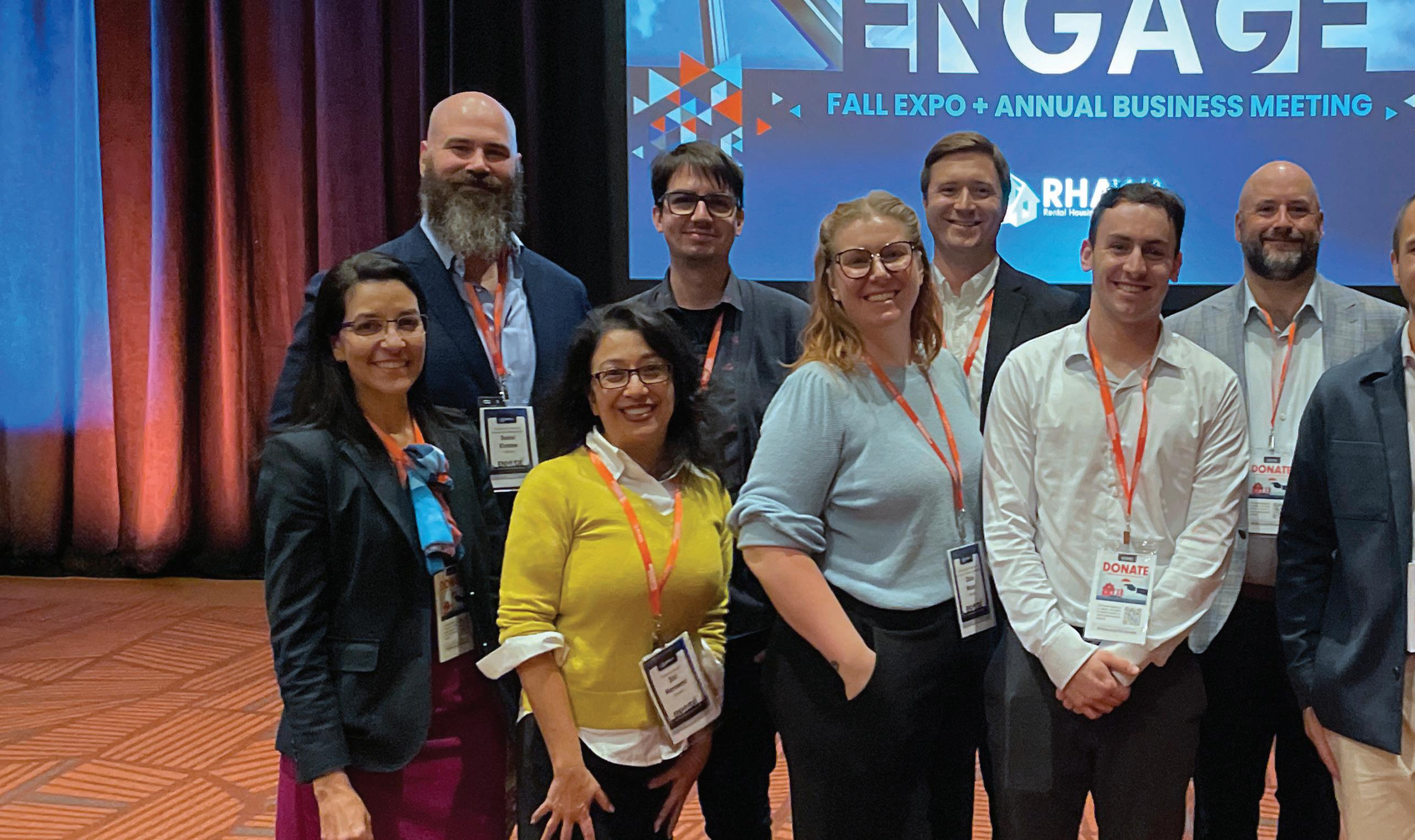
• October 14 – Election at RHAWA’s ENGAGE26 Annual Business Meeting
• January 1 – New leadership terms begin
Nominations are open to all members in good standing, including self-nominations. To apply:
1. Request an application: mcanfield@RHAwa.org
2. Submit your completed application by August 31
3. If nominating someone else, include a brief statement explaining why they’re a strong candidate
The rental housing industry is evolving rapidly, and the decisions being made today will shape its future for years to come. This is your opportunity to step into a leadership role that carries purpose, responsibility, and lasting impact. Apply by August 31 to be considered for this year’s leadership slate.
Help lead what’s next for rental housing in Washington State—starting with you.

Compliance keeps you in the game. Operational Excellence wins the game. These Saturday morning sessions are designed for rental property owners and managers ready to sharpen their systems and strengthen their bottom line for the rest of 2026. Discover proven strategies to streamline operations, control costs, improve tenant retention, mitigate risks, & maximize earnings.
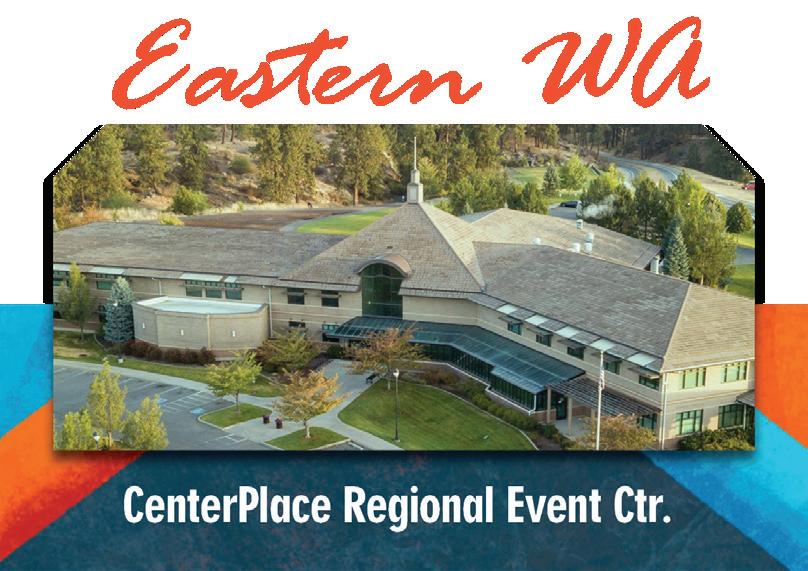
CENTERPLACE REGIONAL
2426 N. Discovery Pl. Spokane Valley, WA 99216

SATURDAY JULY 11 8:30 AM - 12 PM
This in-person event is only $50 for RHAWA members and $200 for non-members.
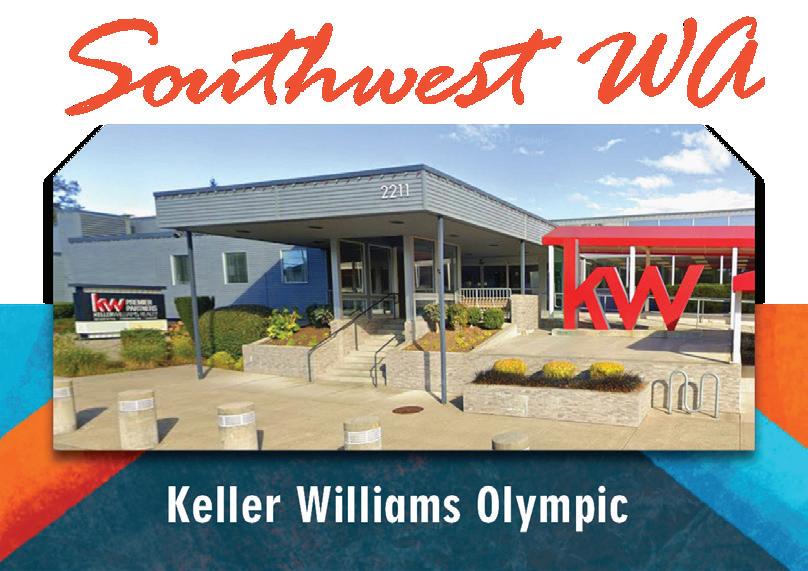
KELLER WILLIAMS OLYMPIC
2211 East Mill Plain Boulevard Vancouver, WA 98661
SATURDAY JULY 18 8:30 AM - 12 PM
This in-person event is only $50 for RHAWA members and $200 for non-members.
For more information, please contact Denise Myers at dmyers@RHAwa.org or (206) 905-0614

Denise Myers | RHAWA Member Programs Director | dmyers@RHAwa.org | (206) 905-0614
Keeping a tenancy in continuous fixed terms that are exempt from “just cause” can be challenging and will increase your administrative burden dramatically. Make sure you understand the pros and cons before you decide how to proceed.
Lock a new tenant into a minimum period of time, potentially reducing turnover costs.
Control the time of year for turnovers. (Market times are shorter and rents trend higher in Spring and Summer.)


(initial term only)
End tenancy without cause by giving 60 days’ notice prior to the end of the lease term.* (initial term only)
End tenancy with allowed causes at any time with 20-120 days’ notice, not just at the end of the lease term. (after initial term)
Raise rent at any time with 60 days’ notice (or more depending on applicable local laws).
No regular annual notices required unless raising rent or changing terms.
(after initial term)
*Must offer lease renewal in Burien, Federal Way, Seattle and unincorporated areas of King County unless there is a “just cause” to end tenancy.
Now, if you have decided to maintain fixed terms, here are some best practices followed by many of our members…
When signing a lease with a new tenant, explain that the lease is a fixed term ending on the day listed in the agreement. A few months prior to that date, you will reach out to inspect the property and discuss any offer for renewal. Avoid making any upfront predictions on whether you will be likely to offer a renewal.
Check Your Local Laws for Rent Increase Notice Requirements
In addition to longer notice periods up to 180 days, several cities also require disclosures and special notice service requirements. Make sure to check the RHAWA Rent Increase Notice Form and follow local instructions detailed in the notice
packet. If the rent increase notice period is 180 days, you may not want to offer a lease renewal that far in advance, just in case something changes. In this case, many housing providers are serving the notices separately.
Allow plenty of time for your notice period requirements before the end of the term, schedule a routine inspection, and see how the property has been cared for so far. This step is especially important in the initial term, but it is a good idea to do this every year. Take the opportunity to meet with the tenant and ensure all is
WA State min 90 days
Seattle 180 days Jun. 1, 2026 Oct. 1, 2026 Nov. 15, 2026 Mar. 15, 2027
Auburn >5% 120 days May 1, 2026 Nov. 1, 2026

15, 2026
well. Is there any maintenance needed? Are there any unreported new occupants (humans or pets)?
Complete a market analysis by identifying comparable rental properties in your immediate area. Identify all periodic and annual costs associated with the property. Check the statewide rent cap for the year in which the increase will take effect. Take into account any other increases that have impacted the tenant’s rent within the twelve months preceding when the new rent amount will take effect. Go to www.commerce.wa.gov/housing-policy/hb1217-landlord-resource-center/ to check the cap published in June each year for the following calendar year. You should be able to see the 2027 cap now.
Prior to officially sending the notices, many housing providers like to first have a conversation with their tenants about plans for the following year. Let them know what the new rent will be. Do they want to stay? Are there any other terms they’d like to change? Let them know you will follow up with legally required notices. This way, when you send the actual notices, it’s just a formality, and they are not surprised.
Two separate notices are now required for the renewal process and the Rent Increase process.
1. In order to enforce your choice to maintain fixed-term leases, you must serve your renewal offers along with an End of Term Notice more than 60 days before the end of the current term. This notice says that the tenant, they must sign the attached renewal offer (or full lease) within 30 days or move out at the end of this term. Without this notice, the tenant could legally opt to continue their tenancy under month-to-month terms.
2. If you want your lease renewal to come with a rent increase at the beginning of the new term, you must serve a Rent and Fee Increase Notice to Tenant more than 90 days before the increase is to go into effect. In several cities, often based on the percentage of increase, longer notice periods are required.
Best practice in most cases is to serve these two notices together using the longer notice period. If the opportunity is missed, many providers have been delaying the rent increase so it takes effect mid-term instead of the beginning of the term.
(See Dates in the calendar above)
Whenever a new tenant moves in, mark your calendar with their renewal schedule to include when to inspect, discuss renewal, when you must give rent increase notice, and when to serve an End of Term Notice with Renewal. Seattle has a unique requirement that the renewal notice must be served between 90 and 60 days before the end of the term. For cities where the notice is variable based on the increase percent, assume the longest timeline for planning purposes. The following is an
example for someone with three properties in Seattle, Auburn, and Bellevue, which follows state law.
Note that the notice dates in the example are set a full two weeks before the legal minimum required notice period. The law requires an extra 5 days for mailing notices, and the extra time is just a good idea. Better safe than sorry! For the Bellevue example, this person might want to serve the Rent Increase and Renewal together to save time and money. However, for the Seattle example, they may not be ready to offer a renewal more than 6 months before the end of the term, so they might want to wait and serve the renewal notice later. After determining your planned dates, make sure to put them on your calendar and execute your plans on time!
If the tenant does not sign your offered lease within 30 days after you served the notice, according to the language in the RHAWA notice and supported by law under RCW 59.18.650, they must vacate by the end of the current term. Make sure you are clearly communicating this deadline to your tenant and that they understand they need to sign the new lease or be prepared to move out.
If you decide not to renew a tenancy, use the same deadline you’ve noted for the renewal notice, but instead serve the End of Term Notice with Nonrenewal. Make sure you communicate clearly with your tenant. Follow up with a reminder that they must vacate by the end of the term.
Unfortunately, the penalties could be massive. For example, if your tenant ends up in financial straits five years from now and you face them in eviction court, an improperly served rental notice now could result in you owing THEM years of back rent, plus up to $7500 in fines for each improperly served notice.
Communicate clearly and try your best to maintain a positive working relationship with your tenants. RHAWA members can find this and other self-help articles in the Support Center. You can also get more education on leasing and all other aspects of rental operations on demand. Just go to Member Access and select Free Member Education.
This article was written and edited by RHAWA representatives and is intended for the use of RHAWA members only. Copyrighted members-only materials may not be further disseminated. Formal legal advice and review are recommended prior to the selection and use of this information. RHAWA does not represent your selection or execution of this information as appropriate for your specific circumstance. The material contained and represented herein, although obtained from reliable sources, is not considered legal advice or to be used as a substitution for legal counsel.



Daniel Bannon | RHAWA Communication & Advocacy Manager | dbannon@RHAwa.org |
If you have been paying attention to what is happening across Washington over the last few decades, you already know the answer to the question this article is going to ask. The political environment for independent housing providers in this state has become more hostile than at any point in recent memory. Statewide rent control. Local ordinances creating extreme notice periods. An Attorney General's office that is treating housing providers as enforcement targets first and policy partners second. Every legislative session, every city council meeting, and every ballot initiative brings a new threat to the way our members operate their businesses.
That is why the RHA Political Action Committee exists, and it is why I am asking every member reading this article to make a contribution today.
The RHA PAC is a non-partisan political action committee that exists for one purpose: to elect lawmakers who understand rental housing, who are willing to look at data instead of soundbites, and who are committed to working with the rental housing industry to find real solutions to Washington's housing challenges. The committee endorses candidates on both sides of the political aisle. Every candidate considered for endorsement completes a detailed questionnaire, and many sit down for in-person interviews with RHA PAC members. The endorsement process is rigorous, and the goal is straightforward: to identify the moderate, data-driven legislators and local officials who will work with us rather than against us.
It is also important to understand what the RHA PAC is not. Membership dues do not fund the RHA PAC. Every dollar in the committee's account comes from voluntary contributions made by
individual members who have decided to invest in the political future of this industry. That is what makes the RHA PAC a true grassroots vehicle — and it is also why participation matters so much.
It is easy to look at the legislative environment in Washington and feel discouraged. But here is what most members do not realize: the RHA
(206) 905-0609
A lot of members, particularly our smaller housing providers, look at a request to donate to a political action committee and assume it is not for them. They picture six-figure checks from a large entity and conclude that their $50 or $100 will not make a difference. That assumption is completely wrong, and it is one of the most important misunderstandings I want to correct.

“ When a thousand members donate $50 each, that is $50,000 in our column.”
PAC has been making real, measurable progress, and the wins have been bigger than most people give it credit for. When statewide rent control was on the brink of passing in the Washington State Senate in 2024, it was stopped because of one moderate Democratic vote in the right place at the right time — Senator Annette Cleveland of the 49th District. That vote did not happen by accident. It happened because the RHA PAC has spent years cultivating relationships with moderate legislators who understand that crushing rental housing supply is not a solution to a housing shortage.
In short: when our PAC is well-funded, our industry has a voice in the rooms where decisions get made. When it is not, we are spectators while other people decide our future.
The average donation to the RHA PAC is $50 to $100. The committee's strength does not come from a handful of large donors. It comes from broad, deep participation across our membership. Hundreds of small contributions that together fund competitive campaigns, voter outreach, and the longterm relationship-building that produces moderate election outcomes in key moments. When a thousand members donate $50 each, that is $50,000 in our column. That is the math that wins elections.
If you are donating for the first time, start small. If you already donate regularly, consider bumping your contribution up a tier this year. The opposition is not slowing down. Local city councils continue to push further restrictive policies. Statewide rent control is already on the

books and the AG is enforcing it aggressively. The political pressure on our industry is not going to ease up on its own and the only way to push back is to have the relationships, the candidates, and the campaigns in place to do it.
Donating is easy. You can contribute online by visiting rhawa.org/products/ pac, where you will find donation tiers ranging from PAC Supporter to PAC Champion. You can also mail a check directly to RHA PAC, PO Box 31103, Seattle WA 98103. For questions or to discuss an alternate contribution amount, you can reach me at (206) 905-0609 or email me at dbannon@ RHAwa.org.
Your membership in RHAWA gets you a seat at the table. Your contribution to the PAC keeps the table standing. The challenges facing this industry are not abstractions, and the stakes for our members have never been higher. If you have ever wondered how you can do something tangible to defend your business, your investment, and your future as a housing provider in Washington State, this is it.
Donate today. Bring a fellow member into the fold. And let us keep building the political infrastructure that has defeated harmful legislation before, and will do it again — but only if we are funded and ready when the moment comes.
Denise Myers | RHAWA Member Programs Director | dmyers@RHAwa.org | (206) 905-0614

Washington rental housing regulations have changed dramatically over the last decade. What was once a relatively uniform legal landscape governed primarily by the state Residential Landlord-Tenant Act has evolved into a complex patchwork of state laws, municipal ordinances, registration programs, inspection requirements, and local enforcement mechanisms.
For rental property owners, managers, and housing providers, keeping up with these changes can feel like a fulltime job. A regulation adopted in one city today may become the model for legislation elsewhere tomorrow. Local governments increasingly have the authority to investigate complaints, issue fines, and enforce housing regulations directly, creating new compliance obligations that simply did not exist in years past.
To help rental housing providers navigate this rapidly changing environment, we have assembled a comprehensive series of on-demand courses covering municipal rental regulations across Washington State. Led by experienced attorneys, city administrators, inspectors, and regulatory officials, these recordings provide practical guidance that owners can
access whenever their schedule allows.
Whether you own property in Seattle, Tacoma, Spokane, Vancouver, Burien, Tukwila, or other Washington communities, these courses offer valuable insight into the rules affecting your rental business.
Expansion of Local Rental Laws
Recorded December 5, 2025 – 90 Minutes
This foundational course provides the big-picture perspective every Washington housing provider should understand. Attorney Chris Benis explores how landlord-tenant regulation has evolved from a largely state-governed system into a framework increasingly influenced by local governments.
The course examines emerging regulatory trends and reviews recently adopted laws from communities including Bellingham, Spokane, Woodinville, and others. Participants gain insight into how local ordinances develop, why cities are pursuing new rental regulations, and what owners should expect in the years ahead.
For anyone seeking to understand
where rental housing regulation is headed in Washington, this course serves as an excellent starting point.
Seattle continues to have some of the most extensive rental housing regulations in the state. Several on-demand courses provide in-depth guidance for owners and managers operating within city limits.
Seattle Fair & Stable Housing Laws
Live online, July 8, 2026 – 90 Minutes (Available ON-DEMAND August 8)
Seattle's housing regulations extend far beyond traditional landlord-tenant law. This course examines landmark ordinances such as First In Time and Fair Chance Housing, along with additional city requirements intended to preserve affordable housing and tenant stability.
Attorney Chris Benis explains the purpose behind these laws, outlines compliance requirements, and discusses how city enforcement works. Property owners will gain a clearer understanding of tenant screening regulations, tenancy termination restrictions, and other rules that make Seattle unique among Washington municipalities.
Seattle Rental Agreement Regulations
Live online, July 16, 2026 – 90 Minutes (Available on-demand August 16) A rental agreement in Seattle must comply with numerous city-specific requirements that affect nearly every aspect of the leasing process.
Attorney Christopher Cutting reviews the regulations contained within Seattle Municipal Code Chapters 7.24 and 7.25, covering topics such as move-in charges, lease renewals, rent increase procedures, and mandatory lease provisions. This course is essential for owners and managers who want confidence that their rental agreements and leasing practices meet Seattle's legal standards.
Tacoma Rental Laws Update Recorded January 14, 2026 – 90 Minutes
After years of navigating overlapping regulatory systems, Tacoma adopted a harmonized rental housing ordinance effective January 1, 2026.
Attorney Christopher Cutting reviews the updated code and explains how
Tacoma's requirements interact with state landlord-tenant law. The course highlights significant changes, compliance considerations, and practical strategies for managing rental housing under the revised framework.
For Tacoma property owners, this recording offers a timely overview of the city's current regulatory environment.
Spokane has experienced significant regulatory changes in recent years, creating new requirements for local housing providers.
Recorded May 21, 2026 – 60 Minutes
Attorney Eric Steven reviews Spokane's newer rental regulations alongside recent state law changes affecting rental housing operations. Participants learn about compliance obligations, enforcement considerations, and resources available to help landlords successfully navigate the city's requirements.
The course is designed to help owners operate with greater confidence while reducing the risk of costly mistakes.
Many Washington cities are adopting registration and inspection programs designed to monitor housing quality and code compliance. Understanding how these programs operate can help owners avoid surprises and prepare effectively.
Recorded March 5, 2025 – 60 Minutes
Seattle's Rental Registration and Inspection Ordinance (RRIO) has become a familiar reality for property owners throughout the city. In this practical session, city administrator Aurora Blackmore and inspector Lisa Schwartzenberger guide participants through the registration process, explain what to expect during inspections, and discuss corrective actions when deficiencies are identified.
Recorded December 11, 2024 – 60 Minutes
Spokane's registration and inspection requirements are explained by city Code Enforcement Supervisor Jason Ruffing. Participants receive step-bystep guidance on property registration, inspection procedures, and program administration.
The session also includes business licensing instruction from Department of Revenue Compliance Agent Andrew Madison, providing owners with a comprehensive overview of both registration and licensing requirements.
Recorded December 17, 2025 – 60 Minutes
As Vancouver launches its rental registration program, property owners have an opportunity to learn directly from city officials before implementation.
Housing Programs Manager Samantha Whitley explains registration requirements, business licensing obligations, and important deadlines, including the introductory licensing period available during the first quarter of 2026. The course also discusses the city's plans to add rental housing inspections beginning in 2027, helping owners prepare for future compliance obligations.
Recorded May 29, 2025 – 60 Minutes
This course focuses on Burien's multifamily rental licensing and inspection requirements. Licensed rental inspector Lisa Lotus explains inspection procedures, common findings, and the correction process. City representative Manuela Ginnett answers questions regarding licensing requirements and program administration. The course is especially valuable for owners of multifamily properties subject to Burien's inspection requirements.
Recorded November 20, 2025 – 60 Minutes
For owners operating in Tukwila, this session provides a practical overview of rental registration and inspection requirements. Licensed inspector Lisa Lotus reviews the registration process, inspection expectations, and corrective action procedures, while city representatives answer questions regarding program implementation and compliance.
Regulatory compliance is no longer something rental housing providers can afford to address only when problems arise. The increasing complexity of state and local regulations makes continuing education one of the most valuable investments an owner can make.
This ON-DEMAND training library allows you to learn directly from the attorneys who interpret these laws, the inspectors who enforce housing standards, and the city officials who administer the programs. Whether you own a single rental home or manage a large portfolio, these courses provide practical knowledge you can apply immediately.
Most importantly, they help transform regulatory uncertainty into confidence—allowing you to focus less on navigating complex rules and more on successfully operating your rental properties throughout Washington State.
These ON-DEMAND classes are now conveniently included in a Local Laws collection. To access login to rhawa. org and from Member Access, select Free Member Education. Click on My Learning and select Learning Library to view the local law course options described above.
For the must up-to-date information on Seattle laws, register to attend the two classes on our Calendar month at RHAwa.org/events.

The RHAWA Government Affairs Team consistently watches for updates to local housing policy. We track changes proposed by both local city councils state level lawmakers, as well as ballot initiatives that threaten the rights of local housing providers.
The city of Bellingham is developing a Landlord and Tenant Advisory Work Group in order to evaluate and develop rental housing policies within the city limits. Over the last few months, the city has improved its approach to rental housing policies and even hosted an advisory session giving an overview of current rental housing policies both statewide and locally. RHAWA was invited to join the previous presentation and deepened our relationships with the city. We hope to be accepted on this work group and represent the needs of small housing providers throughout this process. The first work group will be in September of this year.
There are rumors of new renter protections being developed in the city of Redmond. While Redmond already has several provisions in line with several cities around king county, the rumored new ordinance would be likely to set the stage for a new series of rental housing regulations in cities across king county.
From the limited information available, it appears the new ordinance would include provisions akin to other recently passed pieces of legislation in Whatcom County. These provisions include: Limits on “Junk Fees”: Potential bans on administrative fees, monthly pet rent, amenity fees, common area utilities, third party utility billing fees, valet garbage fees, required internet fees and billing fees for online rental payments.
First right of refusal: A City of Seattle policy mandating renewals for term leases. This would remove the ability to serve an end of term – non renewal which is one of the only ways to end a lease without cause.
Lease Break for Rent Increases Over 3%: Renters would be allowed to break a rental agreement with 20 days notice if they were served with a rent increase of over 3%.
Development of renter resources: the city would be required to develop a thorough renter rights website, requiring the web address to be visibly posted in apartment buildings and provided to renters. The City also needs to hire or contract with staff to inform, advise & advocate for renters.
Clearly, many of these provisions would be concerning to housing providers operating in the City of Redmond. However, the deeper concern is that these policies could spread in much the same way as ARCH proposals from a few years back. These are not officially proposed policies as of the time of writing this article, but it is important to stay vigilant and show up if you see an RHAWA Call to Action in your email inbox.
The City of Spokane's "Pathways to Eviction Diversion" ordinance (C36808) took effect June 1. If you own or manage rental housing inside city limits, it adds a required notice to your standard paperwork and adds steps before you can file in a nonpayment case.
First, you must give tenants the City's official eviction prevention resources notice at several points:
• At lease signing or the start of tenancy
• With every lease renewal
• With any rent increase notice
• Before seeking a mutual termination agreement
• With any 14-day pay-or-vacate notice
Use the City's version of the notice. You can find it on the City's Pathways to Eviction Prevention website. Leaving it out can give a tenant a defense in an eviction case, so build it into your routine now.
Second, for nonpayment cases, there are added steps before you file an unlawful detainer:
• Contact an eviction prevention provider from the City's directory
• Notify the tenant in writing, within 5 days, that you have done so
• Participate in good faith for up to 30 days
• If the matter is unresolved after 30 days and the tenant has not engaged, you may proceed with a court filing
Right to Cooling:
The City of Spokane is close to finalizing its "Renters' Right to Cooling" ordinance (ORD C36877). A revised version was approved 5-2 and is set
for first reading on June 22, with final reading tentatively scheduled for July 15. If it passes, it will require "adequate cooling" in every bedroom of every rental inside city limits.
RHAWA's Government Affairs team has been at the center of this fight. We built and coordinated a broad coalition of eleven housing, business, and real estate organizations, and produced the economic analysis the City never did, with data on Spokane's aging housing stock, realistic retrofit costs, and climate comparisons. We presented it directly to the Housing Action Subcommittee and to council member offices. That sustained pressure helped move Council to defer the ordinance on May 18 and bring back a substantially revised version.
The revision reflects much of what we pushed for. Earlier drafts set a hard 80-degree limit in every bedroom, labeled non-compliance "imminently hazardous to life," and created a private lawsuit with steep penalties and possible loss of your rental license. Those provisions are gone. The current version calls only for cooling "sufficient to avoid risks to tenant health," with no set temperature and no measurement method, and passive measures like fans, shading, ventilation, and insulation can count
alongside mechanical options such as air conditioning and heat pumps. Tenant-installed portable units now follow new state law (SB 6200).
We still have very real concerns. Compliance would land around mid-August with no phase-in, on some of the oldest rental stock in the state. And "sufficient to avoid risks to tenant health" sets no objective standard, so there is no way to confirm you are compliant ahead of time, and this could lead to a defense to eviction. Whether your cooling counts would be decided case by case, after a tenant raises it. RHAWA is pushing for a clear, objective standard and a realistic timeline before final reading.
The ordinance is not final and may still change before July 15. RHAWA will keep working the issue through final reading. Watch your inbox for a Call to Action.
The Safe Homes for All initiative has gathered around 5800 signatures at the time of writing this article. This initiative would expand on the harmful provisions that were established in 2023 by the “Landlord Fairness Code” AKA Tacoma Measure 1. For those who missed the article from a few months
ago, this new initiative includes provisions such as:
• Mandatory Rental Licensing and Per-Unit Fees
- Every provider operating in Tacoma would be required to obtain a rental license and pay an annual per-unit fee
• Tenant Union Recognition and Mandatory Bargaining
- Once a tenant union demonstrates support from residents in more than 50% of occupied units in a building or complex, a housing provider would be legally required to sit down and bargain in good faith with that union on a wide range of topics.
• Expanded Enforcement Rights and Penalties
- Penalties for each violation would range from a minimum of $500 to a maximum of five times the monthly rent.
• A Public Database
- The City would be required to build and maintain a publicly searchable database of housing providers operating in Tacoma. Including their units beyond the city limits.
• Enhanced Consequences for Large or Repeat Offenders
- Large housing providers own 25 or more units, repeat offenders have committed six or more
violations within a 36 month period.
• Business License Revocation.
- The City Director would have the authority to revoke a housing provider's business license if their violations pose a “serious threat of loss of life or injury”.
When you are reading this article, we will have confirmation on whether the initiative has gathered enough signatures to make it to the November ballot. The deadline to gather the remaining signatures is June 15. Check your email for an update from RHAWA’s Government Affairs Team!
Keeping yourself informed as policies develop is one of the best ways to protect your rental property. Often, it is not a matter of if, but when more restrictive policies will become law in your local jurisdiction.
As always, the RHAWA Government Affairs Team is here to help. We consistently track these changes and keep you informed if things change. Please reach out to us if you have questions.
Make sure you are checking your inbox for the opportunity to share your perspectives to your local elected officials.

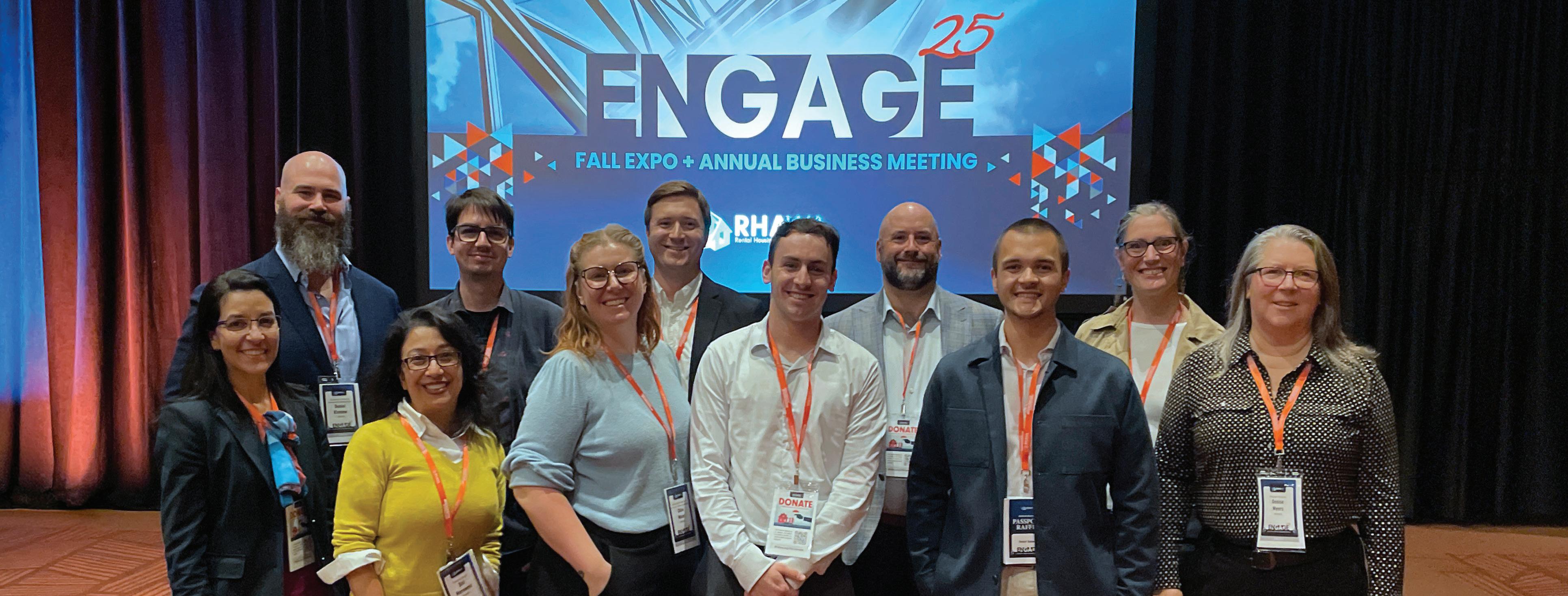
When I first walked through RHAWA's doors, I was 22 years old and only a few months out of college. I arrived with a fresh degree, a lot of energy, and the faintest idea of what running a trade association actually involved. What carried me through those early days was not anything I brought with me. It was the people who were already here.
From my very first week, Sean, our executive director, and Melissa, our deputy director, made it their mission to set me up to succeed. They handed me real responsibility before I had any right to expect it, trusted me to find my footing, and stayed patient every time I got something wrong. The whole staff was the same way. This is a team that answers questions without ever making you feel small for asking, that celebrates each other's wins, and that shows up for one another and for our members day after day. I could not have asked for a better group of people to start my career beside. Thank you, all of you. You taught me more than you know.
Over the past few years, I have had the rare privilege of watching two things grow side by side: this Association and me. RHAWA today looks different
from the one I joined. Our membership has grown and now stands at more than 6,000 housing providers across Washington. We built new programs and services from the ground up, launched our flagship ENGAGE conference, and refined the way we reach our members and vendors. I got to be in the room for all of it and often helped build it.
I am not the same person who walked
how much careful, unglamorous work sits behind anything worth doing. I am deeply grateful that RHAWA gave me the room to grow into the professional I am today.
The part I will miss most is the people I came to know along the way. Our members are some of the most resilient, resourceful, and good-humored people I have ever met, and the vendors
“ Our membership has grown & now stands at more than 6,000 housing providers across Washington. ”
in at 22, either. I came in green, and I leave having learned how to build something real, how to earn trust, and
I worked with brought that very same dedication to serving this community. Getting to know you, hearing your
stories, and helping however I could has been the great pleasure of this job.
Nowhere did that come to life more than at ENGAGE. Watching this community gather in one place, trading advice, making introductions, and catching up like old friends, reminded me every single year why this work matters. RHAWA is, at its core, a community, and there is nothing quite like seeing it all together under one roof.
So what comes next? This fall, I am heading to California to pursue my MBA. It is a bittersweet decision, because leaving a place and people you love is never easy. But RHAWA taught me exactly what I needed to learn to take this next step with confidence. I feel ready, and that readiness is one of the greatest gifts this organization has given me.
To Sean, Melissa, the entire staff, our members, and our vendors: thank you. Thank you for the trust, the lessons, the laughs, and the memories. I will be cheering RHAWA on from afar, and I do not doubt that the best is yet to come.
With gratitude, Luke Brown


Join Us and Learn How to Defend Your Business


Every year, Washington’s regulatory landscape grows more complex. ENGAGE26 gives you two days to get ahead of it: practical sessions on operations and compliance, direct access to the policymakers and attorneys driving the conversation, and a statewide network of professionals navigating the same challenges you are. Here’s What’s Waiting for You: Now in its third year, ENGAGE has become the annual event Washington’s rental housing professionals don’t miss. Be part of the conversation shaping housing in Washington.


The rental housing industry in Washington continues to evolve at an unprecedented pace. New regulations, changing market conditions, increasing operational challenges, and a rapidly shifting political landscape require rental housing providers to stay informed, engaged, and prepared. That's why the Rental Housing Association of Washington is bringing together owners, managers, industry professionals, and housing Denise Myers
advocates from across the state for ENGAGE26—a conference designed to help rental housing providers navigate today's challenges while preparing for tomorrow's opportunities.
ENGAGE26 will feature four dynamic general sessions and a wide range of breakout sessions organized into three focused educational tracks, giving attendees the flexibility to customize their learning experience based on their business needs and professional interests.
Over the coming months, we'll be providing a closer look at the educational content planned for each track. In this issue of CURRENT, we're highlighting the

courses included in Track A: Rental Operations, where attendees will gain practical knowledge for navigating Washington's increasingly complex regulatory environment.
The conference's four general sessions will bring all attendees together to explore the most important issues affecting rental housing in Washington. Industry leaders, legal experts, policymakers, and experienced housing professionals will provide insights into emerging trends, legislative developments, economic forces, and the future of rental housing. These sessions are designed to deliver high-level perspectives that help attendees understand the broader environment in which they operate.


Washington's regulatory environment continues to become more complex. The Rental Operations track focuses on the practical realities of operating rental housing while complying with an expanding network of state and local requirements.
Attendees will learn about regulatory compliance, lease administration, rent increase requirements, enforcement actions, fair housing obligations, maintenance responsibilities, risk management, and other operational issues that directly impact day-to-day property management. Sessions will provide practical guidance that owners and managers can immediately apply to their rental businesses.
Whether you own a single rental property or oversee a large portfolio, this track will help you better understand your responsibilities and reduce exposure to costly mistakes.



Successful rental housing ownership requires more than compliance—it requires strong business decision-making. The Business Survival Strategies track focuses on helping housing providers strengthen their financial position, improve operational efficiency, and build long-term sustainability.
Sessions may address topics such as market trends, financial planning, insurance considerations, asset protection, property improvements, vendor management, succession planning, technology solutions, and strategies for maintaining profitability in a challenging environment.
Attendees will gain practical tools and proven approaches that can help them adapt, compete, and thrive regardless of market conditions.

The future of rental housing policy is being shaped every day in city halls, county councils, Olympia, and communities across Washington. The Political Action track is designed for rental housing providers who want to better understand the political process and become effective advocates for housing.
Sessions will explore legislative developments, local government initiatives, grassroots advocacy, coalition building, public messaging, and strategies for engaging elected officials and community stakeholders. Attendees will learn how individual housing providers can have a meaningful impact on policies that affect their businesses and the availability of rental housing throughout the state.
This track will empower attendees to move beyond simply reacting to new regulations and become active participants in shaping the future of housing policy.


Learn. Connect. Engage. ENGAGE 26 is more than a conference—it's an opportunity to connect with fellow housing providers, industry experts, and advocacy leaders who understand the challenges and opportunities facing Washington's rental housing community. Whether your goal is to improve operations,
strengthen your business, stay ahead of regulatory changes, or become a stronger advocate for rental housing, ENGAGE26 offers the knowledge, connections, and resources you need to succeed.
Join the RHAWA and hundreds of rental housing pro-
fessionals from across the state for two days of education, networking, and engagement. The future of rental housing is being written today. Make sure you're part of the conversation. The section below provides a preview of the Track A courses and the expert instructors who will be leading these timely and informative sessions.


Speaker: Eric Steven, Principal, Steven Law Office
Consistently enforcing the terms of your rental agreement is your legal right and responsibility. Neglecting to do so exposes you to serious risks, including property damage, lost rent, and fair housing complaints. Under new laws, it is critical to adhere to specific procedures for posting notices involving the end of tenancy under RCW 59.12.040. We will take you through RHAWA's Tenant Notices forms, explaining when and how to serve each type of notice.

Speaker: James Jenkins, Associate Legal Counsel, PetScreening.com
Since 70% of U.S. households keep pets, it makes sense to welcome them but have systems in place to reduce the risk of liabilities such as injuries and damage to your property. Learn how to set effective pet policies, including screening, and how to handle accommodation requests for assistance animals.

Speaker: Synthia Melton, Partner, Dimension Law Group
In this session, we'll explore the legal, financial, and operational risks facing rental property owners in Washington. You'll learn how state and local regulations are enforced, how fair housing complaints are investigated, the impact of free legal representation for tenants in eviction proceedings, and where liability and insurance gaps can expose owners to costly claims. Real examples will illustrate why awareness matters. Gain the knowledge to be a proactive, informed housing provider.
Who's on the Hook for Damages?
Speaker: Maxwell Glasson, Principal, Glasson Legal
The most common dispute with tenants is who pays for damages — and no wonder, given how subjective the law is. "Ordinary use" means something different to a neat freak than to someone more laid back. Beyond that vague standard, there are specific rules to navigate: deposit accounting deadlines, protected group forgiveness, multifamily vs. single-family differences, cleaning fees, turnover costs, and how to handle unrelated roommates.

To Lease or Not to Lease in a "Just Cause"
Speaker: Cory Brewer, VP Rental Operations, Lori Gill & Associates
Gain a better understanding of Washington’s “good cause termination” laws and the benefits and difficulties of keeping a tenancy in the required fixed terms. Learn best practices for maintaining these types of tenancies under the complex overlapping regulations for lease renewals and rent increases under state laws and several different laws enforced by various municipalities across the state.

Speaker: Christopher Cutting, Principal, Cutting Law Office
Rent increases and lease changes were once simple in Washington, but recent laws have created complex new requirements. You'll learn how rent increases work in month-to-month and fixed-term leases, what notices must include, how notice periods vary by increase amount and location, and when increases may be restricted. Stay current and avoid costly compliance mistakes.

A Louisiana court may have cracked open the door to charging fees for emotional support animals (ESA), but Washington landlords should think very carefully before trying to walk through it. There have been several recent shifts regarding ESA accommodations in both the courts and in federal policies; however, these changes are unlikely to impact Washington landlords for a multitude of reasons.
In July of 2025, a Louisiana U.S. District Court determined in Henderson v. Five Props. LLC, that housing providers are not automatically required to waive pet-related fees for ESA. The court reasoned that a tenant must show the fee waiver is both necessary because of the disability and reasonable under the circumstances. This court decision is the first deviation from prior HUD guidance that prohibited pet fees for any ESA or service animal.
Then in September of 2025, HUD withdrew two longstanding guidance documents (FHEO Notice 2013 01 and FHEO Notice 2020 01) that had provided housing providers with direction for how to respond to requests for animal accommodations. These guidance
memos had supported the long-held idea that housing providers may not charge pet fees, pet deposits, or pet rent for service animals or ESA.
Finally, in May of 2026, reports surfaced about an internal HUD memo directing Fair Housing Officials to treat trained service animals differently from emotional support animals. According to reporting, the memo stated that requests involving trained service animals are “presumptively reasonable,” while requests involving untrained ESAs are not. This memo reportedly referenced Henderson favorably and reflected a broader effort by HUD to narrow prior ESA interpretations.
While these changes may seem significant, they ultimately have little influence in Washington State because Washington landlords must comply with Washington law and agency guidance.
Essentially, Henderson is not the blueprint for charging for ESA for several reasons. First, Henderson is not binding case law. It is a single federal district court opinion from another circuit, which carries only limited persuasive value in Washington State or the Ninth Circuit.
Second, Washington’s Law Against Discrimination (“WLAD”), RCW Chapter 49.60, is generally interpreted broadly in favor of disability accommodations and equal housing opportunity. Washington housing law also treats all assistance animals – including ESA – differently from pets. As a result, charging “pet rent” or “pet fees” for an assistance animal creates substantial legal risk because the charge can be viewed as a disability-related surcharge.
Third, Washington agencies have long stated that landlords generally should not charge pet fees, pet deposits, or pet rent for assistance animals. Washington courts often give significant weight to that guidance when interpreting WLAD obligations.
Finally, many Washington jurisdictions tend to apply aggressive enforcement standards in housing-discrimination matters. Even if a landlord ultimately prevailed, the cost of responding to a fair housing complaint or defending litigation could be substantial. Do you really want to be the test case over a few dollars?

The practical takeaway is straightforward: these new changes do not allow Washington landlords to charge for ESA. A landlord relying on Henderson to charge fees for an ESA or other assistance animal would still face significant risk under both the FHA and WLAD. For that reason, Washington housing providers should continue exercising caution and generally should not charge pet rent, pet fees, or pet deposits for assistance animals.
Alex Ellis is an Associate at Cutting Law Office PC, where her practice focuses on residential evictions and post-tenancy disputes. She brings a wide range of legal experience to her work, including prior experience with the King County Housing Justice Project, Snohomish Law Group, and Master Builders Association of Pierce County. She may be contacted at (206) 788-8840. Visit their website cuttinglaw.com.

ENGAGE26 is shaping up to be the biggest rental housing event Washington has seen. On October 14–15 at the Meydenbauer Center in Bellevue, hundreds of housing providers, property managers, policymakers, investors, and legal professionals will gather for two packed days of keynotes, breakout sessions, and networking. For businesses that serve this industry, the sponsorship opportunities this year go well beyond a booth and a banner, and some of them don’t even require you to be there.
First, the headline: Spark Sessions are brand new to ENGAGE, and they’re already turning heads. For the first time ever, select sponsors can take the stage for a ten-minute, TED Talk–style presentation: not a sales pitch, but a genuine thought-leadership moment. Share your expertise, educate the audience, and walk away positioned as an authority in the rental housing space. Spark Sessions are available at the Silver tier ($3,500) and above, and the slots are limited. If your company has real knowledge to offer this community, this is the kind of visibility that money usually can’t buy.
But here’s what might surprise you: several of this year’s branding-only packages let you put your logo and name in front of every attendee without ever setting foot in Bellevue. Options like the Hydration Stations ($4,000), Box Lunch Supporter ($1,500), Charging Stations ($1,275), Emergency Kits ($1,275), and Refreshment Stands ($1,000) embed your brand directly into the conference experience through signage, branded products, and high-touch moments that attendees interact with all day long. That means whether your business is based in Bellingham, Vancouver, Spokane, or anywhere else in the state, you can still reach the decision-makers who matter most. Last year’s attendees owned or operated an average of 89 units each, and they spanned every corner of the industry: single-family, multifamily, and manufactured housing owners, operators, and investors, all under one roof.
The full tiered sponsorship packages, from Bronze at $1,000 up to a single remaining Platinum at $15,000, offer escalating booth space, digital visibility, program advertising, and stage time. But the branding
opportunities are designed for businesses that want impact without logistics. Your name on a charging hub. Your logo on every water bottle. A booth gets seen when someone walks past it. A branded touch point gets seen every time it’s used. ference between an impression and an imprint.
• Digital: Logo on promotions, 6-month home page carousel (RHAwa.org), linked 30-second

logo on promotions, linked 30-second promo + logo (engageWA.com)

• Stage Time: 2-minute general session slot + 10-minute Spark Session (prime networking slot)
• Perks: 8ft powered booth, 4 registrations, 2 VIP passes, half-page program ad, attendee list (opt-ins)
Footprint (6 left)
• Visibility: Linked logo (engageWA.com), emcee shout-out



We encourage you to consider the vendors found within these listings for your rental business needs. When seeking competitive bids, be sure to mention your RHAWA membership as many offer member discounts. RHAWA does not specifically endorse any business listed herein. References are always recommended. If you would like to submit a customer testimonial for our records, please submit to publications@RHAwa.org. Please note that changes made to a vendor member profile will not be reflected in the CURRENT Vendor Listings unless the change is also sent to publications@RHAwa.org.
Envirotest | Mold, Air Quality Analysis, Inspections
Donald B. Kronenberg (206) 877-3191 | seattlemoldandairquality.com
Greenwood Hardware (206)783-2900 | ghw@greenwoodhardware.com greenwoodhardware.com
Home Warranty Inc (877) 977-4949 | eyoung@homewarrantyinc.com homewarrantyinc.com
Astuno & Associates APC (888) 231-3004 | jj@astuno.com
Christopher T. Benis, Attorney at Law
First Avenue Law Group, PLLC
Vendor of the Year | 2006 (206) 447-1900 | firstavenuelaw.com
Clifton Law PLLC (360) 298-3123 | cliftonlawpllc.com
Demco Law Firm, P.S. (206) 203-6000 | demcolaw.com
Dimension Law Group PLLC
Synthia Melton (206) 973-3500 | dimensionlaw.com
Eric Steven Law (509) 688-4416 | ericstevenlaw.com
Flynn and Associates, PLLC
Sean Flynn (206) 330-0608 | theflynnfirm.com
Holmquist & Gardiner, PLLC (206) 438-9083 | lawhg.net
Jack W. Hanemann, P.S. (360) 357-3501 | Cody@hbjlaw.com | hbjlaw.com
Ledger Square Law (253) 327-1701 | ledgersquarelaw.com
LT Services (206) 241-1550 | ltservices.net
Paper Pushers Process Service (206) 779-0721 | paperpushers@gmail.com paperpushersprocess.com
Peterson Law, PLLC (206) 586-2009 | brynpetersonlaw.com bryn.peterson@brynpetersonlaw.com
Steven Schneider Law Firm (509) 838-4458 | stevenschneiderlaw.com
Pacific Crest Savings Bank
Scott Gibson (425) 670-9600 (800) 335-4126 | paccrest.com

WAFD Bank (206) 777-8213 | wafd.com tim.marymee@wafd.com
BATHTUB & SHOWER RENOVATION
Brothers Flooring & Design (509) 489-3494 | brothersflooringnw.com BLIND CLEANING +
DE-EL Inc.
Blinds & Shades – Clean, Repair and Replace (360) 926-6330 | jwade@deelinc.com | deelinc.com
Shine a Blind On-Site Ultrasonic Mini-Blind Cleaning + Repair (425) 771-7799 | shineablind.net
BOATING + WATERCRAFT
Northwest Inboards (206) 618-0785 | darrenjlamont@gmail.com nwinboards.com
BUILDING INSPECTORS
Cimarron III, LLC (425) 232-4209 | rchuffy3@gmail.com
Straight Street Building / Home Inspection
John Leon Gonzalez (206) 999-1234 | hi@homeinspect.ws
BUILDING REPAIR | REMODEL
+1 Construction (206) 313-6587 | plusoneconstruction.com
AK Kreutzer Construction LLC (206) 444-5236 | akkllc@comcast.net nwvinyldecks.com
Bellan Group, LLC
Susan Bellan (206) 383-0102 | bellan.com
Brush & Beam Construction, LLC (360) 980-6567 | brushandbeam.team@gmail.com
Envirotest | Mold & Air Quality Analysis
Donald B. Kronenberg (206) 877-3191 | seattlemoldandairquality.com
Brothers Flooring & Design (509) 489-3494 | brothersflooringnw.com
Extreme Steam Carpet Cleaning 24/7 Water Extraction (425) 330-9328 | extremesteamcc.com
Haight Carpet & Interiors (206) 719-5790 | markv@haightcarpet.com
The Chimney Specialists, Inc. Pierce Co.: (253) 475-0399 | (888) 979-3377
Seattle: (206) 782-0151 | (888) 979-3377
South King Co.: (253) 833-0144 | (888) 979-3377 thechimneyspecialists.com
Masonry Restoration Consulting (425) 344-3893 masonryrestorationconsulting.com
Alsace Asset Services Christopher Hall | (206) 636-9440 | alsaceas.com chris@alsaceas.com
Big Haul (425) 949-9791 | bighaul.com | jeff@bighaul.com
Bio Decon Solutions (360) 393-5660 | scott@biodeconsolutions.com
Ready Removal (425) 446-1992 | readyremoval.net Readyremovalco@gmail.com
Valta Homes (360) 207-4685 | valtahomes.com contact@valtahomes.com
Capstone Commercial Real Estate Advisors
John Downing (206) 324-9427 | capstonerea.com
CBRE - PNW Multifamily | Private Capital Group (206) 292-1600 | cbre.com



Steven
o: (509) 838-4458
e: SS@StevenSchneiderLaw.com w: StevenSchneiderLaw.com 1312 N Monroe Street, Suite 253 Spokane, Washington 99201
Williams Kastner - Hohnstein (206) 628-2767 | williamskastner.com jhohnstein@williamskastner.com
CMG
Eric Aasness (206) 915-3742 | eaasness@cmghomeloans.com
Eastside Funding (425) 873-8873 | eastsidefunding.com
Downey & Sons Property Care (206) 832-6204 erin.garcia@downeyandsonspc.com
Masonry Restoration Consulting (425) 344-3893 masonryrestorationconsulting.com
McBride Construction Resources, Inc. (206) 283-7121 | mcbrideconstruction.com connor@mcbrideconstruction.com
RKC Construction, Inc. Kyle Caulk | (206) 595-3565 | cajames.com
T.E. Kelly Company, LLC Tim Kelly | (206) 240-1950 UpKeep Solutions (206)486-5576 | info@upkeepsolutions.com upkeepsolutions.com
Vivid Renovations LLC (360) 977-4780 | vividrenovations24@gmail.com
DVF Legacy Investments (206) 650-6113 | pugetsoundinvesting.com
Icon Real Estate Services Inc. Jeremiah Roberson (425) 633-3330 | iconre.org
Kidder Mathews
Dylan Simon: (206) 414-8575
Jerrid Anderson: (206) 499-8191 DylanSimon.com | kidder.com
Bellan Group, LLC
Susan Bellan (206) 383-0102 | bellan.com
Bravo Roofing, Inc.
GoldStar Vendor + Vendor of the Year | 2014
John Paust, Estimator: (206) 948-5280 (253) 335-4825 | (360) 886-2193
bravoroofs.com
ER Flooring (360) 402-9566 | erflooring.com
Masonry Restoration Consulting (425) 344-3893
masonryrestorationconsulting.com
Pioneer Masonry Restoration Co. (206) 782-4331 | pioneermasonry.com
Reinhart Electric & Service (425) 251-5201 | reinhartelectric.net
T.E. Kelly Company LLC Tim Kelly | (206) 240-1950
(206) 812-9155 |
The Chimney Specialists, Inc. | Dryer Vent Only Seattle: (206) 782-0151
King Co: (253) 833-0144 (888) 979-3377
(253) 475-0399 | (888) 979-3377 thechimneyspecialists.com
1031 Capital Solutions (800) 445-5908 | 1031capitalsolutions.com
Real Estate Transition Solutions (206) 502-4862 | info@re-transition.com re-transition.com/rhawa
Sound Realty Group Charles Burnett, CCIM (206) 931-6036 | soundrealtygroup.com
Country Financial Real Estate investment / Landlord insurance john.kapelac@countryfinancial.com (509) 724-0000
CPK Mortgage, Inc. (831) 682-5647 | cpkmortgage.com
Restora Services (425) 761-2136 | info@restoraservices.com restoraservices.com
COVERINGS
ER Flooring (360) 402-9566 | erflooring.com
Haight Carpet & Interiors (206) 719-5790 | markv@haightcarpet.com
Rental Housing Association of Washington (206) 283-0816 | RHAwa.org
GARBAGE + RECYCLE
E-Cycle Washington (360) 407-7020 | ecyclewa.org
CLEAN + INSTALLATION
Axis Roof and Gutter, Inc. (360) 653-ROOF(7663) | axisroofandgutter.com HANDYMAN SERVICES
UpKeep Solutions (206)486-5576 | info@upkeepsolutions.com upkeepsolutions.com
Valencias Handyman (509) 346-3694 | Javiervv065@icloud.com
HARDWARE STORE
(866) 554-2448 | fastwaterheater.com
Reinhart Electric & Service (425) 251-5201 | reinhartelectric.net
+
Energy Benchmarking Services
Michael Jones | (206) 245-8737 EnergyBenchmarkingServices.com
Dimension Law Group PLLC
Synthia Melton (206) 973-3500 | dimensionlaw.com
Flynn and Associates, PLLC
Sean Flynn (206) 330-0608 | theflynnfirm.com
Cozen O'Connor (206) 224-1255 | cozen.com
kneumann@cozen.com
Demco Law Firm, P.S. (206) 203-6000 demcolaw.com
LT Services, Inc. (206) 241-1550 | ltservices.net
Paper Pushers Process Service (206) 779-0721 | paperpushers@gmail.com paperpushersprocess.com
Greenwood Hardware (206)783-2900 | ghw@greenwoodhardware.com greenwoodhardware.com
HAZARDOUS WASTE
Bio Decon Solutions (360) 393-5660 | scott@biodeconsolutions.com
Restora Services (425) 761-2136 | info@restoraservices.com restoraservices.com
HEATING/AIR CONDITIONING (HVAC)
Fast Water Heater Company (866) 554-2448 | fastwaterheater.com
HOME INSPECTIONS
Seattle Rental Inspection Services (RRIO) (206) 854-0390 seattlerentalinspectionservices.com
Taurus Home Inspections
Lisa Lotus | WA State Home Inspector #2261 (206) 676-0023 | taurushomeinspections.com
Associated Agents Group INC. (509) 309-3067 | AAGI.us
benjamin_reuland@your-policy.com
Brent Ward State Farm Insurance (425) 488-9100 | (888) 532-1875 brentwardagency.com
CalRose Insurance calroseinsurance@calroseins.com (425) 252-5188 | calroseins.com
Country Financial
Real Estate investment / Landlord insurance john.kapelac@countryfinancial.com (509) 724-0000
Home Warranty Inc (877) 977-4949 | homewarrantyinc.com eyoung@homewarrantyinc.com
Madison Avenue Insurance Group Inc (206) 805-6244 | stacey@madisonaveins.com madisonaveins.com
CBRE - PNW Multifamily | Private Capital Group (206) 292-1600 | cbre.com
Pacific Crest Savings Bank
Todd M. Hull | Scott Gibson (425) 670-9624 | (800) 335-4126 pacificcrestbank.com
Peak Mortgage Partners
Dave Eden | (206) 660-3014 | peakmp.com
WAFD Bank (206) 777-8213 | wafd.com tim.marymee@wafd.com
Alsace Asset Services
Christopher Hall | (206) 636-9440 alsaceas.com chris@alsaceas.com
Brush & Beam Construction, LLC (360) 980-6567 | brushandbeam.team@gmail.com
Downey & Sons Property Care (206) 832-6204 erin.garcia@downeyandsonspc.com
Seattle Rental Management (206) 274-9141 | seattlerentalmanagement.com info@yourseattlehometeam.com
Maintenance Man Unlimited Seattle LLC (206)
Darco Inc (206) 322-9495 | darcoapts.com
Kidder Mathews
Dylan Simon: (206) 414-8575
Jerrid Anderson: (206) 499-8191 DylanSimon.com
Paragon Real Estate Advisors, Inc. Vendor of the Year | 2016 (206) 623-8880 | (800) 643-9871 paragonrea.com
Peak Mortgage Partners
Dave Eden (206) 660-3014 peakmp.com
Pilot Ventures LLC | Property Management (206) 566-6600 pilotnw.com
Ruston Investors, LLC (206) 713-5245 deluxebargrill@comcast.net
Sound Realty Group
Charles Burnett, CCIM (206) 931-6036 | soundrealtygroup.com
Big Haul (425) 949-9791 | bighaul.com | jeff@bighaul.com
Ready Removal (425) 446-1992 | readyremoval.net Readyremovalco@gmail.com
Allied Property Experts (206) 717-5777 | apex-re.com
CMG Home Loans
Eric Aasness (206) 915-3742 | eaasness@cmghomeloans.com cmghomeloans.com/mysite/eric-aasness
CPK Mortgage, Inc. (831) 682-5647 | cpkmortgage.com
CV Lending (415) 923-8069 | cvlending.com Eastside Funding
Kidder Matthews Simon and Anderson Team (206) 747-4725 | dylansimon.com
Envirotest
Alsace Asset Services Christopher Hall | (206) 636-9440 alsaceas.com chris@alsaceas.com
Downey & Sons Property Care (206) 832-6204 erin.garcia@downeyandsonspc.com
Extreme Steam Carpet Cleaning (425) 330-9328 | extremesteamcc.com
RODDA PAINT Tim Puckett | tpuckett@roddapaint.com (509) 868-3552 | roddapaint.com

Sherwin Williams (425) 495-4124 | alison.m.antoku@sherwin.com sherwin.com
UpKeep Solutions (206)486-5576 | info@upkeepsolutions.com upkeepsolutions.com
Vivid Renovations LLC (360) 977-4780 | vividrenovations24@gmail.com
All Sound Plumbing (206) 809-2999 | allsoundplumbing.com connor@allsoundplumbing.com
Downey & Sons Property Care (206) 832-6204
erin.garcia@downeyandsonspc.com
Paper Pushers Process Service (206) 779-0721 | paperpushers@gmail.com paperpushersprocess.com
Allen Property Management
Mike Larson | (253) 582-6111 800) 995-6111 | haroldallen.com
Bell-Anderson & Assoc., LLC, AMO (253)852-8195 | bell-anderson.net
Brink Property Management
Dean Foggitt | (425) 458-4848 | brinkpm.com
Capstone Commercial Real Estate Advisors
John Downing | (206) 324-9427 | capstonerea.com
Cornell & Associates Inc (206) 329-0085 | cornellandassociates.com
Dave Poletti & Associates (206) 286-1100 | davepoletti.com
Ddb Management (360)207-4083 ddbmgmt@gmail.com
ddb.management
Dobler Management Company Inc. (253) 475-2405 | doblermanagement.com
Emerald Door Property Management (206) 992-7334 | emeralddoor.com
Icon Real Estate Services Inc.
Jeremiah Roberson (425) 633-3330 | iconre.org
Jean Vel Dyke Properties, LLC (206) 725-3103 | veldyke.com
Jevons Property Management
Enrique Jevons (206) 880-7935 | jevonsproperties.com
Krishna Realty (425) 209-0055 | krishna-realty.com
Madrona Real Estate Services, LLC
Bradford Augustine (206) 538-2950 | MadronaRealEstate.com
Maple Leaf Management LLC
Michelle Bannister (206) 850-8095 | mapleleafmgt.com
Nathaly Burnett Property Management (253) 732-9535 | beyondseattle.com
Next Brick Property Management (425) 372-7582
North Pacific Property Management
Joshua Fant | (206) 781-0186 | (800) 332-1032
northpacificpropertymanagement.com
Pacific Crest Real Estate (206) 812-9155 | pacificcrestre.com
Park 52 Property Management
Paul Jakeman | (253) 473-5200 | park52.com
People’s Real Estate, Inc.
Lisa Brannon | (425) 442-9941 | peoplespm.com
Pilot Ventures LLC | Property Management (206) 566-6600 | pilotnw.com
Prime Metropolis Properties, Inc (425) 688-3003 | pmp1988.com
Prospector Property Management (206) 508-6366
prospectorpropertymanagement.com
Real Estate Investment Services (REIS)
Lakewood: (253) 207-5871
Seattle: (206) 319-5981 | REISinvest.com
Ruston Investors , LLC (206) 713-5245 | deluxebargrill@comcast.net
Seattle's Property Management (206) 856-6000
seattlespropertymanagement.com
Seattle Rental Group (206) 315-4628 | seattlerentalgroup.com
Seattle Rental Management (206) 274-9141 | seattlerentalmanagement.com
info@yourseattlehometeam.com
SJA Property Management (425) 658-1920 | sjapropertymanagement.com
Urban Settlements (509) 944-0979 | urbansettlements.com
bgwynn@urbansettlements.com
Weber & Associates Property Management (425) 745-5838
Westlake Associates
richk@westlakeassociates.com (206) 505-9400 | westlakeassociates.com
Windermere Property Management / JMW Group (206) 621-2037 | windermere-pm.com
Windermere Property Management / WPM South, LLC Ed Verdi (253) 638-9811 | wpmsouth.com
WPI Real Estate Services, Inc. (206) 522-8172 | wpirealestate.com
Aptly (141) 556-8033 | getaptly.com
RHAWA ATLAS Digital Leasing (206) 283-0816 | RHAwa.org/atlas-digital-leasing
Intellirent
Screening Services | myintellirent.com (844) 755-4059 | info@myintellirent.com
Allied Property Experts (206) 717-5777 | apex-re.com
Capstone Commercial Real Estate Advisors
John Downing (206) 324-9427 | capstonerea.com
Cornell & Associates Inc (206) 329-0085
cornellandassociates.com
Dave Poletti & Associates (206) 286-1100 | davepoletti.com
DVF Legacy Investments (206) 650-6113 | pugetsoundinvesting.com
Darco Inc (206) 322-9495 | darcoapts.com
Jean Vel Dyke Properties, LLC (206) 725-3103 | veldyke.com
Kidder Mathews
Dylan Simon (206) 414-8575
Jerrid Anderson (206) 499-8191 | DylanSimon.com
Krishna Realty (425) 209-0055 | krishna-realty.com
Lee & Associates Multifamily Team Candice Chevaillier | (206) 284-1000 | lee-nw.com

Madrona Real Estate
Bradford Augustine (206) 538-2950 MadronaRealEstate.com
Next Brick Property Management (425) 372-7582
North Pacific Property Management (206) 781-0186 | (800) 332-1032
northpacificpropertymanagement.com
Paragon Real Estate Advisors, Inc.
Vendor of the Year | 2016 | paragonrea.com (206) 623-8880 | (800) 643-9871

Park 52 Property Management
Paul Jakeman | (253) 473-5200 | park52.com
People’s Real Estate, Inc. (425) 442-9941 | peoplespm.com
Prime Metropolis Properties, Inc (425) 688-3003 | pmp1988.com
Real Estate Investment Services (REIS) Lakewood: (253) 207-5871
Seattle: (206) 319-5981 | REISinvest.com
SJA Property Management (425) 658-1920 | sjapropertymanagement.com
Sound Reatly Group
Charles Burnett, CCIM (206) 931-6036 | soundmultifamily.com
Westlake Associates richk@westlakeassociates.com (206) 505-9400 | westlakeassociates.com
WPI Real Estate Services, Inc. (206) 522-8172 x105 | wpirealestate.com
Northwest Inboards (206) 618-0785 | darrenjlamont@gmail.com nwinboards.com
E-Cycle Washington (360) 407-7020 | ecyclewa.org
AK Kreutzer Construction LLC (206) 444-5236 | akkllc@comcast.net nwvinyldecks.com
Williams Kastner - Hohnstein (206) 628-2767 | williamskastner.com jhohnstein@williamskastner.com
Axis Roof and Gutter, Inc. (360) 653-ROOF(7663) | axisroofandgutter.com Bravo Roofing, Inc.


Aptly (141) 556-8033 | getaptly.com Intellirent Screening Services | myintellirent.com (844) 755-4059 | info@myintellirent.com
Conservice (866) 947-7379 | conservice.com
Water & Power Chris
GoldStar Vendor + Vendor of the Year | 2014 John Paust, Estimator: (206) 948-5280 (253) 335-4825 | (360) 886-2193 john@bravoroofs.com | bravoroofs.com SCREENING +

For most of the twentieth century, scientists argued about why the mammoths died out. One camp blamed the climate, the ice age ending, and the grasslands shrinking. The other blamed human hunters, whose spear points and cut marks appeared in the same story told by the bones. We have found mammoths preserved in ice, and we have found their remains alongside the tools that hunted them. The argument lasted decades because both sides wanted a single cause. The evidence settled it differently. There was no single cause. The climate was already squeezing the herds when human pressure arrived from the other direction, and the two slow forces crossed at the same moment. Neither would have been fatal alone. Together they were.
Washington's rental housing owners and managers are standing at a similar crossing. The headlines this spring belong to one thing: a massive federal housing bill nearly everyone supports. That bill is real, and it matters, but it is not the largest force in the room. The larger changes are arriving from several directions at once, and almost all of them land in the next fiscal year. As this piece was being written, the federal government made the point for us: HUD released its next homelessness-funding competition, and the money did not disappear, but the rules for funding allocation changed sharply.
The temptation, reading any one of these changes alone, is to call it regulatory relief. Deregulation is in the air, a supply bill is moving, and enforcement is loosening. But federal movement is not Washington relief. The question for a rental owner and operator here in Washington State is not whether Washington, D.C. is moving. It is whether the movement produces housing, compliance clarity, or one more layer of operational disruption.
The 21st Century ROAD to Housing Act is the good news, and it is genuine. It is the largest housing bill either chamber has moved in a generation. After a year of each chamber rewriting the other's text, the House passed its latest version 396 to 13 on May 20th and sent it back to the Senate, where two not-quite-matching packages still have to be reconciled. The President has signaled he will sign a final bill. What he signs is the open question, and nothing is law yet.
The ROAD to Housing Act is mostly about new supply: incentives to build, conversion of vacant buildings, grants to modernize aging homes, streamlined federal reviews. For owners, two of the quieter provisions matter more than the headlines. One would let an inspection already done for a tax-credit, HOME, or rural-development unit satisfy the separate inspection a Housing Choice Voucher requires, real administrative relief for anyone in the voucher program. Another modernizes manufactured housing by dropping the permanent-chassis requirement and updating FHA financing. These are the kind of changes that touch daily operations. Modular housing is increasingly looking like an innovation federal lawmakers are willing to get behind.
The supply push is not only legislative. HUD has been moving in the same direction on its own authority, streamlining environmental review for federally financed multifamily projects in early May, and on May 20, publishing a blueprint urging state and local governments to cap permitting fees, adopt efficient building codes, and embrace modular and manufactured construction. The federal message is unusually plain: stop getting in the way of building.
The provision to watch warily is the one addressing large institutional investors. The Senate version would have forced investors holding 350 or more single-family
rentals to sell certain build-to-rent properties within seven years. The House stripped that mandate and replaced it with a cap on further acquisition. With an industry eye, even the softer version deserves caution. A federal limit on who may own single-family rentals is a precedent, and the forced-sale approach the Senate preferred would have pulled occupied homes off the market and chilled the buildto-rent pipeline, one of the few reliable sources of new rental supply. The House made it more workable. It did not make it harmless, and the Senate may try to put the teeth back.
For planning purposes, treat the bill as promising and provisional. Watch it closely. Bank on it lightly.
The timely development, and the one with the longest reach, arrived on June 1. HUD released the FY2026 Continuum of Care competition, the annual contest that distributes the federal government's main homelessness funding. The program survived. It is funded at roughly four billion dollars, money Congress appropriated even though the administration's FY2027 budget request had proposed eliminating the program entirely and folding the remainder into a single grant. That gap between what the budget proposed and what Congress funded is worth remembering whenever a headline predicts the end of a program. A budget request is an opening bid, not law.
What changed is not the dollar figure. It is the rules for winning it. HUD's notice states that the Housing First approach has, in its words, been a profound failure, and reorients the competition around self-sufficiency, treatment and recovery, employment income over government assistance, expanded competition including faith-based providers, and reductions in unsheltered homelessness and encampments. It stops short of requiring sobriety or treatment as a condition of assistance but says projects that provide treatment should be prioritized. Applications are due August 26. Awards are expected on December 1, with performance beginning January 1, 2027. Whether one shares HUD's diagnosis of Housing First or not, the practical signal is plain: the money survived the year, but the terms for spending it did not.
This is where it stops being a story about nonprofits and becomes a story about rental housing. For a state whose homelessness response was built largely on the Housing First model, a competition written against that model is not a minor adjustment. Washington's providers, in King County, in Spokane, and across the rural balance of the state, will be competing for the same federal dollars under priorities that cut against the approach the state spent a decade scaling. Some will adapt. Some will not.
The question for an owner is not whether these programs are good policy. It is what happens when they wobble, because the households they serve are already living in, applying to, or exiting from private rental housing. The pressure does not stay inside the nonprofit system. It travels.
If providers adapt quickly, owners will experience it as new referral patterns, new documentation demands, and new program expectations attached to the tenants and subsidies they already work with. If providers do not adapt, owners will see the other version of reform: delayed subsidy payments, disrupted placements, tenants who lose assistance mid-tenancy, and households caught between federal eligibility rules and Washington's tenant-protection law. An owner does not have to receive a dime of
federal money to feel a four-billion-dollar competition change its rules. The owner feels it through the tenant, the voucher, the housing authority, and the provider, every intermediary that stands between a federal policy and a rent payment.
That is the part most easily missed. The reorientation is not addressed to owners. It does not change a single lease term. And it may still reshape who applies to a unit, whether a subsidy arrives on time, and whether a placement holds. The safety net is not a separate system from the rental market. It sits directly upstream of it.
The other federal activity this year has been a steady withdrawal of HUD fair housing guidance: the standards for screening applicants with criminal records, for evaluating assistance animal requests, for digital advertising, for sexual orientation and gender identity, for language access. Read as a list, it looks alarming. Read correctly, most of it changes nothing a Washington owner must do.
The reason is a distinction worth internalizing because it sorts the entire landscape. A federal change can reach an owner in three different ways. It can change the owner's own legal duty. It can change a tenant's subsidy, eligibility, or payment stability. Or it can change the compliance obligations of an intermediary: a housing authority, a Continuum of Care, a nonprofit, or a state agency. The accompanying graphic sorts this year's changes along those three lines.
For the fair housing withdrawals, the answer is the first category, and it is reassuring. Washington already requires more. Criminal-records screening is governed by the state's Fair Chance Housing law. Assistance animals, sexual orientation, and gender identity are all covered by the Washington Law Against Discrimination. What HUD pulled back was a federal floor the state had already built above. The floor dropped. Ours did not move.
Which raises the single most important sentence for any owner reading the headlines.
This does not mean you can say no to assistance animals. A trained service animal was never deniable, and it is not now. In Washington, an emotional support animal is still a required reasonable accommodation under state law, with no training requirement and no separate pet fee. An owner who refuses one because ‘HUD changed the rule’ may have avoided one federal enforcement theory only to create a much stronger state-law problem.
The trap is reading a federal rollback as permission. In this state, it almost never is. And in subsidized housing, the opposite trap is just as costly: reading a program change as someone else's problem. "Not an owner obligation" does not mean "not an owner impact."
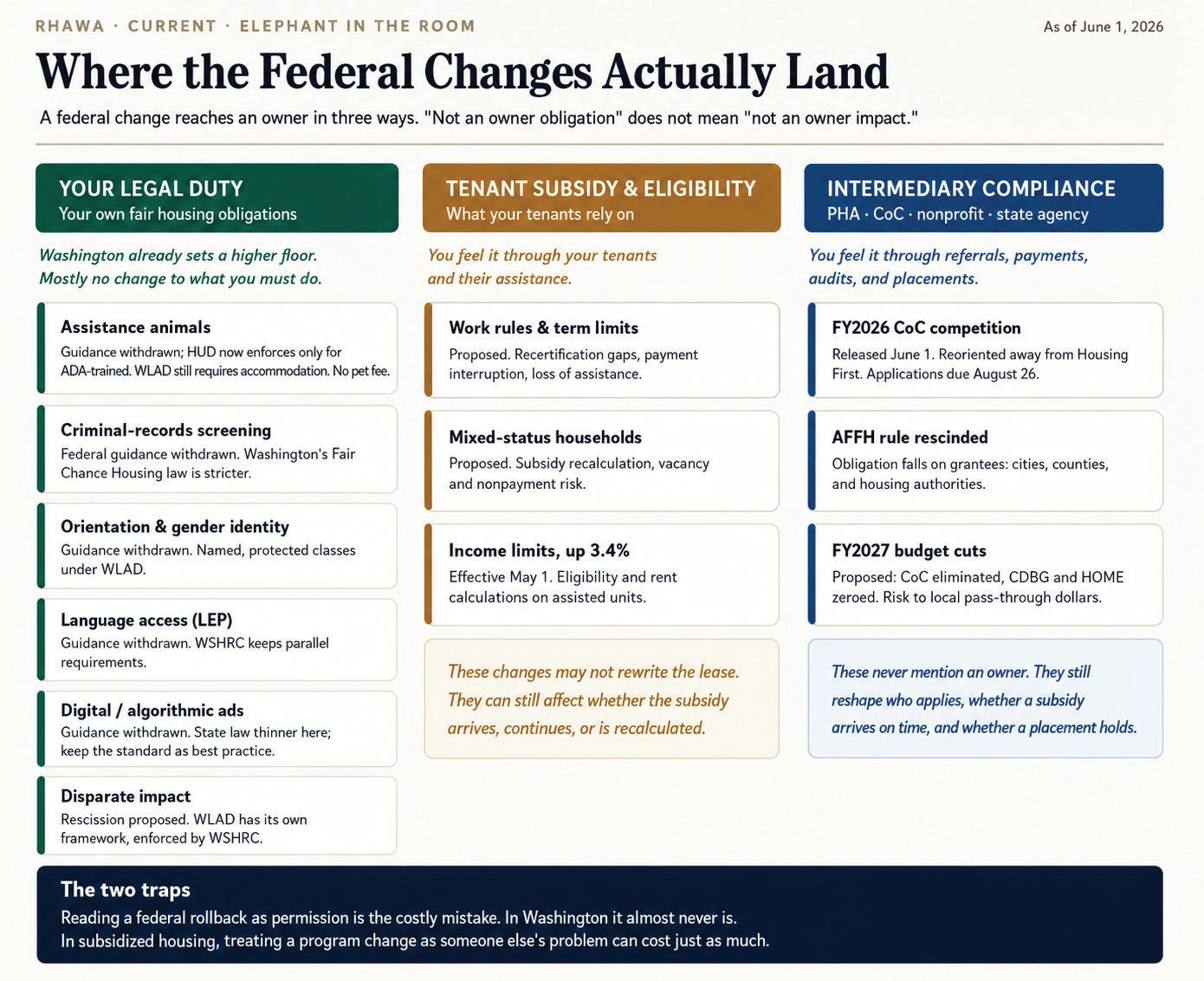
None of these forces, alone, reshapes an industry. A supply bill is welcome and slow. A guidance withdrawal is a venue change in a state that already protects the tenant. A funding competition rewrites its priorities. Taken one at a time, each is manageable, which is exactly why each tends to get discussed one at a time.
The mammoth is the convergence. The federal regulatory layer is thinning from the top in the same fiscal year that the rules for federal housing dollars are being rewritten, and the legislative response is still unsettled. The forces share a timeline. The federal fiscal year begins on October 1. Washington's state fiscal year and most local program years begin July 1. The homelessness competition closes on August 26 and pays out in December. The decisions are being made now, for a window that opens in months.
And here is the catch particular to operating here. Federal deregulation is not Washington deregulation. The good ideas in the supply bill and in HUD's own playbook only become housing if the Legislature and our city halls choose to use them, and those bodies answer to voters. Federal policy can open a door. It cannot make Washington walk through it.
So carry three things out of all this. Do not mistake federal deregulation for Washington deregulation, because state and local law still set the floor here, and it sits higher. Do not mistake a federal supply bill for local housing production, because the units only appear if Olympia and our city halls let them pencil out. And do not assume federal program changes stay inside the nonprofit system, the housing authority, or the state agency. When subsidy rules, funding priorities, or eligibility standards shift, the pressure lands in the rental market, on the people who own and manage the units, and on the people receiving the subsidy assistance.
The mammoths did not die from one blow. The lesson is not that any single change is fatal. It is that when enough pressure arrives at once, even the largest animals can run out of room. That is when change becomes mammoth.

Submissions are compiled and printed, depending on space available. RHAWA does not guarantee submissions will be included.
Interested in Submitting Your Announcement?
We welcome information about industry job postings, new employee and location information, and more. If you have questions, or would like to submit an item for consideration, email publications@RHAwa.org.
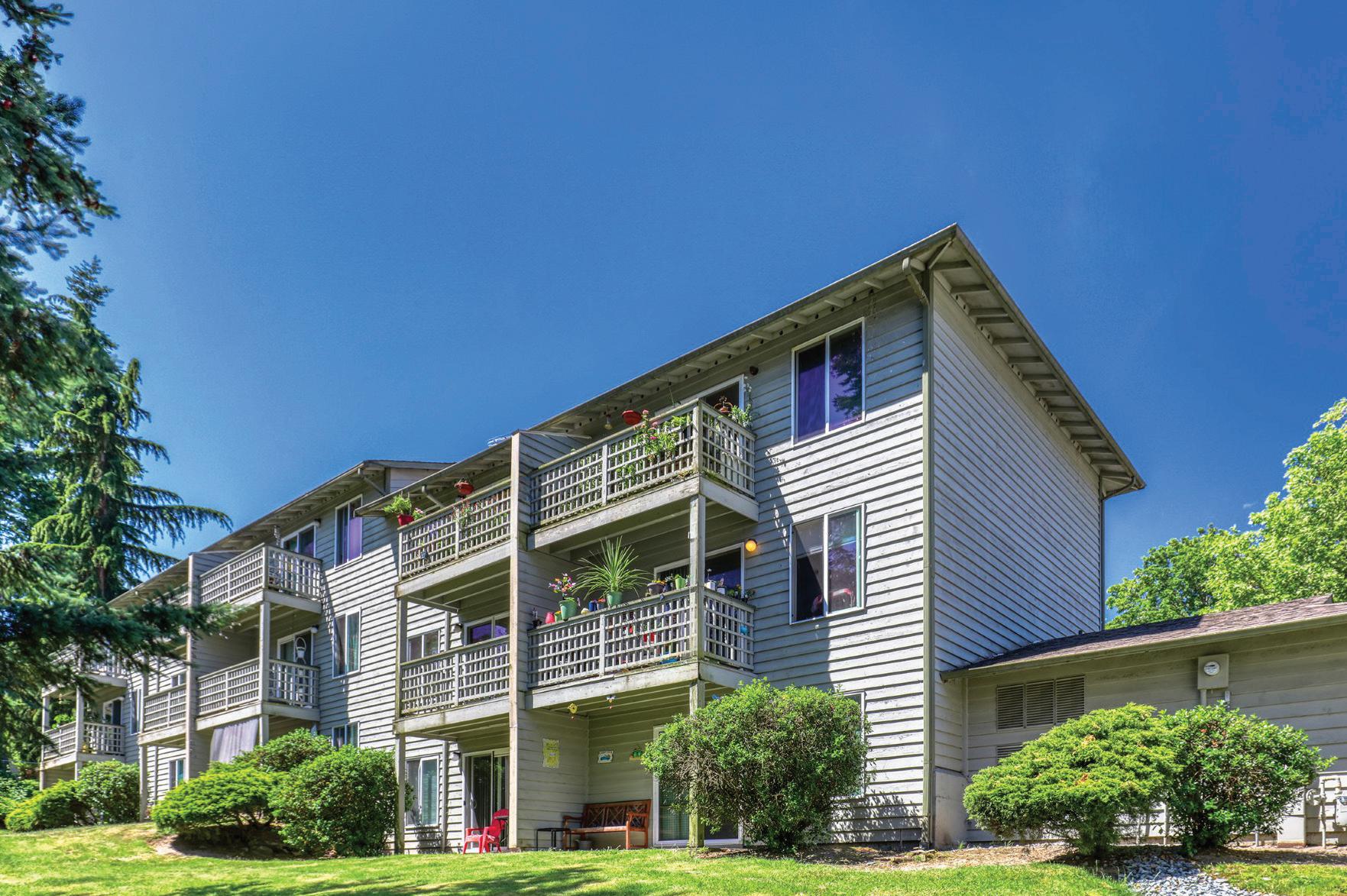
In today’s market, the difference between a good result and a great one often comes down to timing, positioning, and discipline. The recent sale of the 99-unit Southwood Apartments in Burien is a clear example of how those factors can align to create a successful outcome.
Located at 121 S 174th Street, Southwood is a garden-style community consisting of 99 units originally built in 1983 and expanded in 2002. The property offered all the fundamentals investors are looking for, including a convenient South King County location, large floorplans, and significant value-add potential with 100% of units positioned for renovation.
But the most important part of this story started well before the property came to market.
In 2024, the ownership group interviewed multiple brokerage teams. Our team advised that the property would likely achieve a value in the $18 million range, based on market funda-
mentals, comparable sales, and buyer underwriting. Another firm suggested a significantly higher number, around $23 million, and ultimately won the listing.
The property was marketed for a full year. There was strong interest, multiple tours, and ultimately several offers. But tellingly, those offers clustered around the same number, approximately $18 million, right where we had indicated from the beginning.
Rather than transact below their expectations, the seller made a strategic decision to step back, reassess, and wait.
After the listing expired, ownership re-engaged and brought our team on to reposition the opportunity. This time, the strategy was different, not just in price guidance, but in execution.
We launched a broad, targeted marketing campaign across the CBRE platform, reaching a wide range of private and institutional investors. The property generated significant activi-
ty, reinforcing that Southwood was a high-quality offering with real upside.
And another key difference was how we approached buyer selection.
While interest came from across the country, the eventual buyer was a local private investor with deep experience in South King County. Their familiarity with the submarket, and confidence in the value-add plan, allowed them to underwrite the opportunity differently than many institutional groups.
Equally important, we worked collaboratively with the buyer to address leasing and operational assumptions that would support their financing strategy. By aligning the business plan with lender expectations, the buyer was able to secure more favorable financing, which ultimately allowed them to pay a stronger price.
The property successfully closed at $18 million, validating both the original pricing guidance and the importance of disciplined execution.
Southwood is a reminder that the market is always speaking. You just have to listen.
Overpricing a property does not create value. It often delays it. In contrast, aligning pricing with real buyer demand, maximizing exposure, and selecting the right buyer can ultimately produce the best possible outcome.
For owners considering a sale, the lesson is clear: Timing matters, strategy matters, but understanding your buyer is what drives value.
CBRE’s PNW Multifamily Private Client Group offers a range of services tailored to individual investors and partnerships. Our worldwide platform integrates sales, finance, and valuation services, positioning us as the #1 comprehensive multifamily advisor. Contact information: Peter Wright at peter. wright@cbre.com (206) 442 2735, Reed Hunter at reed.hunter@cbre.com (206) 442 2713 & Spencer Clark at spencer. clark@cbre.com (206) 442 2764.
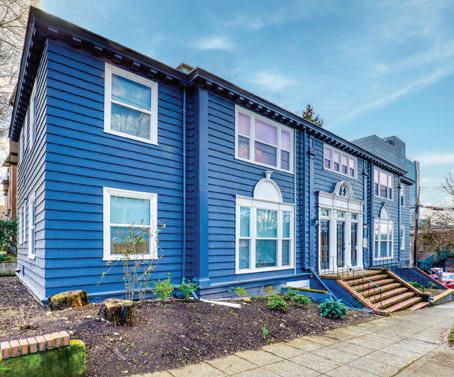
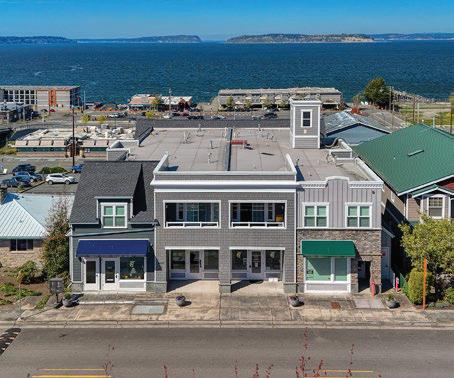
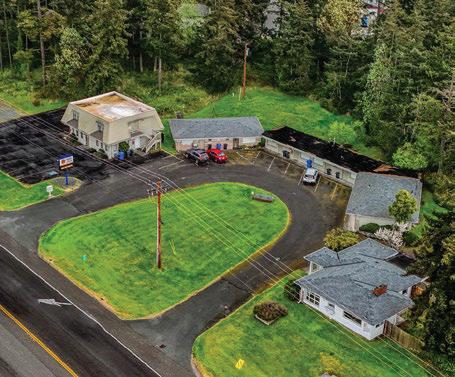
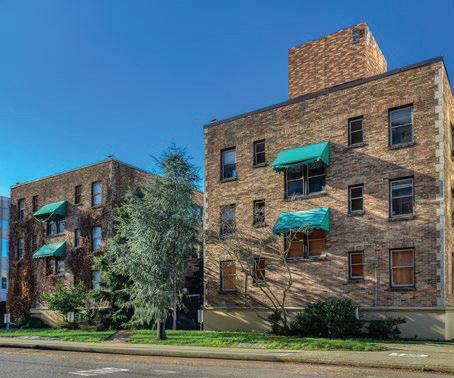



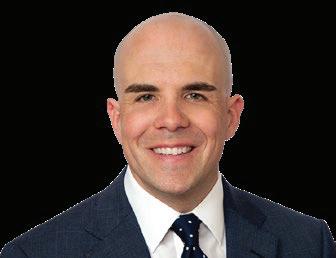




If you own or manage rental properties in Washington, you already know that summer is crunch time. Leases are turning over, phones are ringing with prospective renters, and you're making back-to-back decisions about pricing, renewals, and whether a unit is ready to show. It helps to know what the market is doing — so here's the midyear picture.
The aggressive rent growth of the past few years has cooled off. Statewide, average rents are running around $2,100 per month, and year-over-year growth has settled into the 2–3% range. In the Seattle area, three-bedroom single-family homes are renting at a median of roughly $3,695 per month. Tacoma is coming in closer to $2,600.
For owners, this stabilization is worth understanding correctly: it doesn't mean the market is softening. It means it's digesting. A significant number of new apartment units entered the market in 2023 and 2024, and the market is absorbing them. Here's the thing — fewer new projects are breaking ground right now. Seattle's construction pipeline dropped about 23% from the prior year as of late 2025. That means the supply
crunch is likely to return, especially heading into 2027. If you're holding well-maintained properties in good locations, the fundamentals are still working in your favor.
Occupancy rates across the Puget Sound region are holding near 94%.
Demand is not going anywhere. About 80% of Washington households can't afford to buy a home right now, which means renters aren't leaving the rental pool anytime soon.
But high demand doesn't mean you can afford to be passive about turnover. Replacing a resident costs real money — vacancy days, cleaning, repairs, re-leasing time. Summer is when a lot of leases come up for renewal, and that makes it the right time to reach out proactively. A quick conversation with a good longterm tenant about their renewal can save you weeks of work down the road. Price your renewal competitively, not just based on what you think you could get from a new renter.
Washington has an annual rent increase cap tied to the Consumer Price Index. For 2026, it was set at 9.683%. Most
owners aren't raising rents anywhere near that level — and in a stabilizing market, you probably don't need to. But it's worth knowing the number, understanding how it's calculated, and being able to explain it clearly if a resident asks. Staying informed on the regulatory side is part of running a smooth operation.
The second half of 2026 is shaping up to be steady. Here's what's worth keeping your eye on: Rent growth will stay modest but positive. If your property is in a lower-vacancy submarket, you may have slightly more room to move on pricing than the statewide averages suggest.
Supply is thinning out. The current wave of new units is getting absorbed, and the construction slowdown means less competition from new inventory over the next couple of years — good news for existing owners.
Screening volume goes up in summer. More applications mean more chances to make a great placement — but also more chances for rushed decisions. Keep your criteria consistent and written down. Applying the same

standards to every applicant is both good practice and a fair housing fundamental.
Stay on top of your numbers. Midyear is a great time to check your rent against current comps, review your operating costs, and make sure you're not leaving money on the table or overpricing yourself out of the market.
Intellirent offers simple, affordable tenant screening and rental application tools built for independent owners and property managers — visit RHAwa. org/screening to learn more.
Kathleen Castro is the Client Success Manager at Intellirent, a rental housing technology platform that provides tools for rental applications, resident screening, marketing, compliance, and fraud prevention. She works with housing providers to simplify leasing workflows and improve the rental application experience. She may be contacted at support@myintellirent.com or (415) 849-4400. Visit their website myintellirent.com.
For years, multifamily owners across the Puget Sound region relied on a relatively simple formula to increase property value: raise rents and grow income. Strong demand, population growth, and historically low interest rates helped support that strategy. In 2026, however, the conversation has shifted.
While rent growth has moderated across many submarkets, operating expenses continue to climb. Insurance premiums, property taxes, payroll, utilities, and maintenance costs have all increased significantly over the past several years, placing additional pressure on property cash flow. As a result, owners focused solely on increasing rents may be overlooking one of the most effective ways to protect value: controlling expenses.
The reason is straightforward. Multifamily properties are valued based on the income they produce. Every dollar added to a property's net operating income, whether through higher rents or lower expenses, has a direct impact on value.
Insurance has become one of the most notable
examples. Many owners have seen premiums rise substantially regardless of claims history, while property taxes and maintenance costs have also continued to trend upward. These increases may appear manageable individually, but together they can significantly impact an asset's performance.
Buyers have taken notice. Higher borrowing costs have made cash flow more important than ever, causing buyers to pay closer attention to operating statements and expense ratios. In today's market, a well-operated property can often outperform a similar asset with stronger rents but weaker expense management.
The multifamily market in the Puget Sound remains strong, but the path to creating value has evolved. Owners who understand and actively manage their expenses are often better positioned than those relying solely on future rent growth.
The first step is obtaining a market analysis, or at minimum, connecting with a commercial real estate professional to understand how current market



conditions are impacting property performance and value.
On the Platt-Urquhart-Douglas Team at Paragon, our expertise extends beyond simply listing properties. We help owners understand how market conditions, operating performance, and buyer expectations impact value today and into the future. Whether you are considering a sale, refinancing, or long-term planning, we would be happy to discuss what the next 12–36 months could look like for your investment property.
If you would like to know more about 1031 exchanges, want to know the market value of your investment property or would like a referral to a tax, legal or 1031 exchange professional, please feel free to reach out to anyone on their team. Brian Platt at Brian@ParagonREA.com (206) 251-8483, Michael Urquhart at Michael@ParagonREA.com (425) 9996650, Ben Douglas at Ben@ParagonREA.com (206) 658-7247, or Rowan Davis at Rowan@ParagonREA.com (206) 406-9105.







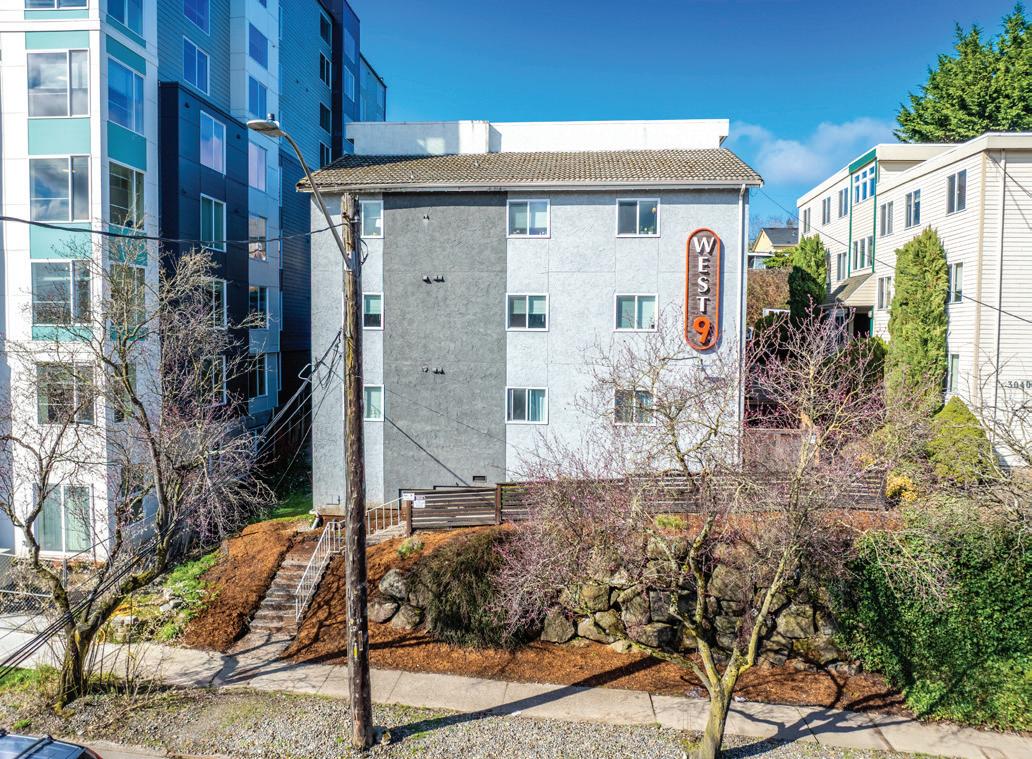
PENDING - 9 UNITS
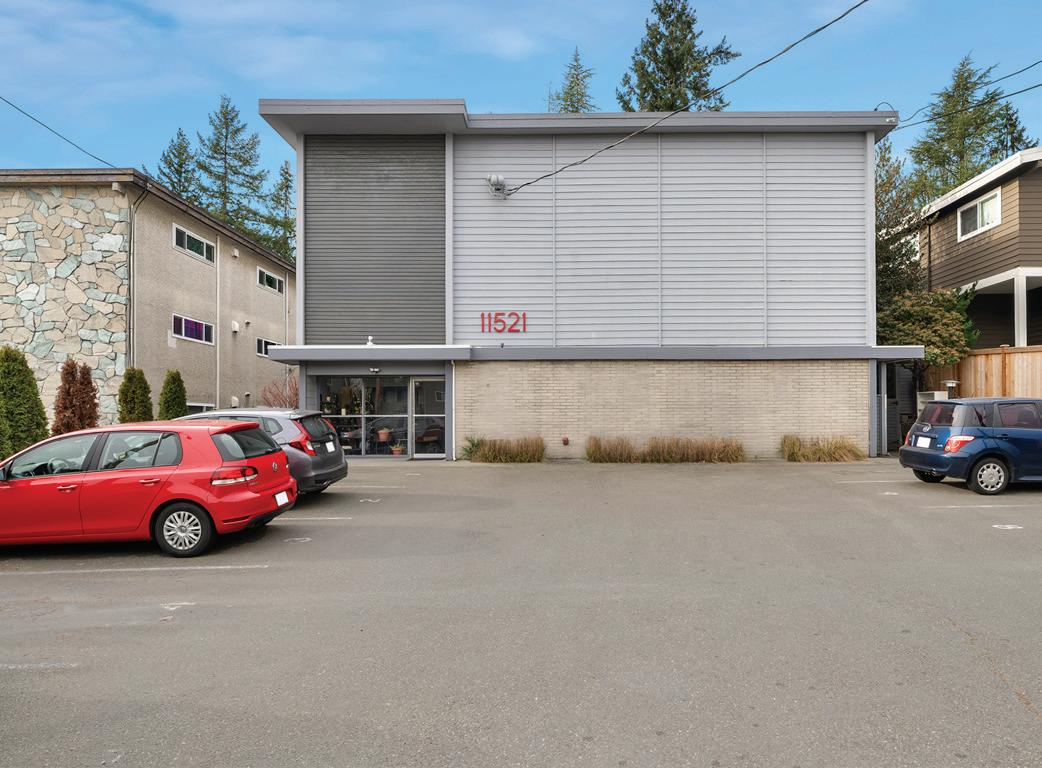
AVAILABLE - 8 UNITS
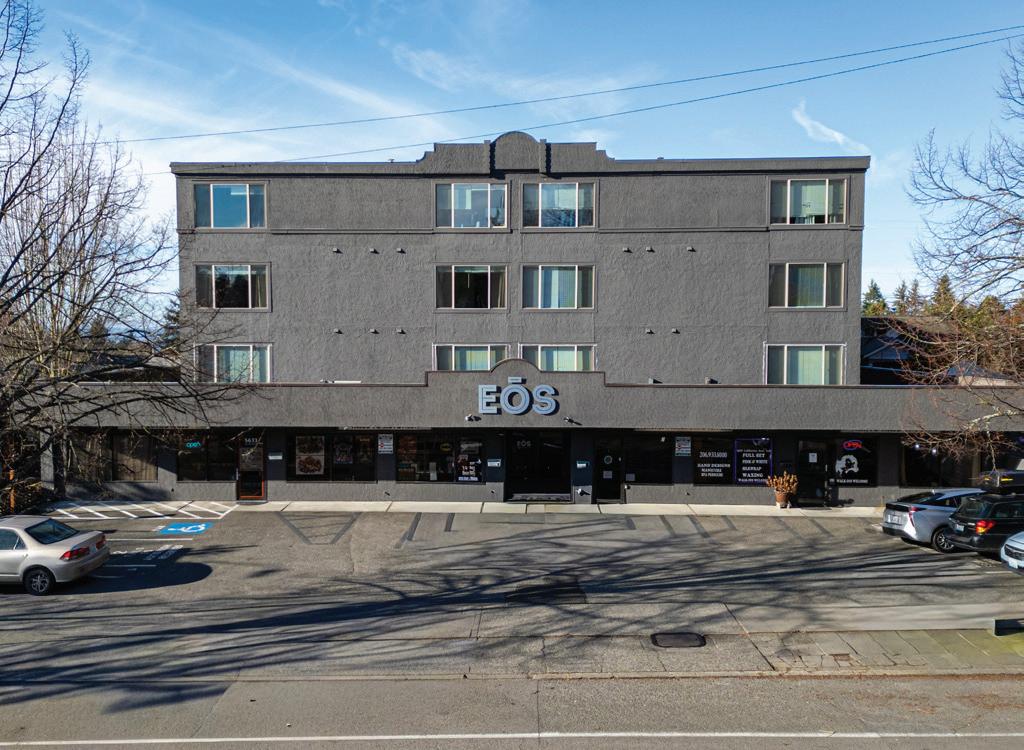
- 19 UNITS
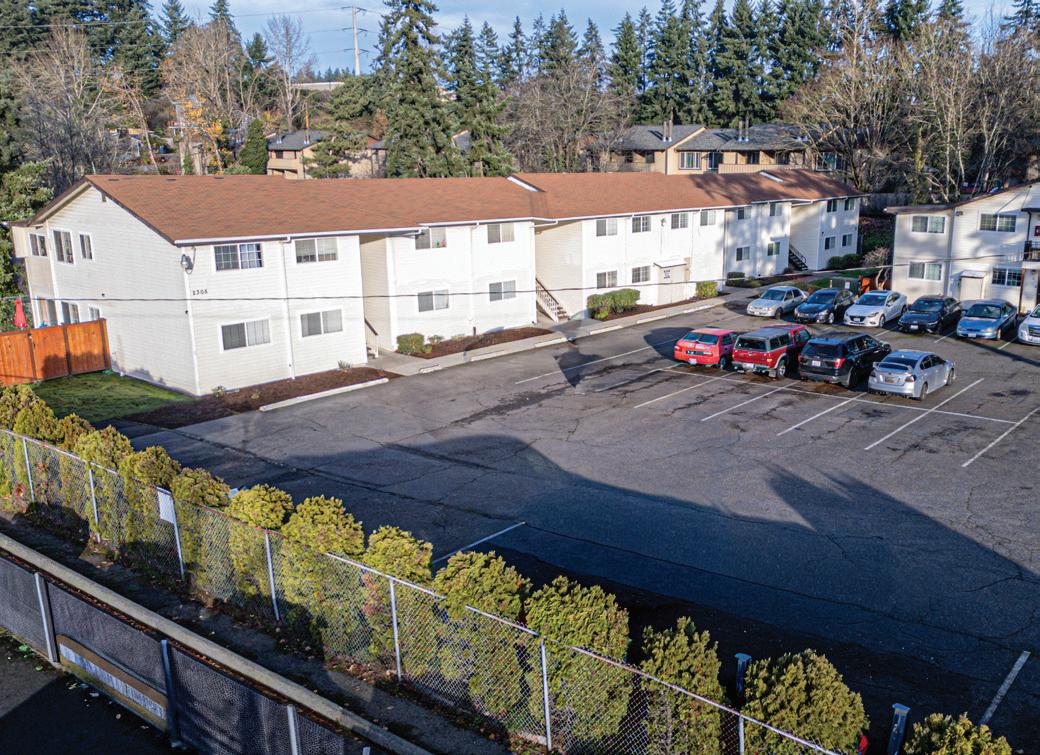
AVAILABLE - 21 UNITS
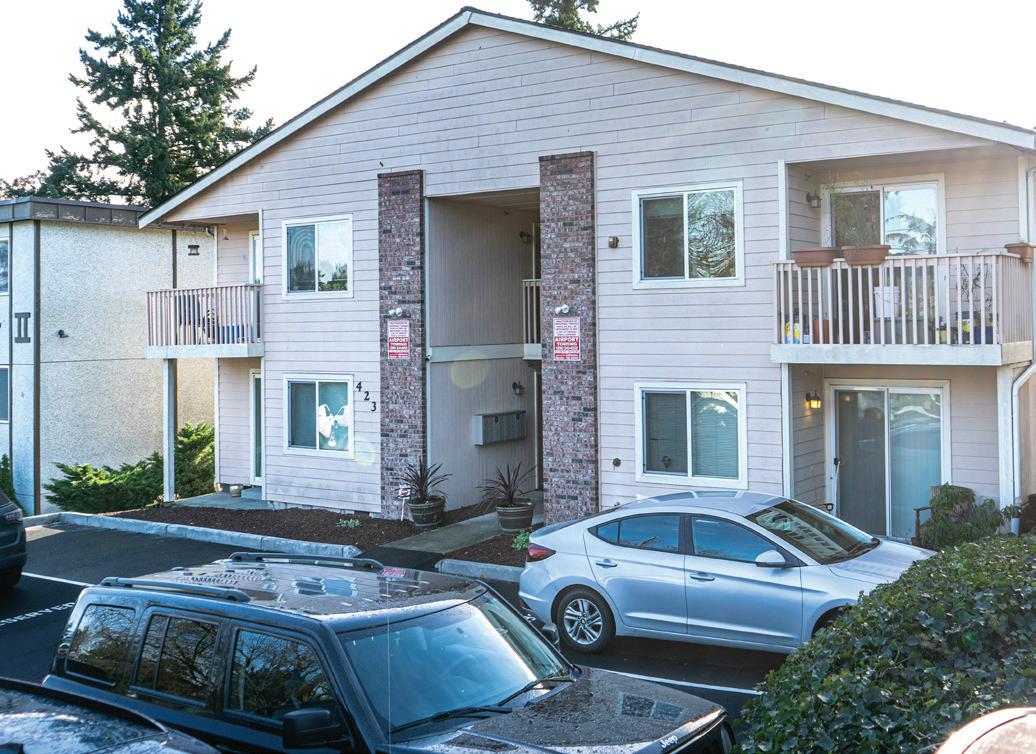
PENDING - 8 UNITS
For the past 30 years Paragon Real Estate Advisors has been the premier commercial real estate brokerage firm in the Puget Sound. When our expert knowledge of the greater Seattle area is paired with our targeted marketing strategies, our contract negotiation skills, and our vast network of contacts; it is easy to see why we are experts in our market.
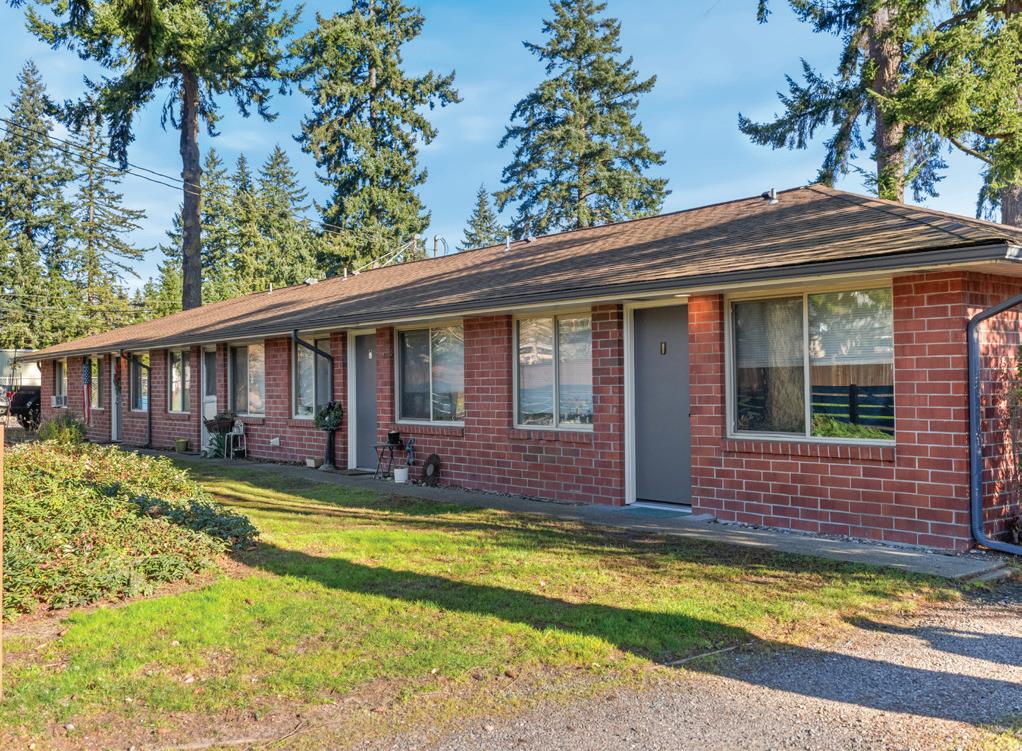
AVAILABLE - 8 Units
With the recent interest rate drop the market is starting to move! If you have any questions or would like to speak about your personal investment properties and projected market trends, we would be happy to help you. Call us today to speak with one of our specialized commercial brokers to start a free property evaluation.

CARPET/VINYL PLANK FLOOR CLEANING
Heavily Soiled Additional Charges, Townhouses add $75
Studio Apt From $90
One Bedroom Apt ............................................. From $100
Two Bedroom Apt ............................................. From $110
Three Bedroom Apt ........................................... From $120
Houses/Townhouses Bid Only
Studio Apt ........................................................... From $90
One Bedroom Apt .............................................. From $100
Two Bedroom Apt ............................................. From $11 0
Three Bedroom Apt ....................................... From $120
Houses/Townhouses ............................................ Bid Only
Studio Apt ........................................................... From $90
One Bedroom Apt .............................................. From $100
Two Bedroom Apt ......................................
Three Bedroom Apt ....................................
From $11 0
...... From $120
Houses/Townhouses ............................................ Bid Only HALLWAY CLEANING SPECIALISTS Bid Only
APARTMENT REPAINT SPECIALIST
One Coat Labor Only. Customer to Supply Paint Walls Only* Ceilings Only Studio Apt .............................. From $450 ........ From $250 One Bedroom Apt From $550 From $ 300 Two Bedroom Apt From $650 From $350 Three Bedroom



We are very proud to be a family owned and operated company. John, Barry and Jill have been serving RHA Members for over 22 years. Our focus is to solve customers’ roof problems and concerns with a reliable, high-quality roof system. Our dedicated crews take pride in their craftsmanship and treat our customers roofs as if it were our own.
Polyflex G (torch down) provides an exceptionally durable roofing product and provides long-term weathering performance. With a granulated surface, Polyflex G exceeds all minimum ASTM standards for tensile strength, puncture resistance and flexibility. This torch down roof membrane is ideal for Northwest roofs; where common branches sometimes fall or residents want a roof-top patio. We stand behind Ployglass APP Membranes with the most reliable warranties in the industry. Their warranty provides extended protection, assuring the optimum system performance is guaranteed.

About Elizabeth Gregory Home (EGH)
EGH inspires homeless women to transform their lives. Through services offered, women can meet immediate needs, as well as long-range goals to break the cycle of homelessness.
Learn more about EGH and how you can help at eghseattle.org. Thank you.
Contact John Paust for more information:
Special pricing for RHAWA members AND $100 donation toward EGH with paid re-roof contract!