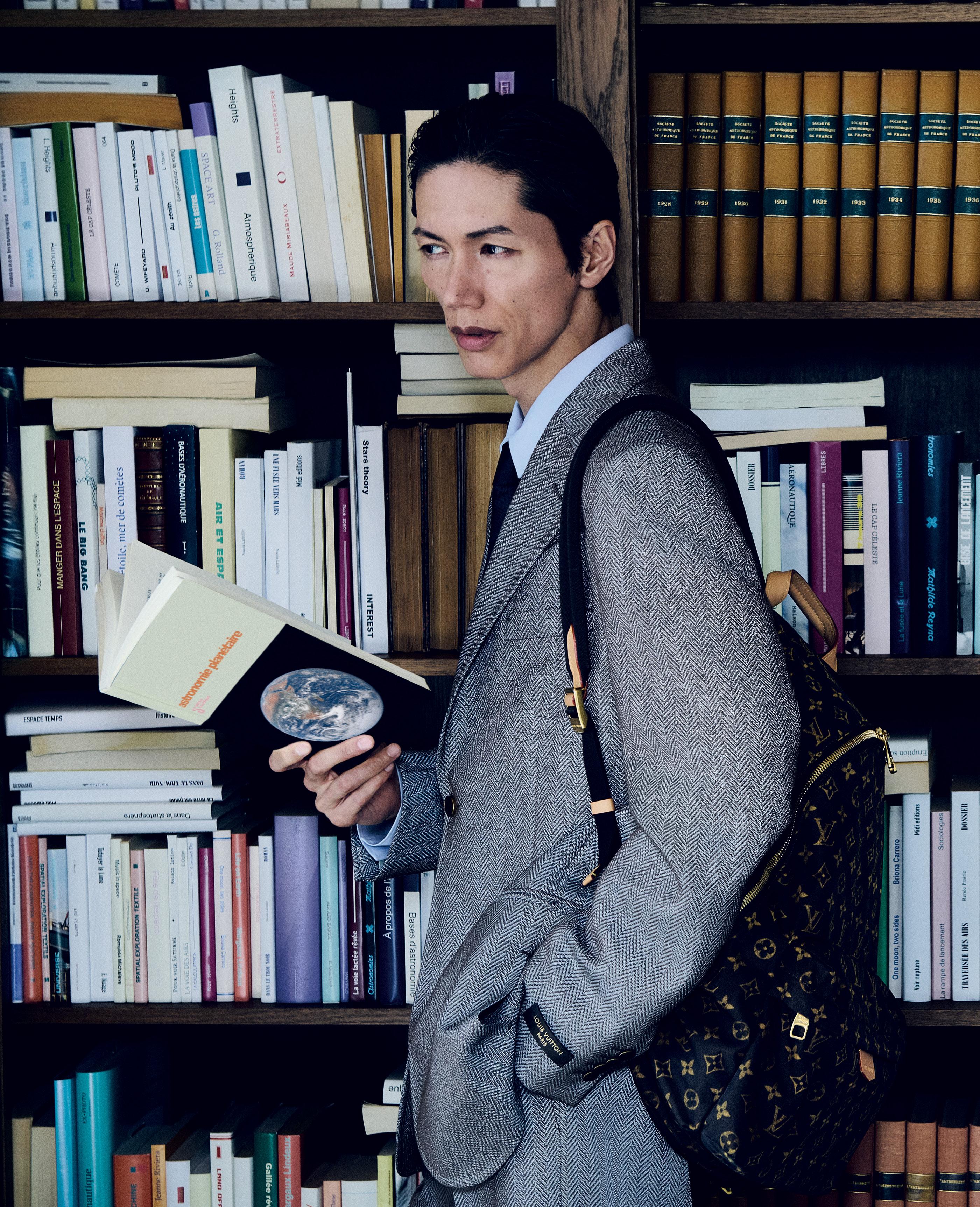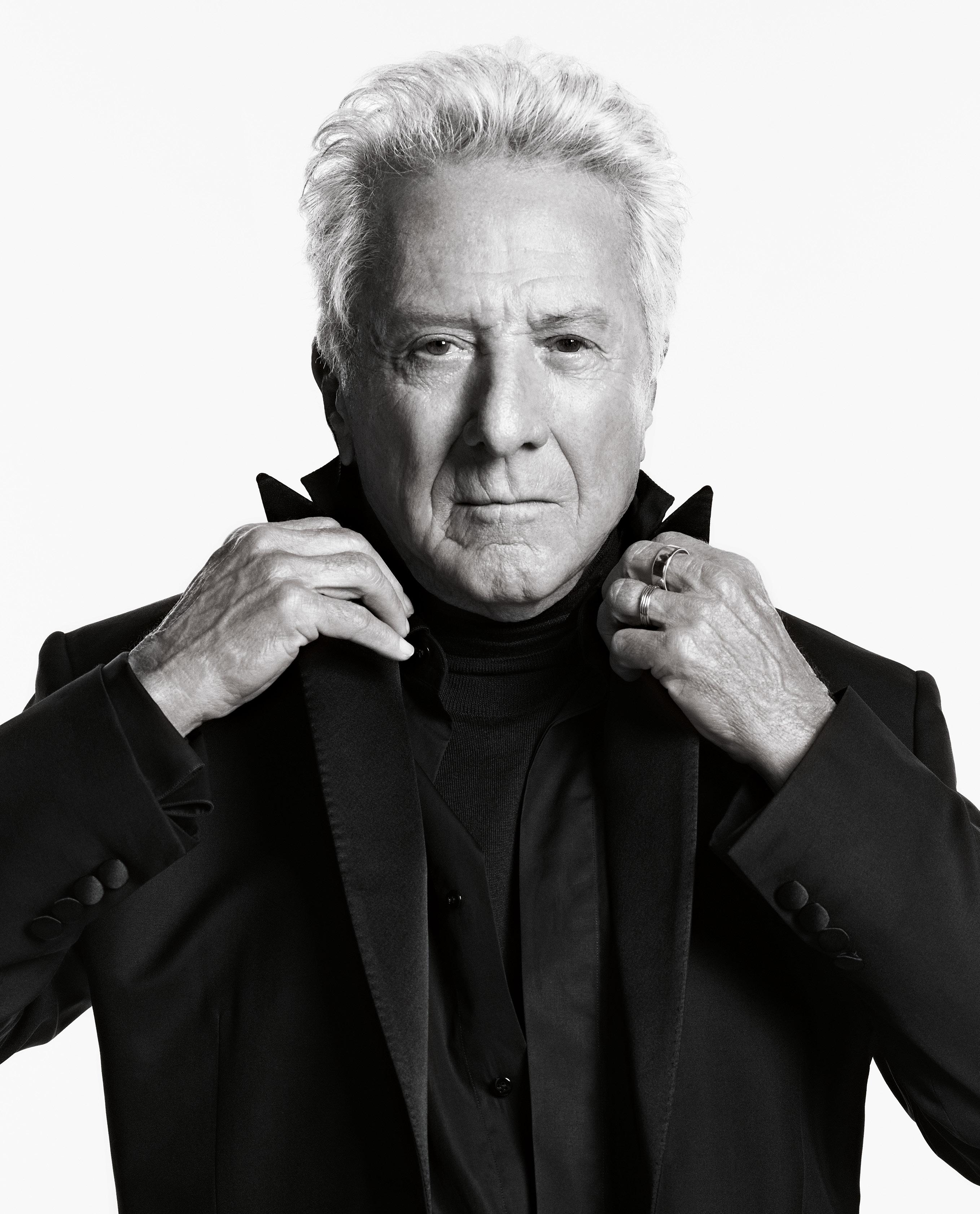
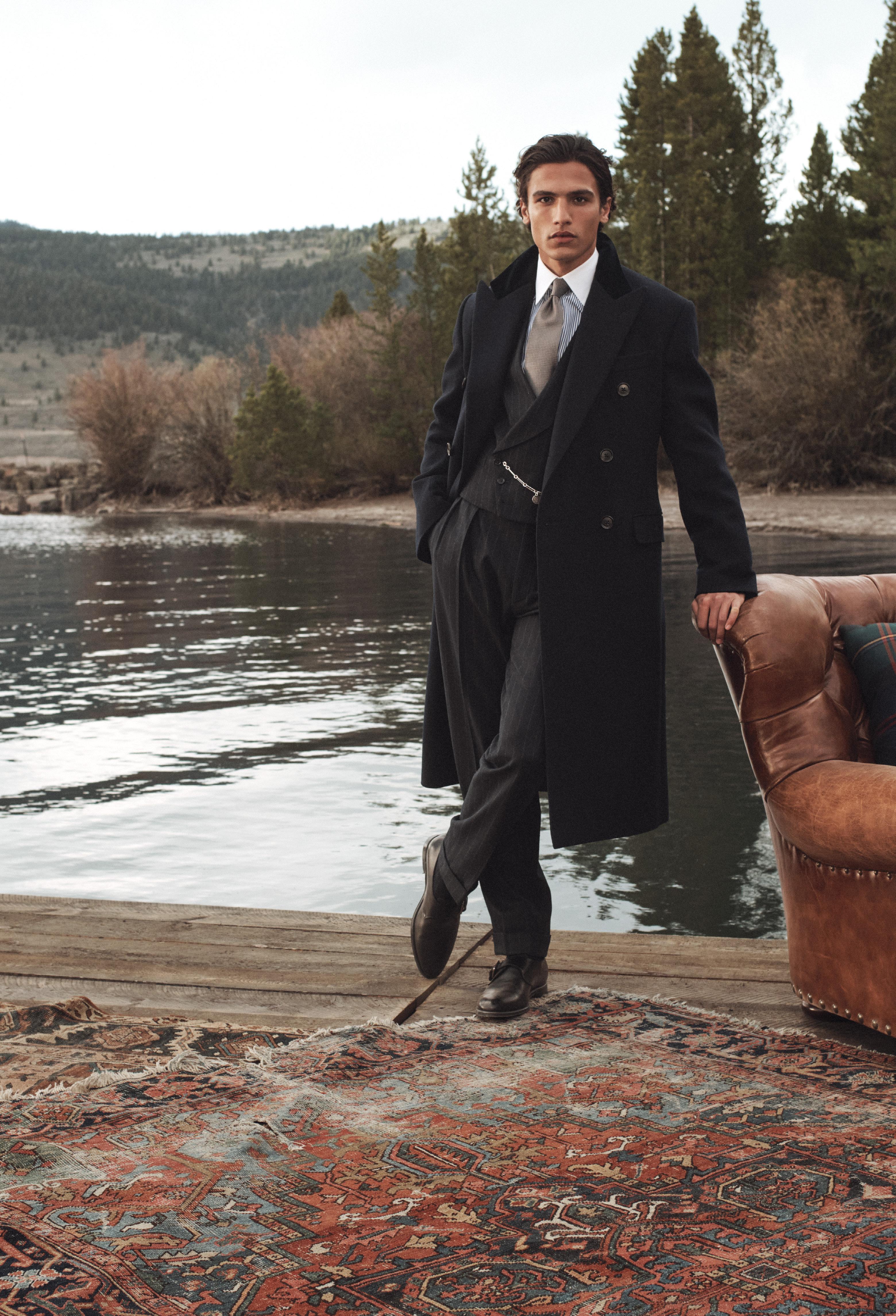




















































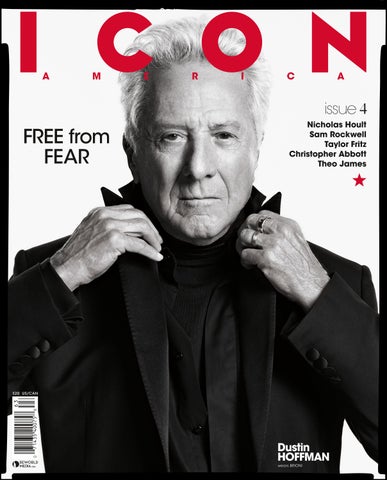
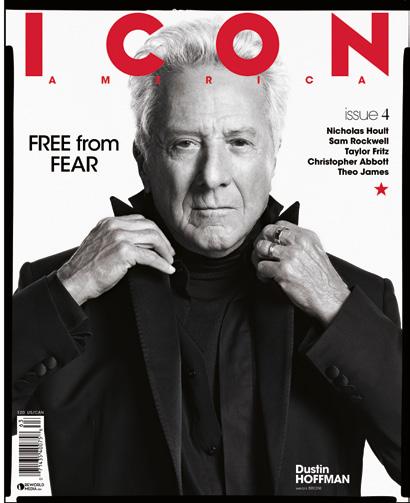
If you work in the entertainment or fashion industry, you are chasing your dreams. I'm not saying other professions lack dreams, but for those of us in this line of work, dreams are spiritual kerosene. Yes, your parents wanted you to become a lawyer or a doctor, maybe a hedge fund manager with a fancy Lamborghini and a white picket fence in the Hamptons. But here you are, a professional chaser of internal visions often hard to explain to others. You are running on passion that formed when you were too young to remember. Dreams are peculiar matters of divine inspiration, and they are solemnly made out of freedom. Our fall cover stars and guests at our eclectic Fall issue dinner party practice and believe in the importance of dreams and freedom. This habit of practicing freedom brought them to the same place: complete ease with who they are. And this makes them utterly unafraid. Mr. Dustin Hoffman, a true legend of cinema, now 89, still shows up to work with infectious enthusiasm, while Mr. Sam Rockwell, an actor's actor, never chose to chase fame. These Oscar laureates are fearless. Inside, we speak with icons such as famed fashion editor Ms. Grace Coddington and legendary American artists Mr. Jeff Koons and Mr. Julian Schnabel. These giants of creativity fought all their lives for freedom from expectations and social norms. They energized their dreams through hard work—and it made them icons.
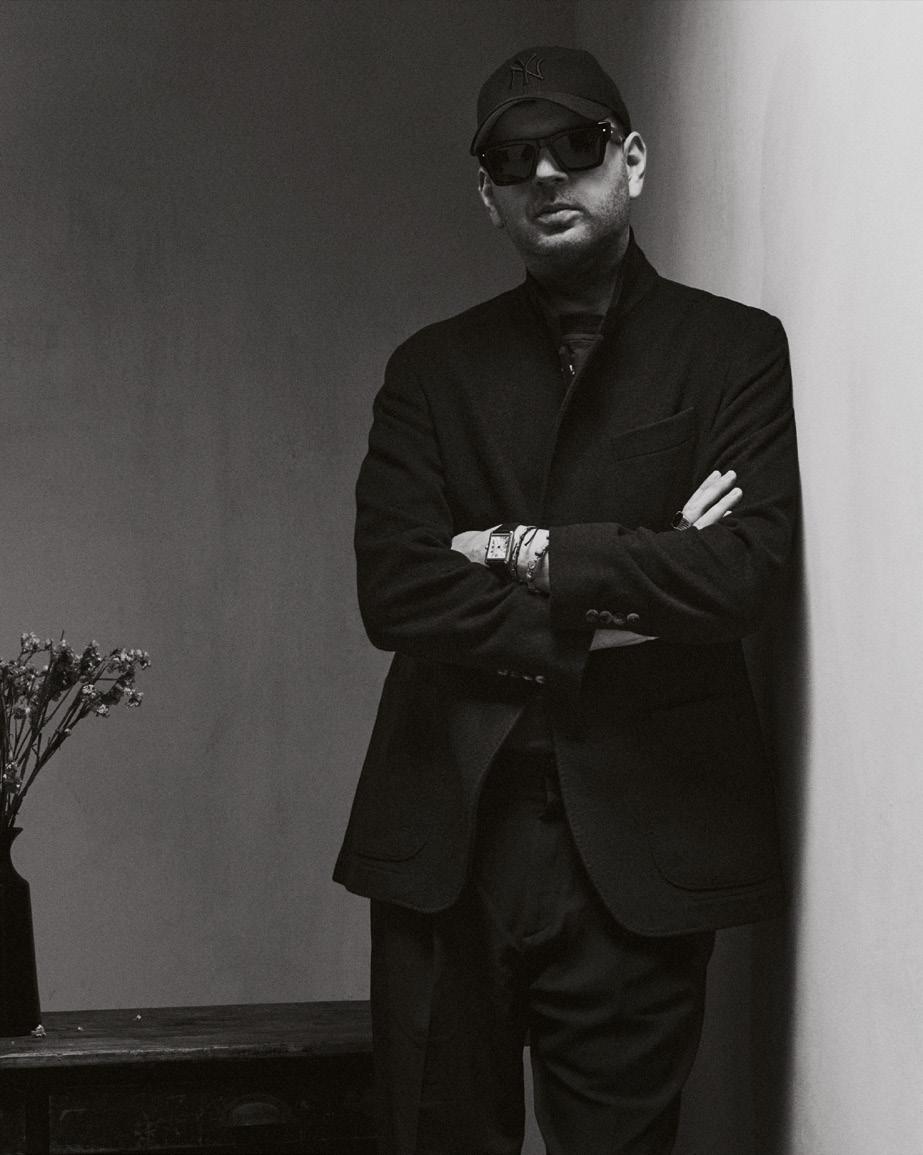
Photography by Daniel Archer
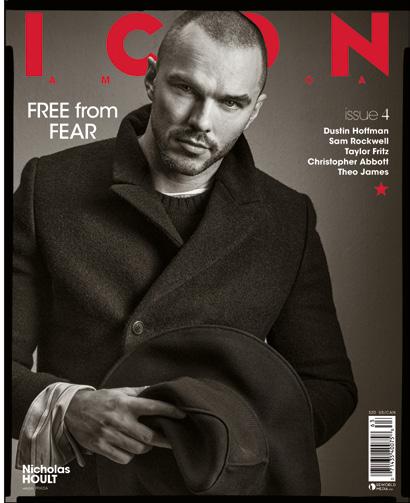
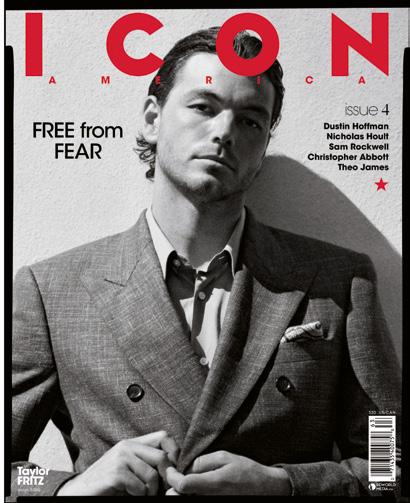
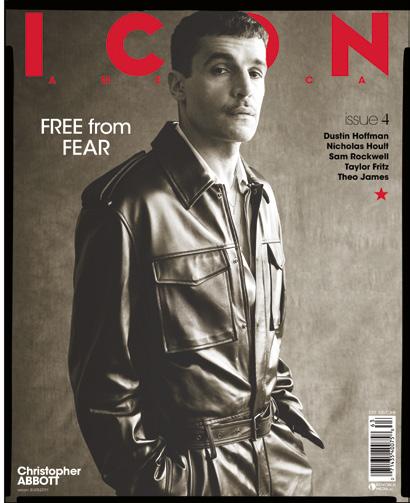
Whether that's earned through age or experience or determination, the freedom they possess is inspiring and overwhelming. This is the core essence of our publication: a gathering in pages of unique individuals who have the ability to inspire others.
Our REPORTS section is packed with who, what, and where. It's all you need for an inspiring season. We visit the pretty secretive ateliers of French houses Louis Vuitton and Hermès, where human hands create magic. These artisans are treated with the utmost respect because they are the ones translating dreams into leather reality. We profile a rising star of the Paris menswear scene: brilliant Julian Klausner, creative director of Dries Van Noten. In our VOICES section we speak with Mr. Jérôme Mage from Jacques Marie Mage, who is building a business without apology. The same goes for Mr. Ronnie Fieg from cult label KITH, whose personal style is a lesson and inspiration for new generations of fashion consumers.
In the era where every social media profile is a fashion magazine and every content creator is a photographer and creative director, let's not forget to cherish individuals who earned their badges of honor through groundbreaking work over the years. We are privileged to have veterans such as Mr. Mario Sorrenti, Mr. Craig McDean, and Mr. Christopher Anderson photographing for us. Their bravery in photography has shaped generations of creatives. For us at ICON America, good photography matters. And good photography comes with talent, humility, and experience. Don't forget that hard work always pays off. It's the law of karma for longevity and success. I wish more young artists would learn from our incredible guests. This is the gift we are releasing into the loud and frightening world of today. Be fierce in your dreams and in your freedom, but don't forget to be gentle toward others and, most importantly, yourself.
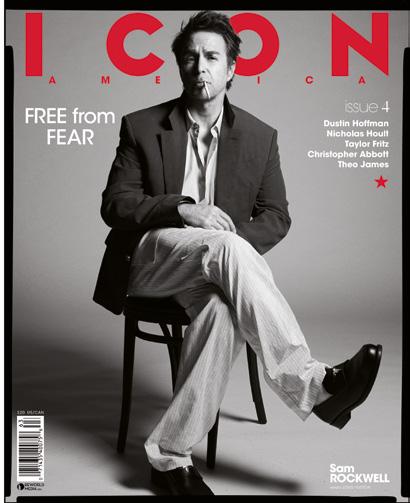
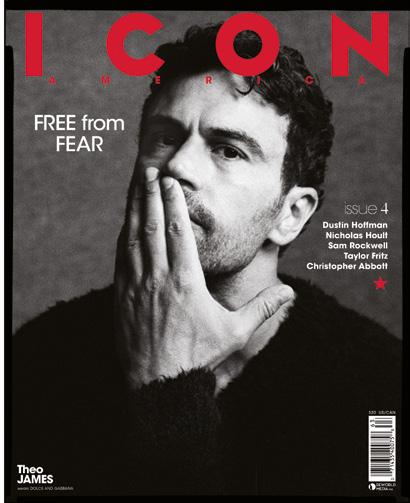
In his new memoir, Hoffman tries to understand himself.
The actor sits with the same question his latest film asks: Who, really, are the bad guys?
Hollywood’s most understated star never misses a beat.
The professional tennis player is laserfocused on writing his own legacy.
As an actor and a person, Abbott is having a moment.
Armed with charming self-awareness, James is a new iteration of leading man.
ICON’s essential guide to the books, films, exhibitions, and restaurants that matter now.
Julian Schnabel ART
Cruise Control TRAVEL
Object d’Livre BOOKS
Third-Culture Bakers FOOD
Menswear Substacks HOT
Tod’s Pashmy Leather SPOTLIGHT
REPORT
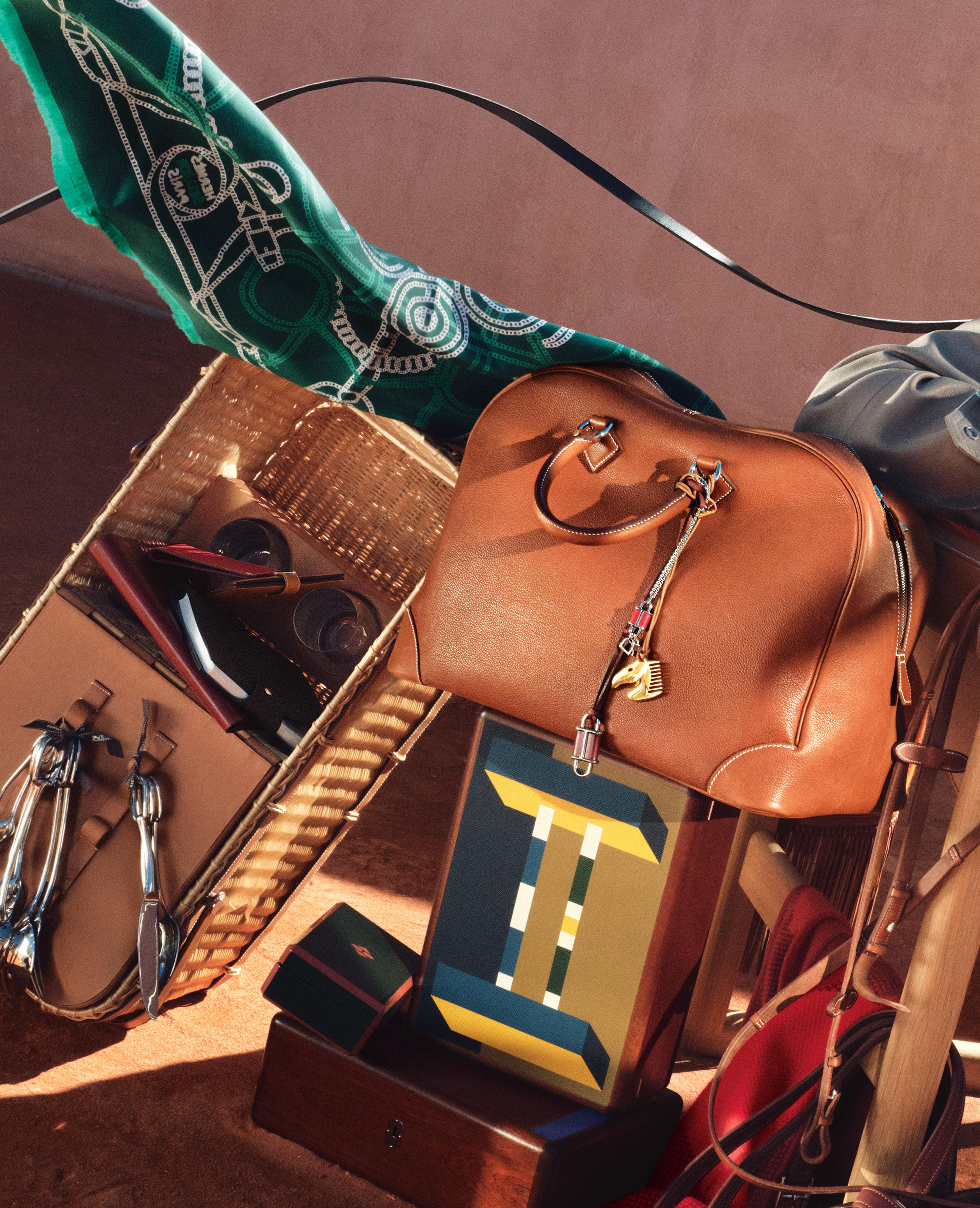
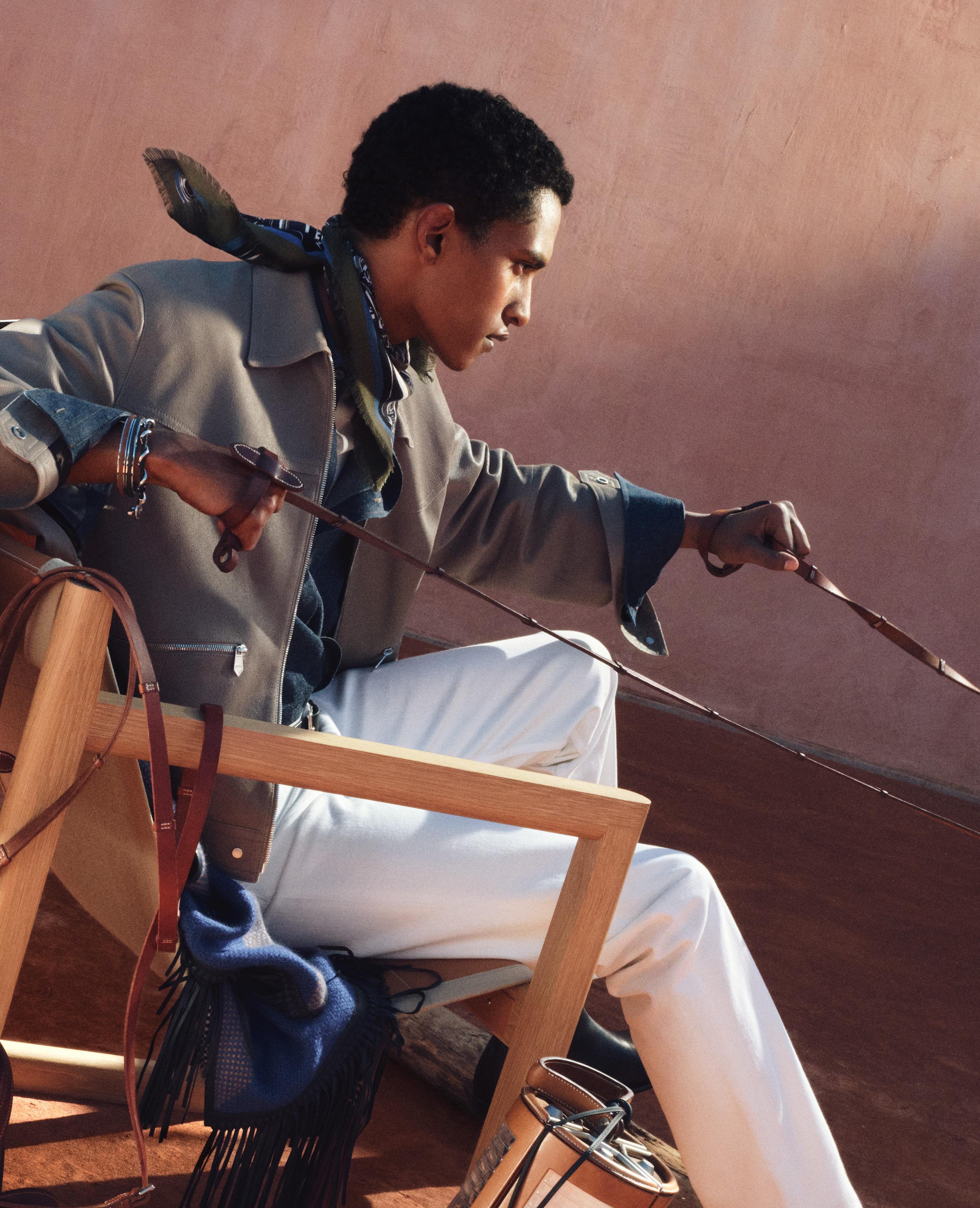
Hermès and the art of saddlemaking. 62 A Guide for Male Skin
LED light therapy, winter scents, and daily moisturizers.
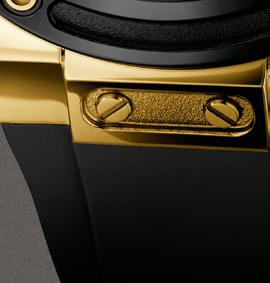
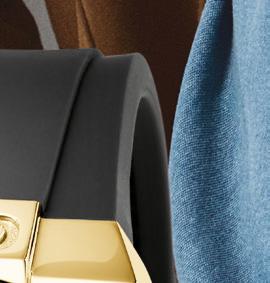
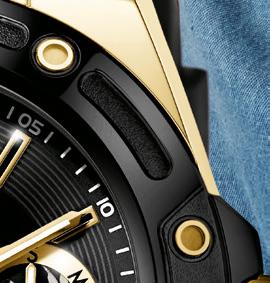
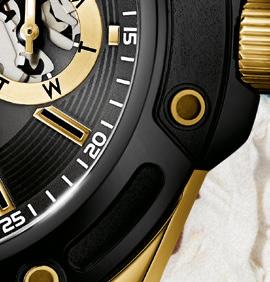
A roundup of the latest tool watches, plus Jeff Koons on time and Hublot. WATCHES
Above & Beyond
The Weger brothers in the Swiss Alps. 176 Wild Flower
Julian Klausner’s Dries Van Noten. 192 Ronnie Fieg STYLE
The fashion mogul behind Kith talks about taste and how to dress effortlessly.
196 Grace Coddington LIBRARY
The former Vogue Creative Director-at-Large speaks about her career and her newest book. 72 The Art of Horology
200 Jérôme Mage BUSINESS
The C.E.O. and creative director of Jacques Marie Mage on building a cult eyewear brand. 170 Built to Ride
204 Bjarke Ingels INTERIORS
The Danish architect brings Scandinavian craft to his Brooklyn penthouse.
Past Forward
WHEELS
In pursuit of classic cars with storied legacies.



EDITORIAL DIRECTOR
Andrea Tenerani
EDITOR-IN-CHIEF Gro Curtis
CREATIVE DIRECTOR
Alexander Wiederin Buero New York
ART DIRECTOR Michael Ricardo , Buero New York
DEPUTY EDITOR Mathias Rosenzweig
BOOKINGS DIRECTOR Goran Macura
TALENT BOOKINGS Establishment Casting
SENIOR FASHION MARKET EDITOR Carson Stannard
EUROPEAN FASHION EDITOR Keeley Dawson
SENIOR EDITOR Alex Tudela
COPY EDITOR Teri Duerr
ASSOCIATE GRAPHIC DESIGNER Giacomo Pasqualini
BEAUTY EDITOR April Long
ART EDITOR Scott Drevnig
FOOD EDITOR Abena Anim-Somuah
AUTOMOTIVE EDITOR Jason Barlow
SOCIAL MEDIA EDITOR David Evan Ruff
ENTERTAINMENT EDITOR Jessica Shaw
CONTRIBUTING FASHION EDITORS
CONTRIBUTING EDITORS
Alex Frank - Kev Ponce - Charlie Kolbrener - Allyson Shiffman
Renata Mosci Sanfourche - Stella Peters - Guilherme Russo
Tony Irvine - Robert Rabensteiner Edoardo Caniglia - Peghah Maleknejad
CONTRIBUTING PHOTOGRAPHERS
Mario Sorrenti - Craig McDean - Blair Getz Mezibov - Christopher Anderson - Yoshiyuki Matsumura
Johan Sandberg - Robin Broadbent - Emilia Staugaard - Martien Mulder - Thomas Legrand
Benjamin Malapris - Ben Parks - Chelsie Craig - Anna Henderson - Tim Boul - Larry Niehues
BUSINESS
DIRECTOR Stéphane Haitaian
MANAGING DIRECTOR Daniela Sola
CHIEF REVENUE OFFICER Marly Graubard
SALES DIRECTOR, WATCHES & JEWELRY Cherryl Llewellyn
SALES DIRECTOR, HOME & LUXURY Priya Nat STRATEGIC PLANNING & ADVISORY Yulia Petrossian Boyle
INTERNATIONAL
INTERNATIONAL ADVERTISING MANAGER, REWORLD MEDIA ITALIA Sara Di Nunzio HEAD OF DIGITAL, REWORLD MEDIA ITALIA Katia Ciancaglini
MARKETING DIRECTOR, REWORLD MEDIA ITALIA Francesca Brambilla
SPECIAL THANK YOU
Candice Marks (Art Partner), Karen Long (WYO Artists), Anne Kennedy (Art+Commerce), Olivia Gideon Thomson (We Folk), Brian Blair (Frank Reps), Steven Pranica (Creative Exchange Agency), Tara Nguyen (Artsphere), Charlie Clark-Perry (SUPA Model Management), Joe Tootal (Models 1), Karine Quadriga, Kelly Tsai Virtue (Quadriga), Peggy Ann McDonnell, Ferid Ouertani (Walter Schupfer Management), Jason Woo (The Wall Group), Brennan Casey (Bryant Artists) Caitlin Mazonas (A Creative Partner), Courtney Richter (Honey Artists), Miles Frazer (Forward Artists), (Waldhaus Sils Maria), (St. Josef Health Centre Merano - Bolzano)
Printing by Quad; Distributed by CMG
ICON America (UPC 0-71435 40075-8) is published biannual by Reworld Media US Inc. 122 East 42nd Street, 18th Floor, NY, 10168 USA. / Reworld Media US is a branch of the Reworld Media Group / Icon is a tradermark registered and owned by Reworld Media Italia Srl. / For further details, please write to contact@ reworldmediaitalia.com / © [ 2026 ] Reworld Media Italia Srl. All rights reserved. / Published by “Reworld Media US” with the permission of Reworld Media Italia Srl./ Reproduction in any manner in any language in whole or in part without prior written permission is prohibited.
contact@iconmagazine.us
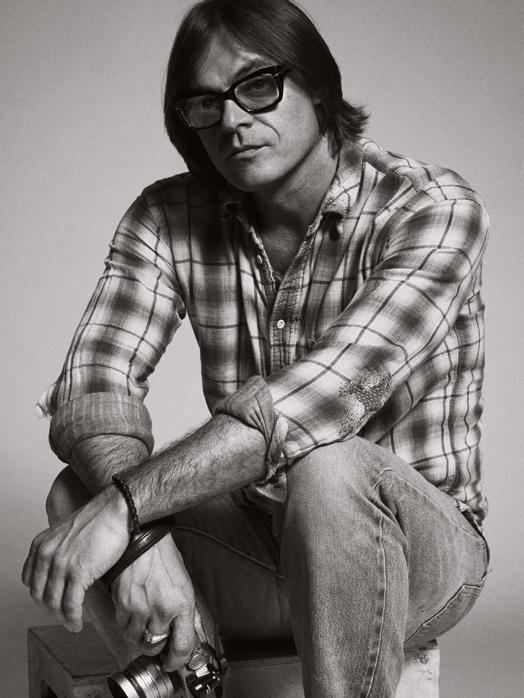
Photographer, “All the Selves I’ve Been” pg. 84, “The Rockwell Rhythm” pg.110
Mario Sorrenti has been an important part of contemporary fashion photography since the early 1990s. Born in Naples, Italy, Sorrenti grew up in New York and quickly developed a love for image-making. He has shot for French and Italian Vogue, W, The New York Times, and i-D, among other publications. His work is held in the permanent collections of the Victoria & Albert Museum and the National Portrait Gallery in London.
Interviewer.
“The Renaissance Gentleman” pg. 140, “The Slow Burn” pg. 200
Allyson Shiffman is a freelance writer and editor based in
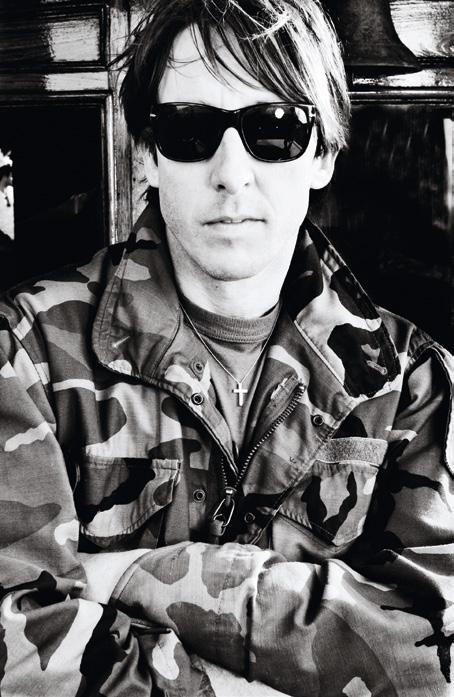
Photographer, “From Lamb to Wolf” pg. 98
Craig McDean is a photographer and awardwinning director. He began his career making photographs for i-D and The Face in early 1990s London. His portraits of significant artists and entertainers have appeared in The New Yorker, T: The New York Times Style Magazine, Interview, Vanity Fair and Vogue.
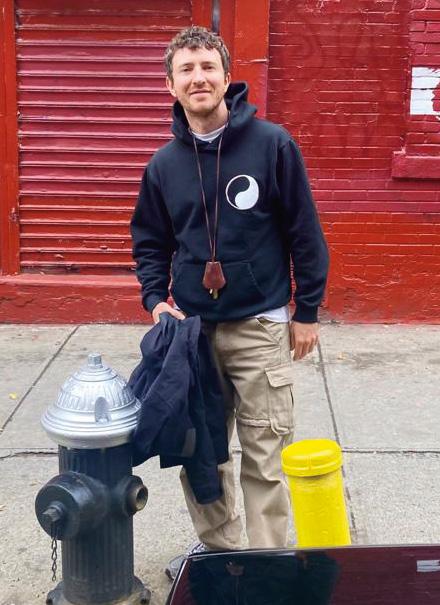
Stylist, “From Lamb to Wolf” pg. 98, “Game, Set, Fritz” pg.120
Tony Irvine is a Scottishborn, New York–based stylist and brand consultant. A Central Saint Martins graduate who began his career
Photographer, “The Way Is Open” pg. 130
New York–based Japanese photographer Yoshiyuki Matsumura works across portraiture, fashion, and short- and long-form documentary. His work is characterized by a quiet, observational sensibility that runs through everything he photographs. He also selfpublishes limited-edition photo books featuring his documentary and reportage projects.
assisting legendary stylist Joe McKenna, Irvine is currently Fashion Editor at Holiday Magazine, contributing regularly to Self Service, U Repubblica, Vanity Fair, Financial Times HTSI, Harper's Bazaar, and Harper's Bazaar Homme.
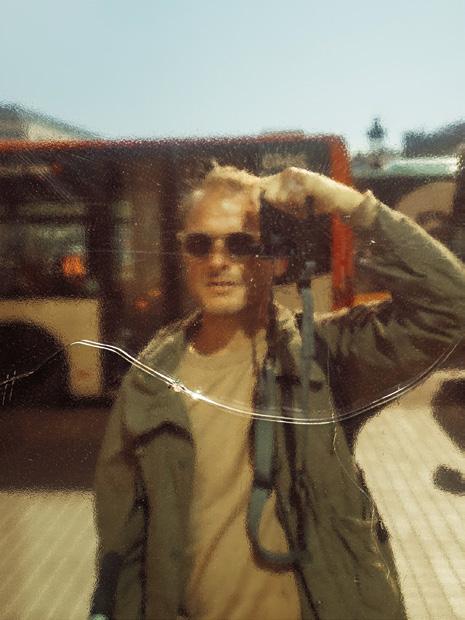
Stockholm, Sweden. A regular at Copenhagen Fashion Week, Shiffman was an editor at Vogue Scandinavia for several years with past roles also at W and Interview.
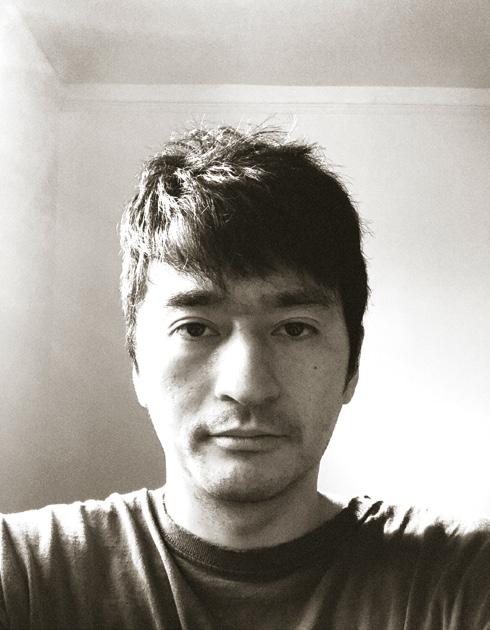
Photographer, “The Renaissance Gentleman” pg. 140 Born in Canada and raised in Texas, Christopher Anderson is the author of nine monographs of photography including the acclaimed trilogy about his family. Christopher is a frequent contributor to The New York Times Magazine and The New Yorker, and from 2011 to 2014, he served as Photographer in Residence to New York Magazine, a collaboration where he helped to define the visual voice of the magazine.
If you're feeling overwhelmed at the moment, you're hardly alone. Technology is moving at breakneck speed, and culture seems to be racing to keep pace. Every day brings another trend, another must-buy, another must-read, must-watch, or must-have. That's where REPORTS comes in. We've sifted through the noise to spotlight the books, films, goods, and places that deserve your attention this fall. From New York's thirdculture bakeries that invite you to linger IRL over coffee and pastry to beautifully designed books, skin-saving sunscreens, and fragrances that capture the mood of the season, each recommendation has earned its place. Whether you're looking for inspiration, indulgence, or simply a starting point, consider this your guide to helping your vision fall into place.






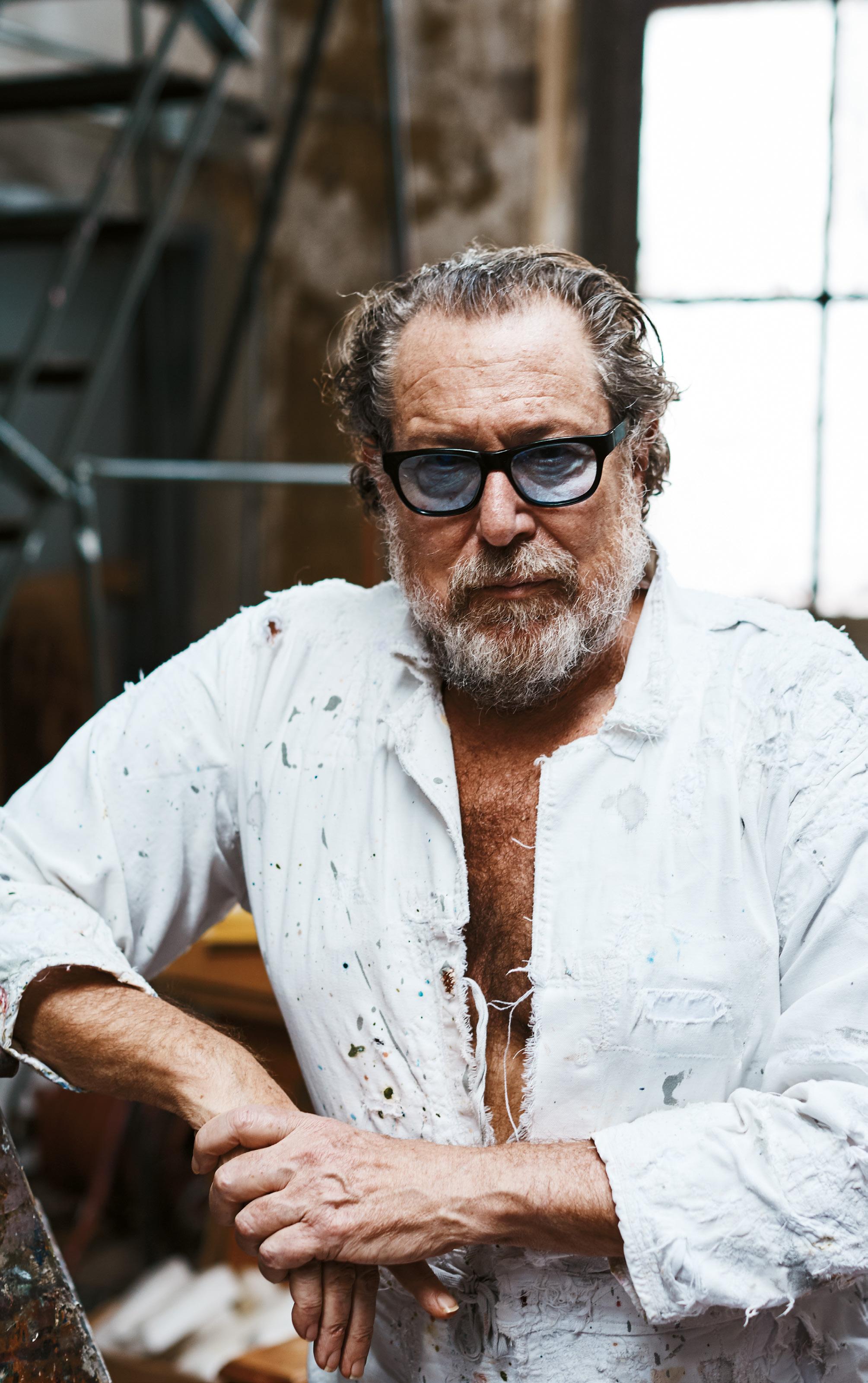

Few artists have so completely collapsed the distance between living and making. Julian Schnabel's canvases, films, and home are not separate pursuits, but rather the same pursuit, expressed with different materials. This summer brought a striking convergence: a major exhibition of new work at New York’s Pace Gallery and the release of his feature film In the Hand of Dante on Netflix.
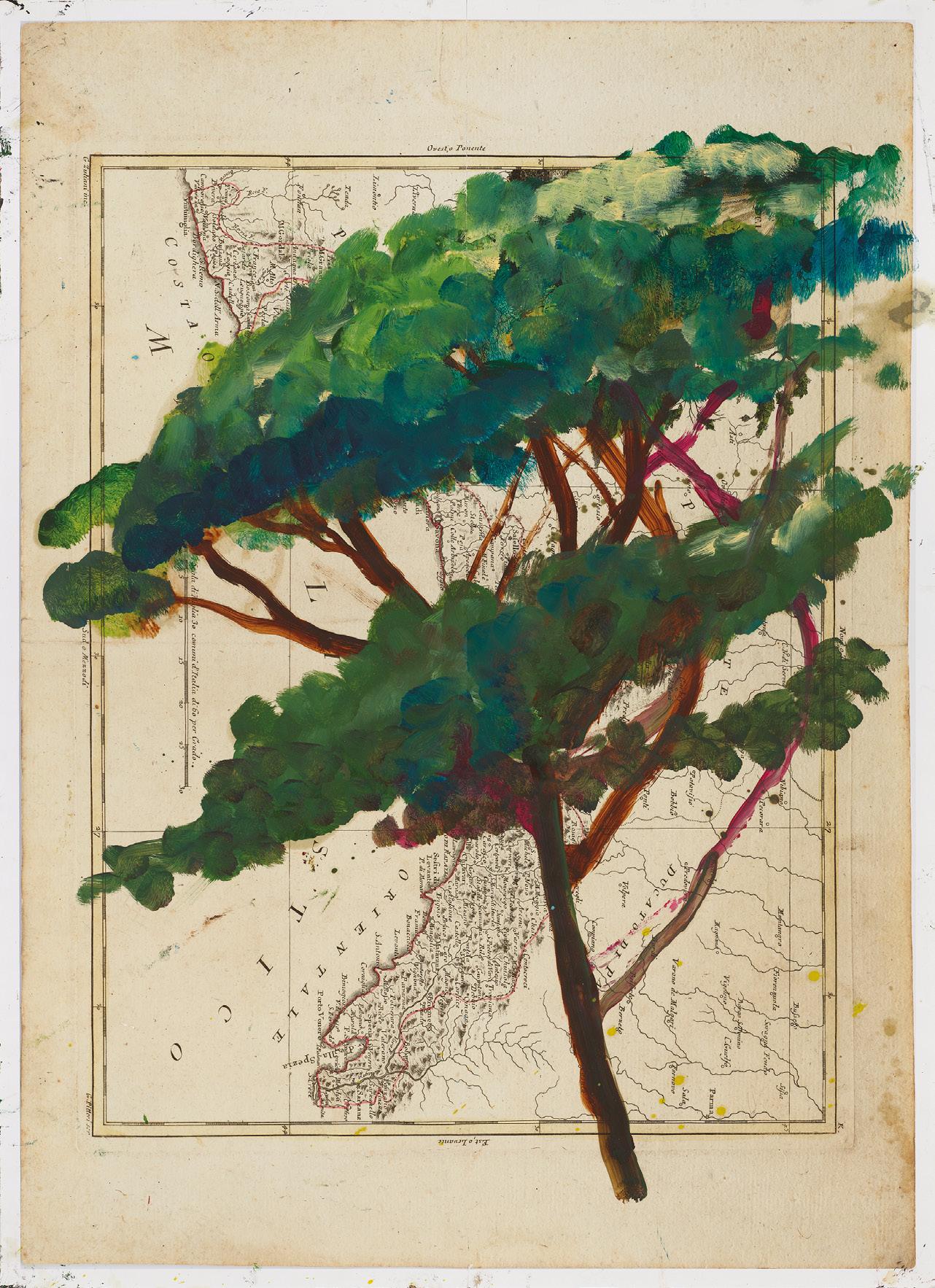
“Italy Through Its Trees” at Pace centered on new plate paintings—works made on shards of broken ceramic adhered to a surface of bondo over aluminum, their fractures becoming part of the image itself—alongside mixed-media canvases depicting the umbrella pine, one of the most enduring presences of the Italian landscape, set
against historical maps of the Mediterranean. These pieces chart a 50-year relationship with a country that has never stopped demanding Schnabel’s attention.
In the Hand of Dante carries that same relationship into film. Schnabel returns again to Italy, drawing on 30 years of filmmaking about artists, from Basquiat to Van Gogh. Now on Netflix, his new film finds its largest audience yet. We sat down with Schnabel to talk about Italy, time, and what it means when a painting and a film tell the same story. You have been returning to Italy since 1976. What does the country continue to give you that nowhere else does?
It is the land where all of these great painters came from— painters that I am particularly fond of, from Giotto to Piero della Francesca to Caravaggio. And those paintings are still available to see in the flesh. That kind of architecture and those paintings have formed my understanding of what taste is, what I would aspire to. I like being there because it is like a time-out. You can travel in time when you are there.
When I was a kid there, I was broke. If someone saw you had paint all over your clothes, they would ask if you wanted a piece of pizza for free, because they know who Caravaggio is the same way people here know who Abraham Lincoln is.
And then someone said—there is a collector who lives right next door. His name was Giuseppe Panza di Biumo. He had this incredible collection—Bruce Nauman and all sorts of other things. He was the most important collector in Italy of that kind, in the seventies. He called me. “Hello, this is Giuseppe. Would you like to come to Varese with me?” I said yes. He never bought anything from me. He had stopped buying by then, but he gave me a letter saying that if he were going to buy something, he would buy something from me. It is a wonderful thing to have . The umbrella pine paintings for “Italy Through Its Trees” and In the Hand of Dante were developed simultaneously. How did working in both media at once change each project?
It is something I just do, like breathing. I see paintings everywhere. The way the branches formed the umbrella pine trees, the way the bushes would sit on the scaffolding of all those branches and keep going—I thought, “I like the organized chaos of that.”
Your plate paintings have become one of the most recognizable signatures in contemporary art. What does the broken surface give you that a traditional canvas cannot?
I would say there is no personal language— just a personal selection of language.
Brokenness. If you are making a mark and it goes across that interrupted surface, the mark is interrupted. It accentuates the physical nature of the surface. At a certain moment in the distance, paintings look flat, and the images start to become pictorial rather than physical. So there is this conflict, this disagreement, between the surface and the image, and that is a pretty big area of interest and opportunity.
I would say there is no personal language—just a personal selection of language. Everything existed before. You have shown at the Venice Biennale, premiered films at the Venice Film Festival—Italy keeps pulling you back into its orbit publicly as well as privately. Do you think Italy needs you as much as you need it?
I wouldn't say Italy needs me or doesn't need me. But it has certainly been a reservoir. I don't like words like inspiration, but I have had some amazing experiences there. Being broke there, and then not being broke, gives you a sense of perspective. I showed Basquiat, Before Night Falls, Miral , and At Eternity's Gate in Venice. Italy has been all over my work. When we made In the Hand of Dante we were in Venice, Verona, Tarquinia, Bracciano, San Vito Lo Capo, Tropea, Palermo. All over the place.
Palazzo Chupi is itself a kind of artwork, a building built from Italian memory.
Do you experience living inside it differently now, with this new body of work behind you?
No. It's the same as it has always been.
For viewers who encounter your work for the first time through Netflix, what do you hope your film teaches them about the relationship between art, place, and what it means to truly see?
My affection for cinema and the temporality that it presents informs my notion of simultaneous time and recorded time, always. Cinema and painting inform each other, maybe more so than ever in this last film. All the films I've made have to do with being an artist.
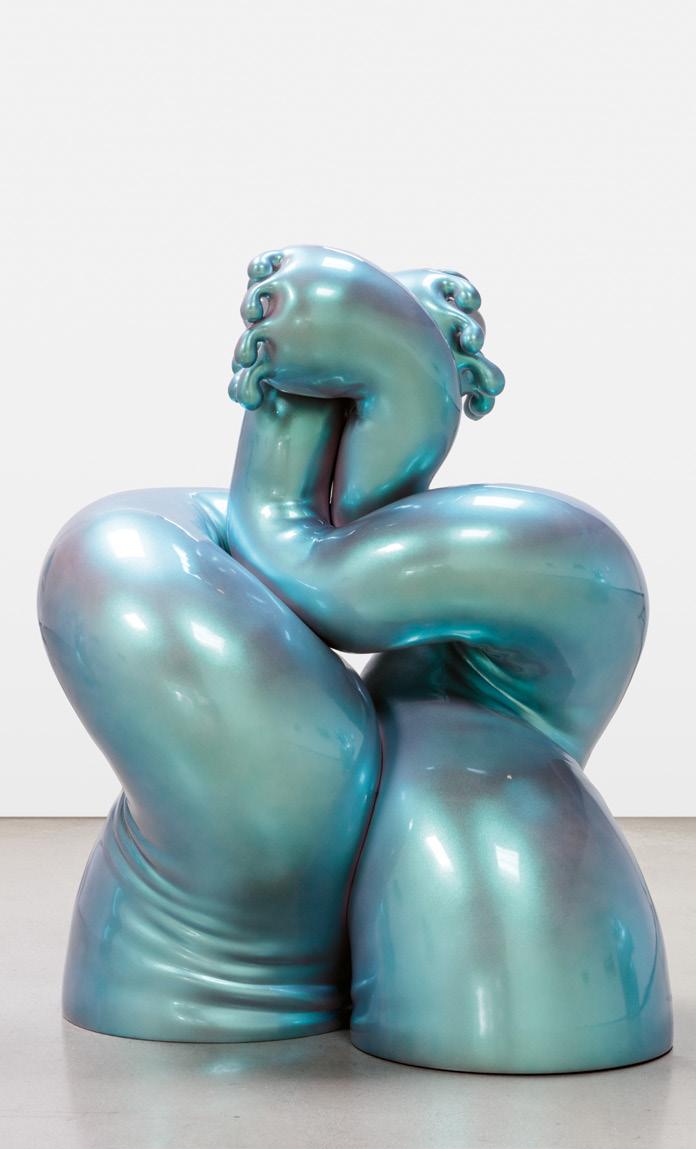
Blanton Museum of Art, Austin September 27, 2026–January 17, 2027
At the Blanton, “Haas Brothers: Uncanny Valley” offers the first-ever mid - career survey of twin collaborators Nikolai and Simon Haas, whose surreal, biomorphic furniture, shaggy totems, and sci-fi creatures fuse design, craft, and technology. Spanning 15 years, the exhibition moves from fur- clad, irresistibly tactile forms to digitally inflected ceramics and intricately crafted objects in glass, porcelain, wood, bronze, fur, wool, and more that oscillate between seductive and unsettling. Staged in tech-forward Austin, where the brothers were born, the show explores where the boundaries between luxury object, speculative creature, and uncannily life-like design begin to blur.
Los Angeles
Opening September 22, 2026
Los Angeles gains a new destination museum when the Lucas Museum of Narrative Art opens on its 11-acre campus in Exposition Park. Designed by Ma Yansong of MAD Architects with Stantec, the 300,000-squarefoot, starship-like building stands as a monument to visual storytelling. The inaugural exhibitions draw on George Lucas and Mellody Hobson’s collection, spanning more than 1,200 objects across 30 galleries, to trace narrative art from ancient sculpture and Renaissance painting to photography, comics, manga, anime, and cinema. With Norman Rockwell, Diego Rivera, production designs, and costumes from the Lucas Archives, the museum positions what Lucas calls “the people’s art” as a shared visual mythology linking Hollywood spectacle and everyday life.
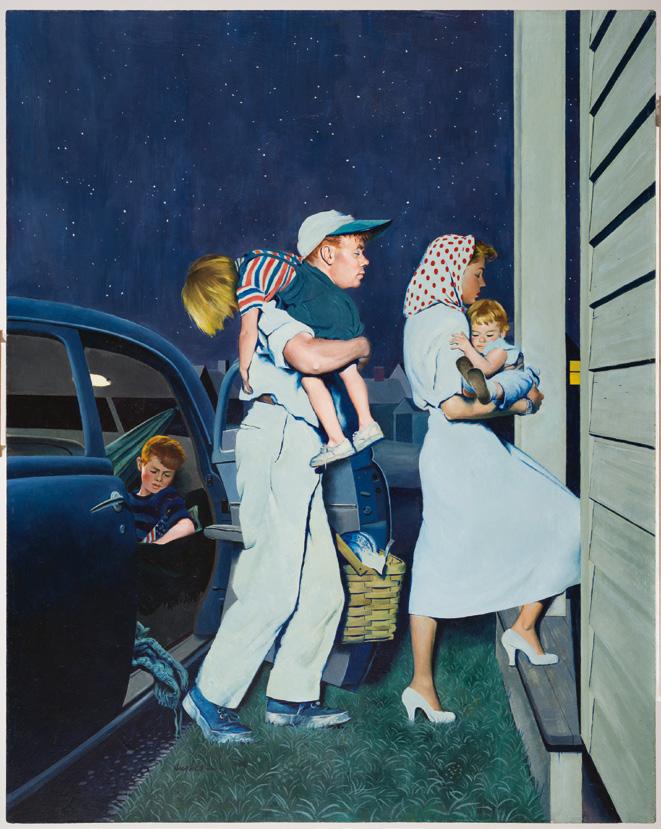

Detroit Institute of Arts, Detroit September 11, 2026–January 3, 2027
“Georgia O’Keeffe: Architecture” foregrounds roughly four decades of the artist’s fascination with the built environment, from New York skyscrapers to New Mexico adobe. Concentrating on approximately 35 architectural paintings
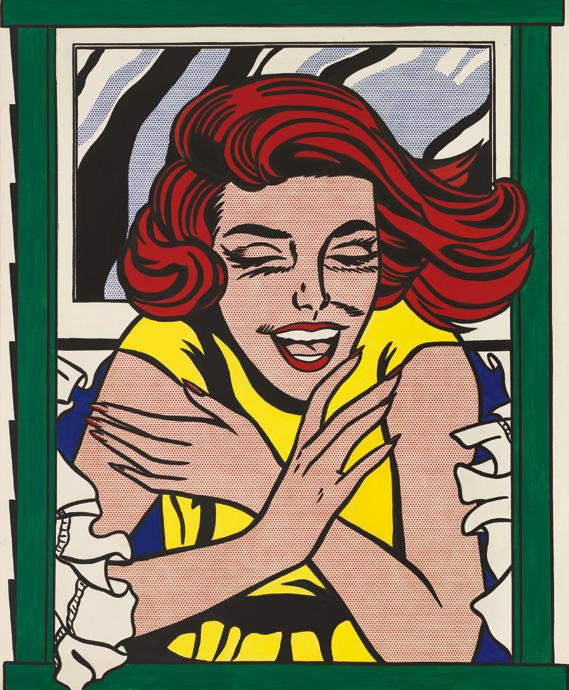
Whitney Museum of American Art, New York
Opening October 14, 2026–May 10, 2027
Timed to his centennial, the Whitney's Roy Lichtenstein exhibition, titled “Like New,” promises a landmark reassessment of the Pop icon who turned comics and Ben-Day dots into cool, conceptual painting. Bringing together roughly 130 works spanning the early 1940s through the 1990s, the show emphasizes Lichtenstein's dialogue with art history as much as with mass culture, framing him as an artist who spent decades probing how images get copied, altered, and remade. It will be New York's marquee opportunity this season to reconsider how image, industry, and irony reshaped American art.
and related works on paper created from the 1920s to the 1960s, the exhibition tracks how O’Keeffe translated facades, windows, and vertiginous streets into distilled planes of light and color, treating architecture as a near-abstract language.
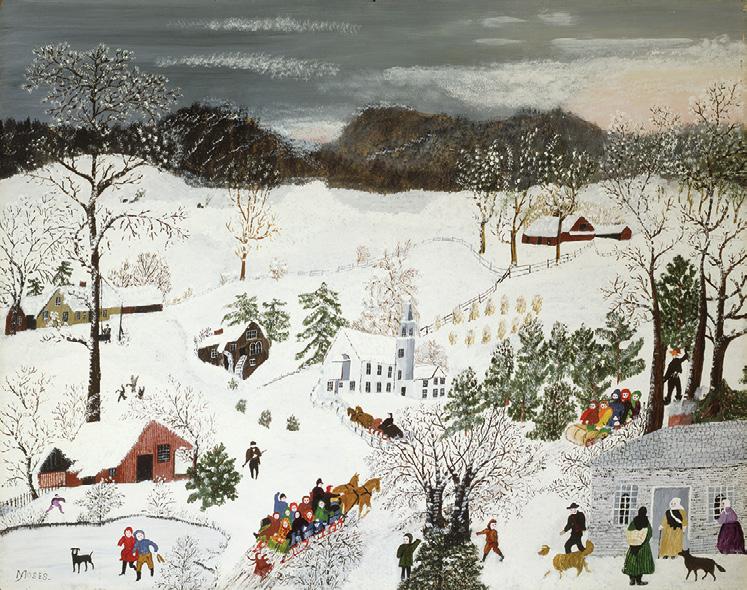
Crystal Bridges Museum of American Art, Bentonville, Arkansas September 12, 2026–March 29, 2027
Crystal Bridges presents Grandma Moses as a multidimensional historian of American labor and memory rather than a naive folk eccentric, spotlighting the work she produced after beginning her painting career around age 80. “A Good Day’s Work” assembles more than 60 paintings from Anna Mary Robertson “Grandma” Moses that braid seasonal farm tasks, domestic routines, and small - town rituals with the artist’s century - long life. The show reveals how Moses’s seemingly nostalgic vistas register postwar optimism, gendered work, and the careful myth - making of rural America in mid - 20th - century culture.
Trade boarding passes for boarding decks as the RitzCarlton Yacht Collection redefines what luxury travel looks like with an Icelandic voyage aboard Evrima. Between glacier-lined fjords and Nordic landscapes, an exclusive collaboration with Ginori 1735 transforms a holiday at sea into a design-forward escape worthy of the journey itself.



Year established: 2022
Accommodations: 149 suites
by

For decades, the most glamorous way to arrive at a destination has been by air—whether that's settling into business class or boarding your own private jet. But the Ritz-Carlton Yacht Collection is making a compelling case that true luxury begins at sea.
Far removed from the world of cookie-cutter cruise ships, the Ritz-Carlton Yacht Collection offers a voyage experience more like a floating private residence than a traditional cruise. This season, the brand invites travelers to its Icelandic itinerary, a round-trip journey from Reykjavík. Aboard Evrima —named after the Greek word for “discovery”—just 298 guests are welcomed into 149 suites aboard the 623-foot yacht. Conceived by Tillberg Design of Sweden, the vessel pairs the intimacy of a private yacht with the legendary hospitality of the Ritz-Carlton.

Over six days, Evrima calls at destinations including Grundarfjörður, where lava fields and black-pebble beaches invite exploration; Ísafjörður, home to the Drangajökull glacier and Dynjandi waterfalls; and Akureyri, near the Arctic Circle, where guests can go whale watching or, in the right season, catch the Northern Lights.
The journey between ports is equally rewarding. Guests can relax in the Observation Lounge, enjoy bespoke spa treatments, or experience The Ritz-Carlton's collaboration with Italian porcelain house Ginori 1735 across the Ginori Terrace, Pool House, and Mistral restaurant. By the time Evrima returns to Reykjavík, you'll wonder why we ever chose to fly over some of the world's most breathtaking landscapes instead of sailing through them.
Where the grandeur of the Belle Époque meets the timeless rhythm of the Alps.

by stella peters
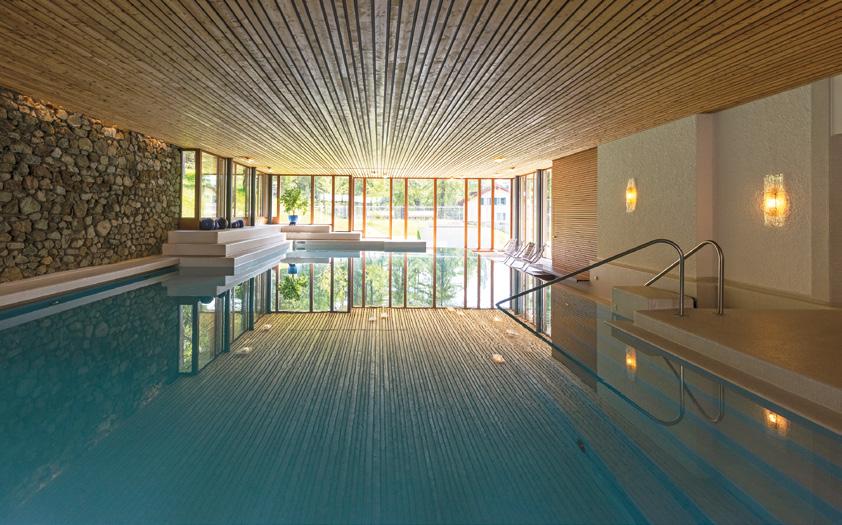
The Waldhaus Sils is a family-owned five-star hotel near St. Moritz, Switzerland, seated on a promontory overlooking breathtaking forests, lakes, and mountains.
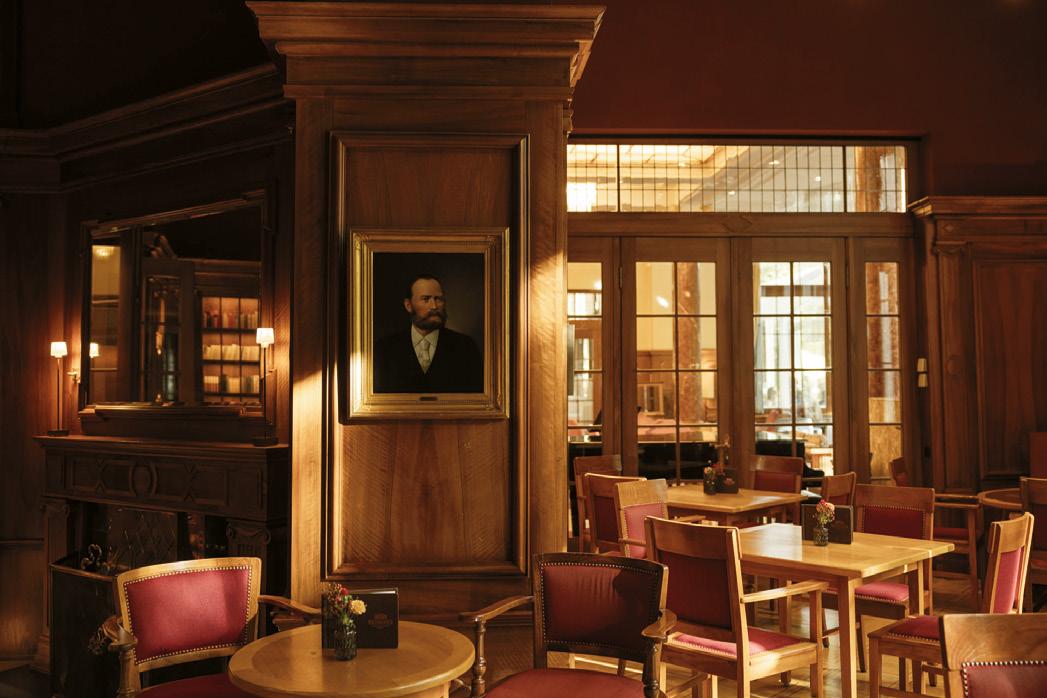
This grand historic structure owes its relaxed and welcoming atmosphere to the five generations of family who have personally managed the hotel, emphasizing serene continuity and stability in a rapidly changing world. Attracting artists, writers, and intellectuals alongside families and nature enthusiasts since 1908, the hotel’s allure speaks to the type of respite that every traveler seeks.
What is the design aesthetic?
During the Belle Époque, our ancestors created a comfortable hotel, more welcoming and practical than ornate, with wide corridors, large public spaces, and a castle-like exterior. What do return visitors look forward to?
You can come back from a world of change after 20 years and still find what you left behind. Many enjoy the library… [where] you can feel the old-time charm and heritage of intellectual guests who have read there during their Waldhaus stays.
How does your food program reflect the Engadine region?
Address: Via da Fex 3, CH-7514 Sils im Engadin
Year established: 1908
Number of rooms:
140 rooms and suites
Signature fare: The chef's table on Mondays. An exclusive front-row seat in the heart of our kitchen. Watch the executive chef at work, discover the inspiration behind each dish, and uncover a few of our culinary secrets.
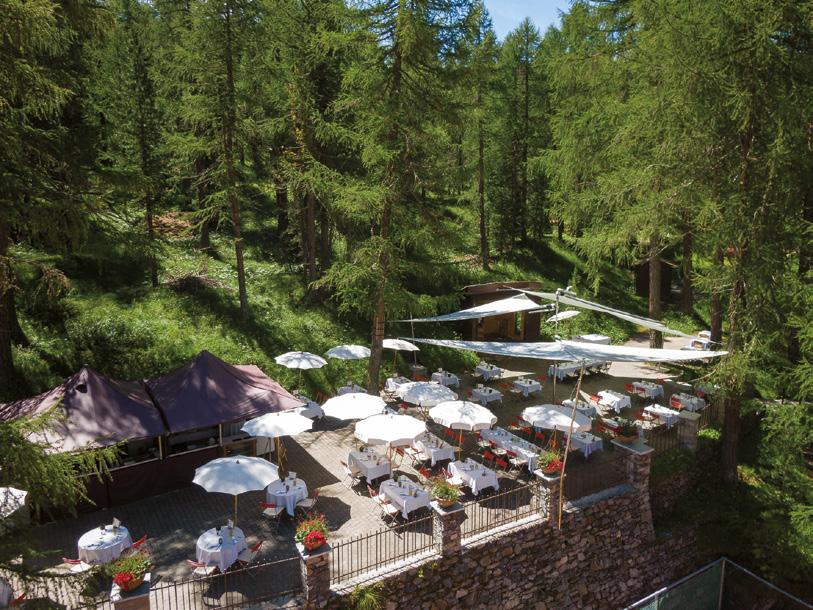
Most underrated amenity: Waldhaus Terrace during the summertime. Surrounded by nature, the forest terrace is one of summer's most exclusive experiences.
For your 9-to-5: Cruise on Lake Sils on Europe’s highest scheduled motorboat line.
For your 5 to 9: Enjoy our great lounge for afternoon tea or the bar for early drinks. A place where you are always in good company.
In the [restaurant] Arvenstube, our regional dishes like salt-crusted sea bass or crêpe Suzette are very popular. You must try the homemade Bündner nut tart and the Bündner barley soup. These classic dishes have been around since the founding era. We source locally as much as possible. It makes a difference when you know where the milk and the meat come from.
Summer highlights?
Hike through woods, meadows, and mountains, or take a horse-drawn carriage ride to the pristine Fex Valley. Take a boat on Lake Sils or relax on the property.
Winter highlights?
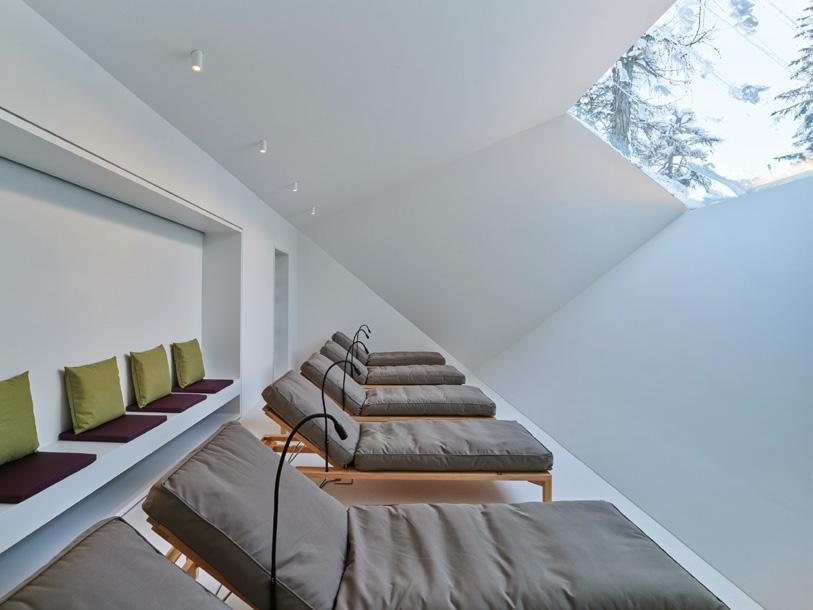
Waldhaus in winter is a study in contrast. From a day on the slopes, the cross-country trails, or the walking trails, you come home to music, food, companionship, warmth, and comfort— our cozy outpost in the wintry landscape.
What’s next?
We’ve added a new restaurant, GIGERs, named for our ancestors. We’re always offering new cultural activities and splendid spa services. We are here to help our guests build new stories.
The future is similar to the past — the hotel represents a community spirit between guests and proprietors who seek hospitality that is more of a shared destiny than a production.
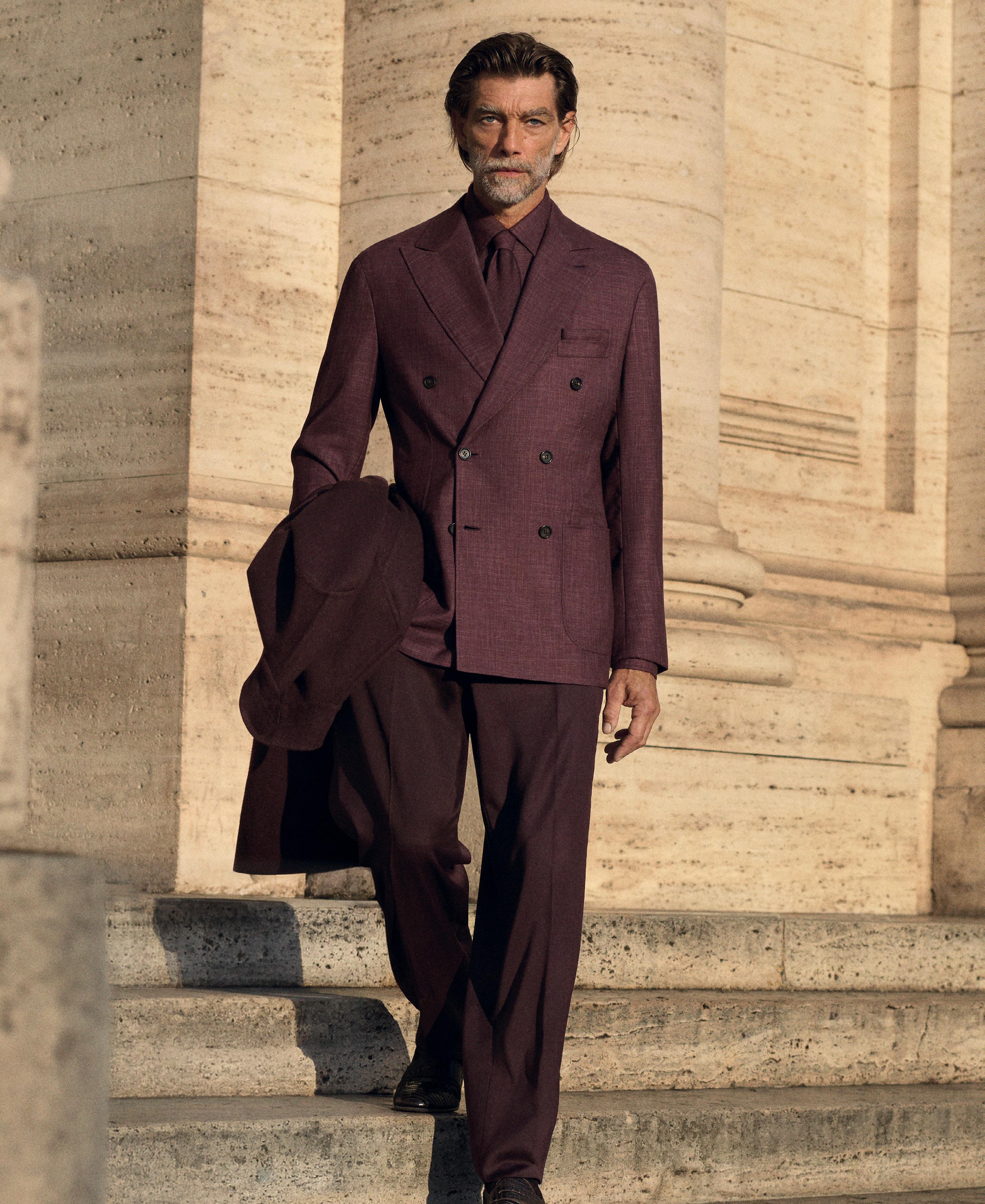
This curation is for the tony sartorialist who loves film, photography, and celebrity.
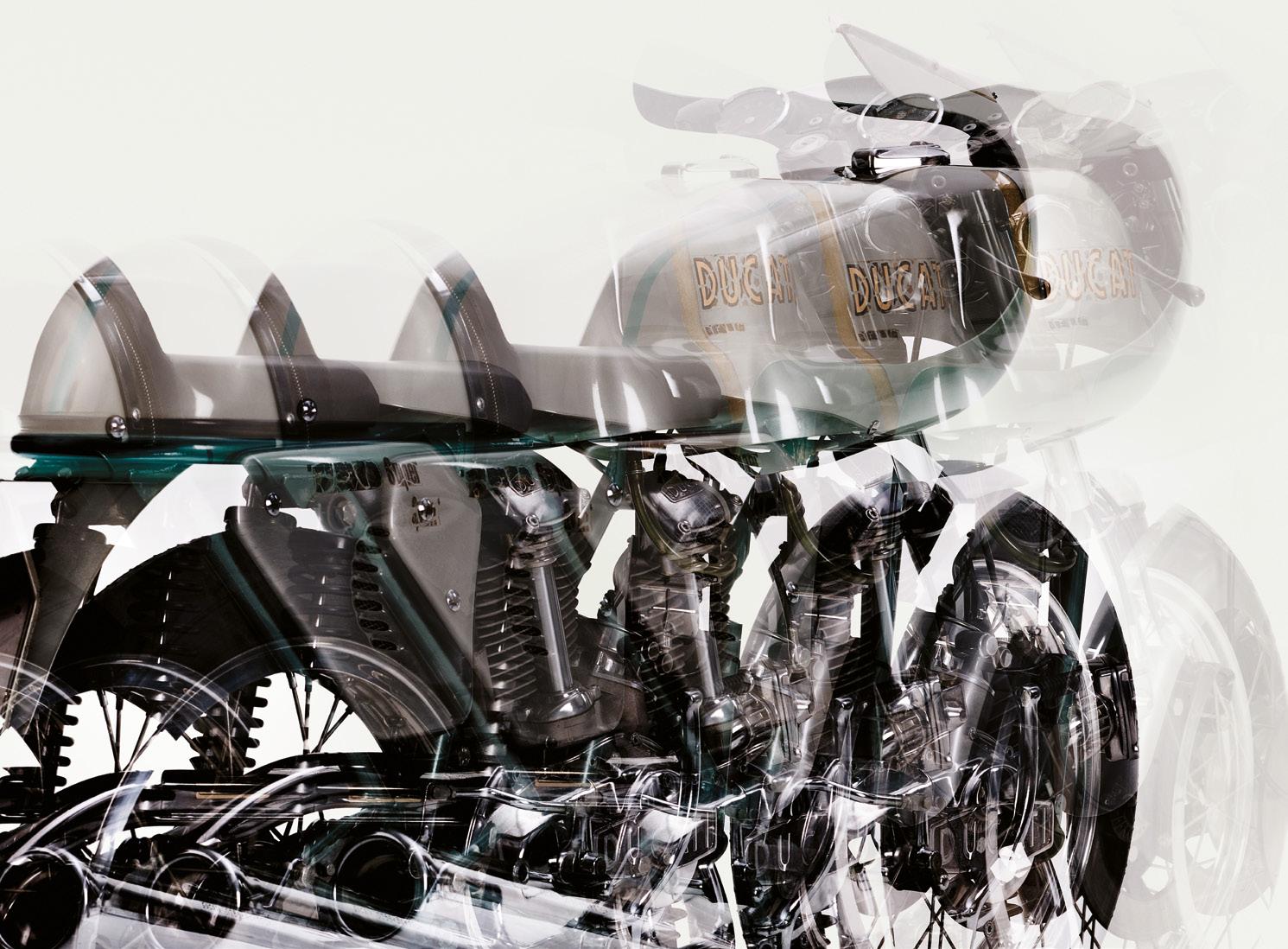
Text by Peter Boggia
Publisher SUPER LABO
October 2026
Acclaimed photographer Craig McDean photographs two original Ducati 750 Super Sport motorcycles. One of the two machines was ridden tirelessly
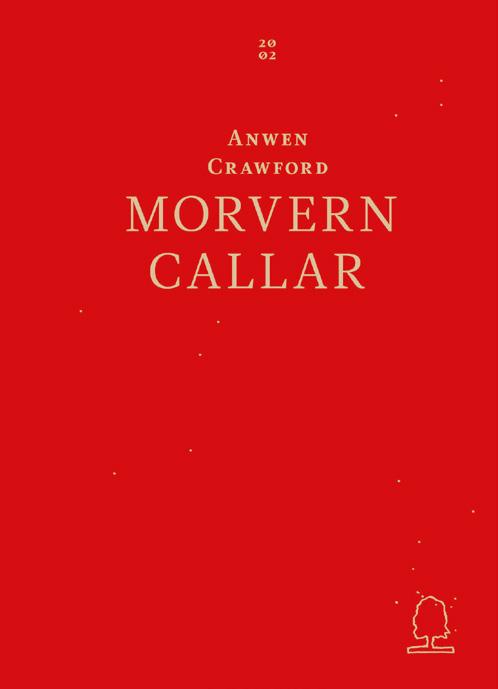
Text by Anwen Crawford
Publisher Fireflies Press
September 2026
Part of the Fireflies Press Decadent Editions, a series of 10 books about 10 films, one for every year of the 2000s, Anwen Crawford’s book length piece is at once an exploration of Lynne Ramsay’s 2002 film and a beautiful art collectible. firefliespress.com
by Keith Hale, the other meticulously preserved by Lawrence Forstall and subsequently featured in the Guggenheim Museum’s exhibition “The Art of the Motorcycle.” Though the motorcycles are virtually identical, McDean showcases their separate histories. superlabo.com
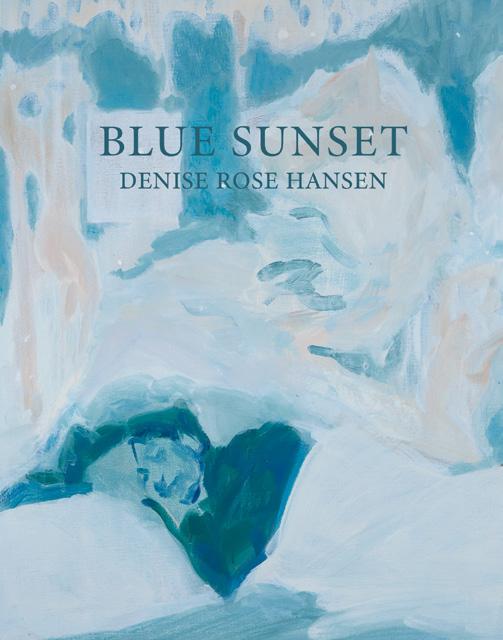
Author Denise Rose Hansen
Publisher Dorothy
October 2026
This novella begins at a conference somewhere in Europe, where Maja, an academic, meets the Author. As she wanders in and out of proxy to him and the conference, Maja cannot escape a recent tragedy that colors her perspective on research, life, and light. dorothyproject.com
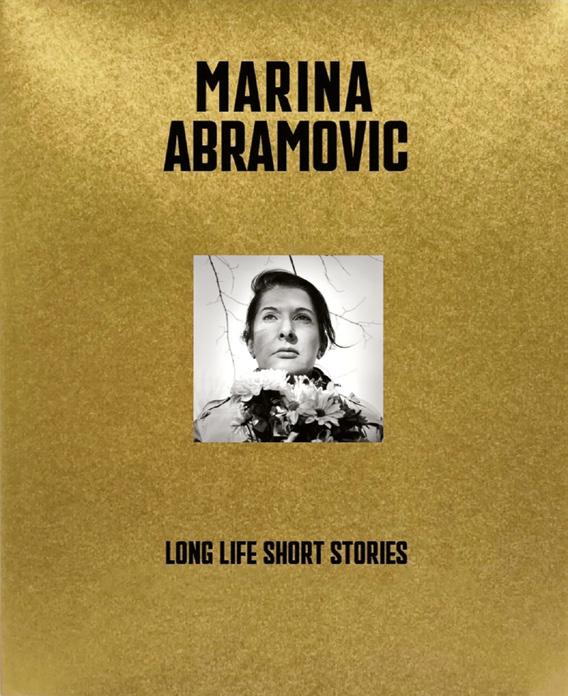
Author Marina Abramovic ’
Publisher Penguin Random House
May 2026
Personal stories penned by Marina Abramovic pair with original sketches drawn exclusively for this book to offer intimate insight into the artist’s singular and unflinching interiority. rizzoliusa.com

Text by Sam Taylor-Johnson
Publisher Rizzoli
October 2026
From the director of Fifty Shades of Grey (2015) comes a series of portraits and self-portraits, including her renowned Crying Men series, accompanied by new writings for her latest monograph. rizzoliusa.com
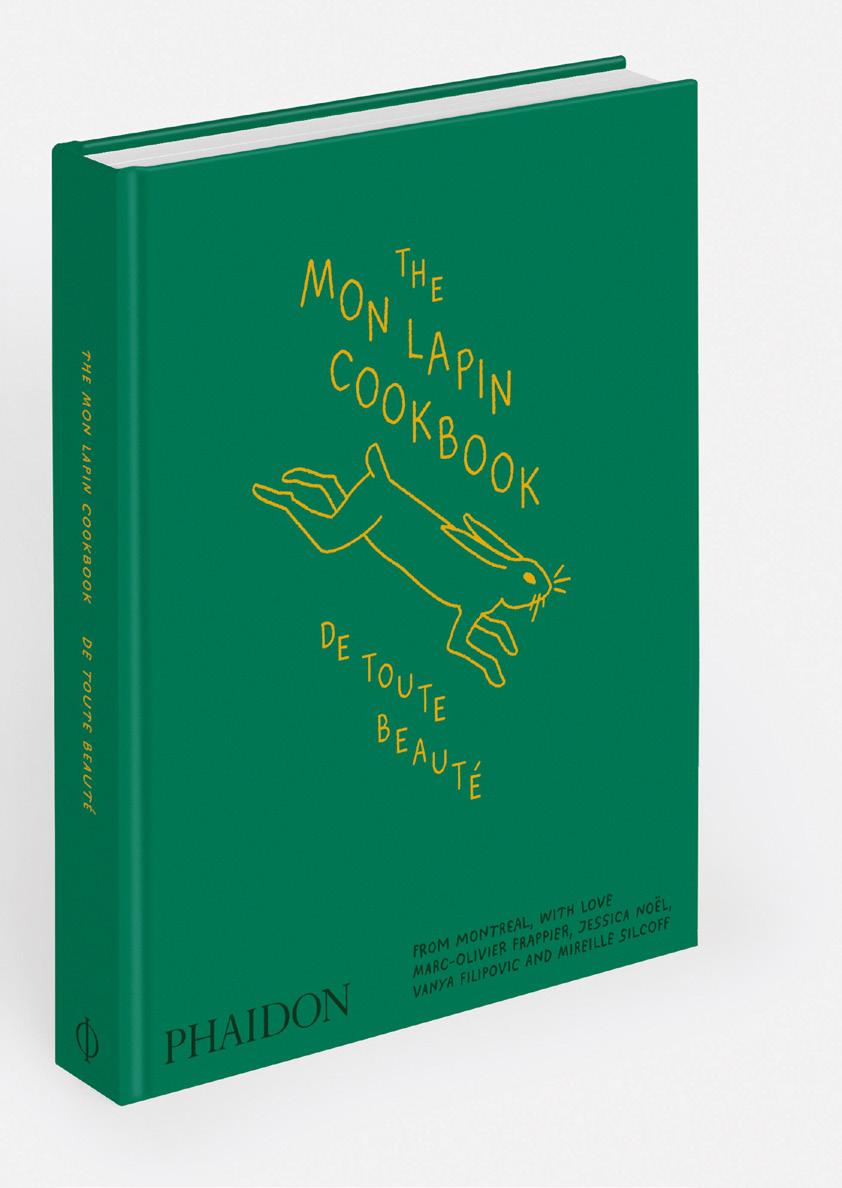
Authors Marc-Olivier
Frappier, Jessica Noël, Vanya
Filipovic, with Mireille Silcoff
Foreword by Riad Nasr
Publisher Phaidon
May 12, 2026
This cookbook celebrates Mon Lapin, a small, but sought-after Montreal dining room, and the friendships that made the vibrancy and success of this space possible. A wine essay accompanies each chapter where recipes include Buckwheat Celebration Cake and Sourdough Chicken. phaidon.com
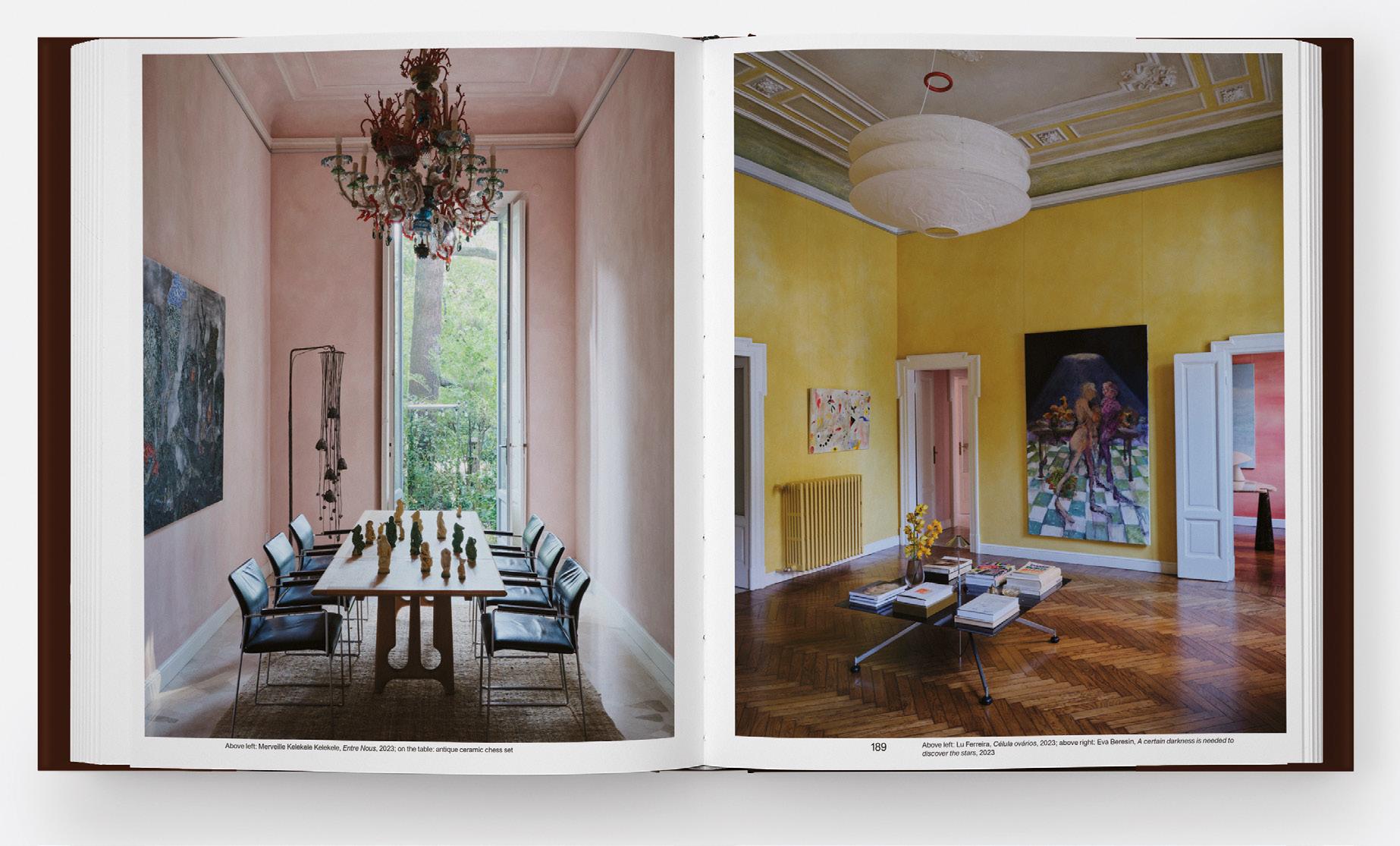
Author Sarah Harrelson
Foreword by Venus Williams
Publisher Phaidon
October 2026
Founder and editor-in-chief of CULTURED magazine, Sarah Harrelson,
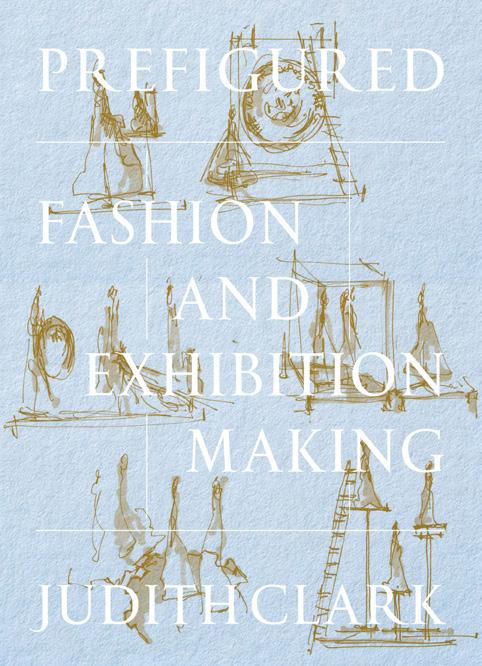
Author Judith Clark
Publisher MACK
September 2026
Drawing upon three decades of work from fashion curator and historian Judith Clark, Prefigured provides a behind-the-scenes glimpse into how fashion exhibitions are narratively and spatially constructed to generate new ways of seeing. mackbooks.us
tours 30 distinct, extraordinary art collections. Alongside lush color photographs, The Cultured Collector features conversations with collectors such as Alicia Keys and Swizz Beatz, Rashid Johnson, Michelle and Jason Rubell, among others. phaidon.com
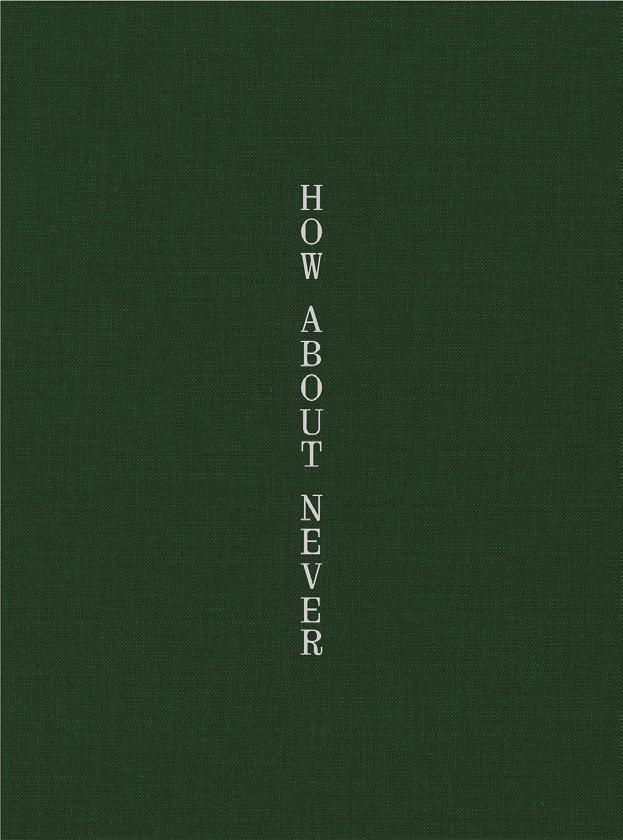
Author Jerry Hsu
Publisher MACK
September 2026
These gritty, scintillating photographs of Los Angeles are at once atmospheric and searing. From the visionary American-Taiwanese photographer and skateboarder Jerry Hsu, How About Never explores new facets of the City of Angels without shying away from violence–or beauty. mackbooks.us
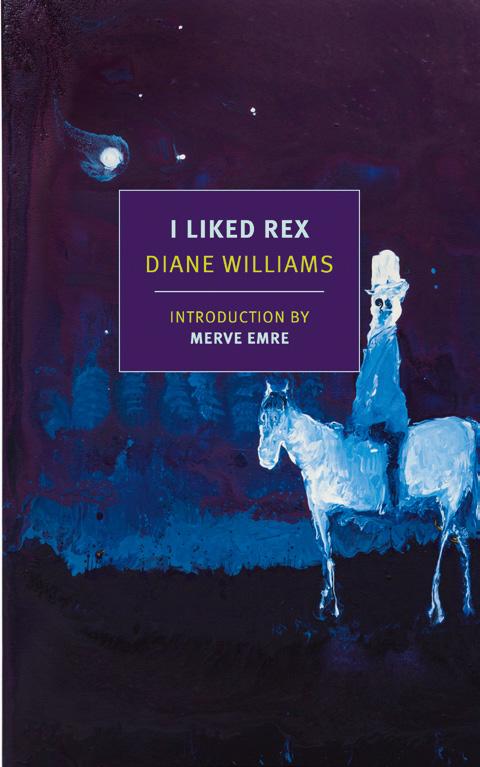
Text by Diane Williams
Publisher NYRB
May 2026
Written by Diane Williams, the founder of the literary journal NOON, I Liked Rex is a series of 36 flash fiction pieces that explore sex, love, and marriage. With an introduction by the esteemed literary critic Merve Emre, this book is a necessity for any collector of the NYRB Classics. nyrb.com
The must-see films and TV shows defining this season’s biggest cultural moments
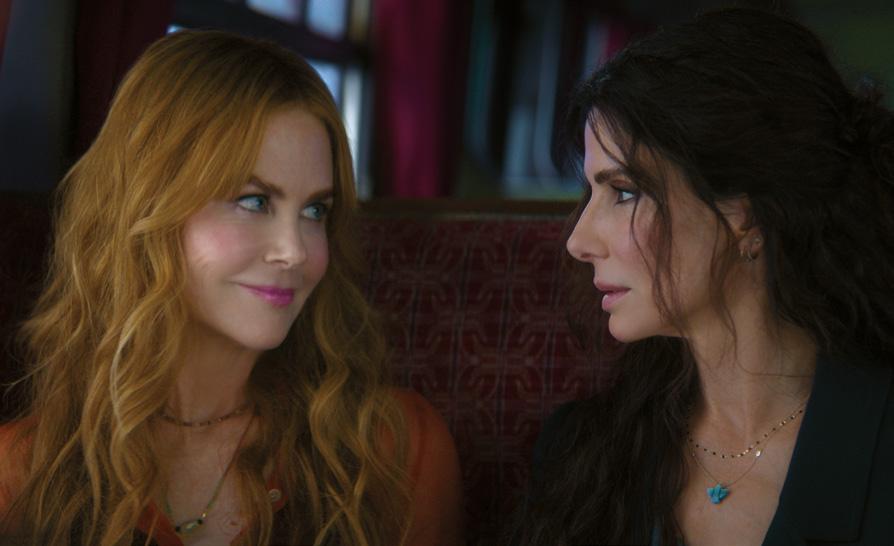
September 11, Warner Bros. Pictures
“I’m sure you’ve heard of the Owens family,” begins the teaser trailer for the sequel to the 1998 film about witch sisters Sally and Gillian (Sandra Bullock and Nicole Kidman) and their aunts (Dianne Wiest and Stockard Channing). Heard of them? More like spent the past eight years trying to cast a
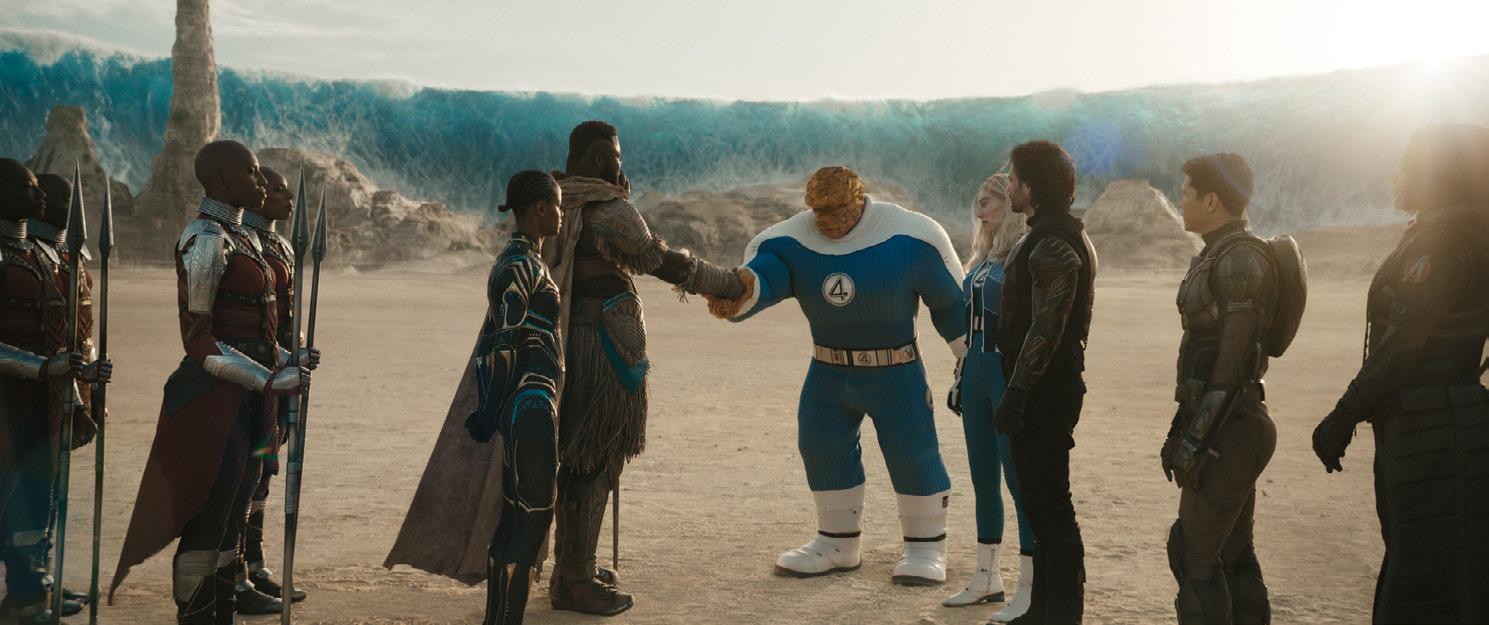
December 18, Walt Disney Studios
Motion Pictures
The 39th film in the Marvel Cinematic Universe is nothing short of epic, with the Avengers, Wakandans, New Avengers, Fantastic Four, and X-Men
spell on Hollywood to fast track this movie (which, like the original, is based on Alice Hoffman’s novels). Set 25 years after the original, Sally and Gillian have more family drama to deal with, now that the next generation is showing signs of supernatural powers. Joey King and Maisie Williams join the cast as Sally’s daughters and Lee Pace plays a historian of magic whose interest in the topic might not be entirely academic.

December 18, Warner Bros. Pictures
The space epic comes to its conclusion this winter, after the second film in Denis Villeneuve’s trilogy left us with Paul (Chalamet) at the height of his emperor power and his lover Chani (Zendaya) crying in the desert. This film, set 17 years later, explores power and violence, and brings back fan
favorites like Javier Bardem, Florence Pugh, Jason Momoa, and Anya TaylorJoy. There will also be new faces to the Duniverse, including Robert Pattison as a bleach-blonde villain Scytale, and Nakoa-Wolf Momoa–yup, Jason and Lisa Bonet’s son–as one of Paul and Chani’s children. Will this really be the end? Just putting it out there: Original author Frank Herbert wrote six books.
teaming up to fight Doctor Doom. The cast list is an A-list of who’s who, but should we talk about who’s playing Doctor Doom? That would be Robert Downey Jr. Yup, the same guy who once played Tony Stark / Iron Man. As Marvel C.O.O. Kevin Feige says, “He played the most iconic hero. Let’s have him play the most iconic villain.”
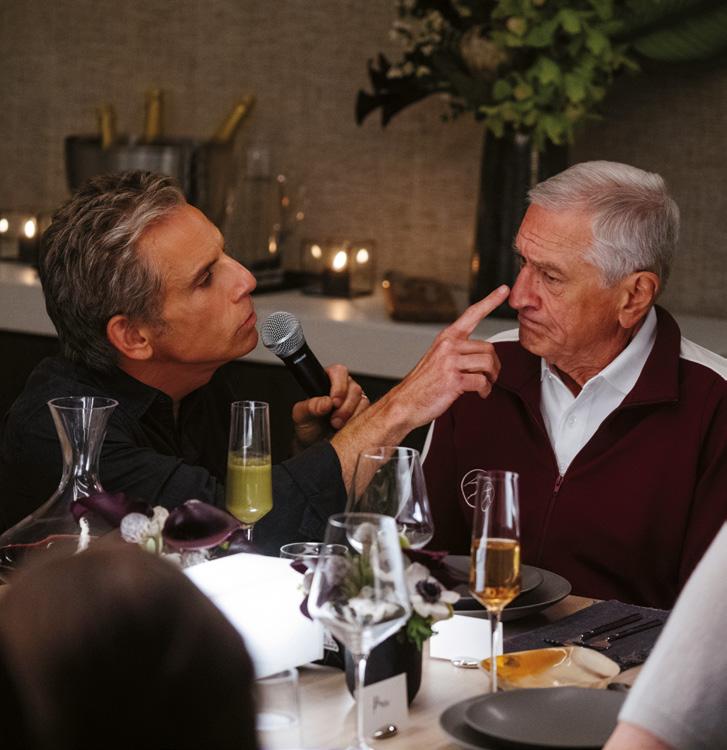
November 25, Universal Pictures Will the good witch become a good daughter-in-law? Ariana Grande joins the latest Meet the Parents sequel as Olivia, a former FBI hostage negotiator and possible new addition to the Focker fam. She goes home with her boyfriend Henry (Skyler Gisondo) to get everyone’s blessing and things don’t go much smoother than when Henry’s dad Greg (Ben Stiller) first met his future father-in-law Jack (Robert De Niro) in the original 2000 film. Some things are different–this time around, De Niro gives Grande the lie detector test. And some aren’t–Greg isn’t, shall we say, great with the animals. Hey, not everyone can be pop-u-lar.
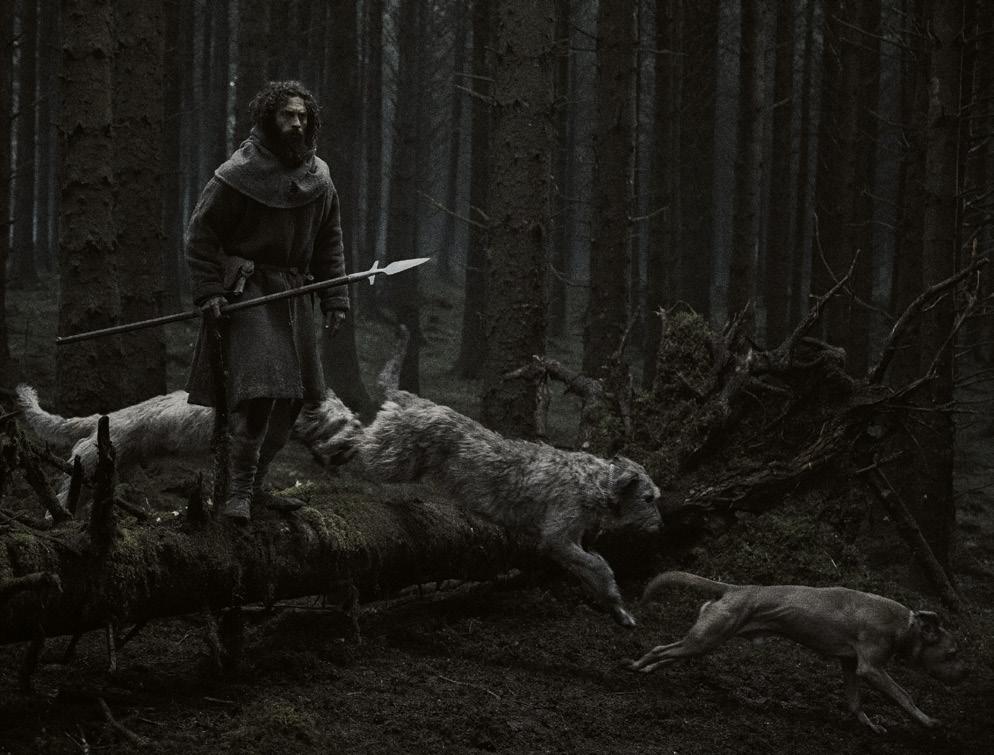
December 25, Universal Pictures
No one does folklore-fear quite like Nosferatu director Robert Eggers. And on Christmas Day, he’s gifting us his latest horror, this one about a cursed farmer (Aaron Taylor-Johnson) and a cursed 13th century English village. Eggers wrote the script alongside Icelandic poet Sjón with dialogue in historically-accurate Middle English, but don’t worry about understanding. As the trailer cautions, “Do not dread the darkness. Embrace it.” Apparently that translates to: Will you hold my hand, please?
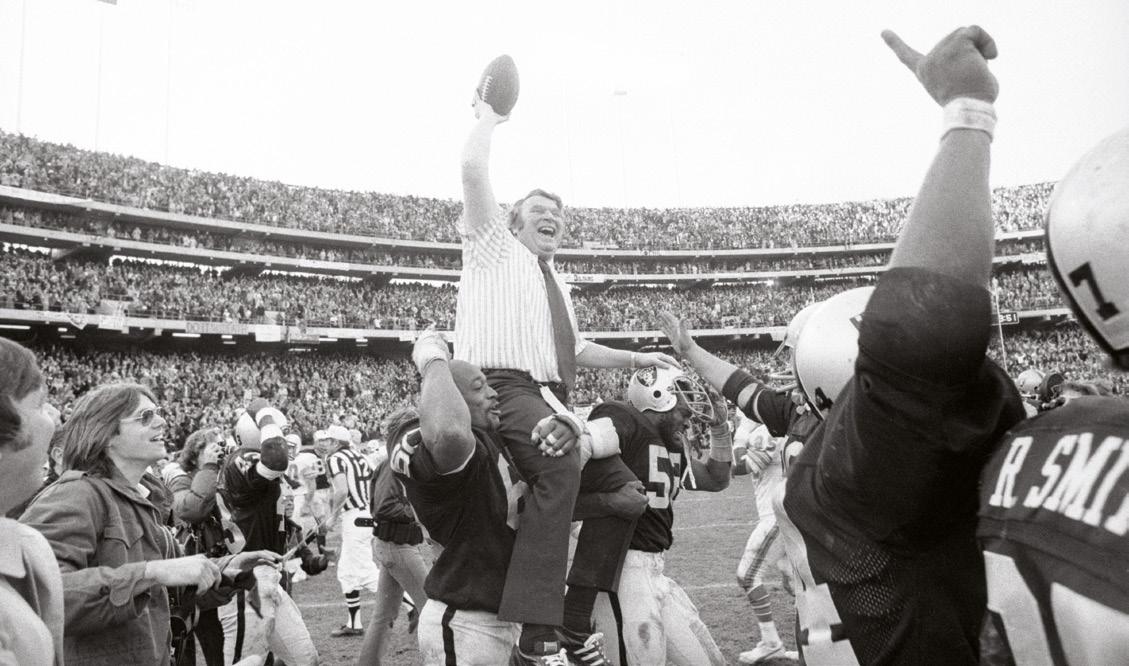
November 26, Amazon MGM Studios
Five-time Oscar nominee David O. Russell turns his lens to the story of John Madden, the Super Bowl-winning coach of the Oakland Raiders who ultimately became the namesake of the insanely successful NFL video game. Nicolas Cage stars as the legendary 1970s coach turned pop culture icon opposite Christian Bale as Raiders owner Al Davis, Kathryn Hahn as John’s wife Virginia, and John Mulaney as Trip Hawkins, who founded the gaming company behind Madden NFL. Looks like a touchdown to us.
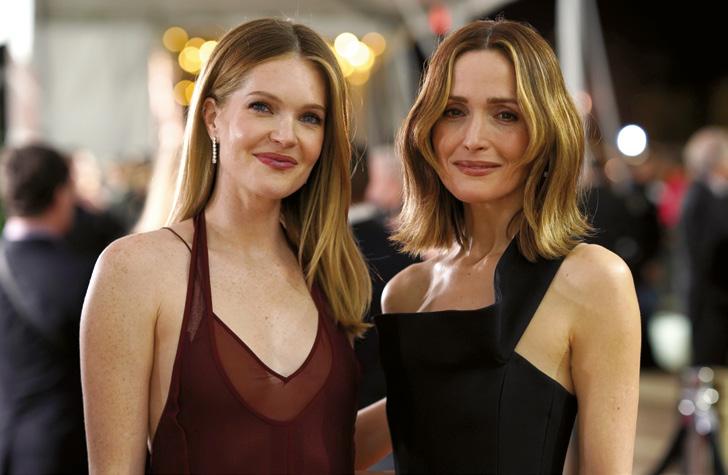
November 12,
Rose Byrne and Meghann Fahy star as Samantha and Charlotte, sisters who have spent nearly three decades picking up the pieces after a violent night in their small town. When another attack happens, they have to dig into their memories and secrets, both as sisters and daughters to solve the crime. The adaptation of Karin Slaughter’s best-selling novel also stars Brendan Gleeson (as Samantha and Charlotte’s dad Rusty), Harper Steele, and Jake McDorman. Looks Good to us.
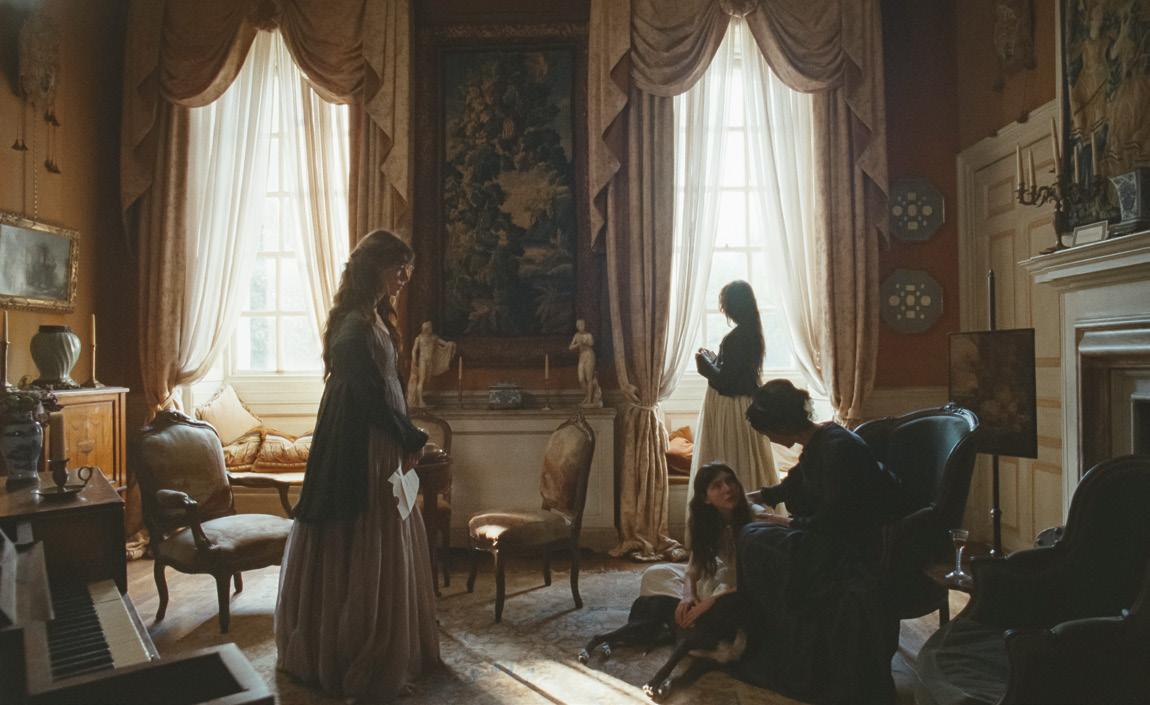
Jane Austen may have died in 1817, but she’s having quite a year in 2026. First, we’ll get a film adaptation of Sense and Sensibility starring Daisy Edgar-Jones ( Normal People ) and Esmé Creed-Miles ( Hanna ) as sisters Elinor and Marianne Dashwood who must contend with some financial uncertainty and even more romantic uncertainty. Then Netflix will release a six-part adaptation of Pride and Prejudice, which stars Emma Corrin ( The Crown ) and Jack Lowden ( Slow Horses ) as literature’s favorite couple, Elizabeth Bennet and Mr. Darcy. Get ready to double swoon.

Early 2027, HBO
Though at press time no official premiere date has been confirmed, we are trying to will season 4 of The White Lotus into airing in the rumored-tobe spring. How could we not? Laura Dern, Rosie Perez, Kumail Nanjiani, and Steve Coogan are among those heading to the French Riviera for some decadence and death in creator Mike White’s take on the Cannes Film Festival. As for all of our five-star hotel ogling, the show has got that covered with Château de la Messardière in St. Tropez and Hotel Martinez in Cannes. Oui oui!
October 1, Netflix
Writer-producer Zoe Kazan takes on John Steinbeck’s multigenerational, multi-family masterpiece 71 years after her grandfather Elia Kazan directed the film adaptation. In this 7-episode Netflix limited series, the Cain and Abel-inspired story changes its perspective, turning its focus to the much-vilified antihero Cathy Ames (Florence Pugh) who marries Adam Trask (Christopher Abbott) but sleeps with his brother Charles (Mike Faist). In the series trailer Cathy says,“The world is so full of evil,” but Kazan wants us to know what got us there.

The James Beard Award-winning chef on memory, motherhood, and modern Thai cuisine.
I didn’t know it at the time, but she taught me how to appreciate food.”
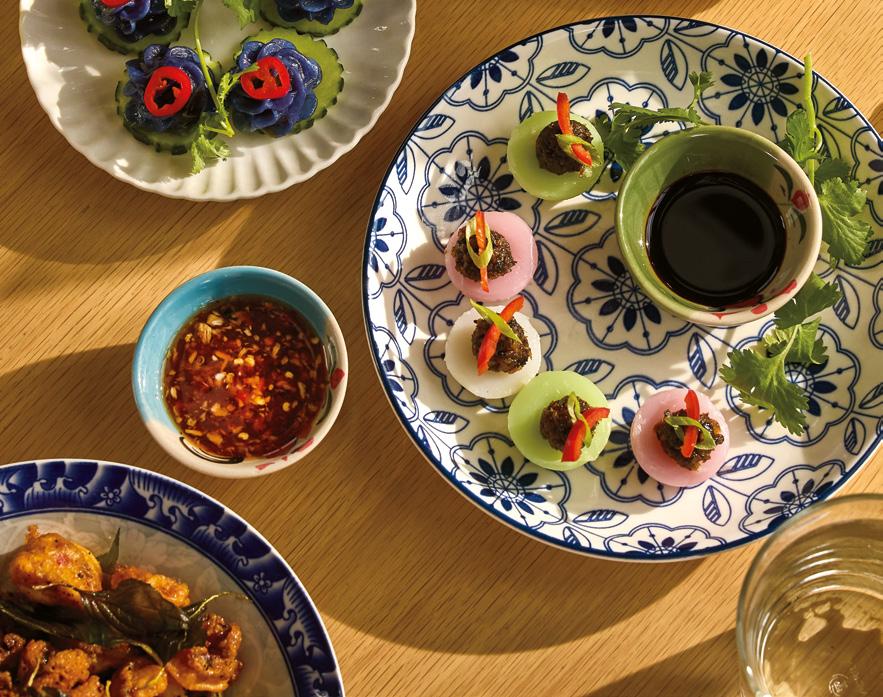
That food now includes dishes such as goong thod kluae— giant river prawns flown in from Thailand, doused in brown butter and shrimp paste, and served with jasmine rice—and artful kanomknaom jeeb nook, small birdshaped dumplings stuffed with sweet caramelized cod and radish.
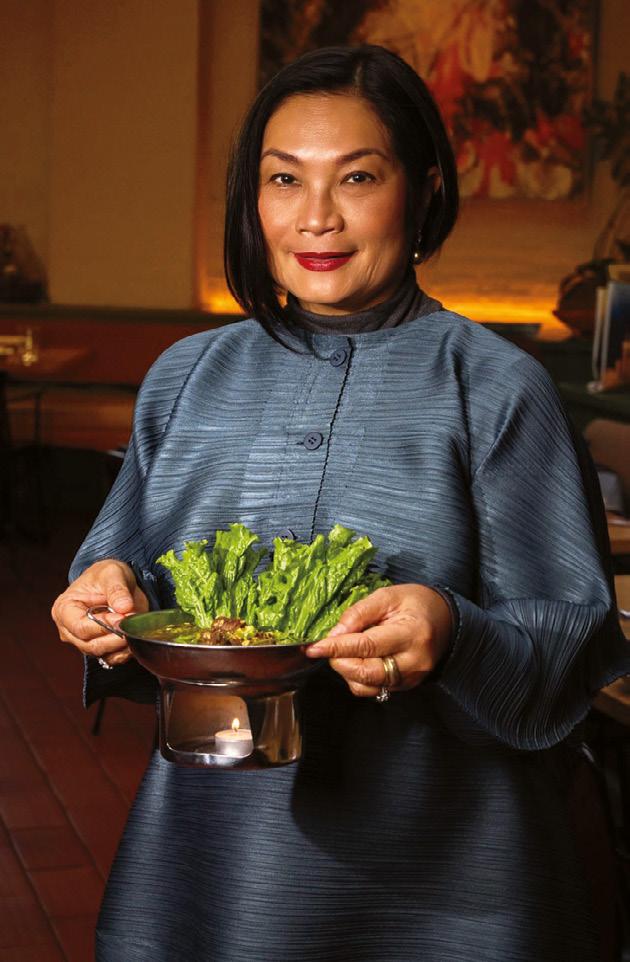
“I’m just resting a little bit before I go back to the restaurant,” says Chupatip “Nok” Suntaranon, who in 2019, at the age of 50, opened Philadelphia’s Kalaya and found herself becoming an American culinary icon and an ambassador of modern Thai cuisine. Despite a whirlwind weekend doing a double shift and several meetings in New York, you can still hear the jovial energy in Suntaranon’s voice.
“At the end of the day, I built this restaurant for me,” she says. Located in Philly’s buzzy Fishtown neighborhood, Kalaya is an homage to Suntaranon’s mother. “I want to honor my mother and share the culture of my home. It’s why I named the restaurant after her.” But it’s not just her mother’s name on the door; Suntaranon’s story and culture makes its way into every element of her work.
Born and bred in Koh Tao, a small island in Southern Thailand, Suntaranon spent her childhood at her mother’s curry stall. Born of necessity after a tragic loss that required her mother to become the sole supporter of their family, the business became a salve for them and an important and powerful connection to community. It continued to sustain them through difficult times, including when her father lost their home to gambling debts.
“Growing up in Thai markets, I was surrounded by good food,” Suntaranon recalls. “My mom’s shop was the center of the market, and customers would come to her to talk about what they were making that night for dinner.
Then there is the gaeng pae, a goat and lamb curry that pays homage to Suntaranon’s father despite their complicated relationship. “Goat curry is often saved for special occasions in Thailand,” Suntaranon says, “and I have memories of my dad getting on his motorbike just to seek it out. He would crash funerals just to get some!”
Every dish on Kalaya’s menu has a story like this one.
“A lot of the dishes on the menu weren’t available to me growing up,” says Suntaranon, who experienced financial hardship as a child. “Now, I use my memories as a way to create something that is accessible and authentic to me.”
Becoming a restaurateur wasn’t always in the playbook. Moving to Bangkok as a teenager, Suntaranon embraced city life, later working as an international flight attendant. “My first experience of America was in 1992. Nothing about the food culture excited me, well, except the pancake,” she says.
But one fortuitous flight changed the course of Suntaranon’s life when she met her husband, an economics professor at the University of Pennsylvania, on a long-haul flight to New York. After a whirlwind romance, she joined him in Philadelphia.
At the time of this interview, It’s a week before the James Beard Awards, the prestigious American culinary recognition often dubbed “the Oscars of the food world,” and Suntarnon is up for her sixth nomination. This time, it’s for Outstanding Restaurant. “Winning is not up to me, but this accomplishment is a sign to do better and another way to empower my team, which is the goal,” she says. (Spoiler alert: Nok won the award, her second James Beard win, following Best Chef: Mid-Atlantic in 2023.)
Now in her late fifties, Suntaranon’s persistence in continuing to hone her craft is admirable. “Three times a year I’m in Thailand, traveling throughout the country, learning from chefs. I’m obsessed with my restaurant and am always looking for ways to grow,” she says.
This devotion and boundless generosity are also reflected in her investment in emerging chefs. Whether it's in inviting Thai chefs from across the diaspora to cook alongside her or offering words of encouragement to underrepresented chefs, she doesn’t shy away from her responsibility to bring others up with her.
Sunastron hopes that her work serves as inspiration for any woman, young or old, who dares to dream. “There are a lot of girls who come from my background who don’t see a possibility for themselves. Yet, I want them to see me and know that there is always an opportunity to make it happen for yourself.”
“I think back to my nieces and nephews,” she says. “I want to build something meaningful for them and be someone that they can look up to. I want to serve as a reminder that never compromising and always advocating for yourself are the best ways to live.”
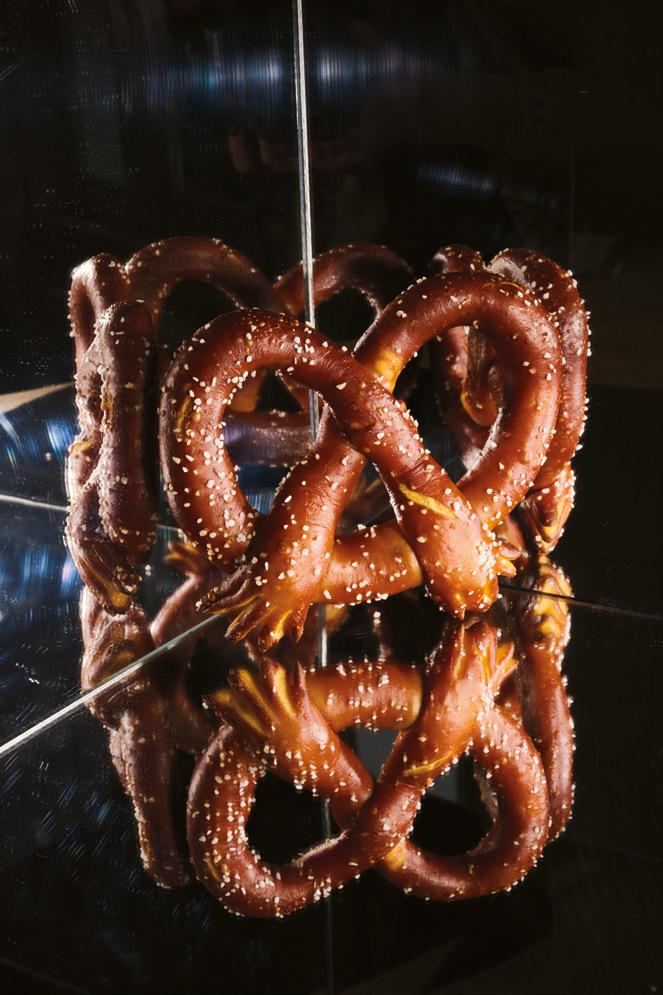
In recent years, New York City has witnessed an explosion of bakeries by immigrants who are drawing crowds, whipping up unique delights, and putting their own stamp on the culinary scene.
Here are four new bakeries making the city sweeter, while honoring their immigrant cultures and celebrating the storied history of the neighborhoods they call home.
35 Cooper Sq, New York, NY 10003
67 Cooper Sq, New York, NY 10003
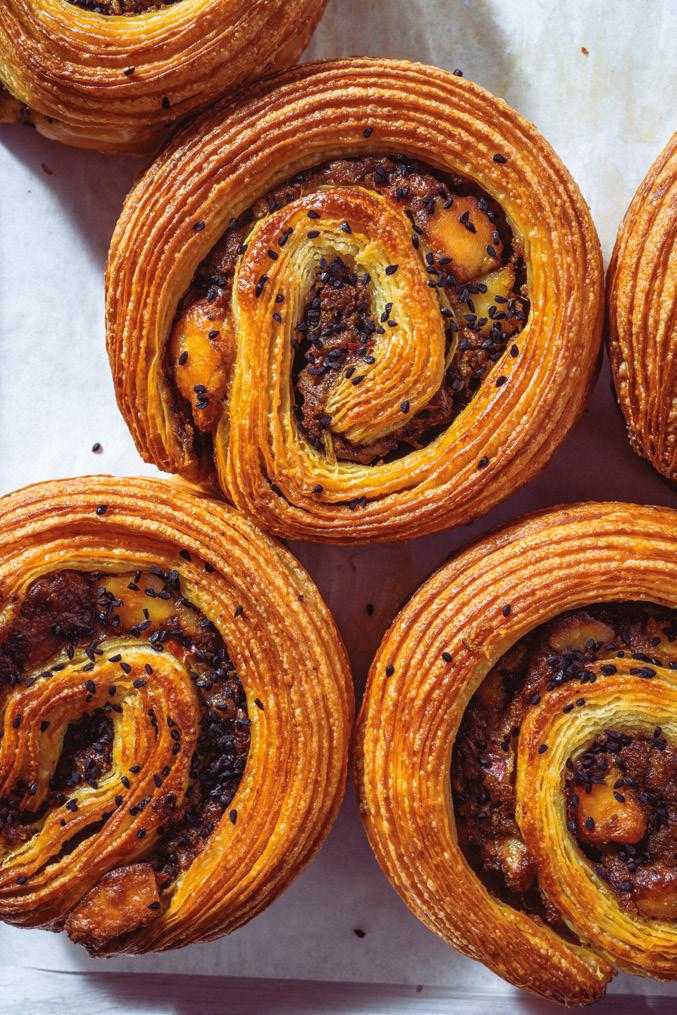
"There's nothing you can't do in this concrete jungle," says Shilpa Uskokovic, co-founder of Hani's alongside husband Miro Uskokovic, formerly a pastry chef at Gramercy Tavern. Blending his Serbian heritage with her Indian roots, their treats evoke the wonder of a candy shop with precision of a patisserie. Their paneer tikka croissant merges Eastern European strudel, French croissant dough, and paneer seasoned with Japanese curry powder. The pistachio halva Rice Krispies treat pulls from Indian and Balkan traditions, while the honey cake reimagines the classic Eastern European medovik for a New York palate.
1 Ludlow St, New York, NY 10002
Sitting at the corner of Canal and Ludlow (just before it curves into Division), Elbow occupies the nexus of two immigrant-founded communities: Chinatown and the Lower East Side. "Elbow is an amalgamation of my personal history as a native Texan raised by New York Jews," says baker and founder Zoë Kanan. That dual identity shows up in every bite. The bialy, a chewy roll originally brought to the Lower East Side by Polish Jews, are here made from sourdough and barley tea dough. Another standout, the kolache, an open-faced Czech pastry (and Texas staple), gets a brown butter brioche treatment and rotating seasonal fillings.
For Dona Mourad, Librae Bakery began as a search for a place she wished existed in New York. "As a Bahraini, food was always an expression of generosity and welcome," she says. Coowned with her husband Andre, a veteran of New York restaurants and bakeries, Librae blends Middle Eastern flavors with Scandinavian techniques. "New York is the perfect place for a third-culture bakery — people are constantly bringing pieces of themselves to create something entirely new." Her signature
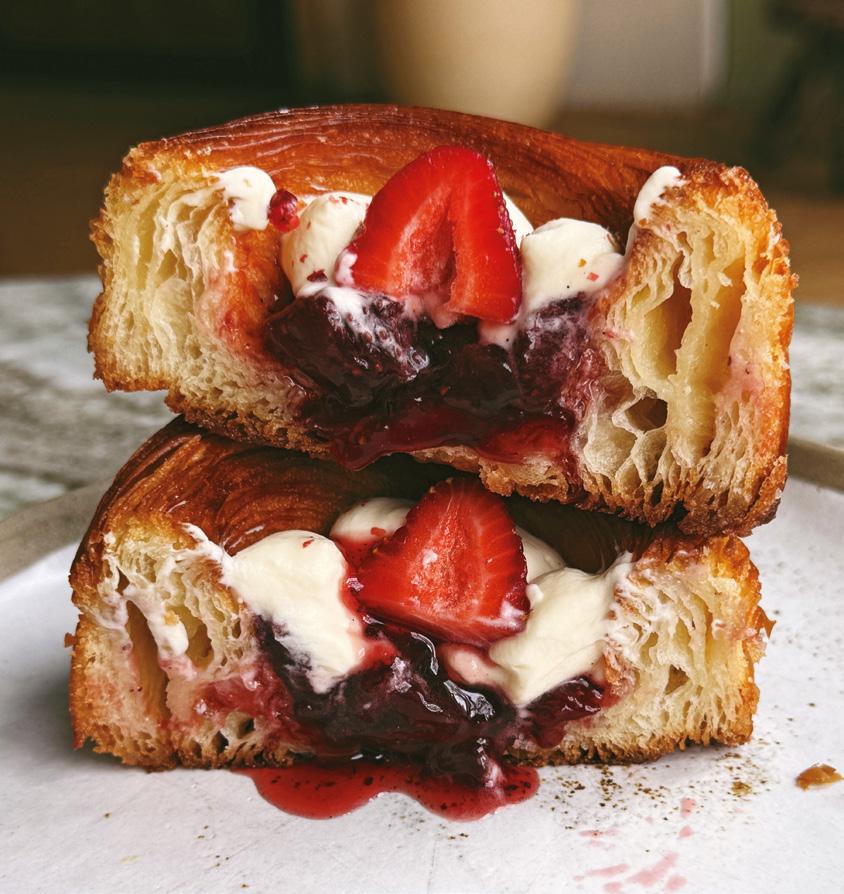
rose pistachio croissant layers laminated pastry with pistachios and rosewater, while the loomi babka introduces black lime alongside bright lemon curd.
330 Hicks St, Brooklyn, NY 11201
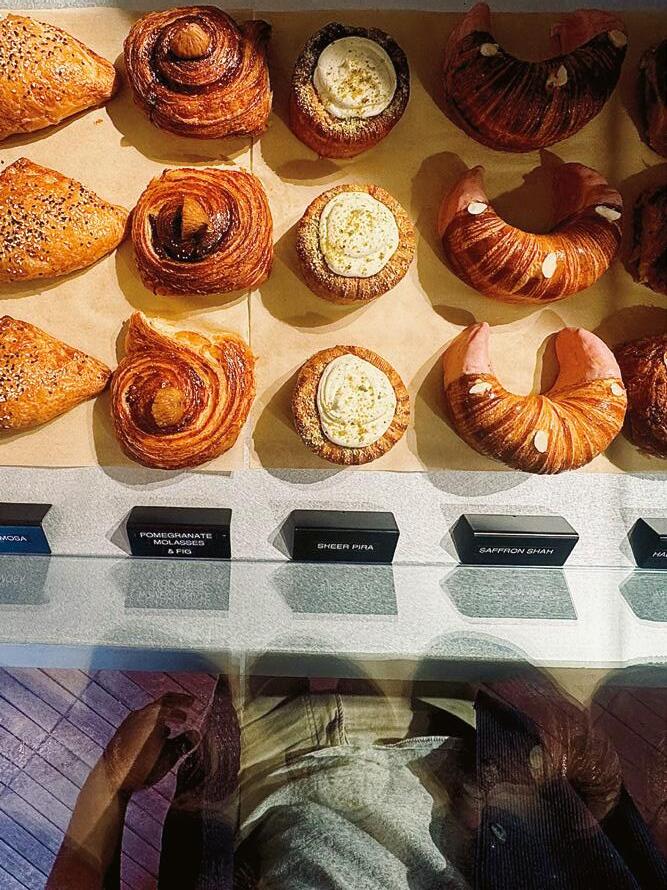
For Ali Zaman, Brooklyn is his canvas for honoring his Afghan heritage and family restaurant roots. "My partner and cousin Mohammed Ghiasi and I found this location in Brooklyn Heights,” Ali says. With the help of baker Bryan Ford, Dilja n celebrates Afghani American culture through its pastries. The signature is the sheer pira—a layered pastry inspired by Afghan fudge, filled with vanilla diplomat cream and rosewater. The bakery’s name is also a family tribute: Both founders' grandmothers share the same Afghan nickname, Dilja n—beloved heart.
From deep dives on vintage Polo and Japanese denim to sharp cultural criticism and shopping advice, these 10 newsletters make a compelling case for slowing down.
For the better part of the last decade, fashion content has been delivered in increasingly smaller packages. First came Instagram's square photos. Then Vine’s 6-second videos (R.I.P).
Then TikTok’s endless scroll of outfit breakdowns, luxury unboxings, and trend forecasts delivered at the speed of light. The industry adapted accordingly: brands shifted budgets, writers became video producers, and creators became retailers. Everyone learned how to say more with less—or at least how to say it faster.
And yet, somewhere along the way, fashion lost a bit of its favorite pastime: lingering.
Menswear has always thrived on a certain level of obsession. The best conversations about clothing rarely fit neatly into a 30-second clip. Why does a Brooks Brothers Oxford from 1987 drape better than one made today? Which obscure Japanese label perfected military-inspired outerwear decades before it became a trend? Why does a vintage Rolex feel different from a brand-new one, beyond the price tag?
Enter Substack. What began as a platform for independent writers navigating a shrinking media landscape has become one of the most interesting corners of menswear. In many ways, it recalls the golden age of fashion blogging, when personality and authority mattered more than algorithms.
As someone whose job revolves around social media, I spend plenty of time tracking what's trending. Increasingly, though, I've found myself craving what most platforms struggle to provide: context.
I'm hardly alone. Fashion consumers have grown savvier, more discerning, and perhaps a bit exhausted by the relentless churn of hot takes

masquerading as expertise. The pendulum, as it often does, has swung back. In an age of shrinking attention spans, longform content feels almost radical. Here are 10 menswear Substacks leading the charge.


by Jalil Johnson
Jalil Johnson's contribution sits comfortably at the intersection of style, film, and design. His essays and seasonal guides feel informed by an eclectic cultural diet rather than the fashion echo chamber. Johnson's approach favors expression over prescription, embracing color, individuality, and androgyny in a menswear landscape that can often feel rigid.
by Jonah Weiner and Erin Wylie
Spend enough time around those in the know and Blackbird Spyplane inevitably enters the conversation. Veteran journalist Jonah Weiner and design scout Erin Wylie's newsletter has become a fixture in menswear circles for its deep reporting, sharp product recommendations, and enthusiasm for the esoteric. It moves easily between emerging brands, overlooked classics, and interviews with designers and tastemakers.
by Michael Williams
Long before menswear migrated to Instagram, it lived on blogs—and few were more influential than A Continuous Lean . Michael Williams built a loyal following by spotlighting heritage brands, American manufacturing, and the people making things well, years before those subjects became fashionable. Nearly two decades later, his curiosity remains intact.

by Somsack Sikhounmuong
The former J.Crew design director and Alex Mill cofounder brings decades of hard-earned expertise (and an enviable memory bank) to his newsletter. One edition might tackle wedding attire, another might revisit fashion week in the 1990s or the lessons learned from a career spent designing clothes people actually wear. Few writers make good taste so approachable.

by Jake Woolf
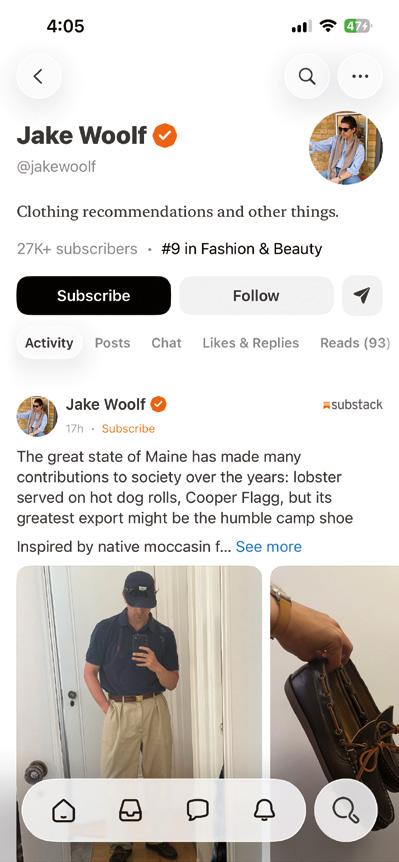
The author occupies a sweet spot between fashion writer and menswear obsessive. His eponymous newsletter distills more than 15 years of industry experience, including a stint running his own denim brand Fabric Brand & Co., into shopping recommendations, vintage discoveries, and deep dives on labels both famous and forgotten.
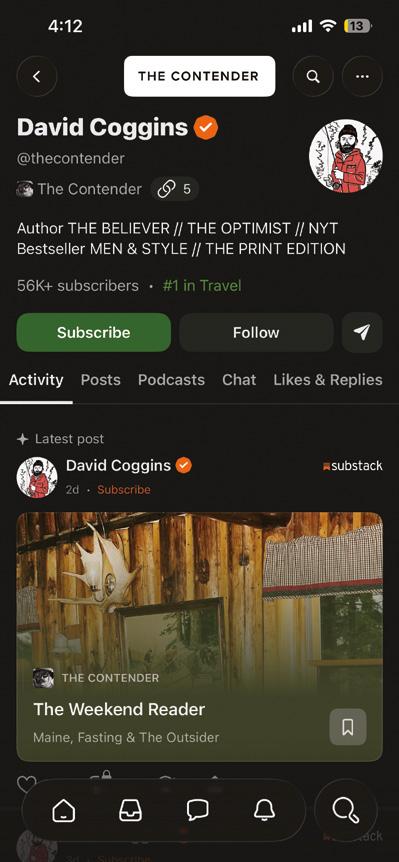
by David Coggins
Menswear is only one stop in David Coggins's universe. Across dispatches on tailoring, travel, literature, and even fly-fishing, the bestselling author of Men and Style: Essays, Interviews and Considerations sketches a life that feels thoughtful, curious, and well-lived. Readers leave with recommendations, certainly, but also with the sense that we should probably spend less time online.
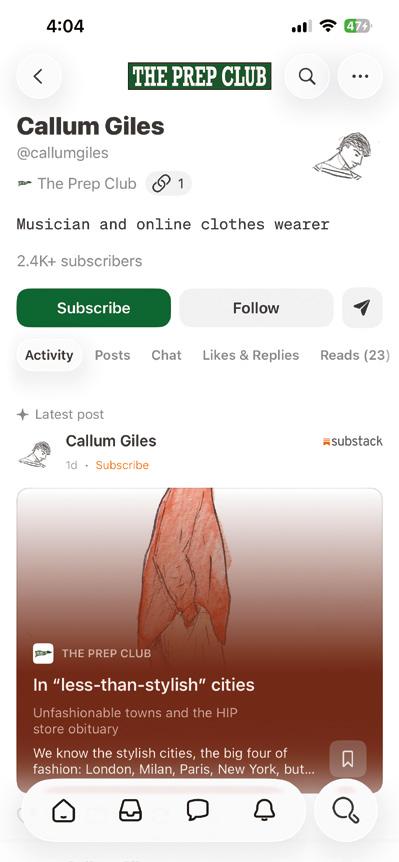
by Callum Giles
Vintage sportswear rarely receives the same level of scrutiny as tailoring or workwear. Callum Giles has made that oversight his subject. The Prep Club explores everything from faded rugby shirts and old crewnecks to the broader cultural forces that shape casual dress. He’s smart, specific, and occasionally academic without becoming inaccessible.
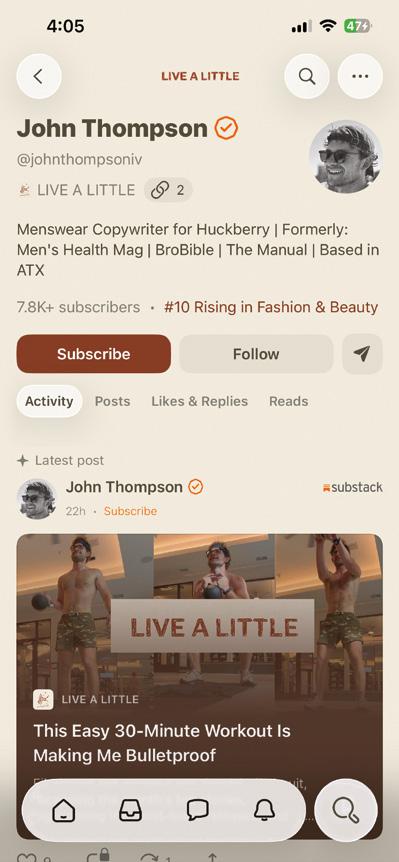
by John Thompson
This publication is built around a simple idea: a recommendation is only as good as the experience attached to it. The former Men's Health editor covers menswear, gear, travel, and food with the perspective of someone who has spent time using, visiting, and trying the things he writes about—all while resisting the internet's tendency to turn every hobby into a performance.
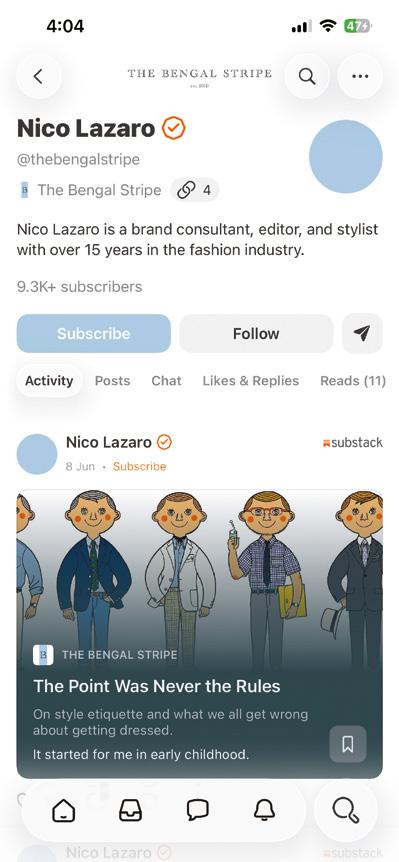
by Nico Lazaro
The voice behind The Bengal Stripe has held influential roles at both Grailed and Buck Mason, two companies that helped shape modern menswear culture. Nico Lazaro’s work reflects those interests, with deliberate writing on tailoring, prep, vintage clothing, and the references that inform signature style.
by Tony Traina
Watch collecting has become progressively noisy. Tony Traina, an ex-Hodinkee editor, cuts through much of that chatter with astute market analysis, historical background, and commentary. Even erudite watch devotees will leave smarter than they arrived.
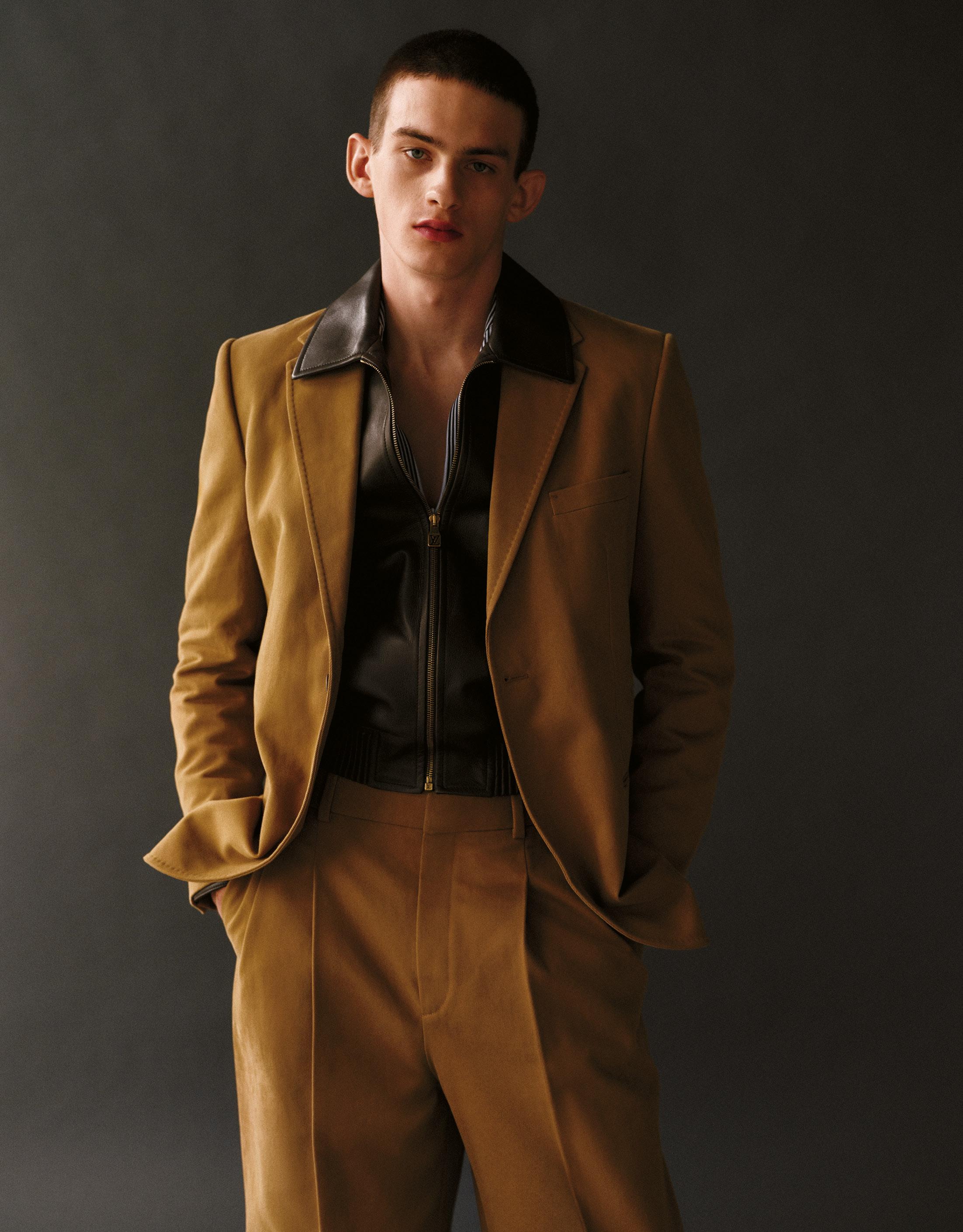
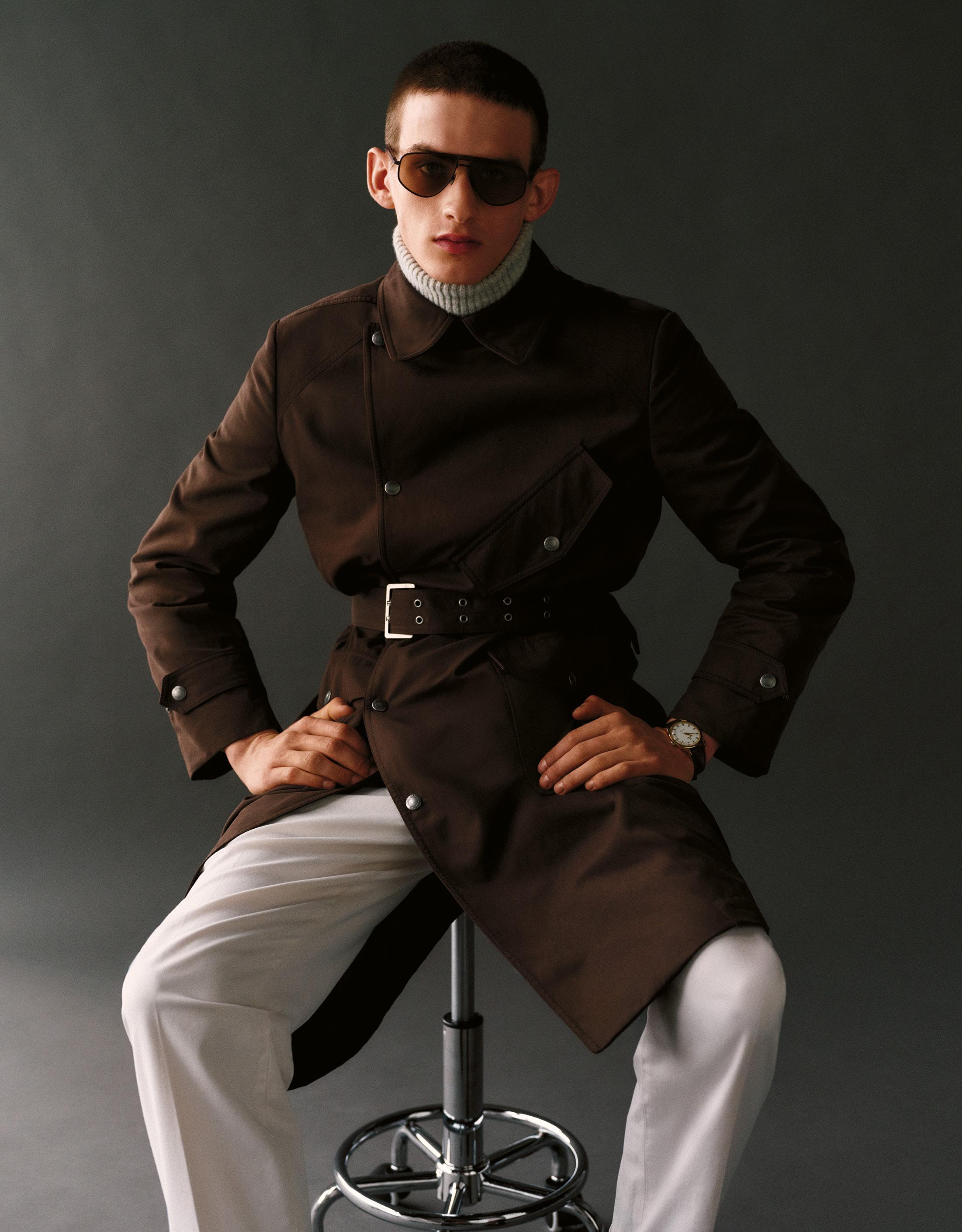
Fashion is fun again, and he’s not sitting this one out. He’s just been waiting for permission.
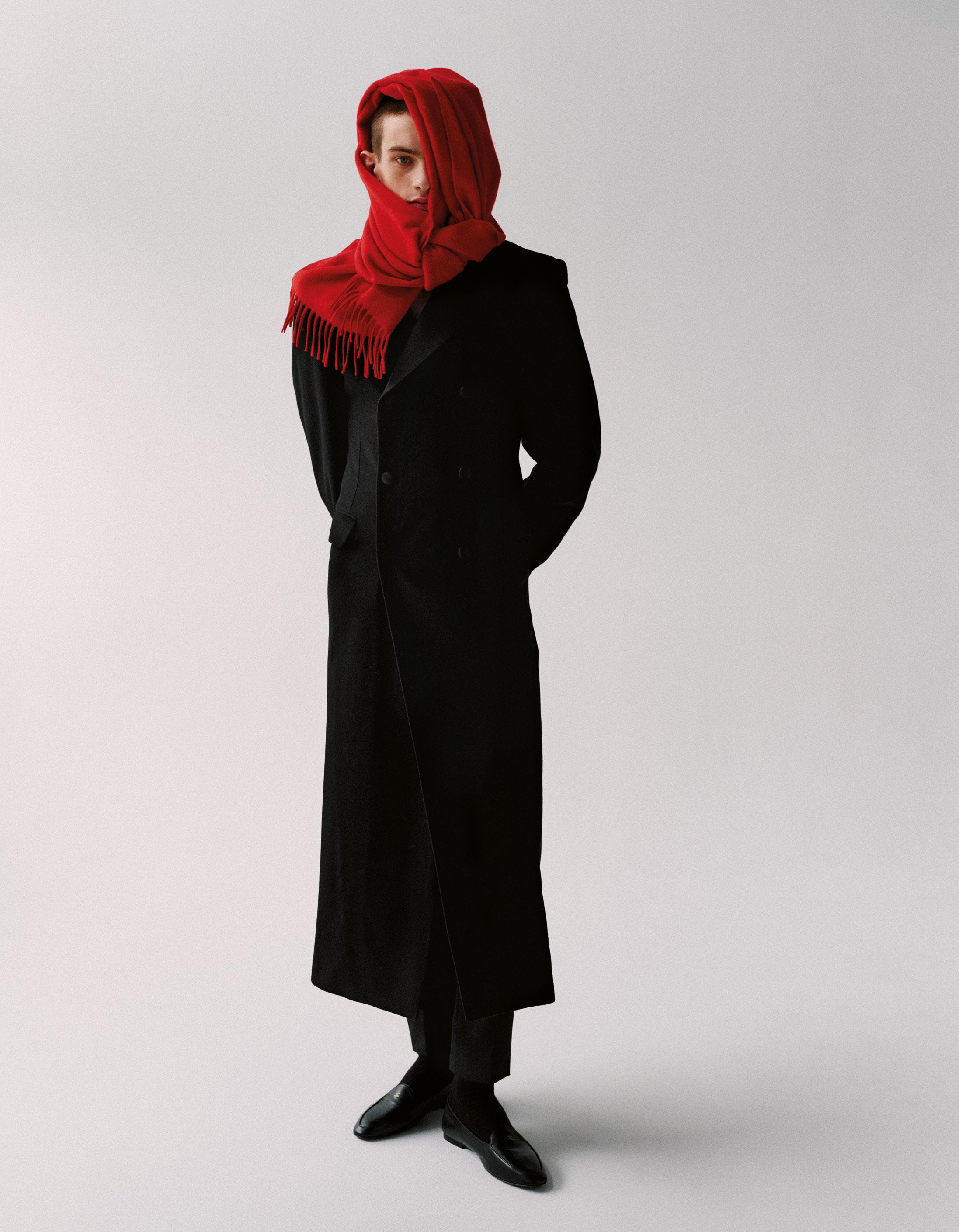
Not quite ready to go loud, but a flash of color says he’s getting there.
He knows the finest wardrobes are built over generations, adding his own chapter without erasing the last.
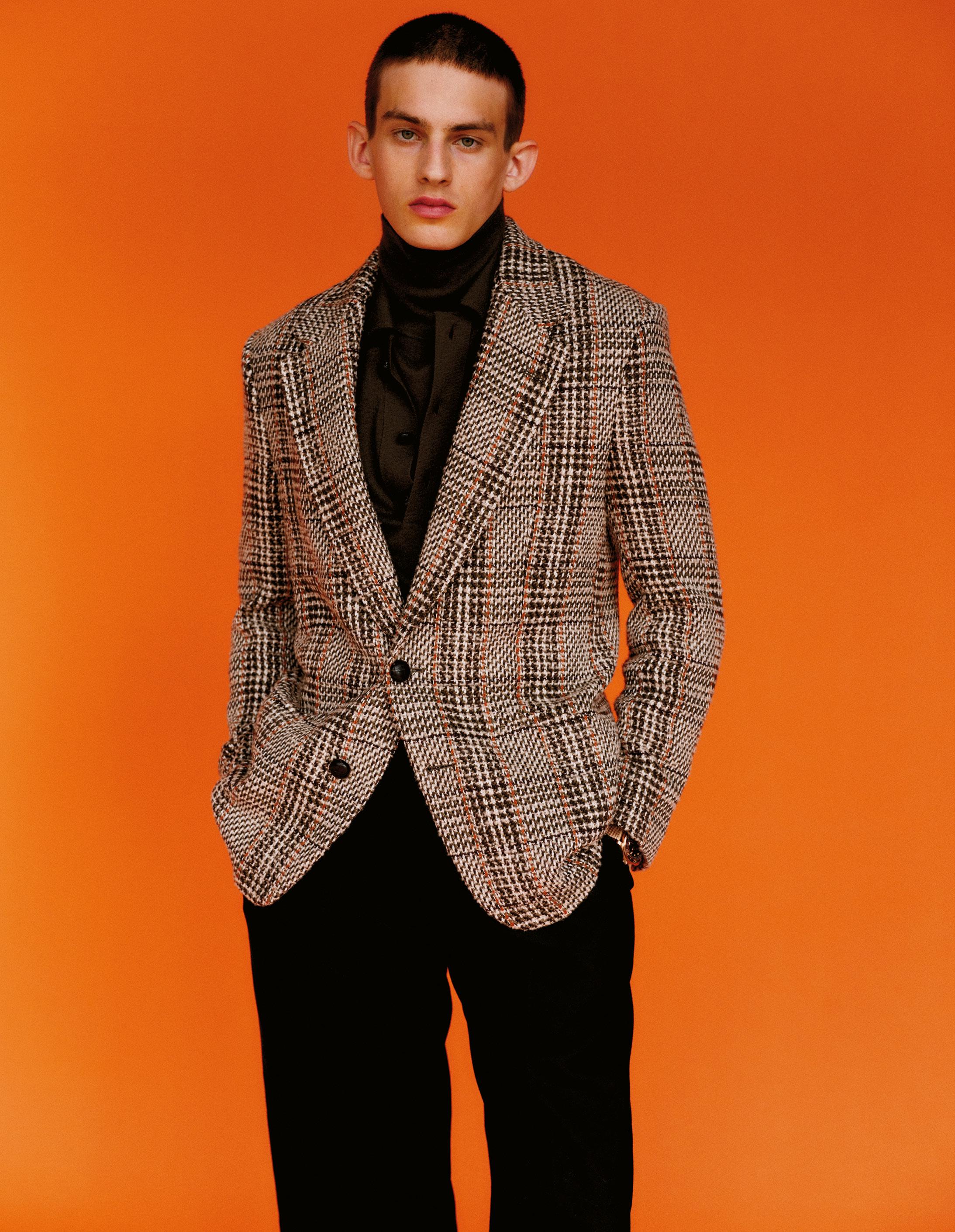
Pairing texture with tailoring makes him a stand out in the crowd— no matter the scene.
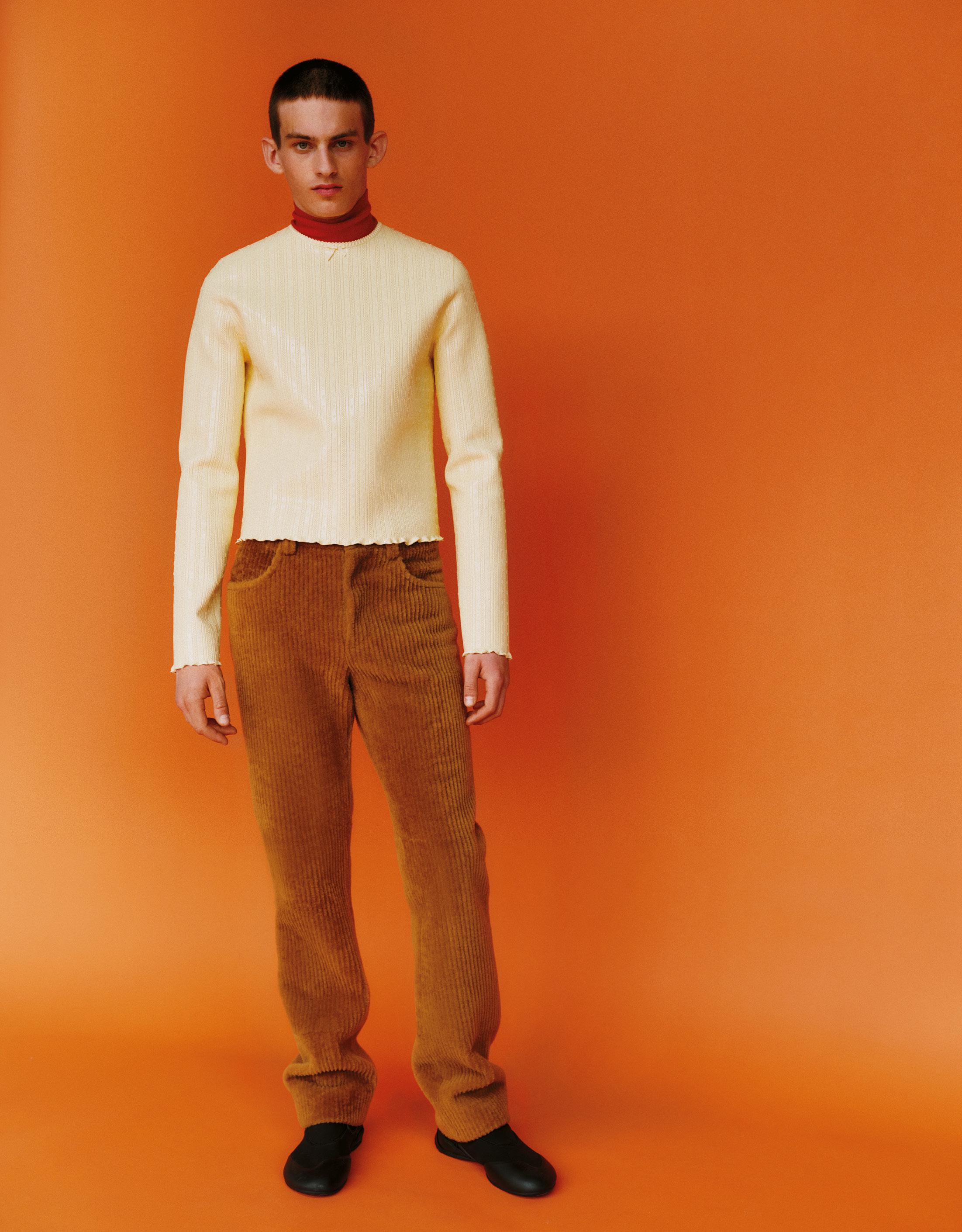
Restraint was never the point here. Texture on color exudes its own kind of confidence.
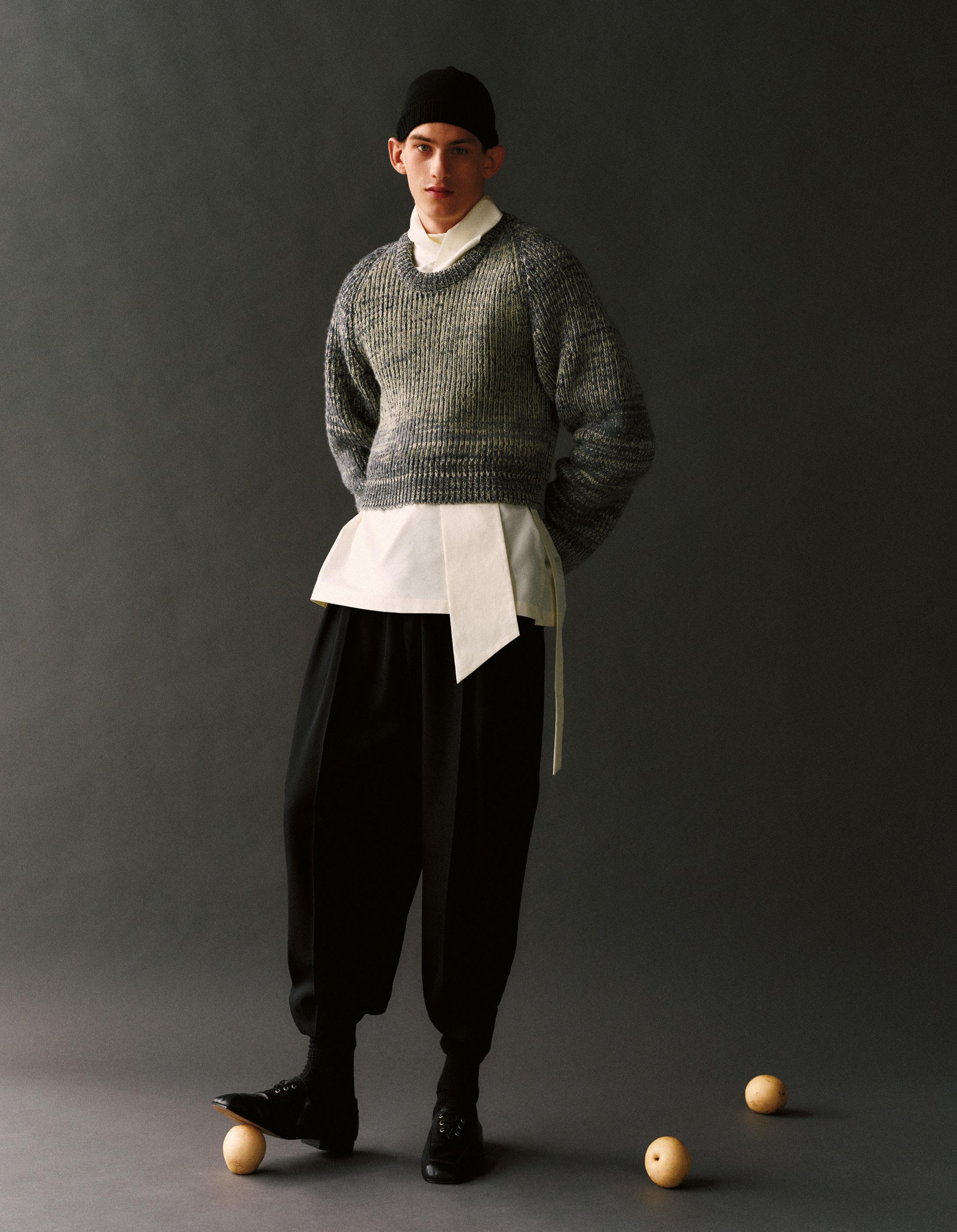
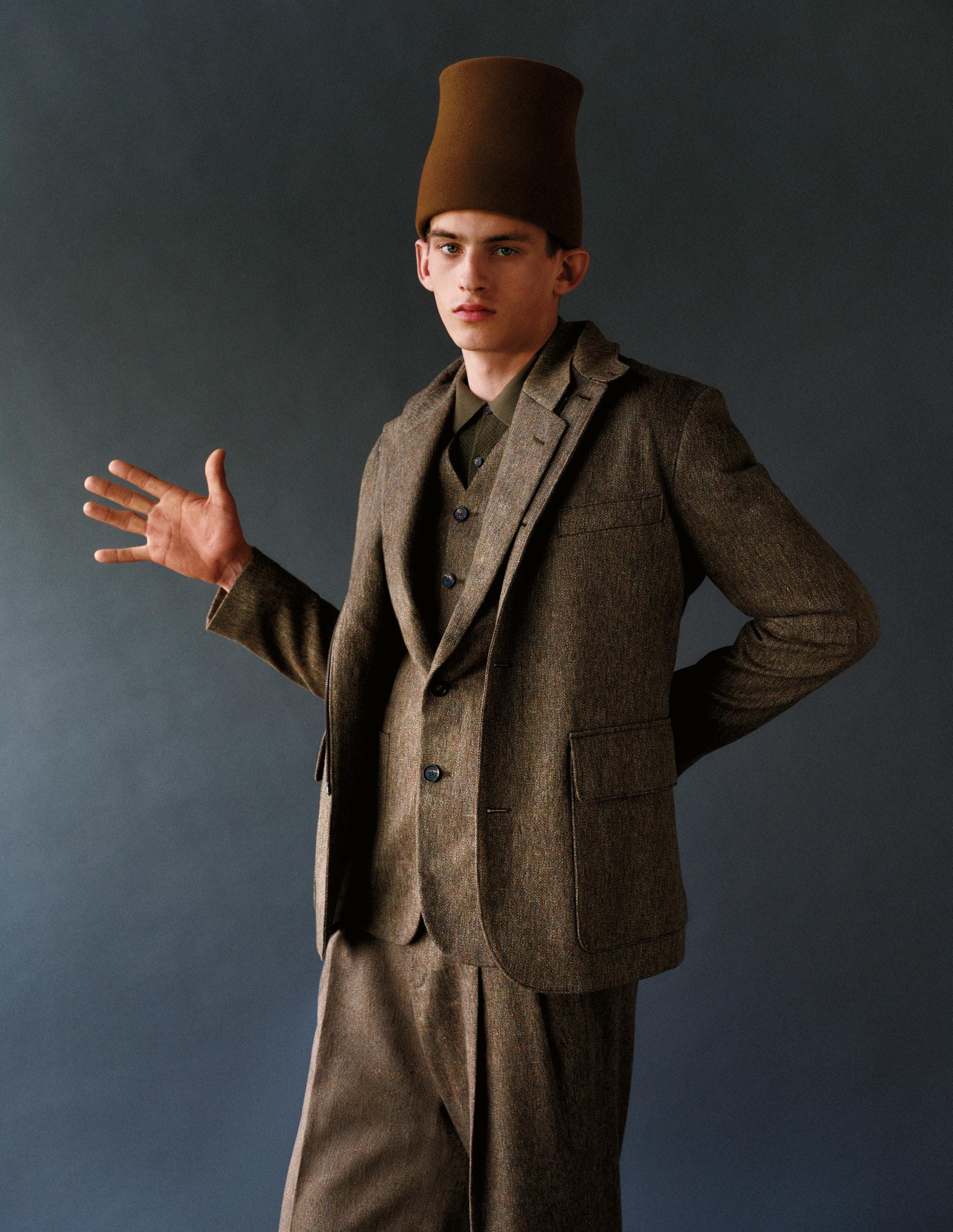
Rules exist so he can bend them, one three-piece suit at a time.
He’s unpredictable, unavailable, hard to resist, and perfectly pressed.
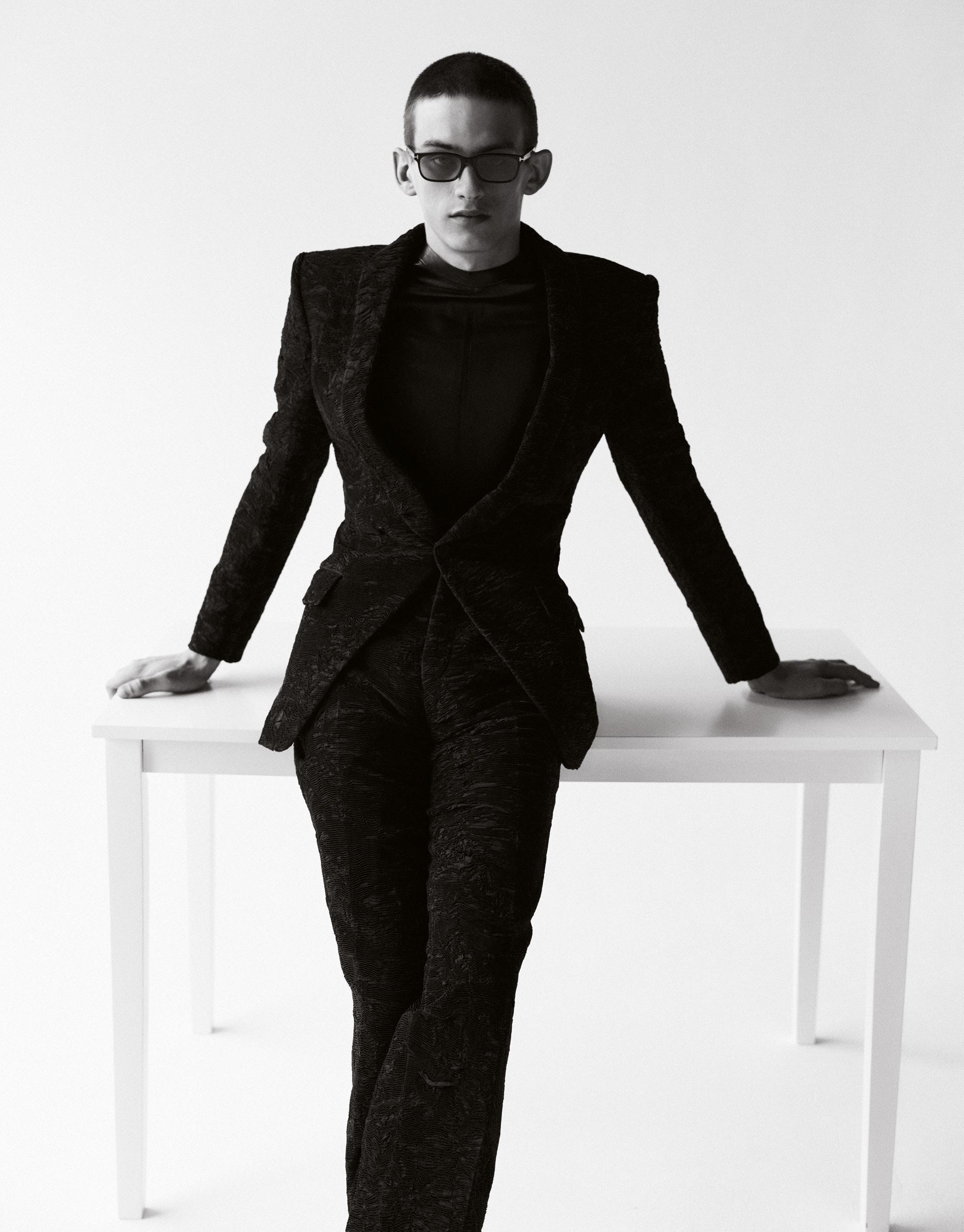
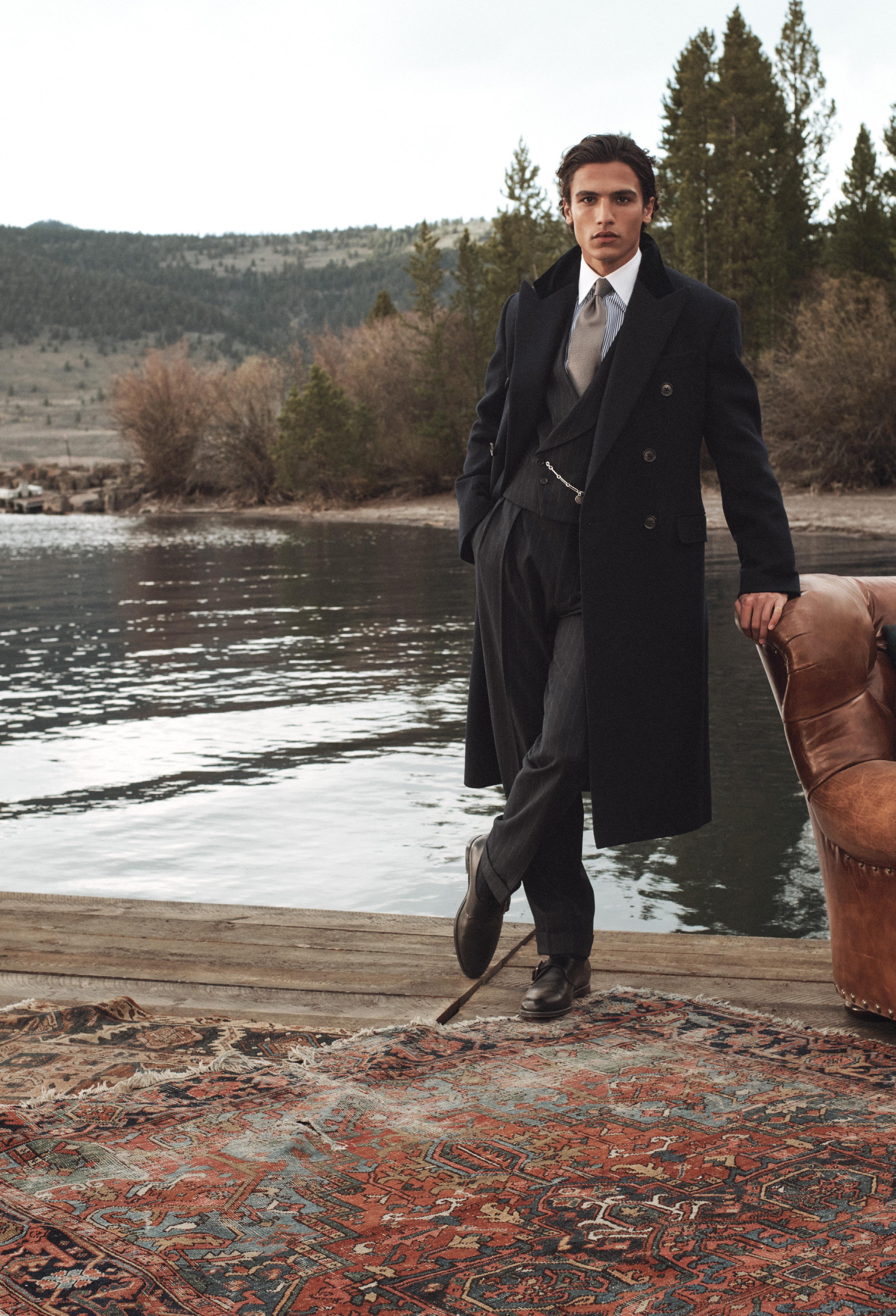
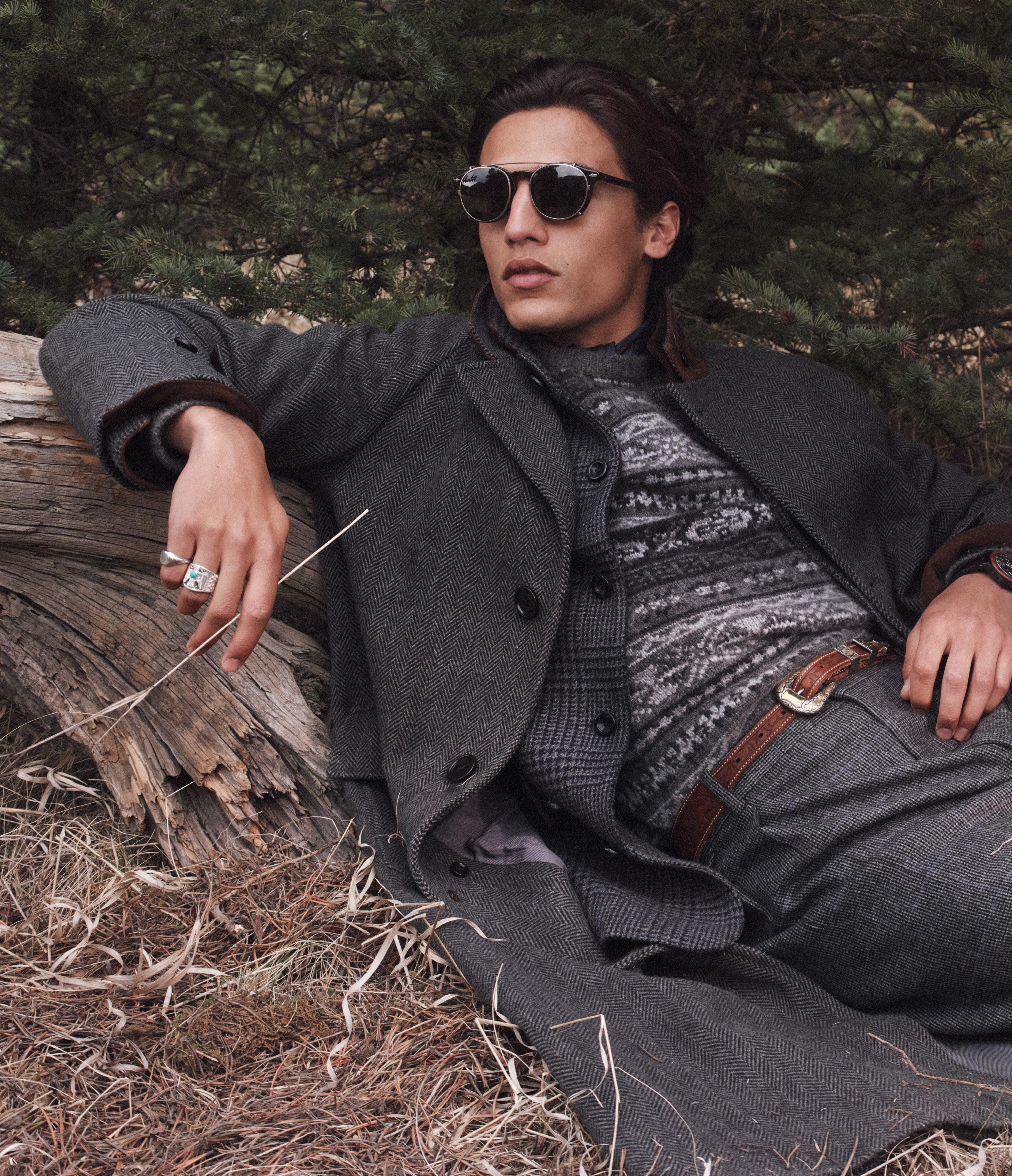
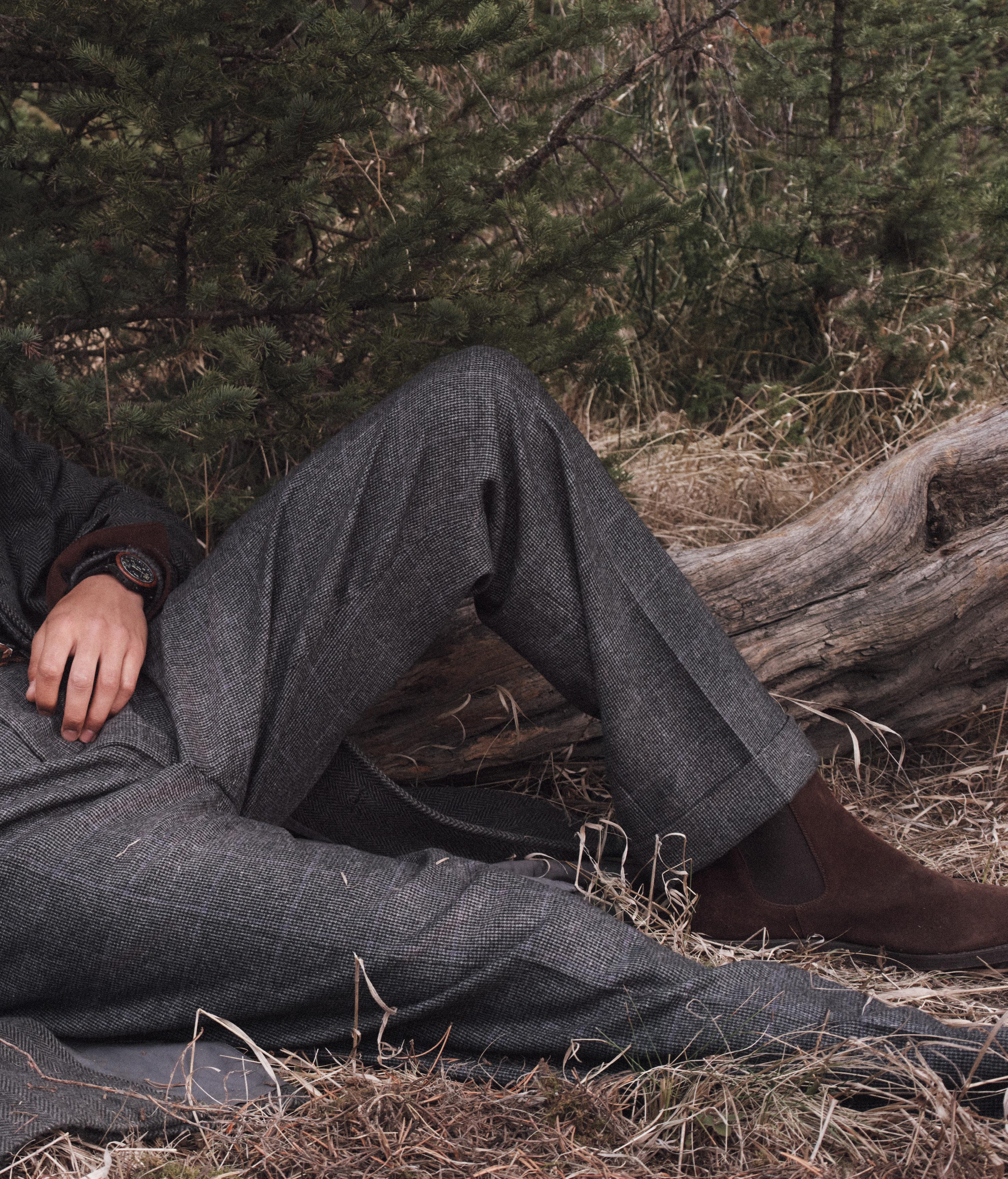
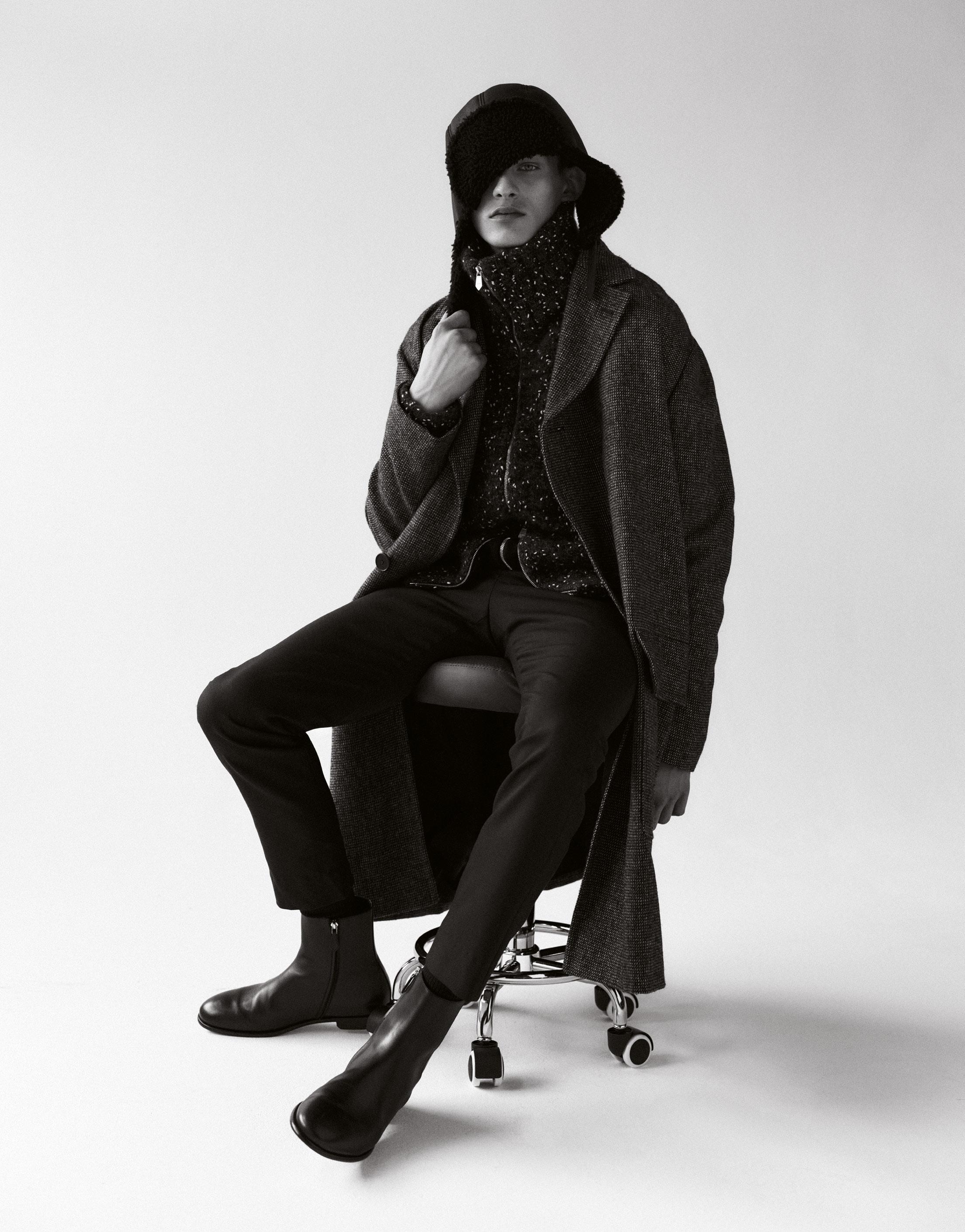
Chelsea boots on cobblestone, tweed on his shoulders, he was born for the weekend.
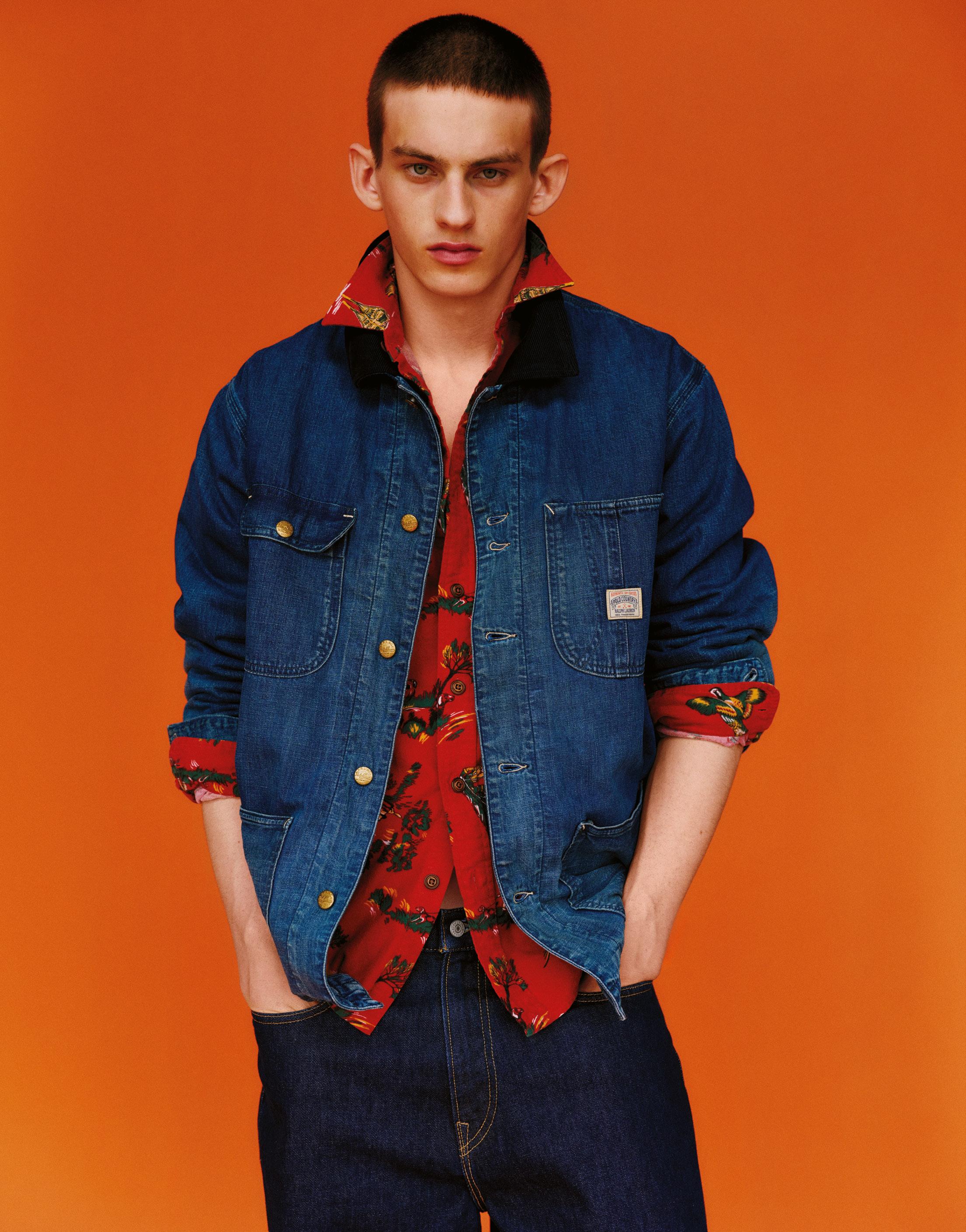
He finds common ground between the lodge and the frontier, where adventure always comes well dressed.
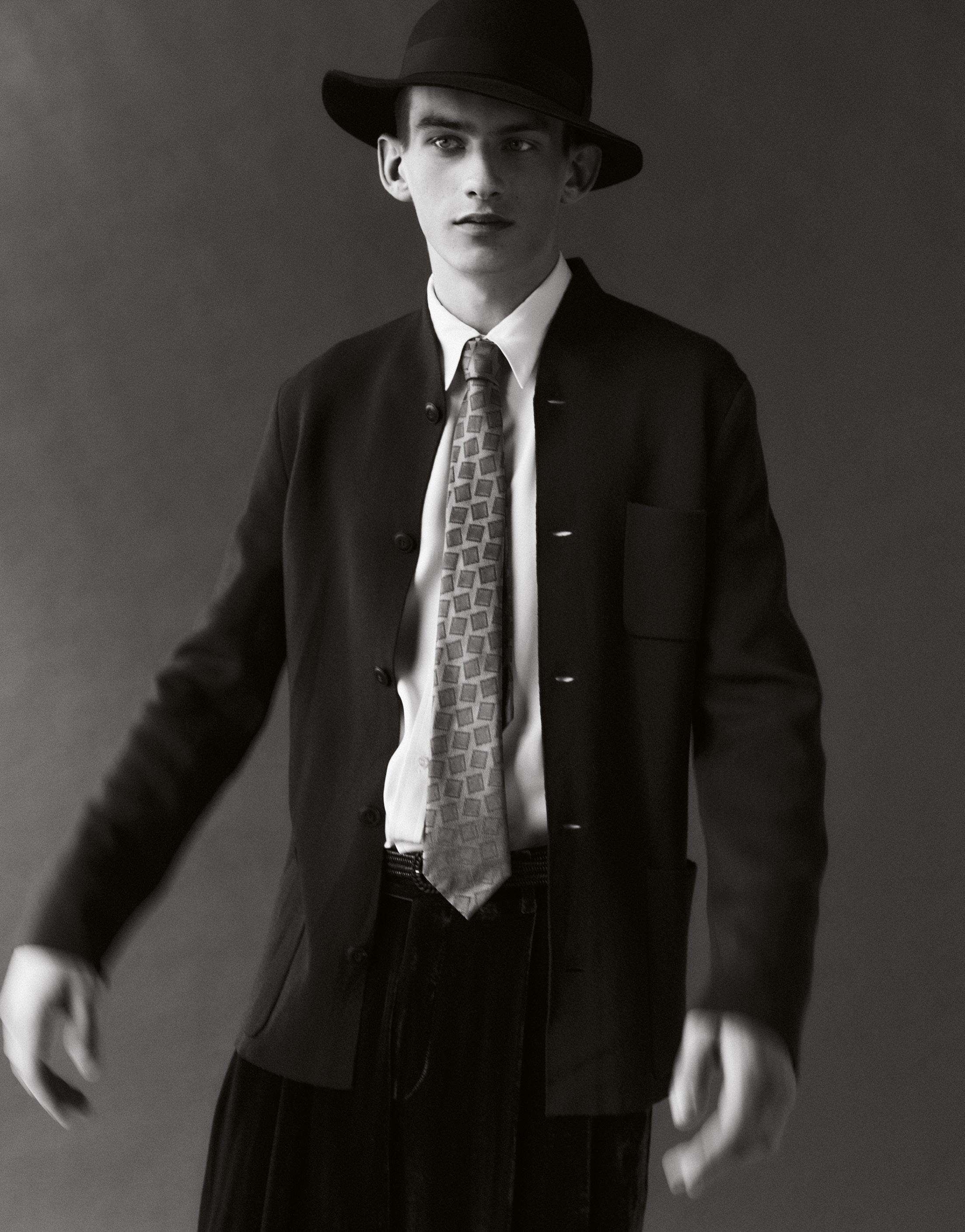
Old Manhattan glamour, reimagined: fedora, cardigan, and a tie with attitude.
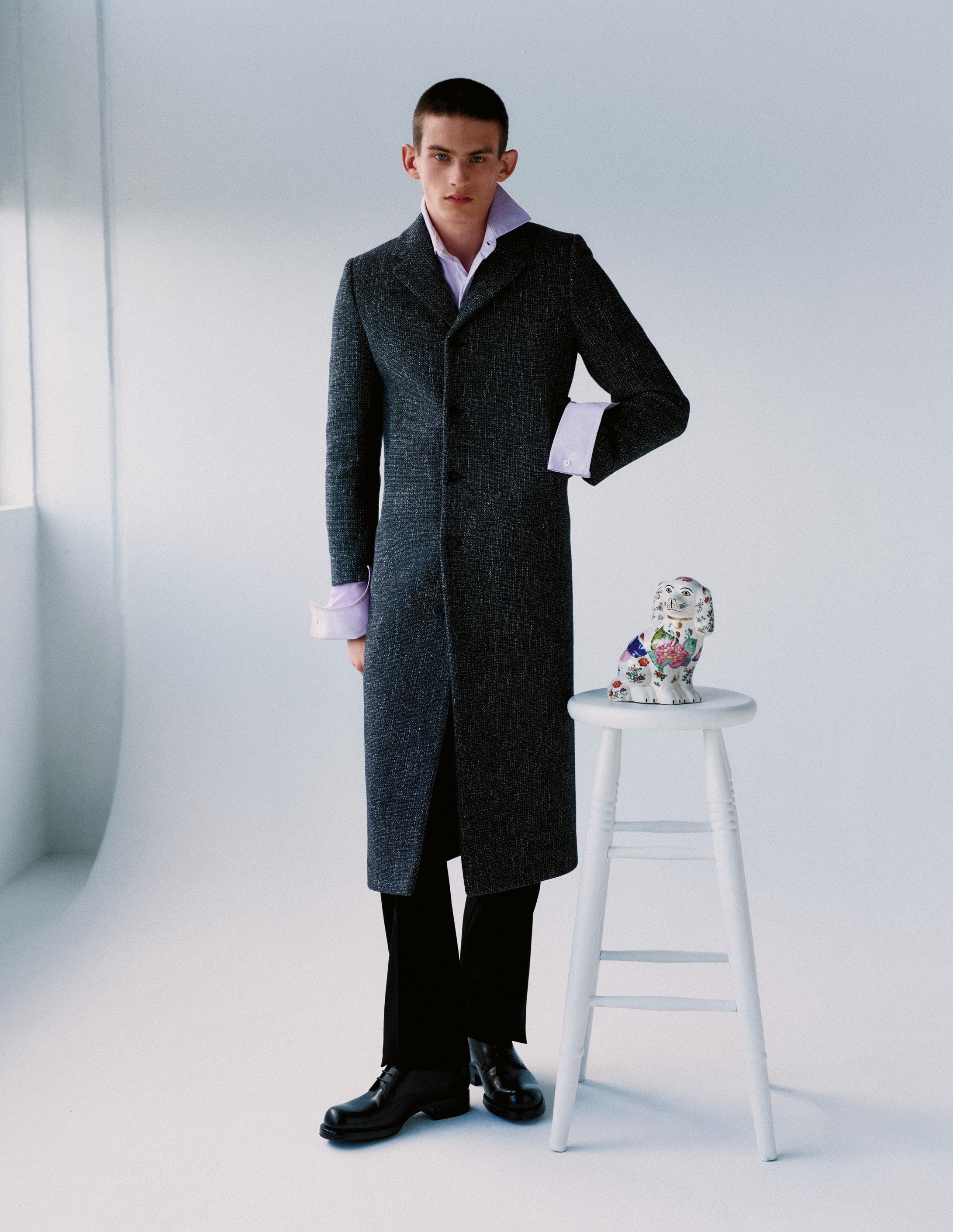
He’s just like you, but in much better clothes.
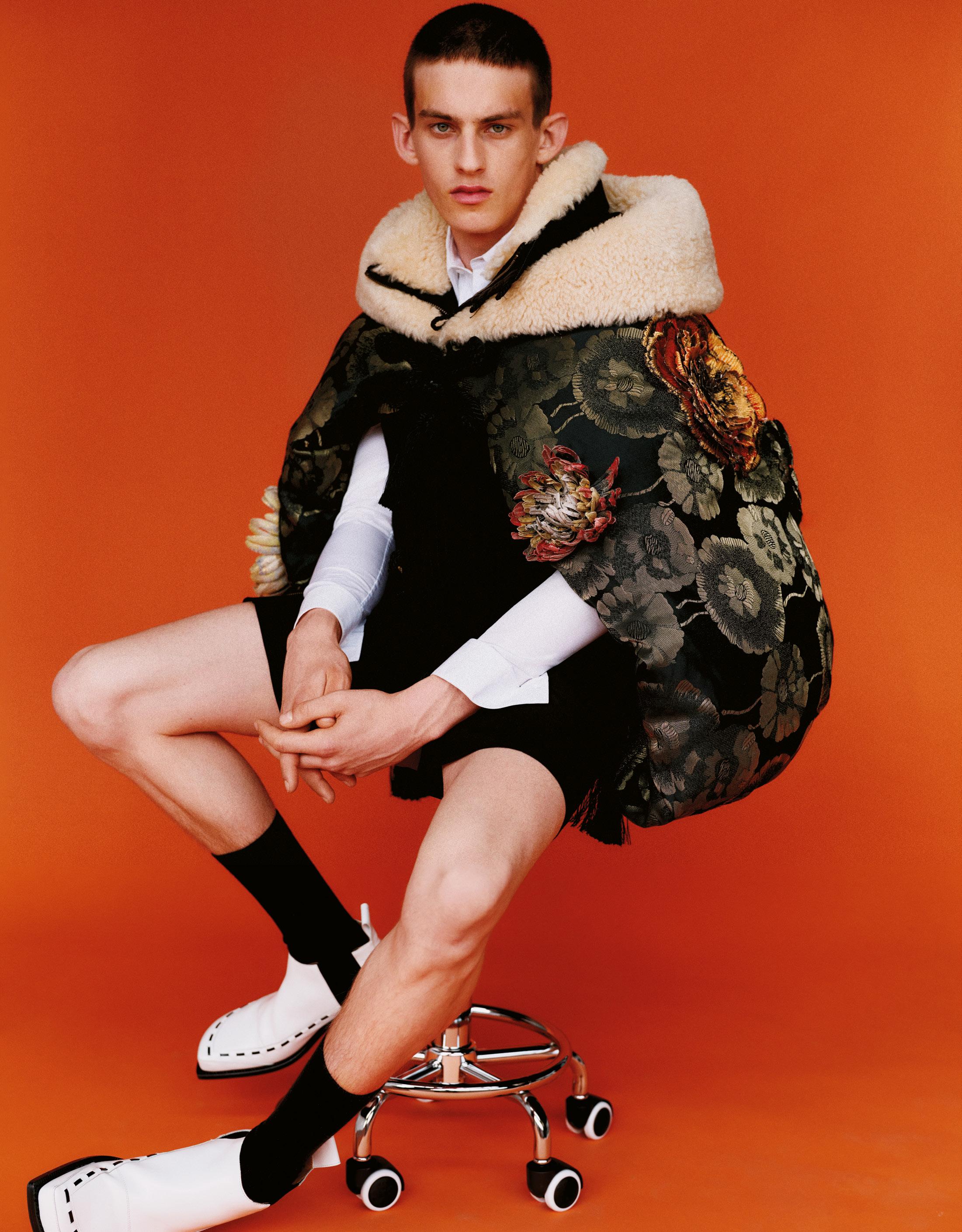
He lives a little larger than life in a coat that throws practicality to the wayside.
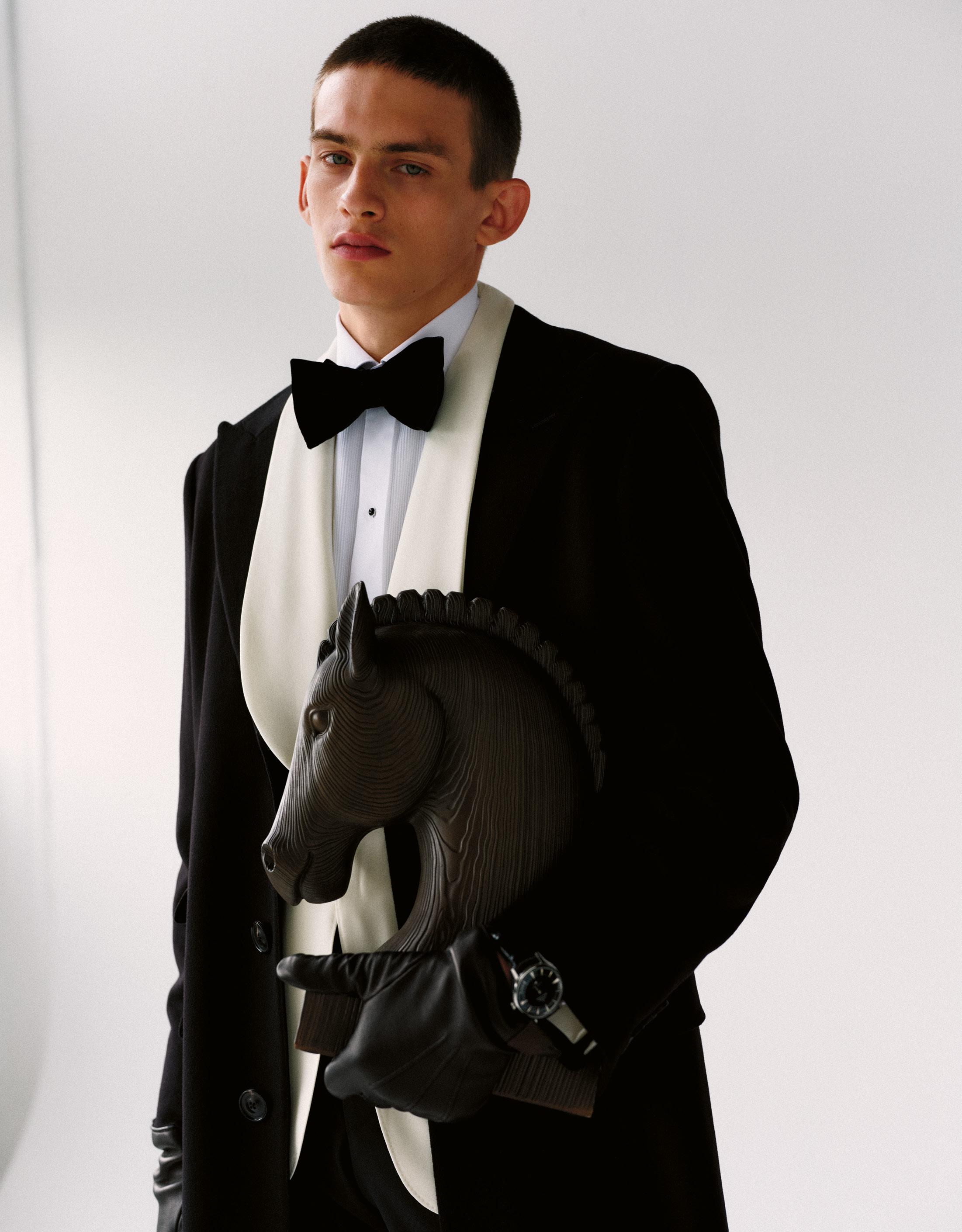
Steady, sharp, and quietly seductive. Credibility has never looked this good.
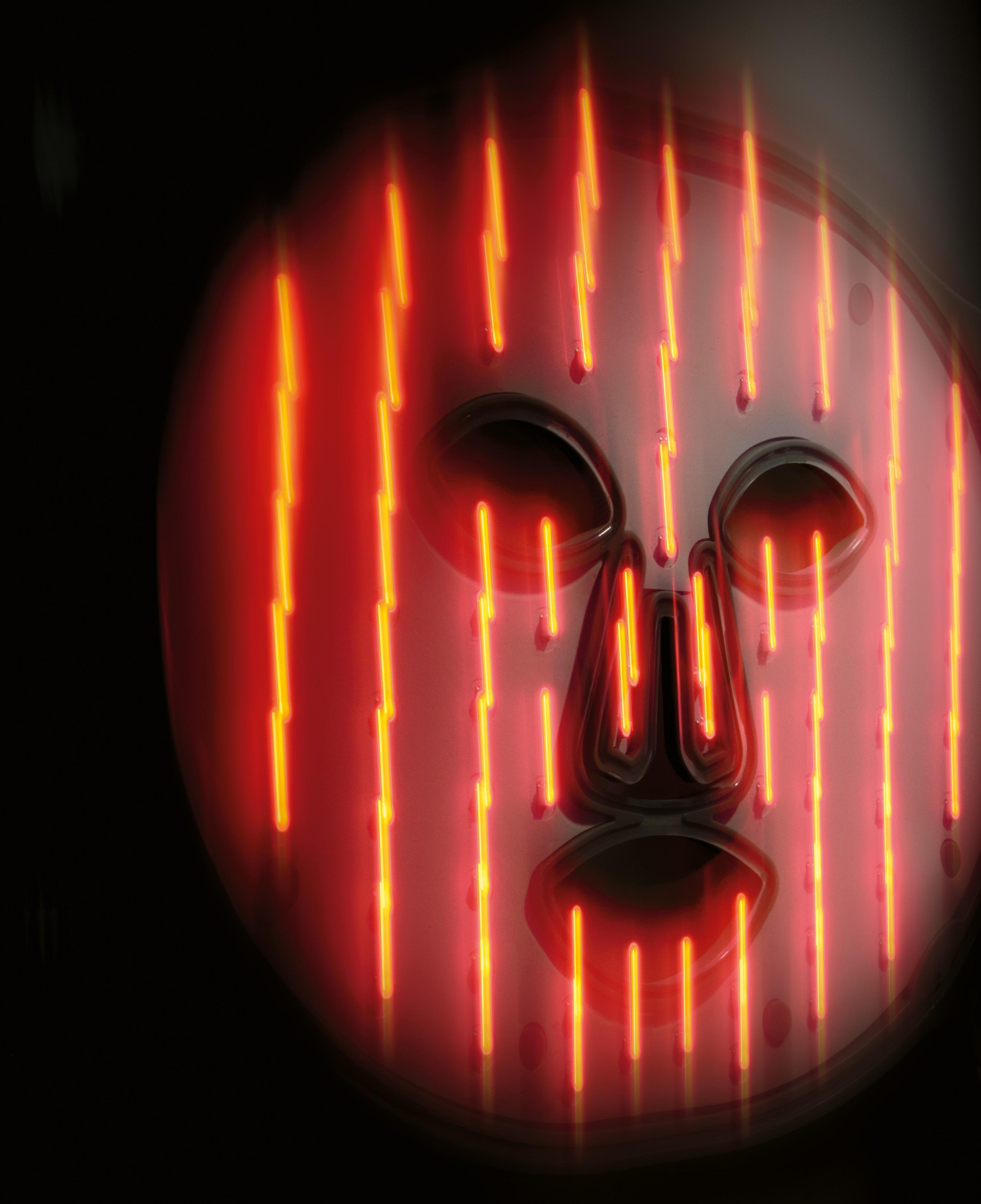
It might be time to give your regimen a glow-up.

Ten years ago, LED light therapy was the domain of elite athletes, physical therapists, and dermatologists. Now, social media is teeming with wellness influencers wielding red-lightemitting devices that promise to do everything from grow hair to speed post-workout recovery. It seems too good to be true, but the science has been around for decades. Studied by NASA for its potential to support wound healing and tissue repair, red and near-infrared light therapy, known as photobiomodulation, works by delivering specific wavelengths of light that interact with the mitochondria, the energy-producing engines inside our cells. The result? Better support for cellular energy production, circulation, and the body's natural repair processes.
If your biggest concern is sports recovery or joint pain, the Recharge Health FlexBeam ($499) is arguably the most practical evolution of the category. Instead of standing in front of a large light panel, the bendable, wearable device wraps directly around sore shoulders, tight lower backs, aching knees, and overworked muscles. "Panels are about exposure," says Recharge Health co-founder and C.E.O. Bjørn Ekeberg. "FlexBeam is about targeted recovery. It’s not just for athletes—it’s really for anyone who wants to stay active as they age.” The device delivers a dose of red and near-infrared light exactly where it's needed, and since it's hands-free and fits most body parts, you can use it while answering emails or winding down at night.
For larger areas, a panel might be just the thing. CurrentBody Skin LED Light Therapy Panel ($1,100) is the best of both worlds: The lights are embedded in flexible silicone, allowing the option to use it flat, on a stand, or with straps. It is also one of the only devices that addresses one of adulthood’s most annoying surprises—back acne that never disappeared after high school. Alongside collagen-stimulating red light, it also incorporates blue light, which targets Cutibacterium acnes, the bacteria responsible for inflammatory breakouts. When exposed to blue wavelengths, the bacteria produce molecules that destroy them from within, so your zits are zapped while the red light supports healing.
If you’ve been tempted to borrow your wife or girlfriend’s anti-aging LED face mask, though, you might want to think again. Male skin is about 25 percent thicker than women's, thanks to higher testosterone levels, so light needs to penetrate deeper to reach the layers where collagen production occurs. To accomplish this, Omnilux Men ($395), the first mask designed specifically for male skin, combines red 633 nanometer (nm), near-infrared 830 nm, and a deeperpenetrating 1072 nm wavelength calibrated for denser skin. You may resemble Hannibal Lecter while wearing it, but regular 10-minute treatments will help eliminate fine lines, razor burn, dark circles, and post-shave irritation.
No device can promise overnight transformation; it’s consistency that matters. But that's exactly why LED therapy is finding an audience among men: It's efficient, evidencebased, and fits seamlessly into routines built around training, recovery, and longevity. Maybe looking and feeling better comes down to nothing more complicated than spending some time in a better light.
Your winter fragrance wardrobe has arrived.
From amplified versions of beloved classics to surprising new scents that channel visceral emotions and after-dinner indulgences, these are the sprays to seek out this season.
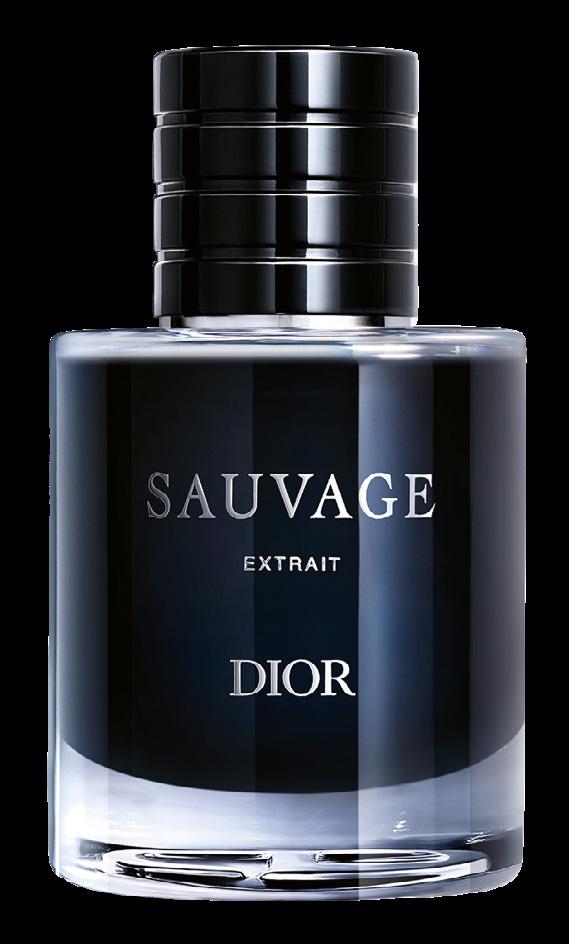
You probably already own at least one iteration of Dior’s now-classic Eau Sauvage (if you don’t, you should), but don’t let that stop you from picking this one up, too. Eau Sauvage Extrait is the most concentrated version of the scent yet, with deep, dark oud and patchouli contraposed with woody vetiver and forest-air cedar. Even the smallest amount makes an impact. $205, dior.com

For the man who likes to make his presence (and ample budget for luxury) known, Ambre Levant is a bold brew of woody, heady oud and rich, deep amber. Inspired by the imagined aromas of the epic One Thousand and One Nights, Louis Vuitton perfumer Jacques Cavallier Belletrud did not hold back: You’ll also get notes of mandarin, cinnamon, and black pepper, evoking edible delicacies. An indulgence in every sense of the word. $455, us.louisvuitton.com
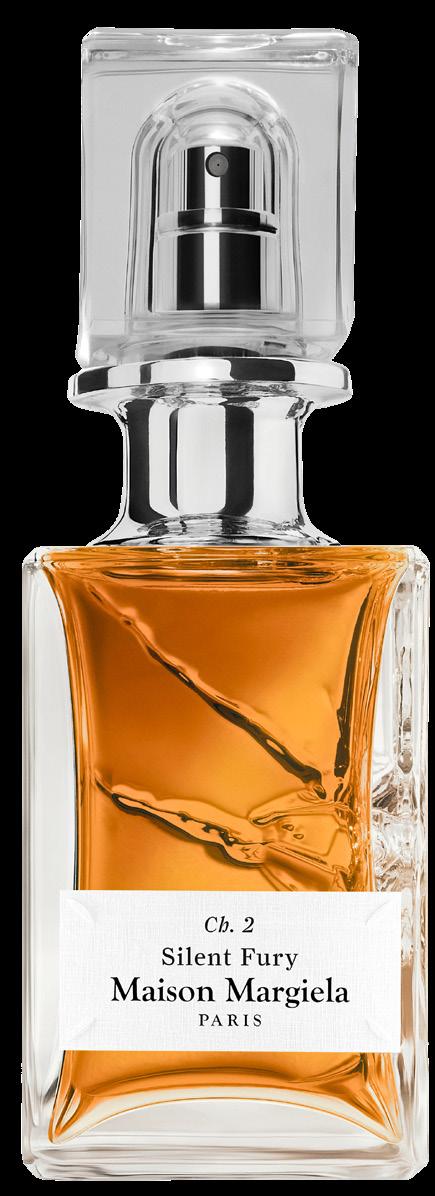
Inwardly seething? Incandescent with rage? There’s a scent for that. Each fragrance in Maison Margiela’s new Scentsorium Collection is meant to align with a specific emotion or state of mind. Silent Fury captures that moment just before the tension of anger erupts with hot, spicy cardamom, smoky tobacco, and a warm, leathery dry-down. It’s a smoldering scent with just a touch of sweetness, and you’ll find you want to wear it even when you’re not pissed off. $350, maisonmargiela.com
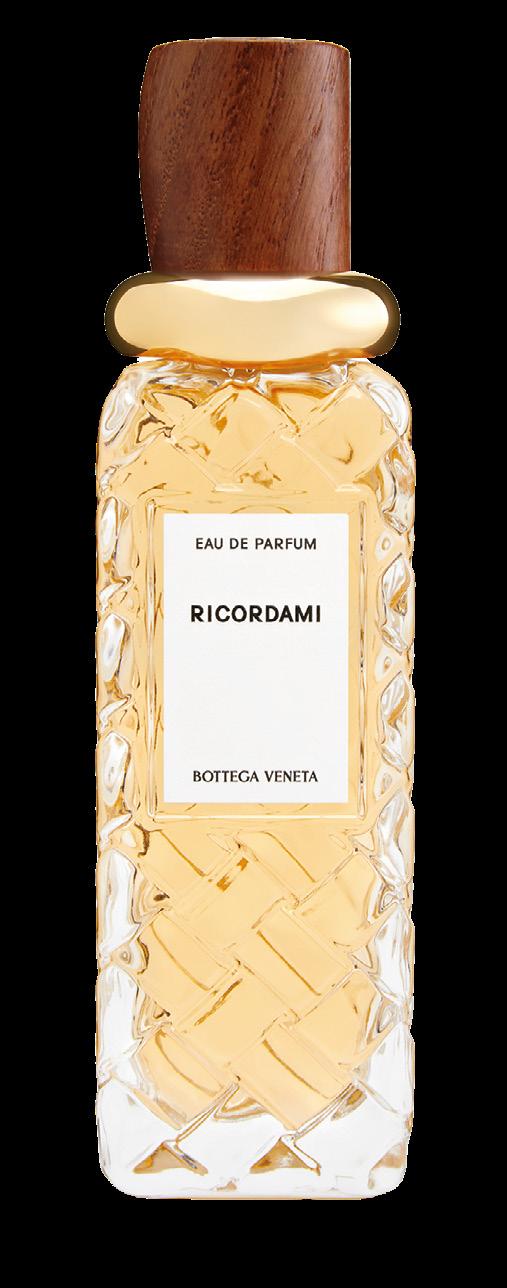
One of the standout scents in Bottega Veneta’s new Alta collection, Ricordami is a boozy, decadent scent inspired by stracciatella ice cream. Think: a swirl of milky vanilla and chocolate, drizzled with golden rum. Notes of patchouli and oakwood take it out of the gelateria, giving it a long-lasting, intense trail. Ricordami means “remember me” in Italian—and when you wear this, you will definitely not be forgotten. $300, bottegaveneta.com
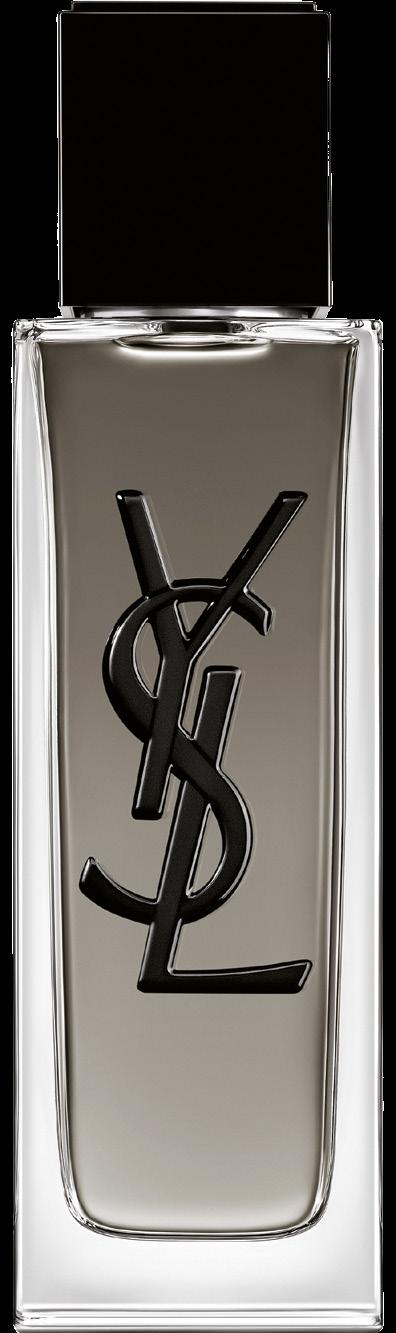
MYSLF is a fragrance built on contrast—between fresh orange blossom and earthy, warm woods— and the new version even more so. In fact, it’s bigger in every way: MYSLF Eau de Toilette Intense has been proven to last 8 hours on skin. Don’t mistake it for a beast mode fragrance, though. Expect it to feel light, not overwhelming. You’ll get impressive longevity and projection, without making bystanders cough. $155, yslbeauty.com

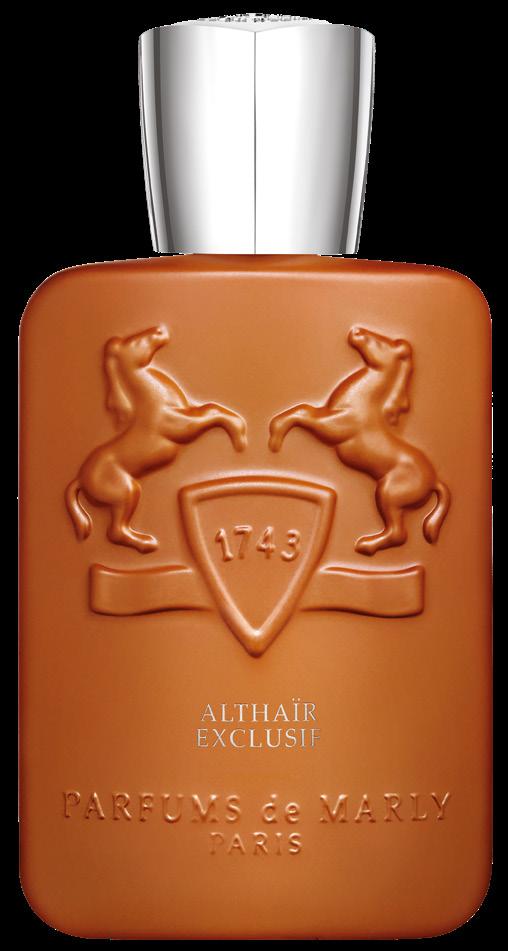
Inspired by the court of Versailles music scene in the 18th century, Althaïr is a baroque composition in which a chorus of amaretto, bergamot, saffron, cinnamon, cardamom, praline, and vanilla takes center stage. The result is a colorful, bombastic, dessert-sweet scent perfect for when you want to spray on something that smells both delicious and dressed-up (no powdered wig required). $460, us.parfums-de-marly.com
Every year, Le Labo issues an exclusive scent inspired by a different city, available to buy only in that location. This time, the metropolis in question is Beijing, and the scent, Shiu 25, is based on the piney aroma of the ho tree, combined with velvety iris and fresh frankincense. It’s grounding, atmospheric, and so good it might be worth booking a flight to China for. But before you apply for that visa, know this: All City Exclusives are available worldwide during the month of September. Grab it while you can. $398, lelabofragrances.com
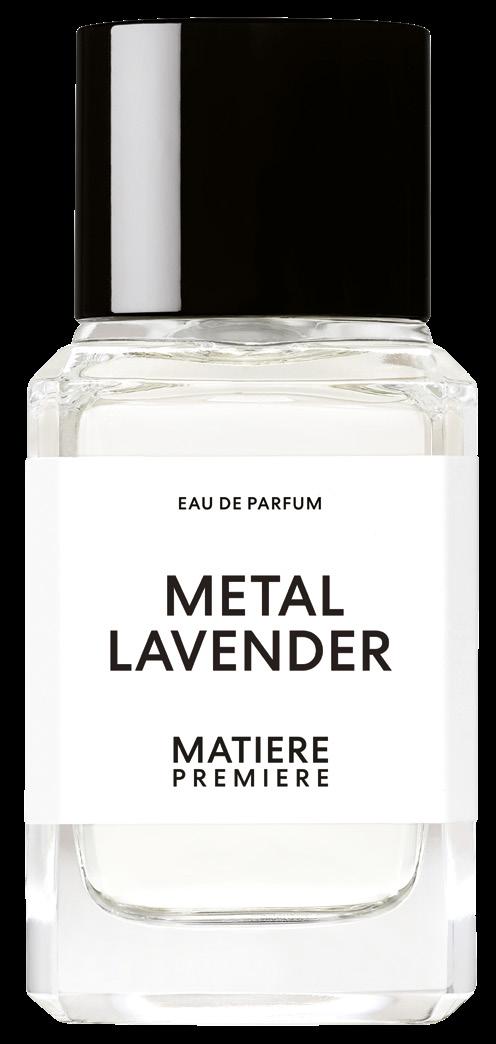
Lavender is a defining note in men’s fragrances, but it’s usually used in such small quantities you barely notice it. Here, it’s turned up to 11. Metal Lavender was inspired by the image of a Brutalist building in the middle of a lavender field, and that’s what it smells like: an aromatic blast of the purple flowers, along with a suggestion of concrete and steam. This isn’t a lavender scent that smells like hand wash or laundry detergent. It’s edgy, cool, and will surprise everyone who smells it. $320, matiere-premiere.us
Cold weather, shaving, and everyday life take a toll on your skin. The simplest fix is the most obvious. Don’t skip it.
Would you rather go on a bad date or moisturize your face? In a survey conducted by the brand CeraVe, which asked 2,000 men between the ages of 18 and 42 about their skincare habits, the overwhelming majority said they'd rather suffer through an awkward dinner than spend 30 seconds applying moisturizer. In an even bigger poll, 60 percent of American men admitted that they skip moisturizer altogether, even though they’re worried about dry skin and wrinkles.
Why the hesitation?
For many men, moisturizer has long been considered optional, but, like sunscreen, it’s in your best interest to make it an essential. Your skin has a natural barrier that keeps hydration in and environmental irritants out. Cold air, indoor heating, wind, and daily shaving all attack that barrier, leaving skin dull, tight, and more susceptible to irritation. Consider moisturizer your first line of defense.
"Facial moisturizers can help hydrate and protect the skin, but shouldn't leave the skin feeling heavy, greasy, or sticky," says dermatologist Joshua Zeichner, M.D. "There are moisturizers for every skin type with textures and consistencies that can fit your personal preferences." Oily skin? Choose a lightweight gel or a fast-absorbing lotion. Dry or sensitive skin? Reach for a richer cream or balm.
Winter is the time to trade up to something more substantial. According to Zeichner, harsh weather strips away essential oils, leaving the skin’s surface susceptible to microscopic cracks that can ultimately lead to "skin barrier dysfunction, loss of hydration, and in some cases inflammation." A rich moisturizer helps seal those cracks before they become visible flakes, redness, or razor burn.
If you have a full beard, you may not need to moisturize underneath it, since facial hair traps natural oils, but a hydrator should be smoothed on any exposed skin or anywhere you shave. The blade creates tiny disruptions in the epidermis, but replenishing moisture immediately afterward helps calm irritation and restore the skin barrier before it freaks out.
Don’t know where to start? Just reach for whatever appeals. "The backbone of a moisturizer—namely occlusives, humectants, and emollients—is the same in moisturizers for men and for women," says Zeichner. "The biggest differences are the textures, fragrances, and packaging." In other words, the best moisturizer may not be the one in matte-black packaging with words like “extreme” on the label (though if that’s what floats your boat, go forth and slather). The “best” is the one you'll actually use at least once a day. Trust us, you’ll notice a difference.
FROM TOP LEFT:
LE LABO FACE LOTION , $58, lelabofragrances.com
AUGUSTINUS BADER OVERNIGHT
RESTORATIVE CREAM, $365, augustinusbader.com
FLAMINGO ESTATE SAGE RICH CREAM, $48, flamingoestate.com
YON KA FOR MEN AGE DEFENSE, $74, us.yonka.com
EIGHTH DAY ULTRA RICH
INTENSIVE MOISTURIZER, $290, eighthdayskin.com
BEAU DOMAINE THE RICH CREAM, $115, us.beau-domaine.com


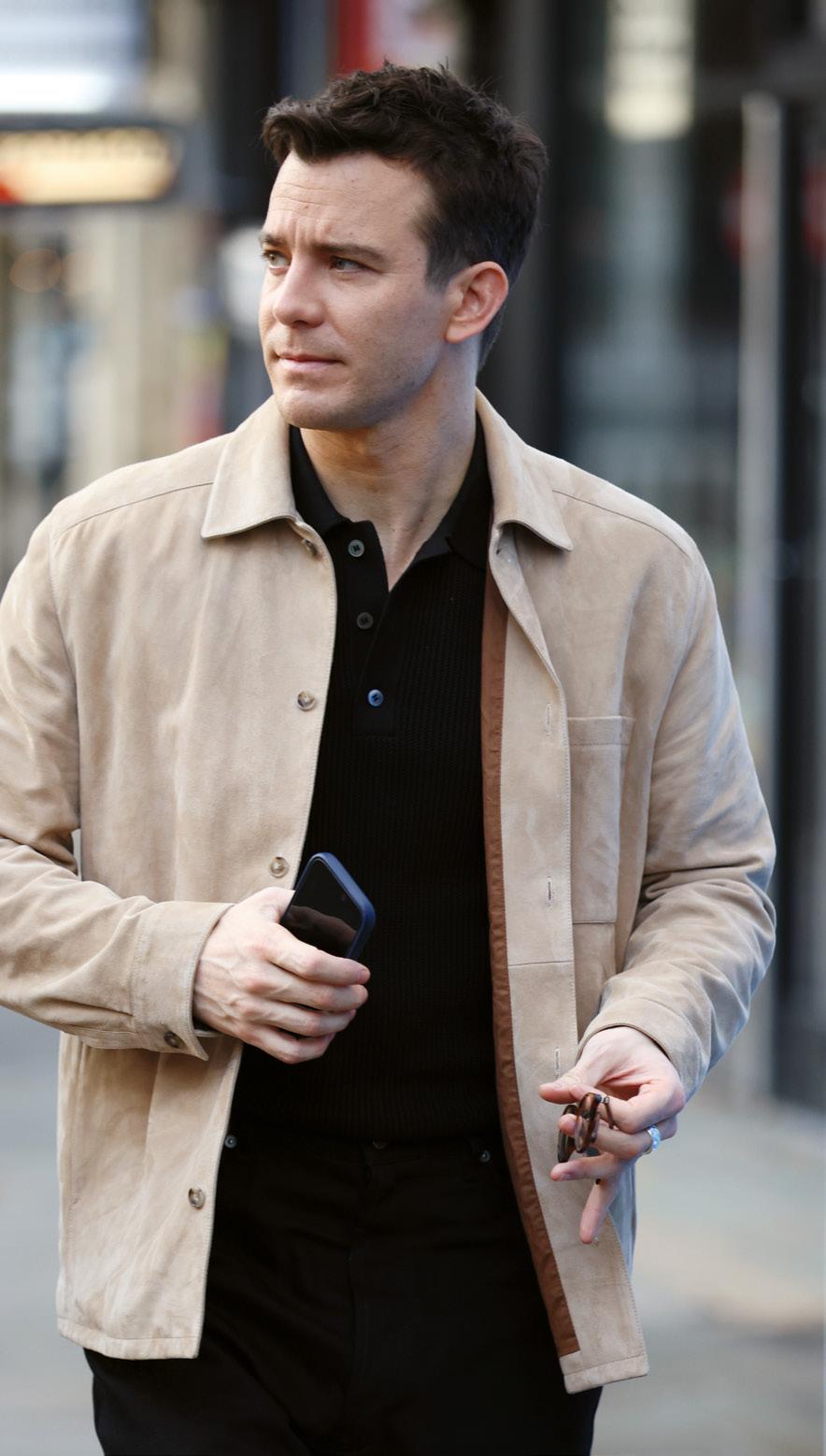
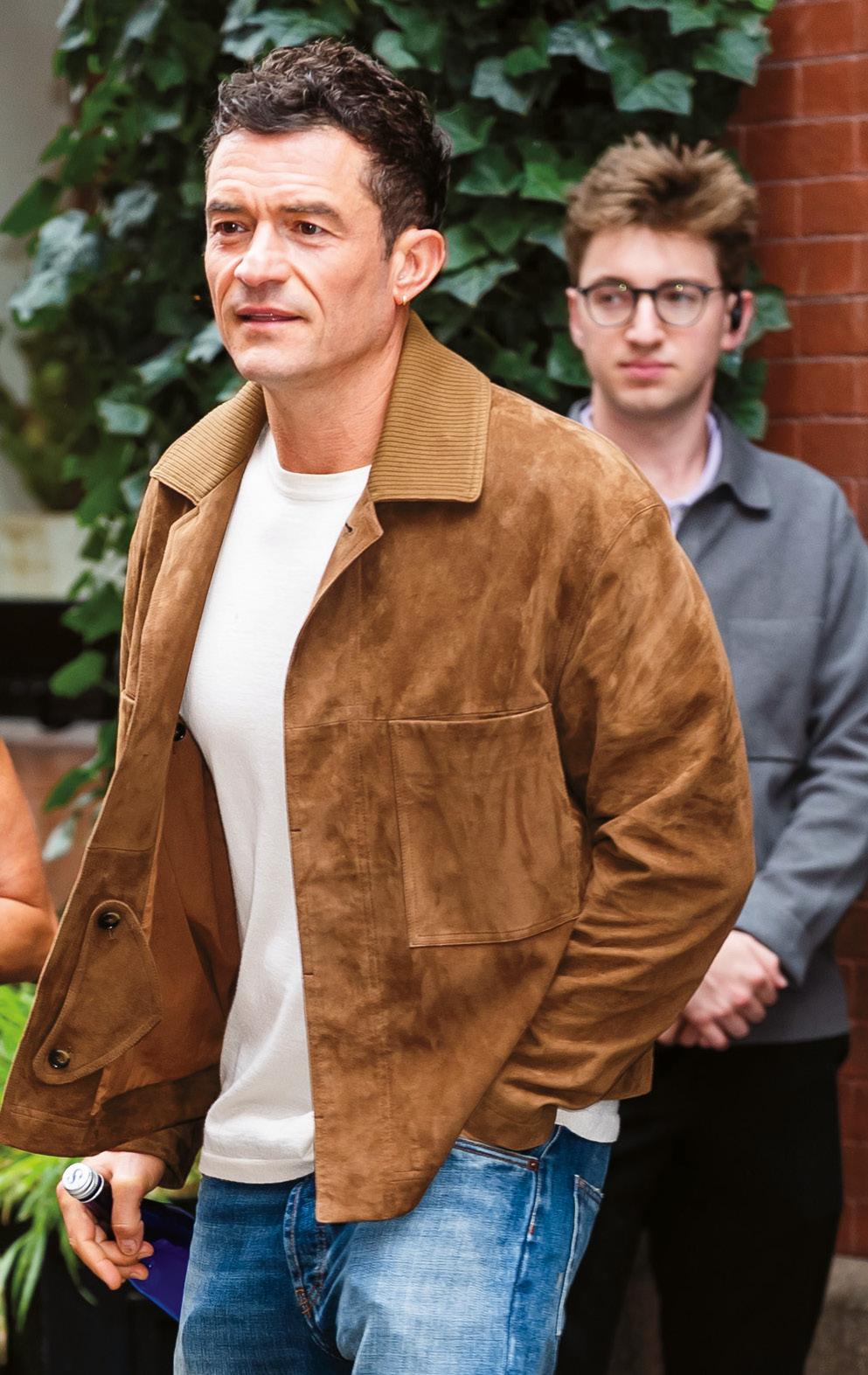
In its pursuit of excellence in leather, Tod’s returns to the skill of human craftsmanship.
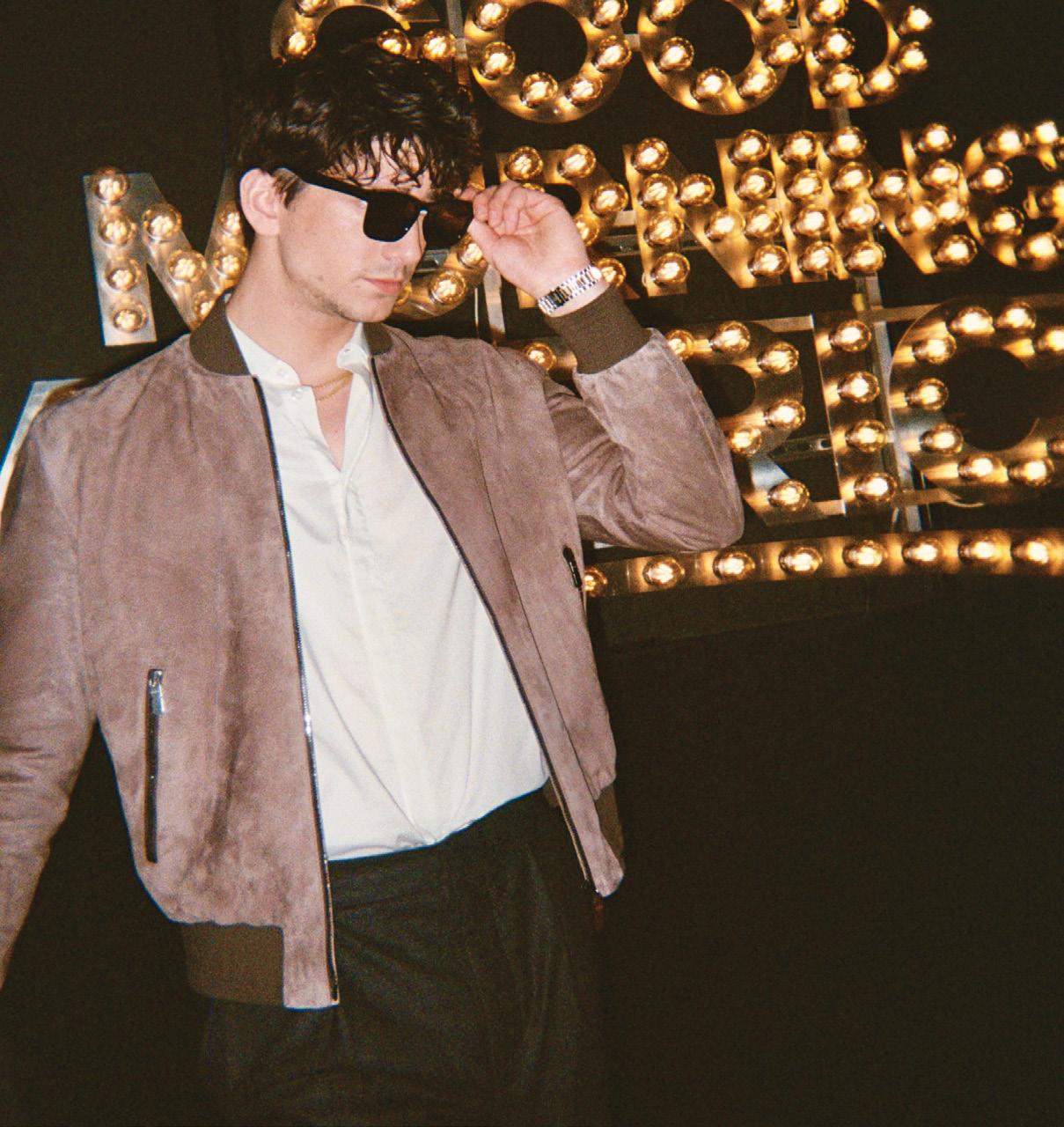
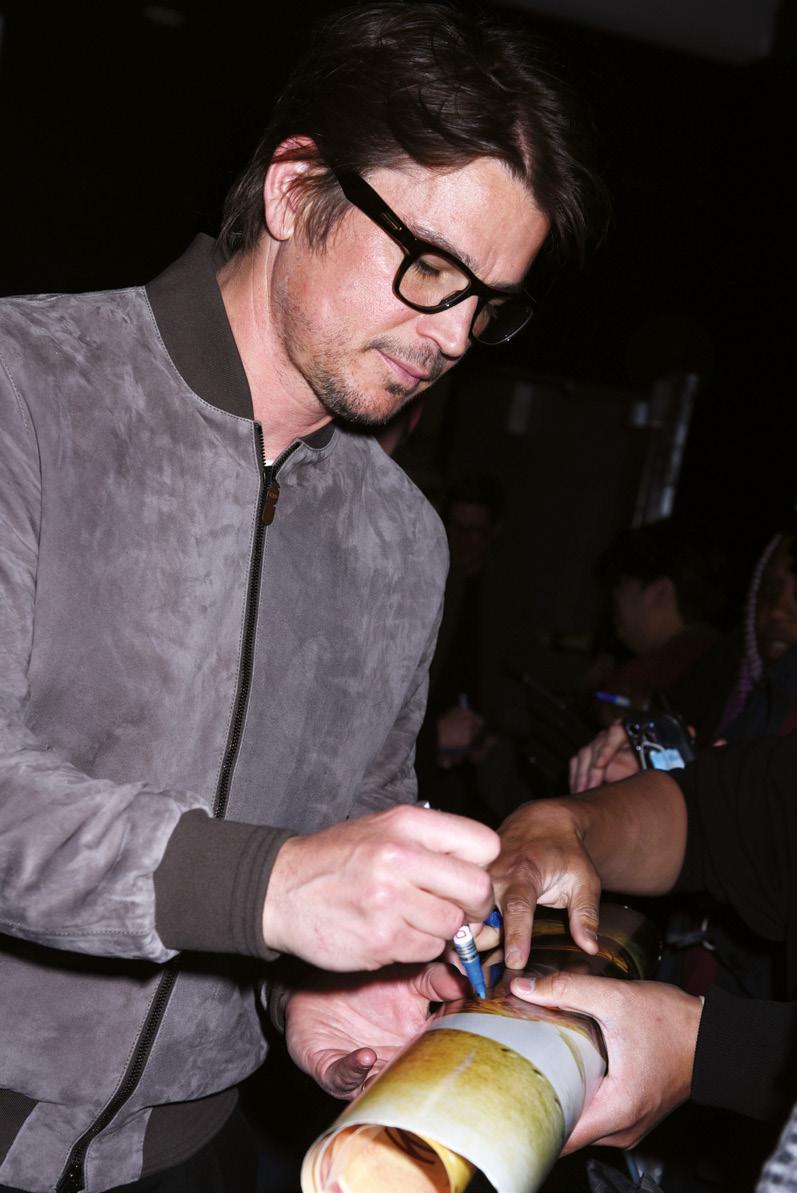
There’s Luke Evans with soft butteryellow leather draped over his shoulder on the streets of New York City; actors Orlando Bloom and Connor Storrie photographed by paparazzi in rich chestnut brown jackets; dancer Benjamin Millepied sporting a dark chocolate bomber; and Josh Hartnett signing autographs in cool steel gray.
These leading men understood the assignment, and so will you. Because
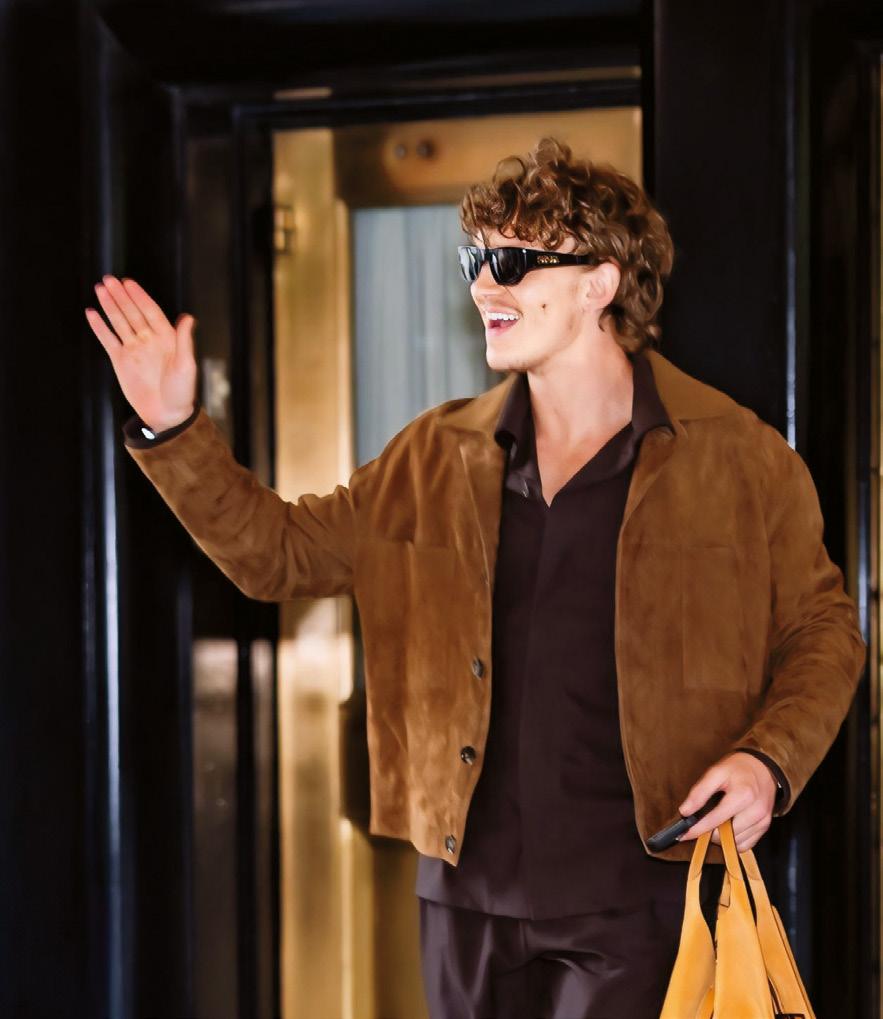
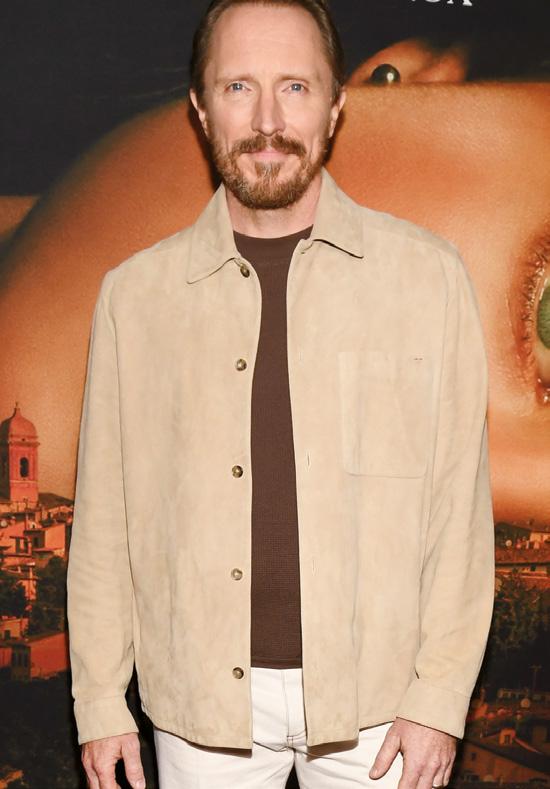
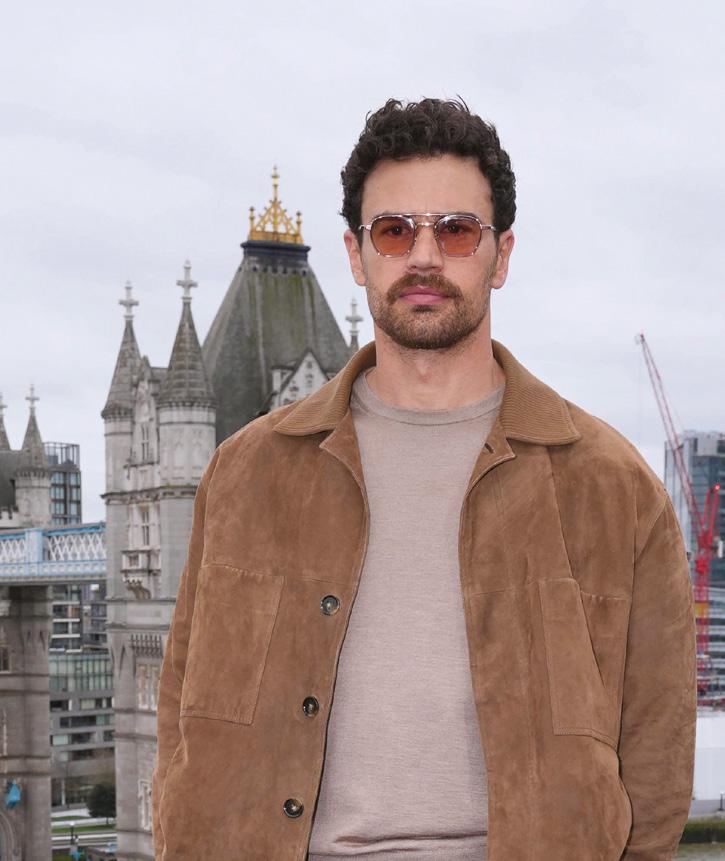

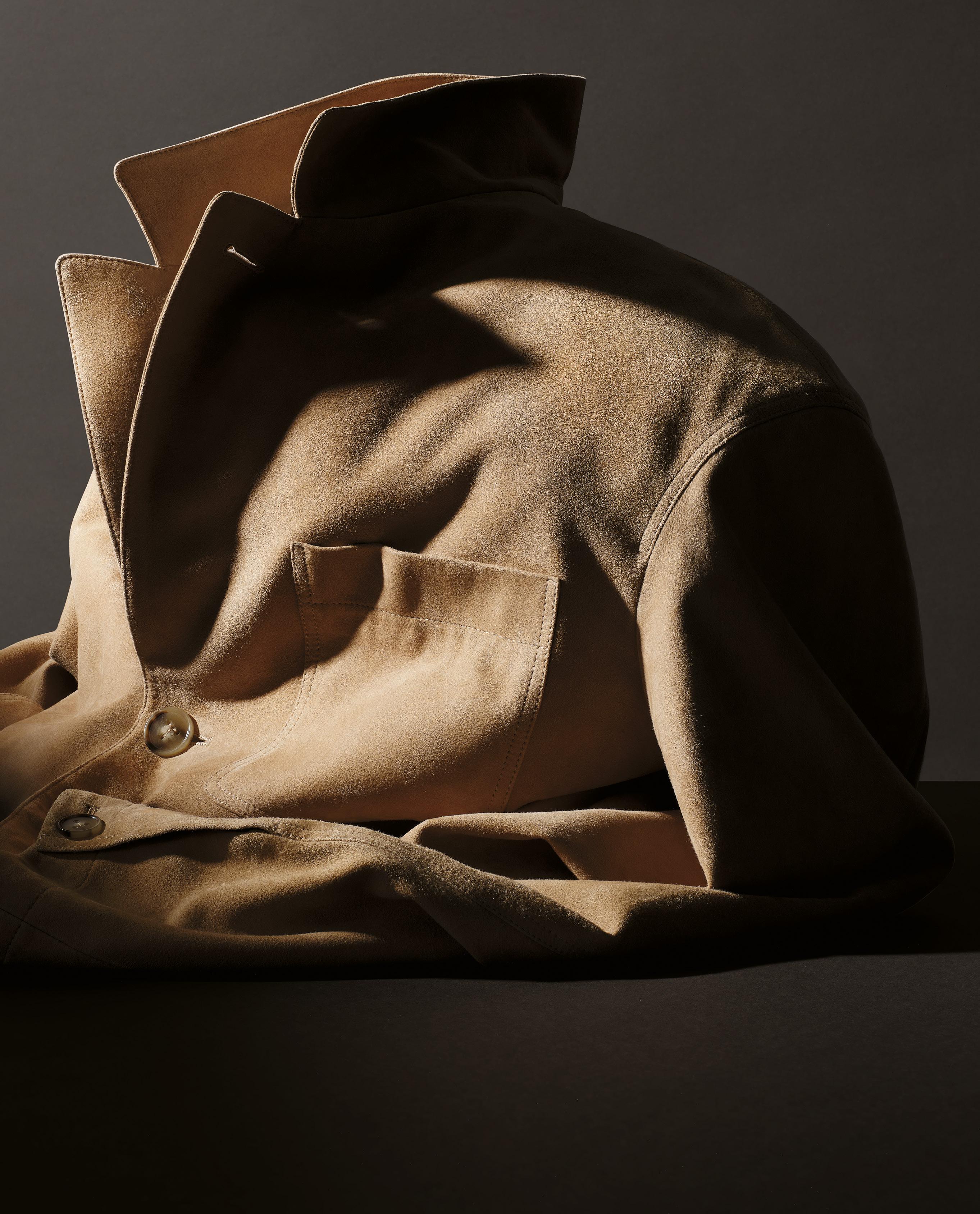
Tod's Pashmy leather collection does not perform like other treated leather. On the street, it reads as weightless – remarkably thin but never fragile, draping without bulk, moving with the body rather than against it. That ease isn't accidental. A double-dyeing process achieves saturation without the stiffness. Specialized tanning makes it waterrepellent without the waxy finish. Taking inspiration from the rare Pashmina scarf, the silk-like treated goatskin is soft to the touch yet built to endure. It’s the kind of material that brings comfort to formality and sophistication to the street. Each piece carries an expert craftsman's seal of approval. A signature. The hand of an Italian master. From Tod’s, with love.
The house’s iconic trophy trunks return to every Grand Prix podium this season.
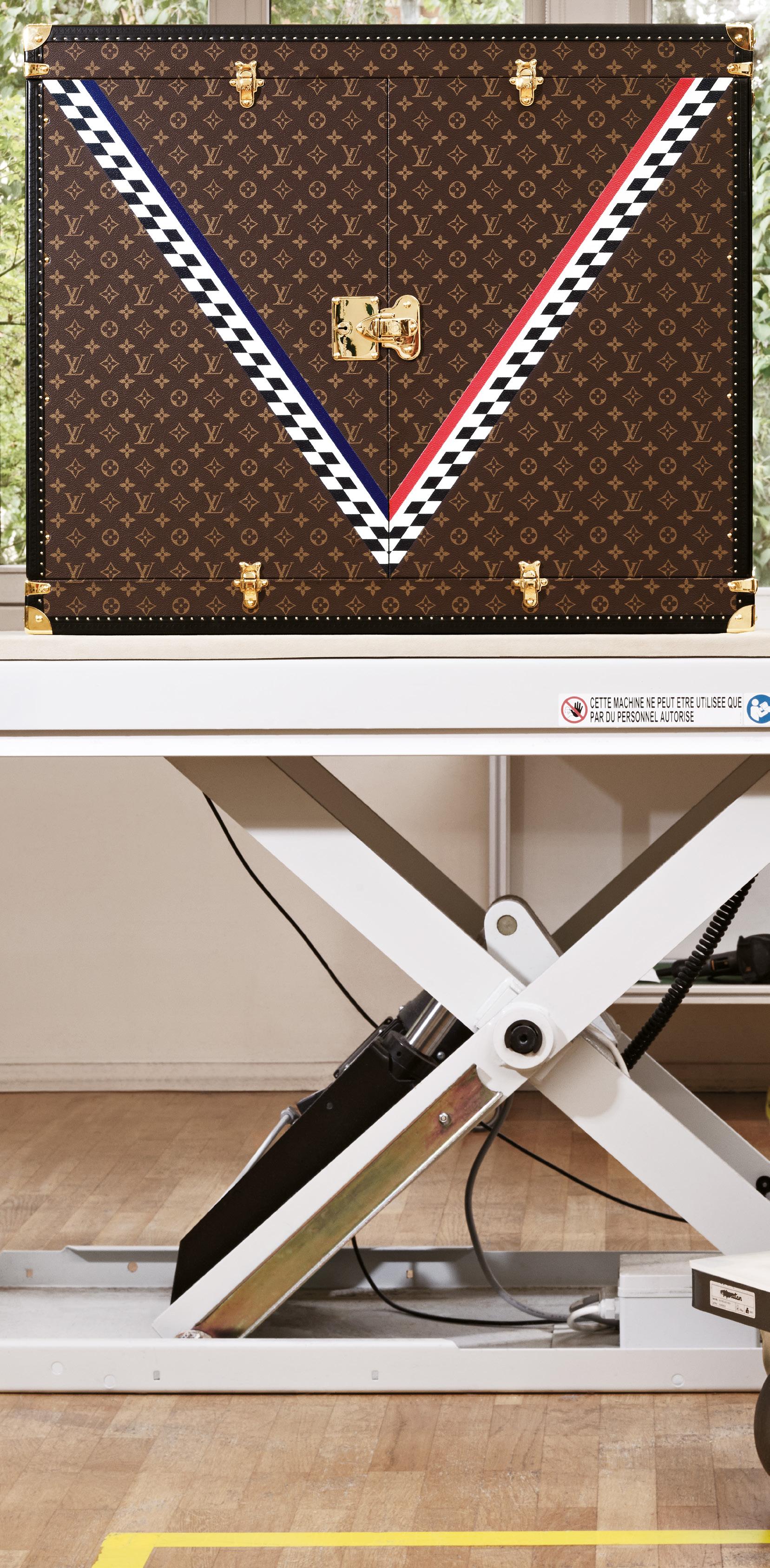
Louis Vuitton, an official partner of Formula 1 since 2025, is behind the trunks built to hold the winners’ trophies on all 24 Grand Prix podiums of the 2026 season. Louis Vuitton has over a century of history designing for cargo, from early travel luggage to trophy trunks for sports events like the America's Cup, the FIFA World Cup, and the Olympics. That same craftsmanship rides along with Formula 1. “Victory travels in Louis Vuitton,” the house reminds us, and it travels in style.
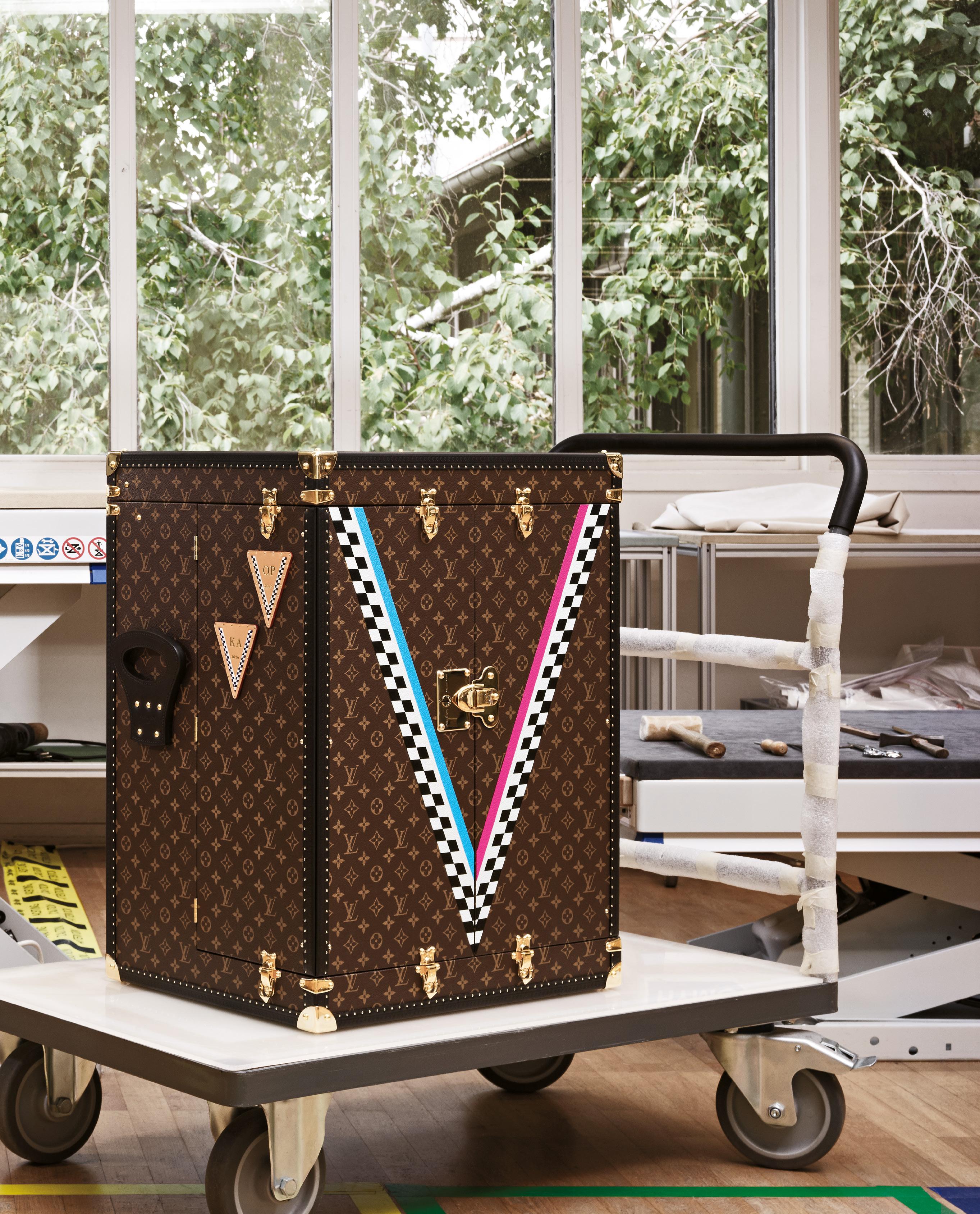
Each trunk is made by hand at Louis Vuitton’s atelier in Asnières, France, the same workshop where the founder's son, Georges, built the brand's first automotive trunks in the early 20th century. Every Formula 1 trunk carries the house's monogram canvas, reimagined for each Grand Prix city with a "V" for both "Victory" and "Vuitton" rendered in colors representing each race. Precision design to match a precise sport is fitting.
The Miami Grand Prix trophy trunk, featuring pink and blue with a checkered flag motif, was presented to driver Kimi Antonelli on the winner’s podium. Louis Vuitton also introduced a new detail: a leather plaque engraved with the Grand Prix winner's initials. Added to the trunk, this customization creates a record of the event.
This fall, the Formula 1 Heineken Las Vegas Grand Prix runs November 19–21 on the 3.8-mile Strip circuit past Caesars Palace, the Fountains of Bellagio, and the Sphere. It's one of the fastest tracks on the calendar, with cars topping 340 km/h (212 mph). Following last season's debut trophy trunks, Louis Vuitton returns to Vegas this year with a new design for the race, the second installation of the 10year collaboration between the house and Formula 1.
Tool watches–in aged steel, sandblasted titanium and deep green ceramic–made to be worn, not preserved.
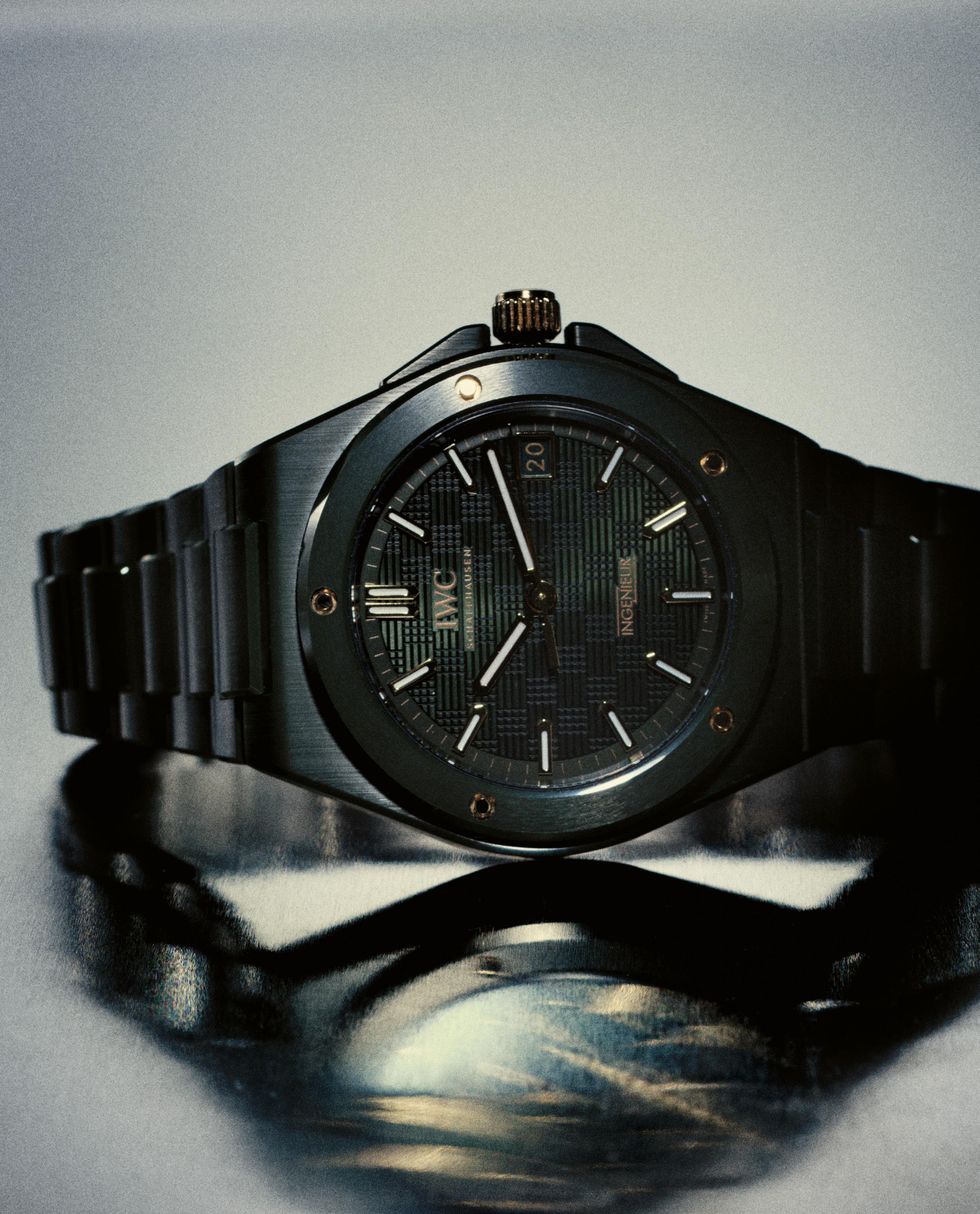
IWC SCHAFFHAUSEN Ingenieur Automatic 42 Built for an engineer. Redesigned by an artist in 1976. The Ingenieur–born in 1955 as a shockresistant, antimagnetic instrument–was conceived to perform under real working conditions. Now, reinterpreted once again in dark olive ceramic, it is diamond-hard in strength, painterly in color.
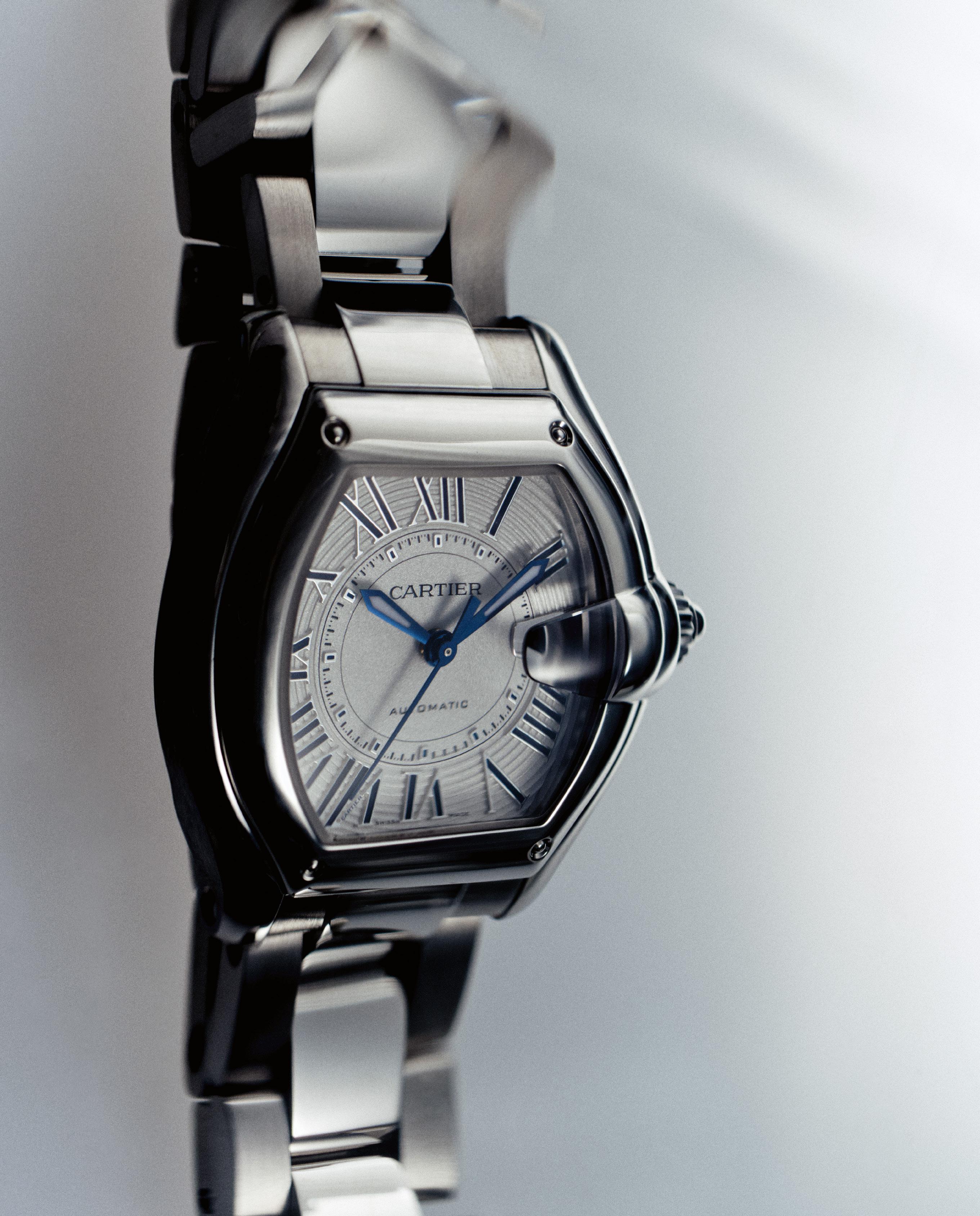
A dial inspired by a speedometer. A date magnifier shaped like a headlight. After being idle for more than a decade, the Roadster returns. This is automotive bodywork crafted for the wrist.
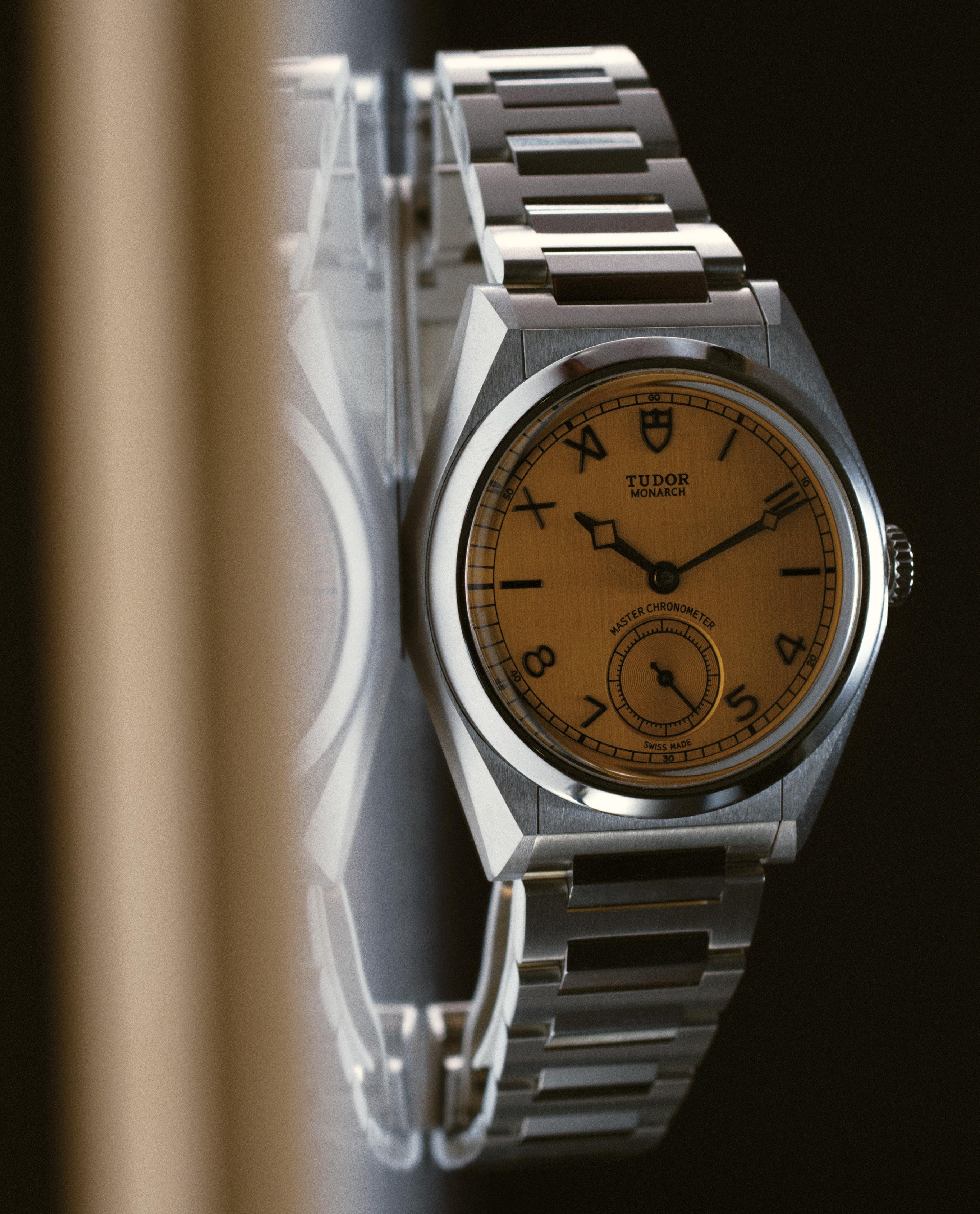
TUDOR Monarch
Roman numerals above, Arabic below: an “Error-Proof” dial intended for improved legibility. Its golden-copper surface evokes papyrus. A centenary watch grounded in something older than watchmaking itself.
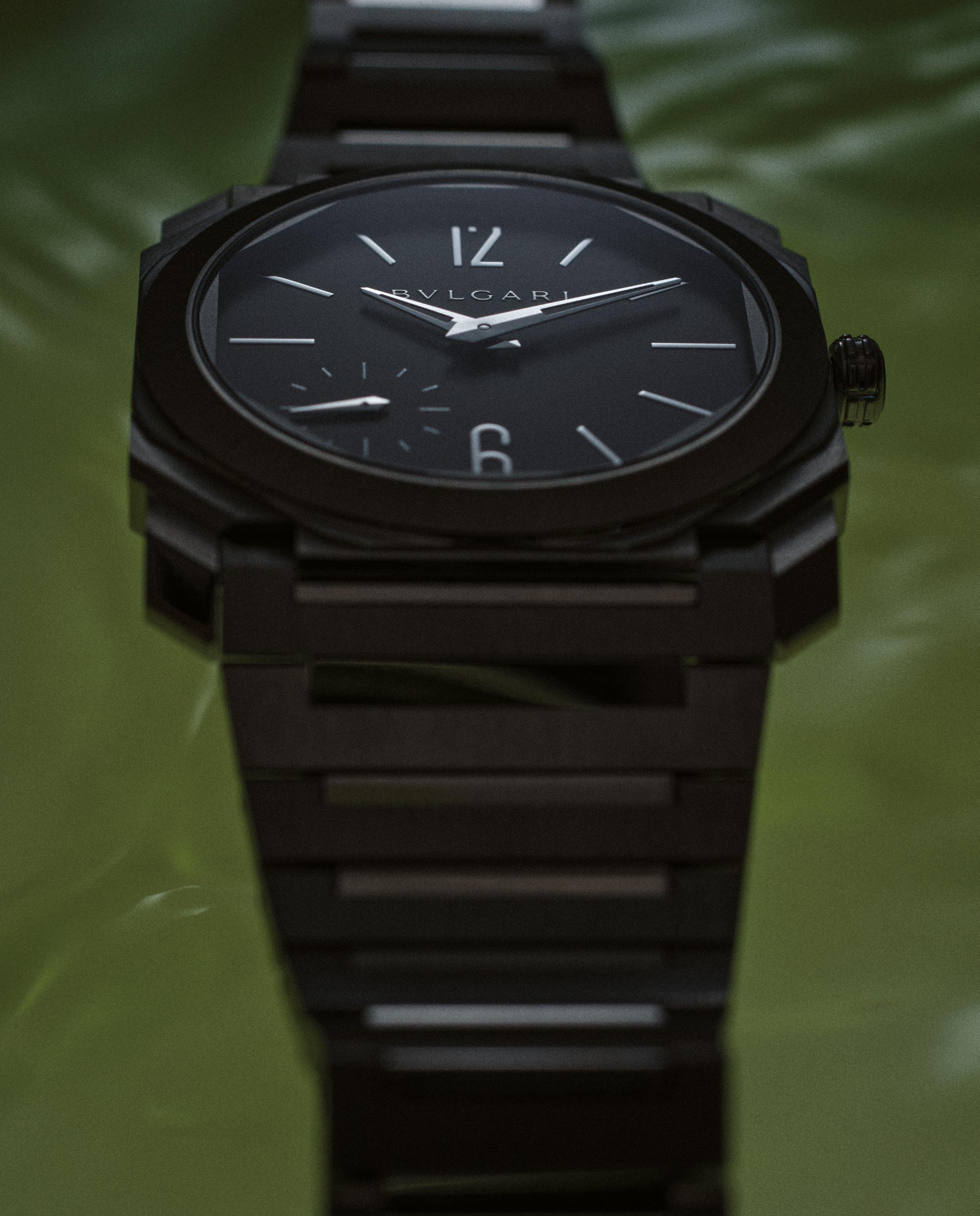
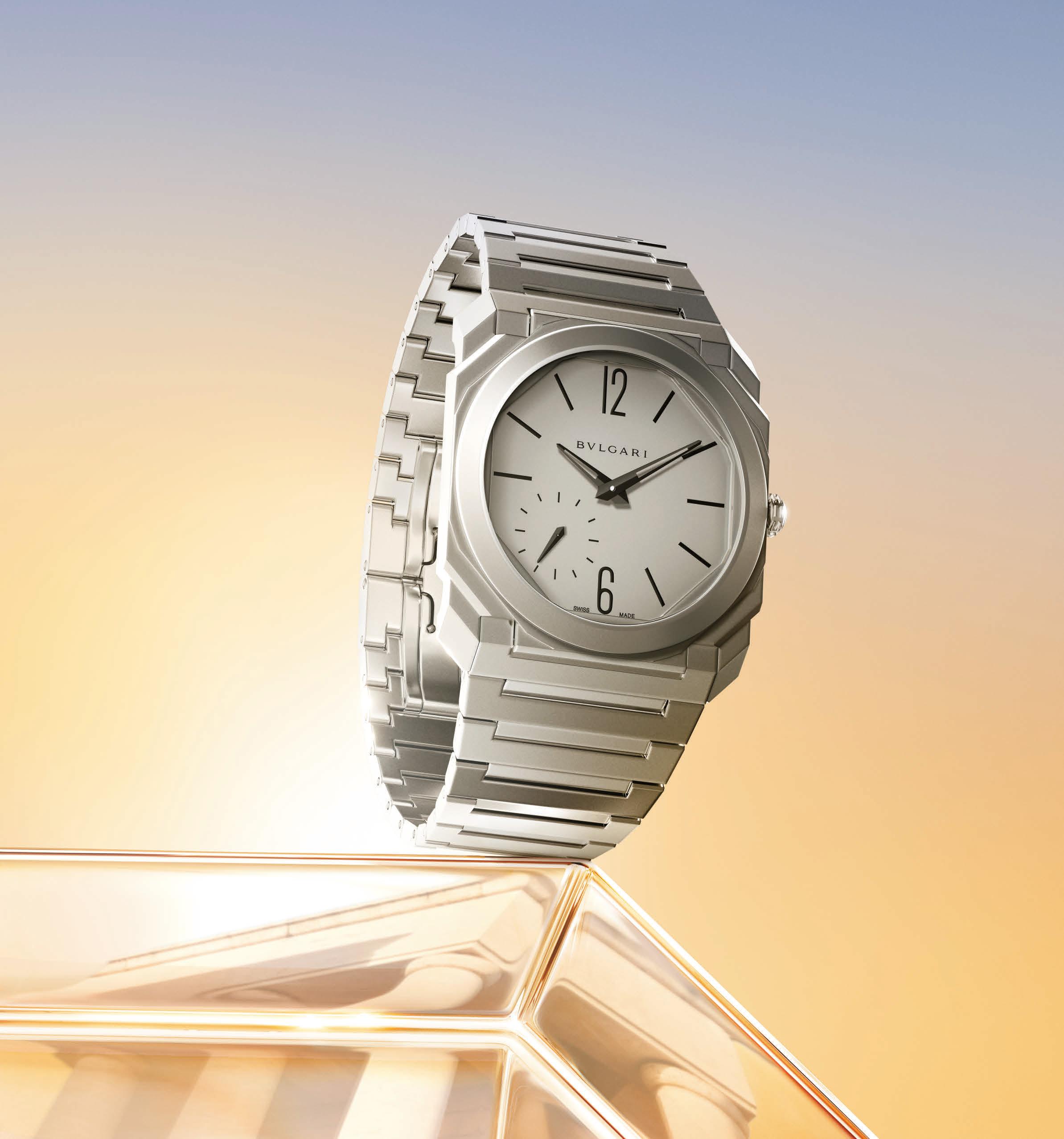
Smaller than its predecessor but with 72 hours of power reserve. Sandblasted or polished titanium holds Italian architectural geometry that has finally found its right size.
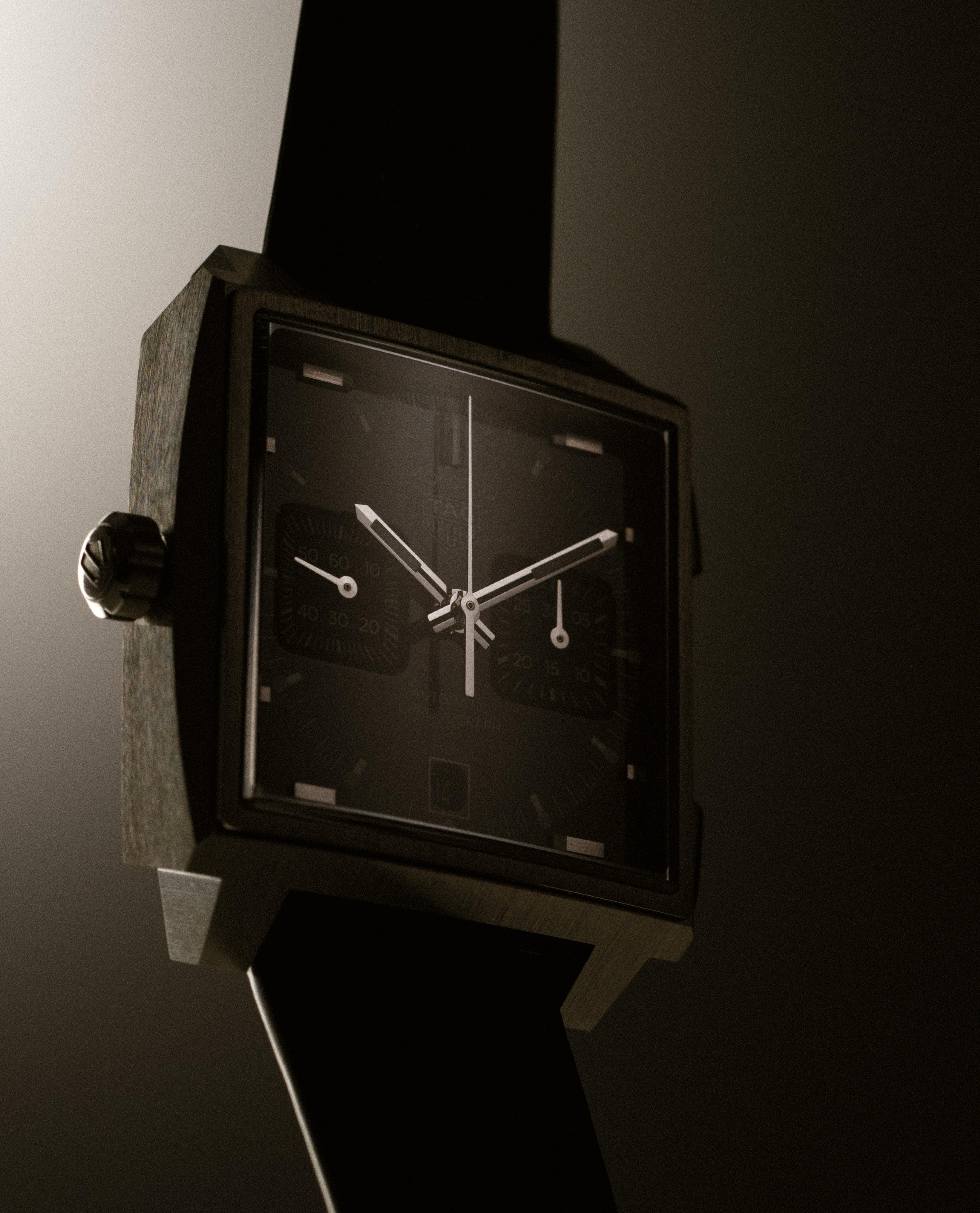
TAG HEUER
Monaco Chronograph
A shape first defined in 1969 and proven on the racetrack.
The angular case now houses a new proprietary movement with motorsport-hued dials. It’s cool to be square.
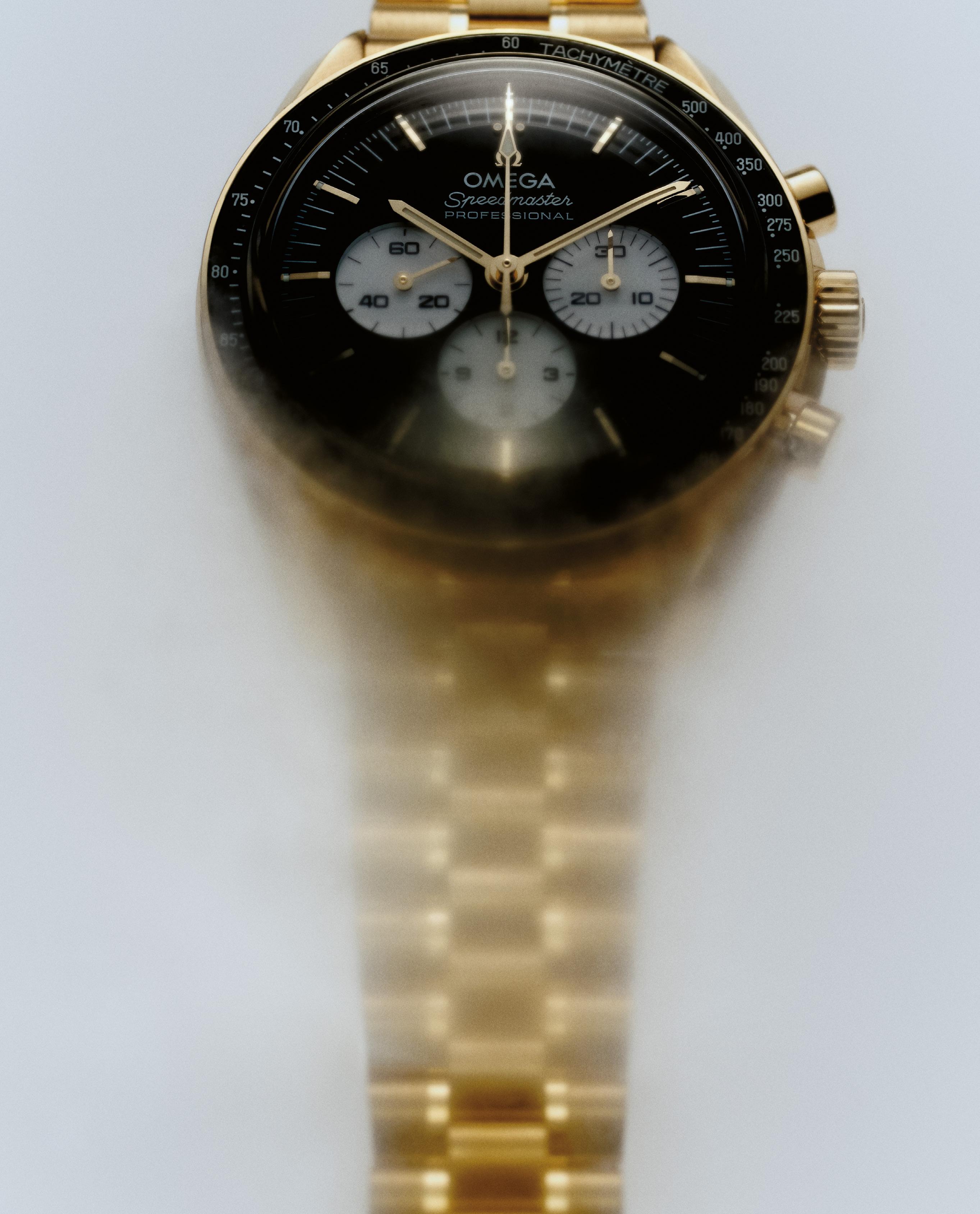
Professional 42
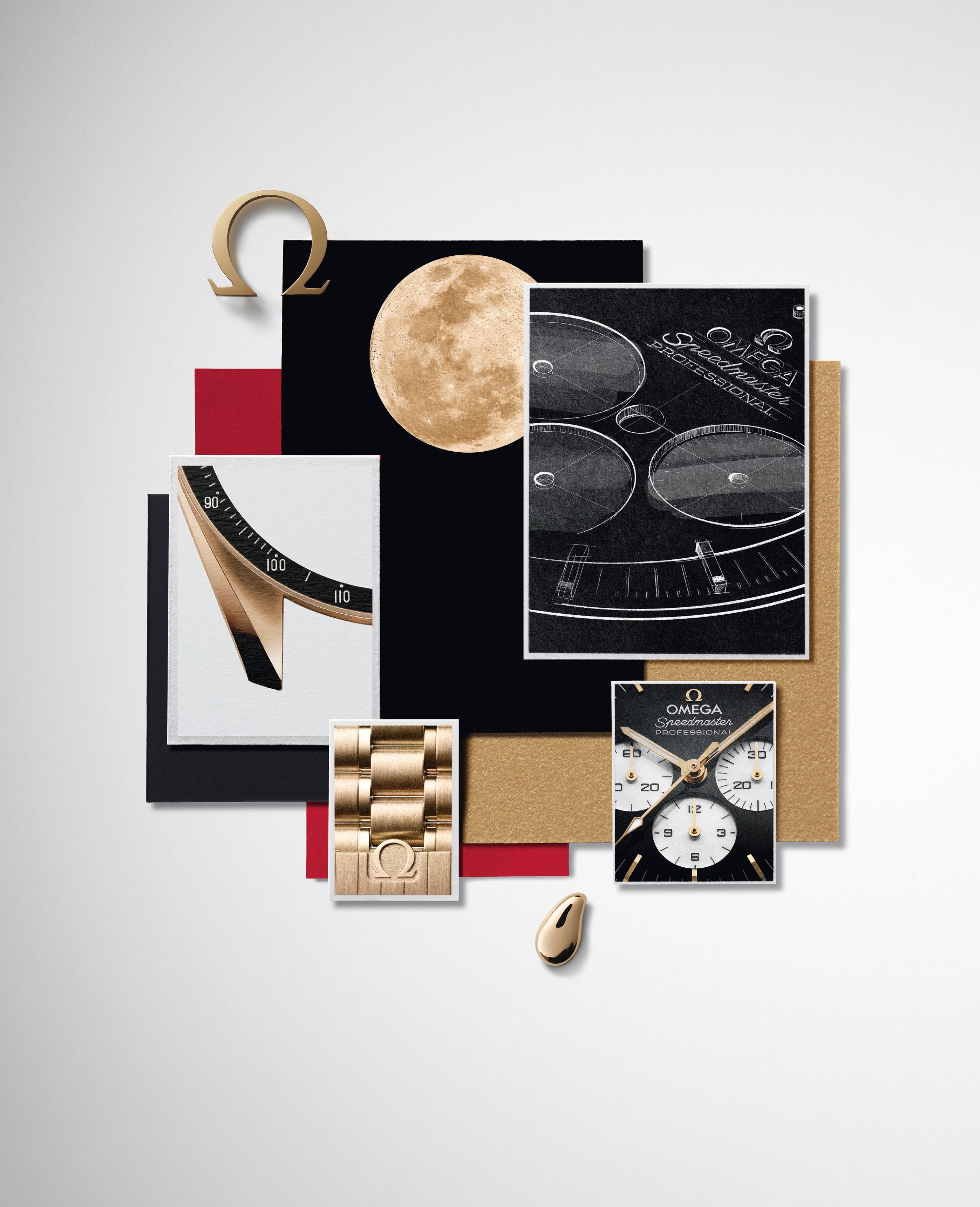
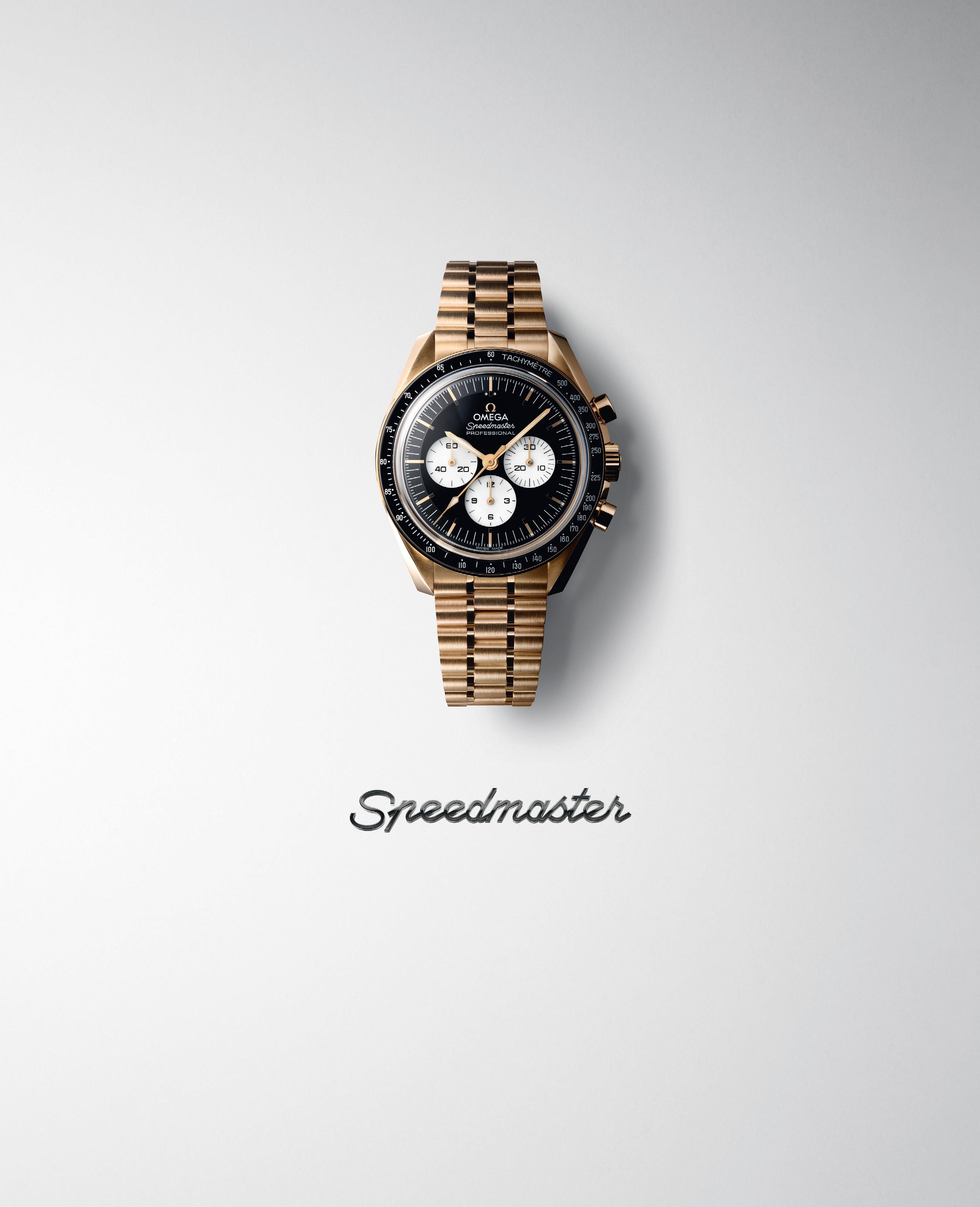
A tool watch that went to space. It returns now in Moonshine gold, a bespoke alloy paler than yellow gold but more resistant to fading. It’s proof that the most serious instruments can also be the most beautiful.
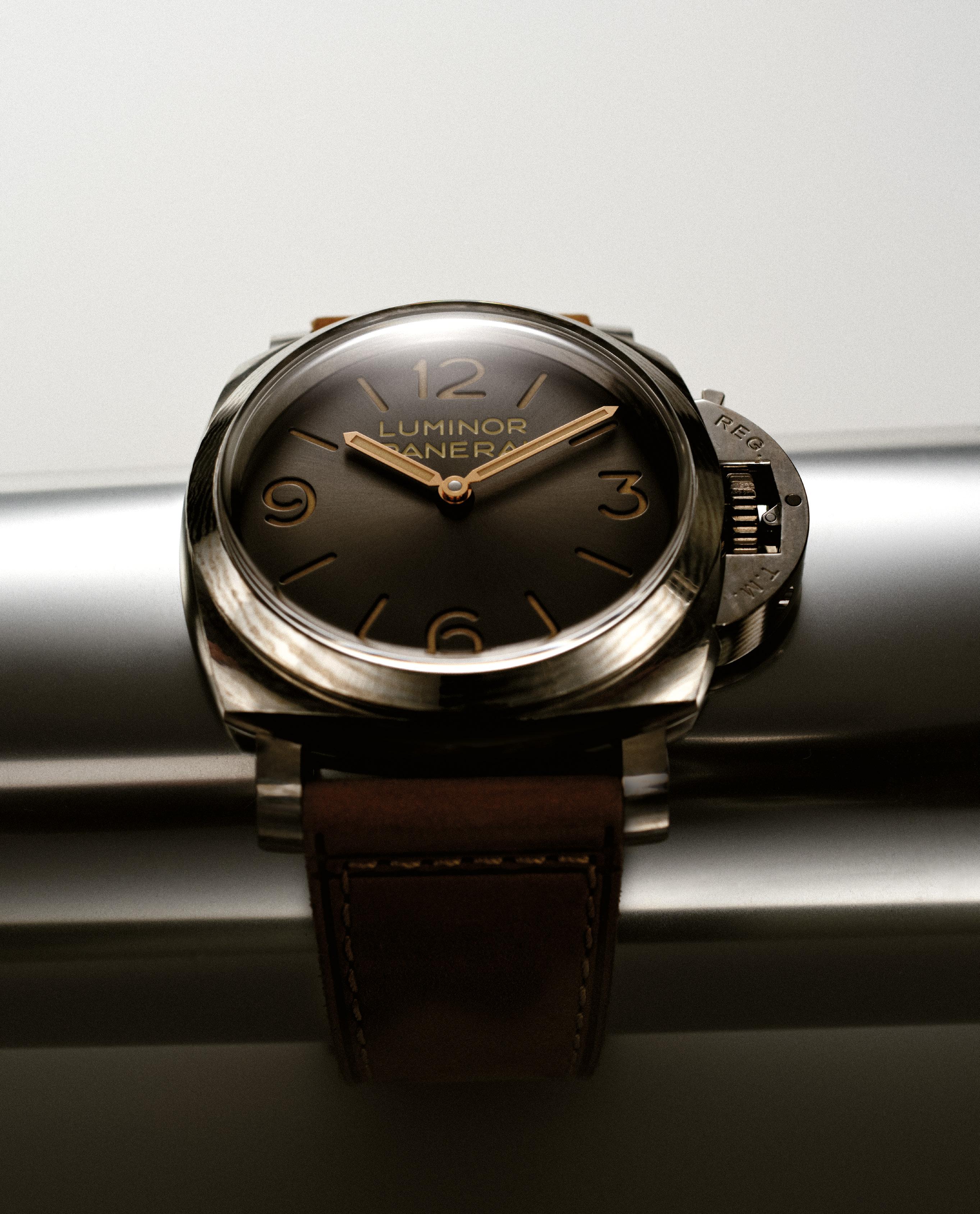
PANERAI Luminor 8 Giorni PAM01733
With a long history serving the Italian Navy, the new Luminor holds true to its function-first design and embraces the inevitability of age with a handburnished steel case, each one slightly different. Here, the finish is not the final word.
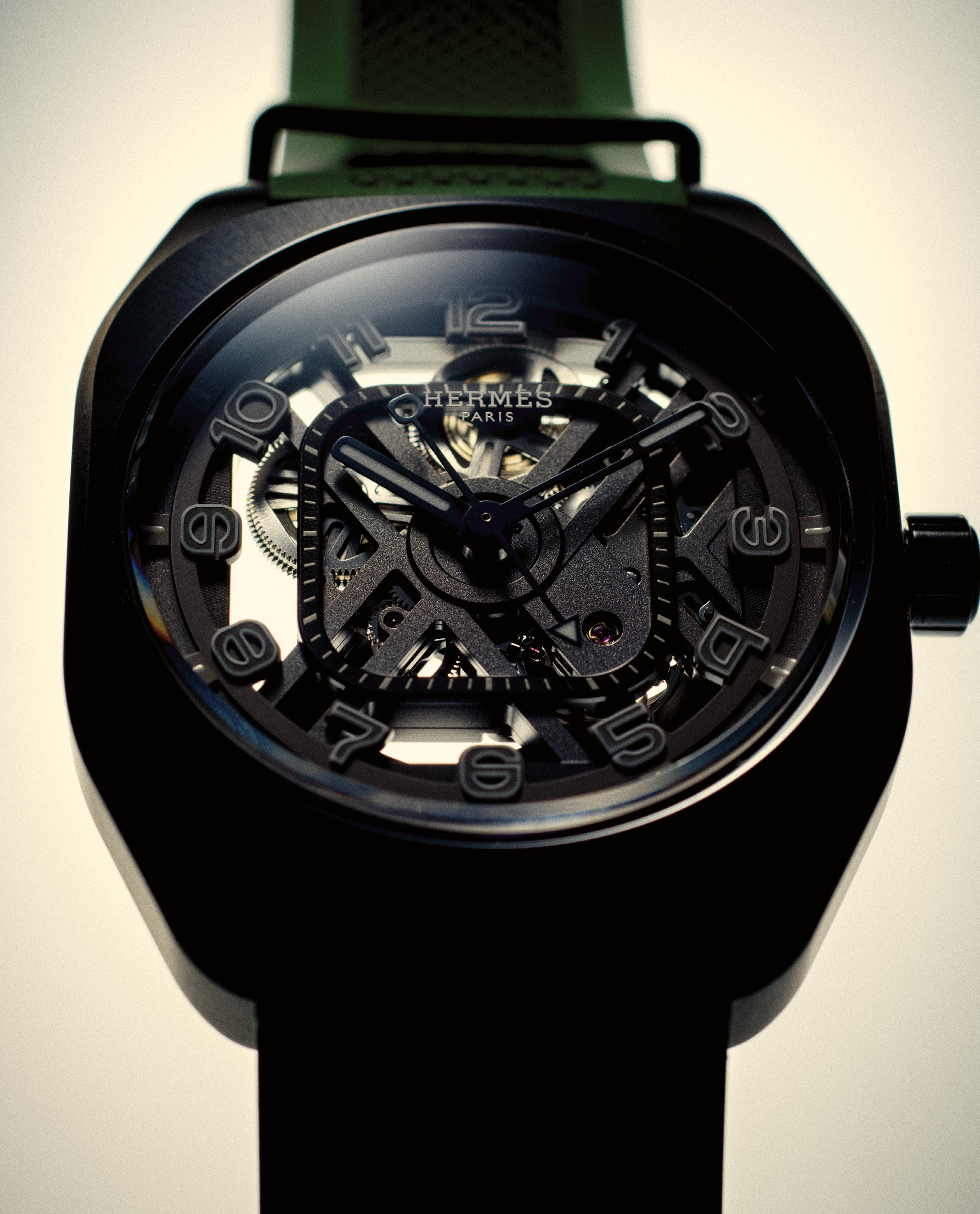
The cushion case –at once round and square–now frames a skeletonized movement. Every gear and bridge follows the same geometry as the case itself. Function and form, drawn from the same blueprint.
The watchmaker
as artist.
The artist
as
watchmaker. Today, there may be no difference at all.
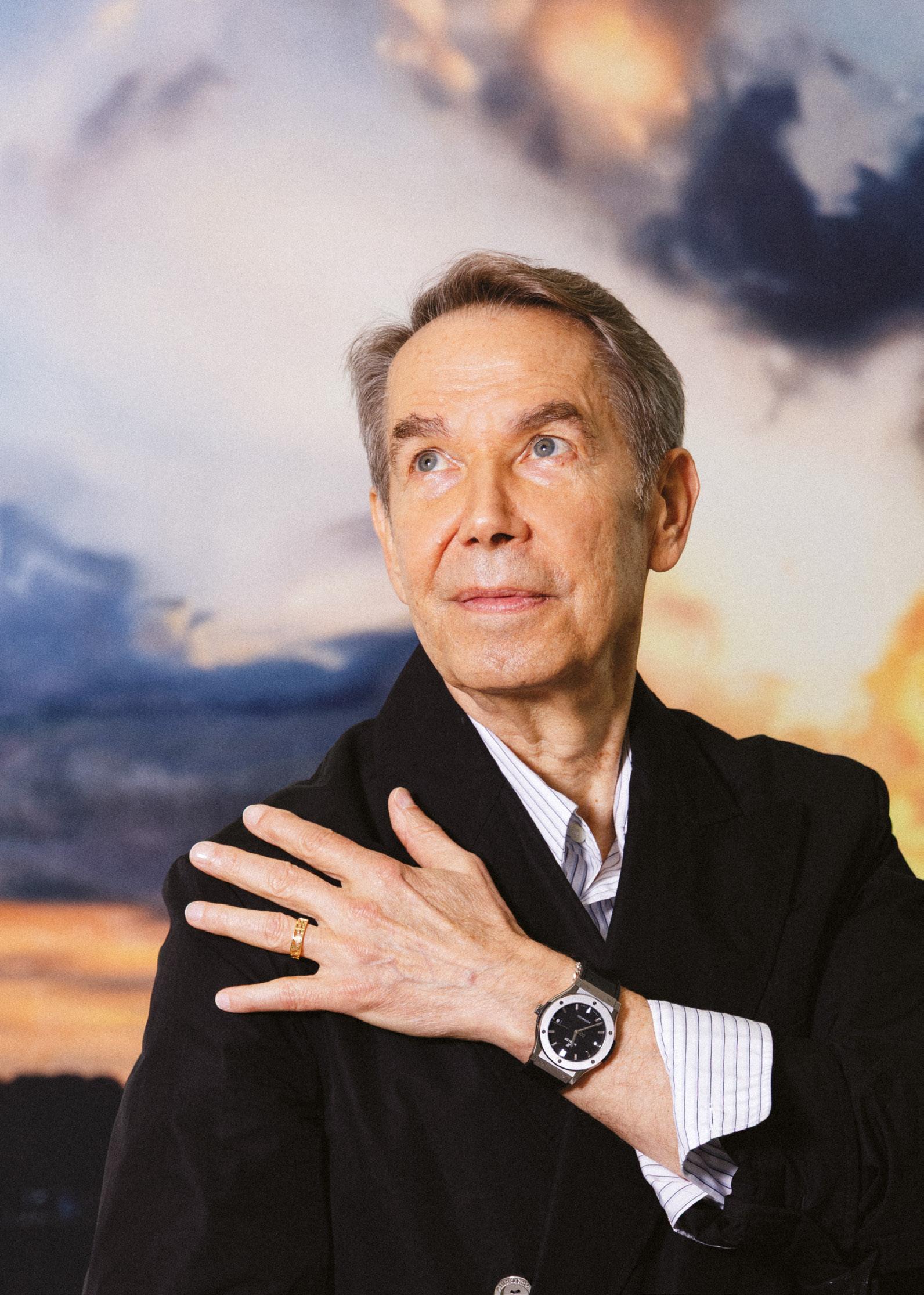
At his New York studio, craftsmen are working to refine and bring to life a Jeff Koons artwork. Technicians map out digital renderings. The scene is not so dissimilar to other environments where large teams work together for the creation of a singular object. “There is an intimacy in the overseeing of that realization,” Koons says.
Hublot, whose Art of Fusion philosophy has long placed the manufacturer at the intersection of watchmaking and contemporary culture, recently named Koons as its art ambassador. In his office, among various iterations of his reflective gazing spheres, we have a conversation about
to me, the intellectual capacity of a human being—that we're able to look at the world and try to deal with it directly in understanding. A watch is really a symbol of hope—that we are able to have a relationship with nature where we can understand it, and continue to understand it more and more.
Tell me about the Hublot partnership. How did that conversation start?
It came very naturally. I went to Geneva and visited the manufacturer, I was able to see their understanding and commitment to time. I love the material sciences. I love to know what's possible, how to achieve different effects. And Hublot is profoundly involved in material sciences. I was really impressed by their work in the creation of sapphires.
When you visited Geneva, what surprised you the most about watchmaking?
time, craft, and the art of watchmaking.
ICON: Your Apollo Wind Spinner in Hydra, Greece, is one of the few works of yours that depends on an external force: the wind. How do you experience that piece differently?
Jeff Koons: When I created the Apollo Wind Spinner, I liked the idea that it would change with nature—that it would spin depending on the wind, the direction, the angle, the speed. It does have this aspect of time, and an ease of enjoying a movement. Is there a symmetry there with a watch? You’re each creating mechanical movement. Absolutely. A watch really symbolizes,
I love the concept of embedded knowledge. I think that's what art tries to do. As an artist, when I make a work, I want to embed aspects of my whole life—different experiences where I found some form of meaning or relevance—somewhere within an image or object, so that I'm able to share that with others, and hopefully they can find some meaning in it too. And when you look at the art of watchmaking, how over centuries people learned how to make these mechanisms so precise, and how they continued to carry that information forward, the act of watchmaking has been an activity that has really embedded some of the most relevant, important information to our existence within these mechanical mechanisms that we can carry with us.
Your work is full of objects that reflect the world back. What does a watch reflect back to you?
For me, it represents human thought, human intellect, human understanding, and the embrace of the sciences. It's a long history of people seeking to understand nature. The Earth rotates every 24 hours while orbiting around the sun. We experience that if we were in space without this rotation, it would be very different. A watch is able to relay this reality, keep us informed, so that we're able to know where we are at any given moment.
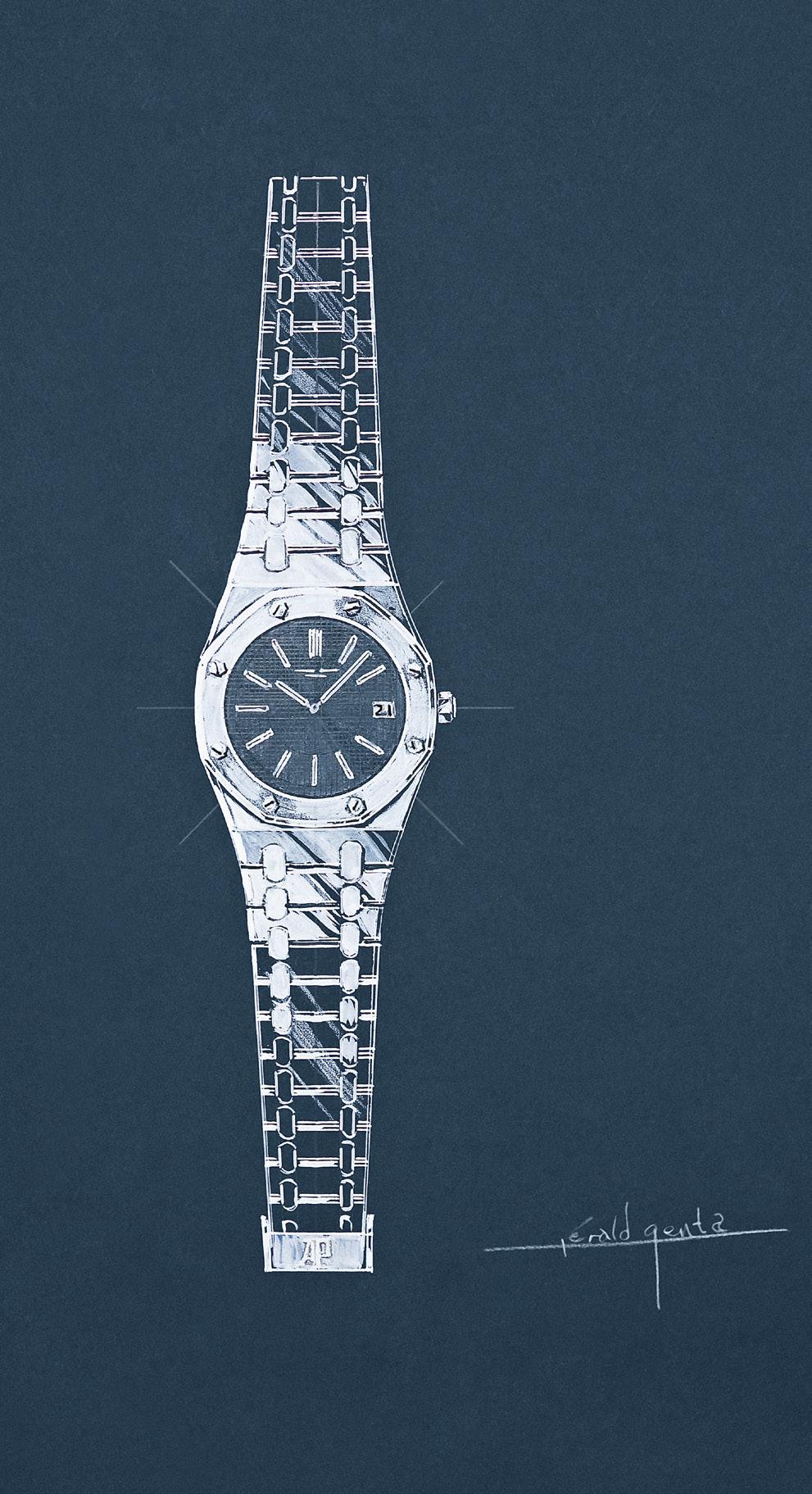
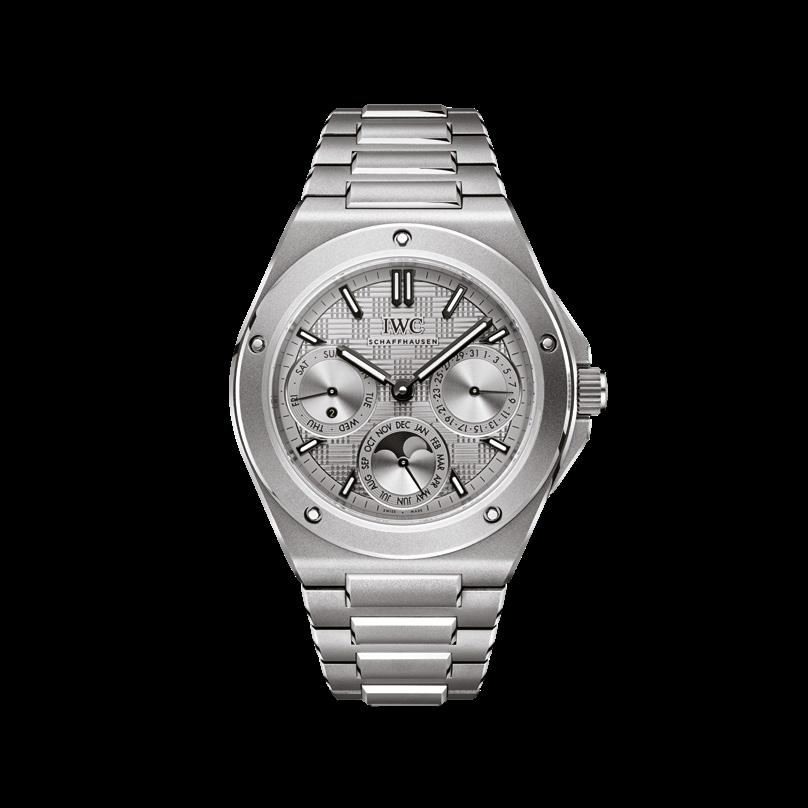
In 2026, the work left by the legendary watch designer Gérald Genta is everywhere. Two of his most iconic designs, the Patek Philippe Nautilus and IWC Ingenieur, turned 50 this year.
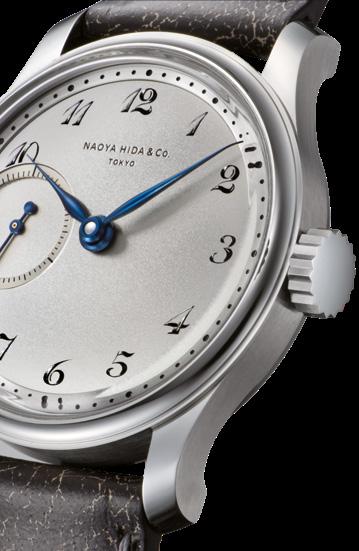
ONE MAN'S SHADOW IS SO LONG THAT IN 2026, EVERYONE IS STANDING IN IT. NAOYA HIDA & CO.: YOU MUST APPLY FOR THIS WATCH.
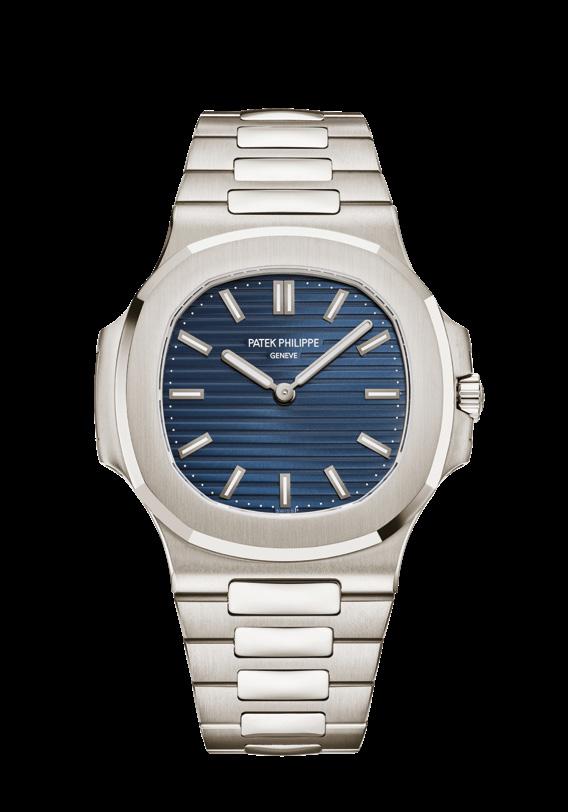
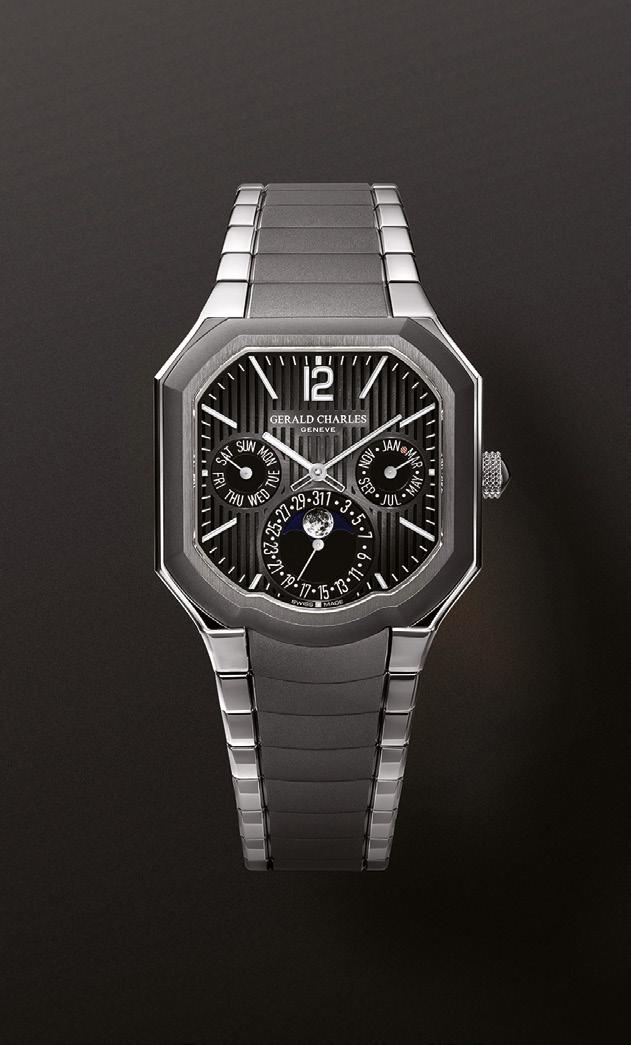
The brand bearing his name has been revived by LVMH. And the last maison he personally founded, Gérald Charles, is gaining momentum among American collectors. The man’s sphere of influence, which also includes the Audemars Piguet Royal Oak and Bulgari Octo, has never been more palpable.
“With the Royal Oak, Genta introduced a radically new language for haute horlogerie,” said Sébastien Vivas, the museum and heritage director at Audemars Piguet. It is said that it took Genta just one night to sketch out the Royal Oak design: a bold sense of modernity in material and refined finishing evident in the hand-drawn octagonal case and in each curve of the bracelet link. The sketch, over 50 years old, could be mistaken for a contemporary design today.
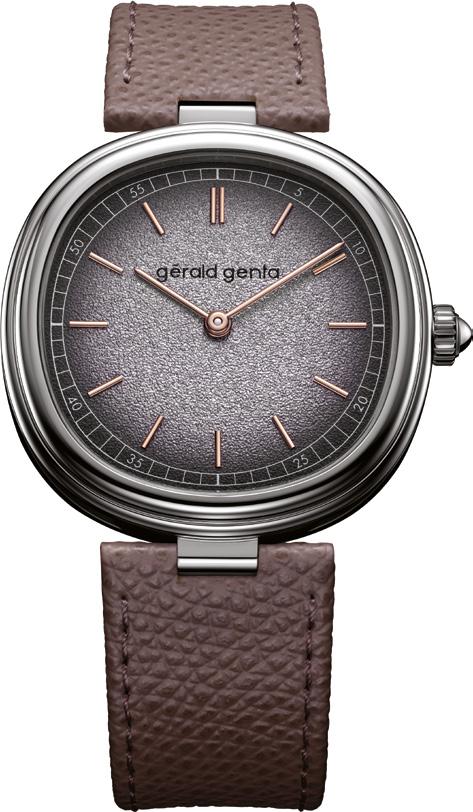
His namesake brand, Gérald Genta, founded in 1969, now lives on through La Fabrique du Temps Louis Vuitton, which has revived the sea urchin-shaped Oursin and the cushion-cased Geneva Time Only.
Then there’s Gérald Charles, founded by Genta himself in 2000. The last maison he personally created, the brand survives thanks to Genta’s close collaborators the Ziviani family.
“We are the custodians of the final chapter of his creative journey, including the last 11 years of his work and archives,” Gerald Charles C.E.O. Federico Ziviani says. That custodianship finds its most complex expression yet in the Masterlink Perpetual Calendar, a retrograde perpetual calendar with hand-finished movement. It’s the most technically ambitious watch Gerald Charles has produced. “We carry not only his designs, but also his vision, values, and way of thinking,” adds Ziviani. “Legacy is often claimed; ours is lived every day.”
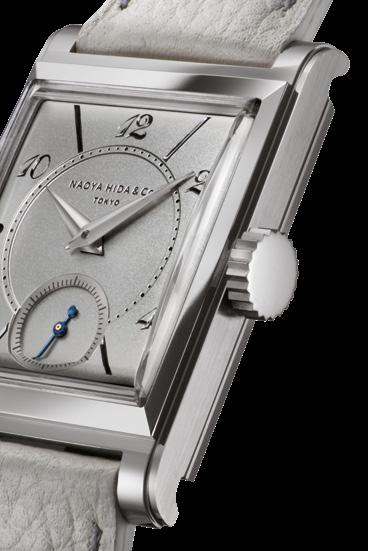
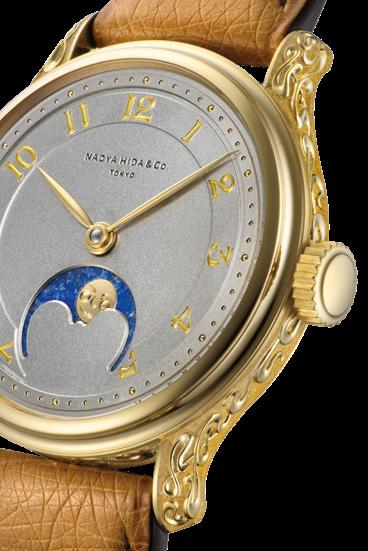
Despite big names in watchmaking causing fanfare and frenzy over the latest drops and celebrity collaborations, the appetite for quieter, independent craftsmanship has never been stronger.
Tokyo-based Naoya Hida & Co. is precisely that. Founded in 2015 by a former watch distributor who spent decades bringing F.P. Journe and Vacheron Constantin to Japan, the brand makes a small number of its own watches annually—every one of them already spoken for. Applications to purchase open once a year over four days, and Hida selects the buyers personally.
The appeal among collectors is the commitment to craft. From handengraved Breguet numerals to the latest engraved solid gold case of the NH TYPE3B-4, the attention to every singular detail has fueled interest.
“We want Naoya Hida & Co. to be a company that lasts for a very long time,” said founder Naoya Hida. “At the same time, we have no intention of becoming a major brand. We want to remain a small, craft - focused watchmaker. For that to work, it’s essential that demand in the market always exceeds our production capacity. That’s the philosophy we operate on.”
Time to mark you calendar and queue up. The philosophy is working.

Every great story begins with love for the craft, for the character, for the material in your hands. It is a devotion that threads through everything you’ll find in these pages. This issue, our storytellers arrive from every corner of culture. The inimitable Dustin Hoffman brings decades of cinematic storytelling to his first memoir. Theo James is unapologetically himself, on screen and off. Taylor Fritz is laser-focused on writing his own legacy in professional tennis. Nicholas Hoult and Christopher Abbott are entering a new chapter, as fathers and as actors growing more confident in their work and instincts. Julian Klausner continues building the Dries Van Noten universe from the inside out. And at Hermès, where the horse was the first customer, master saddler Charly Palmieri reminds us how some of our oldest stories live on in the timeless objects crafted by a pair of skills hands. This fall, let the work speak.
"THE OLDEST FORM OF STORYTELLING is a pair of skilled hands and everything they keep alive."
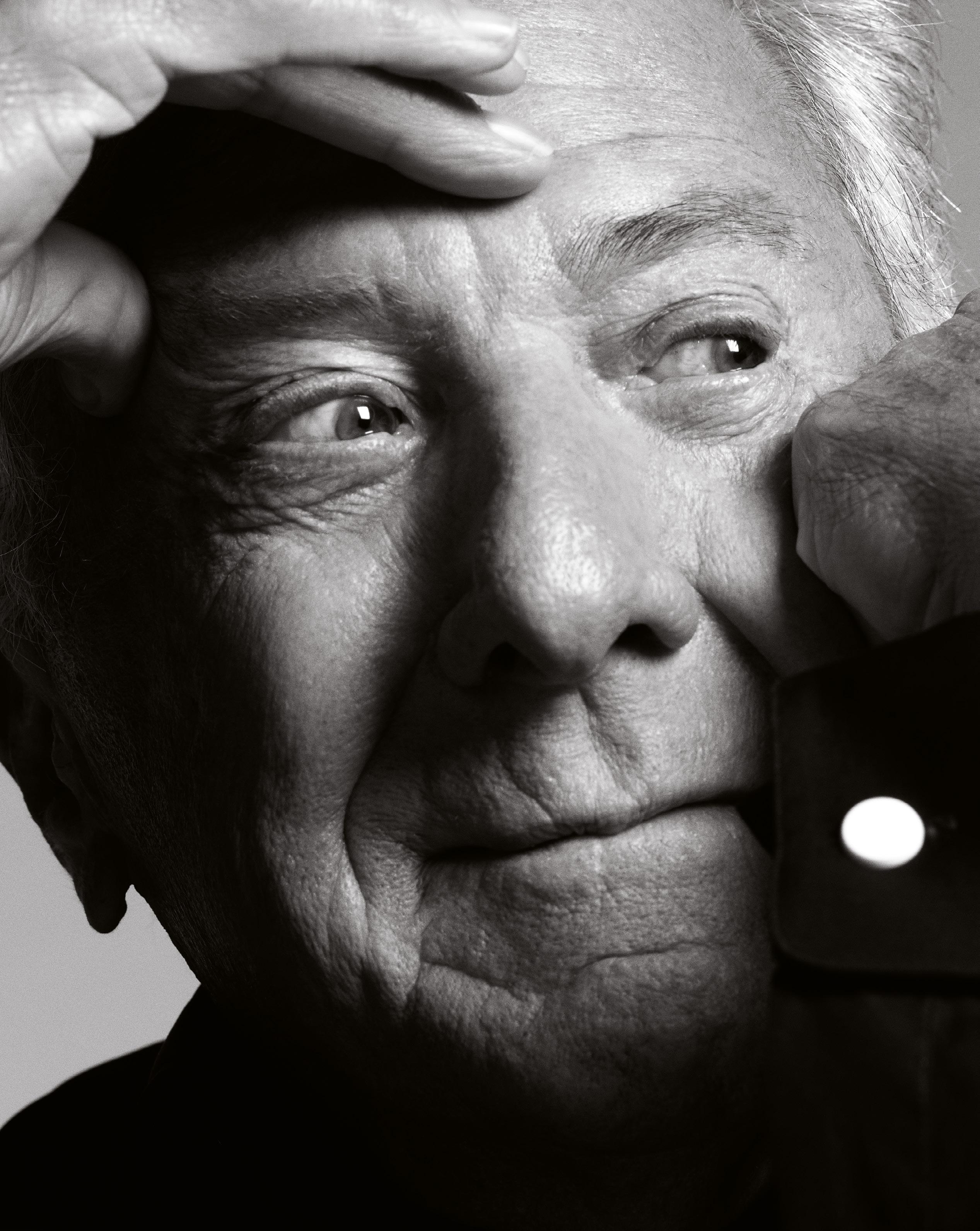
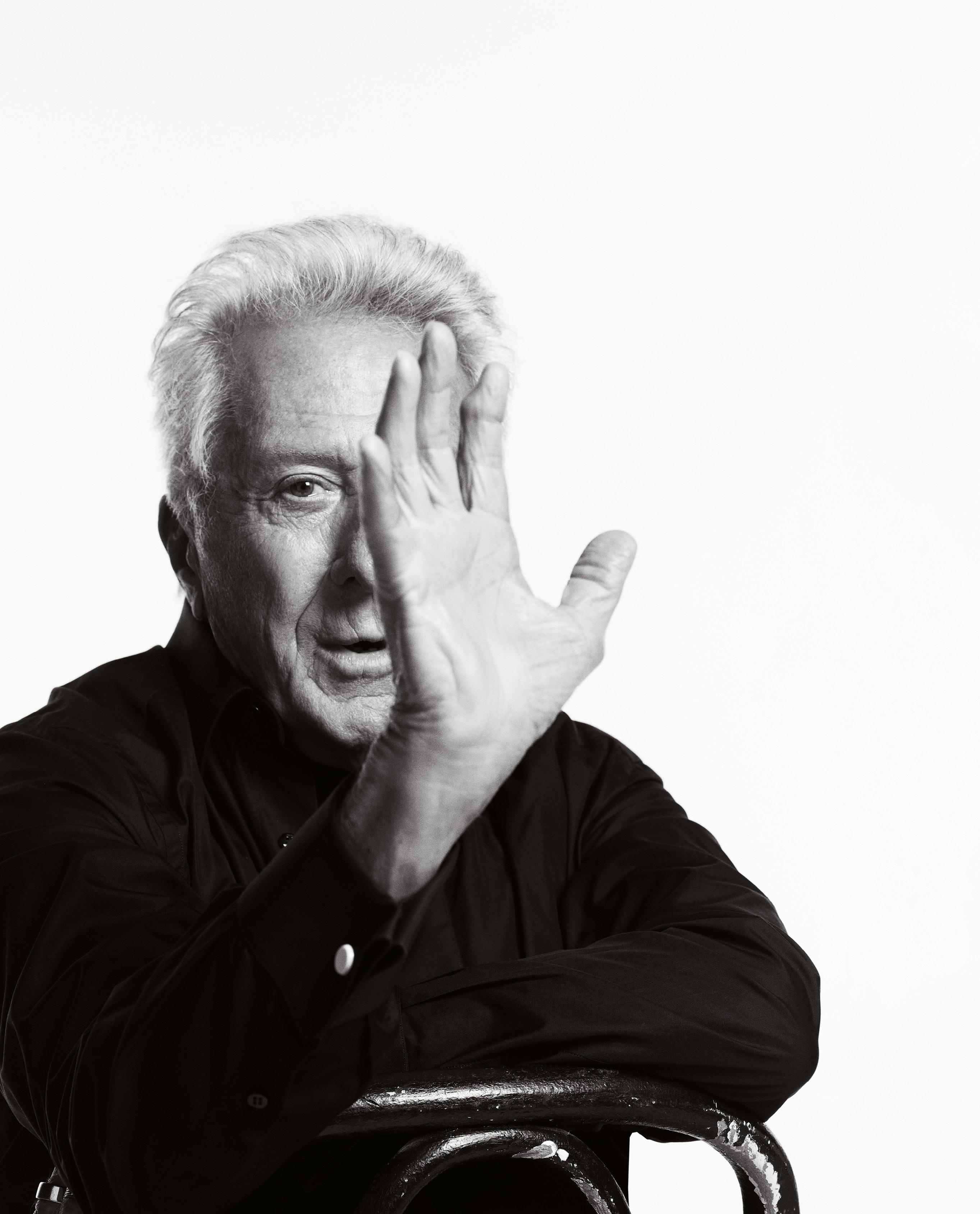
"The book is structured thematically rather than chronologically, because that's the way I remember my life, and making the movies I was in."
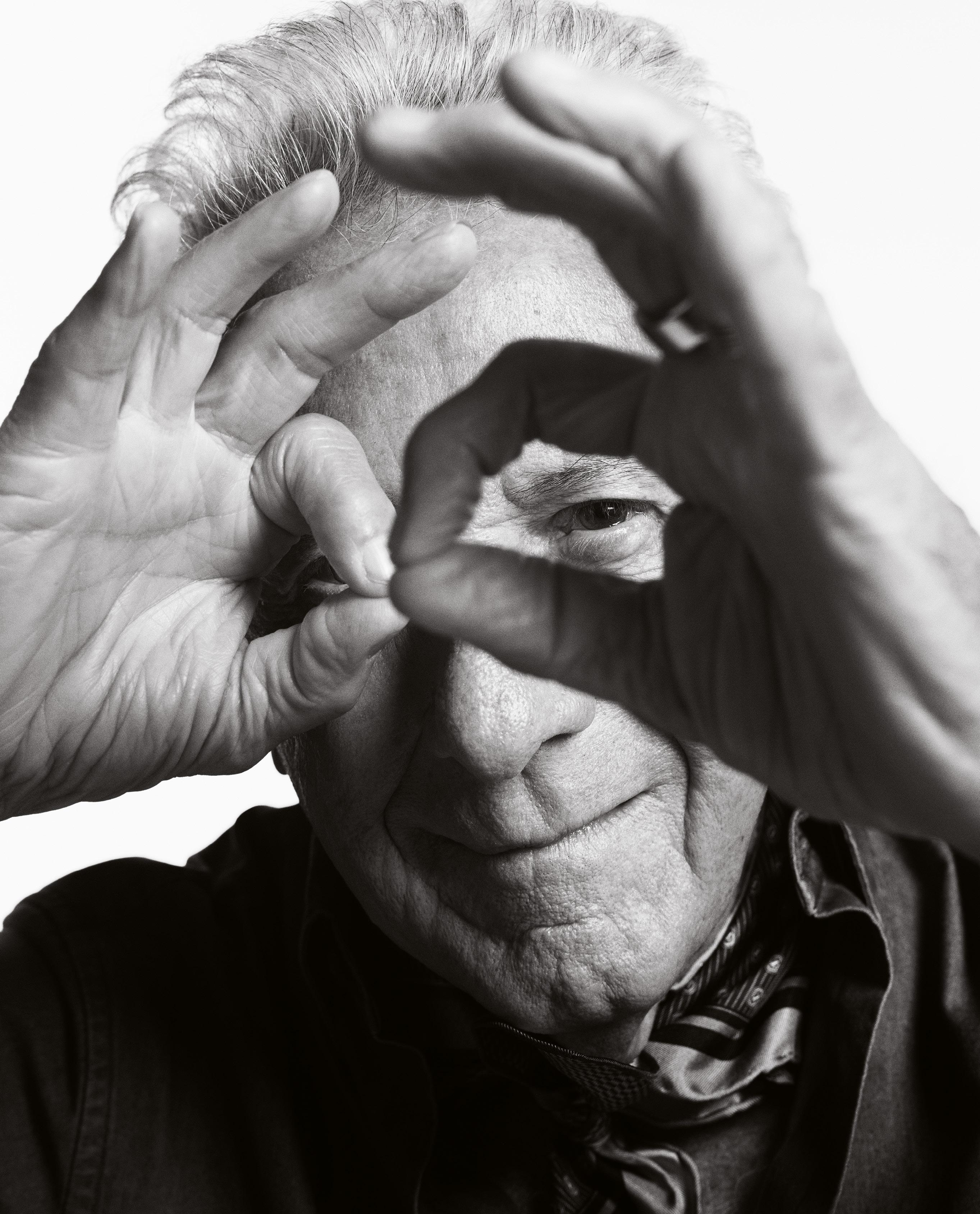
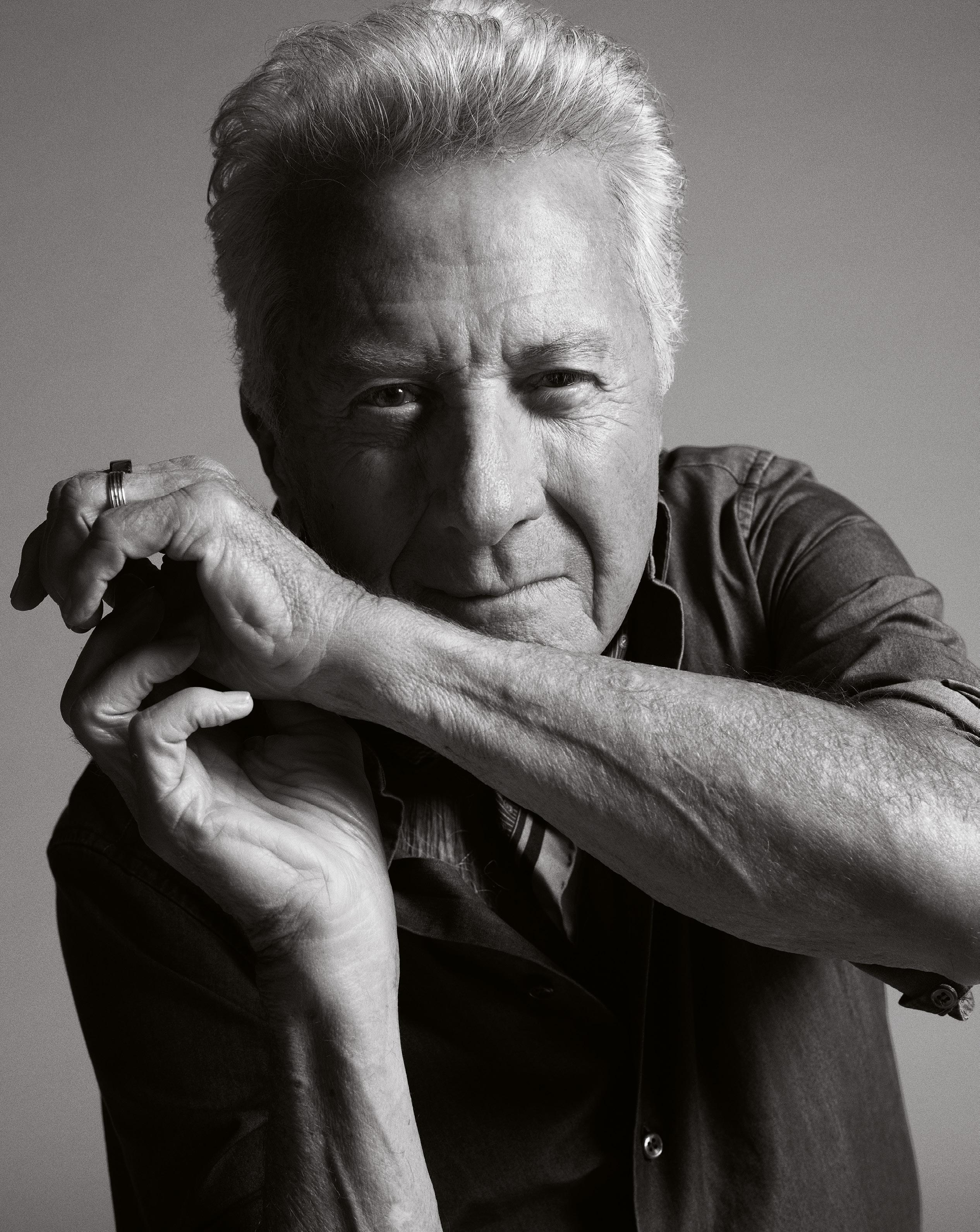
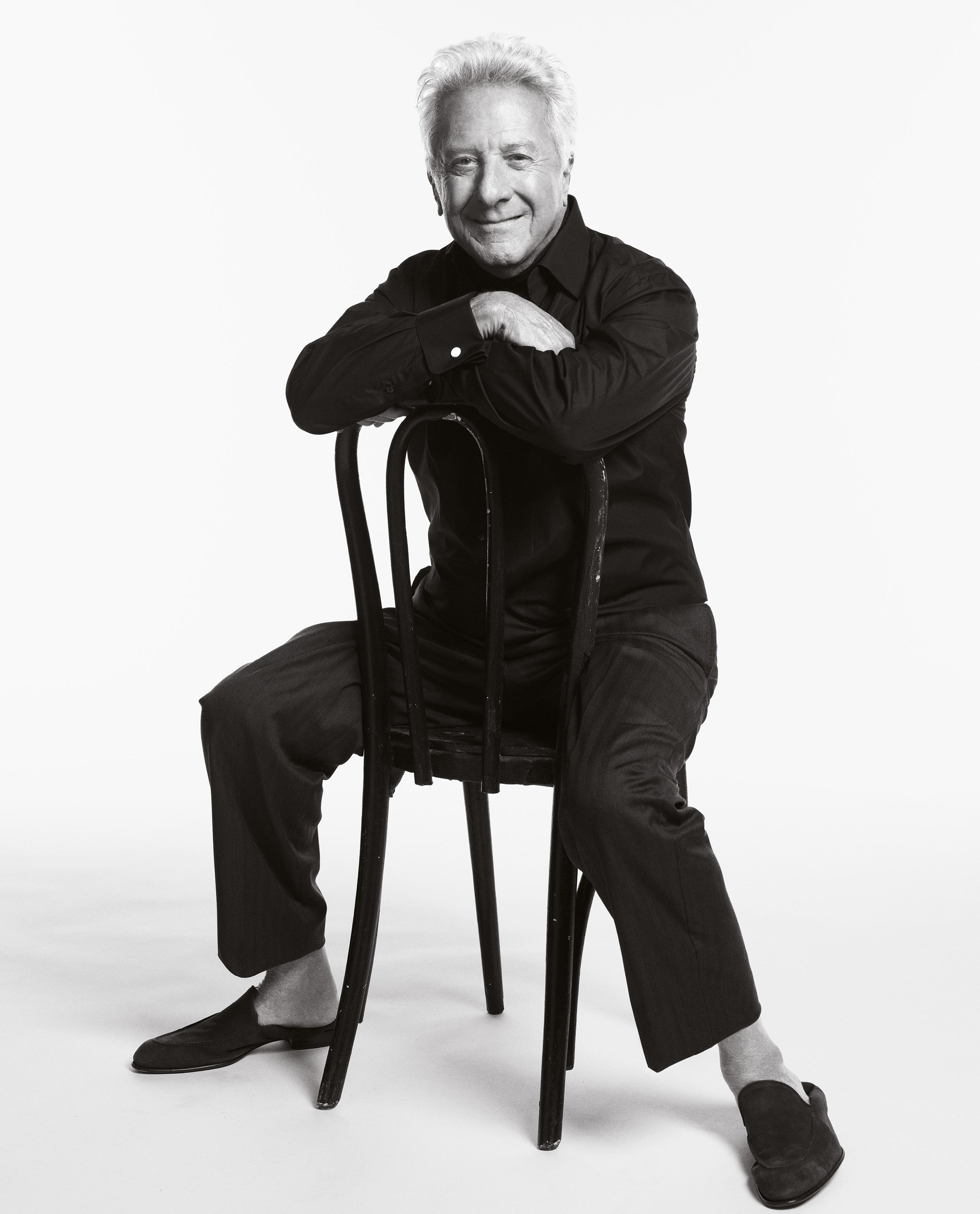
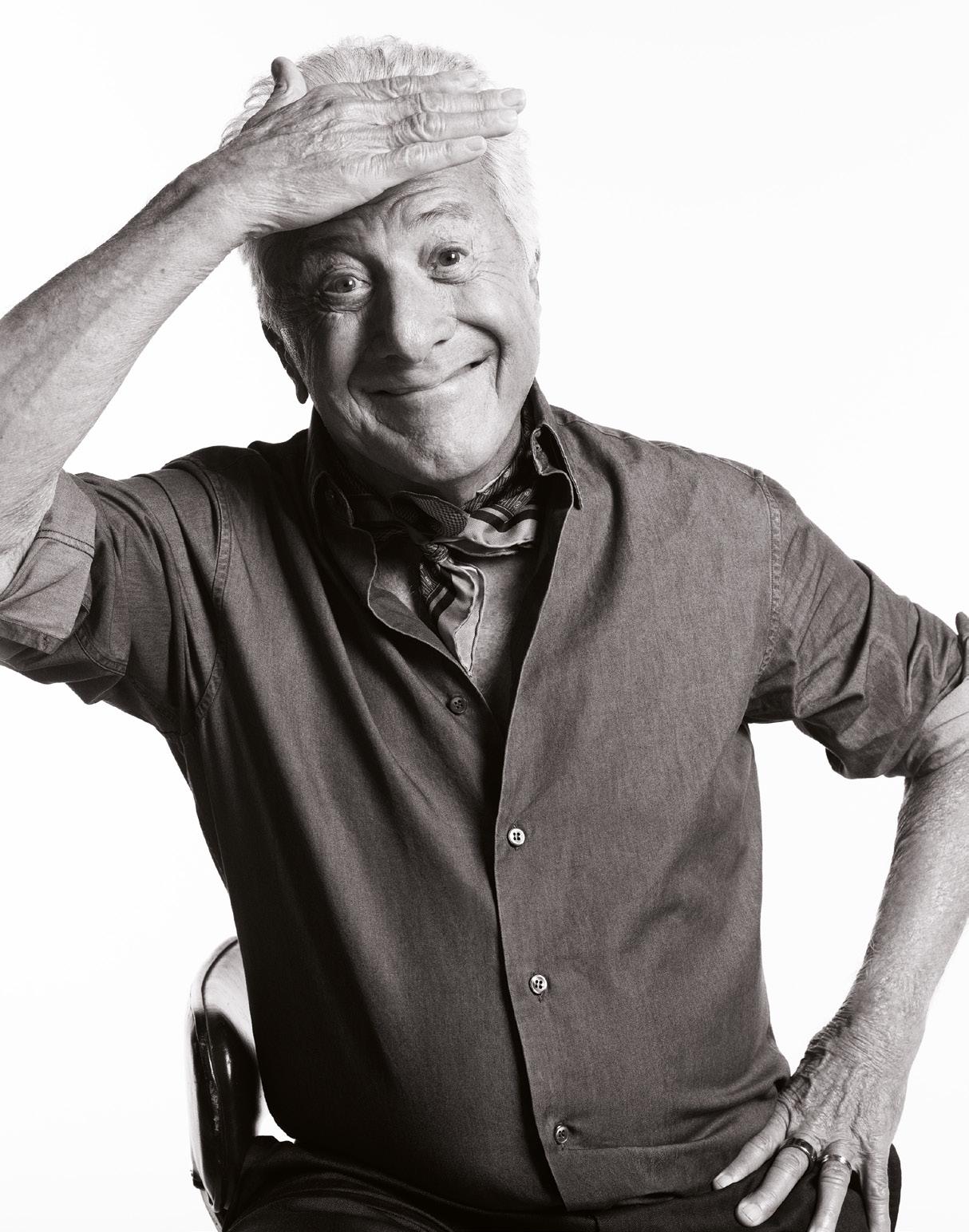
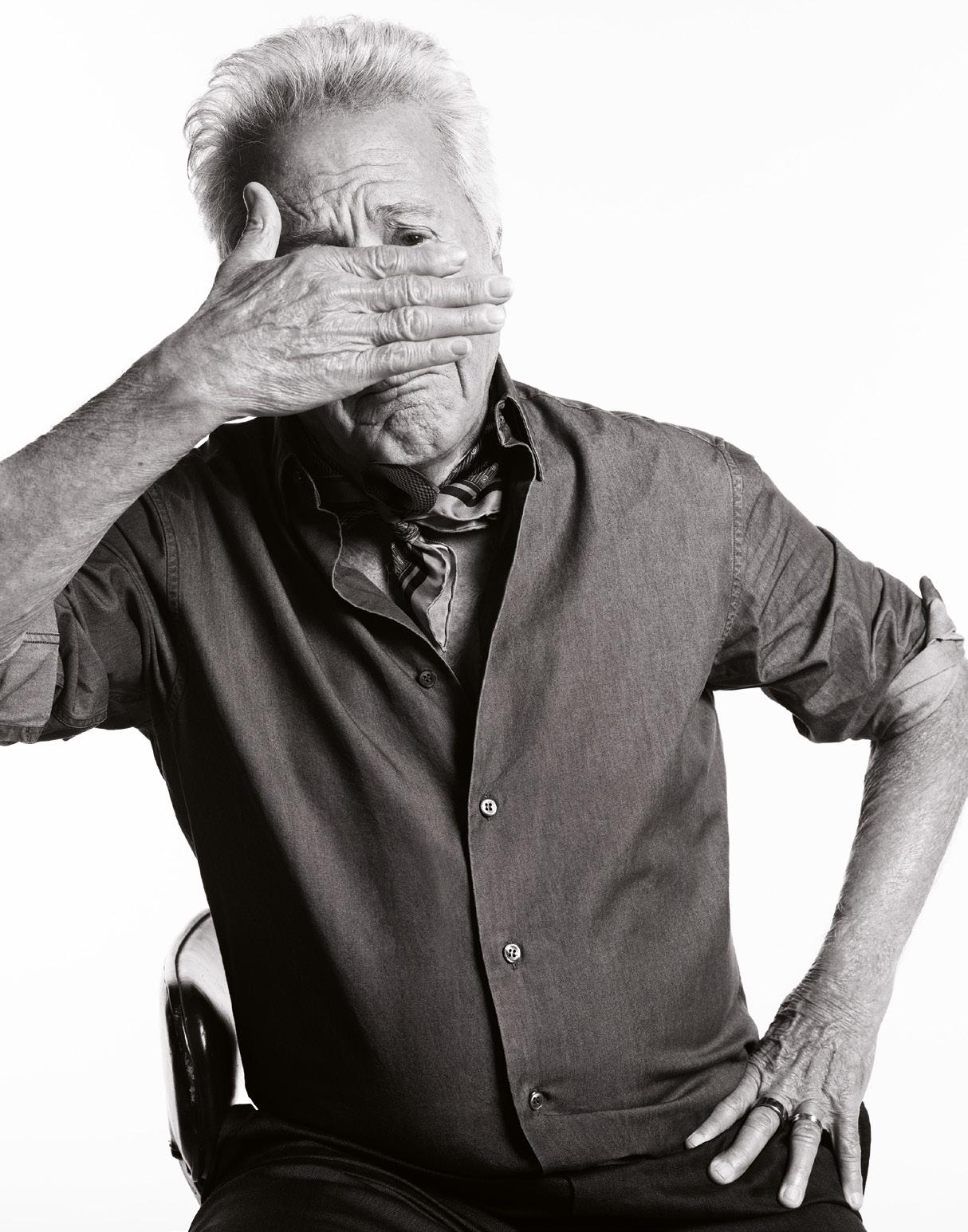
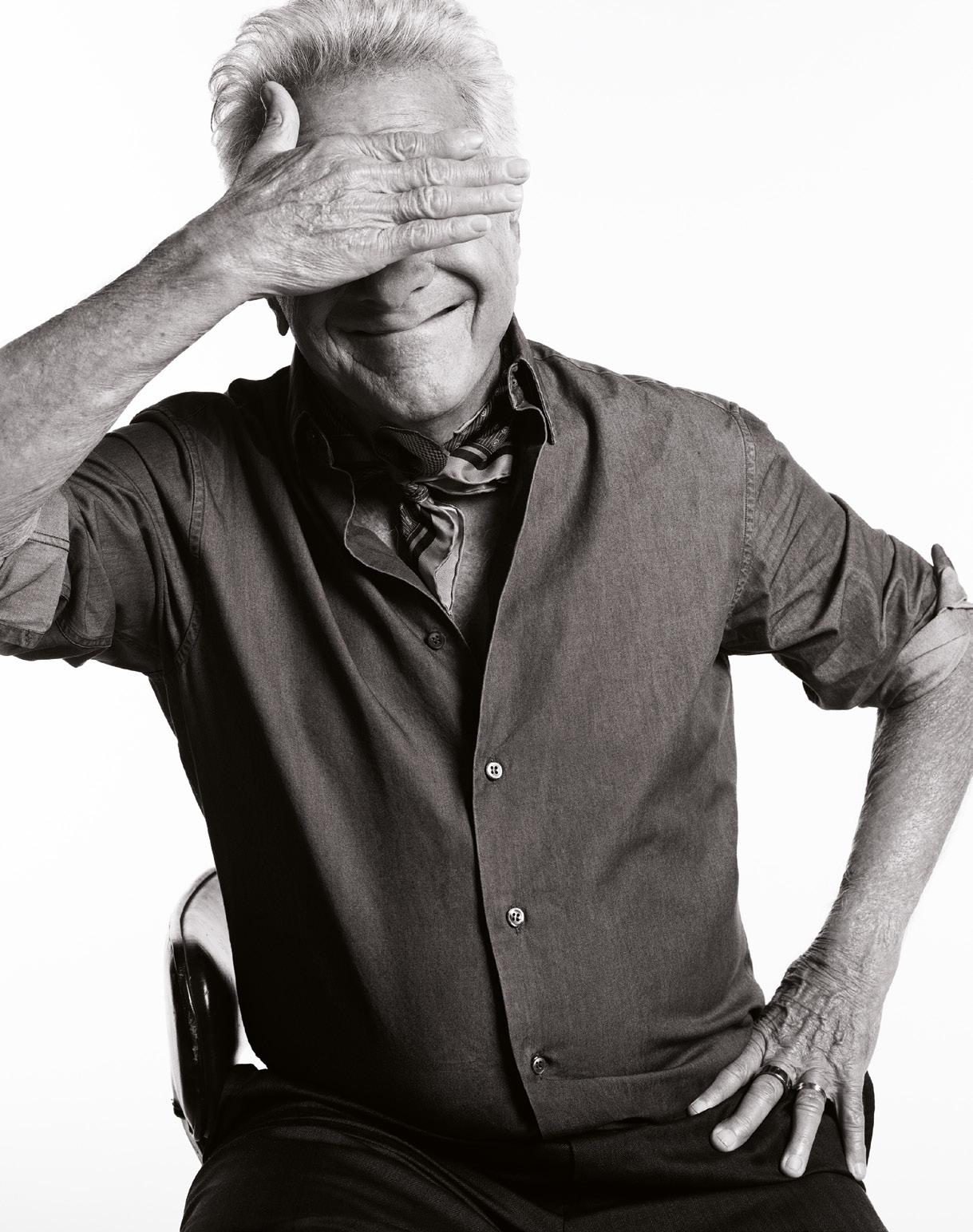
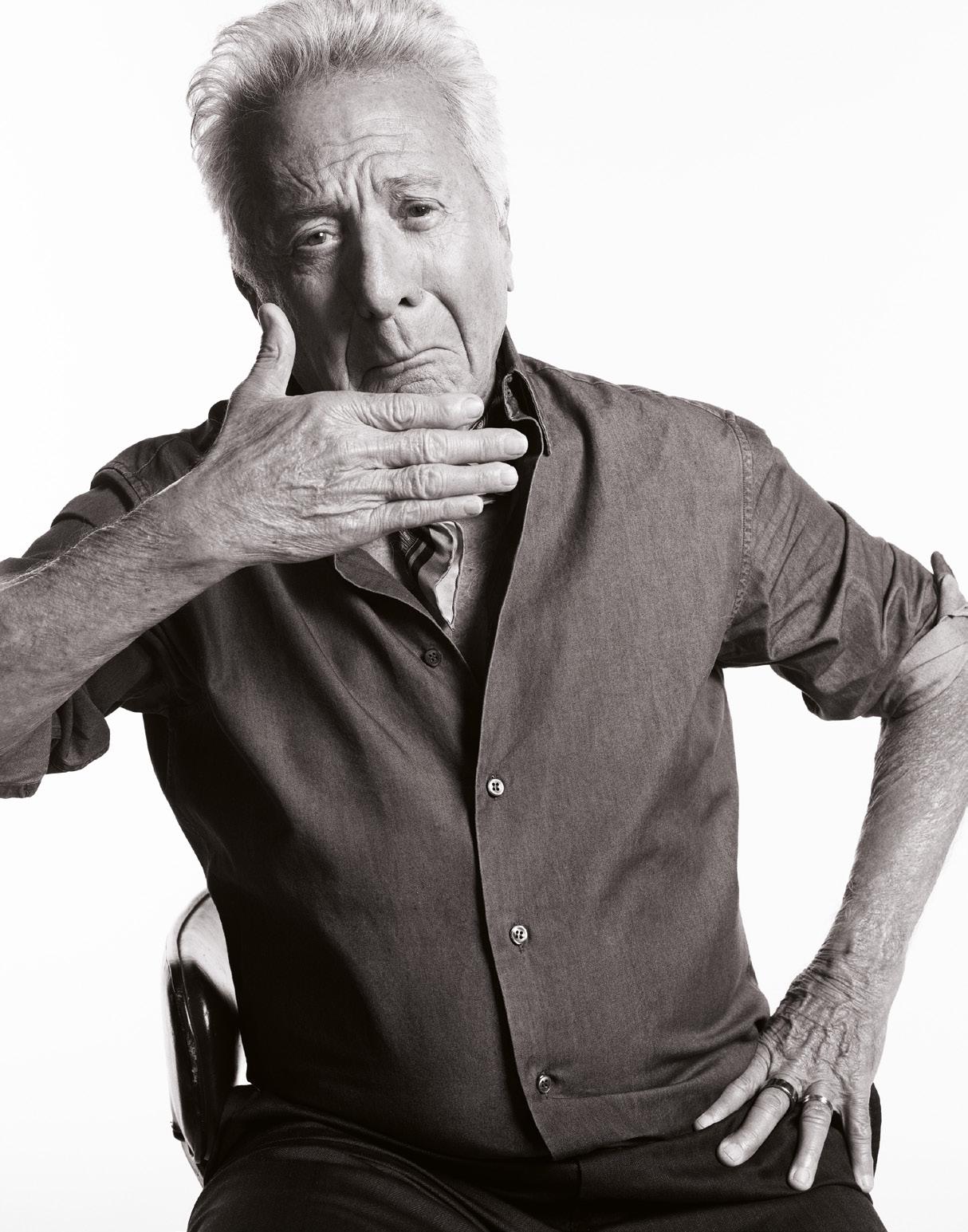
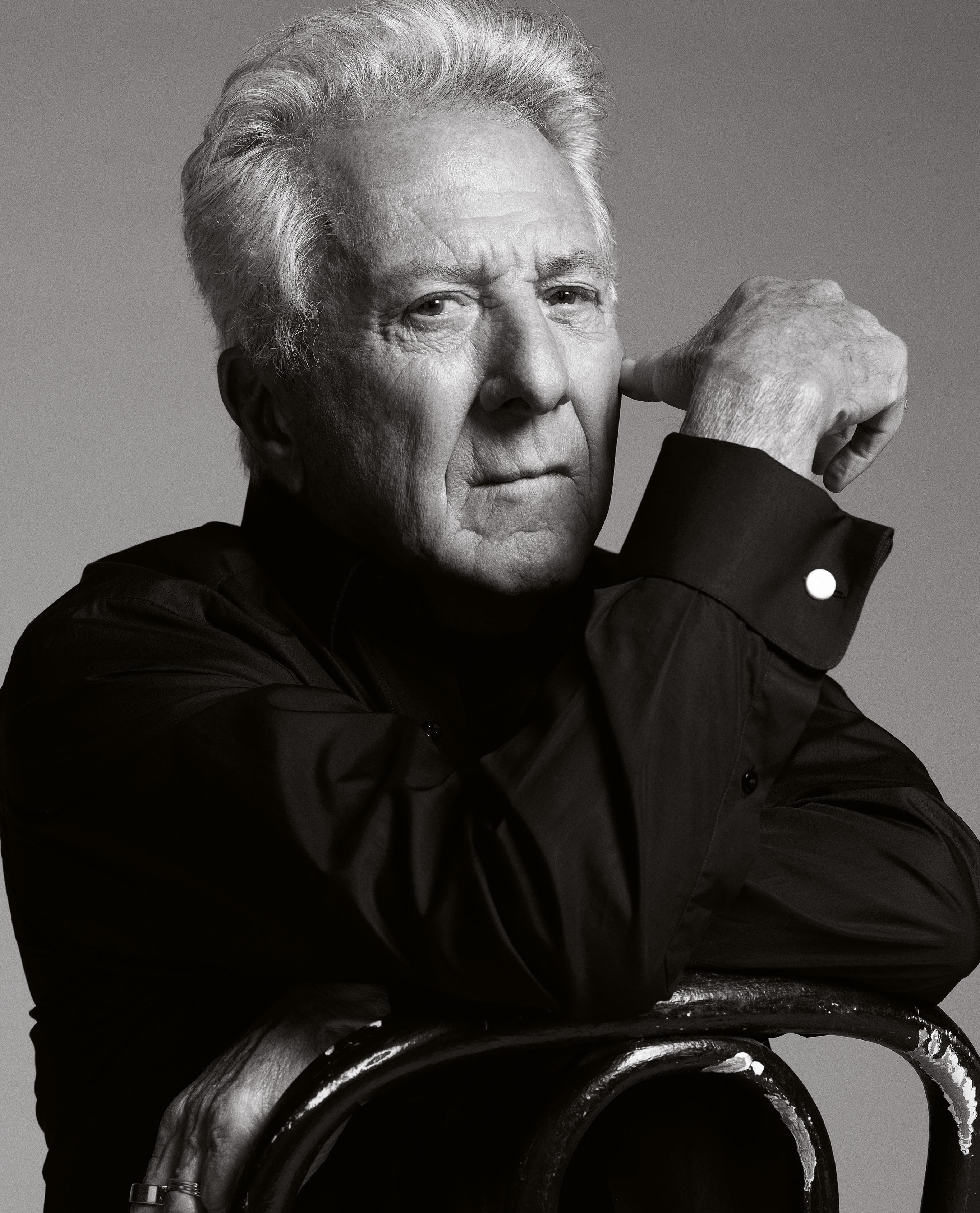
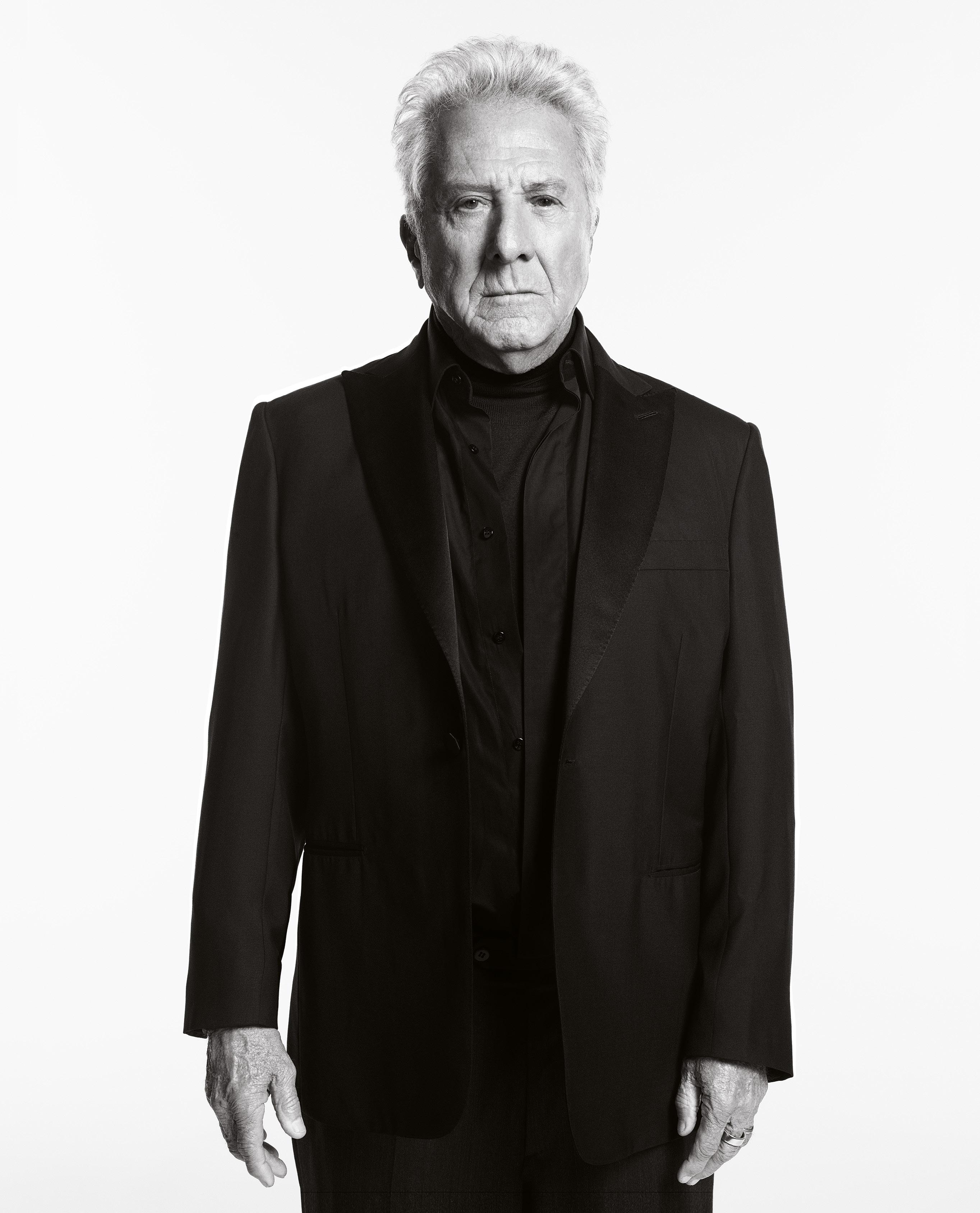
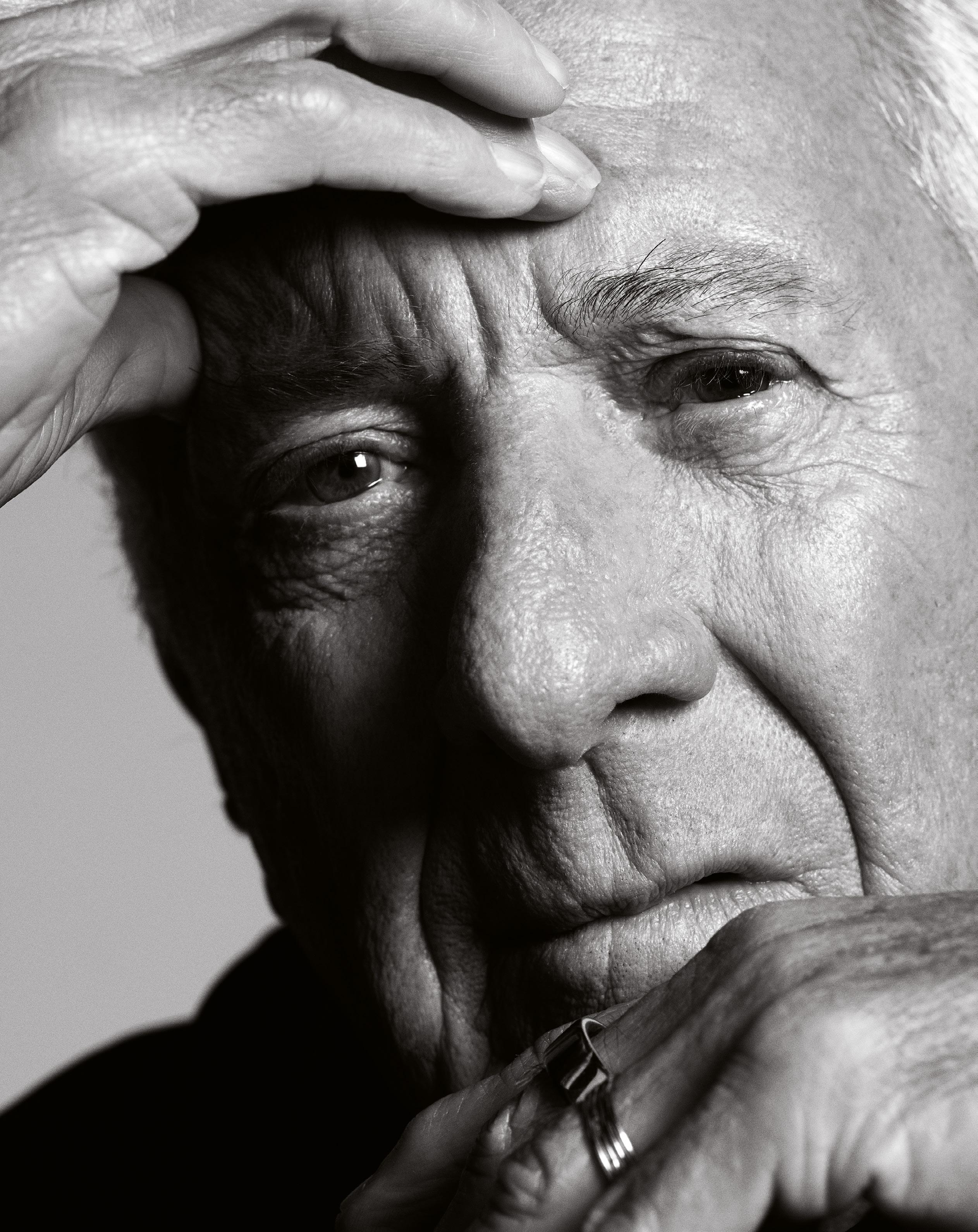
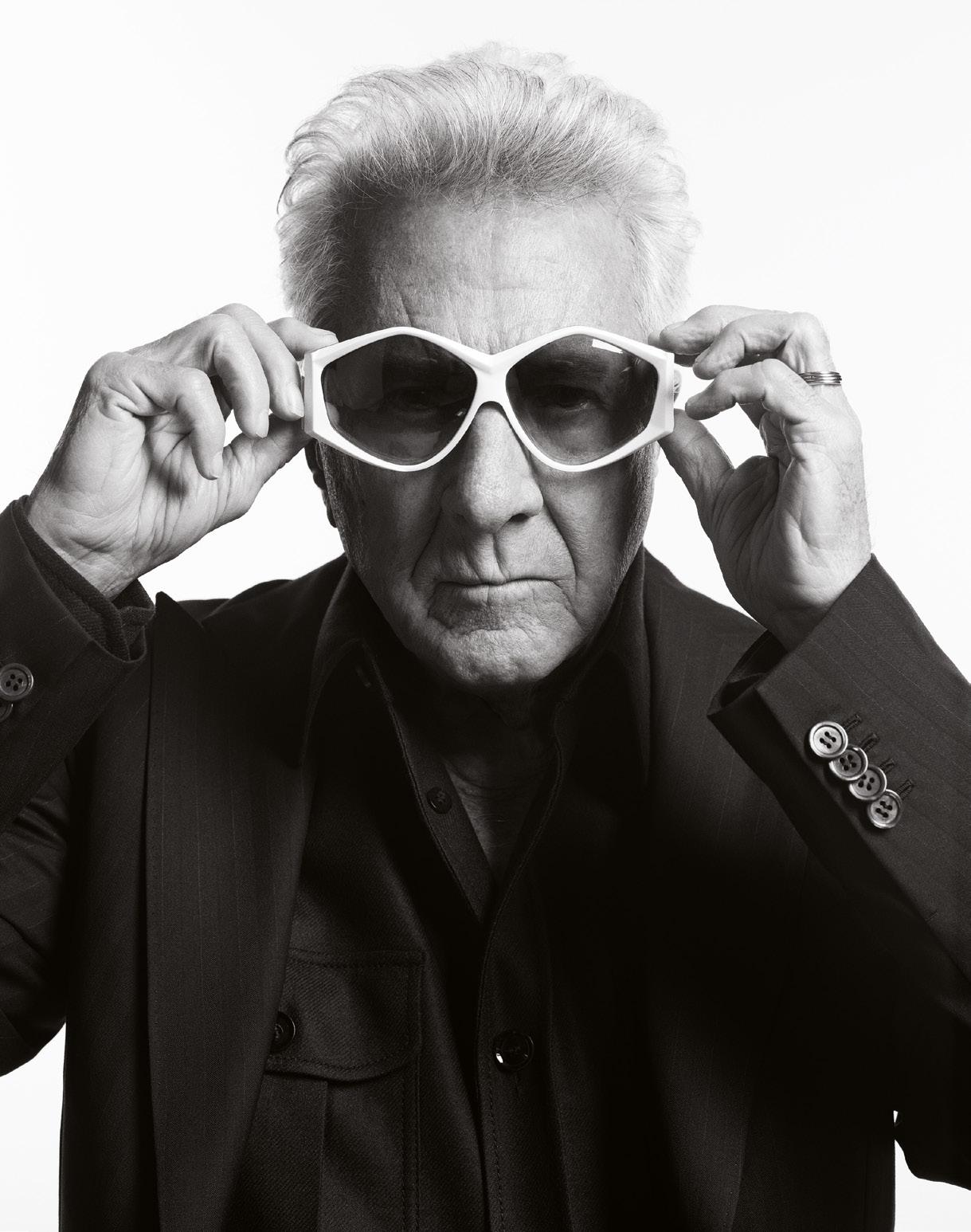
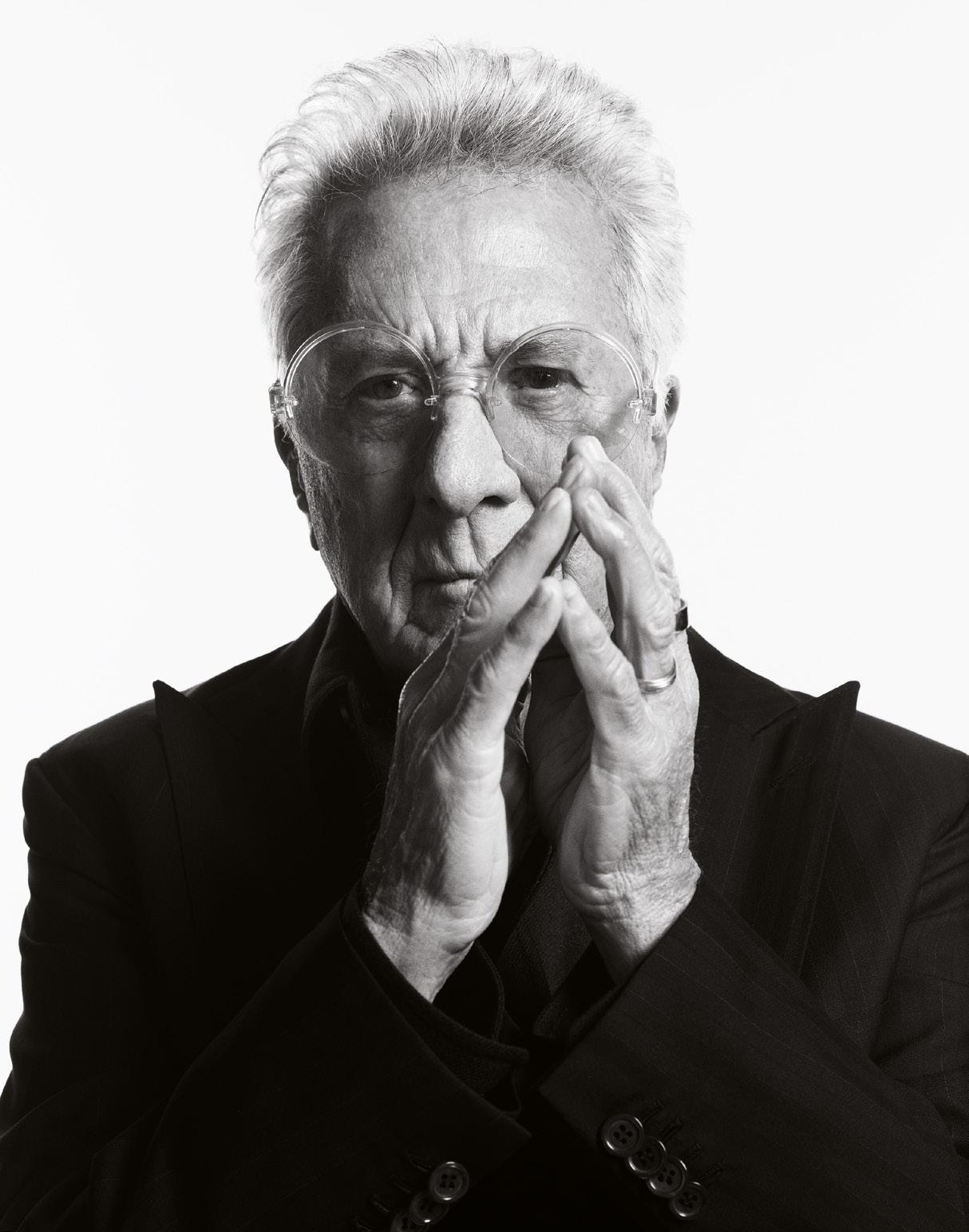
HOFFMAN has spent more than 60 years helping audiences understand other people. In his new memoir, he tries to understand himself.
Few modern-day stories have been as long in the making as Dustin Hoffman’s own. Ascending to prominence in the 1960s, the actor helped redefine what Hollywood’s leading man could look like, starting with his breakout performance at 30 years old in The Graduate (1967). His portrayal of Benjamin Braddock, fresh out of college, showcased a vulnerability and complexity that took a wheel-screeching turn away from the hyper-polished movie-star image of yesteryear. He went on to deliver landmark performances in Midnight Cowboy (1969), Little Big Man (1970), Kramer vs. Kramer (1979), and Rain Man (1988), all while receiving seven Oscar nominations and two wins for Best Actor. Hoffman shaped the world of cinema immeasurably, yet never before has he recounted the story that’s become the most compelling over his six-decade career: his own.
Writing the memoir— Look at Me, which is out November 10th—was no easy feat. As Hoffman sat down to revisit his life, some of his closest friends lost theirs. This included Robert Redford, with whom Hoffman famously starred in All the President's Men , the classic political thriller
about Richard Nixon's Watergate scandal that remains one of the greatest journalism films ever made. “It was very emotional for me when [Redford] passed away earlier this year,” Hoffman recalls. “And two of my oldest friends, Gene Hackman and Robert Duvall, who I hung out with in New York City when we were in our twenties just starting out as actors, also passed away while I was writing my book. It’s a strange thing to be the last man standing of the three of us.”
Long before he sat down to write about himself, Hoffman had spent a lifetime trying to decipher other people. His performances became legendary because of the emotional archaeology behind them. Whether he was spending months researching a role, questioning every line of dialogue until he found its emotional truth and logical reasoning, or pushing himself to completely saturate his brain with a character's psychology, Hoffman earned a reputation as one of Hollywood's most meticulous actors. Director Sydney Pollack—who directed Tootsie, in which Hoffman plays an actor so notoriously difficult that he can't find work until he disguises himself as a woman—famously described both the
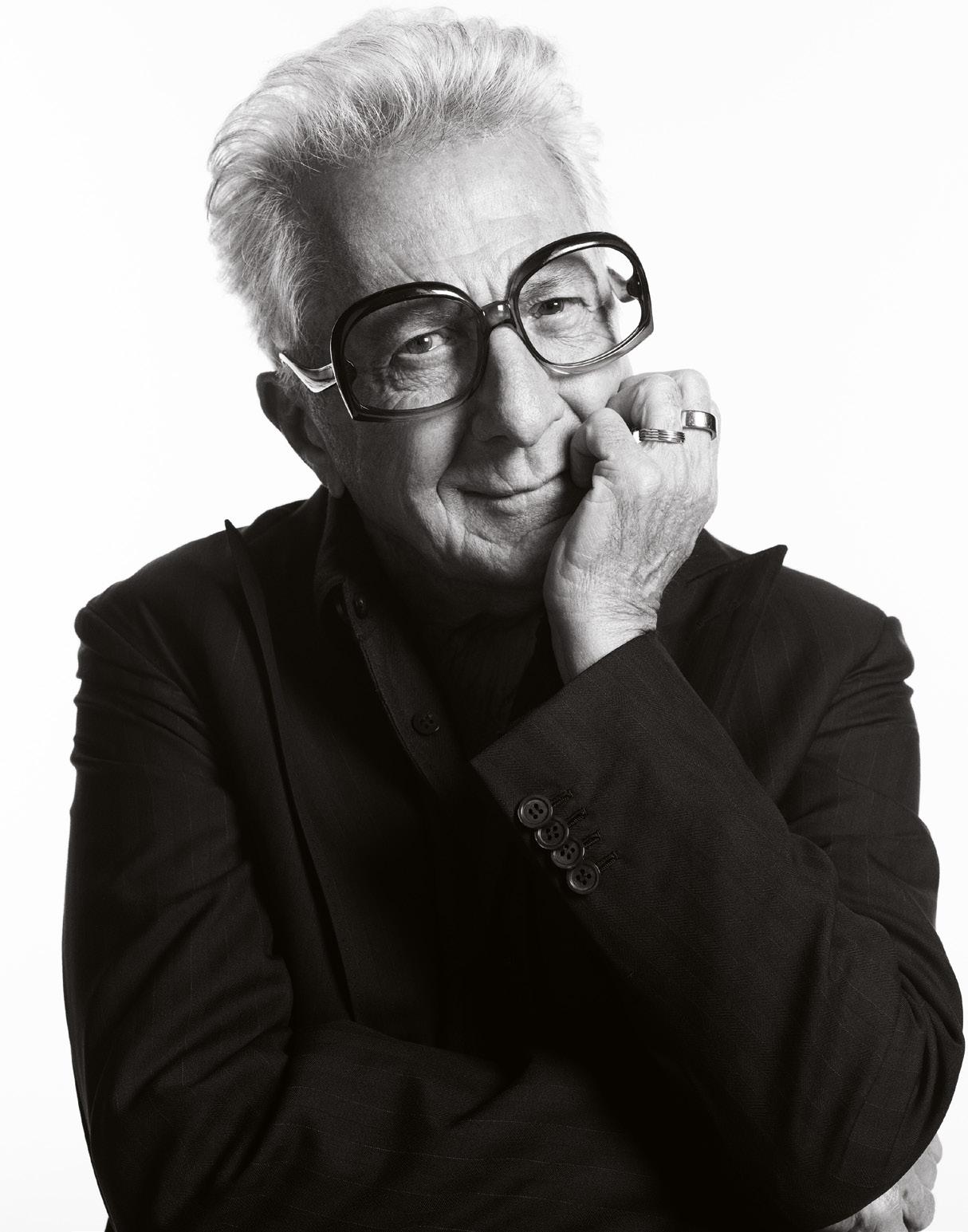
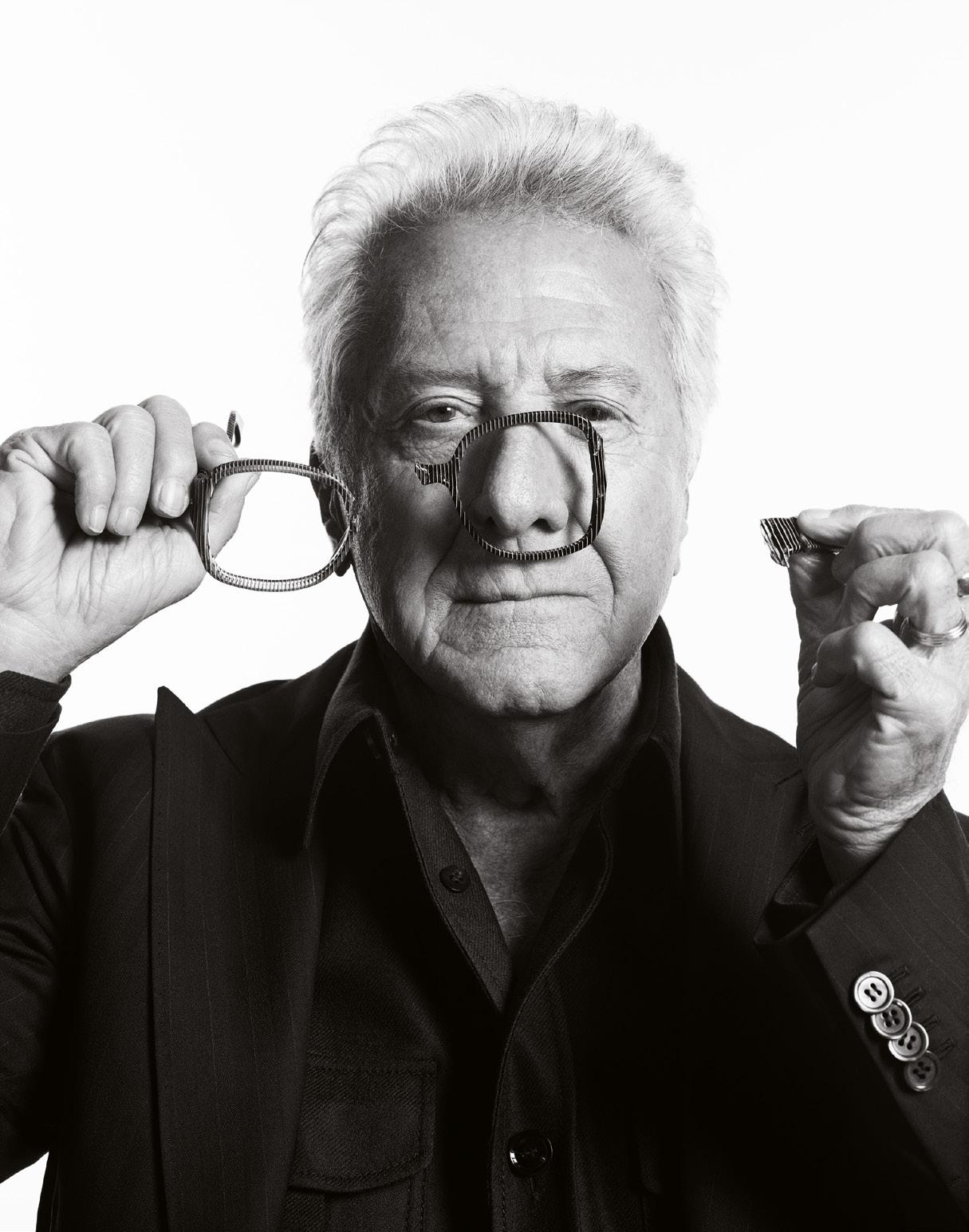
actor (whom many saw reflected in the character) and his meticulous process as "impossible," before adding: "Dustin would ask 100 questions. Ninety-nine of them were terrific." That same instinct to interrogate every feeling ultimately shaped the way Hoffman approached his own memories.
“My mind goes all over the place, and my feelings come along for the ride,” he says about the process of writing the memoir. “The book is structured thematically rather than chronologically, because that's the way I remember my life, and making the movies I was in. By the time you get to your late eighties, your memories stop being this linear progression…all the selves you've been, all the work you've done, is more of a patchwork in your mind, and the patches move around. I'm sounding a little psychedelic. But that's what it's like to be 89, at least for me."
Unsurprisingly, given his famously in-depth research, Hoffman turned that same rigor on his own past when he began to write, rewatching each and every one of his films. The experience caught him off guard. “To be honest, when I watched all the movies I was in again to write this book, I was surprised by just how good many of them really are,” he admits. “ Wag the Dog for instance. I thought, what more do you want from a movie? Same thing with All the President's Men, which is still suspenseful when you watch it; it really holds up."
that began or ended while a production was underway. Today, nearly everyone is creating an archive of their own lives through smartphones and social media, making the “great rewatch" that was once reserved for movie stars an experience many of us can have. In Hoffman’s case, there were moments when he hardly recognized the person he saw.
“When I watched all the movies I was in, I thought, ‘Who made these?’” he jokes. “The films where I was good, I don’t know what I did or how I did it. It feels like an entirely different person up there on screen.” Of course, the man on the screen was, proverbially, another person. Since those films were made, Hoffman has been a son, a husband, a father, a director, and now, at last, a memoirist. Perhaps because enough time has passed, he can look back at his younger self with a certain level of pride. “Some of the performances I had a lot of self-doubt about, when I rewatched the movies, I thought, ‘That's pretty good work…. If I saw it from someone else I'd think it was good.’ And looking back on younger versions of myself feels very much like watching someone else from this point in my life."
"By the time you get to your late eighties, your memories stop being this linear progression… all the selves you've been, all the work you've done, is more of a patchwork in your mind, and the patches move around."
Specific stories about those films—and the costars who became some of his closest friends—returned to Hoffman throughout the writing process. Speaking about the aforementioned classic about investigating Nixon, Hoffman says, “Robert Redford had this great idea for that film, in which we played [Bob] Woodward and [Carl] Bernstein, the journalists who broke the Watergate story in the Washington Post, that we should both learn each other’s lines as well as our own. That way we could talk over each other, say the same thing at the same time, surprise each other and the other actors in that film, without worrying about who said what. It really works. We’re like a single organism.”
It’s difficult to imagine being able to rewatch so much of one’s own life in the way Hoffman was able to. For more than 99.9 percent of human history, no one had the ability to revisit their past through photographs, let alone moving images. Only in the briefest sliver of our species’ recent history have public figures found themselves in front of cameras, inadvertently creating visual records of their lives. Though actors play characters, their performances remain intertwined with real memories: friendships forged between castmates, grief they may have carried onto set, marriages
To be clear, the Hollywood icon isn’t done acting yet. Earlier this year, he starred in Tuner, Oscar-winning Navalny director Daniel Roher’s heist thriller, playing Harry Horowitz—an aging piano tuner and father figure to a talented pianist with hyperacusis, an intense sensitivity to sound. (While watching the portrayal, one can’t help but think of Hoffman’s intensity as an artist and his place as a father figure to actors and cinemafiles alike.). About his approach to his roles, including this one, Hoffman says, "I always start by trying to find some overlap between myself and 'the character.' I put that in quotes because I try to find whoever I'm playing in a version or corner of myself. So I'm not really thinking about the result, I'm trying to be present and authentic."
It is, in many ways, the philosophy that has defined his entire career. We’ve always seen a great deal of Hoffman in his famous characters. But acting allows an individual to express or reveal themselves in roundabout ways. A memoir, on the other hand, unmasks the artist, forcing him to bare his naked soul directly (albeit edited, and not to mention co-written with The New Yorker staffer Ariel Levy). As one of America’s greatest actors, Hoffman’s book delves into deeply personal questions, including the relationship between success and happiness. Now 89 year old—and finally turning his gaze toward himself—the distinction between the two has become surprisingly clear. Asked about the difference, Hoffman doesn't hesitate.
"Success is easier."
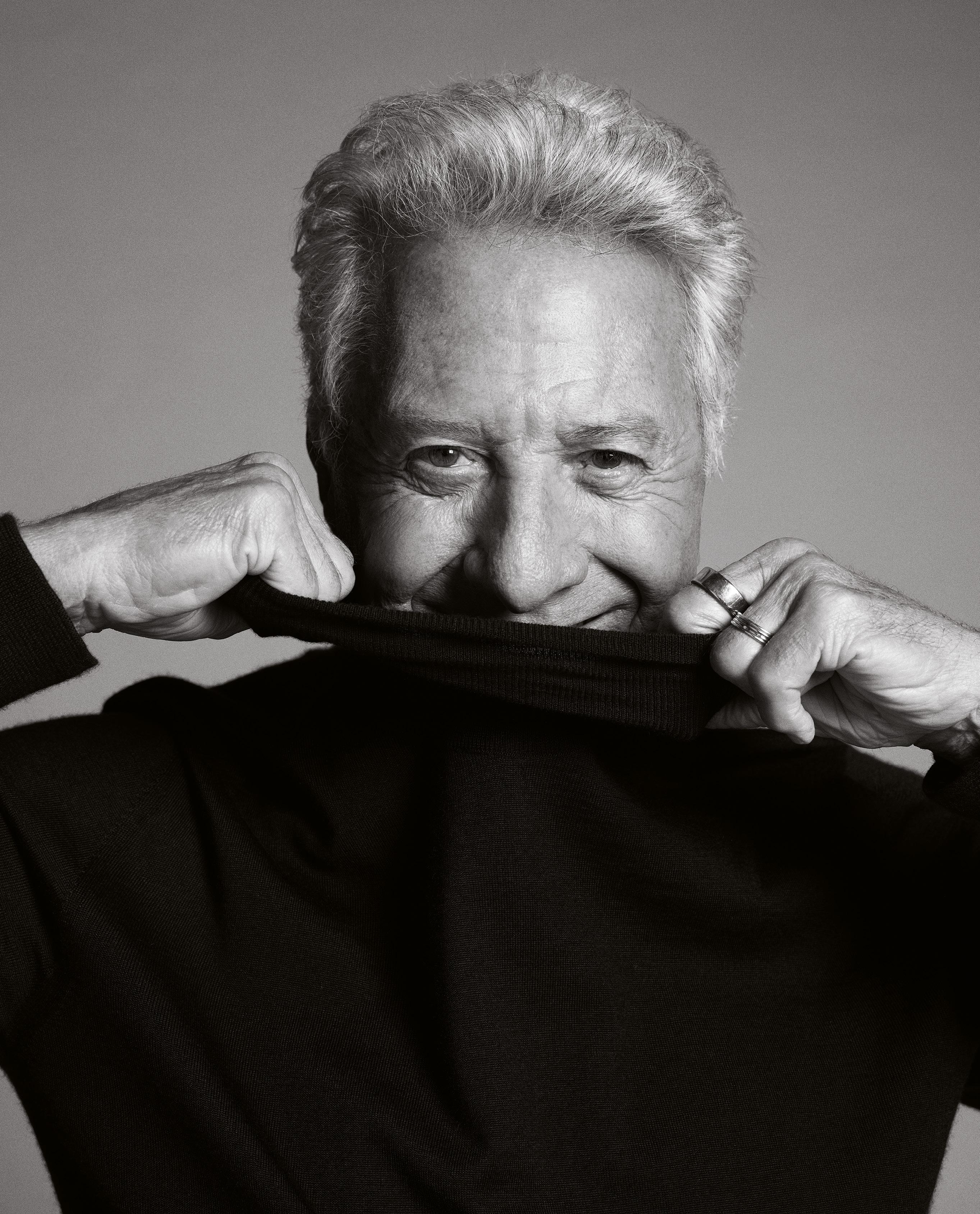
photography craig mcdean
fashion tony irvine
text alex tudela
Grooming Francelle Daly (Bryant Artists)
Agency Producer Dyonne Wasserman (Art + Commerce)
Studio Manager / Production Gracey Connelly
Casting Calvin Wilson (Establishment NYC)
Set Design Miles Bettinelli (MHS Artists)
Lighting Director Shri Paremshwaran
Digital Technician Creigh Lyndon
Photo Assistants Logan Khidekel, Carlos Vigil
Stylist Assistant Andy Polanco
Tailor Wendel Johnston
Grooming Assistant Madrona Redhawk
Set Design Assistant Kaceylin Prinea
Location Hook Studios
Is there anything more pure and delicate than an ivory mohair sweater?
Nicholas Hoult came to the attention of many U.S. moviegoers as Kenny, the young college student in an alluring off-white knit who captivates an aging, closeted professor played by Colin Firth in Tom Ford’s 2009 directorial debut A Single Man. “Colin told me I looked like Lamb Chop,” he says, laughing.
Since then, over the last two decades, Hoult has been a teenage lothario ( Skins ), bald ( Mad Max: Fury Road and Superman ), blue (X-Men series), and for his latest film, How to Rob a Bank, hidden behind a wolf mask. (The transformation, he says, freed him from himself.)
In the David Leitch-directed heist film arriving this November, Hoult, now 36, plays Ryan, a grieving father who channels his loss into a series of orchestrated bank robberies. It’s resistance in a cultural moment thick with class rage for a generation that feels it arrived too late to the party.
“I realized,” Hoult says, reflecting on his role, “how easily I could become quite radicalized and do extreme things.”
From lamb to wolf, Lamb Chop to wolf mask,Hoult has been sitting with the same question his latest film asks: Who, really, are the bad guys?
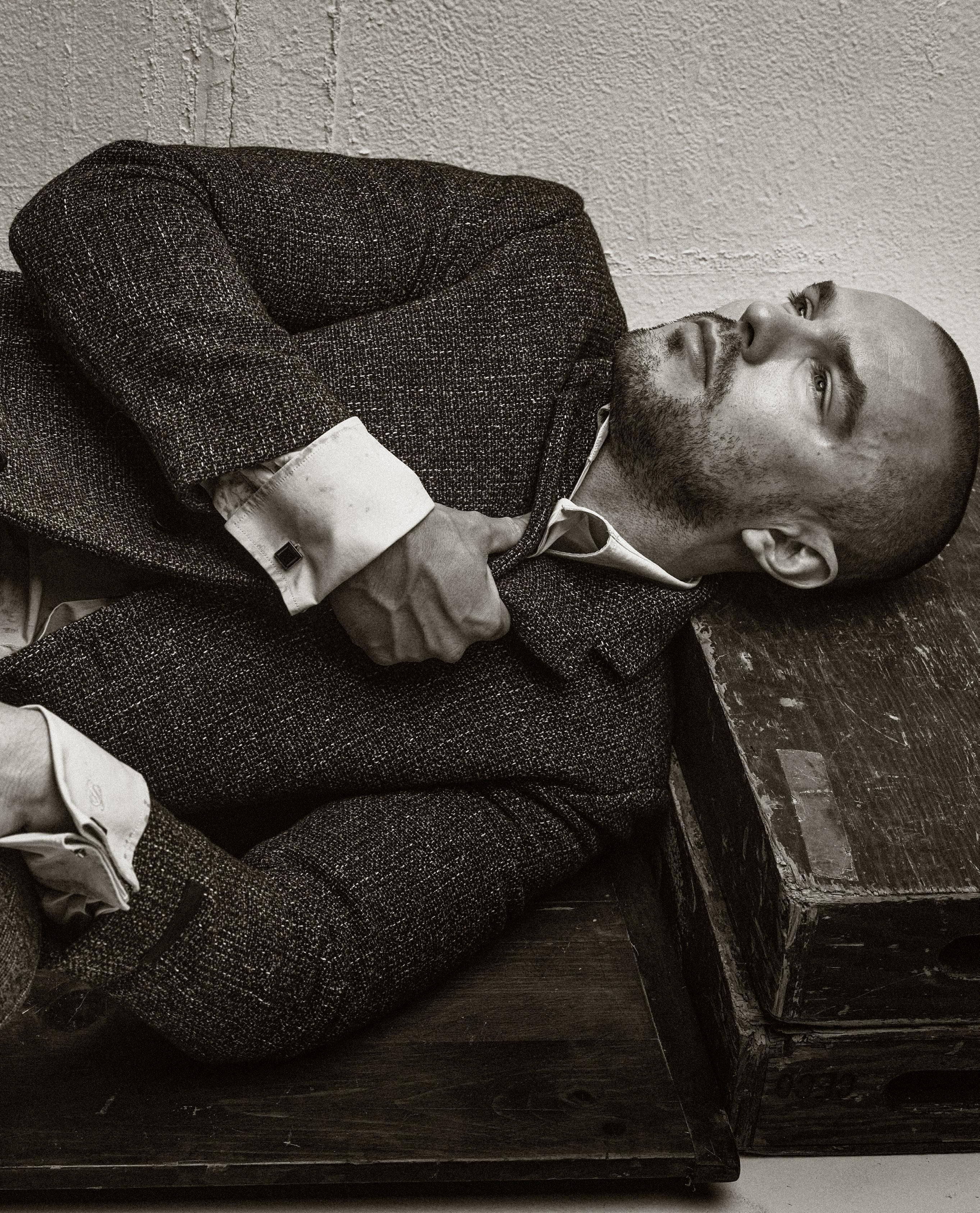
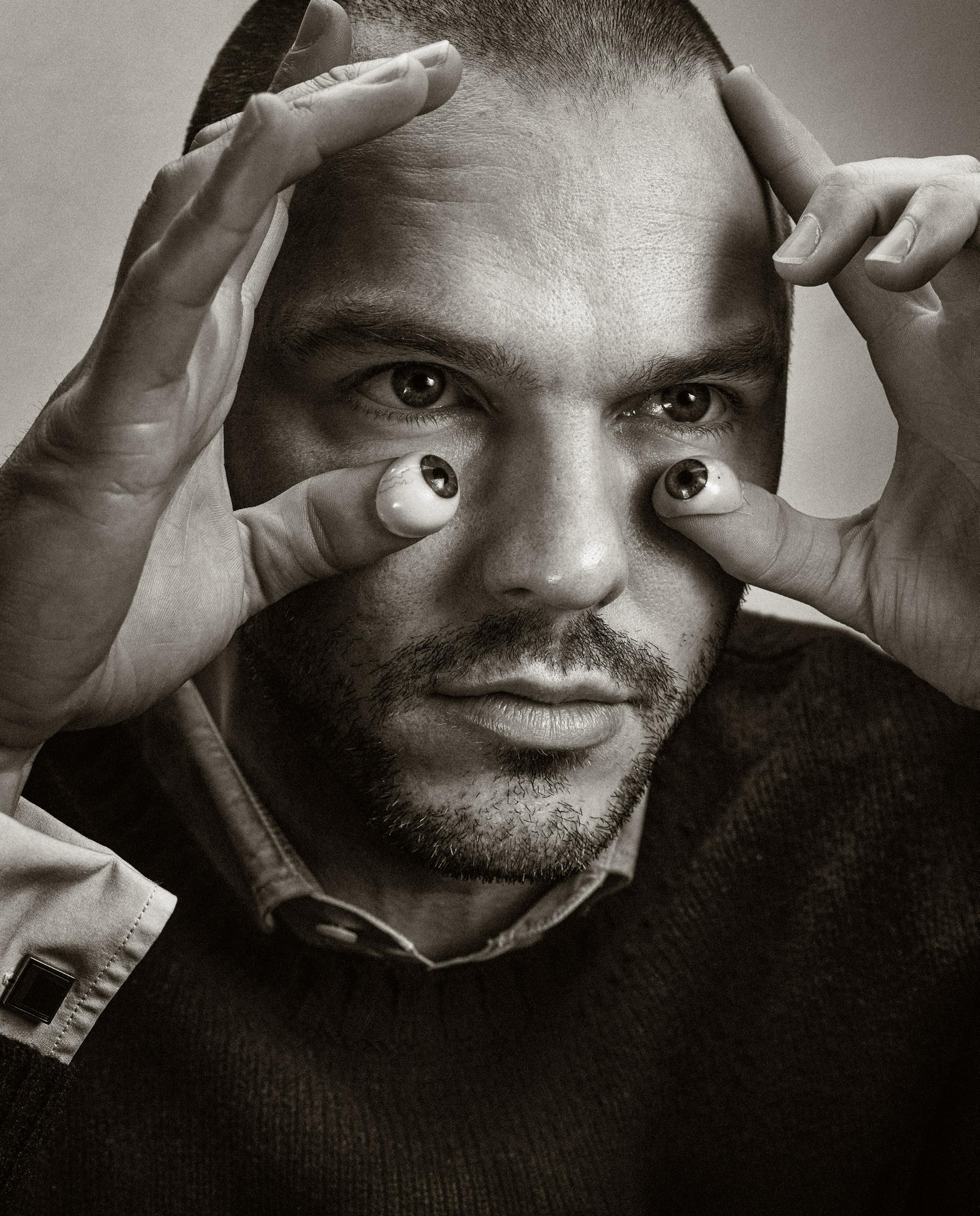
"Playing this character made me realize how easily I could become quite radicalized and do extreme things."
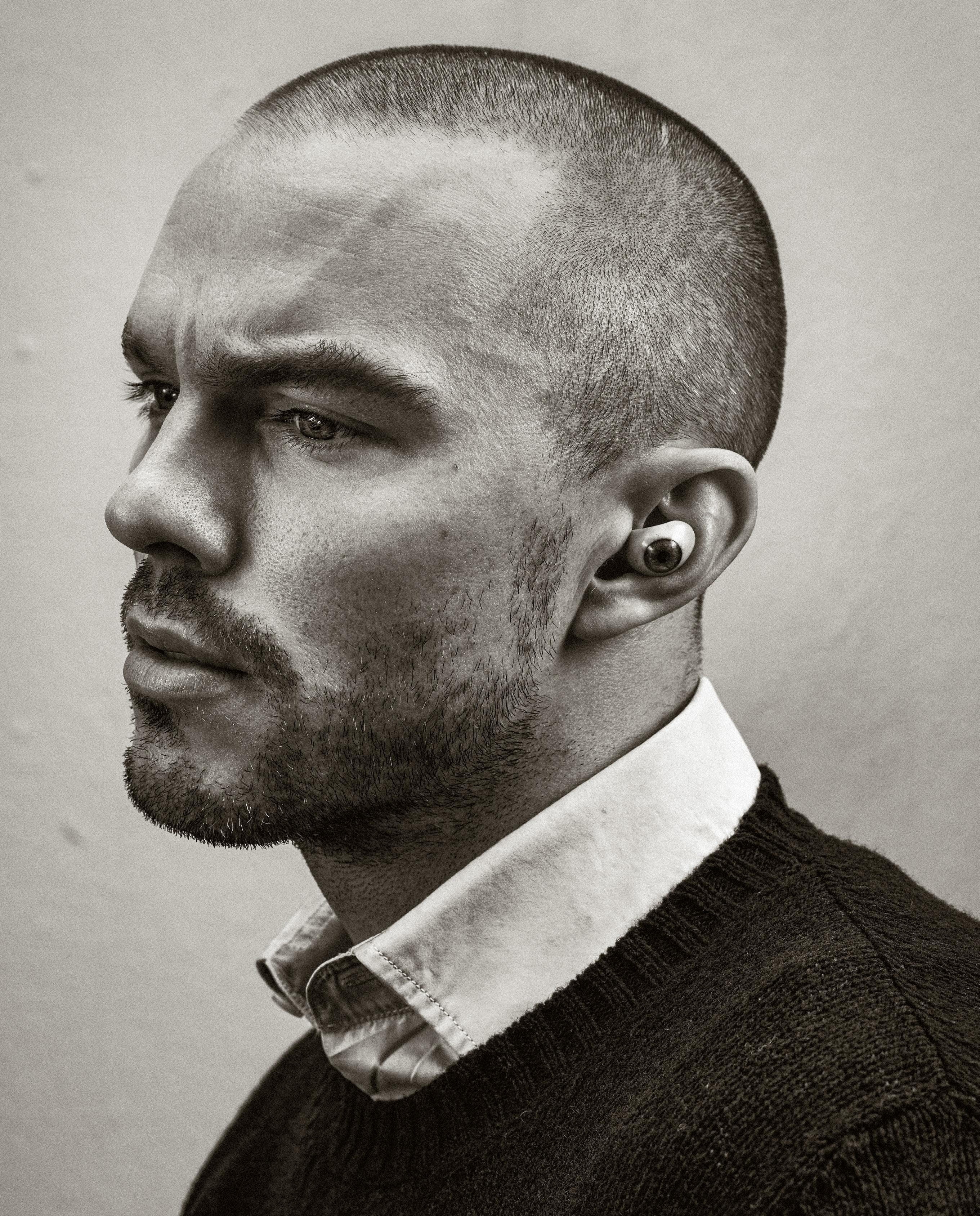
ICON: How to Rob a Bank, which follows a group of viral bank robbers, opens with the line: “What's more powerful than a gun? An audience.” What do you make of that and how do you wield power in this age of attention?
Nicholas Hoult: In terms of me personally being in the public view, I kind of shy away from it. I value my privacy and personal life. I think there's something about being away from everyone knowing every detail of my life, day in and day out, that's actually good for an audience. When you go to a cinema to watch a film, hopefully there's not too much baggage and knowledge of who I am outside of that. I try to be public and out front when there's a movie coming out. And then kind of go back into my bubble of work and private life.
The film puts the audience in this uncomfortable position because we're rooting for someone who is breaking the law. Who are the bad guys and the good guys in this world?
We're at a point in life where the capitalist idea is broken. Playing this character made me realize how easily I could become quite radicalized and do extreme things. This character Ryan feels like he's played by the rules, done what he should have done in life—I think there's a whole generation of people that feel that way now. Fifty years ago, if you had a standard wage-paying job, you could provide for a family, live in a nice family home. That's just not the case now.
Ryan is also destroyed from losing a child. As a father, how close did you let yourself get to that?
I had a very scary moment with one of my boys where we did think we were losing him, when we were in hospital with him. Very helpless. Fortunately the nurses and doctors were amazing and everything worked out well. But through those few days, my mind went to the darkest places. So I felt, in some ways, I understood [Ryan]. Not the full scale of it, but there was part of me that had experienced some level of what this character would feel. I was just lucky the insurance came through. Otherwise we would have been in a disastrous position.
The soundtrack did a lot of emotional work in the film. How aware are you of a score and soundtrack when you're watching something versus when you're performing it?
This is something I actually got taught by an actor many years ago. He played me some music before I went on to do a scene again—a soundtrack, deep, rousing strings. And I listened to it and was like, oh yeah. When you place that over the top of an image, it gives you a completely different perception and feeling. And I actually love listening to a score. I do that thing where I look around pretending my life is being scored. You know, singing “Killing Me Softly.” You hear that song and it brings you to a movie.
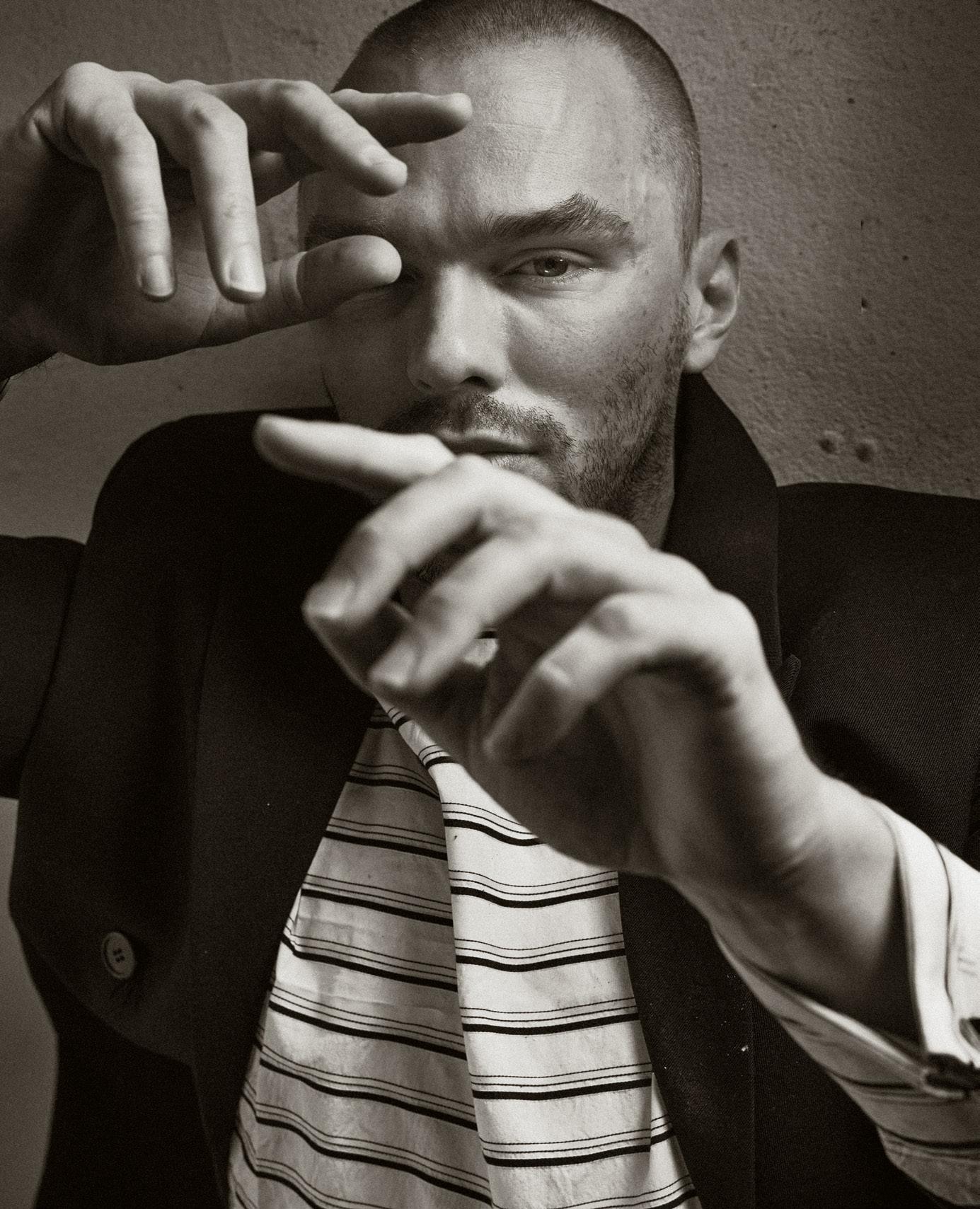
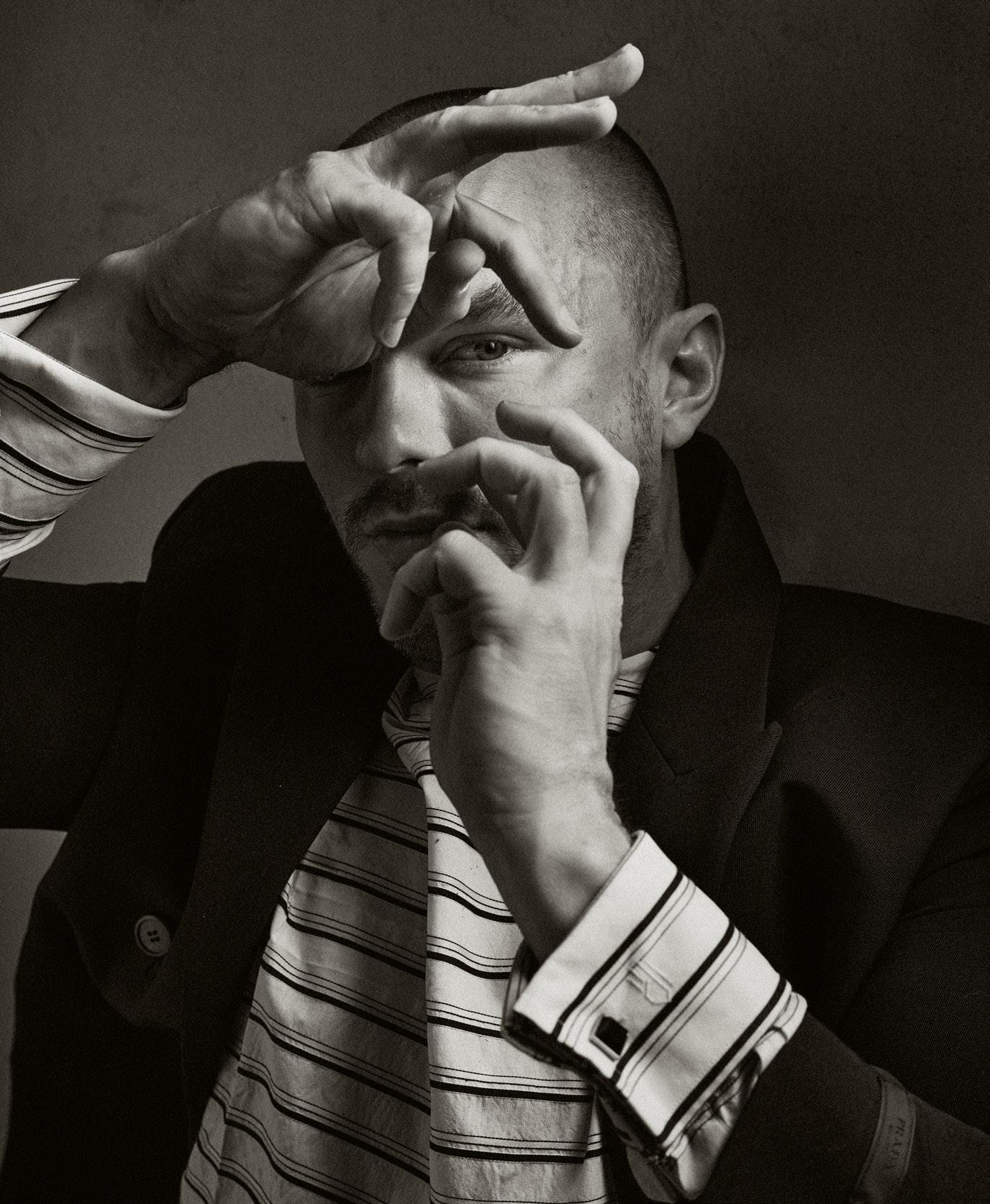
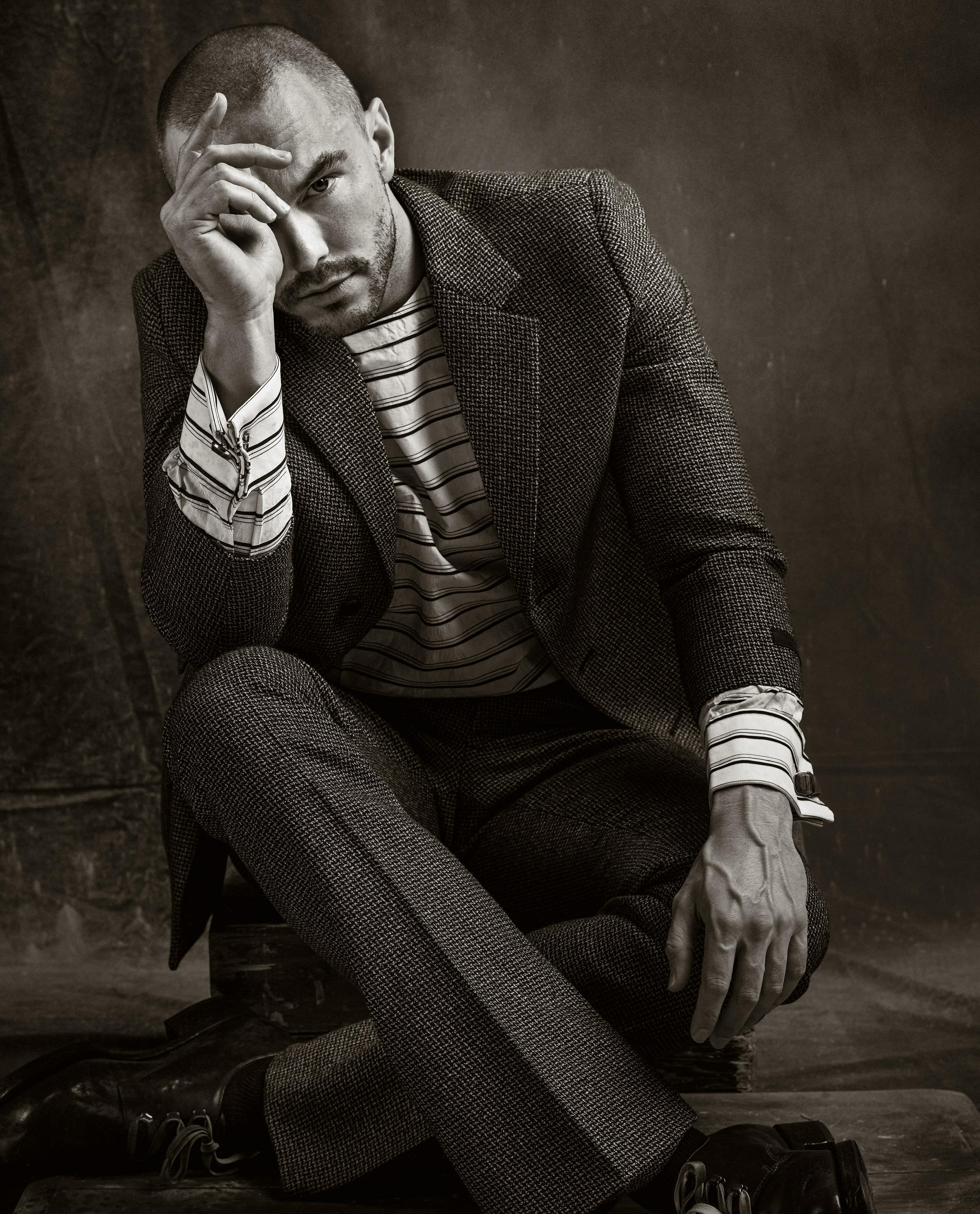
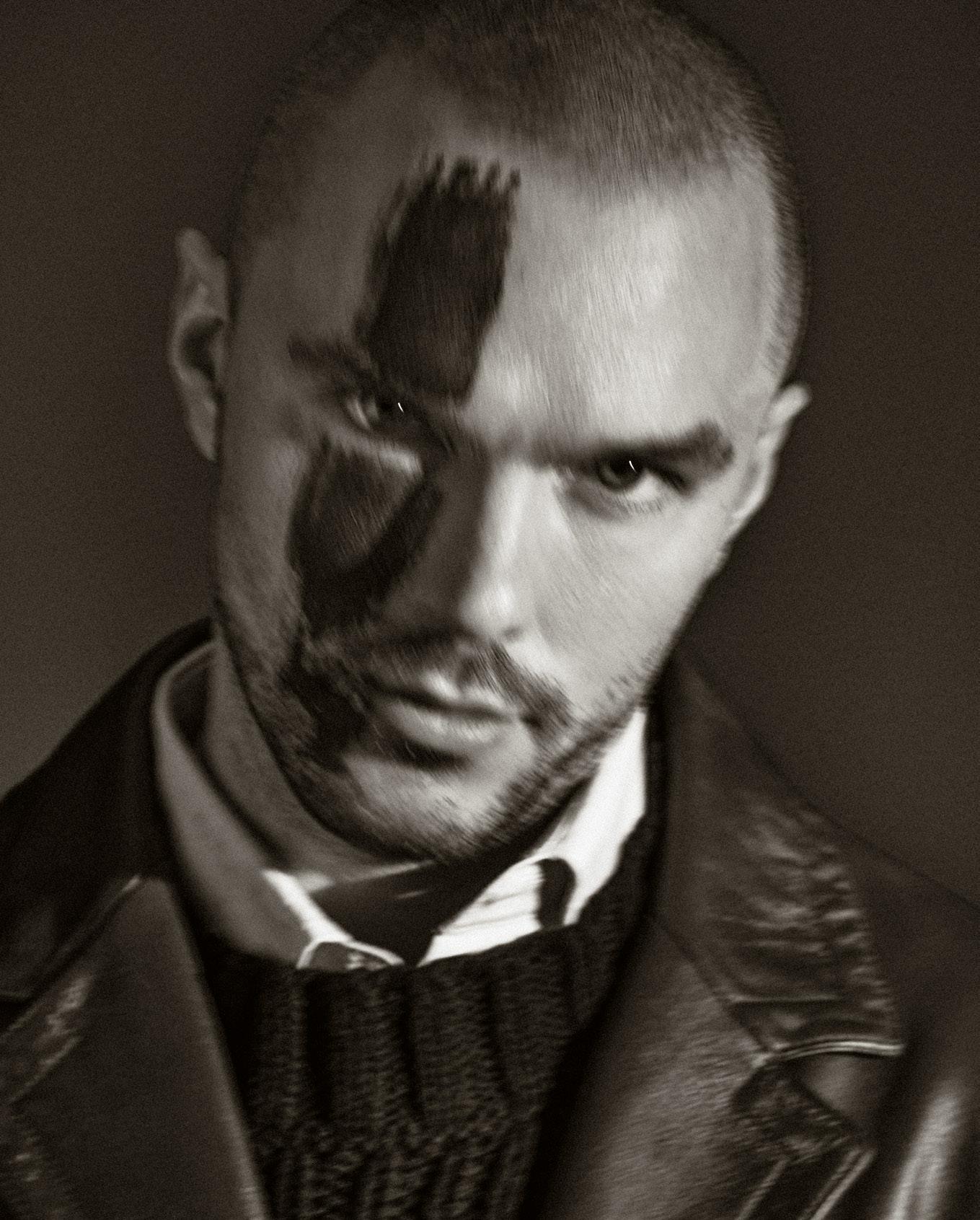
"As I've gotten older, there's more of a sense of self and confidence in what feels right for me."
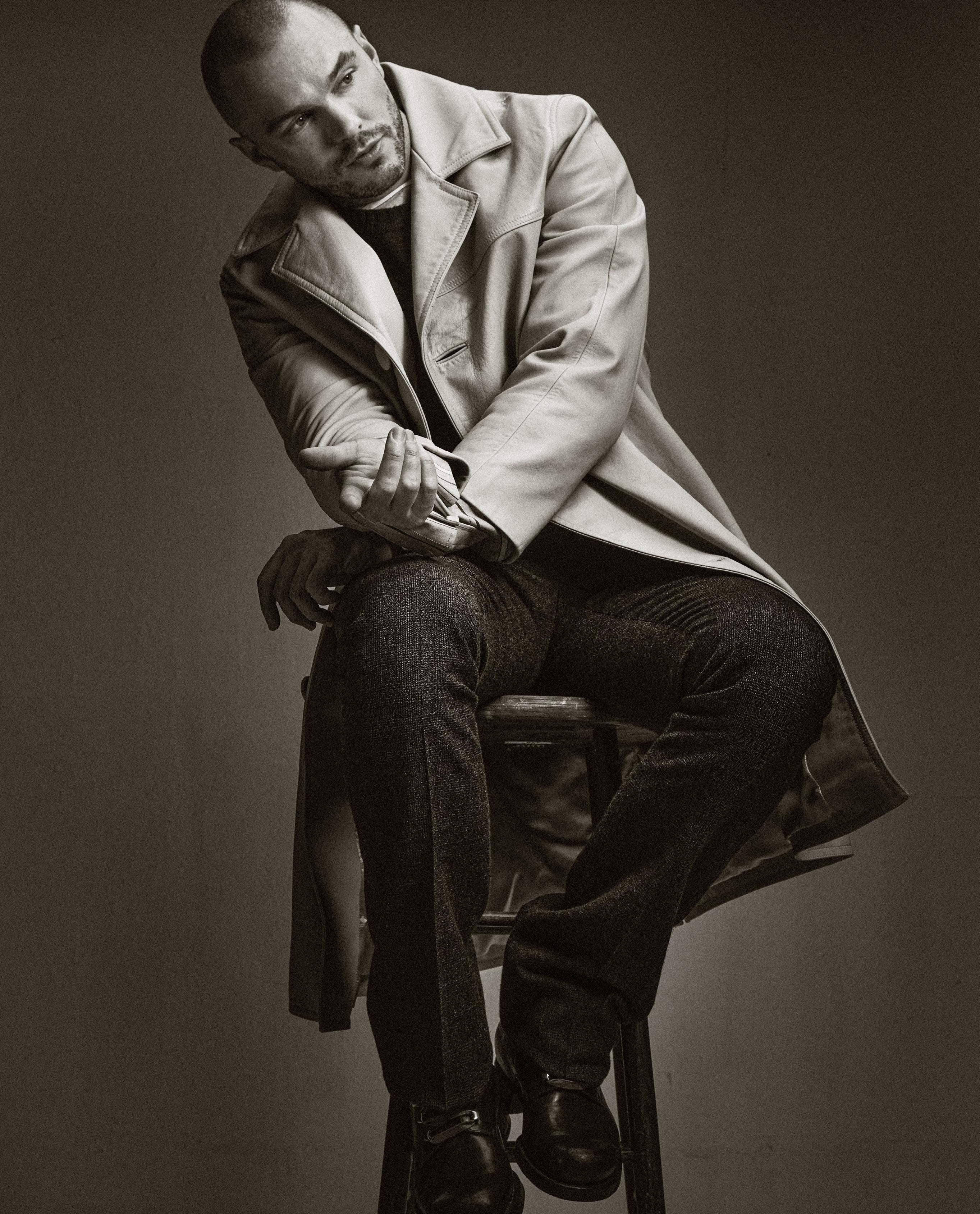
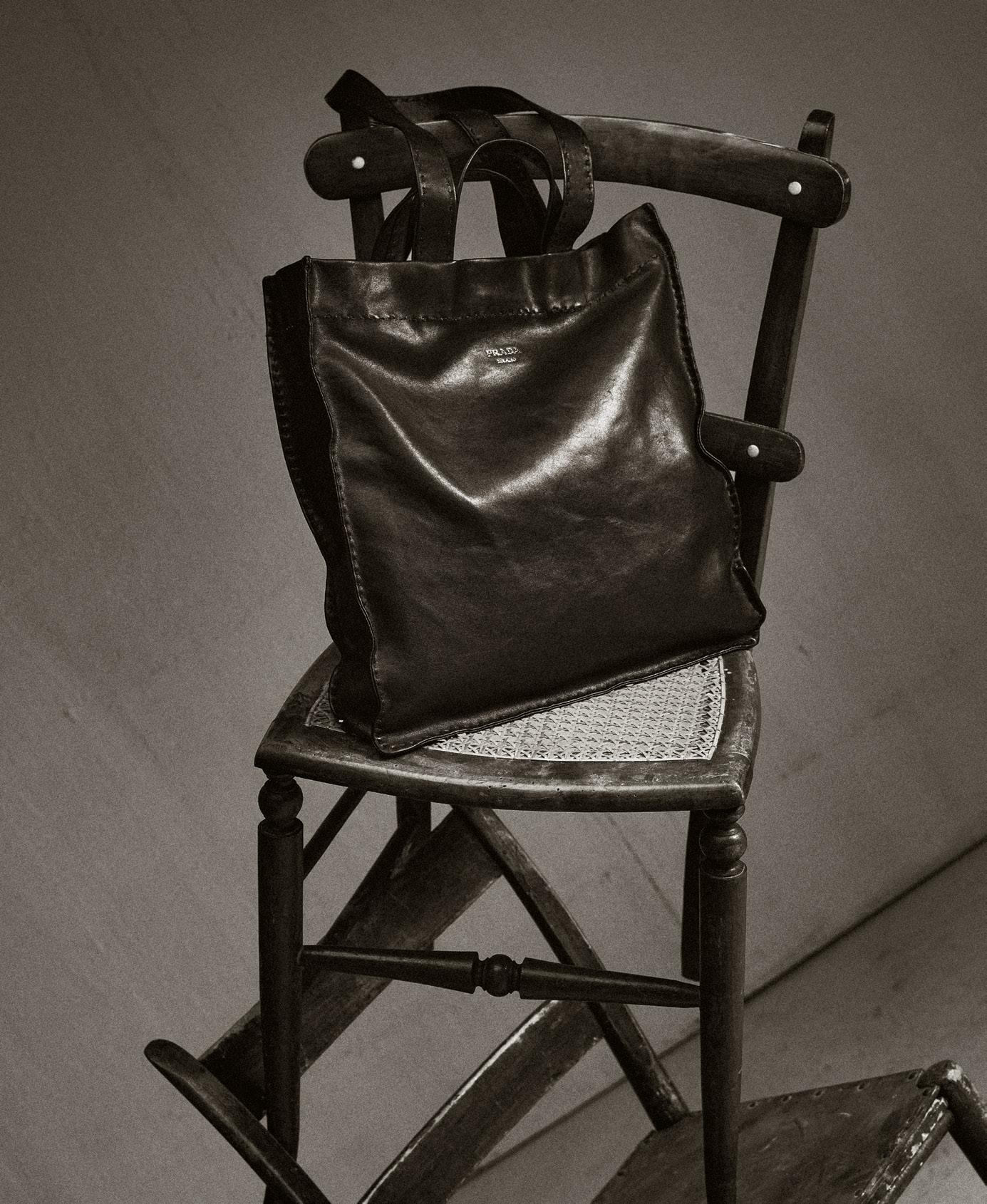
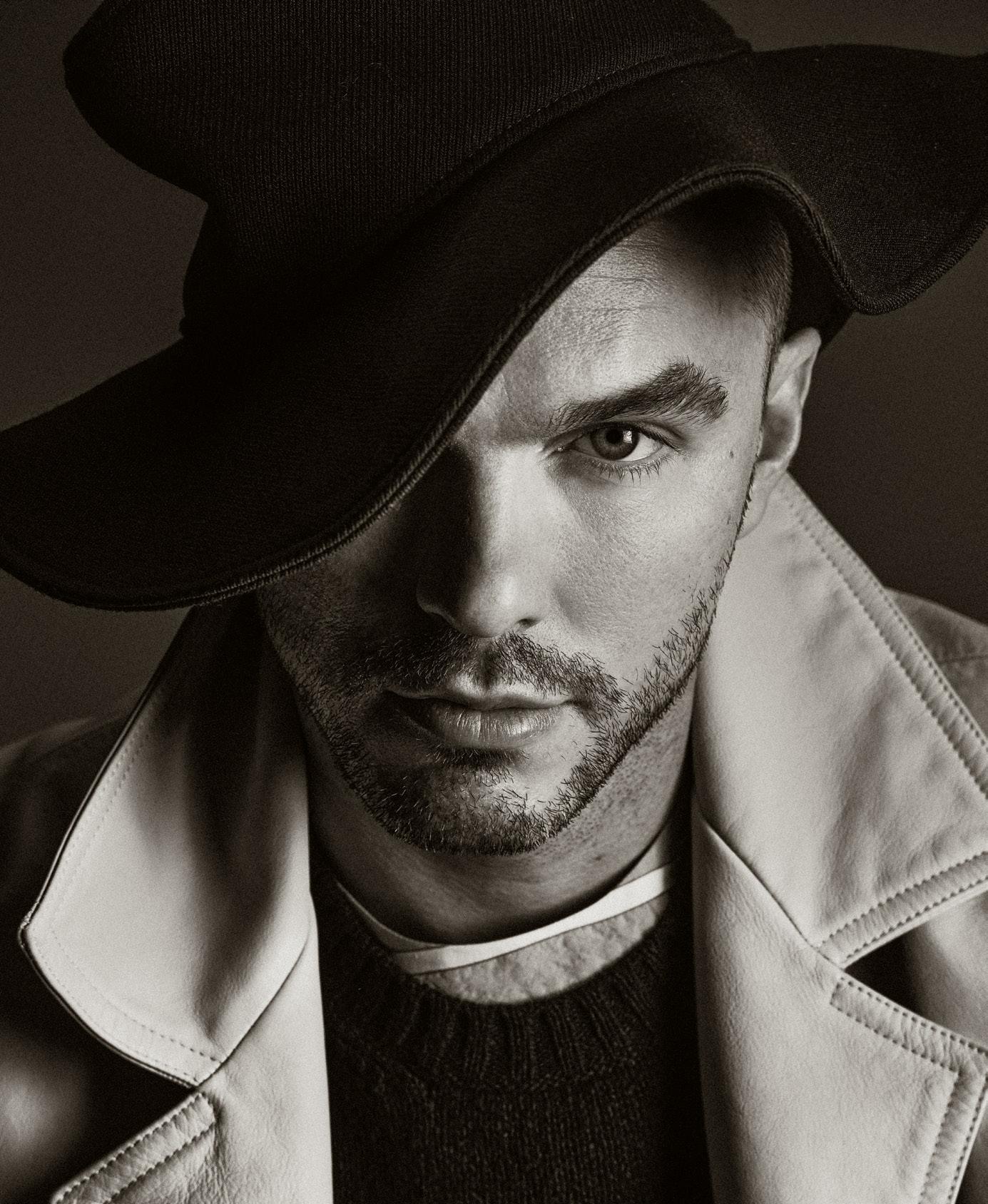
That song was from your film About a Boy in 2002. Does the scene in which you sing it with Hugh Grant, that experience, mean something different to you now?
I was with Toni Collette recently, whilst I was in Rome for Tom Ford, and she told me she sings that song for karaoke. I was amazed. I was like, “That's the song you sing for karaoke?” It does transport me back to that movie when I hear it, the Fugees version. In the same way that Mystikal's “Shake Ya Ass” just puts me back there. I think I was 11 when I made that movie. [ Let’s Get Ready ] was probably one of the first rap albums I knew. I still know all the lyrics. You're currently on set playing Lex Luthor for Man of Tomorrow. Some would say he's a personification of wealth and evil in the American imagination. As an actor, how have you approached him?
There's always that age-old idea that everyone thinks they're the hero. And Lex really does truly believe that. In his mind, the future he's possibly building is better. He's kind of waiting for the public to catch up with his ideas.
In this ICON shoot you're wearing Prada and you wore a full leather look by Prada to the Met Gala. How has your relationship with fashion changed or evolved?
As I've gotten older, there's more of a sense of self and confidence in what feels right for me. I can put something on and push the boundaries a little. It's not something I'd wear every day, but I can muster the confidence to own it. I'm really enjoying the relationship with Prada and with my new stylist, Jason [Bolden]. We're just having fun with it. It's almost like storytelling, like playing a character. Because those things aren’t nerve-wracking. It's you going out in public as yourself. It's easy to feel confident as a character on set. It's different when someone says just be yourself. In a public situation, that's actually scarier than being a character.
So what does Nick Hoult wear on a Sunday with the kids?
Not much. Just some jeans and a T-shirt, probably. Some trackies. Whatever I don't find too offensive to have sick and food smeared onto.
What has fatherhood taught you?
I used to be so self-conscious about what other people thought of me. Now I don't really care as much. Being very present. And that's not just fatherhood. That's life, I guess. Do you think about inheritance more as you get older? What do you want to pass down?
In terms of inheritance for my kids: a sense of identity. Traditions. An idea of, when I'm gone, that they know me well enough to say, “Dad would have liked that,” or “Dad would have said to do this.” A sense of humor where they're like, “That would have made Dad laugh.” Those sorts of things.
photography mario sorrenti
fashion gro curtis
text mathias rosenzweig
Grooming Kumi Craig (The Wall Group)
Producer Katie Fash
Production Manager Layla Néméjanski
On-Set Producer Steve Sutton
Casting Calvin Wilson (Establishment NYC)
Set Designer Philipp Haemmerle
Digital Technician Charles Meyer
Tailor
Production
Set Design Assistant Oscar Haemmerle-Parsons
Location Mario Sorrenti Studio
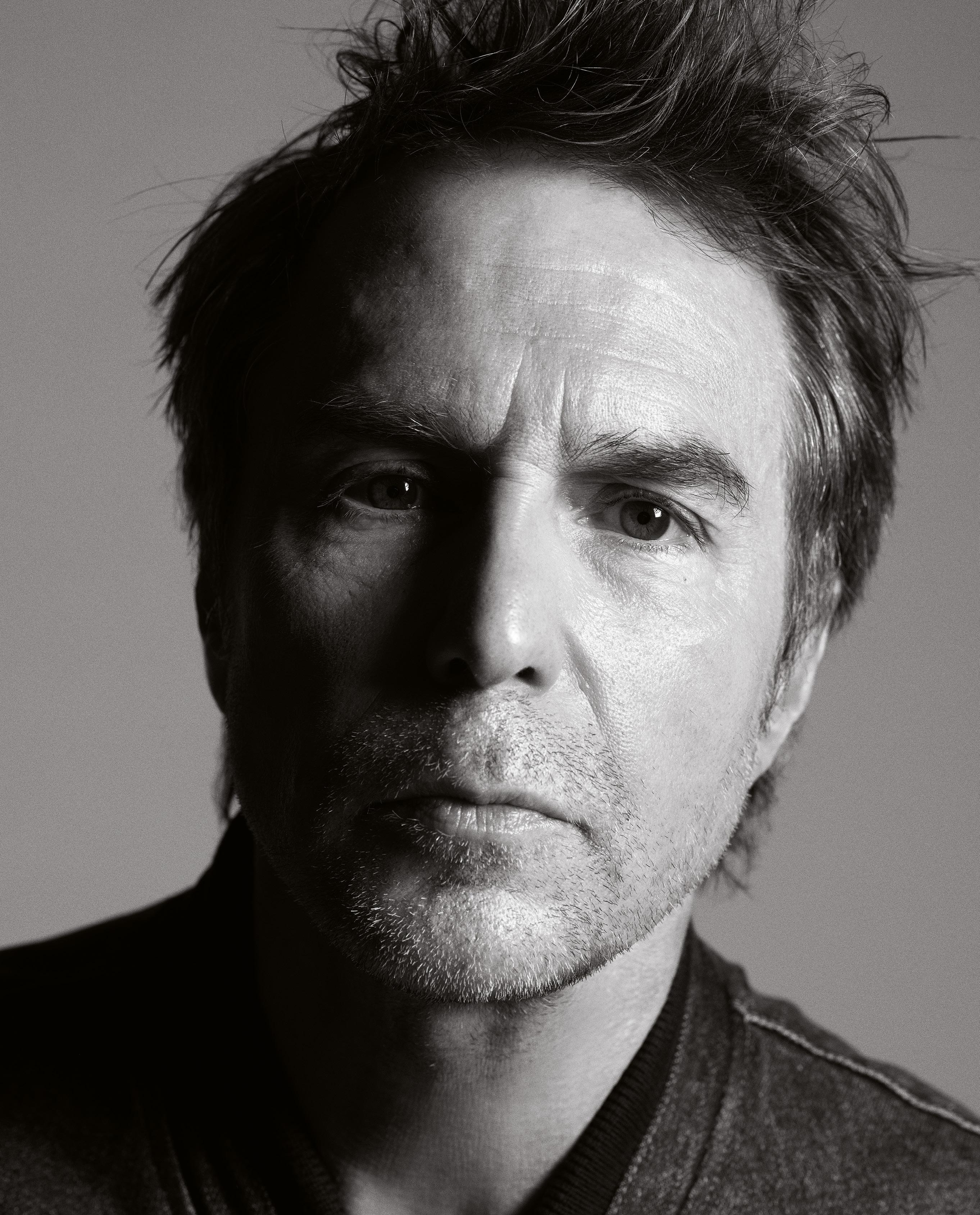
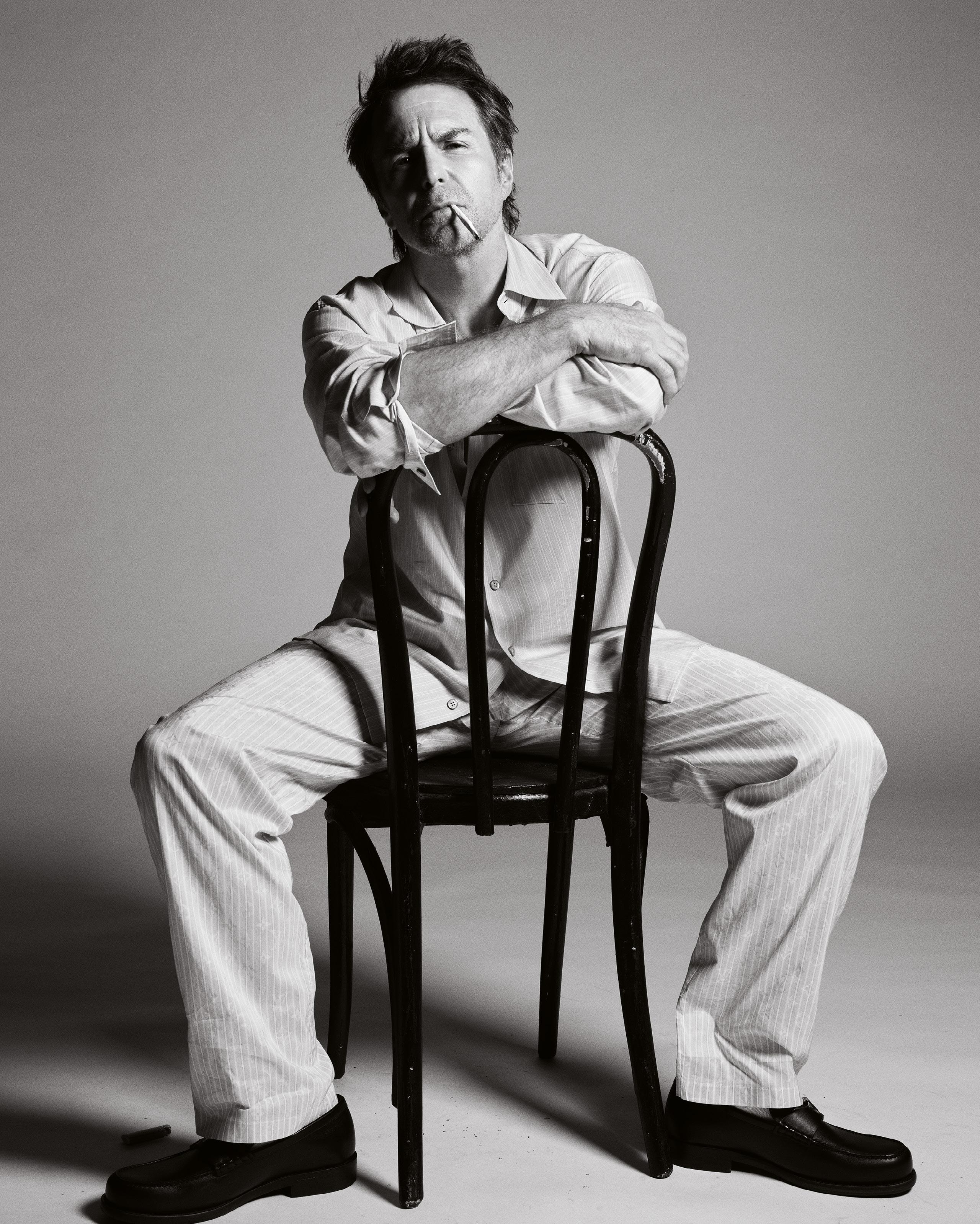
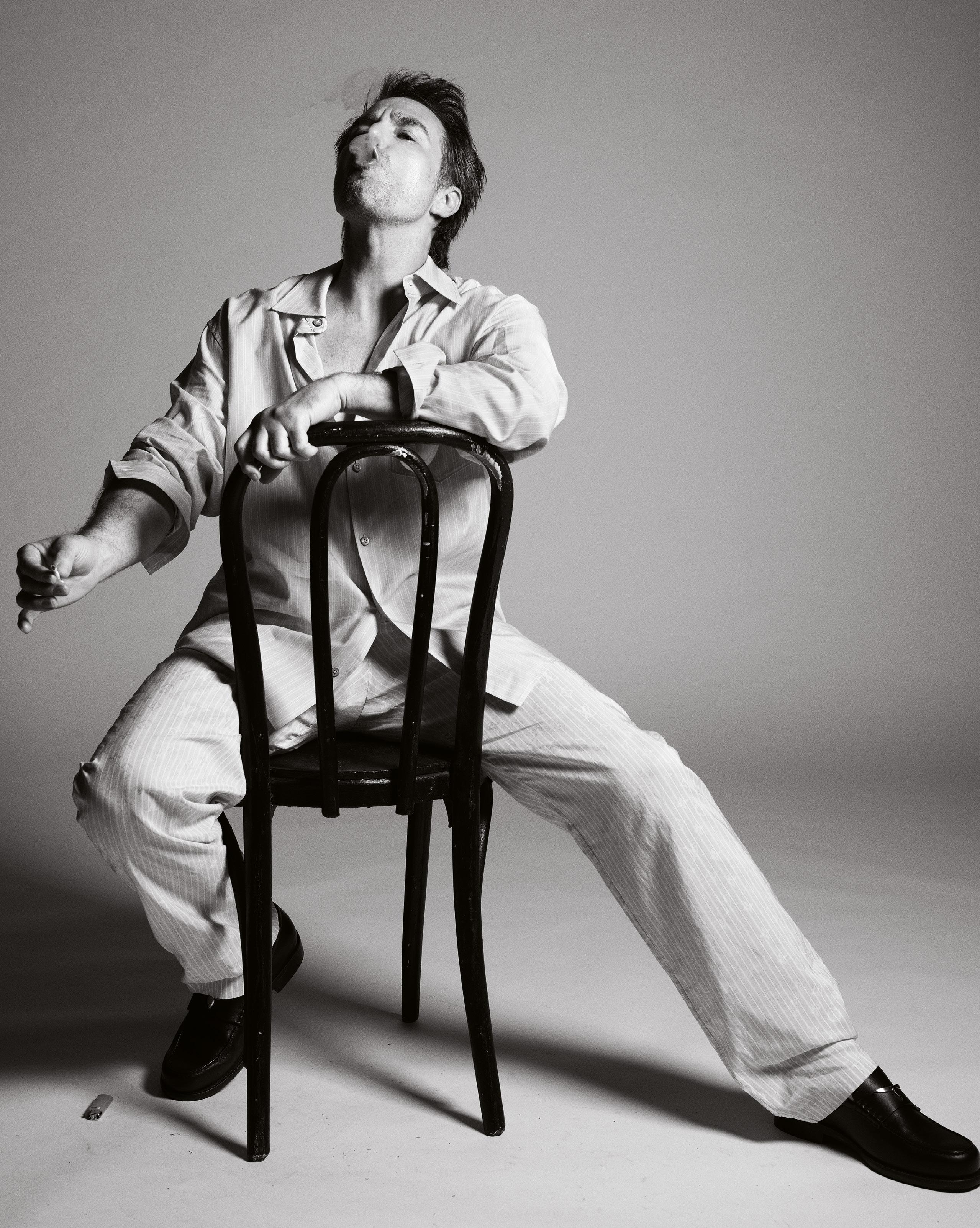
"It's a crazy fucking business. But I never had a Plan B, really. It was either this or... I don't know. There wasn't really anything else."
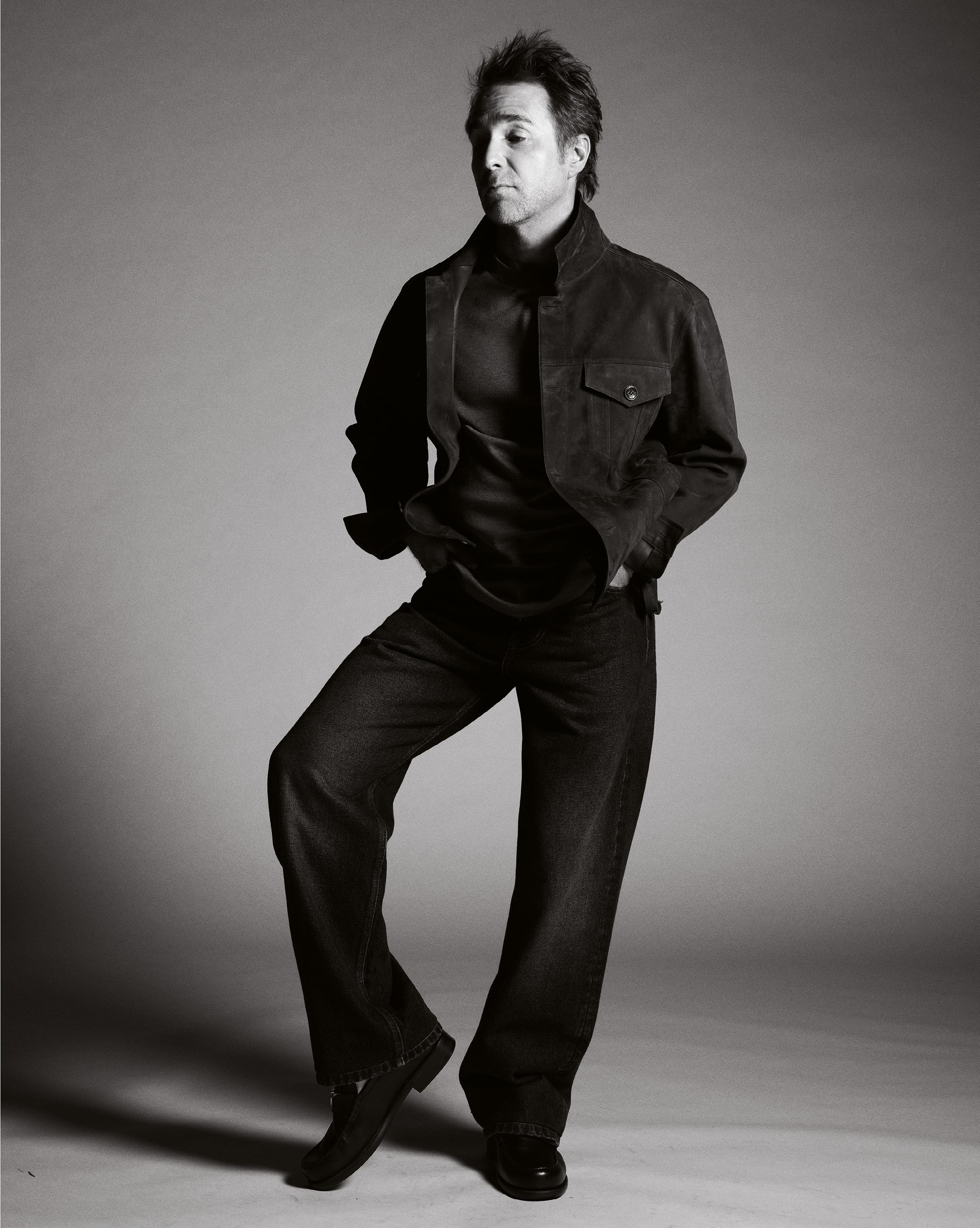
"I had some crazy jobs. I was a barback, and I was a busboy.
Thank God
I got some TV commercials. I did a Burger King commercial, and that paid for my acting school. My rent was cheap at the time, so I was able to kind of squeak by."
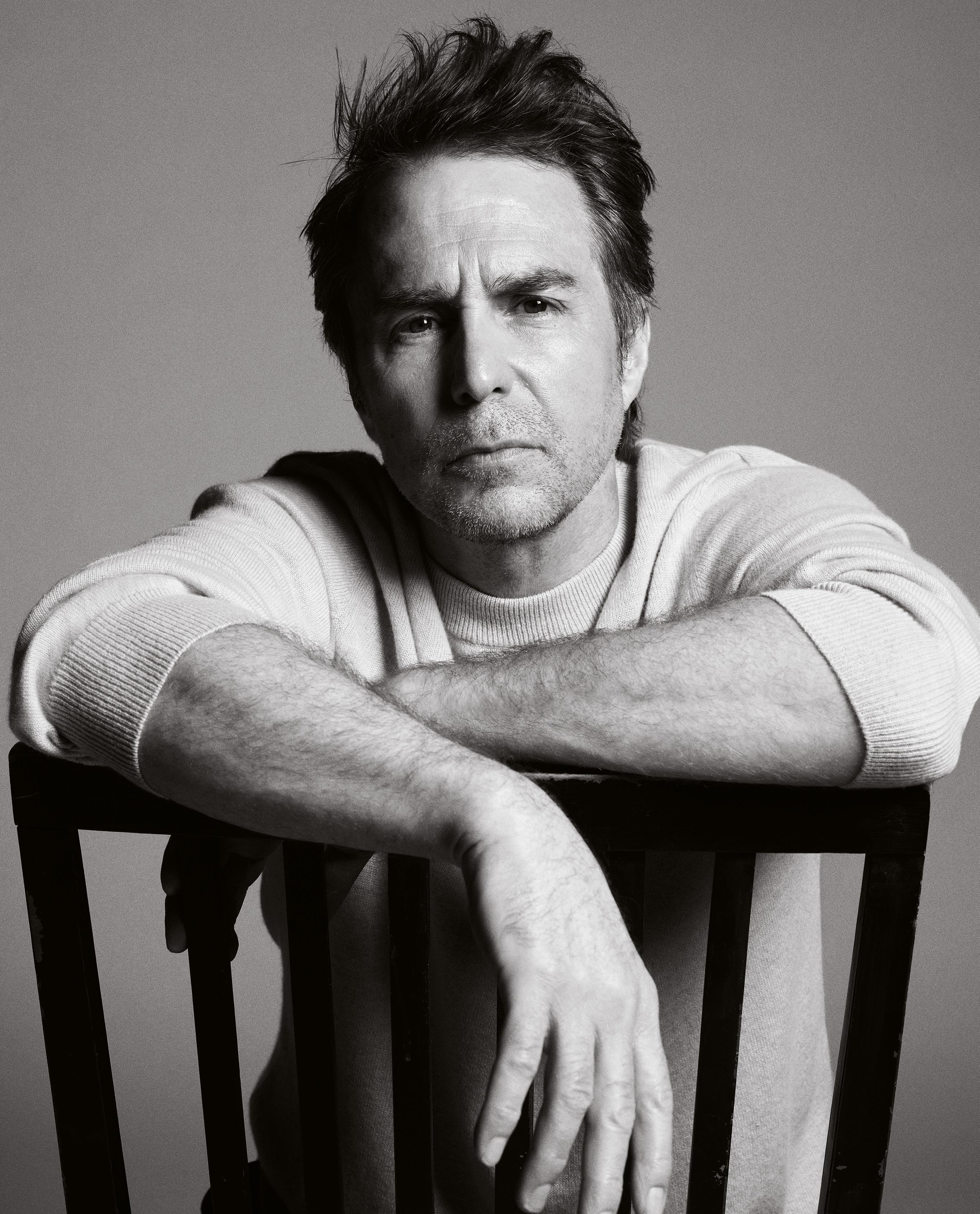
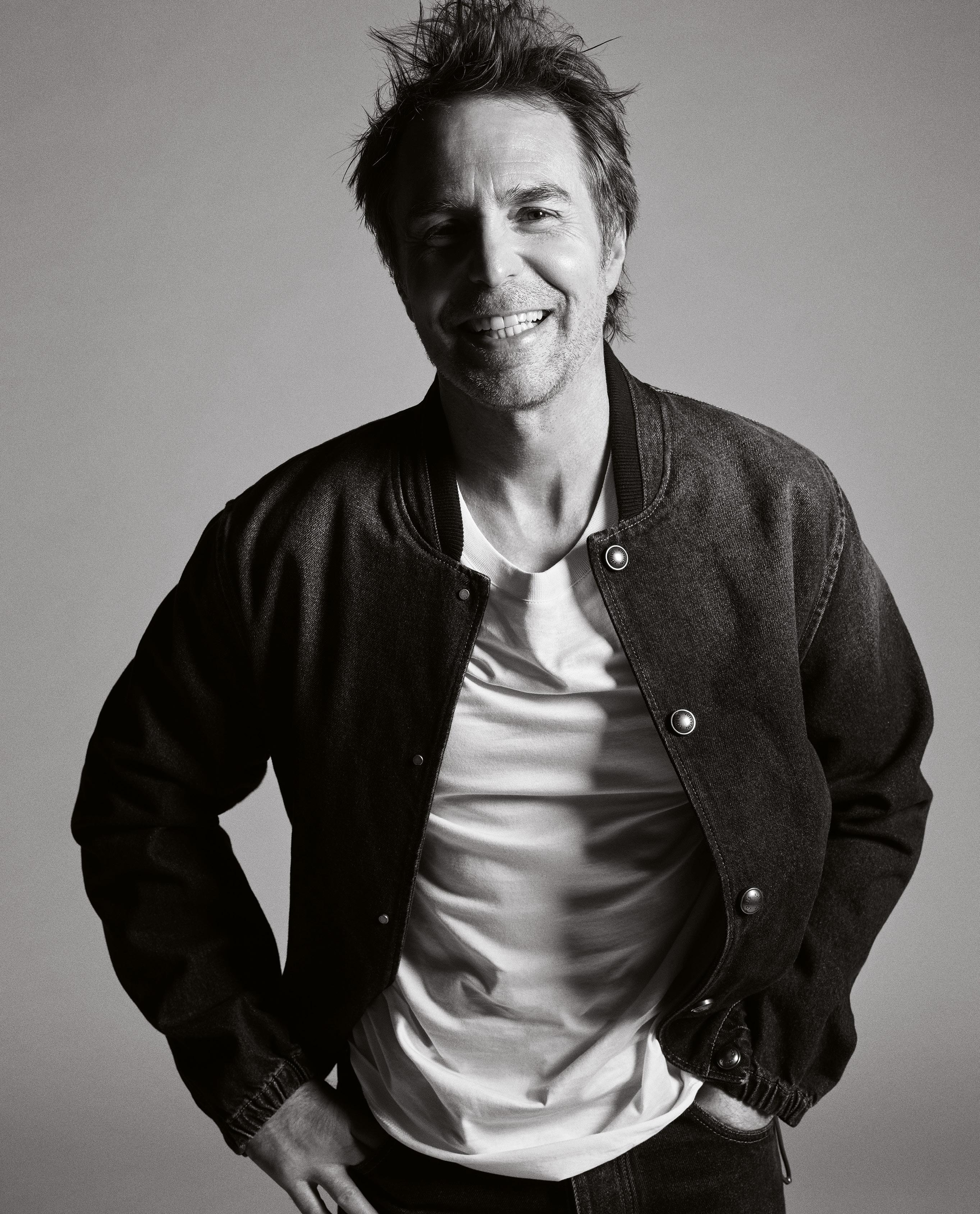
Sam Rockwell is perhaps Hollywood's most understated star. Not underrated—everyone knows just how good he is. Just understated. He has never carried himself with the megawatt, all-eyes-on-me modus operandi of a celebrity like Brad Pitt or Johnny Depp. Rockwell has always seemed a little too rock ‘n’ roll for that. There is a looseness to him, an effortless confidence that feels almost cavalier, as though fame has always been something happening around him rather than to him—something he brushes off with his California surfer-like mannerisms.
It’s part of what makes the Oscar-winning actor so magnetic, that same loose, offbeat rhythm he brings to every performance. While he spent much of the 1990s struggling to make ends meet in Tinseltown (all while rubbing shoulders with some of Hollywood's biggest names), the early 2000s saw him become one of the industry's most reliable scene-stealers through films like Charlie's Angels, Confessions of a Dangerous Mind, Matchstick Men , and The Hitchhiker's Guide to the Galaxy . Every role seemed to arrive from a slightly different angle than expected.
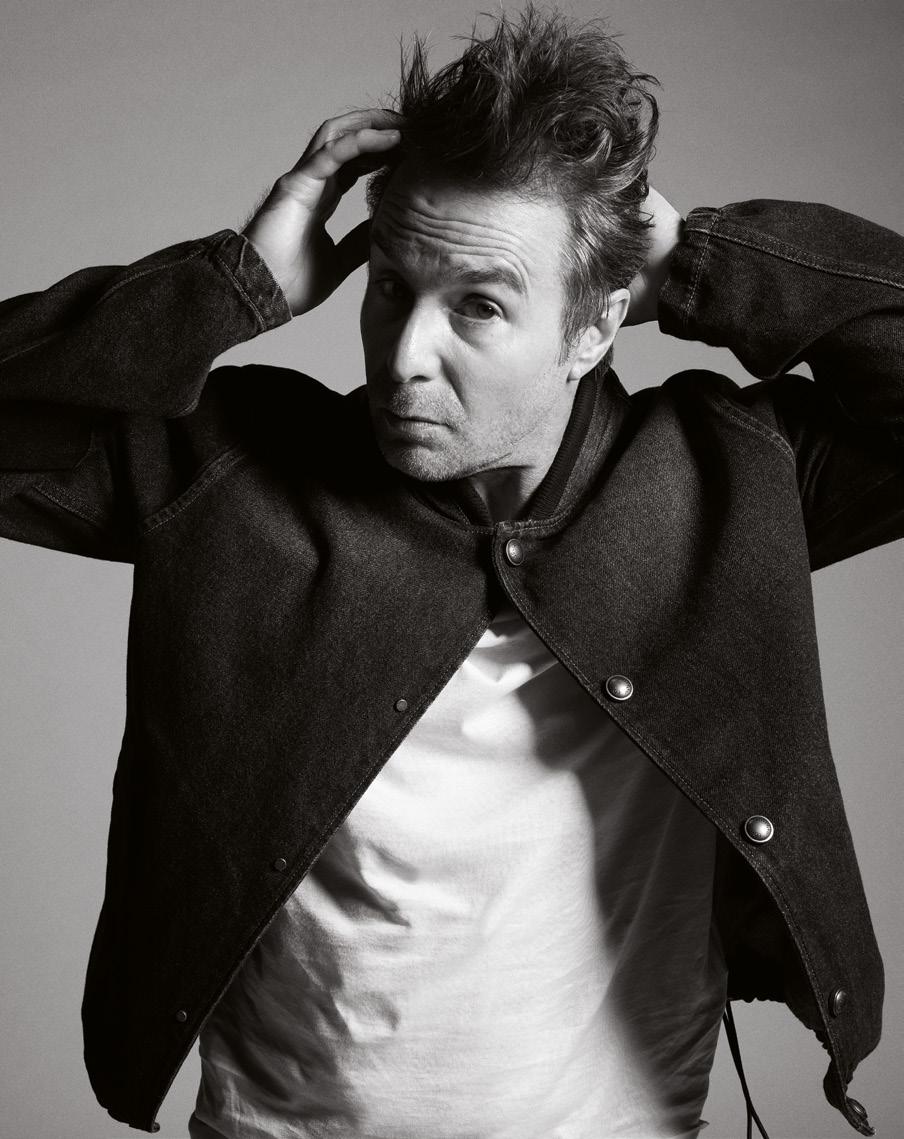
Now, Rockwell's next dance partner is John Malkovich. The two star opposite one another in the upcoming dark comedy Wild Horse Nine, playing CIA operatives navigating some of America's darkest historical moments while somehow maintaining ordinary lives amid love, illness, insecurity, and everything in between. With the filming hitting theaters on November 6, ICON’s Mathias Rosenzweig spoke with Rockwell about working with his idols, as well as his memories of being broke before breaking through.
ICON: Hi there, it's Mathias. How are you doing?
Sam Rockwell: Hi, I'm good. How are you? How's it going?
Good, good. Where are you at the moment?
I'm in New York, in the East Village.
Very nice. Well, thank you so much for taking the time to connect. I was lucky enough to somehow catch a screening of the new film in Portugal.
Yeah? What'd you think?
That instinct extends beyond his acting. Rockwell has turned dancing into something of a signature, whether it's his perfectly timed entrances on late-night talk shows or the spontaneous dance sequences that have become highlights of films like Charlie's Angels, Mr. Right , and Jojo Rabbit. What makes those moments memorable is the same quality that defines his performances: They feel improvised, even when they are executed with extraordinary precision. It is the illusion of effortlessness that makes both the dancing and the acting so unmistakably Sam Rockwell.
Pretty wild. I didn't watch a trailer or read anything beforehand, so I walked in having absolutely no idea what it was about. Let’s start with John Malkovich who shares the screen with you for most of the film. What are some of your earliest memories of John as an actor?
I remember him in the television production of Death of a Salesman as Biff. He completely blew my socks off. In fact, I told him this story—although he hates compliments. I told him he's one of the reasons I became an actor. I was auditioning for the school play, and you had to do a monologue. I couldn't find one. Then I saw the television version of the Broadway production with Dustin Hoffman
and John, and it just blew my mind. If you watch it, it really becomes Biff's play, in a sense.
[While filming Wild Horses ], we were together every day, and John really wanted to run the lines. It was written in a way that we could rehearse on the weekends. We were on Easter Island in this crazy hotel. The sunsets were extraordinarily beautiful. We didn't really leave the hotel. The crew would have parties, and we didn't even go. John and I would just camp out, run lines, drink wine… Imagine telling that young Sam Rockwell that he’d be starring in a film with John Malkovich that’s basically just the two of you for 90 percent of the time. Then, of course, there was Martin McDonagh, who wrote and directed the film, whom you’ve worked with before. What’s drawing you to his projects?
Well, it's just blind luck, you know. Me, Colin Farrell, and Brendan Gleeson have, in a sense, been his muses for a minute. We're just very lucky, along with Frances McDormand and Woody Harrelson.
I met him around The Pillowman, which is a great play. I'd seen it in London, and he wanted me to do it, but I ended up doing another play instead. Then I did A Behanding in Spokane with Christopher Walken, Anthony Mackie, and Zoe Kazan. That was really fun because I got to know Chris Walken.
Martin says he had sent me Seven Psychopaths before A Behanding in Spokane. I don't remember that, but anyway… he cast Chris Walken. Woody Harrelson came on after Mickey Rourke dropped out, and then it was me and Colin. We just had a great time in Los Angeles making that movie. And Tom fucking Waits was in it, you know? Then some years passed, and Three Billboards Outside Ebbing, Missouri came around. That was just an incredible script. It really was something. Then you look at Colin's part in In Bruges... I mean, I've seen In Bruges quite a few times. Colin's just extraordinary in that film. So is Brendan Gleeson.
Parker Posey, with whom you starred in The White Lotus, is another supporting character in the new film, but you two are never actually on camera together. Were you ever in the same room for this film?
Parker came to Easter Island and did all of the off-camera phone calls. Then I went to Utah and did all of her offcamera dialogue. I was in the next room. Martin kind of insisted upon it. Parker really showed up. She's amazing. Parker and I have known each other a long time. I actually met her when we were kids. We were on the cover of Interview magazine with Steve Buscemi and Lili Taylor after one of those Sundance Film Festivals. We were in a movie called Drunks together. [It’s]a great picture of me and Parker on the cover. It's really cool. We were just kids, you know?
Well, speaking of being kids, you were acting pretty consistently from a young age, but was there was ever a point—maybe in your twenties—where you questioned whether acting was actually going to be a feasible career? I never had a Plan B. When I was broke and working in restaurants, or delivering burritos on a bicycle, or whatever it was…. I had some crazy jobs. I was a barback, and I was a busboy. Thank God I got some TV commercials. I did a Burger King commercial, and that paid for my acting school. My rent was cheap at the time, so I was able to kind of squeak by.
"And, of course, cigarettes were important. We'd scrounge up enough cash for those too."
Occasionally, I'd have to scrounge up some quarters. My ex-girlfriend Sarita Choudhury and I used to say, "All right, we've got enough quarters for a carton of milk and some Café Bustelo coffee, and maybe we've got 10 more dollars for a margarita and a taco." That was kind of how it was. And, of course, cigarettes were important. We'd scrounge up enough cash for those too.
In a sense, Wild Horses is probably the closest to In Bruges, with me sort of being Brendan Gleeson’s character in this scenario and John being Colin, because John and Colin are both kind of the truth-tellers in the piece. Brendan and I have a similar arc.
You know, the story of The Banshees of Inisherin What the fuck is the name of that movie?
The Banshees of Inisherin
The Banshees of Inisherin. That movie evolved as well. It was originally going to have lots of guns and stuff, and then he just made it about a breakup. It's essentially a breakup, right? These two men have a breakup, and it's really awful. That's what the whole movie is about. It's a very simple concept. It's almost like a love affair ending.
That's what Martin does so well. He takes one thing and then expands on it. Like Three Billboards —it's about [a mother] getting vengeance for her daughter—and then he expands on that.
Sarita had just been in Mississippi Masala , and she still had to bartend on 23rd Street at this Jamaican place. She'd be getting recognized in the restaurant because of Mississippi Masala while she was bartending. From the outside, it can look like everything's going amazingly, and then you check your bank account and think, "Shit... I can't even afford that pack of cigarettes," or whatever.
Exactly. I did Box of Moonlight, and then I did one day on Basquiat because I was broke. I think I'd already done Box of Moonlight, and then I had to go do extra work on a soap opera. A friend of mine was [it], and I said, "Listen, I'm broke." The extra work actually paid pretty well. It's weird. It's such a strange life. The quality stuff usually doesn't pay. The really good stuff doesn't pay a lot of money. Sometimes it can be lucrative—Three Billboards did pretty well—but a lot of times it doesn't. It's a crazy fucking business. It was either this or... I don't know. There wasn't really anything else.
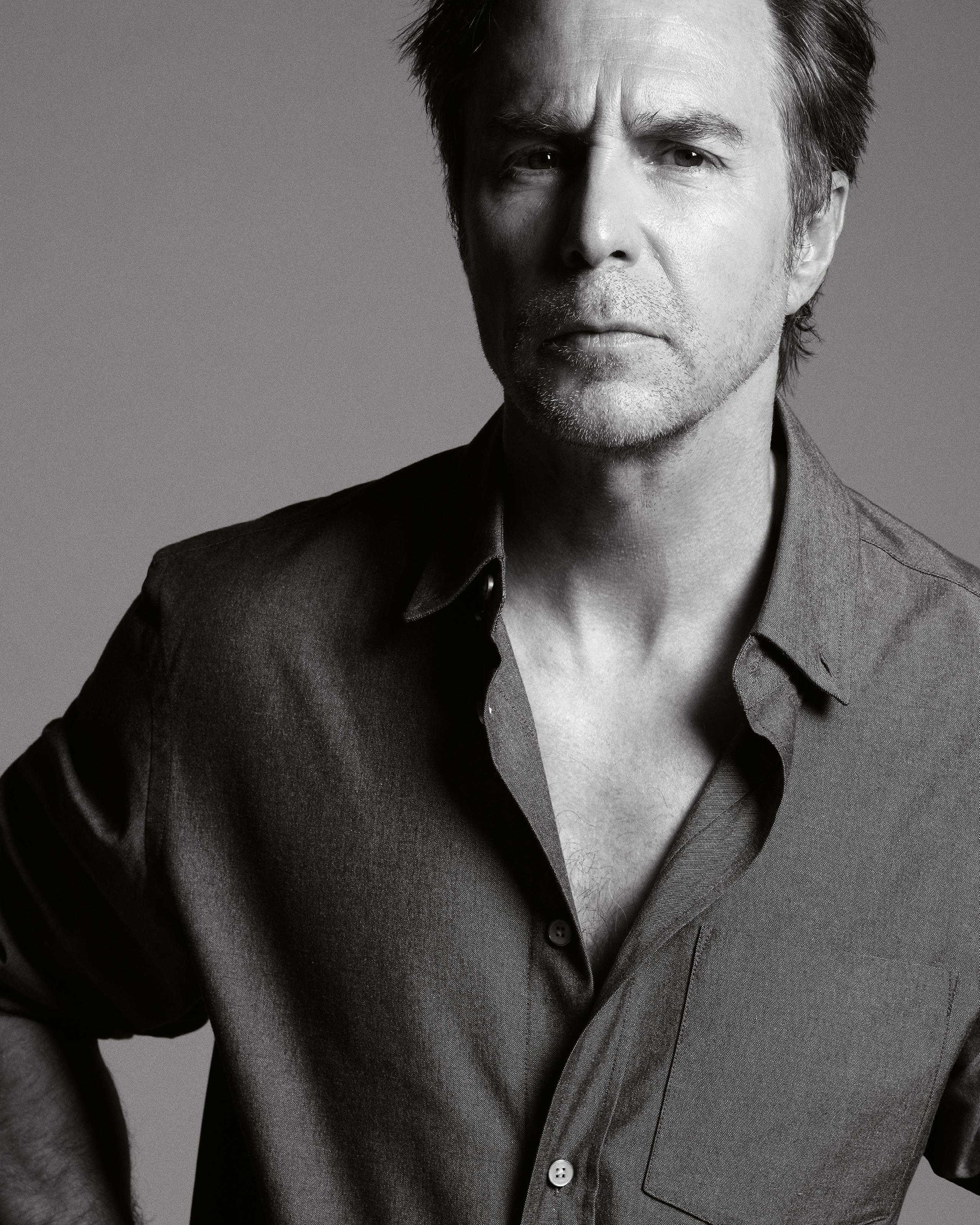
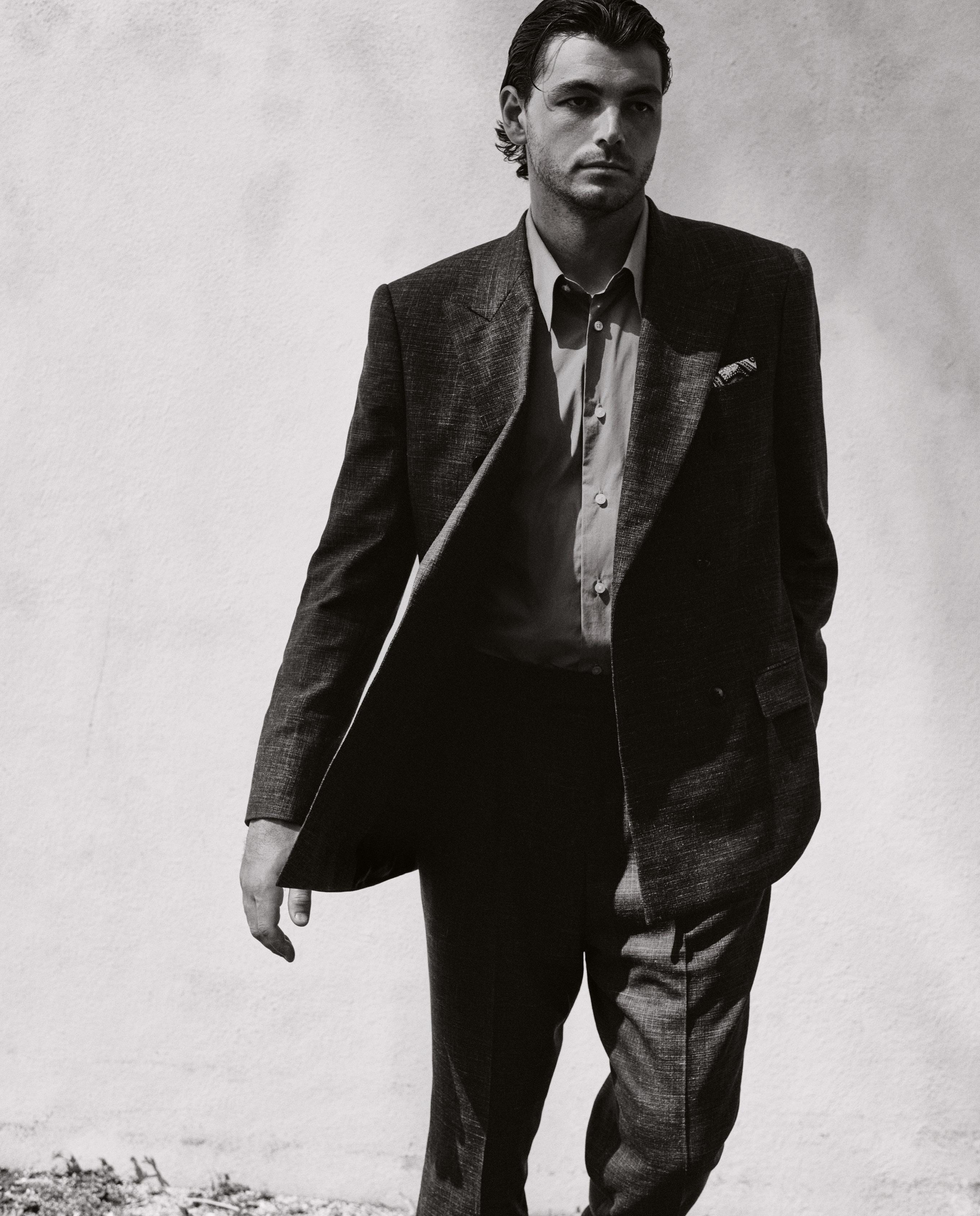
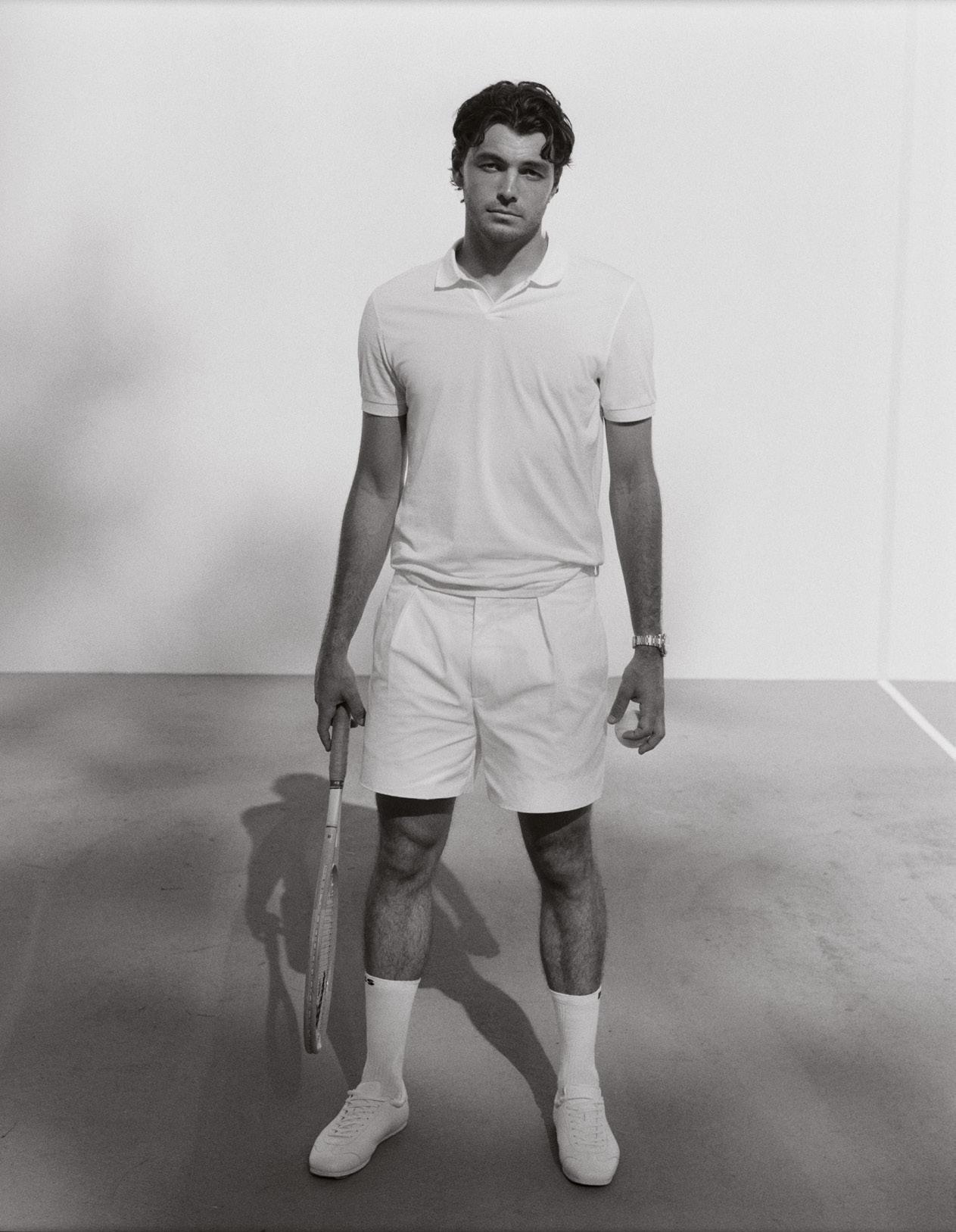
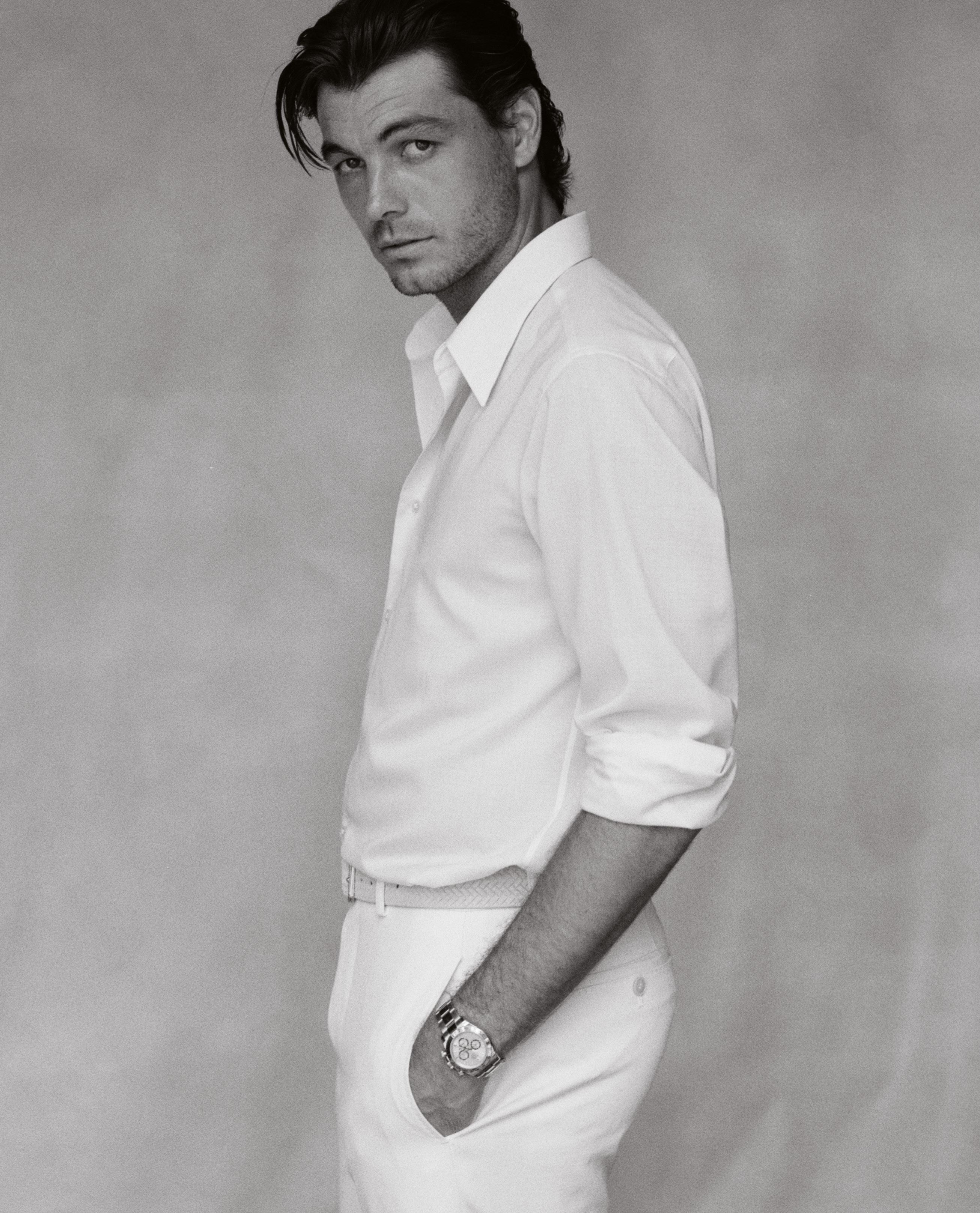
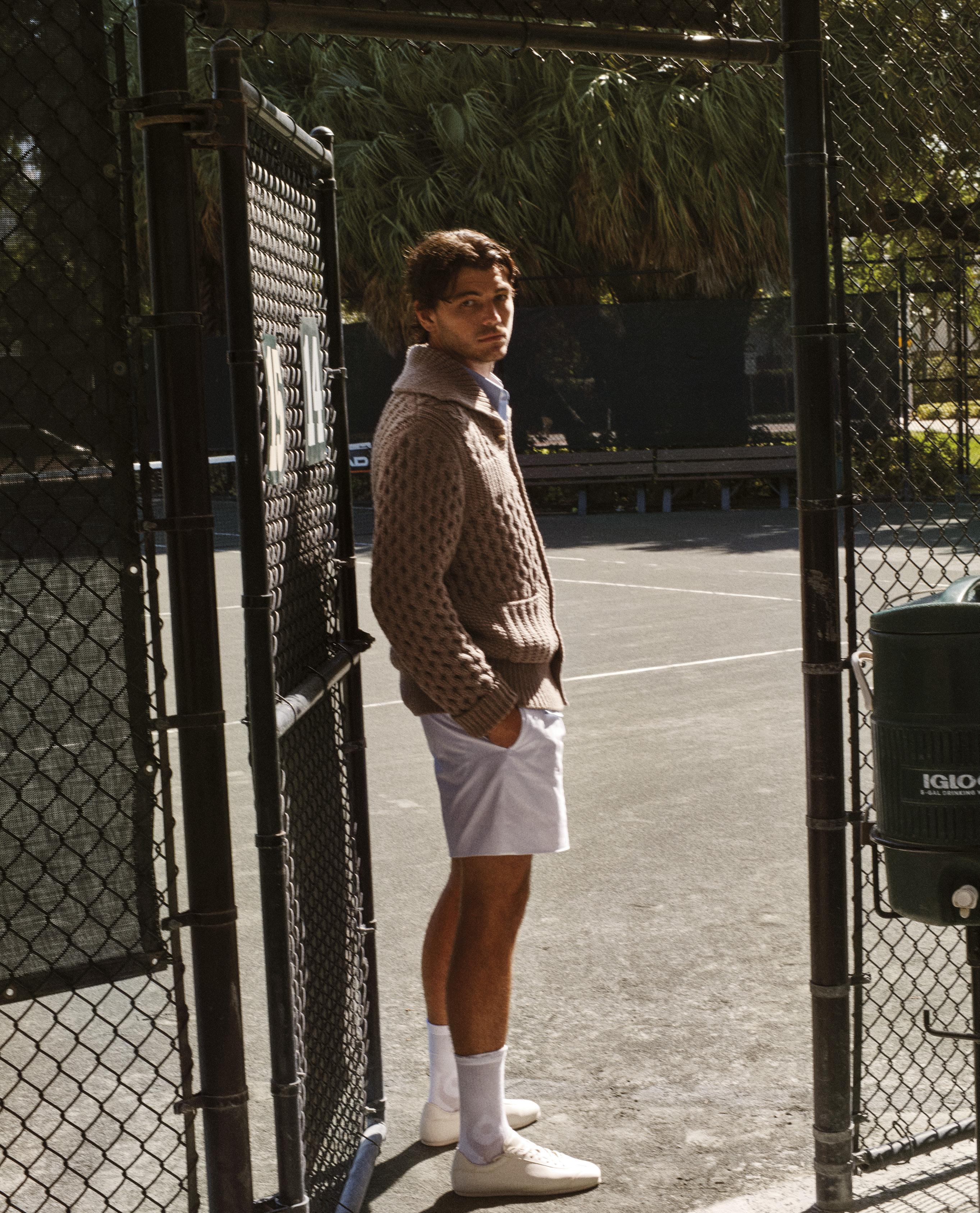
There's something distinctly of this moment about Taylor Fritz.
At 28, Fritz is one of the best tennis players in the world (currently ranked No. 10 on the ATP Tour), and he seems to have gotten there without needing to build a heroic narrative around himself. In an era when athletes present themselves as premium storytelling products, complete with foundational traumas, inspirational catchphrases, and streaming documentaries, Fritz answers questions the way someone fills out a tax return. When did he fall in love with tennis? He's not entirely sure. Which player made him dream? "I don't know if there was ever really a player that made me love tennis." What did he want to be as a kid? “A professional athlete.” In whatever sport.
The sincerity is refreshing.
Fritz was born in California–where identity often comes accessorized with a surfboard, a skateboard, or a green juice. But his childhood doesn't quite fit the cliché. He tried skating. "I tried it but no one really let me because I would hurt myself." He tried surfing. Again, his parents weren't enthusiastic about the injury risk. What he was really into was playing everything: basketball, baseball, tennis, any sport worked as long as there was competition.
"I don't ever like losing. But if I play a good match and the tennis was good, it hurts less. The most frustrating losses for me are when I perform poorly."
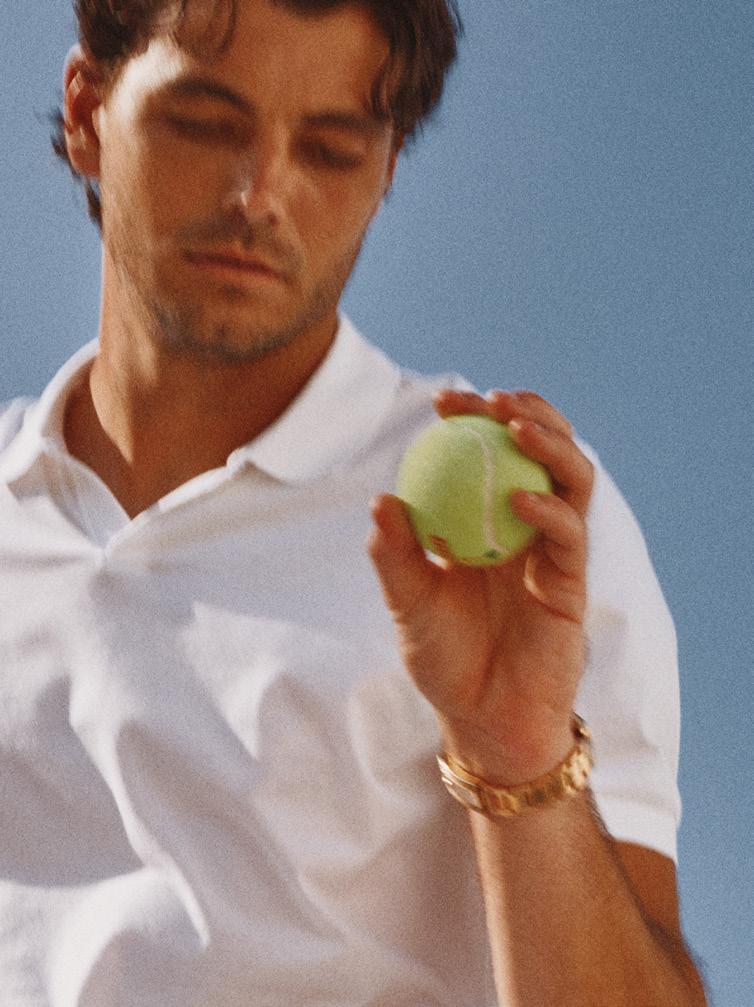
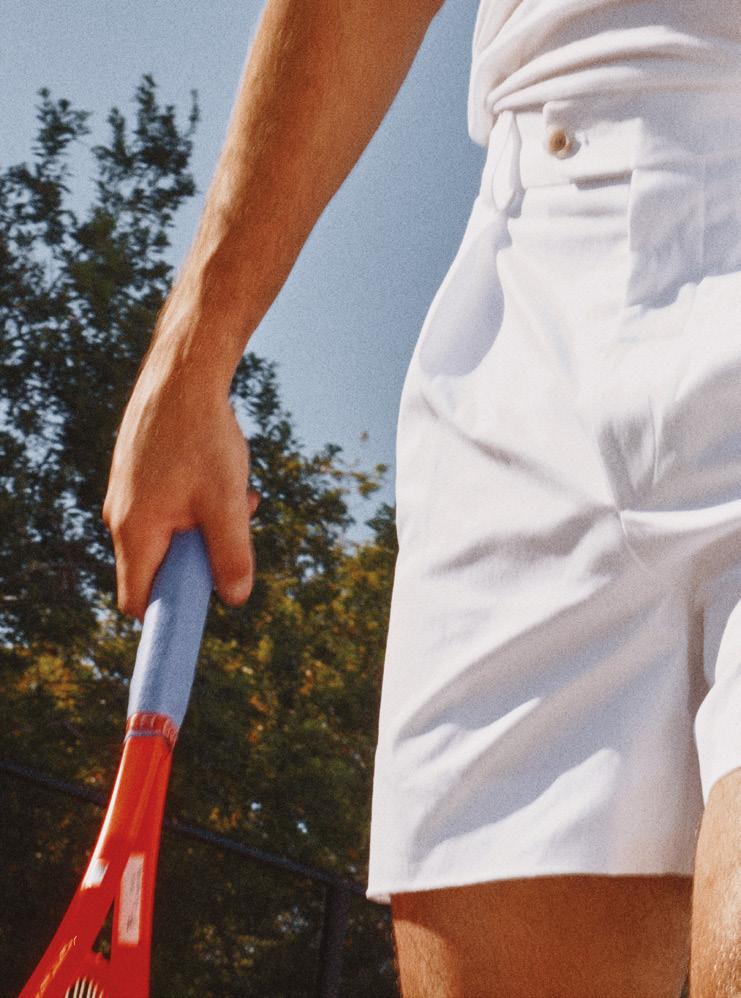
When he talks about his childhood, the word passion never comes up. The word professional does. "My whole life, the goal was always to be a professional athlete. I don't think I was ever really playing as a kid just for the fun of it—I always had it in my mind that anything I did in sports, I wanted it to be with the intent of being a professional."
Not a tennis player. An athlete. It's an important distinction. Because it explains quite a lot about who he is. Where other players describe an almost romantic relationship with the racket, Fritz talks about tennis the way a pragmatic teenager might talk about choosing a college major. "I played everything growing up and it worked out that in the end I was the best at tennis, so that's what I decided to put all of my time towards."
And just like that, with minimal drama, he has become one of the top players in American tennis. Currently only one compatriot ranks above him on the ATP Tour, his friend Ben Shelton. The day before this interview, Shelton beat him in the final of the Boss Open in Stuttgart. "I don't ever like losing. But if I play a good match and the tennis was good, it hurts less. The most frustrating losses for me are when I perform poorly." A few weeks later, Fritz will go on to defeat Shelton in Halle (though ultimately lose in the final to another American, Frances Tiafoe).
Fritz grew up in a family where tennis was the language spoken at home. His father played. His mother played. Both are coaches. Fritz doesn't remember pressure.
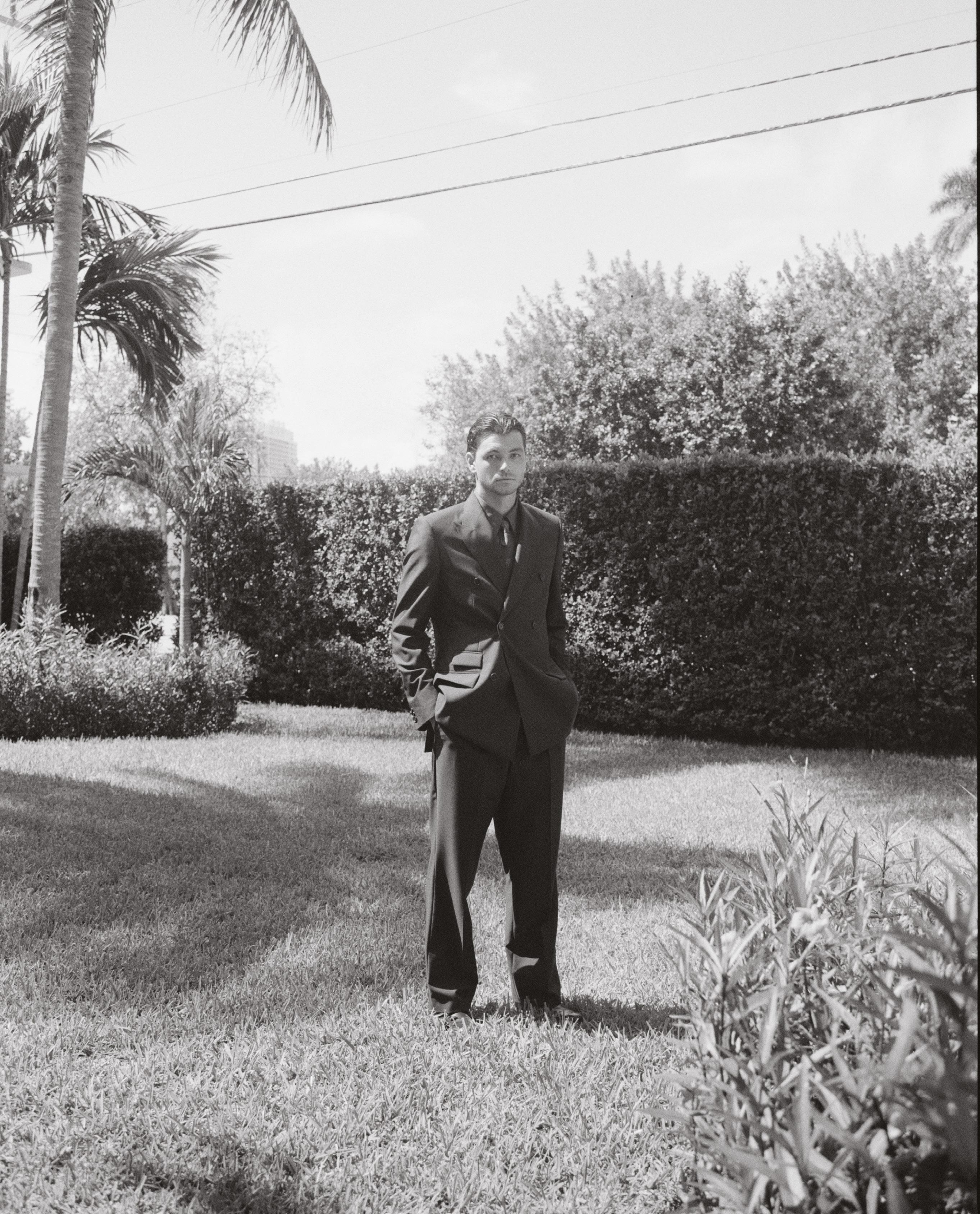
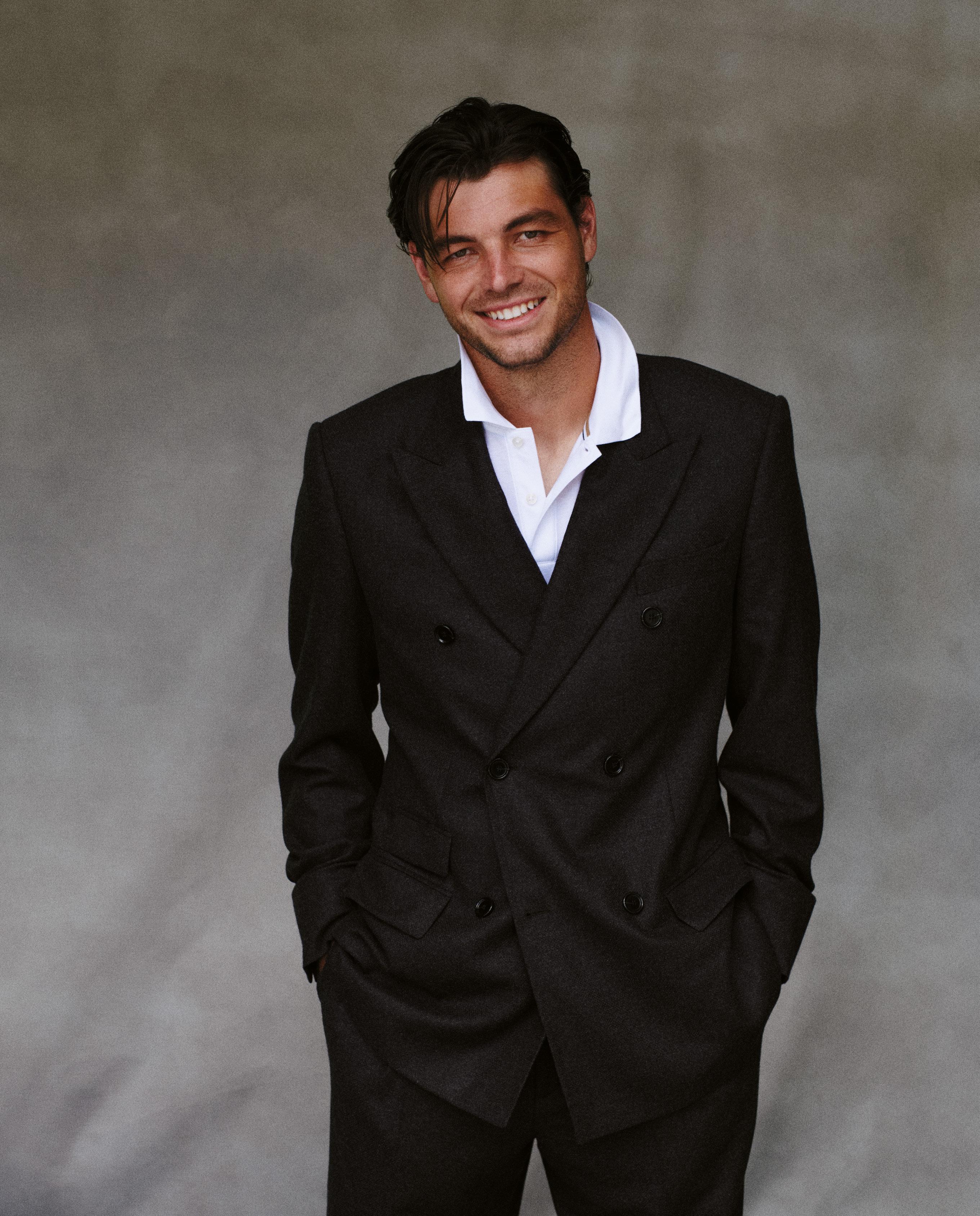
He remembers the benefits: "It was definitely an advantage to have two parents who played and coached and could always help guide me in the right direction."
What's curious is that, despite coming from a family so deeply tied to the sport, Fritz doesn't seem especially interested in mythologizing it. "My favorite player growing up was Juan Martín del Potro, but to be honest I didn't really watch a ton of tennis. I more just played it."
Maybe that's why he projects something that’s unusual in professional sports: He seems like someone who has never confused what he does with who he is.
Off the court, he likes to rest and play video games. "Honestly, that's mainly what I do in my time off. Just rest." End of list.
It's not exactly the answer brands expect when they sponsor a global star, but perhaps that's precisely why it works. Fritz belongs to a generation of celebrities who no longer need to appear extraordinary 24 hours a day.
His partnership with Boss fits naturally into that. "It's an honor to be an ambassador for the brand. I love the styles, they fit my look and my aesthetic so well. It's been great to rep Boss on and off the court. I'm happy they wanted to come into tennis and athletics, because it's a very good fit for both of us."
For decades, fashion and sport maintained a relationship of convenience. Athletes provided visibility;
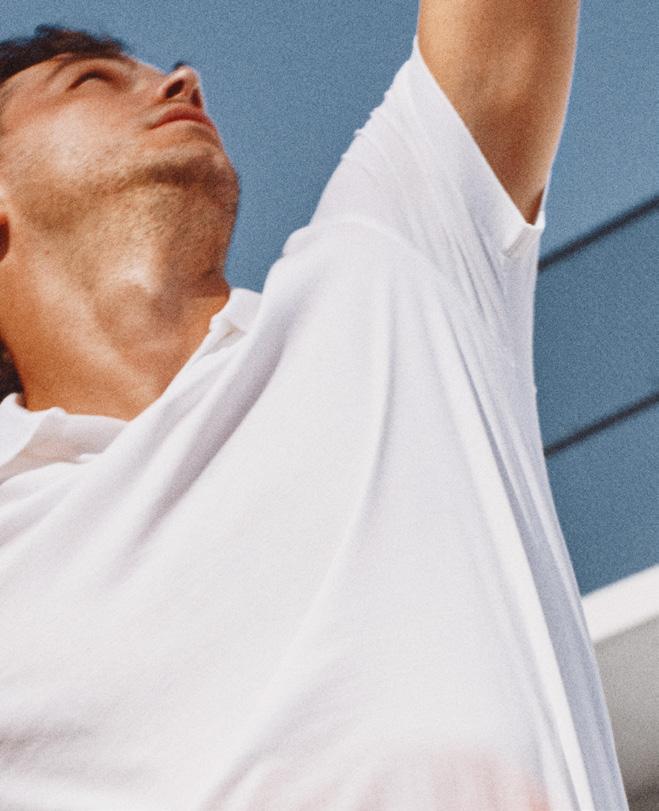

"My whole life, the goal was always to be a professional athlete."
brands provided glamour. But something has shifted in recent years. Athletes have stopped aspiring to look like actors and now they present themselves as better-dressed versions of who they already are.
Fritz puts it with an almost brutal simplicity: He likes how Boss dresses, and feels the clothes fit his personality. He just likes it.
And maybe that's the secret.
When he walked the runway for the brand in Milan, he enjoyed the experience the way someone accepts an invitation to a party. Fashion interests him. He finds it fun. "I enjoy doing different things from what I'm used to. Things in modeling and fashion seem fun and exciting to me, and it was a really cool experience to put on one of the outfits for the new season and walk the runway at a show. I thought that was such a cool experience."
It's striking to hear someone in an industry saturated with communication strategies talk that way.
He analyzes the current state of tennis with the same straightforward ease.
Fritz has lived through a peculiar historical moment: He came up facing the tail end of the Federer-NadalDjokovic era, and now competes against the new aristocracy of Jannik Sinner and Carlos Alcaraz. "I'm much older and honestly better now than when I had to deal with the Big Three early in my career. I think there was a period of maybe a year or two when they were on the way out—before Carlos and Jannik—where the draws felt more open and there were more opportunities. But now people are still trying to figure out how to compete with them and beat them. I'm working really hard to try to play at their level."

And that's where the real obsession of his career surfaces. Not the ranking. Not the contracts. Not the photo shoots. There's one thing missing: winning a major. Everything else feels secondary. "I've accomplished a lot of the things I really wanted to and set out to do. What's missing is winning a Grand Slam."
One has to admit, that would be quite the legacy.
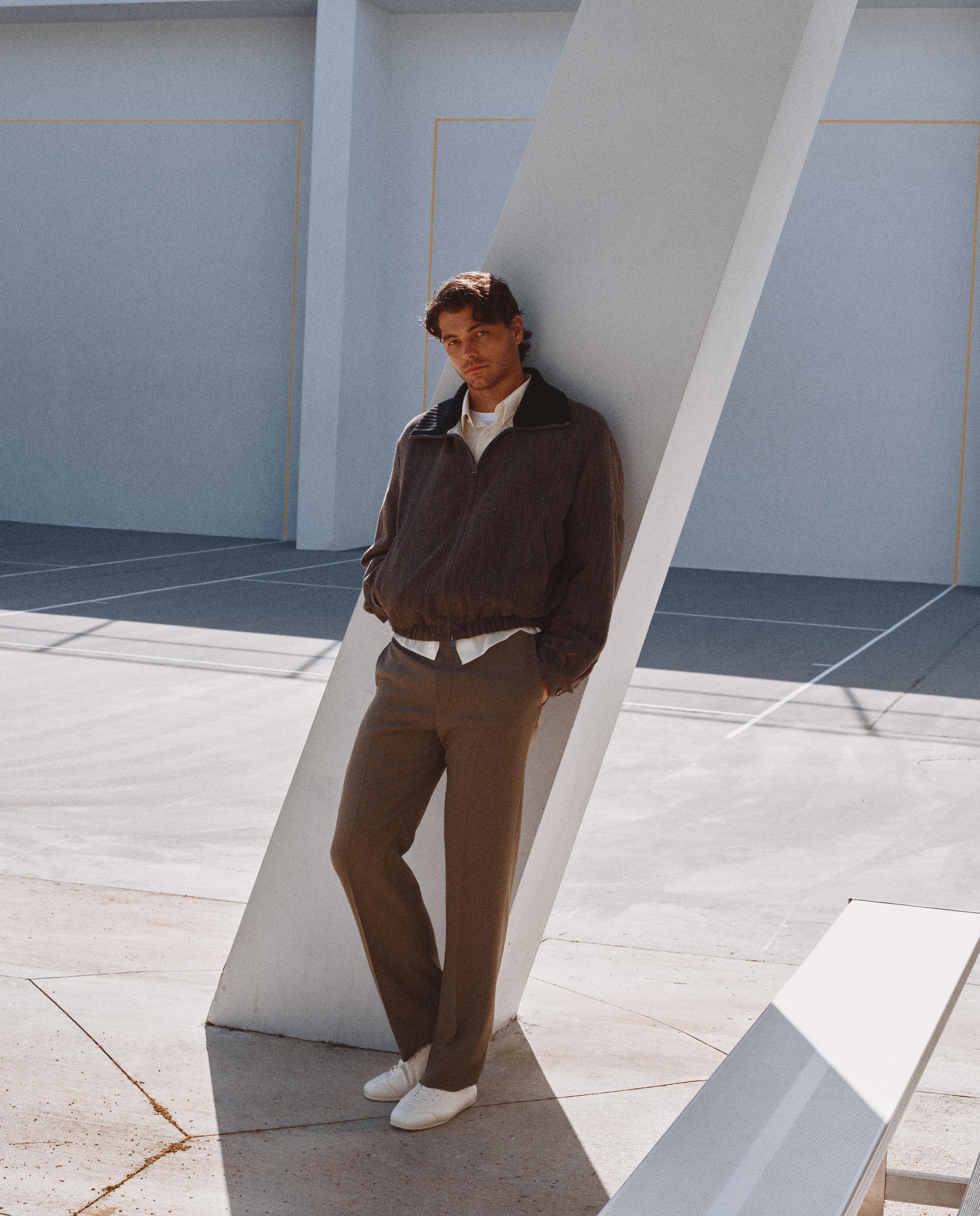
Christopher ABBOTT
photography yoshiyuki matsumura
fashion peghah maleknejad
text alex frank
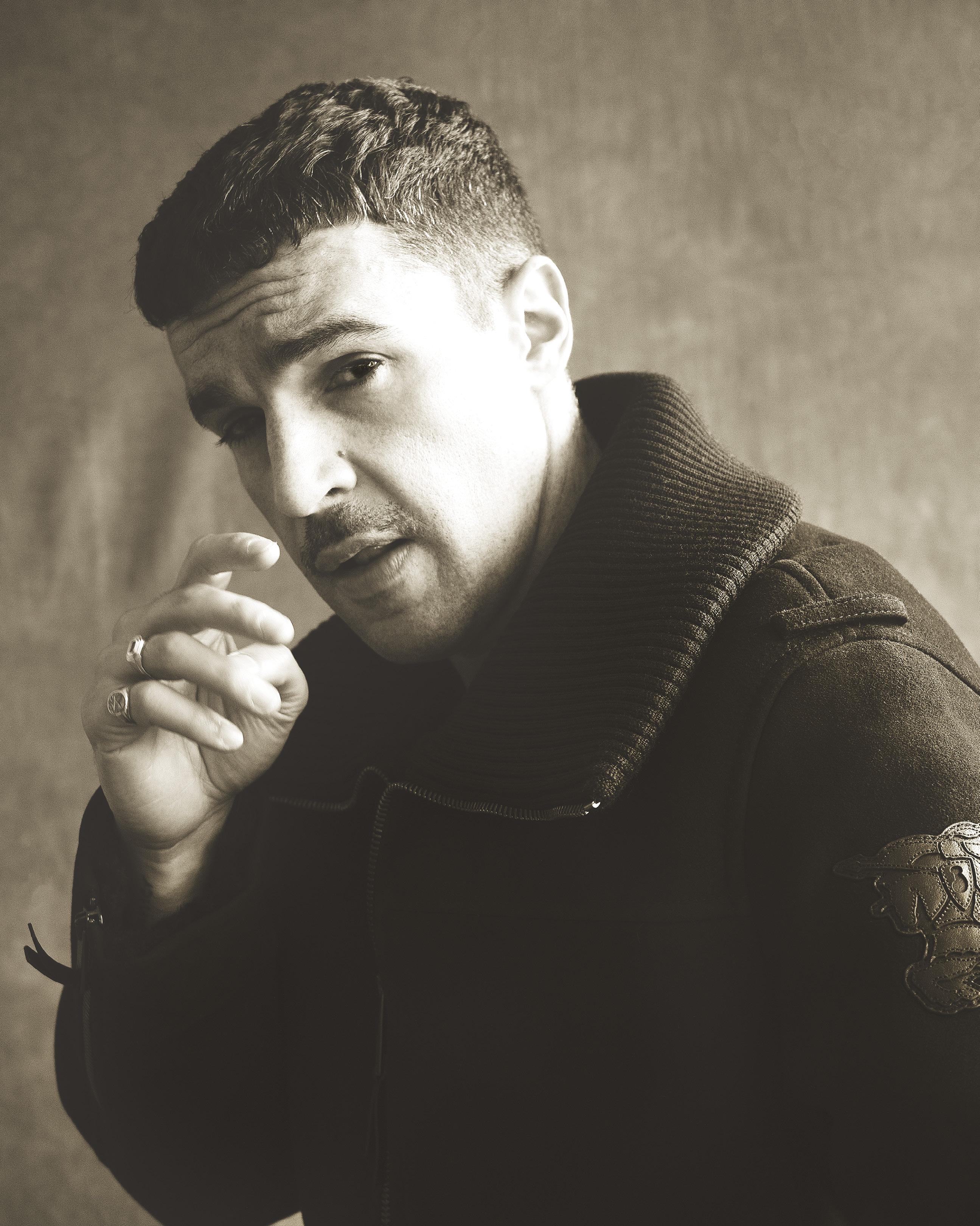
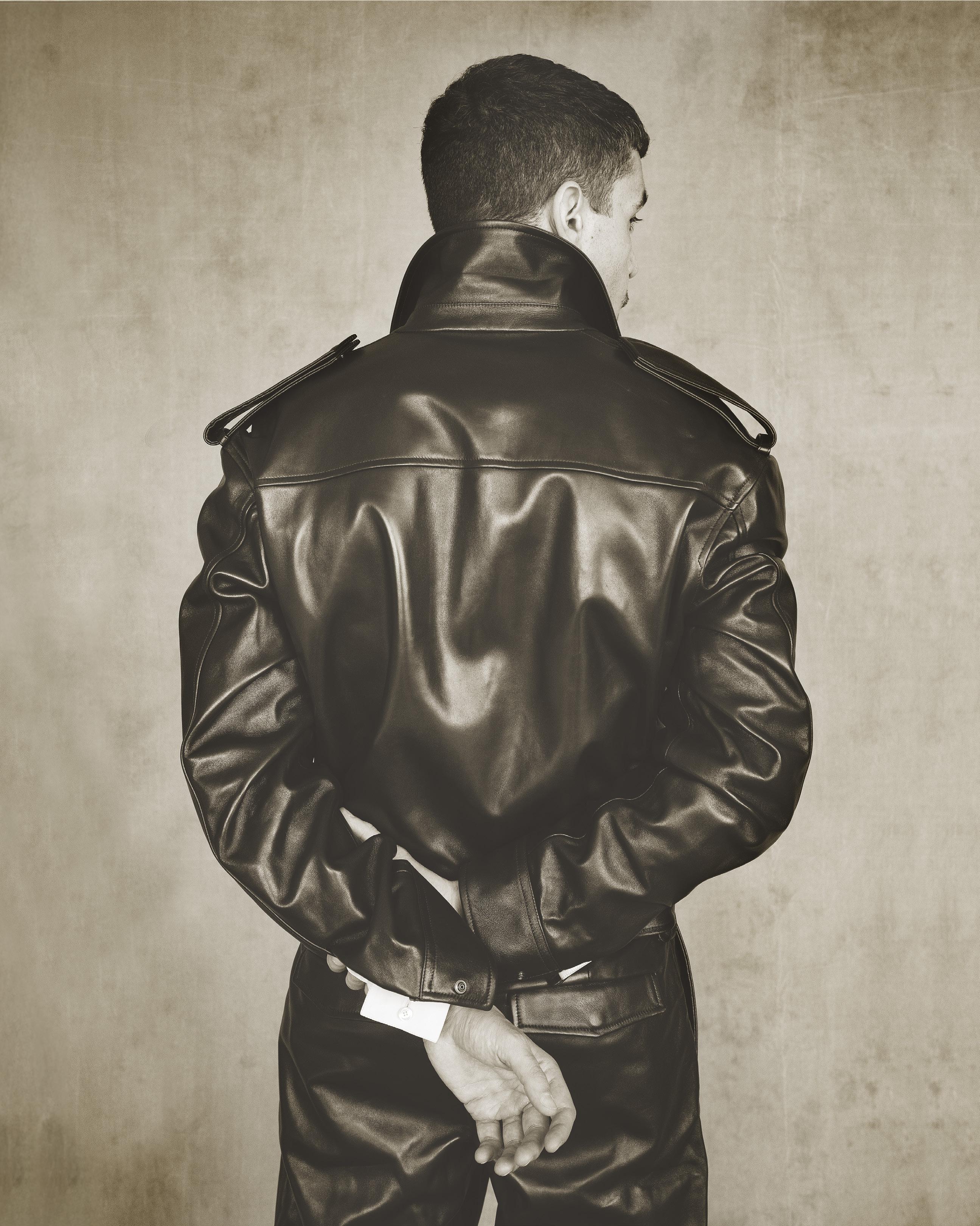
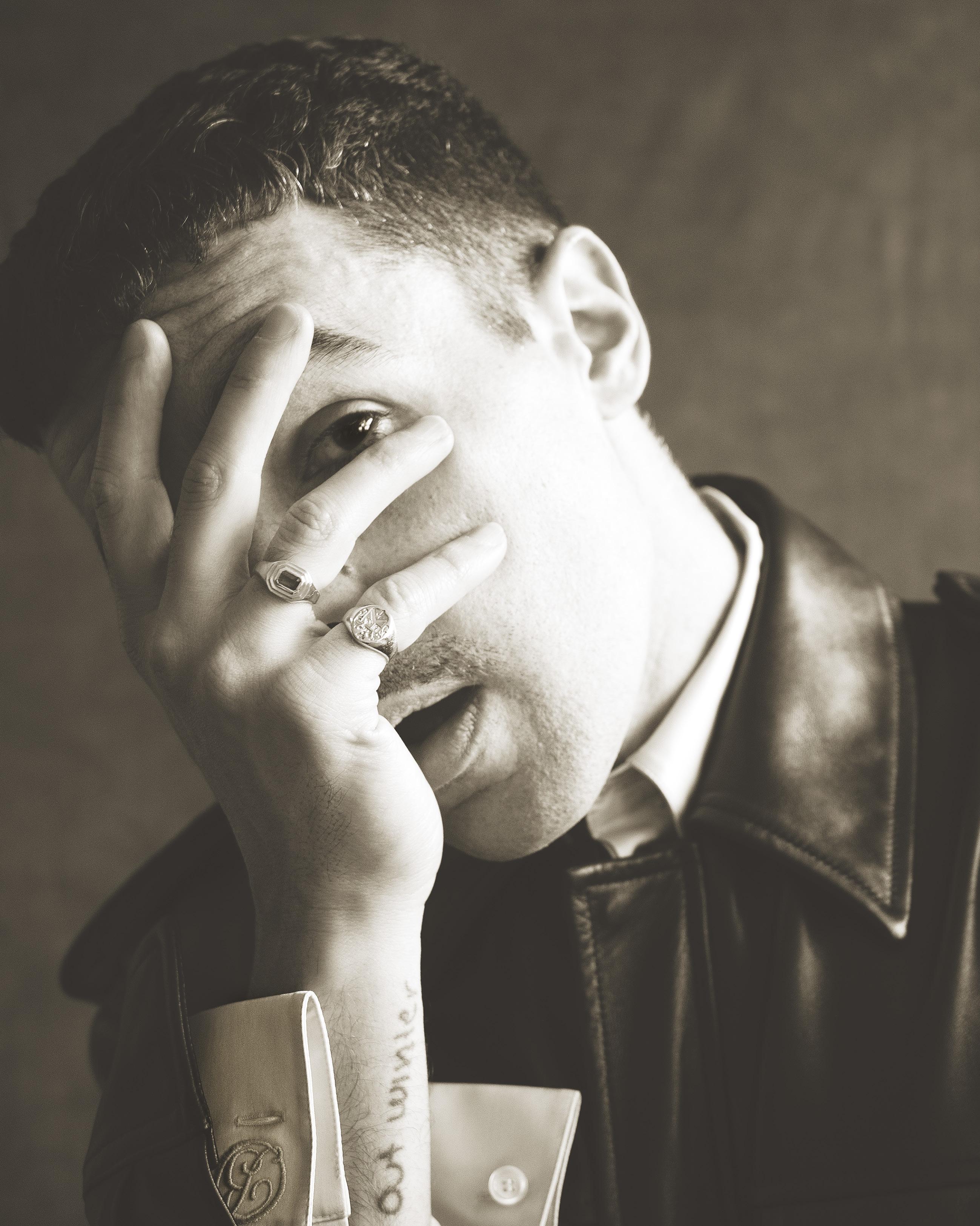
"If I all of a sudden became super famous, maybe I could handle it now, because I'm too tired to care anymore."
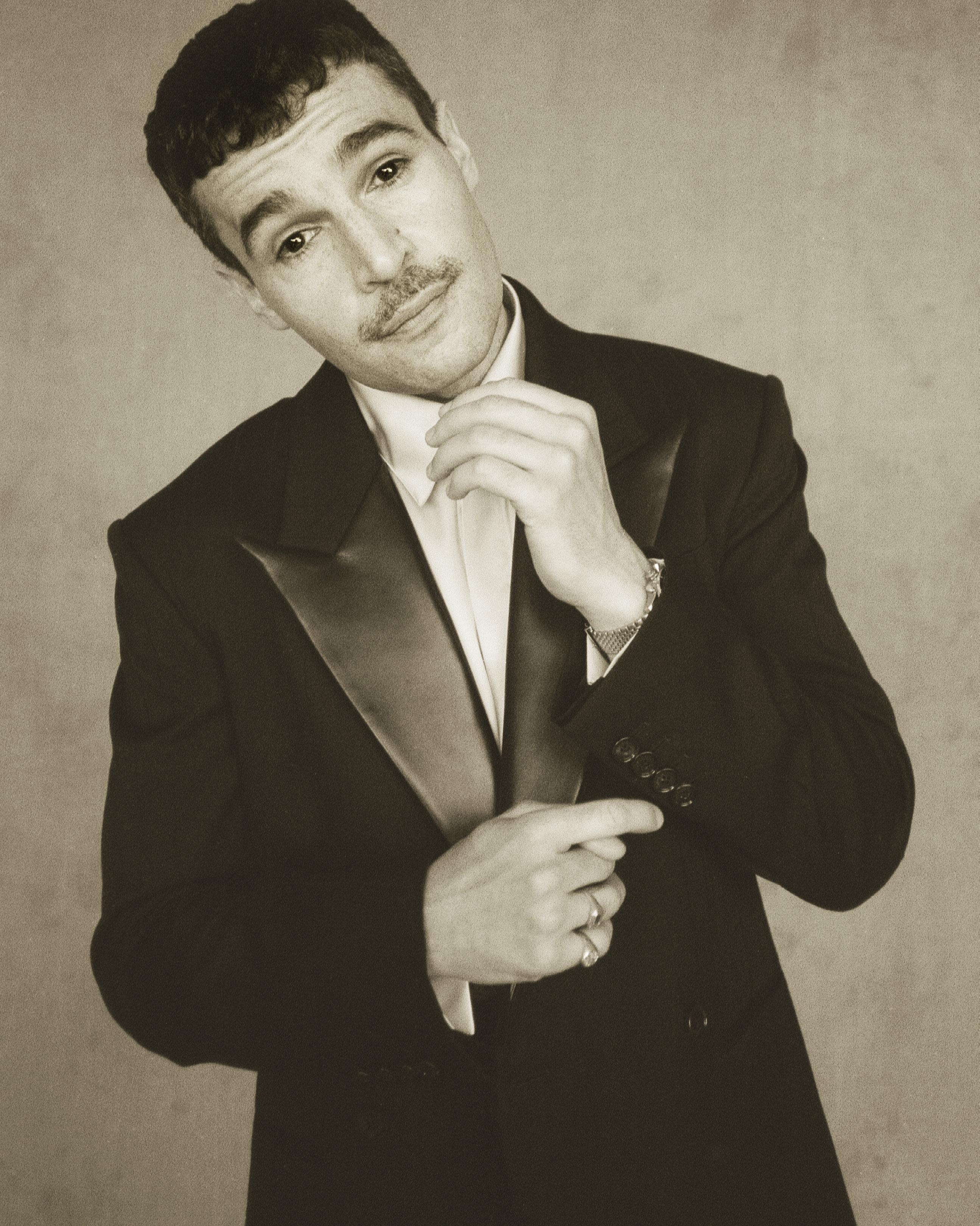
"I get off on the feeling that it's a little uncomfortable, if the audience feels like they're watching something that they shouldn't be."
CHRISTOPHER ABBOTT takes on two of the American canon’s most mythic figures, just as he enters a transformative chapter in his own life.
By all accounts, Christopher Abbott, both as an actor and a person, is having a moment. One hot July Monday, he calls me on Zoom while settling into a newly-acquired home in New York, a rare day off from his run as Biff Loman in the Broadway revival of the iconic Arthur Miller play Death of a Salesman , also starring Nathan Lane and Laurie Metcalf. The show wrapped about a month after our conversation, after earning nine Tony nominations—more than any other that year—including one for Abbott.
This autumn, Abbott is also in a Netflix limited series based on John Steinbeck's novel East of Eden , co-starring Florence Pugh. In the show, Abbott embodies another tragic hero—Adam Trask, a trusting but flawed father of an ultimately tragic family in turn-of-the-20th-century California.

These two roles feel like segments in a hard-won victory lap. Abbott has been working on the quiet edges of film, television, and theater for years. Audiences got to know him as Charlie in Lena Dunham’s HBO series Girls . Since, he’s found a way to beat through a tough business doing odd, idiosyncratic projects. He’s popped up in everything from Yorgos Lanthimos’s 2023 Poor Things to off-Broadway productions by Pulitzer-winners ( Danny and the Deep Blue Sea and John ).
Then there’s his personal life: his relationship with beloved comedic actor Aubrey Plaza and expecting their first child, which the couple announced in April. It has elicited a sharper spotlight and he’s reluctant to discuss it—but he also understands the public interest.
Which is to say: Abbott is juggling a lot. There’s a restlessness in the air—bubbly and friendly, he picks the phone up in his hands to circle the room as we talk,
countering the stern quality of his recent roles with an amiable attitude.
Amidst the craziness of this moment, he kinda just seems like a nice, chatty guy, a thoughtful actor grateful for good parts.
Here, Abbott discusses the winding road that led him to this point.
You’ve been on a theater actor’s schedule, which seems nuts.
It’s not life or death, but I won't lie to you: It's hard. I couldn’t even say I looked forward to doing each performance. But there is some relief or satisfaction having gone through it, having done it.
Loman is such a heavy role. How do you leave that on stage?
It's hard to describe. I'm really doing it—the body doesn't know that you're acting sometimes. Sleep gets weird. You would think I would be more tired after the two-show days, but I have a harder time sleeping after those because I'm wired. The body keeps count.
Plus, I don't like it when I feel like I'm being fake. It's not like I'm going super method-y, but you do try to get as close to it as you can. I get off on the feeling that it's a little uncomfortable, if the audience feels like they're watching something that they shouldn't be. You think of the tourists out there like, “Oh, let's see a show.” And then they're like, “Jesus Christ!”
You’re also doing the series East of Eden. Why are you drawn to the epics?`
When you get to work on stuff like Salesman and East of Eden, things that are in the American canon, it sets the bar high. Dialogue like that—meaningful, poetic—feels nice, and the next time you read something that doesn't quite match that, you're a little disappointed.
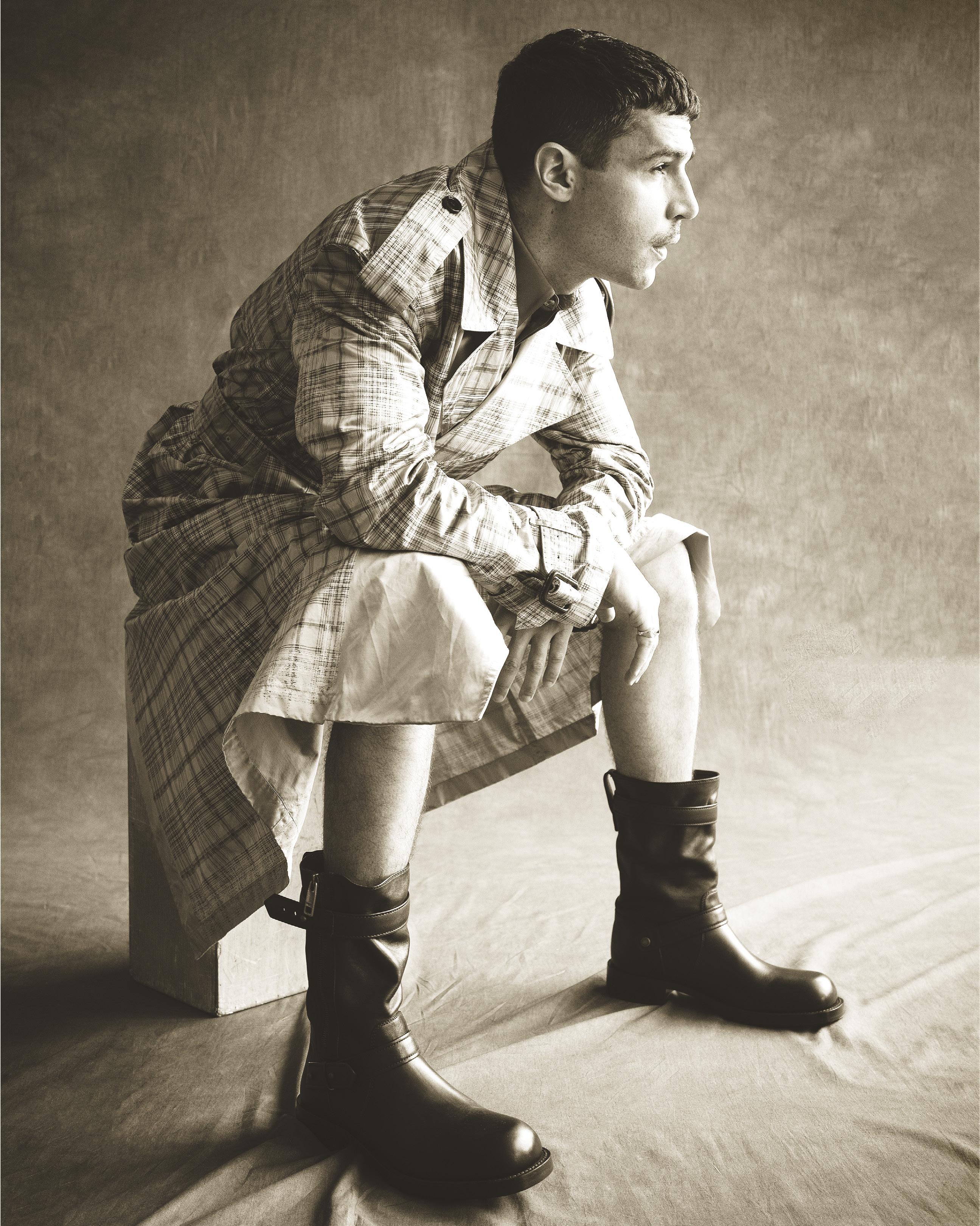
"As much as I like to think I've curated some sort of thing, it's all a ton of tiny decisions plus timing and luck."
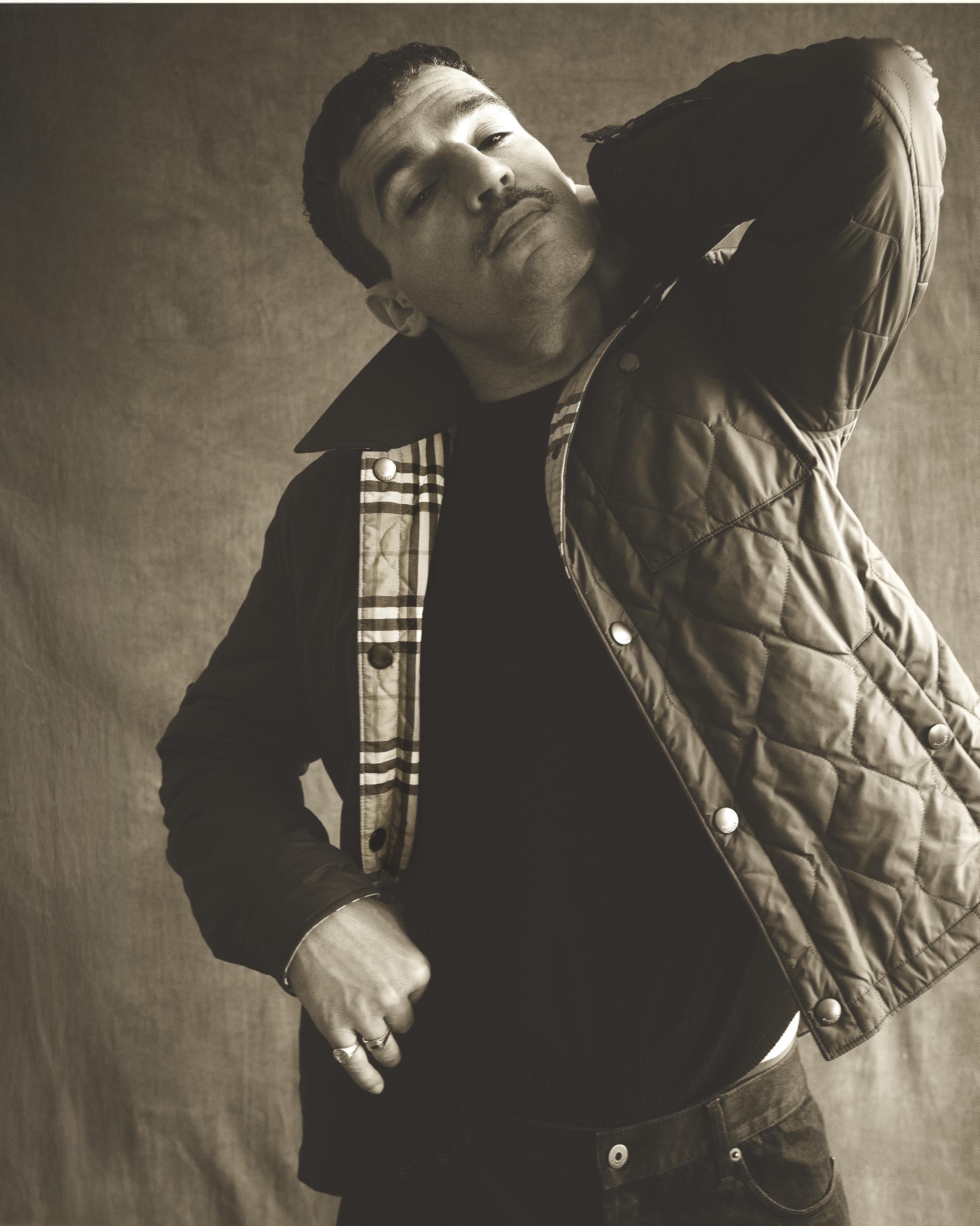
When I first saw you in Girls, I remember thinking you were an actor who could go anywhere, from blockbusters to indies. How did you decide what kind of career you wanted to build?
As much as I like to think I've curated some sort of thing, it's all a ton of tiny decisions—plus timing and luck. Were there specific moments in your career where you chose not to do more mainstream projects, like superhero or action movies?
It's not like I batted away offers. It's not like Marvel was like, “Hey, please come play this,” and I was like, “No.” But they need to want you and you also need to want it. I think there have been moments that if I had wanted it a little more, I could have put myself in a better position. I'm not against the superhero thing, but it just needs to feel right. I never felt like that guy, whoever that guy was.
But dude, I'm not flawless. I did [2024 Marvel film]
Kraven the Hunter, but that was with my good friend, [the director] J. C. Shandor. I've dabbled.
What was your childhood like?
I was born in Greenwich, Connecticut, which was a very rich town. But we lived in this six-family house, very Italian-style. My house was in what you would consider the working-class neighborhood—a lot of the people who worked for the rich people.
It wasn’t until community college that I took a theater class on a whim. I did my first scene on stage. That's when I felt like, “Oh, I like this. And I think I'm pretty good at it.” I got good feedback from the teacher, so I quickly dropped out and started hustling, going to tons of auditions.
Yeah. I'm trying to do it in the right way. And the game of fame changes constantly. The power of the actor now has diminished a bit. For decades, only if you were in the arts, were you considered famous—actors, musicians. Now you can make stupid videos, and you're more famous overnight than someone who's been working at it for years.
It does seem like you might be on the precipice.
I'm not trying to be modest, but I don't feel it. I live in New York, I walk around, and I don't feel like I'm someone. I’ve been doing this long enough to know things come and go. In the past, I’ve gotten caught up when people around me are like, “Chris, this is gonna be a hit! You’re star is on the rise!” And then it doesn't happen. In a healthy way, I've accepted disappointment.
I'm 40 now and, at a certain point, you're like, “Uh, whatever.” If I all of a sudden became super famous, maybe I could handle it now, because I'm too tired to care anymore. Maybe it's good I didn't get the huge payday back then. I probably would have blown it. Now I have more responsibilities. You're about to be a dad, the ultimate responsibility. Congratulations, by the way.
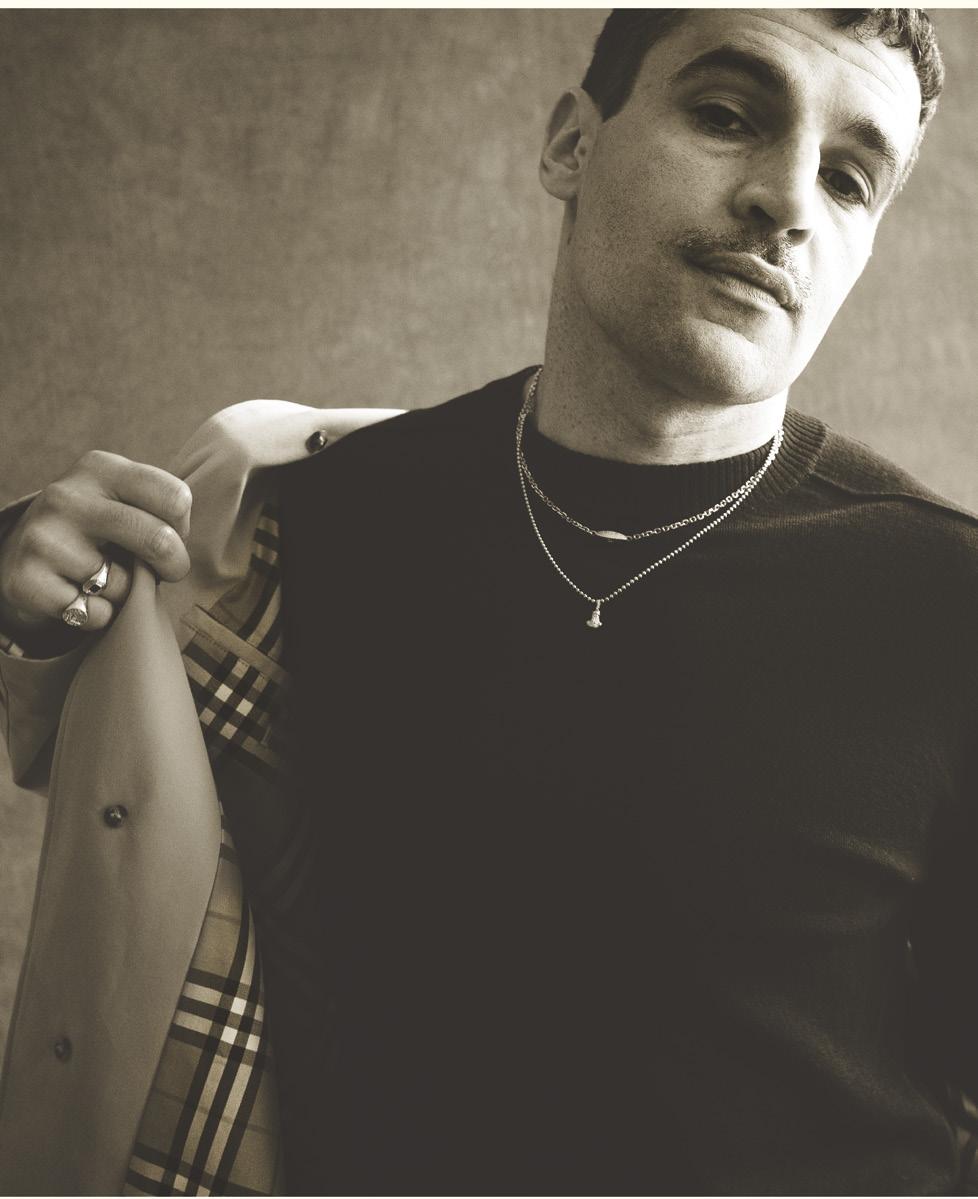
Did you get Girls on an audition like that?
Just a normal audition.
Could you tell from Lena Dunham’s script that it would be a hit?
No. I knew it was good and really specific, but on the page, you're just like, “Oh, this scene's funny.”
Was it weird when it became such a cultural phenomenon?
Was it weird? Maybe. Let me say this: I'm not against watching myself, but I didn't partake in the show the same way the audiences did. I don't even watch TV that much. But I was happy that people grabbed onto it.
Any dream directors you’ve always hoped to work with?
Jonathan Glazer. Paul Thomas Anderson is up there. I don't chase fame, but a goal of mine is to be in a position to go to one of these directors and be like, “Do you want to make a movie?” That I could have the bankability to finance a movie. Enough fame to get a movie greenlit but not so much it overwhelms you.
Before celebrating anything, I just want to have everything be happy and healthy. I don't like to publicize things because it's delicate, you know? Totally fair. But has the additional scrutiny been odd? I’m not impervious to it. Something I read about myself can bother me! But I think I let it go pretty quickly. I'm in the business of being judged, so you gotta take it.
Have you dealt with paparazzi following you?
In little ways, but nothing overwhelming. If someone sends me a photo and I look like shit in it, then I’m sad. But there's nothing I can do about it.
It sounds like you like the idea of just being a working actor.
I don't settle. I'm not trying to play it small. I like big movies! I like Dune . But I just think there are some actors who do it well, who show up in big things, small things. Philip Seymour Hoffman did it great. My buddy Sam Rockwell does it well. But that next big level of fame—I think the person has to want it for it to happen.
Can you feel that this is a big moment for you?
Yes and no. I’m aware of the weight of these projects. But I like to think my life really moves along, day to day.
With Salesman, it did well, and that feels good. I actually don't think I've ever been in a hit hit. People are buying standing room seats! It’s on Broadway! It’s a cool feeling. I'm aware of how momentous that is. I never just take it for granted.
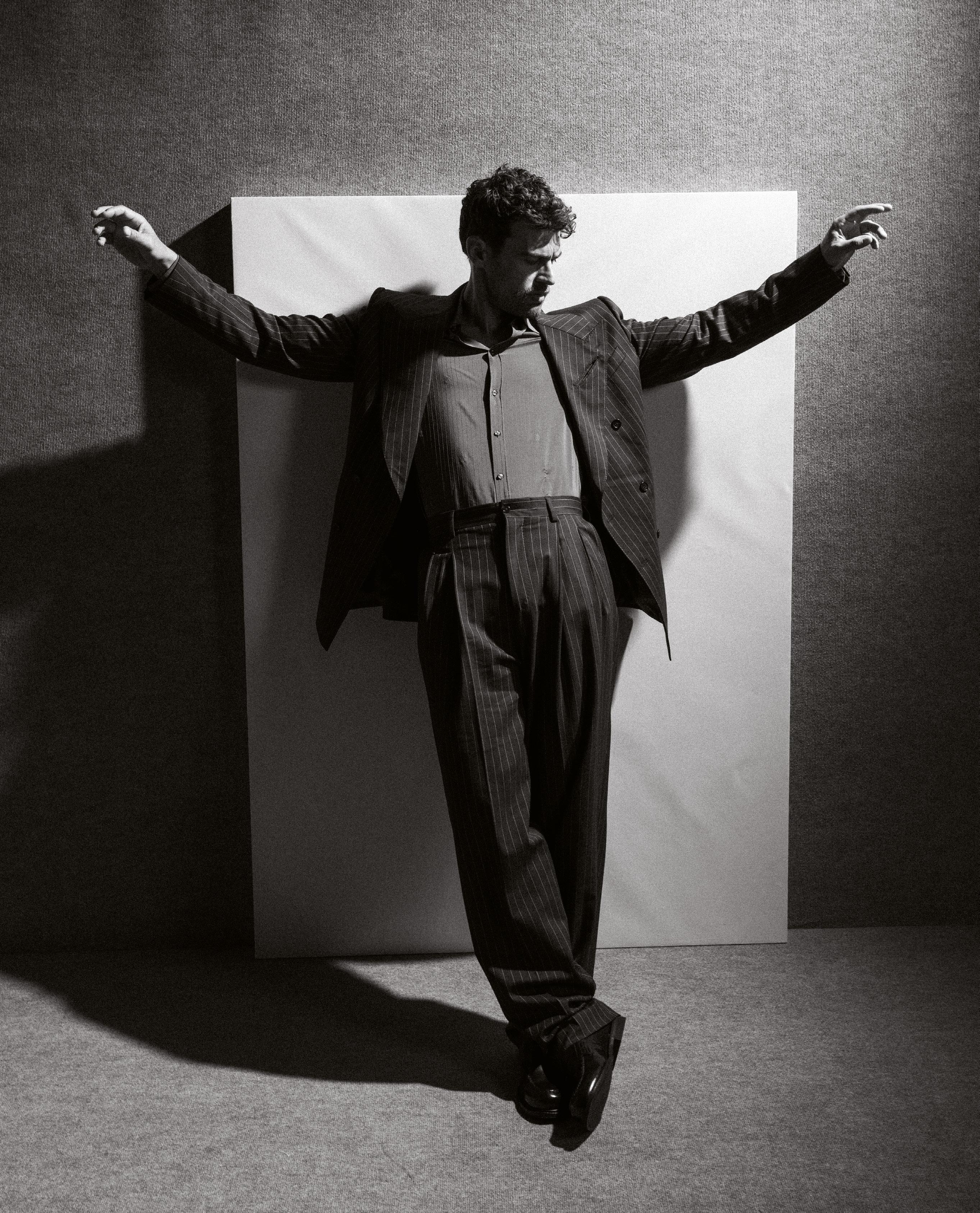
photography christopher anderson
fashion edoardo caniglia
text allyson shiffman
Grooming Nadia Altinbas
Set Design Thomas Bird
Production Amy Gallagher (We Folk)
Digital Technician Marsy Hild Thorsdottir
Lighting Technician Ben Coppola
Lighting Assistant Lewis French
Camera Assistant Henry Cary-Williams
Stylist Assistant Valentina Volpe
Set Design Assistants Mathijs Hunfeld,
Adam James Staples
Production Assistant Charlee Murphy-Frost
Location Alva Coachworks
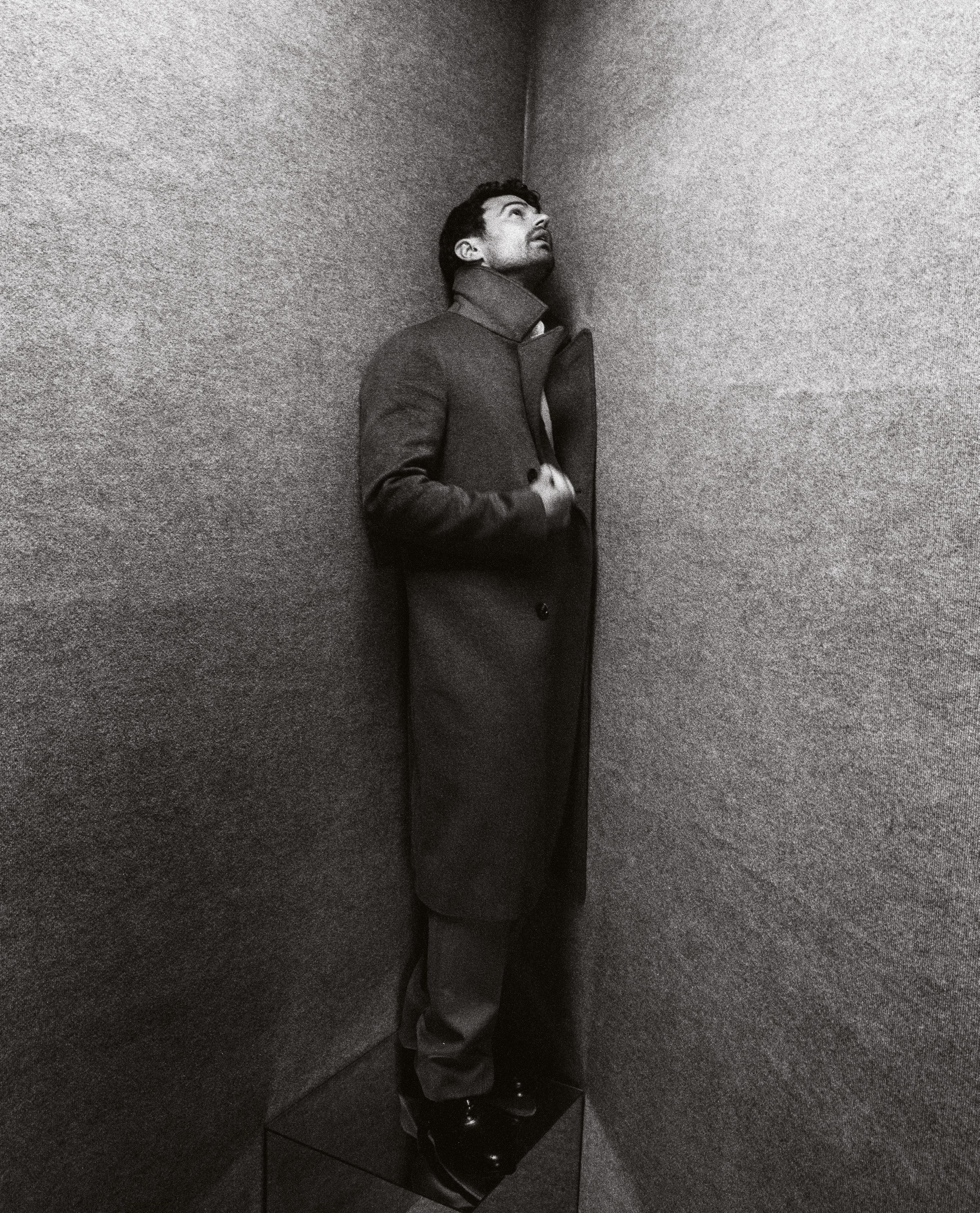
"With age, I’ve accepted who I am. "
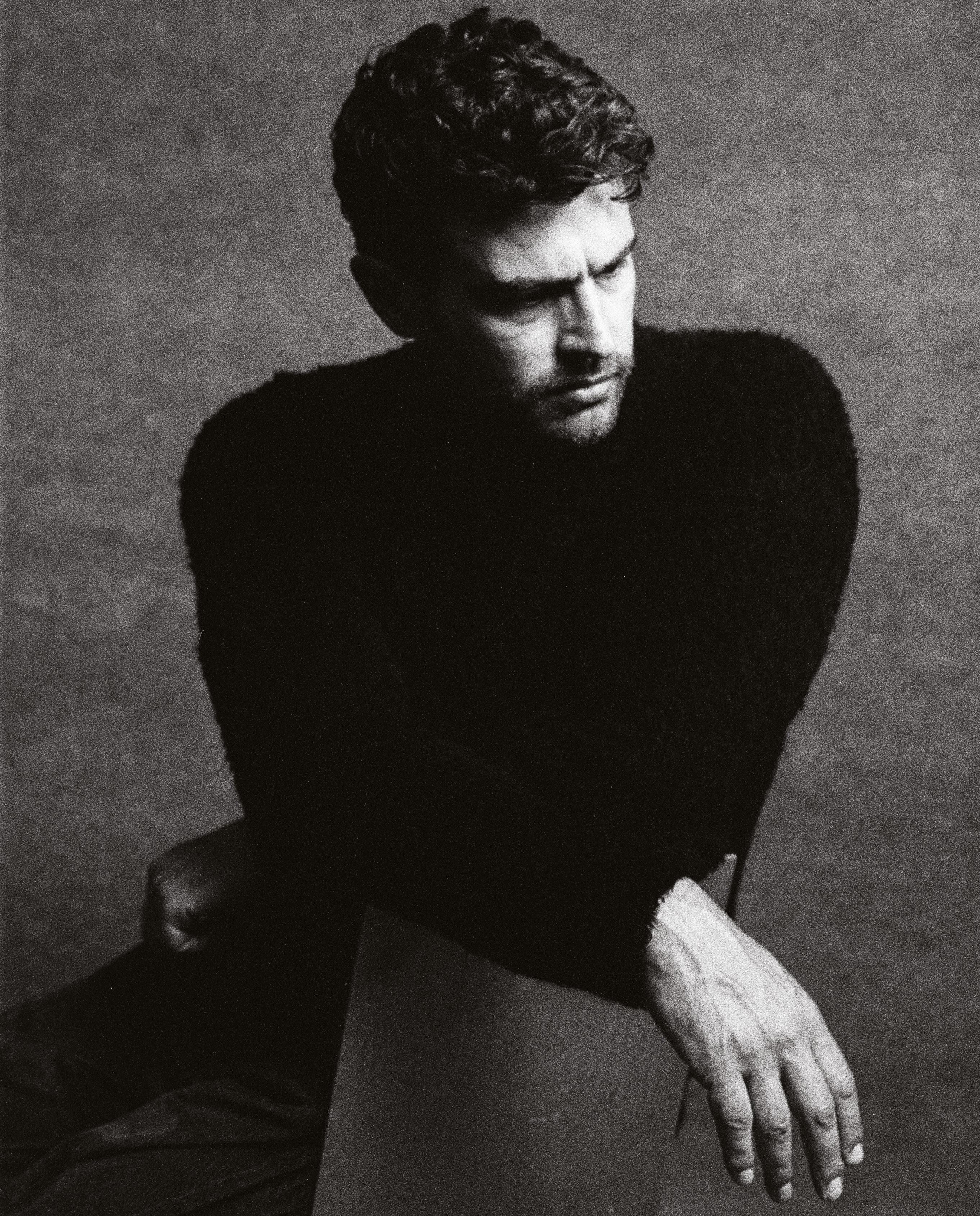
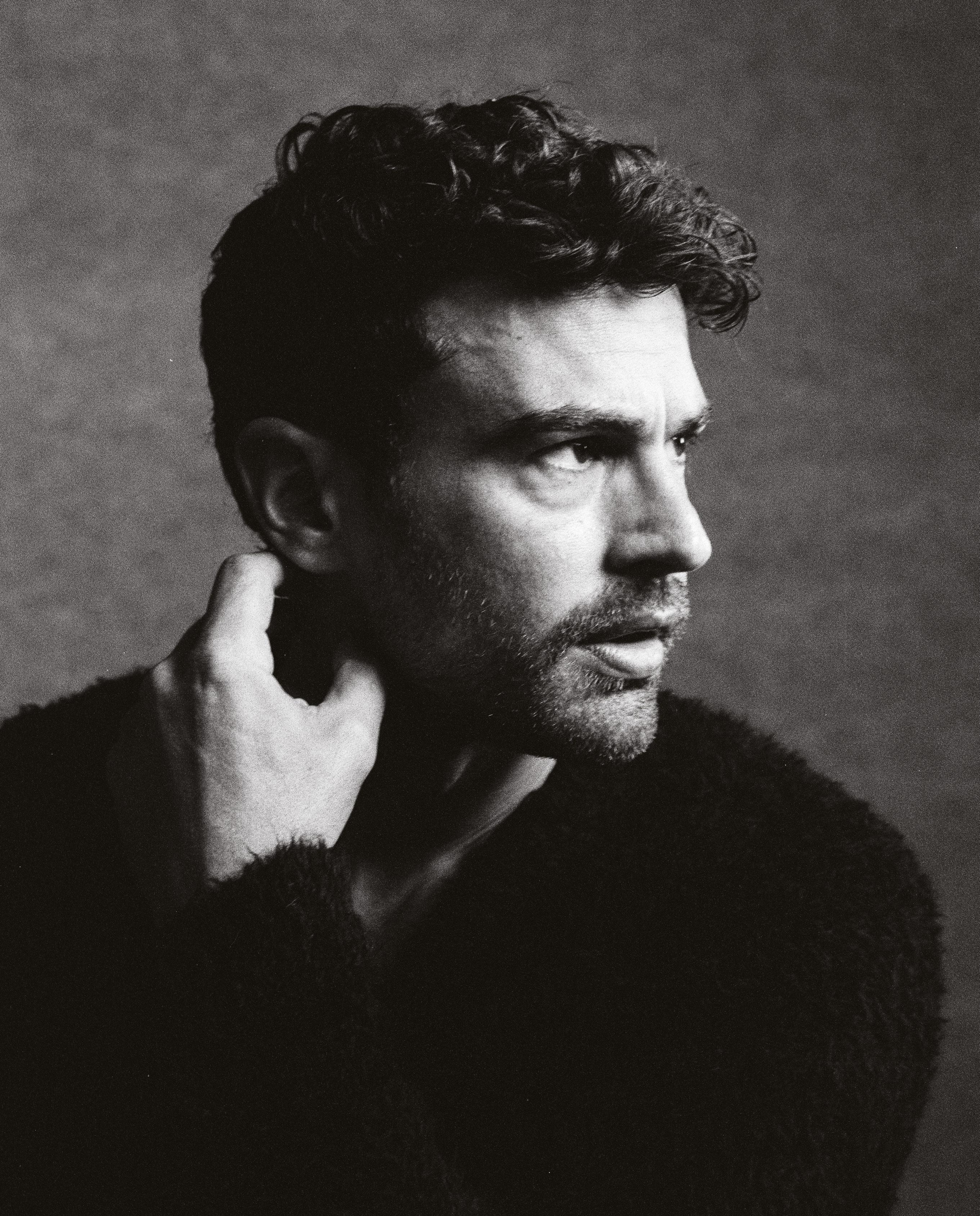
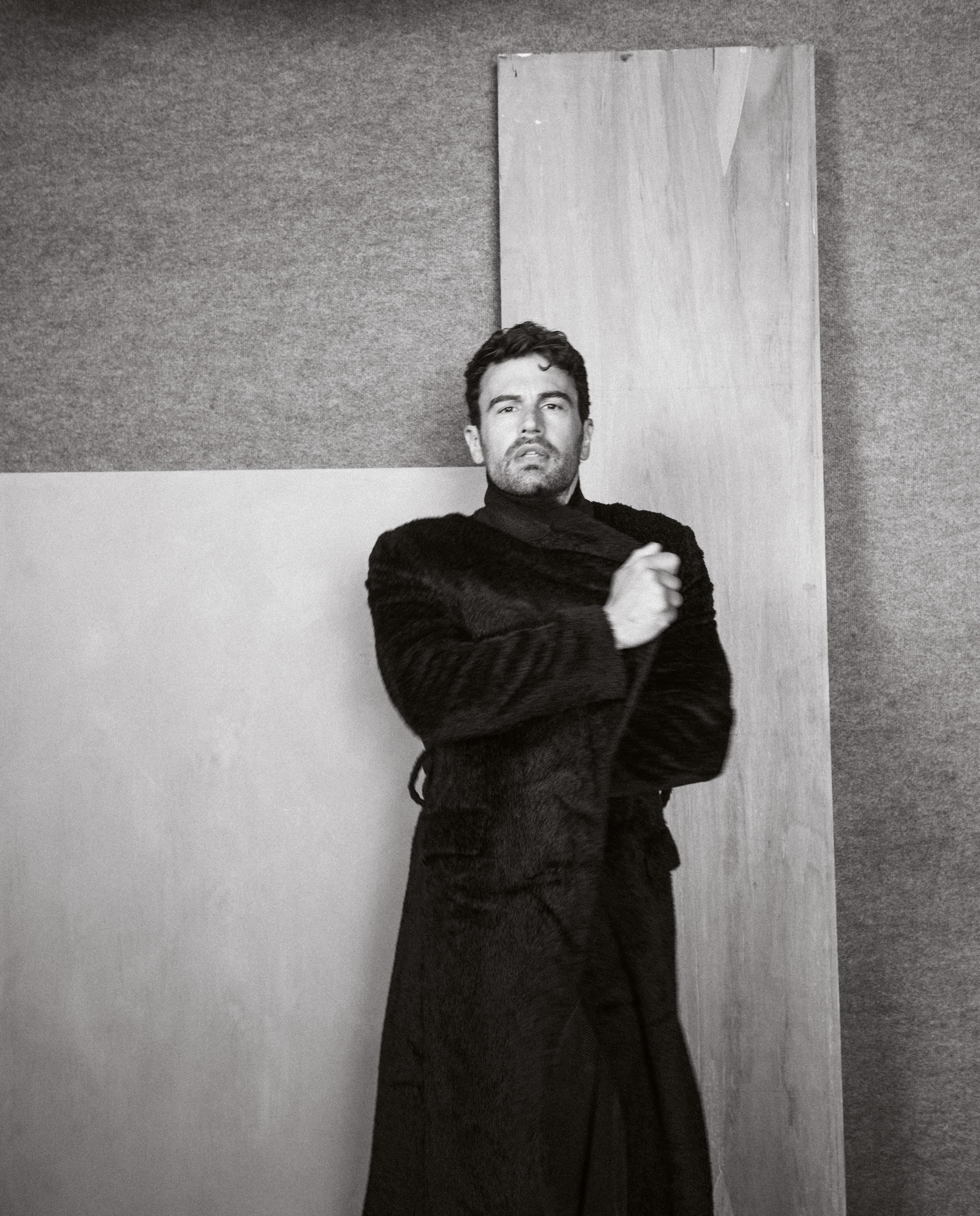
"Maybe people just assume I’m a prick from my face."
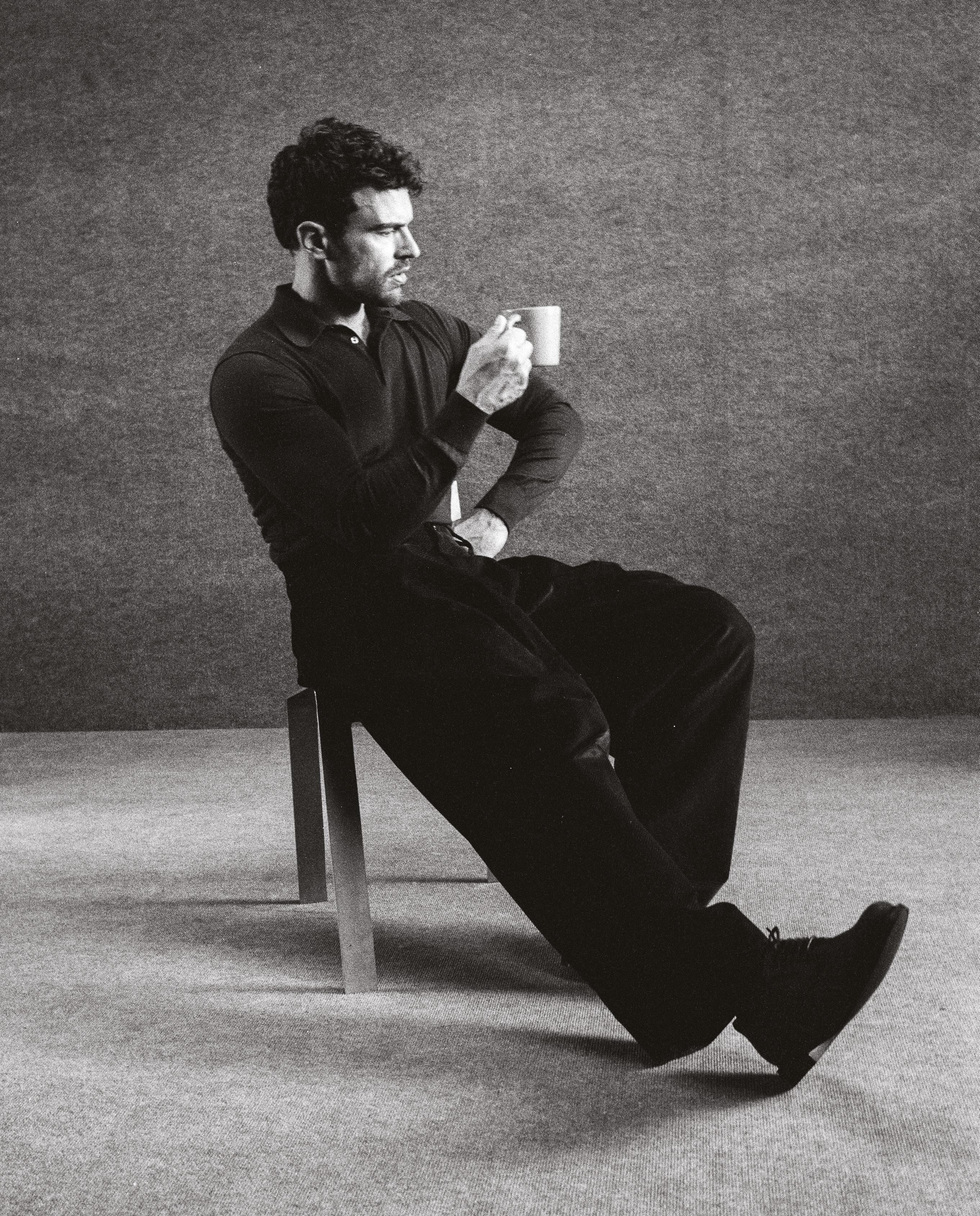
to poke a bit of
at himself, THEO JAMES is a new iteration of leading man, both onscreen and off.
What does it mean to be a gentleman these days? “Fuck knows, really,” says Theo James. Still, if anyone is a modern gentleman, it’s probably him. The 41-year-old British actor has the accent, the charisma, the quick wit, and the successful career—the second wave of which kicked off with a role playing a loveto-hate-him finance bro in the Italy-set second season of The White Lotus. In real life, he’s an entrepreneur with his hand in two well-regarded London restaurants–Lupa in Highbury and Ornella in London Fields (both Italian)–and a handson family man with two kids, one of whom interrupted this
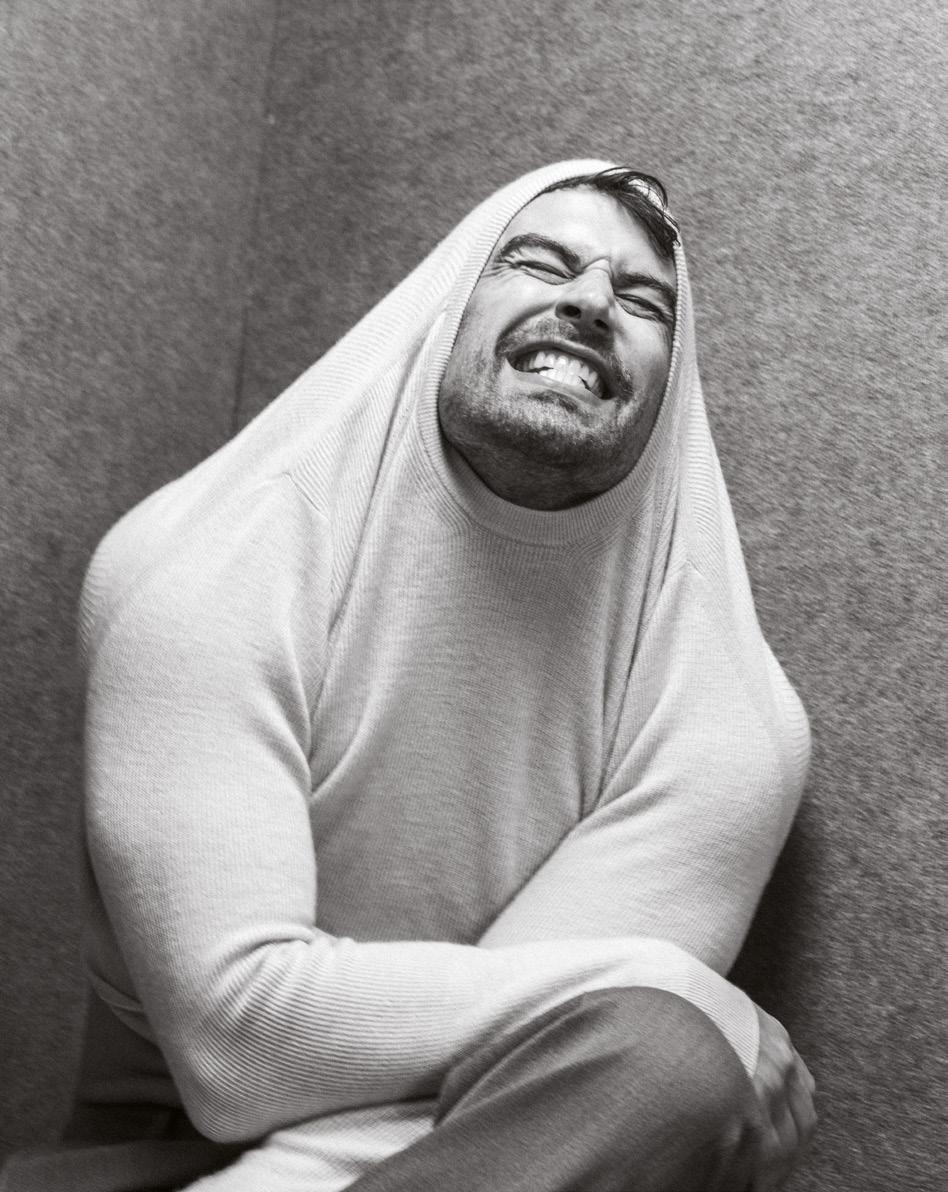
interview to ask Dad if he would escort her to buy a fan to beat the summer heat.
The whole thing might be a bit maddening if he weren’t so refreshingly selfaware. James represents a new breed of leading man, one who alternately utilizes and subverts his positive outcome in the genetic lottery (a product of his Greek-Scottish heritage) to yield delicious moments of on-screen charm, humor, knowing douchery, and everything in between. No wonder his name is often floated in James Bond conversations (Theo James Bond, as it were).
James may claim to not know what a gentleman is by today’s standards, but he does play one on TV. In Guy Ritchie’s Netflix series The Gentlemen, the actor dazzles as Eddie Horniman, a cheeky duke who inherits an estate and a massive marijuana operation along with it. Ahead of the release of the second season, we call up James at home so he can indulge us in a bit of his signature self-reflection. ICON: You’re back in Italy in Season Two of The Gentlemen. Is going to Italy in your contract at this point?
Theo James: Exactly. It was kind of nice to be there again, but it was actually a heatwave when we went–it was boiling hot. There’s a wedding scene in a beautiful church with a big choir and everything. It’s 150 people dying of heatstroke, essentially.
The English crew came and it got a little hairy, I have to say. Too many Negronis with 200 Brits.
The plot of the show is dependent on marijuana being illegal. Have you thought about how it might become a time capsule if weed is eventually legalized in England? It probably will be, right? I was just filming in Toronto and we live partly in California and in both places it’s completely legal. You need to acknowledge that, because for a global audience, especially Canadians and Americans, it’s like, “What’s the fucking big deal? I can just go down to one of many dispensaries and get some weed.” But coke is dirty and crack is for nut jobs–that’s always what Guy [Ritchie] would say.
With your recent roles, rather than undergo a physical transformation, you seem to be exploring what characters might look like you. Is that a conscious choice?
That’s just the way the cookie crumbles, really. Maybe it’s because I’m lazy [laughs]. But perhaps as a younger man, you’re trying to escape who you are. I certainly was in various ways. But with age, I’ve accepted who I am.
I hear you have your hand in two restaurants in London. How did that come about?
I love food, although I’m a bad cook. And I love wine. Growing up, my grandfather was very into wine and Greek food, and my dad is a huge lover of wine in all its derivations, so it’s something I’ve wanted to do. I explored it many years ago when, frankly, I couldn’t afford it. What I didn’t want to do was just put money into it and say that I own restaurants. They are part of my everyday life. I was in one of them yesterday replacing a toilet seat. There’s art in Lupa that used to be above my wife's and my bed because we couldn’t afford art [for the restaurant] at the time. It’s super personal.
What can you cook?
Butter toast.
across a Google prompt that asked: “Is Theo James a good guy?” I have to imagine that’s related to your character in The White Lotus.
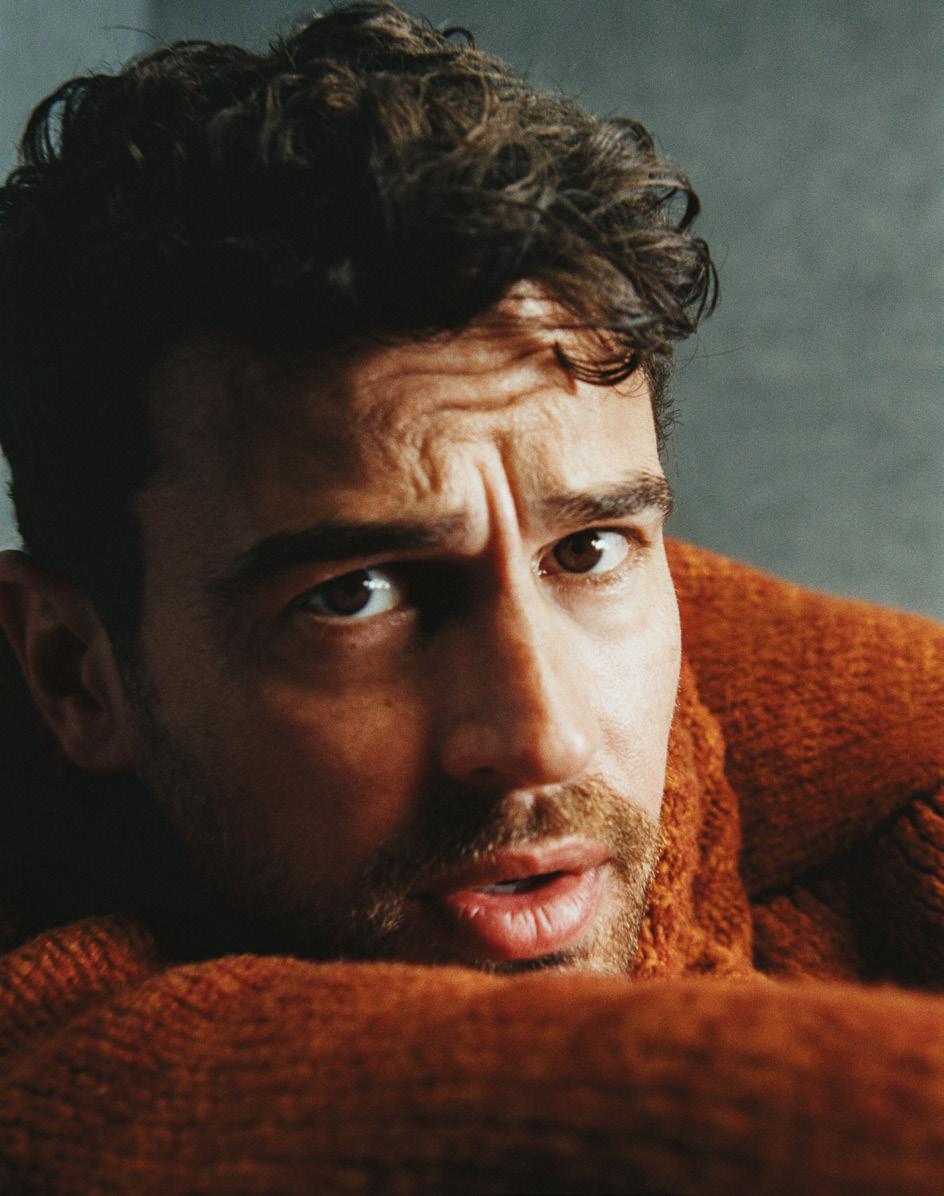
Maybe people just assume I’m a prick from my face. But yes, White Lotus, he was such a mega-douche, people probably thought, “He must be like that. He’s such a bro cunt.” Which I hope I’m not. For lots of actors, social media is a tool to show their “real personalities.”
Since you’re off social media, do you put more emphasis on interviews as a vehicle to show that you’re indeed a good guy?
No, because otherwise that’d be so calculated it would probably make me a sociopath. It’s more that I think I was nervous when I was first getting into the industry. I was so guarded. I thought if I revealed certain things it would be an invasion of privacy, so I found interviews really hard. For journalists, it’s their job to find something interesting or different and I was just putting up barriers at every point and that makes it a shit interview and a painful process for both people.
I know you’re a bit of a philosophical guy, so you probably spend some time thinking about your own persona and challenging your ego and such…
When I was preparing to chat with you today, I came
One hundred percent–I end up doing it in interviews. Other than in therapy, that’s the time where you’re forced to reflect on yourself outside of yourself, which is a tricky thing to do–especially as a British person. We’re always apologizing for ourselves.
As the youngest in a big family, do your four siblings keep you in check?
Yes, they’re taking the piss out of me, and so are my mates. It sounds like bullshit, but it’s true–your old school friends and your university friends, they don’t care about this dog shit. They know the dork from sixth form or the dweeb who passed out in first year on a pizza.
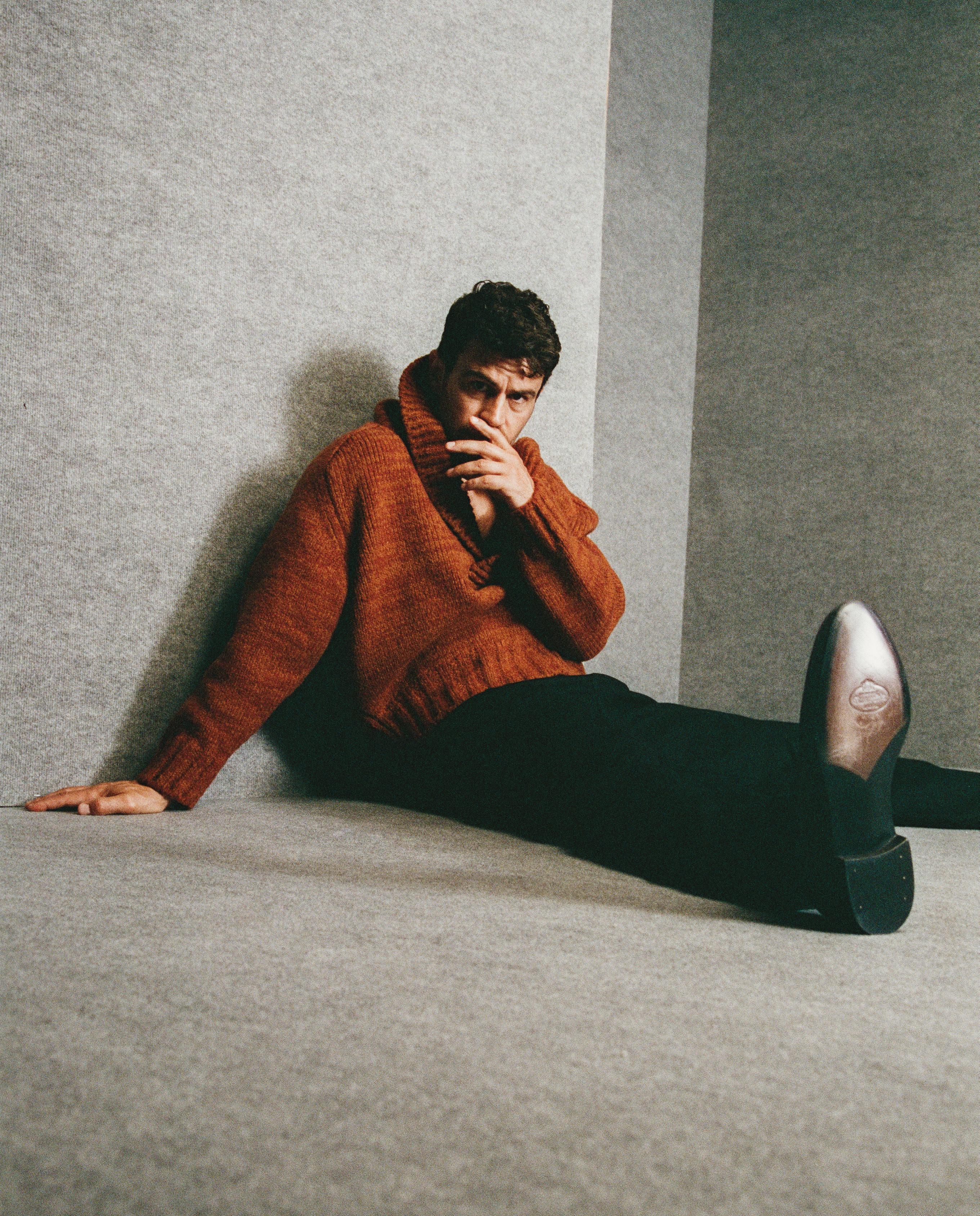
"Other than in therapy, interviews force you to reflect on yourself outside of yourself, which is a tricky thing to do–especially as a British person."
From towering alpine summits to groundbreaking longevity research, Jakob and Matthias Weger are proving that the greatest expedition may be discovering just how much the human body is capable of.

photography johan sandberg
fashion robert rabensteiner
text kev ponce
Groomer Carlo Ruggiu (Interlude Project)
Talent Jakob Weger, Matthias Weger
Digital Technician Jon Aich
Photo Assistant Isak Reinklou
Stylist Assistant Ruben Blattne r
Location Waldhaus Sils-Maria
Retouching Linjepunkt Stockholm
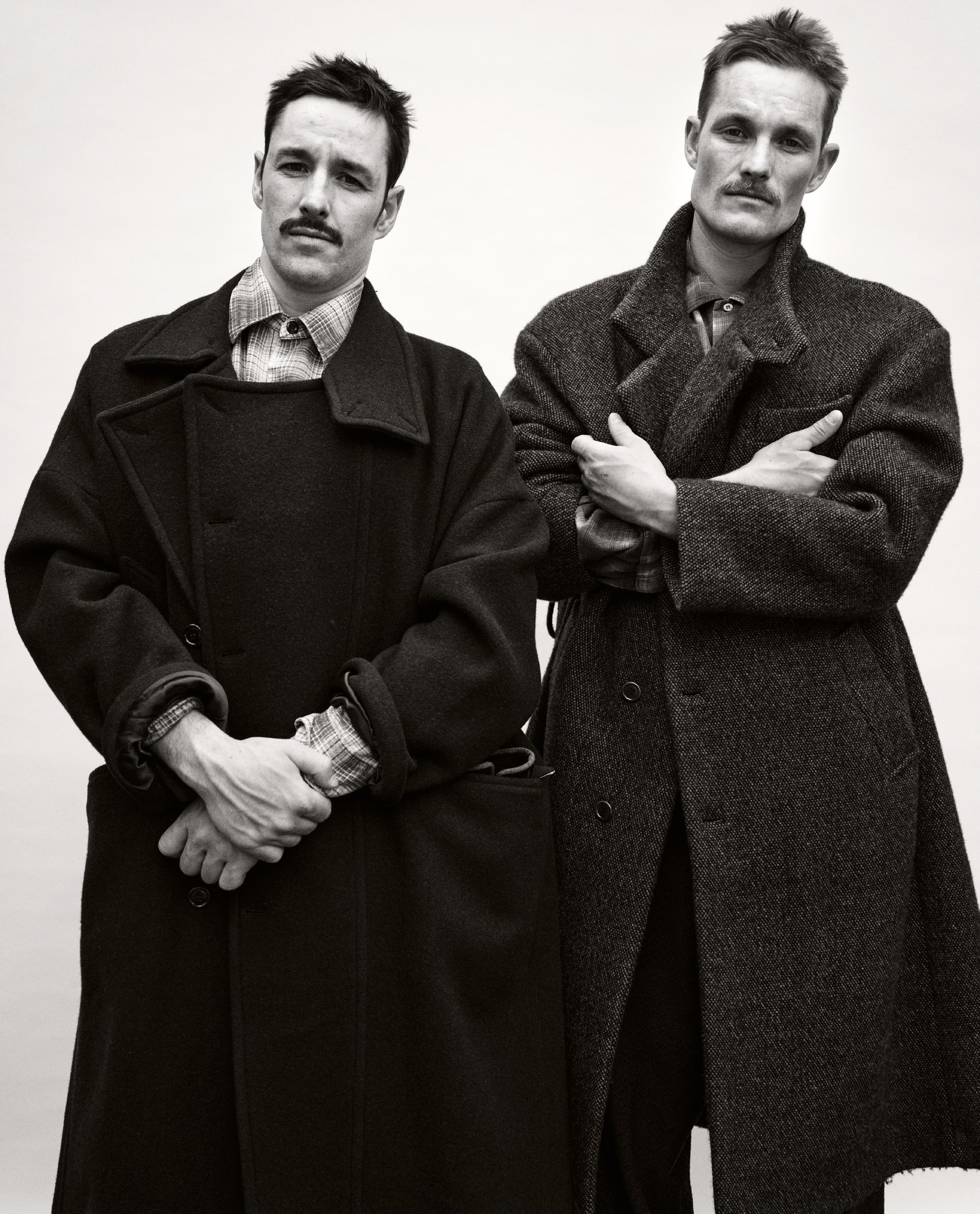

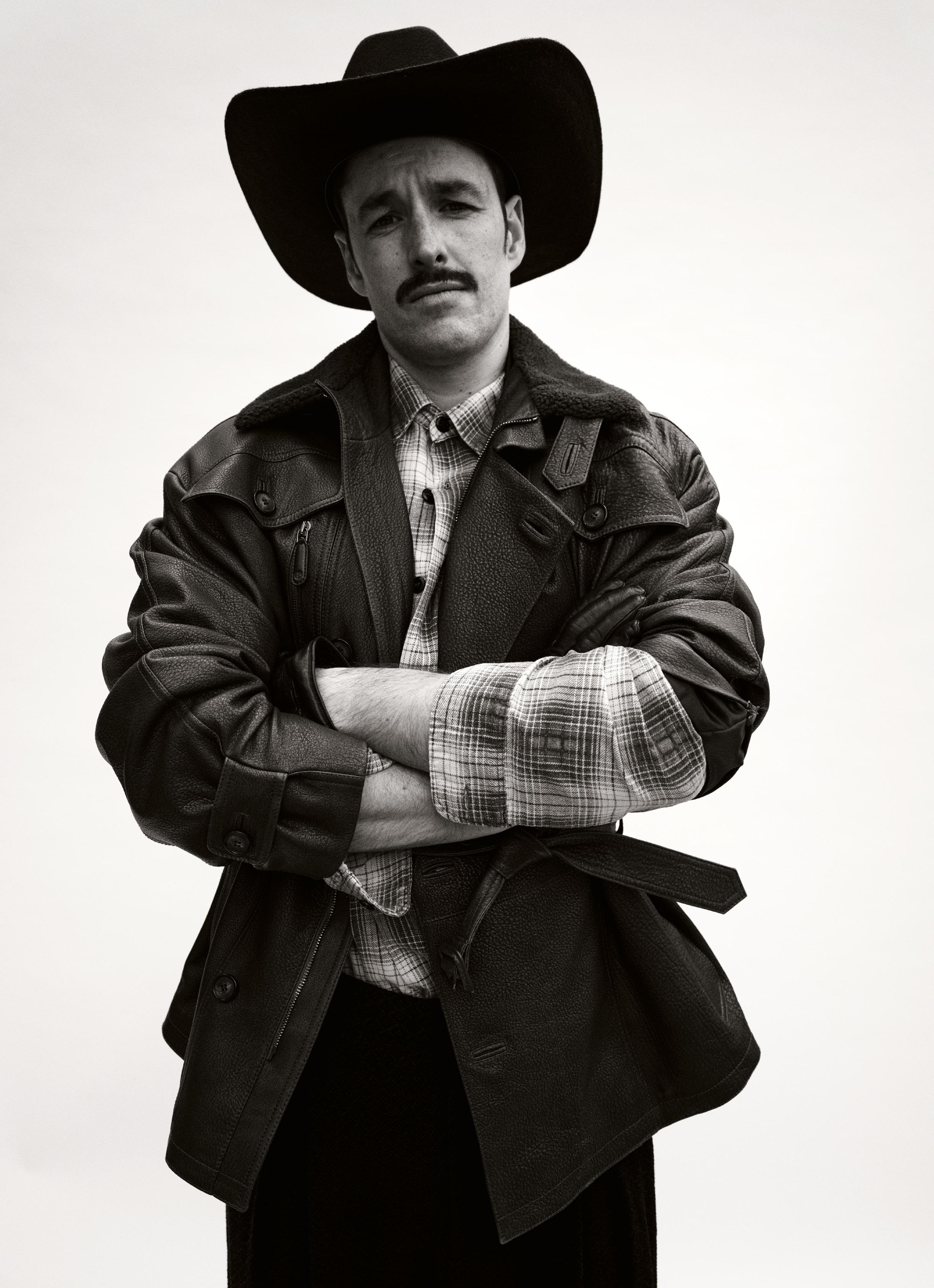

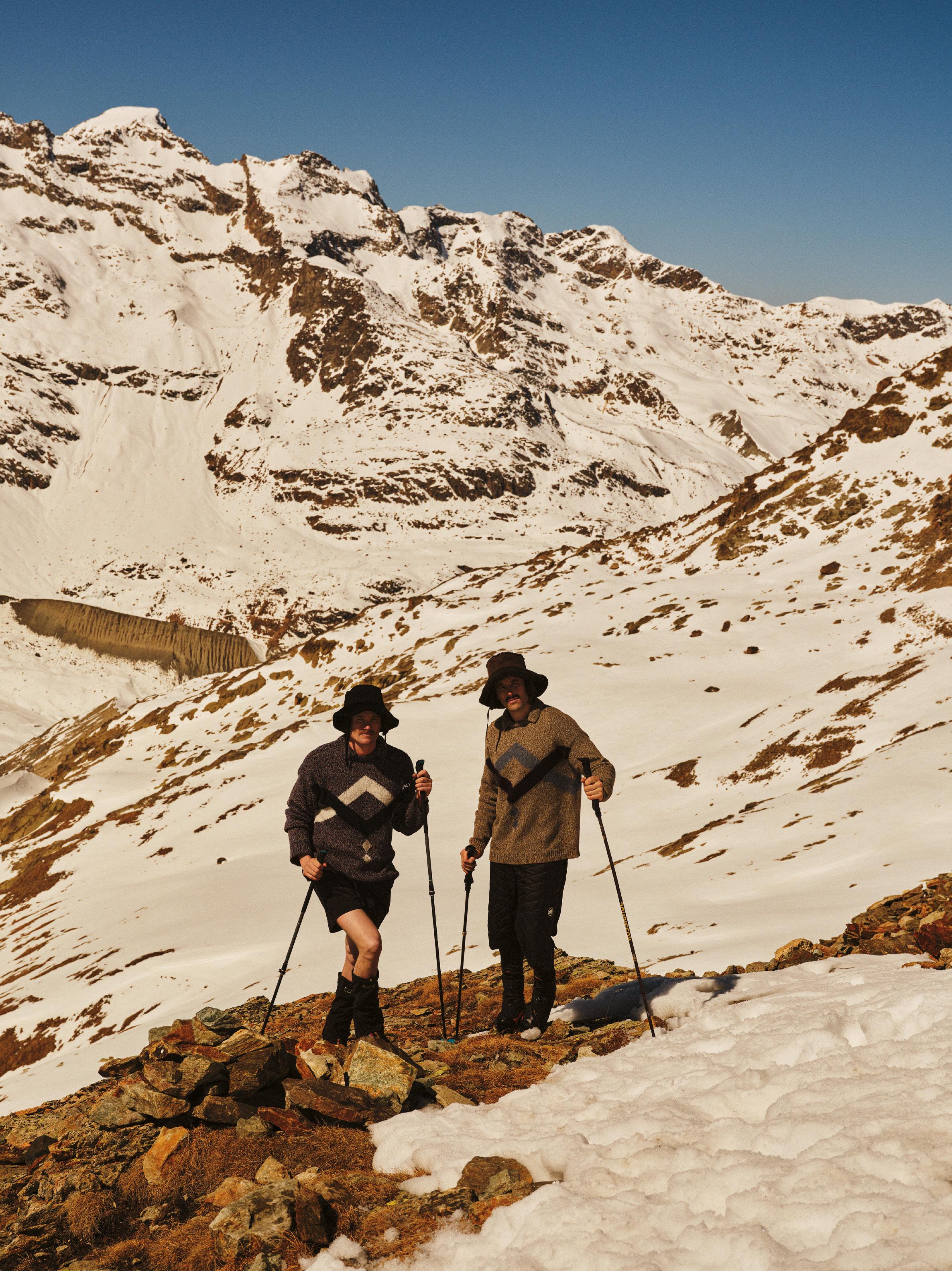

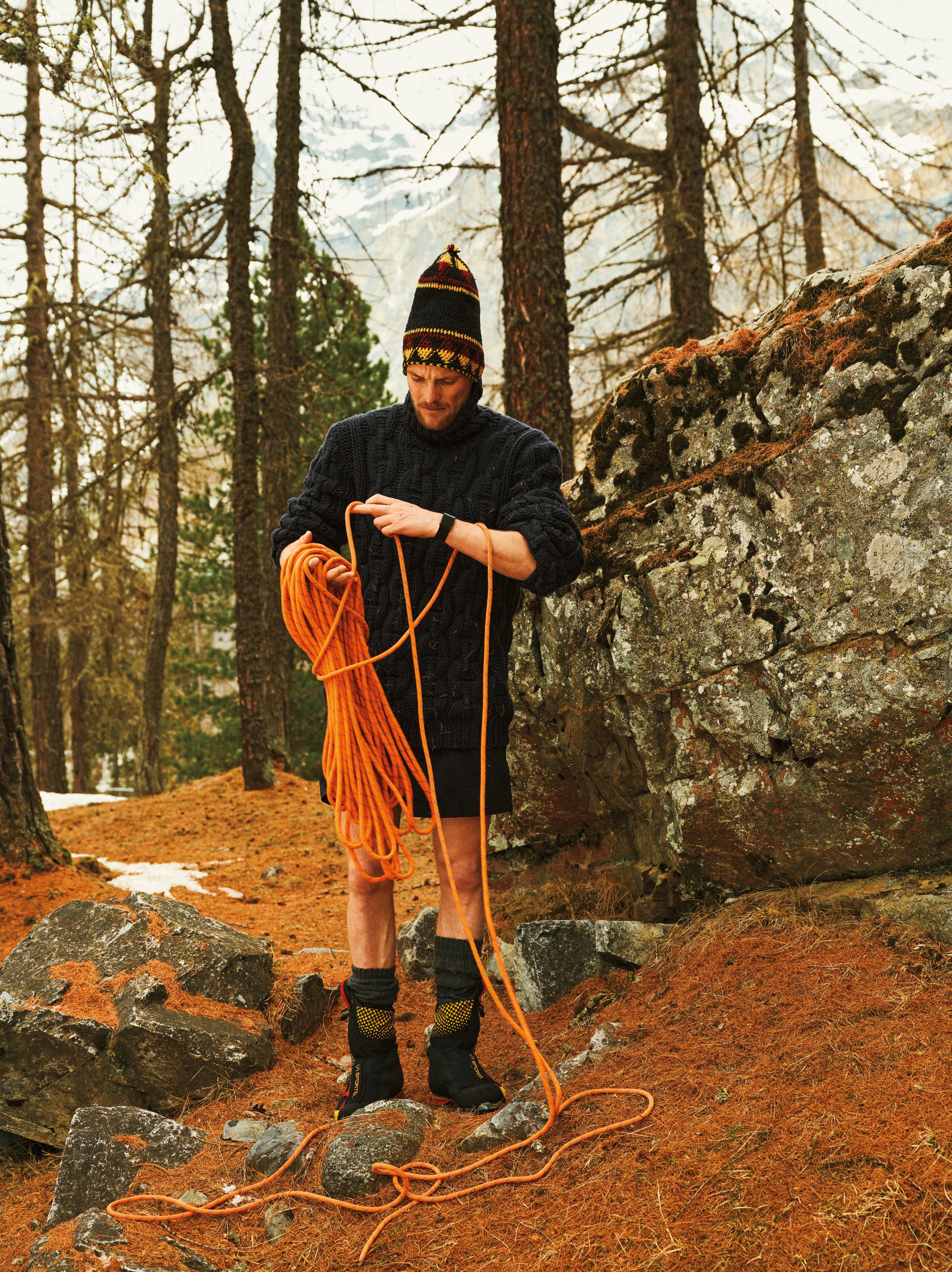

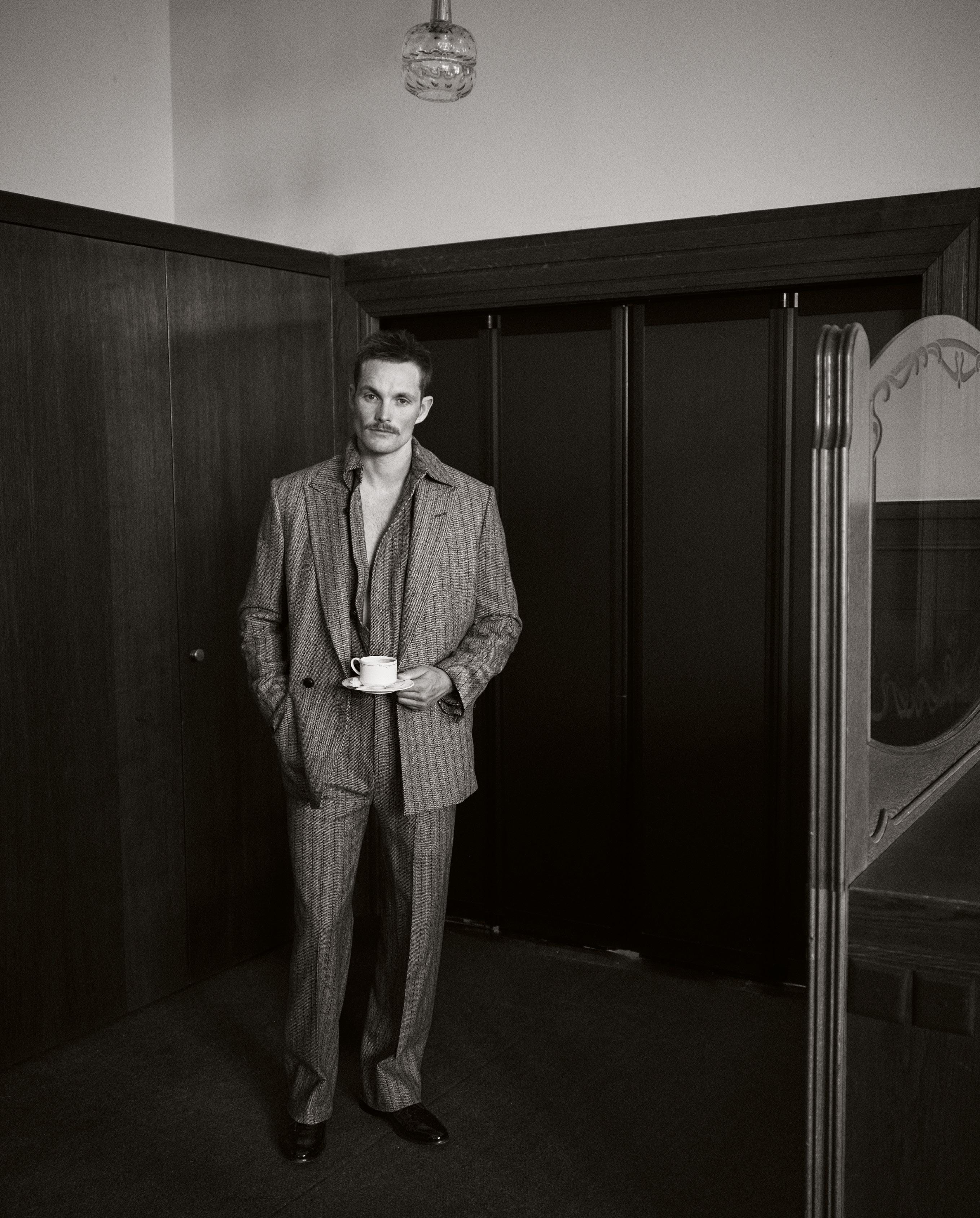
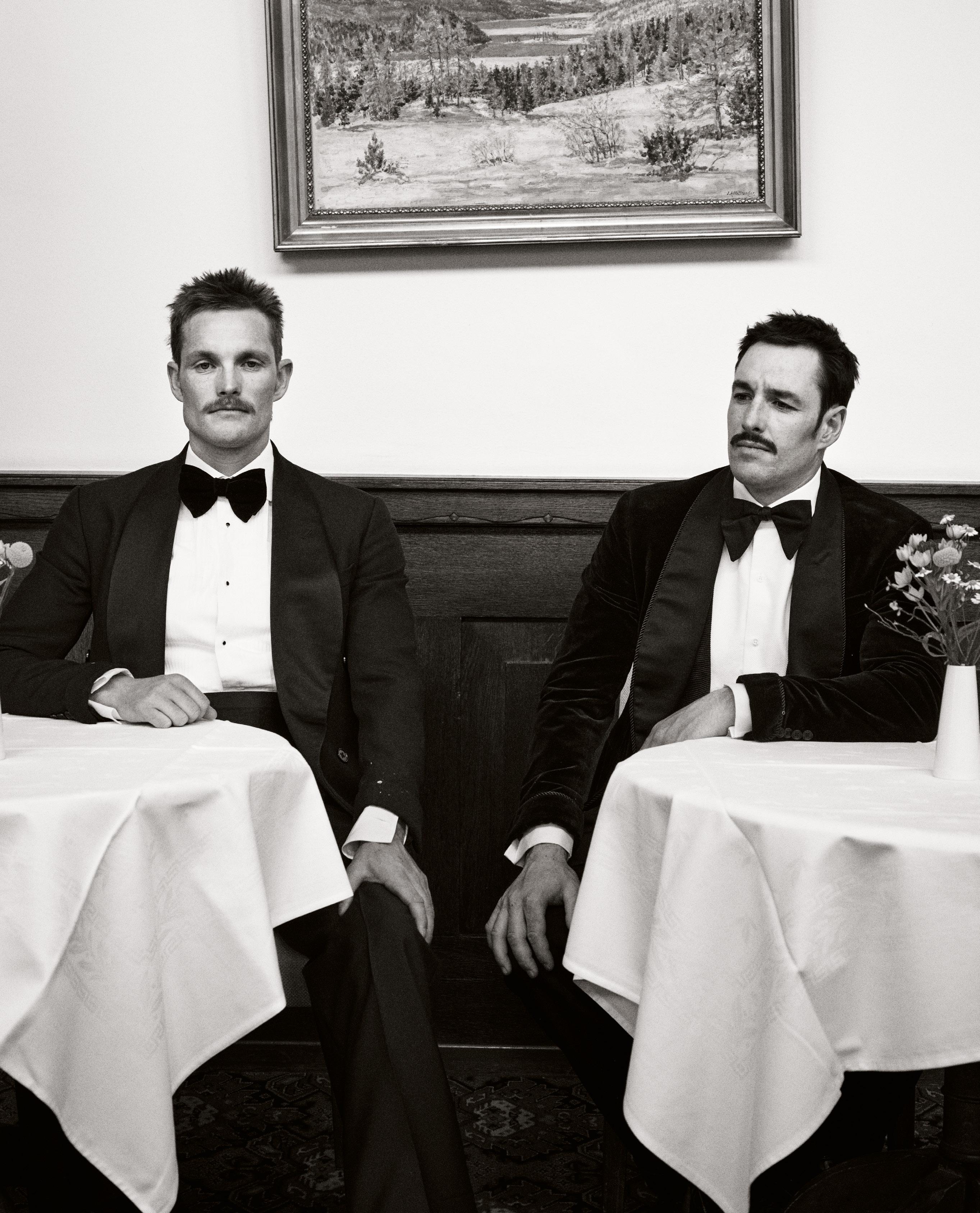

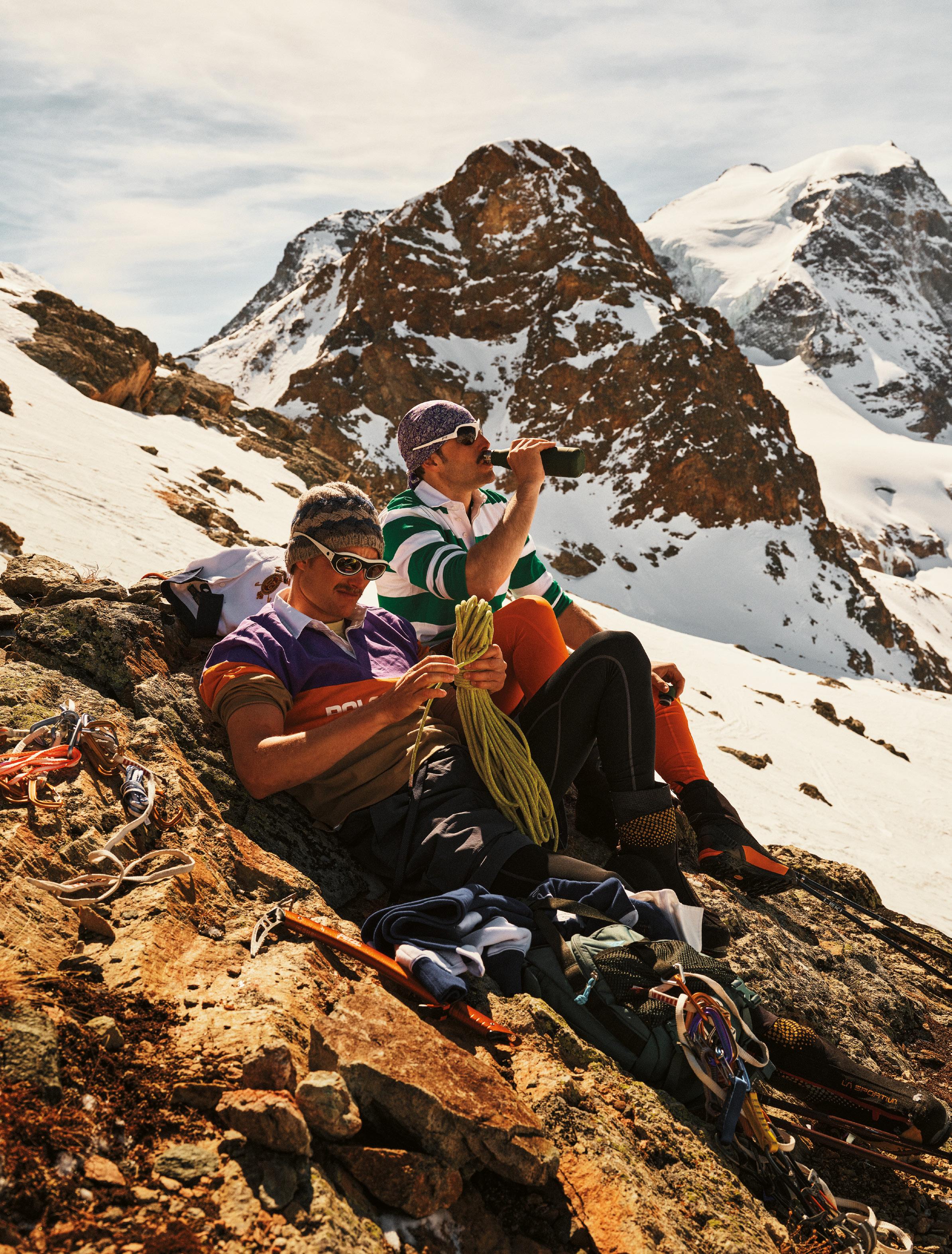
_fall/winter

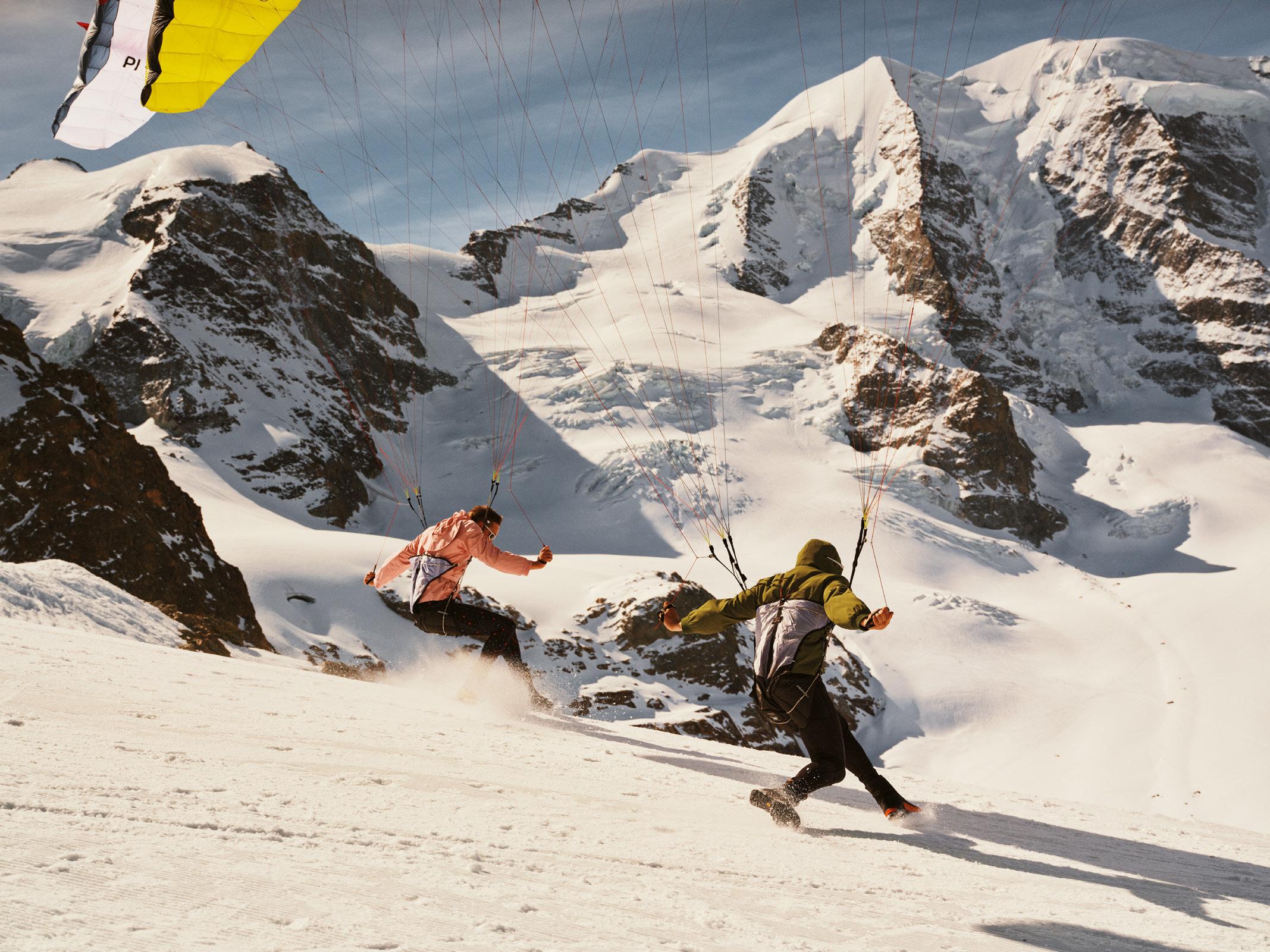
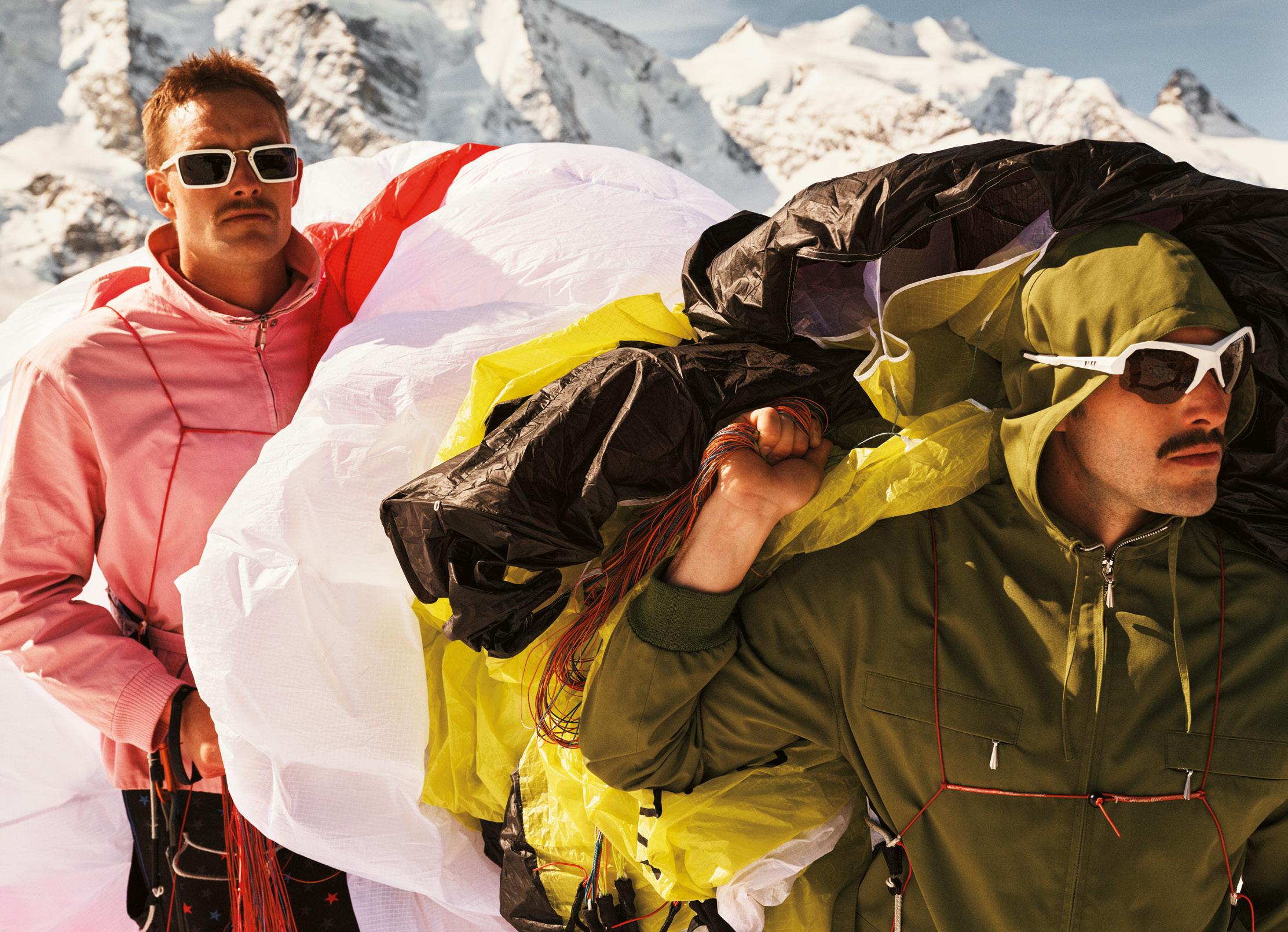
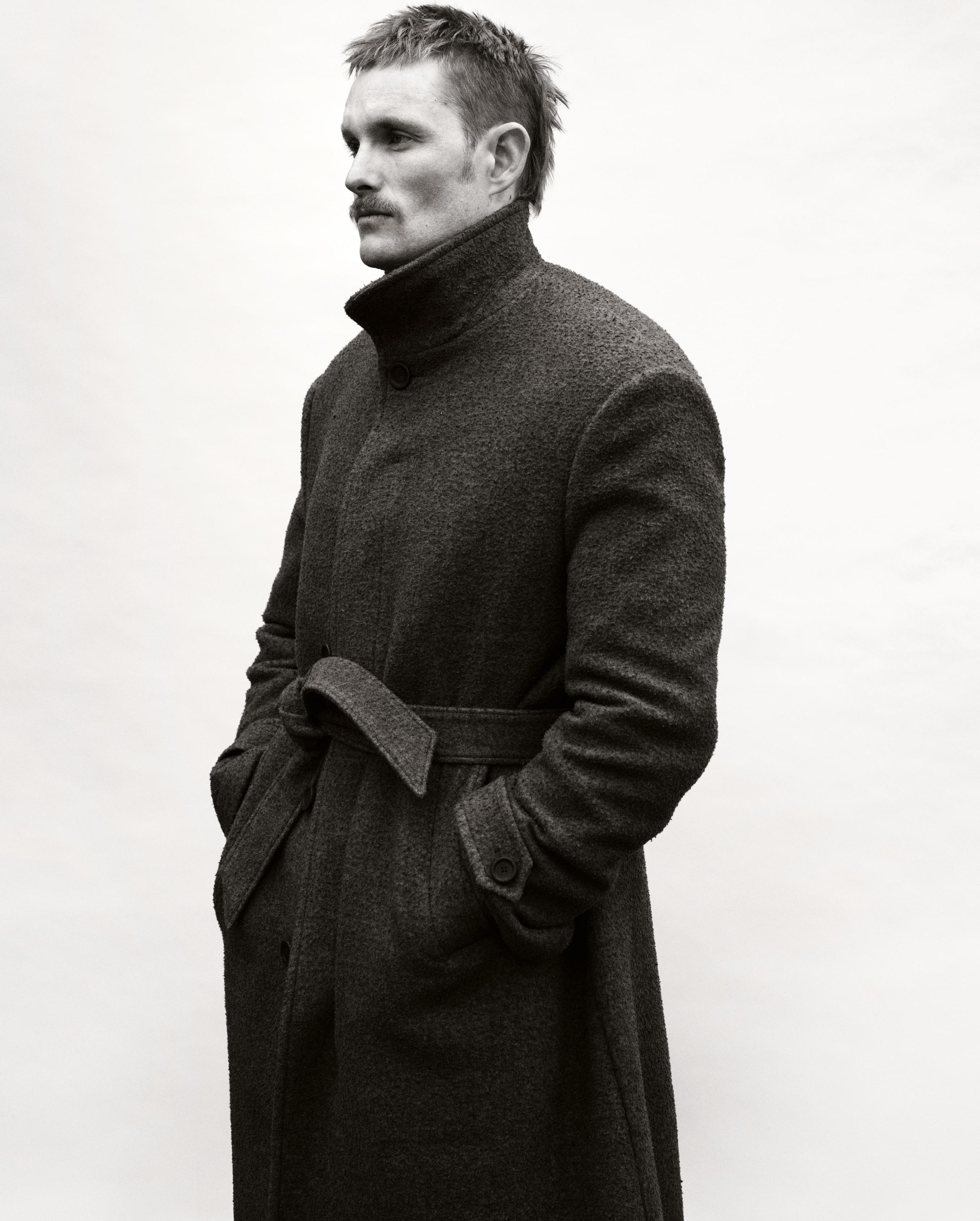

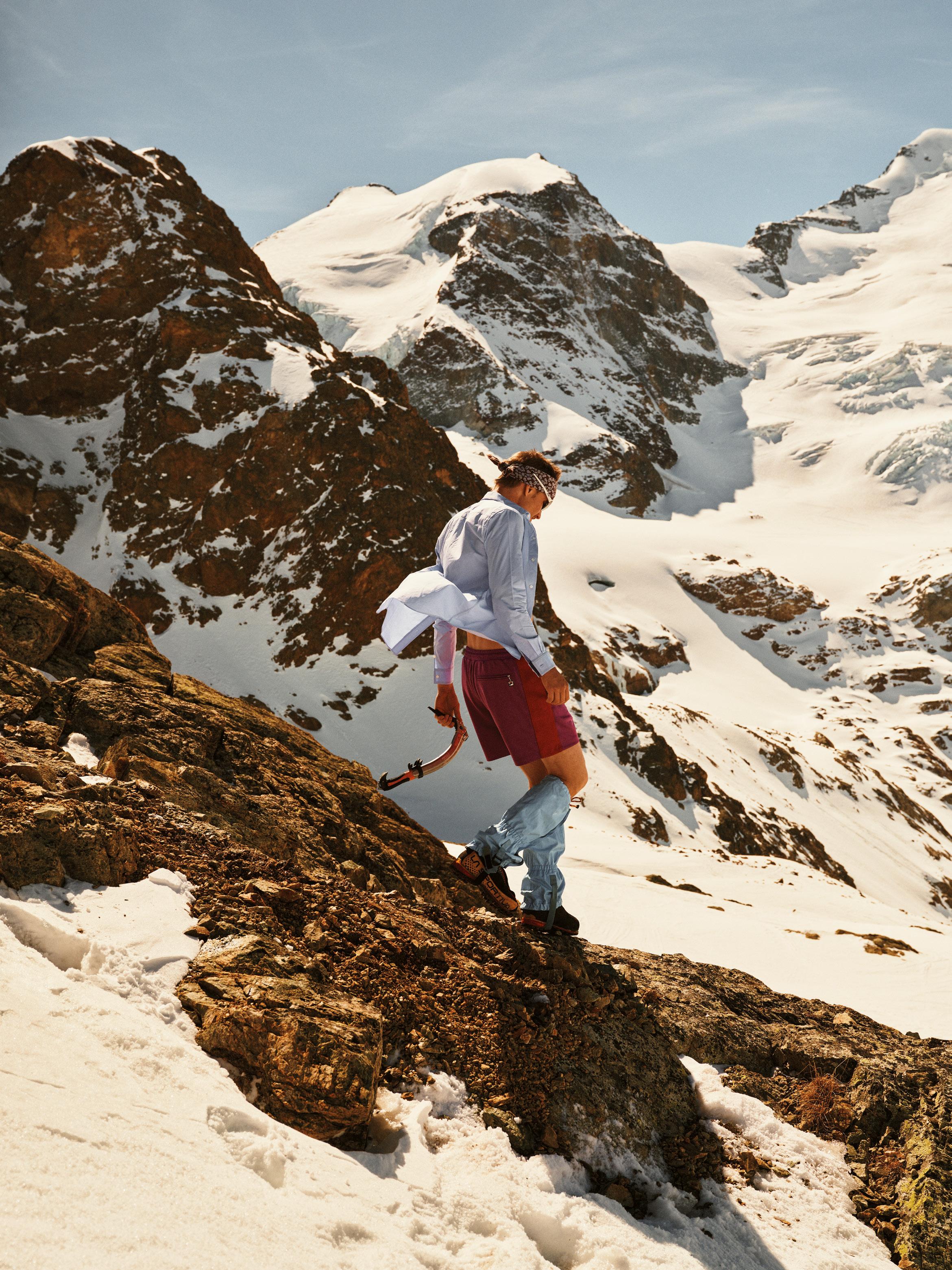
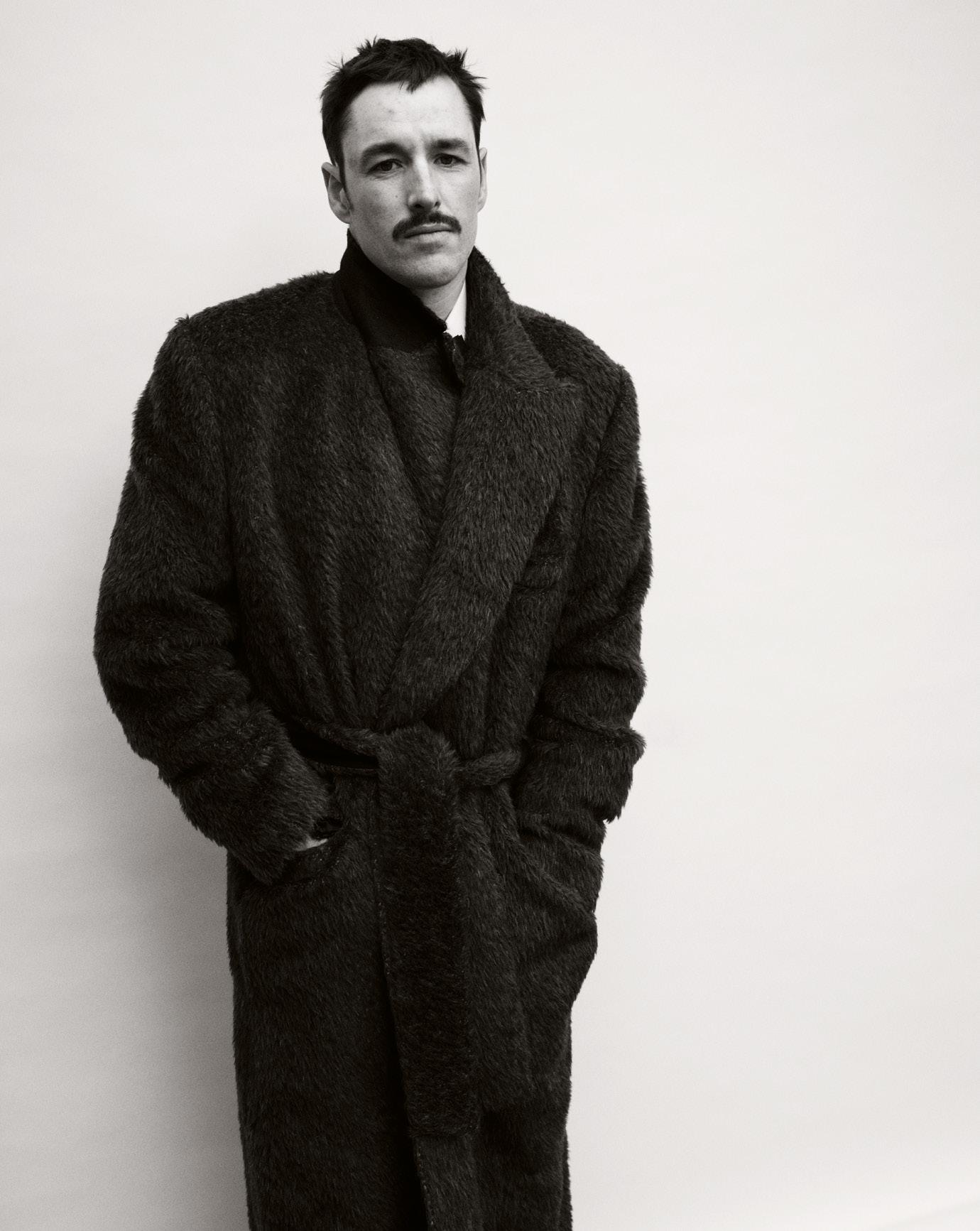
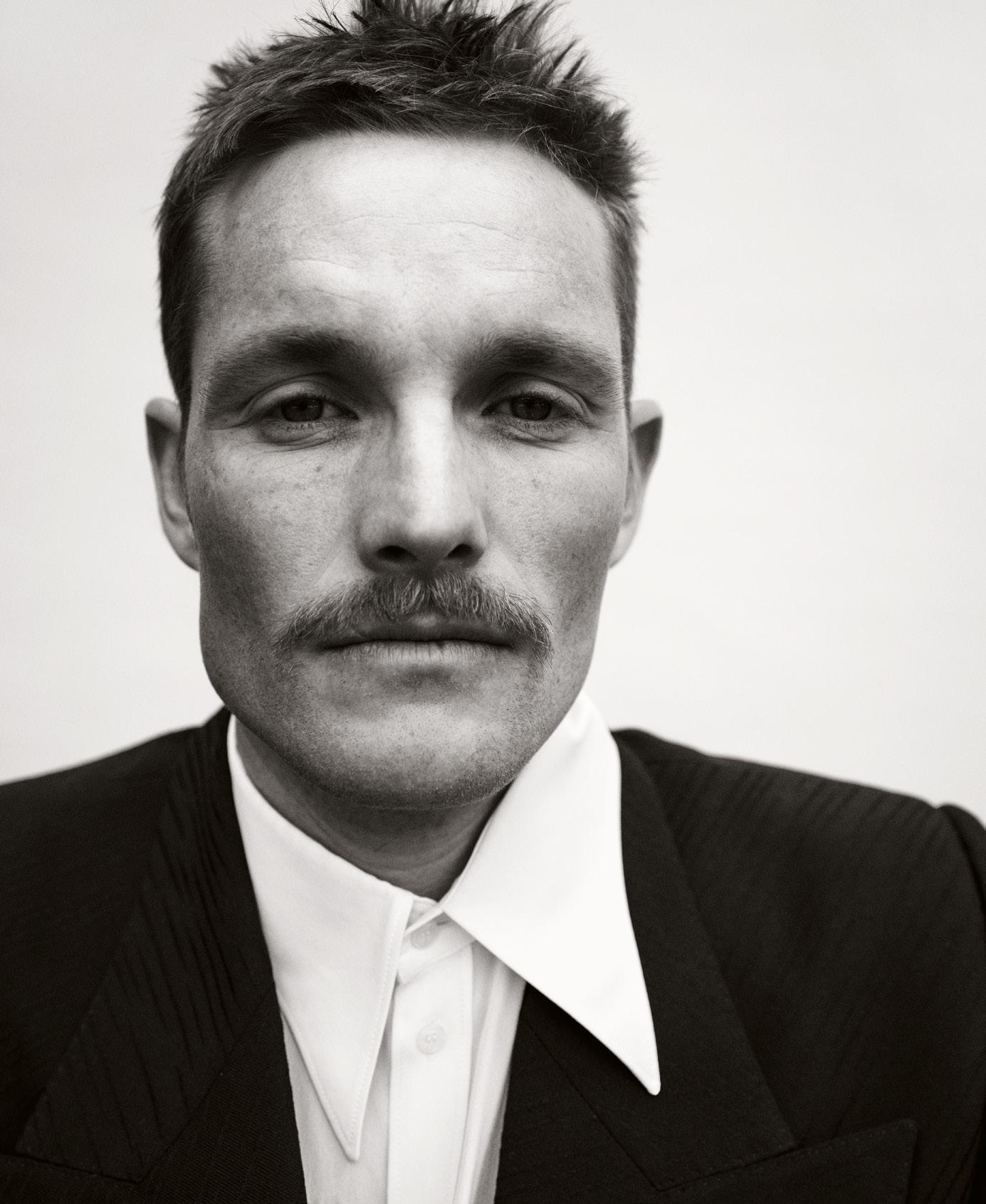

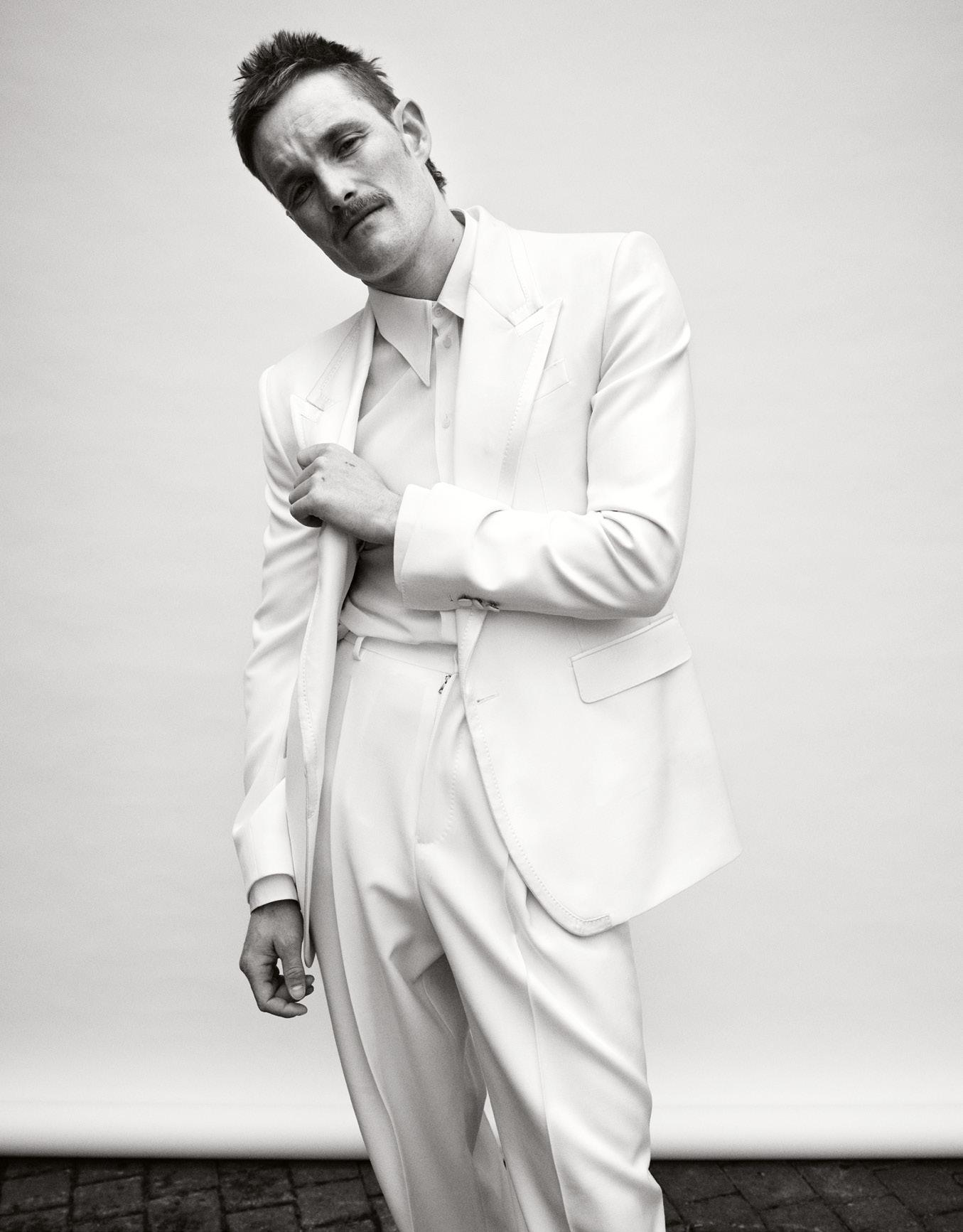
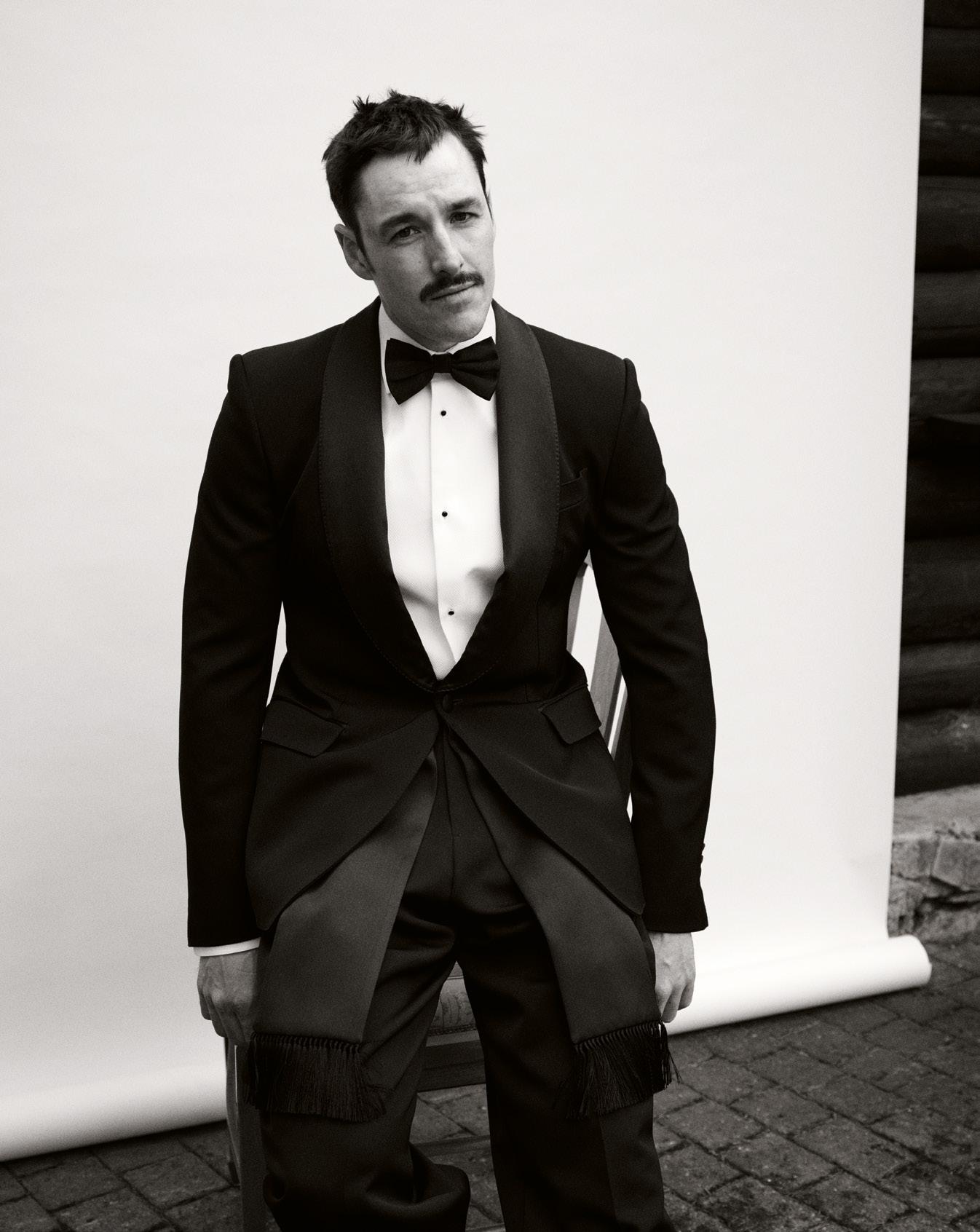
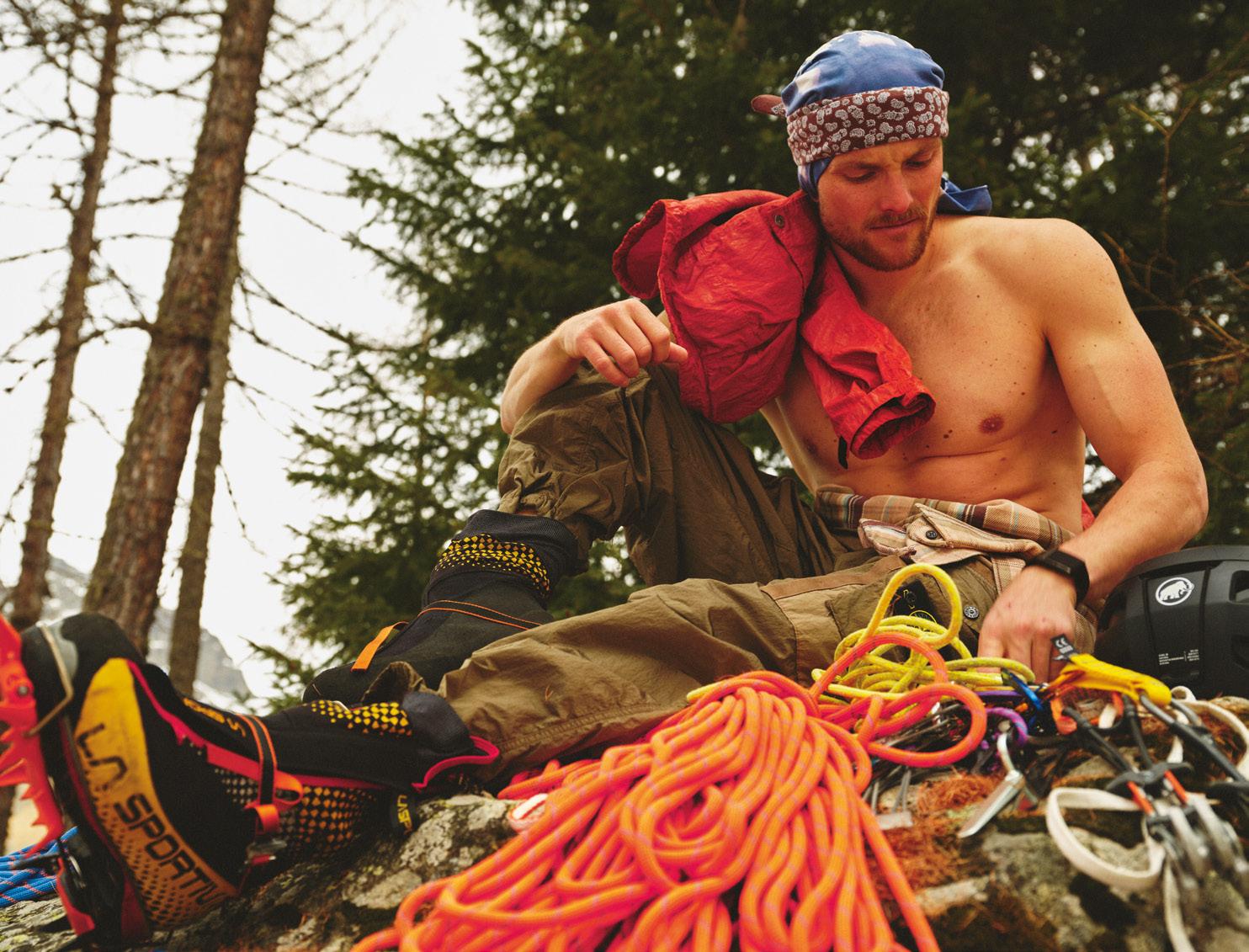
Some people train for years to summit a mountain. Jakob and Matthias Weger wake up and call it a Tuesday. While others train for marathons that race over the Verrazano Bridge, build impossible strength on Venice's iconic Muscle Beach, or hone the precision of Wimbledon champions, the brothers have made a career out of turning the impossible into routine. Refusing to recognize limits, the Wegers embody the very definition of multi-hyphenates: skiers, snowboarders, kayakers, bikers, climbers, and paragliders, while simultaneously producing their own podcast and documenting gravity-defying expeditions for more than 78,000 subscribers on their YouTube channel. Fear, it seems, never made it into their vocabulary—in a mindset forged long before the cameras started rolling.
”What was a bit special about our family was that our father was very passionate about kayaking, and so he took us kayaking very early on, [at] two, three years [old],” Jakob says. “Then we started to do competitions in Italy on a national level. Apart from kayaking, we always [went] skiing, snowboarding, and some mountaineering, but kayaking was our main sport. I got onto the Italian national team and Matthias onto the Austrian national team.”
What seemed like a natural evolution for any athlete— going pro full-time and entering a respected team—ended up being the road most traveled that neither brother entirely found excitement in. “After a certain time, I think we both
[needed a] switch. I just felt like I was always doing the same thing in kayaking—same competitions, at the same places, and it's never changing. There was nothing new for me,” Jakob says. “I became a world champion in 2018, and then I got very passionate about mountains. So I quit my job as a kayaker and I put all my energy and all my time into that.”
For Matthias, it was a similar trajectory, only just two years prior to Jakob’s career pivot. “At a certain point, this became a problem [for me] too. I was in the military sports team in Austria, and they told me, ‘You have to decide if you want to stay in.’ It was winter, and the whole national team went to Australia. I [wanted to go] to New Zealand by myself, and they said, ‘If you go there, you're out,’ and I was out. I had no job, I had no more income, but I was able to do what I love, and I think it was the best decision I've ever made in my entire life.”
Proving how some of the greatest stories are the ones where nothing goes according to plan, the Weger brothers are living proof that the risk one can take on oneself is the greatest gamble—but with the biggest returns. “It's a lot about the adventure; it's not about the risk,” notes Matthias. Although a bit of leaping without looking can prove to be thrilling, the same cannot be said of the brother’s approach to the many outdoor sports they partake in. “We don't [necessarily] like risk, and I know Jakob does even less,” he says. “We're actually really scared to get injured or if something


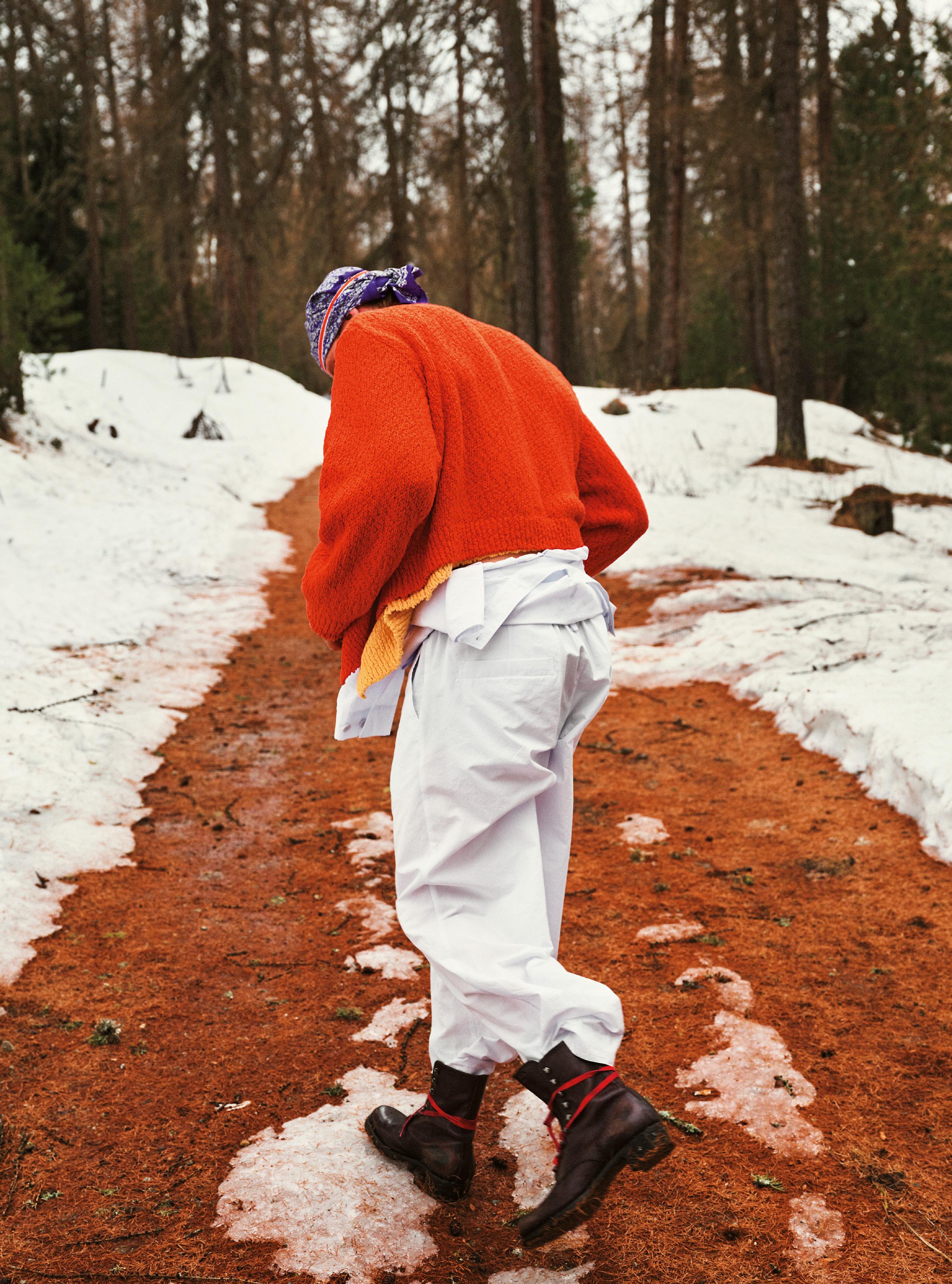

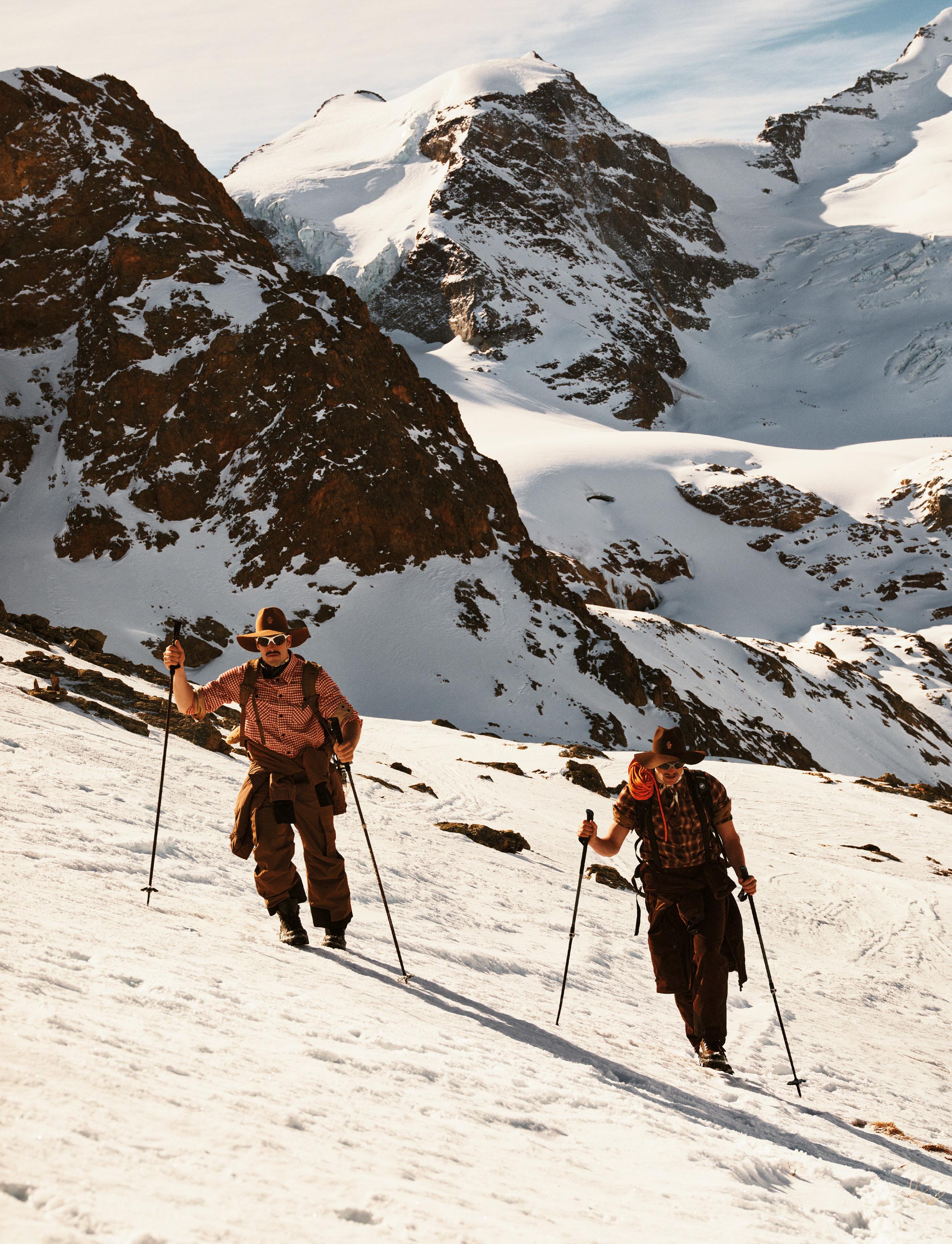

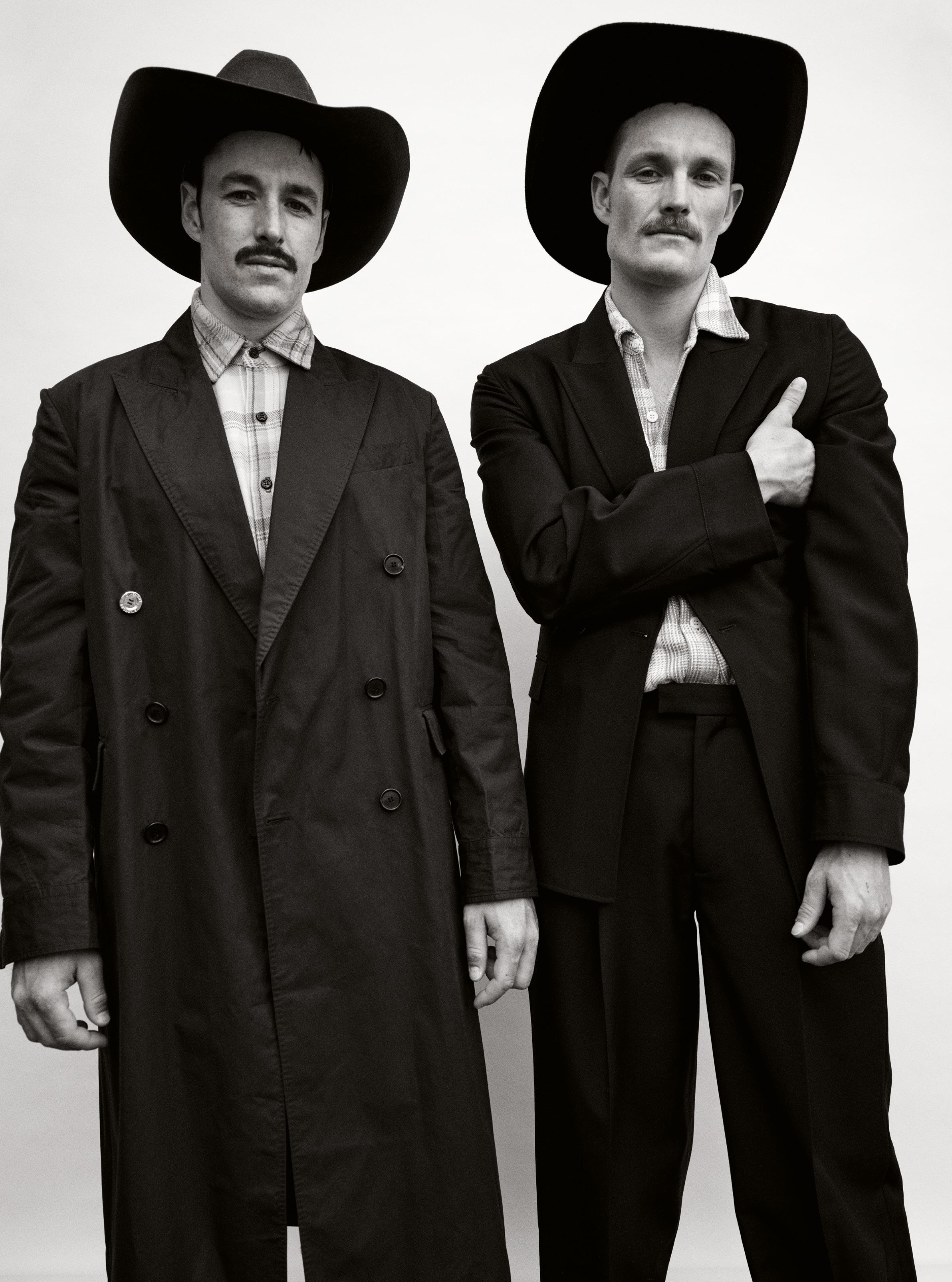

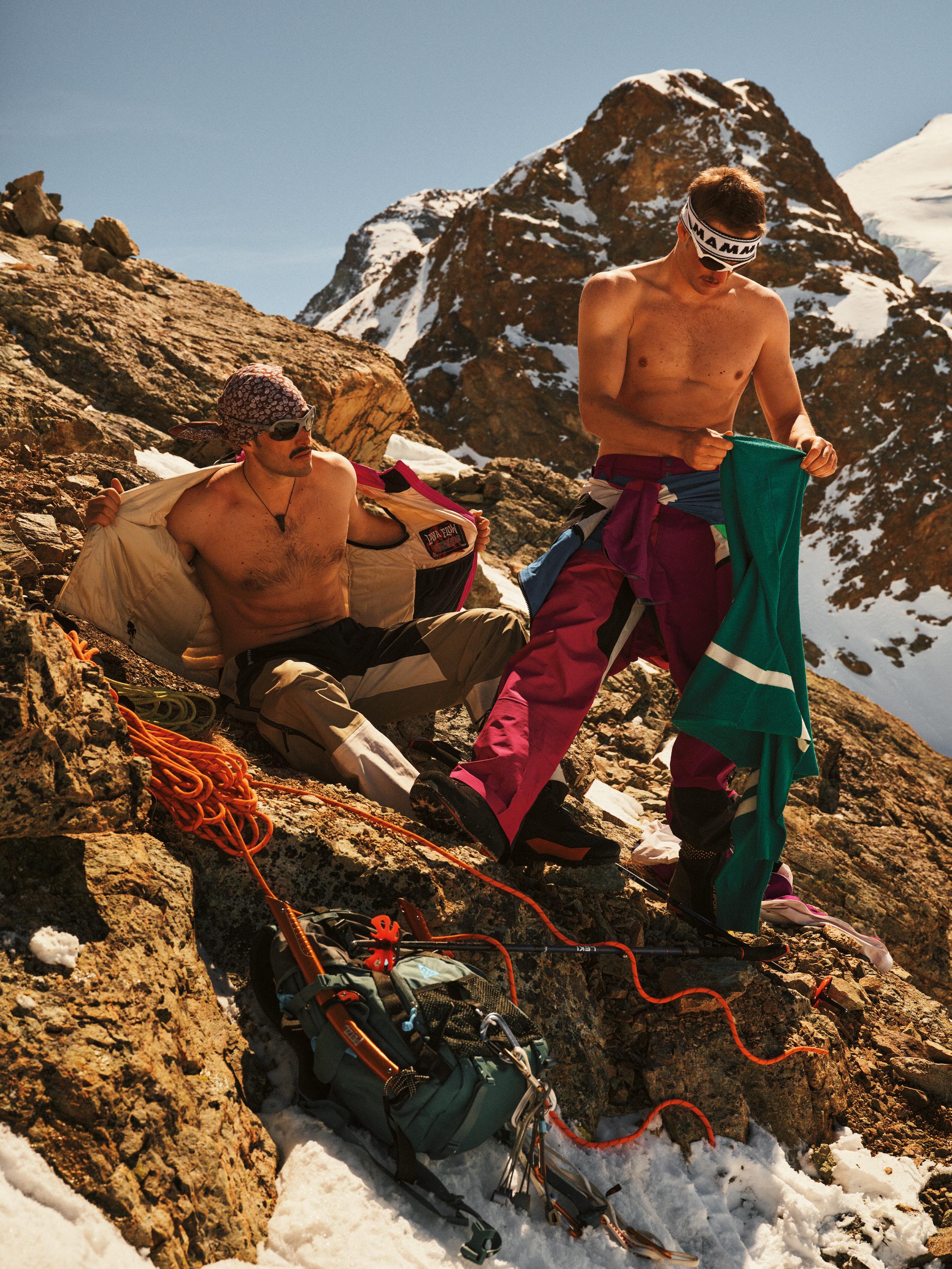

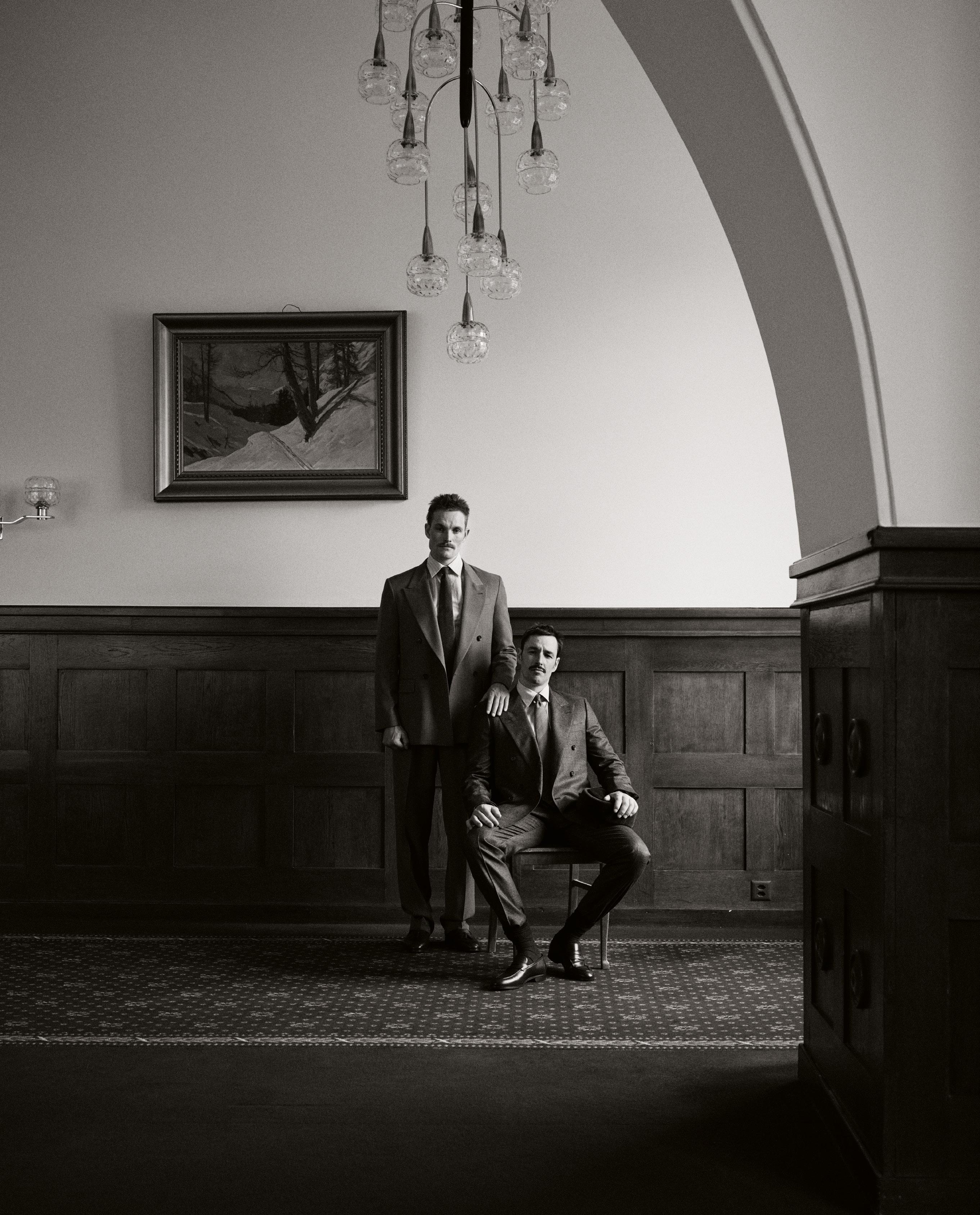
would happen to us, so we try to be as safe as possible.”
In one of their recent excursions, the YouTube video “The Avalanche That Changed Everything” details how they encountered some rocky territory over parts of a mountain where the snow hadn’t yet settled. As the snow came down, it took Matthias with it, covering him in avalanche debris and limiting his breathing and mobility. The snowstorm made the possibility of an emergency helicopter rescue all the more difficult, with thunder and clouds blocking visibility. “Some people may think we are searching for a risk or that it's fun for us [to be in those situations]. If we make a mistake and we get into a risky situation, we get back home and are actually not stoked with the mission we did,” says Jakob. “We say, ‘This time we made a mistake, that's not what we want to do.’ So we try to understand what the mistake was. Risk is something you cannot completely eliminate, so it's part of it, but we're not searching for it.”
What they seem to be searching for nowadays is less about beating their own record or reaching new literal heights, but about leaning into charting the uncharted of their own bodies.
“Being healthy and being fit is the base for everything we do. If our bodies and our health are not functioning, we cannot do what we love—it’s the key component for our activities,” Matthias explains.
at the moment, we’ve explored about 8,000 genes. A lot of genetic information is uninterpretable, but what we can interpret from these genes is basically whether you inherit a risk for certain diseases,” explains Dr. Biskup. “Specifically, we look for athletic performance capabilities as well as cancer, heart disease, and also dementia.”
The genetic diagnosis tool also aims to help inform one’s way of living for the betterment of overall health. “What we try to identify in individuals with a high risk of developing certain diseases is how to prevent or delay the onset of these diseases, specifically with neurodegenerative diseases, where you have no treatment. It sometimes helps people to plan their lives,” Dr. Biskup says. “[With] genetic counseling, we explain what we do, try to understand the family history, then we take a blood sample. The analysis takes about four weeks, and then we meet again to discuss the results.”
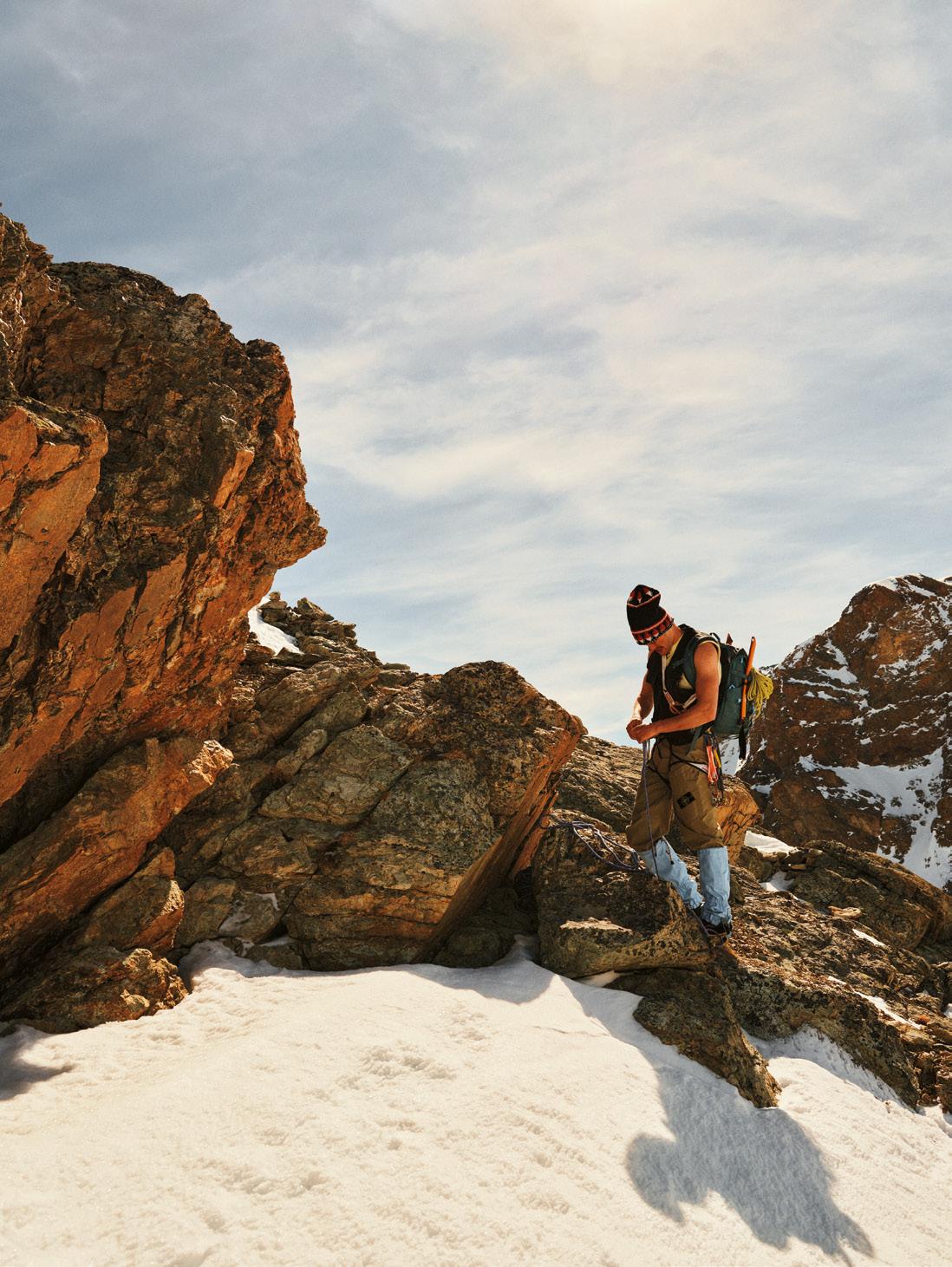
“There are moments where we need to push, where we need to go over the limits, and it's a lot about getting to know your body and figuring out how far you can push it without too much damage.” Jakob adds, “We also just did a genetic diagnosis, which is quite new in Europe, and that allows us to prevent certain types of [illnesses] which could happen to us in the future.”
The brothers have been exploring their genetics with the help of the St. Josef Health Centre in Merano, Italy, allowing them to understand their genetic makeup and uncover what lies ahead for the many years to come. Led by Professor Dr. Alfred Königsrainer and Dr. Saskia Biskup, the Vita Sana genetic screening program allows people to discover health risks that they may be susceptible to through earlystage genetic detection paired with specialized preventative treatments. “We are sequencing the whole genome of an individual. The genome covers about 25,000 genes, and,
With this knowledge, the Weger brothers are treating genetic science as another expedition—one that could unlock decades more of pushing the limits. “We love what we do, and I don't see a point where I would like to stop,” says Matthias. “With diagnostic testing, I hope we can better understand which behaviors we should work on and what we should look after to be able to maintain the highest possible level of fitness for as long as possible.”
And slowing down has never been part of the plan. Among the duo's latest pursuits is a radical reimagining of heli-skiing, or downhill skiing on mountains only reachable by helicopter. Matthias hopes to “potentially change heli-skiing forever,” using a newly developed winch (a motorized rescue hoist) capable of towing the brothers from the ground up to 4,000 meters with their power gliders and skis—all without emissions. It's the kind of moonshot innovation that feels entirely in step with the Wegers' relentless appetite for reinvention. After all, this is a pair who traded certainty for curiosity long ago.
“It makes us really happy [to know] people who are inspired by what we’re doing. Maybe take up a new sport, or go out and have [their own] adventure.” Matthias says. “With all the projects we’ve done, it's always been the same intent: We just try to do something that we’re passionate about.”
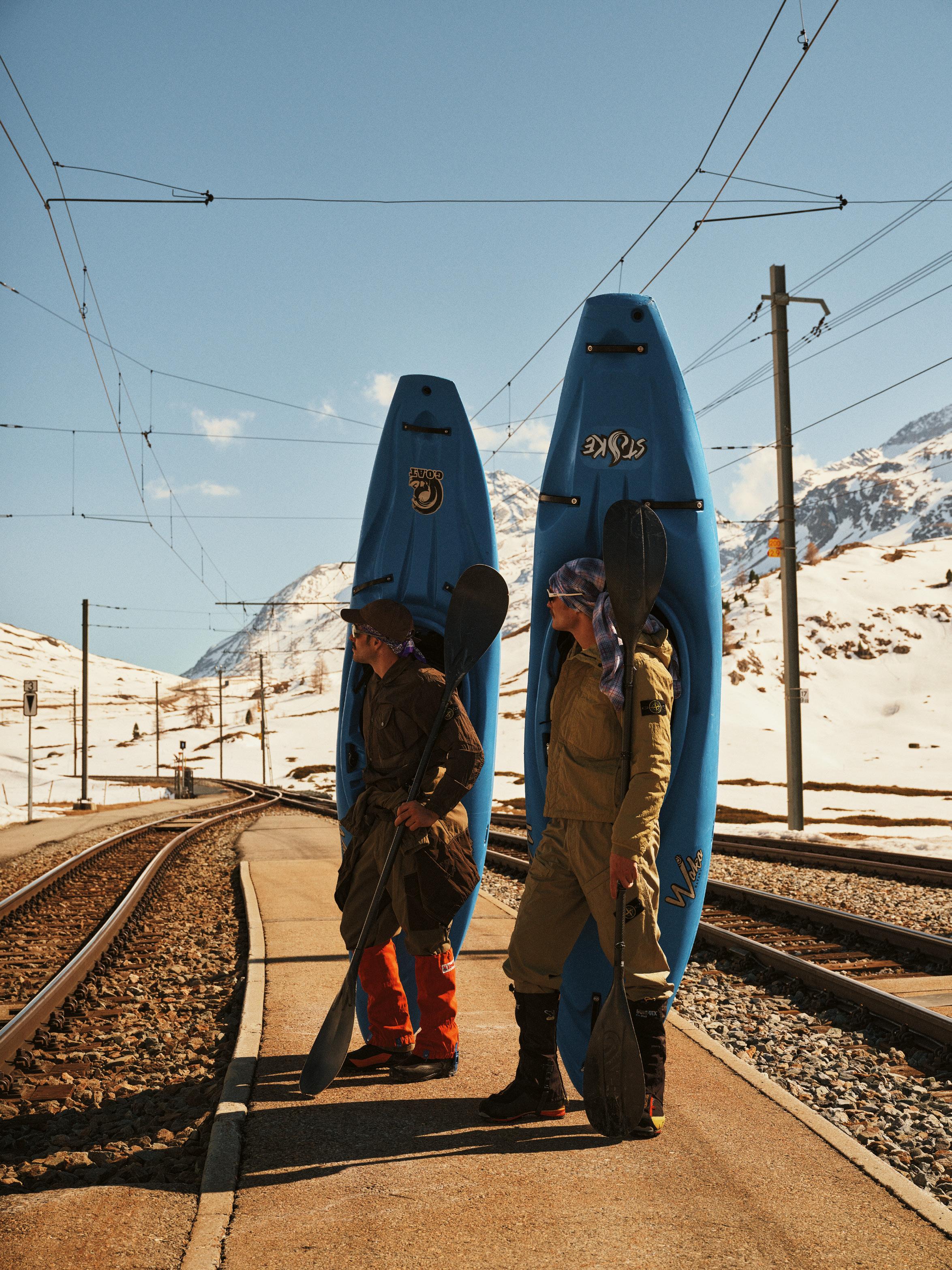
"Being healthy and being fit is the base for everything we do. If our bodies and our health are not functioning, we cannot do what we love— it’s the key component for our activities."

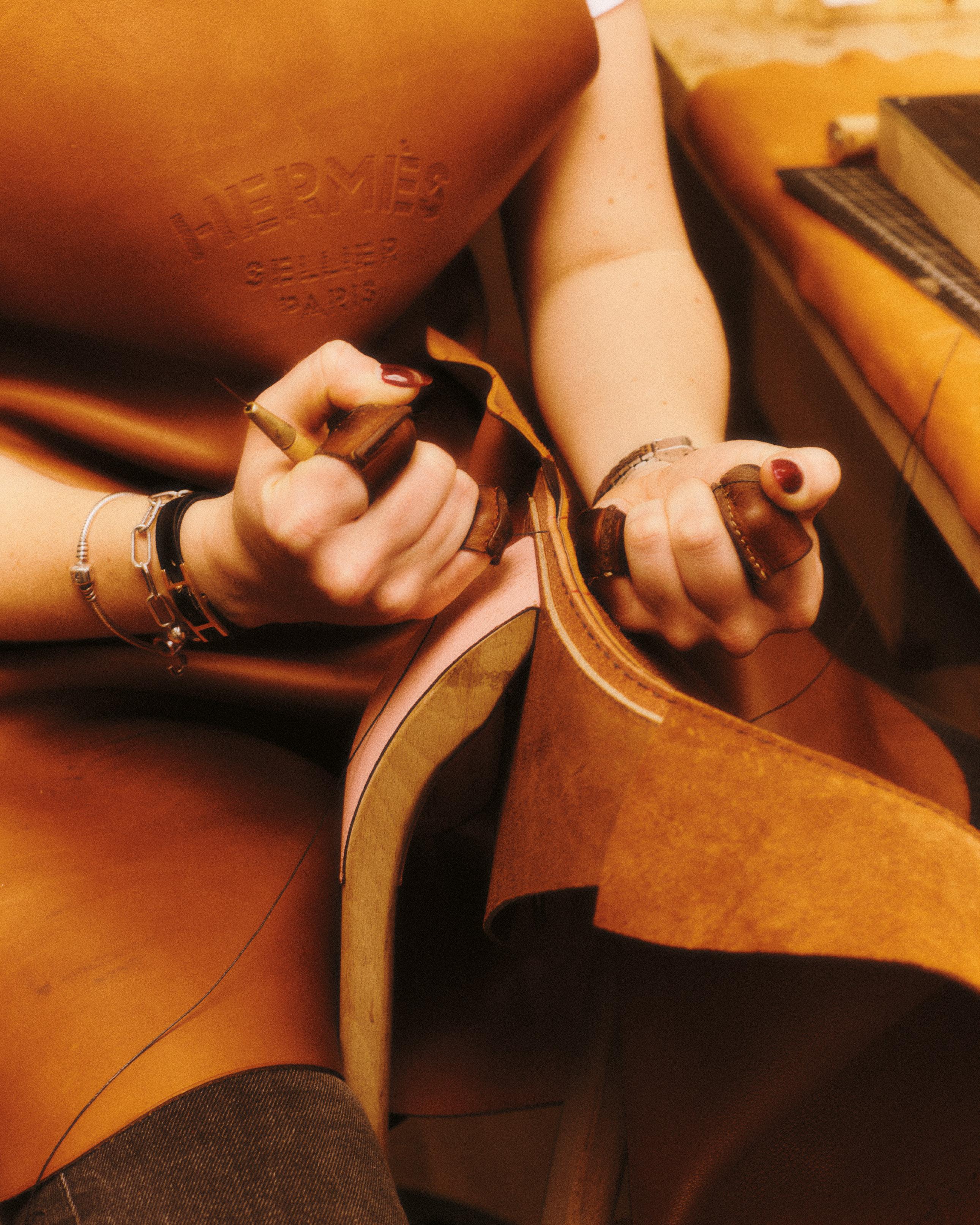
At Hermès, the art of saddlemaking is a conversation between craftsman, rider, and horse.
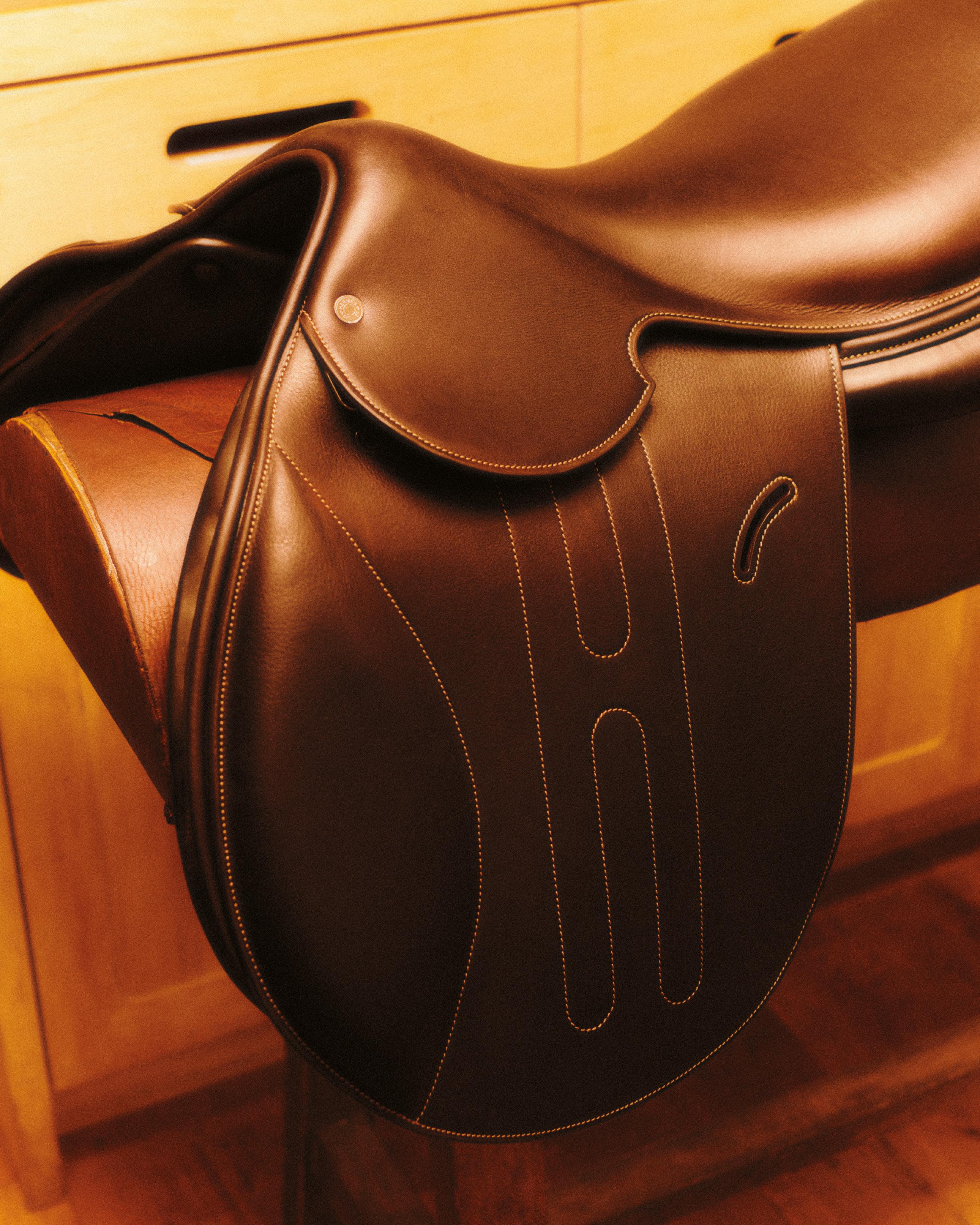
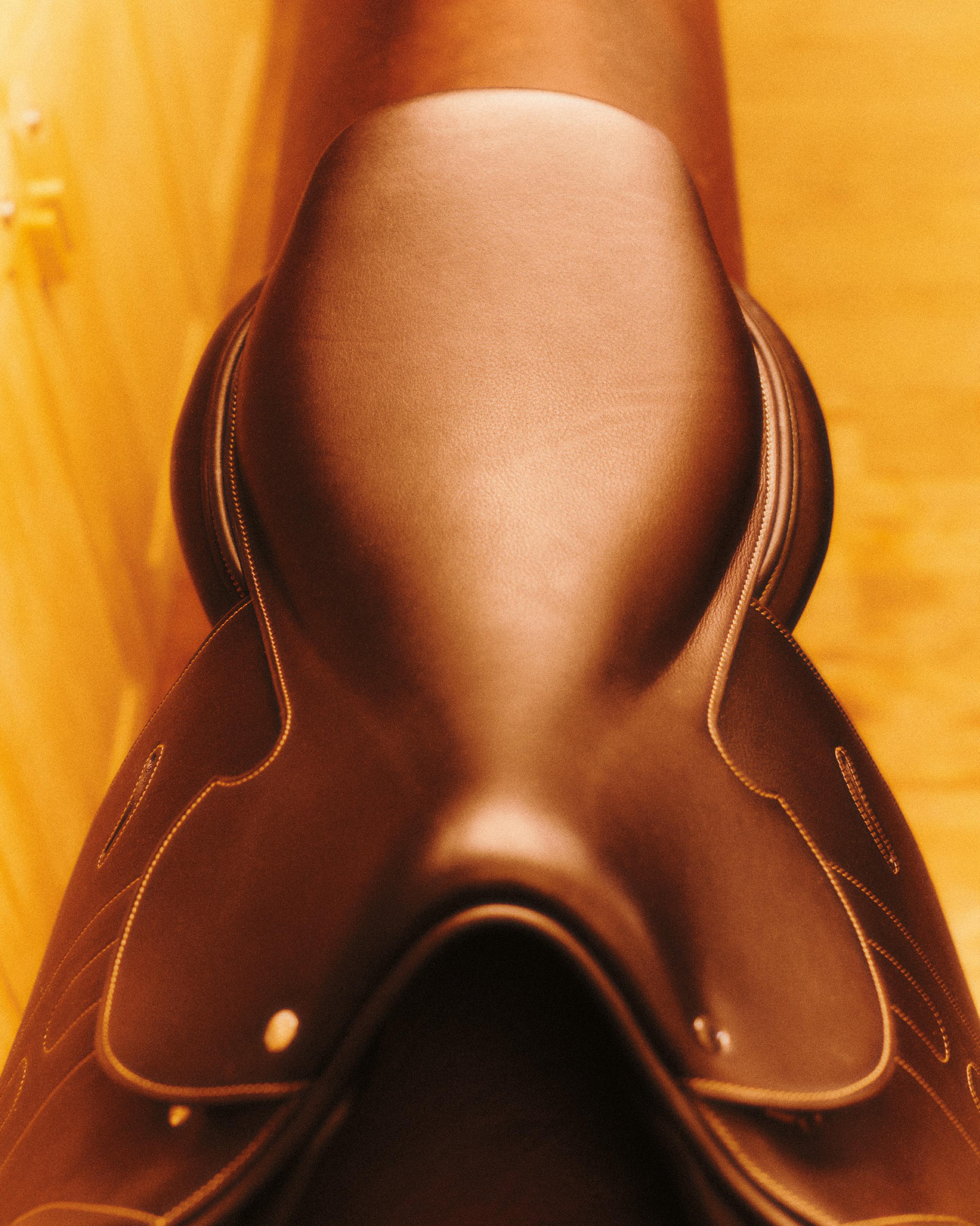
"The saddle is the result of an equation. The rider needs to be comfortable, but the comfort and well-being of the horse matters too."
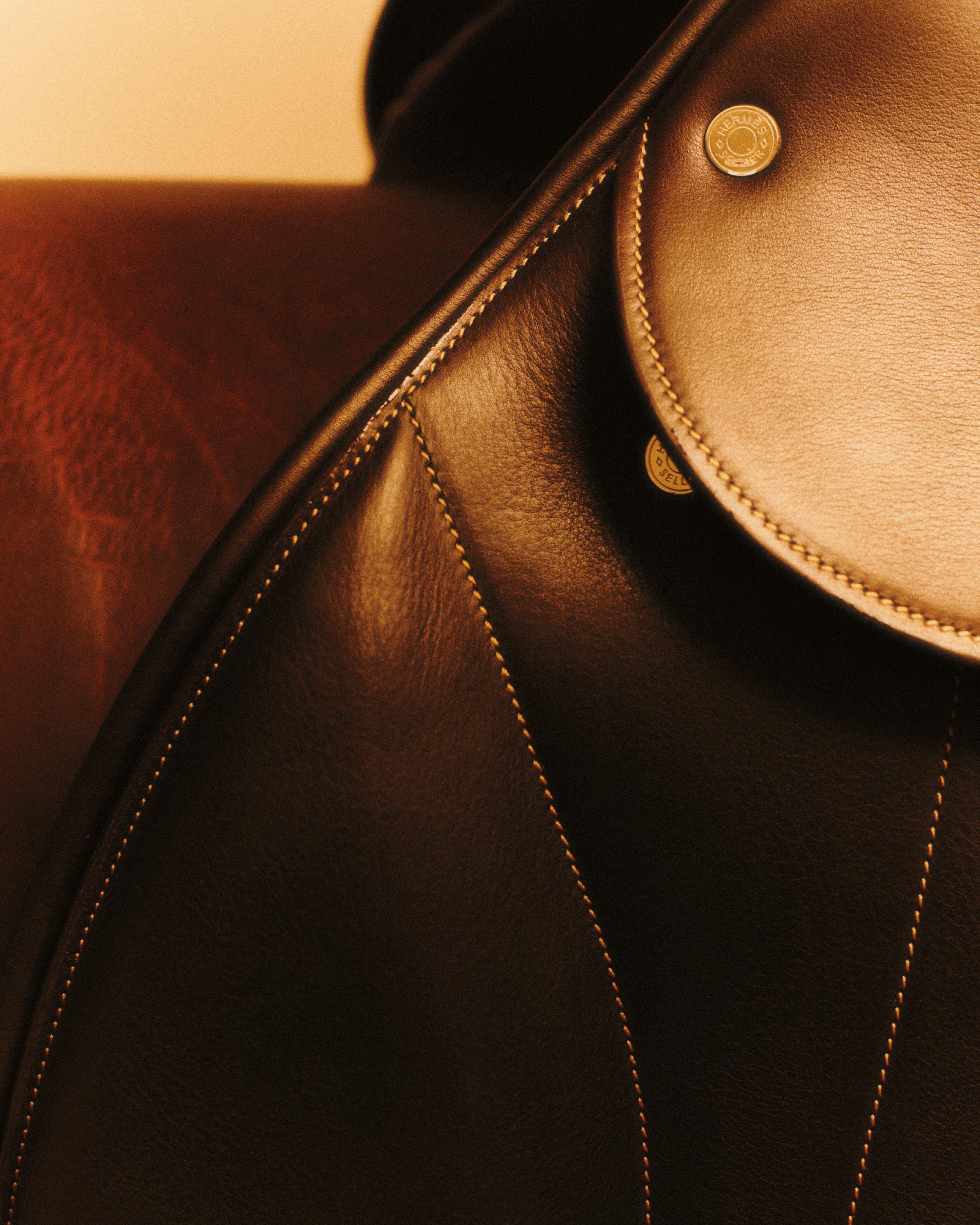
When it comes to your social calendar in March, forget about yachting in St. Barth's or hiking in St. Moritz, because the real place to be for the #iykyk crowd is in the heart of Paris. The 16th edition of Saut Hermès, the world's finest show jumping competition, is a sacred gathering of the chicest coterie imaginable. Members of this set carry the rarest bags in the world, walk around in custom leather riding boots, and wouldn't be caught dead wearing anything with a logotype. Chances are, many of them also possess something considered the holy grail in the galaxy of ultra-luxury: a custom saddle.
As charismatic Axel Dumas, CEO of the company, cleverly said, "The horse was Hermès' first customer."
Hermès' workshops are legendary and must be seen to be believed. Artisans creating something as unique as a custom saddle for a rider and their horse are experts in anatomy; their hands work like magic on every microinch of leather. They are so mythical that it is forbidden to photograph their faces or publish their names. Luckily for us, we met with the only "spokesperson" allowed to talk about the craft of Hermès' famed saddlemaking: Mr. Charly Palmieri, Hermès saddlemaker and Meilleur Ouvrier de France (MOF) in saddlery-harnessing.
ICON: How does one become an artisan saddler?
Charly Palmieri: There are different schools that exist. I went through leathermaking school to learn how to work on bags and belts. Then I went to a school where I specialized in harnessing and saddlemaking to make sure I could work on all equestrian pieces. What matters most is the passion for leather and leatherwork and, of course, a love for horses.
It's haute couture, saddlemaking, and I presume everything starts from the horse’s anatomy. So what is the beginning process like?
Is it a very unique balance you have to achieve between the horse and the rider?
The saddle is the result of an equation. The rider needs to be comfortable, but the comfort and well-being of the horse matters too, and each saddle will have a different outcome. There isn’t one perfect saddle; each saddle will have its own couple. And when I work with a partner rider, I make specific saddles that ensure the bond of communication among the rider and the horse.
How long is the whole process?
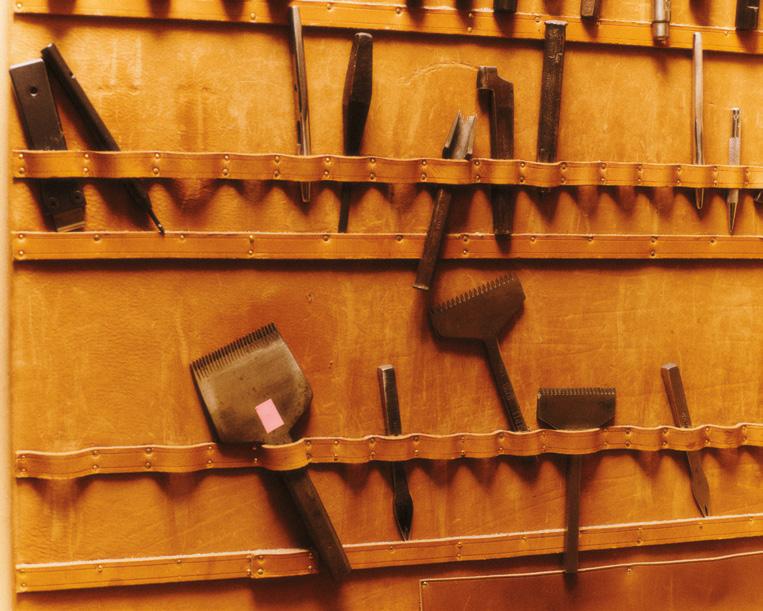
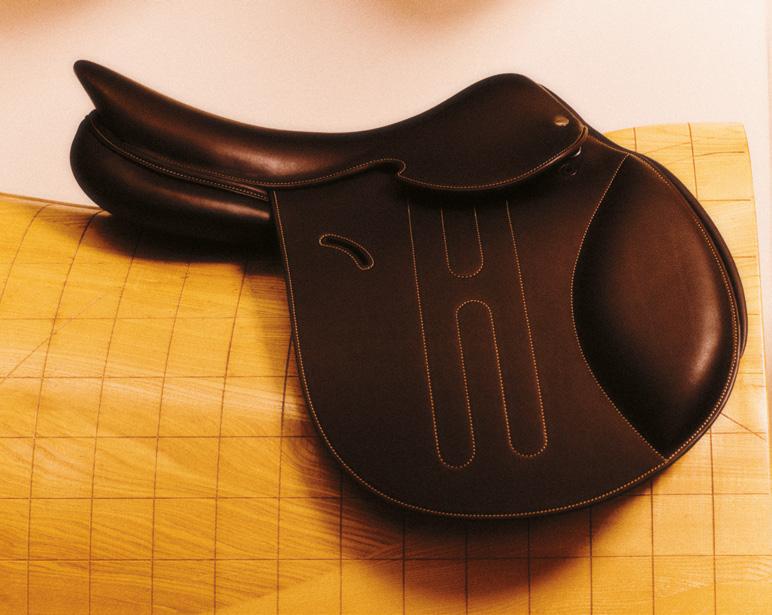
"What matters most is the passion for leather and leatherwork and, of course, a love for horses."
It begins by sending a saddle expert to meet the client for half a day. The whole point is to observe the rider on their horse, and to see, from a distance, what the interaction between the horse and the rider is. Then we give some pieces of advice to the rider and measure everything that needs to be done. We start with the horse, then follow with the rider. Of course, there will be some trials but we observe and test the rider before we listen to them.
When we’re creating a new saddle model, the process can last about three years. When we receive an order from a rider for an existing model, it can take up to three months. We need to make the measurement, test, then order the leather and saddle tree; after all of that, we can send it to the manufacturer. Then we quality check it before delivering it. There is of course a lot of historical know-how in making this, but how do you utilize new technologies? Are they helpful? We combine both, but foremost we want to preserve traditional craftsmanship because the legacy is what makes us masters. However, new technologies and new materials really have helped us become more flexible and dynamic. We are able to work with raw materials better with higher definition and precision. How many artisans do you have on your team?
When I joined, there were eight of us, and now there are 40. Oh wow! So the demand is pretty high! And do you find that new generations are excited about saddlemaking?
Craftsmanship in general is becoming more and more popular; people are more and more interested in craftsmanship. Riders are more aware of how important the saddle is; many riders might not make a career of riding, so they often transition to working in saddlemaking. When I was studying in school, in my class there were only six of us, but now the classes are in their thirties. We hire students from these schools, which results in some of these students starting their own saddle business. I am fortunate enough to be a part of a jury for these schools and saddle competitions alike, and it is inspiring to see how passionate they are about their work.
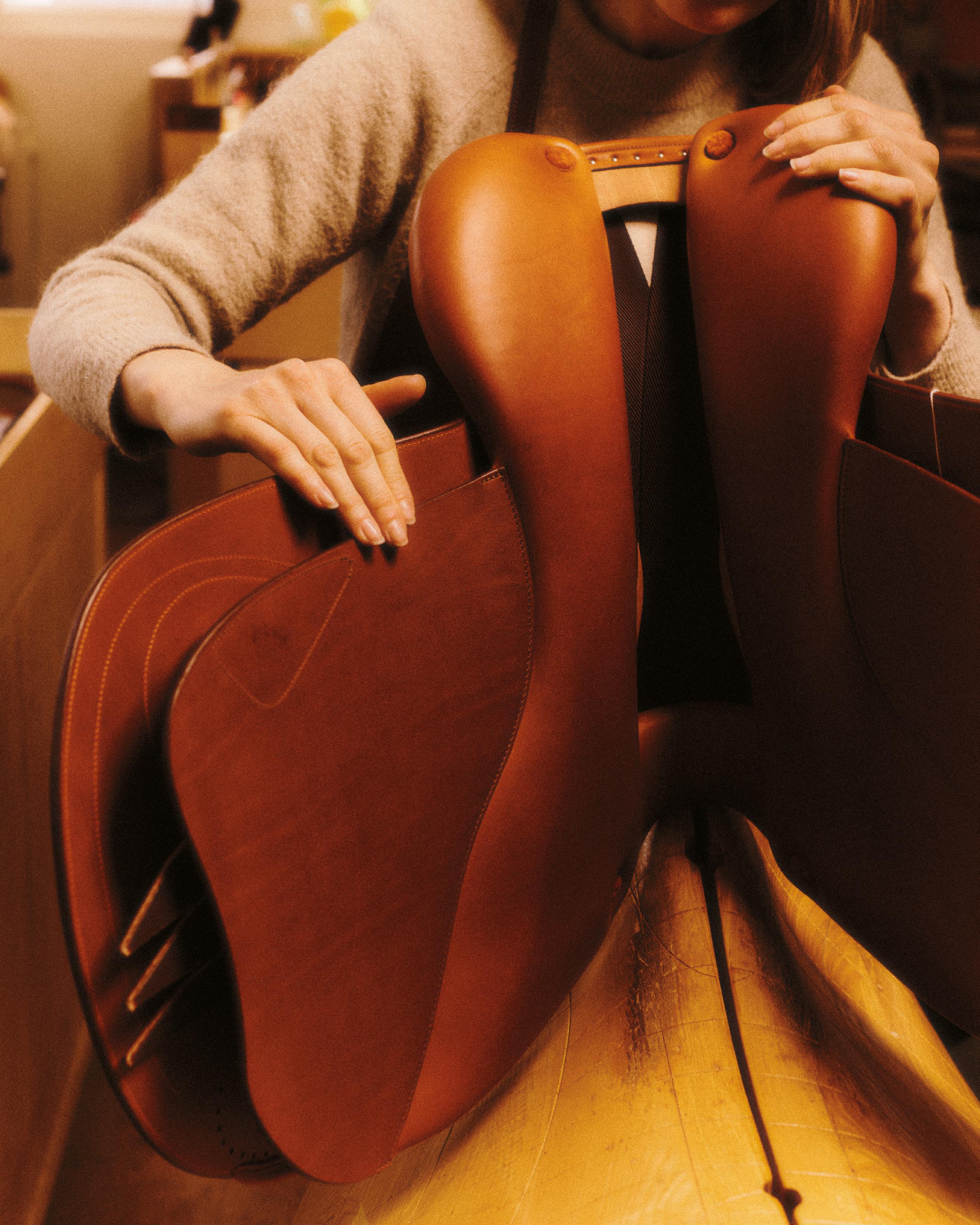
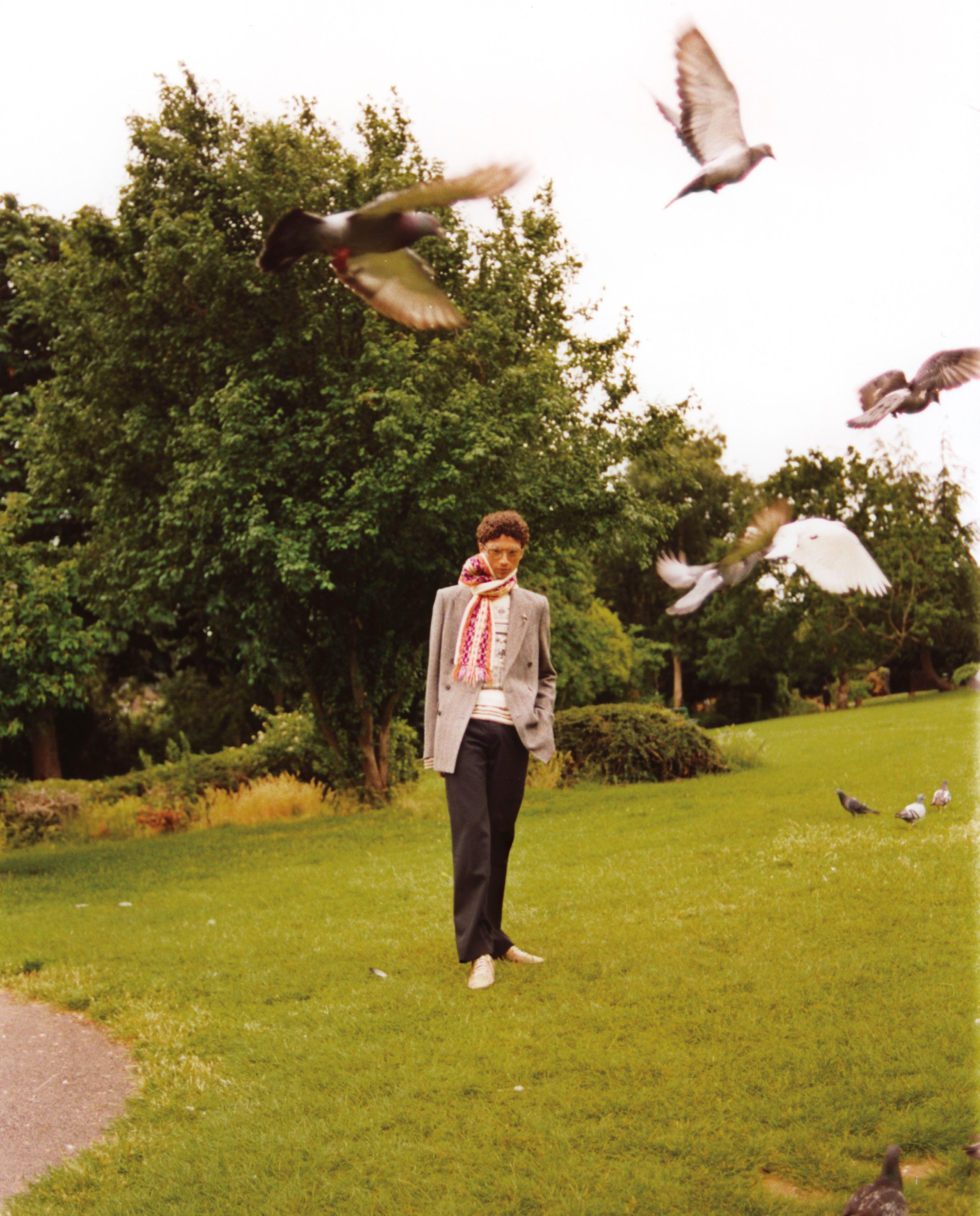
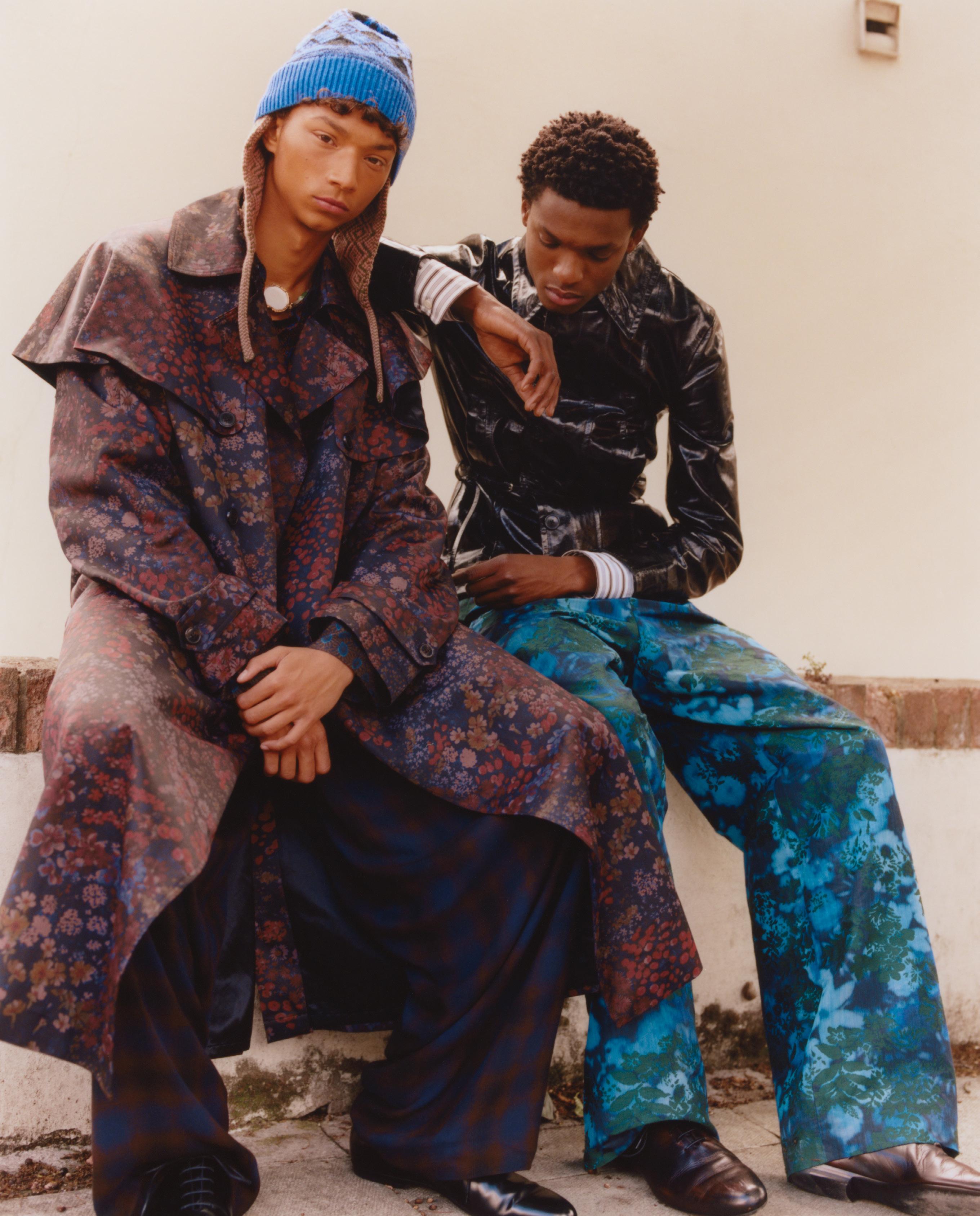
The Dries Van Noten creative director, Julian Klausner, talks florals, this season’s Fall/Winter collection, and self-making through wardrobe
When clothes cascade down the runway, the culmination of countless lamplit late nights and meticulous labor hunched over sewing machines, the ritual serves as both the end and the beginning. After a lifetime of rain-soaked afternoons, countless hours fading in the sun, exchanges from hand to hand and wardrobe to wardrobe, these pieces eventually retire, tattered and deeply loved.
Julian Klausner, now with his third men’s show for Dries Van Noten in the rearview, sees garments as, above all, pieces of a wardrobe. They are sacred objects, embedded with meaning (in the case of his Fall/ Winter 2026 show, the fragile transition from adolescence to adulthood), and imbued with the personality of their wearer. “I would hate to be so directive that things have to be worn in one way,” Klausner says over Zoom, fresh from his men’s Spring/Summer 2027 show, but eager and generous to discuss the current Fall/Winter collection he showed in January.
Like his label’s eponymous predecessor, Klausner has flights of fancy, but the ship of design is always moored to a chameleonic flexibility—a commitment to making clothes anyone can wear. Fall/Winter 2026 orbited around departure: the moment when a young person embarks on a new path and must carefully consider what parts of themselves (in Klausner’s case, which articles of clothing) to bring along on the journey. Between patchworked knits, sharp overcoats, popped collars, and winks of florals, each piece contains its own story, and the possibility of becoming a panel within the tapestry of a customer’s life. Cooling off from the historic Paris heatwave of summer 2026, Klausner sat down to chat about florals (“I don’t have Dries’s knowledge of botanicals,” he laughs), wardrobes, and clothing as an act of self-making. ICON: Tell me about growing up in Brussels—what your interests were, and when you started finding more of a focus on fashion.
sudden you enter this alternative reality, this magical world. So I think that the power of storytelling is something that I always really loved.
I want to speak about the men’s Fall/Winter 2026 show. I'm curious to hear broadly what you were trying to convey when designing that show?
We thought about clothes that you love, clothes that you keep, and wanted to have this idea of coming of age, this fragile moment when you're a teenager becoming an adult. And this idea that when you're a teenager, you explore with style. It's a moment of self-discovery. Some of those experimentations you keep with you for the rest of your life, and others you let go, but I thought it was quite a universal relationship to clothes, hand-me-downs, things from your family, things from your childhood that you've kept or outgrown, clothes that comfort you. This idea that when you leave to explore to discover a new life, you might want to keep some things with you that bring you a sense of comfort.
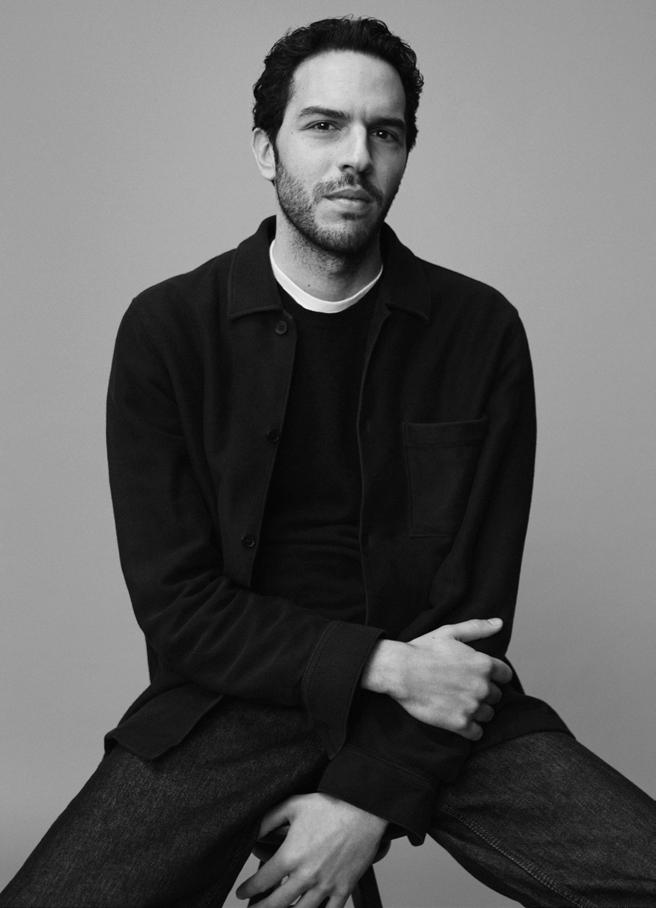
Floral patterns are so important to the identity of the brand, and Dries had such an affinity for flowers. There's so many beautiful, vibrant colors and patterns in the collection. Can you walk me through a little bit of how you chose florals for this collection?
For my first men's show in June last summer, we had gone for very bold, big graphic prints. As a reaction to that, we wanted to go quite small in the prints. So one of the main [visual] stories came from Polaroids that somebody in the team here had made, Polaroids of small wildflowers. I also like the idea that this character on his way to his new life kept a few souvenirs, maybe some from his childhood garden. So it’s kind of naive, very simple Polaroids of flowers, and then we use these to multiply them and make prints.
Where were the images taken?
Julian Klausner: Brussels is a very multicultural city. When I was young, I got interested in fashion, but I would say I started more with the idea of costume and of dressing up. I loved going with my mom to the hairdresser and seeing how women walked in and walked out. I’m the youngest of four, so we had a very full house of stuff to play with, and that really kicked off my love for dressing up and for playing with things, playing with materials, playing with clothes. And then, pretty young, I realized fashion could be a job, a proper career. My parents were very supportive, and I’m very grateful to them. They saw I was keen on learning, so my mom would buy me magazines. I would study those and dream away through the pages, spending hours and hours on the internet watching every show I could find, just preparing myself for the moment I was waiting for, which was going to fashion school. Can you tell me a bit about your interest in theater? I always loved the idea of the stage. I would go to see puppet shows or little shows you see as a kid, and I always loved this moment when the room goes dark. It's a little bit scary as a kid, these few seconds of pitch black, but then all of a
Some from Antwerp, from just in the street, just by the office, and then some from balconies, from members of the teams. And for the invitation, we shot around 500 or 600 Polaroids of flowers, so each invitation was a kind of unique one-off Polaroid of a flower.
You’ve mentioned this idea of developing pieces meant to be part of a wardrobe. Can you tell me more about how you envision people wearing the clothes in their own way? We offer a wardrobe, and I think we really encourage individual style and each person's personality or playfulness to come through with the clothes. The show, I would say, is a suggestion of what you can do with this wardrobe. I think we allow ourselves a lot of fantasy and creativity; it’s very important to us, but we are a ready-to-wear brand. A big part of our business is selling clothes, and Dries built his career on really filling people's wardrobes. So, as much as we allow ourselves to be quite extreme in the show, or to have some fantasy, ultimately, there are a lot of clothes for all different kinds of people. I think people with different tastes and different beliefs can find something for themselves, and take something that we've made but wear it in completely their own way.
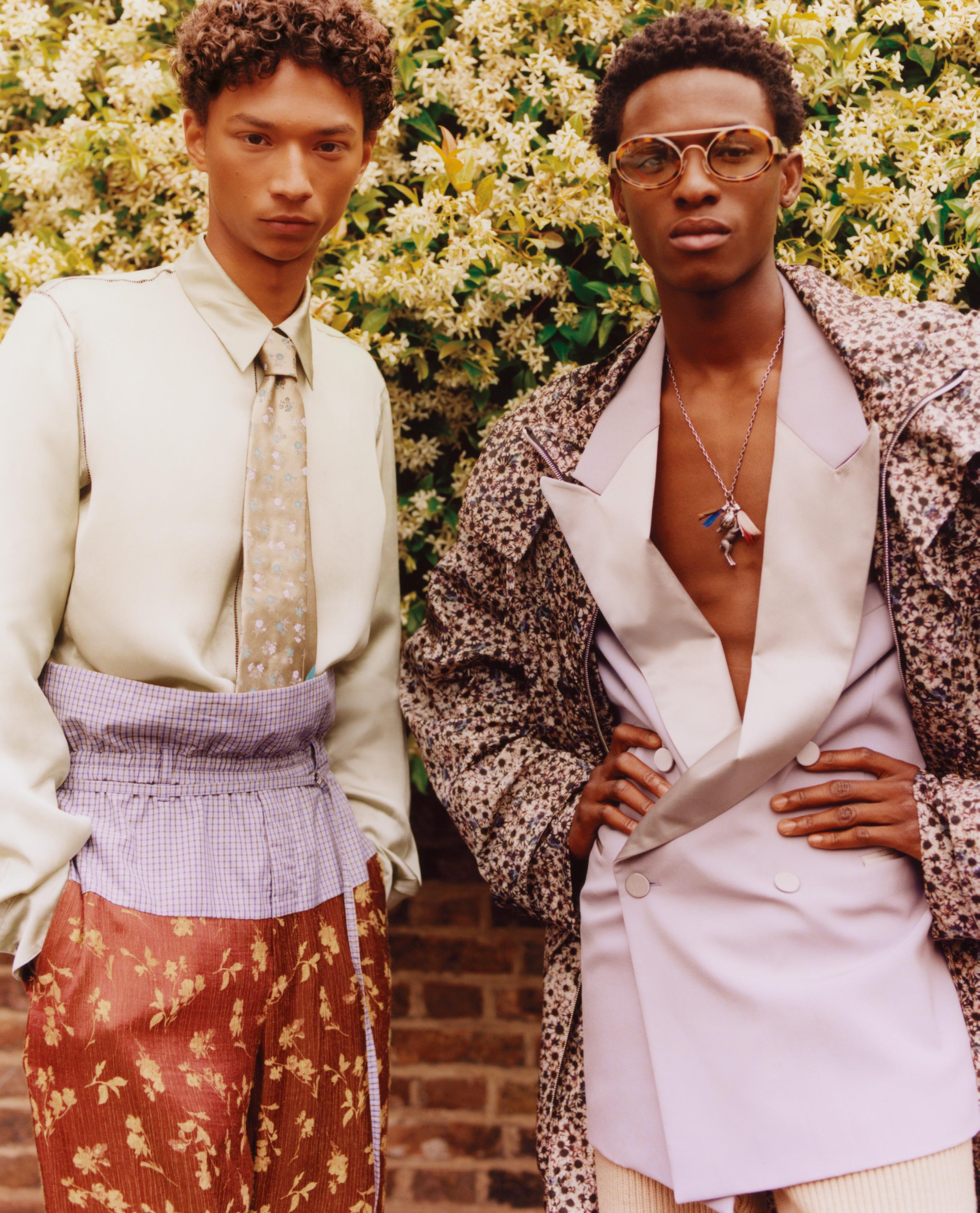
"We allow ourselves a lot of fantasy and creativity; it’s very important to us."
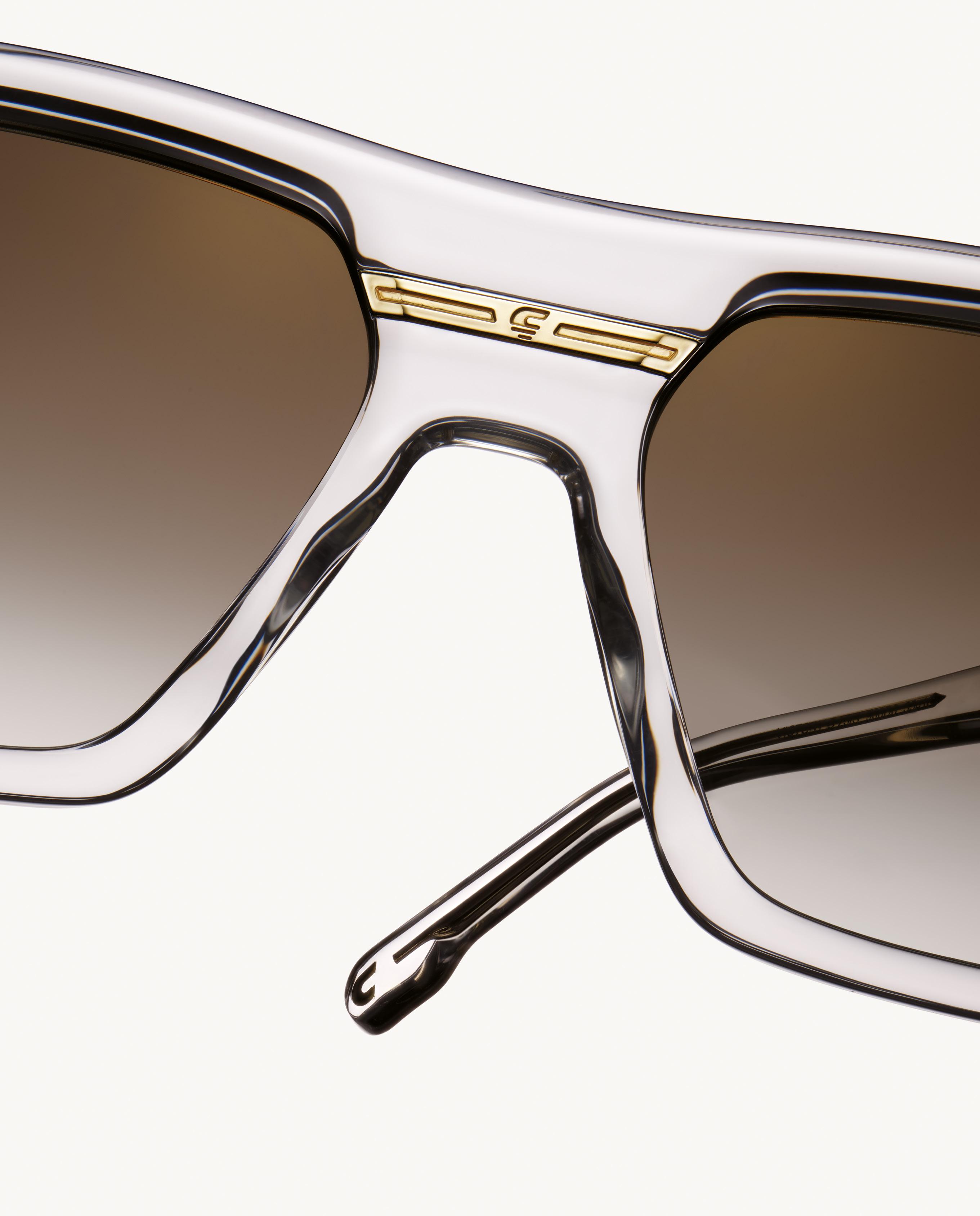
The best accessories this fall reward a closer look–the grain of supple leather, the curve of fine eyewear, the minute details that create intimacy with the wearer.
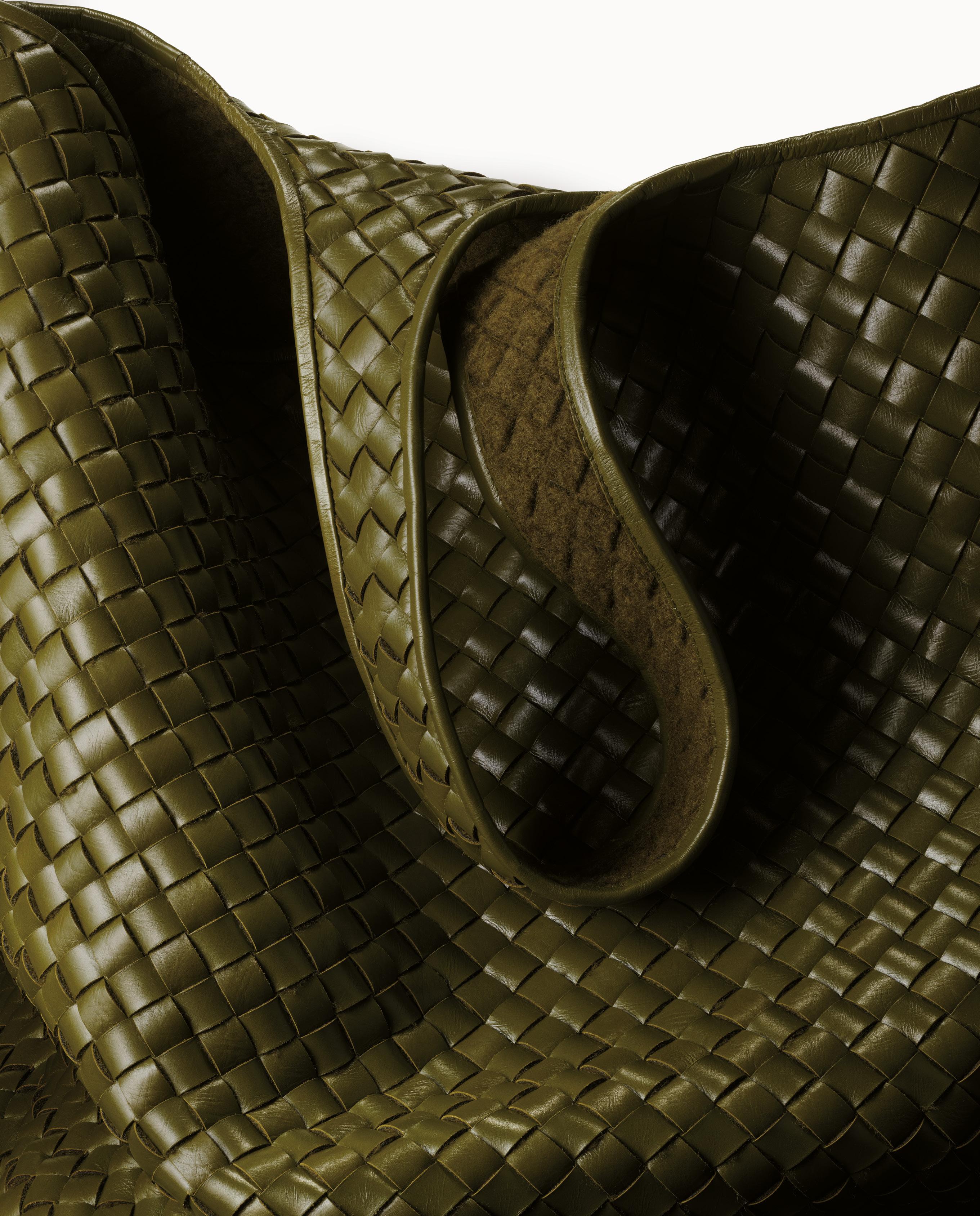
Deerskin
Glove
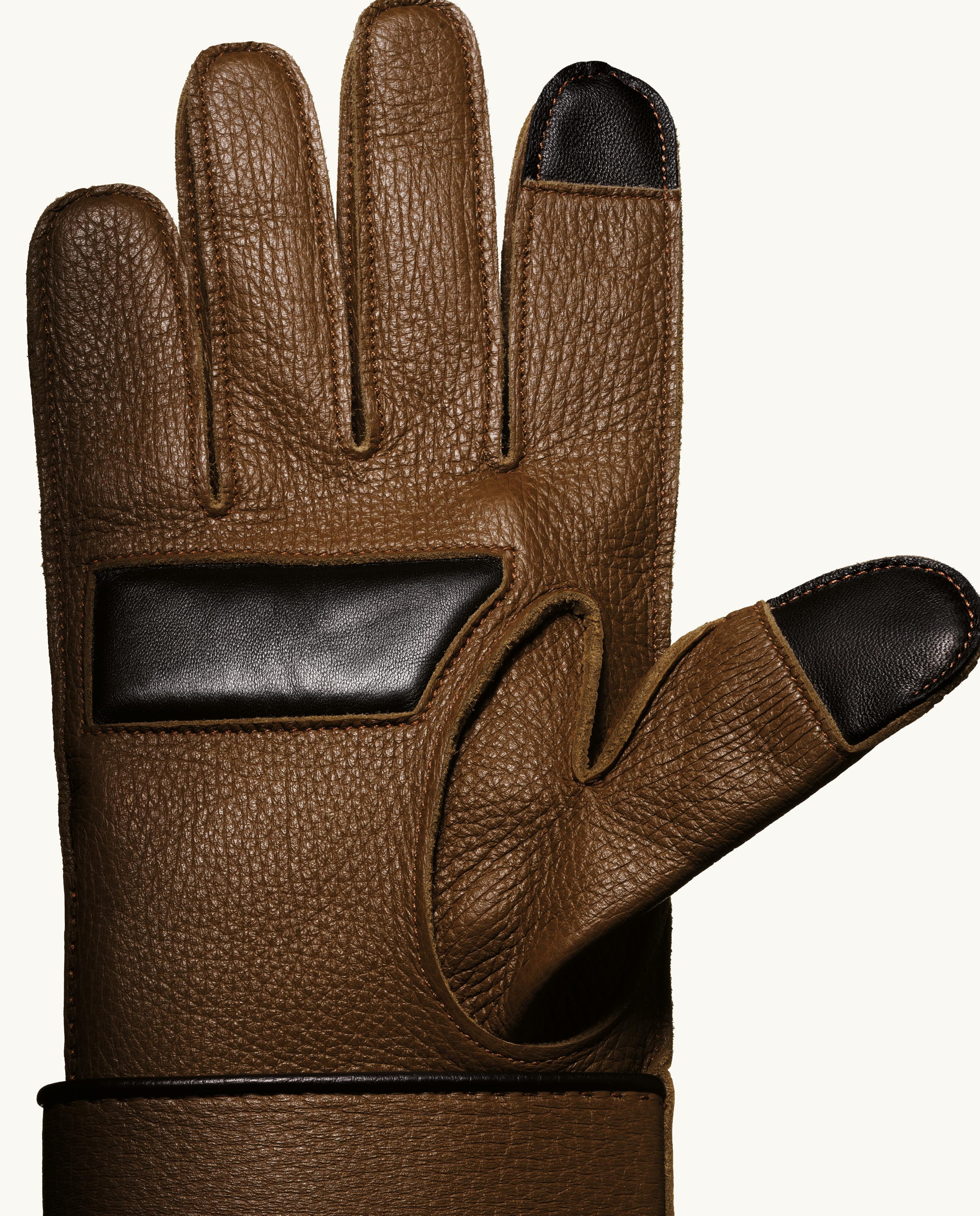

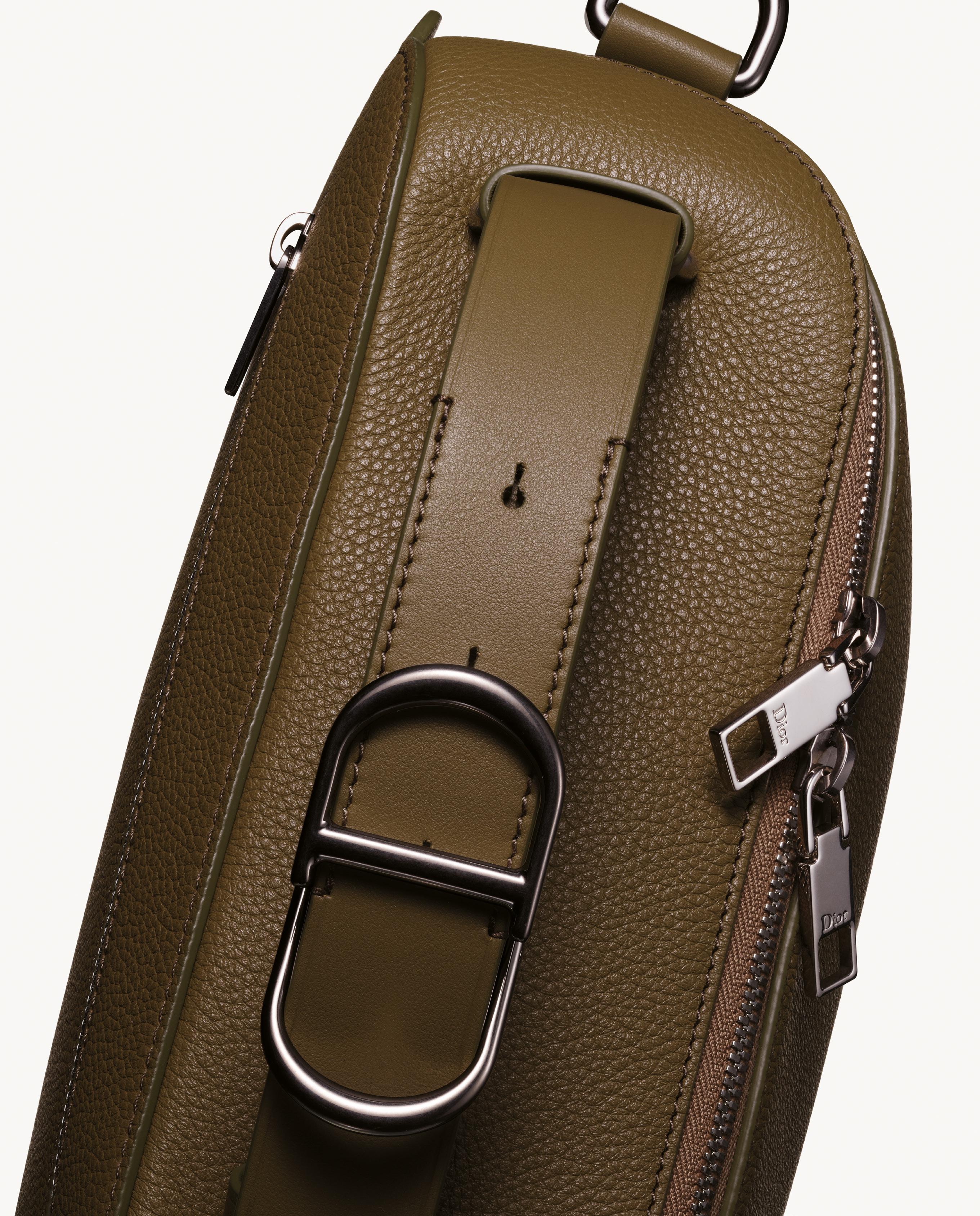
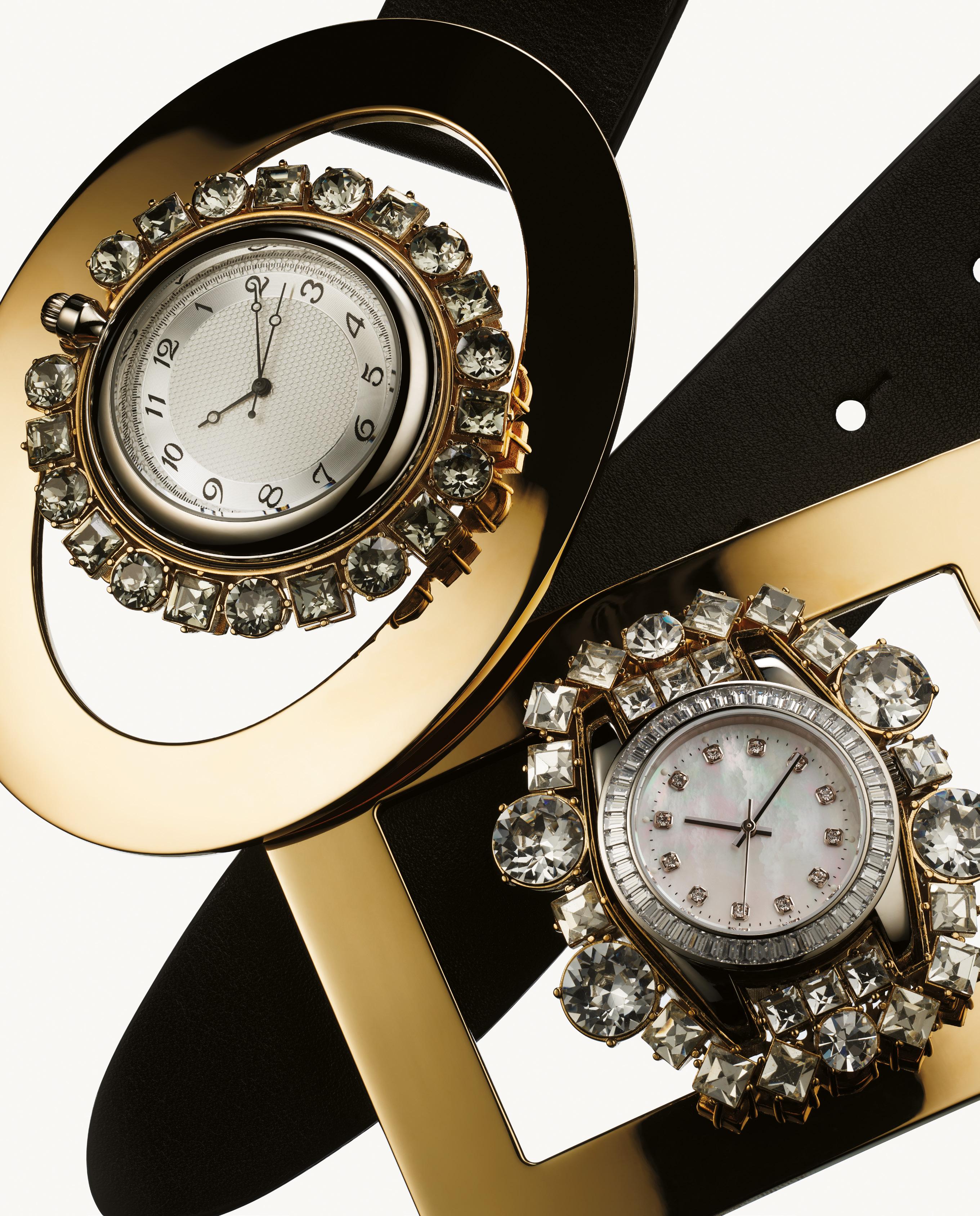
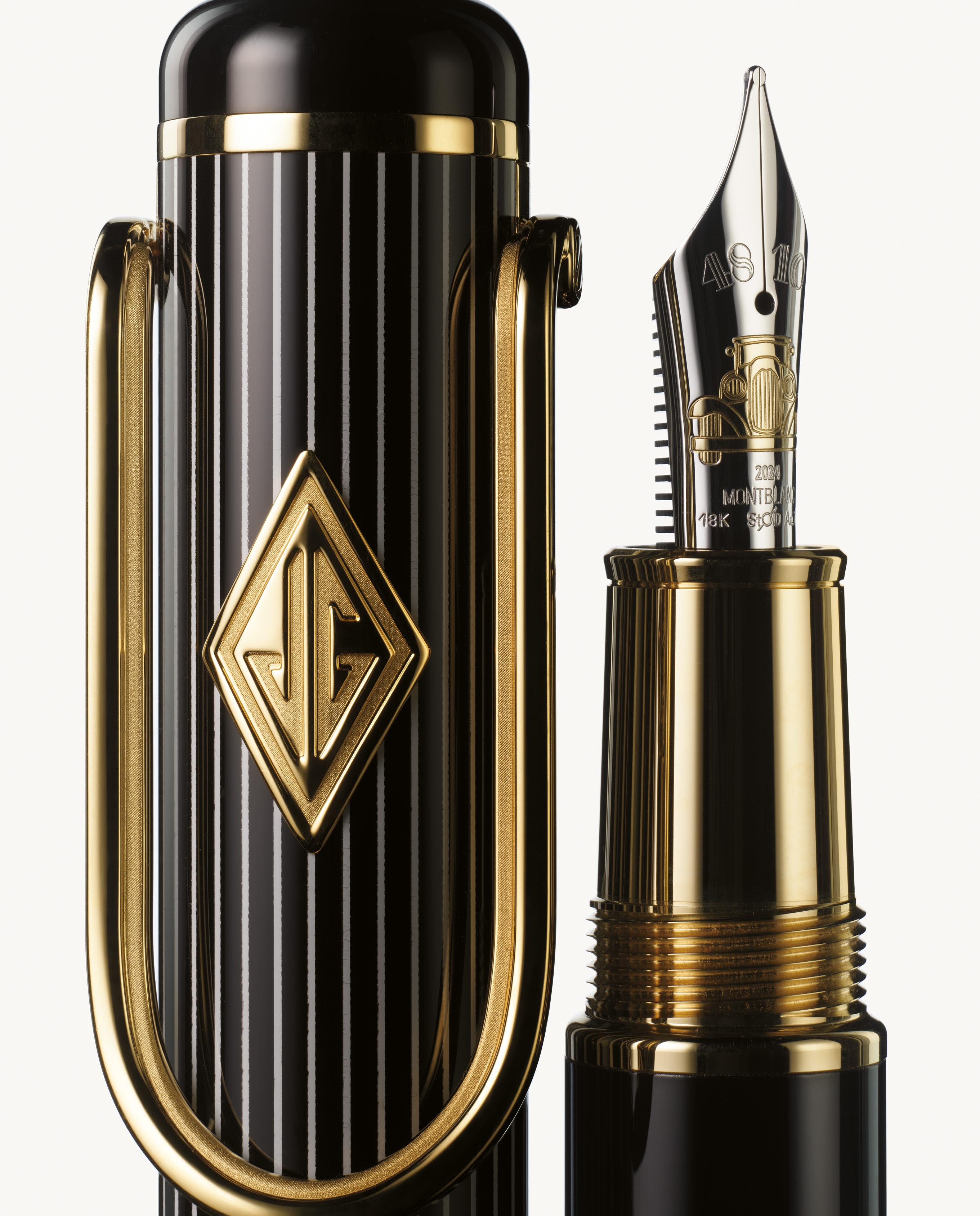
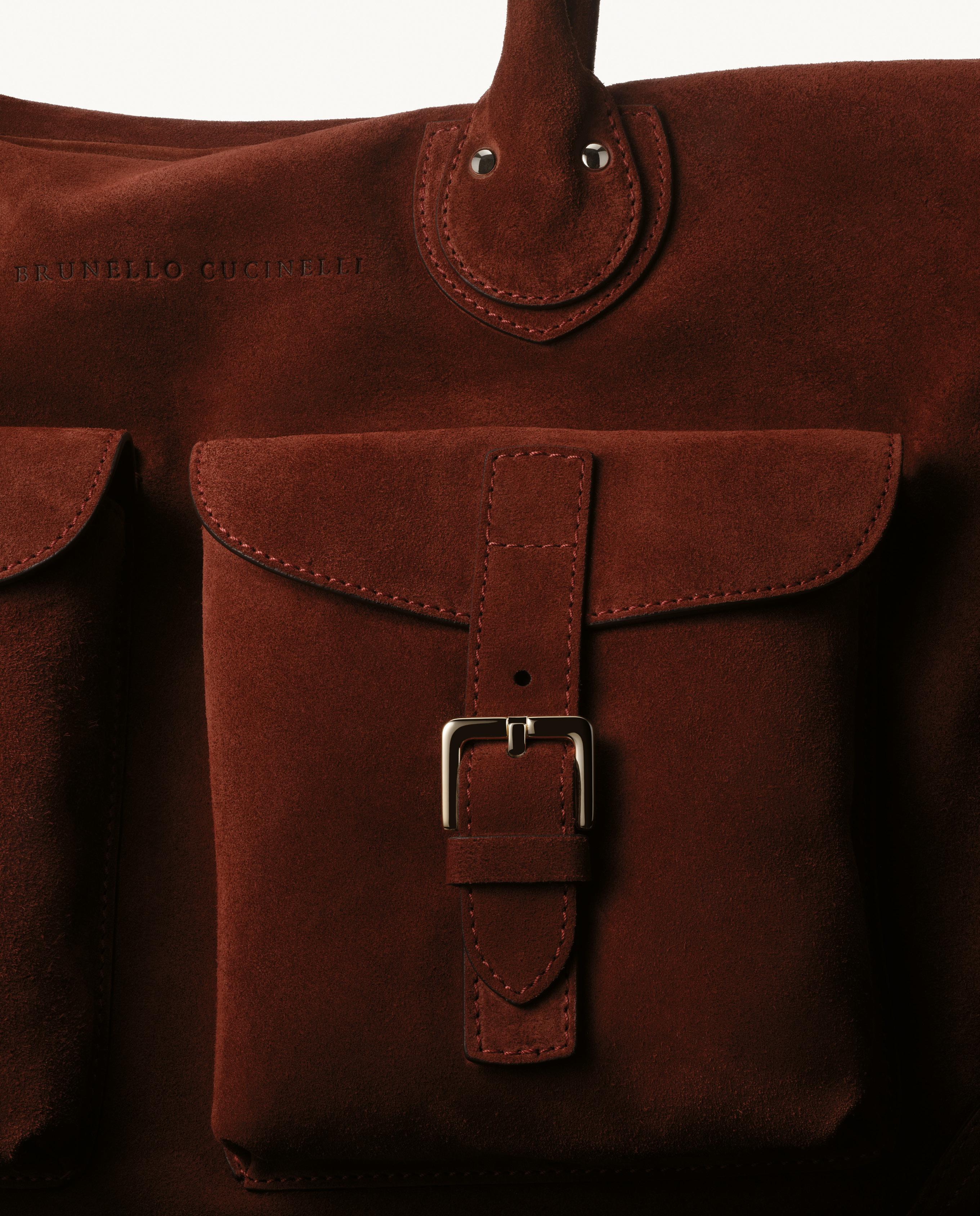
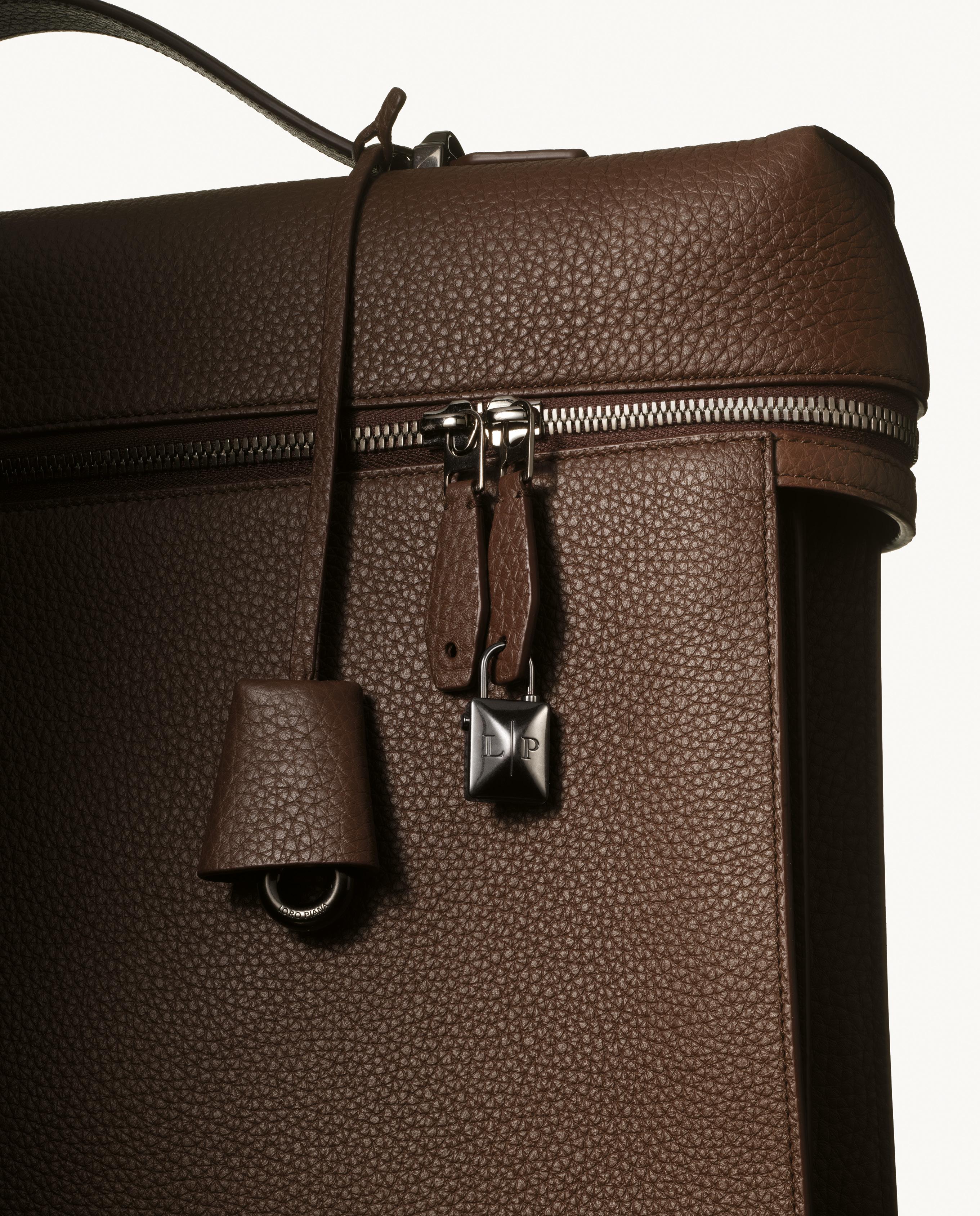
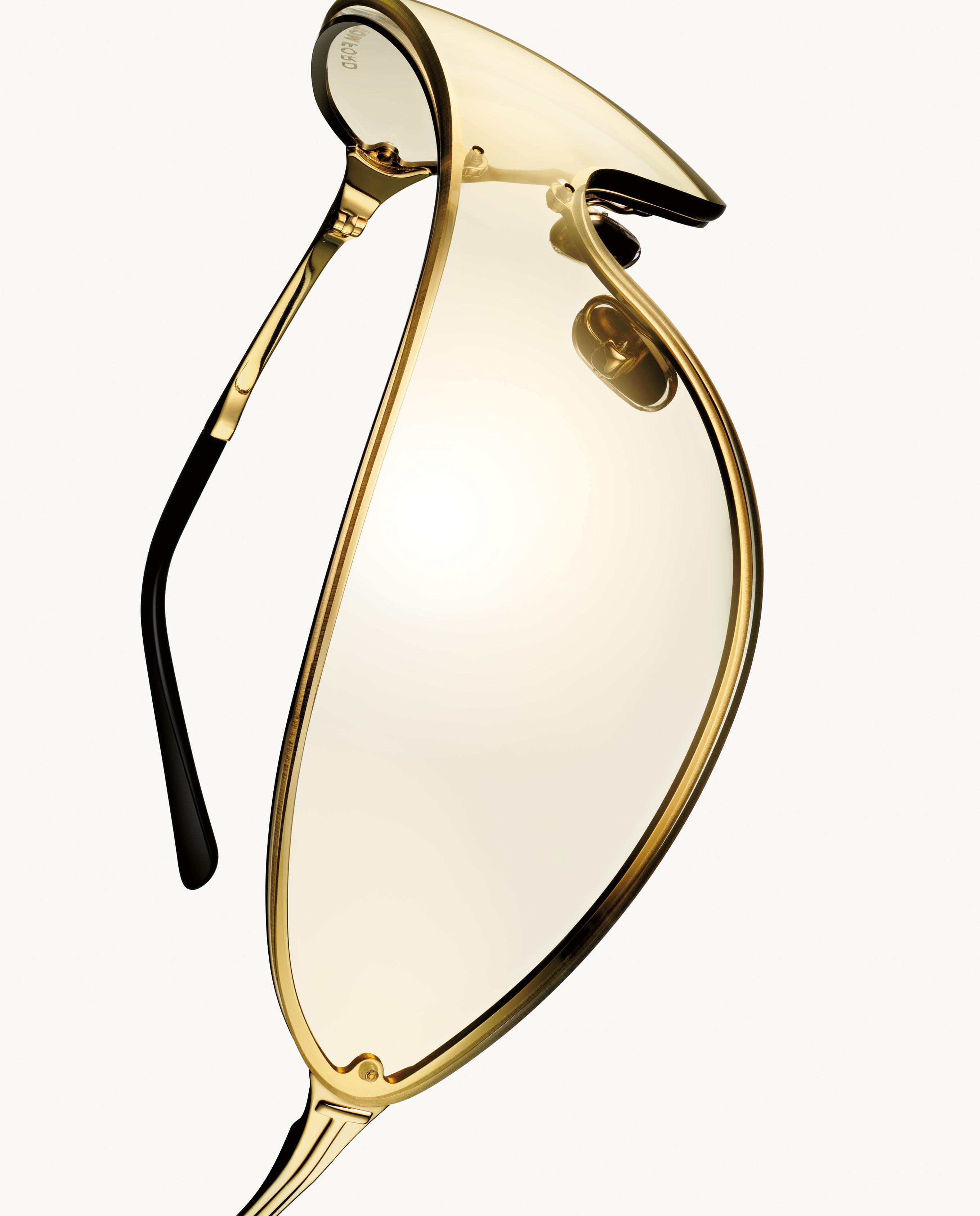
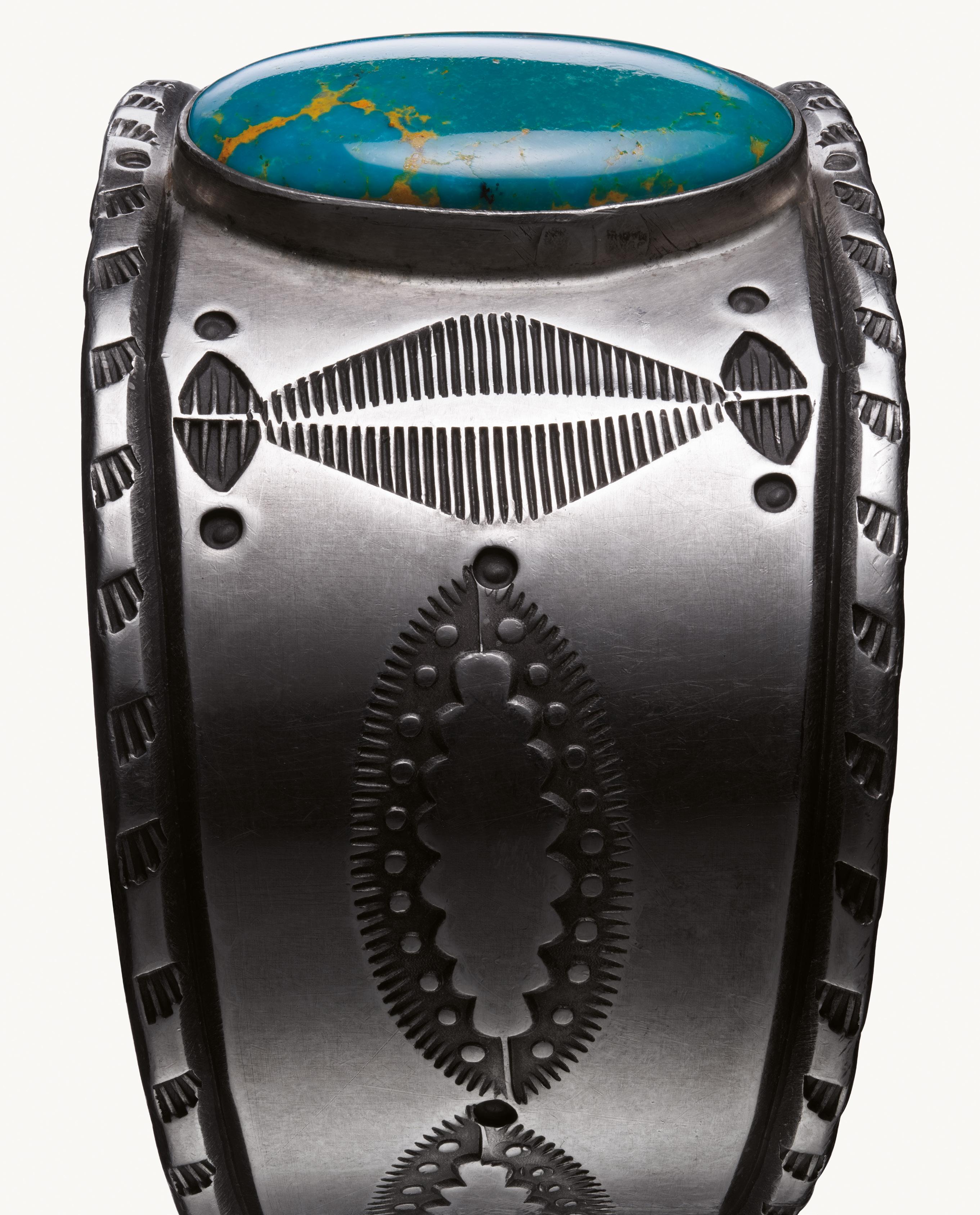
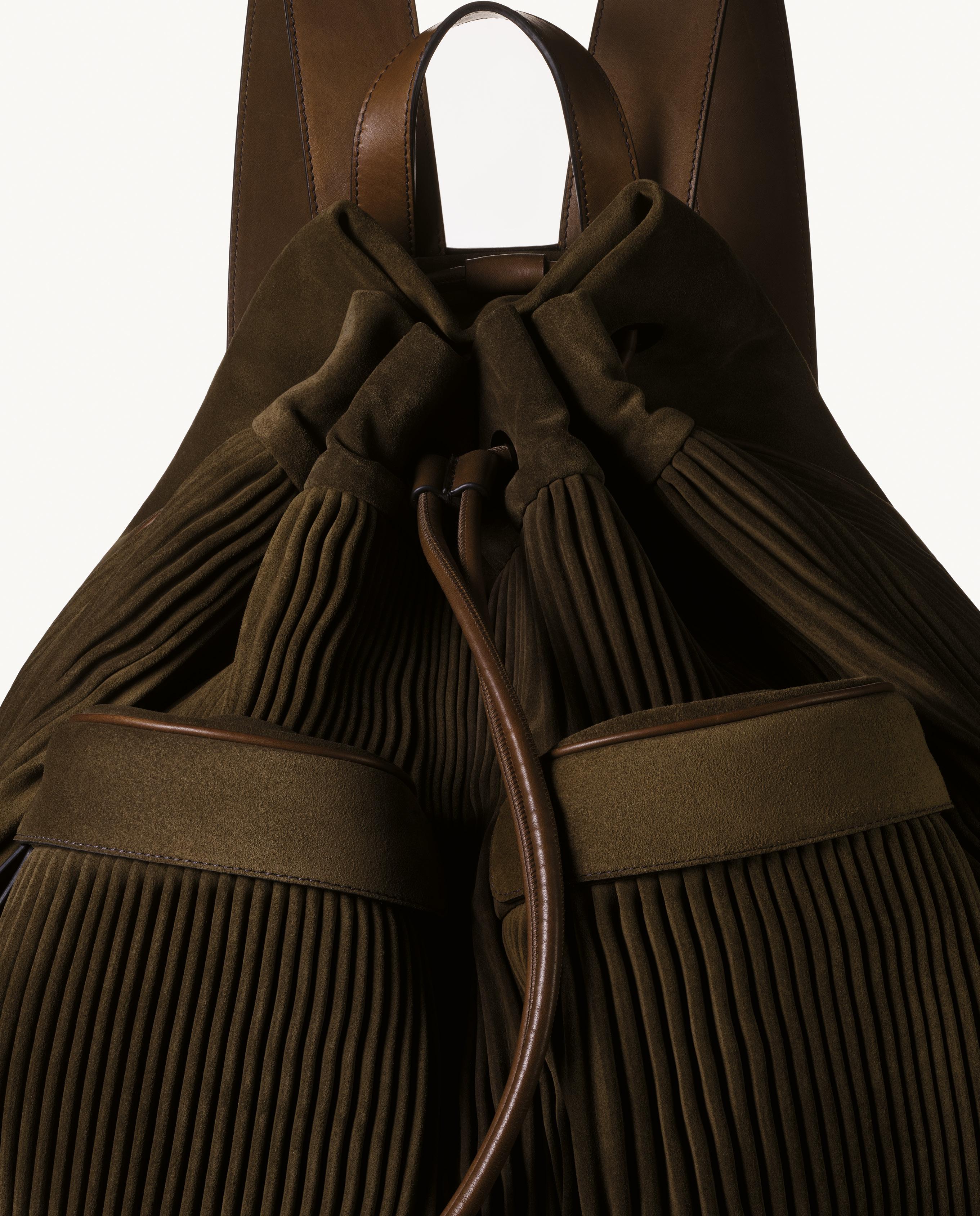
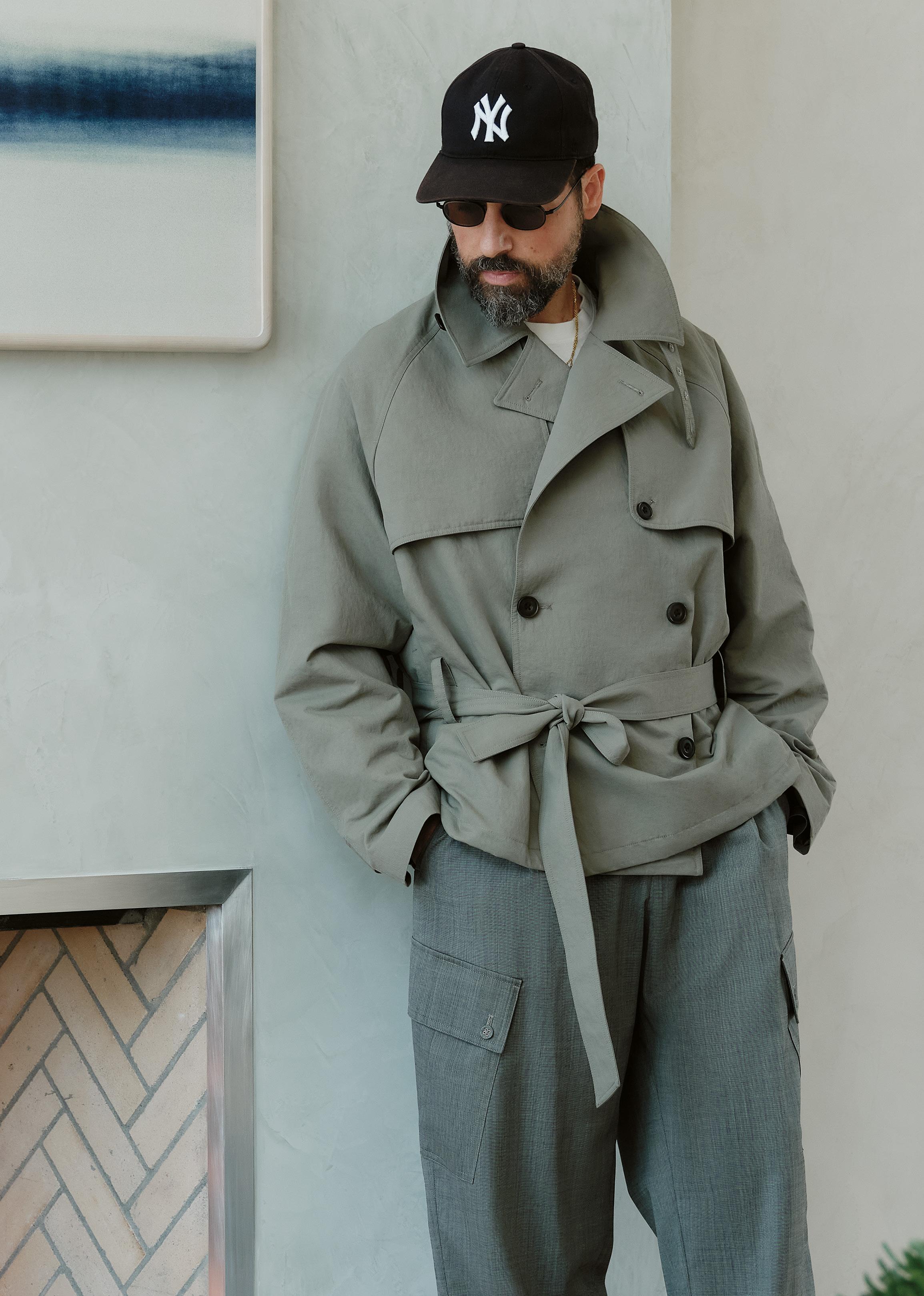
Beauty, they say, is in the eye of the beholder. Our VOICES this season offer four very different eyes. Grace Coddington finds her dreamscapes in a Sofia Coppola film. Bjarke Ingels constructs his sanctuary above Dumbo’s cobblestones. Jérôme Mage builds a business as a living homage to craftsmanship and beauty. Ronnie Fieg traces his tastes back to the New York characters he came across on the subway growing up. Four visions. One conviction: knowing exactly what you love.
Since grade school in Queens, New York Kith founder Ronnie Fieg has always had an innate style that put him in a league above his peers. Now in his mid-forties with two young kids, the fashion mogul’s style has matured to value material over materialism.
Innumerable people across the globe count on Ronnie Fieg for their style by way of the empire that is Kith, the lifestyle juggernaut of which the 44-year-old Queens native is the founder, C.E.O., and creative director. Founded in New York in 2011, Kith now encompasses 17 standalone boutiques and a thriving in-house brand with collections for men, women, and children. And that’s not to mention the growing hospitality side of Fieg’s business: the cerealforward Kith Treats, the New York members club Kith Ivy, and American bistro Ronnie’s with locations in West Hollywood and London.
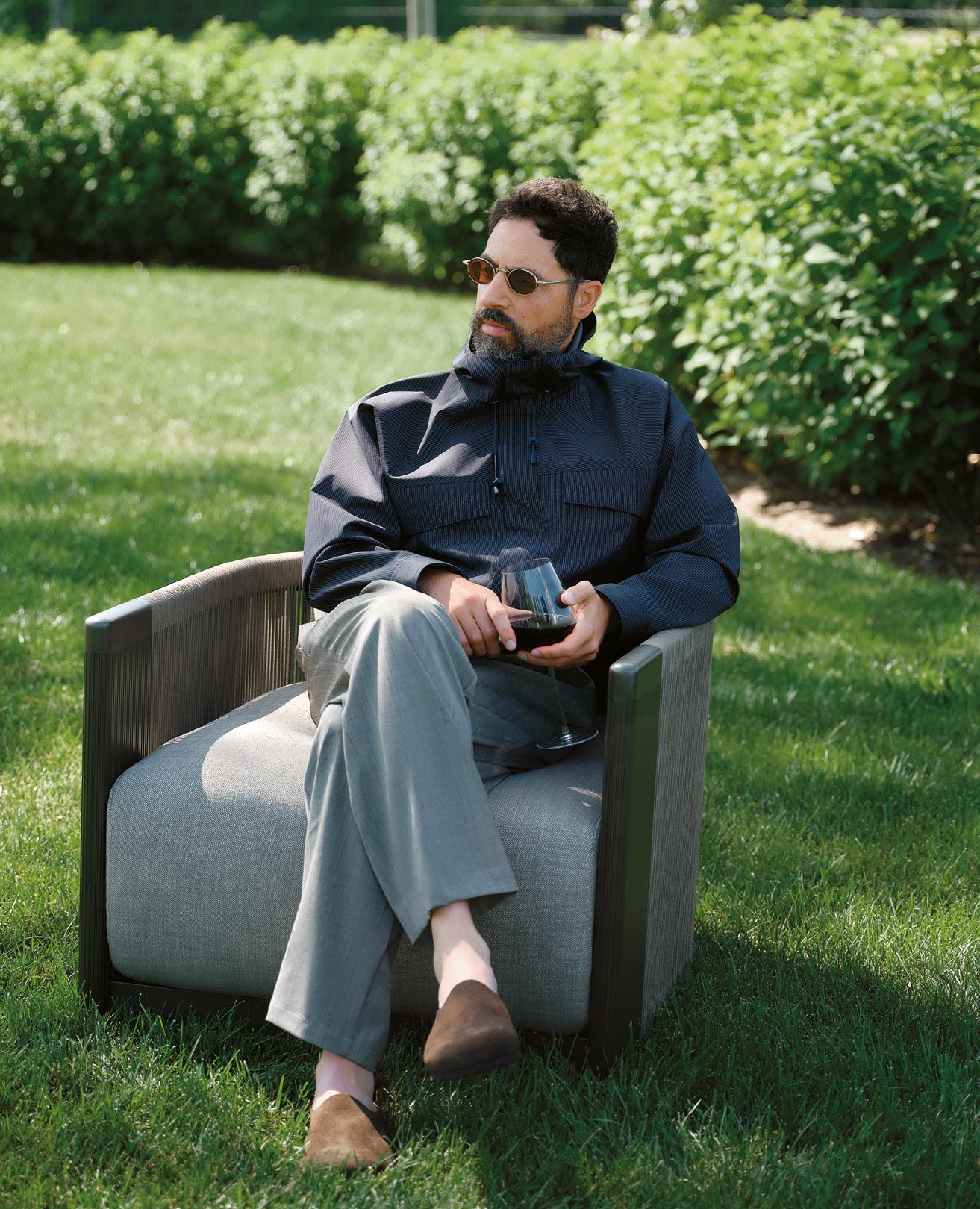
Every inch of this ever-expanding brand stems from Fieg himself. It’s a vision built on a deep knowledge of fashion–from sneakers to luxury houses to niche eyewear designers in Japan – and a reverence for materials, underscored by a Queens-coded instinct. When I reach Fieg (and his twoyear-old daughter, Mila) at his home in the Hamptons, I learn it’s an approach he applies to his own style as well, Yankees low-profile fitted cap included.
ICON: If I ran into you on the street in Queens around when you launched Kith, what would you be wearing?
Ronnie Fieg: Wow, honestly, it would depend on the day. At that time, I guess you could say my closet was a quarter preppy, a quarter sporty, a quarter tailored, and a quarter lounge-y. I had a lot of sweats back then, just to be comfy and run around all day. When I first opened, I was in the stockroom and on the floor a lot.
I used to take the subway from the first stop on the F train in Queens, which is 179th and Jamaica, and along the way to the city we’d pick up people from different neighborhoods, different cultures. It was kind of incredible just to watch.
How has your style evolved between then and now?
I remember my dad being my age and me thinking, “I’ll never get that old. And now, we’re here. But it’s funny, because my taste in what I like to wear myself definitely
changed once I hit 40. Over time, your style doesn’t change, per se, but everything becomes more refined. And then you become a dad. Being a dad is the coolest shit in the world, but every single garment that I own is stained. I have a fiveyear-old and a two-year-old. Everything needs to be easy and feel good on my body. A big part of the brand is the hand-feel of fabrics. After 15 years of feeling fabrics from different mills all over the world, your taste level changes.
So would you say the way a garment feels is just as important as how it looks?
Yes. And if you don’t believe me, ask Loro Piana or Zegna or any of the other brands that make these basics that everyone loves.
Was there a person who impacted your style early on?
I didn’t look to a celebrity or a well-known person. The drug dealers who were shopping in the store in the nineties–they always dressed so fly.
What did a drug dealer in New York in the nineties dress like?
Good question. He was coming in and buying hikers – Dolomites, Trezetas, Timberlands. But also comfortable stuff because they were standing on the corner, so they were also buying 1300s from New Balance. The denim was Parasuco or Guess jeans. And then an Iceberg rugby or sweater. And then, obviously, Ralph and Tommy and Nordica. They would mix it up with the sporty look or the preppy look.
Do you think style and taste are the same thing?
Taste is designing this library [gestures to library in background], picking the materials and the colors and what kind of books. It’s how your food is prepared – it’s everything. And I think you can incorporate that into your style.
How do you think you’ll dress when you’re in your seventies?
It’s funny – the older you get, the less you care. And the less you care, the more effortless you look. If you have good taste, you can then be effortless and still have style.
Is there anything you’re wearing now that you wear every day?
My everyday is this [red Yankees] hat or my navy Yankees hat. My Ronnie’s Yankee hat. These glasses I’ve been wearing every day for a while now; it’s one of the first Japanese eyewear brands, called KameManNen. And I wear my chains every day. These are Greg Yüna, and they’re my daughters’ birthdays.
[Calls to daughter] Do you want to come in here and say hi and help answer these questions? This is Mila.
Hi Mila! Does Dad dress well?
[To Mila] Do you like my clothes?
Mila: Yeah.
Ronnie: Do you help me get dressed in the morning?
Mila: Yeah.
Ronnie: Yes, she does.
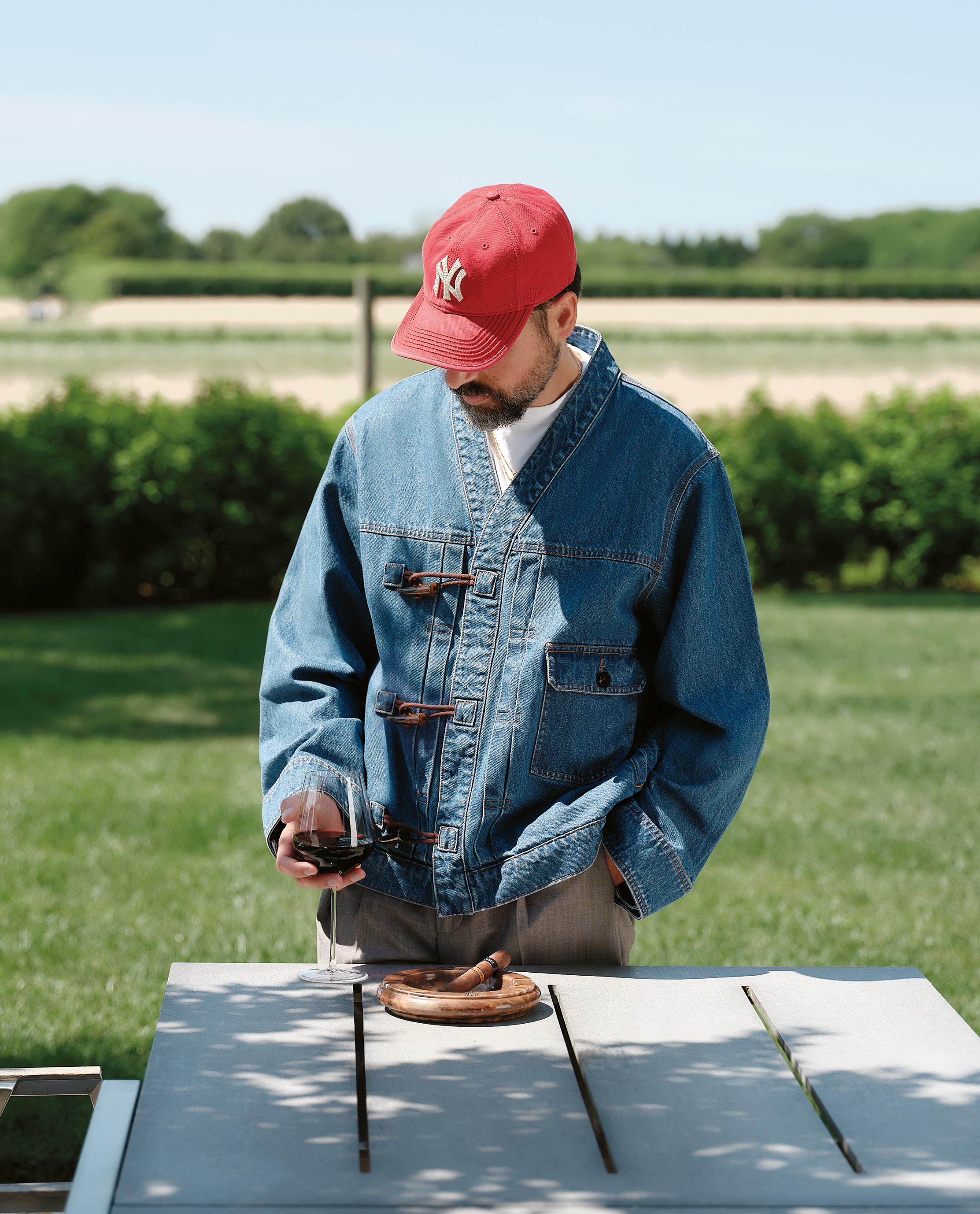
Former Vogue Creative Director-at-Large Grace Coddington speaks about her career as well as her newest book from Phaidon Grace: Now.
For over 28 years, Grace Coddington styled some of the most ludic, theatrical photoshoots as the Creative Directorat-Large for American Vogue. Her newest book, Grace: Now (Phaidon, 2026), showcases many of those shoots, alongside written tributes from friends and colleagues.
Often Coddington’s models feel as if they are just waking from a dream: slightly tousled, limbs akimbo, ensconced in fabrics almost sculptural in their bulk or texture. Rather than celebrate the coiffed, the perfect, Coddington opts for the unpredictable. In a time when beauty feels increasingly digitally homogenized, the icon’s whimsy is a welcome balm.
Do you have a writing routine?
I’m not terribly disciplined about writing, which is probably because I don’t really think of myself as a writer. I’m a stylist.
A dreamer, perhaps.
For Grace: Now, I was always jotting down thoughts whenever they arrived. Looking at old shoots would spark something, or I’d remember a moment on set I’d forgotten. But honestly, some of the best ideas came over dinner with friends, usually with a vodka martini nearby. I have always preferred conversation to solitary confinement.
Thankfully, I wasn’t doing it alone. My dear friend and collaborator Andrew Bevan helped me make sense of all my jumbled thoughts. Together, we were able to place these pictures not only within my own history, but within what fashion and the world have become.
In your introduction, you write about the importance of physical objects, such as books, now everything is increasingly online. What were some editorial suggestions you had to enhance the tactile quality of your book?
I wanted Grace: Now to live in the same world as my previous books, but not to repeat them.
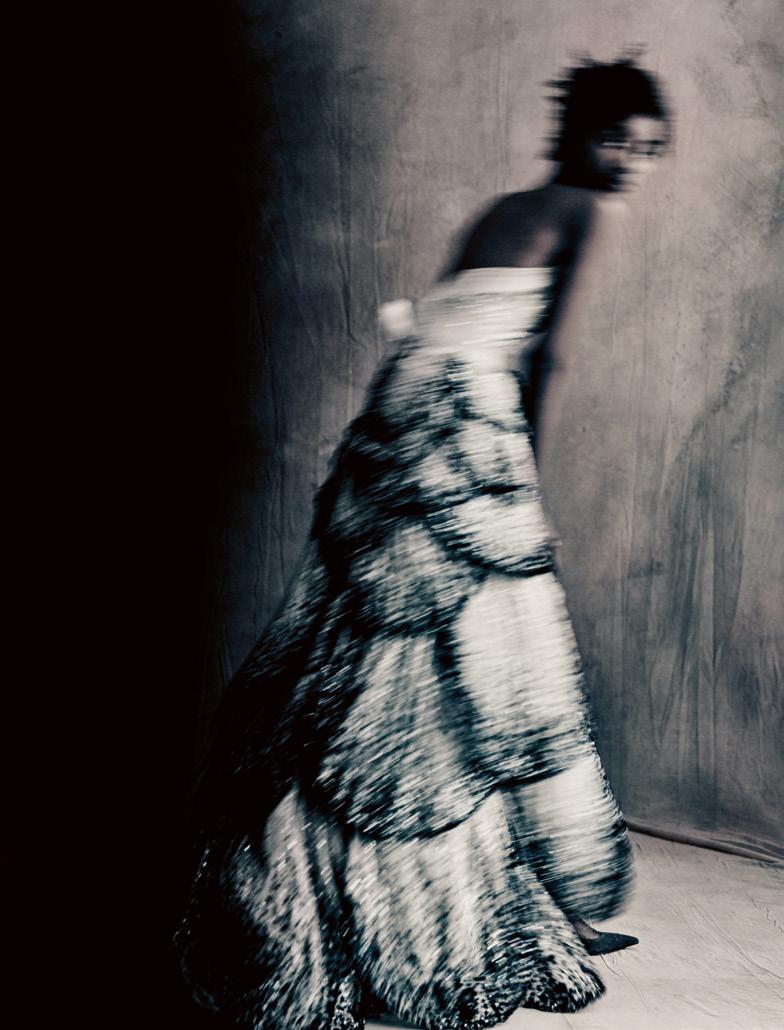
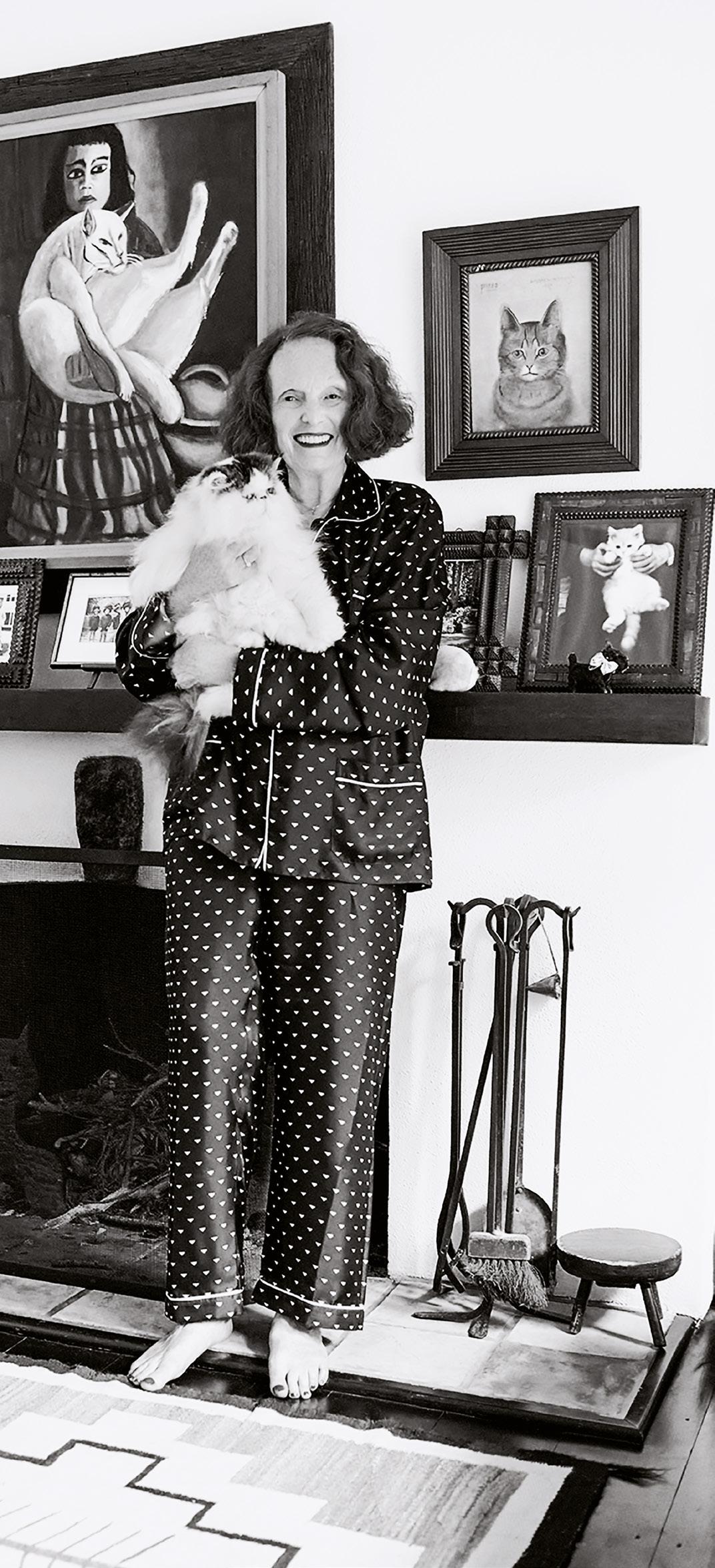
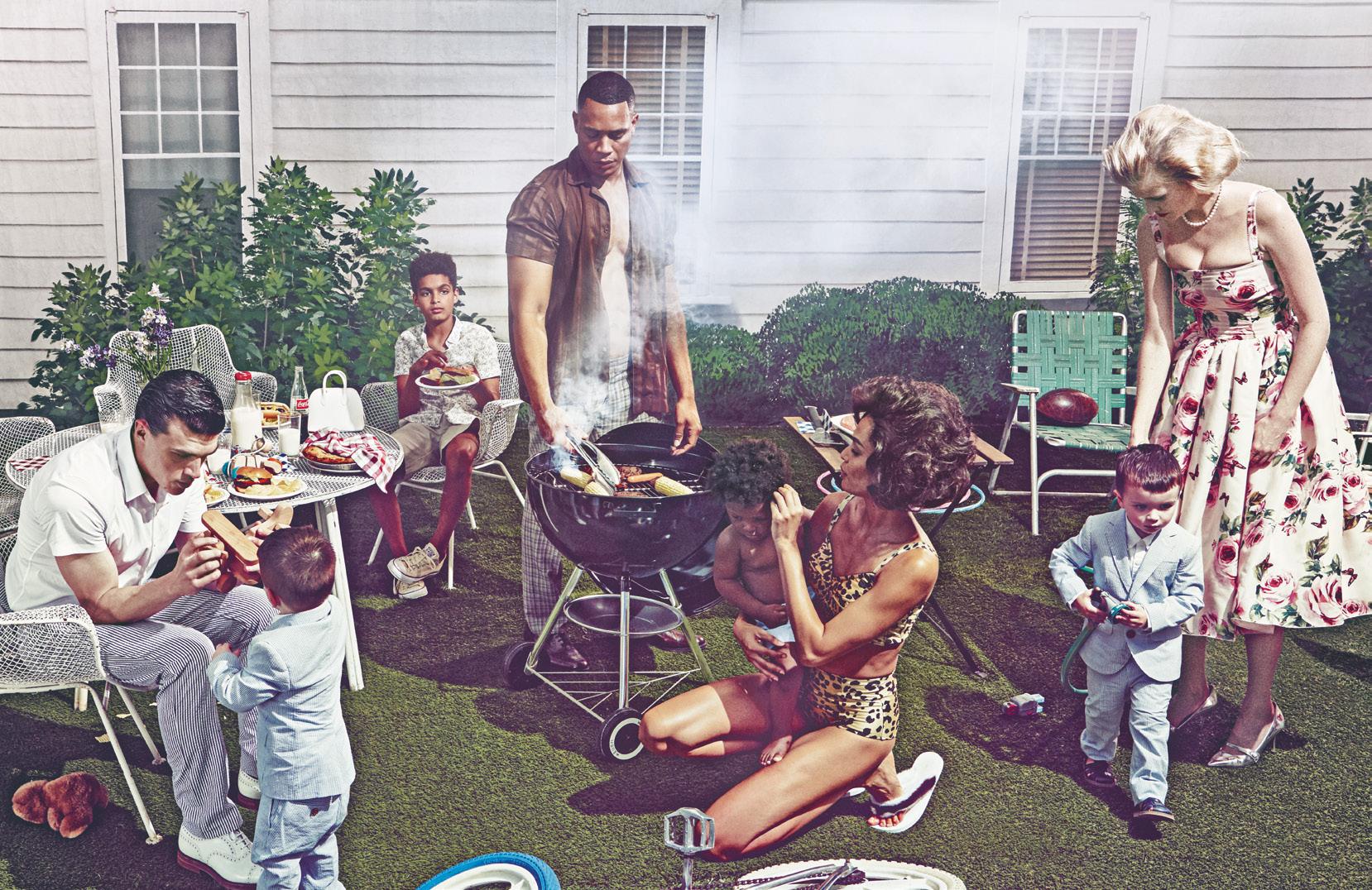
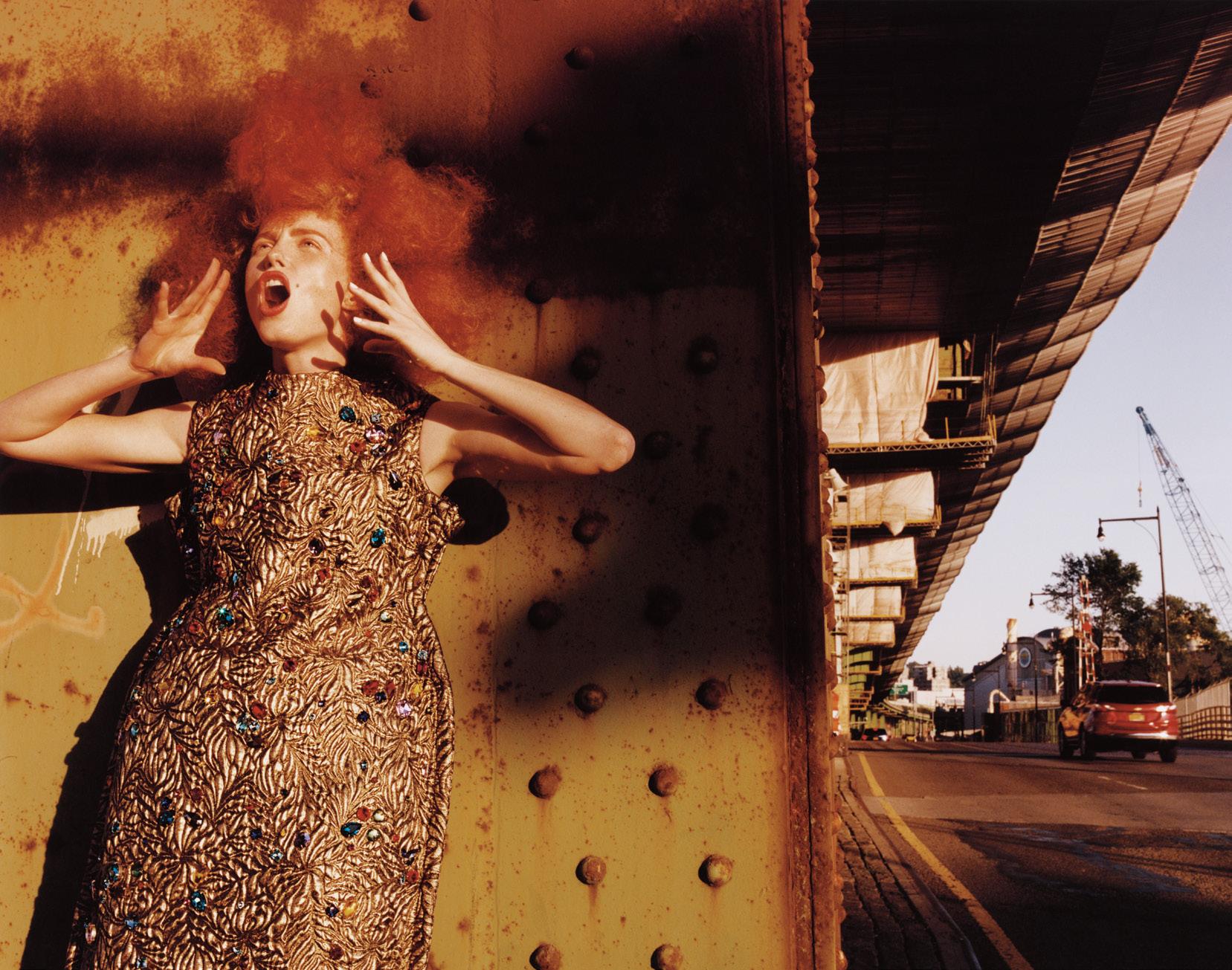
I want to know who the girl is, what she’s thinking, where she’s been, where she’s going. The clothes are part of the story, but they aren’t the whole story. A good fashion shoot should leave a little mystery behind.
On the cover is Michael Roberts’s abstract portrait of me, which appeared on my previous books. This time, though, we gave her a little makeover, so she could reflect who I am currently. The hair is a little redder now, cut into a short, voluminous bob. Michael is no longer here, sadly, but I like to think he would have approved of the little updates we made.
That sense of memory runs throughout the book. I included personal snapshots, my own handwriting, and drawings I’ve made over the last few years, which naturally means there are rather a lot of cats. There are also small tributes to both Michael and Peter Lindbergh, two dear friends whom I miss terribly. As I’ve gotten older, preserving those friendships and those moments has become every bit as important to me as preserving the fashion. This book is a record of both.
Of all the photoshoots you’ve collected, is there one that feels particularly prescient? Without question, it would be American Daydream. It’s rather extraordinary to look at those pictures now because they seem to have gathered more meaning with time.
Steven Klein and I created the story for the September 2017 issue of American Vogue. We had been given the vaguest premise tied to George Clooney’s Suburbicon, something about race and suburban unease, but we hadn’t seen the script and simply invented our own world. Two families, one Black and one white, living side by side in a carefully constructed suburban setting. Steven shot it like a film, with people drifting in and out of the frame.
Then the issue came out in August 2017, just a few days after the Charlottesville riots in Virginia, where white supremacists and neo-Nazis marched openly through the streets and violent clashes erupted across the city, spawning national outrage. Suddenly, people looked at the pictures differently.
In the years that followed, through the Black Lives Matter movement, the murder of George Floyd, and the continued conversations around race and belonging in America, the story somehow kept resonating. I never intended it to be prophetic, but it has remained surprisingly current.
You mention that Steven Klein shot that story like a film. Are there films that have informed your fashion shoots?
I love an epic period film with beautiful costumes and impossible romance. Then I’ll be equally moved by the quiet intimacy of a Japanese film like Shoplifters or the recent Norwegian film Sentimental Value starring Elle Fanning, where so much emotion sits in what isn’t said.
It’s no secret what a huge fan I am of my friend Sofia Coppola. She understands longing, atmosphere, and girls better than almost anyone. She creates entire emotional landscapes, whether it’s Versailles in Marie Antoinette, a hazy 1970s American suburb in The Virgin Suicides, or Graceland in Priscilla. You don’t just watch her film;s, you inhabit them for a while. Which is exactly what I’ve always set out to do with my own work.
I want to know who the girl is, what she’s thinking, where she’s been, where she’s going. The clothes are part of the story, but they aren’t the whole story. A good fashion shoot should leave a little mystery behind. The best films do exactly the same thing.
You talk about this also in the documentary
The September Issue (2009), building “a fantasy around the girl and what she’s doing, what she’s thinking, who she is.” If we saw a photograph of a girl holding Grace: Now, what would be the story — or fantasy imagined for her?
When I laid out all the pictures for Grace: Now, I realized something rather surprising. There were far fewer grand productions than in my earlier years.
Partly that was circumstance. Budgets became smaller. The pandemic changed how we worked. But I also think I changed. I became more interested in a girl alone with her thoughts.
I never fully cracked the code of what these women are up to, and I rather like that. They don’t perform happiness and they don’t perform sadness either. They live somewhere in between.
Perhaps the girl holding Grace: Now is searching for something. Or perhaps she’s already found it and simply isn’t telling us.
Like the Scandinavian and Japanese cinema, I spoke about earlier, I’d rather leave a few things unsaid. In a way, that’s where a different kind of fantasy begins.
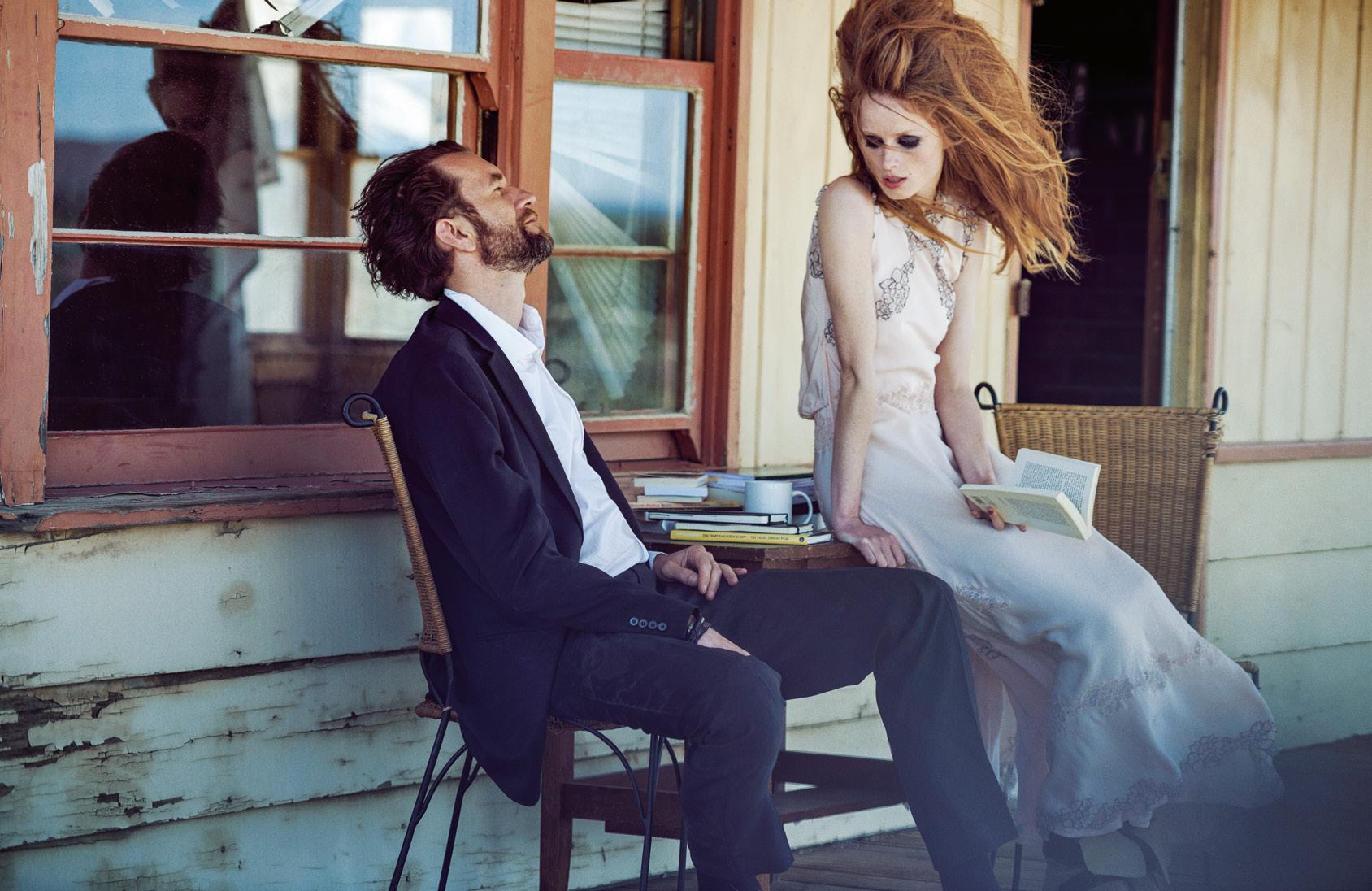
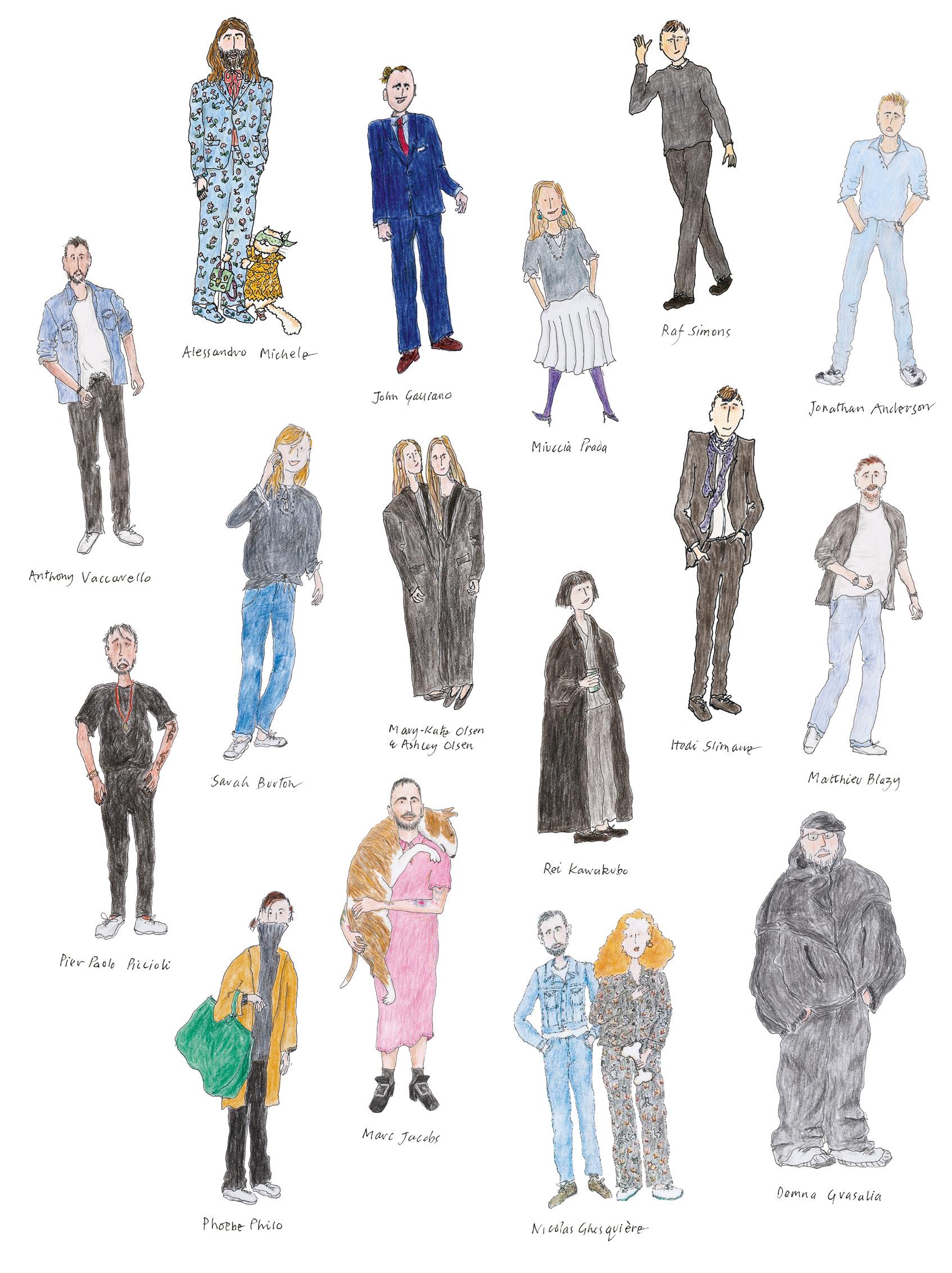
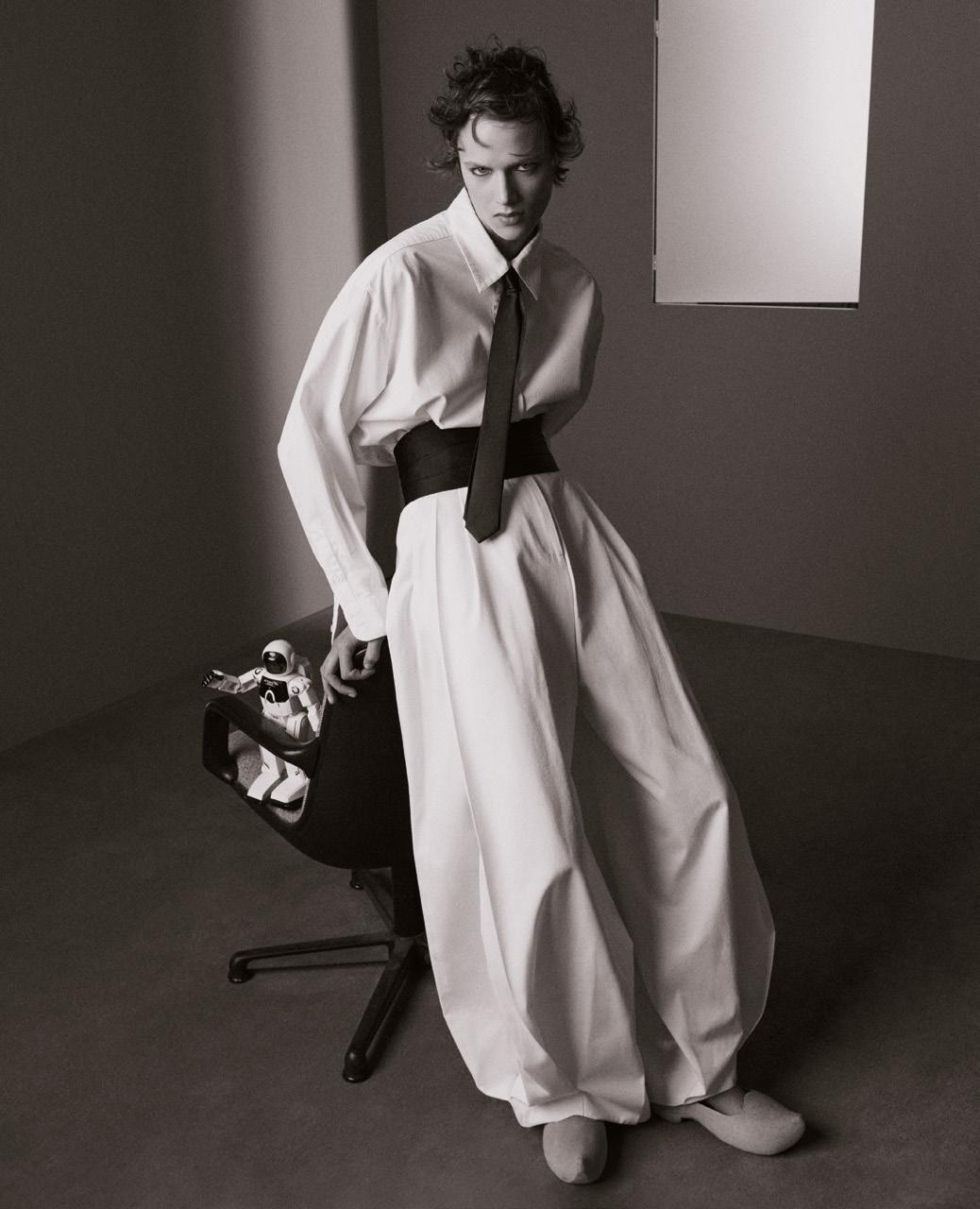
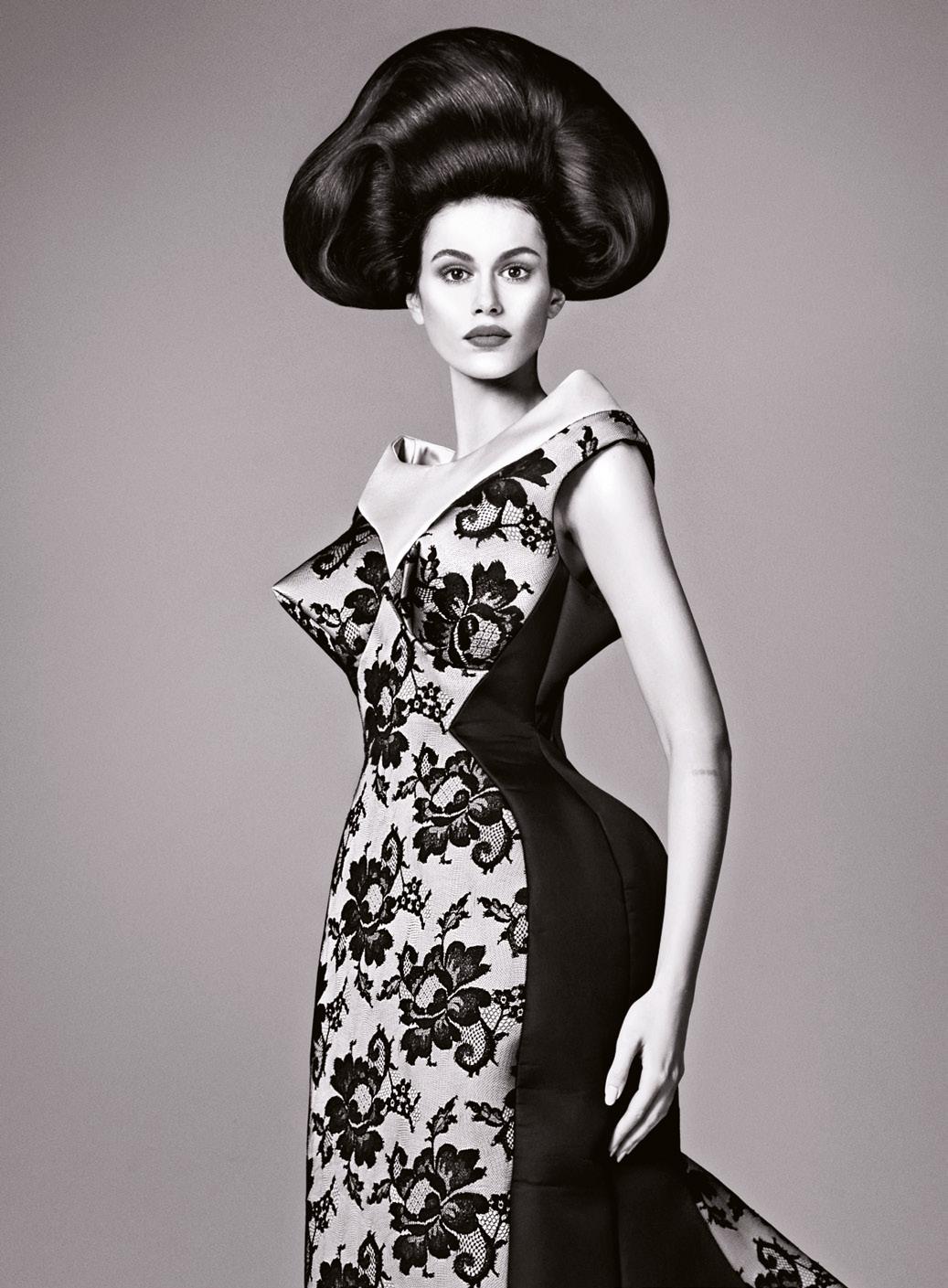
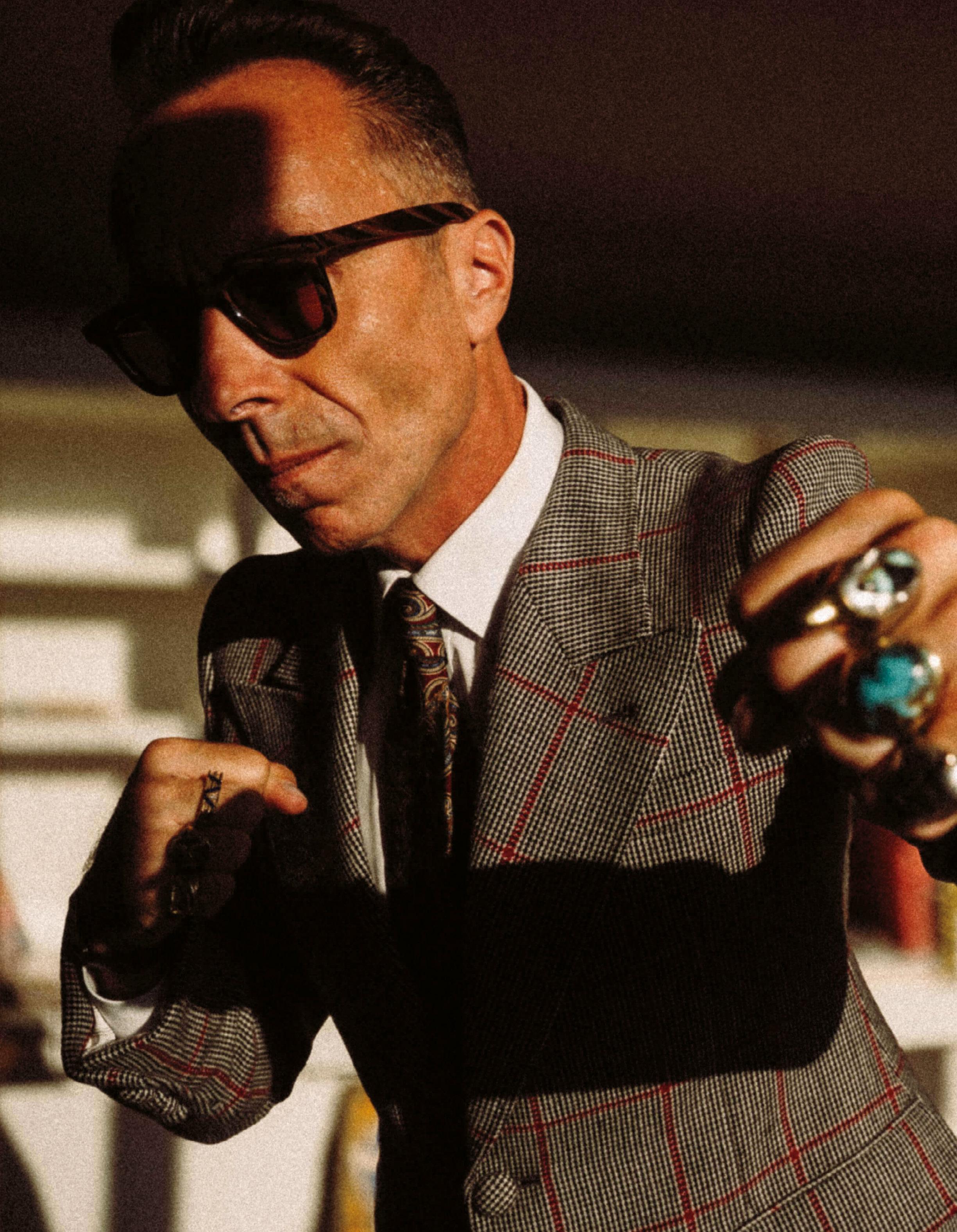
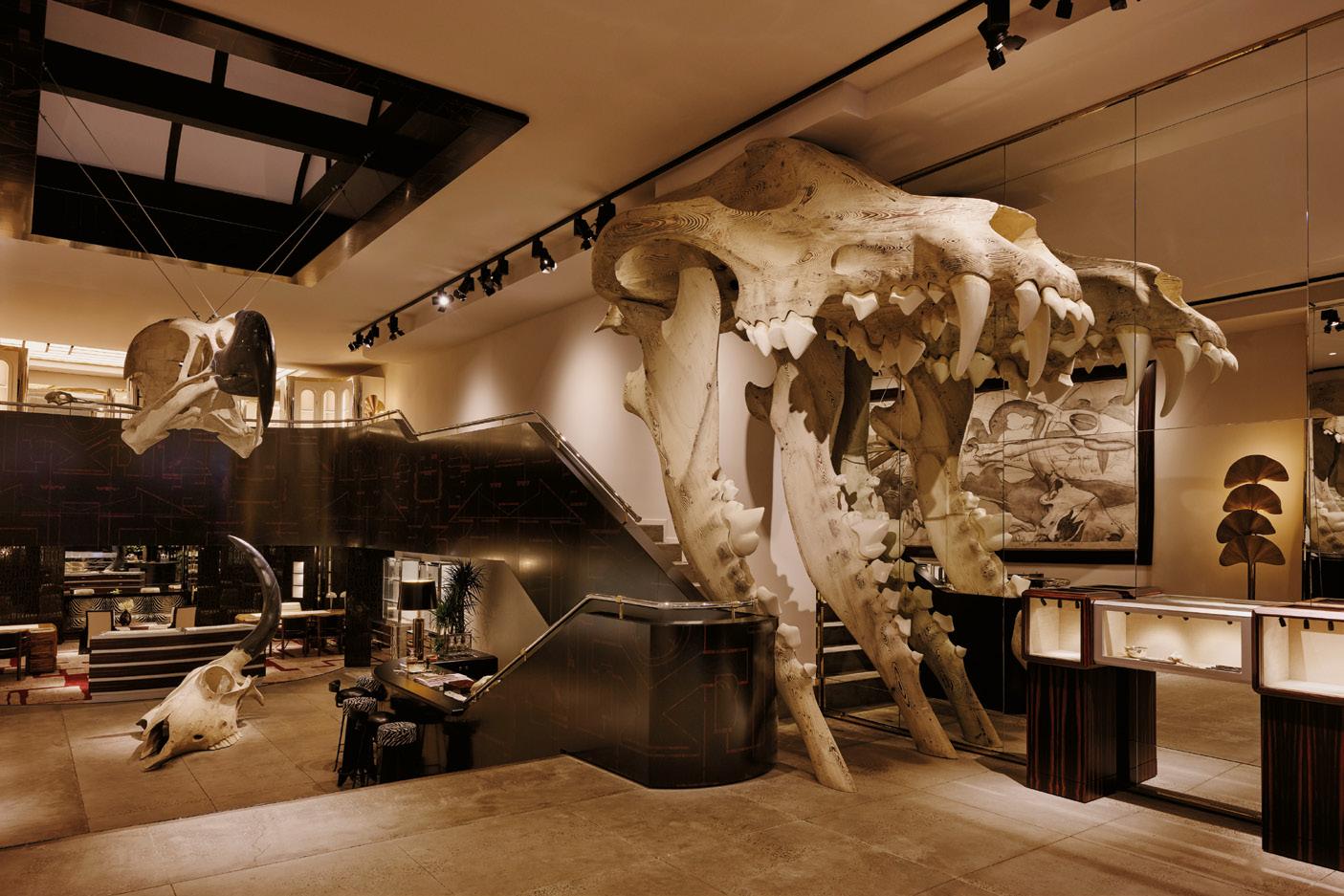
With an approach that balances commerce with craftsmanship, Jérôme Mage has built Jacques Marie Mage eyewear into a cult brand with remarkable foresight.
Jérôme Mage, the enigmatic creative director and C.E.O. of popular eyewear brand Jacques Marie Mage, likes to take things slow. In a luxury landscape of immediacy, go-bigor-go-home retail spaces and radical automatization, the French entrepreneur favors meticulous craftsmanship, scarcity, and considered, deliberate expansion. Take, for instance, JMM’s famed 300-step, impossibly analogue production process in Japan, its limited quantities (just 500 pieces per SKU), or its intimate retail spaces–dubbed “galleries”–each with theirs own distinct design and flavor. It’s a gambit that’s paid off. Since the Los Angeles-based brand launched in 2014, it has enjoyed steady year-over-
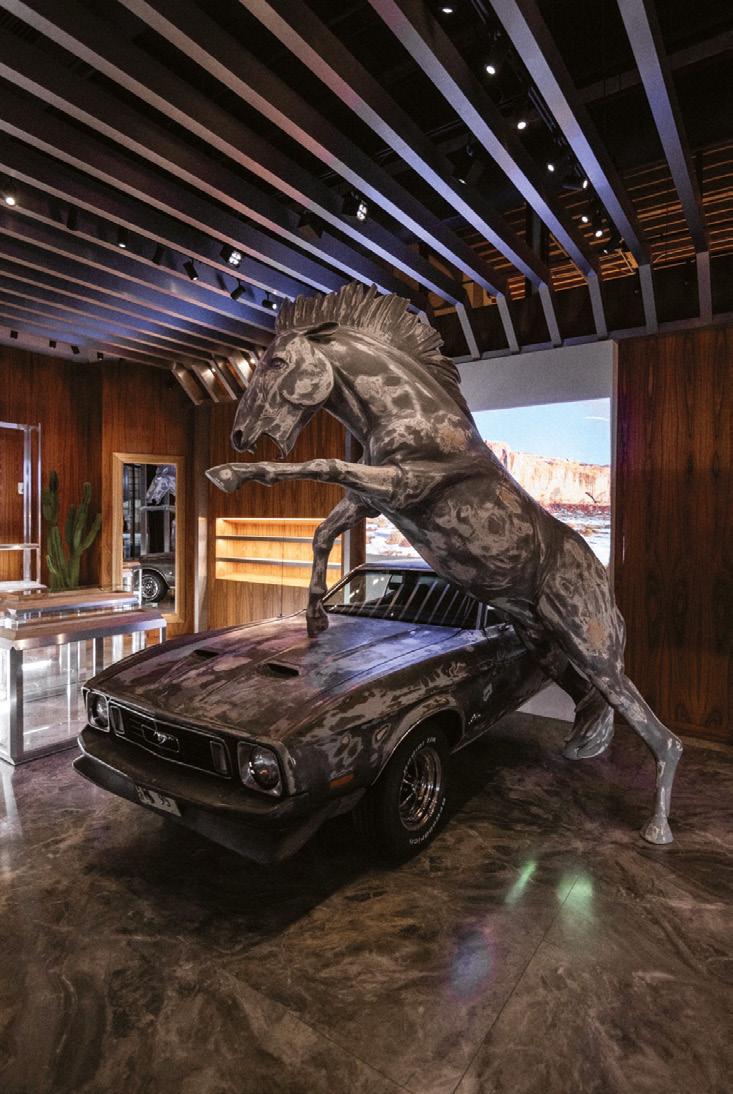
year growth, opening 10 galleries across the globe. In 2025, the brand launched shops in Milan, London, Paris, Tokyo, and Austin, followed by New York in 2026 and established offices in Los Angeles, Paris, and Tokyo.
One might say there are two wolves living inside Mage: the businessman and the creative (there are also the literal wolves, which Jacques Marie Mage aims to conserve via its philanthropic endeavours). Mage will be the first to say not every move he’s made in the past decade has been with the bottom line in mind. Rather, his aim is to build something made to last, both in terms of product and the company itself; a living homage to craftsmanship and beauty.
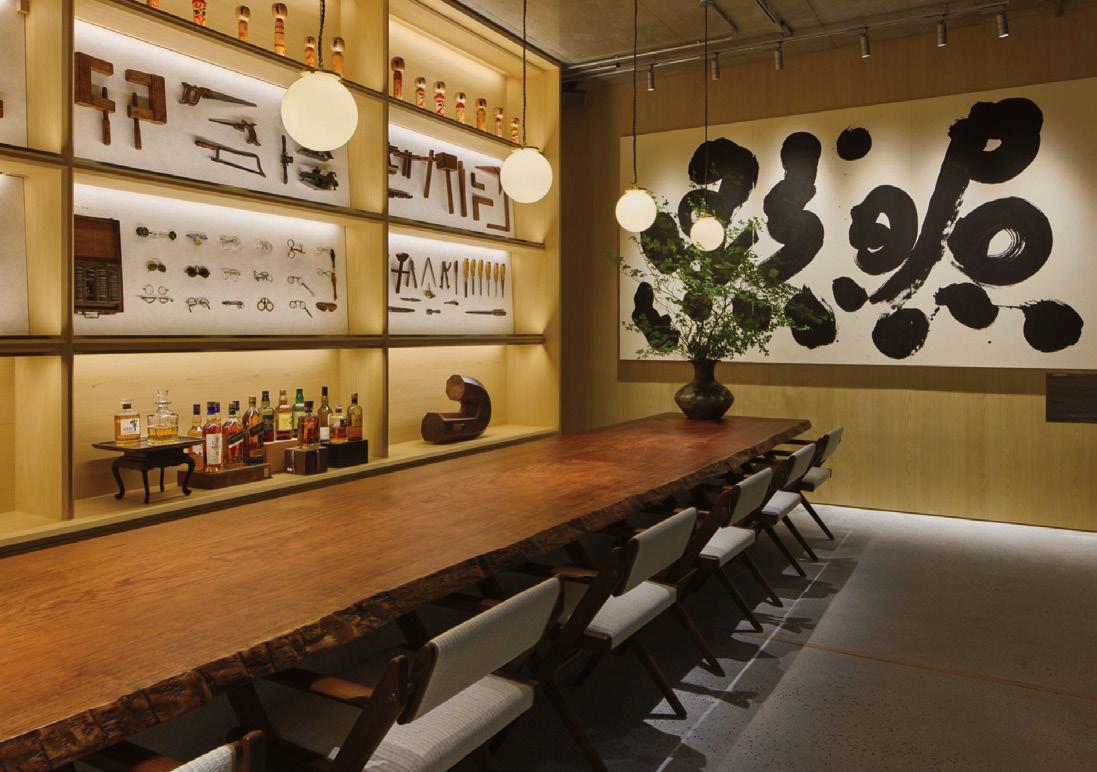
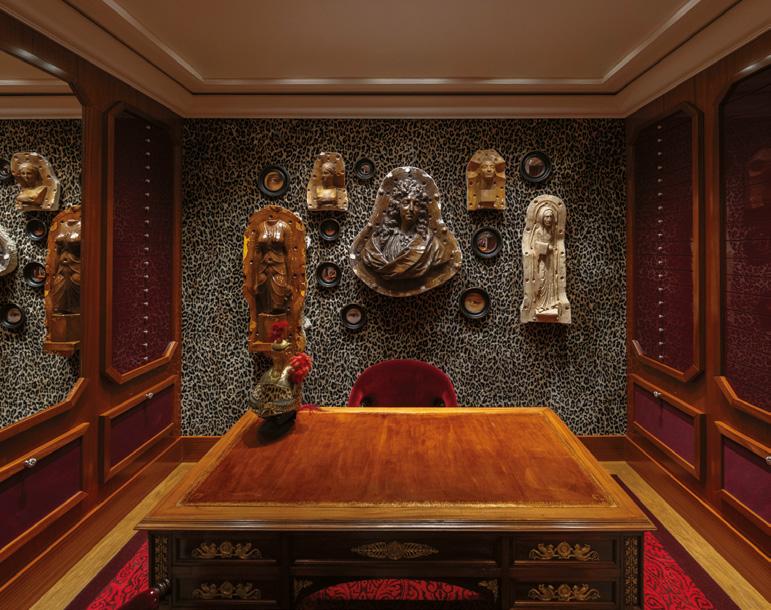
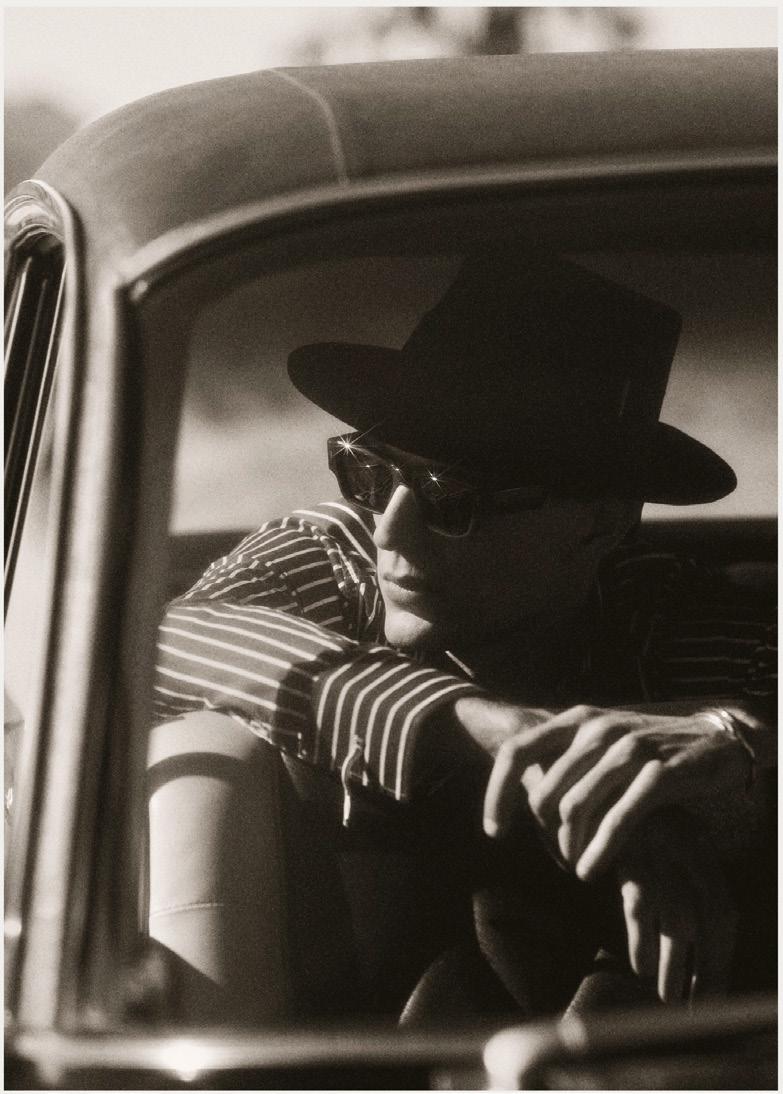
I love taking risks, but calculated risks.
ICON: When you launched Jacques Marie Mage, what did you feel you could add to the luxury eyewear space?
Jérôme Mage : I started really thinking about the project in 2000 and worked on it for about three years. Luxury had become pretty suspicious already. There were these huge stores that felt more like a supermarket of globalized luxury merchandise. I wanted to do something in terms of position, offering, and concept that’s quite different from that. There were these weird feelings and an oddness about luxury, where luxury was going and what luxury meant.
At the same time, eyewear is where I had the most support and the category I knew the most about from my design studio. I knew I could ask some favors—and to start a business, you need a lot of favors.
Can you recall one or two favors you called in that were integral to launching the brand?
For example, mould cost and minimums. As a designer at a very big design studio in Los Angeles, I worked for a lot of eyewear brands from the top of the pyramid, fashion brands all the way to action sports and more mainstream brands. Oftentimes, I would help with selecting factories. Because of that, a lot of ateliers made good money or had really good clients because I brought in those clients. So
I was able to be like, “Hey, I’m doing a little project, can you help me?”
So let’s say I had to order 500 pairs of glasses; they were like, “Let’s do 200 for you.” In the beginning, if you don’t have a financial backer—because I started as completely independent—it’s important in the first year to get a proof of concept. So the idea was to order a minimum and do a proof of concept. I was not a billionaire, so it’s not like I could put millions and millions of dollars into the product. So that’s where I asked for favors. At the beginning, that’s a very big deal. Maybe it allows you to do four styles instead of two.
How do you balance preserving your very clear creative vision with building the business?
It’s not easy; I’m not gonna lie. I don’t think there are a lot of creative directors who are also C.E.O., and I can say that JMM is not a small company; it’s a medium-sized company. Designing is very intuitive, and for me it’s a very emotional, sometimes daunting task. Being a C.E.O. is really a factual, rational brain activity. Napoleon said, “In politics, there’s no heart, there’s only brain,” and in a C.E.O. position, there’s no heart. It’s very hard, because sometimes you end up with friends that you work with or your employees become your
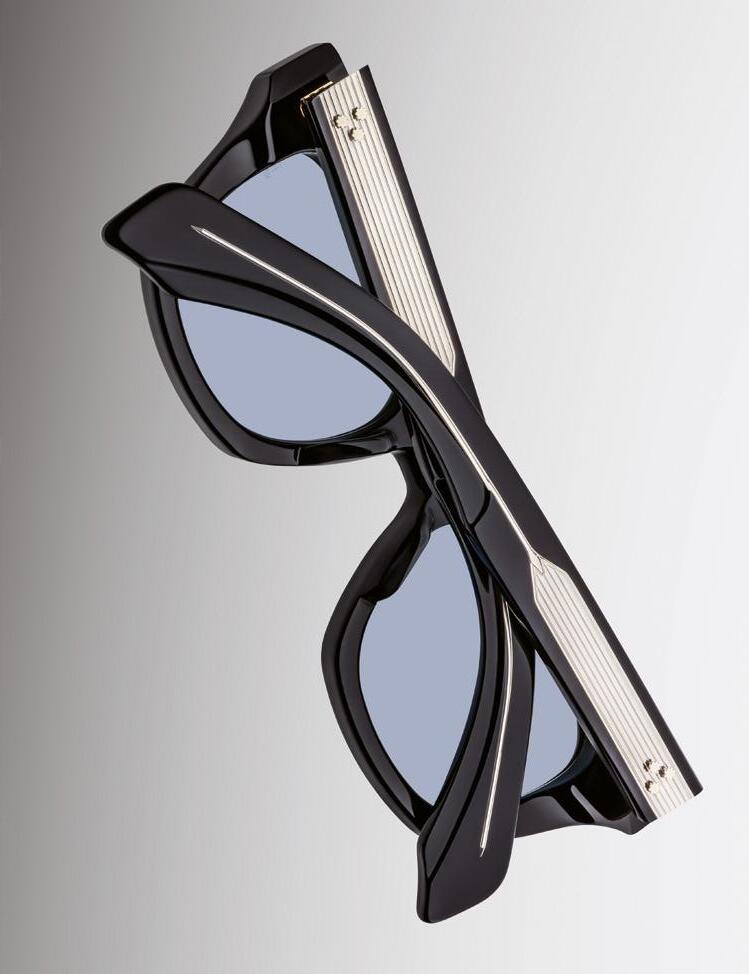

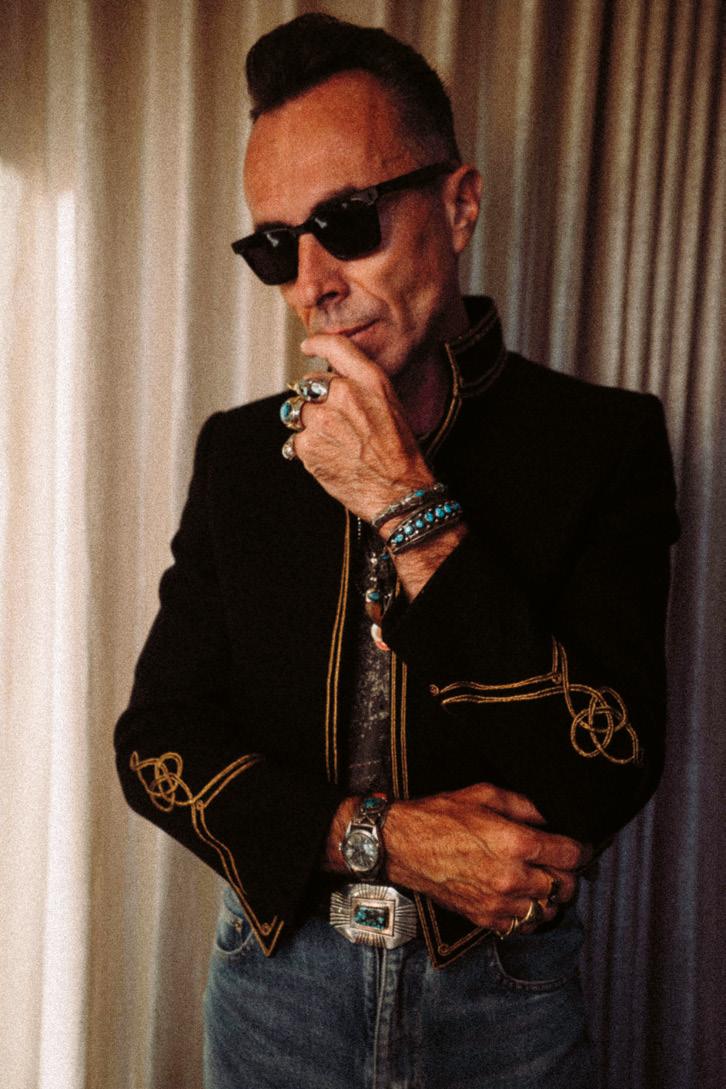
It’s not easy; I’m not gonna lie. I don’t think there are a lot of creative directors who are also C.E.O.
friends. But being a C.E.O. is a position that also requires creativity, timing, and quick execution.
But the place where it overlaps is risk–how much risk and how ambitious you want to be. I love taking risks, but calculated risks.
What’s one risk you’ve taken that has really paid off?
Opening my first gallery in Venice. At that time, we were completely wholesale and we had a great wholesale business. Online was booming before the pandemic, and it was right after the pandemic. Things were still recovering, so it was a risk, and it really paid off. Now we have so many galleries and they’re all representative of our world. We never repeat ourselves–it’s like you’re in the same house, but you’re in different rooms.
It must be both costly and time-consuming to make each gallery bespoke. How does that contribute to your success?
It doesn’t add anything to the quality of the business. Not everything in luxury is about the bottom line. Luxury is about an experience and creating something that is truly special and unique that touches people emotionally. It’s also about creating that bridge between our craftsmen and the people who wear the glasses.
So how do you maintain that craftsmanship and keep your qualities limited while still growing?
It’s very difficult, but I’m not growth-obsessed. Obviously, it’s very nice for the company to grow every year, but we have a limitation on the number of glasses we can make. That’s why we’re exploring new avenues like our line of jewelry and our line of leather goods. But growth can also come in the way your business is–it’s not always about the top number; it can be the bottom number.
As JMM is so tied to you personally, what do you imagine for its long-term future?
The legacy should be to protect, honor, and continue in general. Whatever is created by our hands–by a person–is something that is worth a lot and will continue to be worth even more. So that would be number one. Number two, it would be to continue to aspire to represent the idea of luxury at its highest level–that’s something rare, collectible, and crafted. And the third is our work with philanthropy and the U.S. National Parks–the protection of wolves. We’re working hard to create a foundation. Moving forward, if the project carries those things in 15 or 100 years, JMM will always exist and always be a success, because these are things that will never go out of fashion.
Danish architect Bjarke Ingels brings Scandinavian craftsmanship to an industrial three-story Brooklyn penthouse replete with gardens.
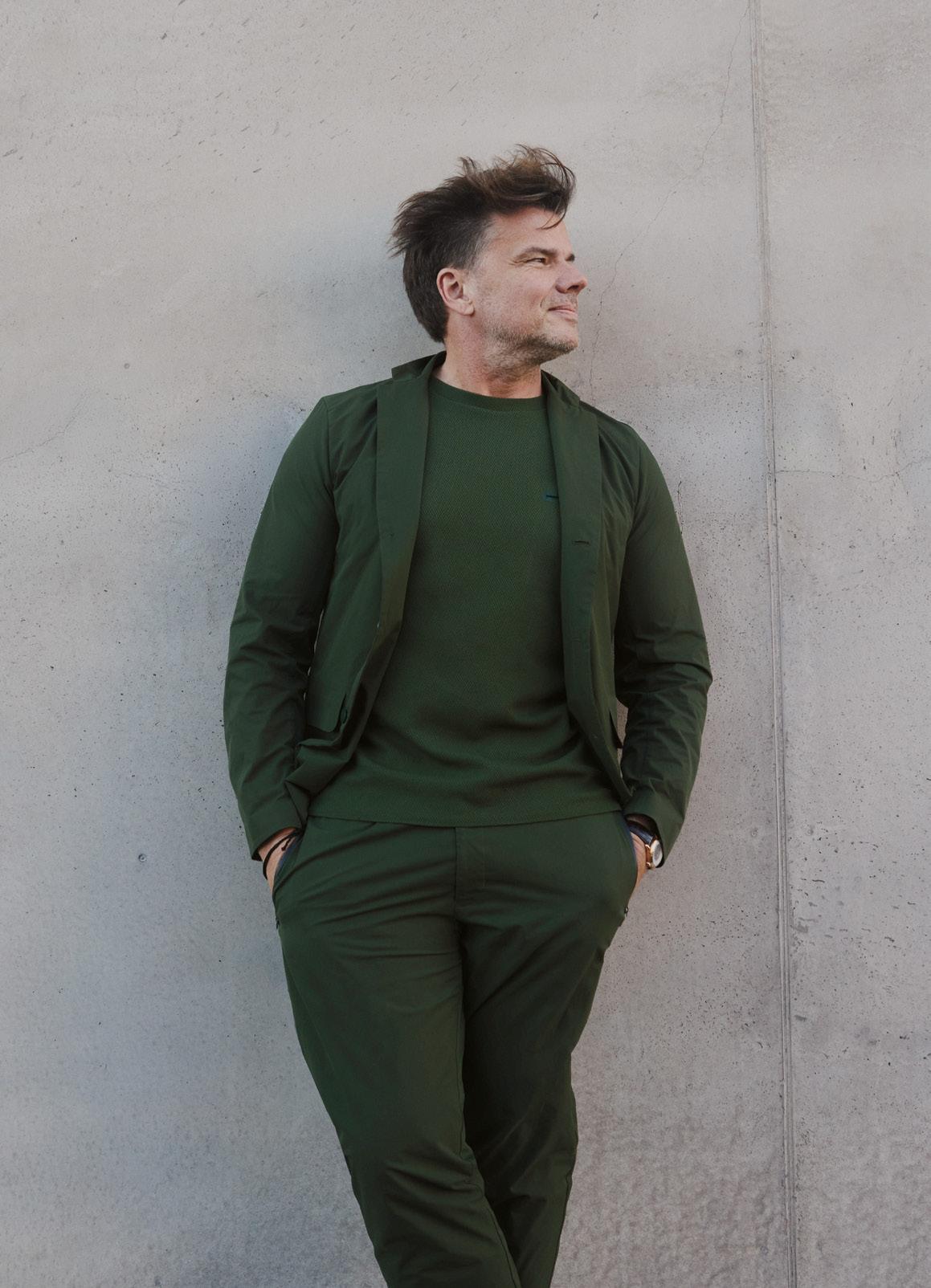
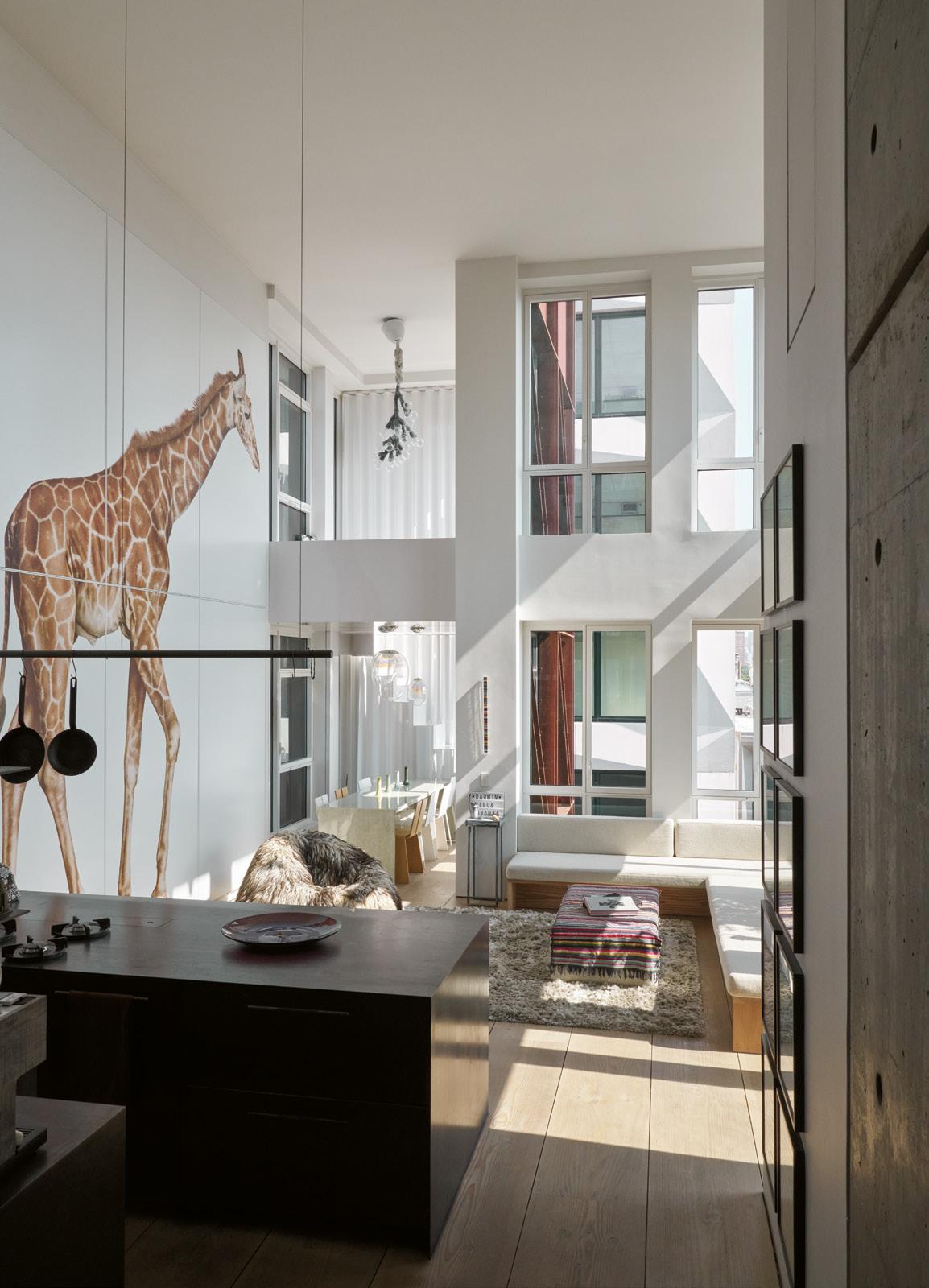

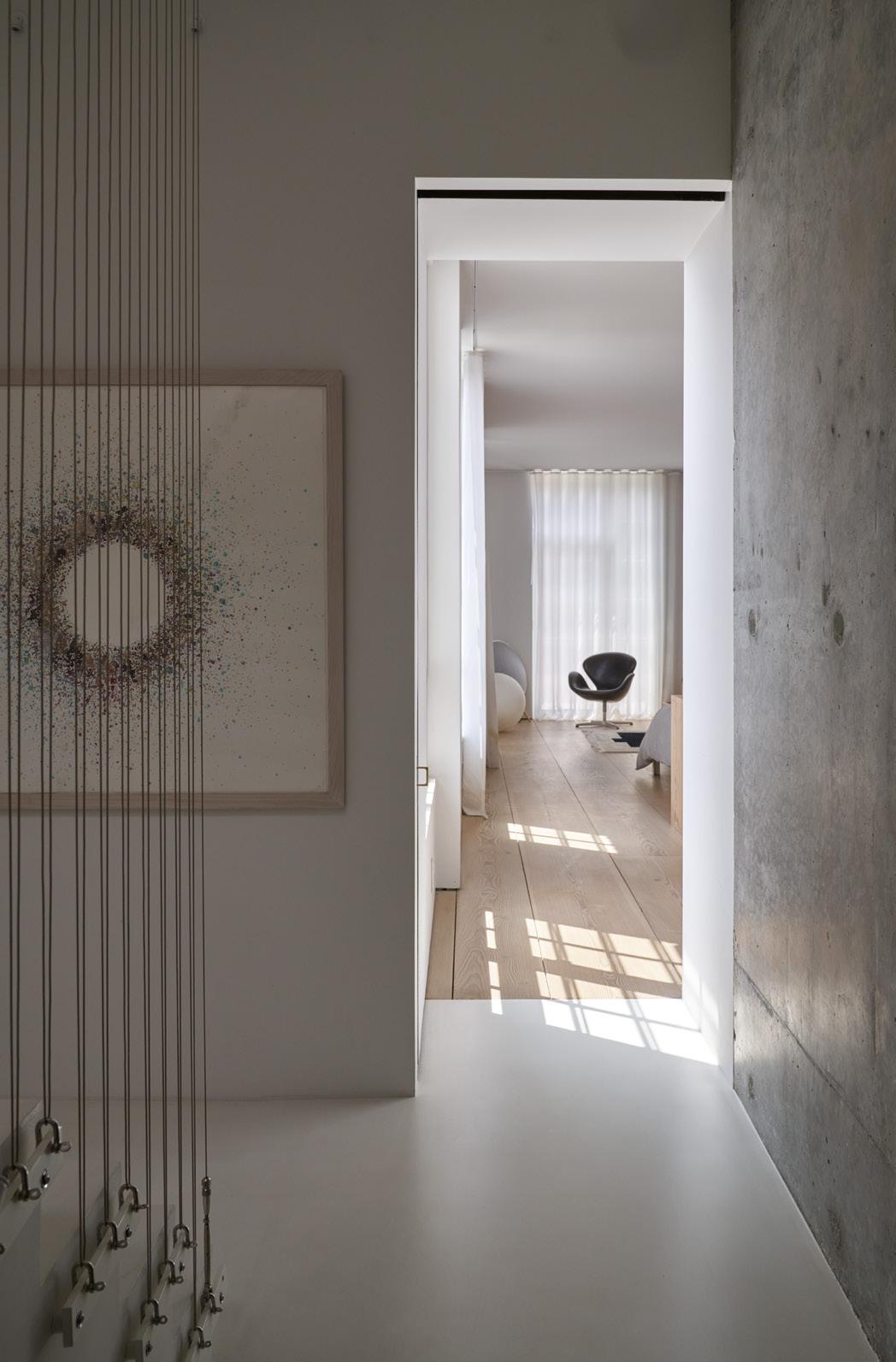
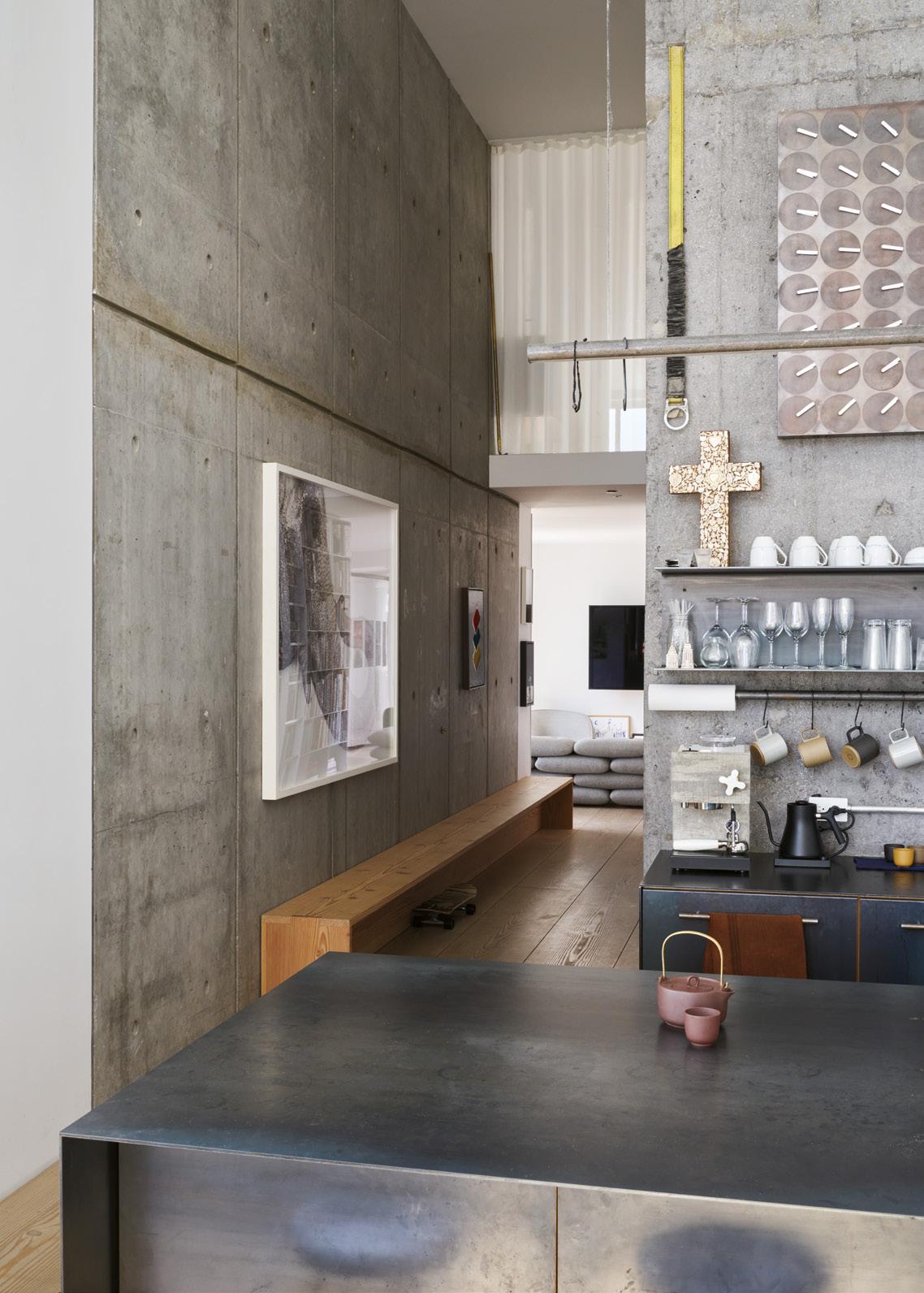
If Bjarke Ingels was a screenwriter, he’d be working on adaptations; such is his approach to the built environment. “The narrative has been to fall in love with what’s there,” he tells ICON, “to keep the character and soul.” The Danish architect, known for integrating outdoor environments into massive structural developments, while maintaining a sustainable and balanced practice in the work, takes on personal projects with the same philosophy.
Today, Ingels and his family spend most of their time in their penthouse in Dumbo, Brooklyn, although they are considering relocating to Copenhagen soon, where the family owns a houseboat. When I call Ingels, it’s the height of the Scandinavian summer and he is on holiday with his wife and son in Rørvig, a seaside town on Denmark's Isefjord, where he recently renovated his 1918 historical pinewood summerhouse.
The three regions where Ingels has chosen to build his homes are marked by distinct landscapes. Each residence flourishes in the hands of the architect, precisely because he turns to the language of each exterior environment to build a home that’s functional, identifiably his, and reflective of the area’s history.
ICON: The Northern Danish landscape you’re in now is the opposite of Dumbo. One was a manufacturing district full of industry, and here you are in this fairytale kind of nature.
Bjarke Ingels: Dumbo, as it comes, has this incredible visually and spatially exciting metropolitan landscape. It has the charm of the cobblestones and the warehouses, but then it also has the bridges passing overhead. It has this metropolis vibe of a three-dimensional city; you can walk and bike on the bridges looking down over the roofscapes and across into the windows of the towers. The rest of New York is incarcerated by highways, but Dumbo goes all the way down to the water’s edge with the Brooklyn Bridge Park. And then of course Dumbo has the most beautiful view of any neighborhood looking across at Lower Manhattan and its historical skyline.
In your Dumbo home, you use a lot of industrial materials but, at the same time, it has refined Danish craftsmanship. How did you reconcile these two distinct worlds into a home?
On the outside, the building is cast-in-situ concrete and Cor-Ten. It’s rather raw and authentic, in a good way. When I bought it, on the inside, it was a bit too cookie-cutter. The first thing I did once I looked at the plans was see that I could tear down a lot of walls to create a more continuous flow. The apartment has light from four sides—it has an abundance of daylight, more than almost any apartment I’ve seen in New York.
I’m the only resident on the top three floors, so I found out I could cancel one of the stairs and make it my own, and there I could remove the paint and bring the concrete out. In a way, I was trying to extract as many of the bare bones of the raw structure already there.
You alluded to the Danishness. I did call my friends at Dinesen who make these incredible old-school dark pine floors that are 18 inches wide. It’s like walking on the deck of a ship. You can see the veins of the wood. The whole
apartment has these floors that are not lacquered or oiled but treated with lye, which is the traditional Danish way of doing it.
What do you like in a living space?
More than anything, daylight, a connection to the outside so you can feel the weather. The reason I bought this apartment was because it had the same amount of outdoor space as indoor space. I came from Tribeca, which, in the end, felt a little bit too hermetic. Here I really felt the kind of openness, not just of the neighborhood but also of the apartment.
This apartment has a major garden on every level. In that sense, you have a connection. You can always take a phone call, walk outside, and be outside. Even in the winter and in the fall, it’s not just a summer thing. That kind of meaningful relationship to the outside, to the elements, to the seasonality, is what it’s all about. The trick to having a terrace is the garden. A terrace without plants is some kind of wasteland that typically ends up being used for storage of all the stuff you don’t want to have inside. Whereas if it has plants, it’s a garden and it becomes a sanctuary.
How do you take all those values and principles and make the home functional?
In a way, I eliminated a lot of small rooms. Almost the entire wall of the apartment facing the Manhattan Bridge—which is the main source of noise in Dumbo—is a solid wall, so I lined it with storage, with these enameled metal fronts that blend in beautifully with the wooden floors. You can use magnets to mount stuff on them, but they somehow swallow all the clutter.
you somehow must embrace as they are; they’re beyond your reach.
Urban density is a major driver for lowering the carbon footprint per capita. The more suburban the density, the higher the energy consumption per person. In that sense, the density of a city makes a lot of sense. My commute is five minutes. I realize I’m fortunate, but that means my commute time and energy expenses are negligible. I walk to and from work, and I limousine my son in a butchers bike, a Danish electric bicycle I brought from Copenhagen. In that sense, I tried to bring lifestyle elements from Scandinavia. And a lot of people in the office bike to and from work. Most of them live in Brooklyn anyway.
Do you have a narrative you often turn to when building? In the case of all three homes—the houseboat, the summerhouse, and the New York home—if I was a screenwriter, they would be adaptations. There was already something I had to then adapt to my life. As much as they are an expression of who I and my family are, they are also a love letter to the potential of that ferry boat, or that Dumbo penthouse, or that thatched roof house in the beach meadow of Northern Denmark.
Everything kind of looks modest at first glance, but when you look closer, everything is very deliberate and thoughtful.
Also, you enter this double-height space that flows into the kitchen, living, and dining [areas]. There, you have a double-height library with all the books and knickknacks of the house. In some way, that giant two-story wall facing the noise of the Manhattan Bridge swallows not only the noise but also all the clutter and noise of the apartment, which frees up the rest of the space to be incredibly open.
The apartment has a wall filled with Jenny Holzer’s Inflammatory Essays, in fact, a lot of artworks are scattered throughout the place. Did New York inspire you to collect art? Do you consider yourself an art collector? I only have art from people I know. Collector would be a strong word, but I’ve met a few great artists. Some of them are dear friends, and I love having their world present in my world. In that sense, it’s a pretty eclectic collection. There are pieces by Douglas Coupland, Andrew Zuckerman, Jeppe Hein, Jenny Holzer has her studio in the neighboring building. There’s a handful of pieces that I’ve come across over time, like Pedro Reyes very recently, but they’re more like aesthetic souvenirs from my life and my friendships rather than any kind of effort to collect.
How have you transformed your way of living into a sustainable lifestyle?
In a metropolitan setting, the performance of the home is very much down to the systems in place in the building that
With these personal projects, I try to maintain the fairness. Even though the houseboat is a great place to live, it doesn’t feel like architecture. It feels like naval architecture, like the excitement of living on a ship. As a result, it’s my son’s favorite home because it’s cool to live on a ferry boat. The narrative has been to fall in love with what’s there, to fix the mistakes, maybe open more spaces and connections, make space flow more effortlessly, but essentially to keep the character and soul of what was there.
How different is it to transform a space that’s for your own use, versus other people’s?
When you’re designing for yourself, you are the expert because you know what you want, and you also have an interesting schism. In some ways you don’t want to make too much of a fuss about things because you don’t want it to be pretentious or overly effortful. At the same time, it is my profession. I obsess about these things, so it also needs to be a pure statement about who I am and what I believe in terms of architecture.
My old professor had a great statement that I love quoting: “It doesn’t matter what it costs, as long as it looks cheap.” I think, in many ways, I end up there. Everything seems modest and straightforward, but when you look closer, like in New York, the floors are incredibly nice, everything is well resolved, the joints of the floorboards continue with the joints between the tiles, and the tiles are 18-inch-wide glazed sheets of lava rock. Everything kind of looks modest at first glance, but when you look closer, everything is very deliberate and thoughtful. And I think that’s maybe an aesthetic that I always end up with when I’m working for myself.
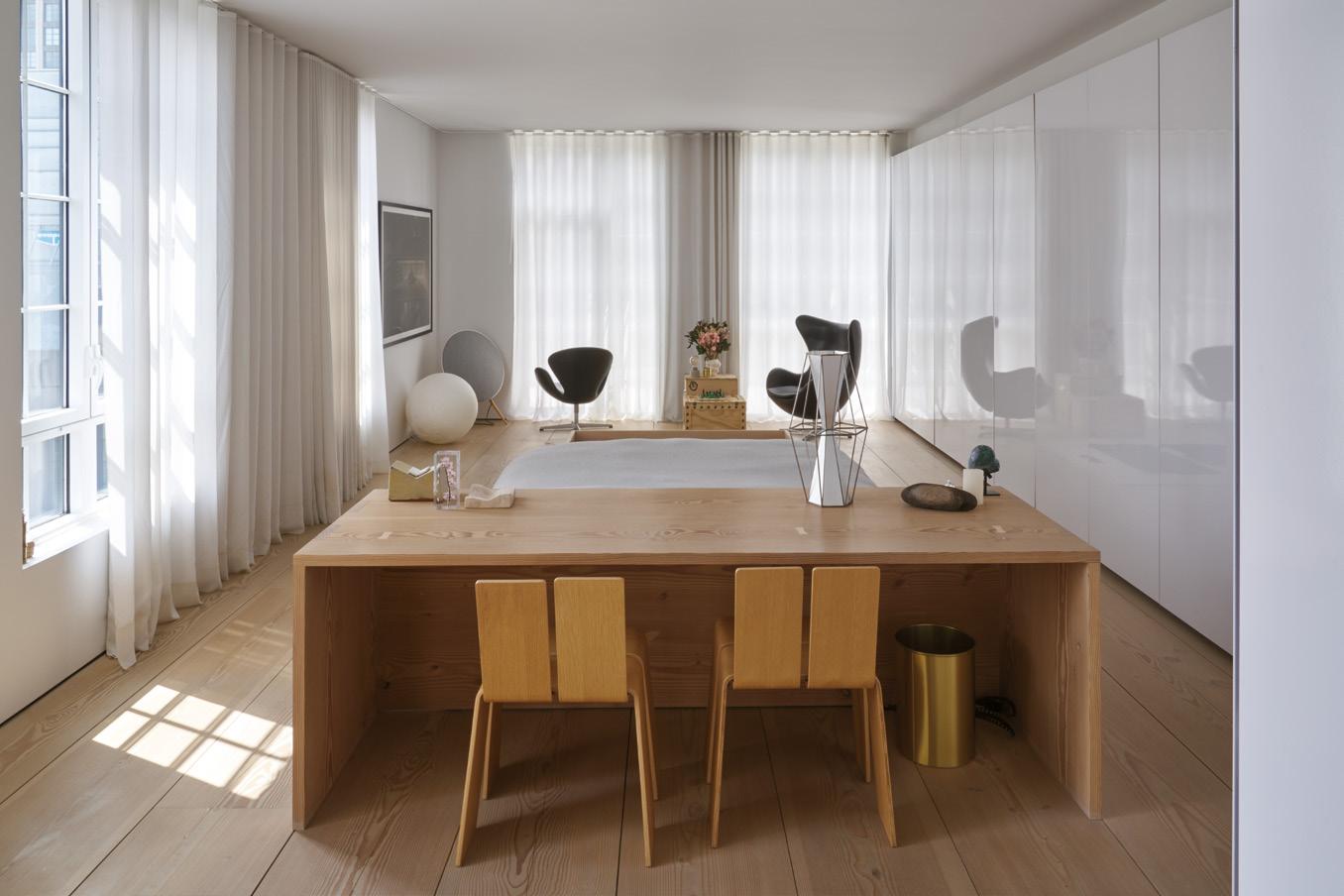
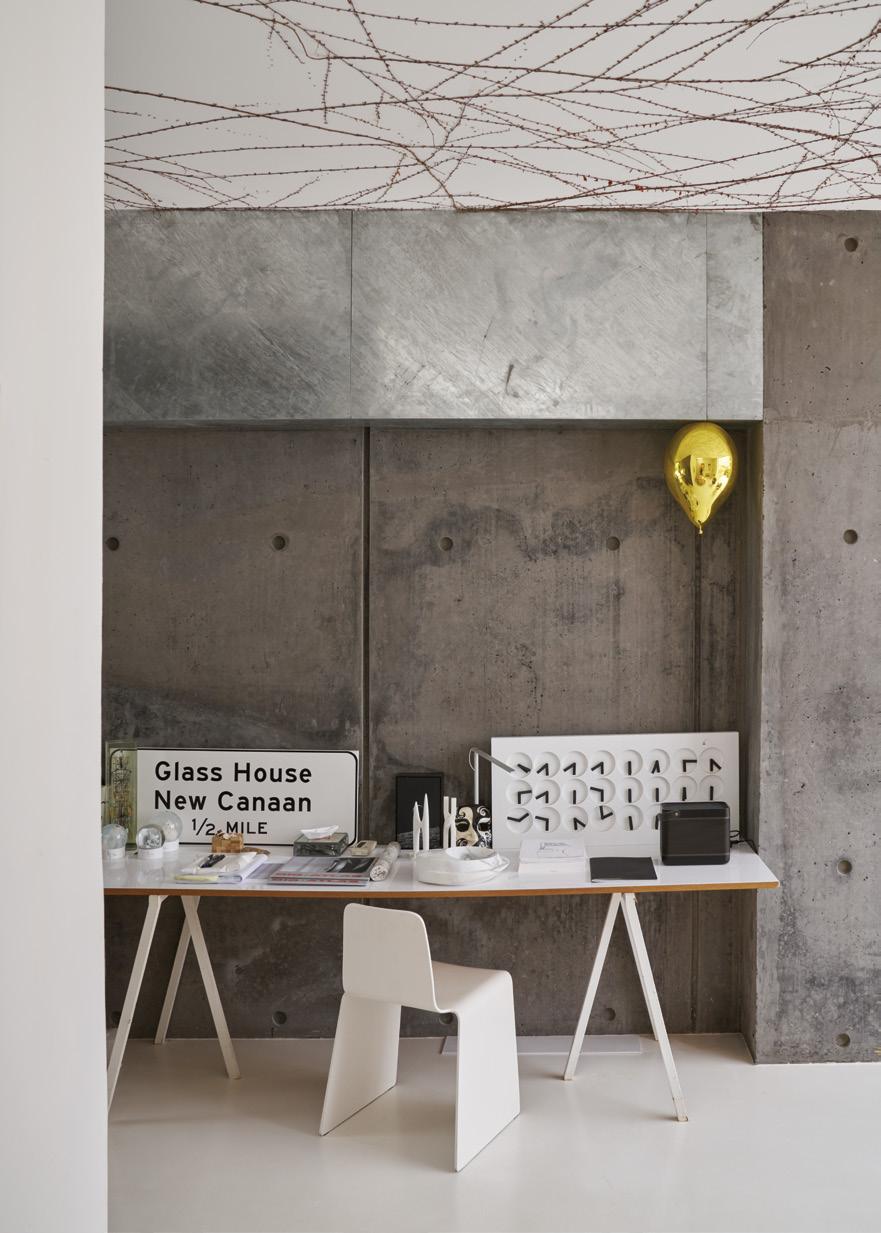


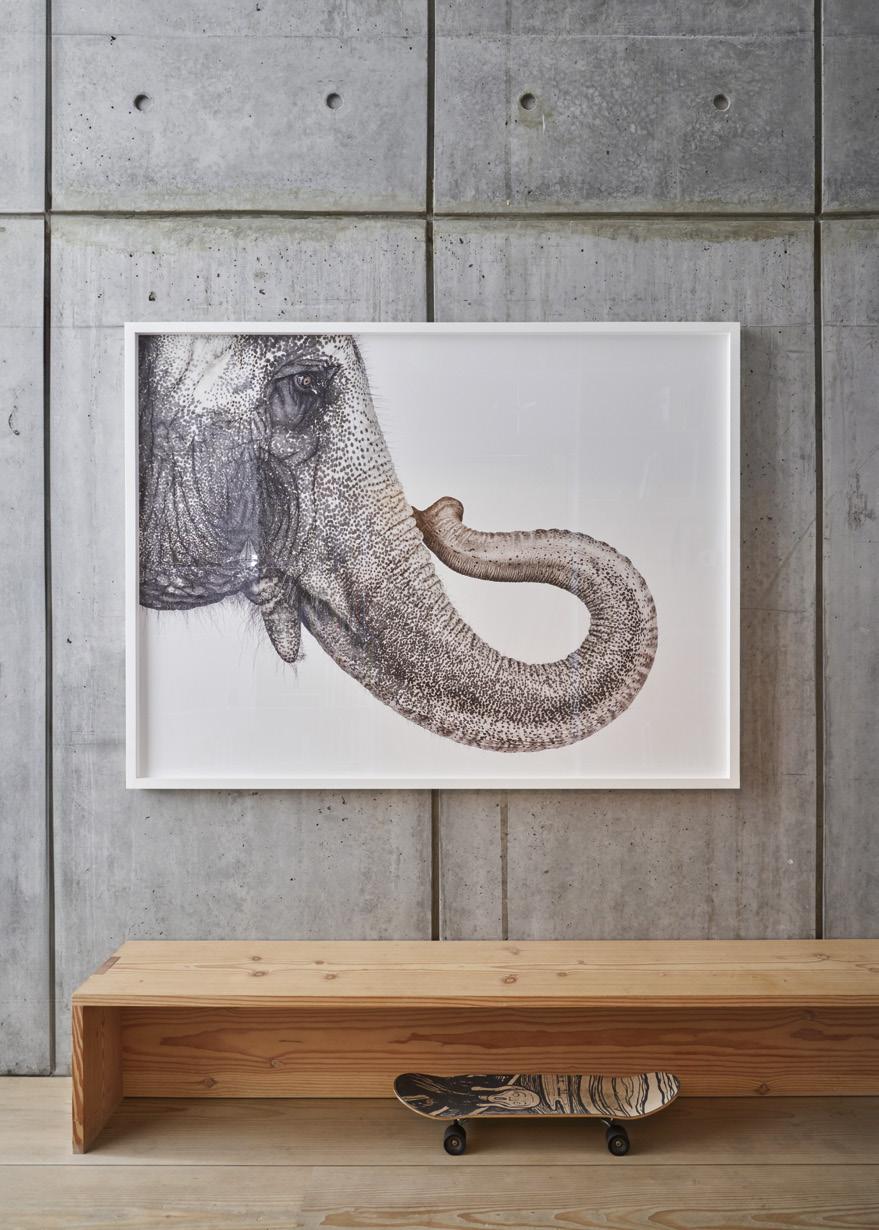
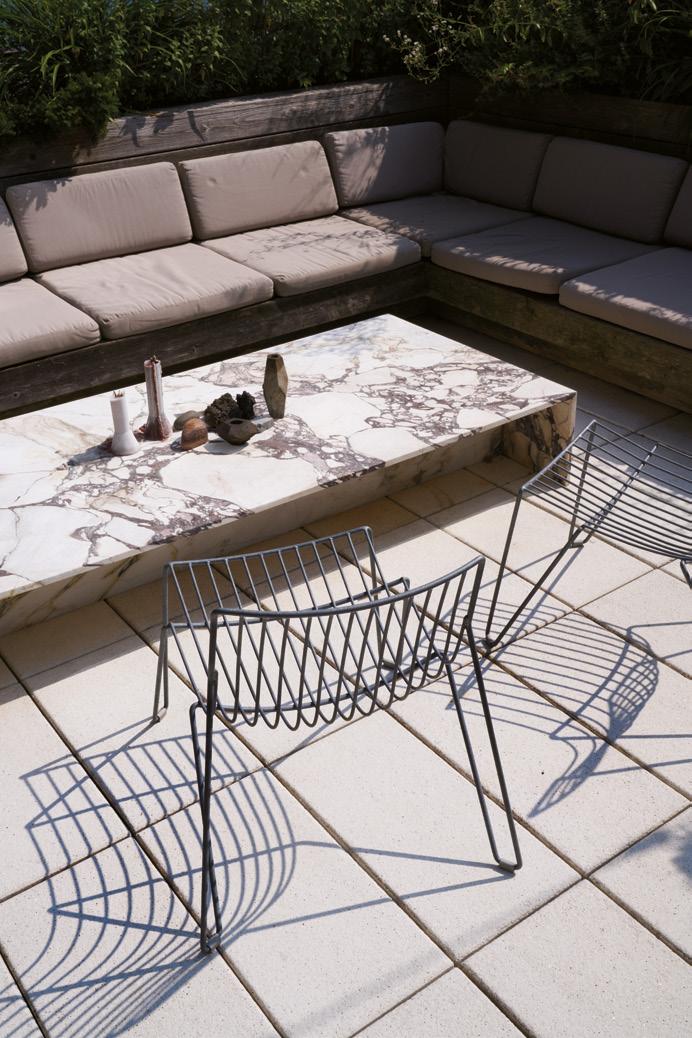
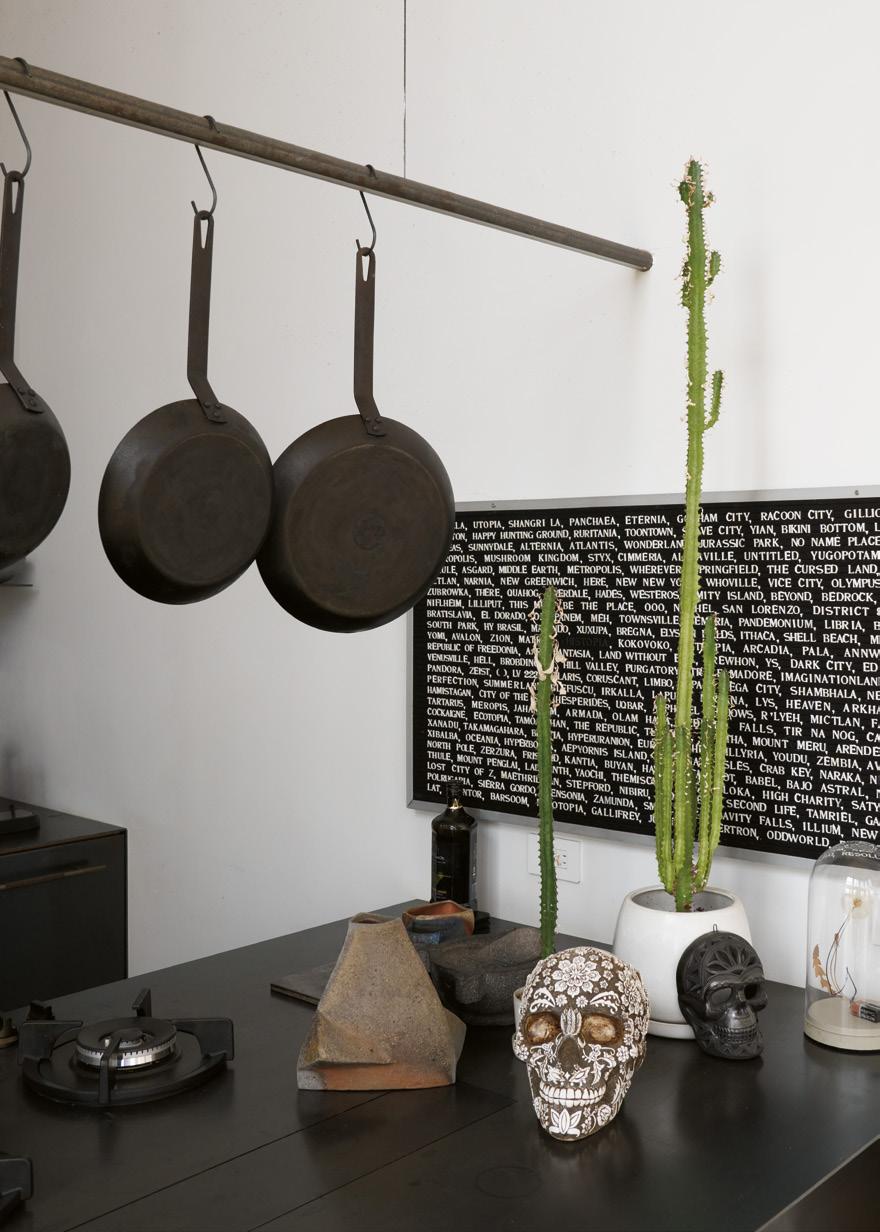

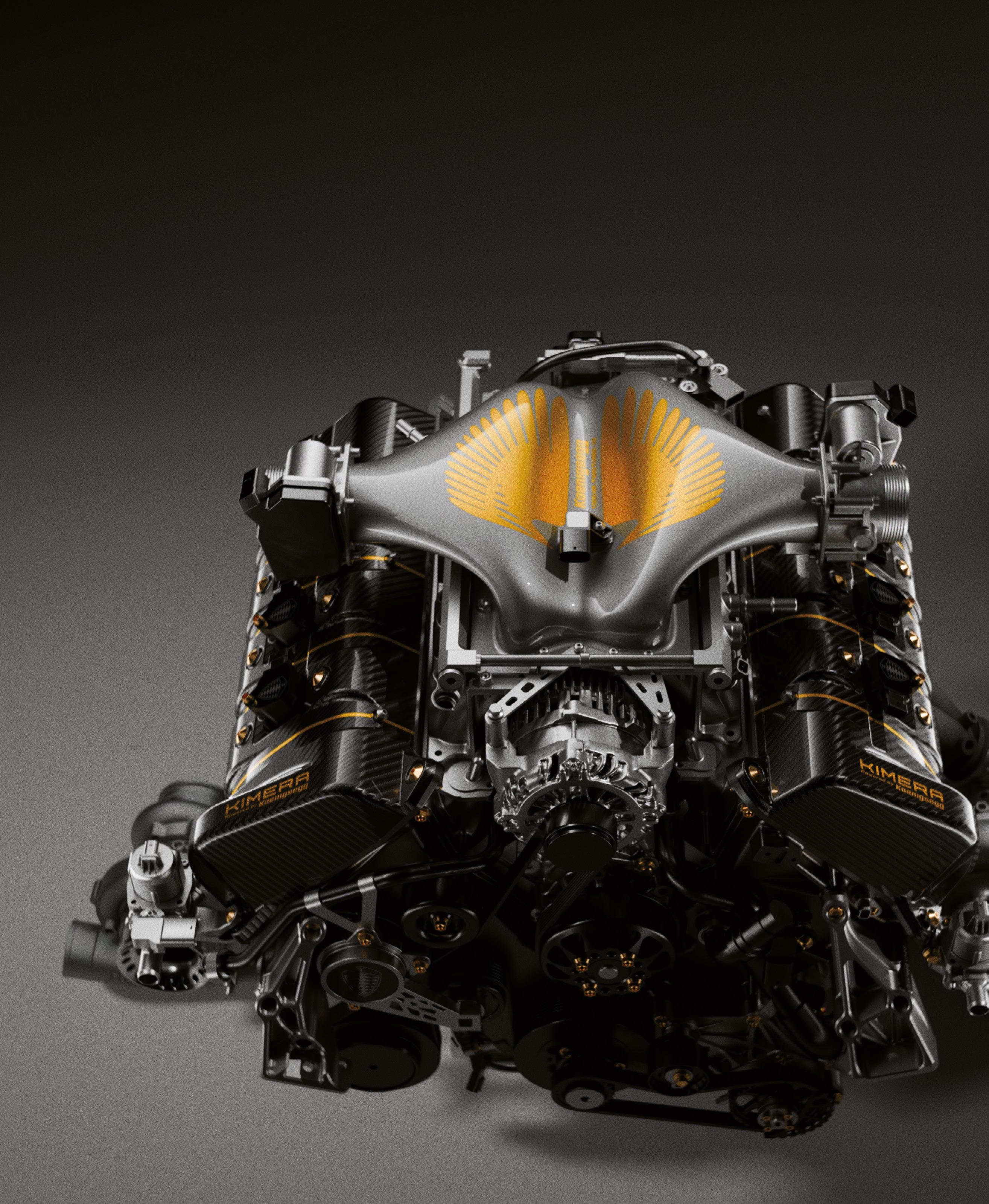
by jason barlow
Call it the New Connectivity. Today’s discerning gearheads are cruising past the latest hypercars in pursuit of classics with storied legacies.



Why the future of driving is being built from the greatest cars of the past.
Lancia. Do you remember this auto manufacturer? It’s a long shot, not least because Lancias haven’t been available in North America since 1982. Even then, the company was better known as Alfa Romeo’s quixotic cousin, a rare groove indeed for buyers seduced by its ineffable Italian style and sweetrevving twin cam engines.
But as high-end car guys and girls chase analogue vibes and a purer form of automotive connectivity, Lancia is suddenly cool again. There’s also an element of automotive crate-digging going on. Like the rarest deep cuts with killer drum grooves, obscure cars hit harder. Lancia has an illustrious past in the World Rally Championship, scoring big with the early 1980s Lancia 037 and later with the Delta Integrale. (Tyler, the Creator has two, along with the Delta Integrale’s rally-bred cousin, the Fiat 131 Abarth—the man sure knows his stuff.)
It’s why Italian company Kimera has returned to the source. Part of a striking wave of “restomod” companies that have found inspiration in updating classic cars with modern tech and know-how, Kimera was founded six years ago by former rally driver, Luca Betti. With his model looks and singular vision, Betti is a persuasive frontman for an operation that has upgraded from a workshop on the outskirts of Turin to a famous palazzo in Piedmont. The company’s first model EVO37, of which only 37 cars were made, is a reimagining of Lancia’s 1983 WRC-bossing 037 with modern enhancements thanks to 3D scanning, rapid prototyping, computer-aided design, and the precision of CNC milling. Kimera enlisted two-time world Rally champion Massimo “Miki” Biasion to help with chassis development, former Fiat group motorsport general Sergio Limone to advise, and Ferrari F1 grandee, the late, great Claudio Lombardi for engineering.
Turns out that this was just a warmup. Now Betti and his team have unleashed the K39, whose body is a jaw-dropping fusion of the early eighties Group 5 Beta Montecarlo and Ferrari F40. It’s the vision of former Pininfarina Studio creative Luca Burgogno, whose genius design approaches a cartoonish fever dream without ever tipping into supercar selfparody. It’s also packed with compelling elements: the quad headlights cleverly mimic classic “pop-up” lights, the cooling intakes are dramatic and functional, the rear wing eye-catching. It’s also underpinned by a carbon fibre chassis and the aerodynamics are the work of industry specialist, Dallara.
But the K39’s real party trick is its engine. Where previous Kimeras relied on a reworked version of the original old-school 2.1-liter turbo, this one–courtesy of Koenigsegg, the Swedish scientists of high speed led by Christian von Koenigsegg—sports a 5.0-liter twin turbo V8 modified from the Koenigsegg Jesko and detuned to produce 968 brake horsepower (bhp). It is a testament to the quality of Kimera’s vision for the relative newcomer to command this sort of engineering firepower.
“To give out our heart like this to another product is a very emotional journey,” says Von Koenigsegg on the record in a TopGear interview about the project. “We wouldn’t have done this if we didn’t feel this close connection with Luca and a great belief in Kimera’s ability to succeed with this product.”
Kimera is also planning an even wilder model for the fabled Colorado Pikes Peak International Hill Climb, also known as the Race to the Clouds. For Betti, it’s the sort of maverick motorsport event that chimes with Kimera’s ambitions and spirit that truly connects with auto enthusiasts.
“There are three main actors in the hypercar space–Koenigsegg, Pagani, and Bugatti. Pagani is the art and the aesthetic, Koenigsegg is the innovation, and Bugatti the luxury,” Betti explains. “Kimera is looking to the motorsport world, and I want to create something I feel has become a little lost–the smell of fuel, the feel of the materials, and the sense of being in a seventies or eighties racecar.”
Even at a likely $2.5 million, it’s a recipe that has plenty of takers.
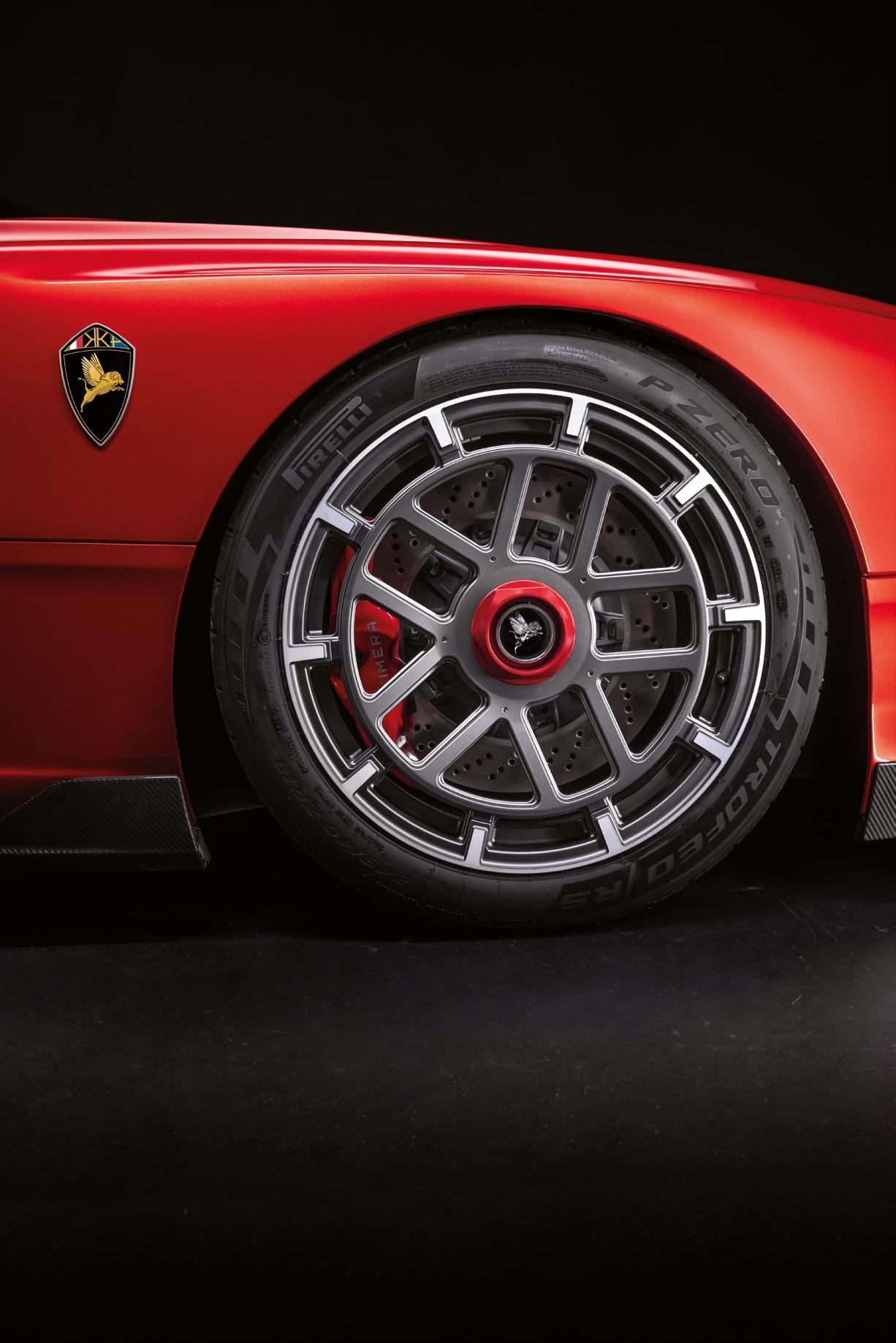

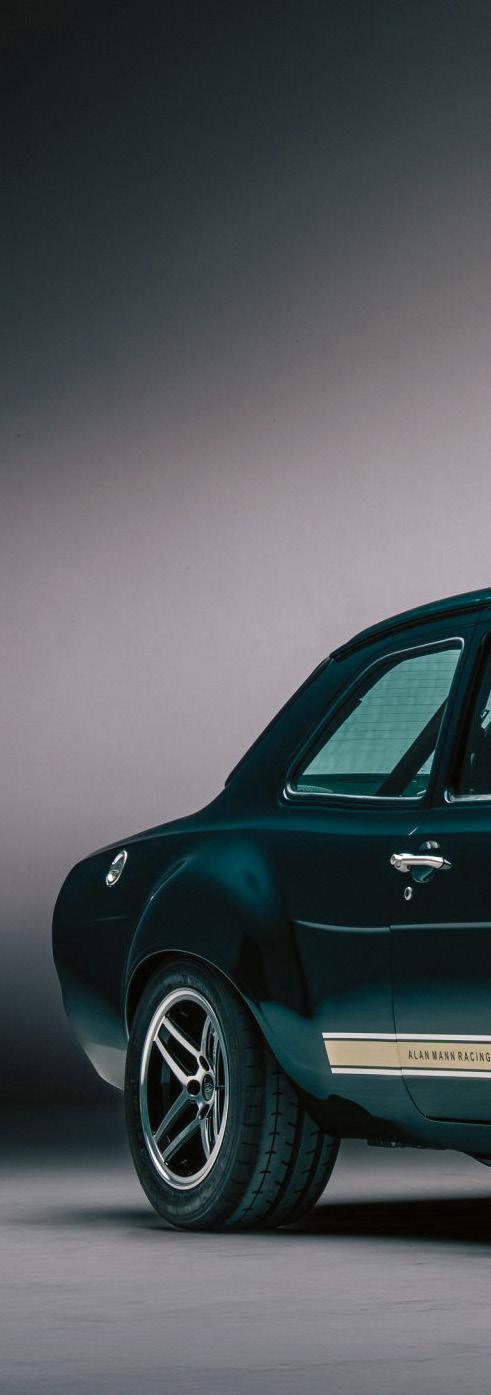

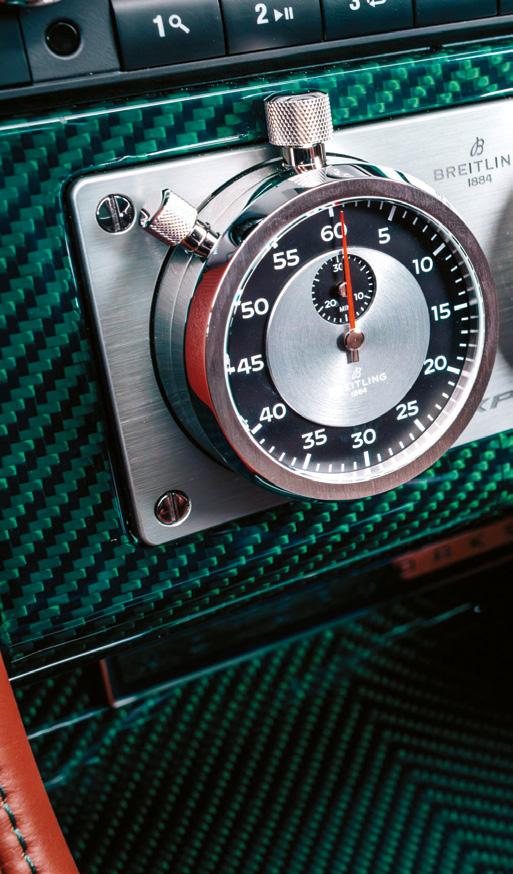


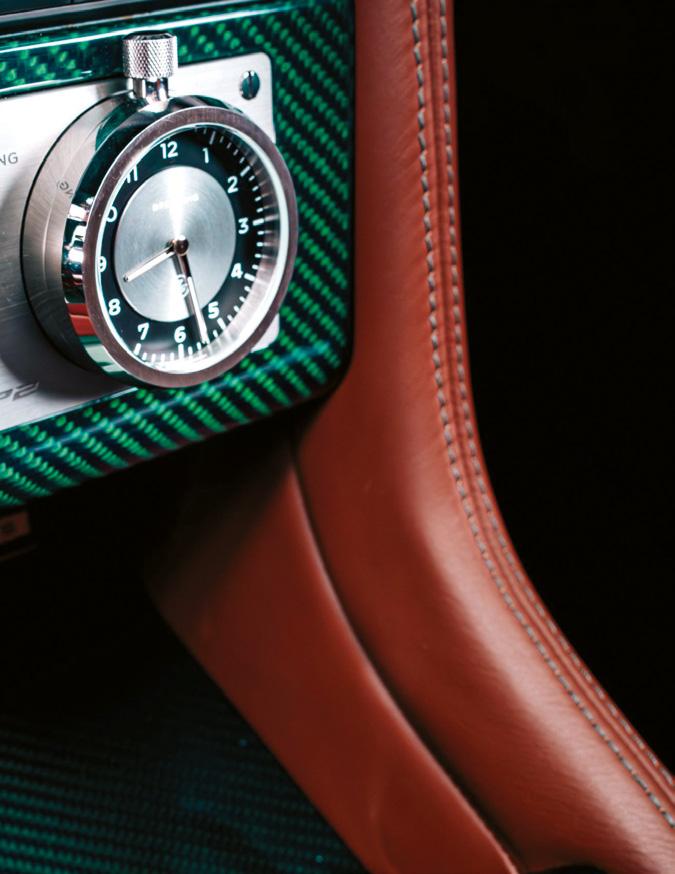
Ford means different things in different markets. In the U.K., the Escort is the ultimate everyman car that acquired motorsport kudos as it evolved through five iterations. Which one resonates with you depends on your age and inclination, but there’s no doubt that the original is very special. Boreham Motorworks clearly thinks so, and its Escort Mk1 RS is wild even by “restomod” standards. In fact, the term doesn’t do it justice: It’s pretty much all new and boasts motorsport-grade engineering and intent.
Key features in the pursuit of maximum driver connection include reardrive, a manual ’box, and a weigh-in at just under 2,000 pounds. Spec the socalled 325 bhp, TEN-K engine and it’ll rev to 10,000 rpm, aided by a 16-valve head, individual throttle bodies, and F1-inspired geometry. Translation for non-gearheads: This is a car to seriously geek out over. Boreham has also reworked the interior with supple leather and aluminium billet replacing the original vinyl and plastic. Prices start in the U.K. at a head-swimming £354,000 (about $480,000), before options. But is there really a price for this level of cool?
No room for AI or electrification here. The “regular” F355 is a mid-nineties Ferrari that’s currently right in the peak analogue sweet spot. It was the poster car for a generation that’s now got the funds to chase those childhood dreams–in particular if it’s fitted with the all-important manual transmission. But the F355, like all Ferraris, has its idiosyncracies, and Evoluto aims to fix those. There are numerous high-end mechanical modifications, many of which concern the charismatic and high-revving V8 engine. Buyers can upgrade it to 3.7 liters, primarily to elevate the power output from a claimed 375 bhp to 473 bhp at 9,000 rpm, while a titanium exhaust helps intensify the experience yet further. The body has been extensively reworked in carbon fibre, to the extent that almost every panel is new. That’s sacrilegious to some, given the impossible beauty of the Pininfarina-designed original.
But the interior was never an F355 strong point, a deficiency Evoluto has addressed by using milled aluminium for the switchgear and wonderfully finished leather. It’s an even more amazingly vivid car to drive than the standard machine, its steering, engine and chassis raising the bar skyhigh in terms of interactivity. But there are issues. Firstly, you have to find an original car, one that you’re prepared to submit to the Evoluto transformation. That’s a bitter pill for many Ferrari purists to swallow, though it might be a way of resurrecting a crashed or poorly maintained example. More significant is the cost: in the U.S., the 355 by Evoluto starts at $800,000, plus the cost of the donor car. When you start factoring in options, we’re talking $1 million-plus. And that’s a lot for an F355, even one as good as this.


Smoothie base:
• 225g (cup) of plain Skyr
• 1 cup of frozen mixed berries
• 1 medium banana
• 1 tbsp of açaí powder
Bowl & Toppings:
• 2 tbsp of rolled oats
• 1 tbsp of chia seeds
• 1/2 of banana sliced
• 4 chopped strawberries
• 1/4 cup of blueberries
• 2 tbsp of almonds, roughly chopped
• 2 tbsp of peanut butter
Some songs tell stories while others create entire worlds. With their release "ACAI," MARTIN, JAMES, JUHOON, SEONGHYEON, and KEONHO of BIGHIT Music’s CORTIS turn an everyday breakfast into something unexpectedly transportive—a moment that feels sun-soaked, nostalgic, and impossible to rush. Now, the dish that inspired the track jumps from speakers to the table, inviting fans to experience one small piece of the artists' universe for themselves.
1. Add the skyr, frozen berries, banana and açaí powder to a blender.
2. Blend until thick, creamy, and smooth.
3. Pour the smoothie into a serving bowl.
4. Scatter the oats and chia seeds over the surface.
5. Arrange the banana slices, strawberries, blueberries, and almonds in neat sections or rows.
6. Top fruit and toppings with peanut butter.
7. Finish with an extra sprinkle of chia seeds and serve immediately.
by Lucie Birant