Andrea Méndez Aguiñaga - Writing, Proofreading, and Style
Ismael Posadas - Editorial Design
Carla Montiel - Advertising Director
Ana Suárez - Events Coordinator
Mónica Velazco, Alejandro López - Correspondents
EDITORIAL BOARD:
Macaria Rodríguez, Salim Gutiérrez, Fernando Ramos, Ernesto Bravo, Irasema López, Roberto Montiel, Regina Alfaro, Eduardo González, Carlos Bailleres
CONTACT: cavarevista@gmail.com
COVER PHOTO: Ellian Reyes
PARTIAL OR TOTAL REPRODUCTION IS PROHIBITED WITHOUT THE EXPRESS AUTHORIZATION OF THE PUBLISHER. THE CONTENT OF THE ARTICLES IS THE SOLE RESPONSIBILITY OF THE AUTHOR. CAVA MAGAZINE IS NOT RESPONSIBLE FOR THE INFORMATION CONTAINED IN COMMERCIAL AND/OR NON-COMMERCIAL ADVERTISEMENTS.
CAVA Magazine, Volume 11,number 36, June–September 2026, is a quarterly publication edited by Ariana Toscani, located at Calle 5 de Mayo #1025, San Miguelito Neighborhood, ZIP Code 78339, cavarevista@gmail.com www.revistacava.com. Editor-in-chief: Ariana Toscani. Exclusive rights reserved as granted by the National Copyright Institute: pending. ISSN assigned by the National Copyright Institute: pending. Legality of title and content: pending. This issue was printed in July 2026 with a print run of 12,000 copies. Printer located at Blvd. Paseo del Sol No. 115, Col. Jardines del Sol, ZIP Code 27014, Torreón, Coah. The opinions expressed by the authors do not necessarily reflect the position of the publication’s editor. The total or partial reproduction of the publication’s content and images without prior authorization is strictly prohibited.
—www.revistacava.com
—Facebook: /cavarevista
—Instagram: revistacava —cavarevista@gmail.com
Editorial A Beginner’s Guide
WINE
Grape Varieties
Farm-Brewed Wine: The Fresh Taste of the Land
Grape Varieties
Wines That Don’t Age Well Wines Mx
Grape Varieties Best Suited to Mexico's Climate Wines Mx
Official 2026 Mexican Harvest Festival Calendar About Wine
Wine Etiquette (or How to Impress Without the Fuss)
DISTILLATES
Distillery
Tequila in Contemporary Mixology
Distillery
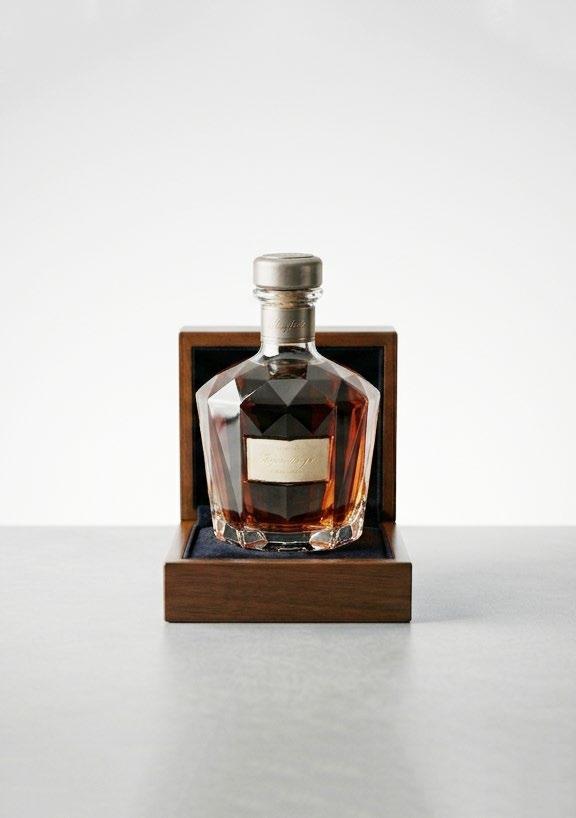
The Rise of Premium Tequila
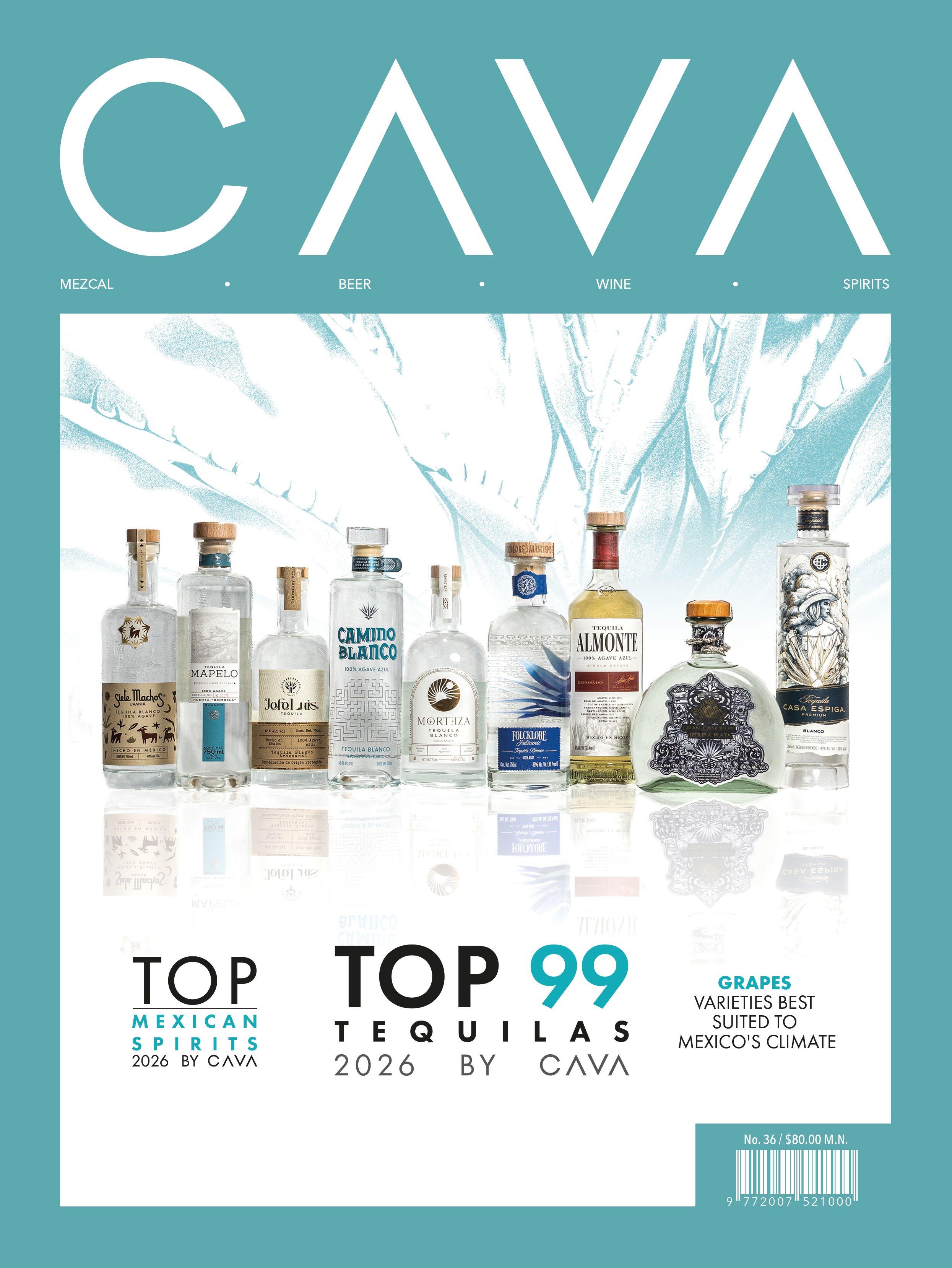
TOP 99
Mexican Tequilas 2026 by CAVA TOP
Mexican Distillates 2026 by CAVA
BEER
Brewery
Sorghum in Every Sip: A New Way to Make Beer
Brewery
Michelada: Does it Ruin or Enhance Beer?
Brewery
Can a Beer Have the Soul of Wine?
Barley Wine About Beer
Beer and Mexican Food: Ideal Pairings
MEZCAL
Mezcal Bar
Figures Who Shaped Mezcal Culture
Mezcal Mx
Jícara and mezcal: A ritual of ancestral heritage
Mezcal Mx
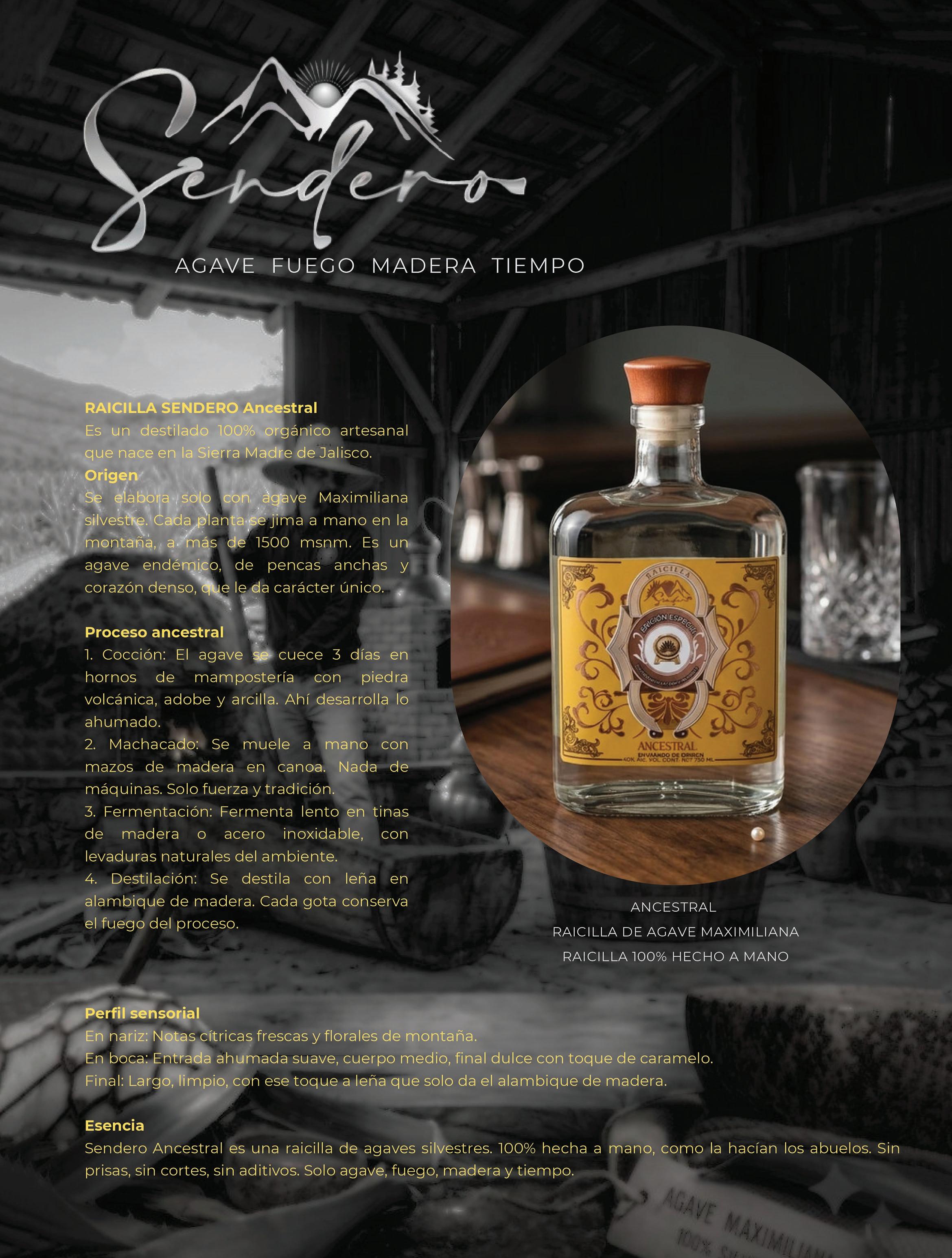
Raicilla: The hidden soul of the Jalisco mountains About Mezcal
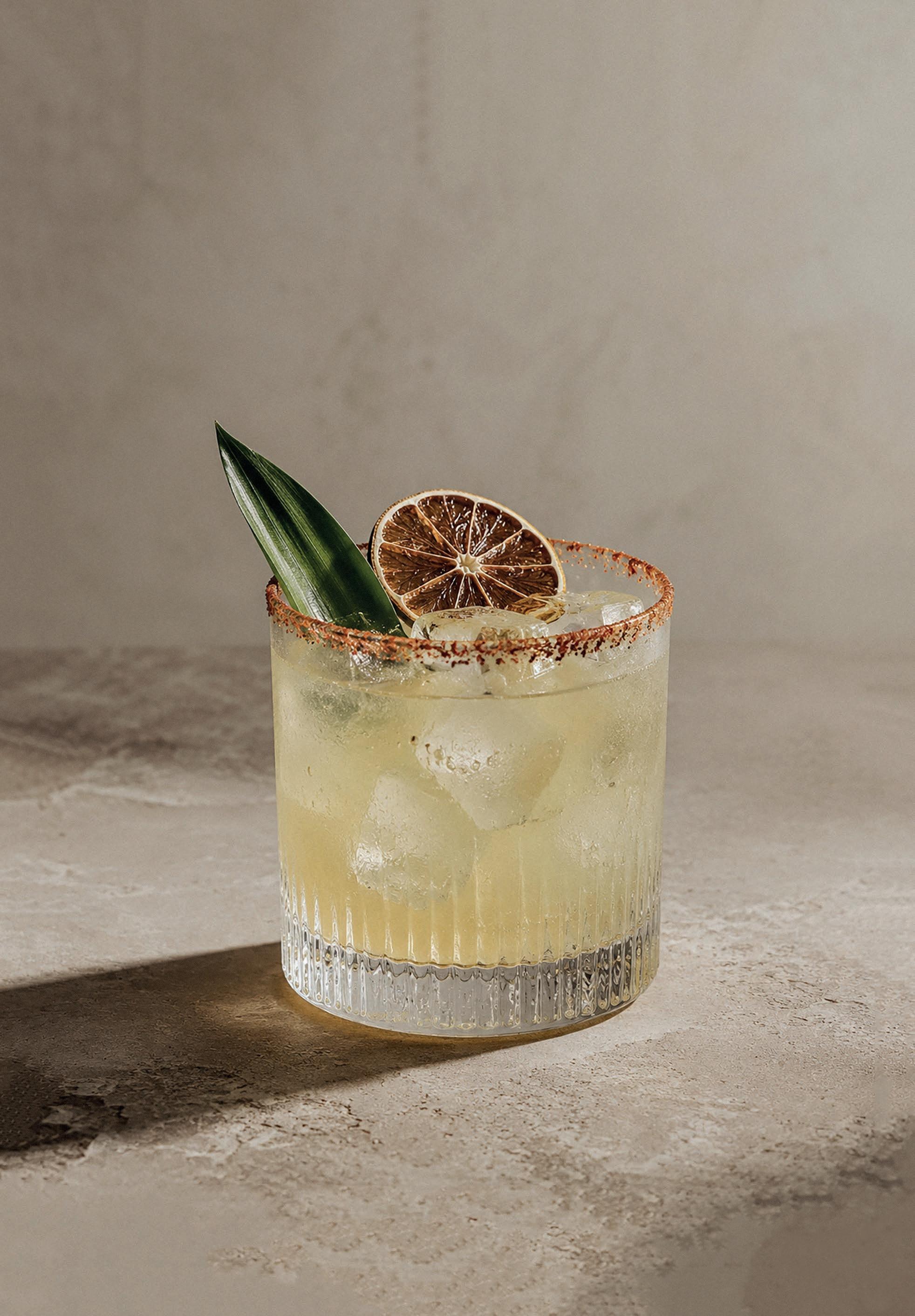
Mezcal cocktails to suit your mood
GASTRONOMY
From convents to kitchens: The origins of Mexican pastries
EDITORIAL
As the year unfolds, the flavors we enjoy and the ways we experience food and drink continue to evolve. In every glass lies history, technique, and terroir; in every dish, a memory that transforms over time. At CAVA Magazine, we celebrate that complexity that makes wine and food culture a constantly evolving universe.
In the wine section, we explore the character of cosechero wine, a youthful style that prioritizes freshness over aging potential and invites us to rethink the value of time in the bottle. We also analyze the grape varieties best suited to the Mexican climate, a key issue in light of the challenges posed by climate change and the diversification of the country’s wine growing regions. We also reflect on wines that do not evolve over the years, styles designed to be enjoyed at their peak, without the promise of longevity.
Beer occupies a fascinating space where technique meets popular culture and experimentation. We delve into the complexity of Barley Wine, a robust style that defies the trend toward instant gratification. We explore sorghum beer, an alternative that sparks conversations about biodiversity, food sovereignty, and new raw materials. And we ask ourselves, with a critical yet down to earth perspective, whether the michelada enhances or ruins the beer, a debate that reveals as much about taste as it does about Mexico’s beer identity.
In the world of spirits, the conversation revolves around territory, market, and contemporary culture. We analyze raicilla, a spirit from Jalisco that has gained recognition without losing its artisanal character. We also examine the rise of premium tequila, a phenomenon
that is reshaping perceptions of value, luxury, and authenticity in a beverage deeply rooted in identity. And we explore tequila in contemporary mixology, where the spirit is reinvented in cocktails that seek a balance between global techniques and Mexican roots.
Mezcal serves as a narrative thread linking tradition, craftsmanship, and symbolism. We trace the history of the jícara, a vessel that, more than just a way of serving mezcal, embodies a way of drinking and socializing. We also dedicate space to the figures who shaped mezcal culture, recognizing those who have preserved, transformed, and spread this liquid universe.
In gastronomy, we return to our roots with a journey through the places where sweetness became cultural heritage. From convent kitchens to the sweets found today in markets and celebrations, this story reveals how sugar, creativity, and cultural fusion shaped one of the country’s most cherished traditions.
And as in every issue, we present our highly anticipated Top 99 Tequilas and Top Spirits 2026, the result of a blind tasting conducted in the beautiful state of Jalisco, which aims to offer our readers a reliable guide that allows us to explore tequila and spirits through the diversity of styles, processes, and regions that define them today.
May each article be a moment of mindful reflection, an invitation to look more closely. A reminder that eating and drinking is also a way of understanding the world we inhabit. And may this reading accompany us as good conversations do: with time, curiosity, and shared memories. Cheers!
A BEGINNER'S GUIDE
IF YOU'RE TAKING YOUR FIRST STEPS INTO THE WORLD OF WINE, MEZCAL, SPIRITS, BEER, AND MEXICAN CUISINE, THIS BEGINNER'S GUIDE WILL HELP YOU UNDERSTAND SOME TERMS YOU MAY NOT HAVE BEEN FAMILIAR WITH AND ENJOY THE ARTICLES YOU'LL FIND ON THE FOLLOWING PAGES EVEN MORE.
Collaring
This is the practice of storing beer for months or years under controlled conditions of temperature and darkness to promote its maturation in the bottle. In styles such as Barley Wine, this process allows the flavors to become more complex, smooth, and balanced.
Denomination of Origin
A legal designation that protects the name of a product whose quality and characteristics are linked to its geographic region of production. In the case of raicilla, it guarantees that this agave-based distilled spirit distilled beverage is produced exclusively in specific regions of Jalisco and Nayarit using recognized traditional methods.
Carbonic Maceration
A winemaking technique in which whole grape clusters ferment in an atmosphere rich in carbon dioxide before being pressed. This process promotes the development of intense fruity aromas and a smooth texture, with lower tannin levels.
Meliponas
Are a group of bees native to the Americas, known for being stingless and for producing honey that has been highly prized since
pre-Hispanic times. In the early days of Mexican confectionery, their honey was one of the main sweeteners used before the arrival of cane sugar.
Wort
This is the sweet liquid obtained by extracting and dissolving the sugars from grains before fermentation. In sorghum beer, the wort is produced from this grain and contains the nutrients that the yeast will transform into alcohol and aromatic compounds.
Rootstock
Is the lower part of the vine, consisting of the roots and the base trunk, onto which the grape variety that will produce the fruit is grafted. Its function is to provide resistance to pests, diseases, and specific environmental conditions, such as drought or soil salinity.
Umami
Is one of the five basic tastes, associated with sensations of intensity, roundness, and persistence on the palate. In contemporary tequila mixology, umami can be perceived or enhanced when combined with ingredients such as sun dried tomatoes or fermented sauces, which balance its herbal and allium notes.
FARM-BREWED WINE:
THE FRESH TASTE OF THE LAND
SOME WINES AGE FOR YEARS IN OAK BARRELS TO ACHIEVE GREATER COMPLEXITY,
WHILE OTHERS ARE MEANT TO BE DRUNK YOUNG AS IS THE CASE WITH COSECHERO
WINE, A POPULAR BEVERAGE DEEPLY ROOTED IN RURAL LIFE IN SPAIN AND VARIOUS
WINE-PRODUCING REGIONS OF LATIN AMERICA, RATHER THAN A MERCHANT CATEGORY.
COSECHERO REPRESENTS A PHILOSOPHY OF WINE, WHERE FRESHNESS AND FRUITY
FLAVORS TAKE CENTER STAGE.
In Mexico, where wine culture has grown significantly over the past few decades, the term is still relatively unknown outside of specialized circles. However, understanding what a “cosechero” wine is provides insight into one of the oldest and most democratic expressions of winemaking. The name comes from “cosecha,” meaning “harvest” a wine made to be consumed shortly after the grape harvest. Traditionally, European farmers made these wines to supply their families, day laborers, and local taverns; they were simple, straightforward, and honest wines, produced from that year’s grapes and without lengthy aging processes.
In regions such as Rioja Alavesa, Navarre, and certain areas of the Basque Country, “cosechero” wine became an essential part of the household economy; many winegrowing families produced small batches intended for immediate consumption. The arrival of autumn marked not only the grape harvest but also the birth of a new wine that accompanied meals, celebrations, and after- dinner conversations.
CHARACTERISTICS OF COSECHERO WINE
One of the most interesting technical features of cosechero wine is that it is produced through carbonic maceration, a method that revolutionized part of 20th-century winemaking. This technique, scientifically described by French researcher Michel Flanzy in the 1930s, involves fermenting whole clusters in an atmosphere saturated with carbon dioxide; within each grape, an intracellular fermentation takes place that alters aromas and textures. The result is a particularly aromatic and fruity wine, with notes reminiscent of cherries, raspberries, ripe bananas, or red candies; the tannins are usually soft, and the mouthfeel is light and fresh. Unlike barrel-aged wines, the “cosechero” does not seek oxidative complexity or toasty aromas; its virtue lies in its immediacy.
Recent studies on carbonic maceration show that this process also helps reduce malic acidity and can produce wines with lower alcohol content compared to other
“PERHAPS THAT IS WHY THE SMALL SCALE WINEMAKER HAS SUCH A CLOSE CONNECTION TO THE IDEA OF COMMUNITY. WHILE GREAT WINES MEANT FOR AGING ARE USUALLY ENJOYED ON SPECIAL OCCASIONS, THE SMALL SCALE WINEMAKER´S WINE IS A PART OF EVERYDAY LIFE.”
winemaking methods. Research published in specialized food chemistry journals indicates that this technique better preserves certain aromatic compounds and minimizes losses of color and brightness.
Although many consumers associate young wine with lower quality products, that idea is simplistic; producing a good “cosechero” requires technical precision, the grapes must arrive at the winery intact; any broken cluster disrupts the balance of fermentation. Furthermore, microbiological control is crucial, as spontaneous fermentations can lead to aromatic defects if not properly monitored. Recent research on enological microbiota has shown that the wine’s final profile depends as much on the microorganisms present as on the management of the maceration process.
Culturally speaking, “vino cosechero” has an almost artisanal character; it is not typically intended for long term cellaring or luxury investments, it is an everyday wine, tied to the agricultural season. In many Spanish villages, the arrival of the “new wine” is still celebrated as a social event. Taverns announce the recent harvest, and neighbors gather to taste the first wine of the year, a ritual that reminds us that wine existed long before it became a symbol of exclusivity.
Perhaps that is why the “vino cosechero” remains so closely tied to the idea of community. While fine wines meant for aging are typically enjoyed on special occasions, the “vino cosechero” is a part of everyday life. It is paired with tapas, cured meats, mild cheeses, or simple dishes. Its lightness lends itself to long conversations and
shared meals. There is a social dimension to it that is sometimes lost in the culture of high-end wine.
In Mexico, where wine consumption is still closely associated with premium labels or special celebrations, the concept of the “cosechero” could open up new possibilities. Mexican wine regions such as Baja California, Coahuila, Querétaro, and Guanajuato have demonstrated a great capacity for producing young wines with a fresh, fruity profile. Although few wineries explicitly use the term “cosechero,” several produce wines inspired by this tradition: light reds, vibrant rosés, and wines meant to be enjoyed young.
The Mexican culinary boom also favors these types of wines. The country’s cuisine, rich in spices, corn, and bold flavors, tends to pair better with fresh, lightly oaked wines than with overly robust reds. Furthermore, climate change has led many winemakers to reconsider fresher, lower alcohol winemaking styles. Various scientific studies indicate that carbonic maceration could become an important tool for addressing the increase in grape sugar levels caused by rising global temperatures.
There is also a symbolic aspect in “vino cosechero”, it represents resistance to industrial uniformity. In a global market where many wines end up tasting alike, marked by intense oak or the pursuit of international ratings, the “cosechero” spontaneity of the fruit and local character. They do not seek to impress through technical sophistication; rather, they aim to express the rhythm of the harvest and the identity of a community. ▼
WINES THAT AREN'T MEANT TO AGE
MANY WINES LOSE THEIR FRESHNESS, AROMA, AND BALANCE WHEN STORED FOR TOO LONG; THEY ARE WINES DESIGNED TO BE DRUNK YOUNG, VIBRANT, AND BRIGHT, THEIR GREATEST STRENGTH LIES IN THE IMMEDIATE EXPRESSION OF FRUIT, ACIDITY, AND PRIMARY AROMAS.
UNDERSTANDING THAT NOT ALL BOTTLES ARE MEANT TO AGE ALLOWS YOU TO ENJOY THE WINE AT ITS PEAK.
There is a romantic notion that all wines improve with time; in our social circles, we often hear the same phrase: “Save it for a few years and it will be better.” However, the reality of winemaking is much more complex, since some wines are simply not meant to age. Scientists have been studying for decades how aromatic and phenolic compounds evolve during bottle aging. Recent research shows that the process depends on very specific chemical factors such as tannin concentration, acidity, the presence of oxygen, aromatic composition, and storage conditions.
THE MYTH OF “THE OLDER, THE BETTER”
The origin of this belief has a historical explanation, since, before modern technology, some wines needed years to soften their tannins or stabilize, such as reds from Bordeaux, Barolo, or traditional Rioja, which could slowly transform and gain complexity over time. Today, experts agree that between 80 and 90 percent of commercial wines are intended to be consumed within the
first three to five years after production. The contemporary market favors fruity, accessible, and fresh wines, not bottles meant for decades of aging. In chemical terms, aging does not automatically result in improvement, as certain primary aromas, such as fresh fruit, flowers, and citrus notes, diminish during aging, while more complex aromas emerge.
WINES MEANT TO BE ENJOYED YOUNG
Young wines are typically crafted to express freshness and fruity flavors; that is where their identity lies. A vibrant Sauvignon Blanc, a Provençal rosé, or a light red wine made with carbonic maceration can be wonderful in the year of harvest, but may lose their vibrancy after a few years in the bottle. Aromatic whites are a clear example; varieties such as Sauvignon Blanc, Moscato, or many Verdejos rely on volatile compounds that are highly sensitive to oxygen, and over time, with extended aging, those citrus and herbal notes quickly fade away.
“ (...)
VARIETIES SUCH AS SAUVIGNON BLANC, MOSCATO, OR MANY VERDEJOS RELY ON VOLATILE COMPOUNDS THAT ARE VERY SENSITIVE TO OXYGEN AND TIME; WHEN THEY AGE TOO MUCH, THOSE CITRUS AND HERBAL NOTES DISAPPEAR QUICKLY”.
There is something fleeting about many modern rosés; their appeal lies in the tension between acidity and fresh fruit. Storing them for a decade would be like trying to preserve the scent of freshly cut fruit forever. Even many contemporary reds (particularly those with little barrel aging and soft tannins) are meant to be enjoyed young.
WHAT DOES A WINE NEED TO AGE WELL?
A wine’s aging potential depends on several chemical factors, one of which is acidity, which acts as the central pillar that sustains the wine over the years. Another key element is tannins; especially in red wines, these phenolic molecules help protect the wine from oxidation and evolve slowly, softening its texture. Aromatic concentration and residual sugar levels also matter, which is why some sweet wines (such as certain Sauternes or Tokajis) can last for decades. Specialized studies on aging show that oxygen plays a decisive role; excessive exposure accelerates aromatic deterioration and causes premature oxidation, while high temperatures or sudden changes can ruin wines in just a few months.
In Mexico, where wine culture is still taking root, there is a certain fascination with the idea of aged wine as a symbol of prestige, and age is sometimes mistaken for quality. However, many contemporary Mexican wines are designed
to be enjoyed young. In the country’s warmer regions, such as Baja California, Coahuila, and Guanajuato, wines are produced with intense fruit, high alcohol content, and expressive profiles from an early stage.
Many Mexican winemakers have opted for fresher, more accessible styles to attract new consumers; here, the goal is not always to produce wines meant to age for twenty years, but rather gastronomic, approachable, and social wines that can be enjoyed at any time of year. This trend aligns with a global shift in consumption patterns; younger generations tend to prefer less formal wine experiences, such as informal gatherings, by-the-glass wine at local restaurants, and casual pairings.
So, what should you do? The answer is simple: drink the wine at the time it was meant to be enjoyed. That means that as consumers, we must educate ourselves, read labels, ask producers, or consult drinking recommendations. If a bottle emphasizes fresh fruit, vibrant acidity, and a lack of extended aging, it probably doesn´t need to be cellared for years. Wines intended for aging usually state this clearly, and for the average consumer, perhaps the best news is that there’s no need to build a wine cellar or wait many years to enjoy a good wine, since most wines available today have already reached their peak and are ready to be shared at your next gathering with friends.▼
GRAPE VARIETIES BEST SUITED TO MEXICO'S CLIMATE
WHEN WE TALK ABOUT MEXICAN WINE, IT IS IMPOSSIBLE NOT TO MENTION THE EXTREMELY
DIVERSE TERRITORY WHERE IT ORIGINATED. UNLIKE MANY EUROPEAN REGIONS WHERE VITICULTURE THRIVES IN TEMPERATE AND STABLE CLIMATES, MEXICO PRODUCES WINE UNDER MORE CHANGING CONDITIONS: DESERTS WITH TEMPERATURES ABOVE 40 DEGREES, VALLEYS WITH WATER SCARCITY, VARYING ALTITUDES, AND TEMPERATURE FLUCTUATIONS BETWEEN DAY AND NIGHT. IT IS PRECISELY FROM THESE CHALLENGES THAT A UNIQUE WINEMAKING IDENTITY HAS EMERGED. Wines Mx
Over the past few decades, Mexican wine has evolved from a regional curiosity into an internationally recognized industry. Baja California accounts for nearly 70% of national production, but states such as Coahuila, Querétaro, Guanajuato, Chihuahua, Aguascalientes, and San Luis Potosí have also strengthened their presence on the wine map. Each region faces distinct climatic challenges, which has led to a central question for winemakers and agronomists: Which grape varieties are best suited to the Mexican climate?
The answer is not straightforward, as there is no single ideal grape for Mexico, given the country’s many microclimates, but there are varieties that have demonstrated a remarkable ability to adapt to the hot, dry, and sunny conditions that characterize much of the country.
HEAT AS AN OENOLOGICAL CHALLENGE
Rising global temperatures are transforming viticulture worldwide. Mexico, due to its arid conditions, serves almost as a natural laboratory for understanding the future of wine on a warmer planet. For this reason, many Mexican wineries have begun to favor Mediterranean varieties or those from arid regions, capable of withstanding intense radiation
and water stress. Some of them have found in Mexico a surprisingly favorable territory.
TEMPRANILLO
Among red grape varieties, Tempranillo has become one of the leading stars of Mexican wine. Native to Spain, particularly the Rioja and Ribera del Duero regions—this grape has a remarkable ability to adapt to dry, sunny climates. In Baja California, particularly in the Guadalupe Valley, Tempranillo produces wines with ripe fruit, soft tannins, and spicy notes. Unlike more traditional European expressions, Mexican versions tend to exhibit greater fruit intensity and alcohol concentration. The significant nighttime temperature variation helps preserve some of the acidity, a fundamental element for maintaining balance. Tempranillo has also performed well in high-altitude regions such as Querétaro and Guanajuato, where cool nights moderate the impact of the heat and allow for relatively early ripening, thereby avoiding the most extreme temperatures of late summer.
NEBBIOLO
This Italian grape, famous for producing Barolo and Barbaresco wines in Piedmont, has developed a dis-
“ THE DEBATE OVER WHICH GRAPES PERFORM BEST IN MEXICO CANNOT BE SEPARATED FROM CLIMATE CHANGE. MORE SEVERE DROUGHS, HEAT WAVES, AND WATER SHORTAGES ARE FORCING A RETHINK OF TRADITIONAL AGRICULTURAL PRACTICES. ”
tinctive expression distinct and unique expression in northern Mexico. Although some European purists question the differences between Italian Nebbiolo and certain varieties grown in Mexico, the reality is that this variety has thrived particularly well in Baja California and Coahuila. In warm climates, it produces intense, structured wines with high phenolic concentration. Mexican Nebbiolo tends to be more robust and less delicate than its Italian counterpart, with notes of ripe plum, cocoa, leather, and dried spices. Its ability to tolerate intense sunlight and produce complex wines has made it something of a national emblem within Mexico’s premium viticulture sector.
SYRAH
If there is one international variety that is particularly well suited to high temperatures, it is Syrah. Native to the Rhône Valley in France, this grape has produced excellent results in Australia, Africa, Argentina, and Mexico as well. Syrah tolerates heat well, maintains good acidity, and produces intense wines even under dry conditions. In Mexican regions, it develops aromatic profiles of blackberry, black olive, pepper, and Mediterranean herbs.
In states such as Baja California and San Luis Potosí, Syrah has gained prominence because it achieves balance where other varieties quickly lose their freshness. Some experts believe it could become one of the most important varieties for addressing climate change in Mexico’s viticulture sector. Furthermore, its winemaking flexibility allows for the production of young, fresh, and fruity wines, as well as age-worthy wines with extended aging.
CHENIN BLANC AND SAUVIGNON BLANC
When it comes to white grapes, the Mexican landscape also shows interesting adaptations. Chenin Blanc, native to France’s Loire Valley, has found favorable conditions in various Mexican regions
thanks to its natural resistance and ability to retain acidity. This variety produces citrusy, floral, and mineral-driven wines even in relatively warm climates. In Querétaro and Aguascalientes, it has demonstrated good adaptation, particularly in higher-altitude vineyards.
On the other hand, Sauvignon Blanc faces greater challenges in extremely hot areas, but it can yield excellent results when grown in regions with cool nights and careful vineyard management. Its herbal and citrus profile offers a freshness that is highly appreciated by younger consumers. The growing popularity of Mexican white wines also reflects cultural and gastronomic changes.
THE IMPORTANCE OF ALTITUDE
One of the key factors in understanding the adaptation of grapes in Mexico is altitude; many Mexican wine growing regions are located more than 1,000 meters above sea level. This helps to partially offset the high temperatures through cold nights that slow down ripening. The daily temperature range promotes the synthesis of aromatic compounds and helps preserve acidity. As a result, states such as Guanajuato and Querétaro have managed to produce balanced wines despite their warm latitude.
The discussion about which grape varieties perform best in Mexico cannot be separated from climate change. Severe droughts, heat waves, and water shortages are forcing a reevaluation of traditional agricultural practices. As a result, many producers are now experimenting with less water-demanding Mediterranean varieties, while interest in sustainable management techniques is growing: natural shading, regenerative agriculture, reduced water consumption, and the selection of resistant rootstocks. Ultimately, the grapes best suited to Mexico are those capable of engaging with the landscape. Mexican wine emerges precisely from the tension between the vine and the diverse territory. ▼
OFFICIAL 2026 MEXICAN HARVEST FESTIVAL CALENDAR
HARVEST SEASON HAS FINALLY ARRIVED IN MEXICO’S BEAUTIFUL WINE-GROWING REGIONS.
IT’S A MOMENT OF GREAT IMPORTANCE, AS IT REPRESENTS THE FRUIT OF A WHOLE YEAR’S WORK BY THE VINE GROWER. A TIME FOR GATHERING TOGETHER, THE HARVEST IS AN INTEGRAL PART OF WINE CULTURE. LET’S LEARN ALL ABOUT THE HARVEST FESTIVALS.
WHAT ARE GRAPE HARVESTS?
The term “vendimia” comes from “vendémiaire,” the name of the first month of the French Republican calendar, which runs from September 22 to October 21. It refers to the grape harvest season, which in France usually takes place between September and October. The vendimia refers to the harvesting of grapes for wine production. The term “vendimias” is used in the plural to refer generally to the period during which the harvest takes place.
The harvest period varies depending on the region and the climate, so it can take place between late July and mid-October. But ultimately, it corresponds to the period when the grapes have reached full maturity—that is, when the balance between sugar and acidity has reached its optimal point
THE DIFFERENT METHODS
There are two types of harvest: manual and mechanical. The choice of harvest method depends on the desired quality of the wines, the costs involved, and the values the winery wishes to uphold or promote.
Hand-harvesting is often used in the production of high-end wines or sparkling wines such as Champagne, where the selection of grape clusters is more rigorous. It is also widely used for organic, biodynamic, and natural wines, as it aligns with the expectations and philosophy of the winemakers. This harvesting method is also used in vineyards where machines cannot harvest the grapes; for example,
when the terrain is unsuitable or the rows of vines are too narrow. Hand-harvesting has higher production costs because it is labor-intensive. It requires pickers or cutters who, using pruning shears, cut the grape clusters and place them in small boxes or wicker baskets. With hand-harvesting, the grapes are sorted as they are picked.
Mechanical harvesting is more economical. It is carried out using tractors designed to cover one or two rows of vines, known as straddle tractors. Straddle tractors do not allow for the sorting of grape clusters. For this reason, after the harvest, winegrowers place the clusters on sorting tables before sending them through the press.
IN MEXICO
Grape harvest celebrations in Mexico take place during the summer, specifically between July and October. Wine producers typically carry out their own harvests and celebrate with festivals that always include grape stomping. There are also concerts, wine tastings, tours, and other activities open to the public.
The most well-known grape harvest festivals in Mexico are probably those held in Ensenada, Baja California. Although today, we can enjoy grape harvest festivals in Aguascalientes, San Luis Potosí, Querétaro, Coahuila, Chihuahua, and other Mexican wine-producing regions.
GUANAJUATO
22 de agosto
VINÍCOLA EL PARAÍSO
Un Vinito en el Paraíso 4ta Fiesta de la Vendimia
19 de septiembre
SAN BERNARDINO
Festival de la Vendimia "Arte y Vino" Viñedo San Bernardino 6ta Edición”
10 de octubre LA SANTA VID
Universidad Tecnológica de San Miguel de Allende
23 y 24 de mayo
SECRETARÍA DE TURISMO DEL ESTADO DE GUANAJUATO Catas Urbanas
01 de agosto
VIÑA DE GRAN PADRE
Viña del gran padre, 1ra fiesta de vendimia 1era edición
05 de septiembre
VINÍCOLA EL PARAÍSO
Viña del gran padre, 1ra fiesta de vendimia
26 de septiembre VIÑEDO LOS ARCÁNGELES
XI Fiesta de la Vendimia 2026 Viñedo Los Arcángeles, 9a Edición
10 de octubre MUSEO DEL VINO
Guanajuato Tierra de Vinos, Museo del Vino
06 y 07 de junio
SECRETARÍA DE TURISMO DEL ESTADO DE GUANAJUATO Catas Urbanas
08 de agosto
VIÑA GAMAR
Aromas de Vendimia Viña Gamar, 2da edición
05 de septiembre HACIENDA SAN JOSÉ LAVISTA
Lavista Vendimia San José Lavista
03 de octubre VIÑA DEL CIELO
Entre Vides y Nubes Viña del Cielo, 2da Edición
17 y 18 de octubre
SECRETARÍA DE TURISMO DEL ESTADO DE GUANAJUATO
Mientras Tanto un Vino Parque Guanajuato Bicentenario, 10a Edición
23 al 26 de julio
SECRETARÍA DE TURISMO DEL ESTADO DE GUANAJUATO Feria de la Uva
15 y 16 de agosto
Secretaría de Turismo del Estado de Guanajuato De Fiestas del Vino, 5ta edición
12 de septiembre VIÑEDO TOYAN
Vendimia Medieval Viñedo Toyan, 11a Edición
09 de octubre
UNIVERSIDAD TECNOLÓGICA DE SAN MIGUEL DE ALLENDE
Festival de la Vendimia Universitaria UTSMA, 4ta Edición”
AGUASCALIENTES
06 y 07 de junio
SECRETARÍA DE TURISMO DEL ESTADO DE GUANAJUATO Catas Urbanas
04 de julio al 13 de septiembre
SECRETARÍA DE TURISMO DEL ESTADO DE GUANAJUATO
Vendimias
27 de junio
VIÑEDO PUERTA DE LA PEÑA
Vendimia 2026
11 de julio
VIÑEDOS DONATO
Vendimia Petite Donato
18 y 19 de julio
VIÑEDOS LA REDONDA
Vendimia la Redonda 2026
25 de julio
VIÑEDOS TRIACANTHOS
Fiesta de la Vendimia
QUERÉTARO
06 de junio
VIÑEDOS DEL POLO, EZEQUIEL MONTÉS
Festival de Haciendas y Viñedos
27 de junio
VIÑEDOS DONATO
Vendimia 2026
11 de julio
RANCHO TEQUIS VIÑEDOS SILVESTRE
Vendimia Petite Donato
25 de julio
VIÑEDOS DONATO
Vendimia Petite Donato
25 de julio
VIÑEDO LOS ROSALES
Festival de la Vendimia
03 al 05 de julio
SALA VIVÉ
Fiesta de la vendimia
18 de julio
VIÑEDOS DONATO
Vendimia Petite Donato
25 de julio
VIÑEDOS EL SUEÑO
La Real Vendimia Flamenco Ibérica
25 de julio
FLOR DE ALFALFA
Vendimia entre Viñas y Vacas
13 de junio
PUERTA DEL LOBO
Blanco & Tinto Vendimia 2026
04 de julio
VIÑEDOS DONATO
Vendimia Petite Donato
18 y 19 de julio
VIÑEDO DE PIEDRA
Vendimia 2026
25 de julio
HACIENDA TOVARES
Vendimia Encuestre Primera Edición
25 y 26 de julio
VIÑEDOS LA REDONDA
Vendimia la Redonda 2026
01 de agosto
TIERRA DE ALONSO Vendimia Tierra de Alonso 2026
08 y 09 de agosto VIÑEDOS LA REDONDA Vendimia la Redonda 2026
14, 15 y 16 de agosto GOBIERNO MUNICIPAL DE COLÓN
Xönthe 2026
29 de agosto
01 y 02 de agosto VIÑEDOS LA REDONDA Vendimia la Redonda 2026
08 y 09 de agosto
Vendimia 2026
14, 15 y 16 de agosto GOBIERNO DE LA GENTE
del Valle de Colón
04 de septiembre VIÑEDOS LA TERQUEDAD Nombre del evento: “Mini Vendimia 2026”
12 de septiembre VIÑEDOS AZTECA
01 y 02 de agosto
08 de agosto
VINOS MX
de la Vendimia, 2da Edición
15 de agosto
LA REDONDA
15 de agosto VIÑEDOS DE PIEDRA
15 y 16 de agosto
57 Mini Vendimia 2026
05 de septiembre
TRIACANTHOS Nombre del evento: “Fiesta de la Vendimia”
16 al 18 de octubre CLÚSTER VITIVINÍCOLA DE QUERÉTARO
del Vino Queretano 2026
COAHUILA
22 y 23 de agosto CAVA 57
Mini Vendimia 2026
05 y 06 de septiembre VIÑEDOS LA TERQUEDAD
Nombre del evento: “Mini Vendimia 2026”
6 de mayo VINÍCOLA PARVADA La vendimia Parvada 2026
SAN LUIS POTOSÍ
BAJA CALIFORNIA
8 de agosto
VINÍCOLA MONTE XANIC
Vendimia Monte Xanic
8 de agosto
L.A CETTO Fiesta de Colores Vendimia 2026
14 de agosto
VINÍCOLA CAVA MACIEL
Selección de Cosechas
19 de septiembre
CASA LUNA
Cosecha Bohemia
22 de agosto
COMITÉ PROVINO BC
XXXIV VERBENA DE SANTO TOMÁS
8 de agosto
L.A CETTO Fiesta de Colores
12 de septiembre TAELUM Festival del Vino Norteño
14 de agosto de 2026
VINÍCOLA EL CIELO
Cata Vertical de Orión
21 de agosto
VIÑEDO LAS NUBES
Cata Vertical de Nebbiolo
22 de agosto
EL CIELO Cena Maridaje Entre Viñedo
8 de agosto
VINÍCOLA CASTILLO FERRER
Un día entre Viñedos
15 de agosto
COMITÉ PROVINO BC
Arroces y Vinos 2026
15 de agosto
CASTILLO LA TOSCANA HOTEL BOUTIQUE
Castillo la Toscana
21 de agosto
VINÍCOLA EL CIELO
Nebbiolo del Piamonte vs Nebbiolo Mexicano
22 de agosto DUOMA 10 VENDIMIAS DE DUOMA EN OLIVEA
8 de agosto
COMITÉ PROVINO BC
Visitas Enológicas I
14 de agosto
COFRADÍA DEL NOBLE VINO DE TIJUANA
Muestra del Vino en Tijuana
15 de agosto
COMITÉ PROVINO BC
Visitas Enológicas II
22 de agosto VINÍCOLA RELIEVE
El Vino y La Vaca
22 de agosto
HILO NEGRO
Fiestad de la Vendimia 14 Aniversario
3 de agosto
LIMBO HOTEL BOUTIQUE
Vinos y Sombreros
23 de agosto
COMITÉ PROVINO BC
XXXVI Concurso de Paellas 2026
29 de agosto
VINÍCOLA BODEGAS F. RUBIO
El Sendero de Elefantes
ZACATECAS
1 de agosto
TIERRA ADENTRO
Festival de la Vendimia Tierra Adentro 2026
25 de Julio
LOS PORTALES
Vendimia Los Portales
5 de agosto
VIÑEDOS PIÑAMORA
Vendimia Fiesta de la Cosecha 2026
5 de septiembre 2026
CAVALL 7
Vendimia Cavall 7
CHIHUAHUA
29 y 30 de agosto
DON TOMÁS VIÑEDOS
Polvo en las Botas, Vino en la Copa
18 de julio
VINÍCOLA LA VICTORIA
Vendimia La Victoria 2026
1 de agosto
LA TURBINA
3ª Fiesta de la Vendimia del Valle de Paquimé.
22 de agosto
CASA VAZQUEÑO
Vendimia Vazqueño 2026
26 de septiembre
VIÑEDOS PALOMINO
Vendimia Marroc 2026
8 de agosto
LAS PUDENCIANAS
Vendimia Las Pudencianas
29 de agosto
HACIENDA ENCINILLAS
Vendimia 2026
1 de agosto
MOLINO DE DON TOMÁS
Vendimia 2026
15 de agosto
ALTAMIRA
Nombre del evento: Vendimia Broncos y Vaqueras
29 de agosto
CASA BLANCA VIÑEDO
Vendimia 2026 “Vive la Dolce Vita”
octubre
UNIVERSIDAD AUTÓNOMA DE CHIHUAHUA
3ª Vendimia Cultural Universitaria, Vinea Demer
WINE ETIQUETTE
(or How to Impress Without the Fuss)
It may sound like an exaggeration to talk about etiquette when it comes to enjoying wine. But the truth is that those small, almost imperceptible details make all the difference. It's not about following strict rules, but about knowing certain gestures that enhance the experience… and, as a bonus, make you look like someone who knows what they're doing.
A CUP IS NOT A GLASS:
Hold it by the stem. That way, you avoid leaving fingerprints and you don't warm the wine with your hand. It's a win-win.
YOUR PERSONAL BRAND:
Drink from the same side of the glass. That way, you’ll avoid “decorating” it all over the place… and you’ll also spare yourself from running into your own breath.
SERVING TIP:
Hold the bottle by the base; that way, it will feel more secure in your hand and you'll be able to handle it more hygienically.
THE ZEN MOMENT OF UNCORKING:
No need to rush. Opening a bottle is almost a ritual. The “pop” is exciting, of course… but true style lies in control.
SMELL AND CONQUER:
Before you drink, smell the wine. Enjoy it—anyone watching you will think you're a thoughtful person. And it's not just for show: much of what we taste comes from our sense of smell.
TOAST WITHOUT DRAMA:
Look them in the eyes (yes, always). And clink glasses with the body of the glass, not the rim… nobody wants an accident during a toast.
OTHERS COME FIRST:
Put others before yourself. It's a small but thoughtful gesture.
ENJOY… BUT WITH DIGNITY:
Wine is meant to be enjoyed, not to lose the battle against it. Especially if you're out socializing or on a business trip.
About Wine
TTEQUILA IN CONTEMPORARY MIXOLOGY
TEQUILA HOLDS A SPECIAL PLACE IN CONTEMPORARY MIXOLOGY, SHARING THE
BAR WITH HISTORIC SPIRITS SUCH AS WHISKEY, RUM, AND GIN, AND HAS BECOME
ONE OF THE MOST PRIZED INGREDIENTS AMONG BARTENDERS WORLDWIDE.
equila is result of a story that intertwines nature, culture, and technology; it is produced from the sugars extracted from the blue agave (Agave tequilana Weber, blue variety), a plant that takes between six and eight years to reach maturity. After harvest, the agave heads are cooked to convert their complex carbohydrates into fermentable sugars; they are then fermented and distilled to produce the spirit we know today. It also has a designation of origin that protects its production in specific regions of Mexico, primarily in the state of Jalisco and certain authorized areas in other states. This geographical link gives it a cultural value comparable to that of cognac in France or Scotch whiskey in the United Kingdom.
Tequila’s rise to prominence today is not the result of a passing fad; it is driven by a convergence of cultural processes, advances in the gastronomic appreciation of distilled spirits, research on the sensory analysis of alcoholic beverages, and a growing appreciation for products with a regional identity. In this context, tequila has evolved from being merely a traditional Mexican beverage into a creative
platform capable of engaging with global ingredients, techniques, and trend.
For decades, however, international recognition of tequila focused primarily on its festive nature, and the aromatic sophistication attributed to it today remained partially overshadowed by commercial and cinematic stereotypes. This transformation began to take hold in the ate 20th and early 21st centuries, when the tequila industry committed to improving quality standards, diversifying styles, and promoting a tasting culture more akin to that found in the world of wine and other premium spirits.
Consumers began to discover that, depending on its production process, aging time, and the characteristics of the agave, tequila can exhibit herbal, citrus, floral, spicy, and mineral aromas, as well as fruity notes and even hints of vanilla, cocoa, or caramel derived from contact with wooden barrels. Understanding this sensory richness opened up new possibilities for mixology.
Modern mixology differs from traditional cocktail-making in one fundamental way: it takes each ingredient into account as a source of aromas, textures, and senso-
“ IN CONTEMPORARY BARS, YOU CAN FIND REINTERPRETATIONS OF THE OLD FASHIONED, THE NEGRONI, OR EVEN THE MARTINI THAT USE TEQUILA AS THE MAIN BASE (…) ”
ry experiences that can be precisely combined. In this approach, the bartender acts much like a chef, analyzing contrasts, balances, and harmonies among sweet, sour, bitter, salty, and umami components. The bartender also pays attention to factors such as temperature, carbonation, viscosity, and aromatic perception.
Tequila fits particularly well into this paradigm because of its versatility; white tequilas typically offer freshness, vegetal notes, and citrus undertones. Reposados incorporate smoother, spicier elements derived from the wood. Añejos and extra añejos offer complex profiles that may evoke nuts, vanilla, or chocolate. Thanks to this versatility, contemporary tequila-based cocktails rarely seek to mask the spirit. On the contrary, they aim to highlight its qualities.
BEYOND THE MARGARITA
The margarita remains the world's most famous tequila cocktail; its combination of orange liqueur and lemon juice is a classic example of the balance between sweetness, acidity, and alcohol content. However, the recent tequila revolution has gone far beyond this recipe. In contemporary bars, you can find reinterpretations of the Old Fashioned, the Negroni, or even the Martini using tequila as the base spirit; it’s also common to see combinations featuring botanical infusions, artisanal ferments, tropical fruit syrups, regional spirits, and advanced culinary techniques.
Some bars use clarification, controlled carbonation, smoking, secondary fermentations, and aroma extraction via ultrasound or vacuum. These techniques make it possible to explore sensory dimensions that would have been unthinkable just a few decades ago.
One of the most interesting trends in today's cocktail scene is the renewed appreciation for local products; for years, many international bars used standardized ingredients. Today, there is a growing interest in flavors tied to a specific region and its culinary traditions. In Mexico, this trend has led to the use of cacao, corn, chili peppers, hoja santa, hibiscus, xoconostle, prickly pear, tamarind, piloncillo, coffee, and numerous regional aromatic plants. Tequila serves as an ideal bridge to bring these elements together; its deeply Mexican origins allow it to harmonize with ingredients that share the same cultural and agricultural history. As a result, we find that many contemporary cocktails tell stories about landscapes, producing communities, and culinary traditions. The drink ceases to be merely a consumer product and becomes a liquid narrative about identity and territory.
Contemporary mixology has found an exceptional ally in tequila because it combines cultural identity, aromatic richness, and adaptability; it is a spirit that can honor tradition while engaging with the most innovative trends in global gastronomy. ▼
FTHE BOOM OF PREMIUM TEQUILA
CURRENTLY, SOME BOTTLES OF TEQUILA COMMAND PRICES COMPARABLE TO THOSE OF LONG-AGED SCOTTISH WHISKIES, PRESTIGIOUS COGNACS, OR COLLECTIBLE WINES. TEQUILA HAS ENTERED THE WORLD OF PREMIUM BEVERAGES
or much of the 20th century, tequila was viewed, both inside and outside Mexico, as a popular drink associated with parties and rituals of rapid consumption; it was common to find it served in the famous “caballitos,” accompanied by lime and salt, or depicted in movies and advertising campaigns as a strong spirit meant to be drunk in one gulp. However, that image has gradually changed over time; this phenomenon is not merely a marketing strategy—behind it lie economic transformations, technological advances, changes in consumer habits, and a growing international appreciation for products linked to their region of origin. The rise of premium tequila is, in many ways, a story about how a traditional Mexican drink managed to reinvent itself without losing its roots.
Tequila is produced from blue agave (Agave tequilana Weber, blue variety), a plant native to Mexico whose cultivation requires patience; depending on environmental conditions and agricultural practices, the agave can take between six and eight years—or even longer—to reach the maturity necessary for distillation. This long production cycle sets tequila apart from many other alcoholic beverages; while some agricultural ingredients are harvested annually, agave requires years of growth before it can be harvested. Mod-
ern tequila production combines traditional practices with advanced technological processes; after harvesting, the agave hearts are cooked to convert complex carbohydrates into fermentable sugars. They are then fermented, distilled, and, in some cases, aged in wooden barrels. Although these processes seem simple, each stage has a profound impact on the final product, where variations in raw materials, fermentation, or aging result in significant differences in aroma, flavor, and texture.
WHAT DOES “PREMIUM” REALLY MEAN?
The word “premium” is often used in advertising to the point where it sometimes loses its meaning. A premium tequila is typically associated with select ingredients, controlled production processes, traceability of origin, superior sensory quality, and, in many cases, more refined packaging. It also typically falls into categories made with 100% agave, a characteristic particularly valued by consumers and experts. However, a high price alone does not automatically make a tequila “premium”; perceived quality depends on multiple factors: aromatic profile, authenticity, brand reputation, product history, and connection to the región.
One of the most important factors behind the growth of premium tequila has
“ ONE OF THE MOST IMPORTANT FACTORS BEHIND THE GROWTH OF PREMIUM TEQUILA HAS BEEN THE DISCOVERY OF ITS SENSORY RICHNESS (…) ”
been the discovery of its sensory richness; for years, the prevailing view was that tequila was simply a strong, spicy drink. However, chemical analyses conducted by food and beverage specialists have identified a wide variety of aromatic compounds produced during the cooking, fermentation, distillation, and aging of agave. This sensory profile allowed experts, sommeliers, and bartenders to begin analyzing tequila with a level of detail similar to that used to evaluate high-end wines or whiskeys. The drink was no longer appreciated solely for its ability to induce intoxication and began to be valued as a gourmet product.
CHANGES IN CONSUMPTION
The transformation of tequila cannot be understood without considering the evolution of drinking habits; various market studies show that, especially among young consumers and those with middleand high-income levels, there is a growing preference for drinking smaller quantities but of higher quality. This trend, observed in various countries, is driving the purchase of premium and extra-premium beverages. The logic behind this phenomenon is simple: rather than buying large quantities of inexpensive products, many consumers prefer to invest in beverages that offer more sophisticated and distinctive experiences.
One of tequila’s most important assets is its status as a product protected by a designation of origin; this system stipulates that only beverages produced in authorized regions of Mexico and in accordance
with specific standards may legally bear the name “tequila”. The protection works similarly to that in place for products such as French Champagne or Italian Parmesan cheese; from an economic perspective, the designation of origin adds value because it guarantees provenance and authenticity. From a cultural perspective, it protects traditional knowledge and strengthens regional identity; in a global market increasingly interested in products linked to specific territories, this certification has become a key competitive advantage.
The boom in premium tequila also poses significant challenges; growing international demand is putting pressure on agave production systems, and because of the plant’s long growth cycle, sudden spikes in consumption can lead to periods of scarcity followed by phases of overproduction. Another challenge is to ensure that the pursuit of exclusivity does not overshadow recognition of the producers and communities that have historically sustained agave culture; commercial sophistication should not obscure the rural roots and the knowledge accumulated by generations of farmers, jimadores, and master tequila makers.
Finally, let’s not forget that the significance of this spirit goes beyond economic indicators; each bottle embodies a complex web of relationships between nature, human labor, tradition, and innovation. It brings together agricultural landscapes, knowledge passed down through generations, modern scientific processes, and a deeply Mexican cultural identity.▼
Tequila originated in western Mexico, and its identity is deeply tied to the agave-growing landscape recognized by the Designation of Origin. Although Jalisco accounts for the majority of production, this designation also covers specific municipalities in Guanajuato, Michoacán, Nayarit, and Tamaulipas—regions that offer distinct soils, altitudes, and climatic conditions capable of imparting unique nuances. This diversity shows that tequila is both a cultural expression and a reflection of Mexico's rich geographical diversity.
Tequila is currently experiencing one of the most dynamic periods in its history. The industry has reached record production and export figures, establishing itself as one of Mexico’s most internationally recognized agro-industrial products. The United States remains its main trading partner and accounts for the vast majority of exports, a situation that has driven the sector's growth but also highlights the need to strengthen alternative markets in Europe, Asia, and Latin America.
Much of this success can be attributed to the growing demand for premium and super-premium categories. Consumers are showing increasing interest in tequilas made with 100% agave, artisanal production methods, special editions, and products that highlight the origin of the raw material. As a result, perceptions have evolved significantly: once viewed primarily as a spirit for celebrations and casual drinking, it has now found its place in specialized tasting events, haute cuisine, and signature mixology.
The younger generations have played a key role in this transformation. Young consumers— especially those interested in authentic experiences and products with a cultural identity— seek to learn about the history behind brands, production methods, and the connection to the communities that produce them. Social media, the rise of contemporary mixology, and the growing appreciation for locally sourced products have helped position tequila as a symbol of both tradition and modernity.
In an increasingly competitive market, authenticity, traceability, and respect for the land and the cultural heritage of tequila will be decisive factors in ensuring its continued status as one of the world’s great spirits.
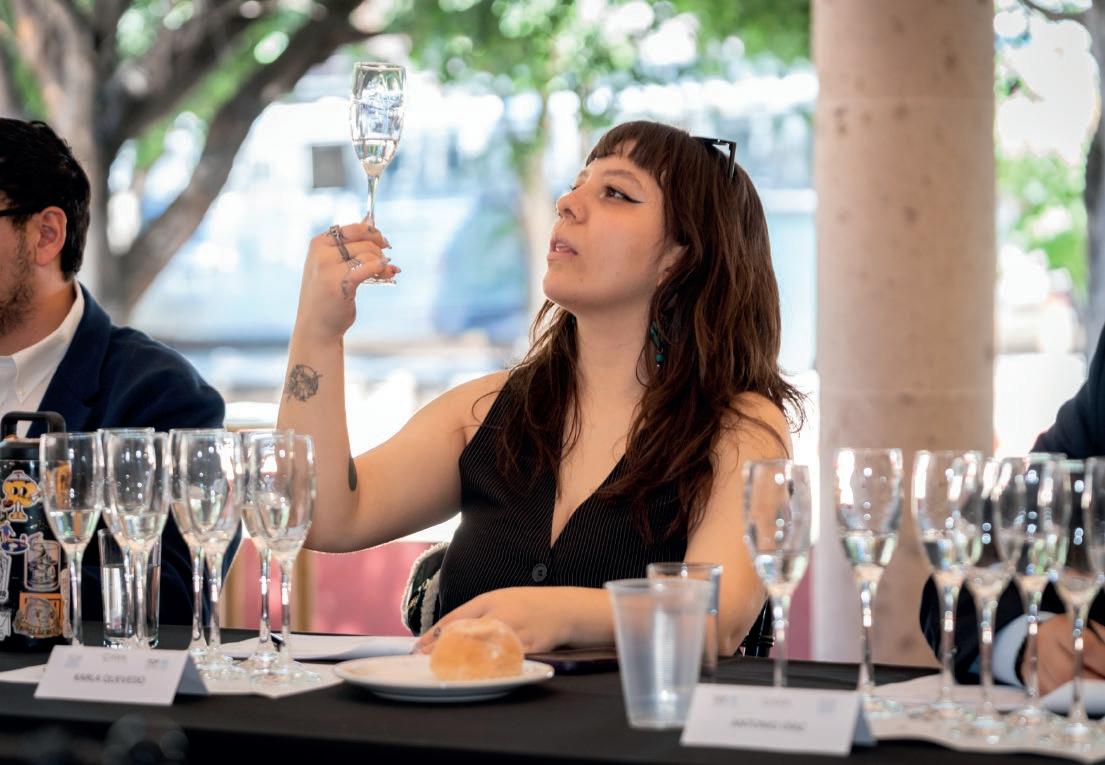
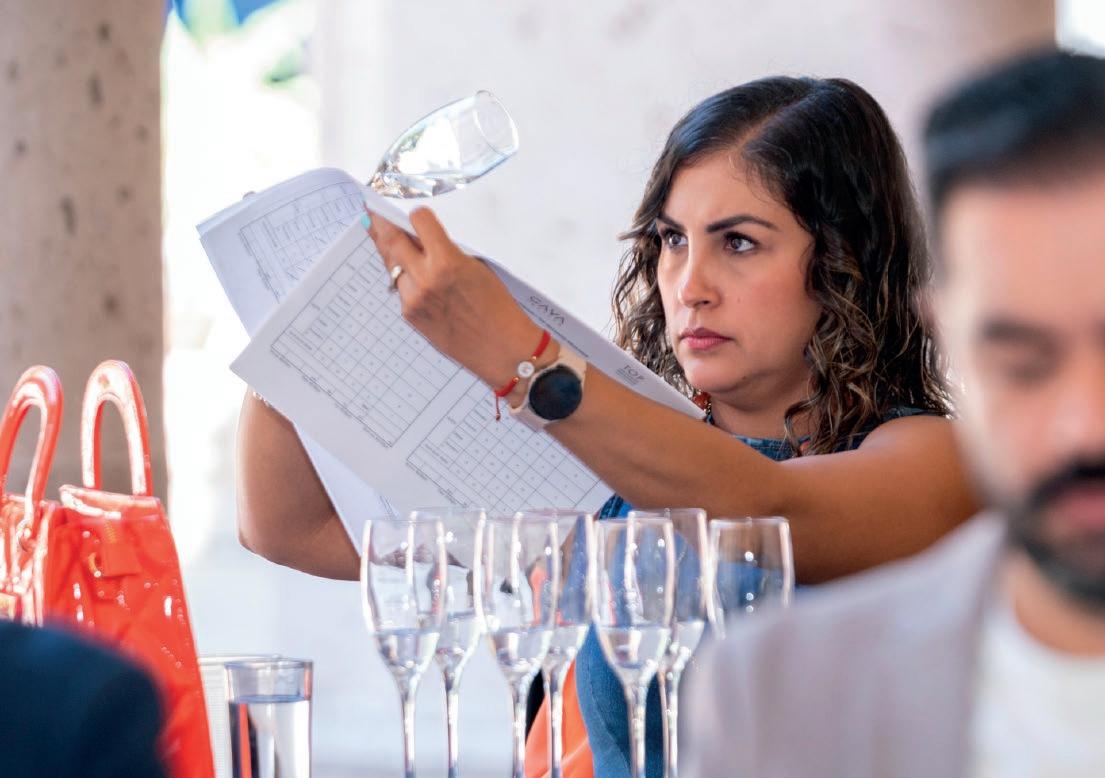
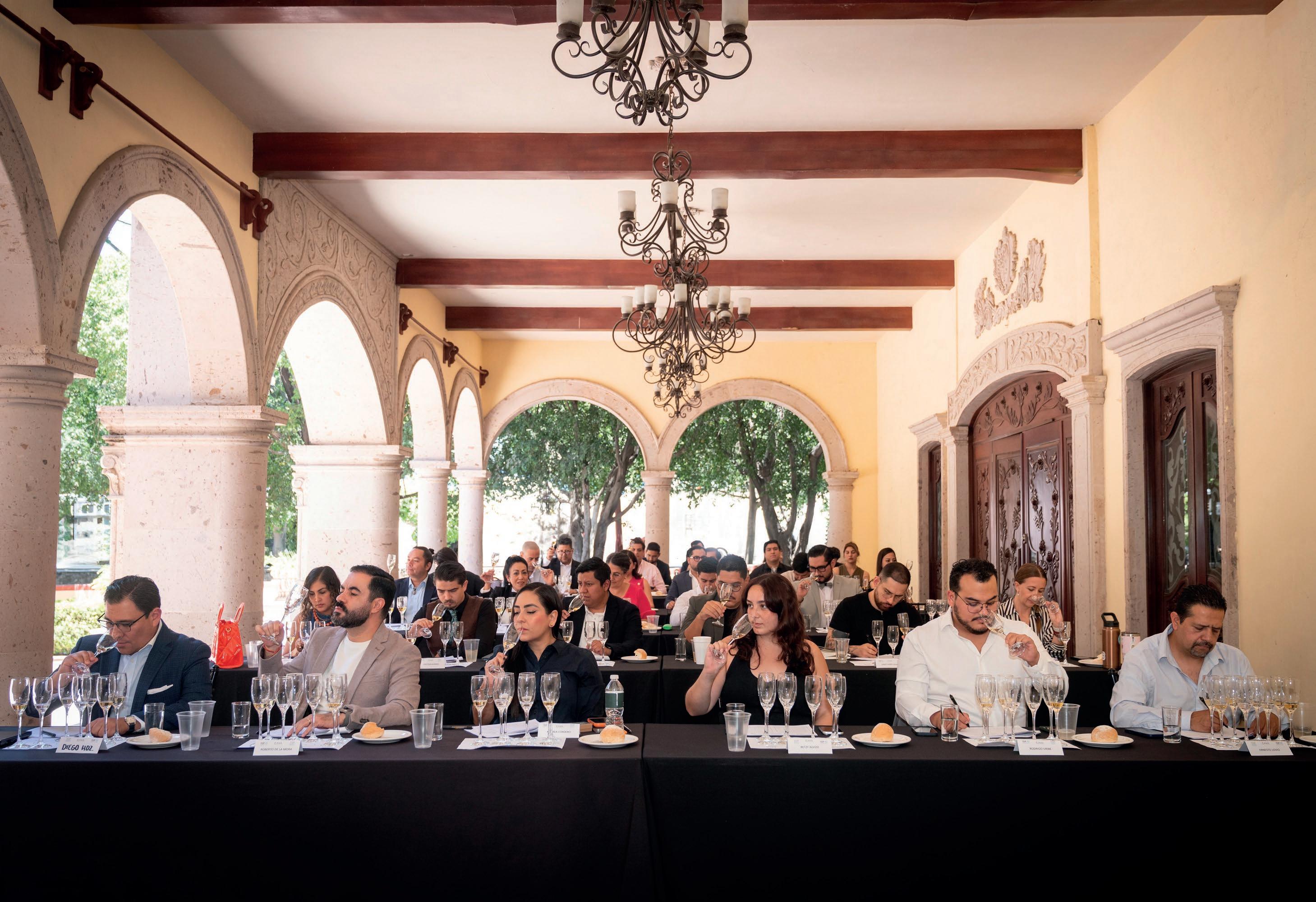
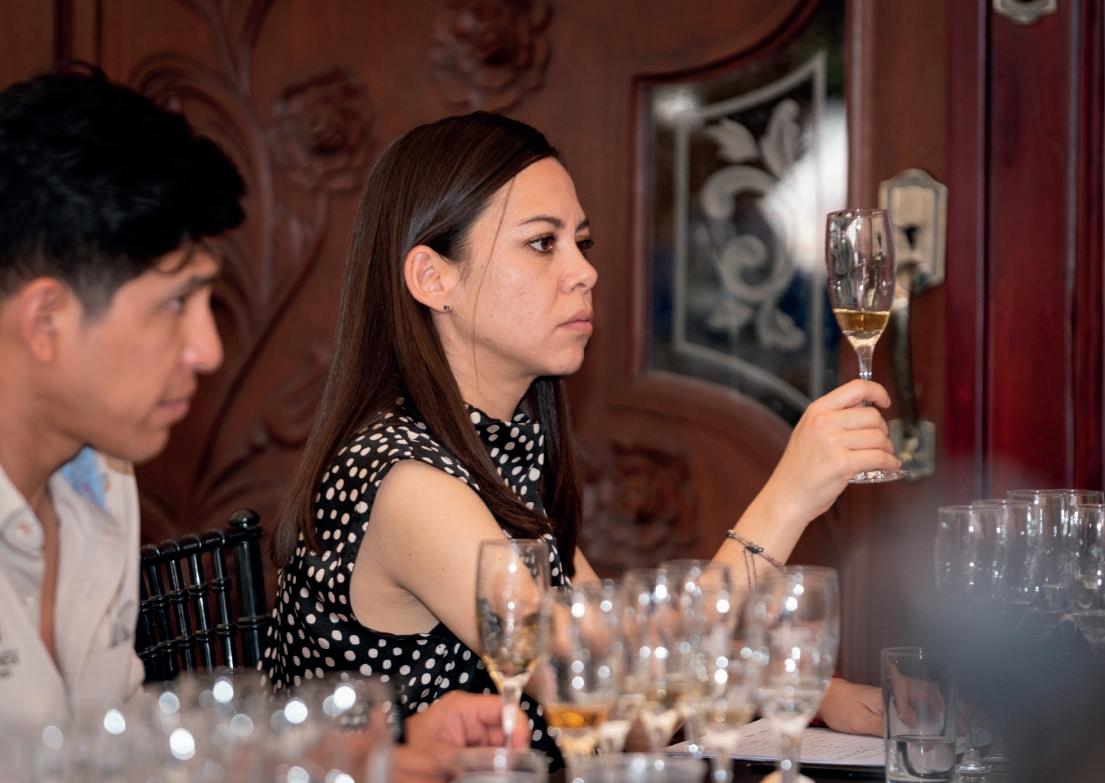
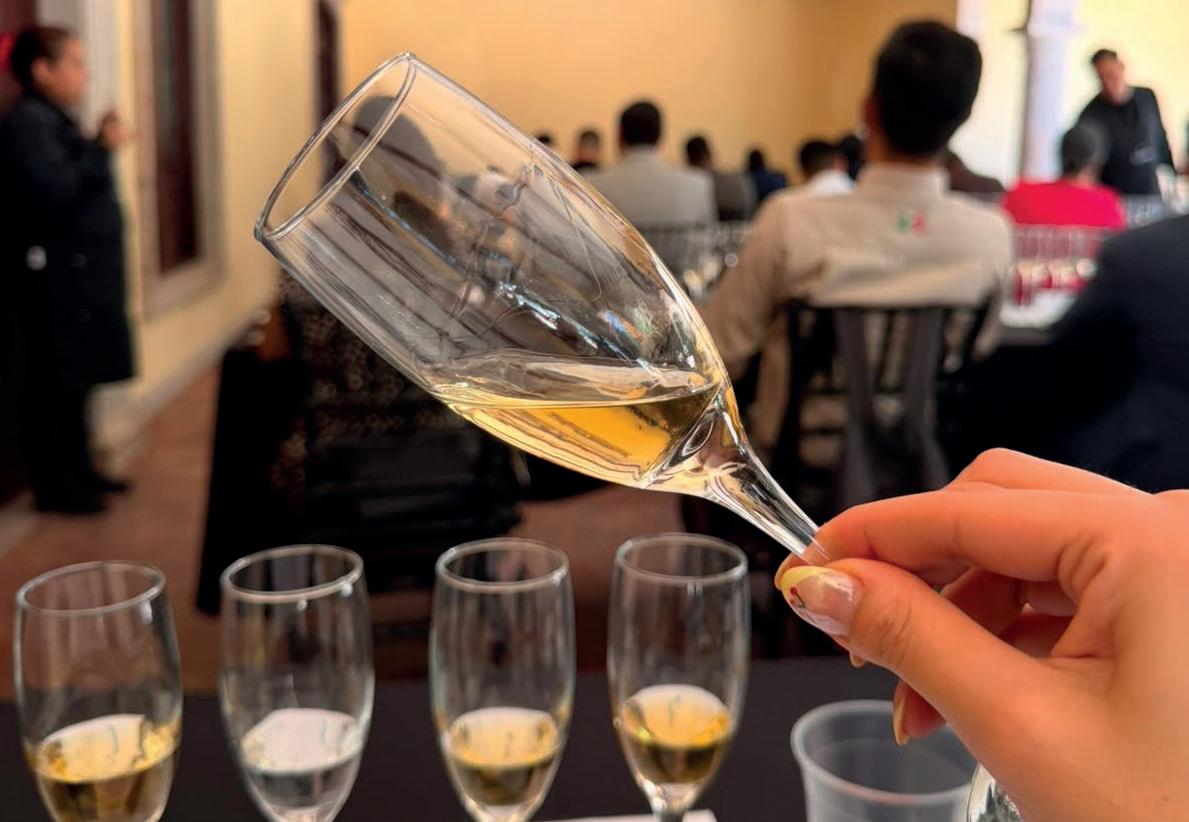
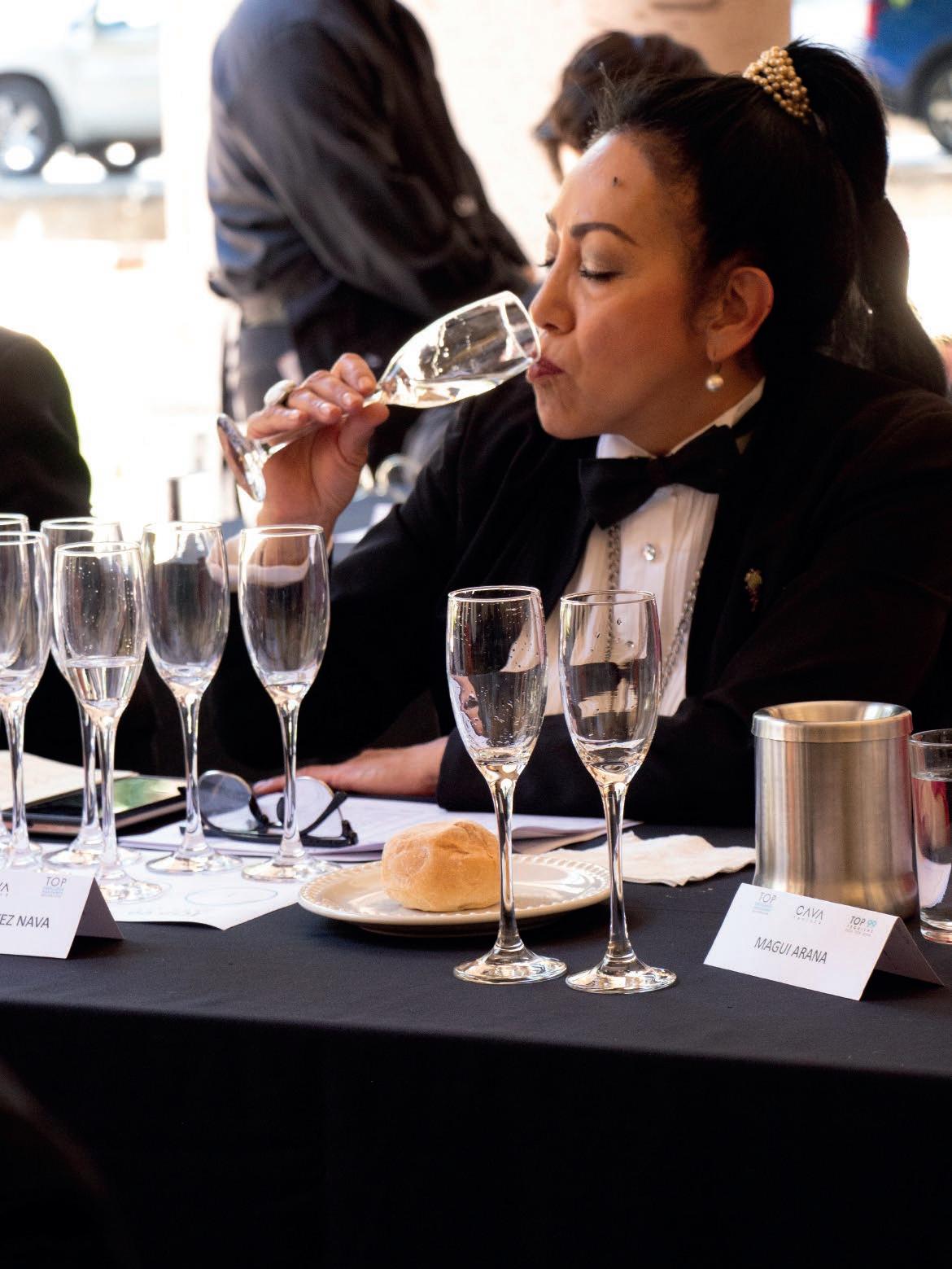
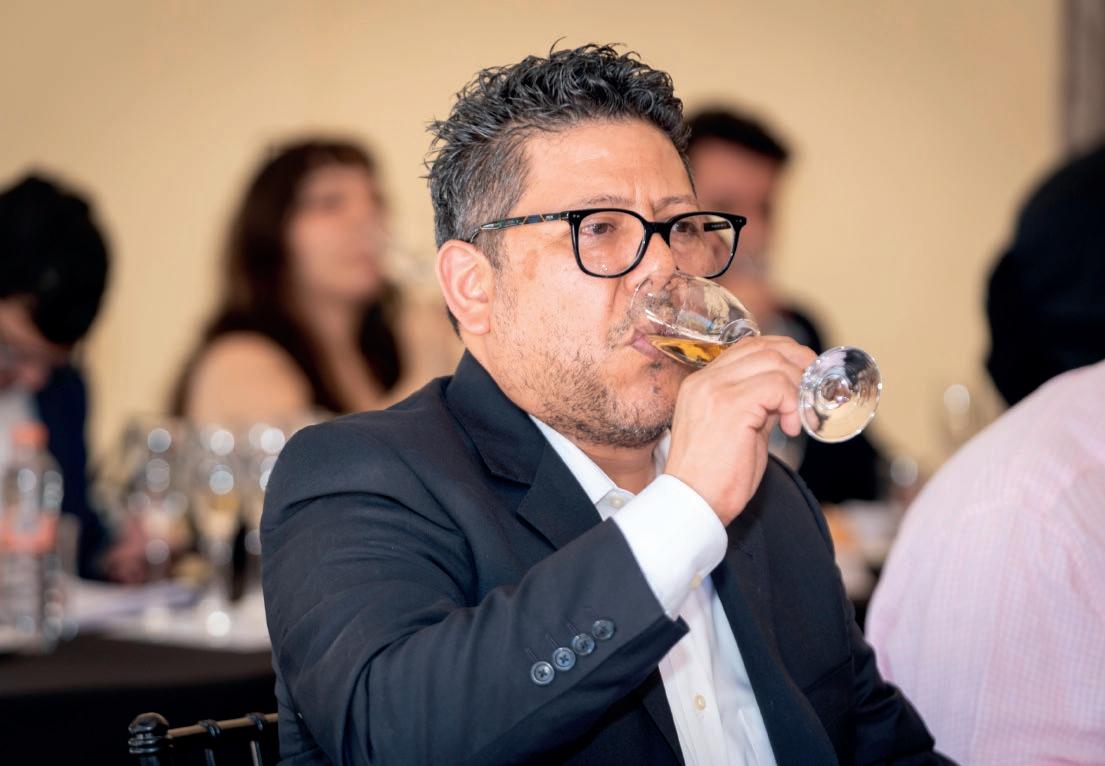
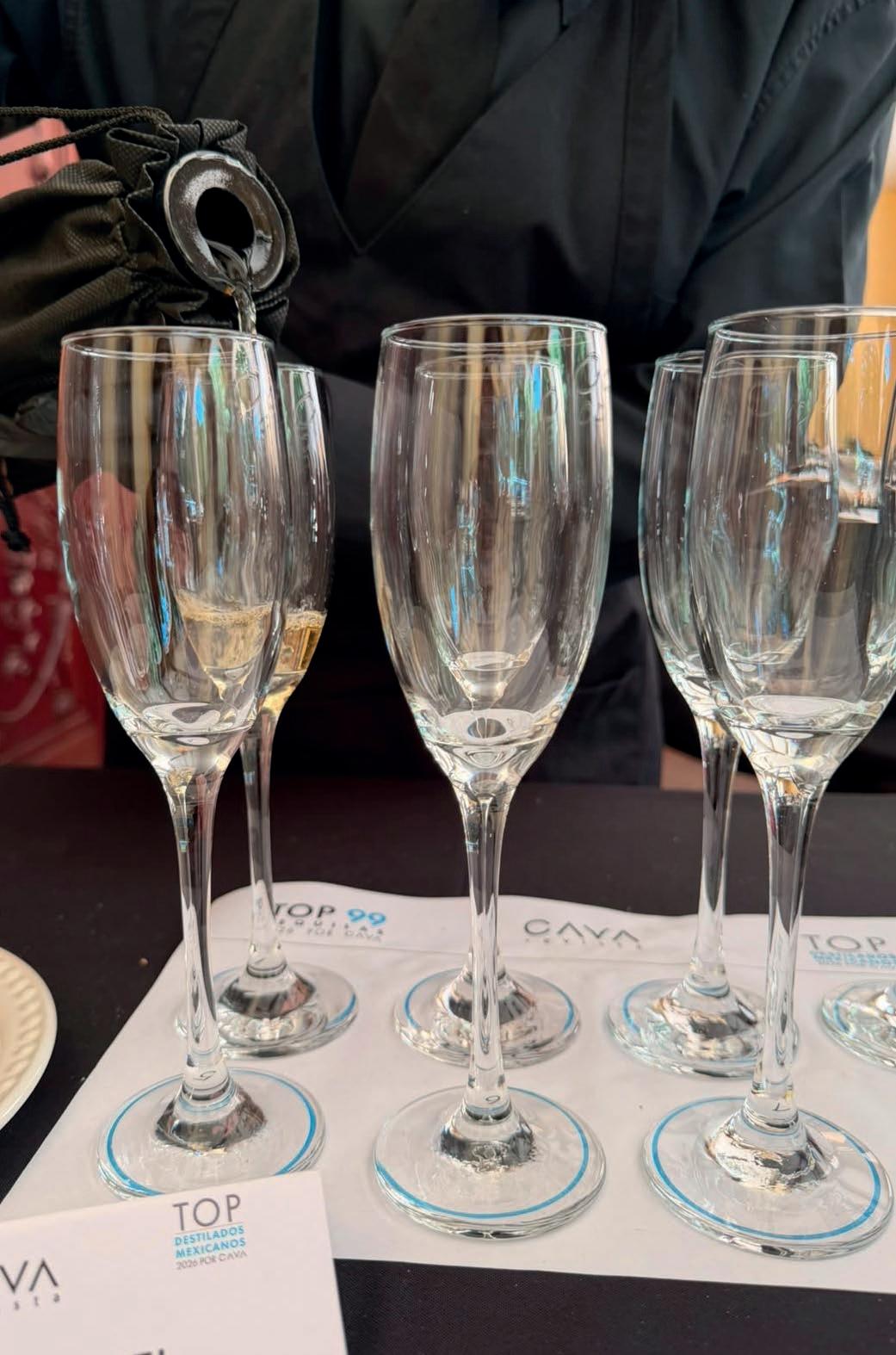
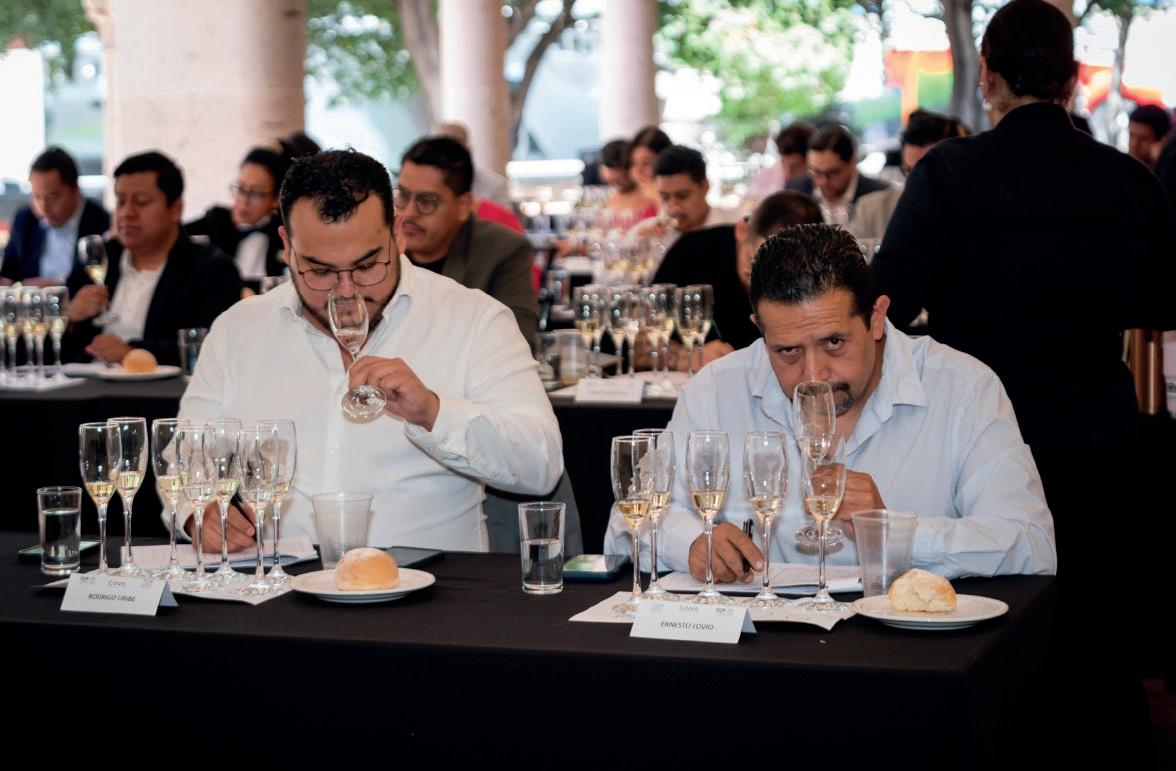
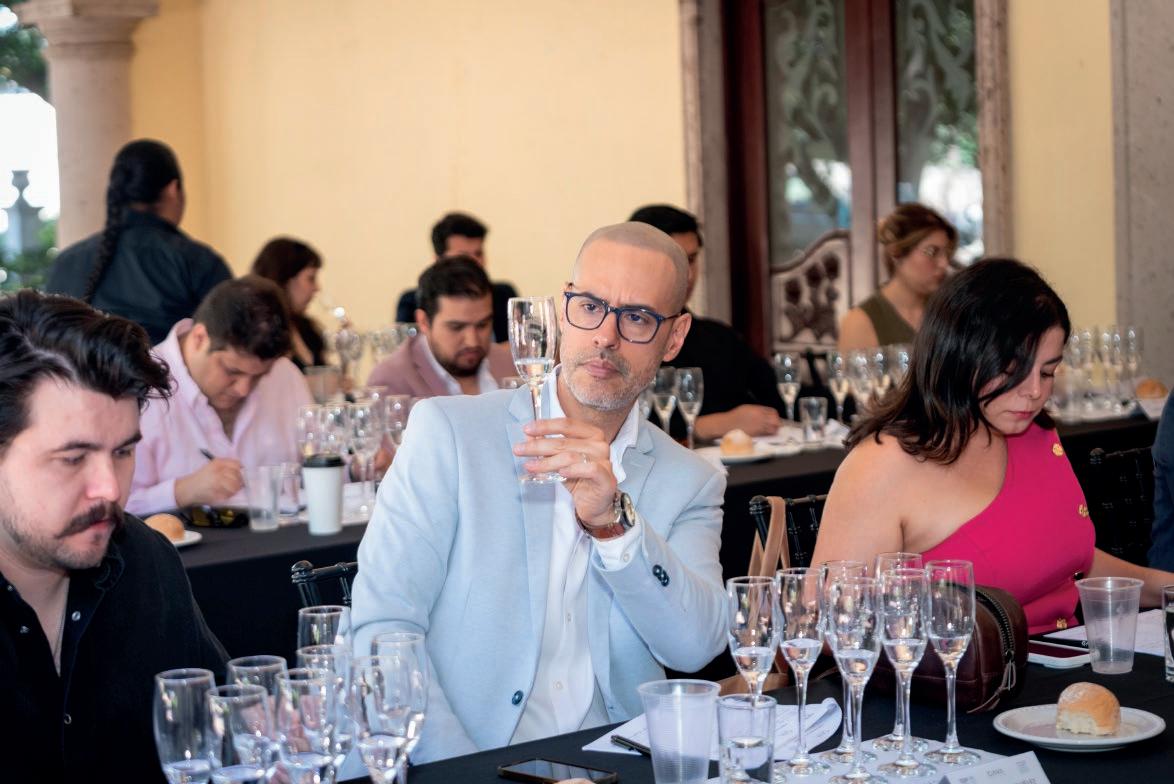
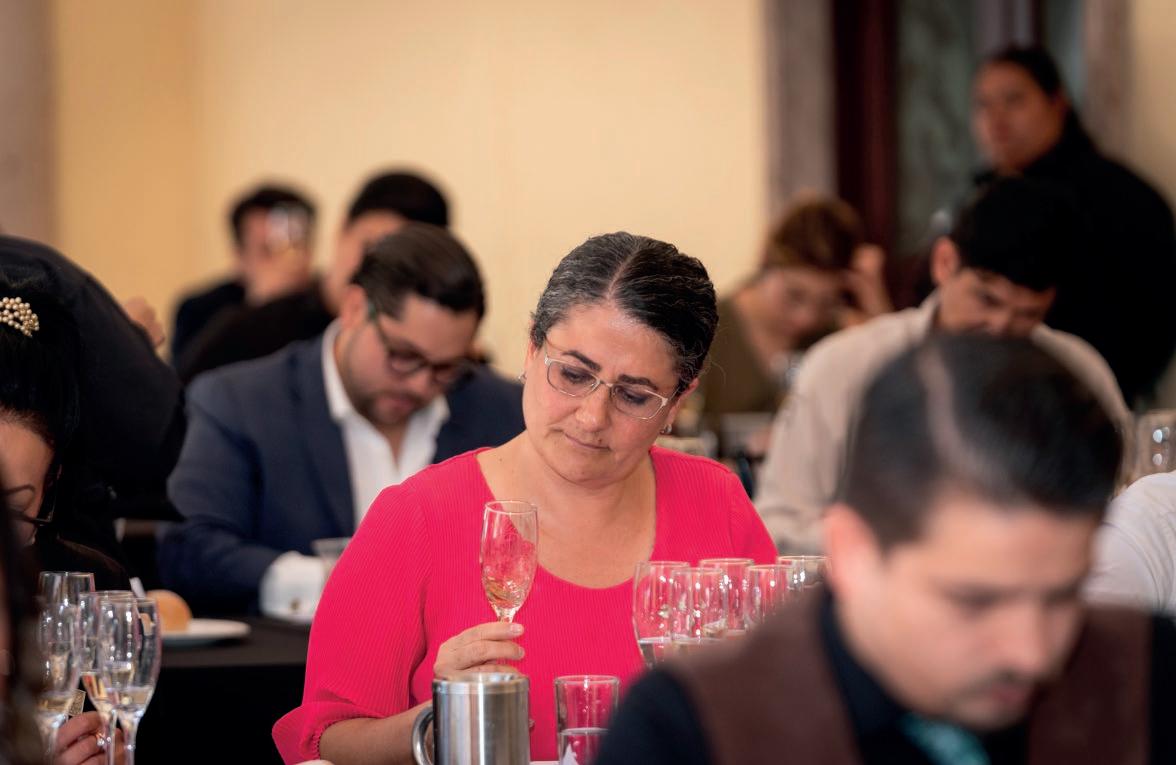
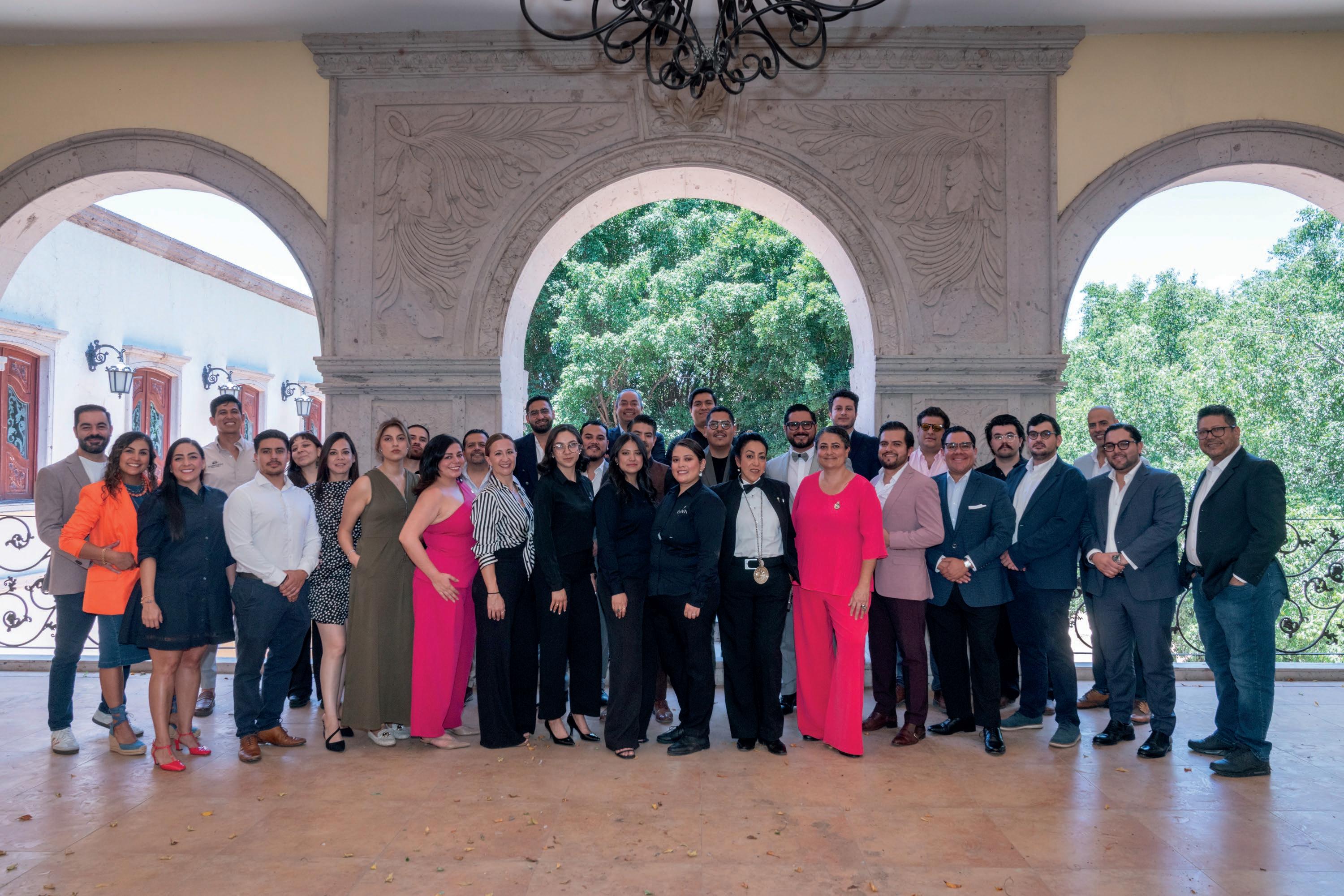
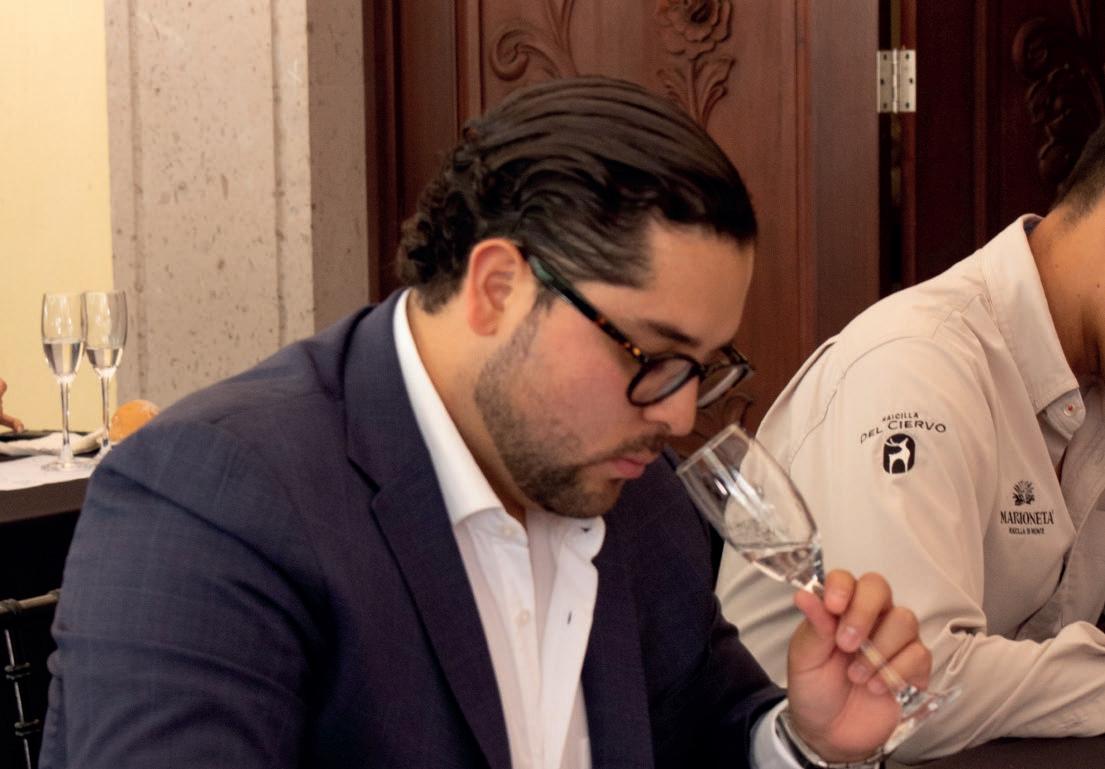
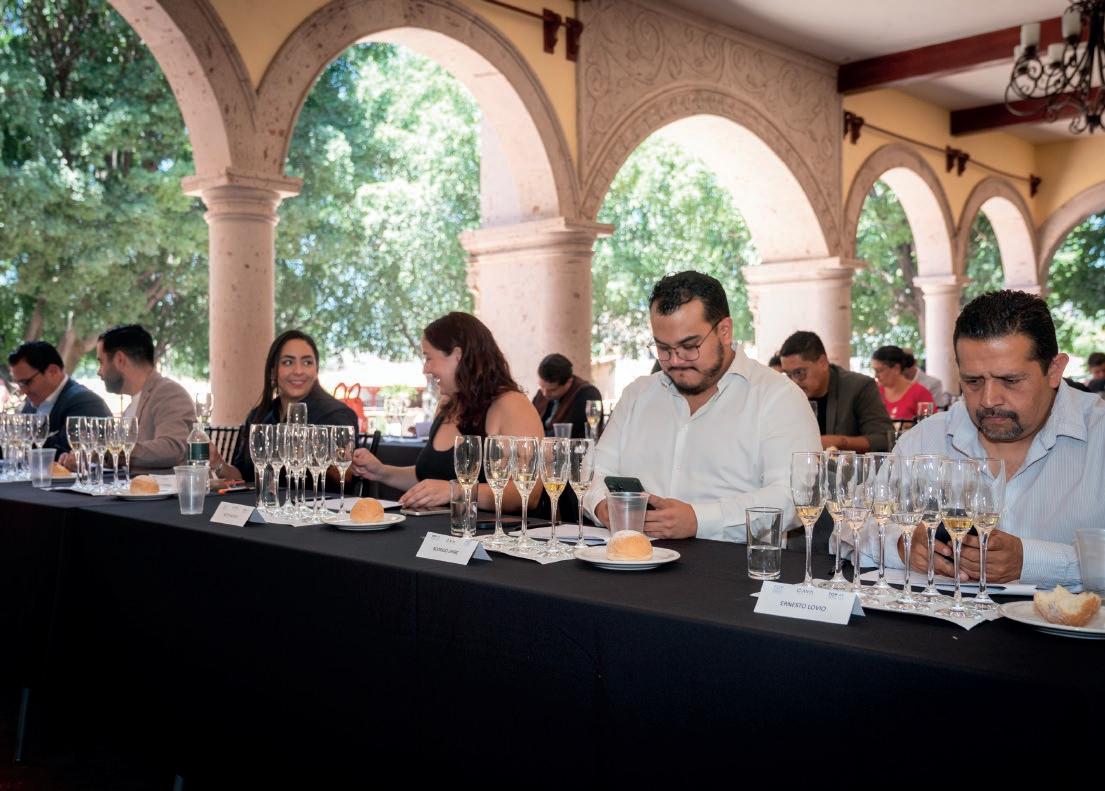
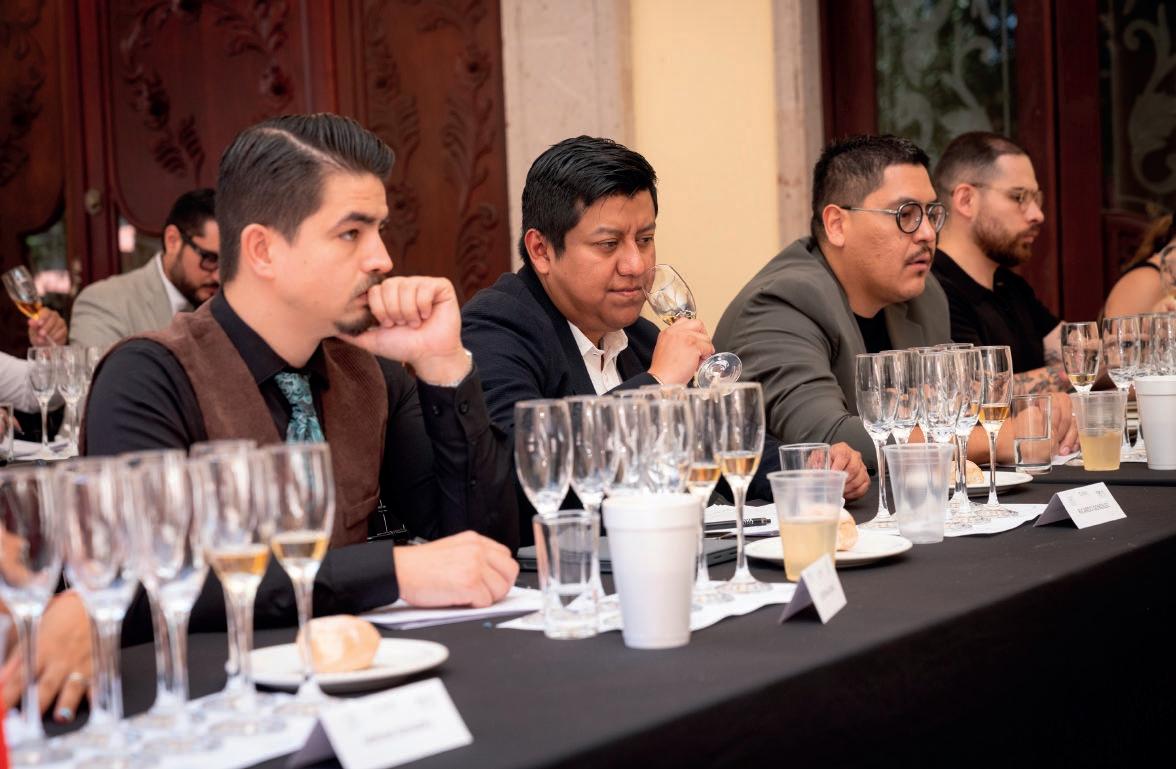
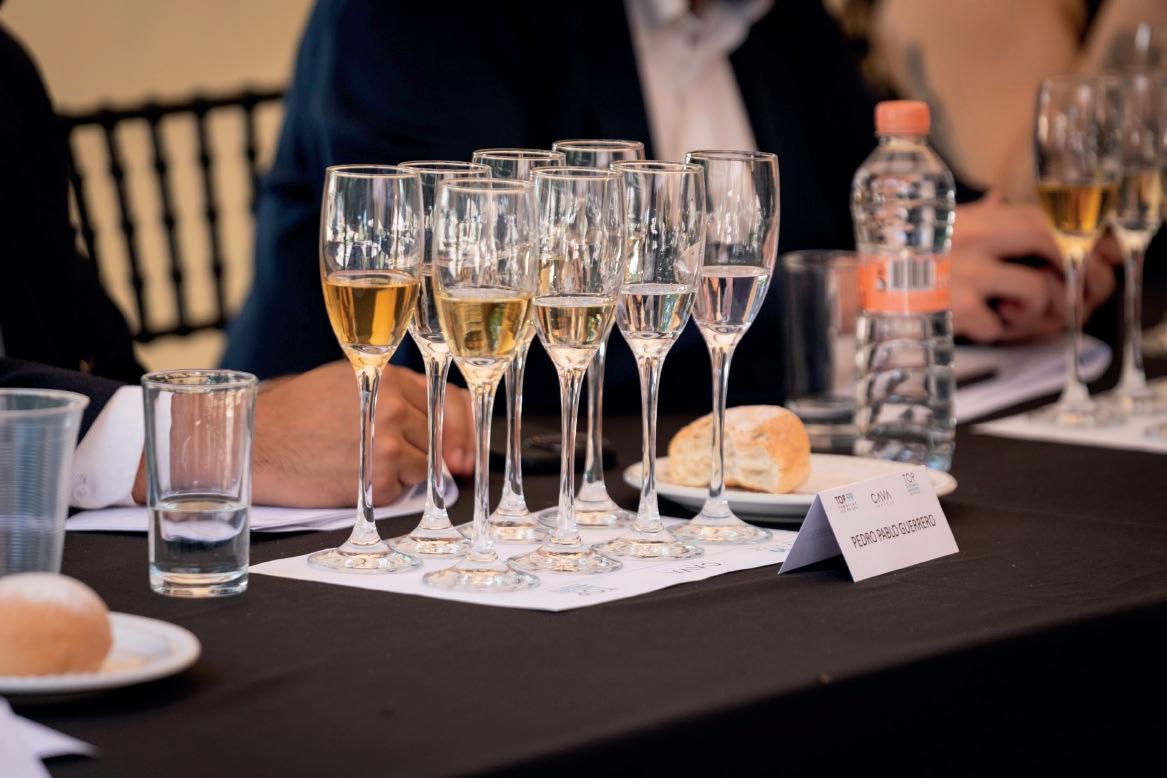
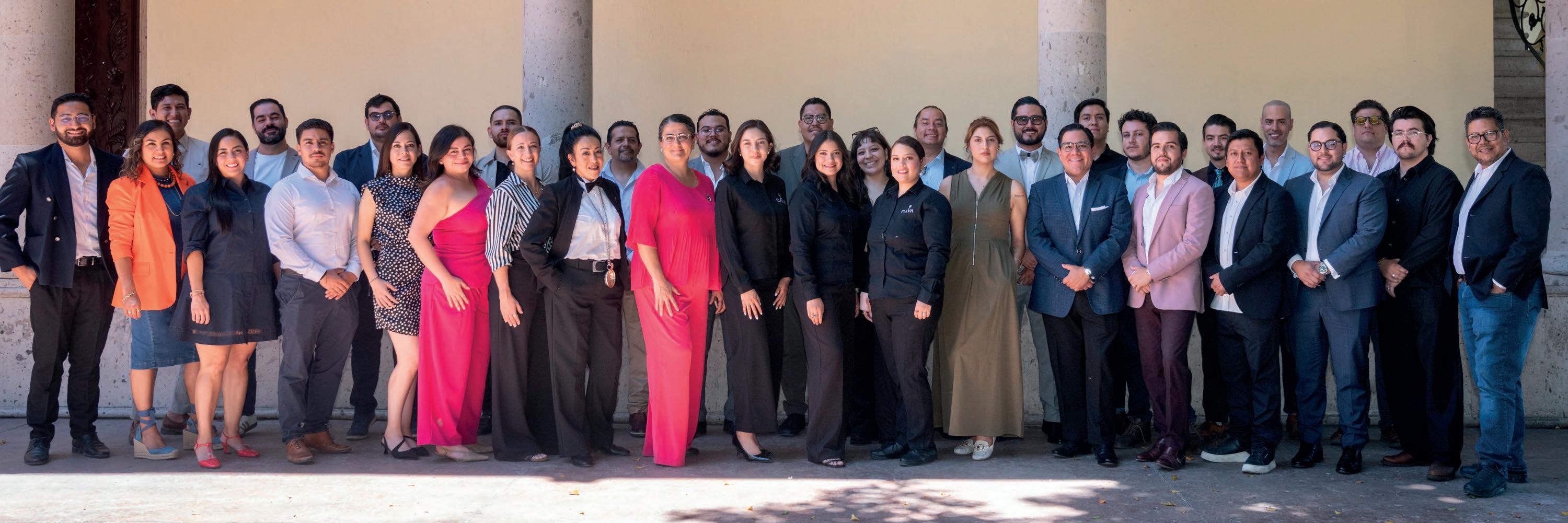
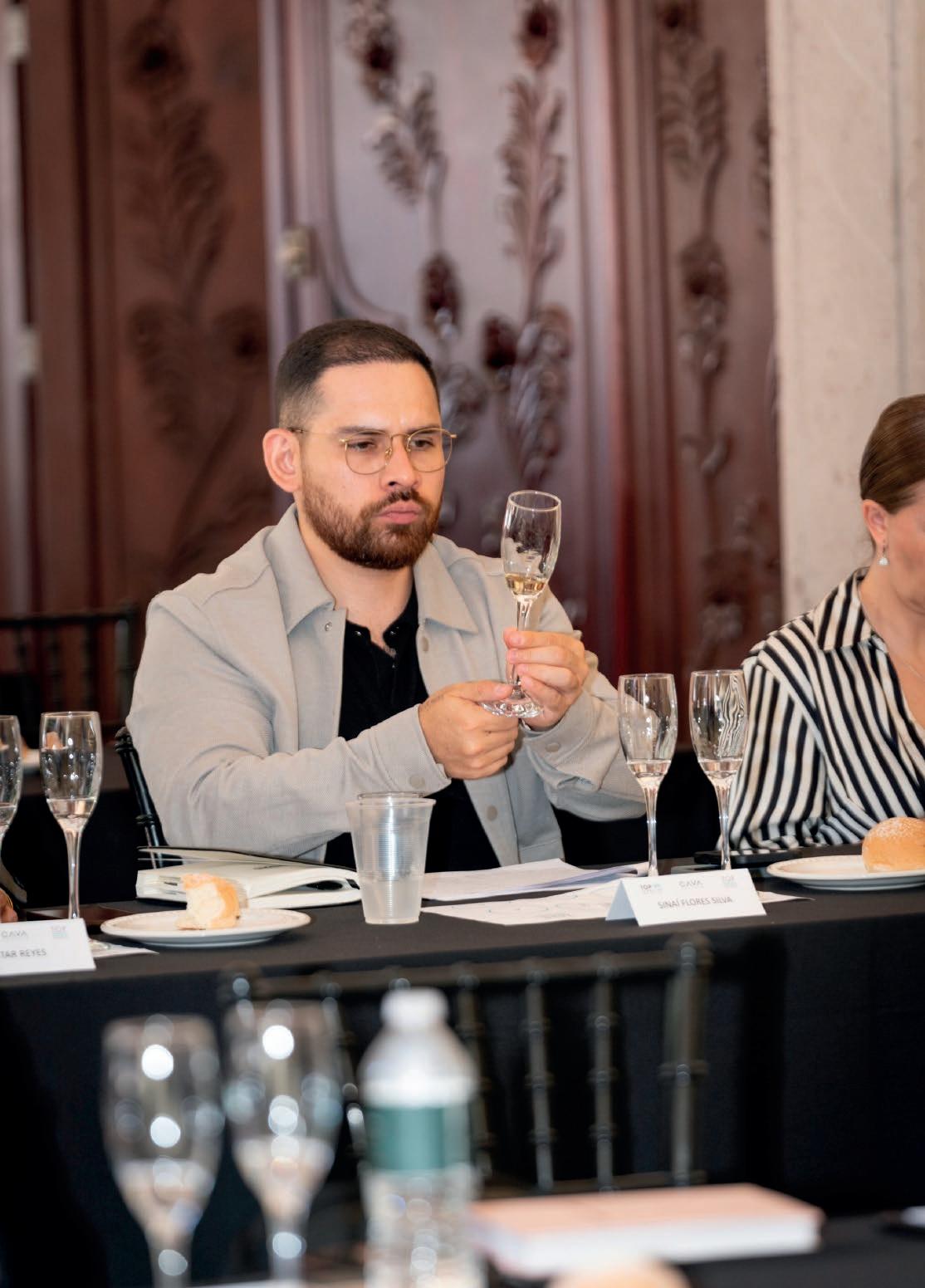
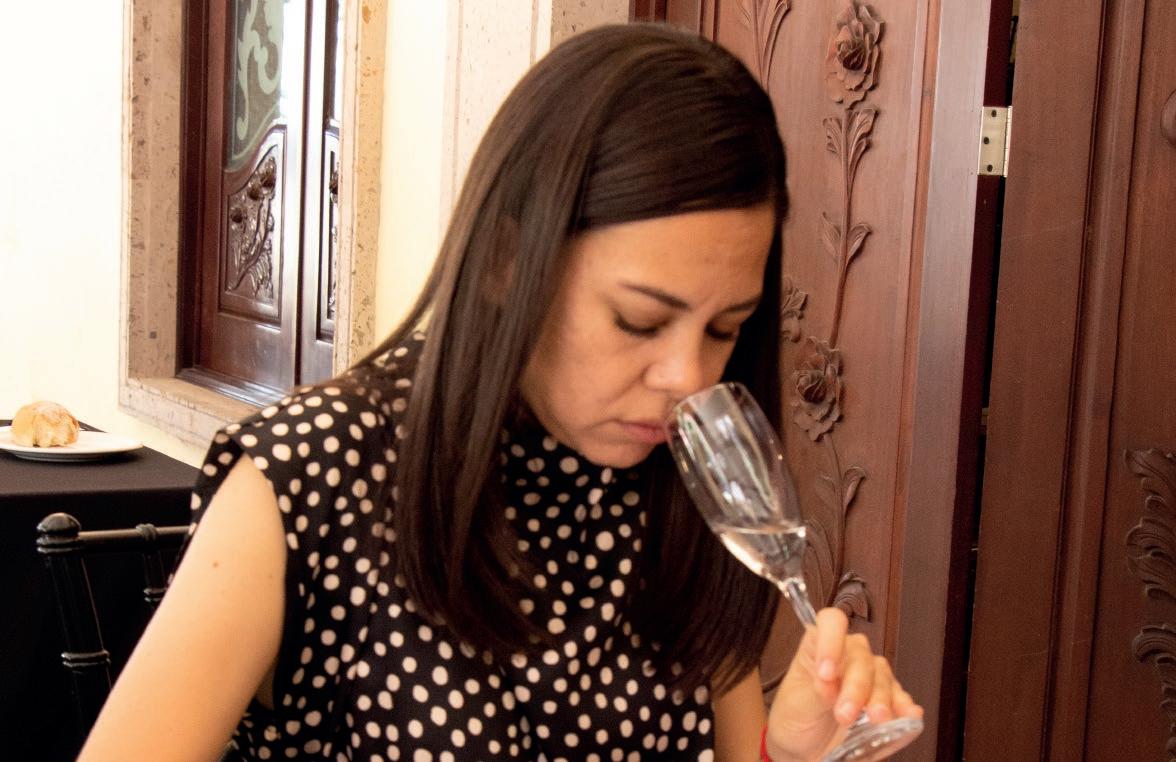
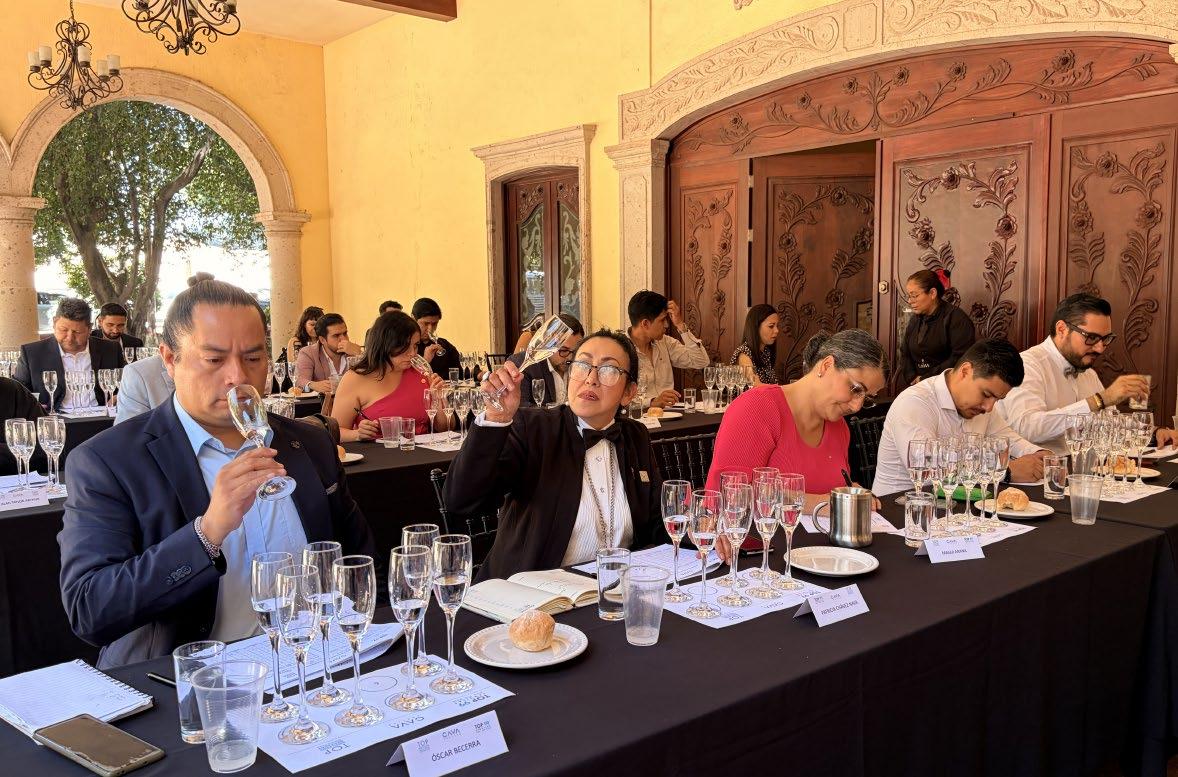
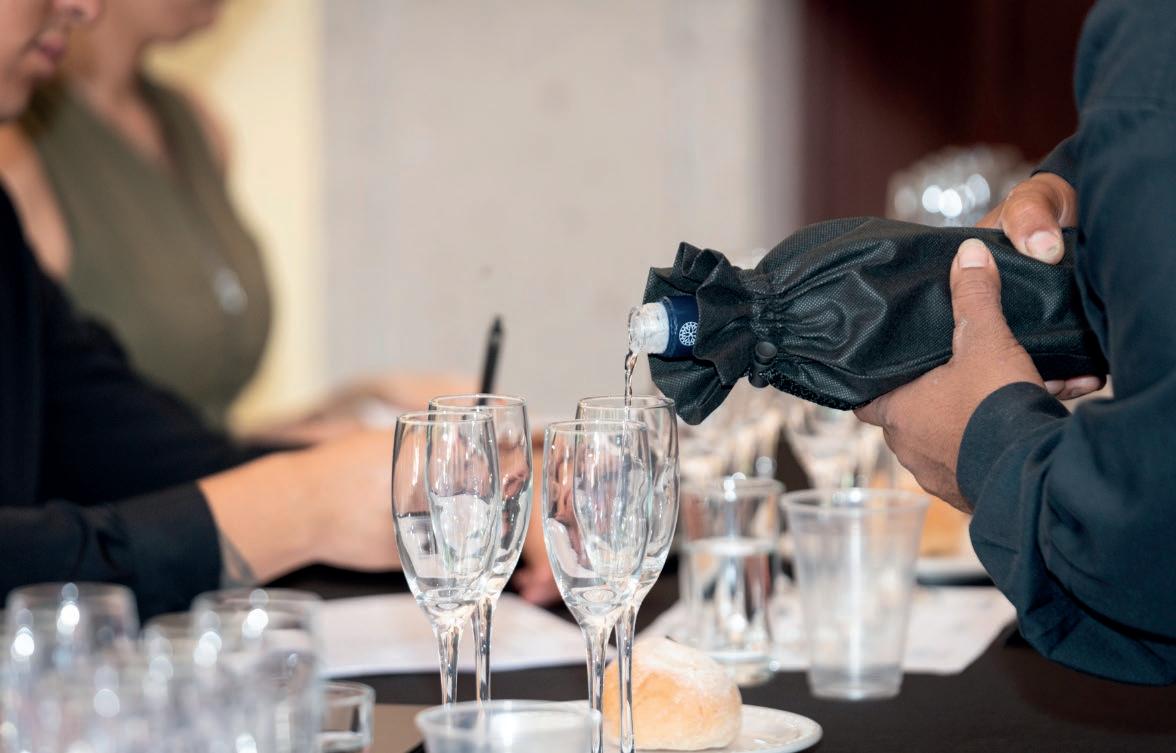
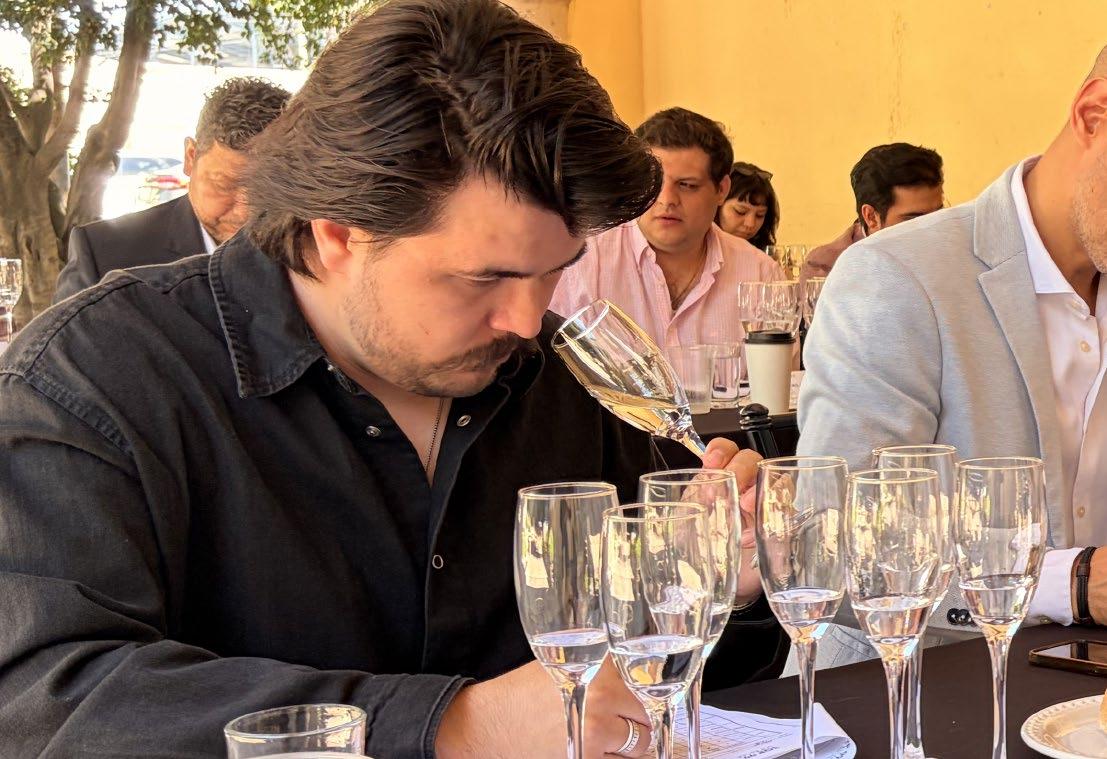
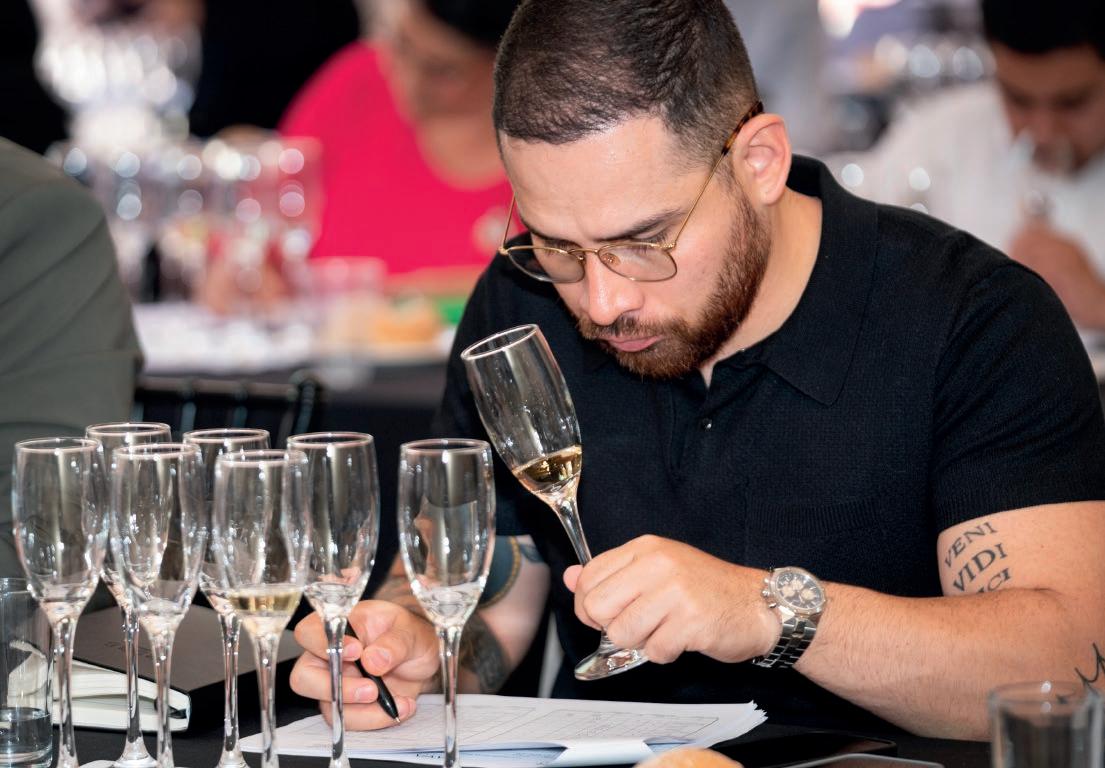
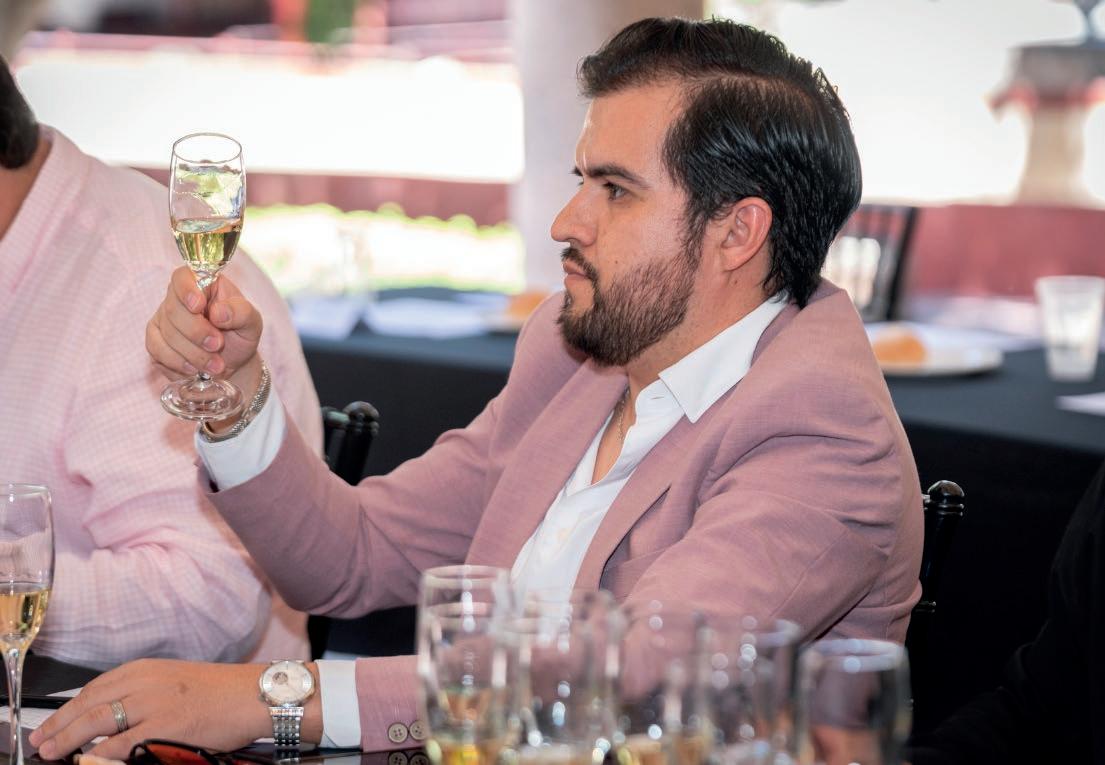
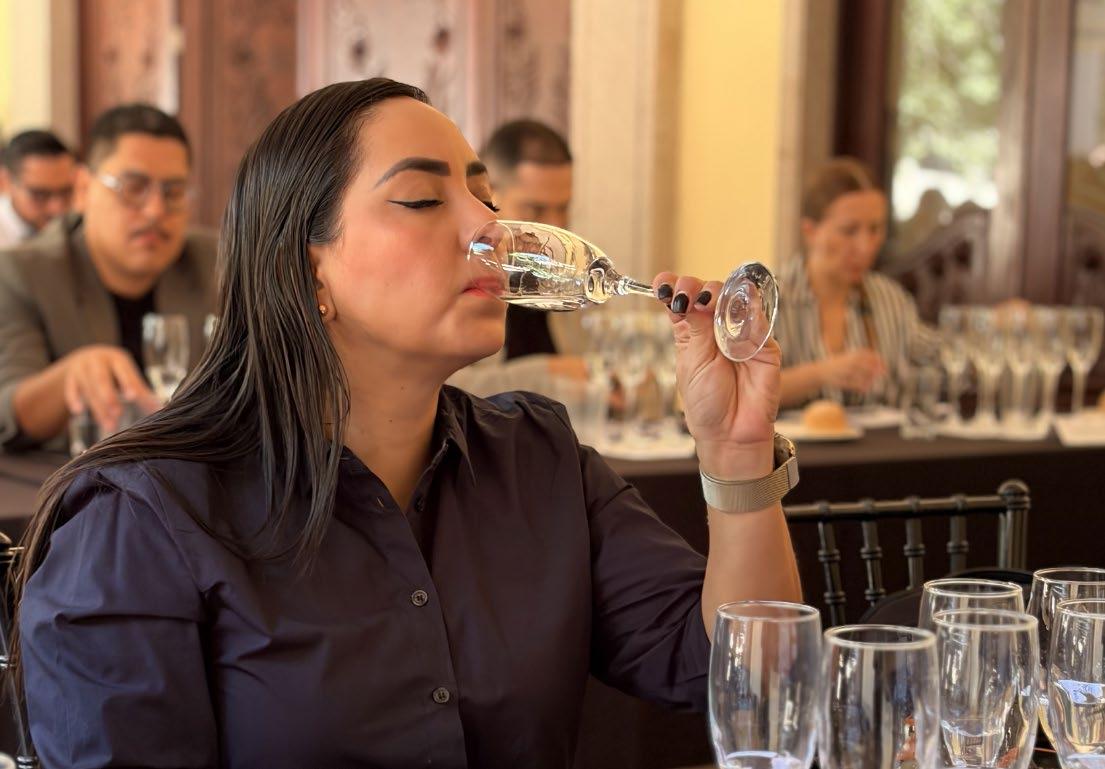
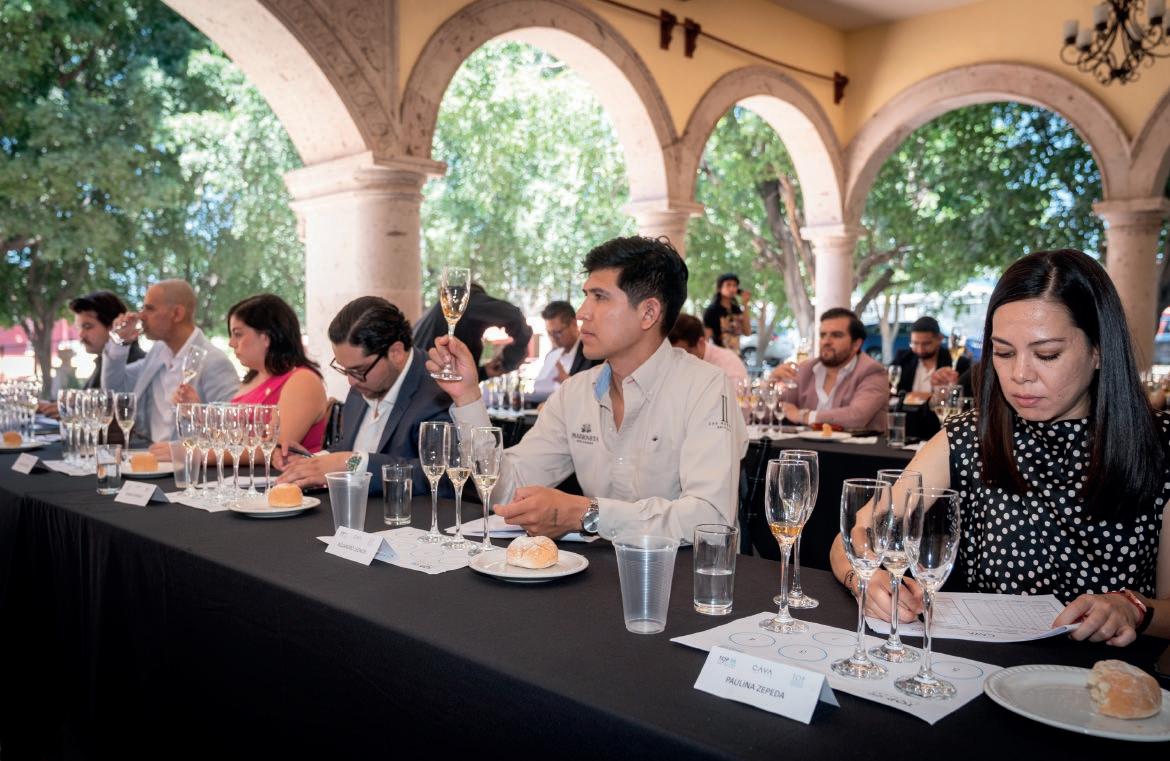
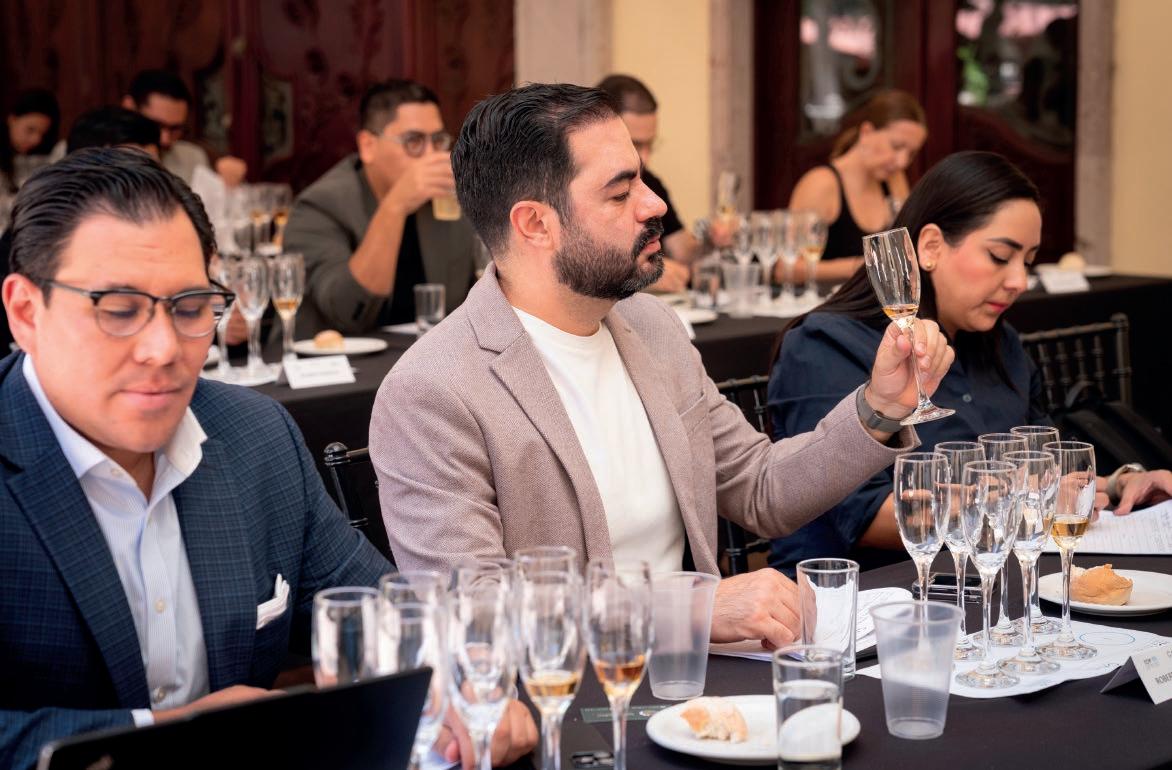
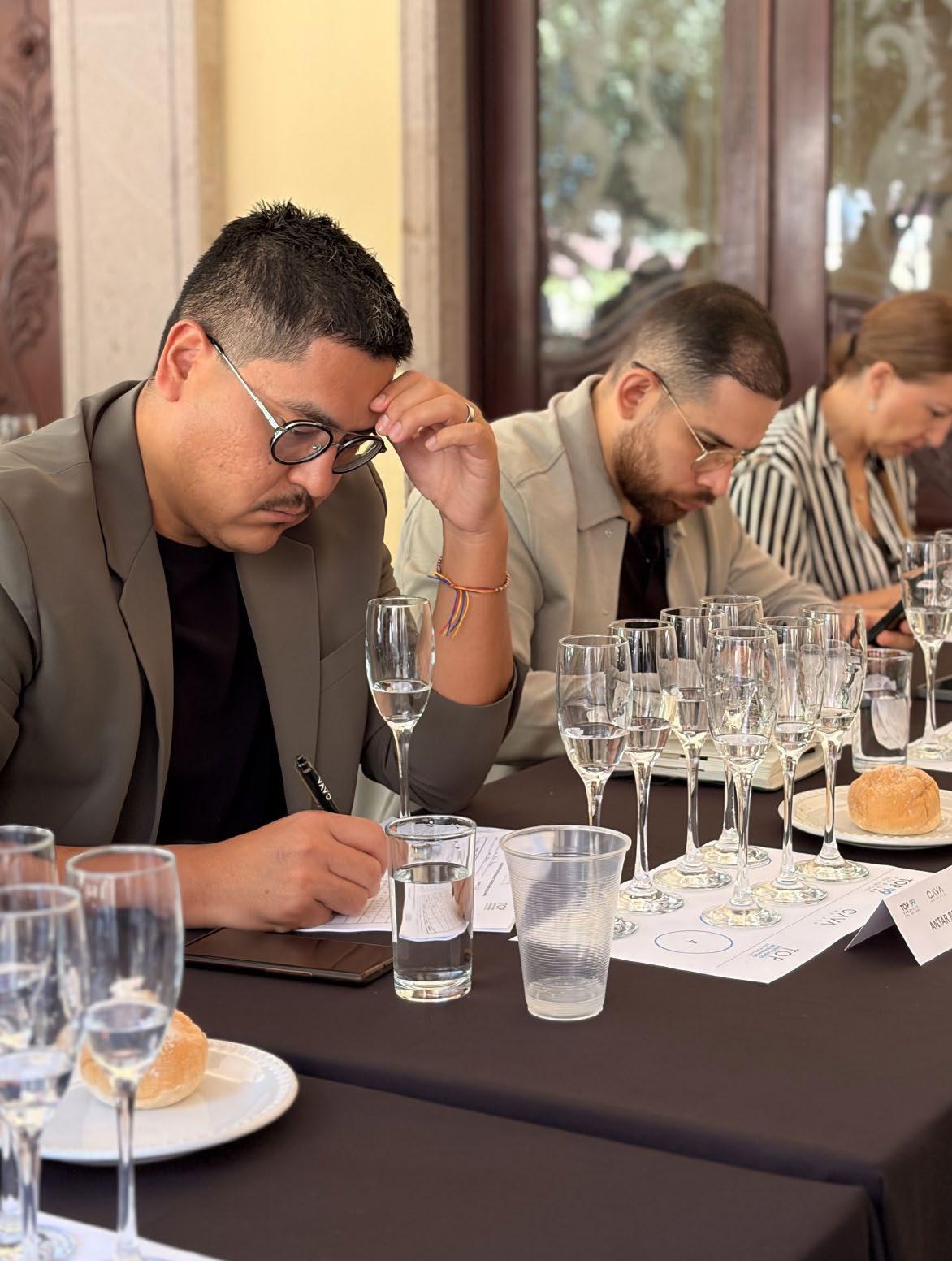
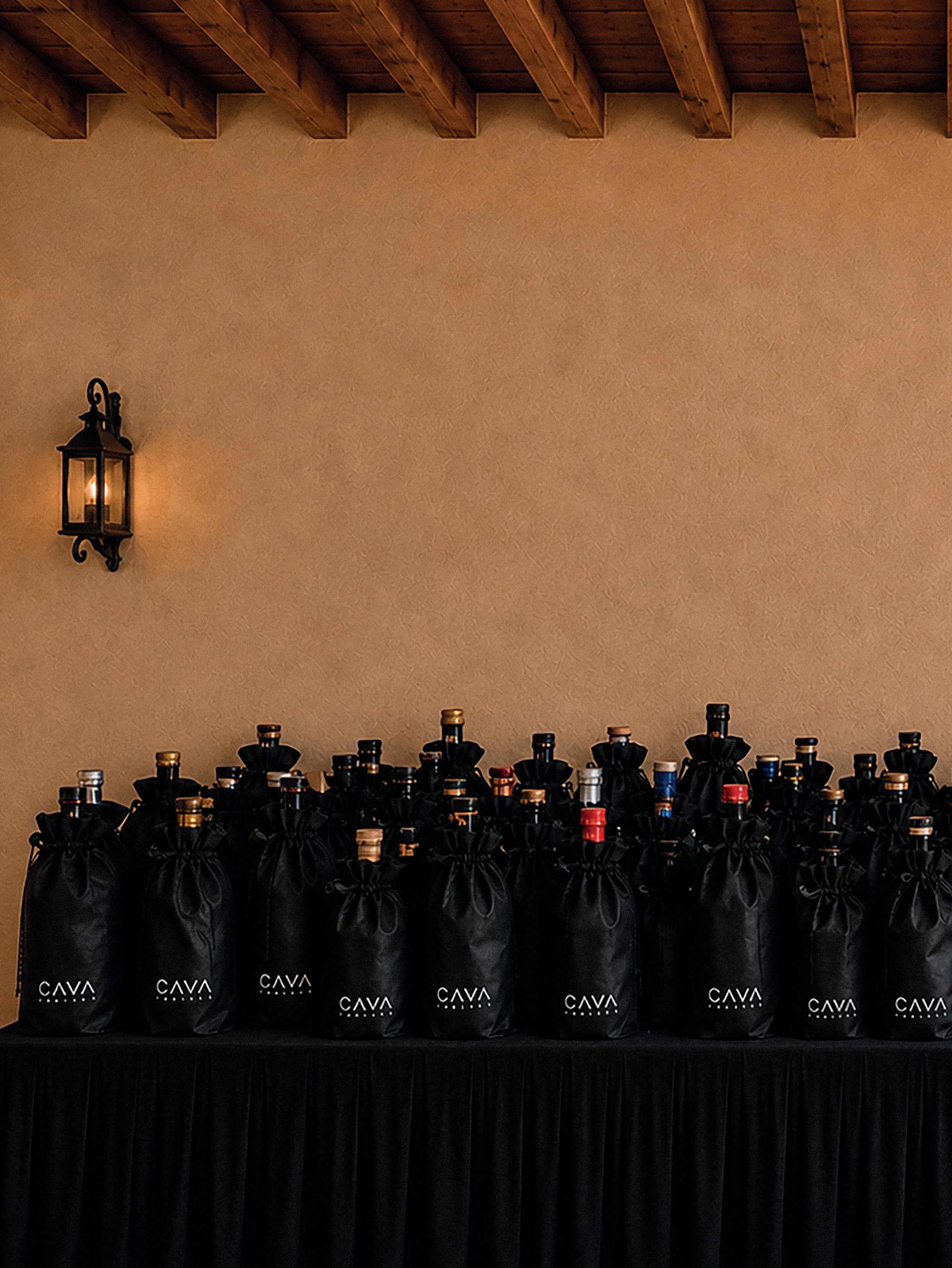
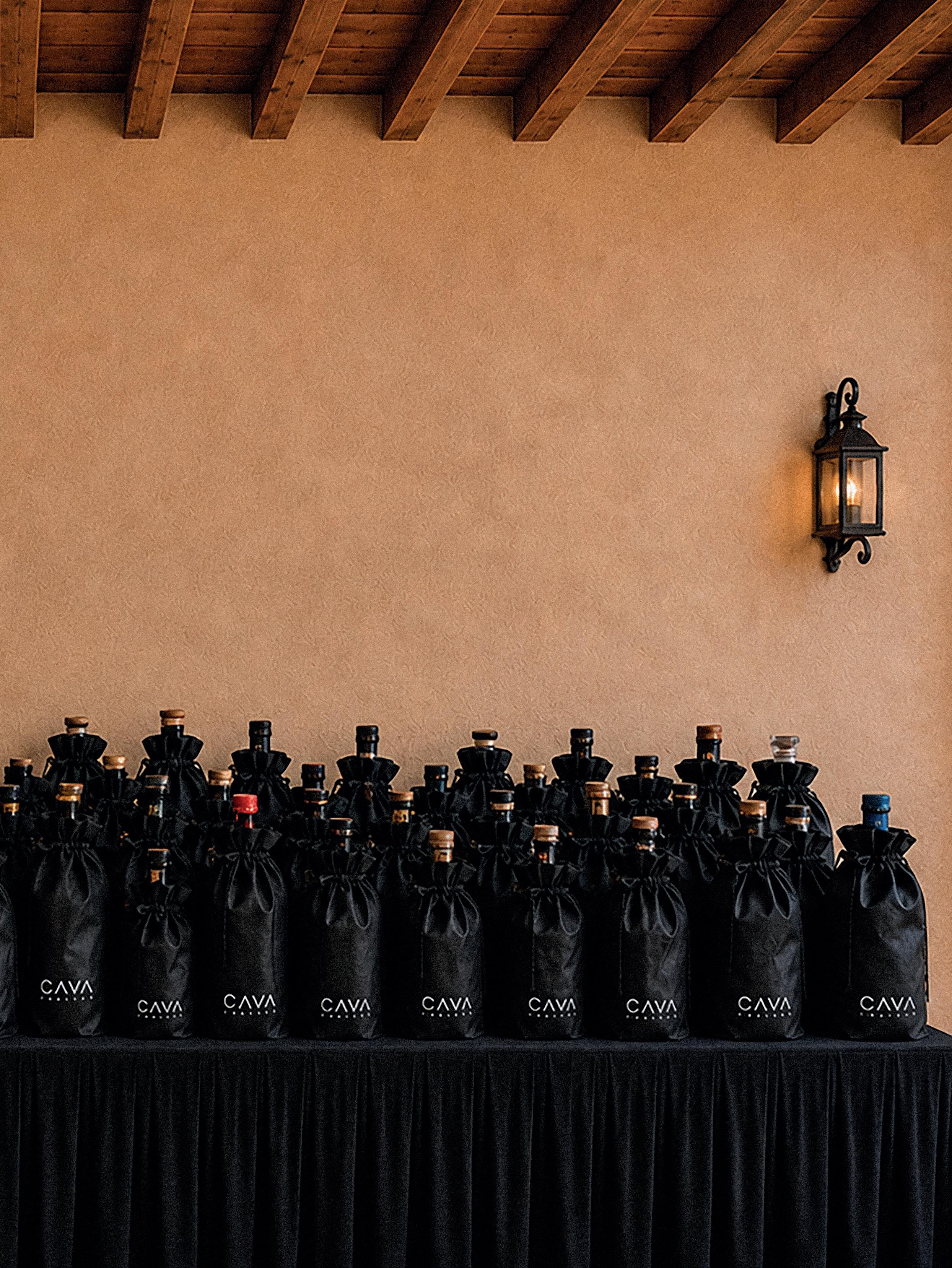
During the last week of May, CAVA Magazine once again brought together a panel of more than 50 experts in tequila and other spirits to conduct the TOP 99 Tequilas 2026 blind tasting, with participants from the states of Aguascalientes, Durango, the State of Mexico, Guerrero, Guanajuato, Michoacán, Oaxaca, Puebla, San Luis Potosí, Tamaulipas, and Zacatecas. Thanks to the excellent response from producers to the magazine’s call for entries, tequilas from the five states with a Designation of Origin were tasted. For the tasting and evaluation, each bottle was covered with a cloth bag so that the judges would not know the identity of the tequila they were rating.
The committee of experts conducted the evaluation using a professional tasting sheet to assess the bottles, dividing the scores into
several categories: appearance (clarity, color), aroma (intensity, openness, quality), taste (intensity, openness, quality, persistence), and overall impression. The tequilas that ranked in the TOP 99 were those that achieved a score between 89 and 99 points in the sum of the averages, based on the tabulation of the individual results from the tasting judges. The awards are divided into Bronze, for bottles with scores between 80 and 84 points; Silver, for scores between 85 and 89 points; Gold, for scores between 90 and 94 points; and Grand Gold, for tequilas with scores between 95 and 99 points.
With the publication of this list, which is intended as a guide for consumers, CAVA Magazine helps raise awareness of some of the tequila brands currently available in Mexico. Each one of them embodies the quality and authenticity of tequila.
We would like to thank the entire magazine team for organizing this event and, above all, the judges who served on the panel for their kind participation; a diverse group of tasters comprising individuals from the culinary world, cultural managers, and industry promoters, all
of whom hold high-level certifications in tequila and Mexican spirits: Alan Taylor Arthur, Alejandro Leonor López, Alejandro Jacott, Alejandra Brizuela, Andrea Cordero, Antar Aram Reyes Gallardo, Armando Camacho, Cristian Alonso, Charlie Serrano, Elioth Santillan, Ernesto Lovio, Gustavo Belloc Vélez, José Favio Román Meza Caudillo, Jordan A. Jaimes Mendoza, Magui Arana, Miriam Lizbeth Navarro Félix, Rodrigo Francisco Uribe Chiquete, Roberto De La Mora Villalpando, Oscar Becerra, Patricia Chávez Nava, Paulina Teresa Zepeda Rodríguez, Ricardo González Aragón, Raúl Fabián González Lepe, Samantha Mata, Sinaí Flores Silva y Verania Clavel.
We would also like to express our gratitude to the “La Castañeda” estate in Zapopan and to all the staff for their hospitality and support in organizing and coordinating this event.
This blind tasting is held with a commitment to promoting and recognizing the work of everyone behind each tequila. Thank you to all the producers who participated with their brands and placed their trust in the event. See you next year!
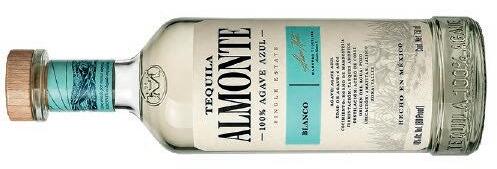
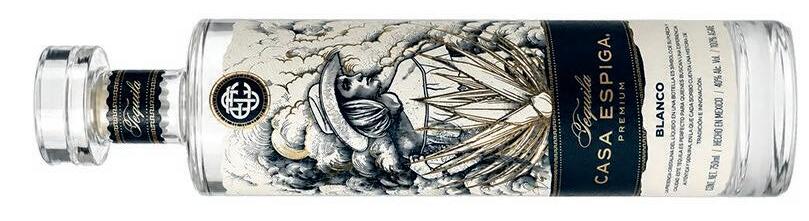
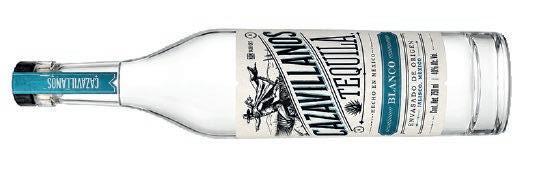
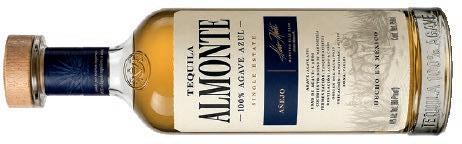
ALMONTE BLANCO
ABV: 40%
Tequilera: Destiladora la Roca
Region: Jalisco
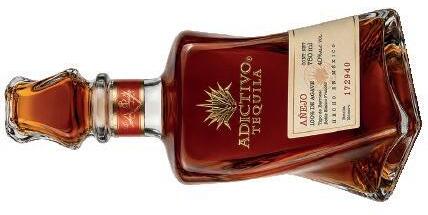
ADICTIVO AÑEJO 2 AÑOS
ABV: 40%
Tequilera: Adictivo
Region: Jalisco
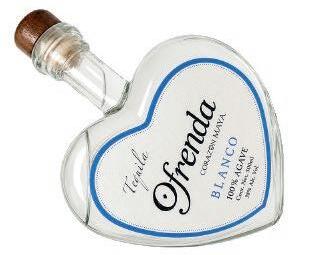
CORAZÓN MAYA BLANCO
ABV: 46%
Tequilera: Corazón Maya
Region: Jalisco
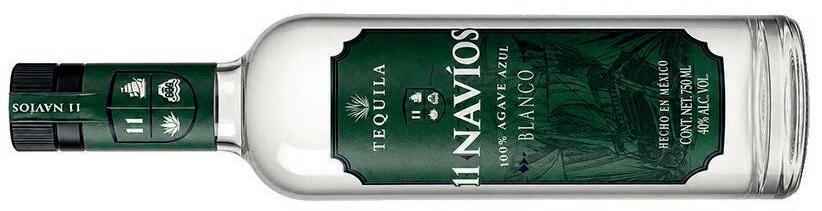
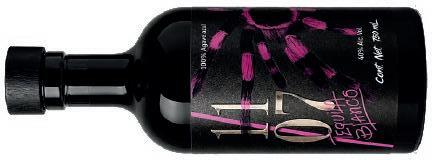
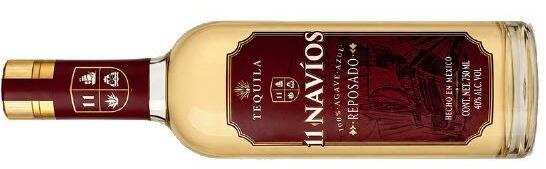
11 NAVÍOS BLANCO
ABV: 40%
Tequilera: 11 Navíos
Region: Jalisco
Medal: Silver
Medal: Gold
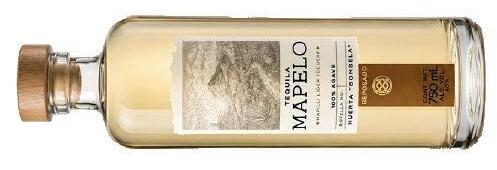
Tequilera: Mapelo
Jalisco
Tequilera: Hacienda
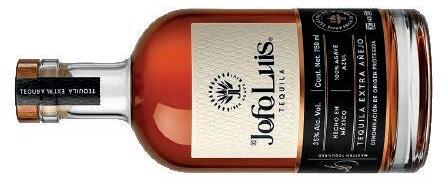
EL JEFE LUIS EXTRA AÑEJO
ABV: 35%
Tequilera: 12 Lunas
Region: Jalisco
Medal: Gold
Medal: Gold 11
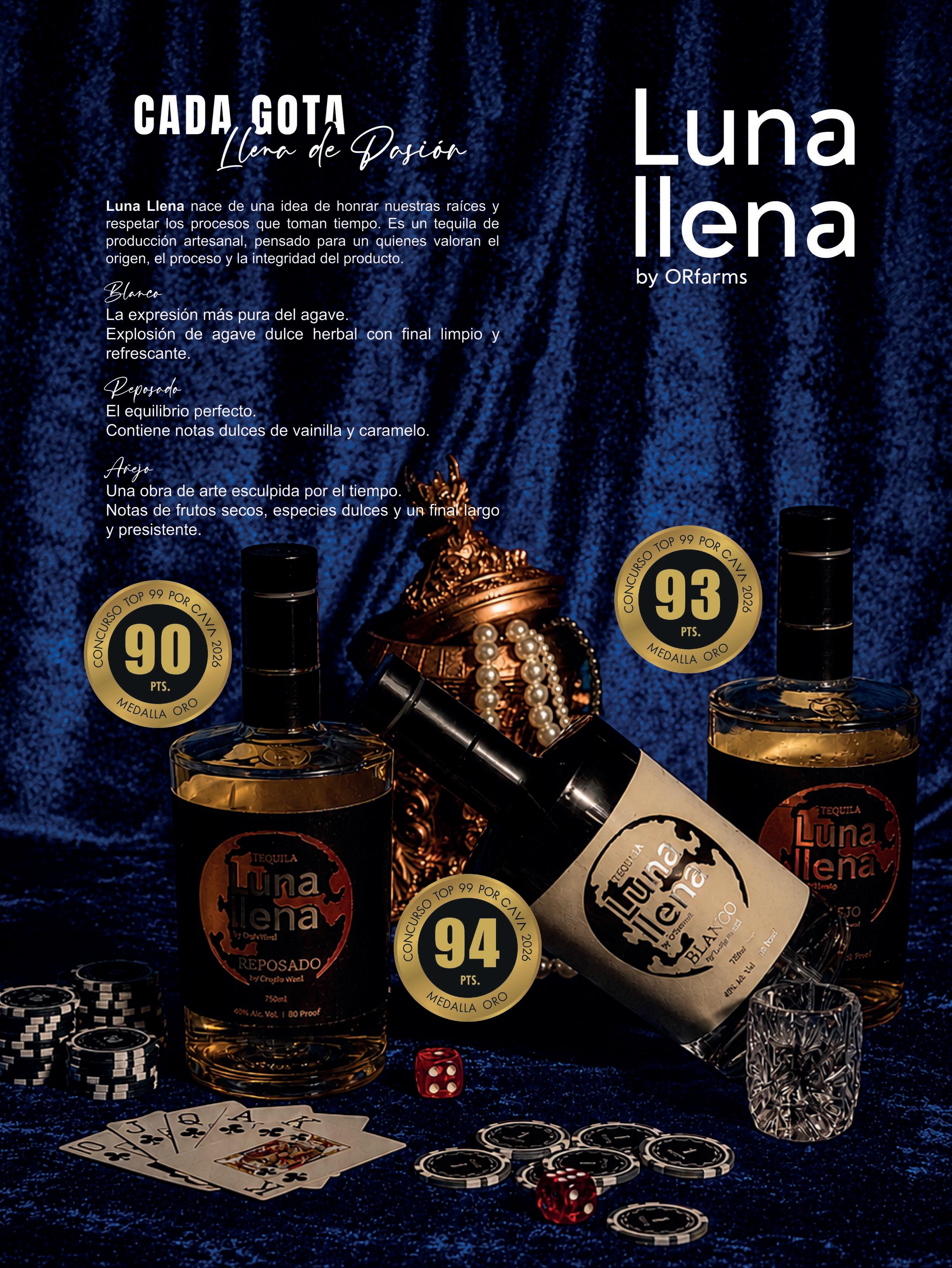
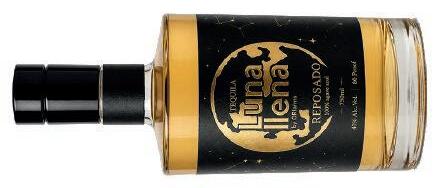
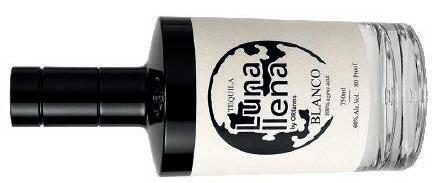
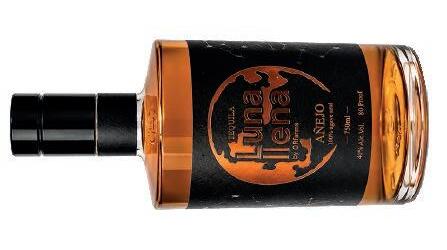
Medal: Gold LUNA LLENA REPOSADO
ABV: 40%
Tequilera: Casa Luna Llena
Region: Jalisco
Medal: Gold
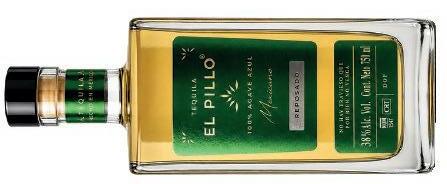
EL PILLO REPOSADO
ABV: 38%
Tequilera: Casa San Agustín
Region: Jalisco
Medal: Gold
ABV: 40%
ABV: 40%
Tequilera: 11 Navíos
Region: Jalisco
Medal: Silver
Tequilera: Casa Luna Llena
Region: Jalisco
Medal: Gold
ABV: 40%
REPOSADO
Tequilera: Santa Teresa
Region: Jalisco
Medal: Gold LUNA LLENA BLANCO
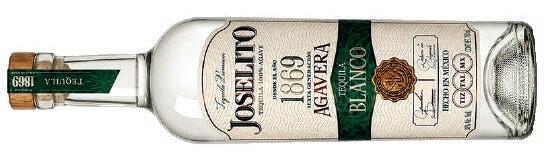
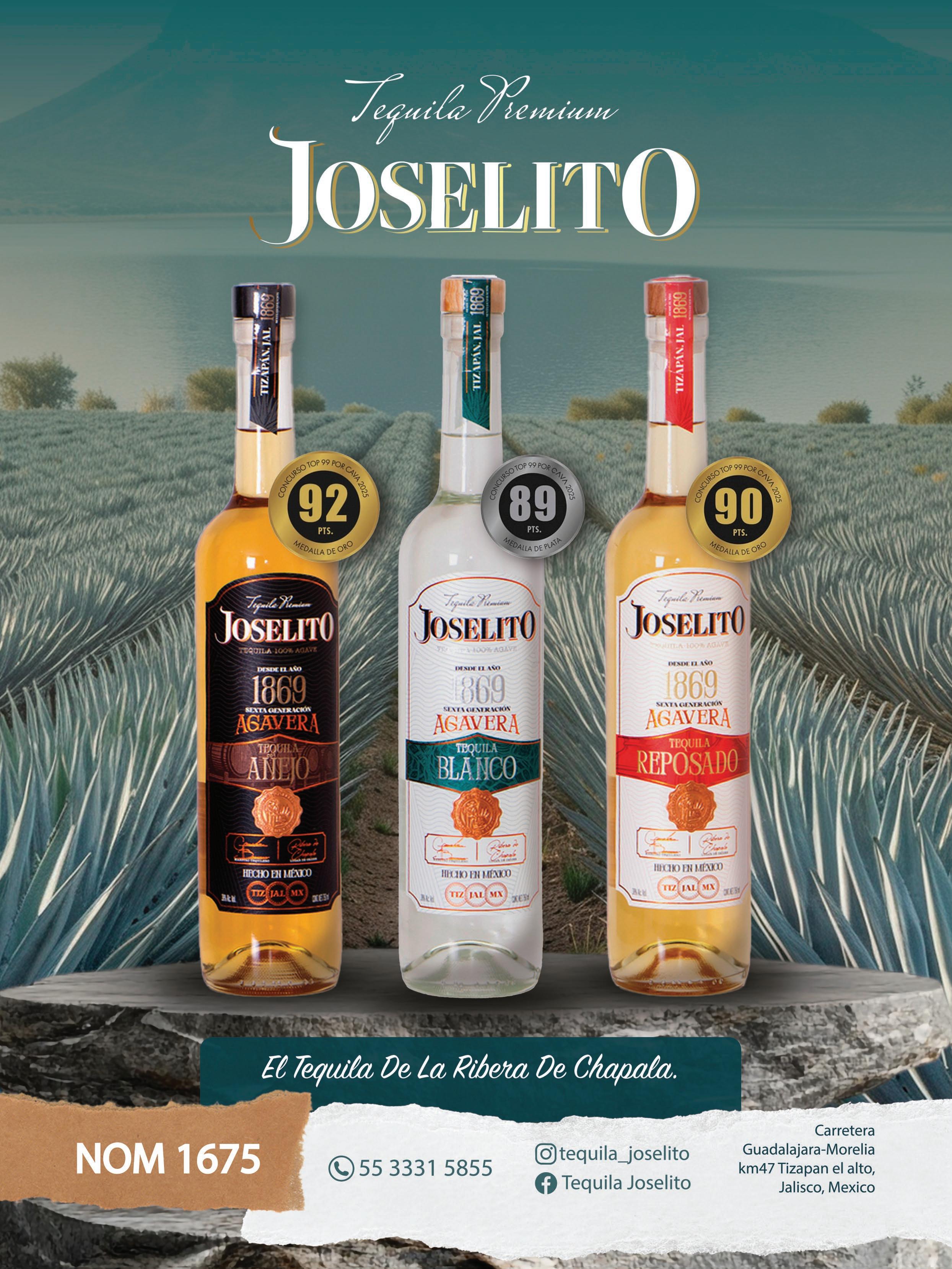
Tequilera: Joselito
Jalisco
Tequilera: Casa
Region: Jalisco Medal: Gold
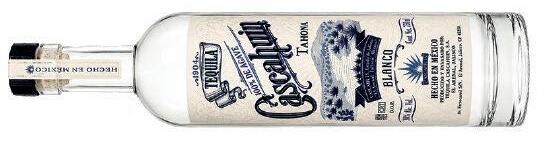
CASCAHUIN TAHONA
ABV: 42%
Tequilera: Cascahuin
Region: Jalisco
Medal: Grand Gold
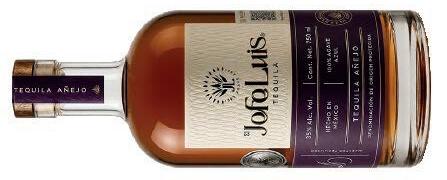
EL JEFE LUIS AÑEJO
ABV: 35%
Tequilera: 12 Lunas
Region: Jalisco
Medal: Gold
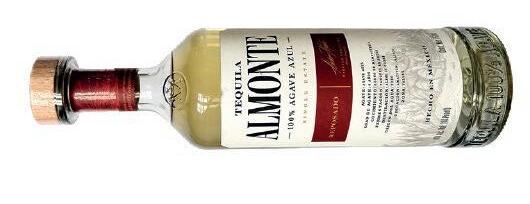
ALMONTE REPOSADO
ABV: 40%
Tequilera: Destiladora la Roca
Region: Jalisco
Medal: Gold
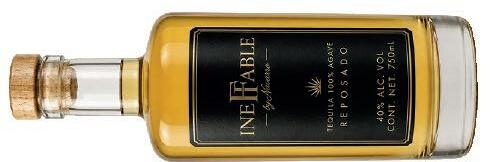
Tequilera: Ineffable Region: Jalisco
ABV: 40%
Tequilera: Don Valente
Region: Jalisco Medal: Gold
40%
Tequilera: La Elegida
Region: Jalisco Medal: Gold
Tequilera: Vale Region: Jalisco
Silver
Tequilera: Facuall
Tequilera: Hacienda Capellania
Jalisco
ABV: 38%
Tequilera: Casa San Agustín
Region: Jalisco
Medal: Grand Gold
Jalisco
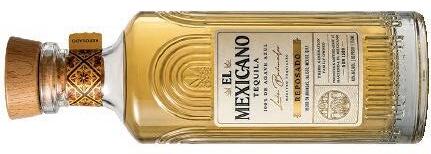
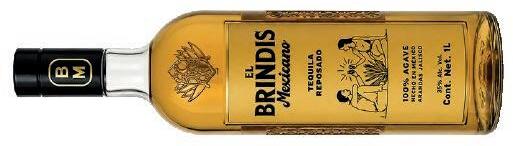
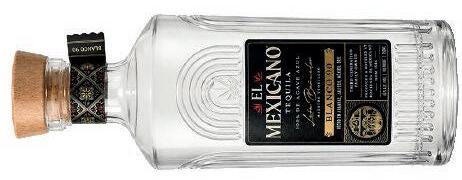
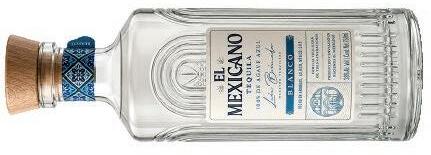
MEXICANO REPOSADO
ABV: 40%
Tequilera: Tequilas El Mexicano
Region: Jalisco Medal: Gold
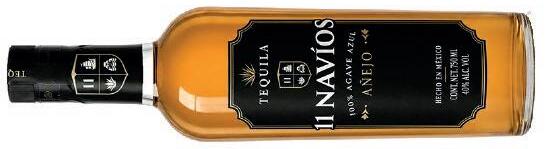
ABV: 40%
Tequilera: 11 Navíos
Region: Jalisco
Medal: Gold
ABV: 40%
Tequilera: Destilería Unión
Region: Jalisco Medal: Gold
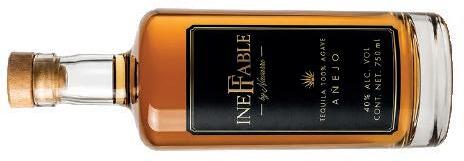
40%
Tequilera: Ineffable
Region: Jalisco Medal: Gold
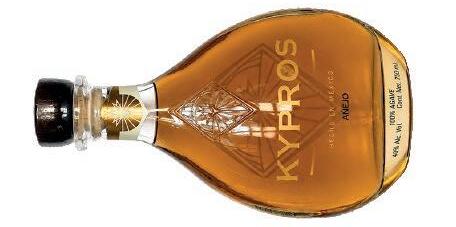
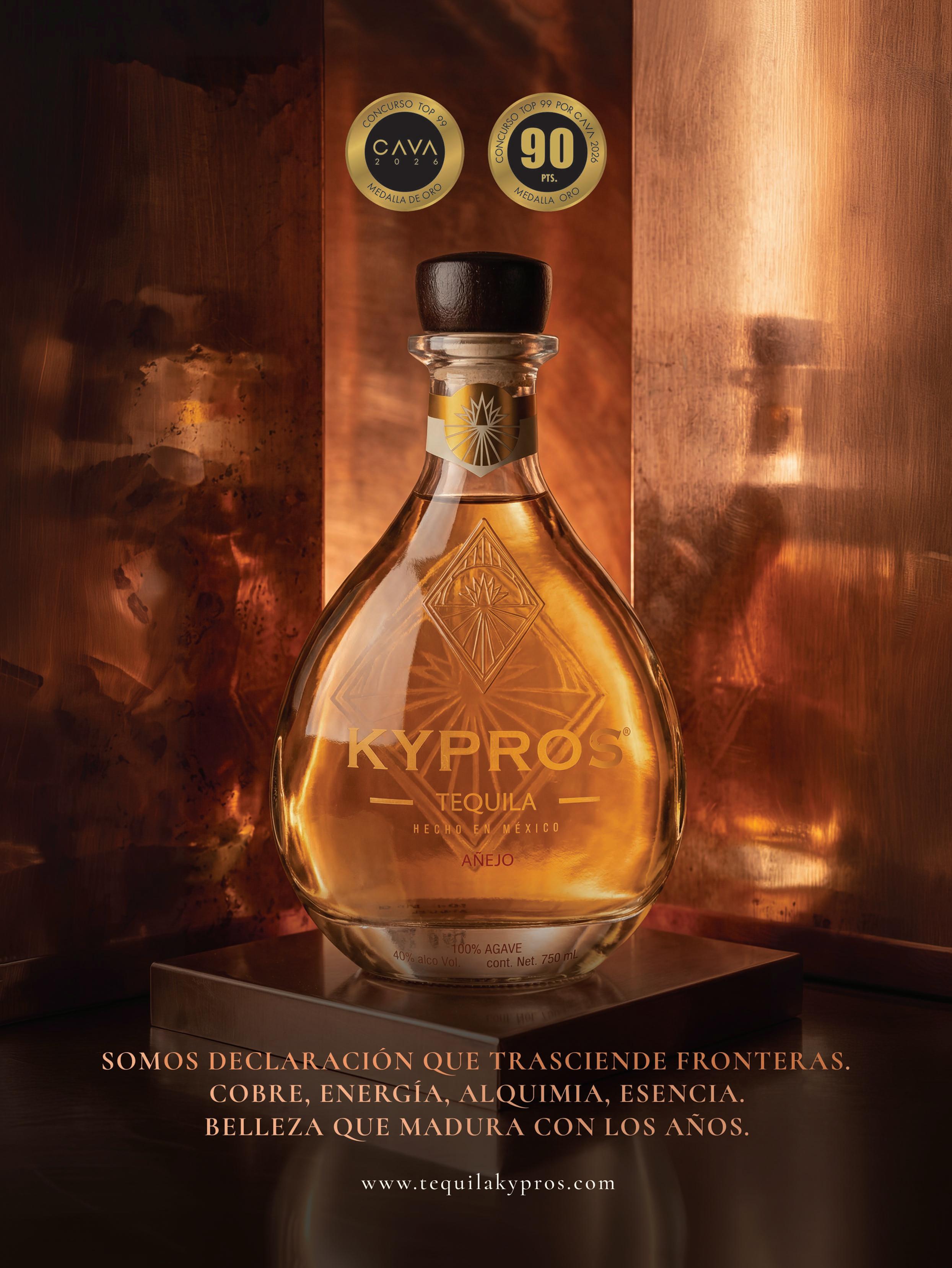
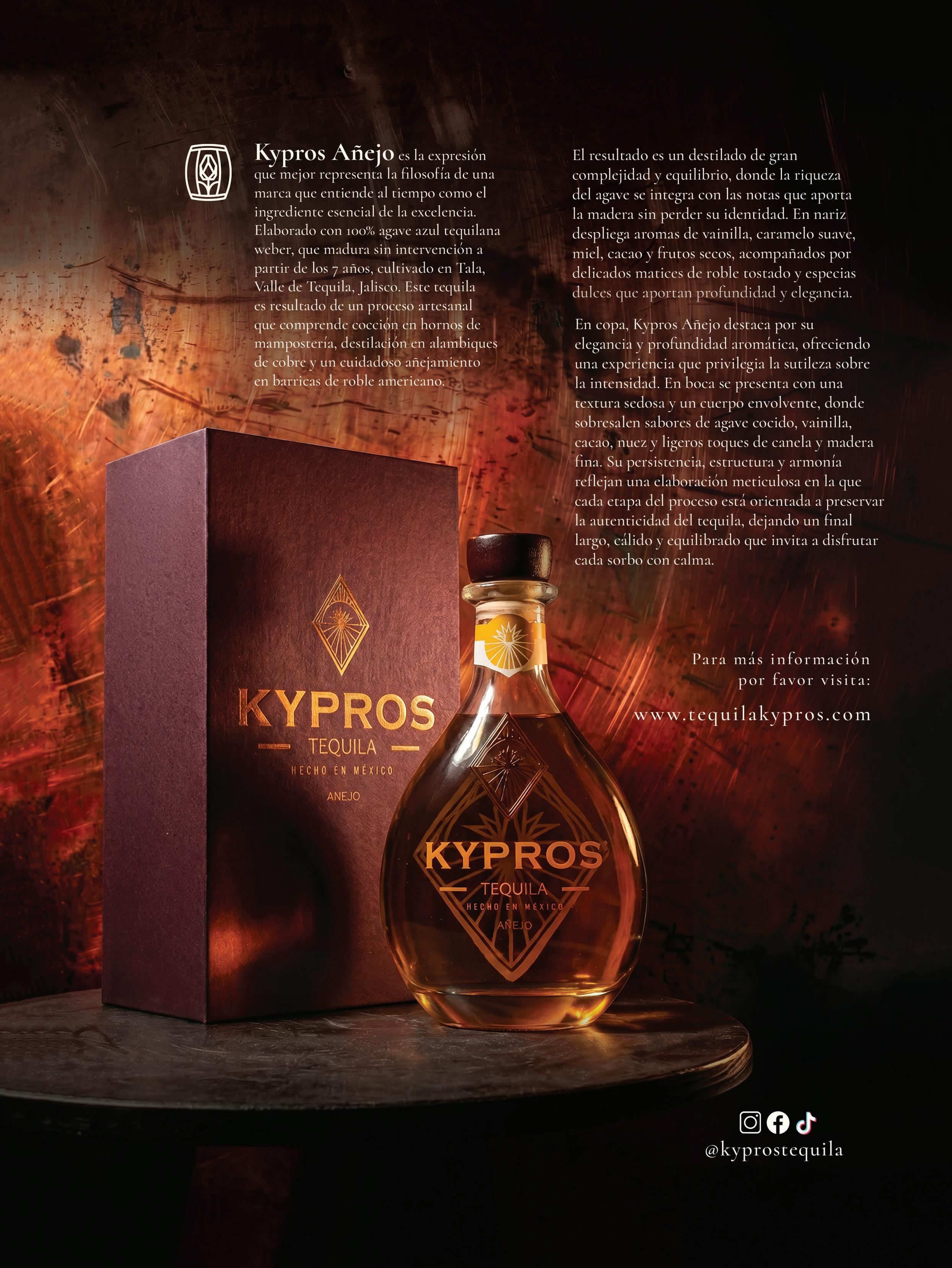
KYPROS AÑEJO
ABV: 40%
Tequilera: La Noria
Region: Jalisco
Medal: Gold
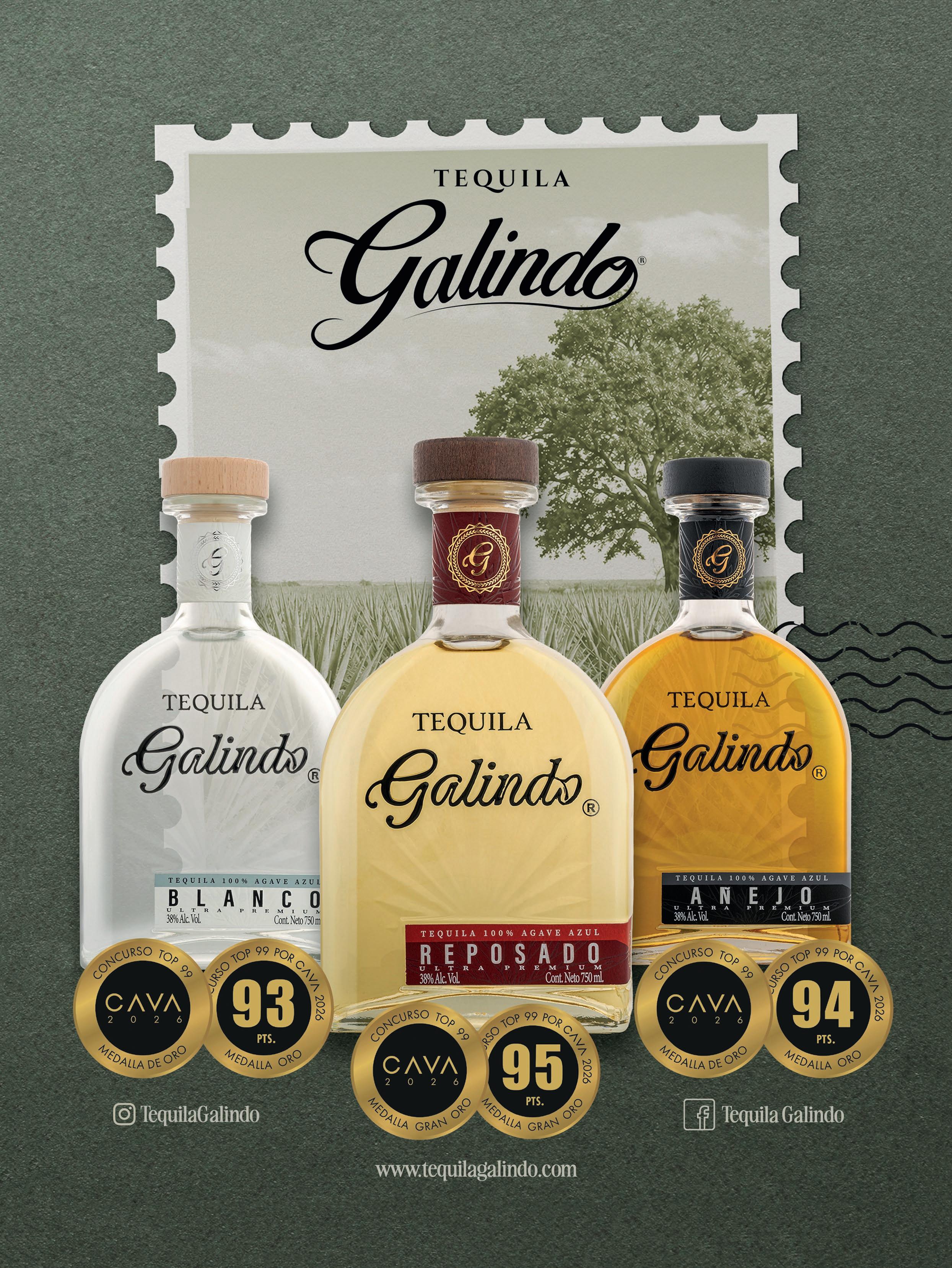
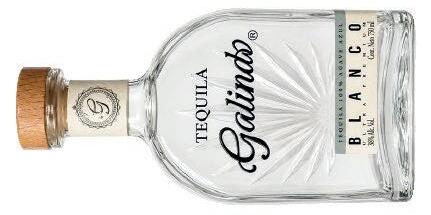
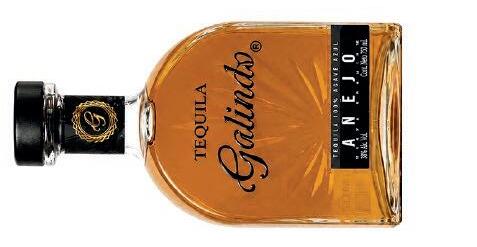
GALINDO BLANCO
ABV: 38%
Tequilera: Galindo
Region: Jalisco
Medal: Gold
GRAN CANCILLER
ABV: 40%
Tequilera: Grupo Talavera
Region: Jalisco Medal: Gold
Tequilera: Importadora y Exportadora Mave
Jalisco
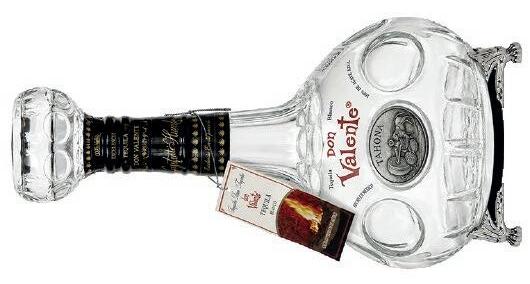
DON VALENTE BLANCO TAHONA
ABV: 42%
Tequilera: Don Valente
Region: Jalisco
Medal: Gold
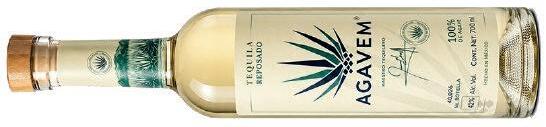
AGAVEM REPOSADO
ABV: 42%
Tequilera: Agavem
Region: Jalisco
Medal: Gold
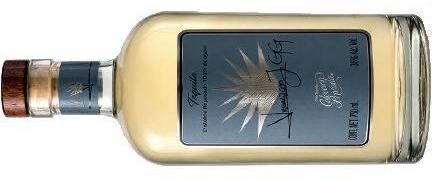
DEJUNIOR FRANCISCOJGG REPOSADO
ABV: 36%
Tequilera: Reserva de los González
Region: Jalisco
Medal: Gold
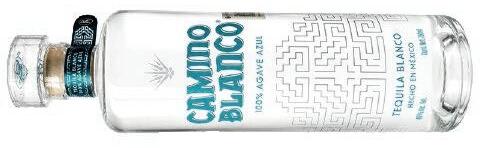
CAMINO BLANCO
ABV: 40%
Tequilera: Galindo
Region: Jalisco
Medal: Gold
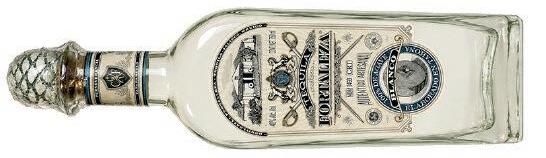
Fortaleza
Jalisco
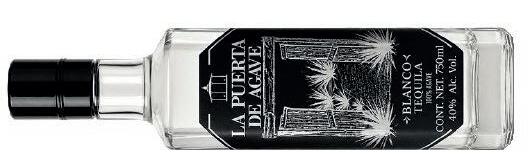
LA PUERTA DE AGAVE
ABV: 40%
Tequilera: Destilería Nueva Santa Fe
Region: Jalisco
Medal: Silver
Tequilera: Casa Luna Llena
Region: Jalisco
Gold
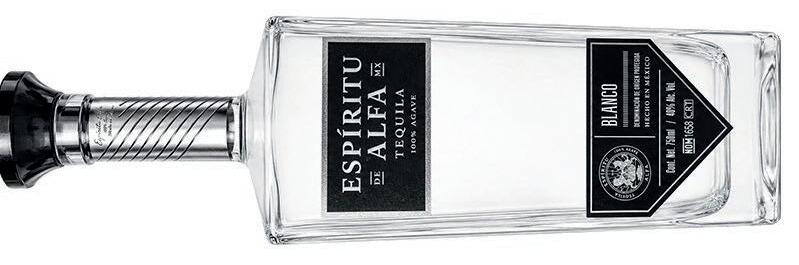
ESPÍRITU ALFA
ABV: 40%
Tequilera: Espíritu Alfa
Region: Jalisco Medal: Gold
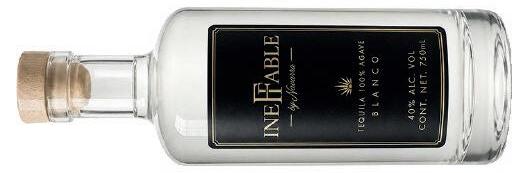
INEFFABLE BLANCO
ABV: 40%
Tequilera: Ineffable
Region: Jalisco Medal: Gold
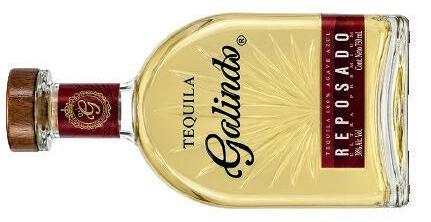
GALINDO REPOSADO
ABV: 38%
Tequilera: Galindo
Region: Jalisco
Medal: Grand Gold
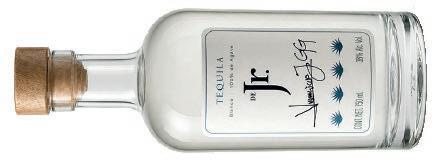
DEJUNIOR FRANCISCOJGG BLANCO
ABV: 38%
Tequilera: Reserva de Los González Region: Jalisco
Medal: Silver
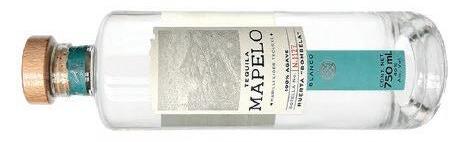
MAPELO BLANCO
ABV: 40%
Tequilera: Mapelo Region: Jalisco
Medal: Grand Gold
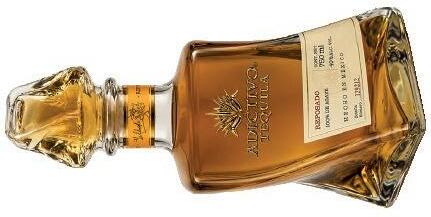
ADICTIVO DOBLE REPOSADO
ABV: 40%
Tequilera: Adictivo Region: Jalisco
Medal: Gold
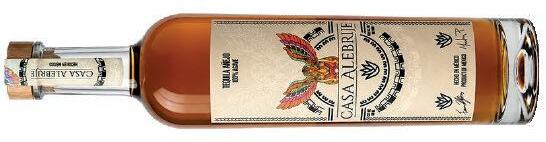
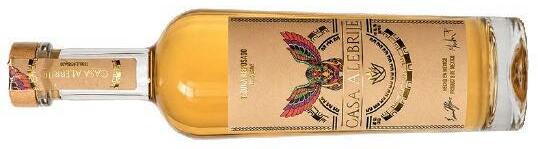
Tequilera: Casa Alebrije
Jalisco
Gold
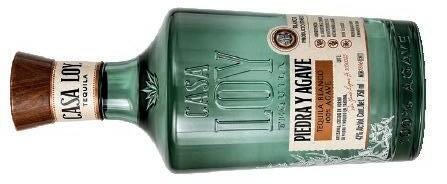
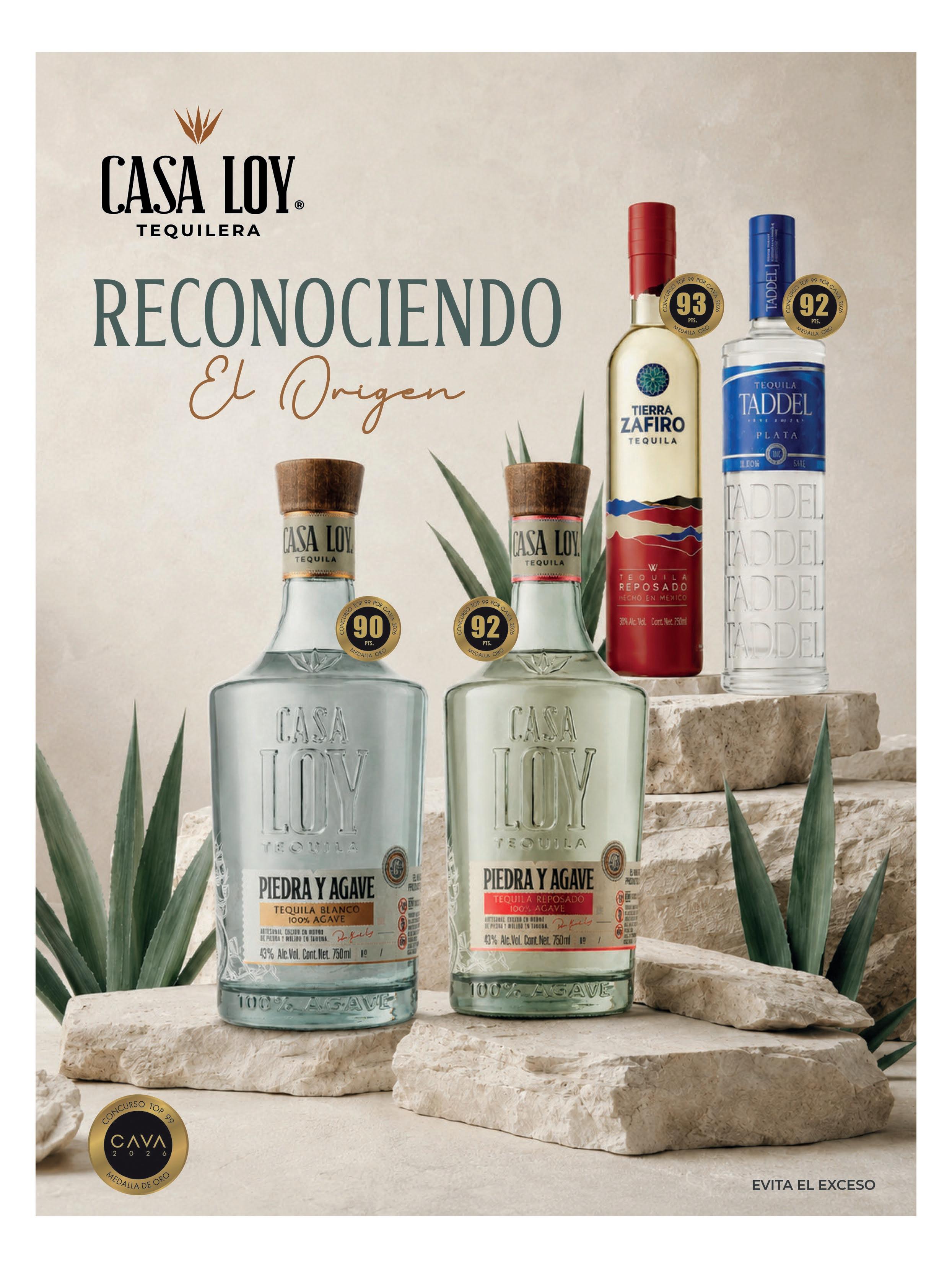
Tequilera: Casa Loy
Jalisco
Gold
Santa Teresa
Jalisco
Gold
ABV: 36%
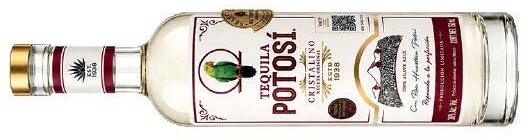
Tequilera: Tequila Potosí Region: San Luis Potosí Medal: Gold
Tequilera: Casa Tequilera de Arandas Region: Jalisco
Gold
Tequilera: Galindo Region: Jalisco
Gold
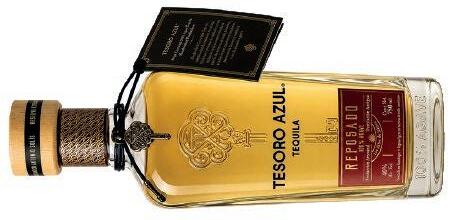
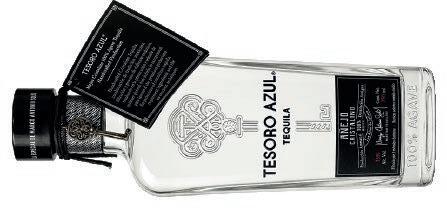
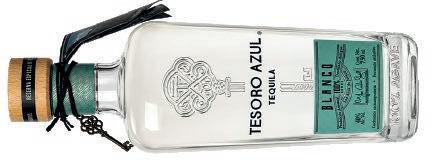
TESORO AZUL BLANCO
ABV: 40%
Tequilera: Tesoro Azul
Region: Jalisco
Medal: Gold
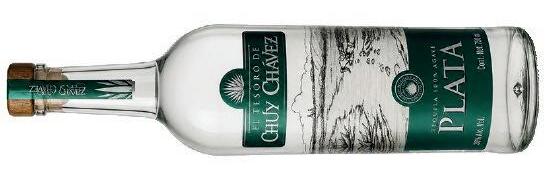
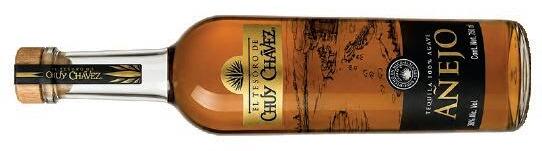
EL TESORO DE CHUY CHÁVEZ AÑEJO
ABV: 38%
Tequilera: El Tesoro de Chuy Chávez
Region: Jalisco
Medal: Gold
Tequilera: NOM 1471 Region: Jalisco
Silver
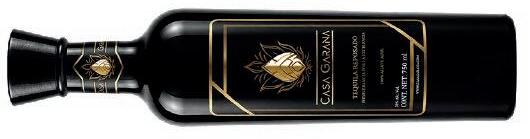
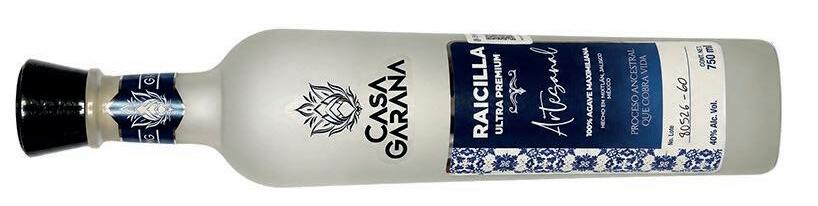
CASA GARANA
The wide variety of spirits produced in our country is a tribute to the Mexican countryside and to those who craft them. Each one has become a symbol of regional identity and of what it means to be Mexican abroad.
During the last week of May, CAVA Magazine once again brought together a panel of more than 50 experts in tequila and other spirits to conduct the TOP Destilados Mexicanos 2026 blind tasting, with participants from the states of Aguascalientes, Durango, the State of Mexico, Guerrero, Guanajuato, Jalisco, Michoacán, Oaxaca, Puebla, San Luis Potosí, Tamaulipas, and Zacatecas. Thanks to the excellent response from producers to the magazine’s call for entries, spirits such as Bacanora, Aguardiente, Rum, Whiskey, Distillate, Liqueur, Crema, and Raicilla were tasted; these came from the states of Sonora, Colima, Guanajuato, Morelos, Veracruz, Oaxaca, Puebla, and Jalisco.
With the publication of this list, which is intended as a guide for consumers, CAVA Magazine helps raise awareness of some of the spirits brands currently available in Mexico, each of which represents quality and authenticity. We thank the entire magazine team for organizing the event and, abo-
ve all, the judges who served on the panel for their kind participation; a diverse group of tasters comprising individuals from the culinary world, cultural managers, and industry promoters: Alan Taylor Arthur, Alejandro Leonor López, Alejandro Jacott, Alejandra Brizuela, Andrea Cordero, Antar Aram Reyes Gallardo, Armando Camacho, Cristian Alonso, Charlie Serrano, Elioth Santillan, Ernesto Lovio, Gustavo Belloc Vélez, José Favio Román Meza Caudillo, Jordan A. Jaimes Mendoza, Magui Arana, Miriam Lizbeth Navarro Félix, Rodrigo Francisco Uribe Chiquete, Roberto De La Mora Villalpando, Oscar Becerra, Patricia Chávez Nava, Paulina Teresa Zepeda Rodríguez, Ricardo González Aragón, Raúl Fabián González Lepe, Samantha Mata, Sinaí Flores Silva y Verania Clavel.
We would also like to express our gratitude to Hacienda “La Castañeda” in Zapopan and to the entire staff for their hospitality and support in organizing and coordinating this event. This blind tasting is held with a commitment to promoting and recognizing the work of everyone behind each Mexican spirit. Thank you to all the producers who participated with their brands and placed their trust in the event. See you next year!
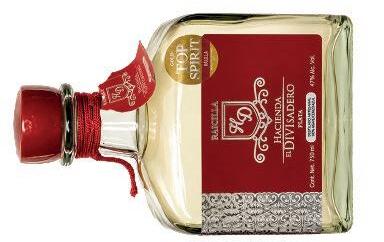
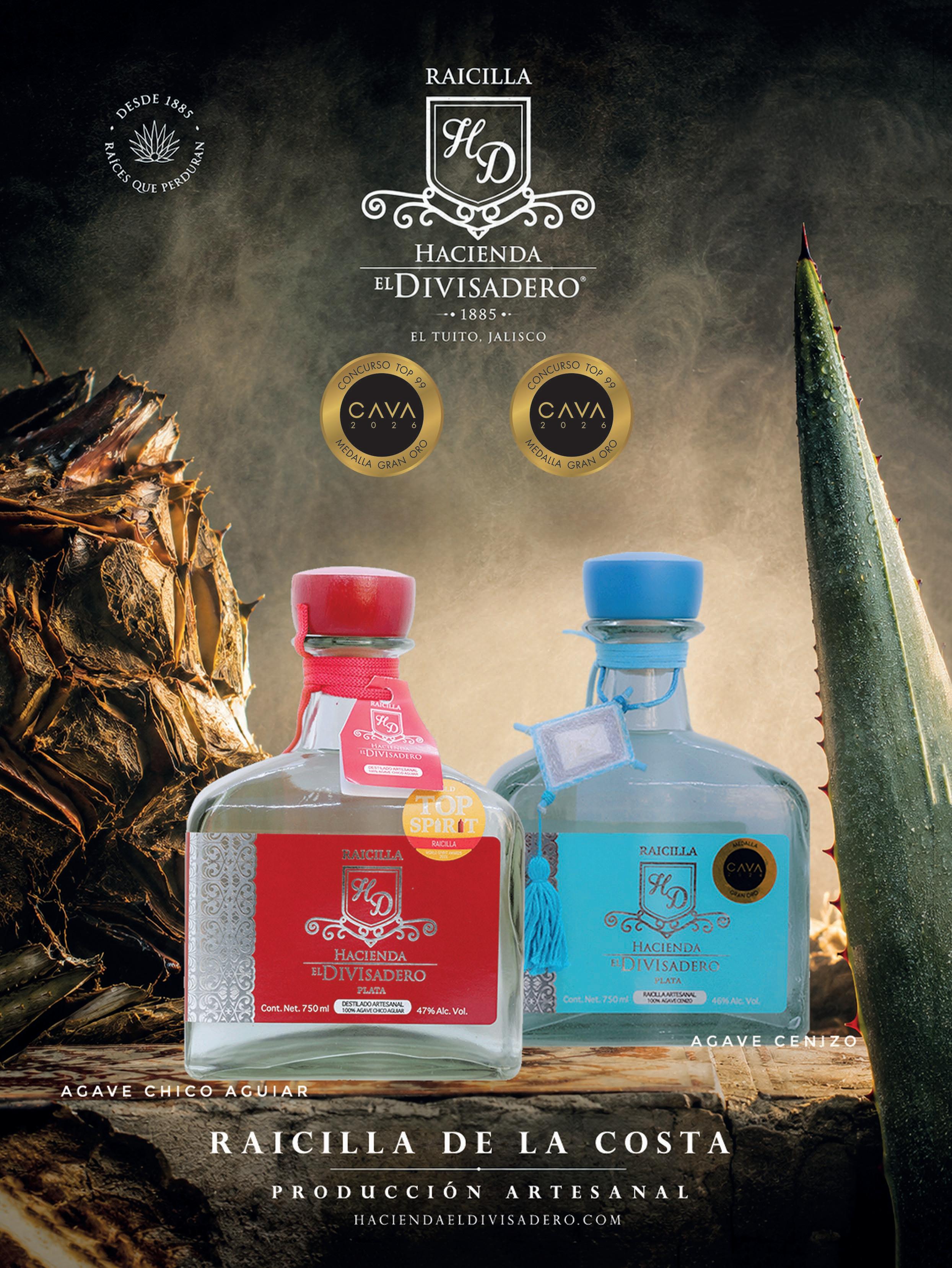
HAC. EL DIVISADERO DE AGAV. CHICO AGUIAR, 47% Alc. Vol
Spirit: Raicilla
P.C: Hacienda el Divisadero
Region: Jalisco
Medal: Grand Gold
Spirit: Raicilla
P.C: Capital Agave Spirits
Region: Jalisco Medal: Gold
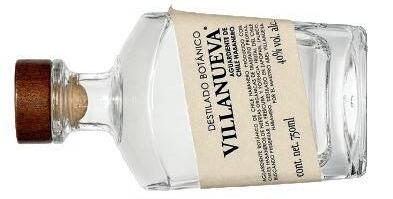
AGUARDIENTE DE CHILE HABANERO, 40% Alc. Vol
Spirit: Aguardiente
P.C: Instituto Mexicano de Destilado Artesanal
Region: Jalisco
Medal: Silver
P.C: Tikuman
Region: Morelos Medal: Silver
40%
P.C: Sendero
Region: Jalisco Medal: Grand
P.C: Licores Veracruz
Region: Veracruz
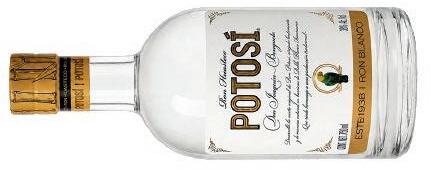
Spirit: Ron
P.C: Ron Potosí
Region: San Luis Potosí
Silver
Spirit: Raicilla
CASA GARANA RAICILLA SUPREMA, 40% Alc. Vol
Spirit: Raicilla
P.C: Casa Garana
Region: Jalisco
Medal: Gold
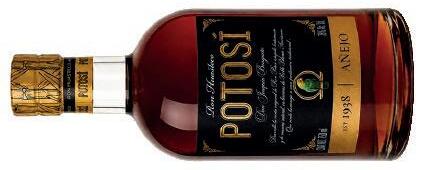
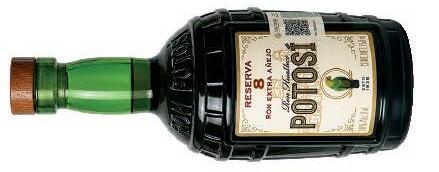
RON HUASTECO POTOSÍ AÑEJO, 38% Alc. Vol
Spirit: Ron
P.C: Ron Potosí
Region: San Luis Potosí
Medal: Gold
P.C: Agave y Destilados Casa Orgullo
Region: Jalisco
Medal: Silver
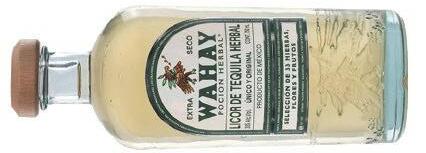
WAHAY POCIÓN HERBAL, 33% Alc. Vol
Spirit: Licor de Tequila Herbal
P.C: Licores Veracruz
Region: Veracruz
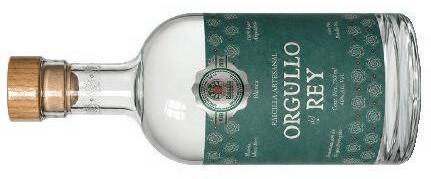
Medal: Gold ORGULLO DEL REY BLANCA, 40%
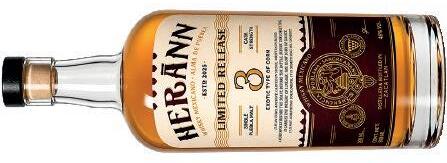
HERÁNN, 46% Alc. Vol
Spirit: Whiskey
P.C: Abismo de Piedras
Region: Puebla
Medal: Silver
P.C: Casa Jaicilla
Region: Jalisco Medal: Gold
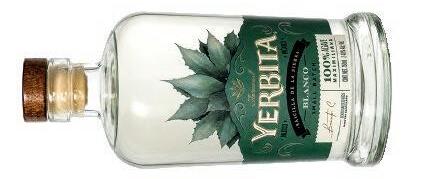
YERBITA BLAN. RAICILLA DE LA SIERRA, 40% Alc. Vol.
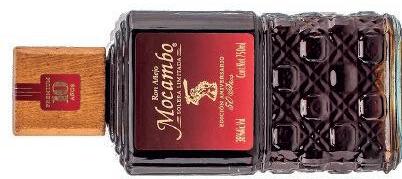
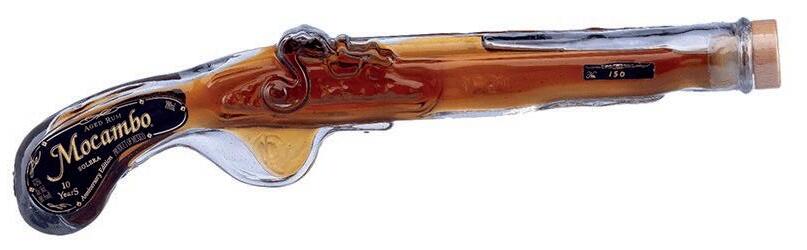
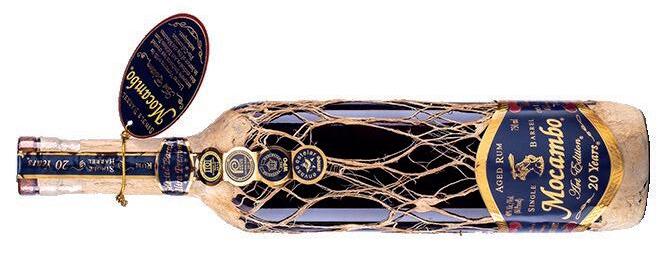
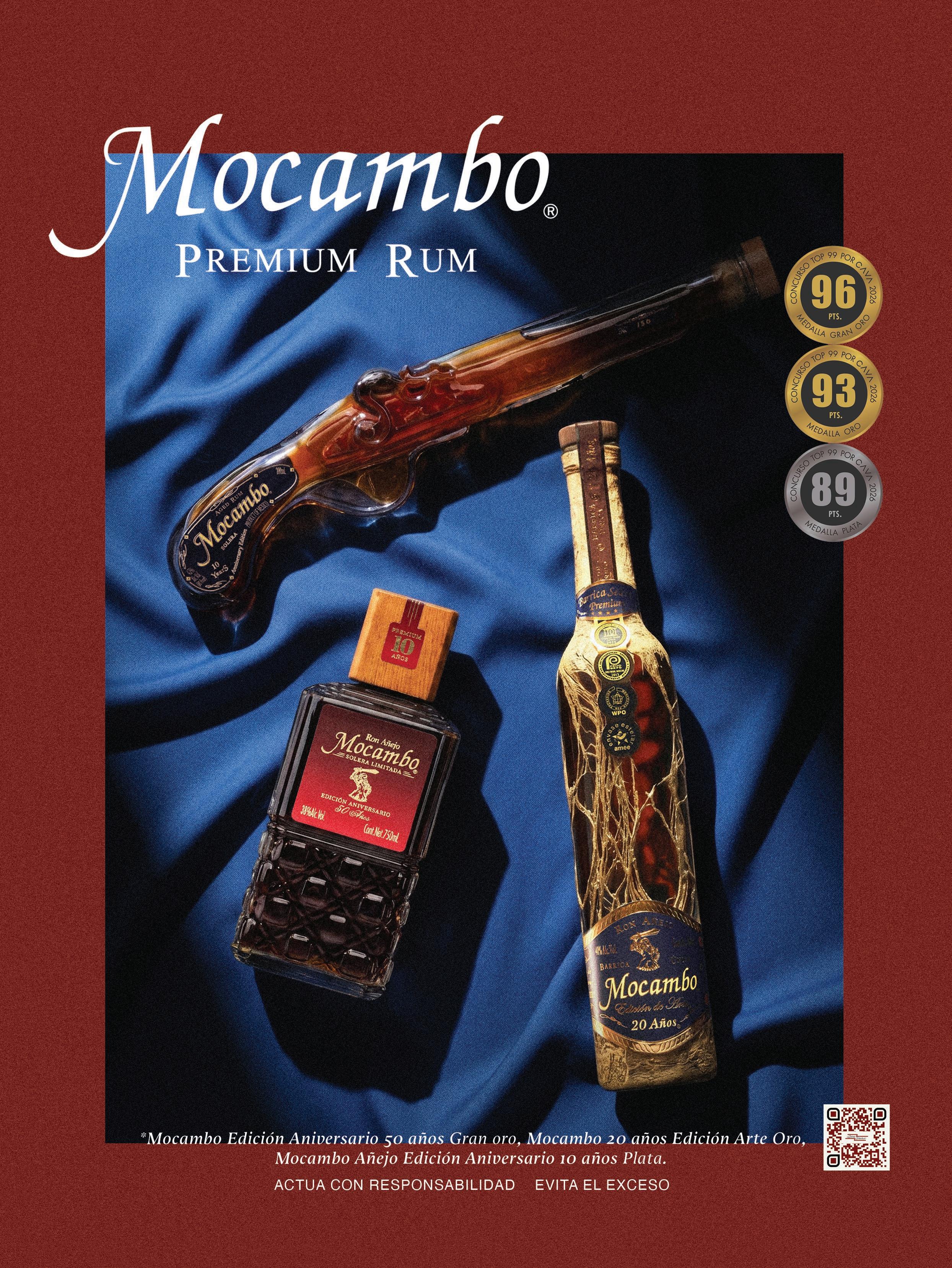
MOCAMBO AÑEJO
AÑOS,
MOCAMBO ED. ANIVERSARIO 10 AÑOS, 38% Alc. Vol
Spirit: Ron
P.C: Licores Veracruz
Region: Veracruz
Medal: Grand Gold
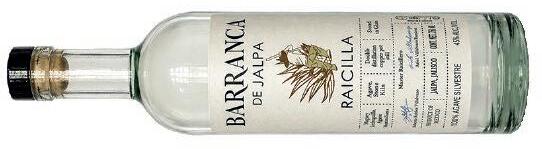
BARRANCA DE JALPA DOBLE DESTILACIÓN, 45% Alc. Vol
Spirit: Raicilla
P.C: Barranca de Jalpa
Region: Jalisco
Medal: Gold
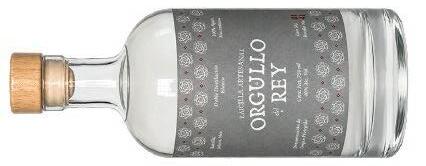
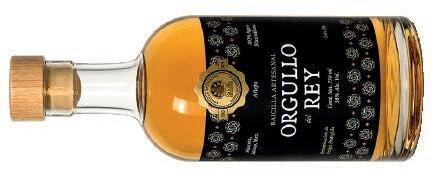
ORGULLO DEL REY DOB. DESTILACIÓN, 40% Alc. Vol
Spirit: Raicilla
P.C: Agave y Destilados Casa Orgullo
Region: Jalisco
Medal: Silver
Spirit: Raicilla
P.C: Productos Finos de la Raicilla
Region: Jalisco
Medal: Gold
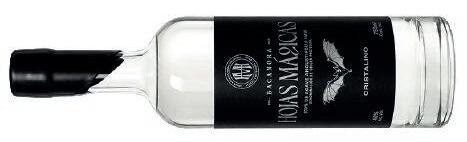
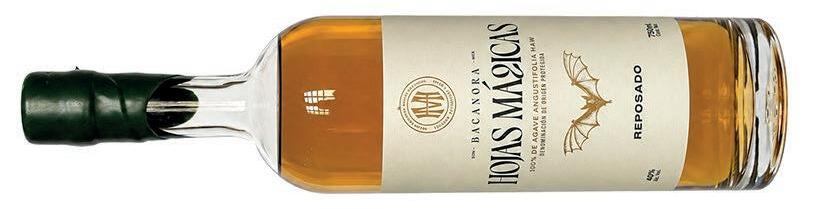
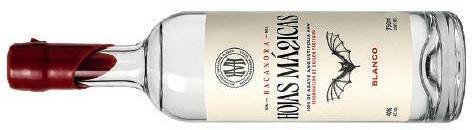
BACANORA HOJAS MÁGICAS BLANCO, 40% Alc. Vol
Spirit: Bacanora
P.C: Casa Luna Destilería Region: Sonora Medal: Gold
HAC. EL DIVISADERO AGAVE CENIZO, 46% Alc. Vol
Spirit: Raicilla
P.C: Hacienda el Divisadero
Region: Jalisco
Medal: Grand Gold
Spirit: Ron
P.C: Licores Veracruz
Region: Veracruz Medal: Gold
Finca
Spirit: Raicilla
P.C: Raicilla Salcedo
Region: Jalisco Medal: Gold
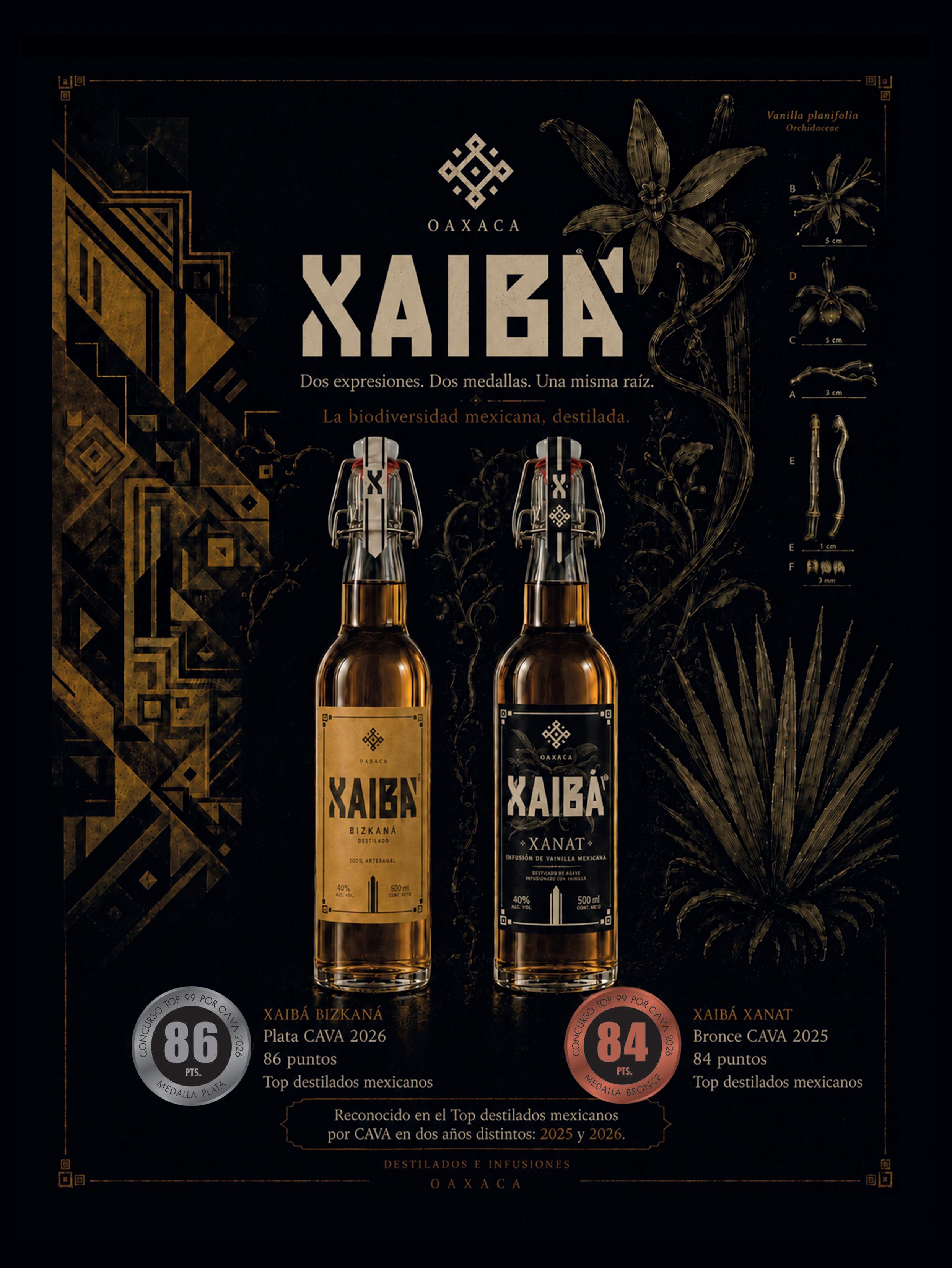
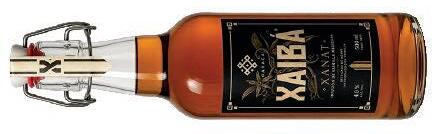
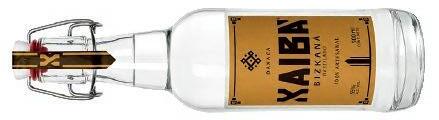
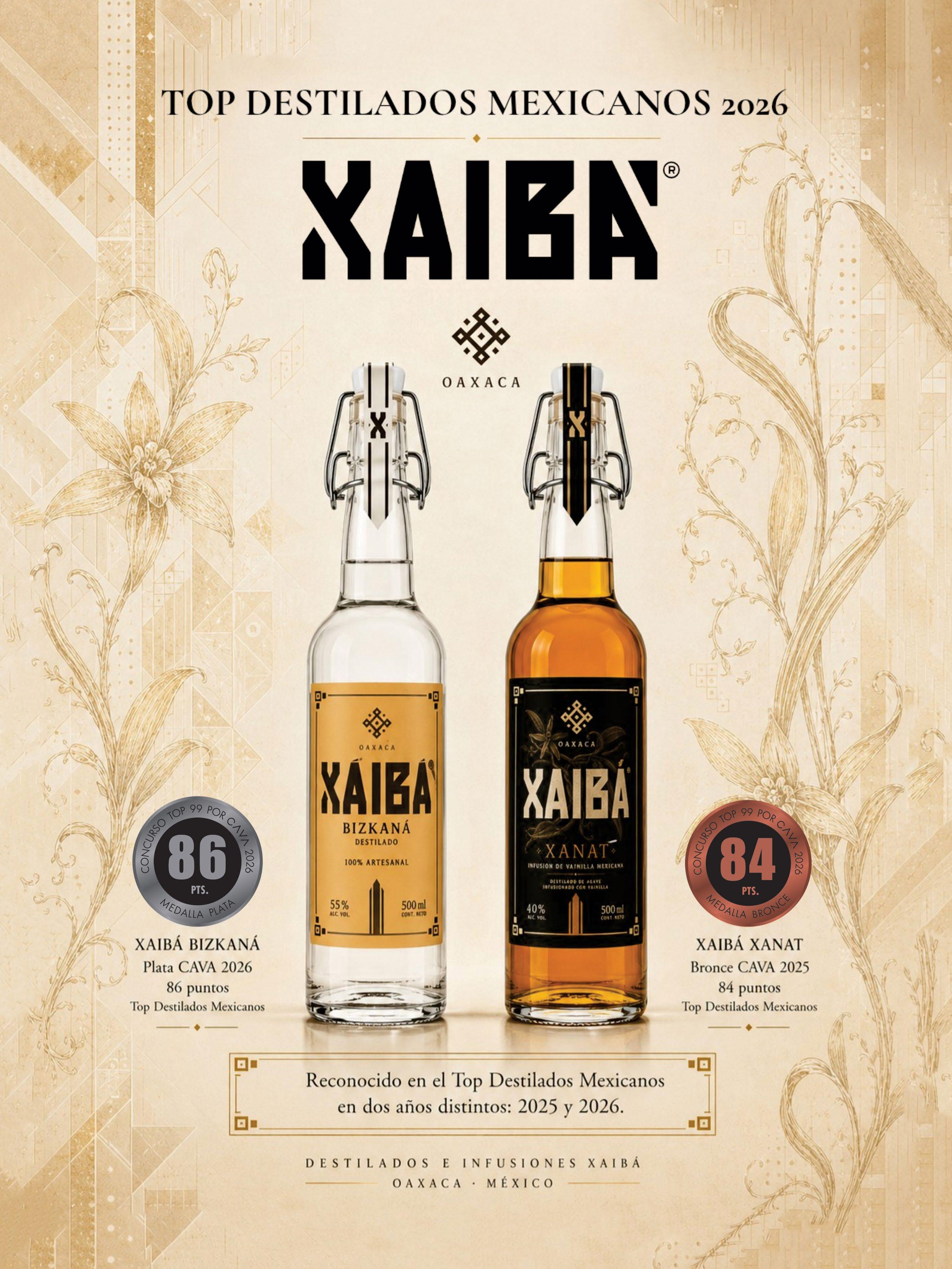
XAIBÁ BIZKANÁ, 55% Alc. Vol.
Spirit: Agave con Cannabis
P.C: Xaibá
Region: Oaxaca
Medal: Silver
Spirit: Raicilla
P.C: Agave y Destilados Casa Orgullo
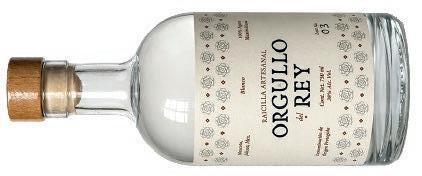
ORGULLO DEL REY BLANCO, 38% Alc. Vol
Spirit: Raicilla
P.C: Agave y Destilados Casa Orgullo
Region: Jalisco
Medal: Gold
RON HUASTECO POTOSÍ EXTRA AÑEJO, 38% Alc. Vol
Spirit: Ron
P.C: Ron Potosí
Region: San Luis Potosí Medal: Grand Gold
P.C: Ron Potosí
Region: San Luis Potosí Medal: Silver
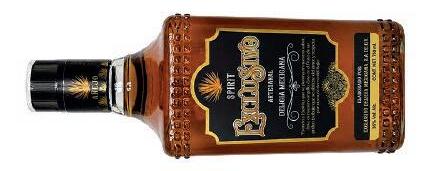
Spirit: Destilado de Agave
P.C: Exclusivo
Region: Guanajuato Medal: Silver
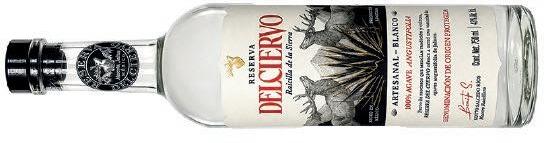
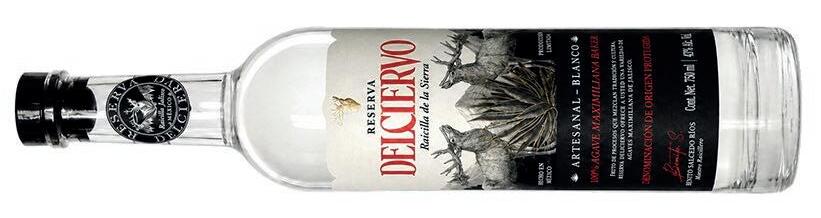
RESERVA DELCIERVO ANGUSTIFOLIA, 43% Alc. Vol
Spirit: Raicilla
P.C: Benito Spirits
Region: Jalisco
Medal: Grand Gold
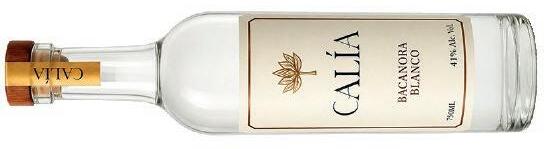
CALÍA, 41% Alc. Vol
Spirit: Bacanora
P.C: Calía
Region: Sonora
Medal: Gold
Spirit: Raicilla
P.C: Benito Spirits
Region: Jalisco
Medal: Grand Gold
TSORGHUM IN EVERY SIP: A NEW WAY TO MAKE BEER
THE BEER INDUSTRY IS INCREASINGLY EXPLORING ALTERNATIVE INGREDIENTS, INCLUDING GLUTEN-FREE OPTIONS, WHILE RESPONDING TO THE CHALLENGES
POSED BY CLIMATE CHANGE. IT IS AGAINST THIS BACKDROP THAT AN ANCIENT
GRAIN IS ONCE AGAIN CATCHING PEOPLE'S ATTENTION: SORGHUM.
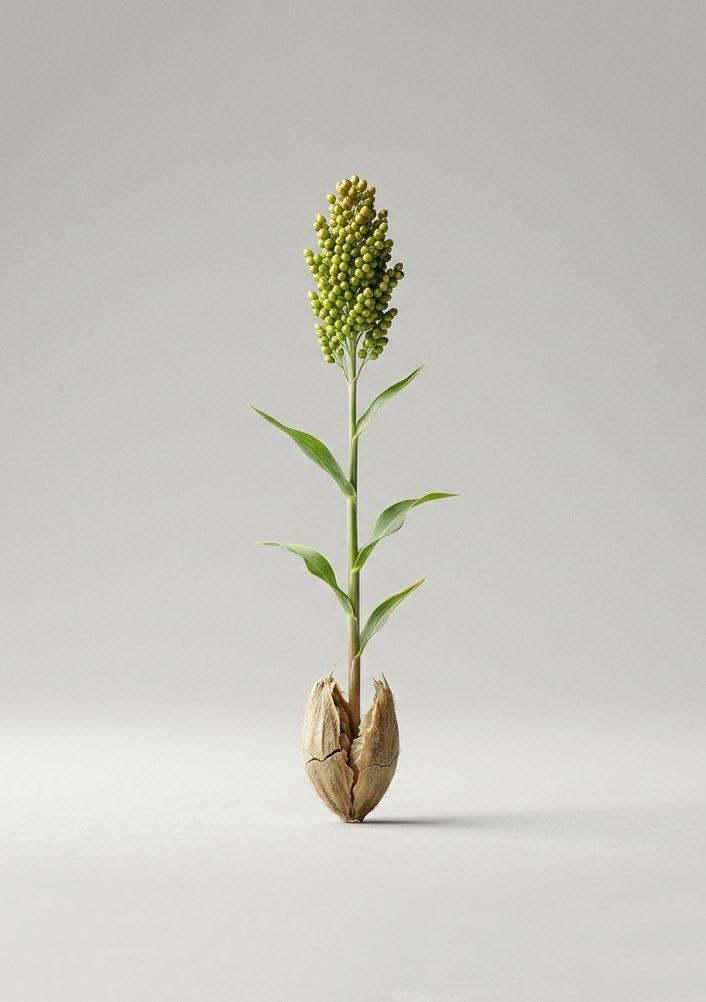
he first question that usually comes to mind when we encounter a sorghum beer is inevitable: Does it taste the same as a traditional beer? The answer is no. And that is precisely where part of its appeal and unique character lie.
Sorghum (Sorghum bicolor) is the fifth most widely cultivated cereal in the world; its importance lies in its greater resistance to drought, high temperatures, and relatively poor soils compared to other cereals. This is why it is considered a strategic crop for semi-arid regions, including large areas of Mexico. In a global context marked by water stress and rising temperatures, researchers are taking a keen interest in crops that can produce food using fewer resources. From this perspective, sorghum is not just an agricultural grain; it also represents a potential solution to future challenges in food and fermented beverage production. The brewing industry is well aware of barley’s vulnerability to climate fluctuations. As a result, the diversification of raw materials has evolved from a technological curiosity into a strategic necessity.
HOW IS SORGHUM BEER MADE?
The process is similar to that of other beers: the grain is malted—that is, it is allowed to germinate partially to activate enzymes capable of converting starch into fermentable sugars. It is then ground, steeped in hot water, the wort is filtered, and finally, it is fermented with yeast.
However, sorghum presents unique challenges: its enzymes are less efficient than those of barley, and starch conversion is often more complex. In addition, some varieties have higher gelatinization temperatures, which requires adjustments during the brewing process. These differences explain why producing a high-quality sorghum beer requires specific knowledge and, at times, the use of additional enzymes.
Sorghum beers typically have aromatic profiles that differ from those of barley beers; depending on the variety used and the brewing method, they may exhibit slightly acidic, fruity, or earthy notes. Some studies describe more complex flavors and a sensation of moderate bitterness or as-
“
THE PERCEPTION OF FLAVOR IN SORGHUM BEERS ALSO DEPENDS ON CULTURAL CONTEXT; WHAT MAY SEEM UNUSUAL TO A CONSUMER ACCUSTOMED TO INDUSTRIAL LAGERS REPRESENTS AUTHENTICITY
”
AND GASTRONOMIC DIVERSITY FOR OTHERS.
tringency. It is also common for the head to be less stable than in a conventional beer. In Africa, where there are numerous sorghum-based brewing traditions, these characteristics are not considered defects but rather distinctive cultural traits because the resulting beverages are part of community celebrations, ceremonies, and family gatherings. They are products tied to the region and to collective memory, just as certain traditional Mexican fermented beverages are linked to specific regions.
The perception of flavor in sorghum beers also depends on cultural context; while it may seem unusual to a consumer accustomed to industrial lagers, for others it represents authenticity and culinary diversity.
Similarly, one of the main reasons for the renewed interest in sorghum is the growing demand for gluten-free foods and beverages. Unlike barley and wheat, sorghum does not contain the proteins responsible for the problems associated with celiac disease. As a result, it has become one of the most widely used raw materials for the production of gluten-free beer.
MEXICO AND SORGHUM BEER
Although sorghum is known in Mexico primarily as livestock feed or an agricultural raw material, few people know that it can also be used to make beer. Various African cultures have been producing fermented sorghum beverages for centuries, while contemporary scientific research considers it one of the most promising alternatives to supplement or even partially replace barley in certain contexts. Mexican beer culture is undergoing a period of
constant experimentation; in recent years, beers brewed with cacao, coffee, vanilla, native corn, chili peppers, and even edible insects have emerged. From this creative perspective, sorghum does not seem like an extravagance, but rather a natural evolution. Some Mexican researchers have also highlighted the grain’s potential for developing innovative, gluten-free products with added value, taking advantage of both its agricultural availability and its nutritional properties.
There is an interesting paradox surrounding sorghum beer: for many African communities, it represents an ancestral beverage; for much of the West, however, it symbolizes technological innovation. Sorghum serves as a reminder that the history of beer has never been uniform; for thousands of years, societies have fermented the grains available to them.
Barley’s dominance is relatively recent when viewed against the long history of fermented beverages. Today, the science of brewing is rediscovering that knowledge from a different perspective, studying how to optimize sorghum malt, improve fermentation, refine sensory profiles, and expand the commercial potential of this grain.
Sorghum beer is unlikely to replace traditional barley beers; its value lies in expanding the range of flavors, raw materials, and cultural possibilities of the world’s most widely consumed beverage after water and tea. At a time that calls for more resilient food systems, crops adapted to climate change, and products capable of meeting diverse nutritional needs, sorghum offers a unique combination of historical context, science, and sustainability. ▼
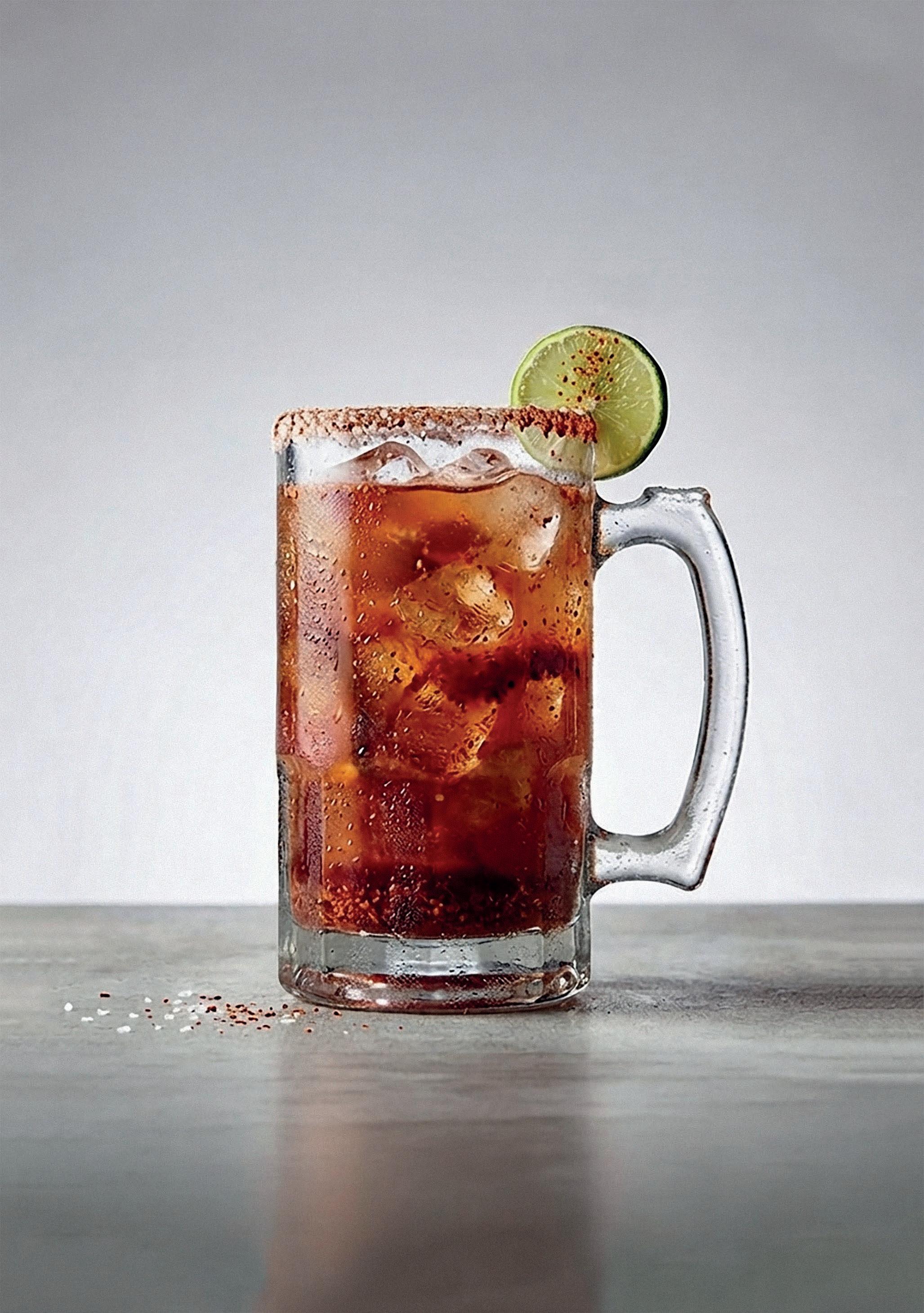
MICHELADA: DOES IT RUIN OR ENHANCE BEER?
THE QUESTION SEEMS SIMPLE, BUT THE ANSWER INVOLVES CHEMISTRY, THE PHYSIOLOGY OF TASTE, FOOD HISTORY, AND SOCIAL CUSTOMS. MORE THAN JUST A DISCUSSION BETWEEN
THOSE WHO ADVOCATE FOR DRINKING BEER “ON ITS OWN” AND THOSE WHO PREFER TO DRINK IT MIXED, THE DEBATE REVEALS HOW SOCIETIES CONSTRUCT FLAVOR AND HOW TRADITIONS SHAPE OUR RELATIONSHIP WITH FOOD.
The question seems simple, but the answer involves chemistry, the physiology of taste, food history, and social customs. More than just a discussion between those who advocate for drinking beer “on its own” and those who prefer to drink it mixed, the debate reveals how societies construct flavor and how traditions shape our relationship with food.
A TRULY MEXICAN DRINK
Although there are various accounts of its origin, the michelada became established in Mexico during the second half of the xx century. The most widely accepted account traces its origins to the city of San Luis Potosí during the 1970s. According to oral tradition, a member of the Club Deportivo Potosino named Michel Ésper used to order his beer served with lime, salt, ice, and a straw in a chabela-style glass. This drink began to attract the attention of other patrons, who would ask for a beer “like Michel’s”— an expression that eventually gave rise to the word “michelada.” Although there is no conclusive historical documentation to definitively confirm this story, the anecdote has been widely circulated by chroniclers, the media, and regional publications, becoming the best-known explanation for the origin of one of the most iconic beverages
in Mexican popular culture. What is certain is that the mixture of beer, lemon juice, salt, and ice quickly spread to bars, restaurants, markets, and homes.
Over time, regional variations emerged that incorporated Worcestershire sauce, hot sauce, seasoning mix, chamoy, tamarind, shrimp, fruits, and even ingredients considered extravagant by some consumers. The evolution of the michelada reflects a constant feature of Mexican cuisine: the ability to combine contrasting flavors. In this context, the michelada is not a cultural anomaly but rather a logical extension of a culinary tradition accustomed to reinterpreting ingredients through bold combinations.
From a scientific standpoint, beer is a complex solution containing water, alcohol, aromatic compounds, residual sugars, carbon dioxide, and hundreds of molecules derived from malt, hops, and fermentation. When lemon is added, the first significant change is acidification; the juice contains mainly citric acid, which lowers the drink’s pH. The acidity stimulates salivation, creates a sensation of freshness, and can reduce the perception of certain bitter notes. For this reason, many people find that beer is more refreshing when paired with citrus fruits. Salt produces another interesting effect:
“
THE MICHELADA TAKES ADVANTAGE OF THAT MULTISENSORY EXPERIENCE—THE CITRUS AROMA, THE SALT-RIMMED GLASS, THE REDDISH COLOR, THE CONTRAST BETWEEN COLD AND SPICY, AND THE CULTURAL ASSOCIATION WITH FESTIVE OCCASIONS CREATE AN EXPERIENCE DIFFERENT FROM THAT OF BEER ALONE.
”
various studies on sensory perception show that small amounts of sodium can reduce the intensity of bitterness and enhance certain pleasant flavors. As a result, the salt on the rim of the glass or dissolved in the drink alters the original flavor balance.
Added to this are hot and spicy sauces; the compounds responsible for the heat— especially capsaicin—activate nerve receptors associated with heat and irritation. Although heat is not technically a taste, the brain integrates it into the overall taste experience, creating a more intense and complex sensation.
For a long time, it was believed that taste depended exclusively on the taste buds. Today we know that the experience is much more complex; the perception of a beverage involves smell, texture, temperature, memory, emotions, and social context. Research in food neuroscience has shown that our expectations can significantly alter the way we experience a product. That is why a craft beer evaluated in a professional tasting is perceived differently than a beer enjoyed at a family gathering or on a hot afternoon.
The michelada capitalizes on this multisensory experience: the citrus aroma, the salt-rimmed glass, the reddish color, the contrast between cold and spicy, and the cultural association with festive occasions all combine to create an experience different from that of beer alone.
WHAT ANTHROPOLOGY SAYS
While a master brewer might examine the chemical composition of the beverage, an anthropologist would likely focus on its social significance. The michelada is much
more than a mixture of ingredients; it is a symbol of togetherness and social rituals. Its consumption is often associated with communal settings where social interaction is just as important as the drink itself. Food anthropology has shown that foods acquire cultural value through shared practices; what a community considers delicious depends as much on biology as on history.
In Mexico, the michelada is part of a distinct gastronomic language; it serves as a marker of regional identity and as an example of popular culinary creativity. Asking whether it ruins beer might be comparable to asking whether mole ruins chocolate or whether tacos al pastor ruin pork—the answer depends on the criteria used to judge the result.
SO, DOES IT MAKE IT BETTER OR RUIN IT?
If the goal is to accurately appreciate a beer’s original characteristics, the michelada significantly alters the product. In that sense, it does alter—and may even mask— attributes that brewers consider valuable. But if the criteria are the overall sensory experience, refreshment, gastronomic enjoyment, and cultural significance, the michelada adds dimensions that beer alone does not possess.
The michelada neither universally improves nor ruins beer; it simply transforms it. And that transformation, as with so many expressions of Mexican cuisine, depends on who prepares it, who drinks it, and what story they want to tell through it; after all, flavor is never solely a matter of ingredients but also a conversation with our social practices. ▼
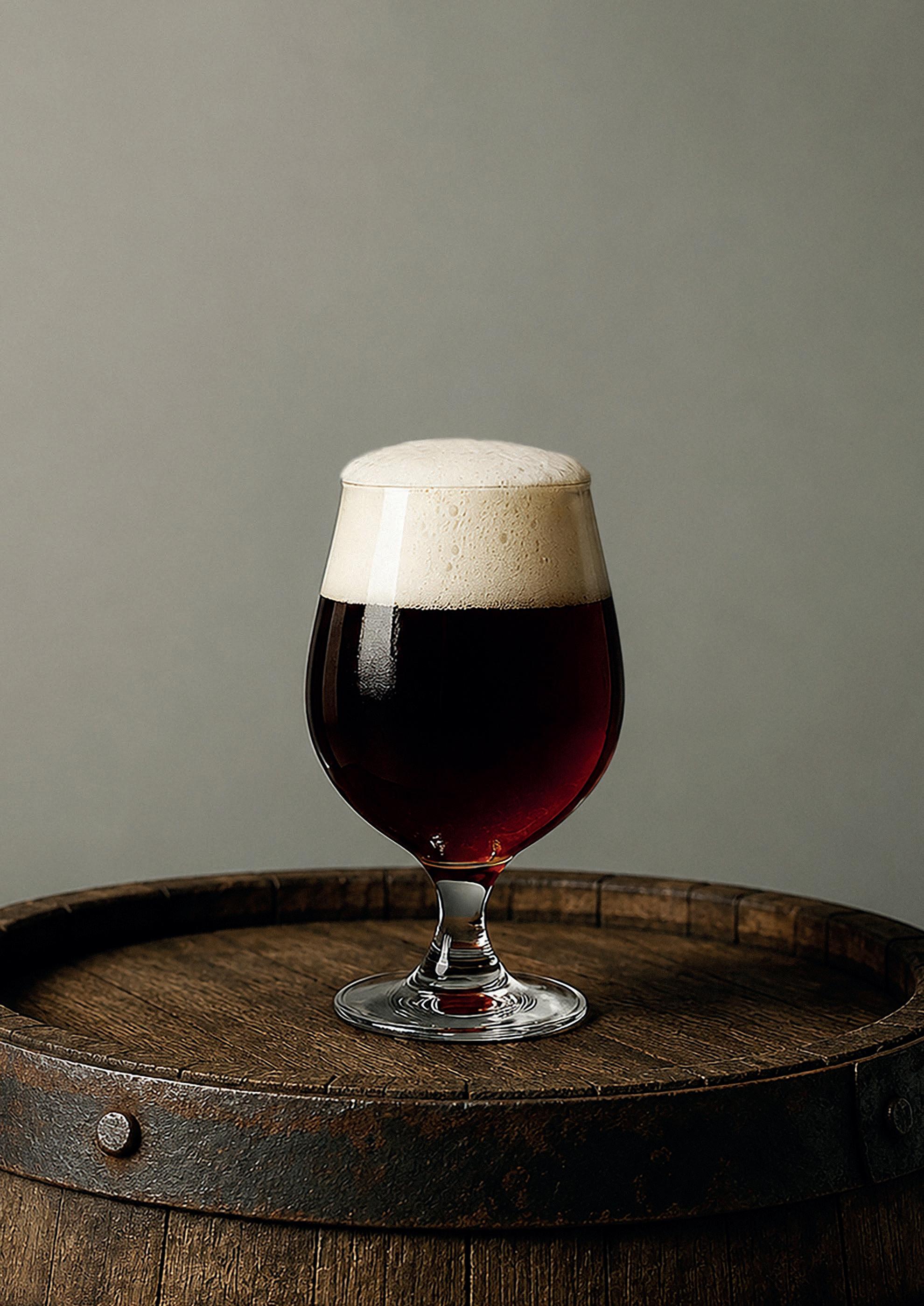
ICAN A BEER HAVE THE SOUL OF WINE? BARLEY WINE
THERE ARE BEERS FOR CASUAL OCCASIONS, FOR THE STADIUM, FOR A QUICK MEAL, OR FOR AFTER A TOUGH DAY AT WORK. AND THEN THERE’S BARLEY WINE, A BEER THAT SEEMS TO HAVE BEEN WRITTEN BY AN
ENGLISH NOVELIST: DARK, INTENSE, STRONG, AND ENIGMATIC.
ts name is puzzling from the start: “Barley Wine” literally means “Barley Wine,” But it is not wine, nor does it claim to be; the term first appeared in England between the 18th and 19th centuries to describe exceptionally strong beers capable of rivaling wines imported from France in terms of prestige and alcohol content. In an era marked by trade wars and difficulties importing European wine, British brewers developed robust, full-bodied, and elegant ales. Some easily exceeded 10% alcohol by volume; these beers were no longer merely a popular drink and began to take on an almost aristocratic character.
Over time, the style evolved into two major traditions: the English style emphasizes a malty balance, featuring beers dominated by warm notes of caramel, nuts, ripe fruit, and baked bread, with hops appearing subtly and elegantly. The American version, on the other hand, became more aggressive and hoppy, influenced by the craft beer revolution in California and the Pacific Northwest, incorporating more intense bitterness and resinous or citrusy aromas from American hops.
Contemporary science has even managed to chemically distinguish between the two variants. A recent metabolomics study of Barley Wines identified clear differences between English and American
profiles through molecular analysis. The researchers found variations in higher alcohols, aromatic esters, complex sugars, and phenolic compounds that alter both the aroma and texture of beer.
Few beers age well; most lose their freshness, aroma, and carbonation over time, but Barley Wine belongs to that small group capable of improving with age in the bottle, which is why it’s often compared to wine. During aging, slow chemical reactions occur between alcohols, sugars, and phenolic compounds; some harsh aromas disappear, while others emerge. The beer develops notes of raisins, figs, wood, leather, or candied fruit.
In the beer community, there is even a practice known as “cellaring” (storing bottles for years to observe how they evolve); some enthusiasts describe how a Barley Wine can change radically after three, five, or ten years of aging. But the process doesn’t always improve the beer—excessive oxidation can ruin it, producing vinegary flavors or dulling its complexity. As with wine, time does not guarantee greatness, only transformation.
The contemporary obsession with Barley Wine has led many brewers to experiment with barrels previously used for bourbon, whiskey, rum, or fortified wine. The wood contributes vanilla, coconut,
“ IT MUST BE SAID THAT THE SMALLER COMPANIES NO LONGER WANT TO BE CRUSHED LIKE THEY USED TO BE. THE SITUATION HAS CHANGED, AND BREWERIES TEND TO BE QUITE UNITED; THEY FORM ALLIANCES, COLLABORATE
ON EVENTS, AND A VERY LARGE NUMBER REFUSE TO BE ACQUIRED BY LARGE INDUSTRIAL GROUPS ”
tannins, and toasty notes, but the barrels also retain microscopic traces of the liquid they once held; a bourbon barrel can impart aromas of caramel and toasted oak, while a sherry barrel can add notes of walnut and dried fruits.
Recent studies on barrel aging show that these vessels profoundly alter the beer’s metabolome—that is, the set of molecules responsible for its aroma and flavor. The origin of the wood, the barrel’s previous use, and the aging time all affect the final chemical composition. That is why some modern Barley Wines seem closer to a craft spirit than to a conventional beer.
BARLEY WINE IN MEXICO
Although the style originated in England, Mexico has begun to produce notable versions thanks to the growth of the craft beer movement. Independent breweries in Baja California, Jalisco, Nuevo León, and Mexico City have found Barley Wine to be an ideal canvas for experimentation; some incorporate cacao, coffee, or tequila barrels, while others seek out more traditional, English-style profiles.
Mexican consumers have also changed; twenty years ago, a beer with 11% alcohol would have seemed outlandish. Today, there are consumers willing to try complex styles and to appreciate all the different profiles that can be created around their favorite beer.
A BEER TO SIP ON
The first surprise for anyone trying a Barley Wine is usually its body—it lacks the refreshing lightness of a lager and the sharp bitterness of an IPA; instead, it is thick, warm, and deep. Connoisseurs often describe it as having notes of caramel, honey, dried fruit, molasses, toasted bread, and toffee; some versions even bring to mind sherry, port, or cognac.
The explanation lies in its chemical composition: to brew a Barley Wine, a huge amount of barley malt is used, which results in wort that is extremely concentrated in sugar. During fermentation, the yeast converts some of those sugars into alcohol, but not all of them. The result is a beer with a high alcohol content (usually between 8% and 12%) and a dense, silky texture. Unlike many modern beers, which are meant to be enjoyed fresh and cold, Barley Wine invites you to take things at a different pace: it’s served in small glasses, sipped slowly, and is often enjoyed alongside long conversations, aged cheeses, and cold nights.
Barley Wine defies almost everything we associate with modern beer: it isn’t light, it isn’t refreshing, and it isn’t meant to be drunk quickly. Its intensity demands attention in an age dominated by speed and instant gratification; this beer offers a different relationship with time, and perhaps that is why it retains that almost literary aura. ▼
BEER AND MEXICAN FOOD: IDEAL COMBINATIONS
Why do pairings work?
Foods and drinks go well together when they share similar aromatic compounds or are balanced by contrast (acidic, bitter, fatty, spicy). Up to 80% of flavor depends on aroma, not just taste.
• Tacos con salsa
• Chilaquiles rojos
• Enchiladas rojas
• Carnitas
• Chicharrón prensado
• Quesadillas fritas
• Carne asada
• Barbacoa
• Cabrito al pastor
• Enchiladas suizas
• Queso fundido con chorizo
• Rajas con crema
• Ceviche
• Aguachile
• Tostadas de camarón
• Flan
• Churros
• Pastel de chocolate
Lager Pal Ale
Amber Ale Brown Ale Stout IPA
Sour Pilsner Witbier Porter Goser
SFIGURES WHO SHAPED MEZCAL CULTURE
MEZCAL IS A CULTURAL SYSTEM THAT BRINGS TOGETHER AGRICULTURAL KNOWLEDGE, ARTISANAL TECHNIQUES, FAMILY TRADITIONS, COMMUNITY RELATIONSHIPS, AND A DEEP CONNECTION TO THE MAGUEY LANDSCAPES. BEHIND ITS HISTORY ARE FIGURES FROM VARIOUS FIELDS WHO HAVE CONTRIBUTED TO SHAPING WHAT WE TODAY UNDERSTAND AS MEZCAL CULTURE.
ome are master mezcal producers whose names rarely appear in books; others are researchers, chroniclers, cultural promoters, or scientists who have helped document, protect, and reinterpret this biocultural heritage. Giving them a voice allows us to understand how mezcal went from being a regional beverage often stigmatized to becoming one of the most recognized symbols of Mexican identity.
The first major figure in the history of mezcal is not an individual, but a collective entity: the producer family. For centuries, indigenous and rural communities preserved knowledge about agave cultivation, the construction of stone ovens, fermentation, and artisanal distillation; it was thanks to this intergenerational transmission that techniques now considered cultural heritage survived. In Oaxaca, mezcal production has historically depended on family and community labor, as it involves tasks shared across generations, with experience passed down through daily practice rather than written manuals.
Furthermore, as history has always shown, the role of women has often been overlooked. Anthropological studies and recent debates on biocultural heritage have highlighted the
importance of female mezcal producers in activities ranging from agave selection to the management of palenques and the marketing of the product.
GRACIELA ÁNGELES CARREÑO: THE BIOCULTURAL DIVERSITY OF MEZCAL
Through her work as a producer, researcher, and educator, she has fostered a deeper understanding of this beverage as a living heritage, the result of centuries of peasant knowledge, biodiversity, and community practices. Her contributions have helped debunk the notion of mezcal as a homogeneous product, demonstrating that each distillate reflects its sense of place, the agave species, the water, the production methods, and the memory of those who produce it. At a time when the commercial boom threatens to oversimplify its cultural richness, her work invites us to view mezcal not only as a beverage, but as a collective narrative where history, identity, care for the landscape, and a greater recognition of the role of women and the communities that have preserved this knowledge generation after generation all converge.
“ THANKS TO THESE FIGURES, MANY CONSUMERS BEGAN TO TAKE AN INTEREST IN CONCEPTS SUCH AS THE SPECIES OF AGAVE USED, THE GEOGRAPHICAL ORIGIN, THE DISTILLATION TECHNIQUES, OR THE CULTURAL IDENTITY OF EACH PRODUCING COMMUNITY”.
MARI CARMEN SERRA PUCHE: THE ARCHAEOLOGIST OF ANCIENT MEZCAL
Her research has explored the material evidence associated with maguey processing in pre-Hispanic times. Together with other specialists, she has studied kilns, tools, and archaeological contexts that shed light on the long-standing relationship between Mesoamerican societies and agaves; this work has helped debunk the notion that mezcal is solely a modern creation and has demonstrated the continuity of ancestral practices related to the use of maguey. Thanks to this line of research, the history of mezcal is no longer based exclusively on oral accounts but is now supported by scientific and archaeological evidence.
LUIS EGUIARTE: THE SCIENTIST OF THE MAGUEY PLANTS
His studies have shed light on the genetic diversity of the species used to produce mezcal and tequila; the importance of this work extends far beyond botany. The commercial expansion of mezcal has increased pressure on numerous wild agave populations, making an understanding of their genetic diversity essential for designing conservation strategies. Eguiarte has emphasized that the richness of mezcal also depends on the biological richness of the maguey plants. In other words, protecting biodiversity means protecting the cultural and sensory diversity of Mexican spirits.
RODRIGO MEDELLÍN:
THE CHAMPION OF MAGUEY BATS
Internationally known for his work in the conservation of nectar-feeding bats. Although at first
glance bats seem far removed from the world of mezcal, they actually play a fundamental role: they are important pollinators of agaves and contribute to genetic exchange among wild populations. Medellín has spearheaded initiatives that promote the simultaneous conservation of bats and agave crops, demonstrating that ecological sustainability is inseparable from the future of mezcal. His work has helped producers, scientists, and consumers understand that behind a traditional beverage lies a complex ecological network that must be kept alive
THE NEW GENERATIONS OF MEZCAL MASTERS
In the 21st century, new figures have emerged who have connected tradition with national and international markets; producers from different regions have promoted models that seek to balance quality, local identity, and sustainability. Their importance lies in the fact that they have transformed the public perception of mezcal without completely breaking with its community roots. Thanks to these individuals, many consumers have begun to take an interest in concepts such as the species of agave used, the region of origin, distillation techniques, and the cultural identity of each producing community. All these actors face complex challenges, such as the rapid growth of global demand, which has created tensions between environmental conservation, economic profitability, and the protection of traditional knowledge.
The history of mezcal is often told as the story of a drink that conquered the world, but a closer look reveals something different: it is the story of people who have protected knowledge, studied ecosystems, documented traditions, and defended ways of life. ▼
Mezcal Bar
IJÍCARA & MEZCAL: THE RITUAL OF AN ANCESTRAL HERITAGE
Mezcal Mx
LONG BEFORE CRYSTAL GLASSES AND CONTEMPORARY DESIGNS, THE JÍCARA WAS ALREADY A PART OF THE RITUALS, CELEBRATIONS, AND DAILY
LIFE OF THE MESOAMERICAN PEOPLES.
n the world of mezcal, attention is often focused on agaves, distillation techniques, or producing regions. Yet one ancestral object has accompanied this spirit for centuries and remains an essential part of its cultural identity: the jícara. More than a simple drinking vessel, it embodies a technological, ecological, and symbolic legacy that connects contemporary mezcal traditions with the ancient civilizations of Mesoamerica.
Drinking mezcal from a jícara is far more than an aesthetic choice. It is a practice that encapsulates botanical knowledge, artisanal craftsmanship, community traditions, and a distinctive way of understanding the relationship between people and the natural world. In an era dominated by industrial materials and disposable products, the enduring presence of the jícara reminds us that certain forms of knowledge have endured across centuries of history.
A FRUIT TRANSFORMED INTO A VESSEL
The jícara is made from the fruit of the trees scientifically known as Crescentia alata and Crescentia cujete, species native to tropical regions throughout Mexico and Latin America. These trees produce hard-shelled fruits that, once dried and hollowed out, become lightweight yet remarkably durable vessels. Throughout Mesoamerica, jícaras have been used since pre-Hispanic times to hold
food, water, cacao, atole, and other beverages. Their use became so widespread that they formed an integral part of domestic life, ceremonial practices, and trade among numerous Indigenous cultures. The word jícara derives from the Nahuatl term xicalli, which referred specifically to containers made from these fruits. The same linguistic root gave rise to other words associated with bowls and vessels used throughout different regions of Mexico.
To fully appreciate the significance of the jícara in mezcal culture, one must look back long before the emergence of agave distillates. In pre-Hispanic societies, jícaras were everyday objects, but they also played important roles in social exchange and ceremonial life. Archaeological evidence found in codices, ceramics, and sculptures depicts similar vessels used to serve ritual beverages, particularly cacao.
Across many regions of Mesoamerica, sharing a drink was a way of forging community ties, political alliances, and relationships of hospitality. Like many everyday objects, the jícara served both practical and symbolic purposes. It was never merely a container; it was part of a material culture that expressed identity, social structure, and collective ways of living.
Centuries later, when agave distillates emerged, these vessels were already deep-
“
DRINKING MEZCAL FROM A JÍCARA ESTABLISHES A SYMBOLIC CONNECTION WITH A PRE-HISPANIC TRADITION THAT CONTINUES TO ENDURE.
THE TEXTURE OF THE
DRIED FRUIT, ITS LIGHTWEIGHT, AND ITS ORGANIC APPEARANCE EVOKE THE INTIMATE RELATIONSHIP BETWEEN THIS TREASURED SPIRIT AND THE GENERATIONS WHO CULTIVATED, CRAFTED, AND PRESERVED IT”
ly embedded in the social life of countless communities. Their adoption for drinking mezcal was therefore a natural evolution throughout many producing regions.
A NATURAL COMPANION TO MEZCAL
The history of mezcal as a distilled spirit began after distillation technologies were introduced during the colonial period. Yet many of the vessels used to drink it belonged to much older Indigenous traditions. In regions such as Oaxaca, Guerrero, and parts of western Mexico, the jícara became the preferred vessel for serving mezcal.
Its popularity was rooted in practicality: it was lightweight, durable, easy to produce, and made entirely from locally available materials.
There were cultural reasons as well. Sharing mezcal in jícaras reinforced community values centered on reciprocity, hospitality, and togetherness. During patron saint festivals, family celebrations, and communal gatherings, the spirit was passed from hand to hand in vessels handcrafted by members of the very communities enjoying it.
In this way, the jícara became inseparable from the social experience of drinking mezcal. It was never a secondary accessory, but an integral part of the traditional rituals surrounding the spirit.
DOES THE JÍCARA CHANGE THE MEZCAL EXPERIENCE?
Among traditional producers and longtime mezcal drinkers, there is a widely held belief
that mezcal should be enjoyed from specific vessels in order to be fully appreciated. From a scientific standpoint, the shape and material of a drinking vessel can influence the perception of aromatic compounds. Yet the significance of the jícara extends well beyond sensory experience alone.
Drinking mezcal from a jícara establishes a symbolic connection with a pre-Hispanic tradition that continues to endure. The texture of the dried fruit, its lightweight, and its organic appearance evoke the intimate relationship between this treasured spirit and the generations who cultivated, crafted, and preserved it.
The next time you hold a jícara in your hands, it may be worth pausing for a moment to reflect. How many generations contributed to the knowledge embodied in that humble vessel? How many stories of cultivation, craftsmanship, and communal life remain hidden within its surface?
Perhaps then it becomes easier to understand that the jícara is much more than a drinking vessel. It is a small capsule of cultural memory, where biodiversity, the creativity of Indigenous peoples, and the continuity of traditions that have withstood the passage of time all come together.
And as long as it continues to be passed from hand to hand around a table, at a celebration, or during a conversation, the jícara will continue to remind us that cultures are preserved not only through monuments or books, but also through the everyday objects that quietly accompany our lives. ▼
IRAICILLA: THE HIDDEN SOUL OF THE JALISCO MOUNTAINS
AMIDST THE MOUNTAINS AND COASTS OF JALISCO, ONE OF THE MOST UNIQUE TRADITIONS
OF MEXICAN DISTILLATES SURVIVES. RAICILLA, MADE FROM VARIOUS SPECIES OF AGAVE, IS A BIOCULTURAL HERITAGE THAT COMBINES HISTORY, BIODIVERSITY, AND TRADITIONAL KNOWLEDGE.
n the ravines of Jalisco’s Sierra Occidental, amid tropical forests and rural communities that have preserved ancient knowledge of the maguey plant, a beverage was born that remained relatively obscure for centuries. Raicilla is an alcoholic beverage obtained through the fermentation and distillation of different species of agave. Although it was once considered simply a regional variant of mezcal, science has shown that it possesses unique characteristics derived from its geography, its raw materials, and the techniques developed by the producing communities of Jalisco.
For much of the 20th century, raicilla remained virtually unknown outside its region of origin; this began to change in the late 1990s and during the early years of the 21st century, when researchers, cultural promoters, chefs, and spirits specialists began to take an interest in artisanal products linked to regional identity. The growing international interest in agave spirits led to the discovery of raicilla. In 2019, it officially received the Raicilla Designation of Origin, a recognition that strengthened its presence in domestic and international markets.
The history of raicilla is steeped in folklore; one of the most widely told stories suggests that during the colonial era and
much of the 19th century, there were restrictions and taxes on the production of mezcal wines. To avoid tax controls, some producers began marketing their beverage under the name “raicilla,” arguing that it was made from roots rather than agave. Although historians dispute this version and note that the exact origin of the term remains a subject of debate, the story reflects a reality: the production of agave distillates was frequently linked to rural economies struggling to survive in the face of external regulations.
For centuries, raicilla was a local beverage consumed primarily in mountain and coastal communities; its production remained outside the major commercial networks that drove the growth of tequila during the 20th century. This has made it possible to preserve traditional methods that today constitute one of its greatest cultural treasures.
The identity of raicilla is deeply tied to its landscape; currently, its designation of origin encompasses various municipalities in Jalisco and a small region in the state of Nayarit. Within this vast area, there are two major production traditions. The first is found in the Sierra Occidental, a mountainous region characterized by oak and pine forests, deep canyons, and scattered communities. There, agaves
Mezcal
“ UNLIKE TEQUILA, WHOSE PRODUCTION IS BASED EXCLUSIVELY ON THE BLUE AGAVE (AGAVE TEQUILANA), RAICILLA CAN BE MADE FROM VARIOUS SPECIES OF MAGUEY (… ) ”
that grow at high altitudes and in relatively cool climatic conditions predominate. The second is located along the coastal strip of Jalisco, where agaves thrive in tropical environments near the Pacific Ocean; the ecological differences between the two regions directly influence the aromas and flavors of the distillate.
Unlike tequila, which is produced exclusively from blue agave (Agave tequilana), raicilla can be made from various species of maguey; among the most commonly used are Agave maximiliana, Agave inaequidens, Agave valenciana, and other regional varieties adapted to different ecosystems. This biological diversity is one of the drink’s most distinctive features; each species has unique concentrations of sugars, aromatic compounds, and physiological characteristics that influence the final product. As a result, raicilla offers a wide range of sensory profiles (herbal, fruity, floral, and mineral notes, and even hints of spices or tropical fruits).
Studies on agave genetics and conservation have highlighted the importance of protecting this diversity from the risks associated with commercial expansion; increased demand can put pressure on wild populations if adequate management and propagation strategies are not in place.
The production of raicilla is a process that combines empirical knowledge, environmental observation, and accumulated experience. It all begins with the harvest of mature agaves, which can take
anywhere from seven to more than fifteen years to reach the appropriate stage of development, depending on the species and ecological conditions. After the leaves are removed, the agave heads are cooked to convert the starches into fermentable sugars. In many communities, ovens dug into the ground and heated with firewood and stones are used a technique that imparts characteristic smoky aromas. The cooked pineapples are then crushed using various methods, ranging from wooden mallets to mechanical mills.
Fermentation generally takes place in open containers where yeasts and microorganisms present in the local environment play a role; this aspect is particularly interesting for scientific research, as these microorganisms significantly contribute to the aromatic profile of each distillate. Finally, the fermented liquid undergoes one or more distillation processes; depending on the region and family tradition, copper stills, stainless-steel distillers, or hybrid systems that combine traditional and modern technologies may be used.
Today, raicilla occupies a unique place within the world of Mexican spirits; its importance lies not only in its sensory qualities or its growing gastronomic prestige, but also in its role as a living expression of national heritage, where diverse ecosystems, agave species adapted to different environments, artisanal techniques, and forms of community organization converge all of which have enabled the survival of ancestral knowledge. ▼
Mezcal
About Mezcal
MEZCAL COCKTAILS BASED ON YOUR MOOD
MEZCAL WITH ORANGE AND WORM SALT
INGREDIENTS:
-50 ml young mezcal -Orange slice -Worm salt
PROFILE:
Citrusy, slightly salty, mildly smoky.
WHY IT WORKS:
Simple, well-rounded flavors, less stimulation, more calm
MEZCALITA
INGREDIENTS:
-50 ml mezcal
-25 g lemon juice
-15 ml natural syrup -Salt on the rim
PROFILE: Tart, fresh, balanced.
WHY IT WORKS: Tart + sweet increases salivation, creating a refreshing and light sensation.
SPICY MEZCAL (CHILI AND LEMON)
INGREDIENTS:
-50 ml mezcal
-20 ml lemon juice
-Chili slices (serrano or jalapeño) -10 ml syrup
PROFILE: Spicy, citrusy, vibrant.
WHY IT WORKS: Capsaicin (spiciness) activates heat receptors, creating a more intense experience.
Mezcal
Old Fashioned
INGREDIENTS:
-50 ml mezcal
-1 sugar cube or 10 ml simple syrup » -2–3 drops of bitters -Orange peel
PROFILE: Bitter, smoky, complex.
WHY IT WORKS: Deep flavors + low dilution, sipped slowly, encourages contemplation.
HAPPY AND SOCIABLE
RELAXED
INTENSE AND ENERGIZING
REFLECTIVE
About Mezcal
WFROM CONVENTS TO KITCHENS: THE ORIGINS OF MEXICAN PASTRY-MAKING
THE HISTORY OF MEXICAN SWEETS DID NOT BEGIN IN A BAKERY, BUT RATHER IN THE CONVERGENCE OF INDIGENOUS INGREDIENTS, EUROPEAN TRADITIONS, AND THE CREATIVITY OF WOMEN WHO TRANSFORMED CONVENT KITCHENS.
hat do a cocada, guava paste, buñuelos, and egg yolk sweets (yemitas) have in common? Why do traditional Mexican sweets seem to echo the sounds of bells, cloisters, and religious celebrations?
Although today it is difficult to imagine a patron saint’s festival, a family celebration, or a visit to a market without traditional sweets, Mexican confectionery is the result of a long historical process. Convents, sugar plantations, home kitchens, merchants, nuns, Indigenous cooks, and artisans all played a part in shaping this unique culinary heritage.
Long before the arrival of the Spanish, Mesoamerican peoples already knew and appreciated sweet flavors, but they did not use cane sugar, an ingredient that was still unknown in the Americas. One main source of sweetness was honey produced by native stingless bees, particularly the melipona bees, which were raised by the Maya and other cultures in the region. Syrups made from maguey, ripe fruits, and various plant-based ingredients were also used to sweeten beverages and foods.
Archaeological and ethnohistorical research shows that cacao, for example, was consumed in ceremonial beverages that could be mixed with honey, vanilla, and other aromatic spices. Likewise, fruits such as sapote, prickly pear, ma-
mey, and guava were an important part of the daily diet. Although there was no pastry-making in the European sense of the term, there was a culinary tradition capable of transforming natural ingredients into complex and socially valued dishes.
The history of Mexican pastry-making began to undergo a profound transformation during the 16th century with the introduction of sugarcane, native to Southeast Asia and spread throughout the Mediterranean world over the centuries; the plant arrived in the Americas with the Spanish and found ideal conditions for cultivation in various regions of New Spain. Sugar mills soon sprang up in areas such as Veracruz, Morelos, and Oaxaca; sugar production grew rapidly and became an economic activity of great importance to the colony.
The availability of sugar made it possible to develop new culinary techniques; preserves, candied fruits, syrups, marzipan, and various European sweets began to be produced in New Spain. And far from simply replicating Old World recipes, local cooks adapted them using Native American ingredients.
This marked the beginning of a process of gastronomic fusion that would give rise to numerous desserts and sweets characteristic of Mexico.
“ (...) THE HISTORY OF MEXICAN PASTRY HAS BEEN TOLD PRIMARILY FROM THE PERSPECTIVE OF THE CONVENTS AND THE COLONIAL ELITES, IGNORING THE FUNDAMENTAL ROLE OF INDIGENOUS COMMUNITIES IN SHAPING THIS TRADITION”
THE CONVENTS: LABORATORIES OF CULINARY CREATIVITY
Few institutions influenced the development of Mexican pastry-making as much as the women’s convents of the viceregal era, in cities such as Puebla, Mexico City, Oaxaca, Querétaro, and Valladolid, the convents became spaces where culinary knowledge from Spain, local ingredients, and an extraordinary capacity for experimentation came together. The nuns often came from wealthy families and arrived at the convents with recipes, utensils, and inherited culinary traditions. At the same time, they worked alongside cooks, maids, and Indigenous people who contributed ingredients and techniques of Mesoamerican origin.
This encounter sparked intense culinary innovation; convents prepared food for internal consumption but also produced sweets intended for benefactors, religious authorities, and distinguished visitors. In many cases, the sale of these items contributed to the economic sustenance of the religious communities.
Many historians believe that convent kitchens functioned as true centers of culinary research, as they were the birthplace of recipes that would eventually become symbols of Mexican cuisine.
THE INDIGENOUS INFLUENCE THAT IS OFTEN FORGOTTEN
For a long time, the history of Mexican pastries was told primarily from the perspective of convents and colonial elites, overlooking the fundamental role of Indigenous communities in shaping this tradition. Guava, tejocote, sapote, mamey, prickly pear, capulín, Mexican plum, and squash contribute flavors, textures, and colors impossible to find in European cuisine. Furthermore, numerous food processing techniques already existed before the Conquest;
the preparation of fruits, seeds, and honeys was part of the highly developed culinary knowledge in Mesoamerica. Indigenous cooks played a decisive role in adapting European recipes to the American context. Without their expertise with local ingredients, much of New Spain’s pastry tradition would never have achieved the diversity that characterizes it today.
The expansion of confectionery was also linked to broader economic processes; during the 17th and 18th centuries, sugar became one of the most important products of the colonial economy. Its production depended on complex commercial networks connecting plantations, sugar mills, cities, and regional markets. As sugar became more accessible, the consumption of sweets increased across different social sectors. Urban markets began to fill with specialized vendors; candy shops, street stalls, and small family-run workshops sprang up, producing goods for everyday consumption. Sweets ceased to be exclusively luxury items and began to be incorporated into religious celebrations, popular festivals, and family rituals. After Mexico’s independence, pastry-making continued to evolve; convent recipes left the cloisters and were incorporated into domestic and commercial kitchens.
Today, Mexican pastries are part of the nation’s internationally recognized culinary heritage; each sweet tells a story about hardworking women, migration, cultural exchanges, and creative adaptations. It tells of convents where recipes were passed down through generations, but also of indigenous kitchens where Native American ingredients found new forms of expression. Mexican pastries were born between the silent walls of convents and the bustle of working-class kitchens; since then, they have continued to flourish as one of the most surprising and complex expressions of Mexico’s cultural history.▼
TEQUILA
12 LUNAS
Address: Boulevard Lazaro Cardenas Nte. No.390
Sahuayo de Morelos, Michoacán
Phone: 564 698 6890
Email: contacto@12lunas.com.mx
Instagram: @eljefeluismx
Web: eljefeluis.com
CASA ESPIGA
Address: Av México No.2385, Col. Ladron de Guevara, CP. 44600, Guadalajara, Jalisco
Phone: 333 376 1303
Email: Ddiazcalderon@casaespiga.com
Instagram: @casaespigamx
Web: casaespiga.com
CAMINO BLANCO
Address: Carretera San Julian/San Miguel km 1.5, San Julián, Jalisco