





































































































EDITORIAL

EDITORIAL

STUART GOODALL CHIEF EXECUTIVE, CONFOR
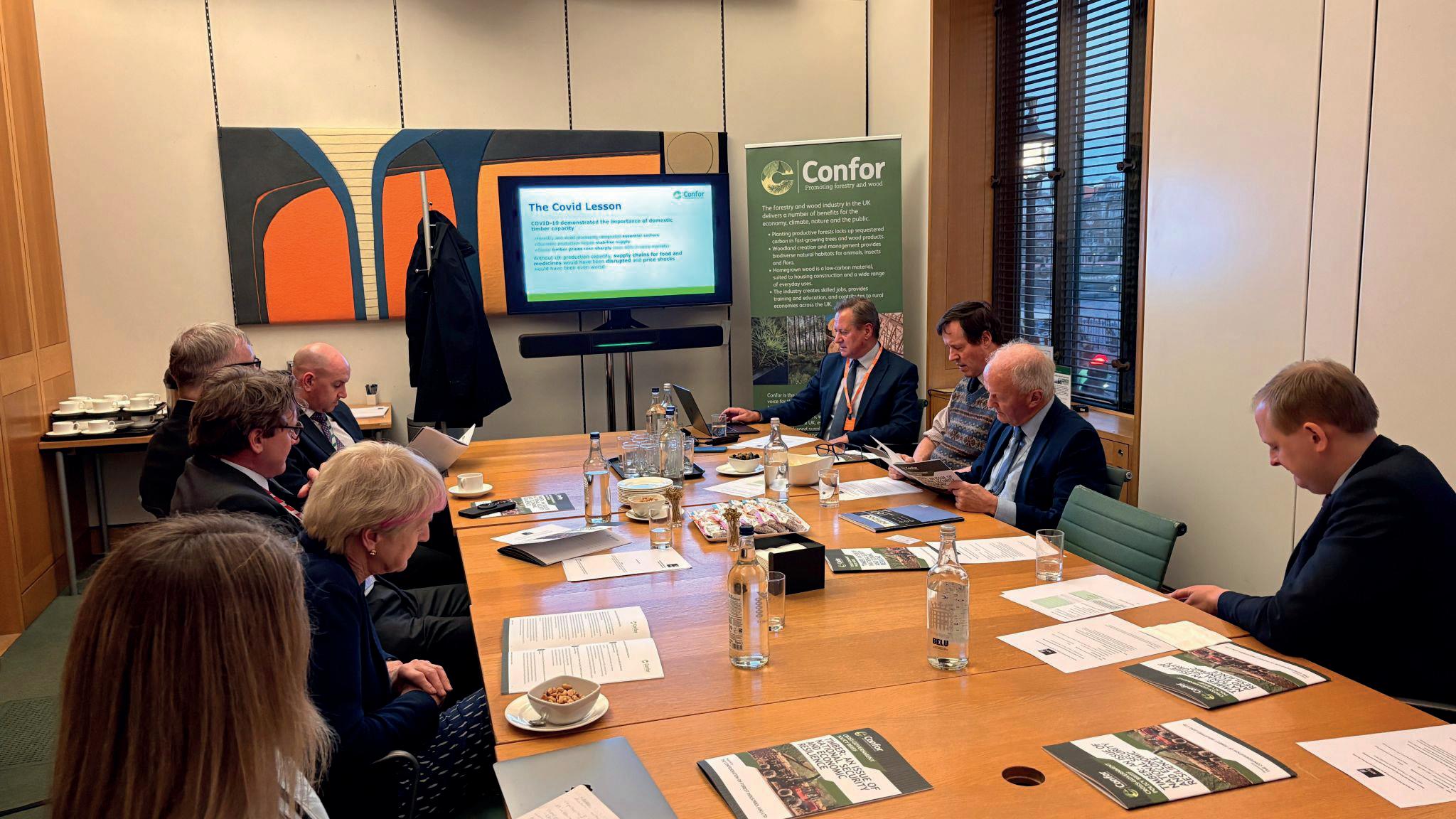
In the last issue of Forestry & Timber News, I introduced Confor’s work to explain to UK politicians that timber security is also an issue of national security. I’m pleased to report that, since then, we have presented a report on the issue to a packed meeting of the All-Party Parliamentary Group on Forestry and Timber Security in Westminster. The MPs and Peers there welcomed the report and have agreed to work with us.
With that backing, we have launched a campaign beginning with the release of a video on social media intended to raise awareness of the issue in the sector. In the next stage of activity, we will call upon members and the wider industry to sign up to lend their support, so please keep an eye out for that.
This campaign is an ambitious one, but also an important one, both for the country and the sector.
Three years ago, Confor raised the important issue of timber security, and I was really pleased that we were able to secure recognition of that amongst policymakers. This issue – National Security – is literally another level above that. In August 2025, when the UK Government published its National Security
Confor is a membership organisation that promotes sustainable forestry and wood-using businesses. Confor members receive Forestry and Timber News for free as part of their membership. For more information on membership, visit www.confor.org.uk/join-us
Past issues and articles can be accessed online at www.confor.org.uk/news/ftn-magazine
Non-member subscriptions: £77.99/(£84 overseas)
Contact FTN@confor.org.uk
Forestry and Timber News is published by Countrywide Publications on behalf of Confor.
For advertising, contact Danny Lewis 01502 725858
danny.lewis@micropress.co.uk
Printed by Micropress Printers Ltd

Strategy 2025, it was clear to me that timber should be part of that Strategy… but it wasn’t. I spoke with a number of politicians, including a couple of UK ministers who encouraged Confor to make the case, and that is where we are now.
When presenting the argument for timber security I have referred to the Covid-19 pandemic. As the restrictions on movement took effect and businesses closed, it was clear then that government hadn’t realised the significance of timber supply. With the support of Timcon and the Forestry Commission, Confor presented the evidence and within days timber was designated as an essential product and our whole industry supply chain became part of the fight against Covid-19 and its terrible impacts on the health of the nation.
Now, with national security, we once again see that timber has been overlooked. With your support we will endeavour once more to correct that situation and ensure that timber is properly recognised and valued.
So, when we make contact, sign up and please make sure everyone you know does too. To have any chance of being successful, we need your active support!

Stuart Goodall
Chief Executive
T: 0131 240 1416

E: stuartg@confor.org.uk
Andy Leitch
Deputy Chief Executive
M: 07881 510171
E: Andy.leitch@confor.org.uk


Eliza Hibbins-Cline Membership and Marketing
M: 07918 880285
E: eliza@confor.org.uk
Eleanor O’Neill
Communications Manager M: 07918 255930
E: eleanor.oneill@confor.org.uk

Dr Kate Palmer
Technical and Industry
Support Manager
E: kate@confor.org.uk

John Bruce
National Manager for England E: john.bruce@confor.org.uk

Richard Hunter
National Manager for Scotland E: richard.hunter@confor.org.uk


Elaine Heckley
National Manager for Wales
E: elaine.heckley@confor.org.uk
Confor head office and editorial office 22 LG1 Forth Street, Edinburgh EH1 3LH
Follow @forestsandwood on Twitter for the latest Confor news and updates


MANBY & WEST WOOD
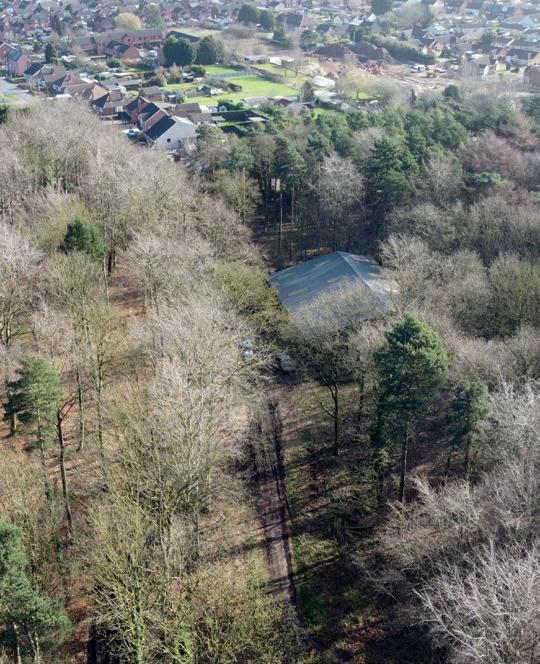
Broughton, Nr Scunthorpe, Lincolnshire
409.25 acres / 165.62 ha
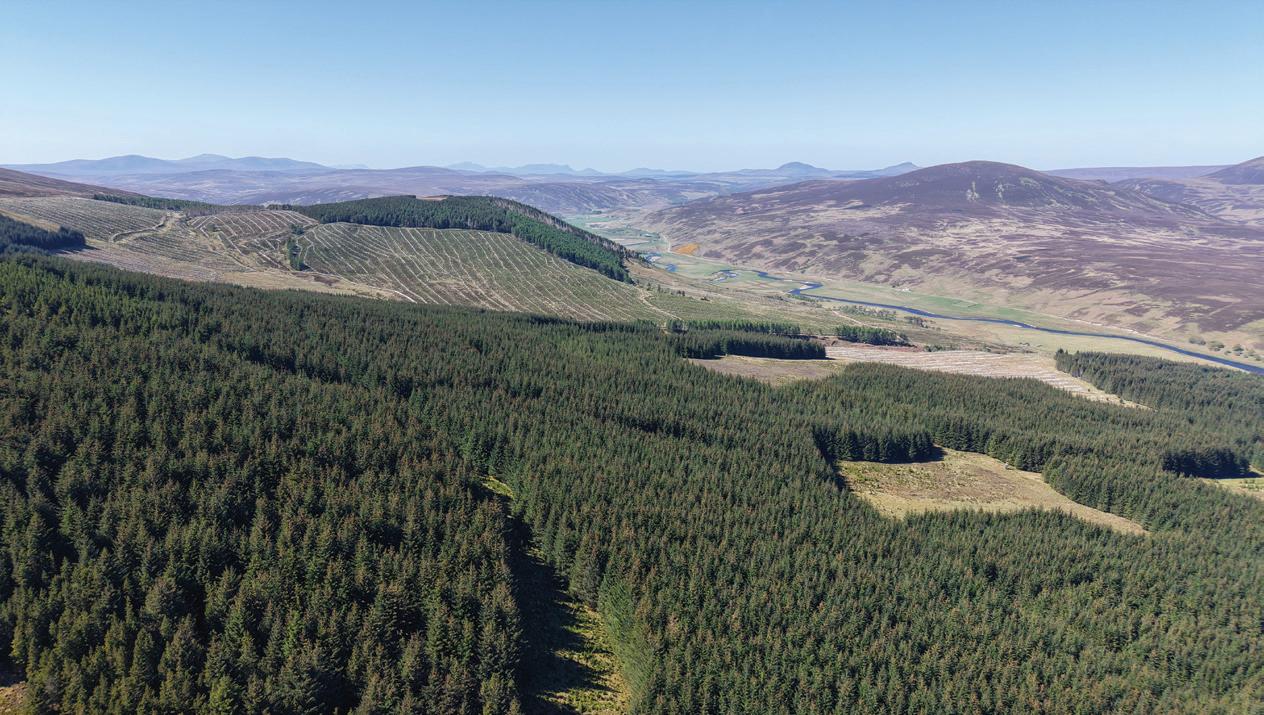
Large scale productivity and timber volume in a well-roaded and compact package close to traditional sawlog and biomass markets. Situated on high fertility well drained soils. Forest office and firewood processing building with facilities for workers included in sale.
Sporting rights owned and included. Good access. Freehold.
Guide price
£2,295,000
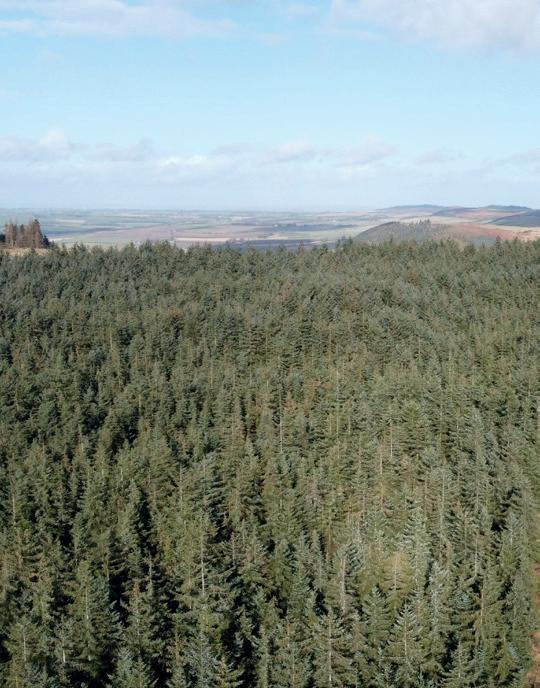
Chillingham, Nr Wooler, Northumberland
391.06 Acres / 158.25 Ha
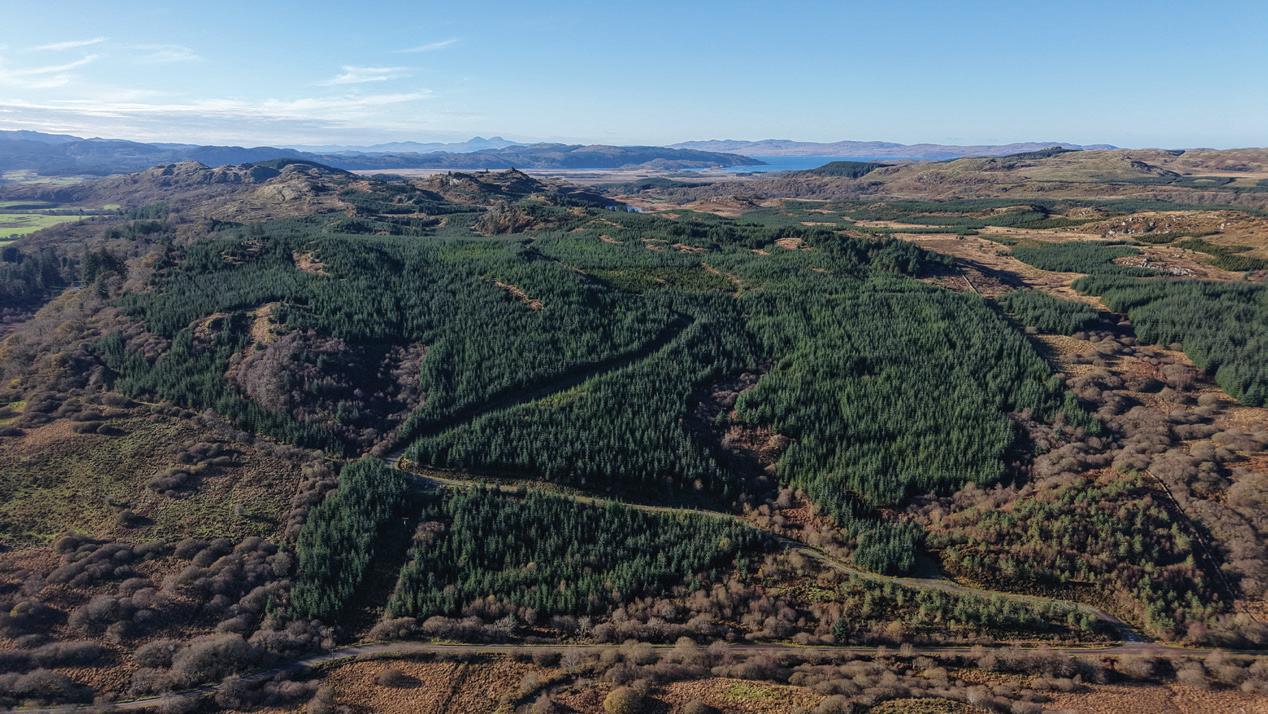
A large, well-managed commercial forest entering a new rotation in good condition. This forest, with its stunning location and all of its productive ingredients, is an extremely attractive forestry investment and includes a forest lodge and wild swimming pond.
Sporting rights owned and included in the sale.
Freehold.
Guide price
£2,150,000
WADWORTH WOOD
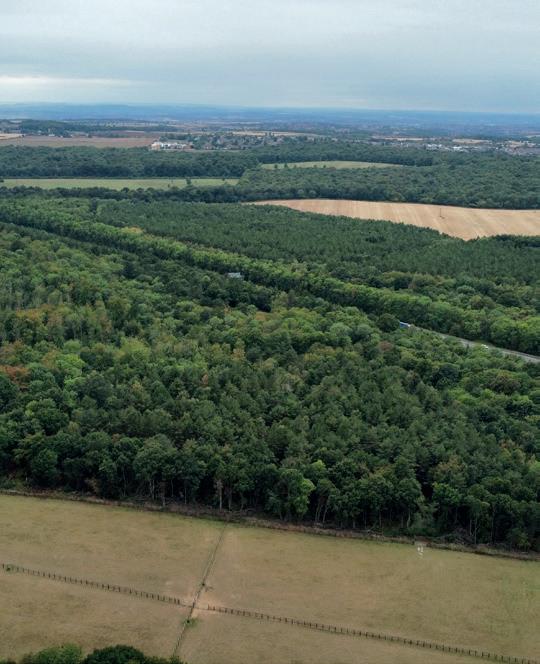
Wadworth, South Yorkshire
230.24 Acres / 93.17 Ha
Mixed woodland benefitting from superb access and containing an abundance of firewood. Two distinct sections divided by the M18 motorway
Sporting rights owned and included. Good access. Freehold.
Offers around £935,000

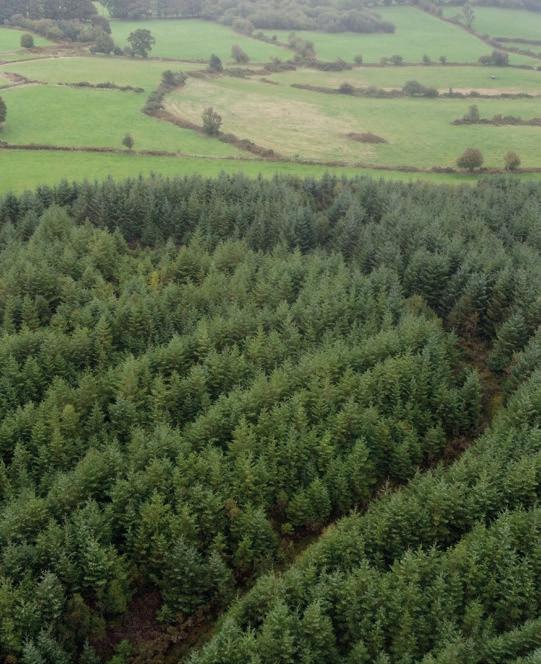
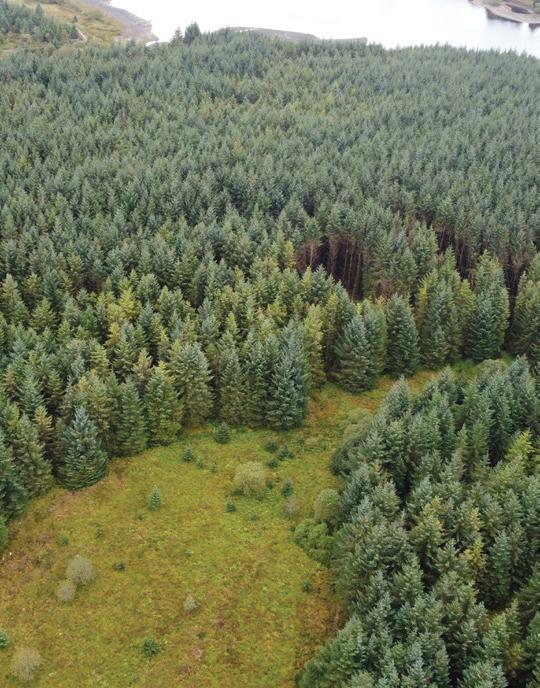
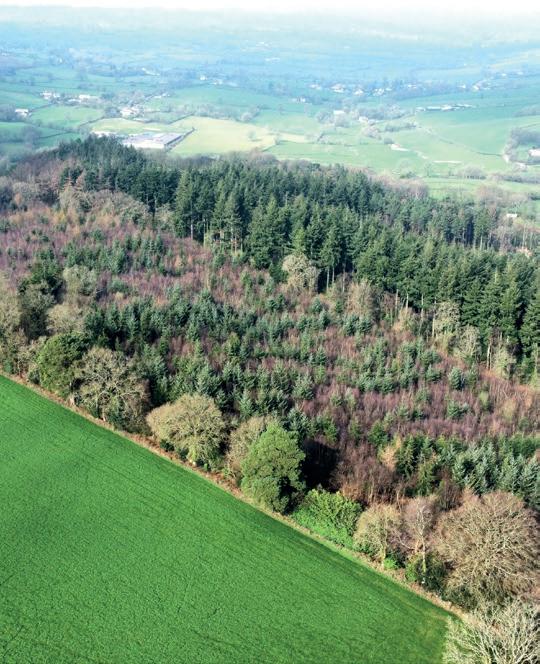

SELATTYN HILL WOOD
Selattyn, Oswestry, Shropshire
48.32 acres / 19.55 ha
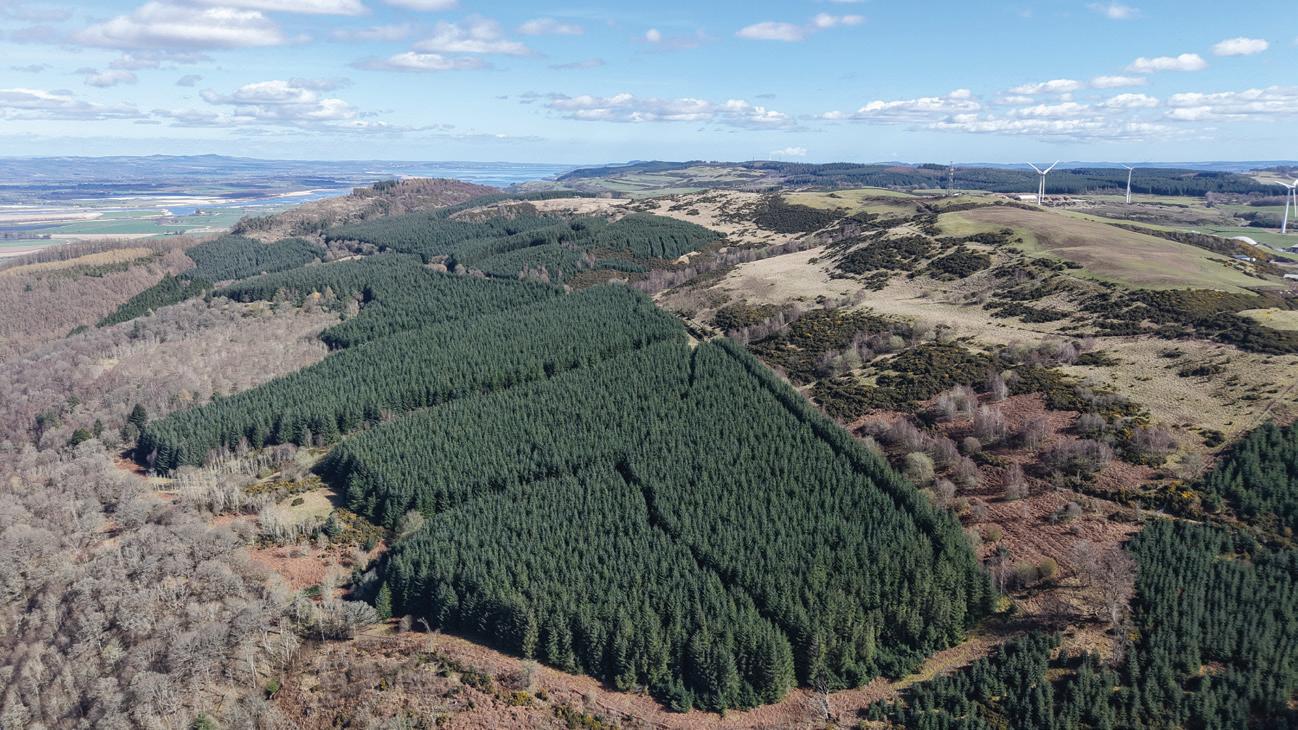
A large single-aged woodland occupying the summit of Selattyn Hill. Mainly stocked with A13 improved Sitka spruce planted 2007, this is a second rotation timber resource developing fast and approaching first thinning.
Sporting rights owned and included. Good access. Freehold.
Guide price £250,000
Alwen Reservoir, Cerrigydrudion, Denbighshire
180.14 Acres / 72.90 Ha
Three plantations of mainly late rotation Sitka spruce planted in the late 1980s on a technically excellent site and now with large quantities of mature timber available to harvest subject to felling licence. Good access. Freehold.
Sporting rights owned and included. Guide price £850,000
KILMINGTON
Axminster, Devon
93.29 Acres / 37.76 Ha
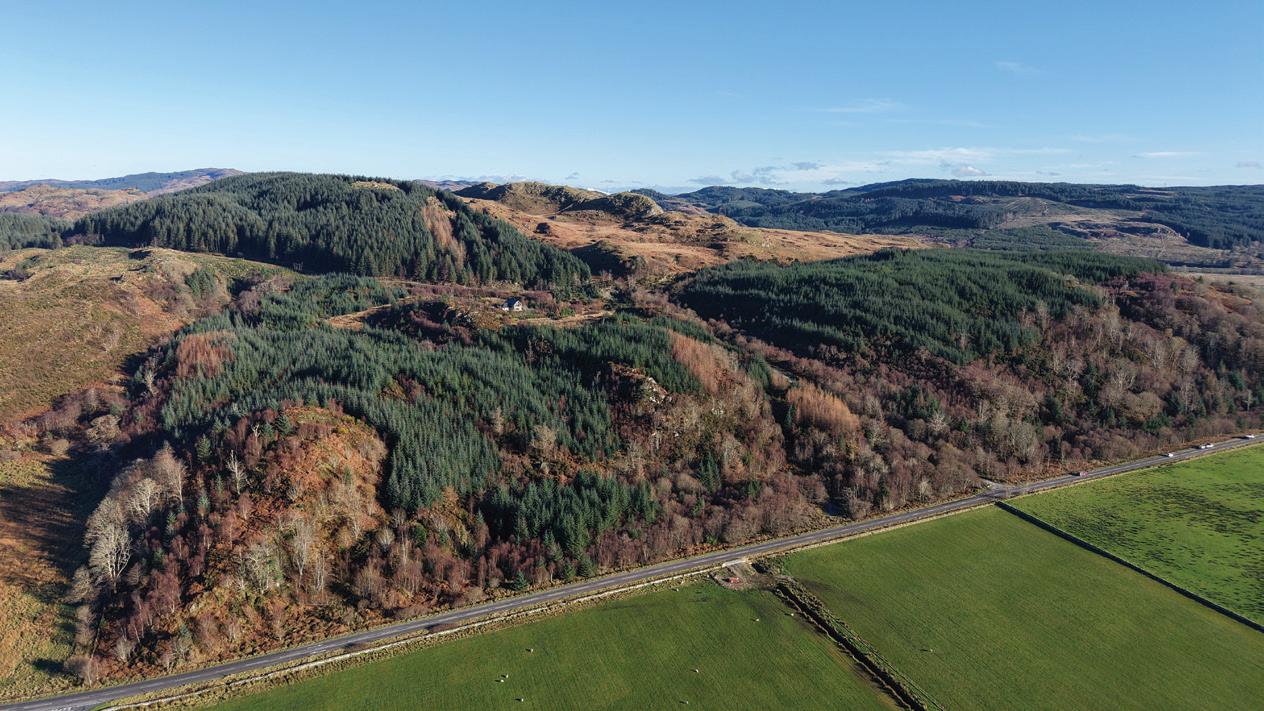
Mixed age commercial woodland predominately stocked with conifers from 1957, 1960s and more recent restocking.. Excellent timber growing potential. Management plan in place with 3 active felling licences. Good access. Freehold.
Sporting rights owned and included. Guide price £475,000

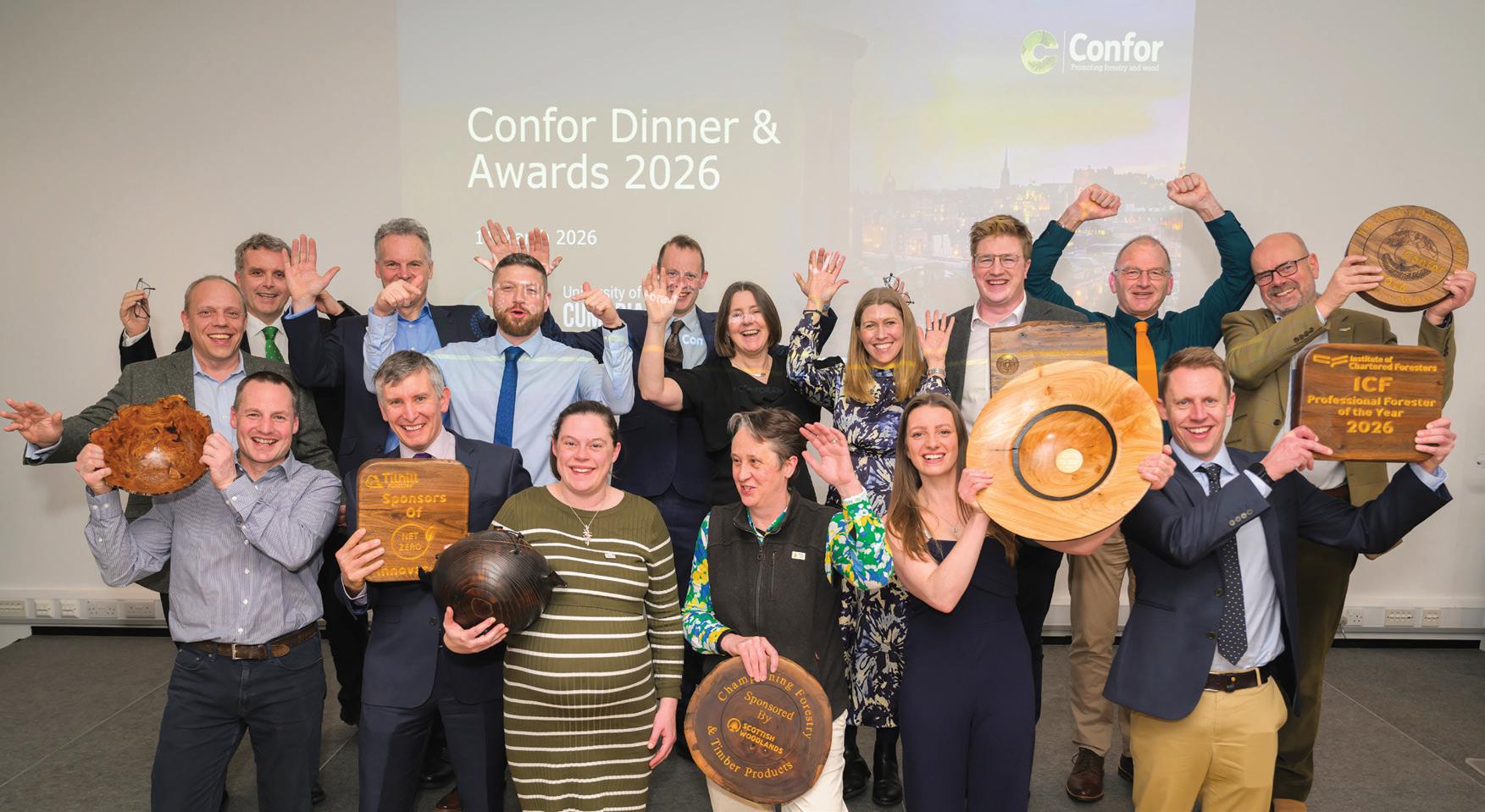
Ahighlight of the annual industry calendar, the Confor Awards recognise those driving progress for forestry and the wood-using sector, through leadership, communication, resilience and sustainability.
Confor Chief Executive Stuart Goodall commented that the industry is “walking the talk” by investing in a sustainable future for forestry and timber, and by making a positive impact on the attitudes of the public and policymakers.
Speaking ahead of the Awards, he said: “In these times of global insecurity and economic and climate challenges, our industry can make a valuable contribution that ticks so many economic and environmental boxes.
“There are barriers to overcome, not least those related to misinformation and often polarised debate. The sector needs great people and businesses who can promote the industry and who can demonstrate excellence and drive growth - those shortlisted for this year’s awards fit the bill.”
This sentiment was echoed by Mairi Gougeon MSP, Cabinet Secretary for Rural Affairs, Land Reform and Islands, who was unable to attend the Awards in person but addressed attendees with a video message commending the sector’s commitment to improving engagement and resilience across the UK.
She added: “Few sectors can boast the breadth, depth, passion,
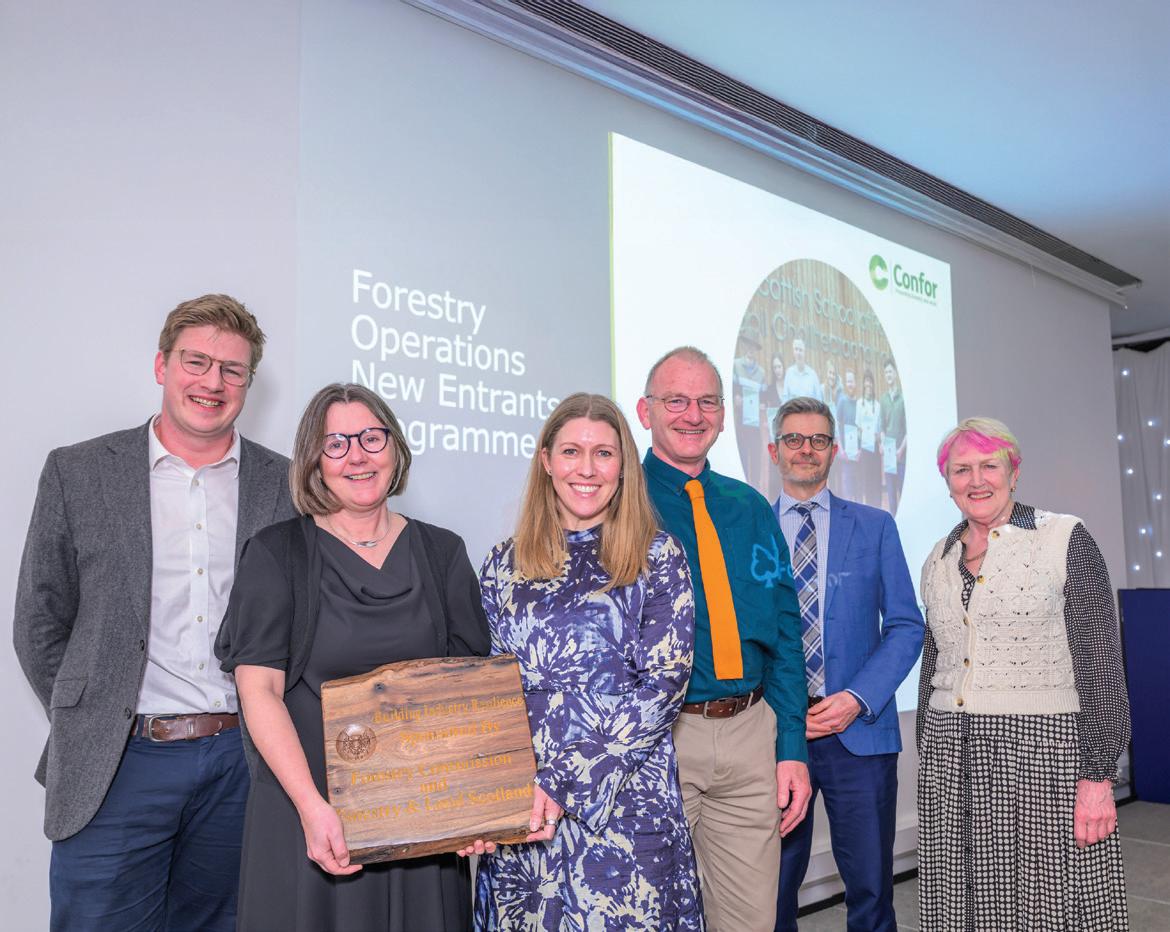
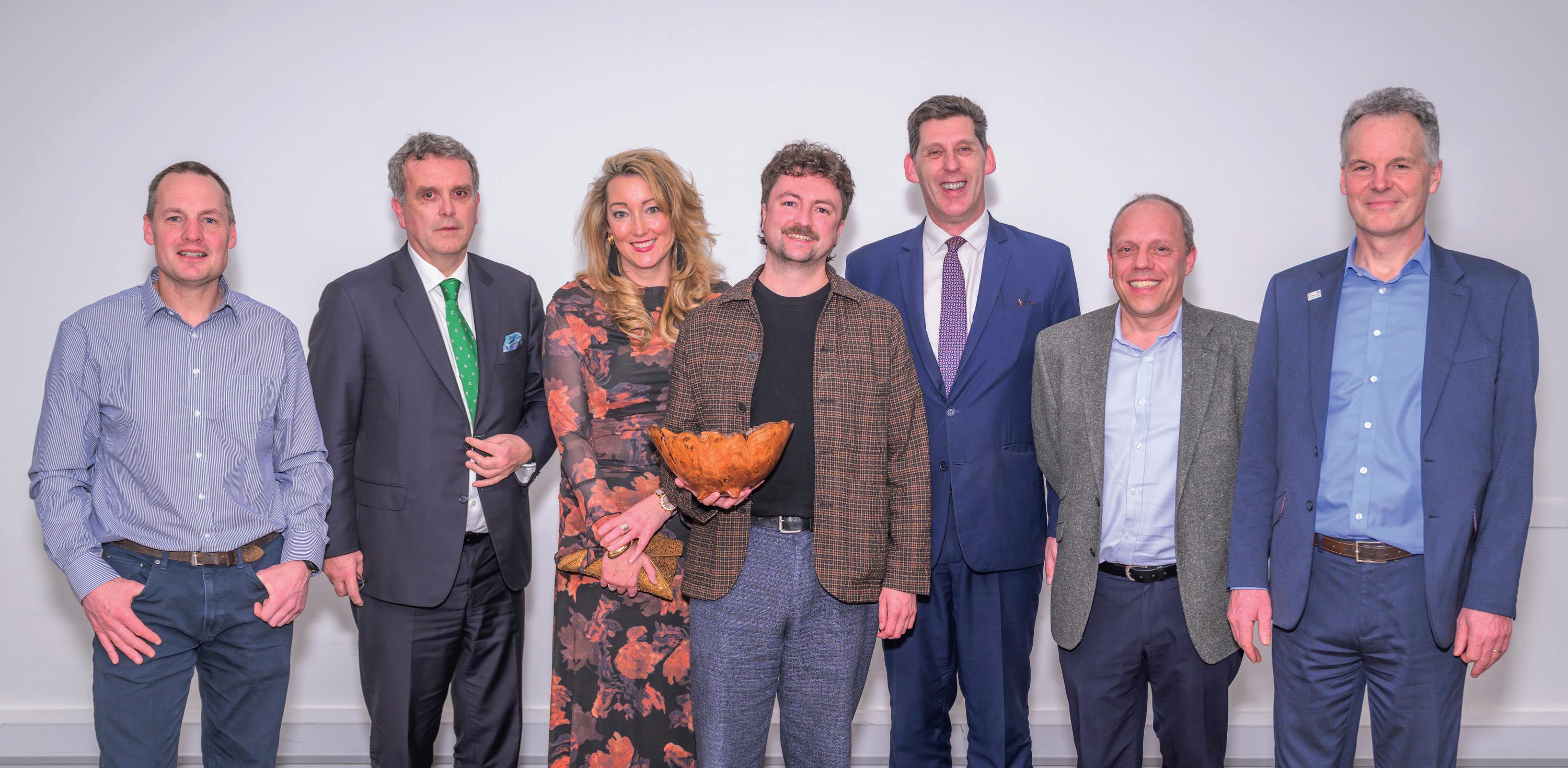
The winners of the Confor Awards 2026 received their accolades at a highly anticipated event in Edinburgh on Wednesday 11 March. Eleanor O’Neill reports.
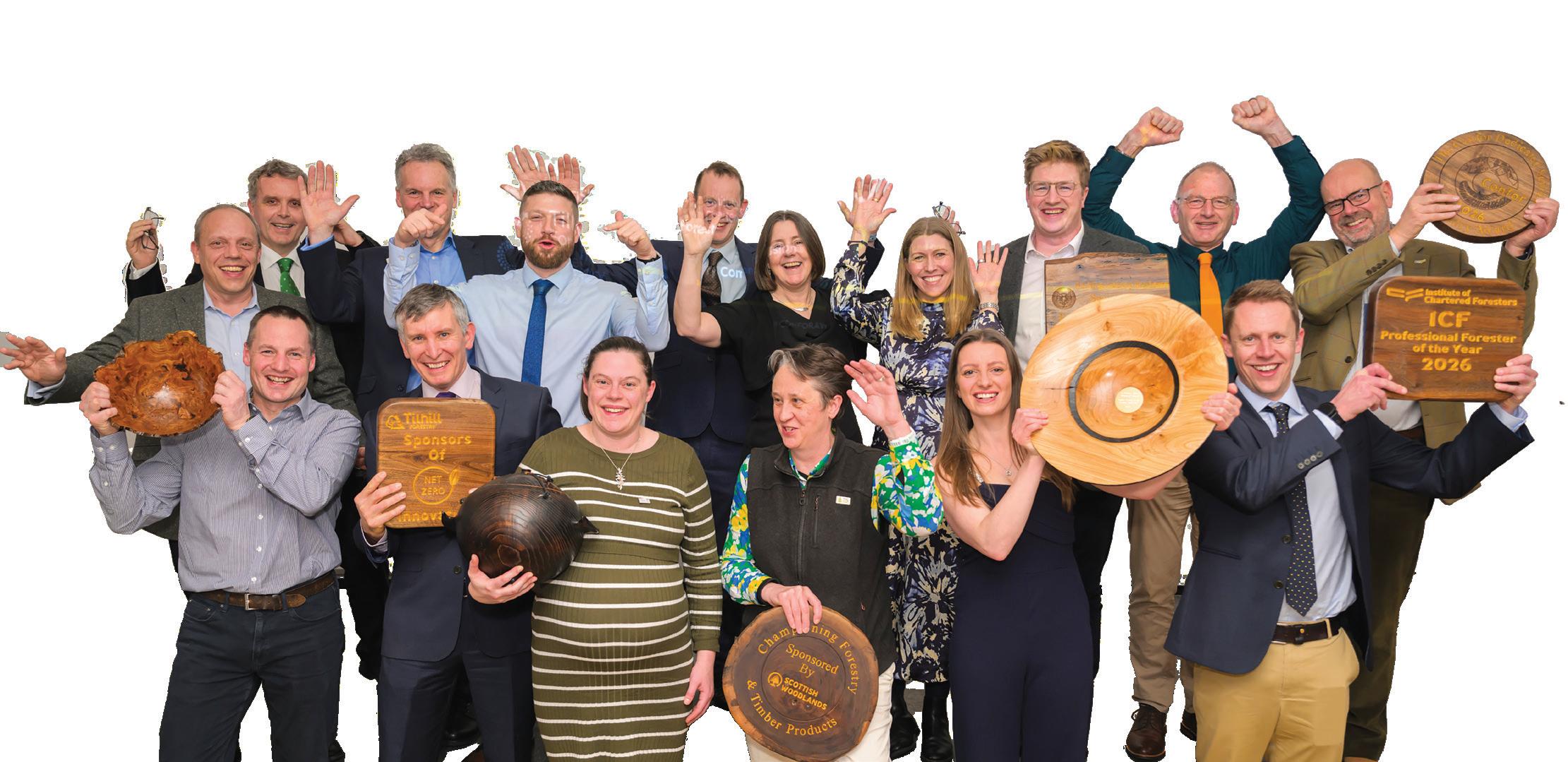
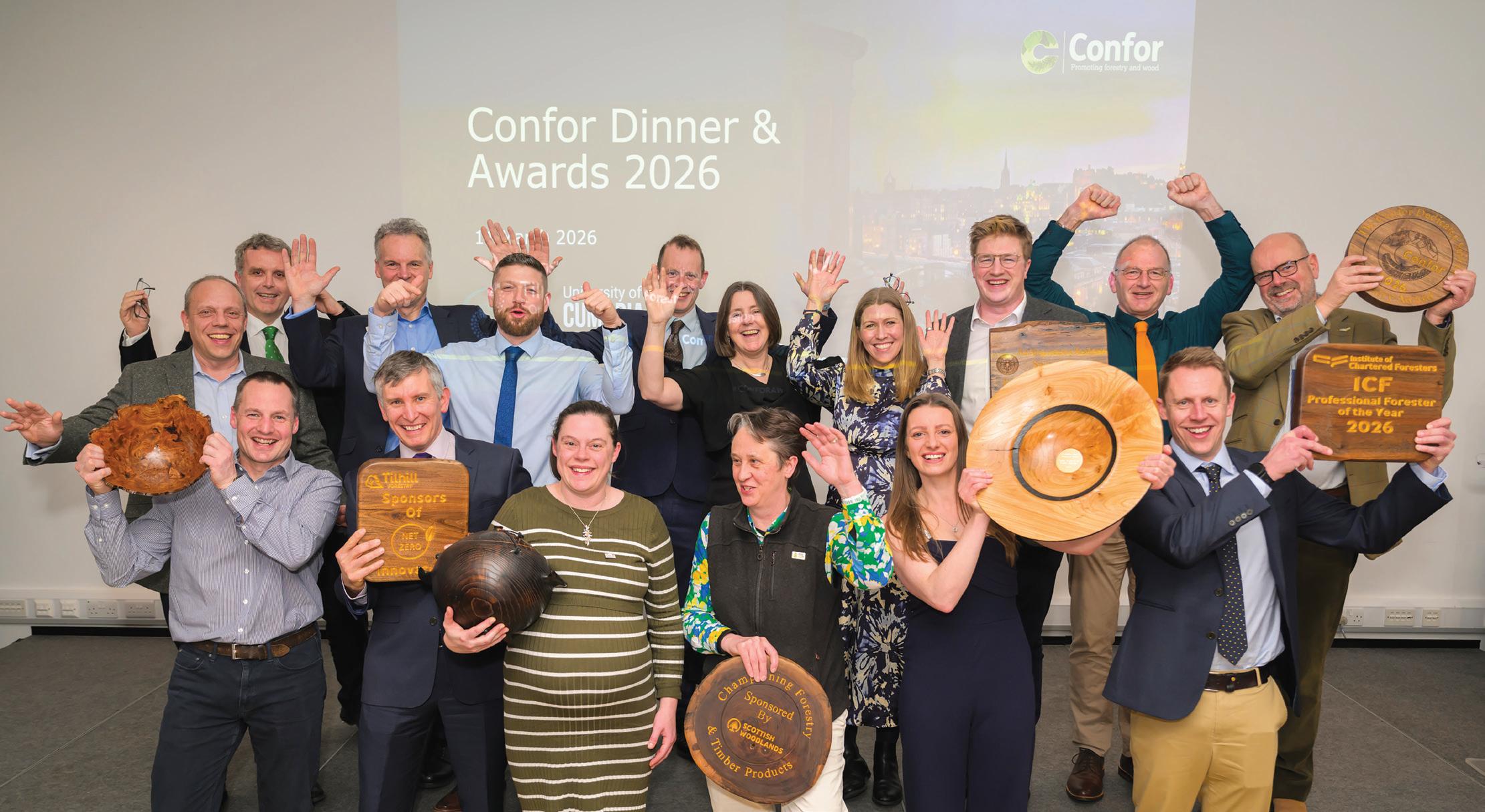
and ambition as this one. In Scotland alone, since 2015, we’ve approved over 100,000 hectares of new woodland, with more than 200 million trees planted. This is an incredible achievement that reflects close working between all parts of the sector, land managers and government.
“It’s been an incredible honour to meet and work with so many of you across the industry during my time serving in the Scottish Government. I deeply appreciate the importance of trees and forestry to the future of our economy, our environment, and society for all of those who come after us.”
Baroness Barbara Young of Old Scone, recently appointed Chair of the Forestry Commission, also commented: “The Forestry Commission cannot deliver on its mission without the partnership of all the people here in the room tonight. The finalists show what is possible when we work, innovate and invest together.”
Confor would like to thank Green-tech Ltd and the University of Cumbria for their continued support of the event, and

the category and special award sponsors for making the evening possible.
“This is an event that has gone from strength to strength. We get such fantastic support from everyone who comes along and from the sponsors. It’s a great evening,” added Stuart.
“It’s gotten to the point now where the people who are shortlisted are really pleased, and rightly so, that they have been recognised for what they’ve achieved. The winners have done a fantastic job to emerge from such a strong field of candidates for all of the awards.”
THE BUILDING INDUSTRY RESILIENCE AWARD
Sponsored by Forestry Commission and Forestry & Land Scotland
This award shines a spotlight on the projects and people taking action to futureproof the industry through
innovation, education and collaboration.
This year’s winner was the Forestry Operations New Entrants Programme, an innovative course delivered at the UHI Scottish School of Forestry to tackle industry skill shortages. Targeted at young people and career changers, the industry-backed training represents a powerful blend of expertise and investment.
The programme is funded by Aviva Investors (supported by Par Equity) and equipment is supplied by Scottish Woodlands.
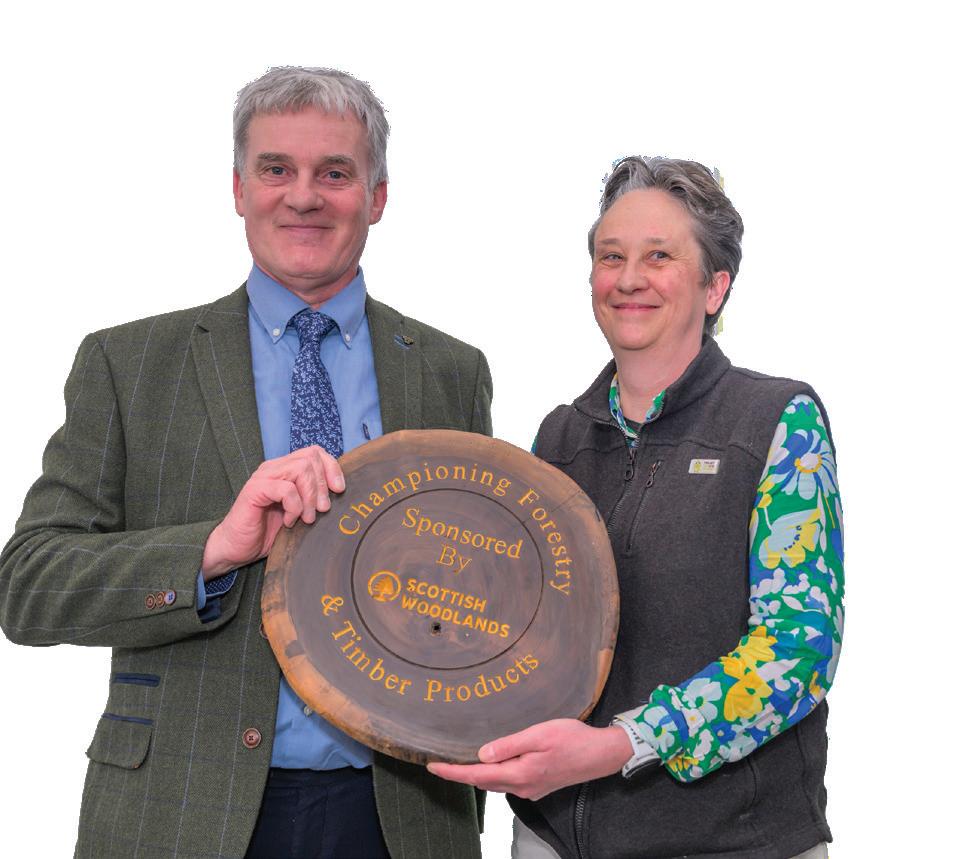
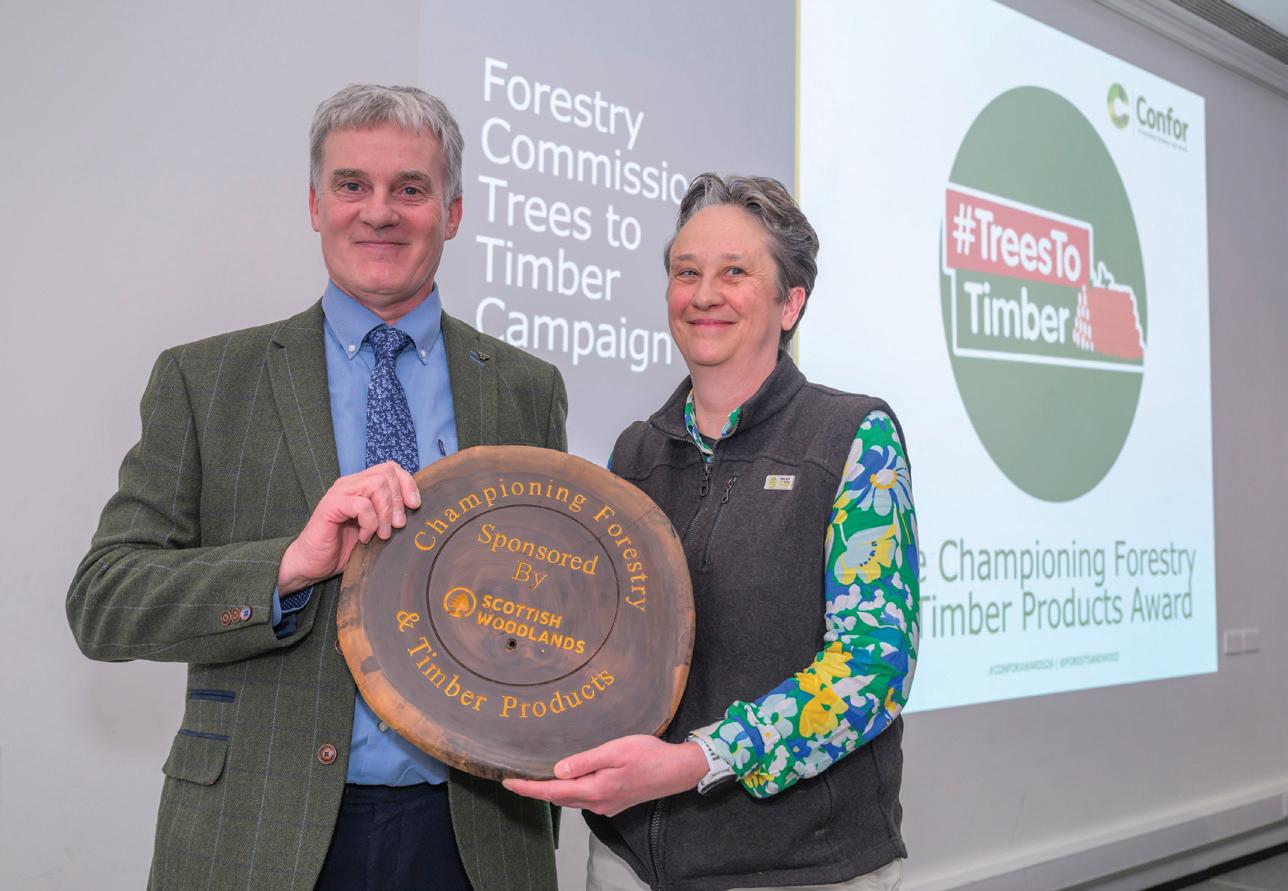
THE CHAMPIONING FORESTRY & TIMBER PRODUCTS AWARD
Sponsored by Scottish Woodlands Ltd
Formally titled the Changing Attitudes Award, this accolade recognises efforts to promote the forestry and wood sector through personal engagement, campaigning, or communication.
The 2026 recipient was the Forestry Commission’s Trees to Timber Campaign.
The annual Confor Dedicated Service to Forestry Award was received by David Edwards, Forestry Director at Tilhill Forestry, for his leadership, professionalism and unwavering commitment to the industry.
He said: “I was surprised and delighted in equal measure to be presented with the Confor Dedicated Service to Forestry Award by Baroness Young at the recent annual Confor Dinner. I have thoroughly enjoyed my 46-year forestry career to date and if I had my time over I would do it all again.
“Although the next 40 years in the forestry sector will be different from the last, I’m confident they will be as exciting and fulfilling. I wish everyone involved all the very best for the future”
David joined Tilhill as District Manager for the former South
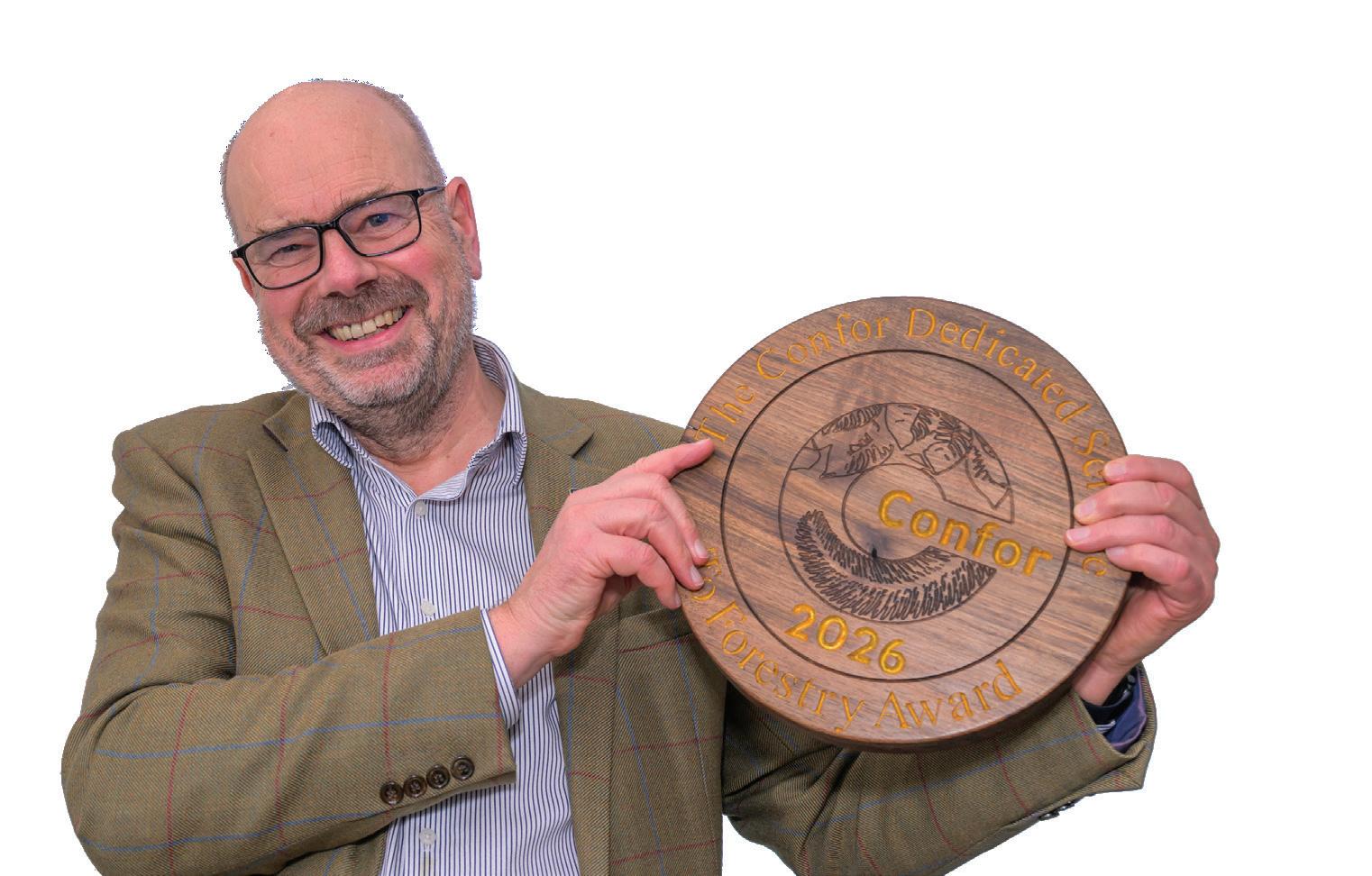
Wales District in 2003 and now holds operational responsibility for Forestry Teams across the UK. He is a Fellow and former President of the Institute of Chartered Foresters, and has broad experience across commercial forestry and landscaping.
Additionally, it was announced that noted forestry advocate and


former Chair of the forestry Commission Sir William Worsley had been presented with the discretionary Confor Award for Distinguished Service in the Public and Private Sectors.
This award has only been bestowed on one other recipient in the history of the Confor Awards. Sir William described the honour as “very special” and thanked Confor for the recognition.

The Trees to Timber Campaign made an impact by translating complex technical information into clear, credible messages about the importance of UK grown timber. Through tailored content and stakeholder engagement, the campaign reinforced the importance of timber as a contributor to both the economy and environment, encouraging landowners to develop new commercial enterprises, highlighting innovation in the sector, and repositioning modern forestry.

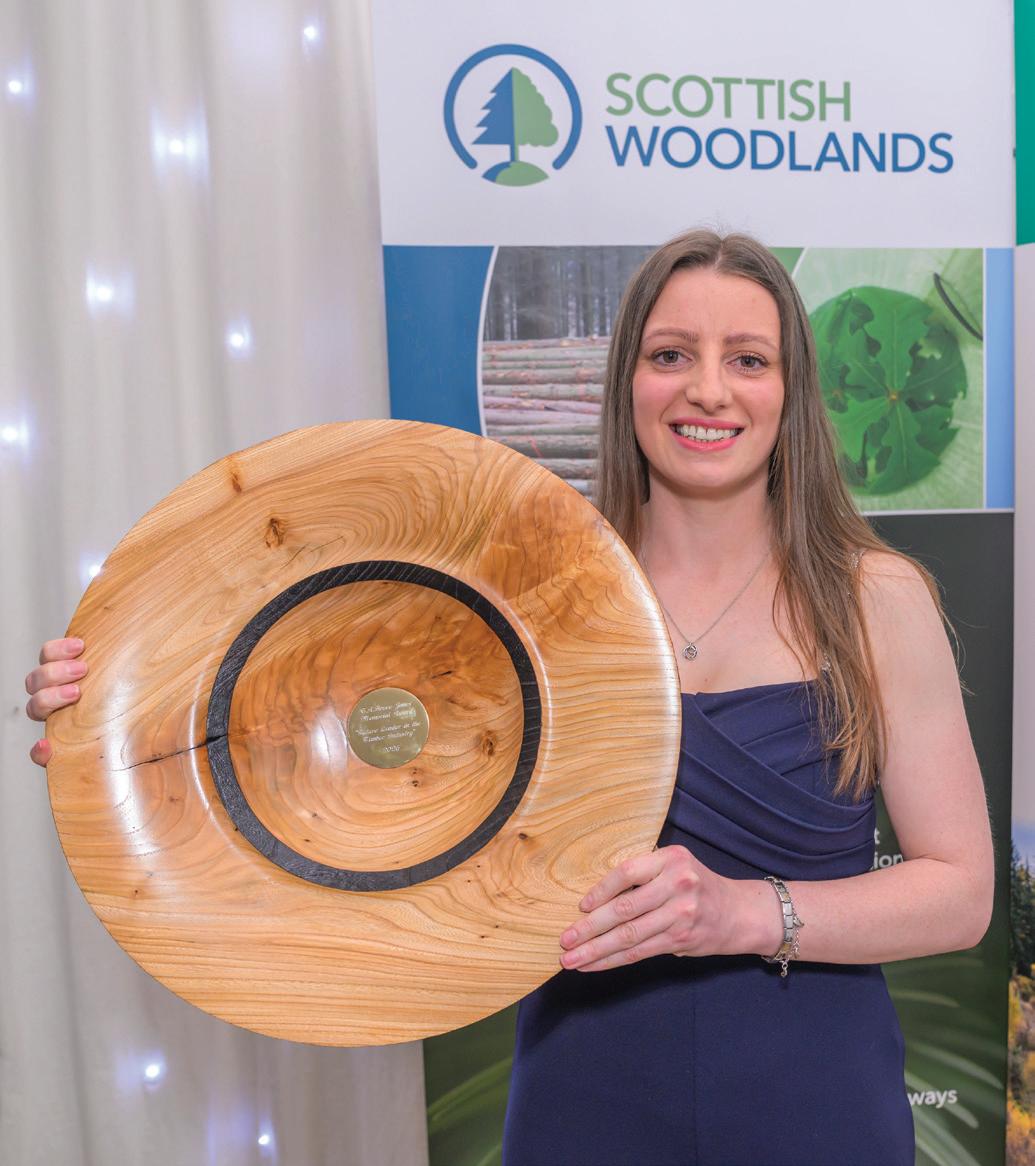
Sponsored by James Jones & Sons Jillian Kennedy, Senior Forest Manager at Scottish Woodlands, was honoured with this title, which is presented to an individual who has the potential to be a leader in the forestry and timber sector –someone showing initiative, passion and making a real difference.
Jillian has become a recognisable face on UK and European policy stages in recent years. As National Chair of the Scottish Association of Young Farmers Clubs and a Director of the Perthshire Agricultural Society, she works to foster greater understanding between farmers and foresters, and to build stronger rural communities.






















Quality refurbished woodchippers and stump grinders
All makes and models of chipper and grinder 3” to 12” tracked, road tow and PTO
All refurbished machines sold with 30 day warranty Call us on 01325 377 475 or 07484 081 795 Email john@masonwoodchippers.com www.masonwoodchippers.com














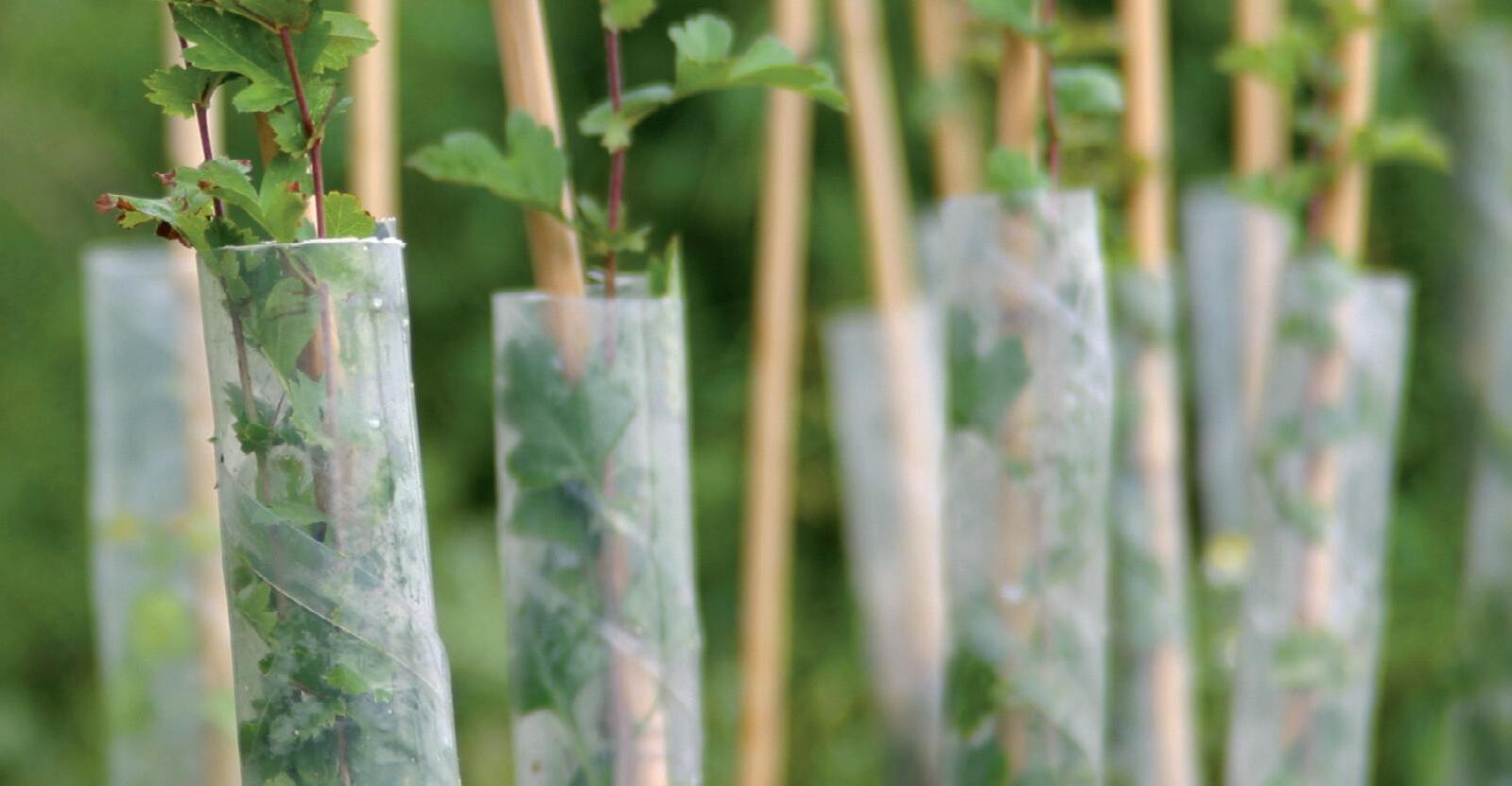





• Protects saplings from Rabbits, Hares, and Systemic Herbicides
• Expands with the natural growth of the tree
• Can be supplied ventilated if required
• Available in clear, brown or green finishes
• 40mm and 50mm diameter tube sizes
• Order direct from the manufacturer


Fax: +44 (0) 1623 812444Email: info@ansini.co.uk www.spiraltreeguard.com



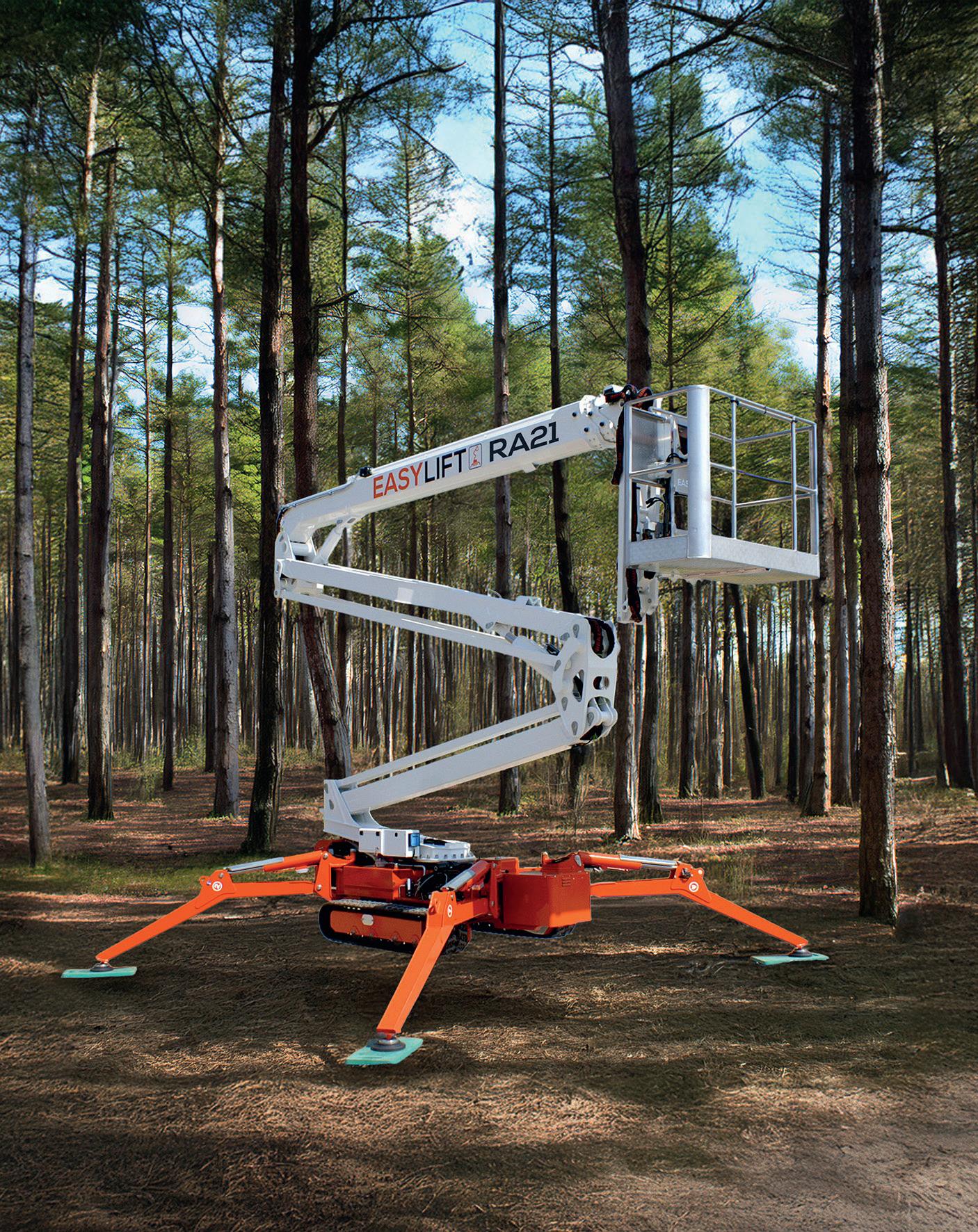
The Easy Lift RA21 is a compact tracked platform ideal for maintenance, installation, and pruning in confined spaces, with a 21-metre working height and 10-metre outreach. Measuring just 4.5 metres long and 0.83 metres wide without the basket, it fits through narrow openings and suits tight job sites. Weighing 2,850kg, it is easily transportable and available with combustion engine, electric motor, battery, or hybrid power options. It also features a 230 kg basket capacity, multiple rotation functions, and automatic stabilisation for safe, precise operation.
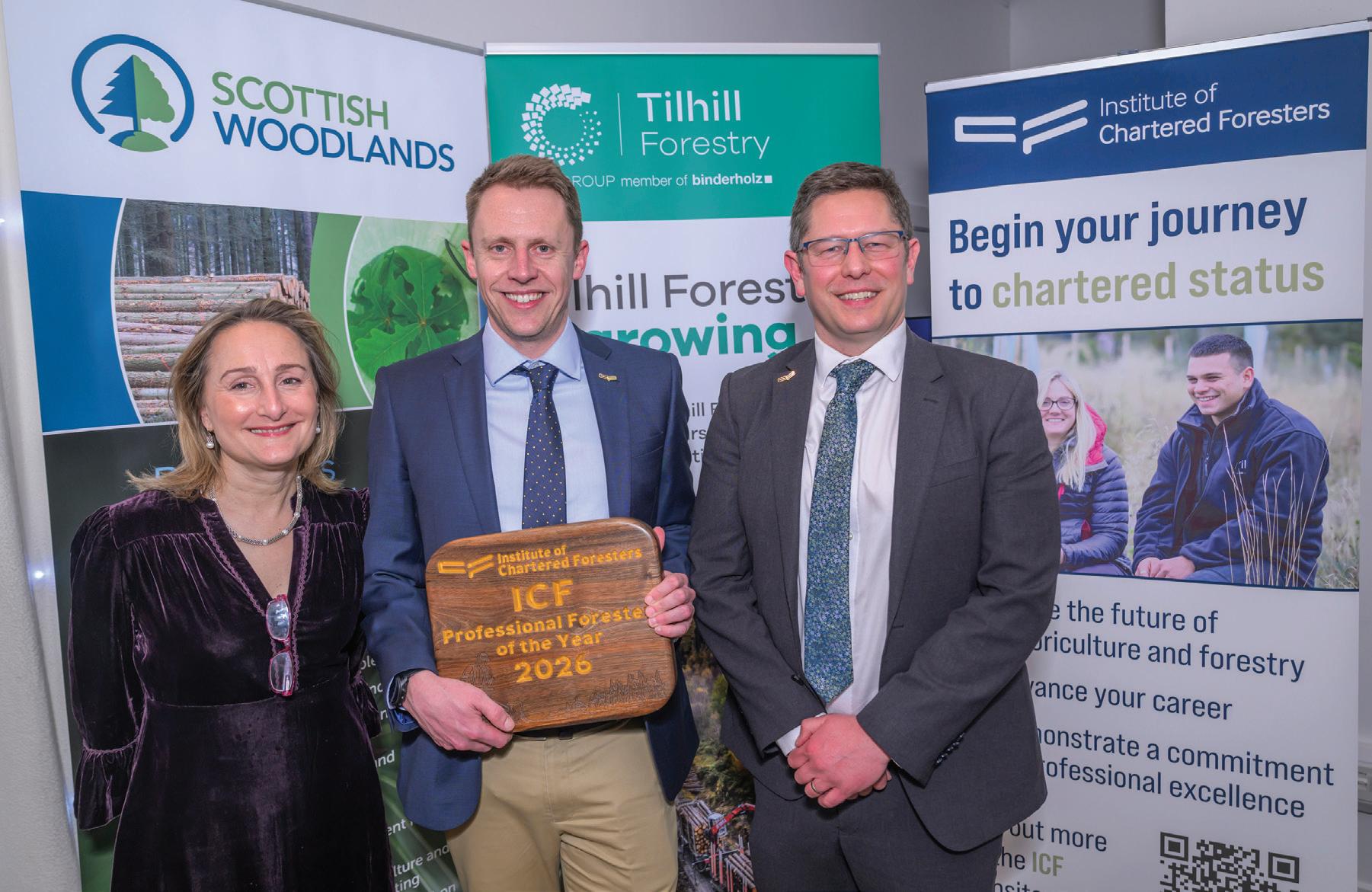
The Institute of Chartered Foresters (ICF) presented the title of Professional Forester of the Year to Tom Coates MICFor. In his role as Area Supply Manager at James Jones & Sons Ltd, Tom promotes responsible woodland management and champions collaboration across the sector. His ability to motivate and connect with people reflects a strong commitment to advancing forestry science and practice.
Commenting on his award, Tom said: “Winning the Institute’s Professional Forester of the Year 2026 award is a tremendous honour and a reflection of the people and experiences that have shaped my career. I have great admiration for the work that my fellow professionals who were shortlisted do, and it is great to see recognition for people
who are promoting modern forestry.
“Mentoring has been invaluable throughout my journey, and I am very grateful to those who have had a profound impact on my personal



and professional life. Expanding mentoring opportunities through the ICF will be key to supporting and inspiring the next generation of forestry professionals.”
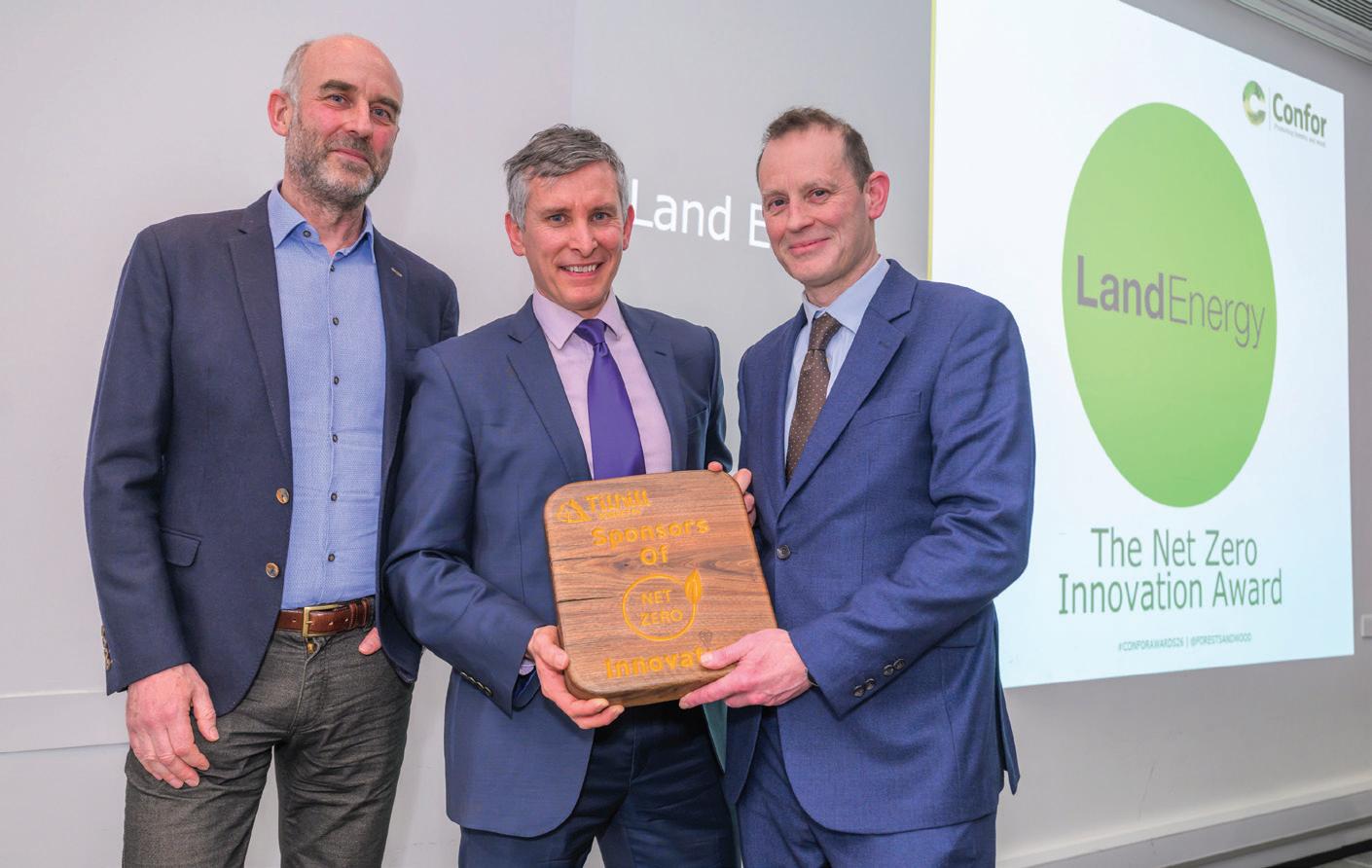
Sponsored by Tilhill Forestry
This title awards people and organisations making a specific and measurable contribution to the forestry and wood industry’s efforts to deliver the UK’s net zero ambitions.
This year, it went to Ayrshire-based Land Energy, who are making strides towards their goal of having wood pellet energy accepted as a mainstream choice for commercial and domestic users. Virtually no fossil fuels are used in Land Energy’s production process, and their low-carbon product guarantees a minimum of 4,800 KWh of heat per tonne for users.
Among the other special accolades of the evening was the first ever Confor Chair Award, bestowed upon the ground-breaking Trust UK C16 Timber Campaign. Lord Ian Duncan of Springbank, Chair of Confor, noted that the campaign has real future potential to positively impact the perception of home-grown timber and drive growth in its use, especially in the construction and housing sectors.
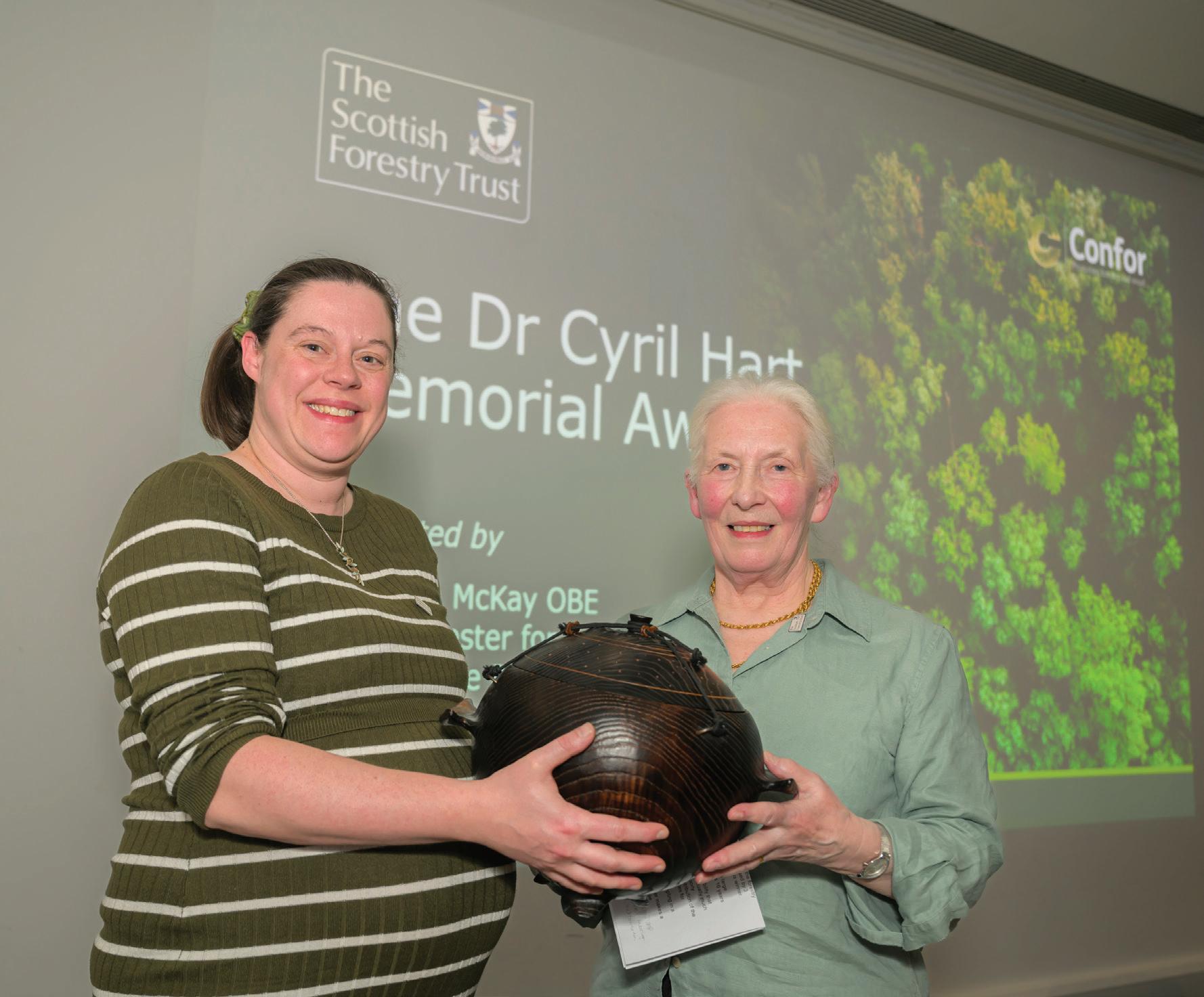
The Scottish Forestry Trust is delighted to announce the winners of The Dr Cyril Hart Memorial Award for 2026 are Sarah Watts and colleagues for their research article: ‘Why the present is not the key to past or future: moving beyond restricted relict habitat conditions to improve outcomes in mountain woodland restoration.’
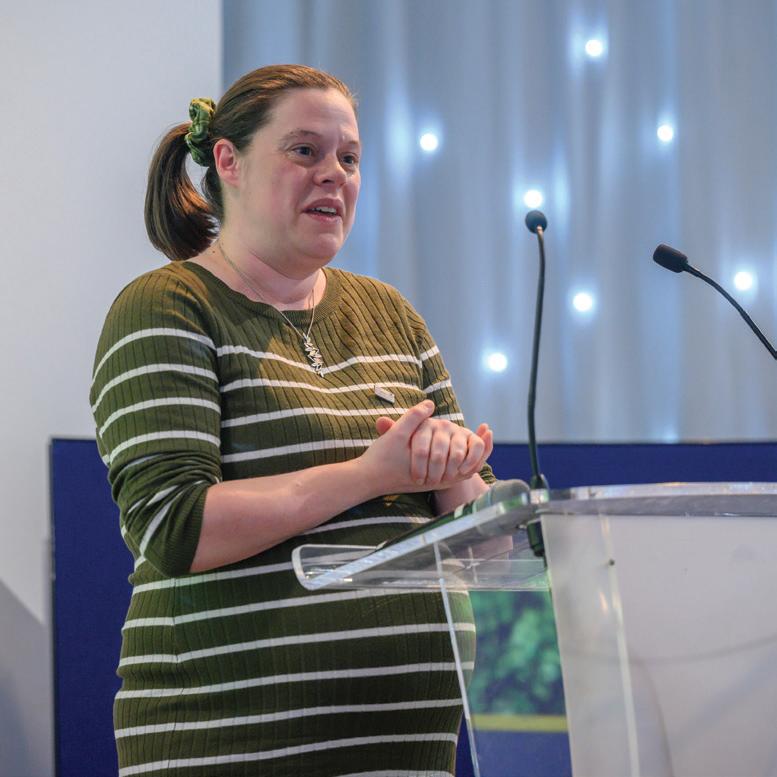
Sarah received the Award from Dr Helen McKay OBE FICFor CEnv, Chair of The Scottish Forestry Trust’s Projects and Research Committee at the 2026 Confor Dinner & Awards.
The Award is given to the best article or paper, based on Trust-funded research, published within a two-year period. It is presented in memory of Dr Cyril Hart (1913 -2009), known to many through his invaluable book, Practical Forestry for the Agent and Surveyor, and other publications. This Award aims to recognise invaluable research which delivers the widest practical benefit to the widest forestry community and the Scottish Forestry Trust are proud to offer this Award in Dr Cyril Hart’s name.
Speaking at the Awards Dinner, when accepting the Award, Sarah said: “I’m absolutely delighted to receive the Dr Cyril Hart Memorial Award 2026 from The Scottish Forestry Trust as recognition of the contribution that my research is providing to evidencedbased woodland management.
“It is particularly encouraging to have mountain woodland restoration highlighted in such a meaningful way demonstrating that our high-altitude trees are gaining much wider interest and support across the wider forestry sector.”
such as long-term overgrazing, rather than the full range of opportunities available for recovery. By guiding practitioners across Scotland towards even more ambitious and effective mountain woodland restoration, we can enhance biodiversity and help build more resilient upland landscapes
She added: “My research builds on decades of inspiring action by National Trust for Scotland staff and volunteers to protect and expand threatened montane willow populations. The study challenges the assumption that the places where these populations survive today represent the most suitable environments for planting.
“Instead, present-day habitats may be refugia reflecting historical pressures
“I’d like to thank my PhD supervisors Alistair Jump, Kirsty Park, and Nadia Barsoum for supporting my research, and I am extremely grateful for project funding from The Scottish Forestry Trust, University of Stirling, Woodland Trust, Corrour Estate, Macaulay Development Trust, National Trust for Scotland, Forest Research, and Future
Dr Helen McKay OBE FICFor CEnv, Chair of The Scottish Forestry Trust’s Projects and Research Committee, said: “Sarah’s paper records the results of
resurvey of a large sample of downy willow (Salix lapponum) 16 years after planting in the Ben Lawers National Nature Reserve. The results were very clear - the growth and probability that individuals had reached reproductive size were actually much greater for individuals planted in sites that are poorly represented among those of the current relict distribution of the species, justifying a much broader selection of sites for restoration.
“This is an excellent study, based on rigorous sampling in a difficult location. The framing of the study is excellent, and the paper makes a distinctive contribution from a strong evidence base.”
The winner of the Award receives a striking trophy created by Angus Clyne of Perthshire. This ‘living’ award will be held by the recipient for two years before being returned in advance of the 2028 Award being presented. Sarah and her colleagues will also be asked to add their paper to the USB stick in the vessel and to contribute to the found objects contained within the trophy.





















Timber’s central role in national security is being highlighted with the launch of a new awareness campaign. Confor is calling on the industry to spread the word.
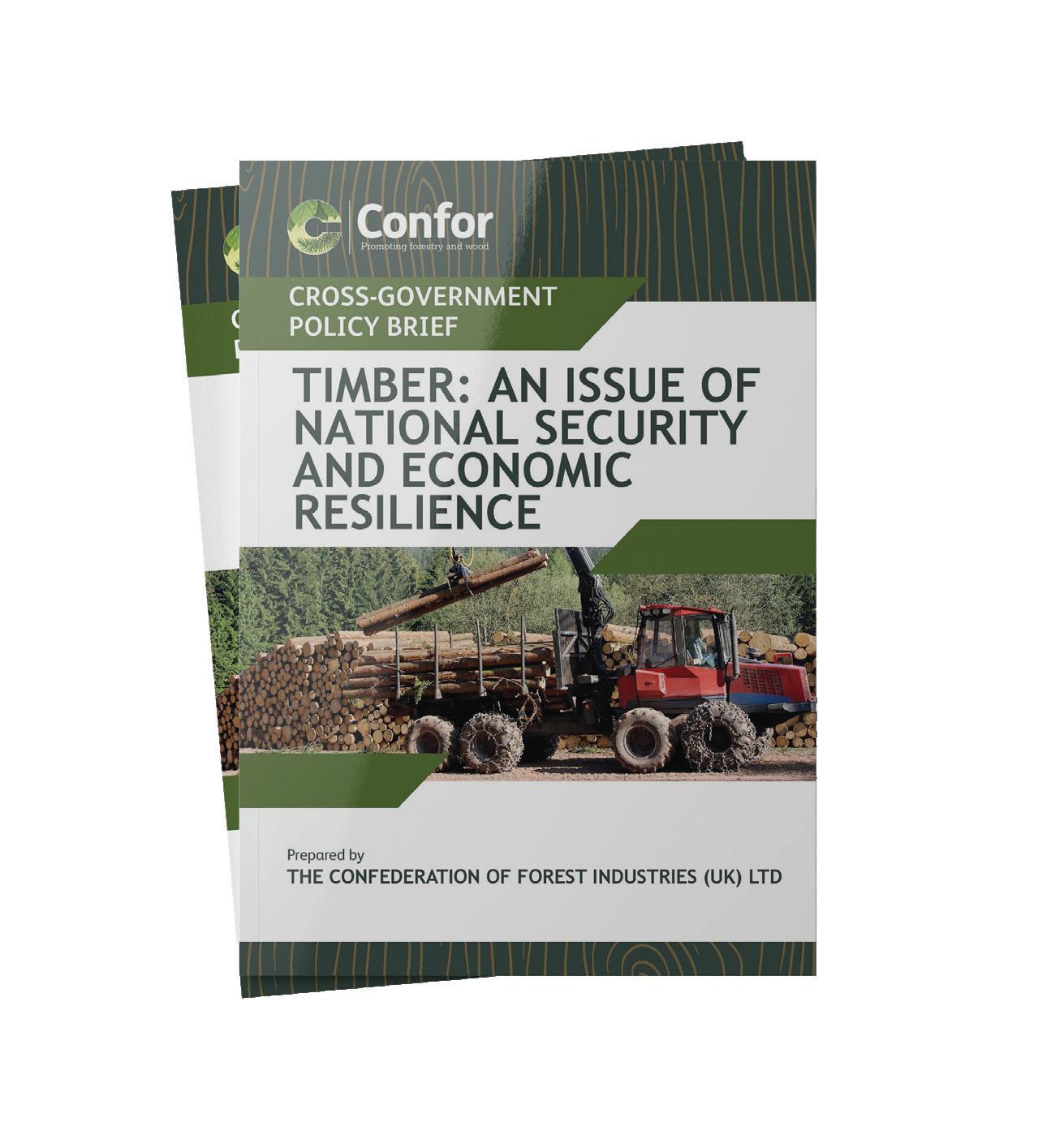
Confor has warned in a new publication that the UK’s heavy and increasing reliance on imported timber represents a growing strategic vulnerability for the country’s national security, economic resilience and housing delivery.
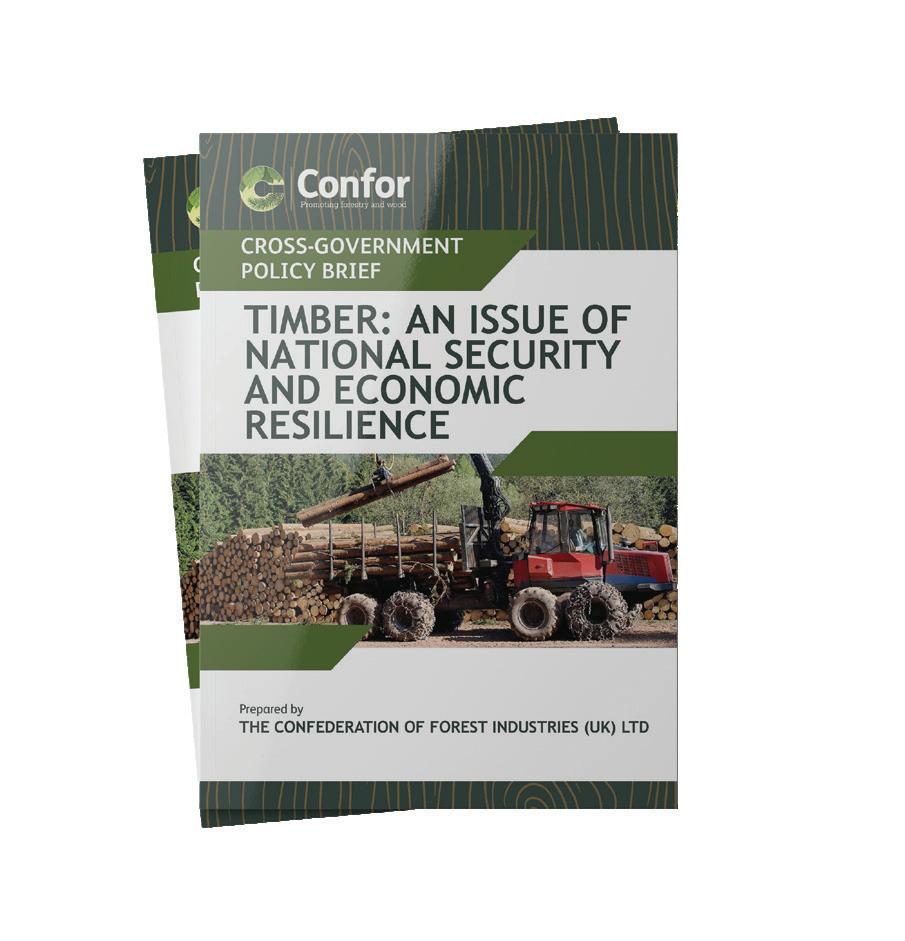
The briefing, ‘Timber: An Issue of National Security and Economic Resilience’, argues that the UK’s dependence on imports for more than 80% of the timber it uses exposes the country to global supply shocks, geopolitical disruption and rising costs.
It was launched at a House of Commons meeting of the All-Party Parliamentary Group (APPG) on Forestry and Timber Security in March, marking the start of a new campaign to raise political awareness of the timber security issue. This calls on government to
recognise timber as a strategic material comparable to food and energy, and to take coordinated action to expand domestic production supply chains.
Ben Lake MP, APPG Chair, said: “Timber is not just a rural or environmental issue. It is a strategic material that underpins housing, infrastructure and economic resilience across the UK.
carbon construction materials and more sustainable building systems. If the UK is serious about housing delivery, combating climate change, and supply chain resilience, we must ensure we are growing and processing more of this strategic material at home.”
“At a time when the UK imports more than 80% of the timber we use, it is right that Parliament and government begin treating timber supply as a national resilience issue. Strengthening domestic forestry and wood processing capacity will help protect supply chains, support rural economies and ensure the UK is better prepared for future global shocks.
“Global demand for timber is rising rapidly as countries shift towards low-
‘Timber: An Issue of National Security and Economic Resilience’ highlights how global demand for timber is expected to rise sharply as countries shift toward low-carbon construction materials, while climate pressures, pests and domestic demand are reducing export capacity in many traditional supplier countries.
At the same time, the UK is seeking to deliver major policy priorities, including housing delivery, environmental targets and stronger domestic manufacturing. Timber plays a critical role across all
At a packed meeting on 17 March, the All-Party Parliamentary Group on Forestry and Timber Security held its AGM. Long-serving Chair Ben Lake MP of Plaid Cymru was re-elected and three new officers were appointed: Labour MP Lillian Jones, Liberal Democrat MP Angus MacDonald, and Conservative peer Lord Roborough. Baroness Young, the recently appointed Chair of the Forestry Commission and Labour peer, was also in
attendance and has been a long-term contributor to the APPG.
“There has been an APPG in one form or another providing a Westminster forum to discuss forestry and timber matters since the 1980s,” commented Confor CEO Stuart Goodall. “This one will have important work to do, especially on the issue of timber security and national security.” >>

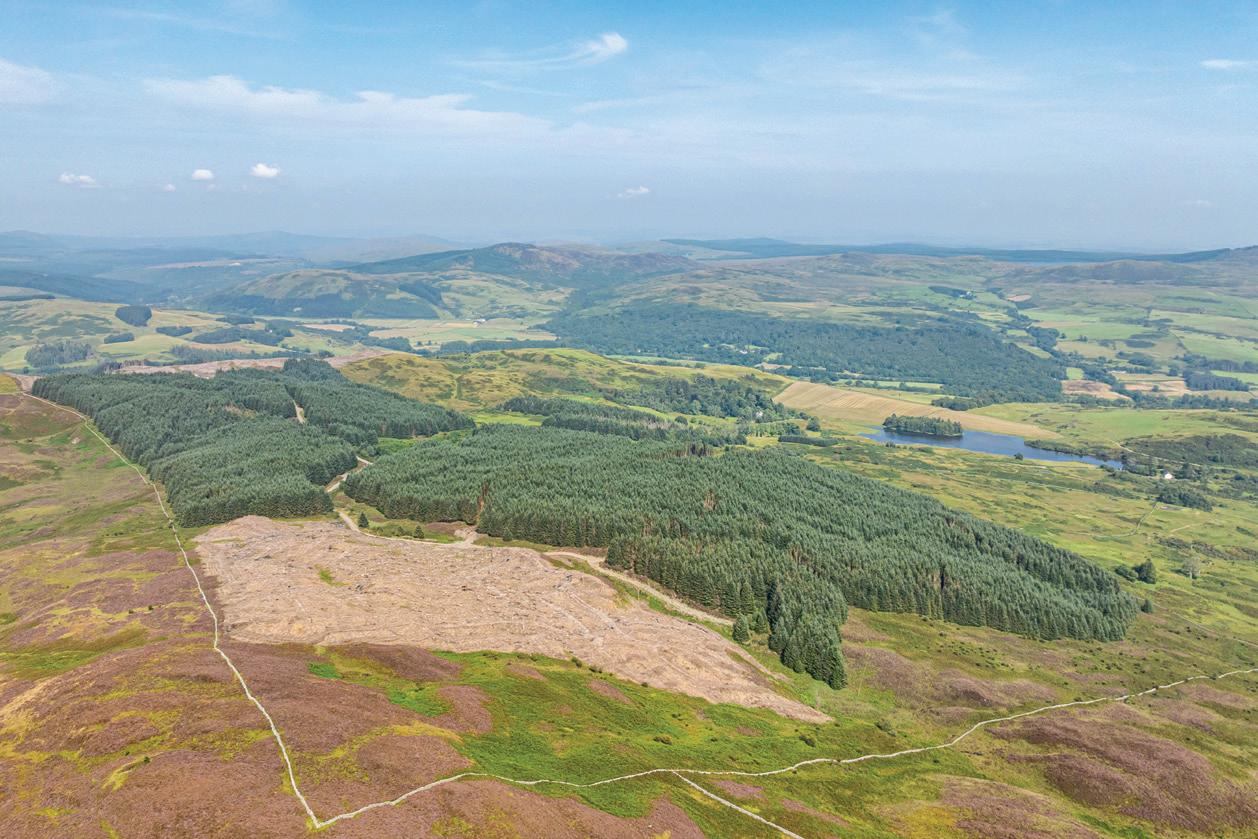
Ahead of the Senedd election on 7 May, Plaid Cymru’s Llyr Gruffydd shares his view on the potential of forestry-forward policymaking.
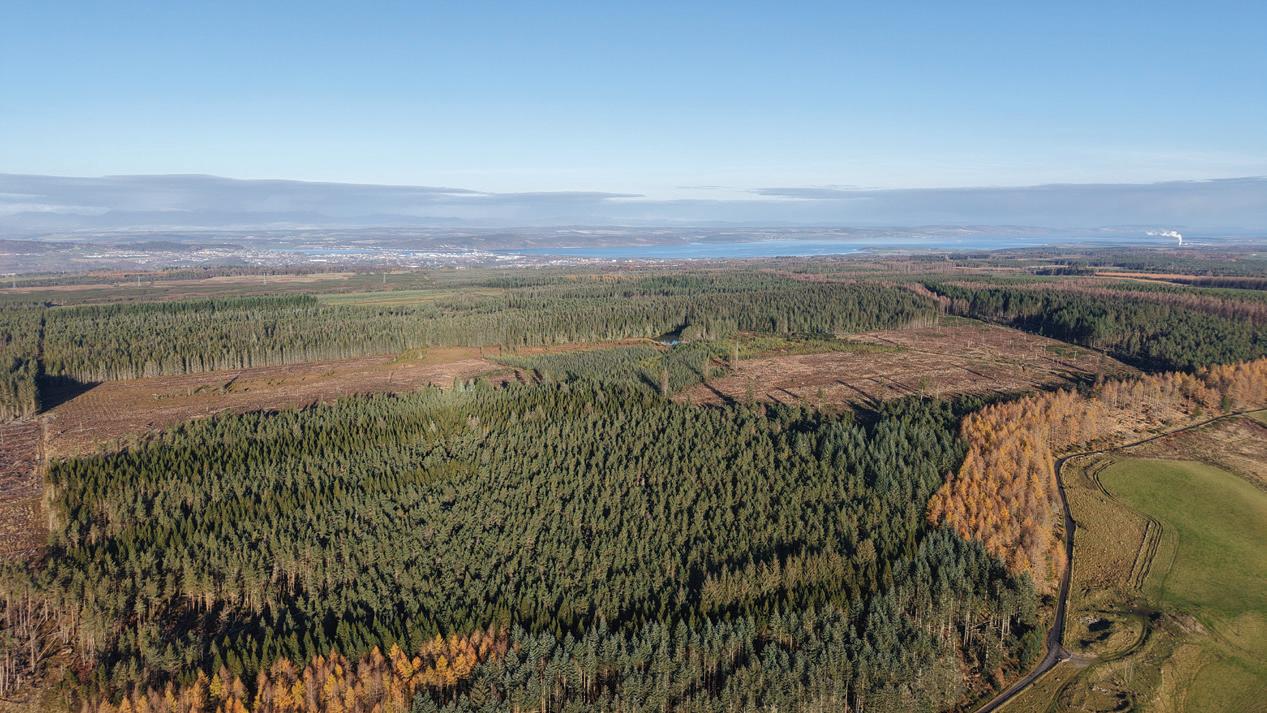
Wales stands at a crossroads. For years, we have spoken of climate ambition, of a circular economy, and of the untapped potential within our natural resources. Yet too often, that ambition has remained rhetorical rather than real. If Wales is to grasp the opportunities ahead, economic, environmental, and social, we must return to a simple but powerful principle: the right tree in the right place can help shape our future.
Tree planting is not merely environmental stewardship; it is long term nation building. Done properly, it restores ecosystems, improves air and water quality, reduces flood risk, and plays a meaningful role in tackling climate change. It also presents a clear economic opportunity: one Wales has yet to fully realise. Despite favourable growing conditions, we still import the majority of our timber, even as demand for sustainable materials continues to grow.
Plaid Cymru’s approach is grounded in balance. We support expanding tree and hedge planting in ways that complement farming, not displace it, through agroforestry, small scale forestry, and emerging markets such as biochar. We will prioritise native and mixed woodlands while protecting high quality agricultural land, and we are clear that Wales should not become a destination for large scale plantations driven solely by carbon offsetting.
Public leadership must set the direction. That means extending tree cover across public land and increasing urban canopy, particularly in communities with the least access to green space. But ambition must also be matched by delivery. While we support the direction
three areas, yet the UK currently relies overwhelmingly on global markets for supply.
Stuart Goodall, Confor Chief Executive, added: “If we are serious about building homes, strengthening British manufacturing and improving supply chain resilience, we must be serious about growing and using more homegrown timber.
“With the right government leadership,
of the current timber strategy, it now requires consistent investment and tangible results.
The case for timber is both environmental and economic. Using wood in construction significantly reduces emissions, and other nations are already moving at pace. In Scotland, 92% of new homes were timber framed in 2019; in England, just 9%. Wales sits between them at 28%, a position that reflects a significant untapped potential.

and growth, helping ensure that Welsh firms remain in Welsh hands and that long term value is retained within our economy.
The scale of that opportunity is clear. The construction sector in Wales already uses over half a billion pounds’ worth of wood panels each year. Welsh furniture manufacturing accounts for a further £886 million, and more than 600 jobs are supported by the wood panel industry. With a coherent, timber first strategy, that foundation could be built upon.
Government has a critical role to play. We support increased public procurement and stronger regulatory backing, but we believe more ambition is needed. That means embedding a clear “timber-first” approach in public building projects, strengthening Welsh supply chains, and investing in apprenticeships and training to build a modern, skilled workforce rooted in communities across Wales. We would also ensure the Industry Leadership Group is empowered to drive this work forward and provide the strategic leadership the sector needs.
This sits within a broader economic vision. Wales must take greater ownership of its resources and industries. A National Development Agency would provide a clear focal point for business support, innovation,
the UK can expand productive forestry, support investment in domestic wood processing and strengthen a supply chain that already supports more than 90,000 jobs across the country.
“Timber security is national security. Treating timber as a strategic national resource will help secure the materials we need to build homes, support rural economies and protect the UK from future global supply shocks.”
Forestry and housing are closely linked. At present, only 4% of harvested timber is used structurally. By scaling up timber-based housing through standardised approaches to building, we can create steady demand, reduce emissions, and support domestic industry. This aligns with our wider commitment to treating housing as a fundamental right, backed by a significant expansion in social housing.
Looking ahead, resilience will be key, and Wales must prepare for global market volatility, diversify species, and strengthen nursery capacity. At the same time, we should deepen our commitment to a circular economy, expanding timber recycling and investing in higher value products such as engineered wood and wood fibre insulation.
Wales has the resources, the skills, and the opportunity. What is needed now is the resolve to act. With the right choices, and the right trees in the right places, we can build a more resilient, more prosperous future.
This article was submitted to Forestry & Timber News before the pre-election period of sensitivity came into effect on 8 April 2026. The Senedd is formally dissolved until the results of elections are known.
Get involved
Confor is leading a campaign calling for a coordinated cross-government approach to timber supply, embedding timber security within national security planning, industrial strategy and supply chain resilience frameworks.
We are asking supporters to sign our petition, share our message and take action to engage with your local MPs. www.confor.nationbuilder.com
The first meeting of the Welsh Forestry and Wood-Based Industries Leadership Group got underway in Cardiff last month.
The newly established Welsh Forestry and Wood-Based Industries Leadership Group (ILG) were joined by Deputy First Minister and Cabinet Secretary for Climate Change Huw Irranca-Davies for their inaugural meeting on 25 March 2026.
The ILG is tasked with ensuring the forestry and timber sector is represented, supported and enabled to increase both the scale and value of timber grown and timber products produced across Wales. The group will foster dialogue and collaboration between the Welsh
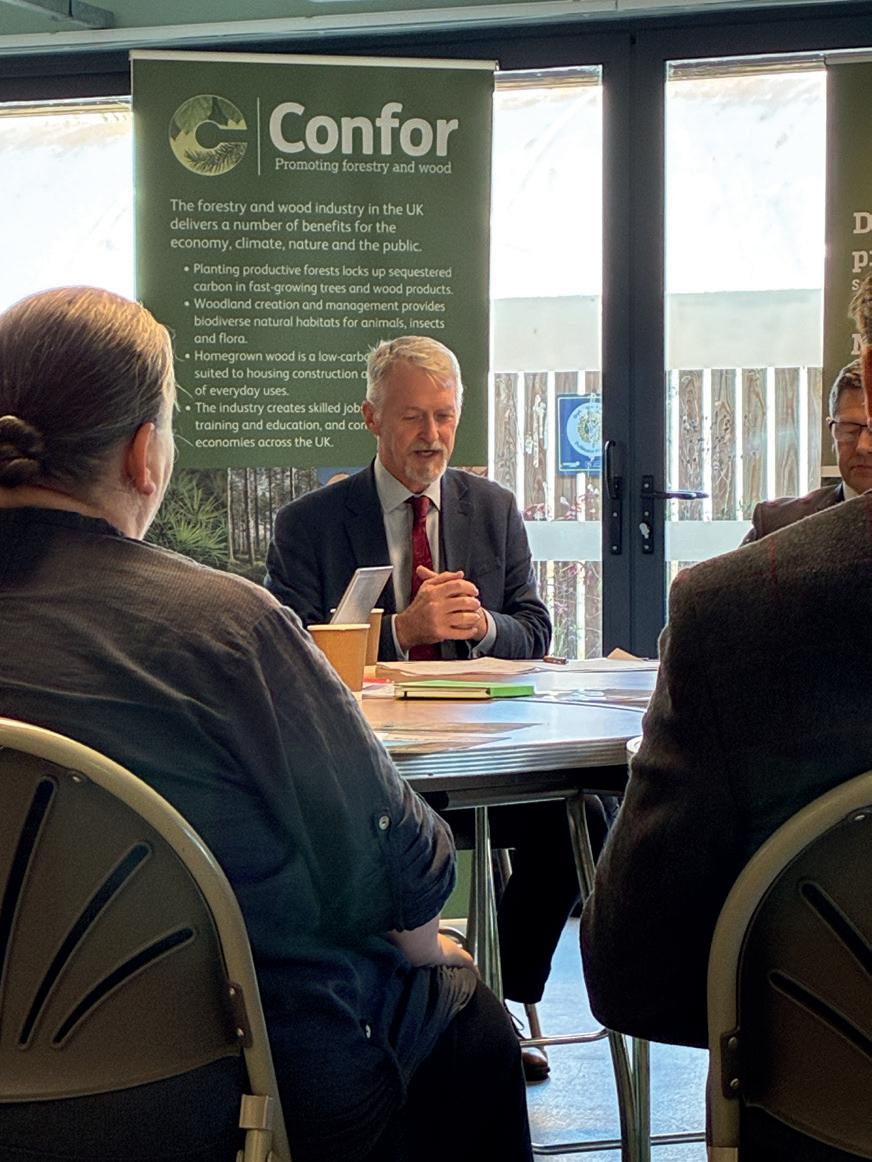
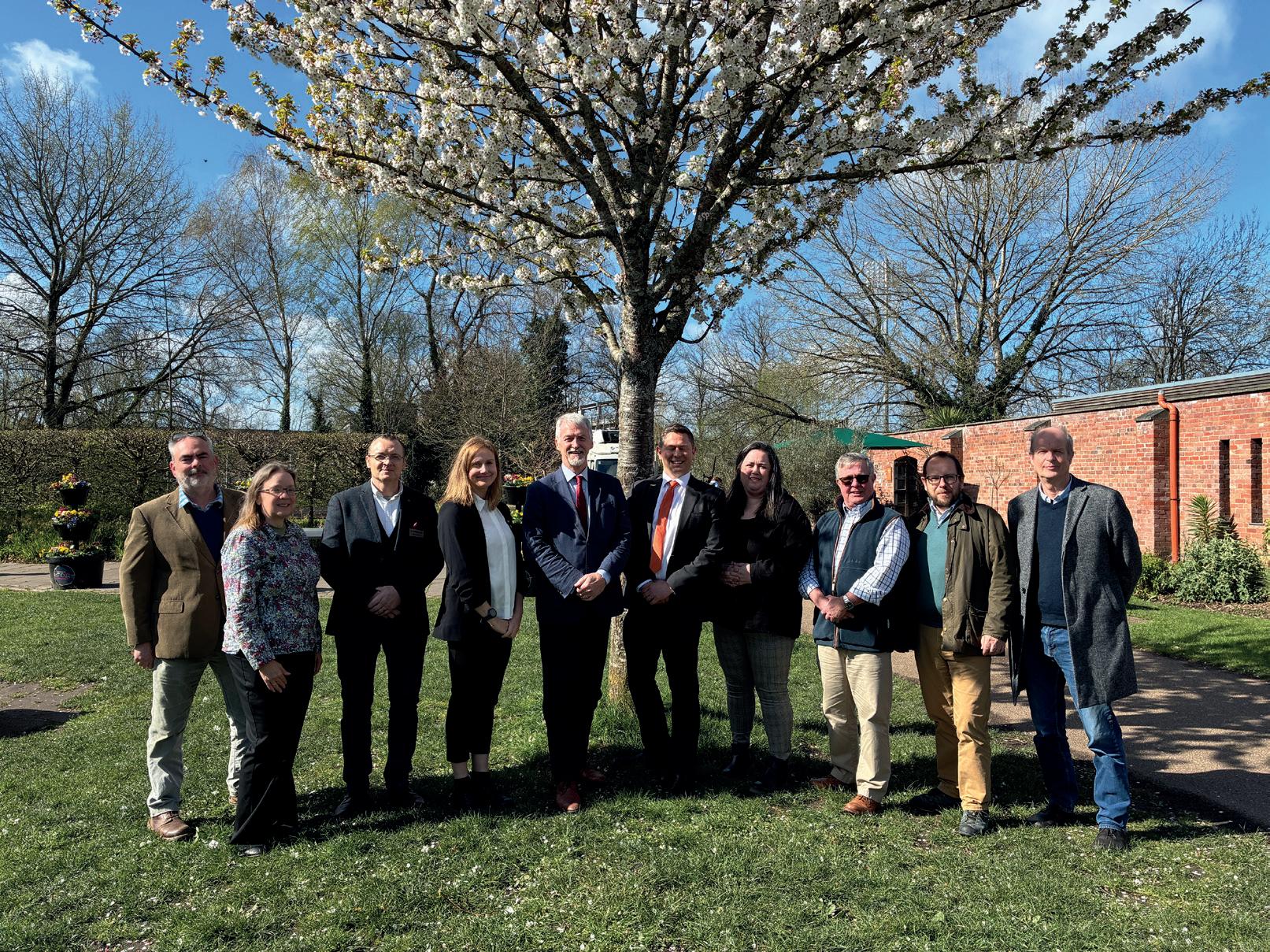
Government and the forestry and timber industry.
The foundation of the ILG is one of the objectives detailed in ‘Making Wood Work for Wales’, the nation’s first Timber Industrial Strategy. Chairing the meeting, the Deputy First Minister highlighted the priorities of the strategy: greater use of timber in construction, supporting new investment, creating jobs and recruiting skilled workers, and improved carbon outcomes.

Our Confor Dinner & Awards 2026 has now been and gone. To those that attended we hope you enjoyed it! As always, it’s such a pleasure to see the room full of enthusiasm and positivity about the industry. A shout out to Suffolkbased Shaun Clifford for creating the amazing awards we had commissioned
for the event, and to Angus Clyne in Perthshire for providing some lovely pieces.
Looking ahead, we have the Royal Welsh Show in July and the APF in September to look forward to. If you are interested in any sponsorship or promotional opportunities, please get in touch with members@confor.org.uk.
We hope to see many of you at these events!
We also have confirmed our Policy Conference date for 3 December 2026, so keep this in mind for your diary!
Confor National Manager for Wales Elaine Heckley MICFor called the launch of the ILG a “massive step forward” for the industry in Wales.
She added: “The enthusiasm and excitement was almost tangible - Wales is very lucky to have such strong leadership from our industry I am truly excited to see how we can grow, break down barriers and flourish into the industry Wales needs: a carbon negative, green economy with numerous green jobs.”
As always if you have any queries regarding your membership, reach out to me at eliza@confor.org.uk.
Welcome to our newest members
Scotland: Rhizocore Technologies Ltd, Adam Kleckowski.
Wales: Owen Environmental Ltd, Alexandra Carragher, Lucy Mwale, Sophie Gammon.
England: Rachel Griffiths, Leah Winstanley, Rory Leece, Jolyon Limbrick, Rachel Kuusela, HJL Forestry Limited, Fry Hopkins, Daniel Hodder.
Building on their groundbreaking campaign to champion UK timber, the country’s three largest sawmillers have now announced a partnership with the country’s leading construction industry bodies.
As a collective, the C16 Campaign is now working strategically with the Royal Institute of British Architects (RIBA), Royal Incorporation of Architects in Scotland (RIAS) and Institute of Structural Engineers (IStructE).
Aimed primarily at architects and structural engineers, the renewed campaign seeks to raise awareness of the benefits and strategic importance of domestically grown and manufactured timber across the construction industry, reducing the UK’s reliance on imported materials.
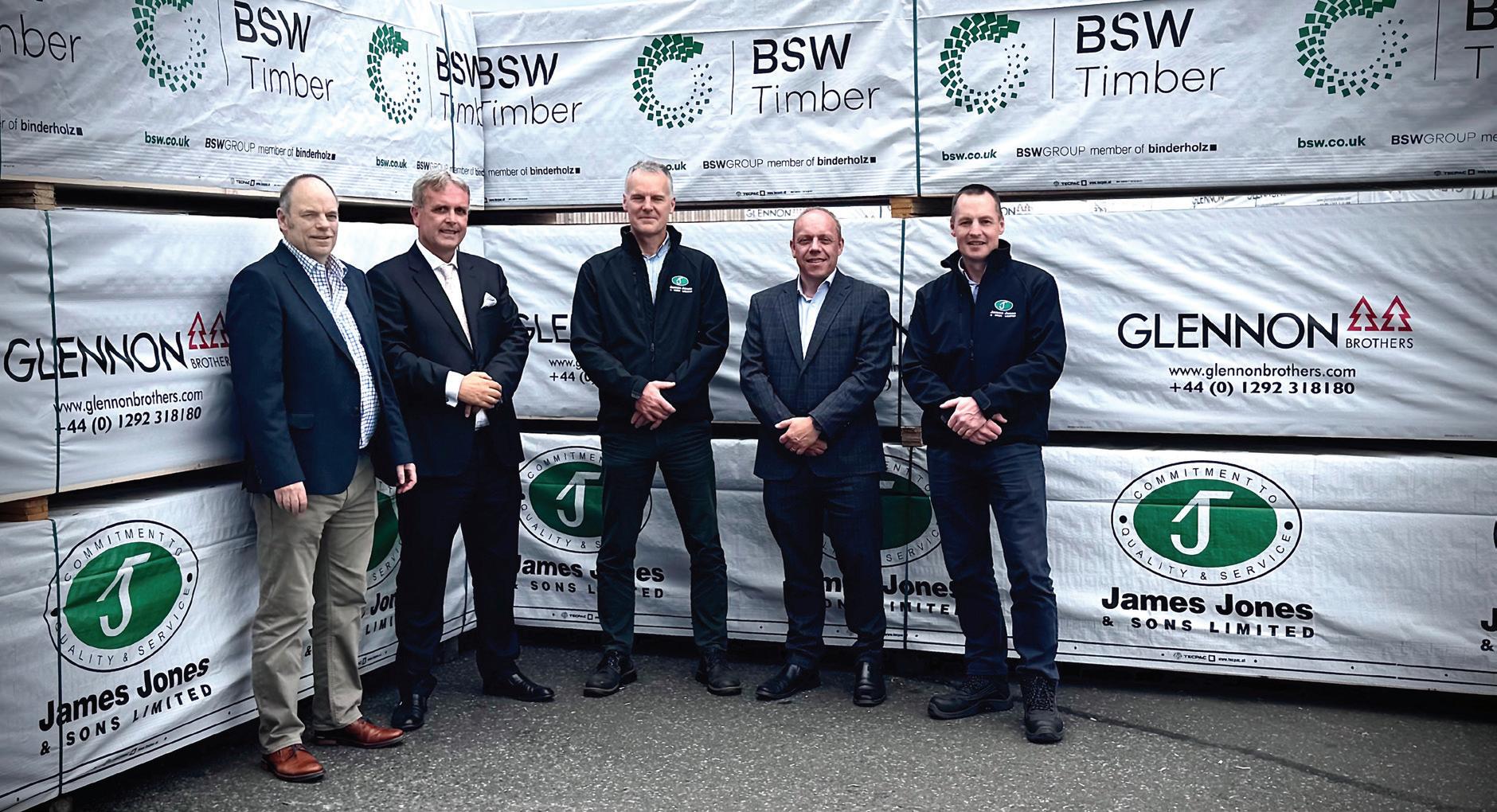
imports and futureproofing the UK’s supply.
Last October – in an industry first – BSW Timber, James Jones & Sons, and Glennon Brothers joined forces in a landmark collaboration, calling for collective action to rebalance supply chains and futureproof the UK’s timber supply. Reflecting their continued commitment, the trio will now work alongside the UK’s leading bodies of architects and structural engineers to ensure that homegrown timber is understood and specified throughout the construction process, from design and planning through to the build stage.
Despite the UK having a world-class sawmilling industry, it is the secondlargest net importer of forest products globally, with 80% (worth £9 billion) of its requirements imported annually. This over-reliance on imported timber not only weakens our domestic industry, but also undermines environmental progress, contributes to unnecessary carbon emissions, and reduces the potential for rural job creation.
Targeting architects and structural engineers through a series of educational events, such as a landmark report and industry roundtables, this campaign will continue to bolster knowledge and support for reducing reliance on timber
At the heart of the campaign is C16 graded timber, grown and manufactured in the UK. C16 timber is suitable for most standard construction applications, offering strength, versatility, and lower embodied carbon than many imported alternatives, such as C24 timber. As a renewable, biophilic material, it supports wellbeing and contributes positively to the built environment, which currently accounts for around 25% of the UK’s carbon emissions.
John Ward, Corporate Partnerships Manager at RIBA, said: “We are delighted to be aligned with the Trust UK C16 Timber Campaign. We look forward to supporting the delivery of this important initiative to the architectural community, highlighting the economic and sustainability benefits of growing, manufacturing and specifying UK-grown timber.”
A spokesman at RIAS added: “Confor is a valued partner of the Royal Incorporation of Architects in Scotland, and a crucial voice in promoting the use of timber as a beautiful and sustainable building material. We are delighted to support the C16 Campaign, and to help raise awareness of the environmental and economic benefits of using UK timber.”
Since its launch late last year, the campaign has seen unprecedented support from industry stakeholders, the media and political figures alike. Acknowledged in ministerial speeches,
it supports the UK Government’s Timber in Construction Roadmap, alongside environmental and economic goals. Backed by leading trade bodies Confor (Confederation of Forest Industries) and Timber Development UK (TDUK), the initiative is a call to action for a more sustainable, economically sound future for the UK construction sector.
In her speech to the 2025 Confor Policy Conference, Minister for Nature Mary Creagh MP said: “I want to acknowledge the C16 campaign – a powerful example of how industry can lead the way in driving progress.
“This collaboration to promote the use of domestically grown and manufactured timber supports the Timber in Construction Roadmap and aligns with national goals for decarbonisation, economic growth, and forestry expansion.”
Stuart Goodall, Chief Executive at Confor, added: “The response we’ve seen to our campaign so far has been staggering, which really goes to show the impact we can make when we unite as an industry.
“We’re delighted to be extending this collaboration to IStructE, RIAS and RIBA, the UK’s leading bodies for structural engineers and architects.
“If we want to futureproof our domestic timber supply for the built environment, and become more selfsufficient, it’s vital to have buy-in from the planning stages, all the way through to completion. We’re excited to continue bringing UK timber to the forefront.”








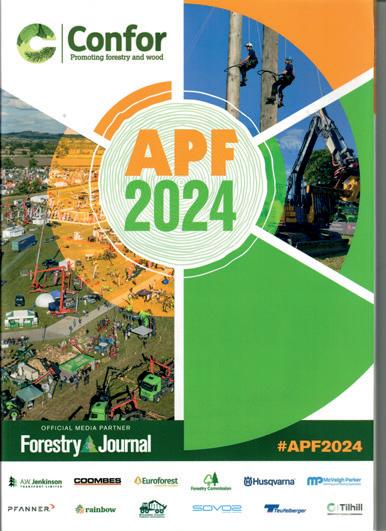
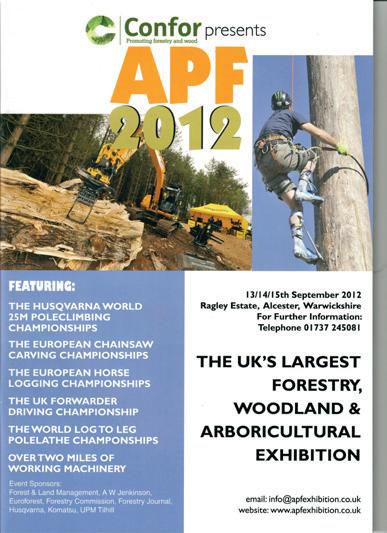
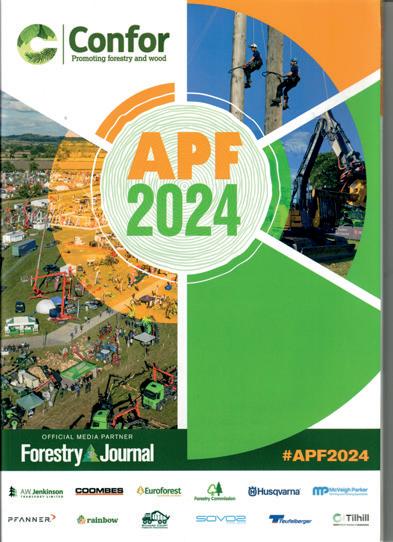
Ian Millward, APF Exhibition Secretary, gives us a preview of what to look forward to at this year’s show.
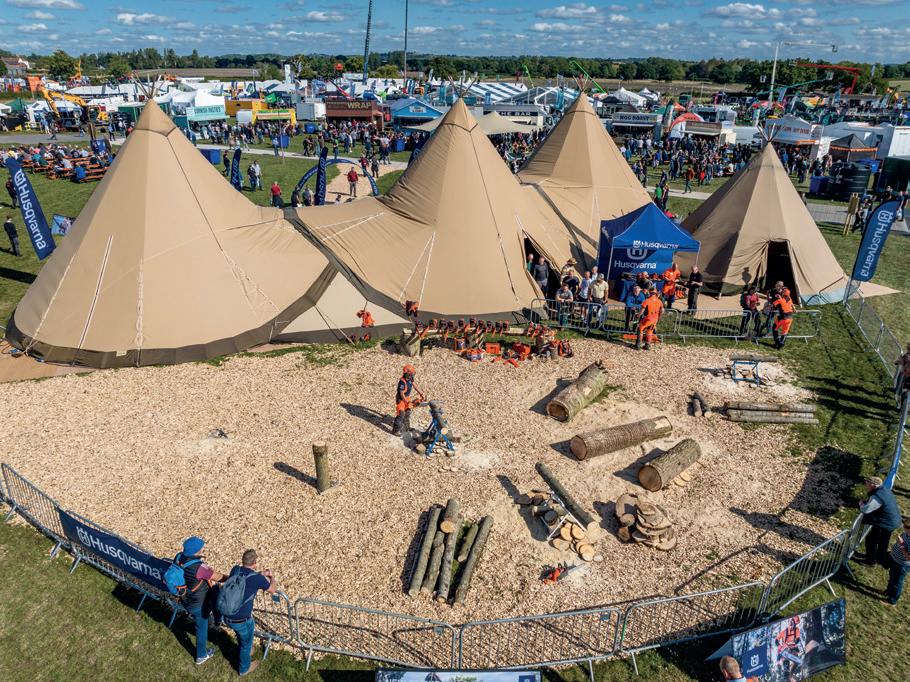
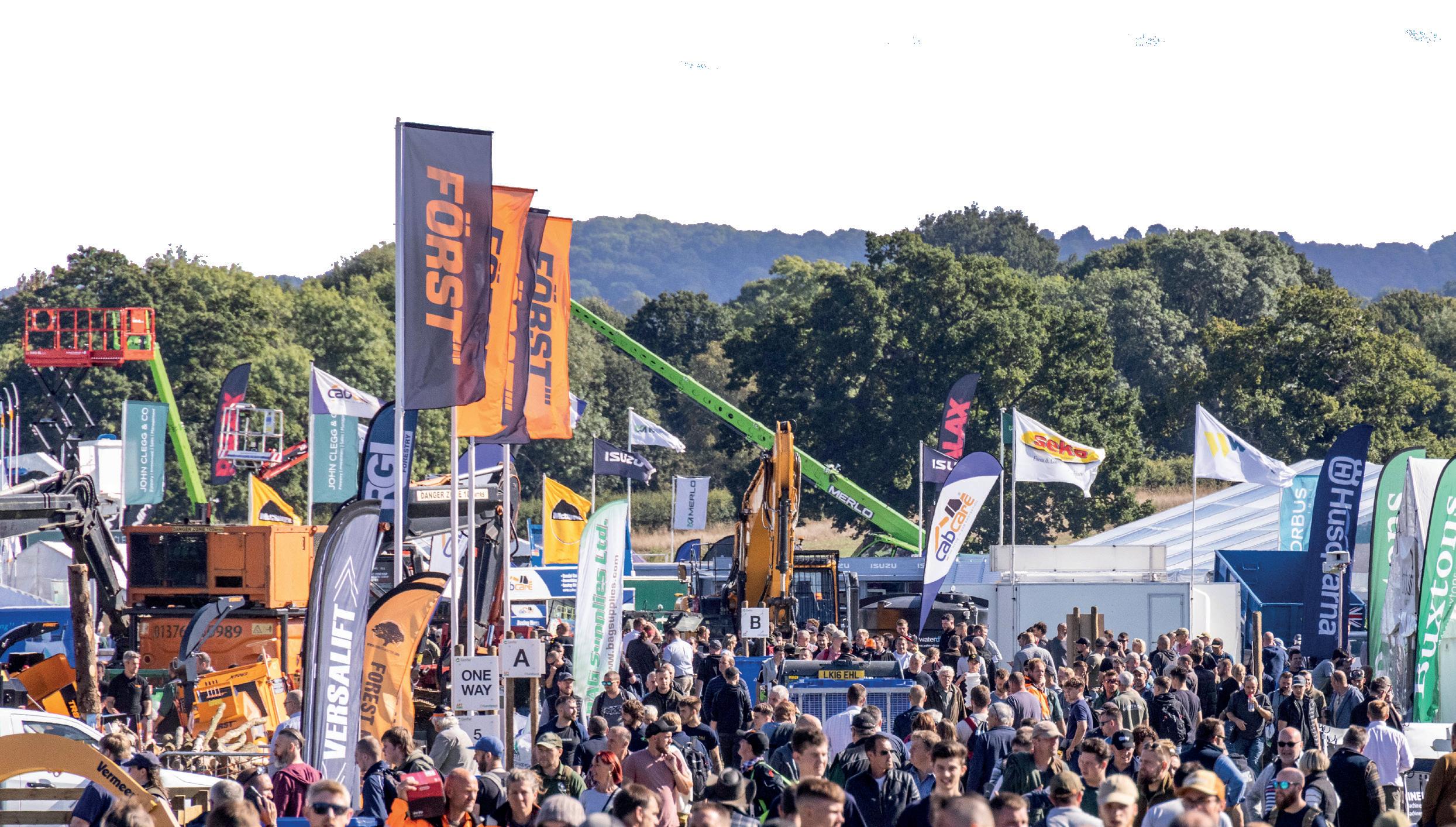
This 50th Anniversary event is set to be the biggest show yet. Although still five months away, exhibitor bookings are well ahead of APF 2024. The 2,000m demonstration circuit is already over 90% booked and is likely to sell out very soon. £90 million of machinery and equipment will be on show.
There are more events and competitions to watch and take part in than ever before. The AW Jenkinson European Chainsaw carving competition has attracted a record number of applicants, and it was a very hard job whittling these down to the successful
25 competitors. There will also be a world class line up of carvers, including many previous winners of the APF competition and other international events.
The World 25m Pole Climbing Championships, sponsored by Husqvarna, will have a high class field and the real prospect of the world record being broken, with several climbers capable of breaking the magic 10 second barrier.
The UK Forwarder Driving Competition sponsored by Richard Court Forestry Engineering and Coombe Forestry Ltd has a new, spectator friendly location. Over 50 competitors took part in 2024, and we hope this figure will be exceeded this time.
APF Demo is always keen to do anything we can to attract new people into the industry and show them the wide range of jobs available. As part of this, anyone over 14 years of age will be able to have a go driving a state-of-art forwarder under the expert eye of an instructor. A fantastic, unique opportunity.
There is a new competition to test the skills of winch operators. A two-man

team will need to choker a number of logs and winch them safely around obstacles and up a hill against the clock. A competition never before run in the UK!
For the Arb sector, the APF UK Speed Climbing Competition returns with sponsorship from Teufelberger and Solidur, and some great prizes. Teams of two will battle against the clock for the title of the fastest climbers in the UK. This will form the heart of our new Arb Worker Zone with lots of other displays, technical workshops and product demos. There may even be a live podcast from the show!
If you have ever fancied competiting in the World Logging Competition and being part of the UK team, then we are offering you a unique opportunity to learn about and practice the chainsaw skills needed in the five disciplines of the event. In the Husqvarna arena on all three days, you will be able to have-a-go and learn from experienced instructors and members of the current UK team as you try your hand using the latest Husqvarna kit.
Our Fencing Village is the largest

yet with all the main suppliers booked in to demonstrate the latest machinery, equipment and materials. There will be the British Fencing Championships for both speed and for traditional fencing on the Thursday and Friday of the show.
Tilhill Forestry are sponsoring our Schools & Careers Initiative, the Forest Worker Zone and the Seminar tent.
John Bruce, Confor National Manager for England, is working closely with Tilhill Forestry to put on a great series of topical seminars that will bring you up to date with all the latest news in the industry.
John is also working hard to make the Confor tent a lively and inviting place to visit. The Confor stand will be larger than ever before with many of the Confor team available to answer your questions. They also promise to have decent coffee available!
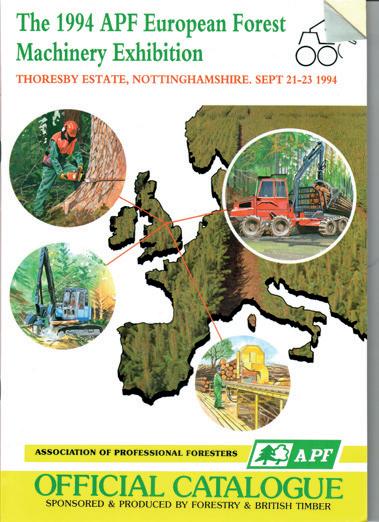
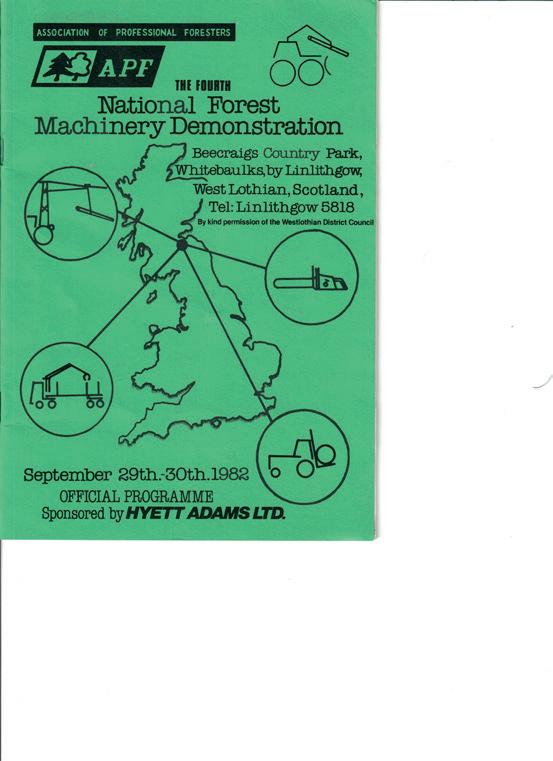
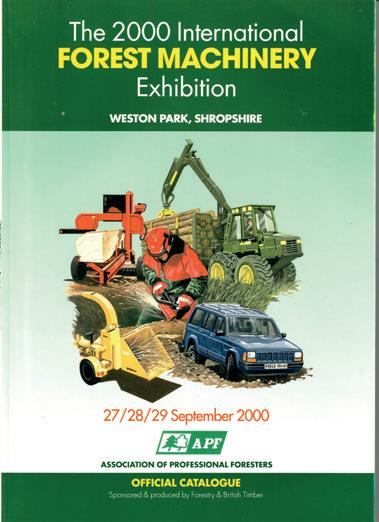
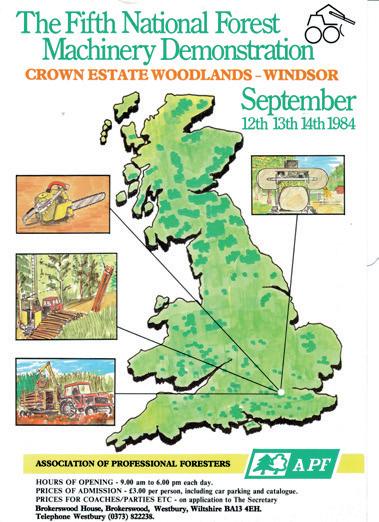
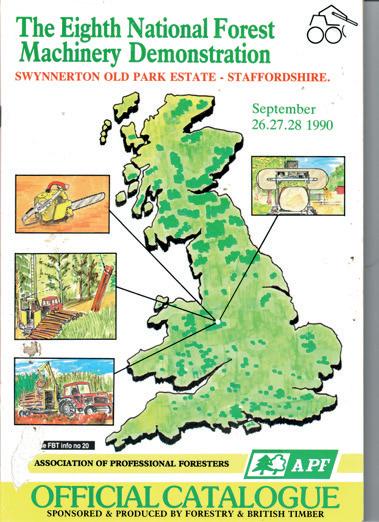
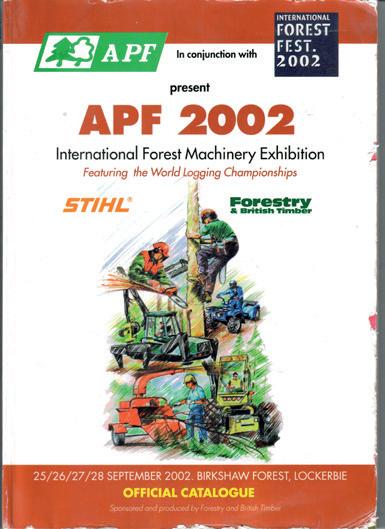
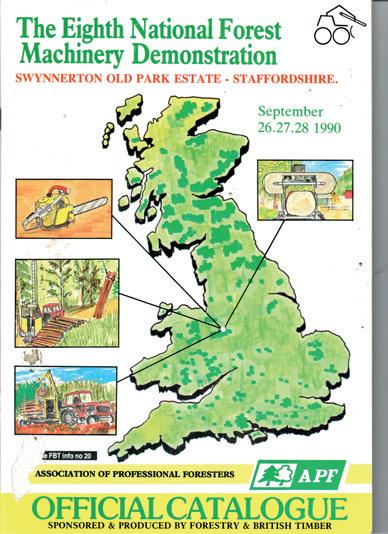
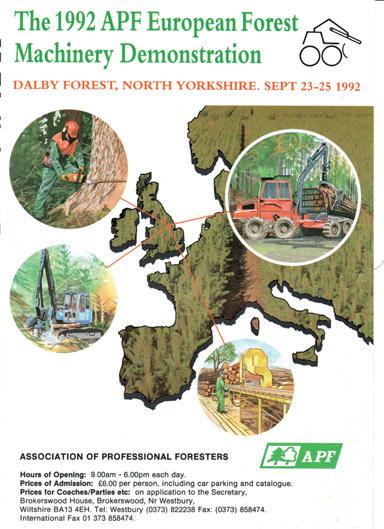
Within the tent will be an exhibition to celebrate the golden anniversary of the APF Demo, 50 years since our first show at Longleat in 1976. Displays of old catalogues, photos of APF teams from shows gone by and displays of 50 year old equipment to show how the forestry world has changed. There will also be a booklet detailing the history of the APF show through the years.
We are still missing the catalogues from 1978 at Lowther and 1986 at Clumber Park. If you have copies of either, any old photos, or stories you can share with us, please get in touch.
Remember Confor members do get into the show free of charge; a great feature of your membership. Other ticket options can be booked on our website now. Block out 24-26 September in your diary!
info@apfexhbition.co.uk
, Confor Deputy Chief Executive, shares an overview of the findings in the recently published 50-year Forecast of Softwood Timber Availability.
n response to industry concerns about lobbied successfully to bring forward a 50-year softwood availability forecast for
Therefore, we welcome the 2026 50year forecast of softwood availability as a vital insight into future timber supplies that will inform investment decisions in production forestry and the wood using industries in the next few years.
The report is based on models and assumptions of how we will manage our productive, principally conifer forests in the next 50 years and their predicted yield, so there is a level of interpretation required in the figures. For those of you who want to understand the report to its fullest, I would recommend you read the appendices first for more detail on the assumptions used in the models e.g. restocking models, treatment of overdue volume and felling age.
Confor welcomed the opportunity, provided by Forest Research, for industry to be directly involved in designing the methodology and evolving the assumptions adopted in this forecast.

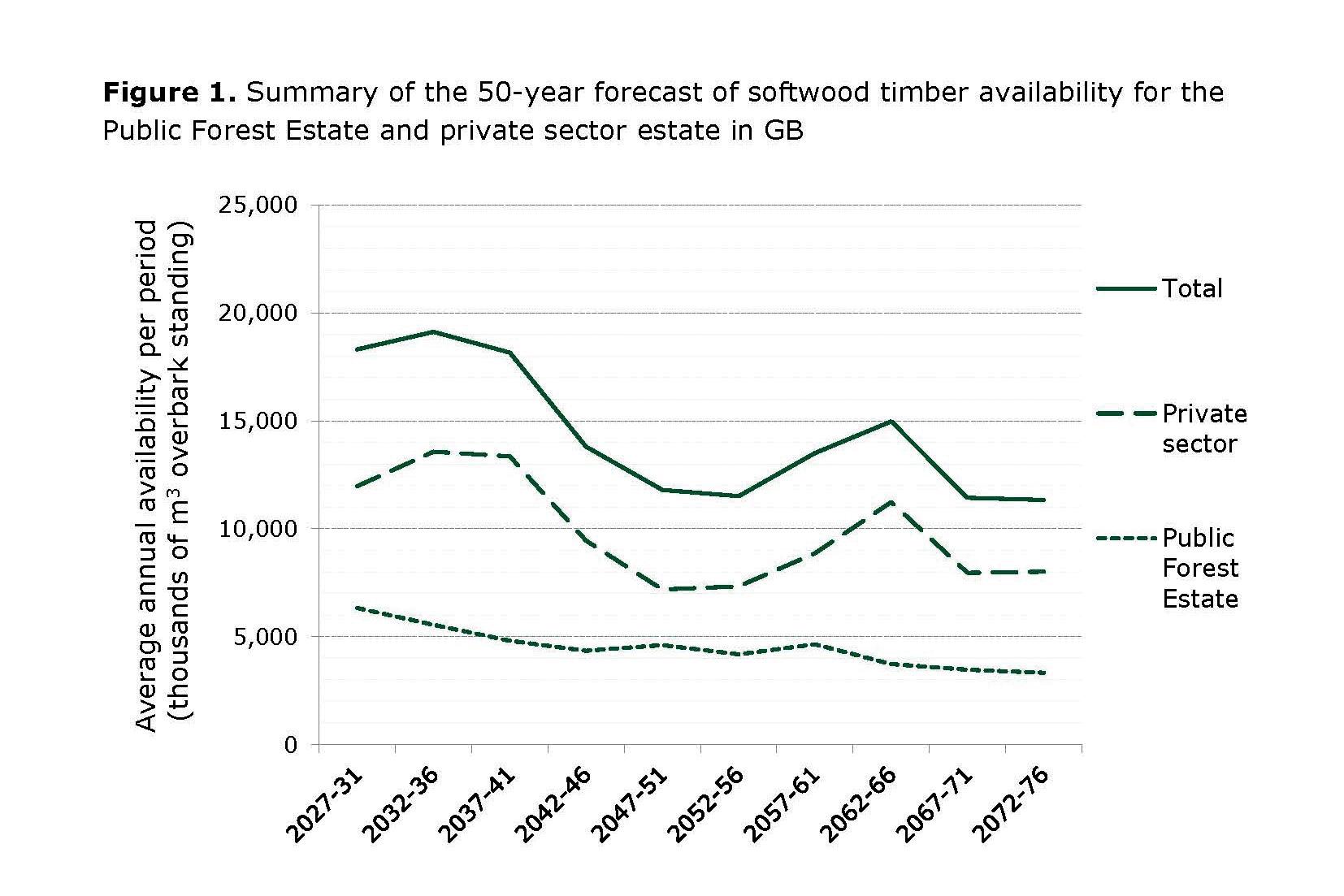
So, what does the report tell us? The headline figures are encouraging for the next 20 years or so, as they show potential softwood availability outstripping current and likely near-future demand.
For info, the annual harvesting figure for GB has been below 10 million tonnes for the last 10 years. In contrast, the figures in the report show clearly that softwood availability reduces significantly in the
second half of the 50-year period to below current demand level, which is alarming.
If the sector is to invest in additional processing and manufacturing to take advantage of the wood surplus in the next 20 years, we (public and private sector) must also take immediate steps to ensure the required level of timber production is sustained beyond that timeframe to secure the long-term viability of these investments, and the benefits of increased timber production and the use of long-life wood products.
This would also ensure we can achieve the timber related economic and Net Zero ambitions of all the GB administrations as laid out in recent publications, such as the Timber in Construction Roadmap, the Environmental Improvement Plan, and the Welsh Government’s Timber Industrial Strategy.
Action is also required if the UK is to tackle the increased risk to national security from a decline in homegrown timber production.
Confor will now bring together industry experts to review the forecast in more detail before engaging with the public sector at GB and country levels to discuss what strategic opportunities and challenges the forecast brings for a sustainable wood sector that provides more jobs, contributes more to national economies and contributes to achieving National Security and Net Zero targets.
I will report on the group’s findings in a future edition of Forestry & Timber News.


















Technical & Industry Support Manager Kate Palmer explains how Confor is strengthening forestry’s engagement with military leavers.
In March 2026, a three-day forestry taster event in Chirk, North Wales brought together military leavers to explore the forestry and wood supply chain. Building on similar events delivered in England and Scotland, the Wales event marked another step in a growing programme of engagement. What began as a series of standalone taster events is now evolving into a more coordinated, strategic effort to attract military leavers into forestry careers.
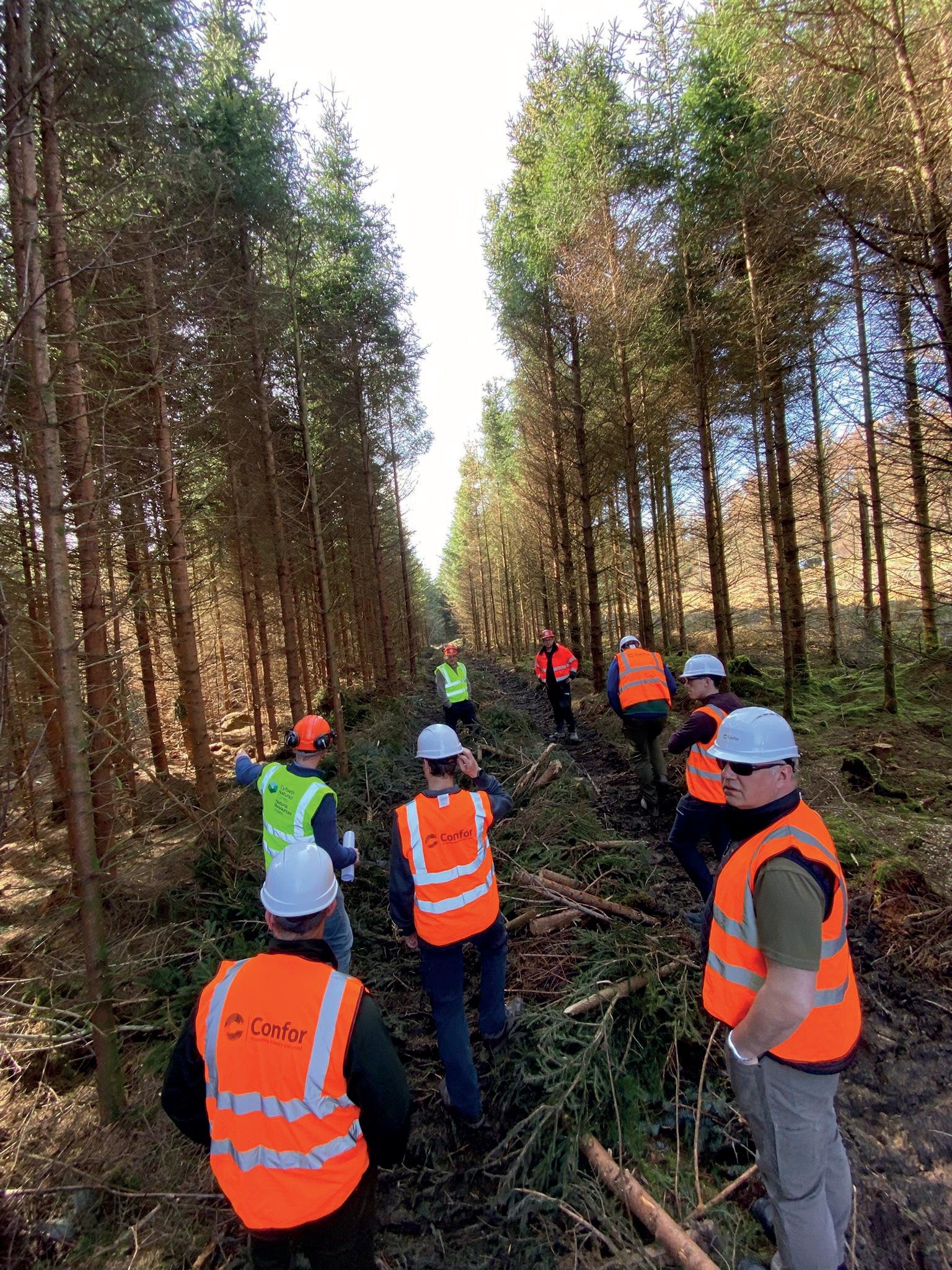
Delivered in partnership with organisations across the sector, the Wales event was designed to provide a practical and realistic insight into forestry. Over three days, participants moved from public forestry operations through to nursery production and timber processing, before focusing on career pathways and networking.
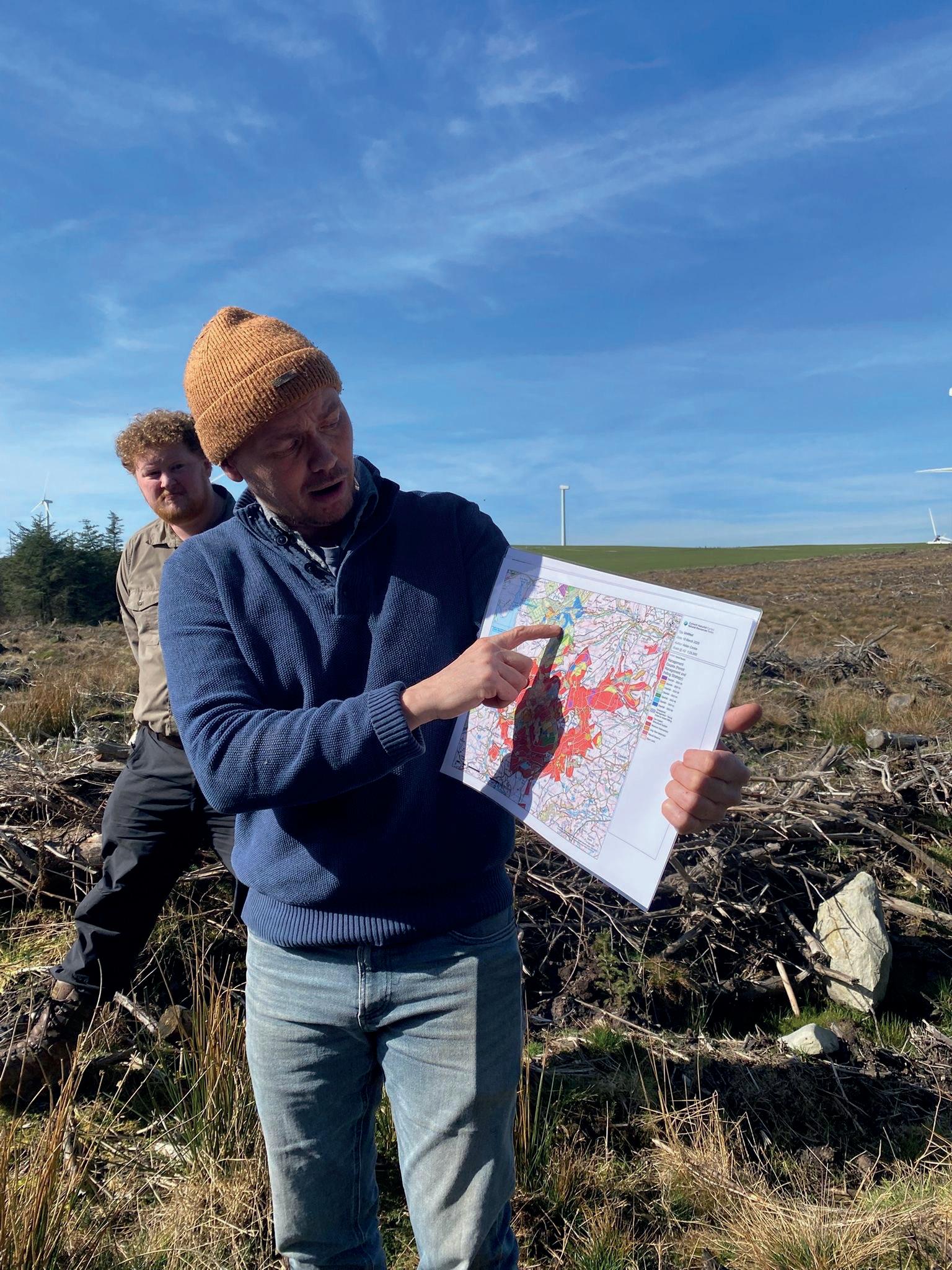
Day one, hosted by Natural Resources Wales in Clocaenog Forest, focused on public forestry, covering forest planning, restocking, environmental management, and resilience. For many participants, this was their first exposure to how modern forestry balances production with biodiversity and wider environmental objectives.
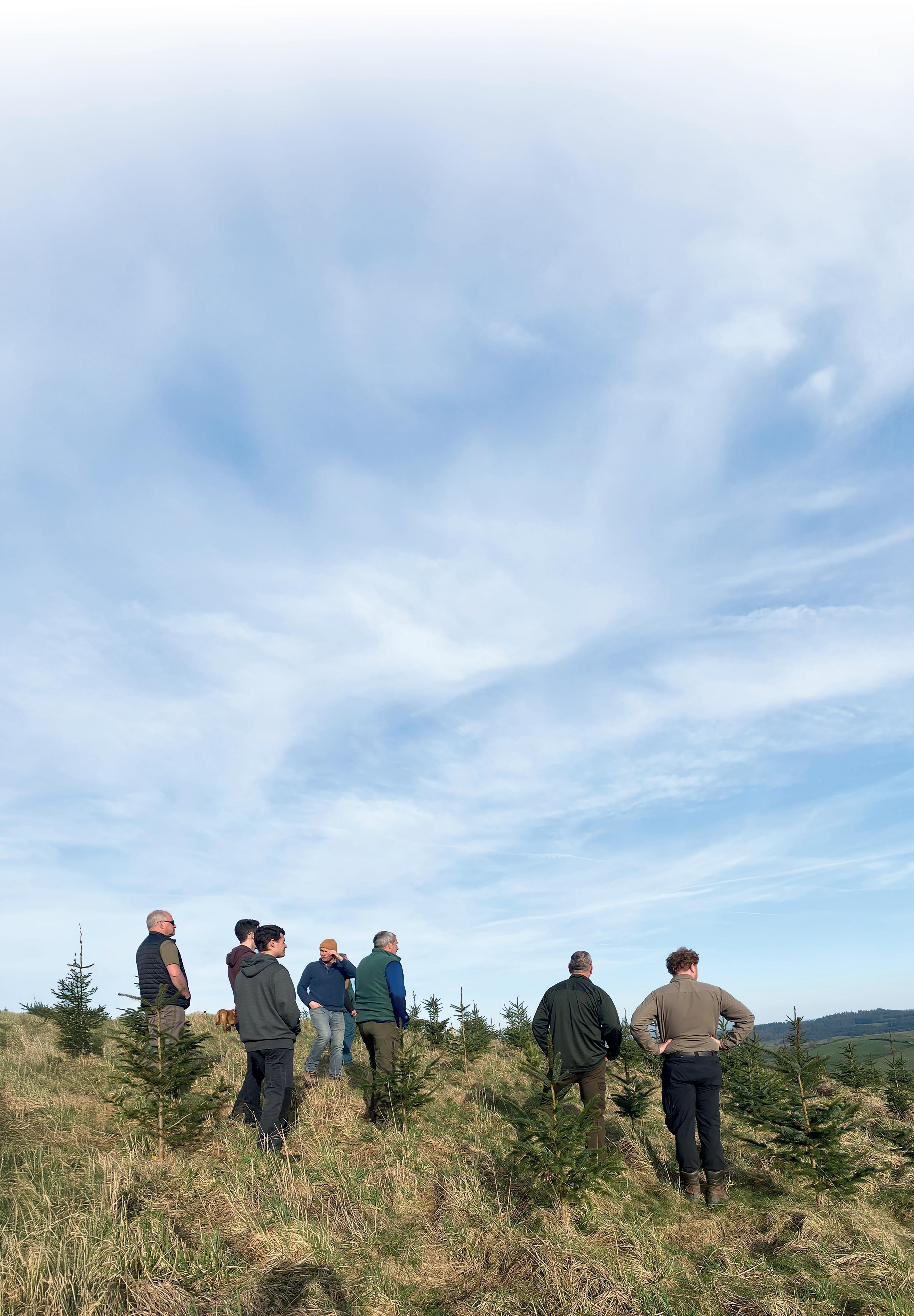
Day two followed the supply chain. At Maelor Forest Nursery, participants saw large-scale tree production, from seed sourcing through to logistics and plant health. The visit was further strengthened by a ministerial visit, highlighting the wider policy and government interest in both woodland creation and workforce development. This was followed by a visit to Ransford’s Sawmill, where timber moves from log to product. For many, this end-to-end view was a key moment in demonstrating that there are opportunities across the different stages of the supply chain.
The final day focused on careers, training, and transition. Presentations from service leavers already working in the sector were particularly impactful, helping to translate forestry roles into something tangible and achievable. This was supported by input from training providers, machinery specialists, and estate managers, before concluding with a networking lunch linking participants directly with local members.
Feedback from the event was consistently positive. Participants valued the opportunity to see operations firsthand, engage directly with professionals, and understand how their existing skills could transfer into forestry roles. For
many, the event reframed forestry as a credible and attractive career pathway, something that had not previously been on their radar.
This low baseline awareness is a consistent theme across all events delivered to date. While the alignment between military skills and forestry roles is strong, awareness of the sector remains limited within the Armed Forces community. Once exposed, however, interest and engagement are high.
The Wales event reinforced several key insights. First, that seeing the full supply chain - from nursery to sawmill - is critical in helping participants understand the breadth of opportunities available. Second, that hearing directly from other service leavers is one of the most effective ways to build confidence and interest. And third, that direct engagement with employers creates tangible next steps, turning interest into action.
However, while these events have proven effective, they also highlight a broader challenge: on their own, they are not enough.
The forestry and wood supply chain is facing a growing skills challenge. At the same time, thousands of individuals leave the Armed Forces each year with
A key focus is improving visibility, ensuring forestry is seen as a viable and accessible career option within military transition pathways.”
highly relevant skills and experience. Bridging this gap requires more than one-off engagement, it requires a structured, long-term approach.
This is the context for the newly developed military leavers strategy funded by the Forestry Commission, which sets out a coordinated four-year plan to move from awareness-raising to sustained workforce development. The strategy recognises that while taster events are a valuable entry point, they must sit within a wider system that includes clear career pathways, employer engagement, and ongoing support.
A key focus is improving visibility, ensuring forestry is seen as a viable and accessible career option within
military transition pathways. This includes targeted communications, stronger engagement with transition services, and the use of case studies to demonstrate real career journeys.
Equally important is the development of clearer entry routes. Forestry offers multiple pathways, from short training courses and apprenticeships through to direct employment, but these are not always easy to navigate. Mapping and communicating these routes, within the framing of any available MOD funding, is essential to reducing barriers to entry.
Employer engagement is another critical component. While many forestry employers recognise the value of military skills, not all have experience in recruiting or supporting ex-service
personnel. The strategy therefore includes practical measures to build employer confidence, including guidance, toolkits, and opportunities for direct engagement with candidates.
What emerges is a shift from a series of successful but discrete events, to a more integrated talent pipeline approach, building upon the taster sessions to connect awareness, access, and employment.
Forestry has a clear opportunity. The alignment with military skills is strong, the need for a skilled workforce is growing, and the wider contribution of the sector is increasingly recognised. The next phase is a sustained, strategic pipeline of skilled individuals entering and progressing within the sector.


The University of Cumbria is home to the National School of Forestry and has a strong reputation for producing award-winning professionals who now occupy some of the most senior positions in the forestry and woodland sector.
To discuss your training needs and how to sponsor your employee on the apprenticeship, request a call from our business team.
Email: apprenticeships@cumbria.ac.uk
Call: 01228 888726

David Bole, Head of Sector Capacity and Green Economy at the Forestry Commission, revisits the priorities of the Forestry Sector Skills Plan and details what actions have been taken to tackle skills gaps in the industry.
Research commissioned by Defra in 2024 (UK Forestry Workforce & Skills Research - KT0201) confirmed that forestry faced a looming crisis in skills. As many in the sector look to retirement, there are not enough new people joining to replace them. The research proposed that the UK needs to recruit around 600 people per year just to maintain the current workforce.
But who are those people and what skills do they need?
Much is expected from our forests: a secure domestic timber supply, increasing biodiversity, flood protection, climate change mitigation and providing a place for outdoor recreation. Recognising that trees and woodlands can deliver so much for society and the environment, our government set itself a legal target to
expand the area of woodland to 16.5% of total land area by 2050.
If our sector is going to deliver against these priorities and expand what we are doing, we need skilled people. Whether planting or harvesting, assessing ecological impacts or planning a new forest, we need people who are competent and confident in what they are doing both for society, industry and the environment.
Working together to tackle the skills crisis
In 2024, representatives from across the sector came together to address this challenge. Led by the Forestry Commission and working with a small steering team, the Forestry Sector Skills Plan was published in May
2025. Organisations from across the sector - education, commercial forestry, representative bodies, environment organisations and government - brought expertise and resources to begin delivering concrete actions to address the challenge.
The plan sets out a series of actions under five priority themes with the aim of transforming skills from being a crisis to being an example to other vital but relatively small sectors.
Whilst this is a 10-year plan of action, the first year has seen a great start and we can share significant progress already.
The Institute of Chartered Foresters (ICF)
Professional Forester Apprenticeship, Cannock Chase.
• Promotion and development of forestry careers and career pathways
• Increasing provision of training and education within the forestry sector
• Increasing equality, diversity and inclusion
• Improving standards
• Improving forestry workforce data www.charteredforesters.org/building-the-future-forestry-workforce
Harvesting at Haldon. Photo: Forestry England.
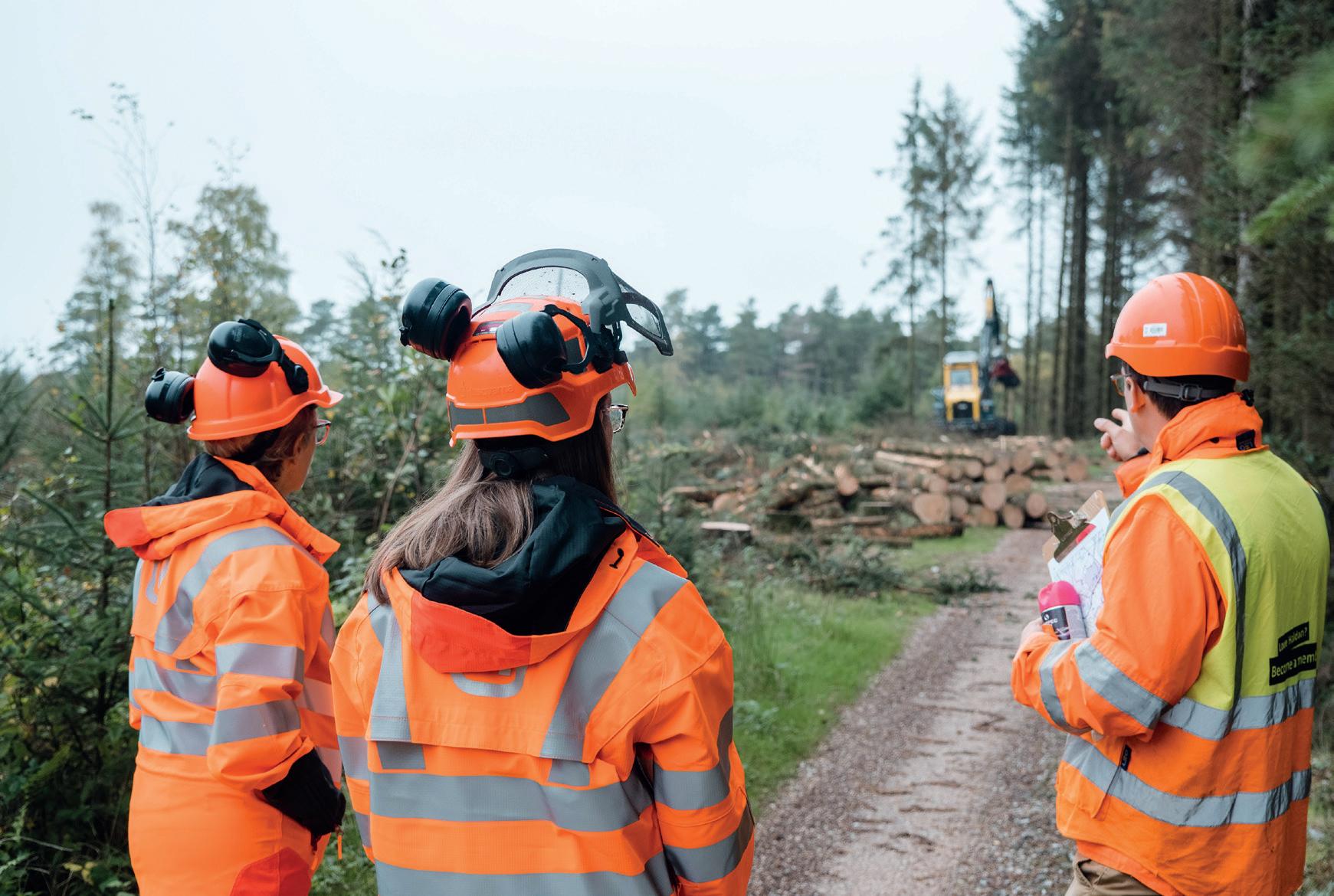
worked with the Forestry Commission and Springpod, to develop a virtual work experience platform. The programme Explore Sustainable Careers in Forestry: Virtual Experience has introduced over 1,200 young people to the breadth of careers available in forestry - many of whom had little or no prior knowledge of
By blending digital learning with
opened the door to new audiences
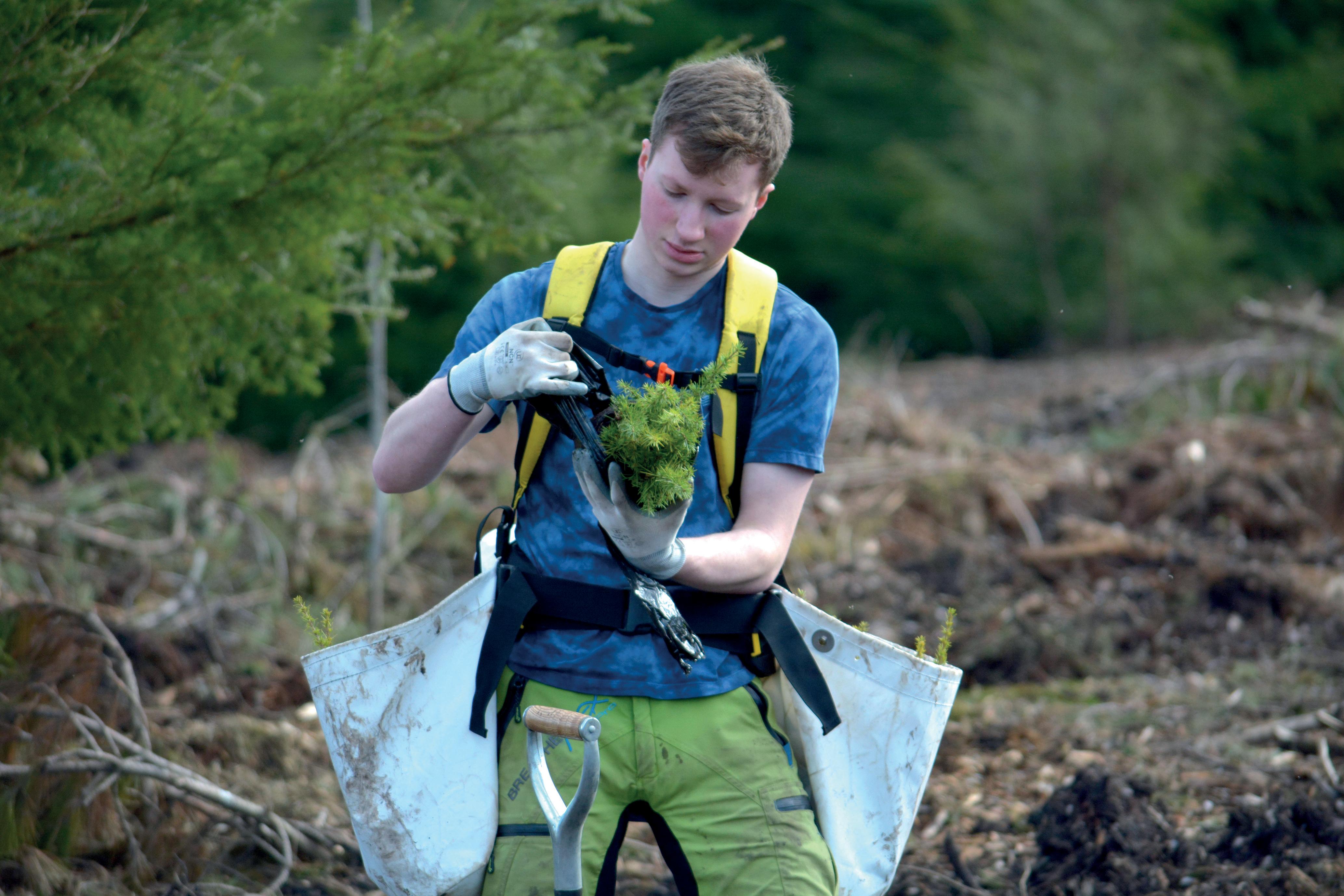
outreach. Participants have consistently highlighted how the programme has reshaped their perception of forestry, moving beyond stereotypical images towards understanding its scientific, environmental, and technical dimensions.
A Springpod user wrote: “Thank you so much for making this! It has really inspired me and shown me the amount of jobs just in the forestry sector, I am very grateful as I now feel more confident for finding a job I would like to do in the
universities on a taster module so that people considering degree-level study can experience a little of what a course in
As part of the wider commitment to inspiring and educating the next generation of foresters and arborists, the Royal Forestry Society (RFS) are leading on a new Forestry Ambassadors project in England and Wales through national organisation STEM Learning.
RFS is training new STEM Ambassadors to go into schools to talk about careers in forestry. Since the start of the project ambassadors have attended 15 events reaching 7,506 pupils, with a further 18 events that were scheduled to take place before the end of March. RFS now has 28 forestry STEM Ambassadors fully registered with over 30 more in the pipeline.
In England, the Forestry Commission is piloting a new approach to boost the number of Level 3 apprentices and remove some of the challenges faced by small to medium employers. Supplytrain, a flexible job apprenticeship agency, will act as the employer for a cohort of new recruits and place them with host businesses.
The scheme also allows employers to share apprentices. This reduces pressure of employing an apprentice for the whole term of the apprenticeship and allows
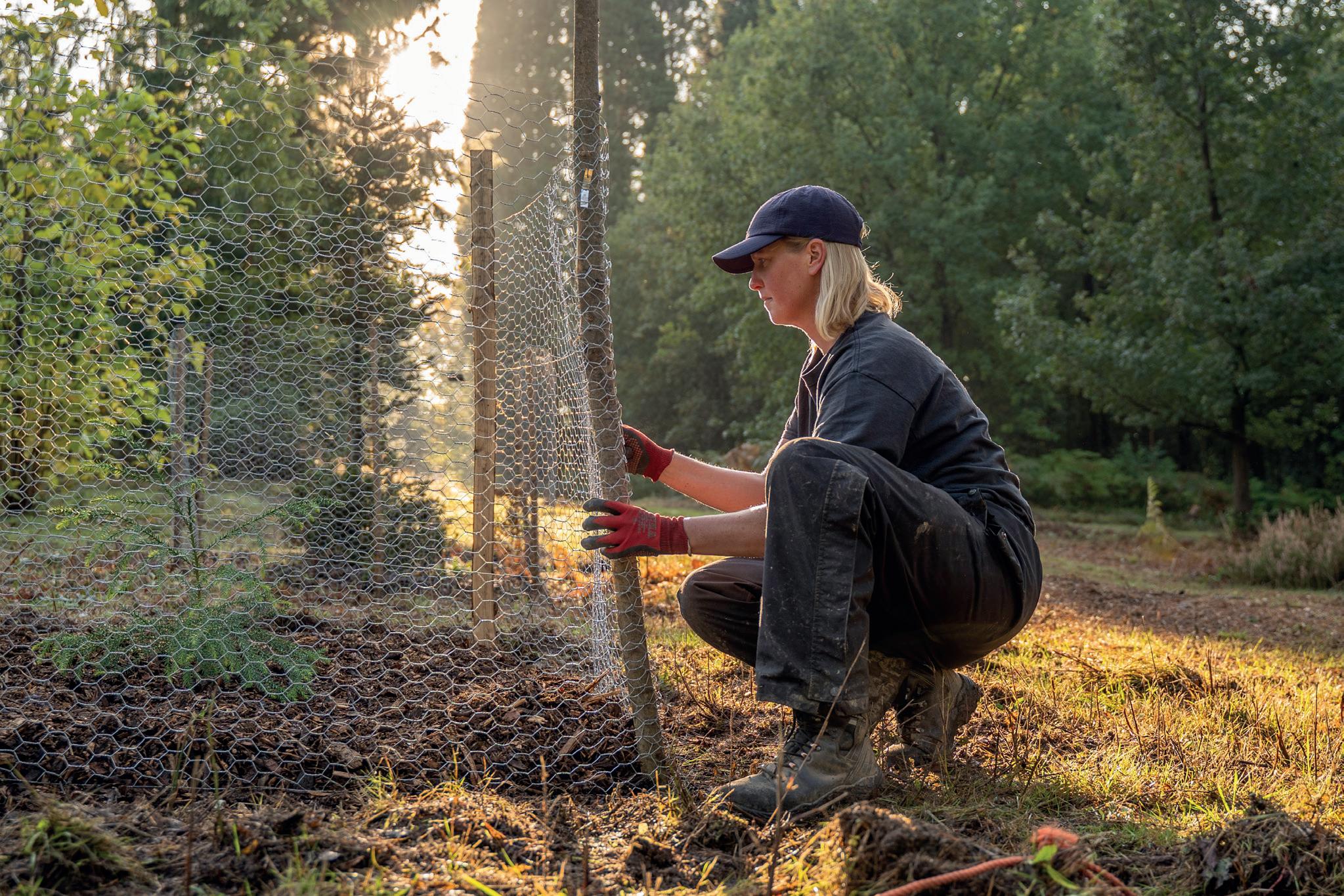
apprentices to move employers within their apprenticeship. The first cohort of these flexi-job apprentices will start later this year.
Mentoring the next generation ICF has launched a Mentoring Programme designed to connect earlycareer foresters and urban forestry professionals with some of the most experienced professionals in the sector.
The programme matches mentees with a mentor, based on their skills and interests. Through shared experience, guidance and conversation, the programme aims to strengthen skills, confidence and professional capability. Demand for mentors is currently outstripping availability. The programme has received over 80 applications from people looking for a mentor, and 65 experienced foresters offering to mentor. At the time of writing, 35 pairs have been matched.
The Forest Works Manager is a pivotal role, which currently does not have formal professional recognition.
The apprenticeships trailblazer group has brought together employers with a shared interest to work on the Forest Works Manager (FWM) apprenticeship as a Level 4 higher technical qualification. The group is also developing a ‘straight to assessment’ route for experienced workers.
An apprenticeship will allow new FWM’s to learn on the job and existing FWMs to be professionally recognised for their skills and experience.
The University of Cumbria is now recruiting new and existing FWM for these Level 4 qualifications. The FWM
apprenticeship qualification will also provide a simple route towards technical membership of the Institute of Chartered Foresters (TechICFor).
The first year is just the first step. Several pieces of work are just beginning to get going.
• Forest Research is working across the United Kingdom to design a census (due out this coming year) that will give us accurate and meaningful intelligence about the workforce now and its needs for the future.
• The Forestry Training Service (FTSUK) is being developed by Confor to tackle the gap in provision of machine operator training.
• Efforts to target military leavers, who are a good fit for working in forestry, are being led by Confor, as part of a workforce pipeline with structured routes into forestry careers for those finishing military service.
Bedgebury Team (left) Staff from Delamere team (below).
Photos: Forestry England.
• The ICF is leading on equality, diversity and inclusion and aim to create a plan to address this opportunity. We want the best talent working in the sector, and we need the sector to be a place that welcomes people from all backgrounds.
As we look back at the first year, the spirit of collaboration has been notable. Forestry workforce challenges do not stop at borders, and there are clear benefits to collaboration across England, Wales, and Scotland. Over the past year, constructive discussions have taken place to ensure alignment where appropriate, share insights, and learn from differing policy and delivery approaches.
Andy Leitch, Deputy Chief Executive at Confor noted: “We actually share a lot of common ground. As we have begun to deliver the actions in the Forestry Sector Skills Plan, it has crystallised where collaborative working brings efficiencies and more impactful outputs to the benefit of the sector across borders. We recognise huge benefits in working together.
“The plan has been strongly backed by Government and this has given industry the confidence to act as a key partner in this important programme of work.”
Louise Simpson, Executive Director of the Institute of Chartered Foresters said: “From ICF’s perspective, the skills plan has brought much needed clarity and structure. It has helped ensure the right people are around the table, with the right oversight, and has given the sector a clear route map. One year on, we can see that progress is being made.”
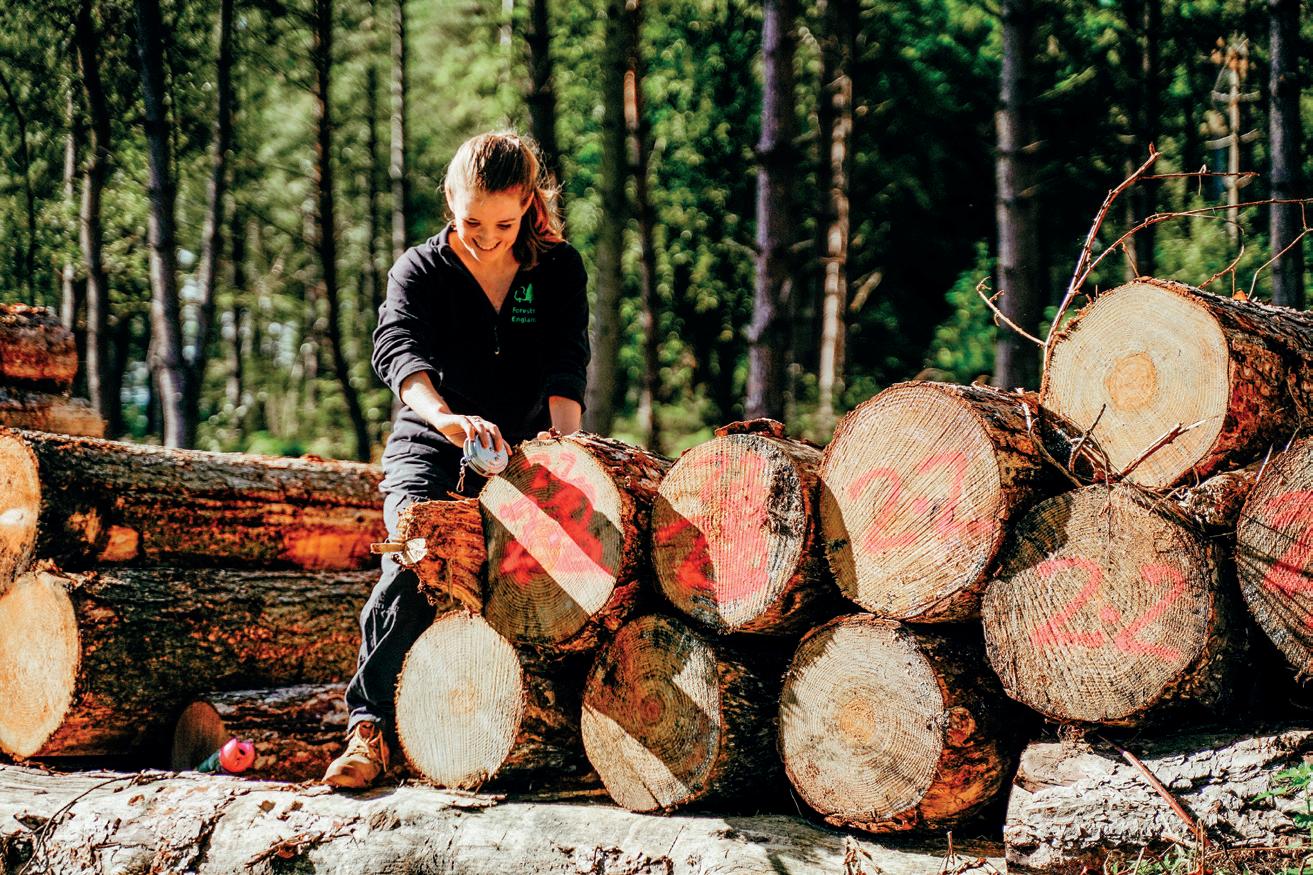
We can all play our part. We need more people entering the sector, especially at technical levels. Yet colleges are struggling to put courses on due to low numbers and particularly a lack of lecturers and trainers. Maybe it’s time for you to think about sharing your knowledge in an educational setting, or maybe you can consider taking on an apprentice, or signing up as a mentor?
If you can’t take this step, could you offer a short-term placement to a student and pass on some of your skills and
There are still major challenges ahead and we need to keep up the momentum in implementing the actions outlined in the Sector Skills Plan. Together we can build a talented forestry workforce fit for
Though still a fledgling organisation, Forestry
Training Service UK is making headway in closing the skills gap for forestry workers says Operations Director Melanie McEwen
Over the past quarter, the Forestry Training Service UK (FTSUK) has made strong and steady progress in its mission to raise skills, build competence and provide a coordinated approach to training across the forestry and wood
The Operations Director is guided by the Forestry Industry Skills Board (FISB), which brings together a wide range of highly skilled and knowledgeable industry and public-sector representatives. This group are supporting FTSUK to develop the structures and partnerships needed to facilitate and coordinate high quality training to grow a skilled, confident, competent and future
“The skill of the worker is their most valuable possession,” said Adam Smith, a famous thinker, philosopher and economist from the 1700s.
He studied how work was organised, how skills developed and how competence influenced output, recognising what we know - future productivity and prosperity in the forestry sector depends not just on resources, but on the skill, capability and productive competence of our workforce.
Forestry is challenging, dynamic and often high risk, and FTSUK is focussed on addressing gaps that exist in skills training, investing in practical competence and offering continuous professional development opportunities to build a safer, more productive and more resilient forestry sector.
Mandatory tickets provide an essential foundation and represent the start of a journey to competence. FTSUK has been created to address a market failure in training for some key skills required by our sector and our focus is on training that creates genuine learning experiences which build capability, confidence and professionalism.
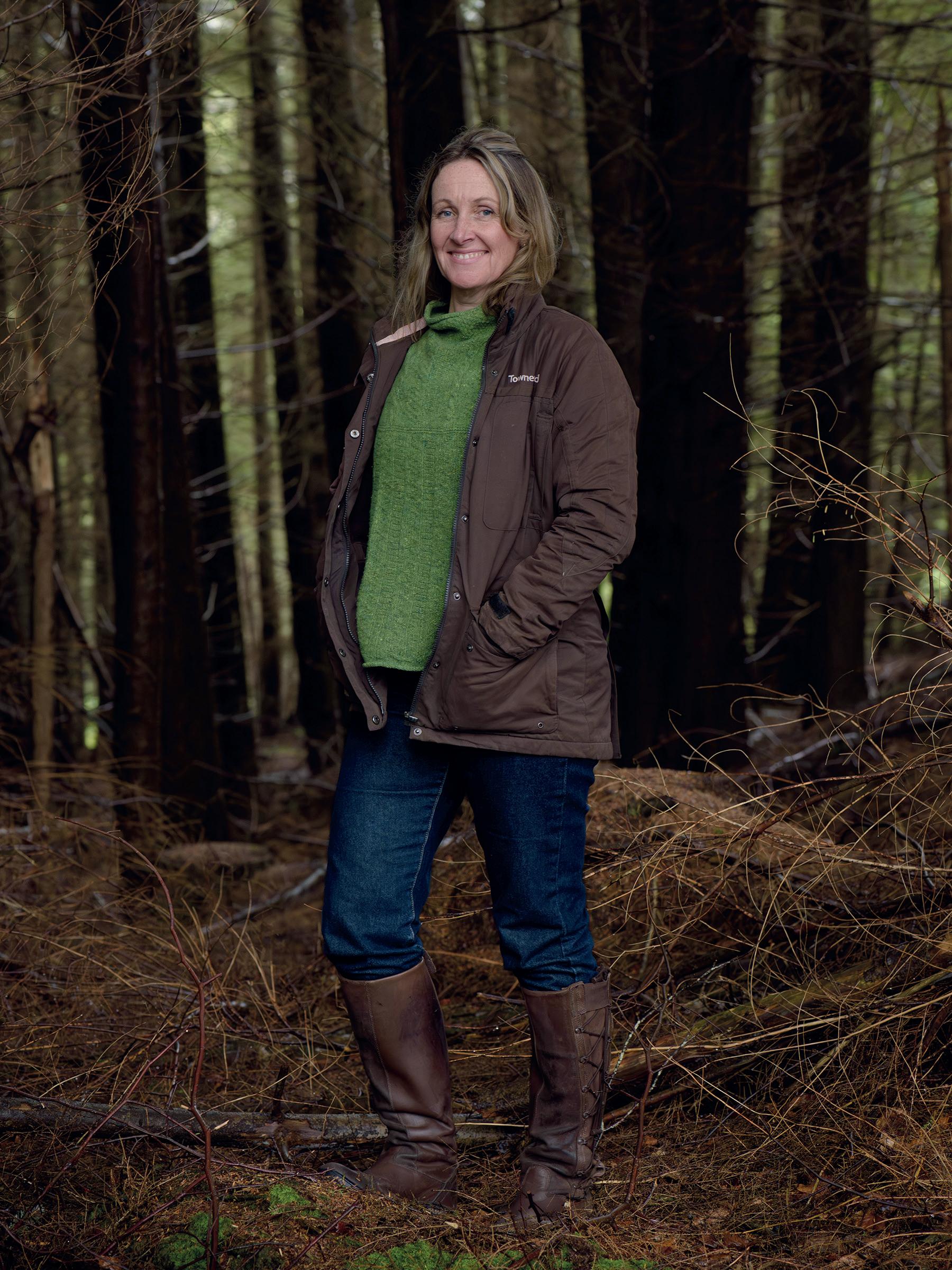
By involving skilled industry experts and drawing on the collective wisdom of the sector, FTSUK is aiming to embed a culture where practical skill, peer learning and professional pride sit at the heart of what it means to work in modern forestry.
training, as in all training delivered under the FTSUK standard, will be on competence and skills.
FTSUK training will build on the strong foundations that exist, developing broader skillsets which transfer to operational ability. Real skill, not just machines, drives productivity.
FTSUK’s approach to operator
development also recognises that true competence means understanding not just your own task and skillset, but how your work connects with the wide range of skilled people involved in successful harvesting - from those who plan and prepare the site, to the operators carrying out the work, and the teams who care for and replant the forest
By helping operators understand how their role connects with the skill and expertise of others, we reinforce the idea that good forestry is a shared effort, built on many different skills working together to safeguard the forest and deliver high
Another boost for entry level skills
FTSUK has also received funding to develop a Forestry New Entrant Programme for the South of Scotland and North of England, building on the success of the award-winning Forestry Operations New Entrants Programme delivered by the Scottish School of Forestry and the Foresight Sustainable Forestry Skills Training Programme in
The FTSUK course will be delivered by SRUC Barony with FTSUK coordination and backed by Foresight. on programme will support 12 new entrants with core operational skills, site visits and accredited training, with six progressing to an intensive skills block later in the
Designed with direct industry input, it ensures candidates emerge with skills, are “fit for work” and connected with potential employers from day one. We have had a broad range of applicants and are looking forward to an interesting few weeks of upskilling this diverse group of individuals, ready to start their journey in this rewarding sector.
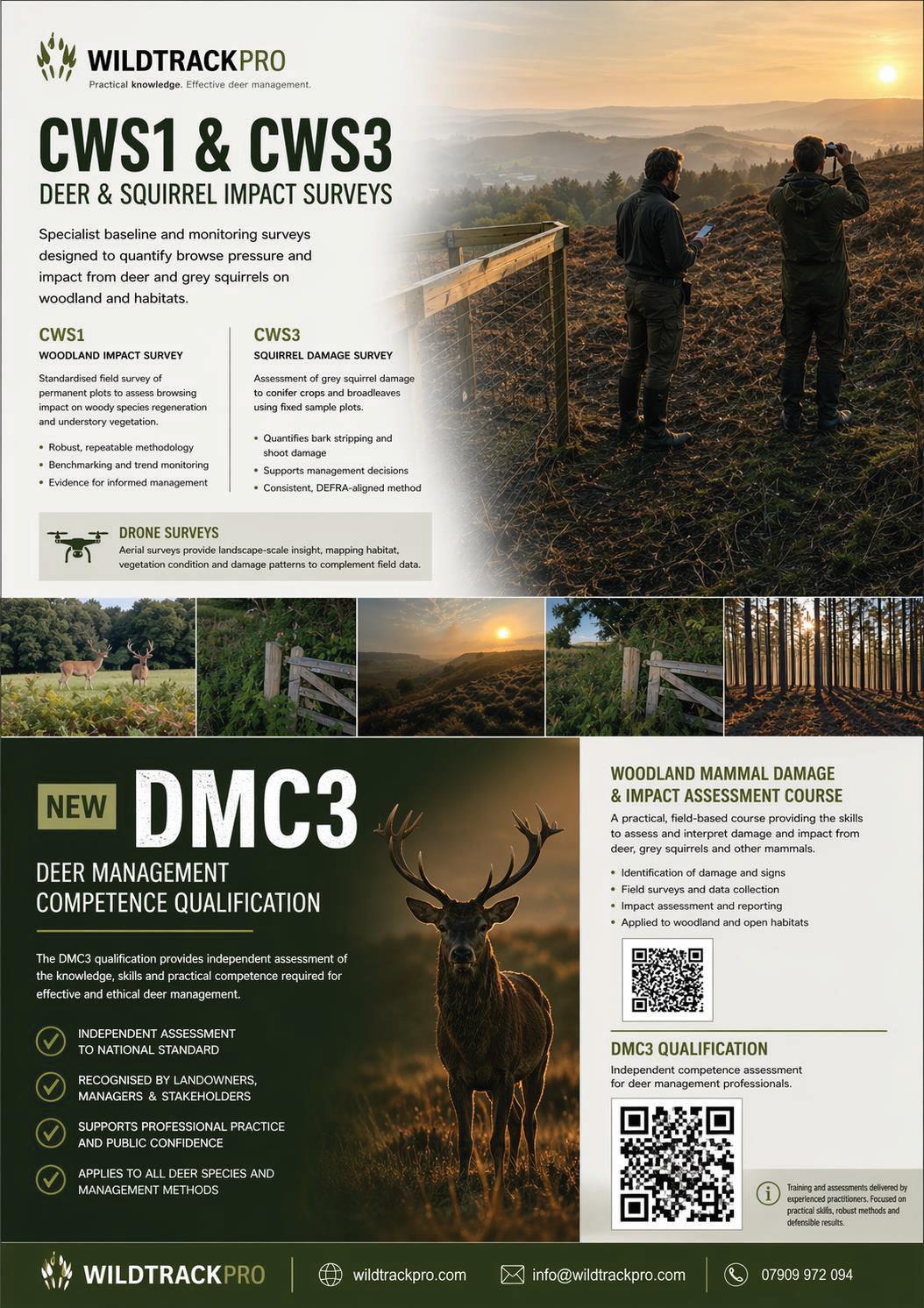


In this instalment of his article series, WildTrackPro CEO Oli Smith examines what the Deer Management Certificate Level 3 (DMC3) signals, and what forestry actually needs.
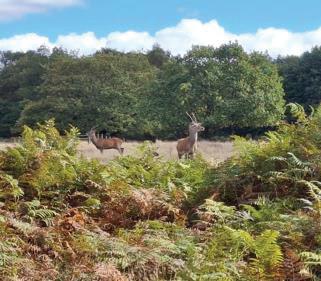
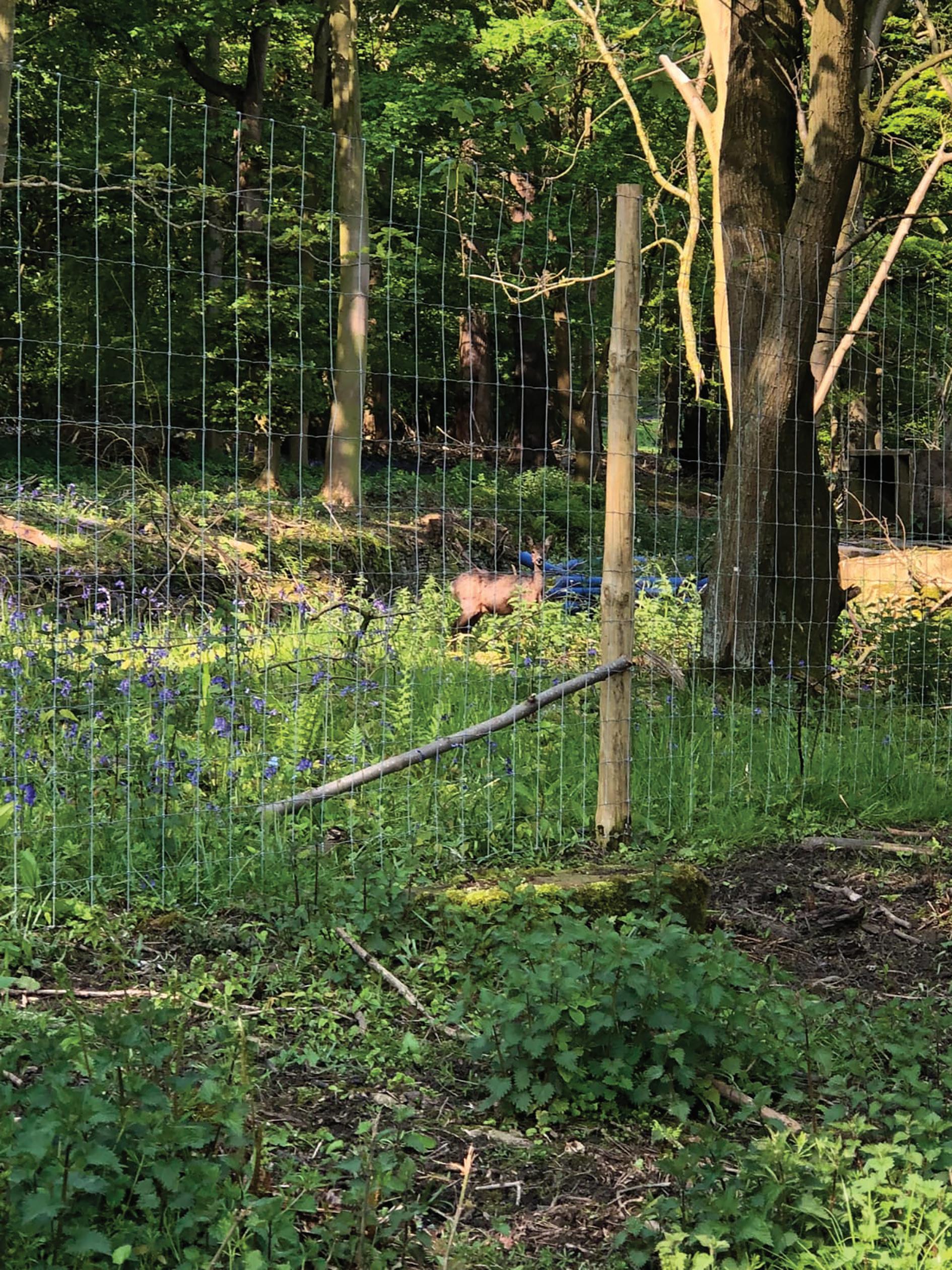
Forestry is increasingly being asked to carry outcomes that used to be “nice to have”. Woodland recovery, carbon performance, Biodiversity Net Gainn – the list goes on. Within this, foresters are expected to engage deer management strategies to lower browsing pressure, reduce traffic collisions and demonstrate impact recording and reporting.
This not a future problem, it’s now. And it exposes an uncomfortable truth: the UK does not yet have a dependable professional cadre of deer managers – at least not at the level forestry will increasingly require.
So, when a new advanced qualification appears - the Deer Management Certificate Level 3 (DMC3) - it’s inevitable it triggers noise. Some of that noise is healthy. Some is predictable. But it’s worth pausing to understand what DMC3 actually represents, and what it does not.
DMC3 is not for everyone — and that’s the point DMC3 is positioned as a ‘top-end’ vocational award, built around four units: higher academic credits, evidence of broader practical culling competence across species categories, and completion of a deer management plan. That structure matters because

it quietly says something the sector doesn’t always like saying out loud: “Experienced” isn’t a standard. Evidence, breadth, and strategy are.
But equally, DMC3 is not (and shouldn’t become) a universal gatekeeping tool. It’s an advanced signal for those operating at, or moving towards, a professional delivery standard - the people writing plans, advising land managers, operating under reputational risk, delivering outcomes, and being audited by reality.
Like all vocations, deer and wider wildlife management needs qualifications at levels 1 through 7. There should also be an “off ramp” into work or volunteering at any of these levels - the work required of someone with a MSc and someone with an NVQ will be different. However, both are necessary and equally valuable.
In other words, DMC3 is for the people who want to be measured at a higher level than current qualifications. And forestry will need more of those people.
The real gap isn’t shooting –it’s professional practice I’m pro qualifications and pro CPD. Not because I like badges — because the current state of capability across “experienced deer managers” is, frankly, too variable to rely on where forestry outcomes matter.
The biggest deficits aren’t usually marksmanship or basic fieldcraft. They are:
• Impact literacy (defining “damage”, how it’s measured, how it presents differently across silvicultural systems).
• Population thinking (structure, recruitment, immigration pressure, and what “control” is in open systems).
• Data discipline (collection, QA, analysis, and reporting that stands up to landowner, regulator, and public challenge).
• Governance and safety (publicly sensitive sites, communications, assurance, oversight).
Forestry is moving into a world where deer management must be planned, monitored, evidenced, and defended
not just carried out.
That’s why at WildTrackPro we are arguing for a proper professional framework: tiered competence, mandatory CPD - the kind of structure other high-consequence land professions take for granted. I don’t believe any professional really buys that a three-day taught course can be used to label anyone as “advanced”.
What DMC3 gets right (and why that matters)
DMC3’s architecture aligns with three things forestry managers increasingly care about:
1) It pushes beyond “single observed cull” thinking. The DMC3 standard emphasises broader practical evidence across multiple deer categories and contexts, not a minimal snapshot present in existing qualifications.
2) It requires an actual management plan. That’s not paperwork theatre. In the real world, plans are how you set objectives, define monitoring, justify methods, and communicate decisions to stakeholders.
3) It treats learning as buildable and mixed-source. The credit model recognises that good practitioners often assemble competence across providers and disciplines, including impact assessment and publicly sensitive site practice.
If forestry is serious about outcomes, it will increasingly prefer contractors and teams who can demonstrate this kind of structured capability. The backlash is a warning — and forestry should pay attention
Most of the criticism I’ve seen in public discussion isn’t “anti-standards”. It’s two more serious concerns.
Firstly, is this just credential stacking? Some people fear DMC3 becomes an expensive aggregation badge rather than genuine capability uplift. That risk exists for any qualification if the sector treats it as a marketing asset instead of a competence framework.
And secondly, will it become a barrier rather than a ladder? If landowners start demanding DMC3 for routine work, we’ll accidentally narrow capacity and push competent people out — particularly those without time, access, or a clear pathway to build credits.
Place DMC3 where it belongs: a signal at the top, not a fence at the bottom.
Here’s the sensible positioning:
• Entry / foundation: safe, legal practice; basic competence; mentored exposure; disciplined recording.
• Practitioner: reliable delivery on outcomes; species and habitat breadth; proven judgement.
• Professional (top tier): strategic planning, impact and monitoring literacy, stakeholder competence, auditability, publicly sensitive delivery.
DMC3 sits in that top tier conversation as one piece of a broader professional upskilling route. And that brings me to what actually matters more than DMC3: professional cadre + CPD + data-led delivery.
If we want forestry to stop cycling through the same deer problemsregeneration failure, repeated claims of “we’re doing loads”, and then the same browsing lines the following year - the sector needs to back professional operating models, not just qualifications.
At WildtrackPro, that’s why the Wildlife Management Group is built around selection, mentoring, constrained access based on competence, repeat assessment, and data-led operations on publicly sensitive sites - because that’s what modern forestry is becoming.
Deer management is no longer “just
stalking”, it’s a high-consequence land management service with public safety, welfare, and ecological outcomes attached.
Where Confor members can lead
Confor’s community understands professional standards. Forestry already lives in a world of certification, audit, evidence, and measurable outcomes. Deer management is being pulled into that same world but unevenly.
So here’s the practical position:
• Support higher-end qualifications like DMC3 as a top-tier signal, not a universal requirement.
• Demand evidence-led delivery.
• Back CPD and professional models. DMC3 is not the finish line. It’s a small step in the right direction and the right direction is a professional cadre that can plan, execute, measure, and report deer impacts at the standard forestry increasingly requires.
That’s the future. And the sector that gets there first will be the sector that stops paying twice: once for culling, and again for failure.

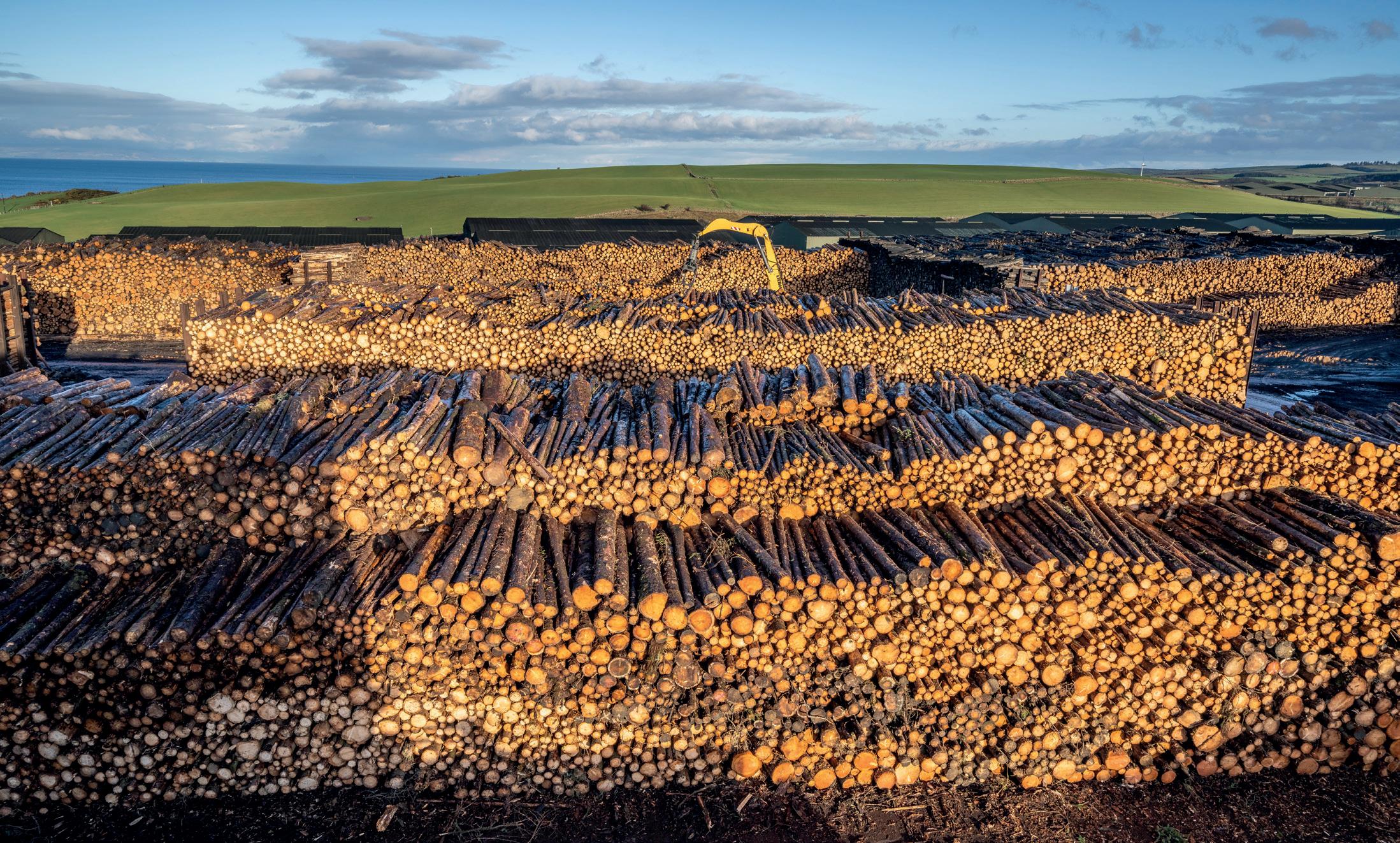









Benefit from our experience
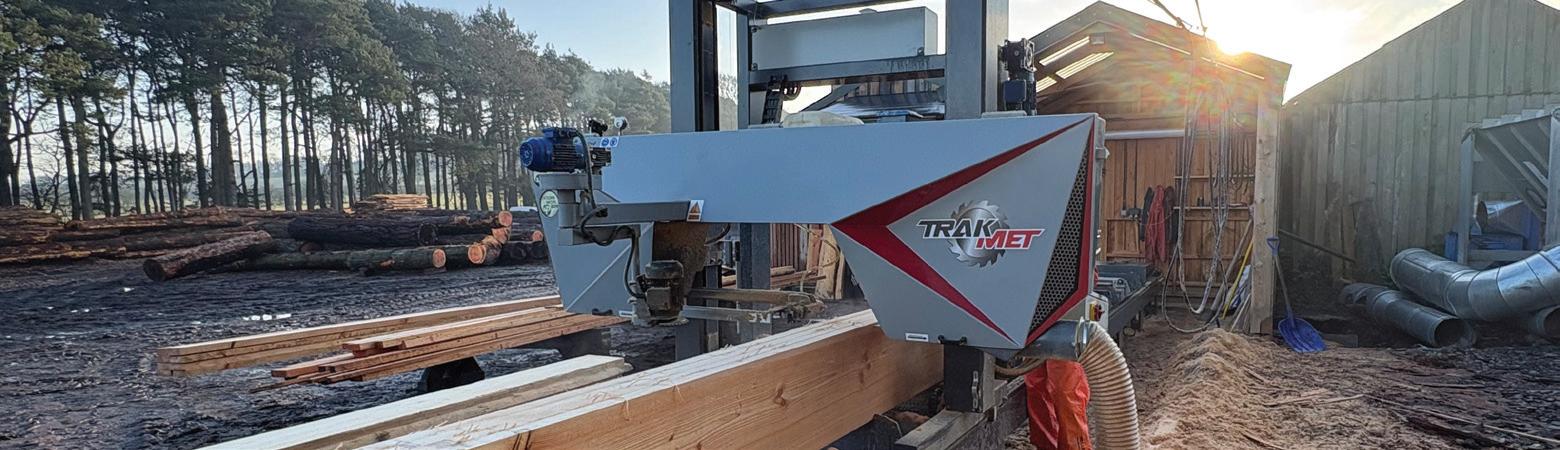
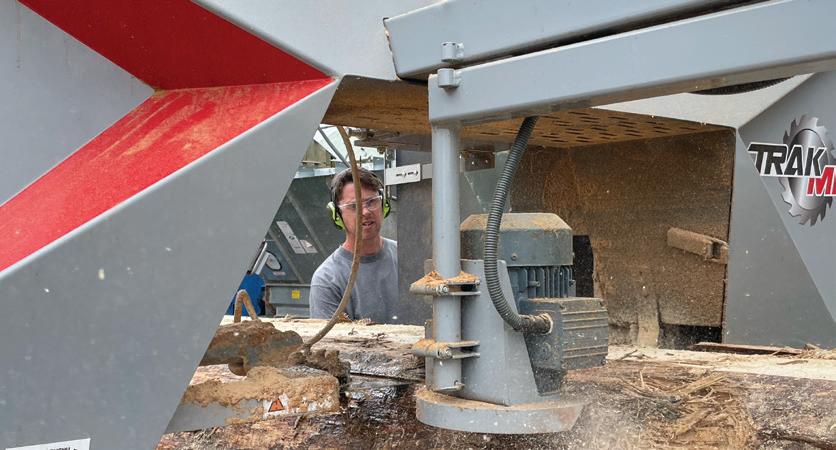
As sawmill owners, we understand the impact that precision, reliability and performance have on our bottom line.
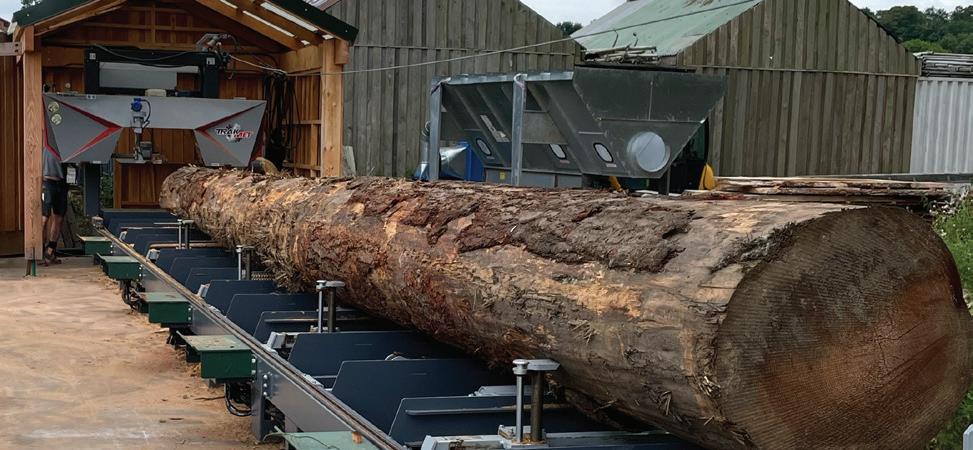
We’re proud to announce our partnership with Trak Met, the high-quality sawmills we have trusted to build our timber processing and construction businesses.
Let us show you the difference Trak Met can make to your operations. Why choose Trak Met Robust, dependable build quality
• Simple, low-hassle maintenance
• High performance, outstanding value

The postgraduate level module is designed to equip forestry specialists with the knowledge and skills necessary to combat escalating threats to forest ecosystems.
Forests are vital for nature recovery, climate mitigation, and sustainable resource production. Maintaining healthy forests for the future requires a skilled workforce, however relevant academic training provision is currently limited. Hence, Bangor University and the Centre for Forest Protection are working together to tackle the UK and global forest health crises through a specialised academic offering: the ENS-4311 Forest Protection Module.
This postgraduate level module is designed to equip the current and next generation of forestry specialists with the knowledge and skills necessary to combat escalating threats to UK and global forest ecosystems. It is a critical addition to the postgraduate
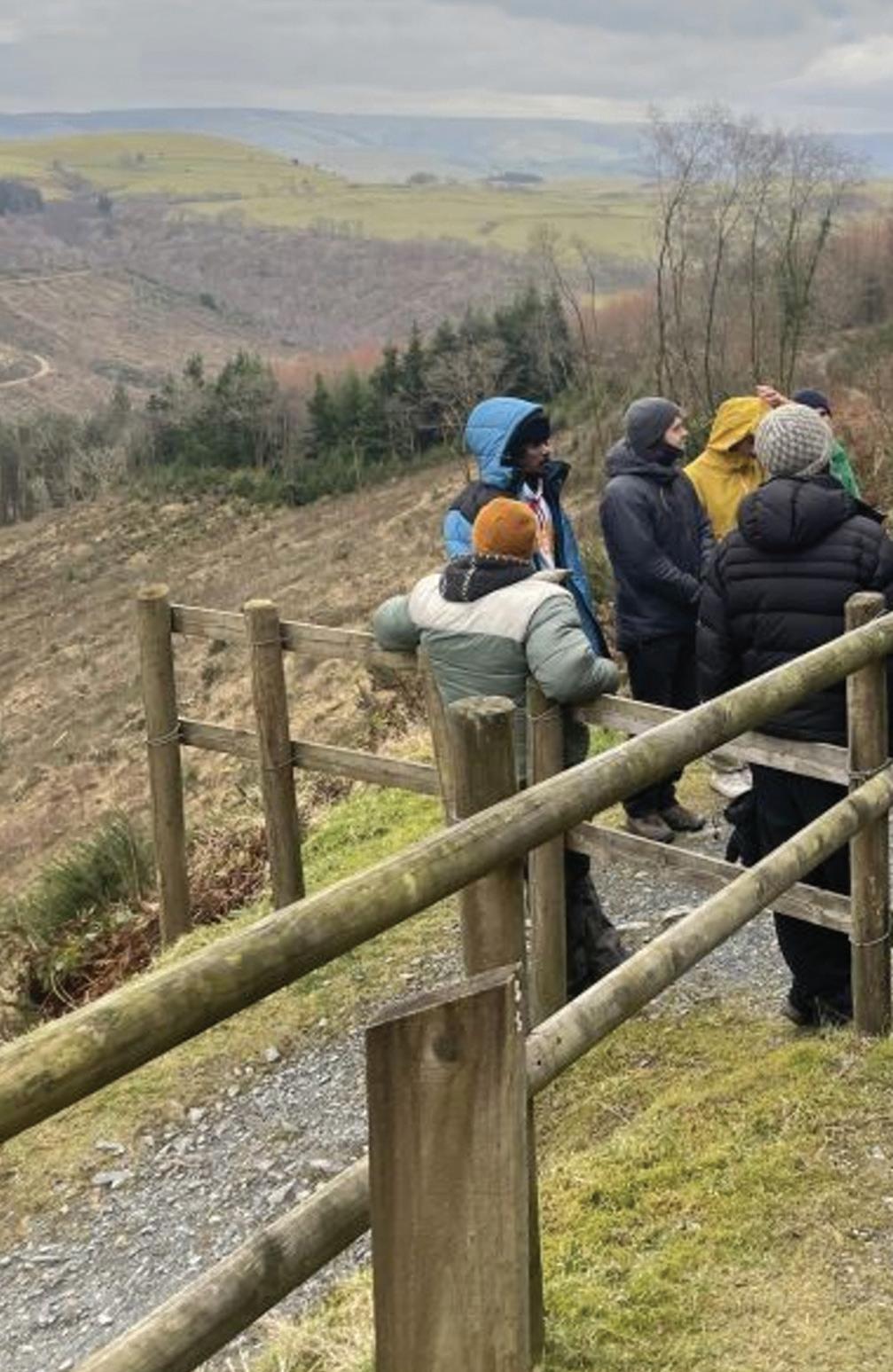
challenges posed by climate change, pests, diseases, and invasive species facing forests across the UK and further afield.
Students will get the chance to learn from world leading experts at the Centre for Forest Protection, and benefit from strong connections with key UK forestry agencies, including the Forestry Commission, Forestry England, and Cyfoeth Naturiol Cymru / Natural Resources Wales (NRW).
The programme is underpinned by extensive practical experience, including a specialist field trip delivered by experts from Forest Research and NRW, and training in the use of relevant software. Together, these opportunities provide students with the knowledge, skills, and
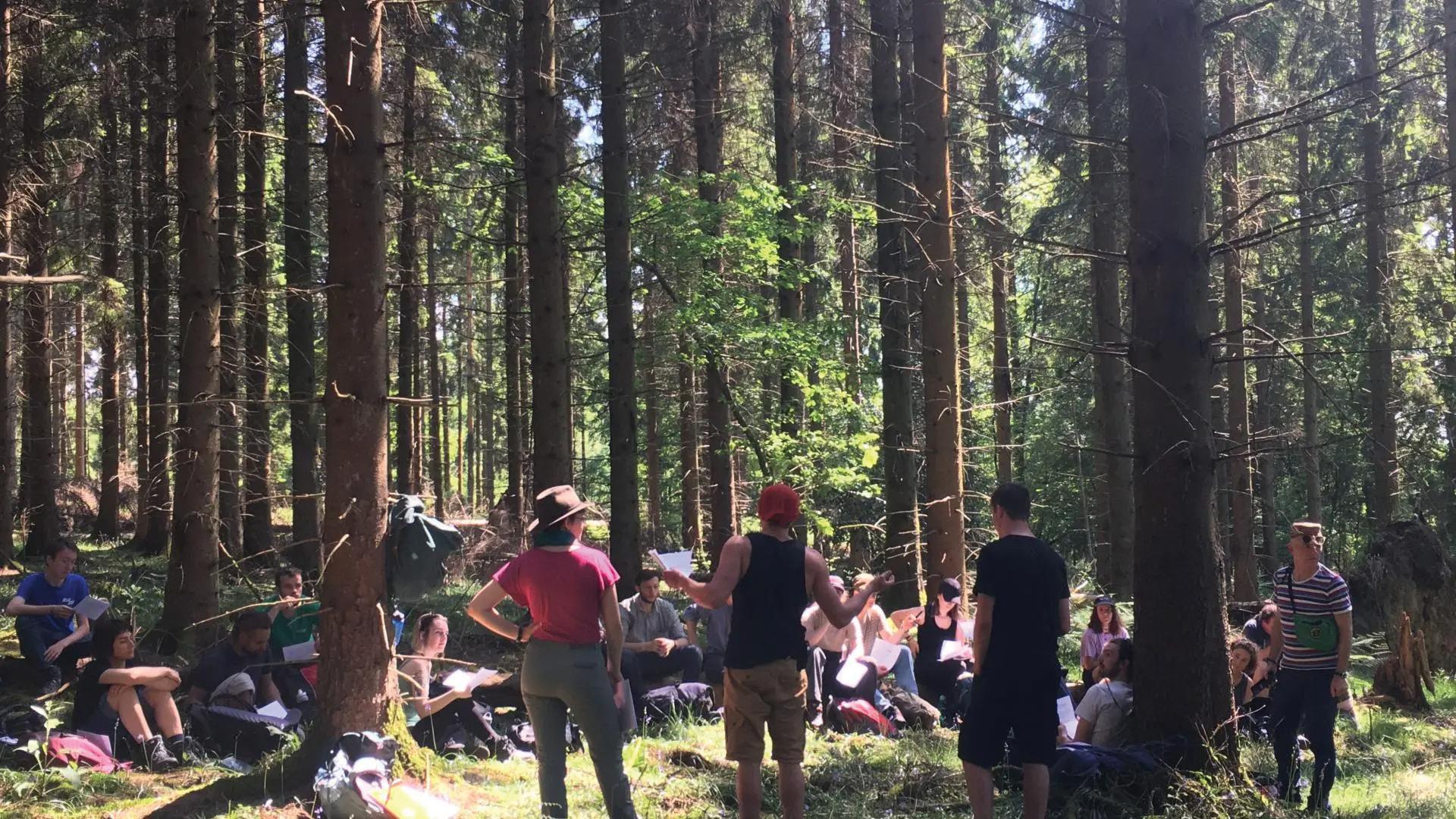
as a stand-alone course, on a parttime, distance learning basis or as part of a full-time residential MSc degree. This flexibility enables both full-time forestry professionals and aspiring future foresters and researchers to study alongside their ongoing professional commitments.
Developed jointly by experts from Bangor University’s School of Environmental and Natural Sciences, and the Centre for Forest Protection, the module delivers in-depth learning on:
• Local and Global Context of Forest Protection: Examining the social, economic, and ecological impacts of forest damage across various ecosystems.
• Essentials of Forest Protection: Key pests and pathogens and their impacts on trees and forests; new and emerging pests and diseases, climate change and other abiotic drivers of disease; health of urban trees, wildlife impacts, societal aspects of forest protection.
• Integrated Pest and Disease Management: Strategies for monitoring, diagnosis, and sustainable control of organisms threatening forest health.
• Biosecurity and Risk Assessment: Understanding pathways of introduction and spread of invasive threats and developing preventative measures.
“This partnership builds on the unique strengths of Bangor University as a leading centre for forestry education, and the Defra funded Centre for Forest Protection, with its mission to enhance the resilience of the UK’s forests,
woodlands and trees, “ said John Healey, Professor of Forest Sciences.
“This module represents our joint commitment to providing cutting-edge education that addresses real-world environmental crises. By training specialists in forest protection, we are directly investing in the future health and resilience of the world’s forests and providing essential skills and knowledge for future forestry leaders and researchers.”
Dr Suzanne Sancisi-Frey, Centre for Forest Protection Education and Training Officer, added: “This is an exciting partnership that brings together expertise and passion for tree health. Following the strong results and positive feedback from our pilot year, the Centre for Forest Protection is delighted to share its knowledge and experience through this innovative module.
“Combining lectures, practical laboratory sessions, and a field trip, the module is delivered by enthusiastic and inspirational scientists, researchers, and professionals working across forest science and tree health. Their breadth of skills and insight makes this a truly unique offering within the forestry higher education landscape.”
Following a successful pilot year, the module is now running for a second time, providing a brand-new cohort of students with the skills and experience to become future forestry leaders. Applications for postgraduate study in forestry at Bangor University for the 2026/27 academic year are currently open, with a deadline of 31 July 2026.
International postgraduate students studying MSc Logistics and Supply Chain Management at the University of the West of Scotland (UWS) visited Land Energy’s manufacturing facility in Girvan for an immersive supply chain learning experience.
The students, who are currently studying in the UK, used the visit to connect their academic knowledge with real-world business practice at the South Ayrshire factory.
The day began with an in-depth overview of Land Energy’s operations, followed by a guided tour of the Girvan site. Students then worked in groups to analyse key aspects of the company’s procurement and supply chain functions, presenting their findings and recommendations to the management team.
Professor Ann Luce, Dean of the School of Business and Creative Industries, said: “At UWS, and in the School of Business and Creative Industries, we place great value on our partnerships with industry. Collaborations such as this allow our postgraduate students to see supply chains operating in practice, while strengthening their professional readiness. We are thankful to Land Energy for the openness with which they shared their expertise.”
As a business operating at the heart of the UK’s renewable energy supply chain, Land Energy recognises the importance of nurturing the next generation of professionals who will shape more resilient, sustainable and digitally enabled supply chains across the globe.
David Bone, Marketing Representative at Land Energy, said: “We were very proud to welcome these postgraduate students to our factory and to support the development of their future careers. The visit not only enhanced their academic learning with operational insight but also strengthened connections between UK industry and international talent studying right here in Scotland.”
The MSc Logistics and Supply Chain Management programme at UWS integrates industry collaboration into its teaching approach. This visit builds on a partnership established last year and provided students with the opportunity to engage directly with practitioners and apply their academic learning in a professional setting.
Founded in 2006, Land Energy is now the UK’s largest producer of sustainable wood pellets and briquettes, supplying low-carbon renewable fuel to homes and businesses nationwide. The company also manufactures a range of sustainable products, including cat litter and horse bedding.

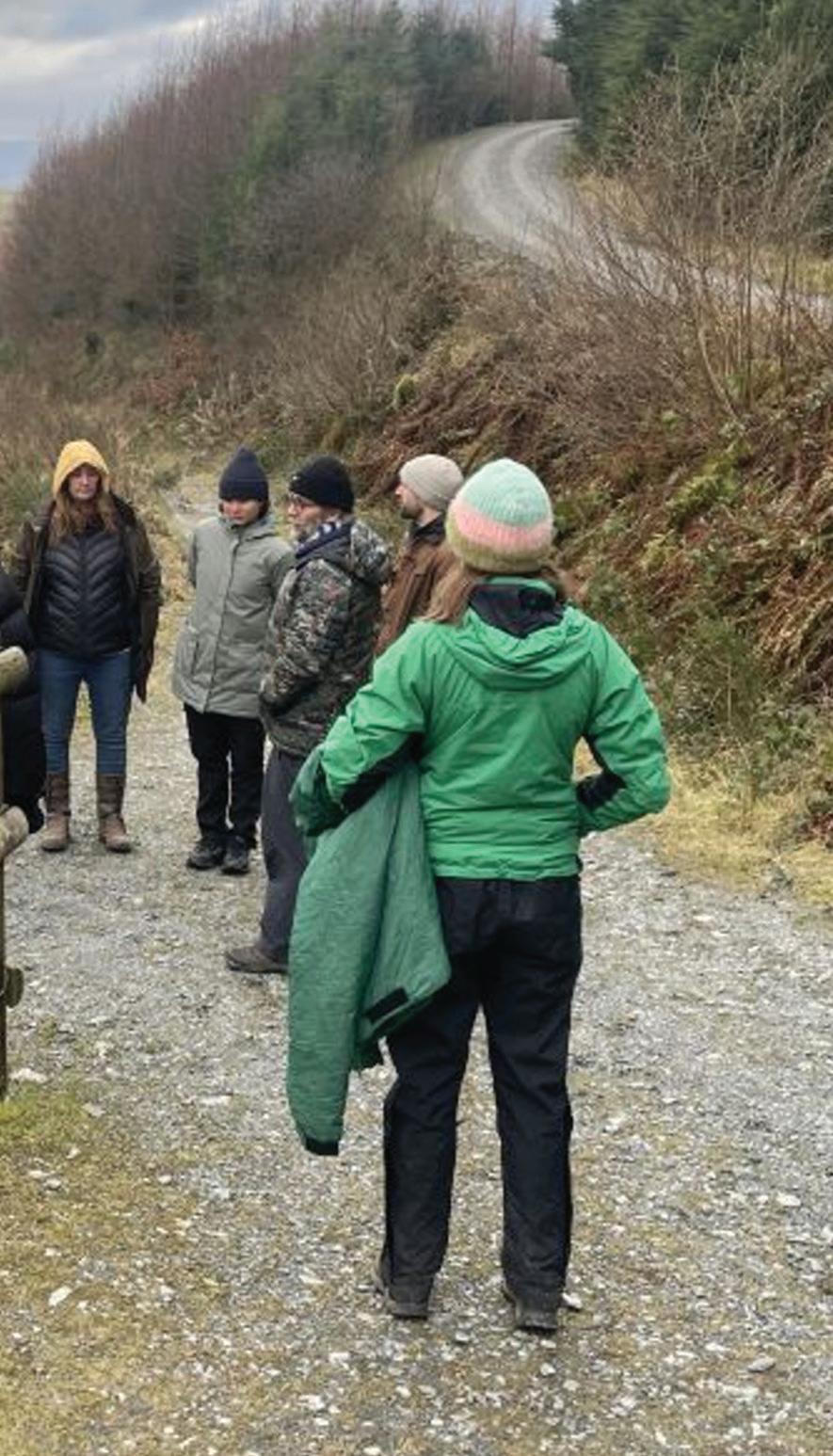
How can we achieve respectful and constructive engagement and what to do when it goes wrong?
Amanda Bryan FICFor explains the next stage of Confor’s work to develop good practice for stakeholder engagement around forestry.
As we all know, good stakeholder engagement helps forestry projects work better for everyone. It can lead to better ideas, highlight issues early, and support stronger, longterm relationships.
Forestry projects often involve a wide range of people with different views and interests. Those planning and managing work need to listen to these perspectives
and find a balanced way forward. Good engagement helps make this possible.
Recognising this there are a range of resources (guidance and in-person training) to support the forestry sector. Confor has now developed and published a new set of ‘Guidelines for respectful and constructive engagement in forestry management – Scotland’ to complement existing guidance and to
1. Aggressive or abusive behaviour
Acts which cause or threaten physical harm. They also include behaviour or language (whether oral or written, in person or online) that may cause any individual to feel afraid, threatened or abused.
2. Unreasonable demands
Acts including repeatedly demanding responses within an unreasonable time-scale, placing unreasonable conditions, insisting on seeing or speaking to a particular individual even when it isn’t possible, refusing to accept that an issue being raised is not valid in the context of a specific proposal, or repeatedly changing the exact nature of the complaint or issue they are raising or raising unrelated concerns.
3. Unreasonable persistence
Acts including serial requests or complaining – lodging requests, complaints or even complaints about the handling of complaints, often across different organisations or parts of the same organisation.
help set out clear expectations on all parties and how to handle situations when things go wrong.
The guidelines include the sector’s commitment to good engagement, the context within which we operate, expectations for both the sector (Box 1) and stakeholders (Box 2) and also what behaviours are unacceptable and how these will be responded to.
Stakeholders can expect good engagement, which should:
1. Be transparent and provide appropriate contact details for the forestry manager responsible and links to relevant information. Note: This could be organisational contact details.
2. All reasonable endeavours will be used to identify all stakeholders with a recognisable interest and their specific areas of interest/ expertise.
3. Take place as early as practicably possible in the process to enable stakeholder views to be taken on

board effectively.
4. Be proportionate and reflect the nature of the activity based on the type of forest management activity, the location, scale and sensitivity of the proposal.
5. Provide reasonable time for feedback, taking things like holiday periods into account.
6. Provide all appropriate information and be honest about the proposal. Present information in a way that can be easily understood and be clear about what is being asked of
stakeholders.
7. Be clear and specific about what is being asked of stakeholders and why.
8. Provide feedback on what action, if any, has been taken to address issues raised or explain why changes have not been made.
9. Record stakeholder comments in a clear and unambiguous way.
10.Communicate in a way that promotes a culture of respect and inclusivity, with active listening and empathy for the positions of others. Communication should be ongoing.
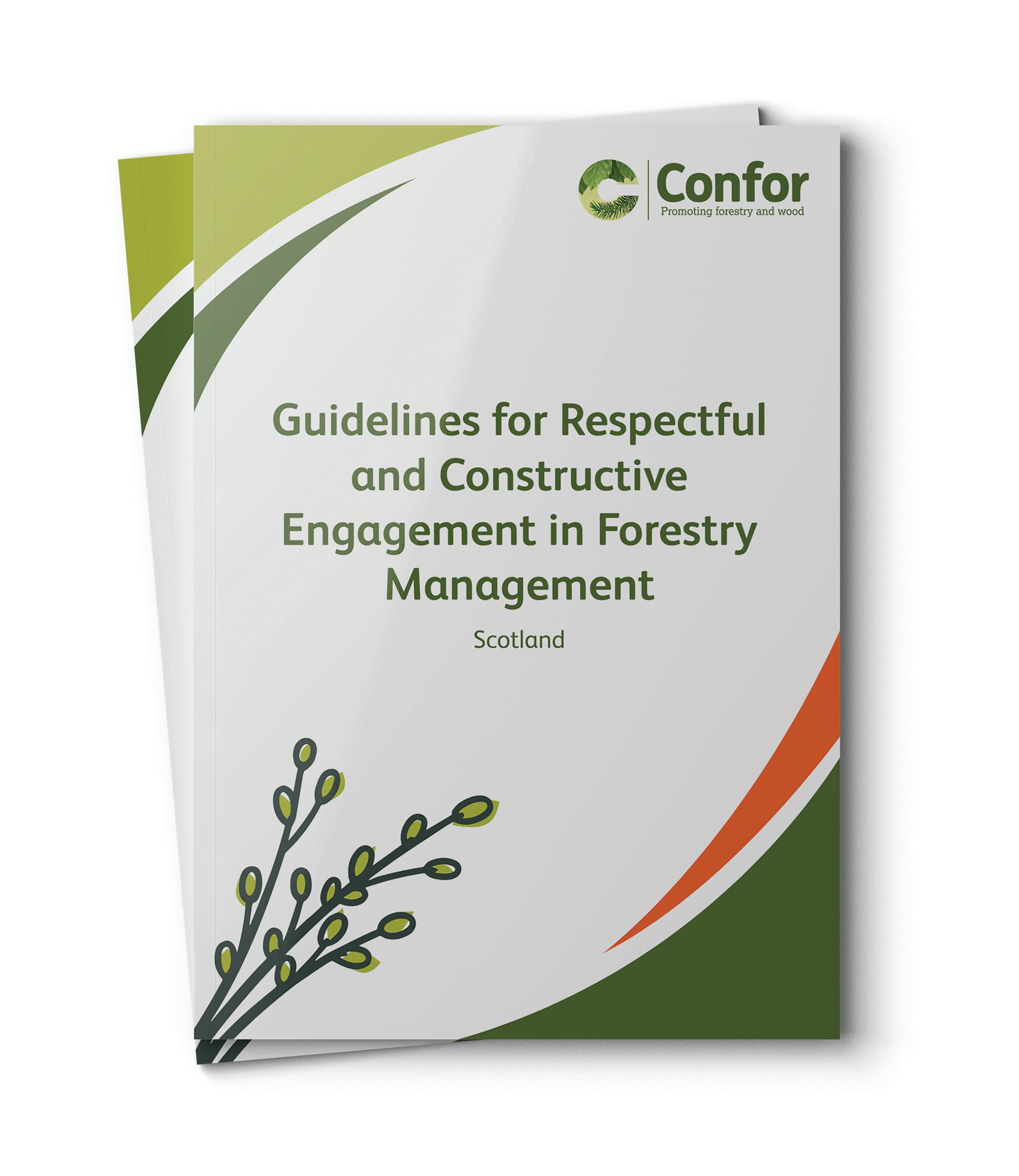
They were developed over an eight-month period by Confor with input from representatives from the Institute of Chartered Foresters (ICF), Scottish Forestry, Forestry and Land Scotland, the Scottish Land Commission, Scottish Woodlands and Tilhill Forestry. They were also subject to consultation with a broad range of stakeholders who provided extensive feedback.
The guidelines respond to questions raised by participants in Confor’s stakeholder engagement training programme both on what good looks like and what to do when things don’t go to plan. While not widespread during the training, there were some examples shared of where forest managers had been either verbally or physically abused, or subject to social media campaigns and
The forestry sector should expect stakeholders to:
1. Share contact details for their organisation or a community in a way that is accessible to those who will be undertaking engagement on forestry projects.
2. Take reasonable steps to understand the engagement processes for approving forest management planning and operational activities and how best to provide input; recognising resource and time constraints of stakeholders.
3. Acknowledge receipt of engagement requests and indicate
whether they can meet the timescales or if not request reasonable adjustments, explaining why these may be necessary (i.e. weeks not months to fit with scheduled meeting dates).
4. Request any additional information, including clarification of language, as soon as possible so as not to incur unreasonable delays. Requests for additional information should be limited to that necessary to inform feedback related to the stakeholder’s area of expertise.
5. Give responses that provide site specific information/ highlight relevant issues and/or potential mitigation
it wasn’t always clear how they should respond and what was acceptable.
While getting engagement right and maintaining productive relationships between all involved in forestry management is always to be prioritised, anyone involved in forestry management, including both the stakeholders and forest managers should not be made to feel uncomfortable or threatened by the behaviour of any individual. The guidelines therefore set out what unacceptable behaviours look like and what actions should be taken to address these. It should be noted that physical violence, either used or threatened, should always be reported to the police
Forestry businesses in Scotland are now being asked to formally adopt these guidelines. This will mean that the business commits to undertaking good engagement (Box 1) ensuring that they have staff that are appropriately trained and that are familiar with and striving to achieve good practice.
In adopting the guidelines, they are asked to sign up with Confor and provide a link to their own Complaints process which can be included in the appropriate section of the guidelines online. Those that sign up will then be able to use the guidelines as part of their engagement processes.
Confor will be running a further two Stakeholder Engagement Training (Scotland) courses at John Deere Perth on 11 and 12 June 2026. You can sign up for these training days at www.confor.org.uk/resources/events.
Thanks to Scottish Forestry for contributing to the cost of delivering this training.
measures and is based on the stakeholder’s expertise.
6. Ensure that if representing an organisation or a community, the views expressed are the agreed views of that organisation or a community (or its members), and not their own views or those of a small subset of members. Where there is a significant minority dissenting voice, this should be disclosed.
7. Communicate in a way that promotes a culture of respect and inclusivity, with active listening and empathy for the positions of others. Communication should be ongoing.
The latest updates from the Forest Education & Provident Fund, including testimony from recent awardees.
The Forest Education and Provident Fund (FIEPF) is seeing a changing of the guard with stalwart Trustee since 2012 Chris Starr OBE FICFor passing the baton on to Dave Atkinson MICFor.
Chris has worked in education, woodland management and forest policy for over 40 years across the UK and overseas. He studied forestry at Bangor University, worked across private and state forestry, and went on to teach at the National School of Forestry for over 20 years. He was awarded an OBE for ‘Services to British Forestry and Forestry Education’ in the 2013 New Year’s Honours.
At a recent meeting, the TrusteesAlison Field, Martin Glynn and Edward Mills - all thanked Chris for his hugely valuable discussions and contributions to
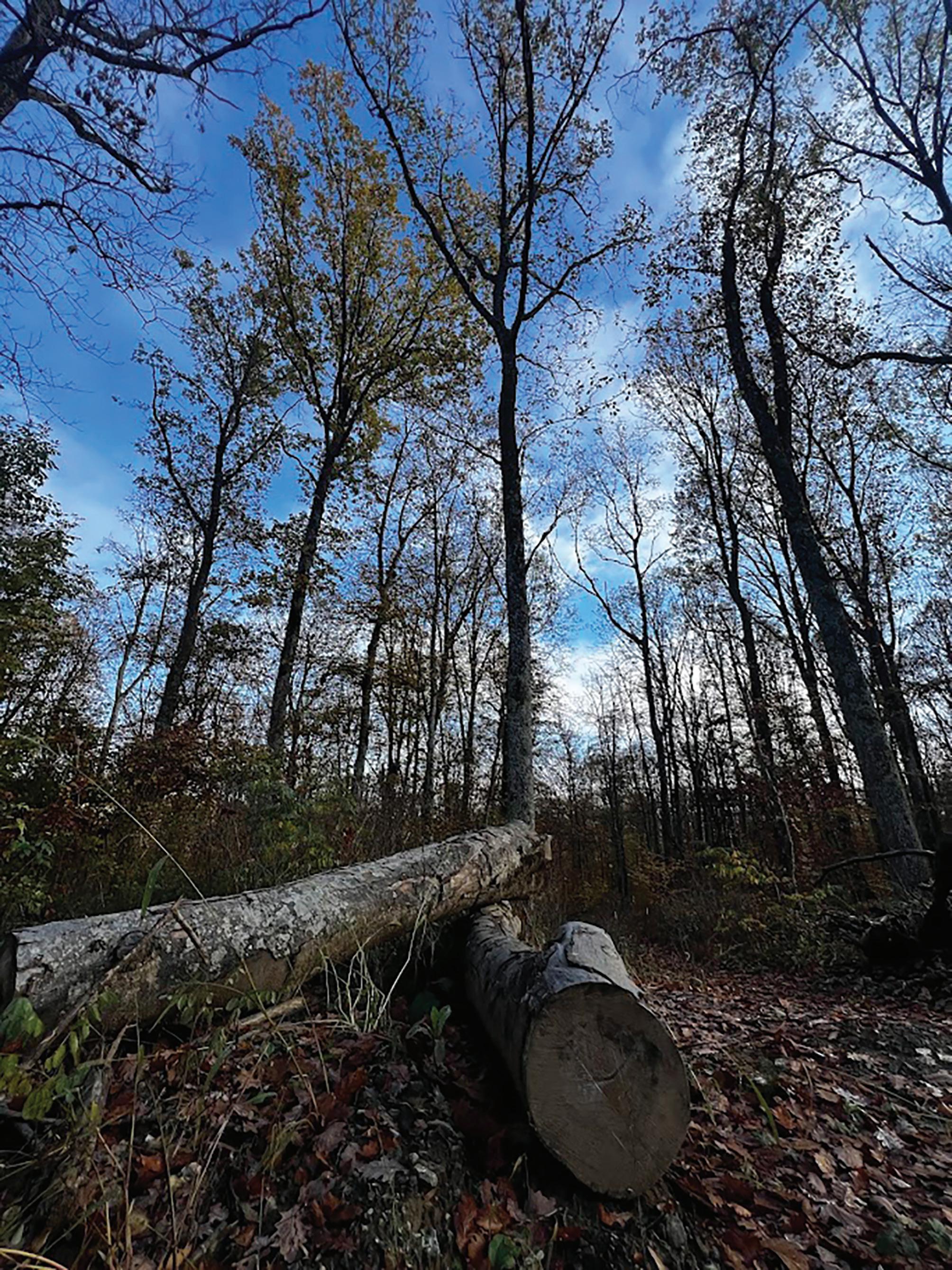
the fund over many years.
Dave has worked across north England and south Scotland with Edwin Thompson since 2013 and is now a Partner. Before this he was a lecturer for six years at the University of Cumbria’s National School of Forestry. He previously worked for over 10 years in the private forestry sector in west Scotland, and as a Woodland Officer with the Forestry Commission in Cumbria.
He has a degree in Forest Management from the University of Aberdeen, is a professional Member of the ICF, and has served on the ICF Council.
Uniting innovation and impact in the land of the oaks
Simon Place
Two EU-supported projects FOREST4EU
and ResAlliance came together in November in Vinkovci in Croatia to discuss and present matters on forestry, agroforestry and landscape resilience.
The afternoon of day one saw the group head out into the famous Spačva Oak Forest in Vukovar-Srijem County. Slavonian oak is mainly Quercus petraea with some Quercus robur, but in this region the climate is humid (average 79%) with perfect growing conditions for tight grain and high-quality timber, which is prized for aromatic wine barrels, furniture and flooring.
Innovations to beat climate change effects
With the climate changing and taking various forms from extreme, sudden weather events to prolonged periods
The kind support of attendees at the Confor Dinner & Awards raised nearly £700 for the Forest Industries Education and Provident Fund. Many thanks to all who entered the prize draw!
of drought within the UK, the time is now to ensure the forestry industries have the information they need in a cross-border environment. The importance of translating research and development papers in local languages so it is accessible to all is a significant step and one not always carried out in the past, leaving valuable advice and methodology left on the shelf.
Forestry needs the highest-level input and innovation to understand and act on the effects and consequences of the climate patterns as they fluctuate, bearing in mind the critical role forests, woodlands and trees play in the
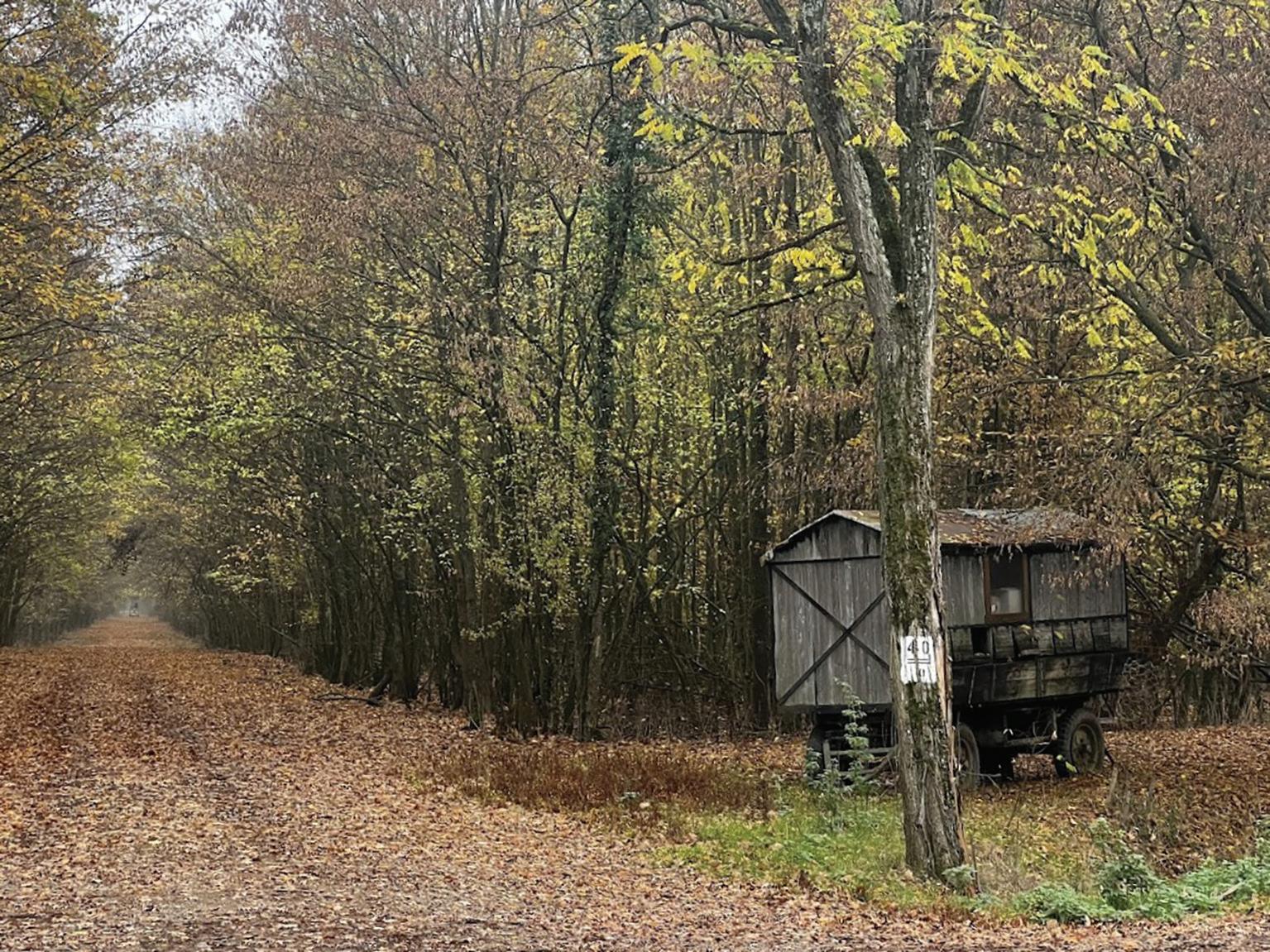
The Education Fund supports career development for Confor members. Applicants can be individuals or companies, they must present clear reasons for doing the course, show how it will further their careers, and provide some background information.
Applicants can be at any stage in their careers and can pursue a wide range of training including attendance at conferences, participation on specialist
mitigation. The messages must come from the ground up and projects looking into the issues must be turned into action quickly, looking outside our borders for the answers and solutions.
With climate change altering the weather patterns in various ways, the risk of prolonged dry periods increasing at undetermined timescales is a major issue for most countries in the world. The threat of fire is an increasing risk in the UK and combatting wildfires cannot rely on response extinction, as the resources for such actions are unreasonable in the current workforce and financial era.
A mosaic landscape design can help stem the spread of wildfires by incorporating vineyards as firebreaks within the locality, which aids diversity and land use risk. A similar system has
courses (e.g, ecology, tree health, timber technologies, GIS) or management skills or practical training (e.g. chainsaw, drones, mechanical).
Trustees are also interested in requests to co-fund with other bodies as this may broaden the scope of training opportunities available.
Awards can only be offered prior to training. It generally takes about three weeks to process an application, with offers of up to £1,000 per application. For more details and an application form, visit the Confor website.
The Provident Fund is available in cases of hardship, for example long-term illness, personal injury or death. It has more flexibility, and all applications are treated in confidence by the Trustees.
been developed with sheep grazing areas, requiring the engagement of the farming community.
Another critical area of consideration is the management and supply of water for forestry, agroforestry, agriculture and viticulture. Some innovations being rekindled are the traditional stone ‘drop dams’, to hold water in the higher ground during wet periods for water storage but also stop the damaging fast flow downstream. This ‘innovation’ was normal practice thousands of years ago and is being revisited today.
Presentation – tree shelters I attended the conference with an award from the Education Fund and gave a presentation on the pros and cons of
tree shelters and guards from a UK perspective, including the reasons for shelters such as high mammal damage and the pitfalls of shelters such as poor form, stability and the general lack of maintenance we see.
Tall tree shelters (1.2m/1.5m) are a different matter to short shelters; due to the animals they are expected to protect from. Deer can damage young trees up to age 15 and sometimes beyond, and as such trees require a greater length of time in a guard or shelter. This makes for a conundrum where biodegradable tree shelters are used as it is likely the protection will fail too soon and leave the tree vulnerable.
Biodegradable tree protection is best used for short tubes of 60-75cm heights, as by the time the material breaks apart the tree is strong enough to withstand the rabbit/hare or vole damage.
Regardless of the type of protection used, the emphasis must be on maintenance for many years postplanting to ensure we don’t see the terrible neglect often noted around the country.
Alternative methods of protection
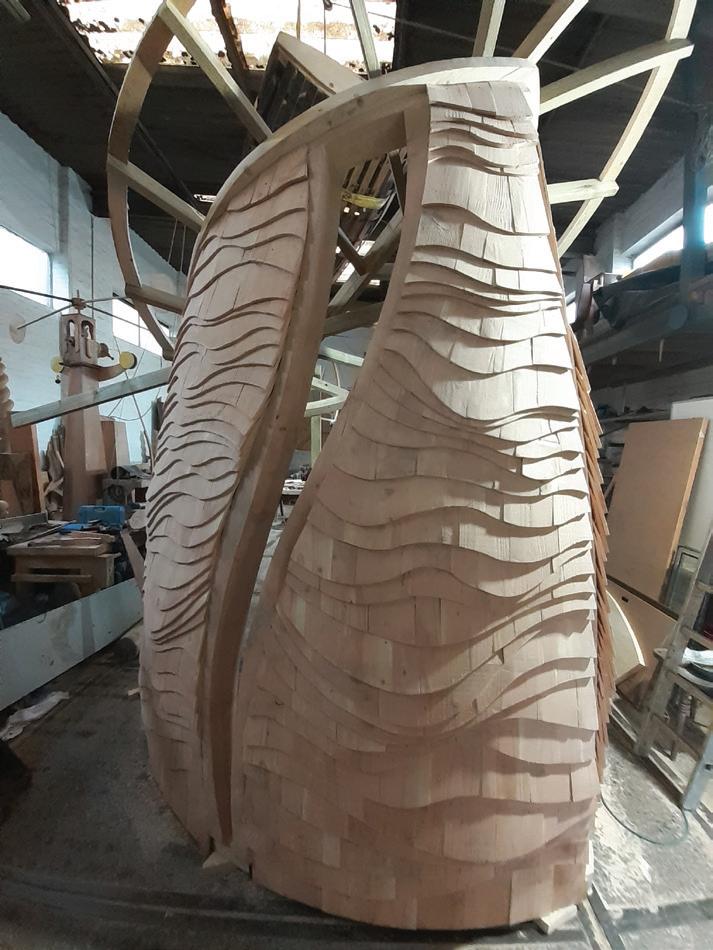
all of which are commonplace but often not pushed hard enough when tree shelters seem an easy option.
Specific biodegradable options were discussed, although the feeling was that we are still in the early years of development and understanding of the full lifecycle of products available at the present time.
Carving a new skillset
Ruben Aaronovitch-Bruce
My experience of the chainsaw crosscut, felling and maintenance course was great! I now feel confident and competent with wielding a chainsaw whilst being acutely aware of the dangers. I wouldn’t have been able to do it without the very generous grant from the Education Fund.
This license has enabled me to start working within a woodland in Dartmoor, where I am performing tasks including coppicing, selective logging, cross cutting and habitat creation with glades and rides to help promote a healthy ecosystem and biodiversity.
I feel that this license has given me a chance to learn more about sustainable forestry and woodland management skills which I am refining every day.
My carpentry career has also benefitted with timber framing some new cabins using the wood which has been felled. The fact that I can now go through the whole process from managing a woodland, through selectively felling a tree to then processing it to make something functional and beautiful feels wonderful and gives me the opportunity to create the world I’d like to see.
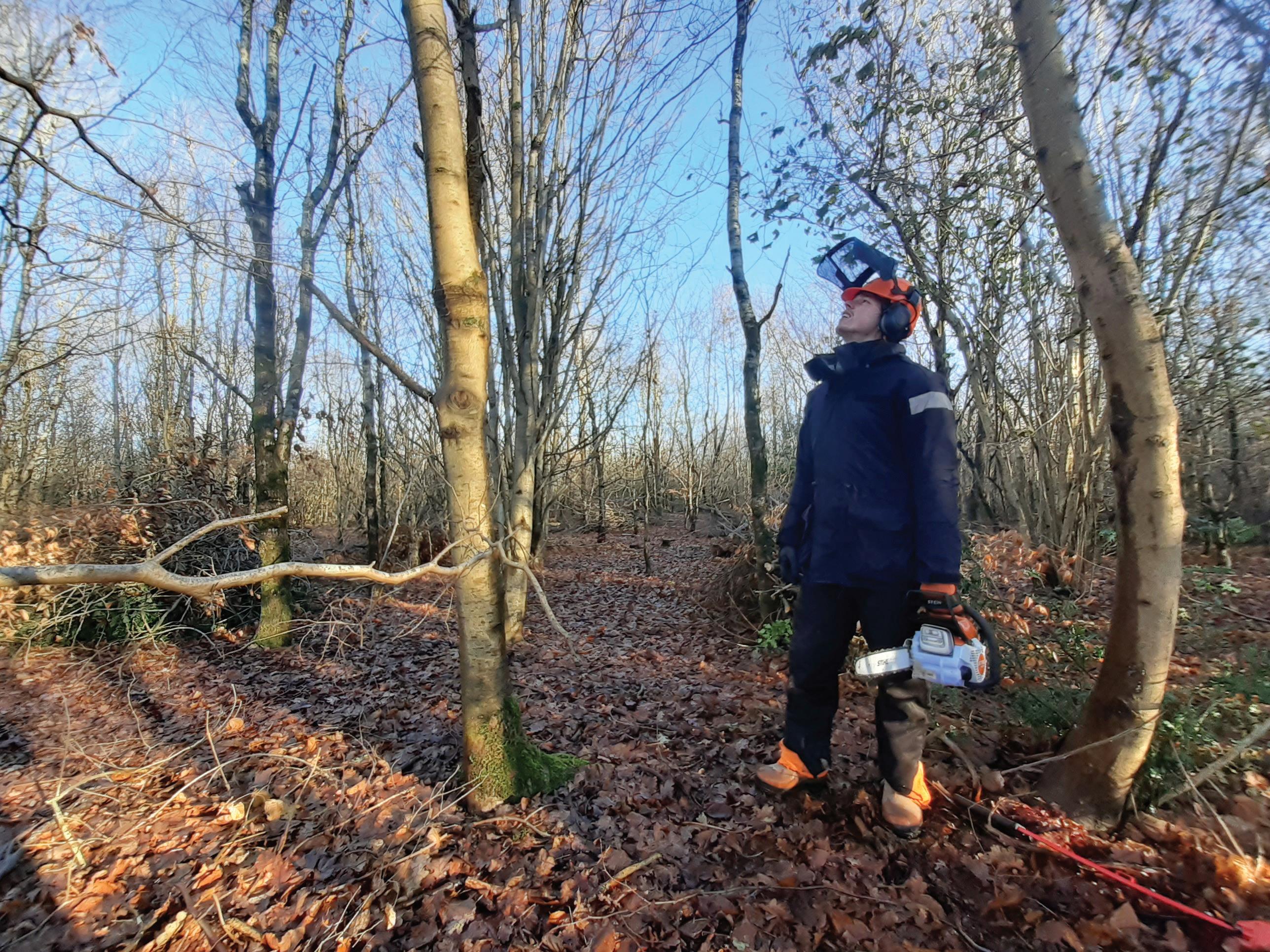
Top land-based and aquaculture trainees were celebrated at Lantra Scotland’s ALBAS ceremony in March.
Over 200 finalists, event supporters, employers, training providers and industry leaders attended Lantra Scotland’s Awards for Land-based and Aquaculture Skills (ALBAS) on 5 March. Hosted by horticultural magazine publisher, writer and podcaster MT O’Donnell, the glittering awards ceremony clebrated the success of rural career trainees across Scotland.


needed to support Scotland’s rural economy. Congratulations to all the winners and finalists.”
The evening’s other highlights included Summer Edmond receiving the much-coveted Overall Winner Award, the highest accolade of the night, as well as a Higher Education Award for degree-level study. Summer has been studying for a BSc in Equine Science at SRUC Oatridge while running her own business, Cavalier
Industry awards were made for agriculture, aquaculture, environmental conservation, equine, game and wildlife, horticulture, land-based engineering, trees and timber and veterinary nursing. Winners and runners up for ALBAS 2026 were selected by an independent judging panel made up of influential figures from across the land-based and aquaculture sector.
Dr Liz Barron-Majerik MBE, Scotland Director, Lantra, commented: “Being part of the ALBAS is a real privilege. It gives us the chance to highlight the incredible people during Scottish Apprenticeship Week driving Scotland’s land-based and aquaculture sector forward, while also encouraging employers to think about the talent they’ll need for the future.
“Everyone nominated should feel genuinely proud. The quality of entries keeps rising, which means tonight’s
winners represent the very best in our sector. Their impact stretches far beyond their workplaces, as they support rural communities and help protect the environment we all depend on.
“We were delighted to be joined at Crieff Hydro by leaders from across industry and skills organisations, including the Minister for Agriculture and Connectivity, Jim Fairlie, and to have MT O’Donnell as our wonderful host for the evening.”
Hannah Thomson from Oban was named Trees and Timber Learner of the Year. She completed a Modern Apprenticeship in Trees and Timber through the Scottish School of Forestry at UHI Inverness while working as a craftsperson apprentice with Forestry and

Richard Emborg, VicePrincipal for Student Recruitment and Growth at UHI, said: “These awards highlight the strength of UHI’s work-based learning and apprenticeship programmes, which help develop the skilled workforce
She said: “It’s amazing to win an ALBAS award and to be chosen as Overall Winner is incredible. Thanks to Rowan Tweddle for nominating me and all my tutors at SRUC Oatridge, my family and to Lantra Scotland for presenting me with these awards.”
The Anna Murray Partnership Working Award went to Pitlochry High School Junior Rangers. The innovative programme sees S2 pupils taking part in 25 days of conservation, learning, and volunteering across the Cairngorms National Park with a broad network of partners. Runner up was the Ash Rise project from the Scottish Furniture Makers Association and OWL.
The Tam Tod Trophy went to game keeping Apprentice Hailey Anderson from Duns in Berwickshire, who was also Runner-up for Game and Wildlife Leaner of the Year. The Tam Tod Trophy is made in association with Countryside Learning Scotland to an outstanding young learner and was created in memory of the late Tam Tod, described as a well-loved gamekeeper, ghillie and lifelong friend of the countryside.
Other prizes on the night included the Carstairs Award for Mentoring won by Anna Johnson who works as a youth worker for outdoor learning at Selkirk High School in the Borders. The School Pupil Award went to Wallace Hall Academy student Iona McVey Thornhill in Dumfries and Galloway.
An important new report has confirmed that the modest investment the Scottish Government makes in forestry delivers significant benefits for Scotland, including economic growth, rural employment, climate action and biodiversity.
Crucially, the report also critiques and rebuffs the conclusions of the inquiry into public financial support for tree planting and forestry conducted by Professor Ian Wall FRSE for the Royal Society of Edinburgh (RSE) in 2024.
The new analysis has been written by Dr Andrew Cameron, Emeritus Senior Lecturer at the University of Aberdeen’s Institute of Biological and Environmental Sciences.
“I strongly welcome this report,” said Confor CEO Stuart Goodall. “It highlights the significant public value delivered by the Scottish Government’s support for the forestry sector, which remains a long-term national asset for Scotland.
“It also provides a comprehensive critique of the RSE report. When it was published, I stated clearly that I believed the report to be deeply flawed and quoted a number of experienced academics in support of that view. This further, in-depth critique by Dr Cameron is very timely given that we have unfortunately seen some people in
political circles being influenced by the RSE report.”
Dr Cameron’s report sets out the significant benefits that Scotland’s forestry and timber sector provides and notes that the investment by government in the productive forestry sector, totalling around £41.2 million in 2022-23, is only about 0.001% of Scotland’s national budget –a tiny amount which has great impact.
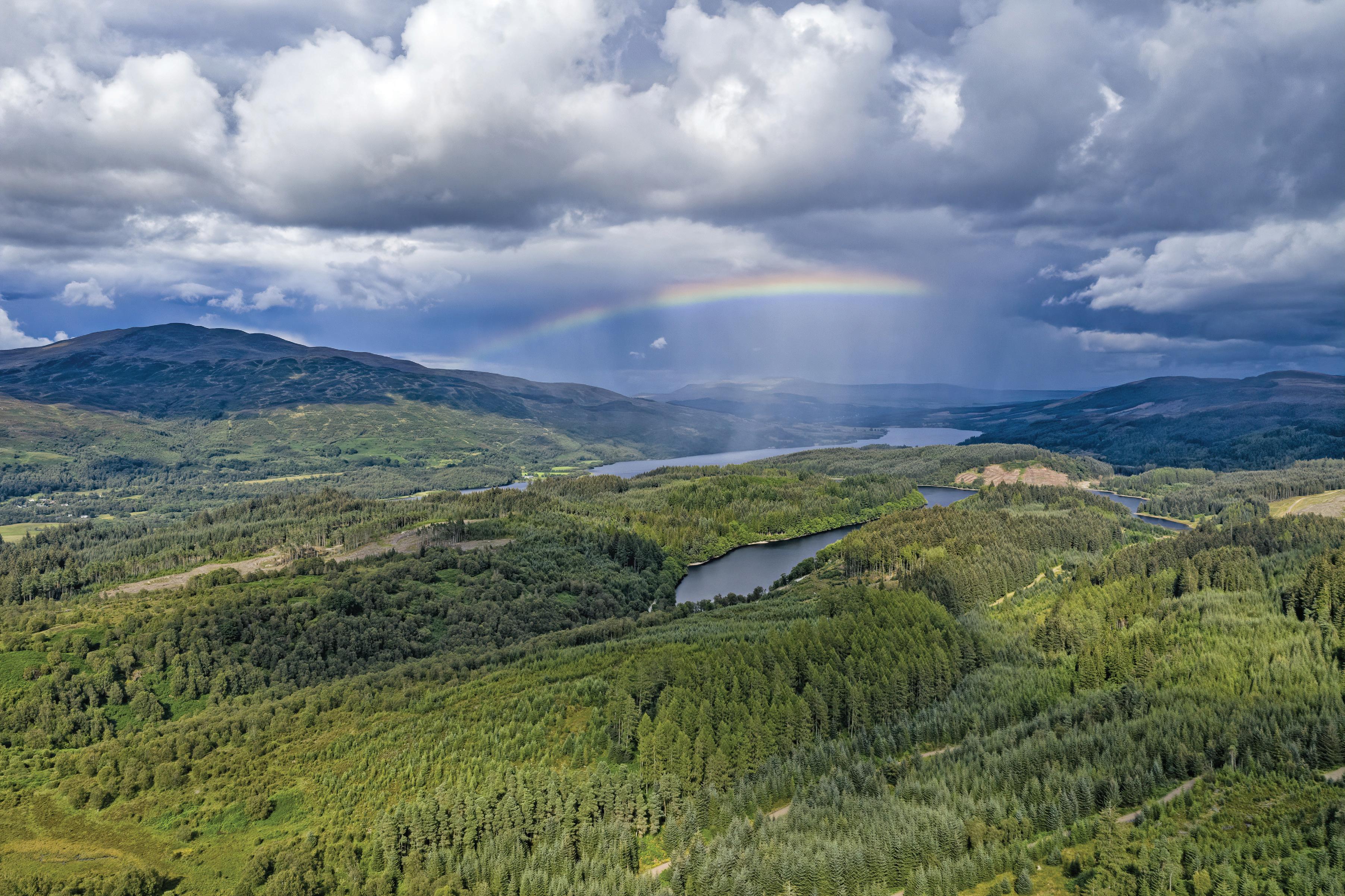
need to create new forests to produce more wood.
The report goes on to identify that government support for woodland creation and forest management plays a vital role in supporting rural economies, accelerating carbon capture and strengthening domestic timber supplies; just some of the enduring benefits from an industry that delivers over £1.1 billion annually to the Scottish economy and supports over 34,000 jobs in Scotland’s rural areas.
The themes in the report also support Confor’s manifesto for the Scottish elections, ‘Timber is the Future’. The manifesto document highlights that building more and better homes, delivering economic growth and new jobs, and tackling climate change are three of the biggest political priorities for the next Scottish Government, and that Scotland’s forestry and timber industry can deliver all three at the same time.
In the preface to the manifesto, Stuart
Stuart added: “Planting more forests with the right trees to increase the supply of Scottish timber will lock up carbon and unlock investment in tree planting, timber processing and manufacturing, stimulating economic growth across Scotland, and help tackle the cost-of-living crisis and the climate and housing emergencies.
“At a time when political parties are thinking about the next Government in Scotland, this significant new report reinforces the importance of robust evidence when assessing forestry’s contribution to Scotland’s economic growth, to tackling climate and nature emergencies and related challenges such as housing.”
The following is an edited extract from the critique by Dr Andrew Cameron, Institute of Biological and Environmental Sciences, University of Aberdeen. The full paper and citations are available on the Confor website.
The Royal Society of Edinburgh (RSE) published a report (referred to as ‘the report’ in this document) in February 2024 challenging the use of public money by the Scottish Government for
an online open public call and ‘targeted invitations’ resulting in 45 responses.
The main conclusion was that the Scottish Government should discontinue subsidising commercial conifer planting stating that it has failed to deliver wider public benefits. Public financing instead should be on native broadleaved tree planting claiming that this will provide long term carbon sequestration, biodiversity, and public benefits.
How public money is spent is an important and recurring issue. Evaluation of public expenditure, however, needs to be undertaken objectively and rigorously to provide taxpayers with accurate information required to determine whether publicly funded developments are value for money.
The RSE report falls well short on both objectivity and rigour with significant concerns regarding the methodology and highly selective use of the literature that undermines the validity of findings. These concerns are considered in the following sections.
Methodology
The report’s terms of reference are framed as follows: ‘…the committee considered the range of objectives
commitments…these objectives fell into one of three categories: carbon sequestration, biodiversity and other environmental and community benefits.’ (p12, para 26).
There is no explanation of the process to select the three categories of objectives, and what other choices were available within the ‘range of objectives.’
Since the purpose of the inquiry was to examine public financial support for tree planting and forestry, the lack of the economic role of forestry through timber production in the terms of reference is highly concerning.
The survey method used by RSE to collate information is flawed. The survey was based on an online open public call and targeted invitations that attracted views from 45 respondents comprising organisations and individuals (p13, para 30). While open online surveys are widely used due to their low cost and relative ease of setting up, statisticians warn of the bias associated with this survey method due to the tendency of self-selecting individuals critical of the subject of interest rather than those who are supportive.
It is not surprising, therefore, that the RSE survey based on a statistically very small, non-random, self-selected
contrast, Forestry and Land Scotland (FLS) commissioned a survey by Censuswide on productive forest expansion (FLS, 2021) where a random sample of 1,000 people in Scotland were questioned using internationally recognised statistical sampling. Results showed that 90% of the sampled population were in favour of expanding productive forests.
The RSE survey was based on ‘standardised consultation questions’ (p14, para 33); however, no explanation is provided on how these questions were drafted or ‘standardised’, or whether the questions were tested using polling industry benchmark methodologies in opinion surveys to ensure clarity and impartiality (e.g. Shiraev and Sobel, 2016).
A comprehensive and balanced synthesis of the literature is entirely missing. Respondents were requested to provide sources of evidence to supplement their answers (p14, para 33); however, the methods adopted to search for and select the cited publications are very unclear. In many cases, choice of supporting literature seems to be based on the support it gives to the statements made in the narrative of the report.
In only a few cases does the report quote the actual quantitative evidence >>

provided by the cited research studies, or the important context or caveats that are attached to their findings. This creates a high risk of bias in comparison with the standards required for formal systematic review as set out by the Collaboration for Environmental Evidence (2025). It is crucial that such formal methods are used to distinguish more objective researchbased evidence from subjective opinion.
Current schemes and potential reform of financial support
This section of the report highlights the ‘gross government expenditure on grants…’ for tree planting at £41.2m in 2022-2023 (p26, para 78 and Table 2) but fails to elaborate that it comprises less than 0.001% of the Scottish budget or how it compares with the level of subsidies that go to agriculture (currently £660m).
The lack of a comprehensive synthesis of the scientific literature in this section has led to several flawed conclusions.
The sub-section on ‘market failure’ (p27, para 85) overlooks the fact that there is practically no other private endeavour where you invest money and may never live to see or financially benefit from the final product.
Forestry by its nature is an altruistic activity where the current generation benefits from the efforts of previous generations while investing for the benefit of future generations. Without financial incentives, it would be difficult to encourage private investment in productive forestry given the longevity of the business, and this would have serious consequences for the national economy.
Furthermore, the long timescales involved in growing trees for timber could
leave Britain (world’s second biggest net importer of wood products) highly vulnerable to global crises risking timber imports. It would likely require half a century or more to even come close to meeting its timber demand from domestic resources and through major forest expansion.
The RSE has used a publication from 1957 (Zuckerman report on ending need for a strategic reserve of timber) to support its narrative on the lack of need for state support for a commercial forestry sector (p28, para 85 sub-section on state necessity). The world has radically changed since the early post-war era with population growth having more than doubled and a corresponding doubling of wood demand.
Key environmental agencies such as the British Ecological Society (BES), Royal Society for the Protection of Birds (RSPB), Friends of the Earth (FoE), and Worldwide Fund for Nature (WWF) have all recognised the role of the commercial forestry sector in reducing both demand for imported timber products particularly from high-risk countries, and the associated environmental footprint (House of Commons, 2023).
The main recommendation of the RSE report (to end financial aid for commercial coniferous tree planting and funding reallocated to increase biodiversity, carbon capture and community benefits [p5]) overlooks the environmental costs of using more of our land on environmental tree planting while ‘offshoring’ our timber supplies.
The assertion in the report that the demand for planting land is pricing some farmers out of the market (pp28-29, para 87) lacks deeper analysis. While there is
a steady demand for land for productive tree planting, the report fails to mention that the increase in demand for planting land is partly driven by rewilding projects that have increased exponentially since 2010 (O’Connell & Prudhomme, 2024).
Entire mixed-land-use estates in Scotland are being bought by investment houses and multinational corporations for the objective of large-scale rewilding financed by generous native broadleaf planting grants and the prospect of trading carbon credits. Given that the RSE report favours redirecting tree planting subsidies toward environmental planting and associated public benefits, studies have cast significant doubts on whether rewilding based on native planting delivers the social, economic and environmental benefits expounded by its proponents (e.g. Nogués-Bravo et al., 2016).
The employment figures presented in the report are 10 years out of date (201314) and only for the timber processing sector (p31, para 93 and Table 3) ignoring the current level of employment in the productive forestry sector in Scotland of around 25,000 (Skills Development Scotland, 2025).
For a document primarily about public financing of productive tree planting and forestry, it is surprising that the section on the commercial timber industry is one of the shortest in the report and supported by only three references. There is a complete lack of peer-reviewed research to support the statements made.
The authors use a reference from a committee (Construction Leadership Forum, 2023) stating that ‘Timber >>




LOOKING FOR HIGH PERFORMANCE WOOD PRESERVATIVE FOR INDUSTRIAL USE?
Wolmanit ® CX and Wolsit ® KD for high and low pressure treatment. In the vessel or in the fi eld, you can rely on Wolman. Using unique German engineering, Nordic quality and technical experts, we can give you peace of mind with consistently high performing treated products, delivered across the UK and IE.



Use wood preservatives safely. Always read the label and product information before use.

Wolman Wood and Fire Protection GmbH · Dr.-Wolman-Str. 31–33 · 76547 Sinzheim · Germany www.wolman.de · Contact: info.wolman@de.sika.com

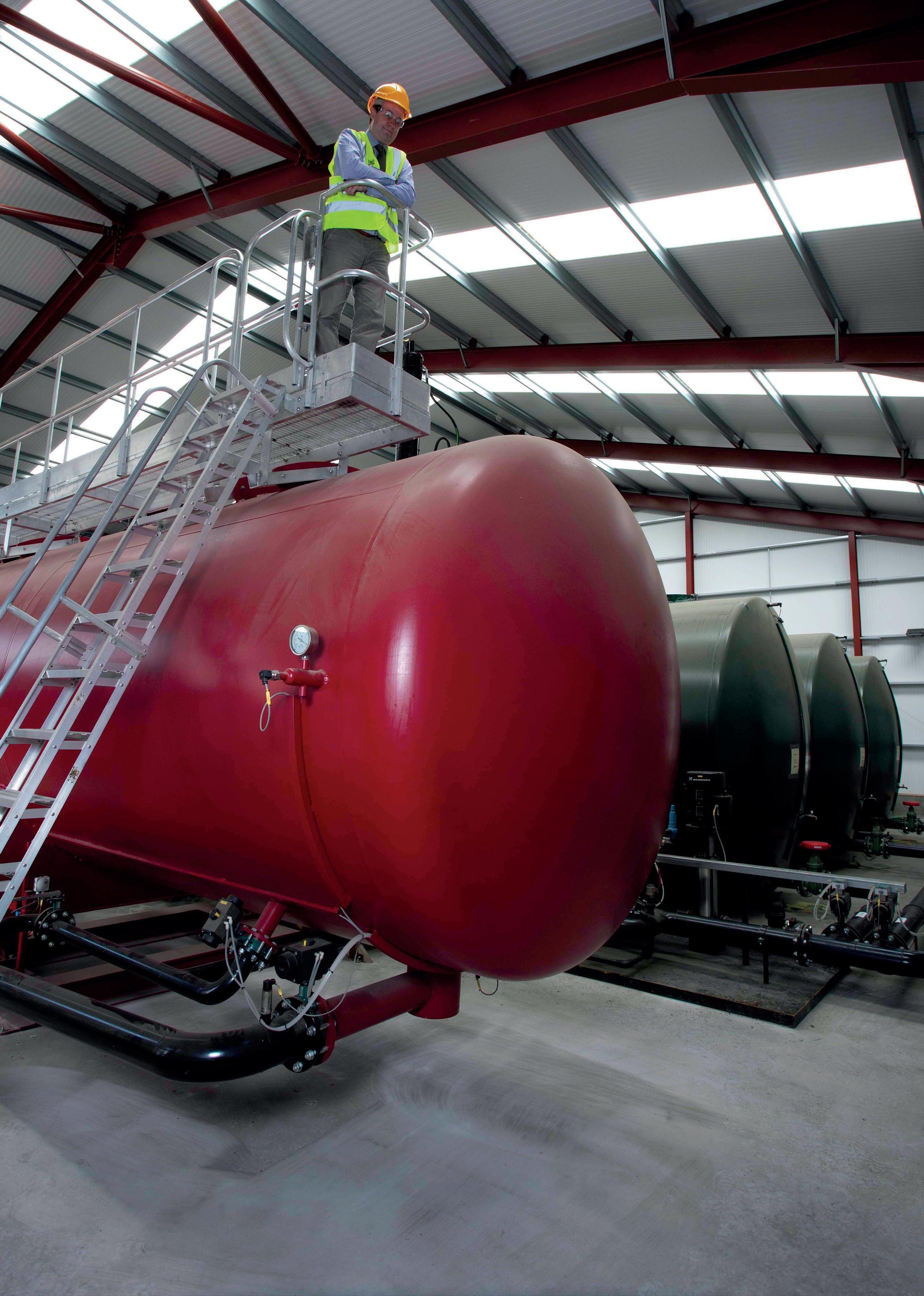

processing in Scotland is largely restricted to shortlife and low value products that in turn produce limited added value’ (p31, para 94). Effective research would have shown that around 72% of softwood deliveries goes to sawmills (60%) and panel manufactures (12%), both supply the high value construction sector (Forest Research, 2023) and the pallets sector which is vital for the movement of goods of all types.
Building houses with a high content of timber is a well-established construction method in Scotland and is well ahead of the rest of the UK in timber frame designs with over 80% of new houses built using this method (STA, 2018). Given the lifetime expectation of 50-100 years, use of timber products in house construction cannot be described as ‘short-life and low value.’ There is no mention in the report of the potential reduction in carbon emissions possible by substituting timber for masonry (20%) and concrete (60%) in building construction (Spear et al., 2019).
The report proposes the development
of technologies to convert sawn timber into higher specification, added-value products (e.g. glulam, cross laminated timber, veneer laminated timber) (p31, para 95). The use of advanced timber products in construction has been increasing in recent decades; however, there remains the issue of convincing architects and builders to use more of these products over traditional materials (e.g. Wilson, 2007).
Further, given the very large investment of tens of millions of pounds required to establish a Scottish-based facility for these products, there will have to be a large and sustained increase in demand to underpin the financial viability of Scottish-based manufacturing of advanced timber products.
The report mentions the recreation associated with forestry (p31, para 93), but does not point out the vast majority of the estimated 123 million forest visits annually in Scotland are to productively managed forests (Forest Research, 2024). Studies on the specific attributes of a valued
recreational experience in British forests found that well managed access via timber roads and walking/cycling tracks was critical to overall value (e.g. Willis et al., 2003; Hill et al., 2003).
These studies found that tree species and structure were less important although the public are understandably averse to large-scale clear felling–a practise driven by single-aged forests established last century and which are being replaced where conditions allow by smaller-scaled felling coupes.
The report’s findings are based on a seriously flawed methodology, a lack of a comprehensive literature review, and an almost complete absence of empirical data to support the statements being made. Consequently, the recommendations presented here are biased and therefore highly unreliable.
Full report: http://bit.ly/3Qg5olo
Areport has been published presenting results from a national survey exploring attitudes, experiences and actions among private land managers in relation to environmental change.
The 2025 British Woodlands Survey is the third instance on the theme of environmental change -following similar research undertaken in 2015 and 2020 - creating a highly valuable 10-year time series.
More than 500 respondents took part in the survey, representing a significant area of woodland (183,000 hectares) across Britain. Only half of respondents reported having a management plan in place which was compliant with the UK Forestry Standard. Many land managers reported constraints from lack of time and money, but also significant pressures from tree health impacts, as well as severe impacts from grey squirrels and deer.
There were clear differences across the country, with land managers in eastern England concerned about drought, whilst those further north were
more concerned about wind damage.
During the last five years, land managers reported increased damage from pathogens (+79%) and invertebrate pests (+63%). Despite these and other threats to tree health, only one third of land managers took steps to improve biosecurity.
Many land managers recognised that in future it was likely that they would need to adjust efforts to control tree pests and to also adjust the timing of woodland planting and management to fit with changing environmental conditions.
The research was completed by Sylva Foundation and Forest Research,
with funding provided by Defra. Lead author and Chief Executive of Sylva Foundation Dr Gabriel Hemery said: “The 2025 British Woodlands Survey has revealed a sector that is increasingly aware of environmental change and perhaps ecologicallyminded, yet levels of motivation are affected by long-standing structural and practical constraints. Indeed, there appears to be a mismatch between ecological concern and operational confidence.
“The woodland sector needs to urgently address the disappointing levels of management planning and take steps to improve biosecurity, particularly in the face of increasing environmental change. Considering long-term trends, it appears that resilience actions remain largely incremental rather than transformative. It is evident that collective effort and even greater levels of collaboration and action are required in every part of the tree, woodland and forestry sector.”
The full report and supplementary materials are available at www.sylva. org.uk/bws.
Defra has published its Deer Impacts Policy Statement, setting out the government’s policy position on managing the impacts of wild deer in England over the next 10 years.
An estimated one-third of England’s woodlands are now affected by deer damage, with excessive browsing and trampling preventing young trees from establishing, degrading habitats, and damaging crops. Without urgent action, this damage risks undermining woodland creation, nature recovery and domestic timber production.
Current management approaches have not kept pace with rising impacts. There is a need to reduce reliance on fencing and tree shelters and increase effective, active deer management at landscape scale.
The Deer Impacts Policy Statement, a new 10-year government plan to give land managers the tools and support they need to act quickly and effectively, has now been published.
Nature Minister Mary Creagh said: “Our trees and native wildlife are under huge strain from deer damage, including from non-native deer species.
“This government is helping landowners and farmers manage deer impacts more effectively so woodlands can flourish and crops are better protected. These new measures will also help restore nature, boost our homegrown timber industry and protect the millions of trees we are planting across the country.”
The package of measures includes:
• Dedicated deer officers to provide clearer, more accessible advice and coordination.
• Grant funding to support effective deer management activity.
• Streamlined licensing processes to cut red tape and enable faster action.
• Potential changes to night shooting and close season licensing.
Forestry Commission Chief Executive Richard Stanford commented: “Deer
damage is one of the biggest negative impacts on our trees and woodlands. Action has been long-overdue, and these welcome measures will give land managers the tools they need to reduce pressures from excessive deer browsing to protect trees and restore biodiversity in our woodlands.
“This will help trees, and other plants to thrive, enable nature to recover and provide much needed habitat for woodland birds and other wildlife. We can all help in this endeavour by eating wild venison, the most climate-friendly red meat there is.”
Supporting the wild venison market
To complement these measures, the government will also support the domestic wild venison market, helping to offset the costs of managing deer impacts by lethal control, including supporting the British Quality Wild Venison Standard, to boost consumer confidence. This includes support for the British Quality Wild Venison Standard to boost consumer confidence and exploring the use of public procurement to increase consumption. Wild venison is a healthy, high protein food, rich in essential amino acids and lower in cholesterol and saturated fats than many other red meats.
Research and innovation
The government will also support research to improve the effectiveness
and efficiency of managing deer impacts, including the use of drone surveying to identify national priority areas and target action at a landscape scale.
Together, these measures will make it easier for foresters, farmers and land managers to reduce deer damage, allowing woodlands to recover and thrive. This will benefit woodland species like dormice and nightingales and support the government’s wider nature recovery goals.
The Deer Impacts Policy Statement follows Defra’s Grey Squirrel Policy Statement, published on 29 January, which set out measures to tackle damage to trees and woodlands caused by invasive grey squirrels and support native red squirrel populations.
Commenting on publication, Confor National Manager for England John Bruce said: “Deer impacts are one of the most consistent concerns raised by our woodland owner and forestry members. Excessive browsing affects woodland creation, biodiversity recovery and the quality and resilience of our future timber resource.

“Following the Grey Squirrel Policy Statement, it was understood that the Deer document would also take the form of a policy statement. While members have been seeking more detailed action plans, this publication provides important recognition of the scale of the issue.
“Developing a strong domestic venison market is part of the solution. Managing deer effectively protects biodiversity and improves the long-term supply of home-grown timber, while providing a healthy and sustainable food source.”
Turning policy intent into coordinated delivery, supply chains and clear regional prioritisation will now be key.

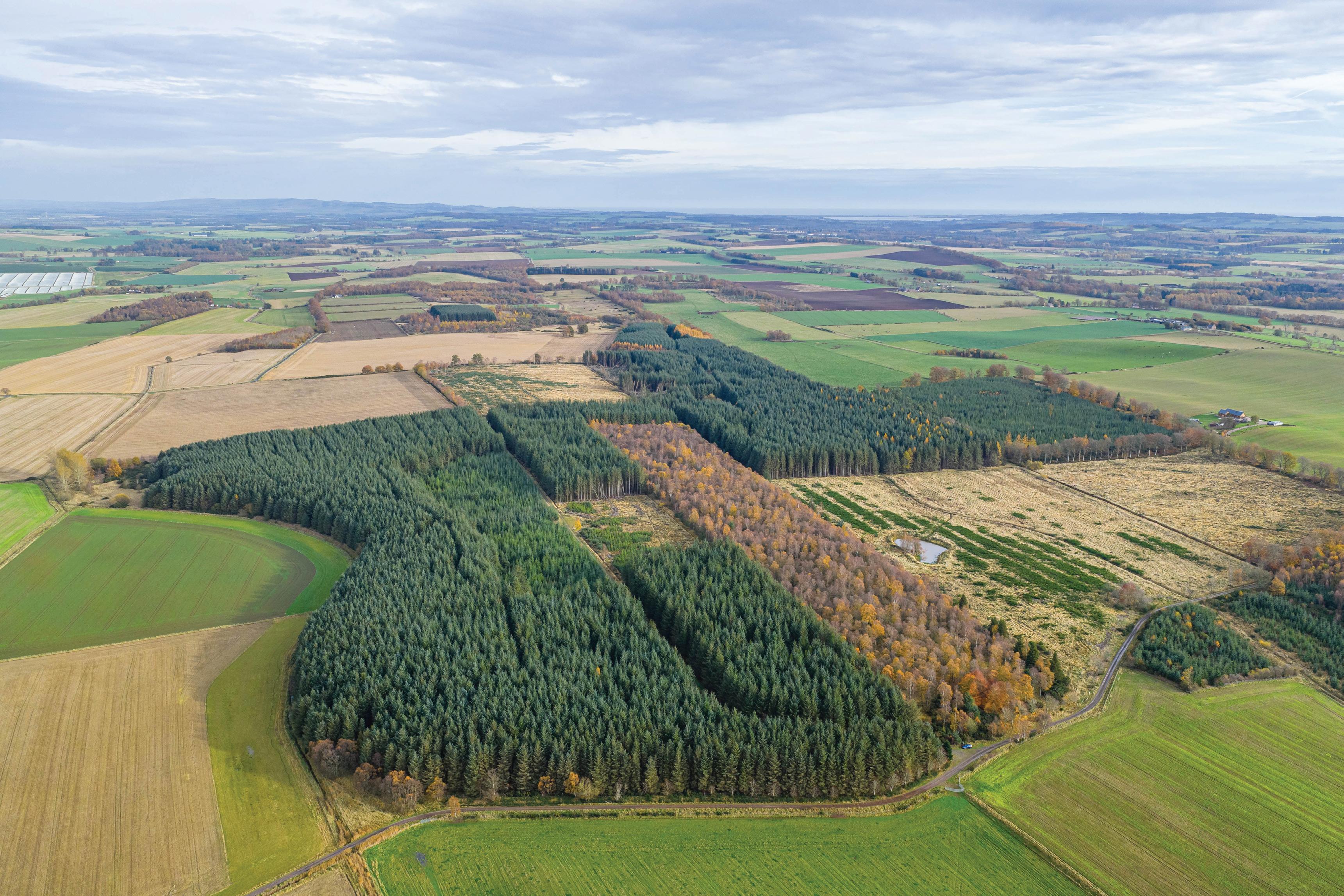
Simon
Hart, Head of Forestry Scotland at
John Clegg & Co, details the impact of economic uncertainty we are seeing in the forest market.
Looking back at 2025 we see a record-breaking year for conifer plantation sales, but it does not feel like a year of celebration. With over £250 million of plantation sales recorded in the John Clegg/Strutt and Parker 2025 Forest Market Review, it was bigger than any previous year for open market sales. So why does it not feel like a record year?
With a long running flat timber market, interest rates higher than many were used to (and now not falling), Trump tariff induced economic uncertainty, continued and worsening global conflicts, and a UK government that kept changing position on inheritance tax, it meant that investors were being cautious at best, seriously worried at worse. The caution previously reported remains and is now more pronounced.
When looking at sales data we always stress the variation in the sample
of woods sold year to year and the dangers of extrapolating data from any one year. If there was ever a year for that warning it was 2025. The market size of £261 million included Griffin Forest that made up just over half the total. This large, productive, and relatively mature spruce-dominated wood has distorted the 2025 figures. Excluding Griffin, average plantation prices are probably down about 10% at £16,200/stocked hectare. However, include Griffin and the average jumps to £23,200/stocked ha.
The plantation market is clearly slowing. Average sale prices in 2025 were only 102% of the guide, and 30% sold for less than the guide. We are seeing more fixed price offers, some price reductions and relatively few woods going to closing date. Excluded from these figures are the woods that
Left: Weiris Wood – On the market with John Clegg & Co. 76ha of mixed age conifers guided at £800,000.
John Clegg & Co, the specialist forestry arm of Strutt & Parker, has published its annual Forest Market Review.
The report states that, while technically 2025 was a recordbreaking year – with over £250 million worth of plantation sales recorded – this figure masks what has become a slower, more variable market.
A total of 11,300 stocked or plantable hectares were sold which is more than double the area sold in 2024. However, more than half of this was accounted for by three large sales - the Griffin sales (Lots 1 and 2) and the Caledonian and Irish Portfolio.
In addition, only 45% of sales were completed within six months of launch and a third took over a year – which are the lowest percentages for 10 years. www.johnclegg.co.uk
remain for sale, or that have quietly been withdrawn from the market.
It is worth noting that Griffin took over two years to sell.
With timber income flat at best and costs continuing to rise (the true impact of the Iran war on fuel price rises are only just starting to feed through), forest economics come under greater pressure and the two-speed market continues to develop. Simplistically, good spruce in the south sells well, pine and woods in the north and west of Scotland struggle to find buyers.
Good spruce woods in the south include Merrylaw in Eskdalemuir, where 10-year-old Sitka dominated crops sold for c. £22K/stocked ha. Catcleugh, very close to Scotland in north Northumberland, is under offer after a relatively brief time on the market at about £19K/stocked ha. Guided at £8mn this 530ha spruce dominated wood has an average age in the region of 30 years. Harehope, near Peebles, sold at a comparable price for 20-year-old trees.
However, for pine woods, with inevitably lower yield classes, the story is quite different. Two large pine
woods, Craighill and Arntilly have been available for some time. Guides of £6.4K/ha and £14K/ha for average 30and 60-year-old crops are not proving attractive to the market.
Not only are pine woods of lower yield class than spruce, but they have also often been thinned. This means that even at age 60 standing volumes may be no more than 200 tonnes/ha. A similar aged, no thin, spruce crop will often have more than 600 tonnes/ha.
The woodland market in Scotland is dominated by conifers, but there is still an active market for broadleaves. With over half of new planting being broadleaf, this market will only grow in the future. Pretty woods, ideally with water and bluebells, do sell wellalthough often for little more than £10K/ ha. However, woods with a lot of public access have limited appeal.
Duchess Wood, near Helensburgh, is still available with a guide of £3.5k/ha for 20ha. At Gight wood in Aberdeenshire prices of below £5K/ ha were achieved, and one lot with a broadleaf replanting obligation remains for sale. New broadleaf planting is often driven by carbon credit potential. This can push the price up, but the extensive Far Ralia (1,480ha of which 877ha planted), in the Cairngorms, remains unsold with a guide of £6.9mn, equivalent to £7.8K/stocked ha.
With over 330,000 tonnes of PIUs, the guide price equates to c.£21/tonne for carbon i.e. well below the Woodland Carbon Code average PIU price of £26.85. These figures exclude any value on other elements of the property. Perhaps the scale limits the number of potential investors?
Falling plantation prices have pushed the value of planting land down. Combine this with the uncertainty of securing approval, exacerbated by recent judicial reviews, and it is no wonder that 2025/26 is shaping up to be a very disappointing planting season.
Early indications are of only 7,000ha of new forestry in Scotland. This includes 2,000ha of natural regeneration, and it is worth noting that over half of the 5,000ha of new planting is broadleaf. In the current economic climate, with the continuing barriers to securing approval and sheep farmers benefitting from higher lamb prices, this seems unlikely to improve at least in the short term.
To conclude, good conifer plantations continue to sell well, but overall, the current market is characterised by caution.
The Employment Rights Act 2025 gained Royal Assent in December last year and is set to have wide ranging impacts on key employment law rights and duties. The Employment Team at Brodies LLP details what you need to know.
The Employment Rights Act 2025 (‘ERA’) is expected to make significant reforms to employment law and introduce an array of new protections for employees. Some provisions are already live, with others expected to come into force in August and October 2026 and into 2027. Some reforms remain subject to consultation and will be confirmed in due course.
We have set out below some key aspects of the ERA which we consider are of particular relevance to the forestry industry, with suggested actions that employers can take to prepare and comply.
• From October 2026, there will be an extension to employment tribunal time limits from 3 to 6 months.
• From January 2027, there will be a reduction of the unfair dismissal qualifying period from 2 years to 6 months.
• There will also be a removal of the statutory cap on unfair dismissal compensatory awards.
• As usual, employers should continue to foster and promote good employee relations to mitigate the risk of claims. Employers should:
• audit recruitment practices and consider whether these are sufficiently robust to attract and identify the best candidates;
• review probationary periods in contracts and how they work in practice;
• review training and support available for staff making dismissal decisions;
• review dismissal processes for short-
serving employees;
• ensure contracts allow you to pay staff in lieu of their notice period;
• review protocols for staff with authority to dismiss;
• review policies and procedures which may result in dismissal.
• From October 2026, zero-hour and low-hour workers shall have the right to be offered guaranteed hours after a reference period and to be given reasonable notice of shifts and compensation for cancelled, moved or curtailed shifts.
Employers should:
• conduct an initial audit of zero hours, low hours and agency workers to (i) identify prevalence and working patterns; and (ii) how shifts operate in practice e.g. how much advance notice is given and what happens if a shift is cancelled, changed or curtailed?
• consider ongoing use of zero hours, low hours and agency workers against operational needs and other available options such as fixed-term or permanent contracts.
• From January 2027, there will be a prohibition on ‘fire and replace’ of staff other than in limited circumstances. This means that employers will be prohibited from dismissing an employee then attempting to rehire them on new terms (where the employee did not initially agree to those terms) or replacing them with someone else.
Employers should:
• seek advice on implementing any contractual changes ahead of the reforms;
• audit their use of general and/or specific variation clauses in contracts and assess whether to amend contracts for existing or new staff.
• The duty to take all reasonable steps to prevent sexual harassment shall come into force in October 2026.
• Employers will also be held liable for harassment related to a protected characteristic by third parties where this occurs in the course of employment and the employer has not taken ‘all reasonable steps’ to prevent it.
• This therefore extends to agency staff and contractors.
Managers should:
• deliver relevant training;
• set reporting routes that work off grid;
• ensure policies and procedures are in place, up to date and communicated to all relevant persons;
• include third party risks (landowners, hauliers) in risk assessments;
• consider what ‘all reasonable steps’ means to them.
• From October 2026, there will be a new requirement to provide workers with a statement of their trade union rights at the start of employment and other prescribed times.
• Employers should review onboarding practices and revise to include provision
of the statement of trade union rights, once in force.
• There are various other trade union related provisions coming into force, such as the right not to be subjected to detriment for participating in industrial action and simplification of the trade union recognition process.
Employers should:
• train relevant staff on the risks arising in relation to those who have taken part or may take part in protected industrial action;
• risk assess the likely impact of changes;
• consider potential mitigations and changes to internal processes.
• On 7 April 2027, the FWA will be created.
• The FWA is a new enforcement body with extensive powers, including to:
• compel individuals to attend
meetings, answer questions and provide information or documents;
• enter premises to inspect documents or access computers where necessary for enforcement purposes or to determine non-compliance;
• bring tribunal claims on behalf of workers.
Employers should:
• educate relevant staff on the creation and functions of the FWA;
• audit compliance and record keeping in areas within the FWA’s remit e.g. National Minimum Wage, SSP and holiday pay;
• identify any instances of noncompliance and seek advice on remedial action;
• consider an action plan for responding to any investigation by the FWA including the process to be followed if the FWA attends your premises;
• train relevant staff.
Confor Members have access to a free legal helpline, administered by Brodies LLP. Get in touch for guidance on key issues that impact forest owners and the forestry sector. Whether your query is employment law, health & safety, planning, tax or property-related, one of our experts will be happy to give you a free initial consultation. More info: https://bit.ly/3yPGRI1
For members based anywhere in the UK Brodies LLP 0131 228 3777 www.brodies.com confor@brodies.com
For members based in England/Wales Michelmores LLP 0333 004 3456 www.michelmores.com

The Department for Business and Trade has responded to evidence submitted last year on unpaid internships and other roles paid below the National Minimum Wage. Kate Gardner, Senior Consultant –Employment at Michelmores LLP, shares the key actions government will be taking.
The government has published its response to their ‘Making Work Pay: Call for Evidence on Unpaid Internships’ report. With 358 responses received from employers, workers, and sector stakeholders, the government’s findings reflect a broad and detailed picture of current practices.
Current legal position
Under current UK law, there is no statutory definition of an “intern”, and many roles described as internships may, in reality, meet the legal test for worker status. Where an individual qualifies as a worker, they are entitled to the National Minimum Wage (NMW), regardless of what the role is called.
Only limited exceptions exist. These include students undertaking accredited educational placements, certain volunteering roles, and specific charity-based positions. Genuine work shadowing (where an individual observes but does not perform productive work) is generally lawful and unpaid. However, concerns remain that some employers incorrectly categorise individuals as volunteers or work-shadowers to circumvent NMW obligations.
The government’s call for evidence revealed and concerns across several areas:
• Non-compliance with NMW rules, including misclassification of individuals as unpaid interns or volunteers.
• Extended periods of unpaid work, with some interns working for months on duties resembling standard employment.
• Reports of bullying, harassment, and unsafe working environments among unpaid interns and those undertaking
unpaid work trials.
• A minority of employers deliberately exploiting gaps in regulation, which undermines compliant businesses and places young workers at unfair disadvantage.
The evidence also highlighted that many interns, especially those from lowerincome backgrounds, are effectively excluded from unpaid opportunities because they cannot afford to work for free. This creates a barrier to entry for certain industries that rely heavily on internships, contributing to inequality and limiting social mobility.
In response to the findings, the government has announced several significant steps:
• A ban on unpaid internships unless they form part of a recognised education or training course.
• Updated and expanded guidance on the NMW, designed to help employers understand and comply with their legal duties.
• Stronger enforcement action, including through the establishment of the Fair Work Agency.
• A renewed focus on preventing exploitation of young people, particularly
in roles that are wrongly labelled as volunteering or work shadowing.
Practical steps for employers
Employers should take proactive steps now to ensure compliance and prepare for upcoming changes:
• Review internship, work experience, and volunteering arrangements to ensure that any unpaid role meets lawful criteria.
• Update policies, contracts, and onboarding materials to reflect clearer distinctions between paid and unpaid roles.
• Prepare for enhanced regulatory scrutiny once the Fair Work Agency becomes operational by strengthening internal compliance procedures, recordkeeping and supervisory arrangements.
• Ensure that all individuals undertaking internships or unpaid work are treated with the same dignity, respect, and safety considerations afforded to employees.
Defining whether an individual is a worker or not can be a complicated legal question. If you are unsure whether your interns meet the legal test for worker status, do not hesitate to reach out to our Employment Team at Michelmores.

Lanzarta, the large pine weevil insecticide developed by Syngenta, has been given full approval for use to protect conifer species in the UK.
Syngenta insecticide Lanzarta has received full registration approval for use in UK forest nurseries and in-forest application, providing comprehensive protection for Sitka spruce and other pine woodland species against damage from Hylobius abietis (large pine weevil).
Two-stage protection strategy
The dual approval for nursery and forest enables a complete strategy to tackle reforestation losses from Hylobius feeding damage in high-pressure situations. Nursery pre-treatment provides crucial early-season control, when newly planted saplings are most vulnerable, whilst subsequent in-forest application offers supplementary protection against later-emerging weevil generations.

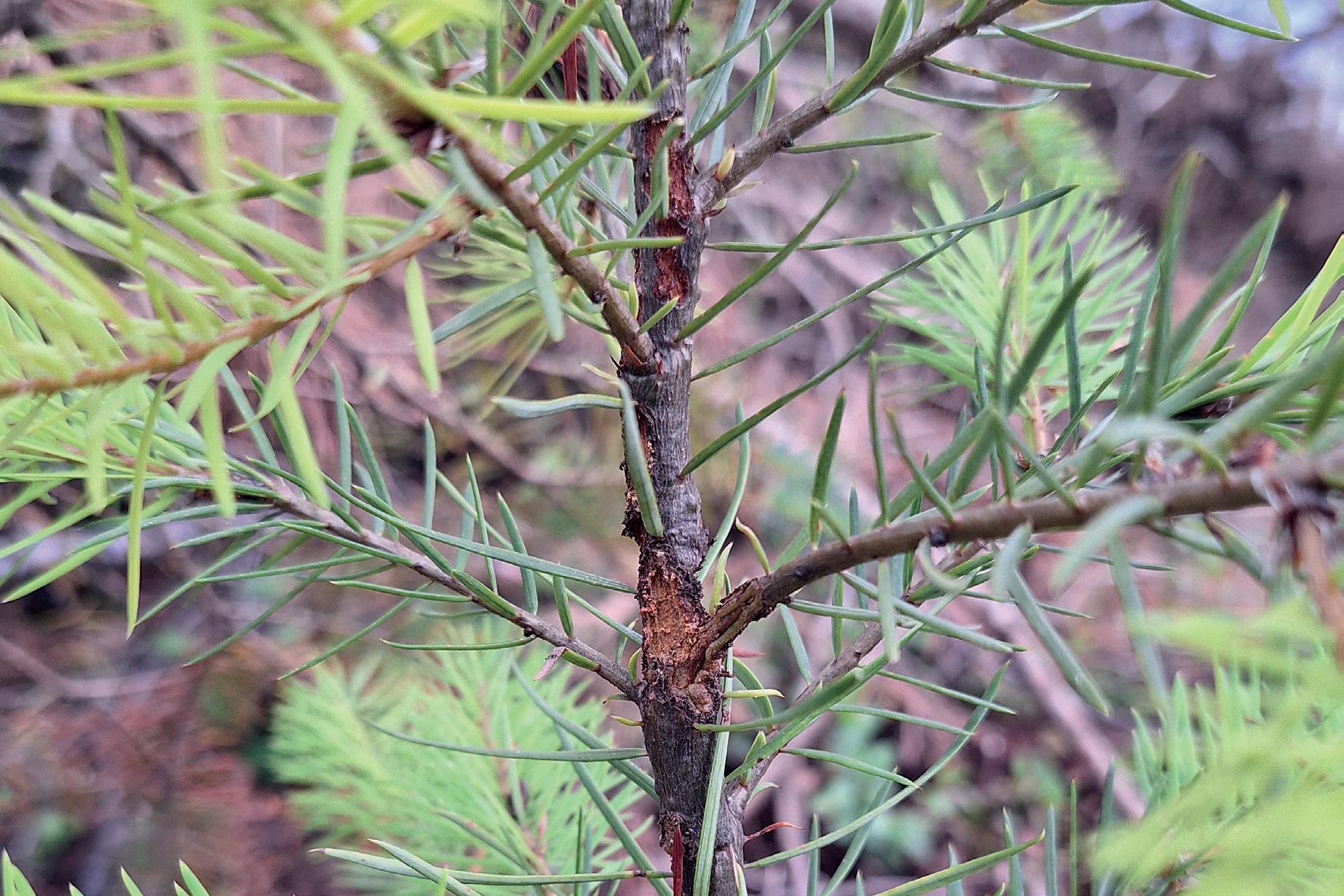
or protection in subsequent years according to the risk encountered.”
Lanzarta applied in nurseries ensures precision stem and bark coverage, whilst minimising environmental loss. In-forest knapsack application provides targeted protection where ongoing pressure is identified.
Timing and application
Sarah Hughes, Syngenta Business Manager for Forestry, warned that serious Hylobius infestations typically occur in the first year after planting, especially near clear-fell areas. “Attacks can occur from late spring through to late autumn, with successive weevil generations emerging from infested stumps. Climate change indicators show insect activity typically occurring earlier and continuing longer in warmer conditions,” she said.
“Nursery pre-treatment with Lanzarta provides excellent early protection, with precision application ensuring all plants are covered. In-forest application enables supplementary treatment to protect against later-emerging Hylobius where pressure is identified,
Protecting saplings through the crucial early years significantly reduces restocking costs and time, whilst creating more consistent woodland stands.
Confor National Manager Scotland Richard Hunter stated: “Confor welcomes the full approval of Lanzarta for use in the forest industry to protect young trees from Hylobius. This is an important boost to the range of tools needed by the UK sector to continue fighting against a massive and destructive large pine weevil population.
“As part of the Hylobius Industry Research Programme, Confor is pleased to have been the industry applicant for the 2025 Emergency Approval, working in partnership with Syngenta to achieve a great result.
“As the sector continues to explore different methods for Hylobius control, we know that a fast-acting insecticide will be needed for many years to come.”
The quick-drying SC liquid formulation of Lanzarta binds strongly to tree bark, preventing rain wash-off and providing long-lasting protection. The active
ingredient, chlorantraniliprole – inspired by naturally occurring diamide insecticide from the Ryania plant – only affects pests physically feeding on treated plants, quickly stopping damage. Lanzarta has a positive toxicological and environmental profile for non-target organisms and woodland biodiversity.
Sitka spruce, which is highly susceptible to Hylobius damage, represents the UK’s third largest single crop area, after wheat and barley. Approximately 35 million Sitka trees are planted annually, accounting for an estimated 50% of the £2bn UK forestry industry.
Sarah highlighted trials demonstrate that effective early-year prevention of Hylobius activity allows pest populations to naturally diminish, while at the same time trees establish sufficient resilience against later damage.
Forest advisors recommend integrating Lanzarta with cultural measures for enhanced pest control, such as extended fallow periods, ground cover manipulation and reducing larval food sources.
“Further information on the product and it’s usage along with ongoing trials will be available in the coming weeks,” she added.
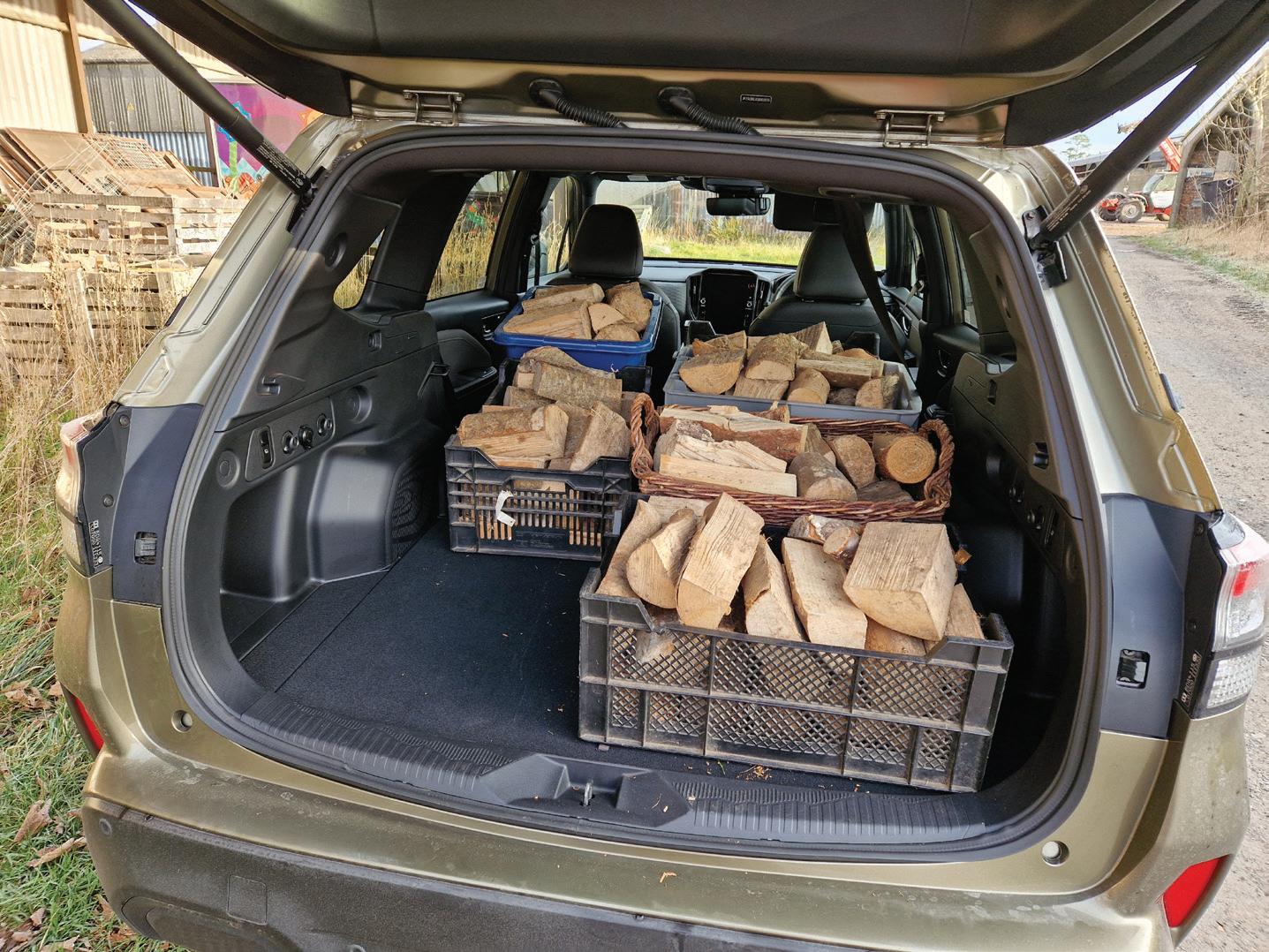
Early 2025 witnessed the launch of the sixth generation Subaru Forester. Eamonn Wall gets behind the wheel to see how well the new model compares to its forbears.
The first Subaru Forester was launched back in 1997 and I remember taking delivery of the first one sold in Scotland. It was red and did us proud service. Since then, Subaru has sold over 5 million units worldwide, over 400,000 in Europe alone.
They have always been popular in hilly Switzerland and are big sellers in USA and Canada, where the outback is a big focus.
Subaru cars have all been assembled in Japan since 1954, with some Toyota collaboration. The Subaru range consists of four models, the Forester, Outback, Crosstrek and the electric Solterra (a reworked Toyota), each with four-wheel drive, good ground clearance, and Subaru’s legendary record of reliability.
A friend once complained Subarus lost some of their reliability after passing the 200k mile mark!
My first two forestry company cars were Subarus - Leone estate cars, a 1.6DL followed by a 1.8GL. Both petrol manual cars with that boxer engine,
which sounded great. The only other car still using this boxer layout is Porsche.
The sixth generation Forester follows the established format of a capable tough 4wd estate car. This new model is larger and looks even more SUV-like than before. The exterior is an all-new design and once you get used to its slightly weird proportions, it actually looks really good in an understated workhorse type of vibe.
It still features constant 4wd, combining Subaru’s unique symmetrical always-on all wheel drive system with an optimised version of the brand’s e-Boxer mild hybrid powertrain. This 2-litre petrol boxer engine, sporting horizontal cylinders (4 no), produces 136 bhp and 182 nm of torque, which is not a huge amount of power really.
However, the engine is mated to a Lineartronic gearbox and accelerates to 60mph in 12.2 seconds. The gearbox can be controlled via flappy panels which provide a range of seven gears, electronically set as the gearbox itself has only one gear. A small electric battery

As the overall mpg was only 32 mpg one wonders what all the e-hybrid fuss is all about. 35 years ago, my Subarus also returned 30 mpg so where is the improvement? Subaru no longer make a diesel engine, so all cars are either petrol or electric. An electric Outback will be launched in the UK in 2026 and is already on sale in USA, it looks great.
This sixth generation is a big improvement over the previous model. It rides exceptionally well and smoothly soaks up farm track potholes. It handles well and is easy to drive. The revised suspension has 44% less head-swaying and 39% less cabin noise. I certainly found it fairly quiet and that variomatic gearbox does not overly make the engine sound busy. It steers very well too and the brakes are good.
It has 220mm of ground clearance though the front bumper does seem a little low. In size it reminded me of the

Freeland 2 model, but with an even bigger boot. The boot holds 508 litres and extends to 1,720 litres with the seats folded- large and useful. The rear door can be equipped with a kick sensor hands free powered opening device (a powered gesture tailgate) and power closing via a button on the door edge. A second button here will close the door and lock all the doors too.
Three versions are available: Limited, Field (tested here) and Touring, all increasing in price alongside more equipment. Touring comes with 19inch wheels whilst the other two sport 18 inchers. The larger wheels seem more


in-keeping with the scale of the car.
The Forester has excellent visibility from the driver’s seat. The front doors have an extra small triangular windowpane located in front of the side mirrors for added angles. There is loads of head room, which vaguely reminds me of a hearse. In addition, the wipers are no longer visible from the driver’s seat for a clear view, and the washers provide a broad spread of wash. Rear visibility has also been optimised by reducing the height of the window trim of the rear quarter glass by 40mm.
Subaru engineers have certainly put a lot of work in making this sixth version a really well engineered and useful vehicle. Too many cars these days have compromised visibility.
The front doors have decent puddle lights located in the underside of the front doors, and they are decently bright - very useful if you live or work in the countryside. Even in town they are helpful in locating kerbs etc. A wireless mobile phone charger is also a welcome addition and saves all that messing about with cables and dodgy connections. This is one of those pieces of technology I
really appreciate.
The new Forester comes with nine airbags. A new far-side airbag has been added to the driver’s seat, which reduces severity of collisions between occupants, or between occupants and interior objects. The vehicle also comes with an enhanced version of the X-Mode terrain selection system, offering cruise control at low speeds for off-roading in both forward and reverse motion. There is a whole range of safety systems and modes.
The Forester is now only about £1,000 cheaper than the Outback, which comes with a 2.5 litre engine and better acceleration reaching 60mph within 10.2 seconds. The new Forester Field version is priced at £41,454. The Limited is £3,000 less and the Touring £3,000 more.
I think I would opt for the new Forester over the current Outback, but the new EV Outback will certainly be worth a test drive when it comes out later in 2026.
The new Forester is big improvement on the previous model. It is spacious and tough, smooth and practical. It feels very well engineered and has nice interior door handles too. It won’t follow a Discovery over rutted ground, but where its ground clearance is adequate, it will go anywhere.
It’s a bit heavy on the fuel and is a bit expensive, perhaps, but you do get a well-proven and reliable four-wheel drive system, excellent suspension and an overall nice car to drive. It handles well and is easy to chuck about. Yes indeed, the Subaru Forester is a great choice for a Forester.
The Forest Industry Safety Accord (FISA) is pleased to report significant and continuing progress in the development of its comprehensive competency framework for the Forestry Works Manager (FWM) role, alongside the expansion of formal training and apprenticeship provision that supports both those new to the position and those long established within it.
The FWM Competency Framework
The FWM Framework for Competence and Continuing Professional Development (CPD), most recently updated in October 2025, provides the industry with a structured and authoritative reference for defining, developing and maintaining competence in the FWM role. The framework recognises that competence
encompasses a combination of training, skills, experience, knowledge and attitude, and that these are supported by access to suitable instruction and information.
The framework acknowledges multiple routes to competence, including formal higher education, National Occupational Standards qualifications from NVQ Level 4 to Level 6 (and SVQ Levels 3 to 5), and the significant contribution of experiential learning. Organisations are encouraged to draw on these varied pathways to ensure that individuals meet the definition of competence appropriate to the FWM roles in which they are engaged.
FISA and the FWM Working Group wish to particularly express their thanks to Iain Calvert of Scottish Woodlands, who has led the FWM Working Group
throughout the development and revision of the FWM Competency Framework. His sustained commitment and expertise have been instrumental in shaping a framework that is both practically grounded and fit for the evolving demands of the industry.
The full framework document, along with the FWM Principal Work Scope, approved training and assessment scopes, and associated providers, is available via www.ukfisa.com.
Formal Apprenticeship Pathways FISA is also pleased to report the recent addition of formal apprenticeship provision to the FWM Principal Work Scope, representing a significant milestone in the professionalisation of the role. Two institutions are now delivering FWM-aligned apprenticeships
at Level 4, providing structured and nationally recognised pathways into and through the FWM role.
Plumpton College has developed a Level 4 Forestry Works Manager Apprenticeship designed for those already working in operational forestry, woodland management or contracting who are ready to take on a planning and leadership role on live forestry sites.
Delivered through a blend of on-campus block weeks, online sessions and work-based learning, the programme covers the full scope of FWM responsibilities – from commissioning and managing forestry operations including felling, harvesting, establishment and habitat management, to leading on site health, safety and welfare, and ensuring compliance with the UK Forestry Standard.
The programme runs for approximately 15 months, followed by a three-month End Point Assessment period.

The University of Cumbria’s National School of Forestry offers the Level 4 Forestry Works Manager Apprenticeship as part of a broader suite of forestry qualifications that includes the Professional Forester Degree Apprenticeship at Level 6.
The university has also been active in developing pathways for experienced practitioners who do not yet hold a formally recognised qualification. In partnership with the Welsh Government, it has offered a fully funded Experienced Worker Assessment route, enabling practising FWMs to demonstrate their competence against the Open Awards Level 4 standard and, upon completion, to apply for Technical Membership of the Institute of Chartered Foresters (ICF).
Training and Assessment Provision
Training remains central to the FWM competency profile, both in the gaining, maintaining and development of competence. This is particularly relevant as the industry undergoes
significant technical and operational change. The FISA FWM Working Group recognises established training scopes and qualification standards, and actively supports the development of new training provision aligned to the Principal Work Scopes of the FWM Framework, reviewing and approving submissions against a set of qualifying criteria.
Approved training and assessment scopes, together with their associated providers, are published on the FISA website and are available across the principal work scope categories, including Timber Harvesting, Forest Management, and Arboricultural Support Works.
FISA is delighted that the role of the FWM is now supported by a clear and coherent framework for competency development, underpinned by both established training provision and new formal apprenticeship pathways. Whether beginning a career in forestry or continuing to develop within an established FWM role, practitioners now have access to a range of recognised routes to demonstrate and build their competence.
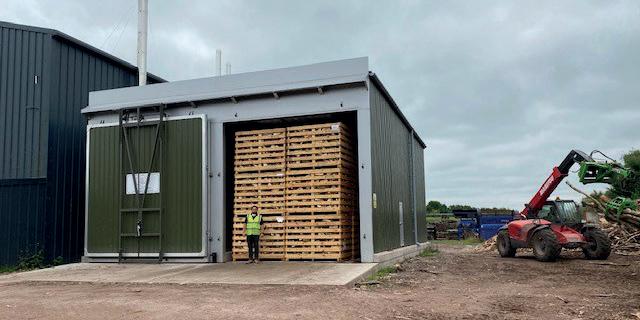
Offering a comprehensive range of professional log & woodchip drying kilns for the timber industry. Along with kilns for sawn timber, pallets & fencing producers Two 160 cubic metre firewood log drying kilns
KILN Services has been designing and manufacturing timber-drying kilns from its base in Essex for over 45 years. The company provides drying and heat-treatment kilns for all sectors of the industry, including softwood and hardwood sawmills, pallet manufacturing, fence-post producers, biomass fuel producers, modified timber and research facilities in universities and training colleges. In recent years, the market for kilns to dry biomass fuel has increased considerably. This has been driven by consumer awareness of product moisture and government initiatives to improve air quality, such as the Woodsure Ready to Burn accreditation scheme.
Please visit our website for more information www.kilnservices.co.uk t: 01621 785 935 e: admindept@kilnservices.co.uk Kiln Services Ltd, Essex, CMO 8TE
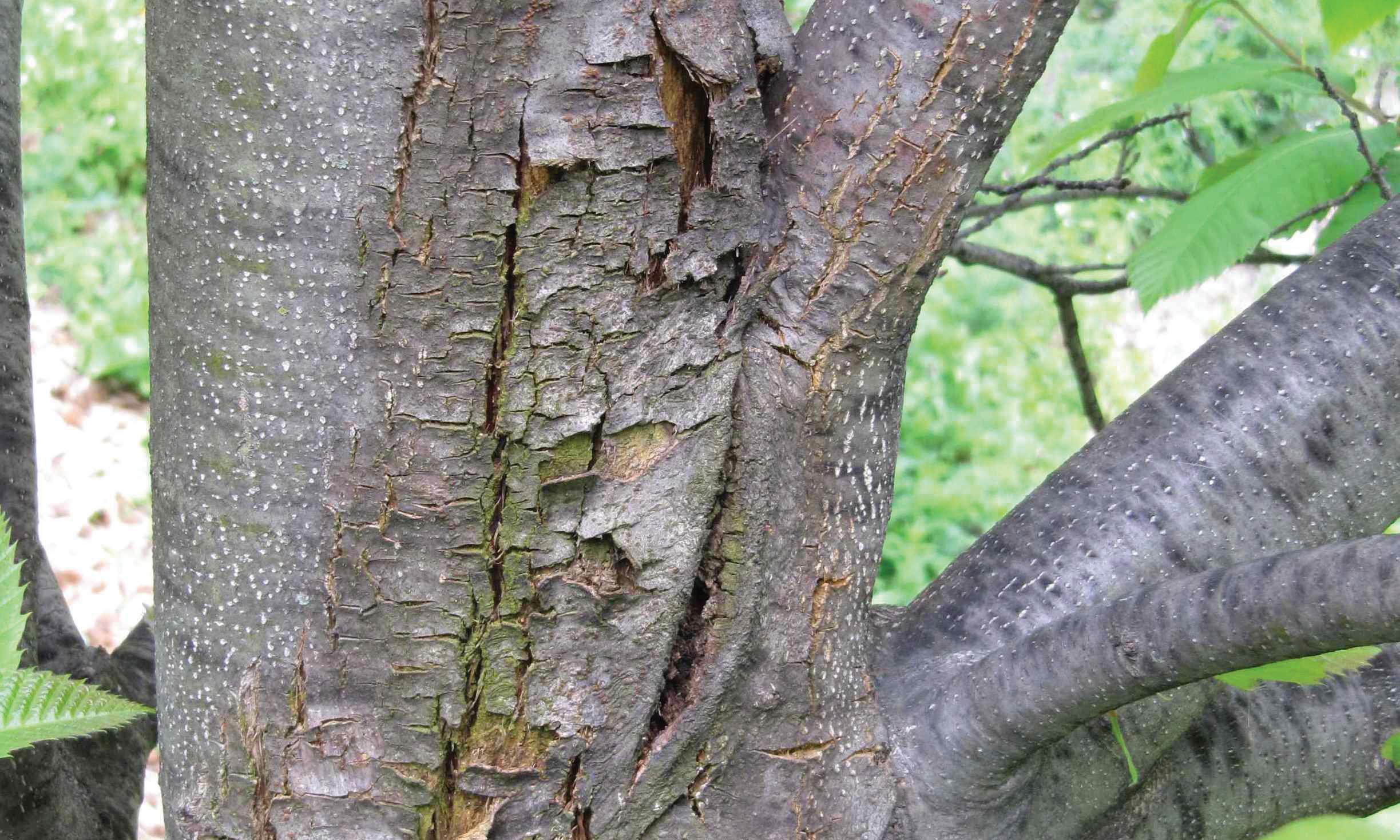
New Demarcated Area established in Devon following the first detection of airborne sweet chestnut blight spores in Great Britain in over a decade.
Sweet chestnut blight has been confirmed in Devon. In response to the outbreak, the Forestry Commission has introduced restrictions on the movement of susceptible material in parts of South Devon from Thursday 2 April. These measures are designed to contain the disease and reduce the risk of further spread.
Sweet chestnut blight is a destructive disease caused by the fungus Cryphonectria parasitica which attacks the bark of European sweet chestnut trees, entering through fissures or wounds and spreading to the underlying tissue and wood, killing these tissues as it advances.
Symptoms of the disease include fissured or discoloured bark cankers with orange pinhead-sized fungal fruiting bodies and buff-coloured fungal fans under the bark.
While previous findings have been made at a small number of sites in England, all of which are subject to statutory control measures, this action is in response to the first finding in 15 years in Great Britain of the causal fungus reproducing sexually. This
means airborne spores are being produced, increasing the risk of wider environmental spread.
Professor Nicola Spence, Defra Chief Plant Health Officer, said: “The confirmation of sweet chestnut blight in Devon and the presence of airborne spores represents an increase in risk of the disease.
“We have acted swiftly and decisively to introduce restrictions to protect sweet chestnut trees across the country, and we urge anyone who suspects they have seen signs of this disease to report it immediately via TreeAlert.”
The Demarcated Area being introduced will mean restrictions on the felling, killing and movement of sweet chestnut trees and other susceptible material capable of spreading the disease, helping to prevent further spread. This includes a prohibition of the movement of plants for planting of the genus Castanea to outside of the demarcated area and restrictions on the movement of sweet chestnut wood and bark within and outside of the demarcated area unless authorised by the Forestry Commission.
Andrea Deol, Forestry Commission Head of Plant Health Forestry, commented: “We have moved quickly to introduce a Demarcated Area in Devon as sweet chestnut blight reproducing sexually has the potential to spread rapidly and over longer distances through the movement of airborne spores.
“We encourage woodland owners, land managers, tree nurseries and members of the public to engage with the Check a Sweet Chestnut campaign to maintain biosecurity and prevent spread.”
The Forestry Commission is working in partnership with the Royal Horticultural Society and Forest Research to encourage the public and stakeholders to look for signs of the disease and report any suspected findings as part of the Check a Sweet Chestnut campaign.
John Bruce, Confor National Manager for England, stated: “Sweet chestnut is an important species for both the rural economy and the environment. In parts of South East England in particular, it underpins local timber markets and a long-established coppice sector. These woodlands also provide valuable habitats for wildlife, supporting biodiversity alongside productive forestry.
“Confor supports this swift and coordinated response to reduce the risk of further spread. The forestry sector has seen through recent experience with Ips typographus that such a coordinated approach can be effective in helping protect the wider resource and slowing the spread of pests and diseases.
“We encourage woodland owners, nurseries and other land managers to follow the guidance issued and comply fully with movement restrictions and reporting requirements.”


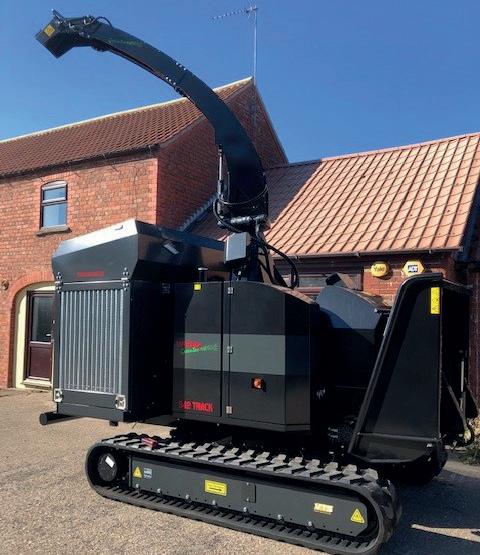
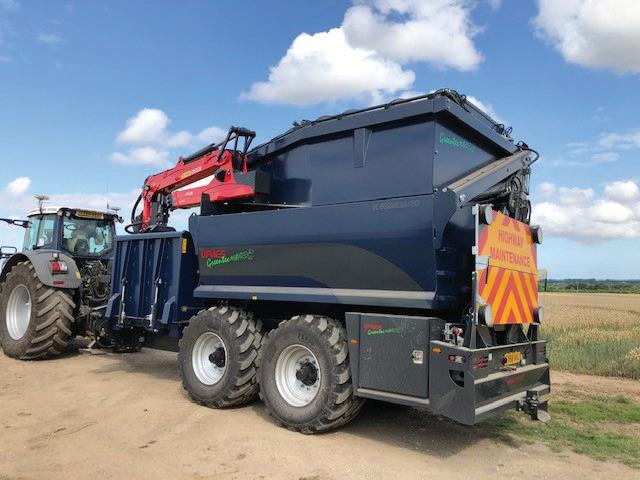

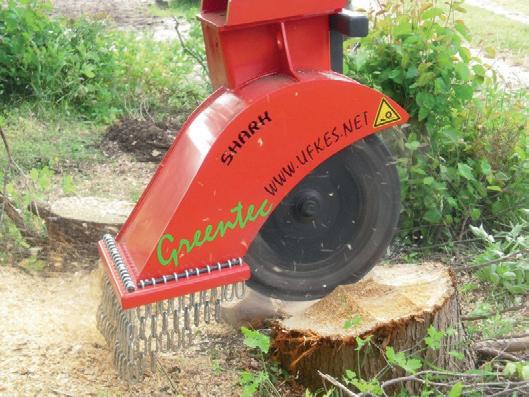
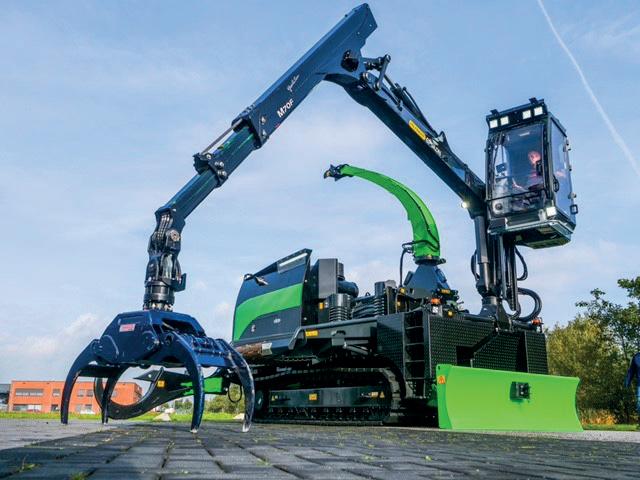

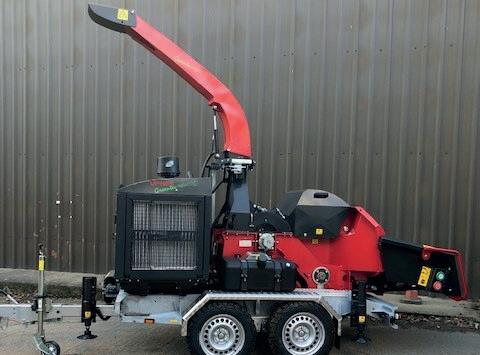
Trade restrictions on conifer trees have been lifted across seven English counties after confirmation tree disease no longer meets the criteria for quarantine pest status.
It was confirmed in early March that Phytophthora pluvialis will no longer be treated as a quarantine pest for regulatory purposes, removing the need for statutory action to be taken at infected sites.
The decision to lift restrictions follows four years of scientific study primarily undertaken by Forest Research to better understand the risk of the disease. Taken together with surveillance data that confirmed no positive findings had been identified at any nursery sites in the restricted areas, the UK’s Plant Health Risk Group concluded the disease poses a low environmental and economic risk.
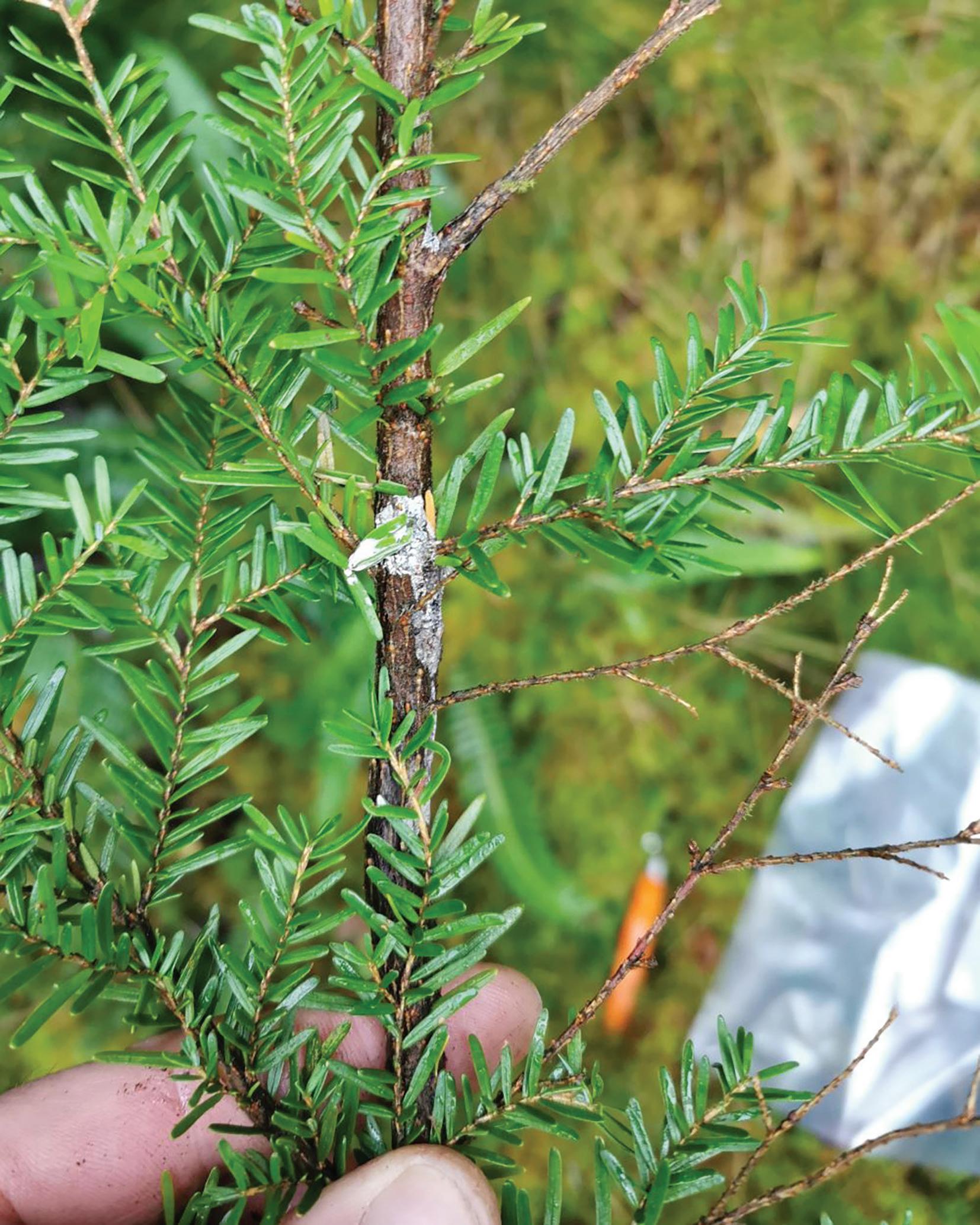
trade sector.
James Nott, Scottish Forestry’s Head of Tree Health said: “The pathogen was first found in Cornwall back in 2021 and since then all the countries have jointly taken a precautionary approach when dealing with pluvialis. This approach was essential until we found out more about the pathogen and its implications.
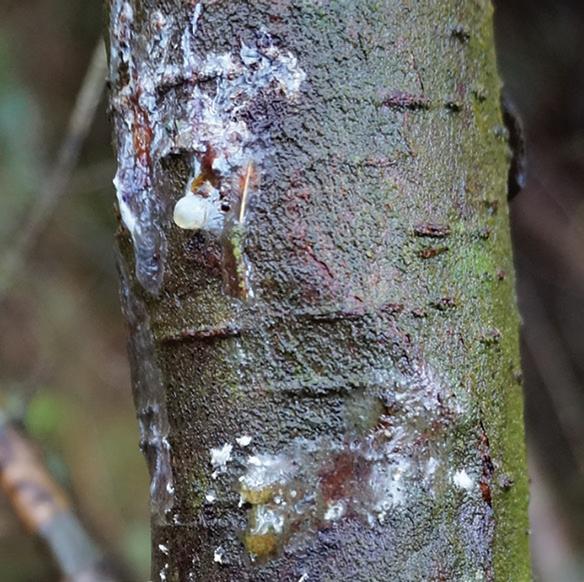
Professor Nicola Spence, Defra Chief Plant Health Officer, said: “This is a positive outcome for the forestry and plant trade sector, and underlines the importance of our robust, evidence-led plant health surveillance and research programmes.
“When this was first identified in Great Britain in 2021 there were significant uncertainties regarding its impact. Four years of Defra-funded research have shown Phytophthora pluvialis does not pose the level of risk to justify continued quarantine measures and has allowed us to now reassess the risk of this pathogen.
“However, we urge continued vigilance and cooperation from the public and trade by reporting any suspected findings via TreeAlert.”
Demarcated areas in Cornwall and
“The latest research provides confidence that Phytophthora pluvialis presents a lower level of risk than originally feared. It is therefore appropriate and proportionate to lift statutory restrictions while we still continue careful monitoring.
“Protecting Scotland’s natural environment remains a priority, and we will continue surveillance to ensure any change in risk is identified early. Please continue to report any suspected findings via TreeAlert.”
Phytophthora pluvialis is a fungus-like pathogen primarily affecting Douglas fir and Western hemlock. It was first identified in Great Britain on Western hemlock in Cornwall in September 2021, the first finding of the pathogen in Europe, and precautionary measures were introduced placing movement restrictions on affected areas.
At the time, the UK Plant Health Risk Group concluded that the pathogen met the criteria to be treated as a quarantine pest, allowing controls and statutory measures to be introduced while further research was undertaken by Forest Research.
Following interim findings in 2023, restrictions on the movement of timber were partially lifted after evidence showed the risk of spread via timber was low. Restrictions on the movement of living trees in demarcated areas remained in place pending further research.
The latest scientific assessments considered the pathogen’s distribution, natural spread and impact. The evidence indicates that:
• No infections have been found in plants for planting at nurseries.
• Spore production is lower than that of the highly infectious Phytophthora ramorum.
• Although spores can be transported in soil, they are relatively short-lived.
• Damage does not generally affect timber quality, though some reduction in growth rates can occur.
On this basis, the UK Plant Health Risk Group concluded that Phytophthora pluvialis does not meet the criteria to be classified as a quarantine pest in Scotland and across the rest of Great Britain.
The updated approach also brings Great Britain into line with the current position in Europe. The pathogen is not classified as a quarantine pest in the EU, and following a finding and investigation, Belgium has recently taken the decision not to regulate this pathogen.
Entries are now open for all categories of Scotland’s Finest Woods Awards 2026, and it has never been easier to submit a superb example of excellence in woodlands and forestry.
With a new website and easy to use online entry forms, it could not be simpler to have your work championed on the national stage.
Jean Nairn, Executive Director of Scotland’s Finest Woods, said: “We are delighted to launch a new website with a simple to use digital application form, making entering a straightforward process. We hope you like the new format.
“Scotland’s Finest Woods celebrates outstanding achievement in woodland creation and management across a wide range of settings, including schools, farms, forestry businesses, community projects and urban woodlands.
“Not only do winners gain recognition and publicity for their dedication to caring for trees, there are cash prizes and one of the competition’s prestigious trophies, presented at a glittering awards ceremony which will take place at the end of the year.
“For many entrants, the opportunity
to host a visit from the judges is also a rewarding and inspiring experience. So why not enter your project this year and be in with the chance of winning?”
There are 10 competitions at this year’s Scotland’s Finest Woods Awards covering Urban Forestry, Quality Timber, Farm Woodland, New Native Woods, Community Woodland, Schools and Early Years.
In 2025, the awards went to a diverse range of work from forestry to farming, community groups to a new prize for urban forestry.
Wilma Harper, Chair of Scotland’s Finest Woods, the charity which operates the programme, said: “The breadth of entries we receive is testament to the great work going on across Scotland. Stories of innovation, excellence and best practice make Scotland Finest Woods Awards what it is – a superb celebration and recognition of all the brilliant things going on in woods across the country.”
Enter now
All entries must be submitted by 23:59 on Sunday 31 May 2026. For full details, criteria and entry forms see: www.sfwa.co.uk.
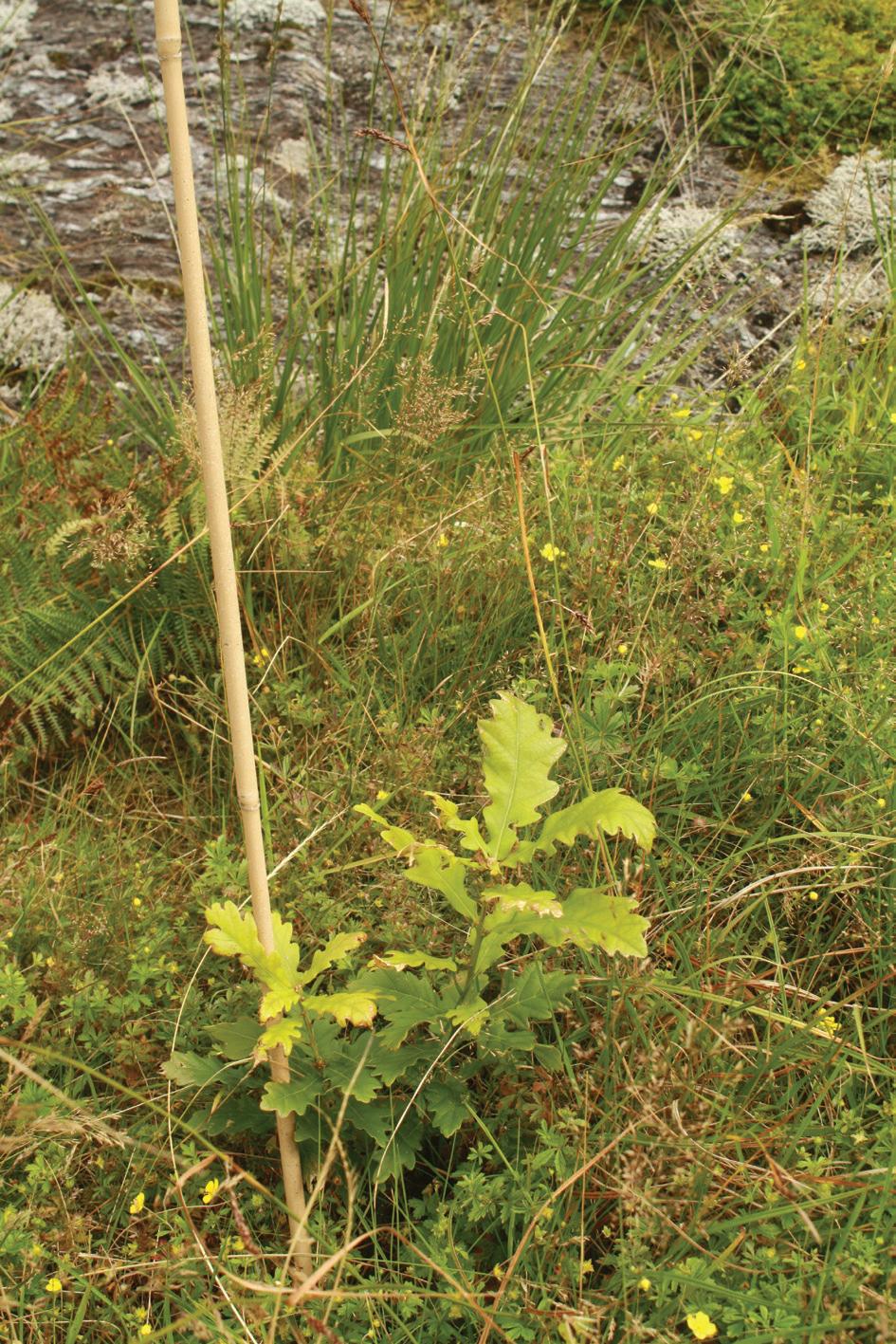
A new national map showing the location of trees outside of woodlands across Wales is now available for the first time.
The comprehensive research programme, undertaken by Forest Research and funded by Welsh Government, uses the latest satellite imagery and national LiDAR survey data to identify trees outside of woodlands, revealing these trees make up 30% of national tree cover across Wales.

The dataset accompanying the map identifies the canopies of all trees at least 3m tall and with a minimum crown area of 5m2 which exist outside the areas already mapped as woodland in
the National Forest Inventory (NFI). This includes lone trees, groups of trees, and small woodlands.
The map, freely available via the Welsh Government data portal, is designed to support anyone involved with planting or planning trees in Wales, from community groups and charities to farmers, foresters and public bodies. It will help to identify where opportunities lie for new planting, building on current schemes or identifying where lone trees could be connected to other trees and woodland.
Trees outside woodlands in urban and rural areas play a vital role. They store carbon, regulate temperatures,
and mitigate against the impacts of climate change, such as flooding and over-heating of towns and cities.
Huw Irranca-Davies, Deputy First Minister, said: “Trees outside of woodland play a critical role in supporting nature and helping to mitigate the impact of climate change in Wales. This map, which provides a comprehensive picture of Wales tree canopy beyond woodlands, helps us to recognise the contribution which they make – it opens the door to better decision-making, stronger ecological networks, and a richer picture of Wales’s natural environment.”
Publication of the data follows a similar research programme undertaken for England’s trees outside of woodlands last year and funded by Defra’s Natural Capital and Ecosystem Assessment (NCEA) programme.
Staffordshire woodland will restore nature, tackle the climate crisis and give local communities access to green space.
Forestry England is creating a landmark 303-hectare woodland in Staffordshire, the largest it has planted in more than 20 years. The new woodland, near the village of Abbots Bromley, will be called Bagots Park Wood, and is the latest site bought by Forestry England to expand the nation’s forests in their care.
Bagots Park Wood is being designed from the ground up to support nature recovery and join up with existing nearby woodland. Once established, it will connect vital habitats already supporting much-loved wildlife species including all three native newts, bats, badgers, a wide range of woodland birds, and plants such as the spotted marsh orchid.
Using extensive site surveys and the latest climate science, Forestry England will plant a mix of carefully selected tree species and weave open spaces throughout the site. This approach will create a mosaic of habitats able to adapt and thrive in a rapidly changing climate. As the woodland grows, it will also lock up carbon, support wildlife, and eventually contribute to a sustainable timber supply as part of the UK’s green economy.
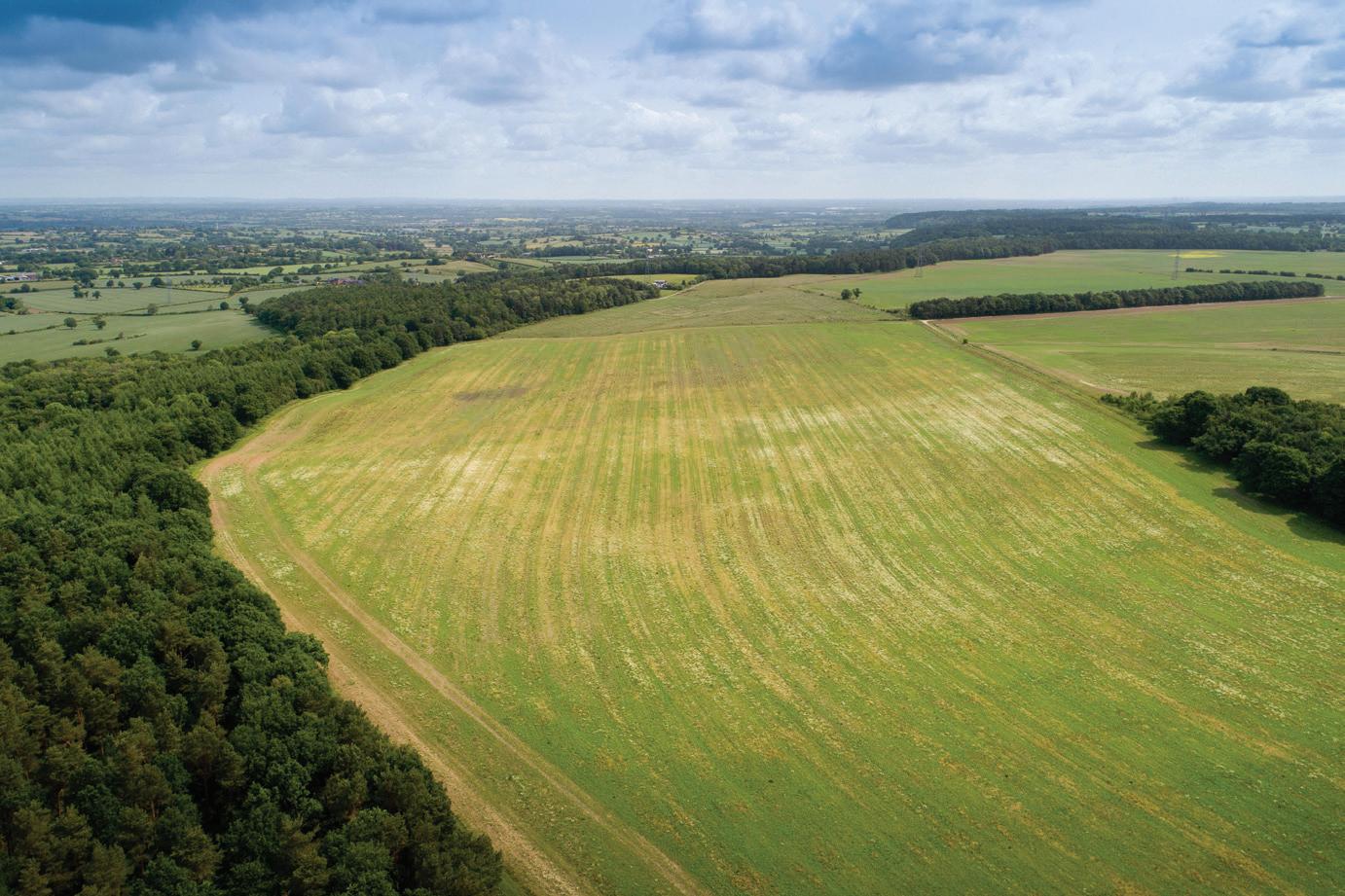
established, Forestry England will open up a total of more than 600 hectares of woodland for local people to explore. This will include Bagots Park Wood, as well as over 300 hectares of additional land at the neighbouring Bagot Forest, which is already managed by Forestry England but has not previously been open to the public. With access to both sites, local people will be able to explore new and mature woodland side by side.
Paddy Harrop, Central Director, Forestry England, said: “Creating a woodland on this scale is a rare and exciting moment for us. It’s not since before 2005 that we’ve had an opportunity on this scale, and this project represents a major investment in the future of Staffordshire’s natural landscapes.
habitats, historic features of the landscape and other important factors before we design this special woodland. We’ll share our draft designs with local people and other stakeholders in due course and hear their views. Local people can look forward to spending time in this new woodland which will be a lasting natural asset for generations.”
Forestry England is now beginning its detailed planning and will work closely with local communities and organisations as proposals take shape. Draft designs will be shared later this year as part of a public consultation to help residents shape how this important new woodland grows.
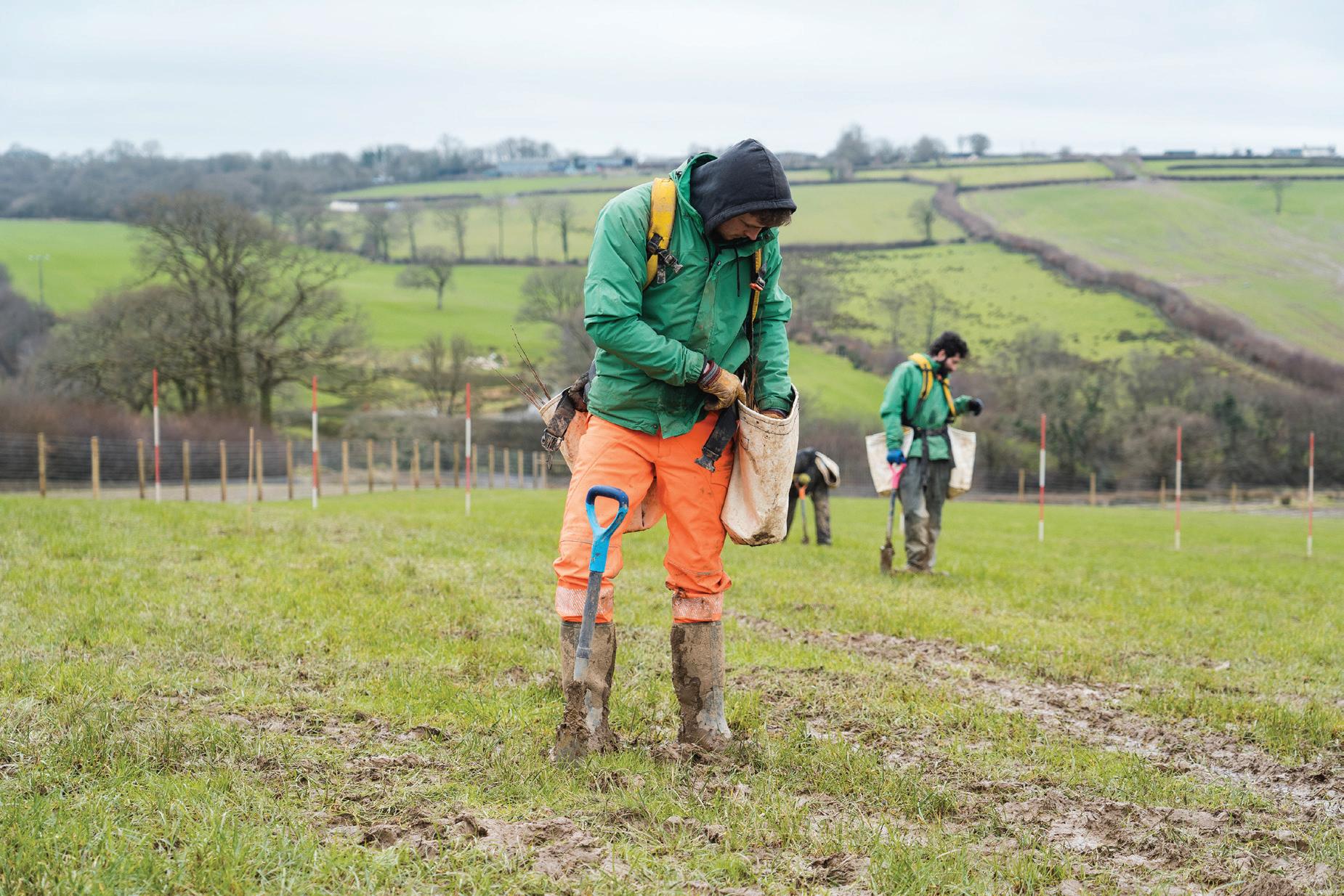
The project is funded through the government’s Nature for Climate Fund and forms part of Forestry England’s wider programme to create new, climateresilient woodlands across the country. Since 2021 they have planted more than 2 million trees across 17 new woodlands covering more than 1,140 hectares. Each woodland is designed to withstand the threats from climate change, pests and diseases, and biodiversity collapse so they flourish in the future.
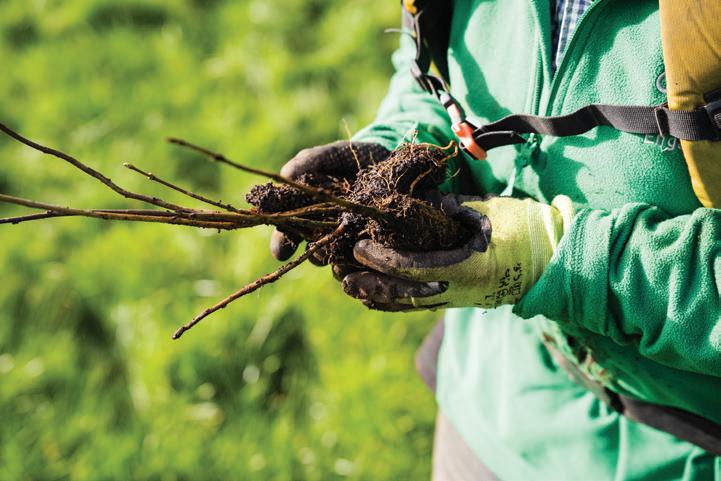
The role of Scottish timber in supporting the circular economy and delivering sustainable homes has been recognised by the Irish government during a St Patrick’s Day visit to Alexanders Timber Design (ATD) in Irvine, North Ayrshire, part of Irish-owned Glennon Brothers.
Ireland’s Minister with responsibility for Housing, Local Government and Planning, John Cummins TD, visited the advanced timber frame manufacturing facility as part of the Irish Government’s St Patrick’s Day Global Outreach programme, which sees ministers travel internationally to strengthen economic ties.
The visit took place on 13 March at ATD’s £18 million Irvine facility which was opened by UK and Ireland timber industry leader Glennon Brothers in 2025. The visit showcased how collaboration between Ireland and Scotland’s forestry and construction sectors can help address housing shortages while reducing the carbon footprint of housebuilding.
Speaking during the visit, Minister Cummins commented: “Scotland and Ireland have built a strong reputation for innovation in timber frame construction and modern methods of housebuilding, and facilities such as Alexanders Timber
Design show how this expertise can help deliver sustainable homes at scale.
“I recently visited offsite construction facilities and it is great to see innovation driving increased housing delivery. Last year Ireland saw a 20% increase in output to 36,000 homes and 70% of all scheme houses delivered were via MMC, predominantly timber frame construction.
“I want to compliment Glennon Brothers for the work they are doing in Scotland and in Ireland. This facility demonstrates how we can connect forestry, processing and modern methods of construction to build a more resilient housing system that meets the needs of our growing population.”
Demand for sustainable housing continues to grow across Scotland, where around 95% of new homes are built using timber frame structures, compared with approximately 12% across the rest of the UK.
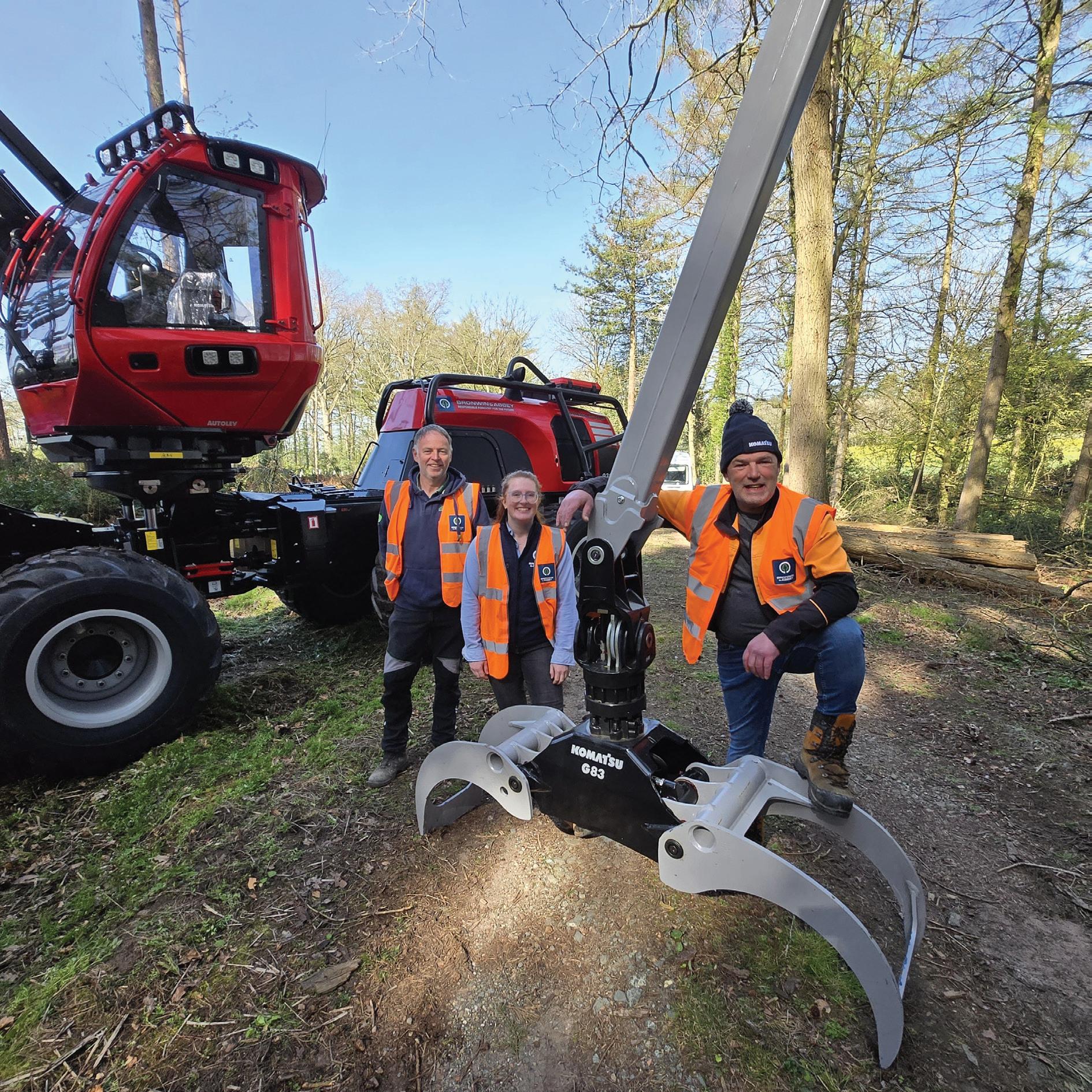
Opened in April 2025 by Scotland’s First Minister John Swinney, the Irvine facility uses advanced robotics, digital design systems and precision engineering to manufacture timber frame structures from homegrown Scottish timber. The site has the capacity to support the build of up to 2,500 homes per year.
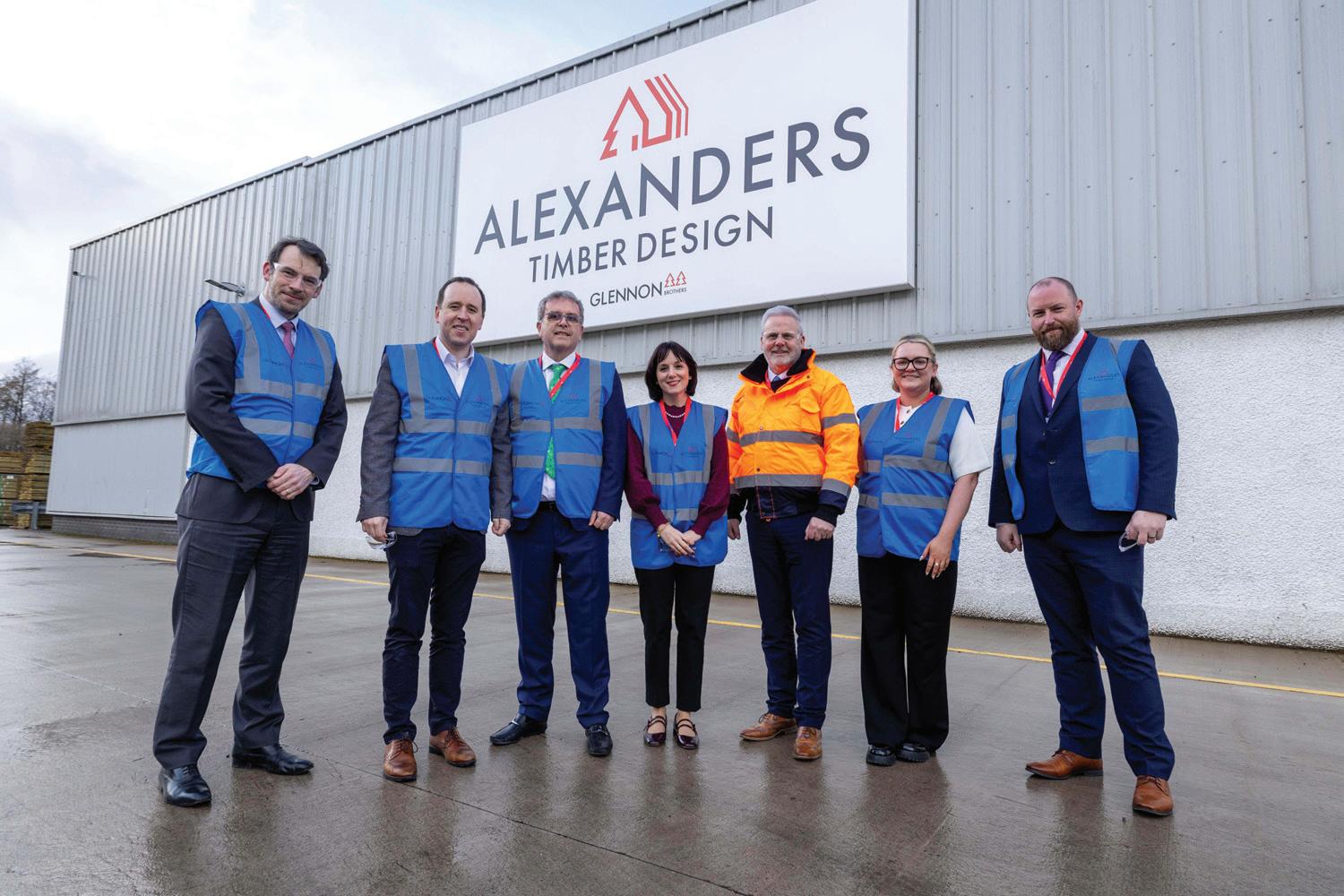
As demand for woodland creation increases - driven by climate goals, biodiversity recovery, timber security and sustainable land use – the forestry sector is being challenged to deliver planting programmes at scale and pace, all while maintaining high establishment standards.
Tilhill Forestry, a member of BSW Group, has successfully trialled the automated tree planting machine, PlantMax, to support the future delivery of new woodlands.
The exploration of automated planting is designed to support manual planting, and the project is underpinned by Tilhill’s integrated approach to forestry. With expertise spanning tree nurseries, woodland management, harvesting operations and restocking, the business is well placed to assess mechanised planting within the wider context of seedling quality, site preparation and long-term woodland performance.
This all helps to ensure that innovation is applied responsibly and
Bronwin & Abbey has announced a significant new investment in modern forest harvesting machinery, supplied by Komatsu Forest Ltd.Additionally, a new team of machine operators have been employed to lead the integration of the new machines into business operations. This strategic change aims to enhance the quality, consistency, and reliability of service to clients.
Managing Director Robert South said: “Our clients trust us to protect and enhance their woodlands. Investing in our own harvesting machinery and employed operators means we can provide quality, continuity, and accountability in a sector where employed positions are scarce.”
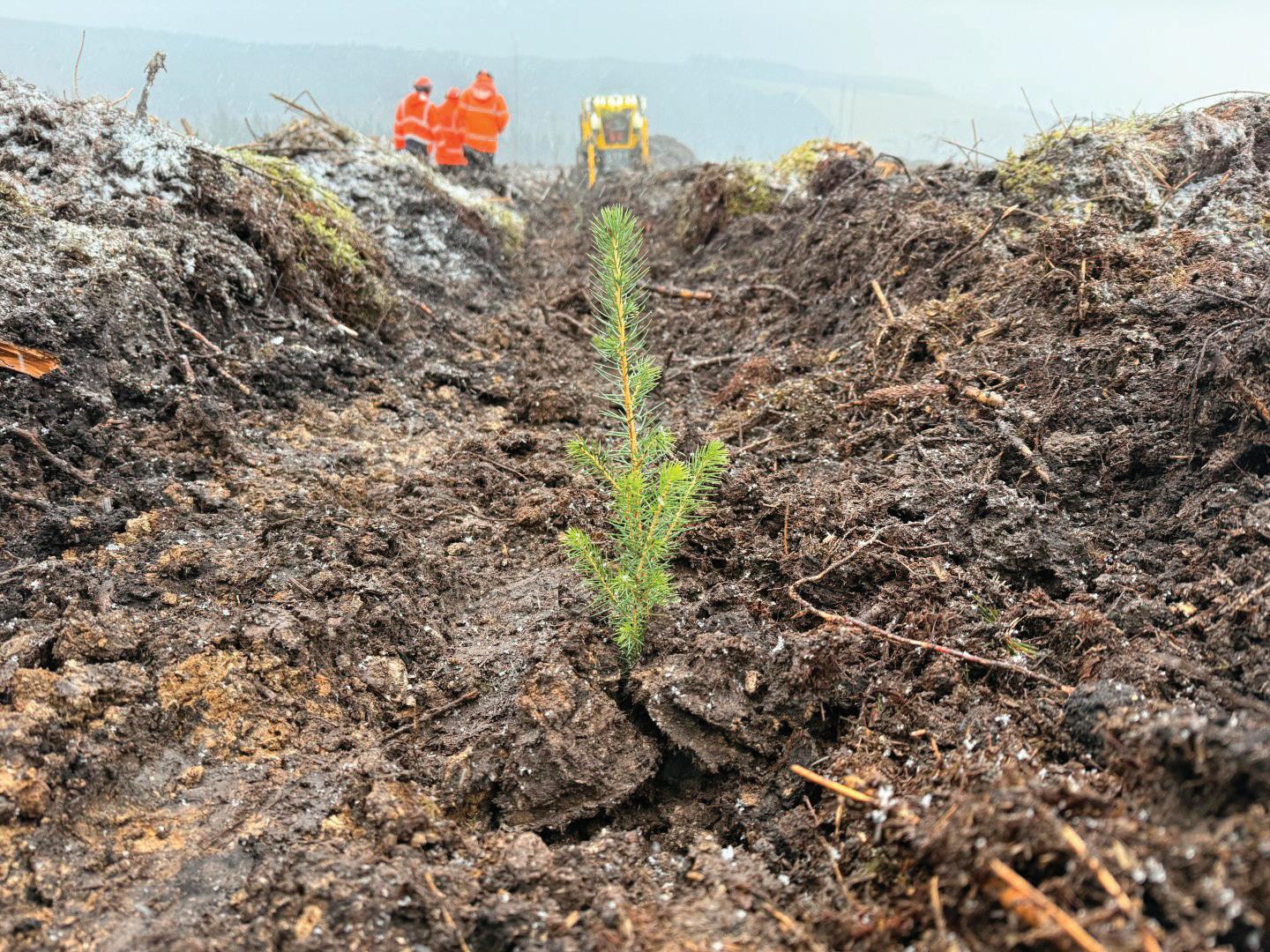
effectively – helping to strengthen the long-term resilience and delivery capacity of the UK forestry sector.
Mechanised solutions are being evaluated to understand how they could aid manual, more labour-intensive planting, adding flexibility to woodland creation and restocking programmes where site conditions allow.
The trial focuses on the PlantMax automated planting system, designed by Swedish company Plantma Forestry.
Bronwin & Abbey’s investment addresses the challenge of reliance on a self-employed workforce, inevitably impacting continuity and consistency in timber harvesting timescales. The new team will deliver: Reliability and accountability; Consistent quality of work; Long-term stewardship and continuity; Excellent machinery support and uptime from Komatsu and a focus on the objectives set by the client
Komatsu Forest Managing Director Stephen Bellas commented: ‘’Bronwin & Abbey’s decision to invest in Komatsu harvesting machinery is a tremendous endorsement of the trust they place in our products, our people, and our longterm partnership.
“We are genuinely grateful for their confidence in Komatsu Forest Ltd. Their commitment to raising standards in UK forestry aligns perfectly with our own values of reliability, quality, and customer support. We look forward to supporting their new team of operators and helping them deliver exceptional results for their clients.”
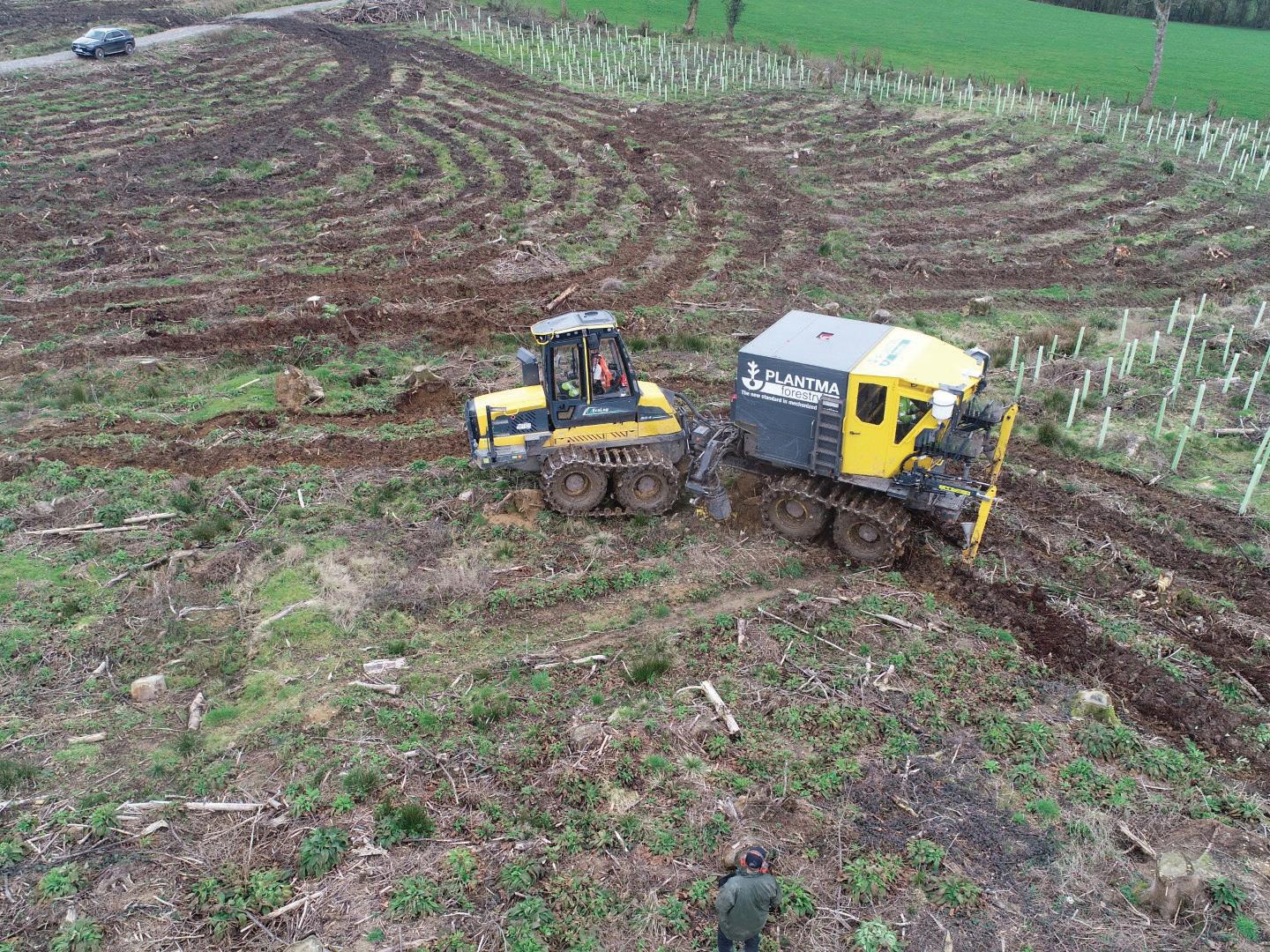
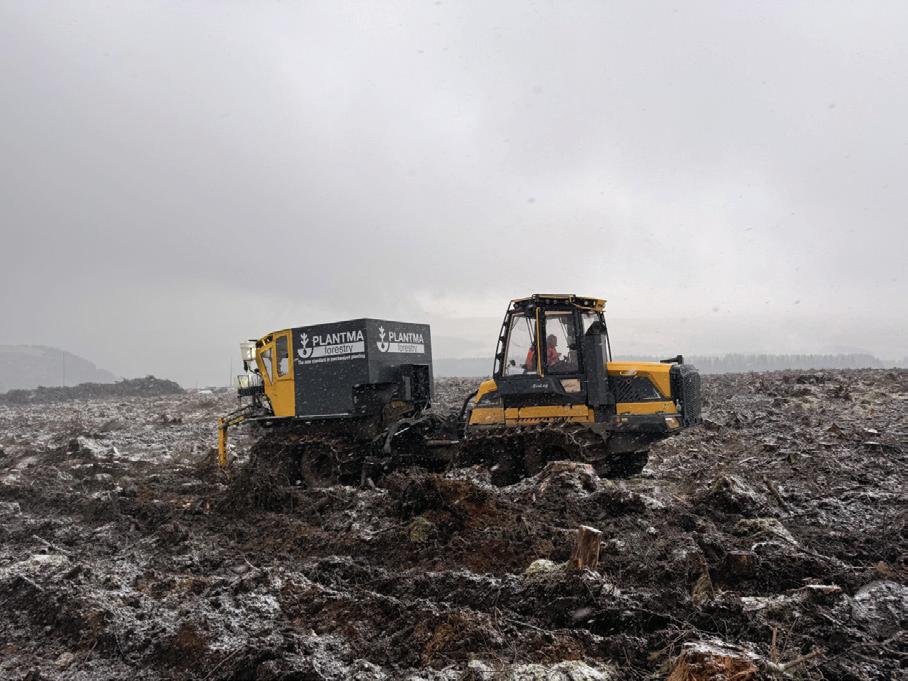
Assessments will help determine its potential role in restocking and woodland creation operations, with early results demonstrating the machine’s ability to plant consistently well on a number of different sites at viable commercial rates.
The system integrates several establishment functions, including ground scarification support and automated planting arms with adjustable compaction.
Performance is being assessed as a complementary approach to planting teams, covering a range of UK forestry site types and recognising that terrain, drainage and ground preparation all influence suitability.
Trials will continue over the coming seasons, and Tilhill will work with partners to validate planting quality, operational fit and the role automation may play in supporting the UK’s woodland ambitions.
The UK Woodland Carbon Code is undergoing assessment for a world-leading carbon integrity standard.
The Woodland Carbon Code has become the first government-run carbon standard in the world to enter full assessment by the Integrity Council for the Voluntary Carbon Market.
The Code sets out requirements for creating new woodlands that generate high integrity carbon credits which organisations can use to compensate for their unavoidable greenhouse gas emissions. It is delivered by Scottish Forestry on behalf of the four governments of the UK.
The Integrity Council is an independent, non-profit, governance body that sets and maintains the Core Carbon Principles (CCPs). These Principles act as a global threshold for high integrity, transparent and impactful carbon standards, providing confidence for buyers, investors and landowners.
The Woodland Carbon Code has completed the first step of the Integrity Council’s process. The ‘completeness check’ confirms that its application has enough evidence and detail to allow the Integrity Council to assess whether it adheres to the Core Carbon Principles Assessment Framework.
The standards applied by the Integrity Council aim to support rural businesses and communities by prioritising local engagement and benefit-sharing, channelling additional finance to local land managers. They also require robust legal mechanisms to ensure permanence and clear ownership of carbon credits.
The Woodland Carbon Code has been shaped by extensive stakeholder engagement and consultation. A key aim is to support integration of farming and forestry, bringing benefits for farm businesses, including new revenue opportunities, shelter for livestock and improved amenity. Recent revisions have increased accessibility for smaller landholdings, including crofts.
If it is found to meet the requirements of the Core Carbon Principles Assessment Framework, the Code will become one of only a few organisations worldwide to achieve accreditation. At the time of publication, there are nine

other CCP-Eligible carbon crediting programmes.
Cabinet Secretary for Rural Affairs, Land Reform and Islands Mairi Gougeon said: “This is a significant milestone for the Woodland Carbon Code and its role in setting a world-leading standard for integrity in woodland carbon markets.
“The Woodland Carbon Code team has worked in partnership with many experts and operators across the forestry sector to shape the direction and content of the Code. The result is a robust standard that supports nature, strengthens climate action and builds a greener future for all. In Scotland alone, it has helped to create over 36,500 hectares of new woodland.”
Since it was established in 2011, the Woodland Carbon Code has helped to create 43,000 hectares of new woodland across the UK, mostly small and mixed woodlands. These projects are predicted to sequester over 14.8 million tonnes of carbon dioxide equivalent over their lifetime.
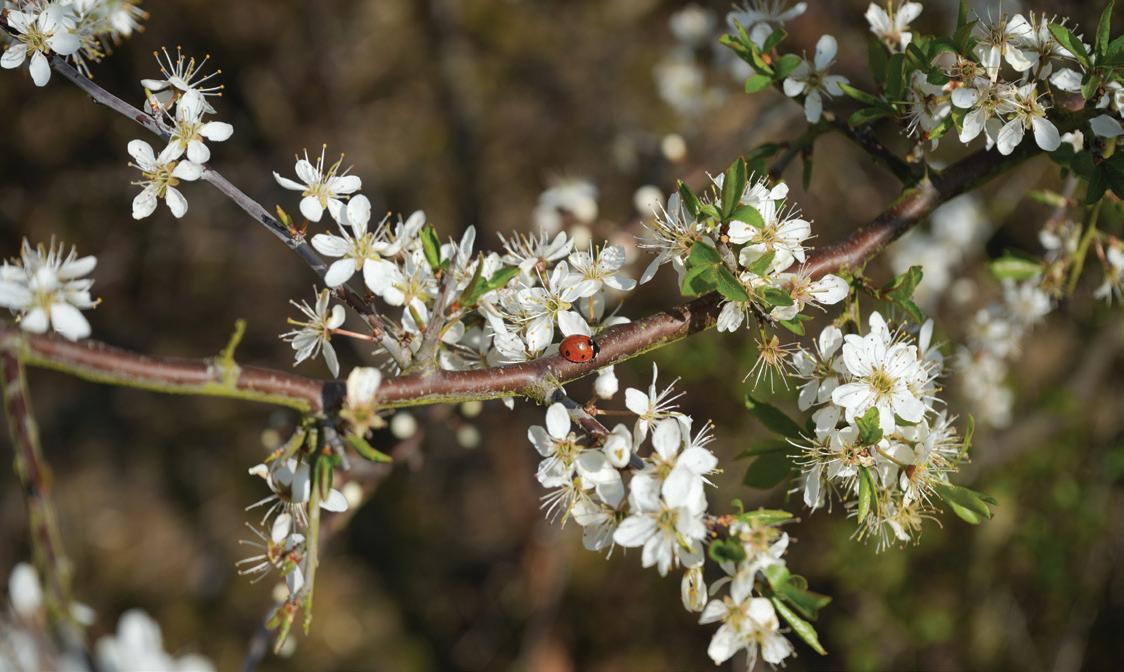
Dr Pat Snowdon, Head of Economics and Woodland Carbon Code at Scottish Forestry, added: “This is a really important step for the Woodland Carbon Code and a clear recognition of our commitment to integrity, transparency and science-led standards. We are excited to progress to full assessment and to strengthen the UK’s leadership in high integrity nature markets.”
The Integrity Council will assess the Woodland Carbon Code over the next year.
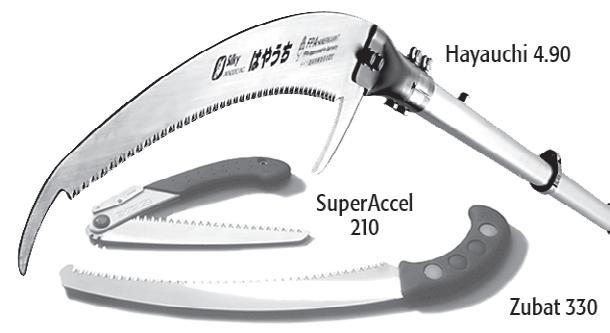
















Anew report from the National Audit Office (NAO) finds that recent funding uncertainty has slowed momentum for Defra’s Nature for Climate Fund Programme and there are opportunities for increased participation and use of private finance in future schemes.
In 2022, just 14.9% of England’s land was covered by trees, one of the lowest in Europe. The Nature for Climate Fund Programme, established by Defra in 2020, aimed to increase tree coverage and to restore peatland, 80% of which in England is in a dry or degraded state.
The NAO finds that the Programme led to a substantial increase in tree planting and peatland restoration. This includes, in 2024-25, directly funding 6,324 hectares of tree planting (out of 7,162 total hectares in England). While this was lower than the target of 7,500 hectares a year, it is nearly as much as the amount planted in total over the five years before the Programme was established.
However, the Programme had a slow start, and earlier years were further away from planned levels of activity, meaning it missed its headline cumulative targets; to achieve 28,728 hectares of tree planting and 35,000 hectares of peatland restoration.
In the five years from 2020-21 to 202425, the Programme directly funded:
• 15,268 hectares of tree planting (53% of the target). Total tree planting in England in the period was 21,186 hectares (74% of the target); and
• 23,526 hectares of restored peatland (67% of the target). Total peatland restoration in England in the period was
Confor was interviewed by the NAO as part of its review and the published report represents a fair reflection of where we are.
The report underlines how difficult it is to deliver woodland creation at scale, even with significant funding in place. Targets are still being missed, delivery has been slower than expected, and under current conditions it is hard to see how planting will deliver the volume of timber needed in the future.
The FC has done a good job with EWCO, and we are seeing quicker applications and a more proportionate approach, particularly through the fast-track route. That’s a positive step forward, and it’s important that those improvements are maintained.
One of the most important points in the NAO report is the need to be clearer about priorities, including the
26,426 hectares (76% of the target).
Stakeholders such as community forest organisations, landowners and third sector organisations reported initial delays to the processing of grant applications and land use changes.
The NAO recommends that Defra:
• Further improve its monitoring of intended beneficial outcomes from its investment in tree planting and peatland restoration activities.
• Ensure there is a process to prioritise
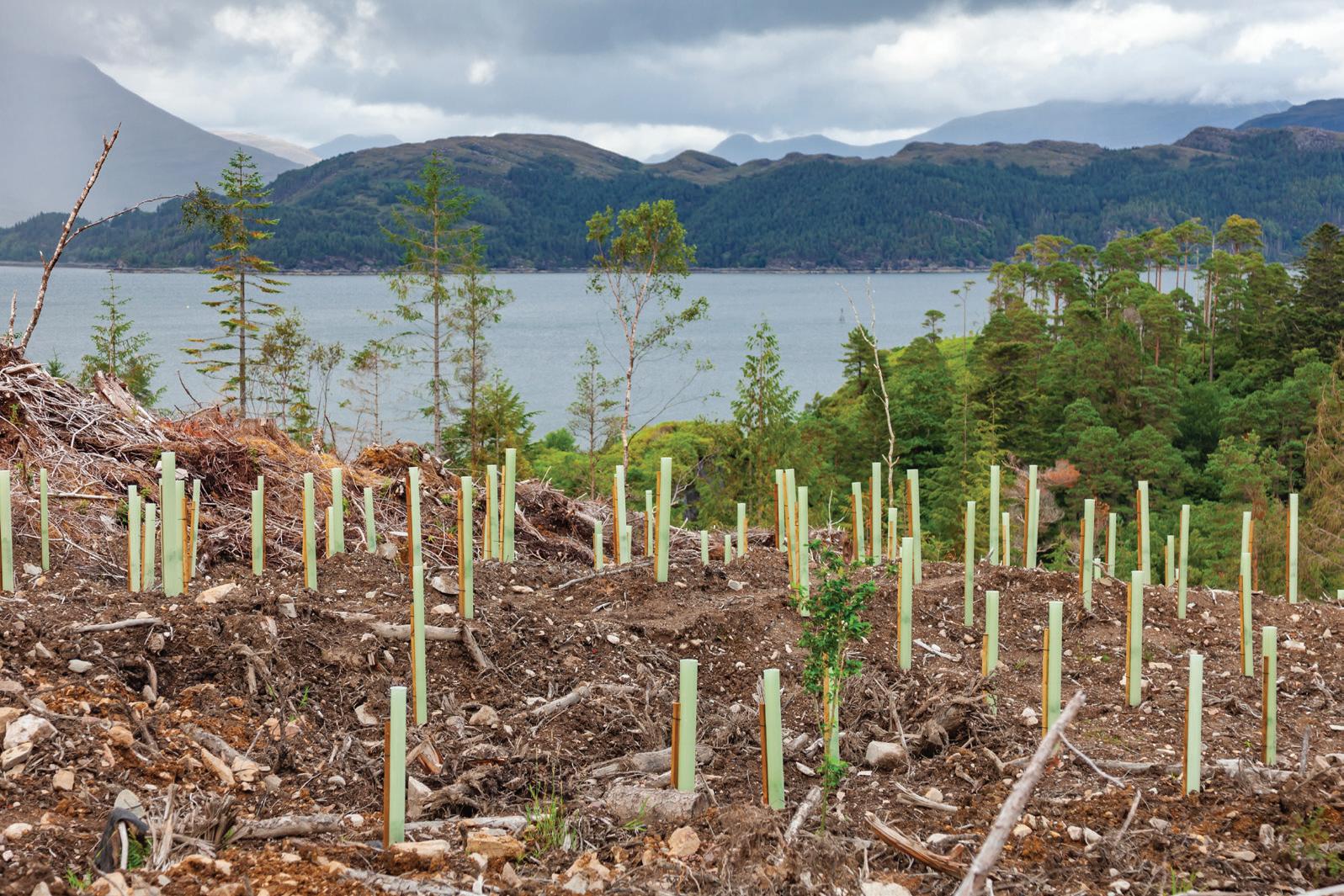
balance between carbon, biodiversity and timber production. From our perspective, productive forestry should be seen as part of the solution, delivering for multiple objectives, rather than as something separate from wider environmental goals.
Confor and the England Forest Industries Leadership Group’s Investors Forum are working with government to unlock private investment to create new productive woodland at scale. A big part of that is identifying suitable land at scale and at realistic land values that make investment viable, alongside giving investors greater certainty around the process and reducing the risk of delays.
This work is already underway and aligns closely with the challenges highlighted in the NAO report around scale, delivery barriers and private finance.
its objectives for future programmes, for example between carbon reduction, timber production and nature improvements.
• Take a more proactive approach to managing tensions between government’s ambition to restore nature and its other policy objectives that are putting development pressure on peatland and woodland.
• Revisit long-term targets for tree planting and peatland restoration by 2050 to establish whether they remain realistic and ensure they are aligned with delivery capacity.
• Where possible, reduce uncertainty for delivery partners and wider stakeholders, particularly during transition periods.
• Create the right conditions to attract private investment in nature restoration activities.
Gareth Davies, Head of the NAO, said: “Defra’s Nature for Climate Programme has helped to significantly increase tree planting and peatland restoration in England.
“In order to ensure momentum doesn’t stall, Defra should apply what it has learned about the most effective use of its funding, to maximise the climate and biodiversity benefits and attract private investment.”
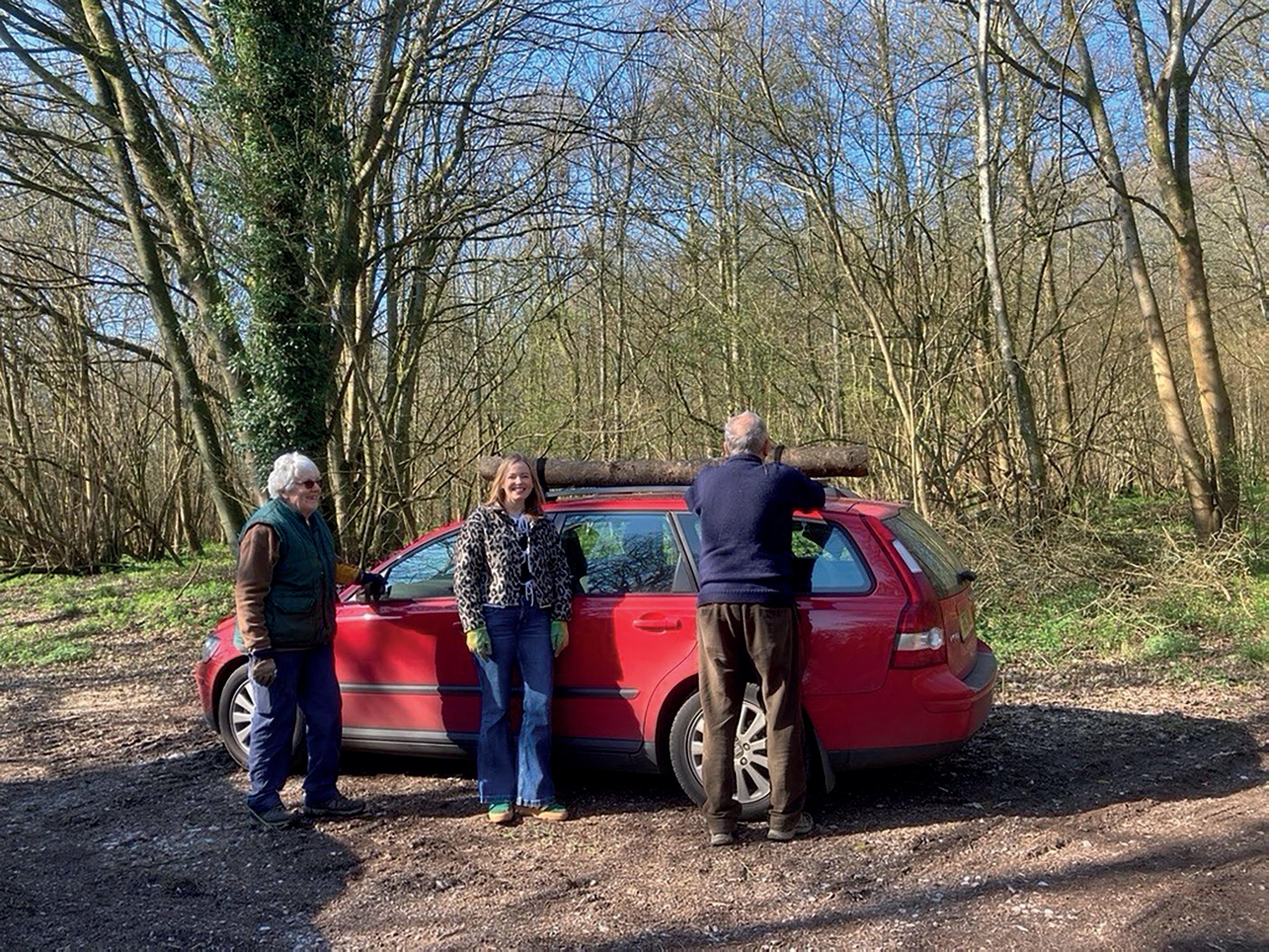
travelled back up the M3 with the car laden down by three logs, one inside and two on the roof rack, cut from a fallen ash that had succumbed to Chalara some years earlier. They are going to send a photograph of the finished cross, but it will arrive too late for this issue.
untouched – except by grey squirrels. I had to agree thinning within the beech strips was well overdue. Since then, nearly 30 years ago, there have been four thinnings.


Julian Evans thinks back on some of the most surprising moments that have come from woodland ownership.
Please forgive your writer again relating something that happened unexpectedly in his own wood, and of a religious dimension too.
The day before I wrote this, my daughter-in-law, an associate vicar of St John’s Church, Hampton Wick, got in touch to ask if she could come to our wood to obtain timber to make a cross for their Easter services. It’s always nice to see her and the day was lovely with blue skies and bright early spring sunshine. One surprise was the request coming ‘out of the blue’ – forgive the pun – and the other was that the church member who came too, Richard, had very different ideas of what was wanted than I had imagined.
After an hour in the wood they then
The request set me thinking. What other surprising ones or happenings have I – and have you – had as a result of owning or caring for woodland? I share five as illustrative of what managing woodland can entail.
The first was learning that our wood had an easement not revealed in the purchase particulars or legal stuff but very much by frequent visits by car and van to British Rail’s (as they were then) transformer by the railway at the bottom. Their exercise of this right of access ‘at all times and for all purposes’ has continued ever since, I guess about two or three times a week on average. There are some pluses. Twice we’ve sold to (now) Network Rail small parcels of land to extend the transformer complex; they’ve upgraded the access track and, on one occasion, cleared away a nasty fly-tipping incident that cluttered the entrance.
I was mortified by the second surprise. It was silvicultural and I’m supposed to know about broadleaved silviculture!
The Wessex Silviculture Group visited the wood in the mid-1990s and said the beech desperately needed thinning. The Corsican pine among which the beech had been established as a 3-row:3-row line mixture had all been harvested some years before but, apart from a cleaning of clematis, honeysuckle and some woody shrubs, the rows of beech remained
The third surprise, as I have related before, was the police crawling all over the wood for several weekends looking, I believe, for bomb-making equipment. This was some weeks after the London bombing in the mid-1990s. I can’t write more and even what I have said is by inference.
The fourth, about 10 years ago, was a phone call from the English Truffle Company. Was I the owner of a wood in north Hampshire and could they visit to see if there might be truffles? As light was fading one November afternoon the proprietor and truffle hound, a black labrador, unearthed six of the fungal treasures in just 40 minutes. And so began a relationship that has been a surprise and pleasure.
Finally, and by no means least, it is the enormous pleasure that ownership has brought. The pleasure of sharing, the pleasure of seeing a stand develop over decades, and the pleasure of woodland flowers and, well, simply doing forestry.
In the sharing I have been privileged to use the wood for training and teaching students, for assisting those new to woodlands and how to care for them, for youngsters starting out on enjoying our countryside and wildlife, and even for Defra staff and FC commissioners to talk forestry and forest science. As readers may have come to expect me to say, I am grateful to God for being our wood’s custodian for the last 40+ years.

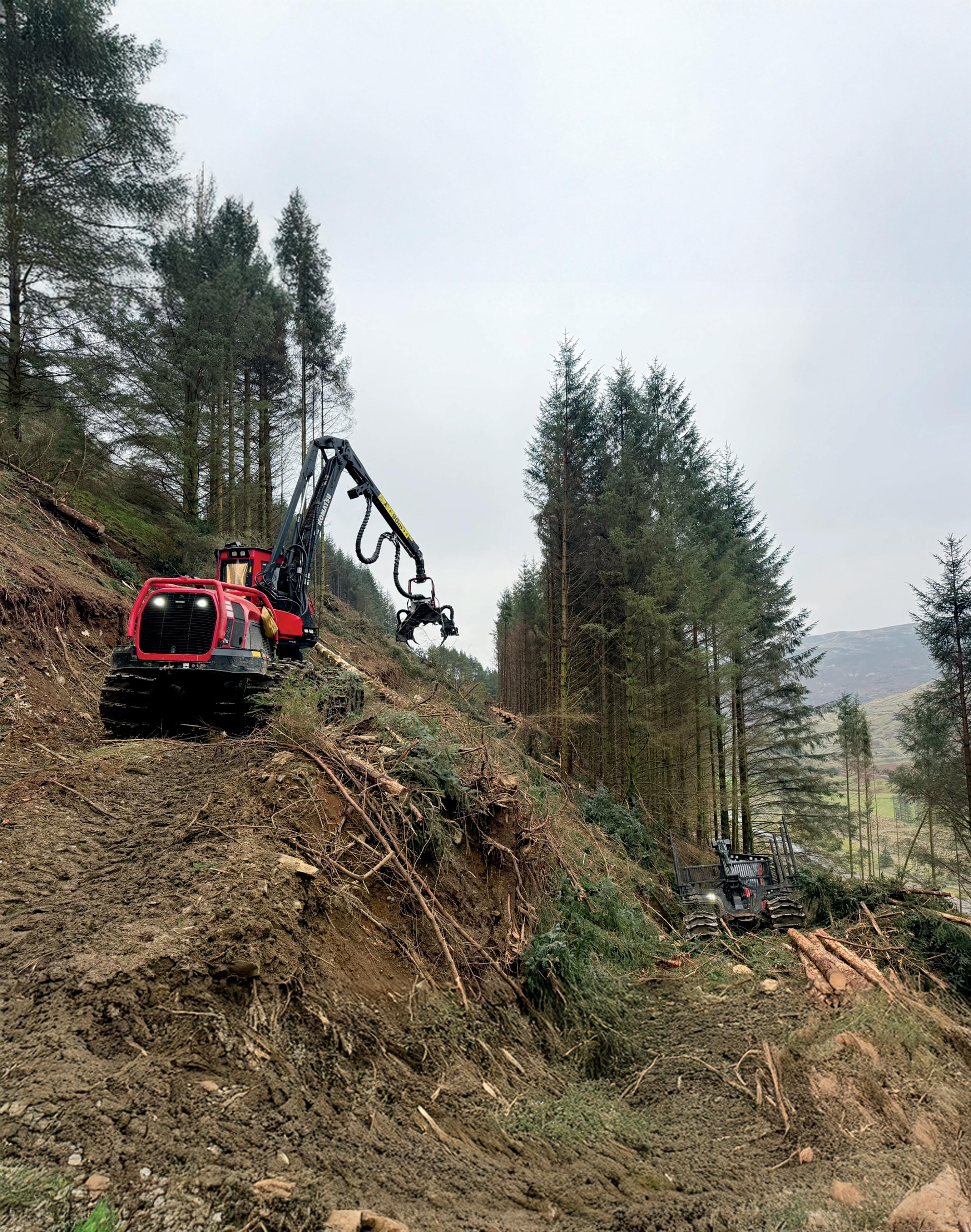
Pictured here are a Komatsu 931XC Harvester and Komatsu 855 Forwarder removing standing timber from a steep site near St Mary’s Loch. Scottish forestry contractor Torra Ltd, formerly Metsa, specialises in harvesting steep and technically challenging terrain.
They recently secured £5 million of private investment from Windward Enterprises to expand their fleet and embed advanced data-led planning technology, increasing harvesting output and operational precision.
The deal reflects rising demand for home-grown timber and increasing strategic focus on supply chain resilience across the UK construction sector.
Forestry in Pictures is a regular feature in FTN. For every issue, we select the most impacting photograph sent by a reader. If you have a photo you would like to see published here, please send your file to ftn@confor.org.uk. Please include your name, a short comment text to go with the picture, and an image credit. Photos should relate to forestry and timber and be of highquality (minimum resolution 300dpi). Exceptional pictures might be considered for the front cover of a future FTN issue.
By submitting a picture to Forestry in Pictures you give Confor permission to use the file for non-commercial purposes in Forestry and Timber News or the Confor website. Photos will always be credited.
In our June / July issue we will be focusing on Innovation & Technology and Woodfuel. Remember that FTN is your magazine – get in touch if you want to suggest editorial or give us feedback on articles we have published in the past. Confor members, send us your company’s news updates or pitches for feature articles.