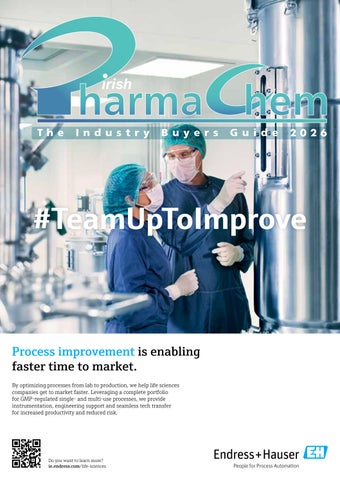

Process improvement is enabling faster time to market.
By optimizing processes from lab to production, we help life sciences companies get to market faster. Leveraging a complete portfolio for GMP-regulated single- and multi-use processes, we provide instrumentation, engineering support and seamless tech transfer for increased productivity and reduced risk.

PRODUCT DESTRUCTION DONE SECURLEY

Tablets and capsules
Blister packs
Car tons and boxes
Labels and branded packaging
Branding and identif ication marks destroyed
Material rendered unrecognisable
Fast, secure, and dependable process
From just £275 per week
HIGH QUALITY SHREDDERS LONG LASTING SOLUTIONS


CONTENTS


2 MINISTER’S FOREWORD
Peter Burke TD, Minister for Enterprise, Tourism and Employment, sets out Ireland’s ambitions as it assumes the Presidency of the Council of the European Union and sets the stage for the publication of Ireland’s first National Life Sciences Strategy.
4 SECTOR OVERVIEW
Making the case for national infrastructure resilience amid the current global instability, by Sinéad Keogh, Director, BioPharmaChem Ireland and Ibec Head of Sectors, and Tim Shanahan, VP External Manufacturing Operations, Ipsen, and Chair, BioPharmaChem Ireland.
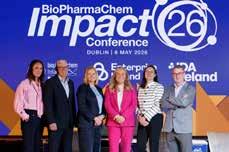
8 BIOPHARMACHEM IMPACT 2026
BioPharmaChem Impact 2026 brought together the key stakeholders in the Irish BioPharmaceutical and Chemical industry to celebrate some significant achievements and develop a roadmap for the challenges ahead.
14 BIOPHARMACHEM IMPACT AWARDS
Ireland’s Life Sciences leaders were honoured at the 2026 BioPharmaChem Impact Awards, which showcased the people and partnerships helping to drive Ireland’s position at the cutting edge of BioPharma worldwide.
18 EU PRIORITIES
Ailbhe Byrne, Senior Public Affairs Executive, BPCI, writes on Ireland’s Presidency of the Council of the EU and the path to global leadership.
22 STRATEGY LAUNCH
Together, for Others’ is the newly launched Strategy for Ireland’s indigenous BioPharmachem ecosystem. Ella Kearns, Executive, Strategic Projects, BioPharmaChem Ireland, reports on this roadmap for the homegrown BioPharma heroes.
26 NATIONAL LIFE SCIENCES STRATEGY
From advocacy to action: BioPharmaChem Ireland has been hugely influential in helping to shape Ireland’s inaugural National Life Sciences Strategy.
30 BIO 2026
Insights
32 NIBRT
John Milne, NIBRT, explores the continued interest in GLP-1 receptor agonists and their potential in treating a host of illnesses.
38 SK PHARMTECO
SK pharmteco is increasing its capabilities in small-molecule APIs and advanced intermediates, HPAPIs, particle engineering and materials science at its Dublin plant.
39 IDA IRELAND
Rory Mullen, Global Head of BioPharma, IDA Ireland, reflects on the changing nature of BioPharma manufacturing in a post-pandemic world.
42 REACH DIRECTIVE
Yvonne Mullooly, Assistant Chief Executive, Chemicals and Industrial Products, HSA, identifies the key regulatory changes regarding REACH, their impact on the sector, and the role of the Authority as both regulator and enabler.
44 NEW APPRENTICESHIP PROGRAMME
The New Bio Process and Chemical Process Technician Apprenticeship has been developed to successfully future-proof Ireland’s BioPharma workforce, explains Audrey Devlin, BPCI.
46 RESPONSIBLE CARE
BPCI’s 2026 Responsible Care and Sustainability Report recognised the sector’s successes in decoupling growth from environmental impact, writes Michael Kilkelly, Senior Executive, EHS, BioPharmaChem Ireland.
48 BIOPHARMACHEM SKILLNET
The BioPharmaChem Skillnet helps to drive innovation, workforce development, and digital transformation across Ireland’s Life Sciences sector.
52 KELSIUS
Kelsius provides automated monitoring for labs incorporating product simulation.
54 AUTOMATION: BONNER
Bonner’s automation specialists work together with clients to review existing systems, create tailored upgrade strategies, and deliver solutions with minimal disruption.
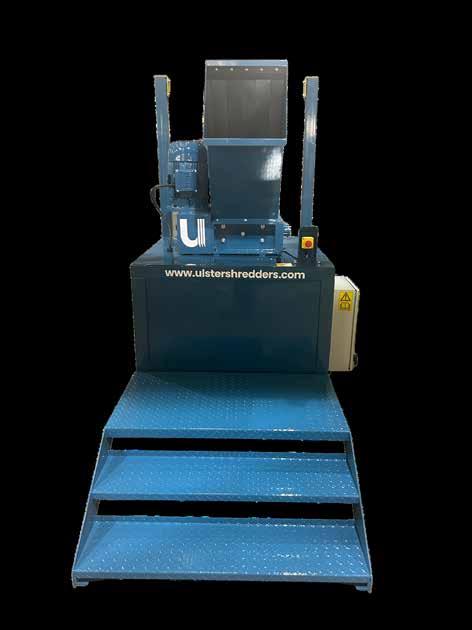
55 SECURE PRODUCT DESTRUCTION: ULSTER SHREDDERS
Product destruction from Ulster Shredders protects brands, consumers and reputation.
56 DAWSONGROUP TCS IRELAND Dawsongroup tcs Ireland’s temperaturecontrolled units are designed with security first.
58 WASTE MANAGEMENT: INDAVER
Indaver offers solutions for more efficient waste management, the recycling of industrial residue flows, and the production of sustainable raw materials.
60 SUPPLY CHAIN: NCC
Alan Looney, Managing Director of NCC, discusses why supply chain transparency is becoming a critical differentiator for pharmaceutical manufacturers.
62 KUEHNE+NAGEL
Seamus Keane, Kuehne+Nagel, explains how integrated orchestration across the full product lifecycle is essential for the healthcare supply chains of today.
64 TEMPERATURE CONTROLLED STORAGE
By building redundancy into storage from the outset, pharma companies can reduce the likelihood of disruption and create a more robust cold chain strategy, according to Coolworld.
66 WASTE MANAGEMENT: TRADEBE
Tradebe has entered the Irish waste management market with the strategic acquisition of Soltec.
from the EU Pavilion and the ICBA at BIO International Convention in San Diego, 2026.
Exciting Times for Ireland’s Life Sciences
Peter Burke TD, Minister for Enterprise, Tourism and Employment, sets out Ireland’s ambitions as it assumes the Presidency of the Council of the European Union and sets the stage for the publication of Ireland’s first National Life Sciences Strategy.

I am honoured once again to contribute the foreword to this year’s Summer Edition of the Irish PharmaChem Yearbook, as I take the opportunity to take you through elements of my Department’s significant programme of work, which will support Ireland’s BioPharma sector into the coming years and beyond.
The Pharmaceutical and Chemicals sector has long been a pillar of Ireland’s economic success story. As Minister, I have been fortunate to see the successes, hear from the people that have made this happen, and to witness the impact on our economy and indeed our society. However, I am acutely aware of the particular challenges that have emerged for this sector in recent years and a strong and resilient sector needs to be underpinned by an ambitious and coherent strategy to support our manufacturers, innovators, researchers, and patients.
National Life Sciences Strategy
When I last had the opportunity to contribute to the Irish PharmaChem Yearbook, we were at the start of the stakeholder engagement process on our first National Life Sciences Strategy. Over the past six months, my Department has been actively analysing the views collected in the Public Consultation, while continuing to strengthen engagement with stakeholders. Several consultative forums were held, which were widely attended by
industry and other interested parties. These events presented an outstanding opportunity for dialogue with the sector and I would like to take the opportunity to thank the many stakeholders who took the time to engage in our outreach, which is greatly assisting in the development of this Strategy.
I hope to build on this momentum with the publication of this Strategy later in the year, which will seek to enhance innovation, create and sustain high value jobs, foster economic growth, and improve patient outcomes, thus delivering real value for the sector.
To achieve this, it will be necessary to ensure a joined-up approach to the implementation of the Strategy, with key Government Departments and Agencies working together alongside industry, academia, and the health system. This will work to ensure Ireland continues to be a globally trusted Life Sciences destination that attracts further inward investment and supports our indigenous industry base to scale and grow.
Presidency of the Council of the EU
This year, Ireland holds the Presidency of the Council of the European Union beginning on July 1. This will be an important opportunity for Ireland to drive forward the EU agenda, and there are already significant expectations
that progress will be made in several policy areas to support competitiveness. The ‘One Europe, One Market’ roadmap has been agreed, and its objectives will be core priorities for the Irish Presidency.
Ireland must use this opportunity to champion the success that has been brought about by this frictionless and mutually

Peter Burke TD, Minister for Enterprise, Tourism and Employment.
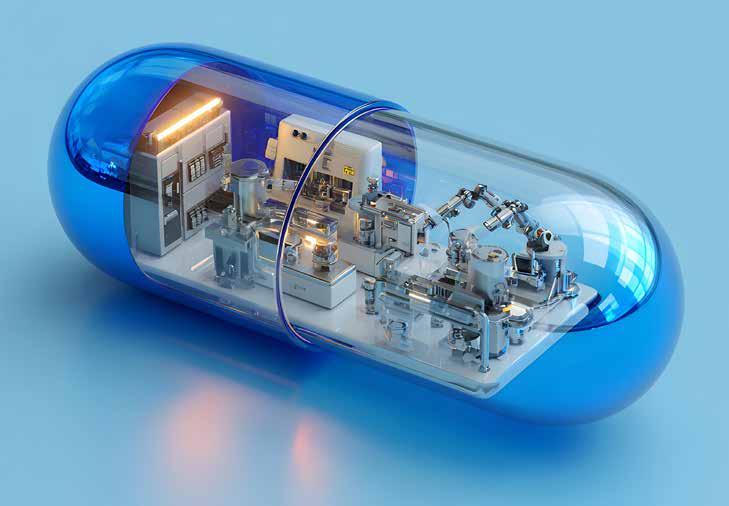
The proposed EU Biotech Act I set out the EU’s ambition for Biotechnology and Biomanufacturing, aiming to strengthen competitiveness and innovation across relevant sectors and accelerate clinical trial activity.
beneficial trade of goods and services.
An integrated Single Market will provide a sustainable foundation for the bloc’s future prosperity, and the Irish Presidency will work to eliminate barriers, drive digital transformation, tackle regulatory burdens and ensure a level playing field for business.
EU Biotect Act I & II
Ireland is fortunate to have the opportunity to progress the EU Biotech Act I during our upcoming EU Presidency. The proposed EU Biotech Act I sets out the EU’s ambition for Biotechnology and Biomanufacturing, aiming to strengthen competitiveness and innovation across relevant sectors and accelerate clinical trial activity.
The EU Biotech Act I aims to produce a more integrated and efficient regulatory environment, and it is my hope that this will mobilise investment and support greater access for patients through the faster establishment of clinical trials.
Alongside this, the European Commission is making progress on the Biotech Act Part II and I hope that Ireland has the opportunity to introduce this Act before we hand over the Presidency to our Lithuanian counterparts at the end of the year.
With the continued development of our National Life Sciences Strategy and the imminent Irish Presidency, the stage is set for a busy second half of the year.
Wishing every success to all involved with
the Irish PharmaChem Yearbook and your readers for the months ahead.
Peter Burke TD, Minister for Enterprise, Tourism and Employment

Minister Burke expects the publication of Ireland’s first National Life Sciences Strategy later in 2026.
Future-Proofing a Cornerstone Sector: Innovation in an Era of Volatility

Making the case for national infrastructure resilience amid the current global instability, by Sinéad Keogh, Director, BioPharmaChem Ireland and Ibec Head of Sectors, and Tim Shanahan, VP External Manufacturing Operations, Ipsen, and Chair, BioPharmaChem Ireland.
We address our industry at a defining moment for the Irish Life Sciences sector, navigating a global landscape of “order in the disorder”, where economic resilience has become the absolute prerequisite to competitiveness. Today, we manage the direct shocks of energy volatility and structural security risks fuelled by the ongoing conflict in the Middle East and the war in Ukraine, geopolitical crises that have transformed energy from a baseline utility into a material risk to our high-tech manufacturing base.
This vulnerability is compounded by domestic infrastructure deficits across housing, transport, and grid capacity. As outlined in Ibec’s budget submissions, we must move away from burdensome, risk-averse regulation to prioritise pipeline continuity and secure the foundational infrastructure necessary for competitiveness. Simultaneously, rising economic nationalism and reciprocal tariffs threaten our export margins, as demonstrated by the USTR’s Section 301 investigations into EU capacity.

In response, BPCI has led high-level advocacy delegations to Washington DC to meet with the US Department of Commerce and the USTR, advocating for trade stability and warning that protectionist tariffs threaten global R&D and critical medicine supplies.

Sinéad Keogh, Director, BioPharmaChem Ireland and Ibec Head of Sectors, and Tim Shanahan, VP External Manufacturing Operations, Ipsen, and Chair, BioPharmaChem Ireland.
Sustaining the growth of our €116 billion export engine requires our national strategy to align with European leadership, integrating domestic policy with EU initiatives to secure supply chains and guarantee patient access.
BPCI’s Strategic Horizon: Strategy 20232027 in action
Guided by our Strategy 2023–2027, we are driving initiatives across five core pillars: Sustainability, Digitalisation and AI, Skills, Ecosystem Development and Global Industry Foresight, to leverage Ireland’s legacy strengths while actively preparing our industrial base for rapid technological and regulatory shifts. Working across all fronts simultaneously, this high-level roadmap ensures the sustained evolution and competitiveness of our sector in a rapidly changing world.
Decarbonisation and AI: driving the twin transition
Under this framework, we are actively driving the ‘Twin Transition’, the systematic convergence of environmental sustainability
and digital capability across our industrial base. Our Sustainability & Responsible Care Report 2026 empirically proves that the sector has decoupled robust industrial growth from environmental impact.
As exports surged 29% to a record €99.9 billion, a collective €150 million industry investment in cleaner technologies, site upgrades, and process optimisation delivered a 30.5% reduction in electricity-related carbon emissions over three years. Alongside this decarbonisation, members realised a 37% reduction in non-hazardous waste and a record-setting 88% recycling rate, proving that environmental stewardship and competitive manufacturing are inseparable.
In parallel with this environmental progress, our dedicated Digital & AI working group, which supported the launch of our first AI & Digitalisation Use Case Report last September, will commence the second phase of this programme this summer to test and scale advanced technologies.
To support these concurrent transitions, our EHS, Sustainability, and Digital & AI working groups continue to meet regularly in their respective forums to address critical challenges, from biodiversity preservation and technical standards to ‘human-in-theloop’ GxP decision maturity.
Ecosystem maturity: evolving the world class manufacturing base
While Ireland is globally synonymous with world class manufacturing, benchmark

Together, for others

Ireland’s Presidency of the Council of the European Union represents our unique opportunity to place Ireland at the vanguard of European policy, positioning our nation as the definitive voice for an outward-looking, competitive Europe.
international hubs demonstrate that long-term competitiveness relies on highly orchestrated, end-to-end innovation ecosystems.
Building on last year’s launch of our BioPharma Global Business Services Strategy, we have launched a landmark Indigenous Sector Strategy, ‘Together, For Others’, mapping over 130 Irish-owned companies across the value chain. This strategic framework delivers targeted policy recommendations to scale our homegrown ecosystem across four fundamental pillars: Finance, Talent, Ecosystem Orchestration, and Infrastructure.
In parallel, our new Small Molecule Strategy, commencing this summer and to be launched in Q2 2027, safeguards a foundational economic anchor, representing over 28 active pharmaceutical ingredient (API) sites producing 139 small molecules (30% of the entire sector). By driving ‘Small Molecule 2.0’ to shift traditional batch chemistry toward complex peptide synthesis and continuous flow, we are modernising and safeguarding our legacy chemistry and engineering skill sets.
A Strategy for Ireland’s Indigenous Biopharmachem Ecosystem
Le chéile, ar son daoine eile
BioPharmaChem Ireland’s landmark Indigenous Sector Strategy, ‘Together, For Others’, maps over 130 Irish-owned companies across the value chain.
SECTOR OVERVIEW

BPCI are set to launch a new Small Molecule Strategy in Q2 2027.
Human capital and the research engine
To sustain excellence, we must continuously evolve our talent. Crucially, BioPharmaChem Skillnet has secured vital three-year multi-annual funding, expanding industry-led training across strategically important product tracks to equip our workforce for the future.
Simultaneously, our new Level 6 Bio Process and Chemical Process Technician Apprenticeship, developed alongside TU Dublin, is actively tackling technical skill shortages. Blending structured academic blocks with on-the-job training, recruitment has officially opened for the inaugural cohort entering the industrial workforce this September.
At the higher education and research tier, BPCI’s pre-budget advocacy demands strategic upgrades to Ireland’s talent architecture. Through Budget 2027, we are calling to expand National Training Fund (NTF) eligibility to directly subsidise Level 10 (PhD) pathways, alongside corporate matching frameworks like the ‘PhDStart’ initiative. This
strategy reinforces our ongoing commitment to world class research centres such as NIBRT, SSPC, and the PMTC, which bridge the gap between basic discovery and industrial scale-up.
To maximise these assets, BPCI is championing the evolution of the R&D tax credit framework, advocating to expand its remit to explicitly cover process and technology innovation, while raising the cap on outsourced academic research to enhance collaboration.
Advocacy in action: leveraging the EU Presidency & Budget 2027
A historic catalyst emerges as Ireland assumes the Presidency of the Council of the European Union on July 1, 2026. This six-month presidency window represents our unique opportunity to place Ireland at the vanguard of European policy, positioning our nation as the definitive voice for an outward-looking, competitive Europe.
Our impact is backed by high-level preparatory delegations to
Brussels in January and March 2026, where BPCI met directly with MEPs and EU officials to integrate our national priorities into the wider European agenda. Through cross-border alliances with Cefic and EuropaBio, we are co-ordinating action to shape balanced medicinal and chemical regulations and secure global supply chains. Our presidency priorities focus on accelerating and actively shaping three critical legislative files: the EU Biotech Act, the Critical Medicines Act, and the General Pharmaceutical Legislation (GPL), ensuring they drive regulatory simplification, supply chain resilience, and continued R&D reinvestment across Europe.
Our domestic influence is fundamentally anchored in our deep, collaborative policy engagement at home. BPCI continues to participate actively in the Department of Enterprise, Tourism and Employment workshops surrounding the development of Ireland’s first National Life Sciences Strategy. These targeted consultative sessions cover critical thematic priorities, including finance, research, sustainability, skills, regulation, and market access, ensuring the imminent strategy balances clinical innovation with competitive realities.
To secure these strategic objectives, we will shortly deliver our Budget 2027 submission, ‘Futureproofing a Resilient BioPharmaChem Sector’. This submission outlines a high-level fiscal roadmap focused on boosting innovation, building futureready workforce capabilities, and driving the green and digital transitions, ensuring that a thriving homegrown sector perfectly complements our multinational base.
Industry foresight, collaboration & governance
Our many events, including the flagship BioPharmaChem Impact Conference, and our continuous, structured engagement with regulatory bodies, are vital to the sector’s competitiveness. We work in close partnership with the Health and Safety Authority (HSA), the Environmental Protection Agency (EPA), and the Health Products Regulatory Authority (HPRA), to ensure Ireland maintains its world class, gold-standard compliance record.
Simultaneously, BPCI coordinates directly with vital external stakeholders, including Enterprise Ireland, IDA Ireland, and Research Ireland, to streamline capital pipelines, support talent mobility, and accelerate the commercialisation of scientific discovery.
The true backbone of BPCI remains the collective power of the industry coming together. We manage 17 active working groups mapped directly across our five strategic pillars, hosting over 60 meetings this year alone.
Through this intensive network of working groups, technical webinars, and global forums, we ensure that Irish Life Sciences continue to pioneer world class leadership and unmatched operational excellence.
As we look to the months and years ahead, we are inspired to continue working alongside our members, regulators, and national stakeholders to combine our collective ambition and shape a resilient, sustainable, and world-leading future for our sector.
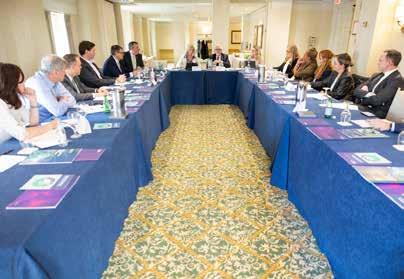
The BioPharmaChem Ireland/ Irish Medtech Association Life Sciences Round Table event in Washington.
BioPharmaChem Ireland/Irish Medtech Host Round Table Event in Washington
The BioPharmaChem Ireland and Irish Medtech Life Sciences Round Table took place in March in Washington as part of the annual Ibec St Patrick’s Day programme in the US.
As part of this visit, BPCI had an opportunity to meet with the Acting Assistant Secretary for Commercial Affairs & Director for Western Europe at the US Department of Commerce, as well as the Deputy Assistant US Trade Representative for Europe & Deputy Director, Europe and the Middle East at the United States Trade Representative (USTR). During both meetings, BPCI highlighted the complexity of global supply chains and reiterated that placing tariffs on medicines will harm patient care and the industry on both sides of the Atlantic, having the potential to create shortages, impact access for patients, and build barriers to global R&D.

During the visit to Washington, the BPCI team met with the Acting Assistant Secretary for Commercial Affairs & Director for Western Europe at the US Department of Commerce, as well as the Deputy Assistant US Trade Representative for Europe & Deputy Director, Europe and the Middle East at the United States Trade Representative (USTR).
Order in the Disorder: Navigating the Next Era of Irish BioPharmaChem
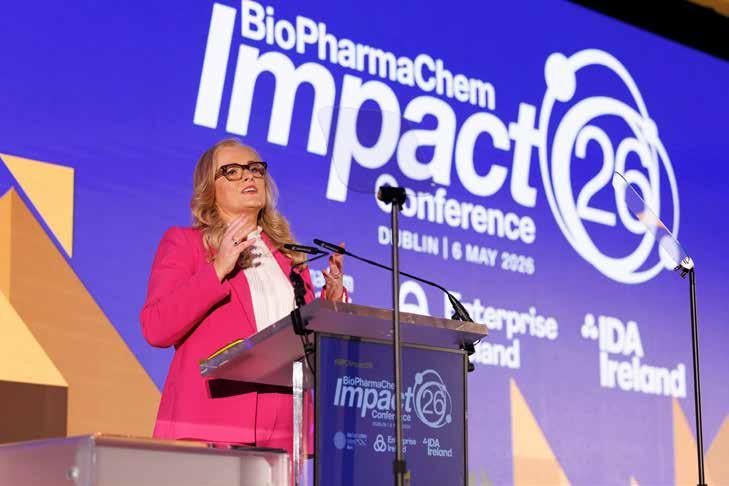
BioPharmaChem Impact 2026 brought together the key stakeholders in the Irish BioPharmaceutical and Chemical industry to celebrate some significant achievements and develop a roadmap for the challenges ahead.
The Irish BioPharmaceutical and Chemical sectors are navigating a period of remarkable vitality, paired with profound global transformation. This momentum unfolds against a volatile macroeconomic backdrop shaped by geopolitical conflicts, shifting trade dynamics, and escalating energy security pressures. This delicate tension took centre stage at the InterContinental Hotel for the annual BioPharmaChem Impact 2026 Conference in May 2026.
Gathering more than 400 delegates under the guiding theme, ‘Order in the Disorder’, the landmark event, co-hosted by BioPharmaChem Ireland (BPCI), IDA Ireland, and Enterprise Ireland, delivered a powerful reflection on Ireland's industry achievements, while establishing a clear, proactive roadmap for upcoming strategic hurdles.
The EU Presidency and the global innovation race
A dramatic shift in global Life Sciences innovation demands immediate European ambition. Over the past two decades, Europe’s share of new therapy discoveries halved from 40% to 20%, while China surged to

account for roughly 40%. This reality, highlighted by the Draghi and Letta competitiveness reports, underpins Europe’s pursuit of strategic autonomy. Ireland is uniquely positioned to steer this agenda during its upcoming EU Council Presidency, beginning in July 2026.
Transitioning to an ‘honest broker’, chairing over 280 meetings for 30,000 delegates, a unique platform noted by Maeve von Heynitz (DFA), the state can champion regulatory simplification and harmonise a complex legislative "omnibus", including the GPL, the Biotech Act, the Critical Medicines Act, and the EU Chemicals Package. Under these frameworks, green chemistry must shift from a compliance check to a fundamental prerequisite for market access, making sustainability-bydesign a commercial imperative to de-risk supply chains.
Additionally, a central priority will be driving the ‘One Europe, One Market’ ambition, evaluating whether a seamless ‘Europe Inc.’ framework can enable companies to establish and operate EU-wide within 48 hours. However, as Claire Skentelbery (EuropaBio) and Danny McCoy (Ibec) cautioned, Europe must balance strategic resilience with open economy dynamics. Relaxing state aid rules to favour local
manufacturing risks protectionism that could pull economic power back to the European centre, reversing decades of cohesion efforts.
Redrawing the supply chain map: the shift to regionalisation
To survive this fractured geopolitical landscape, global supply chain management is undergoing a structural realignment. The industry is moving rapidly away from the legacy of “efficiency at all costs” and embracing “resilience at all costs”. Prompted by the vulnerabilities exposed during the pandemic, the global map is being redrawn with a heavy emphasis on regionalisation. While localised supply networks offer security, they can sacrifice economies of scale that characterised global supply hubs, thereby intensifying cost pressures.
To bridge this gap, leaders are shifting toward locally focused, digitally connected distributed networks, where standard processes run identically across several international facilities. This ensures global supply redundancy that extends beyond any single nation's borders. These redundancies are critical; currently, some Irish manufacturing operations rely on singlesourced raw materials from the US for up to 25% of their inputs, heavily exposing them to tariff and logistical disruptions.
Panellists championed a model for manufacturing: abandoning traditional rigid processes to keep the factory moving, condensing line turnarounds to hours or
days instead of weeks, and reconfiguring assets to handle multiple complex products simultaneously.
Taming the molecular zoo: agility as the new currency
On the manufacturing floor, traditional paradigms are being upended by what Nuno Fontes (WuXi) termed the "molecular zoo", a vast diversification of complex biologic modalities.

The rapid rise of blockbusters like GLP-1 weight management therapies has shifted the traditional patient dynamic toward a fastmoving consumer goods (FMCG) operational model, driven by consumer demand and social trends. This requires exceptional manufacturing flexibility.
As the sector trends toward complex biologics and personalised medicine, establishing robust clinical-scale manufacturing, prioritising what works for
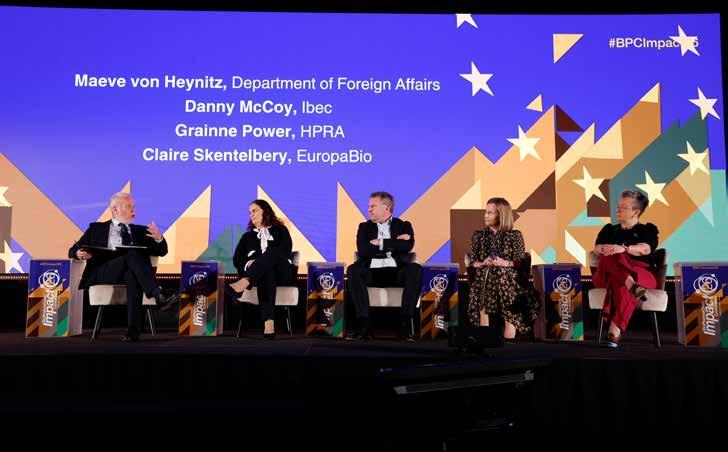
Pictured at the plenary panel discussion on Ireland’s EU Presidency and the global innovation race are (l-r): Maeve von Heynitz, Department of Foreign Affairs; Danny McCoy, Ibec CEO; Gráinne Power, HPRA; and Claire Skentelbery, EuropaBio.
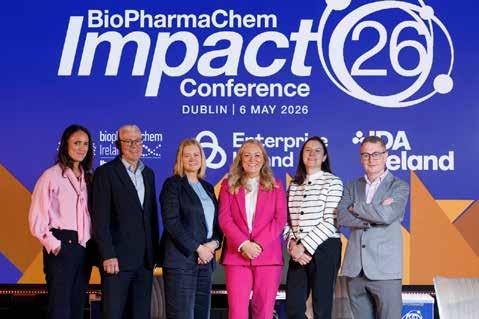
The BPCI Team, pictured at BioPharmaChem Impact 2026.
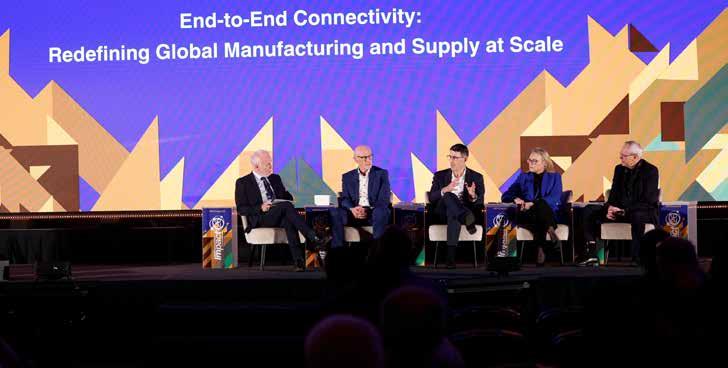
at the End-to-End
human trials rather than just commercial-scale volume, has emerged as a decisive competitive advantage to accelerate the journey from lab to patient.
Speed-to-market is the ultimate competitive advantage, prompting firms to embrace ‘scale-out’ strategies, running multiple small, validated bioreactors in parallel, to bypass multi-year regulatory CMC validation delays. In this high-stakes environment, agility has become the sector's new currency. Brendan O’Callaghan (Sanofi), championed a manufacturing model that condenses line turnarounds to hours or days rather than weeks, keeping assets highly active. Crucially, this agility is powered by academic-industrial synergy. This collaborative, talent-driven edge was a cornerstone of the standout presentation by Sarah O’Keeffe (Lilly). O'Keeffe detailed how core chemistry and high-calibre scientific talent, particularly at the PhD level, are not merely academic pursuits but the absolute foundation of advanced BioPharma manufacturing.
Human intelligence: nurturing skills and critical scepticism

As technology reshapes Life Sciences, the sector is navigating a major cognitive shift. A panel led by Dr Lollie Mancey warned against a passive “awe that kills critical thinking”, urging teams to actively interrogate technology rather than letting automation erode human analytical capacity. AI should be deployed strictly as ‘Augmented Intelligence’ to handle low-effort administrative tasks, model biologic folding, and optimise supply chains within secure GMP and ‘Federated Model’ frameworks that safeguard proprietary client IP.
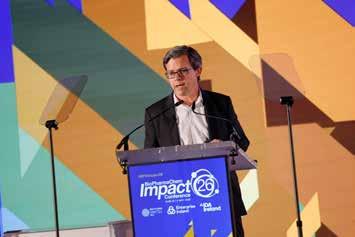
Nuno Fontes, SVP & Head of Global CMC, WuXi Biologics, discusses the idea of taming the ‘Molecular Zoo’.
Crucially, AI cannot recognise the unknown, hold ultimate accountability, or understand consequence. Human friction, learning through mistakes, and the role of the ‘devil's advocate’ remain irreplaceable competitive advantages.
Cultivating this vital human asset requires resolving current research infrastructure and talent pipeline challenges. Panellists strongly advocated leveraging the National Training Fund to secure a continuous, technically competent supply of PhD graduates, scientists, and engineers for the sector.
Unlocking infrastructure and the indigenous base
To protect its commercial momentum, Ireland must aggressively confront physical asset deficits. Danny McCoy stressed that the era of relying purely on intangible assets and unchecked globalisation is over;
Panellists
Connectivity: Redefining Global Manufacturing and Supply at Scale event include (l-r): Brendan O’Callaghan, Executive Vice President, Manufacturing & Supply, Sanofi; Marc O’Donoghue, Vice President, Global Supply Chain, Abbvie; Cathy O’Brien, Chief Commercial Officer, Chemco Ireland; and Kevin Nash, Chief Development Officer, Frontier Scientific Solutions.
Sarah O’Keeffe, Group Vice President, Product Research & Development, Eli Lilly, stressed how BioPharma agility is powered by academic-industrial synergy.
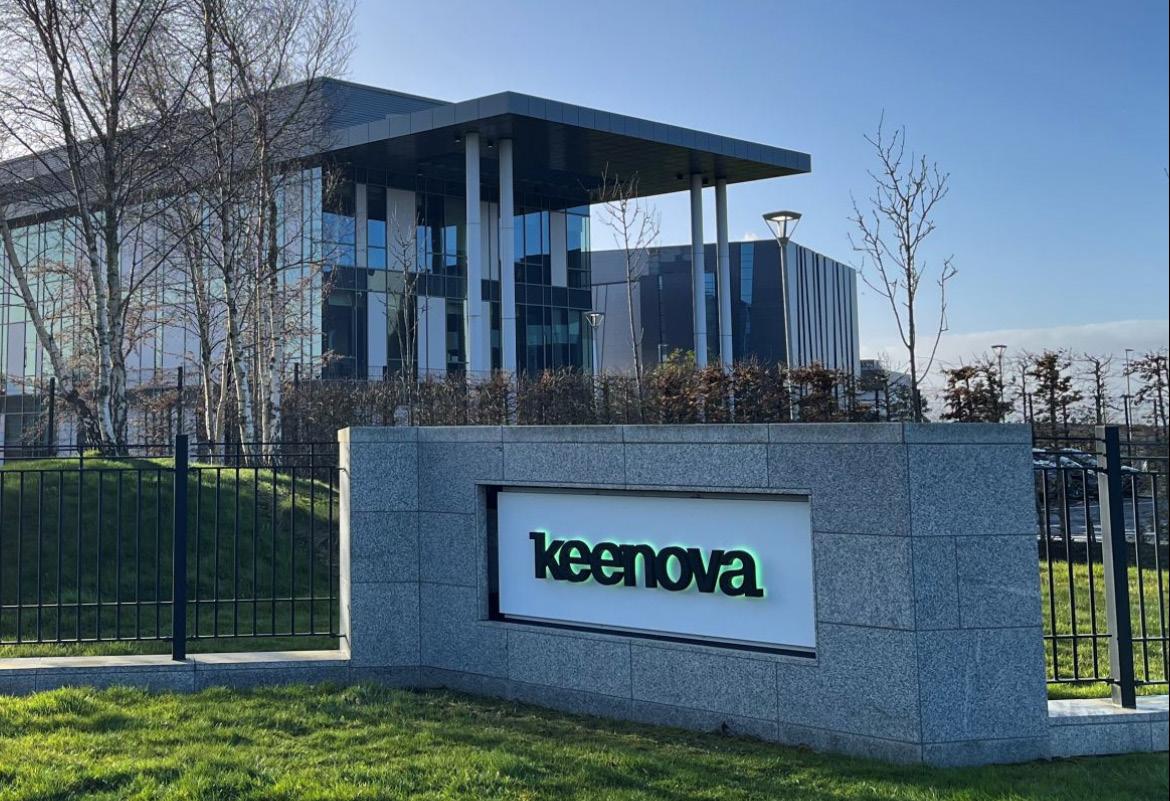
Keenova Therapeutics is a leading branded therapeutics company that strives to help patients with rare or unaddressed conditions live happier and healthier lives. Now celebrating 10 years of being headquartered in Dublin, Ireland, Keenova delivers therapeutics grounded in science and guided by our commitment to responsible practices.
Our KeepWell recognition reflects our team members’ daily commitment to well-being, growth, and purpose.
BIOPHARMACHEM IMPACT 2026
the state must urgently prioritise tangible investments in national energy systems and grid connectivity to remain globally competitive. Logistically, relying solely on Dublin Airport and Dublin Port as a single breaking point represents a massive risk, particularly as Ireland exports over 50% of its pharmaceutical production.
Furthermore, fostering a highly resilient ecosystem requires showcasing and empowering homegrown innovators. The conference marked the landmark launch of BPCI’s new indigenous sector strategy, ‘Together, for Others’.
This strategy showcases over 130 mapped Irish companies operating across the entire lifecycle, from early-stage drug discovery and clinical development right through to commercialisation, and the essential supports in between. It speaks directly to the vital importance of building out a balanced domestic ecosystem alongside global partners.
Celebrating excellence and a sincere word of thanks
While the individual winners of the inaugural BioPharmaChem Impact Awards 2026 are highlighted in detail elsewhere in this publication (Page 14), the gala dinner served as a brilliant reminder of the sector's incredible ingenuity, culminating in APC & VLE Therapeutics securing the coveted Company of the Year award.
BioPharmaChem Ireland extends its sincere thanks to the BioPharmaChem Impact 2026 sponsors, including Platinum sponsors Chemco Ireland, Frontier Scientific
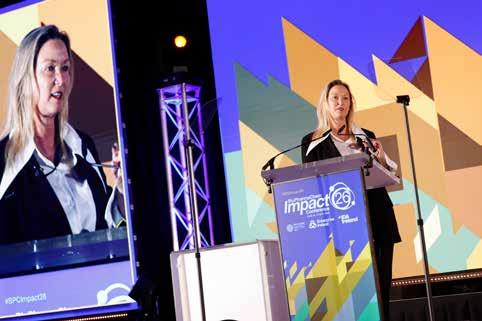
Dr Lollie Mancey, Podcaster & Programme Director and Entrepreneurial Specialist at University College Dublin’s (UCD) Innovation Academy, led a discussion the effective and active use of technology.
Solutions, and WuXi Biologics; Gold sponsors BioPharmaChem Skillnet, Brightbeam, Camida, DHL, EY, Indaver, PMTC, and SkyCell; and silver sponsors Innopharma Education, LSC, Life Science Recruitment, Ibec Laboratory Apprenticeship, Micro Bio, and National Chemical Company.
Looking
ahead
To secure its future, Ireland must advance far beyond incremental operational adjustments. True stability now equals agility. A cohesive
National Life Sciences Strategy, anchored by a dedicated Life Sciences Office, robust talent development, and deep support for local infrastructure, is vital to maintaining our global edge.
Through relentless political advocacy ahead of the EU Presidency, forward-thinking skill programmes, and targeted infrastructure campaigning, BPCI is ensuring that Ireland actively cuts through global disorder to dictate the pace of international Life Sciences innovation.
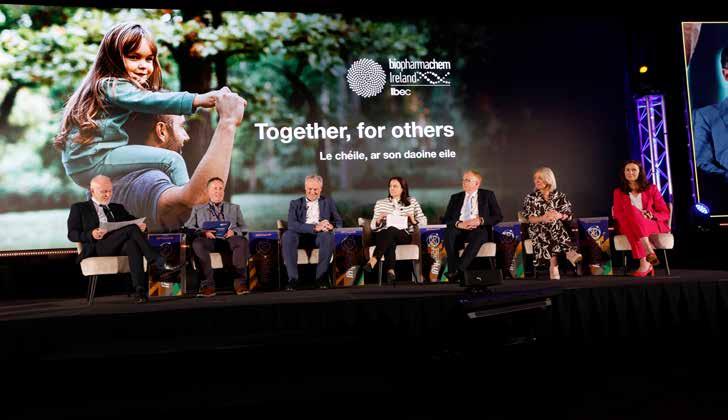

Pictured are (l-r): Paul McCabe, Group Chief Operating Officer & Board Member at APC & VLE Therapeutics; Jeremy Skillington, CEO, Poolbeg Pharma; Cepta Duffy, Head of Life Sciences, Enterprise Ireland; Dr Seamus Browne, Head of Industry Partnerships at RCSI; Sharon Higgins, Executive Director, Membership & Sectors, Ibec; and Dr Siobhán Roche, Director of Industry Programmes, Research Ireland.
Currently it is a time of many challenges for procurement professionals. Reliably sourcing and securing supply of vital chemicals. It seems there’s ever greater pressure, fewer certainties, more hurdles.
But some of the world’s best-known companies have a hidden advantage. They don’t spend too much time problem solving If they need something, it’s sourced and supplied. Quietly and efficiently. They don’t need the headaches of multiple vendors and different standards, it’s streamlined. Compliance, paperwork, it’s taken care of. They have an advantage.
They have Camida.
AWARDS
Pioneering the Future: BioPharmaChem Impact Awards Winners
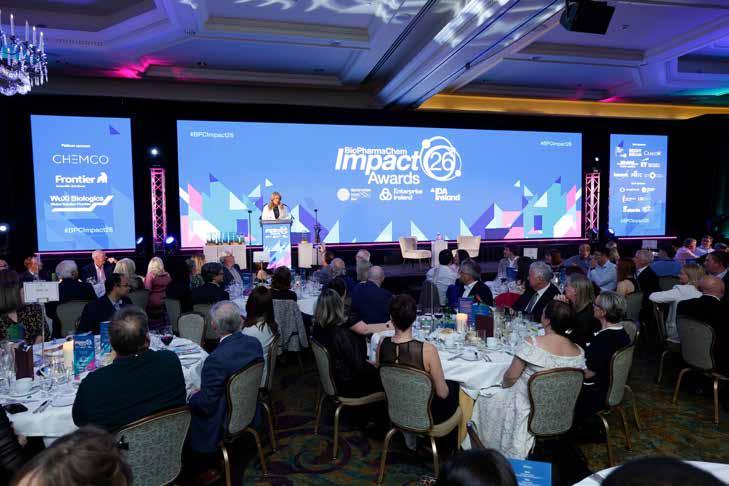
Eimear Curran , Executive, BioPharmaChem Ireland, reports from the inaugural BioPharmaChem Impact Awards, which were established to recognise and reward best practice across the sector.
Over 430 industry leaders gathered at the InterContinental Hotel Dublin on May 6, 2026, for the second annual BioPharmaChem Impact Awards, celebrating excellence across Ireland's BioPharmaChem sector. The ceremony marked a fitting culmination of the flagship BioPharmaChem Impact Conference, Awards and Brew, which is proudly co-hosted by BioPharmaChem Ireland (BPCI), IDA Ireland, and Enterprise Ireland.
Outstanding Contribution to the BioPharmaChem Sector Award
Audience members and nominees kicked off the evening with an insightful fireside chat, featuring industry heavyweight Brendan O’Callaghan, Executive Vice President of Manufacturing and Supply at Sanofi and recipient of the 2025 Outstanding Contribution Award. This set the stage for the presentation of the 2026 Outstanding Contribution to the BioPharmaChem Sector Award.
Selected by the BPCI Board, this year's honour went to Dr Paul Duffy in recognition of his distinguished 35-year career. From starting as a process chemist at GSK Cork to leading global manufacturing networks at Pfizer, Dr Duffy was celebrated for his visionary leadership
and tireless advocacy for Irish talent across his senior roles with Ibec, AmCham, and IDA Ireland.
While the Board selected the lifetime achievement honour, a rigorous judging process, led by respected figures from industry and academia - including Seamus Fives, Dr Ruth Freeman, Professor Liam Barry, Cliona Murphy, Patricia Quane, and Padraig Sommersdetermined the remaining categories.
Company of the Year
The coveted Company of the Year accolade was awarded to APC & VLE Therapeutics (The Medicine Accelerator) for its transformative iAchieve digital platform, which accelerates the delivery of life-saving medicines worldwide.
“We are honoured to be recognised as BioPharmaChem Company of the Year 2026,” noted Brian Glennon, Co-founder & CTO of APC & VLE Therapeutics, as he accepted the award. “This award reflects the expertise, commitment, and innovation that our team brings to the delivery of medicines to patients. We are fortunate to have such scientific excellence and diversity to bring to bear across process
BIOPHARMACHEM IMPACT AWARDS
development, digitalisation, and GMP manufacturing. That this can be achieved in an Irish organisation is a testament to the talented group of people working in all aspects of the company.”
Collaboration in BioPharmaChem Award
In recognition of outstanding cross-sector collaboration, Brightbeam was recognised for bringing together over 25 experts to build the Generative AI for Life Sciences Playbook 2025. Collecting the award, Shane Owens, Head of Pharma & Life Sciences at Brightbeam AI, said, “To be named winner of the Collaboration in BioPharmaChem Award is a genuine honour. The Generative AI for Life Sciences Playbook shows what makes Ireland’s Life Sciences sector so distinctive: companies willing to look ahead together, share practical insight, and focus on where AI can create real value responsibly. We are hugely grateful to BPCI, Connected Health Skillnet, BioMarin, Bristol Myers Squibb, Guerbet, Novo Nordisk and Sanofi for helping set that standard.”
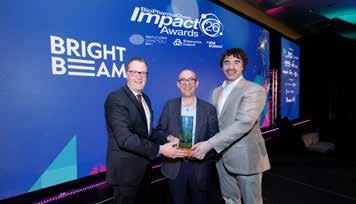
Pictured at the presentation of the Collaboration in BioPharmaChem Award are (l-r): Mark Christal, Executive Director, Sectoral and Client Solutions, Enterprise Ireland; Brian Hanly, Co-Founder & CEO, Brightbeam; and Shane Owens, Head of Life Science & Medtech, Brightbeam.
Best Process Innovation/Digitalisation of the Year Award
Technological advancement was also a major theme for the evening, as Pfizer Ireland Pharmaceuticals won the Best Process Innovation/ Digitalisation of the Year Award for its Neo PLM ‘Digital Twin’ revolution. Rory Goggin, Ringaskiddy Automation and ERP Team Leader at Pfizer, collected the award, noting, “Through Neo PLM, Pfizer Ringaskiddy has transformed pharmaceutical manufacturing by making the digital twin the single source of truth, delivering safer operations, faster scale up, and real, enterprise level business impact.”
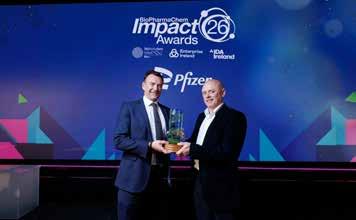
Pictured are (l-r): Robert Saunders, SVP, Revenue & Market Development, Frontier Scientific Solutions, with Rory Goggin, Automation and ERP Team Leader at Pfizer Pharmaceuticals Ireland Ringaskiddy, winners of the Process Innovation Digitalisation Award.
Emerging Company of BioPharmaChem Award
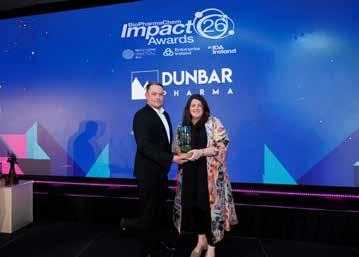
Representing the vibrant innovation of indigenous start-ups, Dunbar Pharma was recognised for its leadership in high-purity cannabinoid APIs, securing the title of Emerging BioPharmaChem Company of the Year. “This year we moved from build to market with the launch of our plant-based dronabinol API into Germany and the UK, enabling genuine patient access where it has been constrained,” explained Leah Fletcher, Chief Executive Officer and Co-Founder of Dunbar Pharmaceuticals, as she picked up the award. “The credit belongs to the Dunbar team and to our distribution partners across Germany and the UK.”
Partner/Supplier of the Year
Acknowledging the critical role of external support networks, Thermo Fisher Scientific was awarded Partner/Supplier of the Year, reflecting the impact of its Cork-based CDMO operations and strong customer partnerships.
“We’re genuinely delighted to receive this award – being recognised as a trusted partner to our customers means a lot, as we strive to deliver an exceptional customer experience,” stressed Edel Collins, General Manager of Thermo Fisher Scientific’s Cork site. “It really reflects the expertise and passion our team brings every day to building strong, lasting partnerships.”
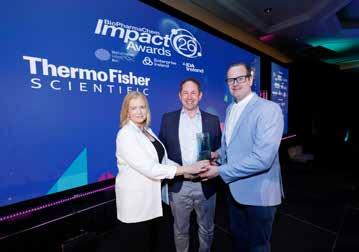
Siobhán Dean, Deputy Director of BioPharmaChem Ireland, presents the BioPharmaChem Partner/Supplier of the Year Award to Philip Conway, Site Lead Program Management, and Mitch Collins, PMO Lead, both from Thermo Fisher Scientific.
Leah Fletcher, Founder and CEO of Dunbar Pharma, accepts the Emerging BioPharmaChem Company of the Year Award from James Atherton, Facilities and Utility Director at WuXi Biologics.
BIOPHARMACHEM IMPACT AWARDS
Best Talent Strategy of the Year Award
Championing workplace excellence, Johnson & Johnson Innovative Medicine Ringaskiddy was recognised for its forward-looking talent strategy. Accepting the accolade, Jennifer Ruston, HR Leader, stated, “Our commitment to developing and nurturing talent is hugely important to us and a driving factor in ensuring we deliver for our patients. We are grateful for our strong partnerships with third-level institutes that provide us with a rich talent pool of students and graduates, along with further education programmes for our current employees.”
Sustainable BioPharmaChem Company of the Year
As environmental responsibility becomes increasingly central to manufacturing operations, Sanofi was honoured as Sustainable BioPharmaChem Company of the Year for its Planet Care initiative.
“Winning Sustainable Company of the Year is a proud moment for our entire team,” explained Eoin Lyons, Head of Product Supply Engineering & Maintenance at Sanofi. “Sustainability is not a standalone initiative for us; it is embedded in how we operate, how we innovate, and how we show up for our communities. From reducing our
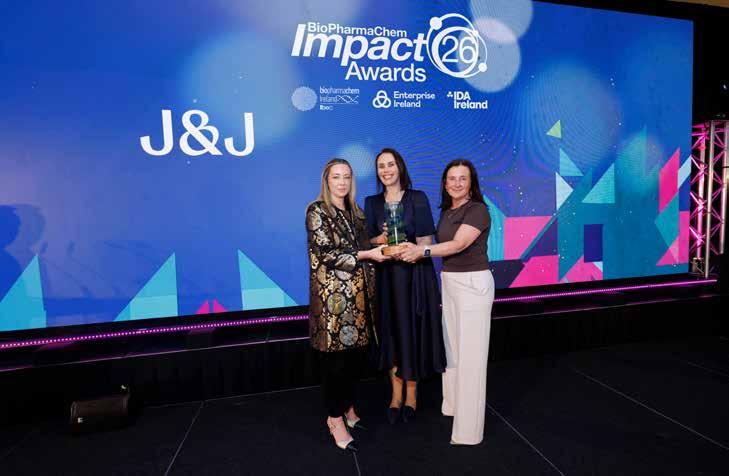
Pictured at the presentation of the Talent Strategy of the Year Award are (l-r): Ruth McDonald, COO, Chemco Ireland; Melanie Sisk, Senior Quality Assurance Manager and Talent Lead, J&J Innovative Medicine, Ringaskiddy; and Marie Martin, Vice President - General Manager Biotherapeutics Site, Ringaskiddy.
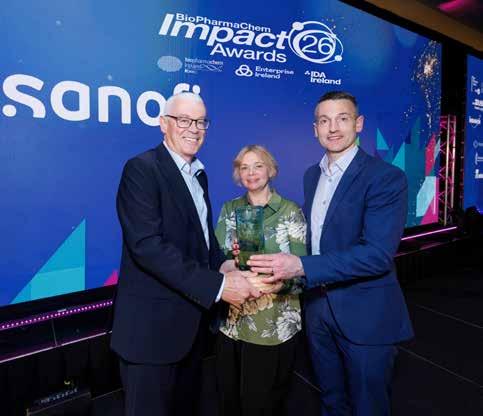
Rory Mullen, Head of BioPharma and Food at IDA Ireland, is pictured presenting the Sustainability Award to Niamh Irish, Head of Clean Utilities and Sustainability, and Richard Mackey, Head of Engineering, both from Sanofi.
BIOPHARMACHEM IMPACT AWARDS
environmental footprint to investing in long-term partnerships, we are committed to creating lasting impact. This award recognises the collective effort of our people who are driving meaningful change every day.”
Celebrating innovation
The event's co-hosts emphasised the strategic importance of these recognitions in shaping the future of the industry. Cepta Duffy, Head of Life Sciences and Health Tech at Enterprise Ireland, commented: “Ireland is regarded as a leading BioPharma hub, bolstered by the dynamic of the strength and breath of the established multinational cohort and the innovation emerging from the Irish indigenous and start-up Life Science base. The BioPharmaChem Impact Awards acknowledge the level of innovation and the beneficial impact of crosscollaboration within the ecosystem, which in turn nurtures innovative thinking and brings positive change to the healthcare system.”
Echoing this sentiment, Rory Mullen, Head of BioPharma & Food at IDA Ireland, remarked: “IDA Ireland is delighted to partner with BPCI for the Impact awards. The BioPharma sector in Ireland is very important to IDA Ireland, and continues to have an enormous impact on the Irish economy and this event encourages the collaboration that enables its continued success.”
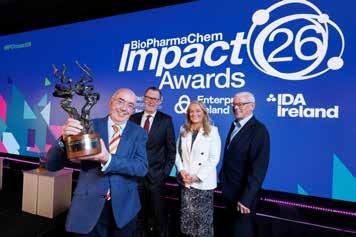
Accepting the BioPharmaChem Company of the Year Award is Brian Glennon, Co-founder & CTO of APC & VLE Therapeutics; with Mark Christal, Executive Director, Sectoral and Client Solutions, Enterprise Ireland; Dr Sinead Keogh, Head of Sectors at Ibec and Director of BioPharmaChem Ireland; and Rory Mullen, Head of BioPharma and Food at IDA Ireland.
Driving meaningful progress
Summarising the spirit of the evening, Sinéad Keogh, Director of BioPharmaChem Ireland, said: “The BioPharmaChem Impact Awards are a primary showcase of the innovation, resilience, and collaboration that define Ireland’s global leadership in this sector. These awards provide a vital platform to recognise the people and partnerships driving meaningful progress across our entire community, highlighting the depth of R&D expertise and manufactuirng excellence that makes Ireland a global hub.”
BioPharmaChem Ireland extended its sincere thanks to all of the BioPharmaChem Impact 2026 sponsors who made the evening possible, including Platinum sponsors Chemco Ireland, Frontier Scientific Solutions, and WuXi Biologics; Gold sponsors BioPharmaChem Skillnet, Brightbeam, Camida, DHL, EY, Indaver, PMTC, and SkyCell; and Silver sponsors Innopharma Education, LSC, Life Science Recruitment, Ibec Laboratory Apprenticeship, Micro Bio, and National Chemical Company.
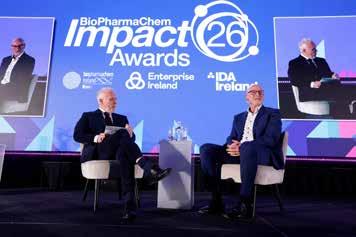
Pictured during the ‘Fireside Chat’ are (l-r): Journalist and broadcaster Richard Curran, with Brendan O’Callaghan, Executive Vice President Manufacturing and Supply, Sanofi.
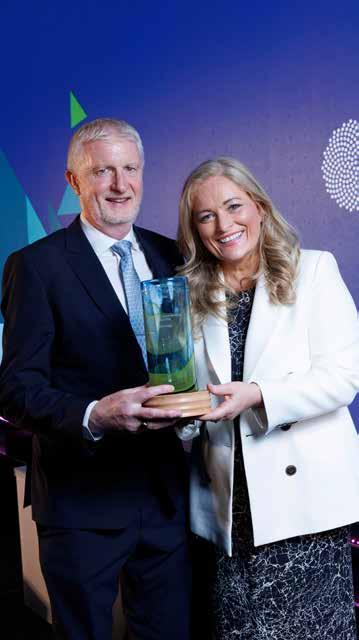
Dr Paul Duffy, former Senior Vice President Manufacturing, Pfizer, is pictured receiving the Outstanding Contribution to the BioPharmaChem Sector Award from Dr Sinéad Keogh, Head of Sectors at Ibec and Director of BioPharmaChem Ireland.
Shaping Europe’s Life Sciences Destiny
Ailbhe Byrne, Senior Public Affairs Executive, BPCI, writes on Ireland’s Presidency of the Council of the EU and the path to global leadership.
As Ireland prepares to assume the Presidency of the Council of the European Union on July 1, 2026, the BioPharmaChem sector stands at a critical geopolitical and economic crossroads. For over half a century, Europe has set the global benchmark for pharmaceutical manufacturing and quality. Yet, as highlighted by the Draghi report, this leadership is no longer guaranteed. Global competition has intensified, and Europe’s share of global pharmaceutical R&D investment has fallen from 41% to 31% over the last two decades.
Ireland’s upcoming six-month Presidency window represents a historic opportunity to reverse this trend. As a vital gateway between European and global markets, Ireland is uniquely positioned to advocate for a policy programme that restores continental competitiveness, secures industrial resilience, and fosters breakthrough innovation.
To achieve this, the Irish Government must use its presidential mandate to champion structural regulatory reforms and ensure
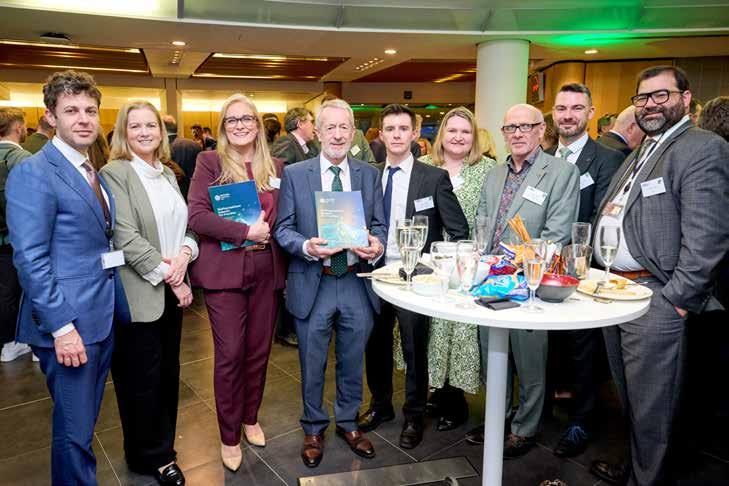
The BPCI delegation, including Sinéad Keogh, Director; Siobhán Dean, Deputy Director, and Michael Kilkelly, Senior Executive, EHS, with MEP Seán Kelly, and Fergus Sharpe, Government Affairs & Policy Lead, Johnson & Johnson Innovative Medicine; Clair Kelly, Public Policy Manager at AbbVie; Blaine Gaffney Government Affairs and Stakeholder Engagement Manager at MSD; and Nicholas Cosenza, Head EU Government Affairs at Amgen.
Europe remains an attractive, open destination for global Life Sciences investment.
Four pillars for European leadership
To guide this opportunity, BPCI launched its landmark policy document, ‘BioPharmaChem Ireland’s EU Priorities’. This document delivers a concrete, action-oriented roadmap structured across four strategic pillars.
1. Strengthening Europe’s Life Sciences competitiveness
Industrial resilience must be built on competitiveness, not counterproductive trade barriers. While BPCI supports targeted measures to secure critical supply chains, any discussion of ‘European preference’ must remain precise and single-market compliant. We are calling on the Irish Presidency to ensure the final Critical Medicines Act addresses drug shortages without creating unintended cost barriers or administrative burdens for SMEs. Simultaneously, the post2027 Multiannual Financial Framework (MFF) must be leveraged to secure a future-proof STEM and digital skills pipeline.
2. Stimulating European innovation
To close Europe’s innovation gap, the EU Biotech Act must be fasttracked to operationalise Supplementary Protection Certificate (SPC) extensions and accelerate clinical trial timelines. We must also drive the implementation of the European Health Data Space (EHDS) through a single, interoperable ‘Common EU Data Application’ to prevent regional fragmentation. Crucially, EU funding frameworks must expand to recognise manufacturing process innovation, an area where Irish facilities excel, as a highly eligible category for scale-up support.
3. Fostering a resilient and sustainable future
Sustaining our industrial base requires aligning environmental policy with manufacturing reality. Europe’s industrial electricity prices are currently double those of the United States, placing EU manufacturers at a severe competitive disadvantage. BPCI is calling for an Affordable Energy Action Plan that recognises our energyintensive sector as strategically significant. Additionally, we advocate for a targeted, risk-based approach to PFAS restrictions under REACH,
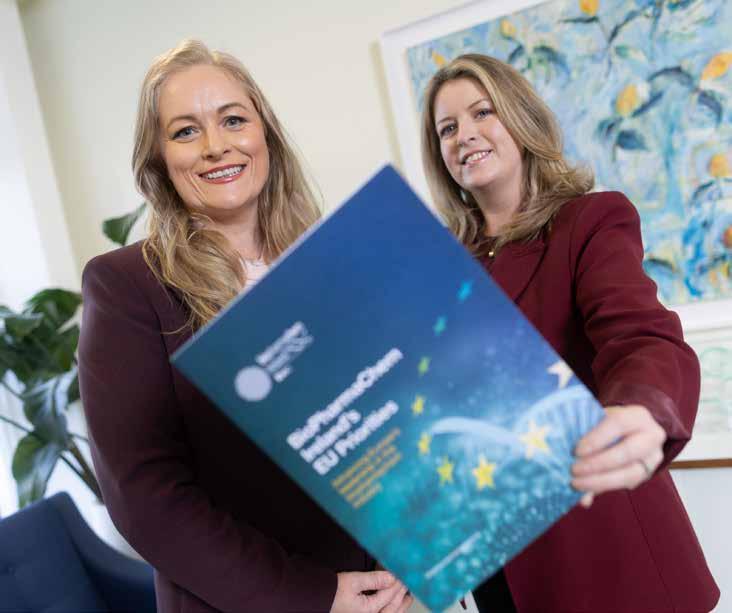
Sinead Keogh, Director of BPCI, and Ailbhe Byrne, Senior Executive, BPCI, at the launch of the EU Priorities document.
EU PRIORITIES
incorporating essential-use derogations, and a science-based revision of the Urban Wastewater Treatment Directive to prevent disproportionate producer-responsibility costs.
4. Driving regulatory simplification and agility
Regulatory delay is rapidly becoming a key European weakness. Ireland’s Presidency must advocate for greater agility, encouraging the European Medicines Agency (EMA) and National Competent Authorities to adopt digital compliance tools and establish regulatory sandboxes under the Biotech Act. Harmonised, risk-proportionate clinical trial requirements are vital to prevent divergent national goldplating and keep next-generation therapies within the Single Market.
Advocacy in action: our Brussels engagement
Defining this policy agenda was only the first step; executing it has required intensive diplomatic preparation. While Ibec and BPCI lobby and engage with European institutions on an ongoing, day-to-day basis, the upcoming EU Council Presidency provides a unique, highimpact window of opportunity to actively shape EU policy.
To ensure our four pillars are embedded at the heart of the EU legislative agenda, BPCI and its members, through our BPCI Government Affairs Working Group, led two high-level advocacy delegations to Brussels in early 2026.
Our first mission, from January 26 to 28, focused on direct engagements with Ireland’s permanent representation to the EU, key MEPs, and European trade associations, including Cefic and EuropaBio, during which we presented our presidential priorities to the European Fine Chemical Group (EFCG) AGM. This trip coincided with the Brussels launch of Ibec’s campaign, ‘Making a Resilient,
Competitive EU a Reality’, establishing a powerful platform for our subsequent advocacy.
We returned to Brussels in March for our annual St Patrick’s Day programme, accompanied by a senior member delegation from Johnson & Johnson Innovative Medicine, MSD Ireland, AbbVie, Amgen, GSK, and Pfizer. We held engaging discussions with Billy Kelleher MEP, Michael McNamara MEP, and Seán Kelly MEP, to shape major ongoing files, including the EU Biotech Act, the Critical Medicines Alliance, and the General Pharmaceutical Legislation (GPL).
Our delegation concluded with a high-profile reception at the European Parliament, featuring addresses from European Parliament President Roberta Metsola, EU Commissioner Michael McGrath, Ambassador Aingeal O’Donoghue, and Ibec President Colin Hunt. These meeting successfully solidified BPCI’s position as a core architect of Europe’s future health policy.
A co-ordinated path forward
To lead effectively in Europe, we must be strategically ready at home. BPCI is urging the Irish Government to finalise and operationalise our first National Life Sciences Strategy and establish a dedicated, fully resourced Office of Life Sciences during the Presidency.
Crucially, as we advance this agenda, BPCI will continue to engage closely with our European trade associations, EuropaBio and Cefic, co-ordinating our collective efforts to champion a policy framework that secures Europe’s long-term leadership on the global stage. In the months and years ahead, BPCI looks forward to working hand-in-hand with our members, European institutions, and national stakeholders, to deliver this ambitious, competitive, and sustainable vision for global Life Sciences.
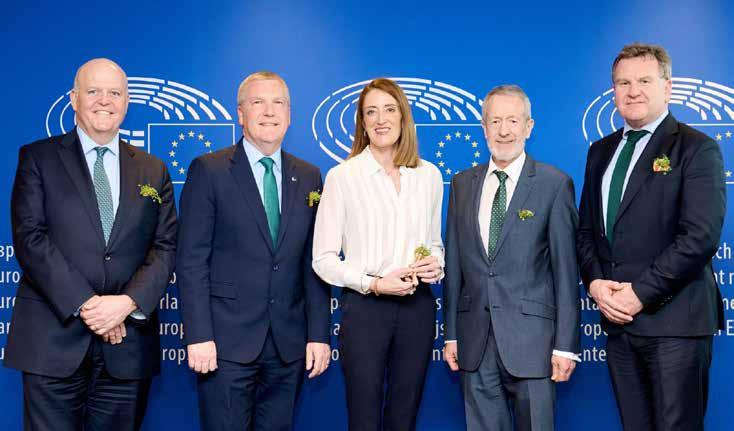
Pictured are: Dr Colin Hunt, Chief Executive Officer of AIB, President of Ibec; Michael McGrath, European Commissioner for Democracy, Justice, the Rule of Law, and Consumer Protection; Roberta Metsola, President of the European Parliament; Sean Kelly MEP; and Danny McCoy, Chief Executive Officer, Ibec.
Let’s outdo cancer
A world where people with cancer live better and longer lives. That’s Pfizer’s vision. We are accelerating breakthrough cancer medicines that bring new hope to patients everywhere.

Taking cancer on
Pfizer is tackling one of the most challenging health crises of our time. Nothing is more urgent, or more personal, than our goal to outpace, outsmart, and outmaneuver cancer at every turn.
STRATEGY LAUNCH
BPCI Launch Strategy for Indigenous BioPharma Companies
‘Together, for Others’ is the newly launched Strategy for Ireland’s indigenous BioPharmachem ecosystem. Ella Kearns, Executive, Strategic Projects, BioPharmaChem Ireland, reports on this roadmap for the homegrown BioPharma heroes.
Ecosystem development is one of BioPharmaChem Ireland’s strategic pillars, the core framework against which we measure success. It guides our advocacy, resource allocation, and value proposition, building the depth, resilience, and diversity of the sector.
Following the success of our Global Business Services Strategy last year, which successfully positioned Ireland as the global location of choice for BioPharma business services, we recently launched a landmark strategy: ‘Together, for Others’. This serves as a dedicated roadmap for Ireland’s indigenous BioPharmaChem ecosystem, the homegrown companies founded, nurtured, and scaled here, from the roots up.
Why we began this work: a call for strategic resilience Ireland’s reputation as an undisputed global powerhouse in (Bio) Pharmaceutical and Chemical manufacturing is well-established. We
host 19 of the top 20 global Pharmaceutical companies, and account for 10% of global Pharmaceutical exports, with annual exports exceeding €183 billion in 2025.
But while that multinational powerhouse grew, a parallel story was also taking place: the rise of our indigenous sector. We wanted to tell this story to its full potential, showcasing the sheer scale and diversity of our thriving domestic ecosystem.
For the first time, we have mapped the homegrown companies operating across the full BioPharmaChem value chain. To date, we have identified over 130 companies operating from preclinical discovery and clinical development through to commercialisation, alongside the crucial support services the sector relies on in between. The strategy features nine case studies, one from each category, showcasing our domestic capability and innovation, alongside contributions from state agencies, regulators, and investors.

Pictured at the launch of ‘Together, for Others’ are: Tim Shanahan, VP External Manufacturing Operations at Ipsen, and BioPharmaChem Ireland Chairperson; Siobhán Dean, Deputy Director of BioPharmaChem Ireland; Sinéad Keogh, Head of Sectors and Director, BioPharmaChem Ireland; Paul McCabe, Group Chief Operating Officer at APC/VLE Therapeutics and BioPharmaChem Ireland Board Member; and Ella Kearns, Executive, Strategic Projects, BioPharmaChem Ireland.
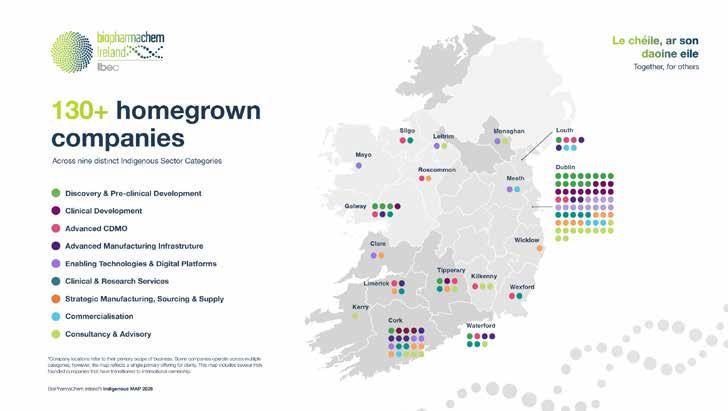
A Map of Ireland’s Indigenous BioPharmaChem ecosystem, with over 130 homegrown companies operating across the full value chain.
By bringing this narrative to light, stakeholders can explore our sector's evolution and appreciate the unique long-term game inherent to this sector in order to fuel Ireland's innovation economy.
A thriving indigenous sector complements the FDI base, making the entire ecosystem more structurally resilient by anchoring supply chains, conducting early high-risk research, and keeping IP ownership in Ireland. This symbiotic relationship makes Ireland more attractive to the multinationals we want, and stickier to the ones we already have.
The four pillars of the Strategy Rather than detailing a myriad of recommendations, we focused on
the core levers that will move the needle most for Ireland's innovation economy. We met with a group of entrepreneurs and leaders, who became our steering committee.
Through regular meetings and workshops, where they shared firsthand experiences of starting and scaling a company in Ireland, we were able to identify the distinct opportunities and challenges the ecosystem currently faces. This became the bones of our Strategy, which was validated at a workshop with representatives from the wider ecosystem including from Enterprise Ireland, Research Ireland, the HPRA, and many more.
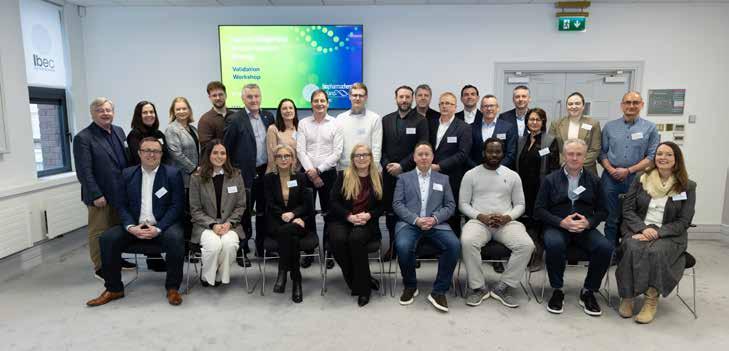
BPCI held an Indigenous Strategy Validation Workshop with representatives from the wider BioPharmaChem ecosystem.
STRATEGY LAUNCH
The strategy focuses on four pillars containing our key policy requests:
1. Funding: Bridging the Capital Gap
To move the needle across the innovation lifecycle, we recommend:
• Mandate an ISIF Evergreen Fund: Establish a ring-fenced evergreen vehicle at the Ireland Strategic Investment Fund to recycle exit returns back into Life Sciences.
• Establish a Pre-Seed Runway Fund: Provide stage-appropriate finance of €2-8 million per company to cross the clinical "valley of death” between early research and the first institutional round.
• Mobilise Pension Capital: Unlock €1-2 billion in dormant domestic pension funds through asymmetric risk-sharing models.
• Fiscal Incentive Reform: Significantly expand Entrepreneur Relief beyond the current €1.5 million limit and ring-fence corporation tax for a dedicated SME Growth Fund.
Establish an EU Capital Navigator: Launch a unit to help firms access European funding, while shaping the EU Biotech Act during Ireland's 2026 Presidency.
2. Infrastructure: Anchoring Discovery and Trials
To support companies working in preclinical and clinical development, we recommend:
• Accelerate Clinical Trials: Set a formal target approval time for Phase I trials of ethical and regulatory stage to 30 days or less to remain competitive with international peers, like Denmark.

• National Drug Discovery Centre of Excellence: Establish a permanent, structural research anchor for drug discovery by 2035.
3. Ecosystem Orchestration: Strategic Integration
To foster closer ties between FDI multinationals, start-ups, research centres, and state agencies, we require formal recognition: Formally Recognise the Sector: ‘Name the Sector’ to formally designate the indigenous BioPharmaChem ecosystem as a distinct priority in the upcoming National Life Sciences Strategy, with dedicated accountability metrics.

4. Talent: Retaining and Upskilling
Our People
We must create fluid mobility pathways between industry and research, and establish financial, technical, and advisory support structures to encourage and de-risk experienced multinational leaders taking the leap to launch their own start-ups.
The advocacy roadmap
‘Together, For Others’ is the beginning of a sustained lobbying campaign. It was formally launched at the BioPharmaChem Impact Conference, where a plenary panel was dedicated to it. We hosted our inaugural BioPharmaChem Brew the night before, a social networking and learning evening where we delved deep into the talent pillar.
On a national level, we are actively pushing for these asks to form a dedicated section in the upcoming National Life Sciences Strategy and BPCI Budget Submission, feeding directly into Ibec’s broader Founders campaign. Internationally, we are hosting an EU Biotech Act Roundtable in September and leveraging Ireland’s EU Council Presidency in July 2026 to shape European capital frameworks.
Additionally, we will continue this work through the indigenous working group, which relevant members are invited to join. We have structured social media engagement campaigns, dedicated member information sessions, and a deepdive podcast episode. This will ensure we continuously spread the word and that our strategic asks are turned directly into actions with tangible, ecosystem-wide outcomes.
Ella Kearns, Executive, Strategic Projects, BioPharmaChem Ireland.
BioPharmaChem Brew (top row, l-r): Sinéad Keogh, Director, BPCI; Tom Brennan, Founder, Eirgen, Trivium Vet and Q1 Scientific; Rosemarie Tully, VP and GM, Alkermes; Lee Sherlock, Co-founder, Meta-Flux; Ella Kearns, BPCI; and (bottom row, l-r): Orla Callan, Managing Director, Innopharma Education; and Alan Looney, CEO, National Chemical Company.

BPCI Works to Shape National Life Sciences Strategy
From advocacy to action: BioPharmaChem Ireland has been hugely influential in helping to shape Ireland’s inaugural National Life Sciences Strategy.
For Life Sciences executives operating in Ireland, the global landscape has never been more fiercely contested. With aggressive international competition for foreign direct investment and continuous geopolitical shifts, Ireland cannot afford a static or siloed industrial roadmap. The stark reality is that the European Union has slipped to third place globally as an originator of new molecular active substances, and its share of global clinical trials has collapsed from 22% to 12%. Furthermore, a massive funding gap exists: while US BioPharma start-ups captured approximately €219 billion in health biotech venture capital over the last decade, Europe secured just €25 billion, a mere 7% global share.

Dr

To combat these trends, reverse capital flight, and anchor high-value R&D and manufacturing capacity domestically, the Irish ecosystem requires a new approach. This strategic imperative underpins the relentless, multi-year advocacy led by BioPharmaChem Ireland (BPCI) and Irish Medtech. The first half of 2026 marked a critical transition in this mission, shifting from campaigning for an inaugural National Life Sciences Strategy (NLSS) to the highly complex operational work of shaping its core policies.
For the C-suite, this engagement is an economic necessity. With the government’s commitment secured under the Department of Enterprise, Tourism and Employment (DETE), BPCI’s mandate over the last six months has been to ensure the final Strategy is robustly resourced, fiercely aligned with manufacturing realities, and explicitly designed to protect national competitiveness. Through four high-stakes consultative engagements, we have worked
BPCI Director
Sinéad Keogh and Irish Medtech Director Dr Eoghan Ó Faoláin were among the speakers at the DETE Sectoral Development Workshop, along with Jean Casey (Eli Lilly), Fergus Sharpe (J&J) and Eiblin Mulroe (Novartis).
Sinéad Keogh, Director, BPCI, with Paul McCabe, VLE Therapeutics, and Eva Gallagher, Site Lead, MSD Carlow.
directly with governmental stakeholders to dismantle administrative silos and secure the sector's future.
Workshop 1: Defining the Sectoral "Must Do's"
Formal engagment began on February 12 at the DETE Sectoral Development Workshop. Following preparatory alignment with manufacturing site representatives, BPCI Director Dr Sinéad Keogh and Irish Medtech Director Dr Eoghan Ó Faoláin delivered a joint presentation detailing our primary national competitiveness priorities.
Led by DETE’s Emma-Jane Morgan, this full-day session assembled the BPCI Board, departmental officials, and key agency leaders to map out foundational requirements for continued growth.
Backed by leaders such as Jean Casey (Eli Lilly) and Eva Gallagher (MSD Carlow), the workshop featured strategic updates from IDA Ireland, Enterprise Ireland, and Research Ireland. Crucially, the day closed with a powerful call to action from Minister Peter Burke to appoint a dedicated sectoral champion in Government, ensuring executive-level accountability.
Targeting Macro-Barriers: The CrossGovernmental Steering Group
Recognising that systemic bottlenecks transcend individual government agencies, BPCI presented directly to the high-level NLSS Steering Group on March 2. Chaired by DETE’s John Newham, this pivotal session united senior representatives from seven critical state departments. We delivered a stark warning against a siloed departmental approach, emphasising to policymakers that fundamental barriers, from energy grid infrastructure constraints and housing deficits to regulatory delays, require a synchronised governmental response.
To ensure execution, we argued forcefully that the NLSS must establish a well-resourced national Office of Life Sciences within DETE to act as a permanent coordinating body for cross-agency execution and upstream European policy alignment.
Workshop 2: Securing Talent and Navigating Sustainability
On March 31, the focus shifted to long-term operational viability during the Consultative Forum on Talent, Skills & Sustainability. Evaluating Ireland's innovation workforce, BPCI Deputy Director Siobhán Dean

highlighted persistent talent shortages across the science and engineering spectrum. A strategy without a workforce pipeline is inviable; thus, we demanded that the state actively support advanced training, modernise higher education, and streamline global immigration pathways to secure essential high-value technical capabilities.
Addressing the green transition, Siobhán Dean emphasised a critical balance: while environmental targets are necessary, they must be matched by targeted capital supports and a pragmatic regulatory framework that does not compromise the uninterrupted manufacture of lifesaving products.
Workshop 3: Patient Outcomes and Regulatory Excellence
On April 24, at the Department of Health Town Hall, BPCI tackled the vital intersection of clinical innovation, data, and regulatory predictability. Featuring updates on the European Health Data Space (EHDS) and Electronic Health Records, the session underscored the need for modern data infrastructure.
Crucially, during the afternoon roundtables, BPCI focused heavily on governance, business costs, and regulatory impacts. We made it clear that an ambitious policy document is useless without strict enforcement mechanisms. We demanded
Minister for Health Jennifer Carroll MacNeill TD and Minister of Enterprise, Tourism & Employment Peter Burke TD, at the Life Sciences Leadership in Ireland and Europe event in Dublin.
NATIONAL LIFE SCIENCES STRATEGY
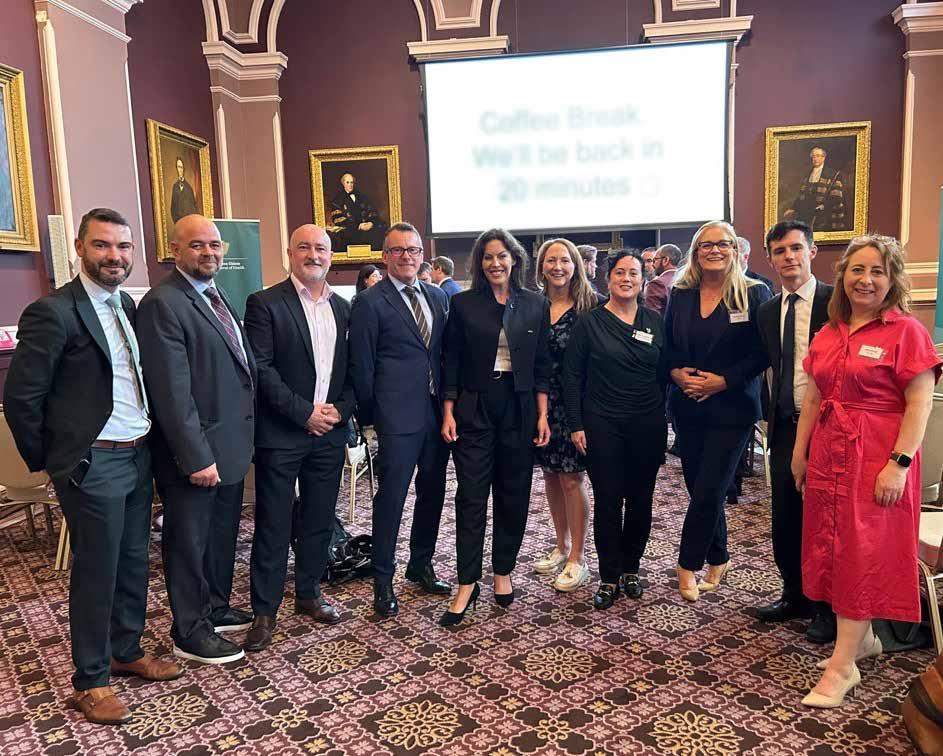
Better patient outcomes and a strong economy are two sides of the same coin. This was the central message at the Life Sciences Leadership in Ireland and Europe event in Dublin, where BPCI Members joined Ministers Peter Burke TD and Jennifer Carroll MacNeill TD to champion a unified, cross-departmental vision for Ireland’s National Life Sciences Strategy. Pictured are Blaine Gaffney (MSD), Mohammed El Ghareeb (Roche Ireland), Conor Delaney (BioMarin), Darrin Morrissey (NIBRT), Minister for Health Jennifer Carroll MacNeill TD, Eibhlin Mulroe (Novartis), Angela Clayton-Lea (Cancer Trials Ireland), Sinéad Keogh (BPCI), Fergus Sharpe (Johnson & Johnson Innovative Medicine), Jean Casey (Eli Lilly).
concrete accountability measures, including transparent multi-annual reporting and specific milestones.
Furthermore, we insisted that national industry, research and patient representatives must have a permanent seat on an NLSS Development and Implementation Council to ensure the strategy remains grounded in operational reality.
Workshop 4: Life Sciences Leadership in Ireland and Europe
This intensive consultative period culminated in the Life Sciences Leadership in Ireland and Europe Event in Dublin. The guiding executive message was clear: better patient care and a strong economy are two sides of the same coin. As BPCI Director Sinéad Keogh emphasised, we cannot deliver superior patient outcomes without an investable, hyper-competitive ecosystem, nor can we sustain a highly productive economy without safely deploying lifesaving innovations.
Ahead of the upcoming Irish Presidency of the EU, Ministers Peter Burke and Jennifer Carroll MacNeill championed a unified, crossdepartmental vision. As Ireland helps shape the implementation
of the historic EU Biotech Act, breaking down administrative silos is our greatest strategic advantage to anchor both high-value R&D investment and manufacturing capacity.
By streamlining regulatory sandboxes, compressing clinical trial timelines, and unlocking smart procurement, we support industry viability and patient access alike. To sustain this ecosystem, our domestic levers must evolve.
BPCI called for the expansion of the R&D Tax Credit framework to explicitly include AI integration and green innovation, alongside robust investments in workforce upskilling for next-generation advanced therapies.
Looking ahead: the window for impact
The engagement over the past six months builds upon our joint Life Sciences White Paper, ensuring government departments understand what industry requires to maintain global competitiveness. BPCI will continue to engage critically and constructively with the Government to guarantee that the final NLSS delivers the funding, regulatory resources, and clear governance necessary to secure the sector's prosperity for the next decade.


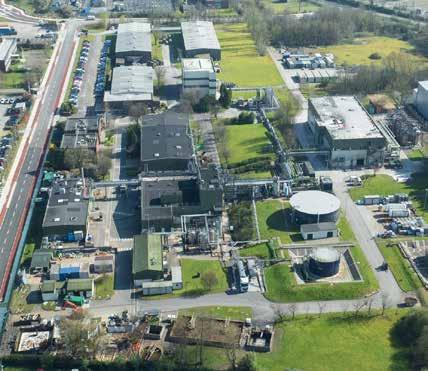

Global Leaders in Extraction
Cara Partners, is undertaking a major expansion and modernisation of the site.
The expansion will significantly increase the extraction capacities while further strengthening the company’s position within the industry.
The project aims to elevate efficiency, technological capability, and uncompromising quality to the next level.
Scheduled for completion in 2029, this project reflects our commitment to enabling sustainable growth - From Nature, For Health
BIO 2026: Building Resilient Global Networks
Insights from the EU Pavilion and the ICBA at BIO International Convention in San Diego, 2026.
At the BIO 2026 International Convention in San Diego, the overarching message from the global Life Sciences stage was clear: Europe is not just participating in the future of biotechnology but actively shaping it.
BioPharmaChem Ireland (BPCI) was proudly represented by Sinéad Keogh, Director, and Siobhán Dean, Deputy Director, who championed the Irish Life Sciences ecosystem during a landmark week that united visionary policy, forward-thinking regulation, and deep tech capital.
A significant highlight of the convention was Sinéad and Siobhán’s attendance at the official opening of the European Innovation Council and SMEs Executive Agency (EISMEA) / European Pavilion, which marked the largest and most unified European presence at BIO to date. This provided a unique opportunity for BPCI to connect with the leadership team driving Europe’s competitive edge, including Sandra Gallina from the European Commission, Stéphane Ouaki from the EIC, and Emer Cooke from the European Medicines Agency (EMA). BPCI was particularly pleased to see indigenous Irish innovation showcased at the heart of this momentum, with homegrown companies like Biosimulytics and Altratech hosted directly on the EIC stand.
International Council of Biotech Associations
During the convention, BPCI also engaged in the International Council of Biotech Associations (ICBA) meetings. As global markets adapt to shifting trade dynamics, the ICBA’s strategic agenda is actively pivoting to focus on long-term funding stability, trade and supply chain harmonisation, and international intellectual property defence.
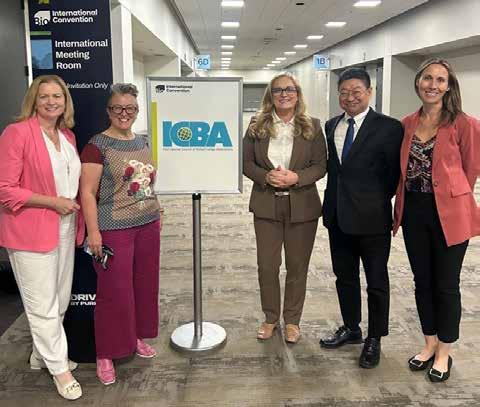
at the ICBA Annual Meeting are (l-r): Siobhán Dean, Deputy Director, BioPharmaChem Ireland; Claire Skentelbery, Director General, EuropaBio; Sinéad Keogh, Director, BioPharmaChem Ireland; Wallace Lin, Secretary-General, Taiwan Bio Industry Organization (Taiwan BIO); Kathleen Stevens, Senior Director, National Security, Biotechnology Innovation Organisation (BIO).
This strategic focus aligned directly with BPCI’s participation at the Supply Chain Roundtable’s EMA, EU, and Japan session. The session explored how the European Union is advancing structural supply resilience
through legislative instruments like the Critical Medicines Act and the Biotech Act.
A central consensus from these discussions was that true global supply resilience relies on trusted international networks.
The EU is defining “strategic autonomy” by championing competitive European production where viable, while continuing to source certain items globally to avoid market distortions and maintain regional stability.
Supporting innovation in Life Sciences
Looking forward, supporting innovation in Life Sciences through legislative tools like the Biotech Act remains a key priority for the Irish Presidency of the EU Council. The engagements of Sinéad Keogh and Siobhán Dean at BIO 2026 underscored that by effectively bringing capital, innovation, and markets together, the Irish and European Life Sciences sectors are strongly positioned to lead the next era of BioPharmaceutical breakthroughs.
EuropaBio and BPCI will jointly host a dedicated event in the European Parliament focused on the Biotech Act in September.
Pictured
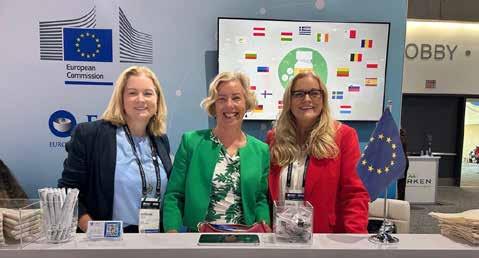
Pictured at the EU Pavillion at BIO2026 are Siobhán Dean, Deputy Director, BioPharmaChem Ireland; Emer Cooke, Executive Director, EMA; and Sinéad Keogh, Director, BioPharmaChem Ireland.
W e d e l i v e r w o r l d - c l a s s , i n n o v
t i
i
s v
i o u s s e c t o r s , e s p e c i a l l y P h a r m a c e u t i c a l s ,
D a t a C e n t e r s a n d L i f e S c i e n c e s . W e c o n t i n u e t o i n v e s t i n c u t t i n g - e d g e , i m m e r s i v e t e c h n o l o g i e s t o
m a n a g e a l l o u r p r o j e c t s . W e u t i l i z e A I , o f f s i t e m a n u f a c t u r i n g , a n d s t a n d a r d i z a t i o n t o f i n d n e w
w a y s t o i m p r o v e t h e b u i l d i n g p r o c e s s a n d o v e r a l l p e r f o r m a n c e .
GLP-1 Receptor Agonists: The new Blockbuster Drugs

John Milne, Director of Training Alliances and Innovation, National Institute for Bioprocessing Research and Training (NIBRT), explores the continued interest in GLP-1 receptor agonists and their potential in treating a host of illnesses, and previews some forthcoming learning opportunities into GLP-1’s at NIBRT.
Glucagon-like peptide-1 receptor agonists (GLP-1 RAs) have evolved markedly as a therapeutic class from niche drugs to treat diabetes alone to now blockbuster status for addressing Type-2 diabetes, obesity, and cardiovascular health.
The therapeutic benefit of these molecules is now being tested in other conditions, including fatty liver disease, kidney disease and Alzheimer’s disease. Given that the applications of GLP-1 RAs now extend far beyond diabetes management, market projections are suggesting substantial growth over the next decade for this class of therapeutics. A further indication of this increased focus is the number of additional companies now developing products to compete in this space.
GLP-1 RAs encompass traditional injectable peptide products, most notably Semaglutide and Tirzepatide, oral-dose versions of these peptides and most recently in 2026 approval of FoundayoTM, representing the first approved chemically synthesised small molecule receptor agonist.
The GLP system
GLP-1 is an incretin hormone produced by the cleavage of proglucagon and is a gut hormone released when nutrients reach the small intestine. The hormone, whose gene sequence was first identified in the early 1980s, was subsequently shown to play a pivotal role in the tight control of human blood glucose levels.
GLP-1 is released by L-cells found in the intestinal mucosa, α-cells found in the pancreatic islet, and neurons residing in the nucleus of the solitary tract in response to food intake. The physiological roles of GLP-1 are essentially to stimulate glucosedependent insulin secretion, suppress glucagon release, slow gastric emptying, and suppress appetite via hypothalamic signalling. By stimulating the release of insulin, suppressing glucagon secretion (which raises blood sugar levels), slowing the rate at which the stomach empties, and leading to a feeling of satiety and overall reduced appetite, its applicability in a variety of treatment options is clear and of obvious interest to the wider BioPharmaceutical industry.
Under normal conditions, GLP-1 has a relatively short half-life, lasting less than two minutes in circulation, due to its degradation catalysed by the enzyme dipeptidyl peptidase IV (DPP-4). This loss of biological potency is the core limitation of GLP-1 that has driven interest in the development of GLP-1 analogues with increased half-life. GLP-1 can exist in several different isoforms, however; following binding to the GLP-1 receptor, it is the GLP1(7-37) isoform which induces
glucose-dependent insulin production in pancreatic β-cells via the cyclic adenosine monophosphate (cAMP) production pathway.
GLP-1 Receptor Agonists (GLP-1 RAs)
Given the influence of GLP-1 in the body, its natural receptor GLP 1R, found on the surface of several cell types, is considered a highly compelling drug target. This is because it sits at a critical intersection of metabolic regulation, appetite control, and cardiovascular health. The biology of GLP-1 aligns well with several major disease areas, including Type 2 diabetes and obesity, making it both effective and a clinically valuable target.
GLP-1 RAs are now showing real potential in several areas of research, in addition to their original use in diabetes management, notably in the area of weight loss, contributing positively to overall cardiovascular health in patients with or without diabetes. Interestingly, a role for GLP-1 RAs in offering neuro protection across Alzheimer’s,
Parkinson’s, ALS, Huntington’s and multiple sclerosis, is also garnering research interest.
The challenge, therefore, in GLP-1 RA design is to mimic the action of native GLP-1, while at the same time ensuring increased in vivo half-life. This has been achieved by developers by incorporating different structural modifications into the GLP-1 molecule. These modifications include amino acid substitutions e.g. replacing Ala in the backbone peptide to prevent DPP-4 cleavage, conjugating a fatty acid to the peptide backbone to facilitate binding to albumin, which slows renal clearance, or linking IgG4-Fc chains to the peptide chain.
All of these strategies considerably contribute to increasing the half-life in the circulation. More established PEGylation strategies used in BioPharmaceutical design are also being considered in some current pipeline candidates undergoing trial. Such modifications thereby facilitate injections with a once weekly or once monthly frequency.
John Milne, Director of Training Alliances and Innovation, National Institute for Bioprocessing Research and Training (NIBRT).
Evolution in the approval of GLP-1RAs
From a modest beginning, an increasing number of GLP-1 RAs have now been approved globally, with many more molecules now moving through the normal development cycle, reflective of the interest in this class of therapeutics. Predictions are suggesting a market by 2035 of €250+ billion, driven by obesity, diabetes and expanding indications.
First generation agents, Exenatide and Liraglutide, led the way with first approvals in 2005 and 2010 respectively. Second generation agents such as Dulaglutide (approval 2014) and Semaglutide (approval 2017) expanded the portfolio and therapeutic benefit. A significant development occurred with the approval of Tirzepatide in 2022, which represented the first “dual-agonist” brought to market with activity against both the GLP-1 and GIP (Glucose-dependent Insulinotropic Polypeptide) receptors respectively.
Currently market leading products include OzempicR and WegovyR , both manufactured by Novo Nordisk AS, and MounjaroR and ZepboundR , manufactured by Lilly. It is important to note the developing interest in both oral-dose peptide formulations and triple
agonists (GLP-1/ GIP/Glucagon) which will no doubt contribute to the growth in the market for this therapeutic class in the years ahead. The recent approvals in late 2025 of an orally administered Wegovy and a chemically synthesised small molecule Foundayo (orforglipron) in Q1 2026 further supports this narrative.
Manufacture of GLP-1 RAs – peptide synthesis
It should be noted that peptide based GLP 1 RAs are commonly described as “peptide therapeutics”. They are smaller than classic traditional biologics such as monoclonal antibodies but larger and more complex than small molecules. In regulatory terms, they are almost always grouped with and regulated as biologics (or sometimes “biologic like peptide drugs”) and not small molecules.
There are different methodologies used for the manufacture of synthetic peptides based on the molecular properties of the desired peptide, such as number of individual amino acids comprising the peptide chain, the presence of non-coded amino acids, and the presence of a non-peptidic side chain.
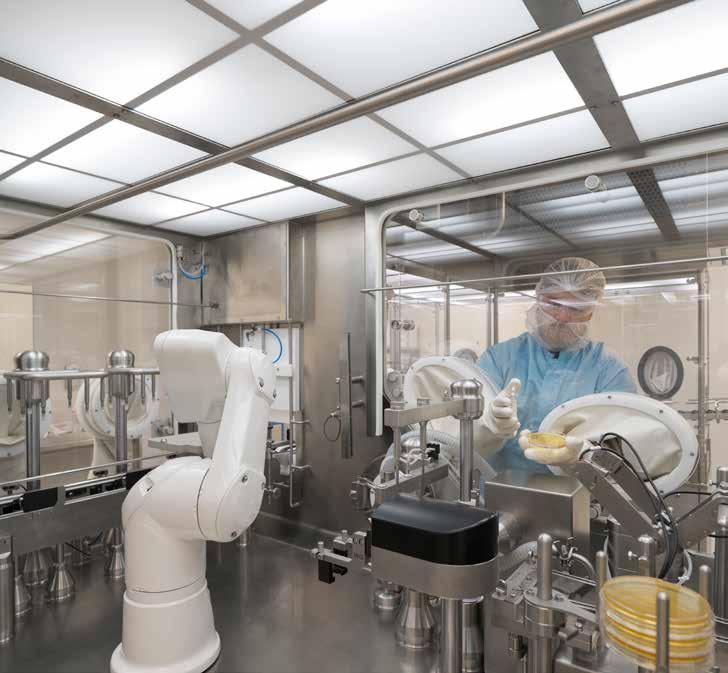
The ongoing development of GLP-1-based medicines holds great promise for achieving improved health for substantial populations of individuals living with the complications of chronic cardiometabolic disorders.

Established recombinant technologies used in protein production can be applied in peptide production. In this case, a selected bacterial, yeast or mammalian cell is genetically engineered to express the target peptide in traditional fermentation or cell culture processes. A more common approach is to chemically synthesise the peptide of interest using solid-phase synthesis (SPPS), liquid-phase synthesis (LPPS), or indeed a hybrid of both methodologies.
SPPS, first developed in the 1960s still represents the most common method to produce synthetic peptides. The method employs a resin-based strategy, with the target peptide being sequentially built up, one amino acid at a time, on the resin. Once the cycle has been completed, a cleavage step is introduced to remove the peptide from the resin. All steps require careful design and optimisation to maximise the production of the correct peptide, with most companies now employing automated and even continuous processing.
Following production of the desired peptide, it will typically be modified by attaching a long chain fatty acid (lipidation), attaching polyethylene glycol (PEGylation), or conjugating to an Fc protein, all of which can contribute to increasing the circulatory half-life of the peptide. The resultant modified peptide is then purified using chromatographic separations formulated appropriately, using specific filtration steps and aseptically filled into the appropriate delivery system. Release of the final product will be contingent on analytical testing to ensure requisite safety, efficacy and quality.
The future outlook
It is likely into the future that GLP-1 RAs will remain a transformative drug class, spanning metabolic disease and beyond. The ongoing development of GLP-1-based medicines holds great promise for achieving improved health for substantial populations of individuals living with the complications of chronic cardiometabolic disorders.
The ongoing innovation in manufacturing platforms allied to the development of next-generation multi-agonists, long-acting injectables, non-peptide GLP-1 RAs, oral-dose delivery methodologies, central nervous system applications and the emergence of biosimilar competition for previously marketed products, will undoubtedly all be impactful and contribute to wider access globally.
Ireland can continue to play its part with respect to the ongoing and future manufacturing of these therapeutics, building on the considerable expertise and track record of manufacturing sites, such as Lilly’s campus in Kinsale, which has contributed greatly to the global supply of GLP-1 RAs. The recent announcement by Novo Nordisk that they will upgrade their facility in Athlone to meet increasing demand for their oral Semaglutide product is also to be welcomed.
The training solutions required to meet specific manufacturing skills needs in the future as this therapeutic class evolves can be addressed within Ireland’s ecosystem. As one example, NIBRT is currently developing its first programmes addressing the science, therapeutic potential and manufacturing of GLP-1 RA’s for launch in the autumn which should provide trainees with a foundational understanding and context of an area that has already garnered much attention.
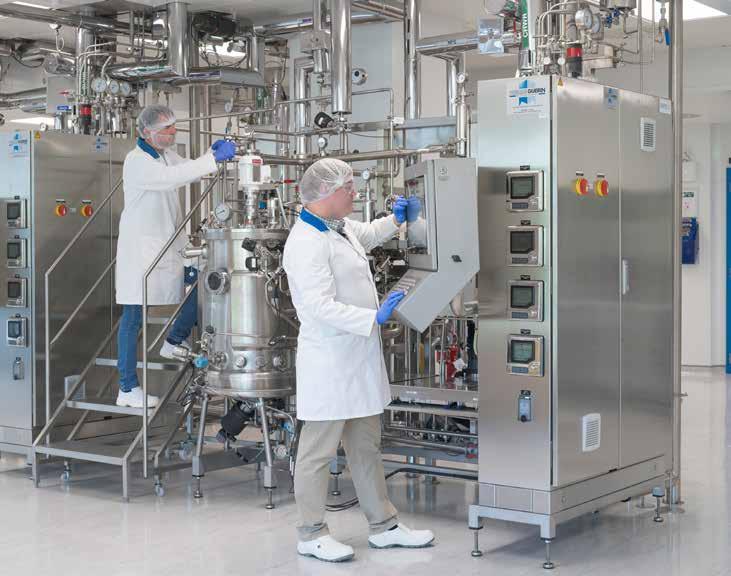
NIBRT is currently developing its first programmes addressing the science, therapeutic potential and manufacturing of GLP-1 RA’s for launch in the autumn.
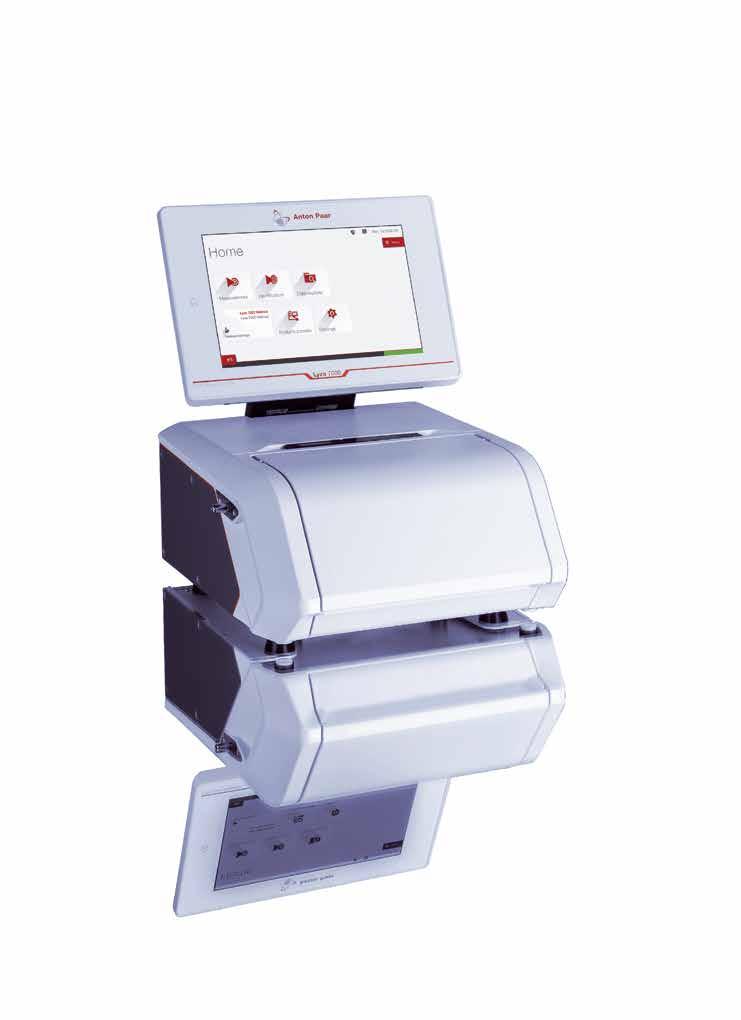
Delivering Complex Science with Flexibility and Scale
SK pharmteco is increasing its capabilities in small-molecule APIs and advanced intermediates, HPAPIs, particle engineering and materials science at its Dublin plant.
As drug programmes advance, developers need more than available capacity. They need manufacturing support that can manage technical complexity, adapt to changing volume requirements, and provide a clear path from clinical supply to commercial production.
SK pharmteco’s Small Molecule Europe site in Swords, Co. Dublin, is expanding its capabilities in small-molecule APIs and advanced intermediates, highly potent APIs (HPAPIs), including antibody-drug conjugate (ADC) payloads, as well as particle engineering and materials science.
Small molecules
For small-molecule programmes, manufacturing needs can shift significantly between early clinical supply and commercial launch. The Swords site is designed to support both scale-up and scale-down, helping customers align supply with development timelines and market demand.
To expand commercial-scale production, SK pharmteco is investing $35 million in a new multi-purpose small-molecule API facility, scheduled to come online in late 2026. This facility will add ~26.5m3 of reactor capacity, including three 8,000 L glass-lined batch reactors, associated holding capacity, and a Hastelloy agitated filter dryer. Integrated into the existing infrastructure, the facility adds new production capacity within an established manufacturing environment and supports future containment expansion.
HPAPIs and ADC payloads
Potent compounds, such as ADC payloads, require specialised containment, process design, engineering controls, purification capabilities, and operational experience. To support these programmes, SK pharmteco is building a new kilo-scale GMP facility for ADC payloads and HPAPIs, also scheduled to come online in late 2026.
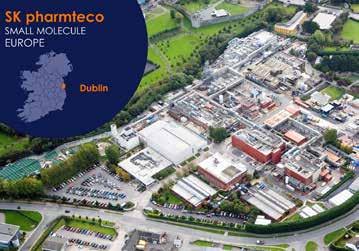
Designed for ultra-high potent compounds with occupational exposure limits as low as 10 ng/m3, this facility will support batches up to 0.5 kg and include glass reactor capacity up to 30 L, rigid and flexible isolators, high-pressure chromatography, tray drying, and lyophilisation. Located alongside the site’s existing ultra-high potent development and manufacturing assets, the new facility is intended to provide greater continuity as potent programmes transition from development into GMP production.
Particle engineering and materials science
For many molecules, successful manufacturing depends not only on chemical synthesis but also on control of physical properties such as particle size, shape, and polymorphic form. These attributes can affect solubility, stability, bioavailability, filtration, and downstream processing. Through crystallisation, milling, spray drying, material characterisation, and polymorph screening, SK pharmteco’s experts help to optimise material properties and enhance process consistency throughout development and scale-up.
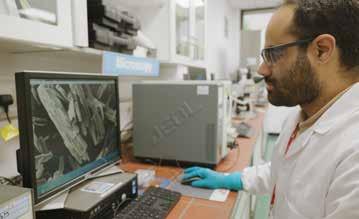
SK pharmteco’s expertise in particle engineering enables their team to affect solubility, stability, bioavailability, filtration, and downstream processing.
A European site backed by global strength
Together, these capabilities position the Swords site to support complex small-molecule and potent compound programmes across the full drug lifecycle. Backed by SK pharmteco’s sites across North America, Europe, and Asia, the site offers the agility of a regional European base, along with the strengths of global capacity aligned to clients’ strategic goals.
For more information, visit skpharmteco.com
SK pharmteco’s Small Molecule Europe site in Dublin is expanding its capabilities in highly potent APIs (HPAPIs).
Pharmaceutical Manufacturing in a Changing World

Rory Mullen, Global Head of BioPharma, IDA Ireland, reflects on the changing nature of BioPharma manufacturing in a post-pandemic world.
Prior to the Covid 19 pandemic, managing a global pharmaceutical manufacturing network was challenging and complicated to ensure that patients all over the world could receive the medicines they need in a timely and cost-effective manner. Covid caused enormous disruption and since then, a perfect storm of macroeconomic and geopolitical pressures have upended the established paradigm.
In our post-pandemic world, organisations have shifted their supply chains to support a multinational approach, with manufacturing site locations across regions to build resilience. As companies look to align their manufacturing lifecycles with today’s business realities, it requires a differing view on location selection, talent, and technology.
Mitigating the risk of isolation
The growing threat from tariffs, as well as the uncertainty of their impact over the next several years, has forced global firms to rethink their global manufacturing plans.
In Europe, the proposed Critical Medicines Act will incentivise companies to manufacture essential therapeutics within the region to prevent future shortages. Simultaneously, the current administration in the United States has set pricing targets and domestic capacity mandates. For the first time, firms must consider these changes and their impact on production assets. Splitting assets across geopolitical lines meets the requirements established by particular regions, but it inserts uncertainty and complexity into the supply chain.
For the global firms that have trusted Ireland as a key locale for regional production, it has become a major competitive advantage. Ireland offers an environment of stability, given its non-aligned, open trading economy.

Eli Lilly has significant manufacturing requirements due to its impressive pipeline of monoclonal antibody and GLP-1 therapies. It is responding by expanding its manufacturing capacity in Kinsale and Limerick, whilst concurrently expanding production in several US locations as well.
Geographical resilience has become a necessary requirement to ensure seamless and stable production for its products, in the
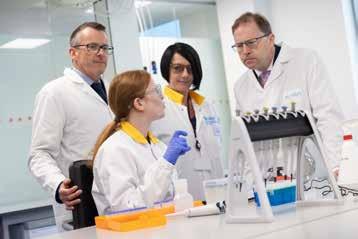
NIBRT trains over 4,000 specialists a year in the cutting-edge technologies that are now being used in continuous manufacturing processes.
IDA IRELAND
event that another location faces significant disruption or trade barriers.
In March this year, Novo Nordisk announced a €432 million investment to vastly expand and retrofit its manufacturing facility in Athlone. The expansion will establish the Athlone plant as a critical global hub for producing the tablet form of its weight-loss drug, Wegovy, for markets outside the United States. Novo have a similar site in North Carolina for the US market.
Regulatory excellence, sustainability and digitalisation
If a facility experiences compliance failures or unexpected inspection shutdowns that stall production, it can be catastrophic for the supply chain.
Ireland addresses this by serving as the global gold standard for compliance and regulatory requirements. In fact, Ireland hosts the highest concentration of US Food and Drug Administration (FDA)-approved facilities per capita in Europe. Within Ireland, the Health Products Regulatory Authority (HPRA) focuses on supporting multinational firms through its deep, specialised mastery of international inspection bodies, operating in seamless alignment with both the European Medicines Agency (EMA) and the FDA.
Biologics manufacturing capacity requirements continue to grow, with recent estimates showing that it will continue to increase by 10% annually. Manufacturing biologics requires significant water and energy usage. At the same time, leading global manufacturers have set aggressive carbon-reduction targets. Through IDA Ireland, the Irish government invests
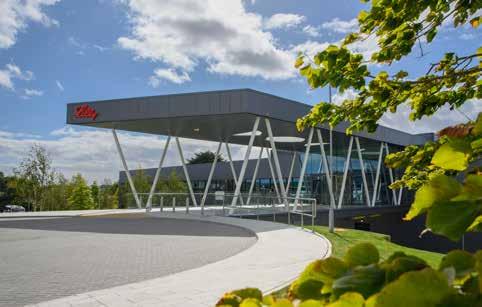
significant funds to incentivise sustainable manufacturing practices.
All of these pressures have driven an accelerated transition to continuous manufacturing. Earlier this year, AstraZeneca opened its next-generation active pharmaceutical ingredient (API) manufacturing facility in Dublin, an alwayson, paperless, smart factory. With a focus on advanced technologies integrated into the manufacturing process, it supports the company’s goal of delivering medicines to patients faster, cheaper, and more sustainably manufactured.
However, for multinational companies like AstraZeneca to build manufacturing sites to support future technology and supply chain requirements, it requires that they have the workforce to support the advanced capabilities to program, validate, and maintain digital production systems.
Ireland’s National Institute for Bioprocessing Research and Training (NIBRT) trains more than 4,000 specialists a year in the cutting-edge technologies that are now being used in continuous manufacturing processes. From complex biologics lines to always-on manufacturing facilities, a talent
“ For the global firms that have trusted Ireland as a key locale for regional production, it has become a major competitive advantage. Ireland offers an environment of stability, given its non-aligned, open trading economy. ”

pool that’s ready to work as operations move to a stable market like Ireland can reduce time to market and overall operational costs.
In addition, the Irish government, through IDA Ireland, has recently established Digital Manufacturing Ireland, which is an industryled national centre of excellence that helps Irish-based manufacturers trial and accelerate the adoption of new digital technologies to improve global competitiveness.
Next-gen manufacturing: the shifting global supply chain
The most competitive pharmaceutical manufacturing locations in the next decade will be defined by three critical pillars: capability, cost, and stability.
Combined, these three pillars will redefine how forward-looking global firms will evaluate long-term return on their investments. Ireland’s open, collaborative, and highly integrated business-friendly economy will continue to play a major role in global pharmaceutical manufacturing.
Eli Lilly is expanding its manufacturing capacity significantly in Kinsale and Limerick.
AstraZeneca opened its next-generation active pharmaceutical ingredient (API) manufacturing facility in Dublin in May 2026, with An Taoiseach Micheál Martin in attendance.
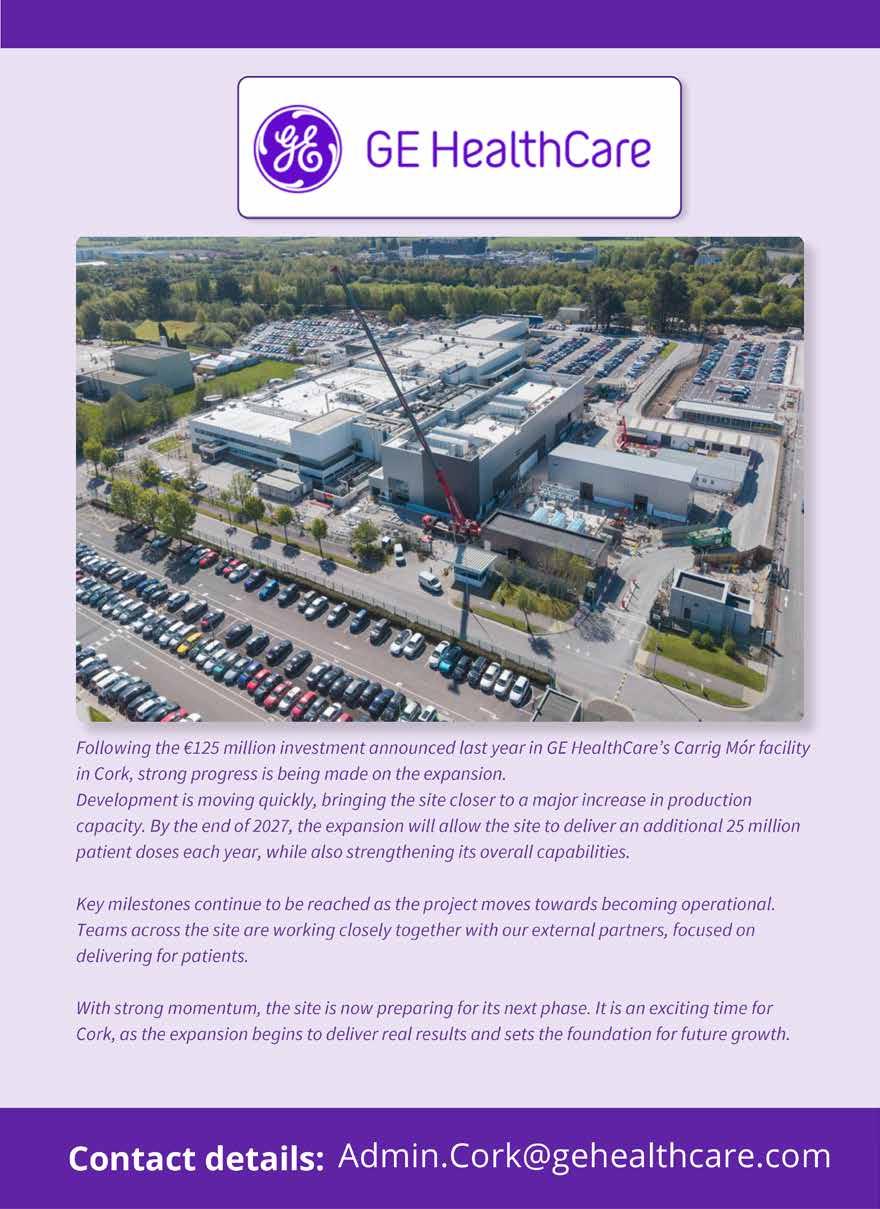
REACH Developments, Sector Impact and the Role of the HSA

Yvonne Mullooly, Assistant Chief Executive, Chemicals and Industrial Products, HSA, identifies the key regulatory changes regarding REACH, their impact on the sector, and the role of the Authority as both regulator and enabler.
The European Union has established a comprehensive regulatory framework to deliver on its chemicals policy objectives, including the Chemicals Strategy for Sustainability (2020), the more recent Chemicals Industry Action Plan, and emerging simplification initiatives.
The latest drive for simplification has been shaped by the 2024 Draghi and Letta reports, which highlighted the need to better balance human health and environmental protection with industrial competitiveness. These reports identified aspects of the EU chemicals regulatory framework as contributing to administrative burden and reduced competitiveness. In response, the European Commission is pursuing targeted simplification, not deregulation. The objective is a rebalancing; maintaining high protection standards, while reducing unnecessary complexity and supporting innovation.
REACH: shift from review to targeted simplification
Although a full revision of the REACH Regulation had been anticipated for 2025, this has now been set aside. Instead, the Commission is progressing targeted amendments to the REACH Annexes through implementing acts under the REACH Committee comitology process.
This approach allows for practical improvements to implementation, while
preserving the core level of protection for human health and the environment. It signals a more incremental and responsive regulatory model.
Universal PFAS restriction (uPFAS)
The REACH comitology process will also play a central role in progressing the proposed universal restriction on PFAS (uPFAS), one of the most significant regulatory interventions under REACH to date. The restriction is currently in the final stages of scientific evaluation, with the Commission’s proposal expected later this year.
Recent ECHA webinars provide important insights for stakeholders engaging with the draft opinions. The Commission’s draft implementing act will be considered by the REACH Committee. For most sectors, it is not an isolated regulatory change but a fundamental change in how chemicals are selected and used in a wide range of applications that is anticipated. This will have implications for product design and product supply chains, meaning industry will need to increase its scrutiny on how and where PFAS is used. fundamentally shifting towards substituting its use.
One Substance, One Assessment (OSOA)
There are also other major regulatory developments that will shape the operating environment for chemicals over the coming

year(s). A central reform that underpins the current regulatory direction is the One Substance, One Assessment (OSOA) legislative package agreed last year.
Its purpose is to:
Eliminate duplication of efforts between EU agencies (ECHA, EMA, EFSA)
• Accelerate decision-making
• Improve consistency in risk assessment outcomes
At the heart of OSOA is the development of a Common EU Chemicals Data Platform, expected to be operational by 2029. This will act as a single repository for data on hazards, uses, emissions, and alternatives.
For the BioPharmaChem sector, the impact will be a structural shift from fragmented regulatory interactions to a more integrated system. Data will be submitted once but used across multiple regulatory frameworks, such as for worker safety and patient safety decisions.
Digitalisation and CLP developments
The current change towards a ‘digital-bydefault’ regulatory model is another key trend to reducing regulatory burden and the Digital Product Passport is expected to enhance transparency and traceability throughout the supply chain.
Several other major regulatory developments will shape the operating
REACH

The One Substance, One Assessment (OSOA) legislative package agreed last year will see a structural shift from fragmented regulatory interactions to a more integrated system.
environment over the coming years, including the Chemical Omnibus CLP Changes, which are currently being negotiated between Council and Parliament.
The introduction of the new hazard classes in CLP Regulation, including those for Endocrine Disruptors and Persistent, Mobile and Toxic (PMT/vPvM) substances, came into force in May 2025 but will become fully applicable to all existing substances on the market by November 2026. The new classes are now also applicable to mixture classifications since May 1, 2026.
This will have direct implications under REACH, as reclassification would trigger the need to update Safety Data Sheets (SDS). It may also result in new substances of high concern being identified, leading to newer downstream consequences, such as restrictions or authorisation requirements. In practice, companies must be prepared now for reclassification of their substances and mixtures, along with downstream regulatory consequences.
Opportunities: innovation, substitution and competitiveness
For the BioPharmaChem and wider chemicals sector, these regulatory changes create both challenges and opportunities. The EU’s Chemicals Industry Action Plan and investment in substitution and innovation hubs are aimed at supporting the transition, particularly for SMEs seeking alternatives to hazardous substances.
At an EU level, there is significant investment underway through the European Chemicals Industry Action Plan, particularly in innovation and substitution hubs. Hubs are designed to support companies, especially SMEs, in replacing hazardous chemicals with Safe and Sustainable by Design (SSbD) alternatives. They will provide technical guidance, support research, help overcome innovation barriers, and assist companies in staying competitive, while meeting EU safety standards.
Safe and Sustainable by Design is also highly relevant for advanced materials. Across Europe, a few hubs are already taking shape. The Netherlands is leading work on a European SSbD Innovation Hub, supported by TNO and RIVM. Antwerp has been identified as a major innovation and sustainability centre for chemicals, Estonia hosts a bio based chemistry and innovation hub, and related projects are underway in Spain, Germany, Portugal, and Sweden, particularly focused on chemical decarbonisation.
The role of the HSA: regulator and enabler
In this evolving landscape, the HSA plays a dual role in supporting Ireland’s input to EU decision-making processes by the provision of technical expertise to the scientific and technical committees but also to the Department of Enterprise, Tourism and Employment, who co-ordinate with other government departments the Irish positions on REACH implementing acts during REACH Committee Comitology discussions.
We also provide advice and support to industry through the change. One of the key supports provided by the Authority is in the operation of the national REACH and CLP Chemical Helpdesk. This operates
independently of enforcement functions and provides practical guidance for manufacturers, importers and downstream users. We also engage regularly with stakeholders through forums such as Ibec, supporting two-way communication to allow for the sharing of upcoming regulatory updates, but also receiving stakeholder feedback.
Coupled with this are the simple guidance and learning resources available on our website and online within our HSA e-learning modules.
At the same time, as a regulator, the Health and Safety Authority continues to collabo-rate with all national and EU counterparts to ensure robust enforcement of REACH and related legislation.
For companies navigating this evolving regulatory landscape, several practical actions should be taken.
Stay informed and engage with the available support services: Monitor ECHA updates and regulatory developments by signing up to their newsletters and alerts. Early engagement is critical to managing compliance costs and avoiding disruption. Access the HSA Helpdesk and available industry forums.
Embed sustainability by design: Consider early the substitution hubs to support your development of safer alternatives.
The EU chemicals regulatory framework is undergoing a significant transition towards simplification, integration and digitalisation. While the regulatory burden is being reshaped, the underlying ambition remains unchanged: high levels of protection for human health and the environment.
For the BioPharmaChem sector, success will depend on the ability to adapt proactively, technically, operationally and strategically. Within this context, the HSA will continue to support industry both as a regulator and as an enabler facilitating transition.

The European Commission is pursuing targeted simplification, not deregulation, to deliver on its chemicals policy objectives.
BridgingtheSkillsGap: New Apprenticeship Programme Launched
The New Bio Process and Chemical Process Technician Apprenticeship has been developed to successfully future-proof Ireland’s BioPharma workforce, explains Audrey Devlin, Project Executive, Laboratory and Bio Process, Chemical Process Apprenticeship Programmes, BioPharmaChem Ireland.

Ireland is a global hub for the BioPharmaceutical industry, accounting for 5% of global pharmaceutical production and generating over €100 billion in annual exports. Yet, this rapid sector growth brings a significant challenge: sourcing and retaining the right talent. To address this, an innovative Level 6 apprenticeship, the Bio Process and Chemical Process Technician programme, has been designed to future-proof the workforce.
Addressing the skills gap
The catalyst for this apprenticeship stems from the realities highlighted in the Expert Group on Future Skills Needs (EGFSN) April 2024 report, Researching and Forecasting the Current and Future Skills Needs of the BioPharma Sector in Ireland to 2027. The EGFSN forecasts that the Irish BioPharma sector will create between 14,000 to 26,000 additional jobs over the next five years. However, traditional educational pipelines are struggling to keep pace with this demand. The EGFSN explicitly identified a growing shortfall of graduates, noting that by 2027, the domestic skills system alone will experience an average annual deficit of over 3,000 graduates if no interventions are made.
Furthermore, as the sector pivots toward digitalisation and Advanced Therapy Medicinal Products (ATMPs), the required skill sets are rapidly evolving. The EGFSN report underscored a pressing need for transversal skills, such as critical thinking, problem-solving, technical writing, and adaptability, alongside core technical and data management knowledge.
The new apprenticeship directly answers this call by creating a pathway that actively reskills and upskills workers, mitigating recruitment bottlenecks and ensuring Ireland maintains its competitive advantage on the global stage.
The process
Transforming the apprenticeship from concept to reality was a highly collaborative, industry-led journey. The initiative gained momentum
following EGFSN research in June and July of 2022, where interviews with 25 BioPharma companies and regional skills workshops confirmed a strong appetite for a specialised apprenticeship model to bridge critical skills gaps.
By December 2022, dialogue commenced with the Cork Education and Training Board (ETB) to conceptualise a solution. Throughout 2023, the application and programme outlines were aggressively developed, culminating in a September 2023 industry workshop at Pfizer Grange Castle. This pivotal session, attended by representatives from 11 major companies, successfully scoped the occupational profile and curriculum.
“The apprenticeship approach formally combines and alternates learning in the workplace with an educational provider,” explains Siobhán Dean, Deputy Director, BioPharmaChem Ireland. “Apprentices will spend 2/3 of their time in the workplace and be released from their employment for blocks of classroom training. Thus, the apprentices will apply the practical and tacit knowledge from the workplace to the classroom.”
Building on success: the Laboratory Apprenticeship
This new initiative builds upon the proven success of the Laboratory Apprenticeship programme. Launched in 2018, the laboratory programme was initially developed by industry in conjunction with TU Dublin and is now successfully delivered in Dublin, Waterford, and Cork. This year, the programme is launching in TUS Athlone, making it highly accessible to companies in the West and Midlands regions of Ireland.
Programme overview
At its core, the new programme is fundamentally a collaborative, industry-led apprenticeship that builds the next generation of BioPharma/Chemical technician talent through paid, hands-on experience and accredited education.
The Level 6 programme spans a minimum of 24 months, allowing apprentices to specialise in Bioprocessing and Chemical Processing.
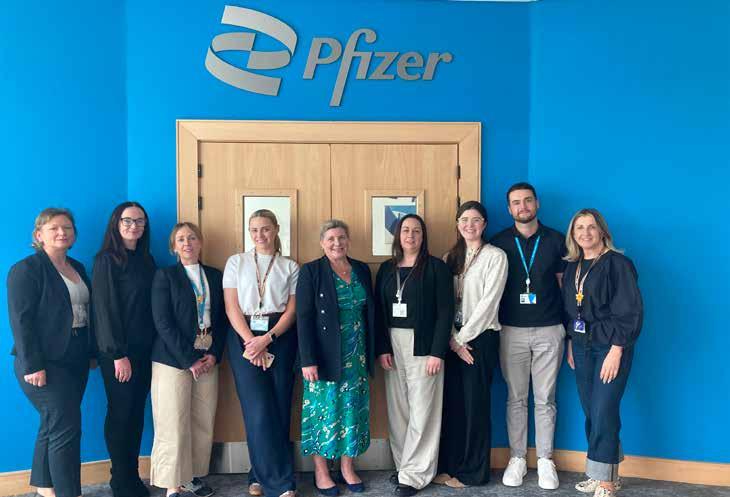
The programme is purposefully designed to support a diverse and inclusive talent pool, serving:
• School leavers seeking an alternative to traditional third-level education.
• Career changers looking to transition into the BioPharmaceutical/ Chemical sector.
• Return-to-work candidates re-entering the workforce.
• Individuals from non-traditional or underrepresented backgrounds in STEM.
By lowering barriers to entry and providing paid, structured access to industry roles, the programme creates meaningful opportunities for individuals at different stages of their careers. The core objectives driving the programme include:
• Develop a sustainable talent pipeline: Ensure a consistent flow of skilled, work-ready professionals to meet the current and future needs of the BioPharmaceutical sector.
• Bridge education and industry: Integrate academic learning with hands-on experience to produce graduates who are immediately effective in operational environments.
“ The new apprenticeship creates a pathway that actively reskills and upskills workers, mitigating recruitment bottlenecks and ensuring Ireland maintains its competitive advantage on the global stage. ”
• Enhance workforce capability: Equip participants with indemand technical, GMP, and problem-solving skills, aligned to real BioPharmaceutical/Chemical manufacturing processes.
• Promote accessibility and inclusion: Create flexible, alternative entry routes into high-value STEM careers for a broader and more diverse population.
• Support industry growth and competitiveness: Strengthen Ireland’s (and the wider sector’s) position as a global leader in BioPharmaceutical/Chemical manufacturing through investment in people and skills.
Crucially, to further support industry engagement, employers participating in this programme can avail of a €2,000 grant per apprentice per year, making it an economically viable strategy for workforce expansion.
Leadership insights
The innovative model is a key differentiator for the programme, breaking down traditional barriers to entry, while delivering immediate value to employers.
“The Biopharmaceutical Process Chemistry (BPCP) Apprenticeship Programme is an industry-led, work-integrated learning pathway, designed to combine structured academic education with practical, on-the-job experience,” notes Kevin McGrath, Senior Manager, Manufacturing Operations, BMS Ireland, and Vice Chair of the programme steering group. “Built through collaboration between leading BioPharmaceutical companies and education providers, it operates on an 'earn while you learn' model, enabling participants to develop technical, professional, and operational skills in real manufacturing environments, while working toward a recognised qualification.”
Through this strategic alignment of industry needs and educational delivery, the BPCP Apprenticeship is poised to successfully future-proof Ireland’s BioPharma workforce.
Pictured are Bio Process, Chemical Process Apprenticeship Workshop participants (l-r): Gabriella David (AbbVie), Audrey Devlin (BPCI), Stephanie Ennis (Pfizer), Kayleigh Wilson (Pfizer), Valerie Cowman (Cork ETB), Laura Cleary- Keogh (TU Dublin), Christina O’Dwyer (Pfizer), and Cian Brennan (Pfizer).
BioPharmaChem Sector Takes Sustainability Seriously
BPCI’s 2026 Responsible Care and Sustainability Report recognised the sector’s successes in decoupling growth from environmental impact, writes Michael Kilkelly, Senior Executive, EHS, BioPharmaChem Ireland.
The BioPharmaChem sector remains Ireland’s most strategically significant industry, underpinning national economic performance and global public health. As the sector navigates a profound convergence of legislative reforms, including the recast Industrial Emissions Directive (IED 2.0), proposed new restrictions under REACH regulations, requirements of the Corporate Sustainability Reporting Directive (CSRD), and strict new EU water-protection measures, our sector is proving its resilience and commitment to a more sustainable modus operandi.
On March 26, 2026, BioPharmaChem Ireland launched our Responsible Care and Sustainability Report 2026 in the Maryborough Hotel. Chaired by Brian Killen, the event featured a panel discussion on the significance of the report and its findings.
“The BioPharmaChem Ireland 2026 Responsible Care Report highlights a defining moment for Ireland’s BioPharmaChem sector,” said Brian Killen, Chair of the BPCI
Sustainability Steering Group. “We are successfully decoupling our economic growth from our environmental footprint. Despite an increasingly complex regulatory landscape, our members are proving that advanced manufacturing and rigorous sustainability performance can, and must, advance handin-hand to secure our position as a global industry leader.”
Critical findings and key takeaways
The overarching narrative of the 2026 BPCI Responsible Care Report is one of successful decoupling. This report looks at data over a three-year period until the end of 2024. Our sector has achieved a significant increase in industrial productivity and economic value, while holding or decreasing core environmental impact factors.
• Economic Growth vs Impact: Employment in the sector rose by 5.2% over a three-year period. While production output measured in tonnes

fell by 3.9%, this reflects a strategic transition toward lower-volume, highervalue BioPharmaceutical products. Consequently, Pharmaceutical export values surged by 29% to €99.9 billion in 2024. Despite this massive economic growth, overall environmental impacts have lowered.
Air Quality and Decarbonisation: Member facilities achieved a 23% reduction in Volatile Organic Compounds (VOCs). Sulphur Dioxide (SO₂) emissions declined by 9%, driven by the transition away from fuel oils. Notably, electricityrelated CO₂ emissions dropped by 30%, aided by access to a cleaner national grid, site energy efficiency programmes, and increased procurement of low-carbon electricity. Currently, 62% of member companies purchase carbon-neutral electricity.
• Water Stewardship: Water consumption remained essentially flat, with a fractional 0.3% decrease. The sector achieved a 13% reduction in Chemical Oxygen Demand (COD) and a 17.5% drop in phosphorus releases to the aquatic environment. While Nitrogen emissions rose 9.8% over the three-year window, they have been on a downward trend since 2023.
• Waste and Circularity: There was a substantial 37% reduction in nonhazardous waste, alongside an impressive 88% recycling rate (up from 77%). However, hazardous waste increased by 16%, largely driven by solventintensive small molecule API and peptide manufacturing. This underscores an urgent need for the sector to focus on green chemistry innovations and enhanced solvent recovery.
Sustainability Group activities and EHS support
To support this transition and ensure regulatory readiness, BioPharmaChem Ireland (BPCI) and its Sustainability Steering Group have established a comprehensive ecosystem for collaboration and capacity-building.
Guided by the four strategic pillars of our
Pictured at the launch of BPCI Responsible Care Report 2026 are (l-r): Brian Killen, MSD, Chair of BPCI Sustainability Steering Group; Aine Spillane, Amgen, Chair of BPCI Process Safety Working Group; Michael Kilkelly, Senior Executive, EHS, BPCI; Claire Cagney, APC/VLE, Chair of Sustainability Data and Standards Pillar; Ruadhri Mohally, Abbvie, Chair of BPCI EHS Working Group.
Sustainability Strategy Energy & Infrastructure, Scope 3, Data & Standards, and Culture & Communications, the sustainability group has driven several high-impact initiatives, including:
• Task Forces and Technical Workshops: We have established four sustainability industry task forces that meet quarterly, alongside monthly technical working groups. In the last year, BPCI has hosted targeted, high-attendance workshops on emerging, critical issues such as PFAS restrictions, UWWTD, the F-Gas rules, CSRD reporting, changes to CLP and REACH, and the My Green Lab standard. The Process Safety Group runs monthly meetings with members to share best practice in process safety, with an ambition to elevate the Irish BioPharmaChem sector to the highest standards in this area. Recently, BPCI hosted - in conjunction with the HSA - a case study on the 2008 Corden Incident, with nearly 100 attendees. A monthly EHS group meets to discuss and share expertise across a broad spectrum of EHS topics and challenges. Separate niche groups are often spun-out to focus on topics such as biosafety and electrical safety. These meetings are often hosted on manufacturing facilities, which gives the members an opportunity to learn from site visits.
• Water Stewardship: Recognising the strategic importance of water management amid tightening Urban Wastewater Treatment Directive (UWWTD) rules, BPCI ran a successful Water Stewardship programme in conjunction with 20Fifty for members, providing frameworks to map usage and execute reduction programmes. BPCI is also actively engaging with the UWWTD Extended Producer Responsibility (EPR) stakeholder group to ensure a fit-forpurpose scheme is implemented for micropollutant removal.

• Regulatory Engagement: The BPCI EHS group maintains structured, ongoing dialogue with the EPA, the HSA, and government departments. This includes EPA engagement on the IMPEL programme regarding the circular economy, licensing workshops with the EPA licensing team, engagement with the Office for environmental Enforcement, and joining the European Fine Chemicals Task force to assist members with submissions regarding PFAS restrictions. Recently, the HSA carried out a workshop on REACH/CLP and BPCI is engaged with the new HSA Chemical Stakeholders Group, which aims to help streamline the flow of information between the regulators and our industry.
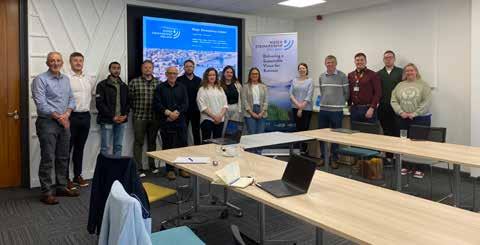
• Community and Cultural Impact: BPCI launched the first regional biodiversity hub in Ringaskiddy, Co. Cork, acting as a scalable model, integrating companies, schools, and local authorities. Furthermore, our sustained commitment to promoting a sustainability culture across the sector was recognised internationally, when BPCI was named the winner of the 2025 European Responsible Care Award.
Looking ahead, Ireland’s BioPharmaChem sector is exceptionally well-positioned. Through collective action, deep peer-topeer learning, and the dedicated efforts of our sustainability and EHS workstreams, the industry continues to align operational excellence with the highest standards of environmental protection.
You can access the report on our BioPharmaChem Ireland website (link below) and also get access to 12 sustainability case studies from our member companies. https://www.ibec.ie/connectand-learn/industries/life-sciences-andhealthcare/biopharmachem-ireland/ bpci-pillars/sustainability/responsiblecare.
BioPharmaChem Ireland is a membership-driven organisation and if your company is a member already and you would like to be involved in aspects of EHS, sustainability, process safety and regulations we would love to hear from you. You can contact me at Michael.kilkelly@ibec.ie
Michael Kilkelly, Senior Executive, EHS, BioPharmaChem Ireland.
in a BPCI-hosted Water Stewardship Meeting in Ibec’s Waterford office.
Supporting Ireland’s Strategic Life Sciences Industry
The BioPharmaChem Skillnet helps to drive innovation, workforce development, and digital transformation across Ireland’s Life Sciences sector.
BioPharmaChem Skillnet is a national, industry-led training network established to address the evolving skills needs of Ireland’s BioPharmaceutical and Chemical sectors, industries that are strategically critical to Ireland’s economy.
Established in 2003, BioPharmaChem Skillnet is proudly celebrating over 20 years of supporting workforce development and industry growth across Ireland’s Life Sciences sector. The team’s work directly supports GMP compliance, manufacturing quality, and patient safety, by ensuring companies have access to job-ready, regulationaware professionals. Ireland is a global hub for BioPharmaceutical manufacturing, with the sector employing tens of thousands of people and continuing to experience sustained growth driven by innovation, foreign direct investment, and advanced manufacturing technologies.
In 2025, BioPharmaChem Skillnet supported approximately 250 member companies and delivered targeted upskilling and reskilling programmes to over 3,000 learners, reflecting both the scale of activity and the level of trust placed in the network by industry.
Responding to industry change through future-focused learning
BioPharmaChem Skillnet continues to strengthen Ireland’s Life Sciences sector through innovative, industry-led training initiatives that respond to the evolving needs of the workforce. As the industry navigates rapid transformation, driven by digitalisation, artificial intelligence (AI), sustainability, and advanced therapeutics, the Network remains committed to supporting businesses and professionals with practical, accessible, and future-focused learning opportunities.
Through strong collaboration with industry, academia, and training providers, BioPharmaChem Skillnet is helping organisations build capability, resilience, and competitiveness across the sector.
Over the past year, the Network has continued to expand its portfolio of programmes and events, delivering impactful learning experiences that align with real industry priorities. A major focus has been supporting companies as they adapt to changing technologies, workforce expectations, and skills demands. From leadership and inclusion programmes to specialised technical training and emerging digital skills initiatives, the Network’s activity reflects the growing need for agile and continuous professional development across the BioPharmaChem sector.
Leading the conversation on AI and human-centric innovation
One of the strongest themes emerging across recent activities has been the growing role of artificial intelligence and digital transformation within the Life Sciences industry. At the recent BioPharmaChem Impact 2026 conference, AI was a major focus of
discussion, as industry leaders explored how emerging technologies are reshaping manufacturing, operations, productivity, workforce development, and decision-making across the sector.
Susan Costello, Network Director of BioPharmaChem Skillnet, was one of the panellists contributing to these discussions and highlighted the importance of maintaining a strong human-centric approach in the AI era. While acknowledging the significant opportunities AI presents for innovation and efficiency, Susan emphasised that people, creativity, critical thinking, and collaboration, remain at the heart of successful transformation.
Her contribution reinforced the importance of balancing technological advancement with workforce engagement, ethical implementation, and organisational culture - ensuring that AI acts as an enabler for people rather than a replacement for human expertise.

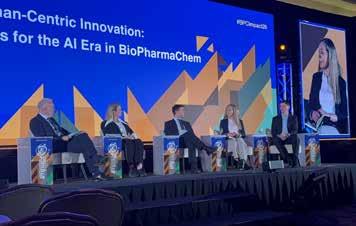
Susan Costello, Network Director, BioPharmaChem Skillnet at the Panel discussion on ‘Human-Centric Innovation: Redefining Skills for the AI Era in BioPharmaChem’ during BioPharmaChem Ireland Impact 26.
Expanding
AI training and digital skills initiatives
This focus on responsible and practical AI adoption is reflected across BioPharmaChem Skillnet’s growing portfolio of AI-focused learning initiatives. Over the past year, the Network has supported a wide range of AI and digital transformation programmes designed to help organisations and professionals better understand, adopt, and apply emerging technologies within workplace environments.
These initiatives have explored topics including AI strategy and leadership, productivity enhancement, prompt engineering, generative AI applications, digital transformation, change management, and the practical use of AI tools such as Microsoft Copilot and ChatGPT within business operations. The programmes have been designed to support professionals across leadership, operational, administrative, technical, and manufacturing functions, ensuring organisations are equipped to respond to rapidly evolving workplace technologies.
By combining strategic discussion with practical application, BioPharmaChem Skillnet’s AI initiatives aim to help businesses improve productivity, enhance decision-making, build digital confidence, and prepare teams for the future of work. The strong engagement across these programmes reflects the growing industry demand for accessible, industryrelevant AI learning opportunities that balance innovation with responsible implementation.
Lunch & Learn series supporting continuous industry learning
Alongside its formal training programmes, BioPharmaChem Skillnet has also successfully introduced a series of free Lunch & Learn webinars covering a broad range of industryrelevant and in-demand topics. These sessions are designed to provide accessible, practical, and time-efficient learning opportunities for professionals across the BioPharmaceutical and Chemical sectors, supporting continuous professional development and industry engagement.
The Lunch & Learn series has explored a variety of themes, including digital transformation, workplace innovation, AI applications, productivity tools, leadership, and emerging industry trends. Recent AI-focused sessions included:
• AI in Excel using ChatGPT and Copilot AI for Irish BioPharmaChem: Unlocking Productivity with Copilot for Business
• Prompt Engineering 101: Write AI Prompts That Save You 5 Hours a Week
The webinar series has received strong engagement from industry professionals, reflecting the growing demand for accessible and immediately applicable learning opportunities. By offering these sessions free of charge, BioPharmaChem Skillnet continues to support industry-wide knowledge sharing, awareness of emerging trends, and practical
workforce development across a broad range of topics relevant to the sector.
Exploring immersive learning through virtual reality
In addition to AI initiatives, BioPharmaChem Skillnet has continued to explore innovative approaches to learning and workforce development through immersive technologies such as Virtual Reality (VR). The Network
recently showcased a range of VR initiatives and technology-enabled learning experiences at the ISPE INSPIRE event held at Páirc Uí Chaoimh, Cork, on May 14, demonstrating how immersive learning tools can support safer, more engaging, and more effective training within highly regulated environments.
The use of VR technology within training environments has the potential to transform how organisations approach onboarding,
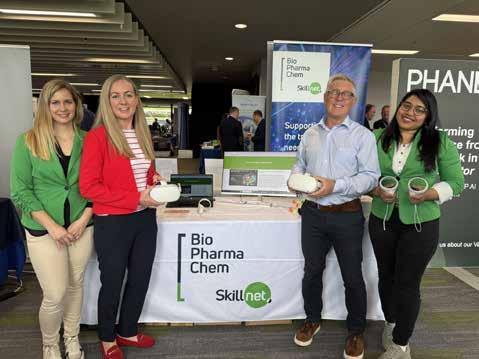
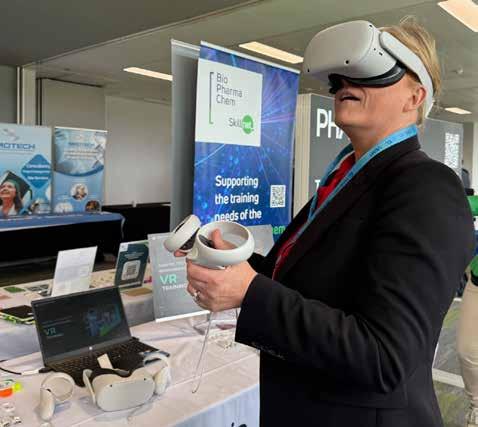
Sinead Keogh, Director, BioPharmaChem Ireland, experiencing the VR training programmes developed by BPC Skillnet at INSPIRE 2026.
The BPC Skillnet team at INSPIRE 2026.
BIOPHARMACHEM SKILLNET
compliance training, equipment familiarisation, and scenario-based learning. By creating realistic and interactive simulations, learners can gain practical experience in a controlled environment, while improving knowledge retention and engagement.
The positive response to these demonstrations at INSPIRE highlighted the increasing industry interest in innovative and technology-driven learning solutions. These initiatives form part of BioPharmaChem Skillnet’s broader commitment to modernising workforce development and embracing digital innovation across the sector.
Innovative sector-wide workforce technology
A significant achievement for BioPharmaChem Skillnet over the past 12 months has been the successful launch of the BioPharmaChem Skills Framework, a strategic workforce development tool designed to support workforce planning, capability development, and career progression across Ireland’s Biopharmaceutical and Chemical sectors.
The Skills Framework functions as a workforce planning and capability mapping system, helping organisations better understand the skills, competencies, and development pathways required across a wide range of industry roles.
Developed in response to industry needs
The initiative was developed in direct response to industry feedback, highlighting several key challenges, including the need to:
• Clearly define skills and competency requirements across roles;
• Support structured career pathways for employees;
• Align training investment with business and regulatory needs.
Under the leadership of Susan Costello, the team coordinated extensive consultation with industry stakeholders, learning and development professionals, and subject
matter experts to ensure the framework was practical, relevant, and aligned with real operational environments within the sector.
The launch of the Skills Framework represents an important milestone not only for the Network, but also for the wider industry, as organisations increasingly focus on long-term workforce sustainability, succession planning, and future skills readiness.
Impact and value to industry
The Skills Framework provides significant value to both employers and employees across the sector by:
• Creating a common language for skills and competencies;
Supporting employers in identifying skills gaps and prioritising upskilling initiatives;
• Enabling more structured workforce and succession planning;
• Helping learners and employees better understand progression pathways within the industry.
By linking training provision to clearly defined skills requirements, the framework also strengthens the effectiveness of BioPharmaChem Skillnet programmes and
supports organisations in making more targeted and evidence-based workforce development decisions.
Importantly, the framework supports a more strategic approach to talent development at a time when the sector is facing increasing pressure to adapt to technological change, regulatory complexity, and evolving workforce expectations. It also complements many of the Network’s broader digital transformation and AI-focused initiatives by helping organisations identify the skills needed for future-ready workforces.
A strategic shift in workforce development
The launch of the Skills Framework represents a shift from standalone training delivery towards a system-level approach to workforce development. It reinforces BioPharmaChem Skillnet’s role as a strategic partner to industry, not only responding to skills gaps, but actively shaping how capability is defined, developed, and sustained across the sector.
This initiative further demonstrates the Network’s ability to deliver long-term, scalable solutions that benefit both employers and learners, while supporting the continued growth, innovation, and competitiveness of Ireland’s BioPharmaceutical and Chemical industries.


Knowledge Management Programme supporting organisational learning
Another recent success for BioPharmaChem Skillnet has been the launch of the Knowledge Management Programme, which has already received very positive feedback from participating learners and industry professionals. Developed in response to growing industry demand, the Programme focuses on helping organisations better capture, retain, share, and utilise critical knowledge within highly regulated and rapidly evolving environments.
As companies continue to experience workforce transitions, digital transformation, and increasing operational complexity, effective knowledge management has become a key strategic priority across the BioPharmaceutical and Chemical sectors.
The Programme explores areas such as knowledge capture, process documentation, collaboration systems, continuous improvement, digital tools,
The BPC Skillnet team at the final Workshop of the Knowledge Management Course.
The team from BPC Skillnet with industry partners, including Sinéad Keogh, Director, and Siobhán Dean, Deputy Director of BioPharmaChem Ireland, at the Skills Framework launch.
and creating learning-focused workplace cultures. Participants are encouraged to apply these concepts directly within their own organisations, ensuring practical and measurable workplace impact.
Feedback from learners to date has been extremely encouraging, with participants highlighting the relevance of the content, the practical nature of the programme, and the immediate applicability of the knowledge and tools provided. The strong engagement reflects a growing recognition across industry that knowledge management plays a critical role in supporting compliance, innovation, workforce capability, and long-term organisational resilience.
Importantly, the Programme also aligns closely with broader industry trends around digitalisation and AI adoption. As organisations increasingly integrate AI tools into workflows, the quality, accessibility, and management of organisational knowledge become even more critical.
Due to the strong industry interest and positive learner feedback received from the initial launch, the next cohort of the Knowledge Management Programme is scheduled to commence in Q4 this year. The continued demand for the Programme reflects the growing recognition across the sector of the importance of effective knowledge sharing, organisational learning, and structured information management in supporting operational excellence and
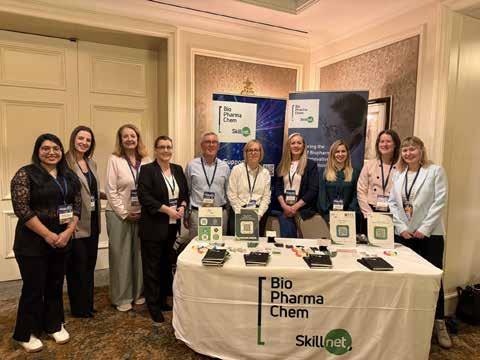
long-term workforce capability. Industry recognition and award nominations.
The impact of BioPharmaChem Skillnet’s work across workforce development, innovation, leadership, and digital transformation has also been recognised through multiple award nominations this year.
Life Science Industry Awards:
• Life Sciences Team of the YearBioPharmaChem Skillnet
• Diversity, Equality and Inclusivity Award - in collaboration with University College Cork
Health & Safety Excellence Awards:
• Excellence in Health & Safety Training Award - in collaboration with Technological University Dublin
Women In Pharma Awards:
• Best Female Led Team - BioPharmaChem Skillnet
These nominations reflect the Network’s continued commitment to delivering highquality, industry-led initiatives that create meaningful impact for both organisations and learners across the BioPharmaceutical and Chemical sectors. They also recognise the dedication of the BioPharmaChem Skillnet team in developing innovative, future-focused programmes that support the long-term growth and competitiveness of Ireland’s Life Sciences industry.
Looking to the future
Looking ahead, the demand for adaptable, digitally enabled, and future-ready workforces will continue to grow. BioPharmaChem Skillnet remains committed to supporting organisations and professionals as they navigate this changing environment, ensuring the Irish Life Sciences sector continues to thrive through innovation, collaboration, and investment in people.
The BPC Skillnet team with their Steering Committee.
When Air Temperature Does Not Tell the Whole Story
Kelsius provides automated monitoring for labs incorporating product simulation.
For laboratory teams responsible for sensitive products, samples and reagents, temperature monitoring is not only a facilities issue. It is part of quality assurance, risk management and compliance.
Yet the data captured by a monitoring system must be interpreted carefully. A refrigerator, freezer or cold room is a dynamic environment. Compressor cycles, defrost events and routine door openings can cause air temperature to rise or fall quickly. These fluctuations may appear alarming on a graph, even when the stored materials themselves remain stable.
This matters in pharmaceutical, chemical and laboratory settings, where a false alarm can have consequences. Staff may be pulled away from other tasks to investigate a shortlived spike. Repeated nuisance alerts can create alert fatigue (when false alerts become so frequent that they’re ignored). Over time, teams may become less confident in the data or slower to respond when a genuine excursion occurs.
Air temperature vs product temperature
The key distinction is between air temperature and product temperature. Air responds rapidly to environmental change. Stored materials, particularly liquids, samples and packaged products, have greater thermal mass and usually change temperature more slowly. A brief increase in the surrounding air temperature does not necessarily mean that a sample, reagent or medicine has been exposed to the same level of risk.
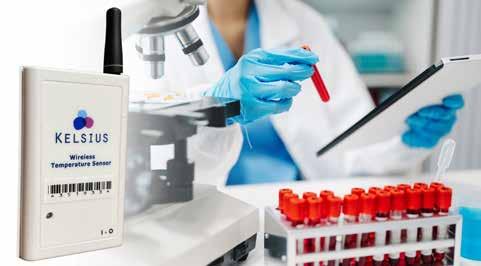
Product simulation offers a more meaningful way to interpret temperature data. Rather than reacting to every rapid airtemperature fluctuation, simulation applies a scientific model to estimate how the stored product is likely to respond over time. The resulting temperature profile reflects thermal inertia, filtering out transient spikes while retaining the sustained changes that may indicate a genuine problem.
For laboratory teams, this can support better decision-making. A clearer distinction between normal refrigeration behaviour and real risk can reduce unnecessary investigations, improve the relevance of alerts, and help staff focus on events that require corrective action. This is especially important when storage areas
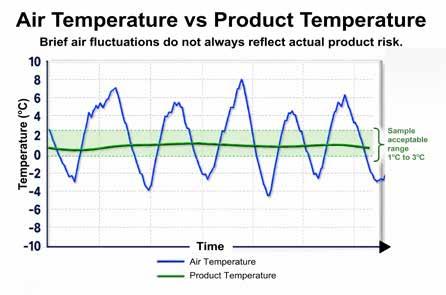
Air temperature fluctuations do not always reflect product risk.
contain high-value materials, stability samples, reference standards or reagents that may be difficult to replace.
Robust monitoring strategy
This does not remove the need for a robust monitoring strategy. Storage conditions should still be defined according to the requirements of the product, sample or reagent. Temperature mapping remains important when identifying suitable sensor locations. Humidity should also be monitored where it may affect stability, packaging integrity, analytical reliability, or laboratory procedures.
Temperature and humidity data serve different purposes, but both need to be meaningful, accessible and suitable for review during audits or investigations.
The broader principle is simple: collecting more data is not always the same as collecting better data.
In regulated and quality-critical environments, monitoring should provide information that helps teams act with confidence. Product simulation is an important example of how monitoring systems can move beyond raw readings and deliver a more realistic view of stored-product risk.
For laboratories reviewing their environmental monitoring approach, the question is not only whether conditions are being recorded, but also what is actually happening to the products that matter most?
For advice on automated monitoring for laboratories and storage units, contact Kelsius. Email sales@kelsius.com, call (074) 916 2982, or visit www.kelsius.com
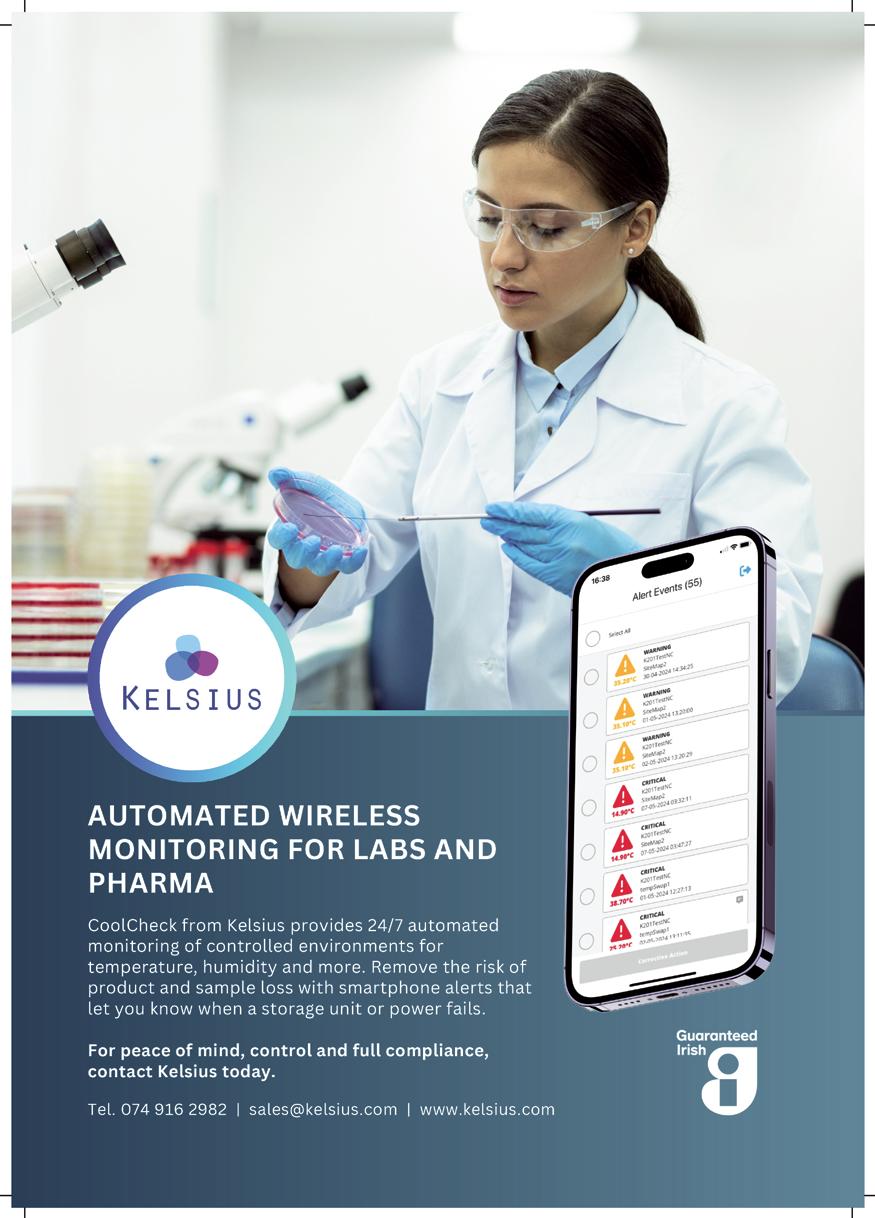
Drive Efficiency with Smarter Automation Upgrades
Ireland’s Life Sciences sector is under growing pressure to deliver efficiency, maintain strict regulatory compliance, and accelerate digital transformation. One of the most important enablers of this progress is modern industrial automation.
Bonner focus on upgrading legacy control systems such as SCADA, PLC, and DCS. By helping Pharmaceutical and biotech manufacturers modernise without halting production, they ensure facilities remain compliant, while realising the benefits of advanced technology. These systems are the backbone of reliable, validated operations, and updating them delivers both immediate and long-term improvements.
But efficiency is only the beginning. Advanced automation provides real-time visibility through data capture, monitoring, and reporting, empowering managers with deeper insight and supporting proactive, risk-based decision-making.
Integrated systems also strengthen batch traceability, enable predictive maintenance, and support energy efficiency, all vital to minimising downtime and protecting consistent, compliant product quality.
SEAMLESS DATA INTEGRATION
Perhaps the most powerful benefit is seamless data integration. Today’s control platforms connect directly with enterprise systems such as MES, ERP, and cloud analytics, creating the foundation for digital transformation. The result is a more connected, agile, and scalable manufacturing environment that’s ready for the future.
Bonner’s automation specialists work together with clients to review existing systems, create tailored upgrade strategies, and deliver solutions with minimal disruption.
Bonner_Ad_180x131_Automation_03.pdf 1 17/09/2025 11:59
bonner.ie
With decades of experience supporting Ireland’s regulated industries, Bonner are your trusted partner for smarter, compliant, and more flexible Life Sciences manufacturing.
Automation isn’t just an improvement; it’s a strategic advantage.
Visit www.bonner.ie or email contact @bonner.ie to begin your automation journey.


Bonner’s automation specialists work together with clients to review existing systems, create tailored upgrade strategies, and deliver solutions with minimal disruption.
Product Destruction Done Securely
When products can no longer be sold, reused, or redistributed, they must be permanently removed from circulation, with product destruction from Ulster Shredders protecting brands, consumers and reputation.
In today’s highly regulated and brandconscious marketplace, businesses must ensure that defective, recalled, obsolete, or off-specification products never reach consumers. From pharmaceutical packaging and branded labels to tablets, capsules, and promotional materials, improper disposal can expose organisations to significant financial, legal, and reputational risks. Secure product destruction has, therefore, become an essential component of responsible business operations.
When products can no longer be sold, reused, or redistributed, they must be permanently removed from circulation. This is particularly critical in industries such as pharmaceuticals, healthcare, manufacturing, food production, and retail, where product integrity and consumer safety are paramount. A single batch of recalled goods re-entering the supply chain can result in regulatory penalties, loss of customer trust, and lasting damage to a company’s reputation.
Secure shredding offers a reliable solution by physically destroying products and packaging beyond recovery. This process prevents unauthorised resale, counterfeiting, and misuse, while ensuring that branded materials, labels, and identification marks are rendered completely unusable. In doing so, businesses protect both their intellectual property and their brand image.
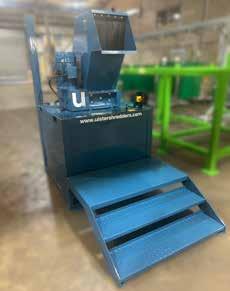
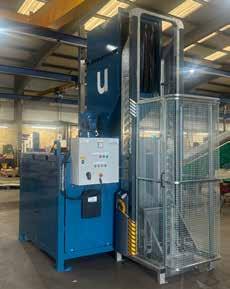
Industrial-strength product destruction
Ulster Shredders provide industrial-strength product destruction solutions, designed to process a wide range of materials quickly, securely, and efficiently. The company’s U7 Industrial Shredder is capable of handling tablets, capsules, blister packs, cartons, boxes, labels, and branded packaging, giving organisations confidence that sensitive products are permanently removed from the market. Engineered for reliability and consistent performance, the U7 delivers a secure and cost-effective destruction process.
Understanding that every operation has unique requirements, Ulster Shredders also design and manufacture bespoke shredding systems tailored to individual customer needs. Whether businesses require increased throughput, specialised cutting systems, integration with existing production lines, or solutions for difficult materials, the company can develop equipment specifically engineered for the application. By working closely with customers, Ulster Shredders deliver systems that maximise security, efficiency, and long-term value.
Supporting sustainability
Beyond protecting brands and consumers, secure product destruction can also support sustainability objectives. Once materials have been securely shredded, many can be directed into recycling or responsible waste
management streams. This helps businesses reduce landfill waste, while supporting environmental compliance and corporate sustainability goals.
There are important operational benefits too. Unsaleable stock occupies valuable warehouse space and ties up resources that could be used more effectively elsewhere. Implementing a secure destruction programme helps organisations streamline inventory management, reduce storage costs, and minimise risks associated with obsolete or recalled products.
As regulations continue to evolve, businesses need trusted partners who understand the importance of compliance, accountability, and security. Secure product destruction is no longer simply a disposal method; it is a vital safeguard for brands, consumers, and business operations. Through the proven U7 Industrial Shredder and customised shredding solutions, Ulster Shredders provide the expertise and technology organisations need to eliminate risk, protect their reputation, and ensure products are destroyed securely every time.
For more information about machine rental and secure product destruction solutions, contact Ulster Shredders at info@ulstershredders.com or call (0044) 028 7965 0050
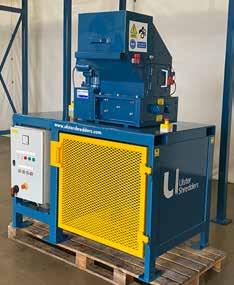
beyond recovery.
Secure shredding offers a reliable solution by physically destroying products and packaging
Ulster Shredders deliver systems that maximise security, efficiency, and long-term value.
Protecting What Matters Most
How Dawsongroup tcs Ireland is powering pharma resilience.
In the Pharmaceutical industry, temperature control is not simply an operational requirement, it is a responsibility. Behind every stored vaccine, clinical product, biologic, or life-saving medication is a patient depending on that product arriving safely, securely, and without compromise.
That is why events like LogiPharma 2026 matter so much. As the world’s leading Life Sciences supply chain event, LogiPharma 2026 brought together over 2,500 Pharma, Biotech, and Medtech leaders in Vienna to focus on one shared goal: building smarter, more resilient, and more sustainable supply chains for global health. With themes centred around intelligent futures, resilient networks, and patient-first logistics, it was the perfect platform for collaboration and innovation across the sector.
At Dawsongroup tcs Ireland, this mission is already at the heart of everything they do.
Protecting products through temperature-controlled solutions
“Our work has always been about protecting critical products through reliable temperature-controlled solutions, but as the pharma industry evolves, so must the solutions behind it,” notes Christian Visser, Head of Sales at Dawsongroup. “That is why our collaboration with LogiPharma and the wider pharmaceutical supply chain community represents an exciting step forward, not just in refrigeration, but in complete site resilience.”
Dawsongroup tcs Ireland’s temperaturecontrolled units are designed with security first. Their twin-fridge technology ensures that if one refrigeration system experiences an issue, the second immediately takes over, maintaining product integrity without interruption. In environments where compliance is critical and product loss can

mean financial, operational, and human consequences, this built-in redundancy provides confidence and peace of mind.
Battery-backed generator systems
But refrigeration alone is no longer enough. In today’s world, one of the greatest risks facing Pharmaceutical storage is not equipment failure, it is power failure. A site can have the best cold chain infrastructure in place, but if the power goes down unexpectedly, the risk becomes immediate. Temperature excursions can lead to product loss, regulatory issues, delayed treatments, and ultimately impact patient care.
This is where Dawsongroup tcs Ireland’s energy solutions make the difference. Their battery-backed generator systems are designed specifically to support Pharmaceutical operations during emergency outages. These systems can power their units for up to four hours without any change in temperature, ensuring complete product protection, while engineers and electricians work to restore site power.
Those four hours are not just backup time; they are critical protection time.
They provide hospitals, laboratories, pharmaceutical manufacturers, and distribution centres with the breathing space needed to respond properly, rather than react under pressure. They protect stock, safeguard compliance, and most importantly, preserve products that save lives.
Resilience in every layer
In an industry where failure is simply not an option, resilience must be engineered into every layer of the operation.
That is the future that was discussed at LogiPharma 2026, and it is the future Dawsongroup tcs Ireland is helping to deliver today. “By combining advanced temperature-controlled storage with dependable emergency energy solutions, we are not just supplying equipment, we are providing assurance,” concludes Christian Visser. “Because when lives depend on what is inside the box, there can be no room for uncertainty.”

Dawsongroup tcs Ireland’s temperature-controlled units are designed with security first.




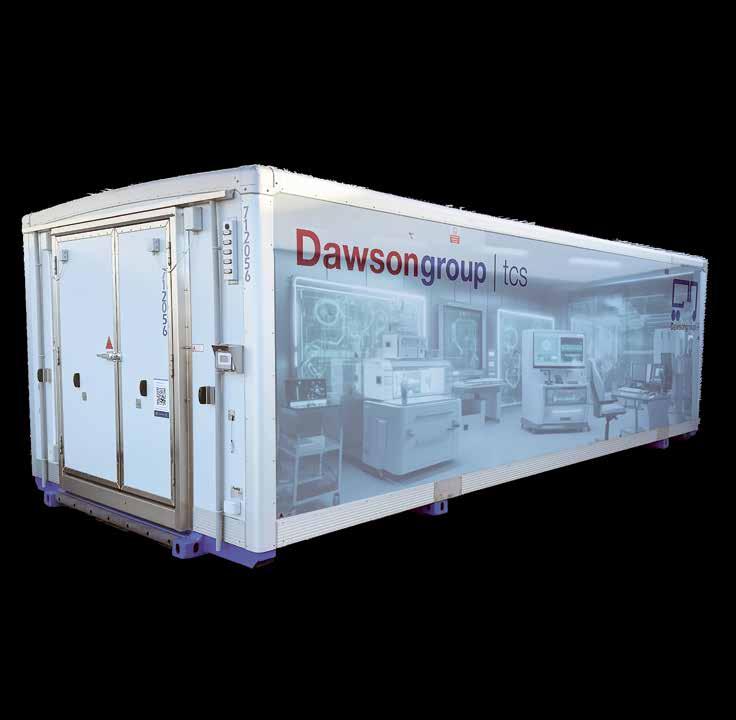


Indaver: Supporting Your Waste Management Transition
Indaver offers solutions for more efficient waste management, the recycling of industrial residue flows and the production of sustainable raw materials.
The European industry is at a critical turning point. Challenges such as raw material shortages, high energy prices, geopolitical instability and stricter regulations are forcing companies to rethink production and supply chains.
Key priorities include reducing dependence on virgin raw materials, lowering CO₂ emissions and maximising the recovery of waste streams. In this context, waste management has become a strategic issue: how can hazardous or complex waste be transformed into valuable resources in a safe, compliant and cost-effective way?
Indaver supports this transition through innovative technologies, operational expertise, and a strong focus on circularity.
Indaver’s in-house solutions
Indaver’s in-house solutions – Inopsys, Indaver Precious Metals, IndaChlor, Indaver Solvents and Plastics as a Service – enable more efficient waste processing, recovery of valuable materials and reuse of industrial by-products.
Inopsys provides mobile, modular systems for on-site treatment of complex industrial wastewater. By treating contaminated water directly at the customer’s site, companies reduce transport, risks and costs. The technology removes substances such as PFAS, APIs and metals, while recovering valuable materials like palladium, zinc and solvents. Through a Water-as-a-Service model, Inopsys manages the entire process, ensuring compliance with strict discharge standards. Its integration within Indaver enhances reliability and scalability.
Indaver Precious Metals focuses on recovering precious metals such as platinum and palladium from industrial waste streams. By reintegrating these materials into production cycles, companies reduce reliance on primary resources and better manage costs. Indaver oversees the full chain, from collection to reprocessing and return of recovered metals.
IndaChlor converts chlorinated waste into usable raw materials and energy. For example, hydrochloric acid is recovered for reuse in industrial processes. Additionally, heat generated during treatment is transformed into steam and supplied to nearby industries, creating an efficient form of industrial symbiosis that reduces waste and supports local energy use.
Indaver Solvents specialises in the purification and reuse of solvents. The recovered solvents meet high quality standards and can be reintroduced into production processes, improving resource efficiency and supply security. Strict compliance requirements, including traceability and REACH registration, are fully met.
Innovative circular solutions
Beyond these technologies, Indaver actively develops circular solutions through innovation projects. In the RECLAIM project, a complex multi-material stream previously treated as medical waste has been successfully recycled into plastics now used in reusable collection containers.
The TRAY project explores how pharmaceutical-grade plastics can be recycled back into their original applications, ensuring a fully closed loop with guaranteed quality and safety.
With its ‘Plastics as a Service’ (PaaS) model, Indaver further expands its role as a circular materials partner by developing reuse chains for high-grade plastics.
Through these initiatives, Indaver enables industries to recover value from waste, reduce environmental impact and build more resilient, circular production systems, where sustainability and economic growth go hand-in-hand.
For more information, visit indaver.com


Indaver








As an industry leader, you want to minimise your environmental impact while staying competitive in the European market. With Indaver as your sustainable partner, waste becomes an opportunity. By supplying high-quality recycled materials that match virgin performance, as well as reliable recovered energy, we
in the

Contact us:
info@indaver.ie
+353 1 697 2900
www.indaver.com
Supply Chain Transparency:
The Next Competitive Advantage in Pharma

Alan Looney, Managing Director of NCC, discusses why supply chain transparency is becoming a critical differentiator for pharmaceutical manufacturers.
Recent global disruption has exposed vulnerabilities across pharmaceutical supply chains, making access to critical raw materials more challenging. While many organisations have built resilience, transparency is now a key competitive advantage. By understanding where materials are sourced, identifying risks earlier, and establishing appropriate inventory levels, manufacturers can make betterinformed decisions before disruption impacts production.
This is particularly important as supply chains become more concentrated and manufacturer back-integration becomes more prevalent, with producers moving upstream to secure critical inputs or capacity. In this environment, customers need partners who can quickly assess the potential impact of these changes and help them plan with confidence.
Why transparency matters
Pharmaceutical supply chains are global, creating multiple points of disruption, from supplier constraints and logistics delays to regulatory changes and market volatility. Without transparency, risks may only become apparent when it is too late.
With the right insight, procurement, quality, and supply chain, teams can act earlier, whether by securing alternative sources, adjusting inventory strategies, or reallocating resources before issues impact operations.
Building supply options before they are needed
Alternative and dual sourcing are central to this approach. NCC works with customers
to identify and validate supply routes across geographies, giving procurement teams credible options before disruption occurs. This requires technical understanding, manufacturer relationships, quality oversight, and regulatory awareness, so each route can be assessed.
Our direct-to-source model strengthens this further. NCC engages directly with the site of manufacture rather than intermediaries to give customers the quality oversight, shorter lead times, and cost savings they need.
One connected NCC approach
At NCC, transparency is delivered through sourcing expertise, market knowledge, quality oversight, and strong supplier relationships. This is supported by our One Team approach, which brings dedicated account managers and cross-functional specialists together around each customer’s needs. By connecting procurement, quality, compliance, stock management and delivery, we provide clarity, control, and confidence, through joined-up communication rather than fragmented conversations across functions.
Turning information into action Information only creates value when it leads to action. NCC teams monitor global supply markets, lead times and risk factors, while maintaining close relationships with manufacturers across our international sourcing network.
With offices and warehouses spanning the USA, UK, Ireland and mainland Europe, NCC supports customers at scale. NCC USA

strengthens our ability to support North American requirements, regional supply routes and local service.
By maintaining safety stock buffers and managing inventory proactively, NCC helps customers reduce risk while preserving flexibility. This focus on reliability is reflected in an ‘On-Time In-Full’ delivery rate of 98.77%.
Looking ahead
Through direct-to-source relationships, dualsourcing expertise, quality oversight and a connected international network, NCC helps customers make better-informed decisions and strengthen supply continuity. Supply chain transparency is no longer simply an operational benefit; it is a strategic advantage.
To learn why NCC is trusted by nine of the top 10 largest global pharmaceutical companies for the sourcing, qualification and delivery of raw materials, contact us today.
Tel: (+353) 01 6131400. Email: hello@ncc.ie Web: ncc.ie
Alan Looney, Managing Director, NCC.

9 of the top 10 largest global pharmaceutical companies have approved NCC as a supplier.



Trusted by 9 of the top 10 largest global pharmaceutical companies, NCC supports the sourcing, qualification and delivery of critical raw materials.
With global sourcing expertise supported by local infrastructure, we help customers build resilient, transparent and dependable supply chains.
Certified, committed and proven, with 60 successful years of operation.
NCC - Supporting the sourcing, qualification and delivery of raw materials for the world’s leading pharmaceutical manufacturers.
Rethinking Healthcare Product Lifecycles
Seamus Keane, Global Sales Vertical Lead Healthcare, Kuehne+Nagel, explains how integrated orchestration across the full product lifecycle is essential for the healthcare supply chains of today.
Healthcare supply chains are under more pressure than ever. Products are becoming more specialised, timelines more compressed, and regulatory expectations increasingly complex. At the same time, organisations are expected to move faster, manage risk more deliberately, and deliver consistent outcomes across global markets.
In this environment, traditional siloed operating models are reaching their limits. What is increasingly needed is integrated orchestration across the full product lifecycle - from early development through launch, growth, and maturity - to better manage risk, improve performance, and respond more effectively to complexity.
To me, integrated orchestration means actively coordinating decisions, data, and execution across the entire healthcare product lifecycle, aligned around shared business outcomes rather than isolated functional KPIs. It’s about anticipating tradeoffs, aligning partners, and acting early rather than reacting late. In short, it connects decision-making instead of optimising functions in isolation.
The most persistent silos often appear between development, launch, and commercial operations. These transition points are where information, accountability, and timing most often break down.
For customers, the consequences are tangible: delayed launches, poor inventory positioning, inconsistent service levels, higher risk exposure, and avoidable cost. In many cases, these outcomes can be traced back to disconnected handovers and late-stage decision-making.
Early lifecycle integration
The biggest orchestration gap I continue to see is early lifecycle integration, particularly in relation to launch readiness. Too many supply and distribution decisions are still made only after clinical outcomes, regulatory pathways, and market strategies have already been defined. By then, the ability to adapt without introducing cost, complexity, or risk is significantly reduced. As products become more specialised, the impact of these late decisions only becomes more pronounced.
True end-to-end orchestration requires ownership by a business leader with full

lifecycle accountability, someone positioned above functional boundaries and empowered to make trade-offs across cost, service, speed, and risk. Without that authority, orchestration often defaults to consensus-based decisionmaking, which in complex environments is typically too slow and too ineffective.
Many organisations continue to invest in dashboards, data platforms, and tracking tools. Visibility matters, but visibility alone only tells you what is happening. Orchestration determines what happens next through clearly-defined decision rights, aligned incentives, and practical playbooks that enable teams to act quickly and decisively.
The value of effective orchestration
The value of strong orchestration becomes especially clear during disruption.
Organisations with effective orchestration can pivot faster, make more deliberate choices, and address risks earlier, before they escalate into operational or commercial problems. Successful orchestration depends on connecting expertise across multiple functions and ensuring decisions are made in the right context. As healthcare product lifecycles continue to evolve - with more complex therapies, AI-enabled planning, and increasingly partner-led operating modelslate-stage optimisation becomes both harder and riskier.
If there is one action I would encourage, it’s this: map the product lifecycle, end-toend, and identify where decisions repeatedly happen too late. This requires working with a partner who can support you across the full supply chain, spanning the entire product lifecycle.
Successful orchestration depends on connecting expertise across multiple functions and ensuring decisions are made in the right context.

No matter where along a product’s lifecycle you operate—from product discovery to patent expiry—choose a partner you can rely on to consistently apply the highest GxP compliant quality standards.
For all your shipping needs:
■ Personalised medicines
■ Medical devices
■ Pharmaceuticals
■ Vaccines
■ Animal health products
■ Consumer healthcare products
Contact our Healthcare Logistics experts to learn more:
Building Redundancy into Pharmaceutical Storage from the Start
By building redundancy into storage from the outset, Pharma companies can reduce the likelihood of disruption and create a more robust cold chain strategy, according to Coolworld.
In Pharmaceutical manufacturing, Biotechnology and Life Sciences, temperature-controlled storage is not simply a support function; it is a critical part of protecting product integrity, maintaining compliance, and reducing operational risk.
For products that depend on stable controlled environments, even a short period outside the required temperature range can have serious consequences, from product loss and investigation time to delays in supply and potential regulatory concerns.
That is why redundancy should be considered at the very beginning of the storage planning process. Whether a business is preparing for clinical trial materials, scaling production, validating new processes, or increasing capacity, the question is not only how much storage is needed, but how well that storage is protected if something goes wrong.
Modular, climate-controlled storage solutions
Coolworld provides modular, climate-controlled storage designed specifically for regulated Pharmaceutical, Biotechnology, Healthcare and Life Sciences environments. With more than 30 years of modular storage experience, over 500 climate-controlled units in service, and a strong track record with leading Pharmaceutical companies, Coolworld understands the level of reliability required when high-value, temperature-sensitive products are involved.
The Coolworld range has been developed with resilience in mind. Units can be supplied with dual refrigeration systems, providing built-in redundancy to help maintain temperature control in the event of a system issue. This added layer of protection supports continuity, reduces the risk of temperature excursions, and gives quality, engineering and operations teams greater confidence in their storage infrastructure.
For Pharmaceutical businesses, redundancy is not just about equipment. It is about safeguarding the wider process. A storage failure

can affect production schedules, batch release, clinical trial timelines, customer supply, and internal quality investigations. By building redundancy into storage from the outset, companies can reduce the likelihood of disruption and create a more robust cold chain strategy.
Wide range of specialist environments
Coolworld offers a wide range of specialist environments, including cold stores, freezer rooms, incubator stores, stability stores, ATEX stores, warm rooms, drum stores, ultra-low temperature freezers, and PCM blast freezers. This flexibility allows businesses to match storage conditions to product requirements, while also considering back-up, contingency and future capacity needs.
All units can be configured, commissioned, calibrated and maintained by engineers, with pre-qualification options available to help support regulated project requirements. This gives customers a practical route to dependable, compliant storage, without placing unnecessary pressure on internal engineering and quality teams.
Modular rental also plays an important role in redundancy planning. Businesses can introduce temporary or long-term additional capacity without committing to permanent infrastructure too early. This can be particularly valuable during production peaks, site upgrades, validation work, planned maintenance, emergency response, or wider business continuity planning.
Through its wider European capability, Coolworld can support fast deployment across multiple sites and markets, helping businesses strengthen storage resilience wherever capacity is needed.
In an industry where product quality cannot be compromised, redundancy should not be treated as an afterthought. Coolworld helps Pharmaceutical organisations build dependable, flexible and resilient temperature-controlled storage into their operations from the start, protecting critical products, processes and supply chains.

Coolworld provides modular, climate-controlled storage designed specifically for regulated Pharmaceutical, Biotechnology, Healthcare and
Sciences environments.



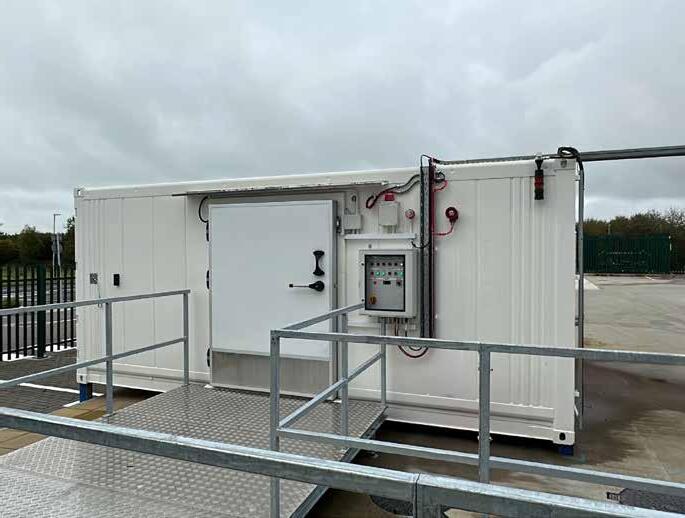







Tradebe Enters Irish Market
Tradebe has entered the Irish waste management market with the strategic acquisition of Soltec.
Tradebe has taken a significant step in expanding its footprint within the Irish waste management sector through the acquisition of a majority stake in Soltec (Ireland) Ltd, a well-established environmental services operator based in Mullingar.
This operation marks Tradebe’s formal entry into the Irish market and highlights its continued commitment to strengthening integrated waste management and resource recovery solutions across both Ireland and the UK.
Founded over 30 years ago by the Corcoran family, Soltec has developed a strong reputation for excellence in transfer station operations and solvent recycling. The company supports a diverse industrial customer base, consistently operating to high environmental, health & safety and quality standards.
Employing 25 staff and generating annual revenues in the region of €6 million, Soltec has become a trusted partner within Ireland’s waste management ecosystem. Its
Mullingar facility is particularly recognised for its customer-focused approach, operational transparency, and willingness to facilitate customer audits, reinforcing its commitment to safety and quality.
With this acquisition, Soltec becomes part of Tradebe’s Environmental Services business line, a core pillar of the group’s activities. Tradebe itself brings more than four decades of experience in sustainability-driven operations, with a presence spanning over 100 sites and a workforce exceeding 3,000 employees across Europe and the United States. By the end of the 2025 financial year, the group reported revenues of over €830 million, underlining its scale and capability in delivering environmental solutions.
Clear benefits for customers
Strategically, the integration of Soltec into Tradebe’s operations presents clear benefits for customers and stakeholders across the region. By combining Soltec’s technical expertise and local market knowledge with Tradebe’s scale, infrastructure, and international experience, the group is well positioned to deliver enhanced service offerings. This includes more efficient waste handling, improved resource recovery, and access to a broader range of treatment and recycling solutions.
A key focus of the acquisition is the creation of operational synergies between the UK and Irish markets. Tradebe sees strong alignment between Soltec’s culture and its own values, particularly in areas such as safety, technical excellence, and customer service. These shared principles are expected to facilitate a smooth integration process, while enabling both entities to collaborate on innovation and best practice sharing.
Leadership from both organisations has expressed confidence in the partnership and its long-term potential. Oriol Segarra, CEO of Tradebe Environmental Services UK, described the transaction as an important strategic milestone, highlighting the opportunity to build on Soltec’s strong foundations while unlocking new growth opportunities.
An exciting new chapter
Meanwhile, Soltec CEO David Corcoran emphasised the significance of entering “an exciting new chapter,” noting that Tradebe’s expertise and long-term vision make it an ideal partner to support the company’s future development, while preserving its core commitments to sustainability, safety, and customer service.
Ultimately, this acquisition reflects a broader trend within the waste management sector towards consolidation and the development of integrated, cross-border capabilities. For Ireland, Tradebe’s entry into the market signals increased investment, innovation, and collaboration, key drivers in advancing the circular economy and meeting evolving environmental responsibilities.
Discover more about their expertise and integrated solutions at www.tradebe.com
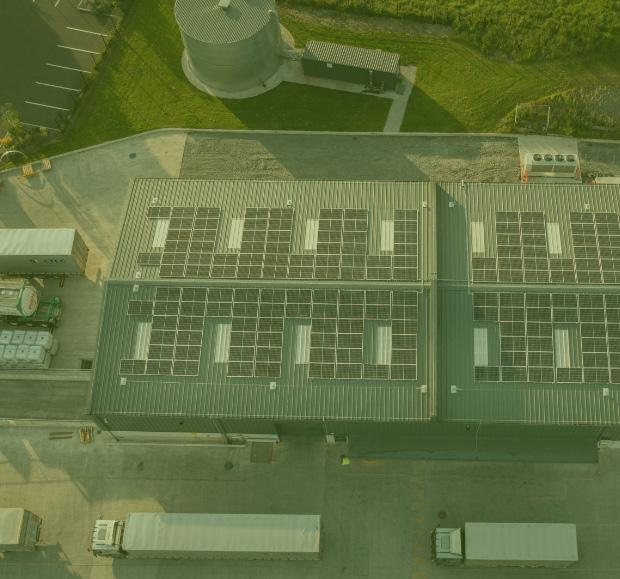

M
W 1 8 15 22 29
T 2 9 16 23 30
F 3 10 17 24 31
S 4 11 18 25
S 5 12 19 26 March
2026
January 2026 Week 1 2 3 4 5
M 5 12 19 26
T 6 13 20 27 W 7 14 21 28
T 1 8 15 22 29
F 2 9 16 23 30
S 3 10 17 24 31
S 4 11 18 25
July 2026
Week 27 28 29 30 31
M 6 13 20 27
T 7 14 21 28
W 1 8 15 22 29
T 2 9 16 23 30
F 3 10 17 24 31
S 4 11 18 25
S 5 12 19 26
5 6 7 8 9 M 2 9 16 23 T 3 10 17 24 W 4 11 18 25 T 5 12 19 26
August 2026 Week 31 32 33 34 35 36 M 3 10 17 24 31 T 4 11 18 25 W 5 12 19 26 T 6 13 20 27 F 7 14 21 28 S 1 8 15 22 29 S 2 9 16 23 30
April 2026 Week 14 15 16 17 18 M 6 13 20 27 T 7 14 21 28 W 1 8 15 22 29 T 2 9 16 23 30 F 3 10 17 24 S 4 11 18 25 S 5 12 19 26
6 13 20 27
7 14 21 28
1 8 15 22 29
2 9 16 23 30
3 10 17 24 31
18 25
May 2026 Week 18 19 20 21 22
M 4 11 18 25
T 5 12 19 26 W 6 13 20 27 T 7 14 21 28 F 1 8 15 22 29
S 2 9 16 23 30 S 3 10 17 24 31
November 2026 Week 44 45 46 47 48 49
M 2 9 16 23 30 T 3 10 17 24 W 4 11 18 25 T 5 12 19 26 F 6 13 20 27 S 7 14 21 28 S 1 8 15 22 29
June 2026 Week 23 24 25 26 27 M 1 8 15 22 29 T 2 9 16 23 30 W 3 10 17 24
December 2026 Week 49 50 51 52 1
7 14 21 28 T 1 8 15 22 29 W 2 9 16 23 30 T 3 10 17 24 31 F 4 11 18 25 S 5 12 19 26 S 6 13 20 27




















































With sites across Ireland, the U.S., and South Korea, SK pharmteco provides supply chain resiliency you can count on.
From development to commercialization, our teams deliver the expertise, reliability, and quality to advance your molecules.
MODALITIES
Small molecule APIs • Advanced intermediates • Peptides • ADC payloads & linkers
SPECIALTIES
Energetic & Specialty Chemistry • High Potency • Particle Engineering
Continuous Flow • Chromatography • Catalyst Design • Analytical Services