
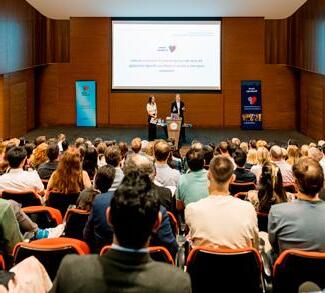





Australia’s future success in health and medical research and innovation depends not only on what we discover, but on how we invest in and support the people who make those discoveries possible because behind every breakthrough is something even more fundamental.
People!
Yet, despite its importance, the research and innovation workforce faces significant challenges. Fragmented career pathways, workforce data gaps, inequitable access to opportunities, and misalignment between skills and system needs threaten the sector’s long-term sustainability and global competitiveness. Many researchers also navigate insecure employment driven by short-term

This edition of INSPIRE spotlights Australia’s health and medical research and innovation workforce, a highly skilled community that underpins our
Contributions from ANU, UTS and ARCS Australia explore how we define, measure and recognise the diverse roles that make up this workforce, and why clearer data and more cohesive policy settings are
Equally important is the need to support a sustainable and inclusive workforce. Research excellence cannot be separated from the conditions in which people work. Contributions from Deakin University, CQUniversity and the Murdoch Children’s Research Institute highlight the realities of researcher wellbeing, hidden workplace pressures and the importance of embedding equity, diversity and inclusion across the
Securing the future of the sector also requires a strong focus on building the workforce pipeline. From inspiring students through initiatives such as the Aboriginal Cadetship program based at The Kids, to strengthening career pathways through fellowships and training programs such as those led
by the Digital Health CRC, this edition showcases the value of a coordinated, pipeline approach to workforce development, supporting talent from early engagement through to leadership.
The ability of the workforce to deliver real-world outcomes depends on how effectively we enable impact through translation and collaboration. Initiatives such as those led by the VCCC Alliance and the Emergency Medicine Foundation demonstrate how embedding research capability within health services and regional settings can strengthen systems of care and improve outcomes.
Rapid advances in technology, including artificial intelligence, are reshaping how research is conducted and applied. Contributions explore the promise and the challenges, from the potential of AI-driven discovery to the complexities of implementation and workforce readiness. At the same time, new approaches to education, collaboration and leadership are expanding who participates in the research ecosystem and how impact is achieved.
We are pleased to close this edition with a contribution from Damien Bruce, National Chief Executive Officer of Calvary, who reflects on the role of artificial intelligence in health systems and the critical importance of workforce capability in realising its potential.
Research Australia’s advocacy in this area is about our commitment to working with our members to strengthen the workforce at every stage, from inspiring the next generation, to shaping the policies that will underpin a sustainable and high-performing system.
Let's get to work together!
Nadia and your Research Australia Team






02 Foreword
06 Events Overview
Unlocking Australia’s research and innovation potential begins with understanding our workforce
Research Australia
Looking beyond the lab coat: redefining excellence for tomorrow’s scientists
University of Technology Sydney
What gets counted in health and medical research, and who decides?
Australian National University
Australia’s clinical trials opportunity will be won or lost on workforce
Biodesign for our future workforce
The University of Western Australia
Strengthening researcher capability across translational research
Translational Research Institute
Supporting wellbeing in Australia’s health and medical research workforce
Deakin University

16 44

30 We Didn’t Know How Stressed We Were: Wearables Reveal ICU Nurses’ Hidden Strain
Central Queensland University
32 Workforce equity: The essential foundation of Australia's research and innovation future
Research Australia
36 Innovation and diversity fueling Australia’s research future
Murdoch Children’s Research Institute
40 Lost capitals, new frontiers
Central Queensland University
44 Unlocking a career in research for promising students
The Kids Research Institute Australia
48 The Future Health Leaders program: towards gender equity in HMR leadership Research Australia
52 Monash Partners STAR clinician fellowships
Monash University
56 Building digital capability in health and medical research
Australian Research Data Commons


58 Creating Australia’s future digital health and medical research workforce
Digital Health CRC
60 Strengthening Australia’s paediatric precision medicine workforce
Luminesce Alliance
64 Addressing the Parkinson’s Care Shortage in Australia
Shake It Up Australia Foundation
66 From capability to culture: Supporting translation of research in rural and regional health settings in Western Victoria since 2020 Australian Health Research Alliance
68 A unified approach to regional cancer care research and education VCCC Alliance
70 Building Emergency Medicine Research Across Queensland Emergency Medicine Foundation
Publisher
Research Australia Ltd
INSPIRE is a publication of Research Australia Ltd
ABN 28 095 324 379 384 Victoria Street Darlinghurst NSW 2010
For Advertising enquiries please contact the Research Australia office on p 02 9295 8546 or e admin@researchaustralia.org
Who can submit articles?
72 From Data to Diagnosis GSK Australia
74 The Amplified Voice: Lived Experience Leadership Transforming Research VCCC Alliance
78 Empowering Teachers, Elevating Learners — A Global Collaboration Strengthening Language and Learning Southern Cross University
82 Why AI Outcomes Remain Elusive in Australian Healthcare Central Queensland University
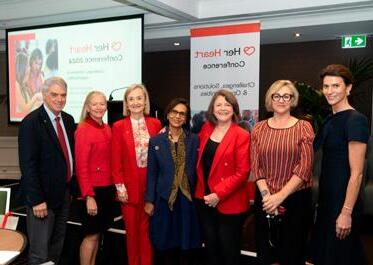
84 New member profile Her Heart
86 Last Word Calvary Health Care
Any current member of Research Australia who would like to share a relevant story that affects their organisation including, philanthropic donations and their outcomes, research findings, and any other related health and medical research topic that affects the Australian population.
Submission guidelines & deadlines For information regarding how to submit and publishing deadlines visit the Research Australia website.
Disclaimer
The opinions expressed in INSPIRE do not necessarily represent the views of Research Australia. Whilst every effort has been made to ensure accuracy, no responsibility can be accepted by Research Australia for omissions, typographical or inaccuracies that may have taken place after publication. All rights reserved.
The editorial material published in INSPIRE is copyright. No part of the editorial contents may be reproduced or copied in any form without the prior permission from Research Australia. © Research Australia 2026.
In March Research Australia launched the Consumer Recognition Framework, the first initiative of its kind in Australia.
Developed in partnership with the National Centre for Epidemiology and Population Health at the Australian National University, and co-designed with the Consumer Remuneration Working Group, the framework provides practical tools and flexible approaches to recognising consumer contributions across the research lifecycle.
To support implementation and sector-wide discussion, Research Australia hosted a webinar on 22 April 2026, featuring Associate Professor Jane Desborough. The session explored the importance of meaningful consumer recognition and provide guidance for organisations seeking to embed best practice approaches.
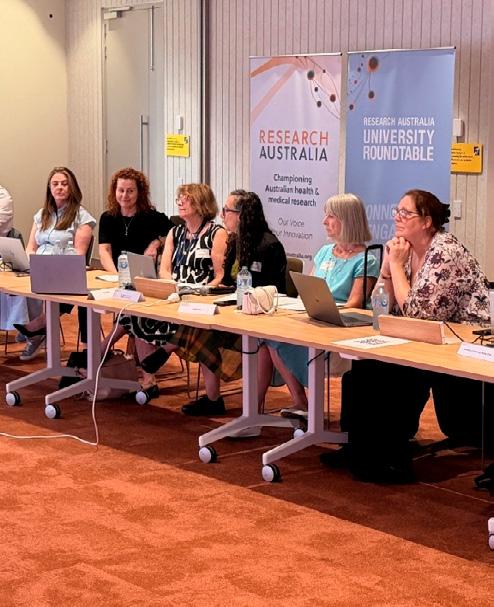
In March, Research Australia hosted a University Roundtable in partnership with UNSW Sydney, bringing together 45 representatives from 24
Focused on the theme Embedding Research into Australia’s Health System, the roundtable provided a platform for sector leaders to explore how research can be more effectively integrated into healthcare
The program featured a panel discussion with leaders from South Eastern Sydney Local Health District, Western Sydney University and Bond University facilitated by Emeritus Professor Christine Bennett AO and a keynote discussion with Australia’s Chief Medical Officer, Professor Michael Kidd AO
Insights from the roundtable will inform a forthcoming policy discussion paper, supporting ongoing engagement with members and stakeholders.
Advocacy remains central to Research Australia’s work. In February, members joined a Policy Webinar featuring Dr Monique Ryan MP, Independent Member for Kooyong, to discuss the ongoing Medical Research Matters campaign.
The discussion focused on the need for the Federal Government to release the full $1 billion annual disbursement from the Medical Research Future Fund (MRFF), as outlined in Research Australia’s Pre-Budget submission.
This advocacy is being reinforced through direct engagement with government and strong media presence, ensuring the importance of sustained research funding remains firmly on the national agenda.
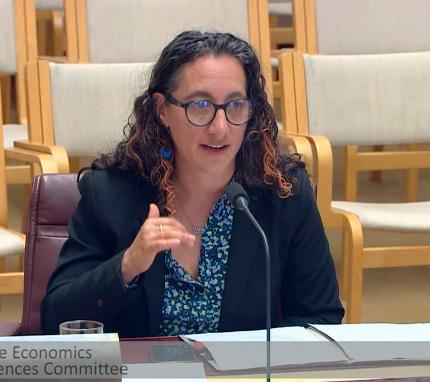
Research Australia continues to represent the sector at the highest levels of government. CEO Nadia Levin and Dr Talia Avrahamzon recently appeared before the Senate Economics References Committee as part of the inquiry into the funding and resourcing of CSIRO.
During the hearing, Research Australia emphasised the need for predictable, long-term funding, sustained investment in workforce and infrastructure, and a clear national ambition to lift R&D investment to 3% of GDP.
These contributions reflect our ongoing commitment to ensuring policy settings support a sustainable and globally competitive research system.
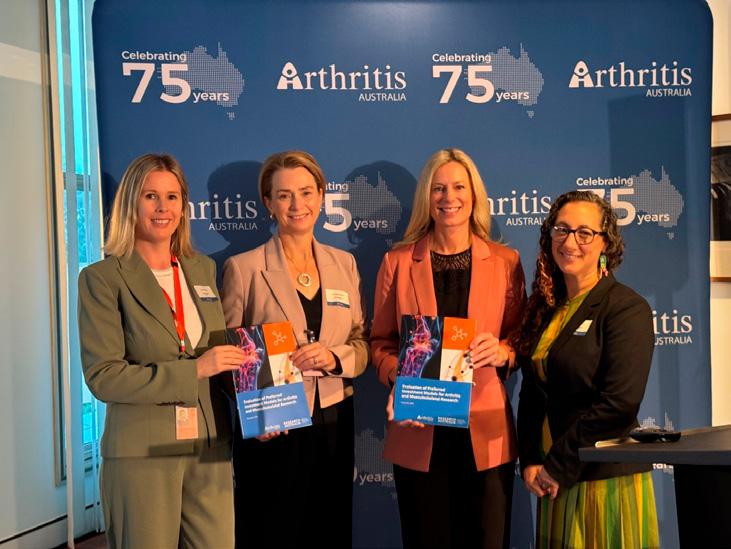
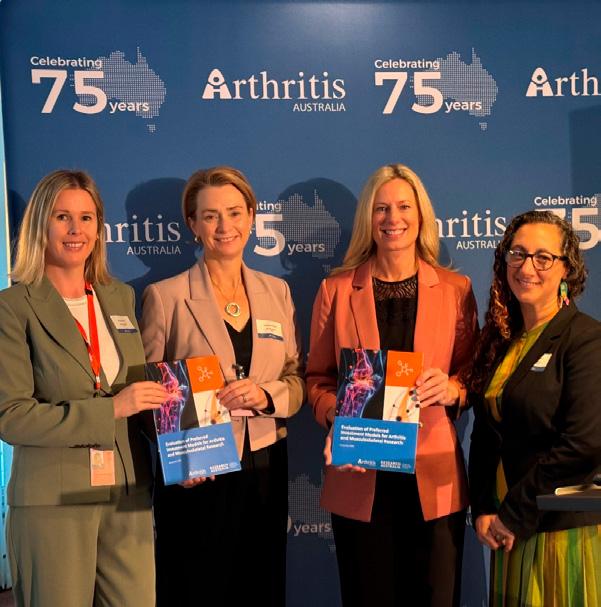
In April, Research Australia and Arthritis Australia launched the joint report, Evaluation of Preferred Investment Models for Arthritis and Musculoskeletal Research, the latest step in our partnership to strengthen the focus on arthritis and musculoskeletal (AMSK) research.
Despite affecting millions of Australians, AMSK conditions remain significantly underfunded in the research landscape. The report tackles that imbalance, identifying the most effective ways to drive meaningful and sustained investment.
The project was informed by a comprehensive landscape and policy review, stakeholder consultations, and cost benefit analysis to explore the difference between an MRFF Mission, Centre of Excellence and Centre of Research Excellence.
Australia rightly celebrates the discoveries and innovations that transform health and improve and save lives, from new treatments to diagnostics, novel models of care and medical technologies.
Max Chester and Dr Talia Avrahamzon | Research Australia
But behind every breakthrough is a workforce of researchers, clinicians and innovators working tirelessly to bring these outcomes to fruition. Australia’s research and innovation workforce underpins the entire system and is one of our greatest strategic assets, yet we still lack a clear, shared definition and reliable data on who makes up the health and medical research and innovation workforce.
With information and data on the workforce spread across institutions, disciplines, and funding bodies with little consistency in definitions or reporting, policymakers and funders are making decisions about workforce investment, capacity and sustainability without a complete picture of who is in the system, where the gaps are, and how careers evolve over time. This blind spot limits our ability to plan effectively, target support where it is most needed and build a workforce that is fit for the future. A non-ambiguous and widely acknowledged definition is required through engagement with the sector, alongside robust longitudinal data collection to measure the workforce.
At Research Australia we have been proud to bring together representatives from government, academia,
industry and our broader membership to articulate and elevate what is needed to ensure a future-ready health and medical research and innovation workforce, including a diverse, equitable and inclusive workforce. This collaborative work has culminated in our Workforce – Looking Ahead: Shaping the Research Workforce for Tomorrow policy discussion paper and elevation of the workforce through our Pre-Budget Submission 202627, submission to the National Health and Medical Research Strategy (National Strategy), and Productivity Commission inquiries. The recommendations outlined in these reports provide pathways to overcome the systemic barriers which are hindering a thriving and well supported research and innovation workforce.
Last year we saw the emergence of key national policy reforms for the health and medical research and innovation sector. The Strategic Examination of R&D (SERD) has since been released, which outlines key workforce reforms aligned with Research Australia’s recommendations during the Examination’s consultation phase, including embedding a focus on industry within research training programs and broader workforce
coordination. Prioritisation of Workforce as an enabling initiative within the draft National Health and Medical Research Strategy and recommended National Health and Medical Research Workforce Plan also follows years of advocacy by Research Australia and reflects the critical role of human capital in catalysing discoveries and advancing innovation. The 2026 National Research Infrastructure (NRI) Roadmap Issues Paper also has a specific focus on the research infrastructure workforce as an essential component for the functioning of our NRI landscape. Taken together and pending finalisation, these frameworks provide the structural basis to implement once-in-a-generation reforms for the workforce as a critical part of the broader system.
When centring national reforms, it is important to acknowledge that the broad and multidisciplinary nature of the Australian health and medical research and innovation workforce has created inherent complexity and siloing – with existing and emerging policy frameworks spread across Commonwealth, state and territory and organisational levels. A novel approach is therefore required, and critically requires the full resourcing and implementation of recommendations to prioritise:
• Addressing job insecurity through stable, long-term funding paired with policies that support secure research careers and career pathways.
• Defining and measuring the workforce through robust data collection.
• A pipeline approach to workforce development with connected pathways from education through to senior leadership.
• Specific supports for early- and mid-career researchers, clinician researchers and livedexperience researchers.
• Embedding research-active workplaces across the system.
• Addressing discrimination and embedding diversity, equity, and inclusion in workforce development.
• Valuing global research talent and collaboration in recognition of the highly international health and medical research and innovation workforce.
The role of Research Australia
Enabling supports for the workforce is a continuous and pressing theme across all of our channels, webinars and roundtables and is a critical ongoing priority for Research Australia. From our Health Economics Symposium to our Data Enabler Workshop for the National Health and Medical Research Strategy – the message is clear: we must centre the people who drive the future trajectory of the sector in all that we do. As the national peak body for health and medical research and innovation, Research Australia plays a leading role in convening stakeholders, shaping policy dialogue and advocating for long-term, sustainable investment in the health and medical research and innovation workforce. Through this work, we are resolved to continuing to articulate and elevate that supporting the workforce is fundamental to delivering the next breakthroughs which enable better health outcomes, stronger innovation and a more dynamic economy for Australia.
Authors: Max Chester, Policy Officer; Dr Talia Avrahamzon, Head of Policy, Projects & Advocacy, Research Australia.
Dr
In Australia’s increasingly competitive research landscape, publication metrics alone no longer sufficiently prepare emerging researchers for sustainable, successful scientific careers. Today’s scientists must pair research excellence with a broader professional toolkit that includes leadership, communication, strategic thinking, and resilience, while continuing to deliver high-quality research outcomes.
Recognising this shift, our laboratory has adopted an integrated training model that embeds professional and career development alongside rigorous scientific training. Through deliberate mentorship and scaffolded opportunities in teaching, leadership, grant writing, and science communication, students develop the breadth of skills required to thrive in contemporary research settings and beyond.
Our overarching goal is relatively simple. By fostering deliberate professional development in partnership with supervisors, we aim to train adaptable, confident, resilient, and well-rounded researchers equipped for diverse and sustainable career pathways.
Why publications alone are no longer sufficient
For decades, scientific training prioritised conception, experimental design, data generation, and the publication of papers. While these fundamentals remain essential, the modern research landscape now demands much more from scientists across the career spectrum. Researchers are expected to adeptly combine technical expertise with strong communication across diverse audiences, lead teams, collaborate across disciplines, secure funding, and be prepared to pivot in ever-changing professional environments.
These contemporary realities necessitate redefinition of the traditional scientific training model towards a more holistic, future-proof approach.
Training scientists for the realities of modern scientific careers
Our approach deliberately integrates professional development into everyday research training where students still perform high-quality experiments and drive their research projects, but also gain hands-on experience in teaching, mentorship through guidance of junior colleagues, leadership, grant writing, financial literacy, and science communication. We regularly host visiting scholars from Australian and international institutions, bringing in external expertise, fostering new and ongoing collaborations, and engaging our students in the process.
This blueprint fosters independence, encourages critical thinking and intellectual flexibility, and prepares students to navigate uncertainty. Emphasis is placed on helping students develop writing and communication skills through authentic opportunities, including travel awards, and seed-funding and society-based grant schemes. These engagements strengthen students’ ability to unpack complex science for lay audiences and positions them strategically for career pathways in scientific writing, communication, and policy.
Making science visible outside the laboratory
Engaging with the public and participating in institutional initiatives are no longer optional elements of scientific careers. They are core expectations. Within our laboratory, students take on active roles in shaping research directions under specific programs and
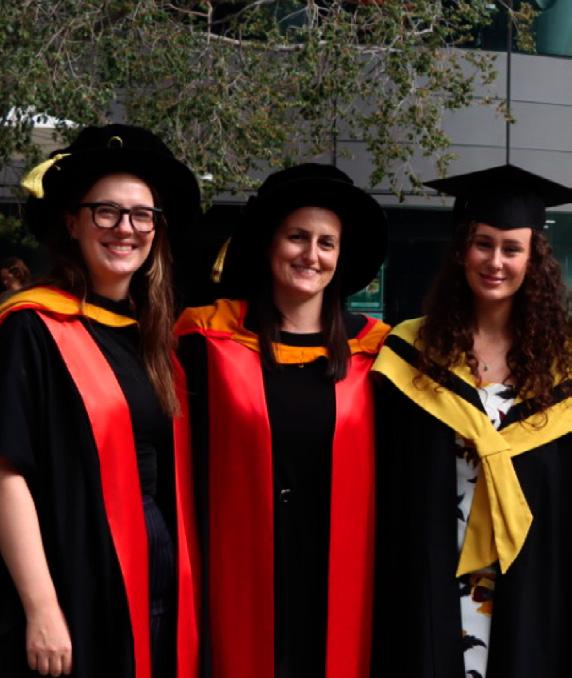
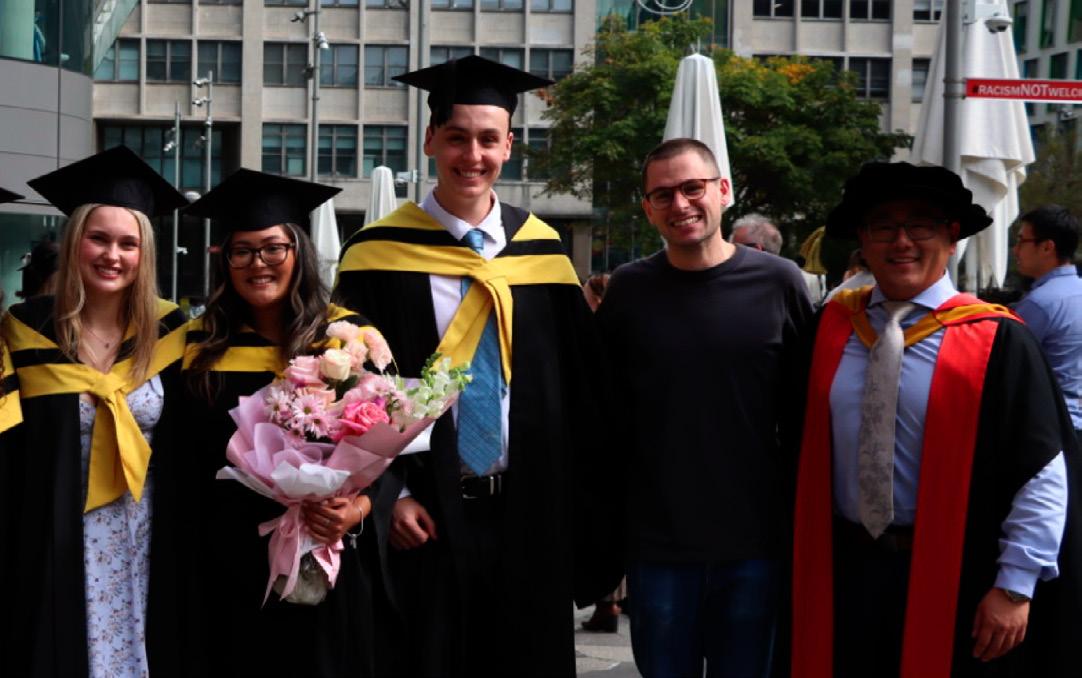
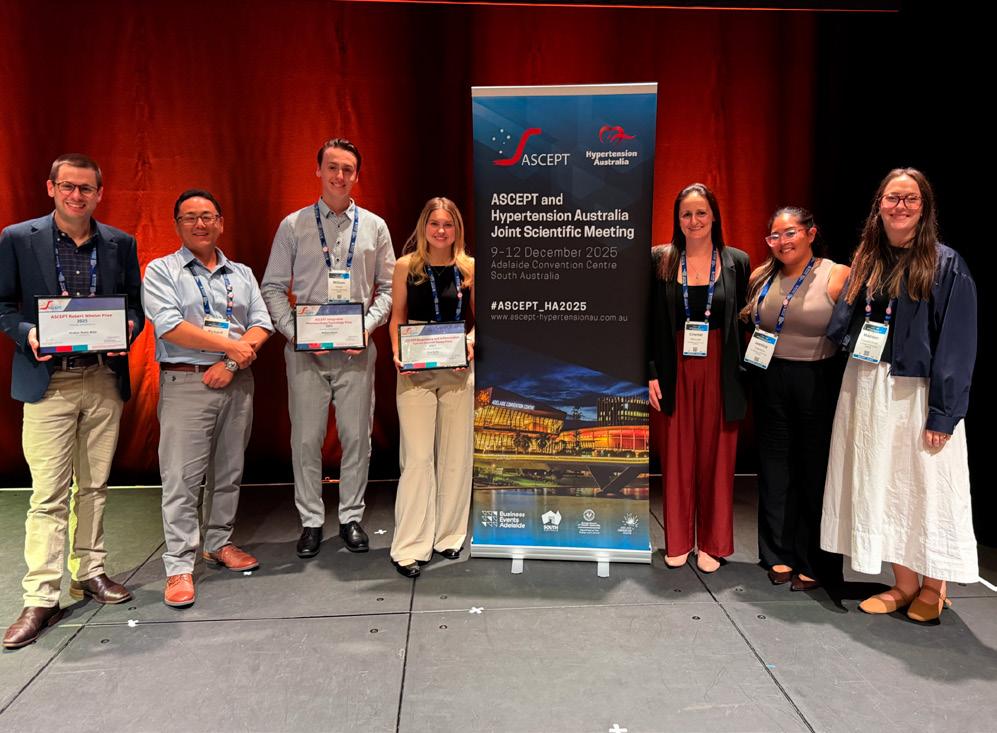
Right: ImmunoPharmacology Research Group graduation ceremony. Left to right: Madison Coward-Smith (postdoctoral research fellow), Chantal Donovan (group lead), Eyla Oxborrow (student), Cory Butlin (student), Jessica Tolentino (student), William Dewar (student), Hudson Taylor-Blair (student), Richard Kim (group lead)
Below: ImmunoPharmacology Research Group at the Australasian Society of Clinical and Experimental Pharmacologists and Toxicologists (ASCEPT)Hypertension Australia joint annual scientific meeting December 2025. Left to right: Hudson Taylor-Blair (student), Richard Kim (group lead), William Dewar (student), Cory Butlin (student), Chantal Donovan (group lead), Jessica Tolentino (student), Madison Coward-Smith (postdoctoral research fellow)
contributing to the broader scientific community. They also regularly connect with the public to share the impacts of their work, which provides practical experience in science outreach and engagement with stakeholders. Students also lead and participate in university open days, student-led conferences and seminar series, and institutional initiatives, which function as platforms for growth and development in leadership and problem-solving in dynamic settings.
A key priority for our group is to celebrate team and personal achievements together, encouraging the development of a positive and supportive environment. These experiences train students to see the broader societal relevance of their work, and develop the strategic thinking skills needed to succeed inside, and outside, of academia.
Preparing for career paths beyond academia
Research training no longer leads to a linear career trajectory. Indeed, recent evidence from the Australian Health and Medical Research Audit indicates that over 60% of researchers exited active research roles between 2019 and 2024. This likely reflects sector-wide challenges such as grant funding constraints and job insecurity, however, it also underscores the urgent need to prepare and up-skill researchers for a broad range of careers.
Our past trainees have progressed into diverse roles spanning academia (research- or teaching-focused, and balanced research/teaching positions), industry (research and development, sales, and management), scientific writing, healthcare, policy, and management. Most importantly, and irrespective of their destination, they enter the workforce equipped with the technical, written, and verbal communication skills, as well as the adaptability and resilience needed to support success in dynamic and evolving environments.
A cornerstone of our training philosophy is deliberate, mentorship-driven professional development. Students are supported to cultivate skills and experiences aligned with evolving career goals throughout their PhD journey. This approach produces scientists who are not only highly technically skilled but also flexible, independent, and resilient. This vision is also closely aligned with The University of Technology Sydney’s commitment to training lifelong learners, which prepares students not just for their first role, but for long-term, fulfilling careers across diverse sectors. We consider that embedding professional development within a rigorous research training programme is essential for our goal of fostering a research culture that motivates and equips the next generation of researchers to make meaningful and lasting contributions both in a laboratory setting and the world beyond.
Authors: Dr Chantal Donovan and Dr Richard Kim co-lead the ImmunoPharmacology Research Group (IPRG) at the University of Technology Sydney and the Woolcock Institute of Medical Research, Sydney. Dr Madison Coward-Smith is an early career postdoctoral research fellow in the ImmunoPharmacology Research Group.
I have spent much of my career working with data and performance frameworks in health systems, focusing on how what we measure shapes what we see, value, and act upon.
Associate
Data is never neutral; it reflects and reinforces who holds power, whose experiences are visible, and whose are not.
Health and medical research holds a prominent position within Australian universities. It attracts substantial public investment, commands attention, and carries strong public legitimacy. Its outputs are visible and influential: competitive grants secured, publications produced, clinical trials initiated, patents filed, partnerships formed. These indicators shape funding flows and institutional reputations.
Beyond outputs and income, how do we understand the performance of health and medical research as a system? In health policy, performance frameworks are well established. They articulate domains of responsibility and make visible the structures and processes that enable systems to function over time. They move beyond single indicators to consider inputs, activities, enablers, and outcomes together. They are often accompanied by annual reporting that can create momentum for improvement.
Within universities, health and medical research lacks an equivalent organising framework. We have many metrics, but they are fragmented. They incentivise excellence and competition while offering limited visibility into sustainability, workforce capability, and long-term stewardship.
This gap becomes most evident when we turn to the workforce. Health and medical research depends on a diverse and highly skilled community: clinicianresearchers, laboratory scientists, epidemiologists, biostatisticians, implementation researchers, research nurses, professional staff, data managers, and others whose roles are essential but often invisible. Their work spans universities, hospitals, independent institutes, and community settings. While health and medical research is conducted across multiple settings, including hospitals, independent institutes, and community organisations, this reflection focuses on its universitybased context where a biggest share of active health and medical researchers work (Department of Health, Disability and Ageing 2024).
Despite the scale and importance of this workforce, it remains difficult to answer basic structural questions at a national level. How many people are employed in health and medical research roles within universities? What proportion work on short-term contracts? How do career pathways unfold across institutions and disciplines? At what stages do researchers leave, and what capabilities are lost when they do? The Australian Health and Medical Research Workforce Audit (Department of Health, Disability and Ageing 2024) is an important investment, but it is a one-off report by design. What is needed is high-quality, longitudinal data collection to monitor and support this workforce over time.
Concerns about precarity, workload, and career viability are well documented. National surveys and reviews have highlighted issues relating to culture, job security, and psychological safety. Yet these findings tend to sit adjacent to — rather than integrated within — dominant performance conversations focused on research income and publication metrics. Without a shared, longitudinal way of seeing the workforce, stewardship remains diffuse. Institutions manage within their own boundaries; funders focus on programmatic outcomes; policymakers track aggregate expenditure. What remains less visible is whether the system, taken as a whole, is building or eroding the capabilities it will need over the coming decades.
Workforce Dataset
Development of a national health and medical research workforce dataset could offer a practical starting point. Not as a technocratic solution, and not as an additional reporting burden, but as a means of making visible the people who constitute the system. Such a dataset could illuminate patterns of employment, mobility, retention, and progression, and help situate questions of sustainability and capability alongside more familiar indicators of excellence.
This is not an argument against measuring outputs. Publications, grants, and translational outcomes of course matter. But without a framework that situates these outputs within a broader account of workforce sustainability and institutional responsibility, our understanding remains partial.
Stewardship matters
Health and medical research is publicly funded, politically salient, and deeply interdependent with clinical and community systems. It operates over long time horizons and depends on accumulated expertise. These characteristics make stewardship particularly important. When funding is finite and trade-offs are unavoidable, decisions about resource allocation and organisational structure have enduring consequences for capability.
An organising framework would not eliminate difficult choices. But it could provide a clearer architecture for making them — linking investment, workforce conditions, research quality, and public value within a coherent account of performance.
Health and medical research workforce beyond universities
Including researchers employed outside universities in the proposed health and medical research workforce data collection would be important to capture the full extent of the workforce, even if access is more challenging. While much of this reflection focuses on universities, the broader research ecosystem also contributes to health and medical research. A comprehensive workforce dataset would help make visible patterns of employment, retention, and capability across all settings, supporting better stewardship and long-term sustainability.

A workforce-centred perspective, supported by an organising framework that brings together outputs, sustainability, and stewardship, offers one way of making these interdependencies more visible. By asking what is counted — and what remains obscured — we can build a more complete account of the system and the capabilities on which its future depends.
Author: Associate Professor Tomoko Sugiura is the Director of the National Centre for Health Workforce Studies at ANU. She has strong interest in gender equality, leadership and teamwork in health policy, sustainable health systems, integration of technical innovation to benefit health workforce wellbeing and patient outcome.

Australia’s clinical trials sector is forecast to experience rapid growth, but workforce capacity is lagging behind.
Dr Tim Boyle ChMPP | ARCS Australia
Without deliberate national investment in professionalisation, training and career pathways, we risk losing global competitiveness and the chance to deliver faster access to new therapies for Australian patients.
Australia punches above its weight in clinical research.
We have world-class scientists, internationally respected regulators, strong patient engagement and a health system capable of delivering complex trials. It is no surprise global sponsors continue to look to Australia as an attractive destination.
But there is a problem we can no longer afford to ignore. Our clinical trials workforce is under strain and it is becoming the limiting factor.
The Australian clinical trials market generated approximately AUD $2.9 billion in 2024 and is projected to exceed AUD $6 billion by 2033, growing at around 9 per cent annually. That is not just a research success story. It is an economic one. Clinical trials create highvalue jobs, attract foreign investment, strengthen our health system and accelerate patient access to new medicines and technologies.
Yet growth alone does not guarantee success. Without a professional, skilled and sustainable workforce, this opportunity will stall.
The hidden constraint in plain sight Clinical trials do not run on platforms, policies or goodwill. They run on people.
Across Australia, trial coordinators, research nurses, clinical research associates and investigators are working under increasing pressure. Roles remain poorly defined, career pathways are fragmented, and there
is no nationally recognised professional framework for many of the people delivering trials day to day.
Through ARCS’ national Clinical Research Workforce Capacity Summit and subsequent white paper, a consistent message emerged from across government, health services, academia and industry. The workforce shortage is no longer theoretical. It is already affecting trial start-up times, site capacity, staff retention and sponsor confidence.
Many professionals enter clinical research accidentally, receive limited structured training, and leave just as they become experienced. Others remain but burn out. This churn erodes capability, increases risk and undermines productivity.
What other countries have done differently
Australia is not alone in facing these challenges, but some nations have acted decisively.
South Korea is a standout example. Two decades ago, it was a minor player in global clinical trials. Today, it consistently ranks among the world’s top trial destinations. This transformation did not happen by chance. Korea invested in workforce capability as national infrastructure, establishing coordinated training, mandatory competency standards and sustained government support.
The United Kingdom has taken a different but equally deliberate approach. Through the National Institute for Health and Care Research, clinical research delivery roles are recognised, standardised and supported across the health system. A national professional register gives clinical research practitioners identity, credibility and clear career progression.

The lesson is simple. Countries that treat workforce development as strategic infrastructure outperform those that leave it to chance.
Australia’s moment and our risk
Australia has made important progress in clinical trials reform. Initiatives such as the National One Stop Shop will streamline approvals, remove jurisdictional red tape and improve coordination. These reforms matter, but they will not deliver productivity gains unless matched by workforce capability.
There is a real risk that we modernise systems without strengthening the people expected to operate them.
This is where ARCS sees both urgency and opportunity.
A practical pathway forward ARCS’ workforce advocacy is grounded in one clear principle. Professionalism drives performance.
Australia needs a nationally coordinated approach that recognises clinical trials professionals as a skilled, safetycritical workforce, not an administrative afterthought. This includes:
• National competency-based accreditation pathways that build on existing international frameworks and ARCS’ own competency model.
• Structured education and training spanning undergraduate exposure, postgraduate pathways and professional development.
• Paid internships and graduate programs co-funded by government and industry to create a reliable talent pipeline.
• Improved retention mechanisms, including protected development time and recognised career progression.
• Policy alignment to ensure workforce capability is embedded within funding programs, trial reforms and health system planning.
None of this requires reinventing the wheel. Australia already has pilots, partnerships and expertise in place. What has been missing is scale, coordination and sustained commitment.
Why this matters beyond trials
This is not just about competitiveness. It is about patients.
A capable workforce means faster trial activation, higher quality data, safer delivery and earlier access to new therapies. It means regional and rural sites can participate. It means Australia remains a trusted partner in global research.
Most importantly, it recognises the people who quietly make medical progress possible.
The opportunity before us is significant. But opportunities do not deliver themselves.
If Australia wants to lead in clinical research over the next decade, we must invest in the workforce that underpins it, deliberately, nationally and with intent.
Author: Dr Tim Boyle is CEO of ARCS Australia, the peak professional body for lifesciences professionals advancing innovation in healthcare. He is a national advocate for research innovation, commercialisation and professionalisation of our health and medical research workforce. He regularly engages with government, regulators, industry and academia on workforce and innovation policy.
Even if we are ‘blue sky’ researchers at heart, embracing needs-driven research and innovation is the key to enabling our workforce to thrive.
Professor Kevin Pfleger | The University of Western Australia
Gone are the days when researchers could rely upon peer-reviewed research grants from a limited number of sources to sustain their labs year after year.
Research group leaders now need to think like small business owners, diversifying their income streams and responding to the unmet needs of those that can benefit from their group’s research and innovation activities. So how do we develop the future health and medical research workforce? By helping researchers think differently. To be needs-focused. To be entrepreneurial. To foster skills through experiential learning that will enable our workforce to thrive in this brave new world.
Historically, researchers have succeeded by publishing high quality peer-reviewed research articles and attracting nationally-competitive research grant funding as a consequence. ‘Blue sky’ research is key to understanding the fundamentals of science, forming the foundations of more applied R&D, but increasingly such research struggles to be funded by grant programs.
We need to match our technological competitive advantage with the unmet needs of industry, health systems and end-users. Having research streams dedicated to such endeavours not only increases the chances of nearer-term impact, it also creates a diversified and therefore more sustainable funding base, especially if a range of funding sources are accessed.
Greater funding stability enables recruitment and retention of high-quality talent, whether students, professional staff or postdocs. Securing a great team provides an environment where a subset of research activity can be ‘blue sky’, providing the pipeline of technological development underpinning future applied R&D.
With the end in mind. What is the unmet need? And, bluntly, who is going to pay to address that need? This has always been the case for researchers, with grant funding bodies ‘paying’ via a peer-review process to allocate taxpayer dollars. Increasingly though, we need to think beyond our peers, as even funding agencies are looking for narratives linking unmet needs of industry, health systems and end-users to research questions. So how do we engage with these parties to understand their needs?
Taking Western Australia as an example, the WA Government has established Innovation Hubs to facilitate connecting the innovation ecosystem, and for biomedical and health innovation, the WA Life Sciences Innovation Hub (WALSIH) has played this role for over 7 years as a partnership between the State Government, The University of Western Australia (UWA), and MTPConnect, Australia’s Life Sciences Innovation Accelerator. Industry also connects across the WA ecosystem through the Springboard Medical Manufacturing Alliance , administered by UWA. This connection is critical, but we still need to develop our workforce to be able to truly engage.
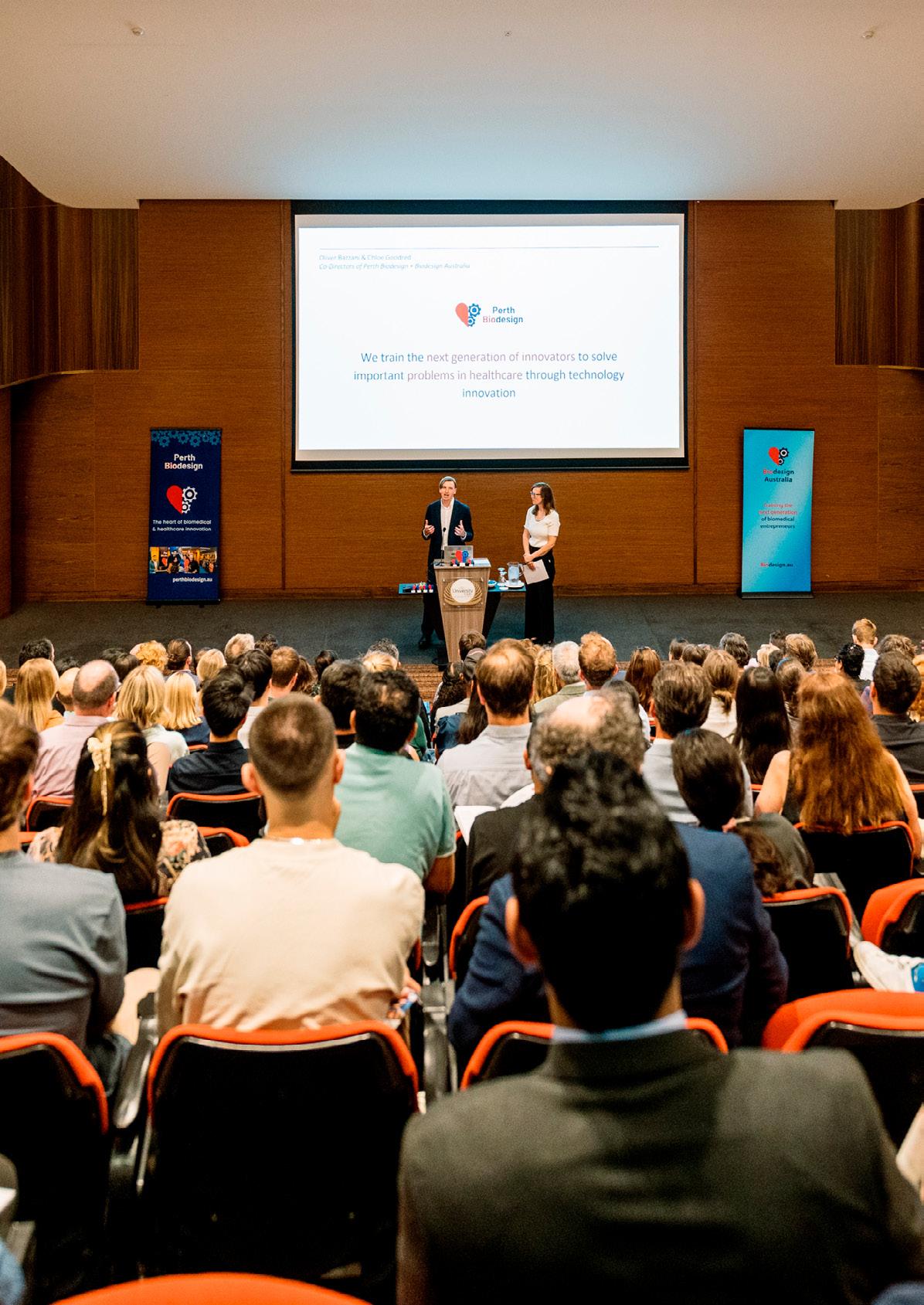
Fortunately, this question is not new, with a methodology developed at Stanford University that has now spread across the globe: ‘Biodesign’. It even has a textbook, but it’s far more than words on pages. It is a roadmap for experiential learning that is grounded in andragogy. In Western Australia, Perth Biodesign is celebrating its 10 th anniversary this year. Administered by UWA and supported by WA Government funding via WALSIH, it provides a portfolio of offerings:
2025 Perth Biodesign cohort at the final showcase
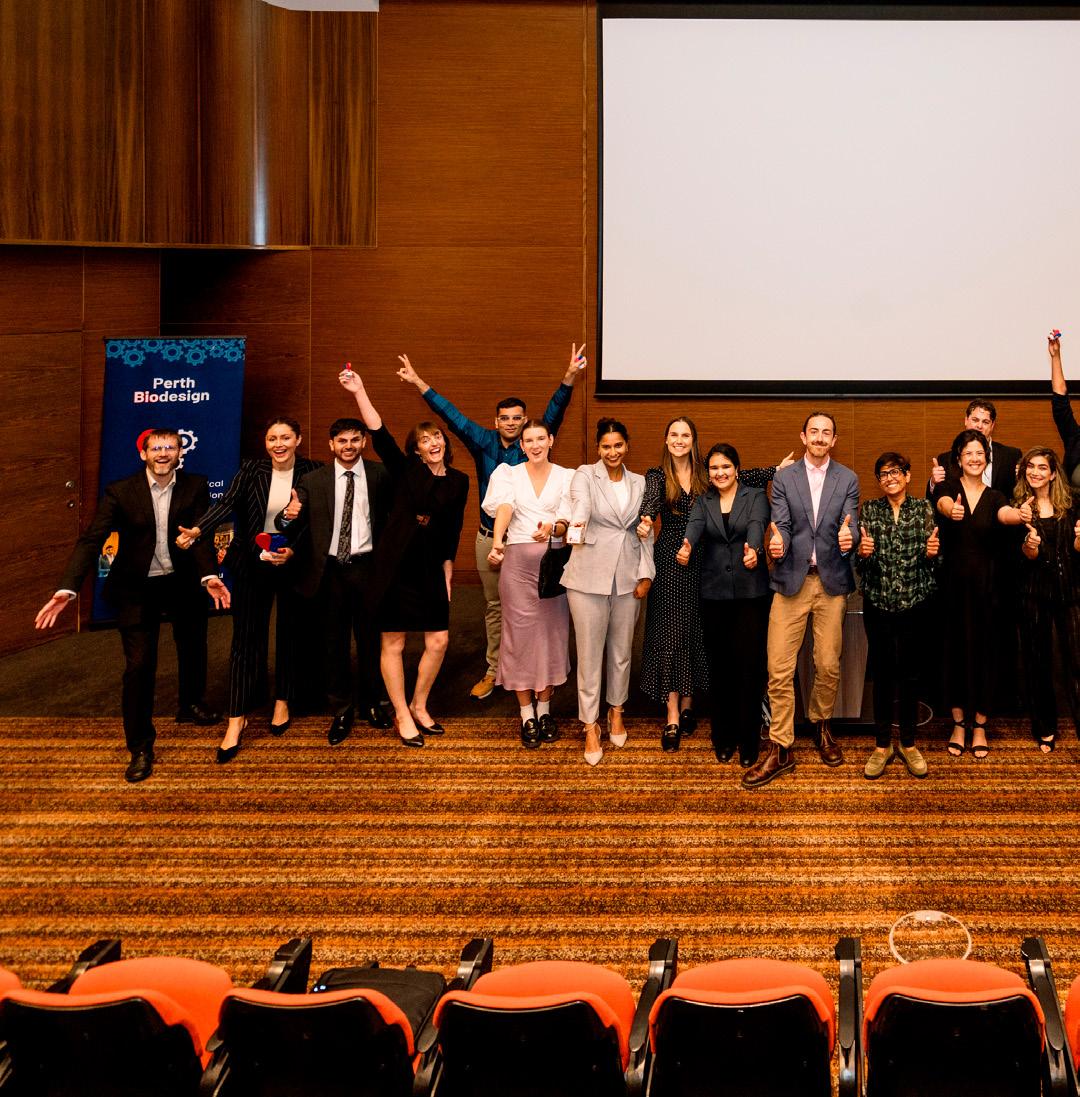
The Flagship Program is a 7-month part-time course in which teams of engineers (including software engineers), clinicians, researchers and business professionals find unmet clinical needs and create a medical technology or digital health solution. Participants are trained in the Biodesign methodology while carrying out real R&D with potential to lead to formation of a company and medical product.
The industry and PhD Research Engagement Program (iPREP) won the 2024 Australian Council of Graduate Research Award for Excellence in Promoting Industry Engagement in Graduate Research. Multidisciplinary
teams of PhD students are selected based on their complementary skill sets to work on an industry partner’s research project for 3 months or 7 weeks. They are also provided with design thinking and career development training.
Since 2020, the number of universities involved has increased from 5 to 12. 14 rounds have placed 199 students on 77 projects with 40 industry partners. 12 repeating partners (30%) account for 49 projects (64%). 24 students have been offered employment (by 14 companies), that’s 31% of the industry projects resulting in a job offer.
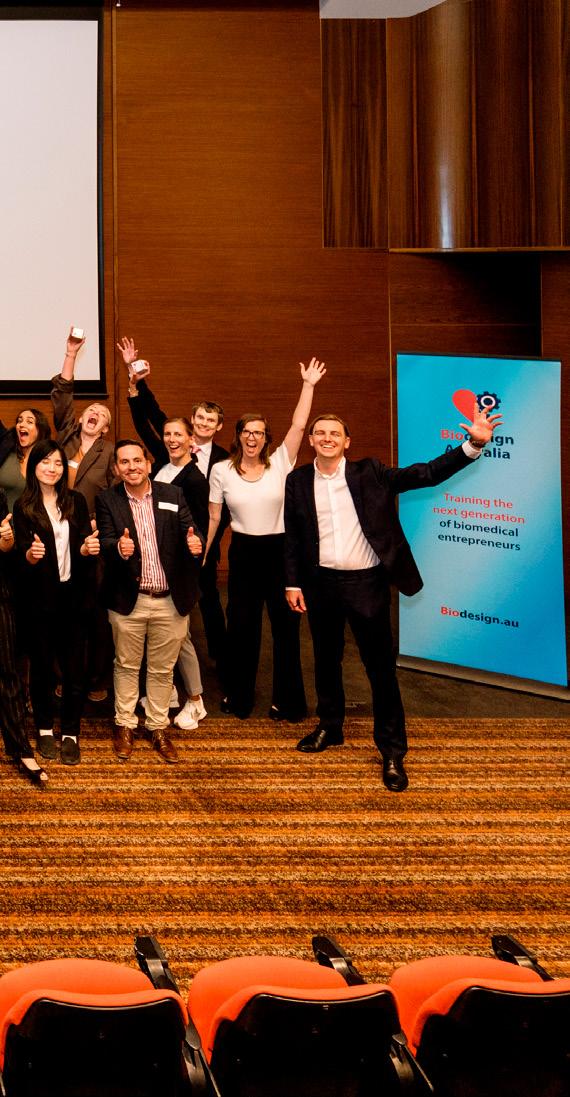
Perth Biodesign also runs 2-day hands-on intensive workshops for aspiring innovators, the Biodesign NEXT 6-month incubator for emerging Biodesign technologies, and the Biodesign Capstone of the UWA biomedical engineering degrees featuring 2 semesters of experiential learning. Across the whole portfolio, Perth Biodesign alumni now exceed 900. They have created over 45 technologies and founded 17 companies, 70% of which are still active having raised tens of millions of dollars collectively. And founding companies is just part of the impact, with alumni taking their skills and thriving in research organisations, health service providers and
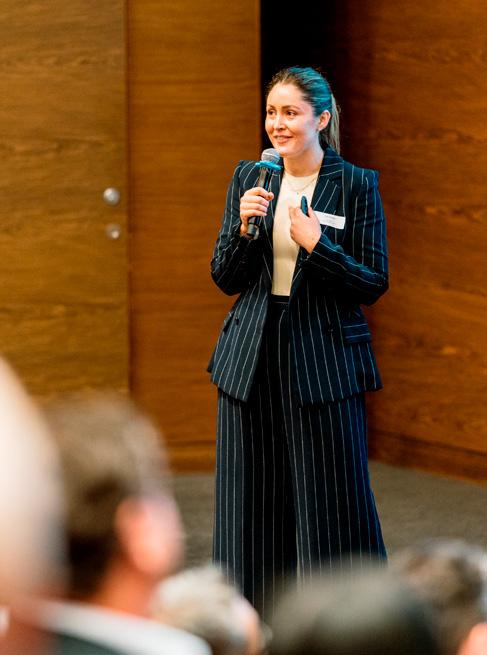
Laurence (Lola) Malloch giving the winning Perth Biodesign 2025 presentation
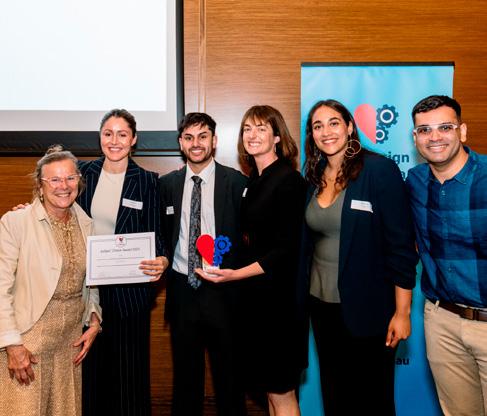
Winners of the Perth Biodesign Judge’s Choice Award 2025
companies large and small throughout the biomedical and health research and innovation ecosystem.
Author: Professor Kevin Pfleger is Director of Biomedical and Health Innovation at The University of Western Australia (UWA) and WA Life Sciences Innovation Hub. He is also Chair of Perth Biodesign and Biodesign Australia, as well as leading the Springboard Medical Manufacturing Alliance on behalf of UWA.
How a collaborative seed grant opened the door to NHMRC success
Erik de Wit | Translational Research Institute
Queensland’s medical research environment is evolving rapidly into a maturing biomedical innovation ecosystem. Since its inception in 2012, Brisbane’s Translational Research Institute (TRI) has been a key part of this evolving innovation hub.
TRI has a commitment to building researcher capacity and increasing their likelihood of securing highly competitive federal grant funding, providing access to specialised Core Facilities, expert technical support, and collaborative networks spanning academic, clinical, industry, and consumer partners.
TRI-based researchers at all stages of their career can access a range of initiatives, grants and programs to strengthen their proof-of-concept data, enable them to travel and present at conferences, learn entrepreneurial skills and build partnerships with researchers, clinicians and industry.
Since 2015, TRI has awarded 40 research grants worth more than $2.8 million. One such grant supported a novel research project develop into a collaboration involving six research teams, testing promising therapeutic candidates on tumours in the laboratory. The project has since attracted National Health and Medical Research Council (NHMRC) funding to advance research in metastatic bone cancer.
From discovery to national funding
In 2021, TRI-based researcher Dr Lisa Philp from QUT and Dr Philip Rowell from the Princess Alexandra Hospital Orthopaedics Unit successfully secured a TRI Leading Innovations through New Collaborations (LINC) Grant. The dedicated funding fosters new translational research collaborations between early to mid-career researchers and clinicians.
The grant enabled them to strengthen proof-of-concept data and preliminary results, which led to further funding and can ultimately lead to improved clinical outcomes.
Dr Philp says the LINC grant enabled them to achieve more than they could have accomplished independently.
‘We were able to take blood and tissue samples from patients with metastatic bone cancer, grow organoids in a dish and study them,’ she says.
Organoids are small 3D cell structures that accurately mimic the functions and processes of the human body –in this case, human tumours.
‘This helped us improve our understanding of the biology and underlying mechanisms that cause and progress advanced cancers. We then tested our promising therapeutic candidates on the tumour organoids.
‘The results we obtained from the LINC-funded research project gave us proof of concept, showing that one of the promising therapeutic candidates is clearly effective against the cancer.
‘The results helped us to secure NHMRC funding in 2025, which means we can continue our research.’The NHMRC project will concentrate on treatment-resistant prostate cancer, with a focus on finding less invasive therapeutic options for weak patients who have already undergone long and aggressive therapies.
‘It’s an exciting area of research – and an important one. Mortality rates are high, and the quality of life for people is significantly impacted.
‘It all started with a LINC grant in 2021.’
TRI support TRI initiatives support researchers to achieve in the laboratory, innovate, translate and collaborate. The initiatives are enabled through grants and partnerships. Among them are:
TRI Translation Fellowships: providing TRI-based postgraduate researchers with six months of translation coaching to further a translational project, as well as funding for professional development training.
PA Research Foundation/TRI Collaborative Microgrant: supporting short-term research projects with a bench-to-bedside focus, involving TRI-based researchers and clinicians who are new to research.
LINC Grant : providing funding for a collaboration between a researcher and a clinician for two years to develop a novel, collaborative research project focused on meeting a clinical need as well as obtaining preliminary proof-of-concept data.
TRI Foundation Travel Sponsorship Awards: enabling TRI-based PhD candidates and early-career researchers to travel nationally and internationally as part of their career development, such as for attending or presenting at conferences, networking and visiting research teams at other institutes.
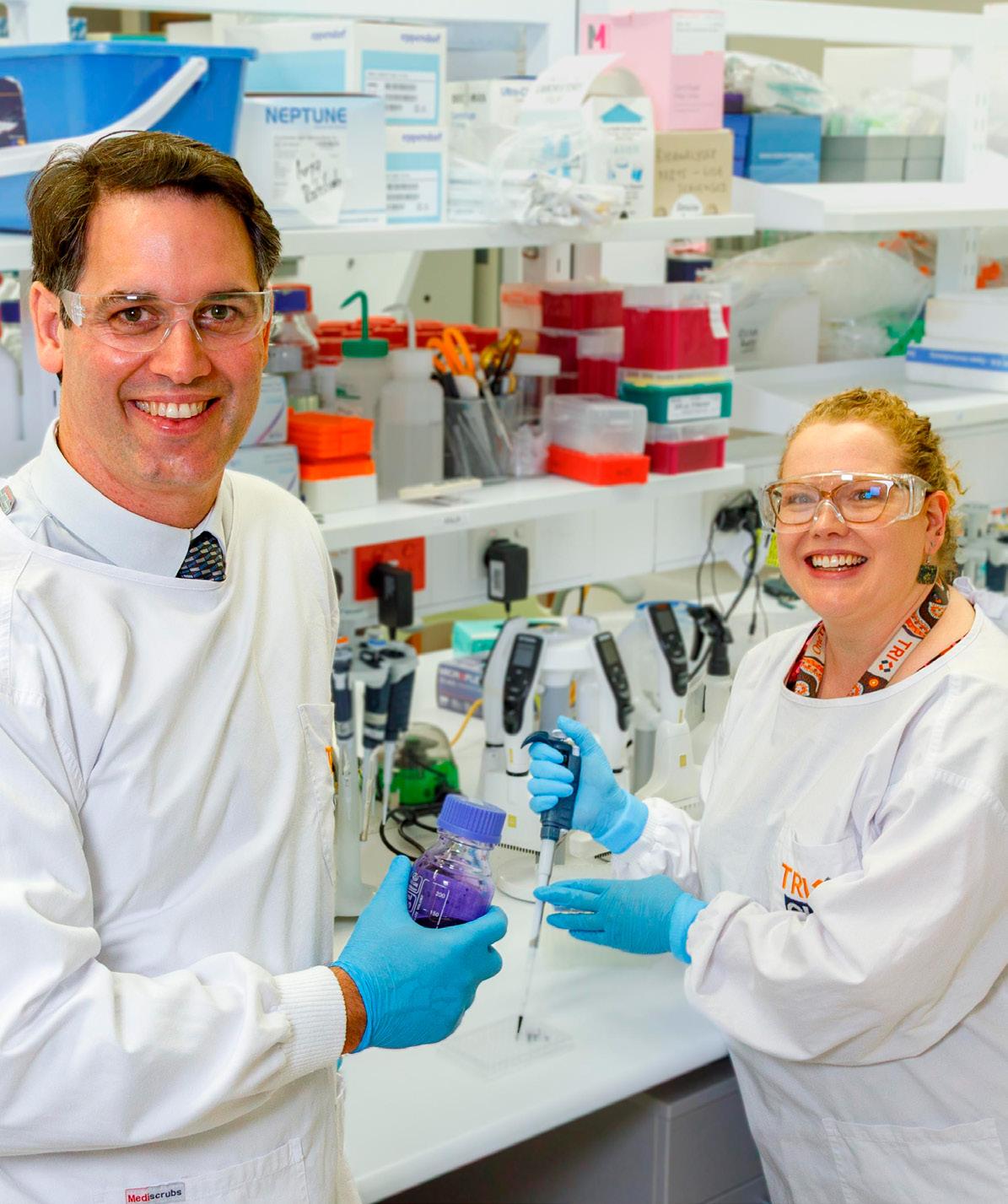
Translational Research Institute support has underpinned a collaboration between QUT’s Dr Lisa Philp and clinical collaborator Dr Philip Rowell from the Princess Alexandra Hospital.
Author: Erik de Wit, Social Media and Communications Coordinator, Translational Research Institute.
Establishing research environments that systematically prioritise psychosocial wellbeing is no longer aspirational—it is an institutional imperative for Australian research organisations willing to sustain their health and medical research workforce.
Dr Renee Fiolet | Deakin University
Australian health and medical research excellence relies on a workforce that can undertake rigorous and ethical research to inform society. Central to being able to maintain sustainability of this workforce is ensuring their health and wellbeing at work.
Traditionally, workplace efforts to protect psychosocial safety in the workplace have focused on issues such as job security and fatigue. However, to date, there has been little focus on secondary stress and vicarious trauma researchers are exposed to in their work.
Our recent study with researchers from across Australia demonstrates that many experience substantial distress in their research, and perceive themselves to be illprepared for the work they do. Working in sensitive-topic areas such as chronic disease, violence and neglect, addiction, incarceration and the dying process can be emotionally exhausting, and the researchers we spoke with did not feel adequately prepared - or supported - to manage its impact. Researchers from across our land express disappointment in their workplaces for failing to acknowledge the problem of research-related distress and vicarious trauma.
Whilst this issue has persisted over decades, institutional responses have historically positioned it as a matter of individual researcher responsibility. This framing reflects an assumption that researchers, having voluntarily entered their field, bear sole accountability for managing associated difficulties. Such positioning diverts our focus from examining systemic issues, and instead places the onus on individual coping mechanisms, suggesting that professional competence necessarily includes immunity to, or management of, distress.
However, the new psychosocial wellbeing guidelines being introduced across our country point to something researchers already knew: research organisations have a role to play in the prevention and response to research related distress. In fact, according to the Australian Work Health and Safety (managing Psychosocial Hazards at Work) Code of Practice (2024), workplaces must “identify and implement control measures that eliminate or minimise the risks in your workplace, so far as is reasonably practicable.” The Code specifically identifies exposure to traumatic events and material, stating “this includes vicarious trauma and cumulative exposure”


The Australian University Census on Staff Wellbeing (2025) already shows a sector in crisis with 82 percent of survey respondents reporting high to very high levels of emotional exhaustion, a finding that demands immediate response. However, the crisis is compounded by several factors that suggest the current academic climate may be about to take a further nose-dive.
First, regulatory and funding imperatives increasingly mandate the integration of people with lived experience throughout the research lifecycle. Whilst this paradigm shift represents a genuine epistemological and ethical advance, universities have responded with insufficient preparation. The employment of lived experience researchers, whilst generating invaluable insights, has proceeded without corresponding investment in traumainformed supervision or psychosocial infrastructure. Critically, many research teams lack even baseline expertise in trauma-responsive practice, there’s a mismatch between what funding bodies are asking for and what universities are equipped to provide.
Second, early-career and postgraduate researchers face compounded vulnerability. This cohort frequently
enters research environments with limited occupational experience and underdeveloped self-awareness regarding their own wellbeing needs. They lack both practical frameworks for managing research-related distress and the professional confidence to escalate concerns within hierarchical team structures. This asymmetry of power and knowledge renders them particularly susceptible to harm.
Research organisations bear demonstrable responsibility for mitigating unnecessary and cumulative exposure to traumatic content—a duty that extends beyond individual researcher resilience. Further, this responsibility should be distributed across multiple institutional actors. Funding bodies occupy a strategic position to embed psychosocial safeguarding requirements within grant conditions. Ethics review committees must extend their purview beyond methodological rigour to encompass researcher welfare frameworks. Supervisors require professional development in trauma-informed mentoring practices. Research organisations themselves must systematically evaluate their protective infrastructure.

Whilst our findings document the considerable selfdirected efforts Australian researchers undertake to maintain wellbeing—including structured exercise regimens, therapeutic intervention, and peer support mechanisms—these individual strategies represent a form of privatised risk management. The prevention and mitigation of secondary stress and vicarious trauma cannot ethically or practically remain the sole responsibility of researchers themselves. To position wellbeing maintenance as an individual obligation fundamentally misallocates institutional accountability and obscures the structural factors that generate harm.
Encouragingly, the evidence base provides clear guidance regarding institutional interventions to enhance researcher wellbeing; implementing such measures does not require substantial resource reallocation or methodological innovation. It begins with a discussion about researcher wellbeing needs.
Through participatory co-design methodology, we engaged Australian researchers as knowledge partners to identify, design and develop some simple resources that can be used by individual researchers.
To complement these, we also developed resources for research organisations, supervisors, ethical review committees and funding bodies to use in their efforts to support our next generation of researchers.
Collective action across funding bodies, ethics frameworks, supervisory relationships, and organisational policy is not merely beneficial—it is institutionally imperative and needs to happen now.
Author: Dr
Renee Fiolet, Executive Dean
Strategic Research Fellow, Centre for Quality and Patient Safety Research, Institute for Health Transformation, Faculty of Health at Deakin University and Honorary Fellow, Department of Primary Care and General Practice, Faculty of MDHS at University of Melbourne.
Intensive Care Unit (ICU) nurses face relentless pressure, but much of their stress goes unnoticed.
Dr. Mohammad Saiedur Rahaman, Dr. Tahera Hossain, Dr. Shintaro Oyama and Professor Takuro Yonezawa | Central Queensland University
Acollaborative study using wearable devices and AI tracks physiological signals of ICU nurses while they performed regular surgical care activities, revealing hidden stress patterns and offering practical insights to improve nurse wellbeing, resilience, and patient safety.
Behind the Scenes in the ICU
Nurses working in ICU operate in environments where every second counts. Physical demands, cognitive load, and emotional pressures intertwine to create intense daily stress — stress that often goes unrecognized, even by the nurses themselves. Left unchecked, this strain can impact nurse well-being, patient care quality, and overall safety.
Understanding stress in such high-stakes environments is challenging. Each nurse responds differently to workload, and the complexity of ICU workflows makes it difficult to capture stress accurately. To tackle this, a collaboration between Nagoya University and CQUniversity, with trials at Nagoya University Hospital in Japan, explored how wearable devices and AI can measure stress in real time during ICU activities.
The study employed two wearable devices: a wrist-worn EmbracePlus and a consumer-grade EEG headband. These devices captured physiological signals including heart rate variability, electrodermal activity, and brain activity as nurses performed common ICU tasks such as patient transfers, position changes, suctioning, diaper
changes, and urine measurements.
Alongside physiological monitoring, nurses reported their perceived stress using validated questionnaires. By synchronizing sensor data with self-reported stress, researchers could analyze how different ICU activities affected stress levels.
The findings were revealing. Physically demanding tasks like patient transfers and position changes were consistently associated with elevated heart rate variability and higher self-reported stress, while procedural tasks like suctioning showed lower variability. This alignment between objective and subjective data confirmed that wearable sensors could reliably capture activity-specific stress in real-world ICU scenarios.
To translate these physiological signals into actionable insights, the team developed machine learning models to recognize stress patterns. By combining sensor data with information about the type of nursing activity, the models achieved >80% accuracy in distinguishing highstress versus low-stress states.
These results suggest that AI-powered wearable monitoring can not only detect stress but also account for the context of nursing activities, enabling more precise and personalized insights.
This research demonstrates the potential of technology to support ICU nurses in managing their well-being. Real-
time monitoring could alert nurses and supervisors when stress peaks, allowing timely interventions such as short breaks, workload adjustments, or targeted support. By understanding which activities trigger the highest stress, hospitals can rethink staffing schedules, task assignments, and training programs to reduce strain. Ultimately, this could strengthen nurse resilience, improve patient safety, and make critical care environments more sustainable for staff who work under constant pressure.
The study is a step toward continuous, unobtrusive stress monitoring in clinical environments. Future work aims to expand the dataset across more nurses and ICU settings, integrate cognitive load monitoring via EEG devices, and explore real-time deployment of stress recognition models.
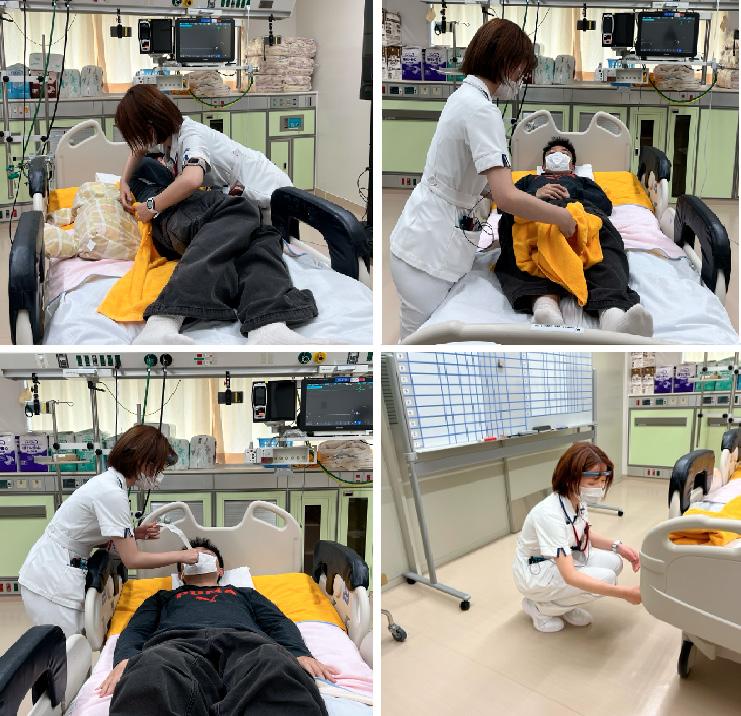
Nurses at Nagoya University Hospital wearing wearable devices and performing ICU tasks, enabling real-time insights into well-being and workload.
Such innovations promise a future where technology not only observes stress but actively supports nurses in highpressure healthcare environments, helping them stay healthy while ensuring the best possible care for patients.
Authors: Dr. Mohammad Saiedur Rahaman is a Lecturer of Data Science & AI at the College of ICT, CQUniversity, Australia.
Dr. Tahera Hossain is the lead researcher and a Research Assistant Professor at Nagoya University, Japan
Dr. Shintaro Oyama, Nagoya University Hospital, Japan
Professor Takuro Yonezawa, Nagoya University, Japan is the Project Lead and Chief Investigator
‘Health Equity’ permeates through so many of our national policy frameworks.
Dr Talia Avrahamzon and Max Chester | Research Australia
Yet, in order to achieve health equity, we must focus on research equity. This is only possible when the health and medical research and innovation workforce reflects the diversity of Australia.
It is well established that a diverse workforce inclusive of marginalised population groups brings innovation, broader perspectives, lived experiences, and cultural understanding, while strengthening research quality, processes, outputs, and ensuring that priorities and outcomes, including healthcare, are responsive and equitable.
Because of this, equity in workforce is a priority for Research Australia.
Australia has an immense breadth of talent across its diverse population – an important national strength with the potential to drive world-leading health and medical research and innovation. However, this potential remains underutilised due to entrenched structural and systemic barriers and cultural biases that limit equitable access to research careers and leadership roles across the entire education and workforce pipeline. Workforce planning must better recognise the distinct and intersecting factors contributing to underrepresentation across priority population groups. This includes Aboriginal and Torres Strait Islander peoples, regional, rural and remote communities, culturally and linguistically diverse (CALD) communities, LGBTIQA+ people, people with disability, and those from low socioeconomic backgrounds. Yet
for many, overlapping forms of discrimination based on gender, race and ethnicity, disability, sexuality, socioeconomic status, and geographic location, compound barriers to entry, progression, and retention.
The issue is not a lack of capability within underrepresented groups, but rather institutional practices, policies and norms that privilege certain pathways, networks, and perspectives. Addressing these structural and intersectional barriers is critical.
In Research Australia’s Policy Discussion Paper Workforce – Looking Ahead: Shaping the Research Workforce for Tomorrow, we highlight that despite the multitude of workforce strategies within and across the ecosystem at a national, jurisdictional and local level, there is no dedicated health and medical research and innovation workforce strategy. While this is documented in the National Health and Medical Research Strategy, currently with government, any workforce strategy should elevate equity and leverage existing workforce priorities and frameworks, such as the Closing the Gap National Agreement and Australia’s Disability Strategy, alongside gender-responsive budgeting.
Furthermore, one of the biggest challenges is available data on the health and medical research and innovation workforce, which is currently deeply fragmented and incomplete, limiting the ability to assess capacity, skills gaps, and future needs – especially for priority populations. What we do know by drawing on broader datasets is that there are persistent inequities in our

workforce. For example, Aboriginal and Torres Strait Islander people represent just 0.4% of STEM teaching and research staff at universities, compared to 3.2% of the Australian population. In addition, 52% of the health and medical research workforce are women, they account for only 25% of the most senior positions, and only 13% of the health and medical research workforce is based in regional, rural, remote and very remote areas – despite 30% of the population living outside major cities.
As part of a workforce strategy, government needs to prioritise high-quality, comprehensive data collection on the health and medical research and innovation workforce, including priority populations. This data should inform robust, evidence led diversity, equity, and inclusion monitoring frameworks to strengthen accountability. At the same time, the MRFF and NHMRC should accelerate a system-wide approach to increasing representation of all priority populations across grant applications, funding allocations, and leadership roles. Recent reforms, such as dedicated gender equity approaches to the NHMRC grants processes demonstrate that targeted interventions can drive progress.
Despite the need for better data, we acknowledge that individuals may be reluctant to disclose identity if workplaces are not culturally safe and inclusive. This is why addressing equity requires a whole-of-system approach at multiple levels, including across leadership and organisational values; governance structures, policies, and procedures; recruitment, retention, and progression practices; workforce-wide responsibility for cultural safety and inclusion; and ensuring equity is embedded through research design and implementation (similar to the requirements in the Statement on Sex, Gender, Variations of Sex Characteristics and Sexual Orientation in Health and Medical Research).
Research Australia continues to highlight workforce equity throughout our policy and advocacy work – such as in our Regional, Rural, Remote and Very Remote and Workforce policy discussion papers, and submissions to the National Health and Medical Research Strategy and Productivity Agenda, to name a few. Research Australia is also proud to be part of the solution, such as through the development of the Shaping the Future of Australian
Women’s Health Research - A Roadmap for systems reform to drive better health outcomes and the Future Health Leaders Program. The recommendations set out in these reports chart practical ways to overcome the systemic barriers holding back a thriving, wellsupported, and equitable research and innovation workforce.
Collectively, some of our recommendations include:
• Establish a ‘mandatory’, sector-wide Institutional Accreditation Scheme linked to public funding (NHMRC/MRFF/ARC).
• Prioritise high-quality data collection which captures priority populations within the health and medical research and innovation workforce.
• MRFF and NHMRC should expedite a systems-wide approach to increasing representation of priority populations across grant applications, funding allocations, and chief investigator appointments.
• Leverage other workforce and employment strategies, such as gender responsive budgeting, Closing the Gap and Australia’s Disability Strategy to address inequity within the sector, especially in research leadership positions.
A diverse, highly skilled, inclusive and culturally safe workforce is the connective tissue of Australia’s future health and medical research and innovation system. Realising diversity, equity and inclusion requires more than statements of intent; it demands attitudinal, behavioural and structural changes, coordination, and targeted investment to enable a more equitable workforce to thrive.
Equity is not just a moral obligation – it is the absolute foundation of research excellence. By dismantling structural discrimination, we unlock an asset that directly contributes to a healthier nation and a healthier, dynamic economy.
Authors: Max Chester, Policy Officer; Dr Talia Avrahamzon, Head of Policy, Projects & Advocacy, Research Australia.

Murdoch Children’s Research Institute (MCRI) is strengthening Australia’s research ecosystem by embedding equity into workplace culture, engaging with diverse families for rich, longitudinal studies and leaning on digital and software expertise to drive innovation.
In addition to achieving accreditation from the Science in Australia Gender Equity (SAGE) program, MCRI is embodying the values of courage, curiosity and integrity. MCRI also considers the intersectional nature of our community through GenV, which includes 120k+ participants from a range of backgrounds to answer pressing health questions.
Our global competitiveness is bolstered by original, cutting-edge software development that has led to, amongst other initiatives, a VR-Omics tool with incredible potential across genomics, stem cell medicine and rare disease research.
Creating shared language across research
While many look to the lab for innovation and futureproofing, MCRI goes further, focusing on how our workplace culture can encourage reflection, foster belonging and boost performance.
Back in 2023, MCRI Gender Equity, Diversity and Inclusion Manager Nicole Kleppe and her team developed a sevenyear action plan to transform the way we work. While the strategy centred around gaining Science in Australia Gender Equity (SAGE) Athena SWAN Bronze Institute Award accreditation, the framework also encompassed safety, accessibility and career development.
Athena Swan provides the only internationally recognised framework for gender equity, diversity and
inclusion. The Bronze Institute Award is provided to workplaces that establish a solid foundation, aimed at driving transformational change.
Staff at all levels were engaged in a co-design process, which acted as a first step. After feedback was taken in, MCRI’s three ‘core’ values were established – courage, curiosity and integrity. These pillars were also expanded into five behaviour statements.
“As part of our engagement with Athena Swan, we focused on naming the behaviours we wanted to champion, translating our values into something actionable that could positively impact workplace equity and individual performance,” Ms Kleppe said.
“We are part way through our seven-year plan and have successfully achieved Athena SWAN Bronze Institute Award accreditation, which is a massive achievement.”
Ms Kleppe said MCRI’s top-down system also worked to set gender pay gap targets in line with Workplace Gender Equality Agency obligations and SAGE Athena Swan commitments.
Longitudinal studies truly representing Australia GenV (Generation Victoria) is gaining traction as Australia’s only statewide child and parent study, following health and wellbeing of over 120,000 participants from numerous cultural and geographic backgrounds in every Victorian community.
GenV brings together data from government and community services and families themselves, including biological samples like saliva and breast milk. It was designed to be large scale and highly representative.
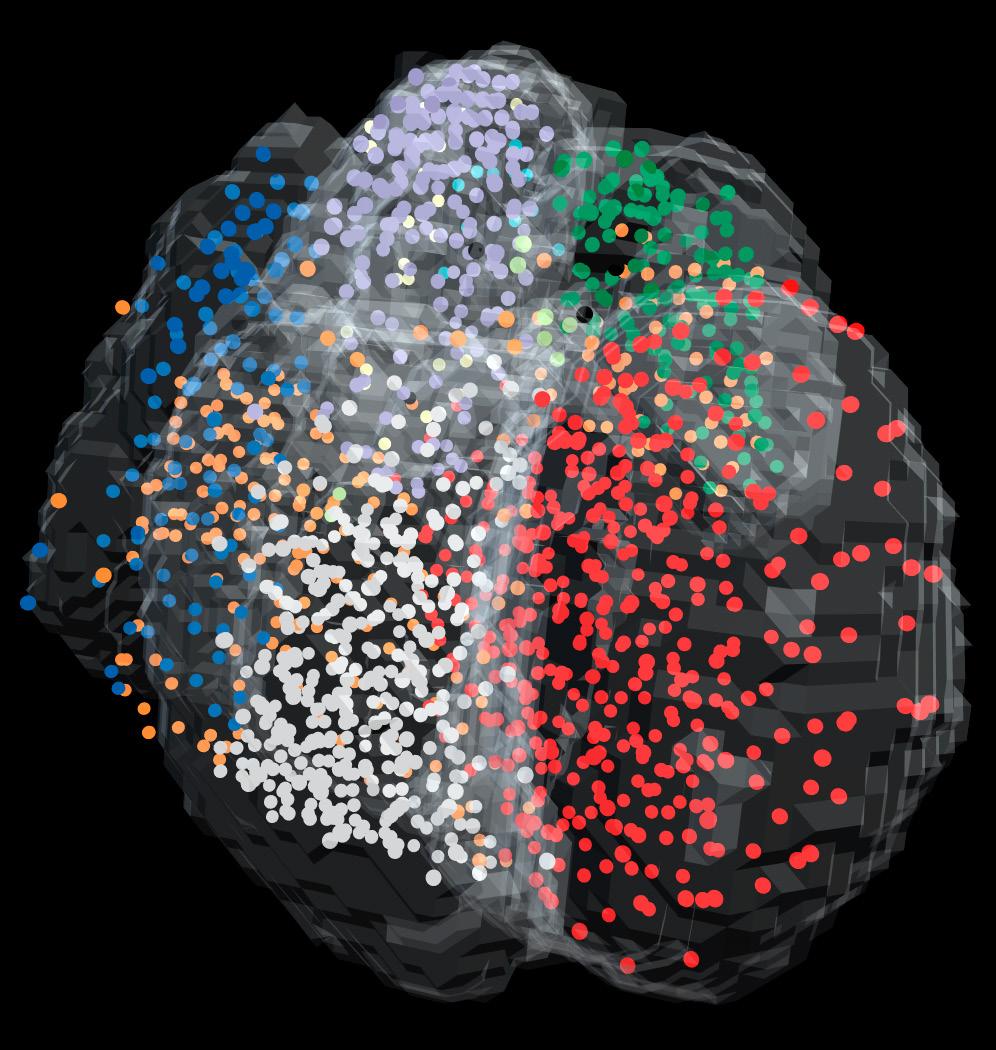
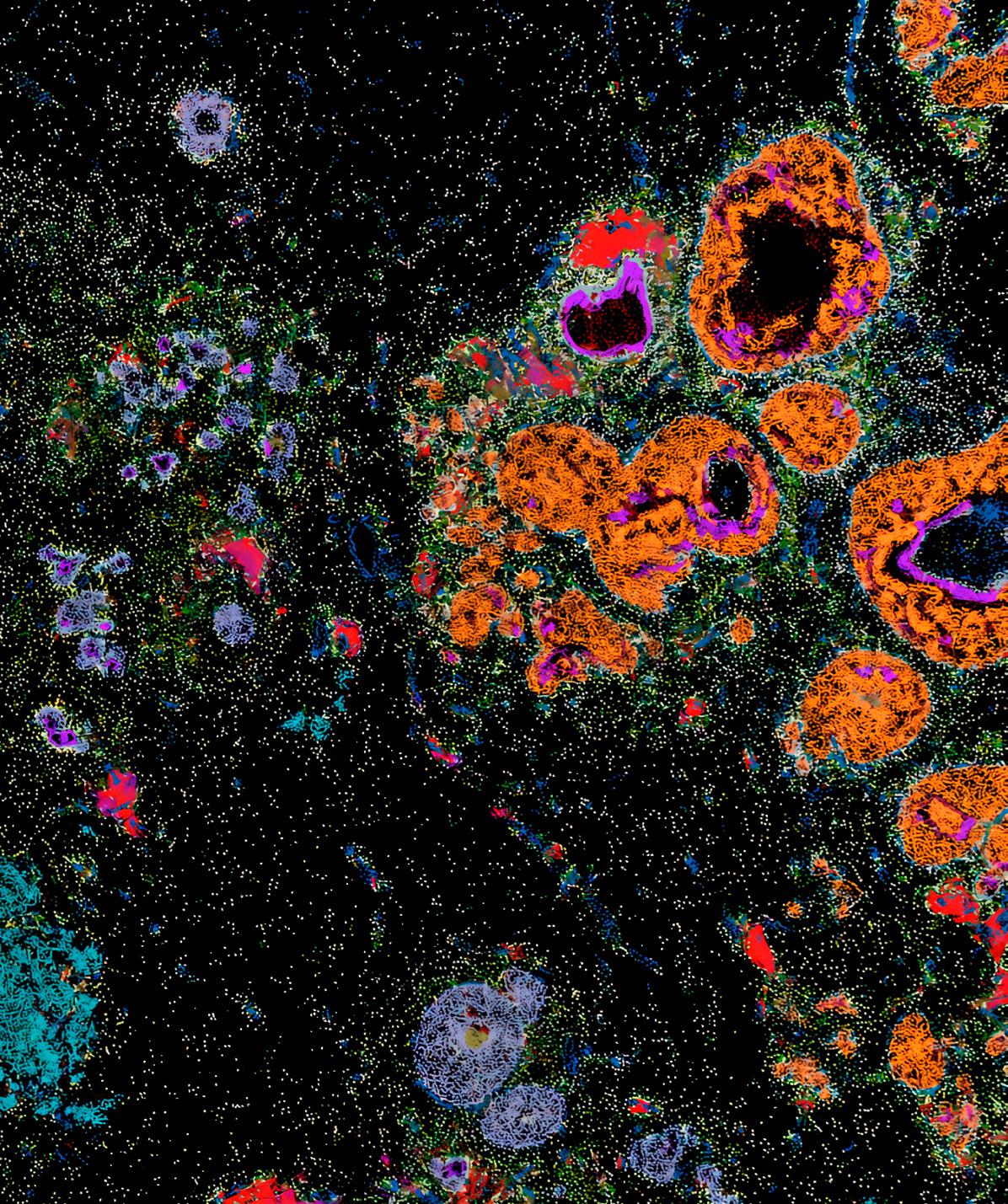
3D reconstruction of a multi-slice dataset from the developing human heart at 6 days post coitum. Each point represents a sampled cell or spatial location, with colors indicating distinct data-driven clusters.
“Families are at the heart of GenV, so whenever we engage with parents or carers we want them to have a positive experience, regardless of whether they join or not,” she said. “Our 150 staff, some multilingual themselves, travelled to 58 maternity hospitals across Victoria, where GenV was embedded. We enrolled babies born between October 2021 and October 2023 and their parents, supported by interpreters and community to be more inclusive.”
GenV represents a diverse Australia, with a quarter speaking a language other than English at home and 23 per cent living in regional or rural communities.
GenV Cohort Lead Alisha Gulenc said GenV recruitment was built on inclusion, empathy and collaboration.
“GenV now has a wealth of secure data, enabling researchers to understanding children and parents across different stages of life, identifying who may be falling behind and, importantly, trial which interventions help most,” Ms Gulenc said.
“GenV is also collaborating with ORIGINS at The Kids Research Institute Australia to create Generation Australia, reaching 60,000 families and expanding the capacity of world-first research projects.”
Advanced original software breaking down barriers Creating a healthier world is not just done in the field or clinic, but through clever programming. VR-Omics technology, designed and developed at MCRI, brings together data from genomics, stem cell medicine and rare disease research and visualises it in 3D space using virtual reality.
MCRI Software Engineer Denis Bienroth designed a system that could jointly visualise the physical structure of a child’s developing heart and its genetic code in individual cells. He said the technique shed light on how cardiac rhabdomyoma, the most common heart tumour in children, formed and changed.
“I saw enormous amounts of valuable data generated by researchers in different fields but with no real way of joining it together in one place,” he said. “Our aim with VR-Omics was to create a platform where researchers could visualise and explore tissues, organs and underlying genetic data in a 3D space. Using this approach, we identified previously unrecognised patterns of gene activity within heart tumour cells, which could help explain how they grow.”
Researchers from MCRI’s Heart Group collaborated in the recent study alongside the University of Konstanz, University of Melbourne , Adelaide University and Monash University
“As a software engineer, it’s been very exciting to join forces with an international team, and collaborating with bioinformaticians, biologists, immersive analysts, stem cell and genomics experts at MCRI to develop a platform that’s already gaining international attention and may help us understand a range of specific, rare diseases in ways not previously available,” Mr Bienroth said.
The different cell clusters annotated on a Xenium breast cancer dataset , with each colour displaying a different cell type

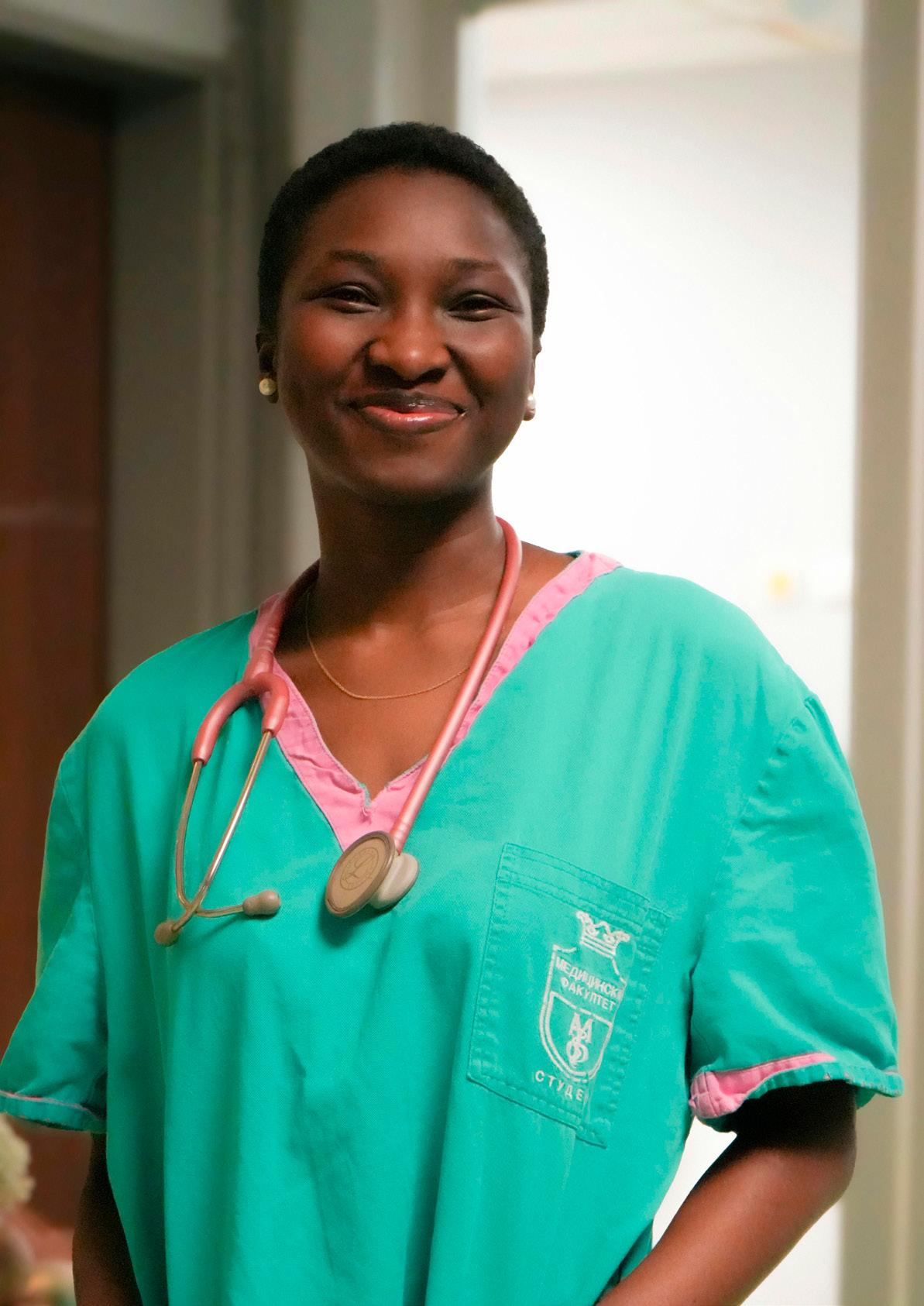
Dr Adeniyi Adeleye, Associate Professor Adele Baldwin
Australia’s ongoing nursing shortage has increased reliance on internationally qualified nurses (IQNs) in maintaining clinical services across contexts, including acute care facilities, agedcare settings, and community health.
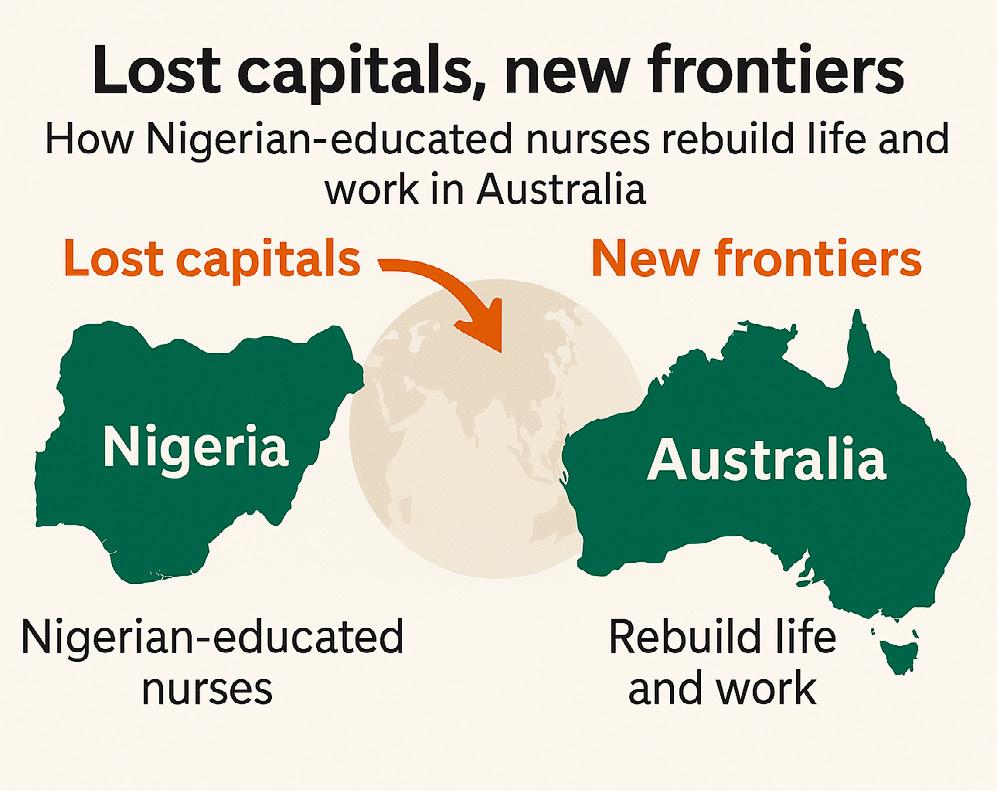
Yet while recruitment pipelines have expanded, the experiences of minority immigrant nurses—particularly those from African backgrounds—are rarely the centre of discussions. This study draws on in-depth interviews with Nigerian-educated nurses (NENs) working across Australian healthcare settings, identifying the factors that shape the transition to practice in Australia. The findings highlight the challenges of professional and cultural adjustment while also suggesting that involving NENs and other IQNs as research partners could deepen understanding of the current and future health workforce and promote greater inclusion.
“The more the resources are available for the individual, the more the formal and the informal support—or formal support that is well structured and well organised—the better would be the outcome both for the candidates and for the institution.” (Okonkwo)
For many NENs, joining Australian practice is not just procedural—it disrupts their professional sense of self. Despite advanced skills and leadership experience, these strengths do not translate smoothly into the Australian context.
Nurses experienced their professional identities as temporarily suspended. Their qualifications and experience were rigorously assessed, often leaving them undervalued. This resulted in a profound loss of professional standing, requiring significant emotional and cognitive effort to regain legitimacy.
This dislocation is more than skills mismatch; it requires grasping the implicit expectations of Australian nursing. Mastering new documentation standards, technologies, and communication methods meant letting go of old habits. Participants recognised Australian practice demands greater assertiveness and interprofessional collaboration.
Cultural adaptation emerged as one of the most complex layers of the transition experience. Beyond clinical practice, NENs navigated:
• New communication norms – including expectations around directness, negotiation, and collaborative decisionmaking.
• Team dynamics – such as hierarchies and differing attitudes toward leadership.
• Social cues – including humour, informal interactions, and approaches to conflict or feedback.
These cultural elements shaped nurses’ daily experiences more than they expected. Participants said understanding when and how to speak -and how colleagues interpret speech - required careful observation. Several described their first attempts at communication as misinterpreted: too quiet, too passive, too formal, or too indirect. Over time, they adjusted their language and interpersonal styles to fit Australian workplace culture.
A key theme from the interviews was the need to rebuild various forms of professional capital:
Institutional Capital
Participants needed to prove themselves within a new healthcare structure. Registration, learning local policies, and demonstrating competence were essential to regain authority.
In a new country, participants built new networks— colleagues, mentors, peer groups, and support systems. These networks reduced isolation and aided learning.
NENs worked to show expertise, earn trust, and regain the credibility they had in Nigeria. Many did so by performing consistently, staying open to learning, and engaging positively with teams.
This rebuilding process was both challenging and transformative. While participants felt frustrated by having to start again, they recognised that this journey broadened their skills and professional perspectives.
NENs showed resilience and adaptability during transition. Participants used strategies such as:
• Seeking informal mentors to navigate unwritten workplace expectations.
• Shadowing experienced colleagues to internalise workflow and communication patterns.
• Studying policies and digital systems outside work hours to improve learning.
• Building crosscultural peer networks for support, reflection, and encouragement.
• Engaging in selfreflection to reconcile Nigerian and Australian professional values.
Most transition programs focus on technical competencies, but immigrant nurses also need support navigating cultural norms, identity reconstruction, and workplace expectations.
A key finding of this study is that transition programs do not fully support immigrant nurse adaptation. While participants valued structured learning and orientation, they noted several important gaps:
• Limited attention to cultural integration and communication differences
• Absence of structured psychological or emotional support
• Lack of spaces to discuss identity adjustments and professional loss
• Insufficient recognition of prior experience and expertise

• Minimal mentorship tailored to minority immigrant nurses
Participants said more inclusive and culturally responsive transition programs would build confidence, speed adjustment, and help retain nurses.
The transition of NENs into Australian practice blends loss, learning, resilience, and identity reconstruction. Their narratives captured in this study highlight the complexities of professional immigration, and the rich contributions immigrant nurses bring to Australia’s health workforce.
As Australia relies more on IQNs, recognising the experiences of minority immigrant nurses is crucial. Strengthening transition programs, fostering supportive workplaces, and valuing these nurses’ expertise will help Australia build a more equitable and resilient nursing workforce.
A new Aboriginal Cadetship program at the Wesfarmers Centre of Vaccines and Infectious Diseases, based at The Kids Research Institute Australia is inspiring university students to consider a future in research.
The
Kids Research Institute Australia
How do we equip students with the knowledge, confidence and networks that enable them to unlock a future that has a positive flow-on effect for the next generation?
This is the question being answered through the inaugural Aboriginal Cadetship program currently underway at the Wesfarmers Centre of Vaccines and Infectious Diseases, based at The Kids Research Institute Australia.
Designed to support Aboriginal university students to gain meaningful research experience while continuing their studies and employment, the cadetship is a 12-month, one-day per week program where the students complete rotations within the Centre’s research teams.
Students have the opportunity to gain experience in a wide variety of projects across topics such as reducing the burden of skin infections, improving treatments for conditions like rheumatic heart disease and ear infections, and the development of new and improved vaccines for Strep A, meningococcal and whooping cough.
Mr Shaun Wright, Aboriginal Lead for the Wesfarmers Centre, said the cadetship grew from discussions around what could be done to build capacity within Aboriginal students and establish a pipeline of Aboriginal researchers at The Kids.
“Due to a myriad of factors, Aboriginal students often do not go on to further study, and if they do, they are disproportionately underrepresented in research degrees,” Mr Wright said.
“Through a paid cadetship program, we planned to attract students who are still undertaking coursework degrees and give them the opportunity to manage study and employment simultaneously in the hopes of inspiring them to consider a future in research.
“We are particularly interested in exploring capacity building and leadership in students who are undertaking a Medicine pathway – this is largely due to the impact that dual clinician researchers can have on the sector.
“Overall, the cadetship is based around agency – we know that when Aboriginal peoples are in control of their own future, they are the most engaged and motivated. This is the underlying principle of our program, and while we are here to support and guide, the cadets are left to take the reins and design a program that most excites them!”
Overwhelming demand
Launched in October 2025, the inaugural Aboriginal Cadetship proved very popular with potential participants, most likely due to the lack of similar opportunities on offer.
“We were initially intending on bringing on board two cadets, but due to the large volume and quality of applications, we were able to extend an invitation to four high calibre applicants,” Mr Wright said.
“Our first cohort includes students from a diverse range of study pathways, including two studying Medicine, one completing a Bachelor of Biological Sciences, and one in her final year of a Bachelor of Science (Psychology).


“They also bring on-the-job experience from previous roles in the police force, paramedicine and the Royal Australian Navy.
“The Wesfarmers Centre is very fortunate to have four outstanding cadets take part in the program – it has truly been a two-way learning experience where existing staff have also had the opportunity to gain knowledge from the students.”
Endless opportunities in research
Ms Amber Frankhuizen wasn’t sure if she was interested in a career in research, but taking part in the cadetship program has ignited a passion for children’s health.
A mum of one and Nyikina woman from the Kimberley region of Western Australia, Amber’s first six months in the program have opened her eyes to what research is all about and the endless opportunities available.
“For my first rotation I’ve been involved in a crosscollaboration between teams working on otitis media (middle ear infections) and ear health which has been incredibly fascinating,” Ms Frankhuizen said.
“I was even offered to work on a research paper investigating the prevalence of the pathogens causing
otitis media in Aboriginal children – it has now been submitted to the Medical Journal of Australia and, if published, I’ll be listed as a first author for the very first time.
“One of the best things about the cadetship is the flexibility - allowing me to combine parenting, studying and learning at the same time, and I’ve been able to harness many new skills, especially around leadership and presenting to an audience.
“I now have so many different avenues I can pursue - in the future I would like to obtain my Masters in Psychology, continue to develop my new skills in research and work alongside the Aboriginal communities I grew up in to help close the medical gap.”
The next round of the Wesfarmers Centre Aboriginal Cadetship program will begin in October 2026. Please contact The Kids Research Institute Australia for more information.
Author: Kids Research Institute Australia.

In 2024, Research Australia partnered with AbbVie to launch the Future Health Leaders (FHL) Program. Research Australia
The program, now in its third year, continues to support, inspire and empower young women in STEM by addressing barriers to women’s representation in the health and medical research workforce and leadership.
It is specifically designed to reduce obstacles in the transition from secondary to tertiary STEM study by introducing role models, showcasing the diverse careers in the sector, and inspiring engagement with STEM education.
To ensure diversity of experience, the program provides support for those who may face additional barriers to participation, including those experiencing financial hardship, those living in rural or remote areas, and those from cultural backgrounds that may be marginalised from progressing a career in STEM.
Past participants have reported not only developing meaningful connections with peers and with female leaders in the sector during the program’s Immersion Day in Canberra, but also elevated interest in health and medical research with a heightened inspiration to pursue a career in the field.
Applications for the 2026 Future Health Leaders Program are now open! Hear from two of our FHL Alumni about what inspired them to pursue a career in STEM and the life sciences, and about their experiences in the FHL Program.
By Meharpreet Kaur, 2024 Future Health Leader
When I sat down to complete my application for the Future Health Leaders Program, I remember asking myself, ‘what are the odds that I’ll be chosen as one of the twelve girls from Australia?’
After submitting my application in April, I completely forgot about it during the chaos of the VCE. In early July, I received an unexpected email… I had been selected as a 2024 Future Health Leader! Overwhelmed, I ran to my parents who responded excitedly, allowing me to finally grasp what had happened.
As the program approached, I couldn’t help but wonder why I had been chosen. Surely there were more capable girls who deserved the position more?
On the morning of the 21st of August 2024, all the candidates gathered in the hotel lobby with nerves floating around. As we started to get to know each other, our nerves melted away, and was replaced by excitement for the day ahead, which would involve panel discussions, observing PhD student’s labs, a tour of ANU’s campus, and a formal reception at Parliament House.
A highlight of the day was the panel discussion with Nadia Levin, Nathalie McNeil, Dr Alisha Anderson, Associate Professor Michelle Barrett and Sophie Scott. The inspiring panellists talked about their journeys, and the steps they took to help them
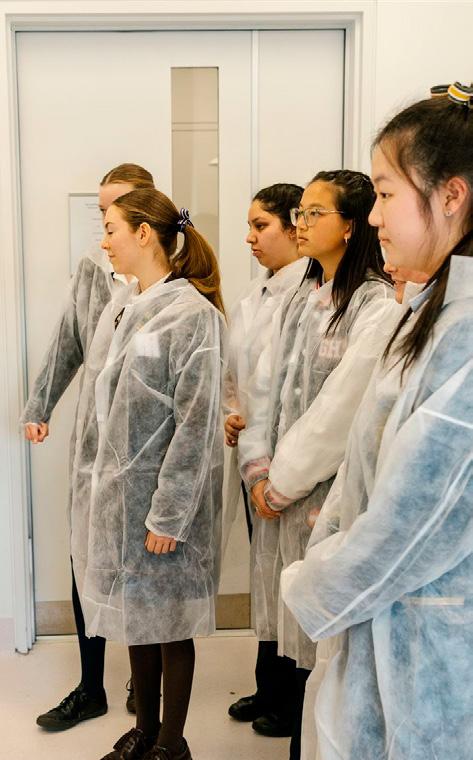
through those harder phases. Hearing from such successful women truly helped me feel more confident. I also loved meeting other like-minded girls who were so eager to make a difference in the STEM industry like me.
Following the day, we had opportunities to join virtual sessions with other inspiring leaders in the sector. In one, we heard from Professor Kate Drummond AM. I really connected with her and reached out to her via email, and she gave me the wonderful opportunity to undertake work experience with her in the neurosurgery department at the Royal Melbourne Hospital. I was so amazed by the hard work and discipline of everyone involved, and this encouraged me to work hard in my studies to be able to help others too one day.
As women, we often diminish our achievements and allow self-doubt to win. It might seem hard to step outside our comfort zones, but a new thing I’ve implemented in my life is asking, ‘what’s the worst that could happen?’. I could get rejected, and that would hurt, but what would hurt more is knowing that I didn’t apply because I feared the outcome. To bring about the growth we want and need in STEM, it starts with teaching young girls to believe in their capabilities, learn to accept their achievements and beat imposter syndrome.
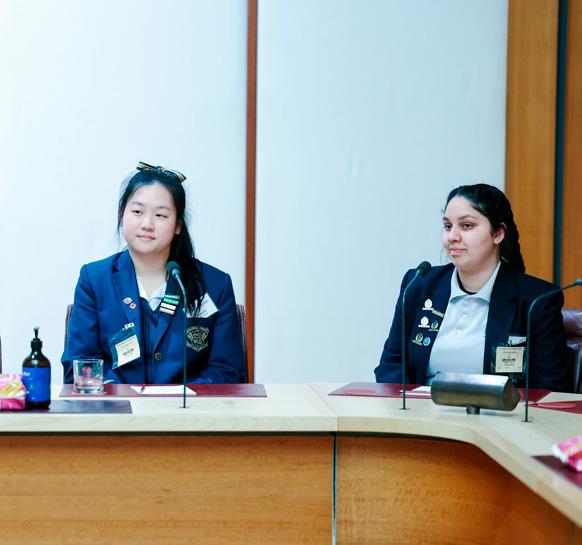
By Maggie Maynard, 2025 Future Health Leader
In 2025, 26.6% of Australians delayed or avoided seeing a GP due to cost or accessibility. Additionally, 45,000 people lacked local GP access and experienced 2.5 times higher rates of preventable hospitalisation than metropolitan residents. Residents of rural and remote Australia struggle to access healthcare and often must rely on emergency services, like the Royal Flying Doctor Service, which can take more than two hours to arrive. Access to healthcare for rural and remote populations is a growing concern that requires urgent attention.
Growing up in a rural area gave me unique insight into this issue. I grew up in the rural town of Hay, NSW, where my family lives on a farm. My first real experience with healthcare was when I was 3 years old, during the birth of my little brother. As we lacked access to a hospital suitable for the high-risk nature of the birth, we had to travel three hours to the nearest hospital with a Level 5 maternity service, Wagga Wagga hospital.
Only two months later, during Christmas time, he had a serious kidney infection and had to be
transported two hours away to the nearest major hospital in Griffith. Spending Christmas Eve in Griffith Hospital is one of my earliest childhood memories, though I did not fully understand the gravity of the situation at the time. Thankfully, my brother made a full recovery, and the incredible doctors and allied health professionals who helped my family during this difficult time motivated me to work in a rural area and one day provide the same care to rural and regional communities. I will never forget the dedicated healthcare workers from my rural area who set a standard I aim to live up to.
My experience in the Future Health Leaders Program helped open my eyes to the mass of opportunities out there for young women from rural backgrounds like me. Throughout the program, I engaged with like-minded peers and inspiring leaders, who all had such passion for their areas of work and were keen to share their experiences and pass on their wisdom to us. These experiences have shaped my perception of medicine and healthcare and motivate me to pursue these in the future to make a difference.
Applications for the 2026 Future Health Leaders Program close on 31 May 2026. Encourage the Future Health Leaders in your life to apply today!
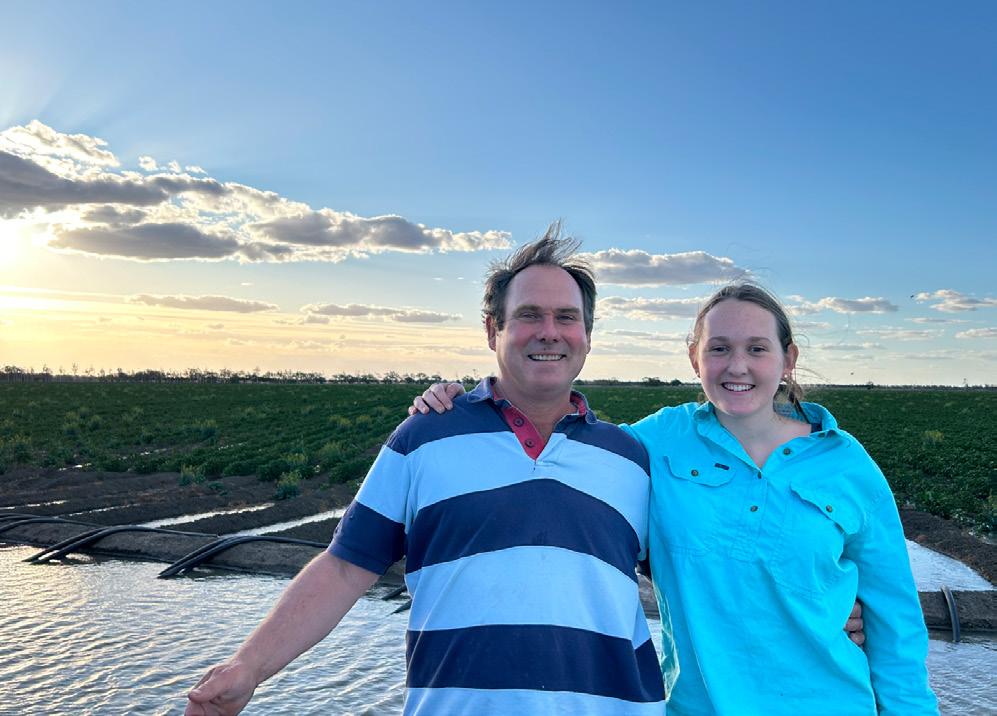

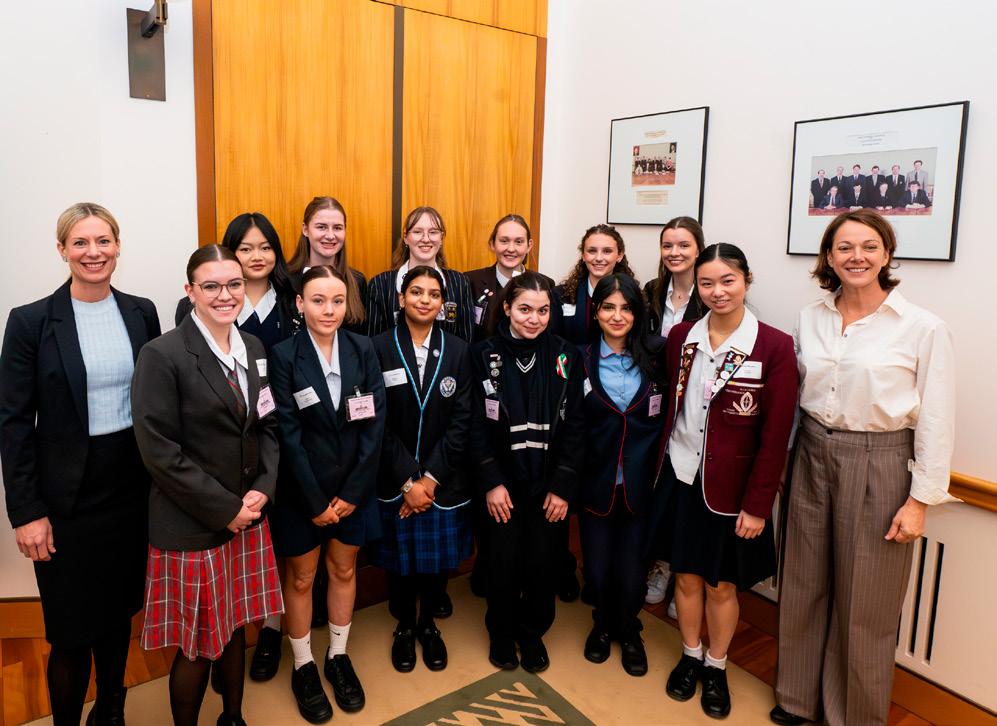
Building the next generation of clinical academic leaders
Professor Carol
Monash Partners 1 is a partnership of researchers, health professionals, consumers and the community that innovates for better health outcomes.
The Monash Partners Strategic Translation and Research (STAR) Clinician Fellowships represents a major investment in the future of the clinical academic workforce of the partner organisations. Developed to support early and mid-career clinician researchers, the program strengthens research capability, fosters interdisciplinary leadership, and provides clinician researchers with dedicated research time to develop the skills needed to translate evidence into better healthcare outcomes. At a time when health systems increasingly depend on innovation and evidence-based practice, initiatives like the STAR Fellowship play a vital role in supporting those who will lead this transformation in the future.
The STAR Fellowship program was developed in response to a recognised gap in support for clinicians who aspire to build research careers by addressing the priorities of health services and the communities they serve. Many clinicians engage with research in fragmented or time-limited ways, often without the protected time, mentorship, or career development pathways required to build a sustainable research profile. The STAR Fellowship directly addresses this need by providing protected funded time to undertake their research.
1 Our partners include: Bayside Health (Alfred Care Group), Monash Health, Monash University, Bayside Health (Peninsula Care Group), Eastern Health, Cabrini Health, Burnet Institute, Hudson Institute and Baker Heart and Diabetes Institute. Our associate partners are La Trobe University, Latrobe Regional Hospital and Outcome Health. www.monashpartners.org.au
A STAR Fellowship is open to early and mid-career clinician researchers across any health discipline working within a Monash Partners health service. An early and mid-career researcher (EMCR) in the context of the STAR Fellowship refers to a clinician academic who has completed their PhD within the previous seven years, often when clinician researchers are establishing their own clinical research program.
The program provides up to two years of part-time salary support for protected research. For many clinicians, finding space within demanding workloads is one of the greatest barriers to research. By funding dedicated time, the STAR Fellowship enables clinicians to focus on and progress their research.
“Protected research time has been most beneficial. I’ve got clear days each week to concentrate on writing my papers, setting up meetings with collaborators, and engaging with key stakeholders.” Emma Foster, Consultant Neurologist, Bayside Health (Alfred Care Group), Monash University, STAR Fellow 2024.
The program also acknowledges research leadership is needed throughout the healthcare system. Whether a clinician works in acute care, allied health, primary care, or out of hospital settings, the program supports those who want to drive meaningful change through research and evidence translation. This inclusive approach strengthens the multi-disciplinary workforce and encourages collaboration across traditional professional boundaries.
A central purpose of the STAR Fellowship is to help clinician researchers build the track record required to become competitive for national research funding schemes, including the National Health and Medical Research Council (NHMRC). Securing NHMRC funding is a pivotal milestone for Australian researchers, but




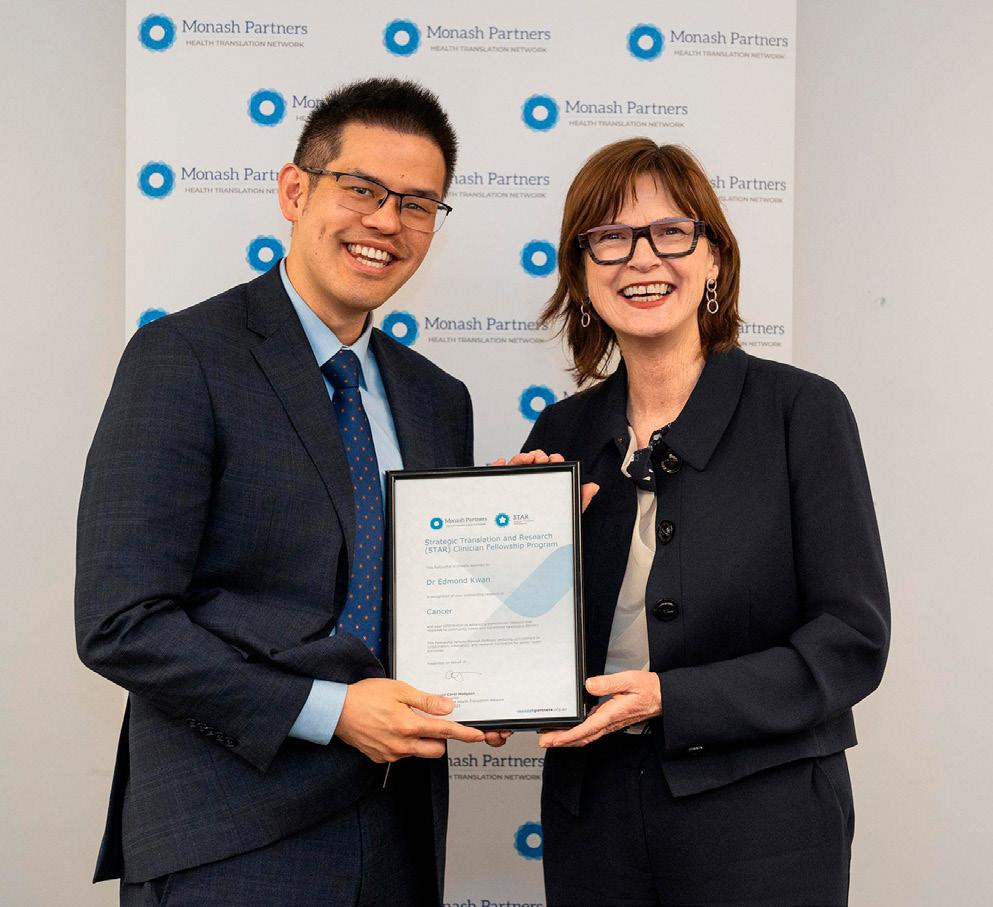

requires a record of publications, collaborations, and demonstrated capacity for independent research leadership. The STAR Fellowship program provides time and resources to develop and lead their original research and build their track record to set them up for successful grant applications that can further advance their careers and amplify the impact of their research.
The Fellows access networking and support through the Monash Partners Implementation Science Network. This network provides exposure to contemporary approaches in research translation, including co-design, implementation frameworks, change management and evaluation methods. These skills are increasingly essential for clinicians seeking not only to generate evidence but to embed it effectively within real-world clinical practice.
“The Monash Partners STAR Clinician Fellowship is such a wonderful opportunity for mid-career researchers like myself to keep learning and growing as researchers, particularly in the critical area of implementation science.” Dr Susie Cartledge, Senior Research Fellow, Bayside Health (Alfred Care Group), STAR Fellow 2025.
By connecting Fellows with peers and experts across disciplines and institutions, it also encourages new collaborations that not only enrich individual research programs but also generate broader system benefits - supporting innovation that drives improvements to patient-centred care.
The STAR Clinician Fellowship program delivers benefits at every level: to individual clinicians, to health services and to the wider healthcare system. By investing in the next generation of clinician-researchers, Monash Partners is helping create a workforce equipped to lead, innovate and translate research into health care delivery improvements. The protected research time provides

opportunities to build a track record for competitive national funding opportunities, and the STAR Fellow program ensures our brightest clinicians have the opportunity to excel.
“I would love to continue on my path as an academic neurologist. Ideally, I would like to continue seeing patients in the clinic every week, identify important issues in the way we deliver care, come up with solutions through my research, and implement these to improve the way we look after people.” Emma Forster, Consultant Neurologist, Bayside Health (Alfred), Monash Uni, STAR Fellow 2024.
Author: Professor Carol Hodgson, Executive Director, Monash Partners Health Translation Network and Chair, Australian Health Research Alliance.

Professor Hodgson is Head of the Division of Clinical Trials and Cohort Studies at Monash University and Deputy Director of the Australian and New Zealand Intensive Care Research Centre. A Specialist Physiotherapist at The Alfred Hospital, Melbourne, she has held continuous NHMRC and Heart Foundation funding, including a 2020–2024 Investigator Grant. A Fellow of the Australian Academy of Health and Medical Sciences and the Australian College of Physiotherapists, her research focuses on rehabilitation, long-term outcomes after critical illness and advanced life support, including mechanical ventilation and ECMO.
Using the ARDC digital capabilities and skills framework.
Amany
As Australia transitions towards data-enabled, collaborative models of health and medical research, both technology and workforce capability must advance together.
Keeping up with the digitisation of health and medical systems
Australia’s health and medical system is facing growing pressures, as demand for health care continues to rise due to various factors including (but not limited to) an aging population, increasing prevalence of chronic disease and workforce shortages. This has led to increasing pressure to generate timely and high-quality research that can inform clinical practice, treatment and therapies. Nevertheless, this also presents significant opportunities to accelerate discoveries, enable collaborations and reveal new insights from existing health data.
In the National Digital Health Strategy 2023–2028, the Australian Digital Health Agency (ADHA) recognises that digital technologies and health data are key to enabling evidence-based care. Crucially, it identifies a digitally ready and enabled workforce as one of the core change enablers required to realise the benefits of digital health transformation at a national scale.
The Australian Research Data Commons (ARDC) has developed a Digital Capabilities and Skills Framework, which contributes to these national priorities by providing structured pathways for developing the skills needed to work effectively with digital research infrastructure and health data.
What is the ARDC Digital Capabilities and Skills Framework?
The ARDC Digital Capabilities and Skills Framework is designed to identify and develop the digital skills needed
for modern, data-intensive research, and can be applied to any research discipline. It provides a structured approach to building workforce capability so researchers and research support professionals can optimise their use of digital research infrastructure and data.
The framework includes tools such as a skills taxonomy, glossary, role profiles or personas, learning pathways and a skills/roles matrix (Figure 1). Collectively, these help identify current capabilities and determine what skills are required to conduct digital research and how those skills can be developed through targeted training and learning pathways. It defines key competencies across 4 capability areas including governance, data, software, digital research infrastructure management to address core skills needed to manage, analyse and share research data in increasingly complex digital environments.
How to use the ARDC Digital Research Capabilities and Skills Framework
As a guide, we recommend the following steps for using this Framework:
1. Define your goals for using the framework, e.g. identifying capability gaps, framing curriculum and creating learning paths.
2. Review the skills taxonomy to understand how the listed skills enable and support digital research and digital research infrastructures.
3. Gather existing workforce data on roles, capabilities, skills and training.
4. Use the skills/roles profile template to outline role categories and apply the skills/roles matrix to identify required skills and competency levels.
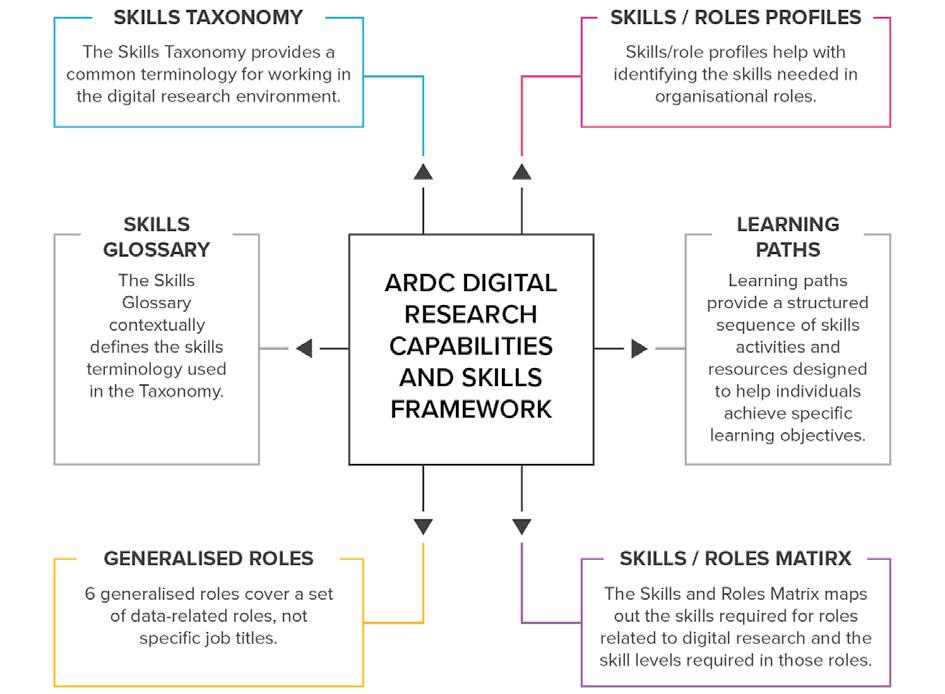
5. Establish a baseline by comparing existing workforce data with required capabilities to identify skills gaps, then develop a customised skills and training framework.
6. Create role-based learning paths to address the identified gaps.
7. Contribute your materials to the Digital Research Skills Australasia (DReSA) training registry. Materials can include training content, role profiles/personas and learning paths, which can support national alignment and reduce duplicated effort. Integrate with other frameworks where possible.
Applying the framework for health and medical research
An example of the Framework in action can be found in the Health Studies Australian National Data Asset (HeSANDA) program, an ARDC initiative to build national infrastructure for better access to health research data. To enable the secondary use of clinical trial data via the Health Data Australia platform, developed through HeSANDA, the Framework was used to develop role profiles for researchers seeking to access and analyse shared clinical trial datasets. This process revealed key capability gaps, particularly in navigating the governance requirements associated with clinical trial data access and in analysing complex secondary datasets.
ARDC partnered with the NextGen Evidence Synthesis
Team, NHMRC Clinical Trials Centre, and CT:IQ to develop targeted resources to support researchers working with shared clinical trial data, such as the Secondary Use of Clinical Trials Data in Health Research: A Practical Guide and resources created through the Clinical Research Data Sharing Frameworks project.
Similar principles are being applied within the Australian Health Data Evidence Network (AHDEN). Guided by the framework, the project is assessing the national skills landscape and developing personas that reflect the roles working with harmonised health data. These personas will inform a ‘community of practitioners’, where clinical, technical and governance stakeholders collaborate to validate, refine and apply the skills needed to work with the standardised language of EMR data and generate evidence using the OMOP Common Data Model.
These initiatives demonstrate how the framework can be used to identify workforce capability gaps and guide the development of targeted resources that enable researchers to optimally use digital infrastructure.
Authors: Amany Gouda-Vossos is the Skills Development Lead for People RDC (Health and Medical) at ARDC.
Kathryn Unsworth is the Manager of the Skilled Workforce Development team at ARDC.
Australia’s health and medical research workforce is at a critical inflection point – our ageing population and increased prevalence of chronic diseases are placing increasing strain on an already stretched workforce.
Annette Schmiede | Digital Health CRC
Investment in digital capability and new models of care is urgently needed, but alongside this, we must prepare the workforce for complexity, change, and uncertainty.
By 2050, health workers are expected to deliver four times today’s service levels, while many report that inadequate education remains a key barrier to adopting digital tools in practice. Australia’s health workforce is not yet prepared for the scale of digital healthcare transformation required.
Traditional training pathways alone are insufficient to deliver an outcome of change.
Our Education and Capability Building program at the Digital Health Cooperative Research Centre (DHCRC) has long recognised the importance of the health workforce and pioneered a different approach to develop a digitally capable, research-enabled, adaptable, and connected health workforce.
We have taken a system-wide approach to workforce development that brings together universities, industry, government, and health services. Our education and workforce initiatives focus on three interconnected challenges: uplifting digital capability across the existing and future workforce, strengthening data and research skills, and building communities that support collaboration, learning, and innovation.
We recognise that successful digital transformation relies on the investment of people, not just technology.
Championing the future of digital health
Our Emerging Leader Program is a prime example of how doing things different, works. Rather than focusing solely on disciplinary expertise, the program emphasises critical skills such as systems thinking, communication, collaboration, and applied research. Participants work on industry-led research projects that address real clinical, technical, policy, and business challenges, supported by academic mentorship and action learning.
This cutting-edge industry-focused and academically augmented model has proven powerful. Emerging leaders gain practical experience, build cross-sector networks, and develop confidence to operate at the interface of healthcare, technology, policy, and research. Importantly, the program supports people at different career stages, including those entering, transitioning, or returning to the workforce, reflecting the increasingly nonlinear nature of modern careers.
What we have learned from this program is that leadership in digital health is not defined by role or title, but by capability and mindset. Emerging leaders are champions of digital healthcare who use evidence and innovation to improve patient outcomes and clinician experiences. They are equipped to navigate information abundance, adapt to change, and drive meaningful transformation grounded in research and practice.

At a national level, the DHCRC established the Australian Council of Senior Academic Leaders in Digital Health – bringing together the collaboration of senior academic representatives from 37 universities across Australia. They are a collective voice on digital health education, research, and workforce policy. This model has demonstrated the value of coordinated leadership in shaping curricula, informing policy, and aligning education with system needs.
Alongside this, the DHCRC helped establish communities of practice that connect research, education, and service delivery. The Synthetic Health Data Community of Practice is one example of how collaborative approaches can advance data capability while maintaining public trust. By enabling shared governance and infrastructure for synthetic data, this initiative supports education, research, and innovation without compromising privacy.
Core to both our approach to supporting emerging leaders and driving national leadership is the importance of communities. Both at an individual level, to sustain capability and retain talent, and to drive transformative system-level change forging strong partnerships between universities, government, industry, and the
healthcare sector. We have been a champion of bringing communities together to achieve outcomes greater than any single contributor could realise alone.
Looking ahead, the challenge is to scale and embed these approaches across the health and medical research workforce. The lessons from the DHCRC’s education and workforce initiatives point to the need for integrated models of learning, sustained investment in people, and creating and supporting communities and partnerships as a core enabler of change.
As Australia continues to navigate major system transformation, the future of health and medical research depends on a workforce that is digitally capable, research-enabled, and ready to lead. We have reimagined how we develop talent and connect education to real-world challenges and strengthen Australia’s research capability. We encourage others to learn from these successes and work together to build a future-ready workforce that is equipped for the demands of tomorrow.
Author: Annette Schmiede, Digital Health CRC, CEO.
Since 2019, Luminesce Alliance has strengthened Australia’s paediatric precision medicine workforce, creating STEM jobs and establishing critical training pathways for researchers and clinicians.
Dr Michelle Lorentzos, Professor Mark Cowley, Associate Professor Anai Gonzalez-Cordero, Professor Raghu Lingam and Dr Kate Hetherington | Luminesce Alliance
This includes expanding advanced therapeutics capability across Sydney Children’s Hospitals Network, building Australia’s largest paediatric computational biology team, and growing expertise in health economics and implementation, functional genomics and psychosocial research.
Established in 2016 with support from the NSW Government, Luminesce Alliance is a notforprofit cooperative joint venture between Sydney Children’s Hospitals Network, Children’s Cancer Institute, Children’s Medical Research Institute, the University of Sydney and UNSW Sydney. The Alliance coordinates and integrates precision medicine research for children with cancer, rare diseases and neurodevelopmental disorders. Key workforce initiatives and impacts are outlined belowthese accelerate discovery, strengthen translation into clinical care, and ensure Australia is equipped with the skilled workforce needed to deliver precision medicine at scale, now and into the future.
Increasing advanced therapeutic capability across Sydney Children’s Hospitals Network
The Kids Advanced Therapeutics (KAT) Enabling Platform has built NSW’s capability in advanced therapeutics, increasing access for children and young people. This capability strengthens advanced therapeutic clinical trial capacity and ensuring novel therapies can be safely translated from research into clinical care.
Delivering advanced therapeutics requires specialist expertise at every stage, particularly as many trials involve firstinhuman treatments with potential for adverse events. KAT focuses on developing a highly skilled, multidisciplinary workforce to manage this complexity.
“Health system readiness involves upskilling and supporting a large team—from nurses and clinical trial coordinators to allied health professionals and doctors,” says Dr Michelle Lorentzos. “It’s critical that the right people are in place, because it can be devastating for families and staff if a trial doesn’t go to plan.”
One of those ‘right people’ is Sarah Thompson, a Registered Nurse at Sydney Children’s Hospitals Network who has received specialist training to support families participating in advanced therapeutics clinical trials.
“What I love about this work is being at the forefront of medicine,” Sarah says. “You’re giving brand new treatments that can change the course of a child’s life, and it’s very humbling to be part of that.”
Sarah walks alongside families as they consider whether a trial is right for them. In some cases, a child can only ever receive one dose of a therapy. She spends many hours discussing potential benefits, risks and unknowns, particularly when a treatment has never been used in humans before.
Building Australia’s largest computational biology team
Establishing Australia’s largest computational biology group dedicated to paediatric cancer “has enabled us to analyse precision medicine data at a national scale for every Australian child with cancer,” says Professor Mark Cowley.
The team, based at Children’s Cancer Institute and recognised at the 2025 Research Australia Health and Medical Research Awards, has developed a precision medicine data platform integrating advanced analytical and statistical tools to guide treatment for children with highrisk cancers. By comparing a child’s tumour data with a large database of similar cases, the platform identifies key genetic drivers and the treatments most likely to be effective. This capability underpins the Zero Childhood Cancer Program (ZERO), which uses molecular testing to identify precision treatment options.
Making precision medicine available for everyone
We made a targeted investment to address a critical workforce gap in health systems, implementation and economics, capabilities essential to scaling precision medicine from pilots into routine care with demonstrated value.
The Health Systems, Implementation and Economics
Enabling Platform generates the evidence needed to inform policy, investment and service design. As Professor Raghu Lingam explains, while programs such as ZERO show what is possible, key questions remain: “What will this cost the health system, and how far should precision medicine be expanded into usual care?”
By answering these questions, the platform ensures measurable outcomes, economic value and equitable access.
NSW’s Stem Cell Technology and Translation
Strategic investment through the Luminesce Alliance has enabled substantial growth in NSW’s stem cell ecosystem and the establishment of robust translational pathways towards novel therapies. Led by A/Prof Anai GonzalezCordero at Children’s Medical Research Institute, this functional genomics capability is advancing precision medicine by leveraging patientderived “miniorgansinadish,” or organoids, to interrogate disease mechanisms and accelerate the development of gene and cellbased therapies.
Importantly, this capability operates as a shared research asset, with structured access provided to the broader NSW research community, amplifying impact through collaboration, skills transfer, and codevelopment of translational programs.
Supporting psychosocial wellbeing for families
One of the first studies worldwide to examine the psychosocial impacts of precision medicine explored the wellbeing, quality of life and lived experiences of children, families and health professionals involved in these programs.
Led by Dr Kate Hetherington the findings informed the development of targeted resources and workforce supports to strengthen the capability of clinicians, researchers and care teams to deliver patientcentred, holistic care in complex and rapidly evolving clinical contexts.
The study highlighted the experiences of health professionals, including the emotional and professional challenges of balancing hope with realistic expectations when discussing emerging therapies. “These conversations can place a significant burden on clinicians,” Dr Hetherington notes. “Many were surprised and grateful to be asked how these developments affect them.” Insights from this work are informing training, guidance and support mechanisms to better equip the workforce with the skills, confidence and psychosocial literacy required for precision medicine practice.
This research has since evolved into a Psychosocial Enabling Platform, supporting more than 18 research projects with specialist expertise, tools and resources.. The platform strengthens workforce capability while ensuring precision medicine is delivered with care, compassion and equity for children and families.
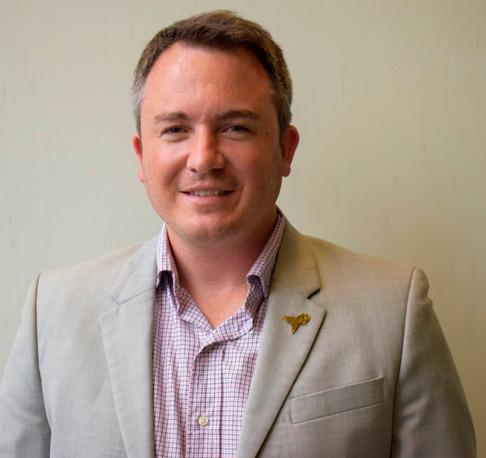


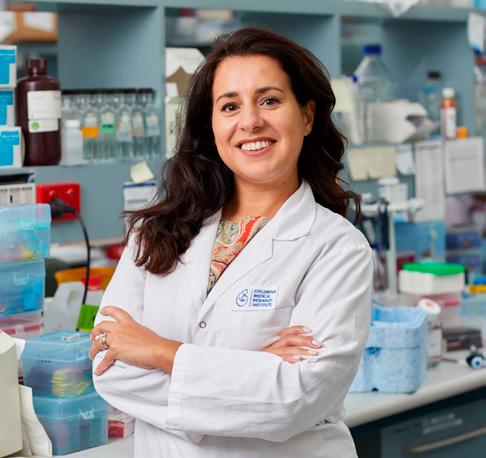
Authors:
1. Dr Michelle Lorentzos is the Advanced Therapeutics Medical Lead at The Sydney Children’s Hospitals Network.
2. Professor Mark Cowley is Deputy Director (Enabling Platforms and Collaboration) at Children’s Cancer Institute; Head of Luminesce Alliance Data Enabling Platform; co-Head of the ACRF Childhood Cancer Liquid Biopsy Program; and President of Australasian Genomic Technologies Association (AGTA).
3. Associate Professor Anai GonzalezCordero is the Group Leader, Stem Cell Medicine and Head, Stem Cell & Organoid Facility at Children’s Medical Research Institute and a Senior Lecturer , Faculty of Medicine and Health at The University of Sydney.
4. Professor Raghu Lingam is an academic in Paediatrics at UNSW Sydney; an Honorary Professor at the Black Dog Institute; and a Consultant Community and Neurodevelopmental Paediatrician with the Sydney Children’s Hospital Network.
5. Dr Kate Hetherington is a Research Fellow and Clinical Psychologist based at the Behavioural Sciences Unit (BSU), School of Clinical Medicine, UNSW Sydney and the Sydney Children’s Hospital, Randwick.
Parkinson’s disease (PD), which currently impacts more than 200,000 Australians, is becoming an urgent issue.
Vicki Miller | Shake It Up
Worldwide, it is the fastest growing neurological condition, with cases doubling in the past 25 years. Here in Australia, it’s estimated that someone is diagnosed with the condition every 40 minutes.
With wide-ranging symptoms, both physical and cognitive, it is a nuanced and deeply challenging disease. Not just for the patient, but for their loved ones and carers, whose role will change over the course of the disease progression.
At Shake It Up Australia, we hear from the Parkinson’s community daily. Many tell us about their challenging journey to receive their diagnosis - only to then struggle with accessing the care they need to manage symptoms and ensure the best quality of life.
The Role of Movement Disorder Specialists
Movement disorder specialists – neurologists with additional specialised training - can offer a tailored care plan for the specific needs of a patient. This is particularly important for Parkinson’s, with no two people having the same experience of the disease. Not everyone with PD will experience the same symptoms, and the order in which symptoms appear, and progress, also varies from person to person.
Seeing a specialist early helps people living with Parkinson’s plan better for their future care needs and prepare for changes in their disease progression. Evaluations by movement disorder specialists also facilitate screening for more advanced and targeted therapies, as well as providing the expertise to manage more complex conditions.
The demand for these specialists is growing rapidly, as the prevalence of Parkinson’s disease continues to grow, and neurological conditions become the leading cause of illness and disability worldwide. Unfortunately, not enough neurologists are receiving vital training in Parkinson’s and related conditions, such as Parkinson’s Plus or Multiple System Atrophy. This means a shortage of care available for those who need it most.
Building Capacity for a Better Future
It was clear to us at Shake It Up that this was a critical problem to address. We needed to ensure access to the best care for people with Parkinson’s now, while also advancing research capability for the future.
In 2024, we launched the Shake It Up Australia Movement Disorder Capacity Building Program. This program is designed to train clinician researchers to meet the demand for specialists. Each fellowship equips talented individuals with the knowledge, skills and resources needed to provide exceptional care, lead clinical trials, and advance research into better treatments.
For patients, this means improved care, and greater access to clinical trials for every single person living with Parkinson’s.
The first recipient of the Shake It Up Australia Movement Disorder Fellowship, funded by the Trawalla Foundation, was Dr. Gerard Tao. Dr. Tao is embarking on a PhD focused on Deep Brain Stimulation (DBS) surgery in Parkinson’s disease, exploring innovative approaches to improve patient outcomes and reduce the burden of this debilitating condition.
DBS can be a transformative treatment for many with Parkinson’s experiencing motor symptoms such as stiffness, slowness and tremor. However, a movement disorder specialist is essential to assess the patient and support the progress of recovery and symptom management afterwards.
Dr. Tao dedicated his final year of training to movement disorders at The Alfred. His work exemplifies the kind of future-focused expertise we need to foster in Australia, to ensure better levels of clinical care and advancements in research.
“Providing Dr. Tao with the opportunity to undertake his fellowship at The Alfred is a significant step towards enhancing the capacity of our neurological faculty,” said Dr. Kelly Bertram, Clinical Neurologist and Movement Disorders specialist at The Alfred Hospital, when the grant was announced. “By training promising individuals within our country, we are not only investing in their
professional development but also ensuring that they remain here to contribute to our healthcare system.”
The Movement Disorder Capacity Building Program has now funded four fellowships, at The Alfred, NeuRA, The Royal Brisbane and Women’s Hospital and the Royal Melbourne Hospital. We are committed to ensuring equity and early access to a specialist for every Australian diagnosed with Parkinson’s.
Each person living with PD deserves a chance to access new treatments, targeted therapies, and the opportunity to participate in research that will change the future of the disease.
Western Alliance, an NHMRC-accredited Research Translation Centre, is Australia’s first academic health science centre dedicated to advancing rural and regional research to improve healthcare delivery and outcomes.
To support the generation of local research and translation of evidence into practice, Western Alliance has developed a novel evidence-based program that builds research capability across the rural and regional health workforce in western Victoria.
Established in 2020, the Supporting Translation of Research in Rural and regional health settings (STaRR ) program has been developed and backed by Western Alliance member organisations with support from the Victorian State Government. STaRR has three key components: a multifaceted and experiential training program; Western Alliance Research Translation Coordinators (RTCs); and specific funding streams to support emerging rural and regional health researchers.
The STaRR program
At the heart of STaRR is a mentored research training program, which supports place-based, real-world health
research. STaRR is designed for emerging researchers working in rural and regional health settings in Western Victoria and supports those who have limited or no access to research training. Comprising three full-day workshops delivered at no cost to participants, STaRR mentored training supports emerging researchers to develop their place-based research ideas into protocols. It is held annually over 11 weeks and continues to attract between 20-30 emerging researchers each year.
The program is supported by the STaRR Mentor Network, a group of more than 50 experienced health service and academic researchers who are matched with an emerging researcher and provide individualised mentorship as they participate in STaRR. Additional support and teaching are provided by a biostatistician, local health service research ethics and governance officers, librarians, and a First Nations researcher.
Embedded in rural and regional health services, the RTCs are integral to the STaRR program, guiding potential participants to develop their research ideas in consultation with their line managers. The RTCs teach, facilitate learning groups and provide mentorship and support during and beyond the program.
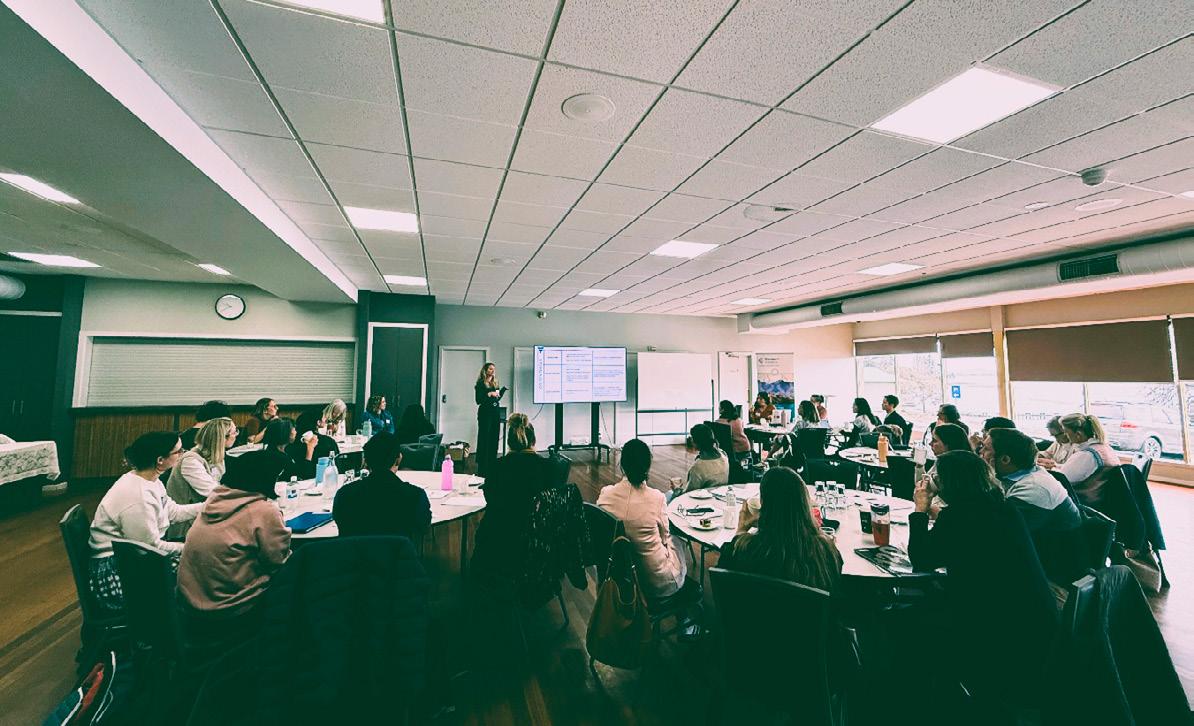
STaRR graduates and mentors are also invited to participate in additional focused research training workshops on topics such as health economics, implementation science and consumer and community involvement. Through support from the MRFF-funded DELIVER project, the STaRR program also offers a range of bespoke online free-to-access research translation resources (STaRR Resources) and an entry-level, halfday research workshop (STaRRlite).
Unique to STaRR are specific research funding streams. STaRR graduates can apply for seed grants (worth up to $5,000) and STaRRships (research translation fellowships; worth up to $15,000). Open only to STaRR graduates, it is a competitive yet supportive grant round, where all applicants are provided with verbal and written feedback on their applications to improve their grant writing skills.
The STaRR program has provided training to more than 450 (and counting) emerging researchers working in rural and regional health settings in western Victoria. STaRR graduates and mentors have benefited from over 20 additional research training workshops and informal research support sessions.
Since 2022, STaRR has awarded 18 seed grants and 5 STaRRships to support the completion of important place-based research, which has impacted local rural and regional health practice and policy. Numerous STaRR projects have been published in peer-reviewed journals, presented at conferences and have attracted external funding. The STaRR program has also supported emerging researchers’ career progression,
A STaRR Workshop in action in Colac, 2025
enrolment in postgraduate research degrees, and professional network development.
‘STaRR provided me with the skills and confidence to undertake a small mixed methods study, culminating in a conference presentation within a year. The program’s supportive mentors and generous experts created an inspiring environment that made research achievable and rewarding.’ – STaRR Graduate
Looking ahead, a STaRR pathway for First Nations researchers is being piloted, with a view to embed it in the program. An assessment pathway for emerging researchers considering a postgraduate research degree is now in place to support development of their research track record. Further, the STaRR team is developing ways to articulate research and quality improvement concepts and practice within the program.
Beyond the impacts on individual STaRR graduates and their teams, the STaRR program has led to increased research funding to rural and regional health services, more research activity, and greater engagement between health service researchers and universities across the region. STaRR graduates have become research and evidence translation leaders for their respective organisations, underpinning a working ecosystem and culture of place-based, collaborative research across western Victoria.
The Victorian Comprehensive Cancer Centre Alliance (VCCC Alliance) strives to strengthen the capacity of Australia’s regional and rural cancer workforce across all pillars of its work.
Dr.
Through initiatives that enhance regional research capability and workforce education, the VCCC Alliance partners with regional stakeholders to co-design actionable solutions that drive systemic change and build sustainable, longterm collaborations in rural and regional cancer research across Victoria and nationally.
These initiatives are led by the VCCC Alliance’s Clinical Translational Network (Research and Education) Regional Lead Dr. Sam Harris, and Deputy Lead, Dr. Wasek Faisal.
Advancing equity in regional Victoria
To address disparities in rural and regional cancer care, the VCCC Alliance’s Health Equity team, within the Strategic Programs team, is advancing various initiatives across regional Victoria.
In November, the team held a World-Café Style Regional Research Roundtable, bringing together rural and regional researchers, clinicians and people with lived experience. The event fostered connections, facilitated discussion and workshopped strategies to drive systemic change and build long-term, sustainable collaborations in regional cancer research across Victoria.
The quarterly Regional Equity Community of Practice (RECoP) is another key initiative of the VCCC Alliance Regional Equity Program. RECoP aims to raise awareness of disparities in rural and regional cancer care, connect stakeholders and lay the foundation for collaborative solutions to improve outcomes for rural and regional cancer patients.
The Health Equity team has also launched a Health Equity Hub on the Centre for Cancer Education. The Hub provides practical resources designed to support the cancer workforce to recognise inequities, understand their causes, and take action in everyday practice.
The VCCC Alliance Research team continues its work through the Victorian Teletrial Collaborative (VTC), which was established in 2021. The VTC comprises of the VCCC Alliance, Safer Care Victoria, Alfred TrialHub and the Regional Trial Network-Victoria (RTN-Vic). The VTC is committed to establishing guiding principles where there are common programs of work aimed at increasing participation in clinical trials in all fields of health care for people living in rural, regional and remote areas. The Victorian Teletrial Collaborative represents the first shared program of work between the four partners.
The Research team also celebrates a recently published study in BMC Cancer, which found that rural Victorians with prostate cancer present with higher PSA levels and Gleason scores at diagnosis, and experience longer diagnostic intervals compared to metropolitan patients. The study also identified that in both rural and metropolitan areas, abnormal PSA tests are frequently detected several months before diagnosis, with low guideline concordance regarding repeat testing. These findings suggest that targeted interventions in primary care to identify and act on abnormal PSA results could expedite diagnosis and reduce rural-metropolitan disparities in prostate cancer outcomes.

The SKILLED clinical trial internship is expanding equitable access to clinical research and strengthening local research capability, with a focus on delivering decentralised clinical trials that reduce travel burdens and increase participation among regional and rural populations.
Parallel to trial delivery, SKILLED is building workforce capacity by training science graduates to be job-ready as well as investing in local research staff. Together these initiatives embed research in regional health services, improve trial diversity, and foster sustainable local careers in research, ensuring innovations reach patients where they live, and strengthen regional health outcomes.
In alignment with the Australian Cancer Plan and its emphasis on strengthening the cancer workforce, building capacity and reducing inequities, the VCCC Alliance was awarded a Cancer Patient Support Program Grant from the Department of Health, Disability and Ageing in September 2024.
This funding supports the Empowering Regional Cancer Care project, funded until June 2027, which aims to implement a National Education Support Strategy tailored to the educational needs of the regional, rural and remote cancer care workforce. Key activities include the National Regional Cancer Forum series, the RECAP (Regional Evidence, Collaboration and Practice) Journal Club podcast series, the National Regional Cancer Hub
on the Centre for Cancer Education, and a discussion forum hosted on the Australian Comprehensive Cancer Network Newsfeed.
Through this suite of activities, the program aims to enhance cancer care in regional areas by improving access to standardised, evidence -based cancer resources, education and training nationwide.
Fostering connections and collaboration
By prioritising meaningful engagement and purposeful design throughout all programs of work, the VCCC Alliance seeks to ensure that regional and rural communities affected by cancer have access to equitable and evidence-based care, strengthening cancer outcomes through research and education across regional and rural Australia.
Authors: Dr. Sam Harris, VCCC Alliance’s Clinical Translational Network (Research and Education) Regional Lead. Dr. Wasek Faisal, VCCC Alliance’s Clinical Translational Network (Research and Education) Regional Deputy Lead. Lucinda Clarke, Program Manager Regional Education, VCCC Alliance. Michelle Barrett, Director of Education, VCCC Alliance. Kyleigh Smith, Associate Director of Education, VCCC Alliance. Chris Packer, Senior Manager, SKILLED Internship Program & Regional Advisor, VCCC Alliance. Carolyn Robertson, Project Manager Regional Equity Program, VCCC Alliance
Through our grants, EMF supports clinician-led research that strengthens emergency care across Queensland, from mentoring new researchers to developing life-saving innovations.
Emergency Medicine Foundation
As emergency departments face increasing demand and complexity, building sustainable research capability is essential to delivering better patient outcomes.
Empowering Clinicians to Lead Research Emergency departments (EDs) are fast-paced environments. Clinicians move from resuscitation to paediatrics to mental health in a single shift. Research can easily feel like something that happens elsewhere, rather than on the ED floor.
At The Prince Charles Hospital (TPCH) ED, an EMF Research Capacity Building Grant has changed that. Led by Dr Faye Jordan, the grant didn’t just fund projects, it provided the mentorship, tools, and structured pathways that let research thrive within the department.
A structured Research Nurse Orientation Program was developed and is now part of a multidisciplinary Novice Researcher Curriculum. Four research nurses were recruited through the grant, with two continuing as ongoing research champions, providing guidance and practical support for new investigators.
“The Capacity Building Grant has allowed our clinical staff to step into research roles with structured mentorship and support, building confidence, capability and long-term sustainability within the department,” Dr Jordan shares.
For many clinicians, the experience has been transformative. Louise Mills, a novice ED Research Nurse, describes stepping into the role as both daunting and deeply rewarding:
“Although it initially felt like undertaking a whole new degree, I have built a strong foundational knowledge bank of research skills,” she says. “This experience has been transformative, filled with learning, challenges, and immense professional satisfaction.”
The grant also created formal mentorship pathways for novice researchers. Nursing and allied health clinicians became active contributors to journal clubs and research steering groups. Research moved from being an optional extra to an integrated part of departmental identity.
The impact has been measurable. During the last few years, TPCH ED contributed to more than 20 peerreviewed publications and conference presentations. The department joined national and multisite collaborations with the PREDICT Network, Central Queensland University, University of Queensland, and Monash University, positioning the ED within a broader emergency medicine research ecosystem.
Research findings also translated directly into practice. Child Life Therapy was integrated into paediatric care, improving procedural support for children and families. Work on acute heart failure pathways streamlined assessment and management processes.
Several New Investigator Grants were secured by TPCH clinicians, further strengthening internal capability. An online research portal now provides staff with accessible guidance on study design, ethics submissions, data management, and dissemination, ensuring skills and knowledge remain long after the grant concludes.
“It’s been incredibly rewarding to watch our nurses grow as researchers, take ownership of projects, and
Dr Faye Jordan, Staff Specialist at The Prince Charles Hospital
contribute to meaningful improvements in patient care. Seeing that curiosity and collaboration flourish is what makes this work so worthwhile,” Dr Jordan outlines.
TPCH shows what sustained investment can achieve. EMF is now extending this approach into aeromedical and retrieval services.
At the Royal Flying Doctor Service (Queensland Section), Dr Jacob O’Gorman has recently begun an EMF-supported research capacity initiative. In remote and rural settings, where distance and access create additional clinical complexity, building research infrastructure is critical.
The grant supports the development of structured research leadership, evaluation frameworks, and mentorship pathways within RFDS, laying the groundwork for future studies that will inform service delivery and patient outcomes across Queensland’s most isolated communities.
Similarly, Dr Ben Aston is leading a new capacitybuilding initiative with LifeFlight. As one of the state’s key aeromedical retrieval providers, LifeFlight operates
in high-stakes, time-critical environments. Establishing dedicated research capability within this setting will enable systematic evaluation of pre-hospital interventions, retrieval processes, and patient outcomes, ensuring that life-saving care continues to evolve based on robust evidence.
While these programs are at an early stage, their ambition is clear: research capability should not be confined to metropolitan hospitals but embedded across all emergency and retrieval services in Queensland.
Together, these initiatives highlight EMF’s commitment to clinician-led research and evidence translation. At TPCH, the grant has embedded a lasting research culture, equipping staff with skills, confidence, and opportunities to lead studies. At RFDS and LifeFlight, early-stage capacity building is creating the foundations for evidence-based improvements in complex aeromedical care.
From busy ED floors to the skies above Queensland, EMF-supported research is transforming how clinicians work, learn, and deliver care, ensuring every patient benefits from innovation grounded in evidence.
Author: Emergency Medicine Foundation (EMF) is Australia’s leading funder of research in emergency, prehospital, and retrieval medicine. EMF supports clinician-led research in Queensland that improves patient care, builds research capacity, and fosters innovation across hospitals, retrieval services, and the broader emergency care system.
Dr Alan Paul and Professor Edward Holmes | GSK Australia

meet that challenge.
Across clinical development, the use of predictive modelling, automation and advanced data technologies are optimising clinical trials, enabling faster timelines, better efficiency and reduced burden on patients. At GSK, these advances are aiming to accelerate trials by 15%, and priority studies by up to 50% by 2028.
Digital twin approaches are beginning to reshape how trials are designed and conducted. In selected studies, these models are being used to strengthen decisionmaking at the protocol stage and reduce participant numbers without compromising statistical power. The focus is not just on speed, but on improving the quality of early development choices.
Beyond trial design, these tools are changing how we think about matching treatments to patients. AI and machine learning, alongside advances in organoids and biomarker science, are helping us better understand who is most likely to respond to a therapy. In oncology, patient-derived organoids allow researchers to study how a tumour behaves and test different treatment strategies before they are used in patients. Circulating
His research pioneered the use of metatranscriptomics, which involves sequencing all the RNA-based genetic material within a biological sample, and then employing AI to identify pathogens more rapidly and comprehensively than traditional diagnostic approaches. Rather than searching for a single suspected pathogen, this method captures a complete snapshot of the microbes present in a sample, revealing viruses, bacteria, and other microorganisms simultaneously.
Professor Holmes first gained global recognition during the early stages of the COVID-19 pandemic when he publicly released the genomic sequence of SARSCoV-2, enabling scientists around the world to begin developing diagnostic tests and vaccines within days of its release. Today, his research continues to advance infectious disease detection, through development of an AI-diagnostic ‘one-stop-shop’ able to identify pathogens from patient samples within as little as 24 hours. The ambition is to create a system that can rapidly pinpoint the cause of infections, initially in patients with severe respiratory illness, giving clinicians a crucial head start in selecting the most appropriate treatment.
As Professor Holmes explains:
‘AI allows us to interpret complex data from biological samples at speed, something that simply wasn’t possible a decade ago. The real opportunity comes when we can embed these capabilities into clinical practice, allowing doctors to make faster and more informed decisions that ultimately benefit patients.’
Building capability across the research workforce
The expansion of data science in medicine is not just a technical shift; it is reshaping the expectations placed on researchers. The ability to work across disciplines, to understand complex datasets and to integrate digital tools is becoming part of mainstream research practice.
Yet technology alone does not drive progress. Breakthroughs still depend on scientific judgement, clinical insight and rigorous methodology. Whether in oncology, infectious diseases, neuroscience or other fields, advances are made by researchers who combine deep subject expertise with the capacity to adapt to new capabilities.
Supporting that breadth of excellence is essential to sustaining Australia’s research strength.
Established in 1980, the GSK Award for Research Excellence recognises outstanding Australian researchers whose work contributes to improvements in human health. Over four decades, recipients have driven progress across a wide range of therapeutic areas and scientific domains. The recipient receives $150,000 to further their research.
If you know a colleague whose work is advancing medical science or strengthening Australia’s research capability, consider nominating them. Researchers and nominators can access the nomination form here. Nominations close on Friday 8 May.
In a data-rich era, progress will depend not simply on generating more information, but on supporting those who can interpret it.




Authors: Dr Alan Paul – Executive Country Medical Director, GSK Australia. Professor Edward Holmes – Professor of Virology at The University of Sydney; 2025 GSK Award for Research Excellence recipient.
Dr Joanne M Britto | VCCC Alliance
People affected by cancer have often been referred to as subjects, participants or endusers of health and medical research. The Statewide Consumer-led Research Program in Victoria reshapes this notion with a pioneering initiative that positions lived experience expertise beside academic knowledge.
Lived experience is a form of expertise and leadership.
What is the Statewide Consumer -led Research Program?
Launched in December 2023 and funded by the Victorian Department of Health, the statewide Cancer Consumer-led Research Partnership brings together a group of lived experience leaders (consumers) and five partner organisations – including the VCCC Alliance, Monash Partners Comprehensive Cancer Consortium, Regional Trials Network Victoria, Cancer Council Victoria and the University of Melbourne Collaborative Practice Centre
The program is built around three linked goals:
• Amplify lived experience leaders across Victoria through a statewide partnership model
• Conduct a consumer-led research study, including a scoping review and a longitudinal qualitative study
• Co-design and deliver an immersive masterclass, Lead from Lived Experience: Enhancing Cancer Care.
These goals are driven by a dedicated governance and working groups comprised of lived experience leaders, researchers, and partner representatives. To date, 64 people with lived experience of cancer are actively engaged, demonstrating that diverse perspectives with a shared focus is powerful.
Lived experience leadership in action
In this program, lived experience leadership shifts from being an abstract concept to something tangible. The program has developed a working definition to guide practice “Lived Experience (consumer) Leadership is the active, central role of individuals with lived experience of a health issue in shaping health policies, research, services, and priorities. These leaders contribute their insights, advocate for equitable and responsive healthcare, and ensure that systems are aligned with the needs and rights of those who receive healthcare”.
Equitable and translational health and medical research need a capable workforce, including people with lived experience, to have confidence and agency to partner in research. The Lead from Lived Experience: Enhancing Cancer Care program is designed as a leadership pathway. With a structured curriculum, participants work through online modules complimented with in-person workshops focused on practising skills and building networks. A real -world 10-week placement provides a concrete project in areas such as research,
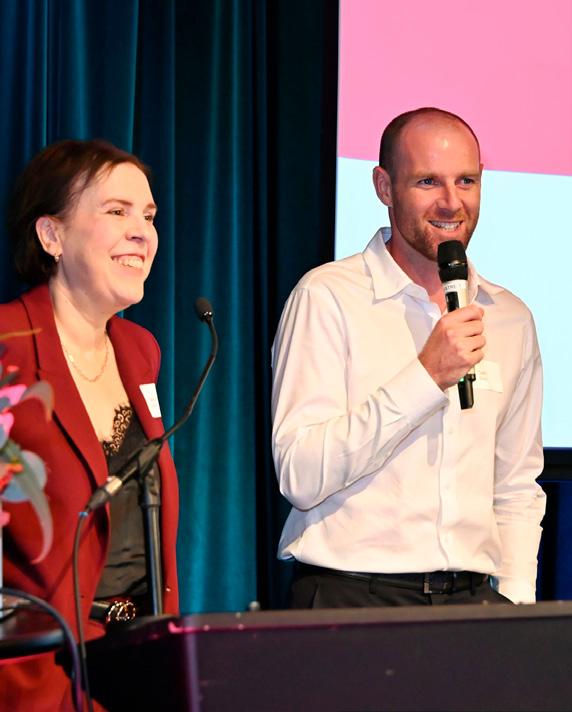
Members of the Cancer Consumer-led Research Partnership Steering Group.
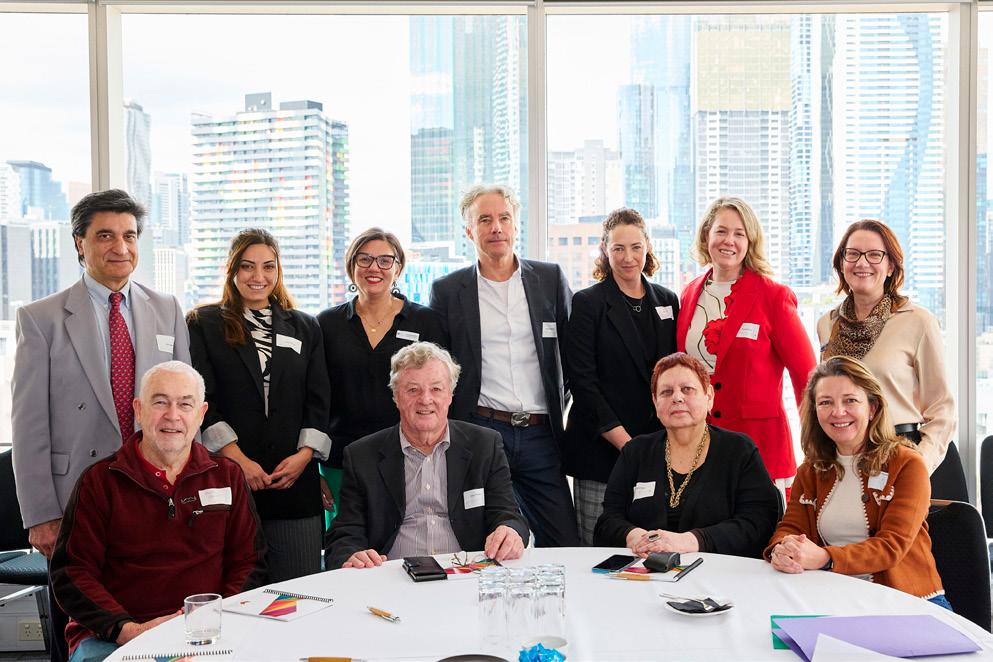
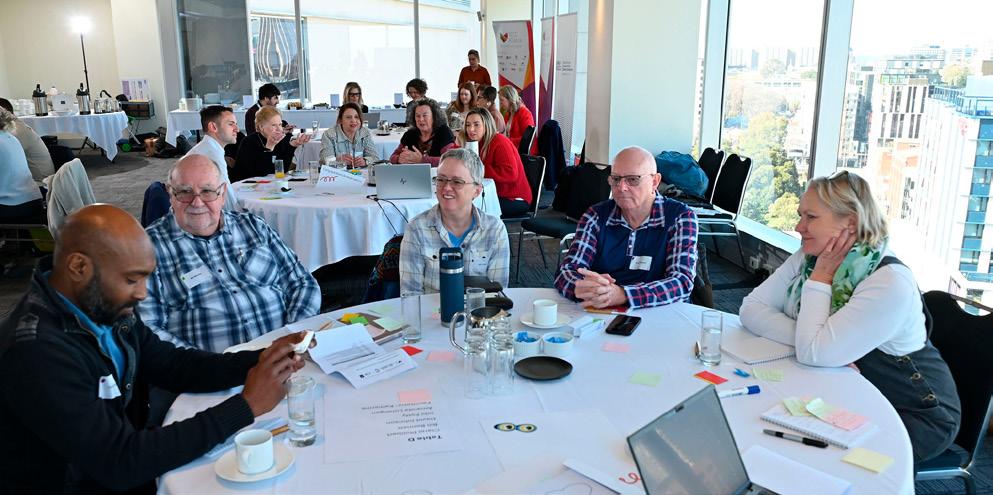
clinical service, education and more. A mentoring (peer exchange) component creates opportunity for reflection and consolidating learnings. For individuals, this leadership pathway builds capabilities in navigating the sector. For research, it grows a community of lived experience leaders who can contribute confidently.
The first group of 21 individuals to complete the pilot in December 2025 were intentionally recruited to reflect a diverse population including Aboriginal and Torres Islander community (5%), culturally and linguistically diverse background (10%), identifying as LGBTIQA (10%) having a disability or hidden disability (14%), young adult cancer survivors (29%) and over 50% living in regional Victoria.
Rethinking how research gets done
“Lived experience leadership is reshaping cancer research by ensuring the questions we ask, and the solutions we pursue, genuinely reflect the needs and realities of the people most affected.” John Asgari, lived experience leader
This depth of engagement is already yielding impact. Researchers are reporting richer aims and more nuanced study designs that enhance implementation. Partner organisations are revising policies and governance to embed lived experience leadership consistently, and people involved are driving local advocacy efforts across the state. A concurrent and ongoing longitudinal study of lived experience leadership includes interviews conducted before, during and after the education and placements. This generates rare evidence concerning how people develop their own perceptions of lived experience leadership and potential to influence. A consumer-led scoping review has been conducted to garner global evidence on lived experience leadership in healthcare and fills an identified gap in literature.
This program incorporates two-way capability building. Researchers and managers through co - design workshops and consumer-led working groups are learning how to share power, listen differently and design research that genuinely reflects community priorities. Innovation is relational, not just technical. It is about exploring new ways of sharing authority with people who have historically been asked to tell their story but not to shape the research.
From pilot to practice change
“We’ve had a significant impact on this research. It’s been guaranteed through our personal enjoyment working with this informed forward-thinking group” Harry Thomas, Lived Experience Leader
No single organisation can deliver this program. Its scale and ambition are made possible by the Victorian Government’s investment, the dedication of lived experience leaders, and the deliberate collaboration between partner organisations. This model is adaptable and a blueprint for embedding lived experience at any scale. Lived experience leadership is a team sport and everyone’s responsibility. It requires a shared agenda and a willingness to learn together. Our ambition is clear: to create lasting change driven by those who know the health system - because they have lived it.
Author: Dr Joanne M Britto,
Senior Manager
Consumer Involvement VCCC Alliance, on behalf of the Statewide Consumer-led Research Partnership. Co-authorship with Steering Group Co-Chairs Sophy Athan, Harry Thomas, Steering Group member John Asgari, and Program Team members, Pauline Ryan, Cassie Haynes, Stacey Panozzo and Riki Long.
What happens when speech-language pathology, educational research and classroom practice come together across two hemispheres?
Dr Natalie (Nat) Munro and Dr Anna Eva Hallin | Southern Cross University
The INCLUDE project, led by Swedish researcher Dr Anna Eva Hallin during her visiting fellowship at Southern Cross University, is doing exactly that – building a bridge between health and education to strengthen adolescent learning.
Funded by the Swedish Research Council, INCLUDE brings together Australian and Swedish experts to address a shared challenge: supporting secondary school students who struggle with the language and literacy demands of an increasingly complex curriculum and classroom environment.
Many of these learners have hidden or undiagnosed language difficulties, including Developmental Language Disorder (DLD) — a lifelong difficulty with understanding and using language that is not explained by hearing loss or intellectual disability — and risk disengagement without targeted support.
In both countries, teachers meet these learners every day, yet often without access to practical, evidence - based tools grounded in language and learning science. INCLUDE aims to strengthen teacher capability, improve classroom accessibility and support more equitable learning environments for all adolescents.
Why Focus on Adolescents and Secondary Schools?
Adolescence is a critical period for language development. From Year 7 onward, students face steep
increases in academic vocabulary, abstract concepts and complex writing demands. For many students, these demands outpace their language skills, particularly those with DLD or co-occurring conditions.
Secondary teachers are central to meeting this challenge. They make daily decisions about how to support students’ learning, and opportunities for ongoing professional learning will continue to deepen this aspect of practice focusing on teacher oral language, written language and explicit vocabulary instruction. INCLUDE supports this by offering practical, evidence -aligned techniques that teachers can apply immediately in their classrooms.
Collaborative Coaching in Secondary Schools
Workforce survey research shows that while speech pathologists play an important role in supporting adolescents, their ability to provide classroom - level support varies widely across Australia. In some states, SLPs can offer whole -school (Tier-1) and small- group (Tier- 2) supports; in others, limited school - based provision means clinicians are limited to individual, impairment-focused work outside of the school context.
Similarly, Pearce and colleagues found that many school-based speech pathologists work across multiple sites with large caseloads, leaving limited time for classroom- embedded support despite strong teacher

demand. The INCLUDE project builds on evidence from the Starling et al. (2012) randomised controlled trial — conducted within Dr Munro’s research program — which demonstrated that when secondary teachers receive targeted support in instructional, classroom language, it becomes more accessible for adolescents with language needs and improves their comprehension and written expression.
In this context, digital collaborative coaching offers a scalable Tier-1 approach. Coaching enables teachers and speech pathologists to work regularly together with the goal to embed instructional language techniques for “language-friendly” classroom. It benefits all learners, including those who have no access, can’t access or prefer not to engage in individual therapy. By strengthening the learning environment itself, this approach reaches adolescents in ways that feel relevant, inclusive and sustainable.
The first phase of INCLUDE involves piloting the digital professional development program LINK- D (Linking Language to Secondary School Learning – Digital) with Year 8 STEM and social science teachers in independent schools in NSW. Over eight weeks, teachers engage in short mobile-friendly micro-lessons, weekly collaborative coaching and structured opportunities for reflection, peer collaboration and goal-setting.
LINK- D positions teachers as instructional experts and active partners in change, embedding language-supportive strategies directly into their existing practice. The NSW pilot enables the team to refine LINK-D to ensure relevance across diverse secondary school contexts.
Insights from the NSW pilot will inform the next stage of INCLUDE: a randomised controlled trial (RCT) in Sweden (2027–2029). Conducted through the Karolinska Institutet and collaborating universities (Uppsala University, Southern Cross University), the RCT will rigorously evaluate LINK-D’s impact on teacher practice, adolescent learning outcomes and school-wide capability building. This cross - country design strengthens the evidence base and positions INCLUDE as an international collaboration informing both health and education system policy.
As health and education systems worldwide look for new ways to support diverse learners and strengthen young people’s language and literacy outcomes, INCLUDE
demonstrates how cross-disciplinary collaboration can deliver practical, scalable solutions. Its approach reflects:
• international collaboration addressing shared challenges
• integration of health and education to support learning at scale
• future-ready professional learning for busy teachers
• a commitment to equity for all adolescents
When classroom practice is supported by shared understandings of how language supports learning, classrooms become more inclusive, engaging and equitable. INCLUDE aims to make this a reality across Australia, Sweden and beyond.
Authors: Dr Natalie (Nat) Munro is a Professor of Speech Pathology at Southern Cross University and Deputy Associate Dean Research (Researcher Support and Governance) for the Faculty of Health.
A certified practicing, speech-language pathologist and Fellow of Speech Pathology Australia, she has extensive clinical, academic and school-based experience.
Dr Anna Eva Hallin is a speech-language pathologist and assistant professor at Karolinska Institutet (Sweden), specialising in developmental language disorder and cross-disciplinary educational collaboration around language and literacy. She is a visiting fellow at Southern Cross University, Gold Coast campus.

Dr Verma Prikshat, Associate Professor Huong Le and Professor Hurriyet Babacan AM | Central Queensland University
National initiatives such as the National AI Plan and the National Digital Health Strategy reflect strong expectations that AI will improve efficiency, support clinical decision making, and enhance patient outcomes. Across hospitals, primary care, and research settings, AI tools are already being trialled. Yet outcomes remain uneven, difficult to compare, and often unclear.
The challenge is not simply whether AI works, but how AI is understood and embedded in healthcare work, shaping future capability across metropolitan, regional, rural, and remote contexts.
Why AI outcomes remain unclear
AI does not enter healthcare as impact. It enters as capability. What matters is what that capability enables people to do in practice. These possibilities are best understood as affordances, the actions that emerge when technology interacts with users, professional roles, and local conditions.
In healthcare, AI affordances are rarely uniform. A system that supports faster documentation or risk prediction may be valuable in a metropolitan hospital, yet less effective or even burdensome in rural or remote settings with limited infrastructure, workforce capacity, or data availability. Australian experience shows that AI tools developed for urban contexts do not automatically translate to regional and rural healthcare, where workflows, resources, and models of care differ.
Affordances therefore depend on context. They are shaped by clinicians’ skills and confidence,
organisational support, trust in the technology, and whether AI is perceived as legitimate within existing clinical and community expectations.
From capability to enactment
Affordances alone do not produce outcomes. They become meaningful only through enactment, the everyday work through which healthcare professionals adapt and integrate AI into practice.
Australian trials of AI Scribes illustrate this clearly. While these systems can enable faster documentation and more time with patients, benefits emerge only when clinicians actively review AI outputs, adjust workflows, and retain responsibility for clinical records. Where enactment is weak, AI can introduce additional workload, risk, or mistrust rather than clear gains.
Enactment is rarely smooth or linear. It involves learning when to rely on AI and when to question it, redesigning workflows, and clarifying accountability. Without attention to this work, expectations of AI impact are premature.
Why results diverge across the
This perspective helps explain a recurring pattern in Australian healthcare. Different ways of using AI can lead to similar benefits, while similar uses can produce very different outcomes. In some settings, AI supports collaboration, continuity of care, and decision quality. In others, it adds complexity, uncertainty, or risk.
These differences are especially visible across regional, rural, and remote healthcare. AI tools developed for metropolitan hospitals often struggle to translate
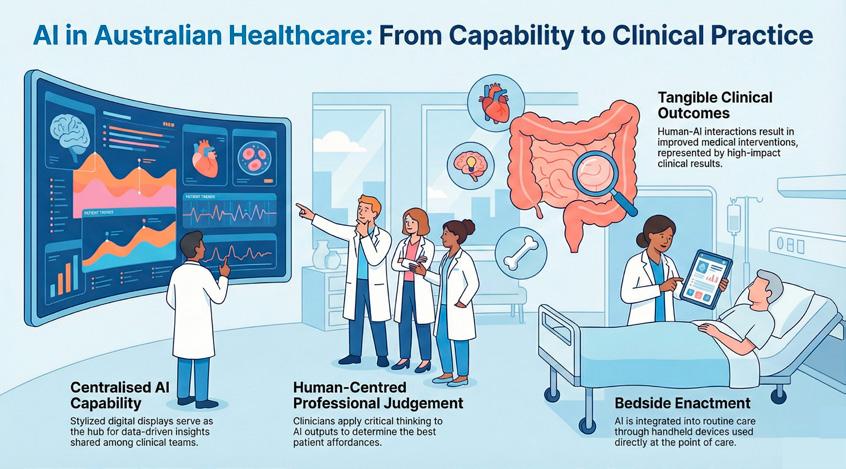
into rural contexts, where workforce capacity, digital infrastructure, connectivity, and data availability differ. In these settings, the same AI capability may afford little practical value unless tools are redesigned and enacted to reflect local conditions. This divergence reflects how context shapes affordance and enactment.
How AI outcomes should be understood in healthcare AI outcomes in healthcare are often misunderstood because attention starts at results. The points below explain how outcomes should be understood by following the path from capability to enactment.
• Outcomes should be understood as emerging, not delivered: AI does not enter healthcare as impact, but as technical capability. Outcomes become possible only when that capability is relevant, reliable, transparent, and able to support clinical judgement and accountability.
• Affordances should be understood through practice, not promise: AI capability matters only when clinicians can see what it allows them to do differently, such as supervising documentation, redistributing attention during consultations, supporting patient communication, or augmenting decisions without shifting responsibility.
• Enactment should be understood as real work: Benefits depend on enactment, the everyday work of experimentation, learning, workflow redesign, and judgement about when to rely on AI and when to override it, including oversight and ethical checking that are rarely visible in early plans.
• Outcomes should be understood as signals of alignment: Only after capability is assessed, affordances understood, and enactment supported do outcomes begin to appear. Streamlined workflows, reduced administrative load, strengthened care quality, or workforce relief may surface unevenly, signalling how well AI has been aligned with people, work, and organisational conditions.
What this means for Australian healthcare leaders
For healthcare leaders and policymakers, this perspective shifts attention from rapid deployment to deliberate integration. Investing in AI without parallel investment in enactment, including workforce capability, workflow redesign, and governance, is unlikely to sustain future benefit, particularly in regional, rural, and remote healthcare.
If Australia is to secure meaningful and equitable outcomes from AI in healthcare, expectations must be reset. Rather than starting with what AI promises to deliver, we must first understand what AI affords healthcare work, how those affordances are enacted in diverse settings, and only then assess outcomes. This shift enables AI to deliver lasting value where it is most needed.
Authors: Dr Verma Prikshat is a researcher at Central Queensland University, whose work examines how artificial intelligence and generative AI are reshaping work, professional roles, and wellbeing in public and healthcare systems
Associate Professor Huong Le is an internationally recognised researcher with extensive research experience in workforce development, employee well-being, diversity and inclusion, career management, and the intersection of technology and work Professor Hurriyet Babacan AM is a wellrespected international scholar whose work spans governance, public policy, health systems, organisational reform, and social innovation, with a strong emphasis on equity and institutional capability.

Research Australia is pleased to welcome our newest member, Her Heart.
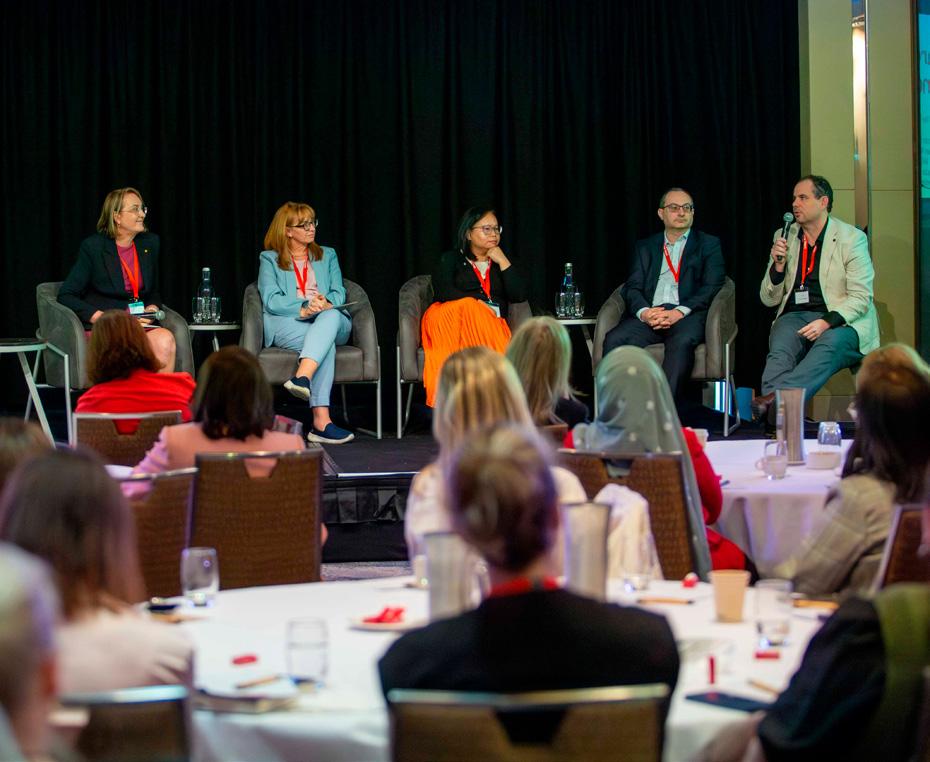

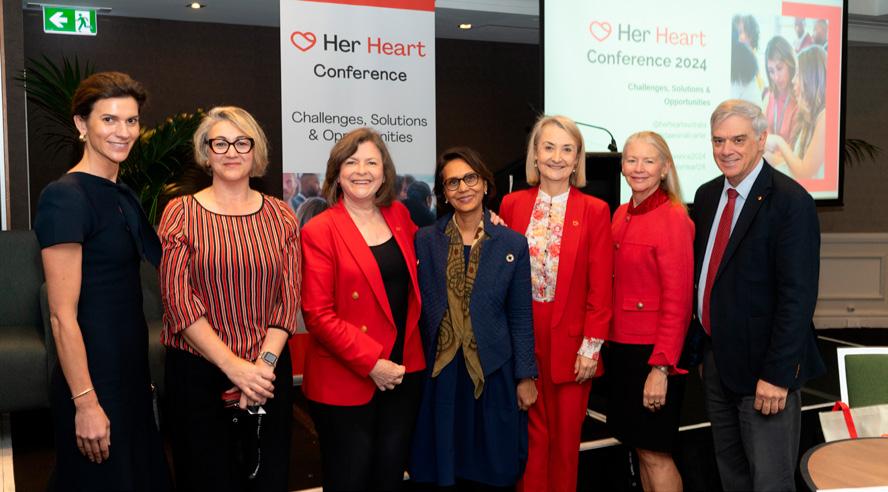
Cardiovascular disease remains the leading cause of death for Australian women, yet it continues to be under-recognised, under-diagnosed, and underresearched. Every day, 20 women lose their lives to heart disease — a statistic that underscores an urgent need for gender-specific research, advocacy, and education. Her Heart brings a singular focus to the heart health landscape: improving and saving the lives of women through heart health awareness, prevention, and evidence-based action.
Founded by Professor Linda Worrall-Carter in 2015, Her Heart is Australia’s Peak Body and leading authority on cardiovascular disease in women, and the only notforprofit organisation solely dedicated to women’s heart health. The organisation provides trusted, evidence-based education, supports health professionals, and leads advocacy efforts to address the systemic gaps that place women at greater risk.
Her Heart’s mission is grounded in a simple but powerful truth: women experience heart disease differently. From unique risk factors across pregnancy, menopause, and mental health, to distinct warning signs and diagnostic challenges, women’s cardiovascular health requires tailored research and targeted interventions. Her Heart works to ensure that every woman — regardless of age, culture, or background — has access to lifesaving knowledge and quality care.
Her Heart brings deep expertise, a strong national community, and a commitment to driving systemic change strengthening the collective effort to elevate women’s cardiovascular research, improve prevention strategies, and amplify the voices of women whose symptoms have too often been overlooked.

Artificial intelligence offers the opportunity to accelerate medical research, particularly as vast datasets from genomics, imaging, and electronic health records outstrip human analytical capacity.
Damien Bruce | Calvary Health Care
AI excels at pattern recognition, causal inference, and predictive modelling, enabling faster hypothesis generation, drug discovery, and personalised medicine at scales unattainable manually.
Around the world, leading medical institutes are already demonstrating impact in clinical areas including imaging, genomics, and drug development. However, realising this opportunity will depend not only on technological advancement, but on the readiness of the health and research workforce to adopt, interpret and govern these tools safely and effectively.
The Promise of AI in Health Research and Innovation
In medical imaging research, AI is enabling earlier and more accurate detection of disease. A randomised control trial in Sweden found that AI contributed to an increase in early detection of clinically relevant breast cancer in mammography screening and reduced screen-reading workload without increasing false positives. In parallel, AI is reshaping drug discovery and genomics by significantly enhancing drug target prediction and discovery. For example, researchers have used AI to demonstrate antibiotic activity against drug-resistant bacteria by identifying molecules with entirely novel mechanisms of action. In ophthalmology and cancer, AI models now integrate multiomics and structural biology to identify new drug targets and predict toxicity, improving success rates, decreasing
developing time and reducing cost. These advances underscore the growing importance of a workforce equipped to translate AI-driven insights into clinical and research practice.
Large AI collaborations such as the US NIH research hub, All of Us, is building diverse biomedical datasets that feed AI systems for complex genetic diagnosis and personalised treatment planning, pointing to a future of precision medicine. In Australia, the CSIRO’s e-Health Research Centre developed the machine learning framework, VariantSpark, to address complex clinical data for uses such as genomic analysis, and La Trobe’s Australian Centre for Artificial Intelligence in Medical Innovation focuses on accelerating vaccine, cancer and immunotherapy clinical trials.
However, current integration of AI tools into mental health support, especially the use of therapy and companion chatbots has outpaced regulation and research and highlights the unpredictability for some population groups.
While the rapid development of AI is poised to reshape health research, its integration presents significant near-term and long-term complexities.
In the near-term, the primary challenges concern funding mechanisms, governance frameworks, and regulatory adaptation. Sustained investment
remains difficult to secure given the high costs of data infrastructure and algorithmic development; funding tends to gravitate toward novelty rather than system need; and research agendas are often set without adequate consultation with frontline clinicians or patients – for example, where high-burden mental health proposals. Meanwhile, governance systems lag technological innovation, generating uncertainty regarding ethical oversight, patient data stewardship, and algorithmic accountability. At the centre of these challenges is workforce readiness including the capability of clinicians, researchers and regulators to safely adopt, interpret, and govern AI-enabled tools. Without this capability, there is a risk that AI systems are either underutilised or adopted without sufficient oversight.
Over the longer-term, the complications become more structural and epistemological. The translation of AI models into clinical and health practice—for example through robotic surgery, automated drug administration, and predictive diagnostics—raises enduring questions of safety, liability, and operational transparency. Further, system level obstacles stem from foundational weaknesses in digital and organisational infrastructure. Data quality remains uneven, and electronic health records are often poorly standardised and not suitable to high fidelity research.
Finally, determining the minimal acceptable threshold of human participation in AI-mediated care remains an unsettled ethical issue. Ensuring that human judgment, empathy, and moral agency retain primacy will be essential to safeguarding trust and accountability in medical science amid intensifying automation. Social licence is fragile, with clinicians and communities expressing concerns about privacy, bias, and loss of autonomy. Ethical frameworks have not kept pace with the dynamic nature of AI, focusing narrowly on issues like bias or explainability while neglecting broader considerations such as value, context, and model drift. Regulatory pathways for adaptive algorithms and generative technologies remain unclear. These concerns are ultimately experienced at the workforce level, where clinicians must balance algorithmic recommendations with professional judgement and patient trust.
To address the multifaceted challenges that AI poses in health research, governments must adopt coordinated strategies that integrate ethical, technical, and institutional perspectives.
First, building on the Australian Government’s national AI Plan and State-based frameworks, establish a dedicated national AI - in - health regulatory framework to ensure consistent governance across government, research institutions and clinical environments. This
will support a workforce that can operate within clear, trusted and consistent governance frameworks. Such a framework should mandate algorithmic transparency, data provenance standards, and process for regular audits to maintain accountability and public trust.
Second, industry and government should have a longterm strategy for investment in sustainable AI health research funding models that prioritise interdisciplinary collaboration, for example, through an AI-in-health research hubs fund. While competitive funding opportunities such as MRFF have established a solid foundation, accelerating this investment is now essential to ensure we remain globally competitive. This strategy would support partnerships between clinicians, data scientists, and ethicists, ensuring that technological advancements remain aligned with societal values and health priorities.
Third, health organisations and research institutions can play a critical role in leading structured priority-setting processes. This can be achieved through two large events – first for clinicians and communities to share of AI strategies, identifying system - critical problems amenable to AI, and co-designing research questions; and second for AI developers to identify methods to meet the identified needs. This ensures the workforce most affected by AI is directly shaping its development and application
Lastly, government and industry funding is needed for workforce adaptation and education through the creation of AI literacy programs for healthcare professionals and regulatory bodies. By equipping stakeholders with the skills to critically assess algorithmic decision-making, these programs would reinforce human oversight and reduce dependence on opaque systems and include accreditation of health AI developers. This is foundational to ensuring workforce confidence, capability and accountability in AI-enabled care
Taken together, these measures could transform AI from a disruptive innovation into a regulated and ethically grounded instrument of medical progress, promoting both the reproducibility of research outcomes and the equitable deployment of AI technologies in real-world healthcare contexts. However, this transformation will only be realised with sustained investment in the workforce that will ultimately deliver, interpret and govern its use.

Author: Damien Bruce is the National Chief Executive Officer (NCEO) of Calvary Health Care.