Better Health



TRAVEL: 36 Hours in Providence, Rhode Island, D5
‘BLACK SWAN’: 2010 film hits the stage in Massachusetts, D9
SUMMER READS: From political satire to romance, D9








TRAVEL: 36 Hours in Providence, Rhode Island, D5
‘BLACK SWAN’: 2010 film hits the stage in Massachusetts, D9
SUMMER READS: From political satire to romance, D9
The World Cancer Research Fund International notes that prostate cancer is the fourth most common cancer worldwide and the second most common cancer in men.
The prostate is a gland in the male reproductive system just below the bladder, and various factors can increase a man’s risk for developing cancer in this part of his body.
Men who visit their doctors for annual wellness checkups
may have discussed prostate cancer with their physicians from time to time. That’s especially true for men over the age of 45 or those with a first-degree relative who has had the disease, as each of those characteristics can increase a man’s risk of developing prostate cancer. But men of all ages and those with no family history of prostate cancer can benefit from learning more about a disease that, when detected early, remains highly treatable.
What is prostate cancer?
The American Cancer Society notes that prostate cancer is characterized by uncontrolled growth of cells within the prostate gland. The ACS notes that the prostate grows as a man ages, gradually shift-

ing from the size of a walnut in younger men to something much larger as they age. Are some men at greater risk for prostate cancer than others?
Prevention notes that African American men have the highest rate of prostate cancer, and the ACS reports they are twice as likely to die from the disease as White men.
Though no man is immune to prostate cancer, some men are at greater risk for developing the disease than others. The ACS notes that the risk of developing the disease among men who have a father or a brother who has or has had prostate cancer is more than double. That risk is even greater if several relatives have had the disease, and elevated even further if any of those family members were young at their time of diagnosis. Race is another risk factor for prostate cancer. The Centers for Disease Control and
Johns Hopkins Medicine reports that some studies suggest a diet high in fat can increase a man’s risk for prostate cancer, so men who consume such a diet may be more likely to be diagnosed with the disease than those who eat a low-fat diet.
Are there warning signs for prostate cancer?
The Prostate Cancer Foundation notes there usually are no early warning signs indicating the presence of prostate cancer. A growing tumor does not push against anything, so men will not

feel pain even if the tumor is expanding. This reality underscores the significance of screening. Men have numerous screening options to consider, and the right age to begin screening depends on variables unique to each individual. For example, Johns Hopkins notes men with a family history of first-degree relatives with the disease may be advised to begin screening for prostate cancer as early as age 40. Men with no such history who are considered at average risk for prostate cancer may be advised to wait until age 50 to begin screening. An open, informed and honest discussion with a physician is recommended for men concerned about prostate cancer. Though it’s important men
recognize prostate cancer rarely produces symptoms in its early stages, some men may begin to recognize signs that might indicate the presence of the disease. For example, the ACS notes that some men may notice a slow or weak urinary stream, a need to urinate more frequently or blood in their urine or semen. Such symptoms are uncommon, but could indicate prostate cancer is present. Prostate cancer is a common form of the disease that is highly treatable if caught early. Men in or approaching middle age are urged to discuss the disease with their physicians.
More information is available at pcf.org.







The notion that men may not take care of themselves as well as women has some truth to it. Global health data highlights a persistent lifespan gender gap, with men dying an average of six years earlier than women, according to the Harvard T.H. Chan School of Public Health. That lower life expectancy is driven by a combination of biological vulnerabilities, risky behavior and a tendency to delay medical care. Men tend to be statistically half as likely as women to visit a doctor for regular checkups.
Illness can impact men’s longevity, and certain health conditions are prevalent among men across the globe.
Cardiovascular disease
Heart disease is the leading cause of death among men worldwide. The World Health Organization says ischaemic heart disease accounts for approximately 13 percent of all global deaths regardless of gender. And the CDC says more than 50 percent of men age 18 and older have high blood pressure, a silent driver of heart attack and stroke.
Cancer can affect anyone, but men are especially vulnerable to certain types. The most common cancer for men is prostate cancer. Roughly one in eight men will receive a diagnosis in their lifetime, says Shortlister, a vendor database and platform. Lung cancer is the leading cause of cancer death for men, driven largely by smoking rates that are higher among men than women. Colorectal cancer is another form of the disease that affects a significant number of men.
Revive Research Institute says poor mental health is a silent crisis among men. Men are nearly four times more likely to die by suicide, stemming from societal stigmas that discourage men from seeking mental health support, advises Carthage Area Hospital.
The American Heart Association says men are at a higher risk for type 2 diabetes at lower BMIs than women. If left unmanaged, type 2 diabetes can cause a series of issues





that affect cardiovascular and kidney health.
Chronic obstructive pulmonary disease (COPD) is a major cause of disability in men that is linked to longterm tobacco use. Also, occupational exposure to dust and chemicals can compromise lung health.
Men account for a higher rate of unintentional injuries, according to Shortlister. Men represent the majority of workplace deaths, but they’re also more likely to be involved in fatal motor vehicle accidents. The Insurance Institute for Highway Safety says crashes involving male drivers often are more severe than those involving female drivers. Men tend to engage in risky driving practices that put them at elevated risk for accidents.
Learning about the issues that affect men’s health the most can encourage men to alter their lifestyles in ways that can improve their life expectancies.







Cooking over an open flame produces a unique flavor that’s difficult to match.
The smoky flavor of grilled foods is hard to resist, especially on summer nights that seem tailor-made for cooking and dining outside. Cooking over a flame comes with certain safety risks, and those risks are easily mitigated with some simple strategies. It’s equally important that grilling enthusiasts make an effort to reduce the risk of food poisoning when grilling. Dishes used to cook indoors are routinely scrubbed clean after a good meal, but grills rarely garner the same level of post-meal attention, which can increase the risk for food poisoning. And a less-than-
spotless grill grate isn’t the only food poisoning risk linked with grilling. The Centers for Disease Control and Prevention offer these tips to avoid food poisoning when grilling in the months ahead.
Separate raw foods before grilling
Cross-contamination can contribute to food poisoning. The CDC suggests efforts to prevent cross-contamination should begin at the grocery store. Foods should be kept separate in grocery carts and bags, and packages of raw meat and poultry should be kept in their own individual bags.
Keep foods cool at all times
The CDC recommends picking up meat, poultry and seafood right before checking out so the food remains as cool as possible at all times. If it’s a long drive from the store to home, which can be the case when grilling foods that must be purchased at specialty stores or fisheries instead of traditional neighborhood grocery stores, shoppers can place items in insulated coolers and keep them at 40 F or

below. All raw meat, poultry or seafood should be refrigerated until cooks are ready to place it on a grill.
Thaw foods safely
The CDC notes that foods should never be thawed on a counter, even if they’re in a pot or bowl of lukewarm water. Foods should be thawed in a refrigerator or by utilizing the defrost function on a microwave.
Like thawing, marinating should always be done in a refrigerator, regardless of which type of marinade is being used. When marinating foods are ready for cooking, discard the marinade and clean the dish immediately to avoid contamination.
Routinely clean hands when handling raw meat, poultry and seafood.
Cooks should wash their hands thoroughly after handling raw meat, poultry or seafood. Wet hands, lather them with soap and then scrub for at least 20 seconds. Make sure hands are dried on a clean towel, and repeat this process any time raw meat is touched.
Clean the grill thoroughly
A grill should be given a thorough cleaning before each use. The CDC urges individuals using a wire bristle brush to thoroughly inspect the grilling surface before lighting a flame and cooking. Wire bristles can be dislodged during cleaning, and then end up on food, where they can pose a significant health hazard once foods are eaten. Always place cooked foods on clean dishes
Cooked foods should never be placed back on the dishes or in the containers where they were stored prior to being cooked. Doing so can lead to food poisoning and illness.


Cook foods to the appropriate temperature
Foods require different cooking temperatures, and cooks are encouraged to determine those temperatures for each food they grill. Utilize a meat thermometer to ensure foods are cooked hot enough to kill germs.






Sleep is a vital component of a healthy lifestyle. The National Institutes of Health says good sleep improves brain performance and mood and helps reduce the risk of many diseases and disorders, including heart disease and obesity. In fact, sleep is as important for good health as diet and exercise.
Too often people do not get enough sleep or poor quality sleep. Sleep needs change as a person ages, with young children and teens requiring between nine and 10 hours per night. Most adults need at least seven hours each night.
schedule between weekdays or weekends, or even when on vacation.
Limit exposure to light at night
The body naturally responds to darkened conditions by stimulating the production of melatonin, which is a hormone that helps regulate the sleep-wake cycle. Too often people keep lights on at night or look at phones or watch television, which can adversely affect melatonin production and contribute to a poor sleep environment.
Exercise each day

impede the ability to fall asleep because it is a stimulant. Although alcohol is a depressant and can make it easy to fall asleep, the sleep that is taking place after consuming alcohol, particularly late at night, will not be quality, restorative sleep.
Keep meals at night very light
Heavy meals that force the body to spend hours digesting can interrupt sleep onset and quality.
Maintain a dark, cool and quiet bedroom


Heart disease has remained the leading cause of death for men in the United States for the last century.
It’s also the second leading cause of death among men in Canada. Despite significant medical breakthroughs in recent years, the American Heart Association 2026 Statistical Update reveals approximately 54 percent of adult males currently live with some form of cardiovascular disease (CVD).
High burden for men
The overall burden for CVD remains high. CVD claims the lives of more than 350,000 men annually, says Kirby Medical Center. Men need to know about heart health so they can take proactive steps to protect themselves against CVD. One thing to realize is that a man’s risk begins to climb sharply around age 35, according to Northwest-
ern University. On average, men develop coronary heart disease a full decade earlier than women. Many men miss the window to catch rising blood pressure or cholesterol that can lead to future damage.
Recognizing symptoms
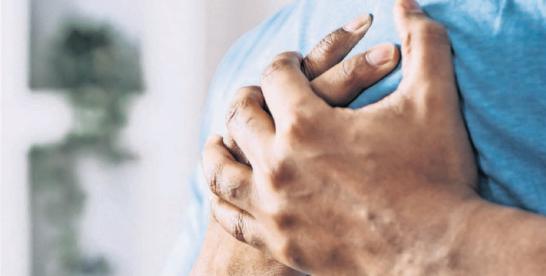
Men are more likely to experience the textbook symptoms of a heart attack than women. Still, these symptoms may be ignored. Here are some key signs, courtesy of Brown University Health.
Intense chest pain
A crushing pain, often described as an elephant sitting on the chest.
Radiating pain
Discomfort may move to the left arm, jaw or neck.
Shortness of breath
Difficulty breathing, even while resting.
Prevention strategies
The AHA says up to 80 percent of heart disease cases are preventable with some simple

According to Dr. Kenneth Wright, Jr., a sleep researcher at the University of Colorado, a person can make up for a poor night’s sleep by sleeping in the next day, but habitual loss of sleep cannot be recuperated in a weekend.
Men need to focus on sleep to feel their best. These sleep strategies, courtesy of The Centers for Disease Control and Prevention and the NIH, can promote better sleep. Be consistent
The body will adapt to a sleeping schedule when you go to bed and wake in the morning at the same time each day. Try not to vary your
Aim for daily exercise, which can make it easier to fall asleep at night. Avoid exercise a few hours before bed, however.
Spend time outside each day
At least 30 minutes of sunlight and fresh air each day can promote a better night’s sleep.
Watch your naps
Naps should be short and taken before mid-afternoon.
Skip caffeine and alcohol later in a day
Caffeine consumption can
A dark, cool and quiet bedroom is a positive sleep environment. If sleeping habits do not improve after making these changes, individuals should speak with a health care provider to determine if there is an underlying condition that is compromising sleep, such as restless leg syndrome or obstructive sleep apnea. Although sleeping pills can offer relief once in a while, they should not be seen as long-term solutions to sleeping disorders. Doctor can be useful allies in helping individuals get better sleep.
lifestyle adjustments. Clinical focus has shifted toward the following advice.
Reduce noise exposure
Reducing exposure to high levels of transportation and industrial noise can help, as noise is linked to chronic hypertension, according to Labcorp.
Avoid sleep extremes
It’s important to get between seven and eight hours of sleep each night. Less than five hours or more than 10 hours is directly linked to higher coronary event risks, says UChicago Medicine.
Manage CKM syndrome
The AMA says CKM syndrome is a systemic disorder defined by an interconnection between obesity, diabetes, kidney disease, and heart disease. Left untreated, it can progress to organ failure, heart attack or stroke.
Early screening for CVD is advised for men so they can head off potential heart problems.










The summer solstice offers the most hours of daylight all year. According to Space.com, the summer solstice occurs when one of the Earth’s poles has its maximum tilt toward the sun. The summer solstice falls on June 20, 21 or 22 in the Northern Hemisphere.
The longest day of the year and the beginning of astrological summer is a source of celebration for many people. Come the summer solstice, the warm weather stabilizes and there are more days of sunshine and mild temperatures. Summer also is a season for school breaks and family vacations, representing additional reasons to look forward to the summer solstice. People can commemorate the start of summer in many different ways, including these fun ideas.
Plan a hike
With a greater number of daylight hours, the solstice is the perfect time to head outdoors and enjoy the sights. There’s no need to rush, as the sun sets late in the evening, giving those who have to work or attend school earlier in the day an opportunity to enjoy a hike after signing off.
Take a photo
Make it a tradition to take a “first day of summer” photo each year to catalog the years going by. Everyone can pose in their favorite summer garb or get coordinating t-shirts.
Change the decor
The first day of summer is a perfect time to change a home’s decor to reflect bright, summery details. Pull out bright throw pillows, switch to citrus or coconut-scented candles to establish a beachy
mood and fill a bowl with limes, lemons and oranges for an easy summer centerpiece.
Make a treat
Spend the day trying a new summer recipe, such as homemade ice cream, s’mores, fresh lemonade, or a frozen cocktail (mocktail) like piña coladas. Enjoy in honor of summer.
Take a plunge
Make an inaugural summer trip to the seaside, a pool or a lake and do your best cannonball into the water. Summer is a peak time for swimming, water sports and boating, so it pays to dive right into these activities. These are some of the entertaining ways that people can celebrate the arrival of the first day of summer. Festivities can continue over the ensuing months.





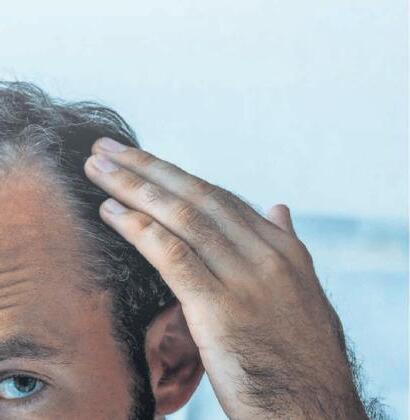
Hair loss is a concern for millions of people, including both men and women.
The American Hair Loss Association® says androgenetic alopecia, commonly known as male pattern baldness (MPB), is responsible for more than 95 percent of hair loss in men. By the age of 35, two-thirds of American men will experience some degree of noticeable hair loss. Hair significantly thins by the age of 50 in 85 percent of men. A study by the Canadian Dermatology Association indicates that MPB affects about 50 percent of men in Canada. Androgenetic alopecia also occurs in women, affecting around 30 million women in the U.S. Hair losss in women often increases with age and after menopause. Hair loss can affect appearance and self-esteem. Understandably, people wonder if there is something they can do to delay hair loss or prevent it from occurring altogether. Although some forms of hair loss can be minimized or avoided by addressing certain medical conditions or lifestyle factors, the hair loss attributed to genetics cannot be avoided. Here is a deep look at some strategies to protect hair.
Did you know?


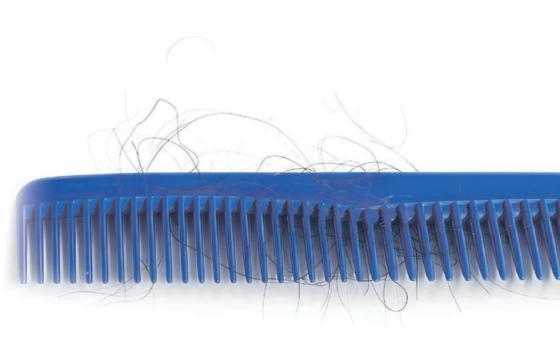
It is important to be gentle with hair. Many people are too rough when brushing, or use harsh chemical products or heat appliances. Limiting the use of these items and reducing the tension on hair from styles that use elastic bands, barrettes and braids can help reduce hair loss that results from ill treatment.
Manage medical conditions
Certain medical conditions, such as thyroid disease, can affect hair loss. Hair loss may slow after receiving treatment and managing these illnesses.
Try a cooling cap
The Cleveland Clinic suggests the use of a cooling cap during chemotherapy treatment. Such a device has been shown to reduce hair loss from cancer treatments.
Cope with stress
Find healthy ways to cope with stress. The National Institutes of Health indicates researchers have linked stress to impairment of stem cells necessary for hair growth. Meditating, engaging in relaxing activities, laughing with friends and family, and
additional ways to manage stress may improve hair health.
Check your medications
Certain medications may affect hair loss. Several types of medications, such as beta-blockers, anticonvulsants, antidepressants, and anticoagulants, are linked to hair loss. Discussing alternatives with a doctor may help.
Try baldness products and treatments
Medications are available to treat hereditary baldness. The most common include minoxidil, finasteride, spironolactone, and dutasteride. These are oral and topical treatments. In addition, the U.S. Food and Drug Administration has approved a low-level laser device as a treatment for hereditary hair loss in men and women. A few small studies have shown improvement in hair density. Hair transplanting procedures are an additional option.
Hair loss affects people all over the world. Some factors are controllable, while others are genetic.
Increasing time spent outdoors enjoying nature can positively affect mood and mental health. Generally speaking, outdoor enthusiasts tend to be happier overall.
The American Psychological Association says spending time in nature is linked to both cognitive benefits and improvements in mood, mental health and emotional well-being. Both green spaces and blue (aquatic) spaces benefit overall well-being. Several years ago, the University of Derby in the United Kingdom conducted a study titled, “The 30 Days Wild.” The study encouraged people
to do something wild once a day for 30 days. Participants shared that their connection to nature and doing things in nature created a significant increase in happiness and health. People who spend more time outside can experience greater self-esteem, less stress, increased memory retention, and more positive body image.
also lower activity in the rumination area of the brain, decreasing negative, repetitive thoughts. Also, those who are outside more tend to be engaging in physical activities, and exercise directly correlates to better mental health.