Famed rock band Kiss works on new music for first time in 10 years, masslive.com/life
How to find time to be more Better Health










TRAVEL: A Cheapskate in Dublin, D5
HISTORY: Schlock from the Bicentennial days, D9
PETS: In defense of dumb dogs, D9






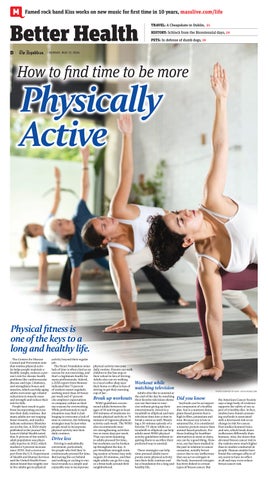
The Centers for Disease Control and Prevention note that routine physical activity helps people maintain a healthy weight, reduces a person’s risk for chronic health problems like cardiovascular disease and type 2 diabetes, and strengthens bones and muscles, which can help aging adults overcome age-related reductions in muscle mass and strength and reduce their risk for falls. People have much to gain from incorporating exercise into their daily routines. But many adults are not reaping those rewards, and studies indicate sedentary lifestyles are on the rise. A 2024 study published in the journal The Lancet Global Health noted that 31 percent of the world’s adult population was physically inactive in 2022, which marked a 5 percent increase since 2010. And a recent report from the U.S. Department of Health and Human Services and the United Health Foundation found that roughly one in five adults get no physical activity beyond their regular job.
The Heart Foundation notes lack of time is often cited as an excuse for not exercising, and that’s a legitimate hurdle for many professionals. Indeed, a 2026 report from Monster indicated that 73 percent of workers report regularly working more than 40 hours per week and 47 percent cite employer expectations or company culture as their top reasons for overworking. While professionals in such situations may find it challenging to overcome a lack of time to exercise, the following strategies may be just what people need to incorporate physical activity into their daily routines.
Driving is undoubtedly convenient, particularly for people who feel they’re continuously pressed for time. But leaving the car behind and walking or cycling to run local errands is a simple and enjoyable way to incorporate
physical activity into your daily routine. Parents can walk children to the bus stop or their school in lieu of driving. Adults also can try walking to a local coffee shop near their home or office in lieu of driving to get their morning cup of Joe.

WHO guidelines recommend adults between the ages of 18 and 64 get at least 150 minutes of moderate-intensity physical activity or 75 minutes of vigorous physical activity each week. The WHO also recommends muscle-strengthening activities two or more days per week. That can seem daunting to adults pressed for time, but workouts can be broken up throughout the day. A pre-breakfast strength training session at home may only require 20 minutes, and that night adults can go for a jog or a brisk walk around their neighborhood.


Adults who like to unwind at the end of the day by watching their favorite television shows can use that time to exercise without giving up their entertainment. Invest in a treadmill or elliptical and turn television time into a time to break a sweat as well. Watching a 30-minute episode of a favorite TV show while on a treadmill or elliptical can help adults meet WHO physical activity guidelines without requiring them to sacrifice their preferred way to unwind. These strategies can help time-pressed adults incorporate more physical activity into their daily routines and lay a foundation for a long and healthy life.


Soyfoods can be an important component of a healthy diet. Soy is a nutrient-dense, plant-based protein that is high in fiber, potassium and iron. Because soy is low in saturated fat, it is considered a smarter protein source than animal-based products. For those looking for healthier alternatives to meat or dairy, soy can be a good thing. However, soy has been studied in the past in relation to cancer causation, notably breast cancer due to soy isoflavones that can act as estrogen in the body. Increased estrogen has been linked to certain types of breast cancer. But

the American Cancer Society says a large body of evidence supports the safety of soy as part of a healthy diet. In fact, studies have found consuming soyfoods is associated with a decreased risk or no change in risk for cancer. Past studies featured mice and rats, which break down isoflavones differently than humans. Also, the doses that elevated breast cancer risk in the rodents were much higher than in studies conducted in people. Human studies have found the estrogen effects of soy seem to have no effect at all and may even reduce breast cancer risk.


Grappling with the pain of




endometriosis
A woman’s body and reproductive system is a marvel.
When working correctly, the human body can conceive new life. But when a woman’s reproductive system is not operating as it should, various complications can arise. When confronting issues affecting their reproductive system, women may experience pain, cramping and unusual bleeding during menstrual cycles. This is the case with endometriosis. Mt. Sinai Icahn School of Medicine says endometriosis occurs when cells like those in the lining of the uterus grow in other areas of the body. Each month, a woman’s ova-
ries produce hormones that tell uterine cells to swell and get thicker in preparation for pregnancy. If no conception occurs, these cells are shed along with blood and tissue during a menstrual period. However, with endometriosis, cells and tissue similar to the lining of the uterus (endometrium) are found outside the uterus and can attach to ovaries, fallopian tubes, bowels, the rectum, the bladder, and the lining of the pelvic area. Rarely will endometriosis appear in other parts of the body, like the lungs, brain and skin, says the Office for Women’s Health. The errant tissue that characterizes endometriosis acts like the endometrium in the uterus. It thickens, breaks down and bleeds just like the lining of the womb does during menstruation. However, unlike the real endometrium, which is shed each month through the vagina, endometriosis tissue has no way to leave the body and it can build up. As a result, surrounding areas can become irritated and form scar tissue, says the Mayo Clinic. Bands of fibrous tissue called adhesions
also may occur. When endometriosis affects the ovaries, cysts can form.
Each of these developments can lead to pelvic pain marked by painful cramping. Those suffering also may experience pain with intercourse or bowel movements and urination. Excessive bleeding or bleeding between periods may occur. For some, endometriosis may cause infertility.
The World Health Organization says endometriosis affects roughly 190 million women of reproductive age across the globe. It is a chronic condition and currently there is no cure. Treatment usually is aimed at controlling symptoms. Factors that increase the risk of endometriosis include never giving birth; starting one’s period at an early age; going through menopause at an older age; short menstrual cycles; and heavy menstrual periods that last longer than seven days.
Anyone experiencing unusual symptoms during menstruation should bring their concerns to the attention of a doctor. A pelvic exam and imaging tests can help detect endometriosis and/or rule out other conditions.
Endometriosis is a concern for many women. With help, women can find ways to alleviate their symptoms.
Menopause
is a natural biological function that takes place in a woman’s life.
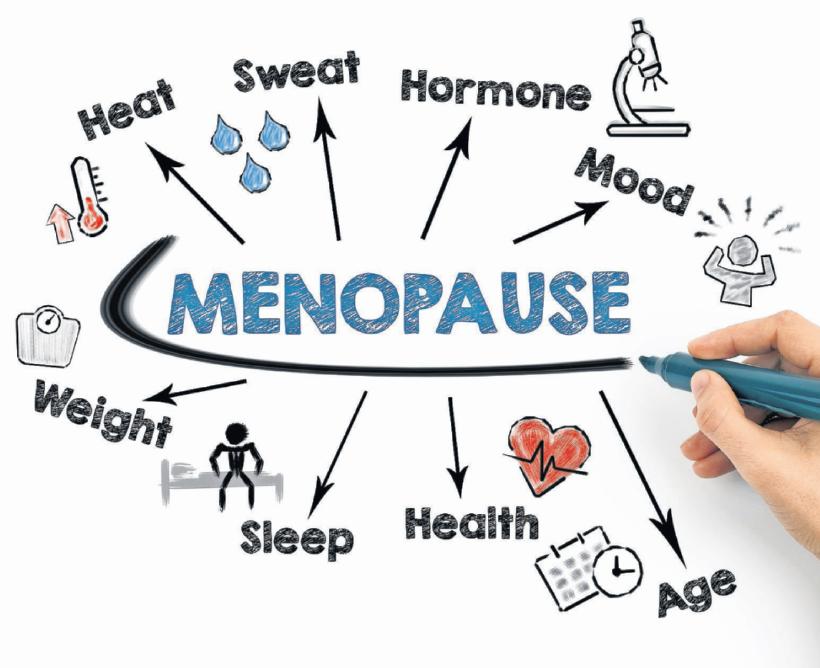
Menopause marks the end of a woman’s reproductive years, meaning she will no longer be able to conceive children.
Menopause often is misunderstood, largely due to persisting myths. Separating the facts from fiction can help provide clarity regarding this stage in a woman’s life.
Fiction: Menopause happens suddenly on a specific date.
Fact:
Menopause is a gradual process that begins with a stage known as perimenopause. This is the transitional phase leading up to menopause, which can last four to nine years. The North American Menopause Society says most women begin perimenopause in their mid- to late-40s and reach menopause around age 51 on average.
Fiction: You’ll know in advance
when you’ve reached menopause.
Fact:
Menopause will not be evident until after 12 consecutive months without a menstrual period.
Fiction: Hot flashes are the only symptom of menopause to be concerned about.
Fact:
Menopause (and perimenopause) can bring on a variety of symptoms. John’s Hopkins Medicine says approximately 75 to 80 percent of women will experience hot flashes during menopause. However, additional symptoms may include night sweats, sleep disturbances, mood swings, joint pain, and memory problems. The Mayo Clinic emphasizes that symptoms and their severity vary widely among women.
Fiction:
Menopause is depressing and a sign of “getting old.”
Fact:
Menopause is a natural life stage and not a sign of decline. Many women report feeling more confident after menopause has occurred and less stressed not having to keep track of menstrual periods. A 2023 survey from the American Association of

Retired Persons found that 71 percent of women between the ages of 45 and 59 felt empowered to take charge of their health during menopause.
Fiction: Women just have to grin and bear the menopause transition.
Fact:
Hormone replacement therapy (HRT) is safe and effective for many women, particularly those under age 60 or within 10 years of the onset of menopause. A Women’s Health Initiative study in the early 2000s initially correlated HRT to increased risk of breast cancer, heart disease and stroke. Today, updated reviews from the National Institutes of Health clarify that these risks depend on individual factors. HRT remains the most effective treatment for hot flashes and vaginal dryness.
Fiction:
Menopause will put an end to intimacy.
Fact:
Some women report changes in libido and vaginal comfort after menopause takes place, but many women remain sexually active and happy. A study in Menopause, the official journal of the NAMS, found 60 percent of women between the ages of 50 and 79 reported being sexually active. Various products and treatments can support sexual health as women age. Menopause is something most women will experience as they age, whether naturally or brought on by reproductive surgery. Getting past the myths to the real information can set minds at ease.
Did you know?



As women enter perimenopause and begin the transition that will ultimately lead to menopause, many doctors prescribe hormone pills to help regulate menstruation cycles and ease certain symptoms. Compared to regular birth control pills that contain 30 to 50 micrograms of estrogen, a doctor may suggest a low-dose pill that contains between 10 and 35 micrograms of estrogen. These levels can be increased as needed. WebMD says that, in addition to preventing pregnancy, which can still occur in perimenopause, low dose pills often regulate heavy or irregular menstrual periods and may offer protection from ovarian and uterine cancers. The pills also may prevent bone loss, which leads to osteoporosis. It’s important to note that contraceptives come with an elevated risk for breast cancer and blood clots, particularly for those with a history of heart disease and breast cancer. So doctors should be consulted about the pros and cons and women should initiate an open and honest dialogue with their physicians to avoid any complications.




Preventive care guidelines for
Women
It may seem like adolescence is the time in a woman’s life when most of the biological changes she will experience take place.
After all, puberty brings with it hormone fluctuations that can affect both physical and emotional health in various ways. However, as a woman enters mid-life and beyond, she may notice that she has to reevaluate her lifestyle to accommodate the evolution of her body and health. Preventive health screenings and additional strategies can keep women fit and well as they reach age 40 and beyond.
Annual Mammograms
Most doctors now recommend that women get annual mammograms starting at age 40. Mammograms can detect breast cancer early on at its most treatable stage. Manual breast exams conducted at home and by a doctor also can be vital tools.
Colorectal Cancer
Screenings
A colonoscopy is recommended for all women between the ages of 45 and 50 (on the earlier side of that spectrum for African American women). This test can
reveal the presence of polyps and cancerous growths.
Vision
Annual eye exams should be a part of everyone’s vision care strategy. The American Optometric Association says that, between ages 41 and 60, people may notice differences in their vision. Some changes may happen more frequently, requiring new prescription eyeglasses. Therefore, it helps to visit an eye care professional to take corrective steps. It’s also important to note that, as one ages, the vitreous (clear jelly) in the eye can thicken, leading to increased floaters and flashes that should be checked by an ophthalmologist, as they may lead to retinal tears or detachment that can threaten vision.
Cholesterol Screening Heart disease is the leading cause of death among women, says the Centers for Disease Control and Prevention. Cholesterol screening and other cardiovascular screenings can detect the presence of heart disease or indicate a person’s risk for it. Annual physical exams likely will include cholesterol checks as well as tests investigating other lipids in the blood.
Vitamin D check
Deficiency in vitamin D is a recognized pandemic. People are not naturally producing enough vitamin D from sun exposure, nor absorbing
basics of Cervical Cancer

Each year, hundreds of thousands of women and people assigned female at birth are diagnosed with cervical cancer. The World Health Organization reports that cervical cancer is the fourth most common cancer in women across the globe, with around 660,000 new cases reported in 2022. Learning more about cervical cancer may help to reduce these numbers.
What is cervical cancer?
Cervical cancer begins on the surface of the cervix, which is the part of the female reproductive system where the vagina meets the uterus.
The Cleveland Clinic says human papillomavirus infection is to blame for almost all cases of cervical cancer. HPV is a virus that spreads through sexual contact.
Symptoms of cervical cancer
Cervical cancer may not cause any initial symptoms. As the cancer spreads, the Mayo Clinic says that it can
cause certain issues. These include vaginal bleeding after intercourse, between periods or after menopause. Pelvic pain or pain during intercourse also may occur. Some women experience menstrual bleeding that is heavier and lasts longer than usual.
Types of cervical cancer
Cervical cancers are named after the type of cell where the cancer started. The National Cancer Institute says the two main types of cervical cancer are squamous cell carcinoma and adenocarcinoma.
Ninety percent of all cervical cancers are squamous cell carcinomas. These cancers develop from cells in the ectocervix. Adenocarcinomas develop in the glandular cells of the endocervix and are less common.
Risk factors for cervical cancer
Some risk factors for cervical cancer are within a person’s control. The Cleveland Clinic warns of these risks.
Lack of screening
Those who haven’t had reg-
ular Pap tests are more likely to get cervical cancer, as the tests can detect precancerous cells.
Sexual history
Having many sexual partners may put one at elevated risk for HPV infection. Lowering risk for HPV infection lowers cervical cancer risk.
Smoking
Smokers have a higher risk of cervical cancer.
HIV infection
People with HIV have a higher-than-average risk of developing cervical cancer.
HPV tests as well as Pap tests are critical in catching the disease. In addition, a vaccination to prevent HPV infection may reduce overall risk of cervical cancer and other HPV-related cancers. Most medical organizations suggest routine Pap tests begin at age 21 and advise repeating them every few years. Women are urged to speak with their doctors about the testing and other preventative measures that are best for their situations.
enough from the foods they eat. Vitamin D deficiency can be a serious concern in adult women, particularly those above the age of 40. Vitamin D deficiency can adversely affect mood, and an article published in 2018 in the Journal of Family Medicine and Primary Care found vitamin D determines the pattern of post-menopausal bone loss and age-related osteoporosis. Verywell Health also says vitamin D is an important nutrient for preventing diabetes, cancer and age-related weight gain.
Routine Gynecological Screening and Pap/HPV Testing
The American College of Obstetrics and Gynecologists say that it is important to visit a gynecologist annually for a woman’s health checkup. New guidelines emerged some time ago that indicate it is not necessary to get a Pap test at each visit. The recent guidance indicates women between the ages of 30 and 65 can opt for both a Pap and HPV test every five years; have a Pap test alone every three years; or only get the HPV test every five years. After age 65, cervical cancer screenings can cease if there has never been an indication suggesting the presence of abnormal cervical cells.
Moving into middle age brings about changes. Women should evolve health care plans accordingly to stay as healthy as possible.


The basics of fibromyalgia
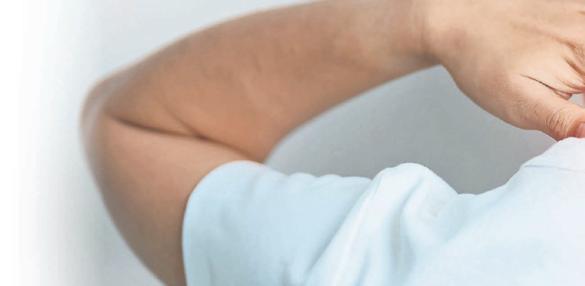
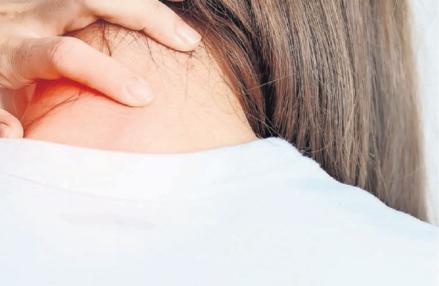
Periodic pain is a part of life many people can effectively manage without the help of medical professionals. A sore knee after some pickup basketball or a stiff neck after an awkward sleep probably won’t necessitate a trip or call to a doctor. But persistent pain does merit such concern, and could in fact be indicative of a condition known as fibromyalgia.
What is fibromyalgia?
The National Institute of Arthritis and Musculoskeletal and Skin Diseases describes fibromyalgia as a chronic disorder that causes pain and tenderness throughout the body. People with fibromyalgia also experience fatigue and trouble sleeping.
What are the symptoms of fibromyalgia?
The NIAMS indicates chronic, widespread pain throughout the body, an overwhelming feeling of being tired and difficulty sleeping are the main symptoms of fibromyalgia. But people with fibromyalgia may experience additional symptoms, including:
● Stiffness in the muscles and joints
● Some areas of the body may be tender to touch
● Tingling in the arms and legs or a feeling of numbness in these areas
● Increased sensitivity to certain stimuli, including light, noise, odors, and temperature
● Problems that affect digestion, including bloating or constipation
The symptoms of fibromyalgia are often physical, but some people experience cognitive signs as well. Cognitive symptoms are often characterized as “fibro fog,” which is akin to brain fog that makes it hard to concentrate, think clearly or remember things.
What causes fibromyalgia?
The Cleveland Clinic notes that experts are uncertain about what causes fibromyalgia. But some studies have found a genetic link that suggests parents might pass the condition down to their children. However, the NIAMS points out that people with no family history of fibromyalgia still get it.
What are the risk factors for fibromyalgia?
Age and sex are two notable risk factors for fibromyalgia, which is most often diagnosed in individuals over 40. In addition, the Cleveland Clinic reports that women are twice as likely as men to experience fibromyalgia, and the NIAMS notes fibromyalgia affects people of all racial and ethnic backgrounds. Additional risk factors for fibromyalgia include:

Chronic illnesses:

People with osteoarthritis are more likely to get fibromyalgia, as are individuals with certain mental health conditions, including depression and anxiety disorders. Irritable bowel syndrome also is considered a risk factor for fibromyalgia.
Stress:
Excessive stress can be a risk for fibromyalgia.
Can fibromyalgia be treated?
Treatment for fibromyalgia may require some trial and error as health care professionals work to identify an option that works. Such options may include over-the-counter or prescription medication, including antidepressants; exercises that employ stretching and strength training; sleep therapy; cognitive behavioral therapy; or stress management therapy.


Mount Sinai indicates fibromyalgia affects between 1 and 5 percent of the general population. Understanding the disorder may help people better manage the pain it causes.
Did you know?
Increasing time spent outdoors enjoying nature can positively affect mood and mental health. Generally speaking, outdoor enthusiasts
tend to be happier overall. The American Psychological Association says spending time in nature is linked to both cognitive benefits and improvements in mood, mental health and emotional well-being. Both green spaces and blue (aquatic) spaces benefit overall well-being. Several years ago, the University of Derby in the United Kingdom


conducted a study titled, “The 30 Days Wild.” The study encouraged people to do something wild once a day for 30 days. Participants shared that their connection to nature and doing things in nature created a significant increase in happiness and health. People who spend more time outside can experience greater self-esteem, less stress, increased
memory retention, and more positive body image. Natural environments also lower activity in the rumination area of the brain, decreasing negative, repetitive thoughts. Also, those who are outside more tend to be engaging in physical activities, and exercise directly correlates to better mental health.

Story
Bring your book idea to life - from first draft to print publication - with Headline Studio Massachusetts.
Our turnkey custom book design services include in-house research and writing, professional editing and typesetting, thoughtful interior layout, eye-catching cover creation, and high-quality printing.
With expert support at every step, combined with your guidance, we’ll turn your story into a beautifully crafted book - ready to share with the world.