


The View host Ana Navarro said it best when Caitlyn Jenner decried the loss of her preferred gender marker on her passport: “Cry me a river.”

Jenner’s high-profile coming out as a transgender woman in 2015 was a watershed moment for the LGBTQ+ community. But that support was short-lived when she aligned herself with President Donald Trump and his virulent anti-trans rhetoric.
Jenner said in an April interview that she couldn’t get the “female” gender marker on her passport, which prevented her from traveling internationally. She reached out to Trump for help, and he, unsurprisingly, ignored her.
Trump signed an executive order on his first day back in office banning trans people from using their preferred gender marker on passports.
Despite the stripping of her civil rights, Jenner continues to support Trump. “I love the guy, and I love what he’s doing,” she said in the interview. “But, I’m trying
to figure out the next step to try to figure this out.”
Jenner is now getting a taste of what the rest of the trans community has been dealing with for the past year and a half. Her race and wealth have afforded Jenner the luxury of being transgender without repercussions, while the rest of the nation’s trans people have been living in fear and uncertainty.
The fact that Trump has ignored Jenner is just another instance of his disregard for others – even diehard supporters.
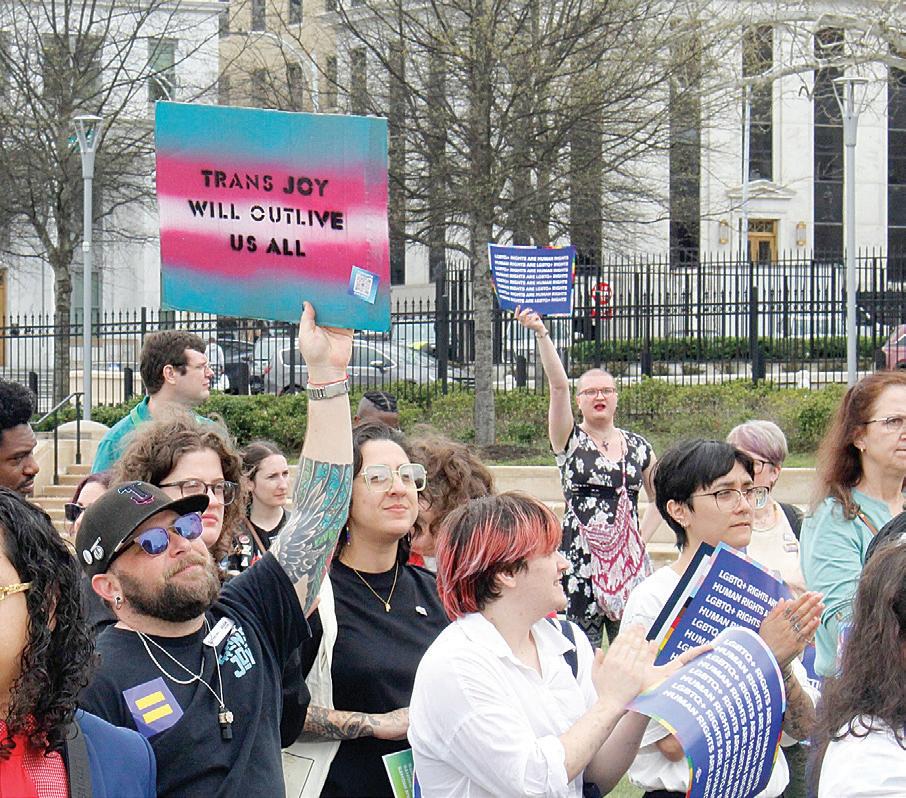
While all of the anti-LGBTQ+ legislation on the Georgia General Assembly’s docket was defeated this year, other states continue to ramp up their persecution tactics.
A staggering 700 anti-trans bills were introduced in 42 states this year alone (a dozen of those were in Georgia), which shows the impact of the ongoing Trump and right-wing rhetoric and fearmongering against the trans community.
Idaho now criminalizes transgender people using bathrooms. Kansas invalidated the driver’s licenses of trans
Editorial
Collin Kelley
Executive Editor
Beth McKibben
Editor-in-Chief
Sr. Editor Food & Dining
Cathy Cobbs
Managing Editor, Reporter Newspapers
Sammie Purcell
Associate Editor
Staff Writers
Katie Burkholder, Logan C. Ritchie, Sarra Sedghi, Hayden Sumlin
Contributors
Joe Reberkenny, Jim Farmer
Intern
Rachel Spooner
Published By
Rough Draft Atlanta
Keith Pepper
Publisher keith@RoughDraft.news
Heather Gibbons
Associate Publisher
Neal Maziar
Chief Revenue Officer neal@RoughDraft.news
Rico Figliolini
Creative Director
Tim Boyd
Publisher Emeritus
Operations
Savannah Pierce savannah@RoughDraft.news
people. At press time, Missouri was also trying to criminalize bathroom use.
And the larger LGBTQ+ community still has a target on its back in many other states. While the U.S. Supreme Court refused to take up a case to invalidate marriage equality, several states – including Tennessee and South Carolina – have introduced legislation asking SCOTUS to overturn the 2015 ruling Obergefell V. Hodges, which legalized same-sex marriage nationwide.
The May 19 primary election is a precursor to what’s at stake in this November’s midterms. Stay frosty, friends.
Advertising sales@RoughDraft.news
Jim Brams
Sr. Account Manager
Deborah Davis Account Manager deborah@RoughDraft.news
Jeff Kremer Sr. Account Manager jeff@RoughDraft.news
Linda Ostrowski Sr. Account Manager Linda@roughDraft.news
Suzanne Purcell Sr. Account Manager suzanne@RoughDraft.news
Dixon Taylor Sr. Account Manager
National Advertising Rivendell Media (908) 232-2021 sales@rivendellmedia.com



By Katie Burkholder
Investment in antiretroviral therapy (ART), a combination of medications used to treat HIV, has saved Georgia more than $100 billion over 25 years, according to a study by Emory University infectious disease epidemiologist Dr. Patrick Sullivan.
The study, which compares HIV epidemiological data from 1987 to 2023 to a hypothetical scenario without ART treatment, found that Georgia saved an estimated $107.2 billion due to the improved life expectancy of those living with HIV.
Dr. Sullivan told Georgia Voice that this fiscal benefit was caused by fewer people with HIV having to leave the workforce early and rely on public assistance. The study found that every dollar invested in ART returned $3.40 to Georgia’s public sector.
This investment in ART did not only manifest in financial benefits; it was also found to have prevented new HIV cases and deaths by suppressing the viral load in people living with HIV, thus preventing onward transmissions. In Georgia alone,

the study found that an estimated 57,885 new HIV cases and 36,921 HIV-related deaths were prevented by ART since 1987.
“The right thing to do medically, the right thing to do ethically, and the right thing to do financially, if that’s a primary concern, is to take care of people’s health and have our fellow Georgians be healthy,”
Dr. Sullivan said.
In the Fiscal Year 2027 budget, released on April 3, the Trump

administration proposed to reduce HIV prevention funding from over $1 billion to $220 million. While Dr. Sullivan said the study’s findings are something for people to celebrate, they’re also a reminder of the critical need for investment in HIV treatment.
“The people that work in this community are so aware and are having discussions every day about what is
promising and what is going well. But I think it can get lost in the broader dialogue,” he said. “…People sort of lost sight of how critical these issues are and what progress we’ve made – and that it’s vulnerable, that if we backtrack on commitment to treating everybody living with HIV, making those resources available, things could get worse.”
The study included data from four other Southern states: Florida, Mississippi, South Carolina, and Texas. While the South represents 38 percent of the national population, the region is disproportionately impacted by HIV with 52 percent of new cases. Georgia currently leads the country in new HIV cases.

You can see the results of the study by scanning the QR code.
By Collin Kelley & Katie Burkholder
Georgia Equality is celebrating the defeat of more than a dozen antiLGBTQ+ bills as state lawmakers wrapped their legislative session in the early hours of April 3.
In a statement posted to social media, the advocacy group said all anti-LGBTQ+ legislation was halted, including House Bill 54, which would have prevented doctors from prescribing puberty blockers to minors and restricted gender-affirming care for transgender people.
“Despite underhanded tactics being employed in these last couple of weeks, over 2,500 of us contacted our legislators and nearly 400 came out to the Capitol to make their voices heard in person,” the social media post said.
The bills that were defeated included:
■ SB 30: a bill to restrict access to medical care for trans youth
■ SB 39: a bill to deny coverage of medical care for trans people covered by the State Employee Health Benefit Plan
■ SB 74: a bill to criminalize librarians sharing LGBTQ+ content
■ SB 497: a forced outing bill for LGBTQ+ students
■ HB 104 and 267: bills further restricting trans youth from participating in sports
■ HB 671: a drag ban
■ HB 1210: a bill to create an exemption for non-affirming parents and caretakers to abuse trans youth
“Georgia state leadership fixating on restricting LGBTQ+ rights as their core priority over the past years, we made it clear that scapegoating LGBTQ+ Georgians is not a winning political strategy,” Georgia Equality Executive Director Jeff Graham said in a statement. “Georgians want more than culture war distractions; we deserve solutions addressing healthcare access, cost of living, and more affordable housing.” Graham thanked Georgians who had “tirelessly to defend our LGBTQ+ loved ones, neighbors, and friends.”
Across the nation, anti-LGBTQ+ legislation has moved to criminalize transgender bathroom use, degrade marriage equality, and ban books in schools and public libraries. More than 700 anti-transgender bills alone were introduced in 42 states this year.
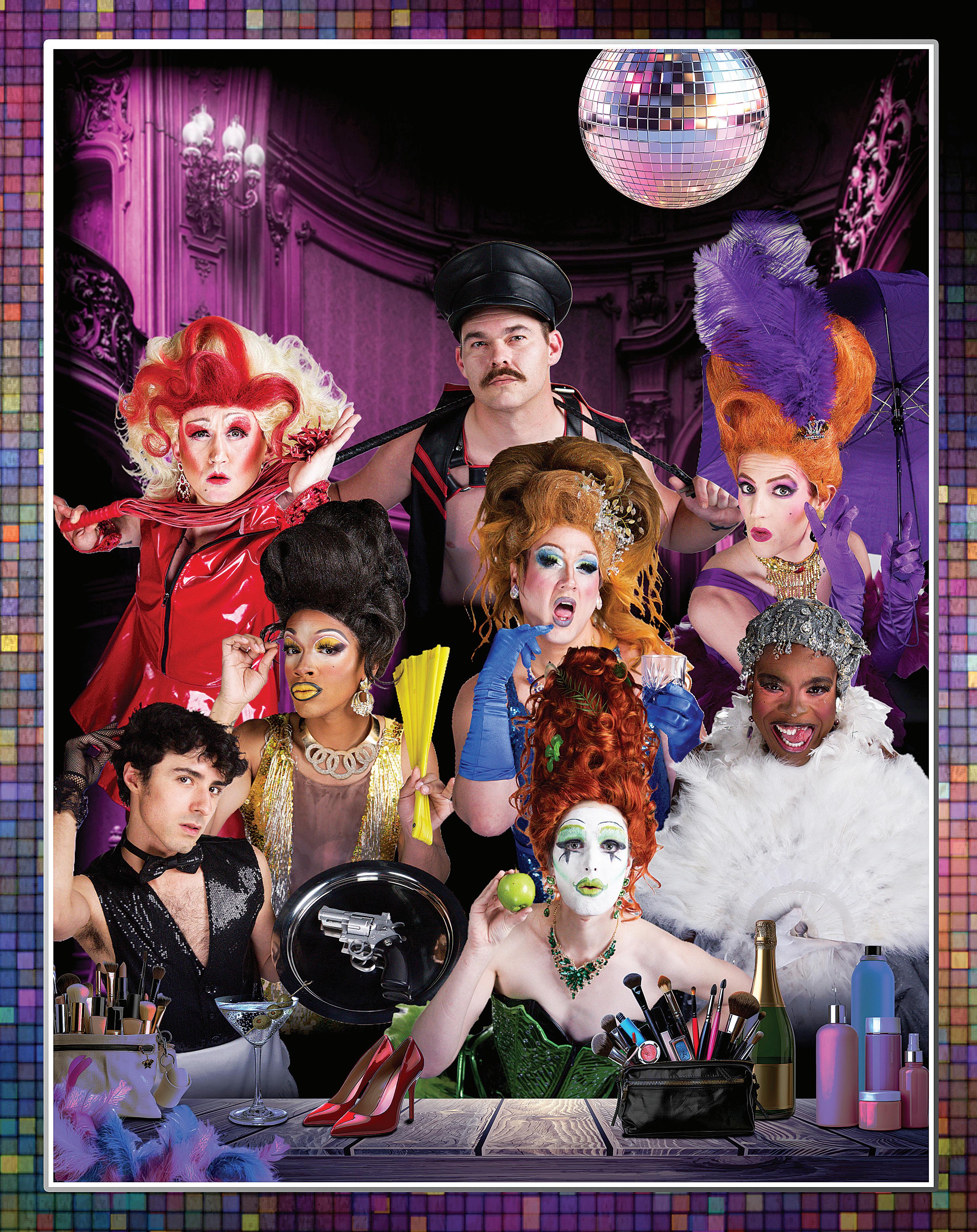
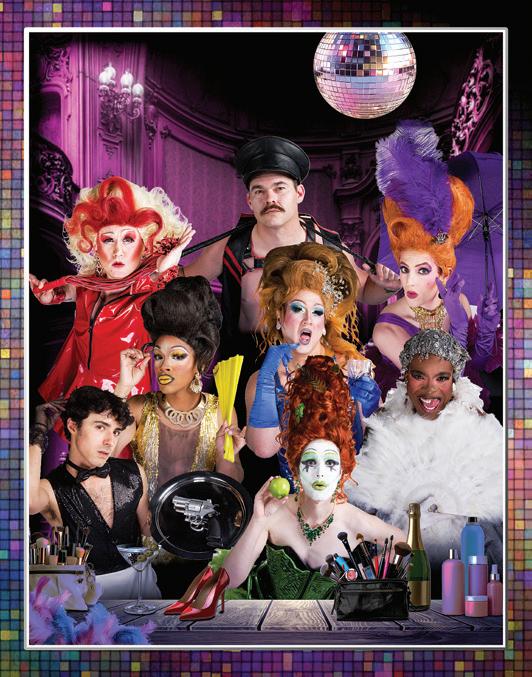
Step into Cluedunnit, where murder, mystery, and madcap mayhem collide in the most fabulous whodunit you’ve ever seen! This outrageous all new drag parody throws six larger-than-life suspects, a house mother with secrets galore, and one overworked houseboy into a stormy night of scandal, shade, and champagne corks flying like bullets. Armed with deadly gifts and death drops, the suspects must sashay through mistaken identities, outrageous confessions, and a cascade of murders in the dark. It’s fast, it’s fierce, it’s filthy, and it’s the only mystery where solving the crime is just as much fun as watching the campy chaos unfold onstage.
APRIL 30 - MAY 16, 2026
Tickets: $35+
Front Theatre Company




By Collin Kelley
Georgia voters are heading into a pivotal May 19 primary that will shape the state’s political direction, with a wideopen governor’s race at the top of the ballot and a host of competitive contests across metro Atlanta and the state. The race to succeed term-limited
Republican Gov. Brian Kemp is drawing crowded fields in both parties and is expected to dominate turnout. On the Republican side, candidates include Lt. Gov. Burt Jones, Secretary of State Brad Raffensperger, Attorney General Chris Carr, and businessman Rick Jackson, highlighting divisions between establishment conservatives and those

aligned with President Donald Trump.
Democrats are also fielding a large slate, led by former Atlanta Mayor Keisha Lance Bottoms, former DeKalb County CEO Mike Thurmond, former state Sen. Jason Esteves, and former Republican Lt. Gov. Geoff Duncan, who switched parties over differences with Trump and his adherents in Georgia.
The size of both fields raises the likelihood of July runoffs if no candidate secures a majority.
The primary unfolds as Georgia remains a closely divided battleground, with both parties viewing the governor’s race as critical to shaping policy on issues including economic growth, voting laws, and education.
Beyond the governor’s contest, the U.S. Senate primary is another major draw. Incumbent Democratic Sen. Jon Ossoff faces multiple Republican challengers competing to unseat him in
November, ensuring heavy spending and voter engagement statewide.
Several down-ballot statewide races are also competitive, including lieutenant governor, secretary of state, and attorney general. These contests will determine leadership over elections administration, legal policy and legislative priorities, with candidates from both parties competing in contested primaries.
In metro Atlanta, voters in Fulton, DeKalb and Gwinnett counties will also weigh in on legislative and local races that could influence state politics. Competitive Georgia House and Senate primaries in these heavily populated counties are expected to play an outsized role in determining party control and ideological direction at the Gold Dome.
Early voting for the primary began April 27 and runs through May 15, with Election Day set for May 19. A likely runoff is scheduled for June 16.
Be sure to check your voting status at the GA My Gov Voter Page at mvp. sos.ga.gov/s/ and follow our primary coverage at RoughDraftAtlanta.news.




By Katie Burkholder
A Georgia special education paraprofessional says she was forced to resign after telling a student she was a member of the LGBTQ+ community.
Cameryn Lovett resigned from Mulberry Creek Elementary School in the Harris County School District after challenging anti-LGBTQ+ remarks made by a fourth-grade student.
Lovett told ABC affiliate WTVM in Columbus, GA, that she told the student she was gay after he said that he didn’t know any gay people “because they are bad.”
Lovett said the exchange was a brief attempt at correcting the child’s misinformation. However, the district’s human resources department allegedly deemed the conversation inappropriate and gave her a choice between resignation or termination.
“The woman from HR told me it will look better for your next job and for job applications if you resign. So, I agreed,” she said. “I said I would resign, and then, in leaving, I find out that prevents me from taking any kind of action.”
Georgia does not have a “Don’t Say Gay” law that restricts the discussion of
sexual orientation in classrooms, though several have been introduced in the past.
Noël Heatherland, the Statewide Organizing Director for Georgia Equality, told Georgia Voice that having openly LGBTQ+ people in schools is critical for childhood development.
“Having interactions with teachers, teachers’ assistants,and other students of different identities and family structures helps young people learn that there is not just one kind of person that exists in this world,” they said. “Learning of the different types of people that are a part of our neighborhoods and schools contributes to healthy childhood development and helps build character qualities like compassion and respect… [LGBTQ+] people are everywhere and they belong everywhere, including our schools.”
is not the first educator in Georgia to lose their job for discussing the LGBTQ+ community. In 2023, a Cobb County teacher was fired after reading a book on gender fluidity to fifth graders, and in 2025, a librarian in South Georgia was fired for allowing a child to include a book with transgender themes in a display.


By Joe Reberkenny | Washington Blade
The Pride flag is once again flying over the Stonewall National Monument in New York following a court order requiring the National Park Service to raise it over the site.
The decision follows a lawsuit filed by Lambda Legal and the Washington Litigation Group in the U.S. District Court for the Southern District of New York, which challenged the removal as unconstitutional under the Administrative Procedure Act and argued that the government unlawfully targeted the LGBTQ community.
In February, the NPS removed the Pride flag from the Stonewall National Monument, the first national monument dedicated to LGBTQ rights and history in the U.S. The move followed a Jan. 21 memorandum issued by President Donald Trump-appointed NPS Director Jessica Bowron restricting which flags may be flown at national parks. The directive limited displays to official government flags, with narrow exceptions for those deemed to serve an “official purpose.”
Plaintiffs successfully argued that the Pride flag meets that standard, given Stonewall’s status as the birthplace of the modern LGBTQ rights movement. They also contended that the policy violated the APA by bypassing required public input and improperly applying agency rules.
The lawsuit named Interior Secretary Doug Burgum, Bowron, and Amy Sebring, superintendent of Manhattan sites for the NPS, as defendants. Plaintiffs included the Gilbert Baker Foundation, Village Preservation, Equality New York, and several individuals.
The court found that the
memorandum — while allowing limited exceptions for historical context purposes — was applied unlawfully in this case.
As part of the settlement, the NPS is required to rehang the Pride flag on the monument’s official flagpole within seven days, where it will remain permanently.
“The sudden, arbitrary, and capricious removal of the Pride flag from the Stonewall National Monument was yet another act by this administration to erase the LGBTQ+ community,” said Karen Loewy, co-counsel for plaintiffs and Lambda Legal’s Senior Counsel and Director of Constitutional Law Practice.
“Today, the government has pledged to restore this important symbol back to where it belongs.”
“This is a complete victory for our clients and for the LGBTQ+ community,” said Alexander Kristofcak, lead counsel for plaintiffs and a lawyer with Washington Litigation Group. “The government has acknowledged what we argued from day one: the Pride flag belongs at Stonewall. The flag will be restored and it will fly officially and permanently. And we will remain vigilant to ensure that the government sticks to the deal.”
“Gilbert Baker created the Rainbow Pride flag as a symbol of hope and liberation,” said Charles Beal, president of the Gilbert Baker Foundation. “Today, that symbol is restored to the place where it belongs, standing watch over the birthplace of the modern LGBTQ+ rights movement.”
“The government tried to erase an important symbol of the LGBTQ+ community, and the community said no,” said Amanda Babine, executive director of Equality New York. “Today’s accomplishment proves that when we stand together and fight back, we win.”
12-14
MAY 15-17 MAY 22-24 UNBEATABLE


MAY 12 Hawaiian Shirt Giveaway
*First 15,000 fans


MAY 13 Michael Harris II & Cash Bobblehead Giveaway Presented by *First 15,000 fans

MAY
MAY 15

MAY


The Board of Directors of Georgia Equality, the state’s largest LGBTQ+ advocacy organization, has announced its first round of endorsements for the primary and nonpartisan elections in May.
In the primary election for Governor, Georgia Equality has endorsed Jason Esteves. Esteves is a former public school teacher, lawyer, Atlanta Board of Education member, and Georgia state senator. He is running on a platform of cutting the cost of living, expanding access to health care, and investing in Georgia’s small businesses.
In the Georgia Supreme Court election, Georgia Equality has endorsed Jen Jordan for the seat occupied by Justice Warren and Miracle Rankin for the seat occupied by Justice Bethel.
Georgia Voice
The White House submitted its 2027 budget request to Congress last month, outlining a push for the Federal Bureau of Investigation to “proactively” target what it describes as “extremism” related to gender — raising concerns about the potential for law enforcement to target LGBTQ+ people.
A proposed “mission center” in the budget would include personnel from 10 federal agencies tasked with targeting “domestic terrorists” associated with a wide range of ideologies. Among them is what the administration labels “extremism” related to gender.
The document also cites “hostility toward those who hold traditional American views” on family, religion, and morality — language LGBTQ+ advocates have increasingly warned could be used to frame queer and transgender rights movements as ideological threats.
Washington Blade



Idaho’s governor signed a bill on March 30 – Trans Day of Visibility – that criminalizes transgender people using bathrooms that align with their gender identity, including in private businesses on Trans Day of Visibility.
That move came on the heels of Kansas legislation invalidating driver’s licenses of trans people and authorizing anyone to sue anybody they suspect of being transgender for using the “wrong” restroom in government buildings.
And in Missouri, Republicans in the House of Representatives passed a bill requiring public entities to divide their bathrooms and changing areas by sex assigned at birth or face financial penalties.
– Georgia Voice



By Katie Burkholder
Two metro Atlanta theatre companies are bringing the laughs with new productions this spring.
Cluedunnit
Out Front Theatre, Atlanta’s LGBTQ+ theater company, will stage the world premiere of “Cluedunnit” from April 30 to May 16.
The outrageous drag parody, by Jack Carol and Out Front’s Artistic Director Paul Conroy, throws six larger-than-life suspects, a house mother with secrets galore, and one overworked houseboy into a stormy night of scandal and shade. Armed with deadly gifts and death drops, the suspects must sashay through mistaken identities, outrageous confessions, and a cascade of murders in the dark.
Shows are 8 p.m. on Thursdays, Fridays, and Saturdays, and 3 p.m. on Sundays. Tickets to “Cluedunnit” start at $35 and can be purchased at Out Front’s at outfronttheatre.com.
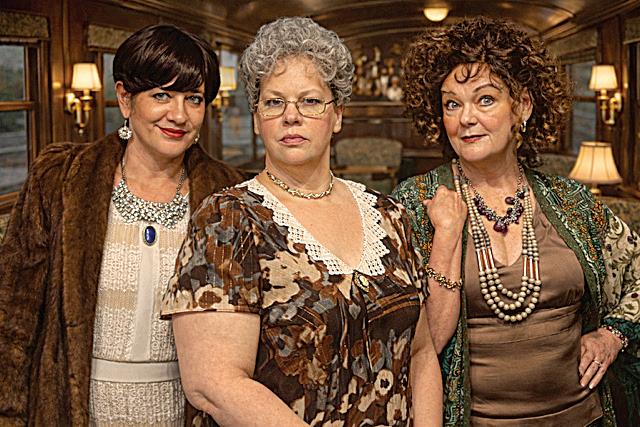
Out of Box Theatre, the Mariettabased theater company known for intimate and unexpected productions, returns this spring with queer playwright Topher Payne’s comedy “A First Lady’s Guide to
Killing the President.”
The play takes place in 1923 and follows Florence Harding, the wife of President Warren. G. Harding. Under the hanging threat of the president’s sex scandals and financial misdeeds, the Hardings embark on a cross-country train
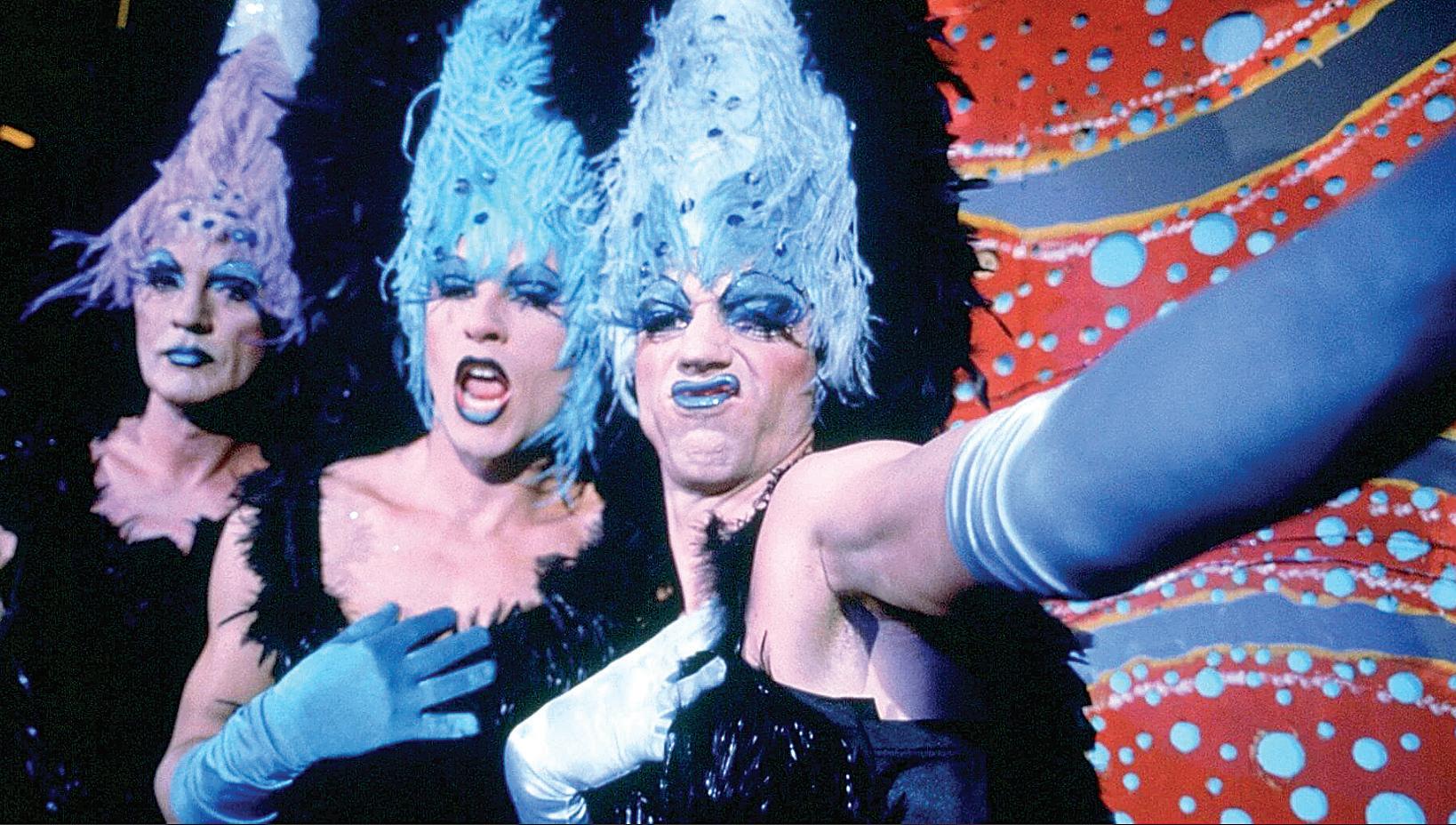
Landmark Theatres begins its third annual Pride series on May 30 with the classic “The Adventures of Priscilla, Queen of the Desert” at the Midtown Art Cinema in Atlanta.
The series of films will be screened in partnership with Out on Film, which will be hosting talkbacks after select screenings. Tickets are available at outonfilm.org.
Here’s the lineup:
The Adventures of Priscilla, Queen of the Desert
May 30 at 1 p.m. and June 2 at 1 p.m. and 7 p.m.
Two drag queens, Mitzi and Felicia, and their trans friend, Bernadette, sign up for a gig at a drag show in the remote Australian
desert. They head west from Sydney aboard a lavender bus named Priscilla, but when they arrive, they find more than just a cabaret job lying in wait.
June 6 at 1 p.m. and June 9 at 1 p.m. and 7 p.m.
Confident and opinionated, 17-yearold Megan is far too strong-willed for her unsupportive parents, who begin to worry she is a lesbian. Their solution is to send Megan to ‘True Directions,’ a “rehabilitation camp” run by homophobic counselor Mary Brown. Soon Megan meets the equally defiant Graham, and the two form a fast friendship.
tour to generate good press.
But trouble comes along for the ride in the form of two of Warren’s blackmailing mistresses, a scheming Second Lady who’s looking to move up, an incompetent herbalist who somehow became Assistant Surgeon General, a debauched newspaper publisher convinced she’s suffering from the curse of the Hope Diamond, and an ill-tempered pet squirrel named Handsome Pete.
“Once the train leaves the station, it never slows down,” director Matthew Busch said. “It’s bold, it’s ridiculous, and it hits closer to home than you might expect.”
“A First Lady’s Guide” premiered to sold-out audiences in 2025 and returns from May 8 through 17 at Georgia Ensemble Theatre in Roswell. The cast features Leigh-Ann Campbell, Rial Ellsworth, Amanda Cucher, Shelly McCook, Neuma Joy, Leon Shields, and Jessie Kulpers.
Tickets for “A First Lady’s Guide to Killing the President” are $25 and can be purchased at outofboxtheatre.com.
Hedwig & The Angry Inch
June 13 at 1 p.m. and June 16 at 1 p.m. and 7 p.m.
Hedwig, born a boy named Hansel in Communist East Berlin, dreams of finding his other half and becoming a big American rock star. When a handsome American GI promises love and liberation, it seems like a dream come true. But there’s a catch: to marry and emigrate, Hansel must “leave a little something behind.” Hedwig survives a botched sex change operation and forms a rock band.
Brokeback Mountain
June 20 at 1 p.m. and June 23 at 1 p.m. and 7 p.m.
Set against the sweeping landscapes of
Wyoming and Texas, this epic love story tells of two cowboys who meet in the summer of 1963 while driving cattle on a mountain range.
Moonlight
June 27 at 1 p.m. and June 30 at 1 p.m. and 7 p.m.
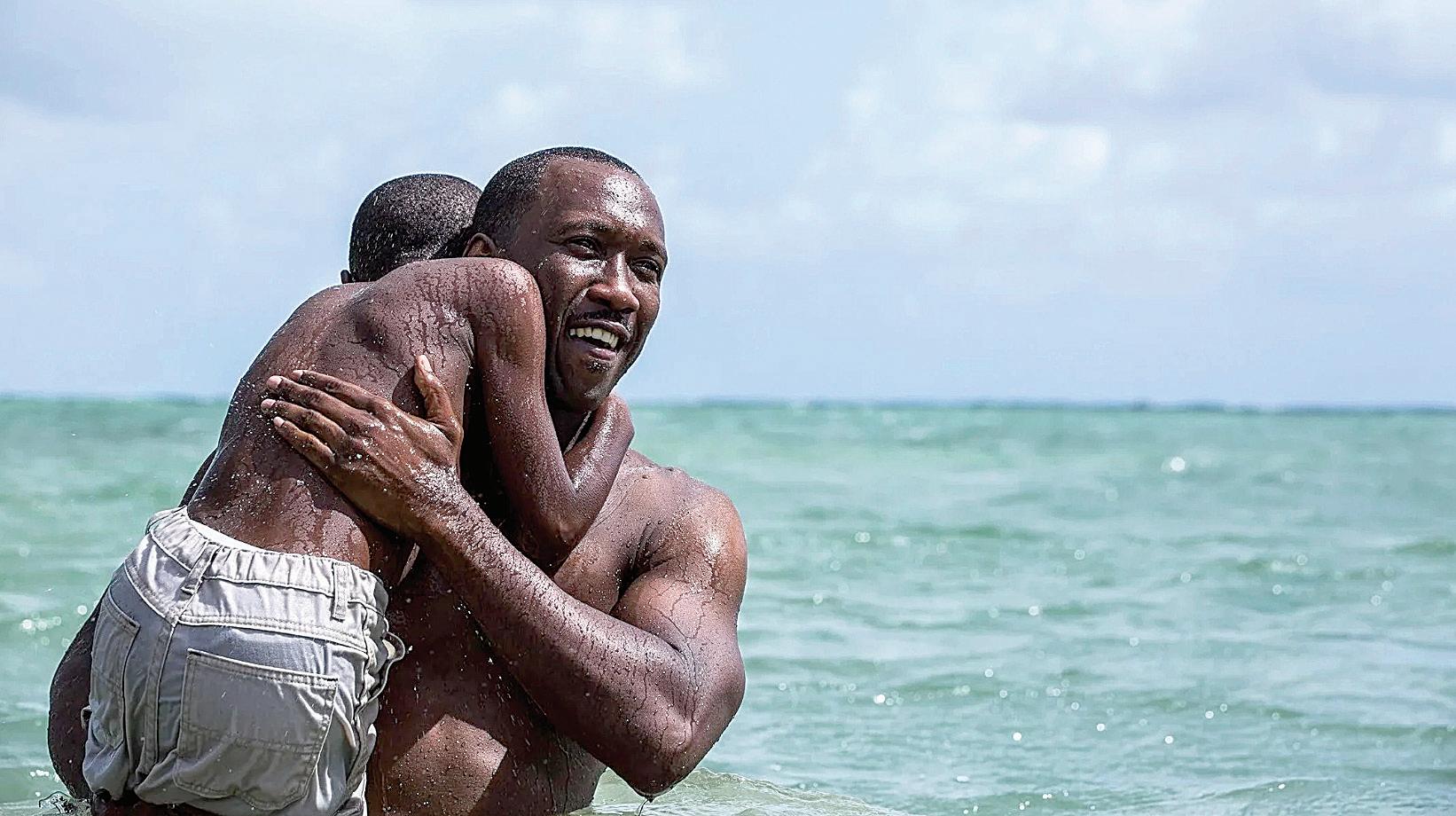
At once a vital portrait of contemporary African American life and an intensely personal and poetic meditation on identity, family, friendship, and love, MOONLIGHT is a groundbreaking piece of cinema that reverberates with deep compassion and universal truths.
By Jim Farmer
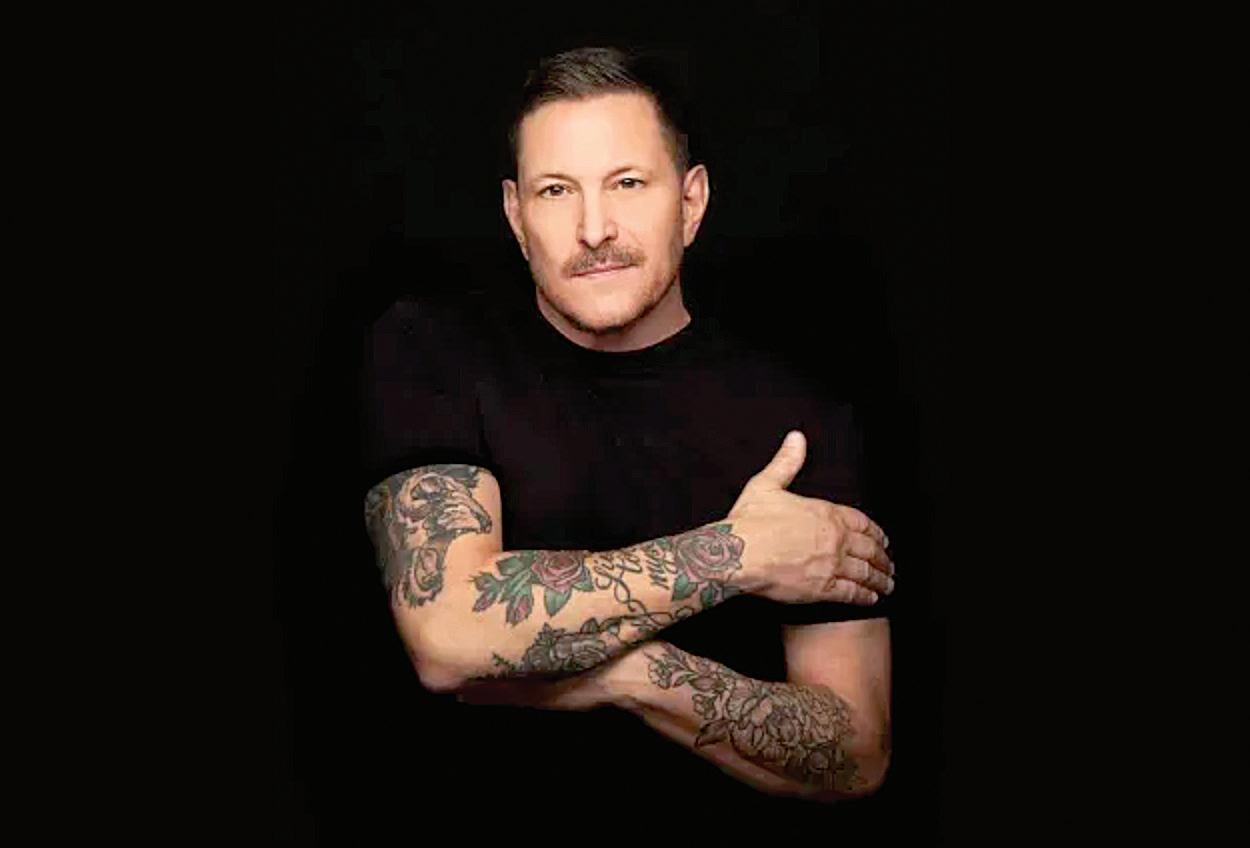
Ty Herndon has been an enduring figure in the music industry for more than three decades. But it’s not been all smooth sailing for the out artist.
Herndon’s new memoir, “What Mattered Most,” (co-written by David Ritz and available now through Dey Street Books) charts some of the obstacles he’s faced and how he has overcome them.
Before writing “What Mattered Most,” Herndon had been contemplating

a memoir for some time. But a spiritual counselor told him not to chase it, saying if it were meant to be, it would come to him.
And it did. After a “tumultuous year” in 2020, when Herndon relapsed into drug addiction, Ritz, his eventual cowriter, reached out to him to discuss a book. That journey changed Herndon’s life, and he calls the memoir “a testament to survival and transformation.”
Between 1995 and 2002, the artist –who was born in Mississippi and raised in Alabama – had three number one songs
and 17 Top 10 country hits, including “Living in a Moment,” “It Must Be Love,” and the namesake of his memoir, “What Mattered Most.” During that time, however, he was also battling drug and alcohol addiction and mental health issues.
In planning for the memoir, Herndon realized he’d have to revisit some scary places.
“I had never done a book before,” he told Georgia Voice during a recent Zoom interview. “David found my voice, and we walked side by side. He knew I would be excavating some rooms, some rooms that had been locked away for four decades.”
A low point came in 2020. On New Year’s Eve, he found himself face down on his living room floor with 27 pills in his hand – and no intention of seeing the sunrise.
“I hit rock bottom, and I hit it so hard it broke me open,” he said. “This book is for anyone who feels they are at the end of their rope, who goes so far down the wrong road that they can’t go back.”
In 2014, Herndon became the first male country singer to come out. He had wanted to do so earlier, and was eventually convinced he could by singer Chely Wright, who came out herself in 2010. “I have never liked being labeled as anything, but as Chely told me, you get to a place where your blood and bones have to be comfortable in the place that God built,” Herndon said. “I am co-dependent
2026
hrc.org.
&
is
Taste of Alpharetta is May 14 from 5 to 10 p.m. in downtown featuring more than 60 restaurants offering samples of appetizers, entrees, and desserts from the top chefs in town. Get tickets and details at tasteofalpharettaga.com.
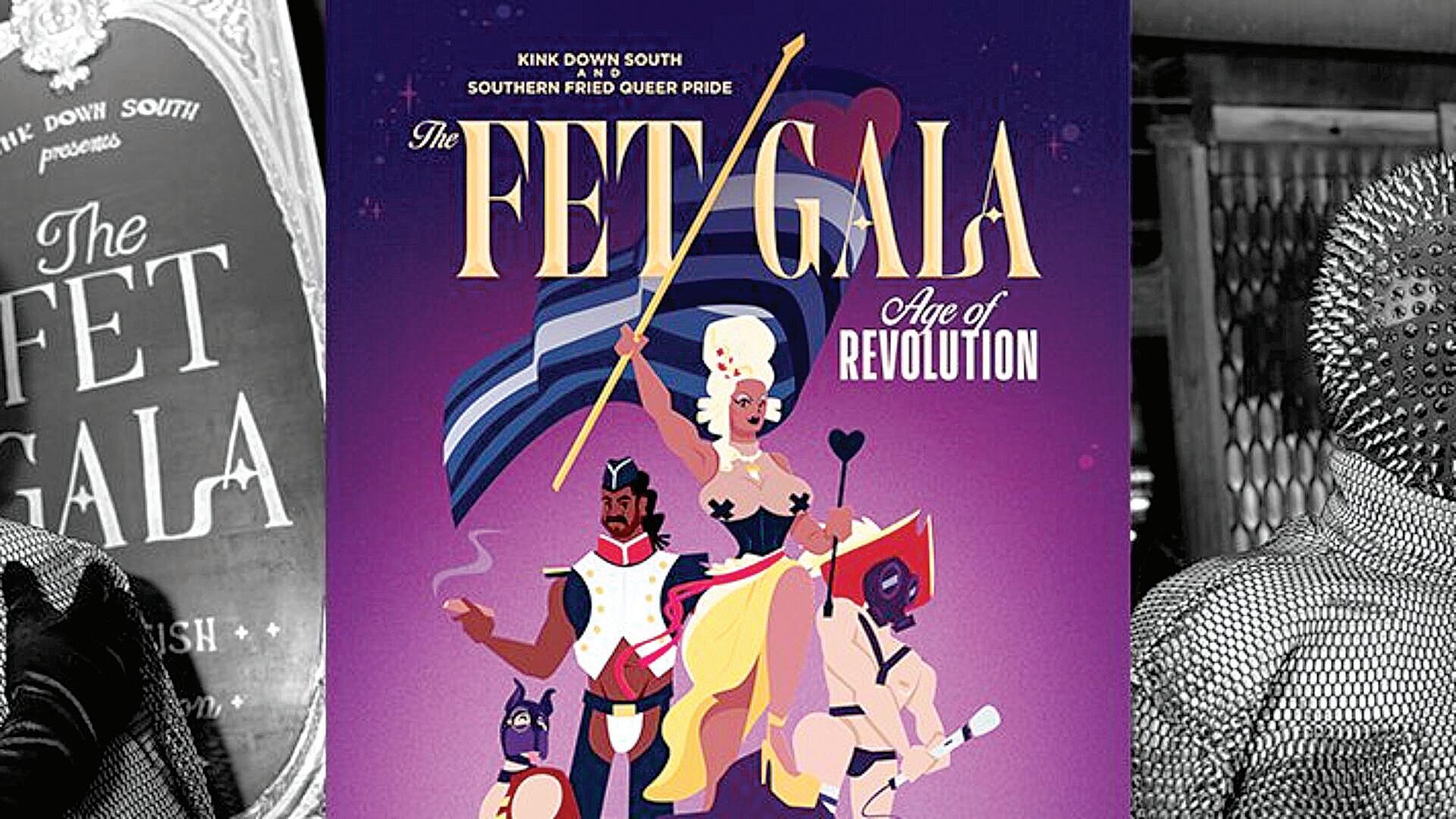
Kink Down South and Southern Fried Queer Pride will host The Fet Gala: Age of Revolution on May 16 from
on my faith. Coming out for me was a phone call to Chely saying, ‘I am happy, but I am not happy here.’”
He spent four hours on the phone with Wright and flew with friends and colleagues to New York, surrounded with love, to talk openly to People magazine. But, his inner circle told him that there was a chance he’d never sing before an audience again, and that he had to be okay with the possibility. Herndon also knew that his story would necessarily involve his boyfriend, Matt Collum, who was not out at the time. He took that chance.
Looking back, Herndon remembers it being a beautiful day.
“I remember the morning after the story broke early, there were 300 text messages,” he said. “I did a show a week later, and a thousand people showed up. I walked out to a standing ovation.”
He eventually founded the Concert For Love + Acceptance, which opened the doors to a more inclusive country music community, and became an advocate for LGBTQ+ rights, mental health, and addiction and trauma recovery.
“With the journey I’ve had, if I weren’t an advocate for healing and getting on the other side of some heinous and awful stuff, I’d be doing a great disservice,” he said. “I honor that fact that my truth gets to sit in a place that it serves.”
6 to 10 p.m. at Resonant Studios ATL. Music, dancing with a fetish attire dress code (think shredded silk meets tactical leather). Get tickets and details at southernfriedqueerpride.com.
The Breakaway Music Festival will be held May 15-16 at Center Parc Stadium in Atlanta, featuring two days of electronic dance music with sets by Cole Knight, Peekaboo, Max Styler, Thunderpony, and many more. Tickets and information at breakawayfestival.com.
Charis Books & More welcomes editor Rosiee Thor and contributors Kalyn Josephson, Kemi Ashing-Giwa, and Claudie Arsenault for a panel discussion celebrating “Being Aro: A Collection of Aromantic Fiction about Love, Connection, and Empowerment.” The virtual event is on May 26 at 7:30 p.m. Visit charisbooksandmore.com for more information.
By Collin Kelley
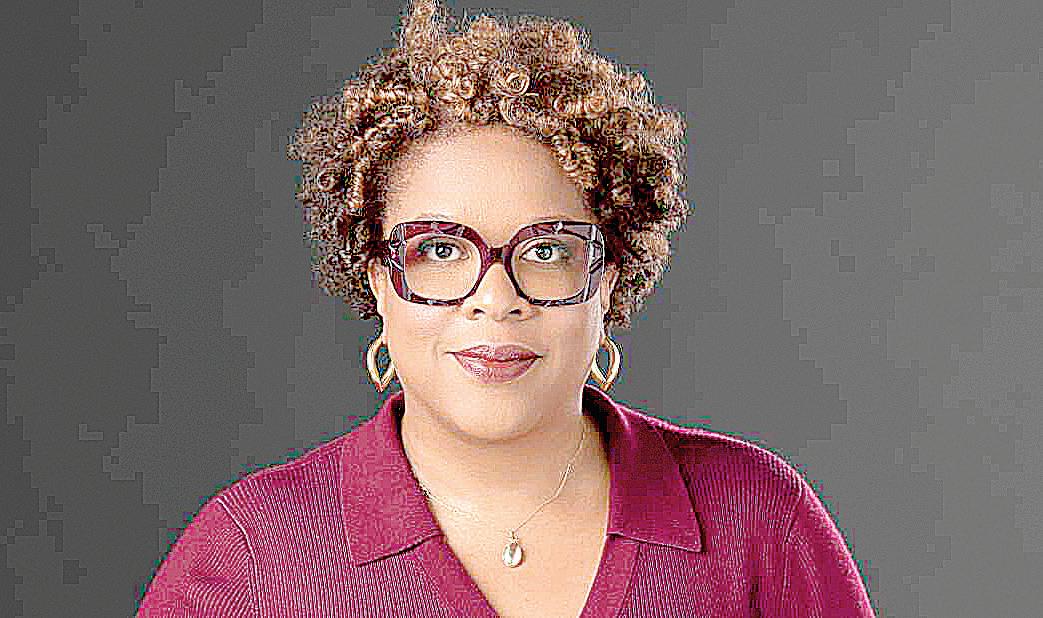
Award-winning Atlanta author Tayari Jones earned an even more unique distinction earlier this year when she joined the elite club of writers who’ve had more than one book chosen for Oprah’s Book Club.
Oprah Winfrey had already chosen Jones’ lauded fourth novel, “An American Marriage,” in 2018, but then surprised her in February by selecting the newly published “Kin.” The novel debuted at number three on the New York Times bestseller list.
“Kin” follows Annie and Vernice (Niecy), two motherless girls raised together in 1950s Honeysuckle, Louisiana. After losing their mothers under different circumstances, the girls form a deep bond. As they become teenagers, Niecy leaves for Spelman College and marries into an
affluent Black family, while Annie sets out across the Jim Crow South in search of the mother who abandoned her.
Jones said the creation of “Kin” began as a word doodle during the height of the COVID-19 pandemic and Black Lives Matter protests in 2020.
“These characters just appeared, and the setting immediately became the 1950s, which I knew nothing about. I’m a contemporary author.”
Before she knew it, Jones had 100 pages of the story.
The novel is told through Niecy and Annie’s alternating perspectives, so Jones wrote 100 pages in each woman’s voice, creating two distinct characters in the process.

“There were so many problems in the world, and everything seemed so urgent,” Jones recalled. “I had a hard time plugging into fiction and creativity, so I was not doing the work. I had writer’s block.”
One day, she started doing a world doodle on a notepad, penciling in words and phrases that came to mind without thinking too much about them. Out of that exercise, Niecy and Annie began to emerge.
Writing a book set in the 1950s and 60s also gave Jones the opportunity to research more about the city she grew up in. She drew on her own time at Spelman College, where she was class historian, to flesh out Niecy’s experience, and also revisited the life of noted Spelman alum Dovey Johnson Roundtree, who worked three jobs to put herself through college before becoming a famed civil rights attorney and activist.
Jones is a stickler for details, so she also pored over old Sears catalogs to get clothing details just right for the time periods.
She also didn’t shy away from exploring queer characters in an era where their lives and relationships were hidden. School teacher Raynelle and her partner, Ola Mae, are sassy, self-appointed guardians for Niecy, who later has her own queer relationship with a female student at Spelman.
“I didn’t want to write a world where
By Katie Burkholder
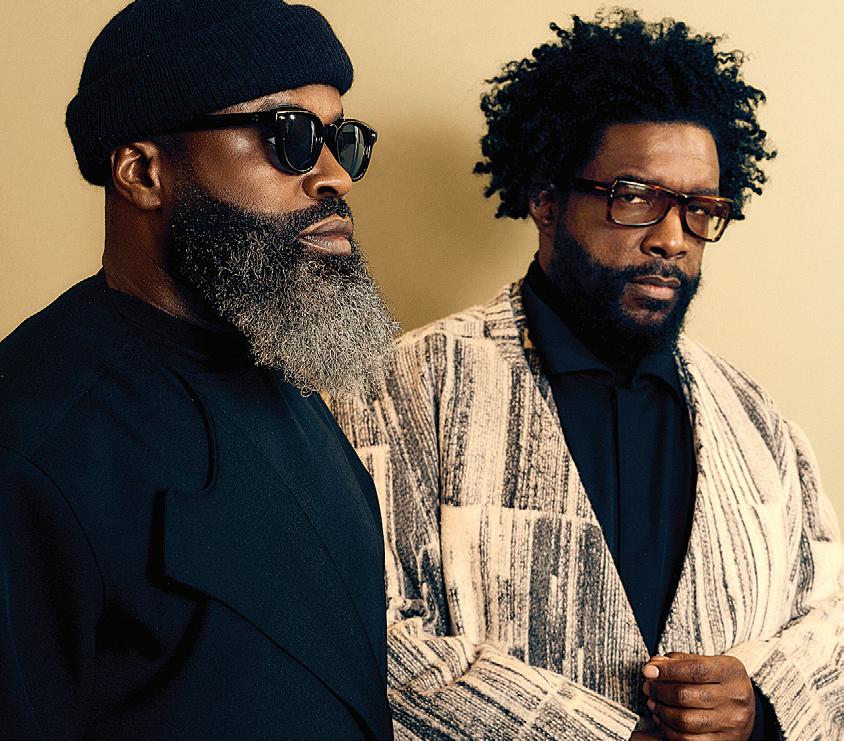
The 49th annual Atlanta Jazz Festival returns to Piedmont Park on Memorial Day weekend, May 23-25.
Along with three days of live jazz from several Grammy-nominated and -winning artists, the weekend will also include a special ticketed event on Friday, May 22.

queer people had no possibilities for pleasure in their lives,” Jones said. “Queer people are under siege just for living their lives – they’re putting their bodies on the line. It felt important to write these characters’ stories, and not be afraid of writing them.”
A professor of English and Writing at Emory University, Jones moved back to Atlanta almost a decade ago after a stint in New York City. She was surrounded by writers and would-be writers (“There is something in the water up there.”), but felt the itch to be back in the place she was writing about.
At home in Grant Park, Jones had a contract to write a novel dealing with the gentrification of East Atlanta and was facing a deadline, but Niecy and Annie had fully taken hold of her imagination.
An early morning writer, Jones moved her workspace to the kitchen. “It’s a hard chair and a hard table,” she said. “I didn’t want to get comfortable somewhere and start daydreaming. I needed a situation room, and that was my kitchen.”
She knocked out the rest of “Kin” in two months, sitting in that “situation room.” Her publisher was surprised, but trusted Jones’ storytelling.
Jones said she plans to return to the gentrification novel after promotion work for “Kin.” She said “surrendering to the muse” helped bring that story into more focus as well.
“You hear about writers who wait for the muse to arrive, surrender to the muse, but that was never me,” Jones laughed. “I didn’t feel like I was in control of writing ‘Kin,’ so I’m ready to go back to my normal writing place.”
Donnie
Saturday
The festival will also include a familyfriendly space filled with games and interactive activities for kids of all ages, food vendors, and VIP opportunities.
To learn more, visit atljazzfest.com.
Buddy Red: 1 p.m.
Aja Monet: 3 p.m.
Nate Smith: 5 p.m.
Christian McBride & Ursa Major: 7 p.m.
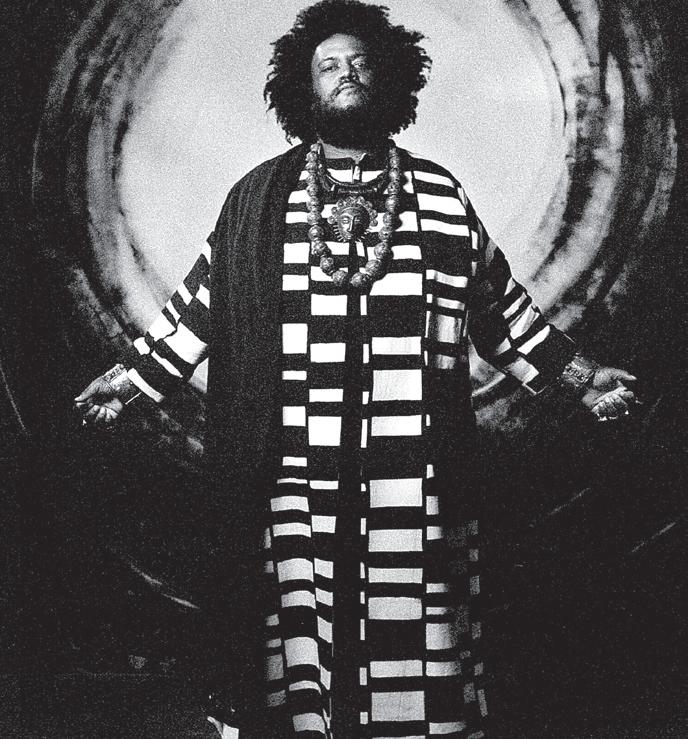
Kamasi Washington: 9 p.m.
Sunday
Cleveland P Jones: 1 p.m.
Esperanza
The Roots: 9 p.m.
Monday
Cody Matlock: 1 p.m.
Nicole Zuraitis: 3 p.m.
Destin Conrad: 5 p.m.
Butcher Brown: 7 p.m.
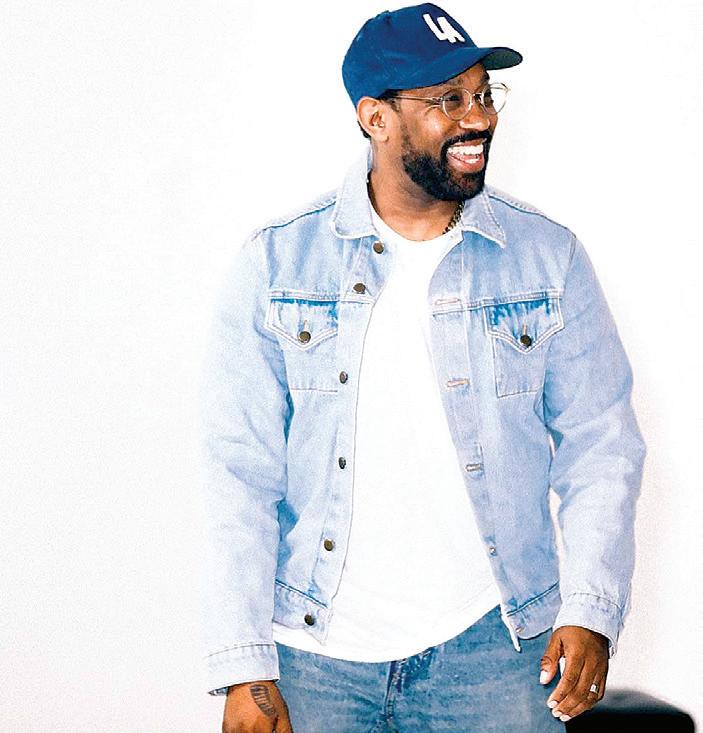
PJ Morton: 9 p.m.
By Beth McKibben
The James Beard Foundation announced the 2026 finalists in the chef and restaurant categories, including a number of Atlanta and Georgia favorites.
Out of the 11 semifinalists for 2026, Chef J. Trent Harris of Mujō and the team from Aria, along with Meherwan and Molly Irani of Chai Pani Restaurant Group (Asheville/Atlanta), will head to the ceremony in June as finalists. Lucky Star, Madeira Park, Taurean Philpott (Avize), Claudia Martinez (Bar Ana), and Carlo Gan and Mia Orino (Kamayan ATL) were among the semifinalists from Atlanta this year.
2026 finalists headed to the awards
Best Chef: Southeast
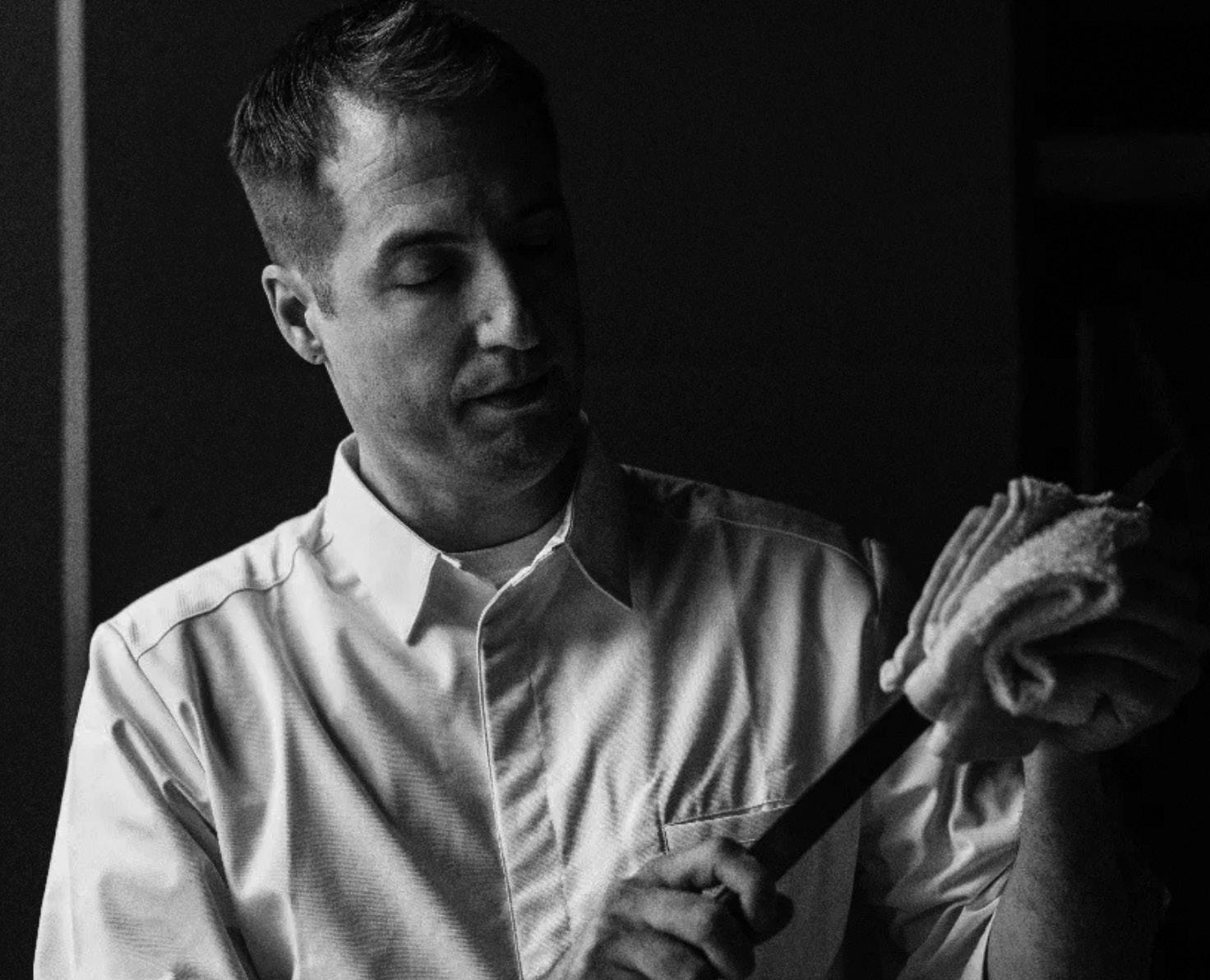
■ J. Trent Harris, Mujō, Howell Mill Road
Outstanding Hospitality
■ Aria, Buckhead
Outstanding Restaurateur
■ Meherwan Irani and Molly Irani, Chai Pani Restaurant Group (Chai Pani and Botiwalla), Asheville, Charlotte, Atlanta, and Decatur.
Other 2026 semifinalists
Outstanding Professional in Beverage Service
■ Taurean Philpott, Avize, Westside
Outstanding Professional in Cocktail Service
■ Miles Macquarrie, Kimball House, Decatur
Outstanding Pastry Chef or Baker
■ Claudia Martinez, Bar ANA, Poncey-Highland
Best Chef: Southeast
■ Carlo Gan and Mia Orino, Kamayan ATL, Chamblee
■ Freddy Money, Atlas, Buckhead
■ Todd Schafer, Abel Brown, Augusta
Best New Bar
■ Lucky Star, Star Metals
■ Madeira Park, Poncey-Highland
The Castellucci Hospitality Group opened Mujō in 2022 on Howell Mill Road next door to its Basque-style restaurant Cooks & Soldiers. Harris led the intimate omakase restaurant to critical acclaim,

including helping it earn one Michelin star three years in a row. The Castellucci Group and Harris hope to follow up on Mujo’s breakout success with Koshu Club, a Japanese supper club opening in Buckhead this spring.
Backed by Meherwan and Molly Irani, Chai Pani-Asheville won Outstanding Restaurant at the James Beard Awards in 2022. The couple also own a location of Chai Pani in Decatur, as well as locations of Botiwalla in Charlotte, Asheville, and at Ponce City Market in Atlanta.
This becomes Aria’s second consecutive trip to the James Beard Awards, nominated again for Outstanding Hospitality. In 2025, Aria was the lone representative from Georgia at the awards. The medal ultimately went to Atomix in New York City.
But the James Beard nod in 2025 served as a parting tribute to Aria owner
Gerry Klaskala and his decades-long restaurant career. The Atlanta chef had officially retired from the industry earlier that year. Klaskala handed ownership of Aria over to his longtime general manager Andrés Loaiza, with the kitchen now led by Chef Joseph Harrison.
In 2024, Talat Market chefs Parnass Savang and Rod Lassiter were the lone Georgia representatives at the James Beard Awards, nominated for Best Chef: Southeast. The award went to Paul Smith of 1010 Bridge in Charleston, West Virginia.
Terry Koval, who won Best Chef: Southeast in 2023, also ended up being the only representative from Georgia that year. The Best Chef: Southeast category encompasses chefs from Georgia, the Carolinas, Tennessee, Kentucky, and West Virginia.
The voting body for the James Beard Awards comprises around 500 judges, many of whom are past winners from both the food media and restaurant industries. Voting takes place anonymously online. Restaurant, chef, and media awards submissions open in the fall for consideration by the various James Beard Foundation nominating committees. Check out the complete list of the 2026 James Beard Awards chef and restaurant finalists from around the country. Winners are announced during an awards ceremony at the Lyric Opera theater in Chicago on June 15.
By Beth McKibben
This story kicks off a series on restaurant kitchen and back-of-house playlists, featuring music selections from local chefs and bartenders.
Did you know that what you’re listening to in a restaurant dining room is likely not what the chefs are listening to in the kitchen? The dining room playlist is curated to set the mood for guests, carefully choreographed to follow the peaks and valleys of service.
But music in a restaurant kitchen plays an equally important role, and one that starts well before the first people are seated in the dining room.
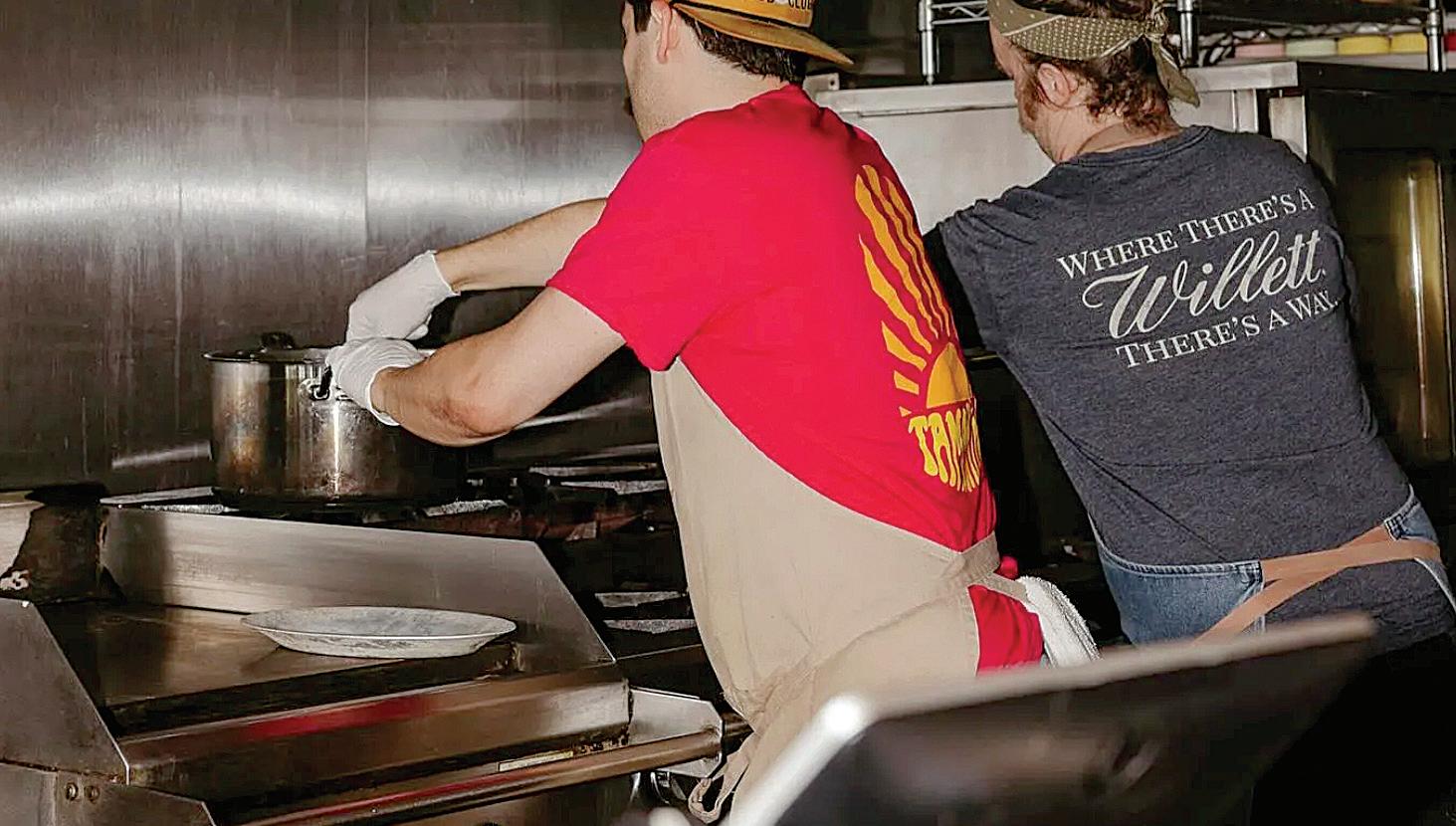
Starting hours ahead of service, music keeps the kitchen energized as staff prep ingredients, accept deliveries, and take inventory. When service begins, music provides the rhythm for chefs to keep pace while cooking and expediting umpteen dishes per hour. At closing, music soundtracks cleaning and powering down kitchen equipment for the day.
For this installment of “Heard,” Atlanta chefs Max Hines and Jarrett Stieber share their thoughts on the importance of music in the kitchen before, during, and after service, along with songs playing in the back of house at their restaurants.
Dining on the patio or open-air bar at Breaker Breaker along the Beltline in Reynoldstown, you’ll hear a medley of 1980s rock, light hip hop, and country music songs pumping through the sound system. But in the kitchen, it’s all rhythm and beats.
“Most of the music you want playing

in the dining room is going to be a happy medium for the guests. The music you hear in the back of the house is typically going to be reflective of the staff,” Hines said of the difference between music in the dining room versus the kitchen. “I have worked in kitchens with trap music, R&B, oldies, 80s punk rock, reggaeton, mariachi and norteño playlists.”
Hines, who also founded Atlanta chefs collective Stolen Goods, tries to democratize choosing the music for the kitchen. Sometimes he uses music choice as a reward for the best cook or person working the hardest station in the kitchen. Other times it’s the kitchen manager choosing the music, or the person deemed to have the best taste in music. Hines usually has the final say on the kitchen
Continued on page 17
■ Prep for service: “God is Perfect” by Freddie Gibbs & The Alchemist
■ Kicking off service: “Euphoria” by Kendrick Lamar
■ In the weeds: “Gangsta Music” by Young Jeezy
■ Winding down service: “Mr T” by Westside Gunn
■ Post-service: “Check” by Young Thug
■ Kitchen theme song: “Steady Mobbin” by Young Money and Gucci Mane

&


America @ 250: Spano Conducts Bernstein + Rachmaninoff’s Third Piano Concerto
America @ 250: Spano Conducts Berlioz + Bernstein + Zhenwei Shi performs Harold in Italy
Mozart’s Symphony No. 41, “Jupiter” + Alina Ibragimova performs Mozart’s “Turkish” Concerto




Continued from page 15 playlist.
When Hines selects music for brunch service, he leans into 1990s R&B, oldies, and uptempo tunes for the kitchen playlist.
“It’s probably nostalgia for me, but we listened to a lot of Anita Baker when cleaning on the weekends or making breakfast, so that kind of vibe still lives on in the Breaker Breaker kitchen during brunch.”
On high-volume days like Fridays and Saturdays, however, Hines and his team lean into hardcore hip hop and trap music, since much of the Breaker Breaker kitchen staff hails from Atlanta.
“Music is so important in the kitchen because a lot of the work is muscle memory. If you are in a good flow and
■ Prep for service: “Rosalie” by Thin Lizzy
■ Kicking off service: “Tell It to My Heart” by Taylor Dayne
■ In the weeds: “Forever My Queen” by Pentagram
■ Winding down service: “Mainstreet” by Bob Seger & The Silver Bullet Band
■ Post-service: “Wildlife” by Nuovo Testamento
■ Kitchen theme song: “Booty Man” by Tim Wilson
setting a good pace, you can cook more off instinct than having to stop and think too much,” Hines explained, comparing the experience to listening to music while exercising.
“I am pretty sure it’s been scientifically proven that music helps you get that last rep in or cut down on time in a mile run. I feel like the pace of cooking in a professional kitchen has a lot of parallels to sports,” he added.
Unlike Breaker Breaker, the kitchen at Little Bear in Summerhill shares its playlist

with the dining room. The kitchen at Little Bear opens onto the dining room, making it difficult to separate music between the two spaces. Chef and owner Jarrett Stieber tries to strike a good musical balance at Little Bear to keep staff and guests happy throughout service.
“While it’s important to have good music that we all enjoy and think is cool playing in the dining room for guests, it also has to be palatable,” Stieber said.
“I love everything from Philip Glass’s ‘Koyaanisqatsi’ soundtrack to Paul Chain’s ‘In the Darkness’ to Miles Davis’s heroin years, but all of that is God-awful music to play in a dining room.”
Curating the playlist at Little Bear comes down to whomever gets to the restaurant first. Sometimes the prep team arriving early in the morning chooses the music for the day. On non-prep shift days, the kitchen manager picks the pre-dinner service playlist. Once dinner service begins, the host for the night selects the music heard in the dining room at Little Bear.
Since opening in 2020, Stieber has compiled several playlists for Little Bear, which they rotate each week and add songs to based on what’s working well during service. Songs tend to be upbeat, starting off lighter in the morning with folk, outlaw country, or tropicalia/samba/bossa nova. Music gets faster and dancier in the early afternoon when most of the staff arrive for work. It gets everyone energized.
“A lot of our staff love to play 2000s booty pop and butt rock, and sometimes that hits when it’s a weekend during the middle of the night when we’re full and on a wait for bar seats and the crowd is younger,” Stieber explained. “But 5:45 p.m. on a Tuesday when there’s fewer people in the dining room, maybe older and more subdued, that music will flop so hard.”
Stieber said it comes down to feeling the vibe in the dining room and pairing that vibe with the right music.
Listen to the playlists by scanning the QR code.










By Beth McKibben
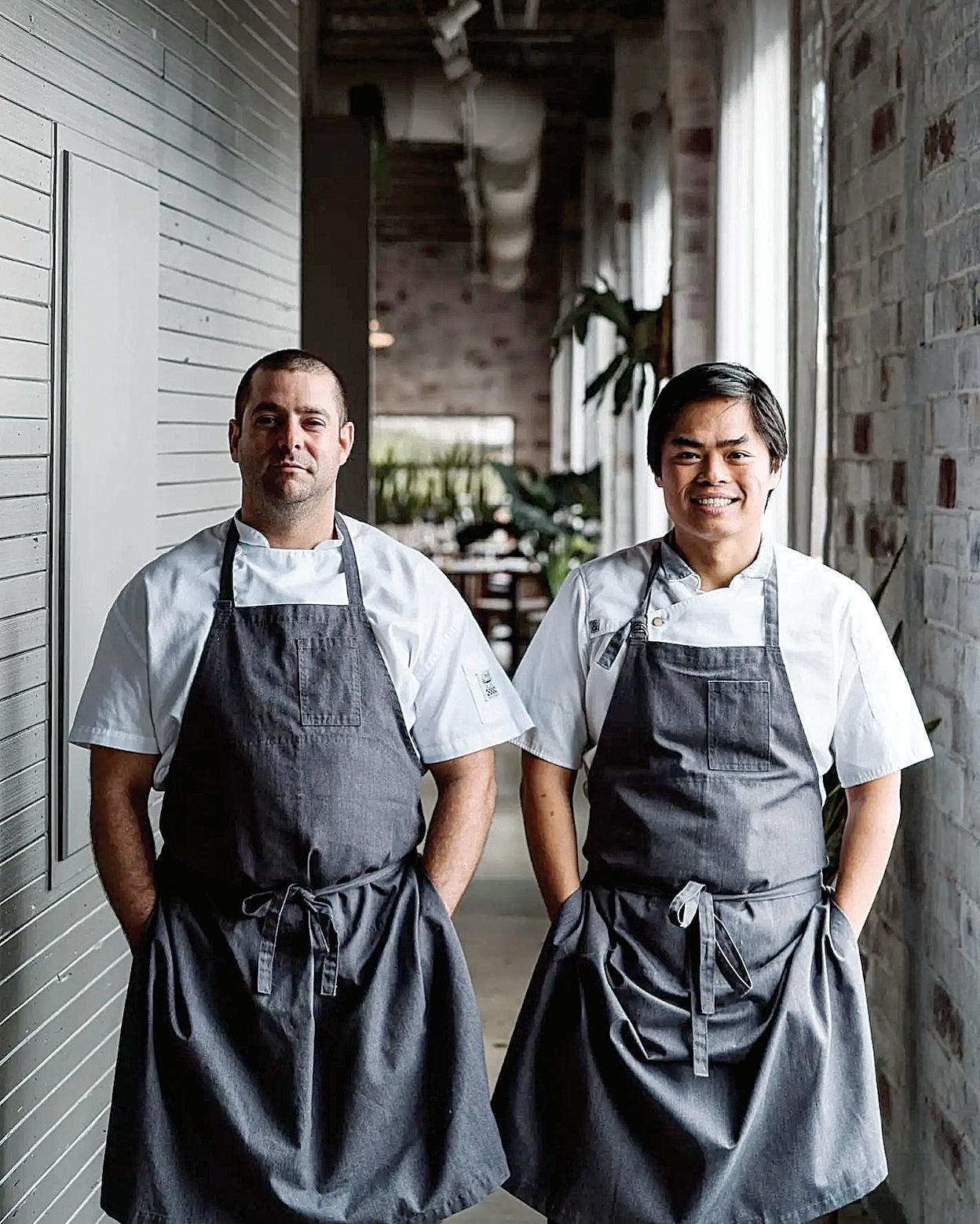
The Atlanta Business Chronicle reported on April 20 that Lazy Betty co-founder Aaron Phillips had left the Michelin-starred restaurant in Midtown.
That same day, Lazy Betty no longer listed Phillips on its website as the executive chef of the tasting restaurant he helped found with Chef Ron Hsu. The website then briefly listed Chef de Cuisine Austin Goetzman as executive chef. By that evening, Goetzman’s name and photo also disappeared; the site now lists Hsu as executive chef and owner. Hsu’s title prior to April 20 was culinary director and owner.
Phillips retains ownership stake
Rough Draft spoke with Phillips on April 21 about the changes at Lazy Betty. When asked, Phillips confirmed that he’s no longer the executive chef, or involved in daily decision-making for the restaurant – and hadn’t been for a few weeks.
chef and Phillips’s ownership stake in the restaurant. Both chefs declined to comment on what prompted the recent changes at Lazy Betty, including Goetzman, who started as a sous chef at the Candler Park location when the restaurant opened in 2019.
In March, Phillips told Discover Atlanta (the city’s official travel guide operated by the Atlanta Convention and Visitors Bureau) that Goetzman was “a major creative engine” in the Lazy Betty kitchen. At the time, Phillips and Goetzman were taking part in a one-night collaborative dinner at Avize with chefs Karl Gorline, Freddy Money, and Nicolas Grosse.
When asked what’s next, Phillips said more will be revealed and that he’s focused on the future and energized about potential opportunities. He didn’t elaborate any further.
“I’m in the efforts business, not the results business. That’s my philosophy. I’m proud of Lazy Betty, of the people there,” said Phillips. “Awards like Michelin are great, but the greatest achievement for me was my Lazy Betty experience and growing into a leader and mentor.”
However, he still retains an ownership stake in Lazy Betty, something Phillips said he takes as seriously as he did his role as executive chef.
“Whether I’m in operations or not, as an owner, I have a fiduciary responsibility to our investors and a moral obligation to that restaurant and its staff,” Phillips said.
“I’m proud of what we all accomplished, and am grateful for the relationships built and of the team I helped nurture for closing in on a decade now,” he added. “I feel really, really blessed. Lazy Betty is something that will always be a part of me. My heart runs through it. I can say that with a lot of positivity.”
Rough Draft also reached out to Hsu, who confirmed his new role as executive
“Just because I’m not there in the kitchen, or at the restaurant day to day, doesn’t mean that I’m not still those things to people,” he continued. “My phone’s on. My door is open. I’m available.”
Rough Draft will continue to follow developments in this story.
Hsu and Phillips first met while working for Chef Eric Ripert at Le Bernardin in New York City. Their time with Ripert at the three-star Michelin restaurant would lay the foundation for Lazy Betty, which Hsu and Phillips opened in Atlanta’s Candler Park neighborhood seven years ago.
Named for Hsu’s late mother, an Atlanta restaurateur, the “lazy” in the name refers to a family joke about the matriarch’s need to stay busy, even after retirement. Betty Hsu died just three months after Lazy Betty opened in 2019.
In 2024, Hsu and Phillips relocated Lazy Betty to the former Empire State South space at 999 Peachtree in Midtown. By that time, the restaurant had already earned one star from Michelin in 2023. Michelin awarded Lazy Betty one star again in 2024 and 2025.
Last month, Hsu debuted his first cookbook, “Down South + East,” based on his childhood growing up as a ChineseAmerican and Southerner in metro Atlanta.



first