


Pride Month closed on a sour note as the U.S. Supreme Court upheld bans on transgender girls and women from competing on female school sports teams. On the same day, the Department of Health and Human Services reorganized its civil rights enforcement priorities to emphasize religious conscience protections, a move critics say could make it easier for health care providers to refuse services to LGBTQ+ people.
Also in June, Republican-controlled states continued attempts to limit healthcare for trans people, make curriculum changes in public schools to ban LGBTQ+ books, restrict drag performances, and squash LGBTQ+related school activities.
There are still eight states actively seeking to overturn marriage equality.
Oklahoma, Idaho, Montana, and South Carolina have passed or introduced resolutions asking SCOTUS to overturn the Obergefell decision that allowed same-sex marriage 11 years ago.
Texas, Missouri, Oklahoma, and Tennessee have introduced “covenant marriage” legislation that limits marriage to one man and one woman.
LGBTQ+ advocates view all of these state moves as part of a broader strategy to challenge marriage equality, despite SCOTUS’s refusal last year to take a case that sought to overturn Obergefell.
As we were going to press with this issue, Trump refused to sign a bipartisan affordable housing bill unless his SAVE Act was approved by Congress. The SAVE Act would require Americans to provide proof of U.S. citizenship, such as a passport or birth certificate, when registering to vote in federal elections. It also includes amendments to end genderaffirming care, restrict trans people in sports, and threats to cut off federal funding to states that don’t comply with the blatant anti-trans discrimination.
These ongoing gambits – these little
Editorial
Collin Kelley
Executive Editor
Beth McKibben
Editor-in-Chief
Sr. Editor Food & Dining
Cathy Cobbs
Managing Editor
Sammie Purcell
Associate Editor
Staff Writers
Katie Burkholder, Logan C. Ritchie, Sarra Sedghi, Hayden Sumlin
Contributors
Jim Farmer, Laura Scholz, Ross Williams
Intern
Natalie Grosswald, Ansley Kelly, Rachel Spooner
Published By
Rough Draft Atlanta
Keith Pepper
Publisher keith@RoughDraft.news
Heather Gibbons
Associate Publisher
Neal Maziar
Chief Revenue Officer neal@RoughDraft.news
Rico Figliolini
Creative Director
Tim Boyd
Publisher Emeritus
Operations Savannah Pierce savannah@RoughDraft.news
hello@roughdraftatlanta.com for more information. Email editorial submissions to editor@roughdraftatlanta.com.

cuts – at our civil and human rights will only continue to grow, especially if the GOP maintains control of Congress.
Since I am a “Batman” nerd, I’m reminded of Talia al Ghul’s villainous words in “The Dark Knight Rises”: It’s the slow knife, the knife that takes its time… that cuts deepest.
The primaries in May and the runoffs in June have set the stage for the midterms, and you can expect more fearmongering tactics – especially when it comes to the trans community – by the right as they continue to lose the argument on the economy, the Iran War, healthcare costs, and fatigue over the president’s capriciousness with taxpayer dollars.
While all 15 anti-LGBTQ+ bills introduced in Georgia during the last legislative session were all defeated, they continue to bubble under the surface. Just like the aforementioned states that are attempting to chip away at our rights and freedoms, the knife continues to press.
As always, stay frosty, my friends.
Advertising sales@RoughDraft.news
Jim Brams
Sr. Account Manager
Deborah Davis
Account Manager deborah@RoughDraft.news
Jeff Kremer Sr. Account Manager jeff@RoughDraft.news
Linda Ostrowski Sr. Account Manager Linda@roughDraft.news
Suzanne Purcell Sr. Account Manager suzanne@RoughDraft.news
Dixon Taylor Sr. Account Manager
National Advertising Rivendell Media (908) 232-2021 sales@rivendellmedia.com

By Katie Burkholder
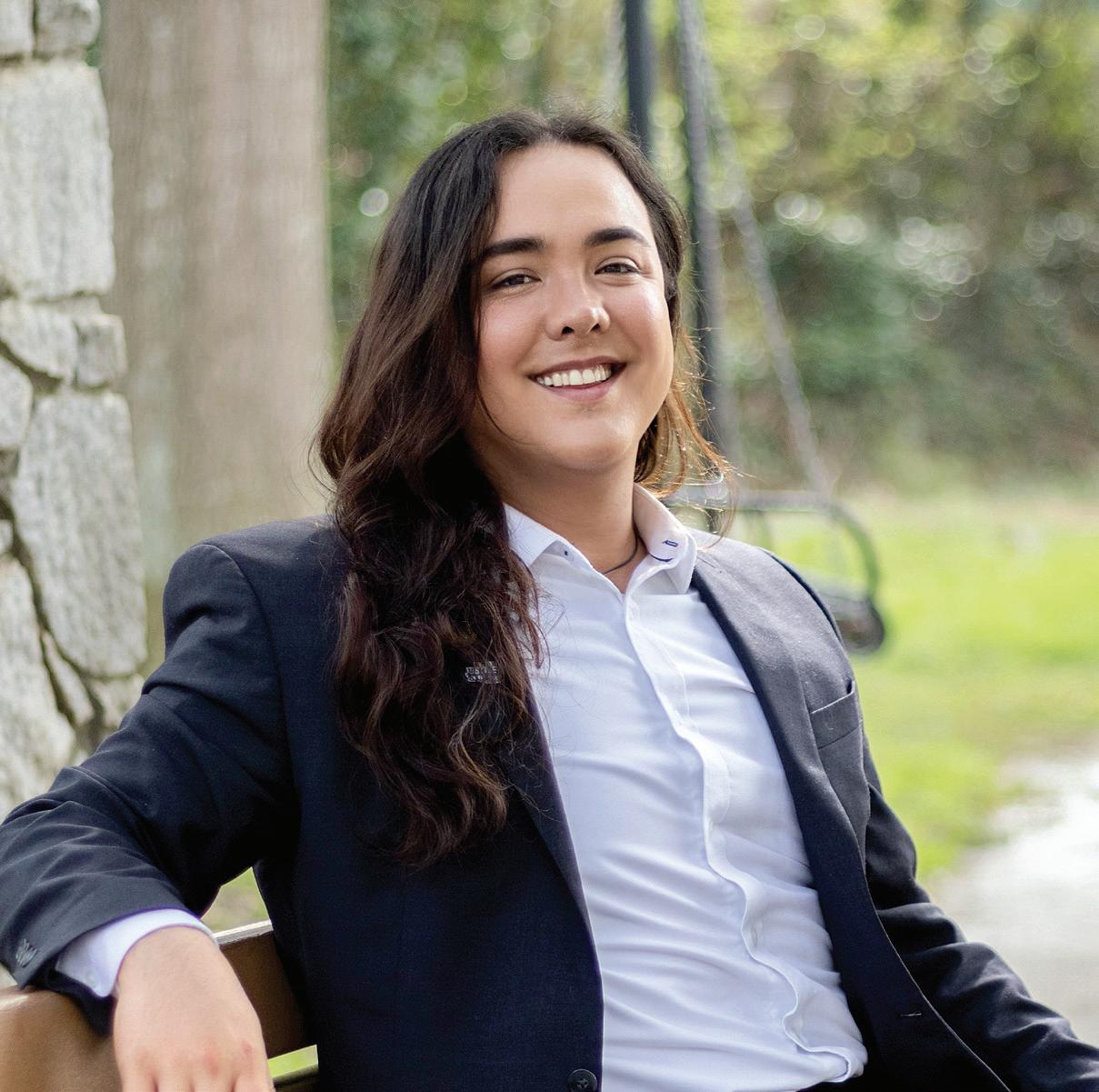
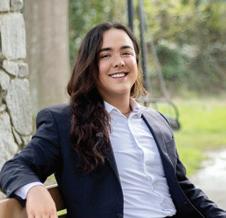
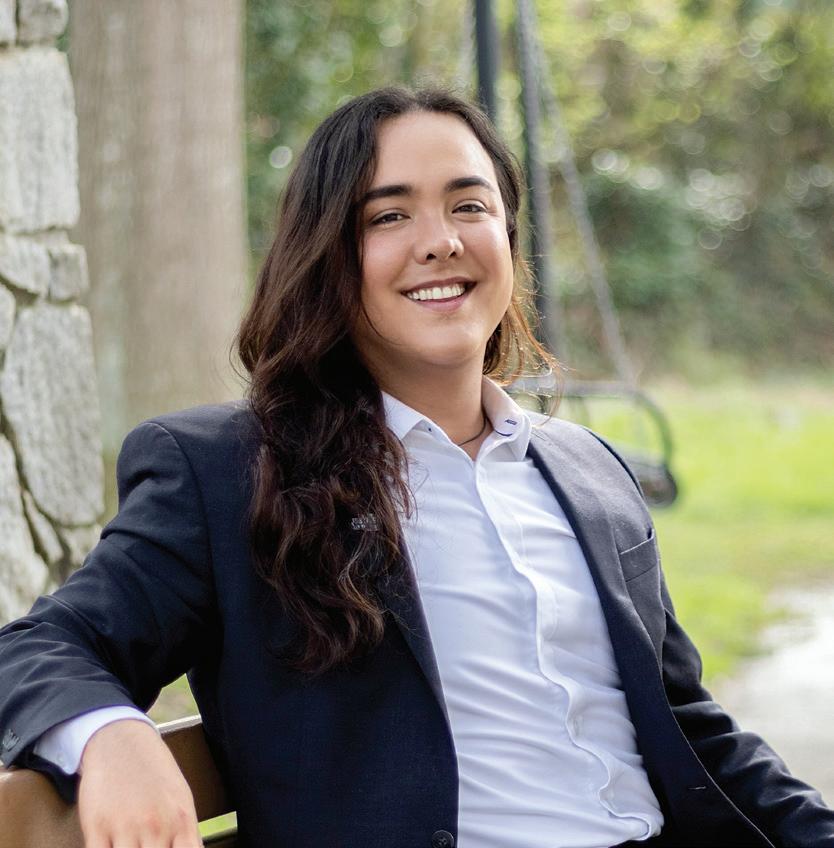
This November, two transgender candidates will be on the ballot for Georgia’s House of Representatives. One of them is running in Bartow County and already facing transphobic attacks from the majority conservative district.
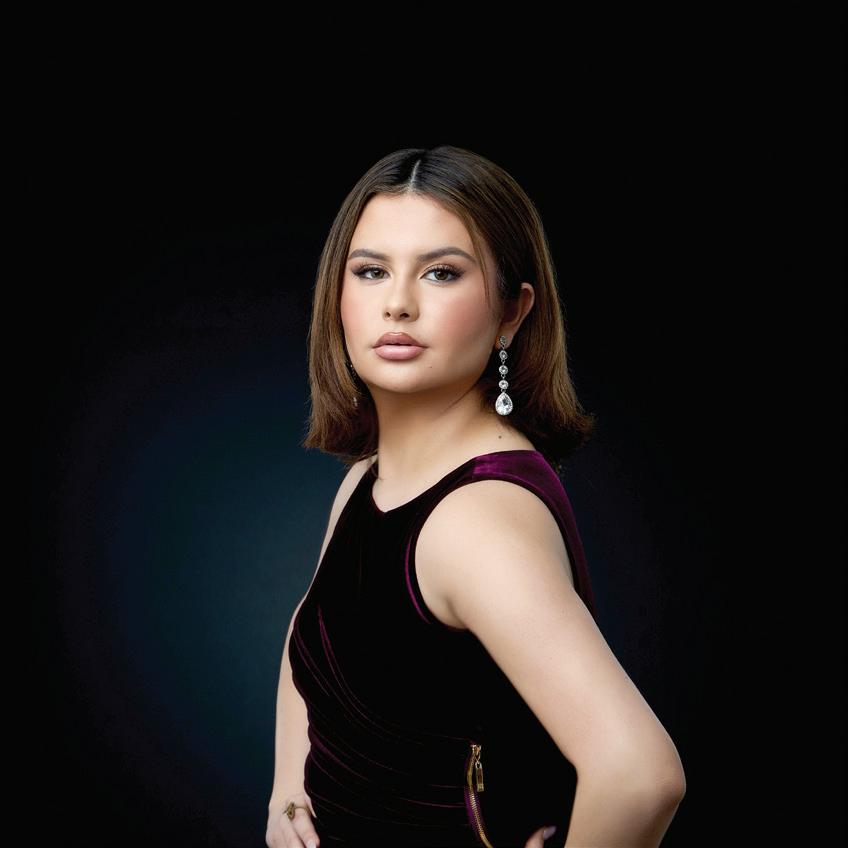
Bella Bautista, the Democratic candidate for Georgia House of Representatives District 14, is on the ballot this fall. While she ran uncontested, Bautista’s election still marks the first time an openly transgender woman has won a primary in Georgia.
Bautista will face Republican incumbent Mitchell Scoggins in November.
Bautista was inspired to run for office while advocating at the Capitol for transgender rights last year through her nonprofit, This Doesn’t Define Me.
“I always felt called back to [the Capitol],” she told Georgia Voice. “I’m not doing this to make history, I’m doing this because I just happen to be the only person in my district who’s running to stand up against corporate greed.”
Bautista has a clear priority leading her campaign: end tax breaks for data centers. In March 2025, preliminary plans for “Project Bunkhouse,” an 8.6 millionsquare-foot, $19 billion data center, were released. The facility is set to be located in Bartow County, just south of Cartersville Highway.

“These data centers are receiving billions of dollars in tax breaks, which is crazy because we’re in a time where our governor has actively cut hundreds of millions of dollars from essential programs going to the homeless, going to disabled veterans, going to our education sector,” Bautista said. “We’re cutting all this money that is going to people on the ground, but at that same time we’re giving these corporations massive tax breaks that they do not pass on to the everyday person.”
This priority reflects the thesis of Bautista’s grassroots, people-focused campaign. She’s fighting for the everyday Georgian and campaigning on both sides of the aisle. Other issues she’s supportive of are instituting a freeze on electricity prices, combatting data surveillance, and investing in the infrastructure of her home district.
“Cartersville is seeing a huge amount
of growth,” she said. “Our roadways don’t have the capability to handle all of the people that are moving here at once, and Cartersville is quickly becoming an unaffordable place.”
Bautista joins Bentley Hudgins, who’s running in House District 90, as the two transgender candidates on the ballot in November. If either is elected, they will be the first trans candidate to hold office in Georgia.
Bautista said that she was ready for transphobic attacks from Republicans in her district, and only a day after the primaries, her campaign posted a response to a transphobic post calling for the nearly 2,000 voters who supported her to be run out of the county.
“I knew [my gender identity] was going to be their main talking point and their only talking point,” she said. “…
They won’t properly address my priorities because they know they’re solid. This is why people on all sides of the aisle have pledged to support my campaign because I’m running on things that are actually affecting us day to day.”
Hudgins could be state’s first openly transgender,
By Ross Williams | Georgia Recorder
In January, the Georgia Legislature is likely to welcome its first openly transgender, nonbinary and JapaneseAmerican lawmaker, and all these firsts could be courtesy of one person.
Bentley Hudgins, whose experience includes serving as Georgia state director for the Human Rights Campaign, was the top vote-getter in last month’s Democratic primary election to represent House District 90, which includes parts of DeKalb County.
Hudgins defeated fellow Democrat Leisa Stafford with just over two-thirds of the vote. Republican Samantha Boston, a commodity analyst, is running on the Republican ticket. The district is one of the most Democratic in the state. The district’s current state representative, Saira Draper, is running for state Senate.
Hudgins said they don’t take the historic aspects of their candidacy lightly at a time when the state and federal governments are passing laws targeting immigrants and the rights of transgender people, but they said their eyes are on the work ahead.
“To me, it shows that the voters are tired of the hate and they just care about somebody’s qualifications,” Hudgins said in an interview. “But as a representative, I view the win, historic or not, as a starting point, and it’s up to me to prove to the
people of my House district that good government can happen and that we can build a democracy that is worth fighting for.”
In 2001, Avondale Estates Democrat Karla Drenner became the first openly LGBTQ+ member of the Georgia Legislature. Jeff Graham, executive director of Georgia Equality, said her election helped put a face to the community for other lawmakers.
“I do believe that we will see it again if Bentley is successful in November,” Graham said.
“It’s incredibly important that someone be able to build relationships with their fellow legislators so that they learn the realities to be able to dispel some of the myths and to really
recognize the humanity of nonbinary and transgender folks here in Georgia,” he added.
Hudgins has a degree in philosophy and bioethics from Mercer University and has worked for over a decade in organizations including the American Civil Liberties Union, the Georgia AFLCIO, the Georgia Budget and Policy Institute and the now defunct New Georgia Project.
Hudgins said they’re working to set up constituent services, including an interfaith commission and monthly organizing calls.
Hudgins said they are hopeful that Democrats could win a majority of state House seats by the time next year’s legislative session comes along. But even if Republicans retain control, Hudgins said they’re looking forward to working with Republicans on issues like data centers where there is some bipartisan agreement.
“There are things like data centers that, regardless of party, people are not in favor of,” they said. “Two of them are being proposed in my district. So figuring out a way to halt data center construction so that we can study it and make sure that we’re building them in a way that doesn’t wreck our environment would be the first thing.”


You’re reading the prin
Now, discover the digital.

The news you need.
The stories you crave.

By Collin Kelley
Georgia voters settled several of the state’s most closely watched primary contests on Tuesday, setting up high-profile November matchups for U.S. Senate, governor and other statewide offices.
Turnout for the runoff was significantly lower at around 500,000 voters compared to the 1.5 million who voted in the May primary.
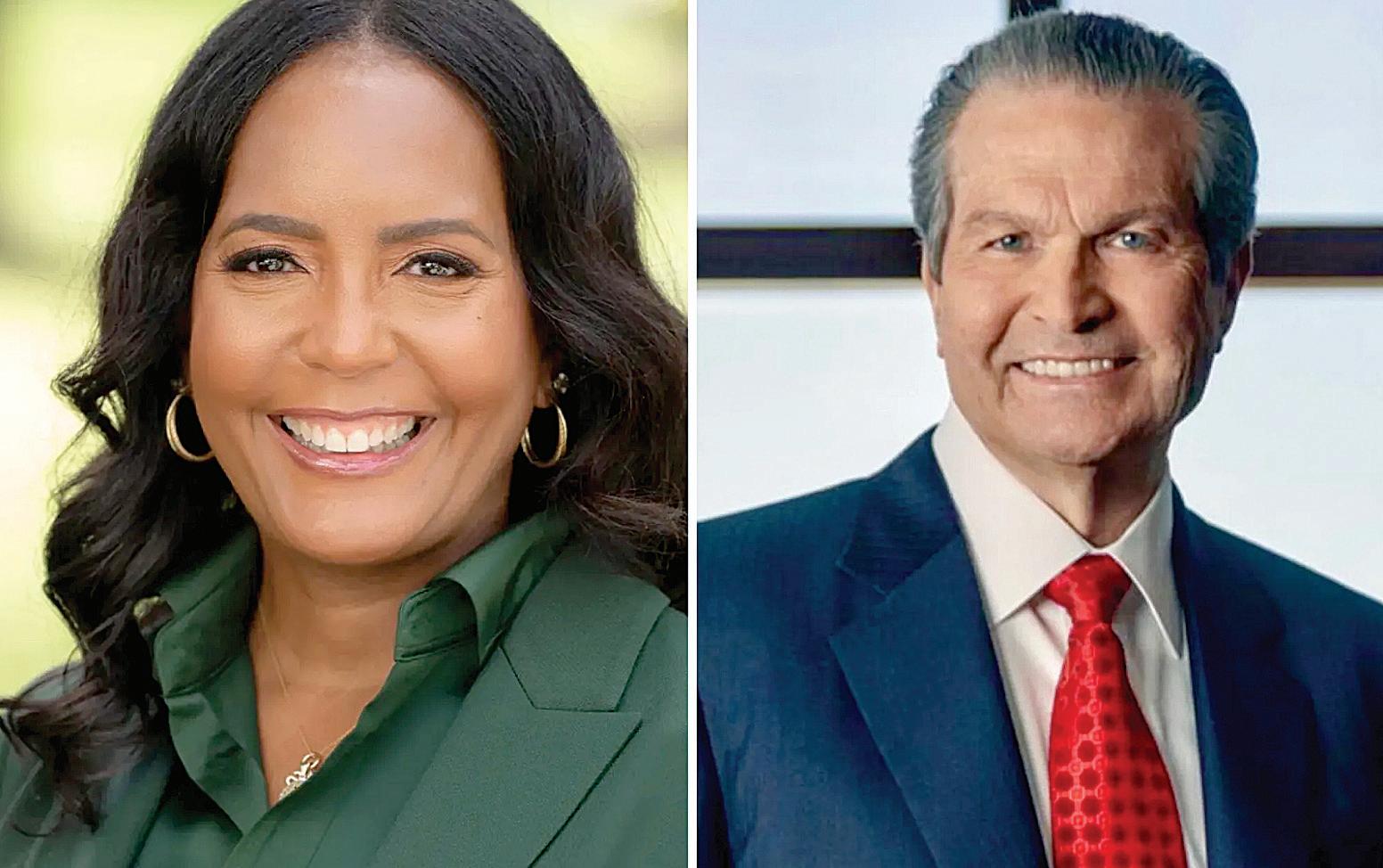
The governor’s race produced the night’s biggest surprise as billionaire Rick Jackson defeated Lt. Gov. Burt Jones in the Republican runoff despite Jones’ endorsements from President Donald Trump and outgoing Gov. Brian Kemp. Jackson will face Democrat Keisha Lance Bottoms in the general election.
Republicans also finalized nominations for several statewide offices, including victories by Greg Dolezal for lieutenant governor and Tim Fleming for secretary of state.
In the Republican U.S. Senate runoff, U.S. Rep. Mike Collins, who Trump endorsed, defeated former football coach Derek Dooley to win the GOP nomination and advance to a November showdown with Democratic incumbent Jon Ossoff.
In metro Atlanta’s most closely watched local race, attorney and former Fulton County commissioner Mo Ivory defeated incumbent Robb Pitts in the Democratic runoff for chair of the Fulton County Board of Commissioners, ending Pitts’ tenure atop the county government. Ivory will face Republican Eric Tatum in November.
By Katie Burkholder
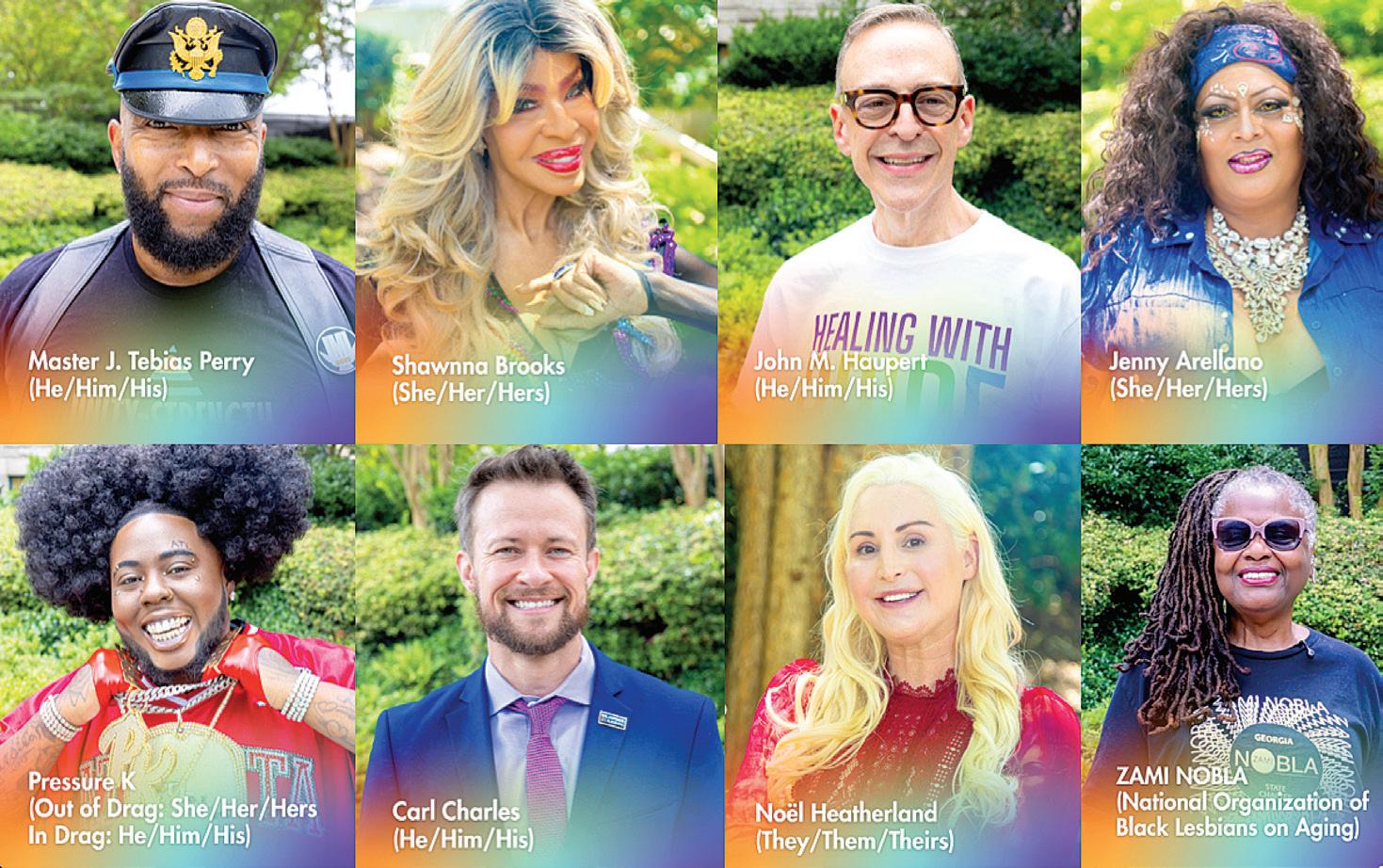
Atlanta Pride has announced the official theme and the lineup of grand marshals for the 2026 festival.
This year’s festival theme is “Louder & Prouder,” a rally cry and celebration encouraging the LGBTQ+ community to embrace authenticity, stand together, and show up for one another.
“Atlanta Pride has always served as a platform for community, visibility, and collective action,” Chris McCain, Executive Director of Atlanta Pride, said in a statement. “‘Louder & Prouder’ captures
the strength, joy, and determination that define our community. It celebrates the freedom to live authentically, the power of showing up for one another, and the impact we can make when our voices are heard together. This October, we look forward to welcoming hundreds of thousands of attendees as we celebrate Pride in all its forms.
The organization also has announced the grand marshals for the 2026 parade and festival happening on Oct. 10 – 11.
Continued on page 8

The 2026 Atlanta Pride Grand Marshals are:
Carl Charles, who serves as the Elayne Cassidy Nicholas Memorial Counsel for Trans and Nonbinary Rights in Lambda Legal’s Southern Regional Office.
Jenny Arellano, a trailblazing media personality, beauty professional, activist, and influencer whose impact on Atlanta’s LGBTQ+ community spans nearly two decades. Jenny made history as the first transgender woman in Atlanta to obtain an amended birth certificate reflecting her gender identity.
John M. Haupert is Chief Executive Officer of Grady Health System, one of the nation’s leading public academic healthcare systems. A nationally recognized healthcare leader, he has served as Chair of the American Hospital Association Board of Trustees and Chair of the Georgia Hospital Association.
Master J. Tebias Perry, an internationally respected educator, activist, mentor, journalist, and leader within the Leather community. An Atlanta native, he is the creator of the acclaimed “Bulge” event and the annual “Tacos and Tequila” fundraiser.
Noël Heatherland is an organizer, storyteller, and activist dedicated to collective liberation. As Statewide
Organizing & Outreach Manager for Georgia Equality, they helped lead efforts that successfully defeated all fifteen anti-LGBTQ+ bills introduced during Georgia’s 2026 legislative session.
Pressure K is an Atlanta-based drag king, comedian, host, and entertainer known for combining Southern swagger, comedy, and high-energy performances. After gaining national recognition as a contestant on Season 1 of King of Drag, Pressure K has continued to build a platform centered on authenticity, representation, and community connection.
Shawnna Brooks, a legendary figure in Atlanta’s drag community and Mother of the House of Brooks, has spent decades entertaining audiences and shaping the city’s LGBTQ+ nightlife culture.
Throughout her storied career, Shawnna has held numerous titles, including Miss Gay Georgia USofA, Miss Gay Atlanta, Miss National, and Miss Georgia Continental.
ZAMI NOBLA is dedicated to building power, visibility, and community for Black lesbians aged 40 and older. Through advocacy, storytelling, cultural programming, and intergenerational organizing, ZAMI NOBLA works to ensure that older Black lesbians can age with dignity, connection, visibility, and power while challenging systems of inequity that impact their lives.
When certainty ends, When certainty ends, When certainty ends, possibility begins. begins. possibility begins.

Two days of big questions, bold ideas and conversations that reshape our world.
Coming to Sandy Springs this Oct 2 & 3.
The U.S. Supreme Court on June 30 upheld laws in Idaho and West Virginia that prohibit transgender girls and women from competing on female school sports teams.
In a decision expected to influence similar laws across the country, the court’s conservative majority ruled that the state bans do not violate either the Constitution’s Equal Protection Clause or Title IX, the federal law prohibiting sex discrimination in education.
The cases arose from challenges to laws in Idaho and West Virginia brought by transgender students Lindsay Hecox, a former college athlete in Idaho, and Becky Pepper-Jackson, a West Virginia high school student who sought to compete on her school’s girls’ track team.
Voting rights advocates are celebrating the decision by Georgia lawmakers to scrap redistricting talks following a press conference and rally held on the morning of June 17.
Hours before the special session called by Gov. Brian Kemp, Speaker of the House Jon Burns sent a letter to Kemp announcing the decision to hold off on redrawing the voting districts.

Kemp called the special session in May following the Louisiana v. Callais Supreme Court decision, which limited the use of a section of the Voting Rights Act that allowed the creation of majority-minority districts to address racial disparities.
Advocate groups for voting rights have argued that this decision will further disenfranchise Black voters and benefit Republican candidates. According to a projection by Fair Fight Action and the Black Voters Matter Fund, Republicans could secure up to 19 U.S. House seats nationally because of the decision.
A transgender deputy in the Houston County Sheriff’s Department has settled a case over the county’s health insurance policy, which excluded gender affirming
Sgt. Anna Lange transitioned while working in the sheriff’s office in 2017, 11
years after joining the force in the middleGeorgia county. When she tried to get her gender reassignment surgery covered, the county’s health insurance denied her coverage, sparking the lawsuit in October 2019.
Lange’s attorneys argued that the county denied her coverage for the surgery, which her doctors deemed medically necessary, solely based on her gender identity.
A group of men interrupted the Athens PrideFest parade on June 6, carrying a Nazi flag and shouting antisemitic messages.
About 10 men showed up in downtown Athens on Saturday wearing matching red and black outfits, carrying a flag bearing a swastika, and performing the Heil Hitler salute.
In videos posted to social media, attendees of the Pride parade can be heard booing the neo-Nazis. One person yells, “Show your face you… cowards.” Another video shows two people following the group with a large banner known as the “hater blocker,” which is used to shield attendees from anti-LGBTQ+ protesters.
The Washington Blade reports that a new Gallup poll has found that LGBTQ+ support among Americans is dropping.
The poll was conducted in May through telephone interviews from a sample of more than 1,000 adults living in all 50 states and D.C. using random digit dialing.
It highlights declining attitudes surrounding LGBTQ issues in multiple areas — from support for same-sex marriage to views on gender identity and the morality of one’s sexuality.

By Laura Scholz
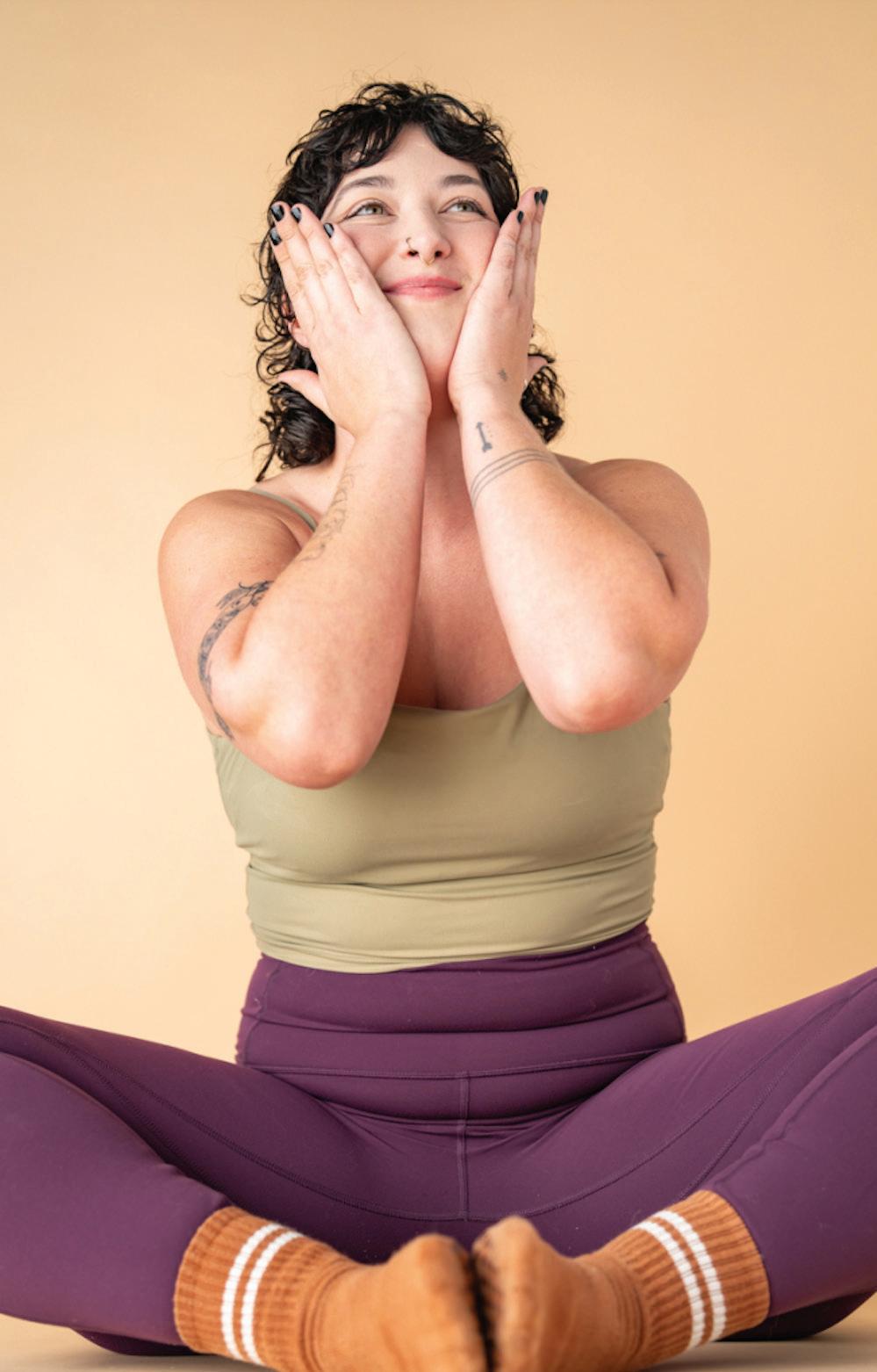
Pilates is one of the fastest-growing workout modalities in the world, including here in Atlanta.
But that viral “Pilates princess” aesthetic — mostly thin, white women in matching high-end athleisure sets — can be intimidating to people who do not fit with those norms.
Laura Caffrey, a certified instructor at The Studio Pilates, wants to change that.
Two months ago, they started teaching dedicated “Pilates for queer bodies” classes to make Pilates more accessible for queer folks in the Atlanta community.
The 50-minute, beginner-friendly reformer classes are offered on a sliding scale, and participants receive a free pair of grippy socks. All of the body-neutral classes include consent cards, so people can opt in or out of hands-on cueing.
“It’s a way to get people in the door who don’t feel like it’s a place for them, that they’re not going to be misgendered, their bodily autonomy is going to be respected, and that Pilates should be a fun and joyful thing,” said Caffrey.
Caffrey first discovered Pilates in 2024, and quickly found that the low-impact workout system alleviated lower back pain they had experienced for years.
“Mentally and emotionally, as a nonbinary person who lives in a feminine body, drawing too much attention to my body can be stressful and dysmorphic,” they said.
“But finding a practice where I could find joy in moving in an active way really helps me feel strong and at home in my body,” they continued.
Caffrey decided to become an instructor to see more representation of queer people in a fitness space that is
typically cisgender and heteronormative. These new classes are an extension of that mission.
For Pride Month, Caffrey is teaching two “Pilates for queer bodies” classes on June 28 in West Midtown and June 29 at Emory. The classes are fundraisers for Lost-n-Found Youth, a local nonprofit that
provides housing services for LGBTQ+ youth. In addition, the fundraiser features a raffle with prizes such as a three-month membership to The Studio Pilates and a gift card to A Mano.
On June 28, the West Midtown location will also host a Pride Market with food and drink vendors, tarot readings,
press-on nails, and more from 9 a.m. to 4 p.m.
The Studio Pilates (thestudiopilates.com) has two locations: 1583 N. Decatur Road (Emory) and 763 Trabert Ave. NW, Unit D (West Midtown).
By Katie Burkholder
Yarrow Koning grew up surrounded by nature. During their childhood in Michigan, they developed a love for the natural world through hiking, camping, and visits to the Great Lakes. So, the transition to becoming an environmental educator was natural for them – no pun intended.
Koning’s desire to meet other queer people in the field was what led them to the world of queer ecologies. Today, Koning teaches people across Atlanta about the weird and wonderful queerness that exists in nature.
Queer ecologies is an emerging field that takes concepts from queer theory and applies them to ecology, the study of the Earth. The field is concerned with breaking down binaries like human versus nature and male versus female through ecological study.
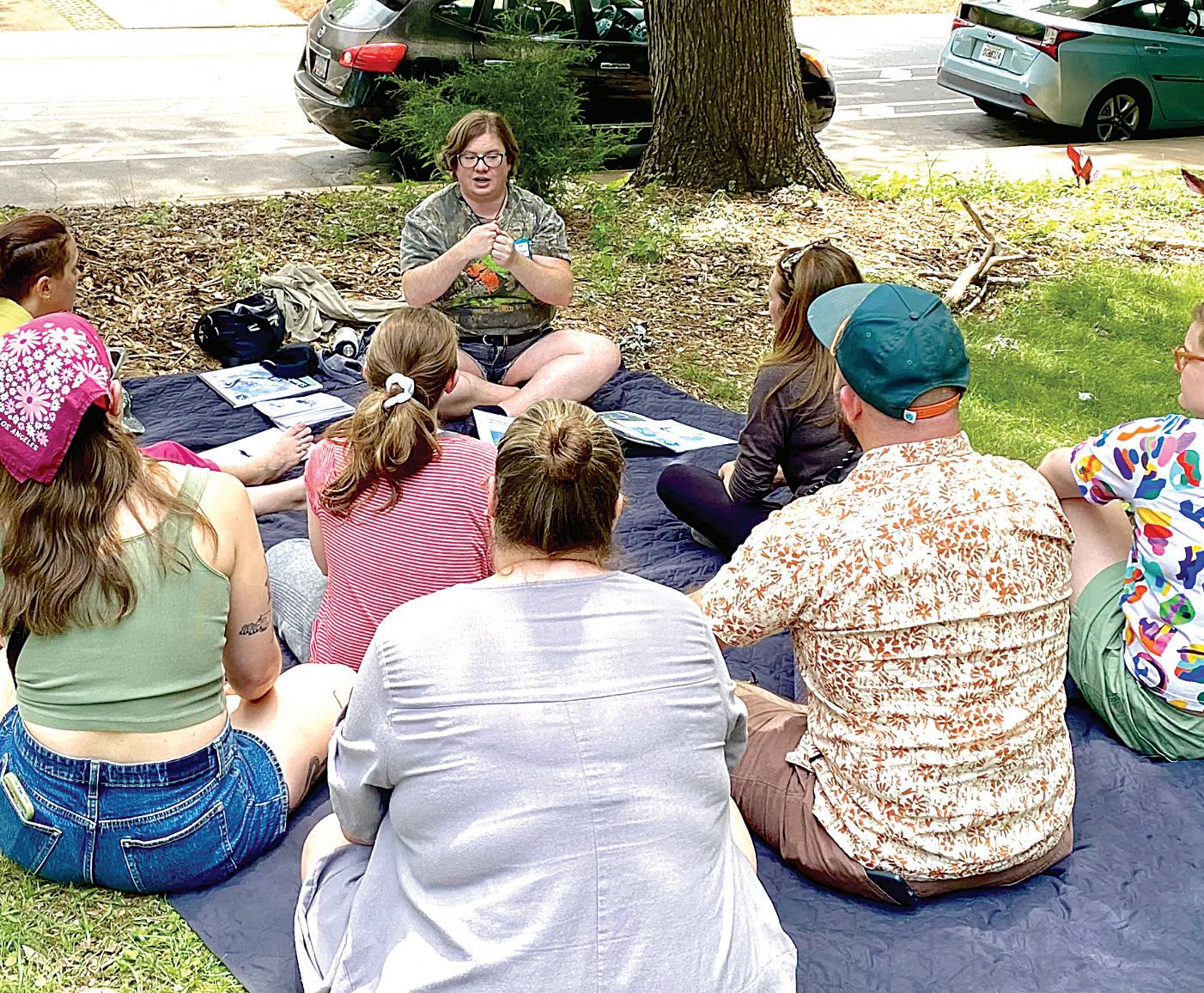
The plural “ecologies” represents the varying ways the study can be interpreted and defined, according to Koning, and there are three elements to the queer ecologies that they teach and study. The first is gender and sexual diversity in nature. According to a 2019 study, same-sex sexual behavior has been recorded in over 1,500 animal species. The second element of queer ecologies is the emphasis on the connection between queer people and nature.
“Queer ecologies really likes to disrupt things that are considered normal or natural, and it also is a practice that promotes solidarity: solidarity between people, but also between humans and the natural world,” Koning told Georgia Voice.
The third element is incorporating queer people and theory into environmental politics. These elements work together to create a study that disrupts the naturalization of binary thinking, hierarchies, and oppressive systems, Koning said.
“Many of our biggest climate threats right now, they’re tied to and bound up in these same systems of oppression that target queer and trans people and that are, at least in our current political fascist moment, using queer and trans people as part of a broader strategy to stoke fear, further fascism, and exploit people on the planet,” they said. “I think queer ecologies is most useful when it’s woven together with these broader practices of climate, social, environmental, and eco justice. When it’s practiced responsibly, it’s inherently political.”
Koning uses this framework to lead queer ecologies classes across Atlanta. Through a partnership with the Atlanta Free School, Koning hosts immersive outdoor classes like Freaks of Nature at the Atlanta Free Fair, a hike to celebrate the bloom of the rare Diamorpha succulent at Arabia Mountain, and the very popular Queerness of Birds – all for free.
Koning also hosts a monthly queer ecologies book club with Charis Books and More.
By creating these free spaces for queer people to connect and learn about an understanding of nature that is inclusive of them, Koning says they hope to provide queer people a place of solace.
“[Queer ecologies classes] really offer queer and trans people a much-needed sense of belonging, joy, and connection in a time where our identities are under attack, being erased, being threatened,” they said.
Koning is also a co-director of the documentary “Can’t Stop Change: Queer Climate Stories from the Florida Frontlines.” The film is available to book for community screenings and educational events, and 50% of the sliding scale fee goes to a mutual aid fund for queer people living in Florida. Koning said they are hoping to make the film available to stream through Kinema in June and July.
To keep up with Queer Ecologies, follow @dearyarrow and @atlfreeschool on Instagram.
By Katie Burkholder
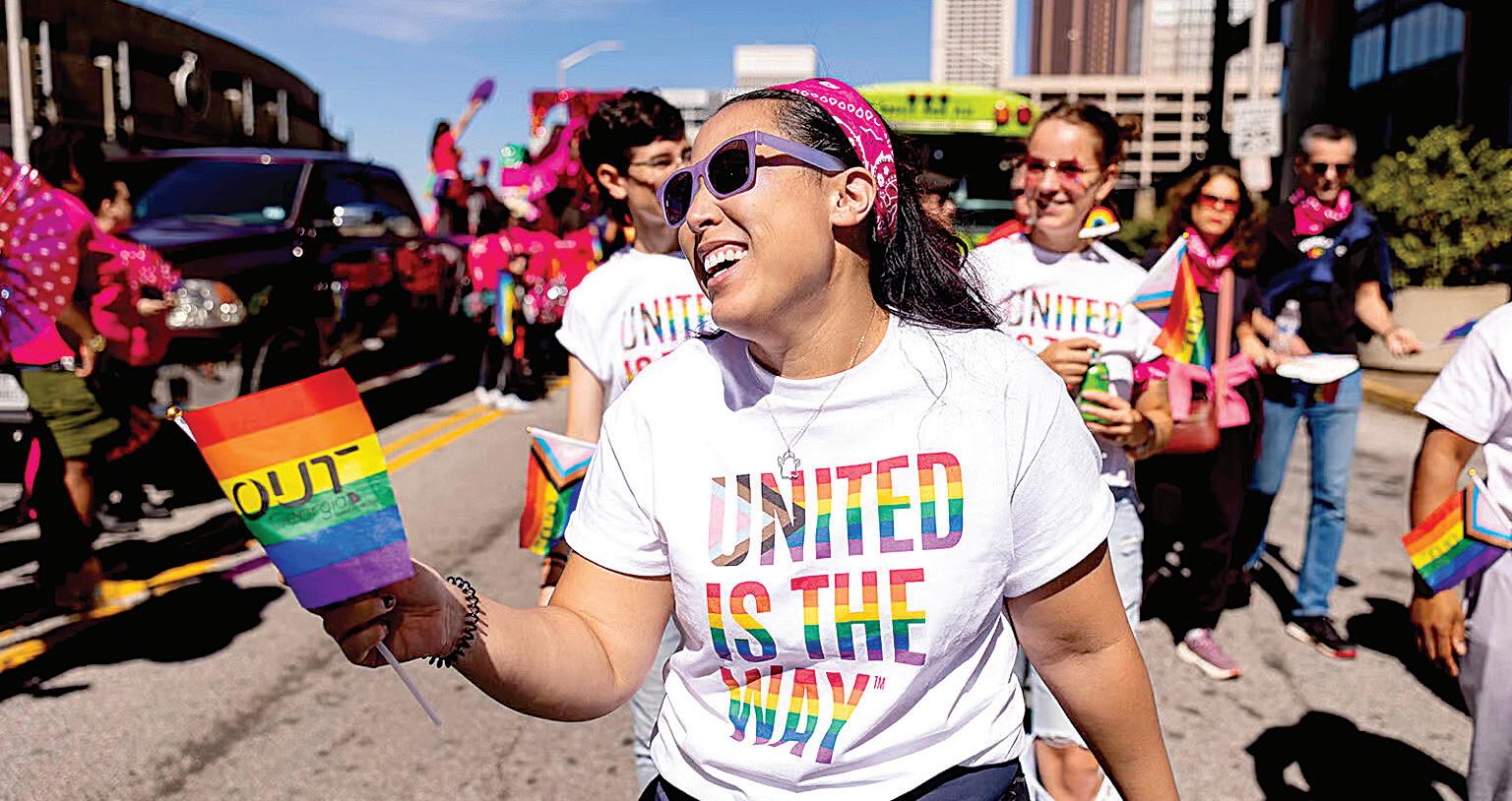
United Way of Greater Atlanta will partner with OUT Georgia Business Alliance for grants to uplift and empower Georgia’s LGBTQ+ community.
The organizations are looking for community-driven projects that advance equity, inclusion, and economic opportunity across the state in four priority areas: housing and basic needs, career pathways, building wealth, and managing health.
The next application cycle for the
OUT Georgia Impact Fund will open on July 1 and close at the end of the month.
Since 2021, the Fund has distributed more than $265,000 to LGBTQ+ nonprofits. The grantees of the last cycle included AID Atlanta, Inclusive Recovery Athens, Lost N Found Youth, Trans Housing Atlanta Program, and Trans Housing Coalition.
Applications for the OUT Georgia Impact Fund will open on July 1 on the United Way of Greater Atlanta at unitedwayatlanta.org/out-georgia-impactfund.
By Rachel Spooner
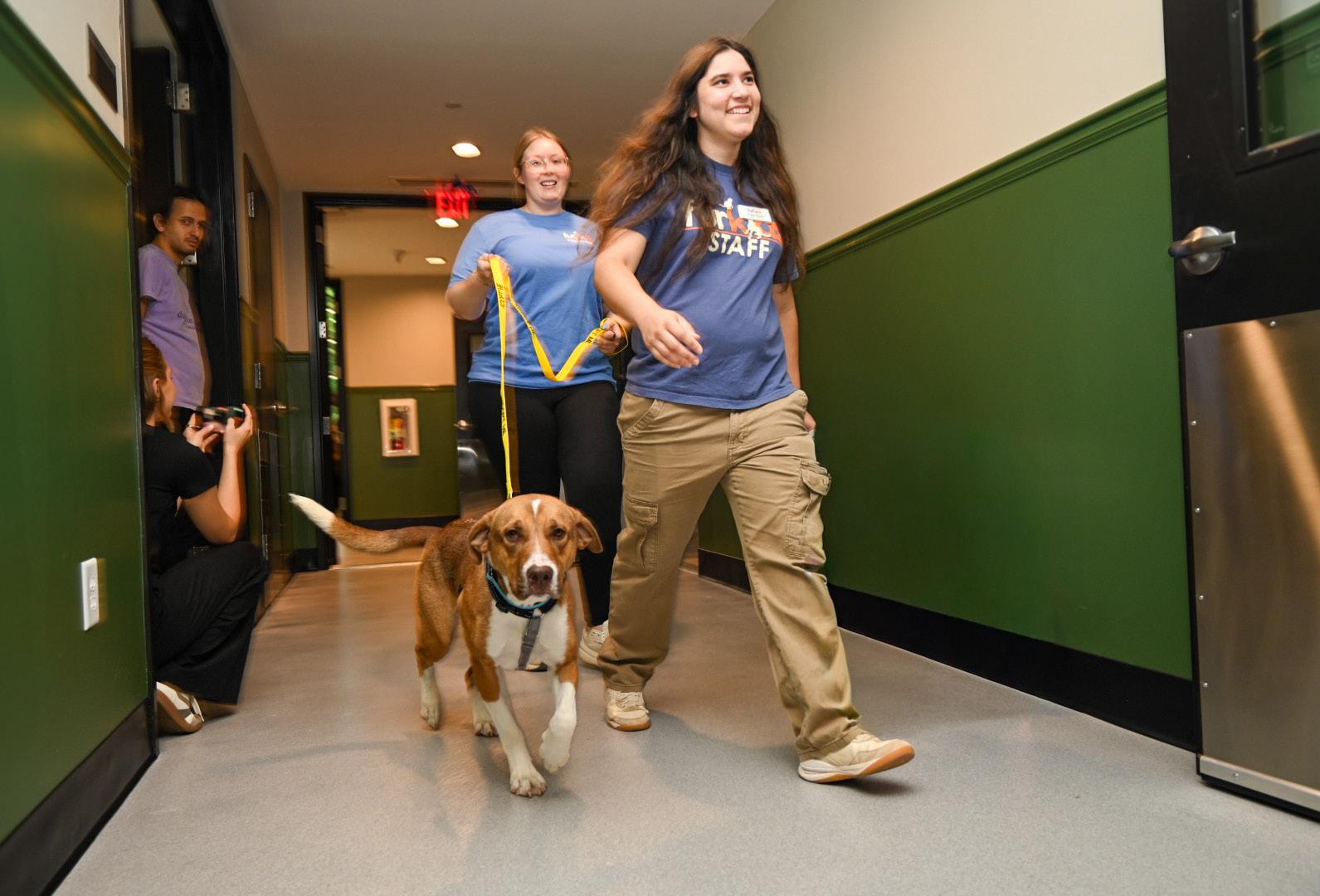
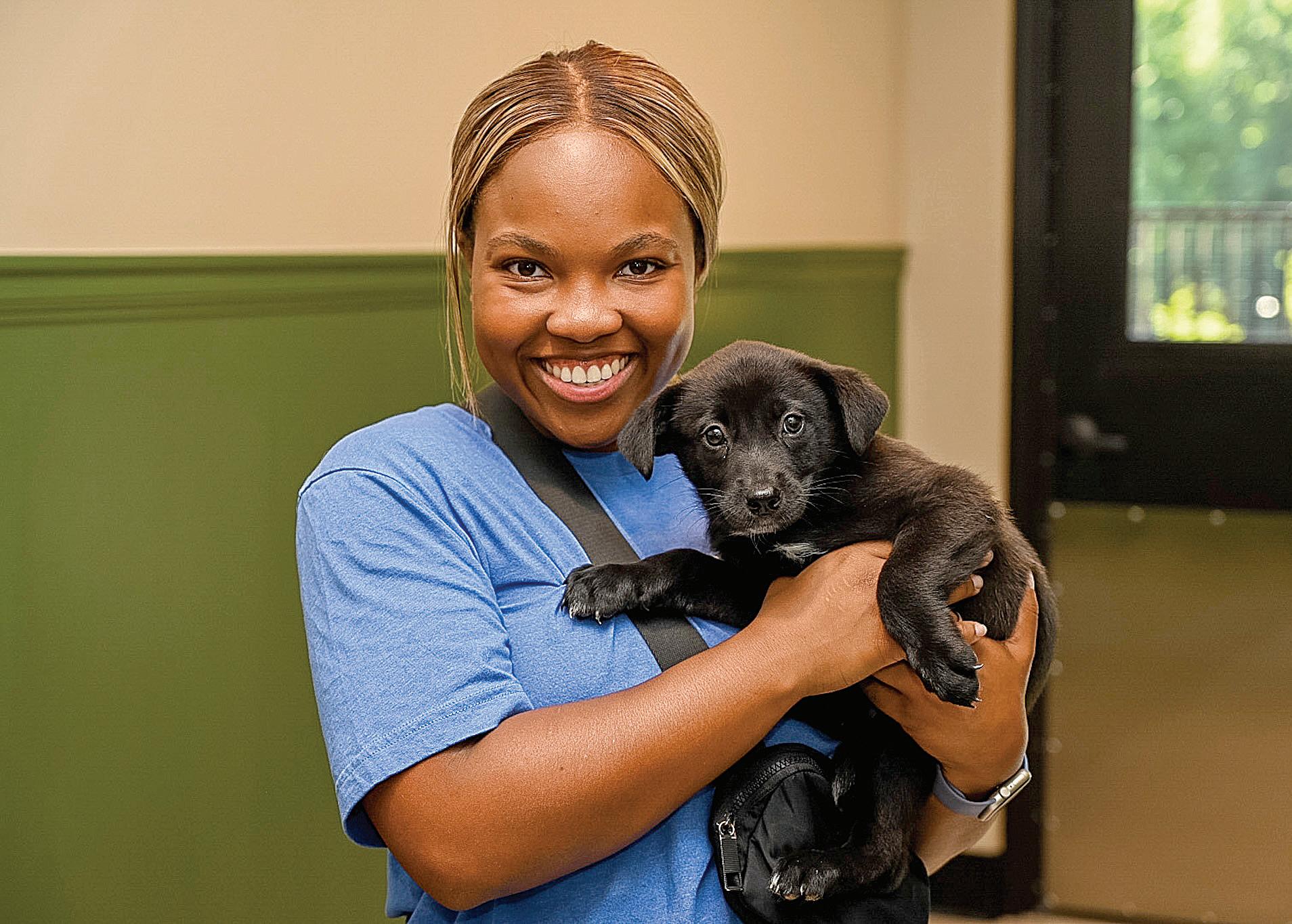
Georgia’s largest no-kill shelter Furkids opened its new 15,000-square-foot Sutherlin Dog Shelter, intended to reduce animal stress and create a more humane environment.
Rather than cramped kennels, the Cumming, GA facility features a private room for each dog with a capacity of 135, grooming areas, play suites and yards, training and enrichment spaces, quarantine capabilities, and safer walking access.
“It’s remarkable. It is beyond my wildest hopes and dreams for these dogs and our organization. The outcome was greater than I could have imagined,” said Furkids founder and CEO Samantha Shelton.
She noted how peaceful the space is now that the dogs have private rooms compared to a dog run, in which the
animals loudly react to people and each other. “What it means is, more lives will be saved because the dogs aren’t going to stay with us as long. We’ve been open two weeks, and we’ve already had great adoptions.”
With “public-friendly walkthrough areas, dedicated meet-and-greet spaces, workflow-driven operational design, separate indoor and outdoor enrichment areas for large and small dogs, resin flooring, turf yards, and specialized cooling technology,” the new space is designed to make the overall shelter experience more pleasant and welcoming, which will encourage increased adoption rates.
The Sutherlin Dog Shelter marks the largest expansion of dog operations in the organization’s 24-year history, as well as opens up the next steps of Furkids’ growth. The Giaquinto Medical Center

will open at the end of July, and a Community Clinic is expected to open in 2027.
For more information, visit furkids. org.
“What I want to show the world is that animal sheltering does not have to be sad, scary places,” Shelton said. “So many times I hear people say, ‘Oh, the shelters are so sad. I love what you do, but I can’t come. It will make me sad.’ Actually, you’re not sad here. It is just a very special place. It’s very peaceful, tranquil, and it’s just a special place for animals and people to connect.”
Since its establishment in 2002, Furkids has rescued and cared for more than 80,000 animals. The concept for the shelter began when Shelton rescued a family of kittens off her porch and was told by local animal control that they would likely be euthanized due to

space restrictions at shelters. “It’s just a very worthwhile endeavor, and it’s been an amazing opportunity to dedicate my life to serving the community, and to helping these animals, and to encourage others to join us in the effort.”
Furkids is also the Southeast’s largest cage-free sanctuary for cats and is one of the only facilities in the religion that cares for FIV positive cats. With over 1,000 active weekly volunteers and Shiloh Gardens, Furkids’ flexible event space, the campus is a hub for community, animal education, and advocacy.
Shelton said, “I’m so happy to be able to fulfill the vision that I have for this nine-acre campus that’s going to be supporting the community in ways that we’ve never been able to before.”



































































By Jim Farmer
Like many a queer kid, Adrian Chiarella grew up watching scary movies and identifying with them. Now, he has written and directed his own horror feature.
His made-in-Australia film “Leviticus” opens around the country this week. It’s about the romance between teenagers Naim (Joe Bird) and Ryan (Stacy Clausen) in a conservative small town. A religious rite that’s meant to heal them instead creates a deadly
entity that takes the shape of who its victim desires the most. For Naim and Ryan, it’s each other.
Chiarella recently spoke to Georgia Voice about the project.
Prior to “Leviticus,” the director noticed a peeling back of some of the rights that the LGBTQ+ community had spent the last decade or so fighting for.
“I grew up in a time where, as a gay man, I saw all this amazing progress built to this point where I was able to marry my husband in Australia,” he said. “But then something kind of shifted, and I wanted to explore that as a filmmaker.”
He also started to think about the horror films that he loved as a kid, and realized he wasn’t alone. He wanted to explore why that is.
“I started to think about why we turn to stories of teenagers being chased by monsters and I started coming up with ideas of homophobia, which is a kind of fear, and I came up with this entity, this horror movie monster that takes the form of the person you’re most attracted to,” Chiarella said. “It felt like the right metaphor to explore these ideas.”
One of Chiarella’s favorite movies is John Carpenter’s “The Thing,” and he also loves the “A Nightmare on Elm Street” franchise.
“There was something about the blurring of the self and other that I found terrifying,” he said. “The idea of bringing that into a queer love story was interesting to me.”
Once he had the horror movie concept, the other half of the project that appealed to him was the love story.
“I wanted to explore what these feelings meant for the first time as a teenager,” Chiarella said. “But I also really loved the idea of telling a story where feelings of desire and jealousy mingle into a horror movie. Before I could get into that, I needed the audience to feel the connection between these two characters.”
Bird, 19, also appeared in the 2022 horror film “Talk to Me.” Chiarella said he was a natural presence onscreen.
“He is not afraid to bring so much of himself,” Chiarella said. “He has a great sense of who he is, and he lets that out when he is doing anything. For an actor of his age to have that confidence and awareness and wisdom behind his eyes – it was undeniable when he was auditioning he was going to be the guy carrying the film.”
But still, casting such a young actor was a scary choice. Chiarella made the choice not to cast a 30-year-old and tried to convince the audience that they were a teenager. Instead, he chose a young actor and asked him to be present every day and carry significant emotional and physical weight. Luckily, it worked.
“I found a great creative partner with Joe,” Chiarella said. “I am excited for what happens next for him.”
Chiarella premiered the film at the Sundance Film Festival’s midnight section, which is dedicated to horror films, earlier this year. The screening was successful, and Neon picked up the film soon after.
“We only finished the film a few days before I got on the plane. No one had seen it,” Chiarella said. “I think the reason [Sundance’s] Midnight section is so popular is the audiences are so enthusiastic about the genre, very vocal and loud.”
It’s a particularly strong moment for horror at the box office now, with the successes of “Backrooms” and “Obsession.” Chiarella feels audiences want to leave their house to see the genre and share the experience with fellow filmgoers.
“I think it is a wonderful time for horror,” he said. “It’s a genre that is great for young filmmakers. You don’t need a big budget or stars. It allows your voice and your experimentation in different ways.”
Looking back to his days being scared on the sofa, Chiarella said he thinks he knows why gay audiences love horror films.
“There is something about the themes of otherness and being an outsider that respond to our experience. While non-queer people turn to a traditional coming of age story to see that journey of self-discovery presented in a positive affirming way, some of us turn to another type of coming-of-age story, usually about teenagers having sex, being damned by it and being chased by monsters,” he said. “It’s someone we can all relate to. I’ve been saying it a lot –you can’t deny that a lot of extraordinary queer artists and storytellers throughout history have shaped the genre. They lived in a time where they could not express their experience and had to find the best genre that had to be a metaphor.”
“Leviticus” opens in theaters this weekend.
w i t h ot h e r R o u g h D raf t re a d e rs C O N N E CT.



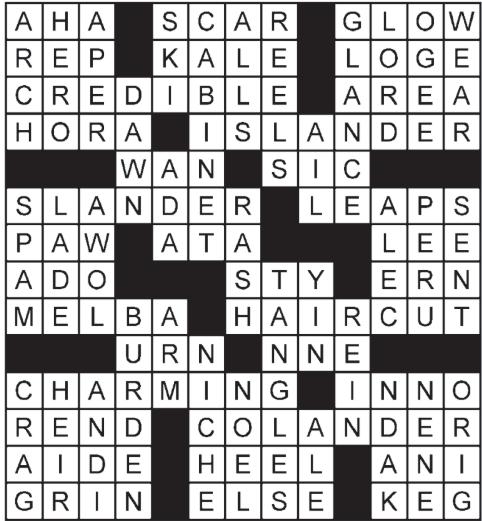
The answers to these puzzles are on page 19

By Sammie Purcell
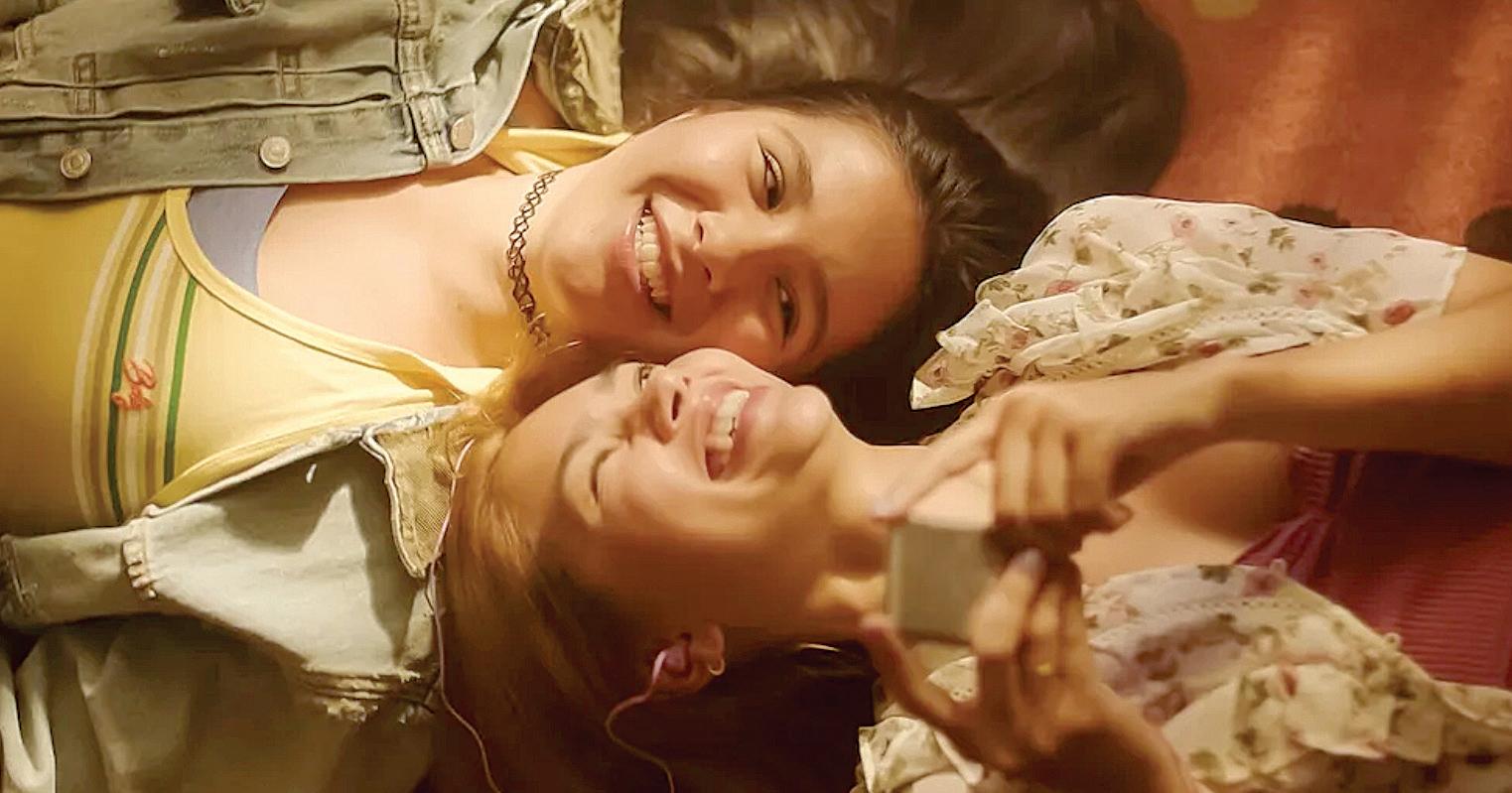
Right off the bat, “Girls Like Girls” deals in the familiar conventions of coming-of-age stories.
We meet our protagonist, Coley (Maya da Costa), riding her bike through the wooded streets of rural Oregon – wind softly tousling her hair, the breeze only a slight reprieve from the oppressive heat of summer. Immediately, the film has all the trappings of a sun-drenched, indie film about growing up and falling in love.
This is all stuff we’ve seen before, and “Girls Like Girls” does not shy away from being exactly what it is. Sometimes it gets a little lost in those conventions, feeling a little unsure of itself – but it’s heart is undeniable.
First-time writer/director Haley Kiyoko (the script was co-written with Stefanie Scott, from a story by Kiyoko and Chloe Okuno), better known for her music career, has been working on making “Girls Like Girls” for roughly 10 years. The film is based on her debut novel, which is in turn based on a song of the same name – and that indie music video influence is clear in Kiyoko’s visual style. The film itself is a charming debut – if a little cliche at times, with hints of awkwardness that don’t quite hit the teenage sensibility the film is going for. But even the moments that don’t quite congeal are bolstered by the film’s sweetness and wonderful chemistry between its two leads.
Coley’s afternoon bike ride is interrupted by the appearance of a group of local teens, including Sonya (Myra Molloy), who looks like a Disney princess come to life. Coley is new in town and not really in the market for friends – she’s dealing with the sudden death of her mother and a shaky relationship with a father who only recently came back into her life (Zach Braff). But she’s quickly sucked into Sonya’s orbit, and the two spend the summer falling in and out of love, growing up in the process.
The places where “Girls Like Girls” stumbles feel like the familiar stumbles of a first-time filmmaker, particularly when it comes to the film’s dialogue and pacing. In trying to capture the awkwardness of teenage love, Kiyoko allows for a lot of space between lines (and some of those lines are a bit cringe-inducing, even more so than the normal bounds of teenage cringe-dom). But, as the film goes along, it starts to find its groove, particularly as we see more of Molloy and da Costa together. The young actors capture the newness of the tension arising between Sonya and Coley, and da Costa in particular
gently holds the vulnerability, joy, and terror of young love in her whole being. There’s so much rawness and trepidation in her every glance.
The movie is conventional, but for the most part those conventions are done well –tropes are tropes for a reason, after all. The music video of it all comes through in the images, and there are a few striking moments that so succinctly capture what it feels like to fall in love. An arm held out of the shower so that the phone number written on it doesn’t wash away. Two girls sitting in the backseat of a car, draping their limbs over each other, each move punctuated by subtle eye contact to make sure neither one of them is crossing a line. Visually, you can see the girls’ connection growing without much said between them.
By Katie Burkholder
Following the usual arc of these types of stories, there is, of course, a breaking point – a crash after the crescendo of falling in love. Sonya, having a hard time coming to terms with the fact that she’s developing romantic feelings for another girl, begins to drift away. Molloy shines in these moments, delivering a performance that’s as painfully aloof and cruel as it is fearful.
The stretch of the movie after the fallout between Sonya and Coley features some of its best moments as Coley learns who she is without Sonya around, building a connection with herself and her father, which leads to a couple of genuinely tearjerking moments (Braff is wonderful as dad, a little lost in the wind trying to understand his daughter, but trying his damndest to make it work). Convention, of course, will bring Coley and Sonya back together, but the movie walks the line of sympathy for her without ever letting her off the hook, stressing the point that what these two feel for each other is anything but wrong. “Girls Like Girls” might not get everything right, but it certainly lands that emotional truth.
Girls Like Girls is currently in cinemas and will be coming to video-ondemand later this summer.
Out On Film, Atlanta’s nonprofit LGBTQ+ film festival, has announced the recipients of its third annual Filmmaker Fund, a grant supporting the completion of projects by queer filmmakers.
“As one of the most decorated LGBTQ+ film festivals around today, we are proud to help this group of filmmakers finish their five films and bring even more dynamic queer stories to the community – especially as nonprofits and the arts nationwide take a hit,” Out On Film Festival Director Jim Farmer said.
Five films by six filmmakers were awarded a total of $5,500 in grants from the festival:
“Superfake” by Aphrodite Armstrong and River Gallo
“Superfake” is a gritty, sun-soaked comedy short about a trans woman who discovers her boyfriend – and the designer bag he gave her – might be fake. This film humanizes trans women through humor, with a premise everyone can relate to –the search for something real in a world obsessed with appearances.
“Call and Response” by Charlene “Charlie” Fisk
When a teenager is caught kissing a girl in the church rectory, her bond with her grandfather is fractured and the sanctuary becomes a battleground between silence and truth in this narrative short. She must decide if she can love herself enough to be seen, while her grandfather must choose whether blood is stronger than belief.
“Jukin” by Tierra Frost
Set in the rural South during the 1950s, “Jukin’” is a short film following Suzetta “Skip,” a shy tomboy growing up in a strict religious household under the watchful eye of her devout mother. When the elegant wife of her pastor, Elsie, pays their home a visit, Skip becomes captivated by her presence and begins to question feelings she has never fully understood when she gives her what she perceives to be a flirtatious wink. Driven by curiosity, Skip secretly follows Elsie and discovers a hidden juke joint run by the gun-toting, bible-holding Ms. Ruby.
“Chulo” by Joshua Hernandez Gael, a humble soul, travels to Puerto Rico at the height of summer to spend time with their abuela and sister. Gael’s visit comes the year after their grandfather passed away and they’re greeted with open arms. They travel around the island, immerse themselves in Puerto Rican culture, and reconnect with their familial roots.
“Breathe” by Mya-Breyana Morton “Breathe” is a short film designed to serve as a proof-of-concept pilot for a half-hour series titled ‘Prom.” The story follows Nailah Clarke, an anxious high school student who works up the courage to ask her crush to prom. Overwhelmed by nerves, she locks herself in a bathroom stall to gather her thoughts before making what feels like a life-or-death decision. For Nailah, this moment is everything.
Two of this year’s recipients – “Chulo” and “Call and Response” – will screen at this year’s Out On Film festival in September.
By Sarra Sedghi
Whether you have tickets to the matches or not, there are plenty of ways to bask in World Cup excitement in Atlanta without touching a soccer ball or setting foot inside Atlanta Stadium. Pay respect to some of the nations playing in Atlanta this summer by supporting local restaurants serving dishes representing a few of these countries or their nearby neighbors.
From Haitian fare to Uzbeki cuisine, these Atlanta restaurants offer a taste of the World Cup.
Czechia
Baltic Deli
IG @balticdeliroswell
Roswell
Sadly, metro Atlanta’s Czech offerings pale in comparison to states like Texas. Your best bet is an adjacent Central or Eastern European restaurant or pop-up (paywall). For example, try Baltic Deli in Roswell. It sells regional ingredients in its market and serves snacks and dishes leaning more eastward, while still hitting comparable Central European flavor and ingredient notes. Baltic Deli also excels at schnitzels, pierogi, and soups.
Halfway Crooks Beer halfwaycrooks.beer
Summerhill
While Czechian cuisine isn’t widely available in metro Atlanta, you can find local iterations of its brewed counterpart
at brewery’s like Halfway Crooks Beer in Summerhill. The rotating draft selection regularly features Czech-style pilsners and lagers. You can also enjoy a SouthernBelgium food menu while watching the World Cup on the TVs in the taproom, on the rooftop patio, or on the big screen in the beer garden.
Ike’s Cafe & Grill
ikescafe.com
Norcross, Marietta, West End (to-go only)
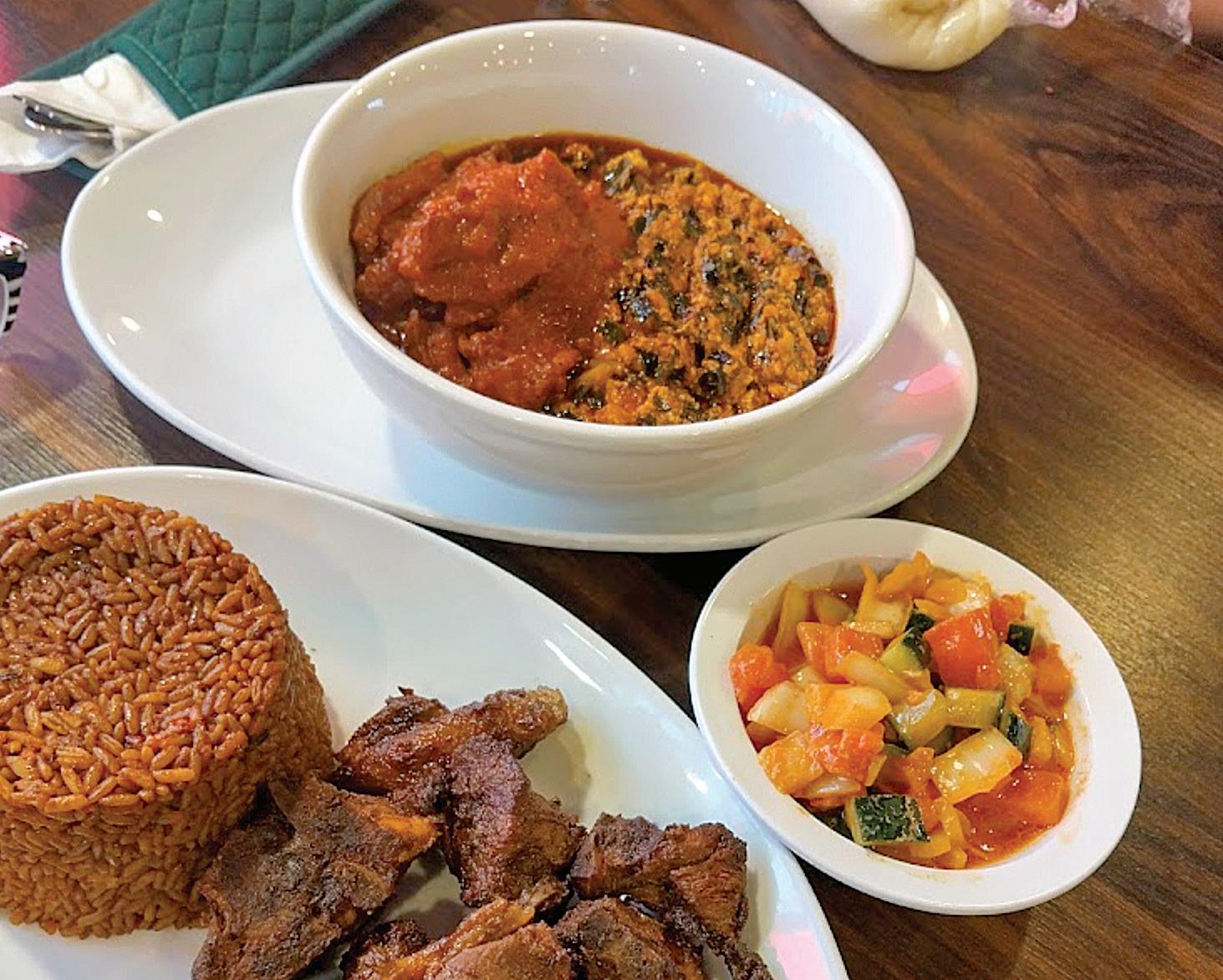
Metro Atlanta features several restaurants representing West African nations. This includes Ike’s Cafe and Grill, which has locations in Norcross, Marietta, and a to-go spot in the West End. The restaurant’s specialities include Ghanaian jollof rice (and its spicier Nigerian cousin), as well as plantain fufu, puff-puff (known as mikaté in Central African countries like DR Congo), and West African vegetable soups.
Le Nouveau Maquis lnmaquis.com
Stone Mountain, Tucker
With locations in Stone Mountain and Tucker, this cozy West African restaurant is a popular spot for dishes like jollof, peanut soup, suya, and chofi (turkey tail). As an added bonus during the World Cup, both locations will screen matches and offer food specials during the watch parties.
Zeke’s Kitchen & Bar zekeskitchenandbar.com
Smyrna
Run by a Haitian-American blended family, Zeke’s in Smyrna blends Haitian and American fusion cuisine. Think dishes like djon djon bowls with roasted chicken, plantain tacos, and rasta pasta. Don’t skip ordering a cocktail here from the fully stocked rum bar.
Marie’s Kitchen marieshaitianrestaurant.net
Marietta
Good food is worth the wait. Such is the case at Marie’s Kitchen, which specializes in Haitian and Creole cuisine. Get your fill of classic dishes like soup joumou, fritay pwason (fried snapper served with fried plantains, sweet potatoes, and yams), and patties. Make sure to come early to partake in Marie’s signature dishes, including fried goat.
Marrakech Express IG @marrakechexpressatl
Smyrna
Moroccan restaurant Marrakech Express started as a pop-up and quickly gained a following via Atlanta’s farmers market circuit. The restaurant specializes in traditional Moroccan cooking. The owners even import spices directly from Morocco, and make their own chermoula (zesty, herbal relish/marinade). While you should absolutely order the denjal (eggplant stew), garbanzo dwaz (chickpea stew), and chicken or lamb tanjiya, Marrakech Express also serves other regional dishes, including shawarma and falafel.
Daily Chew dailychewatl.com
Morningside-Lenox Park
Julia Kesler-Imerman’s restaurant leans into her South African and Jewish heritages. Considered a local restaurant darling, Daily Chew serves everything from lemony, house-made labneh to boerewors sausage pitas to latke stacks accompanied by garlic labneh, scrambled eggs, smoked salmon, and a cucumberpickled-onion salad. For the World Cup, expect a special South African menu to pair with matches during the restaurant’s watch parties. Grab a seat in the cafe or on the covered patio.
The Whelan
thewhelan.com
Blandtown
Looking for heartier South African fare, closer to what you’d find on a Durban dive’s late-night menu? Check out The Whelan, a Blandtown neighborhood pub that offers South African bar staples like peri-peri wings, a boerewors sandwich made with beef and pork sausage, and a chicken, potato, and red pepper curry served with rice and plantains. Make sure to order the Cape Dutch pudding served with cream. It’s an homage to a recipe by owner Jason Da Luz’s mother.
Cooks & Soldiers cooksandsoldiers.com
Howell Mill Road/Westside
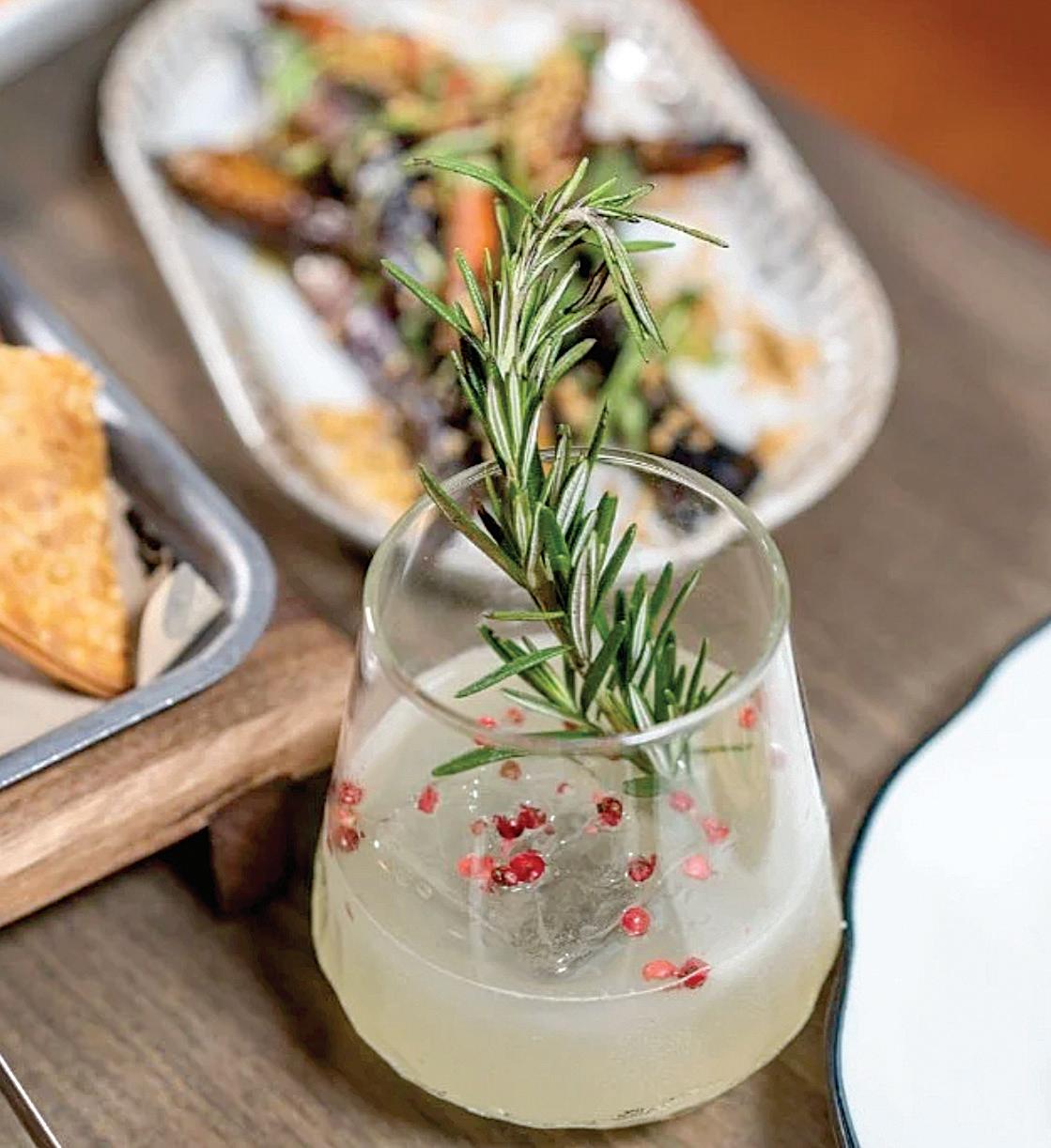
Named for a San Sebastián summer festival, Cooks & Soldiers has become a staple in Atlanta for Basque cuisine. Don’t pass up the selection of pintxos, the Basque equivalent to tapas. Try the
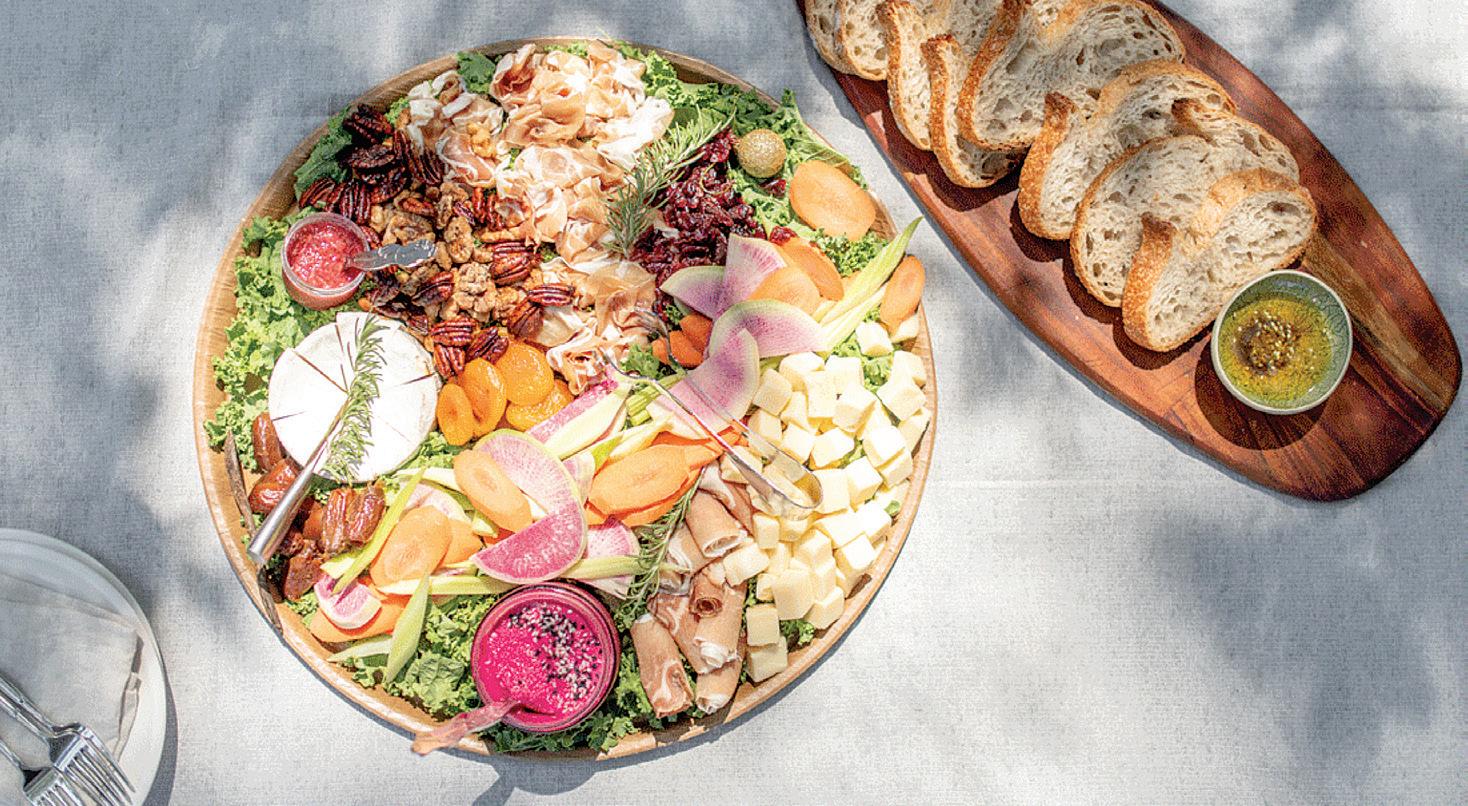
Caña de Cabra (a plate honoring the Spanish goat cheese), the bikini (Iberian ham grilled cheese with black truffles), or gambas (Argentine shrimp with leek crema, fennel en escabeche, ajo refrito, and sourdough). The bar’s seasonal takes on Spanish G&Ts are some of the best in the metro.
Fogon and Lions fogonandlions.com
Alpharetta
If you’re looking for a top-notch grilled meat situation, visit Fogon and Lions in downtown
Alpharetta. You can’t go wrong with the skirt steak and chimichurri here, or the short rib flatbread. But if you really want to go all out, order the suckling pig feast. You’ll need to reserve it 72 hours in advance. Stop by during happy hour for $9 sangria and $8 bar bites, such as fire-roasted olives and peppers, chicken croquetas, and chips with chorizo, queso, and salsa.
Uzbekistan
Laghman Express laghmanexpressga.com
Alpharetta
Express opened in Alpharetta in 2025, bringing metro Atlanta Uzbeki and Ugyhur cuisine. This restaurant merges mainland East and West Asian dishes, transforming it all into aromatically rich comfort food. Hand-pulled noodles (laghman) and manty (beef dumplings), both Central Asian staples especially shine at Laghman Express, but don’t pass up on ordering meatier options like lamb shank soup, kebabs, and spicy stirfried lamb.
Beth McKibben contributed to this guide.

Based in New York City, Laghman