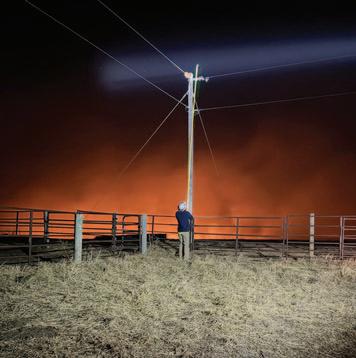
Reliability means showing up — for today and tomorrow. We’re here before the sun rises and we’re working all through the night, 24/7/365.
Why? Because every community our members serve deserves power they can count on. From energy planning to system reliability, we work as one connected utility family. We’re sharing resources, expertise, and the strength that only comes from standing together so your co-op or PPD can deliver what matters most: reliable, affordable electricity for every moment of life.
Staff
General Manager
Rick Nelson
Editor
Wayne Price
Editorial Assistant
Tina Schweitzer
President Vance McCoy
Midwest Electric Cooperative Corporation
Vice President/Secretary
Dan Scheer
Howard Greeley Rural Public Power District
Treasurer Stewart Huneke
Norris Public Power District
Published monthly by the Nebraska Rural Electric Association, 1244 K Street, Box 82048, Lincoln, Nebraska 68501, (402) 475-4988.
Advertising in the Nebraska Magazine does not imply endorsement for products by the Nebraska Rural Electric Association. Correspondence should be sent to Wayne Price, Editor, Nebraska Magazine, Box 82048, Lincoln, NE 68501.
The Nebraska Magazine is printed by the Aradius Group, 4700 F Street, Omaha, NE 68117. Form 3579 should be sent to Nebraska Magazine, Box 82048, Lincoln, NE 68501.
Periodicals postage paid at Lincoln, Neb.
POSTMASTER: send address changes to Nebraska Magazine, 1244 K Street, Box 82048, Lincoln, NE 68501.
Publication numbers are USPS 071-630 and ISSN 30697549.
Subscriber Services: Cost of subscription for consumers of participating member-systems is $2.14 per year (17.8 cents per month), plus periodicals postage paid from equity accruing to the consumer. For nonmembers, a subscription is $10 per year or $20 for three years, plus local and state tax. Single copy, $2.50.
6 Photograph by Brock Schueth
Contents Departments
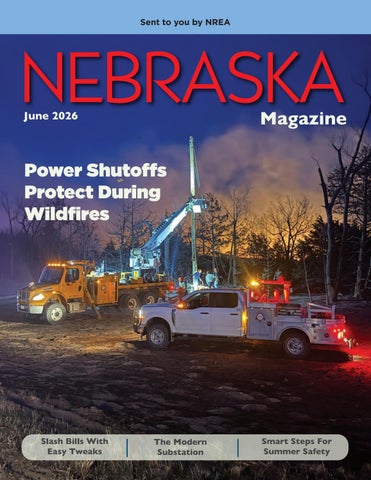
Power Shutoffs Protect During Wildfires
Wildfires in Nebraska can trigger both unplanned outages and preventive public safety power shutoffs when extreme conditions raise the risk of new fires. Staying informed, keeping contact details updated and understanding fire weather alerts can help residents prepare for outages and respond safely.
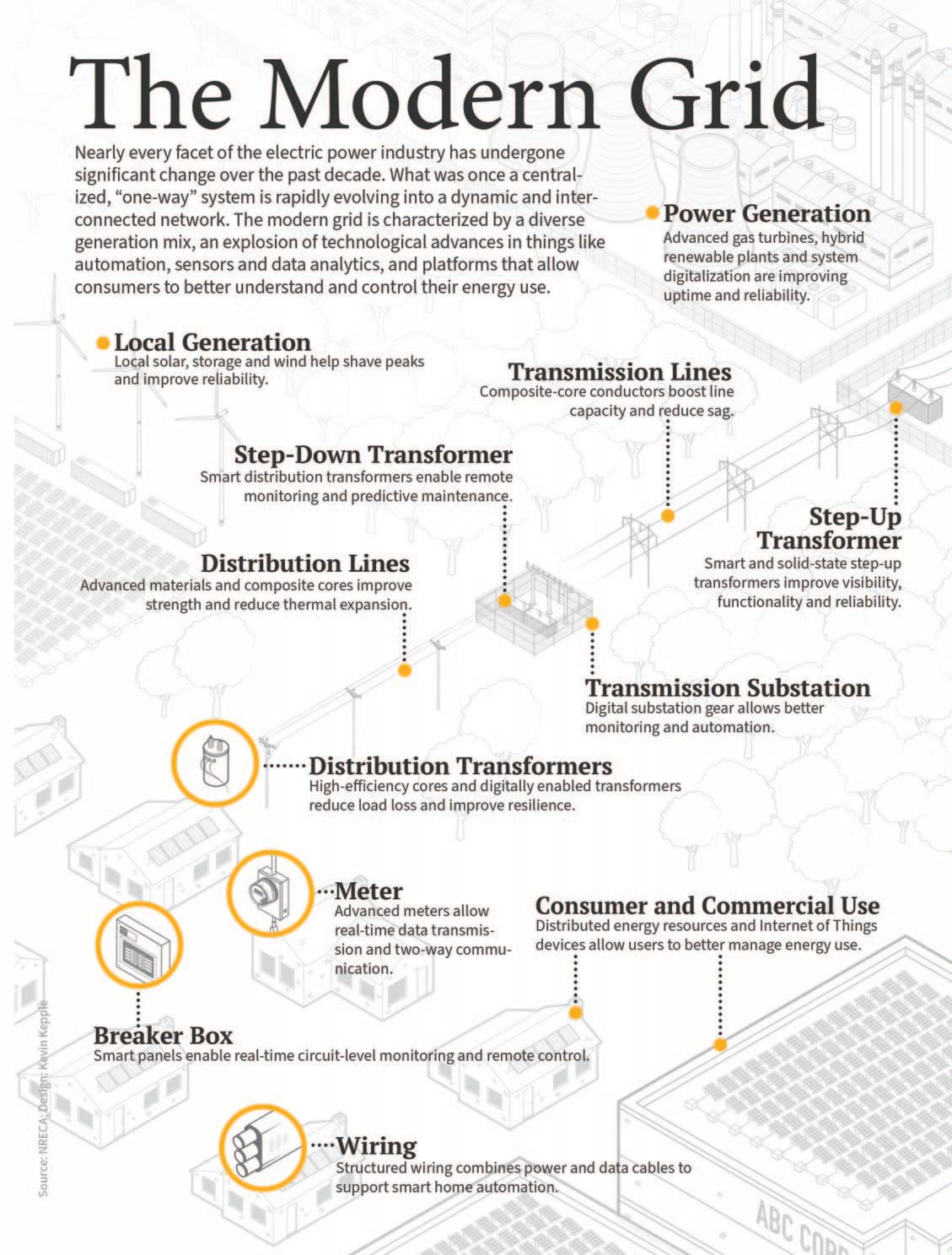
14 The Modern Substation
Electric substations are the quiet backbone of the power grid, converting high-voltage electricity into usable energy while protecting communities from outages and disruptions. As technology advances and energy demands grow, utilities continue to modernize and expand substations to ensure reliable, efficient service for homes, farms and businesses.
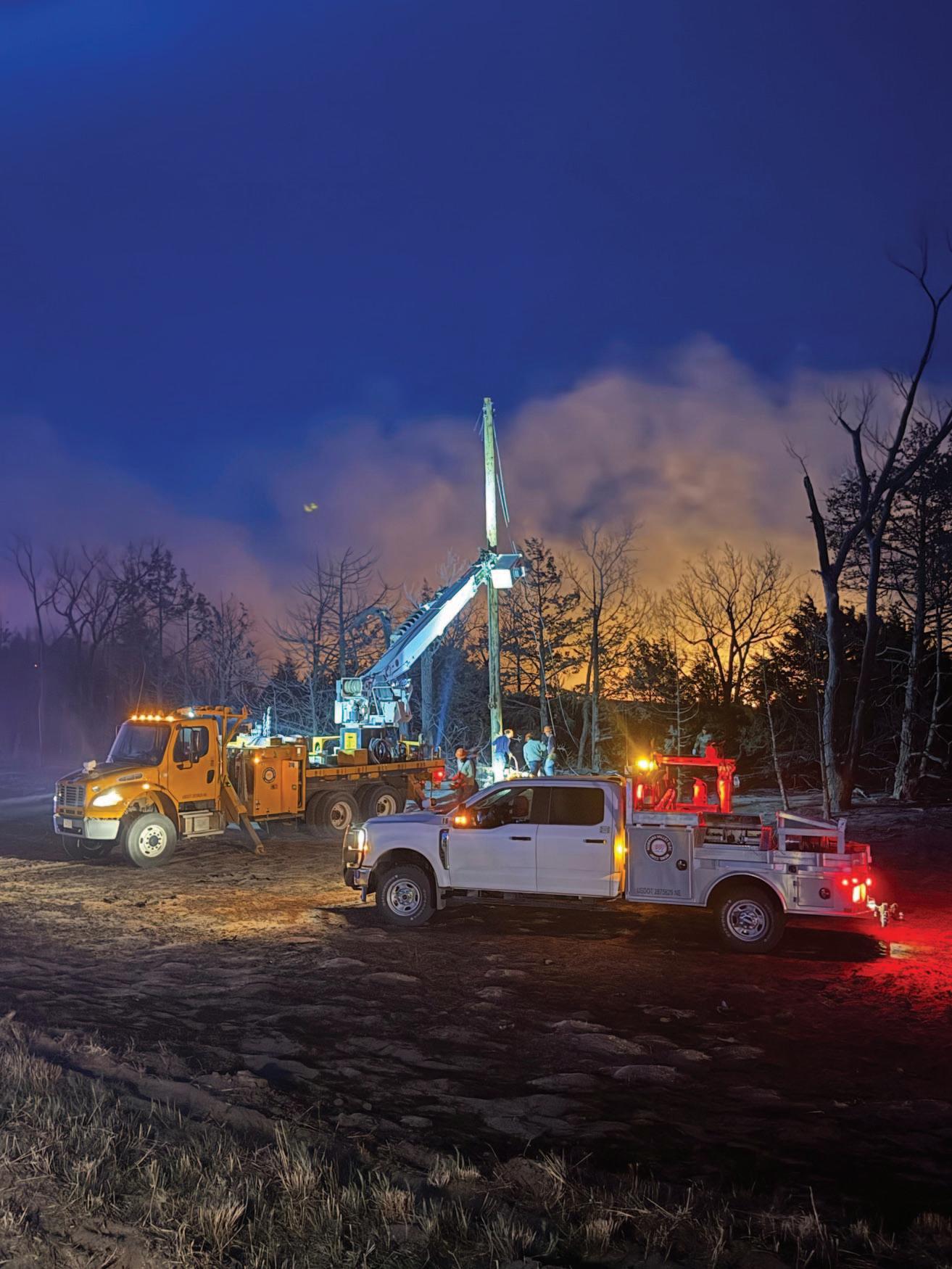
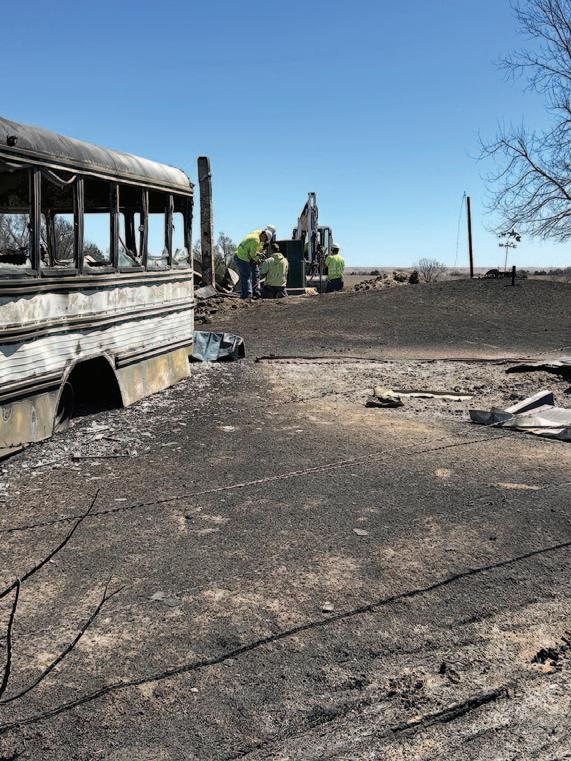
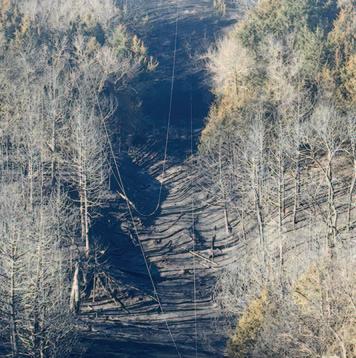
Niobrara Valley Electric Membership crews replace a 69 kilovolt overhead guy pole that burned down in a fire south of Atkinson, Neb. Photograph by Matt Fritz, Niobrara Valley EMC.
Wayne Price
Editor’s Page
Clean Roads Start With Small Choices
Is throwing an apple core out of your car window littering? It sounds like a simple question. After all, an apple core is not a plastic bottle or a fast food wrapper. It is food. It will rot. So what is the harm?
A post on Threads recently posed this same question. The responses were quite interesting.
Many people believe tossing an apple core is not littering. They argue that it is natural and biodegradable. Apples grow on trees. Animals eat them. The core will break down over time and return to the soil. Compared to a soda can that may sit for decades, an apple core seems harmless. Some even say it is like composting on the go.
There is some truth to that. According to the National Park Service, organic materials do decompose. In the right conditions, an apple core may break down in a matter of weeks. To some people, that feels responsible enough.
But others strongly disagree. They say littering is not just about whether something rots. It is about respect for shared spaces. When you throw anything from your car, you are leaving it for someone else to deal with. Roadsides, parks, and neighborhoods belong to everyone. One reply asked “Would you be okay if someone threw an apple core into your car?”
Critics also point out that food waste can attract wildlife. Animals may wander closer to busy roads in search of snacks. This can lead to accidents that harm both animals and drivers. The National Highway Traffic Safety Administration reports thousands of crashes each year involving animals. While one apple core may seem small, it might attract a mouse which might attract an owl or hawk that is struck by a vehicle.
There is also the issue of appearance. Even if an apple core is natural, it still looks like trash when it is scattered along a highway. Visitors do not see compost. They see trash.
In some states, including Nebraska, litter laws do not make exceptions for food scraps. If you throw it from your vehicle, it can count as littering. The law often focuses on the act itself, not the item.
So where does that leave us? The debate reminds us that small choices matter. An apple core may be natural, but responsibility is too. Keeping a small bag in your car for trash takes little effort. Tossing the core in a compost bin at home is even better.
In the end, the question may not be whether it will rot. The better question is whether we want our roadsides to become our compost piles. Visit our website at nebraskamagazine.org
Matt Fritz
Matt Fritz is the General Manager of Niobrara Valley Electric Membership Corporation, headquartered in O’Neill, Neb.
Guest Editorial
Mutual Aid Powers Storm Recovery
I am sure you are wondering, how do public power and mutual aid tie together? Why are both important? How do both affect Nebraska and every person living here? Let’s break this down and start with public power.
Public power is the main economic driver for the state. In this day and age, electricity touches just about everything a person needs, from charging their cell phone to heating their homes to running a business and everything in between. Nebraska is the only state in the country that is 100% public power. Public power is owned by everyone in the state, and it is a model that has worked for over 80+ years. Why does it work, you ask? Well, it is all about local control. The State of Nebraska is divided into districts, and within those districts, the residents elect a board of directors, which is their voice on rates and policy. Local public power boards have full rate-making authority, which is the main reason Nebraska ranks in the top 10 nationally for the lowest electricity rates. Public power is not for profit, which means we don’t have investors. Our investors are those we serve.
Mutual aid is an organized partnership between all public power districts in the state, coordinated by Nebraska Rural Electric Association (NREA), of which all public power districts are members. This partnership answers the call when natural disasters happen. I am sure most of you reading this have been through a summer thunderstorm, tornado, winter blizzard, or an ice storm; you understand the damage these can cause to the electrical grid. When disasters like this happen, linemen from across the state and sometimes other states answer the call with equipment, material, and manpower. Why? Because we all work for you, our owners. It is truly an amazing sight to see. Being a former lineman who has experienced many of these, it is amazing how public power shows up for each other. Mutual aid isn’t about an opportunity to make money; it’s a duty to serve every rate payer in Nebraska.
Public power is a great model that has worked for many years and puts the control in the hands of the people. Because of this control, we get to enjoy the benefits of low-cost, reliable electricity for everyone. When the next natural disaster strikes, we all have an army of linemen standing ready to answer the call. It’s the public power way, neighbors helping neighbors.
Power Shutoffs Protect During Wildfires
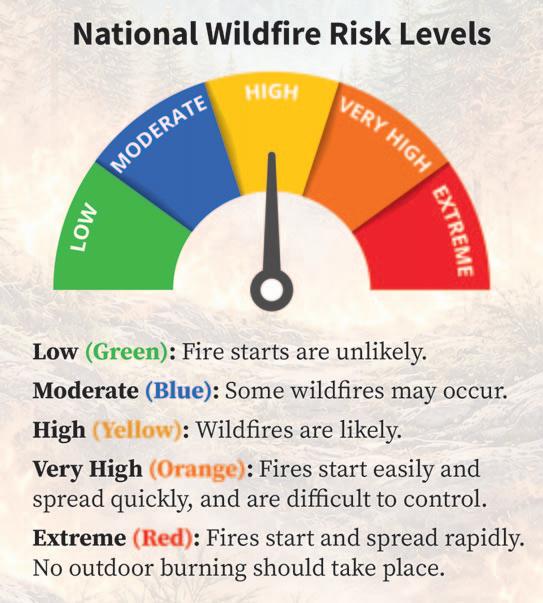
Recent wildfires across Nebraska have served as a strong reminder that fire season can affect more than grasslands and pastures. Along with smoke and heat, wildfires can also lead to power outages that disrupt daily life. In some cases, these outages are planned. Utilities may use what is called a public safety power shutoff, or PSPS, as a last-resort step to help prevent new fires.
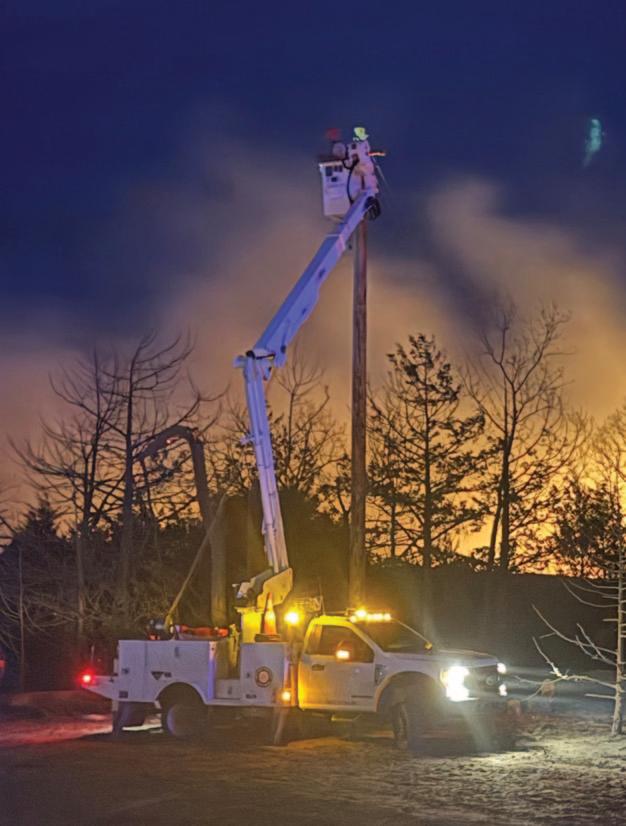
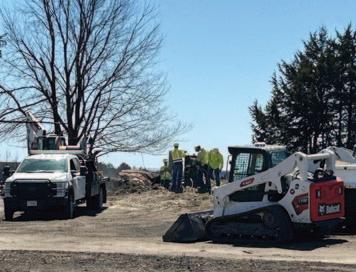
Top left: Custer PPD empoyees Tristan Sawyer-Kociemba, Jordan Lemburg, Joel Myers, Riley Ryan, and Alex Meeks restore power to a residence and stock well. One house was saved, and another was lost at this customer’s place. No one was injured by the fires.Photograph provided by Custer PPD Center: Journeyman lineman Blake Walters works on a line damaged in a fire south of Atkinson, Neb. Photograph by Matt Fritz, Niobrara Valley EMC
A PSPS event happens when electric companies turn off power during extreme fire weather. Conditions such as high winds, low humidity and very dry vegetation can increase the risk that power lines or equipment could spark a fire. While utilities work year-round to reduce these risks by clearing vegetation, upgrading equipment and increasing inspections, there are times when shutting off power is the safest option.
For customers, these shutoffs can come with some warning. Utilities aim to provide notice 24 to 48 hours in advance when possible. However, fire conditions can change quickly, and shorter notice may occur in
emergencies. That is why it is important to keep your contact information up to date and review your alert settings each season.
The length of an outage can vary. Some may last only a few hours, while others could stretch over several days. Power is restored only after conditions improve and crews can safely inspect lines and make repairs. Smoke, strong winds, blocked roads and evacuation orders can all delay this process.
Understanding wildfire alerts and warnings is another key part of staying safe. Knowing when to prepare and when to act can make a real difference. As Nebraska continues to face wildfire risks, being informed and prepared helps protect both people and communities.
Fire weather alerts
Red flag warning: Critical fire weather conditions are occurring or expected soon (often within 24 hours).
Fire weather watch: Conditions are dry and favorable for critical fire weather and could become dangerous.
Top left: Dawson PPD Apprentice Lineworker Sam Foster disconnects power for firefighters to safely extinguish the wildfire. Photo provided by Dawson PPD
Bottom left: A view of the aftermath of the Cottonwood Fire in Snell Canyon, located south of Gothenburg. Photo provided by Dawson PPD
Above: A Custer PPD crew (from left: Joel Myers, Riley Ryan, Jordan Lemburg, and Tristan SawyerKociemba) restore power to a customer affected by the Pressey Park Fire. Photograph by John Berghorst
Protect your home from a wildfire
Wildfires move fast, but research shows that most homes don’t ignite from an unstoppable wall of flames. They ignite from embers — tiny burning pieces of wood or vegetation that can travel over a mile in the wind and land on or near your home. The good news? There are steps you can take to help your home withstand nearby flames.
The most important area to focus on is your Home Ignition Zone — your house and its 200-foot perimeter. Think of it in three layers: closest, middle and outer. Let’s walk through what to do in each.
The Immediate Zone (0-5 feet from your home)
This is the most important zone. Start here. Your goal: create a clean, non-combustible buffer.
• Clear leaves, pine needles and debris from roofs and gutters.
• Repair missing or loose shingles and roof tiles.
• Screen vents with 1/8-inch metal mesh to block embers.
• Repair damaged window screens and replace broken windows.
• Remove mulch, firewood, plants, leaves and anything that can burn from around the house.
• Don’t store anything under decks or porches; screen openings to prevent debris buildup.
• Keep the 5 feet closest to buildings, structures and decks clear of flammable materials. Swap mulch for gravel or crushed stone.
The Intermediate Zone (5-30 feet)
This is your landscaping safety zone. The goal is to slow and reduce fire.
• Keep grass trimmed to 4 inches or shorter.
• Trim limbs off tree trunks for at least 10 feet above the ground.
• Space tree canopies at least 18 feet apart (more if on a slope).
• Make sure mature trees are 1020 feet away from the home.
• Remove shrubs and low branches below trees to prevent fire from climbing.
• Clear plants and grass around propane tanks.
• Create fuel breaks with walkways, gravel paths, patios or driveways.
The Extended Zone (30-200 feet)
The goal here is to interrupt the fire’s path and keep flames small and on the ground.
• Remove piles of leaves, fallen branches and dead plants.
• Remove small conifer trees growing between larger mature trees.
• Clear vegetation around sheds and outbuildings.
Sources: National Fire Protection Association (NFPA), Smokeybear.com
Be Prepared
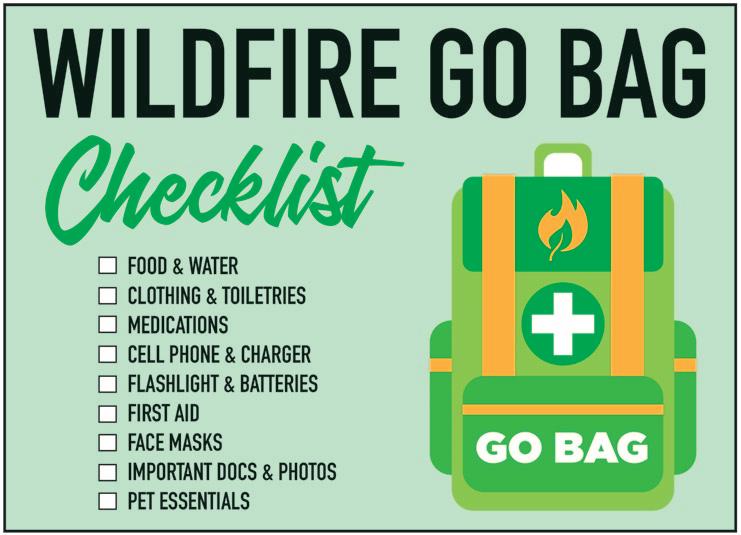
When every minute counts, make it easy to get help.
• Clearly mark your home address with numbers visible from the road.
• Know two ways out of your neighborhood.
• Have a predetermined meeting place.
• Make a wildfire evacuation plan (include your pets and livestock).
• Leave early if you feel unsafe — don’t wait to be told.
You don’t need to fireproof your entire property to make a difference. The small details closest to your home could determine whether it withstands a wildfire. One weekend of cleanup and some thoughtful upgrades can dramatically shift the odds in your favor and bring peace of mind for seasons to come.
County Fair Lessons
County fairs, just like Nebraska, are not for everyone.
Some years back, one young 4-Her had fetched up the orneriest critter in the county—a bright-eyed, farmraised, strong-willed calf—to take to the county fair. The judge liked what he saw and awarded the lad a purple ribbon, much to his older sister’s chagrin. Her calf had earned only a red.
That evening, the youngsters were invited to parade their calves in front of the grandstand, where parents and grandparents busted their buttons with pride over the livestock raised on their farms. To top it off, each youngster who participated was handed a shiny, silver dollar. The only stipulation was, the 4-Hers had to have their purple or blue or red or (horrors) white ribbon attached to the halter of the animal they were leading. With a voice packed with as much sugar as the cherry
pie her momma was entering in the open class piebaking contest, the older sister sweet-talked her younger brother into trading calves. He didn’t care which calf he’d be leading in front of the grandstand; he had eyes only on that bright and shiny silver dollar.
So, the older sister reached for the halter of her brother’s calf—the orneriest critter in the county, remember—the one with her brother’s purple ribbon attached, and snickered to herself. She’d be showing off a prize-winning calf in front of God and everybody, while her hapless younger brother could not comprehend the shame that awaited him, leading his sister’s red ribbon calf.
But, the brother did so regardless, as happy-go-lucky as sunlight dancing on their farm’s pond. The folks in the grandstand weren’t watching him, however. Their eyes were glued to his frantic sister, all of the 4-H leaders, most of the dads, and even his pie-baking momma, frantically chasing around after the orneriest critter in the county—one that seemed to have broken loose just before it was about to enter the arena.
Meanwhile, the little brother picked up his shiny silver dollar, oblivious to the real show taking place on the far reaches of the grandstand lights.
County fairs, like I said, aren’t for everyone. Some fairs focus on showdowns between monster trucks or act as crash sites for demolition derby cars. Some feature baseball games with challengers from nearby towns or provide the stage for one country singer or another. Others celebrate the best pie baker, quilt stitcher, calf grower, steel welder, horse rider or tractor driver in the county.
Some fairs offer a nose-to-nose conversation with a horse, peering over its wooden stall. A swing of a dragline to dredge up something, anything, from among the plastic prizes below. A death grip on the door latch of a gondola dangling from the swirling rim of a Ferris wheel. The feel of cotton candy stuck in your hair—or that of your younger sister. The smell of the 4-H calf barn, the FFA sheep show, the goat arena, the pig alleyway.
Yep, county fairs aren’t for everyone. But they can offer a little bit of something for every person around. Especially those with a shiny silver dollar in their pocket.
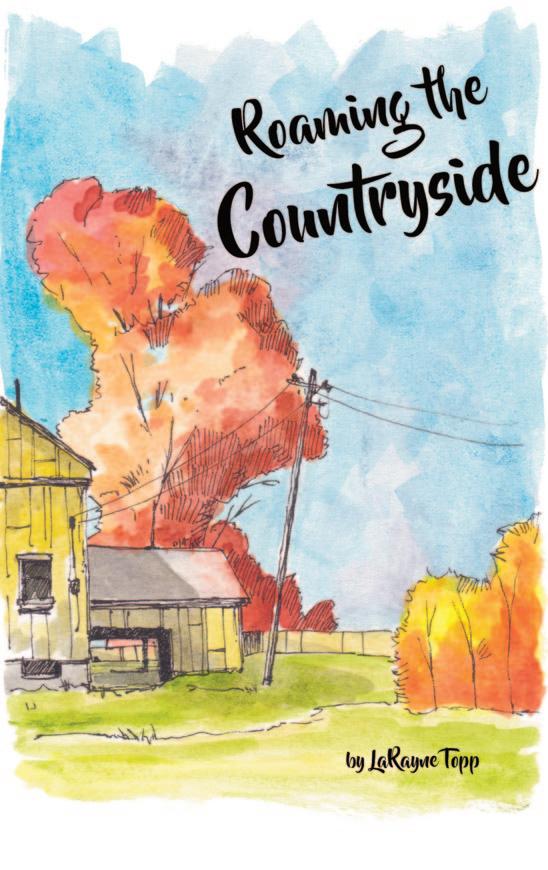
This is LaRayne Topp, just roaming the countryside.
Donations Drive Wildfire Recovery
In response to historic wildfires sweeping across the state, organizations including the Nebraska Cattlemen Disaster Relief Fund and the Nebraska Farm Bureau have mobilized to support affected producers and rural communities.
The Nebraska Cattlemen Disaster Relief Fund is now accepting both monetary donations and relief applications, with leadership emphasizing that 100 percent of contributions will go directly to beef cattle producers impacted by the fires. Nebraska Cattlemen President Craig Uden highlighted the resilience of local communities and praised first responders and volunteers working to protect lives and livestock.
The Nebraska Cattlemen Disaster Relief Fund is a taxexempt 501(c)(3) charitable organization and donations made to the Disaster Relief Fund may be tax deductible – a receipt will be sent upon deposit of funds. Those donating should consult with their tax advisor for final determination.
Funds will only be distributed to producers who experienced property loss or damage in areas where a fire was reported through the Nebraska Emergency Management Association (NEMA) Watch Center. As of today, disaster declarations have been issued for the Morrill County fire, impacting Morrill, Garden, Arthur and Keith Counties, and the Cottonwood Fire, impacting Lincoln, Dawson, and Frontier Counties.
Membership in Nebraska Cattlemen is not required for applicants to receive relief. Applications may be submitted from today until further notice. Relief funds will not be distributed until the application period closes.
Individuals who would like to donate either online or
by mailing a check, please visit www.nebraskacattlemen.org/disaster-relief-fund.
At the same time, the Nebraska Farm Bureau has activated its own Disaster Relief Fund to assist farm and ranch families facing significant losses. Initial support will prioritize urgent needs such as feed, hay, and fencing, while remaining flexible as recovery efforts continue. Together, these initiatives reflect a statewide commitment to helping agricultural producers rebuild in the wake of widespread devastation.
“An immediate concern is the loss of grazing land, leaving thousands of cattle displaced and in need of supplemental feed. At the same time, we know that Nebraskans will step up, as they always do, to support one another at times like this. Farm and ranch families are resilient, and with strong community support, they will work through the challenges ahead,” McHargue said.
To provide donors with a tax-deductible giving option, contributions will be administered through the Nebraska Farm Bureau Foundation, a 501(c)(3) charitable nonprofit organization. No administration fee is charged, and 100% of donations will support those affected. Individuals and organizations interested in contributing to relief efforts can donate by visiting: https://www.nefb.org/disaster. Checks should be made payable to Nebraska Farm Bureau Foundation with “Disaster Relief” noted in the memo line.
Donations by mail can be sent to: Nebraska Farm Bureau Foundation Attn: Disaster Relief Fund P.O. Box 80299 Lincoln, NE 68501-0299
By Jeffrey Groenewold
The Modern Substation: Keeping Communities Powered
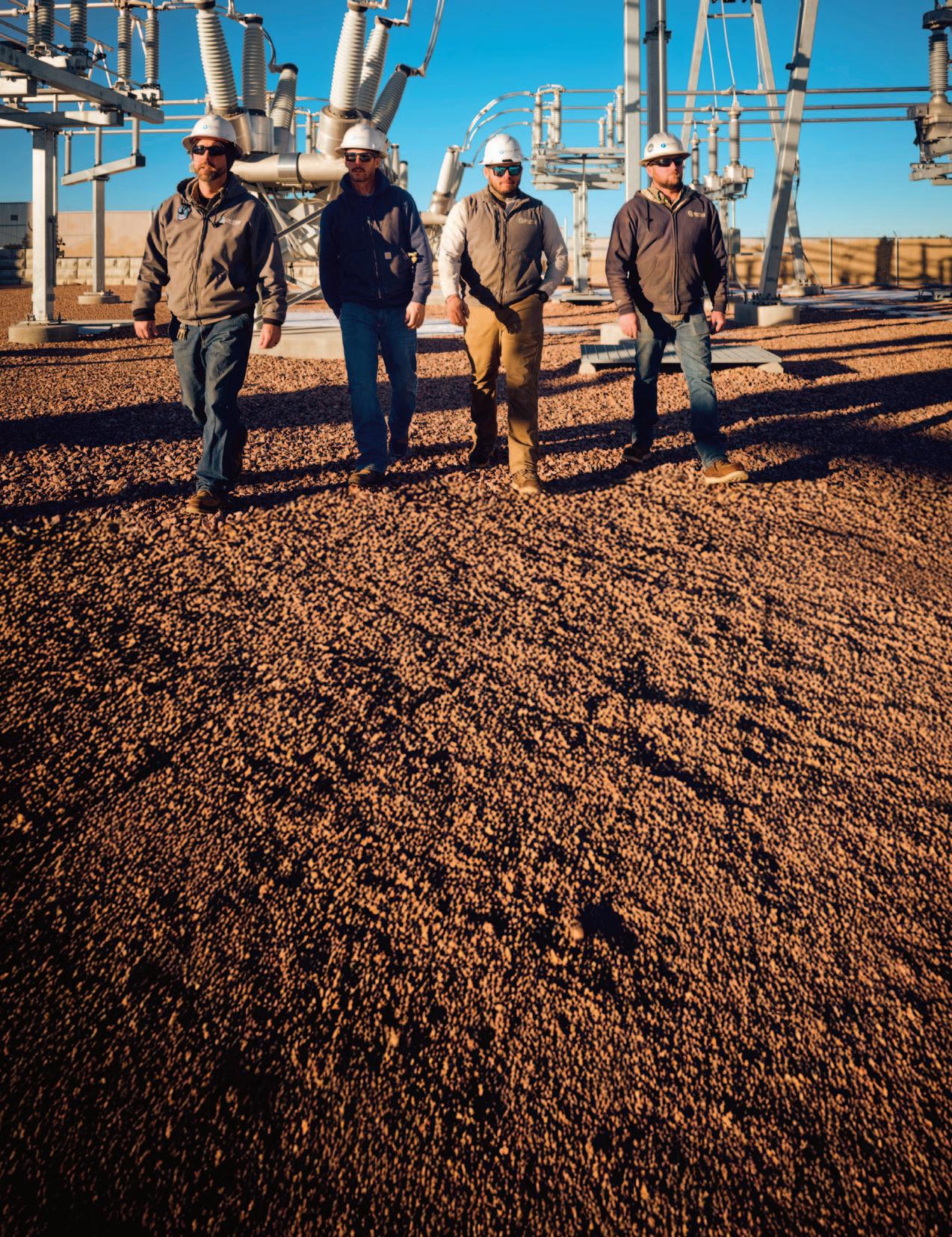
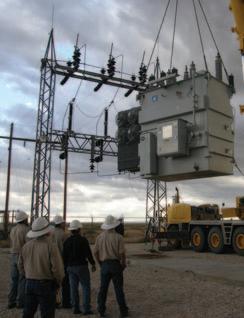
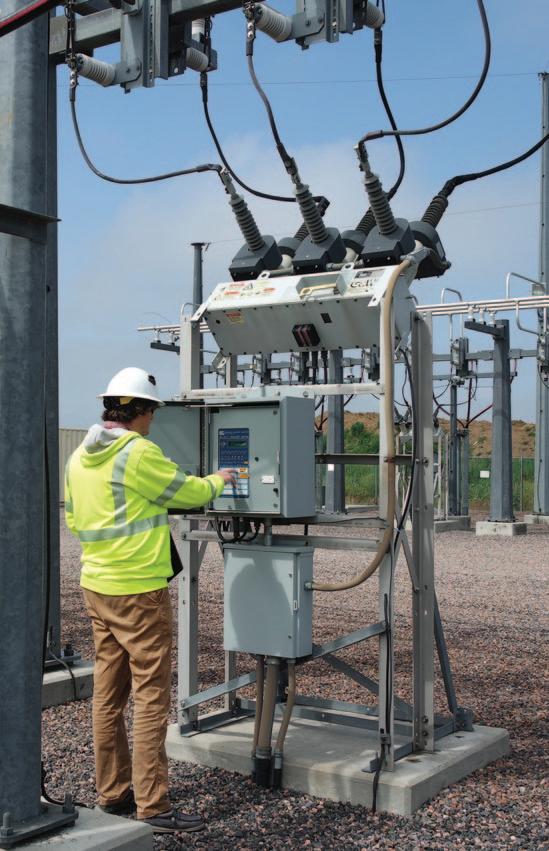
Electric utility crews work 24/7 to maintain and improve substations. Photograph provided by NRECA
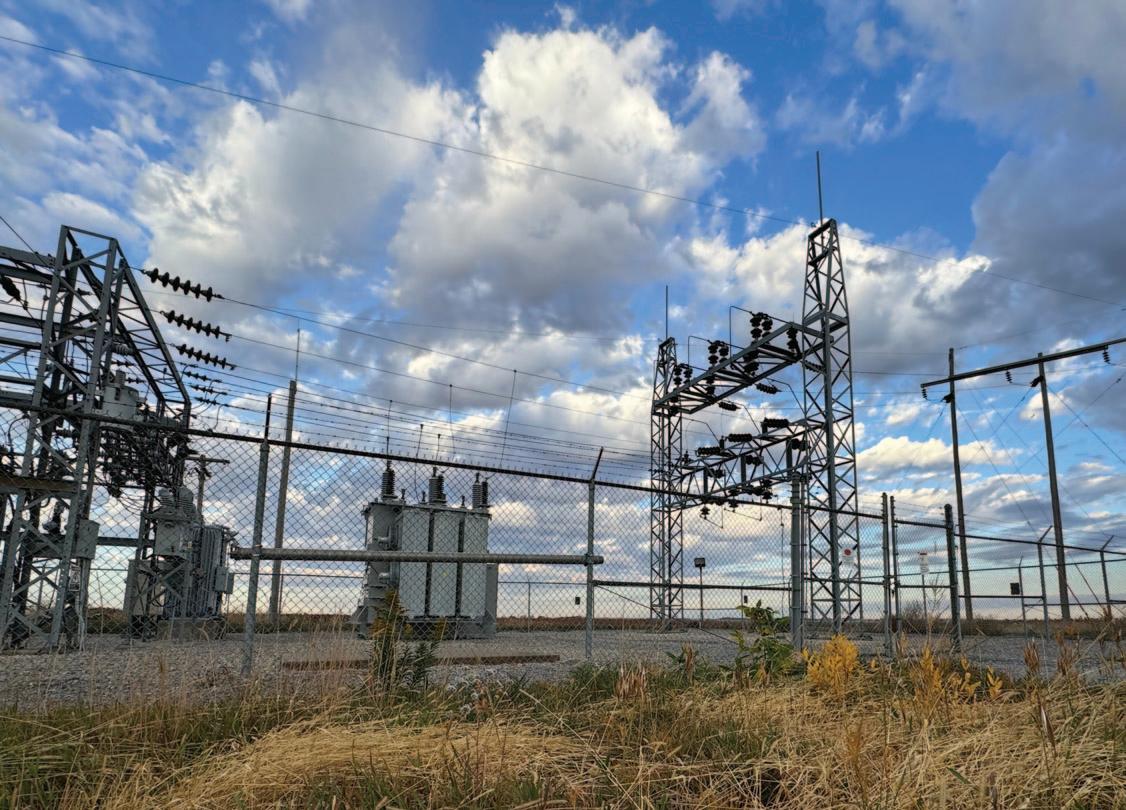
Electric substations sit at the center of power grids and are essential to keeping the lights on in our communities. You’ve seen them––those tall fenced-in areas filled with metal structures, wires and heavy equipment. They may not look flashy, but they’re one of the most important behind-the-scenes components of the grid.
Substations take power from high-voltage transmission lines and convert it to the lower voltages that get distributed on the last-mile power lines you see every day. These lines provide power to your home, farm or business. Every light switch you flip, every well pump you operate and every device you charge depend on a substation doing its job without interruption. These facilities work quietly in the background, yet they shape the comforts of daily life. Nebraska’s public power districts and electric cooperatives work 24/7 to maintain and improve these substations.
Substations began as simple switching points that handled basic voltage changes. Early designs used bulky equipment and manual controls. As communities grew, electric demand on the grid grew with them.
Today’s substations utilize advanced sensors, automated controls and digital communication systems, allowing electric utilities to better manage the grid. These tools help rural electric utilities respond faster to outages, monitor equipment health and manage energy with more precision.
A modern substation protects your community from disruption. It isolates problems, keeps dangerous faults from spreading and supports important line equipment across long distances. When a substation faces a major issue, such as from a storm or wildlife contact, the impact is immediate. Communities lose power and WiFi, businesses stall, farms lose time-sensitive operations and emergency service communications can face added strain. These events remind us how central substations are to modern life.
Communities add new homes, businesses, irrigation systems and commercial buildings every year. Each addition increases the load on the grid. That’s why rural electric utilities build new substations and upgrade older ones to keep pace with growth, technology changes and safety needs.
Modern substation designs use equipment that requires less strenuous maintenance while improving system protection. Smart-enabled protection devices
reduce the time needed to identify and isolate faults. These advanced monitoring tools give rural electric utilities better visibility into real-time grid conditions. For the surrounding community, these investments lead to stronger service and reliability. You experience fewer outages. Your farm or business gains resiliency. Your home appliances run on steadier voltage.
Modern substations also help rural electric utilities manage costs. Instead of building miles of new line, a well-placed substation can support growing neighborhoods or rural industries with less construction and lower long-term investment.
Substations also support the changing energy landscape. Renewable energy systems, electric vehicles and electrified commercial and industrial operations need modern control points. Modern substations allow
rural electric utilities to integrate these resources without sacrificing reliability. They help manage energy across widespread areas and keep the grid balanced during peak conditions.
Substations serve as the quiet backbone of the electric system. When they operate well, communities thrive. When they falter, everything from daily chores to essential services feel the impact.
Public power districts and electric cooperatives will continue to invest in these facilities to support safe, reliable and affordable service for every member in every community we serve.
Substations serve as the quiet backbone of the electric system. Photograph by Barb Fowler, Polk County Rural Public Power District
Smart Steps for Summer Safety Safety Briefs
Summer is in full swing, and that means more time outside with family and friends. From backyard projects to afternoons at the pool, warm weather brings plenty of chances for fun. It also brings a few risks that are easy to overlook.
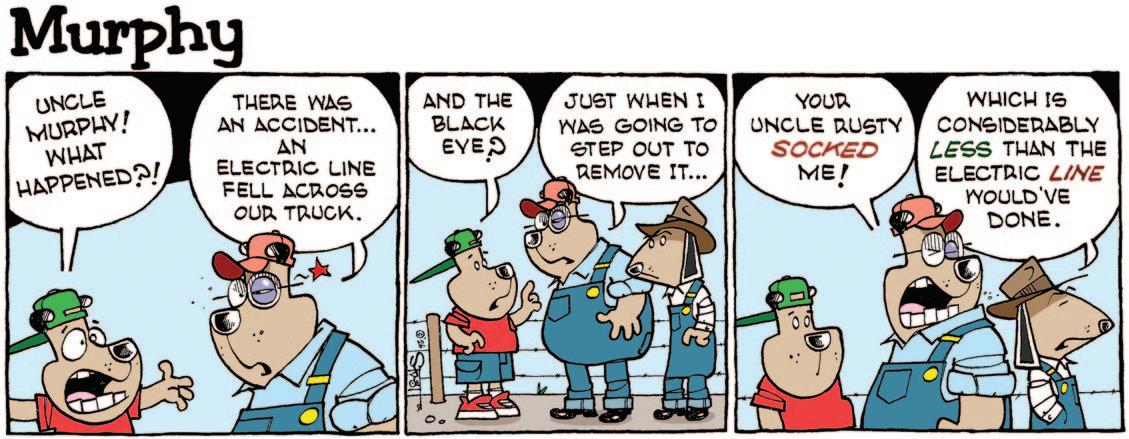
If you are planning a home improvement project, take a moment to think about safety before you begin. Tools like ladders, power tools, and shovels can be helpful, but they can also be dangerous if used the wrong way. Always look up before you start working. Keep ladders and long tools at least 10 feet away from overhead power lines. If your project involves digging, call 811 first to make sure there are no underground lines in the area.
Outdoor fun should be safe for kids too. Remind children never to climb trees near power lines and to treat every wire as if it is live. When flying kites or drones, choose wide open spaces away from trees and power lines.
Wear equipment to protect you and make you more visible to others, like a bike helmet, bright clothing (during the day), reflective gear, and a white front light and red rear light and reflectors on your bike (at night, or when visibility is poor).
Water and electricity are a risky mix. Keep electrical devices at least 10 feet away from pools or other water sources, and make sure outdoor outlets are covered. If you hear thunder, get out of the water right away.
Summer storms can move into the area quickly. If you are caught outside, find shelter with a roof and walls, and stay on low ground if possible.
With a little planning, you can enjoy the season safely.
Slash Bills With Easy Tweaks Energy Sense
by Miranda Boutelle
Saving energy doesn’t have to be expensive or time consuming. You don’t need to spend thousands of dollars or get the newest technology to use less energy. There are several steps to lower energy use, even on a tight budget. Here are some low- and nocost ways to save energy around your home.
Adjusting the thermostat is an easy way to save. Nudge the thermostat a few degrees closer to the outside temperature, especially on extreme weather days. I often hear people say, “I didn’t change anything, and my bill is higher.” On the hottest and coldest days, your heating and cooling equipment must work much harder, and use more energy, to maintain the same temperature. Add an extra layer of clothes or some cozy slippers in the winter and lighter layers in summer.
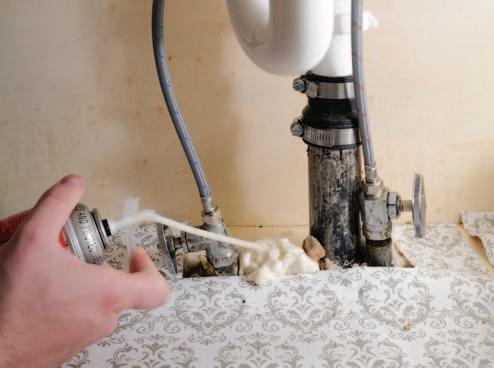
Spray foam seals gaps around pipes to prevent cold air from traveling up through those spaces, causing drafts and wasting energy.
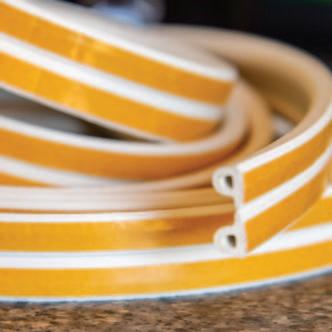
Inset below: Do-it-yourself, beginner-friendly projects, such as weatherstripping around doors, help lower energy use at home.
Fix any hot water leaks or dripping faucets. Those tiny drips can add up to big energy waste, not to mention water waste. If you need to hire a pro to fix it, turn the shutoff valve under the sink to stop the leak until you can get it fixed. Wash clothes in cold water to avoid using the energy required to heat it. Washing on hot or warm settings can really add up, especially if you have a top-load or older washing machine that uses more water.
Adjusting the temperature on your water heater can save energy and money, too. Depending on the water heater, this is either an easy adjustment or something a little more complicated that requires removing access panels. If you don’t know how, consult a professional.
Air sealing is a do-ityourself, beginner-friendly project that improves comfort and reduces energy waste. For around $20 and couple of hours of time, you can fill gaps, cracks and holes to prevent air from leaking in and out of the home. From the inside of the home, seal trim on windows and exterior doors with caulk for about $4 a tube. Buy paintable caulk so you can touch it up when it dries, if needed.
A can of spray foam is about $5 and seals gaps around plumbing lines. It’s great for sealing gaps around pipes under sinks and in the crawlspace or basement. Cold air can travel up through those spaces, causing drafts and wasting energy. Air sealing these areas gets bonus points for stopping insects and rodents from using these gaps to enter your home. Spray foam is messy and nearly impossible to get off whatever it touches, so wear disposable gloves and clothes you don’t mind dirtying, and use drop cloths to protect finished floors. Be careful if you’re working with spray foam overhead. If you get it in your hair, it’s not coming out with anything less than a haircut. Move any items and clean surfaces of dust and debris in areas you intend to seal before cracking open a can. Put the can in a cardboard box to carry throughout the house so you don’t leave a trail of spray foam.
For $10 to $15, you can buy weatherstripping to improve the seal on exterior doors. If you can see light around doors or feel a draft between the door and the door jamb when the door is closed, weatherstripping will help.
Try these easy, low- and no-cost improvements to reduce energy waste and improve comfort in your home.
Limited Release! Cache of 132 Complete Sets of the Last Large Silver Dollars
I Like Ike!
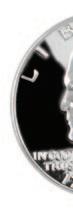
No coin brings back nostalgic memories like the Eisenhower Dollar. These hefty dollars bring back memories of walking to the drug store with your Grandpa Joe, hearing them jingle around in his pocket, before he took one out to buy you a soda, candy, and a few packs of baseball cards.
Last Large-Sized Dollars
10 Sets are Better Than 1
Consider, in this complete 32 coin set you get:
1. A complete set of First Year Ikes - 4 coins
2. A complete set of Last Year Ikes - 3 coins
3. A complete set of Philadelphia Ikes - 8 coins
4. A complete set of Denver Ikes - 8 coins
5. A complete set of San Francisco Ikes - 15 coins
6. A complete set of Circulating Ikes - 16 coins
7. A complete set of Silver Ikes - 10 coins
8. A complete set of Silver Proof Ikes - 5 coins
9. A complete set of Proof Ikes - 11 coins
10. A complete set of Bi-Centennial Ikes - 8 coins
Struck from 1971-1978 to honor President Dwight D. Eisenhower, the “Ike” was the last large-sized circulating dollar struck by the US Mint. It was also the last “silver dollar” struck using a circulating design, with two versions made using 40% silver.
In all, 32 di昀erent Ike dollars were struck. To find one today is a challenge. To find 10 di昀erent coins is HARD. To find all 32 for a complete collection, well, that’s a Herculean task! But fear not, we’ve done the work for you.
In 1971, with one Ike Dollar you could buy:
2 sodas for 10 cents (5 cents each)
2 ice cream cones for 10 cents (5 cents each)
2 candy bars for 20 cents (10 cents each)
6 packs of baseball cards for 60 cents (10 cents each three packs each for you and Grandpa Joe)
Special Release - Only 132 Sets Available
Rarcoa®, America’s Oldest Coin Company, is announcing the public release of 132 Complete 32 coin sets of the iconic Ike Dollar. Using our deep connections in the coin market, we’ve painstakingly assembled all 32 coins for you, but it’s far more than just a complete set. You get TEN complete sets…
Each coin you receive comes in Brilliant Uncirculated or Proof condition, pristine as the day they were struck.
If that won’t make “You Like Ike”, we don’t know what will!
Sold Nationally for as much as $1,596.00
This same Complete 32 piece Ike Dollar Set sells elsewhere for as much as $1,596. But thanks to Rarcoa’s buying power and numismatic expertise, you can own a complete set for only $747 while supplies last. That’s $849 LESS! That’s less than $24 per coin!
Complete 32 pc Ike Set......$747 plus free shipping and as low as $249/mo for three months, interest free.
Each set comes in a Bonus Dansco holder - a $25 value. PLUS get FREE SHIPPING on your order!
Call 1-833-346-0969
Offer Code CKSP120-1
Please mention this code when you call. rarcoa.com/complete-ike-dollar-set
HOMETOWN HOMETOWN EATS
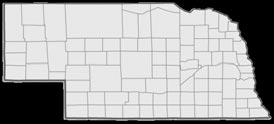
Upland BAR & GRILL UPLAND, NEB.
In the small south-central Nebraska town of Upland, where the post office and co-op help anchor daily life, one business has become a hub for food, fun, and familiar faces. Upland Bar & Grill is more than a place to grab a bite. It is where the community gathers, catches up, and stays awhile.
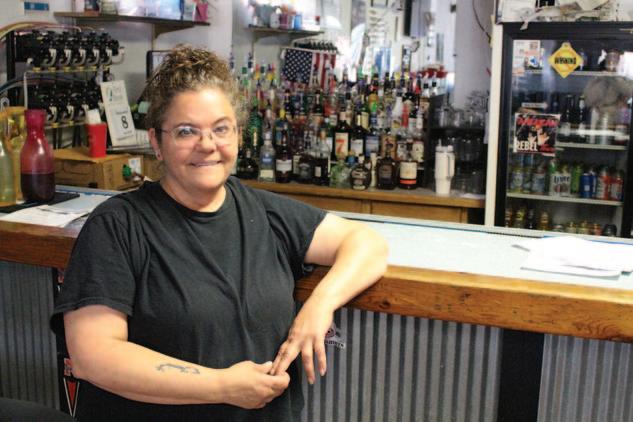
Owner Sheila Schoone did not always plan to run a bar. She spent more than 20 years working as a nurse. Over time, she grew tired of the red tape that came with the job and began looking for a change. When the opportunity came to take over the local bar, she decided to give it a try. That was nearly a decade ago. She will mark 10 years of ownership this December.
The building itself has had a few names over the years and even sat empty for a short time before Schoone stepped in. She opened the doors in December after the previous operators closed in October. Since then, she has worked hard to build the business into what it is today. Schoone does a little bit of everything. She cooks, tends bar, handles the books, and manages social media. On busy days, she might be cooking a meal while also taking orders from the floor. With four part-time employees, help can be hard to find and keep in a town this size. If she needs time away, the doors sometimes have to close. Customers understand. That is part of small-town life.
The menu leans into what locals love. Burgers are a top seller, and many meals are made from scratch. Chicken fried steak, homemade Mexican dishes, and real mashed potatoes fill the plates. On weekends, steaks draw a steady crowd. Weekly specials keep things fresh, with wings on Wednesdays and Mexican food on Fridays. A popular “Build a Burger” night lets guests add extras like brisket or an egg at a lower price.
The grill serves breakfast, lunch, and dinner, and hosts holiday buffets for special occasions like Mother’s Day and Father’s Day. Schoone even closes on Thursday evenings so she can travel to nearby Minden for her bowling league, a reminder that life outside the kitchen still matters.
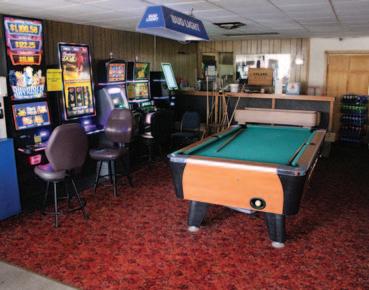
Inside, the space can hold up to 84 people. Outside, a large beer garden offers room to relax. There is always something going on, from bingo on Tuesdays to karaoke nights that can stretch late into the night. Guests might also find Keno or a friendly game of bank shot. Visitors from nearby Hastings and beyond often stop in after discovering the spot online.
Schoone calls it “a lot of everything” for a small town. In Upland, that is exactly what makes it special.
The town is served electrically by Southern Power District.
Picnic Pasta Salad
1 pound rotini pasta
1 English cucumber
2 bell peppers
10 ounces grape tomatoes
1/2 red onion
2 tablespoons fresh chopped parsley
1/4 cup crumbled feta cheese
1 bottle (16 ounces) Italian dressing
1/4 teaspoon salt
1/4 teaspoon freshly cracked black pepper
Cook pasta according to package instructions. Drain in colander and rinse with cool water; drain well.
Slice cucumber into half-moons, chop bell peppers, halve tomatoes, thinly slice red onion and chop parsley. Set vegetables and parsley aside.
Transfer drained pasta to large bowl. Add chopped vegetables, parsley and feta cheese.
Pour dressing over pasta salad and toss until evenly coated. Add salt and pepper then refrigerate until ready to eat.
Smoked Beef Roast
Beef Roast 15 – 20 lbs.
Mix all seasoning together and put on the beef roast, then wrap them three times in tinfoil. Leave the meat sitting with seasoning in the refrigerator for 10 days to let the seasoning work. The day before you plan to serve, place in a smoker and cook slowly for 24 hours. Start at 140 degrees for 12 hours and finish at 160 degrees for 12 more hours.
Delvin Teter, Wolbach, Nebraska
This recipe was sent by Delvin Teter, 87, who has smoked all the roast beef (500 lbs.) for Wolbach Days for the past two years. This year’s celebration is June 26 – 28, be sure to try his roast beef if you go.
4 cups finely chopped rhubarb
4 cups granulated sugar
1 small (8 oz) can crushed pineapple
1 3 oz package of strawberry Jello
Cook rhubarb, sugar and crushed pineapple together for 15 minutes. Stir in Jello until dissolved and bring to a boil. Pour mixture into hot sterilized jars and seal. Yields 4 – 8 oz jars of jam.
Jenny Bergt, Amherst, Nebraska
9-inch baked pastry shell
For filling, in medium saucepan combine sugar and cornstarch. Gradually stir in milk. Cook and stir over medium-high heat till mixture is thickened and bubbly. Reduce heat; cook and stir for 2 minutes more. Remove from heat. Separate egg yolks from the whites. Beat egg yolks lightly with a fork. Gradually stir 1 cup of the hot filling into yolks. Return all the filling to saucepan; bring it to a gentle boil. Cook and stir in margarine, sour cream, and vanilla. Pour half of the hot filling into pie shell. Sprinkle chocolate chips over top. Pour the rest of the filling over the top. Cover and chill to store.
Deb Leth, Ord, Nebraska
Correction to last month’s Reubens with Hash Browns Recipe – The first ingredient should be 2 frozen hash brown patties, not 2 dozen hash brown patties. Our apologies for the error.
Rhubarb Pineapple Jam
Chocolate Chip Sour Cream Pie
Location Location Location
The Richmond mobile showroom will be visiting Menards locations this spring. Find one near you!
06/26/263620 West State StreetGrand IslandNebraska68803
06/29/266411 First AvenueKearneyNebraska68847
06/30/264571 South Parkway DriveNorth PlatteNebraska69101
8:00am - 12:00pm
06/24/263500 North 27TH StreetLincolnNebraska68521
1:00pm - 5:00pm
06/24/268900 Andermatt Drive LincolnNebraska68526
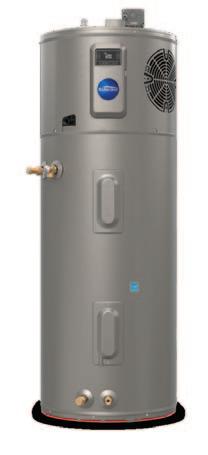
From high‑ef昀ciency electric models to advanced heat pump water heaters, Richmond helps lower energy use and reduce monthly bills while meeting all of your hot water demands.
Want to learn more about our water heating technologies and how to save money on monthly bills? Learn how these products work with live demonstrations of Tankless Gas and Heat Pump Water Heaters.
Stop by a Menards store near you and check out our mobile showroom.