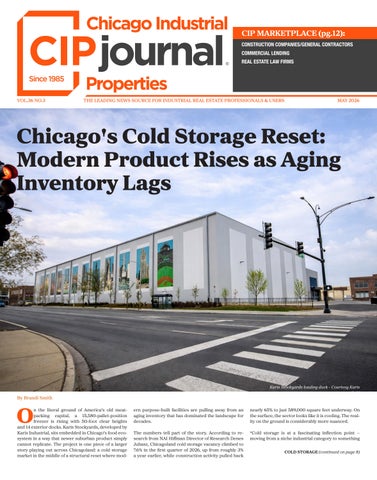
Chicago's Cold Storage Reset: Modern Product Rises as Aging Inventory Lags
By Brandi Smith
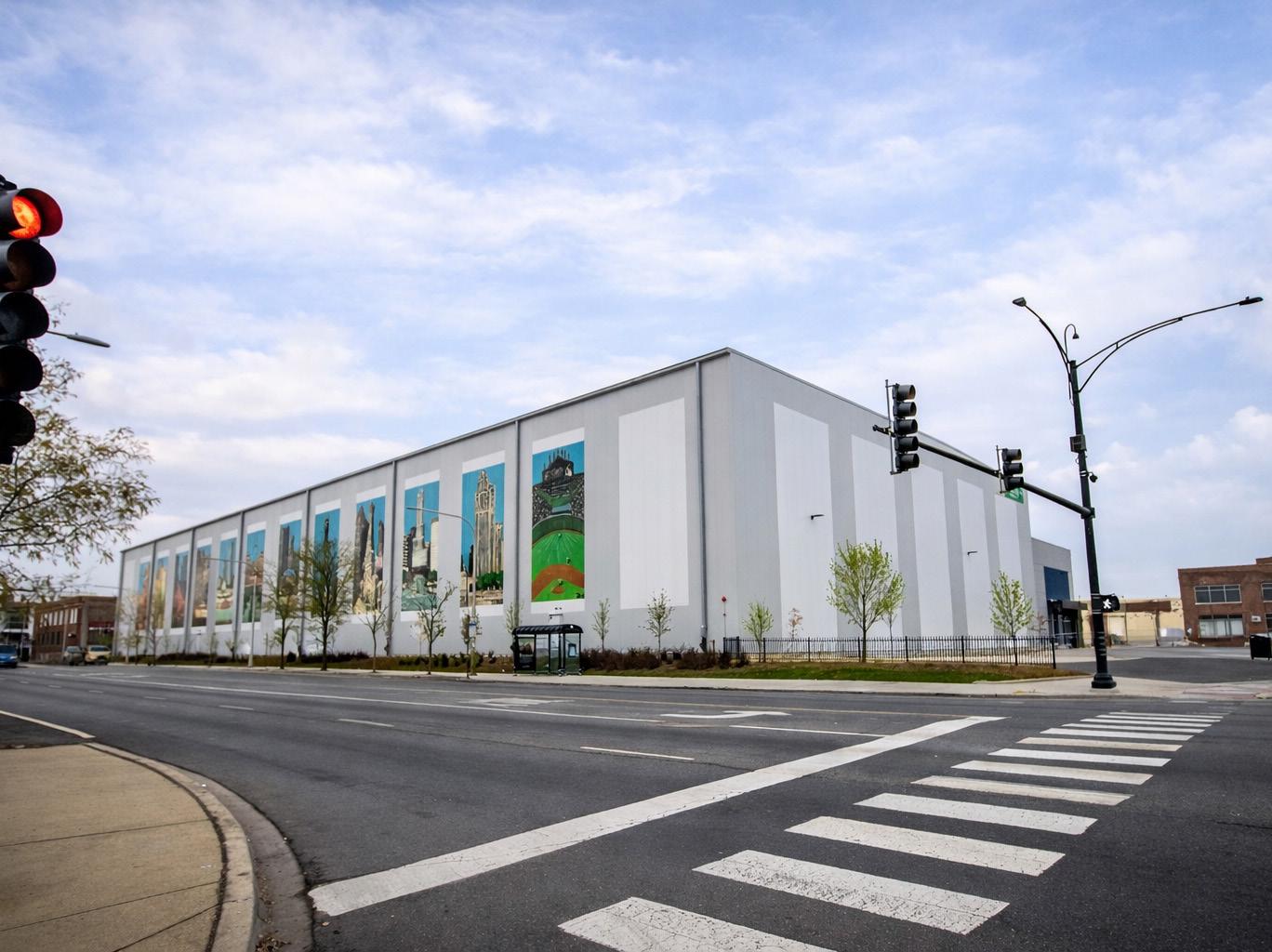
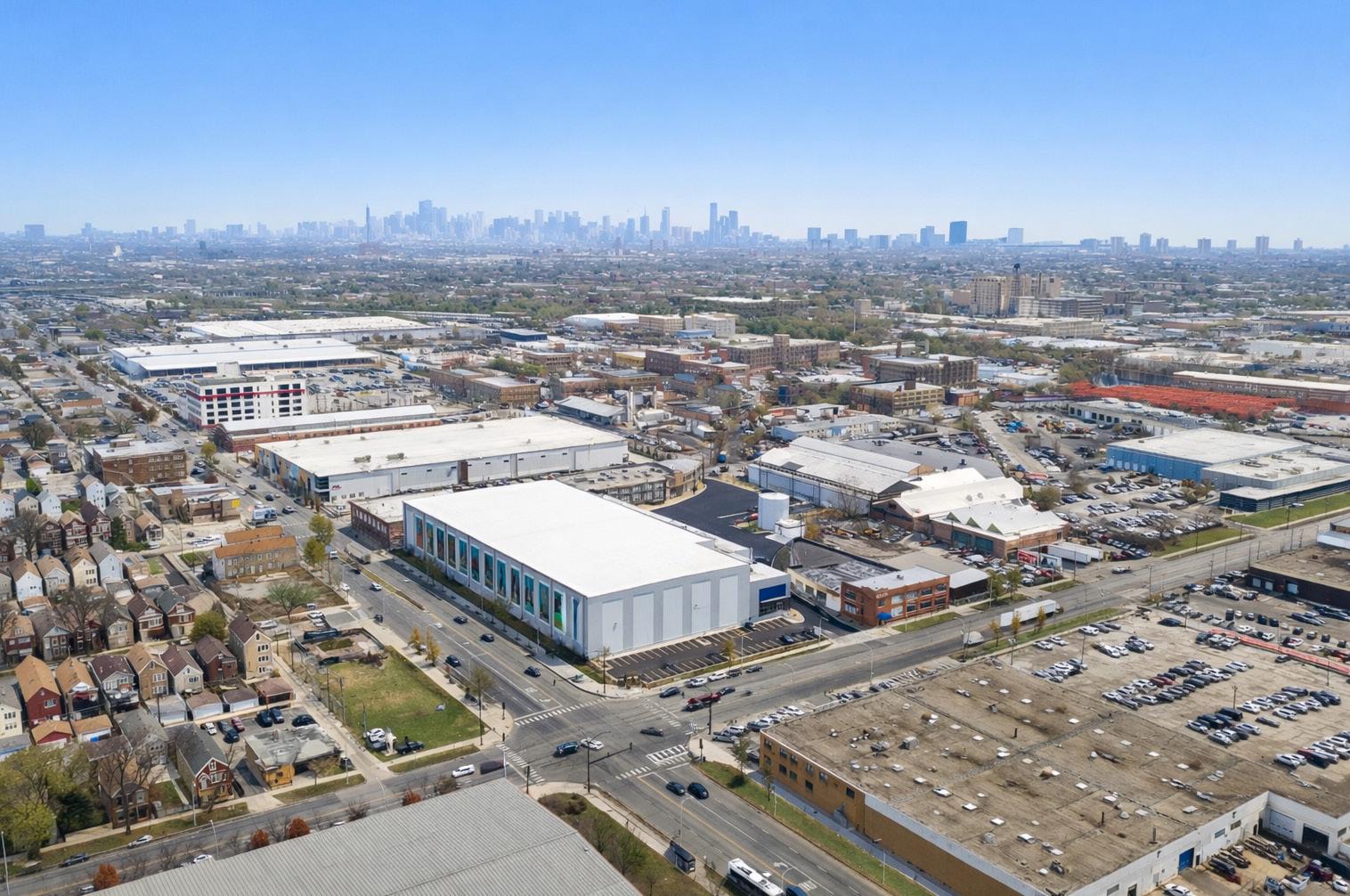
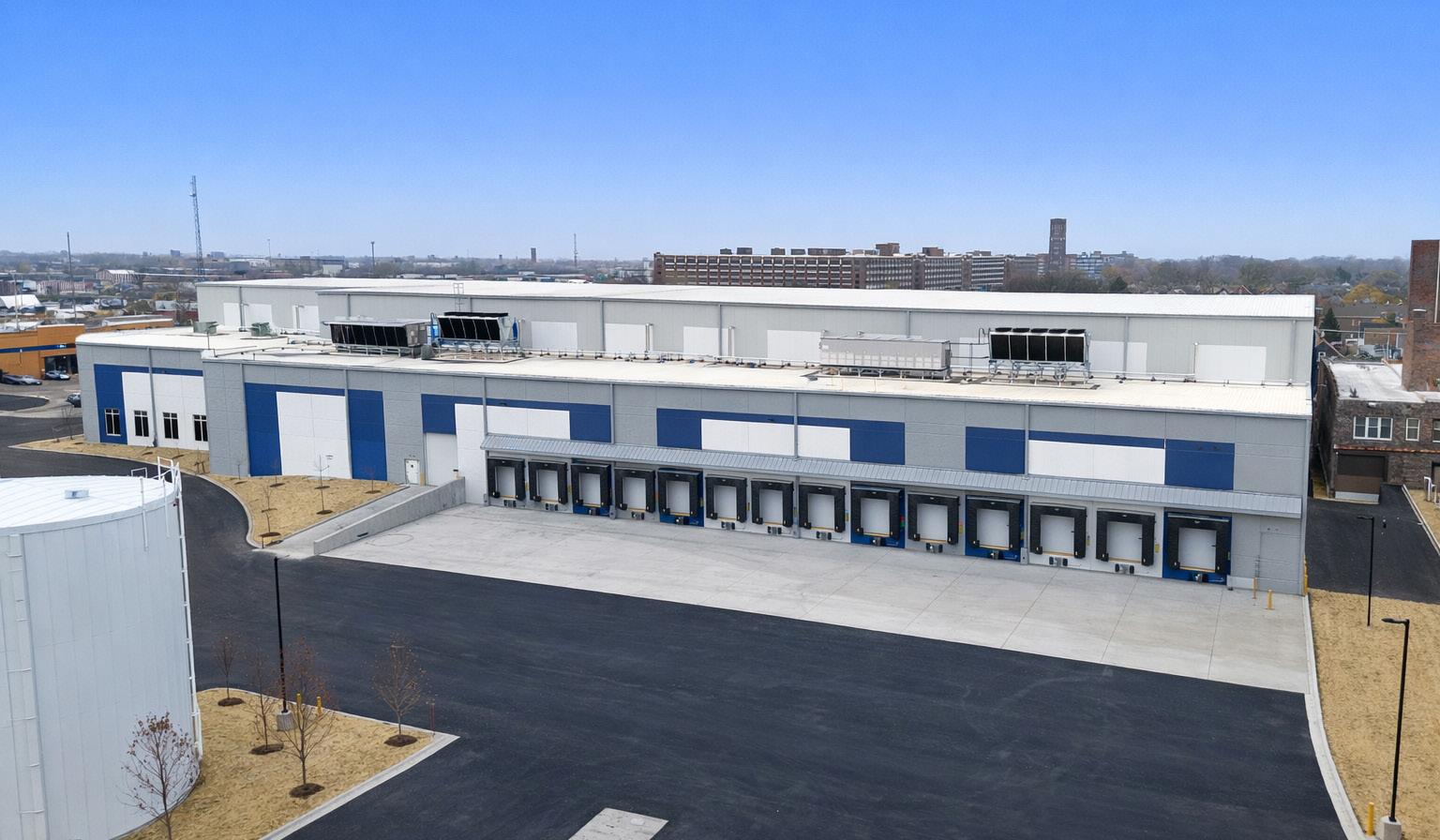
On the literal ground of America's old meatpacking capital, a 15,580-pallet-position freezer is rising with 50-foot clear heights and 14 exterior docks. Karis Stockyards, developed by Karis Industrial, sits embedded in Chicago's food ecosystem in a way that newer suburban product simply cannot replicate. The project is one piece of a larger story playing out across Chicagoland: a cold storage market in the middle of a structural reset where mod-
ern purpose-built facilities are pulling away from an aging inventory that has dominated the landscape for decades.
The numbers tell part of the story. According to research from NAI Hiffman Director of Research Denes Juhasz, Chicagoland cold storage vacancy climbed to 7.6% in the first quarter of 2026, up from roughly 3% a year earlier, while construction activity pulled back
nearly 65% to just 589,000 square feet underway. On the surface, the sector looks like it is cooling. The reality on the ground is considerably more nuanced.
“Cold storage is at a fascinating inflection point — moving from a niche industrial category to something
COLD STORAGE (continued on page 8)
Karis Stockyards loading dock - Courtesy Karis Cold
PUBLISHER
Mark Menzies menzies@rejournals.com 312.933.8559
MANAGING EDITOR Dan Rafter drafter@rejournals.com
VICE PRESIDENT OF SALES & MW CONFERENCE SERIES MANAGER Ernie Abood eabood@rejournals.com
Chicago's Cold Storage Reset: Modern Product Rises as Aging Inventory Lags Chicagoland cold storage vacancy climbed to 7.6% in the first quarter of 2026, up from roughly 3% a year earlier, while construction activity pulled back nearly 65% to just 589,000 square feet underway. On the surface, the sector looks like it is cooling. The reality on the ground is considerably more nuanced.
4
Reshoring's Chicago Test: Why Manufacturers Keep Choosing the Region The former Caterpillar heavy equipment site in Will County will soon hum with a different kind of production. Hyundai Translead, the North American trailer manufacturing arm of the South Korean automotive giant, committed earlier this year to a $450 million investment that will spread across two Will County facilities including the previous Lion Electric operation site and create nearly 2,500 full-time jobs.
6
Self-Storage Holds the Line: Why Chicago's Quietest Asset Class Keeps Drawing Capital While commercial real estate delinquencies across the broader commercial mortgage-backed securities market have climbed past 6%, self-storage delinquencies have hovered around 0.1%, according to KBRA data cited by Shawn Hill, Principal and Founding Member of The BSC Group. That 60fold gap explains why capital keeps flowing into a sector most CRE conversations barely mention. Office is repricing. Multifamily is wobbling. Parts of industrial are giving back gains. Self-storage, meanwhile, has held its footing and the recent acquisition of National Storage Affiliates by Public Storage signals that institutional appetite is not just intact but consolidating.
12
CIP MARKETPLACE: CONSTRUCTION COMPANIES/GENERAL CONTRACTORS/ COMMERCIAL LENDING/ REAL ESTATE LAW FIRMS
Reshoring's Chicago Test: Why Manufacturers Keep Choosing the Region
By Brandi Smith
The former Caterpillar heavy equipment site in Will County will soon hum with a different kind of production. Hyundai Translead, the North American trailer manufacturing arm of the South Korean automotive giant, committed earlier this year to a $450 million investment that will spread across two Will County facilities including the previous Lion Electric operation site and create nearly 2,500 full-time jobs.
The deal closed in March and stands as one of the most consequential manufacturing announcements in the region in years. It is also the latest data point in a larger story: reshoring is not a series of headline-grabbing one-offs in the Chicago market. It is a structural shift and the activity on the ground is broadbased, sustained,\ and increasingly
shaping how developers, brokers and policymakers think about the region's industrial future.
“A regional production and distribution hub …”
Jeff Lanaghan, Senior Vice President of Development and Investments at Becknell Industrial, has been developing in Chicago for three decades. From his vantage point, reshoring has not redirected demand toward emerging markets so much as reinforced what Chicago has always done well.
“Reshoring has reinforced Chicago's role as a regional production and distribution hub, rather than shifting demand elsewhere,” Lanaghan said. “We've seen manufacturers favor strategic infill and near-infill locations that enable just-in-
time delivery, supply-chain redundancy and labor access close to existing operations.”
The data backs the observation. Chicago posted nearly 10 million square feet of new industrial leasing in the first quarter of 2026 alone, according to Lanaghan, keeping the region among the top U.S. markets for absorption. The momentum has policy roots as well as economic ones. Mark Denzler, President and CEO of the Illinois Manufacturers' Association, pointed to a combination of federal and state forces driving the shift.
“Tariffs are also playing a role as well as other policies from the last two federal Administrations focused on increasing domestic content in manufactured products,” Denzler said. “Additionally, Illinois has revamped its economic tool-
box annually for the last seven years to make it more competitive with other states.”
“From 'considerations' to gatekeepers …”
The operational requirements that come with reshoring tenants are reshaping how buildings get designed and how site selection conversations unfold. Power has emerged as the single biggest filter.
“Power and water availability have moved from 'considerations' to gatekeepers for many manufacturing users,” Lanaghan said. “This mirrors national reshoring trends, where advanced manufacturing, especially electronics, batteries and food production, requires
Image by PhotographyLke from Pixabay
"The city competes best when municipalities offer speed, certainty and collaboration. We've seen numerous Illinois communities successfully offset higher costs with businessfriendly incentives and streamlined entitlements, making projects competitive with India"
dramatically higher power loads and utility coordination.”
That gatekeeper status has been compounded by the simultaneous boom in data center development. Ben Dickey, Vice President at Stream Realty Partners, noted that ComEd continues to build new substations to support data center growth, which has extended lead times for power procurement across the board. Manufacturers, whose load requirements run far heavier than a typical industrial occupier, often cannot wait. Developers have responded by boosting power capacity on speculative buildings to capture tenants whose project timelines or expiring leases will not accommodate a fully customized build. EV charging infrastructure for fleet electrification has joined the list of standard manufacturer asks, particularly for users with private and captive fleets.
The submarket map
Where the activity is landing tells its own story. The I-80 corridor has captured the largest manufacturing commitments because of its proximity to the UP and BNSF intermodals with the Hyundai Translead Will County deal as the most prominent recent example. Dickey also pointed to I-88, the Fox Valley and the I-90 Elgin market as submarkets with available land suited to specialized build-to-suit projects.
The I-290 corridors, both north and south, have quietly remained a magnet for manufacturers despite older building stock. The buildings tend to be less functional for distribution users but carry the power infrastructure manufacturers need, often at lower cost. That power-rich, lower-basis combination has kept those corridors competitive even as newer product has reshaped expectations elsewhere in the region.
“Flow through Chicago …”
When Chicago competes successfully against Indiana, Texas or the Carolinas, it tends to win on a combination of geography, labor and multimodal infrastruc-
ture that competing markets cannot replicate at scale.
“Hyundai Translead and others come to the state for its dense population of skilled labor pulled from its almost 10 million residents,” Dickey said. “Given its central location in the United States, Chicago boasts the largest inland port in the country in Joliet and Elwood, serviced by UP and BNSF. Product and raw material flow through Chicago from all parts of the country, which allows retailers, distributors and manufacturers alike to save on transportation costs when locating in the Chicago market with access to the intermodals.”
The freight numbers reinforce the point. Roughly 25% of all U.S. freight trains and 50% of intermodal traffic pass through the region, according to Lanaghan, a multimodal advantage that anchors Chicago's case for manufacturers serving national and regional markets.
The labor depth is the other side of the equation. Manufacturing employs 650,000 workers across Illinois and contributes the single largest share of the state's economy, Denzler said. Site Selection Magazine recently ranked Illinois the top state in the Midwest and third nationally for workforce development and the state's investment in the talent pipeline has been deliberate.
“Illinois has made consistent investments in our education and workforce system to help create a 21st century workforce,” Denzler said. “The Illinois Manufacturers' Association has successfully championed the creation of new world-class manufacturing academies at Heartland College and Southwestern Illinois College, a new apprenticeship tax credit, dual credit programs and increased dollars for worker training.”
The same Site Selection ranking placed Illinois second nationally for corporate expansion four years running, with Chicago holding the top metro spot for 13 consecutive years.
“The challenge businesses face …”
For all the structural advantages, the obstacles are real and well-documented by the people closest to the deals. The single biggest drag, in Dickey's assessment, is taxation.
“Illinois' corporate income tax is 9.5%,” Dickey said. “Wisconsin comparatively has a flat corporate income tax rate of 7.9%; however, they have an incentive for manufacturing that brings the effective tax rate to 0.4%. The challenge businesses face is planting a manufacturing flag in Cook County, where the skilled labor is dense, but the property taxes
are typically two times those of their neighboring counties.”
Denzler echoed the concern from the policy side, citing high property taxes, pension debt, regulatory burdens and rising energy costs tied to baseload power closures. Those challenges remain the central friction in an otherwise compelling pitch and they are the variable most likely to determine whether marginal projects choose Illinois or a neighboring state.
What comes next
The structural advantages drawing reshoring projects to Chicago are too significant to ignore, even with the policy friction factored in. The competitive question is whether municipalities can keep pace with the speed manufacturers now expect.
“The city competes best when municipalities offer speed, certainty and collaboration,” Lanaghan said. “We've seen numerous Illinois communities successfully offset higher costs with business-friendly incentives and streamlined entitlements, making projects competitive with Indiana and the Sunbelt.”
That, more than any incentive package, is the real test ahead.
Mark Denzler
Ben Dickey
Jeff Lanaghan
Self-Storage Holds the Line: Why Chicago's Quietest Asset Class Keeps Drawing Capital
By Brandi Smith
While commercial real estate delinquencies across the broader commercial mortgage-backed securities market have climbed past 6%, self-storage delinquencies have hovered around 0.1%, according to KBRA data cited by Shawn Hill, Principal and Founding Member of The BSC Group. That 60-fold gap explains why capital keeps flowing into a sector most CRE conversations barely mention. Office is repricing. Multifamily is wobbling. Parts of industrial are giving back gains. Self-storage, meanwhile, has held its footing and the recent acquisition of National Storage Affiliates by Public Storage signals that institutional appetite is not just intact but consolidating.
“A natural constraint on new supply …”
Cook County's high property taxes and challenging development environment
have long been treated as liabilities for industrial and commercial real estate.
For self-storage, those same friction points have functioned as a kind of accidental supply discipline.
“Elevated property taxes and a more challenging development environment in Cook County have acted as a natural constraint on new supply,” Hill said. “That has limited the degree of overbuilding seen in faster-growth Sunbelt markets where new deliveries have put more pressure on rents and occupancy.”
Steven Weinstock, Senior Managing Director and National Director of the Self-Storage Division at Marcus & Millichap, sees the same dynamic playing out in pricing. With development activity slowing across Chicagoland and vacancy declining, self-storage assets are commanding rental rate increases that operators in oversupplied Sunbelt
markets cannot match. What looks like a liability on a development pro forma has been an asset in practice.
The capital story
Liquidity has remained deep across the lender landscape with banks, credit unions, life companies, CMBS shops and private debt funds all participating. The shift over the past 18 months has not been about whether capital is available. It has been about how selective that capital has become.
“Lenders today are more disciplined around in-place performance, stabilization assumptions and sponsorship,” Hill said. “Deals that demonstrate durable occupancy, realistic expense loads and experienced ownership continue to attract strong execution. Conversely, transactions that rely on aggressive lease-up projections, underwritten rent
growth or transitional business plans are facing wider spreads, lower leverage or difficulty closing altogether.”
The buyer pool reflects a similar split between sophistication and capital depth. REITs and institutional owners have leaned heavily on technology and data platforms to make micro-adjustments to rental rates and manage expenses with precision. Private investors have not been frozen out of that advantage.
“Private investors continue to play a critical role as they too can now access marketing, data and operating platform resources in order to maximize their returns,” Weinstock said.
“More transaction activity …”
For Class A self-storage assets in Chicago, cap rates currently range from 4.9% to 5.7%, with Class B product trading
Photo by Adam Winger on Unsplash
between 5.5% and 6.2%, according to Weinstock. Those numbers reflect a market that is repriced from the 2021 and 2022 peak but still aggressive relative to most other property types.
The transaction pipeline is being shaped less by distress than by timing. Many lenders spent the past few years extending and amending loans to give borrowers room as interest rates climbed. That patience is running out.
“As we move through 2025 and into 2026, the maturity wall has become more pressing and lenders are increasingly focused on resolving loans and cleaning up their balance sheets,” Hill said. “That shift is beginning to drive more transaction activity.”
True distress remains rare. The more common scenario involves operationally challenged assets that are underperforming pro forma but not fundamentally broken. In many cases, borrowers are recapitalizing through new debt, preferred equity or fresh joint venture capital rather than selling under pressure.
“A short-lived phenomenon …”
The collar counties have absorbed most of the recent construction activ-
ity. Lake, McHenry, DuPage, Will, Kane and Kendall have all benefited from suburban household growth and the development economics that come with land outside Cook County. Urban Chicago has seen comparatively less new product, though Weinstock thinks that gap may close.
“Urban Chicago is experiencing less development, yet given the absence of and surging demand for new mul-
tifamily housing, this may be a shortlived phenomenon as developers will undoubtedly rise to the occasion and start building again once more multifamily developments are announced,” Weinstock said.
“Potential volatility …”
The biggest variable for Chicago self-storage pricing is not supply. It is how investors model the tax line on
their underwriting. Reassessment risk and expense growth assumptions can swing valuations meaningfully across otherwise comparable assets, creating dispersion in pricing that has more to do with buyer conviction than market fundamentals.
Stabilized properties in well-located submarkets should continue to command strong pricing. Assets with near-term lease-up exposure or weaker submarket fundamentals are more likely to see modest softening. The depth of capital targeting the sector continues to provide a meaningful floor under valuations, but Hill flagged a caveat that should keep operators paying attention.
“Right now, liquidity is masking a lot of potential volatility,” Hill said. “If inflation, particularly driven by energy and geopolitical dynamics, keeps rates elevated, that equilibrium could shift, leading to modest cap rate expansion and greater dispersion in pricing. Even then, the reset is likely to be orderly given the depth of capital in the sector.”
Self-storage has spent this cycle being underestimated. The capital flowing into the sector suggests that may not last.
Shawn hill
Steven Weinstock
more akin to essential infrastructure, on par with other core asset classes,” said Bryn Feller, Managing Director of Investment Sales at Northmarq. “But that graduation doesn't make it simpler. It raises the bar for what investors need to truly understand before they allocate capital.”
According to Peter Shaplin, Chief Investment Officer at Becknell Industrial, Chicago is now the largest cold storage market in the United States, with vacancy below 1% for modern product and an aging inventory averaging more than 40 years old. That gap between rising headline vacancy and tight conditions for purpose-built space is the central tension shaping the market in 2026.
“Users today want truly modern facilities …”
The performance gap between older facilities and modern, purpose-built product explains why two seemingly contradictory data sets can both be true. Net absorption over the trailing 12 months reached 253,000 square feet, up nearly 48% from the prior period, suggesting that tenant demand has not disappeared, according to Juhasz's research. Occupancy across the broader market still held at 92.4%, reinforcing the essential nature of refrigerated logistics in the region.
“Cold storage rental rates in Chicago are relatively stagnant right now, driven more by operator economics than real estate fundamentals,” said John Basile, Executive Vice President of Industrial Services at NAI Hiffman.
What is happening is a sorting process. Tenants with sophisticated requirements are migrating toward facilities that can support automation, compliance demands, and faster distribution windows, while older inventory absorbs more of the available vacancy.
“The existing inventory that has long dominated the landscape is aging, and food and grocery logistics have become dramatically more sophisticated,” Feller said. “Users today want truly modern facilities: automation-ready, compliance-forward, energy-efficient, and ca-
COLD STORAGE (continued from page 1)
Karis Stockyards aerial - Courtesy Karis Cold
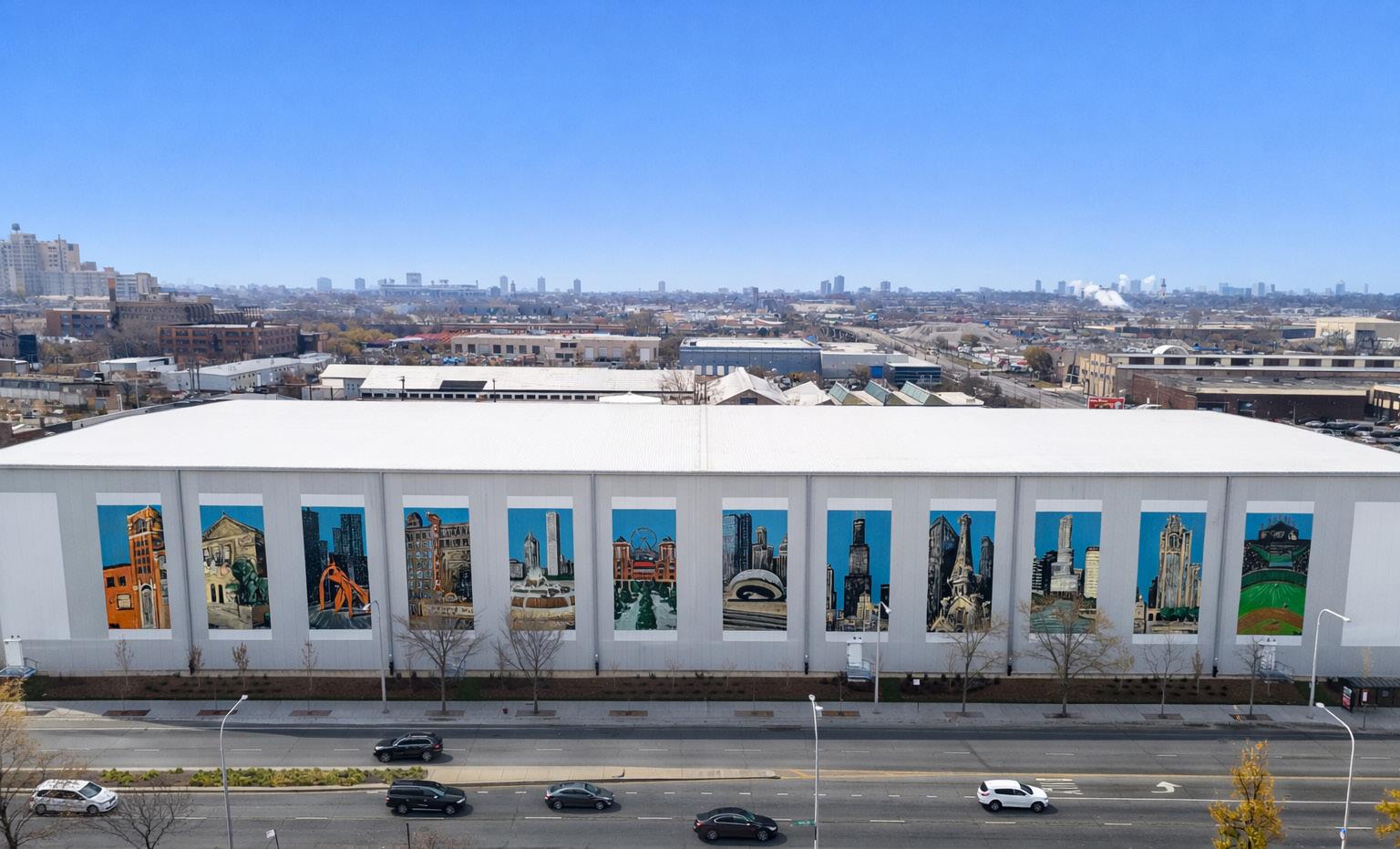
Karis Stockyards mural - Courtesy Karis Cold
pable of supporting faster distribution windows.”
The refrigerated 3PL market continues to face pricing pressure, and an oversupply of pallet positions has pushed monthly storage rates down, limiting operators' ability to absorb higher rents.
“Capital still has a strong appetite …”
Despite the near-term turbulence, Chicago's structural advantages remain intact. Jason Lev, Executive Vice President at CBRE, said the market sits firmly in Tier 1 territory because of fundamentals that competing markets cannot easily replicate.
“What makes Chicago different from markets like Dallas or Atlanta is the
supply side,” Lev said. “There are real constraints here — limited available land, zoning hurdles, and power infrastructure challenges, which make new cold development harder to execute. That's very different from Sunbelt markets where development is easier and land is more plentiful.”
Lev added that California’s Inland Empire is increasingly dealing with regulatory pressure and power availability
issues that have slowed new cold storage development there, too. The combination of durable demand drivers and limited new supply continues to make Chicago one of the most attractive and defensible cold storage markets in the country.
The Illinois tax environment remains the asterisk on that thesis. Feller estimates the state's structural drag adds somewhere between $1 and $3 per
Denes Juhasz
Jason Lev
Peter Shaplin
John Basile
square foot of additional occupancy cost compared with neighboring markets, helping fuel growth across Northwest Indiana and Southeast Wisconsin. For most users, however, the proximity advantages outweigh the friction.
Institutional capital has taken notice. Lev said investor appetite remains strong because cold storage tenants tend to stay put once they are operational, with relocation both costly and disruptive, which has pushed much of the recent capital toward build-to-suit opportunities backed by long-term, credit-quality leases.
“Capital still has a strong appetite for cold storage, largely because the tenant base tends to be very sticky,” Lev said. “Relocation options are limited, leases are typically long term, and once a tenant is operational in a facility, moving is both costly and disruptive.”
“Operational efficiency and reliability matter …”
Cold storage development costs run two to three times conventional industrial, according to Ken Verne, Vice President of Asset Management for Karis, which means underwriting has tightened considerably. The deals getting done are infill, power-served and freezer-to-cooler convertible, with credit operators and durable rents anchoring the capital stack.
“Three years ago this was a grocery-distribution story,” Verne said. “Today our Chicago pipeline is food manufacturers, regional 3PLs and protein processors hunting production-adjacent space with 50-foot clear and freezer-to-cooler flex.”
Conversions of older dry industrial buildings into full cold storage have largely fallen out of favor. Lev said the economics no longer work for larger blocks of space because modern cold storage is built around maximizing pallet positions, which depends on clear heights that older buildings simply do
not have. Targeted partial conversions still happen in the city, typically in buildings under 50,000 square feet where a tenant needs a smaller cooler or freezer footprint complemented by dry storage.
Geographically, much of the new development activity has migrated to regional
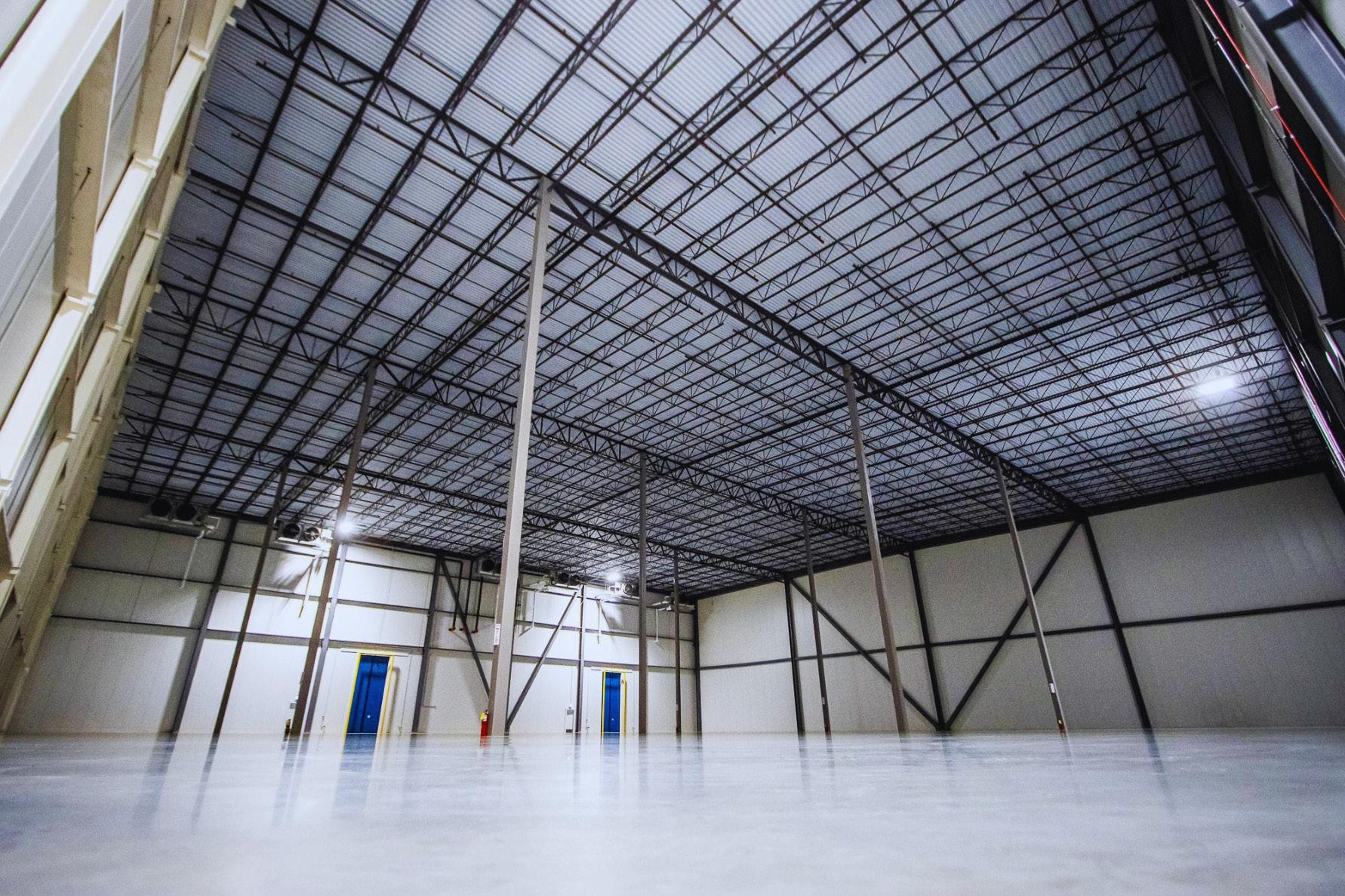
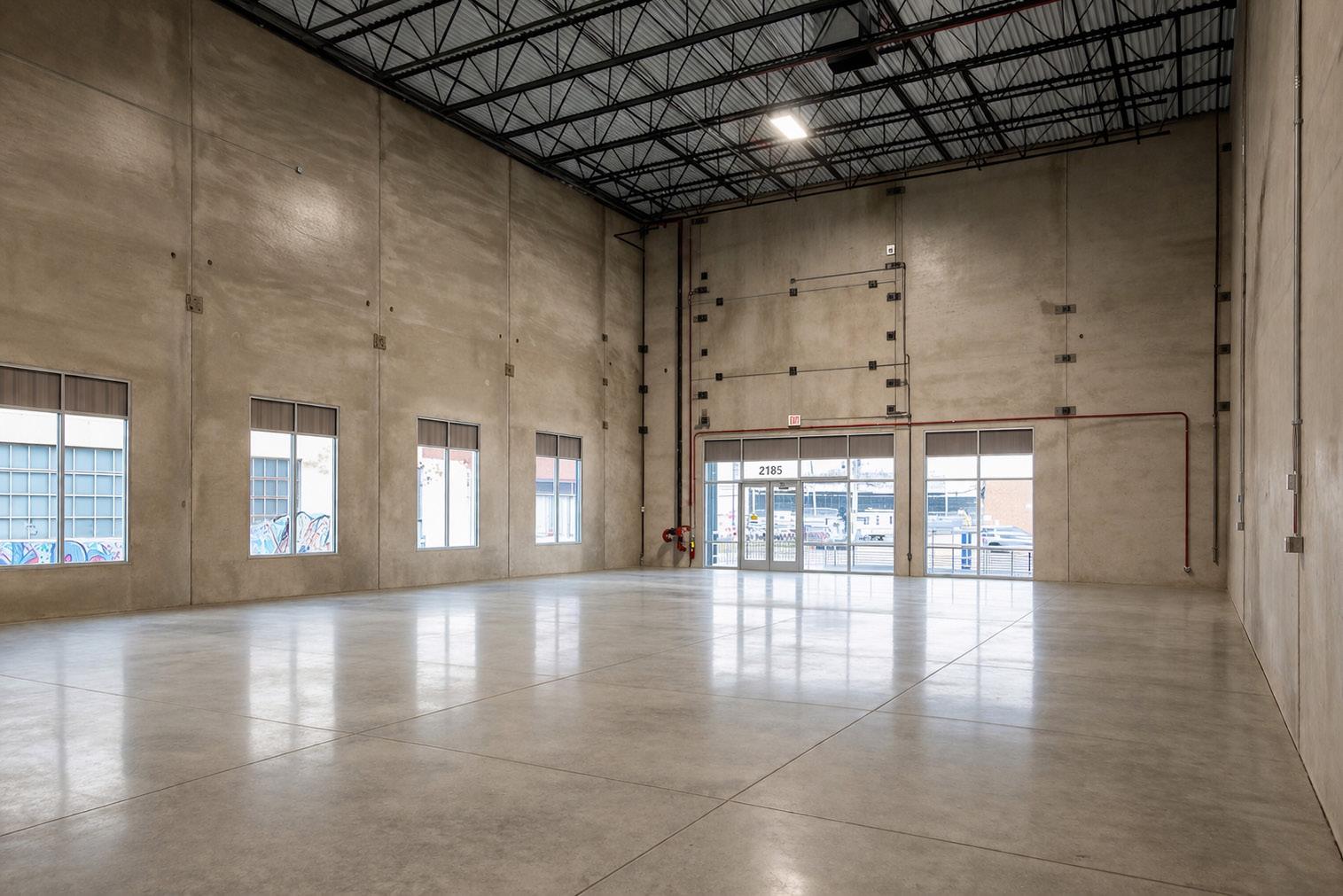
Karis Stockyards interior - Courtesy Karis Cold
Karis Stockyards exterior - Courtesy Karis Cold
submarkets. Basile said his team's most recent transactions have landed in Joliet and Northwest Indiana, where land economics, site scale and entitlement flexibility better support modern cold storage requirements. Many of those projects have been self-developed or completed with strategic partners, giving occupiers more control over costs and specifications.
Infill plays like Karis Stockyards represent the exception, where embedded ecosystem advantages justify the premium. Shaplin said Becknell's pipeline has concentrated near the I-55 and I-80 corridors and key food-distribution arteries with more than 3 million square feet of cold storage currently under construction across the region.
“We focus on tenant credit strength, lease duration, energy performance and total lifecycle costs,” Shaplin said. “We prioritize purpose-built, pre-leased projects and deep tenant engagement early in the design process, recognizing that operational efficiency and reliability matter more than initial construction cost in this asset class.”
“The next phase of this market …”
The forward-looking demand story increasingly points toward onshored food production rather than traditional grocery distribution. Manufacturers need readily available convertible space
inside major metros and Chicago's combination of population density, freight infrastructure and food processing depth positions it well for that next cycle.
“While leasing timelines have extended and vacancy may remain elevated in the short term, fundamentals suggest Chi-
cagoland will remain one of the country's most important — and resilient — cold storage hubs as 2026 progresses,” Juhasz said.
Supply pressure should ease as demand catches up to recent additions.
“Chicago's long-term cold storage story is genuinely strong,” Feller said. “But the next phase of this market is going to be considerably more selective than what we saw coming out of the pandemic. Precision will matter more than momentum.”
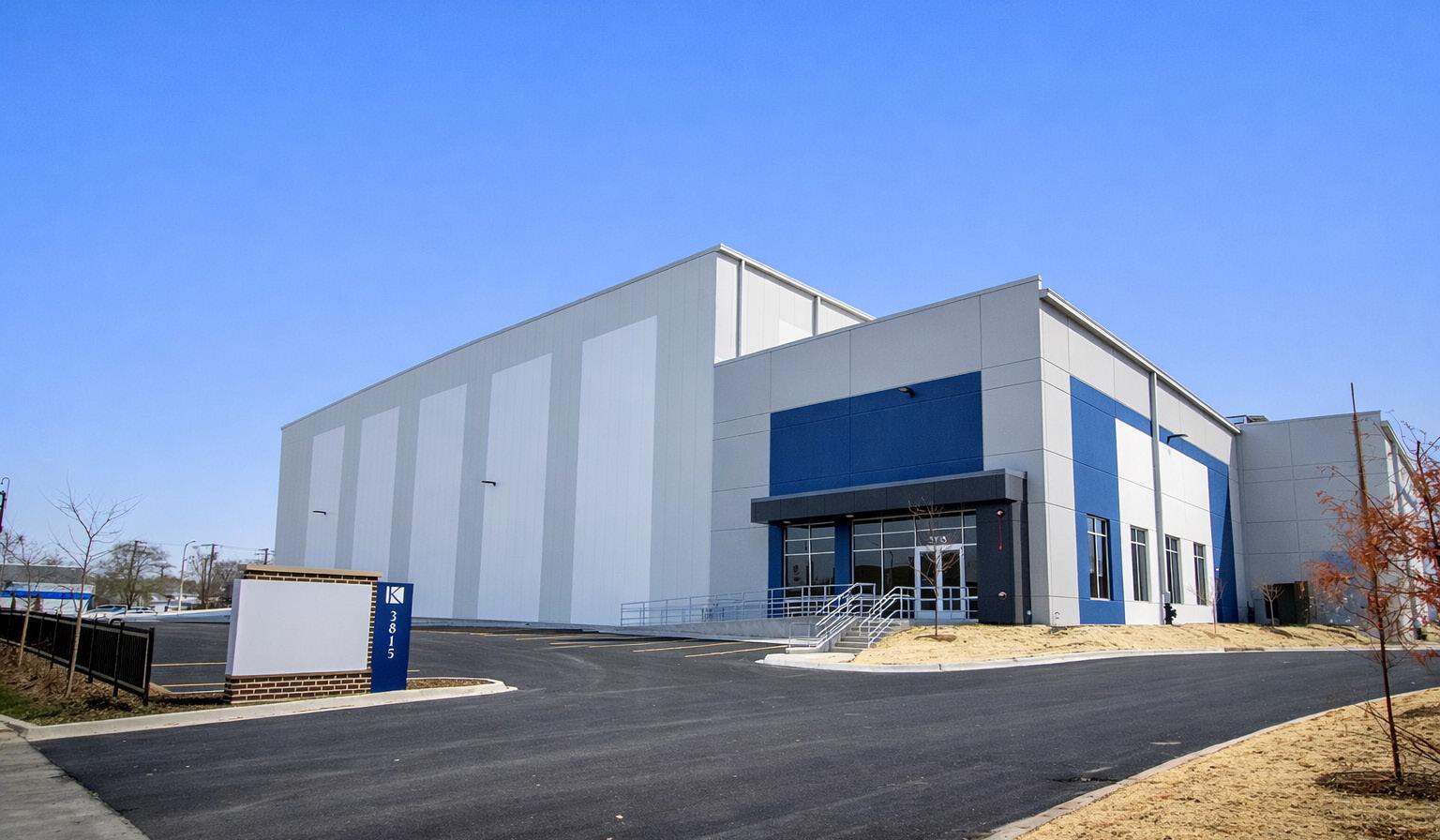
Karis Stockyards entry - Courtesy Karis Cold
Karis Stockyards exterior - Courtesy Karis Cold
CIP MARKETPLACE
CONSTRUCTION COMPANIES/GENERAL CONTRACTORS
MERIDIAN DESIGN BUILD
9550 W. Higgins Road, Suite 400 Rosemont, IL 60018
Paul Chuma, President Howard Green, Executive Vice President
Core Services
Meridian Design Build provides construction and design/ build construction services on a national basis with a primary focus on industrial, office, medical office, retail and food and beverage work.
Company Overview
With a team of in-house professional project managers, Meridian has extensive experience coordinating the design and construction of new buildings, tenant improvements, and additions/renovations from 15,000 square feet to 1,000,000+ square feet. Meridian Design Build has been a Member of the U.S. Green Building Council since 2007.
Selected Projects
University Park Logistics Center, University Park, IL - 970,123 sf speculative multitenant industrial distribution/warehouse facility for Clarius Partners and Hillwood Investment Properties. Silesia Flavors, Huntley, IL - 134,075 sf food production, laboratory, research and development, and office facility for Venture One Real Estate and a global leader in confectionery and beverage flavors. FedEx Ground, Gary, IN - 324,901 sf package sorting and distribution center on a 78-acre redevelopment site for Scannell Properties and Transport Properties.
COMMERCIAL LENDING
MARQUETTE BANK
10000 W. 151st Street Orland Park, IL 60462 P: 708.364.9131 emarquettebank.com
Full line of Commercial, Business and Real Estate loans customized to your individual needs including: commercial and residential construction loans, commercial mortgages, equipment loans and working capital lines of credit.
Company Overview
Marquette Bank started in Chicagoland in 1945 and is still locally-owned/operated. Expect quick decisions, competitive rates, easy application and personal service. Personal/business banking and lending, home mortgages, land trust services, estate planning, insurance services, wealth management and multifamily lending.
REAL ESTATE LAW FIRMS
SARNOFF PROPERTY TAX
100 N. LaSalle St., 10th Floor Chicago, IL 60602 P: 312.782.8310 Sarnoffpropertytax.com
Primary Contact
James Sarnoff jsarnoff@sarnoffpropertytax.com, P: 312.448.5337
Core Services
PRINCIPLE CONSTRUCTION CORP.
9450 West Bryn Mawr Ave., Suite 120 Rosemont, IL 60018
P: 847.615.1515 | F: 847.615.1598 pccdb.com
Primary Contacts
Mark L Augustyn, COO, maugustyn@pccdb.com, James A. Brucato, President, jbrucato@pccdb.com
Core Services
Since 1999, Principle Construction Corp. has been a leading design-build general contractor serving the industrial markets of Chicago Metro, Southern Wisconsin, and Northwest Indiana. We specialize in designing and constructing exacting solutions for our clients, including:
•Industrial and Manufacturing Plant • Tenant Improvements
• Expansions and Additions• Food Processing Facilities
• Specialty Projects
Selected Projects
• 8,205 SF animal shelter for Heartland Animal Shelter, at 586 Palwaukee Dr., in Wheeling, IL.
• 12,560 SF showroom and outdoor pool park for Doheny Enterprises, at 5307 Green Bay Rd., in Kenosha, WI
• Phase 1 renovation project for SMW Autoblok, at 285 Egidi Dr., Wheeling, IL
Since 1986, Sarnoff Property Tax has been a leading and recognized law firm concentrating solely in the field of property taxation. We help clients secure favorable taxes in Illinois through property tax appeals, incentives, and consulting.
Firm Overview
Sarnoff Property Tax’s clients include Owners, Developers, Managers, REITs, Fortune 500 Companies, Private Equity Firms, etc., in connection with commercial property, high-rise and low -rise apartment buildings, condominium associations and single-family home portfolios.
WORSEK & VIHON, LLP
180 North LaSalle Street, Suite 3010 Chicago, IL 60601 P: 312.917.2307 P: 312.917.2312 F: 312.596.6412 wvproptax.com
Primary Contacts
Francis W. O’Malley, Managing Partner, fomalley@wvproptax.com; Jessica L. MacLean, Partner, jmaclean@wvproptax.com
Core Services
Worsek & Vihon, LLP represents taxpayers in Illinois by limiting their property tax liabilities through ad valorem appeals resulting in lower tax bills. We have over 40 years of experience and can handle basic to the most complex assessment issues while offering the dependable, personalized attention our clients deserve. We have experience representing owners of all property types. In addition to filing thousands of appeals with the Cook County Assessor, we have been involved in numerous proceedings before various Boards of Review, the Illinois Property Tax Appeal Board, and the Circuit Court of Illinois, and have appeared before the Illinois Appellate and Supreme Courts.
Firm Overview
Worsek & Vihon LLP, is a team of highly experienced attorneys singularly focused on Illinois real estate tax law. The firm is dedicated to minimizing property tax liabilities through strategic tax portfolio management, well researched, creative appeal preparation and aggressive advocacy.
Maintaining Skylines For Over 10 0 Years
THE PROFESSIONALS IN MASONRY RESTORATION
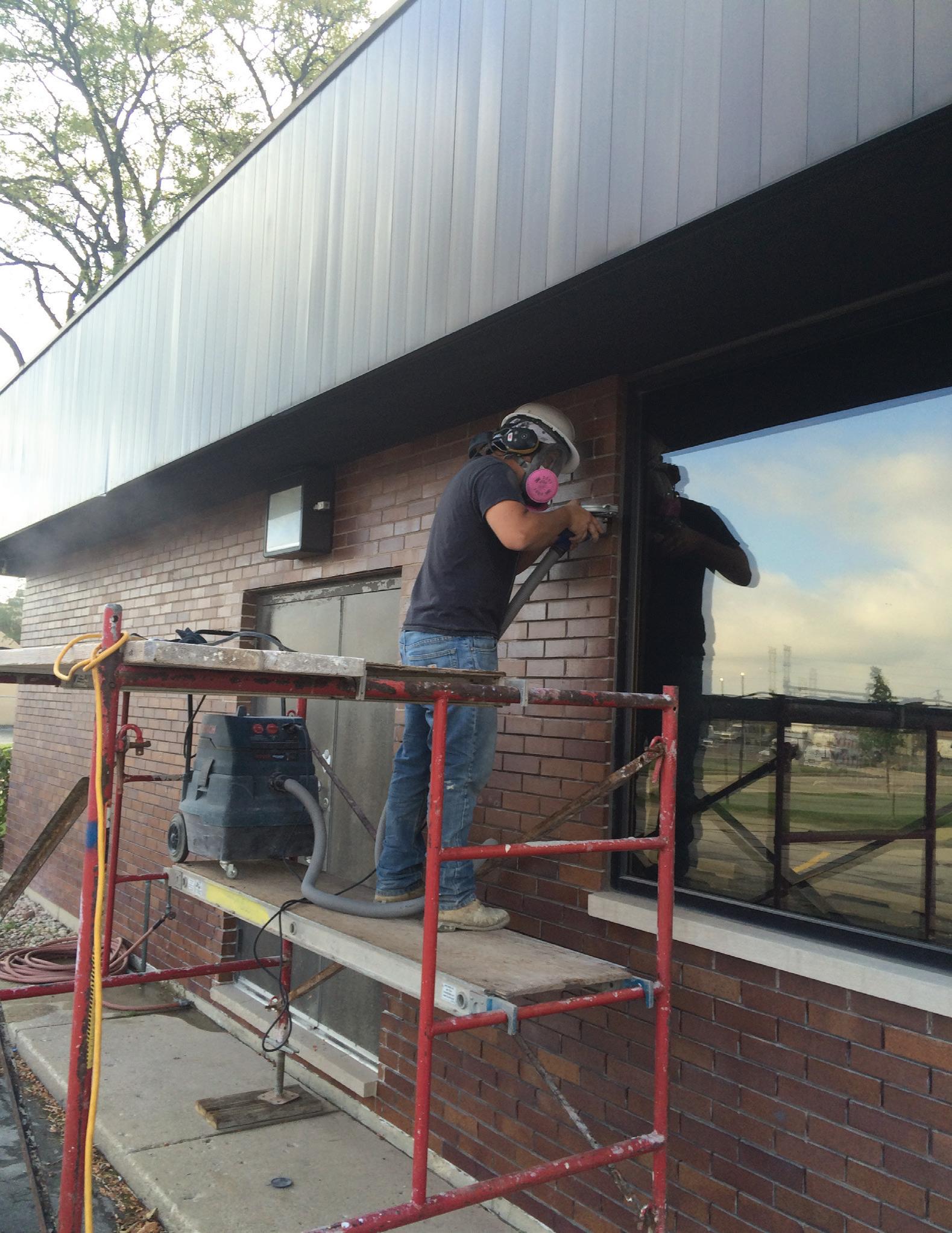
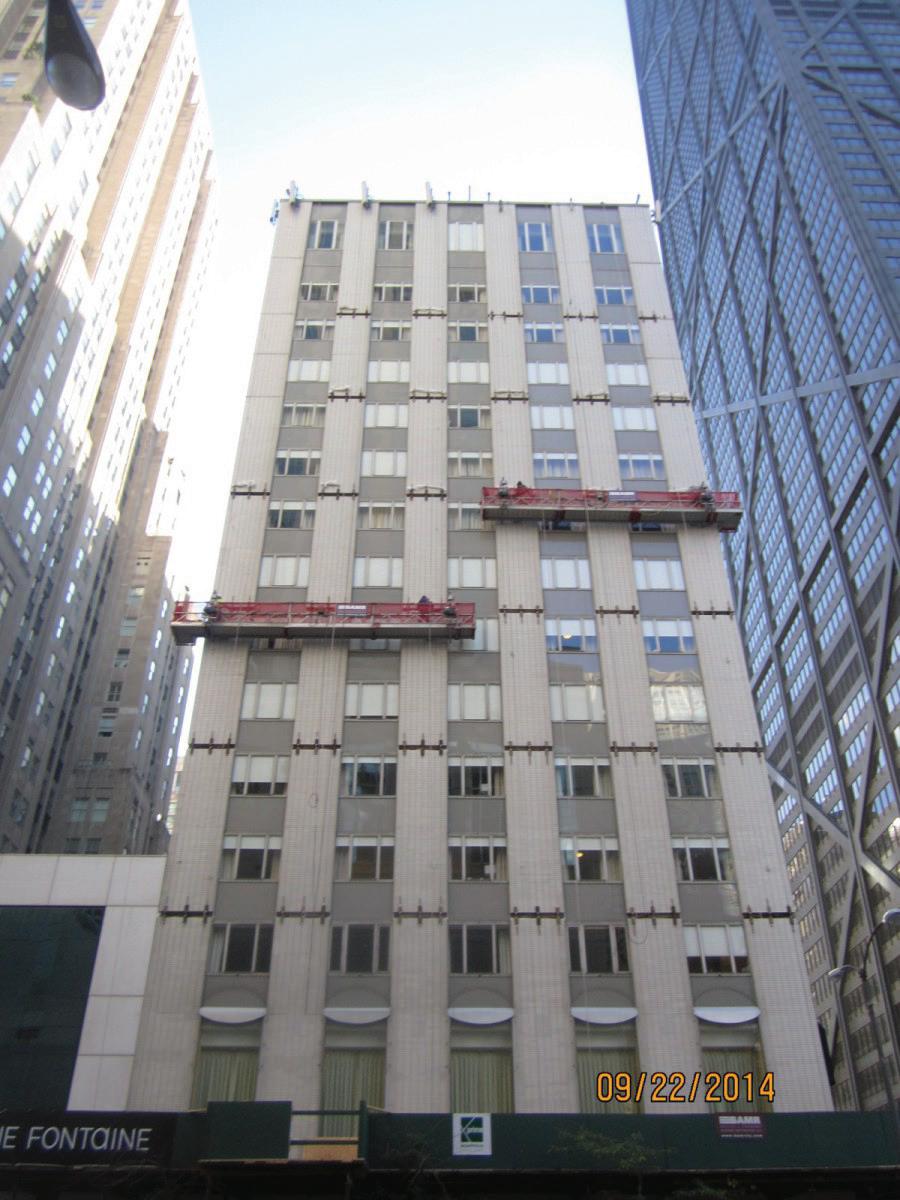
e Pointers Cleaners Caulkers Union was established in 1898 and joined Bricklayers International in 1938. As “ e Best Hands in the Business” we handle accidental and weather related damage, and deterioration to your masonry façade from store fronts to skyscrapers, historical landmarks to new construction.
All members are medically evaluated and t tested and go thru 10 to 30 hours of OSHA training. Recognized by the City of Chicago for Sca old Training, members are also trained in Fall Protection and Silicosis Awareness. e Apprenticeship requires a minimum of 3 years training and is registered with the United States Dept of Labor.