lects near low points. It carries dirt and debris. It finds the one area near the entrance where everyone needs to walk.
One inch of rain falling on a single acre equals roughly 27,000 gallons of water. That is a lot of water for a property to deal with during an afternoon storm. Commercial landscaping should help manage it if it is done correctly.
Proper grading, drainage improvements, bioswales, rain gardens, well-placed trees, and carefully selected plant beds can help slow runoff and move water away from high-traffic areas.
Winter should be considered too. Where will snow be stored? Will piles block a monument sign? Will melting snow drain across a walkway and refreeze overnight? Are plants near the entrance able to tolerate salt exposure?
A well-designed entrance works during imperfect weather.
It doesn’t just communicate preparedness. It also prevents the property manager and everyone utilizing the property from having the same frustrating conversation every time it rains.
What the practical entrance says
A good commercial entrance is not always the one with the most plants. It is the one with the right plants.
Overcrowded beds can create unnecessary maintenance. Plants compete for space. Shrubs grow over one another. Irrigation becomes less efficient. Crews spend more time pruning material that was never given enough room in the first place.
A simpler design can often look better and cost less to maintain.
Choose plant material that fits the available space at maturity. Use perennials and shrubs where they will make the strongest visual impact. Add seasonal color at focal points instead of spreading it everywhere. Place trees where they can provide shade without creating future conflicts with sidewalks, signs, or buildings.
Irrigation deserves the same attention.
The EPA estimates that as much as 50% of the water used outdoors may be lost because of wind, evaporation, runoff, and inefficient irrigation methods. A sprinkler system can operate every morning and still perform poorly.
Heads may be broken. Spray patterns may be blocked. Water may be landing on pavement instead of plant beds. One area may receive too much water while another slowly turns brown.
A practical entrance communicates that the property is being managed intentionally. It reveals that money isn’t wasted.
There is a difference between spending money and getting value from it.
What the after-hours entrance says
A property entrance does not stop working when the sun goes down.
Lighting matters for commercial properties. Visitors should be able to locate the entrance after dark. Walkways should be visible. Building numbers should be easy to read. Trees and shrubs should not block fixtures or create awkward dark spots.
Landscape lighting can also highlight a monument sign, ornamental tree, or architectural feature without turning the property into a theme park. The goal is not drama, it’s clarity.
Energy-efficient upgrades can make practical sense as well. ENERGY STAR guidance notes that LED technology can reduce parking-lot lighting energy costs by 40% or more when paired with controls.
Lighting is easy to ignore because nobody notices it when it works well. That is usually a good sign. A properly lit entrance tells visitors that the property has been considered beyond normal business hours. It says “you are seen.”
What the memorable entrance says
Some properties need more than function. Properties like hotels, senior living communi-
ties, restaurants, apartment properties, medical campuses, churches, and mixed-use developments often benefit from an entrance that feels welcoming and distinct.
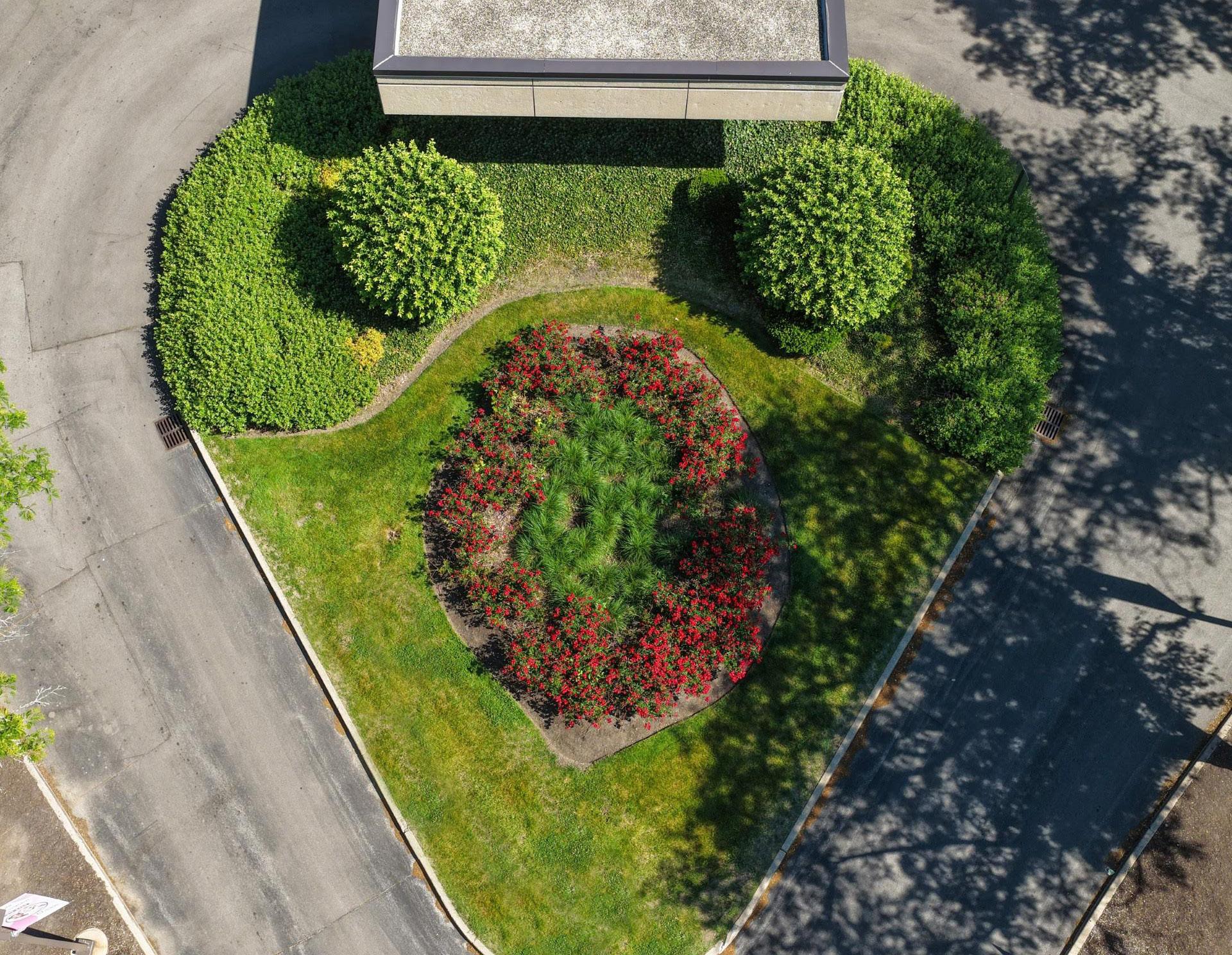
This may include flowering shrubs, ornamental trees, decorative planters, stone accents, seating areas, or seasonal displays. None of these elements need to be excessive.
A few well-placed features can soften a large building facade and make an entrance feel more inviting. A thoughtfully chosen tree can provide a focal point. Seasonal color can bring attention to a sign or walkway. Decorative stone can add structure without creating another area that needs constant maintenance.
People may not know the names of the plants. They may not consciously notice why the walkway feels welcoming. They simply know the property feels cared for.
That feeling matters. It tells people your business cares about their experience.
The entrance has already introduced your business
Every commercial property entrance sends a message.
Some say, “We are prepared,” and some say, “We really meant to trim that shrub last spring.”
The good news is that improving an entrance does not always require a major renovation. Start with the obvious things.
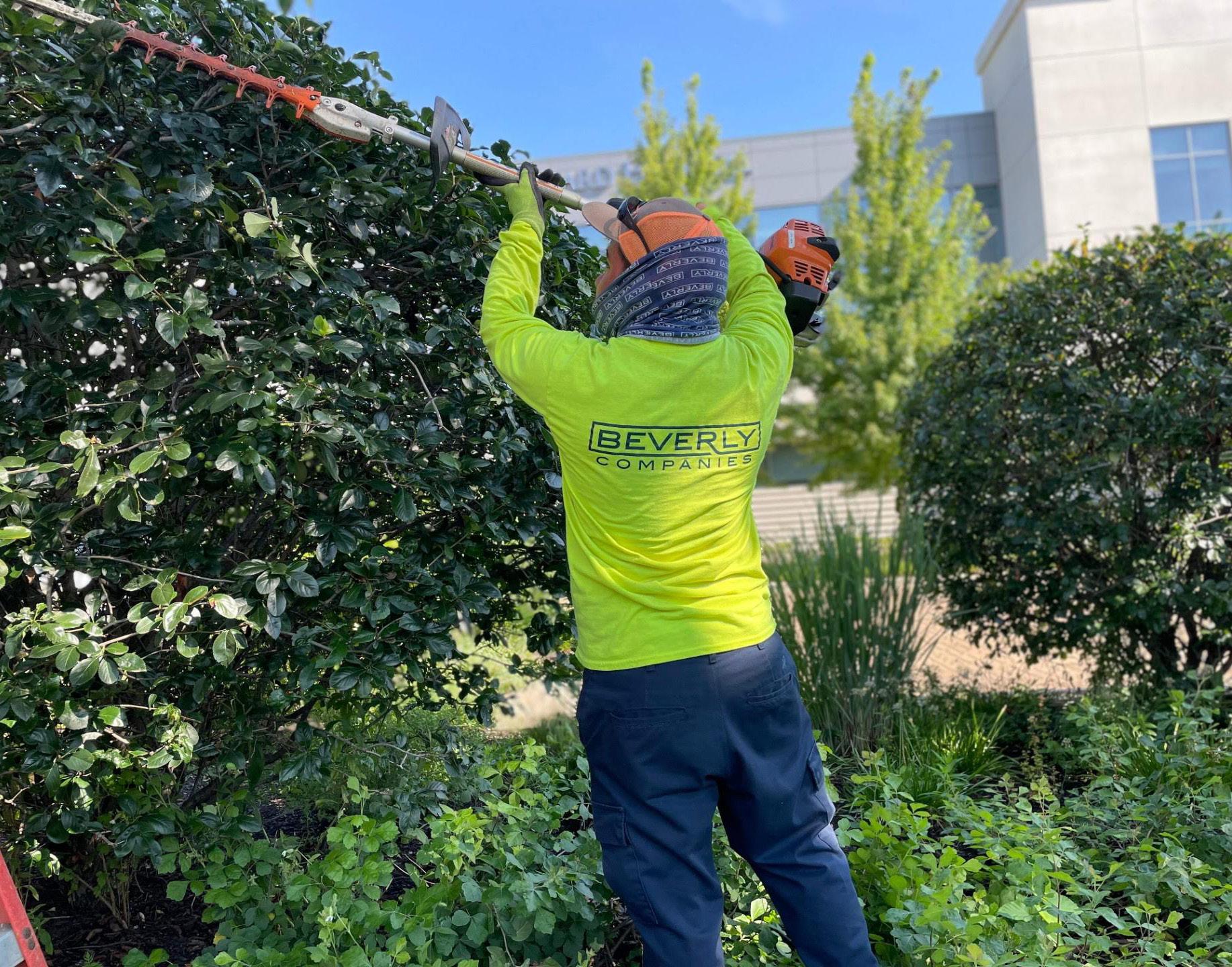
Make the sign visible. Keep the walkway clear. Remove declining plants. Fix drainage issues. Inspect the irrigation system. Add lighting where it is needed. Choose plants based on their mature size.
Then decide what you want the property to communicate. An entrance does not need to be impressive simply for the sake of being impressive.
It should be welcoming, functional, and intentional. Because the landscaping has already made an introduction. What story do you want your entrance to tell?
The great mall divide: Coresight report finds that top-tier malls thrive while lower-tier properties struggle
By Dan Rafter
Despite what you might believe from some of the headlines, the U.S. enclosed shopping mall isn’t dead, with many of these retail spots thriving. But not every mall is sharing in the sector’s post-COVID recovery.
That’s one of the key points in a new report from Coresight Research, The American Mall Renaissance: A Bifurcated Sector with Top-Tier Assets Leading the Way. According to the study, the nation’s enclosed mall sector has become divided between high-performing, top-tier properties and struggling lower-tier assets.
“The metrics we look at are heading in opposite directions with these two sets of malls,” said John Mercer, head of global research and managing director of data-driven research with New York City-based Coresight Research. “Whether you look at visits, net operating income, absolute rents or occupancy, the top-tier malls are performing well while the lower-tier malls continue to decline.”
The Coresight report found that by 2025, foot traffic at top-tier U.S. malls had nearly returned to pre-pandemic levels, sitting just 0.1% below 2019 traffic counts.
But the news wasn’t as good for lower-tier malls. Coresight found that foot traffic at these lower-quality malls remained 6.8% below pre-pandemic levels.
Then there are occupancy rates. In its report, Coresight said that top-tier U.S. malls average 95.5% occupancy compared to 89% for lower-tier centers.
The top-tier difference
So, what separates a top-tier mall from the rest?
Mercer said top-tier malls typically feature luxury and high-end retailers while serving affluent trade areas with higher household incomes.
“They are the malls that are thriving and attracting high-end retailers,” Mercer said. “The demographics surrounding the mall matter significantly.”
Those advantages create a cycle of success for higher-quality malls. When a tenant leaves a top-tier mall, its owners can often replace that retailer quickly. Lower-tier malls, though, face the opposite challenge: When an important tenant leaves a lower-tier mall,
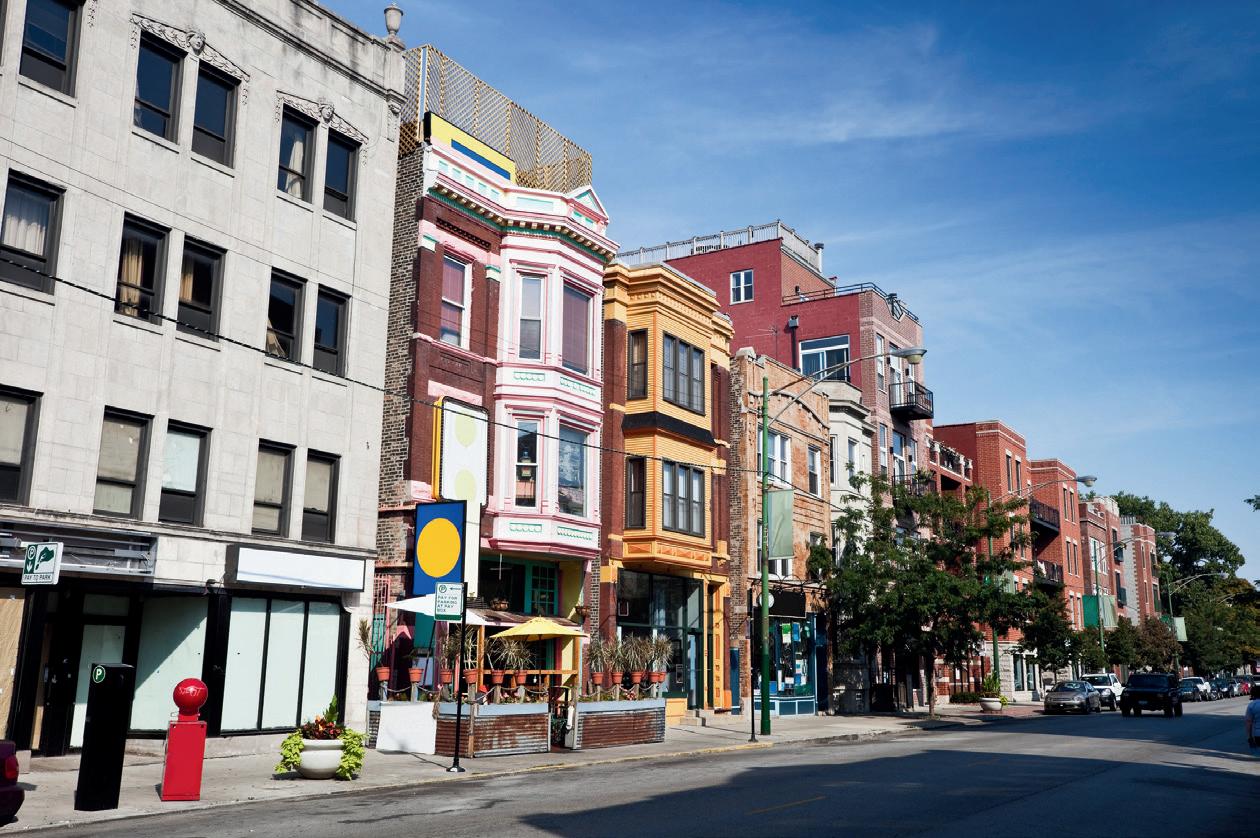
Photo courtesy of iStock.
it’s more difficult for its owners to find a replacement.
“If you lose an anchor tenant in a lower-tier mall, you tend to see lower foot traffic in that space,” Mercer said. “Then it becomes harder to fill that anchor space. New tenants don’t join, and it can become a death spiral.”
New concepts
Luxury retailers continue to gravitate toward top-performing malls, but Mercer said some of the most interesting changes in the enclosed mall sector involve what is replacing vacant department store space.
As traditional anchors close stores, mall owners are increasingly turning to entertainment, fitness and healthcare concepts to fill large vacancies. Examples include immersive attractions such as House of Netflix, gyms, medical providers and competitive socializing venues, think experiential retailers such as indoor mini-golf company Puttshack and ping-pong-based entertainment venue SPIN.
“It’s not just about going to the mall for shopping anymore,” Mercer said. “These uses increase dwell time and bring consumers to the mall for non-shopping missions.”
The trend benefits owners in another way. Department stores often occupied space under
favorable lease arrangements that generated relatively modest rental income for landlords. Replacement tenants frequently pay higher market-driven rents.
Other experiential concepts are helping malls reinvent themselves, too. Mercer pointed to attractions such as Dick’s House of Sport locations, which combine retail with interactive experiences.
“The mall becomes a more rounded experience,” Mercer said. “It’s a place to socialize, be entertained and engage with brands.”
Those changes make sense because consumers’ expectations of what the mall experience should be have also evolved.
“We live in an age of instant gratification,” Mercer said. “Consumers want engagement and experiences. Shopping is no longer purely functional.”
Mid-tier malls can thrive, too
While much of the Coresight report focused on the divide between top-tier and struggling malls, Mercer said that many mid-tier U.S. mall properties are increasing their foot traffic today, often by appealing to younger shoppers.
Just look at Gen Z consumers. They continue to embrace mall shopping. Retailers such as Abercrombie and Hollister remain popular among younger consumers, helping support many middle-market malls.
“There are a lot of healthy malls in the mid-tier category,” Mercer said. “A lot of the experiential retail opportunities can work there, too.”
Gen Z shoppers are often looking for discovery and novelty, Mercer said. They enjoy finding new brands and products and frequently return to stores that regularly refresh the merchandise that they offer.
That consumer behavior creates opportunities for malls that can provide changing experiences and a diverse tenant mix.
The lower-tier struggle
For lower-tier malls, however, the path forward is far less certain.
“Their options are limited,” Mercer said. “You lose traffic, you lose tenants. You lose tenants, you lose traffic. It becomes very difficult to turn around.”
Some struggling malls have found new life through redevelopment. In some cases, former retail properties have been converted
into distribution facilities or mixed-use projects. Others have added apartments, hotels or other uses to their sites.
Residential development around malls has become increasingly common, Mercer said, particularly on excess parking lots surrounding existing centers.
“It’s something we’ve been tracking for several years,” he said. “It’s a good use of space and a trend that continues.”
Ultimately, Mercer said the future of retail centers depends on meeting consumer expectations that have been shaped by digital commerce.
Online shopping has become faster, easier and more convenient through quick-commerce delivery services, artificial intelligence tools and streamlined payment options. Physical retailers must respond by reducing friction within stores and creating better experiences.
“Retail is changing,” Mercer said. “Consumers have higher expectations today because of digital channels. Retailers need to reduce friction, improve the shopping experience and create reasons for people to visit.”
Retail sector keeps showing off its resilience
By Dan Rafter
Retail sales continued to show resilience in April, driven by shoppers happy to spend their tax refunds, seasonal purchases and consumers’ ongoing search for value, according to Colliers’ April U.S. Retail Monthly Foot Traffic & Sales Analysis report released in mid-May.
The report found that overall retail sales rose 4.6% this April when compared to the same month a year ago, while foot traffic increased 2.6%. Colliers said that this is a sign that shoppers are still visiting brick-and-mortar stores despite concerns about inflation and broader economic uncertainty.
At the same time, Colliers noted that the retail landscape is becoming increasingly selective. Consumers are still spending, but they are paying closer attention to what they buy.
One bright spot was discretionary spending. Apparel sales remained strong for a second consecutive month as shoppers updated wardrobes and purchased higher-end accessories. Electronics retailers also enjoyed a boost, with sales jumping 9.1% year-over-year. According to Colliers, many consumers used tax refund dollars to purchase new technology and electronics products.
The increased spending translated into more store visits, too. Foot traffic at clothing stores rose nearly 4%, while electronics retailers posted a 2.5% increase in visits.
“Overall retail sales rose 4.6% this April ... while foot traffic increased 2.6% ... this is a sign that shoppers are still visiting brick-andmortar stores despite concerns about inflation and broader economic uncertaintain.”
Value-oriented retailers also continued to benefit from changing consumer habits. As households remain conscious of rising costs, discount stores, dollar stores and off-price retailers attracted a growing number of shoppers.
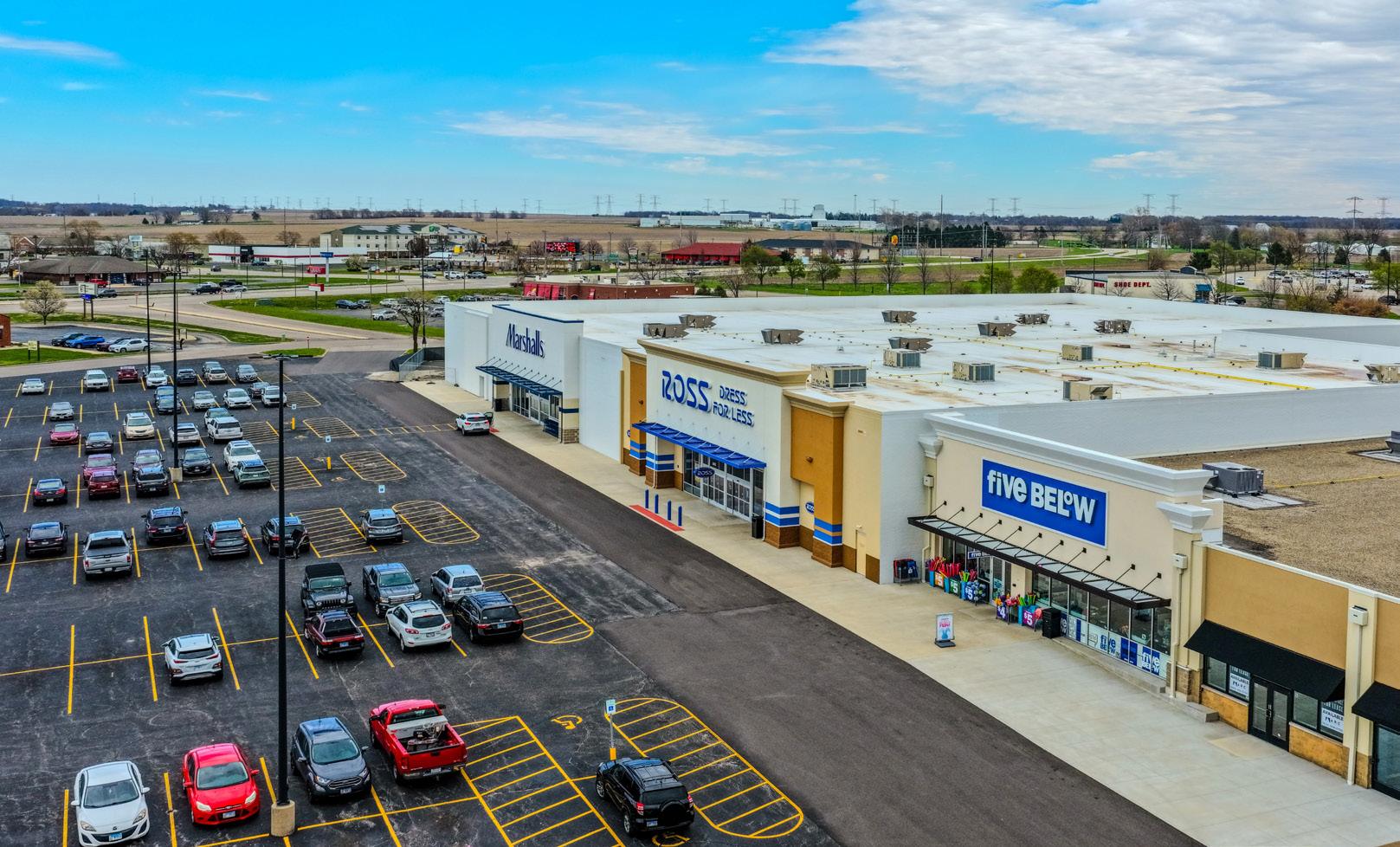
Colliers reported that visits to discount and dollar stores increased 7.7% in April, while grocery store traffic rose 1.1%. Several value-focused chains posted strong gains, including Five Below, Ross Dress for Less, Citi Trends and Goodwill.
Colliers reported that while consumers are still willing to spend, they are increasingly focused on finding bargains and stretching their budgets.
Not all retailers, though, are thriving today, according to Colliers’ report. Housing-related retail segments continued to struggle, partly because of residential real estate market that remains sluggish. Furniture sales fell 3.4% in April compared to the same month last year, while visits to furniture stores declined slightly. Elevated financing costs and a softer housing market continue to slow the demand for big-ticket home purchases.
Home-improvement retailers saw somewhat better results, with foot traffic increasing 2.8%. Colliers noted, though, that consumers appear to be focusing primarily on spending on necessary repairs and smaller projects rather than busting their budgets to tackle major renovations.
Meanwhile, experiential retail categories showed signs of cooling after several months of strong performance. Visits to theaters and music venues dropped 16.8% in April, while attendance at attractions declined nearly 12%.
Image by hapis from Pixabay
TRUST BUILT ON PERFORMANCE
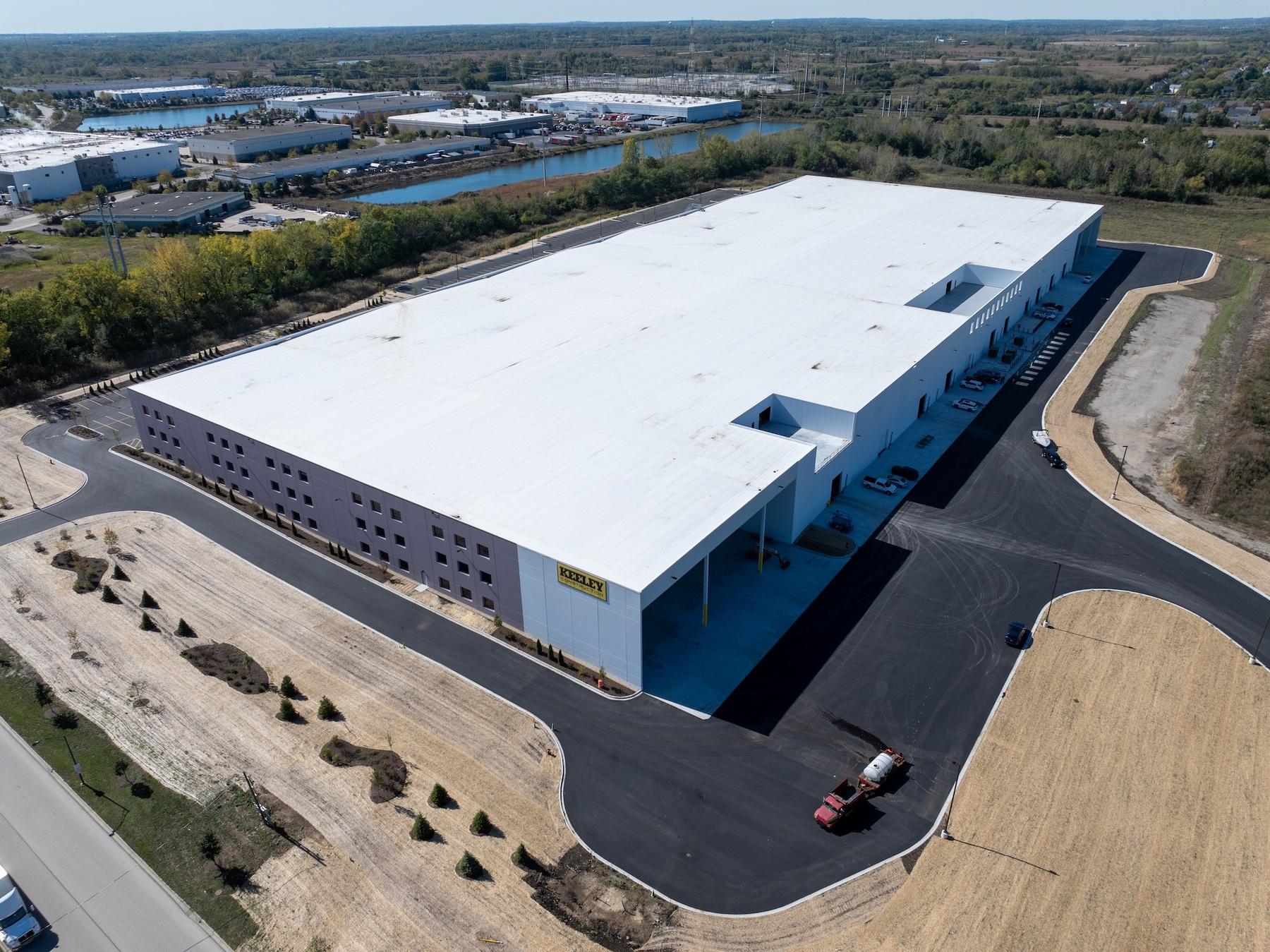
Par tner with a general contractor trusted by leading companies to deliver complex projects with precision, safety, and speed
Since 1978, Keeley Construction has consistently delivered results on industrial and commercial projects where accountability, per formance, and execution matter most.
Not all industrial markets are created equal: The country’s top 25 industrial hubs are gaining strength
By Dan Rafter
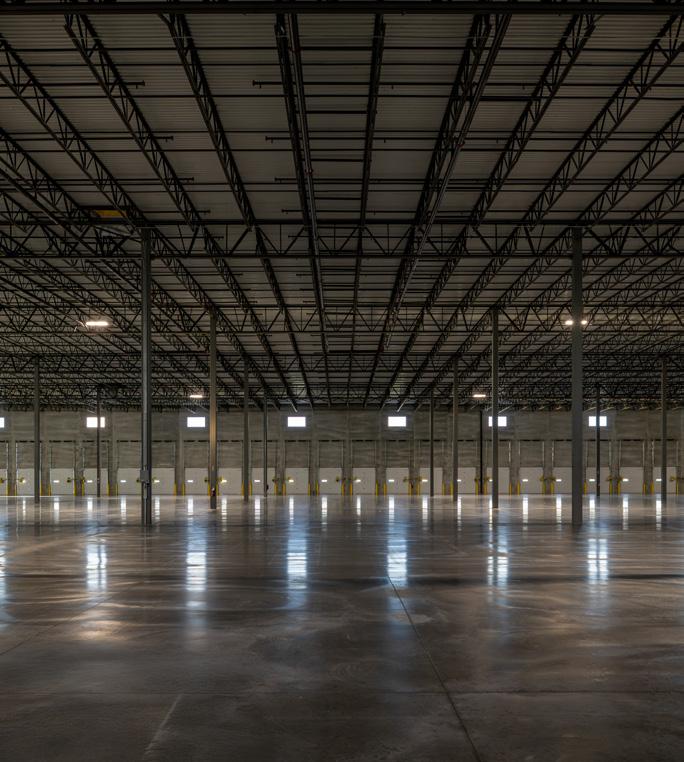
After years of rapid development and shifting market conditions, the U.S. industrial sector appears to be entering a new phase, one marked by improving fundamentals, rising demand and a more balanced supply pipeline.
That’s one of the key findings from Colliers’ June 2026 report, The Markets That Move America: An Inside Look at the Top 25 U.S. Industrial & Logistics Markets.
The report examined the nation’s 25 largest industrial markets, which account for 76% of America’s industrial inventory among the 78 markets tracked by Colliers.
According to the report, the industrial market is transitioning away from the post-pandemic construction boom that flooded many regions with new supply. Today, developers are pulling back while occupier demand is gaining momentum.
In its report, Colliers wrote that the surge in new industrial supply is over. According to Colliers’ research, new industrial deliveries fell 24% year-over-year nationwide while construction activity sits roughly 60% below its 2022 peak.
That shift is helping bring balance back to the market.
Across the country, industrial inventory grew by just 0.5% over the past year, a sharp decline from the rapid expansion seen during the height of the logistics boom. The 25 largest markets grew faster, posting 1.3% annual inventory growth, but even those numbers reflect a significantly slower pace of development.
Several Sun Belt markets continue to dominate industrial activity. Dallas-Fort Worth led all markets with 22.9 million square feet of inventory growth during the past year, followed by Houston with 20.1 million square feet. Greater Los Angeles, Atlanta and Phoenix also remained among the nation’s most active logistics hubs.
Colliers reported that net absorption across the top 25 industrial markets increased 19% year-over-year to nearly 146 million square feet. Nationwide, industrial demand rose 5.2% to 186 million square feet over the last 12 months.
Dallas-Fort Worth remained the nation’s top performer, recording 24.3 million square feet of net absorption. Phoenix followed with 18.5 million square feet, while Indianapolis emerged as one of the strongest Midwest markets with 15.7 million square feet of absorption. Chicago also posted impressive results, recording 14.2 million square feet of demand growth.
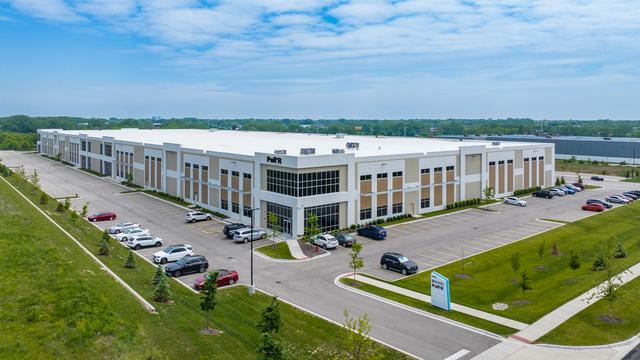
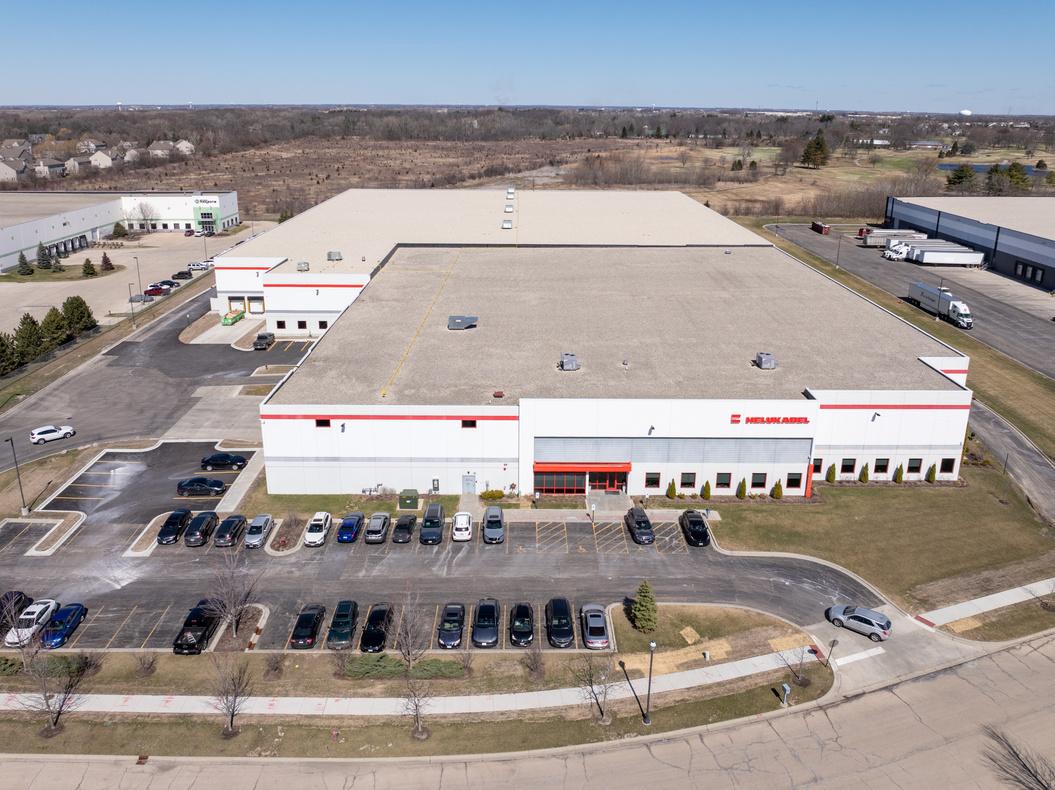
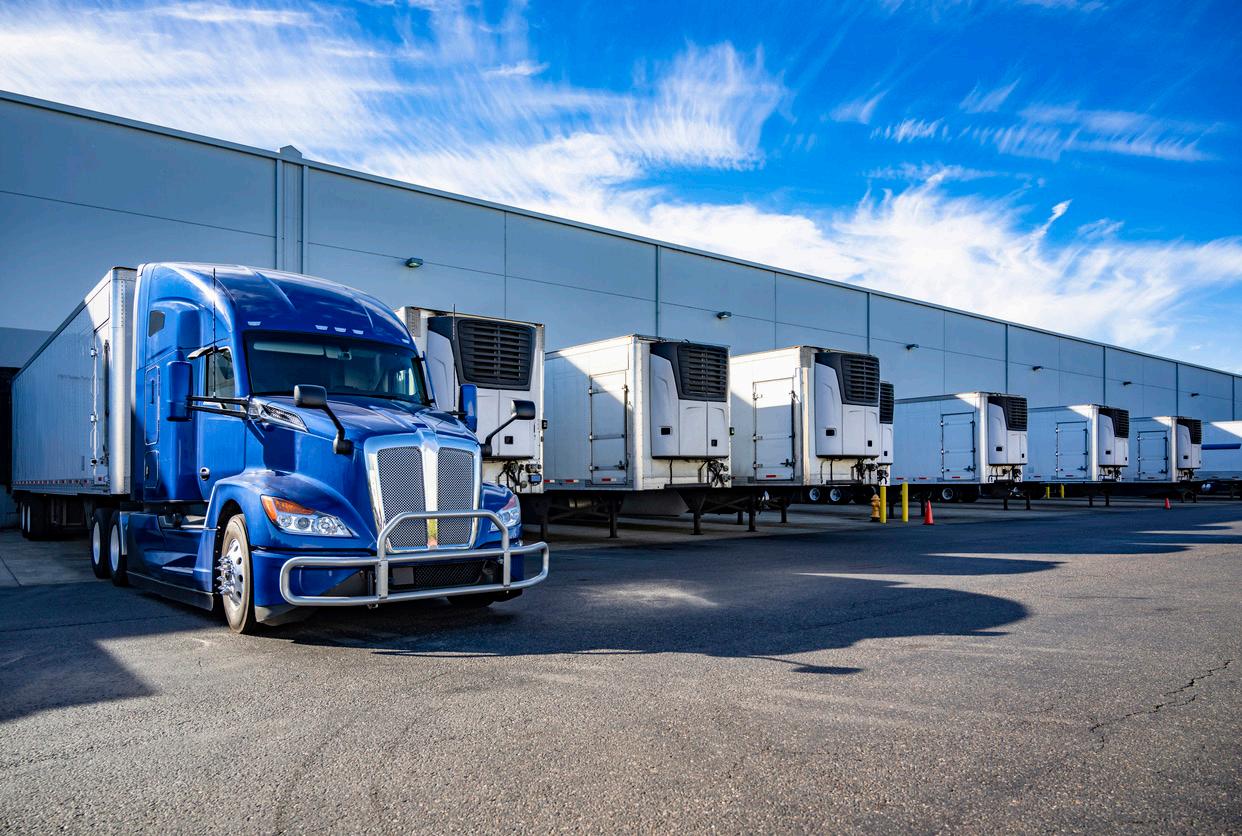
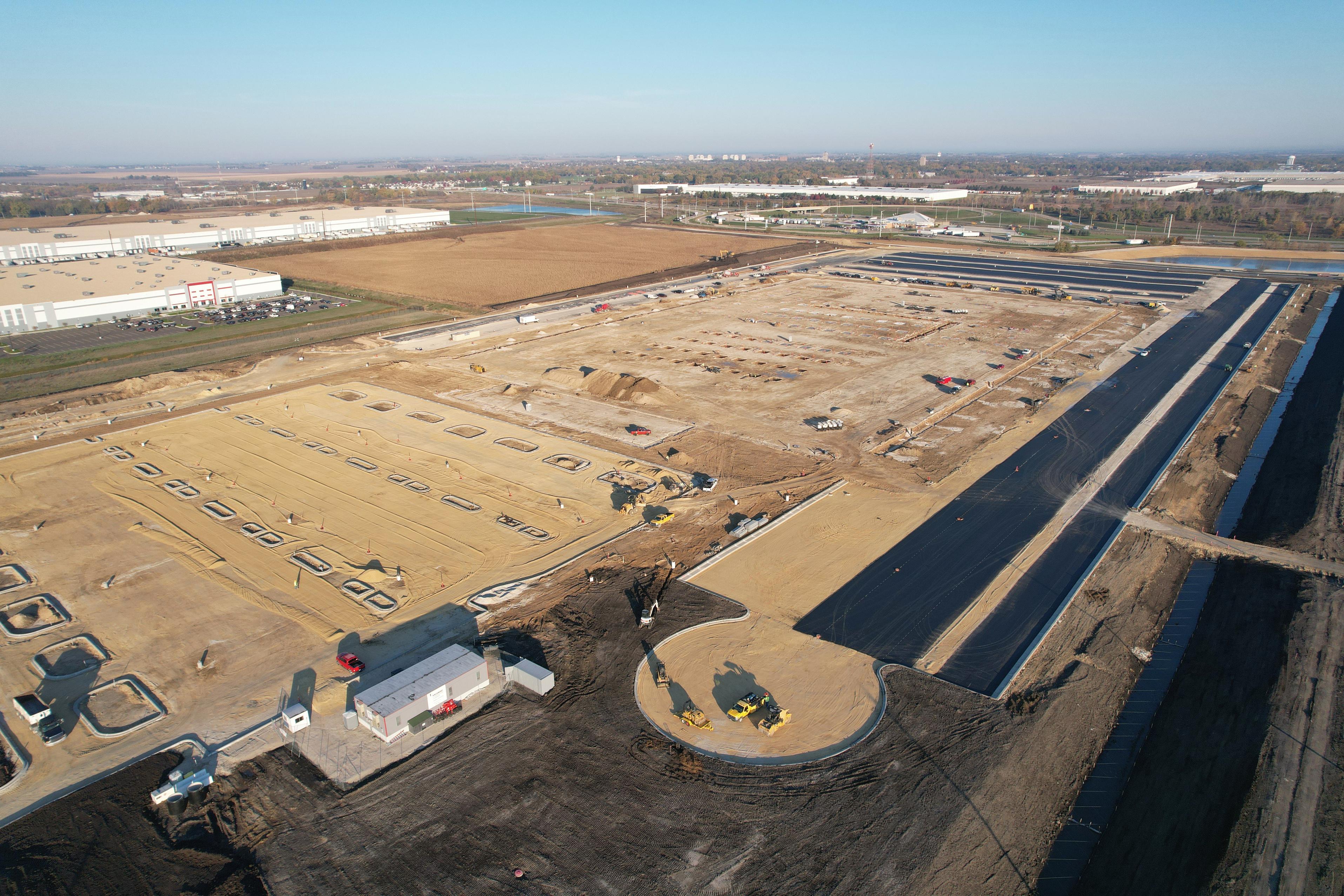
iStock photo credit by vitpho
The Midwest continues to demonstrate strong fundamentals. Nine of the nation’s top 25 industrial markets sit in the Midwest, and several are seeing demand outpace supply.
Indianapolis stood out as one of the country’s strongest markets. According to Colliers, the market recorded 15.7 million square feet of net absorption while adding only 3.9 million square feet of new supply during the same period. Columbus, Cincinnati and Memphis also posted strong supply-demand balances.
These conditions are already affecting vacancy rates.
National industrial vacancy reached 7.4% in the first quarter of 2026, up 37 basis points year-over-year. However, conditions were somewhat tighter in the top 25 markets, where vacancy rose only 11 basis points to 7.2%.
Some markets are already seeing vacancy decline. Indianapolis posted one of the largest improvements in the country, with vacancy falling 364 basis points year-over-year to 7.1%. Columbus and Phoenix also recorded significant decreases as demand absorbed previously delivered space.
Phoenix still has the highest vacancy rate among major markets at 10.6%, but even
“Build-to-suit
projects continue to dominate,
but Colliers reported that improving market
conditions are laying the groundwork for the eventual return of speculative development.”
there conditions have improved significantly from a year ago.
Colliers said that the combination of moderating supply and strengthening demand could soon create tighter market conditions in many regions.
Construction activity remains well below its pandemic-era peak, according to Colliers. Industrial space under construction totaled 286 million square feet nationally in the first quarter of 2026, far below the 711 million square feet under construction in 2022.
WE BUILD STORIES.
Our collective insight, gained from years of partnering across service lines, creates consistently great outcomes for our customers. We leverage that combined knowledge to help you achieve project success, executing projects flawlessly and delivering high value for your organization and a positive impact on your people. For us, it’s more than developing the land or constructing the building; it’s about facilitating and creating spaces where people thrive.
Dallas-Fort Worth continues to lead the nation with 34.3 million square feet under construction, while Houston ranks second with 24 million square feet underway. The New York metro area saw one of the biggest increases, with its construction pipeline expanding 150% year-over-year.
Still, developers appear increasingly selective. Build-to-suit projects continue to dominate, but Colliers reported that improving market conditions are laying the groundwork for the eventual return of speculative development.
Rents are also stabilizing. National warehouse and distribution asking rents dipped 0.5% year-over-year to $10.46 per square foot, reflecting a normalization after several years of record increases. Yet rents in the top 25 markets still rose 0.8% to $9.72 per square foot.
Houston led the nation in rent growth, posting a 14.2% increase over the past year.
ASSET/PROPERTY
MID-AMERICA
One Parkview Plaza, 9th Floor Oakbrook Terrace, Illinois 60181
Primary Contacts
Jean Zoerner-Illinois, JMZoerner@midamericagrp.com; Brad Lefkowitz-Michigan, blefkowitz@midamericagrp.com; Brandon O’ Connell-Minnesota, boconnell@midamericagrp.com; Jim Vaillancourt-Wisconsin, jvaillancourt@midamericagrp.com
Core Services
Mid-America provides strategic consulting services that maximize net operating income, net cash flow, and accelerate property appreciation. We provide property and construction management, leasing, due diligence, and market analysis. Additionally, we offer MA Building Services, a self-performing porter and maintenance company offering our clients cost savings and improved accountability for related services.
About Mid-America
Mid-America Real Estate is #1 in retail real estate services in the Midwest, with fullservice offices in Illinois, Michigan, Minnesota, and Wisconsin. Our exclusive focus on retail property, combined with cutting-edge technology and unsurpassed service, distinguishes Mid-America within the industry and provides clients with a competitive edge. The total consideration value of leasing and investment sales transactions facilitated in 2025 was $2.6 billion. Mid-America leases and manages more than 50 million square feet of retail space, provides comprehensive self-performing facility services, and represents over 270 retailers and other tenants. For more information, visit www.midamericagrp.com.
CONSTRUCTION COMPANIES/GENERAL CONTRACTORS
MERIDIAN DESIGN BUILD
9550 W. Higgins Road, Suite 400 Rosemont, IL 60018
P: 847.374.9200
info@meridiandb.com
meridiandb.com
Primary Contacts
Paul Chuma, President
Howard Green, Executive Vice President
Core Services
PRINCIPLE CONSTRUCTION CORP.
9450 West Bryn Mawr Ave., Suite 120 Rosemont, IL 60018
P: 847.615.1515 | F: 847.615.1598 pccdb.com
Primary Contacts
Mark L Augustyn, COO, maugustyn@pccdb.com, James A. Brucato, President, jbrucato@pccdb.com
Core Services
Since 1999, Principle Construction Corp. has been a leading design-build general contractor serving the industrial markets of Chicago Metro, Southern Wisconsin, and Northwest Indiana. We specialize in designing and constructing exacting solutions for our clients, including:
•Industrial and Manufacturing Plant • Tenant Improvements
• Expansions and Additions• Food Processing Facilities
• Specialty Projects
Selected Projects
• 8,205 SF animal shelter for Heartland Animal Shelter, at 586 Palwaukee Dr., in Wheeling, IL.
• 12,560 SF showroom and outdoor pool park for Doheny Enterprises, at 5307 Green Bay Rd., in Kenosha, WI
• Phase 1 renovation project for SMW Autoblok, at 285 Egidi Dr., Wheeling, IL
ENVIRONMENTAL/ENGINEERING/GREEN FIRMS
DEIGAN & ASSOCIATES, PLLC
28835 N. Herky Drive Lake Bluff, IL 60044 P: 847.682.7381 www.deiganassociates.com
Primary Contact
Michele Brady, Director Business Development & Real Estate Services mbrady@deiganassociates.com
Core Services
Meridian Design Build provides construction and design/ build construction services on a national basis with a primary focus on industrial, office, medical office, retail and food and beverage work.
Company Overview
With a team of in-house professional project managers, Meridian has extensive experience coordinating the design and construction of new buildings, tenant improvements, and additions/renovations from 15,000 square feet to 1,000,000+ square feet. Meridian Design Build has been a Member of the U.S. Green Building Council since 2007.
Selected Projects
University Park Logistics Center, University Park, IL - 970,123 sf speculative multitenant industrial distribution/warehouse facility for Clarius Partners and Hillwood Investment Properties. Silesia Flavors, Huntley, IL - 134,075 sf food production, laboratory, research and development, and office facility for Venture One Real Estate and a global leader in confectionery and beverage flavors. FedEx Ground, Gary, IN324,901 sf package sorting and distribution center on a 78-acre redevelopment site for Scannell Properties and Transport Properties.
The Deigan Group provides client responsive, results oriented environmental consulting and remediation services, with a focus in land-based work, including Brownfield Redevelopment, Power Plant Decommissioning/Redevelopment, Strategic Environmental Planning, Property Assessments and Site Remediation, Compliance/ Permitting, Employee Exposure Testing/Safety Monitoring Asbestos Surveys/Mold/ Indoor Air Quality, Waste Minimization/ Recycling/ Sustainability Plans, Successful Grant Writing.
Firm Overview
A full-service environmental consulting organization specializing in defining environmental business risk and removing environmental uncertainties for property development sites. Our wide range of experience within the environmental industry helps us provide realistic cost-saving strategies for our clients with the goal of reducing their overall environmental liability and obstacles to redevelopment.
SARNOFF PROPERTY TAX
100 N. LaSalle St., 10th Floor
Chicago, IL 60602
P: 312.782.8310
Sarnoffpropertytax.com
Primary Contact
James Sarnoff, jsarnoff@sarnoffpropertytax.com, P: 312.448.5337
Core Services
Since 1986, Sarnoff Property Tax has been a leading and recognized law firm concentrating solely in the field of property taxation. We help clients secure favorable taxes in Illinois through property tax appeals, incentives, and consulting.
Firm Overview
Sarnoff Property Tax’s clients include Owners, Developers, Managers, REITs, Fortune 500 Companies, Private Equity Firms, etc., in connection with commercial property, high-rise and low -rise apartment buildings, condominium associations and singlefamily home portfolios.
MULTIFAMILY FINANCE FIRMS
MARQUETTE BANK
1628 W. Irving Park Road, Unit 1D Chicago, IL 60613
P: 708.873.8639
emarquettebank.com
Primary Contacts
Bill Hinsberger, Executive Vice President, bhinsberger@emarquettebank.com; Patrick Tuohy, Senior Vice President, ptuohy@emarquettebank.com
Core Services
Multifamily/apartment building lending for all Chicagoland. Fast, local decision making. Dedicated local servicing staff. Simple, no-hassle paperwork. Quick close. Flexible terms. All clients enjoy ZRent – an automated, hassle-free, no-cost way to collect monthly payments from tenants.
Company Overview
Marquette Bank has 20 branches, 2 loan offices and $2 billion in assets. Independently owned/operated since 1945. Offering clients full-service, banking, financing, insurance, trust and wealth management services.
WORSEK & VIHON, LLP
180 North LaSalle Street, Suite 3010 Chicago, IL 60601
P: 312.917.2307 P: 312.917.2312
F: 312.596.6412 wvproptax.com
Primary Contacts
Francis W. O’Malley, Managing Partner, fomalley@wvproptax.com; Jessica L. MacLean, Partner, jmaclean@wvproptax.com
Core Services
Worsek & Vihon, LLP represents taxpayers in Illinois by limiting their property tax liabilities through ad valorem appeals resulting in lower tax bills. We have over 40 years of experience and can handle basic to the most complex assessment issues while offering the dependable, personalized attention our clients deserve. We have experience representing owners of all property types. In addition to filing thousands of appeals with the Cook County Assessor, we have been involved in numerous proceedings before various Boards of Review, the Illinois Property Tax Appeal Board, and the Circuit Court of Illinois, and have appeared before the Illinois Appellate and Supreme Courts.
Firm Overview
Worsek & Vihon LLP, is a team of highly experienced attorneys singularly focused on Illinois real estate tax law. The firm is dedicated to minimizing property tax liabilities through strategic tax portfolio management, well researched, creative appeal preparation and aggressive advocacy.
PLATINUM SPONSOR
LIFETIME ACHIEVEMENT
LAURENCE WEINER
Laurence Weiner is the Chair of 56 Maple and co-founder of Marc Realty, one of Chicago’s longstanding commercial real estate firms. He founded Marc Realty in 1976 with his brother, Elliot Weiner, and helped build the company into a diversified real estate platform with a portfolio spanning office, retail, multifamily, and mixed-use assets. A graduate with honors from the University of Illinois in Accountancy, Mr. Weiner also earned his J.D. from Loyola University Chicago, combining accounting discipline, legal training, and entrepreneurial judgment into a career defined by patient investment and long-term ownership.
From the beginning, Mr. Weiner approached business with a simple philosophy: work hard, live modestly, honor partnerships, and focus on buying well. That discipline helped Marc Realty build a reputation for creativity and durability across multiple market cycles. Over the course of his career, he has worked with large publicly traded institutions, private investors, local entrepreneurs, lenders, brokers, tenants, and family-owned businesses, treating each relationship with the same level of respect and seriousness. Whether investing in equity, debt, or structured opportunities across the capital stack, his focus has remained consistent: identify good assets, good partners, and sound risk-adjusted value.
Beyond Marc Realty, Mr. Weiner has supported entrepreneurs in real estate and other industries through 56 Maple and his broader investment platform. He helped co-found Chicago Athletic Clubs and has advised, backed, and mentored business builders across a range of sectors. Through these efforts, Mr. Weiner has remained deeply committed to Chicago’s commercial life, supporting the businesses, neighborhoods, and civic fabric that allow people to live, work, gather, and build lasting communities. His background in accounting, law, real estate, and operating has shaped a practical and disciplined investment style, one rooted less in financial engineering and more in judgment, relationships, and an understanding of how businesses endure.
Of all that Mr. Weiner has helped build, he is especially proud of the community that grew around Marc Realty. The company has been home to multiple generations of employees and their families, including grandparents, parents, children, and grandchildren. Employees have built careers, gotten married, started families, and grown alongside the business. That sense of loyalty and continuity is central to how he measures success.
A true family business, Marc Realty and the broader family platform now include the next generation. Today, Mr. Weiner works alongside his son, Joshua Weiner, his nephew, Solomon Weiner, and other family members, who will continue to carry forward the values of hard work, partnership, loyalty, and long-term stewardship that have defined his career.
Project Awards
Affordable Housing
Albany Terrace and Irene McCoy Gaines
Encuentro Square
Roosevelt Square 3B
Thrive Englewood
United Yards 1A
WINNER! WESTHAVEN PARK STATION
Thrive Exchange
Education / Daycare
Heartland Community College Net Zero Agriculture Complex
Lockport Township High School District 205
Northwestern Deering Library Renovations
Seeds of Discovery
The Field School
WINNER! WAUBONSEE COMMUNITY COLLEGE TECHNICAL EDUCATION CENTER
Government / Community Facility
Bramsen Tropical Forests at Brookfield Zoo Chicago
WINNER! HARMONY SQUARE - THE VILLAGE OF TINLEY PARK
Highland Park Senior Center
Jerseyville Public Library
Metra Lower South Water Street Entrance at Millennium Station
Oswegoland Park District Operations Building
Green / LEED Development of the Year
WINNER! HEARTLAND COMMUNITY COLLEGE NET ZERO AGRICULTURE COMPLEX
Hyde Park Labs
The Pierce
Industrial - Far West
GE Appliances – 1.2M SF Rail Served BTS
WINNER! VIAPHOTON
Amano Enzyme
KORUS Logistics Infra EW
Silesia Flavors, Inc.
Industrial - Near West
SMART Local 265
2700 York Road
IFrost Cold Storage
WINNER! FRAIN INDUSTRIES CAMPUS EXPANSION
Industrial - North
WINNER! VALENT BIOSCIENCESGREENHOUSE ADDITION
56-Acre Truck Parking & Maintenance Facility
424 Howard Avenue
Industrial - South / South West Eurofins
WINNER! STOCKYARDS COLD
SUL4R-PLUS
BC Foods Tenant Improvement
Kurv I-55 Commerce Center
LogistiCenter at Romeoville
Cherry Hill 21
University Park Logistics Center
Interior Design
WINNER! ALBANY TERRACE AND IRENE MCCOY GAINES APARTMENTS
Boston Consulting Group Chicago Office
Brunch City Cafe
Egg Republic
Medline, Northbrook
Medical Property
Advocate Health’s Ambulatory Outpatient Center (AOC)
CCRM Fertility of Chicago
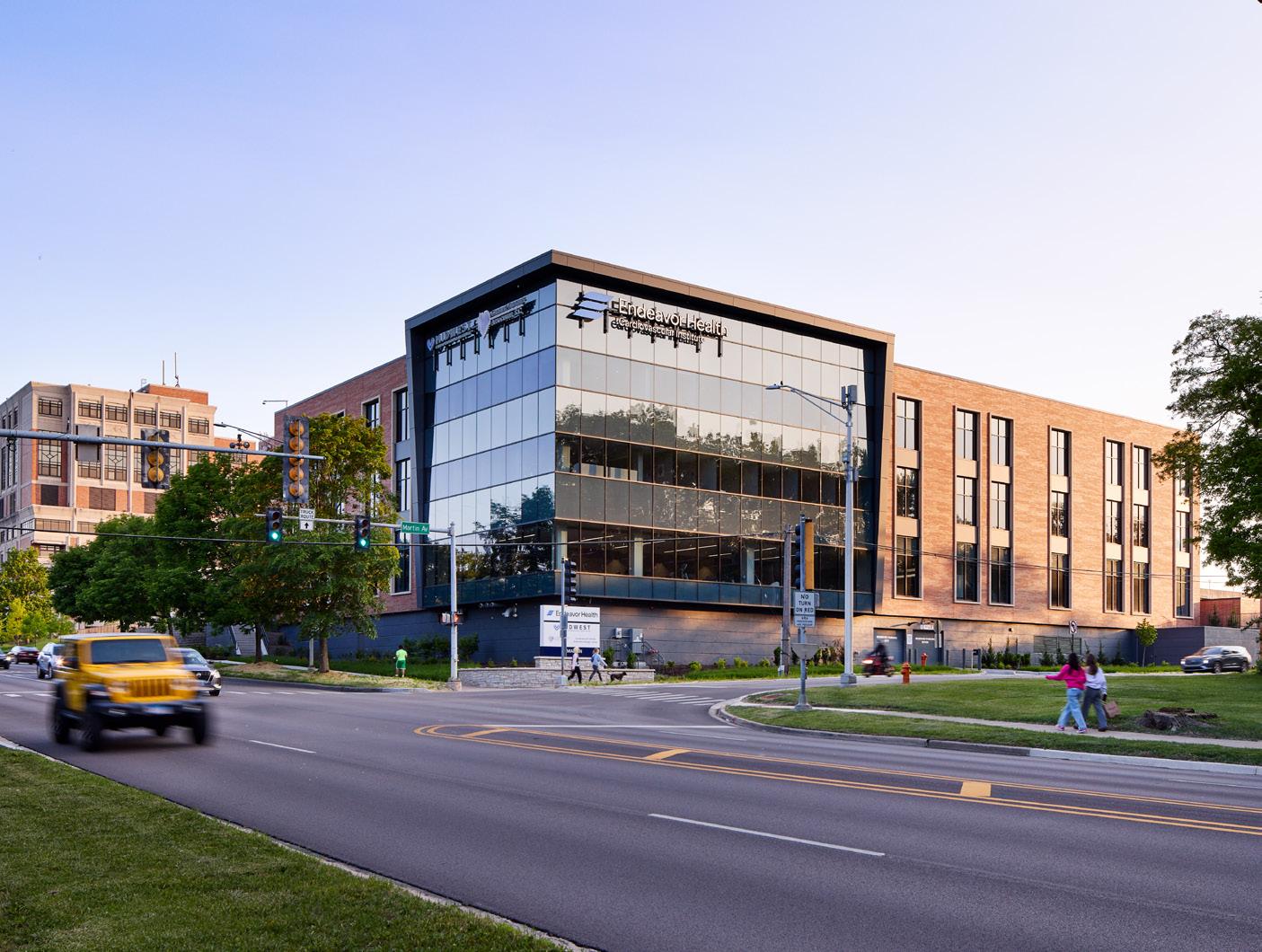
Endeavor Health Cardiovascular Institute
Humboldt Park Health Wellness Center
WINNER! LURIE CHILDREN’S SCHAUMBURG OUTPATIENT AND INFUSION CENTER
Thresholds - Center for Health and Mental Wellbeing
Multifamily / Senior
Albany Terrace and Irene McCoy Gaines
Encuentro Square
WINNER! LUCCA FOX VALLEY
The Pierce at 7 Van Buren
The View at Rock Run Collection
Office - Chicago
191 N. Wacker Amenity Program
Adyen Chicago
Wilson Elser
State of Illinois Improvements
HOK Chicago Office
WINNER! INVENERGY
Office - Suburban
Medline, Northbrook
Wheels Chicagoland Campus
WINNER! POWER HOME REMODELING GROUP
Southland Care Coordination Partners
Redevelopment - Chicago
Advocate Aurora Health – Chicago Webster Ambulatory Outpatient and Surgery Center
WINNER! THE JAMES & ELIZABETH BRAMSEN TROPICAL FORESTS AT BROOKFIELD ZOO CHICAGO
2026 Company Awards
Brokerage Firm of the Year - National
Colliers
JLL Capital Markets
Lee & Associates of Illinois
Marcus & Millichap
Matthews™
NAI Hiffman
Northmarq
WINNER! SAVILLS
Transwestern
Brokerage Firm of the Year - Regional
CENTURY 21 Circle
CRE Advising
Cross Street
Interra Realty
WINNER! MADISON ROSE
The Apartment Source
Tenant Advisory Group LLC
Broker TEAM of the Year - Investment
WINNER! CUSHMAN & WAKEFIELD
Eastdil Secured, L.L.C.
Interra Realty
JLL Chicago Multi-Housing Team
Triton Realty Group
The Boulder Group
Broker TEAM of the Year - Leasing
CBRE
Colliers
Cushman & Wakefield - Schneider Team - Leasing
Joe Bronson Team
Transwestern
WINNER! LERNER-SEVIN (SAVILIS)
Building Service Company of the Year
Beverly Companies
WINNER! CRESCENT CLEANING COMPANY
City / County of the Year
City of Pekin
Elk Grove Village
WINNER! JOLIET
Village of Hoffman Estates
Village of Oswego
Village of Romeoville
Developer of the Year
Becknell Industrial
Dermody
DL3 Realty
Flaherty & Collins
Inspired by Somerset Development
Kurv Industrial
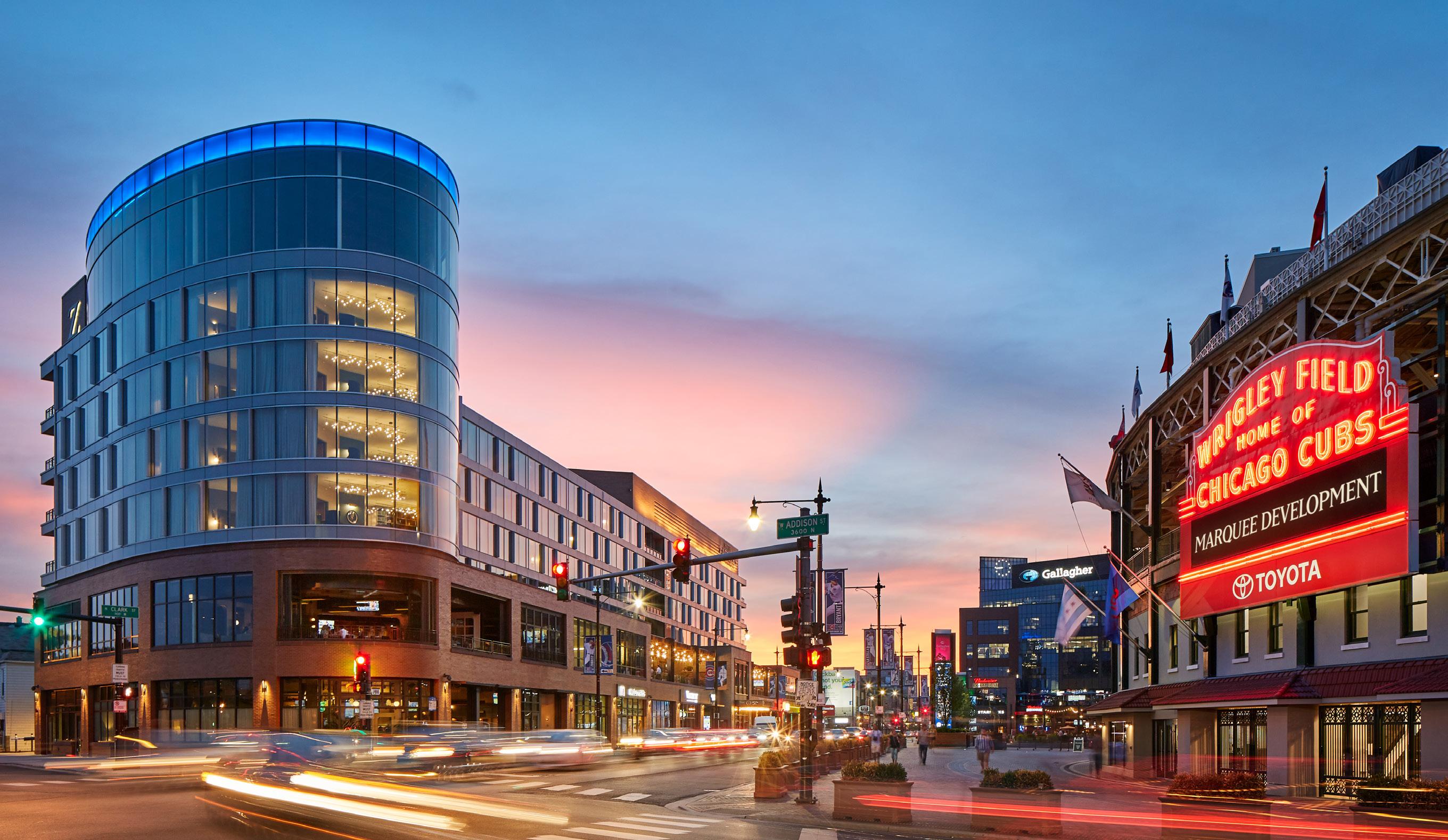
Marquee Development
Mavrek
Northern Builders
WINNER! RYAN COMPANIES
Engineering Firm of the Year
Jacob and Hefner Associates
Pinnacle Engineering Group
WINNER! V3 COMPANIES
National Reach. Strategic Real Estate Execution.
We embed ourselves in your business, so we can solve challenges before they become obstacles.
Our Real Estate Group serves as a trusted extension of your leadership team, handling complex transactions nationwide, from acquisitions and joint ventures to development, leasing, and sophisticated financing structures.
General Contractor of the Year - Industrial
Alston Construction
WINNER! CLAYCO
Meridian Design Build
Peak Construction Corporation
Morgan / Harbour Construction
Northern Builders
PREMIER Design + Build Group
Principle Construction Corp
Keeley Construction
Becknell Industrial, LLC
General Contractor of the Year - Commercial
ARCO/Murray
Leopardo Construction
Ryan Companies
WINNER! MCSHANE CONSTRUCTION COMPANY
Pepper Construction
Poettker Construction Company
Capitol Construction Solutions, Inc
General Contractor of the Year - Tenant Improvement
Redmond
Development Solutions, Inc. (DSI)
Executive Construction Inc.
J.C. Anderson
WINNER! SKENDER
Lender of the Year
WINNER! BYLINE BANK
Mesirow
Professional Service Company of the Year
Alymar Media
Crystal Maintenance Plus
WINNER! RIGHTSIZE FACILITY
Hiffman National Project Services
“ Knowledge of Midwest industrial real estate is DarwinPW’s strength. We want to share that strength and knowledge with you.”
For over 45 years, DarwinPW Realty/ CORFAC International has been a leader in industrial and commercial real estate. The company specializes in brokerage, property management, investment and development services primarily in the Midwest. DarwinPW Realty’s highly qualified professionals are problem solvers and utilize a breadth of tools and knowledge to serve our clients best.
Westward360 provides a complete rental management solution designed to help owners maximize occupancy, protect their assets, and increase long-term profitability. Whether you own a single condo, a multi-family building, or a larger investment portfolio, our team delivers the expertise and support needed to help your property perform at its best.
SINGLE FAMILY & CONDO MANAGEMENT
We manage the full lifecycle of your building and resident experience.
COMMERCIAL & MIXED-USE PROPERTY MANAGEMENT
Our team specializes in managing office buildings, retail centers, mixed-use developments, multifamily portfolios, and investment properties.
All the structure and expertise of multifamily management, tailored to single-unit owners and condo investors.
REAL ESTATE BROKERAGE
Not only do we manage thousands of rental units and condominium associations all over the city, we also have a full service sales and leasing brokerage ready to serve you!
Westward360 Property Management began in 2005 inside a partner’s apartment with a simple belief: property management could be smarter, more accountable, and more owner-focused. We partner with owners who value a proactive, detail-driven approach-- treating your asset like own own, optimizing returns, and providing full visibility and honest communication.
Request Your Proposal Today: westward360rm.com
2026 People Awards
Architect / Engineer of the Year
Jason Cebulski, Jacob and Hefner Associates
Adam Wilmot, zpd+a
Douglas Hammen, douglasDesign+associates inc
WINNER! GABRIEL IGNACIO DZIEKIEWICZ, DESIGNBRIDGE LTD
Broker of the Year - Investment
WINNER! ADAM PINES, MADISON ROSE
Alex Malzone, Northmarq
Frank Montalto, Institutional Property Advisors (IPA), a division of Marcus & Millichap
Harrison Cohen, Triton Realty Group, LLC
Joe Smazal, Interra Realty
Matt Garland, Cawley Commercial Real Estate
Sarah Jaffe, Cross Street
Yolanda Jeffries, Lux Life Realty
Matthew Fritzshall, Triton Realty Group, LLC
Mark Ahmad, CENTURY 21 Circle
Broker of the Year - Leasing
Jason Wurtz, NAI Hiffman
WINNER! KELLY DISSER, NAI HIFFMAN
William Himmelstein, Tenant Advisory Group LLC
Matthew Stauber, Colliers
Perry Higa, NAI Hiffman
Laura Perlman, DarwinPW Realty/CORFAC International
Mandy Lewandowski, DarwinPW Realty/CORFAC International
Emerging Leader of the Year - Female
Bella Campise, Aigentless
Hannah (Saed) Warren, Elrod Friedman LLP
Megan Barker, Cushman & Wakefield
Natalie Montgomery, Neuberger
Rebecca Szarzynski, Crescent Cleaning Company
Risa Weiss, Kale Realty
Samantha Ruben, Dentons
WINNER! TAYLOR GOLUB, GOLUB & COMPANY
Emerging Leader of the Year - Male
Matthew Olsen, Mesirow
Connor Dale, NAI Hiffman
Shane Rachman, Cross Street
Nathan Zito, Interra Realty
WINNER! TONY COGLIANESE, CBRE
Youssef Nafe, Huntington Construction
Executive of the Year - Female
WINNER! LISA KONIECZKA, CBRE
Margarita Slabada, Alymar Media
Melissa Archer Wirtz, CENTURY 21 Circle
Sarah Cannella, NAI Hiffman | Hiffman National
Executive of the Year - Male
Andy Farbman, Farbman Group
WINNER! ANTHONY FONTANETTA, SKYLINE CONSTRUCTION
Anthony Hrusovsky, Mavrek Inc
Christopher Hume, Cullen Construction Management
Erik Tario, Development Solutions, Inc. (DSI)
Jeff Baker, Illinois REALTORS(R)
Matthew Olsen, Mesirow
Peter Koch, Mavrek
Building What’s Next.
For more than six decades, Golub & Company’s unique vision for real estate has helped establish a benchmark for environments where people thrive. Vertically integrated and entrepreneurial, we build positive impact while delivering exceptional results
Project Manager of the Year
Andre Shakom, Peak Properties
Charlie Hasson, ARCO/Murray
WINNER! DREW HEINZMANN, STERLING BAY
Jeff Maniaci, Cullen Construction Management
Josh Reuter, Hiffman National
Lacey McKenzie, TW Chicago
McKinley Geiger, McShane Construction Company
Tony Bohr, Cullen Construction Management
Property Manager of the Year - Male
AJ Markowski, Draper and Kramer, Incorporated
Anthony Rodriguez, Drexel Properties
Augustus Coletti, Draper and Kramer, Incorporated
Jeffrey Carr, RMK Management
Jonah Gutman, Farbman Group
WINNER! PAT DAWSON, HIFFMAN NATIONAL
Sam English, Peak Properties
Enes Skretovic, Peak Properties
Property Manager of the Year - Female
Jocelyn Bonilla, Daniel Management Group
Charlotte Geslain, Peak Properties
Venessa Menchaca Castro, Peak Properties
WINNER! JULIA HORAN, TRANSWESTERN
Dawn Bishop, RMK Management Corp.
Real Estate Appraiser of the Year
Alex Adams, Xandra LLC
WINNER! RANDAL DAWSON, CBRE, INC.
Real Estate Lawyer of the Year - Female
Elizabeth O’Brien, Levenfeld Pearlstein, LLC
WINNER! HEIDI AZULAY, BCLP
LaVon Johns, Riley Safer Holmes & Cancila LLP
Lisa Sauer, Clark Hill PLC
Real Estate Lawyer of the Year - Male
Brian Liston, Liston & Tsantilis
Howard Jeruchimowitz, Greenberg Traurig, LLP
James Moorhead, Moorhead Law Group, LLC
Jeffery Hoffenberg, Levenfeld Pearlstein, LLC
Jim Brescoll, Bryan Cave Leighton Paisner LLP (BCLP)
WINNER! DAVID TANNER, POLSINELLI
Social Media Influencer of the Year
Ewelina Rafael, Coldwell Banker Realty
Kiera Coleman, Curran Contracting Company
Marty Rinehart, REAL
WINNER! MICHELLE KOCLANIS, CULLEN CONSTRUCTION MANAGEMENT
Seth Eller, Beverly Companies
Yolanda Jeffries, Lux Life Realty
Union / Trade Association Member
WINNER! AGUSTIN A. FERNANDEZ, ADMINISTRATIVE DISTRICT COUNCIL # 1 OF ILLINOIS TRAINING CENTER
Mike Hudson, Bulley & Andrews Masonry Restoration
Volunteer of the Year
Allan Goldstein, Aerial Images Photography
Brian Chlada, Peak Properties
WINNER! JEANNINE REED, COLLIERS
Thomas Davis, Mid-America Carpenters Regional Council