Fracking Landscapes
Mapping socio-environmental conflicts in Vaca Muerta, Argentina.
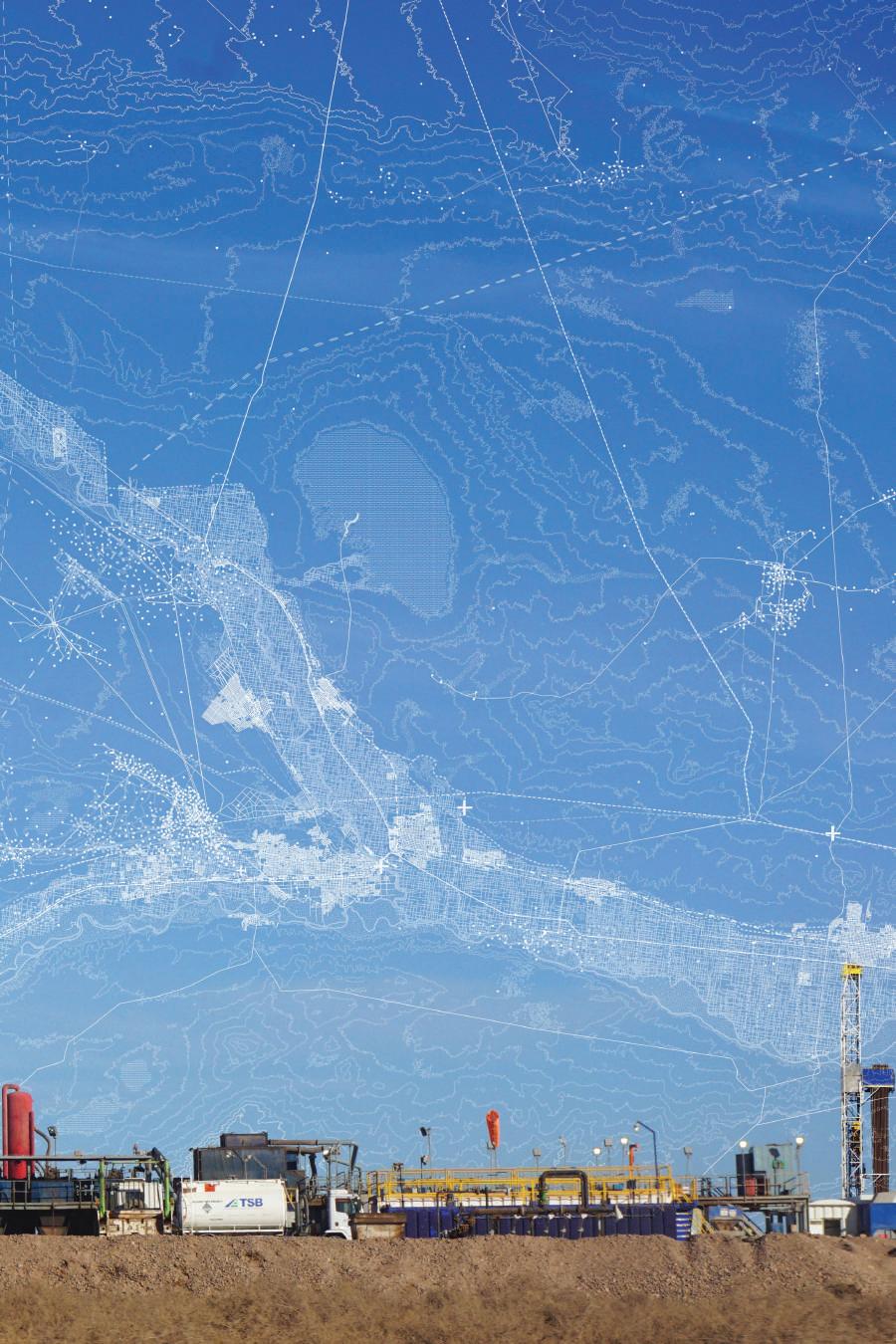
Penny White Project Fund 2019
Harvard University Graduate School of Design

Soledad Patiño
Stefano Romagnoli
Mapping socio-environmental conflicts in Vaca Muerta, Argentina.
Penny White Project Fund 2019
Harvard University Graduate School of Design
Soledad Patiño
Stefano Romagnoli
Mapping socio-environmental conflicts in Vaca Muerta, Argentina.
Mapping socio-environmental conflicts in Vaca Muerta, Argentina.
 Penny White Project Fund 2019
Harvard University Graduate School of Design
Soledad Patiño
Stefano Romagnoli
Penny White Project Fund
Harvard University Graduate School of Design
Observatorio Petrolero Sur (OPSUR)
Teresa Galí-Izard, Internal Advisor
Associate professor of the Department of Landscape Architecture
Harvard University Graduate School of Design
Mariana Barrera, External Advisor
National Director of Innovation and Sustainable Development
Secretary of Urban Infrastructure, Ministry of Home Affairs, public Works and Housing.
“What are the social, political, and spatial implications of the next mode of energy, and how can design practices partake in shaping a more just urbanization? Making visible the infrastructure, Landscapes of Energy is an invitation to articulate a geographic future of energy through the designer’s tools and strategies.”

— Harvard University. Graduate School of Design. 2010. New Geographies: Landscapes of Energy. Edited by Rania Ghosn. New Geographies 2. Cambridge, MA: Harvard University Graduate School of Design.
A new paradigm towards energy has been established in the twenty-first century. The term “energy transition” speaks to a broad and visionary idea, based not only on re-imagining the generation and diversification of the energetic matrix, but also on the democratization of the resources, and the debate on access, protection of the environment, culture, and social impacts. Energy production and consumption should be done in a fair, democratic, healthy and sustainable way.
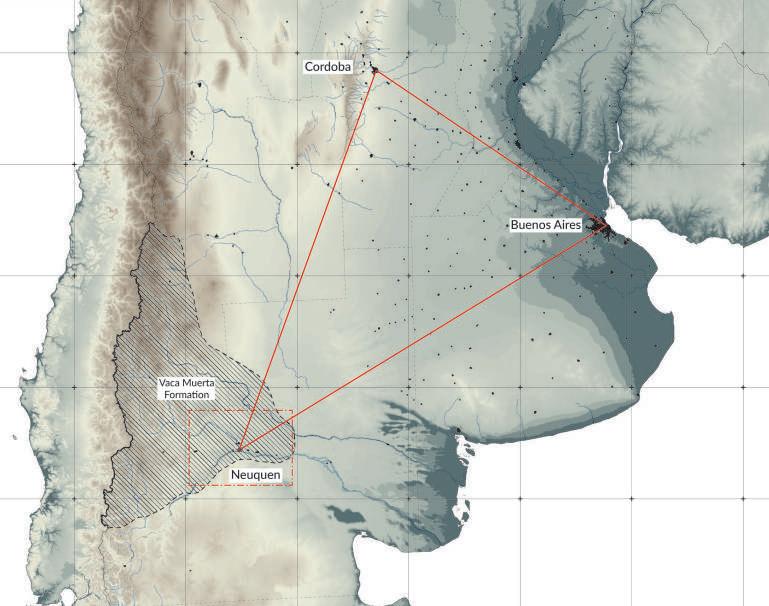
In 2010, Argentina discovered one of the major unconventional oil and gas reservoirs of the world: The Vaca Muerta Region in Patagonia. Until today, only the 3% of the reservoir has been exploited. However, in less than a decade, the entire landscape and urban configuration of the region has been reshaped.
This research focuses on making visible some of the socio-environmental impacts and effects from the fracking industry at multiple levels and across varied themes in Vaca Muerta and Argentina, reinforcing the idea that better public policies, planning and design are particularly necessary to achieve spatial justice. In this sense, the project is one more contribution for that planning effort. Its specific focus was centered on the diagnosis and documentation of the actual conflicts of the region, to raise awareness about the inequalities that the fracking industry is generating on the environment, culture, society, economy, and infrastructure, but also to promote the incumbency of design disciplines in these topics.

“Particularly when the aim is sustainable development, rather than “merely” renewable energy provision, the integrative concept of “sustainable energy landscapes” can be the arena where landscape architecture and other disciplines meet to pursue global sustainability goals, while empowering local communities and safeguarding landscape quality.”
— Stremke, Sven, and Renée De Waal. 2014. “Energy Transition: Missed Opportunities and Emerging Challenges for Landscape Planning and Designing.” Sustainability 6 (July): 4386–4415.
The need for energy and its related services is increasing daily in the world to satisfy human social and economic development, welfare and health. While energy consumption continues to grow, 81% of the world’s total primary energy supply comes from fossil fuel sources, according to the International Energy Agency (IEA) (“Key World Energy Statistics”, 2018). This means that fossil fuels are still the primary source of energy generation. However, in the last decade, clear international consensuses, such as the Paris agreement, have stated the necessity to work towards an energy transition. Interestingly, we are attending to a change in the paradigm of energy production, a transition period to shift from fossil to renewable energy sources. It is clear that we should, not only reduce energy consumption but also foster renewable energies to help mitigate climate change and to provide a clean environment for future generations.
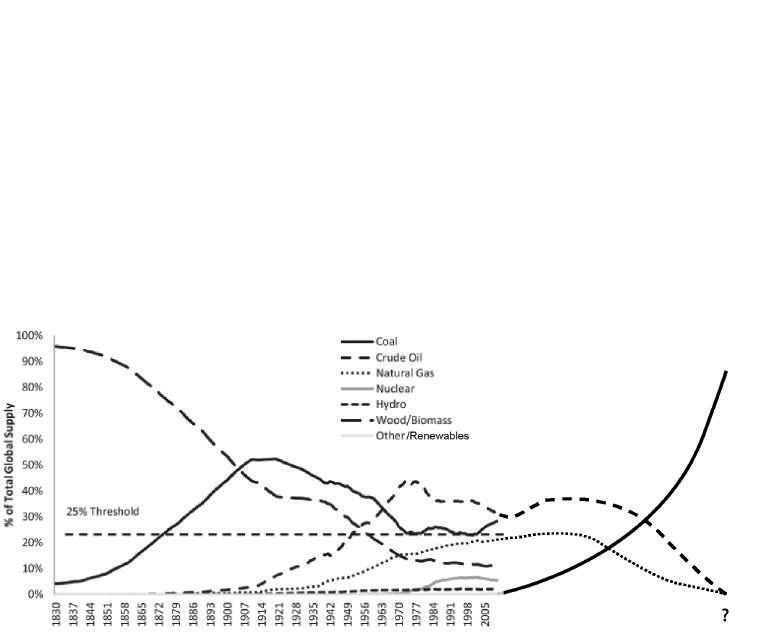
Source: Global Energy Supply by Fuel Source as a% of the Total.
Benjamin K. Sovacool, Sciencedirect
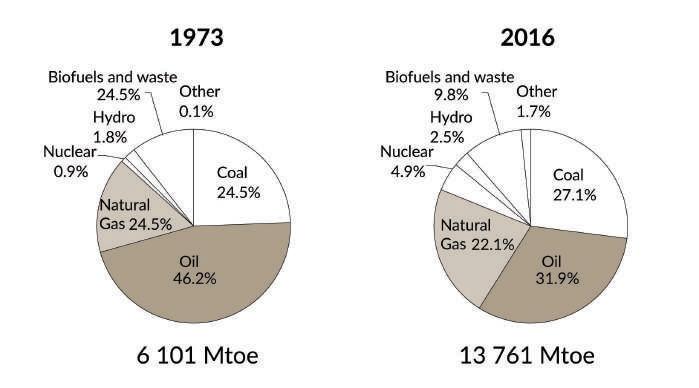
Source: Key World Energy Statistics, 2018. International Energy Agency
In this global context, Argentina’s energetic matrix (represented by the accounting of the country’s primary sources, including local production and importation) shows a huge dependence on fossil fuels. Oil and Natural Gas represent 85% of the total energy supply of the country (Balance Energetico Nacional, 2015). Also, the vulnerability of the energetic matrix is given by the fact of its dependence on international companies, that control a large part of the production areas (Gutierrez and Di Risio, 2018). We could ask, what are the political consequences of this dependence on the environment and society? Furthermore, Argentina is today facing a severe energetic crisis which implies large expenses for the import, particularly of liquefied gas. Until the last decade, the country had energetic self-sufficiency, a situation that has been reverted in the last years. There is a lack of state policies and regulations for the diversification of the energetic matrix, which result in the insufficient development of renewable energies.
Under this national energetic panorama, Repsol YPF -Argentinian oil companyannounced in 2010 the discovery of a geological formation of shale, and one of the major unconventional oil and gas reservoirs of the world (Badkar 2012). The Vaca Muerta shale, located in Neuquén (Argentina), covers a total area of 30,000 square kilometers. It is a unique formation -the second-largest shale reserve in the entire planet–, which started to be exploited in the last five years. The entire region has been modified due to the industrial activity in the area, creating a new landscape and impacting in the adjacent communities. Añelo is the boomtown located in the epicenter of Vaca Muerta whose population multiplied by four since 2011 and is expected to continue increasing dramatically in the next years. However, legislation and planning are absent, neither for the urbanization process nor for the territorial impact that the fracking activity is generating (Barrera 2014).
Hydraulic fracturing, or fracking, is the technique used to recover gas and oil from shale rocks in “unconventional” reservoirs like Vaca Muerta. Shales must be “fracked” by pumping huge volumes of water and chemicals under pressure to crack bedrock so its riches flow (Sorvig 2013). Typically at each fracking well, about 8000–80,000 m3 of water with proppants of sand and numerous types of chemicals are injected with high pressure to fracture the impermeable reservoir rocks (Jackson et al. 2014). This technique is not new. Hydraulic fracturing has been regular since the 1940s in the U.S. However, only recently it has been developed to an extent that it is now economically viable to unlock gas and shale oil from vast regions (Schumacher and
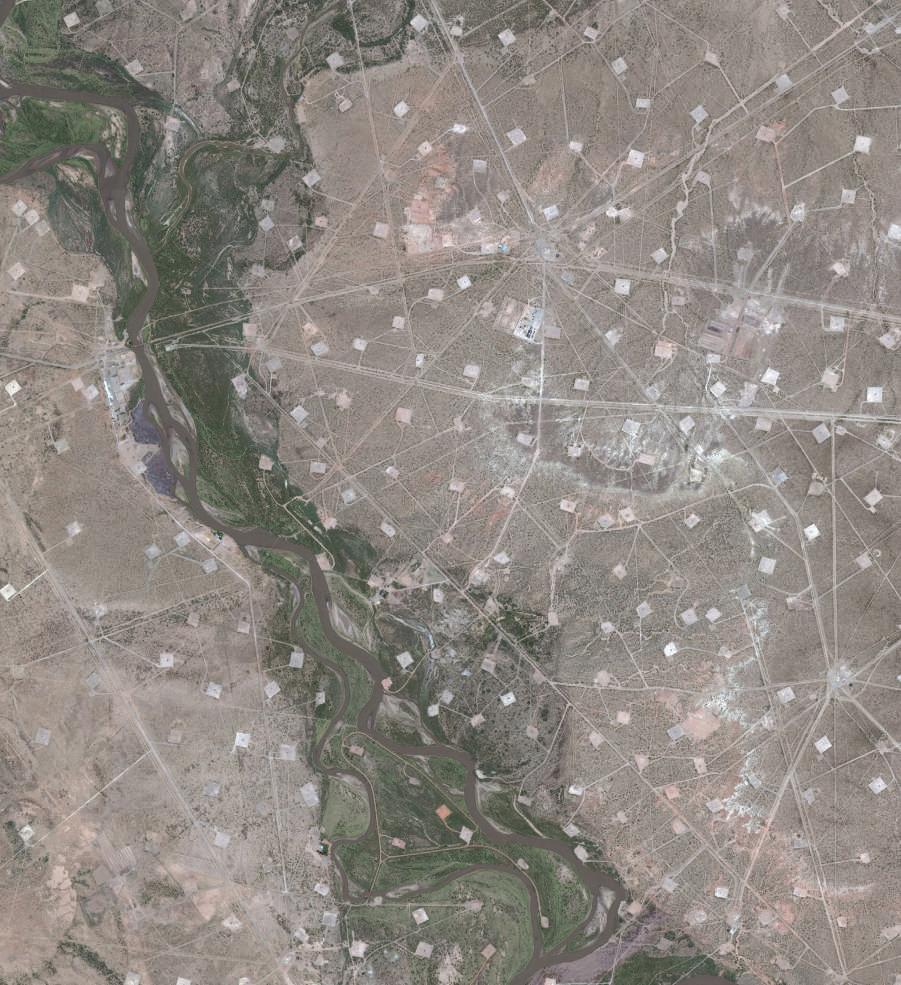
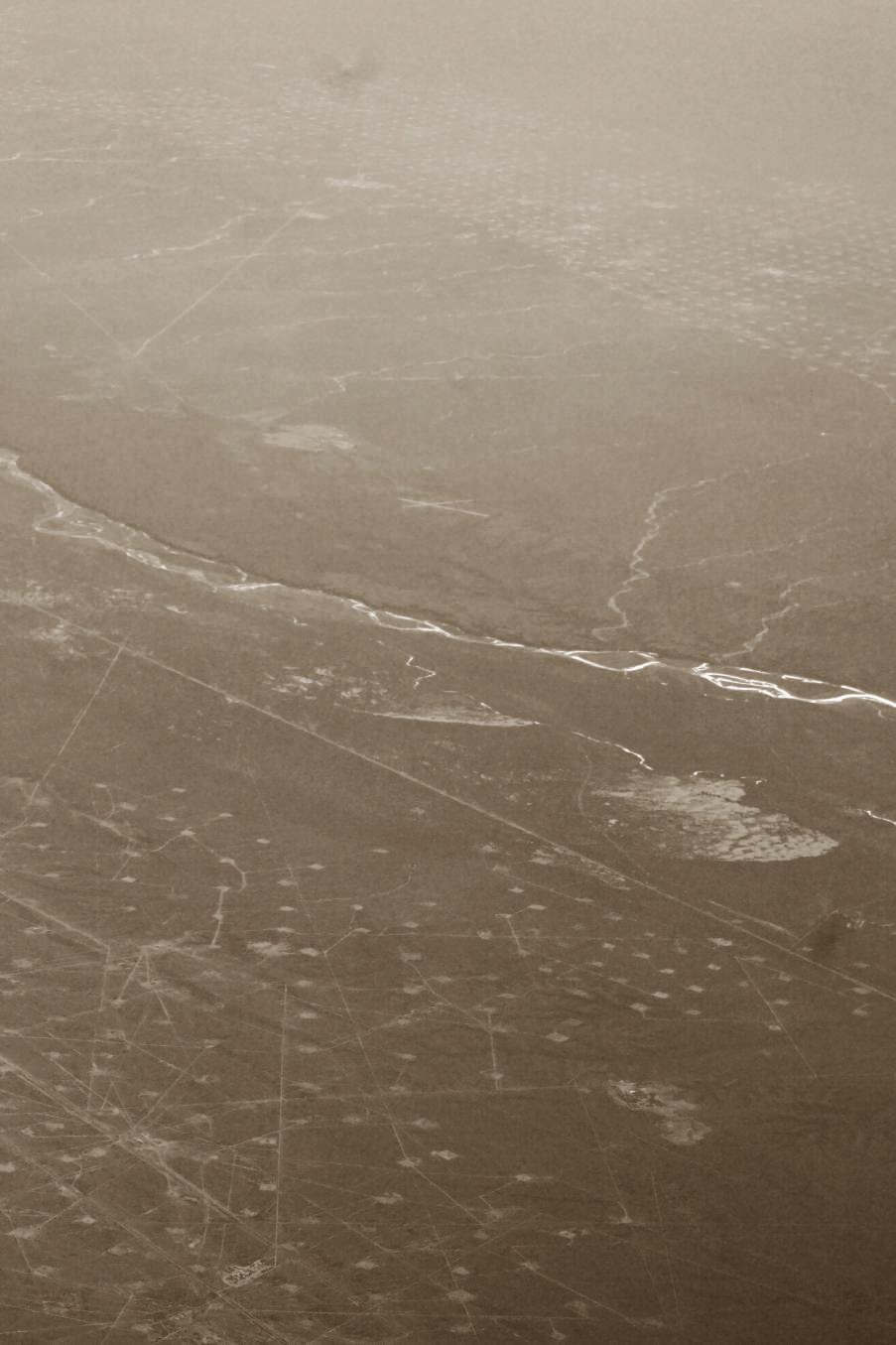
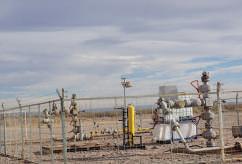
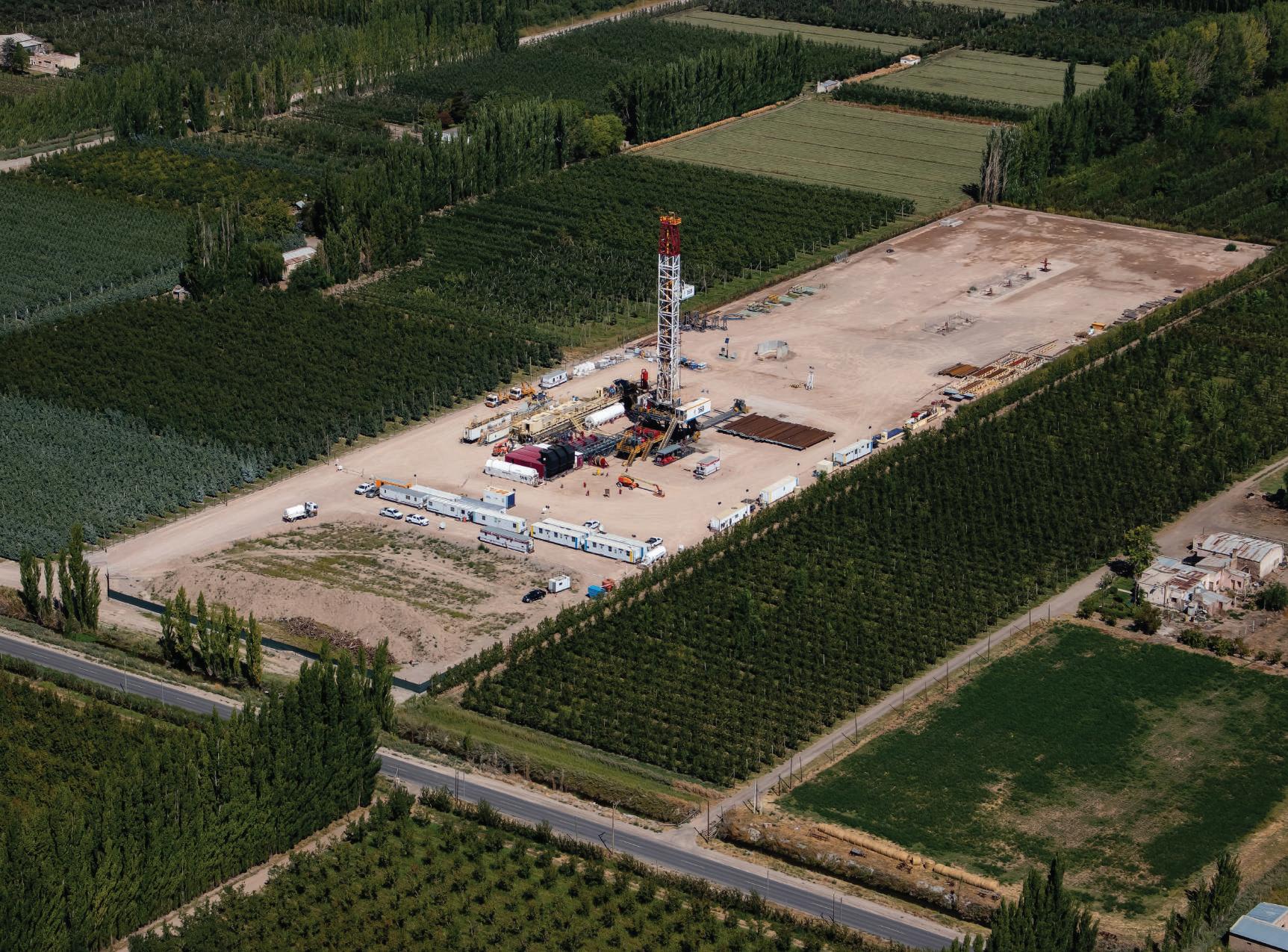
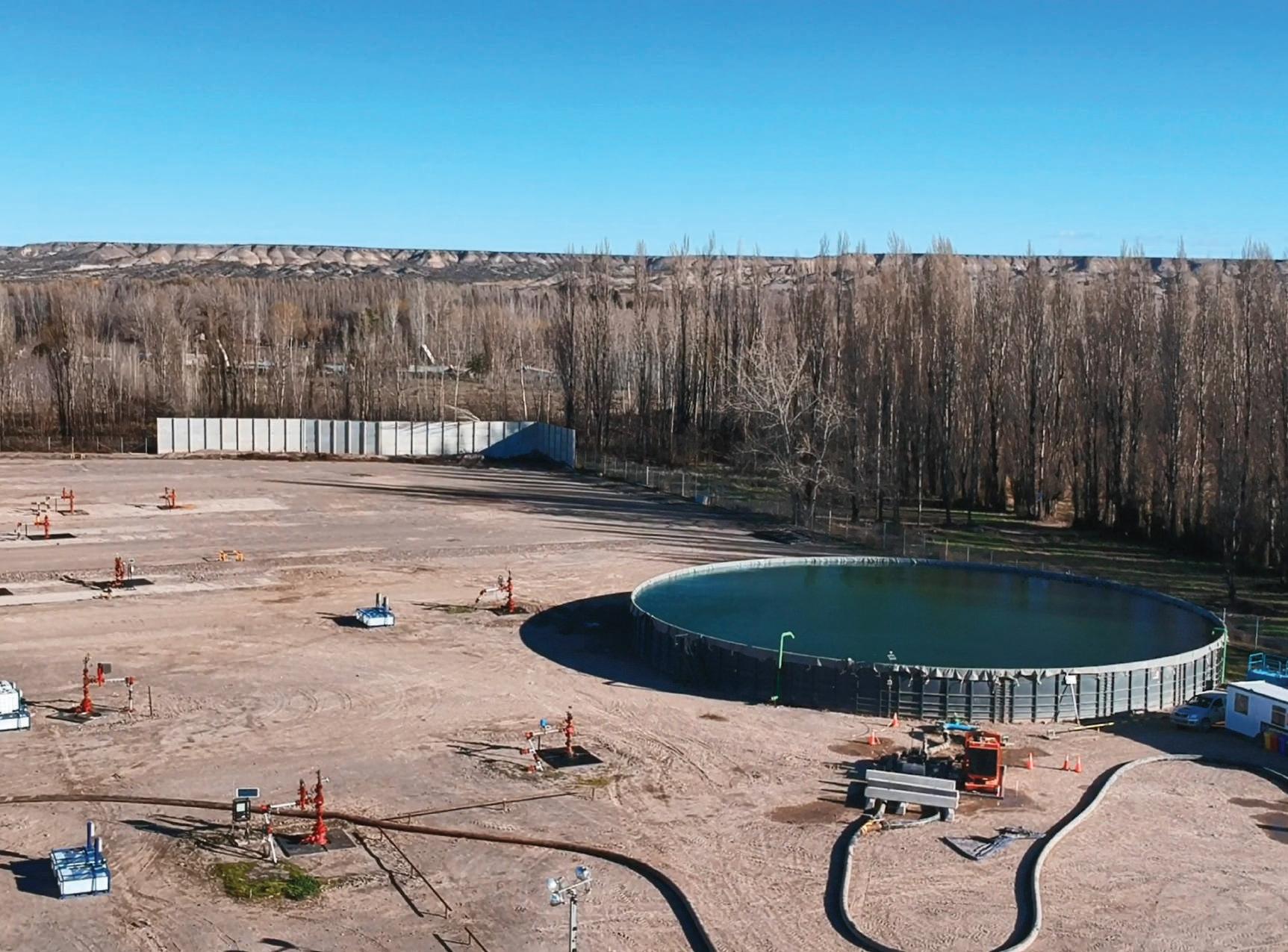
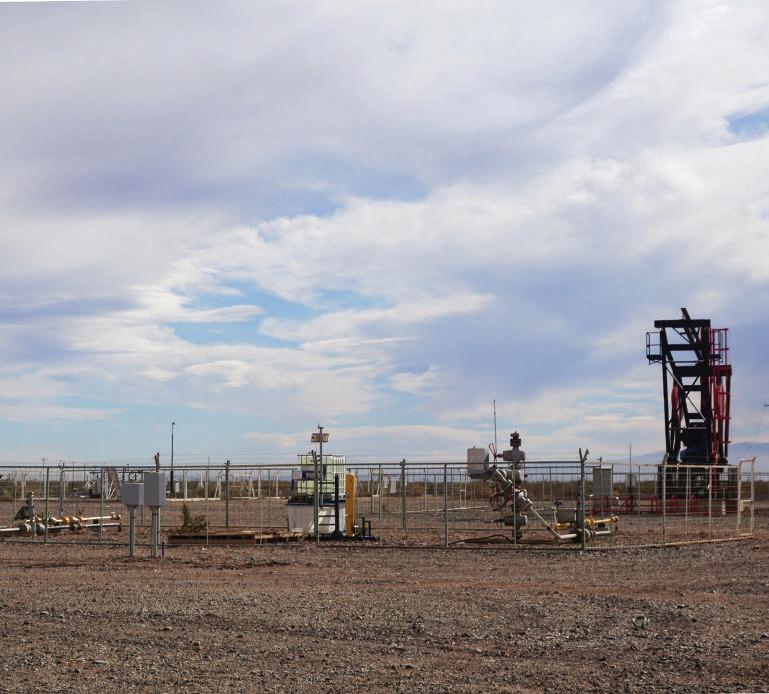
Fracking sites are all about function. They tend to be large, cleared portions of land roughly two acres in size scattered over vast areas, simple in form and mostly consisting of a giant gravel yard with a few storage tanks and other machinery (Dalton 2014). The sites are typically configured in a dense, grid-like pattern and there may easily be hundreds within a few square miles of a producing area. It is obvious that the practice becomes destructive for native landscapes. Surface issues of sub-surface development are landscape issues that can be traduced in site planning, remediation, conservation, and community planning (Orland et al. 2014).
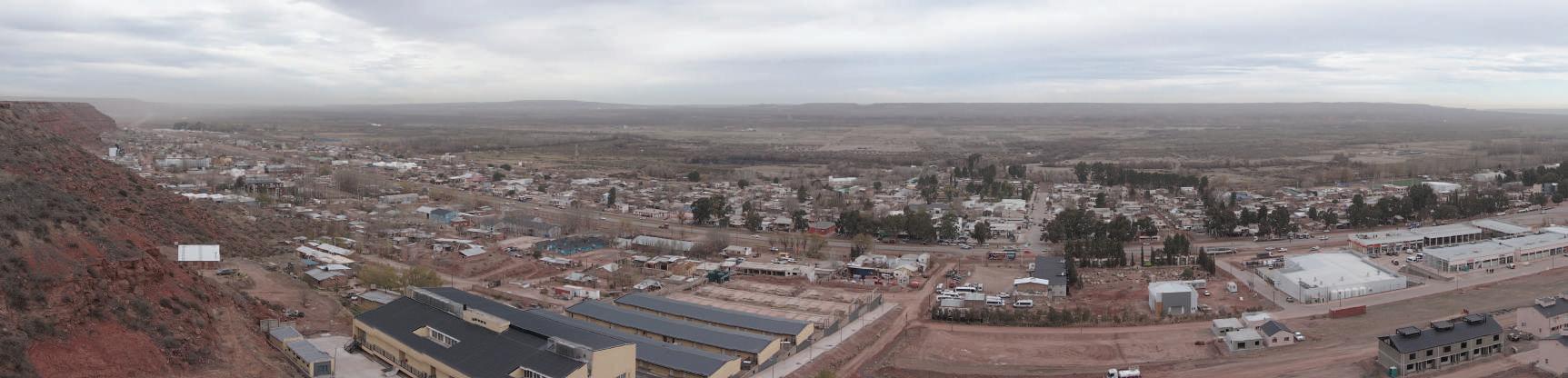
The growth of the fracking industry in Vaca Muerta has raised significant environmental, health, safety, and social concerns. Fracking issues are associated to water quality and quantity, potential contamination of underground water and rivers, emissions from the drilling equipment or from gas leaking wells, acoustic and light contamination, land use issues and conflicts with native communities, farmers and protected natural reserves, and induced seismic activity, among others. The alterations on the landscape, such as new transportation networks and large concrete fracking pads bulldozing the original land cover are only some of the effects that the activity is causing in the region. For Qingmin Meng, a total environmental study paradigm including 26 scientific fields its necessary to analyze and summarize the impacts of fracking across the atmosphere, hydrosphere, lithosphere, biosphere, and anthroposphere themes (Meng 2017), and Vaca Muerta’s exploitation consequences are not an exception.
The temporal consideration is also an important condition of these ephemeral landscapes that cyclically change. The extractive activity has the certainty of the date of expiration (Mehrotra et al. 2016). What to do with fracking sites ones they are abandoned? Imagining strategies to create a better practice approach that mitigates and restores the damages that the process generates throughout time is fundamental.
It is important to understand that fracking is causing significant effects on the total environment and that there is significant misinformation about industry practices, risks, and procedures. Also, the regulation of the drilling activity is a state matter. Therefore, it becomes primary the recognition and visibility of socio-environmental conflicts that fracking is causing, for the implementation of regulatory programs to address these issues. The landscape architecture an urban design disciplines are an opportunity to analyze and make visible these complex relationships and conflicts in order to generate ideas for reducing the impact of fracking in the territory during
the energy transition. This research intends to develop environmentally-conscious actions that serve as expertise to apply it in other similar global settings: participating in the planning, mitigation and policy input for the current ‘unconventional’ oil and gas boom.
For this, the concept of ‘Fracking Equity’ becomes the structure of the research. Qingmin Meng defines fracking equity as a comprehensive conception to enhance the understanding of fracking impacts on the total environment, society, and sustainability. Equity represents that all communities should have the same burdens and rewards, and equal opportunities to participate in the policy that should be created impartially and fairly (Meng 2018). In his article “Fracking equity: A spatial justice analysis prototype”, Meng explains the necessity of conducting an environmental and social justice study to understand the injustice aspects caused by fracking. With these, he proposes a spatial justice analysis of fracking that focuses on the spatial and temporal dimensions of equity at different scales, including all stakeholders, to emphasize environmental policy.
With these ideas as a start point, this research intends to produce a concise summary of some of the fracking consequences in Vaca Muerta, throughout an environmental and social justice diagnosis. Through maps and documentation, making visible the environmental, social, economic and ecologic factors, and their dynamic interactions, that are temporally changing and reshaping the landscape and cities people live and depend on. The spatial justice theory is an interesting framework to analyze environmental and social justice, their relationship, and to cover the policy gap of fracking impacts. Therefore, reinforcing the idea that planning, public policies, and design proposals are necessary to balance beneficial and harmful aspects locally and regionally.
The term “energy transition” speaks to a broad and visionary idea, based not only on re-imagining energy generation but also on the democratization of the resources, and the debate on access, environment, culture, and social impacts. In this way, it becomes key to understand how the World is structured and highly dependent on fossil fuels today, and its implication at several scales, and across all latitudes.
The political decision of developing Vaca Muerta demands the necessity to understand the general implications associated with its exploitation at the national, provincial and local level. For example, according to the Argentine Constitution, natural resources domains correspond to the provinces. However, the extractive activity demands national policies for development and is also subject to local municipal policies. Apart from the legal framework associated with it, the fracking industry affects several categories, which are interrelated to each of the aforementioned political instances.
More specifically, it is interesting to analyze the relationship between extraction & consumption in Argentina. Historically, massive areas of land have been dedicated to the extraction, associated with indigenous people genocides and displacements; and on the other hand, large consumption nodes and metropolis benefit from these expansive activities. Making visible these discrepancies aligns with the theoretical framework of the research.
At the regional and local level, the fracking industry clearly originates several socio-environmental negative effects in the territory, including of course communities and non-human actors. This research aims to make them visible, in order to raise awareness for the future development of Vaca Muerta and a revision of actual public and planning policies.
The research methodology is divided into 3 main categories: Data collection; Fieldwork; and Analysis; in which each category is complementary to the other one, being constant the articulation between them in all stages of the research plan.
In regards to data collection, the information gathered is divided into different types: Theoretical; Scientific; and Georeferenced Information. First, the revision of literature focused on landscape architecture and urban design in relation to extraction, energy, and climate change, among others. Being these topics of great complement to scientific articles, researches, and even satellite imageries that offer a more technical perspective. Finally, georeferenced data (GIS) becomes fundamental for the correct identification and understanding of possible impacts. The combination and superposition of diverse topics such as geomorphology, culture, economy, social factors, ecological areas, infrastructure, hydrology, and so forth are essential for mapping analyses and future conclusions.
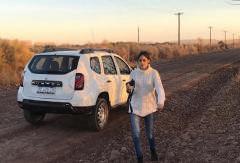
This research gives great importance to fieldwork, due to the fact that being on-site becomes the best way to identify, study, and dimension the severity of the fracking activity. Although fracking is going on in Patagonia, traveling to Buenos Aires (Argentina’s capital) was important to interview professionals that are already working in the field. This expanded the research perspective in certain topics such as national public policy, economics, and energy, all of great importance to understand the industry’s implications at different levels. On the other hand, traveling to Neuquen and throughout the Alto Valle of Rio Negro (high valley) was fundamental to get immersed between contrasting landscapes such as horticulture production, Patagonian steppe, fracking basins, oil/gas pipelines, and others, which were documented and recorded. Being on-site allowed not only the identification of environmental degradation but also social and cultural distortions that may be learned from local conversations.
In terms of analysis, all the information gathered is processed not only visually through mappings, but also via text conclusions laid out accordingly. Scale plays an important role in the structure of the analysis, aiming to address the objectives proposed from a planetary perspective around fracking in Argentina, the national level extractive & consumption history, to the later but important analysis of the North productive basins of Patagonia, the Alto Valle of Rio Negro region and some specific study cases. This multi-scalar approach allows a proper understanding of the fracking industry in Argentina, and the inequalities or benefits raised that may demand better public policies and serious planning at absolutely all levels.

As for the outcomes, this research focuses on making visible some socioenvironmental impacts from the fracking industry at multiple levels and across varied themes in Vaca Muerta and Argentina, reinforcing the idea that better public policies, planning, and design are particularly necessary to achieve “spatial justice” (Meng 2018). By compiling certain theoretical and technical information, a clear methodology, together with a photographic record and diverse mapping analysis and conclusions, it provides an innovative way to identify some of the fracking industry impacts and to contribute with the ongoing climate change discussion both locally and internationally.
Continuing with this line of thought, the research ambition is to foster all design disciplines to align with the decarbonization goals of this era and at the same time to raise awareness in Argentina about the inequalities that the fracking industry is generating in environmental, cultural, social, economic, infrastructural and health terms. The information produced in this research will be of public access and future lectures/conferences will be organized, to both share concerns about the current development of the fracking industry in Vaca Muerta, but also to promote the incumbency of design disciplines in these topics.
RESEARCH
days 04/01/19 06/01/19 Preliminary research Site locations, industries, deliverables, documents, literature
Accomodation booking In three cities: Buenos Aires - Neuquen - Añelo
International flight ticket booking Boston-Buenos Aires-Boston
Internal advisor and faculty meetings Discussions about project
Appointments confirmation Government-YPF Company-Community groups
Material preparation Map-Print-Copies
Equipment purchase Drone
June-Ju y / RESEARCH PROJECT DEF NITION
1 day 06/04/19 06/05/19 Trip to Cordoba, Argentina Boston-Cordoba by air
7 days 06/09/19 06/15/19 Literature revising Scientific, theoretical, Argentina context, similar cases
7 days 06/16/19 06/22/19 Research framework re-definition Objectives, methodology, outcomes
7 days 06/23/19 06/29/19 Research framework re-definition Objectives, methodology, outcomes
7 days 06/30/19 07/06/19 Final trip confirmations scheduling, information, contacts, details
Ju y / FIELDWORK
3 days 07/10/19 07/12/19
Trip to Buenos Aires, Argentina Cordoba-Buenos Aires by air
External advisor meeting
Mariana Barrera - Ministry of the Interior, Public Works and Housing Specialist meeting Diego Perez Roig - CONICET Resarcher Specialist meeting Maristella Svampa - Sociologist, writer
Air travel in Argentina - Cordoba, Buenos Aires, Neuquen, Cordoba
Travel in Vaca Muerta by car - across horticulture areas, towns and fracking sites
2 days 07/13/19 07/14/19
4 days 07/15/19 07/18/19
1 day 07/19/19 07/19/19
Ju y / PROCESS NG
Trip to Neuquen, Argentina Buenos Aires-Neuquen by air Specialist meeting Martin Alvarez Mullaly, OPSUR
1st Study Case visit: Allen Understanding of activity logistics, impacts on agriculture production Soil, Air, Water, Vegetation studies and perceptions
Photography, Drone flying, conversations with local people
Trip to Añelo, Argentina Neuquen-Añelo by car (2 hours)
2nd Study Case visit: Añelo Understanding of activity logistics, materials, impacts, security Soil, Air, Water, Vegetation studies and perceptions
Photography, Drone flying, conversations with local people
Local meeting Industrial company
Trip to Cordoba, Argentina Neuquen-Cordoba by air
5 days 07/22/19 07/26/19 Fieldwork processing Conclusions - photographies, interviews, personal experiences
3 days 07/29/19 07/31/19 Deliverables definition
Internal advisor meeting Skype
August-September /RESEARCH CONCLUSION & FINAL PRODUCT ON
31 days 08/01/19 08/31/19
Text Summary, problem statement, objectives, methodology, learning and outcomes, revised itinerary, study cases, next steps.
Mappings Graphic translation of impacts, useful information, inequalities, and possible areas of intervention
Diagrams Graphic information from drawings
Photographical Documentation Editing, information organization
13 days 09/01/19 09/13/19 Report compilling and editing Final details
1 day 09/14/19 09/14/19 Booklet printing 30 copies
09/16/19 09/16/19 Final Report submission Department of Landscape Architecture, Harvard GSD
Meetings and Interviews
Maristella Svampa
Sociologist. Writer. Researcher at CONICET. Professor at Universidad Nacional de La Plata
Martín Álvarez Mullally
Journalist. Researcher at Observatorio Petrolero Sur (South Petroleum Observatory)
Diego Perez Roig
Political scientist. Doctor of Social Sciences. Postdoctoral Fellow in strategic subjects (CEIL-CONICET)
Alejandro Arriola
Juan Cruz Martínez
Municipality of Añelo. Secretary of Government
Local Engineering Company (Añelo)
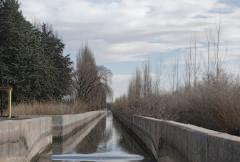
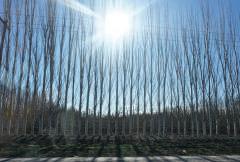
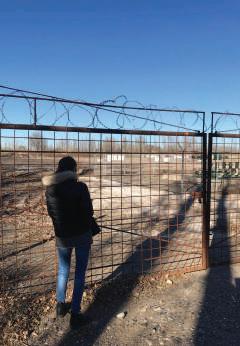
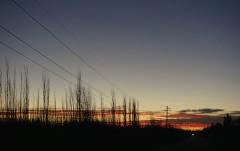
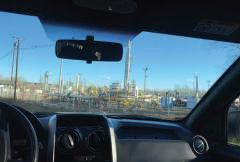
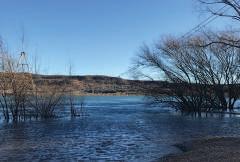
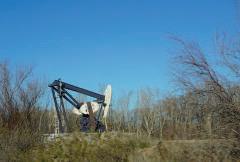
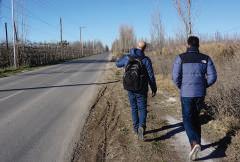
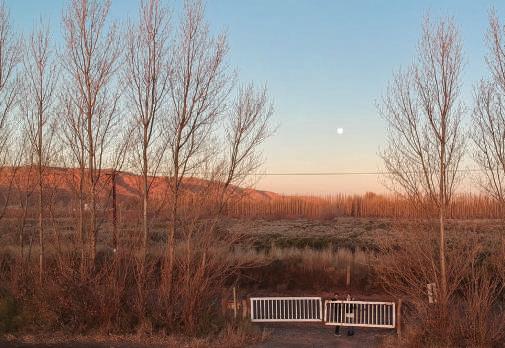
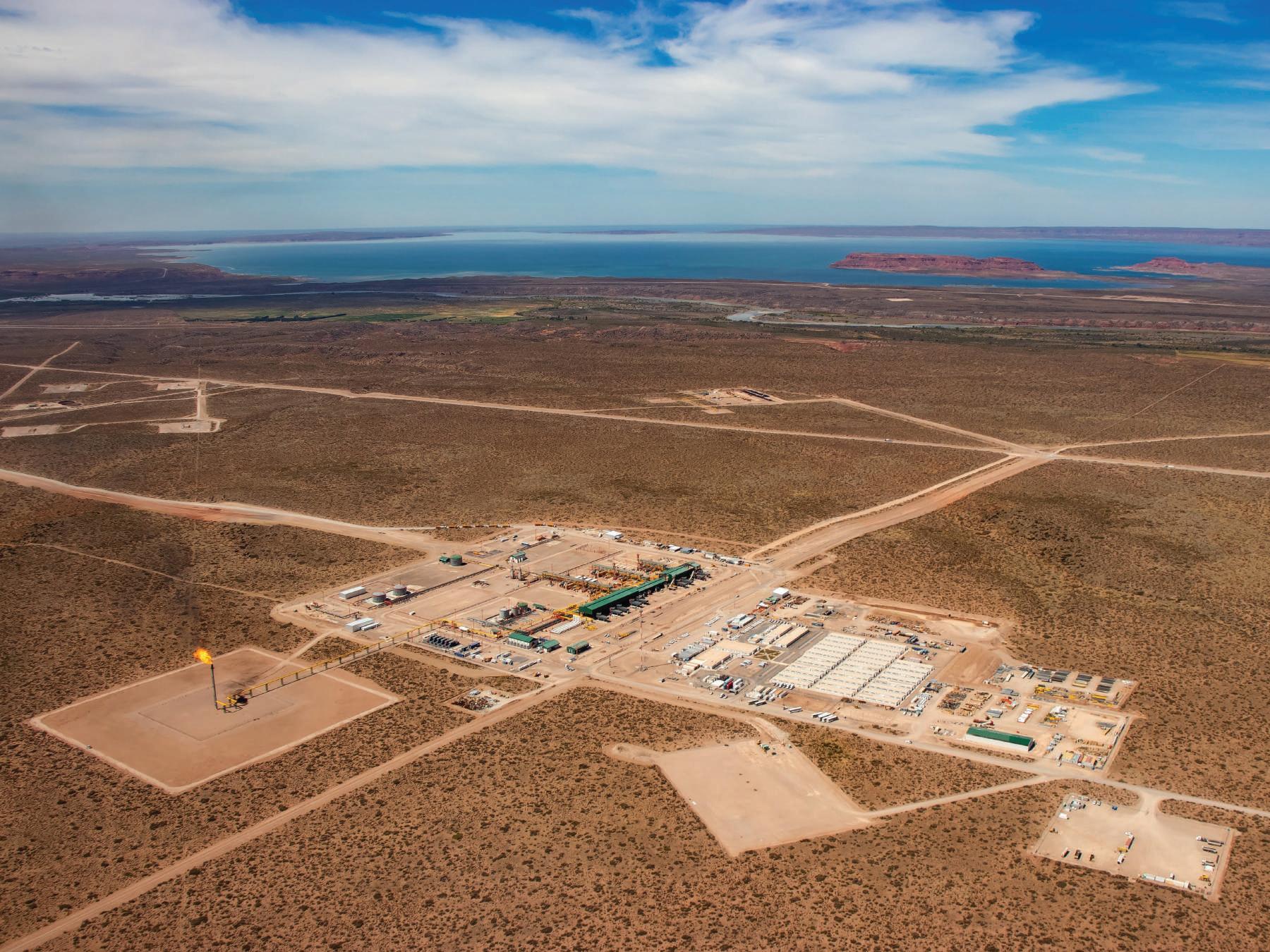 Fracking Narratives
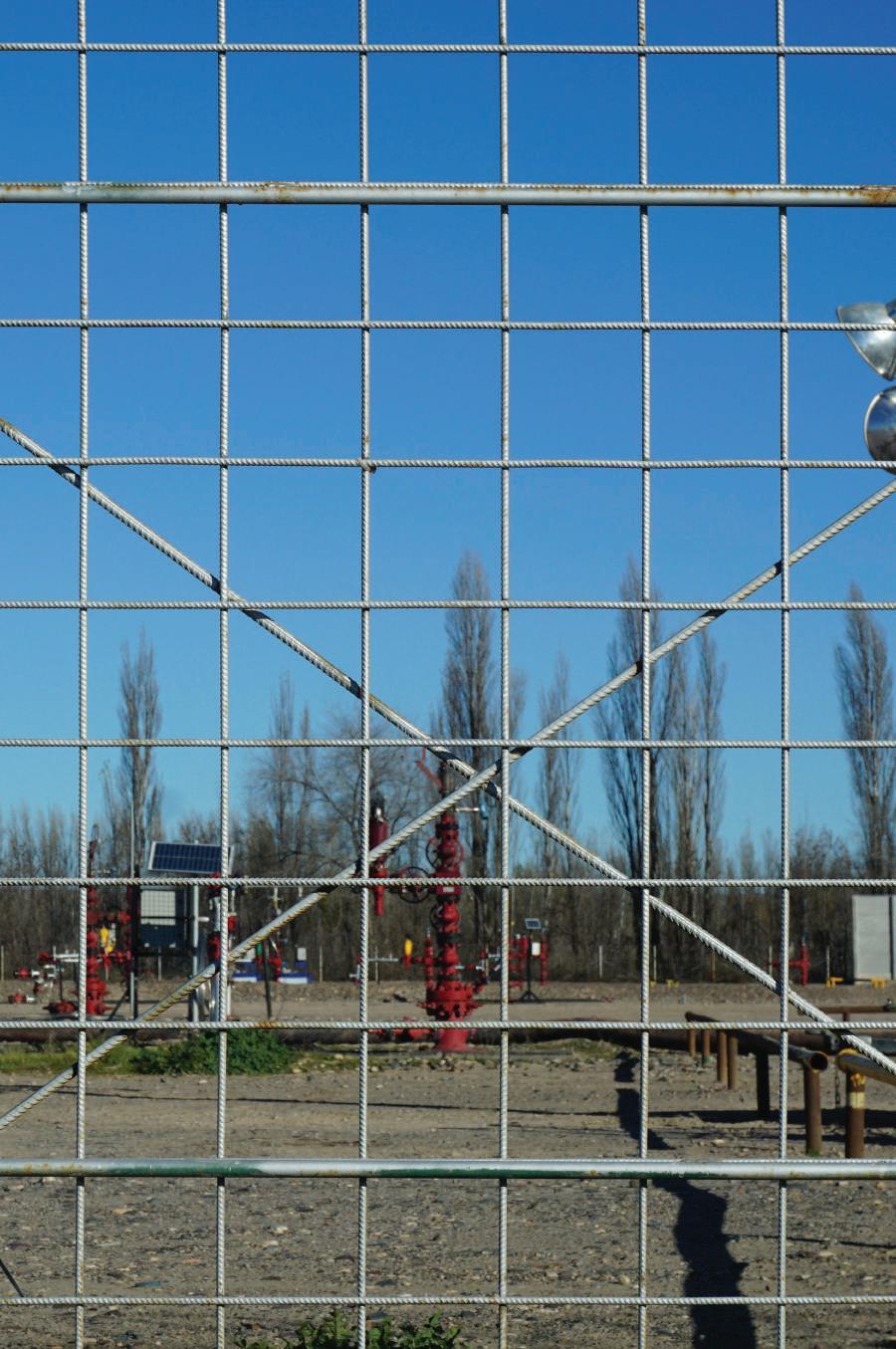
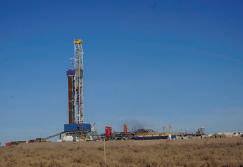
Patagonian steppe & Extraction. February 2019
Photo by Martín Álvarez Mullally - Observatorio Petrolero Sur
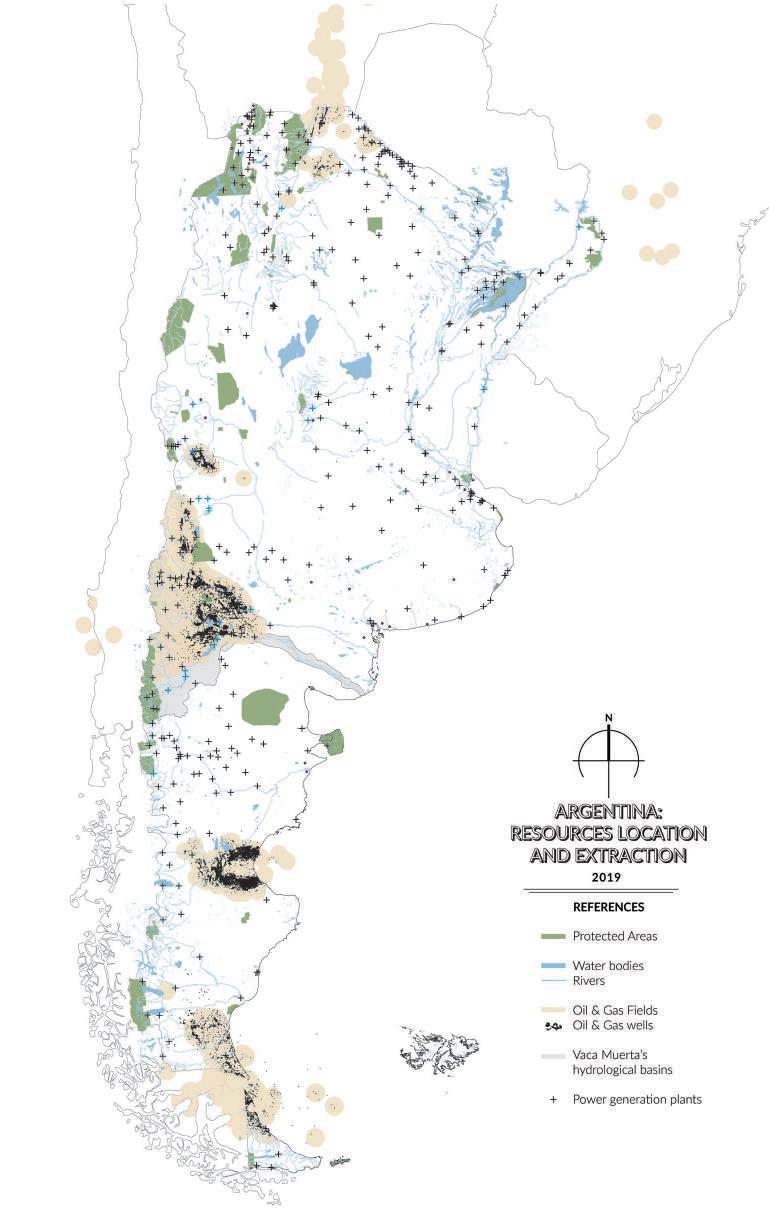
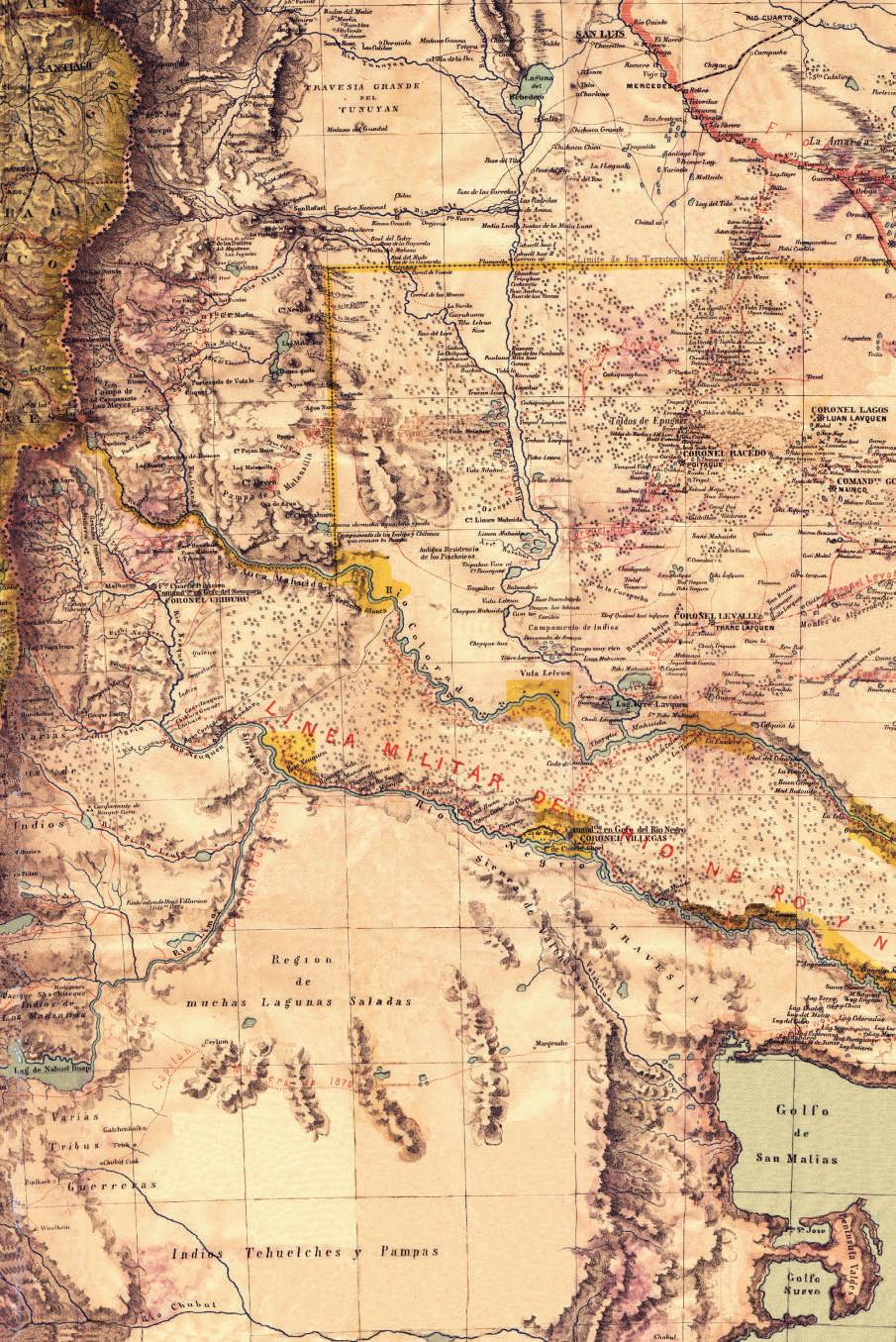
Historically, Patagonia has only been thought and developed as an extractive area, leaving aside a just and proper relationship with its communities and environment.
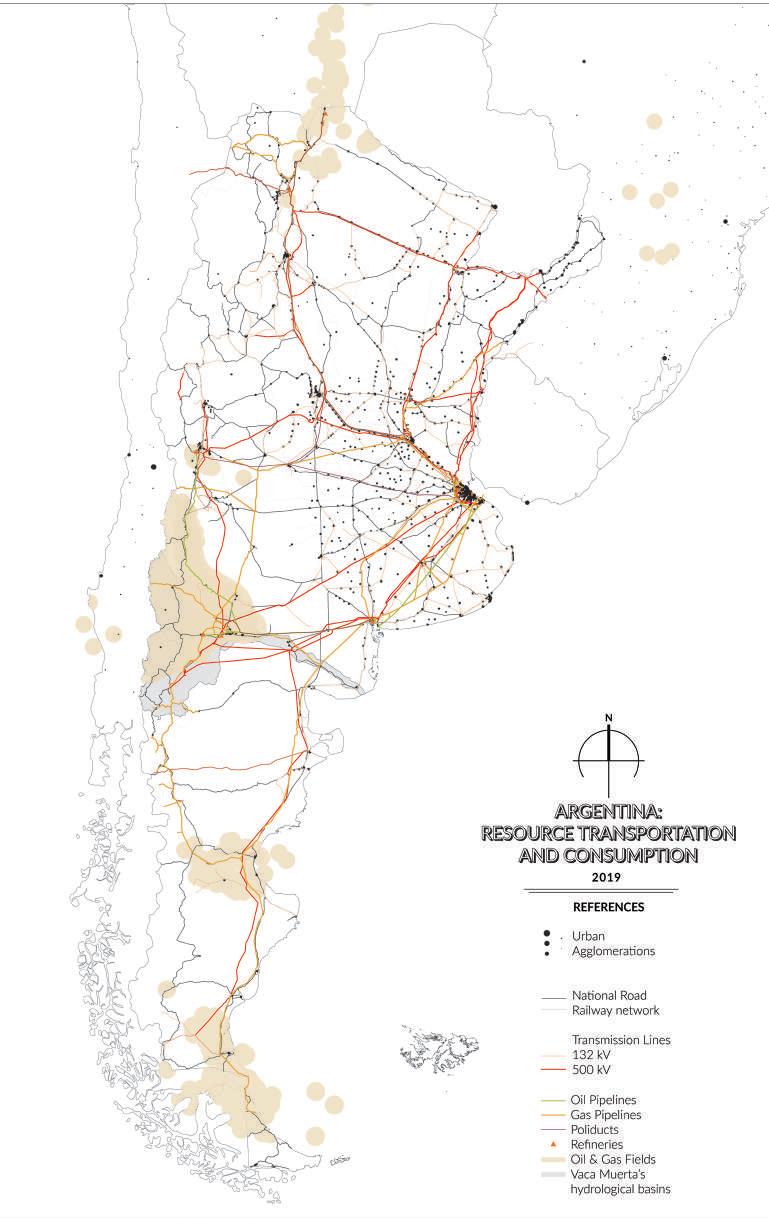
In this way, the infrastructure deployed on the territory shows how these resources are transported to the large consumption centers of the country.
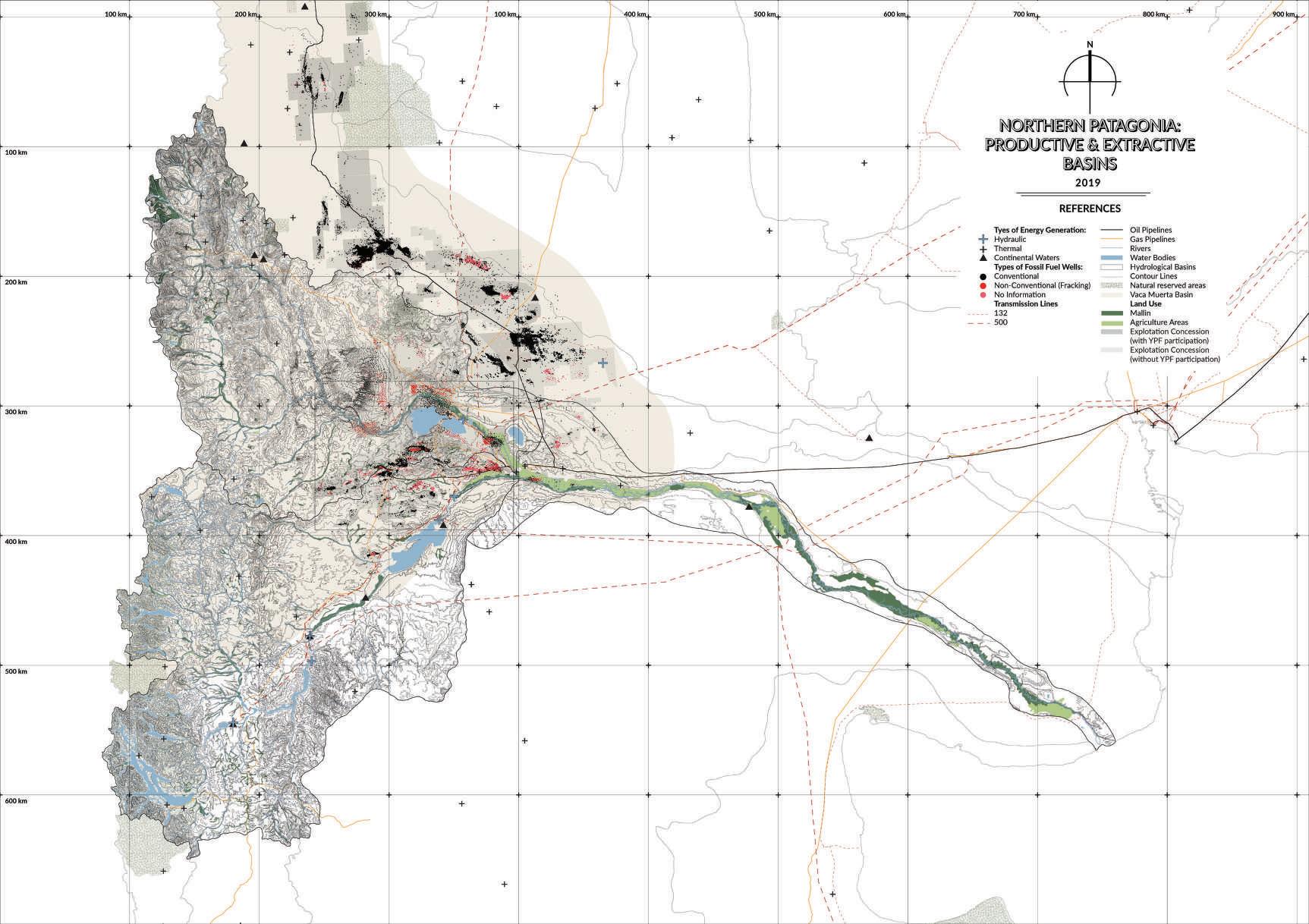
Understanding the Northern Patagonia territory: Water basins as productive and extractive historical landscapes.
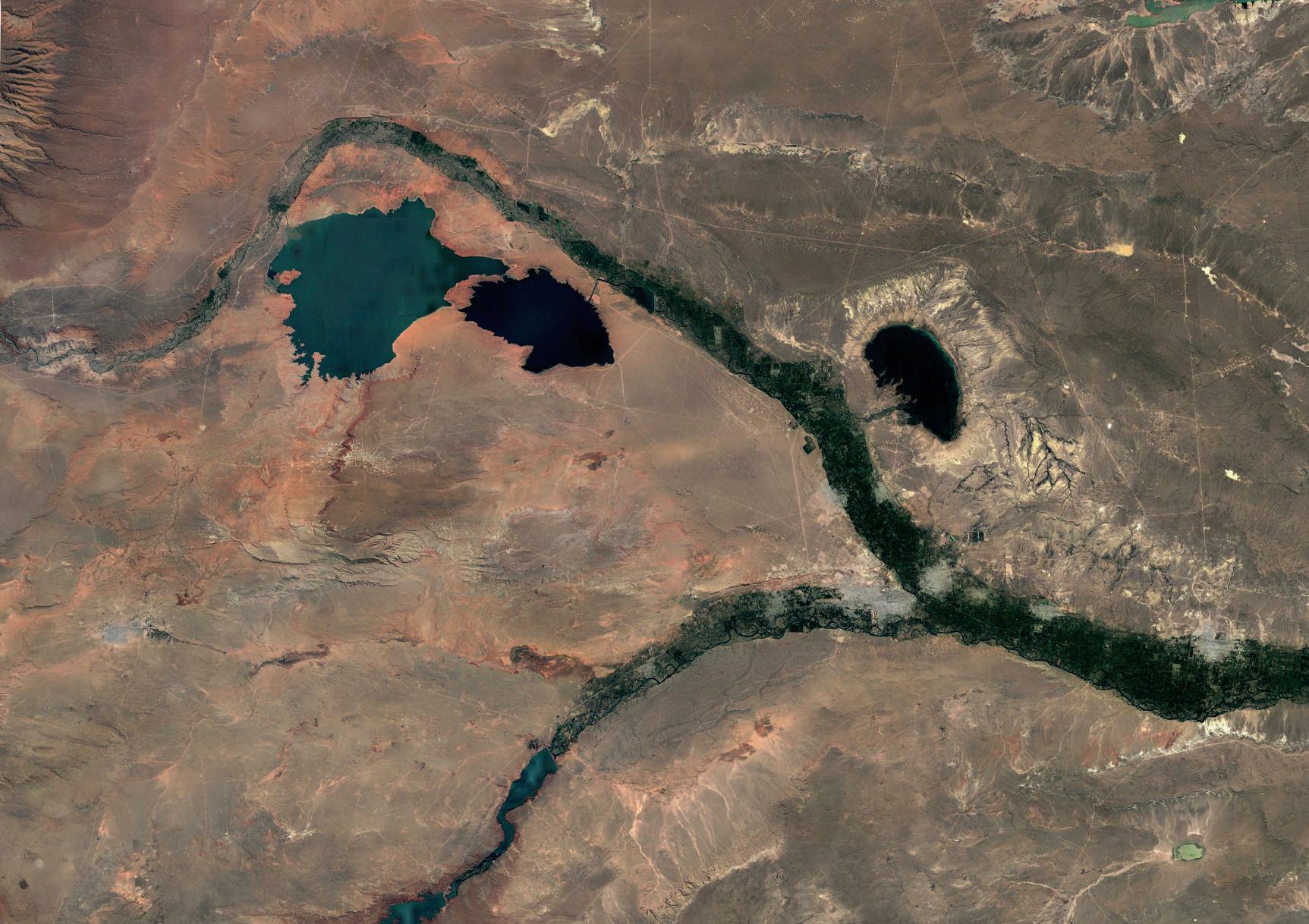
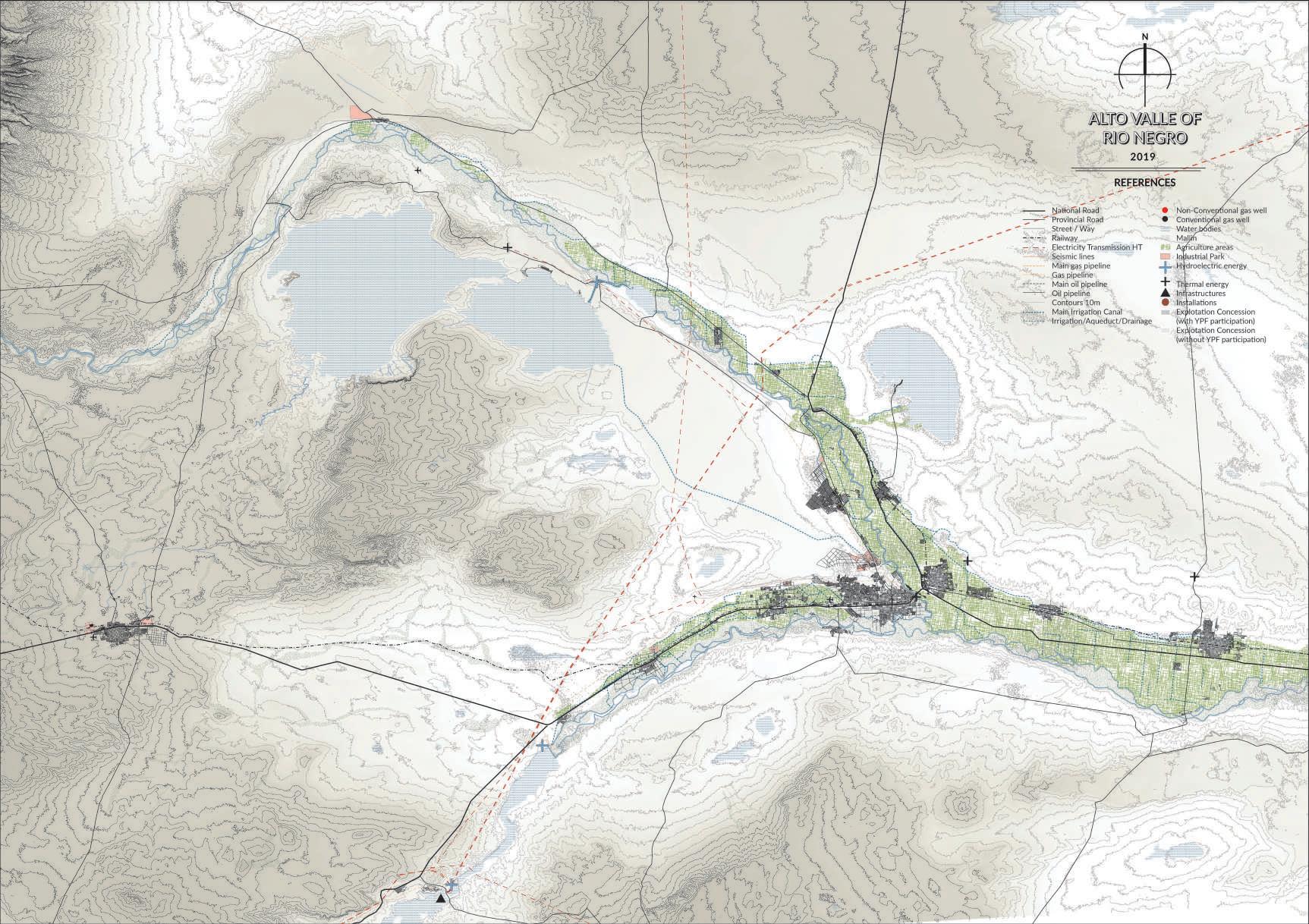
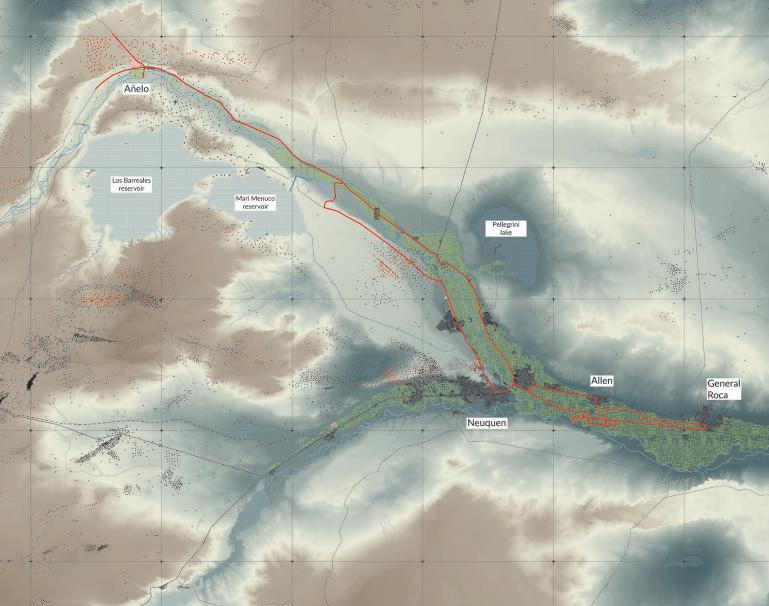
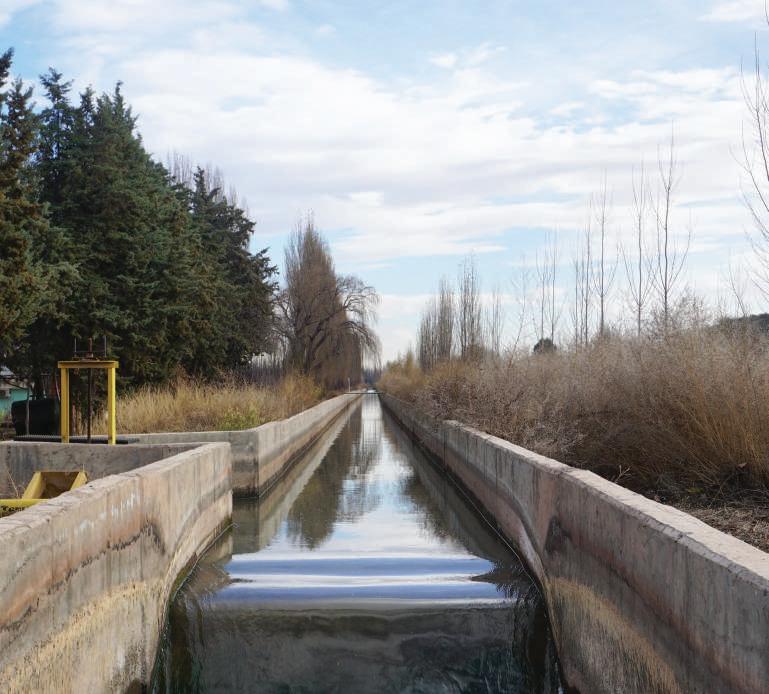
The Alto Valle of Rio Negro, with important agricultural and hydroelectrical activities, is a productive engine of the Region.
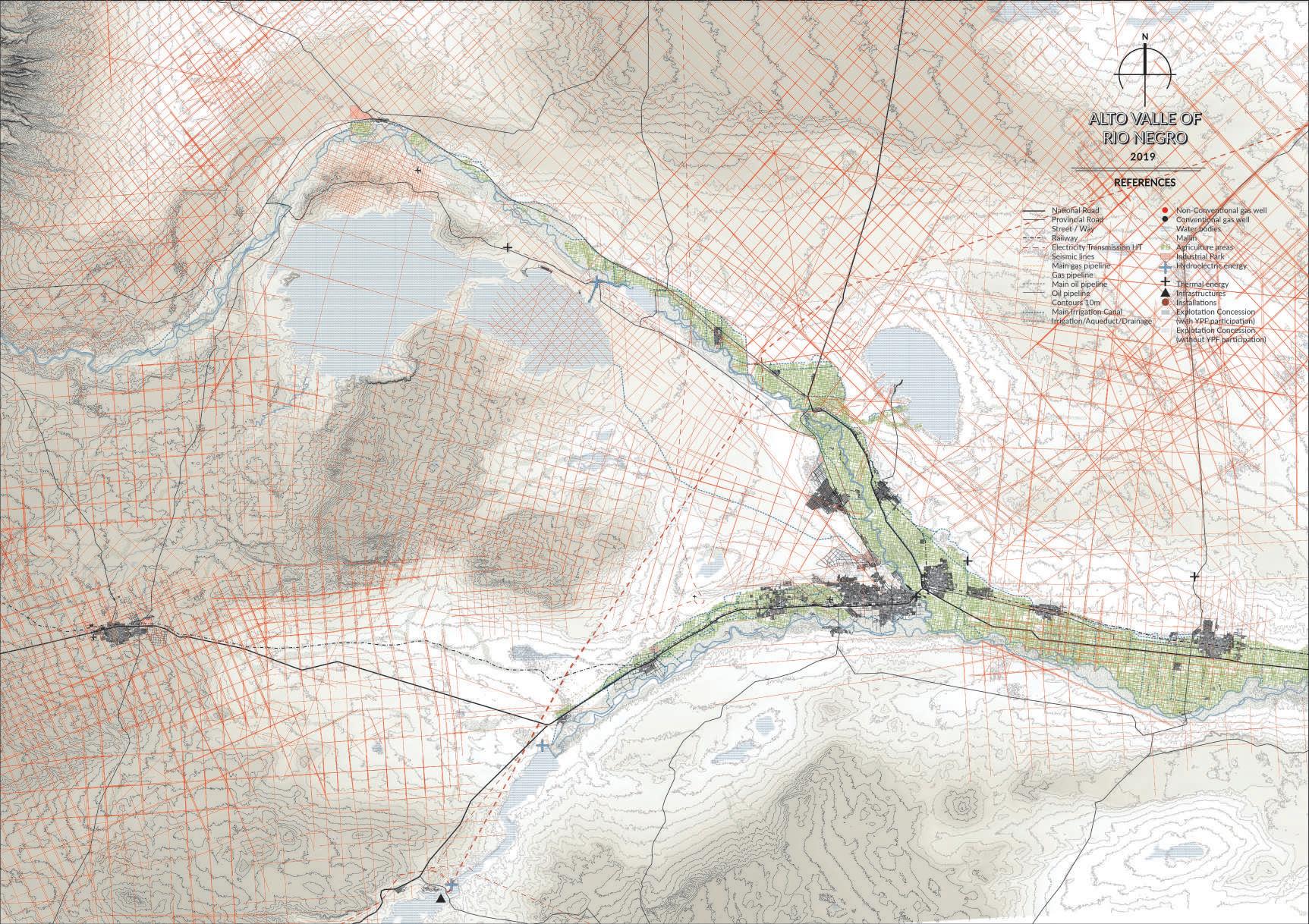
The territory absolutely traced by the seismic lines required by the hydrocarbon industry, showing the invasiveness of the process.
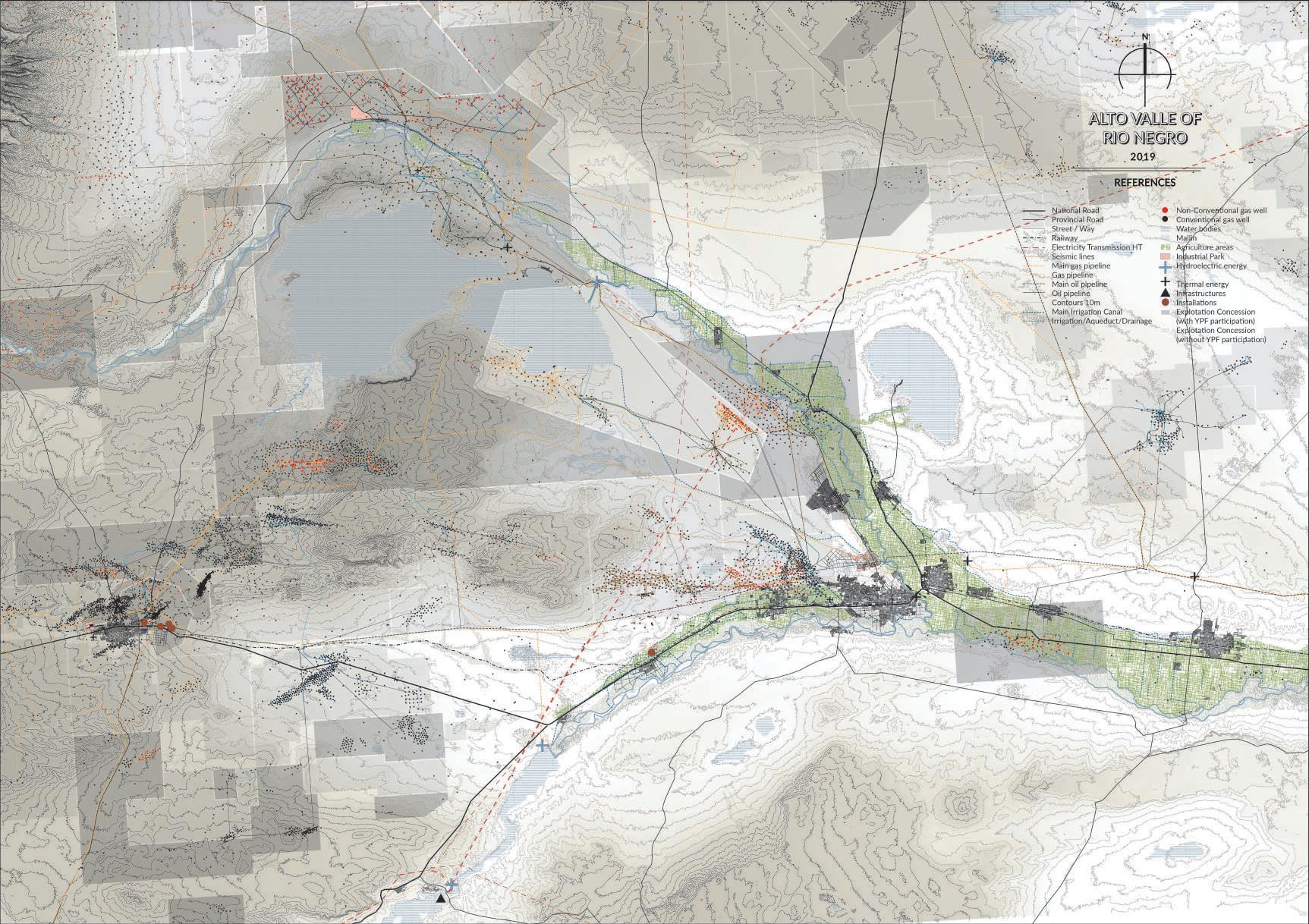
The political and economical distribution of the land for the oil and gas extraction, which has several socio-environmental implications on the region: cultural conflicts
with indigenous communities, health issues, unplanned urban growth, difficulties with agricultural activity, environmental disasters, among others.
From the regional analysis, two case study zones were identified in the Alto Valle that differ in their landscape configurations and represent two different arguments towards fracking. These configurations and their transformation are related to the subsoil type, that also determines the kind of exploitation and fracking technique used. Therefore, the impacts and conflicts that the oil and gas industry are generating in these areas is completely diferente.
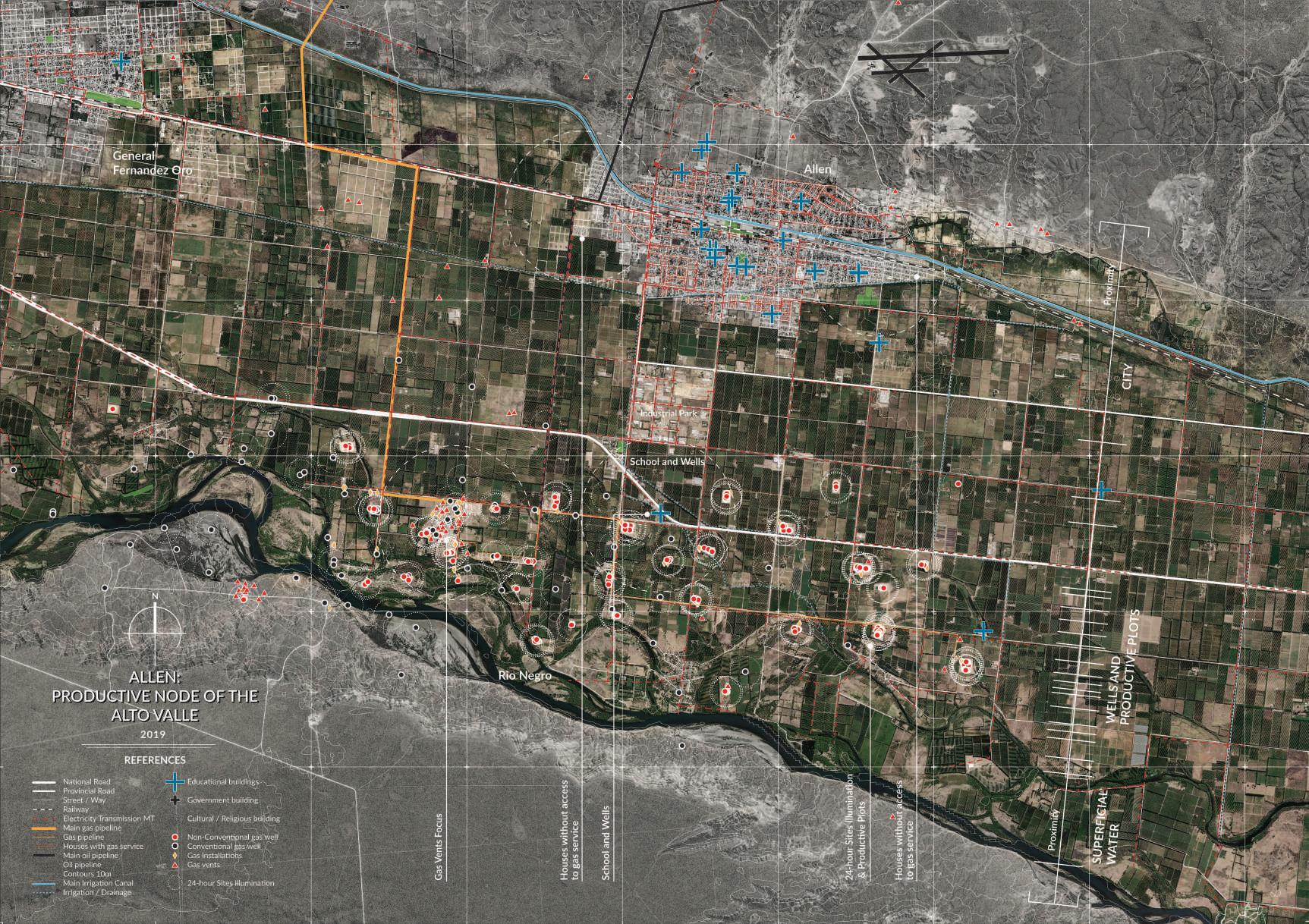
The first case study is Allen, that represents tight zones of compact arenas in the subsoil. Here the exploitation process requires less amount of water. The second case study is Añelo, located in a shale zone or above a “parent rock”. This means that the fracking process requires more water and other supplies, and deeper wells that are therefore more concentrated.
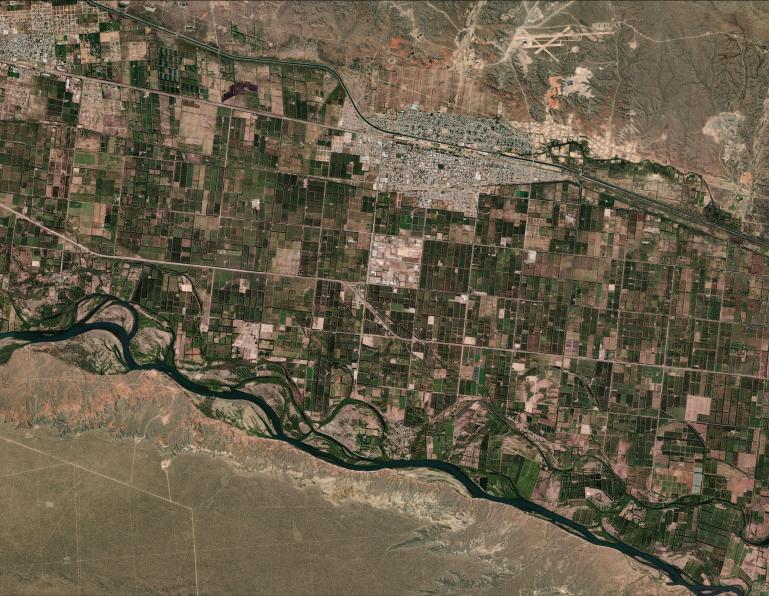
Allen is a city of 27,433 inhabitants in the province of Río Negro (INDEC 2010). Its traditional economic activity, which continues to be the most important, is the fruit industry. Together, the region produces more than 90% of the pears and apples in Argentina, occupying the first position worldwide as an exporter of pears and the eleventh in the world apple trade. (Copade, 2016).
However, there is a clear conflict between the installation and expansion of the oil and gas industry in the area and the fruits and vegetables production. Fracking is an activity of difficult coexistence with productive areas, and this becomes evident in the fact that the fruit industry production is decreasing. This is due to the use of irrigated land for urban expansion an also because of the competition for the labor required by both activities.
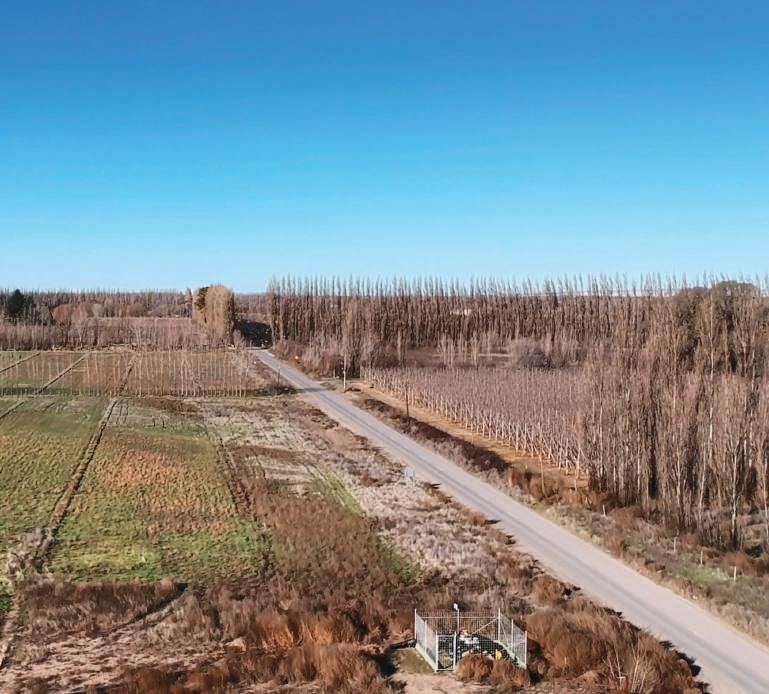
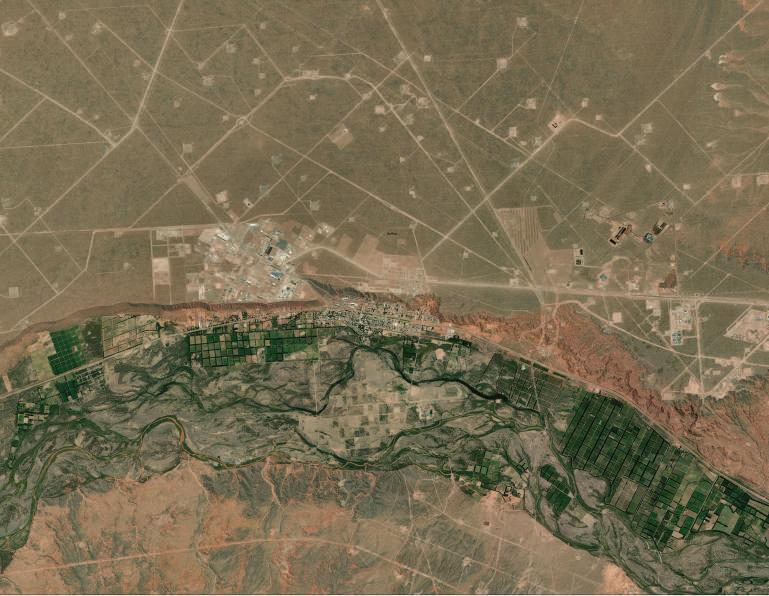
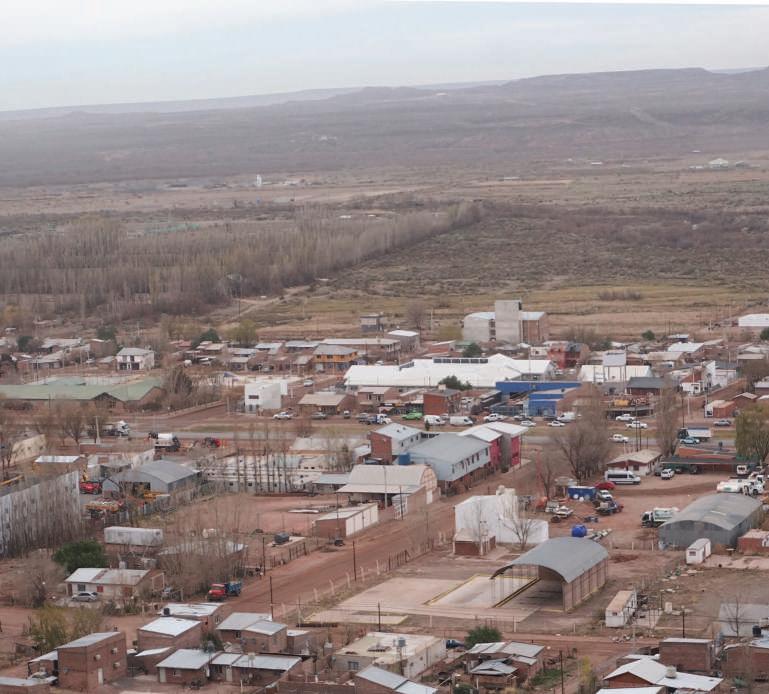
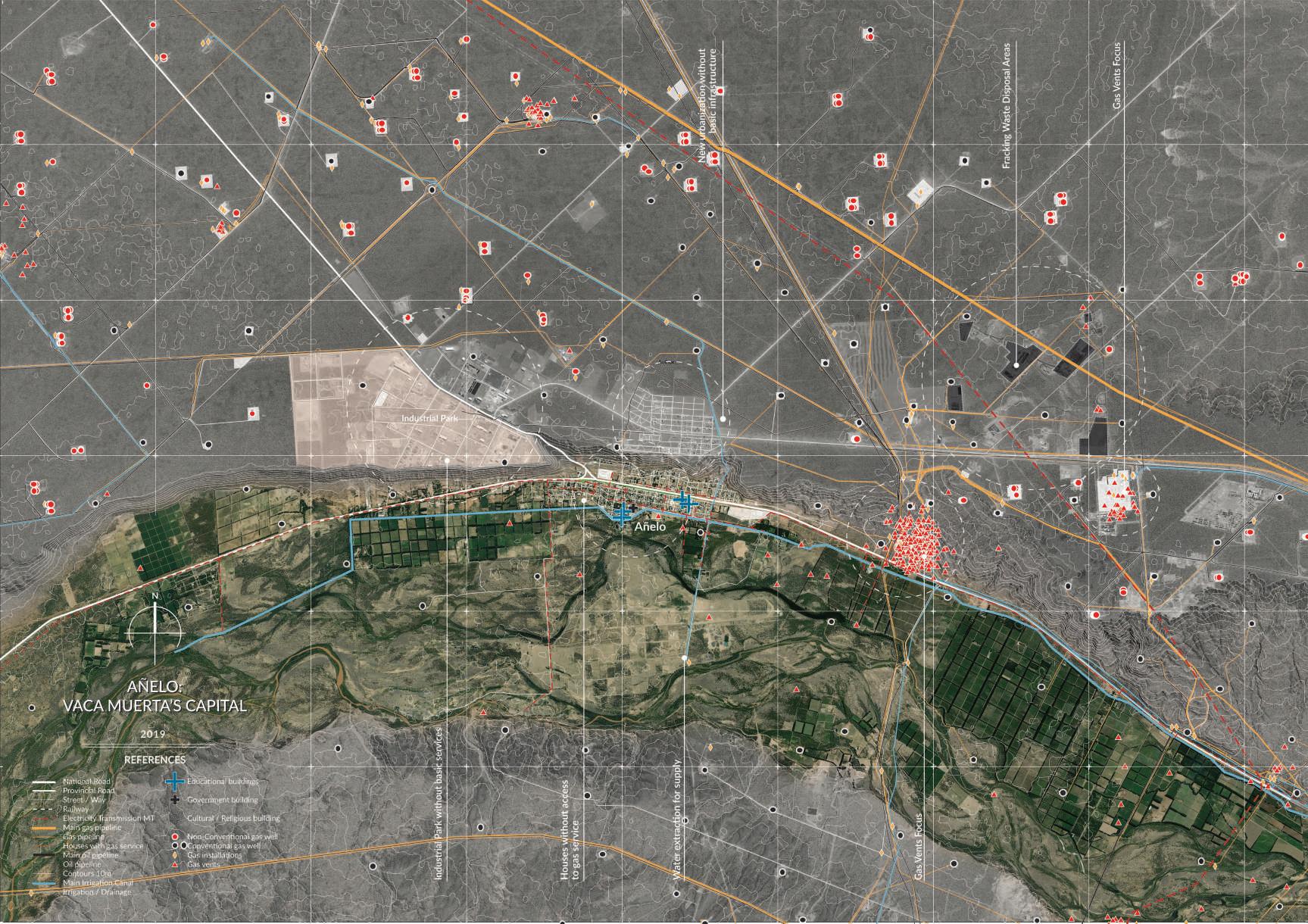
Añelo is a boomtown located in the epicenter of Vaca-Muerta. It went from a small village of 2.689 inhabitants in 2010, to a city of 8.000 people today, and that is expected to reach 30.000 in 2030 (Pérez Roig 2016). Because it is on the access to the Vaca Muerta formation, the city has been called “The Capital of Shale”. The local economy actually highly depends on the fracking industry. However, there has always been an important agricultural activity in the area, similar to many other towns of the Alto Valle region, that are also in conflict with the on-growing oil and gas industry today.
Furthermore, Añelo is located in an area that historically has been occupied by indigenous communities known as “Mapuches”, that still live and depend on these territories. This raises another conflict -one of land domain- while the fracking industry increases its development in the region.
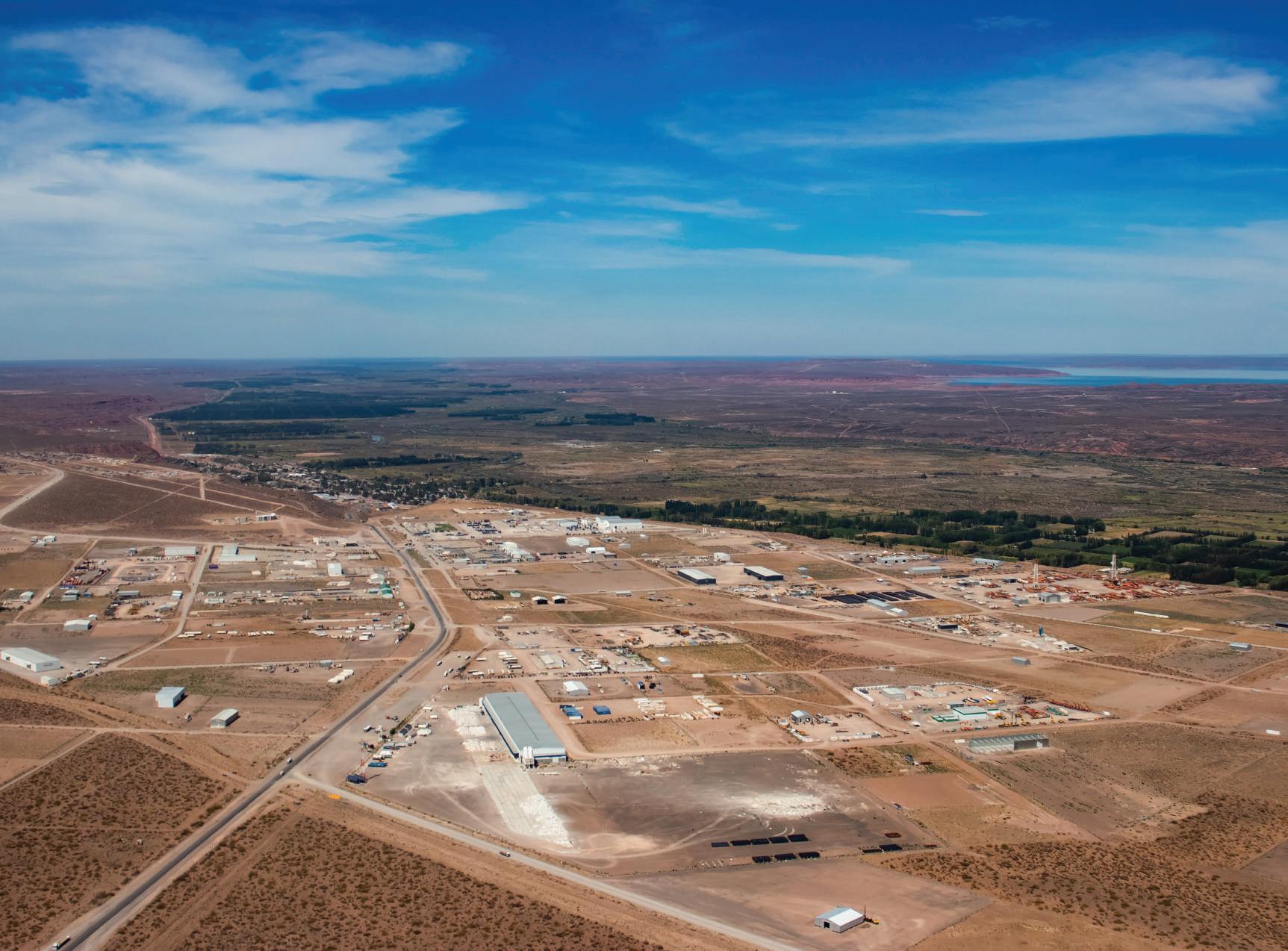
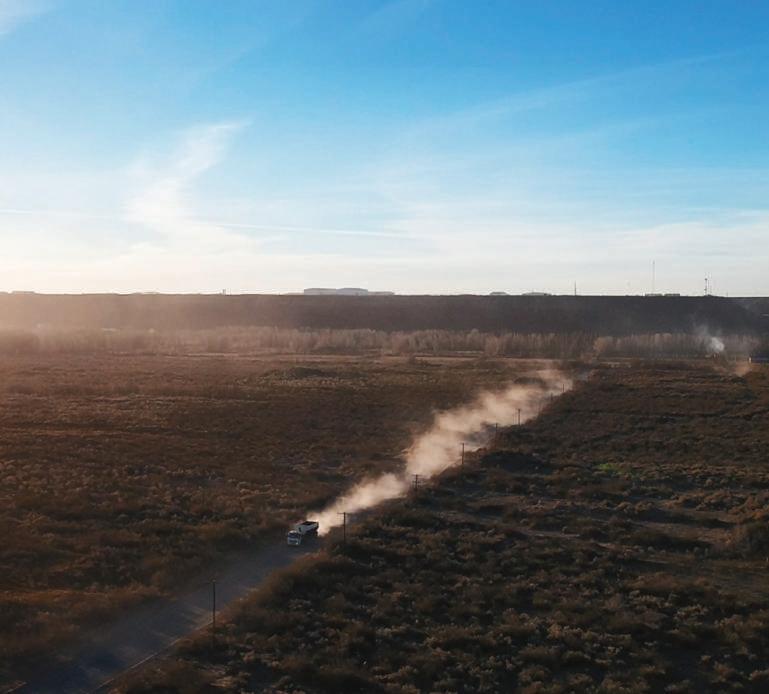
One of the distinctive characteristics of Añelo is its location on a valley, next to a Patagonian plateau where the industry park is located, together with new urbanizations for the incoming population. In this topographical accident, most fracking sites and wells are located. Everyday, it is notorious the amount of traffic and trucks carrying equipment for this activity, between the lowest and highest part of the plateau, via unpaved roads and paths. The lack of adequate infrastructure for the new “Capital of Shale” demands strong planning initiatives and new challenges for the following years.
“We invite you to conceive Patagonia as a new territorial entity, as a Global Garden [jardín global]. Global Gardens are the counterpart of the so-called Global City, that is, the largest internationalized metropolis. [...] They are all radical territories, of high specificity, and globally recognized. This opens up new challenges.”
— Thomas Sprechmann and Diego Capandeguy, Patagonia Jardín Global (Mexico: ELARQA MX, nº. 50 Magazine, 2006).
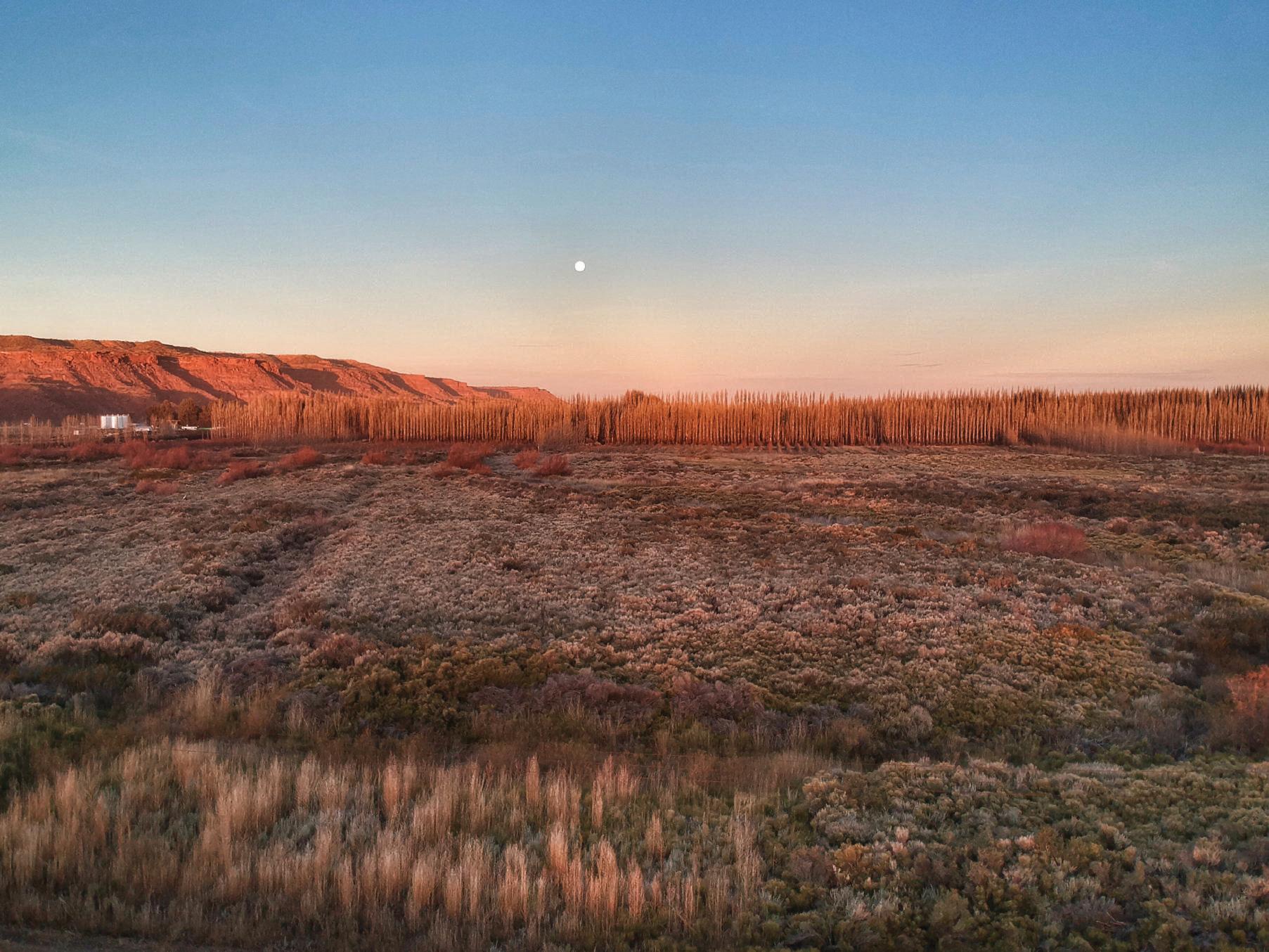
2019
Alto Valle of Rio Negro. July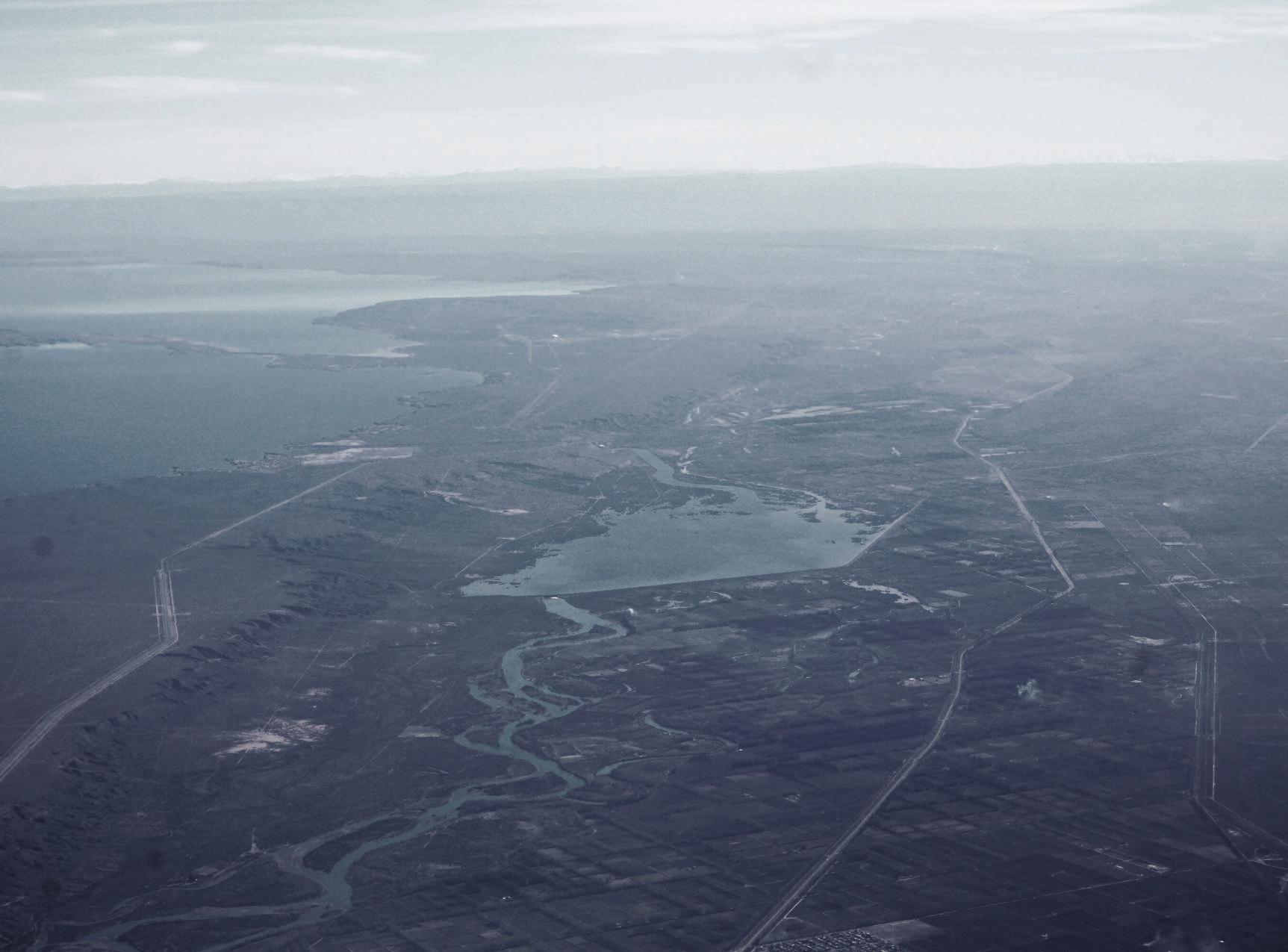
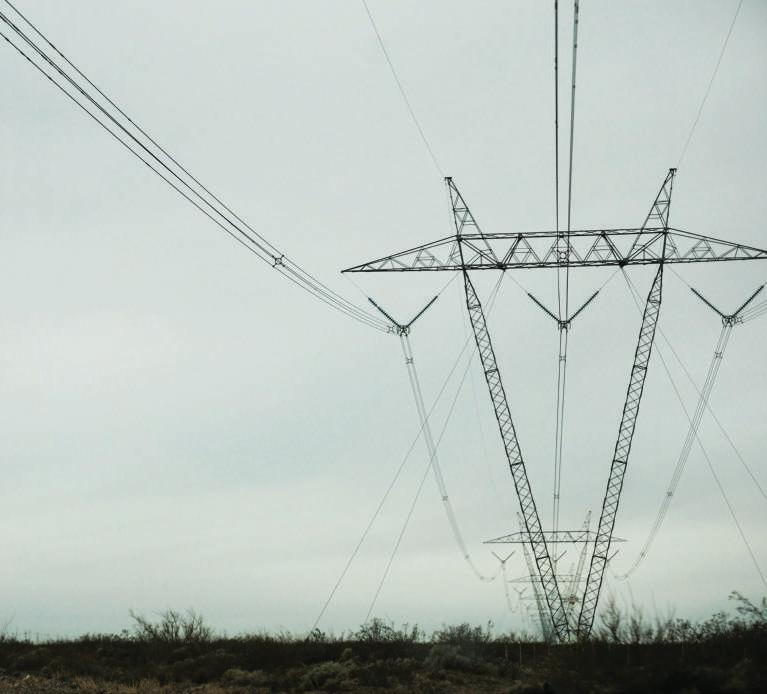
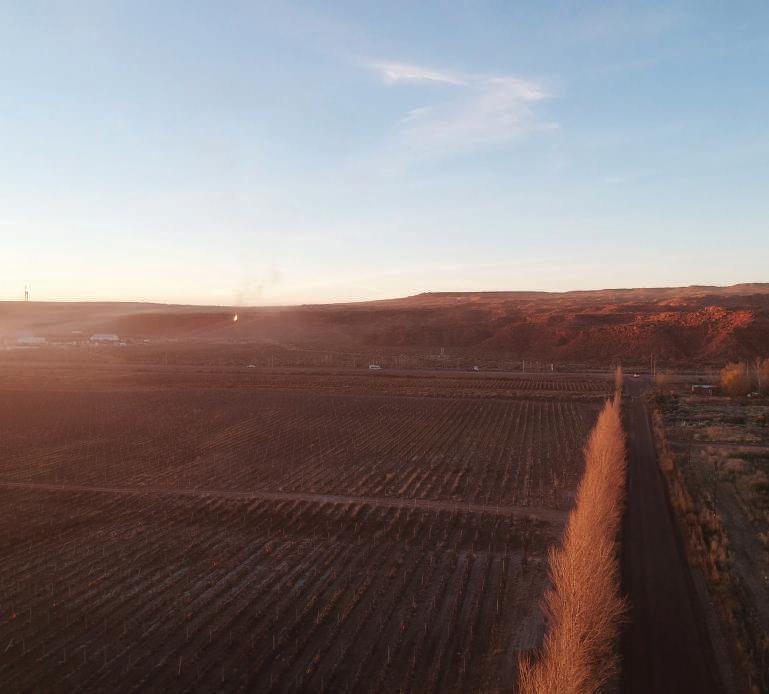
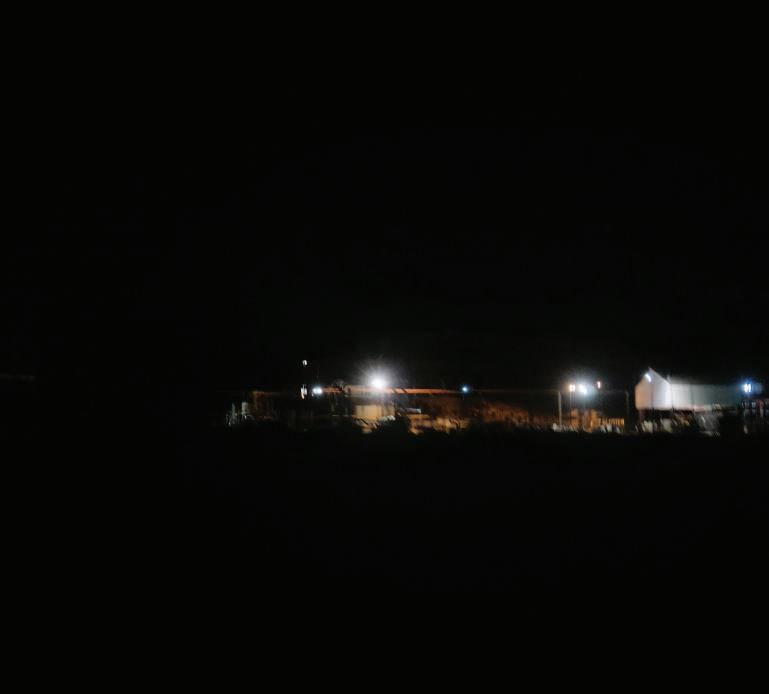
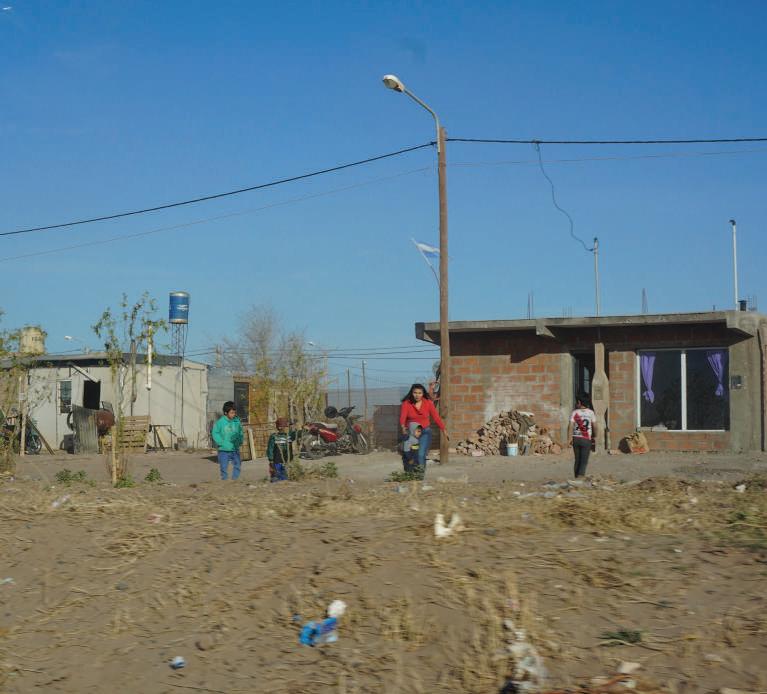
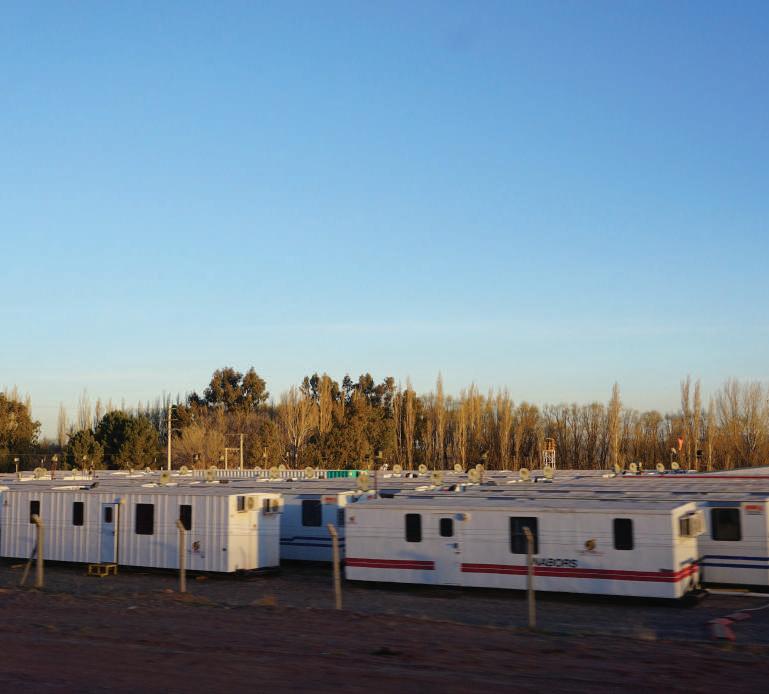
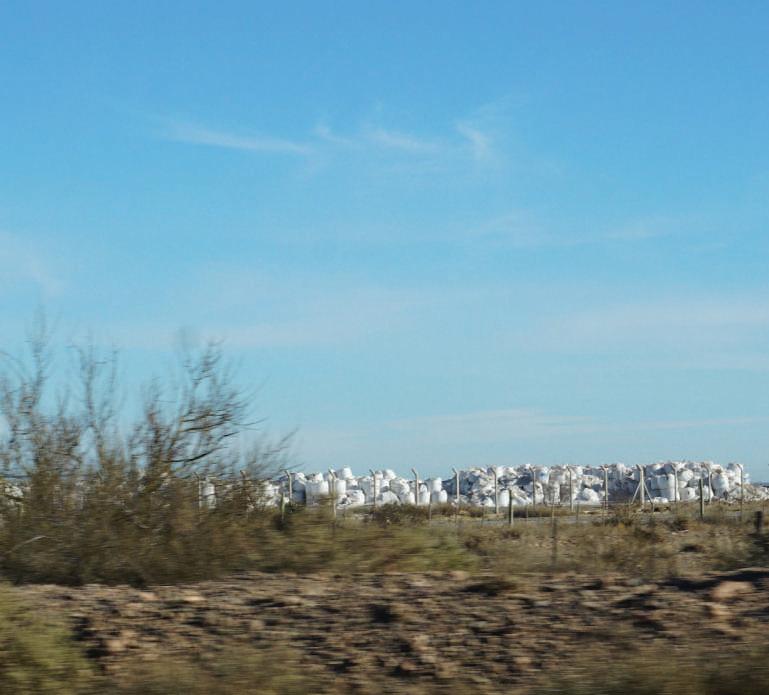
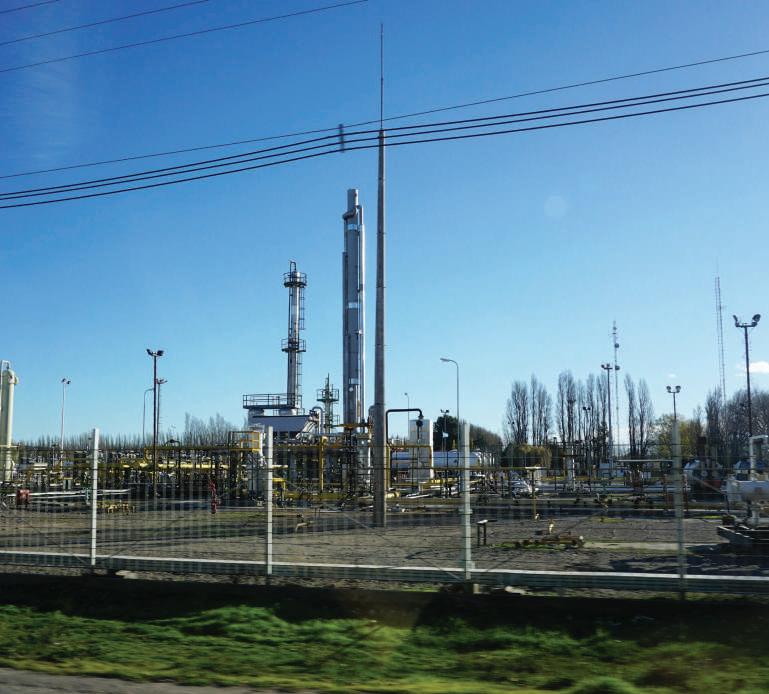
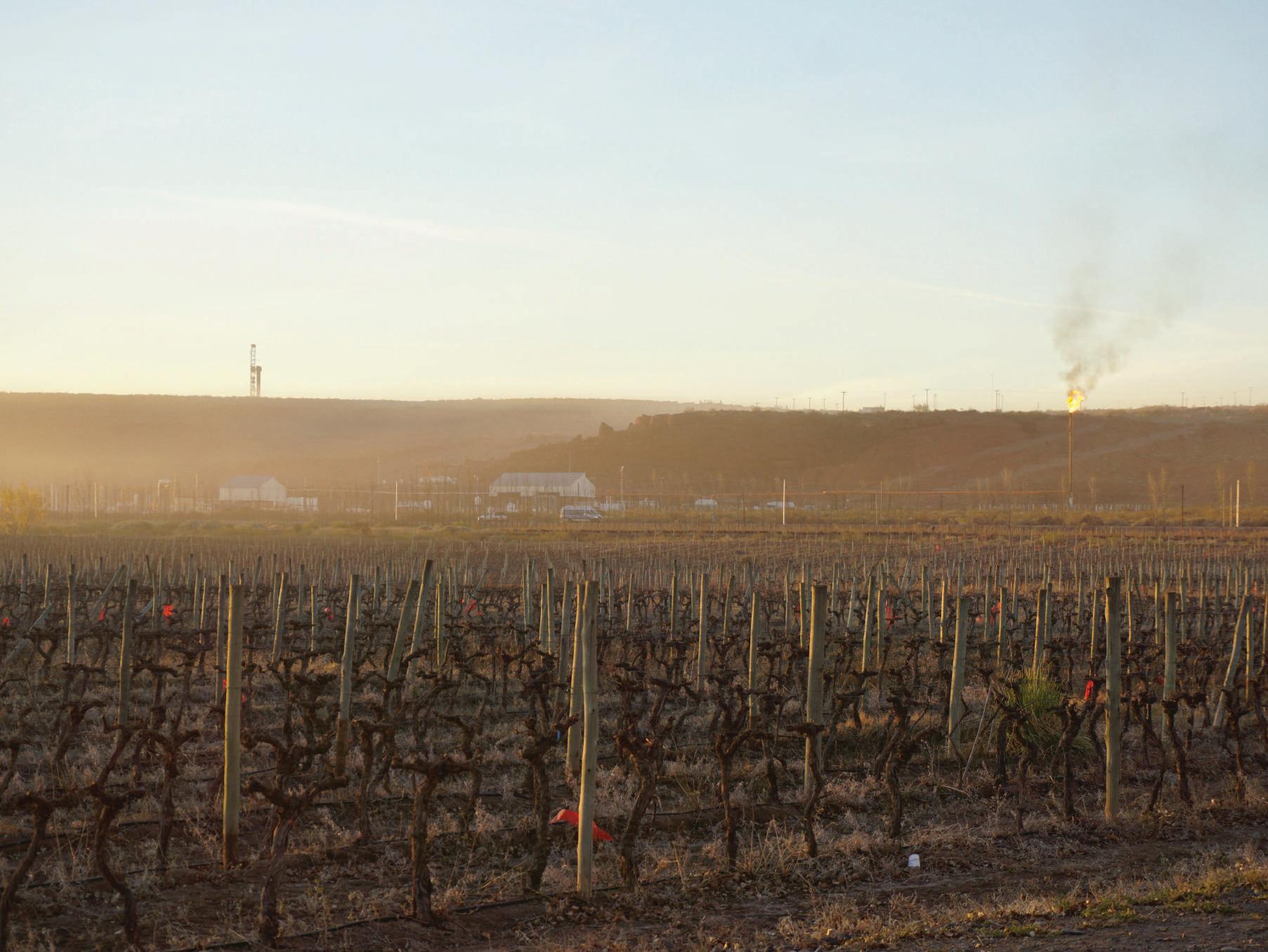
It becomes clear that fracking is an extractive activity that generates considerable and diverse socio-environmental impacts in Northern Patagonia. The conflicts and spatial injustices derived from this activity are varied, and change according to specific zones and areas studied. Therefore, the necessity of a cohesive and multi-scalar understanding of the particularities, region, and territory becomes fundamental to address the complexity of the issues that are being originated in Vaca Muerta.
The drilling activity is a technique that requires a lot of supplies. From siliceous sands that are brought from China or Brasil to millions of liters of water extracted from adjacent water bodies and rivers. Liters of chemicals are also used, and a whole machinery and truck equipment is needed to crack tight and shale zones. These comprise an activity that is heavily invasive to the environment and of difficult coexistence with the landscape and the people that lives in and depends on it. Consequently, this report explains some of the many conflicts that designers and planners can identify and map in two study case areas, understanding by conflict those processes -caused by the fracking activity- that originate an unequal distribution of impacts and benefits. In other words, under the lens of a distributive environmental and social justice study, to detect local and regional injustice issues.
On the one hand, these processes of extraction are altering the ecological equilibrium in the region. The new fracking yards and sites eliminate all the land cover vegetation for their installation. That, in addition to the chemicals and waters that they use during the life span of the wells, makes the sites almost impossible to recover even when the wells are no longer functioning and close. Moreover, the perforation towers generate sound and light contamination. There has been a reappearance of pests that affect the production of apples and pears such as the apple worm or Carpocapsa. And this can be directly associated with the amount of artificial light that the productive plots are receiving due to the 24-hour functioning of the fracking sites. The huge amount of trucks circulating in unpaved streets also contribute to the air pollution by raising dust that remains in suspension. Also, gas emissions are noticeable when coming close to the sites, and local and environmental groups are reporting pollution of groundwaters and increased seismic activity due to noticeable earth vibrations. Another important issue is that one of the amounts of waste generated by fracking, which is increasing the size of the so-called “basureros” (waste disposal areas). In these open-sky places, wastewaters and chemicals from fracking are located, generating water, air, and soil contamination, and many health concerns. These are only some of the many environmental conflicts
that were identified in the region.
On the other hand, there are social conflicts associated with the fracking practice. One of the main issues identified is related to land titling, as many of the fracking sites are located in pieces of land where impoverished farmers and the well-known indigenous communities “Mapuches” live. These people have occupied the land for many years, harvesting, cultivating the soil, and raising cattle, but most of them do not have legal titles of their land. This becomes a conflict when national and multi-national companies install fracking sites in their plots and territories, due to the fact that the resource belongs to the state. What is more serious, is that many of the rituals and religious practices of these communities -originally part of their identity and related to natural elements such as water, wind, soil, animals, and vegetation- are disappearing due to the gradual expansion and “development” of the fracking activity.
The Vaca Muerta boom is generating enclaves with huge spatial segregation like in the case of Añelo, which are leading to poor urban development. Income disparity is traduced in a “commodity city”, where the high concentration of alone and rich men, far from their houses, facilitate the increase of prostitute activity and drug trafficking. Moreover, it is unfair that most of Añelo neighbors do not have gas service to cook and heat their homes in winter, when they live in the epicenter of gas extraction. Even more, is unfair that many of them do not have electricity in their homes. The lack of infrastructure is completely incoherent with the amount of capital that the region is generating. In other words, the oil and gas boom are producing evident contradictions and spatial injustices that need to be addressed strategically to give responses to the actual disparities.
The complexity of the conflicts that the fracking industry is creating in Vaca Muerta is shocking, and one conclusion is that the actual debate must not only be socioenvironmental, but also economic, cultural, and political. Politics and economics play a big role in the region, if not the biggest one. And the present and future of Vaca Muerta are tight to these forces at the local, national and international level, depending on the behavior of the market and the international economics of oil and gas.
Is in this context of chaos, that urges the necessity of territorial and regional planning as a tool to strategically give solutions to de actual and future conflicts, imbalances, and uncertainties. Research, planning, and design are fundamental tools that must be part of this process, which demands interdisciplinary and collaborative work. Design disciplines have the capability to diagnose problems but also to imagine future scenarios with a holistic approach in a region with conflictive interests and powers.
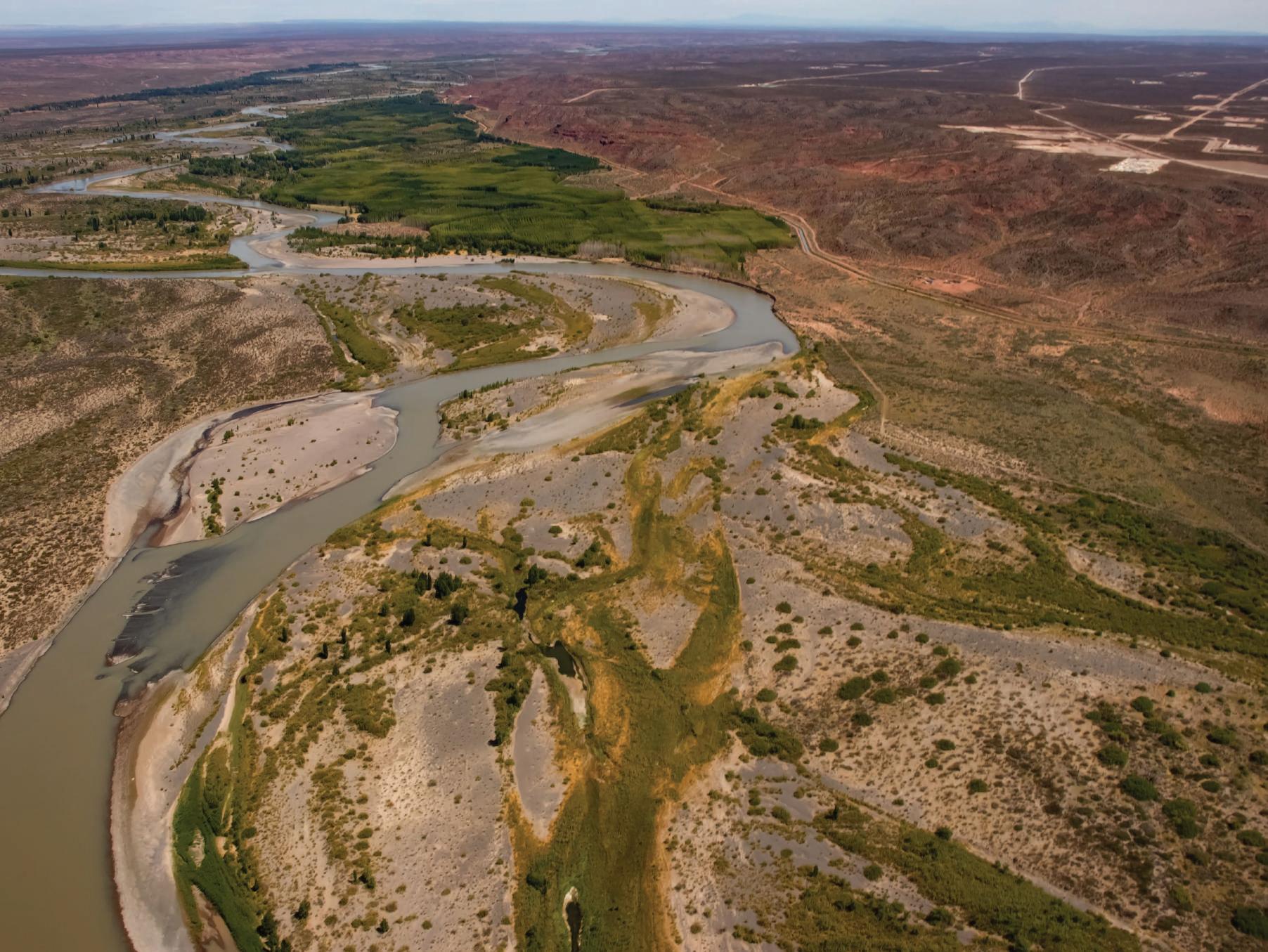
Until today, only 3% of the oil and gas reservoir of Vaca Muerta has been exploited. However, in less than a decade, the entire landscape and urban configuration of the region has been reshaped. Añelo went from a small village of 2.689 inhabitants in 2010, to a city of 8.000 people today, that is expected to reach 30.000 in 2030 (Pérez Roig 2016). The entire region could be transformed into the second biggest commercial zone of Argentina behind Buenos Aires. Therefore, the urgency of regional and territorial planning to address all the issues that are arising from the gas and oil boom.
Planning is necessary to imagine new scenarios and to orient new public policies in Vaca Muerta. Existing important precedents are the “Estudios Estrategicos para el Desarrollo territorial de Vaca Muerta” (2016) and the “Plan de Ordenamiento Territorial y Ambiental de Añelo” with the participation of YPF in 2013. Other studies of land-use planning include “Anelo sostenible”, a collaborative effort that included the participation of the IDB (Inter-American Development Bank). However, there is still a lot of work to do in a region that is transforming faster than expected. It is key an integral vision of urban and territorial planning framed under the actual energy transition. And when the energy transition is discussed, the debate must not only be based on the diversification of the economic matrix but also in its decentralization and democratization. Moving forward to these is indispensable in order to rethink the energetic autonomy and the protection of the environment and society. Energy production and consumption should be done in a fair, democratic, healthy and sustainable way.
In this sense, we find that our research for the Penny White Project Fund is one more contribution to this planning effort. Our specific focus was centered on the diagnosis and documentation of the actual social and environmental conflicts of the region. And making visible these issues could be used to asses public policy and planning strategies in the future. It is indispensable to think that, if fracking will be continued in Vaca Muerta, it should be done with special care and consciousness of their impacts and determining a set of rules and regulations for the location of the sites of extraction -avoiding sensible areas-. Also, the conditions for their monitoring and control should be established. We believe these should be discussed and planned with the participation of all stakeholders that intervene and are affected by fracking, from indigenous communities to oil and gas companies. This is the only way to reduce and attend the spatial injustices that we mapped and recognized during our research.
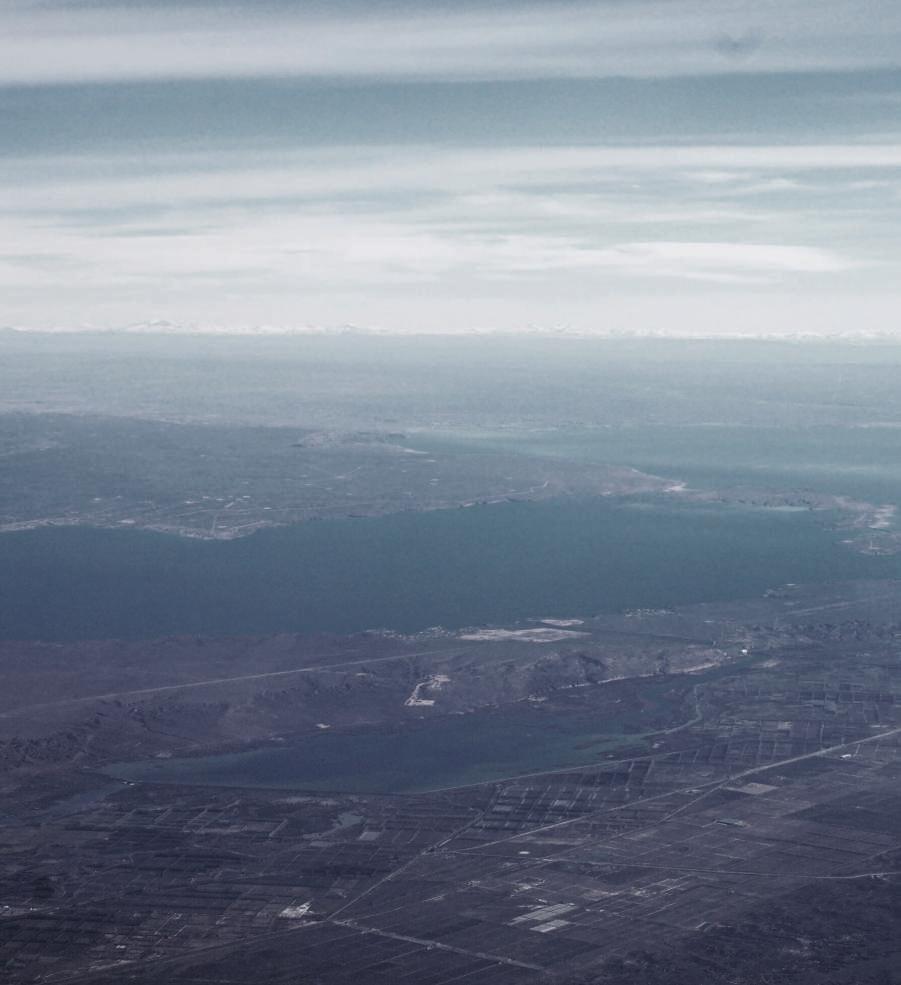
Our fieldwork in the Alto Valle region can be understood as a start point of a possible long-term contribution with local and national government authorities and non-profits. Fieldwork allowed meeting, learning from and sharing the work with representatives of Añelo´s municipal government, but also with community members, company owners as well as non-profit organizations. Definitely, all those actors should get together closer to discuss the future of Vaca Muerta. Making visible the conflicts of interest and injustices that are present in the zone serve as a basis for future planning and design solutions. What is sure is that both hazard distribution and benefit-sharing from fracking should be fair. The challenge is how to balance, locally and regionally, those beneficial and harmful aspects.
Atkinson, Adrian, and Julie Viloria. 2013. “Readjusting to Reality 2: Transition?” City 17 (5): 580–605. https://doi.org/10.1080/13604813.2013.827843.
Barrera, Mariana. 2014. “Boom Towns and the Effects of Infrastructure Investment: A Case Study of Land Use and Socio-Spatial Patterns in Añelo, Argentina.” Lincoln Institute of Land Policy.
Chapman, Ralph. 2012. “Resilient Cities: Responding to Peak Oil and Climate Change.” Journal of Urban Design 17 (2): 301–3. https://doi.org/10.1080/13574809.2012.666179.
Copade. 2016. “Estudios Estrategicos Para El Desarrollo Territorial de La Region de Vaca Muerta.”
Dalton, Henry. 2014. “Fracking: Can Landscape Architects Be Part of the Solution? | IDEAS.” 2014. http://www.ideas.swagroup.com/fracking-can-landscape-architects-be-part-of-the-solution/.
Deming, M. Elen, and Simon R. Swaffield. 2011. Landscape Architecture Research: Inquiry, Strategy, Design. Hoboken, N.J: Wiley.
Dodge, Martin, Rob Kitchin, Chris Perkins, and Dr Rob Kitchin. 2011. The Map Reader: Theories of Mapping Practice and Cartographic Representation. Hoboken: John Wiley & Sons, Incorporated.
“Galería de mapas de los recursos energéticos de la Argentina.” n.d. Energías de mi País (blog). Accessed June 19, 2019. http://energiasdemipais.educ.ar/fuentes-de-energia-potencial/.
Gutierrez, Felipe, and Diego Di Risio. 2018. Soberania Energetica, Propuestas y Debates Desde El Campo Popular. Felipe Gutierrez Rios. Buenos Aires: Observatorio Petrolero Sur.
International Energy Agency. n.d. “Key World Energy Statistics 2018,” 51.
Jackson, Robert B., Avner Vengosh, J. William Carey, Richard J. Davies, Thomas H. Darrah, Francis O’Sullivan, and Gabrielle Pétron. 2014. “The Environmental Costs and Benefits of Fracking.” Annual Review of Environment and Resources 39 (1): 327–62. https://doi.org/10.1146/ annurev-environ-031113-144051.
“Mapa del sistema energético argentino.” n.d. Energías de mi País (blog). Accessed June 21, 2019. http://energiasdemipais.educ.ar/mapa/.
Mehrotra, Rahul, Felipe Vera, José Mayoral, Richard Sennett, and Richard Burdett. 2016. Ephemeral Urbanism: Does Permanence Matter? First edition. Santiago, Chile: ARQ ediciones.
Meng, Qingmin. 2017. “The Impacts of Fracking on the Environment: A Total Environmental Study Paradigm.” Science of The Total Environment 580 (February): 953–57. https://doi.org/10.1016/j. scitotenv.2016.12.045.
Meng, Qinmin. 2018. “Fracking Equity: A Spatial Justice Analysis Prototype.” Land Use Policy 70 (January): 10–15. https://doi.org/10.1016/j.landusepol.2017.10.021.
Observatorio Petrolero Sur. 2015. Alto Valle Perforado. El Petróleo y Sus Conflictos En Las Ciudades de La Patagonia Norte.
Observatorio Petrolero Sur (Argentina), ed. 2016. La Tentación de Esquisto: Capitalismo, Democracia y Ambiente En La Argentina No Convencional. Colección OPSur - Jinete Informe. Ciudad Autónoma de Buenos Aires: Ediciones del Jinete Insomne.
Orland, Brian, Kim Sorvig, Gail Schwartz, and Darla Callaway. 2014. “Subsurface to Surface: Fracking Necessitates Landscape Architectural Practice,” 2.
Pérez Roig, Diego, ed. 2016. Vaca Muerta: construcción de una estrategia: políticas públicas ambiguas, empresas estatales corporatizadas y diversificación productiva a medida. Colección OPSur - Jinete Insomne. Ciudad de Buenos Aires, Argentina: Ediciones del Jinete Insomne.
Riffo, Lorena. 2017. “Fracking and Resistance in the Land of Fire: Struggles over Fracking in Northern Patagonia, Argentina, Highlight the Need to Decommodify and Democratize Energy Resources and Seek Alternatives.” NACLA Report on the Americas 49 (October): 470–75. https://doi. org/10.1080/10714839.2017.1409376.
Schumacher, Jason, and Jennifer Morrissey. 2013a. “The Legal Landscape of ‘Fracking’: The Oil and Gas Industry’s Game Changing Technique Is Its Biggest Hurdle.” Texas Review of Law & Politics 17 (2): 239–303.
Sorvig, Kim. 2014. “Welcome to Frackville.” Utne, no. 182: 58–63.
Sprechmann, Thomas, and Diego Capandeguy. 2016. “Urbanismo en el mítico Fin del Mundo,”
Svampa, Maristella. 2018. Chacra 51: Regreso a la Patagonia en los tiempos del fracking. SUDAMERICANA.
Svampa, Maristella, and Pablo Bertinat. 2019. “La energía en debate.” El Cohete a la Luna (blog). January 27, 2019. https://www.elcohetealaluna.com/la-energia-en-debate/.

A new paradigm towards energy has been established in the twenty-first century. The term “energy transition” speaks to a broad and visionary idea, based not only on reimagining the generation and diversification of the energetic matrix, but also on the democratization of the resources, and the debate on access, protection of the environment, culture, and social impacts.
In 2010, Argentina discovered one of the major unconventional oil and gas reservoirs of the world: The Vaca Muerta Region in Patagonia. Until today, only 3% of the reservoir has been exploited. However, in less than a decade, the entire landscape and urban configuration of the region has been reshaped.
This research focuses on making visible some of the socio-environmental impacts and effects from the fracking industry at multiple levels and across varied themes in Vaca Muerta and Argentina, reinforcing the idea that better public policies, planning, and design are particularly necessary to achieve spatial justice.