

DIALOGUE
A Quarterly Publication of the Regional Center of Orange County
VOLUME 40 NO. 2 • SPRING 2026
IN THE SPOTLIGHT
2026 Spotlight Award Honorees
REGIONAL CENTER OF ORANGE COUNTY HOSTED ITS 29TH ANNUAL SPOTLIGHT AWARDS
CELEBRATION on April 17 at Garden Grove’s Embassy Suites, with around 400 people attending, including Pete Cervinka, Director of California’s Department of Developmental Services (DDS), and DDS Chief Deputy Director Yang Lee. Special guest emcee Michele Gile, Orange County Bureau Chief and reporter at CBS Los Angeles, joined RCOC Board Chair Sandy Martin and Executive Director Larry Landauer to present the awards. Here are snapshots about the honorees.
Self-Advocate: John Correa
John was honored as an individual with a developmental disability who has brought greater awareness and recognition about the abilities of people with developmental disabilities in Orange County. Throughout his two decades as a person served by RCOC and service provider Project Independence, he has shown that anyone and everyone is capable of thriving in the community with the right supports. John has had an amazing, steady career working at Sprouts Market for many years. While easy-going and laid-back, he also has a spunky personality that brings warmth and energy to every room and his workplace. He’s also been a dedicated fundraiser for the non-profit Project Independence, bringing in support and contributions from his network of family, friends and others.
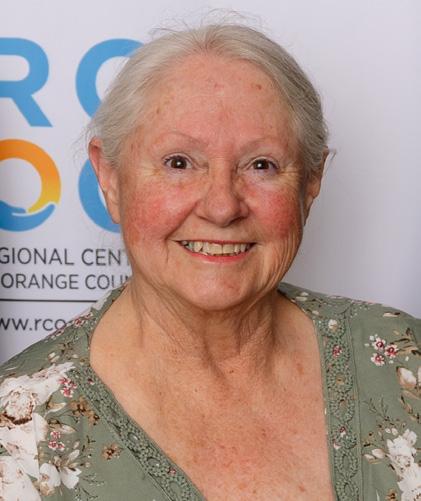
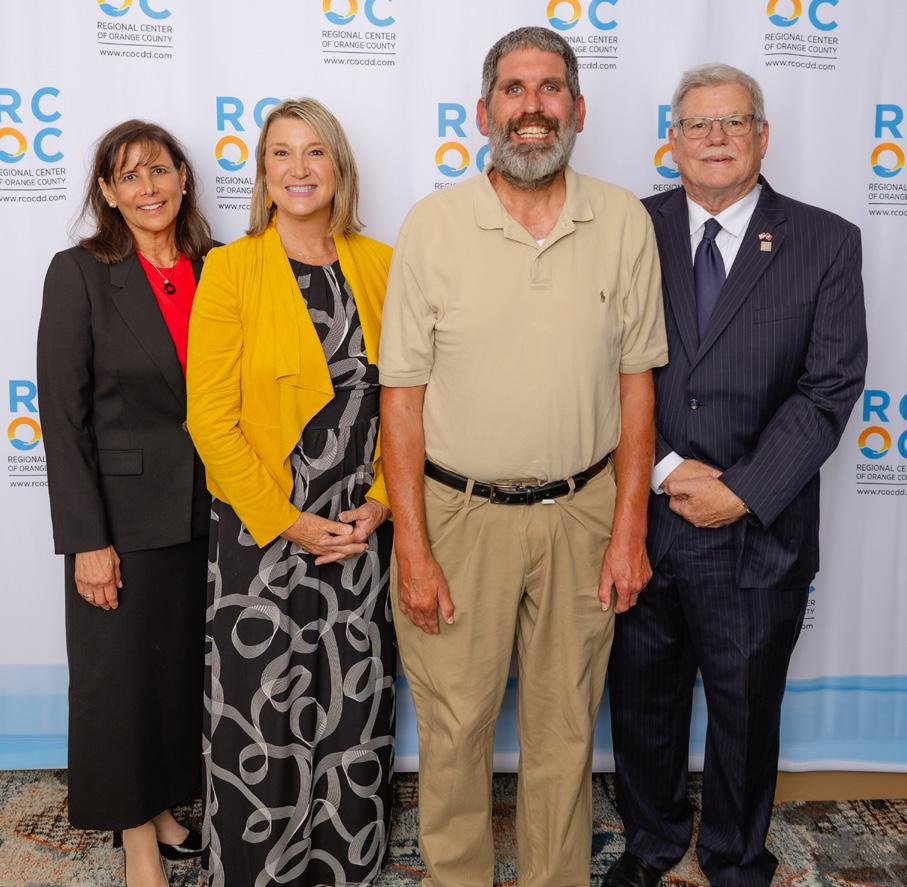
Sandy
Direct Support Professional: Martha England
As a job coach with Westview Services for more than 25 years, Martha has helped individuals achieve employment success, developing both job and interpersonal skills. Martha has also built strong relationships with employers, RCOC service coordinators, care providers, and members of the community as she consistently demonstrates patience, empathy, and integrity.
L-R:
Martin, Michele Gile, John Correa and Larry Landauer
DIALOGUE
This newsletter can also be read online at RCOC’s website: www.rcocdd.com
Copyright © 2026
Board of Directors
Sandy Martin, Chair
John “Chip” Wright, Vice Chair
Jacqueline Nguyen, Treasurer
Yvonne Kluttz, Secretary
Marcell Bassett
Pankaj Bedekar
Bruce Hall
Frances M.K. Hernandez
Amy Jessee
Liza Krassner
Lorena Medina
Hilda Mendez
Chinh Nguyen
Rick Perez
Please check the Monthly Calendar on RCOC’s website for the most up-to-date information regarding Board meeting dates and format.
RCOC Administration
Larry Landauer, Executive Director
Arturo Cazares, Associate Executive Director
Christina Petteruto, General Counsel
Marta Vasquez, Chief Financial Officer
Jerrod Bonner, Chief Information Officer
Bonnie Ivers, Psy.D., Clinical Director
Jennifer Montañez, Director of Case Management
Stacy Wong, Human Resources Director
Carmen Gonzalez, Associate Director, Central Area
Rachel Khorana, Associate Director, Intake
Araceli Mendez, Associate Director, Early Start
Carie Otto, Associate Director, West Area
Greg Shimada, Associate Director of Information Technology
Jack Stanton, Associate Director of Housing
Sean Watson, Associate Director, Risk Management

Updated Recreation Resource Guide is Available
LOOKING FOR FUN AND ACTIVE WAYS TO KEEP YOURSELF OR YOUR CHILDREN WITH DEVELOPMENTAL DISABILITIES ACTIVE DURING SUMMER BREAK? Be sure to check out RCOC’s Recreation Resource Guide. Updated for 2026, the Guide also includes a link to our frequently updated list of programs that meet the Home and Community-Based Services (HCBS) requirements for social-recreational funding through RCOC.
Scan the QR code or go to www.rcocdd.com/ community-support to download the Guide in English, Spanish, Vietnamese or Korean.
Learn About Evidence-Based Strategies for Autism

RCOC STAFF REGULARLY ATTEND STATEWIDE EVENTS AIMED AT BOOSTING COLLABORATION BETWEEN AGENCIES AND SERVICE PROVIDERS ON BEST PRACTICES FOR WORKING WITH INDIVIDUALS WITH DEVELOPMENTAL DISABILITIES. Among these is the annual California Autism Professional Training and Information Network (CAPTAIN) conference. Family members and persons served can also benefit from learning about evidence-based strategies for autism by scanning the QR code to visit the CAPTAIN website.


Facts About Generic Resources
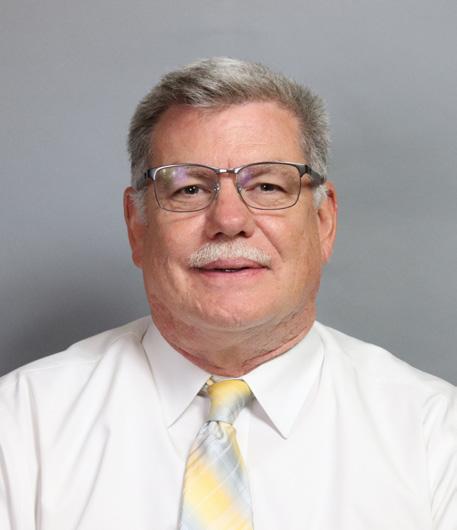
By Larry Landauer, Executive Director
WHEN
A FAMILY FIRST BEGINS RECEIVING SERVICES THROUGH A REGIONAL CENTER, THEY’RE OFTEN CONFUSED BY A TERM WE SOMETIMES USE: “GENERIC RESOURCES.”
That’s because when most people hear the word “generic,” they think of a product that’s cheaper than the “brand name” version. While that may be the case with some items you buy in a grocery store, that’s not at all what is meant when your Service Coordinator uses the term “generic resources.”
The simplest way to think about generic resources is that they are the services paid for by other agencies.
Children and adults with developmental disabilities often need many different services and supports to live as normal a life as possible in the community. The simplest way to think about generic resources is that they are the services paid for by other agencies, rather than the Regional Center.
Public Agencies that are Generic Resources
Many generic resources are publicly-funded agencies that provide services to all members of the public – not just people with disabilities. Some of these, such as public schools, public transportation, and local parks and recreation programs, are offered to everyone in the community, regardless of the person’s condition or income level.
Others, such as Medi-Cal and California Children’s Services are only available to people whose income is below a certain level. And others, such as the Department of Rehabilitation (DOR), In-Home Supportive Services (IHSS)
and Social Security, may have other qualifying criteria, such as medical need, age, or disability. Scan the QR code for a list of Public Benefits and Resources (available in multiple languages) on our website.

Many generic resources are publiclyfunded agencies that provide services to all members of the public – not just people with disabilities.
Community-Based and Other Generic Resources
RCOC also helps those we serve access community-based generic resources to meet general family needs, as well as needs identified in the Individual Program Plan (IPP) or Individual Family Service Plan (IFSP). These community supports may include non-profit organizations such as Children’s Home Society, YMCA, and many others that generally offer their programs or services on a no-cost/low-cost basis or provide assistance on a sliding scale based on income.
Rules for Regional Centers
When working with individuals and families, RCOC is required to follow detailed rules set forth in California’s statewide Lanterman Act. One of those rules is that the regional center can only pay for a needed service if it is not available through a generic resource. That is why you may occasionally hear the Regional Center referred to as the “payor of last resort.”
But whether an individual’s or family’s needs are met through generic resources or through service providers vendored by the Regional Center, you can always rely on your RCOC Service Coordinator to help you make informed and educated choices.

PERSON-TO-PERSON
How to Stand Up for Yourself
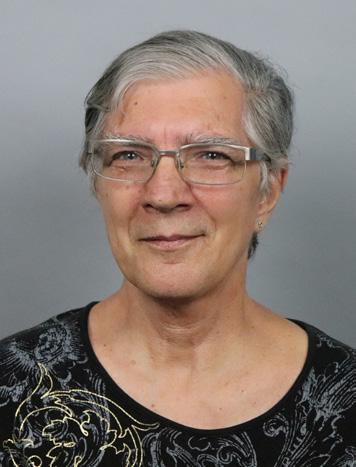
By Yvonne Kluttz, Peer Advisory Committee Chair (PAC) and Amy Jessee, PAC Co-Chair
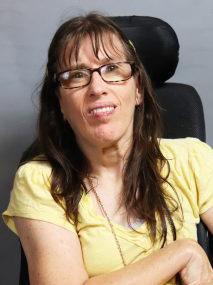
HAVE YOU EVER BEEN RIDICULED OR OTHERWISE TREATED BADLY BY A SERVICE PROVIDER, OR SOMEONE ELSE WHO WAS SUPPOSED TO BE THERE TO HELP YOU? Both of us have had such experiences. In fact, Amy (who uses a wheelchair) just recently had an OC ACCESS driver who called her “dumb and stupid” and scolded her for the way she was getting into the vehicle taking her to and from an RCOC Board meeting.
No one should be treated this way, and it’s important to speak up if it happens to you.
Amy reported the incident to OC ACCESS, registering a formal complaint against the driver. After an investigation, that driver’s license was suspended and he will be subjected to other requirements before he can drive another person with a disability.
The entire experience was very painful for Amy, but we hope sharing her story will help others with disabilities advocate for themselves.
If you experience any sort of unprofessional or abusive treatment and aren’t sure what to do, Yvonne emphasizes that you can always reach out to your RCOC Service Coordinator for help and guidance.
EVERYDAY WELLNESS:
How to Enroll with Healthy Life, Happy Life
IF YOU LIKE LEARNING ABOUT HEALTH AND WELLNESS, YOU MIGHT WANT TO CONSIDER ENROLLING IN RCOC’S HEALTHY LIFE, HAPPY LIFE PROGRAM WHICH WE CREATED SPECIFICALLY FOR ADULTS WE SERVE WHO WANT TO BECOME HEALTHIER. Offered through residential, day program, and ILS/SLS service providers, the curriculum includes lessons on physical, emotional, dental and vision health and is available in multiple languages.
The introductory level course covers various aspects of health and strategies to improve general health, while the advanced course focuses on prevention and management of conditions like diabetes, elevated cholesterol and blood pressure. Most participants graduate from the program and report that it made them feel better about themselves and their ability to make healthier choices.
To see if Healthy Life, Happy Life might be right for you, contact your RCOC Service Coordinator.
Workshops & Events
Ask the Experts Zoom Conversations
RCOC partners with Chapman University, Department of Rehabilitation and the OC Local Partnership Agreement to present these free workshops for persons served, families, educators, service providers, disability support agencies and business partners. Each workshop runs from noon to 1 p.m. and begins with a presentation followed by a Q&A opportunity. To register, scan the QR code next to the event listing.
Transition Q&A
Presenters: RCOC’s Arturo Cazares, North Orange Continuing Education’s Adam Gottdank, Department of Rehabilitation’s Trinh van Erp Thursday, June 11

Behavior Management Workshop for Parents
Presented in English by Advanced Behavioral Health, this five-session virtual workshop covers basic principles of positive behavior management. The focus is on helping parents of children with developmental disabilities change their own behavior and that of their children. Parents are actively involved and invited to discuss their specific behavioral challenges. To register, contact Rosita Aguilar at 714.796.5223 or raguilar@rcocdd.com.
Thursdays, from 5:30-8 p.m.
August 6, August 13, August 20, August 27 and September 3
Two-Day Person-Centered Thinking Training
Geared toward service providers and independent facilitators, this free workshop takes place over the course of two days and incorporates Person-Centered Thinking (PCT)
training materials from The Learning Community for Person-Centered Practices. Those who complete the full two-day training will receive a training certificate. For information and to register, contact RCOC’s Leah Saitz at lsaitz@ rcocdd.com or scan the QR code.
Wednesday, June 10 and June 17
9 a.m. – 5 p.m.
RCOC’s Santa Ana Office
One-Page Description Workshop

This free workshop for families and service providers will equip participants with the skills to use Person-Centered Thinking principles to create an effective and useful one-page description for a person with developmental disabilities. For information and to register, contact RCOC’s Leah Saitz at lsaitz@rcocdd. com or scan the QR code.
Tuesday, July 21
6-8 p.m.
RCOC’s Santa Ana Office

Back to School Recreation Resource Fair
In July, RCOC will host a Back to School Recreation Resource Fair for families we serve. The event will include participation by a broad range of service providers vendored by RCOC, along with free backpacks supplied by Aveanna Healthcare. For details, check the Events Calendar on RCOC’s website or contact RCOC’s Derrick Nguyen at 714.558.5401 or dnguyen@rcocdd.com.
ABC’s of School Services
The Basics About Extended School Year (ESY)

EXTENDED SCHOOL YEAR (ESY) SERVICES ARE SPECIAL EDUCATION SUPPORTS PROVIDED DURING LONG SCHOOL BREAKS TO HELP STUDENTS MAINTAIN PROGRESS ON THEIR INDIVIDUALIZED EDUCATION PROGRAM (IEP) GOALS. ESY is not the same as summer school. It is individualized and designed to prevent the loss of critical skills related to a student’s disability.
Determining ESY eligibility is a collaborative process between the family and their school team. Together, the IEP team reviews data to decide whether a student requires continued services to receive the free and appropriate public education to which they are entitled.
ESY may be considered when data shows significant regression during breaks, limited ability to recoup lost skills, or when a student is developing an emerging or critical skill that could be lost without ongoing instruction.
Determining ESY eligibility is a collaborative process between the family and their school team.
To make informed decisions, teams rely on multiple data sources, including:
• Progress monitoring on IEP goals before and after school breaks.
• Regression and recoupment timelines, which refers to how quickly the child’s skills wane without continuous instruction and the amount of time it takes the child to regain skills once instruction resumes.
• Teacher and service provider observations.
• Formal assessments and skill-specific samples of the student’s school work.
• Parent observations and input. This range of information helps ensure decisions reflect the student’s performance across settings.
ESY eligibility must be reviewed at least annually, typically during the annual IEP meeting or before summer break.
If ESY is recommended, services are provided only in the areas of identified need and may look different from the regular school-year schedule. The goal is to maintain essential skills, not to introduce new curriculum.
ESY eligibility must be reviewed at least annually, typically during the annual IEP meeting or before summer break. If a student does not qualify, families are encouraged to ask what data was used and share any additional observations.
By working together and using clear data, families and school teams can make thoughtful ESY decisions that support continued student progress.

2026 Spotlight Award Honorees,
cont.
Service Provider: Orange County Children’s Therapeutic Arts Center (OCCTAC)
For 25 years, OCCTAC has been a transformative force in the community, with programs in visual and performing arts, social recreation, independent living skills, and vocational exploration that empower individuals with disabilities to build confidence, develop meaningful relationships, and reach personal milestones in a safe, welcoming environment.
Family Member: Evelyn Rodriguez
Evelyn has been a tireless advocate for her son with autism. Despite facing difficult family issues and personal health challenges, she never gave up on ensuring her son’s individual needs were met, while also opening doors and empowering other families to understand their rights and access services with dignity.
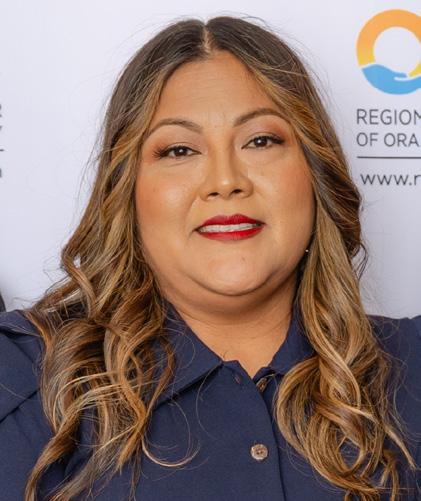
RCOC Achievement: Jennifer Kennedy
As Area Manager in RCOC’s Cypress office, Jennifer was honored for her incredible leadership, unwavering support for individuals and families RCOC serves, and dedication to the community. With strong problem-solving abilities, she’s known for brainstorming creative options when traditional services or situations don’t meet a person’s needs.
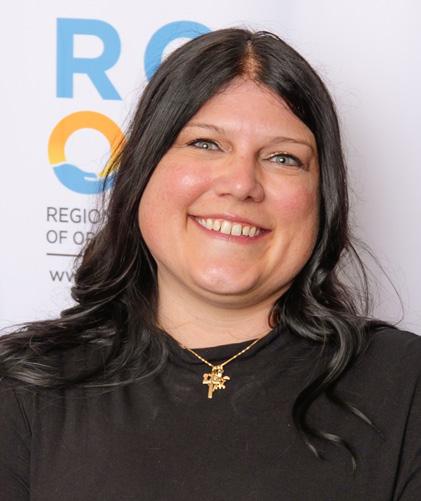
Community Partner: Serving Advantage Adaptive Tennis
Founded in 2020 by three high school sophomores, Serving Advantage Adaptive Tennis has worked to reshape what inclusion in sports can look like. Working with athletes of all ages and adapting instruction to meet individual needs, they foster confidence, independence, and joy on the tennis court.
Employer: Orange County Fire Authority (OCFA)
An employer of people with developmental disabilities for over 40 years, OCFA embodies a culture of inclusion that has provided longterm careers for adults with developmental disabilities. OCFA currently employs five persons served by Goodwill of Orange County who are full-time county employees receiving full benefits.
Healthcare Professional: Eric Doran, MS
A colleague of Dr. Ira Lott, the renowned UC Irvine pediatric neurologist, Eric is a genetic counselor managing the UCI Center for Aging Research in Down Syndrome, where he helps guide families through the stages of development and aging with care and compassion and assists families considering participation in research studies helping to find answers to many questions about Down syndrome, the aging process and Alzheimer’s disease.
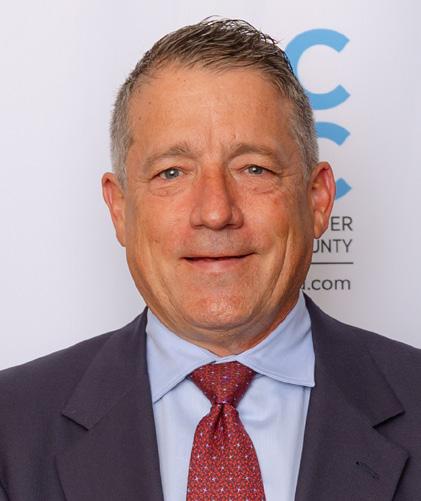
E. Kurt Yeager Servant Leadership Award: Meena Chockalingam
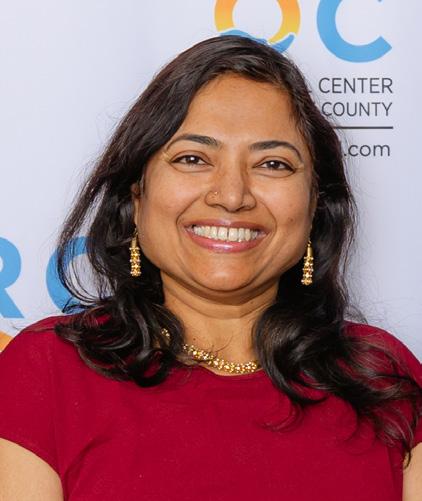
The mother of a son with a developmental disability, Meena was honored for her 14 years of service on RCOC’s volunteer Board of Directors, her 10 years on the Irvine Residents with Disability Advisory Board, and current work chairing the Board of Jeena, a non-profit that works to empower neurodivergent individuals and foster a supportive community among families in the South Asian community. She is also founding member of Friendly Neighbors Housing Community in the City of Riverside.
Spotlight cont.
Lifetime Achievement: Stuart Haskin
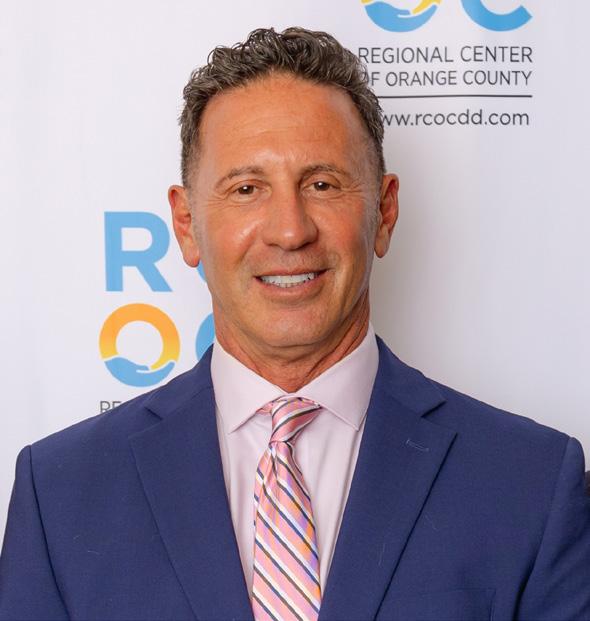
For nearly three decades, Stuart has helped educate and empower individuals with developmental disabilities through safety training provided by his organization, Get Safe. Known in our community as “Safety Stu,” he is passionate about equipping people of all abilities with the tools to stay safe, including environmental awareness, self-advocacy, boundary-setting, effective communication, and healthy relationships. For many years, Get Safe’s program was unique, as this type of service was not as readily available at most regional centers, but under Stuart’s leadership, Get Safe has expanded and also includes training that covers best practices for interacting with emergency first responders and law enforcement, an area of concern for many families.
Serving Orange County’s Hispanic Community
REGIONAL
CENTER OF ORANGE COUNTY has prepared this insert especially for the individuals and families we serve who are most comfortable communicating in Spanish. These events, programs and activities are presented in Spanish and/or are geared specifically for those in Southern California’s Hispanic community. However, some are not funded or endorsed by RCOC and this information is provided as a courtesy. If you know of other opportunities you would like to share with other Spanish speakers, please contact Ingrid Jbeili at 714.558.5406 or ijbeili@rcocdd.com.




Movies in the Park



Concerts in the Park
The City of Anaheim will host free Concerts in the Park from 6:30–8 p.m. on Thursdays, from June 11 through July 30.
Scan the QR code for information on the performance line up and locations.
Family Autism Night

Irvine’s Pretend City Children’s Museum sets aside the 4th Thursday of each month from 5–7 p.m. for families with children of all ages from the neurodiverse community and with other disabilities.
For information call 949.428.3900 or visit www.pretendcity.org.

The City of Santa Ana will host free family-friendly Movies in the Park starting at 6:30 p.m. on Fridays, June 5, 12, 26 and July 10, 17, 24. Each movie night will feature themed crafts for kids, fun giveaways, community resources and complimentary popcorn. Bring your own picnic or purchase from food vendors. Park locations vary each week. Spanish audio headsets are available with ID verification. Scan the QR code for details and locations.
How Are Public School Services
Different from Regional Center Services?

WHEN A CHILD TRANSITIONS FROM SERVICES PROVIDED THROUGH THE REGIONAL CENTER TO SERVICES PROVIDED THROUGH THEIR LOCAL PUBLIC SCHOOL DISTRICT, IT CAN BE A CONFUSING TIME FOR PARENTS. Some may wonder why their child cannot simply continue to receive the same services through their existing RCOC-funded service providers.
A family whose child is determined to be eligible for Regional Center services under California’s Lanterman Act can continue to receive certain RCOC-funded services. However, most of a child’s services will be provided through their local public school district, because public schools are what the Lanterman Act refers to as “generic resources” which the law says must be accessed to meet a person’s needs before Regional Center funds can be spent.
Facts About Generic Resources
The simplest way to think about generic resources is that they are services available from agencies other than the Regional Center. Scan the QR code for a list of Public Benefits and Resources, available in multiple languages.
Many generic resources are publicly-funded agencies that provide services to everyone – not just people with disabilities. Some of these, such as public schools, public transportation, and local parks and recreation programs, are offered regardless of a person’s condition or income level. Others, such as Medi-Cal (California’s Medicaid public health insurance program), are only available to people whose income is below a certain level. And others, such as In-Home Supportive Services (IHSS) and Social Security,
may have other qualifying criteria, such as medical need, age, or disability.
Since most of a child’s disability-related needs can be met with the educational services provided by public schools – a generic resource – the Lanterman Act prohibits RCOC from paying for those services. However, there are certain services that public schools and other generic resources do not provide which families can continue to receive through the Regional Center.
Medi-Cal/CalOptima Eligibility Alert
Recently passed federal legislation has mandated revised eligibility criteria and new guidelines for individuals and families to maintain Medi-Cal coverage. As such, families currently covered by Medi-Cal should pay close attention to their next program renewal packet, and carefully review it for changes that could affect their eligibility. Scan the QR code or visit https://ssa.ocgov.com/ health-care-services/medical-program-services for more information.

Serving Orange County’s Vietnamese Community
REGIONAL CENTER OF
ORANGE COUNTY has prepared this insert especially for the individuals and families we serve who are most comfortable communicating in the Vietnamese language. These events, programs and activities are presented in Vietnamese and/or are geared specifically for those in Southern California’s Vietnamese community. However, some are not funded or endorsed by RCOC and this information is provided as a courtesy. If you know of other opportunities you would like to share with others in the Vietnamese community, please contact RCOC Cultural Specialist Derrick Nguyen at 714.558.5401 or dnguyen@rcocdd.com.
2026 Fountain Valley Summerfest
Enjoy the summer with live concerts, carnival rides and games for all ages, food and beverages and fireworks at the 2026 Fountain Valley Summerfest.
For more information, call 714.839.8622 or scan the QR code.
Thursday, June 18 through Sunday, June 21
Fountain Valley Sports Park 16400 Brookhurst Street in Fountain Valley

Westminster Tet Parade
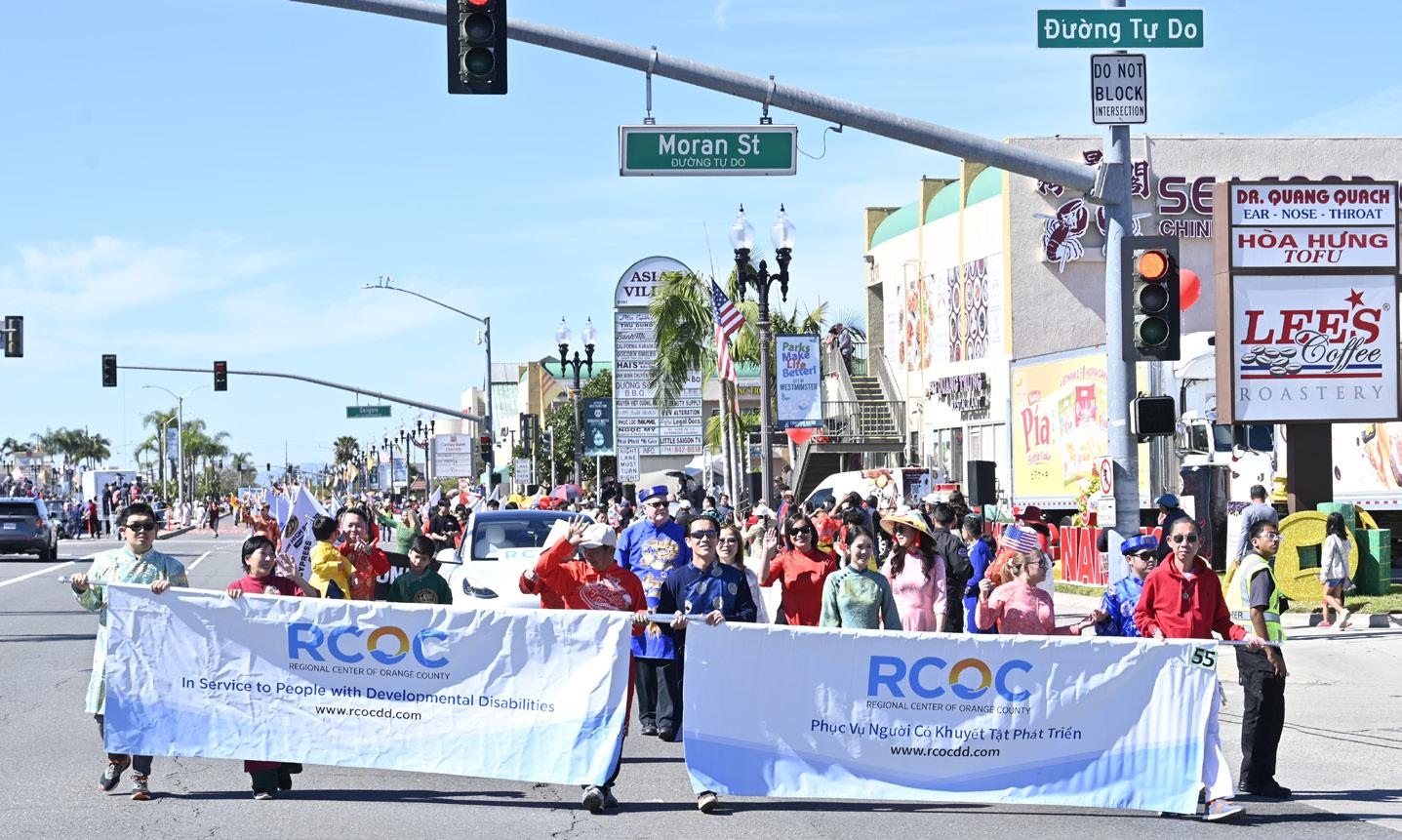
The Tet Parade has celebrated the Lunar New Year in Little Saigon for over two decades, with Vietnamese communities across the globe tuning in to watch the event on local TV stations and social media platforms. We participated in the event, with persons served walking in the parade and carrying RCOC banners.
Lunar New Year Celebration
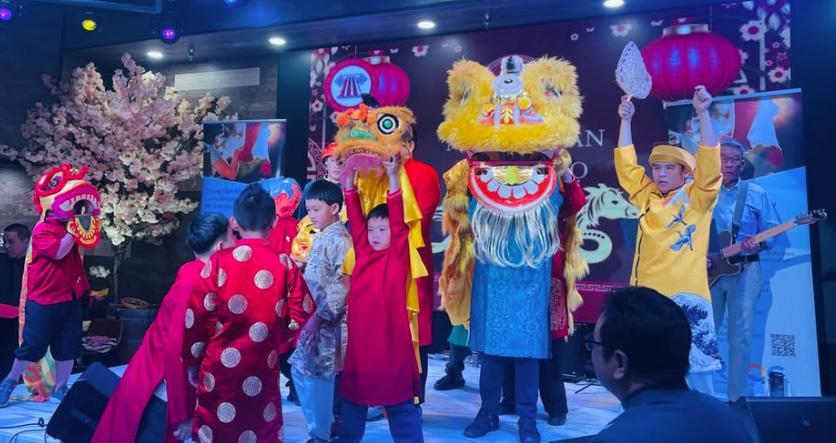
More than 500 people attended our 2nd Lunar New Year Celebration in March, presented in partnership with the Vietnamese Parents of Disabled Children Association (VPDCA). The event helped families to connect and engage with others served by RCOC in a comfortable, welcoming environment as they learned about RCOC-funded services.
How Are Public School Services
Different from Regional Center Services?

WHEN A CHILD TRANSITIONS FROM SERVICES PROVIDED THROUGH THE REGIONAL CENTER TO SERVICES PROVIDED THROUGH THEIR LOCAL PUBLIC SCHOOL DISTRICT, IT CAN BE A CONFUSING TIME FOR PARENTS. Some may wonder why their child cannot simply continue to receive the same services through their existing RCOC-funded service providers.
A family whose child is determined to be eligible for Regional Center services under California’s Lanterman Act can continue to receive certain RCOC-funded services. However, most of a child’s services will be provided through their local public school district, because public schools are what the Lanterman Act refers to as “generic resources” which the law says must be accessed to meet a person’s needs before Regional Center funds can be spent.
Facts About Generic Resources
The simplest way to think about generic resources is that they are services available from agencies other than the Regional Center. Scan the QR code for a list of Public Benefits and Resources, available in multiple languages.
Many generic resources are publicly-funded agencies that provide services to everyone – not just people with disabilities. Some of these, such as public schools, public transportation, and local parks and recreation programs, are offered regardless of a person’s condition or income level. Others, such as Medi-Cal (California’s Medicaid public health insurance program), are only available to people whose income is below a certain level. And others, such as In-Home Supportive Services (IHSS) and Social Security,
may have other qualifying criteria, such as medical need, age, or disability.
Since most of a child’s disability-related needs can be met with the educational services provided by public schools – a generic resource – the Lanterman Act prohibits RCOC from paying for those services. However, there are certain services that public schools and other generic resources do not provide which families can continue to receive through the Regional Center.
Medi-Cal/CalOptima Eligibility Alert
Recently passed federal legislation has mandated revised eligibility criteria and new guidelines for individuals and families to maintain Medi-Cal coverage. As such, families currently covered by Medi-Cal should pay close attention to their next program renewal packet, and carefully review it for changes that could affect their eligibility. Scan the QR code or visit https://ssa.ocgov.com/ health-care-services/medical-program-services for more information.
Serving Orange County’s Korean Community
REGIONAL CENTER OF ORANGE
COUNTY has prepared this insert especially for the individuals and families we serve who are most comfortable communicating in the Korean language. These events, programs and activities are presented in Korean and/or are geared specifically for those in Southern California’s Korean community. However, some are not funded or endorsed by RCOC and this information is provided as a courtesy. If you know of other opportunities you would like to share with others in the Korean community, please contact RCOC Cultural Specialist Derrick Nguyen at 714.558.5401 or dnguyen@rcocdd.com.
2026 Fountain Valley Summerfest
Enjoy the summer with live concerts, carnival rides and games for all ages, food and beverages and fireworks at the 2026 Fountain Valley Summerfest. For more information, call 714.839.8622 or scan the QR code.
Thursday, June 18 through Sunday, June 21
Fountain Valley Sports Park
16400 Brookhurst Street in Fountain Valley
Westminster Movie Nights
The City of Westminster will be hosting free movie nights at the Civic Center Sunken Gardens on Thursdays, July 9-30. Enjoy fun activities, crafts, games, giveaways and more, starting at 6:30 p.m. Movie showing will begin at dusk. Food, drinks and dessert will be available for purchase from food trucks.
For information and details, contact the Community Services & Recreation Department at 714.895.2860 or csronline@westminster-ca.gov or scan the QR code.

Lunar New Year Celebration
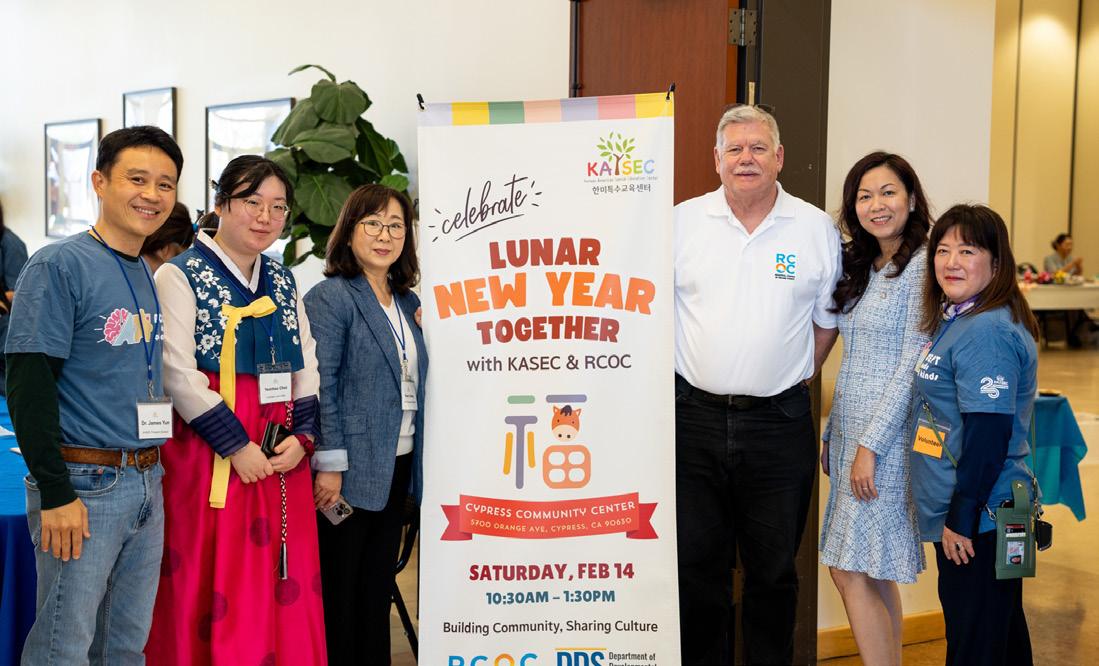
More than 100 people attended the Korean New Year, or Seollal, celebration we hosted in February, in partnership with KASEC (Korean American Special Education Center). The event helped families to connect and engage with others served by RCOC, while learning more about RCOC-funded services, how to access supports, and advocacy skill-building tailored specifically for the Korean community.
How Are Public School Services
Different from Regional Center Services?
WHEN A CHILD TRANSITIONS FROM SERVICES PROVIDED THROUGH THE REGIONAL CENTER TO SERVICES PROVIDED THROUGH THEIR LOCAL PUBLIC SCHOOL DISTRICT, IT CAN BE A CONFUSING TIME FOR PARENTS. Some may wonder why their child cannot simply continue to receive the same services through their existing RCOC-funded service providers.
A family whose child is determined to be eligible for Regional Center services under California’s Lanterman Act can continue to receive certain RCOC-funded services. However, most of a child’s services will be provided through their local public school district, because public schools are what the Lanterman Act refers to as “generic resources” which the law says must be accessed to meet a person’s needs before Regional Center funds can be spent.
Facts About Generic Resources
The simplest way to think about generic resources is that they are services available from agencies other than the Regional Center. Scan the QR code for a list of Public Benefits and Resources, available in multiple languages.
Many generic resources are publicly-funded agencies that provide services to everyone – not just people with disabilities. Some of these, such as public schools, public transportation, and local parks and recreation programs, are offered regardless of a person’s condition or income level. Others, such as Medi-Cal (California’s Medicaid public health insurance program), are only available to people whose income is below a certain level. And others, such as In-Home Supportive Services (IHSS) and Social Security,
may have other qualifying criteria, such as medical need, age, or disability.
Since most of a child’s disability-related needs can be met with the educational services provided by public schools – a generic resource – the Lanterman Act prohibits RCOC from paying for those services. However, there are certain services that public schools and other generic resources do not provide which families can continue to receive through the Regional Center.
Medi-Cal/CalOptima Eligibility Alert
Recently passed federal legislation has mandated revised eligibility criteria and new guidelines for individuals and families to maintain Medi-Cal coverage. As such, families currently covered by Medi-Cal should pay close attention to their next program renewal packet, and carefully review it for changes that could affect their eligibility. Scan the QR code or visit https://ssa.ocgov.com/ health-care-services/medical-program-services for more information.