published by Red Flag Media 1032 Arch Street, 3rd Floor Philadelphia, PA 19107
215.625.9850
GRIDPHILLY.COM
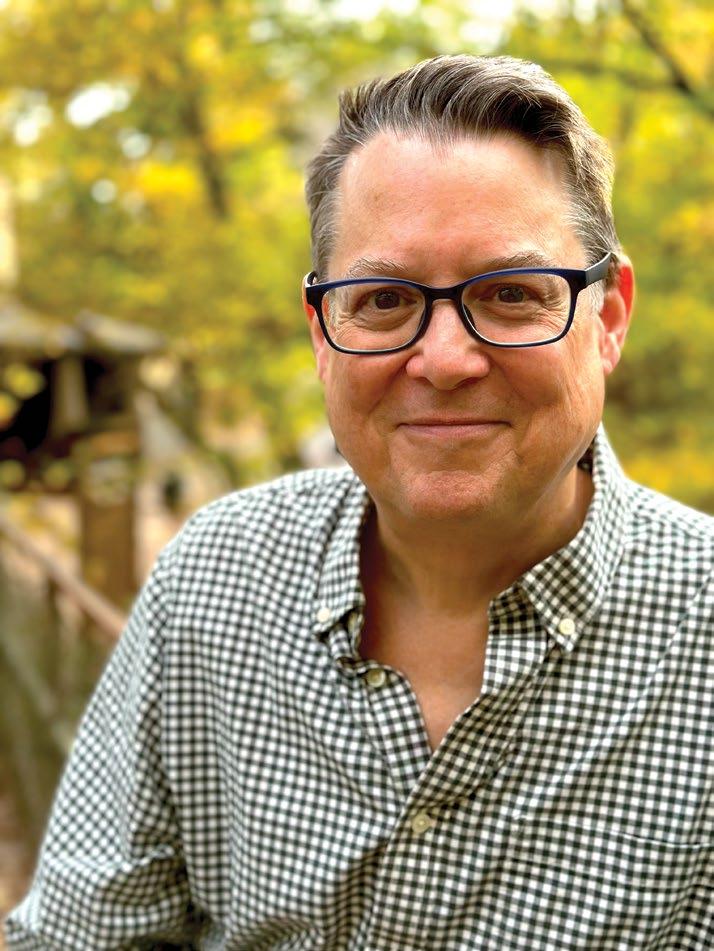
PUBLISHER’S NOTES by alex mulcahy
Fields of Plenty
As a parent of a 13-year-old and a 10-year-old who play baseball in West Philly’s Philadelphia Athletics Youth Sports Association (PAYSA), I know firsthand how hard it can be to find space to play organized sports. The league has grown from 170 kids in 2014 to around 300 today, with a waiting list of 20. The demand keeps growing, but the field space remains the same.
On a typical night, my daughter shares practice time with two other teams. Three teams rotate across one proper baseball field and two “open space” areas where drills can be run. That means each team gets about 30 minutes per week of practice on an actual field. Adding to the field stress, our makeshift batting cage recently fell apart and is now unusable.
And yet, everyone associated with PAYSA would tell you how lucky we are.
Our league is entirely volunteer-run, powered by parents who coach, line fields, cut grass, organize and purchase equipment and uniforms, manage schedules, get clearances for coaches, etc. It holds together because a handful of people donate extraordinary amounts of time and energy to keep it going.
But just 2.3 miles away, at Miles Mack Playground in Mantua, there’s a different situation: a beautiful baseball field, renovated with public funds, complete with covered dugouts, a grass infield, and a dirt mound, sits largely unused. Not because there’s something wrong with it, but because it hasn’t been maintained. A day’s work with some sand, silt and clay, and basic upkeep could make it playable.
This is the frustration at the heart of Philadelphia’s youth sports system.
City officials often point to a recent Temple University study as evidence that we need more, and better, fields. But the report tells a different story if you read it closely. It found that 60% of facilities are rated “below” or “far below” average. That doesn’t describe a lack of fields; it describes a lack of maintenance.
The same report notes that facilities improved through the City’s Rebuild program were rated 18% higher in quality. In other
words, when we invest in existing infrastructure, people benefit.
The problem isn’t scarcity of fields; it’s the City’s almost allergic response to maintenance.
The report also highlights something even more basic: many sites lack signage. Only 24% include contact information. That means most fields don’t even provide a clear way for leagues or families to access them. We are not just under-maintaining our fields — we are under-managing them.
All of which makes the logic of the city’s approach at FDR Park crumble.
There, a landscape that evolved into a natural refuge — providing habitat, absorbing stormwater, and offering open, informal space for park goers — is being cleared to make way for new synthetic turf fields. These fields are often justified as cost-effective, but that calculation ignores huge tradeoffs: higher surface temperatures, environmental and health concerns tied to PFAS chemicals, and the long-term cost of replacement and disposal.
And it ignores the larger question: why are we building new fields while so many existing ones sit underused or unusable?
Philadelphia has a youth sports crisis, but it’s not because we lack space. It’s because we have failed to take care of what we already have — and to make it accessible to all communities.
The city chooses capital projects over maintenance, and new construction over stewardship — and it’s costing us (and wildlife) green spaces in the process.
Before we clear more land to build new facilities, we should ask: what would it take to make the fields we already have playable again? And how can we make the process of gaining access to the fields simple and transparent?
Because the answer to those questions might be far less costly, far less destructive and far more equitable, than starting over.
mulcahy , Publisher
THROUGH HIGH SCHOOL
LOCAL AUTHOR MAKES CLIMATE FICTION PRIZE LONGLIST
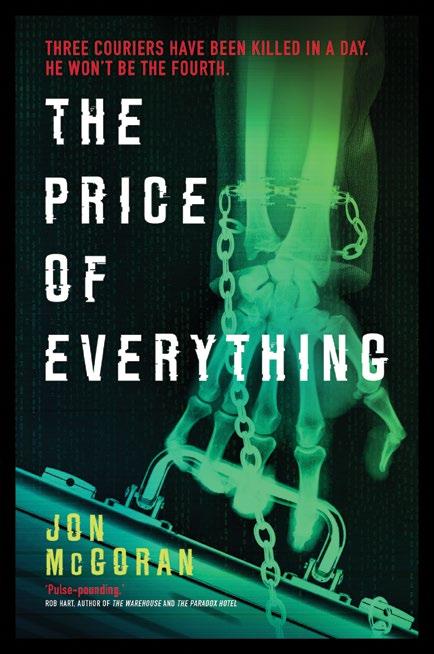
“The Price of Everything,” a novel by Philadelphian Jon McGoran, was longlisted for the second Climate Fiction Prize, alongside 11 others in the running for a $13,550 prize.
The Climate Fiction Prize is awarded by the UK-based organization Climate Spring, which supports the integration of climate crisis-related storytelling in digital media.
“The Price of Everything” follows protagonist Armand Pierce in a world McGoran says is set in a near future that reflects aspects of our current reality: “unchecked climate change exacerbated by wealth disparity and corporate oligarchies forcing desperate people to accept extreme measures in order to pay the rent—and the reality that the longer we put off necessary changes, the bolder and more disruptive those changes will have to be,” he
described in an email to Grid. Interested in the science of climate change since childhood and realizing over time the true risks of letting the planet’s temperature rise, McGoran has found it important to incorporate the crisis in his work.
“Climate change is the biggest threat humanity faces, and we have been tragically incapable of confronting it,” McGoran said. “It is important for storytellers to make it impossible to ignore, not just by lecturing or cajoling, but by creating rich, compelling, exciting, and thought-provoking stories that people will want to read.”
“The Price of Everything” was not selected for the six-book shortlist, which was announced on March 18.
The winner will be chosen in May.
New literacylearning hub coming to North Philly
Brilliant Cities, an organization based in Detroit that’s dedicated to creating new methods for early childhood education, is expanding beyond Michigan for the first time — and coming to Philadelphia.
Kellie Brown, former senior program officer of the Children and Families Program at the William Penn Foundation, will lead Brilliant Philadelphia, which
Solar co-op enters deal for largest installation project
The Clean Energy Co-op has signed an agreement for what will be its largest solar panel project to date.
The volunteer-based group has entered a deal with the apartment complex Valley Greene in East Falls — itself a co-op — to install 315 panels on its rooftop. Joy Baxter, the Co-op’s president, said in a press release that the installation will power about a quarter of the building’s energy usage.
The panels are expected to generate 230,000 kilowatt hours per year, according to the project webpage
Board president Madeline Haggans told Grid that they have discussed going solar for about 10 years with various companies, but it never worked out. A couple of Valley Greene members led the charge this time, however; first, discussing Clean Energy’s recent 60-panel installation with Weavers Way Co-op, and second, leaning on a member who is knowledgeable about solar energy.
“We had more information and more feeling of security that we had people from the inside of the community who cared about us who were interested and supportive of this project,” Haggans says of the decision to make the commitment with the Clean Energy Co-op.
Through a power purchase agreement, the Co-op pays for the installation cost upfront, making it more accessible for partners to go solar. Haggans says Valley Greene is not paying for anything besides energy, but it does need to complete many steps to get the OK from every partner involved to move forward on installation (Haggans says the roof is currently getting inspected for the third time).
“There’s no direct cost to us right now. But there’s tons of indirect — not necessarily cost in dollars, but — costs in terms of the complicated process we’re in,” she says, adding, “We think it’s worth the time.”
Per the agreement with Valley Greene, the Co-op will own and finance the panels for at least six years before Valley Greene can decide whether to buy the panels or continue to pay the Co-op for the electricity generated.
will operate in East Oak Lane, a neighborhood in North Philadelphia. The center is expected to serve 250 families to provide literacy-based play and family support, according to a press release.
Initiatives will be guided by “neighborhood priorities,” the release states. Conducting neighborhood listening sessions is part of the Brilliant Cities
approach, as listed on its website. Those listening sessions will continue to determine where Brilliant Philadelphia should expand its hubs, spokesperson Rob Ponto said via email. There are currently plans to establish a center in East Germantown.
Ponto said the East Oak Lane center will open this spring, but an exact date is not yet available.
A Joyous Win
Thanks to a parent-run advocacy group, Philly public school students have the right to drink water and use the bathroom by gabriel donahue
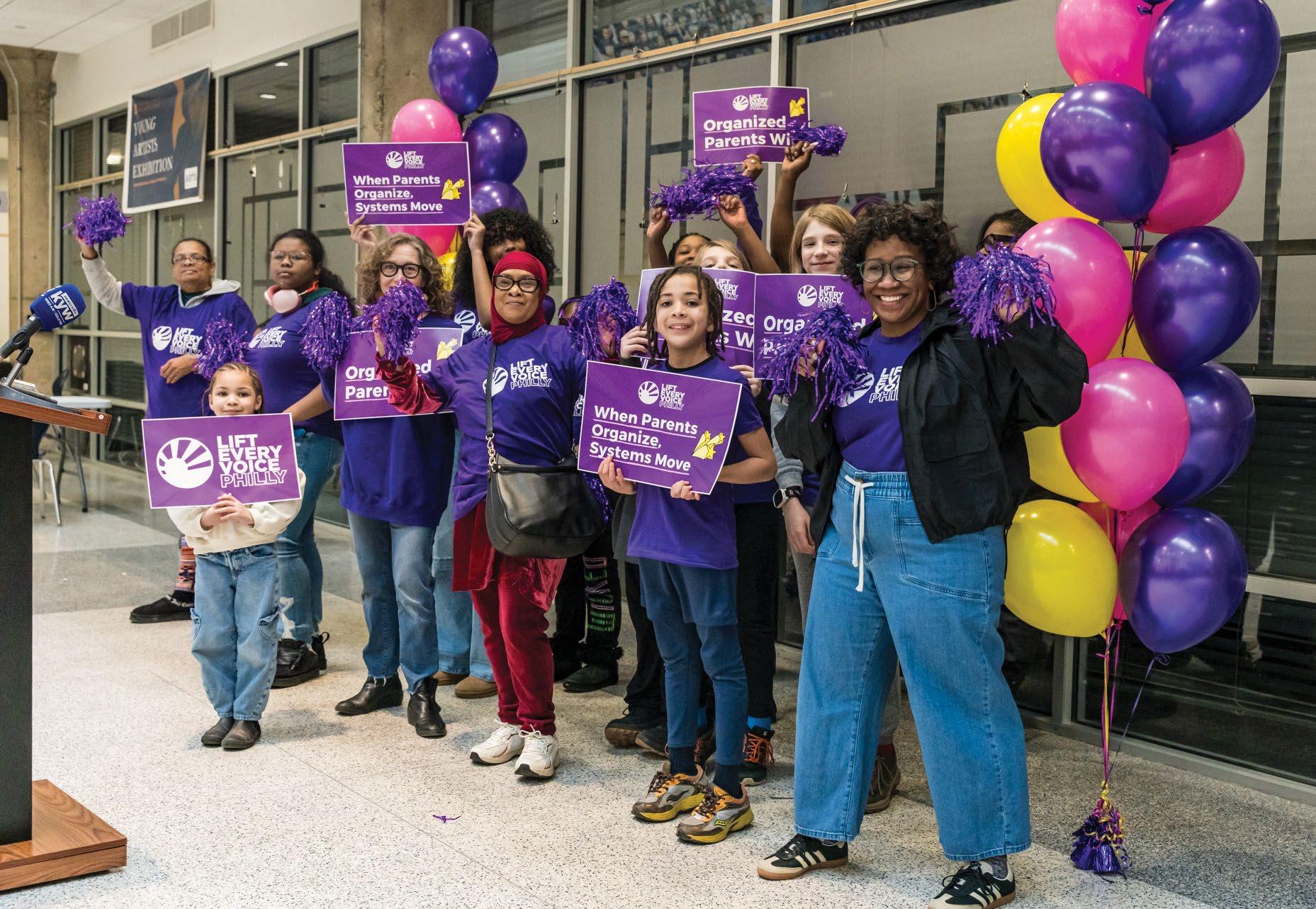
The sound of percussion rang out at the Center City headquarters of the School District of Philadelphia as the youth drumline Mad Beatz Philly opened a celebratory press conference in early March. The Black-led, parent-driven organization Lift Every Voice Philly (LEV) was celebrating a major victory: after 18 months of advocacy by parents across the city’s schools, the district passed its first comprehensive wellness policy to protect students’ basic needs.
Jamila Carter, a member of LEV, stood at a podium and called the victory “a long time coming,” as a group of children and parents
stood behind her, clad in purple LEV shirts, cheering and waving pom-poms.
“We refused to accept schools where our children could not drink water freely, where daily movement and recess were denied, and where collective punishment and silent lunches were treated as normal,” Carter said. “I didn’t come to this work as a trained activist or organizer. I came to it as a mother.”
The policy, now in effect, guarantees student access to water and bathroom breaks, codifies daily recess and prohibits, “with rare exceptions,” silent lunch periods, a practice that punishes all students for the misbehavior of one or a few.
City Councilmember Kendra Brooks co-sponsored a 2024 resolution, initiated by LEV’s activism, that called for hearings to examine the prevalence of disciplinary practices that “perpetuate anti-blackness and anti-Black racism and harm students academically, socially, emotionally to the detriment of their health, well-being and future life outcomes.” She also helped pass a resolution for a hearing to explore the creation of a Chief Officer of Joy to join the school board, another leg of LEV’s campaign that was reported on in Grid #185 Brooks has been a longstanding supporter of LEV.
“They testified, they built power, they moved Philadelphia City Council and forced the conversation open and in the public,” Brooks said at the press conference. “That’s what community power looks like.”
Protecting students’ dignity and ensuring justice in education across the city are key pillars of LEV’s mission. The group was formally established in 2022, but activities such as interviewing district parents and educators and developing a theory of change began the previous year, according to an email from Stephanie Barrale, LEV’s communications and member support manager.
The wellness policy illustrates “assessment methods” of its implementation and success, which include simply verifying that students are getting the appropriate breaks. There will also be an evaluation of food services by the Pennsylvania Department of Education and an analysis of feedback from staff, students and stakeholders, among other benchmarks.
While the formal assessment will occur triennially, parents and staff are encouraged to report wellness concerns to school staff. Additionally, parents can log comments onto Let’s Talk, a digital tool created for tracking wellness issues, which Superintendent Tony Watlington’s office staff will be “very intentional about paying close attention to on a daily basis,” he said at a Feb. 26 school board meeting.
A few weeks after the joyous rally at the district headquarters, LEV members visited Guion S. Bluford Elementary School in Haddington to spread the news at the first of a planned series of similar rallies. They handed out fliers that explained the new policy and the rights now protected for the students, and invited parents to LEV.
“If they’re having issues, they can join us,” says Julie Krug, a parent and steering committee member. “We want parents to work together.”
I didn’t come to this work as a trained activist or organizer. I came to it as a mother.”
jamila carter, member of Lift Every Voice Philly
Involved in LEV for roughly three years, Krug says she is “elated” about the policy’s passage.
“We worked really hard,” she says. “We fought hard. It took 18 months of meetings and hearings, and as a team, we kept going.”
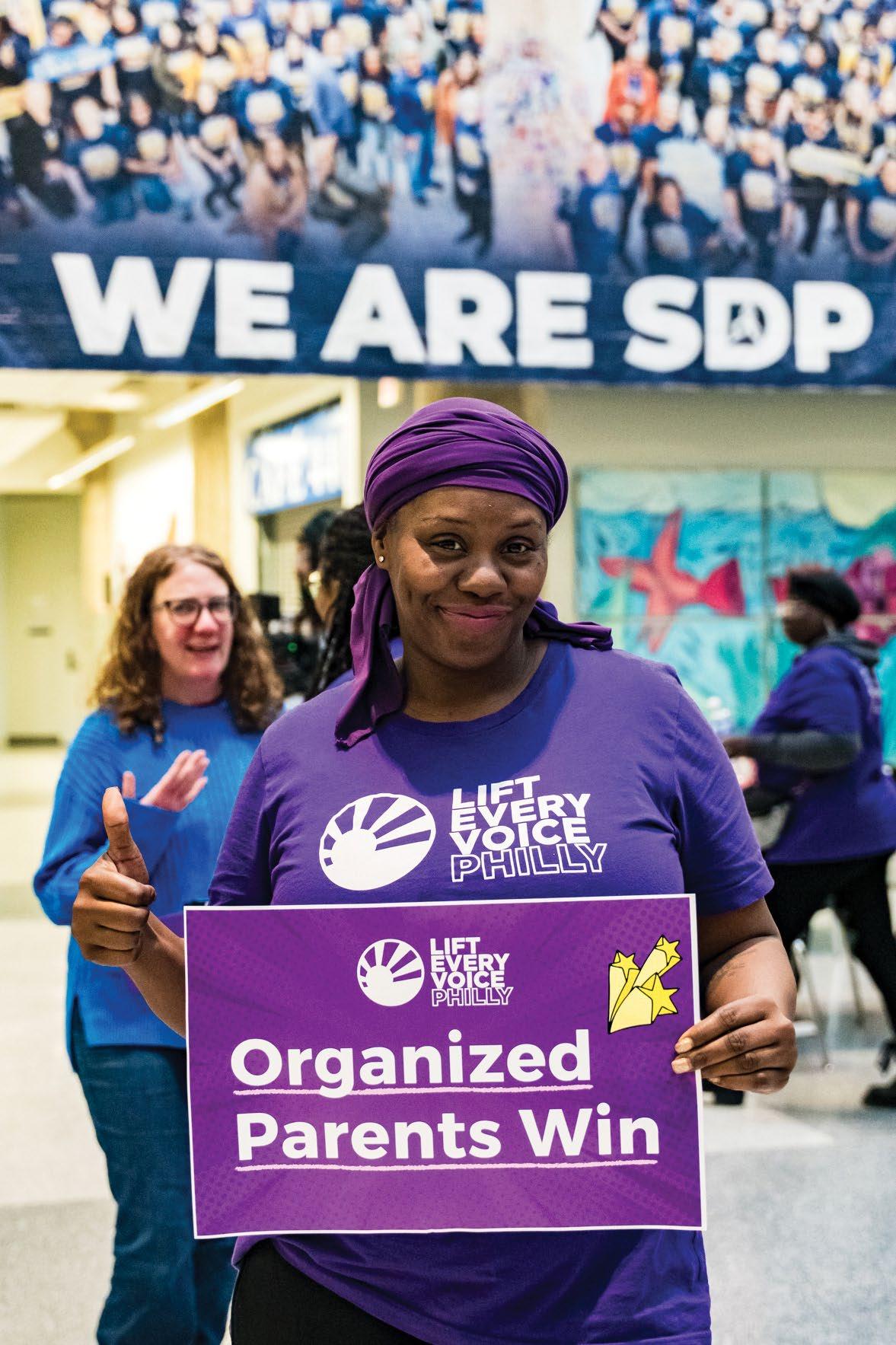
Lift Every Voice advocate Carrera Allure-Wilson celebrates the group’s win for student rights.
Freeing Fashion
Youth-run thrift store provides clothing and job training for teens story and photo by julia
lowe
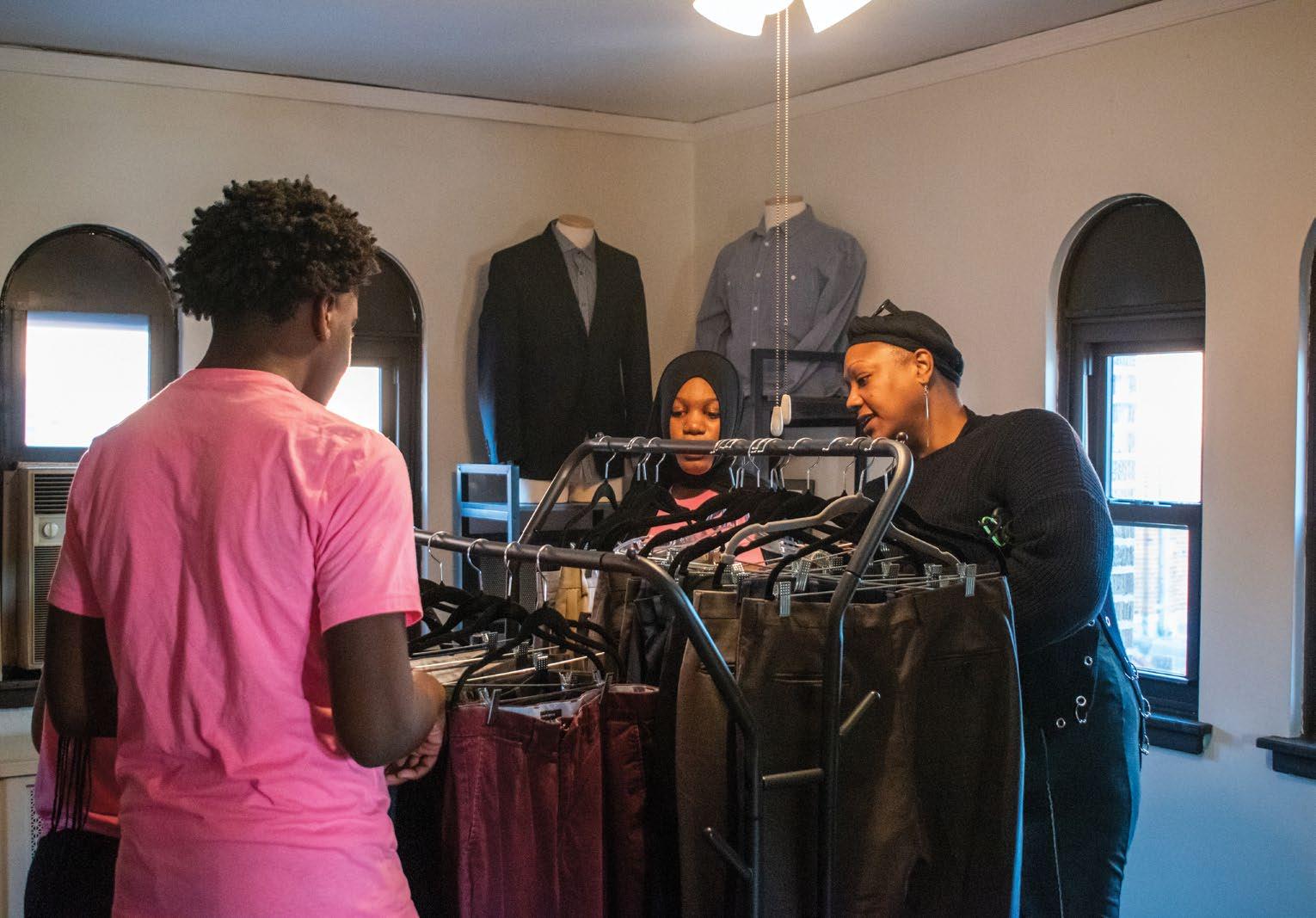
On a balmy Friday afternoon in late February, the teens who work at Fab Fits, Fab Youth Philly’s new youthrun thrift store, are waiting for their first customers of the day. A chirp through a walkie-talkie alerts staff member Brianna Valente, 18, to head downstairs to the building’s ground floor. She greets a pair of teenagers and leads them up the winding staircase to the third-floor space, which resembles a homey boutique. Then, she hands each girl a red tote bag, which they can fill with secondhand clothes from the store’s racks and take home, free of charge Fab Fits, which opened Feb. 12, offers teens from Kensington and across the city a place to shop for casual, everyday clothes as well as garments for special events like proms and job interviews. The inventory is sourced from donations by community members and partner organizations, says Rebecca Fabiano, executive director of Fab Youth Philly, and thus, it is constantly changing. Today, the prom dress room is especially well-stocked with pre-loved tulle and sequin gowns, but the growing crowd of shoppers are quickly
clearing the casual racks of any pieces that could fit the Y2K aesthetic.
Fabiano says the idea for the store came from youth who had enjoyed the organization’s annual Fab Fashion Boutique, a promwear giveaway event first held in 2023 that expanded to workwear in 2024. Teens who had attended began requesting a permanent location to shop on a regular basis. Besides being a place for young people to get free clothing for the important (and often expensive) events in a teenager’s life, Fab Fits — and Fab Youth Philly as a whole — is also a space for youth to connect.
“In Kensington, like many parts of the city, frankly, there are not a lot of third spaces for young people,” says Fabiano, who founded Fab Youth Philly in 2015. Third spaces are places outside of school or work and one’s home where people can gather without being expected to spend money.
In addition to the thrift store, the youth workforce development nonprofit offers workshops, spaces for meditation and yoga, computer access and more at 2025 E. Atlantic St., which has housed the nonprofit in
part for more than five years and is now its headquarters. “I’m hoping that this space provides an emotionally and physically safe place for young people who are looking for a positive, safe place to spend time after school,” Fabiano says.
The store is staffed by four teenagers, all of whom are interested in thrifting, fashion, social media and sustainability. Fab Youth Philly offers all of its youth employees a starting pay rate of $15 an hour, Fabiano says. While on the job, Fab Fits staff learn customer service and retail management skills, like communicating with their peers who are shopping, tracking inventory and styling mannequins. The teens even run the store’s Instagram page, where they post promotional videos showing off unique finds in the store.
They also have conversations about making more sustainable closets, says Fab Fits employee Destiny Providence, 17, especially as they process, sort and wash donated garments, deciding whether they should be stocked in the store, donated to a partner organization, or upcycled.
“If it’s something we feel like could be upcycled, we’ll take it to the makerspace,” Providence says.
Downstairs, Fab Youth Philly’s makerspace is lined with sewing machines and other tools, where Fab Youth alum and climate justice educator Mazzi Aquilla hosts free upcycling workshops as part of the organization’s “Skills for a Fab Life” series.
“You can go to our thrift store, find a few items, bring it downstairs, and Mazzi will help you repurpose it into something else,” Fabiano says.
Fabiano hopes the store’s inventory can expand both in size and variety, and that the organization as a whole can identify ways to serve young adults into their twenties, as they enter college or their first apartments. ◆
Fab Fits is open to 15- to 19-year-olds Thursdays and Fridays, 3:30-6 p.m., and accepts donation drop-offs Tuesday through Friday, 11 a.m.-6 p.m. at 2025 E. Atlantic St.
From left: Fab Fits employees Keoni Hall, 16, Destiny Providence, 17, and youth development specialist Nicole Phoenix create a coworker’s outfit for a social media video.
A Tale of Two Fishes
While American shad struggle in the Delaware River Watershed, they thrive out West by bernard brown
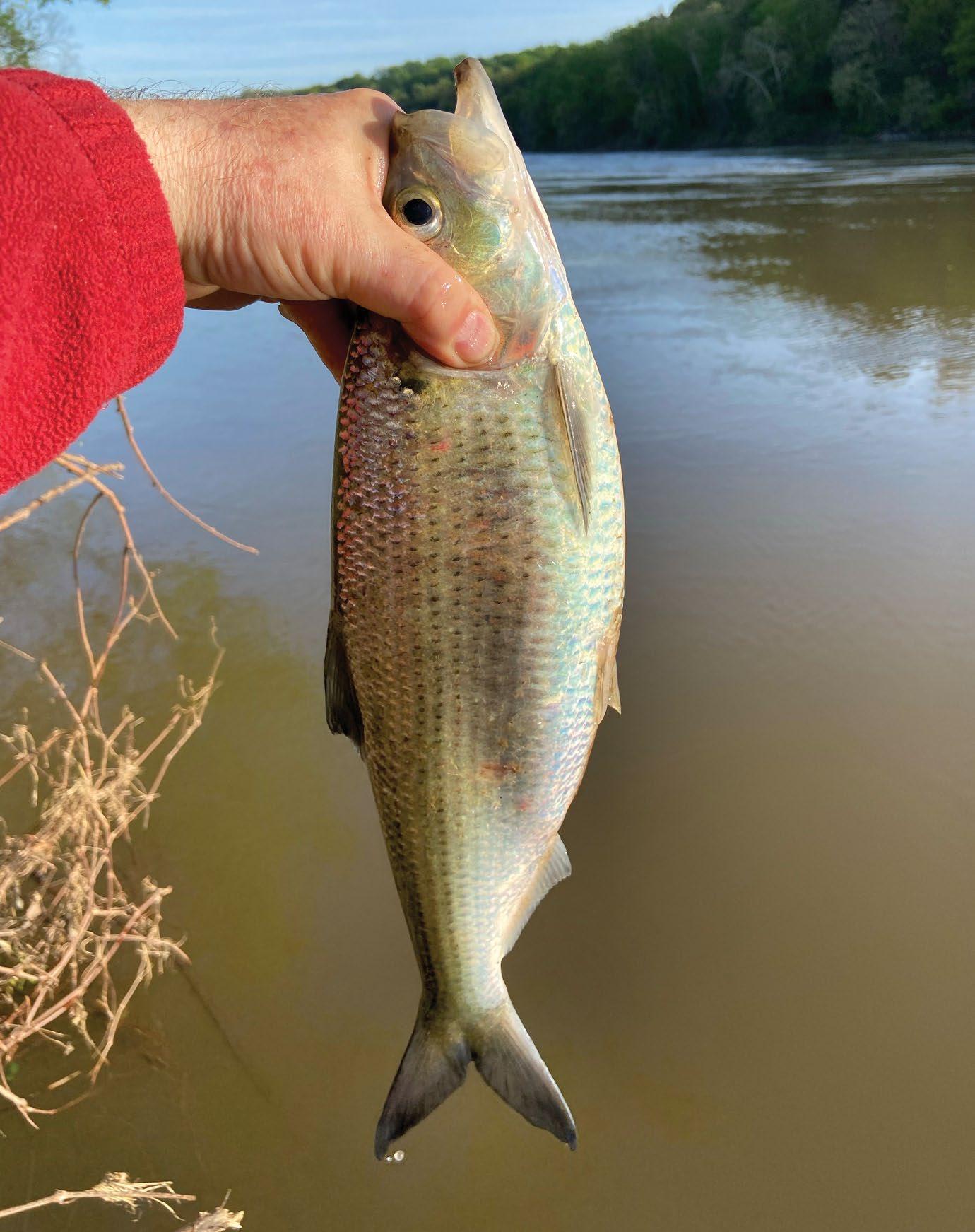
Iwould need to book a flight to Portland, Oregon, to see shad runs like Philadelphians once did. That might surprise Delaware Valley residents accustomed to hearing how scarce the once-abundant fish are. But while shad have long suffered in their home range, they have flourished out West.
The sleek silver herring is a celebrity in Philadelphia, having named a neighbor -
hood (Fishtown) and (at least in legend) fed George Washington’s troops camped at Valley Forge on the Schuylkill River. For thousands of years, the Lenape relied on migratory fish such as shad to deliver a bounty every spring. They were abundant into the beginning of the 20th century, when fishermen landed 3 million per year in the Delaware system.
The spawning shad population is cur -
rently stuck below a million adults per year. There was a population bump in the 1980s, reaching 830,000, but today the number appears to be stable at a lower level, according to a report on the status of shad and other river herring published last year by the Partnership for the Delaware Estuary.
It is impossible to directly count all the fish entering the Delaware River, so biologists rely on other clues to estimate the size of the population. Among other methods, they can count fish swimming through fish ladders on tributaries. Scientists can look at fish caught coming up the river as adults to see how many were reared in hatcheries, using that proportion to estimate the overall population.
The report’s authors sorted through these and other indices and came up with a mixed bag, according to Ellie Rothermel, urban resilience manager with the Partnership. “Some are surprisingly good, some are bad, but what they’ve concluded is that when you look at the time series, it is not trending upward, not trending downward,” Rothermel says. “That’s the overall takeaway.”
According to the Partnership for the Delaware Estuary report, in the mid-20th century, pollution created a dead zone in the Delaware at Philadelphia, with oxygen so low that fish couldn’t swim through it. Since then, water quality has improved dramatically, but plenty of other challenges remain, including dams, mortal injuries from catch-and-release fishing, climate change and exotic predators such as flathead catfish that wait at fish ladders to suck up migrating fish.
“It’s the combination of all of these things,” Rothermel says. “It’s hard to pull out one of these things and say ‘that’s it’ without more studies.”
If shad can make it to the ocean, they spend most of their lives there as filter feeders, basically swimming with their mouths open to strain out tiny zooplankton. They can cover thousands of miles every year up and down the Atlantic coast. After a few years, they swim up rivers to breed, much like the larger and more charismatic salmon and steelhead (ocean-going rainbow trout) native to rivers of the Pacific Northwest.
The native migratory fish on both sides of the continent suffer from some of the same problems, including climate change
It’s hard to pull out one of these [environmental challenges] and say ‘that’s it’ without more studies.”
ellie rothermel, Partnership for the Delaware Estuary
and finding their breeding territory in rivers blocked by dams (though some hazards don’t overlap, such as rampant predation by California sea lions).
The successful West Coast shad got their start as an intentional introduction, an effort to share the tasty and economically important fish with Californians. It’s hard to imagine today, but in the late 1800s, people introduced fish all over the continent for food and recreation; this is how we got channel catfish, smallmouth bass and carp in the Delaware. In 1871, a pioneer of hatching fish in captivity, Seth Green, took 12,000 baby shad from the Hudson River on a transcontinental railroad ride to San Francisco. He released the 10,000 that survived the trip into the Sacramento River.
Now they spawn in rivers from San Diego up into Alaska
In some years, more than 6 million shad swim past the Bonneville Dam in the Columbia River between Oregon and Washington, while individual salmon species and steelhead remain stuck below 1 million. Although shad have surged while the native fish have declined, biologists aren’t quite sure if this is more than a coincidence. A 2024 journal article reviewing the evidence concluded, “The sheer numbers and biomass suggest they should be ecologically important, but the studies reviewed here do not demonstrate or even imply strong interactions between shad and salmon, or a major role of shad in ecosystem processes.”
A 2021 report that focused on the Co -
Ellie Rothermel works for the Partnership for the Delaware Estuary, which is studying local shad populations.
lumbia chalked much of their success up to the giant hydroelectric dams built in the 20th century, which can be frustrating to read from this side of the continent, where much lower dams get in the way of shad migration. The Bonneville Dam is 177 feet tall, compared to Flat Rock Dam in Phoenixville, which you could practically hop over.
Unlike humans, salmon and steelhead, shad don’t jump. Those much taller dams on the Columbia and its tributaries flooded previously steep and rocky sections that shad had been unable to ascend. Thus, the dams’ expansive, well-maintained fish ladders opened up hundreds of miles of river for shad to spawn in. Baby shad coming back down the river found reservoirs that turned out to be great nursery habitat. Those juvenile shad now enter the ocean with a size boost that allows more of them to survive the gauntlet of predators that awaits them in the ocean.
Although the main stem of the Delaware is undammed for almost 300 miles, its tributaries large and small are blocked by a comparatively antique series of dams. Fish ascending Cobbs Creek from Darby Creek can make it about 7 miles from the Delaware before they are forced to stop at Woodland Avenue, where dams have blocked the creek since the 1600s. On the Brandywine River, they can make it 3 miles until they’re stopped by the Broom Street Dam
Washington’s troops would need to find another fish if they were waiting at Valley Forge this spring. The Fairmount Dam has a fishway, but migrating shad have to stop at the Flat Rock Dam located above the Manayunk Canal, where the fishway is out of commission.
The 2025 report on the shad of the Delaware ended on an uncertain note. Since we don’t know enough about what is killing them or keeping them from reproducing, the authors called for research into the possible causes. “To effectively enhance the abundance of American Shad and river herring in the Delaware River Basin, resource managers require updated and comprehensive information on the sources of mortality affecting these depleted populations.”
Made At Home
Brooklyn native carries on Jewish baking traditions, sharing babka and other delicacies with a Philadelphia audience by marilyn anthony
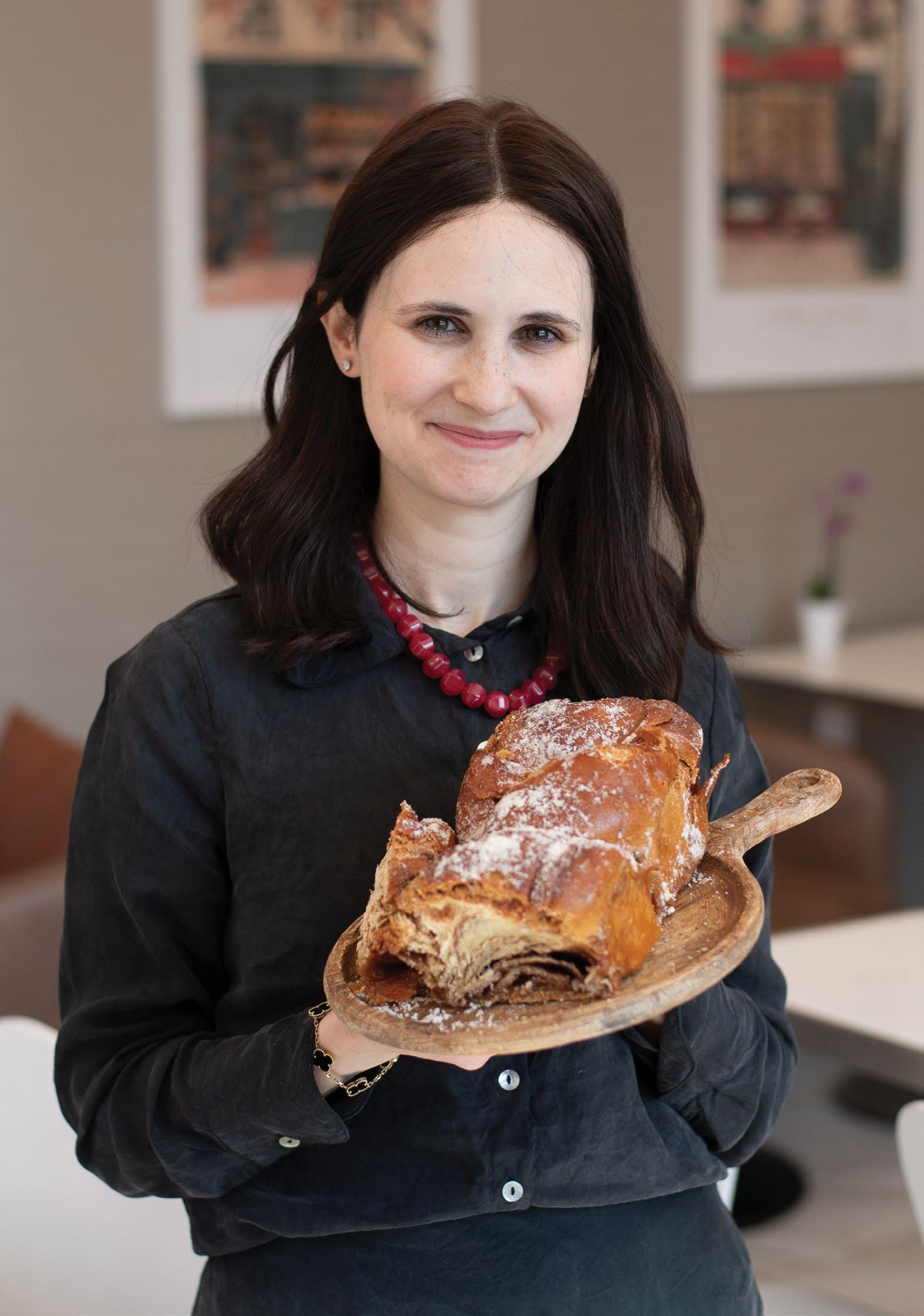
As the oldest of nine children, Shevy Sputz was her mother’s kitchen assistant in their Brooklyn household. Sputz’s mother, a talented cook and baker, wisely gave her daughter responsibility for making desserts. Decades later, that early family apprenticeship and an heirloom recipe led to the formation of Sputz’s burgeoning Fairmount-based business, Shevy’s Babka Paradise.
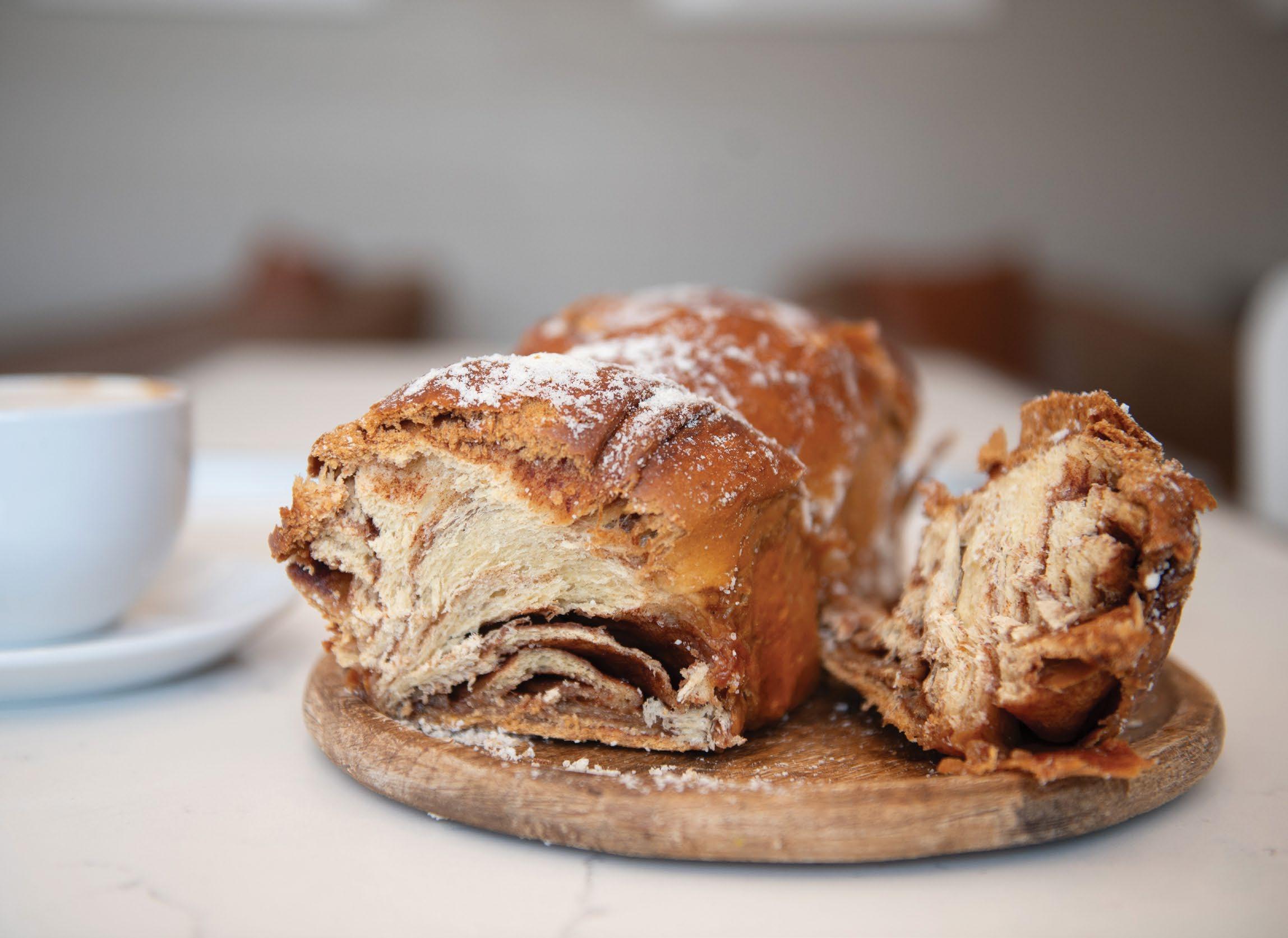
Although some consider the high-domed, loaf-shaped delicacy a bread, Sputz describes it as a delicious chocolate- or cinna-
mon-filled cake. “If someone has never tried it, they must taste it,” she says. For Sputz, a slice of babka with morning coffee is the perfect pairing, just the way she enjoyed it on weekend mornings in her family’s home. Nearly 10 years ago, Sputz moved to Philadelphia with her husband, Rabbi Hirshi Sputz, to “build Jewish community, helping Jews connect to Judaism” through the Chabad of Fairmount. This was a big move for Sputz, who was used to being surrounded by family. But she soon found an opportunity to make friends and build community through babka. “I love bringing people
together through food,” she says, and unlike in Brooklyn, she found little competition for selling traditional Jewish foods in her new neighborhood.
In 2017, Sputz started baking in her home kitchen and, like many nascent food business owners, sold only to neighbors and friends. Sales grew when she started an Instagram account. But the real growth spurt happened in 2020 when she reached out to Robert Amar at Small World Seafood. “I didn’t even know if Robert knew what babka was,” she recalls, but after sampling her product, he was willing to promote it
The cinnamon variety of Shevy Sputz’s signature babka pairs perfectly with a cup of coffee.
I have good people who work with me and help me create what I want to do.”
shevy sputz, Shevy’s Babka Paradise
on his web store. Orders blew up. Then an invitation arrived from The Food Trust to be a farmers market vendor. Sputz rented a professional kitchen in West Philly before moving to a brand new commercial kitchen above the Chabad of Fairmount in 2024. One great lesson from her early years in business was the importance of asking
for assistance. As a mother of six children ranging from 12 years to 7 months old, she is a big believer in getting help. “I have good people who work with me and help me create what I want to do.” Sputz believes in a virtuous circle of support. Her experience has proven that “when you help others, you get help.”
SHEVY’S CHALLAH FRENCH TOAST
Makes 4 servings
2 eggs, beaten 1/2 cup milk or milk alternative (almond milk, etc.)
1 teaspoon cinnamon
2 tablespoons sugar
Pinch of salt
2 tablespoons vegetable oil
1/2 loaf of Shevy’s Babka Paradise Challah, sliced into four ¾-inch thick slices
• Whisk eggs, milk, cinnamon, sugar and salt in a bowl.
• Heat vegetable oil in a large frying pan.
• Dip each piece of bread into the egg mixture and fry in the hot pan — be careful not to overcrowd the pan.
• Once the challah is light brown on the bottom, flip and cook the other side.
• Serve with powdered sugar, jam or maple syrup (optional).
Moving away from family in New York was hard, but Sputz discovered a wonderful community in Philadelphia. Of course, new allegiances can cause a bit of friction. “My family was not happy with me because I have siblings who are major sports fans. They ask, ‘Why are you rooting for the Eagles?’”
Sports may prompt divided loyalties, but food, Sputz believes, provides a direct link to special memories. Her company’s expanded offerings now include matzah ball soup, challah, knishes, Shabbat boxes and seasonal specialties like hamantaschen. This line of traditional Jewish cuisine will likely be especially appealing to those who remember their grandparents’ cooking. But Sputz also wants to welcome people who don’t know about Jewish culture by offering a chance to learn about a different, flavorful cuisine. “People are missing that human connection these days,” Sputz feels, “and we have a chance to build community around food and connection.” ◆
‘More Public Servants And Fewer Politicians’
PA State Rep. Chris Rabb wants to bring meaningful and swift climate action to Washington by
State Rep. Chris Rabb, a five-term lawmaker for Pennsylvania’s 200th legislative district, is one of eight Democratic candidates running for the chance to take Congressman Dwight Evans’ vacant seat in the U.S. House of Representatives next year. Rabb has emerged as a progressive option in the lead-up to the Democratic primary in May, with positions on immigration, climate change and election reform that resonate with a diverse array of voters. Here, we talk with Rabb about why he’s running and his vision for the work ahead, if elected.
What motivated you to run for Representative Dwight Evans’ open seat? Well, this is the first time in 35 years that there’s an open seat, which means that folks who are non-incumbents in Congress actually have a chance to win. I’m fond of winning elections. It’s my preference. So not having to unseat a long-standing incumbent is a real significant factor. But more broadly, this is an opportunity to send someone in who is not tied to corporate interests. Someone whose fealty is not to the party, but to the people. And someone who has a bold vision for the seat, this district, this city and the nation, at a time when democratic institutions and norms are being challenged, destroyed, distorted.
I am going to Congress because we need more public servants and fewer politicians. And that’s a very important distinction within the elected class, because politicians serve themselves and moneyed interests, and public servants serve the people. They’re accountable to the folks who put them in office and to the much bigger population of folks who they are duty-bound to represent.
sarah ruiz
Some of the reporting around this primary has positioned you as the “anti-establishment” Democratic candidate. Would you describe yourself that way? I do. The Democratic Party brand is at an all-time low, and that’s for good reason, because they have not led with integrity and vision. And the reality is, we can’t keep doing the same thing and expect a different result. If we take for granted Black voters, if we take for granted young voters, we lose. We lose not so much because folks are bailing to the Republican Party, it’s that they’re staying at
home. One thing I learned some time ago is that bad politicians are elected by people who don’t vote.
In Philadelphia, where it’s a one-party town and the bluest congressional district in the entire nation, the only time you have an opportunity to determine who’s going to represent you is in Democratic primaries. It’s not in the general because normally, there’s not even a Republican on the ballot in the general election. There are more raccoons in Philadelphia than there are Republicans. So if you abdicate your responsibility to vote
in the primary, you have no voice. But here’s the other piece, because a lot of people like to come at voters and say, “Well, you didn’t do your job, and you didn’t come out to vote.” If you don’t have a reason to vote because you only have one candidate on the ballot, or you have candidates who do not reflect your lived experiences, your interests, your priorities, why would you vote? Why would they come out and support someone who’s running for the wrong reasons, or who’s taking money from the very industries that are extractive, that are predatory, that are exploitative? And as someone who doesn’t take corporate PAC money, that stands out to people.
What else stands out to folks about your stances? I’m one of the few Democrats that is openly and consistently anti-fracking, and that’s a very unpopular view, even among Philadelphia Democrats, because there are a lot of trade associations who rely on construction jobs that involve fossil fuel extraction. And while I’m a strong supporter of organized labor, we have to find a way to strengthen worker rights and strengthen collective bargaining, while also creating a path to 100% renewable energy, which is my bill. I introduced it in 2017 and three times after that. I’m a founding member of the Pennsylvania Climate Caucus. I’m on the board of the National Caucus of Environmental Legislators. I have a bill that goes after corporate greenwashing. So I have a clear record on these issues.
Say more on that renewable energy bill. Why is renewable energy critical to Pennsylvania? [The bill] said the Commonwealth of Pennsylvania needed to be free of fossil fuel production by 2050. There were clear benchmarks that we needed to set along the way and an infrastructure we needed to create through intergovernmental collaboration. When I introduced it, it was in a Republican majority, so my bill never saw the light of day. After taking back the House, the governor had versions of it that went to 30% renewable energy, and you know, that’s some progress, but ultimately, this idea that fracked gas is a bridge to renewable energy is a very problematic analogy. Because how long is this bridge? If it’s going to be a bridge, that bridge has to have an end, and that bridge should be as short as humanly possible.
What are some of the policies you plan to prioritize if elected? There’s so many things we need to address, particularly given the tyranny of the Trump administration and MAGA extremism. Not so much things that we need to restore, although that’s a good starting point, but there’s whole things that we need to overhaul. We need to abolish ICE. We need to dismantle the immigrant concentration camps. We need to entirely restructure our immigration system so it’s fair, efficient and humane — that’s critical. We need to address the Supreme Court: expand it, have term limits, and have ethical standards that are maintained. We need to have significant electoral and voting rights reforms so that we can no longer have a continued era of legal voter suppression. We need to have universal health care, Medicare for all.
Sounds like a lot of big structural changes. A lot of people who saw the ascent of Zohran Mamdani didn’t realize two of the things that helped his candidacy were rankedchoice voting, which is a bill I’ve introduced multiple times in the state legislature, and also public financing of elections so that the wealthy are not disproportionately represented.
We need to have real choices, and [they] should not be affected by some of the largest businesses in the world, and that is something that makes me distinct in this race, because I’m the only person in this race who has never taken corporate PAC money. It’s one thing to say I won’t do it when I’m in Congress, it’s quite another to say, in the 10 years I’ve been in elective office in one of the most legally corrupt legislatures in the country, I’ve never taken a dime of corporate PAC money. My track record — whether it’s regarding the environment, or electoral reform, or criminal legal reform, or sustainable agriculture — is going to be consistent with how I lead in Congress.
When it comes to the environment, aside from fracking, what are some of the biggest issues facing Pennsylvania right now? We have to modernize our grid. Electrification is coming, and that is a good thing, but only if we have the infrastructure to support it and the political will to fast-track and promote further renewable energy
production. That’s huge because until we have that infrastructure, nothing’s really going to change on the ground. It puts our health in danger. It puts the health of our environment in danger, and it also hurts our public infrastructure, including the homes we live in.
And obviously, we have to rein in corporate polluters. They are not paying their fair share. Corporations pay fewer taxes than working families. That is unacceptable. Any issue someone cares about, whatever it is, there’s a direct link to progressive tax policy.
What is one question you wish more people asked you in interviews like these? On the campaign trail, not enough people talk about environmental justice and climate action.
I’ve been to [over a dozen] candidate forums, and the issue of climate action has never come up. And I think that’s a real problem, because how can you not talk about the biggest existential threat? People are talking about Iran and their nuclear capabilities, which are non-existent, as a bigger threat than extreme weather, which is directly related to how we’re driving our economy and our politics. And that’s very concerning, particularly in this city where we have such different health outcomes based on zip code and race, and in a place that had one of the biggest refinery explosions in U.S. history.
So I try to bring it up, even though it’s not explicitly mentioned in any forum that I’ve been a part of, and I’ve been in this race since July. I find that deeply disturbing, and I think a lot of that has to do with Wall Street and corporate media. This is not something that corporate media wants to talk about because they are complicit.
And what is the antidote to that? We have to educate ourselves and make sure that the people we send to Congress are literate about these things and connect the dots for very busy, distracted and concerned people who are just trying to make it day-to-day. The best public servants connect the dots. They don’t condescend. They meet people where they are, and they say, “This is what you need to know. This is how you hold us to account, and this is how we can transform a society together.”
Root-to-Bloom
Longwood Gardens’ hyper-local, multi-seasonal restaurant sources right from its on-site ornamental kitchen garden by alisha miranda
Every Friday afternoon from May to October, Alex Correia and George Murkowicz meet for lunch.
Correia, a senior horticulturist at Longwood Gardens in Kennett Square, and Murkowicz, executive chef at its on-site garden-to-table restaurant, 1906, taste-test dishes that result from the horticultural-culinary partnership at the center of it.
Correia, Murkowicz and volunteers work together, balancing dynamics such as flavor versus beauty, yield versus rarity and on-site planting versus farm-sourced ingredients. Today, 1906 is Philadelphia’s only full-service restaurant connected to an arboretum.
“George and Will [Brown, the culinary director] are both so excited about the gar-
den and really committed to figuring out how to use what we’re growing,” says Correia. “They are connected to the space, coming out every week, seeing what’s growing and planning menus around that. I think that’s what has made all of the difference.”
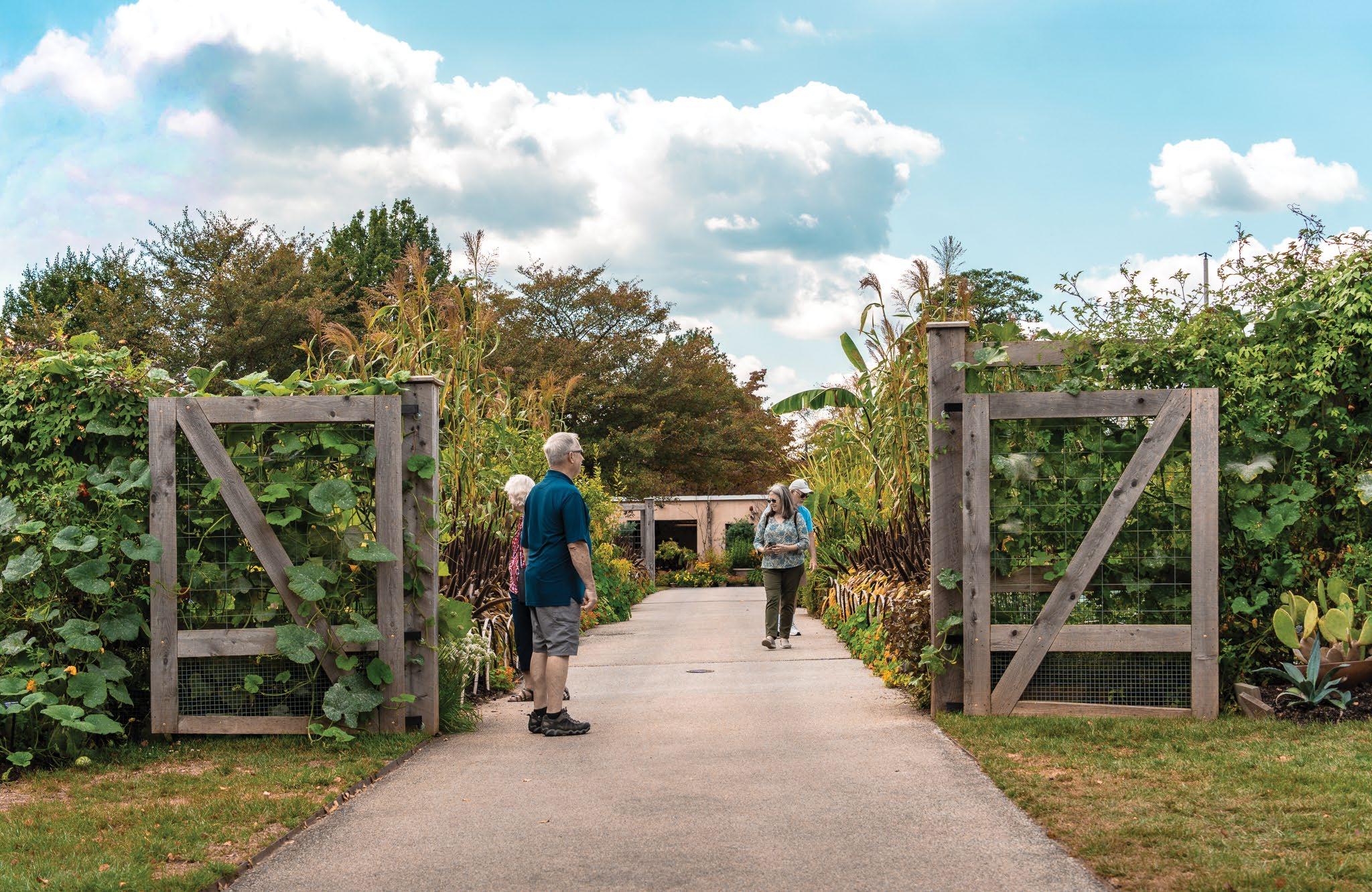
The ornamental kitchen garden — where ripening tomatoes hang overhead from 12foot bamboo trellises, red and green chiles are nestled between lavender bushes, and yellow and orange gourds sit stacked beside clusters of fragrant sage leaves — occupies a little more than half an acre, slightly east of Longwood’s world-renowned fountains.
The “Idea Garden,” as Longwood calls it, serves multiple purposes: to educate visitors on the plants’ culinary applications and
home-growing tips, and to supply ingredients for 1906. Ninety percent of the plants in the ornamental kitchen garden are grown from seed each year in Longwood’s greenhouses or by direct sowing, says Correia, and are harvested a few steps away from the restaurant. Correia and Murkowicz regularly walk the grounds, inspecting plant growth, tasting crops, tweaking the menu and determining what’s ready for harvest.
Correia and Murkowicz select plant varieties from a 330-seed list, curated by Correia, to create seasonally fresh dishes. And the intentional close proximity doesn’t begin and end with the short walk from harvesting in the garden to cooking in the restaurant. Heirloom seeds are sourced from nearby partners
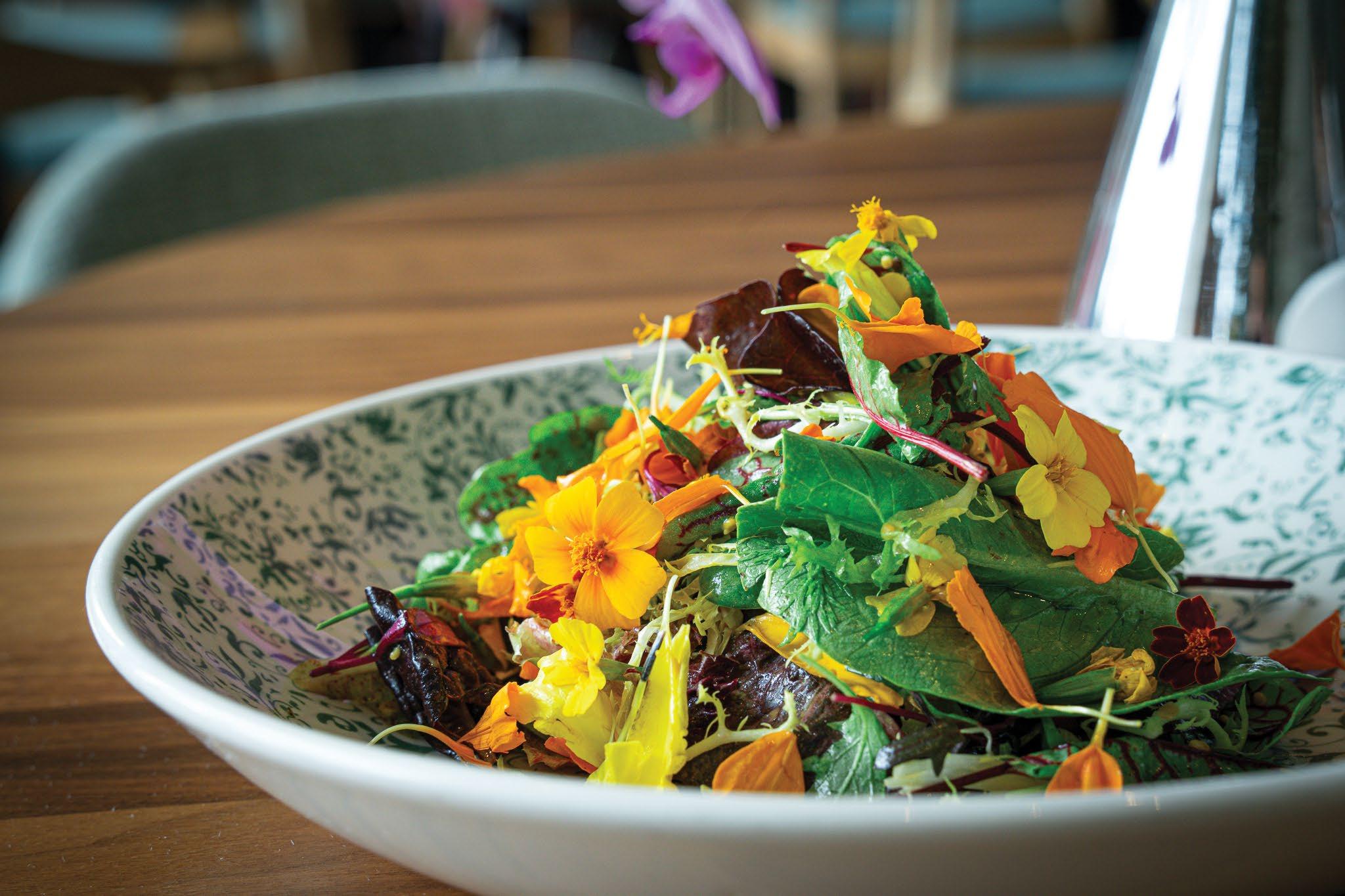
Longwood Gardens restaurant boasts seasonal salads that incorporate edible flowers from the ornamental kitchen garden.
such as Philadelphia’s Truelove Seeds, Pennsylvania’s Roughwood Seed Collection, and Row 7 in New York’s Hudson Valley, which supply rare varieties with a local or cultural connection. According to Correia, this curation lends to a more dynamic crop rotation, “a genetically and ecologically diverse garden,” and hyper-seasonal menu planning that begins months in advance.
“We try to cover all the bases for display and for education, making sure beds are full, but we’re also keeping in mind things that the chefs are excited about,” she says.
While other seasonal restaurant menus may flip every quarter, 1906, where prices start at $65 for a two-course meal, updates its menu about every six weeks. This flexibility and the collaborative nature of the process allow the restaurant team to make additional planting requests, create variations of a dish based on availability and freshness, and execute a “root-to-bloom” philosophy that minimizes waste.
“Cucamelons were really amazing for the bread-and-butter pickled cucumbers we made with our fried chicken,” recalls Murkowicz, which is served with hot sauce made from garden-grown peppers. “We were getting wheelbarrows full of the brightest, most purple, crispiest opal basil
Every bite, you get to taste a different vegetable that’s growing.”
greg murkowicz executive chef, 1906
you’ve ever seen” for the saffron-infused spaghetti alla chitarra with Maryland blue crab, he says. It was also a great year for their beets and heirloom tomatoes, which both starred in seasonal salads in winter and summer, respectively.
Correia helps Murkowicz’s team learn from the garden cycle, providing insights on everything from soil considerations to food storage, continuously optimizing what is grown and how it can be used in the restaurant. She appreciates that the kitchen doesn’t shy away from using damaged or imperfect produce either.
For example, the tri-color garden risotto is a signature dish that uses vegetable scraps to fortify a viscous stock. Individual vegetable risottos are cooked using that
stock, and the final version is plated like a mosaic — three adjacent scoops, each with its own signature color (most recently green, yellow and white) — and dusted with a powder made from dehydrating excess edible flowers (marigold and shiso in the fall).
“Every bite, you get to taste a different vegetable that’s growing,” says Murkowicz. Other popular dishes include the flower salad with garden greens, edible blooms, bee pollen harvested from Chester County hives, honey vinegar and “the greenest, spikiest, creamiest when braised” romanesco, according to Murkowicz. The cauliflower heads are first simmered in stock, sliced and seared, then plated with a medley of garden brassicas, Meyer lemon and Spanish Iberico ham.
At the end of each growing season, the culinary and horticultural teams meet to review which crops performed well, which ones to repeat and what new crop varieties to try — like any of the eight varieties of squash that they grow. “If we can dream it, they’ll make it happen,” Murkowicz says.
Garden-to-table dining isn’t limited to savory courses. Pastry chefs also gather inspiration from garden picks to craft seasonal desserts like vegan strawberry panna cotta or apple mint sorbet. The practice extends to the
Guests can visit Longwood Gardens’ Idea Garden to learn about seed-to-table growing.
bar team, too. Consulting beverage director Gareth Tootell says 1906’s chefs and bartenders share a philosophy of creating “a sense of place.” Bartenders stretch their scopes with culinary knowledge through access to the kitchen garden — non-alcoholic drinks are often made from botanicals, roots, herbs and blooms harvested on-site. They also collaborate on production prep, like chefs roasting harvested sweet potatoes for a sweet potato chai-infused old fashioned.
“We taste all the cocktails, talk about why they fit and make little adjustments, just like we would with the food,” says Murkowicz. “That’s an opportunity to say, ‘We can’t use 50 pounds of ginger, but can we make a syrup or fat wash something to make a ginger whiskey?’”
Per Tootell, 1906’s garden ideology is reflected in the drinks list, too. In winter, beverages have more restrained “look and feel and flavor profiles,” while spring and summer feature a “celebration of the garden coming alive,” as in the housemade tonic water that leans into florals and botanical spice. He also encourages his team to do “a half-season mini change.” Tootell says he’s
Bartenders stretch their scopes with culinary knowledge through access to the kitchen garden— non-alcoholic drinks are often made from botanicals, roots, herbs and blooms harvested on-site.
been surprised by how much guests have resonated with classic cocktails since relaunching the beverage program.
“One of the cocktails we made this past season was gin infused with Mrs. Robinson’s Tea from here in Kennett Square, with a house-made non-alcoholic lemon cordial, honey and Licor 43 Gold,” Tootell says.
Other popular drinks include the White Tail pear martini. Originally a seasonal special, it became the most-ordered cocktail and returned later as a signature drink, Tootell says. Fresh pears are blended with vodka and pear brandy, then strained slowly through 10 layers of cheesecloth overnight. It’s finished with simple syrup and lime juice. The tropical Frosted Violet also recently returned for multiple seasons and is made with Tequila reposado, mezcal and
a house-made pineapple gum syrup, then shaken and poured over crushed ice and topped with a float of crème de violette. The Nevergreen has remained on the menu as a riff on a Bamboo-very wet martini hybrid, with a half-ounce of gin and a blend of dry vermouth and dry sherry.
More recently, Correia and Murkowicz have been experimenting with canning and fermentation to help extend product availability and lifespan through the harsher cold seasons. Correia is also working towards a more proactive crop schedule, dialing in her intuition and anticipating the kitchen’s wishlist, and providing consistently available produce all year long.
“I think there’s a lot of untapped potential that we’re just starting to figure out,” says Correia. ◆
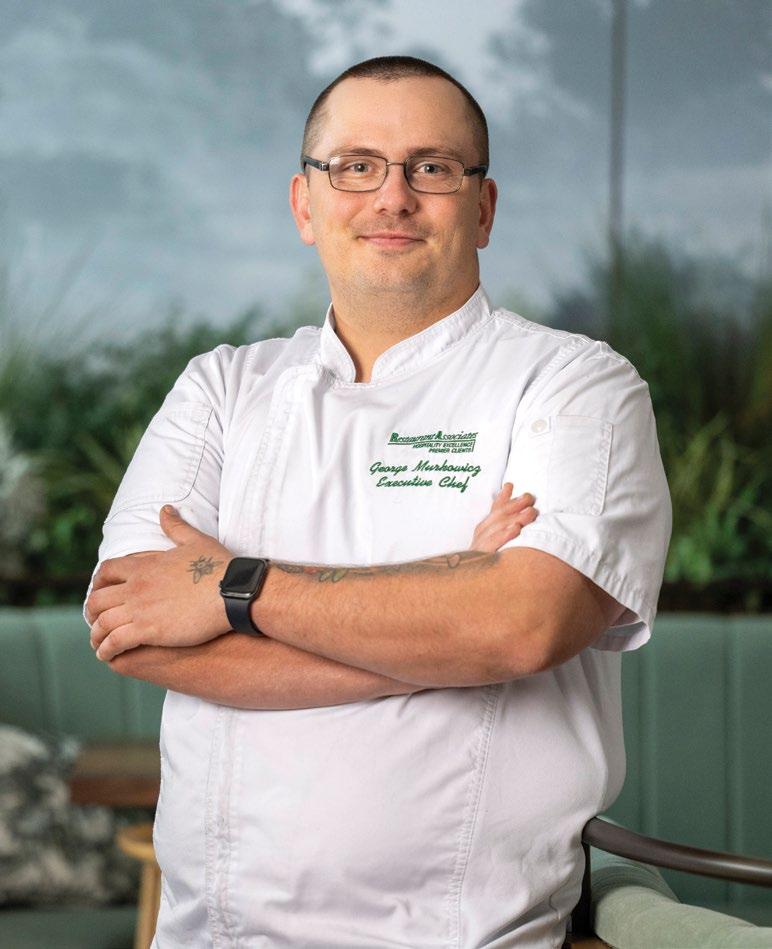
Executive chef George Murkowicz helps lead the culinary team for Longwood Gardens’ 1906 restaurant.
Right: Garden-harvested opal basil is used for the saffron-infused spaghetti.
OPEN HOUSE
Grades Pre-K-12
Tuesday, April 14, at 8:45 a.m.
The only all-gender pre-K to 12 Quaker school in Center City friends-select.org 215-561-5900
NO PLAN B
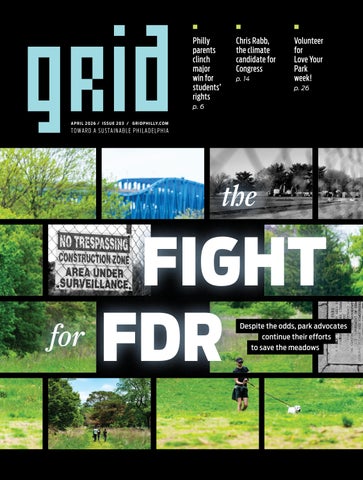
FDR Park’s renovation proceeds as lawsuit challenges its legality
BY BERNARD BROWN
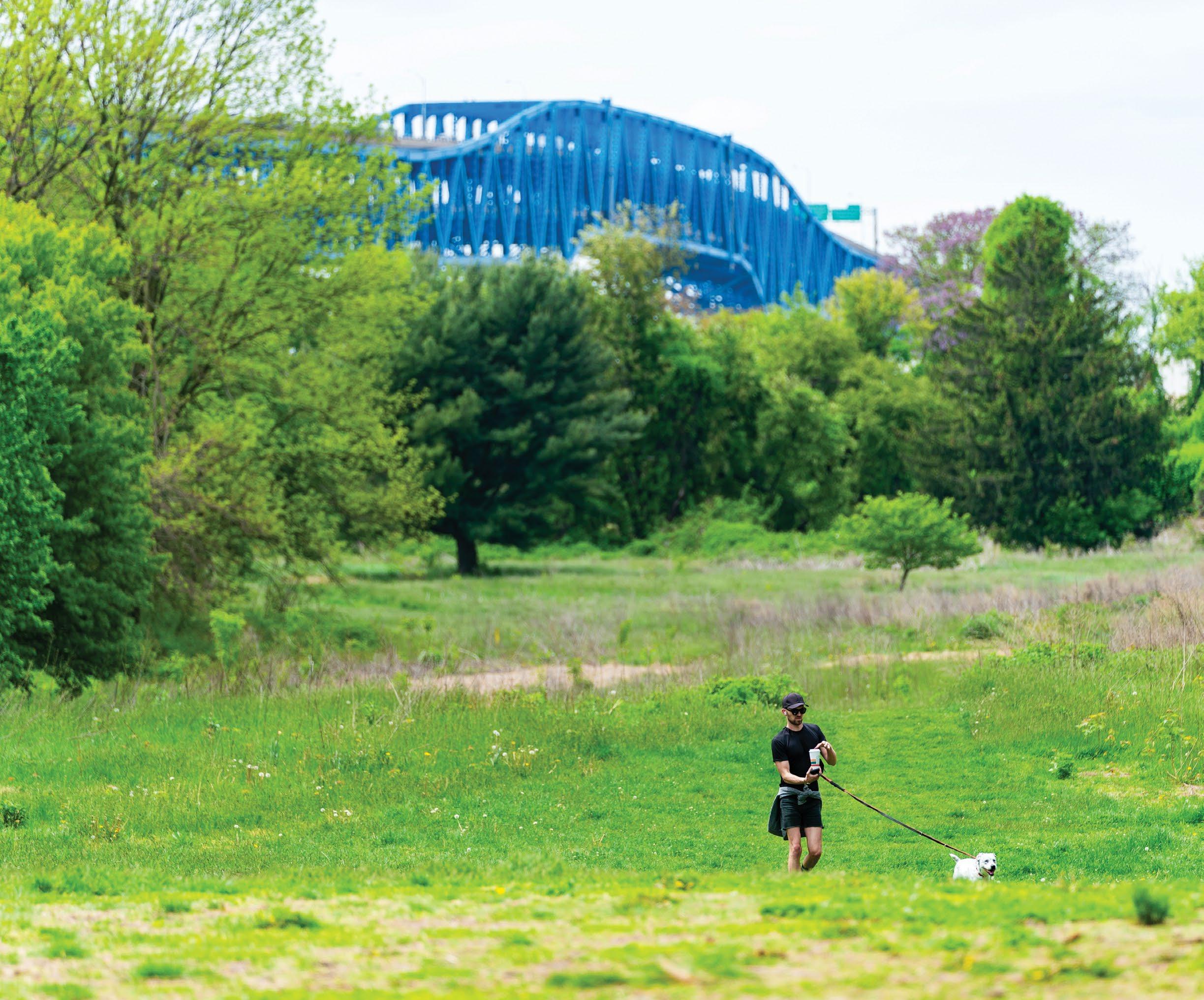
If not for the covid -19 pandemic, the plan to renovate Franklin Delano Roosevelt Park in South Philadelphia might have proceeded without significant opposition. Workplace lockdowns and virtual schooling drove people outdoors to get some exercise and socialize in the fresh air. In South Philadelphia, many of them found the park’s shuttered golf course and fell in love with the landscape of meadows, picturesque trees and marshy water features, calling it the “South Philly Meadows.”
“To my delight, I discovered we have wilderness coming back in South Philly, a 10-minute bike ride from my house,” says Rich Garella, who lives in South Philadelphia and has been visiting FDR Park since he was a child.
Fans such as Garella and Anisa George were horrified to learn that the Meadows were mostly doomed. The park’s master plan called for parts of the Meadows to be excavated to create wetlands. Other sections would be filled and graded to create 16 playing fields, surfaced with synthetic turf and
doubling as stormwater buffers, with storage tanks built underneath. All the trees in the way would be felled. Fans of the abandoned golf course formed a group called Save the Meadows to advocate for the space.
Garella, George and eight others filed a lawsuit in Philadelphia Orphans’ Court on March 25, 2024, to force the City to stop the renovation and restore the park to its pre-renovation state. “The overall thing is we want to stop the bleeding,” says George. “We don’t want any more trees to be cut. We don’t want toxic turf, and we want a pause in the plan. We’d like a better plan.”
Rick Kowalski, who walks in FDR Park every day, was the only visitor Grid spoke with on a sunny March afternoon who knew about the park’s master plan, released in 2019, and the lawsuit opposing it. When asked what he thought of the plan, he said he is eager to see the boardwalk that will allow park visitors to explore the wetlands, which are under construction in the western part of the park. “I can’t wait for that to be done,” he said.
Kowalski is not a fan of the synthetic turf surface of the 16 new athletic fields. “It’s a shame that they have to put in artificial turf. If it does have some chemical in it, that’s going to be a problem.” More than anything, though, Kowalski says he is eager for the renovation to be done, though he sympathizes with the people suing to stop it.
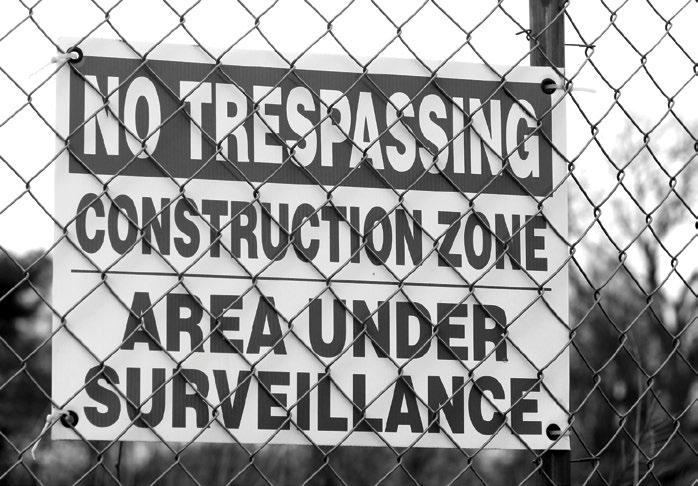
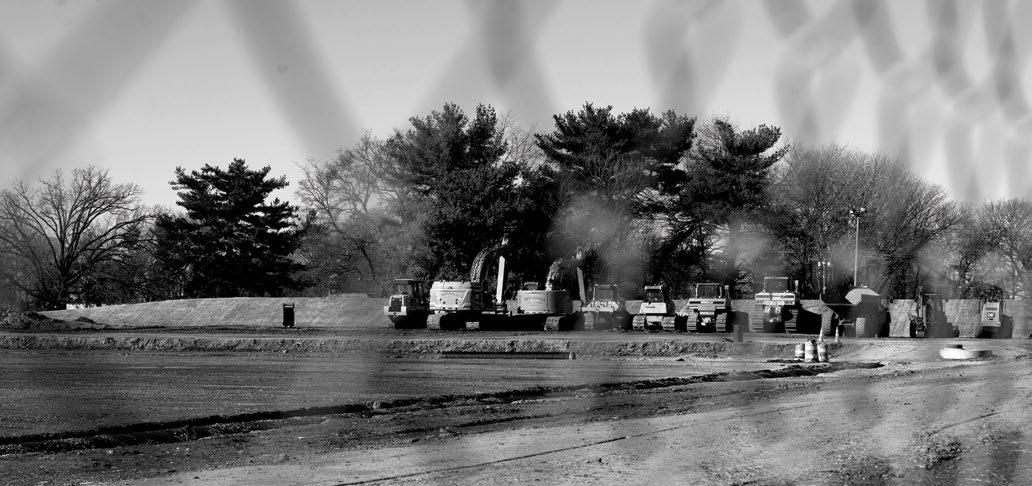
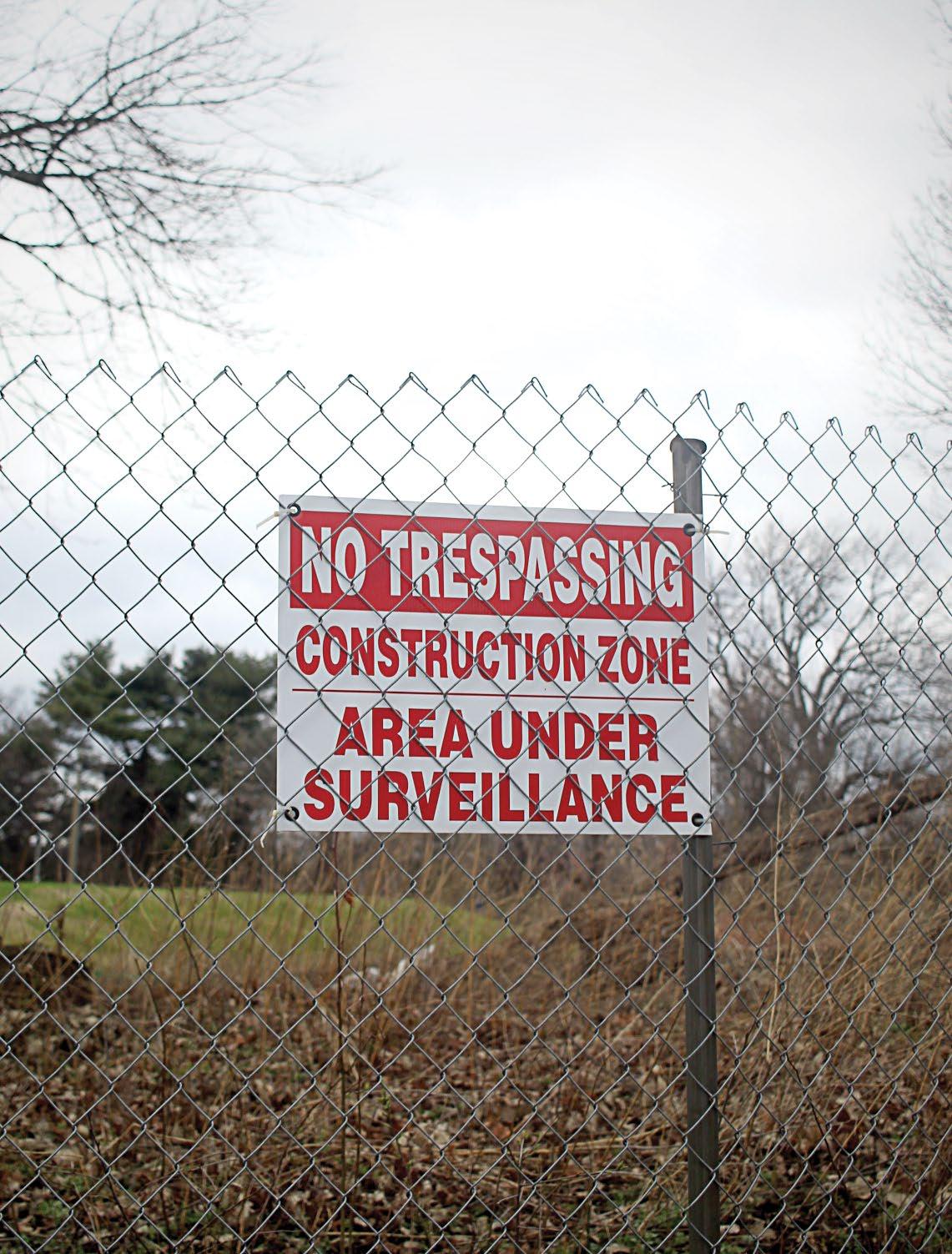
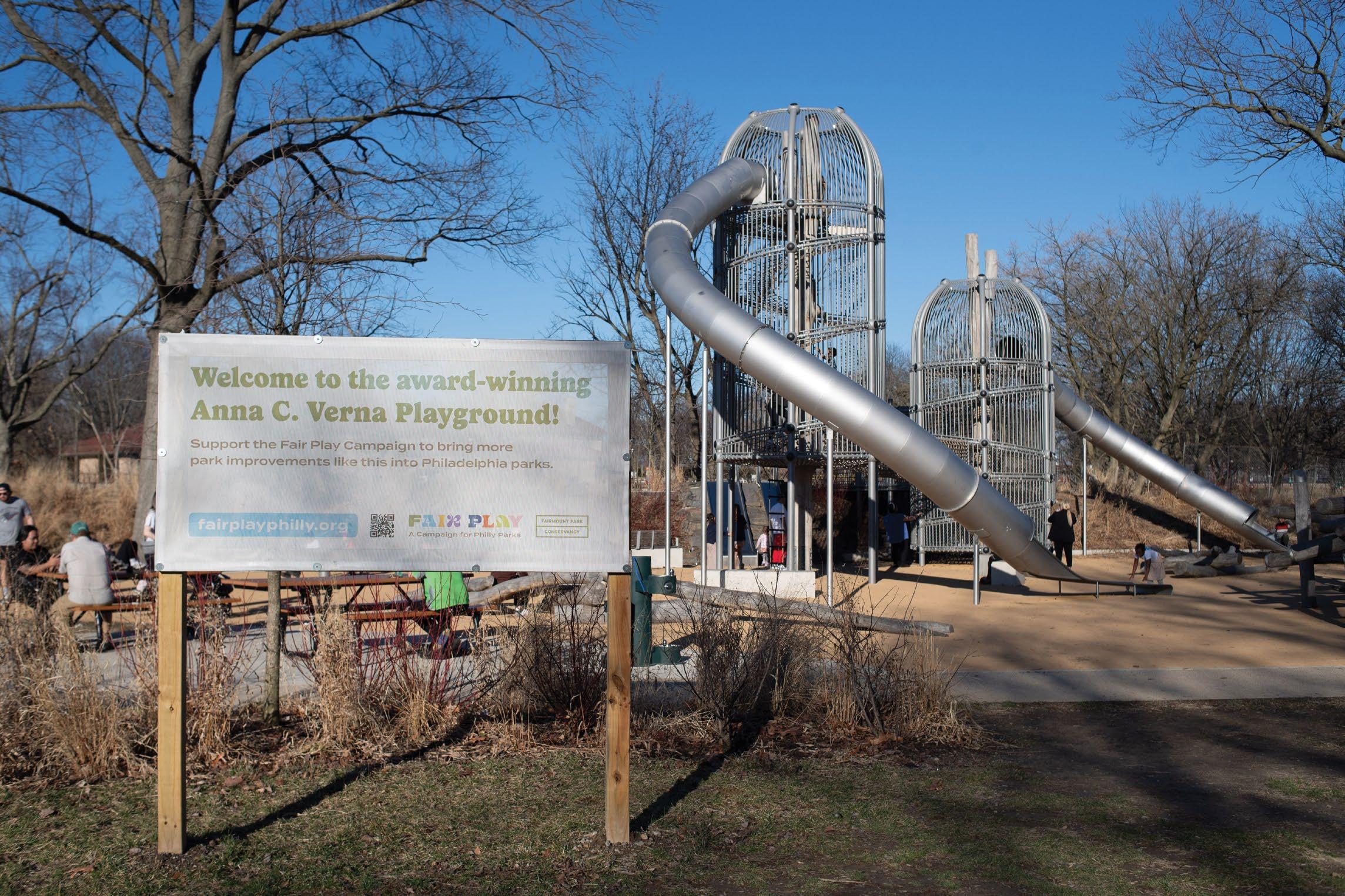
While Kowalski strolled, couples enjoyed picnics on blankets spread by the edge of the water. Other visitors walked dogs and jogged on the paths, separated from an expansive construction zone by a temporary chain-link fence. At the new Anna C. Verna playground, children seemed to sprint in every direction as they switched from swings to slides, slides to swings, and grabbed snacks from their parents seated at picnic tables. Another temporary chainlink fence surrounded the playground, with signs telling people to keep out for construction. That fence didn’t accomplish much, breached multiple times by children desperate to play and parents unable to say no.
Construction at South Philly’s FDR Park is being met with resistance from some residents.
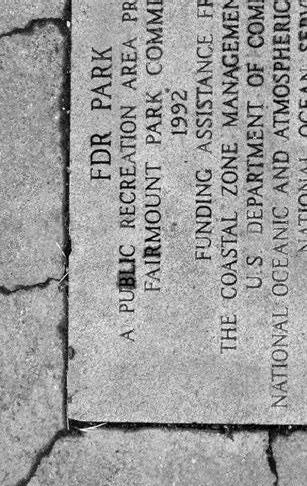
The fdr park master plan , released by the Fairmount Park Conservancy (FPC), a private nonprofit that raises and spends money on behalf of Philadelphia Parks & Recreation, aims to fight the flooding that has deviled the park for its entire existence, and to create infrastructure that will serve all visitors, whether they are coming to enjoy nature, play sports, work out on their own, or simply get some fresh air in a green space.
League Island Park, as FDR Park was originally known, emerged in the 1920s from the marshy bank of the Delaware, just east of the mouth of the Schuylkill River. It originally ran from 20th to 11th Street. The plan for the park changed almost as soon as it opened. In 1930, a municipal stadium rose to the east of Broad Street. The golf course was added to the western side of the park in the 1940s. Sports fields and courts were added, and some were lost when I-95 gobbled up 32 acres across the southern edge of the park. A swimming pool was built at Meadow Lake in 1958 and removed in the early 2000s.
For a century, the City has fought a constant battle to defend the land against the water. The land to the north, east and west of the park increasingly became impermeable, with trees, fields and wetlands replaced by dense housing and the asphalt sea of the stadium district. The tide gate at the Navy Yard, which keeps out water at high tide and lets it drain out at low tide, broke down. I-95 shunted stormwater into the park. And the sea level (and thus the tides) rose by about a foot, pushing water through the soil as well as past the faulty tide gate. According to the master plan, “Throughout the park’s history, fill has been added to help alleviate flooding issues and raise the elevation of park features.”
Chronic flooding and falling revenue led Parks & Recreation to close the golf course in 2019, just after the plan’s release.
The planners take advantage of Philadelphia International Airport expanding its cargo operations, which, by destroying wetlands there, created the legal obligation to “mitigate” the damage somewhere else. The soil removed to expand wetlands at FDR Park provides the fill needed to elevate other parts of the park. The comprehensive plan packs in a variety of amenities. These include a meeting space at a historic guard-
We don’t want any more trees to be cut. We don’t want toxic turf, and we want a pause in the plan.”
anisa
george, Save the Meadows
house (now the Welcome Center), the new playground and the 16 playing fields: four baseball and 12 rectangular.
The lawsuit argues that all of this is illegal.
A 1959 Pennsylvania law called the Donated or Dedicated Property Act requires governments to maintain parks in their original use, unless they can prove in Orphans’ Court that a sale or conversion is in the public interest. The plaintiffs also point to the Pennsylvania state constitution, which requires the government to maintain public natural resources on behalf of the people. The Philadelphia City charter includes similar protections. If Parks & Rec wants to “convert
or transfer” parkland, the Commission on Parks and Recreation has to gather public input, and City Council then has to vote on the change. Until the current suit, the City has not presented a case for transforming FDR Park to the court, and City Council has not voted to convert the park.
Thus, the case hinges on a question: to what extent does the master plan transform the park? Are the changes so radical that they require approval by Orphans’ Court and by City Council?
The City declined to comment for this article, citing the litigation, but its representatives have argued in court that the park
Rick Kowalski visits FDR Park for his daily walk.
remains a park and is not being radically changed. Features are being moved around, but those features — playing fields, landscaping, waterways and wetlands — have existed in the park before.
“[W]e are all in agreement that FDR Park was dedicated as public parkland, and we are still using it as public parkland,” City attorney Melissa Medina said at a Feb. 26 hearing. “Active recreation, passive recreation — none of that is changing. We are still using it as public parkland.”
The plaintiffs disagree, arguing that the current renovation is substantial enough for the Orphans’ Court to weigh in. In the lawsuit they write, “[I]n reality the plans will totally change the nature of FDR Park from a wonderful nature area where people can visit, walk and enjoy, to an artificial landscape with artificial light, massive water runoff, and large storage tanks underneath.”
”It’s not like they have a playground and moved the basketball court to the other side,” says Sam Stretton, the attorney representing the plaintiffs.
[W]e are all in agreement that FDR Park was dedicated as public parkland, and we are still using it as public parkland … none of that is changing.”
melissa medina, City attorney
The plaintiffs consider the 16 playing fields to signal a shift in the park’s intended stakeholder base, from local Philadelphians (particularly South Philly residents) to regional and suburban sports leagues that can rent large numbers of fields at a time. “Why would you put 12 soccer fields together in a giant complex way down in the southern corner of the city?” Garella says. “You build a complex like that because you want to rent it out for regional tournaments.”
The FPC and the City defend the number of fields as needed to address a shortage of recreational fields citywide and in particular in South Philadelphia. They say the synthetic turf fields are necessary to sustain heavy use.
The two sides dispute how much additional athletic field demand there is from local athletes. Witnesses from athletic leagues and parents of athletes have testified on both sides in the lawsuit. Tony Sorrentino,
the FPC’s CEO, says that demand for athletic fields in recent years has “far outpaced supply,” and that “City officials asked planners to maximize opportunities for active recreation within the footprint of a former golf course.” In response to the demand for natural space, he says they cut the initially planned 19 fields down to 12 (not counting the baseball diamonds).
Synthetic turf has become notorious for exposing athletes to toxic PFAS (aka forever chemicals) as well as presenting a disposal challenge when the turf wears out. Nonetheless, Sorrentino argues that the synthetic turf fields are a more sustainable land use. Since one synthetic turf field can sustain three times as much play as a grass field, he says it would take three grass fields to replace each artificial pitch.
But Garella takes issue with the City and the FPC’s claim that building synthetic turf athletic fields in FDR Park is the right way to deal with the shortage of quality fields. “Most of them are in poor condition because they’ve spent next to nothing maintaining
them,” he says. “If you want more fields, fix up the fields you already have in the neighborhoods with the kids.”
According to the Trust for Public Land’s ParkScore, Philadelphia has 4.2 sports fields per 10,000 residents, which scored well (72 out of 100) compared to 99 other populous cities. In a written response to questions posed by City Councilmember Katherine Gilmore Richardson in 2023, Parks & Rec said it had 192 multipurpose fields citywide, with 21 below Washington Avenue, though some of those overlap with baseball diamonds.
The Friends of FDR Park, which responded to Grid’s questions by email, opposes suburban league play displacing local youth. They also expressed concern about the scale of the athletic infrastructure. “We support high-quality sports fields, but not 16 fields as the original master plan called for, which also requires the death of thousands of healthy trees and natural habitat for birds and wildlife.”
The Friends group also said they have
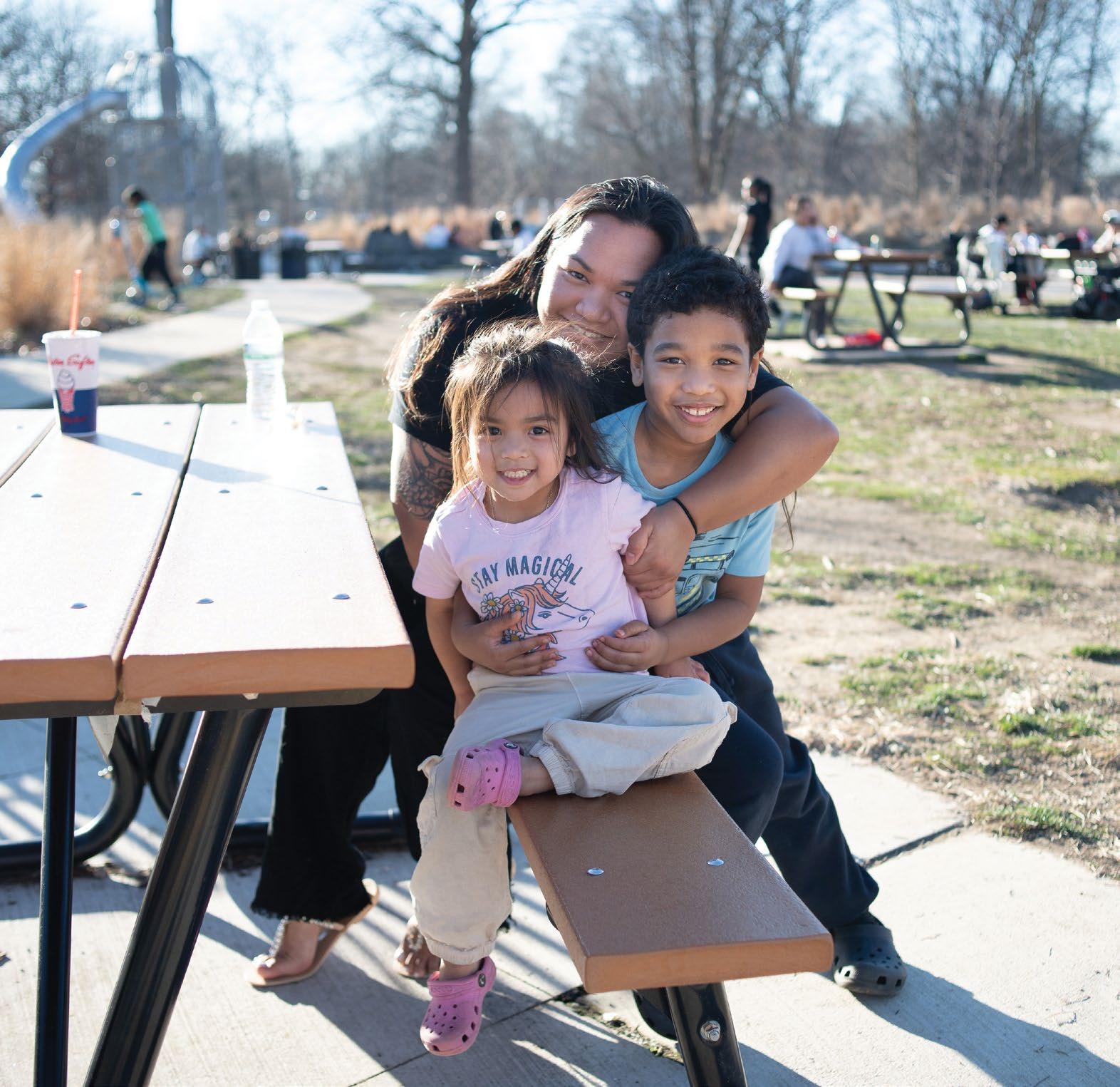
FDR Park offers amenities for Anna Lieu’s family; her children enjoy the Verna playground as her husband fishes nearby.
not yet seen a traffic and safety plan that will help their group and the surrounding neighborhoods deal with an increase in visitors to the renovated park. Sorrentino confirmed that no traffic plan has been completed, but that the master plan takes increased traffic into account.
The master plan includes a section on how the park will be managed once it is completed. The planners describe a park that will ultimately operate with little to no resources from the City aside from a coordinating role. Maintenance and operations would be handled by partner organizations, such as the Friends.
When asked about how facilities such as the completed Welcome Center will be operated, the FPC’s Sorrentino said that the City is the entity that will determine how the park will be governed. “Our [FPC] job was designer, planner, project manager on the construction and then deliverer of.”
Along with a traffic and safety study, and written commitments to protect access by existing park users, the Friends continue to ask for “[a] transparent operational and business plan for our growing future,” and “[r]egular public reporting and dialogue to address the many questions regular park users continue to have,” stating that they “are not oppositional requests. They are governance fundamentals for a vital public space of this scale.”
The Friends group reports having been shut out of planning discussions for nearly a year. Sorrentino disagrees, saying he attended a Friends meeting in May and that, “we communicate regularly with the FDR Park Manager, who also serves as the City’s liaison with the Friends and all other park stakeholders.”
The FPC has already completed much of the work under the master plan. The gateway phase, which includes the Welcome Center (which won an award from the Preservation Alliance of Greater Philadelphia), the Anna Verna Playground and a plaza at the northeast corner of the park, is done. Thirty-six acres of habitat have been
restored under the nature phase of the plan, and the mitigation wetlands have been landscaped. According to Sorrentino, the first of the synthetic turf fields is under construction, including much of the utility structures that will run under the field complex. Completing the renovation, however, will take a while. “It’s important to think of it as a multi-decade plan, with a lot of phases,” Sorrentino says.
In the coming decades, sea levels will continue to rise — by another foot by 2100, under the lowest global emissions scenario. Under the highest emissions scenario, the sea rises almost seven feet by the end of the century, which would flood almost the entire park and the Navy Yard a couple of times a day. Garella argues that no matter what, the park is going to revert to wetlands; better to accommodate the inevitable than fight it. “They saw this golf course get closed, and they saw a blank slate where they thought there ought to be human-created activities,” he says. “That’s why they see problems with flooding. It used to be wetlands, it wants to be a wetland. We need wetlands, and that’s not a bad thing.”
When Grid visited in March, Rhyan and Anthony were enjoying a picnic of hoagies after a trip to the zoo and before a Flyers game: a perfect Philly day. They sat near the fence closing off the construction zone at the future fields complex. The picnickers did not know a lot about the work on the other side of the rented chain-link fence. “It sucks getting rid of natural things,” Rhyan said. But “a place to send your kids where you feel safe about where they’re at, I think that could be a good thing.” However, she had her doubts about the successful execution of any major plan. “Philly folks tend to ruin s*** anyways.”
If you want more [playing] fields, fix up the fields you already have in the neighborhoods with the kids.”
rich garella, Save the Meadows
Colleen and V sat on a picnic blanket with V’s dog. They come to the park occasionally to get away from the city and enjoy a quiet green space. “What I wish was better was less cars,” V said.
At the playground, Anna Lieu kept an eye on her kids as they climbed the enormous slides, slid down, and then ran over to tell their mom all about it. Lieu’s husband was fishing at one of the lakes nearby. She says she likes to bring her family to the playground on weekdays after school. Weekends are too busy. “It’s nice,” she says. “It’s bigger. Bigger than the park they had before.” Her kids currently do not take part in organized athletics, though she says her son wants to play flag football.
During hearings about whether the court should impose a preliminary injunction to halt construction while the trial proceeds, FPC and Parks & Rec staff painted a dire picture of what would happen if the suit succeeded in temporarily stopping work on the park under a preliminary injunction. In testimony on Feb. 26, Leigh Ann Campbell, Parks & Rec’s deputy commissioner for planning, property and strategic engagement, said forcing a stop to the work would leave the park frozen as a construction site “with open trenches for utilities, and unsafe conditions.” A permanent injunction “would be
devastating,” she said, costing at least $4 million to remove the work already completed. As for the Meadows, “It would, ultimately, most likely return to a golf course.”
Garella considers this assessment to be overblown and says the judge has the discretion to craft an injunction to avoid unsafe conditions. When asked about the damage already done to the Meadows, he says, “There’s 100 acres or so out of 175 that are pretty much untouched. And to the extent they can repair the damage to the rest, we would want to see that … What we’re trying to do is stop them from trying to do something that is illegal.”
Orphans’ Court judge dealt the plaintiffs a setback on March 20, rejecting their request for a preliminary injunction. According to Garella, on March 26 they filed a notice to appeal the verdict to Commonwealth Court.
Whatever the outcome of the renovation and the lawsuit challenging it, Kowalski says he enjoys sharing a space with people from all walks of life and backgrounds. “When the weather’s good, it’s really busy down here, and all the picnic spots are taken. There’s all kinds of music playing. To me, it’s like a microcosm of what’s good about this country, and I think that’s a wonderful thing.” ◆
SHOW SOME LOVE
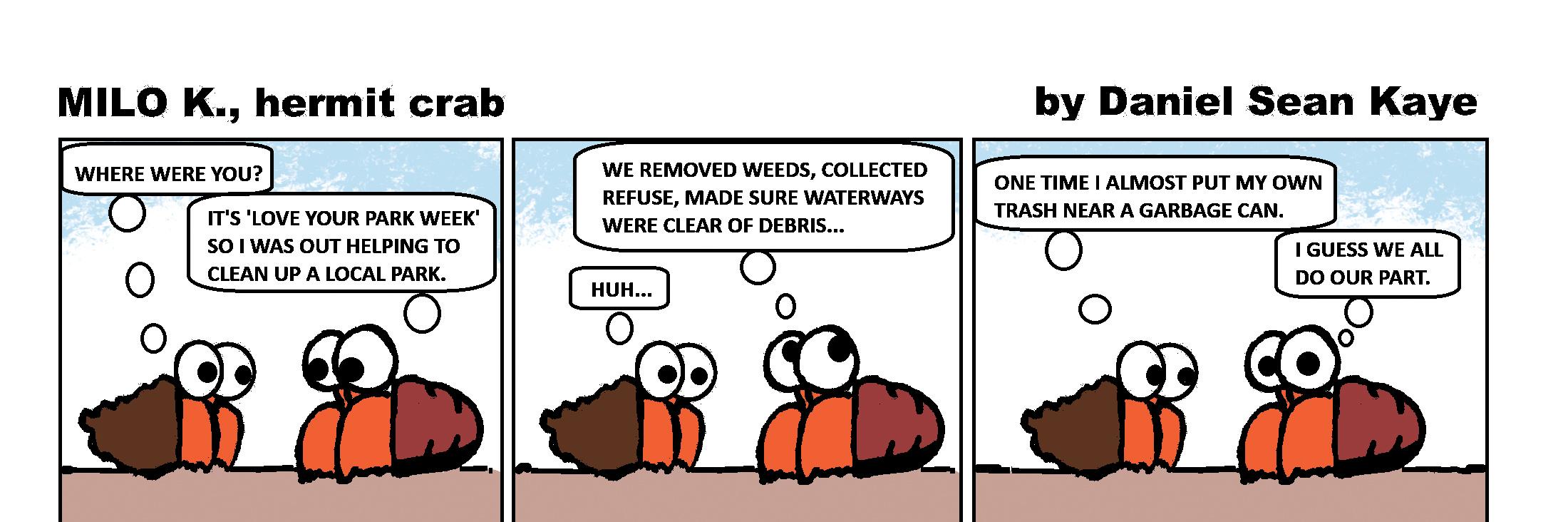
Love Your Park Week returns with citywide volunteer opportunities
BY JULIA LOWE AND GABRIEL DONAHUE
Nature lovers, mark your calendars for Love Your Park Week 2026.
One hundred forty park friends groups care for the city’s parks year-round and are calling for volunteers to join the cleanup and beautification days hosted from May 9-17.
“I think it’s a great way to be outside with the community,” says Catherine Lowther, president of Friends of Penn Treaty Park. “It doesn’t have to be our park … There’s so many to choose from.”
Love Your Park Week has been a staple, biannual event in the Philadelphia parks
scene since its launch in 2012 by the FPC and Philadelphia Parks & Recreation.
Grid caught up with a few friends groups to find out how they’ll be celebrating their parks and how volunteers can join in on stewardship efforts at a park near them.
Find more details at loveyourpark.org.
FDR Park
South Philadelphia
Folks who want to show their love for South Philadelphia’s largest park can join the
Friends of FDR Park for their May 9 volunteer day from 10 a.m. to noon.
Across the park’s 348 acres, there’s a lot to love. On a typical Saturday volunteer day, options range from trash removal to removing weeds and invasive plants. With its aquatic wetland environment, volunteers often wade or kayak out into the park’s lakes to continue trash removal.
The focus of the Love Your Park volunteering day, however, will be on the park’s educational spaces.
“Our focus this year is going to be on our learning garden, which houses our partner
Volunteers at Tacony Creek Park participate in its 2024 Love Your Park spring cleanup and tree giveaway.
plots, our cultural demonstration gardens, seed production gardens, flower gardens,” says Tara Anastasi, volunteer coordinator for Friends of FDR Park. “We’re going to be prioritizing our newly established food forest,” she adds, “which is going to get planted on Earth Day. So Love Your Park volunteers will be continuing to maintain that space.”
The park’s pollinator garden will also be a priority site for the volunteer day. But folks will also have the option to simply wander the park and pick up trash. It’s the impact of regular volunteers partnering with park staff to maintain these green spaces that has transformed the park over the last few years, Anastasi says.
“Since I’ve been here, our team has made it cleaner, picked up trash, made sure trash cans are clean, started weeding things. You can see the lakes now.”
For those who want to start a family tradition of park stewardship early, Friends of FDR Park will also host a toddler stewardship day on May 13, where children ages 3 to 5 can love their park from 10 to 11 a.m. at the park’s learning garden.
“They get to plant seeds, they get to move mulch, they definitely get to learn how to use the trash picker, dig holes, find bugs,” Anastasi says.
Penn Treaty Park Fishtown
Penn Treaty Park’s Love Your Park volunteering event will focus on the pollinator garden at the park’s southeast corner. The space has been undergoing reactivation by the Friends of Park Treaty, who have slowly replaced the formerly underutilized grassy field with a collection of pollinator-friendly plants.
A usual volunteering day at Penn Treaty Park is “choose your own adventure,” says Catherine Lowther, president of Friends of Penn Treaty Park, with tasks like trash collection and regular garden maintenance always needing hands. But on May 16, from 10:00 a.m. to noon, volunteers will also care for tree pits and expand the pollinator garden, replacing a remaining stretch of grass with native perennial plants.
The pollinator garden is just one space at Penn Treaty that has transformed thanks to ideas from community members and volunteers who are willing to get their hands dirty, Lowther says. Last year, the group
also installed an orchard, and is working toward accreditation as an arboretum — two ideas that both came from volunteers.
“In one year, we planted 80 trees. That’s crazy! What an amazing gift to give to Philadelphia and for the future Philadelphia, to my daughter, who’s now seven. We started this when she was one,” Lowther says. “She comes out to these volunteer days and learns the value of service, the value of keeping an urban area clean.”
Lowther does not understate the impact of events like Love Your Park, when Penn Treaty averages roughly double the number of volunteers for a usual volunteer day.
“To think about that happening across the city on a given day, a given week, is really
beautiful, and speaks to how much the Philadelphia community really does value access to green spaces and prioritizes them.”
Tacony Creek Park
North Philadelphia
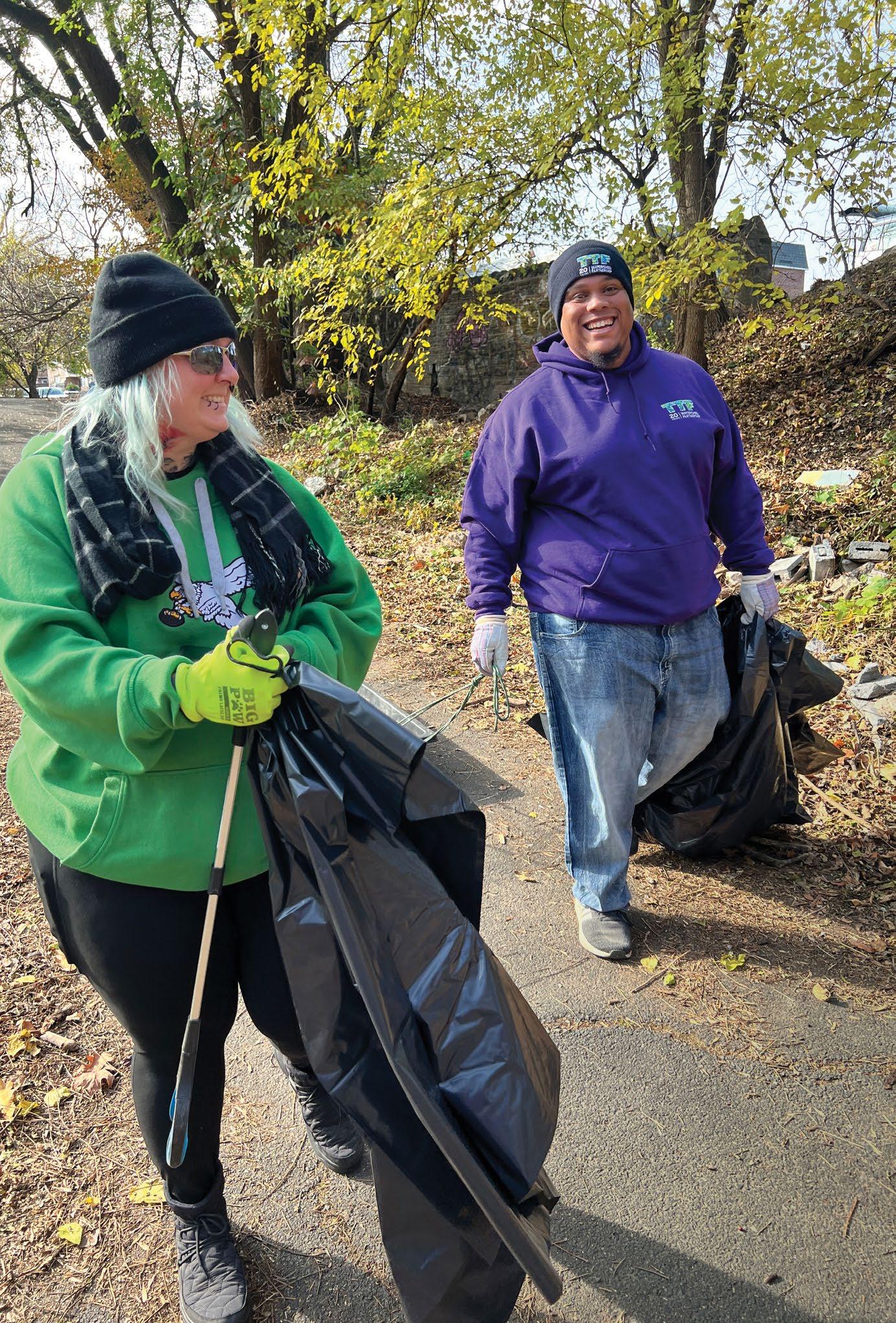
At Tacony Creek Park, volunteers are invited to join this year’s Love Your Park cleanup and tree planting event, “ Trash Out, Trees In,” on May 9 from 9 a.m. to noon. Tookany/ Tacony-Frankford Watershed Partnership’s director of community organizing and public programs, Cesali Morales, says there are multiple volunteer opportunities in the coming weeks, including April 11’s Philly
Volunteers at Penn Treaty Park will find multiple activities to choose from.
Spring Cleanup, which will help prepare for a later event at the park.
“We’re trying to hit a lot of the major sites throughout the park throughout April and May,” she says, referring to multiple volunteer opportunities in the coming weeks.
Trash Out, Trees In will focus on the Adams Avenue Bridge on the north side of the park. It’s the same location as last year’s historic 4,000-tire dump and subsequent cleanup, which saw nearly 200 volunteers come together to pull the tires out of the creek individually, without the use of machinery, Morales says.
“We usually try to meet the need for the
site that obviously needs a lot of support at that moment, and then we turn our focus towards that,” she says, referring to determining cleanup programming.
While the park currently has a grounds crew that works five days a week, Morales says the effort to keep the 30-square-mile park clean cannot be done without volunteers.
“We need as many hands as we can get. This is years and years of dumping that we’re trying to clear out. It doesn’t happen overnight, it doesn’t get cleaned up overnight,” she says. “In order to make a transformation, we need a lot of people to help us make that happen. We’re a small team right now.”
And, she says, there are plenty of benefits to joining, in addition to a clean park unburdened by litter where neighbors can gather and spend time.
“You end up knowing someone new, you end up feeling good because you can see the actual work that you put in and how much change actually happens,” Morales says. And to anyone unsure of volunteering for the first time, “I would say just go for it. I mean, you might end up coming back. You might end up inviting someone on a hike there later on. It’s a beautiful morning. It’s a simple thing, a beautiful morning.”
Hunting Park North Philadelphia
Also in North Philly is Hunting Park, which will be the site of a cleanup and beautification day on May 9. This will include litter pickup and light landscaping, according to an email from Leroy Fisher, president of Hunting Park United Association.
Fisher said the group, which first came together in 2008 and is now a 501(c)(3) nonprofit, has included Love Your Park events in its stewardship programming for many years. With 87 acres, Hunting Park is one of the largest green spaces in North Philadelphia.
“Love Your Park Week is valuable because it brings people together around a shared goal — taking care of the public spaces that belong to everyone,” he said. “Parks are essential for recreation, health, and community connection. When residents come together to clean and care for their parks, it builds pride in the neighborhood and helps ensure these spaces remain welcoming and safe for families.”
All volunteers are welcome, regardless of experience, and members of Hunting Park United will be available on-site to certify community service hours. The cleanup will run from 10 a.m. to 2 p.m.
“We provide the tools, the supplies, and the guidance,” Fisher said. “Whether someone stays for an hour or the whole event, their participation makes a real difference. It’s also a great way to meet neighbors and be part of something positive in the community.”
For those who want to get involved outside of Love Your Park week, Hunting Park United hosts regular cleanups and youth activities, including an annual Family Fun and Fitness Day. ◆
Volunteers clean up Tacony Creek Park during last year’s fall Love Your Park weekend.
COURTESY OF TACONY CREEK PARK
LITTLE PLAYGROUNDS, BIG IMPACT
Park advocates aim to make Cobbs Creek more appealing and accessible to neighbors
BY GABRIEL DONAHUE
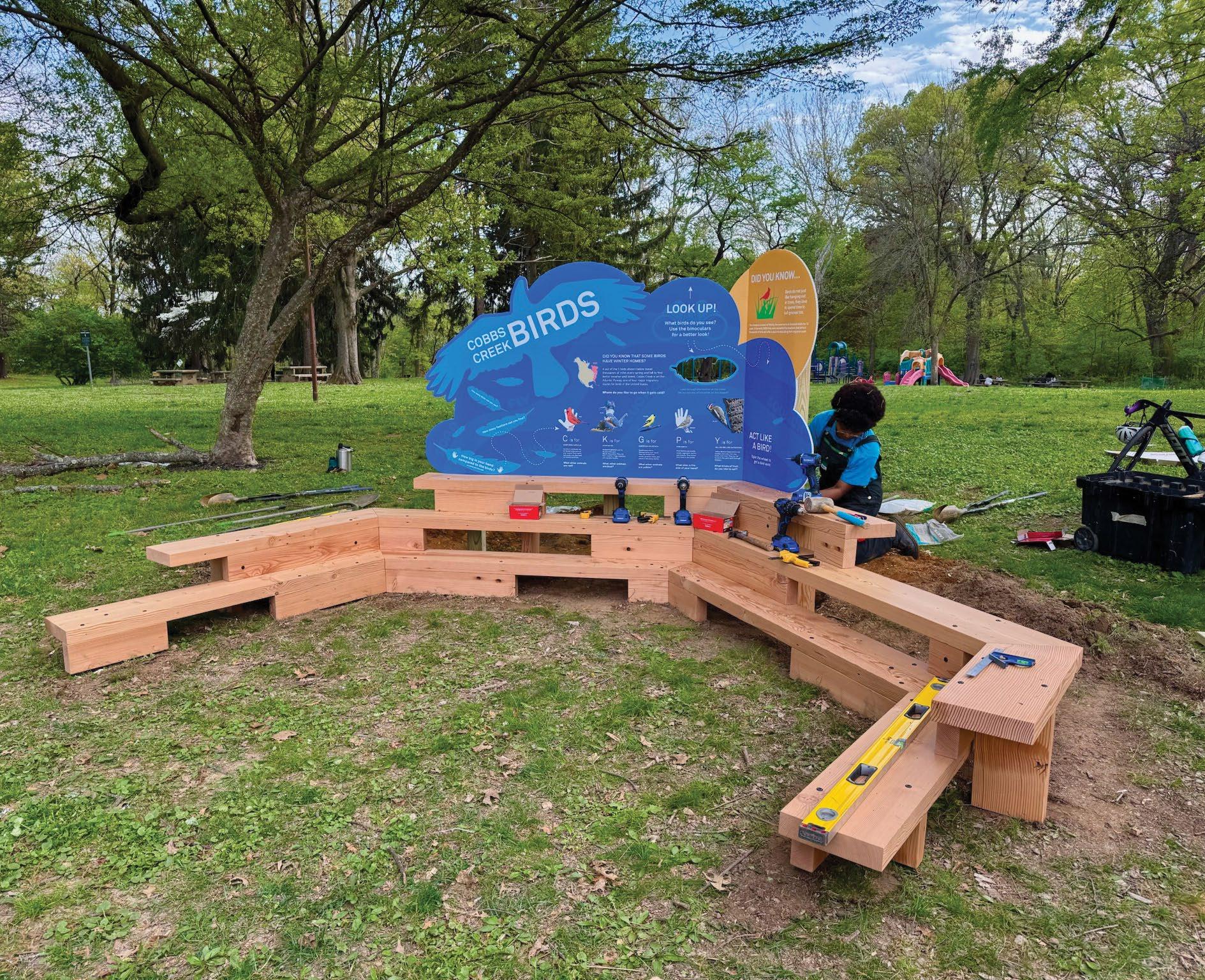
When entering Cobbs Creek Park at Florence Avenue and Cobbs Creek Parkway, a mural on the sidewalk asks, “How far can you hop?” On an adjacent wooden display, a spinning wheel lists actions inspired by reptiles and amphibians in the creek — slither, crawl, jump — and challenges the player to cross a series of tree stumps using those motions.
The pair is one of four Little Nature Playgrounds, built to welcome visitors to the nearly four-mile Cobbs Creek Trail at safe intersections. Each is inspired by different nature elements found within the 851-acre park, which constitutes much of Philadelphia’s West and Southwest border.
“There’s not a whole lot of entrances where you can cross from the residential side of the street to the park side of the street, and as you go further south on the Parkway, it gets
worse,” says Monica Allison, co-founder of the community group Cobbs Creek Neighbors, which brought the idea to Clean Air Council to create the miniature playgrounds.
Cobbs Creek was considered a high-priority neighborhood for more and higher-quality playsites in a 2023 study of Philadelphia, where nearly a third of census-designated neighborhoods were found to have limited access to playsites. Cobbs Creek’s high-priority status led to the funding of the Little Nature Playgrounds project, also called Art in the Park
Allison says it’s “because the parks in this area have been neglected for so long” that she wants to attract people to the park, let them know it’s there for their use, and that they can use it safely. She brings up another factor that she has found to be a culprit in the underutilization of Cobbs Creek Park: its perception.
“There were times in the height of the crack era where the parks were full of abandoned cars and dead bodies,” she says. “Now that that’s not an issue, and we are able to utilize the park the way the park was designed to be utilized, we should be able to bring people back. And a lot of the barriers, I think, is the fact that people still see it in that time period.”
Will Fraser, Clean Air Council’s trail and watersheds program manager, says the project builds on a multiyear initiative focused on increasing wayfinding and overall welcoming infrastructure to increase usage.
Signage along the trail and surrounding areas was first installed outside the Blanche A. Nixon Cobbs Creek Library in late 2021, according to WHYY News, an effort led by Cobbs Creek Neighbors’ co-founder Larissa Mogano. Such signs map the trail, offer information about local ecology, and are a place for neighbors to post resources and information about community happenings. It then grew into a greater project to connect residents to the park in their neighborhood.
“You don’t have to have a picnic in the park, and you don’t have to be waiting for your family reunion to happen to utilize the
park,” Allison says. “These are some ways you can just bring the kids from the neighborhood or a daycare and have them engage with a green space.”
A second set of “parklets” is now in the early design stage to expand the network. Residents are being asked where the next three installations should be placed and what themes they want featured in the artwork. Designers are soliciting topics of interest related to the creek that fall under the categories of “learning,” “playing” and “health/wellness” at community input sessions, says Linda Fernandez, an artist whose company, Amber Art and Design, is one of the project’s consultants.
At a community design session in early March, roughly 50 parents, caregivers and children gathered in the lower level of the Cobbs Creek Library to offer their opinions.
Neighborhood input for the first group of installations led to the inclusion of seating options that could double as surfaces for climbing or jumping, Fraser says.
Allison observed that this time around, design session attendees are showing a lot
of interest in the health and wellness perspective as a focus of the parklets.
But, of course, creating a space for play continues to be top of mind.
Kamaiyah Jackson is a fabricator at Brewerytown-based Tiny WPA, the consultant for the building of the parklet structure, and emphasizes the value of play for development, especially as children have fewer opportunities for the trial and error that happens on the playground.
“I think [society has] made play really, really simple and really safe for kids, and it’s not necessarily a good thing,” she says. “You learn a lot in those little innocuous moments at the playground where they’re like, ‘Am I climbing too high? Do I have the confidence in myself and my skills to be able to do this?’ But those small touch points that you were getting in outdoor play, we’re not really getting anymore, because people are too afraid of kids hurting themselves and then being liable for it.”
Cameron Staley attended the March design session with his mother and 3-year-
You don’t have to have a picnic in the park, and you don’t have to be waiting for your family reunion to happen to utilize the park.”
monica allison, co-founder, Cobbs Creek Neighbors
Right: Monica Allison and her community group, Cobbs Creek Neighbors, want more locals to take advantage of their park’s expansive green space. Opposite: The Little Nature Playground at Thomas Avenue and Cobbs Creek Parkway features birds that can be found in the park.
old nephew and says he would like to see a space for creative expression where people can just hang out along the trail. A nearly lifelong Cobbs Creek resident, Staley says Philadelphia has “a lot of room for opportunity” with its parks.
“The city needs these green spaces that are better protected and better maintained,” he says, noting that where the Cobbs Creek Trail crosses Baltimore Avenue, “there’s debris everywhere, construction machines, the path is broken up … It’s not a safe space.”
A hope for the project is that it will curb the illegal dumping that regularly occurs within the park
“As we put things around the park to beautify it, I think we’re also bringing attention to the fact that this is a green space, not a dumping space,” Allison says. “It’s a beautiful space, and we want to keep it that way.”
GREEN PAGES
BEAUTY
Hair Vyce Studio
Multicultural hair salon located in University City servicing West Philly & South Jersey since 2013. We specialize in premier hair cuts, color & natural hair for all ages. (215) 921-9770 hairvyce.com
BOOKS
Books & Stuff
The Giving Book Shop! Help me donate books next month by purchasing books I donated this month! books-stuff.com
COMPOSTING
Back to Earth Compost Crew
Residential curbside compost pickup, commercial pick-up, five collection sites & compost education workshops. Montgomery County & parts of Chester County. First month free trial. backtoearthcompost.com
Bennett Compost
The city needs these green spaces that are better protected and better maintained.”
cameron
staley, Cobbs Creek resident
The community input sessions are expected to continue until late summer, when the designers will create a plan and return to the residents for feedback, according to Fraser. Installations are tentatively scheduled to be completed next summer.
“There’s a lot of different parks throughout the city, and some of them get more attention and have more investment than others,” he says. “Having projects like this, making this kind of investment in underutilized space where there’s great potential in a park to bring those social, emotional, physical, mental health benefits to [the] community, and to bring even just a few more people into the park is an amazing win.”
Allison carries the same sentiment. To her, the importance of bringing people to the park is simple: “Because we live here.” ◆
The area’s longest running organics collection service (est 2009) serving all of Philadelphia with residential and commercial pickups and locally-made soil products. 215.520.2406 bennettcompost.com
EATS
Fifth of a Farm
Our jams are a tribute to Philly, capturing its rich heritage in every jar. Whether you’re a longtime resident or passing through, take home a taste of the local tradition. Find yours @ fifthofafarm.com
EDUCATION
Kimberton Waldorf School
A holistic education for students in preschool-12th grade. Emphasizes creativity, critical thinking, nature, the arts & experiential learning. Register for an Open House! (610) 933-3635 kimberton.org
ELECTRICIAN
Echo House Electric
Local electrician who works to provide high-quality results on private & public sector projects including old buildings, new construction, residential, commercial & institutional. Minority business. echohouseelectric.com
FARM
Germantown Kitchen Garden
Urban farm with farm stand and plant nursery selling locally grown produce, bread, eggs, veggie and herb seedlings, perennials, trees and shrubs. 215 East Penn St., 19144 germantownkitchengarden.com
FARM
Hope Hill Lavender Farm
Established in 2011, our farm offers shopping for made-on-premise lavender products in a scenic environment. Honey, bath & body, teas, candles, lavender essential oil and more. hopehilllavenderfarm.com
FASHION
Stitch And Destroy
STITCH AND DESTROY creates upcycled alternative fashions & accessories from preloved clothing & textile waste. Shop vintage, books, recycled wares & original fashions. 523 S 4th St. stitchanddestroy.com
GREEN BURIAL
Laurel Hill
With our commitment to sustainability, Laurel Hill Cemeteries & Funeral Home specializes in green burials and funerals, has a variety of eco-friendly products to choose from, and offers pet aquamation. laurelhillphl.com
GREEN CLEANING
Holistic Home LLC
Philly’s original green cleaning service, est 2010. Handmade & hypoallergenic products w/ natural ingredients & essential oils. Safe for kids, pets & our cleaners. 215-421-4050 HolisticHomeLLC@gmail.com
GROCERY
Kimberton Whole Foods
A family-owned and operated natural grocery store with seven locations in Southeastern PA, selling local, organic and sustainably-grown food for over thirty years. kimbertonwholefoods.com
MAKERS
Mount Airy Candle Co.
Makers of uniquely scented candles, handcrafted perfumery and body care products. Follow us on Instagram @ mountairycandleco and find us at retailers throughout the region. mountairycandle.com
RECYCLING
Philadelphia Recycling Company
Full service recycling company for office buildings, manufacturing & industrial. Offering demo & removal + paper, plastics, metals, furniture, electronics, oils, wood & batteries philadelphiarecycling.co
Reduce single-use plastics by shopping bulk with a reusable container.
Understanding environmental risk and regulation
Cailin Nappi, MES ‘25 Senior Managing Consultant
Cailin Nappi (Master of Environmental Studies ‘25) is a senior managing consultant specializing in public finance. “Essentially, I help state and local governments create capital plans and financial strategies to fund their public projects,” she explains. Environmental policy frequently comes up in her work, whether in questions of compliance with changing regulations or in the increasingly pressing need to plan for and adapt to climate risks like flooding. “I wanted to be able to come to the table and understand what clients were facing, and to know what was going on from all perspectives so that I could be a better consultant,” she recalls, “and I was trying to grow professionally as well.” The Master of Environmental Studies (MES) gave Cailin a strong foundation in environmental policy—and helped her get ahead in her career.
At Penn, Cailin learned the ins and outs of environmental policy development and implementation. She also expanded her professional network, connecting to faculty and peers from a wide range of environmental sectors as she studied risk assessment and environmental law. “Being in the program really helped me to get to where I wanted to be in my career,” Cailin concludes. “I think the most valuable part of this program is the knowledge of the people involved in it and their willingness to help.”
To learn more about how Cailin put her environmental education to work, visit: www.upenn.edu/grid Join the MES program team from 12-1 p.m. on the first Tuesday of every month for an online chat about your interests and goals. Log in with us. Virtual Drop-in Hour