








Catholics in America
Politics and Higher Education
Catholics Can Serve the Nation with Their Faith—Not Despite It

Redemptorist Charism
In the Footsteps of Saint Alphonsus


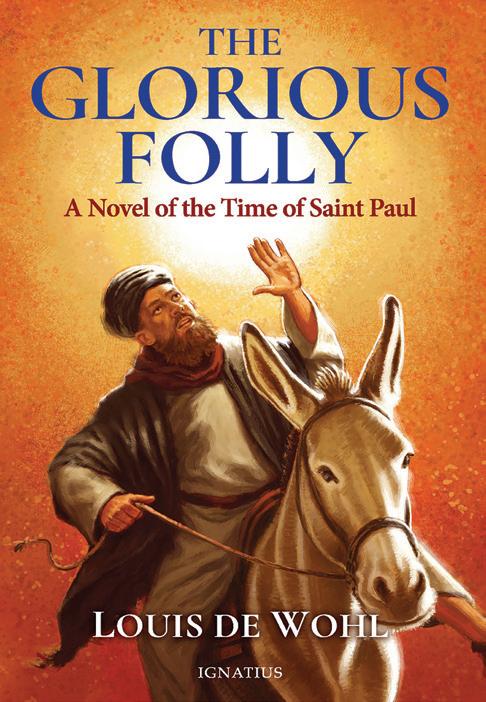




— Louis De Wohl
e acclaimed novelist draws us into the life and times of St. Paul, painting an unforgettable portrait of the man and 1st century world to which he preached the gospel. We follow the great apostle from persecuting Christians through his dramatic conversion, to his nal journey to Rome. We encounter the sights and sounds of ancient Rome and Judea; witness the spread of the Christian faith; go into the halls of power where we meet Herod, Agrippa, Nero. Readers will have a new understanding of New Testament times—and a new appreciation for the singular personality of Paul of Tarsus. A page-turner inspiration for today’s Christians, young and old.
GLFP Sewn So cover, $19.95

“A forceful, moving and vivid presentation of the life and times of St. Paul, emphasizing the impact the great missionary had on the early Church.” — Dallas Morning News


— Fr. omas Esposito, O.Cist.
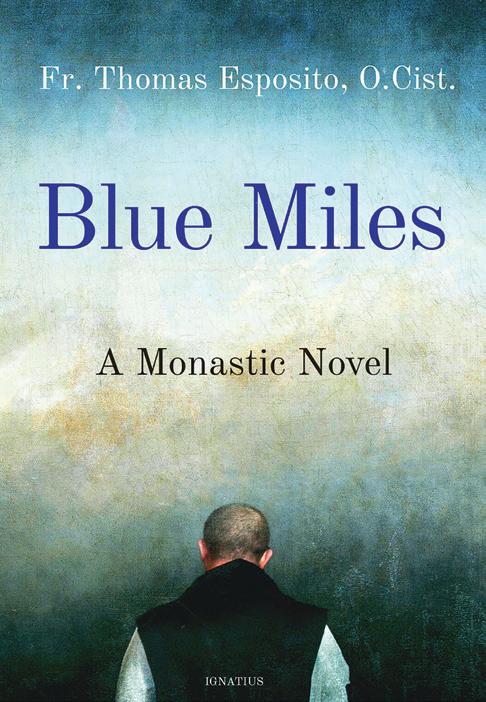
An intriguing fictional memoir of Padre Samuel, a Cistercian monk, that weaves together his tumultuous life story with re ections on his life in a monastic community. Monks are a gloriously strange lot, often quirky, hilarious, and uniquely sensitive to the alluring mystery of God. Padre Samuel’s life shows how monks strive through the rigors of community life and the conquering of the “old man” to become saints. We are brought into the silence of the cloister and meet a monk whose sufferings have drawn him close to Christ. This novel is a prayerful testimony to the erce demands and consoling mercies of monastic life.
BMIP . . . Sewn So cover, $18.95

“A sweeping story which carries us from Palestine to Syria, to Antioch and nally to Rome where we walk with St. Paul to his martyrdom.” — Chicago New World



“Every line, every page of this extraordinary book breathes authenticity. e writing is gripping, awless, e ortless. A superb achievement!”
— Michael O’Brien, Author, Father Elijah: An Apocalypse
“A gently comedic, sharply witty, deeply contemplative spiritual odyssey. e most realistic and moving depiction of monasticism that I have ever read.”

— Fr. Augustine Wetta, O.S.B., Author, e Eighth Arrow
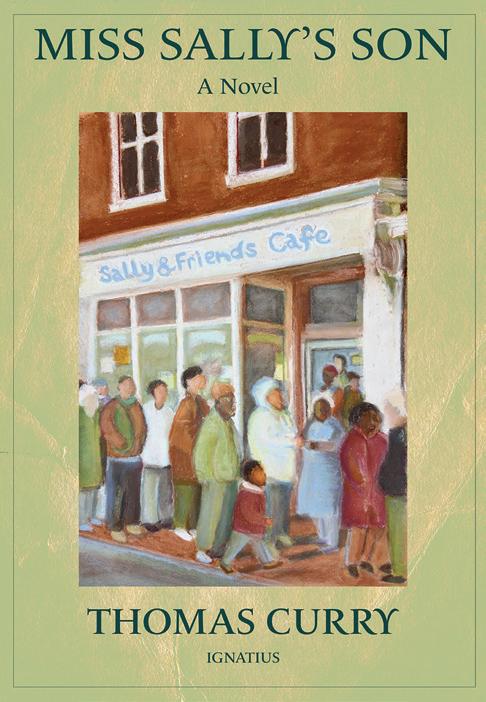




Upon the sudden death of his mother, Jack Benton, her only child, returns home to help settle her a airs. ough close to his mother, Jack has been living in Berlin, immersed in his career as an international lawyer, and hasn’t been home in two years. In a long letter that his mother le him, Jack learns for the rst time stunning details about his father, who was a famous person in the Catholic world but whom Jack never knew. is sets Jack on a spiritual journey to reclaim his Catholic faith, and in the process, he acquires a new family. MSSP Sewn So cover, $17.95

“A poignant exploration of a son’s grief and self-discovery, showing the power of a mother’s love as a conduit of grace.”
Eleanor Bourg Nicholson, Author, A Bloody Habit
“A spellbinding tale of betrayal, pain, and loss that leads Jack on a painful journey to reconciliation, love, and the recovery of his Catholic faith.”
Michael Norton, Author, A Hiker's Guide to Purgatory








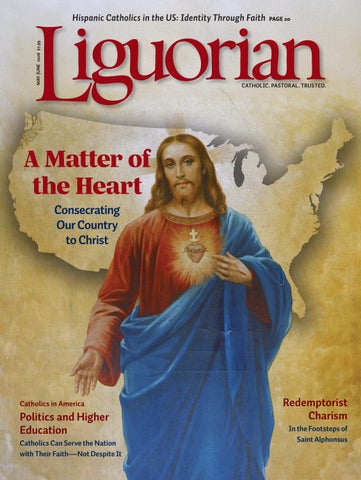
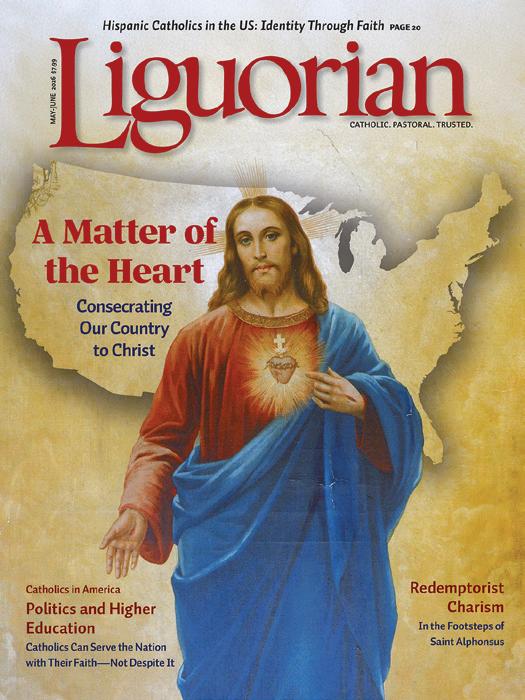
A Matter of the Heart
For the first time, the United States will be formally consecrated to the Sacred Heart of Jesus
DAVID WERNING
Politics and Higher Education
Part three of a six-part series: History shows that being Catholic does not conflict with faithful service to the nation
THE CATHOLIC OBSERVER
Your independent source of news and views on the Catholic Church
GARY
EUCHARISTIC POETRY
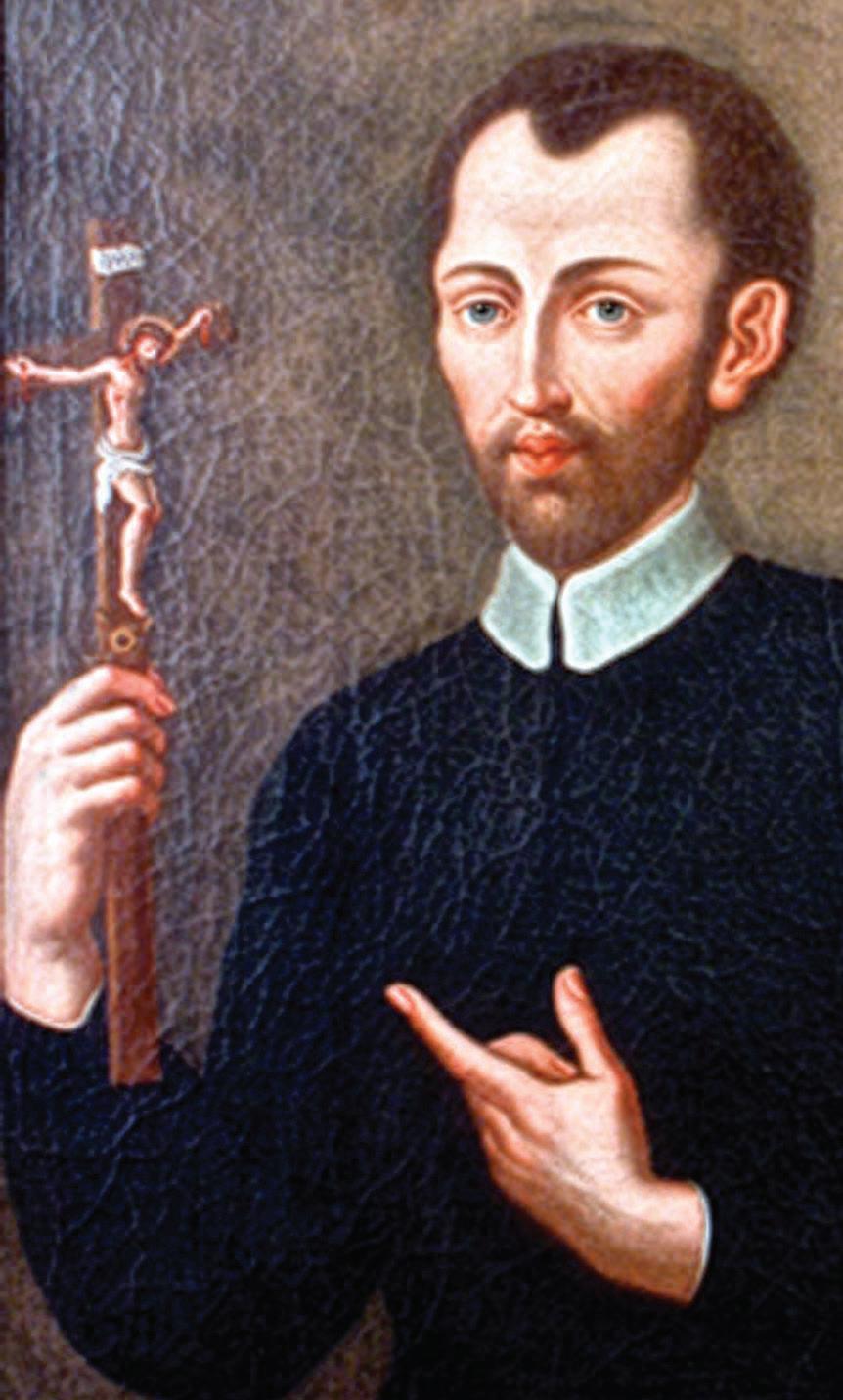
PRAYING WITH THE MYSTICS Saint Alphonsus Liguori, CSsR Motivated by love
LIGUORI PUBLICATIONS STAFF
Hispanic Catholics in the US
Part two of a four-part series: Identity through faith
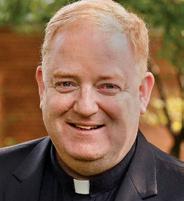
FR. PATRICK KEYES, CSsR
Redemptorist Charism
The Holy Spirit leads Redemptorists to places the Church often struggles to reach
W.
Rosary: A Touching Gift
Bring a wandering mind to prayerful focus through beads
CAROLYN ANCELL
[God’s]
The Perfect Guy Preparation for confirmation reveals discoveries about family and self
CHARLENE HOYT
PRAYING WITH THE MYSTICS
Scott Czarnopys (“Face to Face”) is married to his beautiful wife, Arley, and has two children, Haven and Daxton. He is an elementary-school principal serving in his fteenth year at Saint Patrick School, a thriving semi-rural Catholic school in the Grand Rapids area of Michigan.
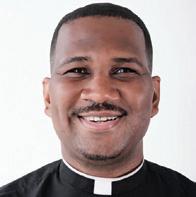
Fr. Peter D. Hill, CSsR (“Plain Talk”), is a Redemptorist missionary who has served as parish priest of Holy Cross Roman Catholic Church, Santa Cruz, Trinidad and Tobago; director of Holy Redeemer Retreat House, Dominica; and formation codirector at North American Redemptorist Formation House in San Antonio, Texas.
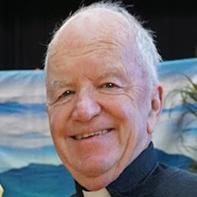

Fr. Michael McAndrew, CSsR (“Padre Migrante”), has served for thirty-plus years in Redemptorist Hispanic ministry initiatives, youth ministry, bilingual parish missions, and farmworker ministry. He works with the Catholic Migrant Farmworker Network, has directed a Campesino ministry, and recently published a book with Liguori Publications: Walk With My People: A Life in Migration Ministry (828720).
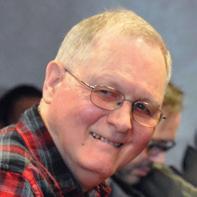

Br. Raymond Pierce, CSsR (“The Lighter Side”), is a native of Saint John, New Brunswick, Canada. His ministry is storytelling via email. Every week, he sends “Morning Smiles” emails of humor and personal stories to nearly 1,000 senior citizens.
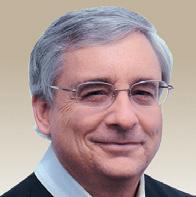
Fr. Thomas M. Santa, CSsR (“A Word from the Publisher”), was named president and publisher of Liguori Publications in January 2024, his second assignment as the company’s leader. Professed as a Redemptorist in 1973, his ministries have included retreat work and writing re ections for the Scrupulous Anonymous newsletter.
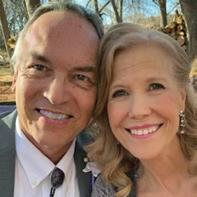
Tim and Julie Smith (“Kitchen Table Gospel”) have been professional music ministers in the Phoenix area for more than thirty- ve years. They have written and recorded dozens of music collections, including liturgical music, theater music, children’s music, and bilingual music, and their songs have been published in multiple hymnals.

Adam Tran-Chung (“Social Media Perspectives”) is a student of the Redemptorists and is studying philosophy at St. John’s University in New York City. He is an accomplished concert pianist and organist and enjoys composing liturgical music. He is interested in exploring how social media can be used as a tool for evangelization.
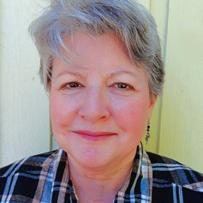
Vinita Hampton Wright (“Redemptive Living”) worked in religious book publishing for more than three decades. She is retired and continues to write, edit, and present retreats and workshops on creativity, writing, and prayer. She works as a spiritual director in Northwest Arkansas.
Charisms reflect the richness and diversity of the Christian life— life in Christ in a variety of ways.
CARDINAL JOSEPH W. TOBIN, CSSR




Publisher

Wendy Barnes


Since 1913



Fr. Thomas M. Santa, CSsR
Director of Digital and Creative Services
Associate Editors
Fr. Byron Miller, CSsR
Paige Byrne Shortal
Andrew Tran-Chung, CSsR
Manuscript Editor
Amy Deputato
Director of Media
Fr. Charles Kumar, CSsR
Journalist
Gary Michael Gately
Design, Production, and Post-Production
Kate Brown
John Gantz
Kathy Lane
Director of Sales and Marketing, Liguorian Ad Sales
Chuck Healy
Sales and Customer Service Coordinator
Donna Hurley
Contracts, Rights, and Permissions
Emmy Sandstedt
Editor-In-Chief, India
Fr. Sandeep Menezes, CSsR
Editorial O ces
United States
200 Liguori Drive, Liguori MO 63057 India
Thomas Town Post, Bengaluru, India, 560084
© 2026 Liguori Publications, a ministry of the Redemptorists. All rights reserved. 636-464-2500. Liguori.org.
Unless noted, Scripture quotations are from The New American Bible, Revised Edition © 2010, 1991, 1986, 1970 Confraternity of Christian Doctrine, Washington, DC. Used with permission.
Subscription Questions? Visit Liguorian.org. Call: 866-848-2492
Email: Liguorian@sfsdayton.com
Write: Customer Service, PO Box 292527, Dayton, OH 45429-0527
Print + Digital Subscription
One year: $38; Outside US: $53 (US funds only).
If you prefer that your name and address not be available to select organizations, please mail your address label to: Mail Preference Service, Liguorian, PO Box 292527, Dayton, OH 45429-0527.
Liguorian is available on CD from Xavier Society for the Blind, 154 E. 23rd Street, New York, NY 10010, or call 800-637-9193 for materials for the blind only.
Advertise in Liguorian
Call Oremus Advertising at 781-822-0680 or email evelyn@oremusadvertising.com.
Publication Mail Agreement #40112731.
Canadian Return Mail Request: PO Box 122, Niagara Falls, Ontario L2E 6S8 Canada ISSN 0024-3450
Printed in the US at Kingery Printing.
Support Our Ministry
Please help us continue Liguorian and other Liguori Publications ministries by making a tax-deductible donation or remembering us in your will. Our legal title is Redemptorist Fathers dba Liguori Publications, Federal ID 43-0653409.
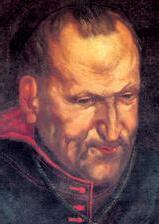
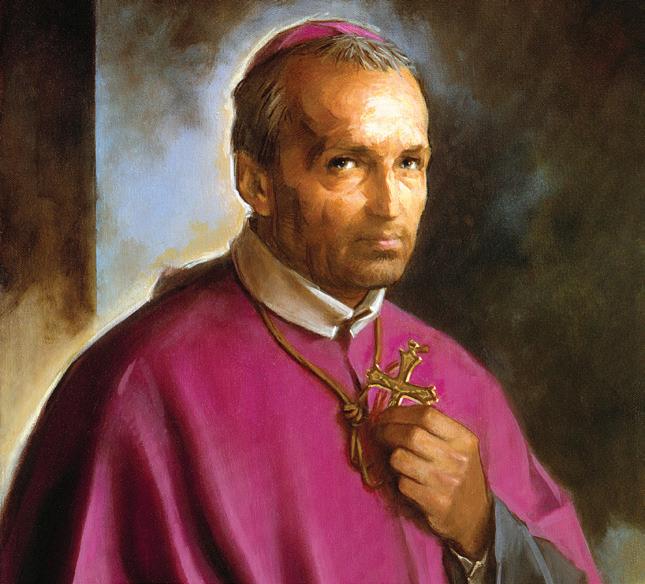
Liguorian is named after our founder and patron saint, St. Alphonsus Liguori (1696–1787), Doctor of the Church, bishop, patron of confessors, moral theologian, proli c writer, pastoral theologian par excellence, and founder of the Redemptorist Congregation. It is in his spirit and inspired by the charism he shared with us, “With him there is plentiful redemption for all,” that this magazine and all pastoral educational products of Liguori Publications proudly claim we always strive to be Catholic, Pastoral, Trusted.
To learn more about the Redemptorists, visit Redemptorists.com
In this issue of Liguorian, we celebrate and highlight some of the forms of ministry that the Redemptorist community has engaged in over the last few years. This is, at best, only a “slice of the pie.” In fact, every time I read the article (“Redemptorist Charism: In the Footsteps of Saint Alphonsus”) that speaks about these ministries, I think of some Redemptorist or some ministry that has not been mentioned. I guess it is not unlike the “In Memoriam” segment at the Oscars each year. As meaningful and as beautiful as it is, people usually can recall a few actors who passed in the previous year yet were not included in the tribute. All sorts of conspiracy theories blossom as a result, when no conspiracy was intended. So it is with this attempt to highlight all the Redemptorist ministries—it is admittedly incomplete. Although we may have unintentionally excluded someone who should be remembered, in no way does that diminish the pride we feel for that person’s dedication and service.
What prompted this effort is the celebration of the 30th anniversary of the founding of the Province of Denver—the Redemptorist province that animates Liguori Publications, our partners in mission, and the many men and women who contribute to our ministries. Thirty years is not that long; it is just a step along the way, and it is a small step. It is, however, significant. There will never be a 31st anniversary of the Denver Province. As of January 1, 2027, we will become the Blessed Francis Xavier Seelos Province of the Redemptorists, and a new history will begin.
This new province will incorporate three distinct Redemptorist provinces, each with its own unique story. We are bringing together not only the Denver Province but also the Baltimore Province and the Province of Mexico. We are also incorporating a Vietnamese vice-province into the collaborative mix. The result will be much better use of our resources, our personnel, and our ministerial efforts. It will provide an opportunity to strengthen what we already do while providing us with opportunities to accept new ministries and new challenges moving forward.
FR. THOMAS M. SANTA, CSsR
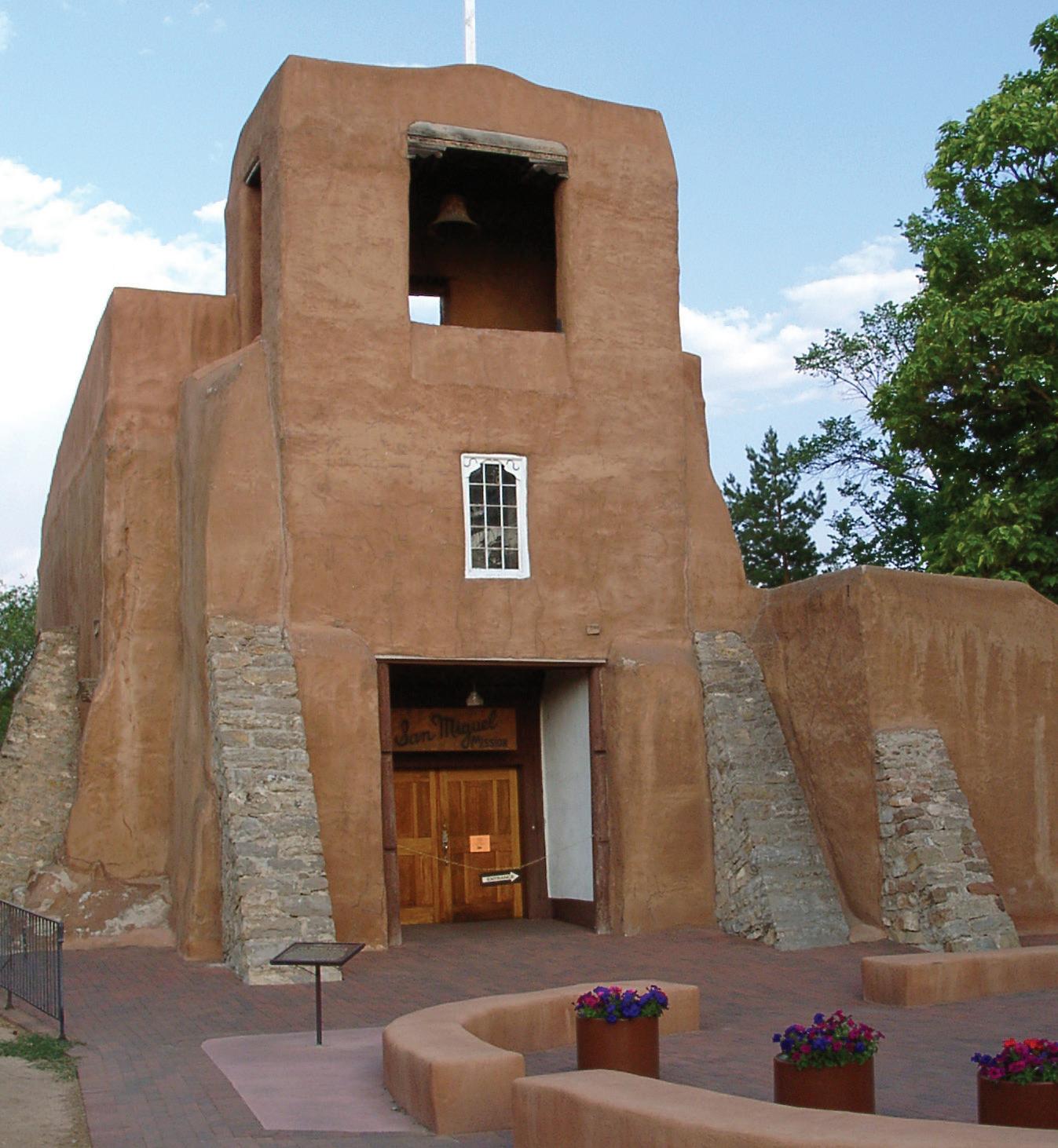
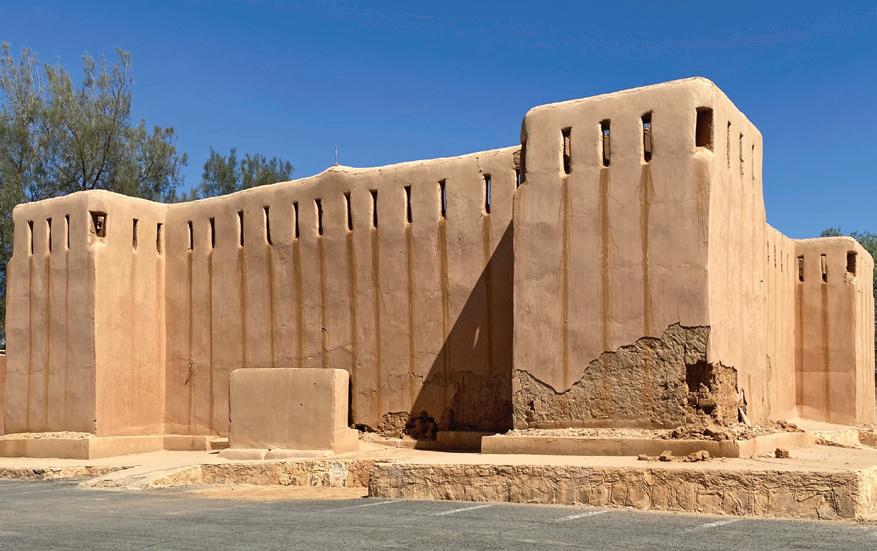
San Miguel Mission, in Santa Fe, New Mexico, established in 1610, is the oldest church in the United States.
This issue of Liguorian celebrates both the old and the new, and its main theme is devotion to the Sacred Heart of Jesus. Devotion to the Sacred Heart has a long history within the devotional practice and life of our Church family, but it has also received renewed emphasis from both Pope Francis and Pope Leo XIV. This is our contribution to the renewal of this wonderful devotion.
We continue and expand our look at the historical roots of the Catholic Church during this year of celebration of the 250th anniversary of the American union. We also look at other forms of Catholic spiritual practice with a wonderful meditation on the rosary and the third eucharistic poem in our continuing series. Our columnists bring much-needed
happens to be, to this day, the favorite Italian Christmas carol. It is a wonderful meditation. You will fi nd stories so rich in meaning that I think you will want to read them several times. And, of course, what would Christmas be without a fruitcake? You’ll fi nd one here!
perspective and commentary and, as usual, provide us with wonderful reflections that help us on our spiritual journey. It is really a team effort, each and every issue.
We thank you for supporting this ministry with your subscription. If it is time for you to renew, please consider doing so. You might also consider adding a gift subscription for a member of your family, a newly married couple, a relative or friend in assisted living, or any other person you think could benefit from it. Thank you for your continued support. A
I also extend to each of you, on behalf of our authors, editors, sales team, customer service representatives, IT technicians, and service providers—in short, the entire Liguori Publications family—our hopes and prayers for you this Christmas. May your family be blessed and safe, not only during the holiday season but also in the New Year to come.
To sign up for the free digital edition of Liguorian magazine, send an email to Liguori@liguori.org.
There are, unfortunately, so many places in our fragile world where a prayer of blessing and safety would be welcomed, but where hope seems dim. I think you will agree with me when I say that too many people, too many of our brothers and sisters in the human family, are deprived of what we take for granted each day. I hope this somber reality makes us even more grateful and encourages us, each in our own way, to help fi nd a way of peace for all of God’s people, no matter where they are.
Merry Christmas! (English)
¡Feliz Navidad! (Spanish)
Joyeux Noël! (French)
Frohe Weihnachten! (German)
Buon Natale! (Italian)
We continue and expand our look at the historical roots of the Catholic Church during this year of celebration of the 250th anniversary of the American union.
Feliz Natal! (Portuguese)
To sign up for the free digital edition of Liguorian magazine, send an email to Liguori@liguori.org.


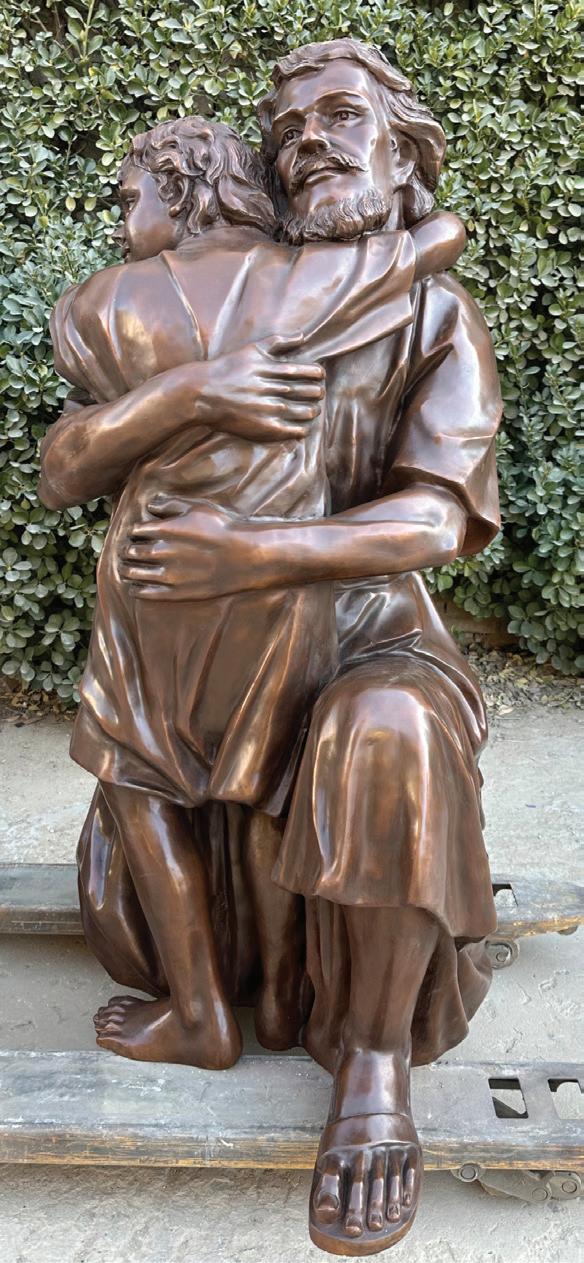


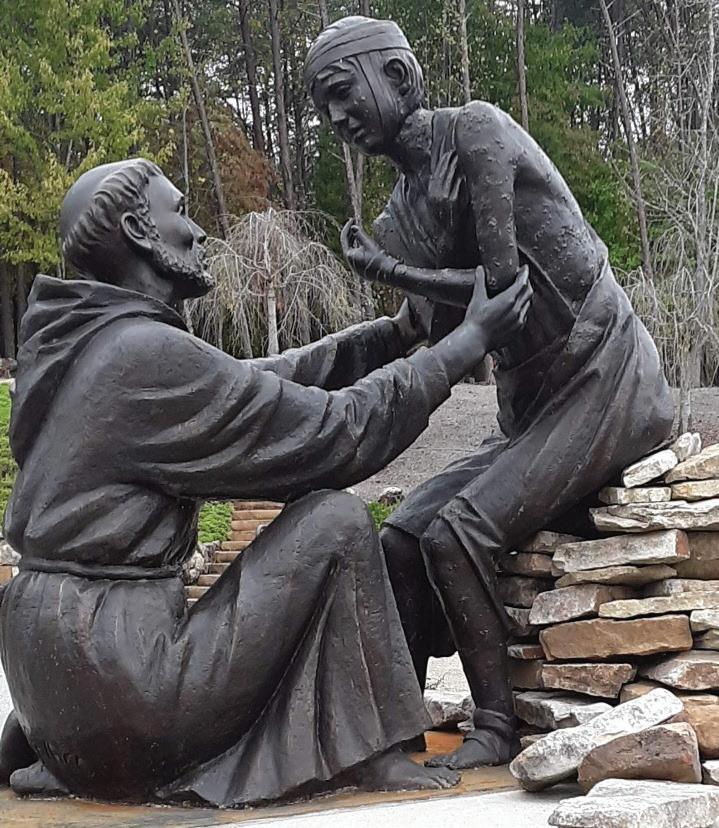







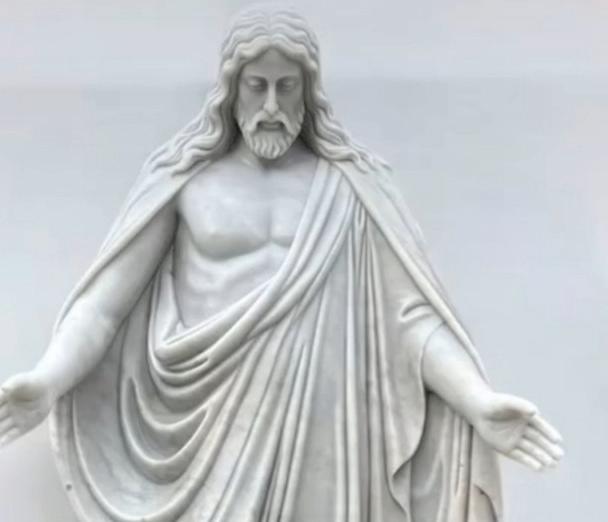


We can create one-of-a-kind sacred masterpieces for your parish or organization. And it is surprisingly affordable. Delivery in just 120 days.
Send Us Your Feedback!
Write: Liguorian Editor, 200 Liguori Drive, Liguori, MO 63057 E-mail: Liguorianeditor@Liguori.org
The opinions expressed don't necessarily re ect the opinions of the editors. Letters must be signed and include the writer’s full address and daytime phone number. Names will be withheld from publication upon request. The editors reserve the right to edit letters for length, clarity, and style.
Dear Liguorian Editor and Vinita Hampton Wright, I begin my day in prayer and conversation with the Spirit. Today, we visited about the importance of storytelling and story-hearing. After an hour and a half of prayer and visit on the subject with my wife, we read your article “The Power of Story” (January-February 2026). Thought for thought, concept for concept, you reiterated the Spirit in your article. Obviously, the Spirit was not done visiting. You are an instrument of God’s peace. Thank you.
Tom L. (via email)
Dear Liguorian Editor,
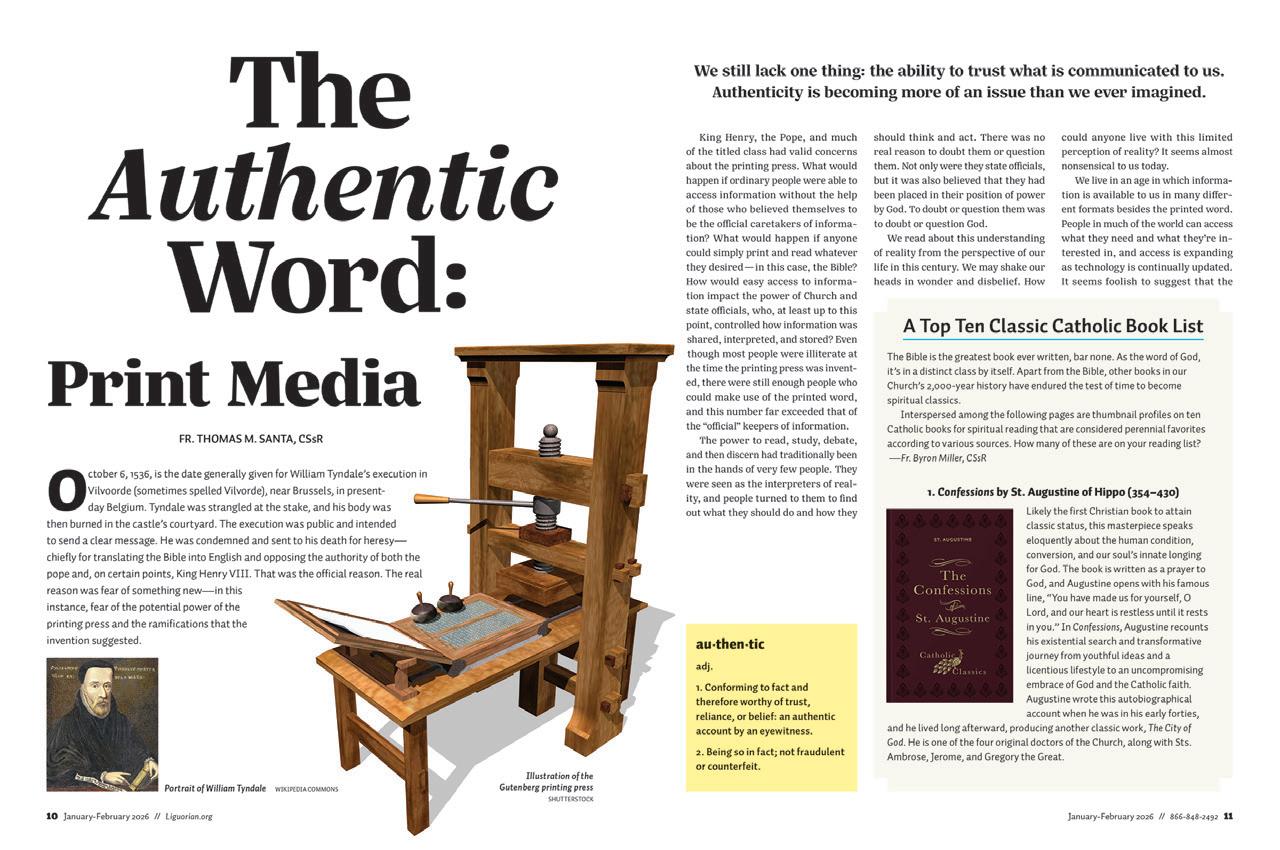
Thank you for the “Top Ten Classic Catholic Book List” (January-February 2026). At the local bookstore, I purchased Interior Castle and The Seven Storey Mountain and ordered the other eight. My mother, an English teacher and practicing Catholic, shared many titles with me over the years. She recently died and has left me looking for other references for books to read. Your list was timely. Thank you.
Also, in the same issue, Padre Migrante’s column, “Changing the Focus” resonated with me. Sadly, too often we label before we ask; we condemn before we inquire.
I’ve read your magazine for over twenty years, rst introduced to it by a missionary priest in Miami who insisted we subscribe. I’m fortunate to have heeded his advice.
Mike F. (via email)
Dear Liguorian Editor,
I love Liguorian and enjoyed the January-February 2026 issue. I have read several of the books on your “Top Ten Classic Catholic Book List” and agree that Catholics should attempt to read these books during their lifetime. I have not read any of the “Notable Works of Fiction by Catholic Authors” (page 18). I tried reading some of Flannery O’Connor’s books but found them bleak and depressing—and there’s enough of real life that’s bleak and depressing! I’ve also attempted to read G.K. Chesterton, but his books are a real workout for the brain.
I was disappointed that there was no mention of any secular works of ction that present a God-centered universe and encourage people of faith to “keep the faith.” I’m thinking of Anne of Green Gables by L.M. Montgomery as well as books by Laura Ingalls Wilder, Mildred D. Taylor, Elizabeth Enright, and, of course, Louisa May Alcott and her March family. These books are wonderful for young girls and boys as well as adults who are looking for wholesome and easy-to-read stories.


Editor’s Response:
Sharon W. (via email)
The authors you mention are favorites of mine, too. I would also include ction by C.S. Lewis and Madeleine L’Engle. If we ever do an article on “wholesome ction,” we will keep your letter for reference. Thank you!


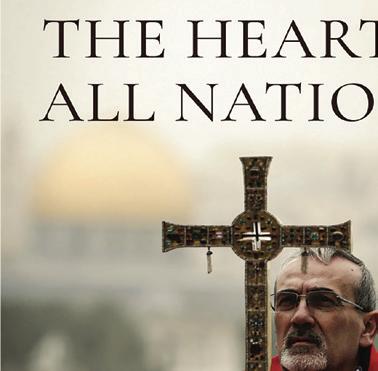
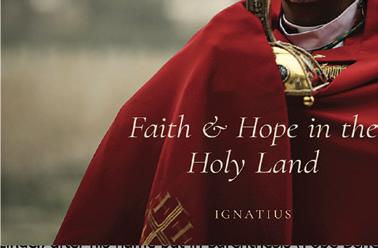

Cardinal Pierbattista Pizzaballa, O.F.M., has lived and worked in the Holy Land since 1990 as custodian of the Holy Land and as the Latin Patriarch of Jerusalem. He has led his flock through the horrors of war, offering his own life during the hostage crisis of October 2023, and calling constantly for an end to hostilities. rough years of darkness, he has spurred the persecuted Christians of the Holy Land to “a vibrant testimony of faith and belonging”.
Imbued with the spirit of St. Francis, this beautiful work includes many talks from Pizzaballa’s years as custos of the Holy Land, and an abundance of material from his time as Patriarch. What Jerusalem—“the heart of all nations”— teaches us is that when the Word becomes esh, He truly enters human history, in all its complexity and brutality. With a prayerful yet realistic gaze, His Eminence searches the mysteries that wrap the land where Jesus walked, bringing it to life before our eyes.
Is there hope for peace in Jerusalem, indeed, the world? Yes—through Christ alone. e Heart of All Nations calls Christians not only to experience Jesus’ radical peace in their hearts, but to bear it courageously into a turbulent age.
HANP Sewn So cover, $18.95
“A true shepherd unfolds for us the quiet persistence and tactful witness of the Church in the Holy Land who reminds us all that God is logos and God is love.”
— Cardinal Robert Sarah, Author, e Power of Silence
“ is is biblical theology in the truest sense. e wisdom of Cardinal Pizzaballa has brought the Resurrection more tangibly into my own life.” — J. D. Flynn, Editor in Chief, e Pillar

“ e most unique look at the Holy Land that I've read. A mustread for everyone who is praying for the peace of Jerusalem.”
Je Cavins, Creator, Great Adventure Bible studies



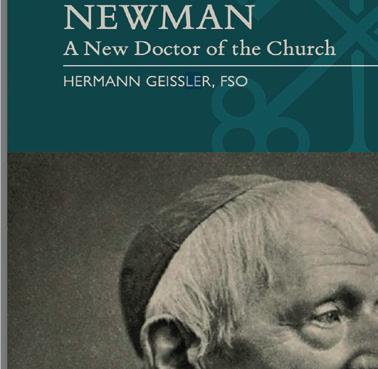

Hermann Geissler, FSO, gives a fresh look at the life and writings of Newman, one of the greatest Christian thinkers of the West, recently proclaimed a Doctor of the Church by Pope Leo XIV. A passionate seeker of truth and a convert to Catholicism, Newman’s works enrich theology, his journey enlightens consciences, and his person is venerated throughout the Church.
is intellectual and spiritual biography o ers deep insight into how the wisdom of this great saint can enrich an understanding of many core concerns of the Church today: the development of doctrine within an unchanging Tradition, the nature of conscience, and the identity of the Church itself. Not just an exposition of Newman’s thought, taking his cue from the Newman’s own motto, “Heart Speaks unto Heart”, Fr. Geissler opens for us Newman’s more mystical side, his insight into the inner disposition of the Christian, and the internal life of faith.

SJHNP . . . Sewn So cover, $17.95
“Newman teaches us not only through his thought and speech but also by his life, because within him, thought and life are interpenetrated and defined. He belongs to the great teachers of the Church because he touches our hearts and enlightens our thinking”.
— Cardinal Joseph Ratzinger (Pope Benedict XVI)




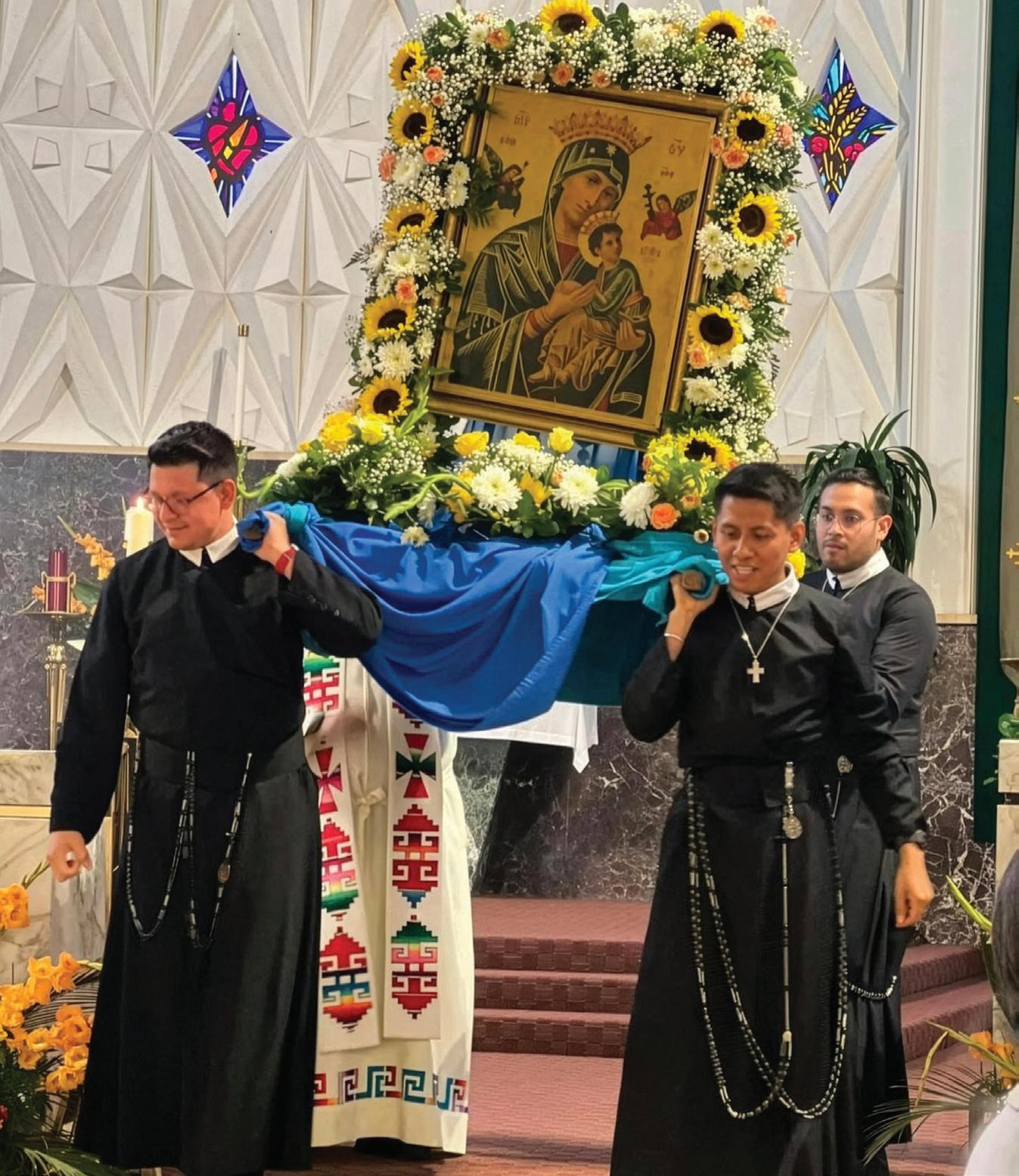
As a Redemptorist, I have learned that some of the most powerful moments of ministry happen quietly. One of those moments unfolds every week in most Redemptorist parishes around the world in the presence of an icon. The church may be full or half empty; the candles many or just a few. Yet, the people who are present come with deep faith, bringing their joys and struggles to Our Lady. For Redemptorists, devotion to Our Lady of Perpetual Help is not just a tradition; it is part of who we are.
When Pope Pius IX entrusted the icon of Our Lady of Perpetual Help to the Redemptorists in 1865, he asked us to “make her known.” We have been trying to do that ever since—not by turning Mary into the center, but by allowing her to lead people to Christ. For us, this devotion has always been missionary, as it goes out to meet the people.
Week after week, I watch people approach this devotion with genuine faith. Some are regular churchgoers, while others come only for the novena. Some sit quietly in the back, while others mouth every word by heart. Many carry needs and concerns in their hearts: a sick loved one, a failing relationship, immigration issues, loneliness, financial stress, fear. The icon gives them permission to bring all of that into the church.
There is something deeply human about the image itself. The Child Jesus clings to Mary; one sandal hangs loose; and the angels hold the instruments of the passion. Mary looks outward, calm and steady, her eyes drawing everyone into deep contemplation. People see themselves there, in the tender arms of a loving mother. She is not a distant or decorative Mary, but a Mother who is ever ready to help us.
This devotion opens doors. People who might never come to Sunday or weekday Mass will come to the novena. They listen and pray, and many take advantage of the sacrament of reconciliation.
I have celebrated novenas to Our Mother of Perpetual Help in large city churches and in small rural chapels. The prayers and music may differ slightly, but the heart of the devotion stays the same. People keep coming because they know that Mary, under the title of Our Lady of Perpetual Help, is their mother, and she always helps her children.
FR. PETER D. HILL, CSsR
Devotion to Our Lady of Perpetual Help is part of who the Redemptorists are.
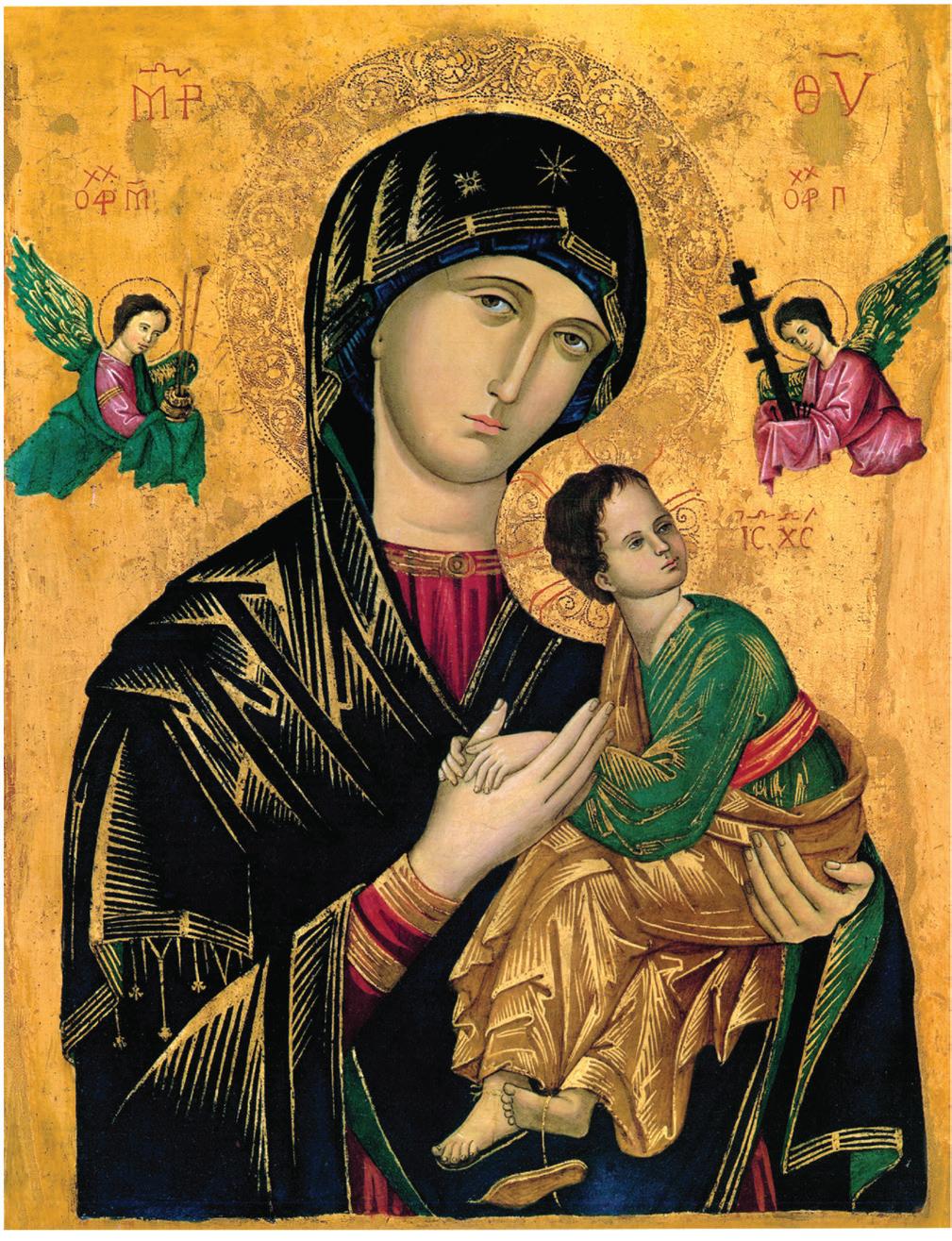
Our Lady of Perpetual Help is more than an icon on a wall. She is a companion in the mission. Through her, people encounter a Church that listens, a God who understands, and a Redeemer who loves them unconditionally and will never give up on them. For Redemptorists, that is not an extra part of the mission; it is the mission itself. Our Mother of Perpetual Help, pray for us. a
OUR LADY OF PERPETUAL HELP, COURTESY OF THE REDEMPTORISTS











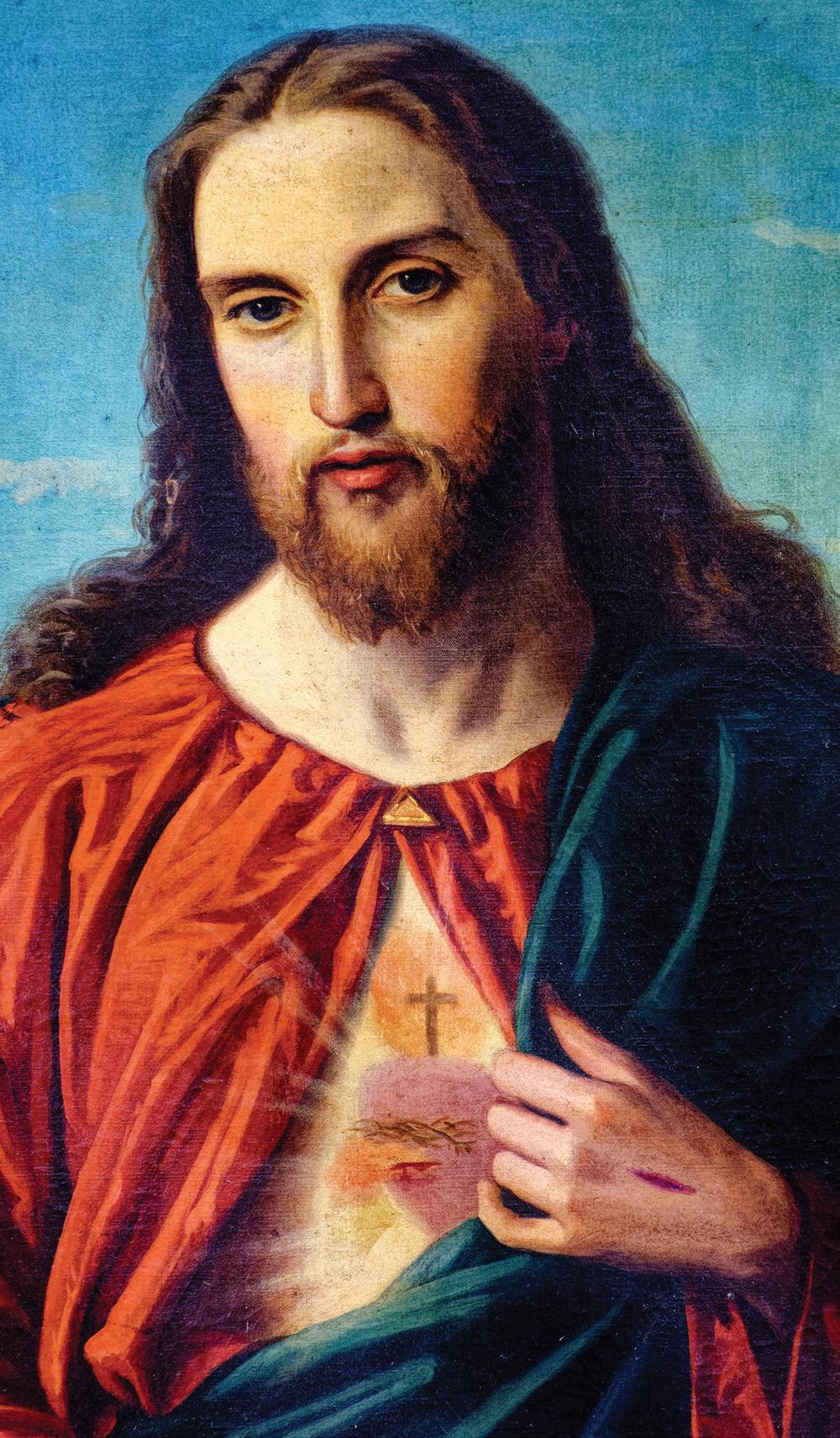
FOR THE FIRST TIME, THE UNITED STATES WILL BE FORMALLY CONSECRATED TO THE SACRED HEART OF JESUS
DAVID WERNING














A“As so as I belie d in God, I understood that I c ld n do herwise than to li f him.”
—ST. CHARLES DE FOUCAULD
t their plenary assembly in November 2025, the US bishops approved the consecration of the United States to the Sacred Heart of Jesus. It will take place on the solemnity of the Sacred Heart in June 2026 as part of the celebrations commemorating the 250th anniversary of our nation’s founding. While the US has been formally consecrated to the Blessed Mother several times—its patroness is the Immaculate Conception—this will mark the first formal consecration to the Sacred Heart of Jesus.
“Through this act of consecration, the bishops seek to renew devotion to the Sacred Heart of Jesus and to recognize the kingship of Christ,” the United States Conference of Catholic Bishops (USCCB) stated following the assembly. This momentous occasion in our nation’s history is an opportunity for the faithful to consecrate their hearts to Jesus through adoration and works of mercy, following the example of St. Charles de Foucauld, who consecrated himself to the Sacred Heart of Jesus in June 1889.
Charles de Foucauld’s Heart-to-Heart Consecration
Charles de Foucauld knelt outside the fort gate in Tamanrasset, Algeria, a gun barrel pressed against the back of his head. Tuareg robbers had come to steal his possessions and, perhaps, to take him for ransom.



But Charles had no possessions that could be stolen. The grain reserves and emergency munitions inside the fort did not belong to him. What he had, no one could take: a deep, abiding friendship with Jesus that manifested itself in Charles’ loving concern for the poor.
So, Charles knelt, obedient, just as Jesus had obeyed the Roman guards. Only when two friends coming to visit him happened on the scene did Charles stir. He tried to warn them, but it was too late. Charles and his friends were shot dead.
Charles always said he wanted to imitate Jesus, and people familiar with him said he did. At death, he was more concerned for others than himself. In life, confident in God’s love and faithfulness, Charles sought to serve others, with special concern for the poor. And, again, like his Master, Charles still influences people today.




One devotee was Pope Francis, who credited Charles with helping him through a spiritual crisis. The pope canonized Charles on May 15, 2022. He also featured Charles in six major papal documents: three apostolic exhortations (Amoris Laetitia, 2016; Gaudete et Exsultate, 2018; Christus Vivit, 2019) and three encyclicals ( Laudato Si’ , 2015; Fratelli Tutti, 2020; Dilexit Nos, 2024).
Speaking to members of the Charles de Foucauld Spiritual Family Association a few days after Charles’ canonization, Pope Francis recommended Charles as a guide for Christians: “In him, we can see a prophet of our time, who knew how to bring to light the essentiality and universality of faith.”
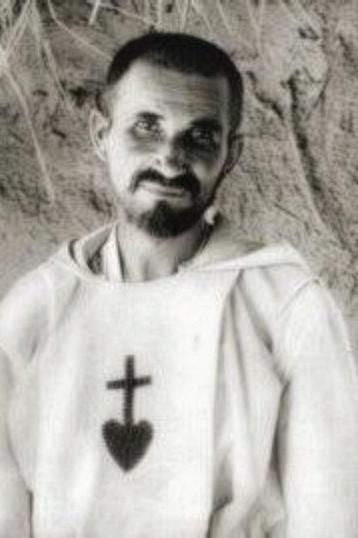
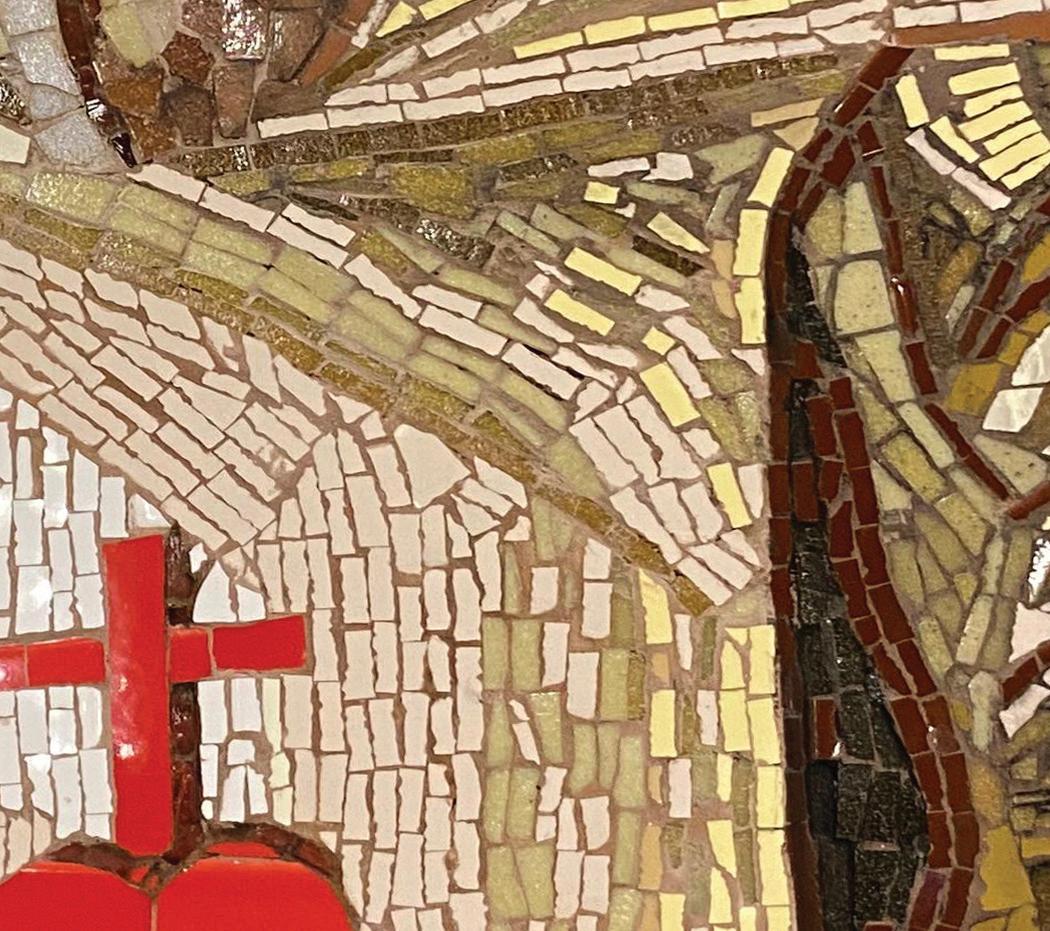
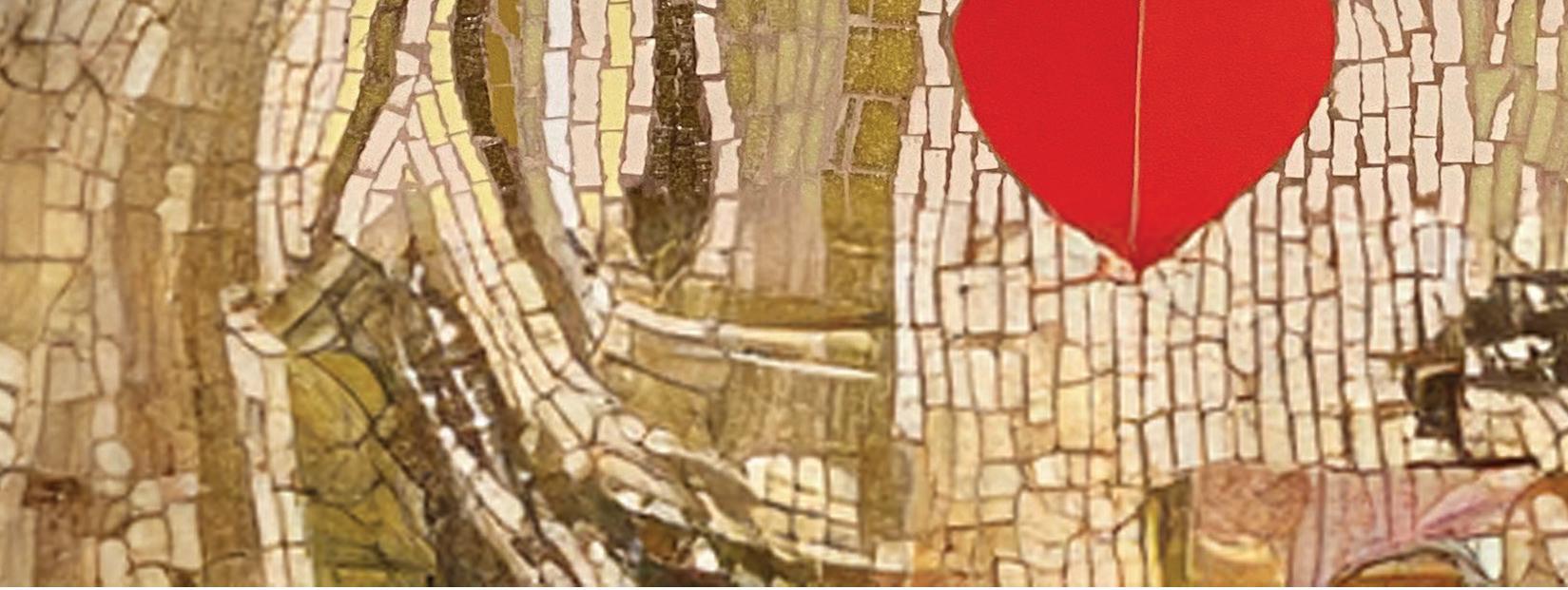
The two are not separate realities; the essentiality and universality of faith are aspects of one reality: the love of God in Jesus Christ. Charles adopted an emblem that signified this love: a drawing of a heart and a cross, with the Latin words Iesus Caritas. He sewed the cross and heart onto his habit as a daily reminder: if one receives well the love of Jesus, then one makes every effort to love well those whom Jesus loves.
No one is far from God’s love, for “In him we live and move and have our being” (Acts 17:28). But sometimes we lack awareness. Charles had been baptized a Catholic, and he learned about the faith from his family. Yet, as he grew, Charles rejected dogma and religion. At seventeen, he declared himself a “freethinker.” We don’t know why he took this turn—perhaps the death of his parents when he was six led to his disbelief—but we do know what happened when he embraced faith again.
The love of God broke upon Charles through a life-changing encounter with Jesus in 1886 when Charles was twenty-eight years old. Before this encounter, Charles seemed to have everything a young man would want. He had an inherited fortune, a well-appointed Paris apartment, the finest wines and

foods, the most fashionable clothes, and female companionship, and he was feted all over France for his geographical study of Morocco. The French Geographic Society and the Sorbonne bestowed upon Charles their highest honors.

But, inside, Charles was empty. While in Morocco, he had been exposed to Muslims who lived their faith openly and devotedly. Their witness challenged his skepticism about religion. Wherever they were, whatever they were doing, they would stop and fall to their knees when the time came for prayer. Maybe Charles was wrong not to believe. In Charles de Foucauld: A Biography, author Jean-Jacques Antier recounted how Charles would say repeatedly as he walked around Paris, “My God, if you exist, let me come to know you.”
Charles’ cousin Marie de Bondy noticed the change in Charles and told him to see Fr. Henri Huvelin at the Church of St. Augustine. In late October 1886, Charles went to Fr. Huvelin and asked to be given instruction in the Catholic religion. But Fr. Huvelin—whether by spiritual insight or from a conversation with Marie—perceived that Charles did not need more religious instruction but rather a transformation of his heart. He told Charles to kneel and confess. Charles protested, but on the second request from Fr. Huvelin, he knelt and confessed at length. Afterward, he received Communion.
It’s difficult to convey what happened to Charles that day; spiritual realities do not always translate easily into the spoken or written word. In The Spiritual Autobiography of Charles de Foucauld, a collection of Charles’ writings translated by Jean-François Six, Charles called it “a day of blessing,” when memories of his childhood faith, his early catechism lessons, and the witness of his parents and grandparents flooded his mind. Most of all, he

felt the love and forgiveness of Jesus in his heart. Though he would continue for the rest of his life to deepen his understanding of the event, Charles never forgot the grace. Antier wrote that Charles remarked much later, “As soon as I believed in God, I understood that I could not do otherwise than to live for him.”
About that day, Pope Francis said Charles had reawakened to the love of Jesus. “That was the essential thing,” the Pope said, and, as such, it was a matter of the heart (Dilexit Nos, 130). By “heart,” Pope Francis meant not the human organ but the human person’s inmost being, the place that marks God’s creative touch, which brings a person into being. The heart, in this sense, is where God speaks to the human being and where the human being can respond to God.
In response, Charles consecrated himself to the Sacred Heart of Jesus on June 6, 1889 (DN 131). He wanted to follow Jesus in everything. His initial thoughts recalled Jesus’ abjection, his poverty, and his hiddenness before beginning his public ministry. He noted too that Jesus lived this way out of love for all men and women. Charles thought he would do the same out of love for Jesus and for those Jesus loved: “Whoever loves wishes to imitate, and that is the secret of my life,” Charles said, according to Antier’s biography.
Imitating someone requires knowing that person. For Charles, his knowledge of Jesus developed and deepened through prayer. He began reading the




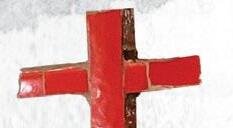



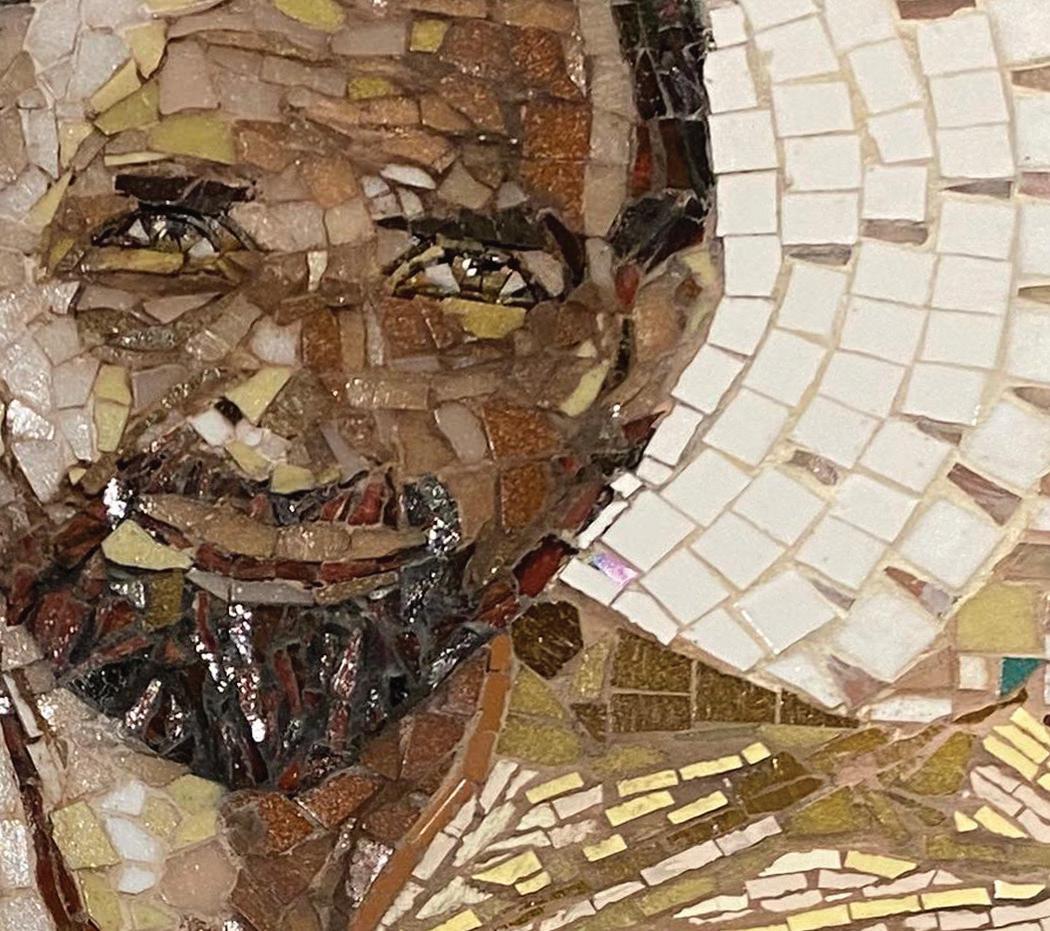
Charles de F cauld adopted an emblem that signifi ed the l of God in sus Christ: a drawing of a heart and a cross.
Bible and spiritual books again. He recited the Liturgy of the Hours, and he received the sacraments. However, Charles’ prayer centered on the Eucharist. One cannot exaggerate how important the Blessed Sacrament was for Charles. Communion and daily adoration were especially dear to him because they provided heart-to-heart communication with Jesus. Charles advised in his writings in The Spiritual Autobiography, “Never miss a possible moment, an instant, in the presence of the Blessed Sacrament, whatever the moral or physical difficulties may be, or the suffering or danger of giving offense involved in being there. The whole universe is nothing beside the Master of the universe who dwells in the tabernacle.”
One might conclude that being in the presence of the Blessed Sacrament is a passive activity. Charles did not experience it that way; he actively yielded himself to Jesus during those silent communications through devotion to Jesus’ Sacred Heart. Jesus formed Charles’ heart to his own and moved Charles to a life of active love. As Pope Francis stated, Charles’ “friendship with Jesus, heart to heart, was anything but a privatized piety” (DN 132). Rather, it brought together the essentiality and universality of faith.
From the time of his conversion at age twenty-eight to his death, Charles lived thirty years trying “to imitate Christ and to be conformed to him” (DN 132). His journey began with the Trappists, with whom he lived for seven years. Then, he spent three years in Nazareth as a hermit, living next to a Poor Clare convent. At each place, Charles led a life of ascetism and prayer. He would take the most menial jobs, and he always found opportunities to help the poor.
Charles finally settled in Tamanras-

set, on the southern end of Algeria. He had been ordained a priest and discerned that his vocation called him to be the presence of Jesus where Christ was unknown. Southern Algeria had no Christians, and certainly no priests.
In Tamanrasset, Charles lived among the Tuareg people, who were suspicious of this Frenchman who might be just another colonist looking to make money and exploit their country. But, from the beginning, Charles sought only to love the Tuareg. He didn’t seek to exploit them, but to help them lead better lives.
For Charles, it was important to love the people first and foremost. He said he was not interested in evangelization as such. From his biography The Sands of Tamanrasset by Marion Mill Preminger, Charles said, “Of this I am neither worthy nor capable; and the time for it has not yet come. My work should be the preliminaries for evangelization, the cultivation of trust and friendship, for gentling, you might say.”
Charles learned the Tuareg language, Tamashek, and he collected their poetry and local lore, writing it down for them. He taught them farming, sewing, knitting, and building. He translated the gospels into Tamashek and even produced a French/Tamashek dictionary. He fed the hungry, bandaged wounds, and ransomed slaves. When Charles’ family and friends sent him money and supplies, Charles gave them to the poor. All the while, Charles kept a full schedule of adoration, study, and correspondence. Eventually, the Tuareg embraced Charles and called him their marabout (“holy man”).
Some people would question the value of Charles’ efforts. Did any of the people he encountered open their hearts to Jesus? Did Charles change the world? Did he change the situation in Algeria? The answer depends on one’s
perspective, and whether one sees with the eyes of faith.
Jesus saved all humanity from one place in time; he encountered a limited amount of people in the course of thirty-three years. Yet Jesus’ love is no less essential or universal because of the particular time and place it was shared. What he asks of his followers is not to save the world; he’s already done that. He asks us to receive and share his love with those we encounter.
Charles demonstrated by his life and death that receiving the love of Jesus moves one to love all people, to be a universal brother or sister to all, especially those who are poor. Charles went to the desert to bring the presence of Christ there, but he understood that one “has to be as much a missionary in France [or any place] as in a country of unbelievers” (The Spiritual Autobiography).
Today, we inhabit so many deserts in terms of ignorance of Jesus. If people are to turn to him, then it will happen through authentic witnesses. This isn’t at first an overt evangelization; it begins by loving, listening, helping, and correcting. In other words, treating the other as a beloved brother or sister.
In June, when the US bishops consecrate the country to the Sacred Heart of Jesus, it’s a wonderful opportunity to consecrate our hearts to Jesus, too, following the example of St. Charles de Foucauld. We join in the victory of Christ’s love when we receive his love well and love well all our brothers and sisters.
David Werning writes from Virginia. He is the senior director for Catholic identity at Catholic Charities USA. He has been writing about the Catholic Church for over twenty years. In addition to writing many articles, he is the author of Catholic Faith Foundations: Back to the Basics (OSV, 2018).


Pope Francis wrote in The Joy of the Gospel, “I want a Church which is poor and for the poor. They have much to teach us. Not only do they share in the sensus fidei, but in their difficulties they know the suffering Christ. We need to let ourselves be evangelized by them” (Evangelii Gaudium, 198). What does it mean to be “evangelized by the poor”?
The Redemptorists assigned three men to establish a community “to evangelize and to be evangelized by” young immigrants in a poor barrio in Denver. We opened Casa San Alfonso on November 9, 1991. Many young people helped with cleaning and moving furnishings into the house that day. We planned on having a few men live with us, helping with the hospitality of welcoming people in the house. To our surprise, the next day after Mass at the parish, we returned to the house to find one young man there with a change of clothes and a sleeping bag. By that evening, two more had asked to join the community.
The Casa became a gathering place for young people after school, work, or church activities. It was a safe place, an informal ministry of welcome for youth on the margins of society and the Church. On the third day, one young man said, “We need rules for the house.” We told him that he should gather members from the St. Joseph youth group and lead a meeting about rules. The meeting included eight young people and three Redemptorists. Here are a few rules they came up with:
1. There will be no smoking in the house or on the porch out of respect for the Redemptorists who live there, as none of them smoke.
2. Everyone will take turns cooking and cleaning the house.
Padre Migrante
FR. MIKE MCANDREW, CSsR
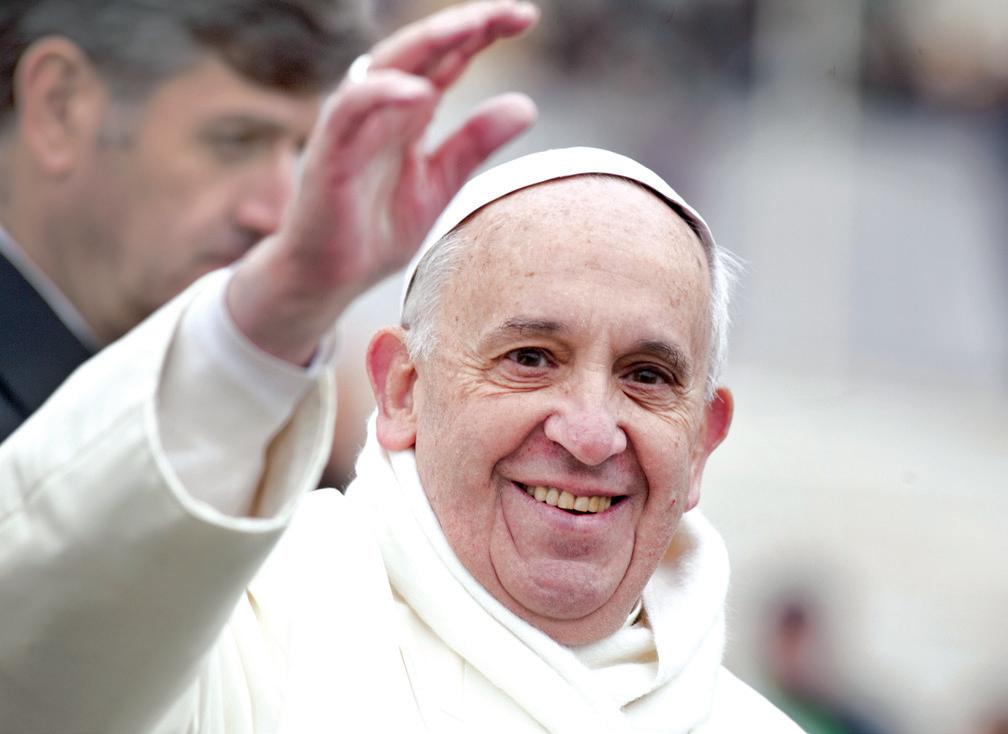
Pope Francis wrote, “We need to let ourselves be evangelized by [the poor].”
3. There will be no TV at the Casa so that people can socialize without distraction. That evening, the Casa was no longer the home of the Redemptorists alone; it belonged to Redemptorists and youth together.
In the Casa, we celebrated birthdays and feast days, and when there was no reason for a party, we made one up. Outsiders may have thought Casa San Alfonso was not a serious ministry. Yet, after one young man died in a car accident and others experienced serious difficulties, it was the Casa that offered comfort, counsel, and practical help to young people in the barrio. From the day the Casa opened until the day it closed in 1996, we welcomed young people into the community. We let the Holy Spirit and the young people show us the way.
Many years later, I asked two men about their experience at the Casa. They said, “You and Fr. Patrick saw good in us that we did not see in ourselves. We wanted to live up to that goodness, and even when we messed up, you never gave up on us. We are who we are because of Casa San Alfonso.” Recognizing good in the poor opens us to being evangelized by the poor. A















In part three of this six-part series, we commemorate America’s 250th anniversary by celebrating Catholicism in the United States.
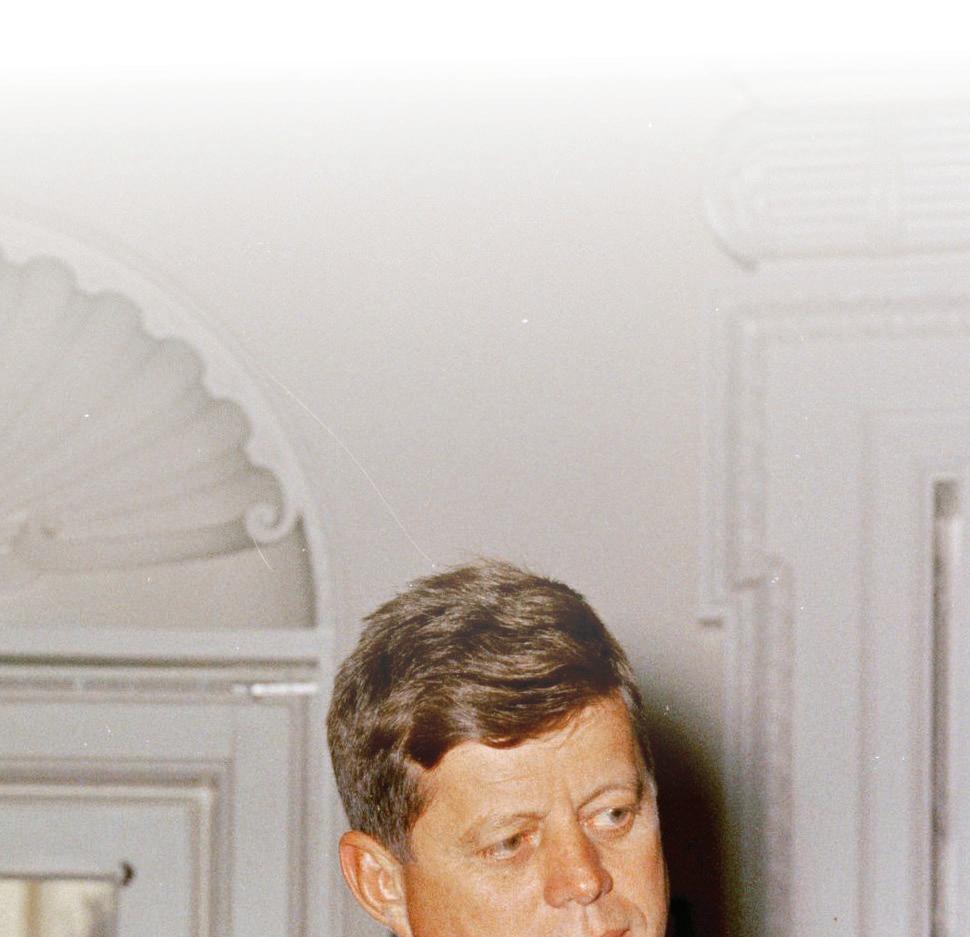
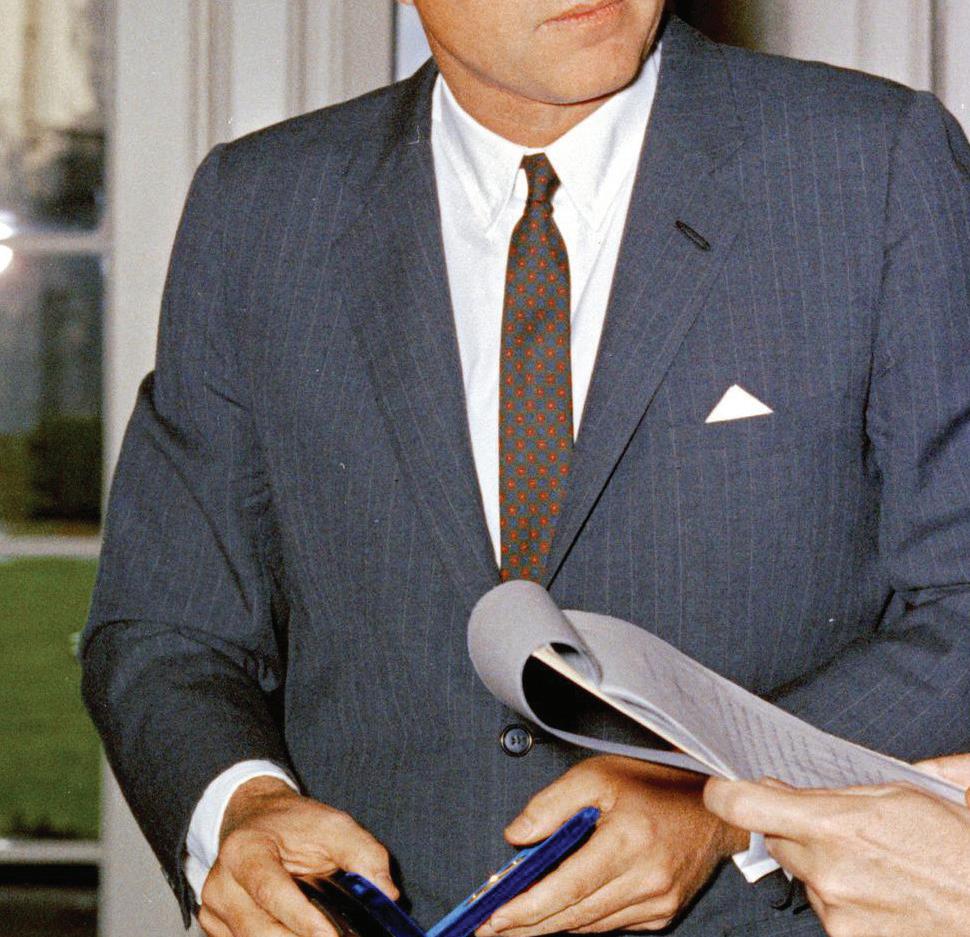
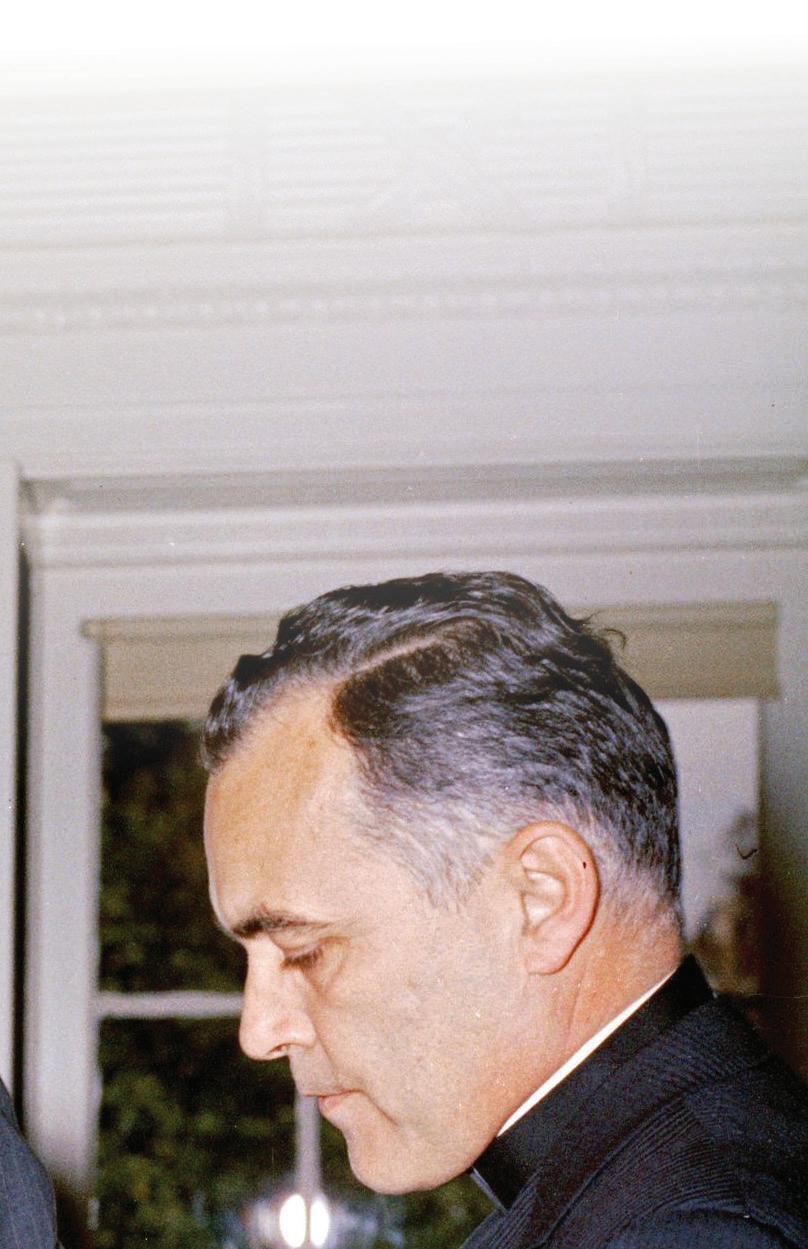
Cath ics entered the erican mainstream of p itics, business, and industry thanks, in large part, to the higher educati they recei d.
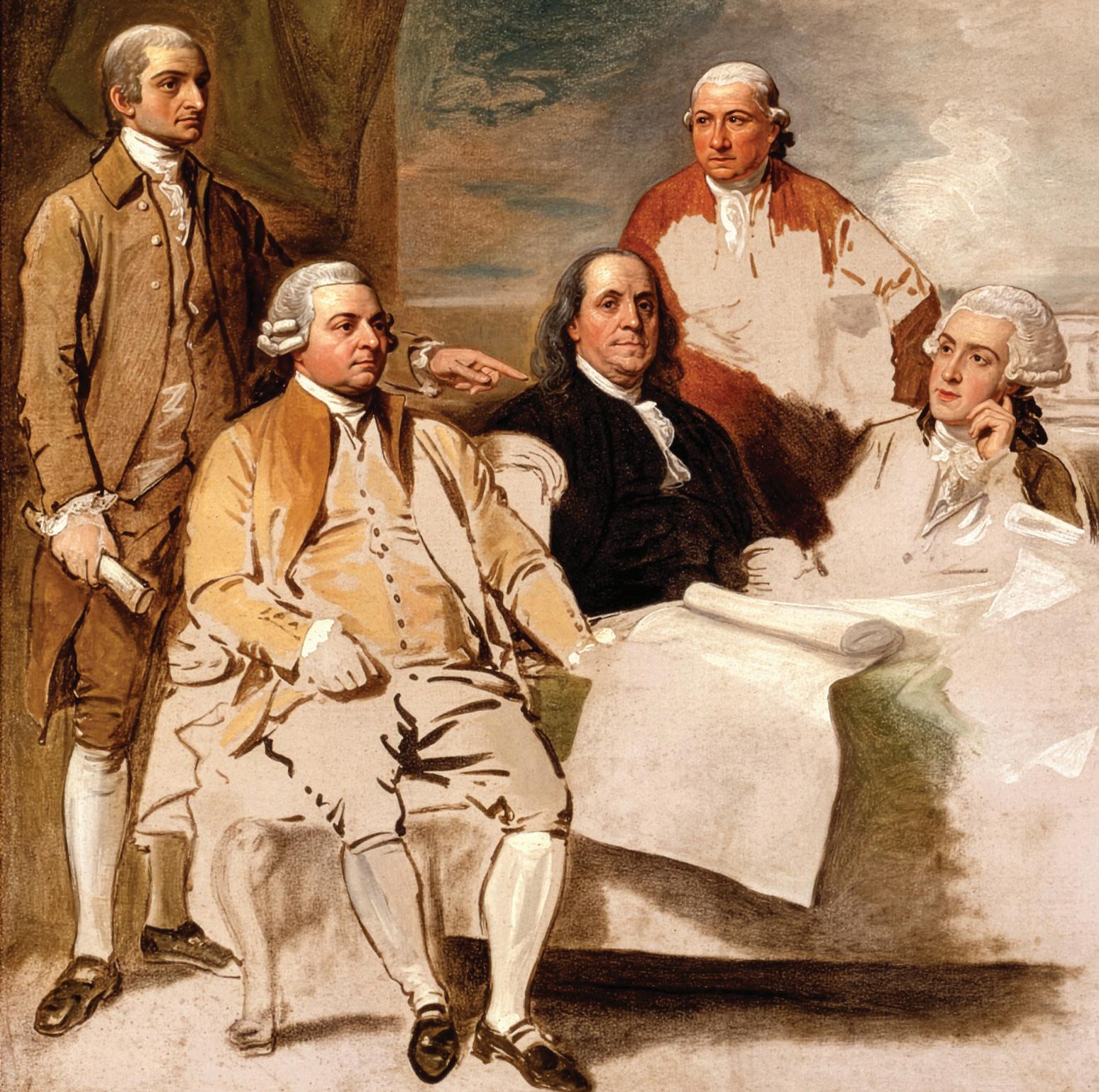
In 1788, when the US Constitution was ratified, Roman Catholics made up a mere 1 percent of the population. To the overwhelmingly Protestant establishment in the United States, the pope in Rome was regarded as a sovereign foreign power, and Protestants perceived the loyalty of Catholics to be divided. Twenty years earlier, in one of his writings from 1768, Samuel Adams had declared, “I did verily believe that much more is to be dreaded from
the growth of popery in America than from the Stamp Act.”
An editor’s note titled “Religious Toleration and the New York State Constitution” in the Founders Online section of the National Archives recounts John Jay’s views on the subject. Jay, a Founding Father who became the first chief justice of the Supreme Court, argued in a proposed (and defeated) amendment to New York’s state constitution that Catholics should be de-
nied property and civil rights unless they denounced “the dangerous and damnable doctrines” of the “Church of Rome.”
Such sentiments kept Catholic Americans on the margins of politics. In the nineteenth century, anti-immigration movements like the KnowNothing party vilified “foreigners,” which included Catholics. Such animosity even led to riots and violent attacks on Catholic churches and convents. There were religious fights in the public sector, too. New York’s Bishop John Hughes argued that the state’s public school system was teaching sectarian Protestantism and corrupting Catholic children. His lobby for public funding of Catholic schools was unsuccessful, but it spurred the rapid buildup of a parish-based school system in the
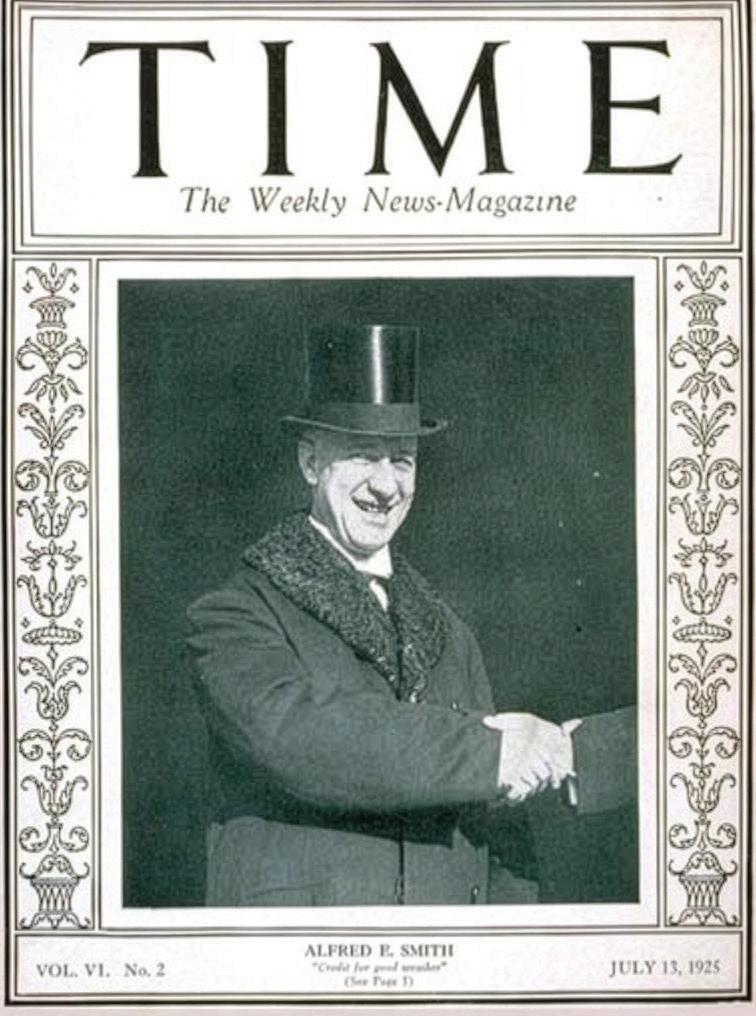
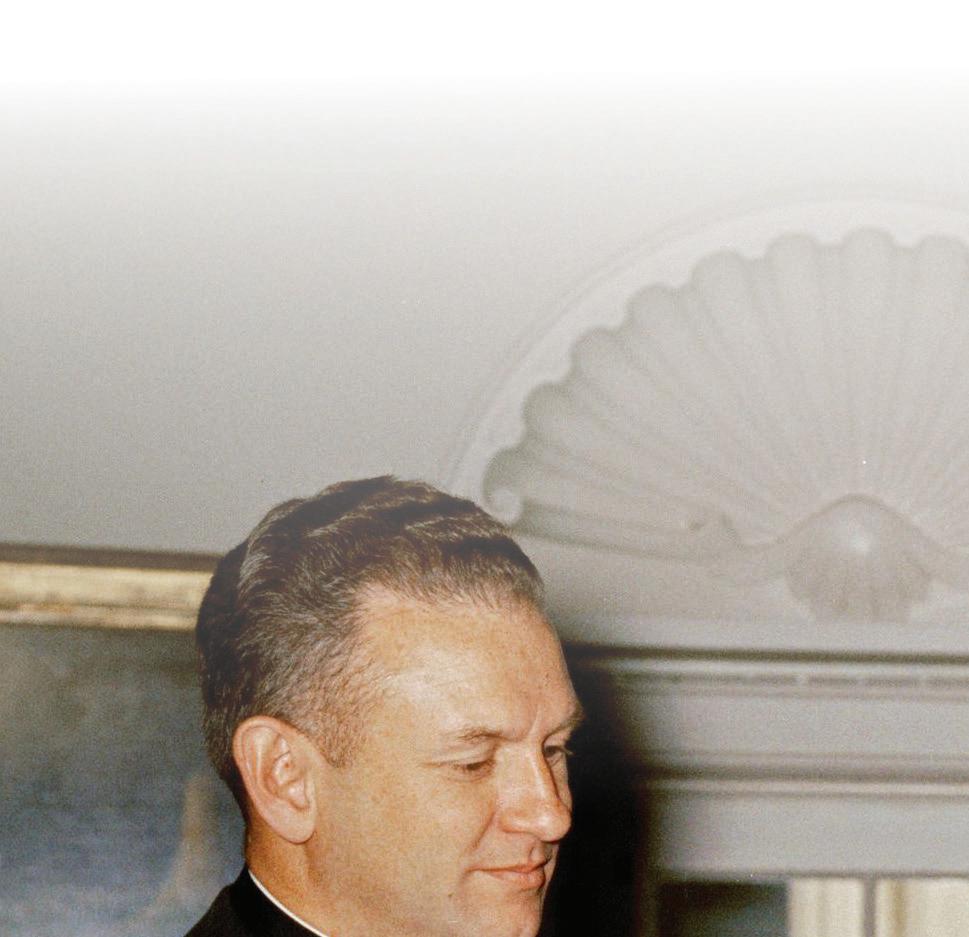
Al Smith,



country, the legacy of which remains today.




Catholic clergy shepherded their flocks in America by emphasizing obedience to the faith and fostering an insularity that kept laypeople from engagement with politics. But some saw this separateness from the American experience to be unnecessary. Isaac Hecker, founder of the Paulist Fathers, believed in the assimilation of Catholics to American culture. He did not think it would compromise their faith to be involved in democracy or to be a part of clubs that encouraged good social activism. Detractors labeled Hecker’s position “Americanism.” Pope Leo XIII’s 1899 apostolic letter, Testem Benevolentiae Nostrae, condemned this brand of American liberalism and pluralism. The controversy, however, has been called a “phantom heresy,” as most US bishops did not advocate individual initiative or civic engagement by the faithful, as Americanism promoted.


At the start of the twentieth century, most Catholics were among the working class and at the lower end of the economic ladder. It is within this social stratum and during the Progressive Era that opportunities came for Catholics to rise as a political force. Labor was being organized, and social reforms were being pressed. From among these ranks rose Al Smith, the governor of New York. A watershed moment came in 1928 when he became the first Catholic nominee for the highest of-
fice in the country. Although he lost the presidential race, he championed the fight against religious bigotry and signaled the ascendency of Catholics in the political arena.
Nevertheless, suspicion of Catholics’ allegiance to Rome persisted. The respectable Protestant magazine Christian Century in 1958 declared it could not “look with unconcern upon the seating of a representative of an alien culture, of a medieval, Latin mentality, of an undemocratic hierarchy, and of a foreign power in the great office of the President of the United States.”
This fear was a leading issue in the 1960 presidential campaign. Senator John F. Kennedy saw his candidacy imperiled by the long-embedded prejudice against Catholics. In a speech to the Southern Baptist leaders of the Greater Houston Ministerial Association, Kennedy assuaged their concerns by affirming his belief in the separation of church and state and by assuring the country that his religious affiliation would not dictate his actions as president.
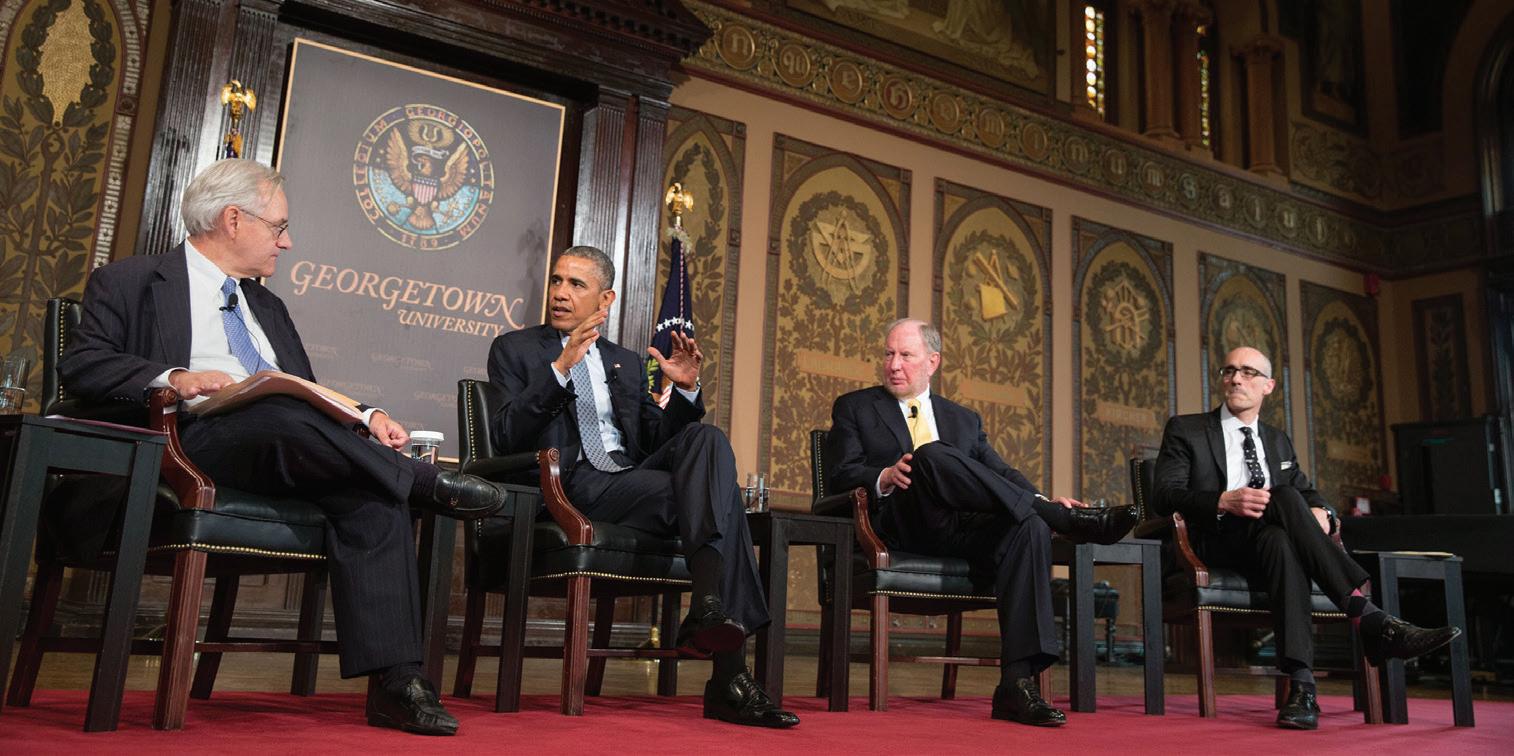
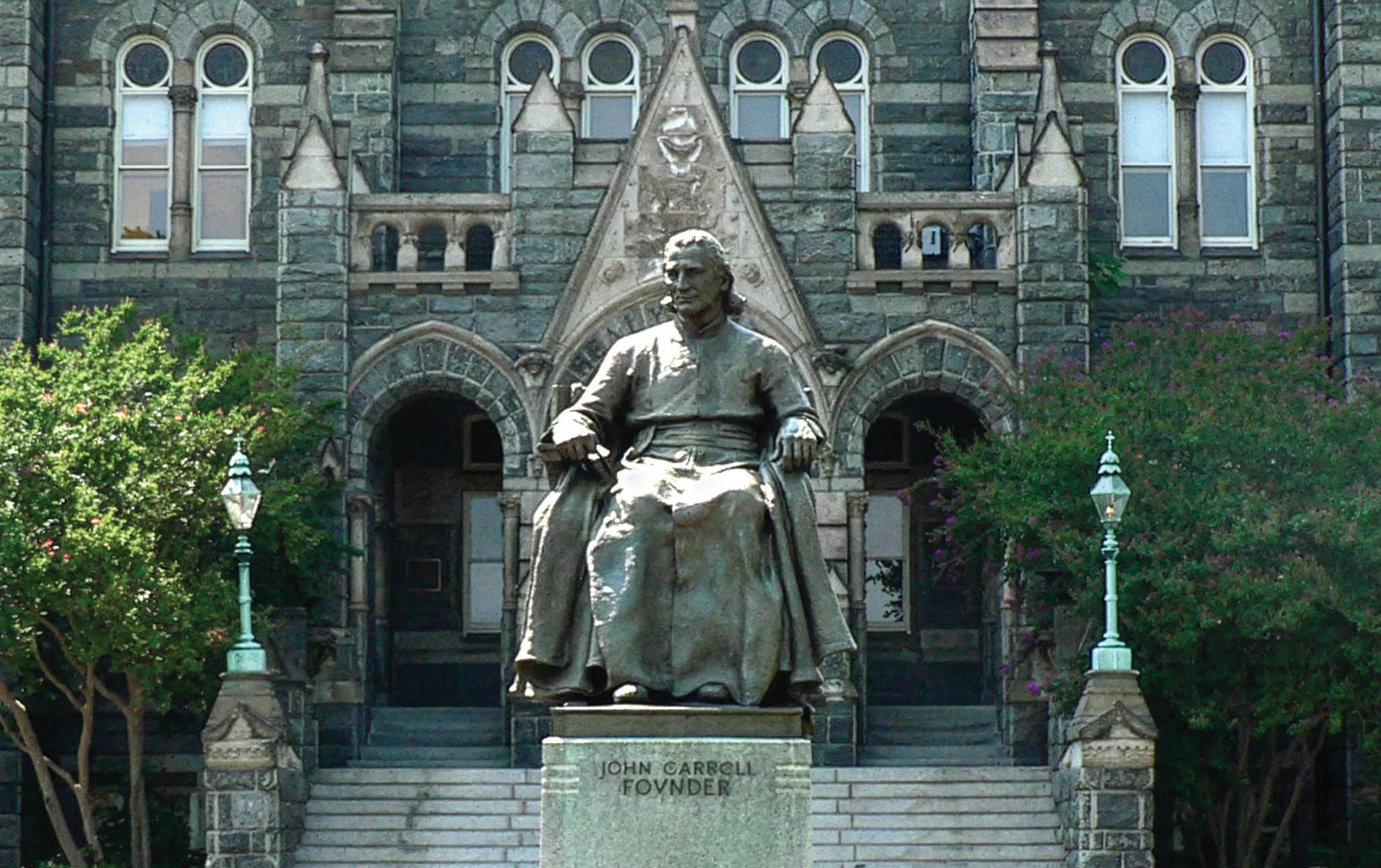
Catholic leadership is found not only in the halls of government but also on the campuses of higher education, as Catholics steadily rose to influence at American colleges and universities. John Carroll, the first US bishop, opened Georgetown College in 1791 in what would become Washington, DC. In time, the Society of Jesus grew their network of higher-learning institutions in the United States, as did other religious orders as well as diocesan bishops. While these schools often were intended to prepare the next generation of Church leaders, they eventually came to educate an underserved population in the country. They gave the less advantaged a chance at prosperity in the land of opportunity, offering access to education to poor, first-generation immigrants.
The traditional curriculum of Catholic schools was the Ratio Studiorum, which focused on the liberal arts,
the classics, and religious formation to create well-rounded individuals. To compete with secular colleges for students, leaders in Catholic higher education expanded their curricula to provide commercially oriented degree programs. While the Vatican expressed contempt for accommodating such liberalism in the United States and insisted that colleges remain loyal to the classical model of education, American pragmatism won out. Catholic colleges started to create or affiliate with existing schools in fields such as law and medicine. In time, these professional tracts became more numerous at Catholic schools than the Ratio Studiorum model.
Catholics entered the American mainstream of politics, business, and industry thanks, in large part, to the higher education they received. Women particularly benefitted from the forward-thinking initiatives of female religious orders who expanded their institutions beyond traditional finishing schools for girls. Some of these orders added two- and four-year bachelor’s degree programs to their all-female high schools, giving young women a path to careers in fields outside the home.
The post–World War II era saw Catholic universities brimming with students. After the Second Vatican Council, however, many of these
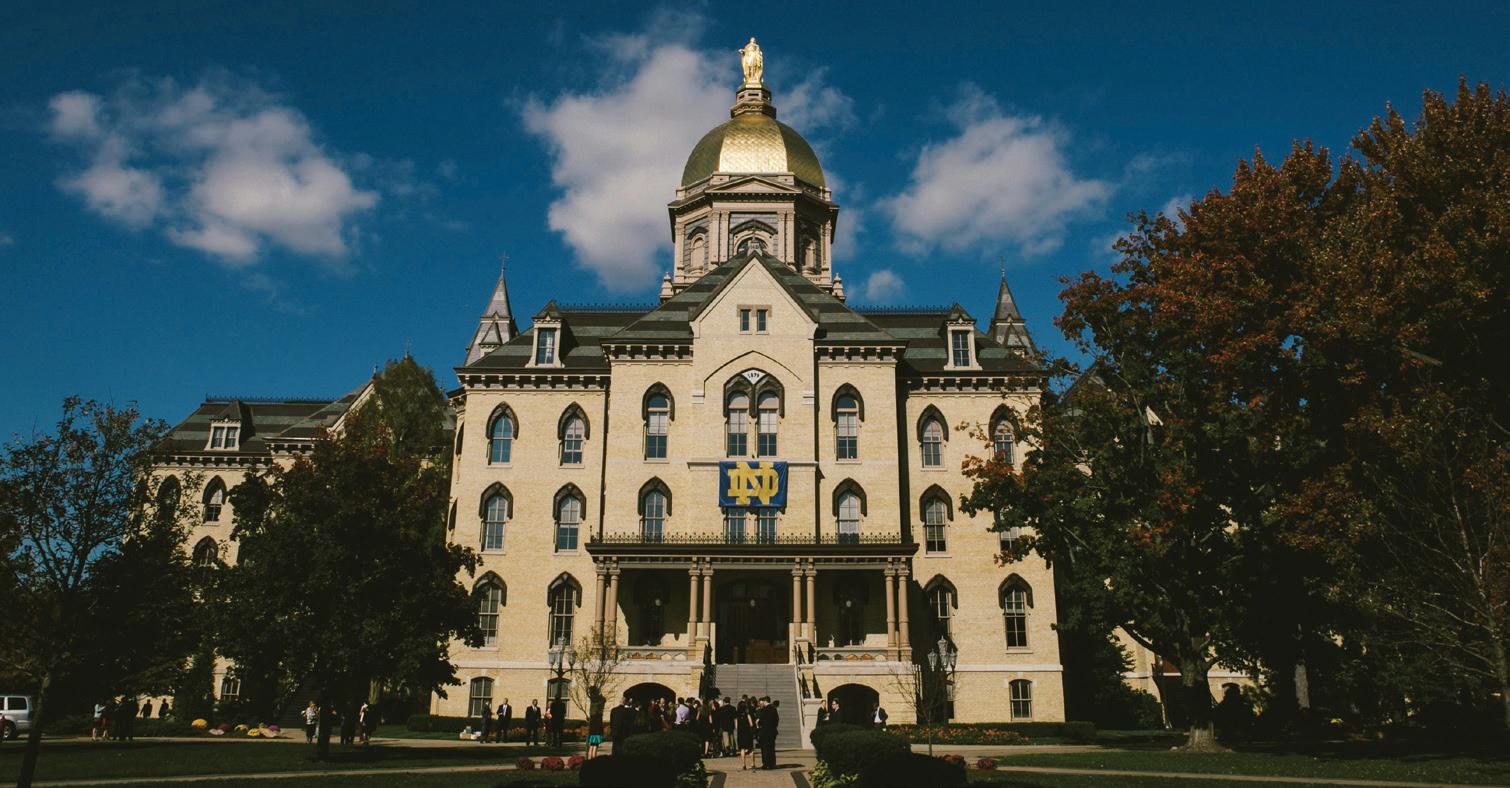
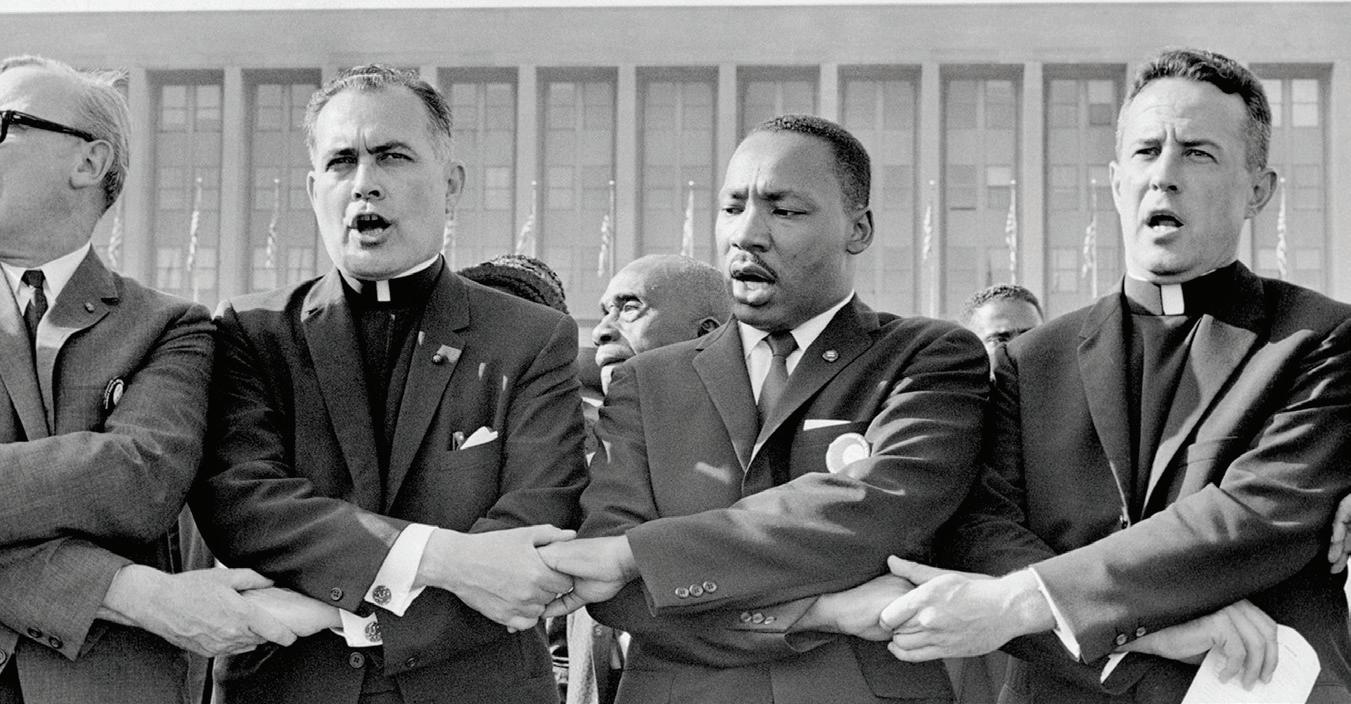
schools started to reconsider their academic mission in relation to the institutional Church. A gathering of university leaders in 1967 at the Land O’Lakes Conference in Wisconsin addressed the question, “What is the nature and role of the contemporary Catholic university?” The direction signaled by leaders, such as Notre Dame’s longtime president, Fr. Theodore Hesburgh, was to pursue autonomy by formally dropping their legal ties to the Catholic Church and to establish independent boards of trustees.
Over the 250 years of our republic, Catholics were required to discern their time and place in the “American experiment.” Navigating the values of democracy and egalitarianism while living as a member of a hierarchical institution still poses challenges to Catholics in America. But the pursuit of truth and justice, embodied by the Constitution, is shared by citizens and believers alike. Catholics in the US have demonstrated that they can bring their faith to the public square and, by it, render great service to the nation. A











In part two of this four-part series, we look at various cultural groups and the thriving Catholic communities they’ve established in the United States.



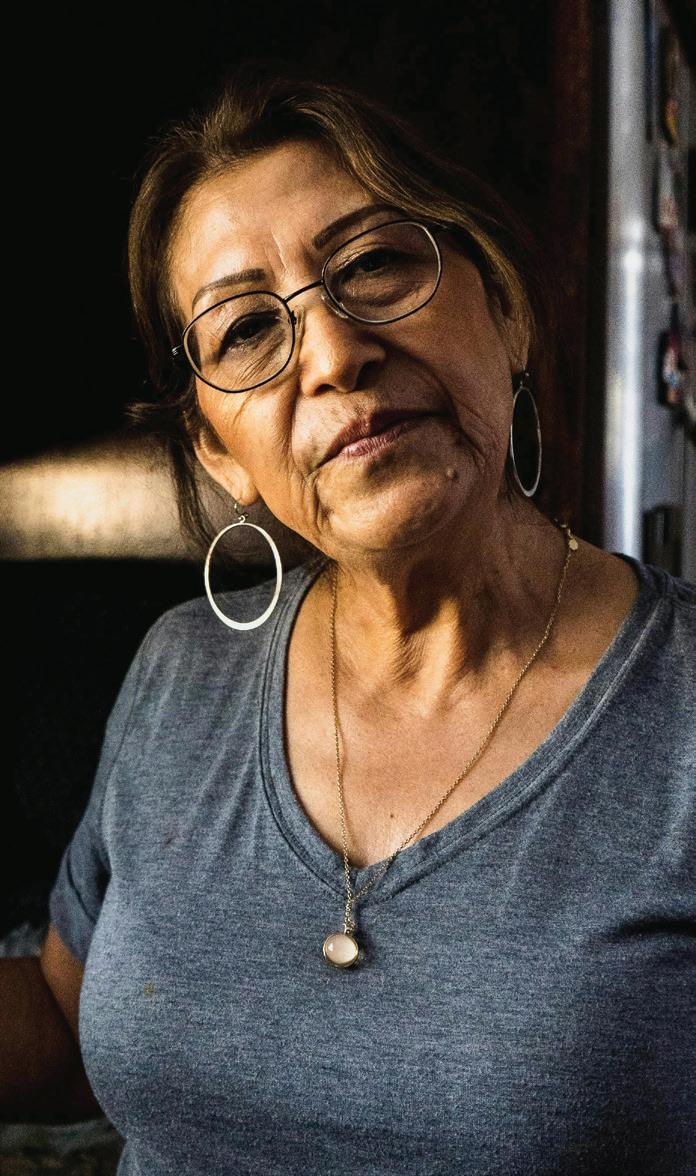








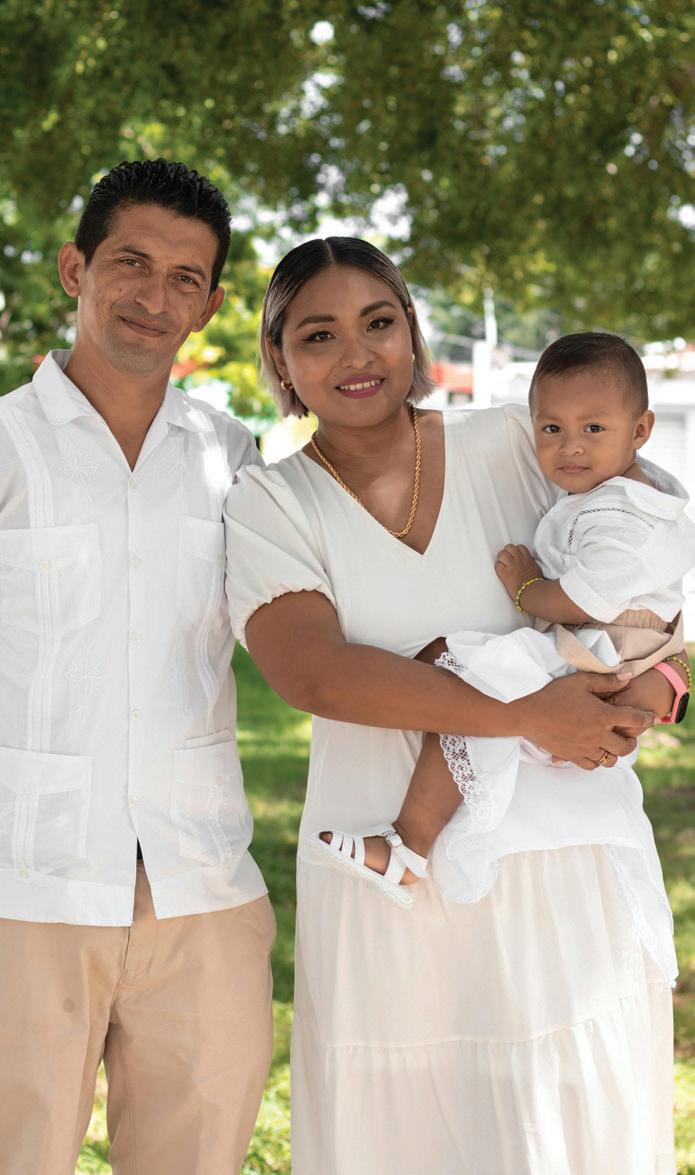





























FR. PATRICK KEYES, CSSR






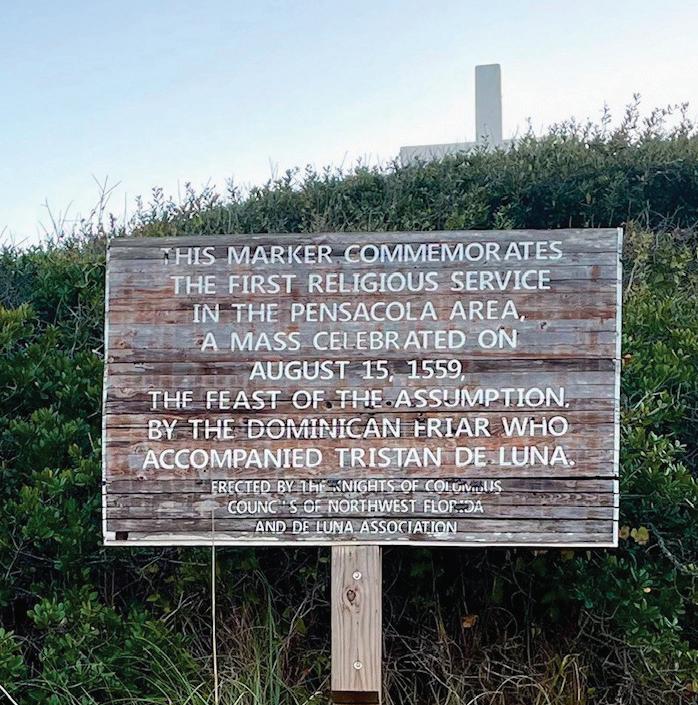



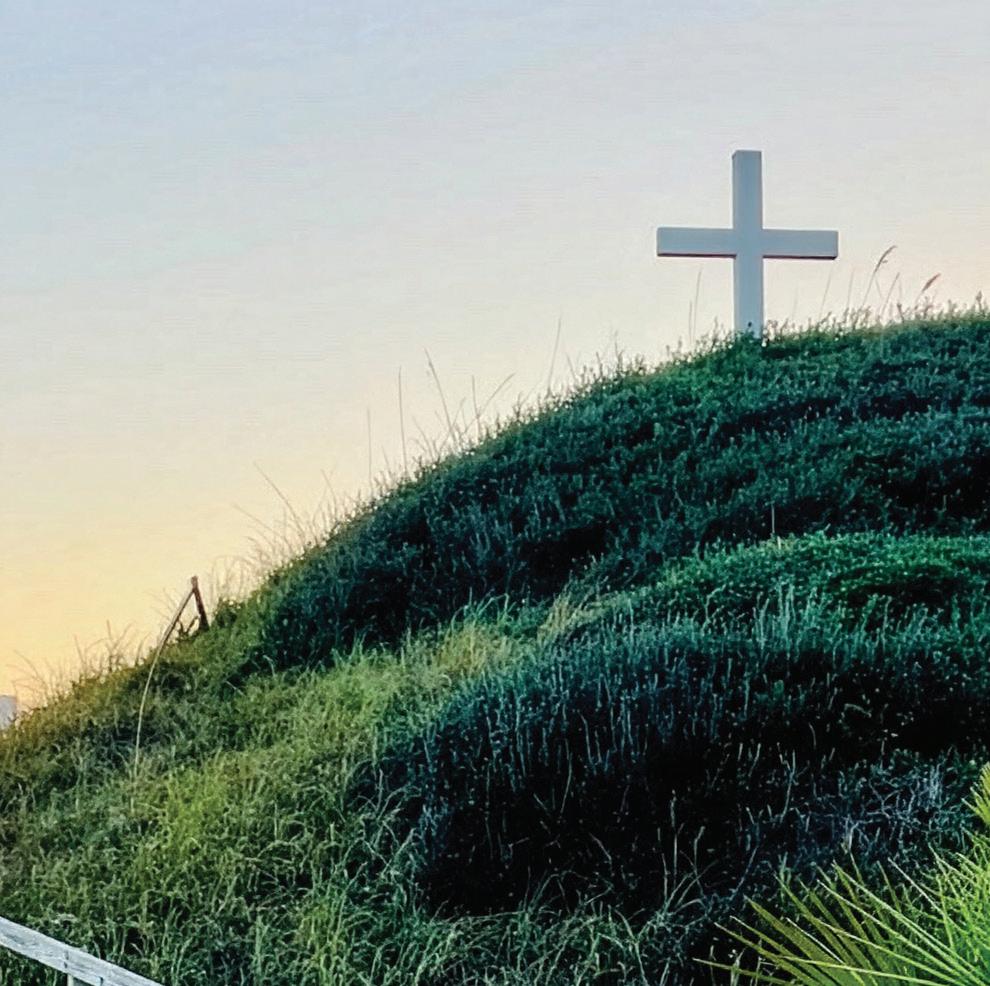
An appropriate starting point to highlight Hispanic ministry in the United States is a ten-foot-high concrete cross on the beach of Pensacola, Florida. It was erected in 1959 to commemorate the first Christian service celebrated in the territory that became the United States of America. That service was a Catholic Mass offered on August 15, 1559, by a Spanish-speaking Dominican friar from Spain.
Catholic countries, such as France and Spain. Consequently, the future United States encompassed places such as the Cathedral Basilica of San Augustine in St. Augustine, Florida (begun in 1565 and the oldest continuously operating parish in the US); San Miguel Chapel in Santa Fe, New Mexico (built in 1610 and the oldest church in the US); and the California missions begun in the 1700s by the Spanish friar St. Junipero Serra. Hispanics in the United States are from every country in Latin America, but the largest percentage has always been from Mexico, our neighbor directly to the south. Currently, the largest group of Hispanics in the United States are those born in the United States— that is to say, more Hispanics are born here than migrate here.

With some notable exceptions, the original thirteen colonies were founded primarily by English-speaking Protestants. However, as the US expanded, it acquired territory from predominantly

According to a June 2025 report from the Pew Research Center, Hispanics make up 36 percent of the Catholic Church in the United States. The center also published statistics in August 2021 showing that Hispanics were the youngest
demographic, and their numbers continue to grow. Results of an August 2024 survey by the US Conference of Catholic Bishops showed that 28 percent of all US parishes currently have at least one Mass in Spanish. But Hispanic Catholicism isn’t limited to Spanish Masses on Sundays. On the contrary, the biggest retreat movement in the US is the Cursillo movement, which originated in Spain. Further, Hispanic Catholics represent the largest percentage of lay Catholics in faith formation programs, youth ministry, prayer groups, devotions, and social outreach—to name only a few areas that involve Hispanic ministry in the United States.

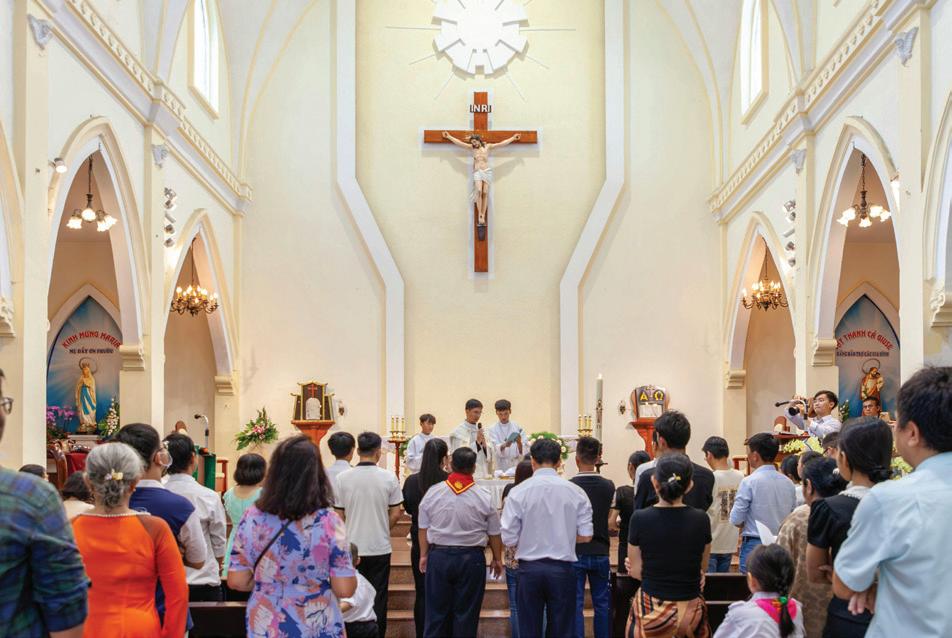
While in the seminary in the 1970s, I began to study Spanish and engage in Hispanic ministry. In the nearly fi fty years that I’ve been blessed to serve in this community, I have experienced four key components that help define Hispanic Catholics: they have a strong sense of community, they have deep devotion, they love celebrations, and








Below: A procession on the feast of Our Lady of El Cisne with the Ecuadorian community at St. Cecilia Church, New York City
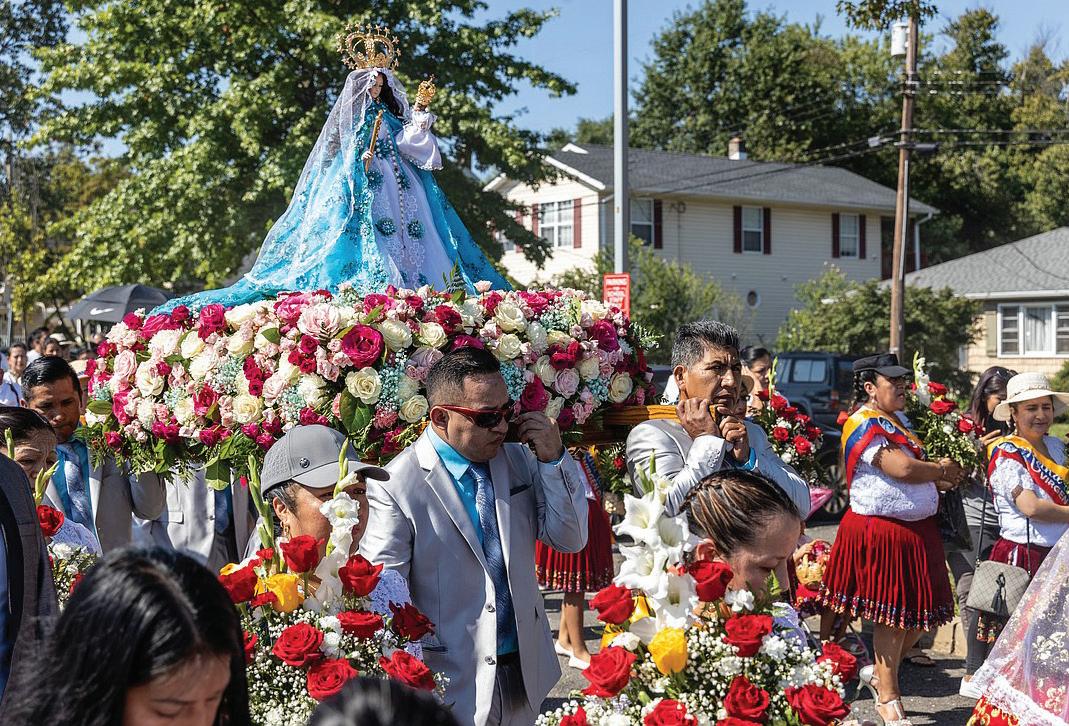

they express their cultural identity through their faith.
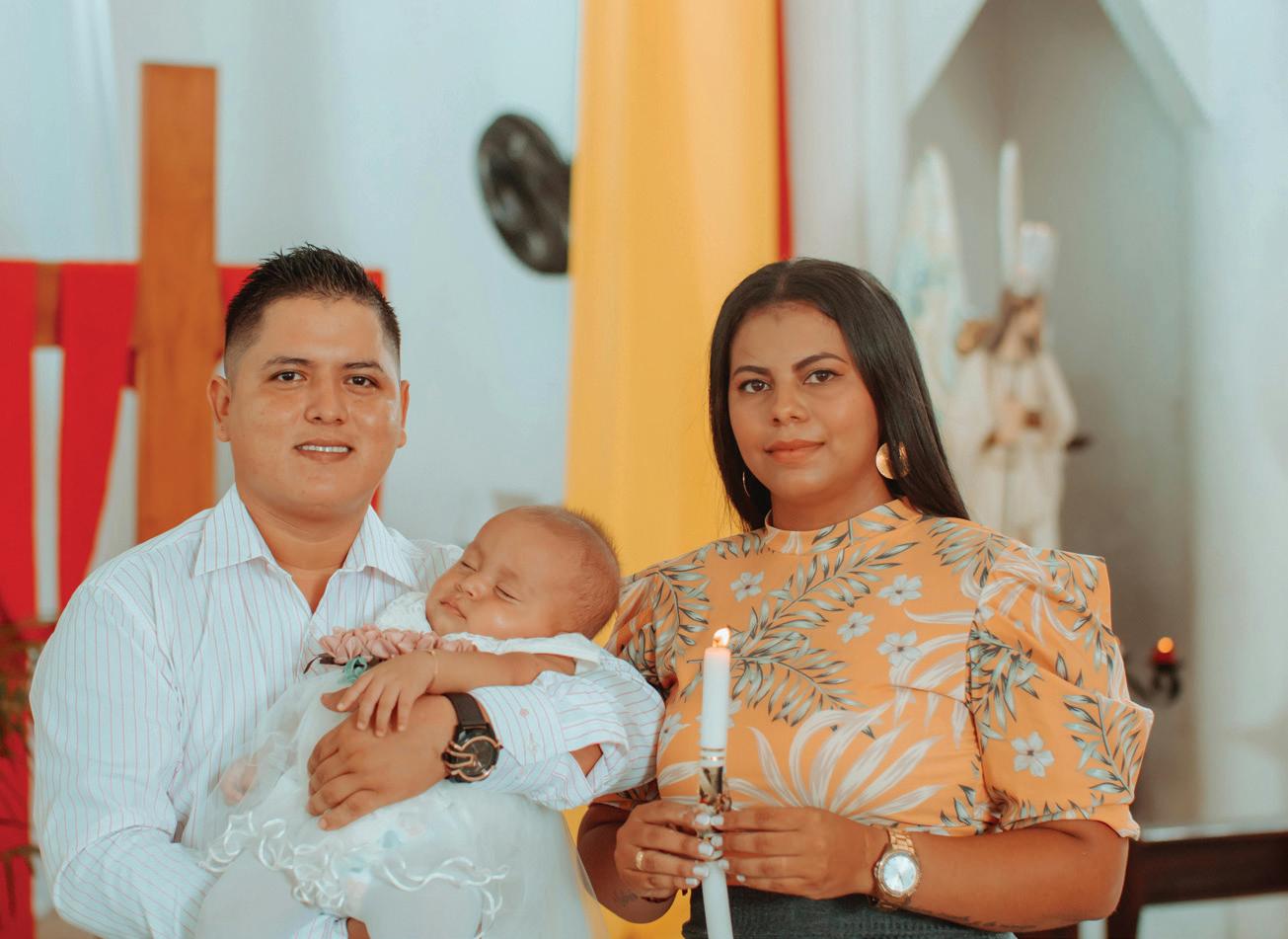
With their strong emphasis on relationships and family, community is central to Hispanic Catholics. People will drive across town to go to Mass with their families. The idea of “parish boundaries” is a strange concept. Relationships are formed and strengthened in the context of the Church. For example, the relationship between the godparents (compadres) and another person’s child is a spiritual one that has no equivalent in English. After baptism, a child’s godparents are no longer called by their proper names or referred to as “aunt” or “uncle.” They are always “compadres.” They are “parents together” of the newly baptized child. Moreover, this strong emphasis on


relationships is evident in the priests who minister in the community. Hispanic Catholics want their priests to feel part of the family. It is important that priests attend Hispanic celebrations in church, in the parish hall, and at parishioners’ homes. I recently preached at a mission in Norwalk, Ohio, and the pastor commented to me, “Even though my Spanish isn’t the best, I know that I am loved by the people and that they have great respect for me as their priest.”
Hispanic Catholics are deeply devotional. “Popular religiosity” is the common term used to express the devotional practices of a cultural group. The popular religiosity of Hispanic Catholics is often celebrated at home and outside Church structures. For instance, when someone dies, the family gathers for nine evenings to pray the rosary for the recently departed. It is led by a member of the community—a rezadora (prayer leader)—and it in-
cludes additional prayers and litanies that aren‘t part of the traditional rosary. Many Hispanic Catholic homes have an altar: a place of prayer with statuary of saints, candles, and pictures of departed loved ones.
Celebration is key in the Hispanic culture. For Hispanic Catholics from Mexico, Christmas begins on December 3 and doesn’t end until February 2. It commences with a novena to the Virgin of Guadalupe on December 3, culminating with her feast on December 12. After a short break, the Posadas begin on December 16 and are celebrated over nine nights. Posada means “an inn,” and the Posadas commemorate the Holy Family’s journey to Bethlehem, looking for a place to stay. Children, usually dressed as Joseph and Mary, lead the procession each night. They knock on a door and sing a song: “In the name of heaven, we are asking for posada ”—a place to stay. The person who answers the door tells them, “This isn’t a hotel; move along.” The procession leaves and goes door to door until, at the last house, they are welcomed in: “Enter, holy pilgrims. Our home is poor, but we share it with love.” After everyone prays the rosary, a party be-
gins. Traditional foods (hot chocolate, sweet bread, and tamales) are served, and often the children line up to take turns whacking at a piñata until it breaks, raining candies down upon all as a sign of God’s blessings.
Many Hispanic Catholics keep their Christmas decorations up because the celebration continues until January 6, Three Kings Day. This is the traditional day for exchanging gifts, and instead of being photographed with Santa Claus, children pose with the Magi. Another tradition is sharing rosca de reyes (king’s bread), which contains a figurine of the Baby Jesus hidden inside. Whoever cuts a piece of bread and finds the baby is required to prepare a meal of tamales for the feast of the Presentation on February 2. On that day, the manger scene is put away except the figure of the Baby Jesus, which is clothed and placed on the family altar until the next Christmas celebration.
spanics make up 36% of the US Cath ic Church. ey are the demographic that is the y ngest and c tinues to gr .
cause they come from the same country as the hosts!
Hispanic Catholics view their faith as part of their cultural identity and are happy to share it with the larger community. This cultural identity is expressed through music, dress, food, and devotions. For example, Colombians celebrate Dia de las Velitas (Day of the Candles) on the eve of the Immaculate Conception; Ecuadorians celebrate Nuestra Senora del Cisne (Our Lady of the Swan) on August 15; and Guatemalans celebrate Cristo Negro de Esquipulas (Black Christ of the Flowers) on January 15.
What does the future hold for Hispanic Catholics in the US? Hard to say, but if more Hispanic Catholics are being
born in the US than migrating to the US, the future looks promising. After all, the ten-foot-high cross on the beach of Pensacola attests to the fact that, for more than 450 years, Hispanic Catholicism has been a part of this land. I pray that it always will.
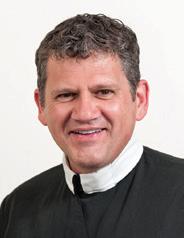
Fr. Patrick Keyes, CSsR, professed his rst vows in 1985 and was ordained in 1989. He has worked primarily with the Latino community in the United States and in Latin America. He earned his doctorate in pastoral counseling from Fordham University, with a dissertation on creating culturally diverse communities. He currently is the associate pastor of Our Lady of Perpetual Help Church in Torreón, Mexico.

Family celebrations are important not only at baptisms, first Communions, confirmations, and weddings but also for a child’s first visit to church (usually after forty days), at three years old, at fifteen years old, and for other celebrations. People invited usually include relatives and those who have become “family” through church, work, or school. Others are invited simply be-







SPIRIT LEADS



CARDINAL JOSEPH W. TOBIN, CSS R
In every generation, the universal Church receives gifts from the Holy Spirit. We call these “charisms,” from a Greek word meaning “favor” or “freely given gift.” Charisms reflect the richness and diversity of the Christian life. They help us experience life in Christ in a variety of ways and in distinct circumstances.
I am blessed to be a member of the Congregation of the Most Holy Redeemer (Redemptorists). Founded by St. Alphonsus Liguori in Scala, Italy, in 1732, we are a community of missionaries dedicated to caring for poor and vulnerable people around the world. Our charism can be discerned in the life and teaching of our founder and in the ways Redemptorist priests and brothers have responded to the changing needs and circumstances of those we have served over the past nearly 300 years. When Redemptorists are at our best, that gift of the Holy Spirit leads us to witness to Jesus in places the Church often struggles to reach.
In a formula spoken on the day of his profession, every Redemptorist “… binds [himself] to live faithfully a life of brotherly love, imbued with apostolic charity in the same Congregation, founded by St. Alphonsus especially for preaching the gospel to the poor.” The Redemptorists you will meet in this article pronounced those words and found that they led them to address situations of human misery and enormous suffering with unmistakable courage, creativity, and
compassion. Such commitment demonstrates the special attention that the Redemptorists continue to show for the poor, the deprived, and the oppressed and reminds their brothers that it is more important to be where there is pastoral neglect than to remain in wellestablished churches with an impressive number of participants.
In my fifty-plus years as a Redemptorist, I was taught by several of the personalities profiled in these pages: compassionate missionaries in migrant camps, advocates for people with AIDS and children in slums, an urban apostle in enclaves of refugees, and tireless organizers of an association that brought stability to a threatened neighborhood. None of them worked from prepackaged solutions. Their closeness to the poor taught them what they should do.
Alphonsus wanted his companions always to be close to the type of people for whom Jesus himself showed a clear preference. For eighteen years, I traveled the Redemptorist world, visiting my brothers in seventyone of the eighty-two countries in which we “follow in the footsteps of Christ the Redeemer.” The vast steppes of Siberia, teeming slums in São Paolo and Rio de Janeiro, and war-torn regions of Angola and Cameroon featured a mélange of Redemptorists who felt compelled to
remain with the poor, simply because they knew that decision somehow was also the choice of their Master.
In our heart of hearts, Redemptorists realize that the poor do not need us. If we choose not to go to them, God will find someone else, because God hears the cry of the poor. The point is that Redemptorists need the poor if we are to be true to the mission that has been given to us. Obedience to their voice is not simply “doing things” for them; rather, it’s entering a process of conversion that leads us to empty ourselves and offer our lives as a gift. To do this, we must recognize that abandoned poor really exist—they are not simply theories or statistics; they have names and faces. We must be able to look them in the eyes, recognizing a sister or brother loved unconditionally by God. The Redemptorists highlighted in this account decided to go where the Church could not or would not go and listen to the people they found there. They listened to the voices of the poor in the light of the Word of God and the tradition of our Congregation, and they learned what they should do.
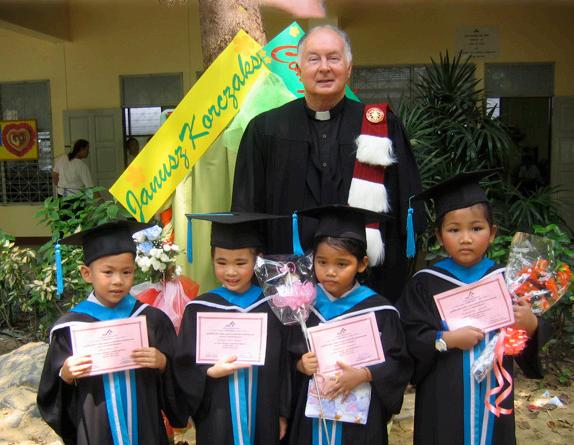
Left: Students from one of the twenty-two Mercy kindergartens
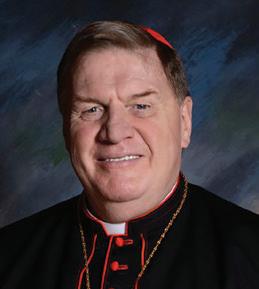
Cardinal Joseph W. Tobin, CSsR, DD, has been the Archbishop of Newark since 2017. He also served as Archbishop of Indianapolis from 2012–2016 and as secretary of the Congregation (now Dicastery) for Institutes of Consecrated Life and Societies of Apostolic Life from 2010–2012. He was superior general of the Redemptorist Congregation for two terms, from 1997–2009. He professed his temporary vows as a Redemptorist in 1973.
PETER TRAN
Many Redemptorists have reached out to disadvantaged and vulnerable peoples in mission territories, while others have ventured into ministerial projects that serve the economically poor in the United States. Here are some of their stories.
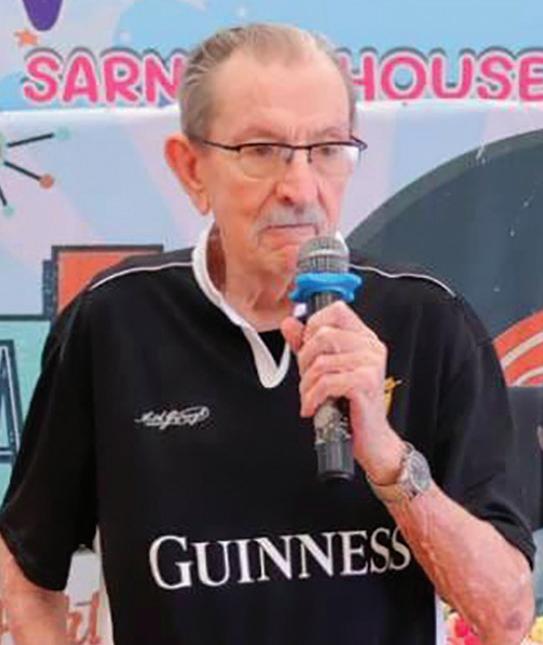
In the 1990s, when Redemptorist Fr. Michael Shea began his work with HIV/ AIDS patients in Nong Khai, Thailand’s northeastern province that borders Laos, he took one boy and two girls into his care. The missionary priest from Wisconsin recalled that the boy’s mother had committed suicide. The mother of one of the girls had died of AIDS. The other girl’s mother had abandoned her daughter because her husband had AIDS. That was how Sarnelli House Foundation came into existence. At the time, the younger girl was three. Now, she has finished college as a physical education teacher.
Sarnelli House, officially opened in 1999, is “home” for children with HIV/ AIDS who have been abandoned or subjected to sexual abuse. Today, Sarnelli House is used as both the umbrella
name for Fr. Shea’s projects and the name of one of the seven houses under his care.
In the early days of his ministry, Fr. Shea said people with AIDS were often banished from their villages and ostracized by their families and neighbors because of fear of and ignorance about the disease. He recounted that they were forced to leave their homes to live in hovels in the jungle where the Redemptorists brought them food, medicine, and pastoral care. Likewise, many children had been cast out by their relatives because their parents had contracted AIDS. “We are a place of safe refuge that is filled with love and understanding for every child who lives there,” said Fr. Shea.
About 380 miles south of Nong Khai, a six-year-old took part in the thirdyear kindergarten graduation at a school run by the Human Development Foundation Mercy Centre in Bangkok’s Klong Toey slum. She grew up sleeping at night on the pavement of a gas station with her parents, who pumped gas. Now, she lives in one of the Mercy homes for children.
Parents with no legal documents left their sick child in the hospital. A nurse who lived near Mercy Centre contacted a staff member to let her know of the abandoned girl. Today, she not only has a home, but new friends and a new life.
The Mercy Centre began in 1972 with Redemptorist Fr. Joe Maier and Sr. Maria Chantavarodom. At that time, the slum included an enclave of poor Catholics who earned a living butchering pigs for the market. Today, the area is home to more than 100,000 residents living in tight quarters in dilapidated tin-roofed houses. In the beginning, Sr. Chantava-
rodom taught catechism to the Catholic children who didn’t go to school; the few who did go to school either failed their classes or dropped out. So, Fr. Maier and Sr. Chantavarodom turned a shack in the slaughterhouse into a preschool.
The foundation today has twentytwo Mercy kindergartens with more than 2,000 students. The alumni of that first slaughterhouse kindergarten are now teachers, business owners, secretaries, street vendors, and taxi drivers.
Under Fr. Maier’s leadership, the foundation now operates five Mercy homes for children, providing a refuge for 150 abandoned, orphaned, and trafficked children. They also established a school for street and special-needs children as well as a drop-in community center for the elderly, the disabled, adults living with HIV, troubled children, or anyone else in need.
People’s Place, Kingston, New York Amy was a late-20s single mom in 1977 who came regularly to People’s Place in Kingston, seeking assistance. Founded by Redemptorist Fr. Patrick McGarrity (1936–2022), People’s Place provided
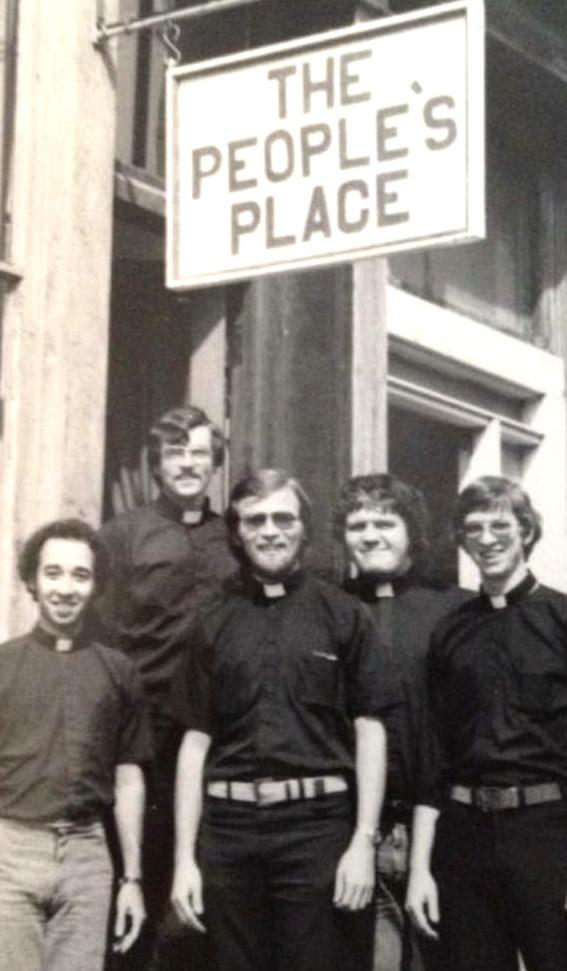

Redemptorist seminarians who were studying at Mount Saint Alphonsus Seminary with the opportunity to do some social-pastoral work. For almost two decades, the seminarians took turns running the storefront, offering food, clothing, transportation, education, and guidance to the poor in the area. Amy helped the Redemptorists run the store in gratitude for the support she received. She obtained her GED through an education program sponsored by People’s Place and eventually earned a nursing degree to work at Kingston Hospital.
The mission of People’s Place today is the same as what the Redemptorists envisioned more than fifty years ago. Christine Hein, executive director of People’s Place, said, “Our purpose is to operate solely to fulfill our charitable mission of feeding and clothing individuals while providing hope, support, and assistance with life events. We respond to the essential needs of the people in Ulster County with kindness, compassion, and the preservation of human dignity.” In 2024, People’s Place served more than 1.6 million meals.
help continue the original Redemptorist mission of assisting people in Ulster County.
Holy Name Housing Corporation, Omaha, Nebraska
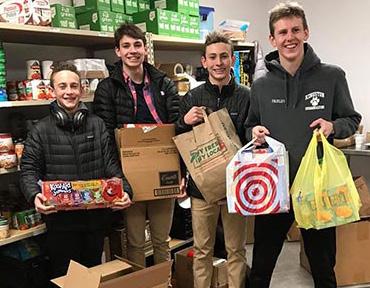
She also said that in 1985, when the Redemptorists moved to Washington, DC, the management of People’s Place was transferred to twenty-five volunteers. This nonprofit organization now has more than 185 volunteers, a small staff, and a board of directors that
In the early 1980s, former Redemptorist Frs. Jerry Mullin and Don Neureuther were assigned to Holy Name Parish in north central Omaha. The two young priests began a housing ministry by asking residents who lived near the church to express their concerns. One issue was the deterioration of homes, which decreased property value and threatened their neighborhood. When a donated run-down house was sold—after employing residents in need of work to rehab it using repurposed materials—Holy Name Housing Corporation was born. Since 1983, the organization has renovated and sold more than 200 homes. With a background in plant maintenance, Br. Bill Cloughley joined his two Redemptorist confreres in this housing endeavor. He said that the program appealed to many interests in the community: city officials wanted to turn a deteriorated area back into taxable property; residents were happy to get rid of eyesores in their neighborhood; and impoverished people saw the possibility of home ownership.
According to Matthew Cavanaugh, executive director of Holy Name Hous-
ing Corporation, “We currently have nearly 400 units of affordable housing under management. This allows us to reach out to our low-income residents and support them with resources such as home-ownership training and budgeting classes. Many of the affordable units we build are single-family homes, and it is often our goal to transition our renters into owners by helping them purchase the home they are currently renting.” He noted that his team is now engaged in every aspect of providing affordable housing: “We act as project developers and general contractors, and we own and manage our units.”
Reflecting a relationship with the Redemptorists, Cavanaugh stated, “Our history with the Redemptorist Order and the tenets of Catholicism are foundational to our mission and our work today. Though we provide our services without favor to faith, creed, or religion, the Redemptorist charism of ‘working with the poor and the most abandoned’ aligns directly with our belief that we need to be a part of the community to be of value to the community. We support the communities in which we work by helping people remain in or return to the place they can call home.”
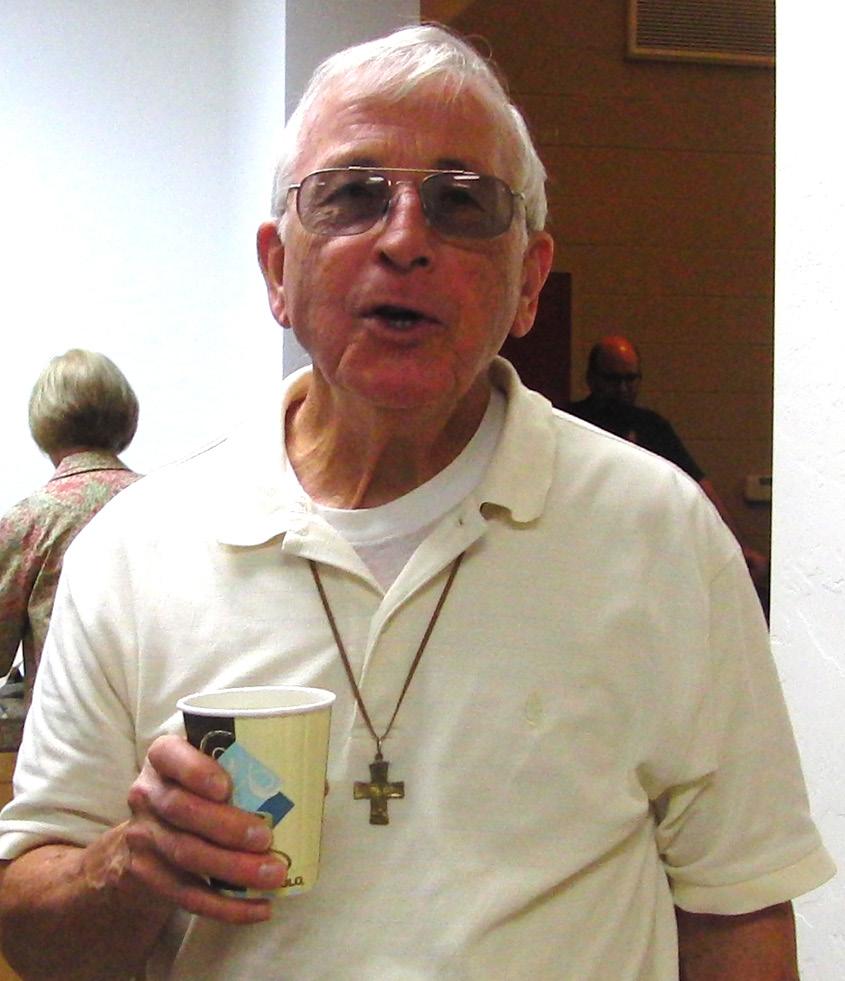
Redemptorists are well known for their outreach to the poor and most abandoned in the migrant and refugee community. A pioneer in this work was Fr. Jimmy O’Connell (1914–1986), who began following the stream of migrant workers in the Midwest and Southwest more than eighty years ago. Fr. O’Connell gave Redemptorist seminarians an opportunity to participate in this ministry through a summer program in which they helped with the liturgy, visited families, and taught catechism to migrant children. One of the seminarians who participated was Fr. Hugh “Ricardo” Elford (1938–2023), who spent his life working with Hispanics in the barrio of Tucson and along the
US–Mexico border. He became a pillar of the Hispanic community, advocating for refugees fleeing from persecution in Central America in the Sanctuary Movement of the 1980s, providing the poor with food, clothing, and shelter. In 2003, he and Dr. Evan Kligman founded Clinica Amistad to offer free healthcare to the unemployed and uninsured, those with undiagnosed chronic medical conditions, and low-income families who could not afford medications.
Redemptorists continue the legacy of Frs. O’Connell and Elford today. Among them are Fr. Mike McAndrew, who published his experiences in Walk With My People: A Life in Migration Ministry (Liguori Publications, 2024), and Fr. Patrick Keyes, who works with his Redemptorist confreres in Mexico City. He said he spends most days at La Santisima Trinidad, “an iconic church in the middle of one of the oldest, noisiest, and poorest areas in the city.”
with the Lao Mission Team, as did former Redemptorist missionary in Thailand, Fr. Wil Lowery (1923–2021), until his retirement in 2009.
Besides Frs. Maier and Shea, other American Redemptorists who made an impact in Thailand were Fr. Ray Brennan (1933–2003) and Fr. Harry Thiel (1930–2006). Father Brennan began an orphanage in Pattaya—Thailand’s southeastern seaside tourist city— that served abandoned and disabled children, while Fr. Thiel served Hmong hill tribe people in Thailand’s northern provinces.
Fr. Tran also helped set up the Indo-Chinese Catholic Center to serve Vietnamese and Lao communities in uptown Chicago. The Center assisted refugees in finding jobs and housing and provided pastoral care. In the mid-1980s, the Redemptorist Denver Province offered an interest-free loan to a nonprofit uptown recycling center that Fr. Tran helped establish. Former refugees were hired to work at the recycling center, and it supported elderly refugees who collected recyclables in neighborhood alleys.
The question is, how can we creatively respond to the poor around us?”
Asked to define what a “good priest” should be, Fr. Shea said, “Like the Lord Jesus, a good priest should lose himself in service and lead a simple life of faith. He should eagerly serve the poor, the sick, and the elderly, especially those who are considered outcasts by society. Redemptorist priests generally work among the poor, love the poor like one would love Jesus, and treat the poor as one would treat Jesus.”
Father Keyes said, “As Redemptorists, we are called not simply to evangelize the poor, but also to be evangelized by them.”
Redemptorists got involved in ministry for Southeast Asians in Chicago and around the country when millions of refugees were resettled in the United States after the fall of Vietnam, Cambodia, and Laos in 1975. The Lao Refugee Mission Team was formed in the mid1980s with former Redemptorist Fr. Peter Tran, Paris Foreign Mission Fr. Luis Leduc, and Sr. Alice Thepouthay, a Lao Charity Sister of St. Joan Antida. As the only Lao-speaking priests and sister at the time, their missions across the US and Canada included prayer services, confessions, and Mass. They also visited families in the Lao, Hmong, and Khmu communities to discuss their adjustment to life in the US. Bishop Pierre Bach, MEP (1932–2020), appointed by Pope St. John Paul II to serve Laotians scattered around the world, traveled
28 May-June 2026 // Liguorian.org
Redemptorist ministry to the refugee community continues to this day. Since 2018, Redemptorist Fr. Chakrit Micaphitak from Thailand serves hill tribe refugees—Karen, Karenni, Hmong, and Lao—from Myanmar and Laos in the Archdiocese of Milwaukee. Father Micaphitak is one of two Hmong priests in the United States. After his ordination in 2006, he spent his ministry with other Redemptorists in Thailand’s mountainous provinces, serving some 2,000 Catholics in seventeen rural villages. He said that these refugees remind him of “sheep without a shepherd,” adding that, as a Redemptorist, he is called to serve the “most abandoned.”
Asked to reflect on the Redemptorists’ work with the poor, Br. Cloughley said Redemptorists discern among themselves, pray together, and then share how they can respond to the poor. “Our vocation is to be with the poor.
Father Maier said he was grateful that the Redemptorists had been generous and supportive of his presence in the slaughterhouse after all these years. The slum is a “salvage place drenched in mercy, and the poor have taken good care of me, looked after me. We stand together with the poor. It’s basically this—my door is always open to whoever we meet on life’s path. We don’t abandon anyone.”
In my association with Fr. Elford, I know he always lived by this passage from Proverbs 31:8–9: “Open your mouth in behalf of the mute, and for the rights of the destitute; Open your mouth, judge justly, defend the needy and the poor!”
Through the charisms given by the Holy Spirit, may the Church continue to speak up for those who cannot speak for themselves and uphold the dignity of the poor and needy by defending their rights. A
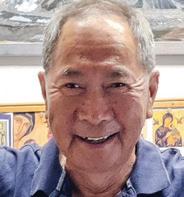
Peter Tran, MRE, MDiv, was the assistant director of the Redemptorist Renewal Center in Tucson, Arizona. He is a former editor of the Union of Catholic Asian News at the main editorial office in Bangkok. During his years as a Redemptorist, his ministry was extensively in the field of pastoral care for refugees and migrants in the United States and at the Vatican. He professed his temporary vows as a Redemptorist in 1973.
The Church has a fine missionary history— not perfect, by any means, but impressive in that the gospel of Jesus Christ has been shared with people all over the world. Not only that, but mission work has often included works of mercy, such as feeding the hungry, healing the sick, and so forth. In the United States alone, healthcare dates back to the Catholic religious’ establishment of hospitals where none had existed. And, still, organizations associated with Christian discipleship—Catholic and Protestant—continue to minister during disasters, provide help for people on the margins, and join in massive efforts to improve life for everyone, not just the folks who attend our churches.
In fact, it’s safe to say that the influence of Christ’s followers through the generations has shaped societal ideas about what is good and healthy, such as compassion, equality, justice, and a culture in which people are assigned dignity and worth. We’ve become so accustomed to those values that we might assume they just developed on their own; we might forget that Christ’s way of seeing people and treating them caused ripples throughout history.
But what is the “good news” in today’s world, where God’s kingdom has been present and growing for millennia? And, in an age of overflowing information, what might a person need to know that he or she hasn’t already heard? When I’m interacting with a person, what’s the number-one thing Christ would have me share?
As much as I love the Church, I’m not sure that explaining church life and inviting another person to join is the first thing Christ would have me do. The American landscape is dotted with thousands of churches, and many non-Christians are familiar with church culture and yet have chosen not to partake. Does it make sense to press the issue?

In what ways can I tell others, “God loves you”?
When he walked this earth, Jesus looked at people’s wounds, losses, and needs. I think that’s still the first thing a true missionary should do. And one of the most crucial human needs is for a person to know that he or she is already loved. Already valuable. Already seen by God and desired by God. Before they go to church or change their ways or believe this or that theology—before people do anything—God loves them. And everything I do and say should communicate this truth to every person.
It’s not my job to point out another’s sins or what I perceive to be their mistaken ideas or beliefs. People already know they need healing and wholeness, and many live with a quiet burden of guilt over their shortcomings and sins. What they need is the truly Good News that God waits to embrace them, nourish them, and enjoy them forever. Divine love will do the rest of the work. So, in what ways can I tell others, “God loves you”? A
CAROLYN ANCELL
I was recently gifted a beautiful old rosary that belonged to my spiritual director of more than twenty years, a contemplative Redemptorist priest in the desert Southwest. It is a precious gift. I confess that although I haven’t been a faithful pray-er of the rosary in recent years, now holding Fr. John’s beads in my hands, feeling their weight, and caressing their well-worn surfaces, I am drawn again to this ancient prayer.
Thirteenth-century Franciscan theologian, philosopher, and bishop St. Bonaventure, in his writing The Mind’s Road to God, defined prayer as the journey of the soul into God, along with the things that support and express the journey. Our sense of touch (as well as our senses of taste, sight, hearing, and smell) can be one such support. Numerous spiritual traditions employ a tactile support in beads that help quiet the wandering mind and focus on a heart-full recital of the Holy Name, a sacred word, a phrase from Scripture, the names of those we are praying for, or traditional prayers.
gave her a set of mala beads, which she holds and clicks through as she chants in her mind the Jewish declaration of faith: Sh’ma Israel , Adonai Eloheinu, Adonai Echad She writes in her blog (VelveteenRabbi.com), “Moving the beads between thumb and forefinger is a little bit like winding the fringes of my tallit around and between my fingers while praying.”
Beads of Courage is a wonderful healthcare application of beads for spiritual support. According to a February 2023 edition of the Arizona Daily Star, quoted on BeadsofCourage.org, the nonprofit organization offers beading for children coping with serious illnesses, their parents, and their clinicians. “Black beads represent blood draws, IVs, or needle pokes; yellow represents an overnight stay in the hospital; and so on.” A mother who now volunteers with the program said, “When you count out the beads, you are mindful of all the obstacles,” referring to all the steps along the way to the child’s healing. “It really keeps you grounded.”
Prayer beads used by the world’s religious faiths range from the 59 beads of the Catholic rosary (the mysteries of Jesus’ and Mary’s life and the birth of the Church) and the 33 beads of the Protestant or Anglican rosary (for the 33 years of Jesus’ life) to the 108 beads of the Hindu mala (the number 108 chosen for a variety of spiritual, mathematical, and cosmological reasons), the 99 beads of the Muslim Misbaha or Tasbih (for the attributes or names of God), and, introduced in 1995, the 18-bead Lutheran Pearls of Life, a set of beads of various sizes and colors, each with a designated focus, such as God, silence, baptism, desert, serenity, love, mystery, night, and resurrection. Prayer beads can be of any material, or they can simply be knots on a cord.
The major religion for which I did not at first see the presence of a tactile support for prayer was Judaism. Looking more closely, however, I found that many Jews, following the Lord’s command in Numbers 15:37–40, finger the tzitzits, the knotted corners of their tallits, or prayer shawls, as they pray. Then, I met The Velveteen Rabbi. Not kidding. Rabbi Rachel Barenblat is an ordained rabbi and mashpi’ah ruchanit (spiritual director), prolific writer, lecturer, and teacher on the East Coast. A Buddhist friend
Finally, the Greeks give us komboloi, or “worry beads.” Although not necessarily considered a tool for spiritual activity, using them can nonetheless calm a troubled spirit. Recently, I sat at my computer, fascinated, as I watched a tutorial on how to use worry beads on GreekReporter.com. As the senses become occupied in the whirling and clicking of the beads, there’s simply no room left for worry—and letting go of our worries is a pretty good start to prayer!
Multiple websites and YouTube videos provide guidance on praying the Catholic rosary. As you explore your own rosary practice and its benefits, you may find yourself following the traditional format of prayers, or you may decide to create a pattern of prayer using fragments from the Book of Psalms or other Scripture, words that rise out of the intentions and meditations of your heart, or words and phrases that hold you in the Divine Presence while you are praying for your own needs, the concerns of family and friends, and those of the nation, world, and Church.
To bead, or not to bead? What matters is discovering ways to bring a wandering mind to prayerful focus. Let us not overlook God’s gift of our sense of touch to serve that purpose well. a
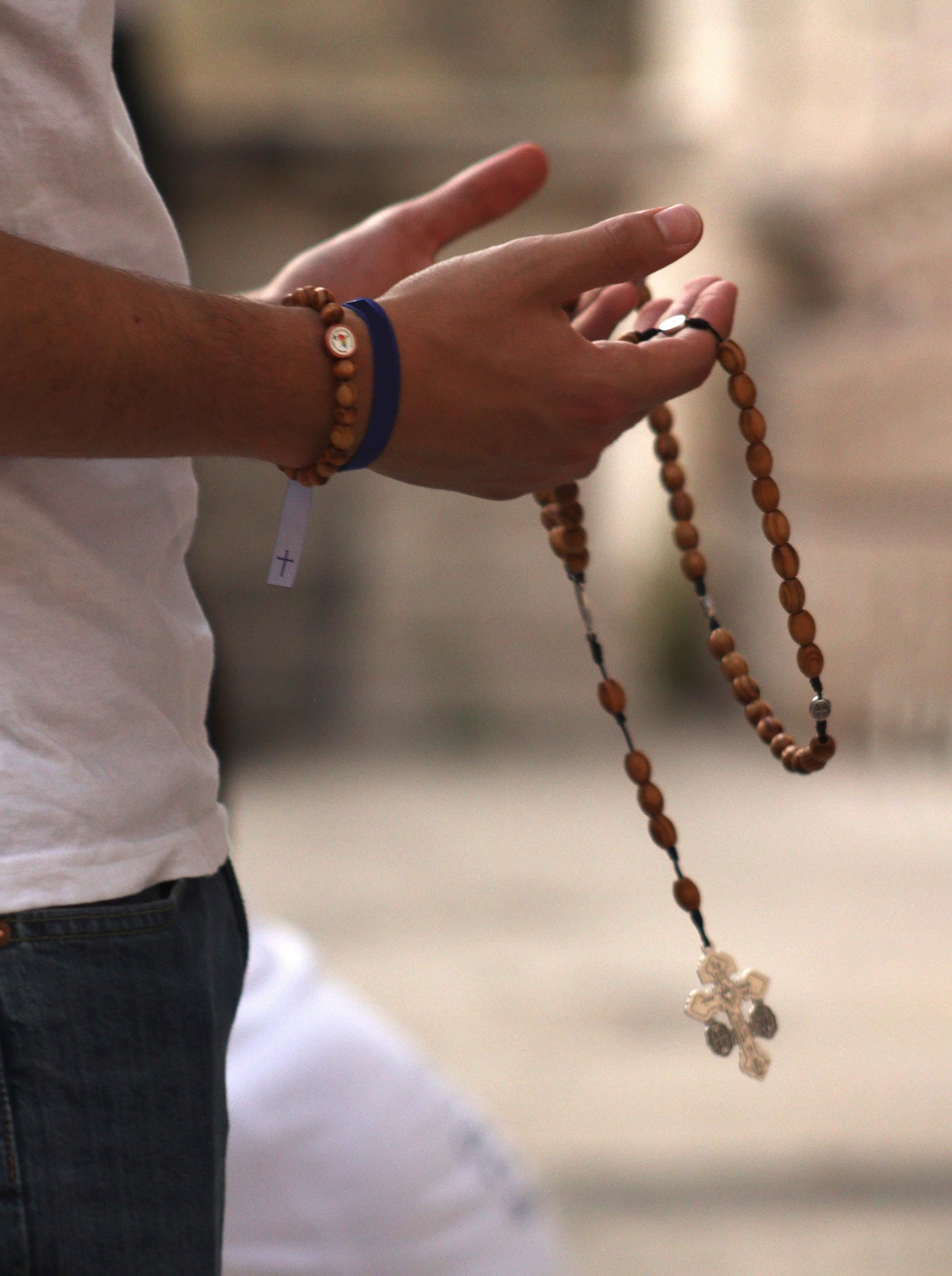
is an author of books and articles on spirituality and the arts, a
and a
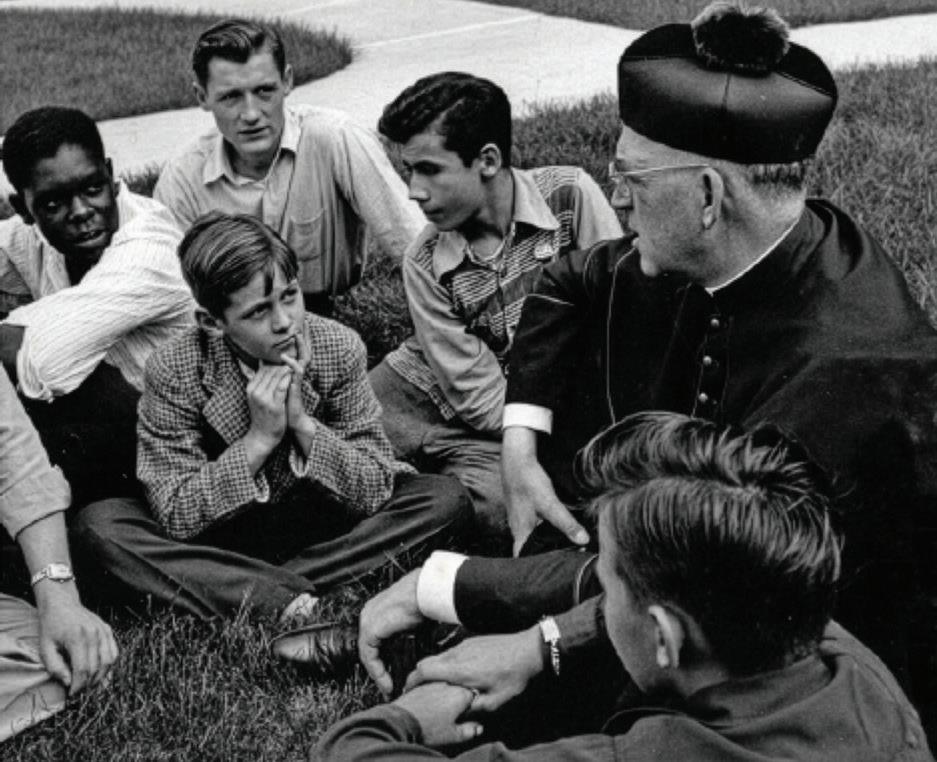
Father Edward J. Flanagan, the Irish immigrant priest who founded the pioneering Boys Town for at-risk boys in Nebraska, moved a step closer to sainthood when Pope Leo XIV declared him Venerable, the Catholic Church’s formal recognition of his “heroic virtues.”
The declaration opens the path to possible beatification, which would require a miracle attributed to Fr. Flanagan’s intercession and confirmed by Vatican theological and medical experts. A second confirmed miracle is normally required for canonization as a saint, though this requirement has sometimes been bypassed.
A Vatican tribunal has reviewed, but not verified, at least twenty cases in which someone was cured without medical explanation following prayers for Fr. Flanagan’s intercession after his 1948 death at age sixty-one.
Omaha Archbishop Michael G. McGovern said he’s “overjoyed” by news that Pope Leo has declared Flanagan Venerable and urged the faithful to pray that he is beatified and then canonized a saint.
“In the meantime,” Archbishop McGovern added, “may we work to affirm the dignity of every person created in God’s image by serving the poor, the abandoned, and the
vulnerable, especially at-risk youth. May Venerable Fr. Edward Flanagan’s example inspire us.”
The formal cause for Fr. Flanagan’s canonization was opened in Omaha in 2012, when its archbishop declared him a Servant of God. Three years later, the Vatican began reviewing some 15,000 pages of testimony, correspondence, and other evidence about Fr. Flanagan’s life, virtues, and legacy.
Fr. Flanagan decided as a young boy to become a priest, but persistent illness forced him to interrupt his seminary studies twice. He studied for the priesthood in New York, Rome, and Austria before finally being ordained in 1912 and assigned the following year to a church in the Omaha archdiocese.
Fr. Flanagan quickly gained a reputation for his compassion for and ministry to the poor; in 1916, he opened a homeless shelter that would soon house up to 300 men a night.
As he got to know the men and their stories, he realized that many of them had suffered neglect or abandonment as children. That realization inspired Fr. Flanagan to start what would become Boys Town in 1917, when he relied on a $90 loan from his Jewish friend Henry Monsky—who would go on to lead B’rith B’nai B’rith International—to rent a boarding house for five boys in downtown Omaha.
Fr. Flanagan imbued his ministry with a philosophy he often uttered: “There are no bad boys. There is only bad environment, bad example, bad thinking.”
From the start, Boys Town accepted all boys, regardless of their race, creed, or cultural background, and Fr. Flanagan insisted that boys of different faiths be free to pray according to their traditions. He kept expanding Boys Town and, in 1921, moved it to
To sign up for The Catholic Observer newsletter at no cost or for a paid individual or group subscription, please type this line into your web browser and follow the instructions. thecatholicobserver.substack.com
YOUR INDEPENDENT SOURCE OF NEWS AND VIEWS ON THE CATHOLIC CHURCH
a farm outside Omaha where more than 400 abandoned, abused, and neglected youths lived in dorms on a bucolic 900-acre site. Unique among reform schools and orphanages at the time, the Village of Boys Town provided a solid education and boasted its own studentrun government as well as nationally recognized music and sports programs.
Today, Boys Town—which since 1979 has also accepted girls—serves more than 80,000 youths at its original site as well as residential centers in seven other states. Nationwide, the nonprofit provides services to more than 1.4 million parents and children, including mental health counseling, emergency treatment for children in crisis, and support for foster parents.
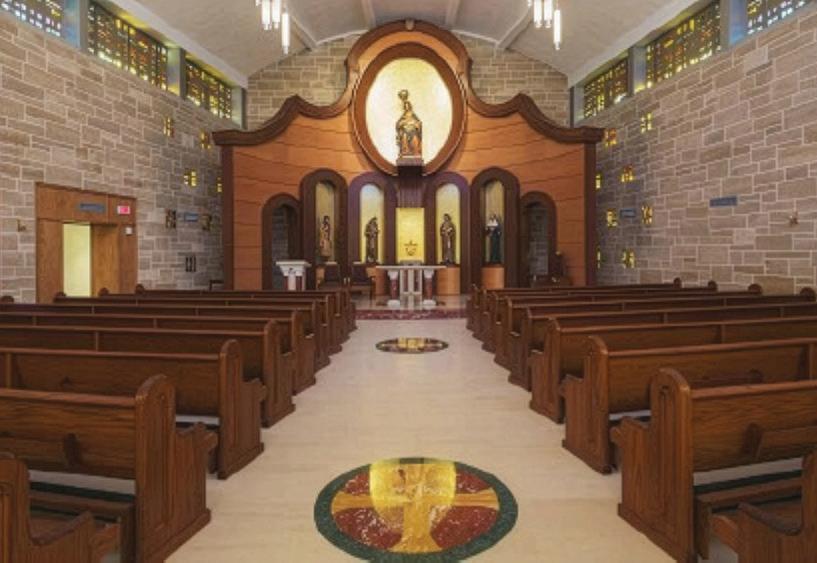
If you want to understand how deep Catholic roots run in America during the nation’s 250th birthday year, follow the Eucharist.
During the “One Nation Under God” 2026 National Eucharistic Pilgrimage, tens of thousands of the faithful will participate in processions behind the Blessed Sacrament, eucharistic adoration, Holy Hours, Masses, charitable service, and Catholic-themed fellowship across eighteen dioceses in thirteen East Coast states.
“By carrying the Eucharist across our nation and
gathering in prayer, we are asking the Lord to renew the Church and to bless our country so that we may truly be one nation under God,” said Bishop Andrew H. Cozzens, chairman of the National Eucharistic Congress, the pilgrimage’s organizer.
The nine-week pilgrimage opens May 24 with a Mass at Our Lady of La Leche Shrine at Mission Nombre de Dios in St. Augustine, Florida. From there, the procession will travel north along the Georgia coast to the Savannah diocese, where they’ll commemorate the Georgia Martyrs, five Franciscan missionaries killed for their faith in 1597 and whose beatification is set for October 31.
In Washington, pilgrimage participants will pause on the Arlington Memorial Bridge for a blessing of the nation’s capital, participate in processions, and attend Mass at the Basilica of the National Shrine of the Immaculate Conception. Then it’s off to Baltimore, home to America’s first Catholic diocese, for Mass at the Basilica of the National Shrine of the Assumption of the Blessed Virgin Mary, the nation’s first Catholic cathedral. Pilgrims and local faithful will then join processions to St. Jude Shrine and the National Shrine of St. Alphonsus Liguori.
Catholics will attend a vigil Mass at the Cathedral of the Holy Cross in Boston and a large outdoor Mass at nearby Lexington Battle Green. The eucharistic procession wraps up with four days of events in Philadelphia, including a 24-hour July 4 eucharistic adoration vigil; Mass at the Cathedral Basilica of Saints Peter and Paul; public screenings of the biopic Cabrini; and a major Eucharistic procession ending at the National Shrine of St. John Neumann.
No doubt, most of those in Philly for the procession will attend a vast outdoor ceremony on July 3 in front of the National Constitution Center, where Pope Leo XIV will appear from the Vatican on video screens to accept the center’s annual Liberty Medal.
Gary Gately is the founder and editor of The Catholic Observer, a subscription-based newsletter. Gately, a lifelong Catholic, is an award-winning journalist who has written for The New York Times, The Washington Post, The Guardian, the National Catholic Reporter, America: The Jesuit Review, Newsweek, The Baltimore Sun, The Boston Globe, the Center for Public Integrity, CNBC.com, and United Press International. Please email news tips or suggestions to Garymichaelgately@gmail.com.
The Faithful Plowman
1070–1130 * Feast day: May 15
Patron of farmers and rural communities
Isidore grew up in a humble family and worked his entire life as a farmer for a wealthy Spanish landowner near Madrid. Even though he didn’t have much, Isidore had a big heart and a deep faith in God. He was known for his kindness, generosity, and hard work.
Isidore had three great loves: God, his family, and the soil. No matter how busy he was, he never missed a day of Mass. While working in the fields, he prayed constantly. One amazing story about Isidore is how angels would help him with his work. People said that while Isidore was praying, angels would take up the plow and finish his tasks for him. This miraculous help allowed Isidore to do the work of several men, and the fields he worked on always produced abundant crops.
Isidore and his wife, Maria, who is also a saint, showed their neighbors that poverty, hard work, and difficult times cannot destroy happiness if accepted with faith in Christ. Although they had little, Isidore shared what they had, especially his meals, even if it meant he would go without food. He often brought the hungry to his home, where Maria was always ready with a pot of stew.
One day, Isidore brought so many people home that they ran out of food. When Maria told Isidore the pot was empty, he insisted she look again. Like the miracle of the loaves and fishes, there was more stew in the pot, and Maria was able to feed everyone!

Ingredients (Serves 6)
2 pounds ripe Roma tomatoes, halved, with core and seeds removed
1 small cucumber, peeled and with seeds removed
1 medium green bell pepper, cored
½ small red onion, peeled
2 small garlic cloves (or 1 large clove), peeled
3 tablespoons olive oil
2 tablespoons sherry vinegar
1 teaspoon salt
½ teaspoon freshly cracked black pepper
½ teaspoon ground cumin



Tools Checklist
Knives
3. If desired, top individual servings with fresh chopped vegetables, croutons, or crusty bread. again. of


Vegetable peeler


Measuring spoons







Saint Isidore’s life teaches us about the importance of faith, hard work, and kindness. To honor his dedication to farming and love of the land, enjoy this refreshing Spanish Gazpacho. This delicious gazpacho brings a taste of Spain’s bountiful harvest to your table.

Blender
Instructions



1. Combine all ingredients in a blender and blend until smooth.



2. Chill in the refrigerator for at least an hour before serving.





Saint Isidore the Farmer, pray for us!
Saintly Bites for Children: Mixing Faith, Fun & Family Time in the Kitchen ©2025, Shelby Siegfried; illustrated by Ted Schluenderfritz (828744, Liguori Publications). To order, visit Liguori.org or call 800-325-9521.
One of our favorite comedian’s quips is a claim that some spiritual things, like relics and exorcisms, should be entrusted only to the Catholic Church. When there is a demonic possession, nobody runs into the street and yells, “My child is possessed by a demon! Quick! Call the non-denominational worship pastor!”
Or, imagine walking into the lobby of the Living Springs Congregational Church and seeing a human head in a glass case labeled, “Kevin, our former youth pastor.” (If you have been to Siena and seen St. Catherine’s head, this story is even more relevant!)
The Catholic Church has many unique traditions and, from its beginnings, has recognized the potential and power in canonizing saints. The Church has a lengthy and rigorous process of declaring a human being a Saint (with a capital “S”).
All communities need heroes. We are inspired and comforted by the memory of those who have walked this journey of life, struggled, and made it to heaven, where they can intercede for us. Our experiences with several Redemptorist communities in Minnesota and Arizona have shown us both the great missionary zeal and the healing power of Redemptorists like St. Gerard Majella and Blessed Francis Seelos.
The canonization process takes many years, often decades. Every aspect of the candidate’s life and writings is scrutinized and evaluated. The criteria of “heroic holiness” is the lens held up throughout the process from “Servant of God” to “Venerable” to “Blessed” and, finally, to “Saint.” We recognize the spiritual power of these saints and dedicate feasts, prayers, rituals, and liturgies in their honor because we believe in the communion of the saints and in the efficacy of their intercession.
When the secular world declares someone a “saint” or a “martyr,” there is a difference. When someone dies today—whether it’s a victim of police brutality, a political figure, or a media star—people sometimes declare their “sainthood” almost immediately. Within hours, shrines are erected, poems are penned, and songs are composed in their honor. The need to memorialize and give proper expression to our painful grief is rooted deep in us, and there is nothing wrong with that. But, without wise due process, people who did not live up to the criteria of heroic holiness, are declared secular saints or martyrs. And, often, chaos ensues. Division and vitriolic discourse follow. Families, parishes, and even the wider Church can fracture as we rush to “canonize” or “demonize” certain individuals in the public arena.

We would be wise to move slowly in declaring anyone a saint and instead lean on those who have been duly scrutinized and canonized. As we pray for peace amid our country’s divisions, may all the Redemptorist saints and martyrs pray for us! A
Eucharistic Poetry
JEANETTE MARTINO LAND
Seed your Word into my heart, Lord. Let it germinate, while I contemplate Your life in me, My life in you.
Ripen me to a loving relationship, a living faith in you. Feed and nourish me with yourself: Your precious Body, Blood, soul, and divinity.

Inscribe your Word in my heart— to be treasured and shared. Scatter me so I can be Eucharist to others.





Mature me in your ways; teach me to be living gospel! Through my witness, may others come to experience the fullness of your love!
Your Word, Lord… Seeded, Germinated, Contemplated, Ripened, Scattered, Treasured, Shared, Matured, Lived, Experienced!



A Living Word of Love!



As we move into the warmth of summer, it’s a season of “lasts.” My daughter, Haven, will graduate from St. Patrick’s Parish School as she completes eighth grade. She has been part of St. Pat’s since she was three years old. Time can be abstract, but when you watch your child prepare to leave the only hallways she’s ever known, time suddenly becomes the most real and precious commodity we have.
Recently, I was given a rare gift. I was able to go on a weekend “mission” to Indianapolis. Usually, my wife handles Haven’s gymnastics trips, but this time, I was able to drive her to the competition, which was four and a half hours from our home in Grand Rapids.
The drive was a lesson in pure fatherhood. At first, Haven claimed the back seat and popped in her earbuds. In the Redemptorist tradition, we are called to meet people exactly where they are. In that car, “where she was” was in the space right between childhood and high school.
She couldn’t keep her earbuds in the whole time and eventually began to talk. We discussed high school plans, the sports she wants to play, and what’s happening in her social circle. Even the long stretches of quiet didn’t feel empty; we were together. In the hotel that night, she didn’t want to go out or do anything, even though I kept offering. We just hung out. I realized that the shared space is what mattered.
The next morning, I sat in the stands for two hours, watching her compete. Moments like these help me hear again the wisdom of St. Alphonsus Liguori, the founder of the Redemptorists, who once wrote, “The time which is given us is the price with which we may purchase eternal life.”
SCOTT CZARNOPYS
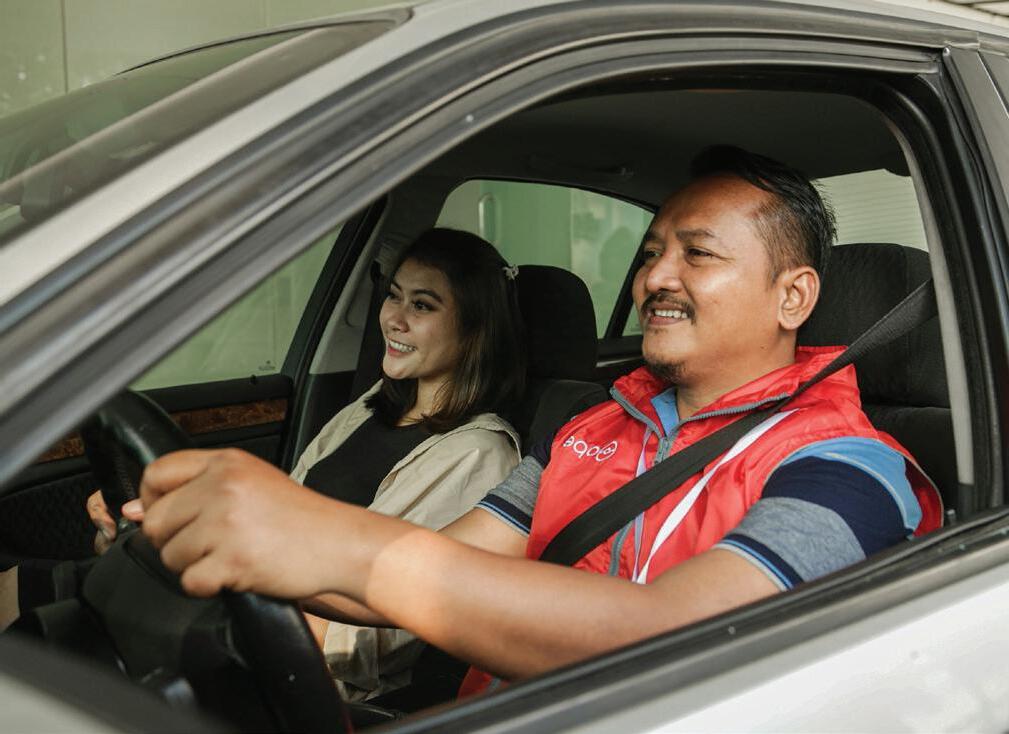
Cherish the mundane… be aware that time is fleeting.
Time is our most precious commodity, and how we spend it on those we love becomes a form of prayer. We often think of missionary work as serving the broken, but spending unhurried, intentional time with our families is also a kind of mission.
By the time you read this, the school bells will be silent, the hallways empty, and the days longer. Summer is the season of opportunity, when our children are home, and the commodity of time feels more palpable. I challenge you (and myself) to cherish the mundane. Whether it’s a quiet car ride, a shared meal, or just sitting on the deck together, be aware that time is fleeting.
Time is our most precious commodity. How will you use yours this summer? A

Saint Alfonso Maria de Liguori, CSsR
b. September 27, 1696, Marianella, Kingdom of Naples; d. August 1, 1787, Pagani, Kingdom of Naples; canonized 1839; feast day August 1; doctor of the Church, bishop and moral theologian, founder of the Redemptorists, patron of confessors and arthritics
Introduction
After practicing law for eight years, Alphonsus was ordained a priest in 1726. In 1732, he founded the Congregation of the Most Holy Redeemer (Redemptorists). Dissension within the Congregation culminated in 1777, when he was deceived into signing what he thought was a royal sanction for his rule. The document was actually a new rule, devised by one of his enemies, thus causing the followers of the old rule to break away. In 1762, Pope Clement XIII made him Bishop of Sant’Agata de’ Goti near Naples.
Saint Alphonsus wrote 111 books, including The Glories of Mary, one of the most widely used manuals of devotion to the Virgin Mary. His works have undergone more than 20,000 editions and have been translated into 72 languages. He also painted and wrote music. His hymn “Tu Scendi dalle Stelle” is the Italian equivalent of “Silent Night.”
• For God, heaven is the human heart. Does God love you? Love him. His delights are to be with you; let yours be to be with him; to pass all your lifetime with him in the delight of whose company you hope to spend a blissful eternity. Accustom yourself to speak with him alone, familiarly, with confidence and love, as to the dearest friend you have, and who loves you best (The Way of Salvation and Perfection, mid-18th century).
• God wishes all to be saints, and each according to their state of life: the religious as religious, the secular as secular, the priest as priest, the married as married… and so of every other state of life (The Practice of the Love of Jesus Christ, 1768).
• What does it cost to say, “My God, help me! Lord, assist me! Have mercy on me!”?… And this little will suffice to save us if we will be diligent in doing it (The Way of Salvation and Perfection).
“Accustom yourself to speak with [God] alone…as to the dearest friend you have.”
SAINT ALPHONSUS LIGUORI, CSsR

• God is our only lover who loves us without self-interest and merely because of his goodness. Because he loves us, he wants us to love him with all our hearts (The Practice of the Love of Jesus Christ).
Saint Alphonsus urges us to pay particular attention to the “mysteries of Redemption” in our prayer. For him, this refers to the “Crib, Cross, and the Blessed Sacrament.” This is a type of shorthand, as it were, to help us remember these mysteries. For Alphonsus:
• Prayer is first and foremost the action of God’s grace in human nature rather than a purely human activity.
• The prayer of petition is not about informing God of our needs or changing God’s will, but it is about God changing us. It opens up a communion of love with those for whom we pray and challenges us to respond to them in love as God has responded to us.
• Saint Alphonsus came from nobility and power in Naples. However, it was the poor who taught him a radical dependence on God.
My God, I adore you and love you with all my heart. I thank you for all the gifts that you have given me, and especially for having preserved me this night. I offer you whatever I may do or suffer this day, in union with the actions and sufferings of Jesus and of Mary. I beg you to grant me perseverance for the Love of Jesus Christ. I resolve to conform myself to your holy will, and particularly in those things which are contrary to my inclinations. Jesus, keep your hand over me in blessing this day. Amen.
Have you ever scrolled through social media for long periods of time and then felt a deep sense of fatigue? Digital exhaustion is the tiredness that comes from endless scrolling, constant notifications, and the pressure to remain perpetually plugged in. Social media promises to keep us connected and stimulated, but over time, it leaves us numb, overwhelmed, and undernourished.
Signs of digital exhaustion include shorter attention spans, difficulty praying, and discomfort with silence. Moments meant for rest are soaked up by passive consumption. This dulls our spirits and preoccupies our minds which, in turn, blocks us from properly encountering God. Just as the Church has always recognized a special concern for the materially poor and abandoned, today we must also recognize those who are spiritually drained by constant connectivity. For people in this predicament, their souls cry out for rest, listening, and renewal.
Rather than looking for the next thing that demands our eyes and energy, we should ask ourselves: How can we heal our attention spans? Instead of competing in the social marketplace, how can we create an environment in which we are not required to perform, react, or consume? How can we create a place where we can simply be?
Social media has become necessary in business and education, and it connects us with remote family and friends and with other people all over the world. Yet, we must understand both the positive and negative effects. Platforms are designed to keep users engaged; algorithms curate our experience, demanding our attention for as long as possible. Over time, this can become an addiction. We need to acknowledge this reality in our lives and handle it with great care.

We have to admit that sometimes we reach for our phones to fill the stillness. Silence may feel threatening, yet it is in silence that God often speaks to us. If we seek balance, we can choose practices that reorient our hearts: eucharistic adoration, prayer groups, daily Mass, or retreats.
If the first thing you reach for every morning is your phone, try interrupting that habit by getting out of bed first. Make social media the last thing on your morning to-do list. In doing so, you will reclaim control over your focus, one moment of stillness at a time. These moments will remind you that we are not meant to live at the pace of our notifications. The goal is to create more pockets of stillness that ground us and help us remember that we are more than online presences or comments on the posts of influencers we will probably never meet. We are beloved children of God who long to hear his voice. A
Glenny O’Hara jogged down the path near her home until she reached the old bench along the way and sat down. She had gotten up early because she hadn’t slept well, and she thought the air might clear her head.
She watched as the sun rose, blending such glorious colors that changed minute by minute. Her dad often said, “Morning is the blessing of God’s day.” Lately, though, Glenny thought that sleeping in was a blessing. So many times, she’d turn the alarm off, hoping for at least five more minutes, but, faithfully, her dad would knock and cheerfully announce, “Don’t miss out on the best time of the day.”
She took some deep breaths and a few swallows from her water bottle, thinking about him. He rarely talked about his younger years, only that Glenny’s mom had died shortly after she was born, and they had come to America a few years later. She never really asked her dad much about his childhood, and, as years went on, she simply became more interested in doing her own thing. She did have twinges of guilt from time to time, like when he had suggested they walk down the path and wait for sunset, but she had refused, saying she was going to meet friends at the mall. He didn’t complain, but she knew she had disappointed him.
Glenny’s dad was her only family, and he’d been very good to her. But as she grew into her teens, she started
thinking he was a little old-fashioned and began wanting more independence. She sighed as she thought about how lately it seemed as if nothing quite satisfied her. Even when she and her friends were together, somehow it seemed…shallow. And now, her dad was very excited because she’d be confirmed in just a few days. She was looking forward to it, too, but lately she’d been feeling regretful about doing some things that she knew would hurt her dad if he found out—her dad, who had probably never done anything wrong. She knew that, somehow, she needed to get to confession before confirmation on Sunday.
She stood up, stretched, and felt a bit surprised at how beautiful it was outside. She laughed slightly and said aloud, “Maybe dad knows something after all.”
“I’ll bet he does,” came a voice from behind her. As she whirled around, she saw it was Chad Carter, and he smiled. “Isn’t this a little early for you?”
“Actually, yes,” she admitted. “What about you? Couldn’t you sleep either?”
“Nah,” he said as they started walking alongside each other. “I do this every day. I really like the morning.”
“You too?”
“What do you mean?”
“Oh, my dad always says I’m missing the best part of the day.”
“Sounds like a smart guy,” he replied. “Well, I’m going

to pick up the pace. After all, graduation is in a month, and I don’t want to wreck my perfect attendance now. If we want to make it in time for our first class, we’d better get moving.”
“Oh, wow!” she replied. “You’re right.”
“Want me to pick you up?”
“That’d be great!” she replied. “Thanks.”
The kitchen light was on and, through the window, she could see her dad moving about. As she opened the door, he turned and smiled. “Did you enjoy the sunrise?”
She nodded. “I did.”
“Better hurry and eat. It’s getting late.”
She did as instructed and, after finishing her first bite, looked over at him. “These are really good, Dad. I didn’t know you could make crepes.”
“I thought since you went out to experience the goodness of the early morning, I’d make something special.”
After a quick shower and change of clothes, she saw Chad’s car out front.
“I’ll see you later, Dad,“ she called, heading out the door.
It was during confirmation preparation class that Glenny started getting sleepy. Suddenly, she heard her name being called, and she had no idea why.
“Glenny,” the teacher was saying, “what saint’s name have you chosen?”
Glenny felt her face flush, but she managed to answer, “I’m not sure yet.”
“Well, confirmation is Sunday, so be sure to know by then.”
“I will,” she replied, feigning confidence.
That afternoon, walking home, Glenny kept hoping for some great inspiration. She loved St. Thérèse, but Thérèse was already her middle name. Saint Thérèse was special because she did things in her “little way.” So many other saints had founded schools, started religious orders, and done other notable things that Glenny was sure she herself could never do. In fact, she thought, if I’m truly honest, I feel barely fit to be confirmed. Her dad would be so hurt if he ever knew she’d gone to a party where beer and marijuana were free for the taking. And she felt shame remembering how Kyle Braden, the heartthrob of the senior class, had flattered her by asking her to go to the mall, only to coax her into stealing a sweatshirt. Why, she mentally berated herself, hadn’t I had the courage to stand up to him? As soon as she’d gotten home from the mall that day, she’d taken the money she’d been saving, along with the price tag from the sweatshirt, and quickly went back and left them at the store.
The next day after school, it took all her gumption to ask Fr. Stevens to hear her confession. It was hard, but she felt new inside afterward and now could look forward to her confirmation. If only she could decide on a name…
Later, when Glenny got home, she was surprised to see a strange car in the driveway. As she got closer, she saw her dad was showing someone around the flower garden that was starting to bloom. He spotted her, and she waved.
“Glenny,” he called, and she could almost feel the pride in his voice. “Come here and meet my best friend from Ireland. This is Charlie Murphy. Rather, Father Charlie Murphy,” he corrected himself.
“I’m so glad to meet you, Glenny” he said, taking her hand. “Ah, you have a definite resemblance to Kathleen.”
“You knew my mom?” Glenny perked up.
“Yes,” he replied, then added with a chuckle, “for some reason, she fell for your dad, even though he was moody and standoffish.”
“Are you sure you’re thinking of the right man?” Glenny said, taken aback by Charlie’s words. “I’ve never seen Dad anything but upbeat.”
Charlie laughed. “Oh, Sean,” he said, but stopped himself from saying more.
Her dad shook his head and changed the subject. “Come along! I have a nice corned beef and cabbage simmering on the stove.”
“Dad, did you know Fr. Charlie was coming?”
Her dad nodded. “Charlie said he’d try to stop over but didn’t know for sure if he could make it.”
That night, as she loaded the dishwasher, Glenny could hear her dad and Fr. Charlie telling old stories from Ireland. Glenny couldn’t help wondering why her dad had never mentioned Charlie before and had rarely mentioned anything about Ireland at all.
The next morning, Glenny decided to go for another morning run. When she reached the old bench, Fr. Charlie was sitting there. He looked up and smiled.
“I didn’t expect to see you this early,” he said.
“It is kinda weird,” she admitted. “I
came out yesterday and surprised myself by liking it. So, I decided I’d come again today.”
“Well, I’m glad you did, and this is a good place to take a break.”
Glenny sat down. “It’s nice meeting dad’s best friend. Fact is, he hardly ever talks about Ireland.”
“The pain was so great. I believe he just wanted to forget.”
“I guess Mom dying must have been really hard on him,” she said thoughtfully.
He stood, with a faraway look. “It wasn’t just that,” he said reflectively, then began…
“God has forgiven you. Now, you must forgive yourself.”
“One evening, when Sean was seventeen, your grandpa told him to hitch the buggy and go into the village and pick up his sister Molly, who worked part-time at a dressmaker’s shop. It was raining, and your grandpa didn’t want her walking home in it. Sean loved his sister, but he was annoyed nevertheless. Besides a full day at school, he had already done several hours of farm chores and just wanted to go sit by the fire for a while. He left the house in a bad frame of mind.”
Charlie sat back down. “Well, he did pick up Molly, but the rain had gotten worse. Even though he knew he should slow down, he kept urging the horse on faster. They were almost home when they hit a rut in the road, and Molly was thrown from the buggy, hit her head on a rock, and died instantly. His lovely sister Molly, with the face of an angel, was dead.”
He sighed. “Before the accident, Sean and I were rather a mischievous pair, but afterward he became so riddled with guilt and withdrawn, and we drifted apart. I guess it affected both of us to the core. I became focused on a different way of life and ended up where no one would have expected—I decided to become a priest. When I was in the seminary, I’d occasionally make it back and visit your dad. Though he didn’t show any interest, I still came as often as I could.”
Fr. Charlie smiled and shook his head. “One day,” he continued, “he surprised me and asked how I decided to change from being the wild guy I was to wanting to be a priest. I told him the seeds had been planted one Good Friday, when the passion was being read. Somehow, I was so struck that a criminal who was dying next to Jesus would ask him to be remembered when Jesus came into his kingdom. And that Jesus would tell the criminal he’d be with him in paradise that very day! I couldn’t get it out of my head.
“Suddenly, I knew there was hope for me…for all of us. For the first time in a couple years, I made myself go to confession, and I tried to clean out all the garbage I’d been carrying around. At the end, the priest surprised me by saying, ‘God has forgiven you. Now, you must forgive yourself.’ As I was telling all this to your dad, I remember seeing him force back tears. I told him he needed to forgive himself too. Molly’s death had been an accident. “I began reading what I could find about the good thief, and he became one of my favorite saints.” He let out a deep sigh. “I figured a guy who hadn’t been perfect would be the perfect guy to intercede for me. And every day, I asked him to pray for your dad.”
Fr. Charlie continued. “After that, by the grace of God, Sean began to blossom again. He met your mom, fell deeply in love, and soon they married. When she died after your birth, I was afraid he’d fall back into
depression, but he didn’t. He gave you loving care and surprised everyone when he told us that the two of you were moving to America. Yesterday was the first time in sixteen years I’ve seen Sean. I thank God for taking such good care of him,” he smiled, “and you.”
Glenny stood up. “Wow!” she said. “I had no idea.” And then, thoughtfully, she asked, “Do you know what the good thief’s name was?”
“It was Dismas.”
Dismas. The name rolled around in her head. Dismas…
They had almost reached the house when Glenny turned and impulsively gave Fr. Charlie a hug. “Thank you so much for caring about my dad,” she whispered.
1-O (Ex 24:13)
2-H (1 Mc 6:16-47)
3-M (Gn 25:26)
4-W (Gn 34:25)
5-V (Gn 30:14)
6-I (Lk 24:13-18)
7-J (Dn 8:15-16)
8-U ( Tb 3:17)
9-S (Mt 9:9)
10-K (Gn 45:9-10)
11-D ( Jgs 7:12)
12-F (Neh 1:11)
13-G (Gn 35:8)
14-E (2 Tm 4:14)
15-X (Acts 17:33-18:3)
16-R (Acts 12:1-12)
17-L (1 Kgs 5:6-8)
18-N ( Jn 2:1)
19-P (1 Sm 17:12)
20-Q (Lk 15:11-32)
21-T (Rv 12:7)
22-B (Gn 6:15)
23-A (1 Kgs 6:2)
24-Y (Ex 2:21)
Charlene Hoyt is a freelance writer from southeastern Wisconsin. She enjoys walks with her border collie, Bo, and visiting with her wonderful neighbors. She loves horses and football, but her greatest blessings are her faith and family.
As they went into the house, Glenny felt warm inside. She now knew that a guy who hadn’t been perfect would be the perfect saint for her, too. And on Sunday, when the Holy Spirit would come down upon her, she would gratefully take the name Dismas in honor of a humble intercessor to help in times of weakness. A BE AR DA LE S TE EM
CE EV AD E AC RE
HA WH AW
EA R VE IL MR E BE ND AT EA R AB ED LA CE T HIR D CR AG ET ES LE NT O TY KE moc.scilohtacrofsemagdrow.www
Rate yourself on your knowledge of Scripture. Match the first column with the second. Answers are on page 43.
1. Aide to Moses ________
2. Antiochus Eupator used these in battle against Jews ________
3. Born holding his brother’s heel ________
4. Brother of Dinah and Levi ________
5. Brought his mother the mandrakes Rachel wanted ________
A. 20 cubits
B. 50 cubits
C. Bathsheba
D. Camels
E. Coppersmith
6. Destination of Cleopas ________ F. Cupbearer
7. First mentioned in the Book of Daniel ________
8. Healed Tobit’s eyes ________
9. Jesus first saw him at the customs post ________
10 Joseph settled his family here ________
11. Midianites used these animals to attack the Israelites ________
12 Nehemiah’s occupation ________
13 Nurse of Rebekah ________
G. Deborah
H. Elephants
I. Emmaus
J. Gabriel
K. Goshen
L. Horsemen
M. Jacob
14 Occupation of Alexander, who did harm to Paul ________ N. Jonah
15. Paul’s occupation ________ O. Joshua
16 Peter went to this person’s house after escaping prison ________
17 Solomon had 12,000 ________
18 Swallowed by a big fish ________
19 The city of Bethlehem is here ________
20 The Parable of the Lost Son is found here ________
21 Went to battle against the dragon ________
22 . Width of Noah’s ark ________
23 Width of the Temple ________
24 Wife of Moses ________
25 Wife of Uriah ________
P. Judah
Q. Luke
R. Mary
S. Matthew
T. Michael
U. Raphael
V. Reuben
W. Simeon
X. Tentmaker
Y. Zipporah
“Catholic Crossword” and “Bible Quiz” are produced by Gabriel Publications. Liguori Publications is not responsible for their content. Please direct questions or comments to Gabriel Publications at info@wordgamesforcatholics.com.
ACROSS
1 “My punishment is too great to ___.” (Gn 4:13)
5 Valleys 10 Abound 14 Differ ending
Elude 16 Land measure
17 Cries from Homer Simpson
18 Locale
19 Hawaiian dance
20 The Name of the Rose author
21 The Lord appeared to Moses in this (Ex 3:2)
22 Measured
23 Part of the Liturgy of the Word
25 US government obligation
27 Samson killed Philistines with the jawbone of this animal
28 Relaxing
30 Son of Seth
33 Utility vehicles
35 Start of the Christian era
37 Baby covers
38 “Heavenly ___ sing alleluia…”
39 Only OT book that never mentions God
40 Alphabet string 41 Stagger
42 Biblical animal of transport
43 Border
45 Second of IHS
46 Angry 47 Guffaw
50 Lend ___
52 Veronica’s covering
53 Theology degree (abbr.)
55 “…at the name of Jesus every knee should ___…” (Phil 2:10)
56 Shed ___
58 Retired
59 Ornamental fabric
60 Commandment that directs us to keep holy the Lord’s Day
61 Steep, rugged rock
62 Soissons seasons
63 Slow, musically
64 Small child
1 Medieval English monk
Grandson of Adam
Cold comment?
Matter of law
___ Advocate
Cardinal Dulles
Alley 8 Univ. site 9 Jurisdiction of a bishop 10 Island from which the Bounty sailed 11 Promotion of the restoration of unity among Christians 12 Perry’s creator 13 Alcoholic drink of fermented honey
21 This was offered to the risen Jesus (Lk 24:42) 22 Throw
Funeral ___
Molars
Sleeps briefly 29 We should enter by the narrow one 30 Flow back 31 Diocese on the French Riviera 32 A vow 33 First name of Pope Francis I 34 Key in a corner 36 Literary initials
38 Catholic actress Bonnie, of “Cheaper by the Dozen” fame 39 Apiece
41 …a poor man is better than a ___ (Prv 19:22)
42 Monk’s hood
44 Corrects papers
45 Bob or weave?
47 “For where your treasure is, there also will your ___ be.” (Mt 6:21)
48 Place for sacred vessels
49 Inflict
50 Showing unusual talent
51 Trim
52 Blood vessel
54 Verge
56 An ocean (abbr.)
57 Definite article
58 ___ of Faith


A teacher said to one of her students, “It’s clear you haven’t studied your geography. What’s your excuse?”
“Well,” the student replied, “my dad says the world is changing every day. So, I decided to wait until it settles down.”
A mother with a fidgety seven-yearold boy told me how she gets her son to sit still and be quiet in church. About halfway through the homily, she leans over and whispers, “If you don’t be quiet, Father is going to lose his place, and he will have to start his homily all over again.”


Father is going




If you have jokes or amusing stories you’d like to share, please email them for consideration to Liguorianeditor@Liguori.org, or mail them to Liguorian Editor, 200 Liguori Drive, Liguori, MO 63057.
Some “Wonders of the World” are made of stone…others wear sneakers and giggle.
It was the end of the day when a policeman with the K9 unit was parking his van with Jake, his police dog, barking in the back of the van. He was gathering up his equipment when he noticed a young boy looking at him and then looking at the back of the van, where Jake was barking.
The little boy asked, “Is that a dog you have back there?”
“Sure is,” the officer replied. The boy thought for a moment and then asked, “What did he do?”


Well-known proverbs completed by third-graders:
J Don’t bite the hand that… looks dirty.
J No news is…impossible.
J A miss is as good as a… mister.
J You can’t teach an old dog new…math.
J If you lie down with dogs, you’ll…stink in the morning.
Br. Raymond Pierce, CSsR, supplies the humor for “The Lighter Side.”
To receive his complimentary weekly emails, “Morning Smiles,” email him at raymondcssr@gmail.com.
SANKO
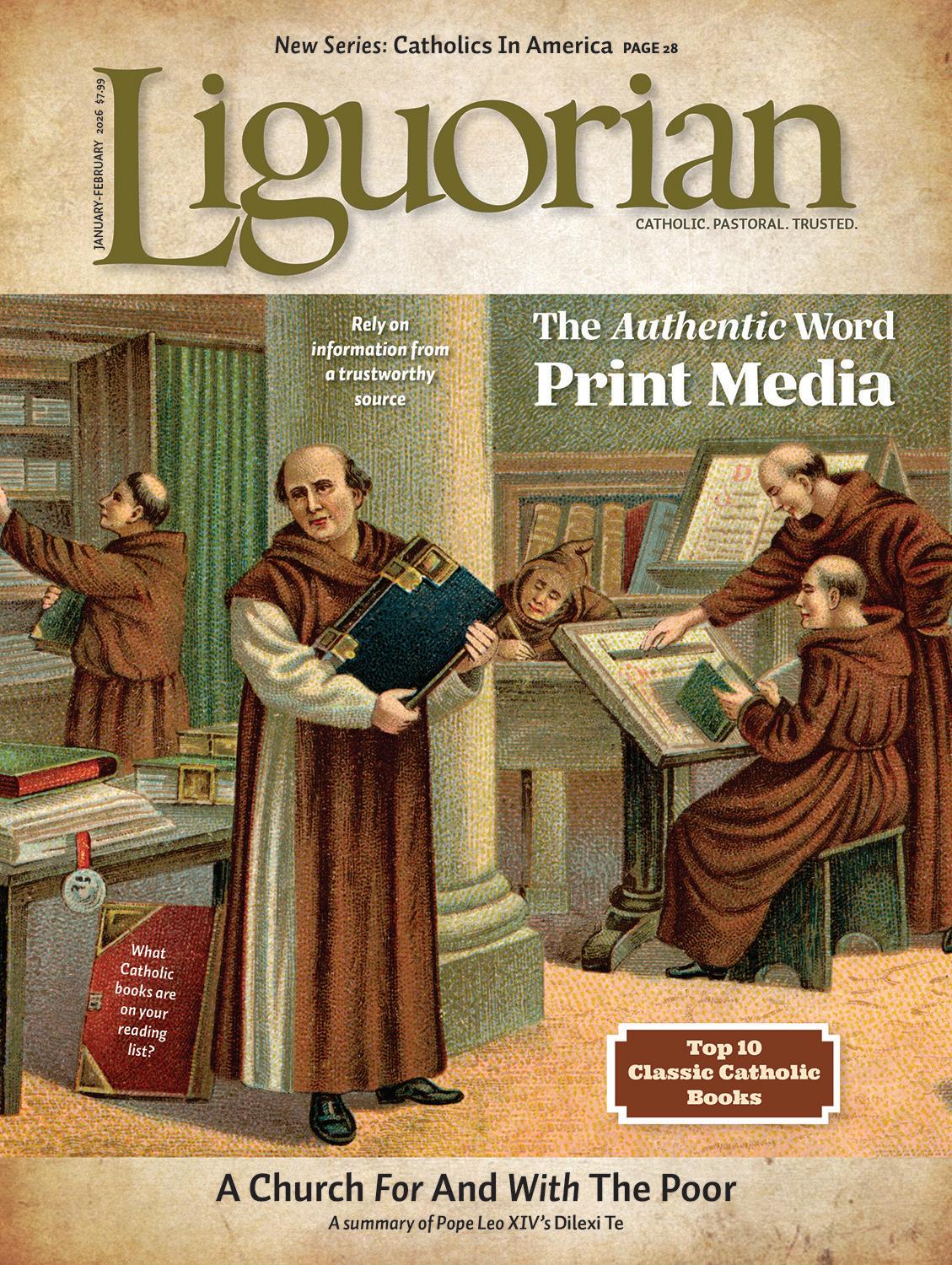
Liguorian magazine shines with hope—inspiring stories, thoughtful reflections, and helpful insights into issues of the day. Give the gift of Liguorian magazine and help spread the joy of the gospel while bringing a message of hope to friends and family.
Each additional subscription is $33.00 Please add $15 if outside the US.
Subscribe Online Liguorian.org/ subscribe-today
Rate for subscriptions outside the US is $53. Subscriptions outside the US must be prepaid in US funds. First-time access to the digital edition requires registration at Liguorian.org, or send an email to Liguori@liguori.org. Six issues per year.







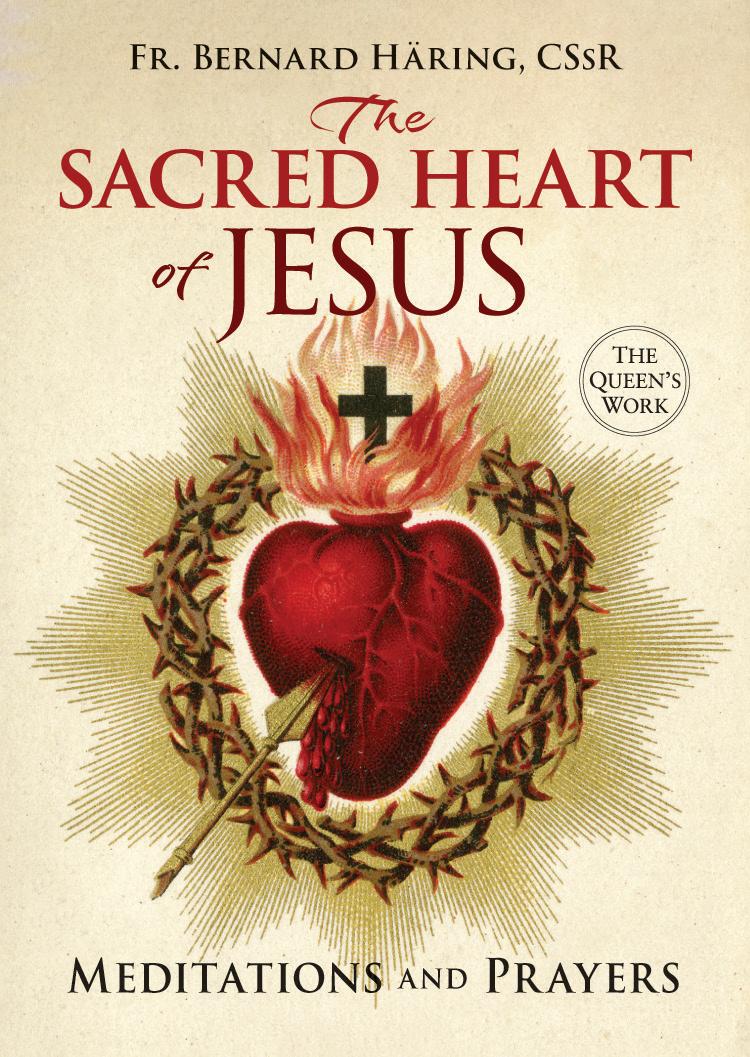





Meditations
BERNARD HARING, CSsR

Fr. Bernard Häring shows us that true veneration of the Sacred Heart is more than a pious practice. It is a devotion deeply rooted in Scripture and tradition. This devotion is needed today to bring us to the deep, overflowing love of the heart of Jesus— the hope of reparation and the source of redemption for our world.
PAPERBACK | 5 X 7
828782 | $24.99






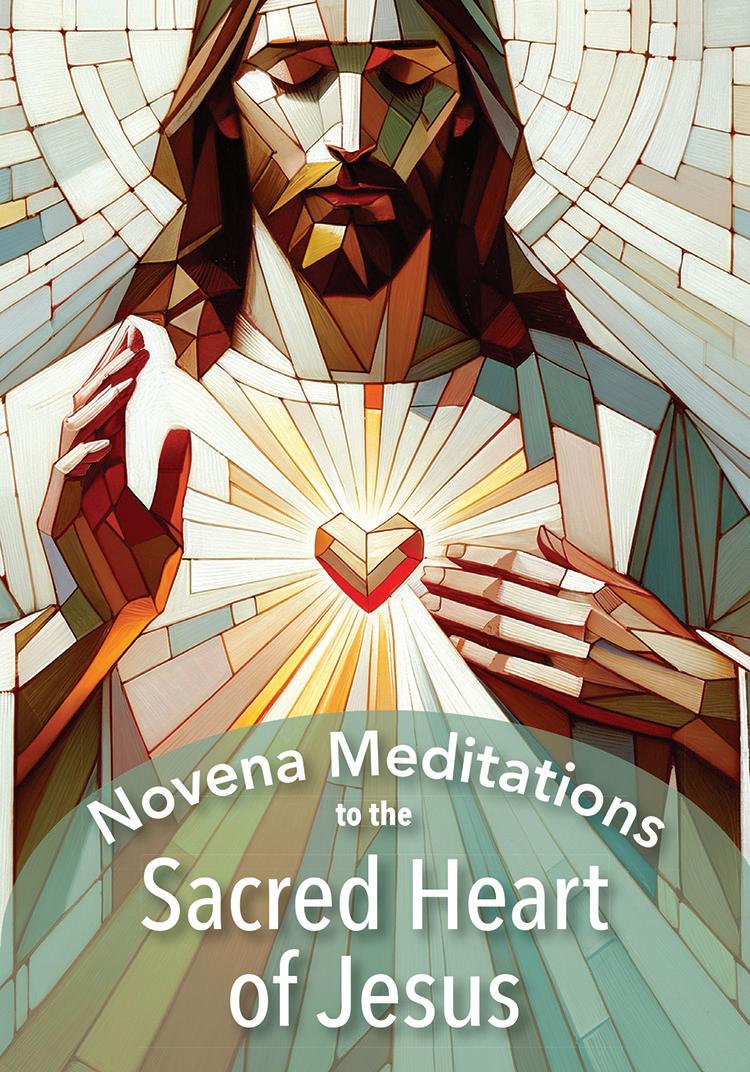





DAVID WERTHMANN

The novena meditations in this prayer booklet honor the Sacred Heart of Jesus, a symbol of God’s eternal, unconditional love. Through these meditations, we bring Christ into our lives and share with him our needs and worries. We ask him to join his prayers with ours, and, as we do, our friendship with God grows.
PAMPHLET | 4.125 X 5.875
828775 | $3.49