











The big challenges of arthritis for small-screen soap star Claire









FROM GARDENING TO GAMING
Very different hobbies, both with benefits
WALK THIS WAY
How to get moving and stay motivated









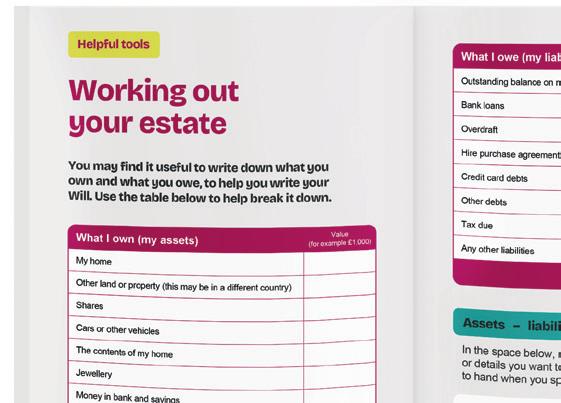















Making a Will is one of the most important things you can do for the people and causes you care about, yet most of us don’t have one.

with our free Will writing pack.
guidance on writing your Will, details about our free Will services, and how to include a gift to help people living with arthritis, should you wish to.
Your pack will arrive in the post and includes a free pen and a handy folder to keep all your documents safe. Everything you need to get started.













































Welcome to your Spring 2026 edition of Inspire, the magazine for anyone with arthritis. You’ll have noticed that the design has changed a little, particularly the front cover. With our rebrand to Arthritis UK, we thought it was time to give Inspire a bit of a refresh too. We’ve also added a few extra pages to give you even more useful and interesting content. We’re always looking for ways to improve the magazine and give our members more of the content they love.
Talking of our front cover, on page 16 you can read about Claire King’s experience living with rheumatoid arthritis since her twenties. Claire is perhaps best known for her role as Kim Tate in Emmerdale. She talks about how she manages day to day and stays positive.

we’re in spring. You can read all about walking on page 38. And on page 22 you can learn about the benefits of gardening and gaming for people with arthritis, as well as some tips on how to do both comfortably.
Now that we’re moving into slightly warmer and drier months, you might be thinking about where to book your next trip. See our top tips on choosing a location, travel insurance, and managing medication on page 48. You might also be enjoying more time outdoors now that
Please do get in touch if you have any thoughts to share about Inspire magazine – we’d love to hear from you!
Warm wishes, Alex Gould
Call us
Call our free* helpline on 0800 5200 520 (Monday to Friday, 9am to 6pm) if you need to speak to someone. Please note: the helpline is closed from 12pm on the last Friday of every month for training.
Email us
Drop us an email at helpline@arthritis-uk.org
Write to us
Helpline, Arthritis UK, Copeman House, St Mary’s Court, St Mary’s Gate, Chesterfield S41 7TD
You can also chat to the helpline team and other people with arthritis through our online community. Visit us online at community.arthritis-uk.org
You don’t need to face arthritis alone. Our advisors aim to bring all of the information and advice about arthritis into one place, to provide tailored support for you.
We can help with more than 200 conditions, including osteoarthritis, rheumatoid arthritis, fibromyalgia, psoriatic arthritis and gout.
We aim to bring you the most upto-date evidence-based information and developments on arthritis and



We are always here to support you, so get in touch if you have any questions
rheumatology, based on the latest research and medical information.
Please note that our advisors aren’t medically trained and aren’t able to offer you individual medical advice. The service we provide is confidential – for more information, please read our Helpline Confidentiality Statement at arthritis-uk.org
*Calls to our 0800 number are free when calling from within the UK, but charges will apply when calling from abroad. For more information, please contact your network provider. Views expressed in Inspire are not necessarily those of Arthritis UK or Inspire (the Editor, the Editorial Advisory Board or the Executive Board). No responsibility or liability will be accepted, either for their contents or accuracy, or for any action taken as a result of anything contained in Inspire. Products, treatments and services in Inspire are not necessarily recommended by Arthritis UK. Arthritis UK is not equipped to test or approve products, treatments, or services available to the general public. Please exercise your own judgement about whether or not the item or service advertised is likely to help you personally and, where appropriate, take professional advice from your doctor, nurse, physiotherapist or occupational therapist before buying or trying something. Registered charity nos:207711, SC041156. Registered office:120 Aldersgate, London, EC1A 4JQ. ©Arthritis UK 2026







A new UK-led research group aims to improve the lives of people with arthritis by defining for the first time what being in remission truly means.





The ARCADIA consortium has been set up through £3 million of funding from Arthritis UK. Working with around 1,000 children and more than 3,000 adult patients in the UK and Rome, it will run studies to try to accurately determine the true absence of disease.

Pre-surgery walking speed is a strong predictor of post-surgery outcomes, scientists have discovered.
Japanese researchers showed that patients who could walk at least one metre per second before surgery were significantly more likely to report good postoperative results.


‘Among all the factors we examined, gait speed stood out as the most consistent and reliable predictor of better recovery,’ said study author Dr Yuki Nakao from Kyushu University in Japan.

The study aimed to identify preoperative factors that
could predict patientreported outcomes five to10 years after surgery.


The researchers analysed data from 274 patients who underwent total hip arthroplasty for osteoarthritis. All completed detailed physical assessments the day before surgery, including the hip’s range of motion, lower-limb muscle strength and a 10-metre walking test.
Currently, doctors assess whether a patient is in remission through measures such as physical examination or a blood test that indicates inflammation in the body.
But the medication used to treat arthritis suppresses the inflammation, and clinicians can’t distinguish between the absence of the disease and its suppression.
It means that roughly half of patients deemed to be in remission will see their arthritis return within a year if they stop their medication.
When they looked at which factors best predicted an excellent outcome, walking speed was the only significant predictor.
However, the research can not identify causes, only associations. b.link/tp5ddy19

The researchers say the key to understand true remission is knowing when a patient’s joints are healthy – as opposed to just looking healthy or not swollen – and knowing how to measure this properly.
b.link/dgj2hqqo
Arthritis UK has launched a TikTok-first campaign to tackle the stigma and isolation that affects young people with arthritis.
Inspired by the lived experiences of young people with arthritis, the campaign transforms traditional arthritis physiotherapy into a TikTok challenge. The aim was to change how the condition was perceived and to reach younger audiences. The challenge, set to the noughties track ‘Goodbye Mr A’ by The Hoosiers, is a fusion of joint-friendly moves inspired by physiotherapy techniques to help mobilise joints and manage pain, and the dance trend of finger tutting.
b.link/kphmy6iv
‘Aerobic
Walking, cycling, swimming and other aerobic activities are likely to be the best exercise for those with knee osteoarthritis, a systematic review has found.
Evidence showed that, compared with controls, aerobic exercises were beneficial in relieving pain, improving function, gait performance and quality of life. While other exercises may offer complementary benefits to patients, they should not replace aerobic exercise as the main strategy, say the researchers.
Their findings are based on the results of 217 trials over the past 35 years involving 15,684 participants, which compared common exercise therapies (aerobic, flexibility, strengthening, mind-body, neuromotor and mixed exercise) with a control group.
b.link/w5ots9mc
Patients in Exeter suspected of having rheumatoid arthritis will be the first in the country to trial a new type of 3D imaging technology that could provide earlier diagnosis.





The University of Exeter is undertaking the first trials of the AdaptixOrtho350 – a new, portable imaging technology that offers 3D imaging at a similar cost and radiation dose to traditional 2D X-rays. It is designed to support clinicians to obtain more detailed images that aid diagnosis and improve ongoing management of the condition. The trial will evaluate the performance of Adaptix’s technology compared with X-rays.
Professor Karen Knapp, who is leading the trial, said the technology promises much better visualisation, ‘meaning the signs of inflammation and subtle changes could be picked up and managed at an earlier stage’.
b.link/ehtfrxod
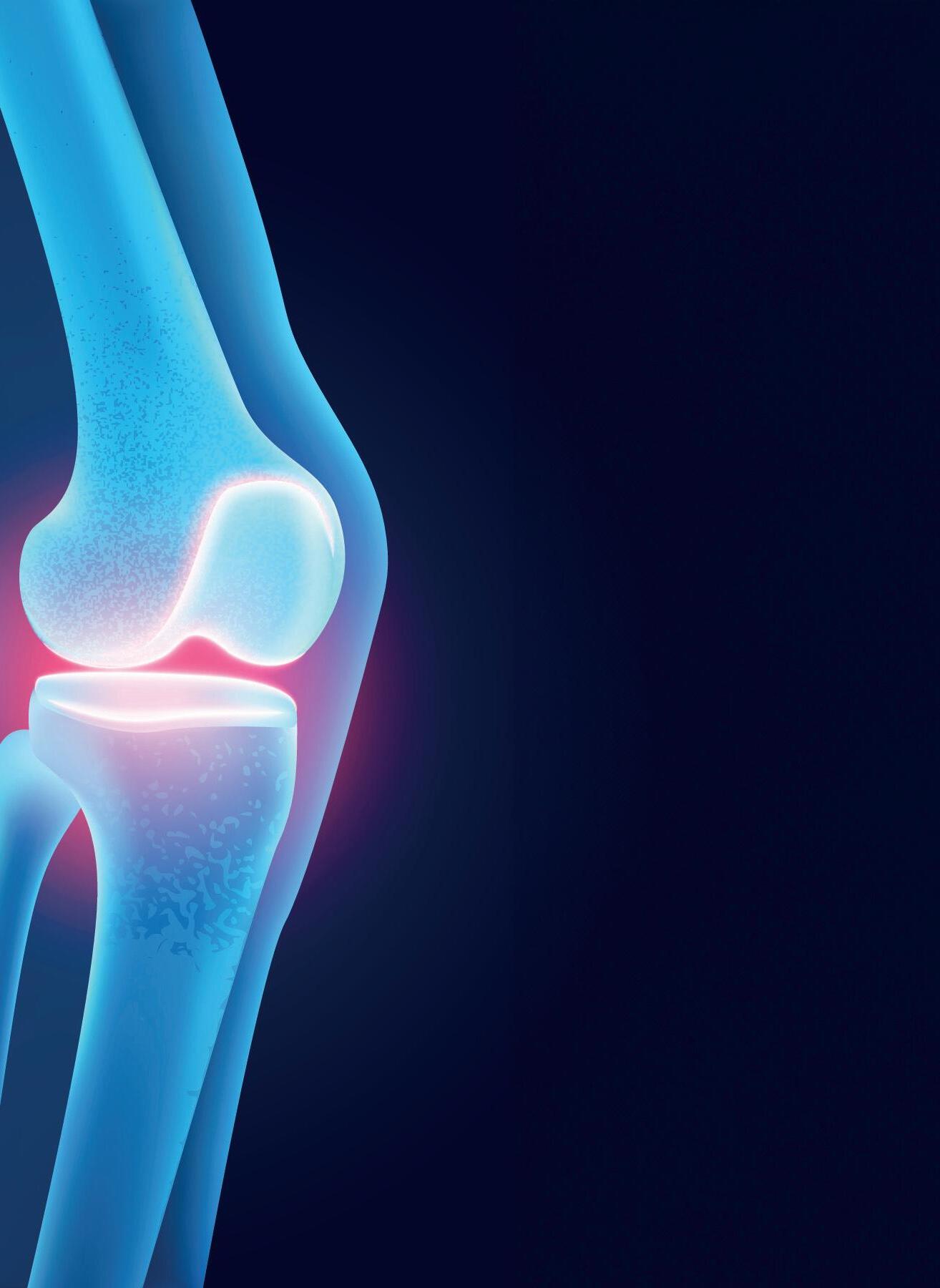
An AI-powered ‘digital twin’ helped patients make more confident decisions about knee replacement surgery and led to better outcomes months later.
A study in the US – where the healthcare system relies heavily on private insurance – found that patients who used the AI tool reported higher decision quality, less regret and better knee function compared with those who received educational materials alone.
The digital twin is a virtual simulation that predicts surgical risks and benefits for each patient based on their own health data – and helps clarify treatment preferences through a guided, personalised process.
The trial enrolled more than 200 people with advanced knee osteoarthritis. Those who used the digital twin had better treatment alignment with their personal goals and were more likely to reach meaningful improvements in knee health in six to nine months.
b.link/tpdjogwf
One in two people with arthritis said their condition impacted their ability to work.
Millions of people with arthritis are not receiving timely diagnoses or adequate treatment, are left to face avoidable pain and are often unable to work, according to a report by Arthritis UK.
Arthritis UK worked with YouGov to survey around 8,000 people representative of the population affected by this condition.
Of the people surveyed, 50% said that arthritis had impacted their ability to work. Of these, 39% have stopped
The first in-depth study into the prevalence and impact of arthritis among farmers in the UK has been launched b.link/12xho8kh





work because of their arthritis, and 35% said arthritis played a part in their decision to retire.
Deborah Alsina MBE, CEO of Arthritis UK, said: ‘Too many of the 10 million people with arthritis are being left unsupported and left to face daily pain, without timely diagnosis and adequate treatment. This erodes their quality of life and damages the prospect of economic growth. This report shows us that huge numbers of people with arthritis are falling out of work and risk being pushed into poverty. The further tragedy is that much of this is avoidable.’ b.link/e6g4hf91




Snakes




Researchers report that reptiles have a unique way to store and excrete waste in a crystalline form – findings that could one day lead to new ways of treating gout








b.link/2ffru3o5
Tai chi
A clinical trial found that practising unsupervised online tai chi over 12 weeks improved knee pain and function in people with knee osteoarthritis
b.link/gogyrkyx








Retired professional football players who reported foot or ankle injuries during their careers were more likely to develop osteoarthritis in retirement, a study claims

b.link/zy9iem55
Muscle wastage
Patients with rheumatoid arthritis increased their leg muscle volume when treated with the drug Tofacitinib, offering new hope for improved muscle health
b.link/hvueo5vc
Back pain
Back pain may be an indicator of other major health issues – according to new research those with back pain were around 15% more likely to have arthritis
b.link/3zw7vl19
From wellness bloggers to top-ranked academic journals, there has been a lot of discussion in the media about collagen supplements and joint health. But can the protein really help those with arthritis?
What is collagen?
It provides structure, support or strength to your skin, muscles, bones and connective tissues. As you age, your body produces less collagen and existing collagen breaks down at a faster rate.
How do I know if my level is decreasing?
There’s no standard test to measure collagen levels, but there are signs and symptoms. For example, skin that is wrinkling or sagging.
What is the connection with arthritis?
Other signs of a potential lack of collagen include stiffer, less flexible tendons and ligaments, joint pain or osteoarthritis due to worn cartilage, and a loss of mobility due to joint damage or stiffness. Rheumatoid arthritis, lupus, dermatomyositis and scleroderma are also known to damage collagen.
Are there different types of collagen?
Yes, 28 in total, but type I is the most common and accounts for about 90% of the collagen in the human body. It is found in skin, bones, tendons and ligaments. Type II is mainly found

in cartilage – the connective tissue that cushions the joints.
Are collagen supplements available?
There are two main types of collagen dietary supplements: hydrolysed collagen (collagen broken down into smaller, easily absorbed fragments) and type II collagen (collagen in which the structure hasn’t been broken down by heat, acids or enzymes, preserving its natural form).
I’ve seen bovine, marine and other varieties of collagen – what’s best?
Marine (type I collagen) and porcine (type I and III collagen) are from fish and pigs, respectively, and are most commonly targeted at the beauty industry. Bovine
(type I and III) is from cows and is usually targeted at skin, joints and bones, while chicken collagen (type II) is aimed at joint health. There is also vegan collagen, which isn’t actual collagen, but is created with plant-based formulas.
Recent trials and reviews suggest that collagen supplements, particularly type II, can provide small improvements in pain, stiffness and function for people with osteoarthritis when taken for at least three months. It should be stressed that trials have mixed results and there is currently little reliable evidence of benefit for rheumatoid arthritis.
Are there side effects?
Collagen supplements are generally safe, with occasional reports of mild stomach upsets and allergic reactions. People with allergies to specific animal sources should check product labels before use (as should anyone who avoids animal-derived products).
Arthritis UK has a page of information on joints and collagen: b.link/5p3yvih9
We take a look at the paper that won Arthritis UK’s prestigious Research Highlight of the Year 2025, sponsored by Circle Health Group
Agroundbreaking international osteoarthritis study looking at the genes of nearly two million people (roughly twice the population of Birmingham) has scooped a prestigious award.
The work has been named Research Highlight of the Year 2025 by Arthritis UK, sponsored by Circle Health Group.
In a public vote of six shortlisted projects, the study received nearly a third of the votes cast.
The aim of the research was to try to understand why people get osteoarthritis and how it develops.
The project is the biggest of its kind ever conducted and is hoped to lead to improved treatment and personalised approaches to osteoarthritis.
It revealed that some medicines that are already approved to treat other conditions could be repurposed to treat osteoarthritis.
A large part of this work was carried out by the arcoGEN consortium, which was funded by Arthritis UK, and it also included 87 research groups around the world sharing data.
Professor Eleftheria Zeggini, Director of the Institute of Translational Genomics in Germany, was a senior author on the paper.
She said: ‘The Genetics of
Osteoarthritis international team of collaborators is delighted that our work is being recognised by this prestigious award. Our findings on osteoarthritis genetics advance our understanding of the disease and lay the groundwork for developing more effective and personalised therapies that can transform osteoarthritis care.’
The research team compared the genetics (hereditary traits, such as risk of disease, passed down the generations) of roughly
half a million people with osteoarthritis and 1.5 million people without the condition. They identified nearly 1,000 genetic variations more commonly found in those with osteoarthritis, more than 500 of which had not previously been identified.
The findings were combined with molecular information from joint tissues to reveal 700 genes that could play a role in the disease. Eight biological processes were identified that could shed light on the development of the disease. These include the circadian clock (the body’s internal clock that controls
Peter James, Chief Medical Officer at Circle Health Group, said: ‘Congratulations to Professor Eleftheria Zeggini and team. As an organisation, we are committed to supporting the development of cutting-edge research that promises to deepen our understanding of conditions like arthritis.’
Circle Health Group were delighted to sponsor the award, supporting further research into arthritis, a condition Circle Health Group supports thousands of patients with yearly at each of its 54 hospitals nationwide.
Circle Health Group is proud that 80% of adults in the UK live within 60 minutes of one of its facilities and has over 750 specialist orthopaedic consultants that can see patients for an initial appointment in as little as 48 hours. It provides assessment, diagnosis, treatment and surgery for orthopaedic conditions with state-of-the-art imaging and expert physiotherapy.
Circle Health Group sees more than two million patients a year across multiple specialities and has won numerous awards for its quality of care.


sleep cycles) and the development of signalling pathways, which are behind how cells in the body communicate with each other.
The study found that 10% of the genes identified express a protein that is a known target for already-approved drugs, which could potentially be repurposed for new osteoarthritis treatments.
The six research projects that made the shortlist:
b.link/lj7szkua
A video guide to the winning entry: b.link/2kbajagg
Read the winning paper, published in the journal Nature: b.link/eex6rtx6
More information from Circle Health Group: b.link/7gw44i25
489,975 people with osteoarthritis were included
1,472,094 people without the condition were included 962 genetic variations more common in those with osteoarthritis were identified
513 of these variations had not previously been identified



What was the motivation behind this research?
While osteoarthritis (OA) is the leading cause of disability and chronic pain worldwide, no disease-modifying treatments are currently available. Patients can currently only rely on management strategies such as pain relief or joint replacement surgery.
How much do we already know about the link between genes and OA?
OA is a complex disease, which means that it is caused by an interplay between environmental factors and multiple genetic variants. Genome-wide association studies have previously identified several risk variants. We have been able to identify 700 genes with high confidence as being involved in OA.
What are the potential tangible outcomes for people with OA?
Potential accelerated development of effective treatments for OA through drug repurposing. We also provide newly gained insights into genetic variants associated with OA risk across patients. This can enable improved patient selection for clinical trials and personalised medicine approaches, which will help tailor treatment strategies.
What next for the team?
Although the genetic diversity of contributing populations in our paper is higher than in previous studies, we are still far from reflecting genetic diversity globally. We are therefore actively recruiting cohorts covering a broad spectrum of ancestries for our next, even larger study.

Got a niggling question or a worry that won’t go away? Our experts are here to help
Email your questions to inspire@arthritis-uk.org
Q I want to take part in a charity run, but I’m worried... will training make my arthritis worse?
A Current research overwhelmingly supports exercise in all its forms for those living with arthritis. There is no published evidence to suggest that exercise worsens the condition. On the contrary, regular physical activity has been shown to improve mobility, lift mood, reduce pain and ease joint stiffness – key factors in maintaining both physical and mental wellbeing. We actively encourage our patients to stay active, whether that’s
joining a local parkrun, walking, swimming or strength training. The key is to be sensible: build up gradually, allow time for rest, wear supportive footwear and, most importantly, find enjoyment in being active. Movement is not the enemy of arthritis – done well, it is one of its most powerful allies. Before getting ready for your charity run, make sure that you have a good training routine, starting with short runs of 1km and gradually building up with increasing your distance by 0.5km to 1km a week over a fourto six-week period to build up your fitness. Have a few rest days between
runs, always stretch and warm up prior to running, and make sure your footwear and running gear is warm and comfortable to avoid chafing and friction-type injuries. Strength training, such as gentle weights and TheraBand exercises, is also very beneficial. Finally, and most importantly, have fun. Michael Dare
Q At what point is it okay to make a doctor’s appointment – again? I’m worried mine will think I am a nuisance.
A It’s really hard when you’re concerned about your health. But these days there are lots of members of the primary care health team who can help besides your GP. You can go online to NHS 111 (NHS 24 in Scotland) and add details of your symptoms – they will advise you what action to take and how urgently.
You can also submit an online form to your practice, outlining your concerns. The form will be reviewed by a GP and they’ll instruct the practice team to get back to you. If the GP thinks you need to see or speak to them, they’ll phone you or send you a message asking you to make an appointment. Otherwise, they may refer you to another member of the team (such as the pharmacist or nurse) for an appointment or call. Alternatively, they may leave a prescription with the local pharmacy for you to collect. Putting as much detail as you can into your online form will help your doctor decide on next steps. Include details of the medical problem you’re concerned about, how long it’s been going on, how it’s changed (or hasn’t), what makes it better or worse, and associated symptoms.
For minor conditions, your community pharmacist can give advice and, for many conditions, can issue the same medication you’d get from your GP.
Dr Sarah Jarvis
by: Shutterstock
Q I am worried how I will cope living alone after hip replacement surgery. Where can I go for help?
A Surgery can feel daunting, but there are services and support that can help you pre and post-surgery. Your consultant can refer you to physiotherapy and occupational therapy to get support with your new joint. Physiotherapy can help with gentle exercises to help with strengthening your muscles and areas around your new joint. An occupational therapist can advise you on how to use your new joint in and around your home. They can also provide aids, adaptations and gadgets to help you with this if needed. Such as, bed rails, a raised toilet seat, railings and so on. Remember they can also help pre surgery too, to prepare you and make your recovery easier. Additionally, you may be referred to an enhanced recovery programme (ERP) by your consultant. This programme focuses on supporting you to take an active part in your own recovery. Before going into hospital for your


Michael Dare is a consultant physiotherapist and director of The Arthritis Clinic. His specialist interest is in rheumatology (thearthritisclinic.net)
surgery, it may be helpful to make a checklist for yourself. For example, if you have someone to take you to and from the hospital, or if there’s someone who can stay with you for a few days after your operation. Have your home set up for your return to make things easier while you recover. And stock up on food and essentials – maybe some pre-prepped meals that can be easy for you to warm up.
Sharmin
Q Could a TENS machine help with my arthritis pain?
A A TENS machine – short for transcutaneous electrical nerve stimulation – may help relieve arthritis pain by sending mild electrical currents through pads placed on your skin. When the machine is switched on, it creates a tingling or buzzing sensation. This sensation can help block or reduce the pain messages travelling to your brain, offering short-term pain relief for some people. You can position two pads either side of where your pain is most intense, or use four pads to cover a larger area.
Most machines allow you to adjust the strength, pattern and speed of the current so it feels strong but comfortable. Many digital models also include preset programmes to make setup easier.
TENS is considered a very safe option when used correctly. The most common side effect is temporary skin redness or itchiness where the pads were placed. However, you shouldn’t use TENS if you have a pacemaker or another implanted electrical device. You should also speak to a doctor or physiotherapist first if you have epilepsy, deep vein thrombosis, heart problems, cancer, or fragile or numb skin. TENS is generally safe in early pregnancy as long as it’s not used over the abdomen or lower back, but medical advice is still important.
You can buy TENS machines in pharmacies or online, but many people find it useful to try one first with a physiotherapist, who can show you how to place the electrodes properly. Research suggests that TENS may provide short-term relief for osteoarthritis and chronic musculoskeletal pain.
Toni Melchi



Dr Sarah Jarvis is a medical writer and broadcaster. She has been the BBC Radio 2 doctor for many years and is doctor to the BBC’s The One Show



Sharmin has worked on the Arthritis UK helpline for five years. She enjoys visiting museums, watching theatre shows, reading and playing video games



Toni Melchi is a Health Information Manager at Arthritis UK. He’s a keen fell runner and has written several books on psychology


When arthritis means we lose control of what we can and can’t do, it can pose a serious challenge to our mental health, writes Julian Worricker
’ve had a couple of health setbacks of late, which have reminded me that the impact of arthritis – in its various forms – goes way beyond the day-to-day pain and discomfort we’re all familiar with. Because of my immune system being compromised by my anti-TNF drugs, I know I’m prone to infections that others might easily fight off, and the one that gets me – time and time again – is the skin condition cellulitis. I had it twice last autumn, and one episode was serious enough to see me hooked up to an antibiotic drip for six days in my local hospital.
It can be tough I’m now so aware of the cellulitis playbook that, when it arrives, it’s like the difficult friend appearing on your doorstep, uninvited... the one who always brings trouble. Weariness, flu-like symptoms, they all point in the one direction. And sooner or later, normally the morning after a restless night, I spot the patch of inflamed, reddening skin. Curiously in my case, it’s either in the left foot or the right hand and forearm. I always have a ready supply of antibiotics
nearby, so I can start attacking it straight away (and it’s worth saying it can be serious if you don’t), but it’s debilitating and frustrating and can involve unwelcome trips to hospital. When it strikes, especially if it’s a bad bout, it’s hard not to feel down about it. I’m fortunate; my mental health is pretty steady, and I’ve never
‘I’ve long thought the link between arthritis and mental health is underappreciated’
been prone to the serious mood swings that some have to deal with. But when the same symptoms keep coming back, when you can’t immediately understand why, and when you know – however careful you are – they are bound to come back again sometime soon, that can be tough. I’ve long thought the link between arthritis and mental health is
underappreciated, although awareness of it has improved in recent years. Managing pain is difficult enough –and thankfully my psoriatic arthritis being in remission removes that challenge from me for now – but there’s the constant uncertainty that the condition throws up. When will the next flare-up come along, how bad will it be, and what will it prevent me from doing?
The heart of the matter
It’s that last question which, it seems to me, gets to the heart of this. When arthritis means we lose control of what we can and can’t do, and when it plants the thought in our minds that a particular activity we value will no longer be possible... that’s a serious test of our mental resilience. In my case it was playing the piano for pleasure – but it might be a regular exercise class, an artistic hobby or handicrafts. The more that fear is appreciated – a fear of losing a source of enjoyment in life –then the more people will help us through the dark times.
Julian Worricker is a BBC TV and radio presenter and journalist. He has psoriatic arthritis
Former headteacher
Donna Johnson gives an insight into her daily life, following her recent retirement due to ill health
The first thing I do when I get up is… stand up and stretch, move carefully downstairs to have breakfast, then spend 20 to 30 minutes on my physiotherapy exercises. Then I go out for a short walk.
The biggest daily challenge I face is… mobility and pain management, especially when it is damp.
A lesson I wish I’d learnt earlier is… to find out as much as I can about the conditions I am living with. Knowledge is power, and it’s important to go to appointments well informed and to be able to advocate for yourself, or have somebody attend appointments with you. I’m able to do this very well now, but initially I was shocked and didn’t always understand the terminology being used.
A good healthy habit I’ve developed is… the importance of routine. This means that when you are feeling less motivated, or are having a more difficult pain day, that you are still likely to carry on with

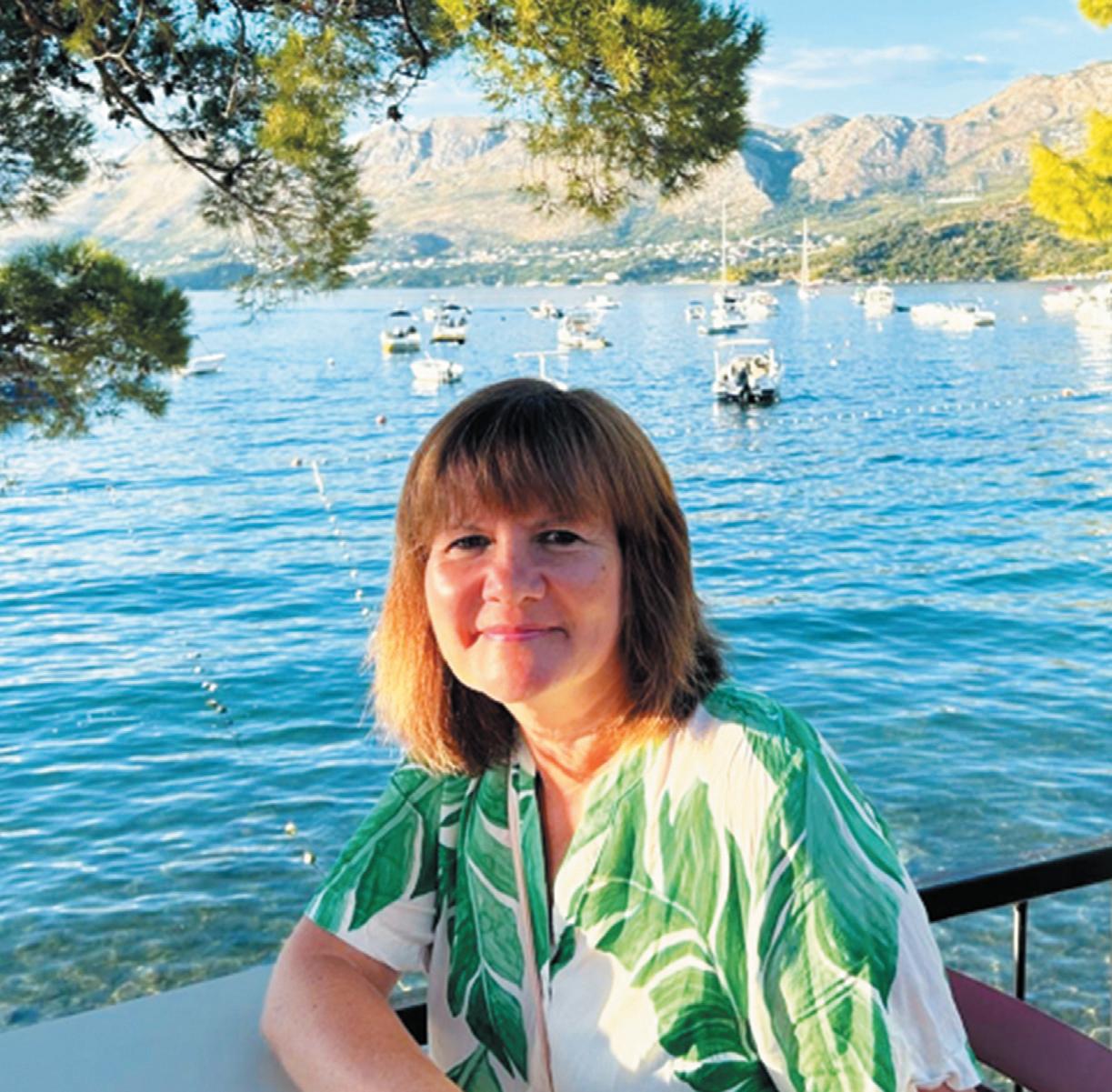
‘Knowledge is power, and it’s important to go to appointments well informed’
the things that may help, such as exercise and social activity.
My favourite way to unwind is… by talking, listening to music, watching a film or some sport – anything that helps to distract from the pain.
Something that makes me smile every day is… my support network. Family and friends.
The last thing I do each day is… read, and make sure I have the best chance of a reasonable sleep by mentally checking each joint. I try to sleep in a position that is most likely to ensure some comfort. This can change daily.

Name:
Donna Johnson
Occupation:
Co-headteacher at a Manchester high school until August 2025
Health:
Donna has multi-joint osteoarthritis – bilaterally in feet, hips, hands, shoulders and three regions of vertebrae – and hypermobility syndrome
In Donna’s words…
I feel grateful that I have had a hugely rewarding and enjoyable career, and I feel thankful that it has shaped me into the person that I am now. The characteristics of optimism, resilience, creativity and humour are fundamental to being a good headteacher. I am a little sad that it all ended sooner than I would have liked, but I take heart from all that my schools have achieved.


‘



BY ANNA SCOTT


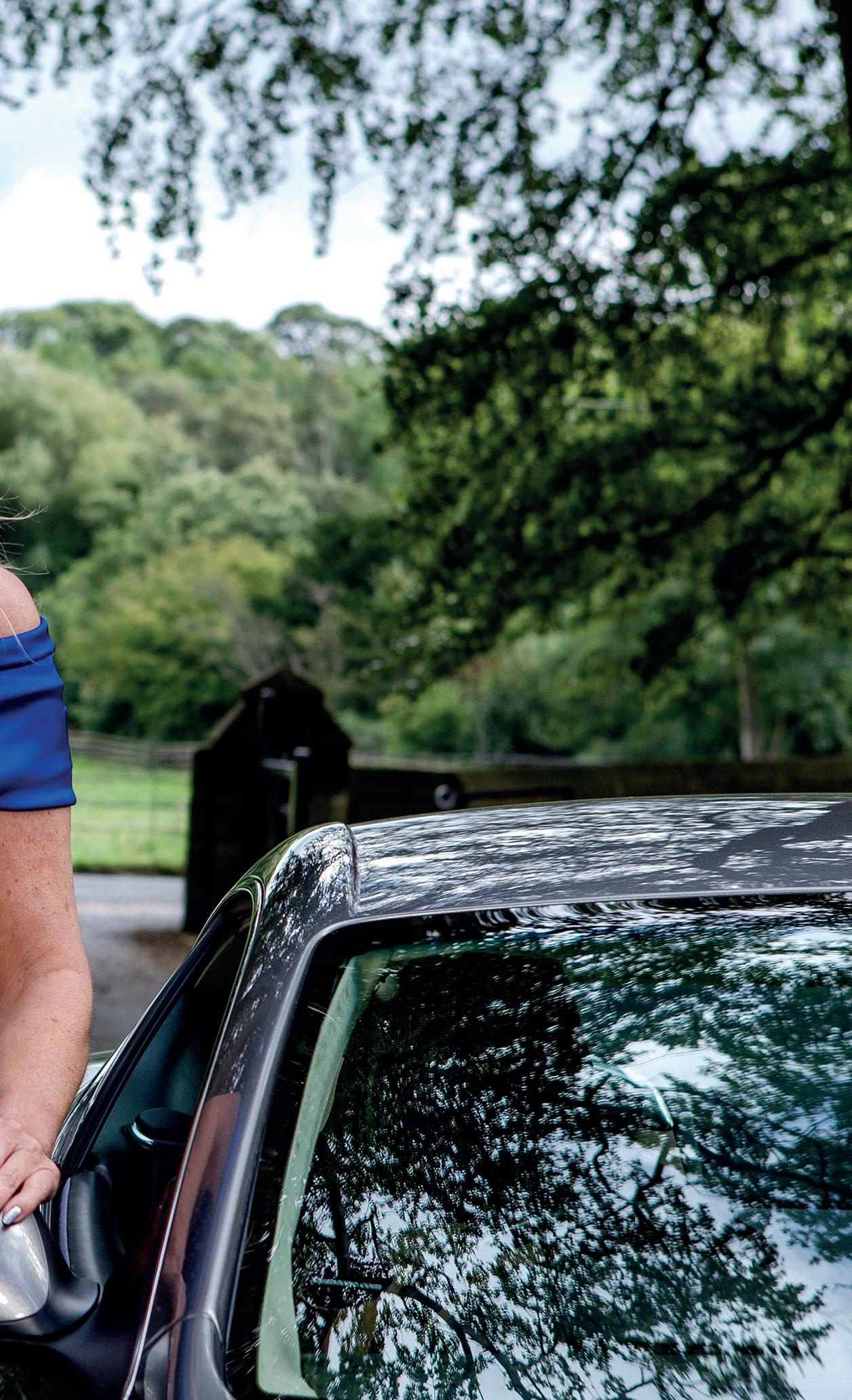
One of the most recognisable faces in British soaps, Claire King – Emmerdale’s Kim Tate – has lived with rheumatoid arthritis since her twenties






Watch the latest series of Emmerdale
Affairs, divorce and remarriage, fatal fires, plane crashes, horse theft, hit and runs, causing her husband’s death and faking her own – Kim Tate has been at the centre of some of Emmerdale’s most famous storylines since she joined the ITV soap in 1989. And since award-winning actor Claire King returned to the role – in a guest appearance in 2018 and then permanently the following year – the high drama has continued, with Kim first being seen following her release from prison.
But just two years into her role as Kim, Claire was diagnosed with rheumatoid arthritis (RA). She was in her late twenties. ‘Like a lot of people when they get diagnosed, they don’t really know what is going to happen to them – are they going to end up in a wheelchair next week, or next year? How do you manage it? Is it a death sentence?’ she says.
It’s not the end of the road for you at all. You can carry on living a life you want

Claire believes she has had arthritis since she was ‘very, very young’, maybe in her teenage years. ‘I always had bad knees,’ she adds. ‘I was sporty at school and I pushed through it because the doctors diagnosed it in those days as “growing pains” – that old chestnut.’
She eventually got a diagnosis when her fingers started developing nodules and swelling up. ‘They felt bruised as if someone had hit them with a hammer. And then when one joint started disappearing off to the left I thought “This isn’t right.” My mother – who had a bit of rheumatoid arthritis, but mainly osteoarthritis – said it could be arthritis.’
The diagnosis came following blood tests. ‘I had a very good doctor at the time. He went through everything with me and it came back as rheumatoid
arthritis.’ The diagnosis was ‘particularly scary because I had just joined a big soap opera. And I thought: “Gosh, is this going to have an impact on my work?”’
Starring in a major role on a prime-time soap opera means a lot of work. In 1989, two episodes of the soap were broadcast a week, moving up to three a week in 1997. By her return in 2018, Emmerdale was on five evenings every week.
On filming days, Claire gets up at 4:45am to leave the house for 6am and be in the make-up chair by 7am. ‘It’ll take me an hour to warm up in the morning and get my joints going, and also my brain,’ she says. ‘Arthritis does affect the brain as well, and the medication you are taking can affect you – you do get a bit woozy – so you have got to get alert. You have got to get your body going.
Claire’s tips for coping with RA while maintaining a busy professional life:
1 Listen to your body – focus on what you eat and drink, and getting rest
2 Keep moving – use apps for chair exercises if walking is too difficult
3 Use work as a distraction – but don’t get overstressed
4 Get all the knowledge and information you can and focus on staying positive
‘You might have some days where you have two or three scenes, or you might have 10 scenes. I have a lot of dialogue as opposed to conversation,’ Claire says. This means learning a lot of lines. ‘If I have 40 or 50 scenes to learn in a fortnight, then I get another batch of 30 or 40 scenes after that, I just look at it and think “Oh my God, this is stress” and I can feel it in my body.
‘You do get through it but it’s just hard work – medication, tiredness and all the rest of it. It’s also my age – I’m in my sixties now so the brain isn’t quite as “on it” as it was when I was in my twenties. I have got no life whatsoever when I’ve got a major storyline.’
Switching off at night is essential. ‘I’ll have a bath and go over my lines,’ Claire says. ‘I get washed, I soak and ease my joints, and I learn my lines. Then I will watch something on TV, just to escape.’
Since her diagnosis, Claire has managed her health in a number of ways, including what she eats. ‘I think you can guess what your body requires sometimes. You can tune into your body and it tells you what you need. Sometimes I crave something like spinach or liver, and I know I need iron. I also know I need vitamin D in winter.’
I always try and say to people: ‘Please try and do a little bit of exercise, because your joints will be better for moving’
There are certain foods and drinks that Claire cannot touch. ‘It’s really down to experience and your intake of certain foods. Red wine I can’t drink, and I loved red wine. I can have certain wines, but I tend to go for organic now. But generally, alcohol is not good. I don’t do fatty foods or takeaways. I live in the middle of nowhere and you can’t get Deliveroo anyway.’
Cooking with fresh produce is important and, having had a property in Spain for 20 years due to both her arthritis and her father’s multiple sclerosis, Claire eats a Mediterranean diet. ‘There is so much good stuff, it doesn’t just have to be vegetables.’ A warmer climate is helpful too: ‘I’m so much better in the warmth.’
Claire takes prescription anti-inflammatories for the pain, and methotrexate, which she injects at home once a week with an injection pen. ‘I’m also on painkillers but I’m not on a high dose. It’s great to be able to do everything but I think you are covering up what is aching and you can actually do something else about that,’ she says.
‘I always try and say to people: “Please try and do a little bit of exercise, because your joints will be better for moving.”’
Animals – specifically horses and dogs – have been important for Claire. ‘I don’t have horses at home any more – the job precludes that. But I still enjoy riding, and swimming is one of the best things. It’s brilliant if you can’t do gym workouts and I can’t because of my joints.’ Strolling in the
countryside is great too, because walking on grass is not too hard on the joints.
‘If I walk on anything solid, like studio floors, I have to have cushioning in the bottom of my shoes,’ Claire says. Other practical aids and support help, especially at work. ‘The costume department are really good. They do all my shirts and blouses up so I just need to put them over my head, because I find buttons impossible. Or they might put a pair of earrings in.’
Outside work, Claire has a range of aids to help with the ‘difficult, everyday little things’ like button hooks and open jars. ‘You can see things on websites that can help with all sorts of things if you are struggling.’ These have improved in the time since Claire first got her diagnosis.
‘Yes, joints start to go, but there are many more aids, meds, groups and people you can talk to. Knowledge is power, and when you have the knowledge you can listen to your body. And if you make the little things easier the whole picture looks a bit brighter,’ she says.
Doing things just for yourself is also really important to staying positive, Claire points out, joking that her nails don’t necessarily always help with fiddly tasks.
‘A girl can’t lose everything! If you’ve got gnarly and bumpy fingers – and I’ve got metal fingers – it’s quite nice to have something good on the edge of them.’
Work is crucial to staying positive and a great distraction, but away from it Claire is ‘less stressed and can get on with stuff ’. ‘I’m still quite physical and flexible as well. I can do all the jobs around the house, I’m just getting a bit slower. Downtime is really important as well, just to switch off your brain away from work.’
She ‘swears by ’ a circulation boosting machine, like Revitive Circulation Booster, which uses EMS (electrical muscle stimulation) and TENS (transcutaneous electrical nerve stimulation) technology to improve blood flow, reduce swelling and discomfort. ‘You can do that sitting and watching telly.’

Claire is also patron of the National Rheumatoid Arthritis Society, campaigning to spread the word and make people aware of the disease. ‘It’s not a disease of older people only. People might expect me to have it at my age now, but they didn’t realise I had it in my twenties. Teens can get it, babies can get it. And other people don’t see your pain or the disintegration within your joints, knees and feet. There’s no cure either, so it’s good if we can make people aware of it, put money into research to see what we can do to get a cure somehow.’
In the meantime Claire is ‘still here and still going’. Working on Emmerdale for the 18th year, this looks set to be another spectacular year for Kim Tate, with ITV teasing a ‘life-changing 2026’ for the character.
‘Nearly 35 years ago, when I was diagnosed, I thought it was the end, I wouldn’t have a career,’ she says. ‘Once you have all the information, listen to your body and look after yourself, you’ll realise it’s not the end of the road for you at all. You can carry on living a life you want.’
1989
Joins Emmerdale as Kim Tate spending a decade playing a major role in some of the soap’s most infamous storylines
2000
Spends four years playing prison governor Karen Betts in ITV drama Bad Girls
2004–14
Roles in Doctors, Dalziel and Pascoe, The Courtroom, Holby City, Hollyoaks, The Royal and Casualty, among other shows
2006
Appears on Strictly Come Dancing (right) – Claire revealed she had to ice her feet after each performance to get through the show
2014
Plays Erica Holroyd in ITV soap Coronation Street for three years
2014
Appears on Celebrity Big Brother
2018

Returns to Emmerdale for a guest appearance
2019
Returns to the soap permanently

Two very different hobbies, but both with benefits for those with arthritis
BY KATHY OXTOBY
‘You can get started with most of the vegetables, salads and flowers you could ever want to grow in the spring,’ she says.
Sow peas and beans
Grow tomato seeds on a windowsill
Plant potatoes
Grow wildflowers or flowers for cutting
Make a new house plant, taking cuttings or divisions from existing house plants
Visitors to this year’s RHS Chelsea Flower Show, which takes place on 19 to 23 May, can expect to see amazing garden designs and beautiful floral displays. The show will also be a reminder of the many benefits one of the UK’s most popular hobbies can bring. For someone with arthritis, the physical activity required for gardening ‘helps with circulation and reduces inflammation’, says Fiona Thackeray, Chief Exe cutive Officer of Trellis, the therapeutic horticulture charity in Scotland. Trellis supports more than 520 groups, and many more start-up projects, which create green sanctuaries in hospitals, care settings, schools, prisons and community locations.
Practitioners use gardens, gardening activities and nature connection to help an average of 27 people at each project.
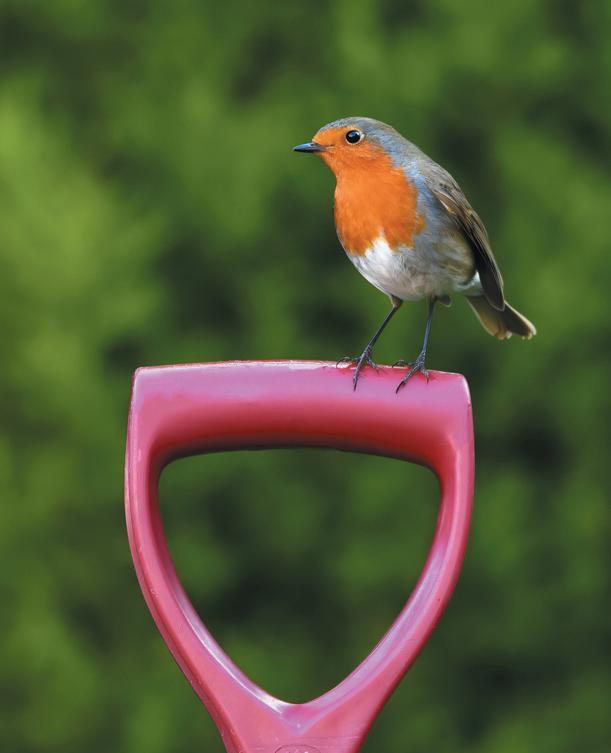
What’s special about gardening is that it’s ‘very sustainable’, says Fiona. ‘We do it because it’s joyful and meaningful – we want to see the robin that visits, or our bulbs coming up.’
Gardening is a hobby ‘people tend to stick with’, which means it can be used as a self-management tool for their arthritis symptoms, she says.
Another health benefit of gardening is vitamin D production through sunlight exposure. As well as being good for reducing inflammation, vitamin D is important for bone health, and sunshine exposure is a real mood booster, Fiona says.
Gardening can also be a sociable hobby – you might swap seeds with friends, tend an allotment or go to a flower show.
Fiona says there is also strong evidence that gardening can help to reduce depression and anxiety symptoms, which can accompany the physical symptoms of arthritis.
Gardening is ‘a feel-good activity’, she says. ‘It helps you forget your troubles and enjoy your life in the moment.’
Olivia Baker, who lives with rheumatoid arthritis, finds her love of gardening a great motivator to be outside – ‘even if that’s just for 15 minutes to water the plants or do a bit of pruning’.
She says gardening ‘takes my mind off the pain’. And when she’s having a bad day and resting in bed, looking at the lavender plants outside her bedroom window ‘brings me joy and makes me smile’. There are lots of resources on how to get into gardening as a beginner, including from Trellis. You can start planting using basic household items. For example, pea shoots can be grown in a mushroom box, with damp kitchen paper in the bottom and pea seed scattered on top.








Depending on the level of exposure and altitude, a wide range of plants can be grown on a balcony or roof garden, says the Royal Horticultural Society: ‘The ideal method is to establish some shelter using screens or robust plants, which then creates a microclimate where other plants can survive.’
If you are concerned that gardening is not for you any more because of a health condition, there are lots of adaptive tips.

Lightweight tools are available – there are plenty of options in the Arthritis UK shop – shop.arthritis-uk.org – and you can add handles to trowels and forks to give you a right-angled option so you don’t have to bend your wrist, for example.

Holding certain positions for too long in the garden can bring on pain. One tip is to look at the set-up, and think about what will be comfortable for you for as long as it’s going to take you to do the task, says Fiona. For example, you could take a big flowerpot, turn it upside down, and put the pot you’re working on on top, so you’re working at a more comfortable height.
Olivia advises investing in a good-quality kneeling pad and to use plastic pots, which are easier to lift and handle than ceramic ones. But she warns it’s important not to overdo it.
Other tips on adaptive gardening can be found through Trellis support materials, available via trellisscotland.org.uk
Fiona says: ‘Have a go at gardening. It has a lot to offer, and benefits our health in many ways. And look at getting along to a local community garden or a therapeutic garden in your area if you would like to garden with others.’
Gaming is another hobby that can bring untold benefits. Vickie McGee is a copywriter at Arthritis UK. She was diagnosed with rheumatoid arthritis more than a decade ago and in recent years has also developed osteoarthritis. An avid gamer since childhood, she is a great advocate of gaming, ‘not only for the joy it can bring, but for the medium’s power to share meaningful stories too’, she says.
‘When people think of gaming, there are obvious benefits, such as relieving stress after a long day or the simple pleasure of immersing yourself in a different world,’ Vickie says. ‘But gaming can offer so much more – from providing an online space to chat with friends to honing strategic-thinking skills.’
People with arthritis are more likely to experience mental health challenges such as depression and anxiety. Gaming could help. For example, a recent survey of 24,000 gamers around the world showed that 70% of respondents agreed that gaming helped them feel less anxious, 64% said it reduced feelings of isolation/ loneliness, and 73% said that games made them feel happier.

‘Gaming can also improve our cognitive and physical health, when approached in a considered way,’ says Vickie. For example, during the pandemic, she had to shield for many months because she takes an immunosuppressant. d it reduced er. d when says ple, emic, d s es an sant.
















is more pronounced than ever before. For example, women make up nearly half of all gamers and a growing number of players are over the age of 35,’ says Vickie.
Celeste – A deeply emotional story wrapped up in a challenging platformer
Return of the Obra Dinn – An intriguing puzzler with a delightful retro aesthetic Stardew Valley – A wholesome farm-life simulator with cosy vibes
Ghost of Tsushima – An epic actionadventure with cinematic storytelling
Gris – A visually stunning meditative platformer with a breathtaking soundtrack
Clair Obscur: Expedition 33 – A fresh take on the traditional turn-based roleplaying genre, blending belle époque and art deco influences with a classical soundtrack and deeply haunting story


‘Typically, I’m at the gym lifting most days. So, you can imagine how this lack of movement impacted me. Luckily, I had access to two games that helped to partially scratch that itch: Beat Saber and Just Dance – VR [virtual reality] titles that got my heart racing.’
Frankie Palmer is an occupational therapist for SpecialEffect, a charity that helps physically disabled people to access video games for leisure.
Inclusion is a ‘big benefit’ of gaming, she says. ‘With the right technology, people can do it alongside their friends and family on a level playing field.’
Those outside of gaming sometimes view the pastime as a hobby for younger (often male) players. But demographics are shifting. ‘Gender and age diversity in gaming
When you begin gaming, Frankie suggests finding a game that matches your interest, and starting with easier games then working up to ones that are more complicated and fast paced.
You will need access to a console and a TV or a laptop/PC powerful enough to run games, says Frankie. The type of games you want to play will depend on which platform you use. Some games are cross-platform and are available on all consoles.
Consoles all have their own standard controllers, and for PC games you often use a keyboard and mouse.




Standard controllers do not fit everyone’s needs. ‘Everyone’s situation is unique and we work with individuals and come up with a bespoke set-up to suit their needs,’ says Frankie.
‘A phone is all you need to access many great games,’ says Vickie. But downsides, such as a small screen, mean that many find playing on either a PC or a standalone console more enjoyable.
Enjoying long sessions also comes down to your set-up and environment too. For example, Vickie invested in a gaming chair, which gives her a greater degree of ergonomic adaptability, making lengthy play sessions easier on her back.
Remembering to take regular breaks to stretch, rest your eyes and move is also a must, she says.
‘If you think games are just for those who enjoy shooting and looting, think again,’ says Vickie. ‘There’s a world of experiences out there, with titles to suit most. Gaming has evolved – and now it’s your turn.’
BY ALISON KROG
Whether you’re a doer or a viewer, artistic pursuits and crafty pastimes can bring multiple benefits and an instant mood boost
Did you know it’s World Art Day on 15 April?
The date was chosen by UNESCO (the United Nations Educational, Scientific and Cultural Organisation) back in 2019 because it’s the birthday of renowned Italian Renaissance artist Leonardo da Vinci. And there’s no better time to distract yourself from your daily routine and enjoy the benefits of a cultural excursion. Look out for special exhibitions, events and workshops being held at local museums and galleries in your area. Or book tickets to one of the major art shows being held around the UK this spring.
If you don’t consider yourself artistically inclined and have never tried your
hand at making or creating, it could give you the inspiration you need to roll up your sleeves and give a new hobby a go. Don’t be deterred if you find holding traditional pencils and brushes increasingly difficult or tiring. Nowadays, you’ll find a wide variety of ergonomically designed tools available for popular pastimes such as painting and drawing, sculpting, knitting, crocheting and many more.
All these activities can help maintain manual dexterity while providing mental stimulation and the heady pleasure-rush that comes from a finished project. For example, modelling with a soft polymer clay can be extremely therapeutic while helping to strengthen your grip.
For Christie Adams, jewellery making has not only unleashed her hitherto unrealised creative talent. It has also given the 27-year-old retail assistant a renewed sense of confidence and purpose. When she was aged just 24, and the puzzling variety of ailments that had caused her to be bed-bound –unable to walk or work –were eventually identified as psoriatic arthritis, Christie felt as if her life was over.




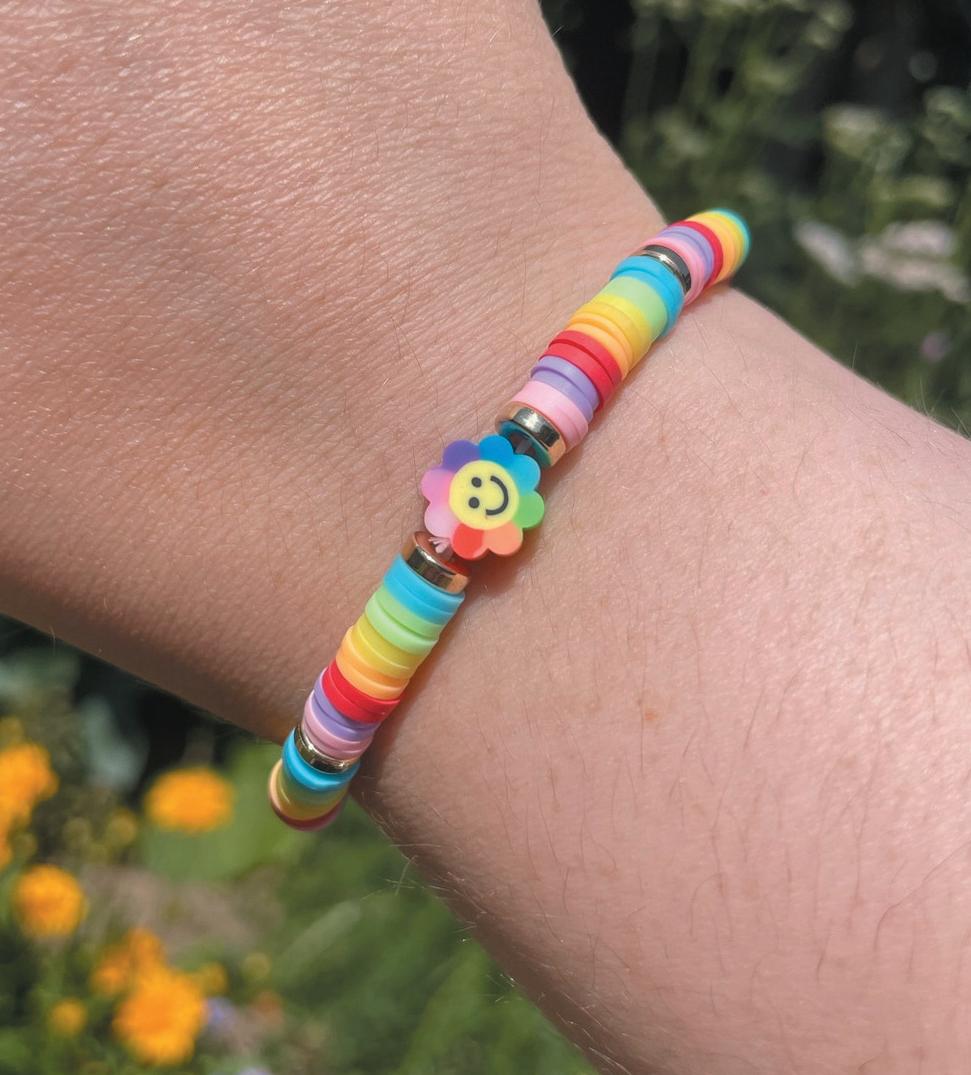






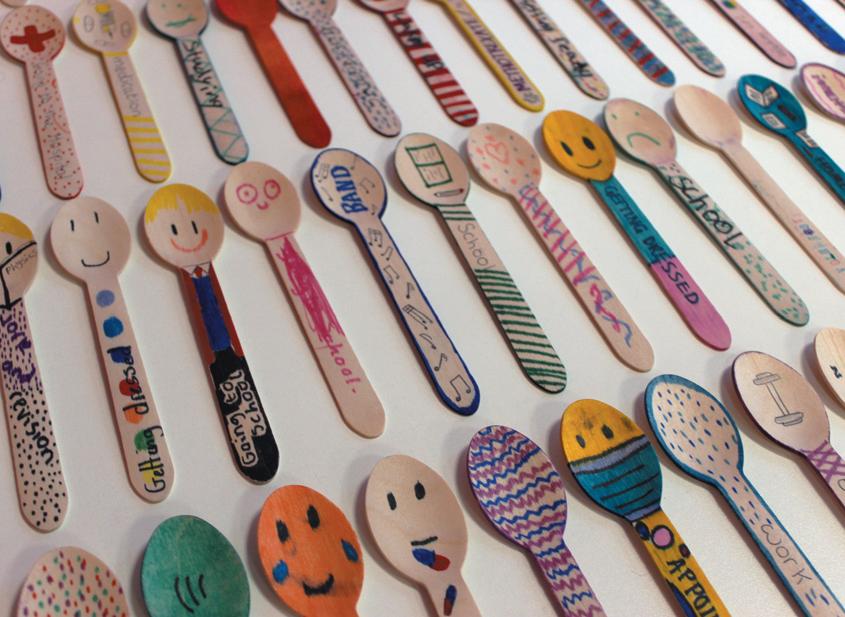
Art is empowering young people with arthritis to better manage and understand their condition through Joint Creativity. This is a nationwide initiative that makes art accessible in welcoming online and in person workshop environments where everyone is accepted, different abilities are celebrated and all ideas are encouraged.
Specially devised for 10- to 18-yearolds as part of Arthritis UK’s Young People and Families Service, the Joint Creativity programme gives young people the opportunity to share their experiences and take part in exhibitions that also raise vital awareness and campaign for change. Its theme for 2026 is Inside Arthritis, and workshops not only introduce participants to different art forms and techniques, but also teach young artists about the cells in their immune system. This can boost their understanding of the body’s biology – and even transform the relationship they have with themselves.
‘An estimated 10,000 children under 16 years old have been diagnosed with juvenile idiopathic arthritis. So at a school, a young person with arthritis has probably never met anyone like themself,’ says Joint Creativity founder Jay O’Reilly.
‘They don’t always have the language to be able to describe their experiences. At Joint Creativity workshops, art becomes a vehicle to express, share and connect.’
Find out more about the Young People and Families Service on page 51. Or anyone aged 10 to18 can join the free Arthritis UK online Art Club by emailing artclub@arthritis-uk.org
‘Before my diagnosis, I had completely lost myself. My friends had dropped me, my mum had to look after me as if I were a child again, and I just felt incapable. When I first heard the rheumatologist say I had psoriatic arthritis, I froze. I thought it was for older people. I imagined being immobile and in a wheelchair. It was very, very scary.’
Arts and crafts had always been a big part of Christie’s life. Running stalls with her sister at local craft fairs and trying various activities – from packaging sweets to doggy treats – until watching online videos about beading inspired her to give it a go.
‘I started making jewellery around the same time as I started to get ill, which was also when I had
Good grips
to leave my job because of the lack of support.
‘It helped me get through my diagnosis because I was able to do it even though my fingers were very swollen. At first, I was beading everything by hand – but I wasn’t very fast as it’s fiddly and my fingers got sore. Then I bought a bead spinner, which is powered by a little electric motor, and that made a massive difference.’
Satisfaction also came from the social aspect of selling her work.
‘Now when we book for a craft fair, I get excited about making all the bracelets and the feeling you get when you see people wanting to buy your work. There’s always such a nice atmosphere, it distracts you from what’s going on in your life.’










5 of the best
Exhibitions showing around the UK this spring:
1
Bridget Riley: Learning to See Surveying the artist’s enduring connection with the natural world. Turner Contemporary, Margate. Until 4 May. turnercontemporary.org
2
Beryl Cook: Pride and Joy Warm, witty depictions of British life captured in pubs and clubs and beside the seaside. The Box, Plymouth. Until 31 May. theboxplymouth.com
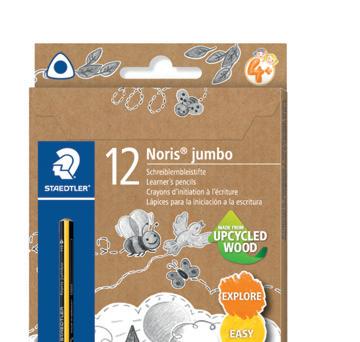
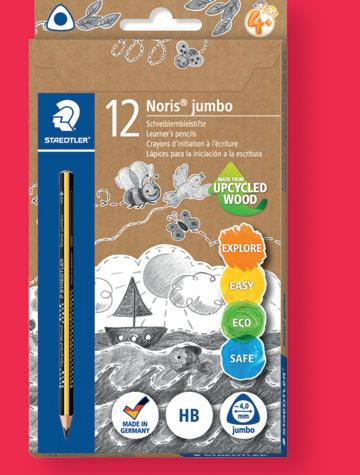
Drawing with triangular-shaped and jumbo-size pencils can help reduce hand fatigue. These Staedtler ranges can be found in most high-street stationers.
Jeweller’s helper

Beading is a breeze with a Tilhumt bead spinner, just like the one used by Christie. Available from amazon.co.uk

Cast away
Find chunky wool knitting and crochet kits, plus easy-to-use hooks and needles, at thatcraftystitch.co.uk. Their helpful videos are brilliant for beginners, and Inspire readers will receive a special 10% discount on purchases. Just use the code INSPIRE10 at checkout (valid until 30 April).
3
Inside Aardman: Wallace & Gromit and Friends
Explore behind the scenes of your stop-motion animation favourites. Young V&A, London. Until 15 November. vam.ac.uk
4
David Hockney
From vivid landscapes and intimate portraits to digital media. Serpentine North Gallery, London. From 12 March until 23 August. serpentinegalleries.org
5
Catwalk: The Art of the Fashion Show
Spotlights designers such as Alexander McQueen, Chanel and Dior. V&A Dundee. From 3 April 2026 until 17 January 2027. vam.ac.uk/dundee

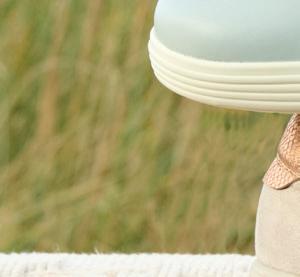
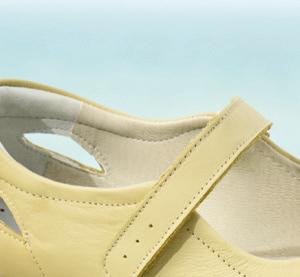

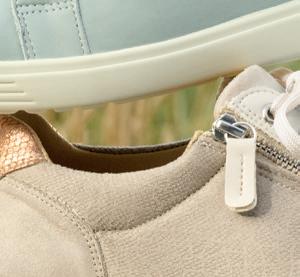
Styles shown: Paradise, Jo-Jo, Tango Paradise, Jo-Jo,




Quote code IN0326 • Offer ends 31/05/26
Stairlift? No thanks!
A Stiltz Homelift is a safe, attractive and affordable alternative to a stairlift. It can be installed into almost any home. A Stiltz Homelift has a compact footprint, similar in size to a small armchair. Your
Save the cost and upheaval of moving or the disruption of adapting your home for downstairs living. A Stiltz Homelift helps you live safely and independently in the home you love.

BY KAYE MCINTOSH
Three very different athletes, from different life stages, all managing arthritis and continuing to participate in sport – we find out how
Doctors might recommend exercise but many people with arthritis fear it might do more damage and make the pain worse. Examining the latest research, we hear from three people with the condition, across three generations, who enjoy physical activity at the top level.
Researchers from Keele University investigated retired Olympic athletes to see how years of intense activity had affected their health. Elite sportspeople were far less likely to have diabetes, heart disease, stroke or asthma than an age- and sex-matched group of the general population. But there were 7.8% more cases of osteoarthritis.

Dr Dale Cooper, senior lecturer in physiotherapy at Keele, says that shouldn’t stop you moving. ‘Physical activity and exercise is really good for you – it has lots of health benefits.
‘We know that the strongest factor associated with hip and knee osteoarthritis in athletes is significant joint injury. That’s much more common in professional sportspeople than the rest of us.





Allison Curbishley, 49, was a 400m runner who competed at the Olympic Games in Sydney and Atlanta and won medals at the Commonwealth and European Championships. But her career ended prematurely, at the age of 26, following a series of operations on her injured knee.
‘My first serious injury was my right knee when I was 16. That was the start of this love/ hate relationship I’ve had with my knee.’
Allison has had 10 surgeries now, with the last few operations to clean up the knee joint, as it became obvious that there were issues with the cartilage.

‘The Olympians are less likely to develop multimorbidity, when you’ve got more than one long-term condition, than the background population. We know people with osteoarthritis are more likely to get other conditions as well, so exercise is really important to try to prevent that.’
Dr Cooper is currently investigating how NHS exercise classes help people with hip and knee arthritis.
‘It’s now severely affecting me at work. My company had a New Year’s Eve event and I don’t like being unable to help the team with putting gazebos up and lifting barriers. I felt pretty useless.’
Allison says she had a pain-free period for 18 months, having used Arthrosamid injections (see What is hydrogel treatment? on page 32), but she admits she knew they were never going to be a long-term fix because her knee was always so degraded.
I’ve had a love/hate relationship with my knee
‘X-rays show the femur is just sitting on top of the bone. There’s very little cartilage. The full knee replacement is my only option now. I’m currently on the NHS list but I don’t think I can wait for a year.
‘Other than right now, where I’m at the worst stage of my osteoarthritis, exercise has been good for my knee. Once I started to use the joint properly, I would see the benefits in the days and the weeks afterwards.
‘I would say, find the right exercise for you. Don’t be scared. Strengthening the muscles around the knee joint has always been good for me. Functional movement can be more beneficial than people realise.’










Arthrosamid is an injectable hydrogel implant administered for mild to moderate knee osteoarthritis. Once injected into the tissue lining of the knee joint, the hydrogel combines with the synovial tissue to soften it and increase elasticity with the aim of reducing pain, stiffness and improving function. However, the treatment isn’t yet recommended by the National Institute for Health and Care Excellence (NICE) for use on the NHS as there isn’t enough evidence to claim its long-term success, although some studies have shown a reduction in pain. It’s always advisable to research thoroughly any expensive treatments not available on the NHS.



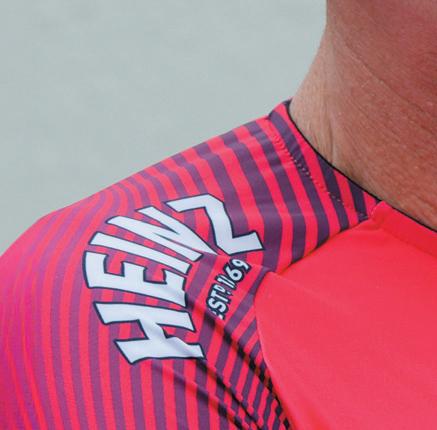

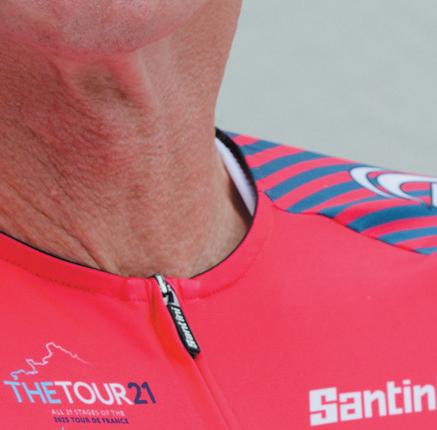





Former England and Crystal Palace footballer Geoff Thomas, 61, completed his seventh Tour de France challenge in July 2025, riding the same route as the professionals. He’s raised up to £15m for charity after surviving chronic myeloid leukaemia. He has grade 4 osteoarthritis – the most severe stage.
‘My knees definitely need to feel like they are lubricated and I feel I’m doing that by continuing to exercise but keeping it within the range where I’m comfortable,’ says Geoff. ‘I knew I’d damaged my knees playing football. I’d had serious injuries, requiring operations.






‘Four years ago I couldn’t run any more and I was aware of a bone-onbone feeling, a short, sharp blast of pain.’ He was considering knee replacement but hasn’t yet gone ahead.
Determined to do the Tour again last year, Geoff was also recommended hydrogel treatment and had three injections months before the race. ‘I was behind everybody on fitness levels but my knees started to feel a lot better. I felt great at the end.
‘I still have issues with my left knee, I think because I’m no longer doing the amount of training I did for the race.
‘I try to get on the bike three times a week. If I don’t keep active, I’ll just seize up.
Keep moving and enjoy it
‘I recommend getting on a bike and just doing as much as you can. You don’t have to push hard. Take it steady and you’ll feel the benefit.’



Evan Davies, 14, is a keen footballer, playing with Grimsby Town Academy, following in the footsteps of his father, retired Grimsby Town footballer Ben Davies. But in 2022, arthritis threatened Evan’s future.
1 In osteoarthritis, part of the cartilage, the tissue that covers the bone, thins out and the surface becomes rougher. The body’s attempts to repair the damage doesn’t work and the joint doesn’t move as smoothly as it should, causing pain and inflammation. See b.link/auk-oa

His mum Lisa says: ‘He woke up one morning with a spontaneous limp and very painful left leg. We spent four months going backwards and forwards to the GP. Evan ended up on crutches and wearing a surgical boot.’

By the end of the year, he was suffering from nose bleeds and covered in a red, scaly rash, had constant fatigue and was struggling to walk. He was diagnosed with juvenile idiopathic arthritis (JIA) (see Types of arthritis, right).
‘We were very upset and concerned what his future prognosis would look like, whether he would ever be able to walk normally again without pain and play his beloved football.’
JIA had spread from his foot up to his jaw. ‘I tried to take him into school, but he’d be crying at the gates due to the

2 JIA occurs before the age of 16. It’s an autoimmune disease, where the body’s immune system gets confused and damages healthy tissue rather than bacteria and viruses, creating inflammation in a joint or joints. Read more at b.link/auk-jia
physical pain he was in. He was taking prescription painkillers but was still in agony. It was utterly heart-breaking.’
Doctors at Sheffield Children’s Hospital offered Evan a clinical trial. ‘It was nerve-racking – you don’t want your child to be a guinea pig.’ But they trusted the medical team. The results of the trial drug were ‘truly remarkable’. Except for monthly hospital visits, they have ‘a very normal life now’. Evan remains in medicated remission. (Details of the drug are confidential until the trial is completed.)
‘He’s gone from being a child who was very badly affected by arthritis to being an ordinary child with an extraordinary talent. He’s been able to get back to playing academy football and living his dreams.’
Evan went from not being able to get up and down the stairs to walking normally
BY GEORGINA WINTERSGILL
Some like it hot, while others think ice is nice! But when it comes to treating inflammation and painful joints, what’s best?
The benefits of heat and cold have been around for centuries: the Romans loved their hot and cold baths, while the Vikings liked nothing better than a sauna followed by an icy swim. Heat and cold therapies are well-established treatments for arthritis, but there’s no need to jump in an ice bath. Read on for some of the hottest – and coolest – treatments to ease your joints.
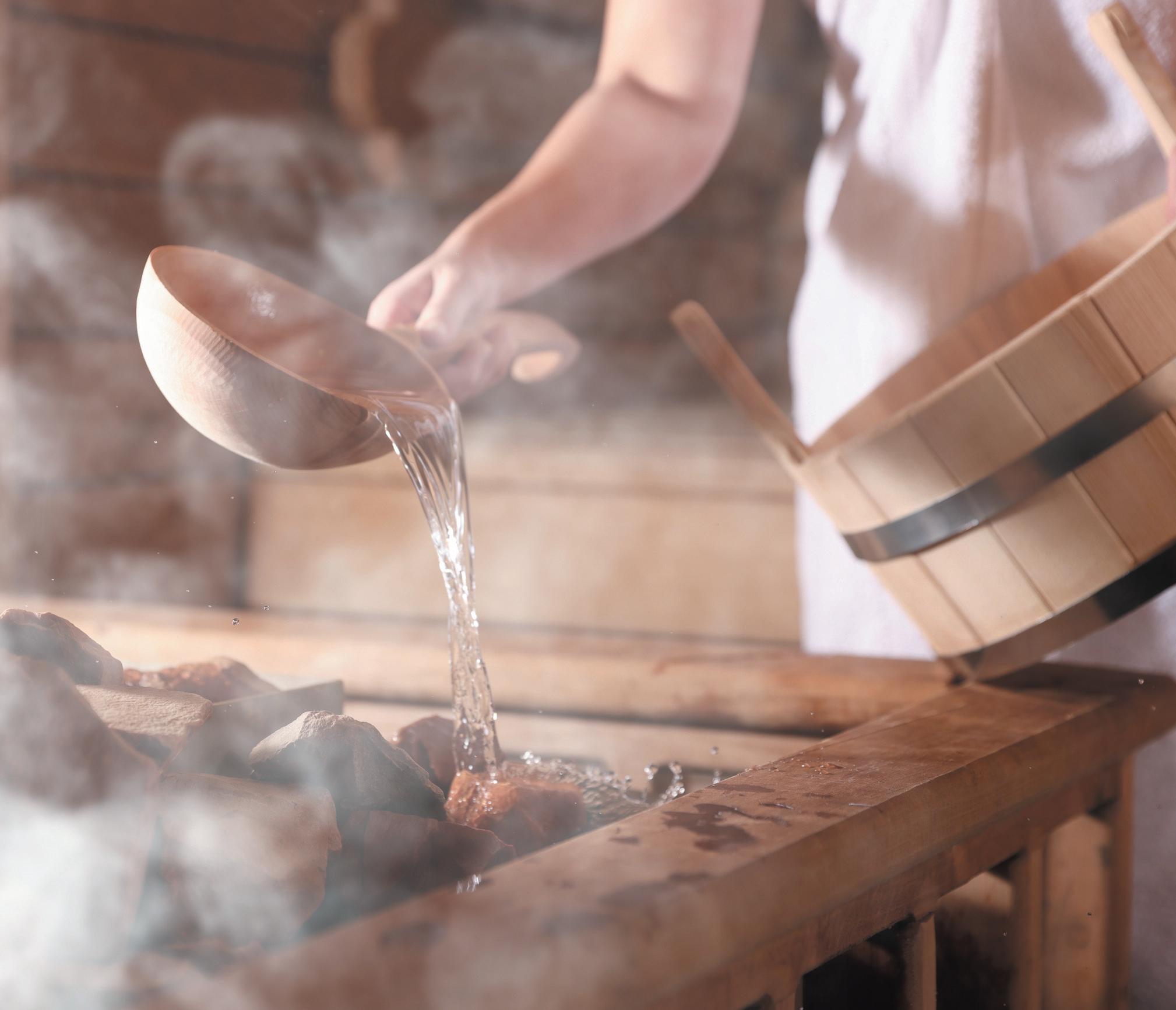
You may have heard about the Aufguss wellness trend, which started in central Europe. It’s a communal sauna experience, led by an Aufguss master who performs a kind of ritual with choreographed movements, heat therapy, aromatherapy and mindfulness.
Aufguss is a growing movement in the UK, and the trend has seen the use of saunas soar, with more and more community saunas popping up all over the country. According to the British Sauna Society, the number of dedicated public saunas in the UK (not those in gyms and spas) increased from just 10 in 2020 to 450 in 2025.
Many people find saunas relaxing, but how effective are they for treating arthritis symptoms? More research is needed, but there are some studies that have found that sauna therapy might reduce pain and stiffness in people with rheumatoid arthritis, osteoarthritis and axial spondyloarthritis. If you decide to try a sauna, consult a health professional first. They aren’t suitable for everyone and can be dangerous for people who are pregnant, or who have certain health conditions (for example, cardiovascular, neurological and severe respiratory issues) or are on certain medications.
Occupational therapist Angela Jacklin, from the rheumatology team at Manchester Royal Infirmary, says that heat is helpful for most forms of arthritis. ‘With osteoarthritis you tend to get creaky stiff joints and applying heat can help with movement. The only time heat isn’t advisable is if the joints are already hot and swollen.’
So how does heat help? ‘By reducing stiffness,’ Angela explains. ‘With arthritis joints there’s usually some component of stiffness, particularly in the mornings. Heat treatments increase blood flow to the area so that immediately gets it warmed up, relaxes the muscles and tendons and gets the muscles ready for moving.’
Angela’s favourite heat treatments are the simplest, partly because they’re most likely to be used regularly. ‘You want something
you can reach for first thing in the morning,’ she says, ‘so you can get out of bed and start your day. If you’ve got a heated blanket on your bed, pop that on for five minutes before you get up. Then get under the shower and let the warm water ease your joints.
‘If there’s stiffness in your hands, run warm water into the sink and put your hands in for a few minutes. Squeeze a sponge in your hand and open and close your fingers.
‘Other treatments include hot water bottles, heat packs or heat lamps, heat sprays or rubs, ointments or prescription creams.
‘Hydrotherapy in a bath, shower or Jacuzzi is good, and it also helps with movement.’
The popularity of ice baths has been growing, with some celebs, such as fitness coach Joe Wicks, installing them in their gardens for a post-workout dip. The global cold plunge tub market was valued at £256 million in 2025 and is projected to reach £357 million by 2034.
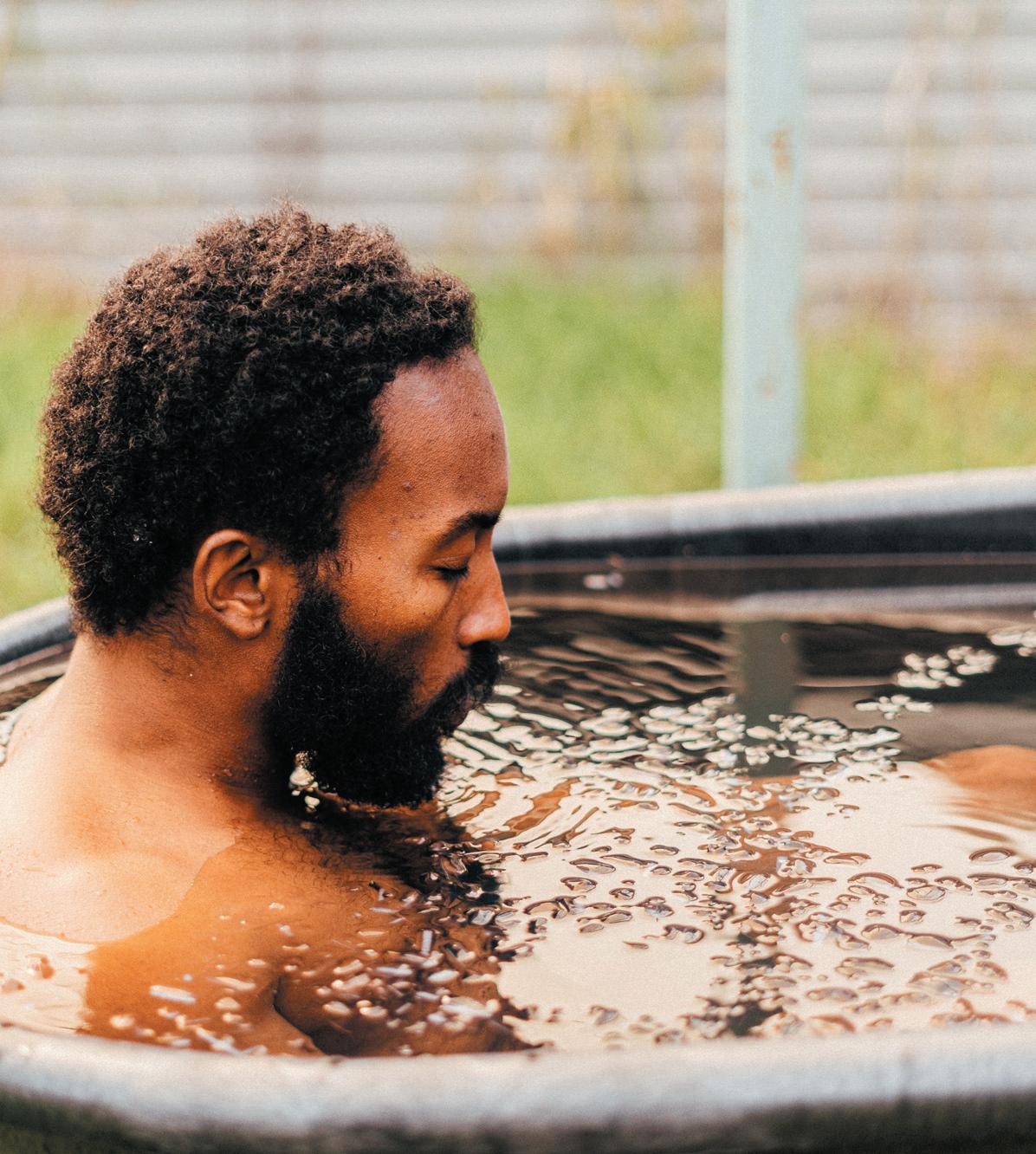
But how beneficial is cold for arthritis? Angela says: ‘A lot of people with arthritis prefer heat and struggle with the cold. But there are people who definitely prefer cold, particularly if they’re in a period of flare.
‘Cold treatments are good for reducing swelling, which can cause discomfort and functional restriction. The cold constricts the blood vessels so reduces the swelling, which reduces pain.
‘If someone has very hot and swollen joints, applying a cold treatment can cool down painful areas.
‘Cold treatments can also be used if someone gets an increased warmth to the joint after an activity. Applying a cold treatment will make them more comfortable.’
So is cold better for certain types of arthritis? Angela says: ‘Cold treatments can
be particularly useful for inflammatory types, such as rheumatoid or psoriatic, especially in periods of flare.
‘Some forms of osteoarthritis can have a slight inflammatory element, so if someone is getting heat and swelling, cold treatments could help.’
Angela recommends trying cold compresses such as a cloth soaked in cold water, or just putting your hands into a bowl of cool water.
‘You could get a cool gel pack or a cool spray – useful for joints that are difficult to get to, such as a shoulder. Another simple treatment is a bag of frozen peas wrapped in a tea towel.’
Rather than an ice bath, she suggests a very short cold shower. ‘Start it off warm, then gradually lower
Amanda O’Reilly, 55, from Southampton, was diagnosed with rheumatoid arthritis four years ago. She explains how her hot tub helps
the temperature – just for 30 seconds to a minute.’
Remember that just because cold is natural, that doesn’t make it safe. Angela warns: ‘Whether it’s too cold or too warm, anything too extreme will shock your system, whereas what you want is to soothe your system. Only try cold treatments for a short duration.’
and ice
The Nordic cycle, a ritual that’s been used in Scandinavian countries for centuries, alternates extreme heat and cold – for example, a sauna followed by a cold swim.





‘Since my diagnosis four years ago, my husband and I have used our inflatable hot tub nearly every day – at least five days a week. We spend about half an hour in there in the evenings. It’s out on the patio, not under a cover, as we like to look up and see the stars. I actually prefer going in when it’s really cold because then you get that lovely warmth.

‘Physically, it helps a lot. Being up to my neck in warm water gives me relief from my joints. After 10 to 15 minutes, I can stretch my legs out. And the benefits last for a while after I get out, as my whole body feels warm and my joints don’t feel quite so bad.
‘It helps psychologically too. It helps me switch off and relax as we lie there and chat, listen to the birds or just look at the stars.’
People with arthritis should exercise caution with extreme temperatures, but the idea of alternating heat and cold treatments may be helpful. Angela says: ‘You can alternate. You might use cold if your joints are feeling swollen after an activity. Later on, your joints are stiffening, so you use heat.’
So, when is it better to use heat, and when is it better to choose cold? ‘Heat reduces stiffness,’ says Jacklin. ‘It increases the circulation to an area, so you can move the joint. Cold reduces swelling. With a swollen joint you have a lot of heat there internally so don’t apply more heat. If you can reduce swelling using a cold pack, that will promote movement.’
For more information about saunas or to find your nearest community sauna, visit the British Sauna Society website at britishsaunasociety.org.uk


Edith Holden Hot-Pak
£14.99, Warmies b.link/7snhhb9t
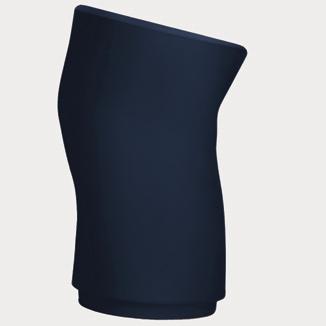
Cooling compression sleeve for knee
£25.99, Arthritis UK b.link/xekr5x5t

Warmies heatable bottle
£16.99, Arthritis UK
b.link/k7ve9l1c

Instant ice pack
£7.43, Health and Care b.link/khf0e7j5
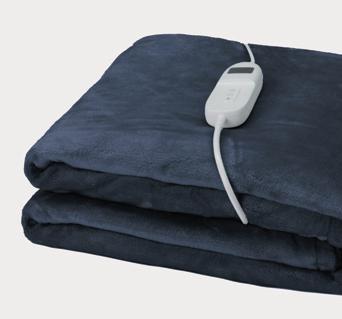
Heated throw

£31.99, The Range b.link/1uxtdgwm
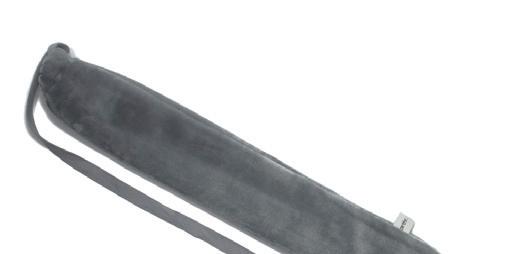




Long hot and cold wate


£9.99, Arthritis UK b.link/exna8aa4
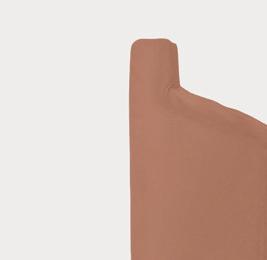


Cooling compression sleeve for thumb and wrist
£21.99, Arthritis UK b.link/udpt5i0d
Warm up or cool down with our pick of the best products

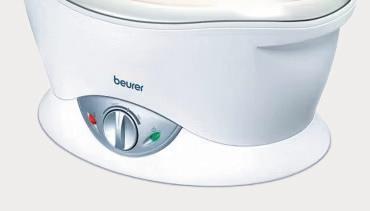
Wax bath for hands, feet or elbows
£99.99, Boots b.link/fvkaly2k

Reusable hot/cold gel pack
£15.94, Health and Care b.link/o9k4b1iw
Warmies luxury heatable boots
£31.99, Arthritis UK b.link/crwin8uh

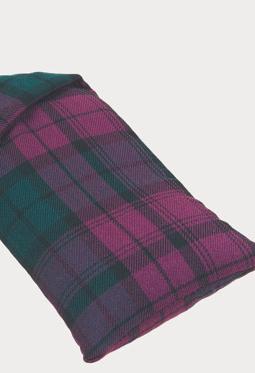
Hot-Pak tartan herbal heat pack
£9.99, Arthritis UK b.link/5afoway5
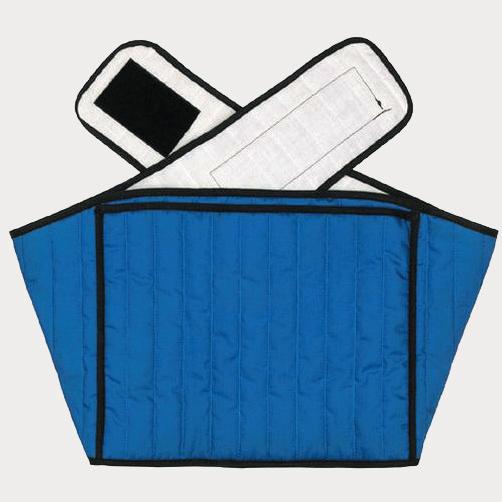
Heated back wrap
£27.98, Health and Care b.link/6n6ocawy
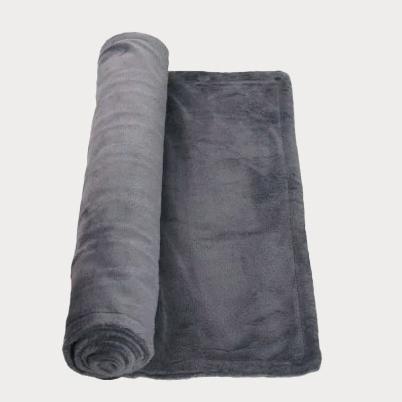
Heated lap blanket, £49, Manage at Home b.link/cwl90quw
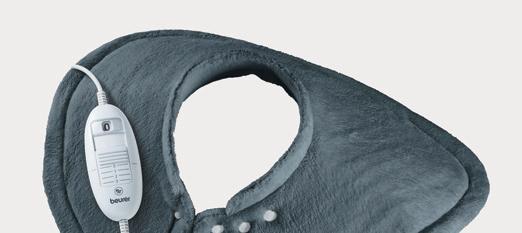

Heated shoulder pad
£69.99, Lakeland b.link/24baxhi2












From joining a walking group and making new friends to keeping motivated with goals and apps, there are many different ways to get the most out of walking. Ahead of National Walking Month in May, we’re sharing tips for getting started


When we say exercise, it can sound like a scary thing to those with arthritis, says podiatrist Michael Stephenson, who is the joint owner of AA Podiatry in Glasgow. ‘What’s great about walking is that it’s nice and easy to get involved in. You can slightly alter your habits and get going.’


Physical benefits



BY KELLIE SMITH

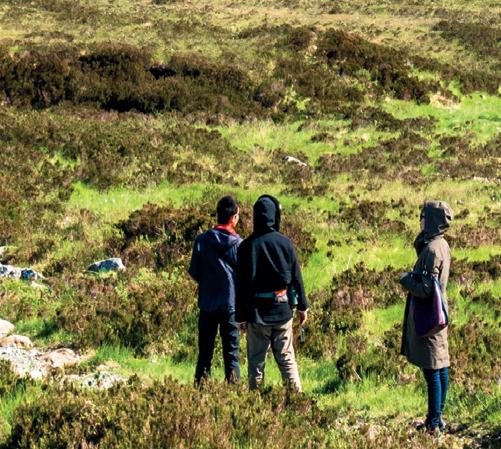


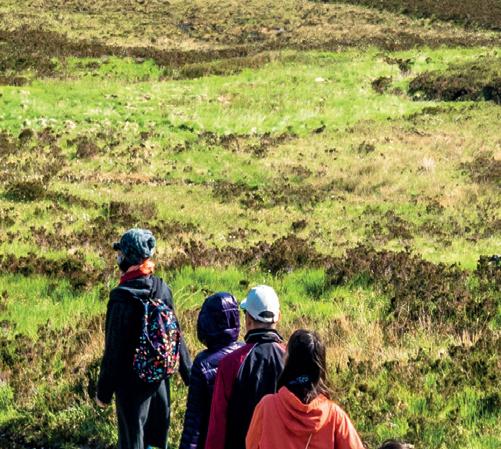





Michael says that walking is brilliant for people of any age with arthritis. ‘Getting active helps keep your muscles strong and supports flexibility and movement around the joints,’ he explains. ‘The more we sit still, the more restricted we tend to feel and then, when we start moving, it can be more painful. When patients with arthritis move more, we see them reporting improvements in function and reduction in pain.’


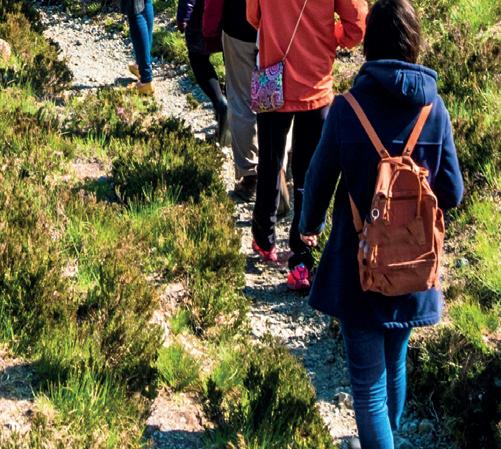






The Belfast walking group, run by Arthritis UK (see Resources overleaf), has more than 15 regular walkers. They include Joan Carville, who had both her knees replaced because of osteoarthritis.

‘I find that walking helps keep my muscles strong and supple and reduces stiffness,’ she explains.

New support networks
Walking is good for our mental health too, says Michael.


‘When we’re sitting inside all the time, our bodies find ways to use up energy and that can often be in the form of anxiety,’ he says. ‘If you’re out and about, you’re using that energy in a productive way. It helps the brain to switch off a bit.’
Joan says she likes walking in the park, in a forest or on a beach. ‘I think breathing in the fresh air, away from traffic, helps to clear your head and improve your mood,’ she explains.

Walking is also a way to meet new people. ‘It’s not just about getting out,’ says Michael. ‘It’s about doing things with other people and creating support networks.’


Joan says that one of the reasons she enjoys being a part of the walking group is getting to meet new people. ‘I enjoy listening to and laughing with others,’ she says.
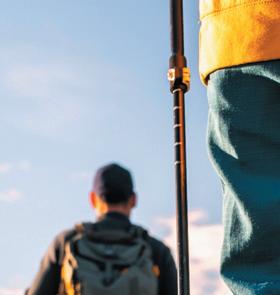
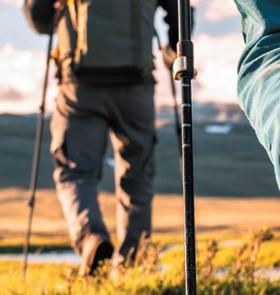
If you’re looking to do something different, you may want to try Nordic walking. Nordic walkers use specially designed poles to work their bodies, as well as their legs.
‘You have two poles with gloves attached,’ explains Phill Alcock, an instructor for British Nordic Walking. ‘The gloves make it easier to control the poles, which is important if you have arthritis in your hands.
‘With ordinary walking, you use around 40% of your body muscles. With Nordic walking, you use up to 90%. Using more muscles improves your balance considerably. Plus, you also have the poles for balance. This can make it easier to walk and can reduce the pain of arthritis. The NHS and many physiotherapists recommend Nordic walking for people with arthritis.’
Phill adds: ‘You should speak to a health professional



Michael shares his tips for buying footwear for walking
1
Look for appropriate shoes for the terrain you’re walking on. If you’re walking on pavements, you want something with more cushioning and harder-wearing soles. If you’re walking on trails, you want something with a good grip.
2
Go to a shoe retailer with a good range of shoes you can try on. If you can, go shopping in the afternoon because our feet tend to swell a bit more later in the day.
3
Walking apps can help keep you motivated. You could try:




Go Jauntly
This app helps you to find new walking routes in your local area. There are photos to help you find your way: gojauntly.com
Record the time you spend walking and the distance you cover with this app. You can also share routes with others: mapmywalk.com


Make sure your shoes work for different seasons. In the winter, you’ll be wearing thicker socks so make sure you have enough space in your shoes.
4
Replace your shoes regularly so you have good cushioning. You should replace them every 300 to 500 miles.
first before trying Nordic walking. You should then speak to a qualified instructor.’
There are also training videos online, and Arthritis UK has a manual to help guide you (see Resources below).
‘If you’re starting out, then little walks can make all the difference,’ Michael says. ‘It can be something as simple as getting off the bus one stop early. If you do a little bit and build up slowly, it can be really helpful.’
A good way to make walking a part of your routine is linking it to an activity. Michael suggests that if you enjoy a cup of tea, for instance, you could do a walk around the block and then have your cup of tea after. ‘That way, when you think about your cup of tea, you think: I must go and do my walk around the block.’

Walking charity The Ramblers runs an annual competition to find Britain’s Favourite Path. Following a public vote, a route between north Cornwall and Devon was announced as Britain’s Favourite Path for 2025 – the Bude to Westward Ho trail is part of the 1,015km long National Trail. There were eight paths of varying difficulties, nominated by the finalists. The following from the list are considered ‘leisurely’ or ‘moderate’.

just 10 minutes long. Will Heckford, a Programme Lead for Ramblers Wellbeing Walks, explains more:
Q What are Wellbeing Walks?
A recent review of 57 studies has found that walking 7,000 steps a day can make a positive difference. Michael says: ‘You might want to aim for 1,000 steps to start with and slowly build it up,’ he advises. ‘It’s important to listen to your body and understand how arthritis affects you.’
Find out more about local walking groups in your area by contacting arthritissupport@arthritis-uk.org
For more on Nordic walking and to access Phill’s manual, go to b.link/auk-nordic-walking
South West England: Hartland Peninsula on the South West Coast Path (there are a variety of walks from ‘strenuous’ to ‘leisurely’ along this route)
Scotland: Loch Lomond on the West Highland Way
North West England: The Coffin Circular
North East
England: Simonside Ridge
South East
England: Halnaker
East England: Layer de la Haye
The charity’s website has a library of more than 4,000 tried and tested routes across the UK, featuring walks of all lengths and levels. They also run Wellbeing Walks – a community walking programme offering free, short walks, starting from
A Led by qualified leaders in communities across England and Wales, more than 1,000 Wellbeing Walks take place every week. The walks create new, active communities and help everyone take their first steps towards a healthier and happier lifestyle.
Q Can anyone join?
A Whether you are new to walking or would like more opportunities to explore your local area, Ramblers Wellbeing Walks are open for everyone and are ideal for getting started with walking and
Find out more at b.link/ramblersfavourite-paths


staying active, especially when you’re living with a health condition. Support from trained walk leaders helps you take those first steps, and you’ll be among a friendly bunch all walking for their own reasons – whether to ward off illness, manage health conditions, meet likeminded people or boost wellbeing.
Q Do you have any walking tips?
A Easy walks at a slow pace are sufficient to get started and begin to feel the benefits. You can find more information on walking with arthritis on our website b.link/ramblers-arthritis
Other walking route websites to check out
Walkers’ Britain are holiday specialists and they have a list of their top routes for 2026, which also includes some trails in Europe b.link/fk8qc22a
Walking Scotland is a charity that promotes walking and wheeling for everybody walkingscotland.org.uk






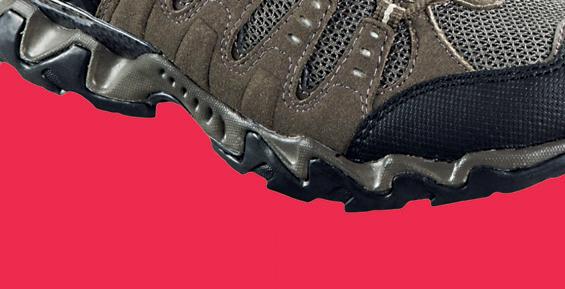

MICHAEL SUGGESTS THE FOLLOWING FOOTWEAR...
1 Topo Atmos
Anatomical (wide) toe box but with a more structured midfoot than Altra shoes. Lightweight, breathable uppers. topoathletic.co.uk
2 Brooks Ghost Max 3
High cushioning without instability, excellent for long periods of standing. brooksrunning.com
3 Meindl Respond GTX
Excellent fit options, plush cushioning. meindl.co.uk
FOR FOOTWEAR WITH ADAPTABLE FASTENINGS
5 FitVille Diabetic Shoes (hook and loop)
Extra-wide, great for oedema or toe deformities. thefitville.uk
SOCK SUGGESTIONS
6 Smartwool Hike Light Cushion Crew
A merino-wool walking sock that provides excellent moisture-wicking, temperature regulation and all-day blister-free comfort. smartwool.com
7 Bridgedale Hike

Midweight Merino

Walker VStrap 2
4 Brooks Addiction Walker V-Strap 2

Dual straps, leather upper, slip-resistant sole (SATRA certified). Excellent for balance and stability needs. brooksrunning.com

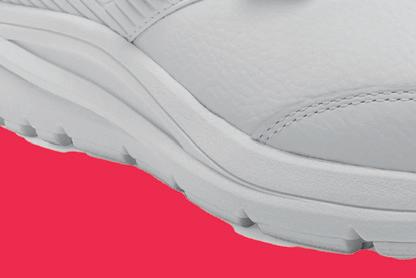




Performance Boot Sock



A durable technical outdoor sock using Bridgedale’s merino fusion fibres for reliable wicking, cushioning and long-distance comfort. bridgedale.com



8 IOMI FootNurse Cushioned Bamboo Foot Diabetic Sock





Hike rino oot cal edale’s es ng, mfort. rse mboo ock es et ure-wicking


8












Dual straps, leather upper, sole (SATRA Excellent for balance and stabilit y needs. brooksrunning .com N can v i f y ou n h an dl es, alternati v re t Newfee Alumi Pole









A soft-touch, non-binding diabetic sock that gently stretches while keeping feet dry through breathable, moisture-wicking bamboo-rich materials. iomifootnurse.co.uk arthritis-uk.org







Nordic walking poles can vary in price, especially if you need ones with ergonomic handles, but Phill suggests cheaper alternatives can be found at various retailers, such as these:
Newfeel’s NW P120 Telescopic




Aluminium Nordic Walking Poles, £24.99 at Decathlon b.link/xcbw6vtk

Personal, flexible, empowering. Get your move
and raise money
This May, we’re introducing a brand new challenge called Get Your Move On. Over the month of May, we’re encouraging everyone to set their own personal challenge to increase their daily movement and be more active.
It’s all about committing to a personal goal that is challenging to you every day for the month of May. You could walk, swim, practise yoga, garden, dance, or do any other movement you like! Simply choose your movement, choose your target time, and create your fundraising page. Every penny raised will fund life-changing research and services that bring us closer to a future free from arthritis.
You might be taking part from home but you’ll be far from alone in this challenge – you can join a very chatty and friendly online community of people taking part from all over the UK.
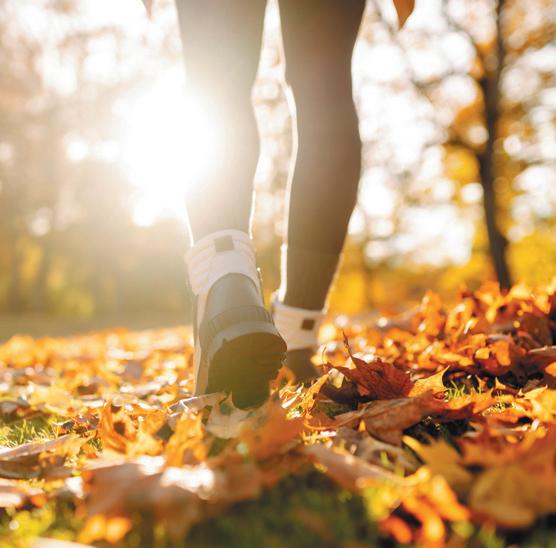
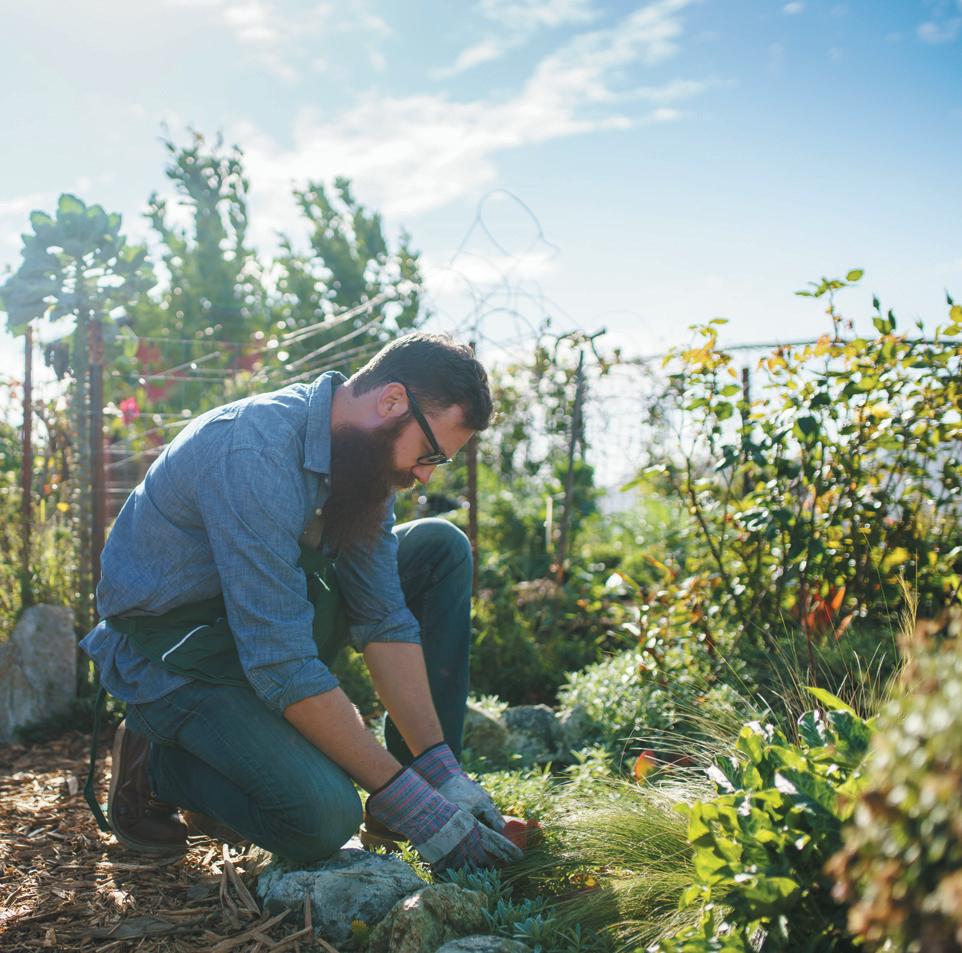
‘It was a great community. This made me feel almost like I was back to my old self’







New Inspire contributor Emily Johnson, also known as the Arthritis Foodie, shares her arthritis journey so far and some of the best recipes from her book




Arthritis conjures up a different meaning for us all, and for a long time I did not want to be associated with it. Now, after more than 12 years of having arthritis, authoring two books, training to become a nutritionist and writing for Inspire, I wholeheartedly accept it. In fact, I pretty much tell everyone about it, and I am so delighted to try and help others on their journey to living well with arthritis.
Food was the starting point in improving my pain and symptoms, but why? When I was four years old, I was hospitalised with swollen knees for one week and checked for juvenile idiopathic arthritis, but as symptoms subsided, no diagnosis was made. Years later in 2013, aged 20, I had a gruelling bout of food poisoning that developed into the arthritis I have today. In 2018, when my arthritis flared for more than six months, I hit rock bottom and thought back to how it began: with my gut. Discovering that the gut influences everything from hormone regulation and mood to, most significantly, immunity and inflammation – around 70% to 80% of your immune cells reside in the gut – I knew I had to find out if changing my diet could impact my condition. And it did. Not straight away or overnight, but over the course of three months I began to have more energy and sleep better, with less pain and swelling. As I was overhauling my life completely, I took a whole holistic 360° approach, including exercise, sleep, nutrition, gut health, mindfulness and stress management. I documented every step on my blog Arthritis Foodie, which began to gain traction and led to my debut book, Beat Arthritis Naturally. Everything that I do is backed by the rheumatologists and nutritionists that I work with. It is not a cure, it is not a replacement of your medications, but it is a way to take back power over your own health. Living well with arthritis means working with your condition and your body to help you live a full and happy life. Rather than taking things away, what can you add in? Why not try some delicious recipes from my second book Eat Well With Arthritis?
Food was the starting point in improving my pain and symptoms, but why?
About Serves 6
Dairy free, gluten free
Freezable
Under 1 hour
Ingredients
210g (1½ cups) frozen garden peas
2 tbsp extra virgin olive oil
2 garlic cloves, minced
1 red onion, diced
3 chicken breasts, cut into strips
1 tbsp tomato purée
2 red bell peppers, finely sliced
500g (2½ cups) brown rice
1 x 400g (14oz) tin chopped tomatoes
800ml (3¼ cups) vegetable stock
700ml (3 cups) water
330g (1½ cups) raw peeled king prawns
2 spring onions
1 lemon, cut into 6 wedges
FOR THE SPICES
2 tbsp smoked paprika
2 tsp ground cumin
2 tsp garlic granules
2 tsp paprika
1-2 tsp chilli powder (to taste)
2 tsp dried coriander leaf
1 tsp dried rosemary
1 tsp onion granules
Emily Johnson is an author, coach and content creator drawing on her experience of living with arthritis as she studies a BSc in nutrition. Find out more about Emily at arthritisfoodie.com or listen to her podcast at b.link/live-well-with-arthritis-podcast
1 tsp black pepper
½ tsp Himalayan salt












All of the recipes



Step 1
Place the frozen peas in a bowl of tepid water and set aside.
Step 2
Heat the extra virgin olive oil in a large saucepan and fry the garlic and red onion for 5 minutes before adding in the chicken breast strips. Cook the chicken for 3-5 minutes until it is sealed white on the outside, then add the spices, tomato purée and bell peppers.
Step 3
Add the brown rice, coating it with the spices and herbs, then pour in the tinned tomatoes and veg stock and cook for 20 minutes on a lowmedium heat, partially covered. Stir occasionally so that the rice does not stick to the bottom of the pan.
Step 4
Add 300ml (1¼ cups) of water to the saucepan and continue cooking the mixture for 10 minutes before adding another 200ml (¾ cup) of water and cooking for a further 5 minutes. Then add the remaining water and cook for a further 5 minutes.
Step 5
Drain the frozen peas and add them with the king prawns, then cook for 5 minutes, stirring well until the prawns are cooked (but not overcooked).
Step 6
Serve with the spring onions sprinkled on top and lemon wedges to squeeze over before serving.
About
Serves 4-6
Vegan, vegetarian, dairy free, gluten free
Freezable
Between 1-2 hours
Ingredients
1 butternut squash

Extra virgin olive oil
1 red onion, chopped
2 garlic cloves (I used black garlic), chopped
250g leeks, sliced into half-moons
300g (1½ cups) brown rice
1 vegetable stock cube, dissolved in 800ml (3¼ cups) hot water
200ml (¾ cup) plant milk
1 tbsp tahini
1 tbsp nutritional yeast flakes
1 tsp white miso paste
¼ tsp ground nutmeg
¼ tsp paprika
1 tsp apple cider vinegar
200ml (¾ cup) water
300ml (1¼ cups) water
16–24 sage leaves
(4 leaves per person)
Sea salt and black pepper
2 handfuls of spinach, to serve (optional)
Method
Step 1
Preheat the oven to 200°C fan (425°F).
Step 2
Cut the butternut squash down the middle from the top to the larger bottom end and scoop out the seeds. Lay each side flat down to peel off the skin – it is easier to peel this way. (Or leave the skin on, if you prefer.)
Then cut into chunks.
Step 3
Transfer the squash to a roasting tray, sprinkle with sea salt and black pepper and roast for 30 minutes, turning halfway through.
Step 4
Gently heat 1 tablespoon of extra virgin olive oil
in a pan, add the onion and garlic and cook for 2 minutes, then add the leeks and soften for 1 minute.
Step 5
Add the brown rice and coat with the oil and juices from the pan and season with a pinch of salt and pepper.
Step 6
Pour in the 800ml (3¼ cups) vegetable stock, then turn the heat to medium-low and gently simmer for 20 minutes, with the lid on.
Step 7
Meanwhile, in a blender, blend 250g (9oz) of the roasted butternut squash (around a third of the yield, or 1½ cups) with the plant
milk, tahini, nutritional yeast, white miso paste, nutmeg, paprika, apple cider vinegar and water.
Step 8
After the risotto has simmered for the 20 minutes, add the butternut squash sauce mixture, put the lid back on and cook for 15 minutes with 300ml (1¼ cups) of water, stirring halfway through and 4 minutes before the end.
Step 9
Heat some olive oil in a separate small pan and lightly fry the sage leaves until crispy.
Step 10
Stir the rest of the roasted butternut squash into the risotto, or place it on top.
Step 11
Serve the risotto topped with the crispy sage leaves and fresh spinach, if liked.

Method
Step 1
Add each batch of spices to a separate bowl and set aside.
Step 2
In a large saucepan, heat the extra virgin olive oil and lightly fry the red onions, chilli and garlic for 5 minutes until soft.
Step 3
Add the carrots and cook for 5 minutes.
Step 4
Add the peppers and stir for just under 5 minutes until softened.
Step 5
Add the mushrooms and cook for a couple of
minutes before stirring in the first batch of spices. Cook for a minute to infuse, then add the chopped tomatoes, tomato purée, kidney and cannellini beans. Stir in the water and simmer for 15-20 minutes on a low-medium heat, with the lid on.
Step 6
Stir in the second batch of spices for the last 5 minutes of cooking.
Step 7
Serve scattered with fresh coriander and with corn on the cob, smashed avocado or sweet potato wedges alongside.
Makes 4 small or 6 large portions
Vegan, vegetarian, dairy free, gluten free
Freezable
Over 1 hour
1 tbsp extra virgin olive oil
2 medium red onions, thinly sliced
1 red chilli (more to taste if you’d like), deseeded and finely chopped
2 black garlic cloves (or 2 normal garlic cloves if you can’t get black garlic), thinly sliced
4 carrots, peeled and diced
2 red bell peppers, sliced into strips
350g (3½ cups) mushrooms, sliced
2 x 400g (14oz) tins chopped tomatoes
2 tbsp tomato purée
1 x 400g (14oz) tin red kidney beans, drained and rinsed
1 x 400g (14oz) tin cannellini beans, drained and rinsed
150ml ( cup) water

Fresh coriander leaves, to serve
SPICES 1
2 tsp ground coriander
3 tsp ground cumin
1 tsp smoked paprika
½ tsp dried rosemary
½ tsp dried thyme
½ tsp paprika
SPICES 2
1 heaped tsp raw cacao powder
½ tsp garlic granules
½ tsp ground ginger
1 tsp balsamic vinegar
Pinch of chilli flakes (optional)

BY HOLLIE EWERS
If you are looking to book a trip abroad or in the UK, but you’re not sure where to go, what to pack or how you’ll manage on a long journey, we have some great suggestions
Location, location, location
It might seem obvious, but it’s worth considering what the weather and temperature will be like at the time of year you wish to visit. How does heat, damp or cold affect you? Depending on your condition, you might need to rethink. Another point to ponder is accessibility – how easy will it be to move around where you plan to go? If getting around and accessibility are an issue, there are lots of specialist travel agents and companies that can cater holidays to your exact needs.
Bethany Nadin, a representative at Disabled Holidays, says: ‘As a specialist agency, it’s essential that we speak directly with customers to fully understand their individual needs.
‘We do this by going through our detailed access form with them, which helps our agents understand mobility requirements, including whether the customer uses a wheelchair, whether they can walk or transfer independently, how far they can walk, whether they can manage steps and whether they use walking aids. From this, we can assess important aspects such as pool access, bedroom space for manoeuvring and suitable bathroom facilities.’
Bethany adds that it’s important to check for specific requirements, such as grab rails, shower chairs and bathroom layouts (for example, shower cubicle, bath or levelaccess shower), as well as any extra mobility equipment, such as hoists, transfer aids, electric beds or specific mattress types.
‘Once we fully understand a customer’s needs –particularly if additional mobility equipment is required – we can then discuss how and where this equipment can be sourced.’
Cruises are an excellent option for travellers with limited mobility, suggests Bethany, but booking well in advance is crucial, especially for accessible cabins. ‘Many guests are looking for twoweek Mediterranean cruises, which often sell out up to two years ahead,’ she adds.
In the UK, coastal cottages are popular, with the south of England being a firm favourite.
‘For overseas, many customers like villa holidays, or just warm sunny destinations – we book a lot of holidays to the Canary Islands as they offer sun all year round.’
Comprehensive travel insurance is vital, and finance expert Martin Lewis urges that cover is booked as soon as you book your trip, so you’re protected if you need to cancel for any reason before you go. If you’re worried about cost with a pre-existing medical condition such as arthritis, insurance comparison sites are great for a list of competitive prices.
The Money Saving Expert website also has a clear guide on what you should declare and if you might need a specialist insurance provider. Find out more at b.link/3tgy47z2
Book in advance whenever possible Take out comprehensive travel insurance
Think carefully about your day-to-day needs while away Also good to consider before you book are seating options on your mode of transport. Can you book a seat with more leg room? Are there accessible seats available? Do you need assistance to get on the transport?
Have you used AI to plan a trip before? Creating a list of your needs and wants and asking Google AI or Chat GPT might provide an alternative you hadn’t considered.
It’s good to check what medicines and medical equipment you can pack in which bags, how much of it you can take, and if the country you’re headed to has specific rules* on medication.
According to the gov.uk website, hand luggage can contain:
Tablets and capsules
Essential liquid medicines (if it’s over the 100ml limit you will need proof that it’s prescribed to you either via a doctor’s letter or a copy of your prescription)
Hypodermic syringes
Inhalers
Cooling gel packs
Medical equipment (for example CPAP and TENS machines)
Special food and liquids needed for medical reasons
Ice packs: you will have to contact the airport to see if they can be allowed in hand luggage, but you can carry these in hold bags
Oxygen cylinders, carried in hand or hold baggage: you will need to contact the airline
*Embassy websites usually list restricted medicines and explain if and how to get approval for them.
Expiry dates – you don’t want them out of date while you’re away
Local pharmacies – in case of any issues if you were to lose your medicine or run out

Whichever form of transport you use to get to your destination, chances are you will be seated for most of it, so it’s a good idea to be as comfortable as possible. Think about your footwear: specific socks if flying long haul, neck pillows and so on – anything to aid your ailments.
Just as important is knowing what exercises you can do to break up the long periods of not moving, and consultant physiotherapist Michael Dare has some suggestions:
‘Extended periods of sitting can cause joints to stiffen and become painful, so regular movement is strongly advised. Whether travelling by train, plane or ferry, passengers with arthritis should aim to stand up and take a short walk every 30 to 60 minutes to stretch muscles and joints.
‘Simple exercises can also make a significant difference.
Regular foot-pumping –moving the ankle forwards and backwards multiple times as far as you can – will
According to travel experts Expedia UK, the top 10 travel destinations people are interested in for 2026 are:
1 Big Sky, Montana, US
2 Okinawa, Japan
3 Sardinia, Italy
4 Phú Quôc, Vietnam
Do you have any top travel tips, suggestions or recommendations for fellow readers? Let us know by emailing inspire@ arthritis-uk.org
encourage blood circulation in the lower leg, while lifting the shoulders upwards, stretching overhead, and gently moving the neck from side to side can reduce stiffness in the upper body. These small movements, repeated throughout the journey, can help prevent discomfort from building up.’
‘With thoughtful planning and regular movement, travelling with arthritis doesn’t have to limit the enjoyment of a well-earned break.’
Arthritis UK blog: James’ tips for making holidays easier: b.link/auk-blog-james-tips
Medicines: b.link/meds-luggage and gov.uk/take-medicine-in-or-out-uk
5 Savoie, France
6 Fort Walton Beach, US
7 Ucluelet, Canada
8 The Cotswolds, UK
9 San Miguel de Allende, Mexico
10 Hobart, Australia
Travel platform Tripadvisor announced the winners of its 2026 Travellers’ Choice Awards: Best of the Best Destinations, based on 12 months of review data. While more than 20 UK destinations were named in the awards, the top 10 list of trending UK locations in 2026 were:
1 London
2 Edinburgh
3 Liverpool
4 Manchester
5 Glasgow
6 York
7 Bath
8 Belfast
9 Torquay
10 Jersey
Another site to check out is visitbritain.org for tips on all types of staycations, including wellness escapes, railway experiences, stately homes, sporting events and even anniversary commemoration trips coinciding with literary events like 160 years since the birth of Beatrix Potter.
and resources to keep you up to date
Arthritis UK’s Young People and Families Service supports and connects children and young people (0 to 25 years old) with arthritis, along with their families. It offers free trusted information, online workshops, a programme of events, projects – such as Joint Creativity (mentioned in the art feature on pages 26 to 28) – and access to a welcoming community of people who truly get it. The service also offers one-to-one support to secure a future free from arthritis, working in partnership with the NHS.

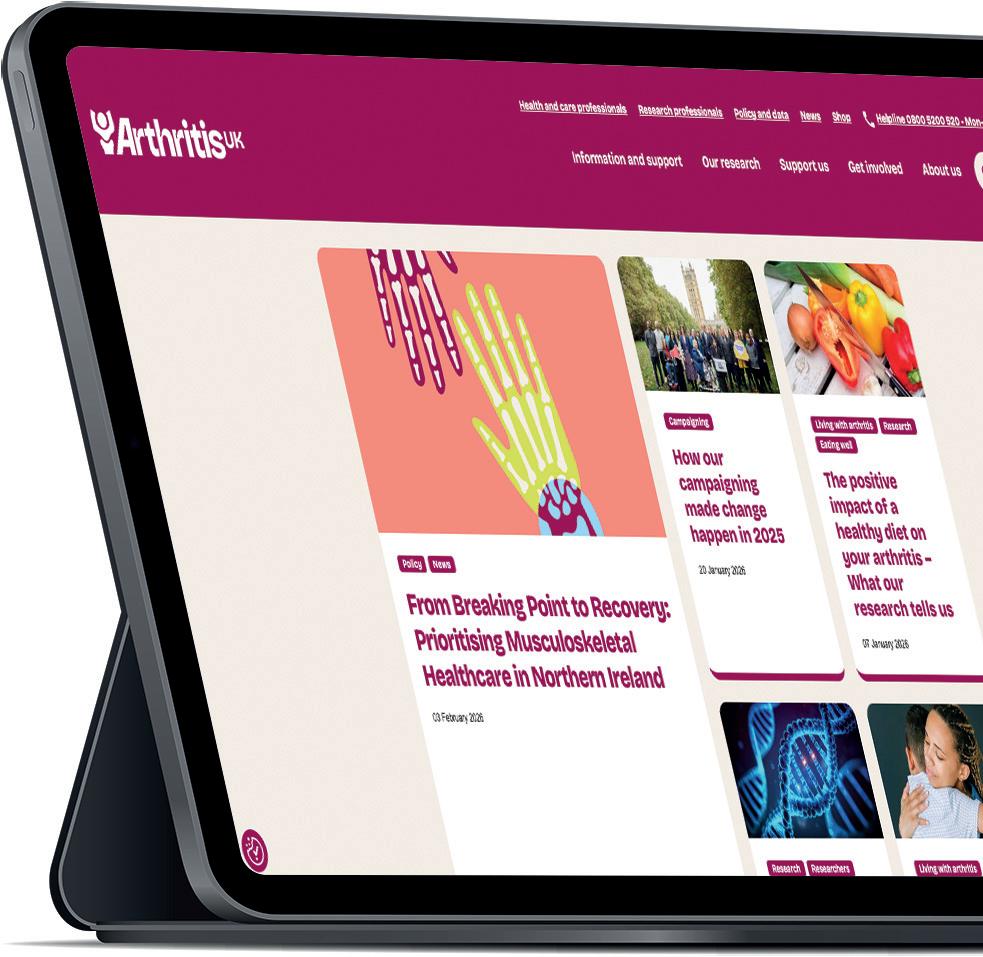

For the latest news and research on all things arthritis, head to the news section of the Arthritis UK website: arthritis-uk.org/news
Explore further
Find out more information on our online hub at b.link/auk-youngpeople-service
Contact our Young People and Families team at YPFSUK@ arthritis-uk.org
If you enjoyed the gardening feature (pages 22 to 25) and fancy getting involved, or maybe updating your old tools, take a look through the Arthritis UK shop, which has several ‘easy-grip’ items available to help get you started, including a trowel, fork and weeder.
Go to: shop. arthritis-uk.org arthritis-uk.org
Your views
We love to hear from members, so please do get in touch and let us know what you think about this refreshed issue and any of the articles or features.
Email Inspire at: inspire@arthritis-uk.org
Inspire readers get 10% off all TGA Mobility scooters, powerchairs and wheelchairs*
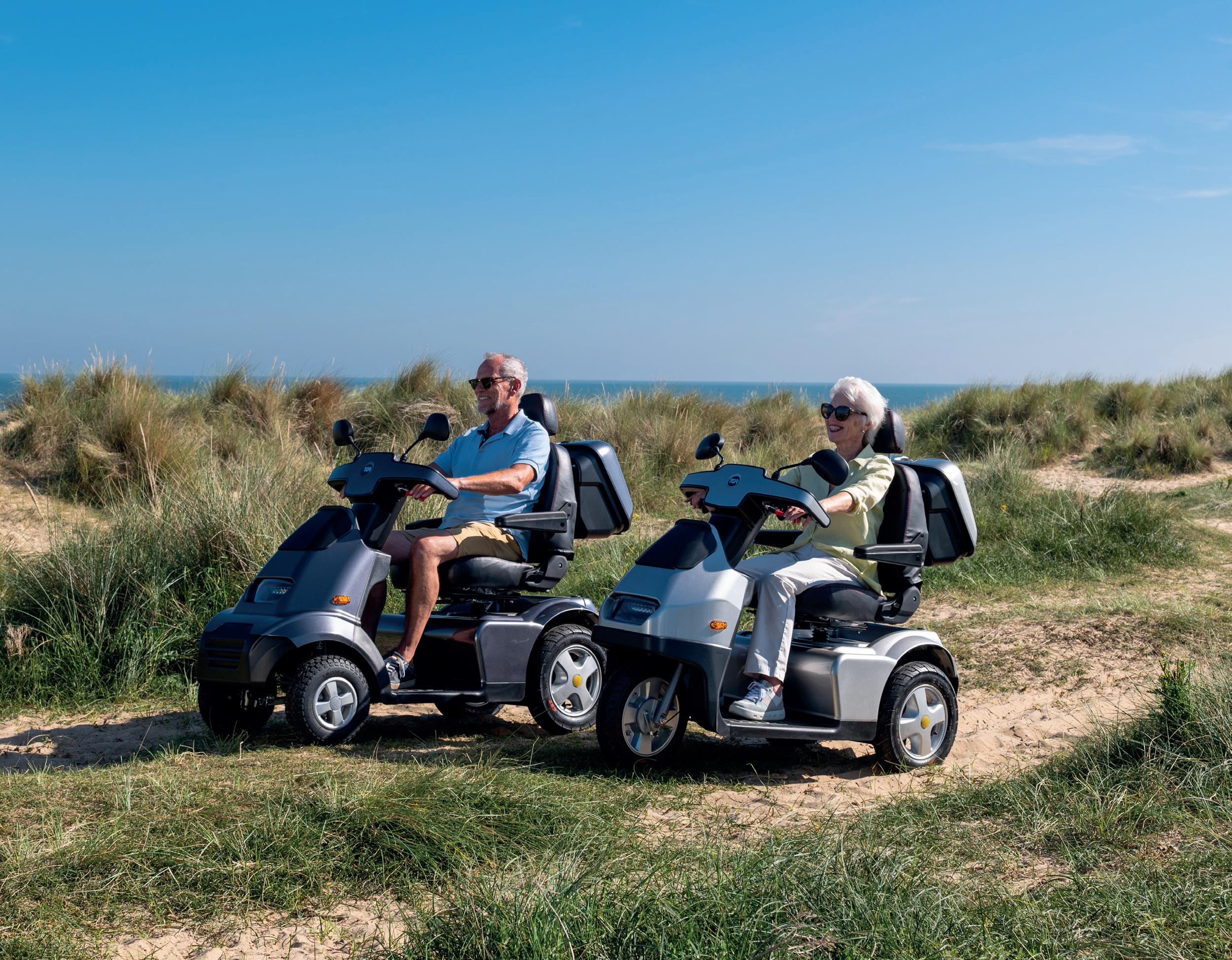
At TGA, we believe that when it’s hard to move, you needn’t stop living. We provide scooters and wheelchairs tailored to suit all kinds of people with all kinds of needs. That’s why we’re offering Inspire readers a 10% discount on mobility scooters, powerchairs and wheelchairs.
To ensure you find the ideal product, TGA offers a free home demonstration appointment with a qualified regional advisor so you can try our products with no pressure or obligation in the comfort of your own home and surroundings – making sure you get the right product for you.
IUK2026