Reconciliation News is published by Reconciliation Australia in May and October each year. Its aim is to inform and inspire readers with stories relevant to the ongoing reconciliation process between Aboriginal and Torres Strait Islander peoples and non-Indigenous Australians.
Aboriginal and Torres Strait Islander peoples should be aware that this magazine may include references to and images of deceased persons, as well as historical topics and images that may be confronting.
JOIN THE CONVERSATION CONTACT US
Reconciliation Australia reconciliation.org.au enquiries@reconciliation.org.au
Reconciliation Australia acknowledges the Traditional Owners of Country throughout Australia and recognises their continuing connection to lands, waters and communities. We pay our respects to Aboriginal and Torres Strait Islander cultures, and to Elders past and present.
facebook.com/ReconciliationAus
x.com/RecAustralia @reconciliationaus
Reconciliation Australia is an independent, not-for-profit organisation promoting reconciliation by building relationships, respect and trust between the wider Australian community and Aboriginal and Torres Strait Islander peoples. Visit reconciliation.org.au to find out more.
Cover:
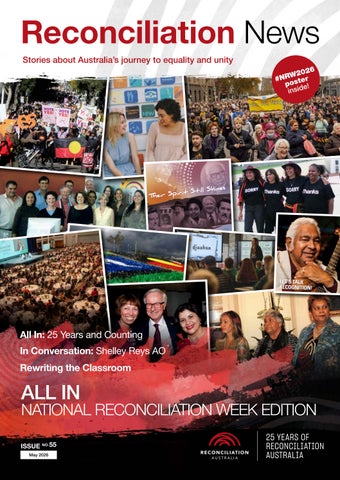
This collage captures milestone moments that have shaped Reconciliation Australia's impact over the last 25 years alongside the reconciliation champions that have guided this work.
FEATURES
8 National Reconciliation Week 2026
This year’s theme, All In, reminds us that reconciliation is not a spectator sport and that all of us must step away from the sidelines and take action to make change.
10 All In: 25 Years and Counting
We look back at defining moments where Australians have been All In on our collective reconciliation journey and look forward to the action still required.
18 In Conversation: Shelley Reys AO
Inaugural Co-Chair and long-serving Board member of Reconciliation Australia, Shelley Reys AO talks to Reconciliation News about the early days, the evolution of the reconciliation movement, and what must come next.
20 Rewriting the Classroom
An examination of how First Nations perspectives and advocacy have reshaped curriculum, classrooms and the future of learning in Australia.
22 Truth-telling: A Prerequisite to Australians Working Together for Real Change
Karen Mundine explores why truth-telling matters and how we must move from awareness to action.
24 25 Films for 25 Years
Find your next watch from a curated list of films that inform, challenge and inspire deeper understanding of the cultures, knowledges and perspectives of First Nations peoples across Australia.
26 Reconciliation Reads
Five acclaimed writers share the books that have shaped their thinking on reconciliation, identity and justice.
REGULARS
4 From the CEO
6 Reconciliation Recap
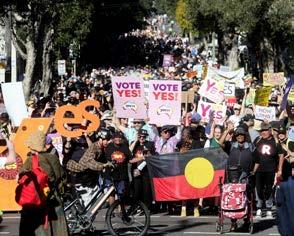
Images: (10) Attendees at the Melbourne 'Walk for Yes' in 2023.
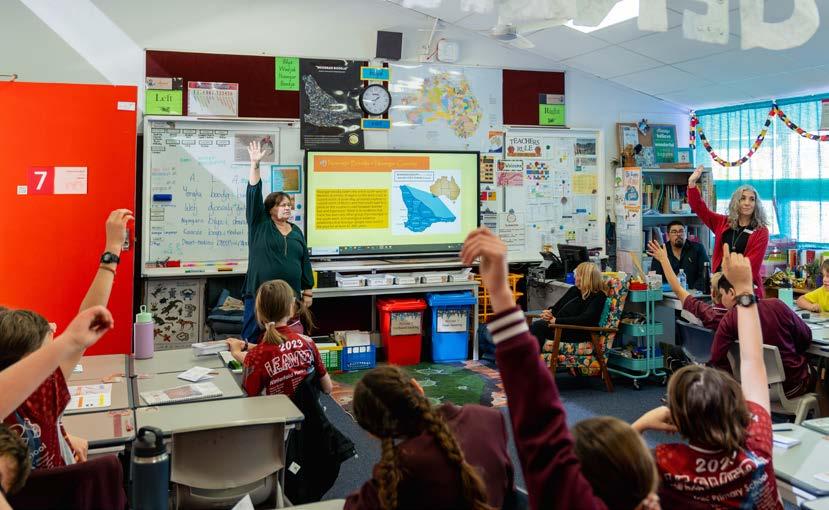
(20) Reconciliation in action at Winterfold Primary School, 2023
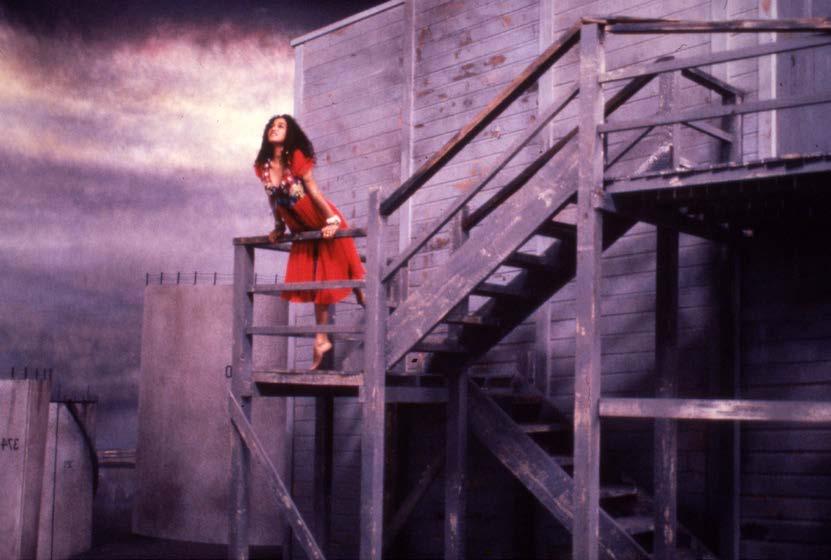
Narragunnawali Award winners. Photo: Tom Hoy, Wirrim Media. (24) Tracey Moffatt and Banula Marika in ‘beDevil’ (1993). Courtesy Ronin Films.
FROM THE CEO
This year marks 25 years of Reconciliation Australia but Australia’s formal reconciliation process began a decade earlier in 1991 with the Council for Aboriginal Reconciliation.
Following the final report of the Royal Commission into Aboriginal Deaths in Custody with its recommendation to initiate a formal reconciliation process between Indigenous and non-Indigenous Australians, the Council was established through Commonwealth legislation with a 10-year sunset clause.
After 10 years, it was not surprising that the Council had only begun to make progress towards reconciliation. However, it helped build a people’s movement across a wide range of sectors. The Week of Prayer for Reconciliation (1993) expanded into National Reconciliation Week, and the Council’s work culminated in the nationwide Bridge Walks for Reconciliation in 2000. It also presented the Australian public with a Roadmap for Reconciliation, a series of national strategies designed to guide future efforts.
With the handing over of the baton, Reconciliation Australia was created to take forward the Council’s work, this time as a not-for-profit organisation independent of government.
Learning from the work of the Council and tasked with moving beyond sentiment and goodwill, the next two decades saw the development of the Indigenous Governance Program and Awards; Reconciliation Action Plans (RAPs); the Australian Reconciliation Barometer and Workplace RAP Barometer; the Narragunnawali: Reconciliation in Education program; and more recently, the Community Truth-telling Pathways program.
All of these programs had the intent of expanding and engaging the people’s movement of the 90s into a growing network of active allies capable of making systemic change. To do this we had to make the concept of reconciliation and the challenges First Nations peoples faced, relevant to the lives of “ordinary” Australians.
Over the past 25 years, we’ve made sure our work has reached into workplaces, schools, communities and institutions across the country to shift both attitudes and behaviours and create the environment and incentive for change.
The RAP program, which began 20 years ago with just eight organisations, now numbers more than 3,300 involved in embedding reconciliation into everyday practice. Through their RAPs, these organisations have developed stronger relationships with First Nations communities and businesses through formal and informal partnerships that have helped direct billions to First Nations procurement, and supported staff and leaders to build on their understanding of First Nations cultures and experiences through increased participation in cultural learning and cultural immersion.
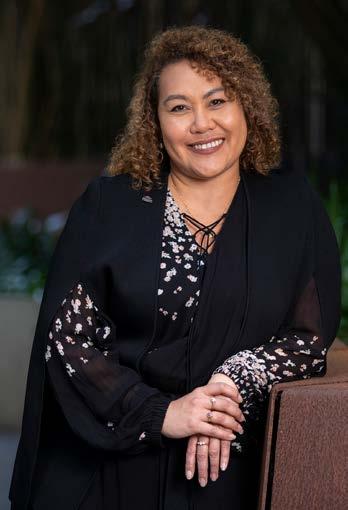
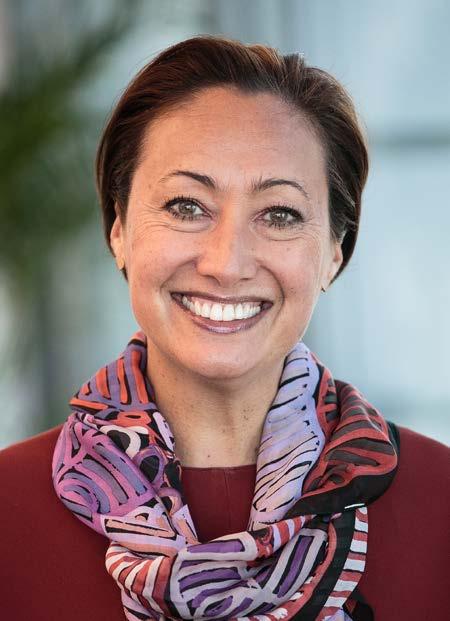
CEO Karen Mundine. Photo: Joseph Mayers
Looking ahead, Reconciliation Australia’s focus is to expand impact, deepen action and grow the movement.
In education, Narragunnawali now supports more than half of Australian schools and early learning services to take a structured approach to reconciliation, creating culturally responsive and safe learning environments that welcome First Nations children and their families.
Our Indigenous Governance Program continues to elevate community-led governance practices, while the Community Truth-telling Pathways program is helping to build a community of best-practice in truth-telling that is First Nations community led, place based, strengths focused and action oriented.
The impact of this work is reflected not only in participation, but in building understanding and shifting mindsets.
Research from the Australian Reconciliation Barometer (ARB) shows that people engaged in formal reconciliation initiatives (like RAPs) have a stronger grasp of Australia’s history and a deeper commitment to action when compared to the general population. They are more likely to see truth-telling as essential to reconciliation and to recognise their role in the process.
But progress has never been linear.
The ARB shows that awareness has grown significantly over the past 25 years as more Australians recognise the impacts of colonisation, support the idea of reconciliation, and agree that truth-telling is important. Yet, Aboriginal and Torres Strait Islander peoples' experiences of racism across all areas of life remain unacceptably high.
We see that growing awareness has not always translated into consistent action. For example, our research shows that the majority of non-Indigenous Australians recognise the importance of truth-telling but only some are actively participating in truth-telling opportunities.
The reconciliation movement must move people from understanding to action, and from action to impact.
This shift requires a broader base of participation and deepening levels of commitment.
We see growing support for reconciliation from multicultural communities but we need to provide more access to information and more opportunities to engage with a broader view of the histories and cultures of Australia and its First Peoples. Young Australians are leading in both awareness and willingness to act, offering momentum that must be supported and sustained.
At the same time, responsibility must be shared. Reconciliation isn’t the work of First Nations peoples alone. We have carried the weight of championing, explaining, and acting for far too long.
The work that remains requires all of us to join the reconciliation team, not out of guilt or shame, but as Australians who want to create a nation that embraces our shared histories and honours the unique cultures, rights and aspirations of First Australians to the benefit of all.
After 25 years, one thing is clear. If reconciliation is to succeed, it will require all of us to be All In. As the theme for National Reconciliation Week 2026, All In is a call to move beyond passive support and into active participation – challenging individuals, organisations and governments to contribute to meaningful, lasting change.
Looking ahead, Reconciliation Australia’s focus is to expand impact, deepen action and grow the movement. The past 25 years have shown what is possible when we’re all in for reconciliation, but the work is far from finished.
In this edition of Reconciliation News we reflect on our work and what comes next. We spotlight the moments when Australians have come together in support of justice, truth and equity, and we explore the leaps and bounds in education curriculum reform. Shelley Reys AO, inaugural Co-Chair of Reconciliation Australia, shares her reflections on the reconciliation movement; we highlight how more people can turn their support for truth-telling into meaningful action; and list some iconic reconciliation books (handpicked by some iconic writers!) and films.
These stories are an invitation to reflect, but more importantly motivation to act.
Thank you for your support. I hope that you will continue to walk alongside us as we take the next steps along our reconciliation journey.
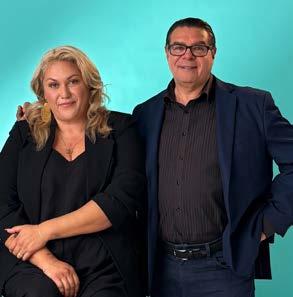
Karen Mundine Chief Executive Officer
RECONCILIATION RECAP
Warning: The following content references events that some readers may find distressing.
Victoria's Statewide Treaty and Apology to First Peoples October – December 2025
Victoria continued to set benchmarks for other states and territories to progress justice, self-determination and reconciliation when it enacted Australia’s first Treaty legislation in October.
Gellung Warl, the new Aboriginal-led body established through Treaty, will be consulted on matters affecting Victorian
First Nations peoples. This creates a mechanism for communities to shape the policies and services that affect their lives, while strengthening accountability.
This outcome reflects generations of advocacy and the enduring strength, resistance and leadership of First Nations communities.
NSW Treaty Consultations August 2025 – 2026
In December, the Victorian Government delivered a formal apology to the state’s First Peoples, acknowledging the profound and ongoing harms caused by past laws, policies and practices. Grounded in the truth-telling of the Yoorrook Justice Commission, the apology reflects a core dimension of reconciliation, historical acceptance.
Together, the apology and Treaty signal a shift from acknowledgement to action. The focus now turns to implementation and ensuring these commitments deliver tangible outcomes for First Nations peoples.
To learn more and support the process, head to firstpeoplesvic.org
Premier Jacinta Allan, Minister for Treaty and First Peoples, Ros Spence, and First Peoples’ Assembly Co-Chairs, Rueben Berg and Ngarra Murray in Naarm/Melbourne at the ‘Victoria's Treaty: It's Here’ event for the ceremonial signing of the Treaty presented on kangaroo skin. Photo: Jonathan White from Melbourne Park
The NSW Treaty process consultations, which have been underway across the state since August 2025, are continuing through 2026.
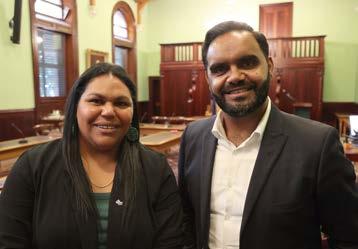
Led by independent Treaty Commissioners Aden Ridgeway and Naomi Moran, the process is focused on listening to communities about whether a treaty or other agreement is desired, and what form it should take.
The commissioners have already visited the Far West, South Coast, northern and southern regions, and greater metropolitan Sydney, covering communities such as Wilcannia, Nowra, Tamworth, Wagga Wagga, Lismore, Kempsey, Wyong and Moree. Further engagements will continue throughout 2026 to ensure broad and inclusive participation.
A final report is expected later this year, outlining findings and recommendations for the next stage of the process.
Find out more at treatynsw.info and follow along on social media. NSW Treaty Commissioners, Nyangbal and Arakwal woman, Naomi Moran and Gumbaynggirr man, Aden Ridgeway. Photo: New South Wales Treaty Commission
Voter participation increased compared to the inaugural vote in 2024, but challenges around eligible voter turnout remain.
South Australian First Nations Voice to Parliament
March
South Australia has reaffirmed its commitment to First Nations representation, with the second election of the SA Voice to Parliament held on 21 March 2026.
National Racism Inquiry
March
In March, the Federal Government announced an inquiry into racism, hate and violence against First Nations peoples, taking a significant step towards confronting the persistence and impact of racism across the nation.
Led by the Joint Standing Committee on Aboriginal and Torres Strait Islander Affairs, the inquiry will examine the prevalence and consequences of racism, as well as the effectiveness of existing legal and policy responses.
This, combined with reports of some First Nations voters of being questioned or profiled at polling booths, has highlighted the importance of ensuring cultural safety and accessibility within electoral processes.
In response, SA Deputy Premier and Aboriginal Affairs Minister, Kyam Maher has flagged an independent review to examine the election process and identify improvements for future votes.
As the Voice moves into its next phase, attention turns to strengthening participation, building trust, and ensuring the model continues to evolve in line with community expectations.
Explore more and view the election results at firstnationsvoice.sa.gov.au
South Australia's inaugural State Voice Presiding Members, Danni Smith and Leeroy Bilney, were both re-elected in the 2026 elections.
Photo: Supplied
The announcement follows serious incidents that have underscored the urgent need for national action including the attacks on this year’s Invasion Day gathering in Boorloo/Perth and Naarm/Melbourne’s Camp Sovereignty in 2025. While details of these events remain sensitive within communities, their impact has been widely felt and has reinforced calls for stronger protections and accountability.
The inquiry provides an important platform for truth-telling, enabling lived experiences of racism to be heard across sectors including healthcare, education and justice.
Its impact will depend on sustained commitment and the willingness of governments to act on the recommendations. Addressing racism requires coordinated national leadership, structural reform and a clear focus on safety, dignity and self-determination for First Nations peoples.
Head to the Australian Parliament website to track the inquiry’s progress
Minister for Indigenous Australians, Senator Malarndirri McCarthy, at the Reclaim the Space healing gathering in Boorloo/Perth held by community in the wake of the Invasion Day attack.
Photo: Ronan O'Connell
ALL IN: NATIONAL RECONCILIATION WEEK
Every year, National Reconciliation Week is a reminder that it takes all of us working together to achieve genuine, meaningful reconciliation and build a better future.
The #NRW2026 theme All In is both a challenge and a question. Are we ready to be ‘all in’ to make the change that we need?
Reconciliation is not a spectator sport, all of us must step away from the sidelines and take action.
All In reminds us that no less than wholehearted commitment to reconciliation will be enough. If we reject inequity and demand justice, then we must collectively be all in.
Aboriginal and Torres Strait Islander peoples have long carried the responsibility of advocating for their rights, cultures and futures. All In shifts that responsibility and calls on broader Australia to step up for reconciliation.
All In is about amplifying Aboriginal and Torres Strait Islander voices and backing calls for truth-telling and self-determination. It means listening to First Nations leadership, challenging racism, and building relationships grounded in respect and accountability.
About the artist + artwork
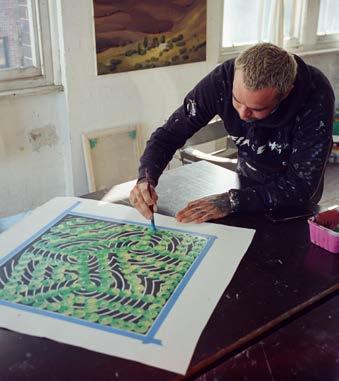
The #NRW2026 artwork is Gaagal by Gumbaynggirr/Bundjalung artist Otis Hope Carey.
His distinctive visual language brings the theme All In to life through movement and colour. The work evokes people coming together – across communities and generations – united by a shared commitment to progress.
Gaagal (meaning ‘ocean’) carries a strong sense of energy and momentum, reinforcing the idea that reconciliation strengthens when more people actively participate and remain engaged over time.
As Otis describes, ‘this artwork uses the ocean as a metaphor for people from all walks of life swirling together to be ‘all in’ for reconciliation… the movement in the work is a representation of tidal charts, wave currents and flowing tides, which emulates the nonstop movement of the ocean… a symbol that reflects the ongoing fight for reconciliation in this country.’
Photo of Otis Hope Carey supplied by the artist.
What is National Reconciliation Week?
National Reconciliation Week takes place every year from 27 May to 3 June. It invites all Australians to deepen their understanding of our shared histories, cultures and achievements, while reflecting on the enduring impacts of colonisation and the work still ahead.
The week is anchored by two key milestones – the 1967 Referendum to count Aboriginal and Torres Strait Islander peoples in the census and enable the Federal Government to make laws for them, and the 1992 High Court Mabo decision which established Native Title and recognised in law the enduring connection of Aboriginal and Torres Strait Islander peoples to Country.
National Reconciliation Week grew out of the Week of Prayer for Reconciliation in 1993, gaining momentum through the decade of reconciliation (1991–2000), which focused on strengthening relationships between Aboriginal and Torres Strait Islander peoples and the broader community.
Reconciliation Australia was established in 2001 to carry this work forward. Over the past 25 years, it has helped shape the national reconciliation agenda – supporting truth-telling, strengthening relationships, and driving practical action through initiatives such as the Reconciliation Action Plan and Narragunnawali: Reconciliation in Education programs.
Today, National Reconciliation Week is a nationwide platform for engagement with schools, workplaces, organisations and communities across the country taking part each year. To learn more visit: reconciliation.org.au/our-work/nationalreconciliation-week
Take
action for #NRW2026
Reconciliation lives in everyday actions – in what we choose to do, support and stand for.
IN YOUR COMMUNITY
Taking action begins with participation. Attending or hosting NRW events creates opportunities for connection, learning and shared understanding. Activities across the country provide spaces to engage and strengthen respectful relationships. Find events or register your own: reconciliation.org.au/calendar
Consider joining, or starting your own Voices for Reconciliation choir and performing this year’s song Beds Are Burning by Midnight Oil: reconciliation.org.au/our-work/national-reconciliation-week/ voices-for-reconciliation/
AT WORK
Going All In at work means embedding reconciliation into everyday practice. This could include proposing, developing or strengthening a Reconciliation Action Plan, fostering culturally safe workplaces, and ensuring First Nations perspectives inform decision-making. It also involves moving from intent to accountability by tracking progress and embedding change across organisational systems and culture. Learn more: reconciliation.org.au/reconciliation-action-plans
AS AN INDIVIDUAL
Being All In also means taking action in everyday life. This can include learning the traditional Country you live on, engaging with First Nations perspectives, and challenging racism whenever you witness it. It's about making informed choices – what you read, watch, listen to and engage with. See 25 Films for 25 years and Reconciliation Reads in this edition for inspiration.
SHOW YOUR SUPPORT
This can be both visible and practical. Sharing resources, displaying materials and using your platforms to elevate messages of reconciliation all help build awareness and momentum. Collective action, even in small ways, contributes to broader cultural and social change. Get resources: reconciliation.org.au/our-work/nationalreconciliation-week/posters-resources
ALL IN: 25 YEARS AND COUNTING
Over the past 25 years of Reconciliation Australia, and the decade of reconciliation before that, Australians have stepped forward at pivotal moments to shape the nation’s reconciliation journey. People have organised, created, and spoken truth to demand a fairer future.
Sometimes this has taken the form of vast crowds moving together on city streets. At other times, it has been quieter but no less powerful: classrooms reshaping curricula, artists shifting thinking and communities sharing their stories.
Reconciliation is not a single event or a straight path. It unfolds through collective action, courage and contest. Progress sits alongside setbacks, yet across generations the pursuit of justice for Aboriginal and Torres Strait Islander peoples has endured.
Read about some of the key moments when Australians have been All In for reconciliation, and the unfinished business that still calls us forward.
ALL IN in record numbers
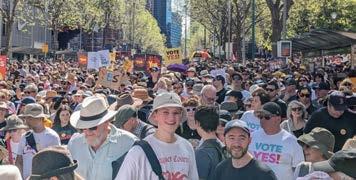
In a historic show of unity, more than 250,000 people walked across the Sydney Harbour Bridge for Corroboree 2000, with close to a million more joining reconciliation walks nationwide in the months that followed. The moment defined a generation, with people still hosting walks inspired by the event to this day.
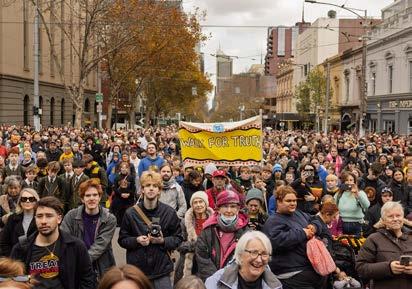
This collective spirit carried into the Yes23 campaign, the largest grassroots movement in Australian history. More than 60,000 volunteers mobilised communities through everyday conversations, contributing to 6.2 million Australians voting ‘Yes’ in the Voice Referendum. Trade unions played a central role through ‘Unions for Yes’, drawing on a long history of solidarity with First Nations struggles for rights and justice.
Momentum has also been carried through acts of truth-telling on Country. In Victoria, thousands walked alongside Yoorrook Justice Commissioner Travis Lovett from Portland to Parliament in Naarm/Melbourne. The 2026 National Walk for Truth builds on this, continuing to Ngunnawal and Ngambri Country, Canberra, and calling for a national First Nations-led truth-telling process.
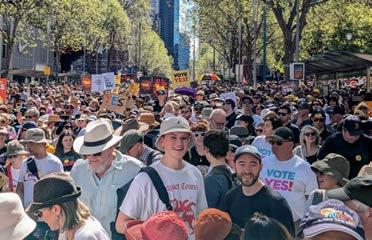
Attendees at the Melbourne 'Walk for Yes' in 2023. Photo: Reconciliation Australia
ALL IN on saying sorry
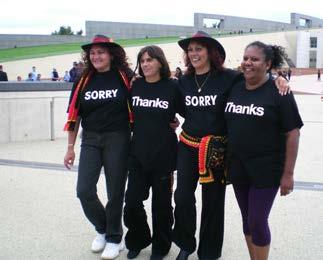
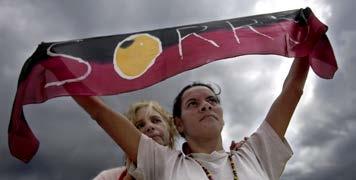
Prime Minister Kevin Rudd’s 2008 Apology to the Stolen Generations marked a defining national moment. It acknowledged profound harm and set a benchmark for accountability.
More recent apologies point to both the importance and the fragility of this work. At Garma 2024, Northern Territory Police Commissioner Michael Murphy delivered an apology for injustice, harm and racism since the force’s inception. His standing down and the absence of subsequent action from the NT Government and police force highlight how tenuous these commitments can be.
In contrast, in December 2025 the Victorian Government apologised to First Peoples following the Yoorrook Justice Commission’s final recommendations, acknowledging systemic injustice, violence and harm caused by state and colonial actions.
Together, these moments underscore a core truth. Apologies are vital and important, but they also test whether governments will follow through with sustained, practical action.
Rhonda Randall and Sharon Mumbler stand proud with their Sorry scarf at the broadcast of then Prime Minister Kevin Rudd’s 2008 Apology to the Stolen Generations in Penrith, Sydney.
Photo: David Hill/Newspix
ALL IN the spotlight
Music has long accompanied social justice movements and amplified many voices.
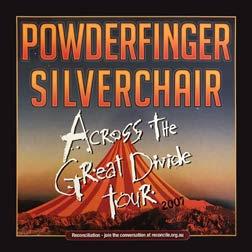
In 2007, Powderfinger and Silverchair set out on the Across the Great Divide tour to mark the 40th anniversary of the 1967 referendum and bring awareness to the work of reconciliation.
In the 2010s, Rock for Recognition concerts supported the campaign for constitutional recognition with artists including Dan Sultan and Leah Flanagan bringing national attention to the issue.
In 2023, Briggs’ Now & Forever concert brought together leading artists including Paul Kelly, Emma Donovan and Jimmy Barnes, speaking to the potential for intergenerational change through recognition.
And each year on 26 January, Yabun Festival brings together First Nations artists and communities in a powerful celebration of survival and sovereignty. Increasingly, Australians are choosing to mark the day with truth-telling, truth-listening and collective action.
Powderfinger and Silverchair's Across the Great Divide tour album cover. Photo: Reconciliation Australia
ALL IN against racism
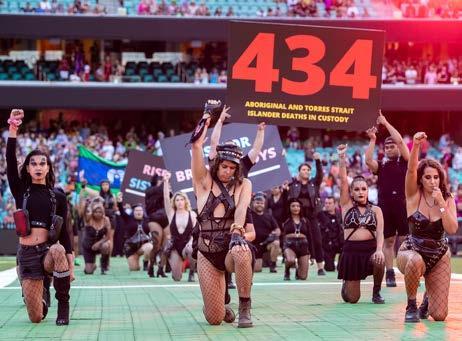
In 2020, Australians joined the global Black Lives Matter movement, which began in the United States following the police killing of African American man George Floyd. Despite the pandemic, hundreds of thousands gathered at rallies to protest systemic racism.
These protests sharpened focus on Australia’s own record, including the unimplemented recommendations of the Royal Commission into Aboriginal Deaths in Custody from 1991, and calls to end over-incarceration and racist policing.
This moment sits within a longer history of injustice, from the Stolen Generations and the Northern Territory Intervention, to abuses at Don Dale children’s prison and the public vilification of sporting heroes Adam Goodes and Latrell Mitchell. It demonstrated that when Australians confront injustice, many are prepared to step forward.
2021 Sydney Gay and Lesbian Mardi Gras Parade participants highlight the number
ALL IN for the future
After 25 years of All In moments, the question is, what comes next?
Momentum is something we create and strengthen together. While it can fade when attention shifts, it’s up to us to refocus and keep moving forward.
That means staying connected beyond defining moments, showing up, continuing to learn, and supporting First Nations self-determination and truth-telling initiatives in and around your community consistently.
Together we’ve taken some big steps forward over the past 25 years and together we can keep going.
National Reconciliation Week is a time for all Australians to learn about our shared histories, cultures, and achievements, and to explore and reflect on how each of us can contribute to reconciliation in Australia.
Head to reconciliation.org.au/our-work/national-reconciliation-week to get involved.
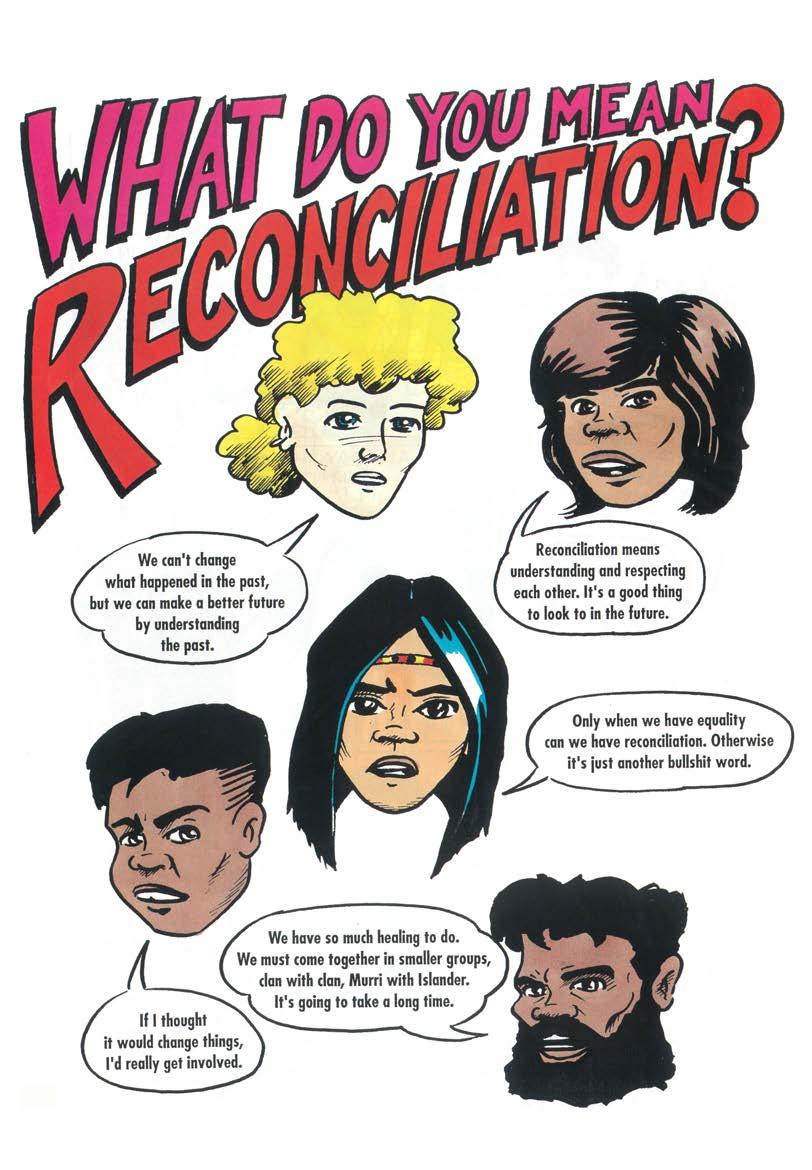
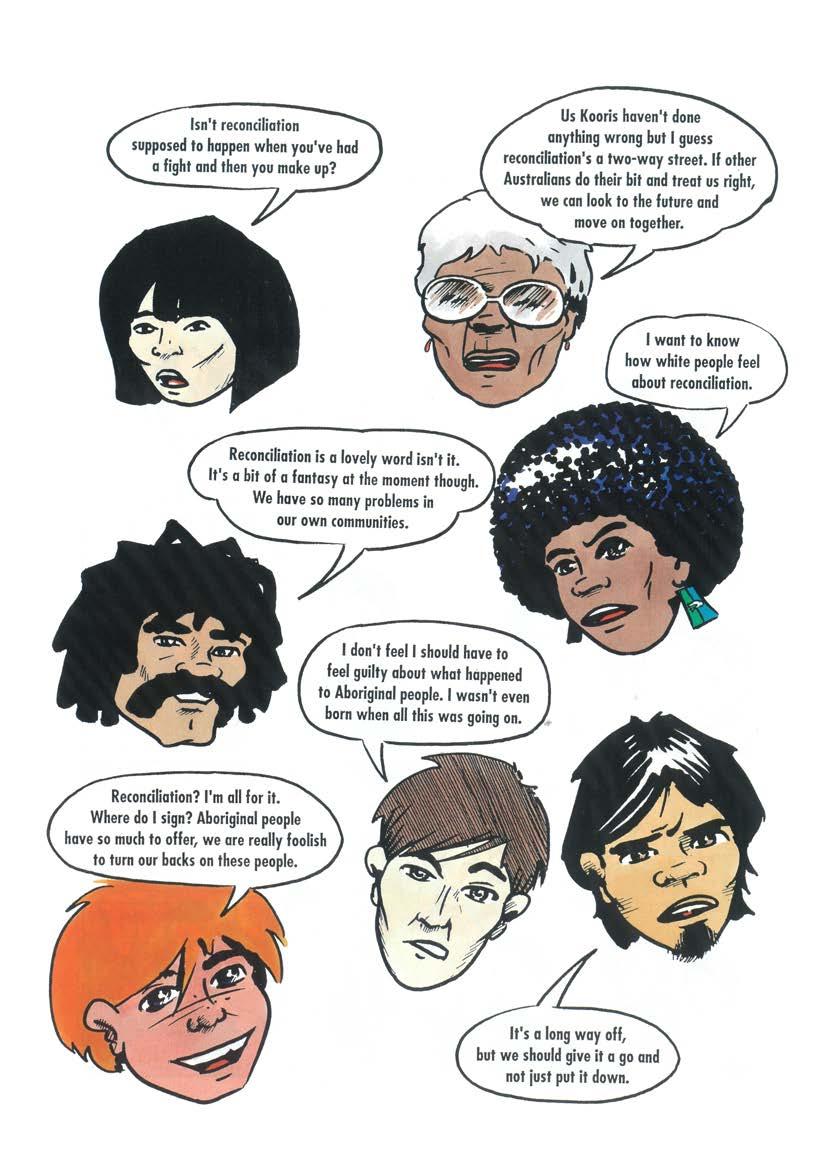
The Reconciliation comic was commissioned and funded by the Council for Aboriginal Reconciliation –Reconciliation Australia’s predecessor – in 1997. It was produced by Streetwize Comics which was founded in 1984 and produced free educational comics for young people covering a wide range of issues.
This double page spread represents different views of reconciliation from young people’s perspective.
Reconciliation Australia reprinted the original Reconciliation comic combined with It’s About Time! in 2015.
Writers: Gayle Kennedy and Cathy Craigie l Artists: Frank McLeod and Ross Carnsew
You were there at the beginning. How did you first become involved in reconciliation?
I was engaged by the Council for Aboriginal Reconciliation in 1991 to help build what they called a ‘people’s movement’ across NSW and parts of the ACT alongside non-Indigenous colleagues, John and Elaine Telford.
At that time, formal reconciliation was new and not widely understood. Among Aboriginal and Torres Strait Islander people, it was often seen as aspirational rather than achievable. Adding to this, there was a deep sense of grief and anger, forged by their removal from land and family, and so the proposition of a reconciliation process was not simply personal but incredulous. Despite this challenging environment, our role was to begin building public support.
As the Council approached the end of its 10-year mandate, Reconciliation Australia was established to carry that work forward. I was invited onto the Board to bring the people’s movement perspective into the room. From the outset, success depended on whether the public stayed engaged and willing to carry the movement forward.
IN CONVERSATION: SHELLEY REYS AO
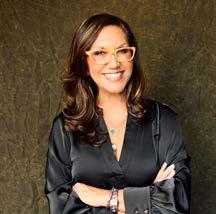
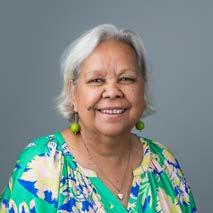
Shelley Reys AO is a Djiribul woman from Far North Queensland and a leading voice across First Nations and corporate Australia. As an inaugural Co-Chair and long-serving Board member of Reconciliation Australia, she has helped shape the reconciliation movement from its earliest days.
What did that early period feel like on the ground, particularly in the early 2000s?
There was a mix of uncertainty, scepticism and hope. Many Aboriginal and Torres Strait Islander people were questioning whether the previous decade of work had led to real change in their lives. Awareness had grown, but outcomes had not kept pace.
At the same time, there was a strong sense of public goodwill. The People’s Walk for Reconciliation across the Sydney Harbour Bridge in May 2000 showed that Australians were willing to engage and to stand together, despite the work to be done.
When Reconciliation Australia was established in 2001, it stepped into that moment of both momentum and fragility.
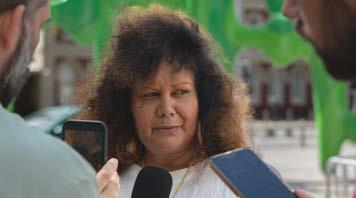
Shelley Reys AO. Photo: Supplied
A people’s movement – or allyship, as it’s more commonly known today – remains key to giving reconciliation ‘life’. It always was, and always will be, up to us.
In those early days, Reconciliation Australia’s resources were limited, there was little government support, and we felt heavy with the expectation that the movement would continue to grow. My fellow Board members had different views but I felt strongly that a people’s movement would be key to giving reconciliation ‘life’. In other words, if it was going to happen, it would be up to us.
How has reconciliation changed over the past 25 years?
One of the most significant changes has been the evolution of the people’s movement itself with the introduction of Reconciliation Action Plans. Organisations and their leaders became a central part of the movement. Today, with more than 3,300 RAPs in place, the movement has a very different face and voice.
That shift reinforced that reconciliation is not just the responsibility of governments. It is something to which all sectors must contribute.
We have seen tangible outcomes, including increased employment of Aboriginal and Torres Strait Islander people and more structured commitments to change. At the same time, the strong grassroots presence that existed in the early years is less visible now.
What do we need now to strengthen the movement?
We need to deepen the commitments within those RAPs. Commitments are not always embedded into the ways in which an organisation functions and I rarely see individual accountability where delivering on actions is included in performance reviews. This would create real traction where good intent is matched with tangible outcomes.
Truth-telling also remains essential. There is still a need for broader understanding of our shared history and its ongoing impacts. Alongside that, we must confront racism, which continues to shape the experiences of many people in this country.
Adding to this, generally speaking, I’m seeing a steady decline in kindness. Reconciliation cannot be sustained nor grow in that environment. We need to lean into what we believe to be intrinsically Australian – being kind and generous.
What role should governments play now?
While reconciliation must be driven by people, governments still have a critical role.
In the absence of a constitutionally enshrined Voice, there is an opportunity to introduce legislative mechanisms that ensure Aboriginal and Torres Strait Islander people can influence the decisions that affect them.
This could take different forms across jurisdictions, whether through a statutory Voice or Treaty. The key is that there are structures in place that enable genuine participation and influence.
How do we get everyone ‘All In’ for reconciliation again?
There is no one-size-fits-all approach. Reconciliation means different things to different people, and that is appropriate.
Leadership is critical. Leaders need to continue the conversation, bring people with them, and model both courage and commitment.
For the broader community, I’d like to see that spirit of kindness and generosity influence the manner in which they engage with First Nations topics. Reconciliation cannot be achieved by Aboriginal and Torres Strait Islander people alone. It requires collective effort.
Looking back, is there a moment that captures what reconciliation means to you?
The National Apology to the Stolen Generations stands out.
When it was delivered, you could hear a pin drop in the House of Representatives. For years, in waiting for an apology, First Nations peoples had been holding their breath and now, there was a collective, audible sigh.
But we knew it wasn’t important for First Nations peoples, alone. It was important for us all; a single moment of pride in being Australian. With sustained effort, stronger commitments, and a willingness to lean in, there will be more opportunities to come together and to be filled with that same sense of pride.
A people’s movement – or allyship, as it’s more commonly known today – remains key to giving reconciliation ‘life’. It always was, and always will be, up to us.
REWRITING THE CLASSROOM
First Nations peoples in Australia have contributed to significant changes within the education landscape over many decades, advocating for Aboriginal and Torres Strait Islander students to feel safe and supported in learning environments, and for all students to have the opportunity to engage in reconciliation and respect and recognise the world’s oldest continuous living cultures.
The formal education system in Australia has historically served as a tool of colonisation. Aboriginal and Torres Strait Islander peoples, pedagogies and historical perspectives have been systematically excluded from, and silenced within, mainstream education. As a result, generations of Australians have grown up with an inadequate understanding of First Nations cultures and perspectives and a very limited awareness of our shared histories.
Education institutions have contributed to a lack of historical acceptance; deepening inequalities and inequities; and limiting strong relationship-building and unification processes across generations.
Australia’s poor track record of including First Nations perspectives and historical truth-telling has caused damage to Australia’s social cohesion as non-Indigenous students have been denied a critical opportunity for learning and
First Nations students have struggled with an arguably racist interpretation of our origin story, making learning environments an often hostile and unsafe place for them.
Noongar parent Kathleen Turtur has seen first-hand the impact of changes in the ways schools are now approaching First Nations cultures and perspectives. When her son, Reuben, started at Winterfold Primary School in Boorloo/ Perth, she immediately saw a change.
‘Now that culture and language are celebrated at his school, there is pride in our kids and when they are free to express this, they go in amazing directions’, said Kathleen. ‘Reuben was a quiet kid, but when he was introduced at school to culture, dance and language he came out of his shell; his confidence grew so much he was able to stand up in front of the whole school and do an Acknowledgement of Country.
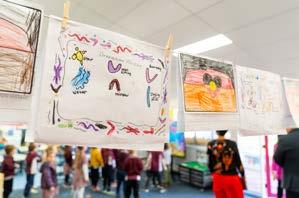
Reconciliation in action at Winterfold Primary School. Photo: Tom Hoy, Wirrim Media.
‘He went from being a kid who was reticent about going to school to one who became enthusiastic about it.’
Australian classrooms are today undergoing a significant transformation, as Indigenous knowledge systems move from the margins to the core of what students learn. This shift, driven by sustained First Nations advocacy and shaped by reconciliation efforts, represents more than curriculum reform – it is a fundamental reimagining of what it means to be educated in Australia.
The changes are structural, not cosmetic. Rather than confining First Nations’ content to isolated units or special cultural days, the current Australian Curriculum weaves Aboriginal and Torres Strait Islander perspectives throughout every syllabus. Mathematics classes now explore the geometric principles in Central Desert dot paintings. Science students examine Indigenous taxonomy systems developed over 65,000 years. English courses integrate First Nations storytelling traditions.
These developments are also being reflected in early learning services through the Early Years Learning Framework with the 2024 Version 2 update strengthening Aboriginal and Torres Strait Islander perspectives throughout the framework’s vision, principles, practices and outcomes.
The changes in Australian education have been fueled by two significant declarations.
In 2008, the Melbourne Declaration on Educational Goals for Young Australians developed nationally consistent future directions for Australian schooling agreed by all Australian education ministers, including the need for students to “understand and acknowledge the value of Indigenous cultures and possess the knowledge, skills and understanding to contribute to, and benefit from, reconciliation between Indigenous and non-Indigenous Australians”. The Declaration led to an Australian Curriculum, which includes Aboriginal and Torres Strait Islander histories and cultures as one of three cross-curriculum priorities.
Then, in 2020, through the Mparntwe Education Declaration, Australian Governments re-committed to supporting all young Australians to “become confident and creative individuals, successful lifelong learners, and active and informed members of the community who... possess the knowledge, skills and understanding to contribute to, and benefit from, reconciliation between Aboriginal and Torres Strait Islander peoples and non-Indigenous Australians”.
Beginning in every classroom, education in Indigenous knowledge systems, histories and cultures is a nation-building exercise.
Building Teacher Capability
Recognising that curriculum change alone is not enough, states are introducing mandatory cultural competency standards for teachers. Victoria is moving decisively, following the Yoorrook Justice Commission’s recommendations and subsequent Treaty, and will assess all teachers’ capacity to embed First Peoples’ knowledge, cultures and perspectives in learning effectively. School libraries face targets to audit and decolonise their collections by removing outdated or racist materials.
Professor Melitta Hogarth, head of the University of Melbourne’s Ngarrngga project, said these changes are significant beyond the classroom. ‘Education does not just impart information; it shapes who we are and who we might be,’ Hogarth explains. ‘Beginning in every classroom, education in Indigenous knowledge systems, histories and cultures is a nation-building exercise.’
Reconciliation Australia’s Role
Reconciliation Australia has been instrumental in bridging policy and practice through the first decade of the Narragunnawali: Reconciliation in Education program. Co-hosting national forums with academic partners, the program has helped shift the conversation from whether to include First Nations perspectives to how to do it meaningfully and respectfully.
This work emphasises that including First Nations knowledges benefits all students, not just First Nations children. As educators at the 2025 National Reconciliation in Education Forum noted, this inclusion shapes future citizens and builds a more complete understanding of Australian identity.
Looking Forward
These changes face implementation challenges. Schools and services need resources, educators require training and communities must navigate potentially difficult conversations about historical truths. Yet momentum appears unstoppable. With Victoria’s new curriculum launching in 2026 and other states watching closely, Australia is on the brink of reimagining education as a tool for reconciliation.
The transformation extends beyond adding content – it is about respecting First Nations’ knowledge systems as fundamental to Australian education. It is not about taking anything away from anyone, but rather it is about building a more complete, honest, and sophisticated understanding of what it means to live and learn on this continent.
For resources to support your school or service’s reconciliation journey, head over to reconciliation.org.au/narragunnawali
TRUTH-TELLING: A PREREQUISITE TO AUSTRALIANS WORKING TOGETHER FOR REAL CHANGE
Reconciliation Australia CEO Karen Mundine walks us through why truth-telling is essential to achieve real change and why, despite widespread support, many Australians feel they don’t know where to start. Bridging the gap between awareness and action is critical to building momentum, deepening understanding, and driving the collective effort needed for justice and a more equitable future.
Truth-telling is critically important for both symbolic and practical reasons. By truth-telling, I mean, the many and varied processes that enable a fuller and more accurate account of Australia’s history. Processes that help us to develop a shared understanding of the injustices perpetrated against First Nations peoples and their impacts, as well as the unique strengths and contributions of Aboriginal and Torres Strait Islander peoples. These are precursors for justice and healing, for grassroots and structural change, and for a future where policies and practices do not repeat the mistakes of the past.
Launch of the Yoorrook Justice Commission in Fitzroy, Naarm/Melbourne, 2022. Photo: AAP Image/Diego Fedele
Setting the record straight is critical. However, it will not create a stronger, more united future if there is not a transformational response in the way our governments, businesses and communities operate.
These paradigm shifts require a whole-of-nation reckoning with the legacies of advantage and disadvantage on which Australia has been built. We must acknowledge and actively address the systemic injustices and discrimination which continue to shape the lives of First Nations communities. However, we will not achieve that without both personal and institutional responsibility. Non-Indigenous Australians need to be brave in owning that they have benefited from that legacy and therefore have a meaningful role to play in addressing the structural inequality it has created.
Truth-telling has been integral to Australia’s reconciliation process since its beginnings. The hard truths told in the Royal Commission into Aboriginal Deaths in Custody were the catalyst for the decade of reconciliation in the 90s, and all that has sprung from it – including the formation of Reconciliation Australia.
The concept of truth-telling, truth-listening and truth-acting is at the heart of why we believe it is a powerful driver of reconciliation. Setting the record straight is critical. However, it will not create a stronger, more united future if there is not a transformational response in the way our governments, businesses and communities operate. This year’s National Reconciliation Week theme, All In, makes clear that reconciliation is not solely the responsibility of First Nations people and that all of us must take action to make change.
Truth-telling: highly valued but not highly participated in
We know that truth-telling is important, and the evidence suggests that most Australians agree. The Australian Reconciliation Barometer – a national research survey undertaken by Reconciliation Australia every two years –tracks the progress of reconciliation between Aboriginal and Torres Strait Islander peoples and non-Indigenous Australians. The truth-telling section of the 2024 survey found more than 80% of non-Indigenous Australians believe it is important to learn about the impacts of colonisation and government policy on First Nations peoples. Nearly three quarters of Australians believe it is important to undertake truth-telling. These numbers are even higher for young Australians, multicultural Australians and the employees of the thousands of Australian organisations with Reconciliation Action Plans.
However, the survey also reveals that this is not translating into widespread action. Of the 71% of non-Indigenous Australians who agree that truth-telling is important, only 9% report participating in a local truth-telling activity in the past year.
In 2023 Reconciliation Australia commissioned researchers at the University of New South Wales to investigate barriers to participation in truth-telling. The resulting report, Coming to terms with the past? Identifying barriers and enablers to truth-telling, is a rich resource. Among its many findings is that barriers to non-Indigenous participation include:
• A perceived lack of opportunity
• Anxiety and uncertainty around the appropriate role of non-Indigenous people
• Fear of distress
A key barrier identified by First Nations participants was safety. Protecting people and culture must be the priority. The principle of First Nations led is central, but that does not mean that First Nations people carry all the responsibility. While there isn’t a template for truth-telling there are key principles that should guide the work: co-designed processes, cultural safety and direction from the communities impacted by the legacy of the truths being shared.
Community Truth-telling Pathways
Our newest program, Community Truth-Telling Pathways, is working alongside local communities and other like-minded organisations, to advance a national culture of truth-telling that is First Nations led, place based, strengths focused and action oriented. The program is learning from communities undertaking local truth-telling activities and it has created an online resource hub. The hub is a growing source of practical tools to address identified barriers, supporting communities at different points in their truth-telling journey.
Take action to make change
The evidence tells us that the majority of Australians aspire to better and fairer outcomes for Aboriginal and Torres Strait Islander peoples. However, this requires non-Indigenous Australians to step off the sidelines and turn their goodwill into action. Reconciliation will not happen by itself, and it will not happen without all of us.
To learn more about Reconciliation Australia’s Community Truth-Telling Pathways program and available resources, head to reconciliation.org.au/truth-telling
25 FILMS FOR 25 YEARS
Films and videos are accessible and engaging ways to explore the truth about our shared history, cultures, and experiences. In Australia, a rich filmmaking history − shaped by both acclaimed and emerging filmmakers − brings these stories to life.
To mark 25 years of Reconciliation Australia, we’ve curated a list of 25 must-watch feature films, many from First Nations directors.
Which ones have you seen? What will you watch next? Use our recommendations below and find a film or five to watch this National Reconciliation Week and beyond.
Jedda (1955) dir. Charles Chauvel
The first feature film with Aboriginal actors in starring roles, offers rare on-screen representation for the time, while also being starkly illustrative of colonial attitudes of its era.
Walkabout (1971) dir. Nicolas Roeg
Based on a novel by James Vance Marshall, two white children from the city become lost in the outback and encounter a lone Aboriginal boy (David Gulpilil, in his first role) who helps them navigate the landscape.
The Chant of Jimmie Blacksmith (1978) dir. Fred Schepisi
Based on a novel by Thomas Kenneally inspired by the life of Jimmy Governor, an Aboriginal man becomes a fugitive in an early cinematic examination of racism and First Nations dispossession.
Manganinnie (1980) dir. John Honey
Based on a novel by Beth Roberts, a Tasmanian Aboriginal woman (played in the film by Elcho Island woman Mawuyul Yanthalawuy) travels with a young white girl after her people are massacred by colonists.
beDevil (1993) dir. Tracey Moffatt
A trilogy of ghost stories inspired by Moffatt’s Aboriginal and Irish heritages. Moffatt features alongside Jack Charles and Lex Marinos.
Radiance (1998) dir. Rachel Perkins
Three sisters living separate lives reunite to attend their mother’s funeral. Stars Deborah Mailman, Trisha Morton-Thomas and Rachael Maza.
Yolngu Boy (2001) dir. Stephen Maxwell Johnson
Three teenage boys in the NT community of Yirrkala navigate Yolŋu and Western ways of life.
The Tracker (2002) dir. Rolf de Heer
David Gulpilil plays a tracker leading police in pursuit of an Aboriginal fugitive in this exploration of colonial racism.
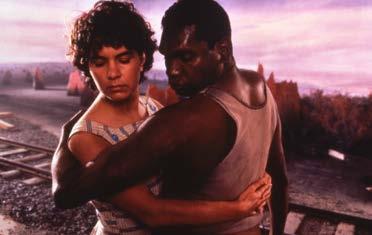
Patricia Handy in 'beDevil' (1993). Courtesy Ronin Films.
Beneath Clouds (2002) dir. Ivan Sen
This strikingly shot road movie follows two teenagers, both on the run and both searching to reconnect with family.
Rabbit-Proof Fence (2002) dir. Phillip Noyce
Based on a true story, three girls escape the Moore River Native Settlement to follow the 1600km-long rabbit-proof fence and find their way home to Jigalong WA.
Ten Canoes (2006) dir. Rolf de Heer
All spoken in Yolŋu Matha language, with English narration by David Gulpilil, Ten Canoes is a representation of life in Arnhem Land before colonisation through a goose egg hunting story.
Samson and Delilah (2009) dir. Warwick Thornton
This multiple award-winning film follows Samson and Delilah as they need to leave their Central Australian community for Alice Springs and all of its challenges.
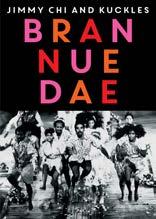
Bran Nue Dae (2009) dir. Rachel Perkins
Based on Jimmy Chi’s classic musical, a teenager flees boarding school in Perth and has a series of musical adventures on his way back home to Broome. Featuring Jessica Mauboy, Ernie Dingo, Geoffrey Rush and Missy Higgins.
Toomelah (2011) dir. Ivan Sen
A ten-year-old boy falls in with a gang in his home community of Toomelah NSW. The film is raw and realistic and inspired by Sen’s observations of the town his mother grew up in.
Mabo (2012) dir. Rachel Perkins
A dramatic depiction of the life story of revered land rights campaigner Eddie ‘Koiki’ Mabo. Stars Jimi Bani and Deborah Mailman.
The Sapphires (2012 dir. Wayne Blair
Three sisters (Jessica Mauboy, Deborah Mailman and Miranda Tapsell) and their cousin (Shari Sebbens) are the trailblazing soul group, The Sapphires. They deal with racism and war zones as they travel to Vietnam to perform for troops in the 1960s.
Satellite Boy (2012) dir. Catriona McKenzie
A young boy learns to heed his grandfather’s traditional wisdom in chasing his dream to open a restaurant in his remote Kimberley town.
Charlie’s Country (2013) dir. Rolf de Heer
Feeling out of place in modern Australia, Yolŋu man Charlie (David Gulpilil) goes to live on Country but cannot completely escape the world outside.
Mystery Road (2013) dir. Ivan Sen
Detective Jay Swan (Aaron Pedersen) returns to his outback hometown to investigate the death of a teenage Aboriginal girl. This film’s success led to a sequel, Goldstone, and an acclaimed TV series spin-off.
Sweet Country (2017) dir. Warwick Thornton
A stockman and station hand in Central Australia fights back against his abusive employer and is forced to go on the run.
Top End Wedding (2019) dir. Wayne Blair
After a bride-to-be’s (Miranda Tapsell) mother disappears to her home on the Tiwi Islands, she and her British husband travel to the Top End to track her down.
The Drover’s Wife (2021) dir. Leah Purcell
Henry Lawson’s famous short story is reimagined with an Aboriginal mother (Leah Purcell) in the central role, fighting to protect her family.
Sweet As (2022) dir. Jub Clerc
A troubled teenager attends a photography camp in the Pilbara, learning about life, loyalty and love along the way.
Limbo (2023) dir. Ivan Sen
A non-Indigenous detective battles personal demons while investigating the long cold case of a murdered young Aboriginal woman.
The Moogai (2024) dir. Jon Bell
Young parents (Shari Sebbens and Meyne Wyatt) start to believe their child is possessed by a malevolent spirit.
Documentaries
If documentaries are more your thing, make sure to check out the Reconciliation Film Club.
Hosting a screening of a Reconciliation Film Club documentary is an opportunity to bring people together to develop a deeper understanding of First Nations perspectives and histories, ignite conversation and spark change.
Reconciliation Australia, NITV and SBS are proud partners of Reconciliation Film Club.
To request a screening or learn more, head to sbs.com.au/nitv/collection/reconciliation-film-club
RECONCILIATION READS
As part of marking 25 years of Reconciliation Australia, we asked five of our favourite writers – Anita Heiss, Corey Tutt, Jackie Huggins, Kirli Saunders and Shane Howard –for their most iconic reconciliation reads. The results are diverse, a little surprising and it turns out some of the authors are each other’s favourites too!
Anita Heiss recommends:
Sister Girl: Reflectionson Tiddaism, Identity and Reconciliation
– Jackie Huggins
‘In this collection of essays, Jackie covers many themes, issues and moments in history that impacted her personally, and the nation at large. She writes that she was schooled by the early reconciliationists and suggests she had reconciliation in her genes.’
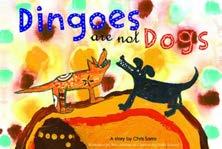
Dingoes Are Not Dogs
– Chris Sarra; illustrated by Cherbourg State School
‘A stunning picture book and valuable resource for use in schools but also for family reading with littlies – it’s a great story about reaching out to those who may be different to ourselves.’
Corey Tutt recommends:
Am I Black Enough For You?
– Anita Heiss
‘This book challenges the stigma of being too white or too black and the people in between... the challenges that many mob face.’
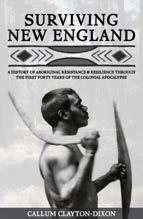
Surviving New England
– Callum Clayton-Dixon
‘This book explores survival, identity, and the challenges of racism, poverty, and the justice system, while also showing the strength and resilience found in culture and community.’
‘We need to be open to different kinds of messages and genres in our reconciliation learning because at some point in our lives they will truly speak to us about injustice, truth and resilience, but also help keep us thinking about a brighter future for all.’
– Jackie Huggins
Jackie Huggins recommends:
Defending the Defenceless: Indigenous Self-Determination and Legal Services in Australia – Eddie Cubillo
‘This is the history of the legal service and the grassroots struggle for real community control. It’s well researched and deeply rooted in the realities of Indigenous justice.’
Tiddas – Anita Heiss
‘This book is the best, it embraces the story of sisterhood – not only with Indigenous women but with non-Indigenous women as well, bringing them together.’
Kirli Saunders recommends: Words to Sing the World Alive – edited by Jasmin McGaughey and the Poets Voice
‘A beautiful celebration of First Nations languages and the powerful voices of poets from across the continent.’
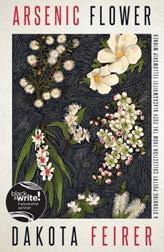
Arsenic Flower – Dakota Fierer
‘This is a powerful and necessary read, opening vital conversations around Aboriginal culture, masculinity, truth-telling and decolonisation.’
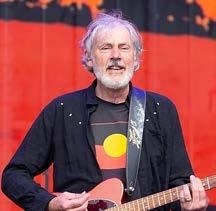
Shane Howard recommends: Trouwerner – Aunty Patsy Cameron; Martin Flanagan
‘This is a story of early contact and complex intertwining relations, and with those ‘white fellas’ who were also outside the colonial imposition. It challenges previous histories.’
Bran Nue Dae – Jimmy Chi
‘This profound, irreverent script and musical score of the trail-blazing musical is an expression of big-hearted reconciliation. It explores deep emotions and the scars of history interspersed with ‘bust-out’ laughing moments.’
National RAP Conference and Indigenous Governance Awards 2026
Tarntanya | Adelaide
4–6 November 2026
The National RAP Conference 2026 will bring together a powerful network of over 3,000 organisations reaching over four million Australians daily. It’s a unique opportunity to harness this collective influence to drive meaningful reconciliation outcomes across workplaces, communities, and beyond. On the second night, we’ll celebrate and showcase the success of organisations across Australia that demonstrate outstanding Indigenous governance practice at the Indigenous Governance Awards 2026 Gala Dinner. rapconference.com.au