Quality of life in the built environment
About Realdania
Realdania is an independent philanthropic association with around 200,000 members. We work with quality of life and the built environment – where architecture and the physical space can make a positive difference to people’s wellbeing and everyday lives. Since 2000 we have granted around 130 million € yearly to projects and initiatives that work to solve society’s challenges in collaboration with a wide range of partners – from voluntary enthusiasts to local municipalities and national partners. The money we spend supporting projects in the built environment derives from returns on our equity capital that is around 4 billion €.
Our philanthropic agendas
We know that architecture and physical surroundings can help to solve both major societal challenges and minor everyday problems – from global warming and loneliness to homelessness and the indoor climate. This is where Realdania wants to make a difference.
Common to the projects and initiatives we support is that they must contribute to one or more of Realdania’s three philanthropic agendas:
The Power of Place
The Potential of Architecture
The Future of Construction
Discover more about the agendas through which Realdania intends to make a positive difference.

The Power of Place
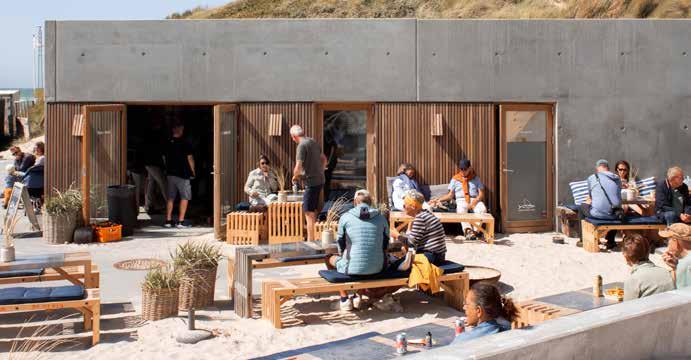
Although Denmark enjoys a high degree of social cohesion and quality of life compared to other countries, significant disparities remain between the wishes, opportunities and needs of people in the cities, the suburbs and the countryside.
We now live our lives in a more isolated manner, loneliness is permeating through population groups, and there are local concentrations of social problems in both rural and urban areas. No matter where we live, it is essential to our wellbeing that we experience a sense of belonging and connection with others.
Denmark possesses a strong civil society, active entrepreneurs and a rich cultural life, while our building heritage and urban areas contribute to our sense of identity and belonging.
There is thus considerable potential in developing local cultural activities, supporting local businesses, strengthening local associations, meeting places and urban spaces, and developing both urban and residential areas with an understanding of the history, culture and life lived in the location.
Focus areas:
Hovaldt
The Potential of Architecture
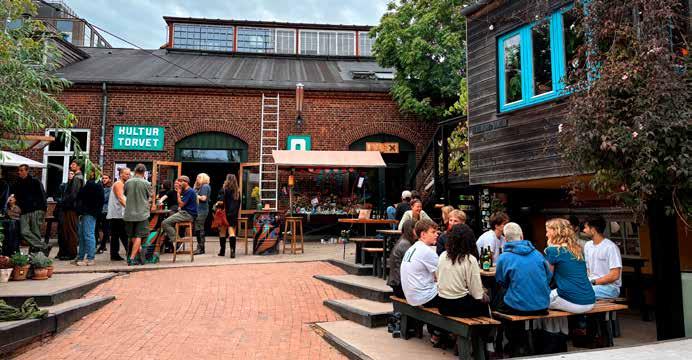
We are facing an uncertain future in which climate change, changing demographics and political crises will have a major impact on our society. In a time of rapid technological development, some groups are experiencing a decline in their physical and psychological wellbeing.
Historically, crises and technological advances have left their clear mark on the way we build and organize our society, and architecture has often provided visions for the future as well as solutions to contemporary challenges.
Architecture can both help to solve large-scale tasks in society and support quality of life in our immediate surroundings and everyday lives. Architecture plays a central role in our sensory experiences, social interactions and health but we do not always have an eye for the possibilities that architecture offers us, or for how it affects us.
Focus areas:
Architecture and Quality of Life
Building for Wellbeing
Spaces for Children and Young People
Photo : Sidsel Stybe
The Future of Construction
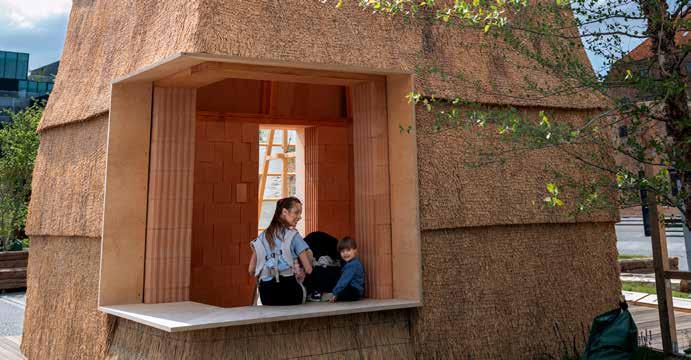
Cities and construction account for a significant proportion of greenhouse gas emissions, resource consumption and waste. A green transition in construction is thus a vital necessity.
The climate changes are already affecting the built environment and threatening our quality of life, and over the coming years, a radical change will be needed in the ways that we build and plan. We must prepare our cities for climate changes of which we can only see the outlines today.
New building practices will help us to establish more sustainable techniques and support our quality of life.
This will require digitization, the use of the latest technology, and collaboration and innovation between the actors of the building sector, the state and local authorities, civil society and citizens. The common challenge is to develop building practices that will minimize the climate footprint and reduce resource consumption. These must combine rapid adjustment with high architectural quality and enable citizens to make sustainable choices in their everyday lives.
Focus areas:
Resilient Cities
Photo : Klaus Bo
The Green Transition of Construction
Where does the money come from?
Realdania has its roots in mortgage lending. It all started back in 1795, when a large part of Copenhagen was destroyed in a great fire. The fire was an important factor behind the establishment of Denmark’s first lending institution whose object was to offer loans secured on mortgages in real estate.
To find the roots of Realdania itself, however, we must advance to 1851, when borrowers set up the first mortgagecredit institutions. The innovative aspect was that borrowers, rather than lenders, joined forces. Realdania grew out of one of these first mortgage-credit institutions.
In 2000 we transitioned from being a financial association to a philanthropic association when the then association RealDanmark sold its mortgage lending and banking activities to Danske Bank.
Prior to the sale, the association had a base capital of 1,4 billion € which, by law, could not be distributed to its members. Instead, the funds were to be used for the common good. The association was subsequently renamed Realdania and given an exclusively philanthropic purpose: to create quality of life for all through the built environment.
More about us
On our website you can read more about Realdania and see a selection of our projects.
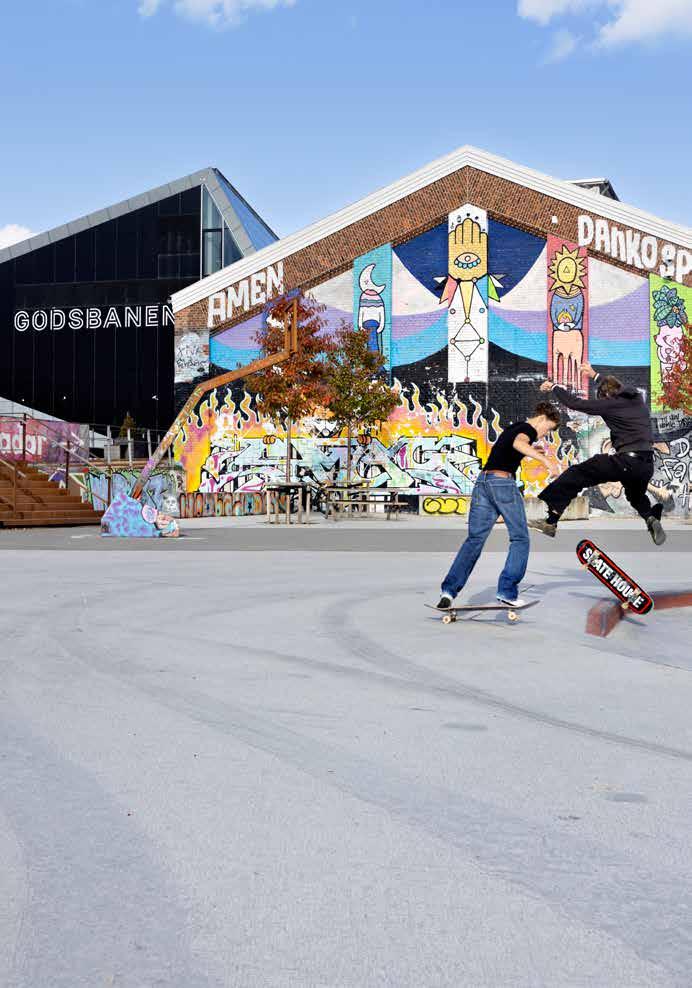
Cover photo : Mathilde Beck