Impact af Realdanias missionsrettede investeringer 2025 dansk
Impact af Realdanias missionsrettede investeringer 2025
Denne rapport giver indblik i Realdanias arbejde med missionsrettede investeringer i 2025 og deres bidrag til klima, cirkulær økonomi og udviklingen af mere bæredygtige løsninger i det byggede miljø.
Livskvalitet for alle gennem det byggede miljø
Introduktion Forord
1. Effekten af Realdanias missionsrettede investeringsportefølje 2025
1.1 Oversigt over Realdanias MRI-portefølje
1.2 Fordeling af MRI efter impact-tema
3. MRI-rammeværk er forankret i Realdanias filantropiske strategi
3.1 Realdanias filantropiske strategi som fundament for MRI-rapportering
3.2 Rammeværkets praktiske anvendelse
Filantropisk effekt af Realdanias missionsrettede investeringer
4.1 Climate impact
4.2 Renewable energy
4.3 Circular economy 4.4 Enabling technologies
INTRODUKTION
FORORD
I Realdania har vi en mission om at fremme danskernes livskvalitet gennem det byggede miljø. Det gør vi gennem vores filantropiske arbejde – og siden år 2020 også gennem vores kommercielle investeringer. I 2025 rundede vores missionsrettede investeringer 5 pct. af Realdanias samlede kommercielle investeringer, hvilket er målet i den nuværende investeringsstrategi.
Med vores missionsrettede investeringer prioriterer vi investeringer, der både understøtter vores mission og skaber et konkurrencedygtigt finansielt afkast. For os hænger de to ting sammen: Afkastet er en forudsætning for, at vi også fremover kan finansiere vores filantropiske arbejde.
Samtidig har vi en ambition om, at vores arbejde kan inspirere andre – ikke kun filantropiske fonde og foreninger, men også en bredere kreds af investorer. Derfor ser vi vores indsats som en tredobbelt bundlinje: Vi vil skabe livskvalitet for alle gennem det byggede miljø, vi vil levere et solidt, markedskonformt finansielt afkast og vi vil bidrage med viden, læring og transparens om vores arbejde med missionsrettede investeringer. Denne rapport er et bidrag til den ambition.
I det seneste år har vi haft et særligt fokus på at gøre de traditionelle byggematerialer grønnere. Årsagen er, at vi har travlt. Vi kan ikke vælge én enkelt vej til at gøre byggeriet grønnere. Alle veje må afsøges. Både de biobaserede og de mere klassiske byggematerialer.
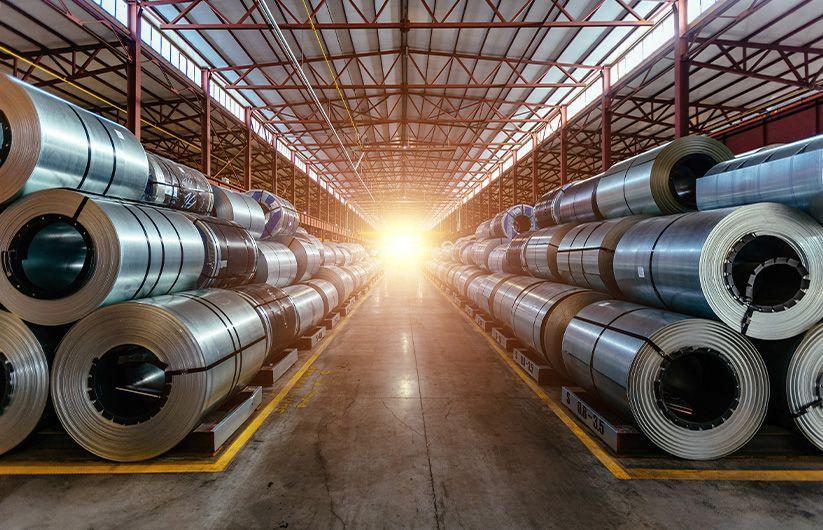
Fremskrivninger peger på, at efterspørgsel på f.eks. stål vil stige markant frem mod 2050. Derfor er det afgørende at reducere klimaaftrykket fra stålproduktionen. Ambitionen er, at Realdania skal bidrage til udviklingen af materialer og løsninger til byggeindustrien med et langt lavere CO2e-aftryk, end vi kender i dag. Derfor har vi bl.a. investeret i to projekter, der netop arbejder for at reducere CO2e-aftrykket fra stål markant. Begge er beskrevet som cases her i rapporten.
Denne rapport er Realdanias fjerde samlede afrapportering af effekten af vores missionsrettede investeringer. Siden vi i 2023 udviklede et rammeværk til afrapportering og offentliggjorde den første rapport, har vi fået værdifuld og konstruktiv feedback. Datagrundlaget er endnu ikke perfekt, vi oplever en særdeles positiv reaktion fra vores forvaltere siden vi bad dem levere data første gang. Det bliver lettere i takt med, at systemerne modnes, og vi ser, at flere og flere kapitalforvaltere bakker op om behovet.
Det glæder os virkelig meget.
Vi har fået bistand fra den danske konsulentvirksomhed The Footprint Firm, som står bag alle beregninger og figurer. Selvom datakvaliteten er forbedret i årets rapport, er der stadig plads til forbedring. Vores forventning er, at vi i de kommende år både får flere investeringer at rapportere på – og et endnu stærkere datagrundlag.
Realdanias missionsrettede investeringer (MRI) er forankret i foreningens samlede investeringsstrategi. Strategien fastlægger målene for investeringsaktiviteterne i overensstemmelse med Realdanias filantropiske mål om at skabe livskvalitet for alle gennem det byggede miljø. I den nuværende investeringsstrategi er 5 % af den kommercielle investeringsportefølje allokeret til MRI.
Alle investeringer i MRI-porteføljen gennemgår både en filantropisk og en kommerciel due diligence for at sikre, at de understøtter Realdanias mission om at skabe livskvalitet for alle gennem det byggede miljø. De missionsrettede investeringer skal således bidrage til Realdanias filantropiske arbejde for at kunne indgå i porteføljen. For den kommercielle due diligence gælder, at der ikke bliver gået på kompromis med kravet om et markedskonformt afkast.
Fra starten af 2025 til udgangen af 2025 voksede MRI-porteføljen fra 1.158 mio. kr. til 1.452 mio. kr. I løbet af 2025 blev der gennemført fem nye investeringer. Dermed omfatter MRI-porteføljen i alt 24 investeringer, hvoraf 22 indgår i MRI-rapporten for 20251 .
Realdanias MRI-portefølje 2025
MRI-INVESTERINGER INKLUDERET I TIDLIGERE
AFRAPPORTERING
BØRSNOTEREDE INVESTERINGER
• Ninety One GSF Global Environment
• Goldman Sachs Global Enhanced Index Sustainable Equity
UNOTEREDE INVESTERINGER
• Ardian Real Estate European Fund III (Ardian REEF III)
• Building Ventures Fund II
• Circular Plastic Fund SCSP (Infinity Recycling)
• Colesco Circular & Climate Credit Impact Fund
• Closed Loop Leadership Fund
• Navitas Capital III
• Navitas Capital IV
• NG Nordic (Summa Circular continuation fund)
• AO Built Technologies II (NOA)
• Patrizia Sustainable Communities Fund I
• DBPT Fond K/S (ProptechFonden)
• Redaptive (via Linse Capital RED II LLC)
• SUSI Energy Efficiency Fund II
• SUSI Energy Efficiency & Transition Credit Fund
• The Footprint Fund I
NYE MRI-INVESTERINGER INKLUDERET I 2025-RAPPORTERING 1
UNOTEREDE INVESTERINGER
• 2150 Urban Tech Sustainability Fund II
• Ardian “Mameli” (co-investering med Ardian)
• Galvanize Real Estate Fund I ("GREF I")
• Pacific Steel Group (co-investering med Generate Capital)
• Stegra (co-investering med Altor)
24
INVESTERINGER I MRI-PORTEFØLJE
22 INKLUDERET I MRIRAPPORT 20251
17 RAPPORTERER FOR ANDEN GANG
5 RAPPORTERER FOR FØRSTE GANG
MRI-investeringer er fordelt på fire impact-temaer
MRI-rapporteringen for 2025 er struktureret efter investeringernes primære bidrag til de udvalgte impact-temaer, som beskrevet i Realdanias impact-rammeværk for MRI
56%
Lavere klimaaftryk
17%
Vedvarende energi
13%
Cirkulær økonomi
14%
Understøttende teknologi
Investeringer med henblik på at reducere klimapåvirkningen ved at minimere og undgå CO₂e-udledninger
Investeringer med henblik på at reducere energiforbrug og understøtte omstillingen til vedvarende energi
Investeringer med henblik på at minimere affald ved at understøtte genanvendelse, genbrug og bæredygtig anvendelse af ressourcer
Investeringer med henblik på at fremme teknologier, som understøtter de øvrige impact-temaer
Impact-nøgletal 2025
PRIMÆRE IMPACT-NØGLETAL 1,2,3
Lavere klimaaftryk
Vedvarende energi
Cirkulær økonomi
Understøttende teknologier
Ton CO₂æ undgået in 2025
75.480
Sammenlignet med 69.672 tCO₂æ i 2024
Svarende til ~5.806 danskeres CO₂e-udledninger
MWh reduceret energiforbrug i 2025
191.988
Sammenlignet med 190.576 MWh reduceret in 2024
Svarende til ~6.906 danskeres årlige energiforbrug
Ton affald omdirigeret fra deponering i 2025
23.925
Sammenlignet med 6.268 ton affald omdirigeret fra deponering i 2024
Svarende til vægten af ~5.317elefanter
tværs af fem MRI PropTech-fokuserede venturefonde
Porteføljeselskaber med fokus på at udvikle teknologier, der understøtter ét eller flere impacttemaer.
MRI-porteføljen skabte målbar impact i 2025
Realdanias MRI-portefølje leverede i 2025 stærke impact-resultater på tværs af sine primære impact-temaer: Lavere klimaaftryk, vedvarende energi og cirkulær økonomi.
I 2025 bidrog MRI-porteføljen til at undgå 75.480 ton CO₂e-udledninger, svarende til det årlige klimaaftryk fra cirka 5.806 danskere. Stigningen sammenlignet med 2024 skyldes to forhold. For det første indgik fem nye investeringer i rapporteringen for første gang i 2025: 2150 Urban Tech Sustainability Fund II, Ardian “Mameli”, Galvanize Real Estate Fund I, Pacific Steel Group og Stegra. For det andet registrerede flere eksisterende investeringer – NinetyOne, Closed Loop Leadership Fund, Summa Circular, SUSI EETCF og Redaptive – vækst i undgåede emissioner fra deres aktiviteter i 2025, hvilket yderligere styrkede Realdanias samlede klimaeffekt for året.
Derudover opnåede MRI-porteføljen energibesparelser på 191.988 MWh, hvilket overordnet er på niveau med 2024. Det afspejler en stabil performance på tværs af de centrale investeringer samt, at ingen nye investeringer rapporterede inden for impact-temaet vedvarende energi i 2025.
Inden for temaet cirkulær økonomi bidrog porteføljen i 2025 til at omdirigere 23.925 ton affald fra deponi, en markant stigning fra 6.268 ton i 2024. Det afspejler et øget fokus på cirkularitet og ansvarligt materialeforbrug i det byggede miljø. Stigningen skyldes især, at flere investeringer rapporterede på denne KPI. I 2024 var det kun Closed Loop og Summa Equity, der rapporterede på affald omdirigeret fra deponi, mens Stegra, Circular Plastics Fund I SCSP og 2150 VC også bidrog i 2025 og dermed udvidede porteføljens målbare cirkulære effekt.
Ud over de miljømæssige effekter bidrager Realdanias portefølje også til social trivsel i det byggede miljø. I 2025 understøttede Ardian REEF III, PATRIZIA Sustainable Communities og Redaptive tilsammen renovering og modernisering af 875.161 m² eksisterende bygninger. Desuden blev der i 2025 introduceret en ny KPI under impacttemaet levende lokalsamfund, som måler antallet af lokale arbejdspladser skabt. På tværs af porteføljen bidrog investeringerne samlet til skabelsen af mere end 1.000 lokale arbejdspladser. Følgende investeringer rapporterede på denne KPI: Closed Loop Leadership Fund, Stegra, Colesco Circular & Climate Credit Impact Fund, 2150 VC og Circular Plastics Fund.
Case | Grønt stål
Dette kapitel beskriver to cases.
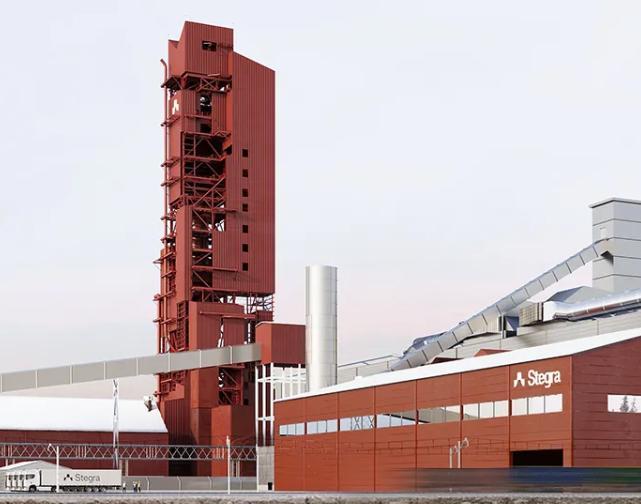
Det ene er Stegra, som opfører et nyt, grønt stålværk i Boden i Sverige, hvor der anvendes brint i stedet for kul i produktionen kombineret med en elektrisk smelteovn (EAF). Det reducerer CO₂-udledningen markant sammenlignet med traditionelle højovne.
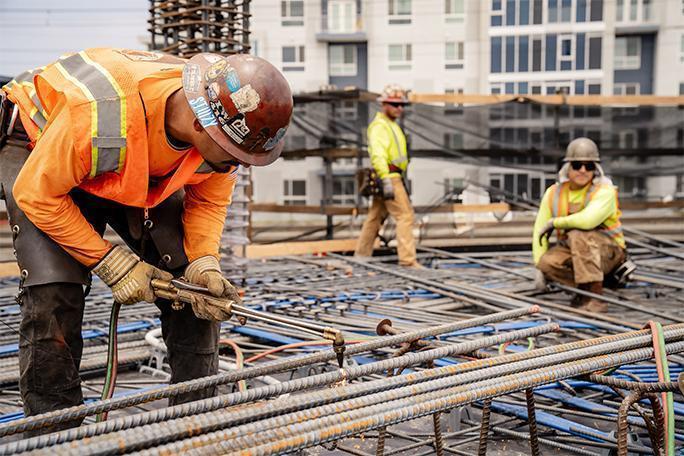
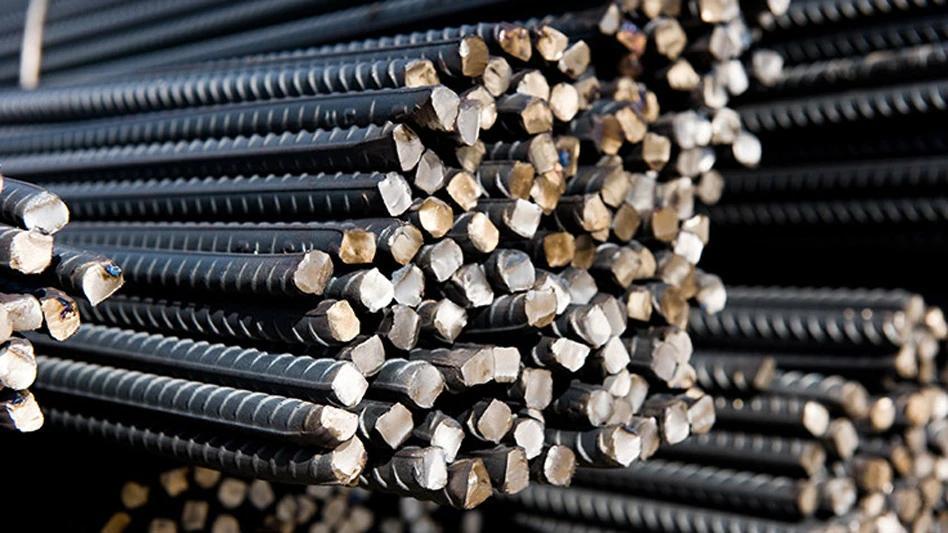
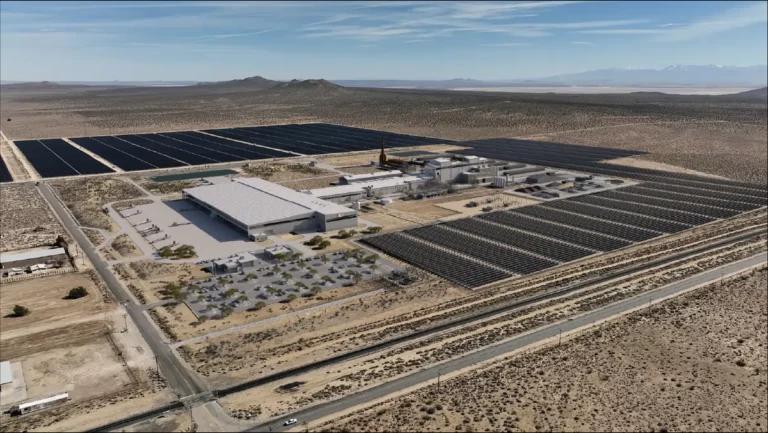
Det andet er Pacific Steel Group i USA, som driver et såkaldt “Mojave Micro Mill” nær Los Angeles. Her produceres armeringsstål baseret på skrot i en elektrisk smelteovn, hvilket giver væsentligt lavere udledninger end den nuværende stålproduktion i Californien.
CASE | GRØNT STÅL
GLOBALT PRES ØGER BEHOVET FOR STÅL MED LAV CO₂-UDLEDNING
Den globale efterspørgsel efter stål forventes at stige i de kommende årtier, drevet af økonomisk udvikling, urbanisering og store investeringer i infrastruktur i vækstøkonomier. Den grønne omstilling øger yderligere efterspørgslen, da vedvarende energisystemer, elnet og grønnere transportløsninger kræver store mængder stål. Samtidig har geopolitiske spændinger, forstyrrelser i forsyningskæder og handelskonflikter øget den strategiske betydning af national og regional stålproduktion. Både i Europa og Nordamerika betragter regeringer i stigende grad stål som en kritisk industriråvare Politiske initiativer i EU (herunder Green Deal, CBAM og Clean Industrial Deal) og i USA (bl.a. Inflation Reduction Act, Bipartisan Infrastructure Law og delstatsbaserede “Buy Clean”-politikker) understreger, at en robust stålproduktion med lavere CO₂-udledning er afgørende for økonomisk sikkerhed – ikke mindst fordi stål spiller en central rolle i energi, byggeri, transport og produktion. Disse udfordringer ses både på europæisk og regionalt niveau: EU er fortsat strukturelt afhængig af import af halvforarbejdede og flade stålprodukter, mens Californien – det største marked i USA – i dag importerer størstedelen af sit armerings- og konstruktionsstål fra andre delstater og fra udlandet.
DEN SVÆRE VEJ MOD KLIMANEUTRALT STÅL
Omstillingen af stålsektoren kræver betydelige investeringer og ny infrastruktur, herunder storskala-udbygning af vedvarende energi og produktion af grøn brint. Ifølge Science Based Targetsinitiativet forudsætter en 1,5°C-bane, at stålindustrien reducerer sine direkte emissioner med mere end 90 % frem mod 2050 sammenlignet med 2021-niveauet.
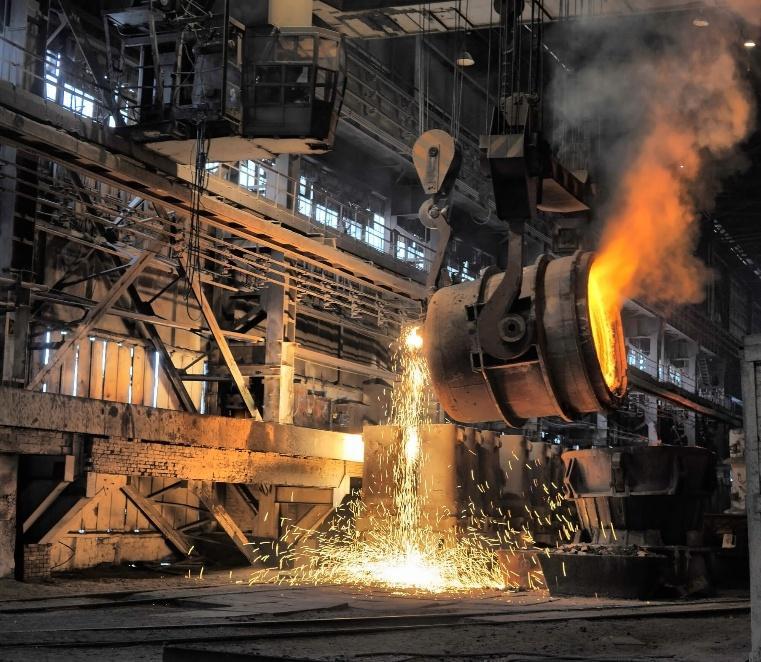
I dag produceres omkring 70 % af verdens stål i kulbaserede højovne (BF-BOF), som står for hovedparten af sektorens CO₂eudledninger, mens kun cirka 30 % fremstilles i elektriske lysbueovne (EAF). Kina er fortsat verdens største stålproducent med en produktion på over 1.000 mio. ton i 2024 og ligger dermed markant foran resten af verden.
Stålproducerende lande, top 10
Da ingen enkelt teknologi kan drive omstillingen alene, er der behov for en kombination af løsninger: Renere primærproduktion, øget cirkularitet, adgang til konkurrencedygtig grøn energi samt koordinerede investeringer fra både offentlige og private aktører. De to investeringscases – Stegra i Sverige og Pacific Steel Group i Californien – illustrerer to komplementære spor i denne omstilling: henholdsvis brintbaseret primær stålproduktion, der reducerer afhængigheden af importeret halvforarbejdet stål, og skrotbaseret produktion i elektriske lysbueovne, hvor lokalt skrot omdannes til lavemissions-armeringsstål til regionale markeder.
Kina Indien Japan USA Rusland Sydko rea Tyskland Tyrkiet Brasilien Iran
Mio. ton stål produceret i 2024
CASE | GRØNT STÅL
TO KOMPLEMENTÆRE SPOR: CIRKULÆRT OG BRINTBASERET STÅL
Ingen enkelt teknologi kan alene gøre stålproduktionen klimaneutral. Skrotbaseret stålproduktion i elektriske lysbueovne (EAF) er i dag den hurtigste og mest omkostningseffektive vej til lavere udledninger. Men den globale mængde stålskrot er begrænset og vil ikke alene kunne dække fremtidens efterspørgsel – og derfor vil der fortsat være behov for at producere nyt stål baseret på jernmalm.
En reduktion af de globale CO₂e-udledninger fra stålproduktion kræver derfor både bedre produktdesign og systemiske forandringer: højere ydeevne pr. materialeenhed, mindre forbrug af råmaterialer samt en udfasning af fossile brændsler til fordel for fossilfri energi og elektricitet. Projekter som Stegra og Pacific Steel Group (PSG) er eksempler på løsninger, der adresserer to centrale udfordringer: at reducere udledningerne fra stålproduktion og samtidig mindske afhængigheden af import i både EU og USA.
PSG fokuserer på skrotbaseret stålproduktion i elektriske lysbueovne, som kan reducere CO₂e-udledningerne med op til 80 % sammenlignet med det nuværende niveau i Californien. Produktionen omfatter blandt andet armeringsstål, der anvendes i broer, motorveje, bygninger, fundamenter og anden infrastruktur. Selvom øget genanvendelse er afgørende, vil mængden af tilgængeligt stålskrot ikke være tilstrækkelig til at dække fremtidens behov, og derfor vil ny produktion baseret på jernmalm fortsat være nødvendig.
Her spiller Stegras brintbaserede produktion af grønt stål en vigtig rolle. Den muliggør stålproduktion med op til 95 % lavere CO₂-udledning sammenlignet med traditionelle højovne og leverer produkter som varmvalsede, koldvalsede og galvaniserede ståltyper til blandt andet bilindustrien, byggeriet, energisektoren samt rør og husholdningsapparater.
Samlet viser Stegra og PSG, hvordan cirkulær og primær lavemissions stålproduktion kan supplere hinanden og bidrage til at reducere sektorens klimaaftryk, samtidig med at de styrker den regionale forsyningssikkerhed på begge sider af Atlanten.
CASE | STEGRA
DEKARBONISERING
AF STÅL I STOR SKALA
VIRKSOMHEDEN – KORT FORTALT
Stegra er en svensk industrivirksomhed med fokus på at reducere CO₂-udledninger i de sektorer, der er sværest at omstille – med stålproduktion som første indsatsområde – for dermed at adressere
5–6 % af Europas samlede drivhusgasudledninger.
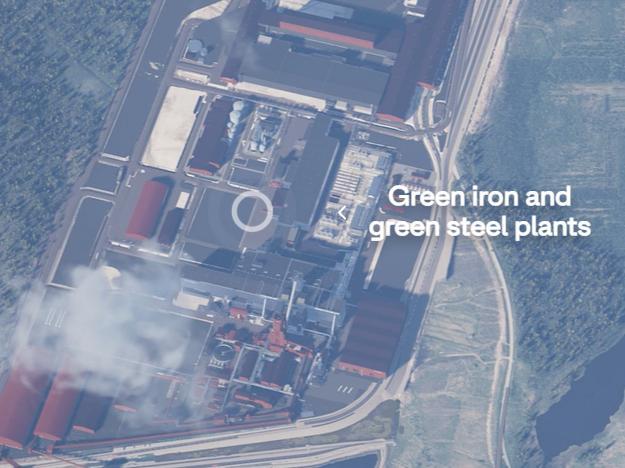
Stegra udvikler et storskala grønt stålværk i Boden i det nordlige Sverige. Anlægget er designet som en fuldt integreret produktion, der omfatter fremstilling af grønt brint, grønt jern og grønt stål. Ved at erstatte kul med brint udledes der vanddamp i stedet for CO₂, hvilket reducerer stålproduktionens klimaaftryk markant. Stegra vil primært producere grønne, jernmalmbaserede fladvalsede stålprodukter, som kan anvendes på tværs af en række sektorer, herunder bilindustrien, byggeriet, energisektoren, hvidevarer og ståldistributionscentre.
Som Europas første nye stålproduktion i stor skala i mere end 50 år sætter anlægget en ny standard for branchen ved at producere grønt stål gennem en fuldt integreret og digitaliseret proces baseret på vedvarende energi. Produktionsmetoden reducerer CO₂-udledningen med op til 95 % sammenlignet med traditionel stålproduktion baseret på højovne.
REALDANIAS FORANDRINGSTEORI
Investeringen i Stegra har til formål at bane vejen for en markant reduktion af klimaaftrykket fra stålproduktion.
I dag udledes der i gennemsnit knap to ton CO₂ for hvert ton stål, der produceres globalt til biler, byggeri, vindmøller, m.m. En mere klimavenlig stålindustri kan derfor spille en central rolle i den grønne omstilling. Den cirkulære tilgang er en nødvendig, men ikke tilstrækkelig løsning, da vi ikke alene kan basere os på genanvendt stålskrot. For det første stiger den globale efterspørgsel på stål fortsat, hvilket betyder, at der også fremover vil være behov for nyproduceret stål. For det andet er der kvalitetsmæssige hensyn, da det ikke altid er muligt at producere specialstål og visse stålkvaliteter udelukkende på baggrund af genbrugsmaterialer.
Med investeringen i Stegra bidrager Realdania til at reducere klimaaftrykket fra traditionelle byggematerialer. Investeringen er i tråd med vores filantropiske dagsorden, Fremtidens byggeskik, som har fokus på at forandre måden, vi bygger på. Ved at træffe mere bæredygtige valg i byggeriet kan vi reducere vores samlede klimaaftryk betydeligt.
Etableret: 2020 Investering: 2024
Nuværende antal ansatte: 618 HQ: Stockholm, Sverige
“Stegra will hopefully become a strong showcase for the necessary transformation of how we produce steel in Europe. The introduction of new production techniques is promising for decarbonizing steel at scale”
- Henrik Mahncke, Analysechef, Realdania
CASE | STEGRA DEKARBONISERING AF STÅL I STOR SKALA
POTENTIALET
Anlægget i Boden, som forventes at påbegynde produktionen i 2027, har som mål at producere flere mio. ton grønt stål årligt frem mod 2030. Gennem anvendelse af brintbaseret direkte reduktion af jern og elektriske lysbueovne, vurderer Stegra, at produktionsprocessen kan reducere CO₂-udledningerne med op til 95 % sammenlignet med traditionel stålproduktion baseret på højovne.
Stegras tre grønne platforme – grønt brint, grønt jern og grønt stål – fungerer som et integreret system, der skal transformere en af verdens mest CO₂-intensive industrier. Grøn brint udgør fundamentet og produceres ved hjælp af vedvarende energi og storskala elektrolyse. Den erstatter fossile brændsler i værdikæden og muliggør en fuldt ud vedvarende, energibaseret produktion af jern og stål. Grøn jern står for den største reduktion i udledninger ved at anvende brint i stedet for kokskul i reduktionen af jernmalm. Biproduktet i processen er vanddamp (H₂O) frem for CO₂, hvilket gør det muligt at producere jernsvamp til næsten emissionsfri stålproduktion.
Grønt stål fuldender systemet ved at kombinere det brintreducerede jern med genbrugsskrot i elektrificerede produktionsprocesser, herunder elektriske lysbueovne. Det muliggør stålproduktion i stor skala med næsten nul udledning og bidrager samtidig til at etablere et marked for lavemissionsmaterialer på tværs af industrier som bilproduktion, byggeri, hvidevarer og fremstillingsindustri.
Samlet set udgør de tre platforme en skalerbar model for, hvordan tung industri kan dekarboniseres ved at integrere vedvarende energi, brint og elektrificeret stålproduktion i én samlet lavemissionsløsning. Med et markant lavere miljøaftryk forventes Stegras stål at blive det mest klimavenlige jernmalmbaserede stål produceret i stor skala.
95%
Lavere CO₂-udledning sammenlignet med konventionel stålproduktion
100% Forbrug af vedvarende energi og produktionsmål
“The steel industry is changing and the demand for green steel is growing, supported by regulation in the EU which ensures that the polluters pay for the emissions. To build what we are building requires significant capital, new infrastructure, and plentiful access to renewable energy. That is why collaboration and partnerships are essential. By leading the way as the first large-scale producer of green steel we demonstrate what is possible and accelerate change“
- Stephan Flapper, Head of Commercial, Stegra
CASE | PACIFIC STEEL GROUP
DEKARBONISERING AF STÅL I STOR SKALA
VIRKSOMHEDEN – KORT FORTALT
Pacific Steel Group (PSG) er en amerikansk virksomhed inden for armeringsstål, grundlagt i 2014 og med hovedsæde i San Diego, Californien. Virksomheden udbyder komplette løsninger inden for armeringsstål, herunder forarbejdning, projektering og installation til infrastruktur-, bolig-, erhvervs- og industriprojekter.
PSG opererer på tværs af hele værdikæden for armeringsstål og har udviklet sig til en af de største uafhængige virksomheder på den amerikanske vestkyst inden for bearbejdning og montering af armeringsstål.
Pacific Steel Group er i gang med at udvikle Mojave Micro Mill nær Los Angeles. Anlægget forventes at blive Californiens første armeringsstålværk designet til at opnå nul CO₂-udledninger i produktionen.
Ved at kombinere avanceret hybridteknologi med en portefølje af vedvarende energikilder vil anlægget operere som et såkaldt micro mill – en kompakt produktionsenhed – designet til markant at reducere miljøpåvirkningen fra stålproduktion. Det forventes at producere armeringsstål med op til 80 % lavere udledninger sammenlignet med den nuværende stålproduktion i Californien og dermed sætte en ny standard for bæredygtig og konkurrencedygtig stålproduktion uden en grøn merpris.
Etableret: 2014
Investering: 2024
Operationel, forventet: 2027 HQ: San Diego (CA), USA
REALDANIAS FORANDRINGSTEORI
Investeringen i Pacific Steel Group understøtter to af Realdanias filantropiske dagsordener:
(1) At fremme sundt, effektivt og bæredygtigt byggeri ved at bidrage til dekarboniseringen af en industri, der er central for det byggede miljø, (2) At fremme udviklingen af bæredygtige byer ved at styrke lokal produktion, forsyning og beskæftigelse.
Realdanias investering i Pacific Steel Group fokuserer på produktion af cirkulært stål. Ambitionen er at anvende genanvendt jern og stål til fremstilling af byggematerialer til anvendelser, hvor en lavere bæreevne er acceptabel – f.eks. armeringsnet og armeringsjern. Investeringen skal finansiere opførelsen af et centralt placeret cirkulært stålvalseværk i Californien, som anvender metalskrot som input og producerer armeringsstål samt andre bygningskomponenter, hvor det kvalitetstab, der kan være forbundet med genanvendt stål, ikke har væsentlig betydning.
“Increasing circularity is one way to reduce the footprint of the construction industry. We are excited about our investment in PSG as it hopefully will show that low-carbon steel can be produced cost-effectively with no green premium”
- Henrik Mahncke, Head of Analysis, Realdania
CASE | PACIFIC STEEL GROUP
DEKARBONISERING
AF STÅL I STOR SKALA
POTENTIALET
PSG’s Mojave Micro Mill vil have fokus på skrotbaseret stålproduktion i elektriske lysbueovne og primært producere armeringsstål. Ambitionen er at etablere verdens mest bæredygtige stålværk til produktion af armeringsstål. De primære anvendelsesområder for de grønne armeringsprodukter er broer og motorveje, bygninger, fundamenter og anden infrastruktur. Når anlægget er i drift, forventes Mojave Micro Mill at være blandt de reneste stålværker i verden og dermed bidrage til mere bæredygtige byggematerialer samt en stærkere og mindre CO₂intensiv industribase i Californien.
Ved fuld kapacitet vil anlægget producere mere end 450.000 ton armeringsstål årligt baseret på lokal produktion. Denne tilgang forventes at reducere udledningen af drivhusgasser med omkring 360.000 ton om året og demonstrerer, hvordan renere stålproduktion kan mindske klimaaftrykket på tværs af byggeriets værdikæde. Samtidig vil processen genanvende næsten 500.000 ton skrotmetal fra Californien årligt, hvilket eliminerer behovet for at transportere lokalt genereret skrot ud af staten.
PSG adresserer desuden en regional udfordring. Californien har i dag ikke et stålværk af denne type, hvilket betyder, at store mængder stål transporteres ind og ud af staten. Etableringen af et lokalt anlæg vil reducere transportbehovet og gøre det muligt at omdanne regionalt skrot til armeringsstål på stedet.
FORVENTET EFFEKT FREM MOD 2031 (5-ÅRS FREMSKRIVNING)
Forventet undgået CO₂e-udledning fra 2027 (ton CO₂e)
Lavere CO₂-udledning sammenlignet med konventionel stålproduktion
Lavere MWh energiforbrug sammenlignet med regionale alternativer “By embracing cutting-edge technology and environmentally responsible practices, we are reinforcing our position as a leader in the industry and shaping a stronger future for generations to come”
-
Eric Benson, Chief Executive Officer, PSG
MRI-rammeværk er forankret i Realdanias filantropiske strategi
Realdanias overordnede mission er at skabe livskvalitet for alle gennem det byggede miljø. Foreningens filantropistrategi sætter retningen for, hvordan Realdania støtter projekter og indsatser i hele Danmark. Strategien følger en syvårig cyklus, og en revideret strategi for perioden 2025–2031 blev offentliggjort sidste år.
Rammeværket, der anvendes til at måle effekten af MRI, bygger på Realdanias filantropistrategi og opdateres årligt for at kunne indarbejde nye potentielle impact-temaer fra nye investeringer.
Realdanias filantropiske strategi som fundament
for MRI-rapportering
Realdania ønsker at skabe en positiv forskel for både nuværende og kommende generationer. Bæredygtighed er derfor en central del af Realdanias arbejde og omfatter ikke kun klima og miljø, men også økonomisk, social og kulturel bæredygtighed. Den nuværende filantropistrategi har fokus på tre centrale dagsordener. De tre dagsordener er kendetegnet ved at adressere samfundsudfordringer, som kræver et langsigtet strategisk perspektiv, bredt samarbejde og en kombination af forskellige virkemidler.
I samarbejde med konsulent- og investeringsvirksomheden The Footprint Firm har Realdania udviklet et rammeværk til at måle effekten af sin MRI-portefølje. Formålet med dette rammeværk er at vurdere porteføljens filantropiske effekt og sikre gennemsigtighed i målingen af investeringernes impact.
Resultaterne fra impact-rapporteringen supplerer den finansielle rapportering og indgår i vurderingen af de enkelte MRI-investeringer. Samtidig styrker rammeværket gennemsigtigheden og organisationens evne til at vurdere effekten på tværs af hele MRI-porteføljen.
Realdanias MRI-rammeværk er forankret i den overordnede filantropiske mission om at skabe livskvalitet gennem det byggede miljø samt i de tre filantropiske dagsordener:
Filantropiske dagsordener
Impact-definition
Inspireret af definitionerne af impact i EU-taksonomien og Sustainable Finance Disclosure Regulation (SFDR)
Impact-temaer til måling af væsentligt bidrag
Gør ikke væsentlig skade
ESG-politik
Identificér eventuelle væsentlige negative påvirkninger inden for et eller
valgte impact-temaer
Politik for ansvarlige investeringer i kommercielle aktiviteter
Arkitekturens
Fremtidens
Byggeskik
flere af de
Trivsel Inkluderende miljøer Klimaaftryk Vedvarende energi Cirkulær økonomi Understøttende teknologier
MRI-porteføljens definition af impact
Realdania har til hensigt at anvende anerkendte standarder og målemetoder fra investeringsområdet til at vurdere effekten af sine missionsrettede investeringer. Den miljømæssige effekt i MRI-porteføljen tager udgangspunkt i målsætningerne i EU-taksonomien for klima og miljømæssig bæredygtighed, mens definitionen af social effekt bygger på Sustainable Finance Disclosure Regulation’s (SFDR) bredere forståelse af socialt bidrag¹.
EU-taksonomien for klima og miljø definerer seks miljømål, som en økonomisk aktivitet skal bidrage væsentligt til for at kunne klassificeres som miljømæssigt bæredygtig:
1. Begrænsning af klimaændringer
2. Tilpasning til klimaændringer
3. Bæredygtig anvendelse og beskyttelse af vand- og havressourcer
4. Omstilling til en cirkulær økonomi
5. Forebyggelse og bekæmpelse af forurening
6. Beskyttelse og genopretning af biodiversitet og økosystemer
For social bæredygtighed anvender MRI-porteføljen den definition, der er fastlagt i SFDR¹. Denne brede definition omfatter investeringer, der bidrager til sociale mål, herunder – men ikke begrænset til – indsatser inden for områder som:
1. Fremme af social sammenhængskraft og inklusion
2. Styrkelse af arbejdsforhold og udvikling af menneskelig kapital, særligt i økonomisk eller socialt udsatte områder
3. Reduktion af ulighed
Ved at integrere Realdanias filantropiske dagsorden med EU’s miljømål og SFDR’s ramme for social bæredygtighed har Realdania identificeret en række relevante impact-temaer og tilhørende KPI’er. Disse anvendes til at måle og kvantificere effekten af MRI-porteføljen baseret på dens nuværende sammensætning.
I udvælgelsen af KPI’er til vurdering af effekten af de missionsrettede investeringer, har Realdania lagt vægt på at anvende metoder, der er i tråd med anerkendte rapporteringsstandarder. Derfor er både kvantitative og kvalitative impact-KPI’er udvalgt fra – eller inspireret af – etablerede rammeværk som IRIS+² og GRI³. Rammen inddrager desuden elementer fra Science Based Targets-initiativet (SBTi)⁴.
investment in human capital or economically or socially disadvantaged communities”; 2) På samme måde som revisionsbranchen arbejder med standardiserede regnskabsprincipper, tilbyder IRIS+ et bredt anerkendt system til impactrapportering målrettet investorer. IRIS+ har udviklet en række velkendte impact-KPI’er, som førende impactinvestorer anvender til at måle klima-, miljø- og sociale effekter samt til at sammenligne forskellige investeringer.
3) Global Reporting Initiative (GRI) er en uafhængig international standardiseringsorganisation, der hjælper virksomheder, regeringer og andre organisationer med at forstå og kommunikere deres impact. GRI’s emnespecifikke standarder omfatter en række retningslinjer for, hvordan organisationer kan måle udvalgte impactområder inden for sociale forhold, klima og miljø.
4) Science Based Targets-initiativet (SBTi) er en non-profit-indsats baseret på samarbejde mellem virksomheder og nogle af verdens førende klimaeksperter. Organisationerne bag
klimamålene Parisaftalen.
Bidrag til impact i
MRI
Realdania har identificeret otte impact-temaer, som er relevante for MRI-porteføljen. Impact måles gennem en række KPI’er, der skal sikre, at investeringerne bidrager til Realdanias samlede filantropistrategi.
Rapporteringen omfatter desuden i hvilket omfang investeringerne er omfattet af EUtaksonomien. Impact måles på baggrund af den andel af en investerings omsætning, driftsomkostninger (OPEX) og kapitalinvesteringer (CAPEX), der er dækket af taksonomien for miljø og klima, samt om investeringerne lever op til de definerede tekniske screeningskriterier og minimumsgarantierne.
For europæiske fonde vurderes det desuden, om fonden er klassificeret som bæredygtig i henhold til Sustainable Finance Disclosure Regulation (SFDR), gennem en klassificering som artikel 8 eller 9.
Rammeværkets impact-temaer og underliggende KPI’er er udviklet med afsæt i den eksisterende portefølje. Nye impact-temaer vil blive tilføjet i takt med, at porteføljen udvikler sig over tid.
Transformation & bevaring
Investeringer i renovering og transformation af eksisterende bygninger med henblik på at bevare den byggede kulturarv, målt ved det renoverede eller restaurerede areal i porteføljen
Levende lokalsamfund
Investeringer i projekter og steder, der understøtter fællesskab og lokalt engagement, målt ved det areal i porteføljen, der er afsat til fælles eller offentlige rum, eller ved antallet af lokalt skabte arbejdspladser
Inkluderende miljøer
Investeringer i arkitektur, der understøtter inkluderende rammer for forskellige befolkningsgrupper, målt ved antallet af projekter designet til inkluderende brug
Klimaaftryk
Investeringer, der reducerer drivhusgasudledninger, målt ved undgåede emissioner, andelen af porteføljen, der rapporterer under SBTi, samt porteføljens CO₂-intensitet sammenlignet med relevante MSCI-benchmarks
Vedvarende energi
Investeringer, der understøtter vedvarende energi og reducerer afhængigheden af fossile brændsler, målt ved reduceret energiforbrug og produceret vedvarende energi
Understøttende teknologier
Investeringer i teknologier, der bidrager til miljøforbedringer på tværs af porteføljen, målt ved antallet af investeringer, der muliggør ny teknologi, digitalisering, dataanvendelse eller optimering
Trivsel
Investeringer i arkitektur og designløsninger, der fremmer trivsel, livskvalitet og social interaktion, målt ved antallet af projekter certificeret under ordninger som DGNB, LEED eller BREEAM
Cirkulær økonomi
Investeringer, der fremmer cirkulær ressourceanvendelse og reducerer affald, målt ved den samlede mængde affald, der undgås deponeret, samt den mængde affald, der helt undgås
Rammeværkets praktiske anvendelse
Ud over at måle investeringernes bidrag til udvalgte impact-temaer, er MRI-rammeværket struktureret i overensstemmelse med principperne i EU-taksonomien. Det omfatter derfor også specifikke KPI’er, der har til formål at identificere og måle potentielle negative påvirkninger, som kan skade andre impact-temaer.
En investerings impact vurderes ud fra tre kriterier med afsæt i taksonomiens logik:
✓ Investeringen yder et væsentligt bidrag til ét eller flere af de definerede impact-temaer, målt ved hjælp af de underliggende KPI’er
✓ Investeringen forårsager ikke væsentlig skade på andre impact-temaer
✓ Investeringen lever op til Realdanias politik for ansvarlige investeringer
Væsentligt bidrag til (mindst) ét af Realdanias udvalgte impact-temaer
Alle missionsrettede investeringer vurderes ud fra deres primære bidrag til et impact-tema samt tilhørende impact-KPI’er. I vurderingen af, om en investering yder et væsentligt bidrag, sondres der mellem direkte og indirekte impact.
• Direkte impact refererer til den påvirkning, som en investering bidrager direkte til – f.eks. en investering, der reducerer CO₂e-udledninger eller affaldsmængder.
• Indirekte impact vurderes ud fra, om investeringen indirekte bidrager til et af de udvalgte impacttemaer. Det kan f.eks. være investeringer i teknologier, der optimerer processer eller genererer data, som forbedrer målbarheden og øger transparensen i det byggede miljø.
Hvor det er muligt, kvantificeres den indirekte impact. MRI-rammeværket anerkender dog, at denne type impact ofte må vurderes kvalitativt – særligt i forbindelse med tidlige investeringer i venturefonde, hvor startups typisk ikke har ressourcer til at levere omfattende kvantitative data.
Ingen væsentlig skade på Realdanias øvrige impact-temaer
Inden for MRI-rammeværket gennemføres der vurderinger af, om de underliggende investeringer forårsager væsentlig skade på andre impact-temaer. For at sikre dette vurderes investeringerne med henblik på at identificere eventuelle væsentlige negative påvirkninger af ét eller flere af de udvalgte impact-temaer.
Tilstedeværelsen af en væsentlig negativ påvirkning på ét eller flere impact-temaer er ikke i sig selv et “knockout-kriterium”. Realdania forventer dog, at der arbejdes aktivt med at reducere sådanne negative påvirkninger, og at der over tid kan dokumenteres fremskridt, så det tydeligt fremgår, at omfanget af skaden reduceres år for år.
Rammeværkets praktiske anvendelse
Overholdelse af Realdanias politik for ansvarlige investeringer
Som en del af investeringsprocessen skal alle investeringer leve op til en række samfundsmæssige kriterier, som er fastlagt i Realdanias politik for ansvarlige investeringer.
EMNER OMFATTET AF REALDANIAS POLITIK FOR ANSVARLIGE INVESTERINGER
Menneskerettigheder Arbejdstagerrettigheder Miljø
Antikorruption Ulovlige våben Internationale sanktioner
Skat Tobak
Forpligtelser i henhold til Parisaftalen
APPENDIKS l
Filantropisk effekt af Realdanias missionsrettede investeringer
Det følgende afsnit gennemgår den filantropiske effekt af Realdanias missionsrelaterede investeringer for hver investering. Afsnittet er struktureret efter investeringernes primære bidrag til de udvalgte impact-temaer, som understøtter Realdanias filantropiske dagsorden.
De følgende sider er skrevet på engelsk / The following pages are written in English.
4. Reporting 2025
4.1 CLIMATE IMPACT
This impact theme focuses on investments that have a targeted focus and contribute to a lower climate footprint. Reducing CO₂e emissions is a key factor in efforts to mitigate the negative impact of the built environment. This is in line with Realdania's philanthropic agenda “C: The Future of Construction”, and the framework's clear link to the EU taxonomy's environmental goal of combating climate change. In 2025, eleven investments in the MRI portfolio will report under this impact theme.
INVESTMENTS
IN THIS SECTION
2150 Urban Tech Sustainability Fund II
Ardian Mameli co-investment
Ardian REEF III
Galvanize Real Estate Fund I
Goldman Sachs Global Enhances Index Sustainable Equity
NinetyOne GSF GLOBAL ENVIRONMENT
Pacific Steel Group (PSG)
Patrizia Sustainable Communities
Stegra
The Footprint Fund I
2150 URBAN TECH SUSTAINABILITY FUND II
Venture capital firm investing in urban technologies that make cities more efficient, sustainable, and resilient
TYPE OF INVESTMENT
Fund investment
INVESTMENT YEAR 2025 STATUS
The fund is not fully allocated
OF INVESTMENTS
PRIMARY IMPACT THEME
2150 VC is a venture capital firm focused on accelerating the sustainable transformation of cities by investing in technology companies tackling critical urban challenges, from energy and industrial decarbonisation to mobility and infrastructure. Through its Fund II, the firm backs solutions that enable cities to reach net zero while improving resilience and overall sustainability, reflecting its core belief that cities are the key lever for addressing global climate change.
WHY REALDANIA INVESTED
Realdania invested in 2150 VC to support scaling solutions for more sustainable, low-carbon, and resilient cities. The fund aligns closely with Realdania’s philanthropic agendas and particularly its focus on the green transition of the built environment, future construction practices, resilient cities and robust urban development.
CLIMATE IMPACT
Realdania’s share of CO₂e emitted (tonnes)
2150 Urban Tech Sustainability Fund II is a new investment added to Realdania’s MRI portfolio in 2025. The fund currently consists of six investments in total, with four portfolio companies addressing climate impact challenges and two addressing circular economy challenges.
CIRCULAR ECONOMY
Realdania’s share of total waste diverted from disposal and prepared for reuse (tonnes)
VIBRANT LOCAL COMMUNITIES
Local jobs created in 2025
ARDIAN “MAMELI” CO-INVESTMENT
Mameli is a real estate project in Northern Milan transforming former military barracks into a modern, sustainable urban district
TYPE OF INVESTMENT
Co-investment
INVESTMENT YEAR
2025
STATUS
The fund is not fully allocated
OF PROJECTS
The Ex Caserma Mameli project represents a significant urban regeneration opportunity, aiming to transform former and abandoned military barracks into a vibrant mixed-use development comprising residential, retail, and public spaces. Project Mameli focuses on the redevelopment of a site previously occupied by these barracks, with Ardian overseeing the entire development process. As of the end of 2025, the buildings remain uninhabited, with construction scheduled to commence in 2027.
WHY REALDANIA INVESTED
The investment in Mameli supports Realdania’s philanthropic ambition of advancing future building practices and unlocking the potential of place. By prioritizing the retrofit of existing buildings alongside net-zero new construction, the investment promotes the green transition while also fostering stronger local communities through shared green areas.
VIBRANT LOCAL COMMUNITIES
1
Social initiatives planned as of 2025 HUMAN WELLBEING
1
Certified projects in progress as of 2025
PRIMARY IMPACT THEME Climate Impact
2025 IMPACT HIGHLIGHTS
Ardian Mameli co-investment is a new investment added to Realdania’s MRI portfolio in 2025. As the project is still in the planning phase, with construction expected to begin in 2027, no quantitative reporting is available yet. GHG intensity estimations and reporting expected to become available from FY 2027. Despite the early stage of the development, 114,196 m2 are currently being refurbished with expected completion by Q1 2027.
ARDIAN REAL ESTATE EUROPEAN FUND III (ARDIAN REEF III)
Real estate value-add fund targeting commercial real estate in Europe with carbon reduction as its core objective
Ardian Real Estate European Fund III, managed by ARDIAN France, is focused on aligning its investments with the Paris Agreement’s long-term global warming objectives by targeting low-carbon investment opportunities. The Fund pursues a value-added strategy, investing in assets with potential for physical upgrades and improved operational and energy efficiency. As of 31 December 2025, its portfolio includes four real estate assets across France, Germany, and Italy, alongside two self-storage operating companies in France.
Realdania’s share of total area of renovated buildings (m2) CLIMATE IMPACT Ardian’s emission intensity
TRANSFORMATION & PRESERVATION
fund is not fully allocated
Realdania's investment in Ardian REEF III aligns with all three philanthropic agendas, “The Power of the Place”, “The potential of Architecture”, and “The Future of Construction”, enabling impact across multiple impact themes, covering both environmental and social KPIs.
In 2025, Ardian increased the area of buildings renovated while maintaining stable emissions intensity per m². In addition, two new impact KPIs were introduced in 2025, including EU Taxonomy alignment and social initiatives. The social initiatives focus on refurbishing underutilized assets through a “Build to Green+” approach to improve efficiency, enhance tenant wellbeing, and support the revitalization of local communities.
initiatives planned & delivered
GALVANIZE REAL ESTATE FUND I ("GREF
I")
Global asset manager investing at the intersection of energy innovation, resilience, and intelligence
TYPE OF INVESTMENT
Fund investment
INVESTMENT YEAR
The fund is not fully allocated
OF INVESTMENTS
Galvanize Real Estate (GRE) acquires and upgrades existing real estate assets to reduce emissions through targeted operational and capital improvements. Across its portfolio, the fund deploys capital to fund measures such as building envelope upgrades, roof and window retrofits and solar PV installations, driving asset-level decarbonisation relative to historical performance.
WHY REALDANIA INVESTED
The investment in Galvanize is driven by its close alignment with Realdania’s philanthropic agenda, “The Future of Construction”. The strategy targets significant CO₂e reductions across both construction and operations, while fostering stronger communities through the planning and execution of social programmes.
CLIMATE IMPACT
Realdania’s share of CO₂e emitted (tonnes)
2025 IMPACT HIGHLIGHTS
New investment with first reporting in 2025. Although the primary impact theme is Climate Impact and some quantitative data is available for 2025 (mainly consumption metrics), measurable energy and GHG emissions reductions have not yet materialised, given the early stage of asset business plans. These impacts are expected to emerge from 2027, in line with the fund’s strategy to achieve emissions reductions within three years of acquisition.
VIBRANT LOCAL COMMUNITIES
Social initiatives planned & delivered
GOLDMAN SACHS GLOBAL ENHANCED INDEX SUSTAINABLE
EQUITY
ESG-focused fund targeting outperformance through lower carbon/waste intensity and exclusion of controversial activities
TYPE OF INVESTMENT
Fund investment
INVESTMENT YEAR
allocated
The fund invests in listed equities and is actively managed to enhance environmental, social and governance (ESG) characteristics relative to its benchmark, the MSCI World Index, while seeking to minimise tracking error. The portfolio also aims to achieve a lower carbon intensity than the underlying index. The fund is classified as Article 8 under SFDR, reflecting its promotion of environmental and social characteristics.
WHY REALDANIA INVESTED
The investment aligns with Realdania's responsible investment policy and its philanthropic agenda, “The Future of Construction”, which aims to reduce the climate impact of the built environment. The fund is also aligned with EU ParisAligned Benchmark standards: starting from the MSCI World universe, it excludes companies that do not meet strict climate and ESG criteria, supporting a more sustainable, forward-looking portfolio.
CLIMATE IMPACT
Realdania’s share of CO₂e emitted (tonnes)
Goldman Sachs Global Enhanced Index Sustainability Equity supports Realdania’s philanthropic agenda, “The Future of Construction”. Since 2024, the fund has reduced its holdings by 59 positions, from 710 to 651, while the share of investments with SBTi targets has risen from 48% to 53%. The fund’s total CO₂e emissions increased significantly between 2024 and 2025 - partly reflecting how market-value changes feed into the GHG calculation - but the relative CO₂e intensity of investee companies decreased slightly in 2025.
53% of companies in the fund committed to SBTi as of 2025
MSCI Indus. MSCI World
NINETY ONE GSF GLOBAL ENVIRONMENT
Global equity investment fund investing in companies that help drive the transition to a low-carbon, sustainable economy
TYPE OF INVESTMENT
Fund investment
YEAR
The Ninety One Global Environment Strategy is a high-conviction, benchmarkagnostic global equity portfolio that invests in companies driving sustainable decarbonisation while generating positive impact through “avoided emissions.” It applies a bespoke, bottom-up investment process supported by proprietary environmental screening and detailed financial and risk analysis, with a strong emphasis on transparency and active engagement. Managed with a long-term horizon of 5-10 years, the strategy focuses on companies demonstrating structural growth, sustainable returns, and competitive advantage.
WHY REALDANIA INVESTED
Realdania invested in Ninety One’s strategy to capture long-term structural growth driven by decarbonization. By targeting companies delivering CO₂e reductions through solutions in renewable energy, resource efficiency, and electrification, the investment supports and accelerates the global green transition and Realdania’s philanthropic agenda “The Future of the Construction”.
Realdania’s share of CO₂e emitted (tonnes)
Realdania’s share of CO₂e avoided (tonnes)1 CLIMATE IMPACT
The increase in reported emissions is mainly driven by a few new 2025 investments, particularly Atlas Copco, TSMC, and AGCO, which together account for about 90% of the rise due to their large full value chain emissions, even though they contribute significantly to decarbonisation. Despite this, avoided emissions still grew by 6%, supported by both existing companies improving and impactful new additions, though this growth is understated due to the sale of companies with previously high avoided emissions.
of companies in the fund committed to SBTi as of 2025
PACIFIC STEEL GROUP (VIA GENERATE CAPITAL)
Pacific Steel Group is building a low-emission micro mill to produce rebar from local scrap with significantly reduced carbon emissions
TYPE OF INVESTMENT
Fund investment
INVESTMENT YEAR
2025
STATUS
The fund is not fully allocated NUMBER OF INVESTMENTS
Pacific Steel Group (PSG), a leading reinforcing steel contractor in California, is expanding its operations by developing an ultra-low-emission steel micro mill to vertically integrate its business. The new facility will use locally sourced scrap and advanced technologies, such as electric arc furnaces, on-site renewables, and carbon capture, to produce rebar with significantly lower carbon emissions. Backed by a $200 million structured investment led by Generate Capital, the project combines industrial decarbonisation with strong financial fundamentals, leveraging PSG’s existing cash flows to support the transition.
WHY REALDANIA INVESTED
The investment in Pacific Steel Group supports two of Realdania’s philanthropic goals, 1) promoting healthy, efficient and sustainable construction by enabling the decarbonisation of an industry critical to the built environment and 2) promoting the development of sustainable cities by encouraging local production, supply and labour.
CLIMATE IMPACT
2027
Projected impact
See case study
PRIMARY IMPACT THEME Climate Impact
2025 IMPACT HIGHLIGHTS
New investment with first reporting in 2025. While no measurable emission reductions have been realised currently due to the pre-operational stage, once operational (projected from 2027), the Mojave Micro Mill is expected to produce rebar with up to 80% lower emissions, avoiding ~360,000 tons of GHG annually at full capacity compared to alternative regional technologies.
PATRIZIA SUSTAINABLE COMMUNITIES
Real estate impact investment fund based in Luxembourg, investing primarily in Westernand Northern Europe
INVESTMENT YEAR
2023
The fund is not fully allocated
PATRIZIA Sustainable Communities is a real estate fund focused on delivering measurable environmental and social impact through its investments across major European cities. Classified as an SFDR Article 9 fund and aligned with eight UN Sustainable Development Goals, it aims to provide 7,500 affordable homes for low- to median-income residents. The fund focuses on residential renovations and prioritizes high sustainability standards, requiring all developments to achieve net-zero operational carbon, incorporate low-carbon materials and construction methods, and enhance on-site biodiversity.
The investment in PATRIZIA Sustainable Communities is driven by its integrated approach to addressing key societal challenges: climate change, housing affordability, and social isolation. The strategy targets significant CO₂e reductions across both construction and operations, while expanding access to affordable and alternative housing. At the same time, it fosters stronger communities through shared spaces and neighbourhood-level social infrastructure.
In 2025, PATRIZIA reported notable progress on existing social KPI’s. Particularly, PATRIZIA significantly increased the total area of community spaces. In addition, new impact metrics such as social initiatives delivered, building renovations, and affordable housing were introduced in 2025. Examples of social initiatives across Ireland, the UK, and Spain, focused on community engagement, youth support, and social inclusion through educational programmes, local events, partnerships, and the development of community facilities.
STEGRA (VIA ALTOR CO-INVEST FUND)
Stegra is a Swedish industrial company building the world’s first large-scale green steel plant in Boden, Northern Sweden
TYPE OF INVESTMENT
Co-investment
INVESTMENT YEAR
Fully allocated
Stegra is a Swedish industrial technology company developing large-scale green steel production to decarbonise one of the world’s most emissions-intensive industries. Founded in 2020 (formerly H2 Green Steel), the company is building a fully integrated, digitalised and circular steel plant in northern Sweden that replaces coal with green hydrogen, enabling up to 95% lower CO₂e emissions compared to traditional steelmaking. Backed by a consortium of global investors, including Altor, Stegra represents a flagship example of industrial transformation, combining significant capital deployment with breakthrough technology to accelerate the transition of hard-to-abate sectors.
WHY REALDANIA INVESTED
Through its investment in Stegra, Realdania supports the reduction of climate impacts associated with traditional construction materials. The investment aligns with its philanthropic agenda, “The Future of Construction”, which aims to transform how we build. By promoting more sustainable material choices, Realdania seeks to meaningfully lower the construction sector’s overall climate footprint.
2025 IMPACT HIGHLIGHTS
New investment, with initial reporting expected in 2025. While the primary impact theme is Climate Impact and certain quantitative metrics are available (mainly related to construction and development), measurable avoided GHG emissions and emission reductions have not yet been realised due to Stegra’s pre-operational stage. Production is anticipated to commence in 2027, at which point emission reductions and avoided emissions are expected to materialise as low-carbon steel displaces conventional production methods. PRIMARY IMPACT THEME
CLIMATE IMPACT
CIRCULAR ECONOMY
Realdania’s share of total waste diverted from disposal (tonnes)
Realdania’s share of CO₂e emitted (tonnes) VIBRANT LOCAL COMMUNITIES
Local jobs created in 2025
THE FOOTPRINT FUND I
Deep green venture capital fund based in Copenhagen, investing in early-stage impact startups across Northern Europe
TYPE OF INVESTMENT
Fund investment
INVESTMENT YEAR
2023
STATUS
The fund is not fully allocated
OF INVESTMENTS
EU Taxonomy alignment: 25% turnover PRIMARY IMPACT THEME Climate Impact
The Footprint Fund I is a deep green venture capital fund based in Copenhagen, classified as an Article 9 fund under the EU Sustainability Regulation. The fund focuses on investments in first institutional checks to series A and aims to create sustainable change by investing in business models where growth is directly linked to a positive environmental impact. All of the fund's portfolio companies are allocated to one of the fund's six investment verticals: Energy, Food & Agriculture, The Built Environment, Climate Technology, Bio-based Solutions and Circular Economy.
WHY REALDANIA INVESTED
Realdania’s investment in The Footprint Fund contributes directly to the “Future of Construction” agenda by accelerating early-stage companies driving the green transition in the built environment. Through active ownership and strategic guidance, The Footprint Fund supports the scaling of innovative solutions while helping to strengthen the broader ecosystem for sustainable growth in Denmark.
CLIMATE IMPACT
Realdania’s share of CO₂e emitted (tonnes)1
2025 IMPACT HIGHLIGHTS
The decrease in Realdania’s share of CO2e emitted from 2024 to 2025 can be explained by the change in ownership share from 2024 to 2025. At the same time, The Footprint Fund’s total avoided emissions increased significantly in 2025, primarily driven by the addition of three new investments to the fund in 2025. In 2025, The Footprint Fund also introduced EU Taxonomy reporting, achieving a 25% turnover alignment.
4.2 RENEWABLE ENERGY
The renewable energy impact theme focuses on reducing energy consumption across activities linked to Realdania’s investments. It also looks at how investments can drive the transition to green energy and encourage renewable energy generation.
This impact theme supports Realdania’s philanthropic agenda, “The Future of Construction”, which focuses, among other things, on the green transition in construction and on promoting a more sustainable everyday life. In 2025, three investments in the MRI portfolio report under this theme.
REDAPTIVE (VIA LINSE CAPITAL RED II)
Technology-enabled energy efficiency solutions for commercial real estate
Redaptive provides Energy-as-a-Service (EaaS) solutions that enable businesses to implement energy-efficiency projects without upfront capital expenditure. Its services focus on reducing energy use through upgrades to lighting, HVAC and other systems critical to operational performance, primarily targeting industrial buildings in the healthcare, real estate and industrial sectors.
CLIMATE IMPACT
Realdania’s share of CO₂e avoided (tonnes)
INVESTMENT YEAR
2023
STATUS
Fully allocated
NUMBER OF INVESTMENTS
1
PRIMARY IMPACT THEME
Through solutions such as energy-efficiency upgrades, LED lighting and solar installations, the investment in Redaptive directly reduces energy consumption in buildings and urban areas. It supports Realdania’s philanthropic agenda and the broader objectives of promoting sustainable cities and advancing healthy, efficient and sustainable building practices.
RENEWABLE ENERGY
Realdania’s share of energy reduced (MWh)
Renewable Energy
The slight decrease in m2 renovated between 2024 and 2025 reflects a higher number of sites with smaller individual footprints in Redaptive’s portfolio. This also drives the reduction in Realdania’s share of avoided CO₂e and energy saved.
SUSI Energy Efficiency Fund II
The Fund invests in energy efficiency projects via equity or similar instruments to reduce greenhouse gas emissions
YEAR
allocated, distributing
SUSI Energy Efficiency Fund II is an infrastructure fund that finances energy efficiency projects across Europe. Its investments target significant energy savings and GHG emission reductions in line with the Paris Agreement's long-term climate objectives.
CLIMATE IMPACT
Realdania’s share of CO₂e avoided (tonnes)
RENEWABLE ENERGY
Realdania’s share of energy reduced (MWh)
The investment in SUSI EEF II supports Realdania’s mission of promoting the green transition in the built environment through reduced energy consumption and lower climate impact and thus aligns well with Realdania’s philanthropic agenda “The Future of Construction”.
2025 IMPACT HIGHLIGHTS WHY REALDANIA INVESTED
In 2025, the decrease in energy reduced and avoided emissions is mainly due to several portfolio projects reaching maturity, resulting in slightly lower impact contributions compared to 2024.
SUSI ENERGY EFFICIENCY & TRANSITION CREDIT FUND
The Fund provides debt financing to energy efficiency and transition projects to reduce greenhouse gas emissions
SUSI Energy Efficiency & Transition Credit Fund is a debt fund financing energy efficiency and energy transition projects. The Fund’s objective is to contribute to climate change mitigation by investing in energy efficiency projects that reduce CO₂e and other greenhouse gas emissions, in alignment with Article 9 of SFDR and the long-term goals of the Paris Agreement.
CLIMATE IMPACT
Realdania’s share of CO₂e avoided (tonnes)
INVESTMENT YEAR
The fund is not fully allocated
OF INVESTMENTS
The investment in SUSI EEF II supports Realdania’s mission of promoting the green transition in the built environment through reduced energy consumption and lower climate impact and thus aligns well with Realdania’s philantrophic agenda “The Future of Construction”.
RENEWABLE ENERGY
Realdania’s share of energy reduced (MWh)
The increase in avoided emissions from 2024 to 2025 is primarily driven by portfolio developments, including the addition of a new investment to the fund and increased activity within existing investments, leading to slightly higher impact contributions compared to 2024.
4.3 CIRCULAR ECONOMY
Circular thinking views resources from a systemic perspective, where the same raw materials are continuously transformed in different production cycles, thereby drastically reducing the extraction of new raw materials. This rethinks the recent linear perspective on production, where waste and residual products are viewed as valuable resources.
This impact theme supports Realdania's philanthropic agenda, “The Future of Construction”. Among other things, this agenda focuses on the green transition of the construction industry through increased recycling and the development of a more circular construction industry. In 2025, four investments in the MRI portfolio will report under this impact theme.
CIRCULAR PLASTICS FUND I SCSP
Specialized fund investing in advanced recycling technologies
Infinity Recycling’s Circular Plastics Fund is a return-driven sustainability strategy focused on scaling advanced recycling and circular economy solutions. By investing in growth-stage companies that turn waste into valuable materials and improve recycling processes, the fund aims to bridge the gap between innovation and commercialization while closing material loops and enabling investable markets for a profitable circular economy.
CLIMATE IMPACT
Realdania’s share of CO₂e emitted (tonnes)
INVESTMENT YEAR
REALDANIA INVESTED TYPE OF INVESTMENT Fund investment
The fund is not fully allocated
OF INVESTMENTS
Realdania invested in Circular Plastics Fund to help address one of the key barriers to a circular economy, achieving scale and cost competitiveness, particularly within the built environment. The fund provides capital to companies developing large-scale solutions that convert plastic waste into high-quality recycled materials, reducing reliance on virgin fossil inputs. This aligns with Realdania’s ambition to promote resource efficiency and accelerate the transition toward more sustainable construction practices.
CIRCULAR ECONOMY
Realdania’s share of total waste diverted from disposal (tonnes)
VIBRANT LOCAL COMMUNITIES
In 2025, the Circular Plastics Fund I SCSP contributed to two of Realdania’s defined environmental impact themes, climate impact and circular economy, as well as one of the newly added social KPI’s - local jobs created. This is a positive development since 2024, where only qualitative data was reported.
Local jobs created in 2025
CLOSED LOOP LEADERSHIP FUND
U.S.-based private equity fund focused on circular economy solutions
Fund investment
INVESTMENT YEAR
2022
STATUS
The fund is not fully allocated
OF INVESTMENTS
Circular Economy
Closed Loop Leadership Fund (CLLF) is a lower mid-market private equity strategy focused on control investments in cash-generating businesses across key circular economy sectors in North America. Since its launch in 2019, the fund has executed a buy-and-build strategy through acquisitions, operational improvements, and selective minority investments, delivering strong financial performance with topdecile returns. CLLF has generated significant environmental impact, keeping over 1 million tons of materials in circulation and mitigating approximately 2.5 million tonnes of GHG emissions.
CLIMATE IMPACT
Realdania’s share of CO₂e emitted (tonnes)
Local jobs created in 2025 TYPE OF INVESTMENT
Realdania’s share of CO₂e avoided (tonnes)
The investment in Closed Loop Leadership Fund was made to gain exposure to the growing circular economy in North America, where a fragmented market creates strong opportunities for value creation through consolidation, operational improvements, and scaling of mid-sized companies.
The investment directly supports Realdania’s philanthropic agenda “The Future of Construction” aiming at promoting sustainable development and advancing healthy, efficient, and sustainable building practices.
2025 IMPACT HIGHLIGHTS WHY REALDANIA INVESTED
The increase in diverted tonnes was driven by the addition of the Agri-Cycle investment in 2025 and continued growth across existing portfolio companies. The rise in CO₂e emissions since 2024 reflects improved Scope 3 methodology and data quality at one portfolio company, as well as the inclusion of additional Scope 3 categories in 2025. Similarly, the increase in avoided emissions is driven by the expansion of underlying investments and their solutions.
CIRCULAR ECONOMY
Realdania’s share of total waste diverted from disposal (tonnes)
COLESCO CIRCULAR & CLIMATE CREDIT IMPACT FUND1
Debt fund financing circular economy projects across Europe INVESTMENT YEAR 2023 STATUS
The fund is not fully allocated
OF INVESTMENTS
The Colesco Circular & Climate Credit Impact Fund (C4IF) is a closed-end fund providing debt financing to innovative circular economy companies with high potential for environmental impact, attractive returns, and limited access to traditional financing.
Realdania’s share of CO₂e emitted (tonnes)
Realdania invested in the Colesco Circular & Climate Credit Impact Fund to support the scaling of circular economy solutions through financing large-scale production facilities. By enabling the development of full-scale circular business models, the fund contributes to transforming waste streams into valuable, reusable materials and improving the efficiency and productivity of the circular economy. In addition, the investment contributes to Realdania’s philanthropic agenda “The Future of Construction” and supports the circular economy impact theme.
Realdania’s
The fund did not generate a measurable contribution toward its environmental objectives during the year, reflecting the current stage of the underlying investments, which are still in development or scaling phases, with impact expected to materialise as projects become operational in future periods. Despite limited measurable impact achieved under the circular economy impact theme, the fund reported on scope 2 and 3 emissions as well as energy consumption. Under social KPI’s, the contributed to the creation of 66 local jobs in 2025, thus supporting Realdania’s Vibrant Local Communities impact theme.
Local jobs created in 2025
(MWh)
NG NORDIC (VIA SUMMA CIRCULAR)
Leading Nordic recycling and waste management company
NG Nordic is a Nordic environmental services company focused on circular economy solutions and resource recovery. The company provides waste management, recycling, and environmental services to businesses and municipalities, helping to reduce waste, recover valuable materials, and lower environmental impact. Through its operations, NG Nordic supports the transition toward more sustainable and resource-efficient societies.
INVESTMENT YEAR
2023
STATUS
The fund is not fully allocated
OF INVESTMENTS
The investment in NG Nordic via Summa Circular aligns closely with Realdania’s ambition to promote circularity, reduce CO₂e emissions, and accelerate the green transition through targeted investments. At the same time, the investment provides valuable insights and learning that strengthen Realdania’s ability to scale future mission-aligned investments within the built environment, contributing to both financial performance and long-term societal impact.
share of CO₂e emitted (tonnes)
The impact development from 2024 to 2025 is primarily driven by the consolidation of acquisitions and the full integration following a late-2024 merger. This led to significant growth in both energy recovery and material recovery activities, resulting in increases in both emissions and avoided emissions.
Realdania’s share of total waste diverted from disposal (tonnes)
4.4 ENABLING TECHNOLOGIES
Enabling Technologies primarily relate to investment in or related to PropTech - a contraction of ‘Property Technology’ - which covers a wide range of new technological solutions that support and modernise the property industry. Through digital and innovative approaches, more efficient and sustainable ways of operating, using, buying and selling buildings and properties are being created.
The impact theme has been selected because it supports Realdania's philanthropic agenda, “The Future of Construction”.
In 2025, five investments in the MRI portfolio will report under this impact theme.
INVESTMENTS IN THIS SECTION
AO Built Technologies II (NOA)
Building Ventures Fund II
Navitas Capital III
Navitas Capital IV
DBPT Fond (PropTechfonden)
AO BUILT TECHNOLOGIES II (NOA)
Venture fund investing in technology companies for the built environment (PropTech)
TYPE OF INVESTMENT
Fund investment
INVESTMENT YEAR
2022
STATUS
The fund is not fully allocated
OF INVESTMENTS
PRIMARY IMPACT THEME
ABOUT
A/O Built Technologies is an Article 8 early-stage venture capital fund focused on the built environment and climate technology sectors. The fund invests in minority stakes in privately held technology companies from Seed to Series B stage across Europe and North America, targeting solutions that address key environmental and social challenges. By backing innovations in areas such as energy efficiency, sustainable materials, and climate analytics, the fund aims to accelerate decarbonisation, improve resource efficiency, and drive sustainable transformation across the built environment.
WHY REALDANIA INVESTED
Realdania invested in A/O Built Technologies (NOA) to gain exposure to Europe’s leading PropTech platform, with a clear ambition to accelerate sustainable living and decarbonise the built environment. The fund’s broad thematic focus, spanning CO₂ reduction, resource efficiency, resilience, digitalisation, and building health, aligns closely with Realdania’s philanthropic priorities and the agenda “The Future of Construction”.
2025 IMPACT HIGHLIGHTS
Enabling Technologies
A/O Built Technologies II has grown from 7 investments in 2024 to 14 investments in 2024. In 2024, the investments contributed mainly to the climate impact and renewable energy impact themes, while in 2025 the portfolio expanded to cover investments promoting both circular economy and various additional social impact themes.
% OF PORTFOLIO COMPANIES SUPPORTING IMPACT THEMES
Climate impact
Renewable energy
Circular economy
Transformation & preservation
Vibrant local communities
Human wellbeing
PORTFOLIO HIGHLIGHT: CUTR
Through innovation and commitment to sustainability, Cutr aims to transform the wood manufacturing industry and contribute to a greener future.
This is done by simplifying manufacturing workflows with smart solutions that save time, reduce costs, and improve efficiency.
10-30% waste reduction is achieved by Cutr through a B2B platform that connects stakeholders, optimises processes, and enables more circular use of timber.
BUILDING VENTURES FUND II
Venture fund dedicated to sustainable built environment technologies
ABOUT
INVESTMENT YEAR
2021
STATUS
The fund is not fully allocated
Building Ventures Fund II is an early-stage venture fund investing in Seed to Series A companies transforming the built environment through technologies such as AI, IoT, robotics, and modular construction. Focused on sustainability and resilience, the fund backs solutions that improve efficiency, reduce emissions, and enable more adaptable and equitable spaces, with a thematic emphasis on industrializing construction and reimagining real estate as a flexible service (“Space as a Service”).
% OF PORTFOLIO COMPANIES SUPPORTING IMPACT THEMES
Realdania invested in Building Ventures Fund II to support the digital transformation of the built environment and promote more efficient and sustainable construction. By backing ConTech innovations across design, planning, and construction, the investment aligns with its goal of advancing new knowledge and accelerating the sector’s green transition.
The fund has grown from 11 investments in 2024 to 14 portfolio companies in 2025. Building Venture Fund II’s investments can be mapped across multiple of Realdania’s impact themes, including climate impact, renewable energy, human wellbeing and enabling technologies, with human wellbeing being a new impact theme supported in 2025. The share of investments not supporting at least one of Realdania’s impact themes has decreased from 45% in 2024 to 29% in 2025.
PORTFOLIO HIGHLIGHT: FAURA
Faura is a climate risk platform helping insurers and homeowners reduce property-level disaster risks through data-driven insights and proactive mitigation
Faura helps insurers and real estate professionals identify profitable opportunities in disaster-prone areas by using a proprietary model to assess property-level risks and guide better decision-making.
81,038 buildings assessed for extreme weather resilience in 2025
DBPT FOND (PropTechFONDEN)
Danish PropTech fund investing in technology solutions for the property sector
TYPE OF INVESTMENT
Fund investment
INVESTMENT YEAR
2024
STATUS
The fund is not fully allocated NUMBER OF INVESTMENTS
ABOUT
PropTechfonden (DBPT Fond K/S) is a Danish early-stage venture fund established in 2024, focused on investing in Nordic PropTech startups. The fund targets pre-seed and seed-stage companies across areas such as construction tech, smart real estate, and urban solutions, backing ventures with an MVP and clear potential for near-term revenue generation.
Climate impact
Renewable energy Circular economy Transformation & preservation
WHY REALDANIA INVESTED
With this investment, Realdania wants to strengthen the early-stage innovation ecosystem within the built environment by bridging the gap between philanthropic support and venture financing. The fund focuses on technology-driven startups that promote healthy, efficient, and sustainable construction and cities, addressing the sector’s historically low level of innovation and supporting the development of new solutions that improve efficiency, sustainability, and overall building performance.
2025 IMPACT HIGHLIGHTS
Enabling Technologies
The fund has grown from 1 investment in 2024 to 7 investments in 2025. In 2024, the only impact theme supported was enabling technologies, however, in 2025, the fund has expanded its impact to cover additional impact themes including climate impact, renewable energy and vibrant local communities.
PORTFOLIO HIGHLIGHT: PLAACE
Plaace is an AI-powered location intelligence platform
Plaace analyses real-world data to help retailers, property owners, and city developers make smarter, data-driven decisions on where to locate, lease, and grow, solving the industry’s reliance on intuition and fragmented information by:
✓ Reducing time spent on data collection and analysis
✓ Reducing risk by enabling informed decisions with accurate data evidence
✓ Unlocking opportunities to foster vibrant local communities
NAVITAS CAPITAL III
A California-based venture capital firm founded in 2009 that invests in transformative technology for the real estate and construction industries
INVESTMENT
Fund investment
INVESTMENT YEAR
ABOUT
Navitas Capital III is an early-stage venture fund focused on built environment innovation. The fund invests in companies developing technologies to improve sustainability, efficiency and human well-being in buildings. Fund III is managed by a Los Angeles-based venture firm founded in 2009 that invests in the real estate and construction industries, with a portfolio spanning PropTech, construction technology, digitisation and energy management.
impact
The fund is not fully allocated
OF INVESTMENTS
PRIMARY IMPACT THEME
INVESTED
Navitas III and IV are a direct contribution to Realdania’s goal of promoting healthy, efficient and sustainable construction. By backing early-stage technology across design, construction, building operations and the energy transition, the Navitas funds give Realdania exposure to the digital and sustainability frontier of the built environment and a channel through which emerging tools can reach the Danish market.
&
Enabling Technologies
The fund has grown from 14 investments in 2024 to 29 investments in 2025. Navitas Capital III’s investments can be mapped across multiple of Realdania’s impact themes, including climate impact, human wellbeing, inclusive environments, transformation and preservation, and enabling technologies. The share of investments not supporting at least one of Realdania’s impact themes has decreased from 31% in 2024 to 28% in 2025.
PORTFOLIO HIGHLIGHT: LESSEN
A technology-enabled, end-to-end property services platform that supports scalable real estate operations
Lessen streamlines property maintenance and improvement at scale through a tech-enabled platform and nationwide vendor network, simplifying operations and delivering faster, more efficient outcomes
3.3M work orders completed annually
280K properties served
NAVITAS CAPITAL IV
Expansion of Navitas's built environment innovation investment mandate
TYPE OF INVESTMENT
Fund investment
The fund is not fully allocated
OF INVESTMENTS
Navitas Capital IV is a 2024 early-stage venture fund investing in technology companies shaping the built environment, with a focus on Vertical AI, energy transition and fintech, targeting a portfolio of core and frontier investments. Managed by a Los Angeles-based venture firm founded in 2009 that focuses on real estate and construction technology, the fund backs founders from pre-seed through Series A
WHY REALDANIA INVESTED
Navitas III and IV are a direct contribution to Realdania’s goal of promoting healthy, efficient and sustainable construction. By backing early-stage technology across design, construction, building operations and the energy transition, the Navitas funds give Realdania exposure to the digital and sustainability frontier of the built environment and a channel through which emerging tools can reach the Danish market.
2025 IMPACT HIGHLIGHTS
The fund has grown from 3 investments in 2024 to 12 investments in 2025. Navitas Capital IV’s investments can be mapped across multiple of Realdania’s impact themes, including renewable energy and enabling technologies. The share of investments not supporting at least one of Realdania’s impact themes has increased from 33% in 2024 (one investment) to 50% in 2025 (six investments), reflecting the fund’s broader Vertical AI and fintech mandate alongside its built-environment core.
PORTFOLIO HIGHLIGHT: FIELD MATERIALS
AI-powered platform that digitizes and automates construction material procurement, reducing errors, saving costs, and streamlining workflows from sourcing to delivery
APPENDIX
Il |
DATA QUALITY AND PRIMARY IMPACT AREA
Data assessment methodology
Realdania's 2025 impact reporting is based on data collected from individual investments within the MRI portfolio. Data availability and maturity vary across the portfolio, and therefore an overview of the data quality for all reported KPIs is provided in Appendix I.
Data collection and maturity assessments are conducted by The Footprint Firm. The methodology has been developed by The Footprint Firm in collaboration with Realdania to ensure full transparency throughout the report.
This framework was applied again this year to assess the data quality and maturity of each investment using a scale from 1 to 5.
It is important to emphasise that the level of data quality does not necessarily reflect an investment’s actual impact contribution.
DATA MATURITY SCALE
(1-5)
1 Reporting based solely on qualitative data.
2 Qualitative and quantitative data. Quantitative primarily extrapolated/estimated. Calculation method not submitted to Realdania.
3 Quantitative data, partially estimated or extrapolated. Calculation method and assumptions clearly described.
4 Quantitative data from primary sources. Verified by a third party. Fully or partially complies with Realdania's instructions and reporting standards.
5 Detailed quantitative data from primary sources. Verified by third party. Fully complies with Realdania's guidelines and reporting standards.
Overview of investment data maturity (1/2)
Overview of investment data maturity (2/2)
IlI | CALCULATION METHODS AND DATA FOUNDATION 2025
APPENDIX
Appendix II: Calculation methods and data foundation 2025
SUSI Energy Efficiency Fund II
All calculations for the 2025 reporting have been carried out by SUSI.
▪ Avoided CO₂e: Primary data from portfolio companies. The calculation methodology follows IRIS+ (PI 2764) and the GHG Protocol. Third-party verified by ERM.
▪ Reduced energy consumption: Primary data from portfolio companies. Follows GRI (302-4 for Energy). Included in project documentation and verified with supporting documentation. Third-party verified by ERM.
▪ EU Taxonomy: The fund is classified as Article 9 under SFDR.
SUSI Energy Efficiency & Transition Credit Fund
All calculations for the 2025 reporting have been carried out by SUSI.
▪ Avoided CO₂e: Primary data from portfolio companies. Follows IRIS+ (PI 2764) and the GHG Protocol. Third-party verified by ERM.
▪ Reduced energy consumption: Primary data from portfolio companies. The calculation methodology follows GRI (302-4 for Energy). Third-party verified by ERM.
▪ EU Taxonomy: The fund is classified as Article 9 under SFDR.
Redaptive
• Avoided CO₂e: Data on avoided CO2 emissions are based on primary data collected by Redaptive. The calculation method follows the guidelines set out in IRIS+ (PI 2764) and the GHG Protocol.
• Reduced energy consumption: Data on reductions in energy consumption are based on primary data obtained and measured by Redaptive. The calculation method follows the guidelines from GRI (302-4 for Energy).
• Area renovated: The methodology for reporting m² renovated has been updated since 2024 for Redaptive. In 2024, the average m2 per project was reported, not the total. In 2025, the aggregate area across all projects Redaptive completed in 2025 was reported, which is the methodologically correct interpretation of the IRIS+ metric. The number for 2024 has been corrected accordingly.
Altor Co-Invest Fund (Stegra)
All calculations for the 2025 reporting have been carried out by Altor/Stegra.
▪ CO₂e emissions: Activity-based accounting with limited use of consumption-based estimates calculated via the external software platform, Bardo, following the GHG Protocol.
▪ Waste: Waste generated and waste diverted from landfill quantities obtained directly from Stegra via altor. Methodology follows Stegra’s waste methodology report.
▪ Energy consumption: MWh obtained directly from Stegra.
▪ EU Taxonomy: The fund is classified as Article 9 under SFDR.
The Footprint Fund I
All calculations for the 2025 reporting have been carried out by The Footprint Fund I.
▪ CO₂e emissions: Based on Scope 1-3 emissions and investment share per PAI metric. Primarily estimated data. Scope 3 emissions based on a high-level estimate made by the platform Atlas Metrics, given the early stage of most of the portfolio companies. The estimates are primarily based on revenue and industry of the portfolio companies.
▪ Avoided CO₂e (2,165 tCO₂e): Quantified based on LCAs and emission factors. Combination of primary and estimated data. The methodology for reporting CO₂e emissions and avoided emissions has been updated since 2024. In 2024, the number received was the total fund emissions instead of The Footprint Fund’s share of CO₂e. This explains the discrepancy between numbers reported for 2024 in this report and the one published in 2024.
▪ Renewable energy: 14 MW installed capacity. Data not available in MWh.
▪ EU Taxonomy: The fund is classified as Article 9 under SFDR.
Summa Circular (Summa Equity)
All calculations for the 2025 reporting have been carried out by Summa Equity.
▪ CO₂e emissions: Based on NG Nordic data via the Novata platform.
▪ Avoided CO₂e: Primary data from NG Nordic. The calculation methodology follows IRIS+ (PI 2764) and the GHG Protocol.
▪ Renewable energy: MWh data from NG Nordic.
▪ Waste diverted: Waste data in tonnes provided by NG Nordic
▪ EU Taxonomy: The fund is classified as Article 9 under SFDR.
Colesco Circular & Climate Credit Impact Fund
All calculations for the 2025 reporting have been carried out by Colesco (C4IF).
▪ CO₂e emissions: Data from portfolio companies combined with emission factors. Scope 2 based on purchased kWh and NL grid emission factors. Scope 3 based on embodied emissions from construction, business travel and employee commuting. Portfolio companies still in construction phase; no Scope 1 emissions.
▪ Energy consumption: Based on scope 2 data from purchased kWh and NL grid emission factors.
▪ EU Taxonomy: The fund is classified as Article 9 under SFDR.
Closed Loop Leadership Fund
All calculations for the 2025 reporting have been carried out by Closed Loop.
▪ CO₂e emissions: Primary data received directly from portfolio companies. The calculation methodology follows GRI (305-1-a, 305-2-a, 305-3-a) and the GHG Protocol.
▪ Avoided CO₂e: Primary data from portfolio companies. The calculation methodology follows IRIS+ (PI 2764) and the GHG Protocol.
▪ Waste diverted: Data from portfolio companies. Methodology follows the Control Approach in Impact Recognition Methodology and GRI (306-4-a & b for Waste).
Ardian Co-Investment Mameli
All calculations for the 2025 reporting have been carried out by Ardian.
▪ Area renovated: Urban regeneration project data based on actual construction plan data. The calculation methodology follows IRIS+ (Green Building Practices - OI6765 and Area of Buildings Reused - PI9170).
▪ EU Taxonomy: The fund is classified as Article 9 under SFDR.
▪ Note: Realdania joined the investment on 16 December 2025. Co-investment under AREEF III
Ardian Real Estate European Fund III
All calculations for the 2025 reporting have been carried out by Ardian.
▪ Area renovated and certifications: m² renovated data based on actual construction plan data. The calculation methodology follows IRIS+ (Green Building Practices - OI6765 and Area of Buildings Reused - PI9170).
▪ EU Taxonomy: The fund is classified as Article 9 under SFDR.
▪ Calculations are third party verified by technical advisor, Arup
Patrizia Sustainable Communities I
All calculations for the 2025 reporting have been carried out by Patrizia.
▪ CO₂e emissions : Patrizia is not yet able to provide CO₂e data for all assets, as several assets are still under construction.
▪ Social impact metrics: Data has been collected from portfolio companies (for area renovated, certified projects, community spaces and affordable/social housing. The calculation methodology follows IRIS+ (OI6765).
▪ EU Taxonomy: The fund is classified as Article 9 under SFDR.
Circular Plastics Fund I SCSP (Infinity Recycling)
All calculations for the 2025 reporting have been carried out by Infinity Recycling.
▪ CO₂e emissions: Calculations have been performed by portfolio companies and reported to Infinity Recycling. The methodology applies either the GHG Protocol or emission factors from LCA’s. Based on primary data.
▪ Renewable energy: Data collected from portfolio companies
▪ Energy consumption: Data collected from portfolio companies
▪ Waste diverted: Data collected from portfolio companies
▪ EU Taxonomy: The fund is classified as Article 9 under SFDR.
Galvanize Real Estate Fund I
All calculations for the 2025 reporting have been carried out by Galvanize Real Estate (GRE).
▪ CO₂e emissions: GRE’s methodology focuses on operational emission reductions at the asset level rather than scope-based reporting. CO₂e emissions are estimated based on energy consumption data.
▪ Energy reductions and renewable energy: Expected to commence in 2027 as renovation plans are implemented.
▪ Social initiatives: Two assets have completed community engagement KPI’s.
▪ EU Taxonomy: The fund is not classified under SFDR.
2150 VC
All calculations for the 2025 reporting have been carried out by 2150 VC.
▪ CO₂e emissions: Calculations based on primary data from portfolio companies. The calculation methodology follows GRI (305-1-a, 305-2-a, 305-3-a) and the GHG Protocol. Third-party verified by Normative.
▪ Avoided CO₂e: Estimated data based on 2025 operations (sales/revenue data, per installation basis). The calculation methodology follows IRIS+ (PI 2764).
▪ GHG emissions reduced: Data from Mission Zero Technologies direct air capture source and primary data from portfolio companies.
▪ Energy reduced: Based on AtmosZero energy avoided or reduced through installations. Estimated data based on installations.
▪ Waste diverted: Based on Metycle materials recovered, extrapolated from trade facilitated over marketplace platform.
▪ EU Taxonomy: The fund is classified as Article 9 under SFDR.
NinetyOne GSF Global Environment (Listed)
▪ CO₂e emissions: Scope 1 and 2 are based on primary data from the underlying investments. Scope 3 is estimated via CDP and MSCI. The CO₂e footprint is based on total emissions and market value.
▪ EU Taxonomy: The fund is classified as Article 9 under SFDR.
Goldman Sachs Global Enhanced Sustainability Index (Listed)
▪ CO₂e emissions: Data from portfolio companies where available; otherwise based on MSCI estimates. Scope 3: MSCI estimates. The CO₂e footprint is based on the MSCI World Index. The calculation methodology follows GRI (305-1-a, 305-2-a, 305-3-a).
▪ EU Taxonomy: The fund is classified as Article 8 under SFDR.
Navitas Capital III & Navitas Capital IV
Reporting is based solely on qualitative data, consisting of a description of the fund’s share of the portfolio that supports Realdania’s impact themes.
Building Ventures Fund II
Reporting is based solely on qualitative data, consisting of a description of the fund’s share of the portfolio that supports Realdania’s impact themes.
Pacific Steel Group (via Generate Capital)
Reporting is based on qualitative data and projected quantitative impact data expected once the Mojave Mill becomes operational.
PropTech Fund (DBPT Fund K/S)
Reporting is based solely on qualitative data, consisting of a description of the fund’s share of the portfolio that supports Realdania’s impact themes.
NOA (A/O Built Technologies II)
Reporting is based solely on qualitative data, consisting of a description of the fund’s share of the portfolio that supports Realdania’s impact themes.
MSCI benchmark
Benchmark data from MSCI World Industrials and MSCI World has been obtained by Realdania from Sustainalytics.
Conversion of CO₂e to annual consumption per Dane
It is estimated that a Dane emits, on average, 13 tonnes of CO₂e per year. Data is sourced from Concito (2023).
Conversion of KWh to annual consumption per Dane
It is estimated that an average Dane consumed 28,700 kWh of electricity annually. As such, the energy measures in MWh were converted to kWh and then divided by the average annual consumption per Dane. Data is sourced from Energistyrelsen (2023)
All calculations related to Realdania’s ownership share are based on the average ownership during 2025 (based on the average of four quarterly measurements).