Table of Contents
MISSION
We act in the public interest and are committed to excellence in regulating the dental profession in Ontario.
VISION
Everyone in Ontario has access to safe, high-quality oral health care.
PURPOSE
The Royal College of Dental Surgeons of Ontario (RCDSO) is one of 26 health regulatory colleges in the province with the responsibility and the legal authority to protect patients. The RCDSO is a leader in health regulation. We believe that regulation must be open, responsive, accessible, equitable and accountable in order to protect the public interest.

Managing Conflicts and Ending the Dentist–Patient Relationship 07

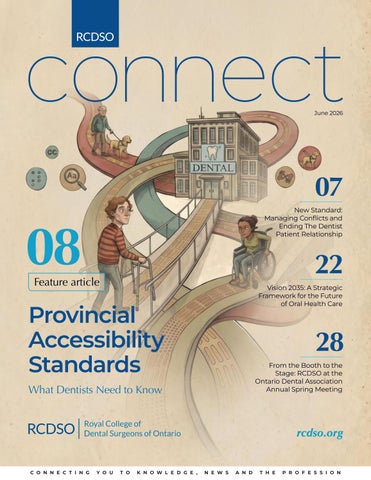
Provincial Accessibility Strandards: What Dentists Need to Know 08
28
Vision 2035: A Strategic Framework for the Future of Oral Health Care 22
From the Booth to the Stage: RCDSO at the Ontario Dental Association Annual Spring Meeting
MESSAGE FROM THE
President and Registrar & CEO
Patients benefit from a profession that is engaged in education, in improving practice, in keeping pace with developments both academic and technical.
The ODA’s Annual Spring Meeting reflected a community of Ontario dentists dedicated to clinical excellence and thoughtful dialogue about the responsibilities that come with public trust. The RCDSO welcomed conversations and questions on the exhibitor floor at the RCDSO booth and RCDSO staff presented courses on the Fundamentals of Recordkeeping and Consent to Treatment.
Engagement matters because it signals a profession willing to reflect, adapt and lead, even as the context in which care is delivered becomes more complex. Against that backdrop, two priorities stand out: infection prevention and control (IPAC), and the broader strategic direction that will shape how the profession evolves over the coming decade.
Infection Prevention and Control: Knowledge to Consistency
IPAC has re-emerged as a critical focus over the past year, as several incidents in Ontario, though
they are limited in number, have required public health followup and patient notification, underscoring how even isolated lapses can have wide-reaching effects on patient confidence and public trust.
It is important to acknowledge that the vast majority of Ontario’s more than 12,000 dentists provide safe, high-quality care and adhere consistently to established standards. However, in a profession grounded in trust, patients reasonably expect uniformity across all settings, and even small gaps in compliance can challenge that expectation.
Spring 2026 saw two IPAC-focused Connect sessions: the first was held May 20th, with almost 2,500 in attendance. The second took place on June 24th with a focus on how to respond when IPAC lapses occur. Both are available on the College YouTube channel.
At the same time, we recognize that the IPAC standard itself must evolve to reflect current evidence, technologies and practice models, ensuring that guidance remains both relevant and effective. This work is launching at the College in 2026.
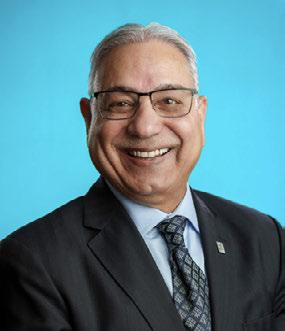
Dr. Harinder Sandhu, Chair and President
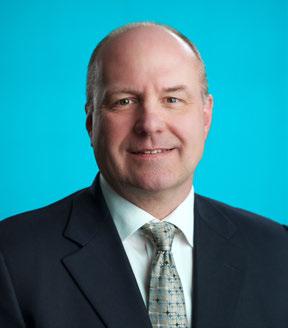
Daniel Faulkner, Registrar & CEO
Preventing IPAC breaches ultimately depends on consistent application, supported by accountability and a shared commitment to getting it right every time, recognizing that patient safety is not an abstract goal but a daily responsibility.
Looking
Ahead:
A Strategic Vision for the Next Decade
Amid these changes, the College’s new 10-year vision sets a framework to align regulatory priorities with the evolving oral health care landscape. This vision emphasizes three interconnected priorities:
■ leading system-wide dialogue to ensure that oral health is recognized as an integral component of overall health
■ adopting a proportionate, or “right-touch,” regulatory approach that responds to risk in a balanced and evidenceinformed manner
■ preparing dental professionals to adapt to, and lead within, a rapidly changing environment
These priorities acknowledge that dentistry does not operate in isolation, and that effective regulation must engage with government, other health regulators and system partners, while also supporting practitioners in developing the skills and resilience needed to thrive amid ongoing change.
The forthcoming strategic planning process will be a critical opportunity to translate the vision into actionable priorities. It will depend on input from the profession, whose insights into both challenges and opportunities are essential to shaping policies
that are both practical and forwardlooking. The consultation will be available on Public Consultations
Call for Applications
This fall will see the implementation of governance modernization. Province-wide elections will be introduced; the candidate competency-based assessment process will be grounded in the updated Competency and Diversity Profile for Council Members, 2025; the number of elected Council dentists will be slightly reduced from 12 to 10 members; and staggered terms will launch. Seven dentists will be elected to either a one-, two-, or three-year term, based on their vote totals.
The call for applications will be issued in August 2026. Please keep an eye on emails and on the College website.
In addition to elected Council roles, the continued involvement of dentists in advisory, educational and consultative roles ensures that real-world expertise remains central to the College’s work, as governance structures evolve to reflect contemporary expectations of accountability.
A Shared Commitment
What ultimately positions the profession for success is not any single initiative, but a collective commitment to maintaining high standards, engaging constructively with change and keeping patient interests at the centre of every decision.
As we look ahead to a longanticipated summer, we would like to acknowledge and celebrate the rich diversity across the Province of Ontario, including the many heritage months and cultural celebrations taking place. The month of June marks both National Indigenous History Month and Pride Month.
A collective commitment to maintaining high standards, engaging constructively with change and keeping patient interests at the centre of every decision.
Indigenous History Month celebrates the voices enduring contributions of Indigenous Peoples across Canada. It invites all Canadians to deepen their understanding of the histories, cultures and resilience of First Nations, Inuit and Métis communities. Council’s approval of the RCDSO Reconciliation Action Plan marks a significant step forward in our ongoing commitment to reconciliation, grounding this work in a shared responsibility to advance equitable and culturally safe care.
Pride Month highlights a vibrant calendar of events that uplift 2SLGBTQ+ communities while advancing equality, visibility, and inclusion.
Finally, on behalf of the College and Council, we thank you for your work, your focus on patients and your engagement in the profession
COUNCIL NEWS
Council Members
Executive Committee
■ Dr. Harinder Sandhu, Chair and President
■ Dr. Nalin Bhargava, Vice President
■ Marc Trudell
■ Brian Smith
■ Dr. Erin Walker
Elected Representatives
District #1
District #2
District #3
District #4
District #5
District #6
District #7
District #8
District #9
District #10
District #11
District #12
Dr. Nalin Bhargava
Dr. Robyn Somerville
Dr. Peter Delean
Dr. Neil J. Gajjar
Dr. Daniel Fortino
Dr. Harinder Sandhu
Dr. Erin Walker
Dr. Osama Soliman
Dr. Antony Liscio
Dr. Deborah Wilson
Dr. Eilyad Honarparvar
Dr. Anthony Mair
Appointed By Lieutenant Governor in Council
■ Patrick Ballantyne
■ Stephen Bird
■ Ram Chopra
■ James Colliver
■ Vivian Hu
■ Nizar Ladak
■ Adal Simeone
■ Brian Smith
■ Roderick Stableforth
■ Marc Trudell
■ Judith Welikovitch
Academic Appointments
■ Dr. Daniel Haas
■ Dr. Noha Gomaa
Council Highlights
Council Highlights are emailed out to members and posted online on the College’s website after each Council meeting. It covers some of the key highlights of Council business.
■ Read the Council Highlights from the April 16th, 2026
Council Meeting
■ Read the Council highlights from the June 18th, 2026 Council Meeting
Next Council Meeting
Our next Council meeting is: September 24th, 2026.
■ The meeting will be livestreamed on our YouTube channel.
Questions?
Angie Sherban Executive Assistant and Council Liaison
P 416-934-5627
T 1-800-565-4591
E asherban@rcdso.org
Are You Following Us On Social Media?
rcdso_org
rcdso.bsky.social rcdsovideos
rcdso
↗ Access the RCDSO Connect Newsletter archive for previous issues
Managing Conflicts and Ending the
Dentist–Patient Relationship

At its June 2026 meeting, RCDSO Council approved a new Standard of Practice: Managing Conflicts and Ending the Dentist–Patient Relationship. The new Standard goes into effect on July 3, 2026.
The Standard sets new requirements for managing conflicts and ending the dentist–patient relationship and updates guidance in the current Maintaining a Professional Patient-Dentist Relationship Practice Advisory It emphasizes the importance of making reasonable efforts to resolve conflicts in the best interests of patients and recognizes that in some circumstances ending the relationship may be necessary to ensure safe and effective care.
To support application in practice the Standard is accompanied by two sample dismissal letters:
■ Breakdown in the Relationship
■ Changes in Dentist’s Employment
Both letters are accessible on our website
The template dismissal letters are provided to help dentists
communicate the end of a dentist–patient relationship. As templates, these letters are intended as a guide only.
Dentists using these templates are expected to tailor them to suit their circumstances and their patient’s needs, ensuring all information is in line with the requirements in the Standard. We encourage you to review the full standard and reflect on how it applies to your practice.
Additional resources such as case scenarios and FAQs are in development and will be released at a later date
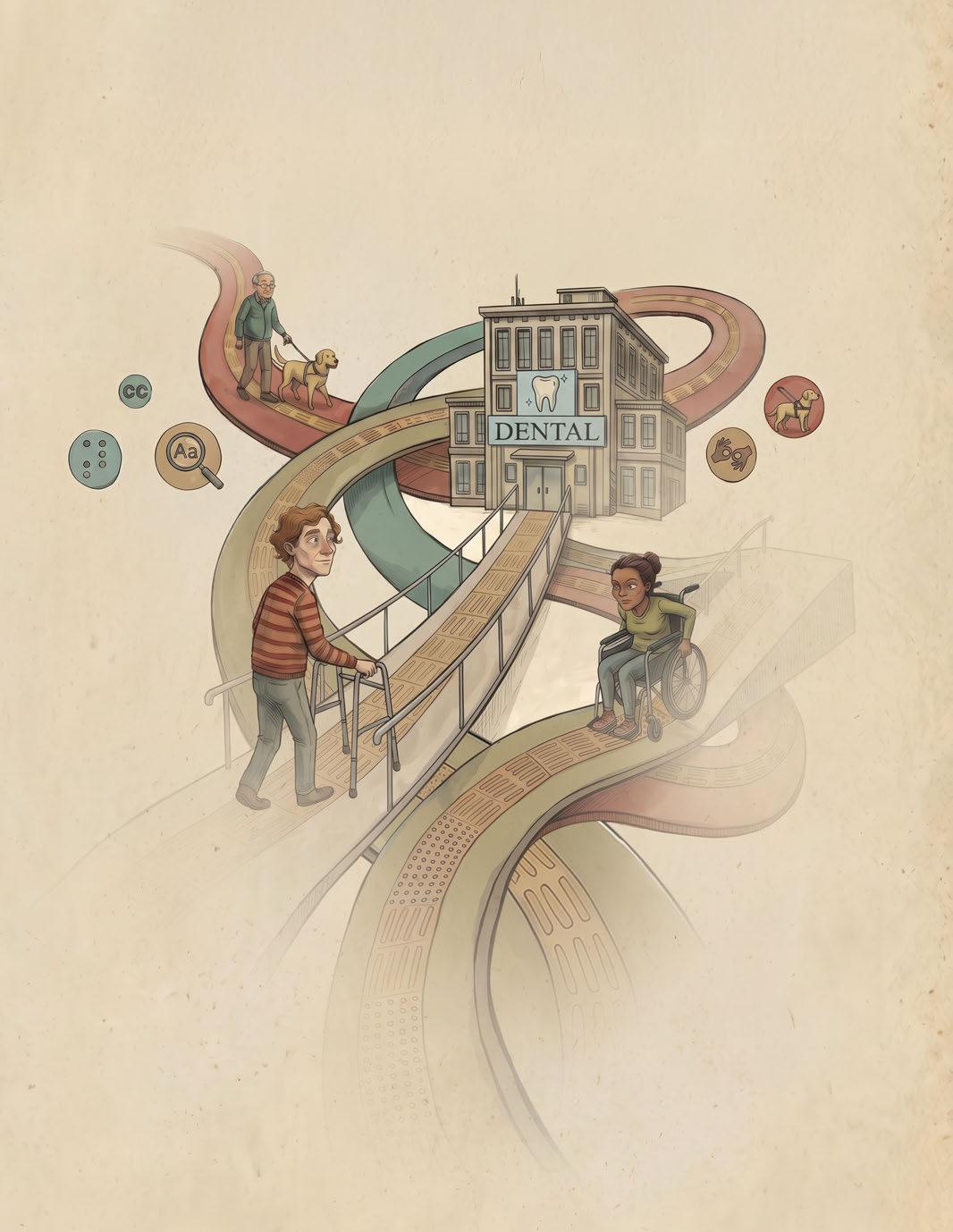
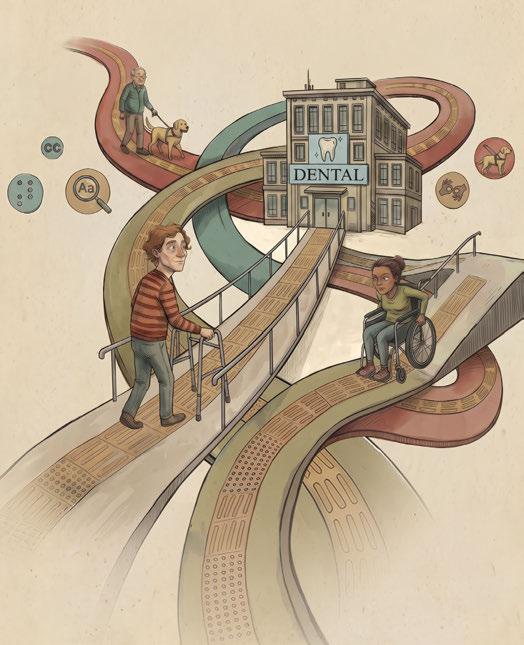
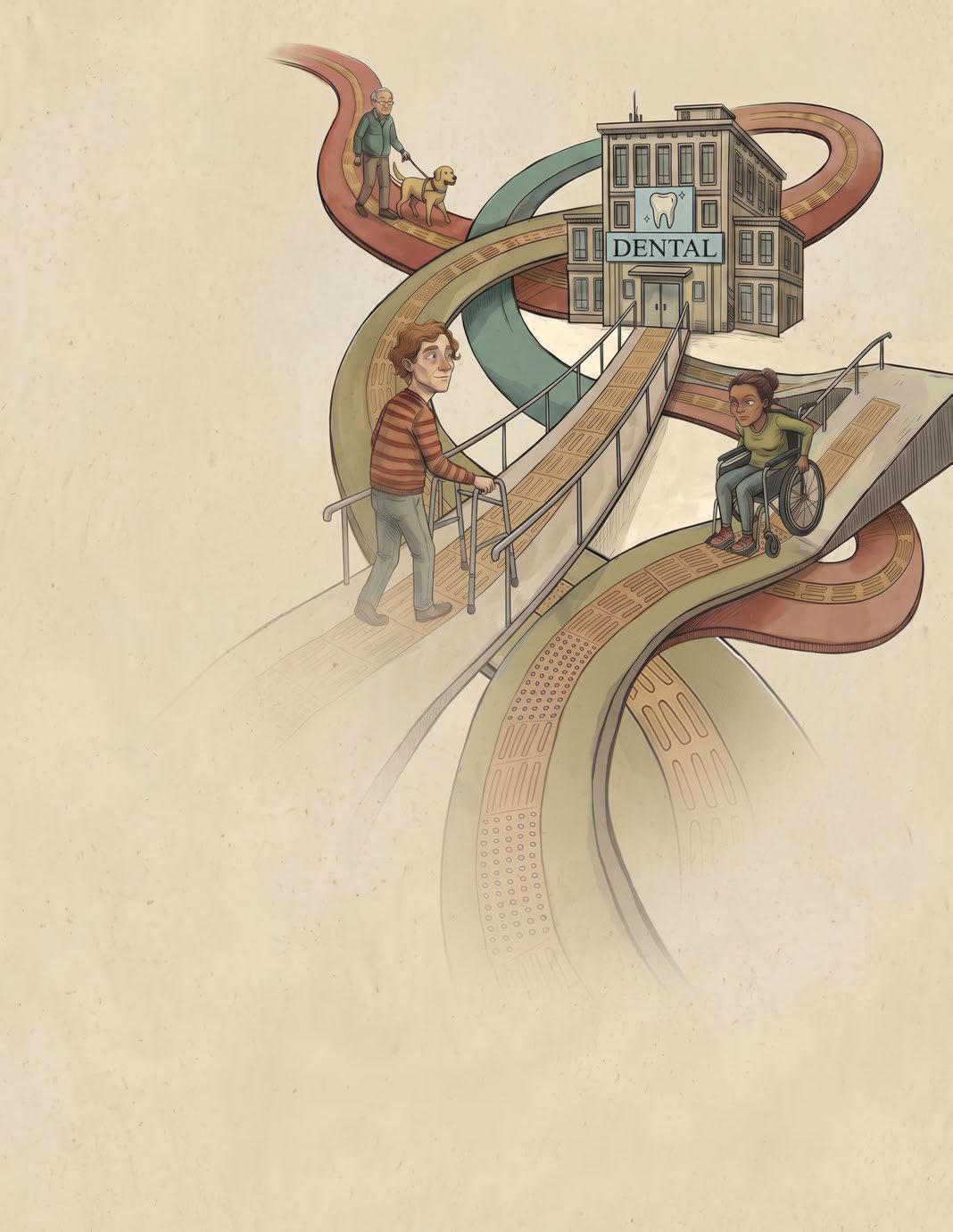
Provincial Accessibility Standards: What Dentists Need to Know
Q: What are Ontario’s accessibility standards?
Under Ontario’s Accessibility for Ontarians with Disabilities Act, 2005, every dental office with at least one employee must comply with the Accessibility Standards for Customer Service as well as the requirements outlined in the Integrated Accessibility Standards Regulation (IASR). These standards work together to remove barriers and ensure that people with disabilities can access goods and services in ways that respect dignity, independence and individual needs. In dental practice accessibility is expressed through clear communication, flexibility, respect for patient preferences and a commitment to creating an environment in which all individuals can comfortably receive care.
Q: Does this impact dental offices?
Yes. Any dental practice with at least one employee is required to comply with AODA requirements. Meeting these obligations also reflects key principles within the RCDSO Foundations of Professionalism, namely integrity, responsibility and respect for patients.
Providing accessible service is

not only required by legislation; it demonstrates the profession’s commitment to equitable and patient-centred care.
Q: What is the purpose of this standard?
Ontario’s population includes a large and growing number of people with disabilities, including a significant proportion of older adults. The intent of the AODA standards is to ensure that every Ontarian can participate fully in community life, including accessing oral health services without unnecessary barriers.
In dentistry this purpose aligns with the professionalism principles of compassion and respect. Taking steps to understand each patient’s needs and adapting care accordingly signals a practice culture rooted in empathy and patient-centred values.
Q: What do I need to do to comply with the Customer Service Standards?
Dental practices must take several steps to ensure compliance:
■ Develop written policies, practices and procedures describing how accessible customer service will be provided.
■ Support the use of assistive devices such as walkers, hearing aids, wheelchairs and communication aids.
■ Communicate in ways that consider a patient’s disability and preferred method of receiving information.
■ Provide AODA training for all staff.
■ Welcome service animals and support persons in all public areas of the office.
■ Offer notice when facilities or services that support accessibility are disrupted.
■ Create a patient feedback process for accessibility-related comments or concerns.
These expectations align closely with the Foundations of Professionalism, which highlight the importance of thoughtful and adaptable communication in accessible practice.
The Case Complexity Assessment Tool, developed by the Canadian Society for Disability and Oral Health (CSDH), encourages dentists to consider factors that may increase
complexity, such as cognitive, sensory or mobility-related disabilities. Recognizing these needs early supports safer, more appropriate care and aligns with sound professional judgment.
Q: What does that mean in practical terms?
Compliance starts with viewing your office from the perspective of a person with a disability. This includes considering navigation, communication and the emotional experience of seeking care. A simple but effective practice is to ask each patient what support they need to feel comfortable and respected.
Q: Are there reporting requirements?
Practices with 20 or more employees must submit regular AODA compliance reports to the province. Practices with fewer than 20 employees are not required to file but must still meet all components of the Customer Service Standards and the relevant portions of the IASR. Following reporting requirements demonstrates accountability, a core component of professional conduct.

Q: Where can I get more information?
Resources and tools related to compliance and reporting can be found at: www.ontario.ca/accessibility
For professional guidance, dentists may refer to:
■ The Foundations of Professionalism
■ The CSDH Case Complexity Assessment Tool
■ Educational sessions through RCDSO Connect
■ RCDSO Connect - February 4, 2025
“A simple but effective practice is to ask each patient what support they need to feel comfortable and respected.”
■ RCDSO Connect - June 11, 2025
■ RCDSO Connect - October 8, 2025
These materials reinforce that accessibility is both a legal obligation and an expression of high-quality, patient-centred dental care.

More Than Answers
The Role of the
Practice Advisory Service
For many registrants, a call or email to the College begins with a question.
It might be about recordkeeping, scope of practice, informed consent, infection prevention and control, patient privacy or another issue that feels complex or perhaps uncertain. While some answers may be straightforward, others require careful nuance and context.
That is where the Practice Advisory Service team comes in.
What is the Practice Advisory Service?
Practice Advisory Service (PAS) is a central resource and response team for the College, handling both general and intricate inquiries. The team responds to questions from dentists, dental office staff, students, patients and members of the public, empowering people to better understand regulatory requirements, professional expectations, policies and College resources.
At its core, PAS is dedicated to helping people navigate their questions with clarity and confidence.
For registrants, this means comprehensive support in understanding College standards and guidelines, finding relevant resources, or talking through questions about professional, ethical and regulatory obligations. Topics can range from access to care, conflicts of interest and mandatory reporting to recordkeeping, patient dismissal, advertising, virtual care, privacy, infection prevention and control and much more.
No two days are exactly alike, and no two inquiries are ever the same.
Who is on the PAS team?
What makes PAS especially unique is the depth of unique experience within the team. Practice advisors bring backgrounds in clinical dentistry, dental hygiene, education, professional conduct, policy development, communications and frontline

service, allowing them to address inquiries with expertise and care. Many team members have spent years in clinical practice, teaching in academic settings, contributing to standards development and supporting the profession in a variety of roles. Recognizing that reaching out to a regulatory body can feel intimidating, PAS is committed to supporting registrants without judgment, fostering an environment of understanding and trust. Whether someone is seeking guidance on a College requirement, trying to better understand a Standard, or simply needs help finding the right resource, PAS is devoted to making information accessible and navigable.
While PAS does not provide patient-specific clinical advice or make treatment decisions, advisors leverage their clinical and regulatory expertise to deliver factual information and education within the College’s mandate, enabling individuals to make informed decisions based on their unique situations.

Answers


Behind Every Response is a Collaborative Team Effort
PAS advisors contribute not only through one-on-one support with callers and correspondence but also through policy work, educational resources, presentations and collaboration across the College’s various departments. Behind the scenes, team members work together to ensure inquiries are triaged thoughtfully, information is shared clearly and registrants receive timely support.
Across diverse professional backgrounds and areas of expertise, a common thread runs through PAS’s description of its work: a genuine desire to help.
What stands out most is the team’s resolute commitment to service.
They deeply value each other’s unique perspectives and recognize that often what individuals need most is not just an answer, but a knowledgeable voice, a thoughtful explanation and reassurance that someone is there to listen.
For registrants navigating questions in practice, that support can make an extraordinary difference. While PAS addresses inquiries daily, the team’s mission extends beyond simple answers. They are dedicated to ensuring that people feel informed and supported in the face of uncertainty
Proposed Fee By-law Amendments Released for Consultation
Council has approved proposed amendments to By-law 18 for a required 60-day consultation period following a review of several RCDSO fee categories.
Key proposed changes include:
■ Adjustments to annual fees beginning in 2027 following the completion of the College’s temporary billing support role related to the Professional Liability Program (PLP) transition.
■ Removal of PLP-related costs from annual RCDSO fees. Since 2025, annual fees have included malpractice coverage costs while the College supported billing during the transition to the new provider. That billing support period ends Dec. 31, 2026.
■ Updates to reduced-fee registration categories following a broader review of registration fee structures and practices across other health and dental regulators.
■ Amendments to fees related to lifting suspensions to align with recent changes to the Registration Regulation.
Visit our website to participate



Wills
& Estate Planning
Don’t forget to include your patient records.
Dentists are responsible for planning ahead for the succession of patient records. You must take proactive steps to minimize the risk of patient records becoming abandoned should you become incapacitated or pass away while you are the custodian of patient records.
This may be accomplished by developing and periodically reviewing a succession plan. The plan should clearly identify a successor who will be responsible for maintaining the security of records and responding to the requests of patients for access to their records
For more information please see:
The College’s Dental Recordkeeping Guidelines and Frequently Asked Questions on the Change of Practice Ownership and Retiring
Other resources include: Personal Health Information Protection Act, 2004 and General resources for health information custodians | Information and Privacy Commissioner of Ontario
Building Trust in Dentistry
Highlights from RCDSO Connect in Ottawa
On March 25, 2026, we welcomed more than 150 attendees to the National Arts Centre in Ottawa for our in-person RCDSO Connect session, Foundations of Professionalism – Building Trust, Integrity, and Patient Confidence
The evening brought together dentists, oral health professionals and community members from the Ottawa area for a engaging discussion on the critical role professionalism plays in patient care.
Centred on the College’s Foundations of Professionalism document, the session explored how professionalism underpins every aspect of dental practice, from clinical decision-making to delivering
inclusive, patient-centred care. Our speakers highlighted how trust and integrity are essential not only to strong patient relationships, but also to maintaining public confidence in the profession.
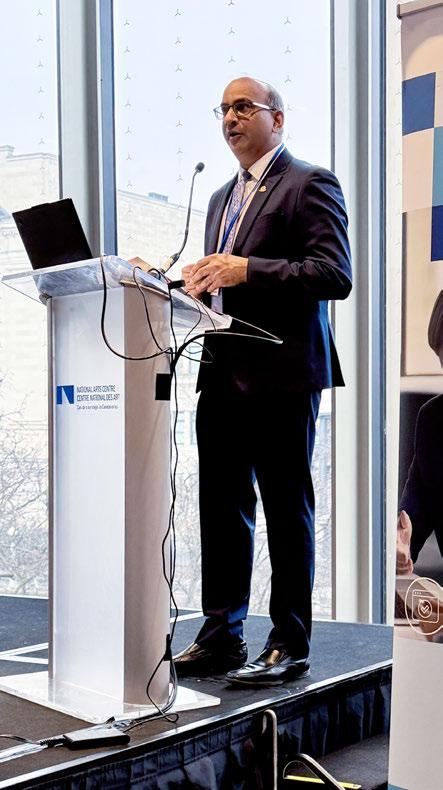
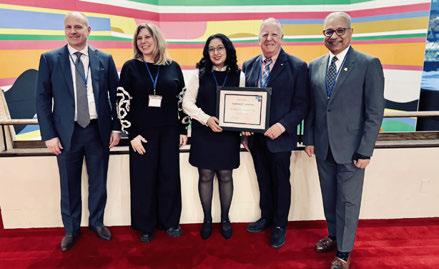
Opening remarks from RCDSO Vice President Dr. Nalin Bhargava and Registrar & CEO Dan Faulkner emphasized the importance of trust and the vital role of professionalism in serving patients and the public. The evening also recognized organizations making a meaningful impact in their communities. The College presented certificates of recognition to the Ottawa Mission Dental Clinic, Ottawa Public Health Dental Services, and the Wabano Centre for Aboriginal Health for their contributions to improving access to care.
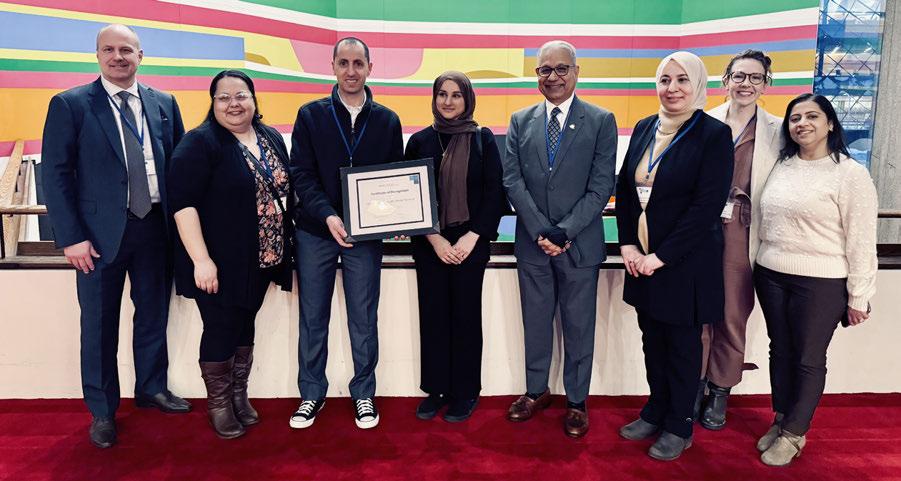
Registrar and CEO Dan Faulkner and Council President Harinder Sandhu stand with members of The Ottawa Public Health Dental Services
A key feature of the event was a panel discussion led by RCDSO Executive Committee member Dr. Erin Walker. She was joined by Quality Assurance Committee Chair Dr. Nancy Di Santo and RCDSO staff dentists Dr. Rana Badewy and Dr. Bonnie Yu. Together, they examined the core bioethical principles of autonomy, beneficence, nonmaleficence and justice. They focused on the practical application of these principles in everyday dentistry.
Attendees then took part in small-group discussions, working through real-world scenarios that encouraged collaboration and open dialogue. These interactive sessions provided valuable opportunities for participants to share perspectives and deepen their understanding of ethical practice.
“The strong engagement throughout the evening underscored the value of in-person connection,” explained RCDSO Registrar & CEO Dan Faulkner. “By fostering meaningful conversations and shared learning, RCDSO Connect continues to strengthen relationships across the dental community.”
Thank you to everyone from the Ottawa dental community who joined us for an engaging evening of learning and conversation
Professionalism underpins every aspect of dental practice, from clinical decision-making to delivering inclusive, patientcentred care.
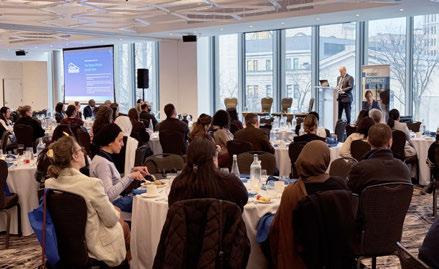
150+ attendees for our in-person RCDSO Connect session, Foundations of Professionalism – Building Trust, Integrity, and Patient Confidence
Council Vice President, Nalin Bhargava gives opening remarks at Ottawa Connect in Ottawa ↙
Advancing Safe, Inclusive Dental Care Highlights from RCDSO Connect

Rooted in Respect: Advancing Inclusive, Trauma‑Informed Care
The April 22 RCDSO Connect session, Rooted in Respect: Practical pathways to safe, inclusive and trauma-informed oral health care, brought together more than 2,000 participants to explore how dental professionals can better support patients with complex needs as access expands under the Canadian Dental Care Plan (CDCP).
Opening the session, Lara Timler, RDH, Academic Coordinator at Fanshawe College and Chair of the London Community Dental Alliance, introduced The Wright Clinic in London as a communitybased model designed to address barriers to oral health care. She emphasized that effective care requires trust, safety and patient autonomy as the foundation for treatment, particularly for individuals who may have experienced stigma, trauma or prolonged gaps in care.
The Wright Clinic integrates oral health care with primary care, social services and education through shared staffing, coordinated referrals and partnerships across sectors. This approach enables patients to access care alongside supports that address broader determinants of health, including housing, food security and system navigation.
FROM PRINCIPLES TO PRACTICE
Moderated by Dr. Noha Gomaa, Associate Professor, Schulich School of Medicine & Dentistry, Western University, and RCDSO Council member, the panel discussion focused on how these concepts can be applied in practice.
Dr. Ali Ardestani, Assistant Clinical Professor, Western University, spoke to the importance of recognizing both physical and psychosocial barriers, including anxiety and limited trust in the health care system.
Missed the session? Watch it on our YouTube channel and earn a Category 3 CE point.
Watch the recording
Dr. Manny Friedman, Endodontist and Wright Clinic volunteer, reflected on the impact of taking time to build relationships and challenge assumptions about patient needs. Theresa Pasquino, Clinic Manager at The Wright Clinic, shared examples of addressing practical barriers, including transportation and postoperative care supports.
The session concluded with a focus on small, actionable steps. While not every practice can replicate a fully integrated model, participants were encouraged to consider how incremental changes, such as adapting communication, strengthening referral pathways and allowing time to build relationships can improve access to care and patient experience.
IPAC in the Dental Office: Strengthening Systems to Support Safe Care
The May 20 RCDSO Connect session, IPAC and the Dental Office: Keeping People Safe, engaged nearly 2,500 participants in a discussion on infection prevention and control (IPAC) as a core component of safe, high-quality dental care. This was the first of a two-part series focused on IPAC.
The session opened with Anne Augustin, MLT, MSc, CIC, Team Lead, IPAC Lapse and System
Support, Communicable Disease Control, Public Health Ontario, who outlined the scientific principles underlying IPAC practices. She emphasized a systems-based approach, noting that each step— from instrument reprocessing to medication handling—contributes to overall safety, and that gaps in these processes can create risk when combined.
Missed the session?
Watch it on our YouTube channel and earn a Category 3 CE point.
Watch the recording
SUPPORTING CONSISTENT PRACTICE
Moderated by Dr. Sonica Singhal, Assistant Professor and Program Director, Dental Public Health, Faculty of Dentistry, University of Toronto; Public Health Dentist, Public Health Ontario, the panel examined how these principles translate into daily practice.
Danielle Steinman, Manager, Bloodborne Diseases – Infection Prevention & Control Team, Toronto Public Health, outlined common challenges observed following IPAC lapses, including gaps in policies, inconsistent training and issues with reprocessing workflows.
She highlighted the value of checklists, routine policy reviews and maintaining up-to-date procedures to support consistency.
Dr. Rana Badewy, Clinical Lead, Quality, RCDSO, reinforced that dentists are ultimately responsible for IPAC oversight, including establishing and monitoring protocols and ensuring alignment with current standards.
Throughout the discussion, panelists emphasized that effective IPAC depends not only on technical processes but also on practice culture. Encouraging open communication, clarifying roles and responsibilities and supporting ongoing learning were identified as key to preventing lapses and maintaining patient safety.
Participants were encouraged to use RCDSO resources, including the IPAC Standard of Practice and self-audit tools, and to continue the series on June 24, which focused on responding to IPAC lapses

The IPAC Learning in Action Toolkit helps dental teams strengthen infection prevention and control practices through practical, self-guided activities. The toolkit encourages reflection, supports safer patient care and helps build a stronger culture of safety in the dental office.
Learning in Action: IPAC in the Dental Office – Keeping People Safe Survey
Missed a previous RCDSO Connect session?
You can view past RCDSO Connect videos on our RCDSO YouTube channel to stay updated on key discussions and insights
View our YouTube chennel
Research Corner
You are invited to participate in research examining the awareness, knowledge and clinical practices of Ontario health care professionals regarding ethnic and genetic risk factors associated with carbamazepine-induced hypersensitivity reactions, including Stevens–Johnson Syndrome (SJS) and Toxic Epidermal Necrolysis (TEN).
Carbamazepine is commonly prescribed for several medical conditions and is associated with rare but potentially life-threatening hypersensitivity reactions. Research has demonstrated that certain genetic markers and ethnic backgrounds may increase susceptibility to these adverse reactions. This study aims to better
understand the current level of awareness, knowledge and clinical practices related to these risks among Ontario health care providers.
The study is being conducted by Dr. Sonica Singhal and Dr. Bruce Freeman at the Faculty of Dentistry, University of Toronto.
Participation involves completing an anonymous, confidential online survey link here. The survey will take approximately 10 minutes to complete.
For questions about the study: Dr. Sonica Singhal, BDS, MPH, MSc, PhD, FRCD(C) Faculty of Dentistry, University of Toronto
Consultation on Draft Strategic Plan 2026–2030
Council has approved the release of the RCDSO’s Draft Strategic Plan 2026–2030 for public consultation.
The plan will help guide the College’s priorities and strategic direction over the next five years while supporting its mandate to serve and protect the public interest. The consultation is seeking feedback from Ontario dentists,
members of the public, health system partners, and interested organizations and individuals.
The draft plan includes priorities related to:
■ System leadership and engagement
■ Regulatory modernization
■ Equity, diversity and inclusion
■ Indigenous reconciliation
■ Patient-centred care
Visit our website to participate.
Purpose in Action Reflecting on a Year of Progress
Our 2025 Annual Report, Purpose in Action, is now available. The report reflects on a pivotal year as we completed our 2023–2025 Strategic Plan, building momentum for the future.
Over the past year, we advanced key priorities by updating standards of practice, introducing Foundations of Professionalism and developing new guidance on the ethical use of artificial intelligence in dentistry. The College also explored emerging practice trends, supporting the profession in navigating change. Engagement remained central to our work. Through initiatives like the RCDSO Connect webinar series, thousands of dentists took part in practical learning opportunities focused on priority areas and timely topics, supporting continued knowledge development and enhanced patient care.
Governance reforms also progressed, with work underway to strengthen representation and prepare for our first province-wide election in 2026.
Another significant milestone was the divestment of the Professional Liability Program, sharpening the College’s focus on its core regulatory mandate.
Read the full 2025 Annual Report to learn more about our key accomplishments and progress over the past year.

Purpose in Action

Access the RCDSO Annual Report archive for previous issues


Professional Advertising Starts with Integrity
Advertising with Integrity
In today’s increasingly competitive and digital landscape, dental advertising is more visible than ever. Getting it right is about more than effective marketing. It’s about upholding the integrity and dignity of the dental profession.
RCDSO’s Advertising with Integrity resource provides a clear, practical guide to professional advertising. Grounded in regulatory expectations, it reinforces a simple but essential principle: all patient and public facing communications must be truthful, clear and respectful.
Designed as a concise companion to the Professional Advertising Practice Advisory, this one-page resource encourages reflection before moving ahead with promotion of services. It offers key questions to consider and highlights common pitfalls to avoid.
Dentists are accountable for all content (digital and print) that promotes their practice. A quick, regular check of your advertising can go a long way in keeping it professional and aligned with regulatory requirements
Suspected Child Abuse & Neglect
Dentists are well positioned to identify possible signs of child abuse or neglect, including orofacial injuries, untreated disease or concerning behaviours.
Under Ontario’s Child, Youth and Family Services Act, 2017 (CYFSA), you have a legal obligation to report immediately if you have reasonable grounds to suspect a child may be in need of protection.
Reasonable grounds” is a low threshold. You do not need proof. Suspicion based on clinical findings, patient history or interactions is sufficient.
A child may be in need of protection where there is physical, sexual or emotional abuse, neglect, or risk of harm, including failure to obtain necessary medical or dental care.
Your Responsibilities
■ Report directly and immediately to the Children’s Aid Society (CAS). Do not rely on staff or others to report.
■ Report again if additional concerns arise.

■ Do not investigate or confirm abuse. CAS is responsible for assessment and investigation.
■ Confidentiality does not prevent reporting. The duty overrides privacy obligations.
Protection and Professional Risk
The law recognizes that reporting is based on suspicion rather than certainty, so you will not face civil
Bottom line
liability if your concern turns out to be unsubstantiated, provided it was reasonable at the time.
By contrast, the greater risk lies in failing to act. If you do not report when you have reasonable grounds to suspect a child may be in need of protection, you may face legal consequences under the CYFSA as well as professional discipline.
Reporting a concern does not breach confidentiality; in fact, the law requires you to share this information when a child’s safety may be at risk.
In practice, this means your responsibility is clear: if your clinical judgment raises a reasonable concern, report it promptly.
Age Considerations
■ The duty applies to children under 16.
■ Concerns about youth aged 16–17 should still be reported or discussed with CAS.
If something raises concern in your clinical judgment, make the report immediately. Your risk lies in not reporting.

A Strategic Framework for the Future of Oral Health Care
At its February 19, 2026 meeting, Council formally approved the Royal College of Dental Surgeons of Ontario’s Vision 2035, setting a clear and forward-looking direction for the College.

The vision articulates a strategic commitment to better oral health care for every patient through system dialogue, proportionate regulation and excellence in the practice of dentistry.
The College anticipates a future shaped by evolving public and government expectations; variable patient access to oral

healthcare; ongoing health system transformation; and rapid technological innovation. And so, the vision is necessarily broad and ambitious.
The vision is organized into three pillars:

■ Healthy System: Leading System-Wide Dialogue and Change
■ Right-Touch Regulation: Anticipating & Addressing Emerging Risks
■ Prepared Professionals: Equipping and Empowering Dentists
To read more about each pillar and the markers of success please see RCDSO’s Vision 2035 here
Step Forward
Get Involved in RCDSO Governance
Serving in governance is one of the most direct ways registrants can shape the future of dentistry practice in Ontario.
Each year, RCDSO Council and its committees make decisions that influence standards, policies, strategic direction and the broader regulatory environment. These decisions ultimately affect how you practise and how patients experience care. These roles are not abstract or removed. They are grounded in real-world insight from registrants like you.
As application periods approach, now is the time to consider what role you might play.


Why It Matters to the Profession and to You
RCDSO’s mandate is to protect the public by ensuring safe, ethical and high-quality care. Council and its committees are central to that work. They provide oversight and contribute to processes that support accountability and professional standards. But governance is not just about responsibility. It is also about perspective.
You gain a broader perspective. You start to see how decisions are made, and the impact they have across the profession.
At a recent RCDSO Connect session on governance modernization , RCDSO Council member Dr. Anthony Mair spoke about how serving on Council changed the way he sees the profession and his role within it.
That broader view is something many registrants don’t often experience in day-to - day practice. Governance brings you closer to the “why” behind standards, policies and decisions. More importantly, it gives you a voice in shaping them.
For many who serve, it is both professionally enriching and deeply meaningful.
Many Ways to Contribute
There is no single path into governance. Whether you are ready to take on a leadership role or looking for a way to get involved for the first time, there are options to match your experience and interests. Council roles offer the opportunity to help guide RCDSO’s strategic direction and oversee key decisions that affect the profession.
Non- Council committee member roles provide a chance to contribute your expertise in more focused areas — from quality assurance to complaints and discipline — while gaining valuable governance experience.
Both pathways rely on the insight and commitment of registrants. And both play a vital role in ensuring strong, effective regulation.
Take the Next Step
Strong governance depends on registrants who are willing to step forward to apply their knowledge and experience and contribute to decisions that serve both patients and the profession.
If you’ve ever been curious about how decisions are made or wondered how you could have a greater impact beyond your practice, this is a great opportunity.
You don’t need prior governance experience to get started. What matters most is your commitment to professionalism, fairness, transparency and thoughtful decision-making
We will be hosting a RCDSO Connect session related to governance on August, 5 2026.
Plan Ahead
Key Dates
If you are thinking about applying, it’s important to plan ahead and be ready when applications open.
COUNCIL APPLICATIONS
Applications open: Tuesday, August 11, 2026
Application deadline: Friday, September 18, 2026
Candidate information session: August 6, 2026
Election day: Wednesday, December 9, 2026 at 2:00 PM
Council term begins: Thursday, January 21, 2027
NON‑COUNCIL COMMITTEE APPLICATIONS
Applications open: Monday, October 19, 2026
Application deadline: Monday, November 9, 2026 at 9:00 AM
Appointments announced: Thursday, January 21, 2027
Committee terms begin: Thursday, January 21, 2027
INFORMATION SPOTLIGHT
Unauthorized Dental Practitioners
The RCDSO is committed to safeguarding public health by ensuring that only qualified and registered professionals practice dentistry within the province. In this regard, we publish a publicly accessible list of individuals who have been legally prohibited from practising for various reasons, including lack of credentials, disciplinary actions, or other legal issues.
If you are aware of these individuals or anyone else working without being registered with the RCDSO, please contact us at info@rcdso.org
Dentists should exercise caution when selling used materials and equipment to non-dentists. They may also wish to review the list of unauthorized practitioners available on our website.
From Issue to Action: The Real Value of Maintenance Documentation
Regular equipment maintenance is vital for safeguarding patient safety and ensuring consistent, compliant
dental care. Equipment failures can occur in any practice setting; what matters most is timely corrective action and documentation of how issues were addressed.
Through the RCDSO’s Facility Inspection Program (FIP), maintenance documentation helps demonstrate that equipment is functioning properly and maintained in accordance with the Standard of Practice: Use of Sedation and General Anesthesia in Dental Practice and Standards of Practice – Dental CT Scanners
FIP reviews maintenance documentation from the previous 36 months; however, recordkeeping requirements mandate retention for 10 years. Documentation should show that equipment is routinely inspected, serviced by qualified personnel, and maintained according to manufacturers’ instructions or annually, whichever is more frequent.
In many cases, documentation is simply not available when requested. Maintenance documentation reviews are not intended to penalize facilities when issues arise but rather to support good practice and continuous improvement.
Ensure your maintenance documentation is complete, up to date, and readily accessible.
Suspended Practitioners
David Muller
Gaurav Sood
Nabiel Al Ghazali
Mona Hassanlou
Yasmine Borno
John Totton
Richard Morris
John Demarco
William Irwin
Robert Beehler
Ahmad Kanaan
Farrah Mustapha
Daniela Chocron
Michael Tam
Katherine King
Stephen Forgacs

A strong, consistent equipment maintenance and documentation history supports patient safety and reflects your commitment to quality care
Always check the public register
Dentists should always verify the credentials of potential employees by consulting the RCDSO public register to ensure they are authorized to practice dentistry in Ontario. Before hiring anyone for your practice, be sure to crossreference their license status on the public register to maintain compliance and patient trust. Patients are encouraged to check the register as well to confirm their dentist’s authorization to practice and ensure they are receiving care from a qualified professional.
Karen Pepper
Elizabeth Prokopchuk
Judy Horvath
Teena Sareen
Arjewan Jassim
Harsha Lalwani
Sahand Seyedzadeh
2025 ONRCDSO 9 (CANLII) | ROYAL COLLEGE OF DENTAL SURGEONS OF ONTARIO V WOO | CANLII
Heard: November 20, 2025, by videoconference
Decision Date: November 20, 2025
Release of Written Endorsement: February 11, 2026
READ MORE >
2026 ONRCDSO 2 (CANLII) | ROYAL COLLEGE OF DENTAL
SURGEONS OF ONTARIO V BACCHUS | CANLII
Heard: November 21, 2025, by videoconference
Decision Date: November 21, 2025
Release of Written Endorsement: March 30, 2026
READ MORE >
2026 ONRCDSO 3 (CANLII) | ROYAL COLLEGE OF DENTAL SURGEONS OF ONTARIO V SHANKMAN | CANLII
Heard: March 18, 2026, by videoconference
Decision Date: March 18, 2026
Release of Written Endorsement: April 7, 2026
READ MORE >
2026 ONRCDSO 4 (CANLII) | ROYAL COLLEGE OF DENTAL SURGEONS OF ONTARIO V PAWLUK | CANLII
Heard: February 6, 2026, by videoconference
Decision Date: February 6, 2026
Release of Written Endorsement: April 13, 2026
READ MORE >
2026 ONRCDSO 5 (CANLII) | ROYAL COLLEGE OF DENTAL
SURGEONS OF ONTARIO V KLIMAN | CANLII
Heard: February 4, 2026, by videoconference
Decision Date: February 4, 2026
Release of Written Endorsement: April 14, 2026
READ MORE >
2026 ONRCDSO 6 (CANLII) | ROYAL COLLEGE OF DENTAL SURGEONS OF ONTARIO V TSE | CANLII
Heard: November 17, 2025, by videoconference
Decision Date: April 21, 2026
Release of Written Endorsement: April 21, 2026
READ MORE >
Current Suspended
Members
or Discipline files only, does not include suspensions for non-payment of fees:
■ Kevin Kliman suspended Feb 5, 2026 to Feb 5, 2027
■ Yuriy Pawluk suspended Feb 6, 2026 to Aug 6, 2026
2026 ONRCDSO 7 (CANLII) | ROYAL COLLEGE OF DENTAL SURGEONS OF ONTARIO V TSE | CANLII
Heard: November 17, 2025, by videoconference
Decision Date: April 21, 2026
Release of Written Endorsement: April 21, 2026
READ MORE >
2026 ONRCDSO 8 (CANLII) | ROYAL COLLEGE OF DENTAL SURGEONS OF ONTARIO V TSE | CANLII
Heard: November 17, 2025, by videoconference
Decision Date: April 21, 2026
Release of Written Endorsement: April 21, 2026
READ MORE >
2026 ONRCDSO 9 (CANLII) | ROYAL COLLEGE OF DENTAL SURGEONS OF ONTARIO V GAUTHIER | CANLII
Heard: April 9, 2026, by videoconference
Decision Date: April 9, 2026
Release of Written Endorsement: May 8, 2026
READ MORE >
■ Shibani Walia suspended May 20, 2026 to Oct 20, 2026
From the Booth to the Stage
RCDSO at the Ontario
Dental Association
Annual Spring Meeting
Last month, we participated in the 2026 Ontario Dental Association (ODA) Annual Spring Meeting (ASM), one of the province’s largest gatherings of the dental community.
Through our booth presence and contributions to the educational program, the College engaged with attendees to share knowledge, exchange perspectives and highlight our public protection mandate.
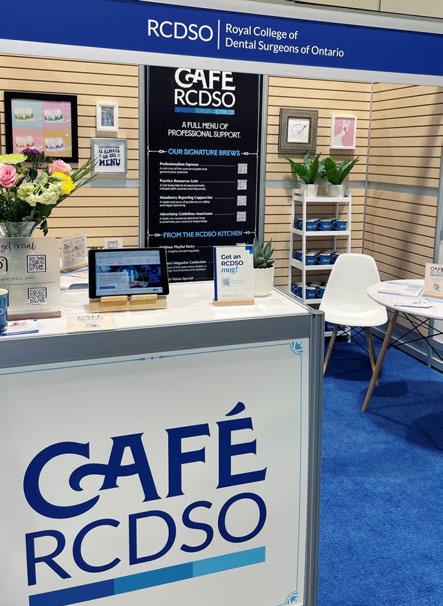
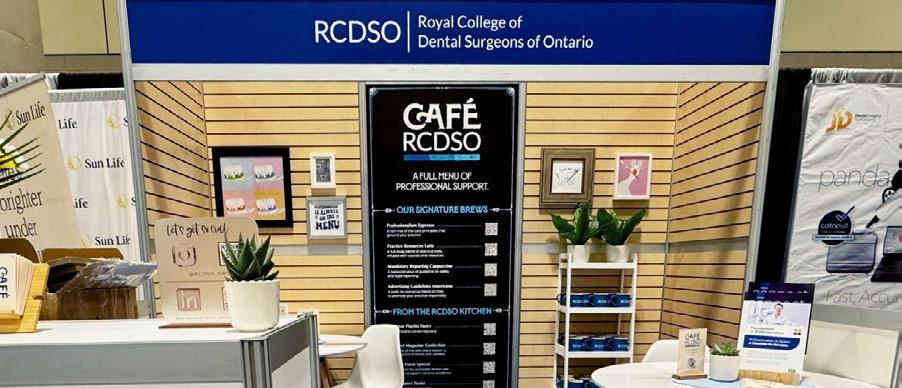
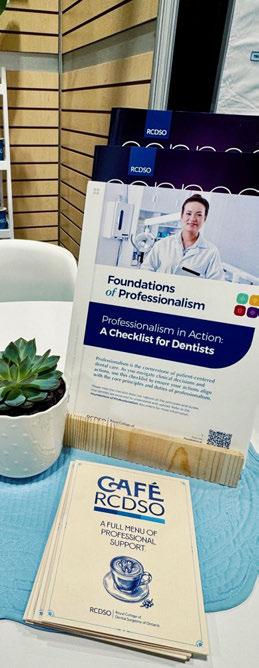
Brewing conversations at Café RCDSO
Throughout the event, RCDSO staff welcomed 520 visitors to Café RCDSO, our newly redesigned booth space that provided a welcoming setting for meaningful conversations
about regulation, professional responsibilities and the resources available to provide safe, ethical dental care.
Visitors stopped by to ask RCDSO staff volunteers questions, share feedback and learn more about the tools available to support their practice. These inperson interactions are a valuable opportunity for the College to build relationships and gain insight into the evolving needs and perspectives of the profession.
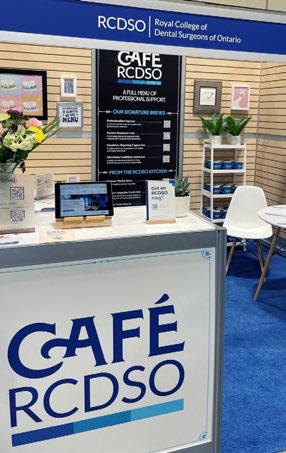
Events like the ODA ASM give us a chance to connect directly with dentists and hear what matters most to them. Those conversations help inform our work and support safe, ethical care across the province.
— DAN FAULKNER, REGISTRAR & CEO, RCDSO
Sharing clinical and regulatory expertise
RCDSO staff dentists contributed to the ASM’s educational program, delivering sessions on Fundamentals of Recordkeeping and Consent to Treatment, two essential areas of practice that support highquality, patient-centered care and regulatory compliance.
Through these presentations, RCDSO subject matter experts offered practical guidance to help dentists navigate everyday clinical
responsibilities while meeting professional and legal obligations
Participation in events like the ODA ASM reflects our ongoing commitment to transparency, collaboration and engagement. By engaging directly with dentists, oral health professionals, students and system partners, we help foster a shared understanding of our mandate and support a culture of professionalism and accountability across the profession.
We want to thank the ODA for hosting another successful Annual Spring Meeting and look forward to attending next year’s event!
I truly enjoyed presenting the Consent to Treatment course and connecting with colleagues at the ODA ASM. It was rewarding to be part of an event that brings professionals together to learn, exchange ideas and strengthen clinical practice.
— DR. RANA BADEWY, CLINICAL LEAD, QUALITY, RCDSO
REQUESTS FOR ASSISTANCE
The following are requests for assistance obtaining dental records from various police services and coroner’s offices across Ontario.
If you have any information, please reach out to the contact listed in each case.

Patient Name DOB Requested From Contact Contact Email
Shanda Evans 08-29-1979 Toronto Police Service
Dmytro Malovichko 10-24-1987 Toronto Police Service
Ray Smith 10-06-1994 Toronto Police Service
Howard Kelly 12-19-1955 Durham Regional Police Service
Danielle Bartlett 01-11-1991 Toronto Police Service
Brian Pike 01-29-1964 Office of the Chief Coroner for Ontario
Dianna Charles 02-02-1958 Toronto East/West Regional Offices | Office of the Chief Coroner
Kelly Hissa 04-04-1966 York Regional Police
Rosemary Quintal 11-25-1967 Ottawa Police Service
Keanu Ledda 05-16-1995 Toronto Police Service
Detective Constable Claudio Rizzi, Badge #11475 11475@tps.ca
Detective Hutchings, Badge #8975 missingpersons@ torontopolice.on.ca
Detective McPherson, Badge #10613 missingpersons@ torontopolice.on.ca
Detective Justin Bowler, Badge #3336 3336@drps.ca
Detective Kahlon, Badge #10016 missingpersons@ torontopolice.on.ca
Joel A. Kirsh joel.kirsh@ontario.ca
Michael Campbell
Michael.B.Campbell @ontario.ca
Police Constable Dykstra, Badge #2664
Detective Constable Kevin Oreto, Badge #99809 Oretok@ottawapolice.ca
Detective Constable De Vreeze, Badge #83022 missingpersons@ torontopolice.on.ca
New RCDSO Registrants! Welcome
Priyam Raskapurwala
Maria Marissa Mañebo Balles
Preksha Shivang Patel
Kaileigh Victoria Chow
In-ah Kim
Ahmed J A Khrais
Ana Carolina Kadowaki Cheong
Avjitsingh Baldevsingh Singh
Umm E Hani Ali
Parth Mistry
Mahasweta Joshi
Ivana Ristova
Daniel Guirguis
Pratikshya Amgain
Mohammad Abdelsattar
Hamed Morsy Nada
Kinjalben Darshan Patel
Prasoon Goyal
Ibadat Sidhu
Oludamilola Awofala
Gabrielle Gonsalli Domingues
Akshay Sharma
Maham Farooq
Ishita Jayeshkumar Mistry
Juliana da Costa e Sa Carvalho
Natasha Francis D’Silva
Jasmine Kaur
Gagandeep Kaur
Samina Sohail Hirani
Kirthana Satish
Harmanpreet
Priyal Mahesh Goenka
Oluwatoni Ajani
Dillon Christopher Caines
Karan Partap Singh
Sarah Alison Ramirez
Anna Zalogina
Jeel Devendrabhai Patel
Gabrielle Marie Dionne
Vivek Mani
Eni Xhoxhi
Abiha Daniyal
Abbass Saleh
Ola Anjileh
Nadia Ahmad
Zadeh Saffari
Seyedehghazaleh Hashemi
Ashley Dhaliwal
Maria Eugenia
Davila Rodriguez
Jeffrey Alan Pullano
Nataly Abou Ali
Himani Shaileshkumar
Jha
Elisabeth Anastasia Maria Breckenridge
Jasvir Kaur
Hersimran Ahluwalia
Sunmeet Soni Bhullar
David Au
Carmen Magdi Wadie
Gilada
Shireen Gill
Gulpreet Kaur
Jia Xin Li
Michel Sina Mounir
Fred W. Der
Farnaz Ghadimi
Liya Ann Jose
Kiranbir Kaur
Bushra Zaman
Claudia Wagner
Jeremy Sananes
Sejal Mehta
Harneet Kaur
Zehra Fatima
Julia Marie Plexman
Golnoosh Mohammad Taghi
Nachiket Sanjaykumar
Rana
Joshua Alexander Klein
Amanjot Kaur Singh
Anam Iqubal Alim
Kelsey Victoria Won
Gagandeep Singh Dosanjh
Japmeet Singh Kang
Aaron Jeremy Mah
Luca Tedesco
Rutwik Patani
Anjum Afshan
Papaldeep Kaur Virk
Rafeef Azzawi
Hussein El-Chami
Souha Khalil
Saif Faruqi
Meeta Mahal
Jatinder Mohan
Lauren Sehdev
Jacob Park
Gurmeen Kaur Saini
Ozgur Can Ceylan
Roopali Sharma
Abeer Adel Mostafa
Sinbel
Shahed Bayestehtarat
Farzad Emam
Divya Goyal
Sunpreet Kaur Bains
Seyedamirabbas Sabouri
Aisan Daryani
Anhad Kapila
Bindhu Ghorpade
Sathyanarayanan
Hemit Amitkumar Shah
Norhan Amgad Ibrahim
Elmaaz
Zahra Dehghan
Mongabadi
Pargatsingh
Thanedarsingh Kathuriya
Gurmail Singh
Varundeep Kaur
Sreelal Manilal Sreedevi
Wajid Hassan
Andrea Giselle Ballestero Crespog