P O
AUGUST 2026
DATA CENTRES: WHAT’S THE HYPE ABOUT?
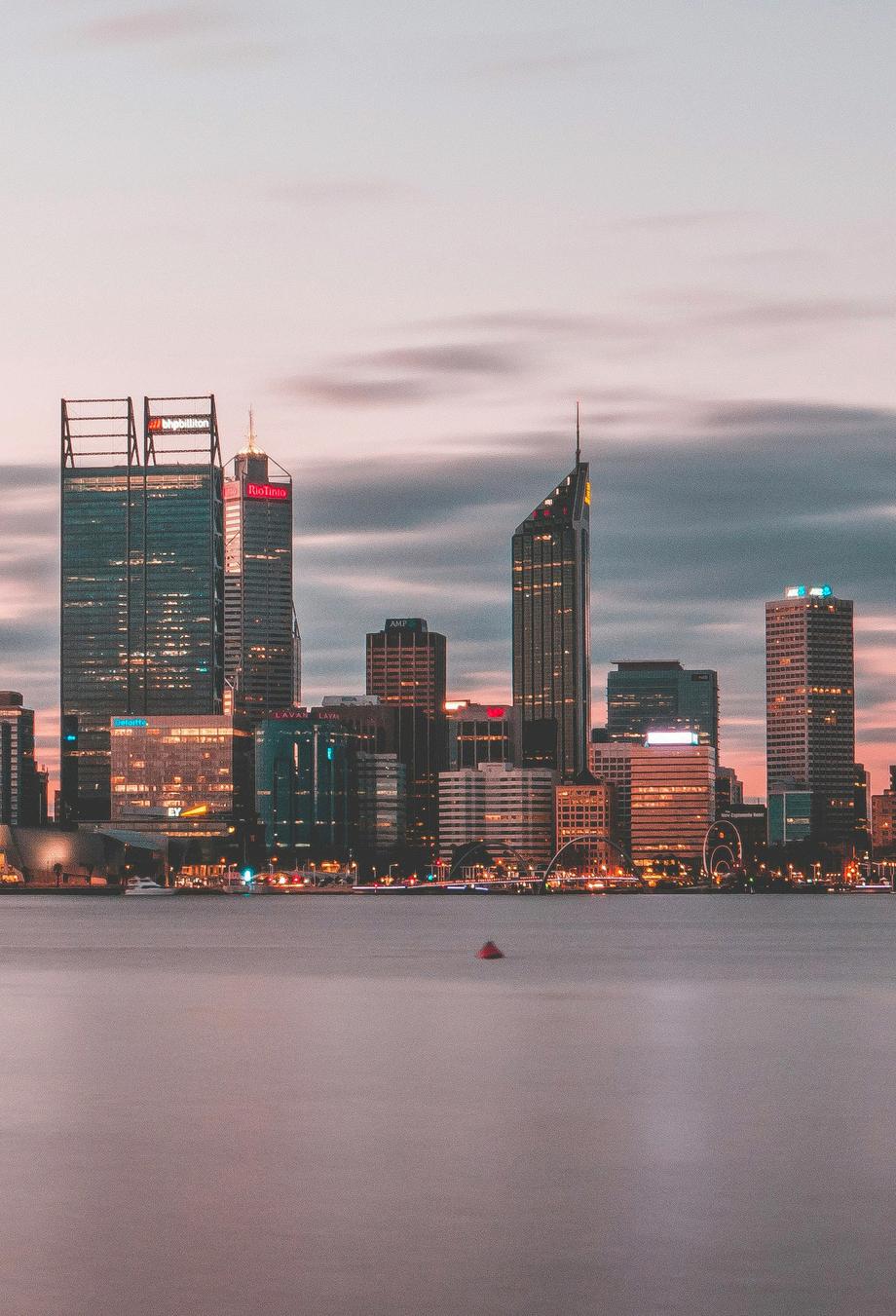
WA’S FORGOTTEN OFFICE MARKET SET FOR A REVIVAL
BUNDALL SITE SELLS FOR THE FIRST TIME IN 50 + YEARS
AUGUST 2026
DATA CENTRES: WHAT’S THE HYPE ABOUT?
WA’S FORGOTTEN OFFICE MARKET SET FOR A REVIVAL
BUNDALL SITE SELLS FOR THE FIRST TIME IN 50 + YEARS
James Linacre CEO RWC Australia and New Zealand
One of the more interesting observations as we head into the new financial year isn't how buyers are behaving It's how vendors are choosing their agents
The Australian commercial property market has proven remarkably resilient. Quality assets continue to transact and there remains significant private capital looking for the right opportunities
What has changed is that buyers have become more selective. Spending more time analysing what genuinely differentiates one asset from another
For vendors, that shift has changed what they expect from the agent they appoint. Increasingly, they're not asking "How much marketing should we do?" but "How are we going to position my property?" That's a very different conversation
Every commercial property has a reason why someone should own it. The security of its lease, a tightly held location, redevelopment potential, below-market rents, or an opportunity to create value through active management
The best campaigns don't simply advertise a property. They explain why it deserves attention
That story also needs to reflect the market buyers are operating in Construction costs remain high, financing is more challenging, and
approvals aren't getting easier, yet relatively few established commercial assets are selling materially above replacement value
For sophisticated investors, that's a powerful narrative, but only if it's identified and communicated effectively
This is where bespoke marketing matters Vendors are supportive of video, digital advertising and editorial content when they see genuine thought behind the campaign, but they rightly expect that investment in media to be matched by equal investment from their agent Awareness alone rarely creates competitive tension
The campaigns achieving the strongest results are those where exceptional marketing is supported by exceptional buyer work Understanding exactly who should own the property before it comes to market, and being in close contact with a rich pool of potential buyers. The most effective agents aren't waiting for enquiries; they're creating conversations long before the campaign gains momentum
I've often believed the biggest difference between good agents and great agents isn't how well they know the property, it's how well they know their buyers: what they already own, where they're looking to invest, and what motivates them to act
A smaller buyer pool doesn't mean a softer result More often, it means the successful campaign is the one that engages the right buyers early and creates genuine competition among a small number of highly qualified purchasers.
Marketing and buyer work are never separate Marketing creates awareness and credibility Buyer work transforms that awareness into inspections, negotiations and competition. One without the other is rarely enough.
As we move into the new financial year, capital remains available but increasingly discerning Vendors are looking for agents who can understand the unique strengths of their property, build a campaign around those strengths, and work relentlessly to connect that opportunity with the buyers most likely to recognise its value
In today's market, vendors don't just want exposure.
They want strategy, and they're choosing the agents who can deliver it

One of Sydney’s oldest churches is set for transformation.
The team behind the former Pleasures Playhouse popup events series in Sydney’s Chinatown, has secured the lease of a 158-year-old Kent street church.
Originally built in circa 1868 as the Church of St John, the 230sqm site has lived many lives over its 158-year history.
Situated on the eastern side of Kent street between Druitt and Market streets, just 200 metres from Town Hall, the building has served as a poorhouse, the Kursaal Theatre, and the original Matthew Talbot Hostel in the 1930s
In 1954, it became home to the Genesian Theatre, moulding the careers of countless creative Australian film directors including Baz Luhrmann, as well as producers, writers and actors
After a 70-year tenure, the theatre company relocated to Rozelle in 2024.
Marketed by John Skufris of RWC South Sydney on behalf of a private investor, the campaign generated more than 35 online enquiries from a diverse mix of prospective tenants, including church groups, retailers, and food and beverage operators.
"This property is definitely unique and holds lots of rich history,” Mr Skufris said.
"The building was offered for lease in unrenovated condition, but the tenants saw potential and are currently fitting out having received local heritage exemption for temporary works”
It marks the second Sydney CBD venue for the operators, who had originally transformed the former Harbour City Cinema on Dixon Street which had been closed for about 15 years
For the first time in over half a century, a prime quadruple commercial block in Bundall has changed hands on the Gold Coast
RWC Pacific Group director Jackson Rameau negotiated the transaction in early 2026, with the 6072sqm site selling for $13,600,000.
Located at 4-6 Strathaird Road and 85-87 Ashmore Road, Bundall, the site has remained with one family for more than 50 years.
The rare offering attracted fierce competition, generating more than 229 local and national enquiries before selling to prominent Brisbane developer, Boldstone
The property so hotly contested, it generated 33-offers across the four-parcels for sale together or separately
The rectangular, dual-street is set for major redevelopment, with plans to transition from traditional bulky-goods retail into a multilevel, mixed use hub The proposed precinct will feature commercial, medical and lifestyle uses, with 360 views of the Gold Coast.
Mr Rameau said that the high volume of interest highlighted the rarity of a landholding this size in the current market.
"Generating 229 enquiries & 33-offers many unconditional and on-contract for an asset of this scale is a significant result," Mr Rameau said.
"This project represents a major evolution for Bundall, Sorrento, Isle of Capri and surrounds, shifting the area from traditional large format retail toward a modern lifestyle and business precinct "
The development will be the first of its scale in the area, drawing design inspiration from notable precincts such as The Oxley in Mermaid Beach and the Ferry Road Brickworks in Southport
While the site currently generates steady holding income from multiple strong tenancies, its long term use will focus on a market leading commercial and retail trade.
"The future of this location is as a mixed-use & highly complimenting destination," Mr Rameau said.
"It is going to significantly reshape the central Gold Coast commercial landscape and will be taking names for anyone that may have interest to potentially purchase or lease a lot in this development"
Boldstone Founder and CFO Bianca Durack said the acquisition reflected the company's strategy of investing selectively across Queensland
"Bundall marks an important step in continuing to diversify the Boldstone portfolio beyond residential with strategic commercial and mixed-use," Ms Durack said
After 16 years as the home to a well-known party supplies retailer, an industrial site in Brisbane’s west has sold for $5.2 million, setting a new suburb record for Sumner.
Located at 58 Spine Street, the site was sold with vacant possession in an off-market transaction through RWC Southwest’s Director Harry Egan.
The property was purchased by an owner-occupier, who is understood to be planning an exciting new development for the site
Mr Egan said the result reflected both the strength of underlying occupier demand in Sumner and the scarcity of comparable sites coming to market
"This is a new suburb record for Sumner, reflecting $3,869 Per sqm on a building rate and it shows just how tightly held these high-exposure sites are," Mr Egan said
"Running the campaign off market allowed us to have direct conversations with the occupiers and developers who understood the value of this location, without putting the vendor's business through a public marketing process. That confidentiality was critical to securing vacant possession and the right outcome for our client."
Mr Egan said the sale highlighted the broader momentum building across Brisbane's western industrial precincts.
"Sumner continues to attract strong occupier demand on the back of its connectivity, and you've got excellent access to the Ipswich motorway, the centenary motorway and the key western transport routes, which gives occupiers straight links into major distribution networks and the wider SEQ region," Mr Egan said
An industrial property in Brisbane’s south has changed hands for $12.15 million, delivering a remarkable 97 per cent increase in value since it was last purchased in 2021.
The property at 223-225 Ewing Road, Woodridge, was sold by Arrow Capital Partners to a private Queensland investor following a highly competitive campaign managed by RWC Southwest agents Jaems Balfour and Luke Wray.
More than 50 local and interstate buyers competed for the site, highlighting strong interest across South East Queensland’s industrial sector
Situated within the Woodridge/Underwood precinct, the facility comprises 5,998sqm of industrial space on a 7,029sqm mixed-use site, offering direct access to both the Pacific and Gateway motorways
RWC Southwest’s Jaems Balfour said properties featuring reliable income streams and major highway connectivity are becoming increasingly rare. “The level of interest we saw throughout the campaign shows that buyers are willing to compete hard when a premium asset in a key logistical location hits the market,” Mr Balfour said.
“Achieving a 97 per cent uplift in value since 2021 is an exceptional outcome, and highlights how aggressively investors are pursuing wellpositioned sites with secure income and future rental growth potential.”
Leased to two established, long-term tenants, the asset offers immediate income with additional upside via a scheduled rental reversion in July 2027
The transaction is the latest sign of sustained investor confidence in South East Queensland’s industrial sector, particularly within high demand areas offering strong connectivity to major transport networks
VANESSA RADER Head of Research Ray White Group
Few asset classes have generated as much investor conversation in recent years as data centres What was once considered a niche, operationally complex infrastructure play has moved firmly into the mainstream, attracting institutional capital, private equity and specialist REITs in volumes that have redefined what the alternative property sector looks like For many investors the question is no longer whether data centres deserve a place in a diversified portfolio, but how to gain access to a market where quality assets are tightly held, supply is constrained and structural demand continues to build
At their most basic, data centres are buildings that house the computing infrastructure underpinning the modern digital economy. Every cloud service, AI application, financial transaction and government database depends on what these facilities provide. As the volume of data created and consumed has grown at an extraordinary rate, so too has the requirement for the buildings that store, process and transmit it.
Australia currently has approximately 1,500 megawatts of operational capacity nationally, forecast to more than double to 3,100 megawatts by 2030 at a compound annual growth rate of 13.5 per cent. Demand is outpacing supply for the first time on record, with vacancy rates across Sydney and Melbourne sitting below 10 per cent since 2024.
Australia's position within this global growth story is not accidental, with the country ranking second globally for data centre investment attractiveness Data sovereignty legislation requires certain categories of data across financial services, healthcare and government to remain stored onshore, creating a durable compliance-driven demand base that is largely insulated from the cyclical pressures affecting other commercial sectors
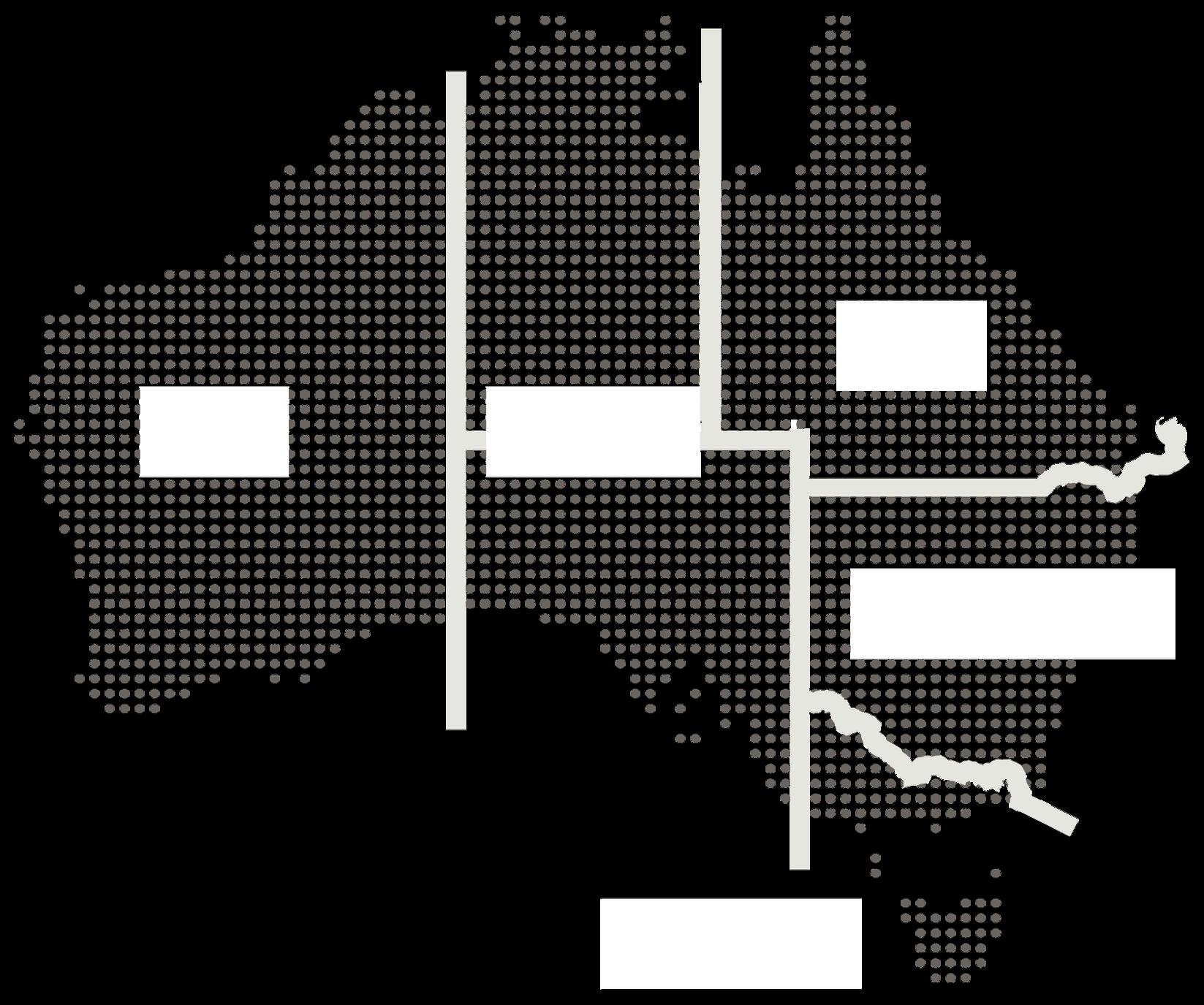
Connectivity is equally important Australia's submarine cable network is extensive and growing, with landing points across Sydney, the Sunshine Coast and Perth linking the country into Asia, the Pacific and beyond Sydney remains the dominant interconnection hub with more than half of all subsea cables landing there, while the Sunshine Coast has emerged as a significant east coast landing point adding meaningful redundancy to the national network Perth is gaining particular strategic significance as a gateway not only into SouthEast Asia but also into Africa and the Middle East, with new cable infrastructure activated in early 2026 dramatically reducing latency across those corridors and repositioning Western Australia as a compelling location for regional data processing investment.
The geography of the Australian market is shifting alongside this connectivity story. New South Wales has historically dominated, with Sydney accounting for more than half of national operational capacity and the Western Sydney corridor now carrying over 900 megawatts of live supply. Grid connection queues exceeding 18 months are, however, constraining further growth in established zones. Melbourne has moved quickly to capitalise, now the most active market in the country for new data centre construction, driven by comparatively lower land costs and greater availability of suitably zoned sites. Melbourne's share of national capacity is expected to grow significantly over the next five years Brisbane is attracting serious new investment, with large-scale campus development underway and access to renewable energy zones offering genuine competitive advantages Perth's emerging gateway role is drawing new operator interest, while Canberra's sovereign cloud requirements from federal government clients sustain steady demand for secure facilities, and South Australia continues to record growing activity as the national footprint broadens
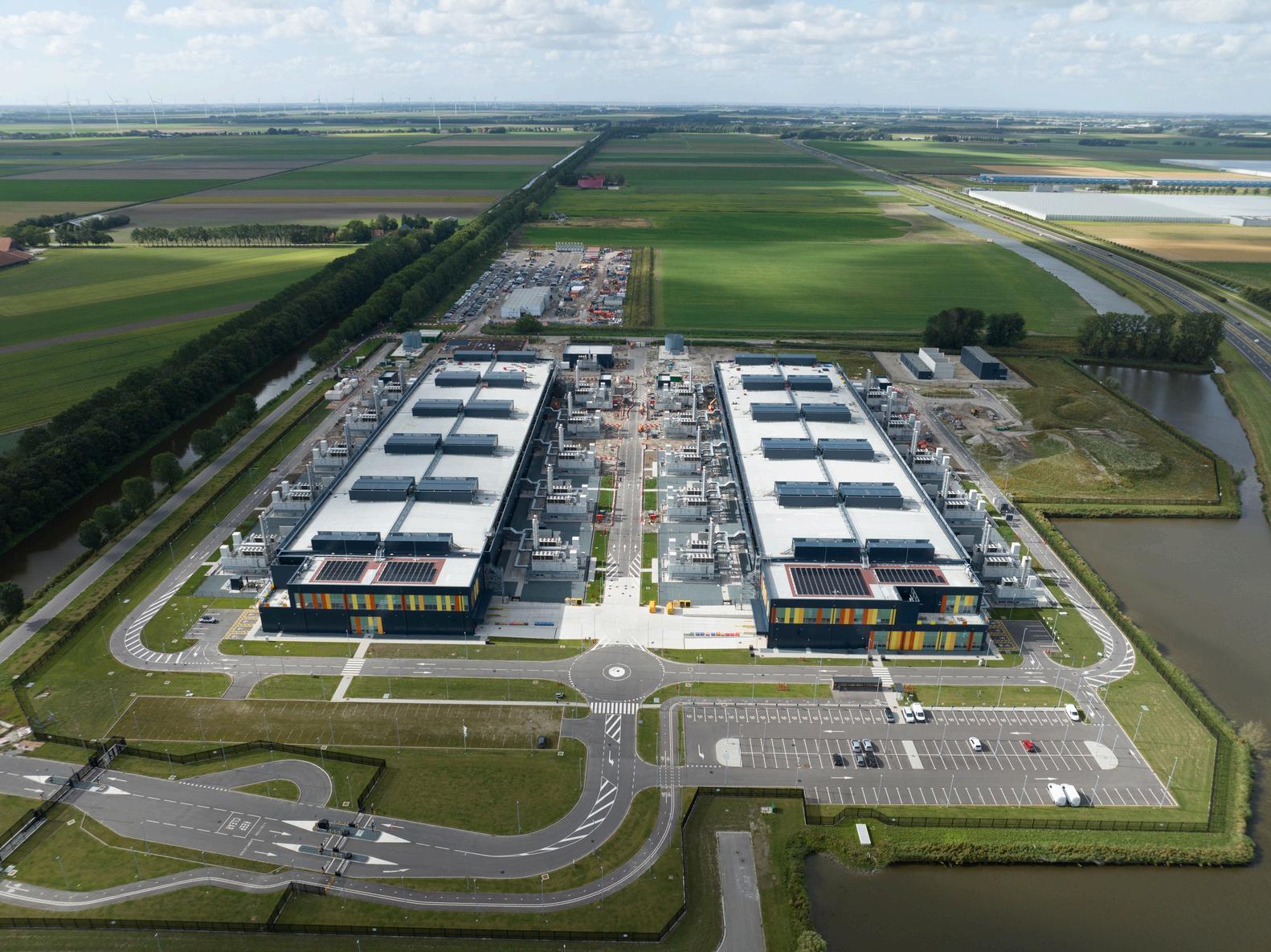
Across the country there are around 30 data centre projects at various planning stages that could collectively deliver close to two million square metres of specialised space by 2030.
The physical demands of these buildings set them apart from any other commercial property type A single 50 megawatt facility consumes the equivalent electricity of around 220 commercial office buildings, and that equation is shifting rapidly as AI-optimised infrastructure raises power density requirements dramatically Power availability has become the primary constraint on new development nationally, making sites with existing grid infrastructure disproportionately valuable and compelling operators to think carefully about site selection years before construction begins
Despite the sector's growth credentials, data centres carry genuine environmental, social and governance complexity They currently account for approximately one per cent of Australia's total electricity consumption, a figure projected to reach as much as eight per cent by 2030. Cooling systems place further pressure on water resources. For listed investors and institutional groups
with formal net-zero commitments, this tension is real and not yet resolved, and the transition to renewable energy sourcing, while underway, remains a work in progress across the sector.
Security is another dimension that receives less attention than it warrants Under federal critical infrastructure legislation, facilities serving government, financial and healthcare tenants are subject to regulated physical security and cyber resilience obligations The concentration of sensitive data within a single facility creates risks that extend well beyond the physical, making both physical and digital integrity core underwriting considerations That said, tenant departure is rarely the risk here The operational complexity of migrating critical IT infrastructure means renewal rates for well-utilised facilities remain high and lease terms have extended to ten years or more as supply constraints strengthen operator leverage With yields for quality assets now sitting sub-five per cent and a funded pipeline of unprecedented scale moving through approvals, the hype has a solid foundation.
VANESSA RADER Head of Research Ray White Group
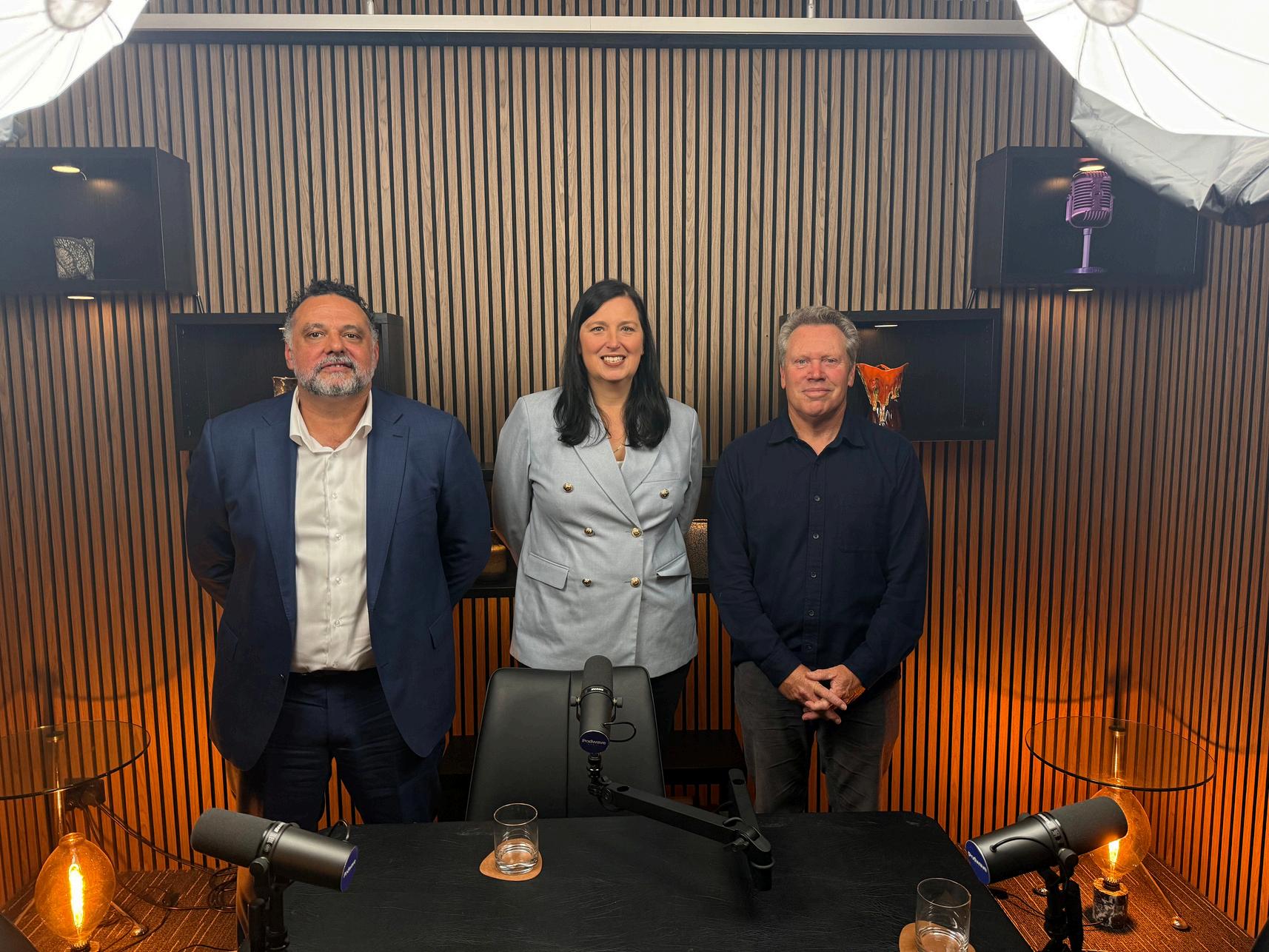
In the latest edition of RWC’s Between the Lines, a panel of industry experts mapped out how a massive shift in legislative policy, skyrocketing construction costs, and automation are shaking up both the residential and commercial sectors in the Western Australian market
The webinar was hosted by RWC’s head of research Vanessa Rader, alongside Stephen Harrison, joint managing director of RWC Western Australia, and veteran market analyst and commentator, Gavin Hegney
Together, the panel broke down why WA’s unique resource-driven economy is currently creating unprecedented "sweet spots" for contrarian investors particularly within the heavily discounted office market. Reflecting on the unprecedented residential boom of the past five years, the panel highlighted that while WA housing values have doubled, the market has not yet overshot its healthy equilibrium compared to its historical 2008 peak.
"Values have doubled, and that's been a classic end of cycle boom. ..This time the boom has us in about a third or fourth position as far as medians go relative to other other capital cities and that's about where we should be," Mr Hegney said.
Mr Hegney also pointed to WA's remarkably tight 1 5 per cent rental vacancy rate as an "insurance policy" guarding against a major market crash
"We've got the second highest rents in Australia And the interesting thing is, the tenants take about 24 per cent of their income, to pay an average rent If you want to buy, it's about twice that, about 48 per cent So, even though it's second highest, there's still quite a bit of tenant affordability in there, and capacity to pay higher rents that may get tapped into with changes to negative gearing, etc "
A major talking point was the anticipated wave of capital flowing out of residential real estate and into commercial property, driven by potential changes to negative gearing and the flexibility of self-managed super funds (SMSFs)
Mr Harrison predicts a massive spike in demand for sub-$2 million commercial assets
"It's definitely going to increase demand and yields are going to sharpen You're going to see a lot of investors who are used to lower yields in residential areas looking at WA commercials and saying, 'That looks like great value ' In Western Australia, we are typically half a percent to a percent higher in capitalisation than the East Coast,” Mr Harrison said.
This investor appetite is breathing new life into small strata-titled industrial warehouses. Absent from the market for nearly a decade, warehouses priced in the $500,000 to $600,000 range are roaring back into vogue, perfectly tailored for SMSF buyers.
However, the panel issued a warning to newcomers moving from residential to commercial. Mr Hegney warned "Cost does not equal value, no. And the real trick there is to try and get something that at cost that you can then put tenants into, etc. and create value, and then you've got this automatic uplift it’s a different game, very different game "
While the industrial sector remains tight due to a structural undersupply of serviced land and grid power, the panel identified the Perth CBD office market as the ultimate contrarian play
Currently, office assets are trading significantly below their physical replacement costs Mr Harrison explained, for a new office to be financially feasible today, developers would have to charge upwards of $1,000 per square metre, that’s more than double the current effective market rate
Because of this, the pipeline for new office supply has completely dried up
"The velocity of demand moves a lot faster than the velocity of supply. Demand can move in 12 to 24 months; supply takes five to 10 years. We know no new supply is coming out of the ground... There is going to be a sweet spot, because the sweetest spot in any market is always the inability to supply market demand. That’s when prices rocket,” Mr Hegney said.
The panel discarded the narrative that work-from-home trends and artificial intelligence will permanently depress office space, pointing instead to WA's unique role as a global hub for automation.
Mr Harrison highlighted 256 St Georges Terrace, the current headquarters of Fortescue, as an example of how modern tech is actually filling local office seats
"You go into that building and there's floors of staff sitting in front of computer screens driving dump trucks in the Northwest,” Mr Harrison explained
“A lot of automated robotic services are getting driven by staff sitting in an office on St George's Terrace “
Heckney agreed, concluding that Perth's world-leading expertise in remote mining operations positions it perfectly to service global markets in Canada, West Africa, and beyond
Closing out the discussion, Vanessa Rader turned the focus toward future residential solutions, asking the panel whether the current climate presents an opportunity for adaptive assets like co-living and buildto-rent (BTR) to meet local housing requirements.
The panel agreed that the massive drop in asset values for secondary office stock has opened up a glaring, highly cost-effective window for developers - though it is not without strict physical limitations
"The theory is very strong, but the practicality of turning a vacant office building into a residential space has its challenges…things like kitchens and flooring," Mr Hegney said.
"They are really cost-effective right now because office values are coming down. As soon as a few of these conversions happen, though, the office market will take off again. But as it stands now, it is a glaring opportunity to have people occupy them as living spaces."
Stephen Harrison revealed that major market players are already moving on the trend, pointing out that co-living configurations can actually solve some of the structural pain points of a traditional apartment conversion
"We are already being brought into conversations with developers about this I can see a very similar success story for co-living spaces ”
"The beauty of co-living is that it sits outside the standard residential tenancies act There are no 'no grounds' evictions like we’ve seen causing friction in the east coast markets, and it gives tenants a lot more flexibility too," Mr Harrison concluded
RWC manages properties across all asset classes right across Australia
Take a look at some of our top managements from across the nation. RWC will have a management specialist located right near your property, so enquire with us today.
Commanding prime main road exposure along the bustling Old Cleveland Road corridor, this premium commercial asset benefits from high daily passing traffic Situated in a highly sought-after inner-city suburb, the property offers versatile space with excellent signage opportunities and strong connectivity directly to the Brisbane CBD
FRWC Townsville is proud to manage this premium multitenanted industrial facility on a substantial 11,140sqm site Featuring quality warehouse, office and showroom accommodation, it is a standout industrial asset and a valuable addition to the RWC Townsville portfolio
HABERFIELD, NSW
This uniquely versatile commercial gem is prominently positioned East bound on the corner of Parramatta Road and O'Connor Street The 850sqm asset is currently leased by BYD generating an annual income of $500,000.
Freestanding industrial warehouse facility Building: 800m² | Land: 1,500m²
Offers a spacious low site coverage lot
Ample hardstand area for container drops
Clear span warehousing with high doors
Near major brands like Bunnings and Aldi
Close proximity to major freight routes
Bespoke residential development site lot
Land: 1,022m²*
Approved for a 16 apartment project
Four storey design by Base Architecture
Direct views looking toward Moreton Bay
Prime level corner site with dual frontage
Vacant land parcel with no demolition needed
Reimagined historic CBD retail and office space
NLA: 3,154m²
Tenancy options range from 90m² to 1,000m²
Features beautiful leadlight windows
Zoned with modern three-phase power match
High-exposure frontage on Ruthven Street Includes 60 convenient on-site car parks
income: $1,278,406 p.a. Building: 2,480m² Modern institutional grade office asset Anchored by Queensland Government tenants
in 2023 with five tenancy structure
five star NABERS energy rating
North, QLD
Prominent corner development site in Cairns
Land: 811m²
First time offered for sale in over 60 years
Outstanding potential for redevelopment
Minutes from Cairns CBD and airport hubs
Offers high street exposure and accessibility
Flexible for single or multi unit development
Configured into three total tenancies
Medium density residential development site
Land: 8,190m²
Spread across four individual property titles
Features three street frontages for access
Zoned for flexible medium density housing
Just 300 metres to beachfront area
Located two kilometres from Gladstone CBD zone
industrial
230m² Newly installed 60m² mezzanine storage Heavy-duty container-height roller door Full three-phase power supply (50 amps)
Generous internal height for high racking
573 Tarragindi
Light-industrial and business space units
Sizes from: 108m² to 263m²
Exclusive collection of 14 warehouses
Units feature a functional two-level layout
Remote-operated five metre high roller doors
Secure gated complex with CCTV monitoring
Perfectly positioned just 8km from Brisbane
Showroom plus useful warehouse functionality
High street exposure with strong passing traffic
Awning advertising space and CCTV security
Off-street parking allocated for four cars
225-247 Wood
Substantial residential development site
Land: 65,962m²*
Compelling three adjoining freehold titles
Prime urban growth area within Warwick
Extensive strategic frontage to Wood Street
Features an attractive natural creek line
Ideal for a staged subdivision project
Brand-new industrial warehouse complex units
Building: 213m²* and 215m²*
Final three units left in thirteen unit site
Ready to move in heavy-duty tilt panel build
High clearance reaching 7.5 metres*
Equipped with allocated three-phase power Features exceptionally low body corp levies
Comprises 14 high quality units
Minimum 5.4 metre internal clearance
High 5 metre roller doors for excellent access
Equipped with three-phase power supply Units 1-3 feature practical mezzanines
Purpose-built healthcare and medical facility
Building: 325m²
Two-storey corner site with dual entry
Flexible layouts from 150m² up to 325m²
Step-free level entry for accessibility
Includes 11 on-grade dedicated car bays
High visibility location on Brisbane Road
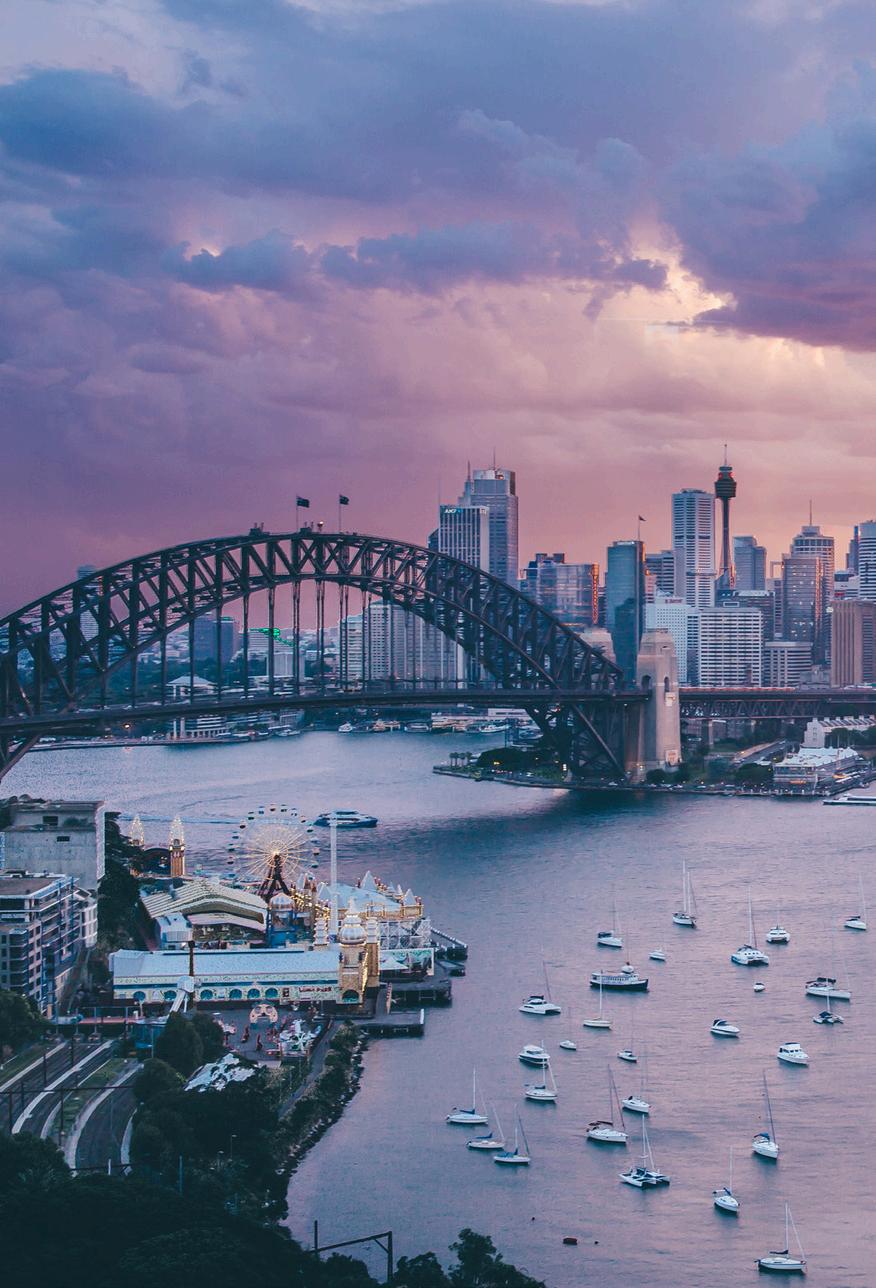
Leased to a Japanese fusion cafe to 2027
High exposure glass frontage on street
Shop 3/791-795 Botany Road
Street-facing commercial retail shop space
Building: 195m²
Tiled undercover outdoor zone of 55m²
Polished concrete floors and high ceilings
Fitted with a grease trap and smoke exhaust
Includes a 32m² storage cage on title
Secure 13m² car space with internal entry
Exclusive 42m² outdoor alfresco dining area
Fully fitted commercial kitchen layout
Complete with existing restaurant furniture
Includes two secure on-site parking spaces
Walking distance to local school and football club
Freestanding industrial warehouse complex
Building: 652m² | Land: 683m²
Recently refurbished turnkey warehouse space
Zoned E4 General Industrial with three-phase power
High internal clearance reaching up to 7.2 metres Features an additional 94m² mezzanine level
Offers highly flexible strata office spaces
Low coverage productivity support site
Building: 1,714m²* | Land: 5,954m²*
Two adjoining titles with huge upside
Exceptionally low coverage site of 29%*
Offers expansive 73m* street frontage
Delivering immediate diversified income Located just 550m* from Leumeah Station
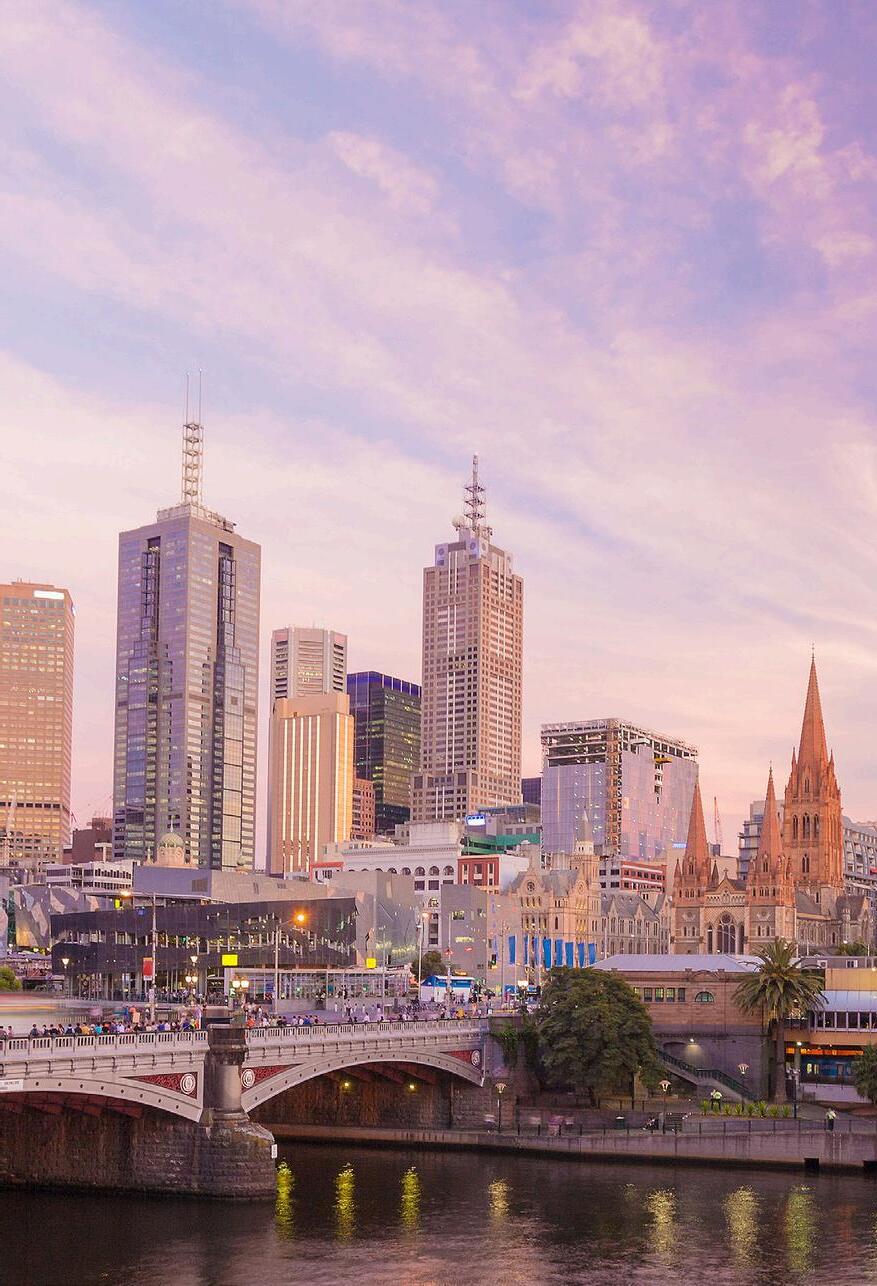
Planned mixed use health precinct site
Building: 60,000m² | Land: 20,932m²
Planning approved under special zoning*
Six building framework already in place
Potential uplift up to 75,000m² GFA
Streamlined pathway to development approval
Prominent front exposure on Boronia Road
Vacant possession - ready to occupy
Building: 116m² | Land: 706m²
Dual roller door access and secure fencing
Substantial hardstand and three-phase power
Tightly held Industrial 1 Zone precinct
Corner exposure to busy Lathams Road frontage Benefits from significant passing traffic
5/1291 Nepean Highway For Sale
Well-presented Nepean Highway retail asset
Building: 165m²
Offered with vacant possession for buyers
Rare rear roller door access included
Five kW solar system lowers running costs
Features extensive internal upgrades
Two car spaces at rear plus front parking
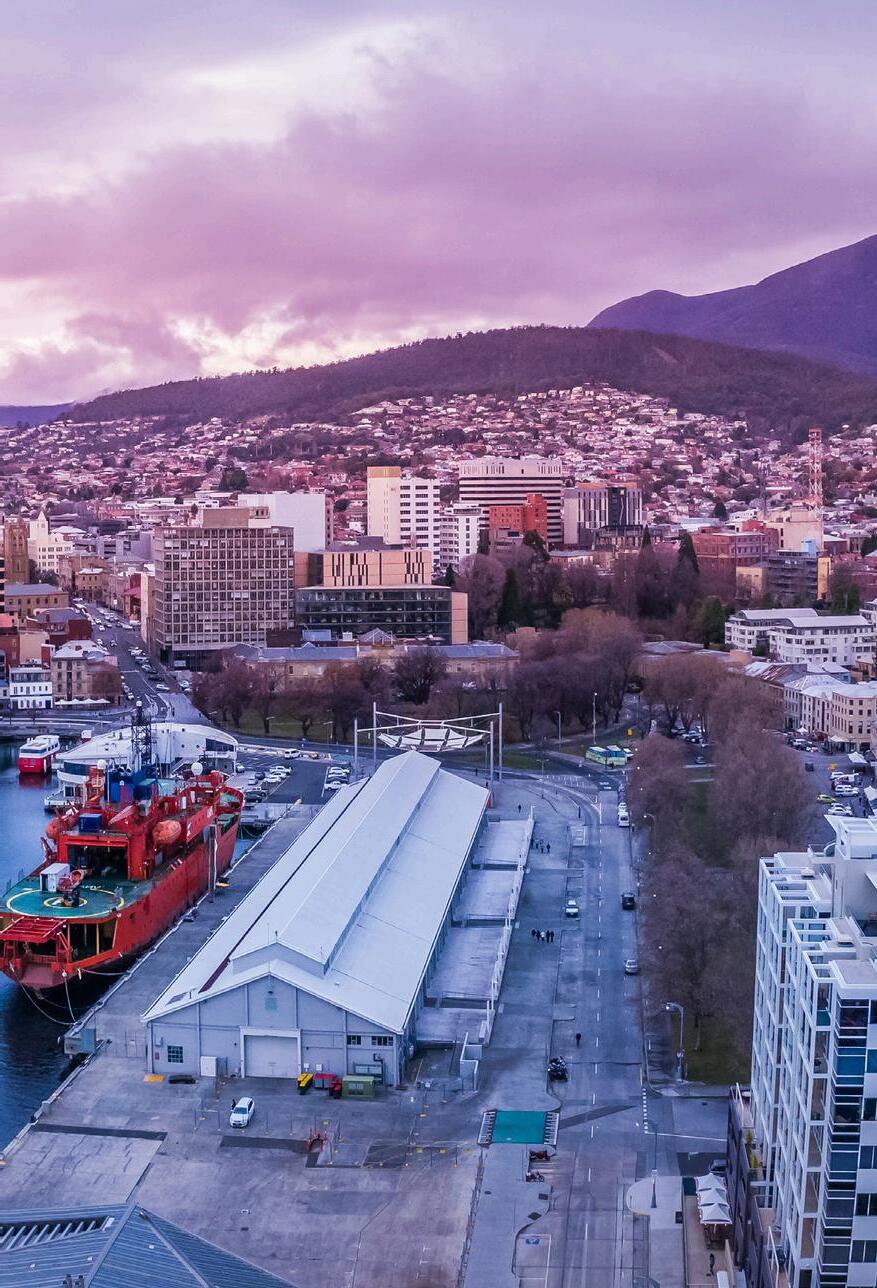
Building: 800m²* | Land: 1,969m²*
Occupies a commanding elevated position
Features 16 onsite car parks via rear access
Prominent Victorian Italianate character asset
Generous space spread across two levels
Flexible “Urban Mixed Use” zoning controls