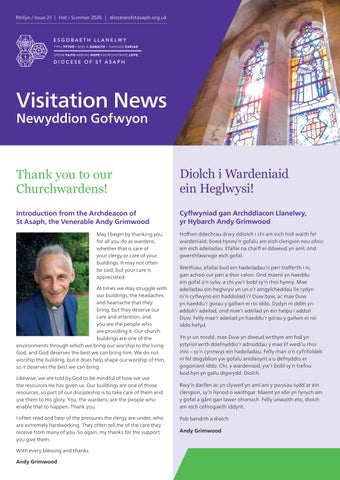
Introduction from the Archdeacon of St Asaph, the Venerable Andy Grimwood
May I begin by thanking you for all you do as wardens; whether that is care of your clergy or care of your buildings. It may not often be said, but your care is appreciated.
At times we may struggle with our buildings, the headaches and heartache that they bring, but they deserve our care and attention, and you are the people who are providing it. Our church buildings are one of the environments through which we bring our worship to the living God, and God deserves the best we can bring him. We do not worship the building, but it does help shape our worship of Him, so it deserves the best we can bring.
Likewise, we are told by God to be mindful of how we use the resources He has given us. Our buildings are one of those resources, so part of our discipleship is to take care of them and use them to His glory. You, the wardens, are the people who enable that to happen. Thank you.
I often read and hear of the pressures the clergy are under, who are extremely hardworking. They often tell me of the care they receive from many of you. So again, my thanks for the support you give them.
With every blessing and thanks Andy Grimwood
Diolch i Wardeniaid ein Heglwysi!
Cyflwyniad gan Archddiacon Llanelwy, yr Hybarch Andy Grimwood
Hoffwn ddechrau drwy ddiolch i chi am eich holl waith fel wardeniaid; boed hynny’n gofalu am eich clerigion neu ofalu am eich adeiladau. Efallai na chaiff ei ddweud yn aml, ond gwerthfawrogir eich gofal.
Weithiau, efallai bod ein hadeiladau’n peri trafferth i ni, gan achosi cur pen a thor calon. Ond maent yn haeddu ein gofal a’n sylw, a chi yw’r bobl sy’n rhoi hynny. Mae adeiladau ein heglwysi yn un o’r amgylcheddau lle rydyn ni’n cyflwyno ein haddoliad i’r Duw byw, ac mae Duw yn haeddu’r gorau y gallwn ei roi iddo. Dydyn ni ddim yn addoli’r adeilad, ond mae’r adeilad yn ein helpu i addoli Duw. Felly mae’r adeilad yn haeddu’r gorau y gallwn ei roi iddo hefyd.
Yn yr un modd, mae Duw yn dweud wrthym am fod yn ystyriol wrth ddefnyddio’r adnoddau y mae Ef wedi’u rhoi inni – sy’n cynnwys ein hadeiladau. Felly rhan o’n cyfrifoldeb ni fel disgyblion yw gofalu amdanynt a’u defnyddio er gogoniant Iddo. Chi, y wardeniaid, yw’r bobl sy’n trefnu bod hyn yn gallu digwydd. Diolch.
Rwy’n darllen ac yn clywed yn aml am y pwysau sydd ar ein clerigion, sy’n hynod o weithgar. Maent yn sôn yn fynych am y gofal a gânt gan lawer ohonoch. Felly unwaith eto, diolch am eich cefnogaeth iddynt.
Pob bendith a diolch
Andy Grimwood
The Importance of Wardens
Wardens play a crucial role in many aspects of the dayto-day running of our churches and Mission Areas. While structures and roles have changed from a legal perspective since the creation of Mission Areas (MAs), in practice, Mission Area wardens and local churchwardens together fulfil the responsibilities of wardens as described in the constitution. The Diocesan Secretary, Olwen Lintern-Smyth, outlines the main duties and responsibilities of a warden.
The ideal for each MA is to have two MA wardens, as well as two local churchwardens in each church. This ensures that all the legal responsibilities and local needs can be met. In the absence of local wardens, it is the MA wardens’ responsibility to ensure everything is being done as needed.
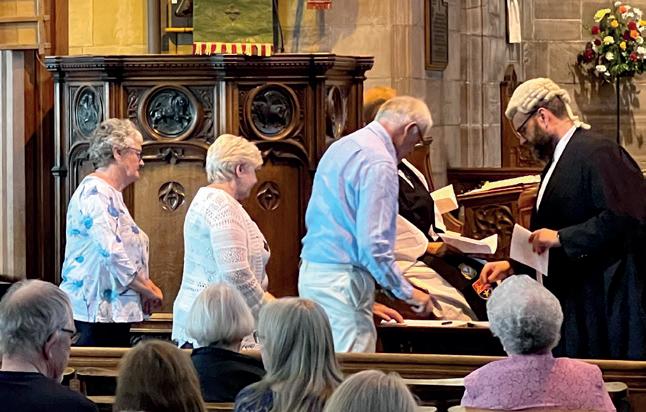
Wardens are appointed under the provisions of the constitution by the annual vestry meeting to be senior lay people of the MA and congregations. They are bishop’s officers, and are admitted to office each year by the archdeacon, on behalf of the bishop. Their first responsibility is to the bishop.
Key responsibilities can be summarised as follows:
• With the priest(s)/Mission Area Leader (MAL), wardens are responsible for the day-to-day functioning of the church/MA.
• Wardens represent the laity and co-operate with the incumbent.
• Wardens encourage ‘the practice of true religion’ and promote unity and peace among the members of the church/MA.
• Wardens maintain order and decency in the church and churchyard, especially during the time of services.
• Wardens look after property and keep an up-to-date inventory (see more on inventories on page 5).
Wardens have an important role as people to whom the priest/ MAL can turn to for advice and support, as well as being the first port of call for members of the congregation and visitors. They should try to ensure the clergy are being freed up to focus on ministry and mission and are not doing unnecessary admin/other tasks. Wardens also care for the congregation and encourage people in their Christian faith.
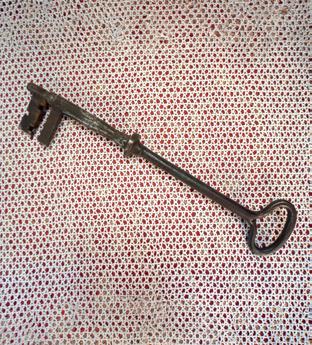
Wardens hold keys to the church, attend services regularly and arrive in good time to (help) set up and assist in tidying up at the end. They help to resolve disputes or disagreements (between members/priests/community), and consult the MAL, archdeacon or Diocesan Secretary when concerns arise. Their role is particularly important during a vacancy, as they, along with the MAL, are responsible for ensuring that worship, pastoral care and mission continues.
A large part of the role is administrative, to ensure that the correct procedures and processes are followed for safeguarding, health and safety, and so on. They lead on preparations for inspections and visitations to ensure all the necessary documents are in place, and have a key role to play in keeping the inventory up to date. On finishing their period of office, the inventory should be checked and signed before being handed over to the successor. They must also ensure that financial administration is being well handled, with appropriate systems in place.
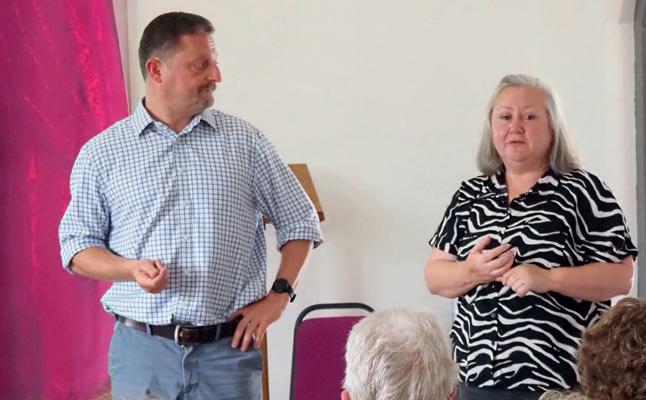
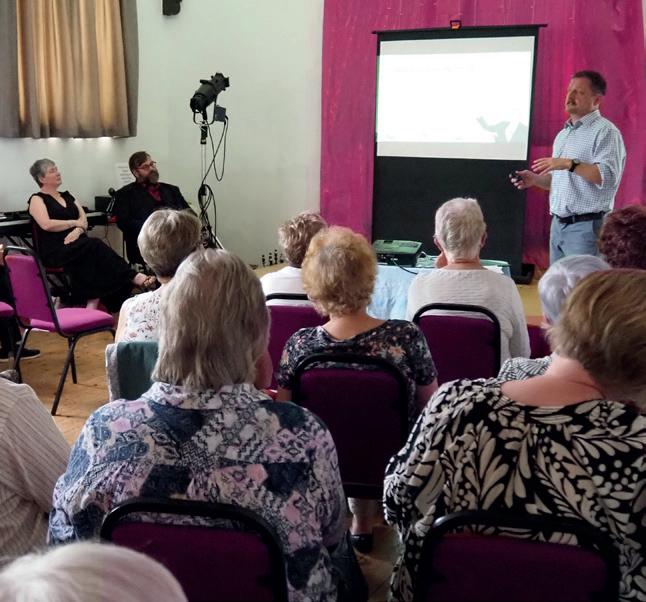
Warden training
Ryan and Ceri
Wardens are part of the church committee, and many are also representatives on the MAC. All MA wardens are trustees.
It is important to note that wardens also have an important role to play in mission. They help to promote and deliver the MA action plan, while day-to-day they ensure the church is open as much as possible and that people attending feel welcomed. They should be equipped to talk confidently about their faith, and be ready to lead services of morning/evening prayer if required in the absence of a priest.
Much of the behind-the-scenes activity falls to them also, in terms of preparing the church for services – including appropriate altar frontals, vestments, lighting candles, organising service sheets, ordering the sacrament, ensuring music is available, etc. They also need to ensure that registers are properly filled in, and that attendance is logged in the membership app.
As can be seen from all the above, wardens are a vital part of our churches and MAs, and we are hugely grateful to them for all that they do, much of which is unseen.
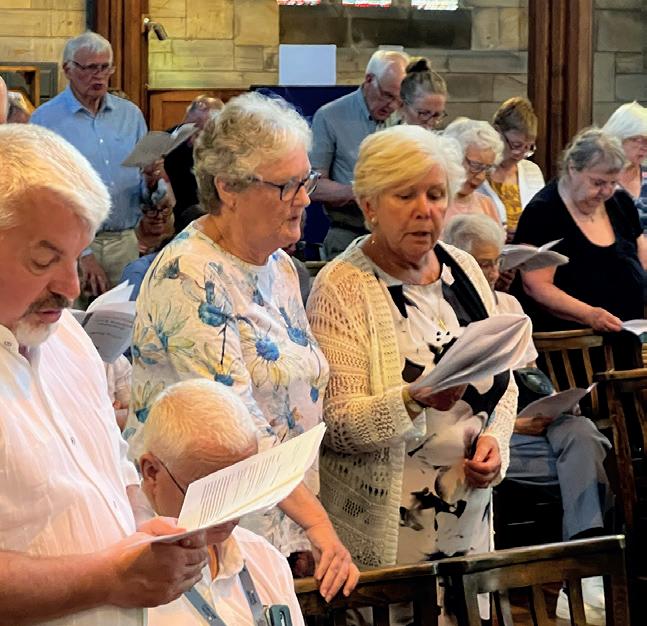
Visitation Service
Improving Churchyard Facilities
Introducing Accessible Composting Toilets and Portaloos
As churches continue to look for practical and environmentally responsible ways to care for their buildings and welcome visitors, many are exploring the introduction of accessible composting toilets and accessible portaloos in their churchyards.
As our diocesan Buildings, Conservation & Development Officer, Ceri Jones explains, these options can significantly improve hospitality, especially in rural churches or churches without mains drainage, while also supporting our shared commitment to sustainability and inclusion.
Why composting toilets?
Composting toilets offer an eco-friendly alternative to traditional sanitation systems. They:
• use little or no water
• operate without a mains sewer connection
• can be sited sensitively within historic landscapes
• offer models designed to be fully accessible.
These toilets can reduce environmental impact while providing convenient facilities for worshippers, visitors, walkers and community groups.
When portable toilets may be useful
There may be occasions when a portable accessible toilet (portaloo) is the most practical solution – such as for seasonal events, festivals, large services or temporary works. Accessible portaloos provide:
• quick installation and removal
• full accessibility features for users with mobility needs
• minimal impact on the site
• flexibility for events or short-term needs.
Though not a permanent fixture, their introduction into a churchyard still requires careful planning and appropriate permissions (some level of Faculty).
Seek early advice
Before installing any type of toilet – whether a permanent composting toilet or a temporary accessible portaloo – churches should consult the Diocesan Churches Inspector at the earliest opportunity.
They can advise on:
• suitable models of accessible composting toilets
• appropriate locations that respect the heritage setting
• design considerations for both temporary and permanent facilities
• potential environmental or archaeological implications
• whether a composting toilet or a portaloo best meets the church’s needs.
Early guidance helps to avoid complications during the permission process.
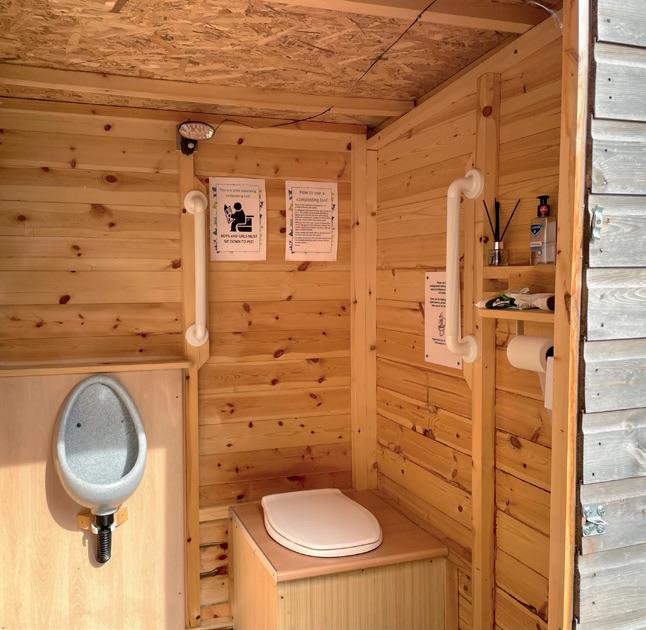
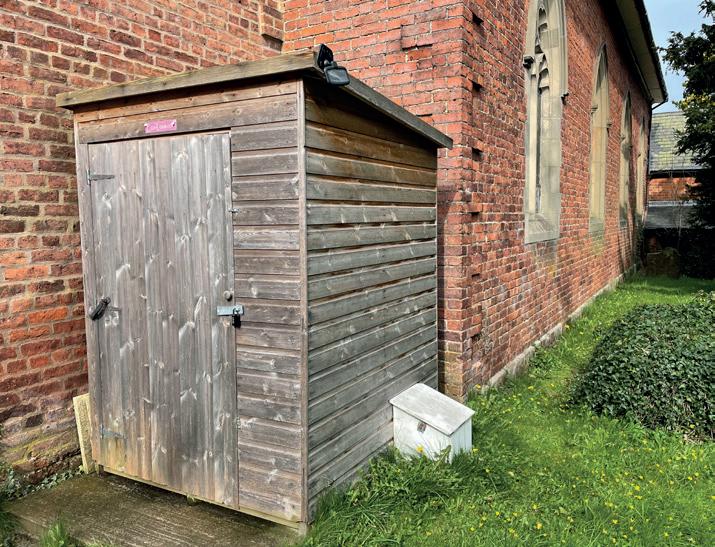
Compost loo
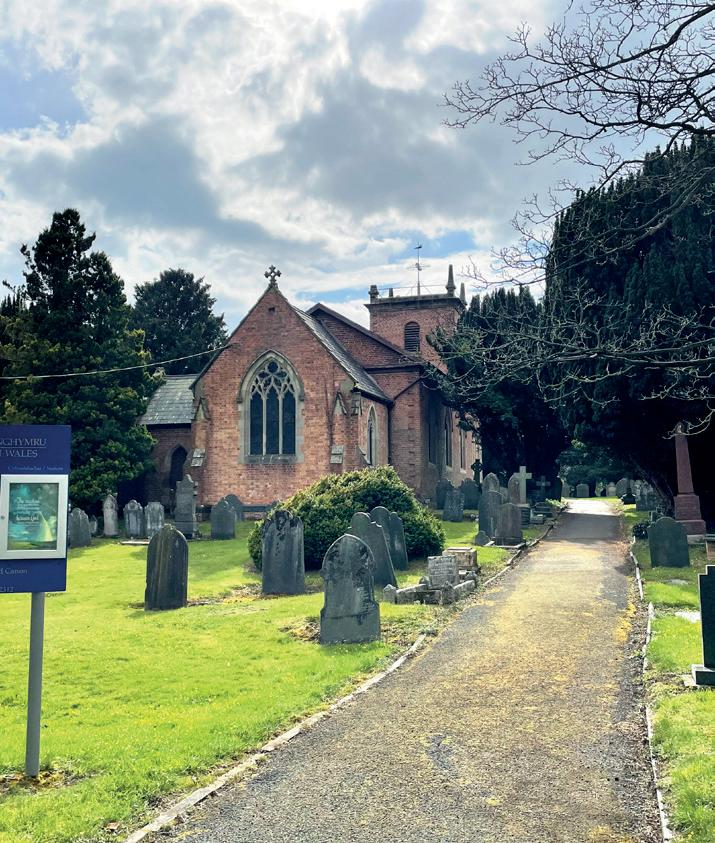
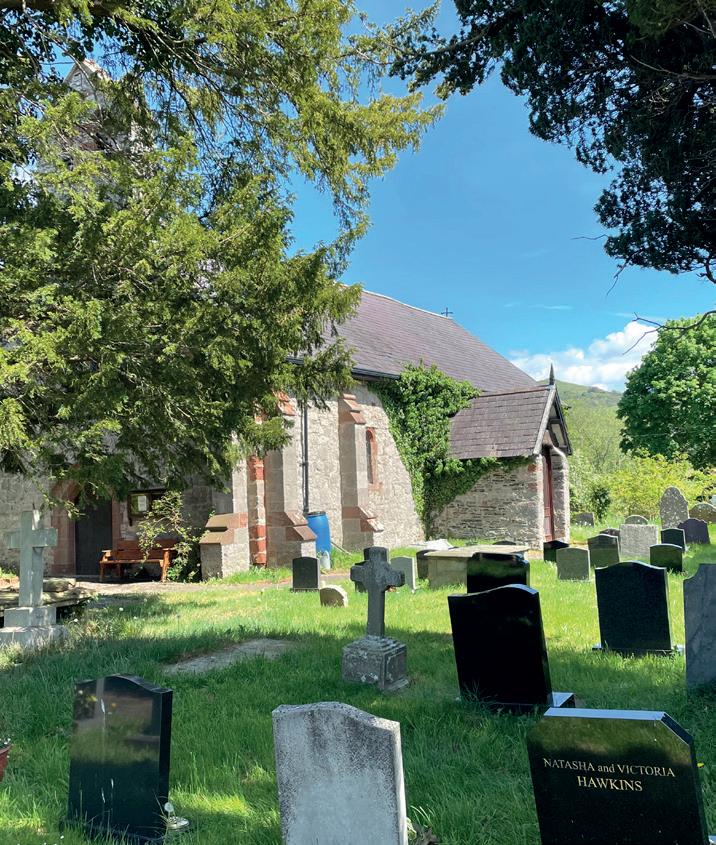
St Llwchaiarn
Faculty permission is required
Installing either a composting toilet or an accessible portaloo in the churchyard requires some level of Faculty. This includes:
• permanent composting toilet structures
• temporary portaloos brought in for seasonal or occasional events
• any associated groundwork, pathways or enclosures.
The DAC will take into account design, siting, accessibility, heritage impact and technical details. Providing clear plans, photographs and specifications will support your petition.
Planning permission may also be necessary
For some installations – especially new standalone structures –planning permission may also be required. This often applies to:
• new permanent composting toilet buildings
• additions that alter the appearance of the churchyard
• sites within conservation areas or sensitive landscapes.
Your local planning authority can confirm whether permission is needed, and the Diocesan Churches Inspector can help guide discussions.
A step towards hospitality, inclusion and sustainability
Whether through a permanent, accessible, composting toilet or the temporary use of accessible portaloos, improving churchyard facilities can enhance the welcome we offer to all. These solutions support mission, accessibility and environmental responsibility while respecting the historic character of our sacred spaces.
Churches interested in exploring these options are warmly encouraged to begin by contacting the Diocesan Churches Inspector, RyanMarsh@cinw.org.uk , who can provide tailored advice and support.
For advice on the Faculty permission and the necessary supporting documentation, contact: cerijones@cinw.org.uk
For grant information, contact: benmorgan@cinw.org.uk
Keeping the Church Inventory Up to Date
A vital responsibility
Maintaining an accurate and up-to-date church inventory is an essential part of church life within the Church in Wales. It supports good stewardship, protects our heritage, and helps Mission Areas meet their legal responsibilities. Every church holds items of liturgical, historical and financial importance, and caring for them properly begins with recording them clearly, writes Ceri Jones, Buildings, Conservation & Development Officer.
Why inventories matter
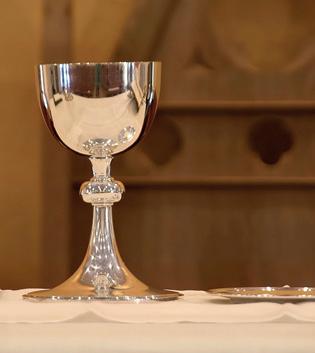
Churches in Wales often contain irreplaceable objects that reflect the life and history of the community. These may include communion vessels, vestments, registers, artwork, furnishings and other items of historical or liturgical value. A reliable inventory helps ensure these objects are valued, safeguarded and passed on responsibly to future generations.
Legal requirements in the Church in Wales
Under the Constitution of the Church in Wales, every church must keep a full inventory of all valuable articles. This should be reviewed and updated regularly. The inventory should be
Outside compost loo
checked as part of the archdeacon’s visitation and during the Quinquennial Inspection. All additions, loans and disposals must be recorded accurately.
The Faculty system also applies, meaning a Faculty is required before removing, altering or disposing of any significant item. A clear, up-to-date inventory is often the first reference point for the Diocesan Advisory Committee when considering such applications.
Supporting insurance and security
An accurate inventory is essential for insurance purposes. Insurers usually require a current list of valuable items, along with photographs and accurate valuations. Without this information, churches may risk being under-insured or face difficulties if items are lost, stolen or damaged. A detailed inventory also assists the police and insurers in the event of a claim.
Practical benefits for the church
A well-maintained inventory helps new churchwardens understand their responsibilities, supports church committees when making decisions about conservation or restoration, and
assists visitors and researchers. It also strengthens applications for grants by providing clear descriptions and provenance. Good inventory management contributes to overall risk management and provides continuity across generations of church officers.
Best practices
Churches are encouraged to review their inventory annually, include clear photographs, record where items are kept, document any movement, and store copies securely, including digital backups. Updated inventories should be shared with churchwardens, committee members, and diocesan officers when needed.
Caring for our shared heritage is a responsibility we hold together. A well-kept inventory helps ensure that the treasures of our churches are preserved and protected for the future. Diocesan staff are always available to offer guidance and support.