
Archdeacons’ Visitation News
Welcome from our Archdeacons
Welcome to this year’s edition of Archdeacons’ Visitation News. As most of you will be aware, our visitations this year are episcopal visitations, according to our triennial rota. Nevertheless, this is a good opportunity formally to introduce our new Archdeacon of Ludlow, The Ven. Sam Hustwayte, who was collated in May.
Beloved in Christ Jesus,
This year is our Year of Celebration, celebrating our 1,350th year as a diocese. We hope you have heard about some of the events being held this year across the diocese. Perhaps your church or benefice or deanery is holding a celebration of your own. If so, please do let us know the details, so that we can include it in our events calendars.
On these pages, you will find stories from many of our teams, packed with useful information. We hope they share our sense of celebration of this very special place and its people.
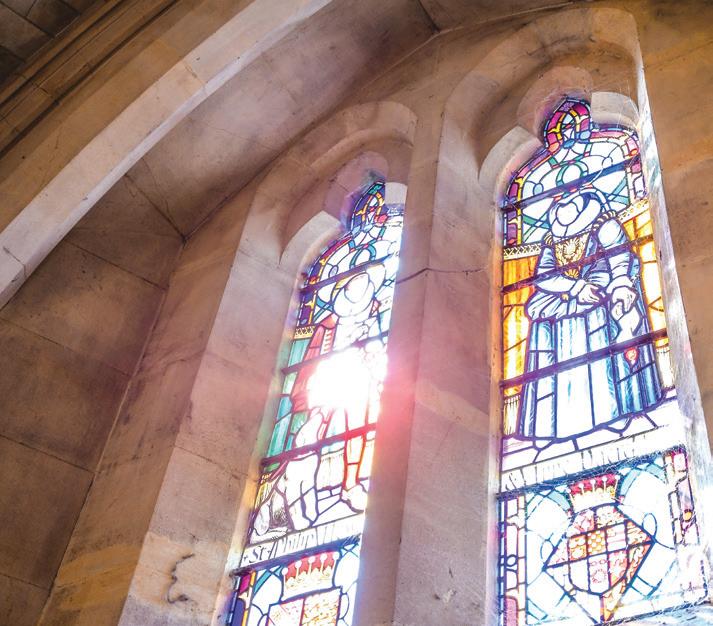
Our cathedral is also celebrating this shared anniversary with a Year of Storytelling. It is through sharing our stories – from the trials and tribulations of the past and how we overcame them, to the challenges and opportunities of the present and the yet unknown but imagined brighter future – that we come to understand our lives together in Christ.
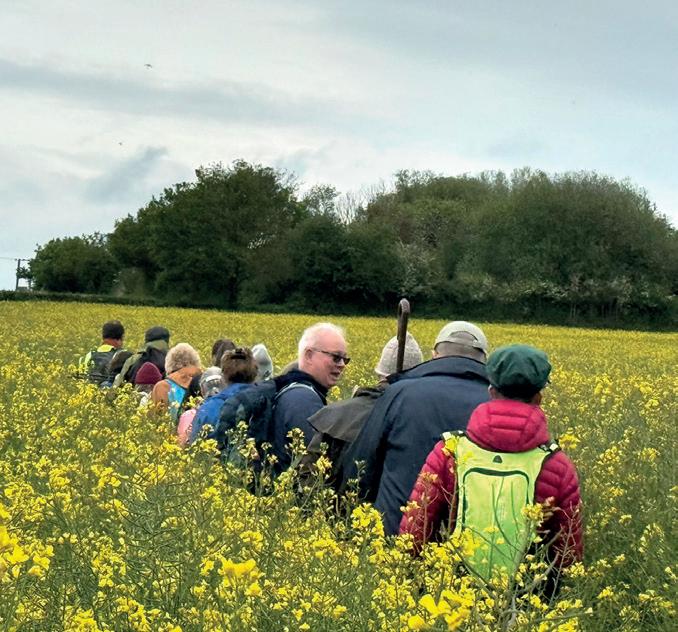
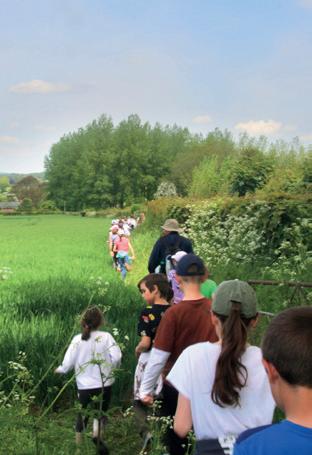
While an anniversary is a time to look back at how we got here, it is also a chance to look forward, to how we may journey into the future together. Journeying together, the heart of The Christian Way, is one of the themes of this celebratory year. It’s a journey we are making visible in pilgrimages. We have already held our first diocesan pilgrimage of the year, in Leominster, honouring St Eadfrith, and we look forward to diocesan pilgrimages in the Autumn in Much Wenlock and the Golden Valley. Your parish, benefice or deanery may be organising a celebration pilgrimage locally, or perhaps you are thinking about collaborating with others to create a more permanent pilgrimage route around your local area. If so, you may be interested in reading the article by the Rev’d. Dr. Sally Welch on page 7.
Continued on page 2
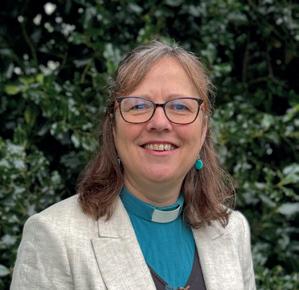
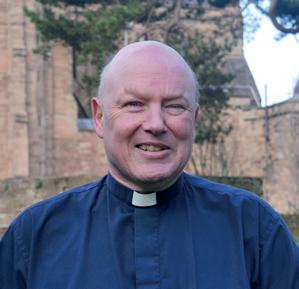
The Ven. Derek Chedzey, Archdeacon of Hereford
The Ven. Sam Hustwayte, Archdeacon of Ludlow
2026 Year of Celebration calendar of diocesan events
The following calendar lists the remaining events of our 2026 Year of Celebration, marking the 1,350th anniversary of the founding of the Diocese of Hereford in 676 AD. You can find more information and register for a place on our Eventbrite page here:
https://www.eventbrite.co.uk/o/hereforddiocese-58965689593
Additional updates will be posted to the Year of Celebration page on our website here:
https://hereford.anglican.org/our-faith/1350/
Spiritual Question Times
A series of evening events held locally with Bishop Richard, providing an opportunity to ask questions about faith and explore a Christian perspective on contemporary issues (some venues tbc).
• Wednesday, 15th July 2026 with Bishop Richard and Dean Sarah at The Garway Moon Inn, Garway
• Tuesday, 22nd September 2026 with Bishop Richard and Dean Sarah in Bridgnorth, venue TBC
• Tuesday, 10th November 2026 with Bishop Richard and Chancellor James Pacey, venue TBC
Pilgrimage Celebration Days
Pilgrimage and worship with Bishop Richard
• Saturday 19th September 2026 – Much Wenlock, honouring St Milburga
• Saturday 17th October 2026 – Golden Valley (Madley area), honouring St Dyfrig
Celebration of Lay Ministry
Worship and Admission of New Readers with Bishop Richard
• Saturday 10th October 2026 10:30am at Ludlow St Laurence
Celebration of Faith
A Service of Confirmation followed by a celebration tea with Bishop Richard
• Saturday 20th June 2026
2:00pm at Hereford Cathedral
• Saturday 10th October 2026
2:30pm at Ludlow, St Laurence
On page 5, our Mission & Ministry team talks about the growth of lay ministry and lay leadership in our diocese and across the church more widely, and, importantly, why that is a good thing! This year, we are particularly celebrating our lay leaders, workers and volunteers – a huge army of disciples who make possible our shared mission: to proclaim Christ and grow disciples. We are recognising lay ministry at a service in Ludlow in October and we are also celebrating new disciples in two diocesan services of Confirmation, one in Ludlow and one in Hereford.
The future of the diocese, of course, lies in the hands of our young people. In addition to celebrating confirmations, we have been encouraged to see our new Youth Hub programme flourish and grow. Young people, many with no previous experience of church at all, have been coming forward to create communities together and worship in ‘spirit and truth’, as Our Lord commanded. Look out for updates as we expand the Youth Hub programme to new places.
Increased lay engagement and youth and family work make safeguarding more important than ever. On page 6, our safeguarding team explains why it is essential that we make a safe church a core part of our culture, wherever we worship, work or volunteer, and whatever our role.
Sustainability for the next 1,350 years is a theme of the stories we share from other teams. On page 3, Ian Hill explores the progress we are making as a diocese towards net zero carbon, and how this is part of becoming an environmentally sustainable church. On page 4, our property team considers how our land and buildings have evolved over these first 1,350 years and how we move forward sustainably. And on page 9, our Lead Giving Adviser considers how legacies from the past have sustained our churches and congregations until now and how legacies made today can sustain our mission in the future.
Lastly, this year also celebrates our three-year cycle focussing on Prayer, Faith and Engagement. Many of you joined in enthusiastically in all or some of these endeavours and for that, and all your hard work and continued service, we are deeply grateful. Thank you. We hope we will have an opportunity to celebrate with every single one of you this year as we journey together building God’s Kingdom here in our diocese.
Sam
and Derek
A long view: 1,350 years behind us, 1,350 years ahead
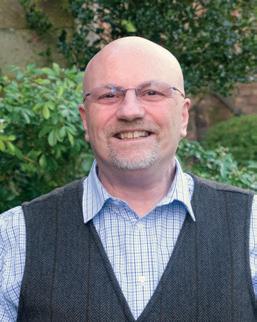
By Ian Hill, Net Zero Project Manager
This year, as we celebrate 1,350 years of Christian witness in this diocese, we look forward with hope. Across those centuries, our churches have stood as places of prayer, welcome, and service, symbols of God’s presence with us. Today, they are also called to be beacons of care for God’s creation.
The environmental challenges we face can seem immense, and for churchwardens who are already juggling buildings, people, rotas, repairs, churchyards, and countless hidden responsibilities, the thought of adding “Net Zero” to the list may feel overwhelming. But caring for creation is not a new task laid upon us; it is part of our discipleship. It sits within our calling to love our neighbours, steward our resources, and leave our places better than we found them.
Standing in a 12th-century doorway or reading the names in a centuries-old register reminds us that the church has always adapted. Generations before us have responded to the needs of their day: famine, plague, war, and agricultural change, whilst always seeking to honour God with what they had.
Today, environmental stewardship is our generation’s equivalent challenge. We cannot do everything at once, but we can take wise, faithful steps that future generations will thank us for. The choices we make now will shape the church they inherit.
What does sustainability mean for a parish church?
Sustainability is often misunderstood as a technical exercise, but at its heart it’s simple: use less, waste less, care more Every church, from the smallest rural chapel to the busiest town parish, can contribute to this.
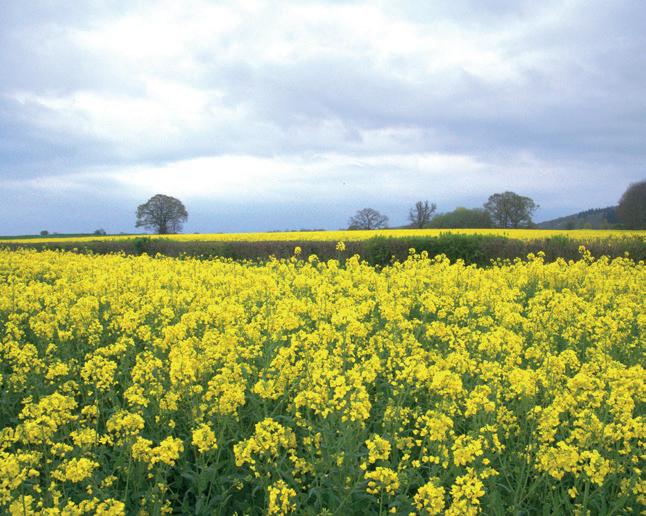
Sometimes the most significant steps are also the most ordinary.
• Understanding our building – knowing where heat escapes, where energy is wasted, and how the building behaves through the seasons.
• Using our buildings thoughtfully – heating only what we need and only when we need it.
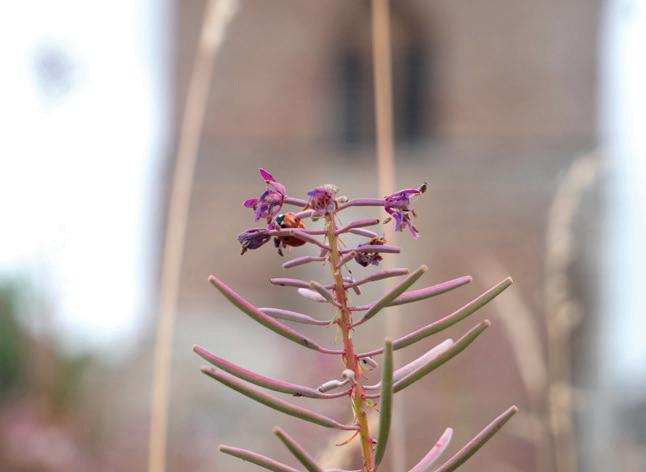
• Looking after our churchyards – letting wildflowers breathe, planting for pollinators, and nurturing habitats that speak of resurrection and renewal.
• Valuing partnerships – drawing on skills within our congregations and communities, and working with local groups passionate about creation care.
None of these requires large budgets or technical expertise. They simply require a willingness to begin.
You are not doing this alone
No churchwarden is expected to become an environmental engineer. Your leadership is not about doing everything, but about helping a community move together. The diocese’s net zero team is here to support you by offering practical advice, site visits, training, and help with grant pathways. Many of our churches have already made small changes that add up to real improvement: LED lighting, draught-proofing, better controls, and green electricity tariffs. Others are exploring heat pumps, solar panels, and innovative approaches to using their buildings better. Every parish’s path will be different, but none is walking it alone.
A beacon to the communities we serve
Our churches have always been signs of hope. By caring for creation, we show our neighbours that the church’s ancient calling still speaks powerfully today. When we tend our buildings, churchyards, and energy use with love, we say something about the God who entrusted this world to our care.
As we celebrate 1,350 years, may we honour those who came before us by taking faithful steps that bless those who will come after.
Our buildings: a precious inheritance and the visible symbol of a living Christian community
Stephen Challenger, DAC Secretary
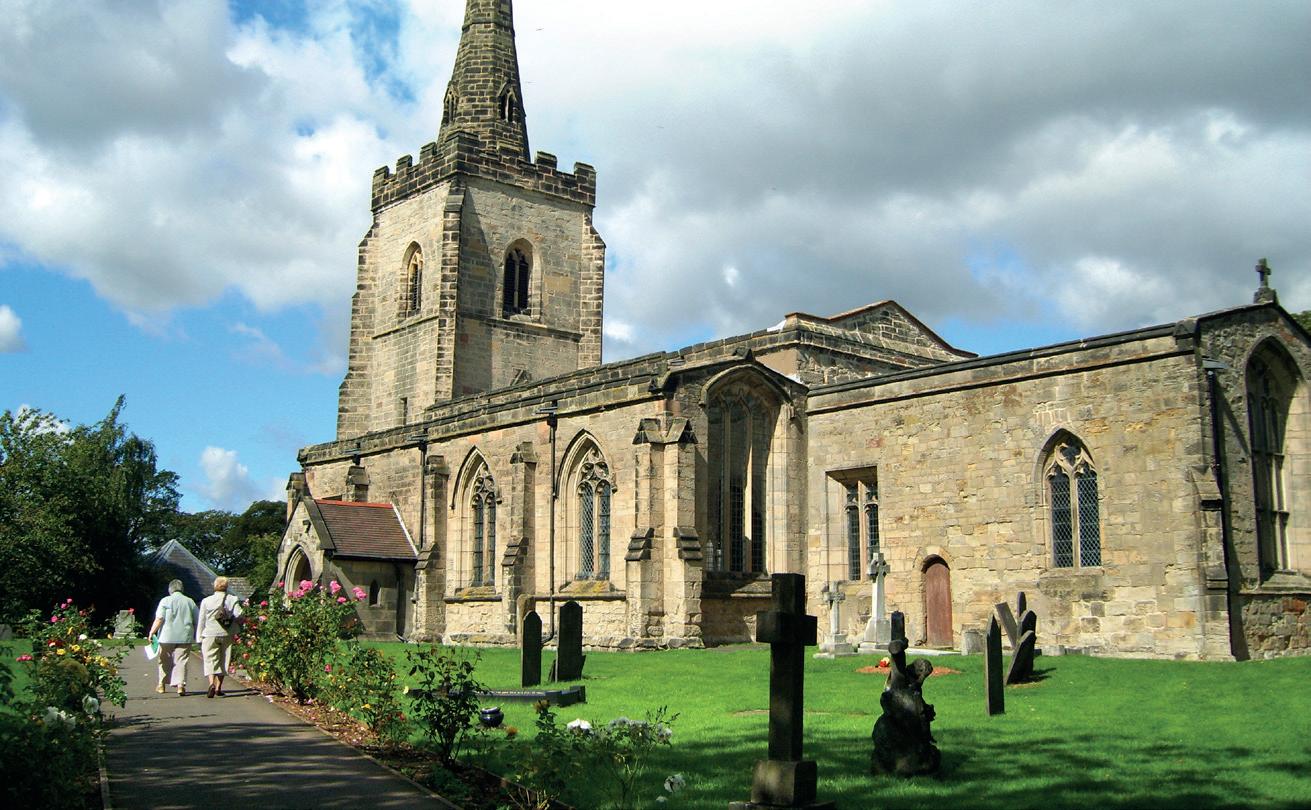
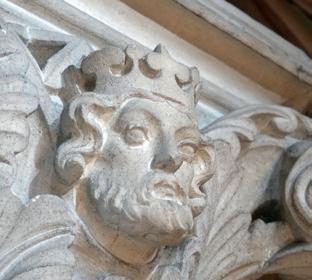
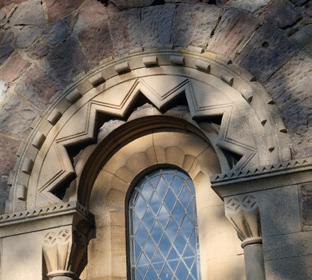
We have a precious inheritance from the past 1,350 years through the fabric of our 405 church buildings. Hereford Diocese was founded in 676, although Christianity was in evidence here from the 6th century. St. Dyfrig (aka St. Dubricius/Devereux/ Dubricious), a Celtic monk, is believed to have been born c550 in Madley, and there remain a small number of churches in the Diocese bearing his dedication. There are a number of churches in the diocese which have Anglo-Saxon roots, dating them from before the Norman Conquest (1066). Many churches with ancient foundations have changed and evolved throughout their histories, but they retain their connection to their holy site. Our buildings link our ancient past to today.
Managing our buildings is an enormous task for our local Churchwardens, PCCs and clergy but, as centres of worship and mission, the churches continue to evolve, each at its own pace. The general condition of our church buildings is probably better than at any time over the last 200 years, the result of careful local management, employing the “stitch in time” principle to stave off bigger problems, and being bold and ambitious in adapting to changing needs. But the buildings (and their temporary custodians) regularly face new challenges. Climate change appears to have led to wetter winters and hotter, drier summers; our traditional buildings are having to be adapted to deal with increased rainfall and seasonal thermal movement. Churches which rarely flooded are now regularly affected by fluvial and groundwater flooding. A number of churches are currently working with the diocesan property Team to mitigate the effects of flooding.
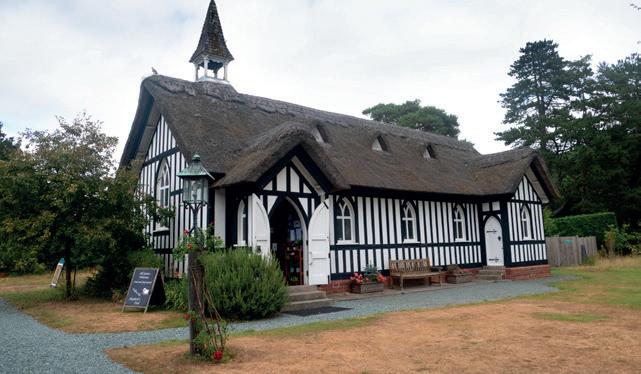
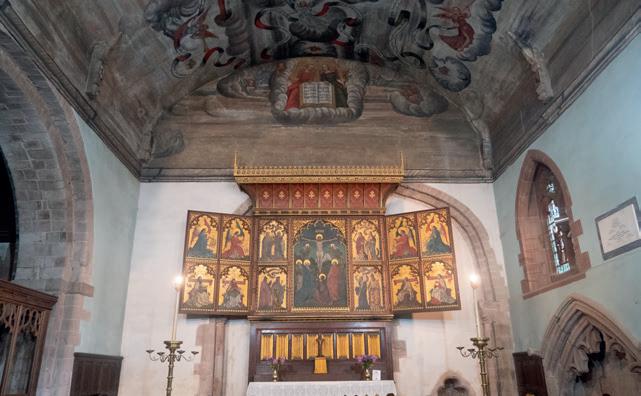
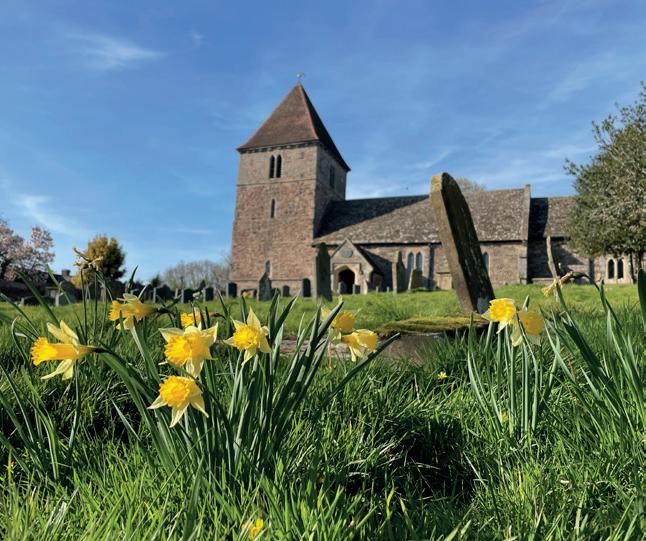
Many of our PCCs are actively working towards having a net zero carbon church building. Those which have few regular services in winter months are probably already meeting the target, but the larger churches are now facing the challenge of how to heat these spaces without burning fossil fuels. Detailed surveys can provide options for a range of green technologies, but funding for such schemes is currently very challenging. It has been very helpful, however, to have received funds as part of the Buildings for Mission programme, to support net zero carbon “quick wins” and minor repairs and improvements. These smaller grants can often support the “stitch in time” works and encourage more significant cyclical repairs.
What does the future hold? The buildings clearly attract many personal visits by those with an interest in architecture, genealogy, or simply quiet places of reflection – what we might call our invisible congregations. But how do we share our Christian beliefs with those “invisible” visitors? There are some excellent examples in the diocese of churches offering hospitality trays for visitors to use, so that they can be encouraged to spend more time in the buildings and gain a fuller understanding of why they are here and what they stand for. Perhaps, we also need to be bolder about explaining who actually looks after and pays for the upkeep of the buildings.
The significance of our church buildings is recognised by their Listing status, with 95% within the top two grades (I and II*) but they are not only national heritage buildings. They remain the visible symbol of a living Christian community within our towns and villages.
Celebrating lay ministry
By Mark Godson, Ministry Development Officer
All ministry is rooted in our baptism, when we are sent out to share God’s light in the wider world as we live out our faith. In the body of the church, each member has a role to play. Some minister in their daily life, amongst family and friends wherever they find themselves; others serve in the local community by loving and serving their neighbours; and yet others give their time to the community of the church, enabling the body of Christ to be a place of welcome and blessing to all. Ministry has never been the preserve of the ordained alone, it belongs to the whole people of God.
As we celebrate 1,350 years of the Diocese of Hereford, we celebrate a heritage of lay service that stretches back through the centuries. In medieval times, lay people supported the poor through parish guilds. During the nineteenth century, Lay Readers emerged to meet the needs of growing industrial communities, whilst Sunday school teachers shaped the faith of generations. Throughout every era, lay Christians have faithfully served God in this place, adapting their ministry to meet the needs of their time.
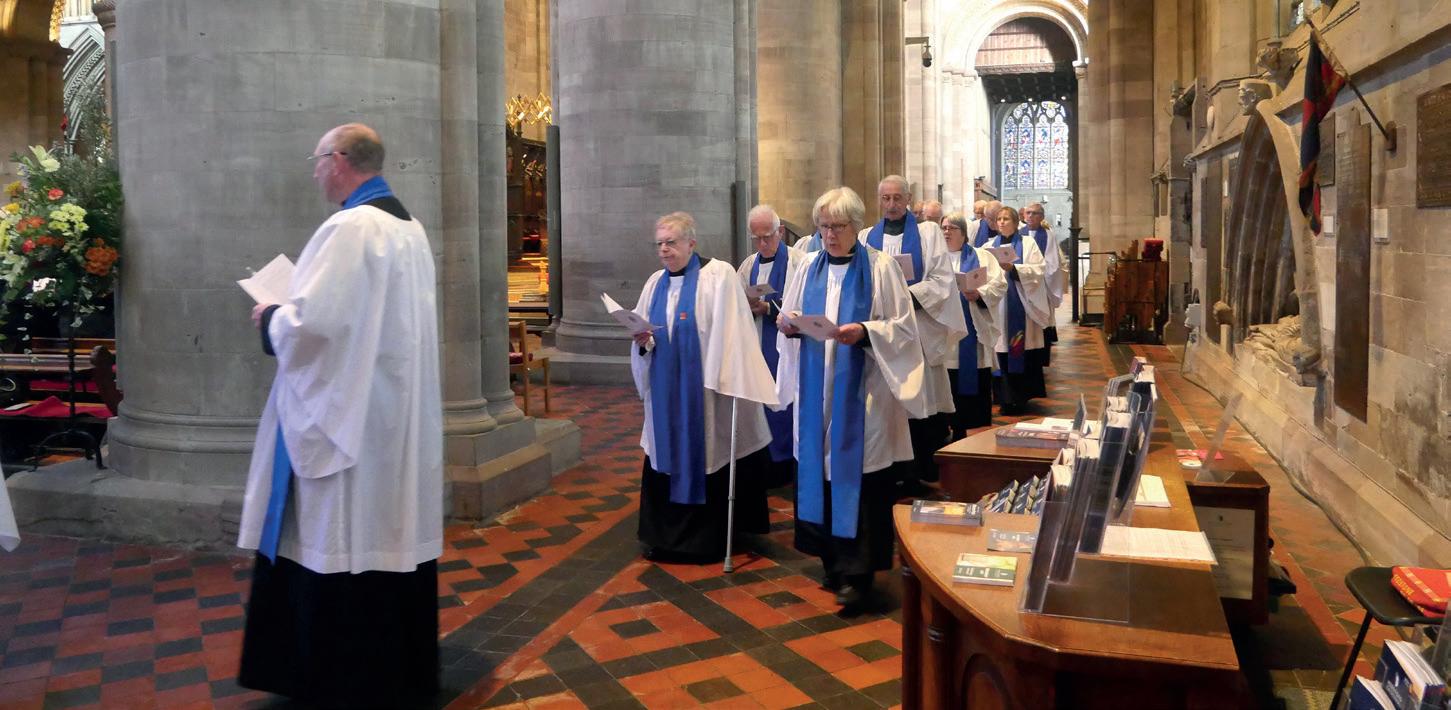
Today, that vital work continues with renewed energy and recognition. The Diocese of Hereford is committed to parish ministry, and central to this commitment is the valuing of local lay ministry. We currently have around 65 people in licensed lay ministry roles and approximately 250 people commissioned into local ministry roles, leading worship, offering pastoral care, and leading in mission within their parishes. That’s well over 300 church members formally recognised for serving their local churches, alongside the many other dedicated laypeople who serve faithfully in every area of church life. Whether people have been involved for many years or are much newer to their roles, it is a cause for celebration to see so many stepping forward to serve.
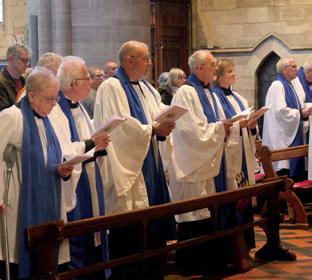
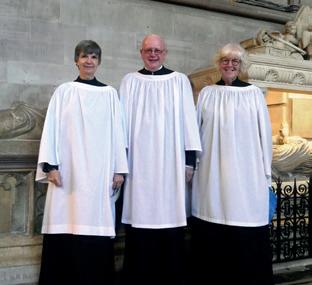
The local ministry framework provides accessible pathways for people to respond to God’s call where they are. Through locally based training and formation, people are equipped to serve in ways that honour both their gifts and their context. Commissioning and licensing these ministers publicly affirms their calling and provides appropriate accountability and support, strengthening the whole church’s witness.
Looking ahead, the future of lay ministry is bright. As patterns of ministry continue to evolve, we anticipate greater flexibility in training pathways, increased recognition of diverse gifts, and deeper partnership between lay and ordained ministers. The role of clergy is to enable all those around them to discover how God has gifted them and how God might be calling them to serve. When clergy release the gifts of the whole people of God into God’s service, the light of Jesus Christ is truly poured out into the world.
Lay ministers are called by God to serve God’s purposes in the church and world, in full partnership with their lay and clergy colleagues. As we give thanks for 1,350 years of faithful service, we look forward with confidence to the continuing flourishing of lay ministry in the Diocese of Hereford, knowing that God’s call to serve continues to resound in every generation.
As part of the Year of Celebration, there will be a Celebration of Lay Ministries on Saturday 10th October at 10.30am, including the admission of new licensed lay ministers at St Laurence’s, Ludlow.. Do come to this wonderful opportunity to give thanks for all who serve in lay roles across the diocese.
A culture of care
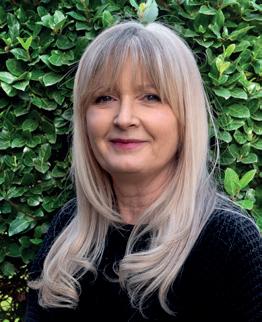
By Lisa Anderson, Diocesan Safeguarding Officer
Safeguarding should not be considered as an administrative burden, or optional, but as common practice in our care for every person within our diocese. If we have questions about safeguarding, I suggest that they should be these.
• What does safeguarding mean to you?
• How do we demonstrate a safe and healthy culture to everyone in the Diocese?
• Whose responsibility is it to foster a positive culture of safeguarding?
As we move towards a national system of independent oversight for safeguarding in the church, we have taken some time to answer these questions here, as simply as we can.
Victim- and survivor-centred
National safeguarding policies and practices are shaped by the voices of victims and survivors, and from the recommendations of working groups as a result of past failures by the church and its leaders to respond to allegations of harm. This puts survivors and victims at the heart of safeguarding policy and practice.
Rebuilding trust takes time, but it also requires change if we are to demonstrate that we care and are willing to be transparent in all that we do.
Evaluation-driven
Key to meeting these goals is an ongoing and careful evaluation of how we are doing, whether we are moving in the right direction. The diocesan safeguarding team strives for continuous improvement by inviting scrutiny from internal and external partners locally through the Diocesan Safeguarding Advisory Panel, internal and external surveys of diocesan staff, clergy and volunteers, and through training reflections, all of which contribute to necessary changes.
Tools and best practices
Proven tools and best practices are something else we can rely on to deliver a safe church. We aim to build on best practice through safer recruitment, appropriate training for clergy and volunteers, and with clear reporting and support pathways to send a clear message to the most vulnerable that we are serious about creating a safe environment which puts survivors first.
Accountability
Importantly, this requires accountability at all levels; individuals are responsible for understanding the need for and purpose of the policies and procedures. People are what makes the church safe – or not – and people need to step up to their responsibilities. We all need to shoulder responsibility to bring about a culture change so that all of us connected to the church:
• recognise what risk looks like;
• truly listen and respond to others;
• have the courage to speak up for those who may not be able to speak for themselves;
• support and defend the policies and structures which are designed to keep people safe.
May I take this opportunity to thank all our volunteers for the incredible hard work you do and to invite you to help to shape the safeguarding culture within your parishes.
Details of parish safeguarding support and guidance can be found on the Diocese of Hereford website:
https://www.hereford.anglican.org/parish-support/ safeguarding/parish-safeguarding/
To contact the team, please email: safeguarding@hereford.anglican.org
Please do also review the Safeguarding Checklist on our website, as it is a very straightforward way to make sure your parish is attending to the minimum safeguarding requirements in this diocese:
https://www.hereford.anglican.org/parish-support/ safeguarding/parish-safeguarding-checklist/
Year of Celebration –Pilgrimage

The Rev’d. Dr Sally Welch, Vicar of Kington with Huntington, Old Radnor, Kinnerton and Titley Benefice.
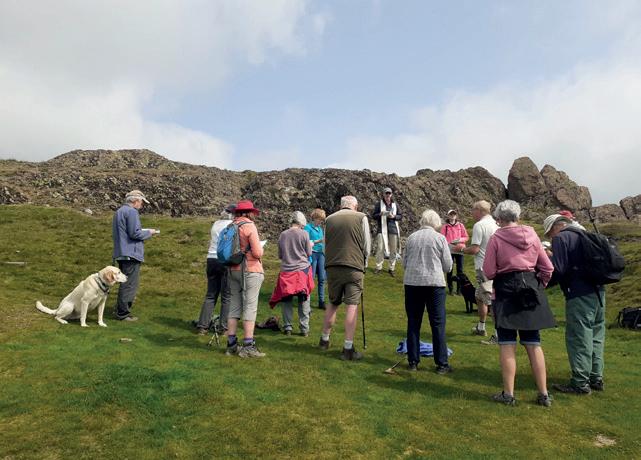
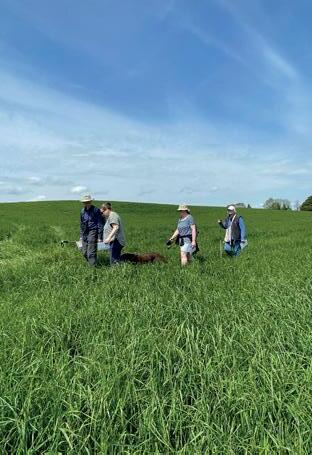
In my 25 years as a pilgrim I have travelled in Europe, the Holy Land and the British Isles. I have walked on my own, with my family, as part of a group and as a group leader, along centuries-old routes such as those to Santiago de Compostela and brand new ones created in the Kington Benefice in 2025. Pilgrimage forms the bedrock of my spirituality; it is how I pray and how I best meet God.
My interest in this practice of spirituality was originally sparked by a combination of events. Firstly, on a practical level, I was searching for a cheap holiday which would appeal both to teenagers and babies – such is the age spread of our family. A pilgrimage is, above all, an adventure. We step out onto a path which will take us on a journey and we never really know what is going to happen. Even if the route is familiar and we have walked it many times before, the unexpected is always round the corner. Our children loved the idea of a journey with a purpose, enjoyed the selfsufficiency of carrying everything we needed on our backs,
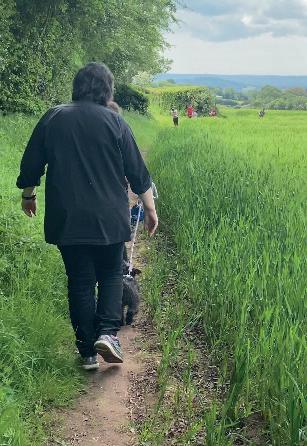
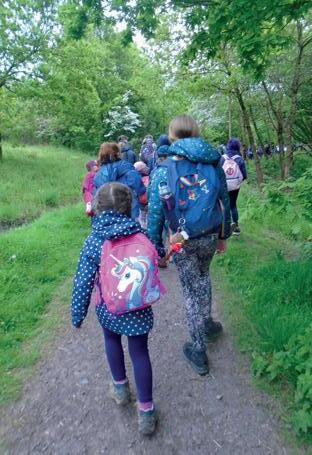
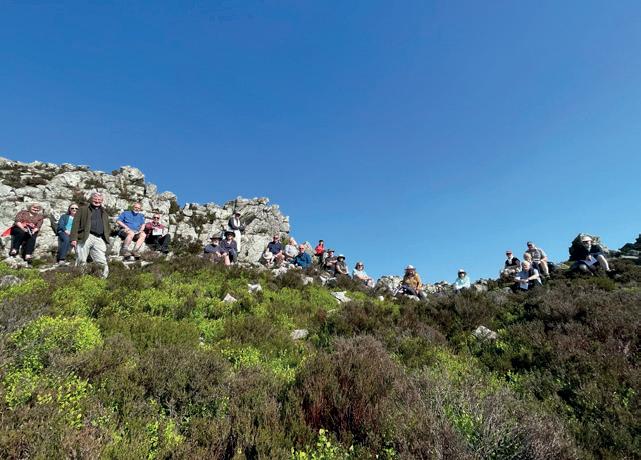
and relished the variety of hostels, campsites and refuges which form the accommodation of a long-distance pilgrim.
But there is a deeper purpose to a pilgrimage – it is more than simply an enjoyable walk. A Christian pilgrimage is a spiritual journey with the intention of meeting God. We may be encountering Him for the first time, as we move from wondering about our concept of The Other, to discovering the gospel message of profound love for every individual as expressed in the life, death and resurrection of Jesus Christ. We may be seeking to deepen our relationship with Him, through time spent on our own, liberated from our daily timetable and able to fall into a rhythm of prayer and reflection which matches our footsteps as we walk. We may simply be intending to spend time in creation, dwelling in the moment, savouring every aspect with all of our senses, realising that God speaks to us not just through words but through our surroundings as well.
The gifts of pilgrimage do not stop when the walk ends. Just as the pilgrimage is a metaphor for our Christian journey through this world, so can the lessons learnt whilst on route be applied not only to our spiritual life but to our emotional and physical one as well. Wisdoms such as living lightly, sharing our burdens, being true to our path and navigating obstacles all have their parallel in our daily existence. Above all, we are encouraged to enjoy the journey, relish every moment and hold in our hearts the knowledge that we never travel alone but with Jesus Christ as our route, our companion and our journey’s end.
Finance
As we celebrate 1,350 years of Christian worship in this diocese, we also need to consider how we continue to provide ministry in the years ahead. Our rural context means that we are blessed with more churches and clergy per capita than the rest of the country, but currently almost a third of the cost of providing stipendiary ministry is met by the Diocesan Board of Finance. This requires the unsustainable sale of assets. The sharp decline in the real value of Parish Offers since the pandemic needs to be reversed through increased income to churches and increased confidence that this income can and should be invested in ministry.
Prioritise Parish Offer
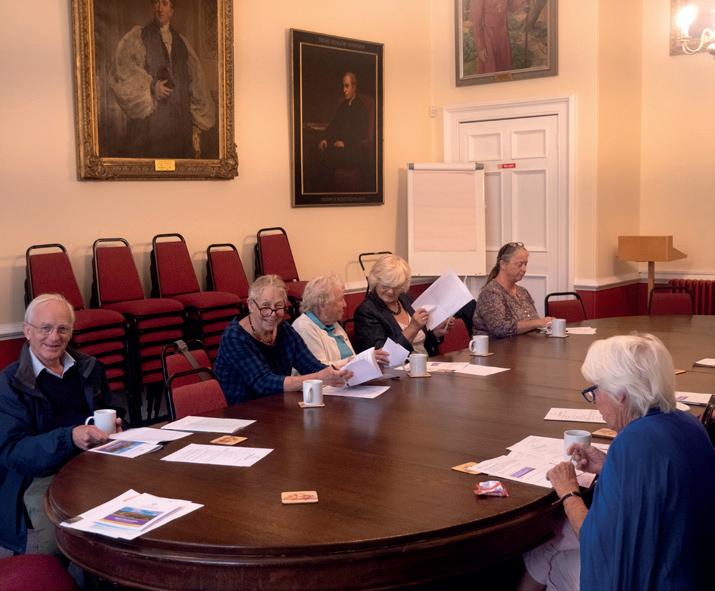
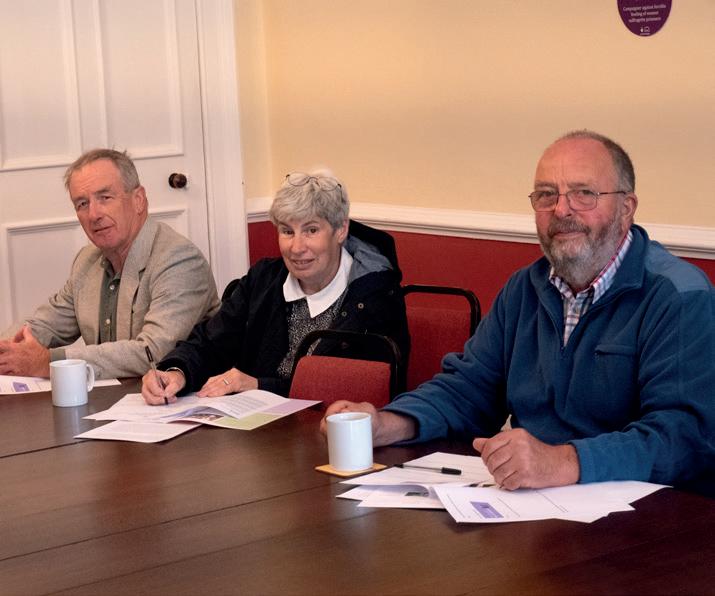
Once again, we invite PCCs to make contributions to our Common Fund for ministry and mission their top priority, budgeting as much as is realistic and sustainable each year. As a guide, most churches will be able to target Parish Offer contributions totalling 50% of their unrestricted income. Working collaboratively across our benefices and deaneries will enable those blessed with more resources to help their poorer neighbours.
Review our giving
People often donate the same sum of money to their church every week or month without thinking about the reduced value of that amount over time. They may not know how much it costs to sustain the church and its ministry and mission, and it may have been some time since we thanked our supporters and showed them how important their donations are. When individuals are thanked, and when they understand how their money has been and will be used, they are more likely to continue, and to increase, their giving.
Communicate need and impact
People are more likely to give to their local church if they can see the need and understand the impact their money has made and will make. Resourcing ministry through the Parish Offer is a key need, and impact is best shown through telling stories of the difference which our churches make in their communities and the lives that have been changed. We also need to communicate this to our visitors and wider community. People may not know that every PCC is a charity which relies on generous donations both of time and money, or how they can contribute to that. Good signage in the church and churchyard, and regular communication (such as articles in parish magazines and letters to local residents) will help gain support from those who value the church but may only attend services occasionally.
Offer a range of ways to give
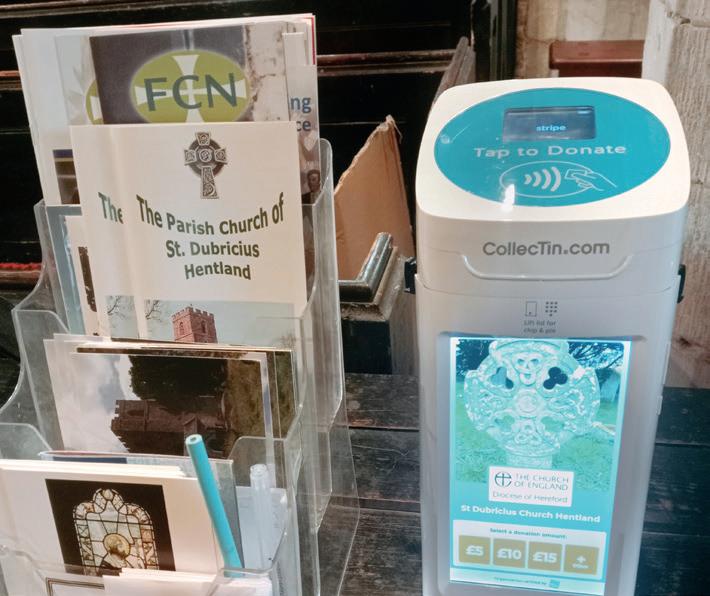
Once regular worshippers, the wider community, and visitors have understood the church’s need for financial support and the difference that makes, is it easy for them to give, whether with cash or a card, online, through the Parish Giving Scheme, or even with a legacy?
Please ask your Giving Advisers for help!
pga@hereford.anglican.org
Building on the past with a legacy for the future
By Mark Simmons, Lead Parish Giving Adviser
As we celebrate 1,350 years of Christian worship in our Diocese, we can take a moment to be thankful for our spiritual and built heritage. Our buildings, churchyards and patterns of worship speak of the prayerful and creative legacies of lives gone before. Each generation leaves its mark on a church which has marked its celebrations and consolations, welcome and witness, prayers and praises, sorrows and joys. And our churches remain a constant comforter and central focus for Christian worship and community life.
As we consider how blessed we are today by the stewardship of countless worshippers and neighbours who have gone before, it is right also to reflect on what our legacy will be. Legacy can mean so many things: the actions and witness of individuals and communities; the continuation, when we have gone, of what is important to us now; a gift left in a will.
It is easier than you might think to leave a gift in your will to your local parish church. Simply name the PCC in question
and either the amount you would like to leave or even better the residual percentage, which retains its relative value over time. This may be easiest done as a codicil if you have already written your will. We encourage people to leave an unrestricted gift, so that the PCC can decide how best the money should be spent based on the needs at the time and the donor’s interests and passions. And we encourage PCCs to have a legacy policy to facilitate this.
Derek Crockson, Bridgnorth’s official town guide for many years, recently left a legacy of £174,000 to St Mary Magdalene PCC, which it has decided to designate for restoring the bells and repairing the Grade 2* building which Derek so loved. St George’s Orleton had an unrestricted legacy of over £14,000 a few years ago which the family agreed could be used to repair the drains, because that was the greatest need at the time. A long-standing worshipper and Churchwarden in Condover Deanery bequeathed £5,500 for the maintenance and care of the churchyard, which has been used to create a remembrance garden, to repair and widen the wrought iron gates, and for urgent tree surgery following storm damage. And when Hope Bowdler PCC was fundraising recently for organ repairs and had raised around £14,000 from grants and donations, the son of a long-time organist rang unexpectedly to offer over £12,000 from his mother’s estate to meet the balance of the cost. Even smaller legacies can be helpful; one legacy of £1,000 was recently used to repair broken altar steps, so that communion services could continue. These days, the gifts are often honoured with a small engraved plaque rather than the large stone monuments of old, or with a simple inscription such as: “To the glory of God”.
As we celebrate this anniversary, we pray that our spiritual and financial legacy will continue to be celebrated in the centuries to come, as new milestones are met and marked.