Archdeacons’ Visitation News
Dear Friends
I’m delighted to be able to write this on behalf of Archdeacon Libby and myself for the first time since becoming Archdeacon of Sunderland.
Firstly, a huge thank you for all that you do as Churchwardens to support and help lead your local churches and in turn shape them and our Diocese, you play an amazing and important role and we are deeply grateful to you and for you.
I’m sure you’ll agree, it has been an interesting time of change in our Diocese. Last year Archdeacon Rick encouraged us to pray (again) for a new Bishop as we began (again) to look for who God might be calling to that role. I think it was quite a surprise to him to realise that call would fall on his heart shortly after! Following the announcement of Archdeacon Rick becoming our new Bishop of Durham, there was much delight and joy as we prepared to receive him to lead our Diocese into a new phase of life and ministry.
Among those big changes was also the news that Bishop Sarah was to leave us, as she too followed God’s call to take up the role of Bishop of Ely. There were mixed emotions at play as we celebrated with her and wished her well, but with a level of sadness to see her go. I know she too found it hard to leave Durham, somewhere she and Kyra had delighted to call home for the past 7 years.
While we are delighted with these two wonderful appointments, we do find ourselves in another state of flux as we need to

work towards the appointment of a new Bishop of Jarrow and Archdeacon of Auckland. At the time of writing, this is still quite recent news, however by the time you read this I hope and pray we have made some good progress in this direction. Please do pray for these processes, that God will continue to call those whom we need to help take our Diocese forward.
It is in this state of flux that we especially need and are thankful for all you do in your roles locally to support and uphold the joy and hope of our faith, supporting clergy and laity and often holding vacancies, of which there is a significant number across the Diocese.
We are especially thankful for your prayerful response to God’s call on your lives to serve as Churchwardens and want to assure you of our prayers and support as we navigate together these times, which can be complex and difficult, with the love, joy and hope of the risen Lord Jesus. It is wonderful to know we have dedicated brothers and sisters in our communities helping shape our present and future under God.
As we move steadily forward through the joys and challenges, we are thankful to be able to do so, confident we are in God’s company. May God richly bless us all as we follow his call, wherever it leads us.
Archdeacon Katherine
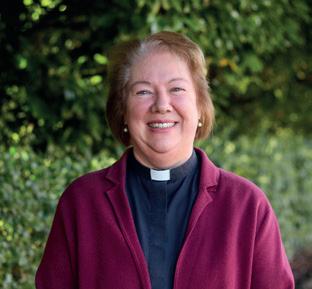
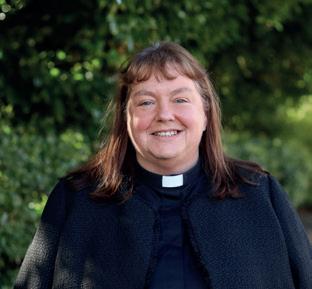
The Venerable Libby Wilkinson Archdeacon of Durham
The Venerable Katherine Bagnall Archdeacon of Sunderland
Safeguarding
Safeguarding is our proactive process of protecting children, young people and vulnerable adults from abuse, harm and neglect. We all have a role to play within effective safeguarding and the consideration of the welfare of our vulnerable.
All church officers and volunteers within parishes must comply with safeguarding requirements and there is much to consider within a parish in addressing National Safeguarding Standards, Codes of Practice and associated Practice Guidance. Each parish should have appointed a named Parish Safeguarding Officer (PSO) whose role is to ‘champion’ parish safeguarding, supporting those in parish roles with meeting their safeguarding responsibilities and, where needed, being part of the response to any specific safeguarding concern.
The Diocese is responsible for supporting parishes in implementing the House of Bishops’ Safeguarding Policy and Practice Guidance and this includes arrangements to monitor the quality of safeguarding arrangements in parishes.
So, how is the Diocese supporting you and your parish in ensuring your safeguarding policies and practices are up to date, in line with best practice and effective in helping to keep our vulnerable safe?
The Parish Safeguarding Dashboard is used by parishes to manage their safeguarding administration and enable the PCC to regularly consider their compliance with safeguarding requirements. Used in over 10,000 parishes across all Dioceses nationally, the Dashboard is recommended by the National Safeguarding Team as an important part of our safeguarding environment.
The Parish Safeguarding Dashboard is well established within our Diocese, helping Parochial Church Councils (PCCs) understand and support safeguarding locally. It is free to parishes, simple to access and use and is resourced and supported by the Diocese.
“In my opinion the dashboard is the best thing since sliced bread!!”
“Everything was clearly explained and it is easy to use, also support is always available.”
Two Parish Safeguarding Officers (Diocese of Durham PSO Survey)
So how does the Dashboard work?
The Dashboard is owned by named individuals in the parish, typically the incumbent and PSO, who record responses and updates to actions. In cases of vacancy, another church officer would be asked to take Dashboard ownership including Churchwardens.
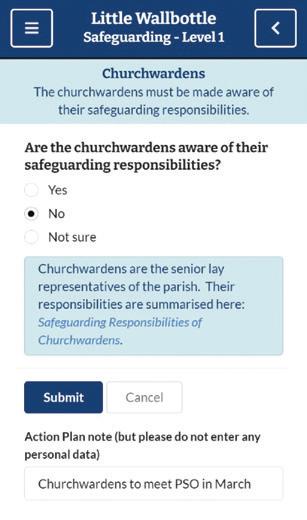
As a Churchwarden, you are a senior lay representative of the parish and, regarding safeguarding, this brings specific responsibility. Churchwardens work with the incumbent, PCC and PSO to maintain safeguarding arrangements for the day-to-day functioning of the parish. During an interregnum Churchwardens must ensure that the incumbent’s safeguarding roles and responsibilities are fulfilled, in consultation with the PCC and the PSO.
Dashboard actions are supported with information and links to resources. The Dashboard represents the status of Parish Safeguarding using a ‘traffic light’ system for each actiongreen, amber or red-and monitoring progress. Actions need to be kept up to date and the Dashboard provides reminders of when actions need to be updated. An up to date Dashboard reflects parish progress made in safeguarding compliance as well as clearly setting out what needs to be actioned via it’s Safeguarding Action Plan. The Action Plan tracks progress and supports consideration by the PCC at meetings. It enables the PCC to understand where potential gaps are in safeguarding measures and take proactive ownership of safeguarding compliance.
The Dashboard is updated annually reflecting changes in safeguarding requirements at national level. It is current and focussed.
The PCC is the main decision maker of a parish and has a legal responsibility for effective safeguarding; this is a collective responsibility. Safeguarding is an essential part of the PCC’s duty of care towards all those present during worship and those taking part in all church sponsored activities held both in and outside of church buildings.
The Dashboard helps the PCC meet their safeguarding responsibilities and importantly supports the PSO in undertaking their role. Support in using the Dashboard is provided in the Diocese by Wendy Hopkins by Safeguarding Support Officer and the system provider, Clearly Simpler.
Together through safeguarding we strive to prevent abuse from occurring, seek to protect those that are at risk of being abused and respond well to those that have been abused. A parish using and maintaining its Dashboard demonstrates both an understanding of safeguarding requirements and contributes to our shared safeguarding environment.
Mrs Wendy Hopkins Safeguarding Support Officer
INEQE Report
Culture
The independent safeguarding audit programme for the Church of England was commissioned by the Archbishop’s Council and is overseen by the C of E’s National Safeguarding Team. It is led by the INEQE Safeguarding Group. The audit tests the sufficiency of the safeguarding arrangements within the Diocese Board of Finance and Cathedrals. The audit of Durham Diocese and Cathedral took place between 4th and 7th May 2025.
The conclusions drawn were based on:
• Over 400 documents were collated and analysed
• 931 anonymous survey responses were received
• 42 separate engagement sessions took place, reaching 111 people.
Progress
It is noted that following previous audits and reviews significant improvements have been implemented. The development of numerous polices has resulted in considerable progress.
Culture Leadership and Capacity
Culture
It is noted that significant progress has been made in establishing a strong safeguarding culture across the Diocese. It is evident that safeguarding principles are largely embedded within the DBF and the parishes. There is widespread confidence in safeguarding which is testament to the efforts made to build an open and accountable environment. Whilst the steps taken to improve safeguarding and culture are considerable, there remains work to be done, not least in ensuring that a disconnect does not widen between the DBF and parishes.
Leadership
There was, significant evidence of the Acting Diocesan Bishop’s commitment and enthusiasm and the impact she had had since taking up the role. It was noted that she is supported by a strong collaborative leadership team, an effective and thoughtful Diocesan Secretary, an experienced and effective DSO and committed Archdeacons.
Capacity
The audit recognised the good work delivered by the Safeguarding Team but identified significant capacity issues given the team’s remit and functions. A more resilient model needs to be identified.
Prevention
Safer Recruitment
Safer recruitment is a priority for the DBF. The House of Bishop’s guidance is followed, and processes are aligned with legislation. The DBF actively supports safer recruitment in parishes.
Recognising, Assessing and Managing Risk
It is good practice that the DBF risk register has a dedicated section on safeguarding where concerns are thoroughly documented which allows for a specific focus on safeguarding. The application of a ‘low threshold’ for engagement enables
the building of relationships and promotes a culture in which concerns are more likely to be escalated than not.
Referrals and enquiries are effectively triaged; each case is appropriately assessed and there are clearly defined pathways for further action. Safety plans were effective in managing risk, they were well defined, proportionate to the identified risk and appropriately authorised. There is effective use of Safeguarding Case Management Groups.
Work needs to be undertaken to ensure that transition to the National Safeguarding Case Management System, which is a centralised and secure database that allows for safeguarding concerns to be reported and recorded, is fully complete and this becomes the only system for case recording and management.
Victims and Survivors
The DBF adheres to the House of Bishop’s Policy ‘Responding Well to Victims and Survivors of Abuse’ and reinforces this commitment with a dedicated statement on its ‘Support for Survivors and Victims’ webpage.
The thoughtful and logical presentation of support options on the Diocesan webpage allow individuals to easily choose based on their specific needs. A commitment to victim-centred approaches was noted, which prioritised autonomy and needs of those who experienced harm.
Learning, Supervision and Support
The DBF is committed to promoting a safeguarding learning culture and this is reflected in local activity. The safeguarding training offer is broad, consistent and contextually tailored to reflect the needs of the parish communities across the Diocese.
The DBF has a long-standing commitment to clergy learning and safeguarding development. Safeguarding training for new incumbents and clergy with Permission to Officiate is well embedded and compliance is routinely monitored.
Conclusion
The DBF is taking a robust and proactive approach to safeguarding, underpinned by a clear commitment to develop a sense of psychological safety. The positive trajectory is further supported by the dedication of the Parish Safeguarding Officers, the DBF’s desire for continuous improvement and the compassionate leadership from the Acting Diocesan Bishop, the Diocesan Safeguarding Officer and the wider senior leadership team.
Action Plan
The audit Action Plan was published on the Diocesan website on 13th February 2025. Of the 36 recommendations relating to the DBF, 9 are implemented, 18 are in progress and 9 are yet to be started.
Mrs Beth Miller Diocesan Safeguarding Officer
Transformation Strategy
The Transformation Strategy continues across the diocese with some encouraging signs of new life across parishes.
There are New Worshipping Communities beginning, people coming to faith and young people engaging with the gospel. Jesus promised that as we abide in Him, we will see fruit. Fruitfulness of the Kingdom of God can be expressed in many ways. It can be growth through depth or numbers, our churches getting younger and engaging intentionally with under 18’s, it can be eradicating poverty in our communities, but it can also be people stepping forward into serving and leading in their local parishes. Transformation is about both the individual and the community experiencing the good news of Jesus and moving towards fullness of life.
One of the teams in the diocese that is developing strategy towards transformation is the Growing Leadership team. The team exists to raise and train flourishing leaders both lay and ordained across the diocese. In 2026 we are working towards a possible next step in growth available for everyone, no matter where they are in their journey as a disciple. This year we are exploring, with the Growing Churches team, how to support parishes in creating confident disciples in mission, prayer and discipleship.
The Diocese currently have two first steps for those wating to grow as leaders. Foundations in Theology is a fully funded, accessible theology course, that starts in September 2026 and lasts for 20 weeks. We also have Growing Leaders, a programme for empowering Christlike leaders, delivered monthly in 3 different locations across the diocese throughout 2026. Both these opportunities need parish referral and are a great way of people growing in confidence on the basics of becoming a leader.
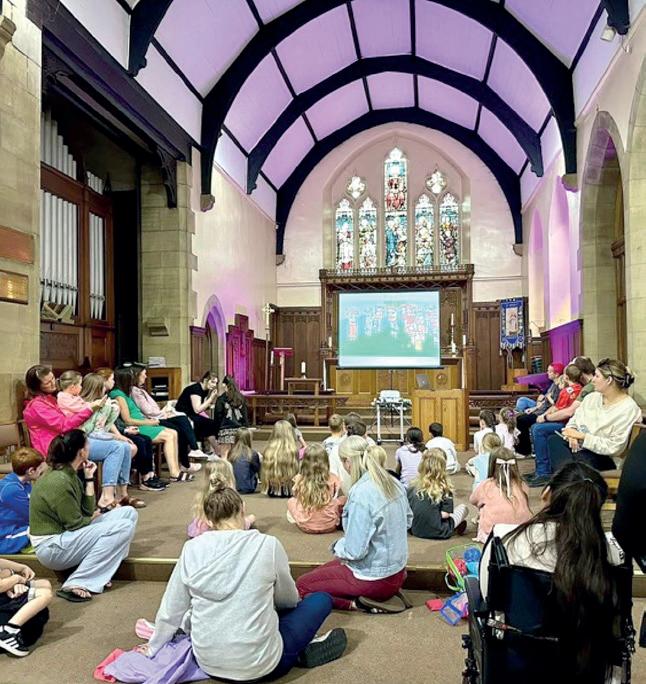
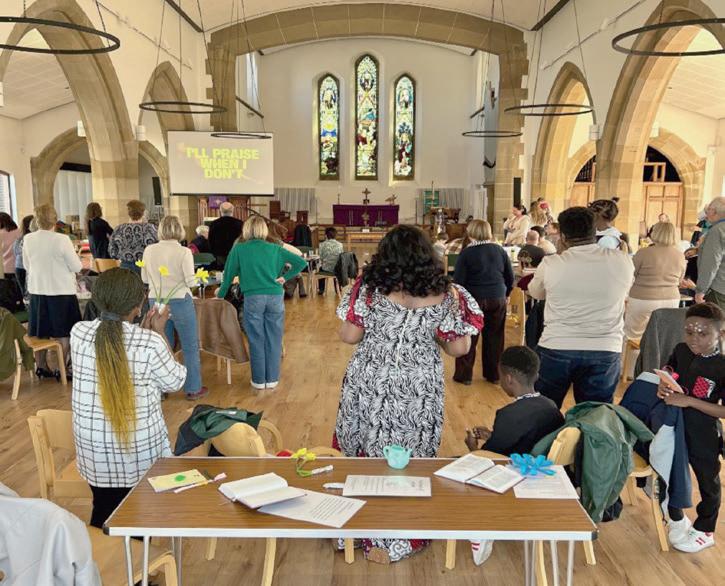
For those wanting to pursue a more formal route, the Diocesan Authorised pathways have become a popular option.
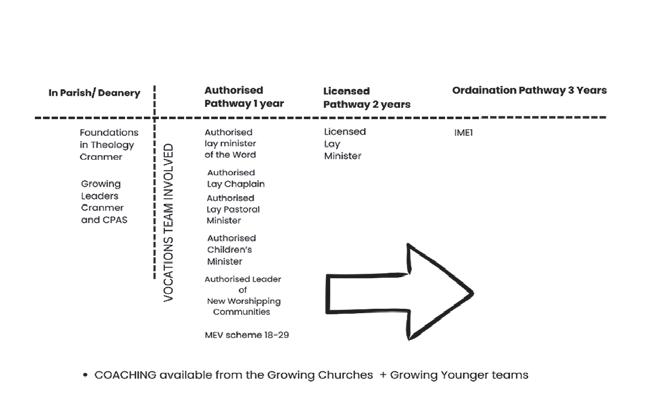
They offer various specific pathways for people equipping people to be confident in areas like creating new worshipping communities, children’s ministry and leading worship and preaching. The application process is more indepth and the courses run anywhere from 7 months to 2 years. These pathways, with the Licensed Lay ministry course, equip people for the highest level of lay leadership within our parishes and are key to the health and growth of our churches in the diocese over the next decade.
Finally, one of the places we would love to see growth in leadership over the next 5 years is with those under 30. The Ministry Experience scheme is a year-long programme that gives young people the opportunity to develop and grow as a disciple, serve in the local church and discern where God might be leading them in the future regarding leadership. It’s an incredible option for those leaving school or university. If you would like to know about this or any of the pathways mentioned, please email Annwen Stone:
annwen.stone@durham.anglican.org
Annwen Stone
Leadership Pathway
What does fruitfulness look like in your parish?
We want to be fruitful serving God in this Diocese. This will look different in different places, but it will always include a deepening of faith and an increase of sharing that faith with others. It will always include becoming more engaged with the communities in which we are set and growing numbers of those who worship in our churches.
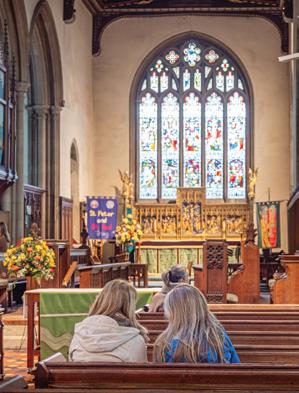
It’s important to say that becoming more fruitful is not just enabled by receiving money – some of our best good news stories in the Diocese have been in places that have had little or no money but which have been resourced in other ways. But we all know that money can make a difference and we’re very pleased to have been awarded financial resourcing from the National Church for our “Called to Fruitfulness” strategy.
This is a Diocesan-wide initiative, not like earlier national bids where we had to name specific places where the money was to be spent before it was given to us. This is about the possibility of change and resourcing across the whole Diocese.
That does mean that there is a lot of work to do on how best to use what we have been given – and that’s where we are now, with the Mission, Discipleship & Ministry (MDM) Team here to help parishes and deaneries discern where there is missional energy and potential opportunity. The reshaped MDM Team are mainly funded by national money (rather than parish guided pledge) and I hope the following will help you to navigate your
way to the person or team that can help on the next stage of your flourishing:
• Growing Mission Team – works with parishes and deaneries on local planning and preparing the ground for growth. The team also includes our Interim Change Ministers and is responsible for the Vacancy Audit Process.
alexander.jones@durham.anglican.org
• Growing Leadership Team – works on all aspects of vocations, training and wellbeing, for lay and ordained. annwen.stone@durham.anglican.org
• Growing Younger – works with parishes and deaneries on how best to serve our children, youth and young adults, and support them into lifelong discipleship graham.cleland@durham.anglican.org
• Growing Churches – works with parishes and deaneries in developing new worshipping communities, new services, coaching for leaders (lay and ordained)
ali.bianchi@durham.anglican.org
The Transformation Strategy is not a top-down programme, but neither is it a free-for-all. We are accountable to the national church for the money we have been given and have to show that we are using it in the ways that have been agreed.
If you have been to one of the Archdeaconry Roadshows, then you will know some of the possibilities within “Called To Fruitfulness” strategy. If you couldn’t make any of them, then you can find a video of the Auckland Roadshow on the Diocesan website.
We would love to hear from you and we want to work with you to help our Diocese become more fruitful in building the kingdom of God.
Archdeacon Libby

A new way of obtaining Archdeacon’s permission for List B works
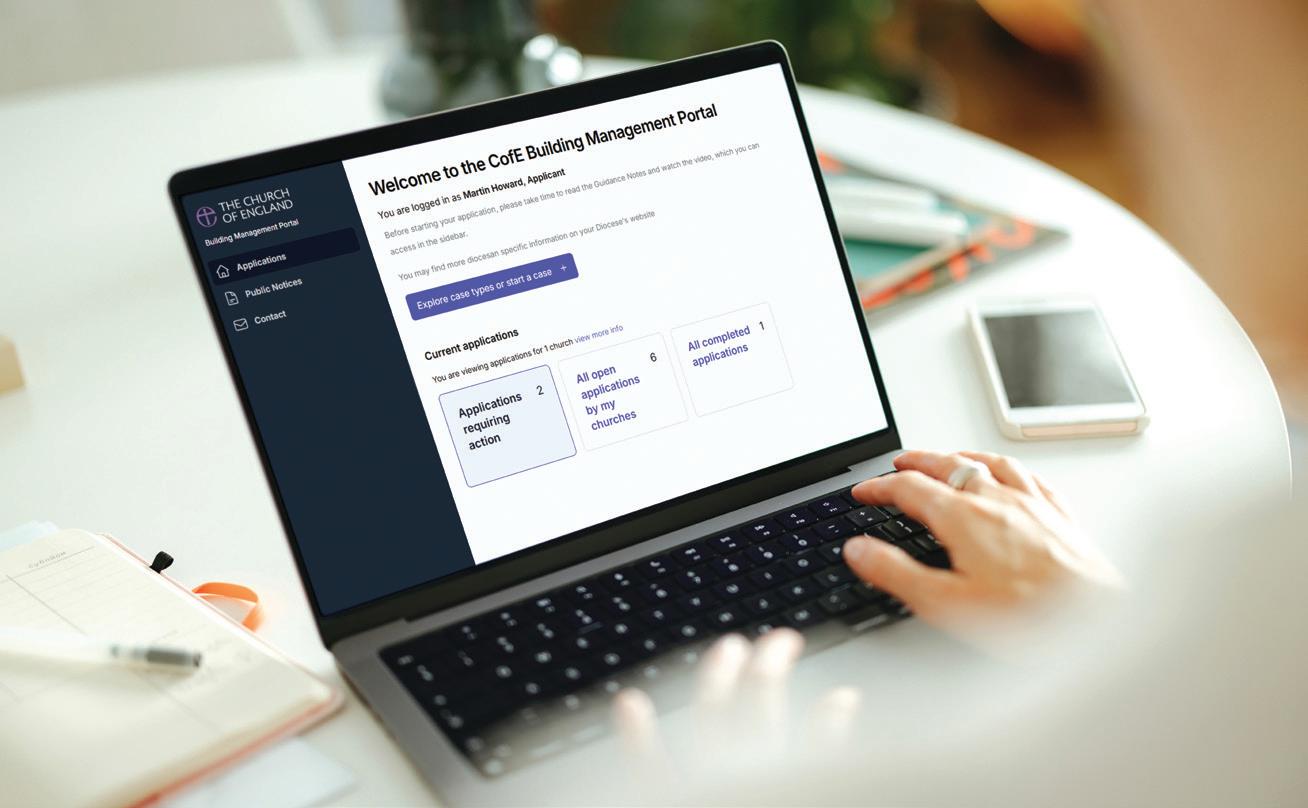
This year the Online Faculty System (OFS) has been replaced by the Faculty Management System (FMS) as part of a longer-term roll out of the Building Management Portal which will eventually be a system which will contain all the information about our church buildings.
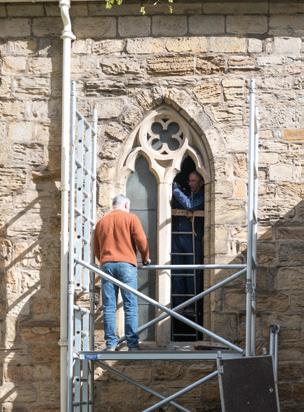
The Online Faculty System has been in operation for just over 10 years; many of you will have used it in that time and will know that it can be a little difficult to understand what you need to do next and how to add files to the system. The new system has been designed to hopefully make the process a little clearer whilst still working to the legal framework of the faculty system.
Unlike most other diocese we have not used the previous system to process requests for List B Permissions from our Archdeacons. With the launch of the new system, it has been decided that all requests for List Bs will now be made through the Faculty Management System.
So, what are the advantages of the new system?
• The same route for seeking any permissions for work on your church building.
• Easier to identify the type of permission required as the system lets you select from the lists of works permitted under List B.
• Reduced admin time as the system will generate the letter from the Archdeacon and therefore it will take less time to process requests.
• All List B requests will be stored in the system alongside any faculty applications so you will have one place to search for any permissions.
• If works turn out to be outside the scope of List B, it can easily be transferred to a faculty application without you having to start from the beginning.
• The DAC Secretary is part of the process and will be able to provide any support / additional information with the application before it gets to the Archdeacon.
But what are the disadvantages?
• You will need to login to the system in order to make an application.
Resources to help you use the system will be available on the Diocesan website at the following link https://durhamdiocese.org/parish-support/churchbuildings/church-buildings-resources/ or please contact Martin Howard at martin.howard@durham.anglican.org 07586 090996
Mr Martin Howard