ART
羅芙奧 2026 年「現代與當代藝術」春季拍賣會
MAY
24
現代與當代藝術 專場
2026 年 5 月 24 日(日)下午 1:30
台北萬豪酒店(博覽廳)
SUNDAY, MAY 24, 2026, 1:30 PM
MARRIOTT TAIPEI (GRAND SPACE)
羅芙奧 2026 年春季拍賣會「現代 與當代藝術專場」將於 5 月 24 日臺北 萬豪酒店三樓博覽廳隆重舉行。本場拍 賣精選 128 件拍品,全面呈現二十至 二十一世紀現代與當代藝術的經典面 貌。拍賣預展將於 5 月 22 日至 24 日, 每日上午十一點至下午七點開放,匯聚 海外華人大師、臺灣當代藝術與東亞新 世代創作,依循藝術史脈絡,呈現具指 標性收藏水準與當前市場之理性估值。 誠摯邀請藏家與藝術愛好者蒞臨鑑賞。
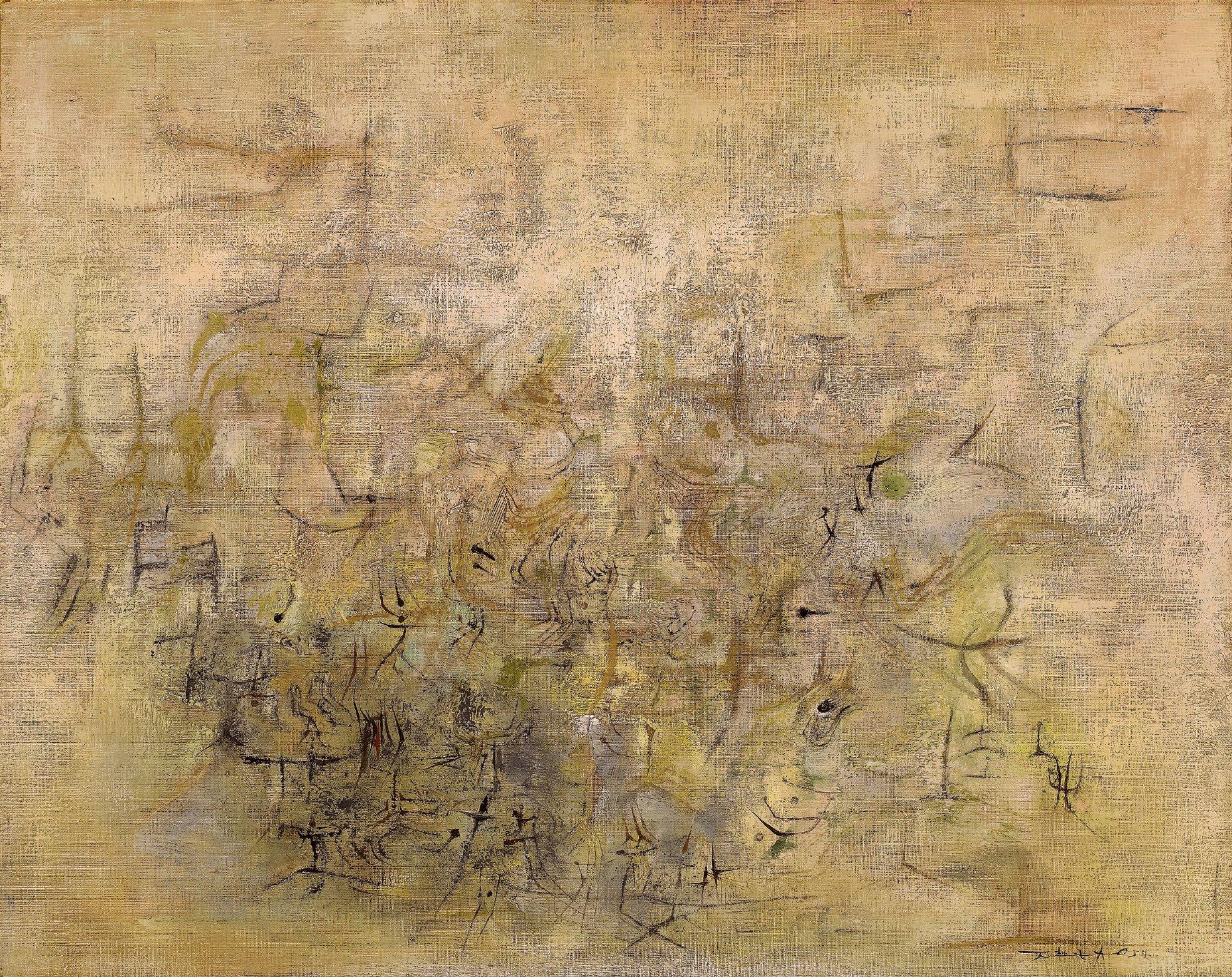
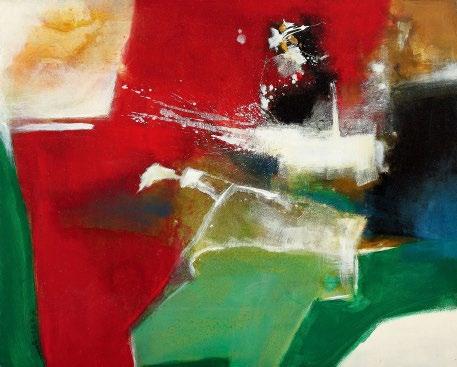
目錄封面拍品趙無極《抽象風景》 ( ZAO WOU-KI, Paysage Abstrait )創 作於 1954 年,為藝術家早期抽象風格 的重要代表作。畫面中可見具體物象逐 步轉化為抽象線條,玄黑筆觸貫通古 今,層層暈染的色彩變化蘊含東方水墨 意境,而豐富的光影層次則承襲西方繪 畫養分。透過《抽象風景》,趙無極將 中國式宇宙觀轉化為現代視野,展現其 獨特的藝術語彙。
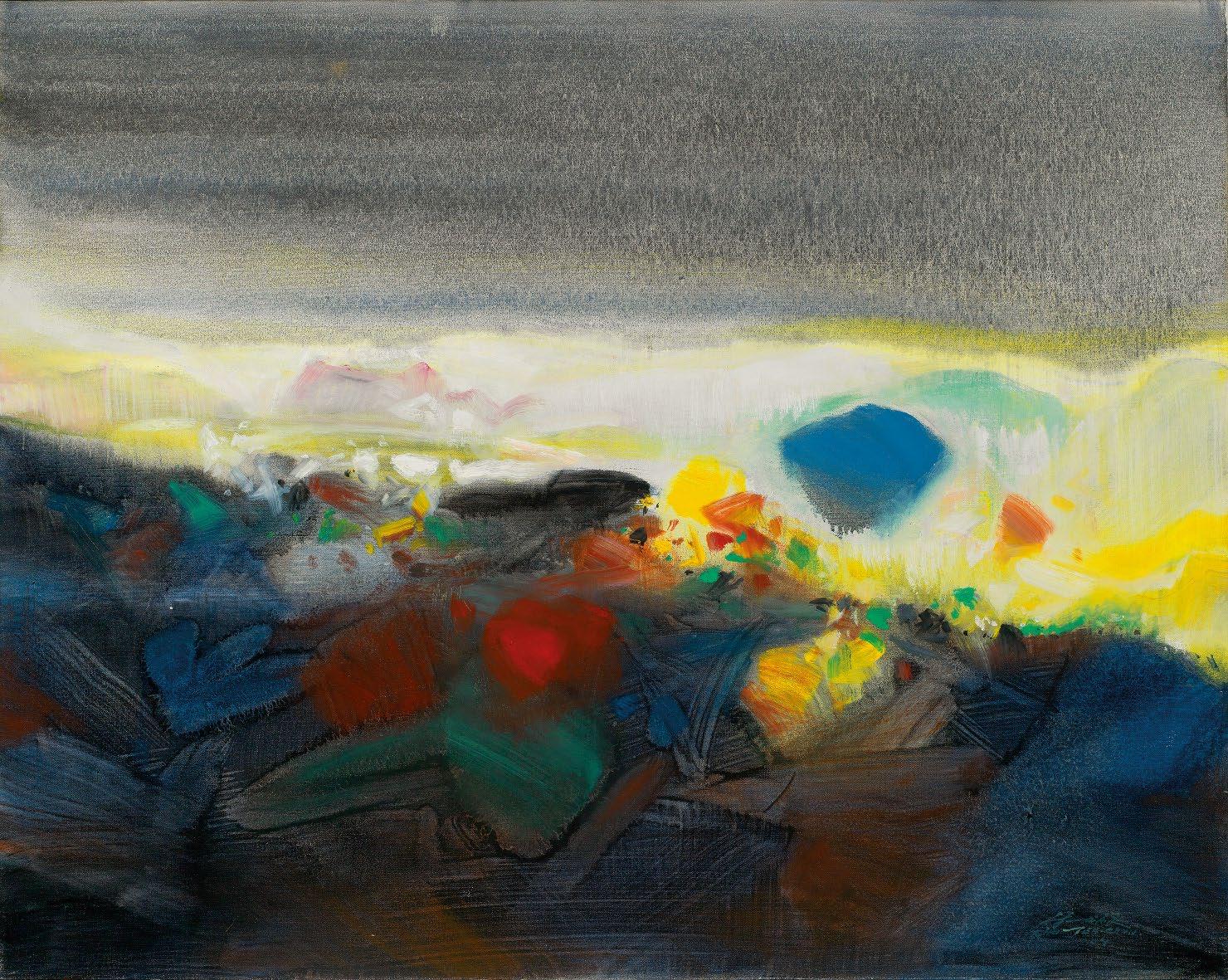
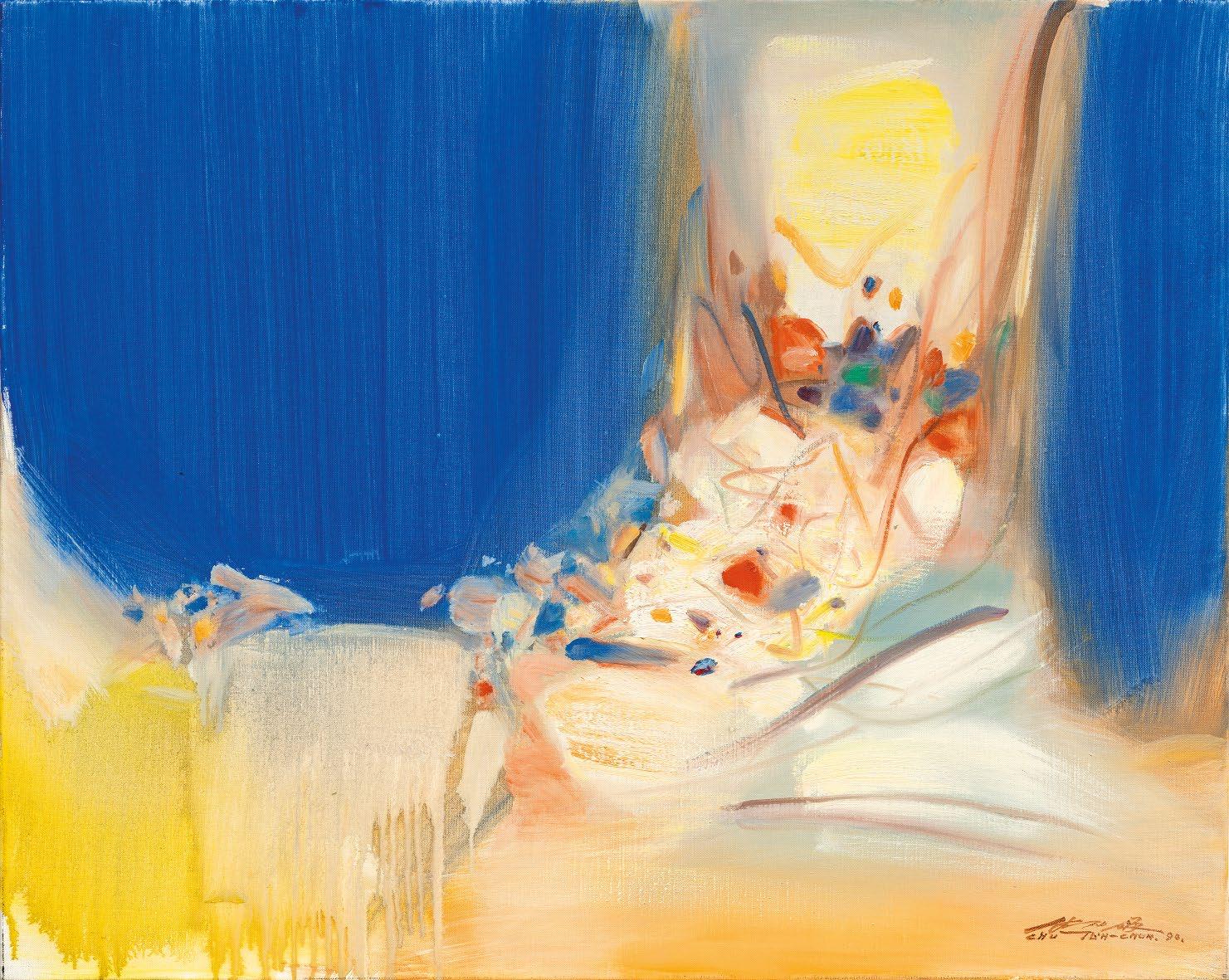
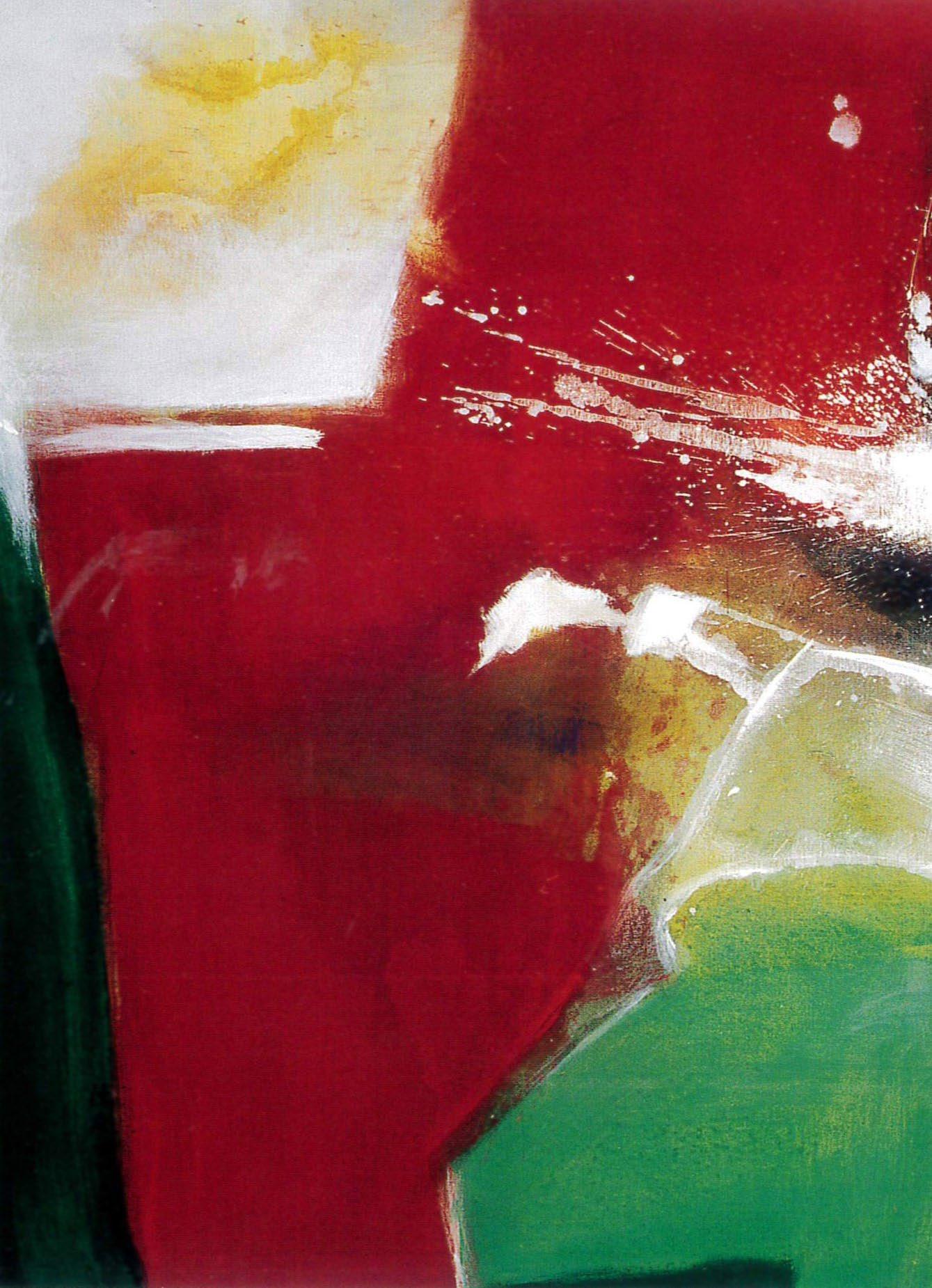
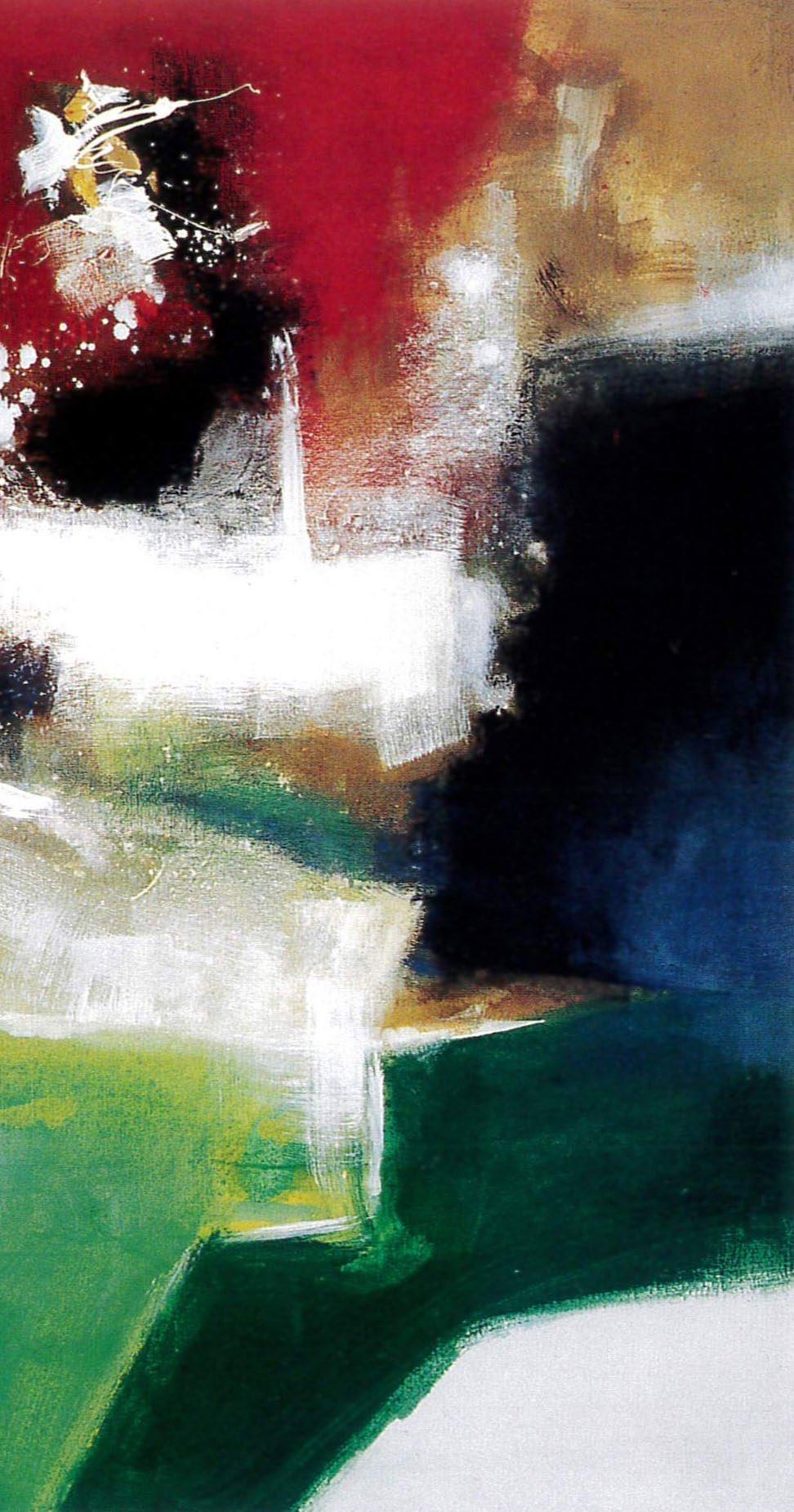
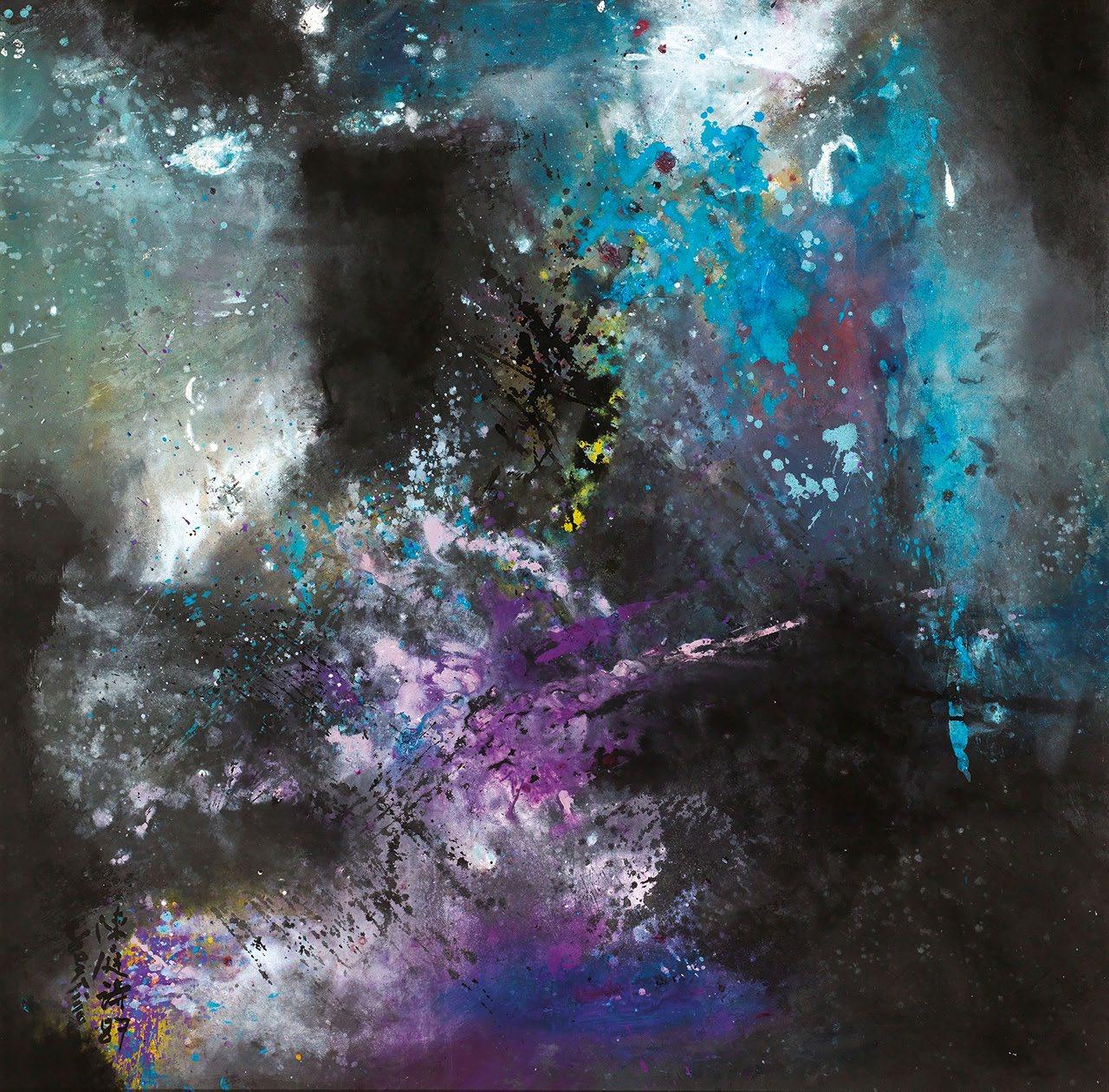
「留法三劍客」之一朱德群,其 2004 年創作《超越界 限》( CHU TEH-CHUN, Limites franchies )充分體現晚年 融會貫通之境,在跨越形式與文化邊界之際,仍展現深厚且 充沛的創造力;而 1990 年作品《銀河之深處》( CHU TEHCHUN, Parmi l'espace bleu )則以光影鋪陳呼應荷蘭大師林布 蘭( Rembrandt )之明暗對比,並轉化為更為空靈內斂的東方 意境,彰顯其中年時期宏闊而富哲思的創作能量。
中國當代觀念藝術重要代表徐冰,其 2004 年創作之大 型作品《文字山水》( XU BING, Landscript )為本次拍賣焦 點之一。徐冰以文字、語言與書籍為創作核心,透過開創性 的哲學思維回應傳統筆墨與當代藝術之革新,長年廣獲學術 與市場肯定。艾軒《歌聲漸遠》( AI XUAN, Sounds Getting Away )詮釋「詩性現實主義」下的西藏風情,巧妙結合西方 寫實技巧與東方內省氣質。
臺灣前輩大師廖繼春 1963 年創作《威尼斯水都》( LIAO
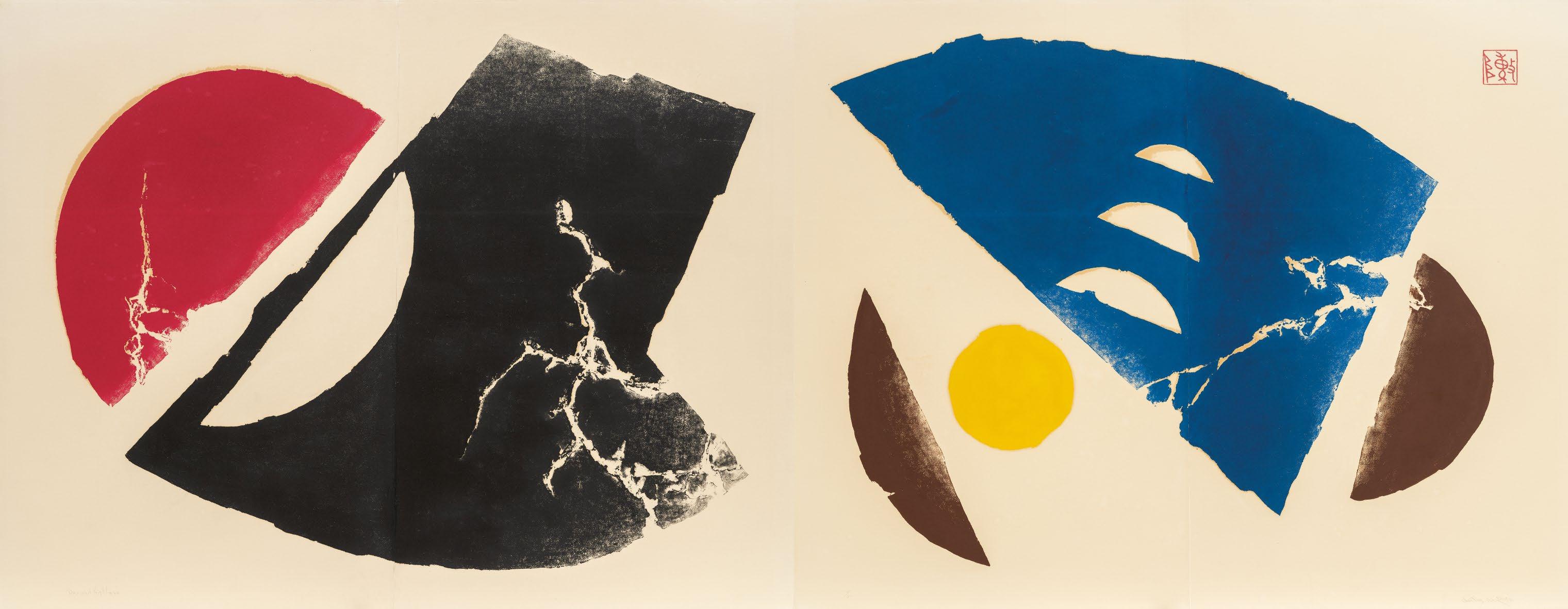
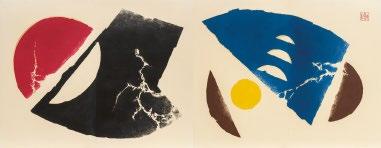
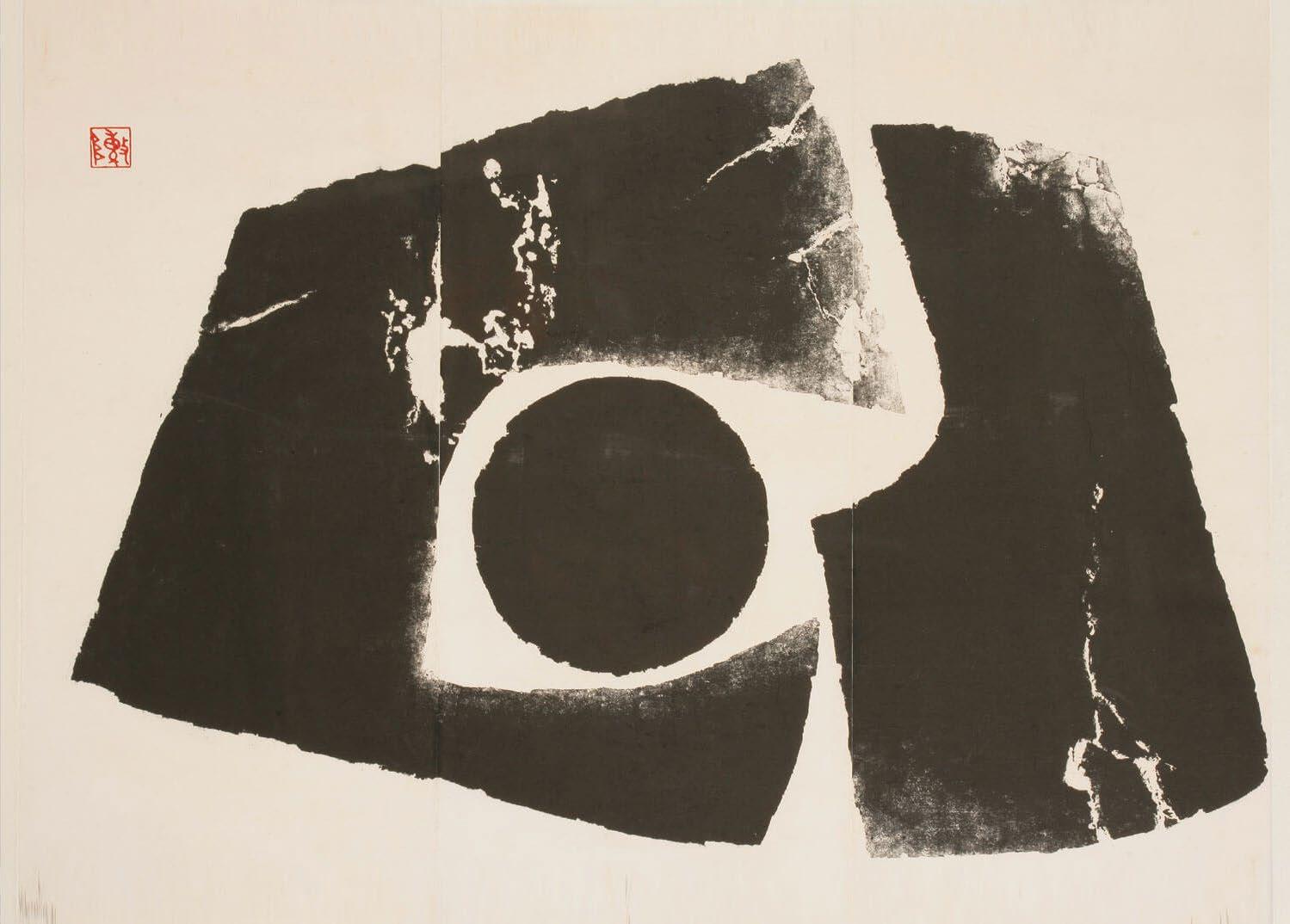
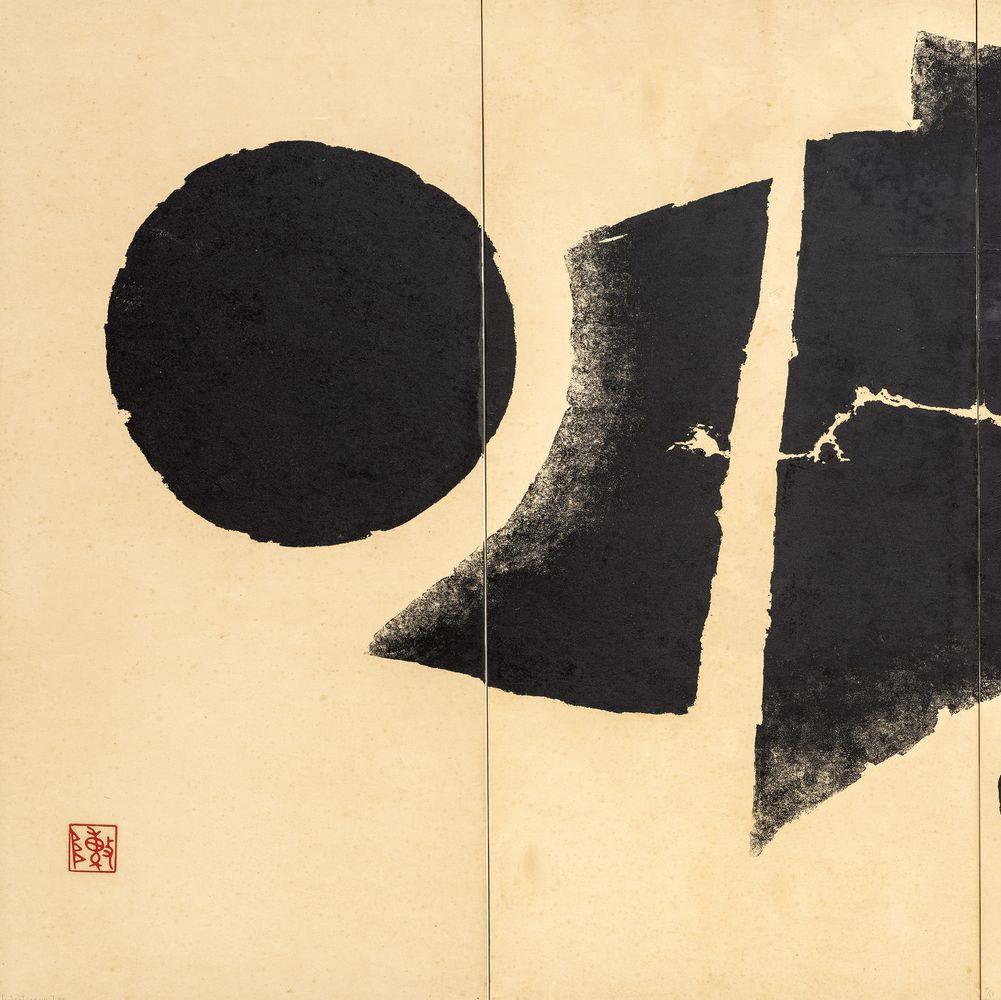
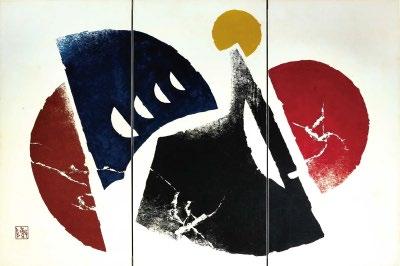
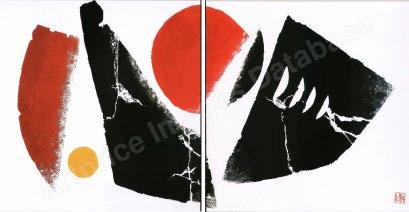
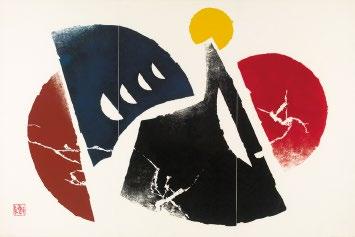
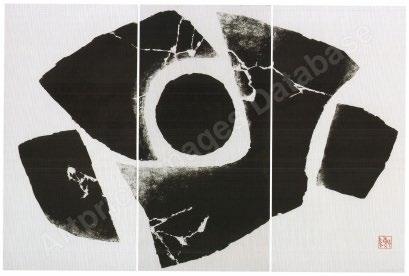
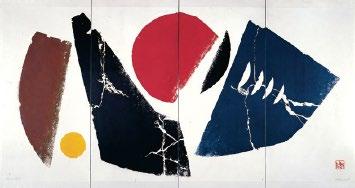
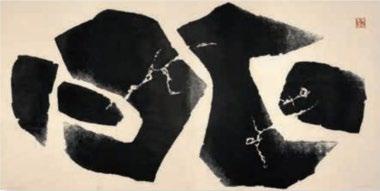
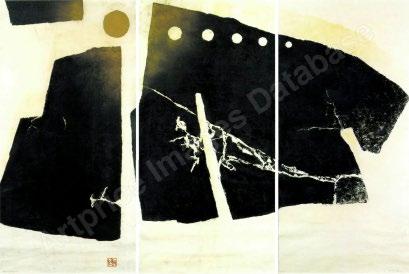
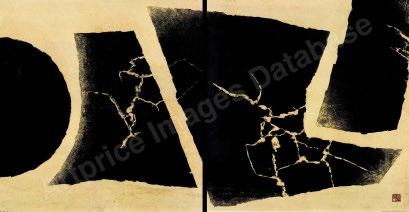
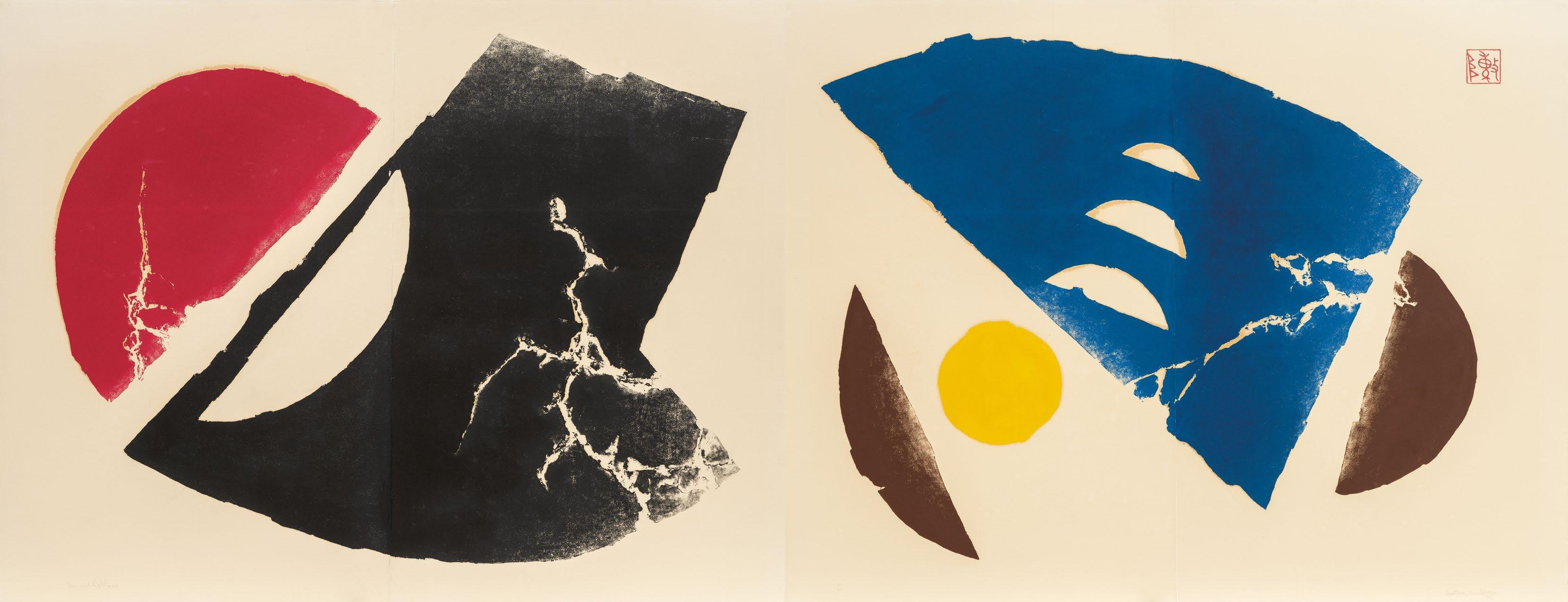
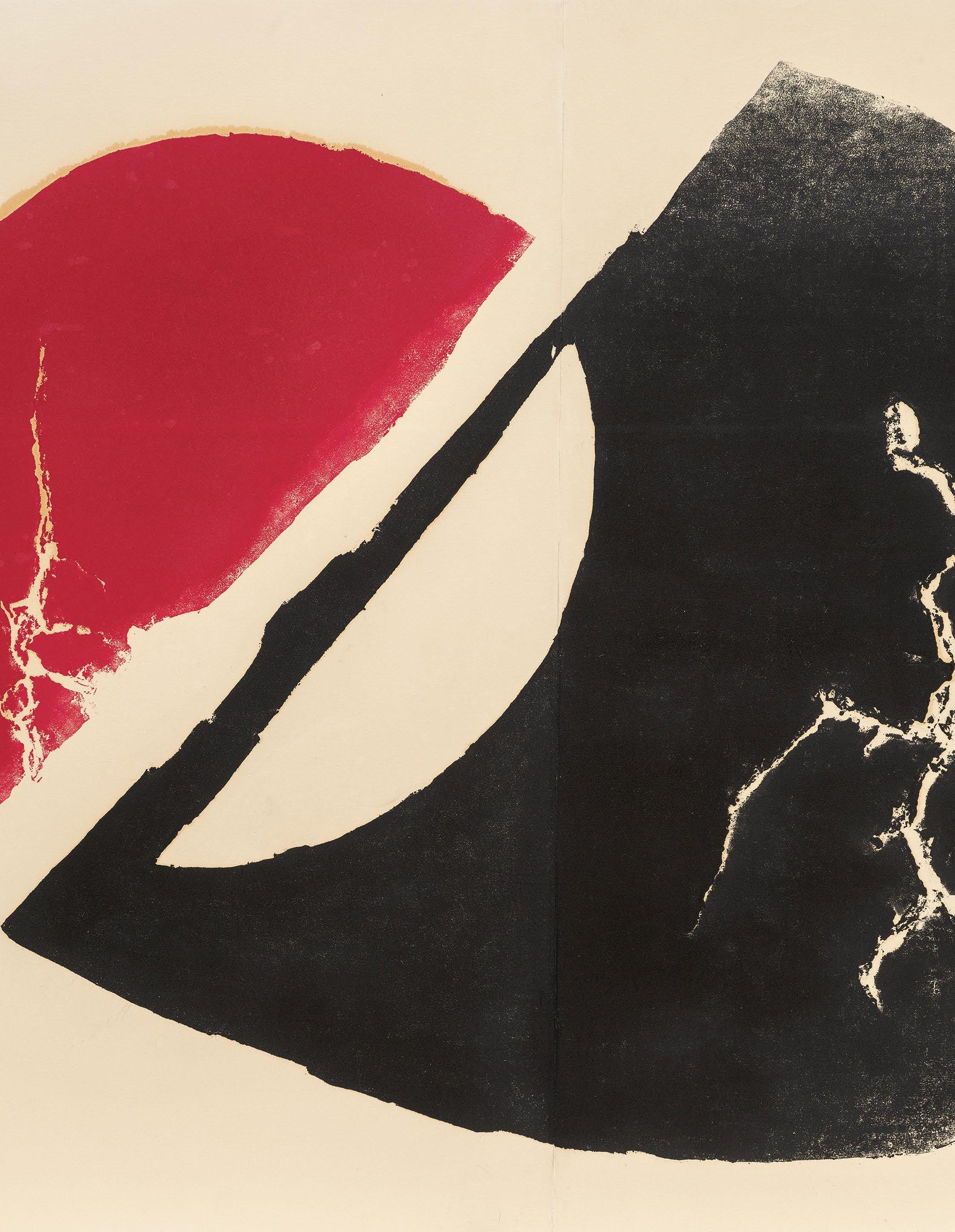
CHI-CHUN, Venice )則展現強烈野獸主義風格,以大膽用 色與從容筆觸描繪景致,體現其技藝臻於純熟之境,為 1960 年代重要代表作。現代版畫先驅陳庭詩, 1976 年作品《日與 夜系列 #34 (雙聯幅雙拼)》( CHEN TING-SHIH, Day and Night #34 ( Two diptychs ))運用蔗版獨特材質,融合戰後 思潮中的東方哲理與西方形式,展現雄渾而凝鍊的視覺語言。
1. 趙無極《抽象風景》 1954 油彩 畫布 65 x 81 cm Zao Wou-Ki, PaysageAbstrait(AbstractLandscape), 1954, Oil on canvas, 65 x 81 cm
2. 徐冰《文字山水》 2004 水墨 尼泊爾紙 150 x 300 cm
Xu Bing, Landscript, 2004, Ink on Nepalese paper, 150 x 300 cm
3. 朱德群《超越界限》 2004 油彩 畫布 73 x 92 cm
Chu Teh-Chun, Limites franchies, 2004, Oil on canvas, 73 x 92 cm
「照相寫實主義」代表畫家陳昭宏之《沙灘女郎》( HILO CHEN, Beach 140 )與大尺幅水彩《花開- 12(蘭)》( HILO CHEN, Blossom-12( Orchids )); 以及韓湘寧近兩百號巨幅作品《紐約朝聖》( HSIANG-NING HAN, Mecca ), 皆為展現藝術家創作巔峰的代表性成果。
全球知名哥倫比亞藝術家費爾南多.波特羅《俯臥的女人》( FERNANDO BOTERO, Woman in Bed on Her Stomach )黑色銅雕,以其標誌性「波特羅主義」 ( Boterismo )呈現人體藝術的豐潤比例,傳遞真、善、美兼具的內在特質,頌 揚女性孕育生命的原初力量。威利.維傑納《無限遊戲》( WILLY VERGINER, Il gioco infinito ),高逾兩米的宏大尺度,展現了令人震撼的臨場感,將木質轉 化為充滿超現實氛圍與環境寓意的當代藝術語彙。
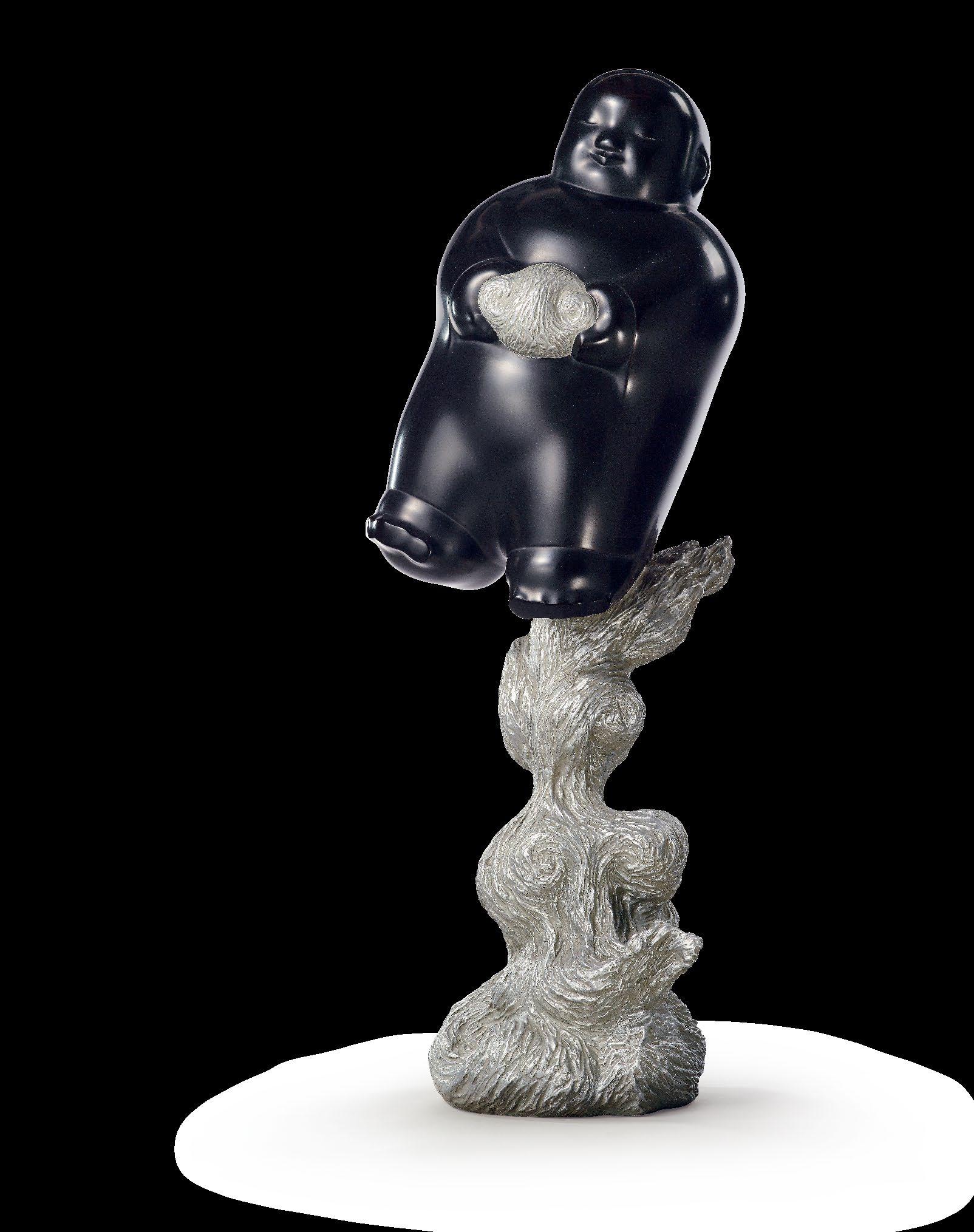
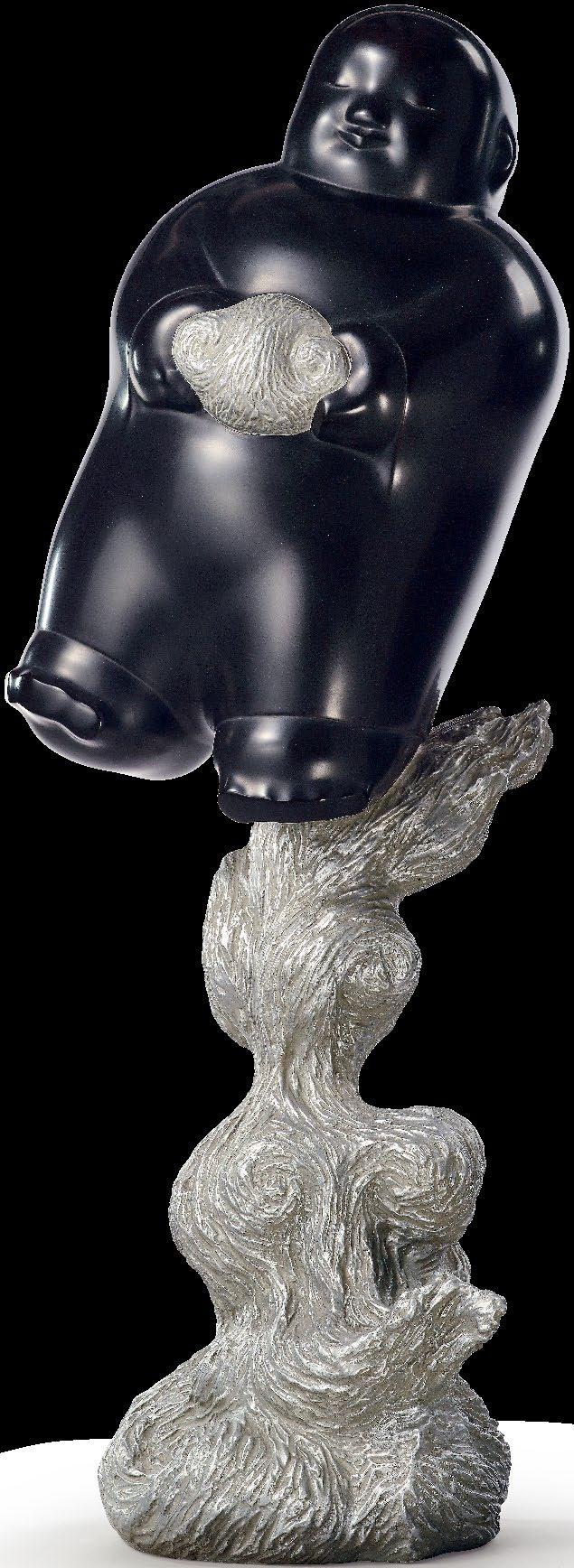
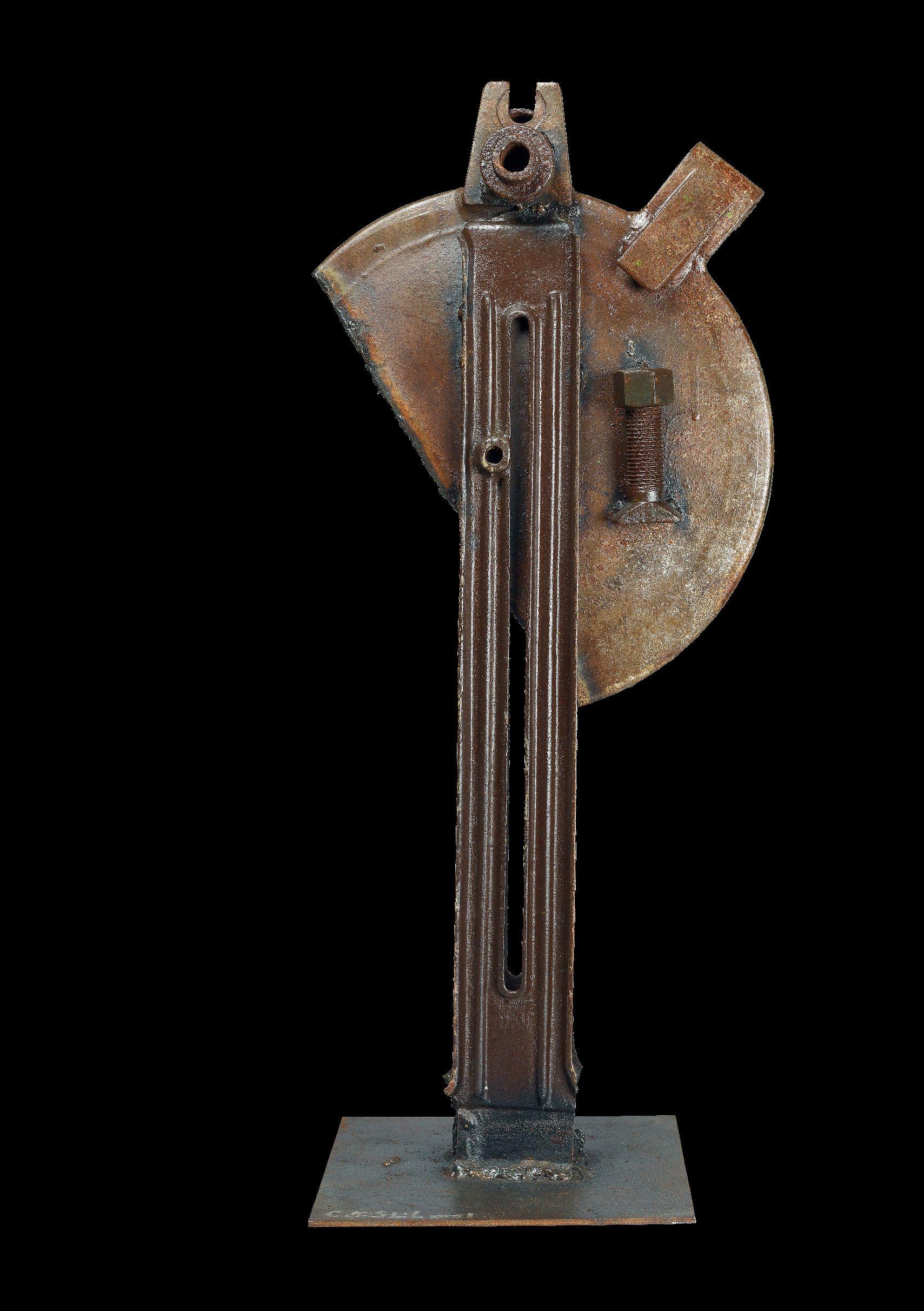
臺灣雕塑大師朱銘 1991 年《太極系列》( JU MING, Taichi Series )木雕, 以簡練有力的塊面捕捉動態中的氣韻與生命力,沉穩如山,剛毅中蘊含平和之 氣。李真 1998 年《無量壽》( LI CHEN, Amitayus )援引佛教經典意象; 2000 年《乘雲氣》( LI CHEN, Cloud Glider )則以細膩溫潤的銅雕質地,透過人物騰 雲之姿呈現「既重若輕」的大自在境界,傳遞老莊哲學中充滿喜悅的精神追求。
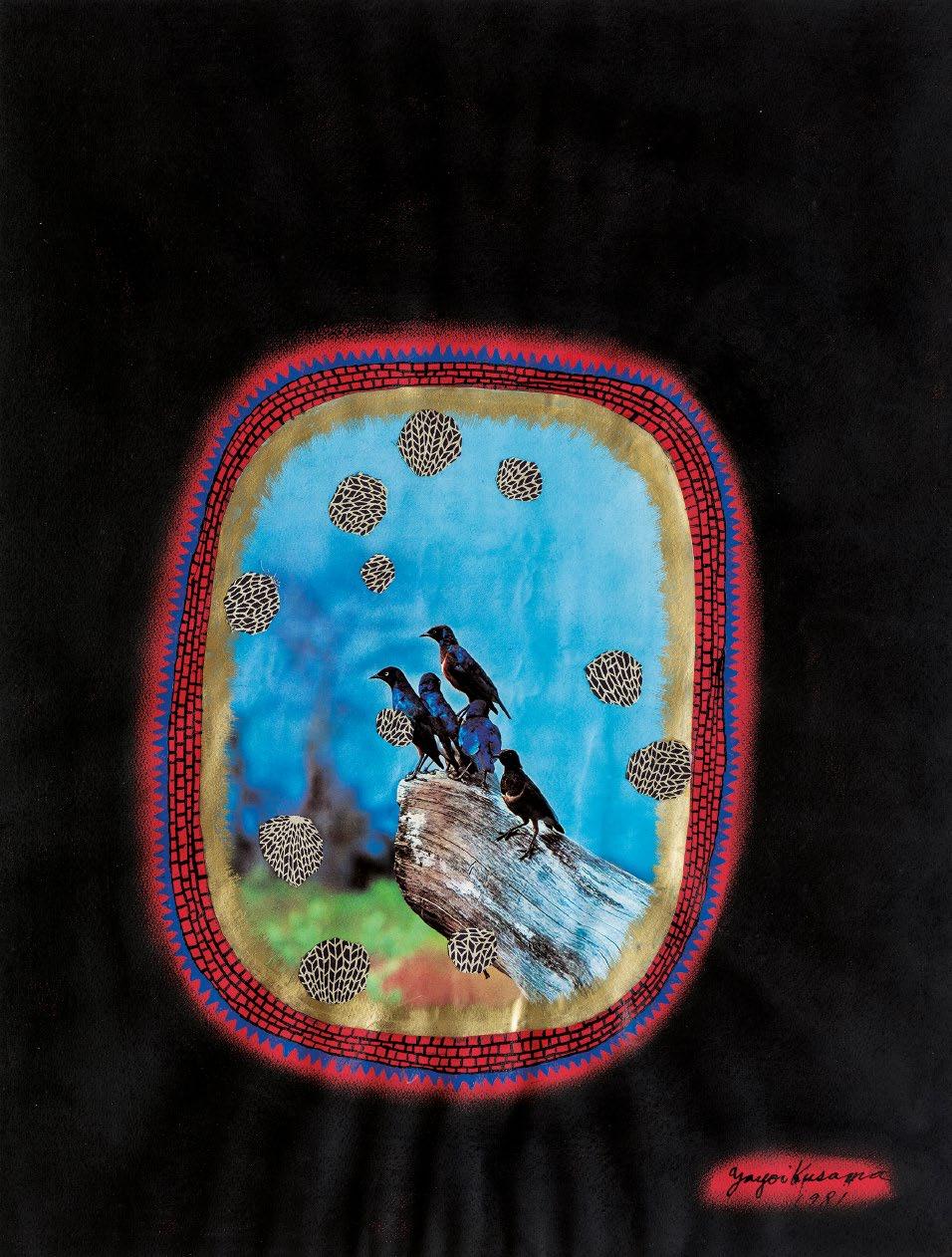
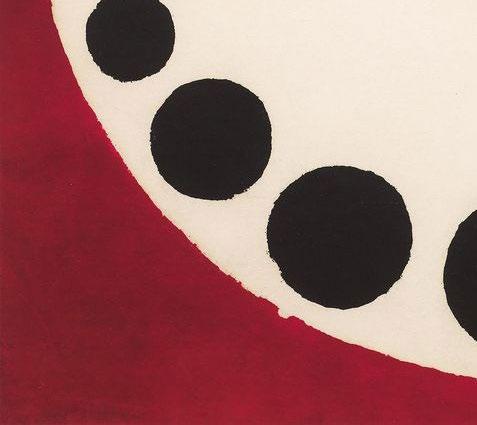
在國際當代藝術視野方面,草間彌生 1981 年作品《晨曦》( YAYOI KUSAMA, Morning )融合粉彩、水墨與拼貼元素,於橢圓構圖中置入真實鳥影, 外圍環繞細密如細胞般的網紋,使具象與幻象之間達致靜謐平衡。韓國藝術家李 英培 2016 年創作《無題》( LEE BAE, Untitled ),透過壓克力與炭墨層層堆疊, 營造半透明的深邃質感,模糊繪畫與雕塑的界線。
4
劉國松《空谷松籟歛風華》( LIU KUO-SUNG, Pine Whispers in a Silent Valley )以近兩米畫幅鋪陳深 遠氣象,融合拓印、揉紙與暈染技法,使氣韻於虛實之 間流轉,延續其現代水墨實驗精神。
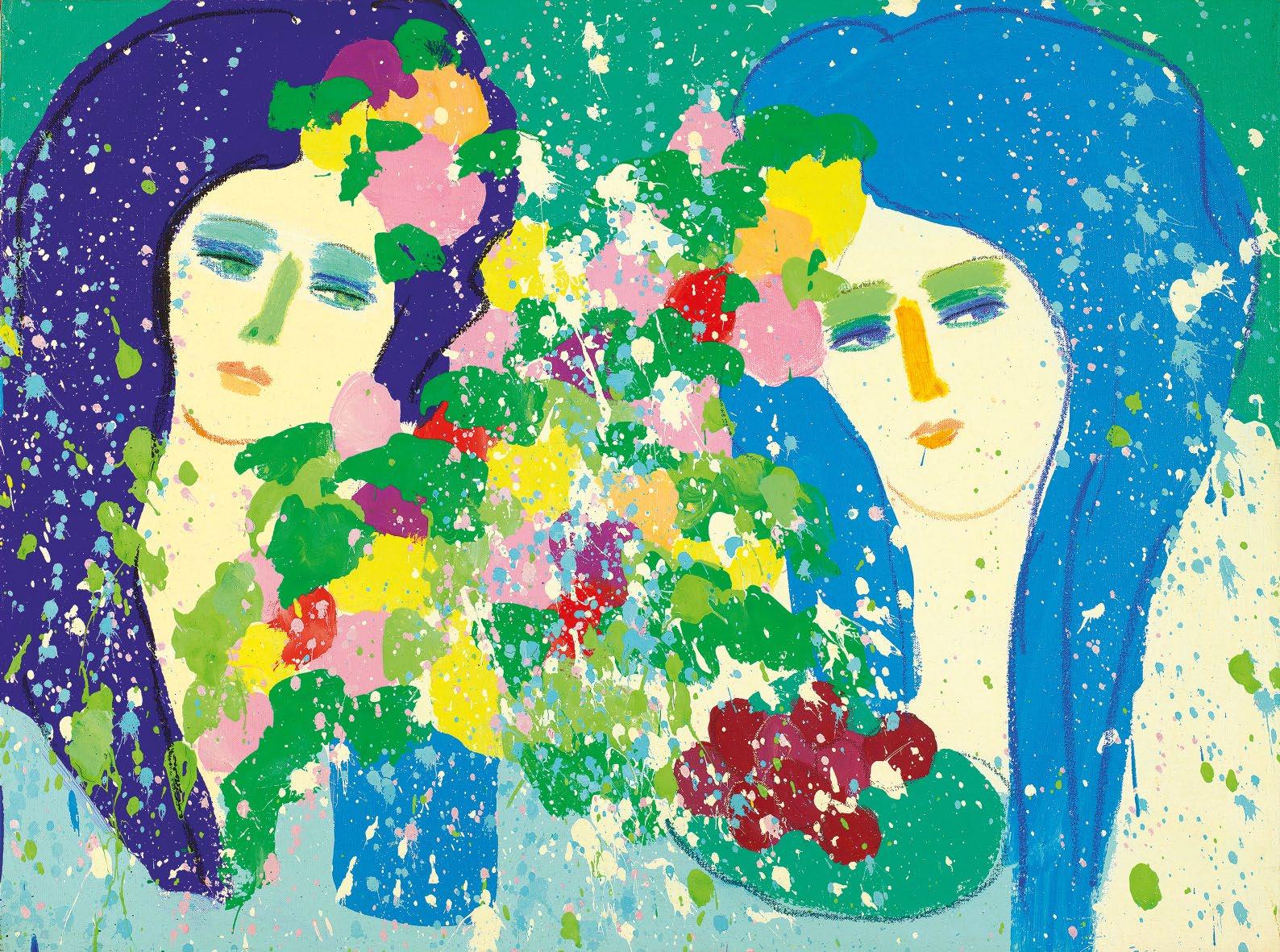
自二十世紀 1970 年代以後,海外華人藝術家以多 元現代語彙活躍於國際藝壇。「採花大盜」丁雄泉之代 表性作品《我夢》( WALASSE TING, I Dream )、《外 頭正下著雨》( WALASSE TING, Outside Raining ), 運用抽象表現主義滴流技法融合野獸派色彩,以斑斕層 次取代傳統單點透視空間。
莊喆《抽象》( CHUANG CHE, Abstraction )、《風 景 76-50 》( CHUANG CHE, Landscape 76-50 )、《作 品 8411 》( CHUANG CHE, Work 8411 )橫跨藝術家風 格轉變的重要階段。
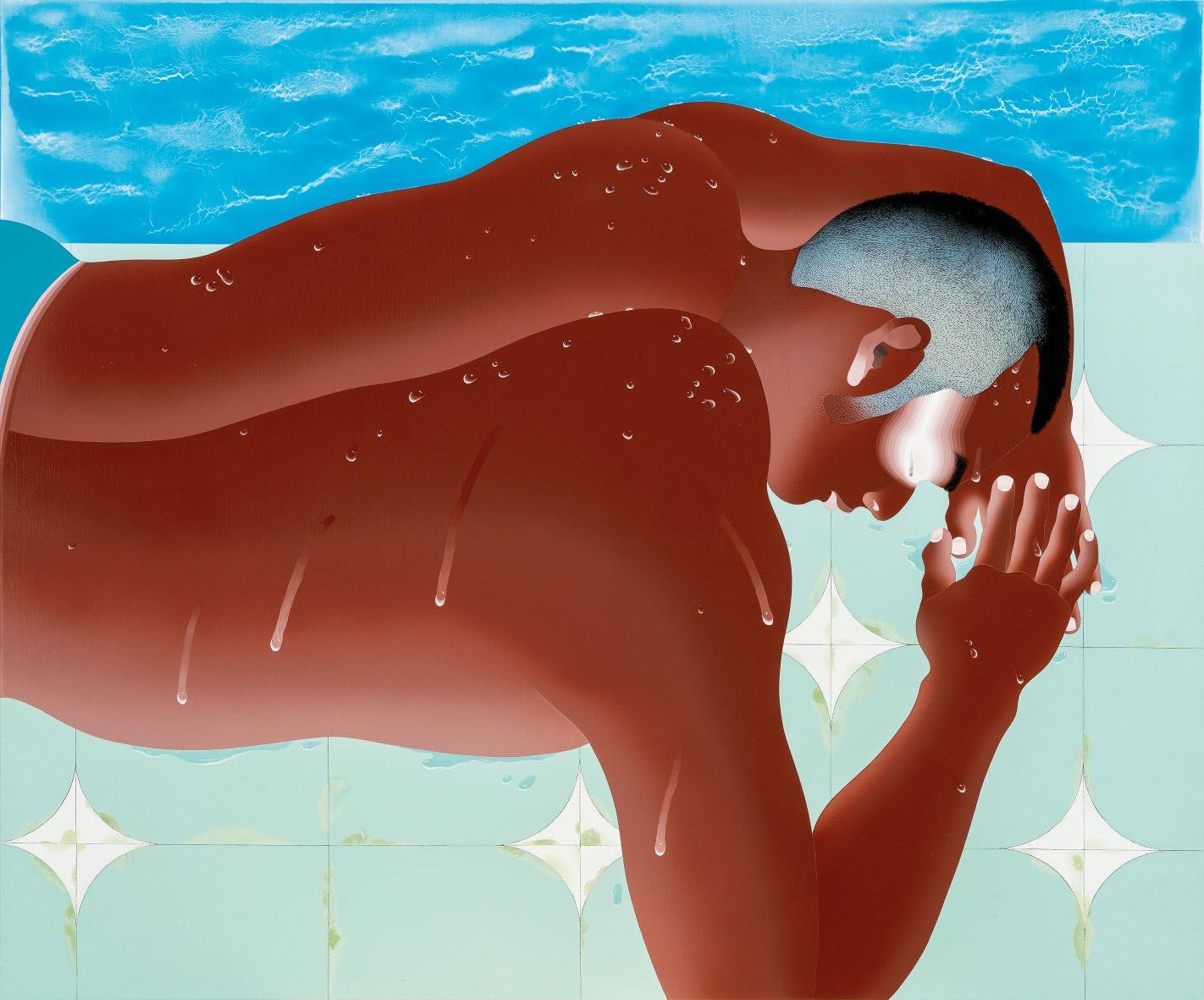
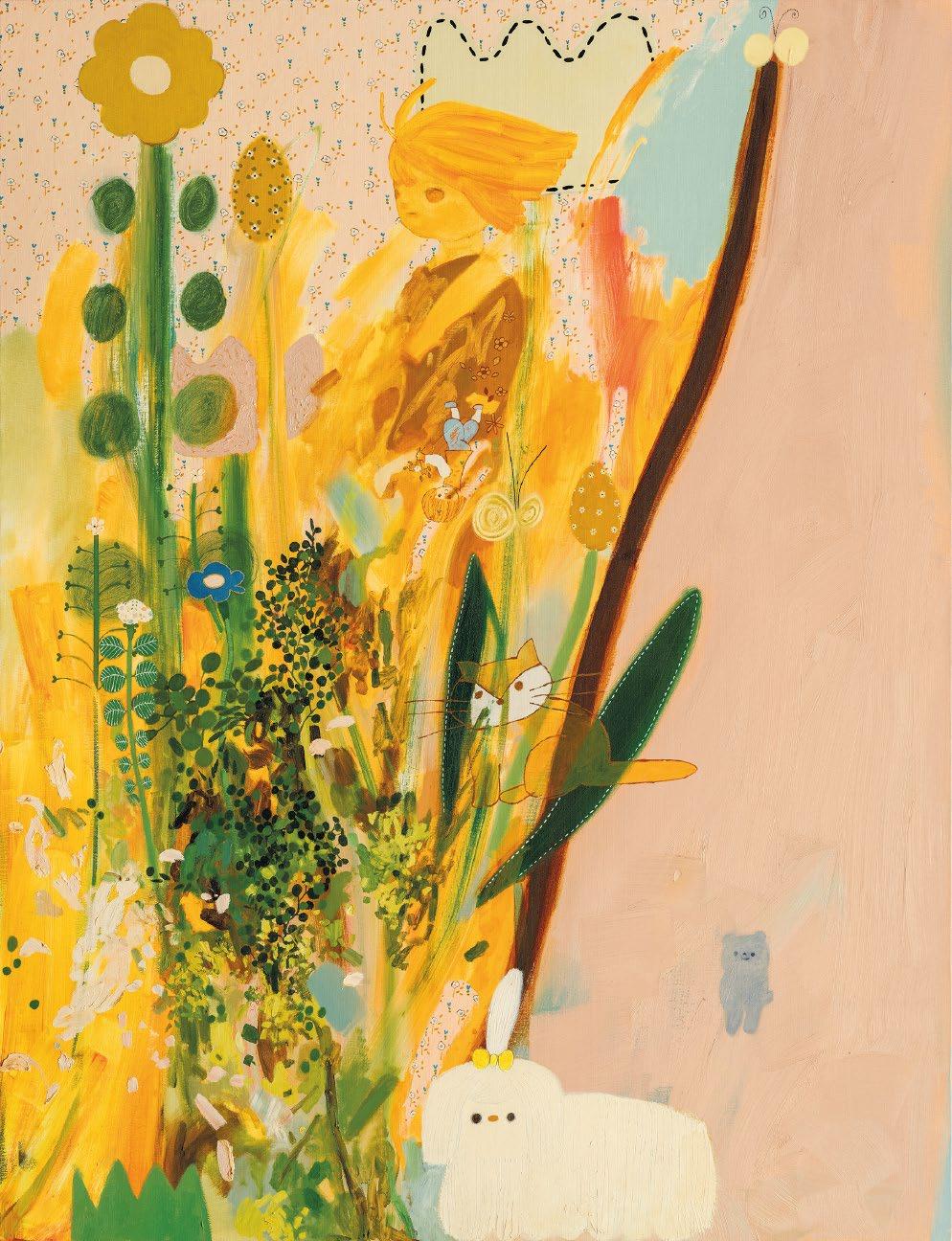
新世代潮流藝術,艾德加.普連斯《藝術是什麼》( EDGAR PLANS, What's Art )小英雄系列以繽紛色彩展現鮮明風格;亞 歷克斯.費斯《超能力兔子一號》( ALEX FACE, Super Power Rabbit Kid No.1 );以及山本麻友香《紅熊男孩》( MAYUKA YAMAMOTO, Little Red Bear )、長井朋子《橘光》( TOMOKO NAGAI, Orange Light )、范揚宗《泳池系列-艷陽高照 2 》( FAN
YANG TSUNG, Swimming Pool Series: The Splendid Sun 2 )、張 嘉穎《門神ㄉㄨㄞ ㄉㄨㄞ人系列(雙聯幅)》( CHANG CHIAYING, The Fatty Tatty Series ( Diptych ))等多件精彩作品,共同 構築多元豐富的藝術版圖,誠邀各界藏家蒞臨參與競投。
Ravenel's Spring 2026 Auction, Modern and Contemporary Art, will be grandly held on May 24 at the Grand Ballroom, 3rd Floor, Taipei Marriott Hotel. This sale features a carefully curated selection of 128 lots, offering a comprehensive presentation of masterworks spanning 20th- and 21st-century modern and contemporary art.
The preview exhibition will be open from May 22 to May 24, daily from 11:00 AM to 7:00 PM. Bringing together distinguished overseas Chinese masters, leading Taiwanese contemporary artists, and a new generation of East Asian creators, the sale follows an arthistorical trajectory to showcase works of benchmark collectible quality, supported by measured and rational market estimates.
Collectors and art enthusiasts are cordially invited to attend and experience this exceptional event.
4. 丁雄泉《外頭正下著雨》 1979 壓克力 畫布 77 x 102.5 cm
Walasse Ting, OutsideRaining, 1979, Acrylic on canvas, 77 x 102.5 cm
5. 李真《乘雲氣》 2000 銅雕 版次 EA 2/4 29( 長 ) x 30( 寬 ) x 88( 高 ) cm
Li Chen, Cloud Glider, 2000, Bronze, EA 2/4, 29(L) x 30(W) x 88(H) cm
6. 朱德群《銀河之深處》 1990 油彩 畫布 65 x 81.3 cm
Chu Teh-Chun, Parmil'espacebleu, 1990, Oil on canvas, 65 x 81.3 cm
7. 草間彌生《晨曦》 1981 粉彩 水墨 壓克力 紙本 拼貼 63.9 x 43.6 cm
Yayoi Kusama, Morning, 1981, Pastel, ink and acrylic on paper, collage, 63.9 x 43.6 cm
The catalogue cover lot, Paysage Abstrait (1954) by Zao WouKi, stands as a significant early example of the artist's transition into abstraction. Within the composition, discernible forms gradually dissolve into abstract lines, as profound black brushstrokes traverse temporal boundaries, bridging tradition and modernity. Layers of softly modulated color evoke the poetic sensibility of Eastern ink painting, while the nuanced interplay of light and shadow reflects the influence of Western painterly traditions. Through Paysage Abstrait, Zao Wou-Ki transforms a distinctly Chinese cosmology into a modern visual language, articulating his singular artistic vocabulary.
Chu Teh-Chun, one of the celebrated "Three Musketeers of Paris," is represented by Limites franchies (2004), a work that fully embodies the synthesis achieved in his later years. As he transcends formal and cultural boundaries, the painting reveals a depth of vision and an enduring creative vitality. Meanwhile, his 1990 work Parmi l'espace bleu draws upon the chiaroscuro of the Dutch master Rembrandt, reinterpreting it into a more ethereal and introspective Eastern aesthetic, exemplifying the expansive and philosophically rich energy of his mature period.
A highlight of this sale is Landscript (2004), a monumental work by Xu Bing, one of the foremost figures in Chinese contemporary conceptual art. Centering his practice on text, language, and the book as medium, Xu Bing responds to the legacy of traditional ink art through an innovative philosophical framework, forging new dialogues within contemporary art. His work has long received wide recognition from both academic circles and the market.
Ai Xuan's Sounds Getting Away offers a poignant interpretation of Tibetan life through the lens of "poetic realism." The composition deftly integrates Western realist techniques with an introspective Eastern sensibility, capturing both the lyrical atmosphere and the quiet emotional depth that define the artist's distinctive vision.
Liao Chi-Chun's Venice (1963), created by one of Taiwan's pioneering modern masters, exemplifies a pronounced Fauvist style. Through bold coloration and assured, fluid brushwork, the artist captures the vibrancy of the scene while demonstrating a fully matured command of his technique, making it a key representative work of the 1960s.
A pioneer of modern printmaking, Chen Ting-Shih is represented by Day and Night #34 (Two Diptychs) (1976). Utilizing the distinctive
materiality of bagasse board, the work synthesizes postwar Eastern philosophy with Western formal concerns, resulting in a visual language that is both monumental and distilled.
Liu Kuo-Sung's Pine Whispers in a Silent Valley unfolds across an expansive canvas approaching two meters in width, evoking a profound and atmospheric landscape. Integrating techniques such as rubbing, paper-texturing, and layered washes, the composition allows energy and rhythm to circulate between presence and absence, continuing the artist's enduring exploration of modern ink painting.
From the 1970s onward, overseas Chinese artists have played an active role on the international stage, articulating a wide range of modern visual languages. Among them, Walasse Ting famously dubbed the "Flower Thief" is represented by his iconic works I Dream and Outside Raining. These paintings combine the drip techniques of Abstract Expressionism with the vivid palette of Fauvism, replacing traditional single-point perspective with richly layered chromatic fields.
Chuang Che's Abstraction, Landscape 76-50, and Work 8411 span pivotal phases in the artist's stylistic evolution, offering insight into his ongoing formal and conceptual transformation.
A leading figure in Photorealism, Hilo Chen is featured with Beach 140 and the large-scale watercolor Blossom-12 (Orchids), both exemplary of his refined technique and sensuous precision. Also included is HsiangNing Han's monumental work Mecca, a nearly two-meter composition that stands as a powerful testament to the artist's creative peak.
The internationally renowned Colombian artist Fernando Botero is represented by Woman in Bed on Her Stomach, a black bronze sculpture that exemplifies his signature "Boterismo." Through its characteristically
voluminous proportions, the work conveys an intrinsic harmony of truth, goodness, and beauty, celebrating the primal power of femininity and the generative force of life.
Willy Verginer's Il gioco infinito, standing at over two meters in height, commands a striking sense of presence. Transforming wood into a contemporary sculptural language imbued with surrealist atmosphere and environmental symbolism, the work demonstrates the artist's distinctive approach to material and meaning.
Taiwanese sculptural master Ju Ming's Taichi Series (1991), rendered in wood, captures the vital energy and rhythmic motion of the body through concise yet powerful forms. Solid and mountain-like in its composure, the work balances strength with an inner serenity.
Li Chen's Amitayus (1998) draws upon classical Buddhist iconography, while Cloud Glider (2000), executed in finely modulated bronze, depicts a figure riding the clouds with a sense of effortless transcendence. Embodying the Daoist ideal of "weight within weightlessness," the work expresses a joyful spiritual pursuit rooted in Lao-Zhuang philosophy.
Within an international contemporary art perspective, Yayoi Kusama's Morning (1981) brings together pastel, ink, and collage elements in a distinctive synthesis. Set within an oval composition, the inclusion of a realistic bird silhouette is encircled by delicate, cell-like net patterns, achieving a tranquil balance between the figurative and the illusory.
Korean artist Lee Bae's Untitled (2016) builds up layers of acrylic and charcoal ink to create a translucent, deeply resonant surface, blurring the boundaries between painting and sculpture.
10
Among the new generation of contemporary trend-driven art, Edgar Plans' What's Art from his "Little Hero" series presents a vivid and highly recognizable style through its vibrant palette. Also featured are Alex Face's Super Power Rabbit Kid No.1; Mayuka Yamamoto's Little Red Bear; Tomoko Nagai's Orange Light; Fan Yang Tsung's Swimming Pool Series: The Splendid Sun 2; and Chang Chia-Ying's The Fatty Tatty Series (Diptych). Together, these compelling works construct a diverse and dynamic artistic landscape, and collectors from all sectors are cordially invited to participate in the bidding.
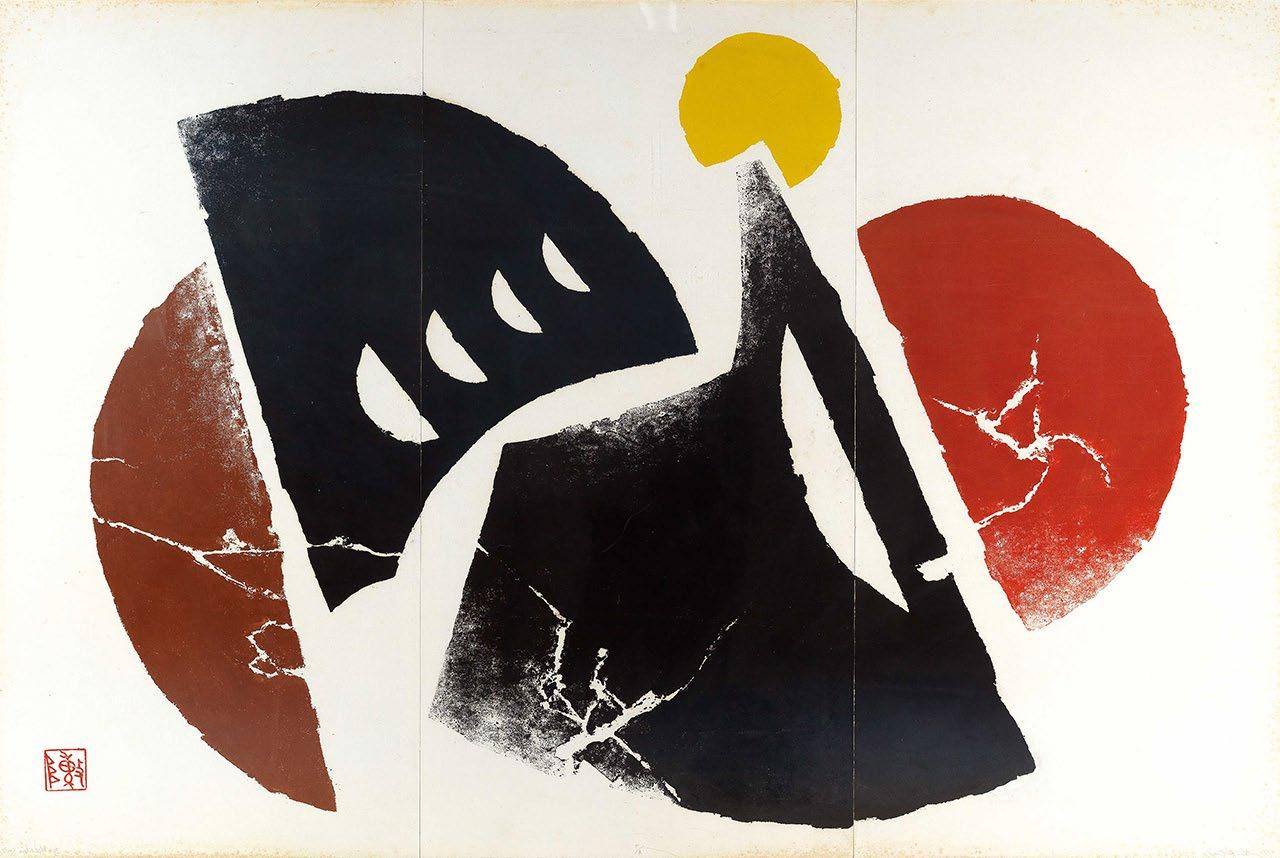
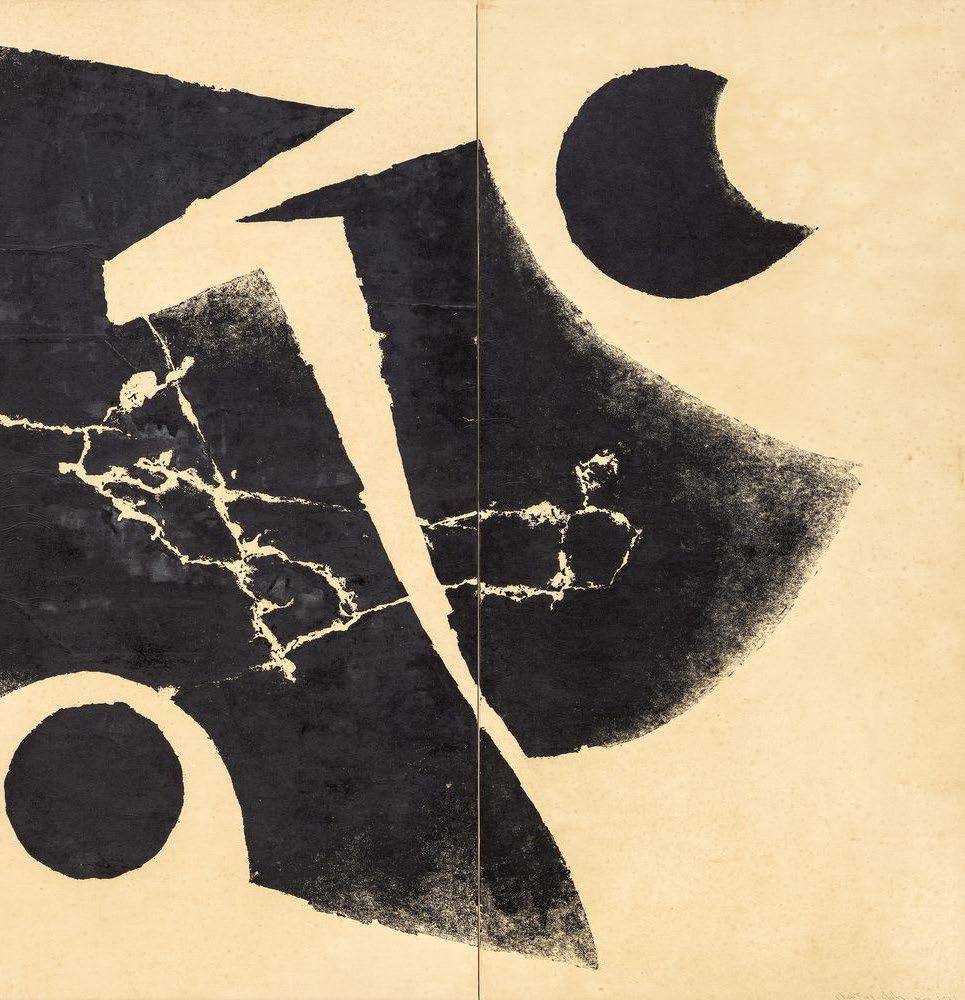
8. 陳庭詩《日與夜系列 #34 ( 雙聯幅雙拼 ) 》 1976 木刻版畫 版次 6/40, 104 x 270 cm
Chen Ting-Shih, DayandNight#34(Twodiptychs), 1976, Woodblock ed. 6/40, 104 x 270 cm
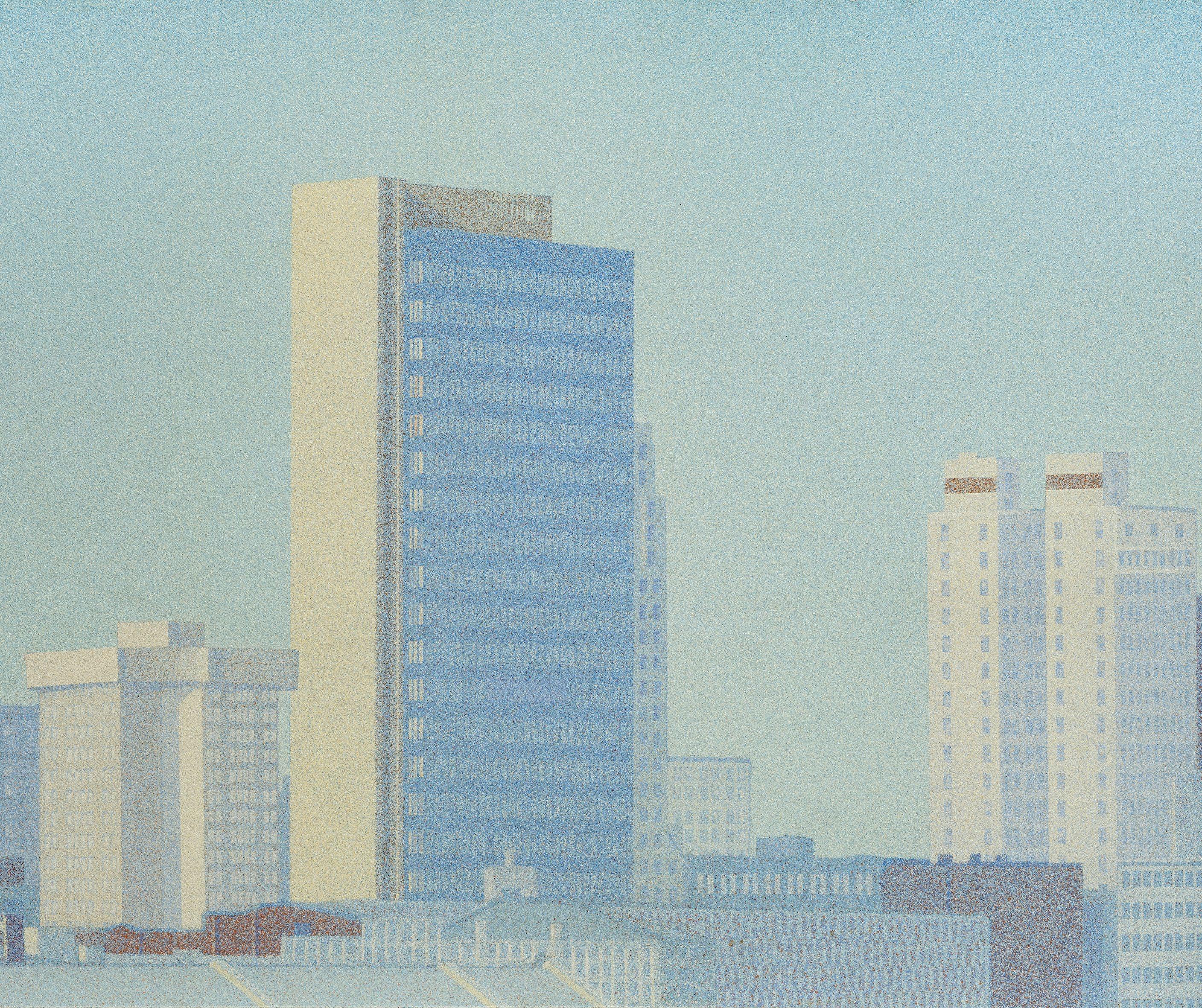
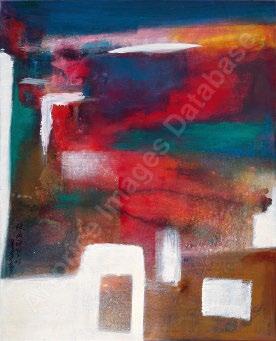
9. 范揚宗《泳池系列—艷陽高照 2 》 2020 壓克力 畫布 100 x 120 cm
Fan Yang Tsung, SwimmingPoolSeries:TheSplendidSun2, 2020, Acrylic on canvas, 100 x 120 cm
10. 長井朋子《橘光》 2020 油彩 畫布 145.5 x 112 cm
Tomoko Nagai, OrangeLight, 2020, Oil on canvas, 145.5 x 112 cm
Text /
Odile Chen
Photo / Ravenel International Art Group
▲ 陳庭詩 日與夜系列 #34 ( 雙聯幅雙拼 ) 1976 木刻版畫 版次 6/40 104 x 270 cm ,羅芙奧台北 2026 春季拍賣會 預估價: NT$1,200,000 - 2,200,000
Chen Ting-Shih, DayandNight#34(Twodiptychs), 1976, woodblock, ed. 6/40, 104 x 270 cm, Ravenel Spring Auction 2026 Taipei, est. US$37,700 - 69,000
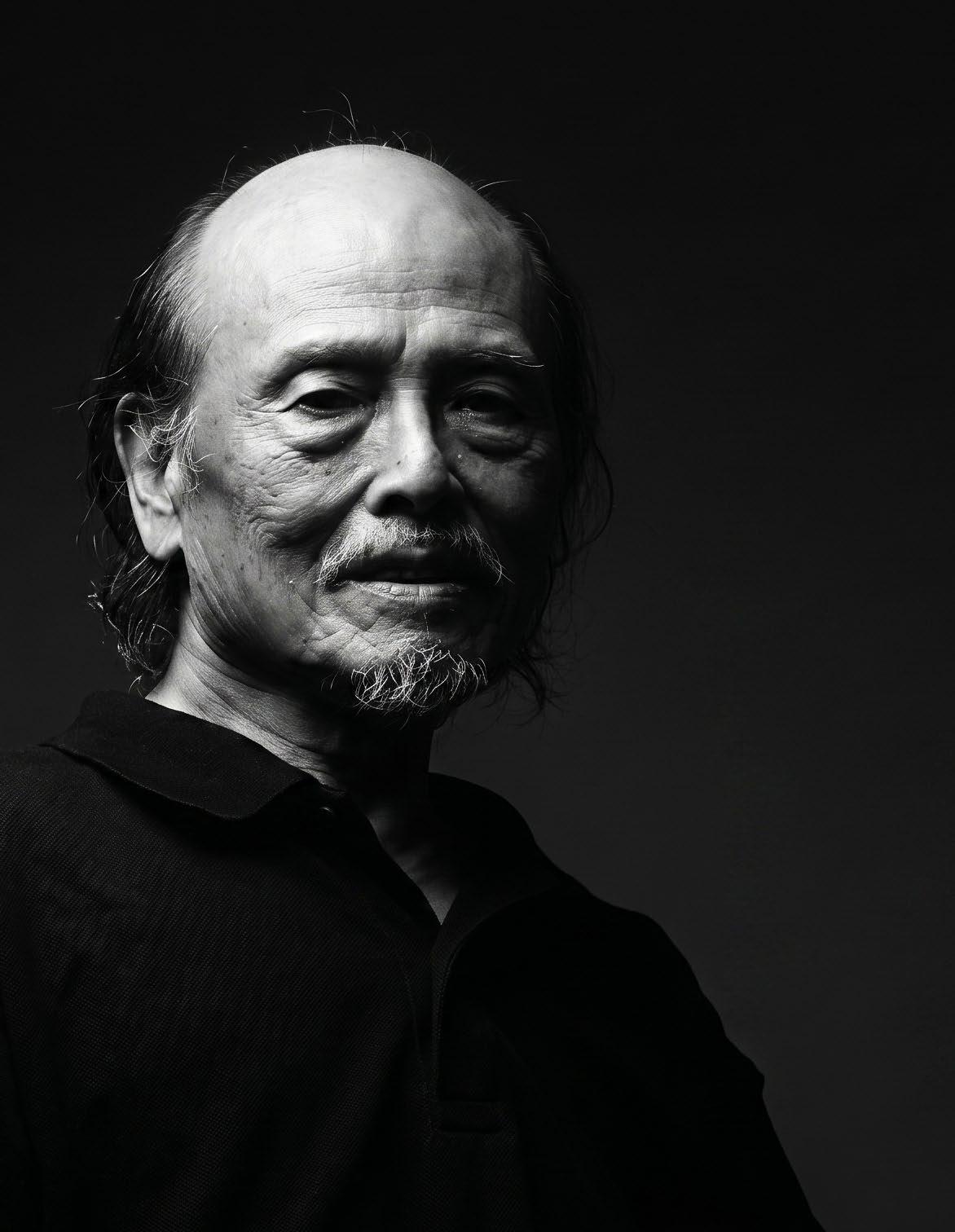
◀ 藝術家本人照片
Artist Picture
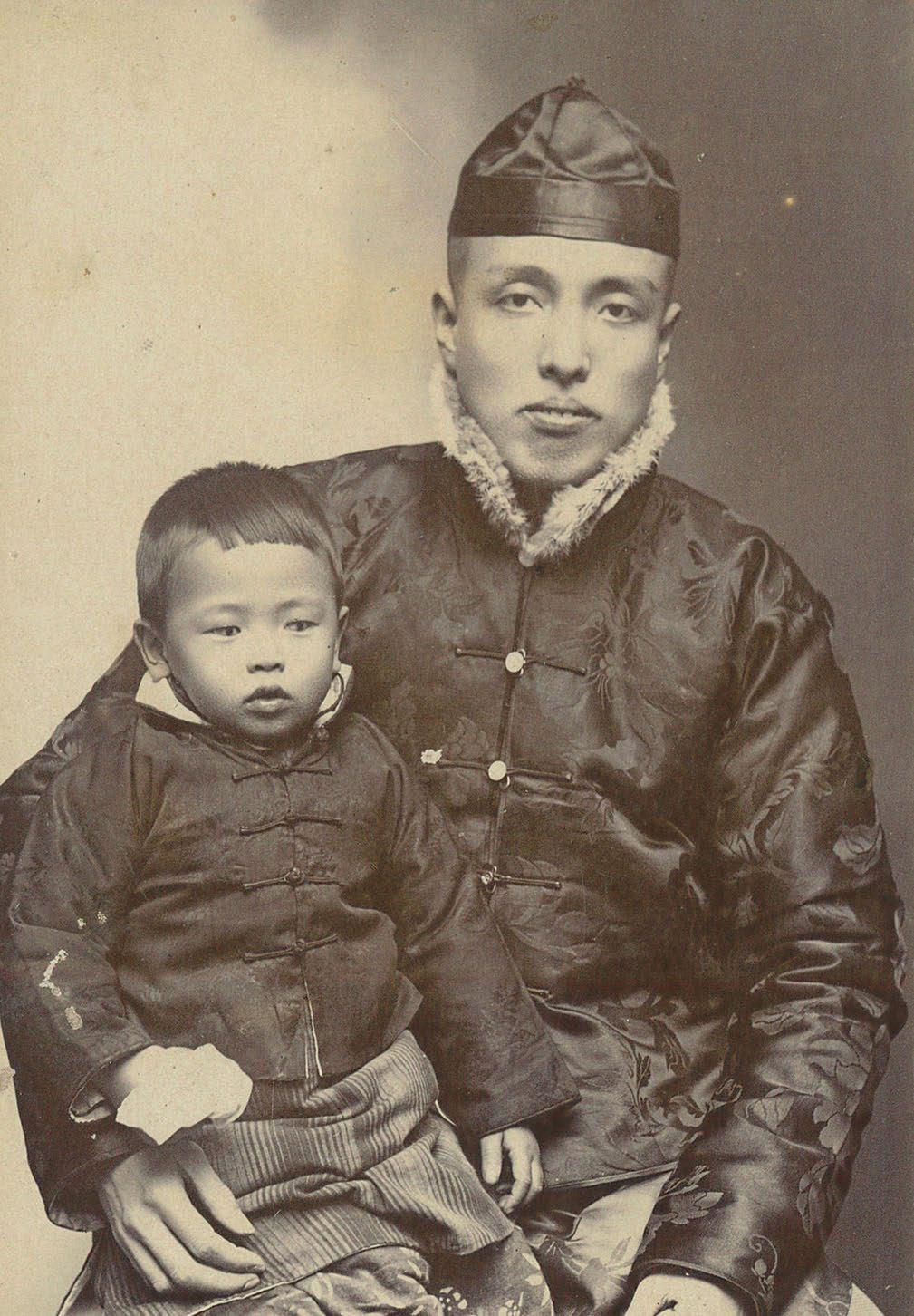
▼ 陳庭詩與父親陳忠園合影紀念照
Chen Ting-Shih with his father Chen Chung-yuan
陳庭詩,為台灣現代美術發展史中不可或缺的先驅之一。其創作橫跨版 畫、繪畫與鐵雕等多重媒材,形塑出極具辨識度的「宇宙抽象」語彙,兼具結 構張力與內在精神性。他不僅將東方美學引入現代主義框架,更以蔗板版畫的 開創性實驗與廢鐵雕塑的詩性重組,奠定其無可取代的藝術地位。
作家楚戈曾說過:陳庭詩是藝術上的「國寶」。畫家劉國松也曾以「十項 全能」評價陳庭詩,說明他終其一生埋頭努力創作,金石、字畫、書法、版畫、 水墨、壓克力畫、鐵雕,無所不能,放眼台灣近百年畫壇上,幾乎無一創作者 可與其比擬。這位不可多得的藝術大師。其一生歷經困頓與孤寂,卻始終安於 創作,綻放出持續而樸實內斂的光芒。
家世顯赫名門之後
陳庭詩是福建長樂人。早期因時局動盪因素,出生年份經常有出入,原本 身分證登記為民國 5 年出生,即 1916 年,後經證實應為 1913 年。陳庭詩出 身名門望族:祖父陳君耀為清末進士,祖母沈氏是洋務運動重臣暨台灣欽差大 臣沈葆楨( 1820-1879 )的么女。父親陳忠園為清末秀才,曾入保定陸軍軍官 學校一期輜重科就讀,負責軍隊後勤補給。母親許鶴儒,為杭州望族名門之後, 族人數代官拜朝廷軍機大臣,堂中掛有「七子登科」、「榜眼第」等御賜匾額。
家族背景顯赫的陳庭詩,天性聰穎機靈,四歲時母親教導識字啟蒙。不料 母親在他五歲時去世,家裡還有一姊相依為命。後來在家塾讀書,熟讀四書五 經、千家詩,通曉詩詞平仄和音韻,中國傳統文化的淵源深厚。不料,八歲時 一場意外,自樹上跌落,頭部著地,致重傷失聰,從此改變他的一生。
失聰的孩子,無法見容於大家族。母親早逝,父親再娶,繼母又為家庭添 三男二女,陳庭詩的命運顯得孤立難堪,嘗盡人情冷暖。幸好,他自幼喜愛繪 畫,常常照著廳堂的字畫塗塗畫畫,家中長輩為他聘請一位書畫老師張菱坡, 教授花鳥蟲魚人物山水畫,以及金石雕刻。本是富家少爺,衣食無虞,但因為 失聰,提早領略天地間的孤獨處境,加深他企求探索內心世界的慰藉。
左翼文藝與木刻版畫
陳庭詩回憶兒時情景,十歲左右跟著美術教授,學習畫山水花卉、 人物魚蟲,因為畫題跟現實生活關聯不大,實在興趣缺缺,十七歲時看 到徐悲鴻的西畫,引起共鳴。靠自己摸索素描與油畫,從傳統水墨,決 定走向現代藝術與西方繪畫之路的重要轉折點。
1937 年進入上海美專學習,同年七七事變爆發,中日戰爭開打,只 能被迫中斷學業。二十世紀初期的中國,災難頻仍,日本侵略中國,有 志之士,無不奮起報效國家。陳庭詩雖然是一介書生,也想要報效國家, 然而身為聾人,根本難以從軍,於是改畫政治漫畫,加入藝術救國運動。
1938 年,他經常投稿漫畫作品,成為福建省抗敵後援會《抗敵漫畫》旬 刊的編輯,繼升主編,開始以「耳氏」的筆名,繪製漫畫作品諷諭時政。
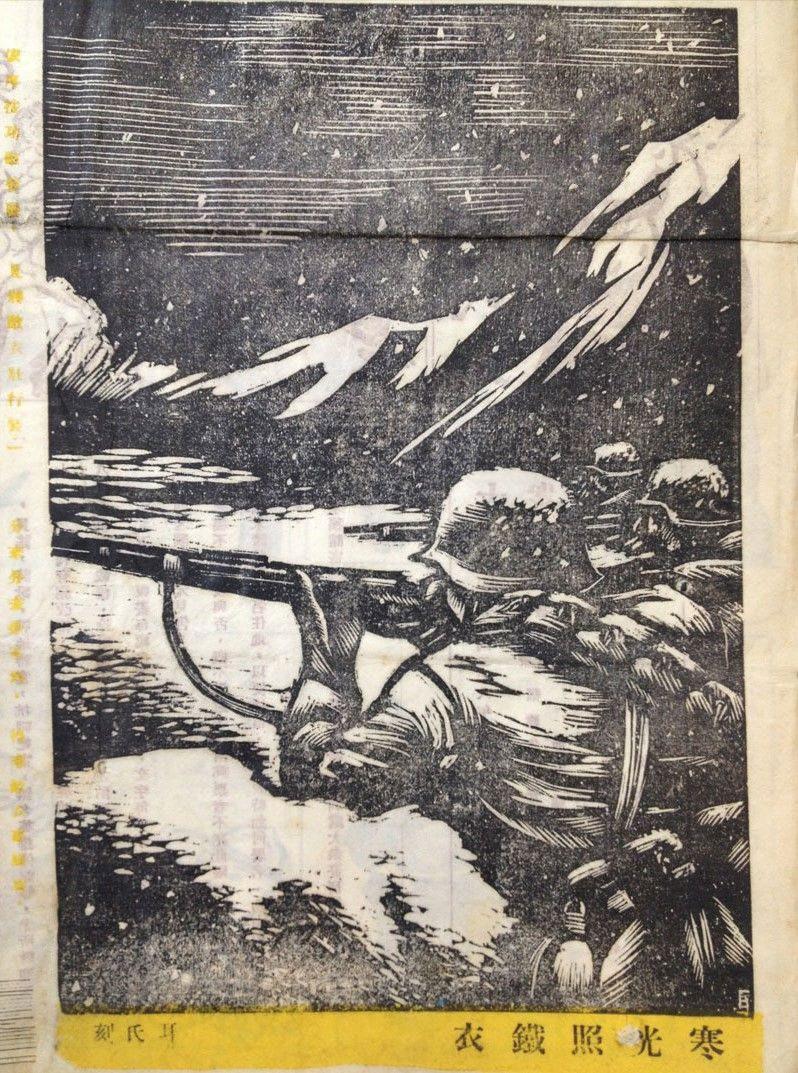
1939 年陳庭詩從福州轉往沙縣,與更早出身自上海美專的宋秉恆 ( 1912-1991 ),共同主編《大眾畫刊》。戰爭時期,鉛印供給短缺,他 跟著宋秉恆學習當時新興的木刻版畫,深入掌握刀刻節奏與木刻語彙的 表現力。
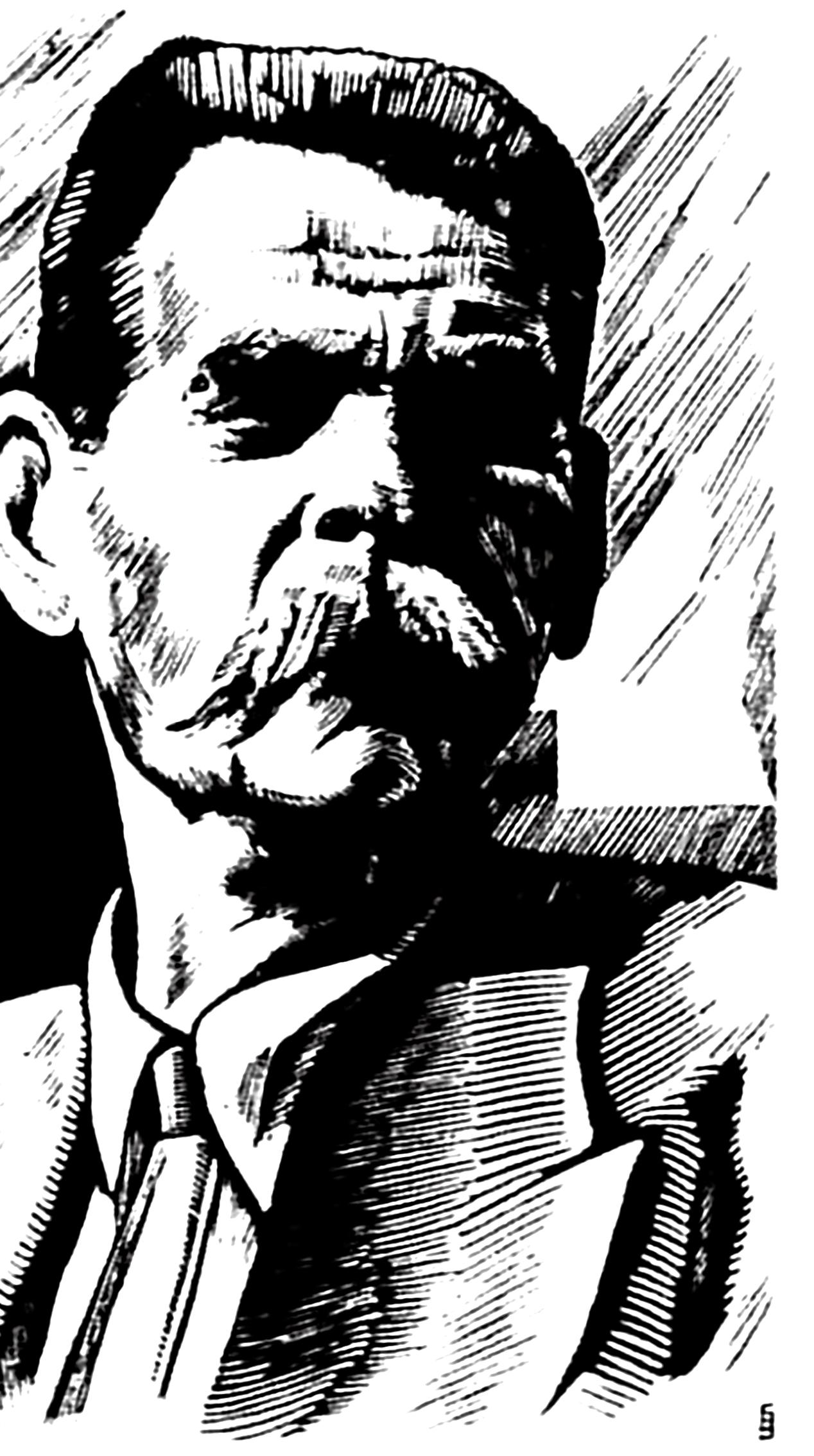
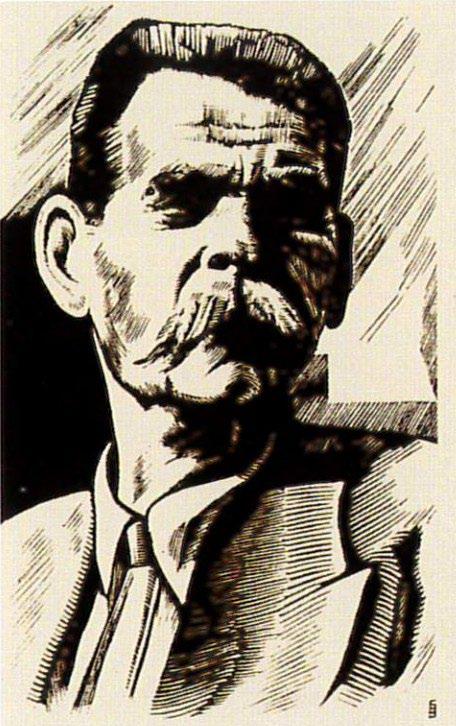
當時左翼文藝領導人作家魯迅,創辦藝術學院,大力倡導木刻版畫, 黑白分明,線條強烈,成為抗戰時期最具動員力的視覺媒介之一。在此 潮流之下,陳庭詩結識許多從事木刻版畫的藝術家。他還曾經刻畫蘇聯 作家高爾基( Maxim Gorky )肖像,欣賞高爾基苦學出身,與自身產生共 感。這些木刻研究協會的組織,是共產黨的地下文藝組織。不過,在抗 日時期,無論共產黨或國民政府都鼓勵木刻版畫的發展,宣揚抗戰精神。
同時期,甫自蘇聯留學歸國的蔣經國,邀請陳庭詩前往江西贛州擔 任「中華正氣出版社」的藝術編輯。陳庭詩和蔣經國有些交情,春節期 間喝酒划拳,合作無間,幾次去過他家吃飯,看過蔣夫人方良,成為日 後與友人閒談時的趣聞。
跨海來台,漫畫揭弊
從歷史脈絡來看,閩台一家,1945 年初,木刻藝術家黃榮燦( 1920-1952 )、 朱鳴岡( 1915-2013 )、陳耀寰( 1922-2021 )等人來台發展,從事雜誌美編輯、 木刻與漫畫文宣活動,也參與台灣早期美術運動。陳庭詩隨後於 1945 年底前 後跟隨國軍復員來台,目的是籌備隔年軍方報紙《和平日報》在台中分社的創 刊志業,還擔任〈新世紀副刊〉及〈每週畫刊〉單元的主編。期間,也常常為《文 化交流》雜誌設計封面和創作漫畫,針砭時事。
1947 年爆發二二八歷史大事件, 人人自危,雖然他並無明確黨派色彩,但因與左翼藝文人士楊逵交好,擔心牽 連受累,陳庭詩只好潛逃返回大陸,並擔任《星閩日報》編輯。
隔年他應邀來台,為台灣省立台北圖書館繪製巨幅油畫《劉銘傳督建鐵路 圖》,參加 1948 年台灣省第一屆博覽會,慶祝抗戰勝利三周年,展示在台復 員與建設成果。此後,他留在省立台北圖書館(今國立中央圖書館台灣分館) 工作,服務時間長達九年。因為地利之便,得以接觸到日據時代留下來的大量 精美畫冊,研讀品味再三。這段時間他和一些大陸來台的木刻藝術家仍有往來, 也參與一些美術編務,創作木刻版畫。 1950 年前後,台灣木刻藝術仍具有戰鬥 性格,帶有濃厚的政治色彩。
在圖書館工作時間,也減少了創作。有一日閱讀到余光中翻譯的《梵谷 傳》,彷彿尋到知音,沉默寡言獨居的梵谷,彷彿靈魂召喚內心孤獨失聰的陳 庭詩。於是,辭掉工作,要在木刻創作中重新找回創作的熱情。
▲ 陳庭詩《高爾基像》約 1930 年代 木刻版畫
Chen Ting-Shih: PortraitofMaximGorky, ca. 1930s, woodcut
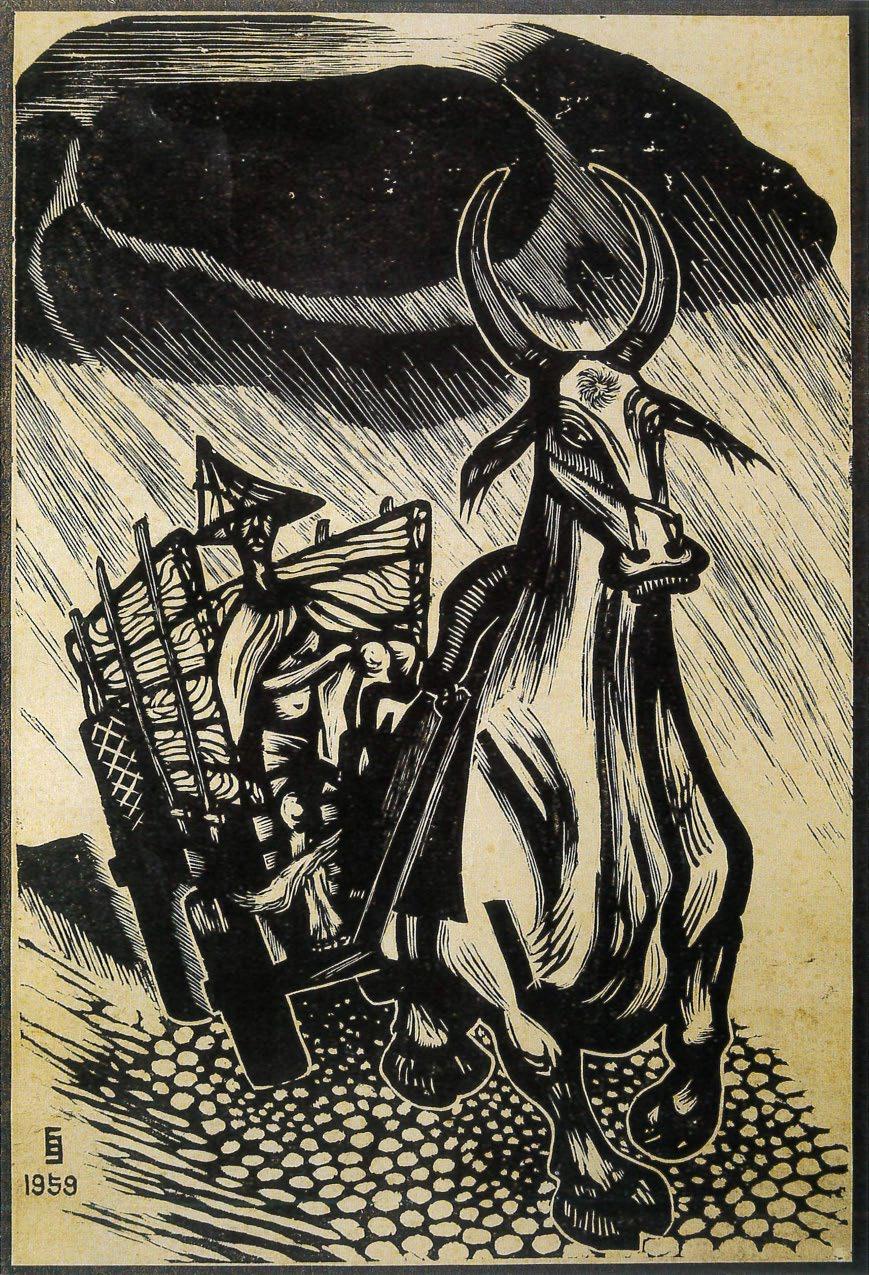
▶ 陳庭詩《驟雨》 1959 木刻版畫 60.5 x 40 cm 國立台灣美術館典藏
Chen Ting-Shih, Sudden Rain, 1959, woodcut, 60.5 x 40 cm. Collection of the National Taiwan Museum of Fine Arts.
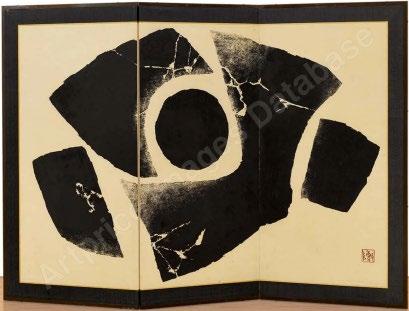
▼ 陳庭詩《蟄》 1969 蔗板版畫 版次 13/14 165 x 187.3 cm
香港佳士得 2020 秋拍 成交價 HK$687,500
Chen Ting-Shih, Hibernating, 1969, cane fiber board relief print, 165 x 187.3 cm
Christie's Hong Kong Autumn 2020, US$88,696 sold
現代版畫會
1957 年,已經 42 歲的陳庭詩,下定決心要如梵谷獻身於藝術,卸下圖書 館職務,從公家宿舍搬進三坪大的斗室,潛心默默作畫,刻畫小幅木刻畫,投 稿報刊,換取微薄稿費維生。此時,台灣畫壇上「東方畫會」與「五月畫會」 團體興起,為現代藝術展開改革新頁。又有十幾位美國和台灣版畫家如秦松 ( 1932-2007 )與江漢東( 1926-2009 )等,在 1958 年中山北路的華美協進社 台灣分社舉辦「第一屆中美現代版畫展」,嘉賓雲集。會後,秦松、李錫奇 ( 1938-2019 )決定成立畫會,邀請楊英風( 1926-1997 )加入,楊英風則推薦 陳庭詩、施驊,再加上江漢東,共計六人,於 1959 年創立了「中國現代版畫 會」。除了戰鬥文藝之外,他們也開展出前衛的現代藝術,為台灣版畫的現代 畫作出了卓越的貢獻。
此後,陳庭詩創作有了突飛猛進的翻轉,接軌現代抽象藝術。在「第二屆 現代版畫展」中,陳庭詩以純粹線條結構的抽象畫《魚》( 1959 )和《在歡樂 的日子裡》( 1959 )作品參展。更重要的是,他的版畫不再是政治的宣傳畫, 或是文學出版的插畫,而是獨立的藝術創作。加入學會的時期,在同儕藝術家 的創意激盪下,更認識現代藝術,在具象與抽象藝術之間,努力探索自己的藝 術之路。
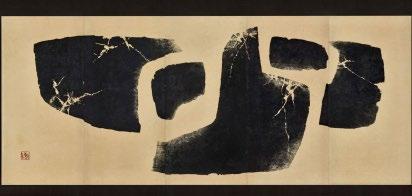
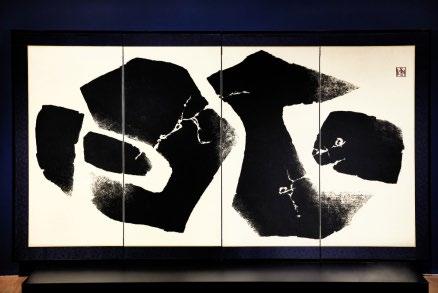
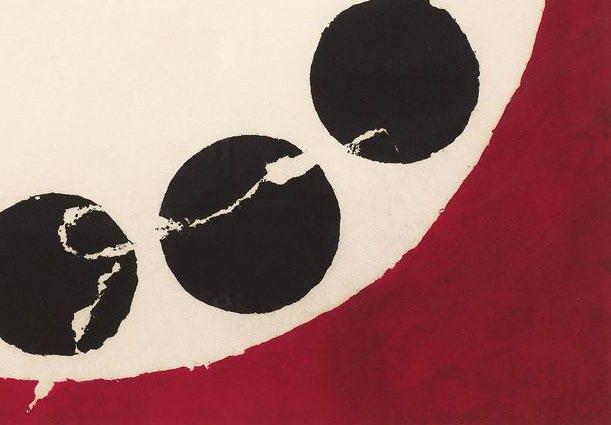
為了追求版畫豐富的表現性,每位現代藝術家無不想盡辦法積極探索。自 1960 年代起,陳庭詩選擇以「甘蔗板」作為創作媒材。甘蔗板,原本是台糖公 司於製糖過程中,產出的蔗渣所製成的建築材料,其特色為質地輕,富粗糙感, 塊體大,在拓印時尚保有木刻的趣味。手工製作大尺寸的版畫時,蔗板顯得更 得心應手。從 1961 年第四屆「現代版畫展」展覽時,陳庭詩展出多幅蔗板套 色版畫,令「五月畫會」成員的劉國松,大表讚賞。
加入五月畫會
在現代版畫會的激盪下,陳庭詩逐步確立抽象語彙,也吸引了五月畫會 的注目。台灣的現代繪畫仍處於起步階段,陳庭詩選擇了一條孤寂之路,毅然 投入抽象版畫,儘管三餐不繼,但仍堅持畫自己想要畫的作品。1964 年以後, 作品不再以線性的思考,走向面的語彙。兒時耳濡目染的家族的金石書畫收 藏,印象深刻融入骨血,他每天在甘蔗板上鑿刻,既追溯傳統,並加入創意。 從中國商周的金石拓片找到靈感,如青銅器上的回紋與饕餮紋的延伸,漢代 碑刻,石刀石斧造型,文明初始的原始樸實特別有韻味,古意盎然。中國自 古以來天圓地方的宇宙觀,陰陽依附,生生不息的哲理,融匯成他的美學觀。
1965 年他獲邀加入「五月畫會」,在畫友的鼓舞之下,創作有了新的能 量。此時圓形構圖,海洋藍色調,開始佔據其畫面。天地宇宙,日月星辰, 雷電風雲等大自然的變幻萬千,都是他在方圓組構的版畫裡映照的美感經驗。
除了每年參加畫會的展覽,陳庭詩的版畫在國際畫壇上也逐漸發光發熱。 1959 年第一次獲選巴西聖保羅雙年展,接著 1961 、 1963 、 1964 、 1967 年陸 續參展。1970 年作品《蟄》( 1969 )榮獲韓國「第一屆國際版畫雙年展」首獎, 來自英法日德四國的評審認為,陳庭詩作品深具東方精神特色,沉凝洗鍊, 並潛藏力感,「穿破黑暗的光明」。
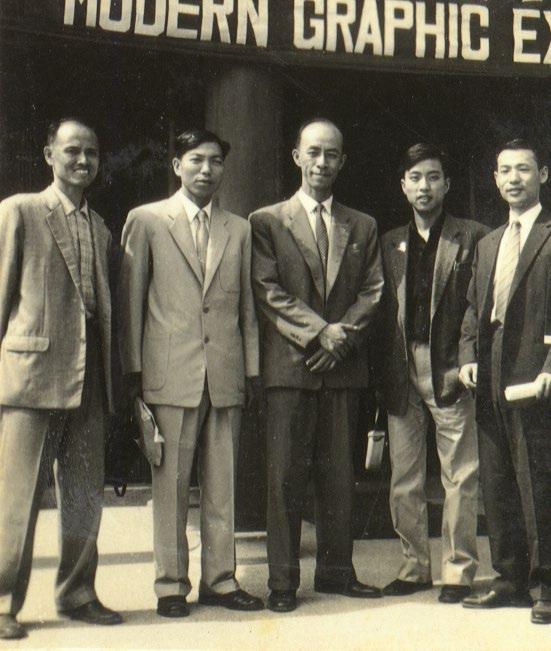
▲ 1959 年國立臺灣藝術館「現代版畫展」,現代版畫會成員 (左起):陳庭詩、施驊、楊英風、李錫奇、秦松、 江漢東
ModernGraphicExhibition, National Taiwan Art Museum, 1959. Modern Print Society members (from left): Chen Ting-Shih, Shi Hua, Yuyu Yang, Lee Hsi-Chi, Chin Sung, Chiang Han-Tung.
◀ 與宋秉恆合編《大眾畫刊》,封面《寒光照鐵衣》 為陳庭詩(筆名「耳氏」)之戰爭宣傳畫。
Co-edited Popular Pictorial with Song Bingheng; the cover, "Cold Light Reflecting on Iron Armor" is a wartime propaganda painting by Chen Ting-Shih (pseudonym "Er Shi").
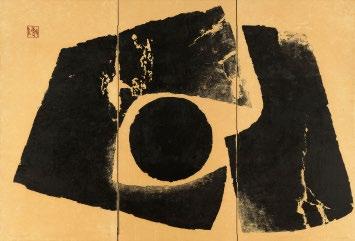
▶ 陳庭詩《日與夜 #25 》 1973 蔗板版畫 紙本 1/25 122.6 x 183 cm
香港蘇富比 2021 春拍 成交價 HK$1,085,600 Chen Ting-Shih, DayandNight#25, 1973, cane fiber board relief print, ed. 1/25, 122.6 x 183 cm Sotheby's Hong Kong Spring 2021, US$139,884 sold
日夜星辰
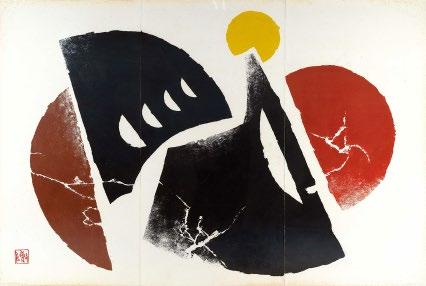
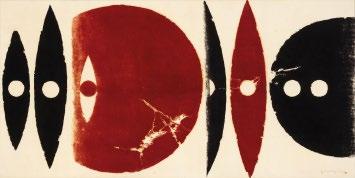
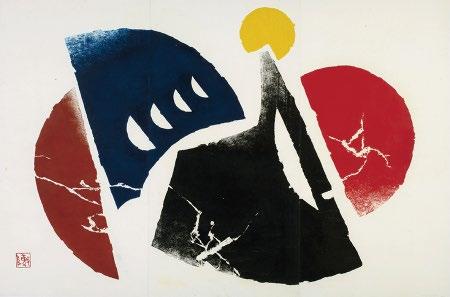
1971 年獲得中華民國第八屆畫學會金爵獎。此後,他的作品出現一片以星星為 題的藍色調版畫作品,圓形,半圓或月形的各式組合。以及最有名的紅黑雙色的「日 與夜」(或稱「晝與夜」),從 1971 年貫穿到 1999 年。有時也加入書法的撇、鈎、 點、捺的筆法線條。一生持續探索宇宙的奧秘,抽象又美麗的視覺圖像。
其實除了版畫之外,他偶爾也會創作水墨,水彩畫,並嘗試雕塑作品。 1976 年 曾短期遊歷美國一年,勤跑博物館並遊歷各地。美國歸來後,沉潛一段時間,受到 美國風景的啟發,比起過去單純的筆勢運轉或書寫的樂趣,增加了色彩的變化,以 及甩色甩點的滴流自動性繪畫技巧。
1980 年代,陳庭詩發表「天籟」版畫,幾何抽象造型的黑白作品,宛如西方的 硬邊藝術。1986 到 1996 年期間,他以壓克力顏料,創作一系列色彩繽紛的抽象畫。
化腐朽為神奇的鐵雕
早年陳庭詩就有收集破銅爛鐵和漂流木的習慣,廢物利用,探索複合媒材組成 的前衛裝置作品。從 1960 年代起,偶而就有以現成物組合的立體作品自得其樂。
1981 年六月,從台北遷居台中太平,更熱愛蒐集廢鐵,化腐朽為神奇,創作了不少 焊鐵雕塑。甚至跑到高雄大仁宮拆船碼頭,購置工業廢鐵,陳庭詩曾寫道:「來自 拆船場的廢鐵更有質感,形狀粗獷、殘缺、不整,正與我的版畫相符。我的版畫塊 狀的組合,雕塑則是鐵塊成雕。」鐵雕和版畫的傾向與理念,殊途同歸,相得益彰。
他的創意材料不限於廢鐵,生活中的物件也可以成為拼組的對象,例如砧板、 洗衣板、石臼、齒輪、水管、花窗等。基於愛物惜物之心,這些別人視為廢物的東西, 都是他愛不釋手的素材。
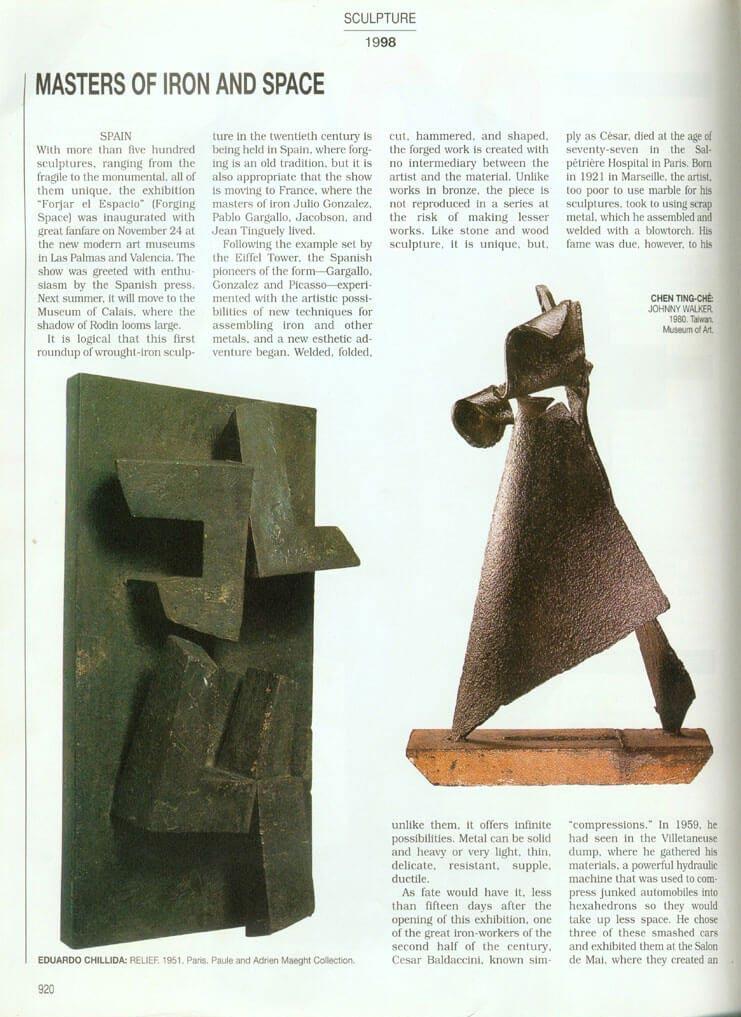
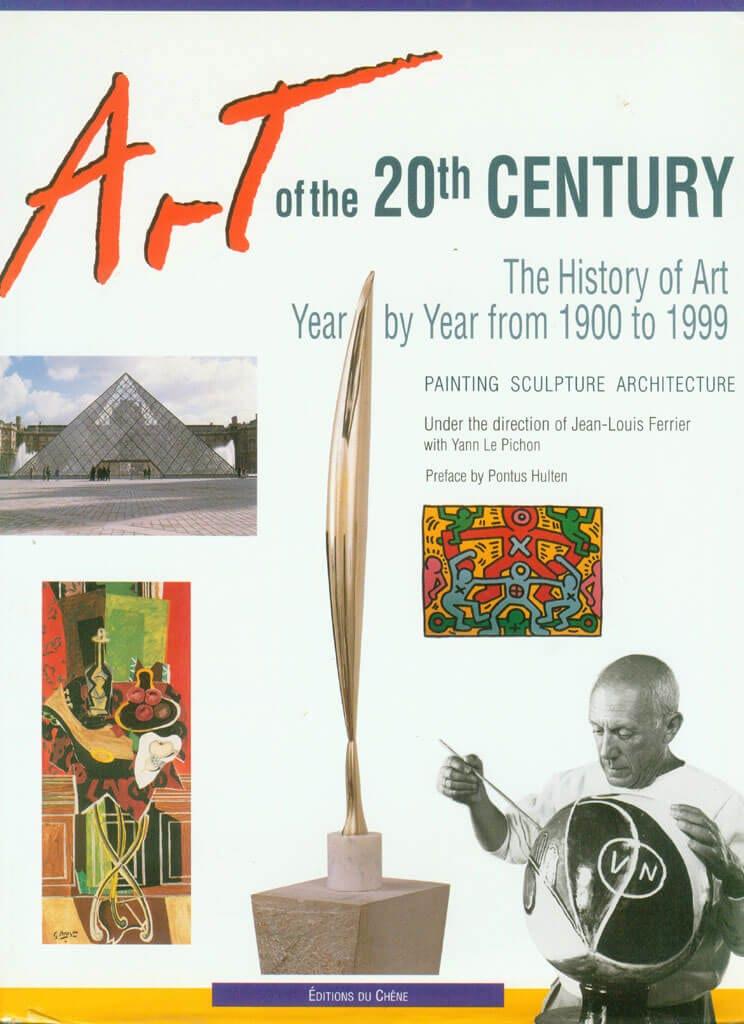
1996 年台北市立美術館舉辦「塞撒回顧展」, 75 歲的法國藝術家塞撒( César Baldaccini )應邀來台,向來擅長焊接廢鐵,表現集合堆積藝術。 81 歲的陳庭詩聞風從 台中北上,兩位藝術家相見歡,世紀末的雕塑大師交會。兩年後,兩人的雕塑作品都受 邀在西班牙大西洋美術館、瓦倫西亞現代美術館及卡萊斯美術館巡迴展同台展出, 1999 年時以舊作《約翰走路》作品,與大師畢卡索共同收錄於《二十世紀藝術》( Art of the 20th Century )一書。而陳庭詩是唯一被列入焊鐵雕塑的亞洲藝術家。在學術價值的權威 性與作品的國際流動性,使其成為亞洲現代藝術收藏中,極具穩定性與歷史高度的標的。
《約翰走路》( 1984 )和《鳳凰》( 1985 )兩件金屬雕塑獲邀至上述的歐洲美術館 展出,成為台灣現代雕塑的里程碑。2001 年在高雄美術館推薦下,陳庭詩的作品《塔鼓》 參加威尼斯的 OPEN 國際雕塑暨裝置展,獲得國外藝評家的好評。
陳庭詩晚年也收藏石頭,他說石頭是上帝的雕塑,賞石也為藝術生涯添加趣味。 2002 年 4 月 15 日,一輩子堅毅孤獨的藝術家陳庭詩,因病逝世於國軍台中總醫院,享 年 89 歲,留下近千件的作品。好友們依照他生前遺願, 2004 年組織「陳庭詩現代藝術 基金會」,並於太平故居成立紀念館。
版畫的「原作化」特質
陳庭詩作為台灣戰後現代藝術的先鋒,其作品不僅在藝術史上具有不可撼動的地位, 而這份市場價值的建立,與長期深耕經營的畫廊體系息息相關。從他在世時到今日,陳 庭詩的藝術生命在不同階段皆有重要推手。從陳庭詩親筆版畫筆記本中可以發現,早期 他的版畫多透過美國華登夫人( Jeanne Watten )在台北雙城街三樓公寓開設的「藝術家 畫廊」( The Art Guild ,簡稱 TAG )展售,賣給在台的外僑人士。
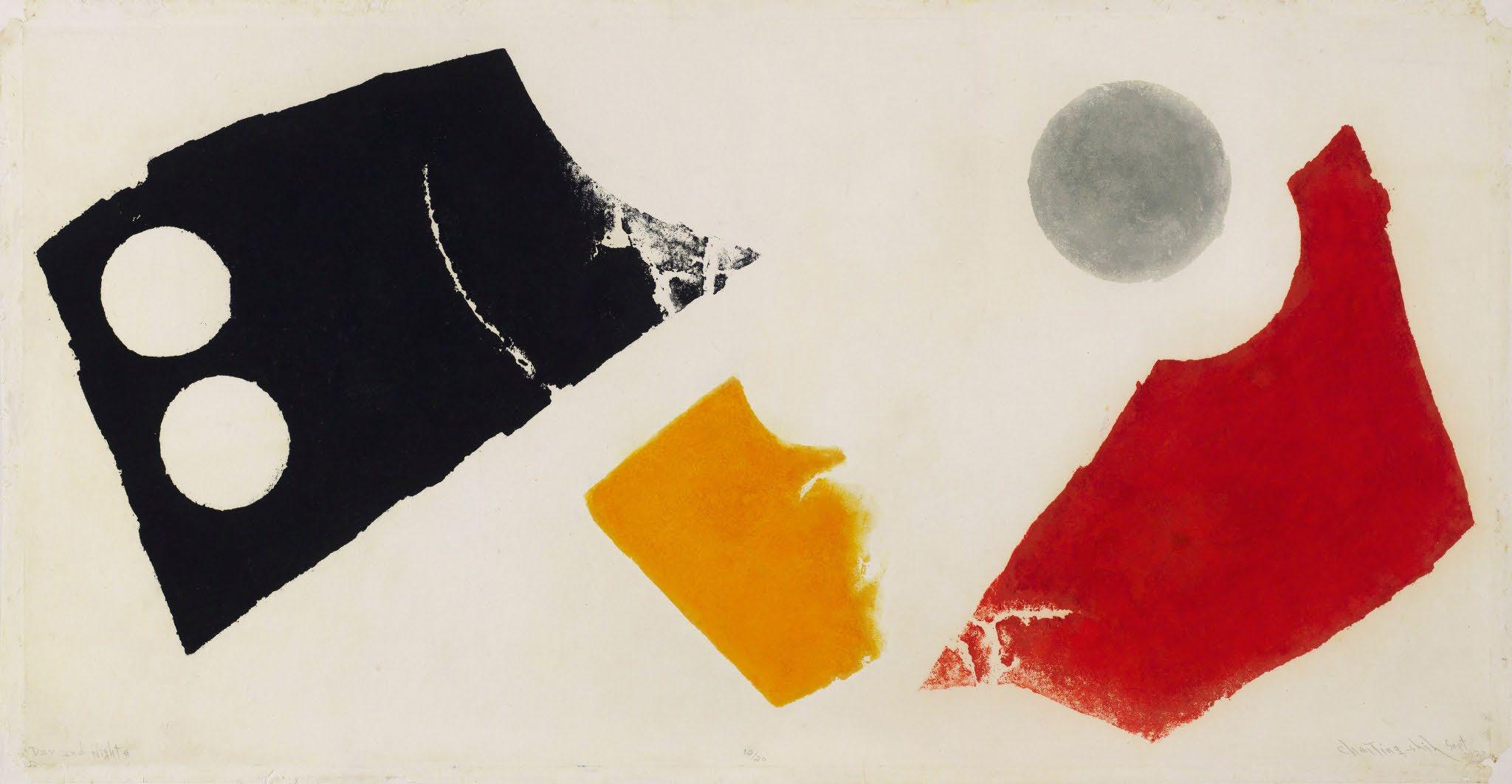
◀ 陳庭詩《日與夜 #19 》 1972 版畫 10/20 61x 122 cm 羅芙奧台北 2022 春拍 成交價 NT$504,000 Chen Ting-Shih, DayandNight#19, 1972, woodblock print, ed. 10/20, 61x 122 cm Ravenel Taipei Spring 2022, US$17,155 sold
▶ 陳庭詩《無題》 2001 鐵 29( 長 ) x 22( 寬 ) x 67( 高 ) cm
羅芙奧台北 2018 春拍 成交價 NT$408,000
Chen Ting-Shih, Untitled, 2001, iron, 29(L) x 22(W) Ravenel Taipei Spring 2018, US$13,673 sold ▼ 陳庭詩《破曉星辰》 1991 壓克力 畫布 130 x 162.5
香港中國嘉德 2021 春拍 成交價 HK$1,085,600 Chen Ting-Shih, Four Seasons, 1974, ink and color on paper, 157.5 x 287 cm
China Guardian Hong Kong Spring 2021, US$139,884
此後,台灣重要畫廊如聚寶盆、鴻霖、春秋畫廊,以及龍門畫廊都曾 參與經營。到了 1990 年代,則出現雄獅畫廊、新生態藝術中心、金爵畫 廊與首都藝術中心等。近期則由現代畫廊、亞洲藝術中心、亞紀畫廊等機 構接續接手,透過學術梳理,展覽與國際藝博會,將其推向全球視野。
特別值得關注的是陳庭詩版畫的「原作化」特質。雖然陳庭詩的版畫 原定印製量為 30 或 50 幅,但因 1960 、1970 年代台灣藝術市場尚未成熟, 實際上許多作品僅印製了一、二幅。這種極低的實質存世量,再加上他親 手印製,每一件的色感都略有差異,使其版畫在藏家心中被視同「唯一原 作」,這正是其版畫價值極其可貴之處。
拍賣表現與市場趨勢
近年來的拍賣表現更展現出強勁的價值重新評估。從最新的成交數 據觀察,陳庭詩已成功從區域性市場跨入國際拍賣殿堂,展現出極高的收 藏潛力。目前市場的巔峰成交紀錄顯示,陳庭詩的指標性大作已穩步邁入 「百萬港幣」門檻。位居榜首的 1974 年彩墨巨作《四季》,於 2020 年 在香港蘇富比以 150 萬港幣(約台幣 606 萬元)成交,立下了重要的市 場標竿。這幅畫原為美國收藏家貝學仁夫婦( Sheridan and Sallie Bell ) 收藏,他們曾經居住於台灣,作品就是購自華登夫人的藝術家畫廊,並與 當時畫廊展出的藝術家們結為好友。
緊隨其後的《破曉星晨》( 1991 )則以壓克力畫媒材證明了藝術家在版畫之外的市場實力。這些高價紀錄 密集出現在 2020 至 2021 年間,反映出市場在後疫情時代對台灣抽象大師精品的強烈需求。
在眾多媒材中,陳庭詩獨創的「蔗板版畫」,無疑是市場的關鍵指標。在 TOP 20 拍賣成交紀錄排行榜中, 版畫作品佔據壓倒性多數,其中尤以《日與夜》系列最為突出。由於甘蔗板特有的崩裂紋理,使每一刷版畫都 具備如油畫般的獨特性,且因板材容易損毀,加上藝術家不斷求創新,不會重複印製,通常實際發行版數比原 定的數量還要稀少。這種「版畫獨特性」顯著推升了藏家的購買意願。特別是大尺幅的多聯屏作品,因其宏大 的宇宙哲思與視覺張力,成為拍賣場上競逐的焦點。
從地域分佈來看,陳庭詩的市場呈現「台北紮根、香港綻放」的雙軌趨勢。過去幾年台北的羅芙奧、景薰 樓,和已經停拍的中誠等拍賣行,建立了穩固的市場基本盤,而香港的蘇富比、佳士得、中國嘉德則是合力將 其價格推向國際層級的推手。前七名高價作品幾乎全數在香港成交,顯示其藝術語彙已逐步獲得國際藏家的認 同,與全球戰後抽象大師並列。
價值趨勢方面,陳庭詩的作品展現了顯著的階梯式成長。以《日與夜 #25 》( 121 x180 cm )這一版本為 例,同一系列的不同版次在 2012 至 2013 年間的成交價約在 50 至 60 萬港幣(台幣 200 萬至 240 萬),但到 了 2020 年,成交價已翻倍突破百萬港幣(台幣 400 萬)。這種隨時間推移而產生的價格躍升,證明了其作品 具備優異的增值空間與抗跌性。
總結而言,陳庭詩的藝術融合了東方金石氣韻與西方抽象構成,這種跨文化的普世性使其在國際拍賣市場 備受矚目。隨著學術界對台灣戰後藝術史的研究愈發深入,這位曾被譽為「寂寞恆星」的藝術家,其市場熱度 預計將持續升溫,成為亞洲現代藝術收藏體系中不可或缺的重要座標。
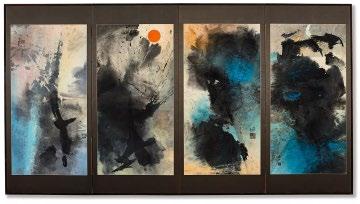
▲ 陳庭詩《四季》 1974 彩墨 紙本 157.5 x 287 cm ,香港蘇富比 2020 春拍 成交價 HK$1,500,000 ( 為目前藝術家最高價拍品 )
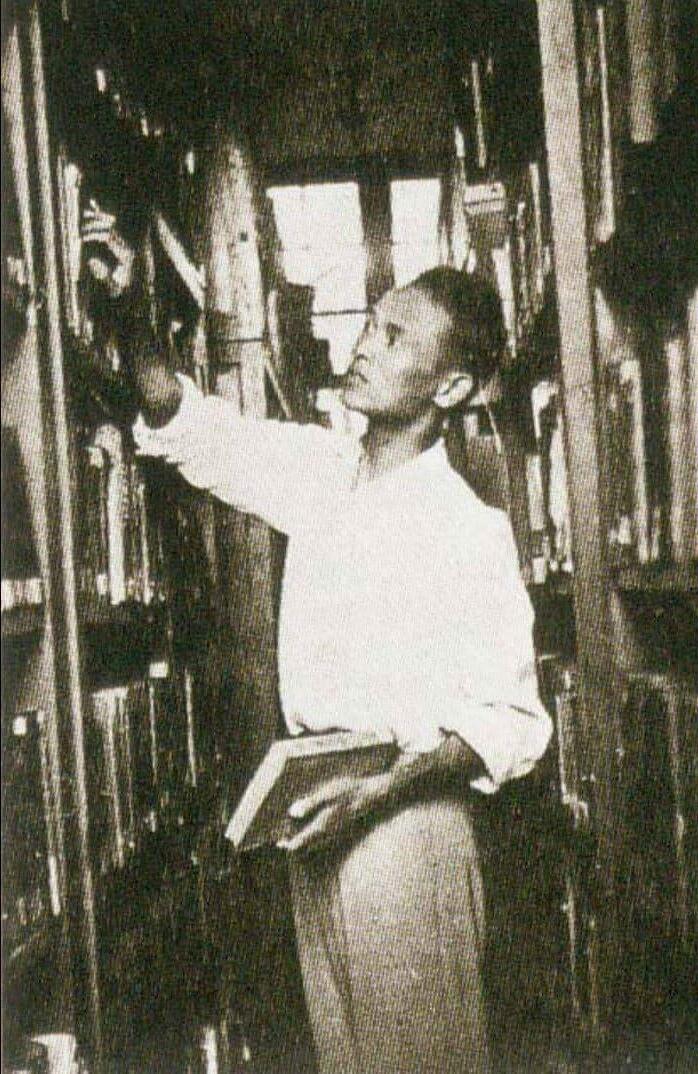
Chen Ting-Shih, Four Seasons, 1974, ink and color on paper, 157.5 x 287 cm, Sotheby's Hong Kong Spring 2020, US$193,541 sold ▶ 任職於台灣省立台北圖書館的陳庭詩
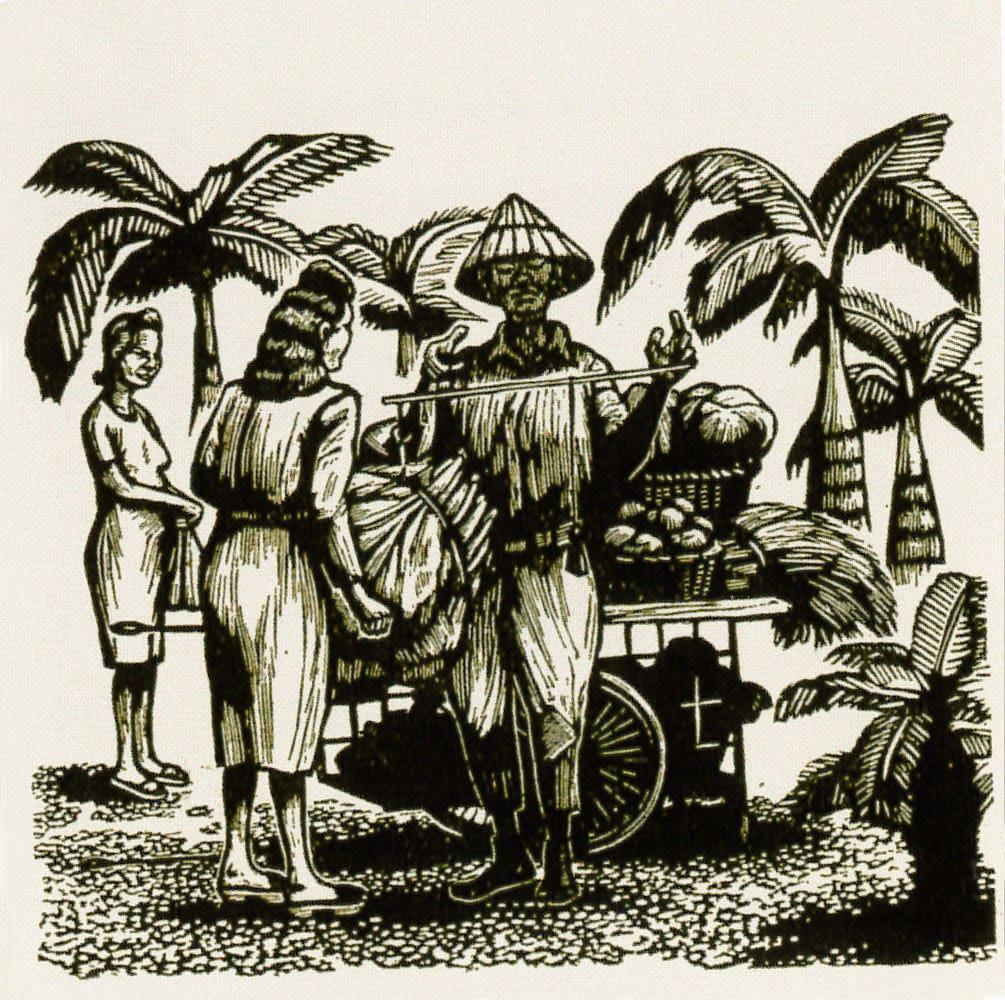
Chen Ting-Shih, working at the Taiwan Provincial Taipei Library ▼ 陳庭詩《青菜車》 1948 年木刻畫
Chen Ting-Shih, VegetalCart, 1948, woodcut
Chen Ting-Shih is an indispensable pioneer in the history of Taiwan's modern art development. His creative practice spanned multiple media, including printmaking, painting, and iron sculpture, giving rise to a highly recognizable "cosmic abstract" visual language characterized by structural tension and inner spirituality. He not only introduced Eastern aesthetics into the framework of modernism but also, through his groundbreaking experiments with sugarcane board printmaking and the poetic recombination of scrap iron sculptures, established an unshakable artistic legacy.
The writer Chu Ko once remarked that Chen Ting-Shih was a "national treasure" in the realm of art. The painter Liu Kuosung also praised Chen as a "decathlon artist," noting that throughout his life, Chen dedicated himself tirelessly to creation, excelling in seal carving, calligraphy, painting, printmaking, ink art, acrylic painting, and iron sculpture. In the past century of Taiwanese art, few creators could rival his breadth. This extraordinary master experienced hardship and solitude throughout his life, yet he remained steadfast in his creative pursuits, radiating a sustained and modest inner light amid deep silence.
A Distinguished Family Lineage
Chen Ting-Shih was born in Changle, Fujian Province. Due to the turbulent circumstances of the era, his birth year was often misrecorded. His original ID card listed the year 1916 (the fifth year of the Republic), but it was later verified that h e was actually born in 1913. Chen came from a prominent family: his paternal grandfather, Chen Chun-Yao, was a late-Qing Dynasty jinshi (imperial scholar), and his grandmother, née Shen, was the youngest daughter of Shen Pao-Chen (1820-1879), a key minister of the Self-Strengthening Movement and Imperial Commissioner to Taiwan. His father, Chen Chung-Yuan, was a lateQing xiucai (county-level scholar) who studied in the first cohort of the logistics program at the Baoding Military Academy, responsible for army supply and transport. His mother, Hsu Ho-Ju, came from a prestigious Hangzhou family; generations of her clan served as Grand Councilors in the imperial court, and their ancestral hall bore imperial plaques inscribed with phrase s such as "Seven Sons Passing the Imperial Exams" and "Home of the Bangyan (Second Highest Scholar)."
Born into this distinguished background, Chen Ting-Shih was naturally intelligent and bright. His mother began teaching him to read at the age of four. However, she passed away when he was five, leaving him to rely on his elder sister. Later, he studied at a family school, where he became deeply versed in the Four Books and Five Classics, the Thousand Family Poems, and the rhythms and tones of classical poetry, building a profound foundation in traditional Chinese culture. Unexpectedly, at the age of eight, an accident falling from a tree and landing on his head caused severe injury and hearing loss, permanently altering the course of his life.
A deaf child could not easily find acceptance in a large, traditional family. With his mother gone and his father remarried, his stepmother bore three more sons and two daughters, leaving Chen Ting-Shih isolated and humiliated, experiencing the full spectrum of coldness and indifference from those around him. Fortunately, he had loved painting since childhood, often tracing the calligraphy and paintings that adorned the family hall. His elders hired a painting and calligraphy teacher, Zhang Lingpo, who taught him bird-and-flower, insect-and-fish, figure, and landscape painting, as well as seal carving and engraving. Although he had been a privileged young master, his deafness made him intimately aware of solitude early on, deepening his yearning to seek solace in his inner world.
Leftist Literature and Woodcut Printmaking
Recalling his childhood, Chen Ting-Shih remembered that around the age of ten, he studied landscape, flower-and-bird, figure, and insect-and-fish painting under an art professor. Because these subjects had little connection to real life, he found them uninteresting. At seventeen, however, he encountered Xu Beihong's Western-style paintings, which resonated deeply with him. Teaching himself sketching and oil painting marked a crucial turning point in his journey from traditional ink painting toward modern art and Western painting.
In 1937, he entered the Shanghai Academy of Fine Arts, but the outbreak of the Marco Polo Bridge Incident and the subsequent Sino-Japanese War forced him to interrupt his studies. Early-20th-century China was beset by calamities, and with Japan invading, people of conscience rose to serve their country. Though a scholar, Chen Ting-Shih wanted to contribute. Yet, being deaf made military service nearly impossible, so he turned to political cartoons and joined the art movement for national salvation. In 1938, he frequently submitted cartoons and became an editor later chief editor of the journal Resistance Cartoons, published by the Fujian Provincial Anti-Enemy Support Association. He began using the pen name Er Shi (literally "Ear Gentleman") to create cartoons satirizing current events.
In 1939, Chen moved from Fuzhou to Shaxian, where he co-edited Popular Pictorial with Song Bingheng (1912–1991), a graduate of the Shanghai Academy of Fine Arts. During the war, lead printing supplies were scarce, so he learned the emerging art of woodcut printmaking from Song, deeply grasping the techniques of knife work and the expressive potential of woodcut language.
At the time, Lu Xun, the writer and leader of leftist literature and arts, founded art academies and vigorously championed woodcut printmaking. The stark contrast of black and white and the powerful lines made woodcuts one of the most effective visual mediums for mobilization during the War of Resistance. Within this current, Chen Ting-Shih became acquainted with many woodcut artists. He once carved a portrait of the Soviet writer Maxim Gorky, admiring Gorky's humble origins and finding resonance with his own life. The organizations for woodcut research were underground literary and artistic groups affiliated with the Communist Party. However, during the war against Japan, both the Communists and the Nationalist government encouraged the development of woodcut printmaking to promote the spirit of resistance.
Around the same time, Chiang Ching-Kuo, who had just returned from studying in the Soviet Union, invited Chen Ting-Shih to Ganzhou in Jiangxi Province to serve as art editor for China Integrity Press (Zhonghua Zhengqi Chubanshe). Chen and Chiang Ching-Kuo developed a certain friendship, drinking and playing finger-guessing games during the Lunar New Year holidays. He visited Chiang's home several times and met Chiang Fangliang (Chiang Ching-Kuo's wife), an anecdote he would later share with friends.
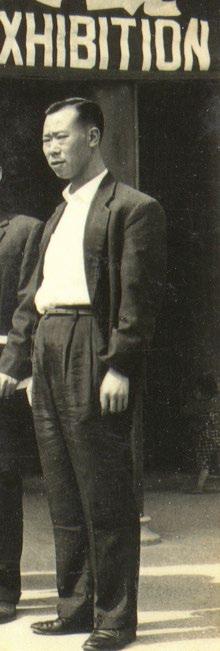
◀ 陳庭詩與作品《在歡樂的日子裡》,攝於 1959 年「現代版畫展」
Chen Ting-Shih with his work InJoyfulDays, photographed at the 1959 Modern Graphic Exhibition.
▶ 陳庭詩《環繞太陽的船 #3 》 1966 蔗板版畫 90 x 90 cm
Chen Ting-Shih, ShipCirclingtheSun#3, 1966, woodblock print, 90 x 90 cm.
Crossing the Sea to Taiwan, Exposing Injustice Through Cartoons
From a historical perspective, Fujian and Taiwan share close ties. In early 1945, woodcut artists such as Huang Rongcan (1920–1952), Zhu Minggang (1915–2013), and Chen Yaohuan (1922–2021) came to Taiwan to develop their careers, engaging in magazine design and woodcut/ cartoon propaganda activities while also participating in Taiwan's early art movements. Chen Ting-Shih followed the Nationalist military's demobilization to Taiwan around the end of 1945, with the goal of helping to launch the Taichung branch of the military-run newspaper Peace Daily the following year, where he also served as editor of the "New Century Supplement" and "Weekly Pictorial" sections. During this period, he frequently designed covers and created cartoons satirizing current events for the magazine Cultural Exchange. When the February 28 Incident erupted in 1947, fear spread among the populace. Although Chen had no clear political affiliation, his close ties with the left-leaning literary figure Yang Kui made him fear being implicated. He was forced to return to the mainland, where he became an editor at the Sing Min Jit Poh
The following year, he was invited back to Taiwan to paint a large-scale oil painting, The Construction of the Railway Under Liu Mingchuan, for the Taiwan Provincial Taipei Library. The work was displayed at the First Taiwan Provincial Exposition in 1948, celebrating the third anniversary of victory in the War of Resistance and showcasing the achievements of post-war demobilization and reconstruction in Taiwan. Thereafter, he remained at the Taipei Library (today's National Central Library Taiwan Branch), where he worked for nine years. Thanks to the library's resources, he was able to access a vast collection of exquisite art albums left over from the Japanese colonial period, studying and savoring them repeatedly. During this time, he maintained contact with other woodcut artists who had come from the mainland to Taiwan, participated in various art editorial projects, and continued creating woodcut prints. Around 1950, woodcut art in Taiwan still retained a combative character, heavily infused with political overtones.
Working at the library, his creative output diminished. One day, he read a translation of Lust for Life (Van Gogh's biography) by Yu KwangChung, and felt as if he had found a kindred spirit. The silent, solitary Van Gogh seemed to call out to Chen Ting-Shih, who was inwardly lonely and deaf. He decided to quit his job and rediscover his creative passion through woodcut printmaking.
Modern Print Society
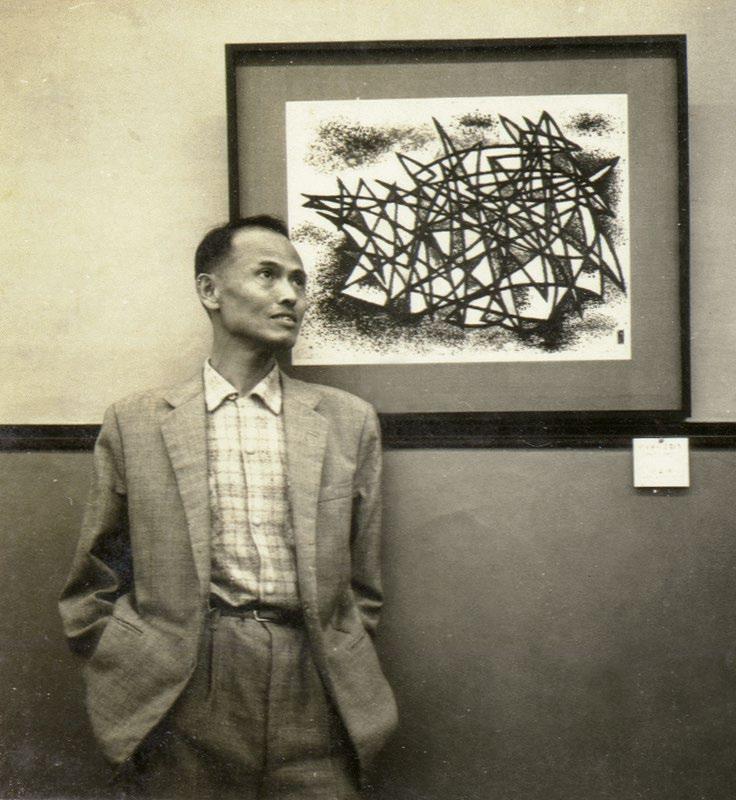
In 1957, at the age of 42, Chen Ting-Shih resolved to devote himself to art as Van Gogh had. He left his library position, moved out of his public dormitory and into a tiny three-ping room, and immersed himself in painting carving small woodcuts and submitting them to newspapers and magazines in exchange for meager income to survive. At that time, the Ton Fan Group and the Fifth Moon Group were emerging in Taiwan's art scene, opening a new chapter of reform for modern art. A group of more than ten American and Taiwanese printmakers, including Chin Sung (1932-2007) and Chiang Han-Tong, held the First Sino-American Modern Printmaking Exhibition in 1958 at the Taiwan branch of the China Institute in America on Zhongshan North Road, drawing a distinguished crowd. Afterward, Chin Sung and Lee Shi-Chi decided to establish a printmaking association. They invited Yuyu Yang to join, and Yang in turn recommended Chen Ting-Shih and Shih Hua. Together with Chiang Han-Tung, the six founded the "Modern Print Society" in 1959. Beyond the realm of combat literature and art, they pioneered avant-garde modern art and made outstanding contributions to the modernization of printmaking in Taiwan.
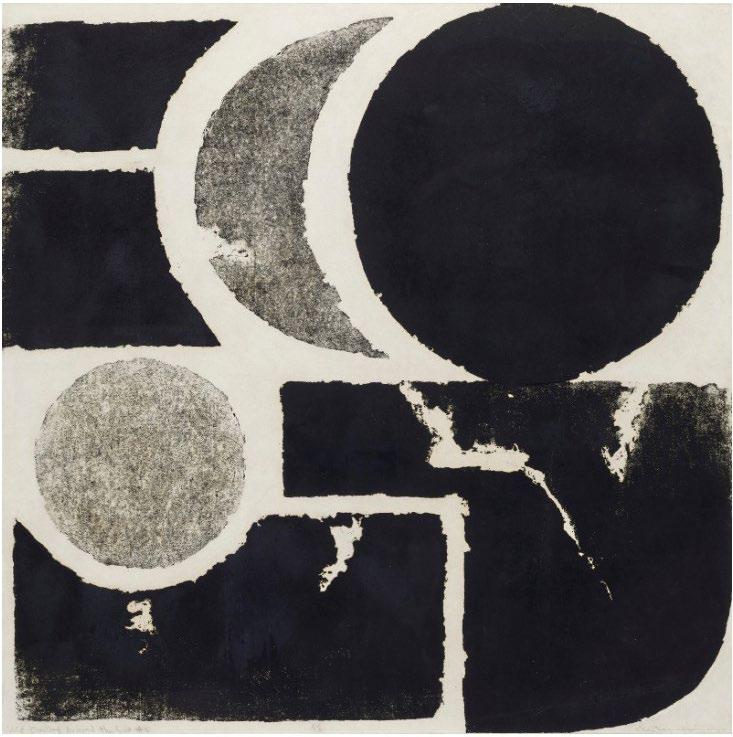
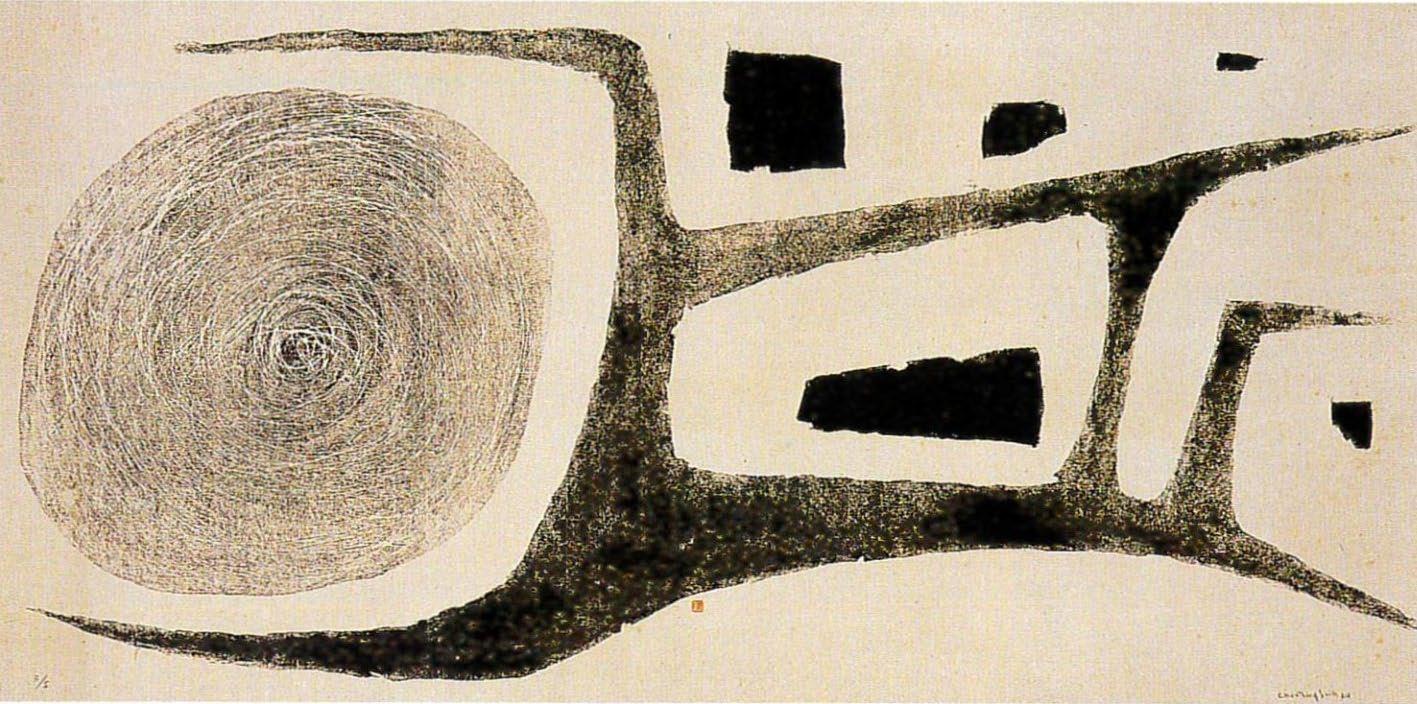
▲ 陳庭詩《定》 1964 蔗板版畫 62 x 120.2 cm 國立台灣美術館典藏
Chen Ting-Shih, Stability, 1964, woodblock print, 62 x 120.2 cm. Collection of the National Taiwan Museum of Fine Arts.
▶ 陳庭詩 《紫氣東來》 1987 壓克力 紙本 81 x 81 cm
羅芙奧台北 2014 秋季拍賣會 成交價 NT$ 528,000
CHEN Ting-shih, PurpleBreezeComesfromtheEast,1987, Acrylic on paper, 81 x 81 cm
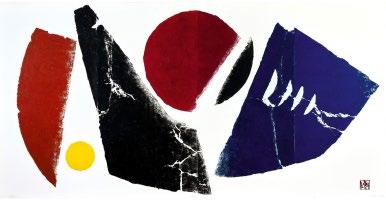
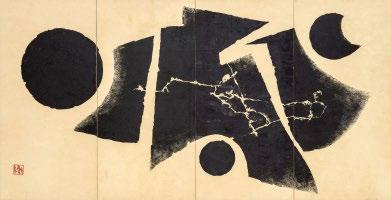
Ravenel Autumn Auction 2014 Taipei, NT$ 528,000 sold ▼ 陳庭詩《瞬息之流光(四聯幅)》 1971 木刻版畫 紙本 8/18 124 x 243.2 cm ,羅芙奧台北 2025 秋拍 成交價 NT$1,320,000
Chen Ting-Shih, InstantaneousTime(Quadriptych), 1971 Woodblock print on paper, ed. 8/18, 124 x 243.2 cm
Ravenel Autumn Auction Taipei 2025, US$42,038 sold
Thereafter, Chen's creative work underwent a dramatic transformation, aligning with modern abstract art. At the "Second Modern Graphic Exhibition," Chen exhibited Fish (1959) and In Joyful Days (1959), abstract works structured with pure lines. More importantly, his prints were no longer political propaganda or literary illustrations, but independent artistic creations. During this period within the association, energized by dialogue with his peers, he deepened his understanding of modern art and diligently explored his own artistic path between figuration and abstraction.
To achieve richer expressiveness in printmaking, every modern artist eagerly explored new possibilities. Beginning in the 1960s, Chen Ting-Shih chose sugarcane board as his medium. Originally a building material made by Taiwan Sugar Corporation from compressed sugarcane residue, sugarcane board is lightweight and has a rough texture. While retaining the tactile quality of woodcuts, it is softer and easier to work with, allowing for greater scale and flexibility in hand-printed editions. Compared to the attempts of other artists at the time, Chen's mastery of the material's unique properties was particularly refined, enabling him to develop a distinctive visual language.
At the fourth Modern Print Society exhibition in 1961, he displayed several multi-color sugarcane board prints, which greatly impressed Liu Kuosung, a member of the Fifth Moon Group.
Joining the Fifth Moon Group
Stimulated by the Modern Print Society, Chen Ting-Shih gradually developed his abstract vocabulary and attracted the attention of the Fifth Moon Group. Taiwan's modern painting was still in its infancy, and Chen chose a solitary path, resolutely devoting himself to abstract prints. Even when struggling to make ends meet, he insisted on painting the works he wanted to paint. After 1964, his work shifted away from linear thinking toward the language of planes. The family collection of ancient seal and bronze inscriptions and calligraphy that had permeated his childhood became deeply ingrained in his being. Every day, he carved into sugarcane boards, simultaneously tracing tradition and infusing his own creativity. He drew inspiration from Shang and Zhou dynasty bronze and stone rubbings the spiral patterns and taotie motifs on bronzes, Han dynasty stele engravings, the forms of stone knives and axes, and the primitive simplicity of early civilization, which held a special charm and an antique spirit. The ancient Chinese cosmological concept of a round heaven and square earth, the interdependence of yin and yang, and the philosophy of endless renewal all merged into his aesthetic vision.
In 1965, he was invited to join the Fifth Moon Group. Encouraged by his fellow artists, his work gained new energy. Circular compositions and oceanic blue tones began to occupy his
picture plane. Heaven and earth, sun and moon, stars, thunder, lightning, wind, and clouds the myriad transformations of nature became the aesthetic experiences reflected in his prints, structured by squares and circles.
In addition to participating in the group's annual exhibitions, Chen's prints gradually gained international recognition. His work was selected for the São Paulo Art Biennial in 1959, followed by successive participations in 1961, 1963, 1964, and 1967. In 1970, his work Hibernation (1969) won the Grand Prize at the First International Print Biennale in South Korea. The jury members from France, the United Kingdom, Japan, and Germany commented that Chen's work possessed a profound Eastern spirit, a refined and distilled intensity, and a latent sense of power "light piercing through darkness."
Days and Nights, Stars
In 1971, he received the Golden Roc Award from the Republic of China's 8th Painting Association. Thereafter, his work featured a series of blue-toned prints on the theme of stars, with various combinations of circles, semicircles, and crescent shapes. His most famous series, the redand-black Day and Night Series, spanned from 1971 to 1999. Sometimes he incorporated the brushstrokes of calligraphy sweeps, hooks, dots, and presses. Throughout his life, he persistently explored the mysteries of the universe, creating abstract yet beautiful visual images.
▲
由 Jean-Louis Ferrier 主編之權威巨作《二十世紀藝術》,收錄包括畢卡索在內的全球頂尖大師。 陳庭詩 1984 年作品《約翰走路》收錄於該書第 920 頁,展現其國際藝術地位。
Edited by Jean-Louis Ferrier, the authoritative Artofthe20thCentury features global masters including Picasso.
Chen Ting-Shih's 1984 work, Johnnie Walker, is showcased on page 920, marking his international artistic stature.
Beyond printmaking, he occasionally created ink paintings, watercolors, and experimented with sculpture. In 1976, he traveled briefly to the United States for a year, visiting museums and touring various places. After returning from the US, he underwent a period of quiet reflection. Inspired by American landscapes, his work gained new chromatic variations and dripping, splashing, and pouring techniques of automatic painting a departure from the simpler brush movements or the joy of calligraphic writing.
In the 1980s, Chen unveiled his Tian Lai (Sounds of Nature) prints, black-and-white works with geometric abstract forms reminiscent of Western hard-edge painting. Between 1986 and 1996, he created a series of vibrant abstract paintings using acrylic paint.
Transforming Rust into Magic: Iron Sculptures
From early on, Chen Ting-Shih had the habit of collecting scrap metal, copper, and driftwood, reusing discarded objects and exploring avant-garde installations composed of mixed media. Beginning in the 1960s, he occasionally found joy in creating three-dimensional works from found objects. In June 1981, he moved from Taipei to Taiping in Taichung, where his passion for collecting scrap iron intensified. He transformed rust into magic, creating numerous welded iron sculptures. He even traveled to the Da Ren Gong ship-breaking yard in Kaohsiung to purchase industrial scrap. Chen once wrote: "Scrap iron from the shipbreaking yard has even more texture rough, incomplete, irregular just
like my prints. My prints are assemblages of blocks; my sculptures are blocks shaped from iron." The tendencies and concepts behind his iron sculptures and prints, though different in form, complemented each other, arriving at the same goal by different paths.
His creative materials were not limited to scrap iron; everyday objects also became components of his assemblages cutting boards, washboards, stone mortars, gears, pipes, decorative window grilles. Driven by a love for all things, even those others considered waste, he found endless fascination in these materials.
In 1996, the Taipei Fine Arts Museum held a retrospective of the French artist César Baldaccini. The 75-year-old César, renowned for his welded scrap iron and accumulations, came to Taiwan. The 81-yearold Chen Ting-Shih traveled from Taichung to Taipei to meet him. Two masters of late-20th-century sculpture met and appreciated each other's work. Two years later, their sculptures were exhibited together on a touring exhibition in Spain at the Atlantic Center of Modern Art, the Valencian Institute of Modern Art, and the Calais Museum of Fine Arts. In 1999, Chen's earlier work Johnnie Walker was included alongside Picasso's works in the book Art of the 20th Century. Chen Ting-Shih was the only Asian artist included in the welded-iron sculpture section. The authority of this academic recognition and the international circulation of his works established him as a highly stable and historically significant figure in Asian modern art collections.
◀
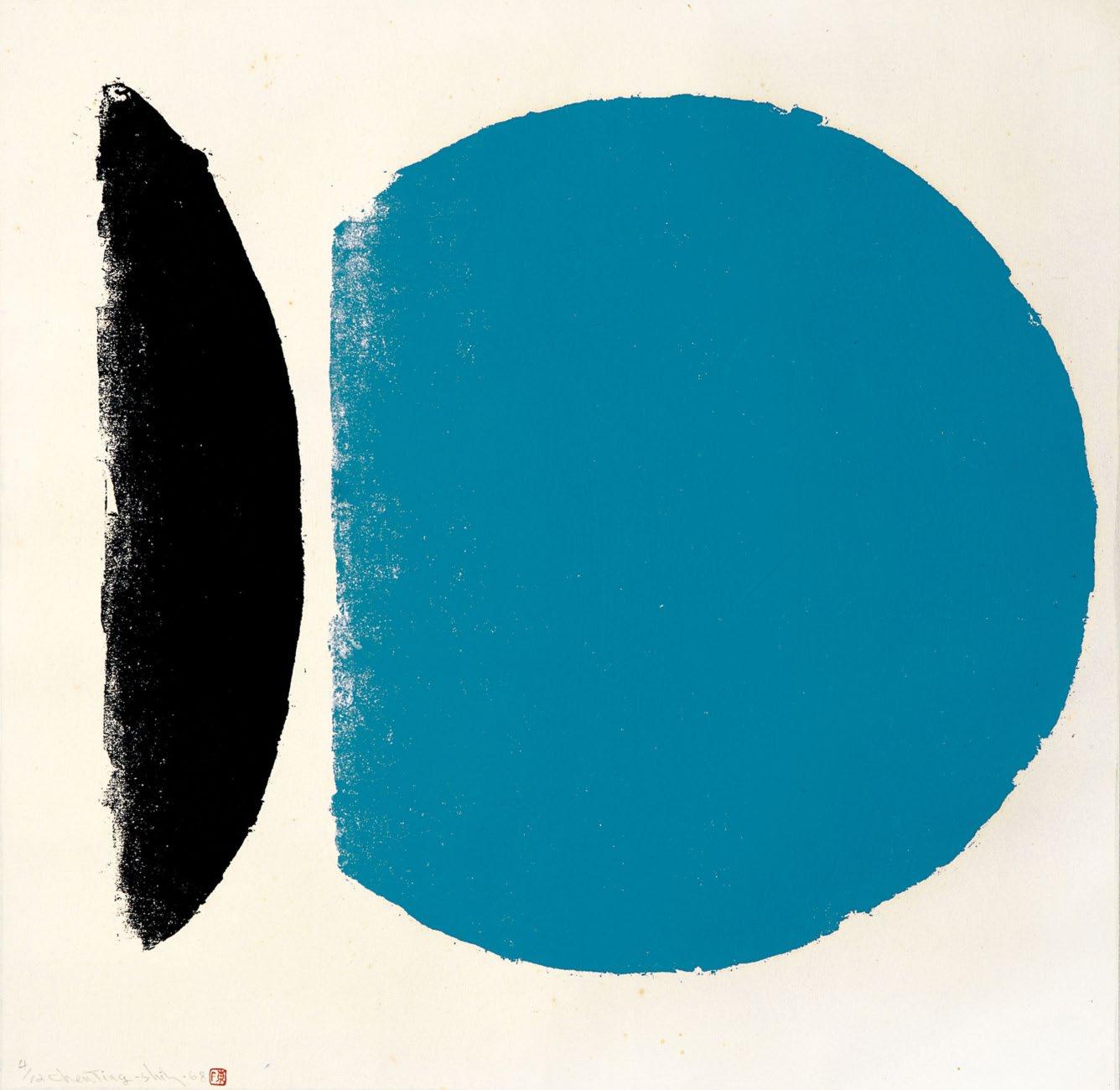
陳庭詩《晝與夜》 1968 蔗板 版次 5/12 60 x 60 cm
羅芙奧 2016 秋季拍賣會
CHEN Ting-shih, Day and Night, 1968, Woodblock print, edition no. 5/12, 60 x 60 cm
Ravenel Autumn Auction 2016
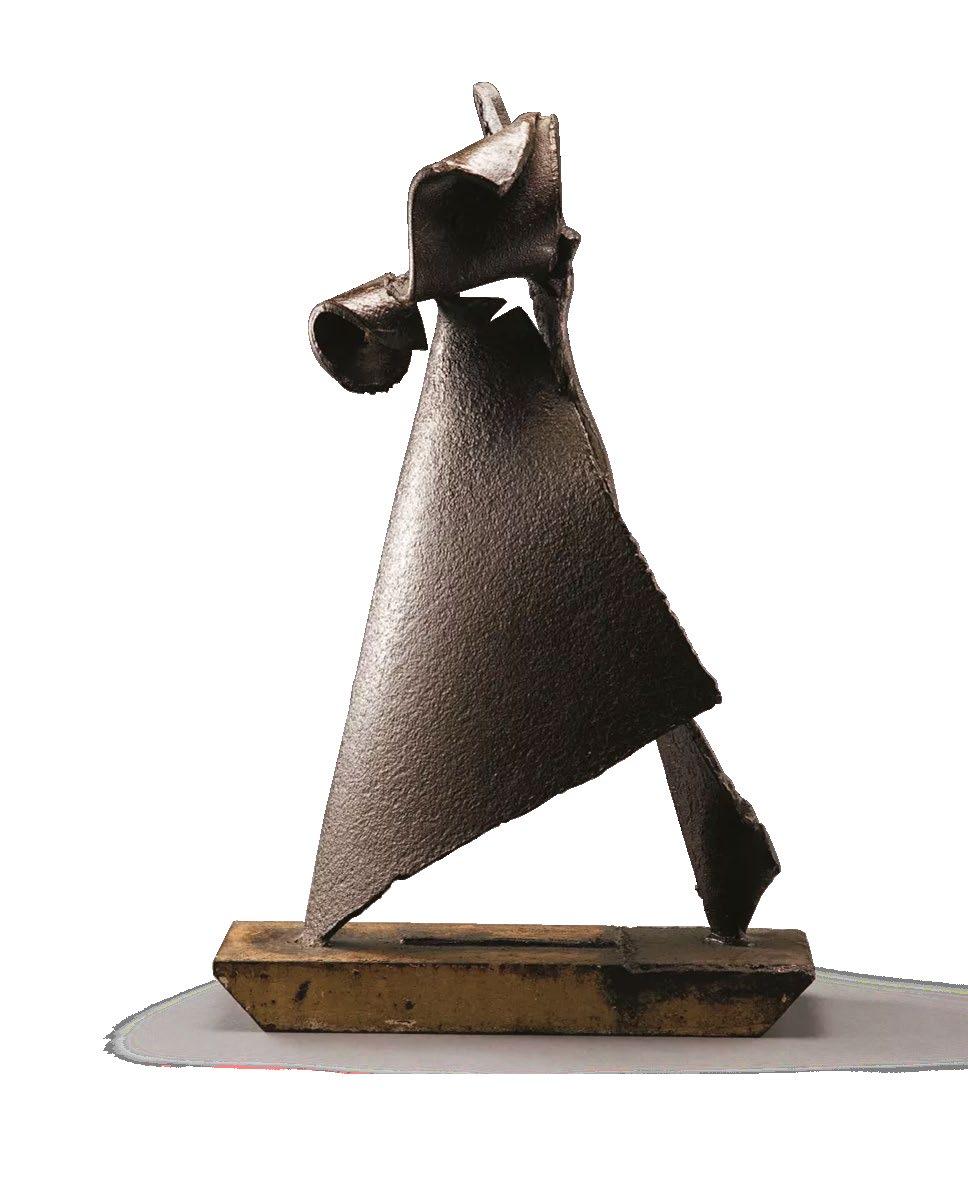
陳庭詩《約翰走路》 1984 鐵 93 x 59 x 18 cm ,國立台灣美術館典藏
Chen Ting-Shih, Johnnie walker, 1984, iron, 93 x 59 x 18 cm.
Collection of the National Taiwan Museum of Fine Arts
His metal sculptures Johnnie Walker (1984) and Phoenix (1985) were invited to the aforementioned European museums, becoming milestones in Taiwanese modern sculpture. In 2001, recommended by the Kaohsiung Museum of Fine Arts, Chen's work Tower Drum was exhibited at the International Sculpture and Installation Exhibition in Venice, receiving acclaim from foreign art critics.
In his later years, Chen also collected stones, saying that stones were God's sculptures. Stone appreciation added further interest to his artistic career. On April 15, 2002, Chen Ting-Shih, a resilient and solitary artist, died of illness at the Taichung Armed Forces General Hospital at the age of 89, leaving behind nearly a thousand works. In accordance with his wishes, friends established the Chen Ting-Shih Foundation for Modern Art in 2004 and founded a memorial museum at his former residence in Taiping.
The "Original-like" Quality of Chen's Prints
As a pioneer of post-war modern art in Taiwan, Chen Ting-Shih's works hold an unshakable position in art history, and the market value of his work is deeply intertwined with the gallery system that has nurtured it for decades. From his lifetime to the present day, key figures have supported Chen's artistic career at different stages. From Chen's own handwritten print notebooks, we learn that in his early years, his prints were primarily sold to expatriates in Taiwan through "The Art Guild" (TAG), a gallery run by Jeanne Watten in a third-floor apartment on Shuangcheng Street in Taipei.
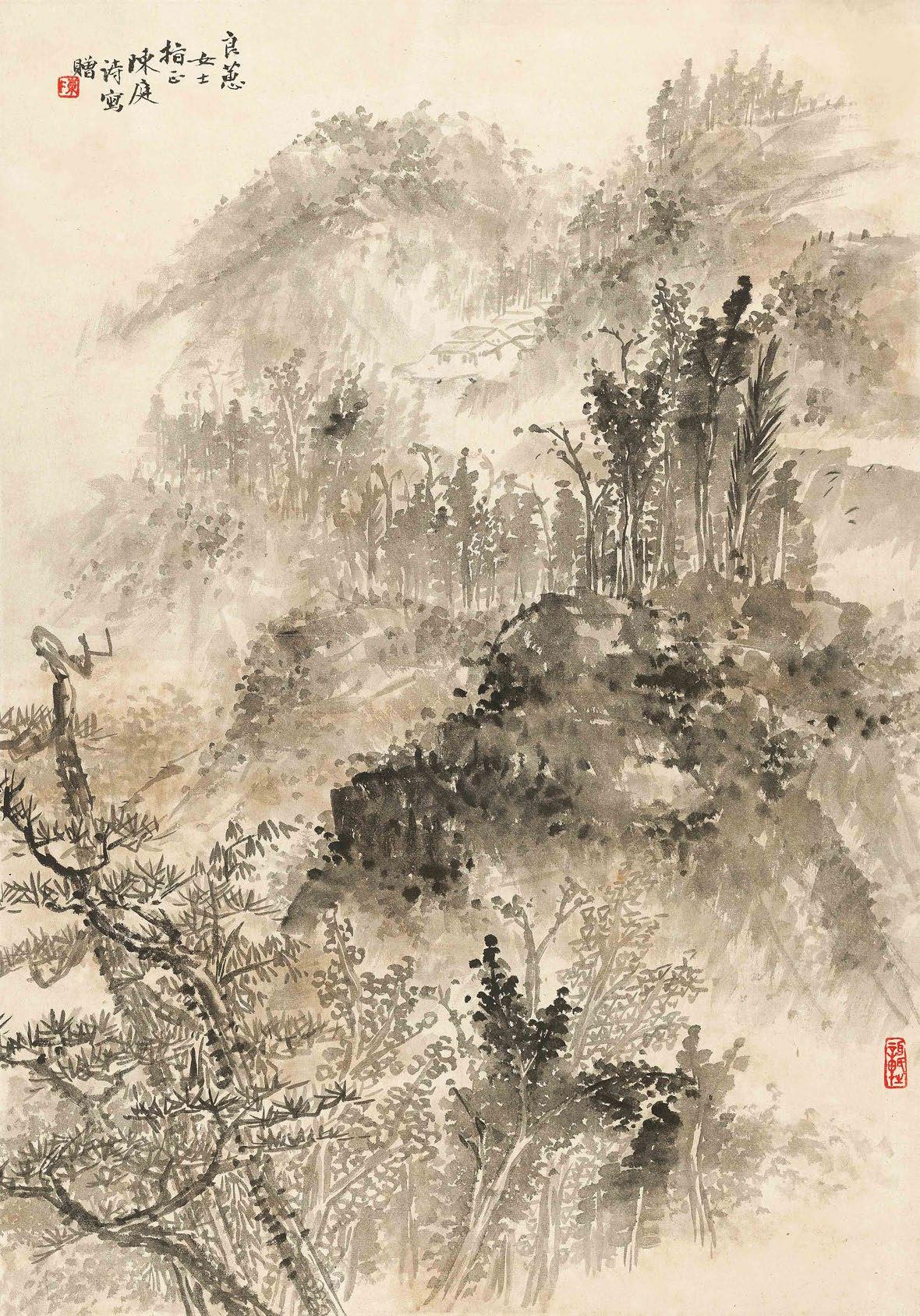
陳庭詩《山居秋暝》水墨 紙本 57 x 39 cm
羅芙奧台北 2018 春拍 成交價 NT$108,000
Chen Ting-Shih, Landscape, ink on paper, 57 x 39 cm
Ravenel Auction Taipei Spring 2018, US$3,619 sold
Subsequently, major Taiwanese galleries such as Ju Bao Pen, Hong Lin, Spring Gallery, and Lung Men Art Gallery were involved in representing him. In the 1990s, Hsiung Shih Gallery, New Ecologi Arts Center, Golden Roc Gallery, and Capital Art Center took over. More recently, Modern Art Gallery, Asia Art Center, and Each Modern have continued this legacy, using academic research, exhibitions, and international art fairs to bring his work to a global audience.
One particularly noteworthy feature of Chen's prints is their "originallike" character. Although Chen originally planned editions of 30 or 50 prints, the Taiwanese art market was not yet mature in the 1960s and 1970s, and in fact, many works were printed only once or twice. This extremely small actual number of existing impressions, combined with the fact that he printed each one by hand making each impression slightly different in color means that collectors treat his prints as "unique originals," which accounts for their exceptional value.
Auction Performance and Market Trends
Recent auction performance has shown a strong re-evaluation of his value. From the latest transaction data, Chen Ting-Shih has successfully moved from a regional market onto the international auction stage, demonstrating considerable collecting potential. Current peak transaction records show that Chen's major works have steadily crossed the HK$1 million threshold. Topping the list is the large 1974 ink and color work Four Seasons, which sold at Sotheby's Hong Kong in 2020 for HK$1.5 million
(approximately NT$6.06 million), setting an important market benchmark. This painting had originally belonged to American collectors Sheridan and Sallie Bell, who had lived in Taiwan and purchased the work from Watten's The Art Guild, becoming friends with the artists exhibited there.
Next is The Dawn (1991), an acrylic painting that demonstrates the artist's market strength beyond printmaking. These high-price records occurred between 2020 and 2021, reflecting strong demand in the postpandemic era for high-quality works by Taiwanese abstract masters.
Among his various media, Chen's unique sugarcane board prints are undoubtedly a key market indicator. In the TOP 20 auction records, prints occupy the overwhelming majority, with the Day and Night series being the most prominent. The characteristic cracking texture of sugarcane board gives each impression a uniqueness akin to that of an oil painting. Moreover, because the boards were easily damaged and the artist constantly sought innovation never reprinting the same image the actual edition sizes are generally smaller than originally planned. This "print uniqueness" has significantly increased collectors' willingness to purchase. Large-scale multipanel works, with their grand cosmic contemplation and visual tension, are particularly sought after at auction.
Geographically, Chen's market shows a two-track trend: "rooted in Taipei, blooming in Hong Kong." In recent years, Taipei auction houses such as Ravenel, JSL, and the now-defunct Chung Cheng established a solid local market foundation, while Sotheby's, Christie's, and China Guardian in Hong Kong have collectively propelled his prices to international levels. The top seven highest-priced works were all sold in Hong Kong, indicating that his artistic language has gradually gained recognition from international collectors, placing him alongside global postwar abstract masters.
In terms of value trends, Chen's works show significant stepwise growth. For example, different impressions of the same Day and Night #25 (121 x 180 cm) sold for around HK$500,000 to HK$600,000 (NT$2 million to NT$2.4 million) between 2012 and 2013. By 2020, the price had doubled to over HK$1 million (NT$4 million). This price appreciation over time demonstrates the strong potential for value growth and market resilience of his works.
In summary, Chen Ting-Shih's art synthesizes the spirit of ancient Chinese bronzes and stone inscriptions with Western abstract composition. This crosscultural universality has made him a subject of great interest in the international auction market. As academic research on Taiwan's post-war art history deepens, this artist once described as a "lonely star" is expected to continue gaining market momentum, becoming an indispensable figure in Asian modern art collections.
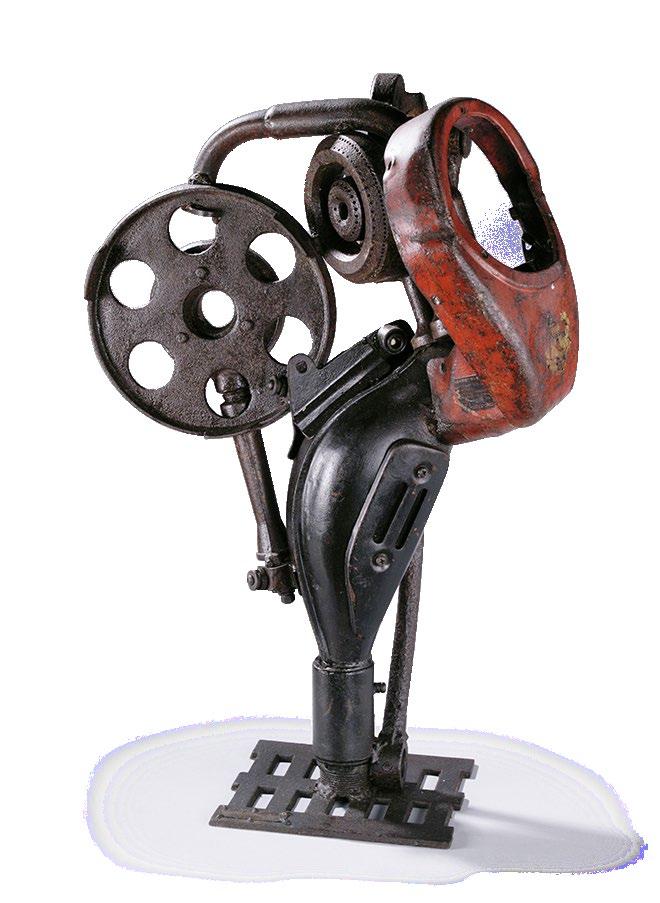
▲ 陳庭詩《無題》 1994 鐵雕 69 x 49 x 30cm
景薰樓 2008 春季拍賣會 成交價 NT$ 944,000
CHEN Ting Shih, Untitled, 1994, Iron sculpture, 69 x 49 x 30cm
JSL Spring Auction 2008 Taipei, US$ 26,321 sold
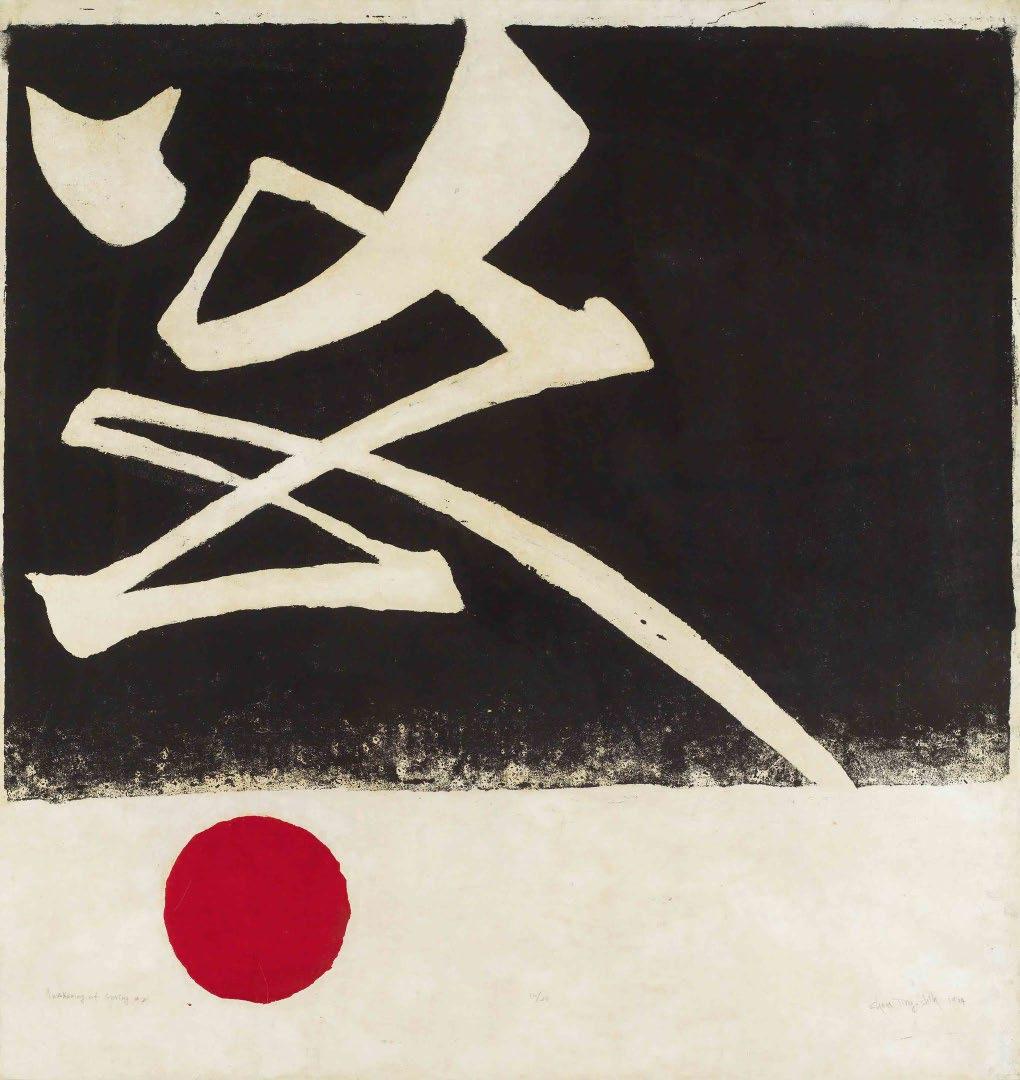
◀ 陳庭詩《春醒 #2 》 1974 版畫 12/30 90 x 90 cm
羅芙奧台北 2022 春拍 成交價 NT$360,000
Chen Ting-Shih, AwakeningofSpring#2, 1974, woodblock print, ed. 12/30, 90 x 90 cm
Ravenel Taipei Spring 2022, US$12,235 sold
陳庭詩作品二十大拍賣成交排行
四季 Four seasons 1974
Ink and color on paper (quadriptych) 157.5 x 287 cm
破曉星辰 The Dawn 1991 Acrylic on canvas 130 x 162.5 cm
日與夜#25 Day and Night #25
1973
Cane fibre board relief print on paper (triptych). Ed. 1 / 25 122.6 x 183 cm
預估價 Estimate
HKD 300,000 - 500,000
成交價 Sold at
USD 193,541
HKD 1,500,000
拍賣日期 Auction Date
香港蘇富比
Sotheby's Hong Kong
July 8, 2020
預估價 Estimate
HKD 600,000 - 800,000
成交價 Sold at
USD 139,884
HKD 1,085,600
拍賣日期 Auction Date
香港中國嘉德
China Guardian Hong Kong April 23, 2021
蟄 Hibernating 1969
Three panel screen, cane fiber board relief print on paper laid on wooden panel. Ed. 13 / 14 165 x 187.3 cm
預估價 Estimate
HKD 220,000 - 320,000
成交價 Sold at
USD 88,696
HKD 687,500
拍賣日期 Auction Date
香港佳士得
Sotheby's Hong Kong December 3, 2020
晝與夜 #70 Day and Night #70
1981
Cane fiber board relief print on paper. Ed. 14 / 50 118.3 x 235 cm
預估價 Estimate
HKD 200,000 - 400,000
成交價 Sold at
USD 130,062
HKD 1,085,600
拍賣日期 Auction Date
香港蘇富比 Sotheby's Hong Kong October 5, 2020
預估價 Estimate
HKD 250,000 - 500,000
成交價 Sold at
USD 81,124
HKD 630,000
拍賣日期 Auction Date
香港蘇富比 Sotheby's Hong Kong April 19, 2021
晝與夜 #70 (四聯屏) Day & Night #70
1981 Woodcut 120 x 240 cm 3 8 4 9
生之嚮往 Desire to Live 1969
Cane fiber board relief print on paper (5 panels). Ed. 5 / 14 123.5 x 285.6 cm
預估價 Estimate
HKD 250,000 - 500,000
成交價 Sold at USD 113,307
HKD 882,000
拍賣日期 Auction Date
香港蘇富比 Sotheby's Hong Kong October 10, 2021
第一聲驚雷 The First Crack of Thunder 1972
Cane fiber board relief print on paper (quadriptych). Ed. 10 / 20 124.2 x 239.3 cm
預估價 Estimate
HKD 200,000 - 400,000
成交價 Sold at
USD 89,417
HKD 693,000
拍賣日期 Auction Date
香港蘇富比 Sotheby's Hong Kong October 5, 2020
日與夜 #25 Day and Night #25
1973 Woodcut. AP 121 x 180 cm
晝與夜 第二十五號 Day and Night No. 25
1973
Color woodblock print on paper. Ed. 12/25 122.5 x 184 cm
預估價 Estimate
TWD 1,500,0002,000,000
成交價 Sold at USD 80,372
TWD 2,596,000
拍賣日期 Auction Date
台北中誠
Zhong Cheng Taipei December 7, 2007
預估價 Estimate
TWD 1,700,0002,400,000
成交價 Sold at USD 76,037 TWD 2,280,000
拍賣日期 Auction Date
台北羅芙奧 Ravenel Taipei December 3, 2017
預估價 Estimate
HKD 150,000 - 200,000
成交價 Sold at
USD 72,450
HKD 562,500
拍賣日期 Auction Date
香港佳士得 Sotheby's Hong Kong May 26, 2013
The Redistribution of Terroir:
The Transformation of Burgundy Négociants
風土的再分配:
勃根地酒商的轉型與控制權之爭
Text / 唐維怡 Eva Tang
Photo / Ravenel Finest and Rarest Wines
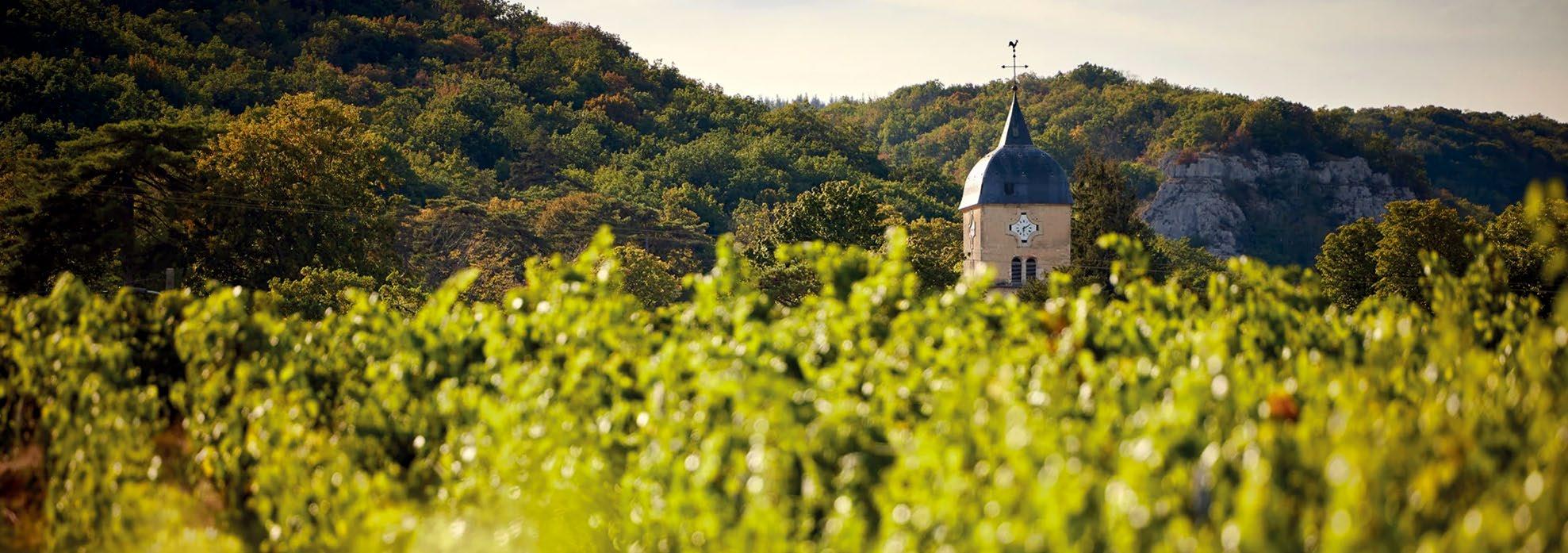
在勃根地,風土向來被視為一切的起點。
土地的位置、土壤的質地、坡度與排水,決定了酒的風格,也決定了價格與地位。
在這套長久建立的體系中,誰擁有土地, 往往也就意味著誰擁有詮釋風土的權力。
然而,這個看似穩固的邏輯,正在悄然鬆動。
過去十餘年間,葡萄園價格的失控上漲、供應鏈的封閉化, 以及資本的全面進場,使「土地」逐漸從生產基礎轉變為金融資產; 與此同時,一批不擁有土地的釀酒師, 卻開始透過技術與參與,釀造出具有高度風土辨識度的作品。
當大型集團重組資產、酒商退出傳統角色、微型 négociant 崛起,一個關鍵問題浮現:
在當代勃根地,風土的詮釋權,究竟掌握在誰手中? 風土即信仰: 勃根地的核心邏輯與 Négociant 的誕生
在勃根地,土地從來不只是生產工具,而是一種信仰。理解這個產 區,無法繞開「風土( terroir )」 一套由中世紀修士長期觀察與實 踐所建立的知識體系。即便僅數十公尺的距離,土壤、坡度與排水條件 的差異,皆足以影響葡萄果實的熟成與葡萄酒的風格,這種極端細緻的 差異最終被制度化為今日的 AOC 分級體系。
然而,這一哲學同時埋下結構性的矛盾與限制。法國大革命後的土 地再分配以及拿破崙法典所確立的均分繼承制度,使葡萄園在世代更替 中不斷被切割,產權日益碎片化,單一生產者往往僅擁有極小地塊,難 以形成穩定產量與市場規模。於是,勃根地成為一個矛盾的體系:一方 面讓不同酒莊有機會在同一塊土地上詮釋出各自的風格,形塑勃根地無 法被複製的迷人風土語言,卻也因此在商業運作上步履維艱。
正是在風土至上與產權碎片化的矛盾之中, négociant 應運而生, 成為整合零散產量、連接市場的關鍵機制。
相較於波爾多酒商,勃根地 négociant 在產業鏈中的位置更為深入。 在波爾多,大型酒莊多由貴族或資本雄厚的家族經營,具備完整釀造與 裝瓶能力,亦不依賴酒商提供資金,酒商的核心功能在於銷售與通路的 建立;而對資金較為有限的中小型酒莊,酒商則會在裝瓶前購入桶裝酒, 提供即時現金流並協助銷售,其角色近似於蘇格蘭威士忌的獨立裝瓶商 (Independent Bottler) ,透過收購原酒支撐生產者的持續運作。
勃根地的酒商則呈現另一種結構。由於葡萄園高度碎片化,小型酒 農普遍不具備釀造與裝瓶設備,且多數單一地塊的產量往往不足以形成 市場規模。酒商因此不僅是資金與通路的提供者,更直接參與釀造與熟 成,透過整合同一地塊不同來源的葡萄與酒液,使零散的產量得以在不 破壞地塊獨立性的前提下持續運作,實質介入風格與品質的形成。
在此基礎之上, négociant 扮演著兩項關鍵角色。其一,是風險分 散者:波爾多透過混釀平衡氣候變動,強調風土至上的勃根地則將此 一功能轉由酒商透過多元採購來源來緩衝;其二,是市場入口的提供者: 在酒莊酒 (Domaine) 相對高價且數量稀少的結構下,提供價格相對親民 的廣域級 (Regional) 與村莊級 (Village) 酒款,成為消費者認識勃根地 產區的入門磚。同時,酒商亦建立跨區乃至跨國的銷售網絡,使原本 難以離開產地的小批量生產得以進入全球市場。直到二十世紀中後期, 酒商體系始終與酒莊並行,構成勃根地商業運作的核心結構,對多數 小型酒農和葡萄農而言,亦是其進入市場的主要途徑。
從本質上來看,勃根地 négociant 回應的是這塊土地本身的限制, 在風土至上的核心邏輯下,使過於零散的生產有機會進入市場,被理 解並被消費。
體系的裂解: négociant 面臨的困境
進入二十一世紀後,這套長期穩定運作的體系開始出現裂痕。首 先是土地價格的失控上升。頂級葡萄園已脫離農業邏輯,成為資本競 逐的標的,一經釋出便迅速被資本鎖定,使原本應具流動性的資源變 得封閉。
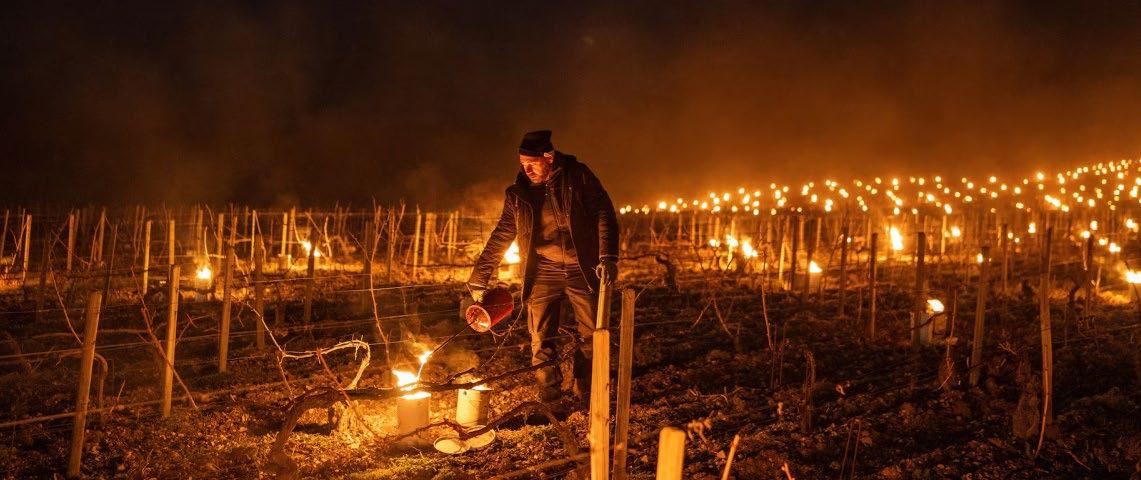
與此同時,成本結構全面抬升。葡萄與桶裝原酒的價格在過去二十 年間呈倍數成長,加上橡木桶、人工與風險管理費用的上升,使酒商原 本依賴的利潤空間被嚴重壓縮。氣候變遷則進一步放大供應的不確定 性-霜害、冰雹與極端高溫成為常態,使產量劇烈波動,在歉收年份, 酒農優先保留自用,酒商往往被排擠至供應鏈末端。
此外,越來越多酒莊建立自有酒商部門,直接參與原料採購,競 爭結構重組。另一方面,市場對「 domaine 優於 négociant 」的迷思加劇, 即便這一判斷忽略了資源取得上的門檻與難度,卻仍實質影響著消費 決策。
更令人擔憂的是勃根地的入門市場正在消失。過去由酒商提供的廣 域級與村莊級酒款,因價格相對可親,曾是消費者理解勃根地的入口, 在成本的推升下,價格門檻不斷提高,使這一功能逐漸喪失。當「入口」 消失,不僅酒商失去支撐,整個產區也將面臨消費基礎收縮的風險。
控制權的重建:酒商的轉型路徑 在多重壓力下, négociant 過去依賴市場整合資源的模式已難以應 對土地、供應與價格的變動,於是不同酒商開始以各自方式重建控制 力。
(一)掌握生產:將不確定性內部化 當原料成本持續上升、供應愈發不穩,部分 négociant 不再依賴市 場,而是選擇將控制權前移至生產端。這不僅是策略調整,更是一種 結構性轉向——將過去仰賴外部取得的資源,轉化為內部可控的生產 體系。
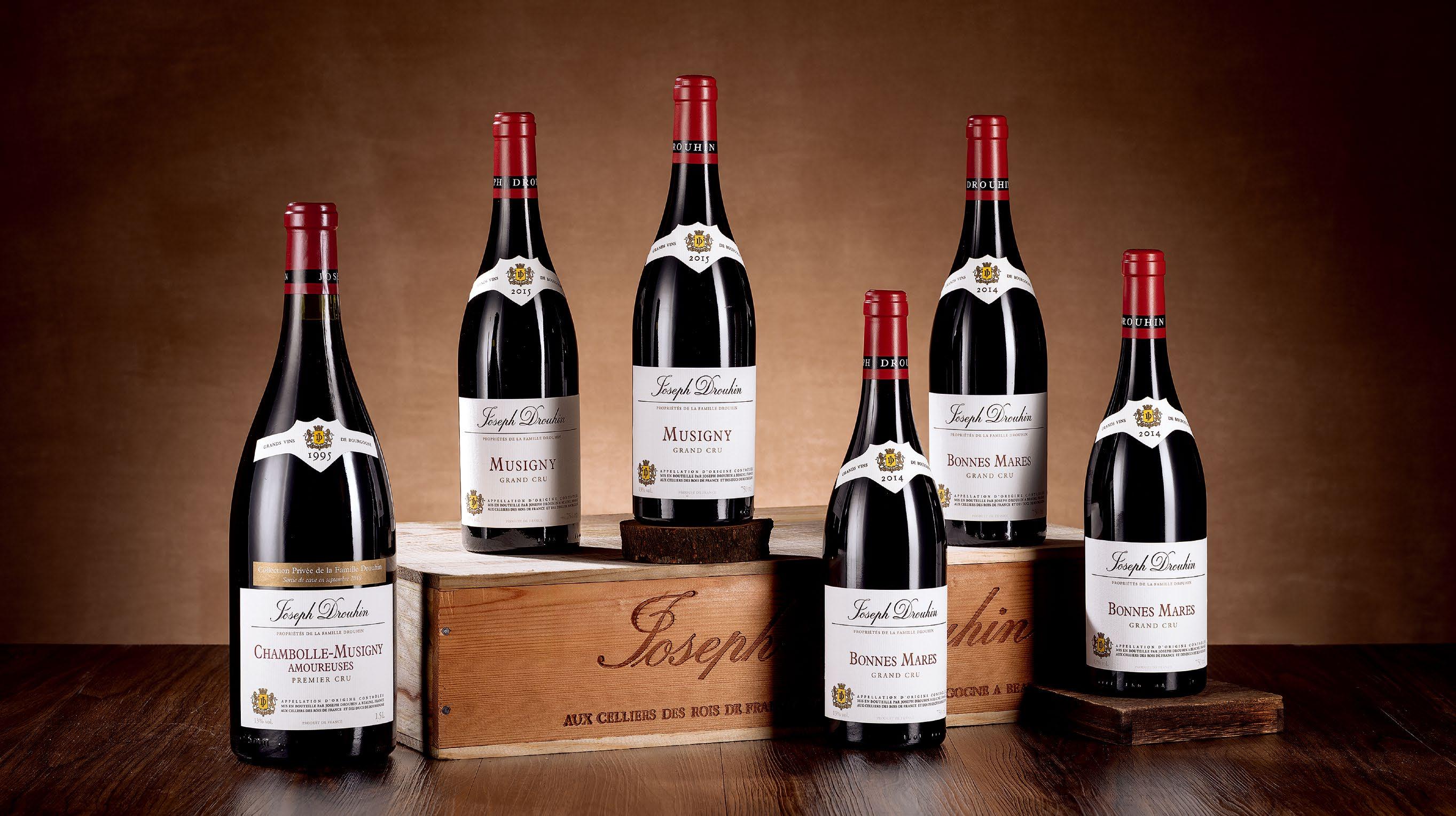
Joseph Drouhin 是此一路徑的代表。透過逐步擴張自有葡萄園,並 全面導入有機與生物動力法,其核心並非單純增加產量,而是建立一套 可複製的品質邏輯。透過長期合作與技術介入,採購而來的葡萄亦被 納入同一套標準,使 négociant 與 domaine 的界線在實務上趨於一致。 風格不再由來源決定,而由釀造體系統一輸出。
Bouchard Cellar (Photo Resource: Bouchard Père & Fils)
Albert Bichot 則將這一邏輯推得更為明確。在第六代
Albéric Bichot 接手後,策略由「購買成酒」轉向「購買葡萄」, 並同步建立多個酒莊體系與超過百公頃的自有葡萄園。這意味著 品質控制被系統性地上移——從最終調配,前移至葡萄園管理與 釀造過程本身。
在這條路徑中, négociant 的角色不再只是整合市場,而是 逐步轉化為生產的主導者。其本質,是將不確定性內部化,讓風 格與品質在生產端即被確立,而非依賴市場條件。
(二)以品牌力對抗不確定性
相較於向上游延伸,另一部分酒商選擇放棄對生產端的全 面掌控,轉而強化品牌作為核心資產。在無法有效取得土地與原 料的情況下,他們不再試圖控制來源,而是控制市場對品質的認 知。
Louis Latour 長期維持約 50 公頃自有葡萄園,並未積極參 與近年的土地競逐,其策略核心在於內部體系的高度整合。從自 有製桶到釀造與熟成流程,皆維持嚴格一致性,使最終風格不依 賴單一地塊或年份波動。 Louis Latour 的核心策略,是將消費者 的信任從「風土」轉移至「品牌」,使品牌本身成為穩定輸出的 機制。
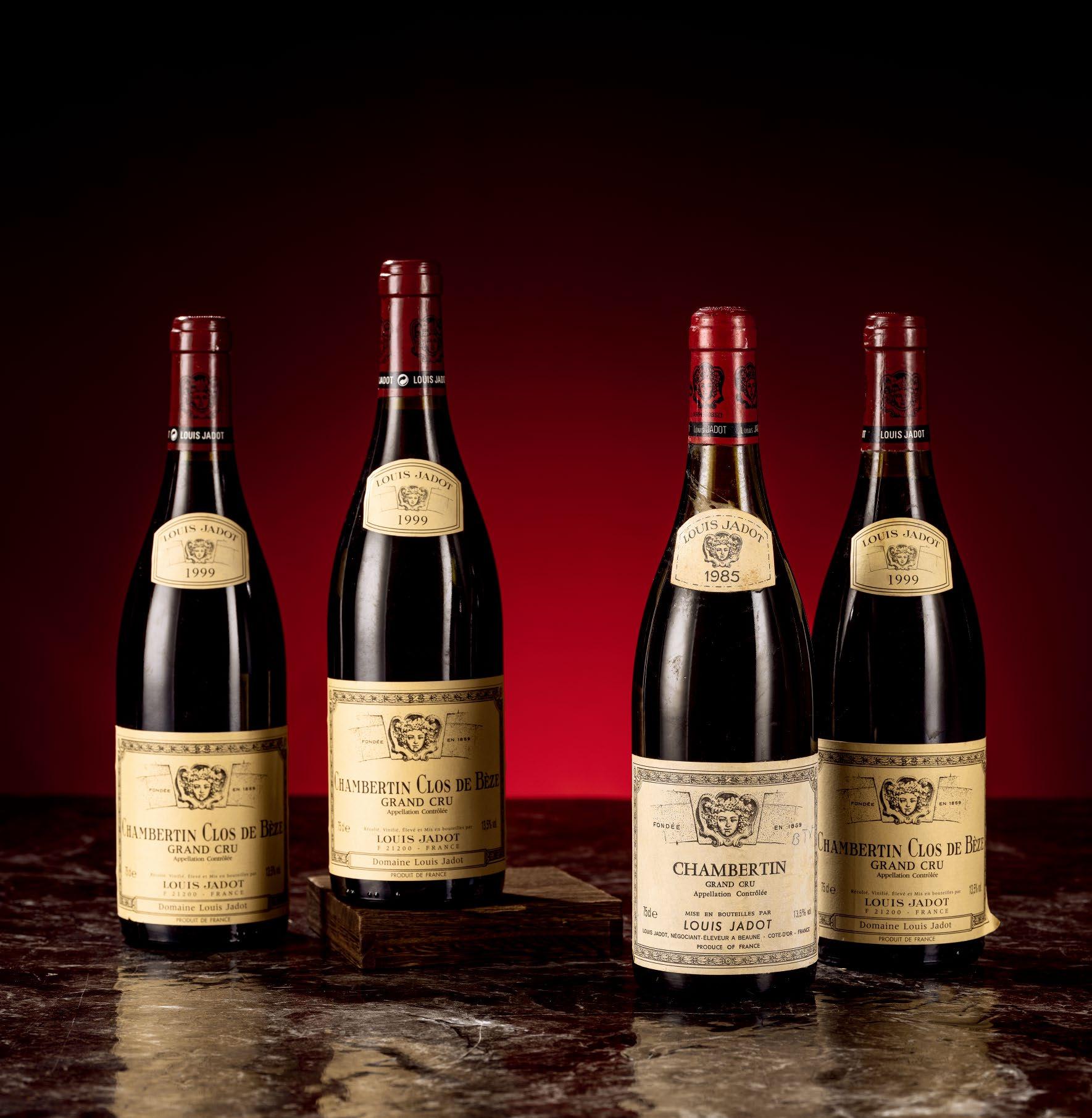
Louis Jadot 則將這一邏輯推向全球市場。即使擁有超過 160 公頃葡萄園,其產量仍以 négociant 為主。 Louis Jadot 的核心策 略並不放在土地本身,而是其對勃根地風土體系的組織與轉譯 能力:從 Chablis 到 Beaujolais 、從廣域級 Bourgogne 到特級園
Grand Cru , Louis Jadot 建構出一套清晰的產品地圖,使原本碎 片化且複雜的 Terroir 被轉化為可被全球市場理解的產區語言。 在這個框架之下,消費者透過品牌深入勃根地。相較於傳統以單 一風土為核心的敘事手法, Louis Jadot 將風土轉化為可被消費
的語言,並透過規模與通路放大其影響力,將消費者的關注重點 聚焦於品牌。
在這種模式下,「品牌」取代「土地」,成為穩定輸出的核 心機制。消費者信任的不再是單一地塊,而是品牌所代表的整體 品質體系。
(三)回歸土地:退出酒商體系的選擇 更為根本、也更具決斷性的選擇,是直接退出 négociant 體 系,回歸以土地為核心的 domaine 模式。這條路徑的前提,是 接受一個現實:在資源高度稀缺的條件下,唯有掌握土地,才能 真正掌握風土。
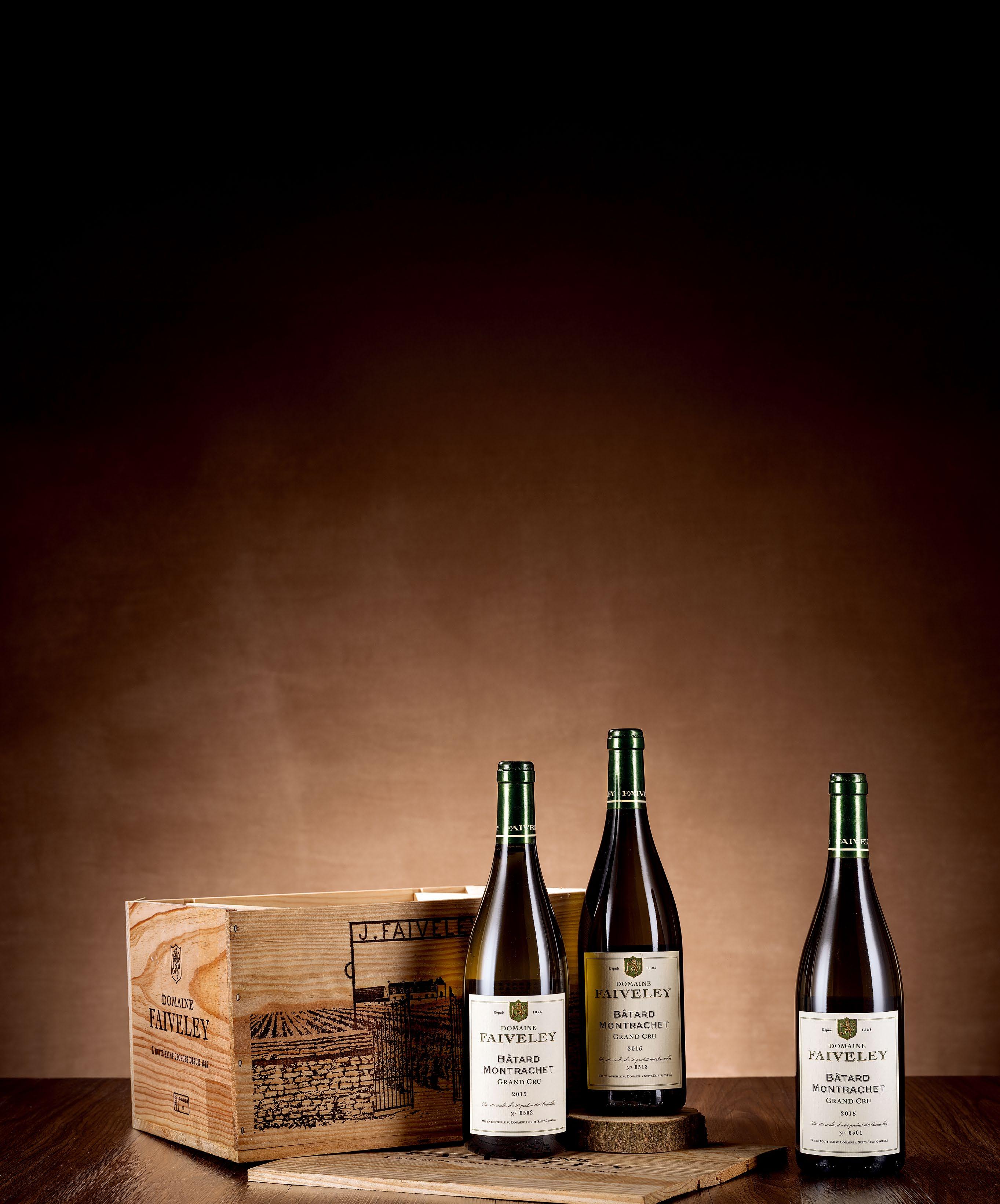
Faiveley 採取的是相對漸進的版本。透過持續擴張自有葡萄 園,使其面積已超過 120 公頃,並支撐約八成產量,品質的決定 權逐步回到葡萄園端。隨著 domaine 比重提升, négociant 業務 從核心退為輔助,整體運作本質逐漸往大型酒莊 Domaine 靠攏。
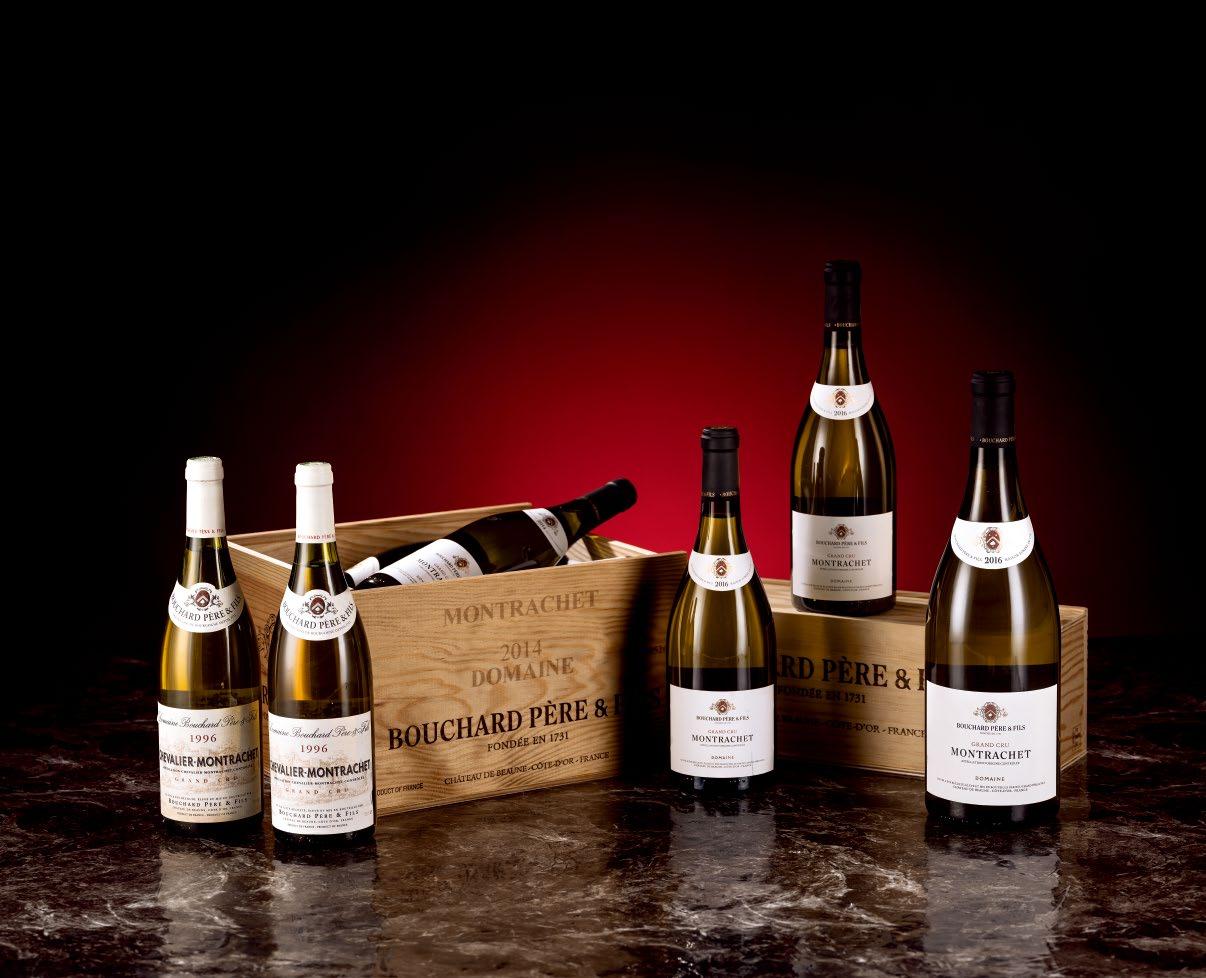
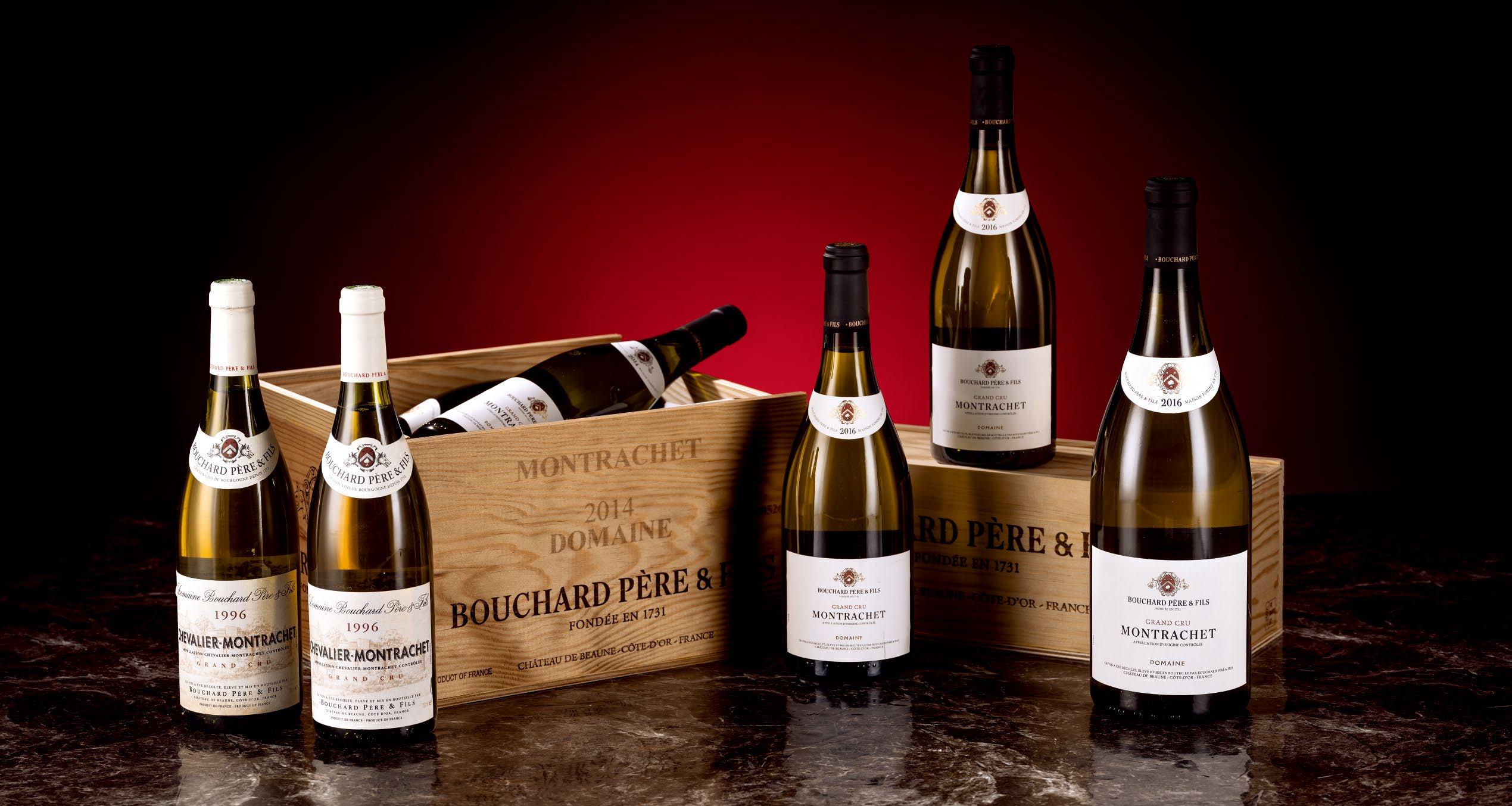
在這條路線上走得最徹底的,是 Bouchard Père & Fils 。 2022 年納 入 Artémis Domaines ,在資本視角下, Bouchard 不僅是一間擁有近三百 年歷史的酒商,更是一組可被重構與再定價的資產組合。改革在集團總裁 Frédéric Engerer 的主導下迅速推進: 2023 年退出 en primeur 、 2024 年停止 外購葡萄, 2025 年更正式終止佔產量約六成的 négociant 業務,全面聚焦 自有葡萄園。此一重構最關鍵的動作,是將最具價值的風土地塊,從既有 的 négociant 架構抽離,賦予獨立的敘事。原有資產被重新劃分為三個體系: 夜丘頂級地塊整合至 Domaine d'Eugénie ;約 65 公頃保留於 Bouchard Père & Fils ;而伯恩丘約 100 公頃核心地塊,則重組為 Domaine des Cabottes , 將原先分散於不同酒款中的名園,收斂為約 20 款核心酒款。
其轉型可歸納為兩大關鍵:其一,是以資本的邏輯重構風土,透過重組, 賦予原本分散的頂級地塊獨立身份,使風土本身成為可被清晰辨識與定價 的核心資產。其二,是收斂結構,強化品牌核心;停止 négociant 業務便是 有意識的捨棄:以放棄六至七成產量為代價,換取更高的價值密度與更純 粹的品牌定位。無論是 Gucci 在 Alessandro Michele 時期對產品線的收斂, 或 Christie's 在 François Pinault 主導下對高端拍品與私人銷售的聚焦,本 質皆為保留最具辨識度與定價能力的核心,並透過控制供給來管理價值。
在這條路徑中, négociant 不再被視為必要機制,而是一段可以被結束 的歷史階段。控制權,最終被完全收回至土地本身。
(四)控制權回到「人」: micro négociant 的崛起 大型酒商透過控制生產端與品牌權利來回應結構壓力,而另一 個同樣值得關注、甚至更具顛覆性的轉向,則是「微型酒商( micro négociant )」的集體崛起。這股力量的出現,源自於勃根地土地價 格的失控飆升,當購地不再是新進釀酒師的現實選項,一群有技術、 有理念、卻缺乏資本的新世代,選擇繞開「擁有土地」這一前提,
透過各自不同的方式,在高度集中的產業結構中開闢出一條屬於職 人的生存空間。
其中最具代表性的,是那些將控制權重新拉回生產端的釀酒師。
他們雖不擁有一寸土地,卻以高度的參與深度,實質掌握風土的表 現方式,成為某種意義上的「無地莊主」。 Philippe Pacalet 即是此 類型的先驅,自離開 Prieuré Roch 後,他堅持不購地的選擇以確保 操作上的獨立性,並透過穩定的契作關係,從修枝、耕作到採收全 程介入,甚至親自帶領團隊進入果園,確保每一顆葡萄都符合其釀 造標準。 Lucien Le Moine 的 Mounir Saouma 則從另一端切入,透 過極致的 élevage 技術與長期穩定的葡萄來源,證明即使不持有土 地,仍能在酒瓶中呈現清晰的地塊辨識度。這種對生產鏈的實質掌 控,使「酒莊」與「酒商」之間的界線開始鬆動。
當技術與聲譽累積到一定程度,另一種轉變也逐漸浮現-釀 酒師本身開始成為風格的核心。 Benjamin Leroux 在離開 Comte Armand 後,透過 négociant 建立橫跨多個產區的作品體系,其名字
本身即成為品質的象徵; Pascal Marchand 憑藉國際顧問背景,讓藏 家關注的焦點不再只是地塊,而是他對不同年份、不同地塊的詮釋。
Pierre-Yves Colin-Morey ( PYCM )亦是如此,即便擁有家族酒莊, 仍持續透過 négociant 拓展創作範圍,使個人風格逐漸凌駕於產權之 上。在這樣的脈絡中,風土不再只是土地的產物,也成為釀酒師美 學的延伸。
還有一群釀酒師選擇將規模壓縮至極限,以回應市場對稀缺性 與風土純粹性的渴望。 Maison Skyaasen 、 Maxime Crotet 等新秀, 其單一酒款往往僅有數桶的產量,從選果到裝瓶幾乎不依賴機械設
備,讓釀造回到近乎原始的狀態。這些 micro-cuvée 不只是稀有的產品, 更像是不可複製的地塊樣本,使「 Maison 」這一標記從過去的商業符號, 轉變為職人精神與實驗性的象徵。
在此同時,面對核心產區的高門檻,部分微型酒商展現出高度的 靈活性,轉向邊陲地帶尋找機會。由 Guillaume Bott 與栗山朋子創立的 Chantereves 與由齋藤誠一帶領的 Petit-Roy 便是代表。他們避開了資本競 逐最激烈的明星村莊,轉而深耕 Savigny-lès-Beaune 、 Hautes-Côtes 等被 低估的產地,透過精準釀造證明這些地塊同樣具備高度潛力。這不僅降低 了進入門檻,也在無形之中重新描繪了勃根地的價值版圖。
在這些實踐之中,一個關鍵變化逐漸浮現: négociant 與 domaine 的 界線正在消失。當釀酒師能在不擁有土地的情況下,深度介入葡萄園並主 導釀造,土地所有權不再是風土表現的唯一前提,取而代之的,是對風土 的理解與介入能力。進入勃根地的路徑,也因此從「先擁有土地,再建立 風格」,轉變為「先建立風格,再逐步累積資源」。
勃根地的核心從未離開風土,改變的只是通往風土的路徑。從酒商的 整合角色,到資本對土地的重組,再到微型酒商以技術重新奪回詮釋權, 這些轉型並非尋求單一解答,而是對同一結構困境的多重回應。
當不同路徑交織,傳統酒莊與酒商之間的界線逐漸鬆動,風土的詮釋 權不再專屬於土地持有者。這場變化的本質,實際上是一場關於控制權的 重新分配—在資本、土地與人之間,重新定義價值的來源。
最終,決定勃根地未來的,或許不再只是誰擁有土地,而是誰有能力 讓風土被理解、被相信。
In Burgundy, terroir has long been regarded as the origin of everything.
The location of a vineyard, the composition of its soils, its slope and drainage these elements determine not only the style of the wine, but also its price and status. Within this deeply entrenched system, ownership of land has traditionally equated to ownership of the right to interpret terroir.
Yet this seemingly stable logic is beginning to shift.
Over the past decade, soaring vineyard prices, the gradual closure of supply chains, and the influx of capital have transformed land from a means of production into a financial asset. At the same time, a new generation of winemakers many without land has begun producing wines of remarkable terroir expression through technical expertise and deep involvement in the production process.
As major groups restructure assets, traditional négociants retreat from their historical roles, and micro-négociants rise, a fundamental question emerges:
In contemporary Burgundy, who truly holds the authority to interpret terroir?
Terroir as Doctrine: Burgundy's Foundational Logic and the Rise of the Négociant
In Burgundy, land has never been merely a tool of production it is a doctrine.
Understanding the region requires engaging with the concept of terroir, a knowledge system developed through centuries of observation and cultivation by medieval monastic orders. Even differences of mere meters in soil composition, slope, or drainage can significantly alter grape ripening and, ultimately, the character of the wine. These micro-variations were eventually codified into today's AOC classification system.
Yet this philosophy also gave rise to structural contradictions.
Following the French Revolution and the implementation of Napoleonic inheritance laws, vineyards were repeatedly subdivided across generations. Ownership became increasingly fragmented, with many growers holding only tiny parcels often insufficient to sustain independent production and commercial viability.
Burgundy thus evolved into a paradoxical system: one that elevates terroir expression to its highest form, while simultaneously making economic sustainability increasingly difficult.
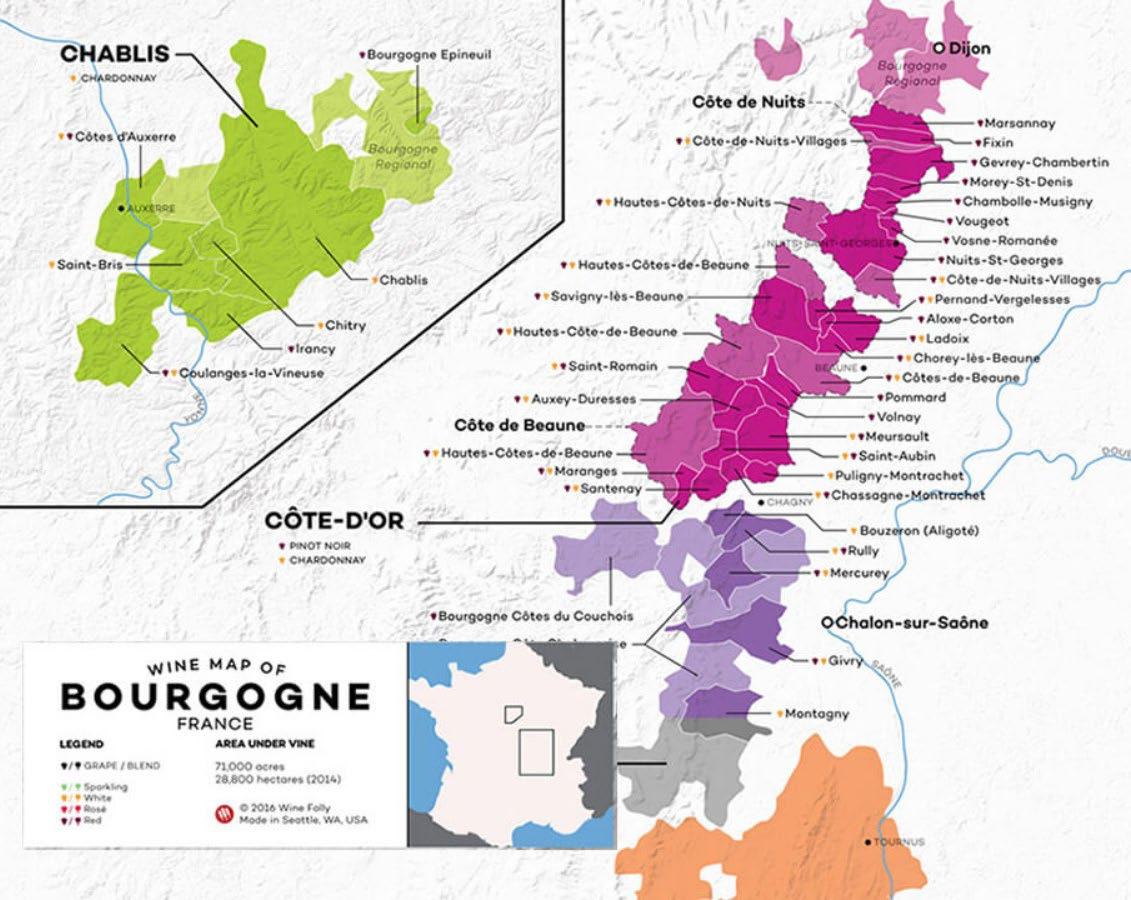
▲ 勃根地產區地圖 (Photo Resource: Wine Folly)
It is within this tension between terroir absolutism and fragmented ownership that the négociant emerged as a structural necessity.
Unlike their counterparts in Bordeaux, Burgundy négociants occupy a far more integrated position within the production chain. In Bordeaux, estates typically control vinification and bottling, with merchants primarily responsible for distribution. In Burgundy, however, smallscale growers often lack the capacity to vinify or bottle their wines. Négociants therefore step in not only as financiers and distributors, but also as producers actively shaping style and quality through blending, élevage, and technical decisions.
In this system, the négociant fulfills two essential roles: as a risk manager diversifying sourcing to buffer against climatic variability and as a market gateway offering accessible regional and village-level wines that introduce consumers to Burgundy.
For much of the twentieth century, this dual system of domaine and négociant operated in equilibrium, forming the backbone of Burgundy's commercial structure.
At its core, the négociant model was not an accessory, but a response to the inherent limitations of Burgundy itself.
Structural Fracture: The Crisis of Négociant System
In the 21st century, this long-standing equilibrium has begun to fracture.
First, vineyard prices have risen beyond agricultural logic, becoming objects of financial speculation. Once released, land is rapidly absorbed by capital, reducing market liquidity and limiting access for traditional players.
At the same time, cost structures have escalated dramatically. Over the past two decades, the price of grapes and bulk wine has multiplied several times over, while expenses for barrels, labor, and risk mitigation continue to climb. Profit margins once sustained through scale and blending have been severely compressed.
Climate change has further destabilized supply. Frost, hail, and extreme heat events once rare have become increasingly frequent, leading to significant fluctuations in yield. In low-production vintages, growers prioritize their own domaine bottlings, pushing négociants to the margins of the supply chain.
Competitive dynamics have also shifted. More domaines are establishing their own négociant operations, directly entering the sourcing market. Meanwhile, consumer perception has increasingly favored estate wines, reinforcing the notion that domaine bottlings are inherently superior despite overlooking the complexity of sourcing and production realities.
Perhaps most concerning is the erosion of Burgundy's entrylevel segment. Regional and village wines historically provided by négociants once served as accessible entry points for new consumers. Rising costs have pushed prices upward, eroding this function and threatening the long-term sustainability of the market.
The system is not collapsing. It is unmistakably under strain.
Reclaiming Control: Strategic Responses of the Négociant
Facing pressures, Burgundy négociants have begun to redefine their roles, seeking new ways to reassert control.
(1) Upstream Integration: Internalizing Uncertainty
Some négociants have chosen to move upstream, integrating production to reduce reliance on external sourcing.
Houses such as Joseph Drouhin have expanded vineyard holdings while adopting organic and biodynamic practices, establishing a consistent internal quality framework. Through long-term partnerships and technical oversight, even purchased grapes is brought into alignment with estate standards.
Albert Bichot has taken this further, shifting from purchasing finished wines to sourcing grapes directly, while building a network of domaines and expanding vineyard ownership. Control over quality is thus relocated from the cellar to the vineyard itself.
In this model, uncertainty is internalized, and style is defined at the point of production.
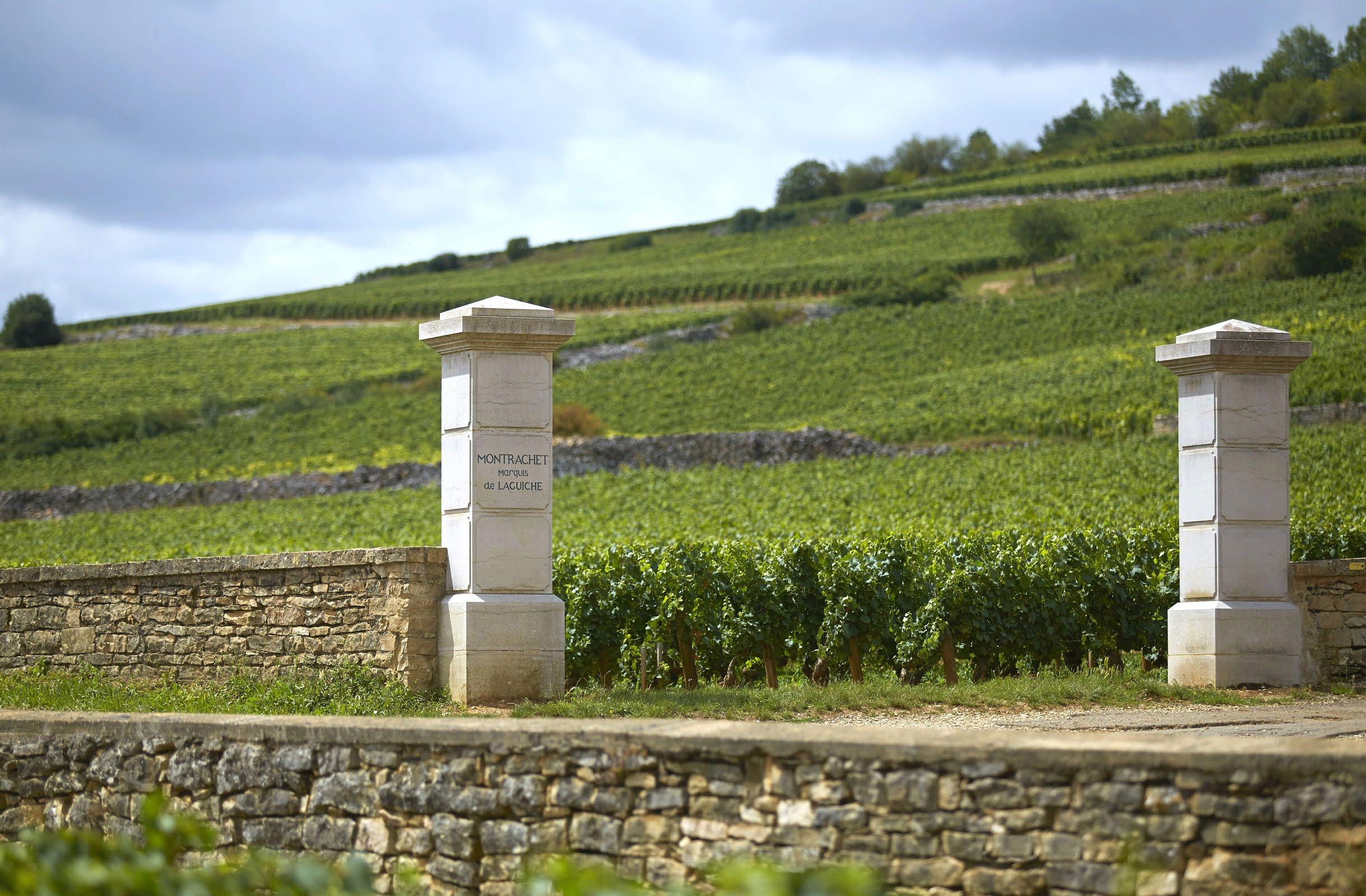
Joseph Drouhin Montrachet Marquis de Laguiche (Photo Resource: Joseph Drouhin)
(2) Brand Power as Stability
Others have taken a different path abandoning upstream control in favor of strengthening brand identity.
Louis Latour exemplifies this approach. Rather than aggressively expanding vineyard holdings, the house has focused on vertical integration maintaining control over cooperage, vinification, and élevage to ensure stylistic consistency independent of origin or vintage.
Louis Jadot extends this logic globally. Despite significant vineyard ownership, its strength lies in translating Burgundy's complex terroir system into a coherent and accessible product map, allowing consumers worldwide to engage with the region through the brand itself.
In this framework, brand replaces land as the primary guarantor of quality.
(3) Returning to Land: Exiting the Négociant Model
A more radical strategy is to abandon the négociant model altogether and return to a fully estate-based approach.
Faiveley has gradually expanded its vineyard holdings, now producing the majority of its wines from estate fruit. The négociant component has been reduced to a supporting role.
Bouchard Père & Fils, under the ownership of Artémis Domaines, represents the most extreme case. Its restructuring involved withdrawing from négociant operations, redistributing vineyard assets, and focusing
entirely on estate-driven production. Top-tier parcels were reassigned to distinct entities, while overall production was significantly reduced.
This transformation reflects a capital-driven logic: terroir is treated as a premium asset to be reorganized, clarified, and revalued.
Here, the négociant is no longer a necessity, but a phase to be left behind.
(4) Control Returns to the Individual: The Rise of the Micro-Négociant
In stark contrast, the emergence of micro-négociants represents a fundamentally different response.
As land becomes inaccessible, a new generation of winemakers has chosen to bypass ownership altogether, reclaiming control through technical mastery, relationships, and deep involvement.
Figures such as Philippe Pacalet exemplify this approach exercising vineyard-level control through long-term contracts while maintaining independence from land ownership. Mounir Saouma of Lucien Le Moine demonstrates that precision in élevage can itself serve as a medium of terroir expression.
As reputations grow, another shift occurs: the winemaker becomes the brand. Benjamin Leroux, Pascal Marchand, and Pierre-Yves ColinMorey have all built identities where personal style rivals terroir as a defining force.
▲ 2016 年因嚴重霜害導致產量大減,七間酒莊聯合釀造出兩桶
At the same time, ultra-small-scale production micro-cuvées has emerged, emphasizing rarity and precision. Producers like Maison Skyaasen and Maxime Crotet focus on minimal intervention and tiny volumes, turning each bottle into a singular expression.
Others, such as Chantereves and Petit-Roy, have turned to overlooked regions, redefining Burgundy's value map by elevating peripheral terroirs.
In all these cases, one shift becomes clear:
The boundary between négociant and domaine is dissolving.
Ownership is no longer the sole determinant of terroir expression understanding and engagement have become equally decisive.
Burgundy has never abandoned terroir only the paths leading to it have changed.
From the traditional role of the négociant as integrator, to capital-driven restructuring of land, to the rise of micro-négociants reclaiming authorship through skill, these transformations are not competing answers, but parallel responses to the same structural tensio n.
As these paths intersect, the rigid hierarchy between domaine and négociant begins to erode. The authority to interpret terroir is no longer exclusively tied to land ownership.
At its core, this is not merely a shift in business models, but a redistribution of control between capital, land, and the individual.
In the end, the future of Burgundy may not be defined by who owns the land, but by who has the ability to make terroir understood and believed.
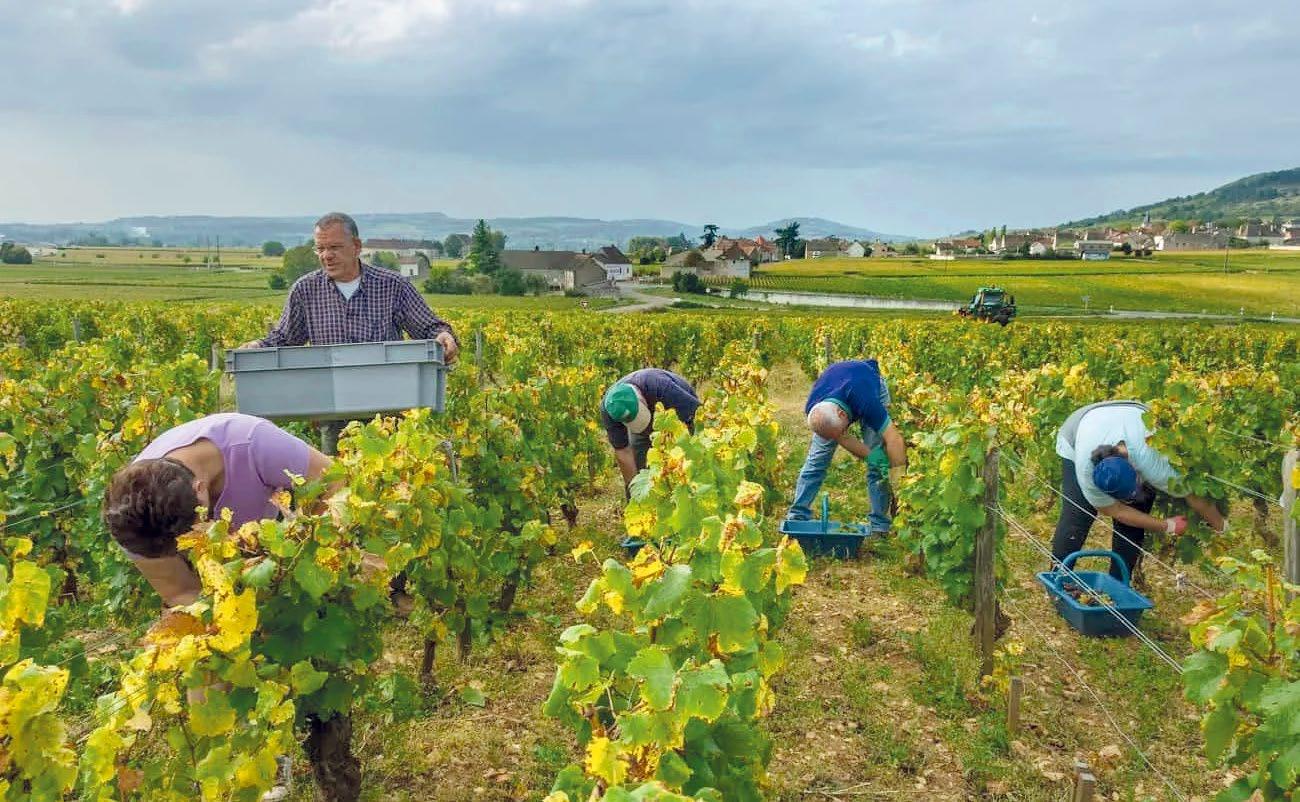
Montrachet (DRC grape pickers in Le Montrachet vineyard, Photo Resource: Decanter (Ian Shaw))