

Unleashing India's Hidden Energy Treasure: The Untapped Potential of Gas Hydrates
India's quest for energy security faces a promising yet underexplored frontier: gas hydrates. Beneath its oceanic territories lies a substantial reserve of these crystalline compounds, offering a cleaner alternative to traditional fossil fuels. Harnessing this resource could significantly augment India's energy portfolio.


Understanding Gas Hydrates: Flammable Ice
Gas hydrates, often called "flammable ice," are primarily composed of methane trapped within water ice structures. These form under low temperature and high pressure, typically in deep ocean sediments and permafrost regions. India's exclusive economic zone (EEZ) holds vast areas conducive to their formation.
Composition
Predominantly methane encased in water ice.
Formation Requires low temperature and high pressure.
Location Deep ocean sediments and permafrost regions.
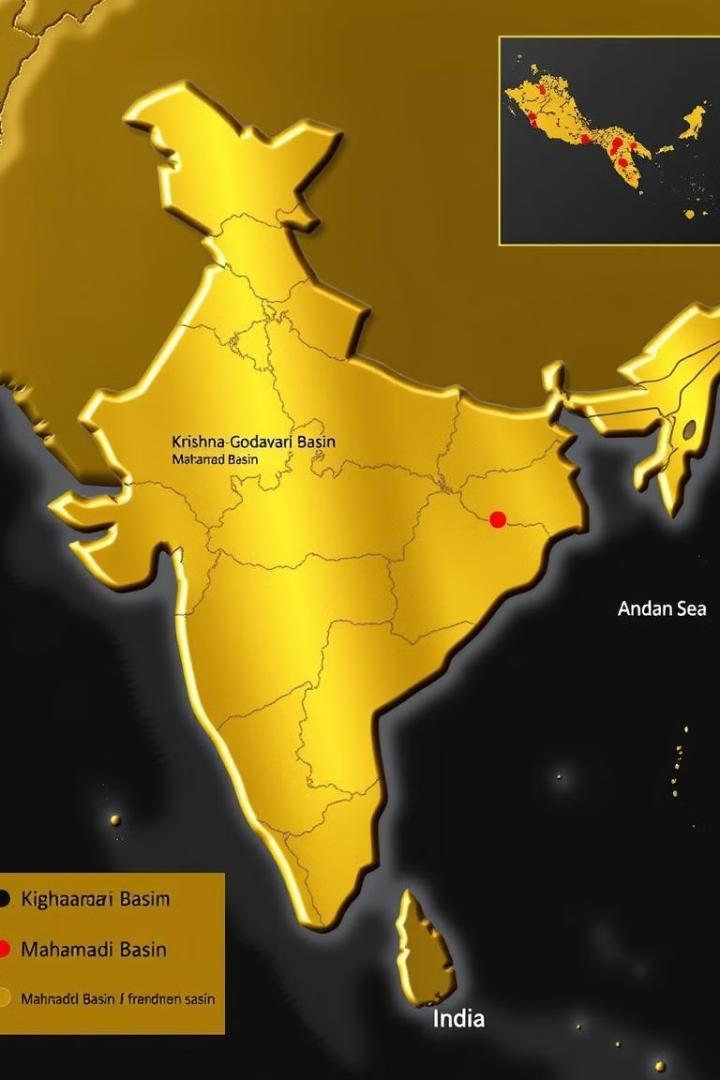
India's Potential Gas Hydrate Reserves
India's EEZ holds substantial gas hydrate deposits, particularly in the Krishna-Godavari Basin, Mahanadi Basin, and Andaman Sea. These reserves could provide a cleaner alternative to traditional fossil fuels. Estimates suggest these deposits could be monumentally valuable to India's energy future.
Krishna-Godavari Basin
Known for significant gas hydrate accumulation.
Mahanadi Basin
Another key region with hydrate deposits.
Andaman Sea
Potential for large-scale gas hydrate exploration.

Technological Barriers to Extraction
Extracting methane requires advanced technology to depressurize or heat sediments without environmental harm. India needs indigenous technology for safe, efficient extraction, facing challenges in developing such solutions. Collaboration with experienced nations could speed up progress.
1 Advanced Technology Needed for depressurization or heating.
2 Indigenous Solutions
Essential for safe and efficient extraction.
3 International Collaboration To accelerate technological advancements.
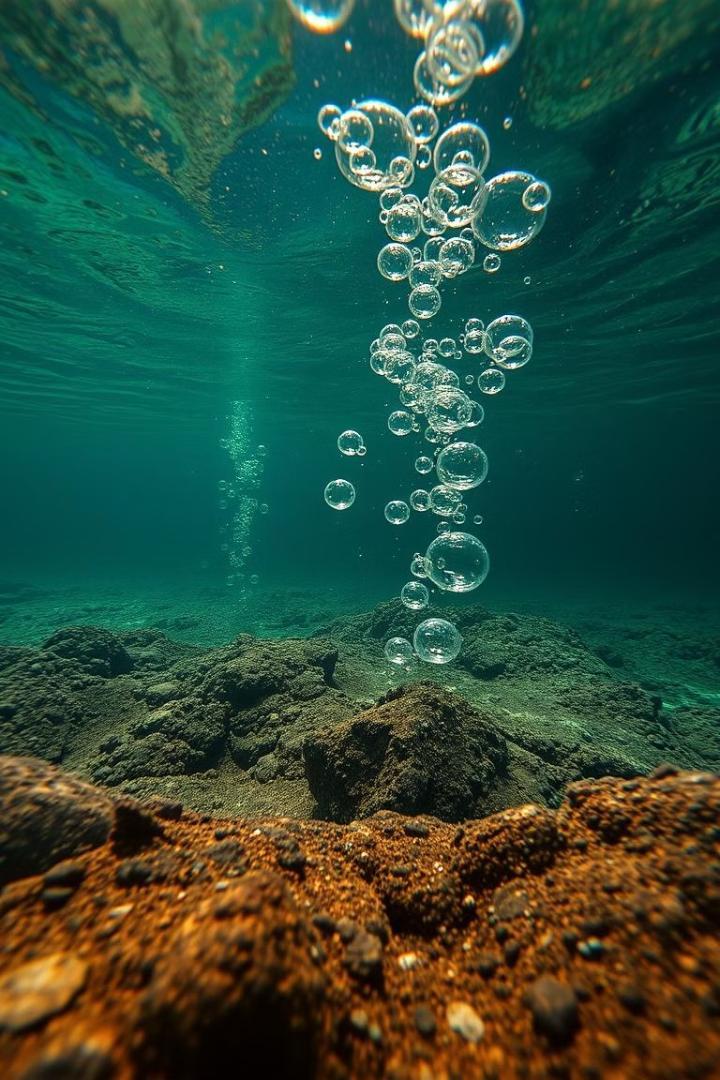
Environmental Concerns and Mitigation
Disturbing gas hydrate sediments carries risks, including methane release, a potent greenhouse gas, and seabed destabilization. Comprehensive environmental impact assessments are crucial to protect marine ecosystems. India must prioritize these considerations.



Methane Release
A potent greenhouse gas concern. Seabed Destabilization
Risk of underwater landslides.
Impact Assessments
Essential for ecosystem protection.
Economic Viability and Investment
Developing infrastructure for gas hydrate extraction involves high costs. Economic feasibility remains uncertain with fluctuating global energy prices. Clear policies and regulatory frameworks are necessary to attract investments in a responsible, sustainable way.

Global Efforts and Lessons
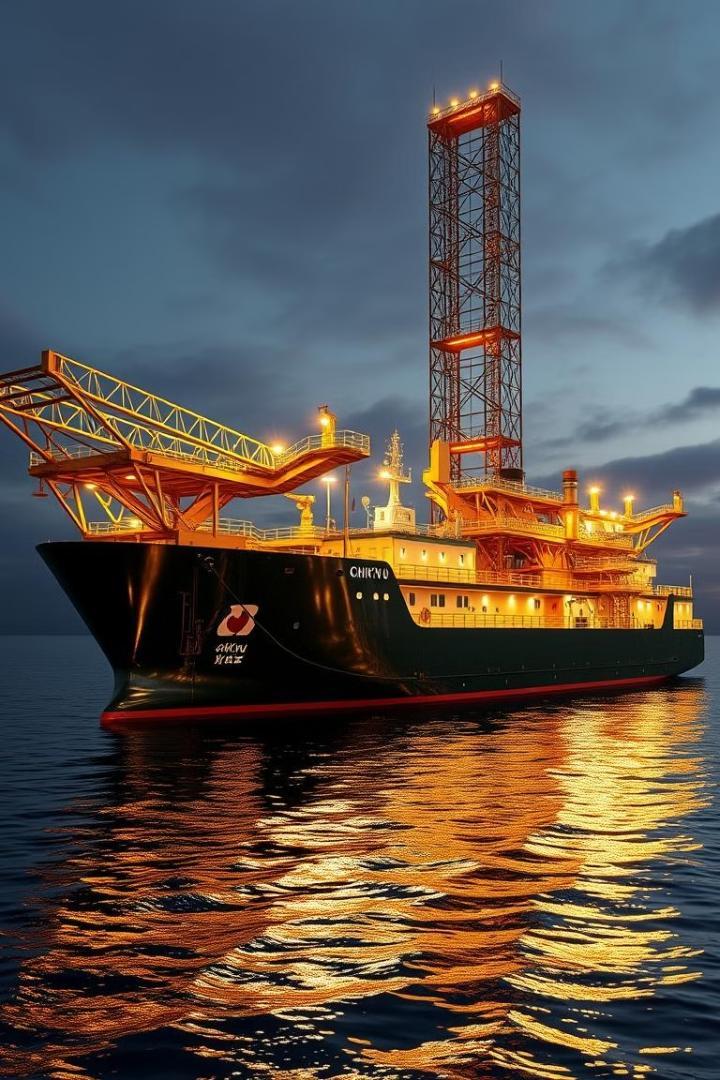
Nations like Japan and the United States have invested significantly in gas hydrate research and extraction. Japan achieved a milestone by extracting methane in the Nankai Trough. India can gain insights from international endeavors and adapt best practices to its own environment.
1 Japan's Nankai Trough Successful methane extraction.
2 US Investments Significant funding in research.
3 International Insights
Adapting best practices for India.
India's Strategic Way Forward
To harness its gas hydrate potential, India must invest in R&D, develop environmental safeguards, and establish clear policies. Strategic planning and international collaboration can pave the way for responsible and effective resource utilization, augmenting India's energy portfolio in the coming years.


Invest in R&D for tailored technologies. Develop environmental safeguards for ecosystems.

Establish clear and attractive policy frameworks.