Ratul Puri – GK Tutor, Uttar Pradesh



Ratul Puri – GK Tutor, Uttar Pradesh
• Financial crimes like money laundering can harm a country’s economy
• Illegal transactions reduce transparency and trust
• India has established agencies to monitor financial activities
• The Enforcement Directorate (ED) plays a key role in enforcing economic laws
Money Laundering in India | Financial Crime Awareness


The Enforcement Directorate (ED) is a government agency It investigates financial crimes in India
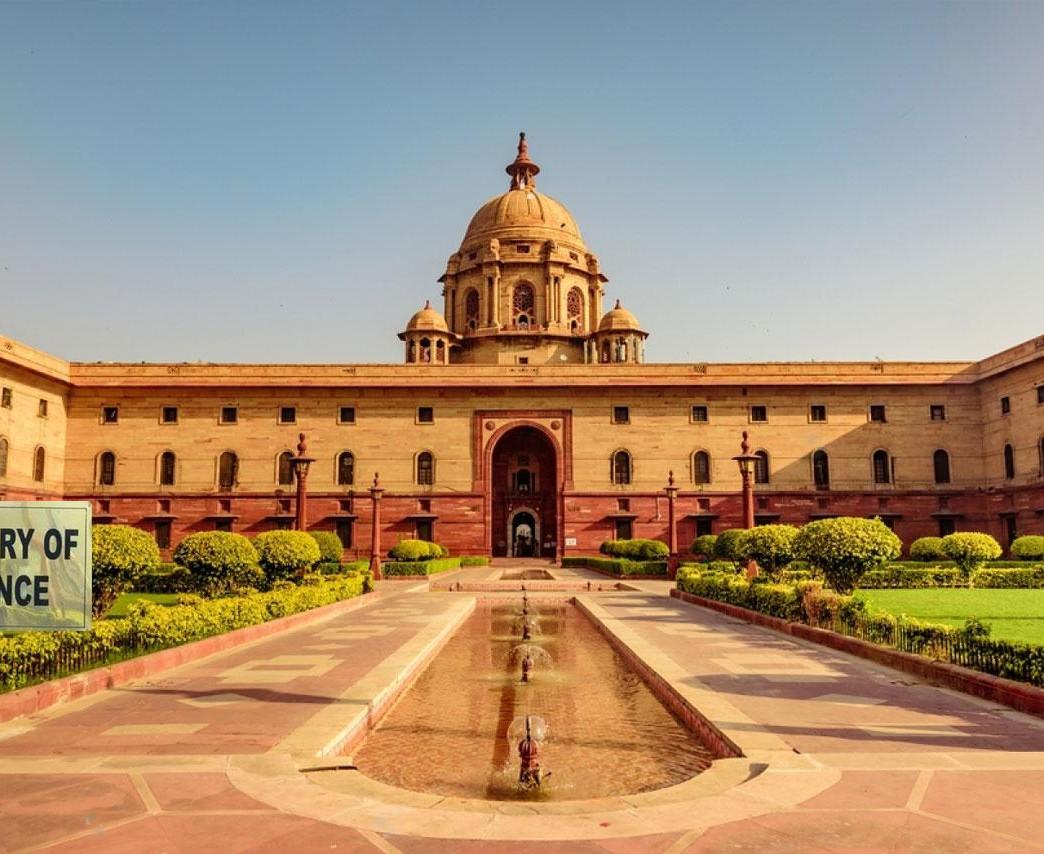
Works under the Department of Revenue, Ministry of Finance
Focuses on money laundering and foreign exchange violations
ED India | Enforcement Directorate Role | Ministry of Finance
Established in 1956
Initially focused on foreign exchange violations
Expanded role with economic growth and globalization Now handles complex financial investigations and international transactions
ED History India | Economic RegulationIndia
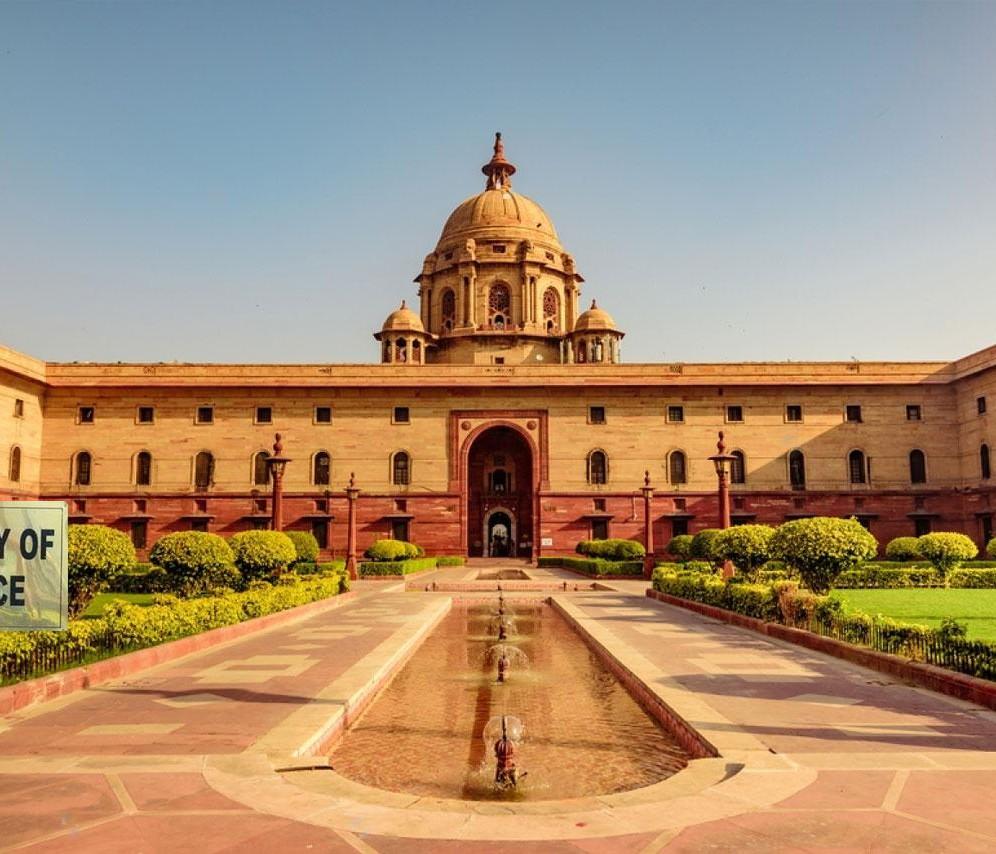
LegalFramework
Foreign Exchange Management Act (FEMA),1999
⚬Regulates foreign exchange transactions Prevention of Money Laundering Act (PMLA),2002
⚬Prevents illegal money conversion intolegalincome FEMA 1999 | PMLA 2002 | Money Laundering Laws
• Cases start from suspicious activity reports
• Examination of bank records and financialtransactions
• Analysisofcorporatedocuments
• CollaborationwithagencieslikeCBI
• Legal action taken if violations are confirmed
Ensures financial transparency and accountability
Prevents illegal financial practices
Strengthens economic stability
Helps maintain trust in financial systems
Important for competitive exam preparation
Understanding the ED helps build awareness of India’s financial and legal system
Ratul Puri – GK Tutor, Uttar Pradesh
Thank you for going through this presentation.
We hope this helped you understand the role of the Enforcement Directorate (ED) in India’s financial system.
This information has been provided by
Ratul Puri
(GK
Tutor, Uttar Pradesh, India)