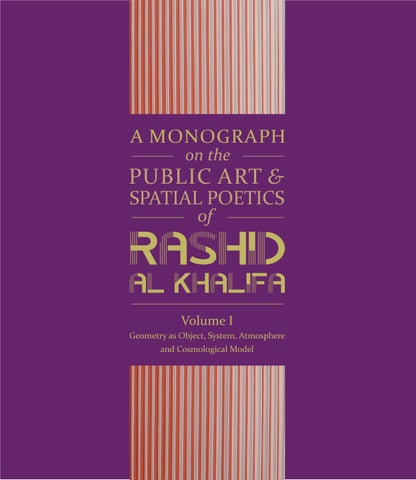
RAK - PUBLIC ART - SPATIAL POETICS MONOGRAPH VOL.1
Introduction
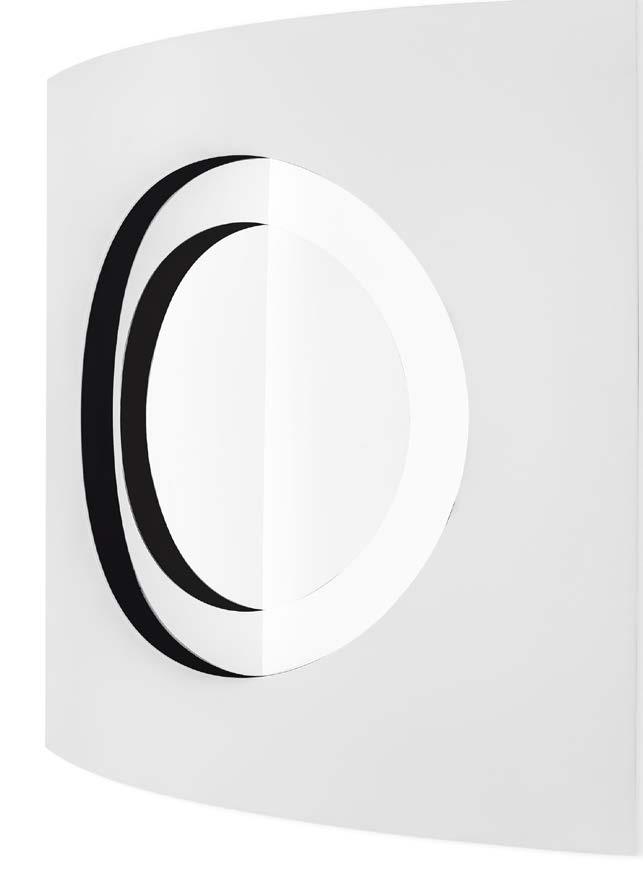
Geometry, in Rashid Al Khalifa’s practice, is not a language of description, but a mechanism through which space itself comes into being.
Rashid’s practice originates in a refusal of the surface as a limit, and in the recognition of geometry as a living spatial force. His early convex aluminium works mark the first decisive shift away from the canvas as a site of illusion toward the canvas as a spatial body governed by curvature, tension, and geometric continuity. By forcing the picture plane outward into physical space, he transformed geometry from a visual ordering device into a structural condition. The surface no longer contained form; it generated it. Light adhered to its curvature, shadows articulated its logic, and perception became contingent on movement around it.
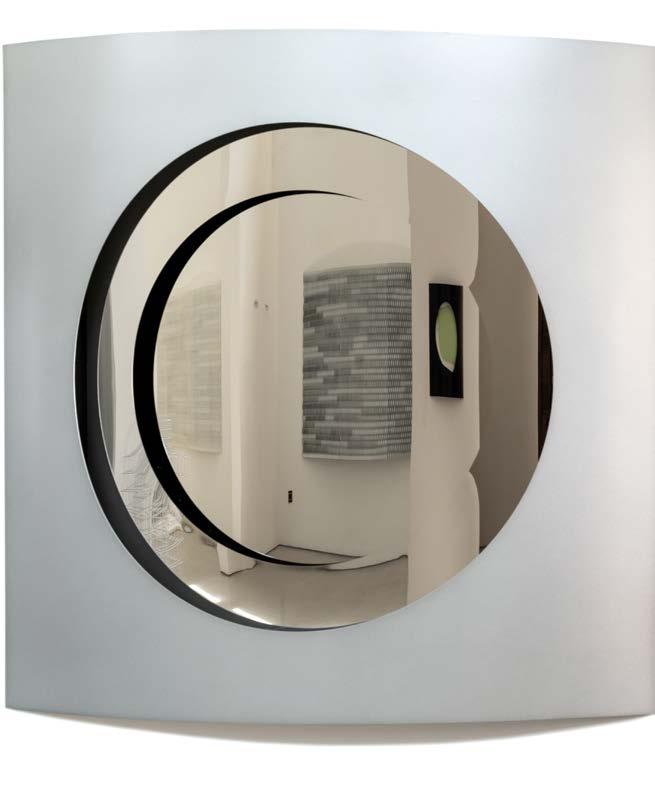
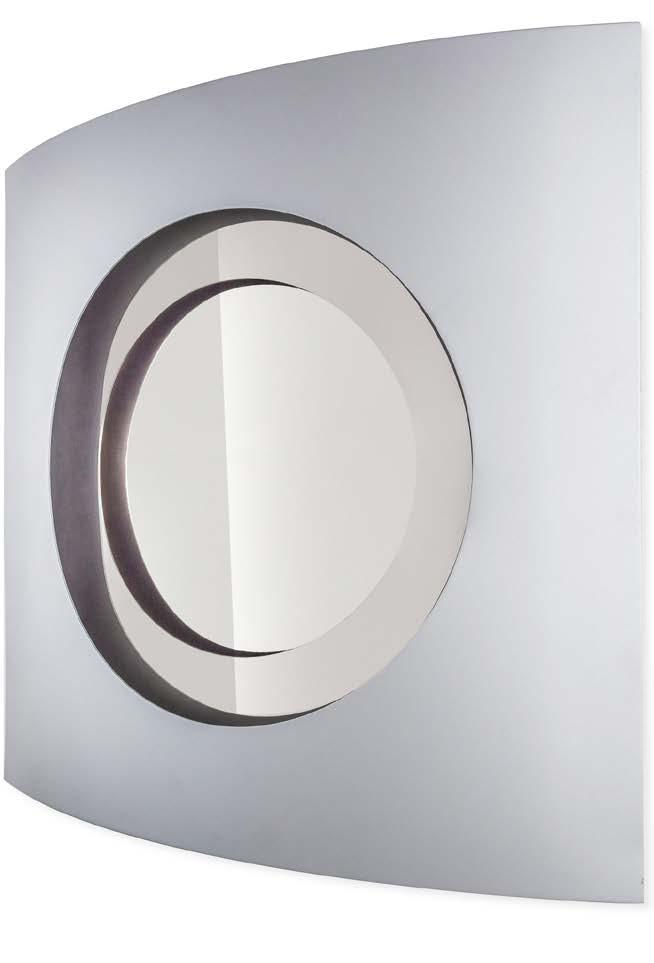
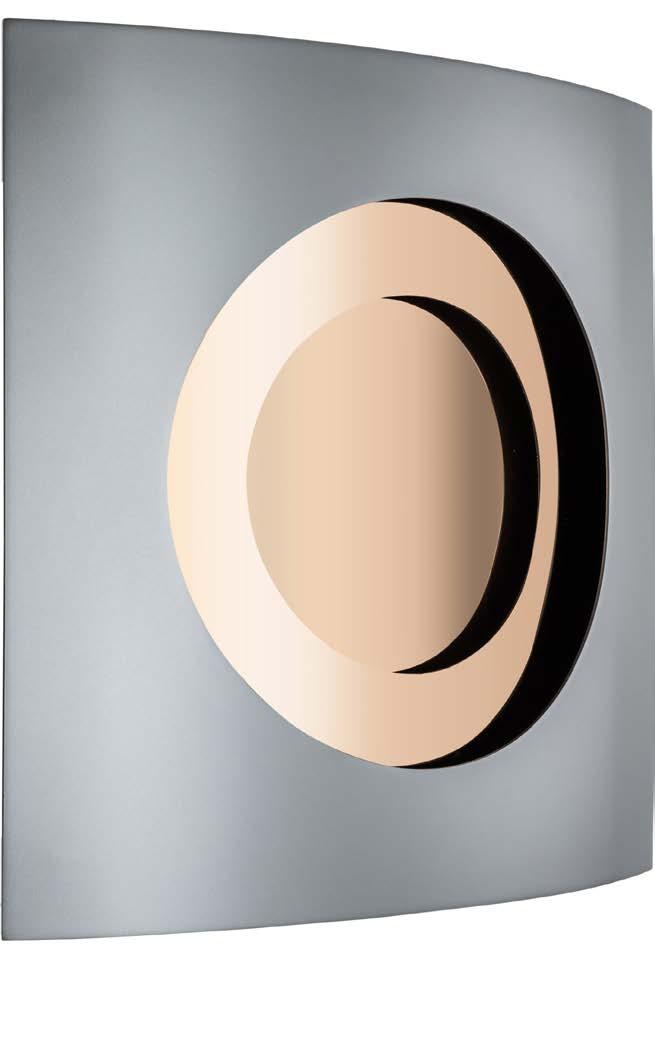
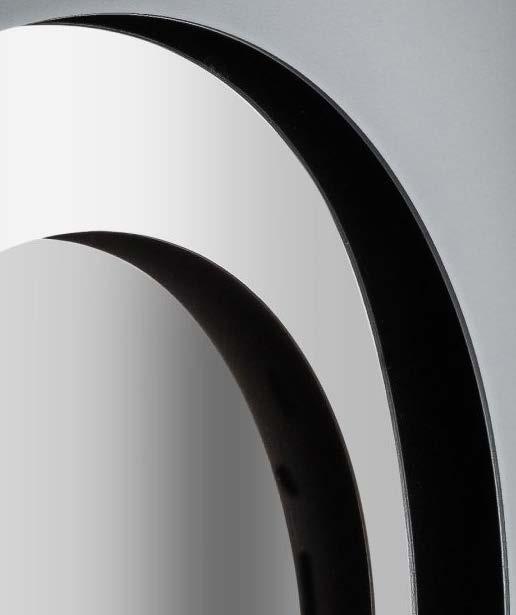
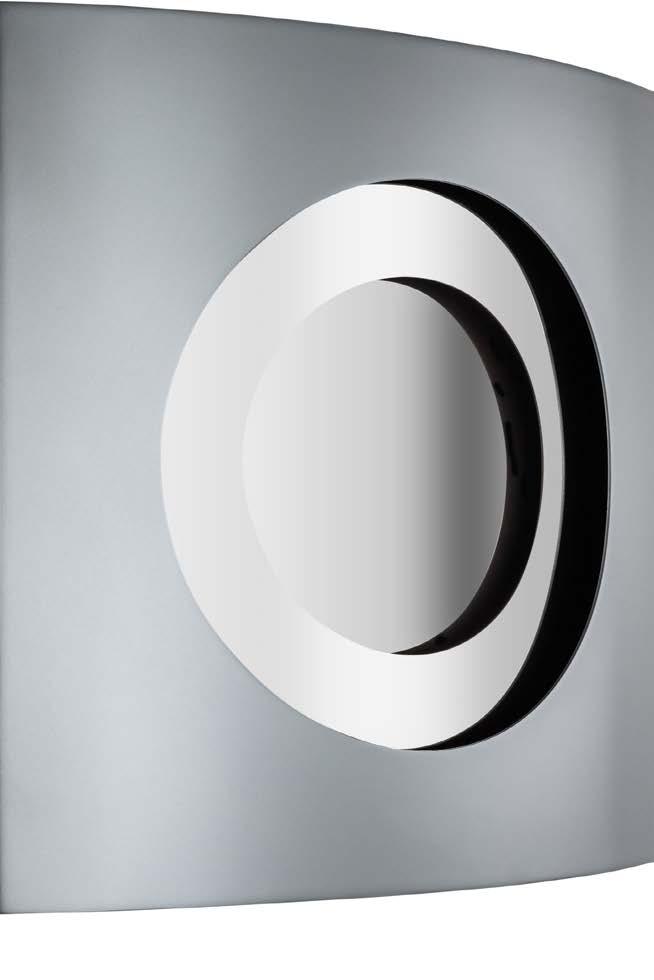
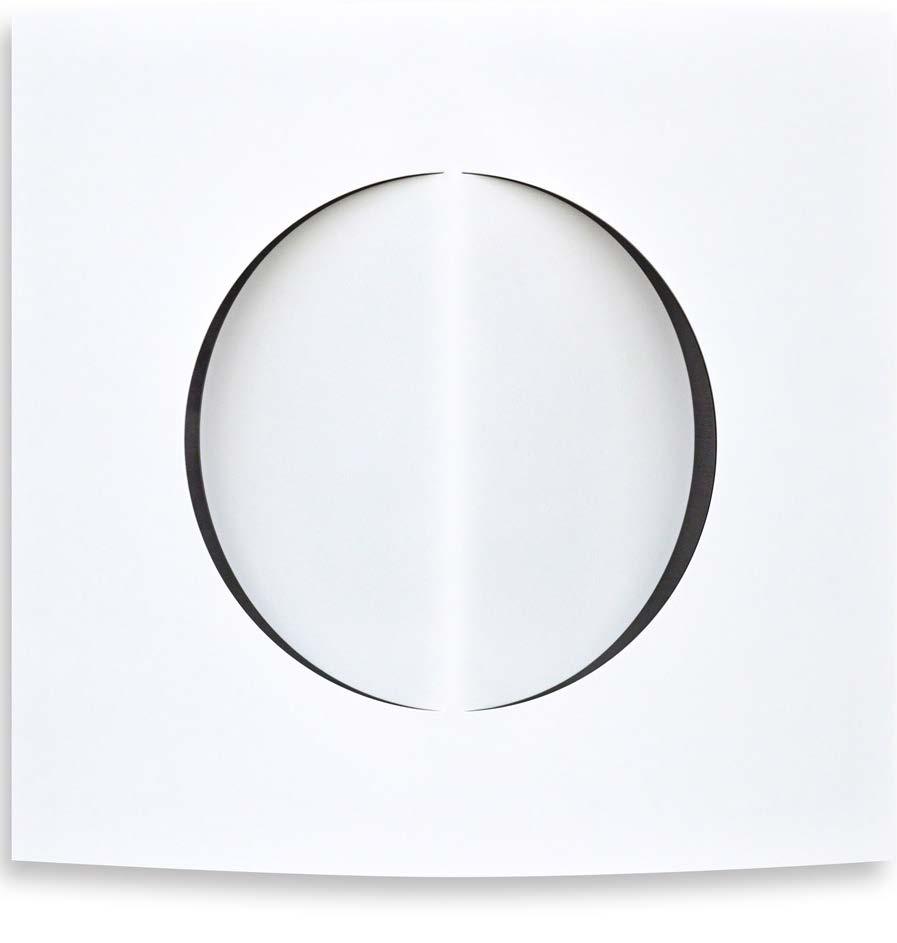
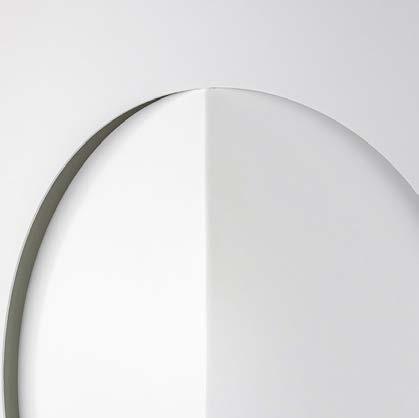
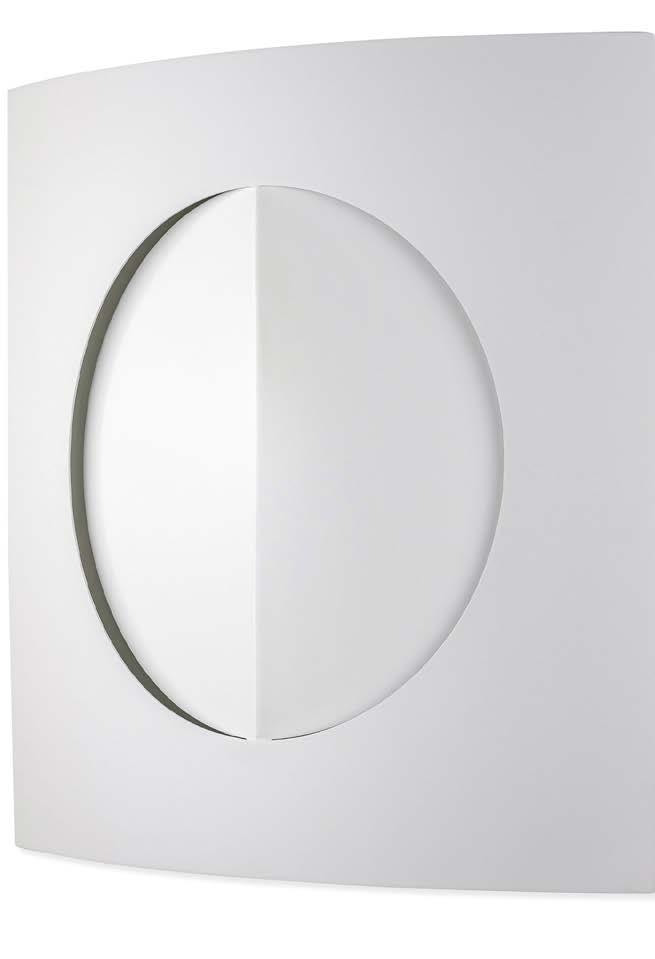
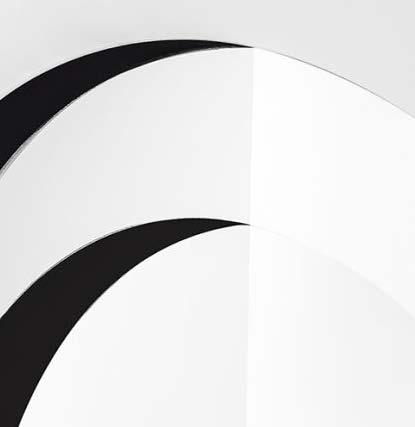
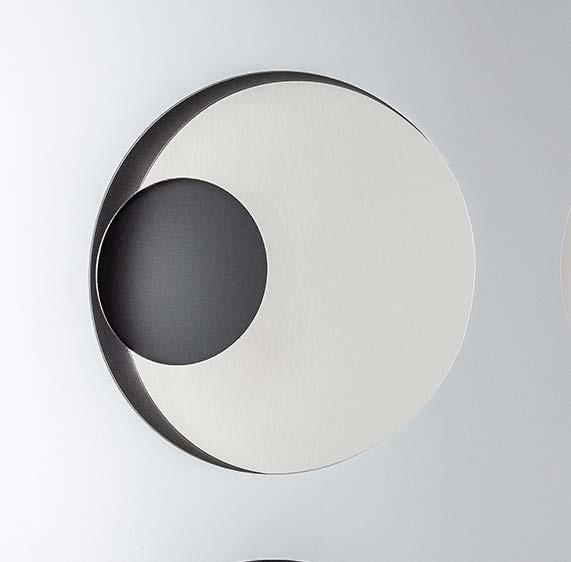
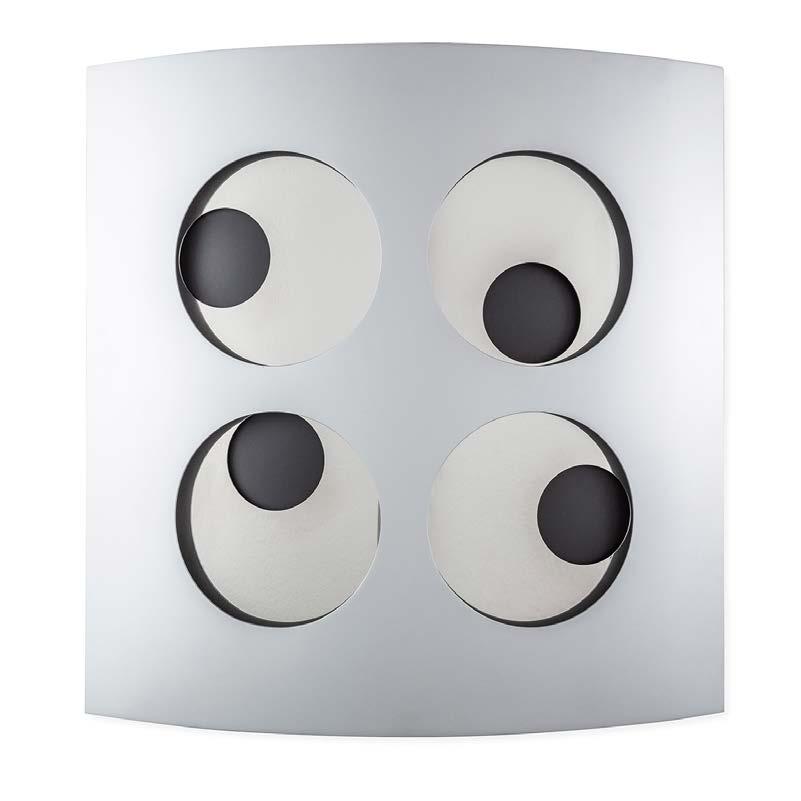
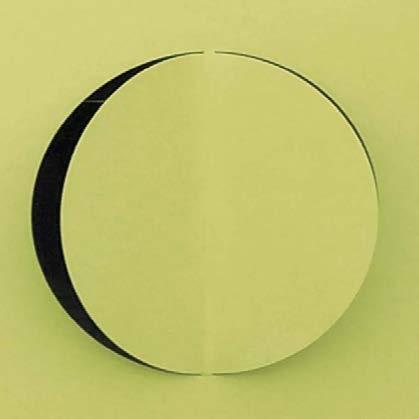
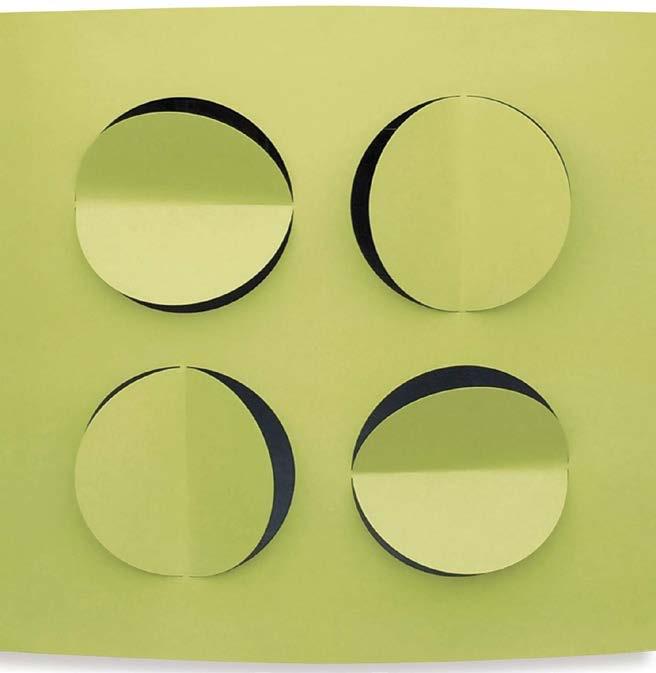
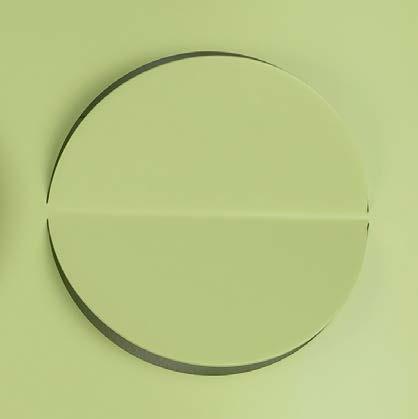
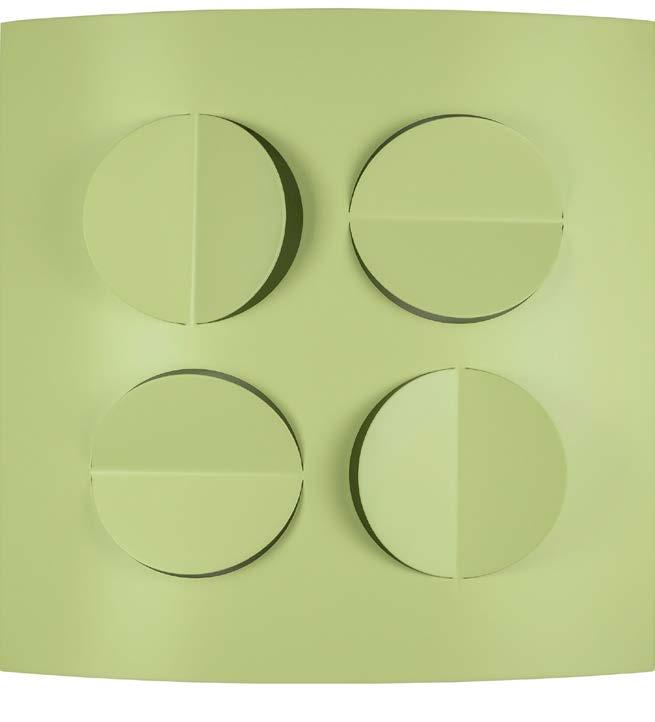
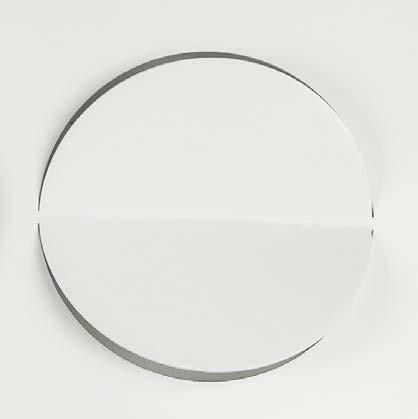
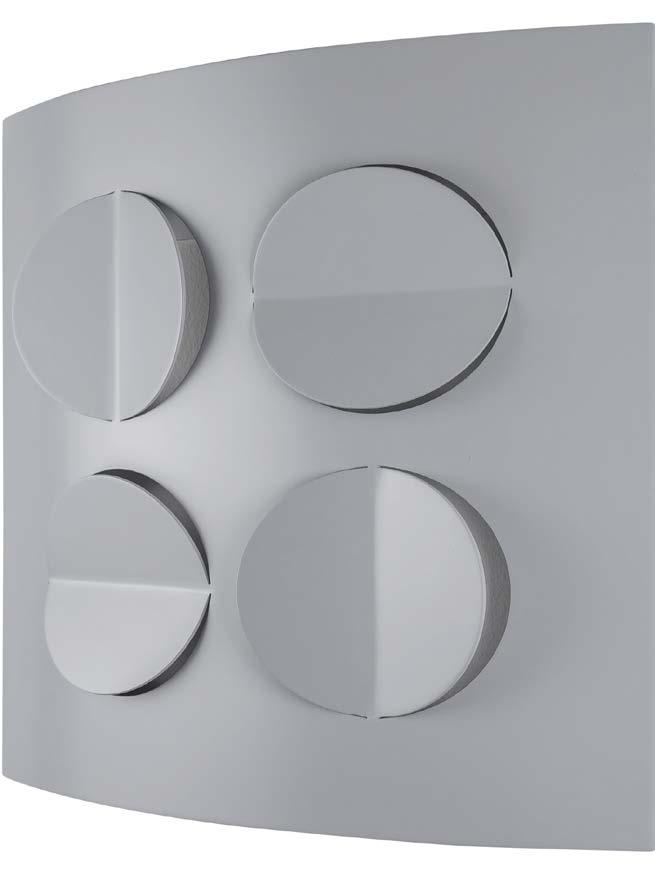
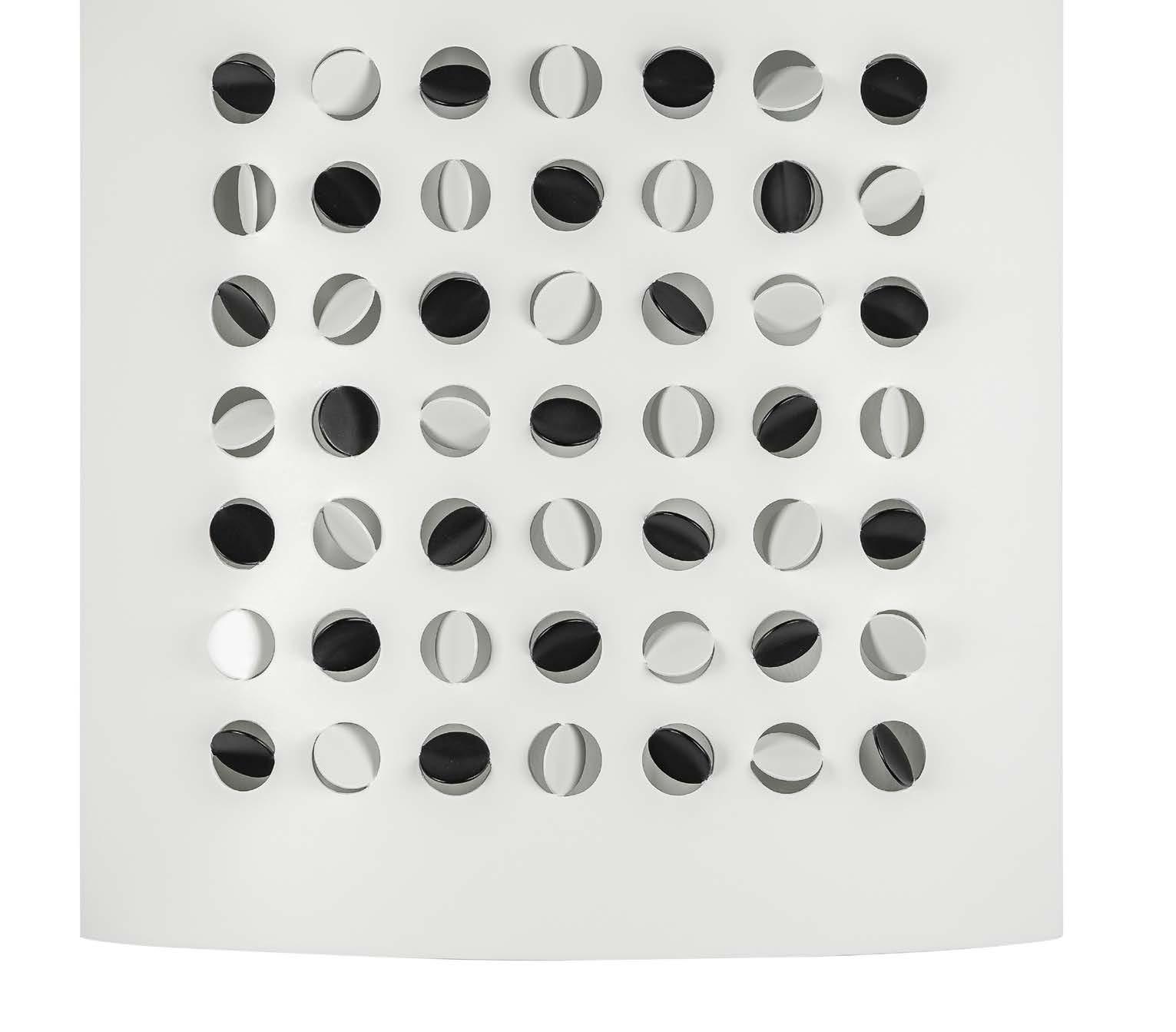
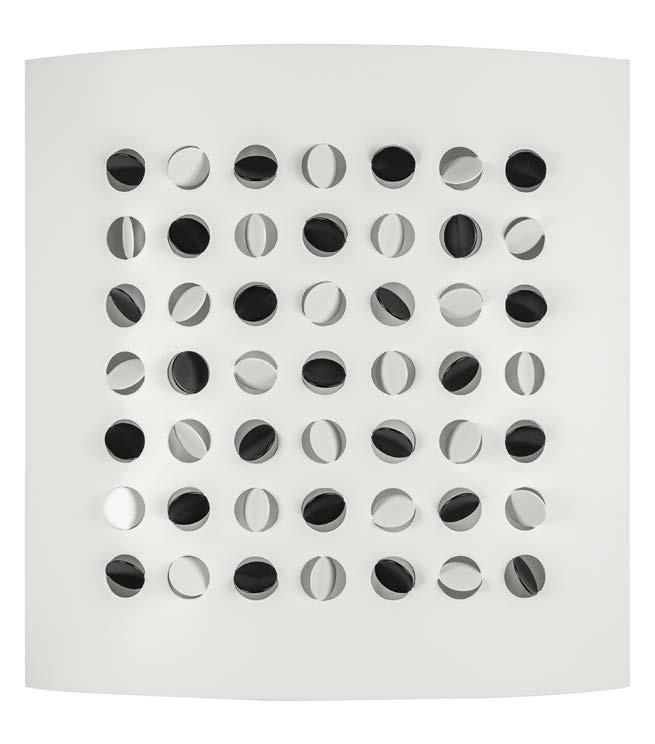
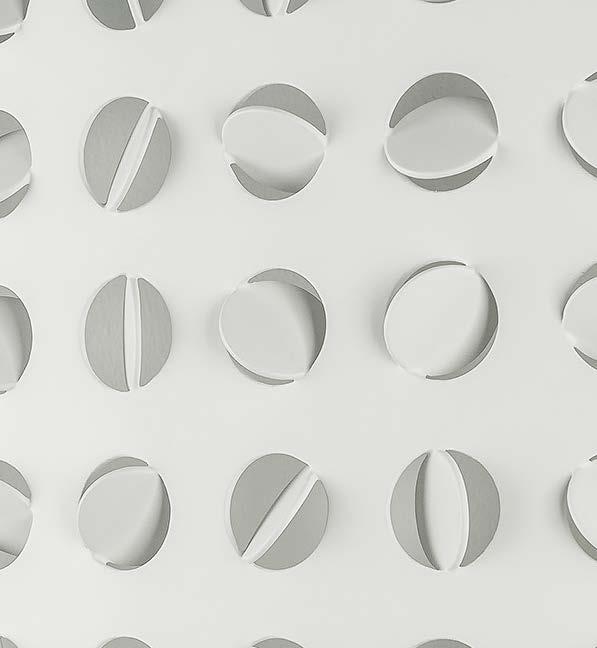
From this geometric awakening emerged the kinetic works, in which form was no longer fixed but behaviourally open. Aluminium sheets were punctured through precise circular incisions, establishing apertures that were at once geometric and environmental. These were not expressive gestures, but controlled structural interventions.
Geometry became permeable. Light entered, depth became actual, and the work began to operate as a system responsive to its surroundings. Movement was no longer represented through composition, but produced through the interaction between geometric order and environmental flux. >
The parametric works developed from this kinetic and geometric foundation. Here, Rashid stabilised movement through repetition, modularity, and mathematical sequencing.
Geometry assumed its most disciplined form—not static, but generative. Perforated grids, layered planes, and recursive structures allowed motion to persist as a latent condition within fixed form. What appears still is, in fact, dynamically resolved.
Geometry became the medium through which movement was retained without mechanical action.
This progression—from convex curvature, to kinetic incision, to parametric order—reveals Geometry as the underlying intelligence of Rashid’s practice.
It is Geometry that allows space to become perceptible, light to become structural, and stillness to retain the memory of motion v
Rashid Al Khalifa
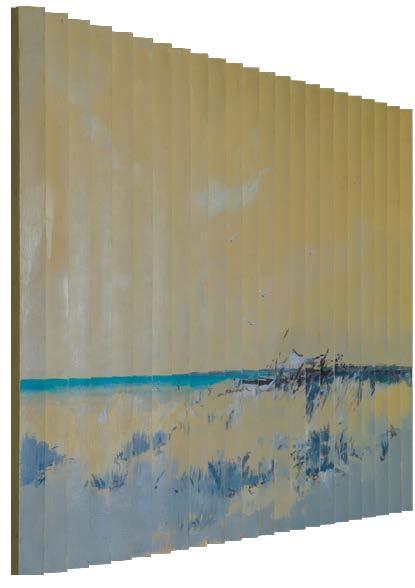
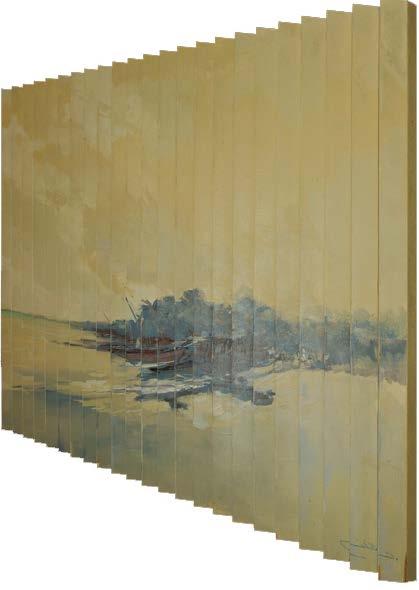
Rashid Al Khalifa’s practice has evolved over several decades, moving from landscape painting toward abstraction, and eventually into a distinct language of minimal and architectural form. While the mediums have shifted, a consistent thread runs through his work: an acute sensitivity to the changing landscape of Bahrain.
Early works engaged directly with the visible environment — its light, atmosphere, and terrain. As the physical landscape transformed, so too did Rashid’s approach.
Representation gradually gave way to reduction. What began as observation became translation: light into surface, structure into rhythm, environment into form.
Rather than preserving the past as image, Rashid reconfigures it as spatial experience. Elements of traditional architecture — latticework, repetition, modular pattern — are not reproduced but distilled. Through processes of simplification and refinement, these references are returned to their underlying principles and rearticulated within a contemporary vocabulary.
This approach resists nostalgia. Instead, it proposes continuity through transformation. Cultural memory is not fixed, but carried forward — embedded within material, proportion, and light. His works, often constructed in aluminum and activated through shadow and perception, exist in a state of quiet responsiveness, shifting with the movement of the viewer and the passage of time.
Across painting, object, and installation, Rashid’s practice reflects an ongoing negotiation between past and future, structure and sensation, permanence and change. What emerges is not a record of place, but a spatial language shaped by it v
Memory of Kinetics
Memory of Kinetics marks the point at which Rashid’s work begins to internalize movement as a structural principle rather than an observable event. It is here that motion shifts from being something seen in the world to something constructed within form itself. The work no longer depends on physical displacement or mechanical action, but instead engages the deeper perceptual mechanisms through which movement is sensed, anticipated, and remembered. This moment does not yet present a fully formed system, but it establishes the conditions for one. Geometry becomes responsive, space becomes temporal, and structure begins to carry within it the latent presence of motion. What emerges is not kinetic art in the conventional sense, but a more fundamental inquiry into how movement can exist as an embedded property of form — held in tension, perceived through duration, and completed in the consciousness of the viewer.
The roots of Rashid’s parametric language extend into much earlier kinetic works — most notably his pioneering 1982 kinetic sculpture exhibited in Washington D.C.
Before movement became system, and before geometry became language, Rashid’s practice was shaped by an attentiveness to kinetic perception — the way motion is sensed, remembered, and reconstructed by the body. Memory of Kinetics does not refer to literal movement, but to the residue of movement: the afterimage, the trace, the sensation that lingers once motion has passed.
In Rashid’s work, kinetics emerges not as mechanical action but as embodied memory. The eye recalls shifts in angle, repetition, and curvature. The body registers rhythm through spatial progression. Movement is not performed; it is implied, accumulated, and held within form. What appears static is never still. Instead, it contains compressed motion — energy stored within structure. >
This understanding of kinetics grows directly from Rashid’s engagement with environment. As his work moved beyond objecthood into spatial systems, the question was no longer how a form looks, but how it behaves over time.
How does perception change as a viewer approaches, passes, pauses, or returns? How does repetition generate momentum? How does stillness retain the memory of motion?
Rather than relying on mechanical movement or digital animation, Rashid explores kinetics through optical and spatial means. Subtle shifts in alignment, gradation, and curvature activate the eye. Sequences produce visual pulses. Repetition establishes rhythm. The viewer’s movement through space completes the work, animating it through perception rather than mechanism.
Memory plays a central role in this process. As viewers move through or around the work, perception unfolds temporally. What is seen at one moment is recalled in the next, creating continuity across space. The work is never apprehended all at once; it is constructed mentally through duration. Kinetics, in this sense, exists in the viewer as much as in the object.
This approach distinguishes Rashid’s practice from traditional kinetic art. There are no motors, no literal motion, no spectacle of movement. Instead, there is restraint. Motion is internalized, translated into structure and sequence. The work invites attentiveness rather than distraction, asking the viewer to become aware of their own perceptual processes. >
The concept of Memory of Kinetics also signals a methodological shift. Movement becomes something that can be designed, measured, and controlled without being enacted. This realization opens the possibility for a more rigorous system — one in which motion can be embedded within geometry itself. What begins as perceptual sensitivity prepares the ground for formal language.
At this stage, Rashid’s work exists in a state of tension. It is no longer purely environmental, yet not fully systematic. Kinetics is present, but not yet codified. The work hovers between intuition and structure, between sensation and discipline. This tension becomes productive. It is the condition from which the parametric language will emerge.
Memory of Kinetics therefore represents a critical threshold in Rashid’s practice. It marks the moment when movement is no longer an external phenomenon to be observed, but an internal principle to be constructed. From here onward, motion will be formalized, refined, and expanded — not as animation, but as geometry in action
The emergence of Rashid Al Khalifa’s parametric language follows directly from the kinetic investigations that preceded it. If the kinetic works revealed movement as a fundamental spatial condition, the parametric works represent the moment that movement becomes structurally resolved. Motion, once dependent on physical displacement, environmental interaction, or perceptual instability, is gradually internalised within geometry itself. The surface no longer needs to move; it acquires the capacity to hold movement in equilibrium.
Although Rashid is not a computational designer by training, the parametric ethos— repetition, variation, and systemic coherence—had long been present within his practice. His early convex forms had already activated geometry as a spatial force, and the kinetic works had opened the surface through incision, depth, and permeability. These investigations revealed that even minor geometric variation could generate profound perceptual and spatial effects. The parametric works emerge from this discovery, transforming kinetic behaviour into a stable structural language.
The Parametric Series, which began to fully mature in the late 2010s, does not represent a stylistic shift but a structural clarification. What had previously existed as kinetic activation becomes formalised as geometric order. Through modular repetition, calibrated perforation, and controlled variation, Rashid develops works that operate as internally regulated systems. Movement persists, but no longer as mechanical action. Instead, it exists as a latent condition embedded within proportion, interval, and sequence.
This transition reflects a fundamental shift in how movement is produced and sustained. Rather than relying on physical motion, Rashid allows geometry itself to generate dynamic perceptual conditions. Repetition produces rhythm; variation produces instability; structure produces equilibrium. The eye moves across the surface, encountering patterns that appear to expand, contract, and reorganise. Motion is no longer enacted—it is encoded. >
What distinguishes Rashid’s parametric language from computational parametrics is its origin in material intuition rather than algorithmic automation. His structures are not generated through digital computation, but through disciplined observation and iterative construction. Each work emerges from a continuous negotiation between rule and adjustment, system and perception. The result is a form of parametric thinking grounded in physical reality rather than abstract calculation.
The parametric works resolve a central question introduced by the kinetic phase: how can movement persist without mechanical motion?
Rashid’s answer is geometry.
Through parametric order, movement becomes permanent, held within structure rather than enacted through displacement. Stillness is no longer inert, but dynamically sustained. This chapter marks the point at which Rashid Al Khalifa’s kinetic intelligence achieves its most stable form. Movement, once external and contingent, becomes internal and structural. Geometry assumes the role of motion’s enduring carrier
Geometry as the stabilisation of movement.
Penumbra
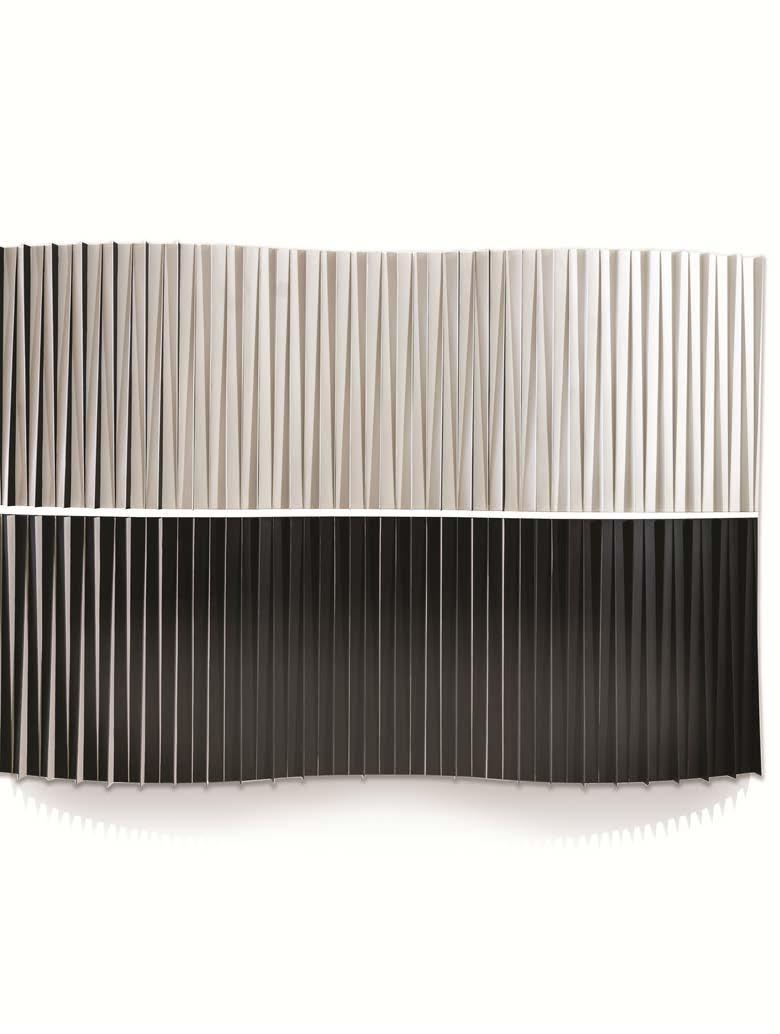
Emerging from the development of parametric structure, the Penumbra series marks a decisive shift in Rashid’s practice, where geometry begins to engage directly with light as an active and variable condition. The works are no longer defined solely by their structural logic, but by their capacity to register and transform illumination.
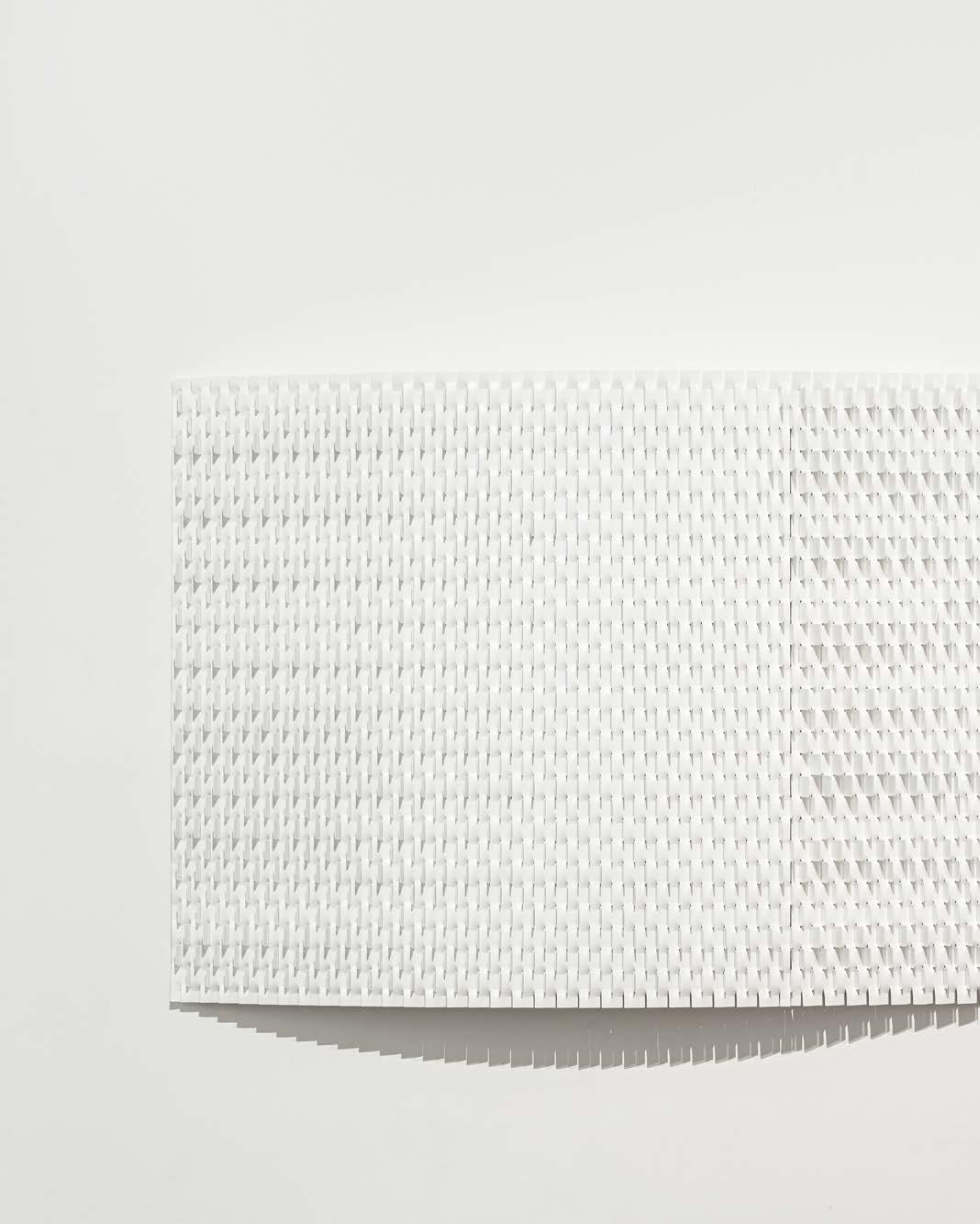
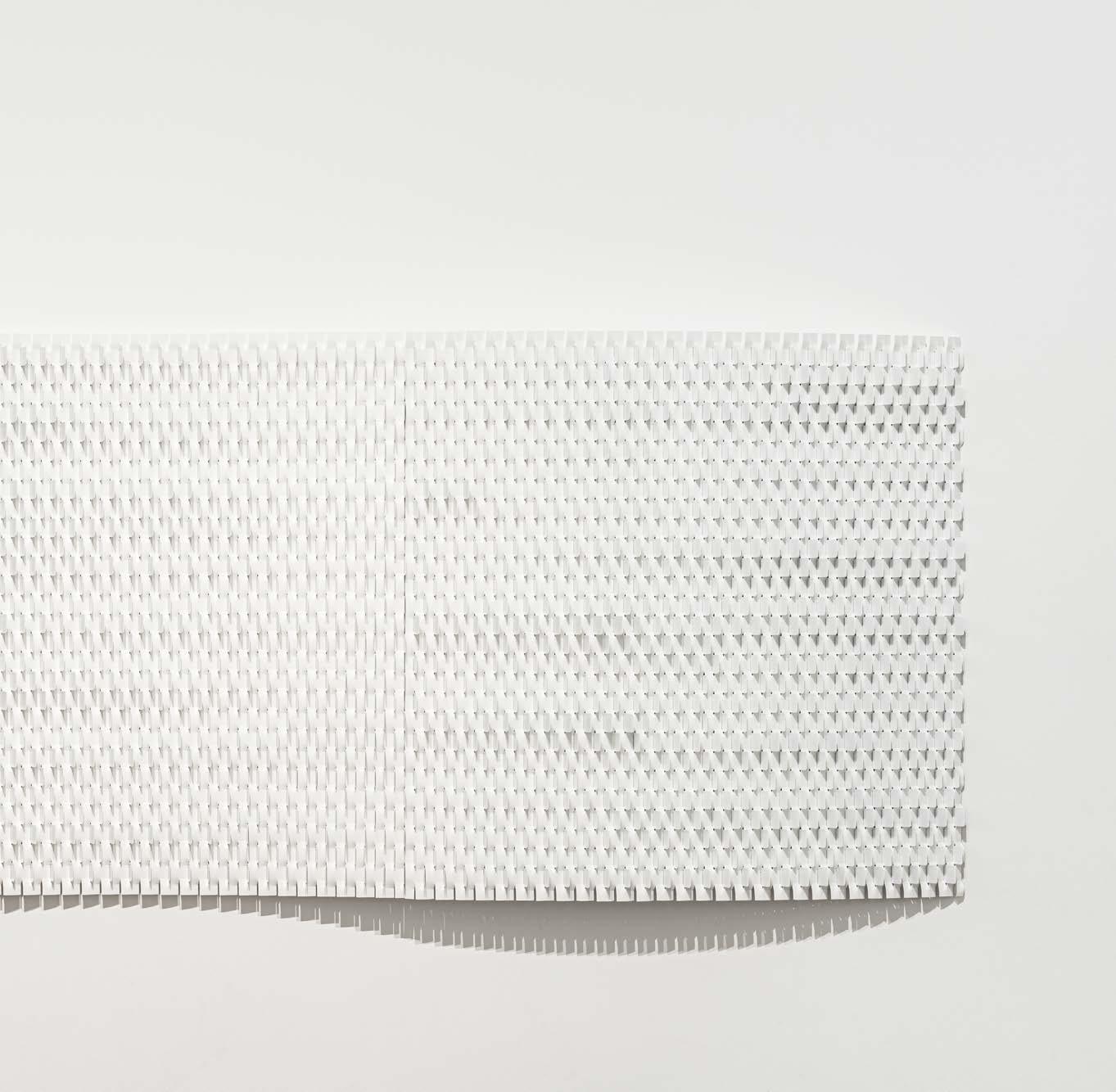
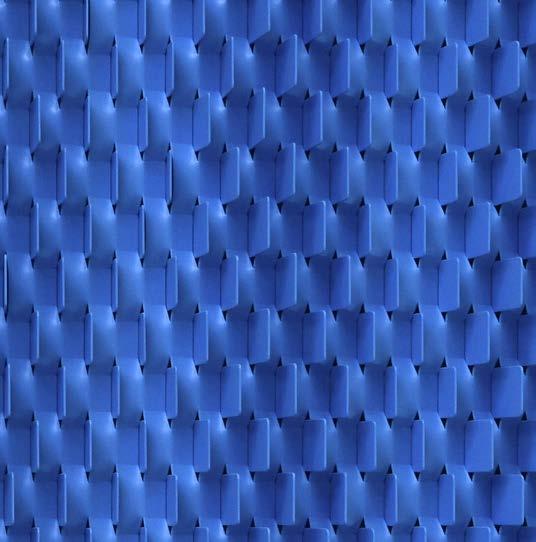
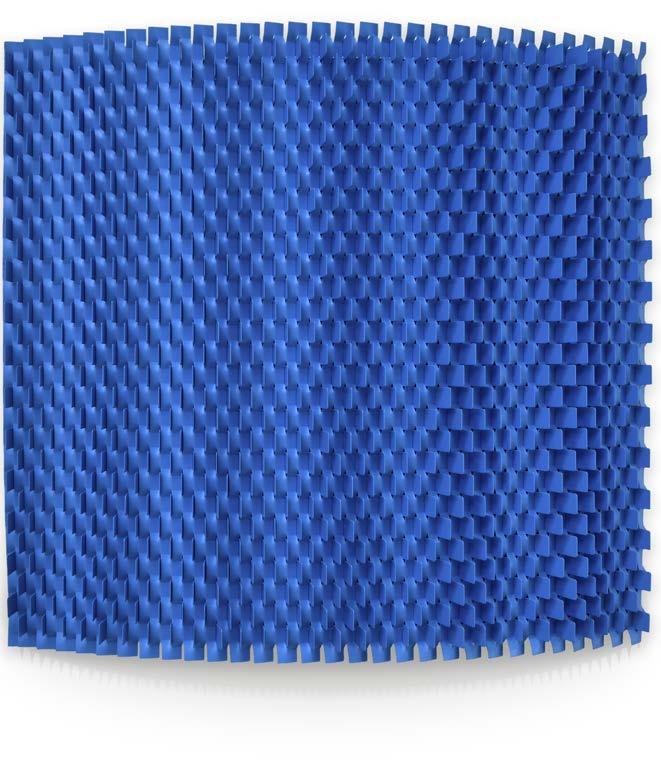
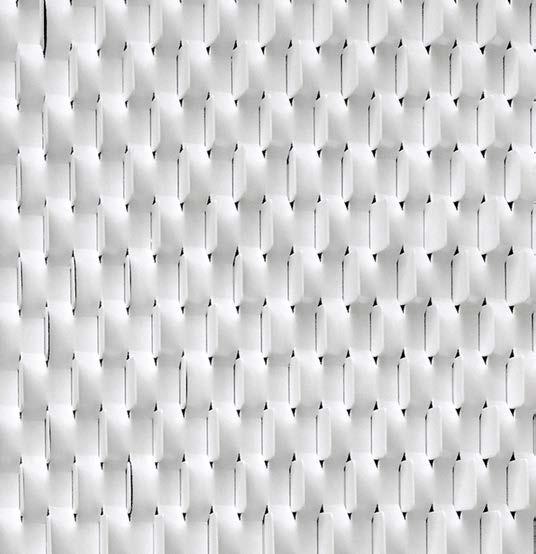
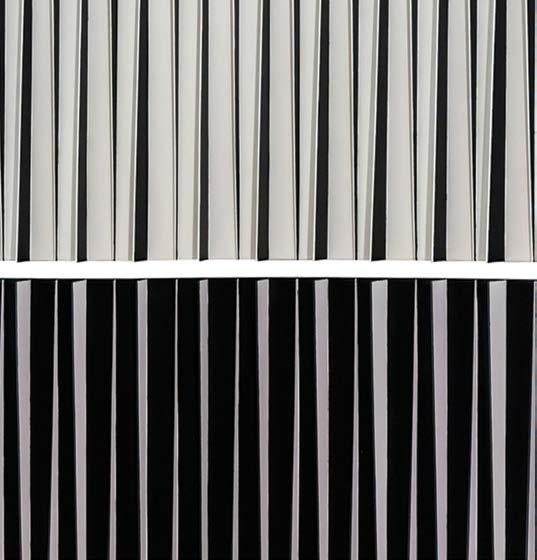
Composed of repeated modular elements, the surface operates as a responsive field. Each unit receives light differently, producing subtle variations in shadow, density, and tone. What appears as a uniform system is, in fact, continuously differentiated through its interaction with light. The work unfolds perceptually, changing with the viewer’s position and the conditions of its environment.
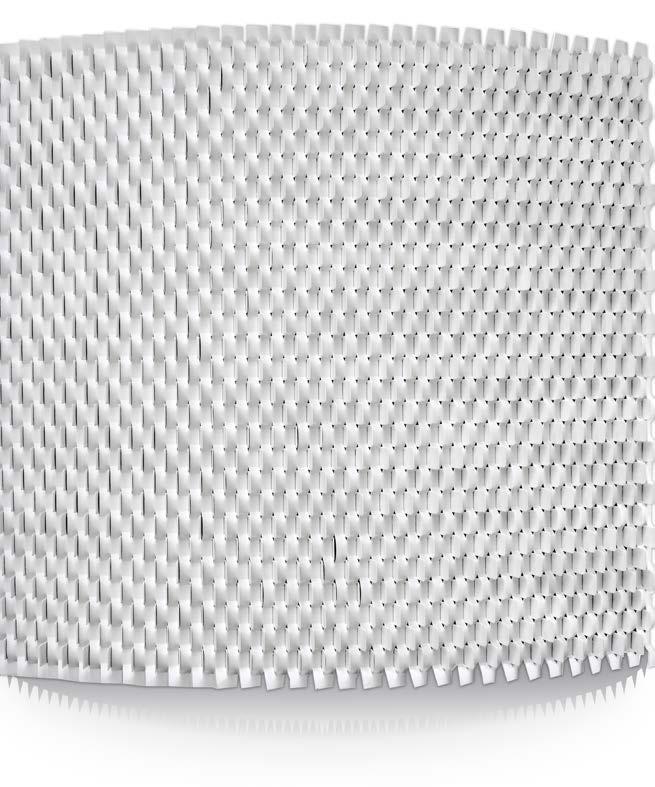
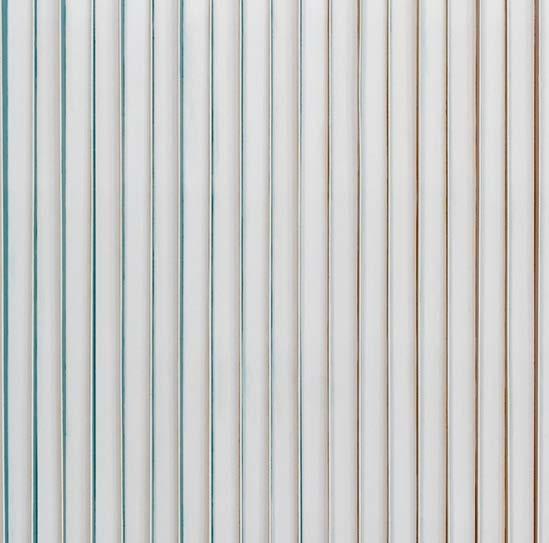
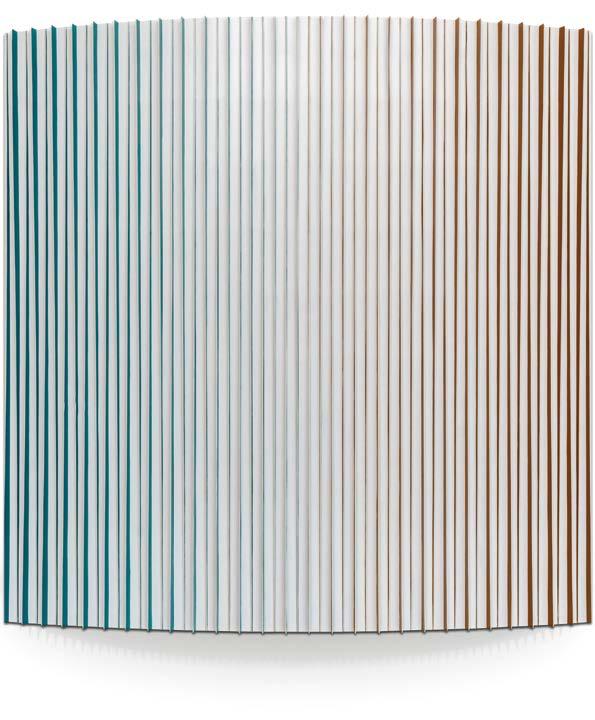
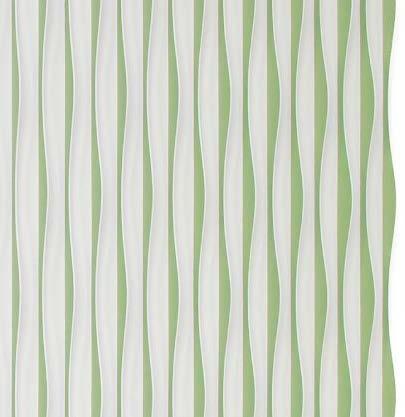
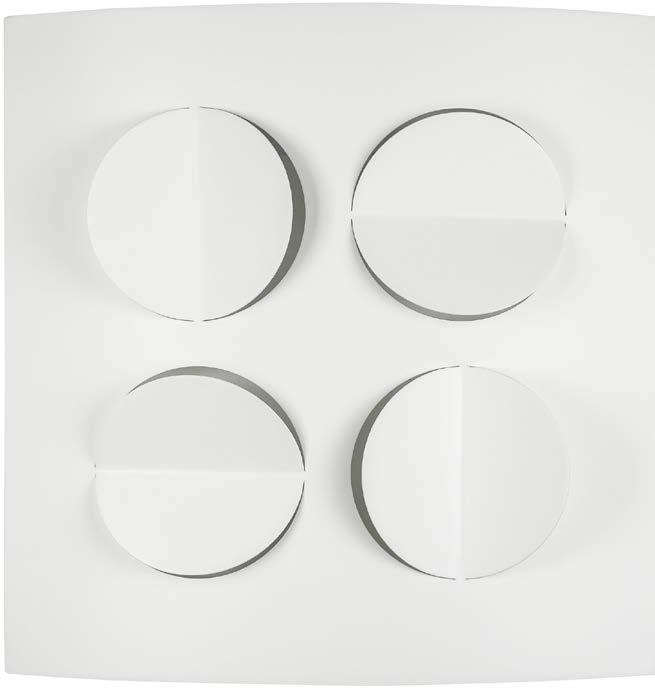
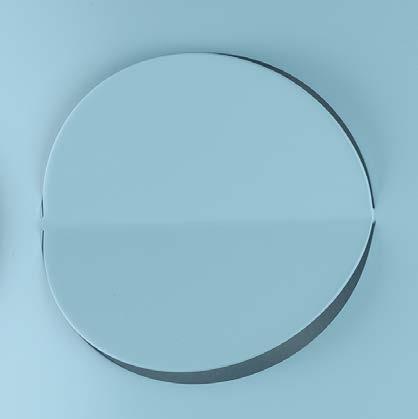
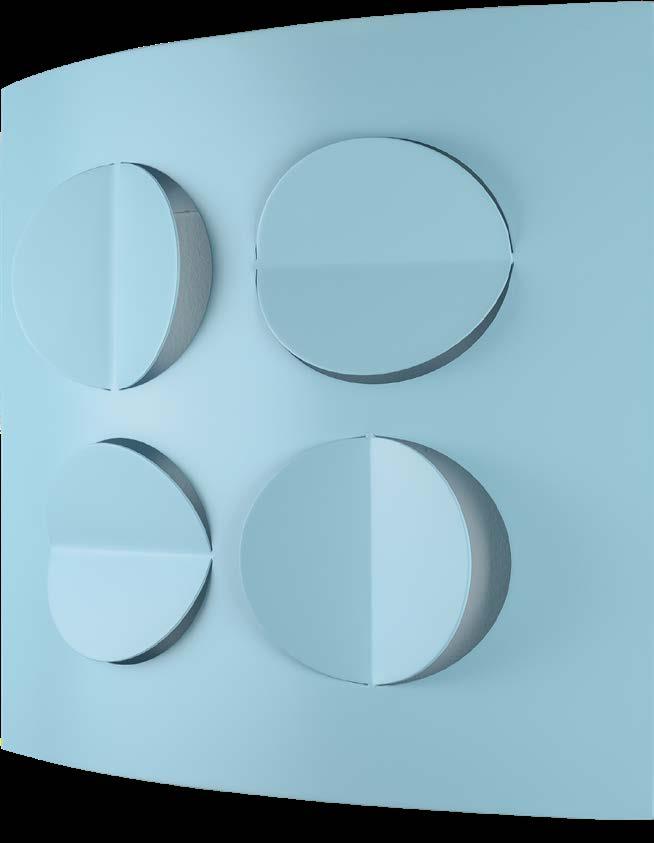
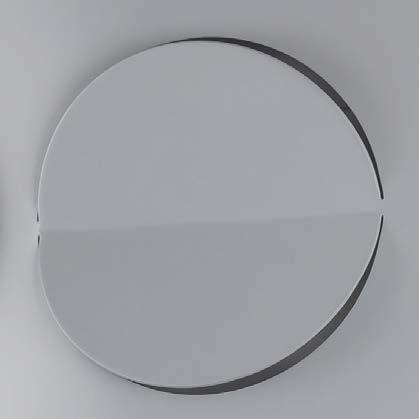
Color introduces a further dimension to this dynamic. In monochromatic works, such as the white and blue reliefs, light and shadow articulate form through gradation and rhythm. In later variations, chromatic sequences intensify this effect, generating optical movement across the surface. Color is not applied decoratively, but integrated into the structural system, amplifying its perceptual complexity.
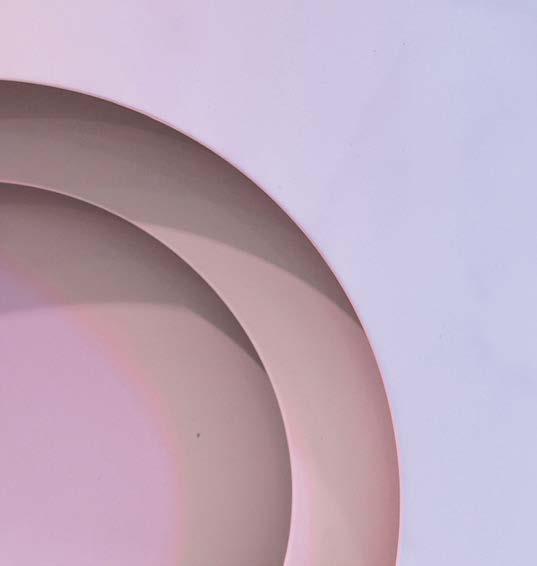
In the Penumbra series, shadow is not a byproduct but a generative element. The works extend beyond their physical boundaries, projecting shifting fields of light and shade into surrounding space. Perception becomes temporal, constructed through movement, duration, and proximity.
This moment marks the first full articulation of Rashid’s parametric language. Structure, light, and color converge into a unified system—one that transforms static form into a continuously evolving perceptual experience
Zurab Tsereteli Museum of Modern Art 30 Sept – 17 November 2023
Tbilisi, Georgia
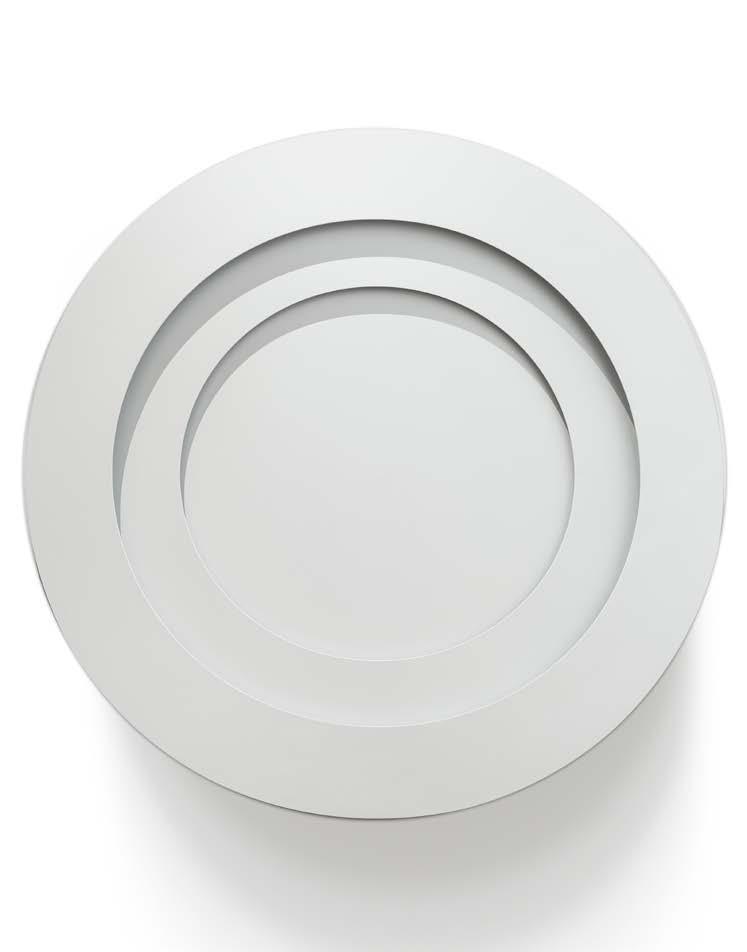
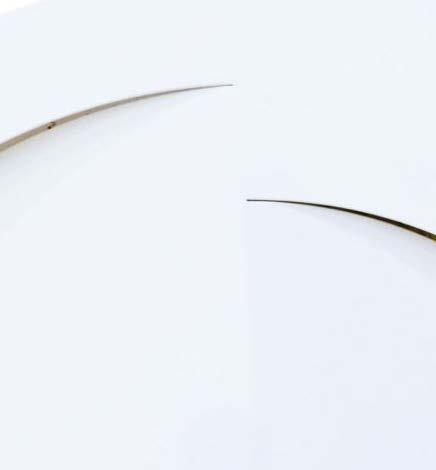
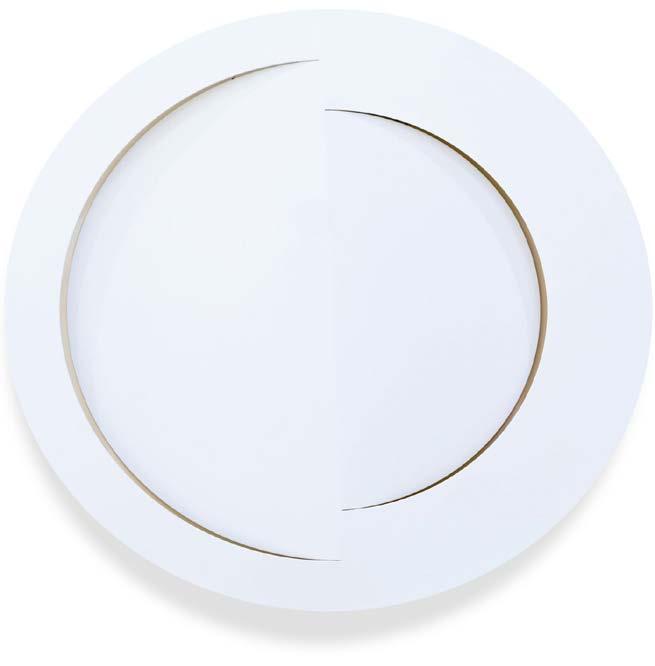
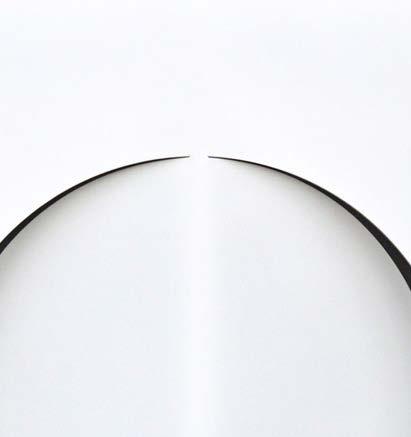
SHADES OF WHITE
Galerie Dorothea van der Koelen 14 March – 24 June 2026
55129 Mainz, Germany
Spectrum
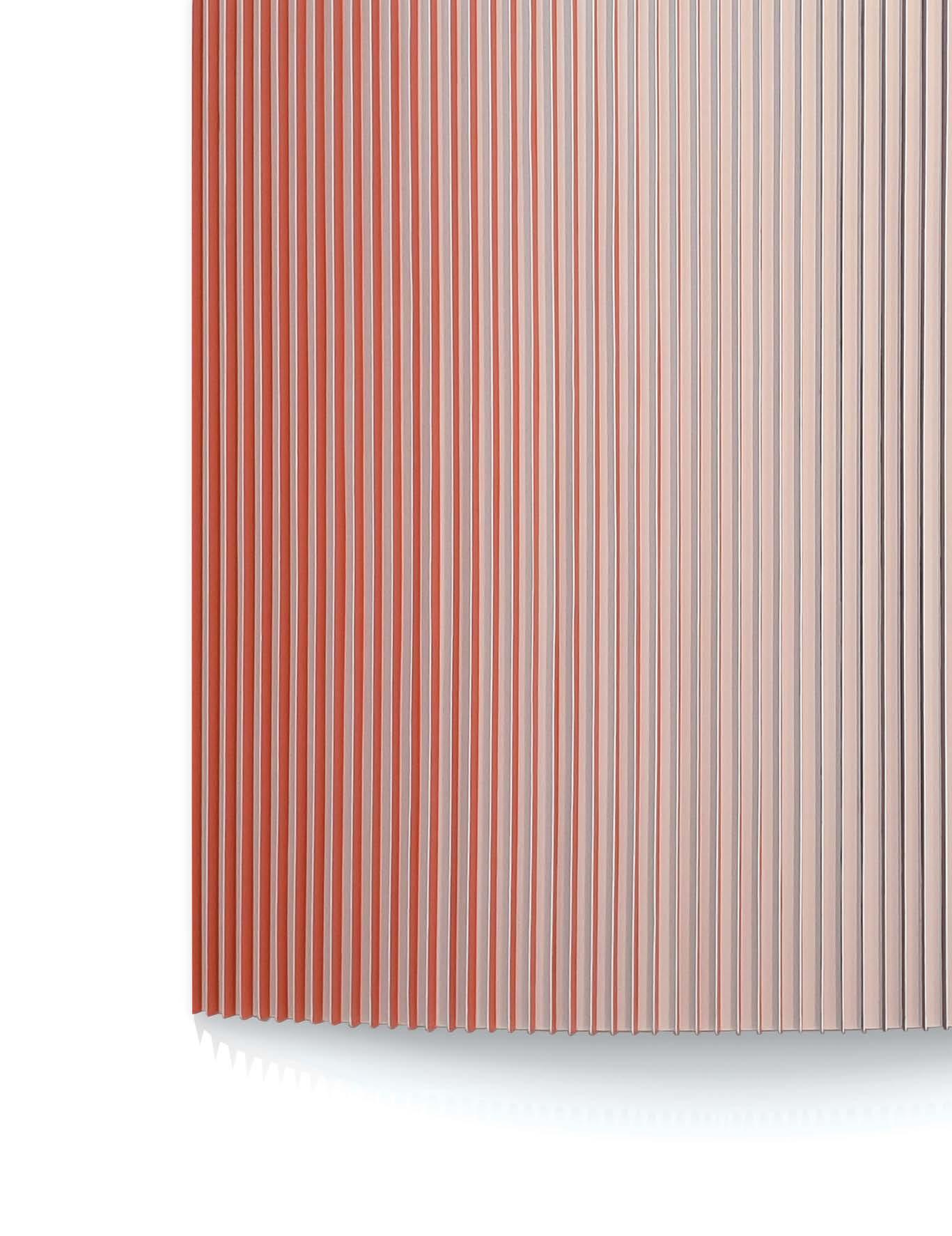
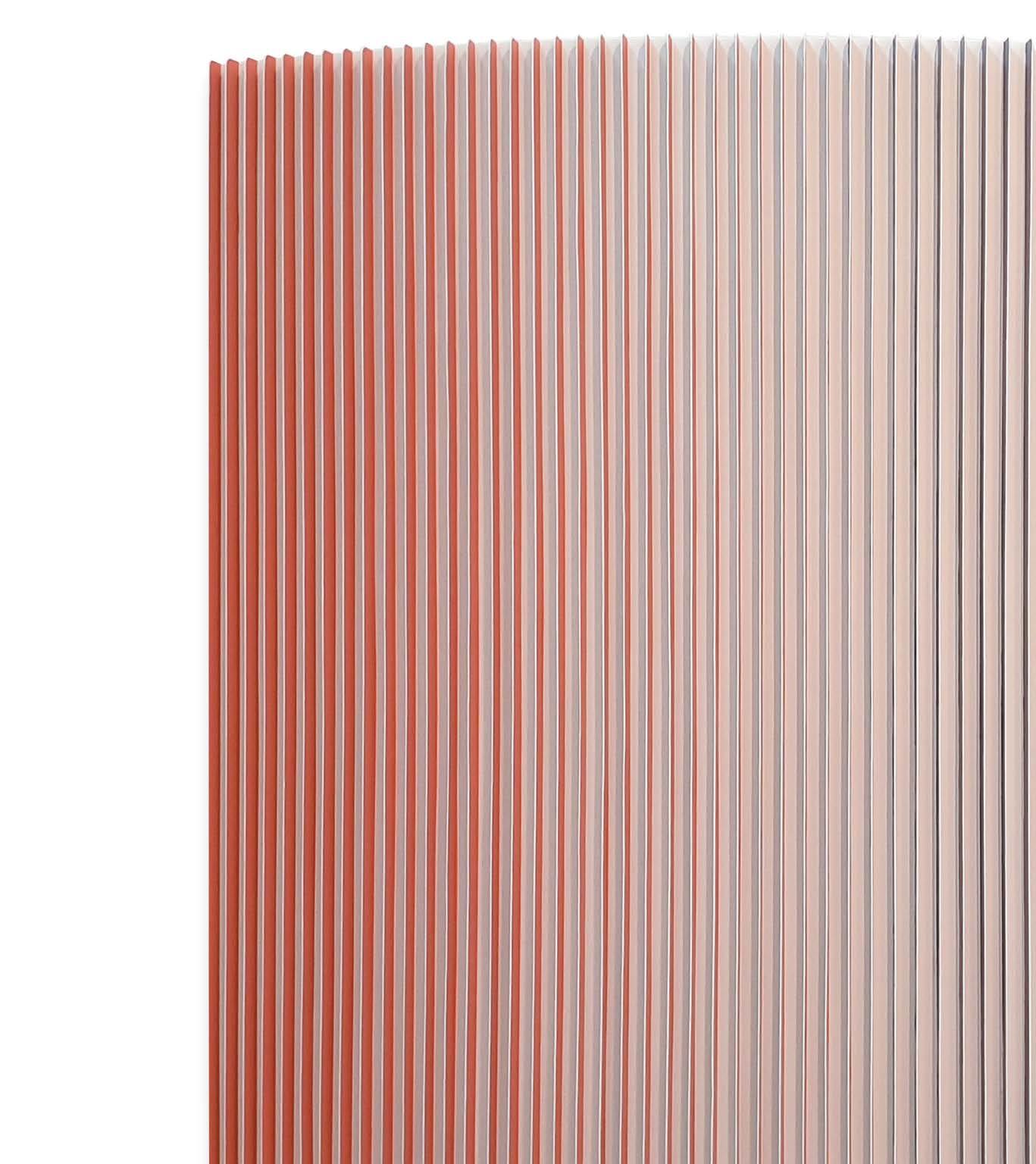
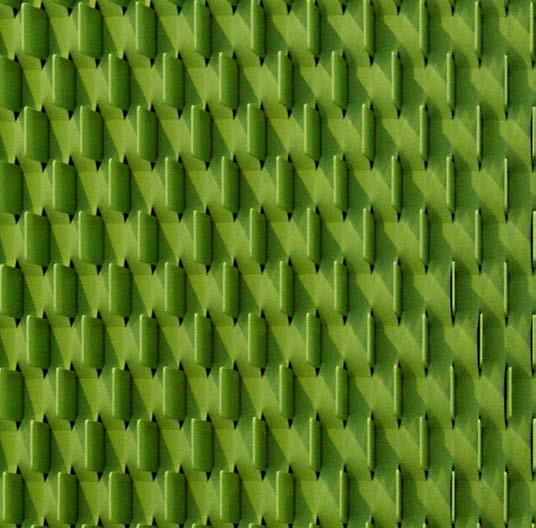
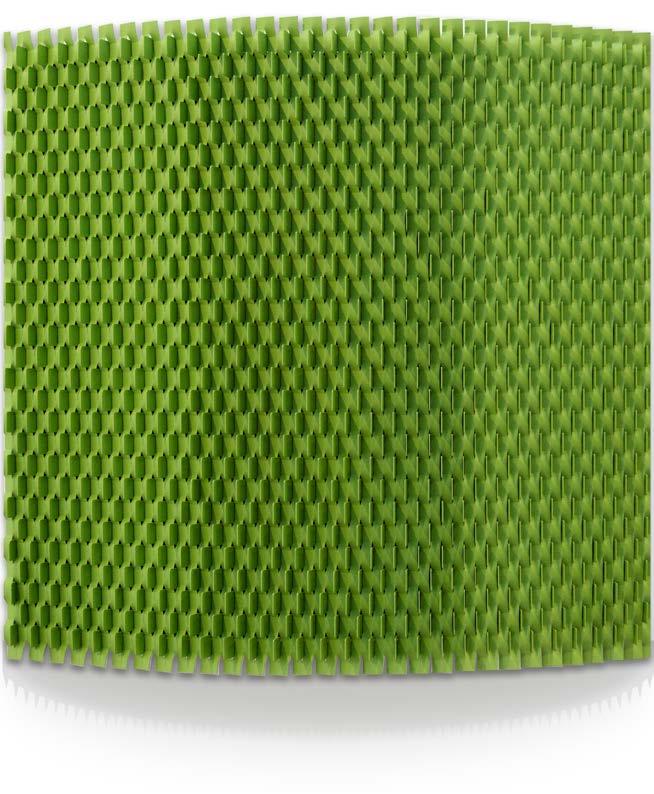
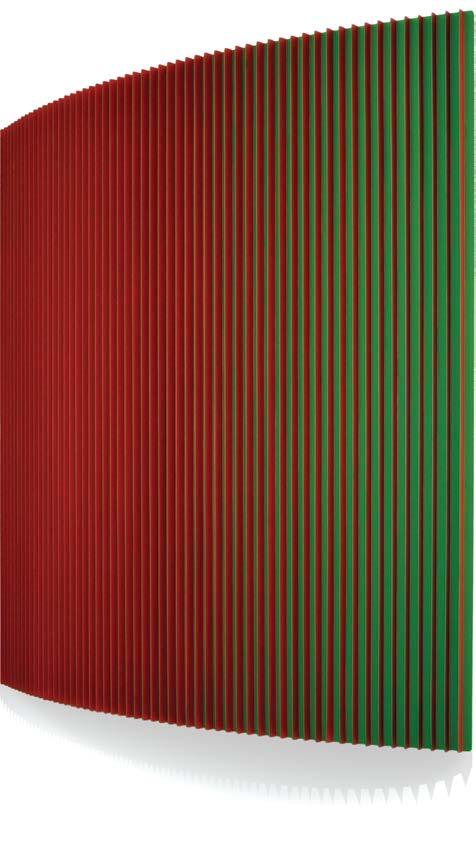
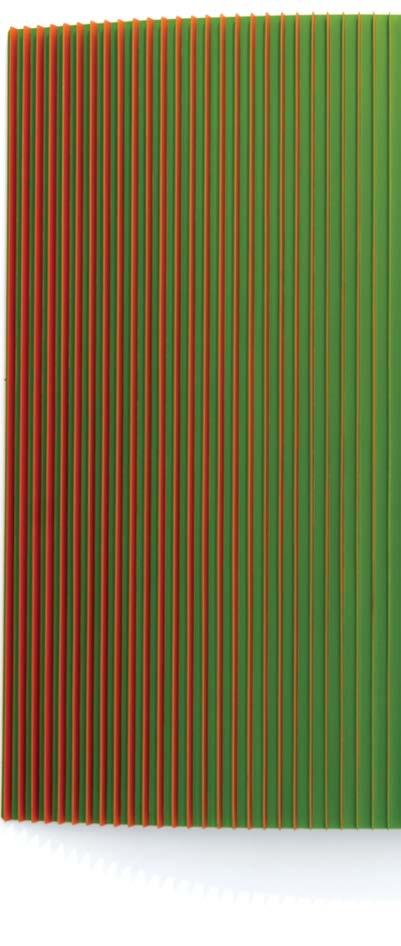
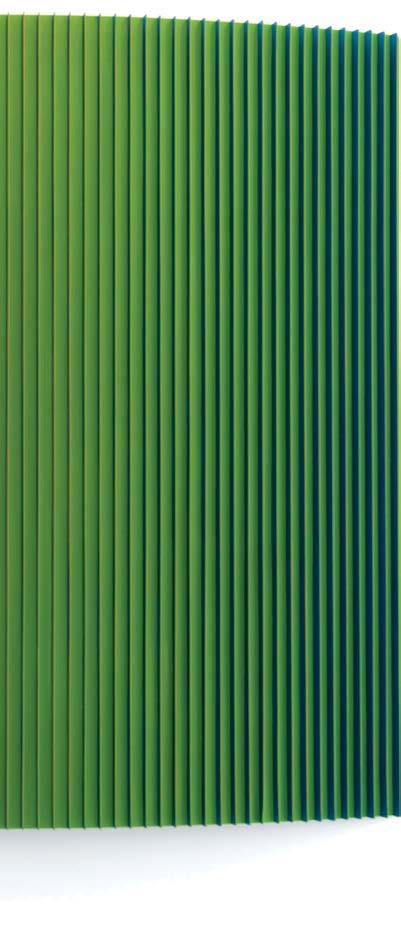
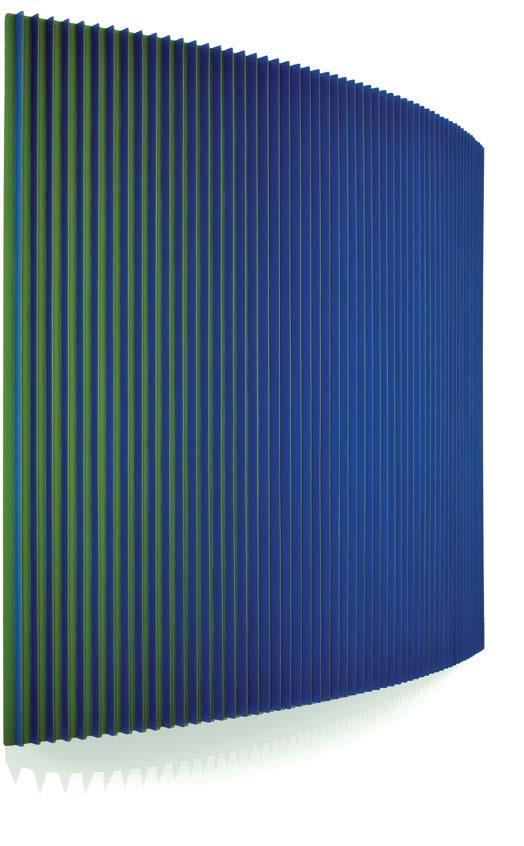
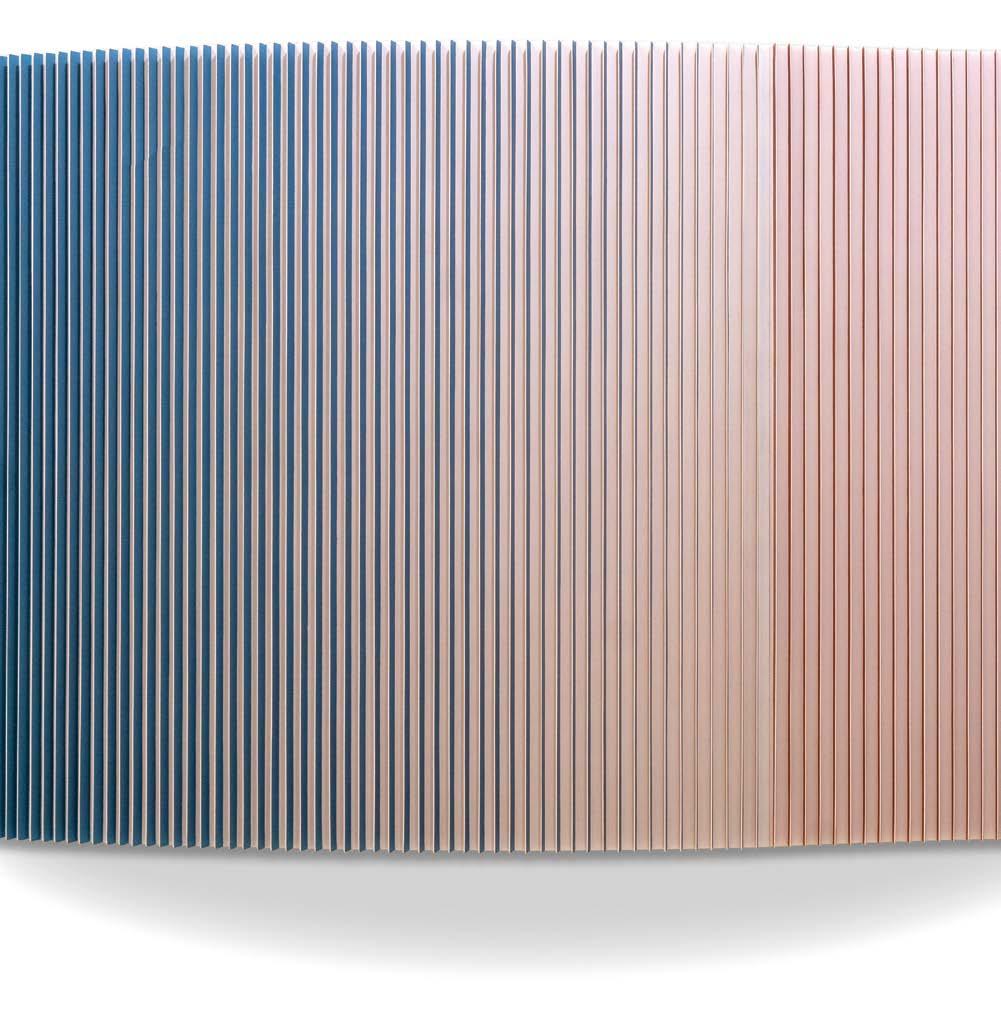
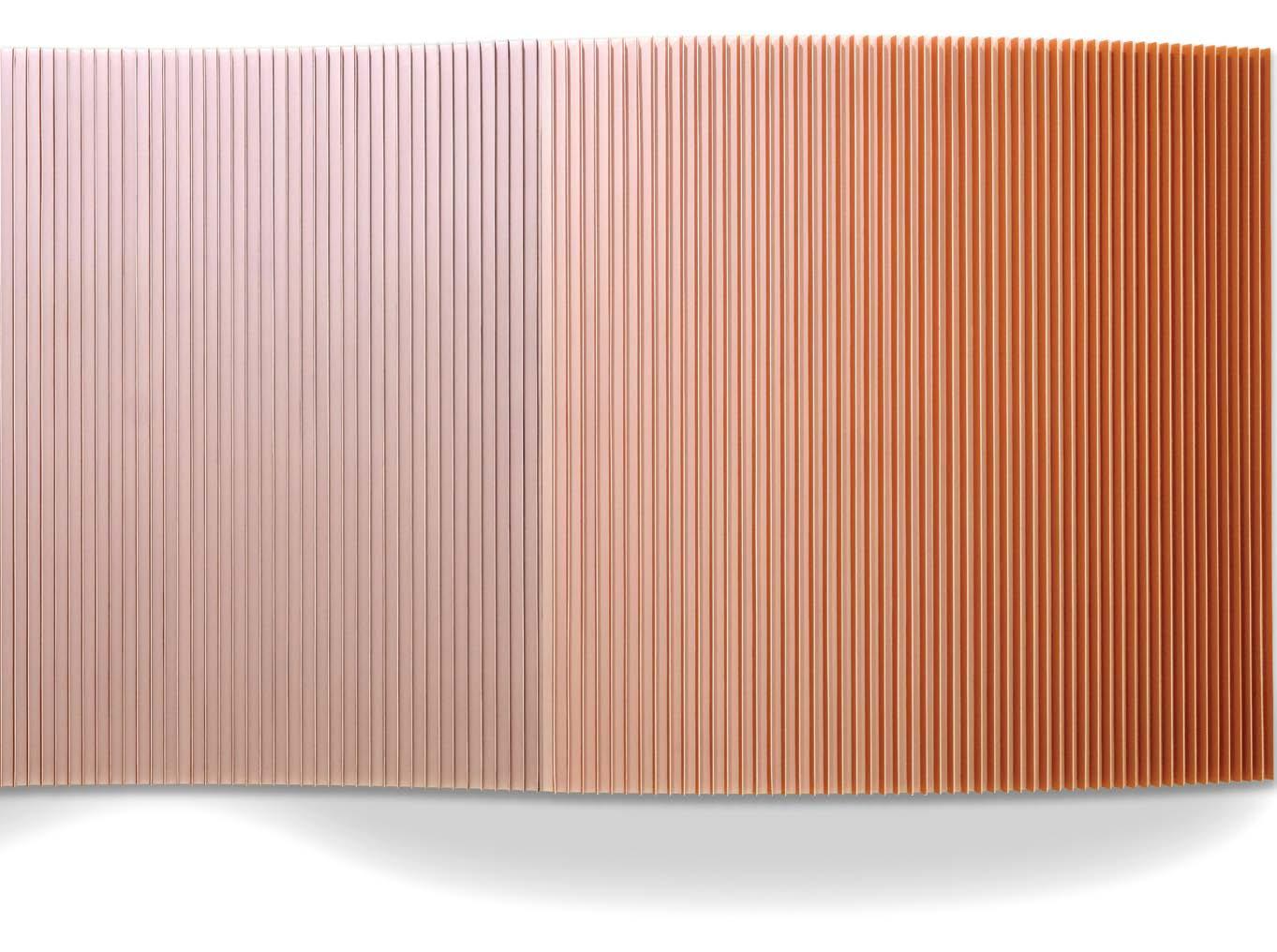
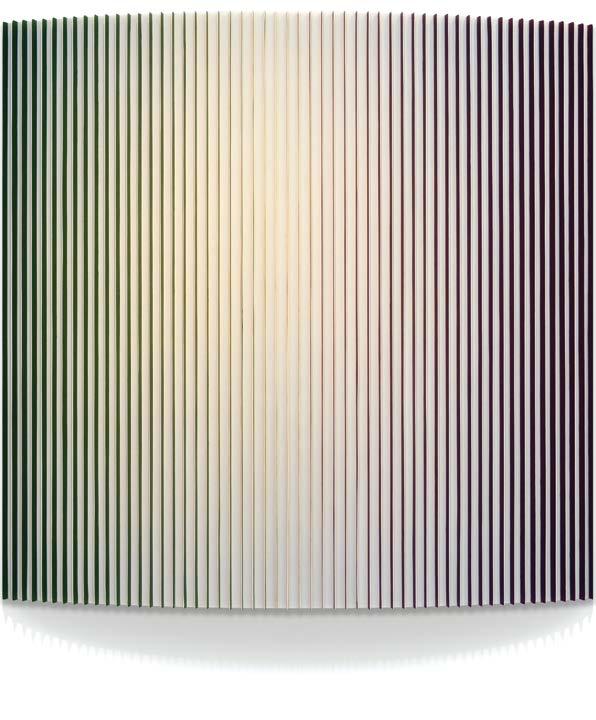
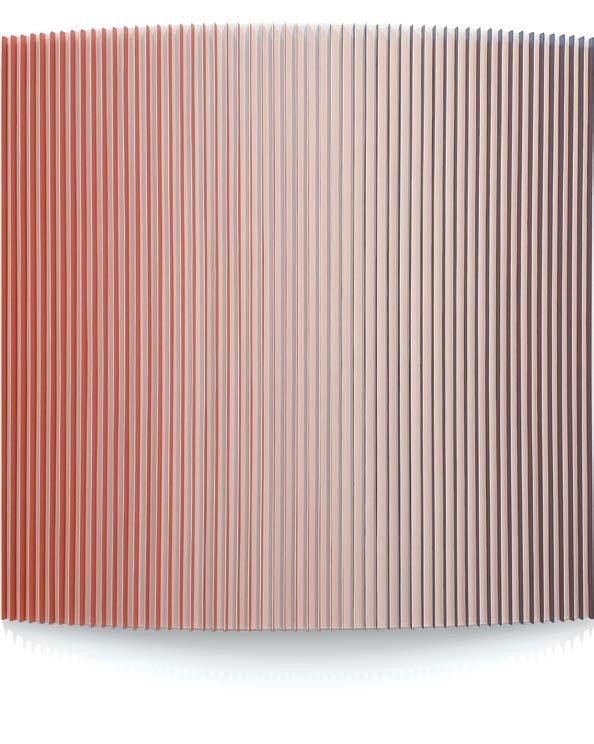
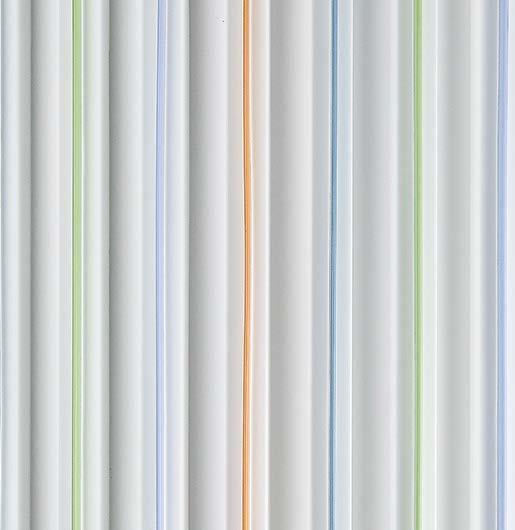
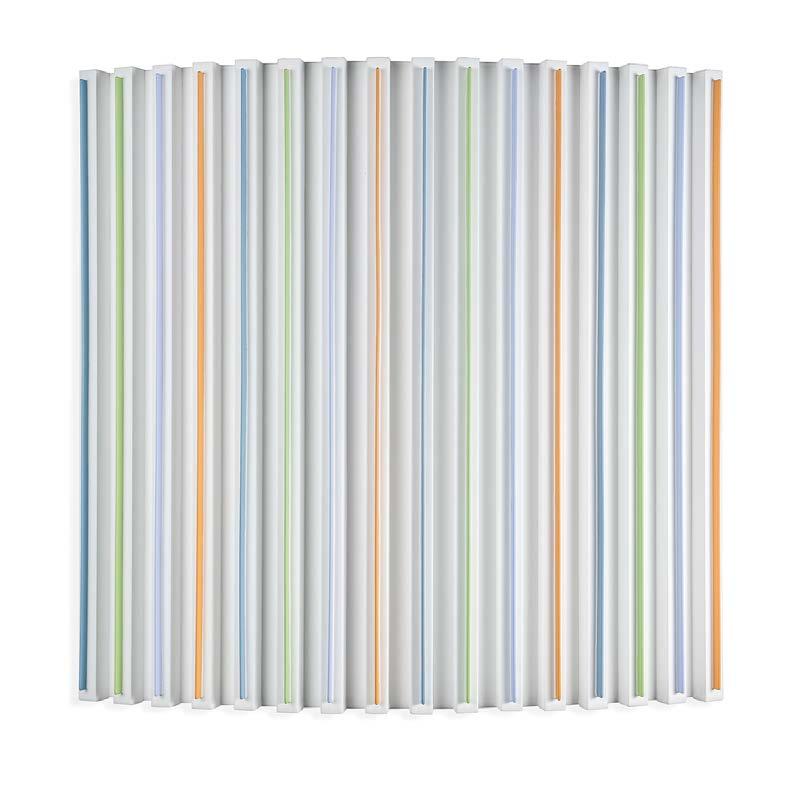
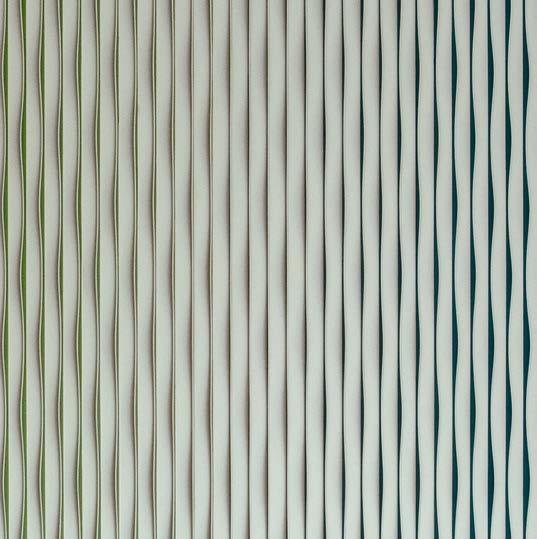
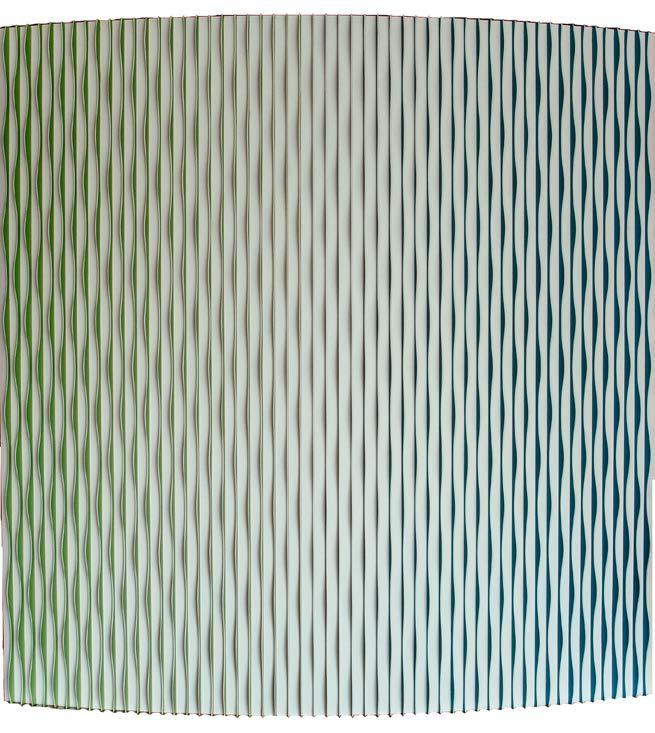
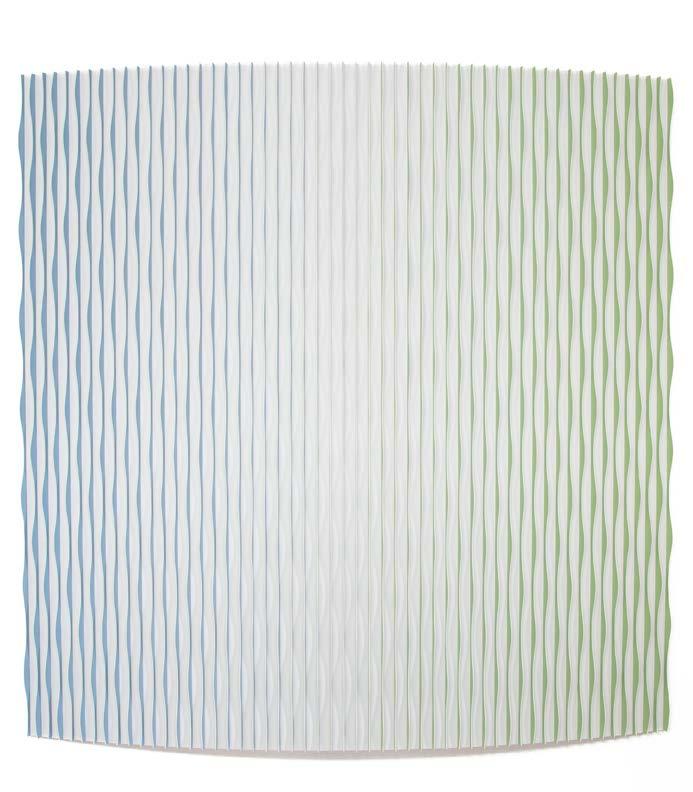
The Spectrum series represents a decisive refinement in Rashid Al Khalifa’s parametric investigation, marking a shift from perforation toward fold as the primary structural and perceptual mechanism. Where the earlier parametric works employed apertures to destabilise the surface and allow light to penetrate its structure, the Spectrum works achieve a similar spatial activation through vertical modulation alone. The surface is no longer opened through incision, but articulated through continuous, rhythmic folding. Geometry remains the governing intelligence, yet its operation becomes quieter, more compressed, and increasingly dependent on chromatic behaviour.
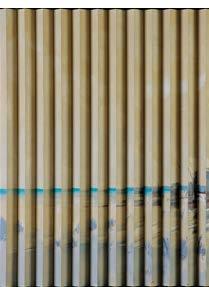
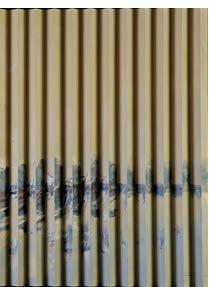
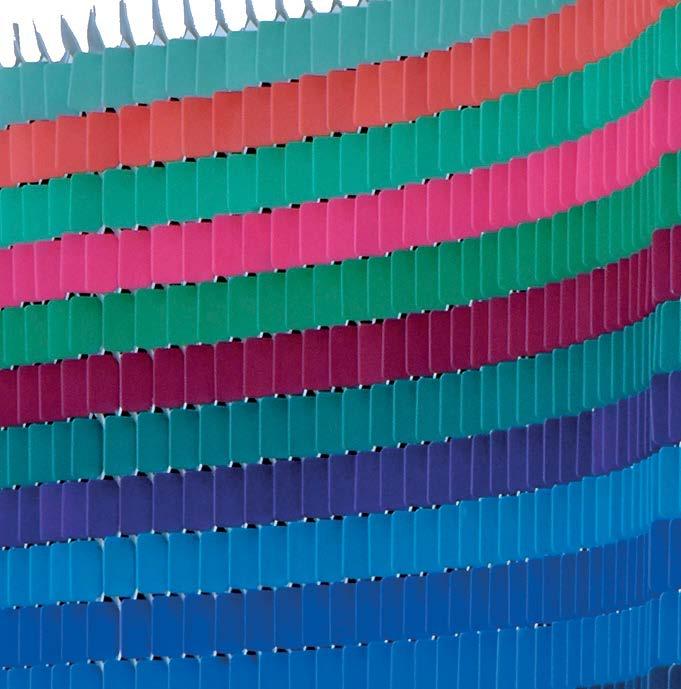
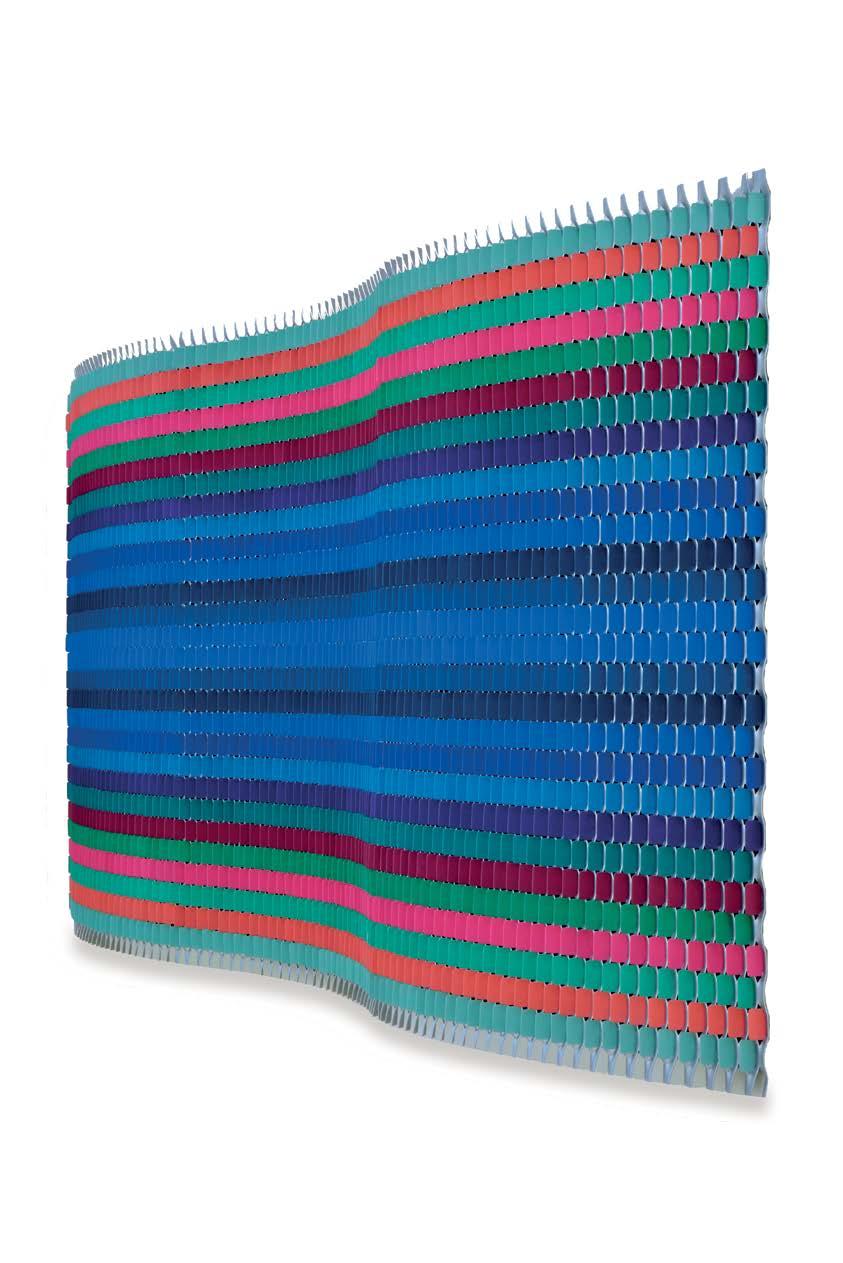
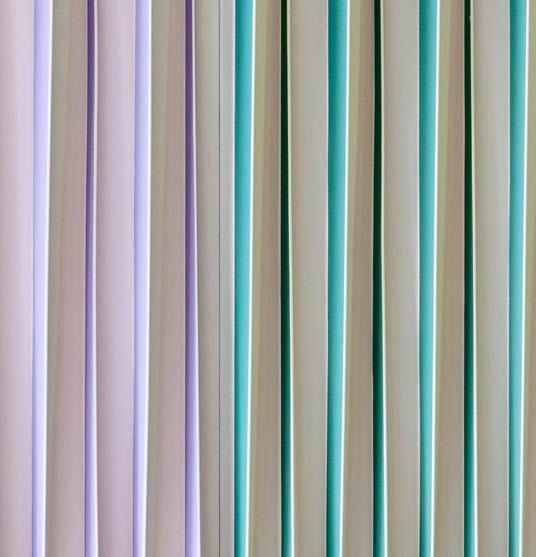
These works recall the logic of Rashid’s early kinetic fold structures, in which aluminium planes were physically displaced to produce real spatial variation. In the Spectrum series, however, movement is no longer dependent on mechanical articulation or physical depth. Instead, vertical folds establish a stable geometric framework across which color operates dynamically. The surface remains materially fixed, yet perceptually unstable. Chromatic transitions unfold across the folded plane, producing gradients that appear to shift as the viewer changes position. Movement, once enacted through structure, is now carried by vision itself.
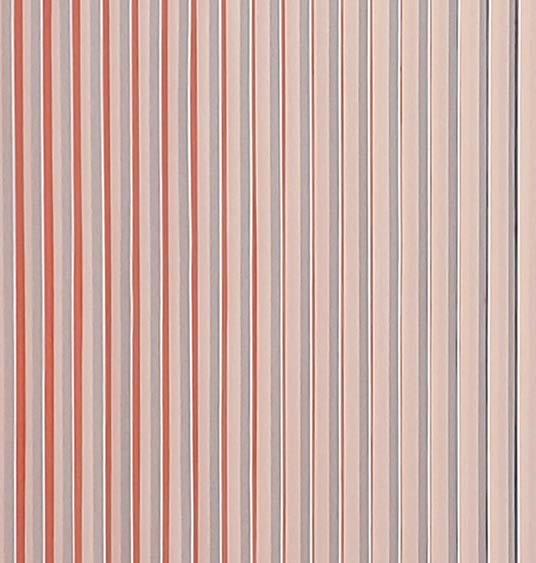
Color assumes structural responsibility. Bands of pigment—moving from red to green, green to blue, or across subtle intermediate tonalities—interact with the folded geometry to generate optical vibration. Each fold regulates the reception and reflection of light, causing color to appear alternately compressed and expanded. The eye encounters the work not as a flat image but as a continuously modulating field. Visual stability remains provisional, contingent on angle, proximity, and duration of observation. >
Unlike the perforated parametric works, which allow space to penetrate the surface, the Spectrum series contains space within the logic of the fold. Depth is implied rather than exposed. The vertical rhythm establishes a sequence through which color behaves temporally, unfolding in intervals rather than existing as a static condition. The surface becomes a register of chromatic time, allowing the viewer to perceive variation as progression rather than fixed composition.
This transition represents an important conceptual consolidation. Rashid no longer requires aperture, incision, or mechanical activation to sustain spatial experience.
Geometry alone—through repetition, curvature, and calibrated variation—provides sufficient structural complexity. Color, operating within this geometric discipline, becomes a carrier of movement. What was once kinetic becomes optical; what was once structural becomes perceptual.
The Spectrum works demonstrate that parametric thinking does not depend on complexity of form, but on the relational behaviour of simple elements. Repetition produces rhythm. Variation produces instability. Structure produces coherence. The result is a surface that remains materially restrained yet perceptually alive.
Within the broader trajectory of Rashid’s practice, the Spectrum series marks the moment at which kinetic intelligence is fully internalised. Movement persists, but without displacement. The work does not move, yet movement remains present—held in equilibrium between geometry, color, and perception.
If Spectrum stabilised movement within chromatic progression, Waves allows that stability to yield, introducing curvature as the means through which parametric order becomes continuous and spatially fluid
Color becomes structure; movement migrates from form into vision.
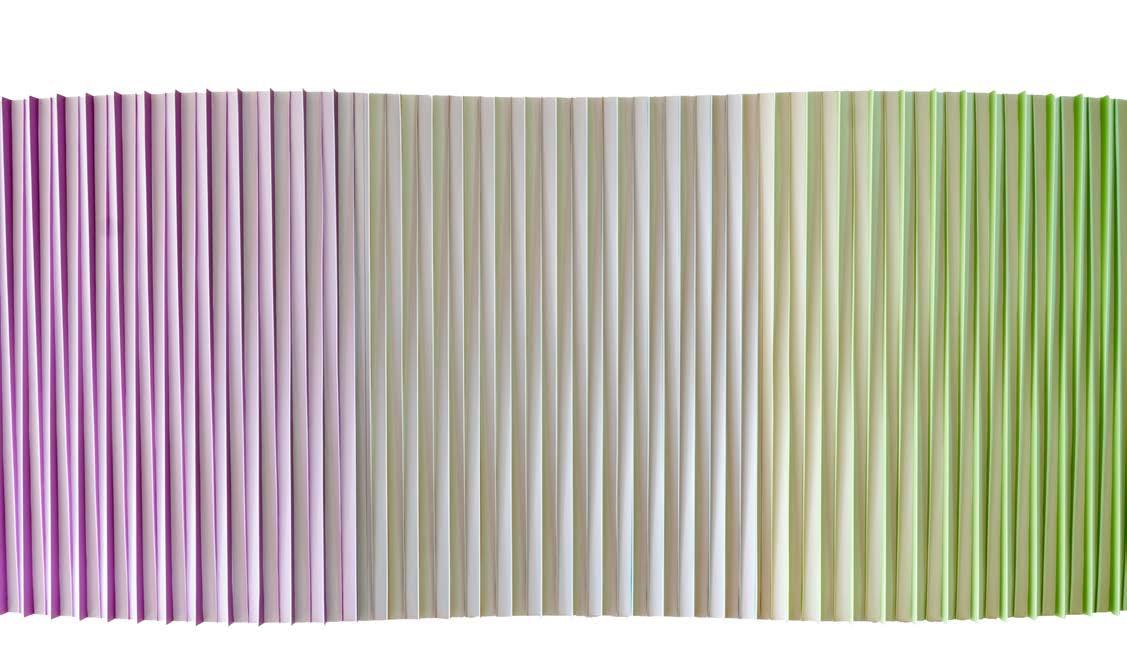
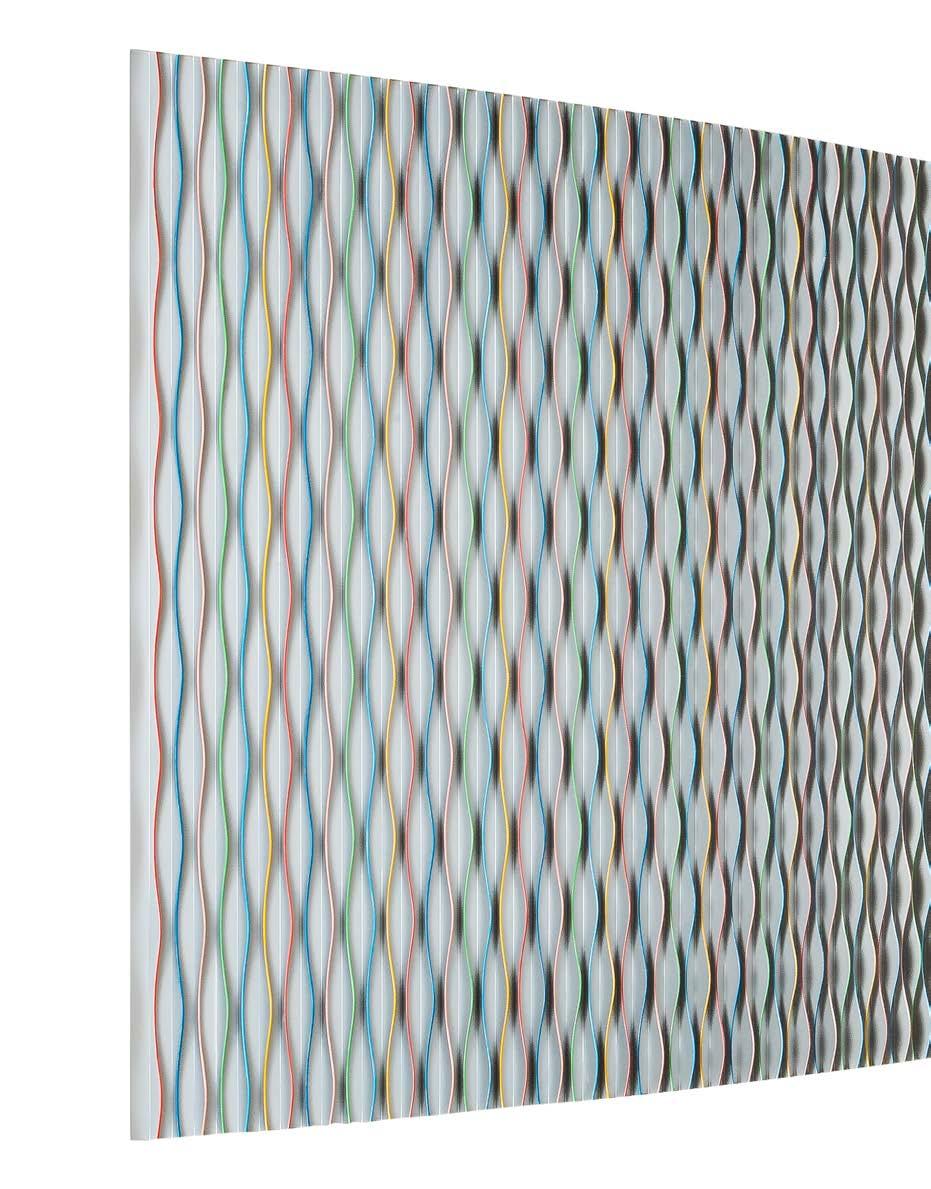
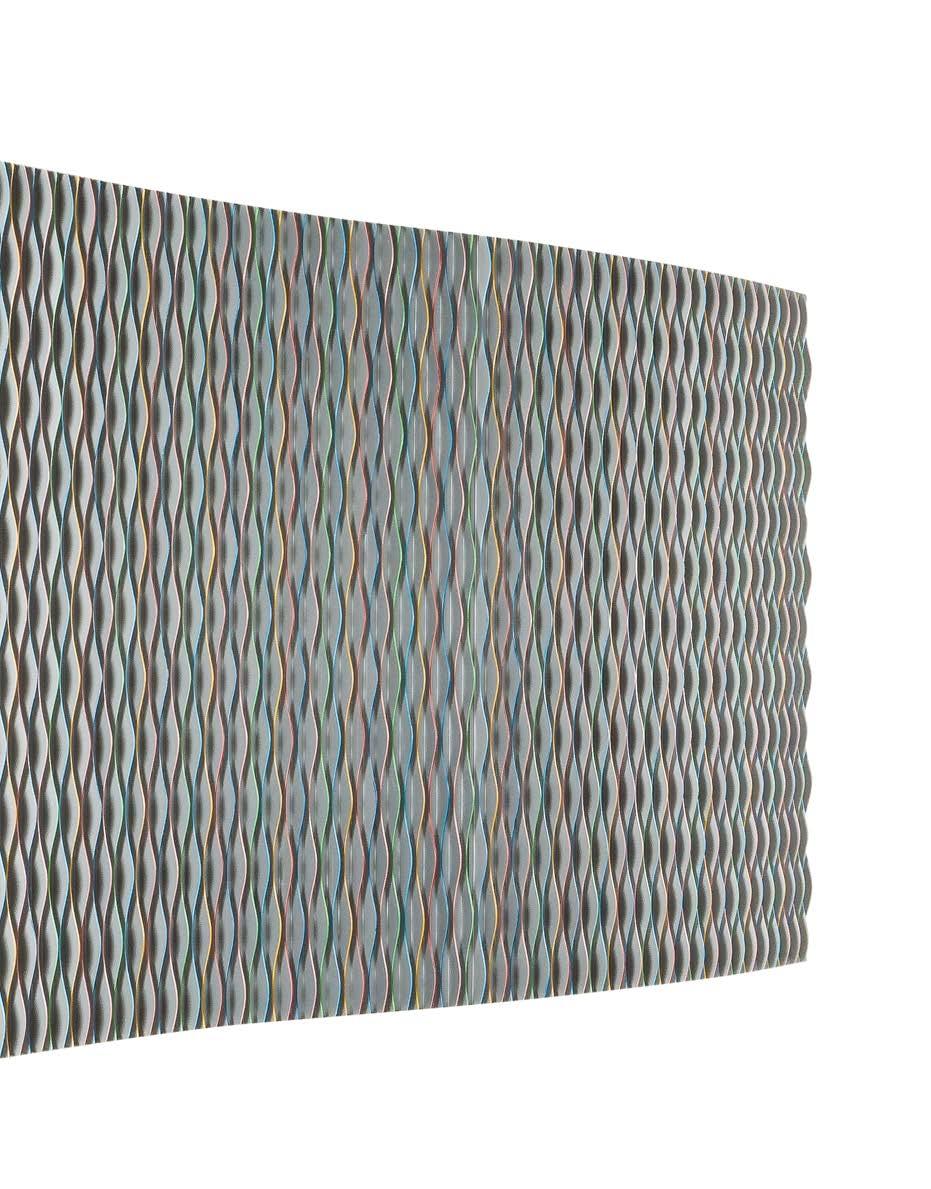
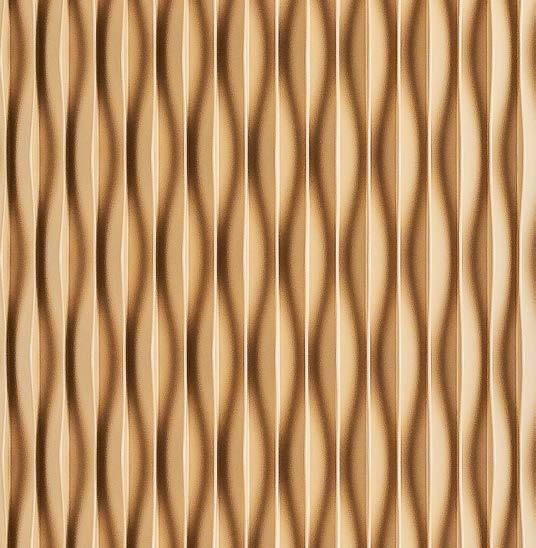
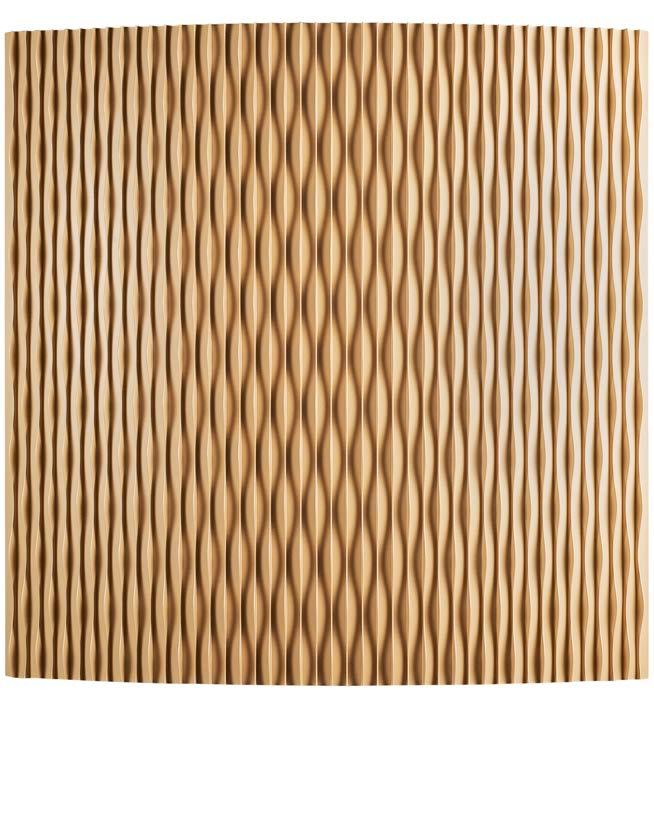
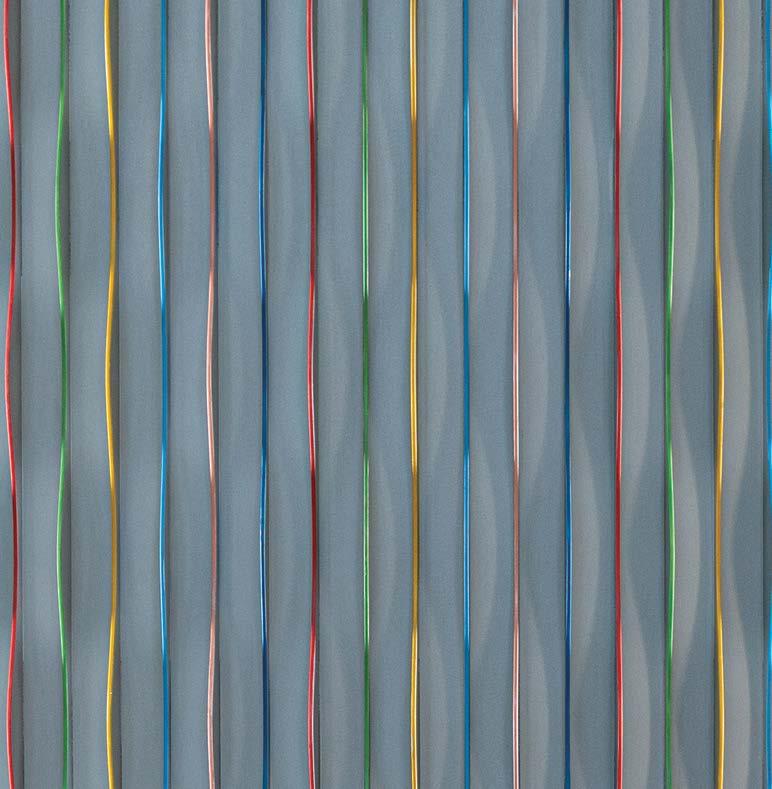
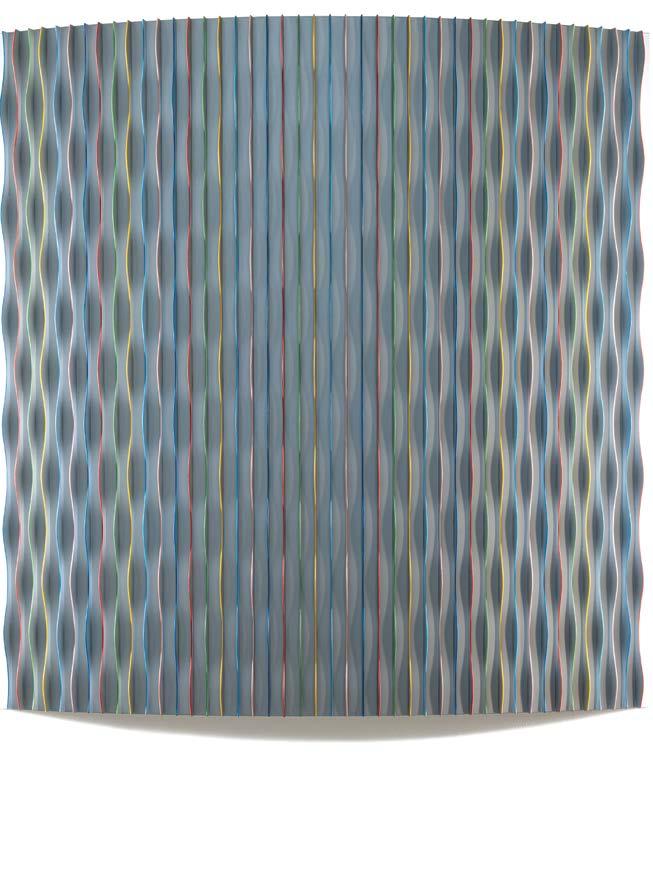
The Waves series represents a decisive refinement of Rashid Al Khalifa’s parametric language, in which geometric order evolves from modular repetition into continuous curvature. Following the calibrated density of Penumbra and the chromatic modulation of Spectrum, Waves introduces a new structural condition: the grid begins to bend. Linear sequences, once held in disciplined vertical alignment, now oscillate across the surface, transforming the parametric field into a unified spatial continuum.
This shift marks an important transformation in how movement is sustained. In earlier works, variation emerged through perforation or chromatic transition, allowing light to fragment and reassemble across discrete elements. In Waves, variation is carried by curvature itself. Each vertical element bends incrementally, producing a sinusoidal rhythm that unfolds across the surface without interruption. Geometry no longer operates through segmentation, but through flow.
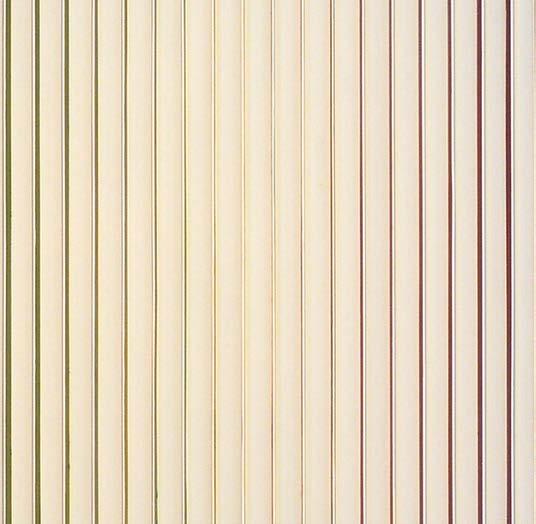
Color remains integral to this activation. Fine chromatic lines embedded within the folded structure behave dynamically as the viewer moves. Their visibility fluctuates, alternately emerging and receding as light interacts with the curved aluminium surface. This produces a condition of optical instability: the work appears to shift, even though its structure remains materially fixed. Movement, once dependent on mechanical articulation or aperture, now exists entirely within the relationship between curvature, color, and perception. >
Light further intensifies this spatial condition. As illumination travels across the undulating surface, highlights elongate and compress, shadows deepen and dissolve, and the geometry reveals itself progressively rather than instantaneously. The work cannot be fully grasped from a single vantage point. It unfolds temporally, requiring the viewer’s movement to complete its perceptual structure.
Materially, the enamel-on-aluminium surface retains its precision and clarity, yet its visual behaviour becomes increasingly atmospheric. The surface no longer presents itself as a static object but as a responsive field. Geometry regulates the experience, but without rigidity. Order remains present, yet it is softened by continuous variation.
Within Rashid’s broader trajectory, Waves represents a moment of synthesis. The parametric logic first established through repetition and interval, and refined through chromatic modulation, now achieves full spatial continuity. Structure and movement are no longer held in tension; they are reconciled. Geometry becomes capable of sustaining motion without displacement, allowing the work to exist in a state of dynamic equilibrium.
The Waves series demonstrates the full maturation of Rashid’s parametric inquiry.
Movement is no longer introduced through external intervention, but emerges naturally from the internal behaviour of form. The surface does not simply contain geometry—it becomes a medium through which geometry moves
Order yields to curvature; geometry begins to flow.
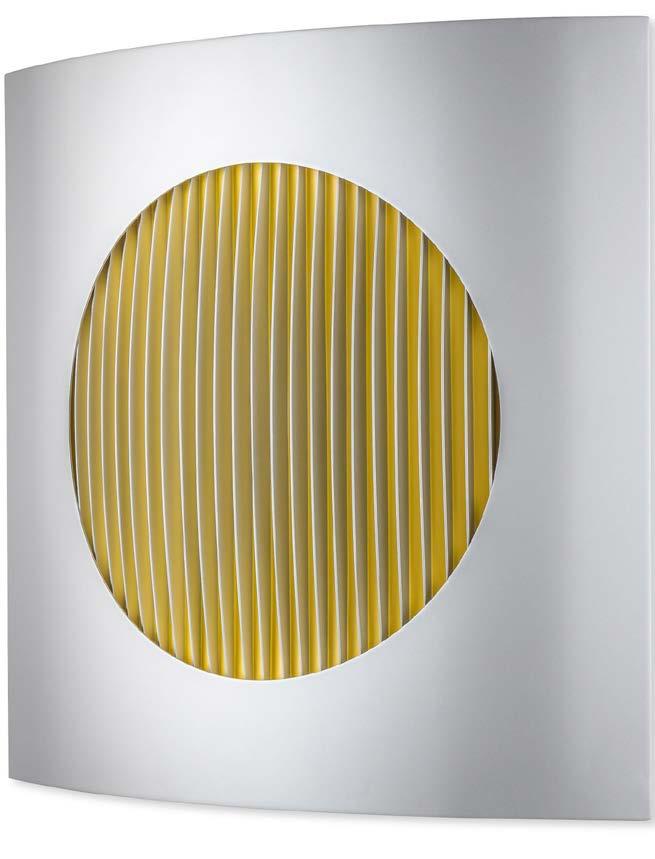
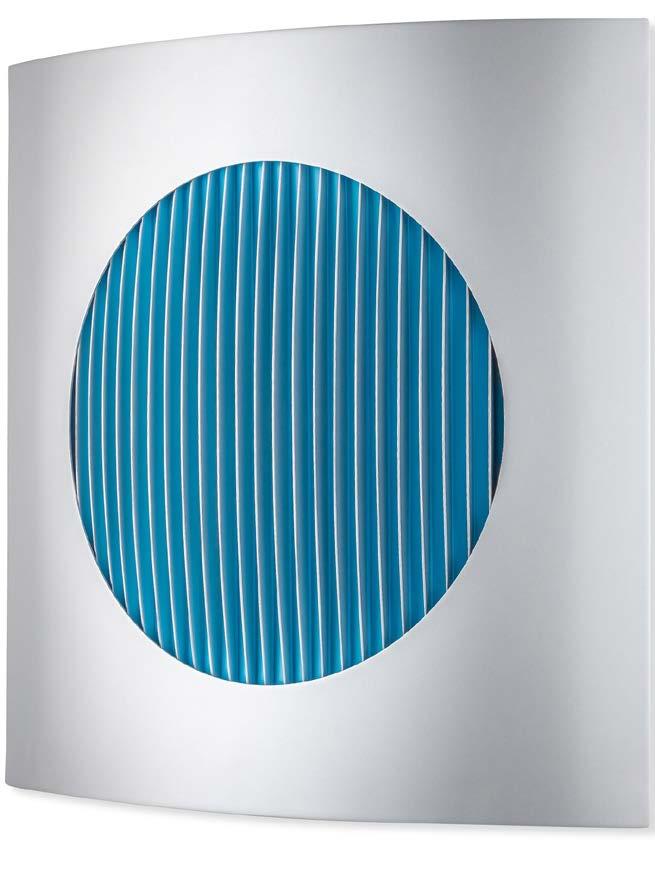
Following the structural resolution achieved in the parametric works, Rashid Al Khalifa’s practice enters a phase in which geometry and color assume full responsibility for the generation of spatial experience. Movement, previously stabilised through perforation, repetition, and modular order, is now internalised within chromatic and geometric relationships on the surface itself. Space no longer depends on physical depth or mechanical activation; it emerges through the interaction of color, light, curvature, and aperture.
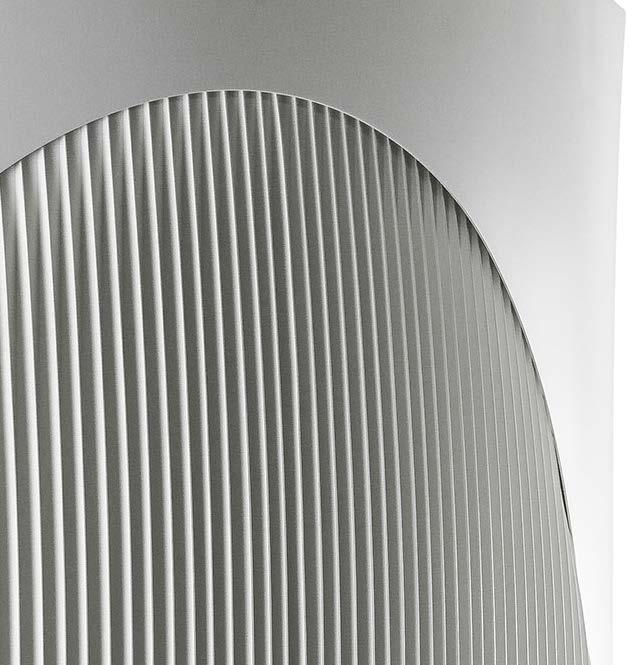
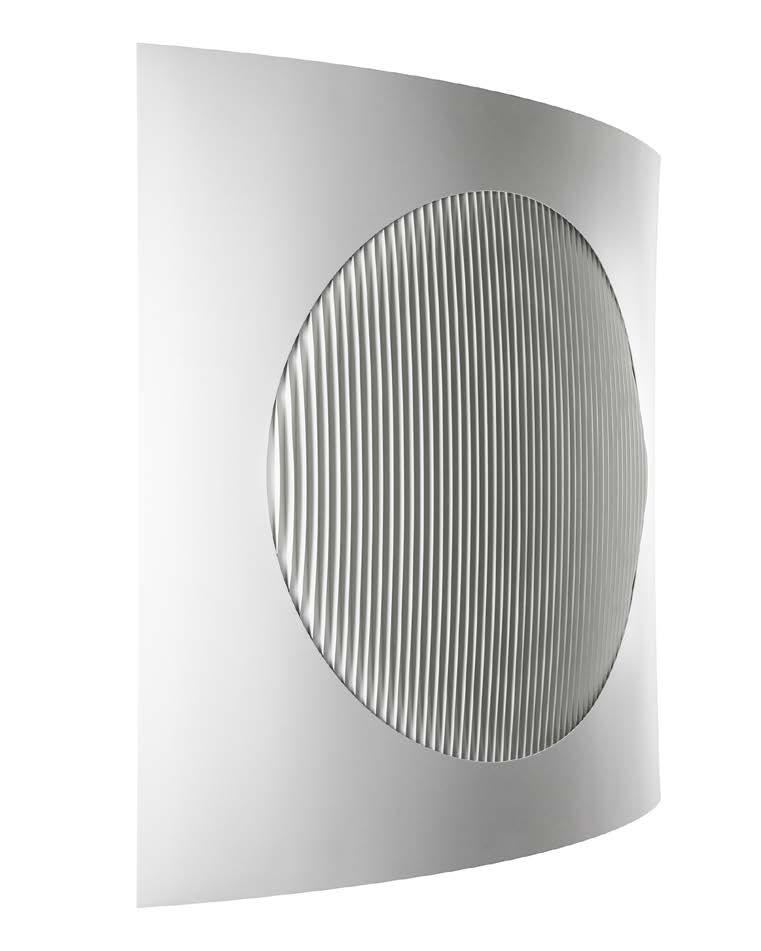
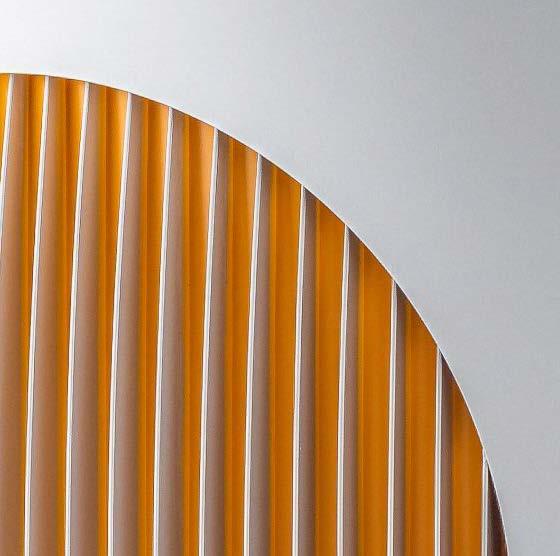
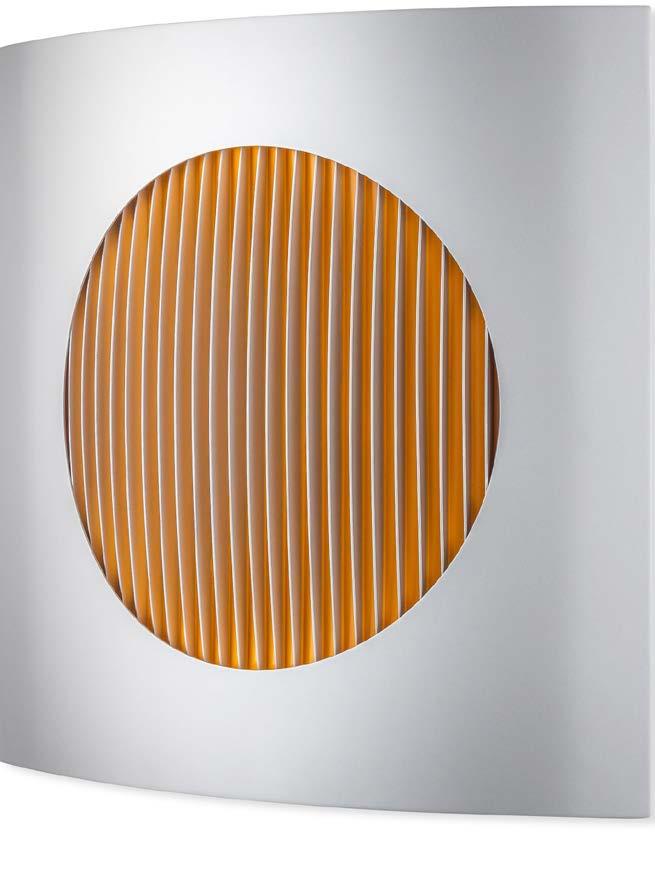
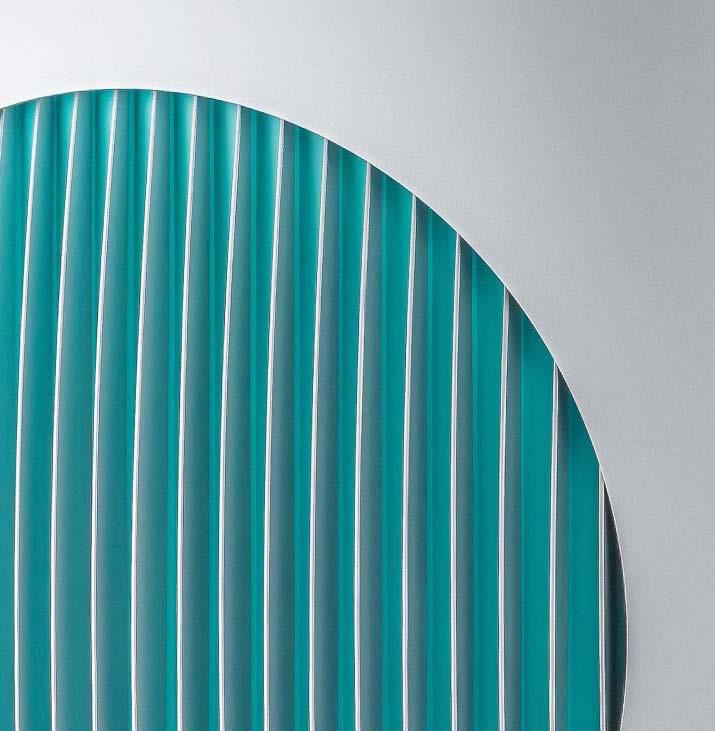
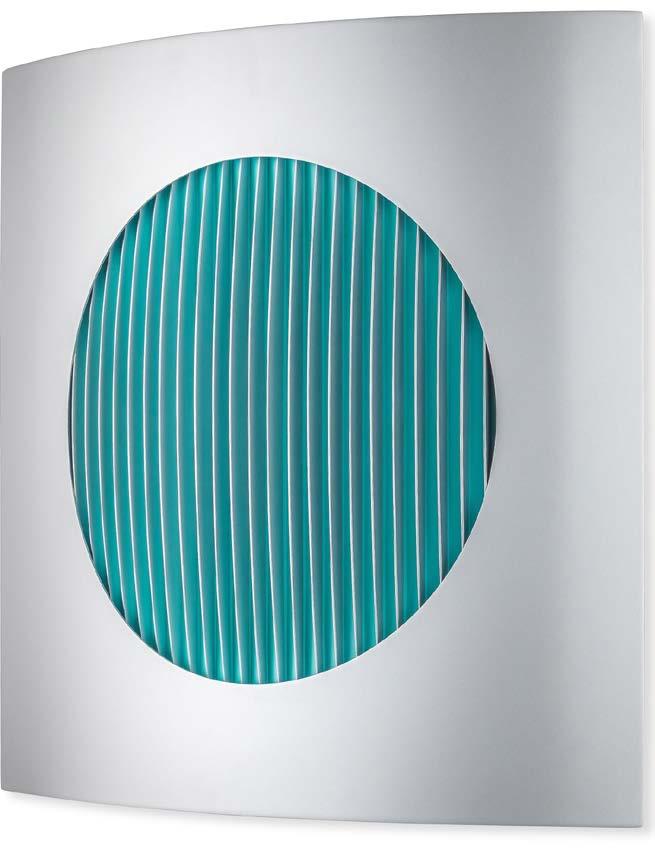
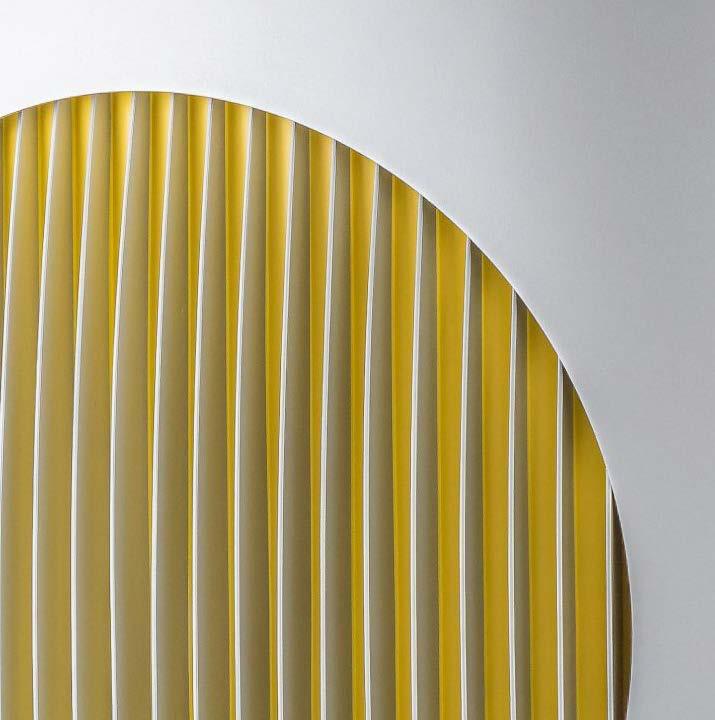
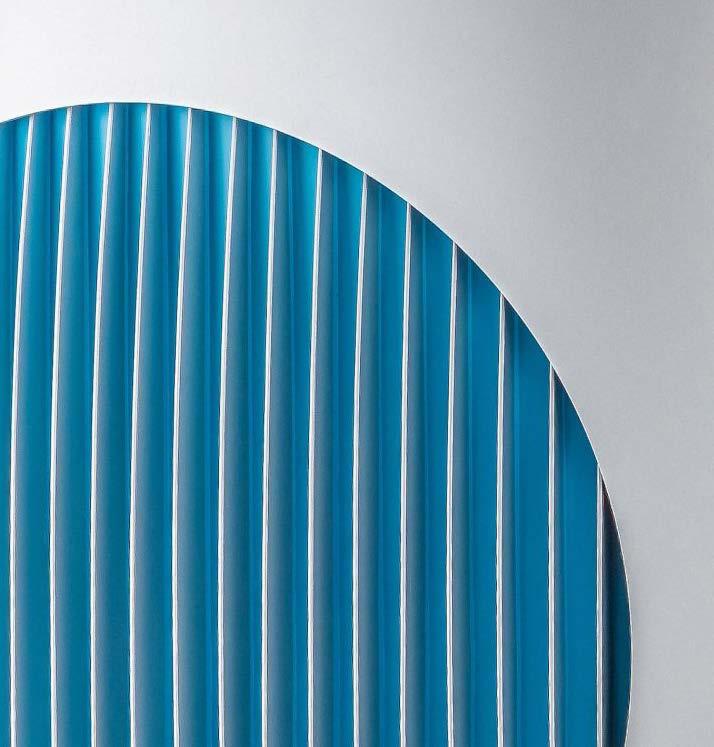
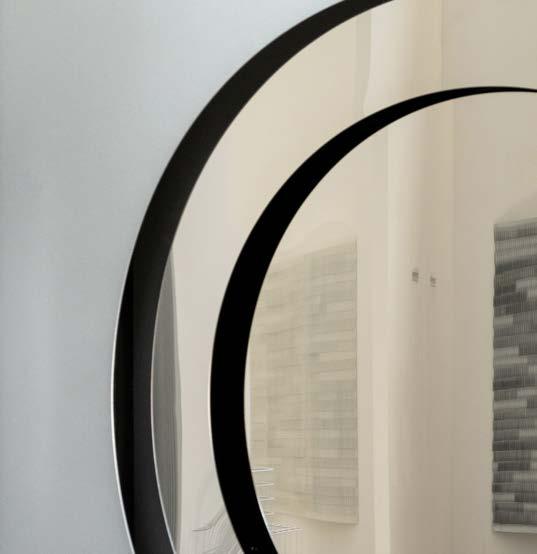
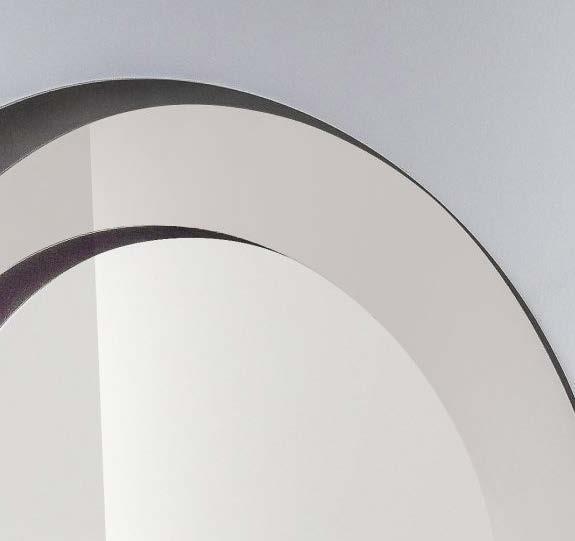
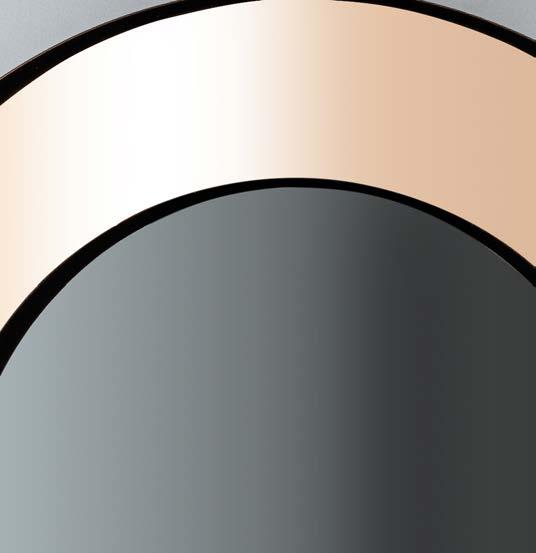
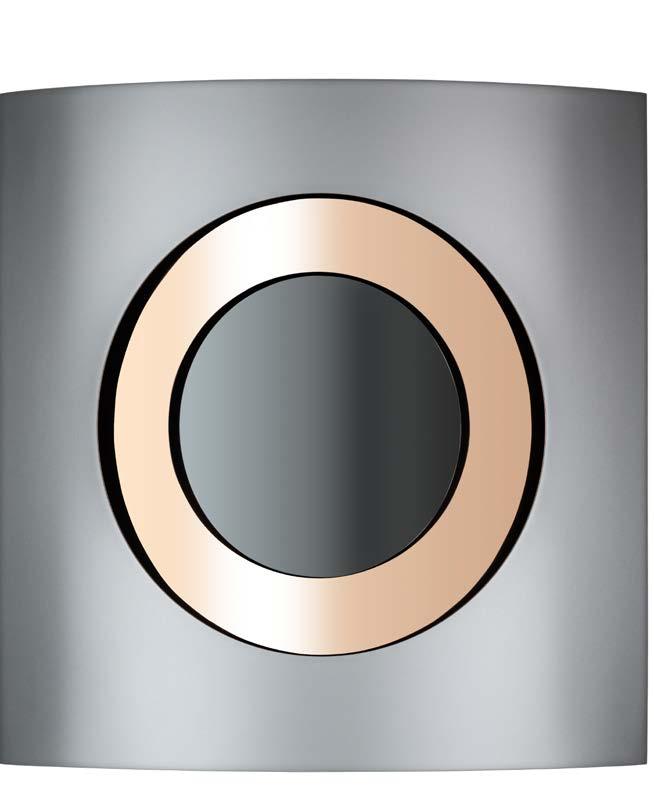
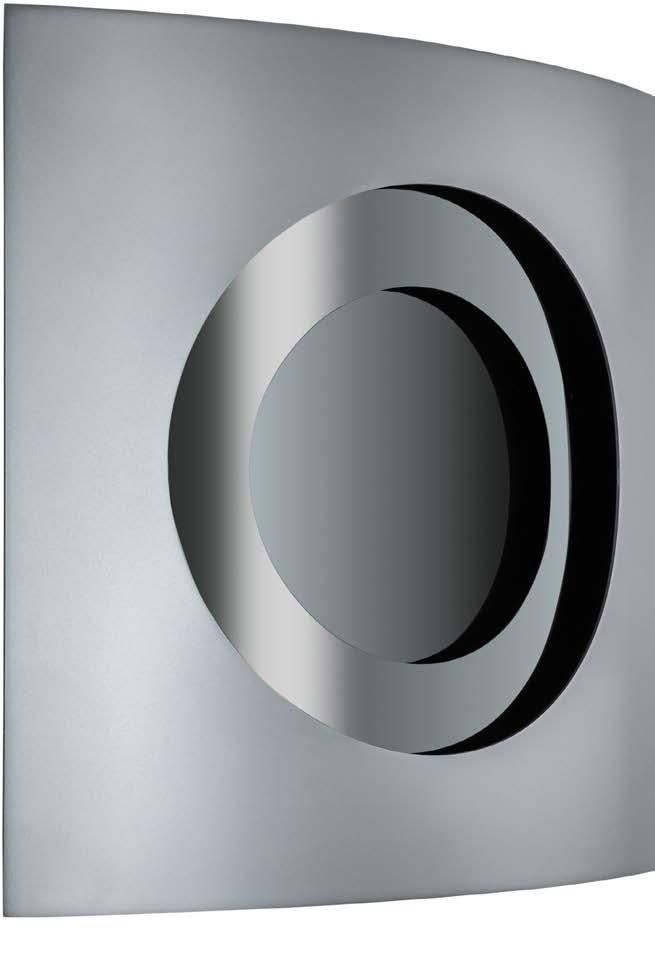
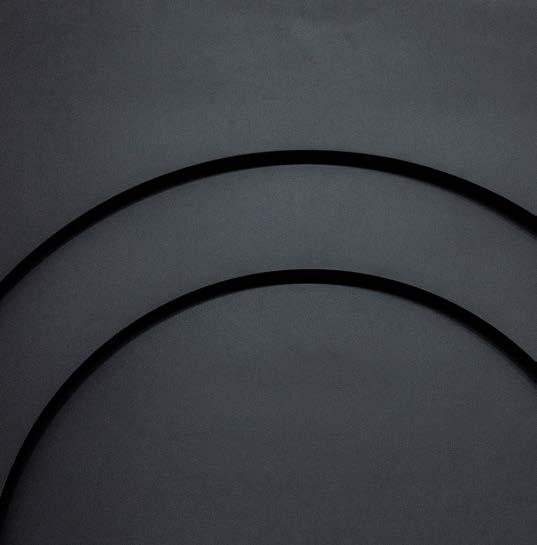
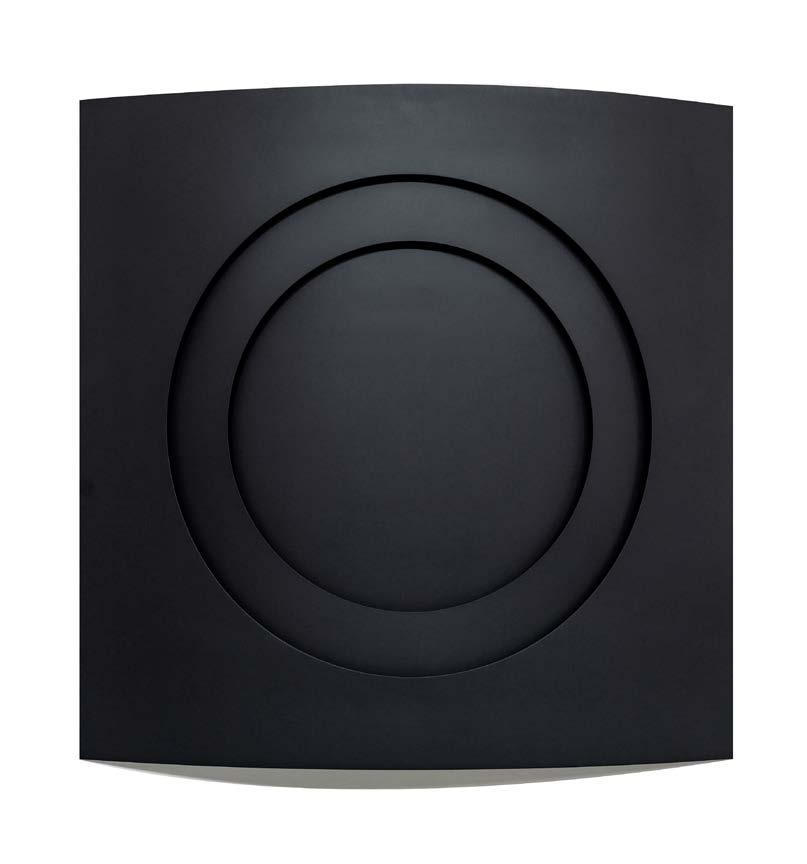
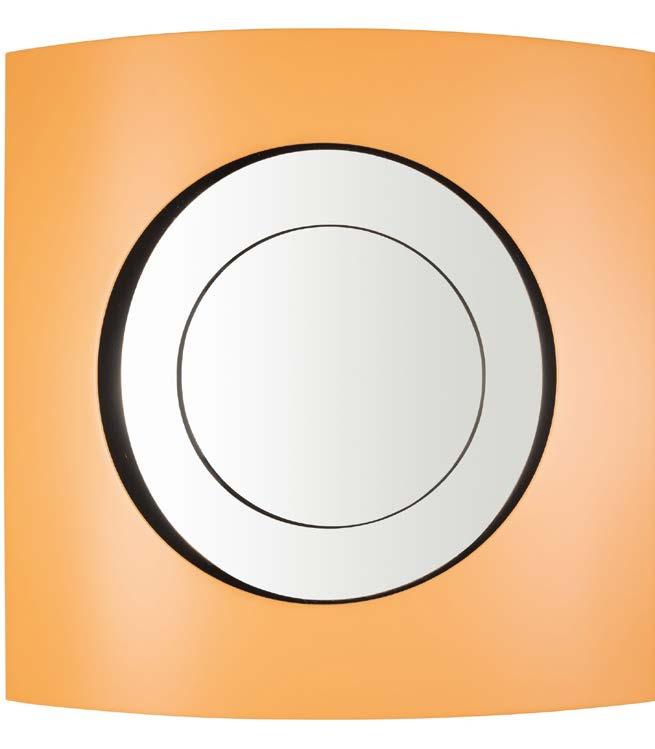
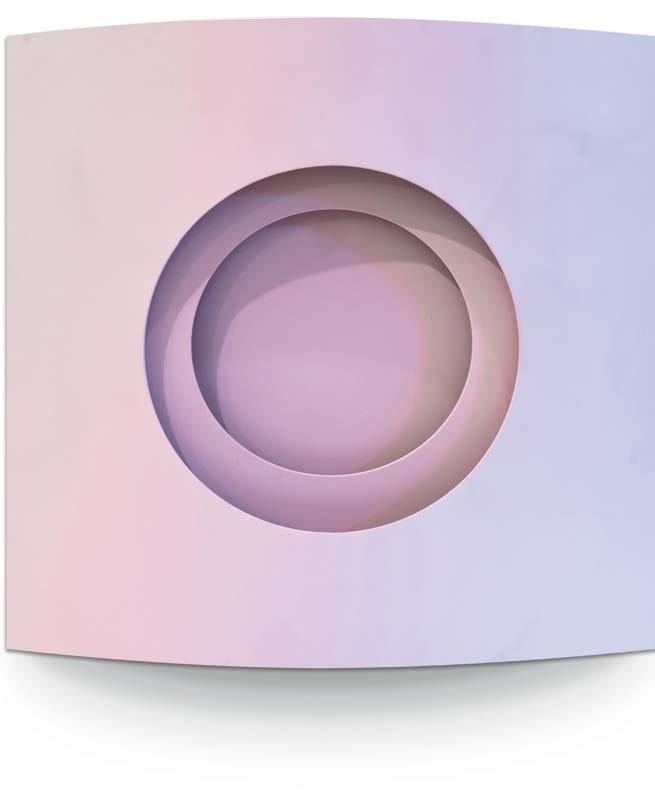
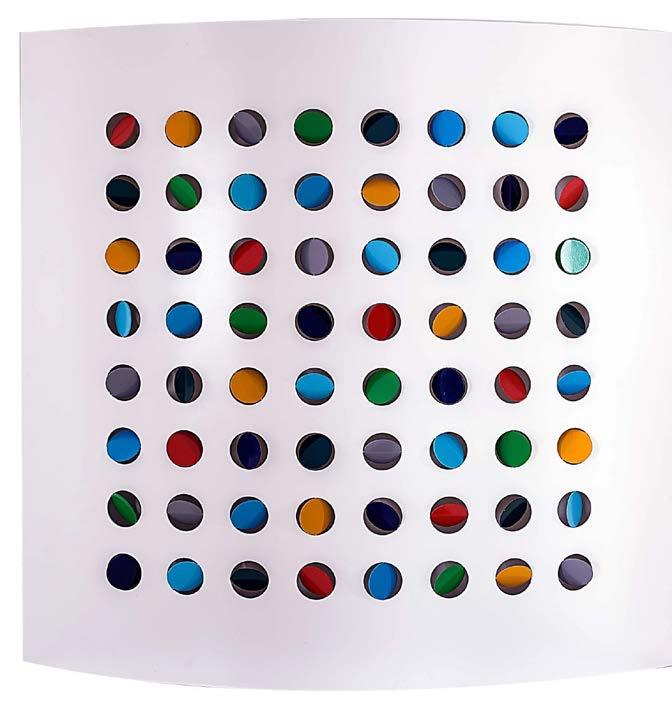
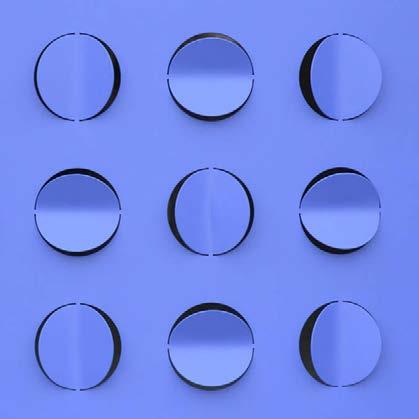
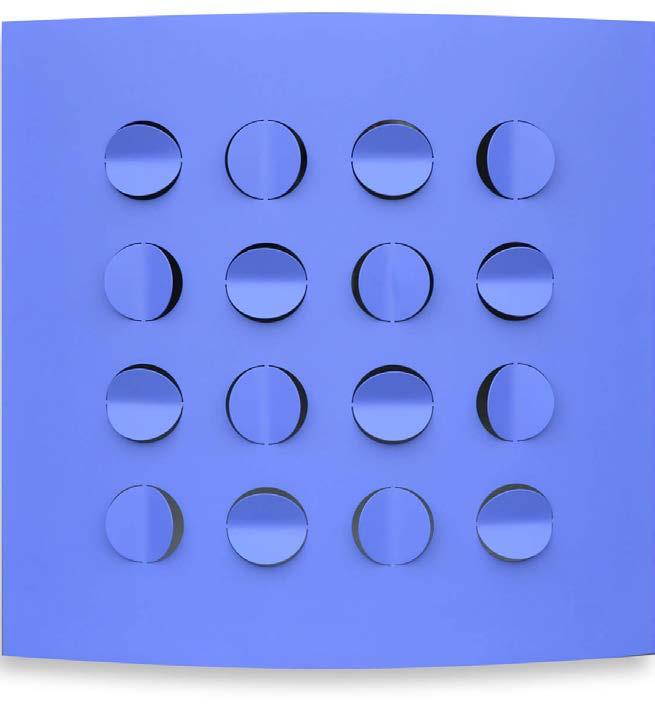
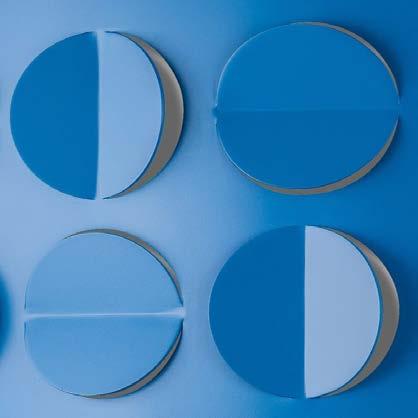
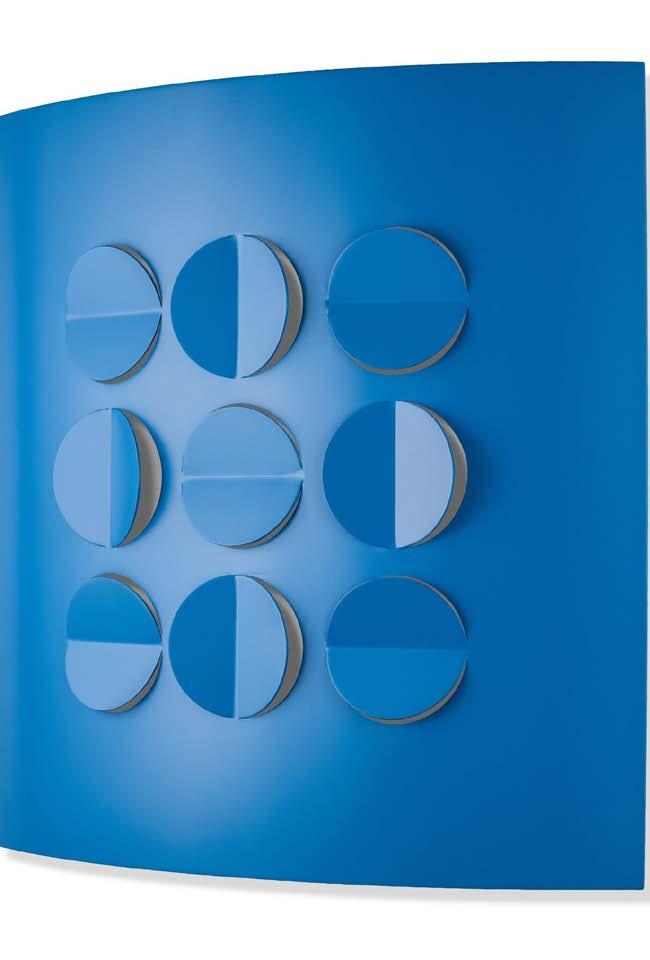
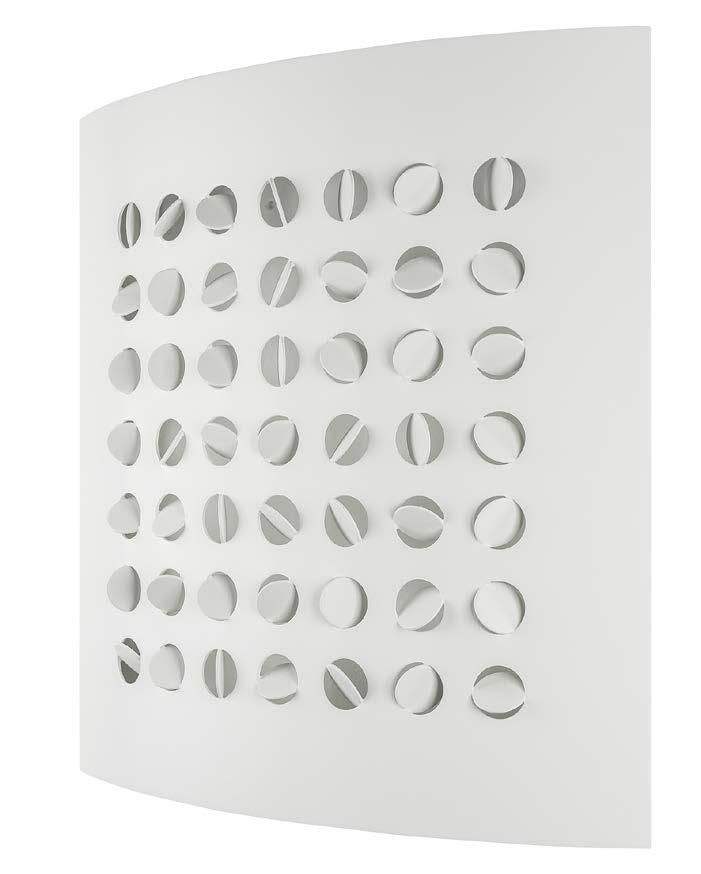
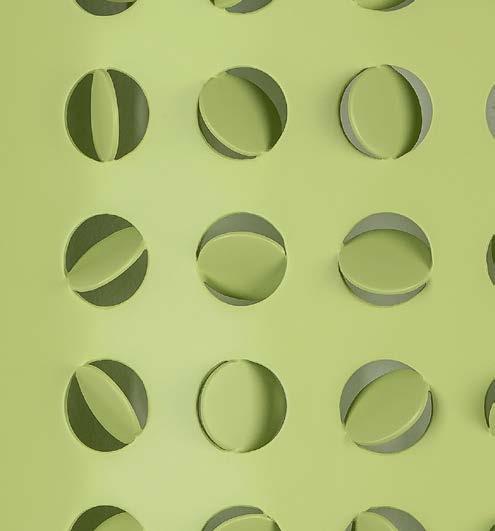
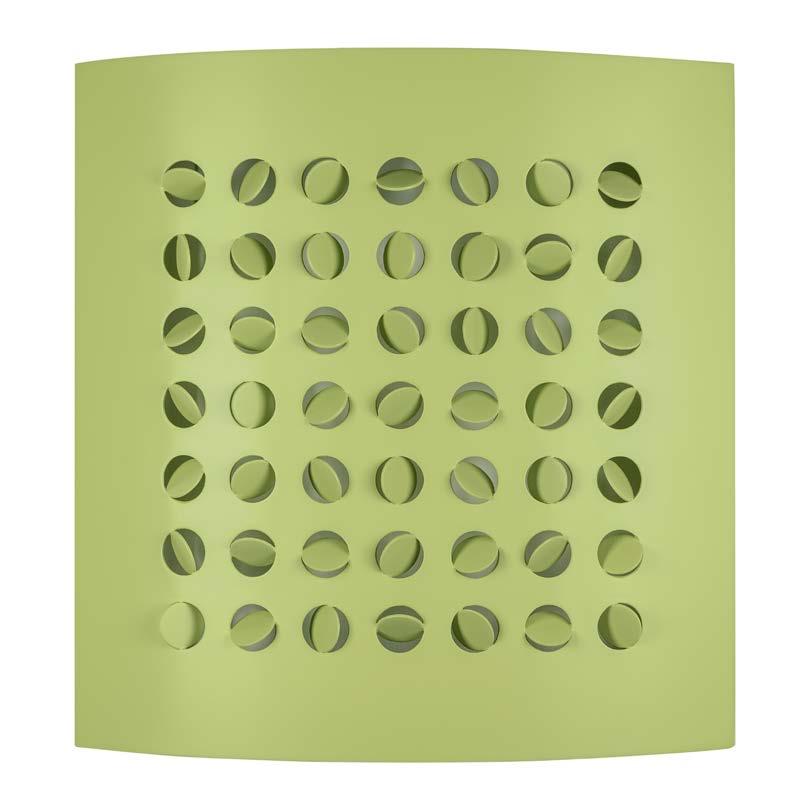
The Chromatic Enamel Geometry Series, realised through enamel on aluminium, represents a precise investigation into how geometry can operate as an atmospheric condition. Circular and spherical forms establish continuous spatial logic, while perforated matrices regulate visual permeability. Controlled chromatic transitions destabilise the surface, allowing colour to function not as applied pigment but as a dynamic spatial force. Geometry becomes the structural framework through which perception itself is activated.
The viewer encounters these works through optical participation rather than physical movement. Perforations produce fluctuating densities that allow vision to penetrate and retreat simultaneously. Chromatic gradients generate subtle shifts in visual equilibrium, producing a sensation of expansion and contraction across the surface. Curvature further destabilises perceptual orientation, preventing the work from resolving into a fixed, static image. Though materially stable, the works generate a continuous sense of spatial modulation.
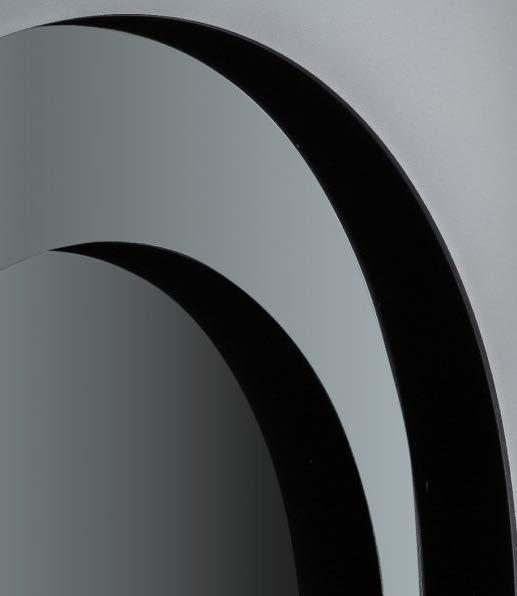
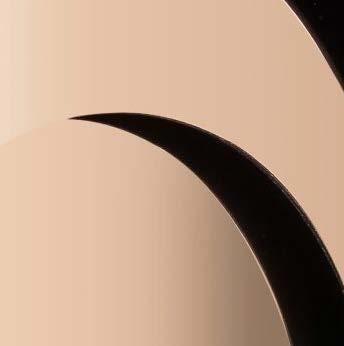
At close proximity, colour begins to behave as internal luminosity rather than surface coating. Perforation establishes layered depth without physical mass, and circular geometry functions as a permeable boundary rather than a closed form. >
The surface ceases to operate as a limit and instead becomes a spatial field. The viewer does not simply observe the work but experiences a condition of perceptual immersion structured through geometric and chromatic interaction.
Environmental light plays a critical role in this activation. The reflective properties of enamel allow the surface to register subtle atmospheric changes, producing continuous variation in tonal and chromatic intensity. Light, reflection, and colour operate together as a unified system, ensuring that the work remains perceptually dynamic despite its physical stillness.
Within the trajectory of Rashid’s practice, the Chromatic Enamel Geometry Series marks a critical refinement. Having discovered movement through kinetics and stabilised it through parametric structure, he now demonstrates that geometry and color alone can sustain spatial experience. Movement becomes fully internalised. Geometry becomes atmospheric. The surface achieves its final transformation—from passive support to active spatial generator.
These works exist at the threshold between object and environment, image and space. Through disciplined geometric order and controlled chromatic modulation, Rashid establishes a new spatial condition in which perception itself becomes the site of movement. Stillness is no longer inert; it is structurally alive
Geometry becomes atmosphere; color sustains the field.
The Sphere occupies a distinct epistemological position within Rashid Al Khalifa’s artistic language. Where the chromatic enamel geometries internalise spatial experience within the surface, the spherical works extend this inquiry outward, establishing geometry as a model of continuity rather than perception alone. The Sphere does not merely organise visual experience; it articulates a cosmological condition. It introduces a form through which geometry operates not as surface modulation, but as spatial totality.
Within Islamic intellectual history, geometry functioned as more than ornament or formal discipline. It was understood as a means of apprehending universal order. Radial symmetry, repetition, and circular continuity expressed a worldview grounded in unity without hierarchy and extension without termination. The circle and sphere embodied principles of origin, expansion, and return—reflecting celestial motion, mathematical coherence, and the continuity of existence itself. Geometry became a philosophical instrument through which the structure of the universe could be made perceptible.
Rashid’s spherical works do not replicate historical patterns, nor do they reference traditional ornamentation directly. Instead, they operate through the same underlying logic. Repetition unfolds without closure. Modular structures extend across curved surfaces, establishing continuity without fragmentation. Perforation introduces permeability, allowing light, air, and environment to participate in the form’s spatial behaviour. the Sphere becomes a living structure, defined not by its surface alone, but by its capacity to regulate and transmit environmental forces. >
In this sense, the Sphere functions as a form of cosmotechnical memory. It does not represent cultural history through symbolic reference, but reactivates its operational intelligence. Geometry becomes a carrier of inherited spatial knowledge—translated into contemporary material conditions without nostalgia or imitation. The work does not revive historical form; it continues its structural logic.
This marks an important shift within Rashid’s practice. While earlier works established geometry as a perceptual and parametric system, the spherical structures establish geometry as an environmental and cosmological condition. The viewer no longer encounters geometry as surface, but as world. The Sphere operates as an autonomous spatial entity, capable of organising light, perception, and movement around itself.
Through spherical geometry, Rashid reconnects contemporary abstraction to a deeper mathematical and philosophical continuity. The Sphere becomes a bridge between past and present, between cultural memory and material innovation. It affirms geometry not as decoration, but as a generative structure capable of producing spatial order across time.
In these works, geometry achieves its most expansive role. It no longer modulates perception alone; it establishes a condition of existence. The sphere becomes both form and model—a spatial embodiment of continuity, unity, and infinite extension
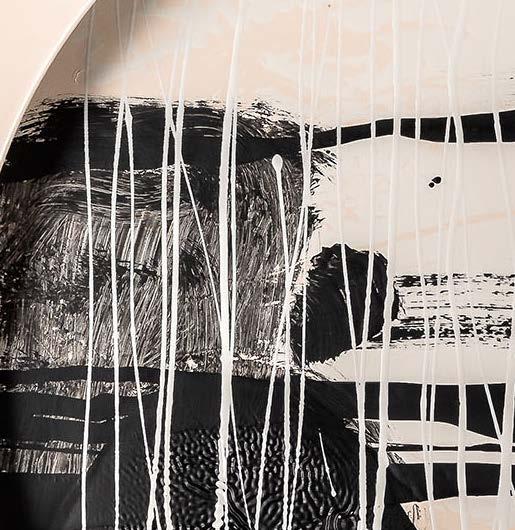
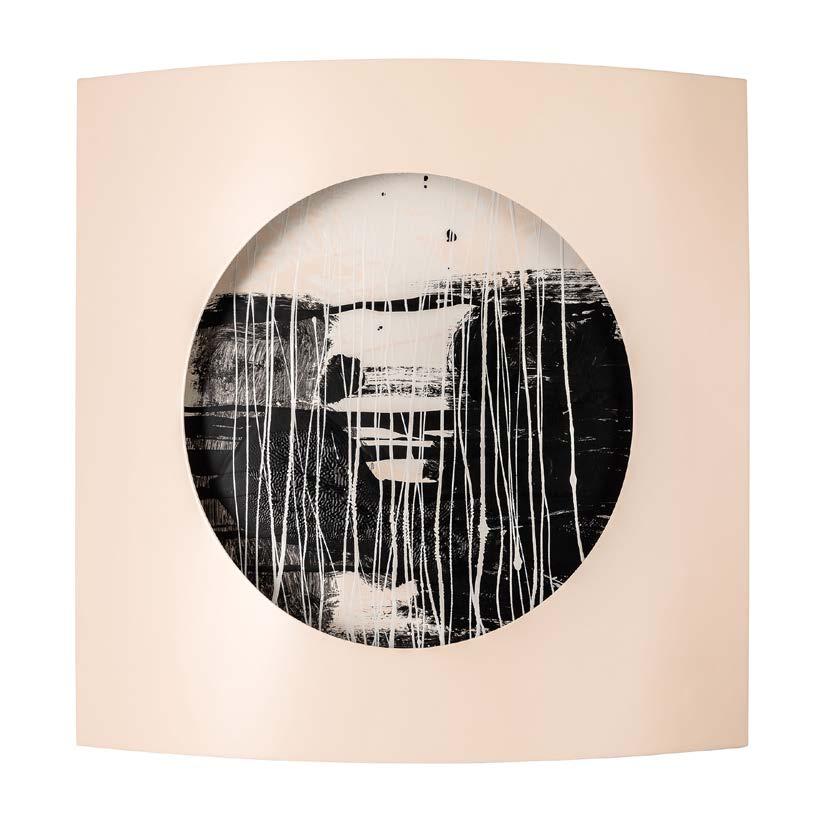
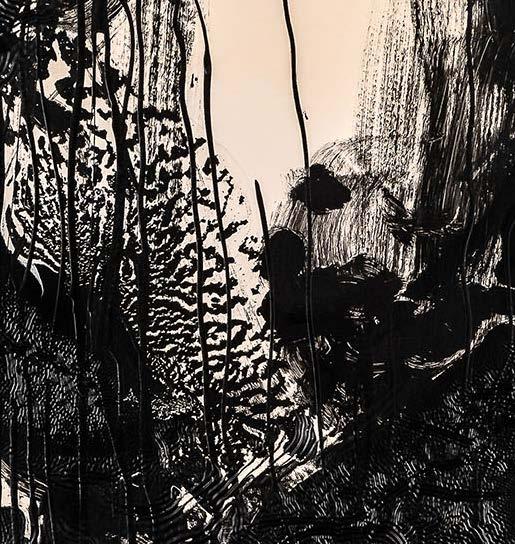
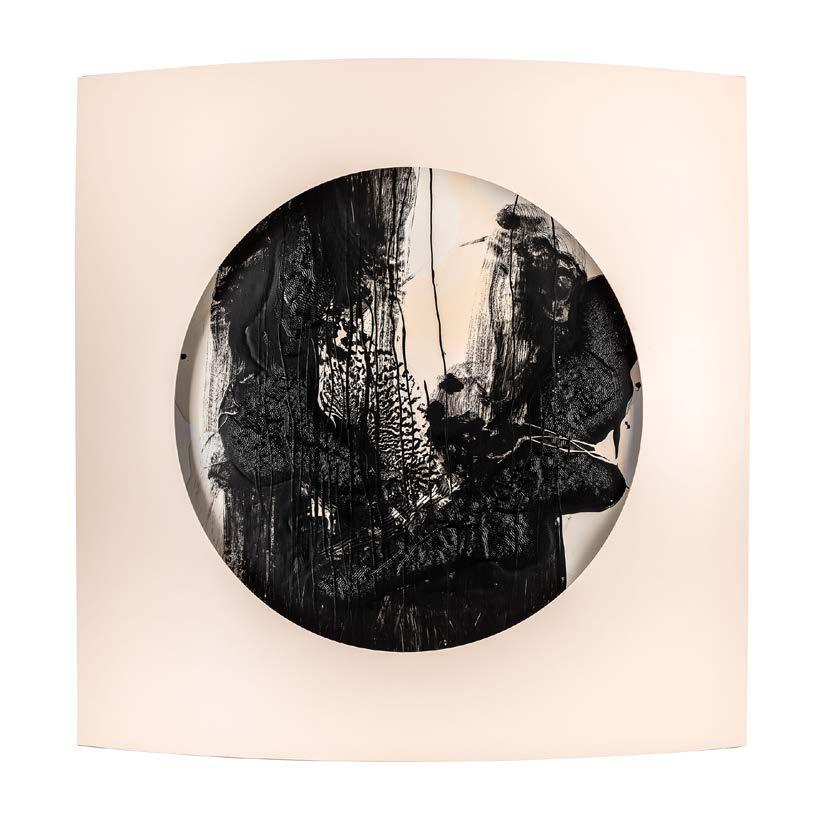
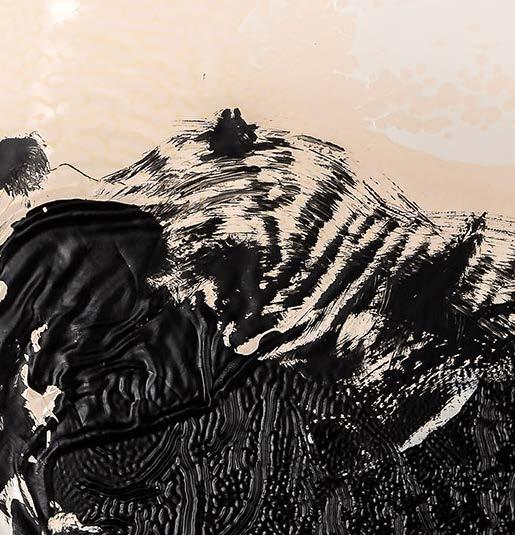
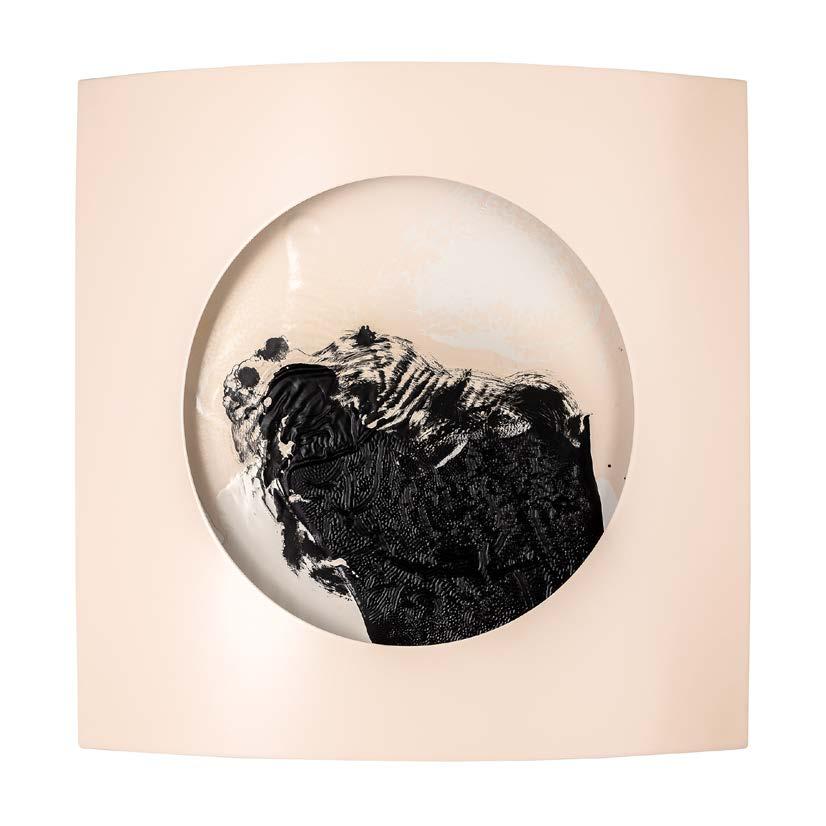
A group of works in which Rashid Al Khalifa returns to a painterly language, revisiting earlier concerns through a renewed and more reflective approach. Defined by fluid drips and gestural movement, these works reintroduce a sense of immediacy, where form emerges through process rather than predetermined structure.
Unlike earlier works, such as the Convex series (2014), where composition followed a more controlled framework, these paintings embrace a greater degree of openness, allowing material and movement to shape the image. The surface becomes a site of accumulation and transformation, recording the interaction between pigment, gravity, and time.
While grounded in abstraction, the works suggest fleeting figurative associations, where shapes appear and dissolve within the flow of paint. This creates a dynamic tension between control and release, intention and chance.
Seen in relation to the artist’s broader practice, these works do not represent a return in the conventional sense, but a re-engagement. They revisit earlier modes of expression with the insight gained from later structural and spatial explorations.
Positioned within the sequence, Structured Gesture marks a moment where past and present intersect, revealing a practice that evolves not linearly, but through cycles of return, refinement, and transformation
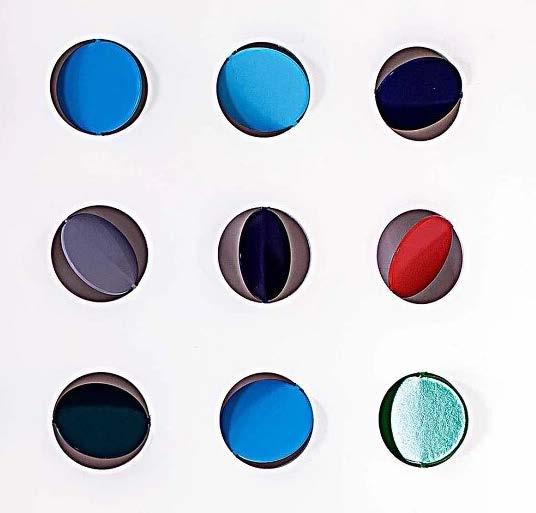
Distinct from Rashid Al Khalifa’s singular spherical structures, the works gathered under Constellations operate through accumulation rather than unity. Where the Sphere establishes geometry as a continuous and self-contained world, Constellations distribute that cosmological logic across multiple elements. Composed of perforated circular forms varying in scale, density, and spatial arrangement, these works function as relational systems rather than autonomous objects. Each element retains its formal integrity, yet spatial meaning emerges only through their collective presence.
In this configuration, geometry becomes particulate rather than continuous. The circular units behave as spatial agents, establishing fields of proximity, interval, and variation. Repetition no longer demonstrates structural order through uniformity, but generates rhythm through difference. The eye moves between elements, tracing invisible connections that extend beyond the material limits of each individual form. Structure becomes perceptible as relationship rather than object.
Perforation plays a critical role in this activation. Light passes through and between the circular membranes, producing fluctuating densities of illumination and shadow. The boundary between form and environment becomes increasingly unstable, as space itself participates in the composition. The works do not occupy space passively; they organise it. Each element contributes to a larger spatial field that extends beyond its immediate physical presence. >
Unlike the singular Sphere, which models cosmological continuity through unified form, Constellations articulate cosmological order through distribution. Their logic recalls stellar systems, in which individual bodies remain discrete yet participate in larger structures governed by relational coherence. Geometry becomes a framework for organising multiplicity without hierarchy. Unity emerges not through fusion, but through alignment.
Within the trajectory of Rashid’s practice, Constellations represent an important expansion of cosmotechnical thinking. Geometry no longer operates solely as a singular totality, but as a distributed field capable of sustaining complex spatial relationships. The work shifts from modelling the universe as form to modelling it as system.
In this sense, Constellations extend Rashid’s investigation of geometry beyond objecthood. They demonstrate that cosmological structure can exist at multiple scales simultaneously—within individual forms and across spatial fields. Geometry becomes not only a means of constructing objects, but a means of organising space itself
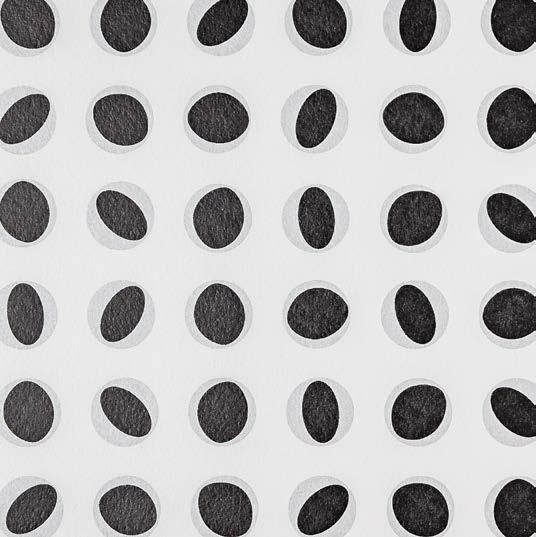
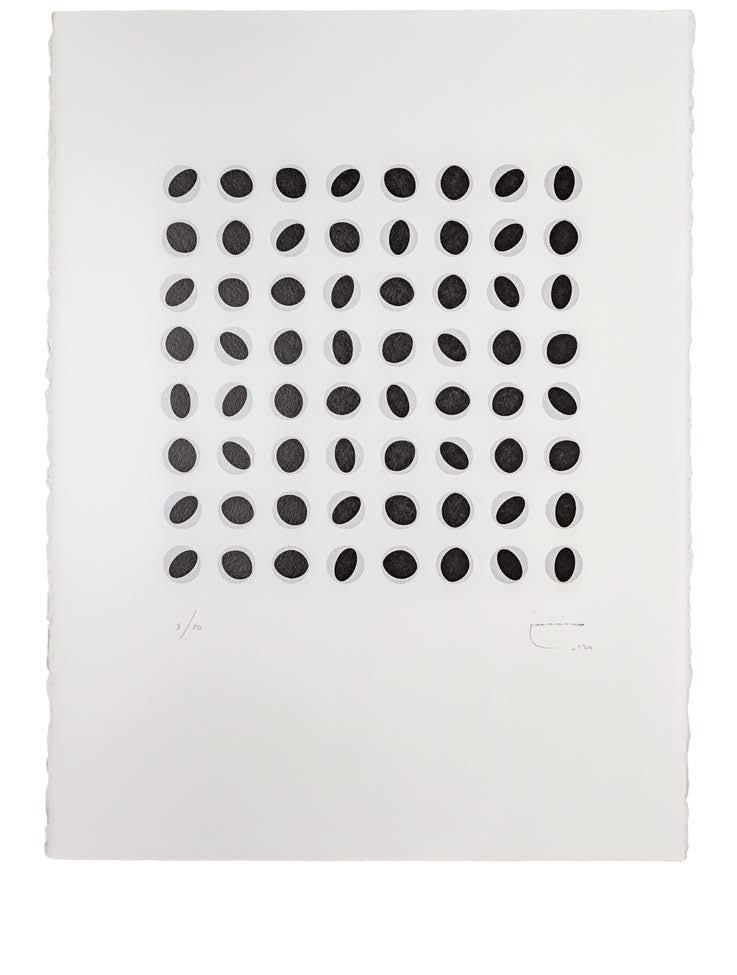
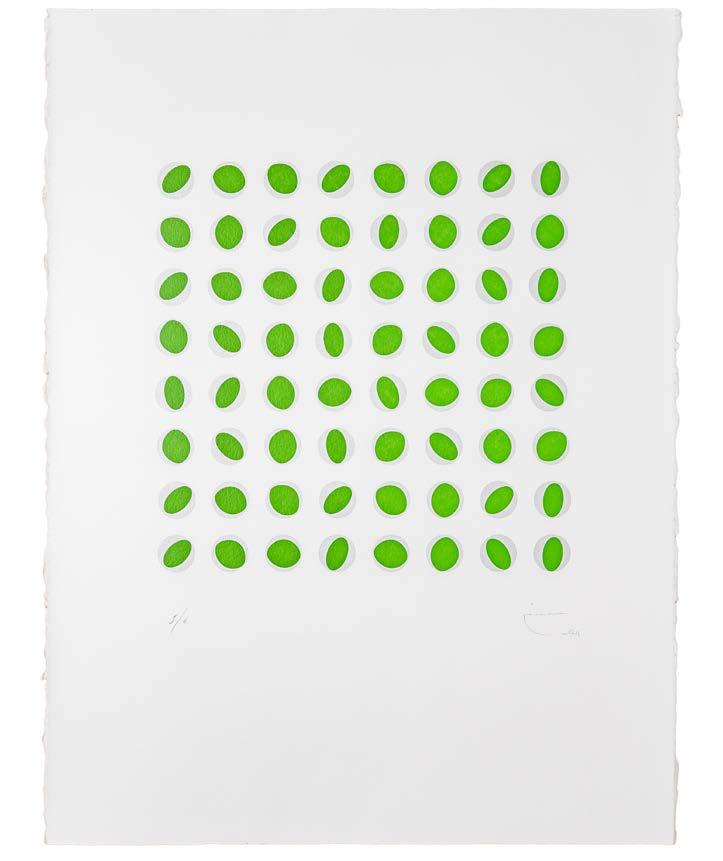
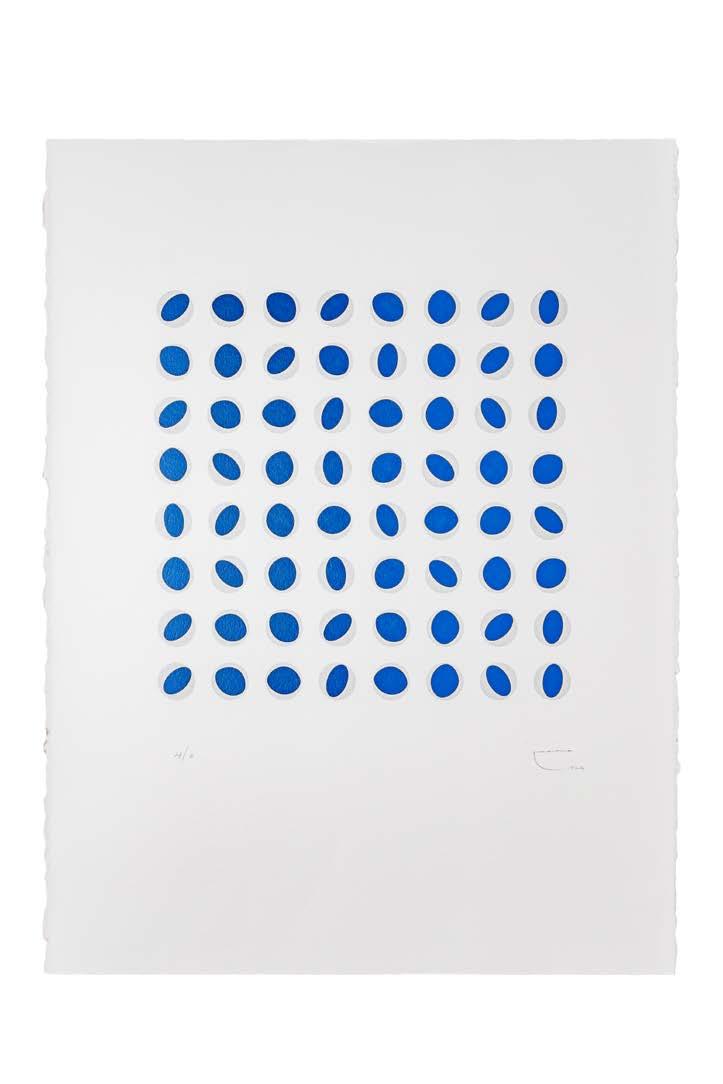
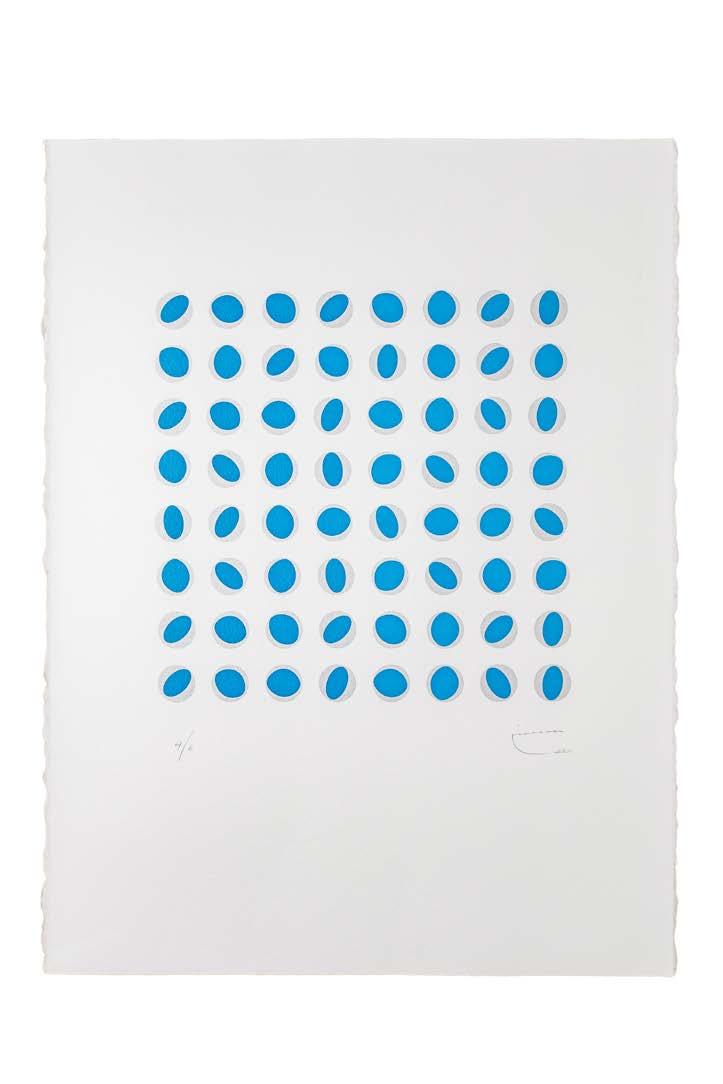
Emerging alongside Rashid Al Khalifa’s sculptural investigations, the Works on Paper represent the most distilled expression of his geometric inquiry. Here, the circular form— previously realised through perforated metal, enamel surfaces, and spatial structures— appears freed from material weight. The sphere is no longer constructed as volume, nor distributed as constellation, but inscribed as trace. Geometry persists, but in its most reduced and temporally sensitive state.
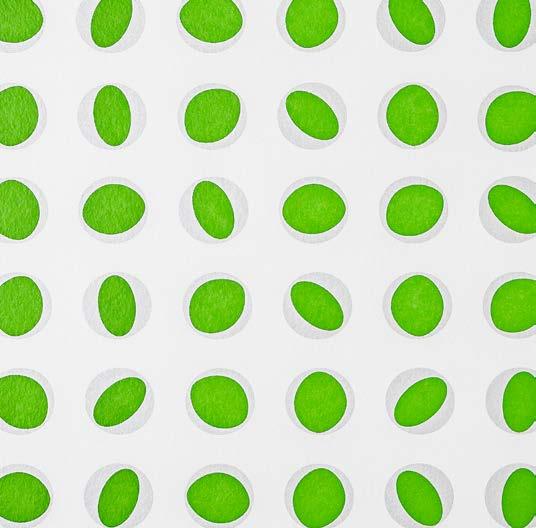
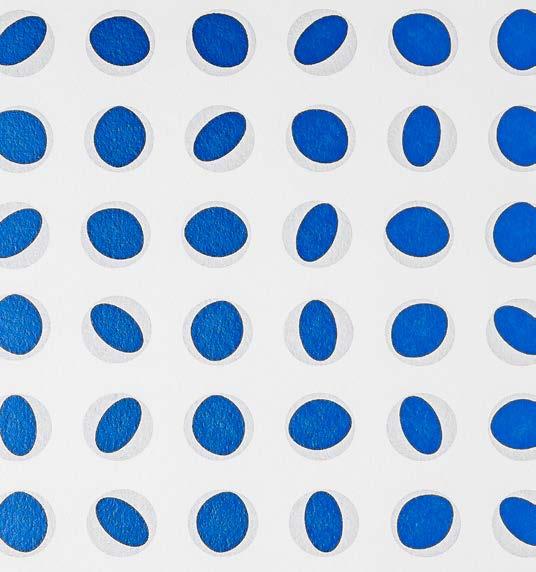
Through screen print and related processes, Rashid removes the structural and environmental complexity present in his sculptural works, allowing the circle to exist in direct relation to perception itself. Each printed form registers subtle variations in position, density, and tonal intensity. These differences are minimal, yet perceptually consequential. Repetition ceases to function as duplication and instead becomes a measure of duration. The circle returns, but never identically.
The surface of the paper operates as a temporal field rather than a neutral ground. Each impression records a moment of contact, establishing rhythm through accumulation. Spacing regulates visual breathing; tonal modulation produces perceptual depth without physical volume. The viewer encounters not a singular image, but a sequence unfolding across the surface. Geometry becomes inseparable from time. >
Unlike preparatory sketches or documentary translations, these works function as autonomous sites of inquiry. They allow Rashid to investigate the behaviour of form at its most fundamental level—where geometry exists as perception rather than structure. The circle retains its cosmological significance, but its expression becomes quieter, more internal. Spatial intelligence is no longer carried by material construction alone, but by the viewer’s sustained engagement with variation and interval.
Within the broader trajectory of Rashid’s practice, the Works on Paper represent a return to origin through reduction. Having extended geometry into architectural space and environmental systems, the artist returns to the surface—not as limitation, but as concentration. Geometry becomes inscription. Memory becomes visible through repetition.
These works affirm that cosmotechnical thinking does not depend on scale or monumentality. The same principles that govern spherical structures and distributed constellations remain present in the smallest mark. Geometry continues to operate as a carrier of continuity, allowing form to register time, perception, and cultural memory simultaneously
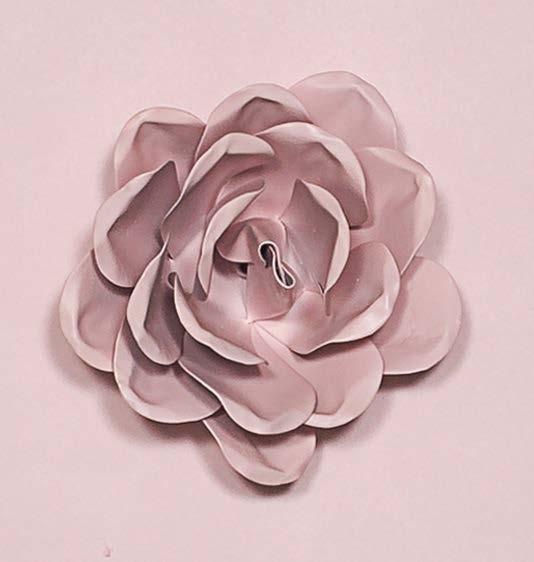
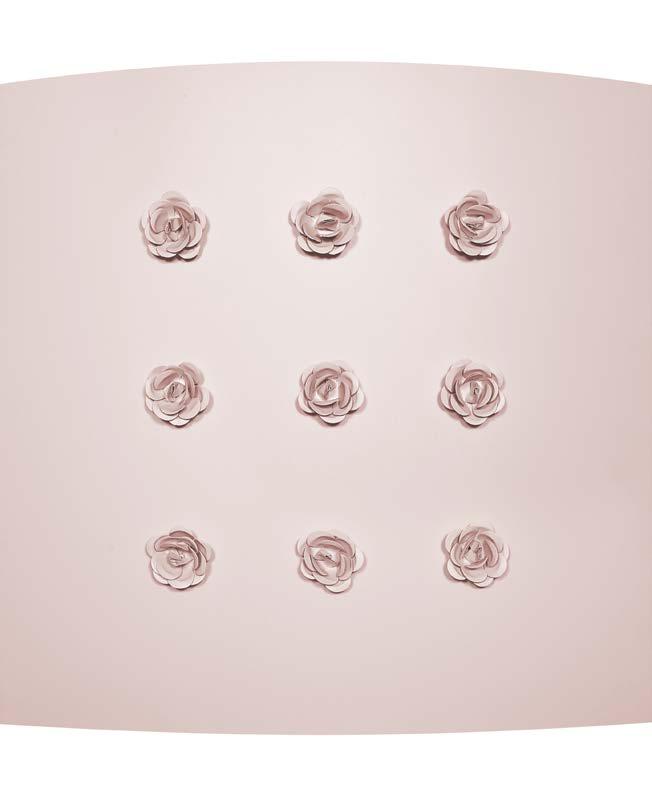
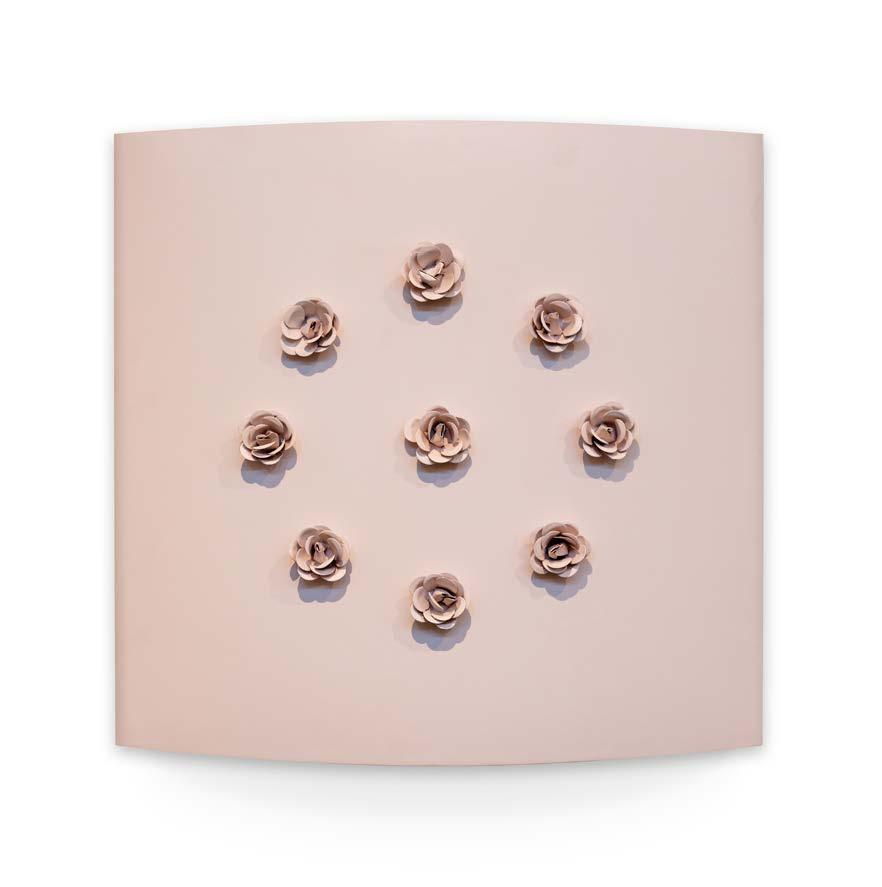
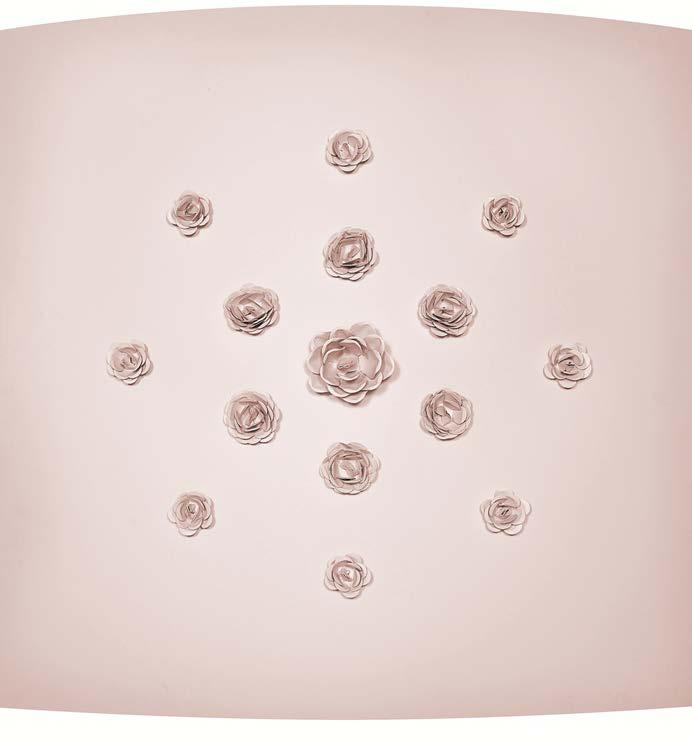
Les Roses de Bagatelle occupies a distinct and contemplative position within Rashid Al Khalifa’s cosmotechnical inquiry, marking a moment in which geometric intelligence enters into dialogue with cultivated nature, memory, and place. Conceived for exhibition at Maison Guerlain in Paris, and inspired by the historic Parc de Bagatelle, the series translates botanical presence into a disciplined sculptural language. Rather than representing the rose as image, Rashid abstracts its structural logic, allowing organic form to be reorganised through repetition, interval, and spatial balance.
Each work is composed of modular rose-like elements distributed across the convex-shaped matt enamelled aluminium surface. These units function not as decorative motifs, but as geometric agents. Their repetition establishes rhythm, while subtle variation in spacing and orientation produces perceptual movement. Symmetry remains present but never absolute; it emerges gradually through relational alignment rather than imposed order. Geometry, here, becomes a means of stabilising organic variation without suppressing its inherent vitality.
Materially, the matt enamel surface introduces a restrained luminosity that shifts with changing light conditions and viewer position. As in Rashid’s other works, perception unfolds temporally. The convex surface further modulates this experience, allowing light to travel softly across the composition and reinforcing the work’s atmospheric presence. >
While inspired by the cultivated landscape of the garden, Les Roses de Bagatelle does not attempt botanical description. Instead, it distils the underlying temporal and spatial intelligence of cultivation itself. The garden becomes a model of ordered growth, where repetition, variation, and care operate in equilibrium. Rashid translates this logic into geometric form, allowing the work to register continuity between natural processes and structural order. Within the broader trajectory of Rashid’s practice, this series represents a moment of quiet synthesis. The cosmological principles articulated through spheres and constellations are here brought into intimate scale. Geometry no longer models the universe alone, but also the cultivated environment. The rose becomes both natural form and geometric structure, bridging organic growth and spatial discipline.
In this sense, Les Roses de Bagatelle affirms that cosmotechnical thinking extends beyond monumentality. Geometry operates not only in celestial models or architectural space, but also within the smallest units of cultivated life. The work demonstrates Rashid’s ability to translate universal ordering principles into forms of quiet and contemplative presence, where memory, environment, and structure converge
The works gathered in this volume trace the gradual emergence of geometry as a living and generative intelligence within Rashid Al Khalifa’s practice. What begins as a material and perceptual investigation evolves into a comprehensive spatial language—one capable of sustaining movement, memory, and cosmological continuity without reliance on representation or narrative.
The earliest kinetic works established a fundamental shift in the status of form. Geometry was no longer static or descriptive; it became behaviour. Surfaces opened, folded, and responded to environmental forces, allowing movement to exist not as illusion, but as structural condition. This marked the origin of Rashid’s lifelong inquiry: the recognition that space itself could be activated through disciplined geometric intervention.
The parametric works extended this discovery by stabilising movement within structure. Through repetition, variation, and calibrated interval, geometry assumed the capacity to hold motion in equilibrium. Mechanical displacement became unnecessary. Movement persisted as latent order, embedded within proportion and relational logic. Structure no longer opposed movement; it carried it.
With the chromatic enamel geometries, spatial activation was further internalised. Color, curvature, and perforation allowed the surface to function as an atmospheric field, producing perceptual depth without physical volume. Geometry operated simultaneously as structure and sensation, transforming the act of looking into a spatial experience. The surface ceased to function as a boundary and instead became a site of continuous spatial emergence. >
The spherical works and distributed constellations expanded this inquiry beyond perception into cosmological territory. Geometry assumed its most expansive role—not merely organising objects, but modelling continuity itself. These forms reactivated an inherited mathematical intelligence rooted in cultural and philosophical traditions, while remaining fully situated within contemporary abstraction. Geometry became a carrier of memory, allowing universal ordering principles to persist across material and temporal conditions.
In the works on paper and cultivated geometries of Les Roses de Bagatelle, this cosmological intelligence was distilled to its most essential form. Geometry became trace, rhythm, and inscription. Monumentality gave way to concentration. The same ordering principles that governed environmental structures and spatial fields remained present in the smallest variations of line, tone, and interval.
Across these diverse bodies of work, a consistent trajectory becomes visible.
Geometry evolves from object to system, from system to atmosphere, and from atmosphere to cosmological model. It ceases to function as a formal device and instead becomes an operational condition—capable of organising perception, structuring space, and carrying cultural continuity simultaneously.
Volume I reveals geometry not as abstraction, but as a mode of spatial thinking grounded in material, perception, and memory. Rashid’s works do not impose order upon the world; they uncover the order already present within it. Through disciplined repetition, variation, and structural clarity, geometry becomes a means of aligning perception with deeper environmental and cosmological rhythms. >
The investigations presented here establish the conceptual and structural foundation for Rashid’s later works, in which geometry expands entirely beyond the limits of objecthood. Having internalised movement, stabilised structure, and articulated cosmological continuity, geometry becomes directly capable of inhabiting space
In Volume II, this spatial intelligence leaves the surface and enters the world.
RASHID AL KHALIFA
(b. 1952, Kingdom of Bahrain)
Education: Hastings College of Arts and Technology, Sussex, England
SOLO EXHIBITIONS
• 2026 — Shades of White, Galerie Dorothea van der Koelen, Mainz, Germany